Stone Mountain Provincial Park
The spot off the ATV trail was perfect. Absolutely no noise and no ATV traffic. Before leaving Fort Nelson, I stopped for gas and another round of removing bugs from the windshield. I still wasn’t exactly clear what Stone Mountain Provincial Park actually was. The end point on the itinerary seemed to be some random spot in the mountains. I also had Summit Lake marked down and that at least sounded more like an actual destination.
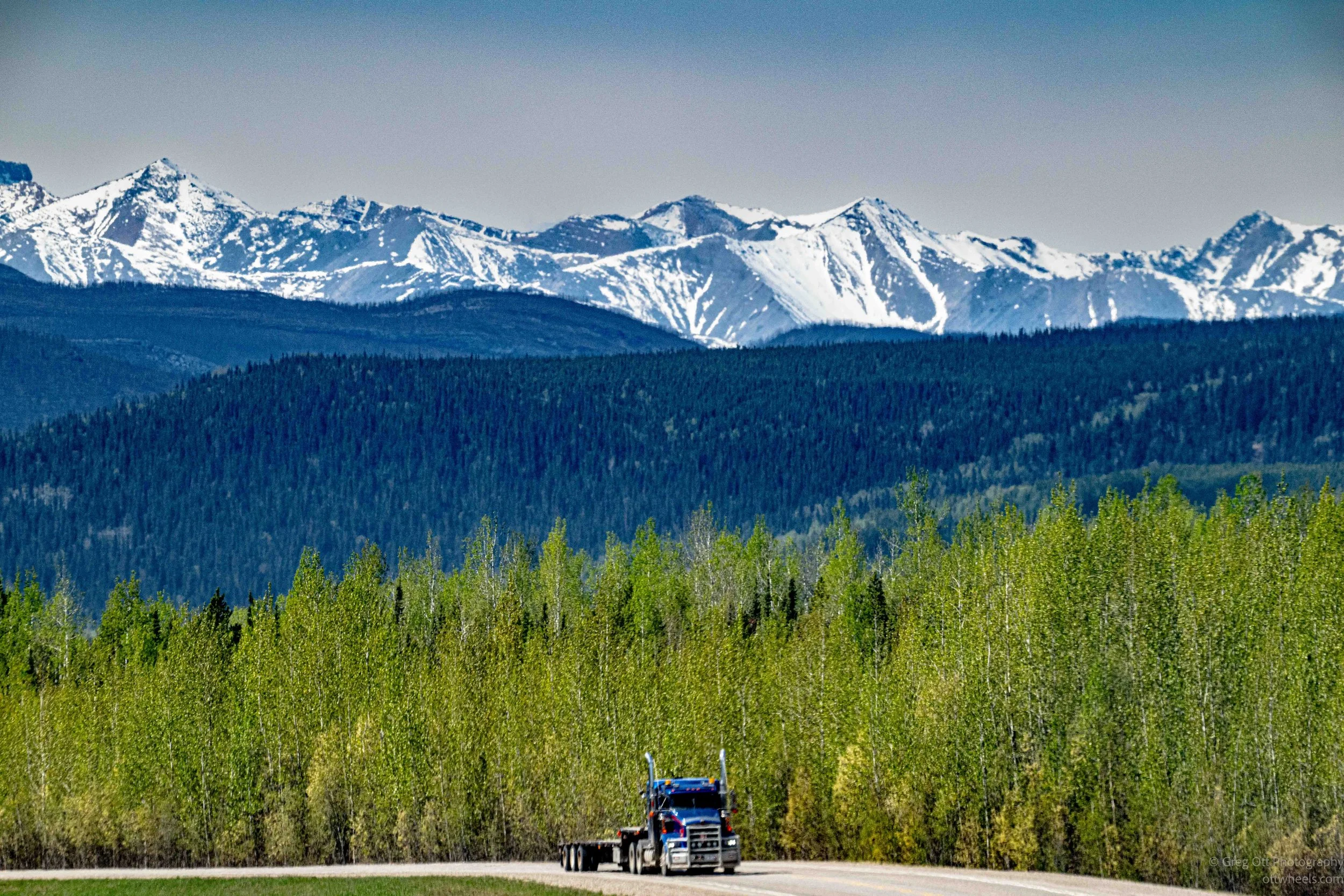
This section of the Alaska Highway is known for roadside sheep, sweeping mountain curves, and some of the most dramatic scenery on the entire route north. Most travelers seem to use it as a place to slow down for a while. There are hiking trails, campgrounds, lakes, and endless pullouts where people just stop and stare at the landscape. The drive from Fort Nelson was only a little over an hour, but it felt much farther removed from civilization.
Not far out of town, I stopped yet again for another bear. This one also looked young. I watched as it dug into the ground and pulled at grass near the shoulder of the road. When it finally turned away, I noticed it was only walking on three legs and holding its front right paw up as it disappeared back into the woods. There’s something unsettling about seeing injured wildlife this far north because there’s no rescue coming. Nature just keeps moving.
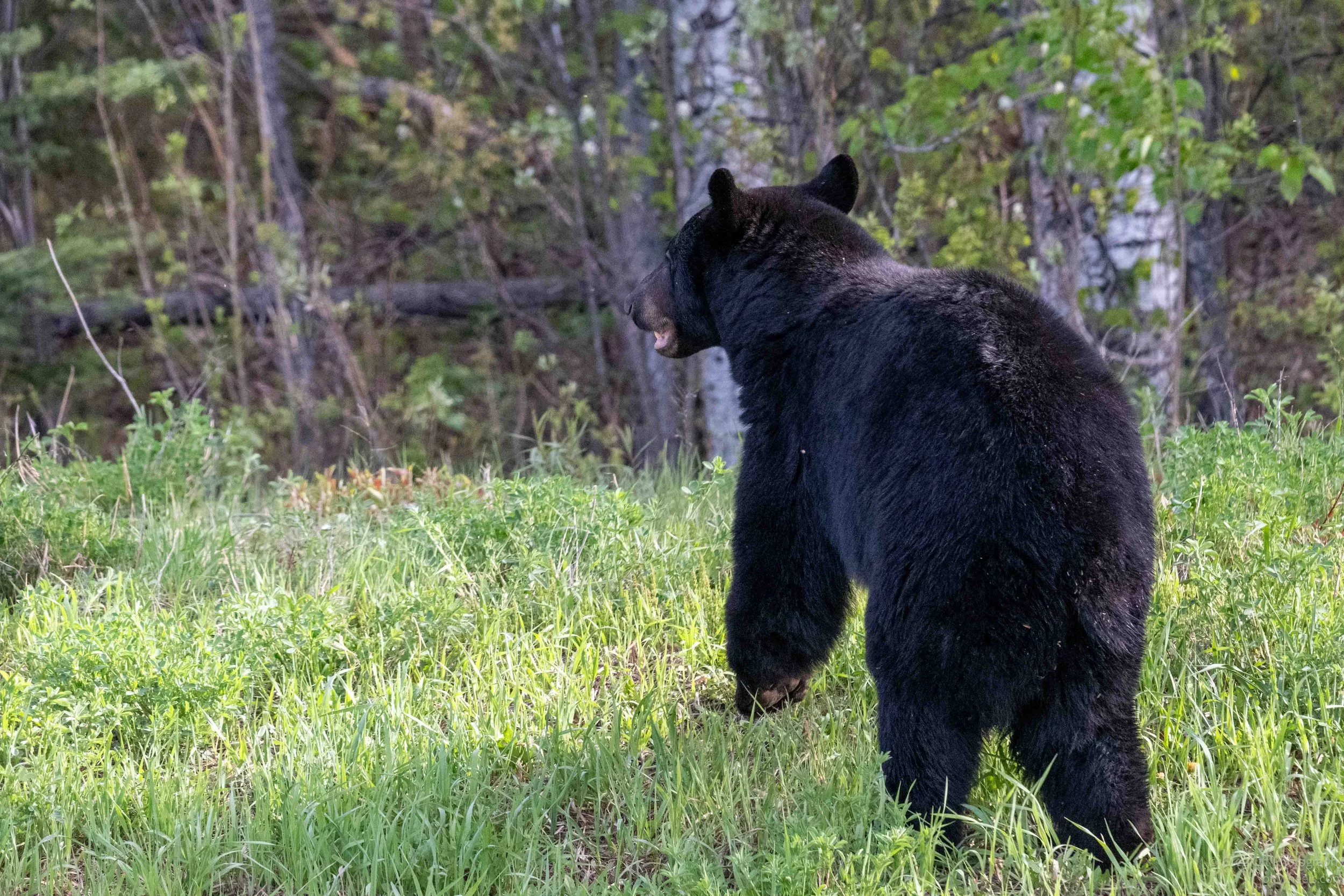
Not far out of town, I stopped yet again for another bear. This one also looked young. I watched as it dug into the ground and pulled at grass near the shoulder of the road. When it finally turned away, I noticed it was only walking on three legs and holding its front right paw up as it disappeared back into the woods. There’s something unsettling about seeing injured wildlife this far north because there’s no rescue coming. Nature just keeps moving.
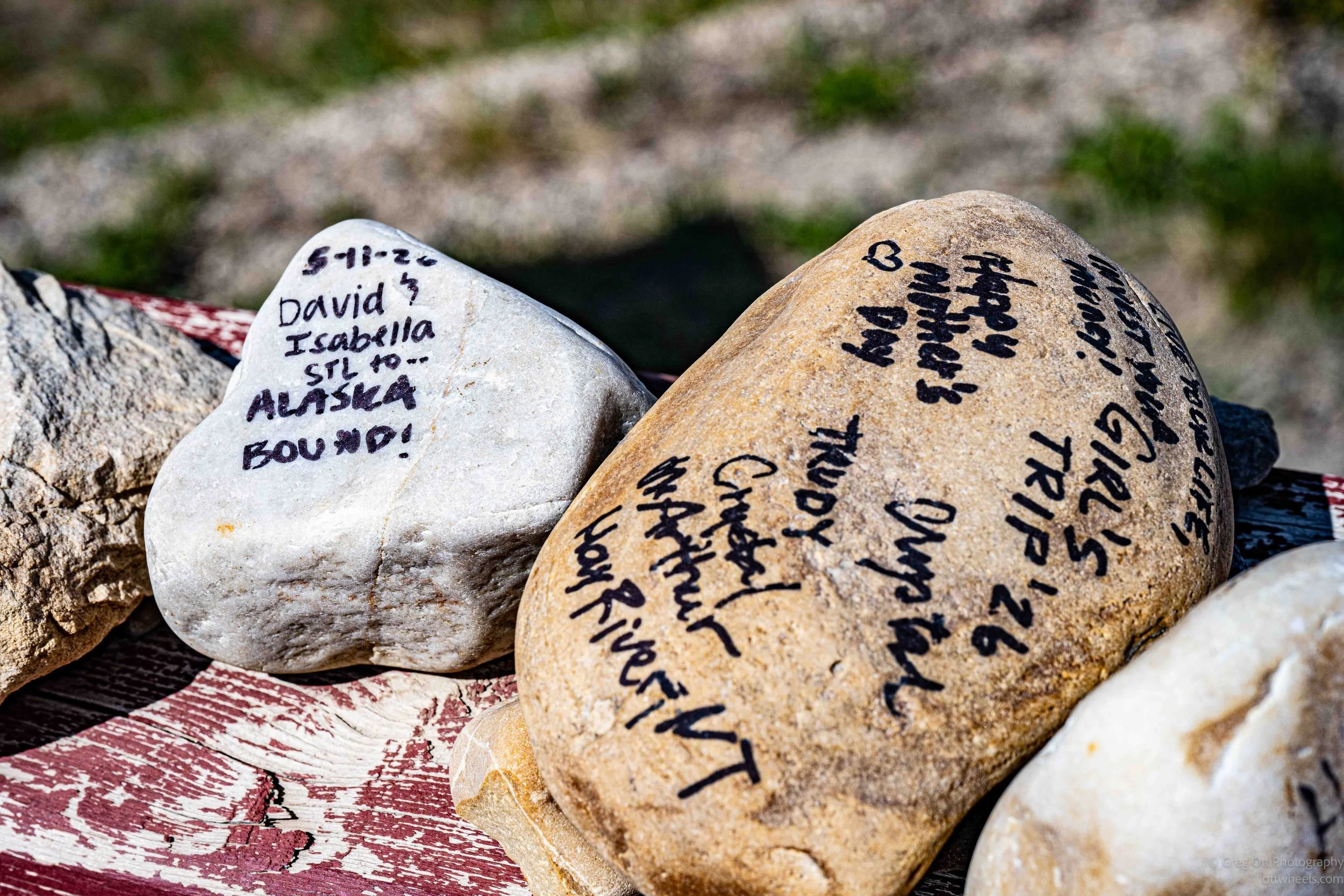
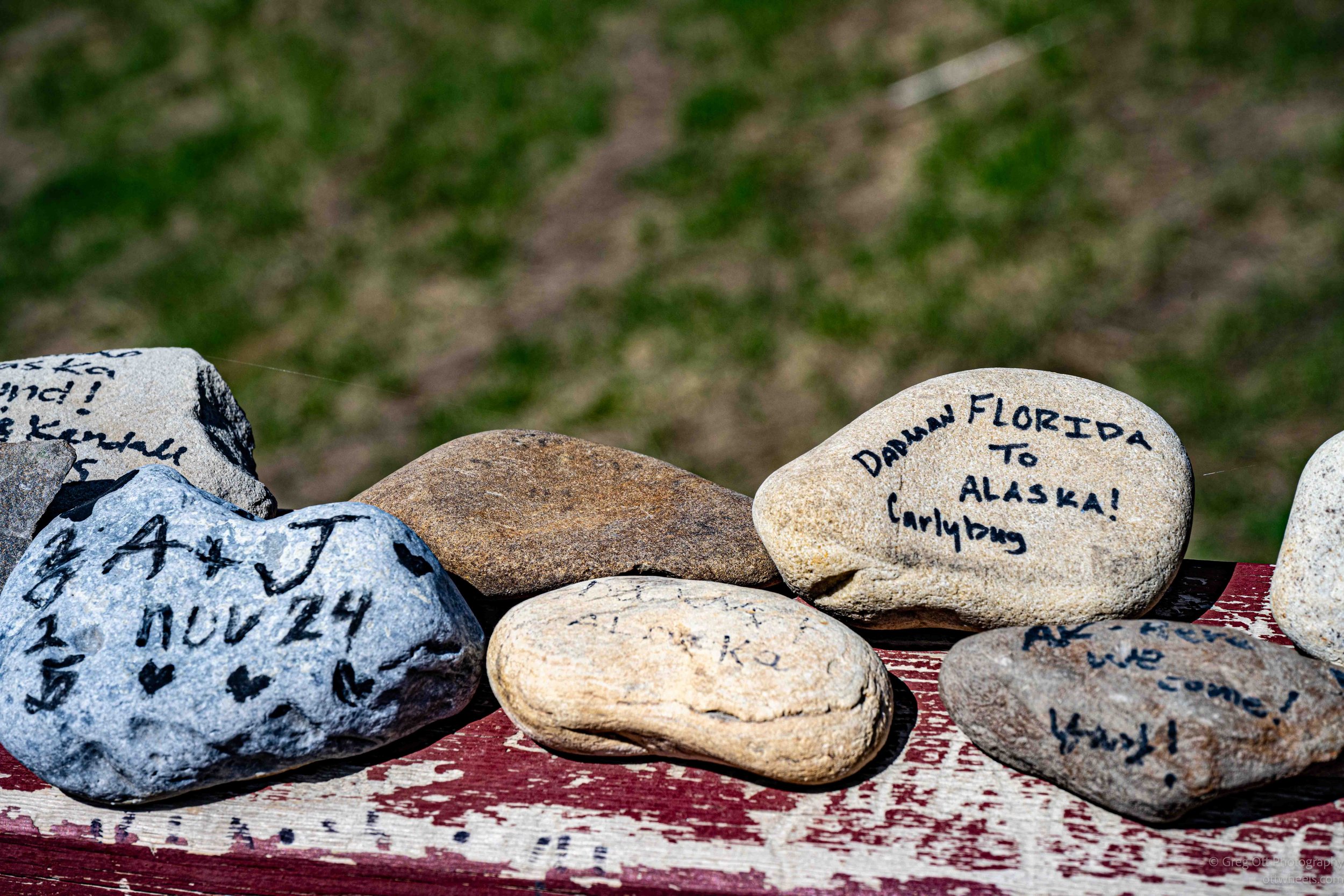
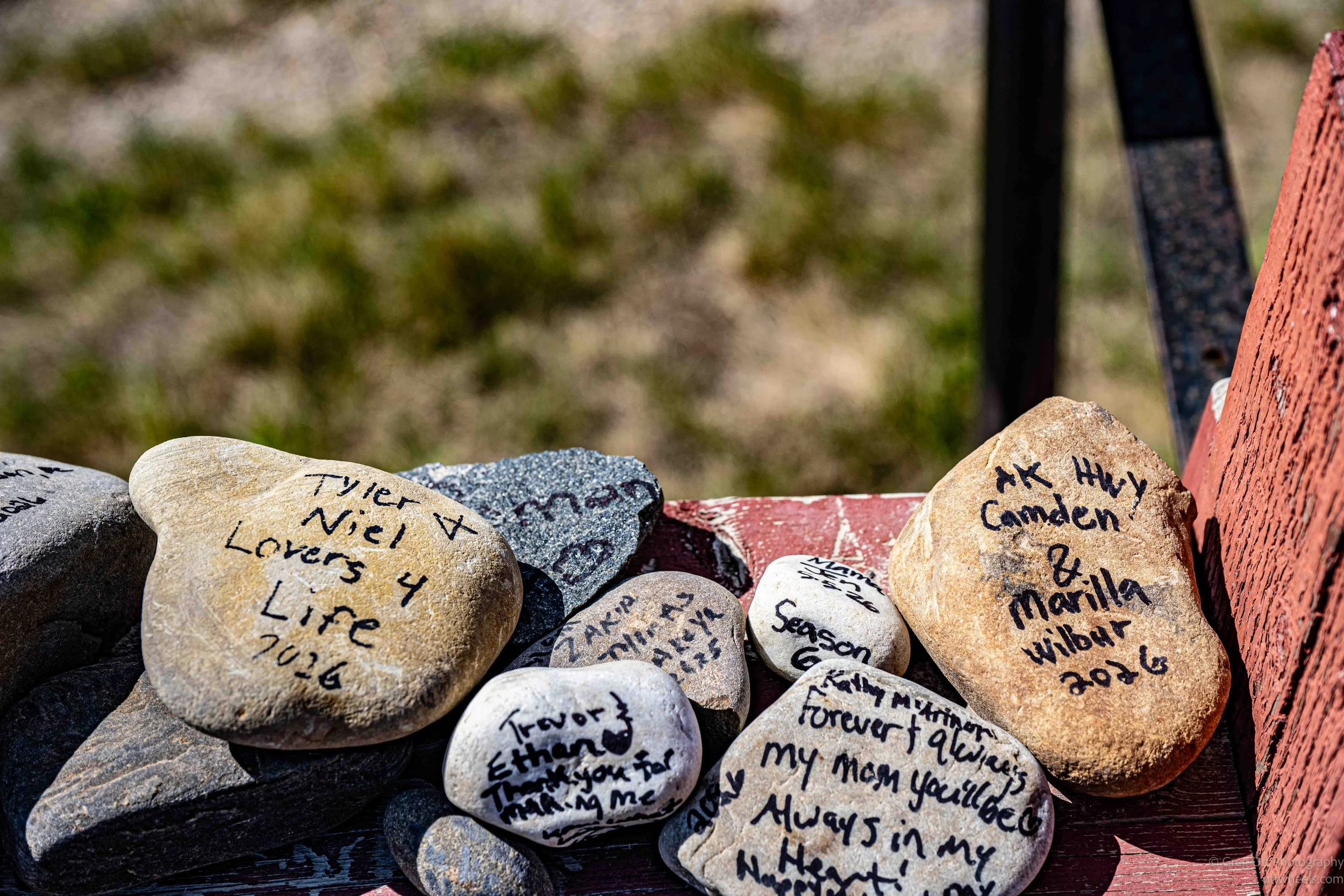
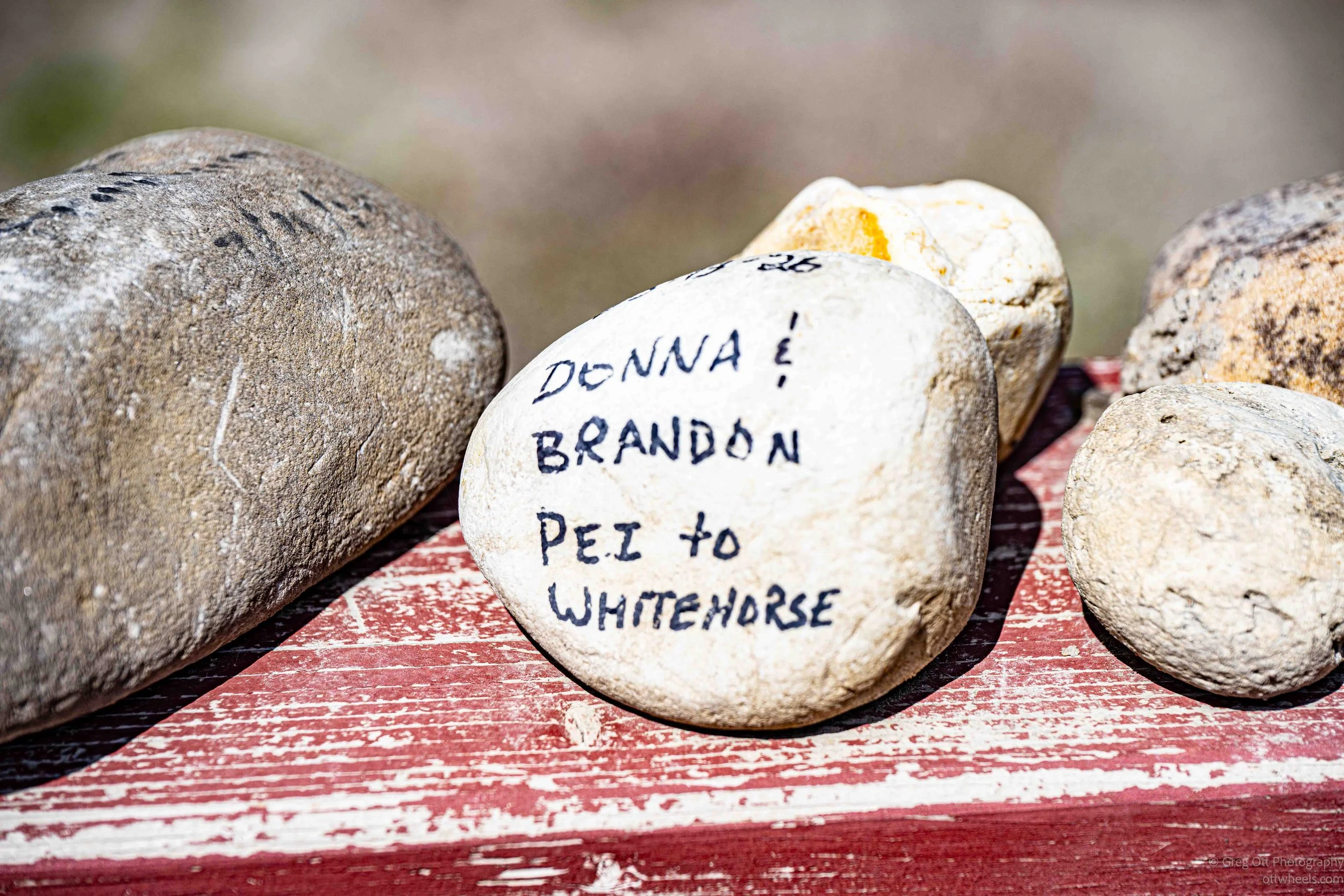
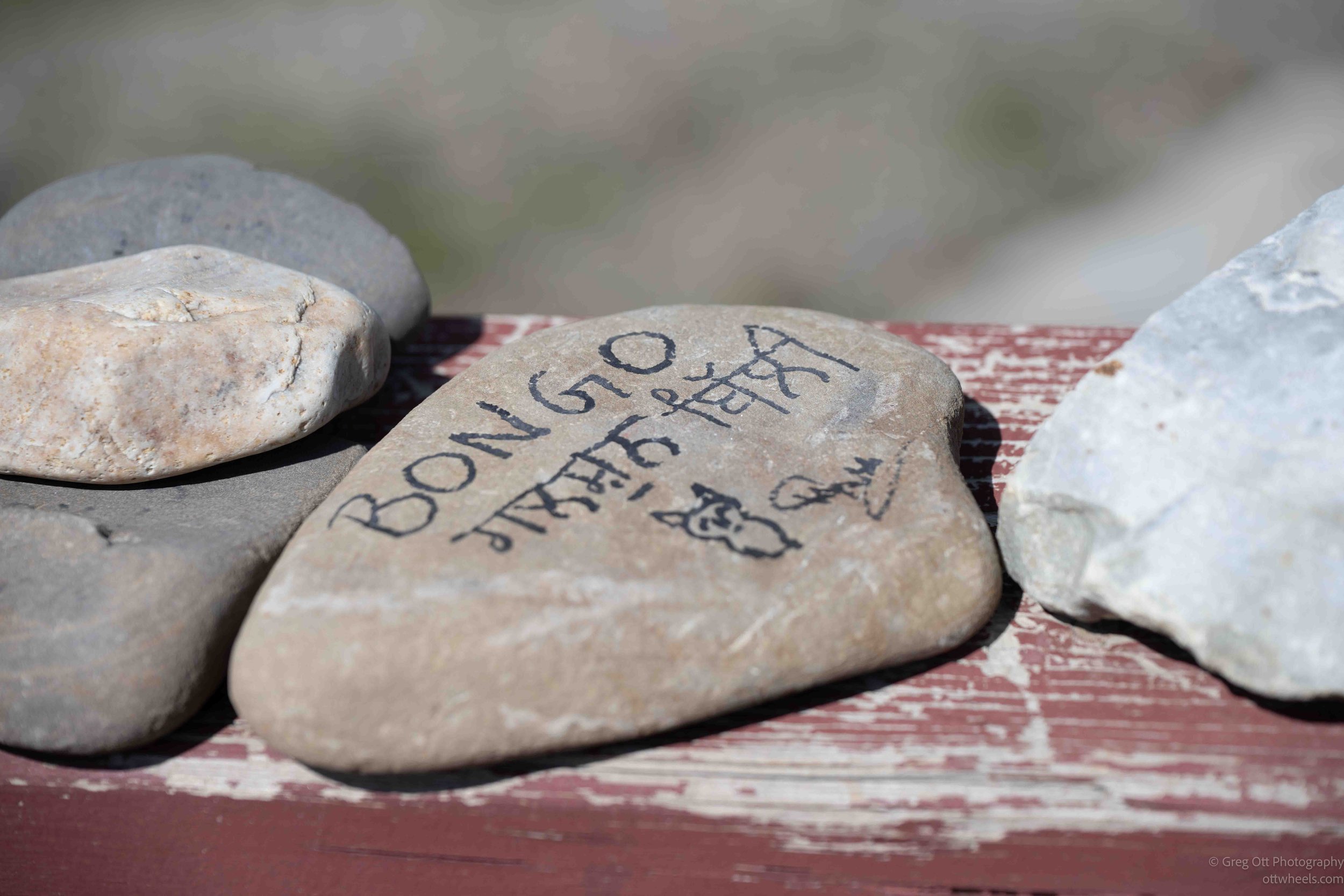
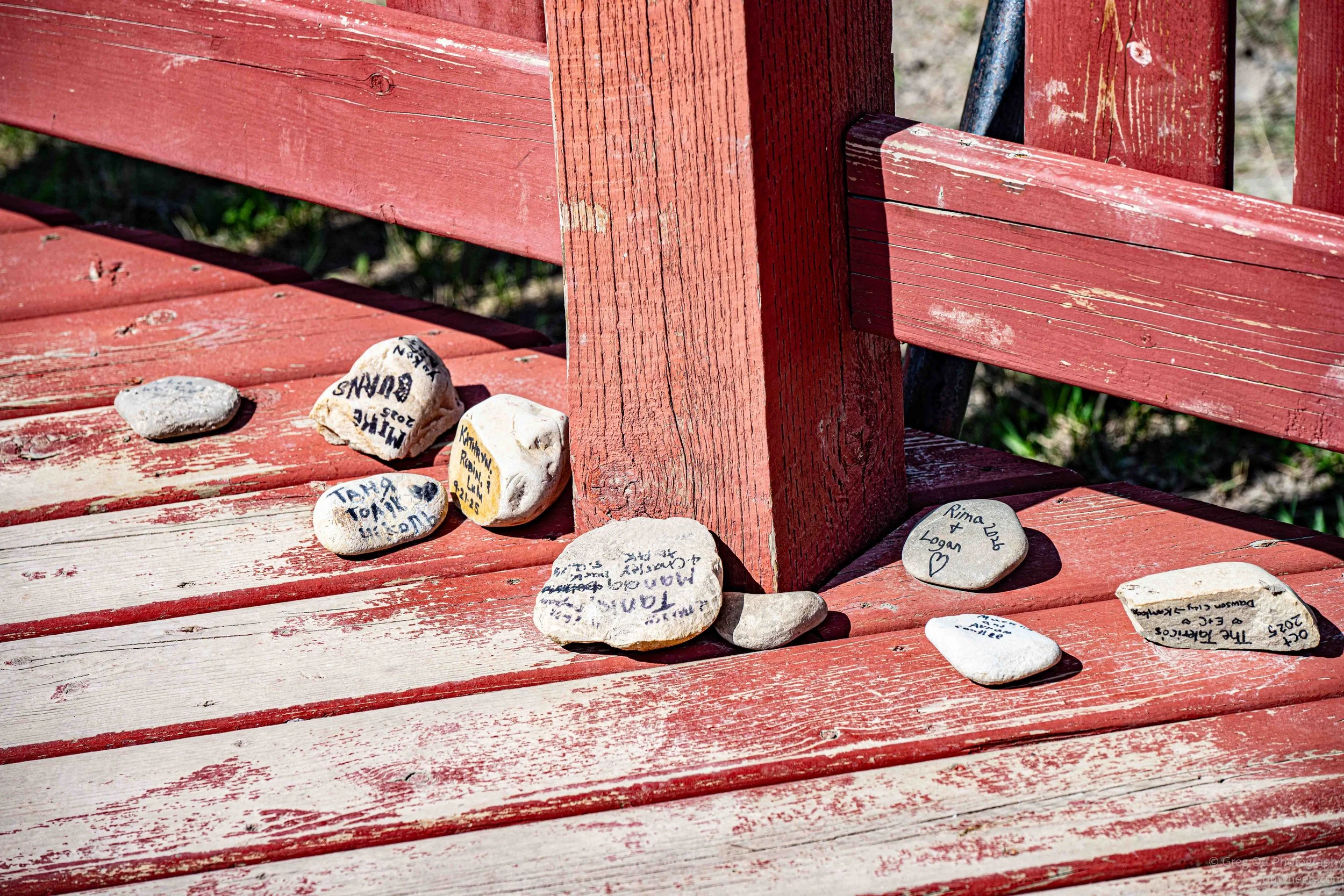
A little farther along, I found a roadside rest stop with toilets and a beautiful overlook. I decided to stop for breakfast, coffee, and some writing. The lookout was built on a raised wooden platform with interpretive plaques explaining the wildlife, wildflowers, and the formation of the mountains in the distance. People had written messages on rocks with Sharpies and lined them along the railing. Most were from 2025, reflecting on love, Alaska dreams, and road trips. The oldest one I found dated back to 2024. One message, presumably from a Canadian couple, read: “Donna & Brandon - PEI to Whitehorse.” Out here, everyone seems to be chasing some version of adventure.
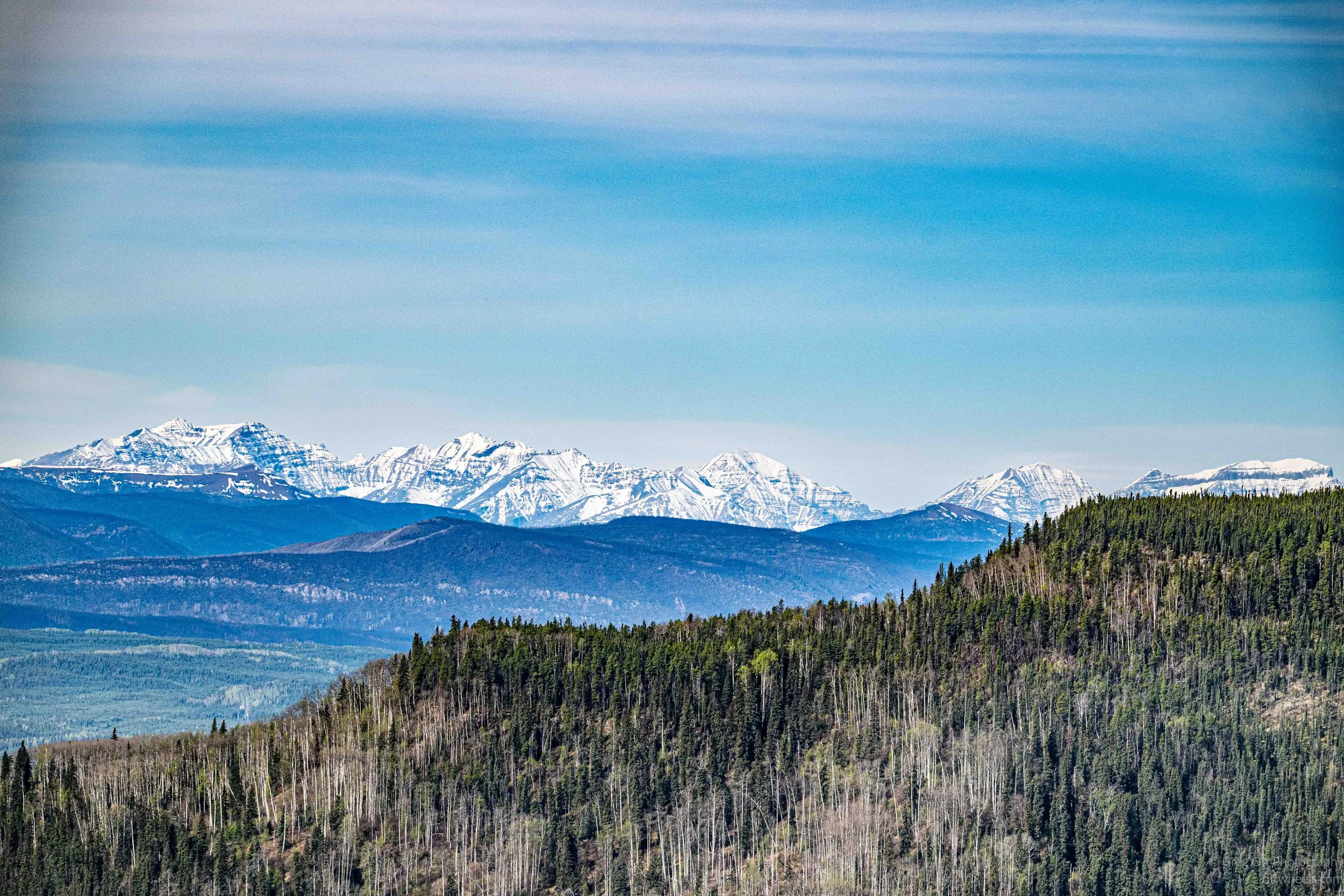
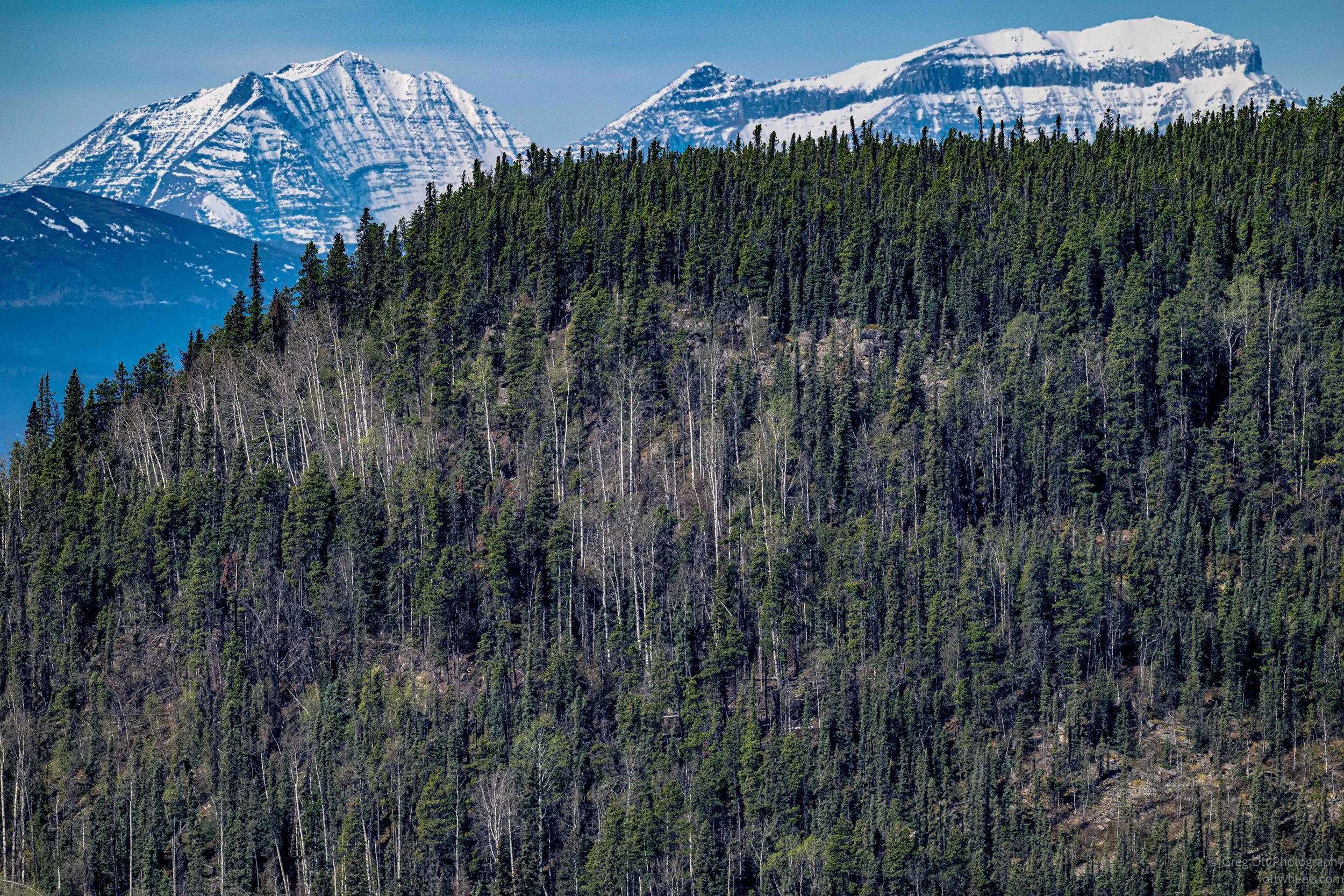
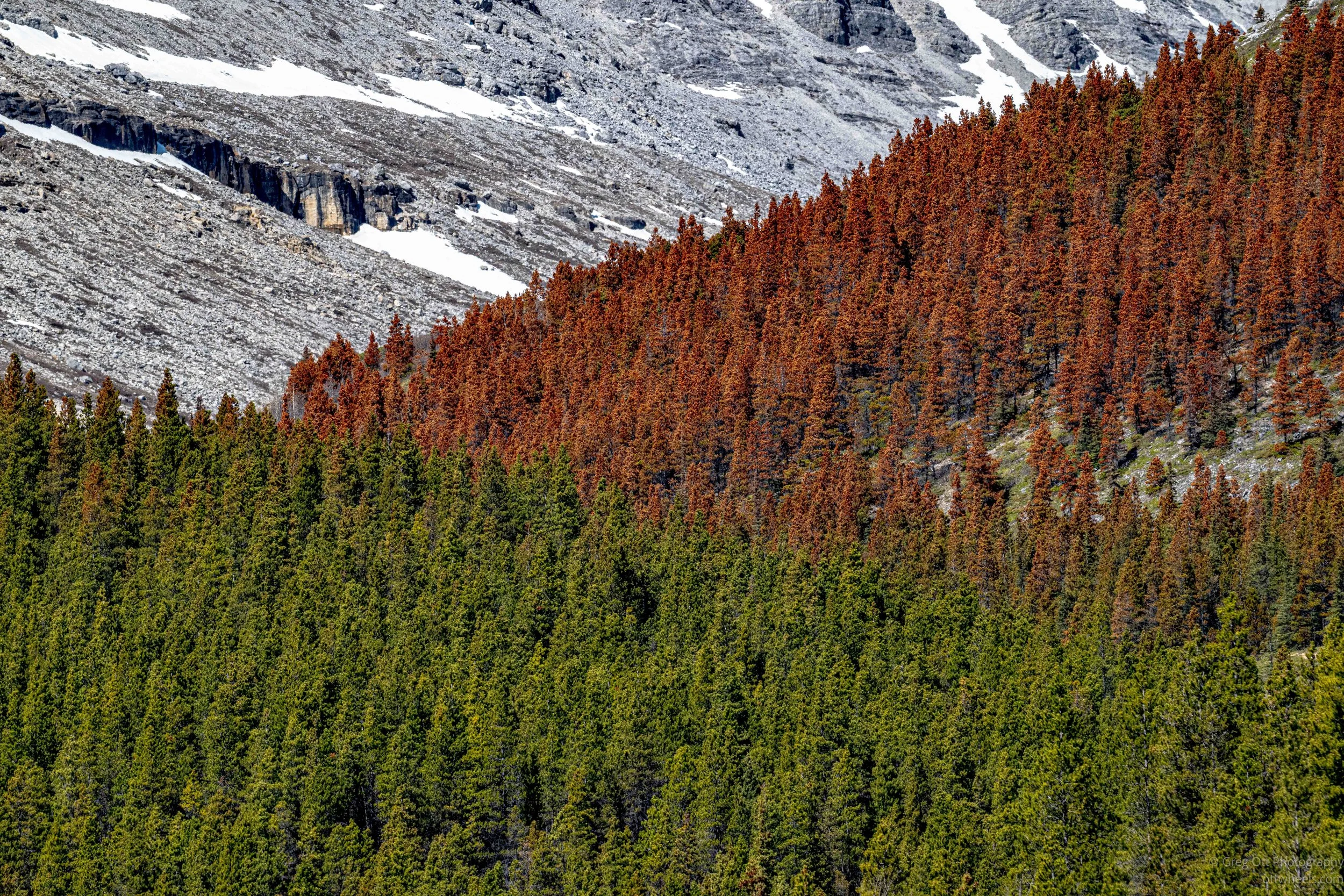
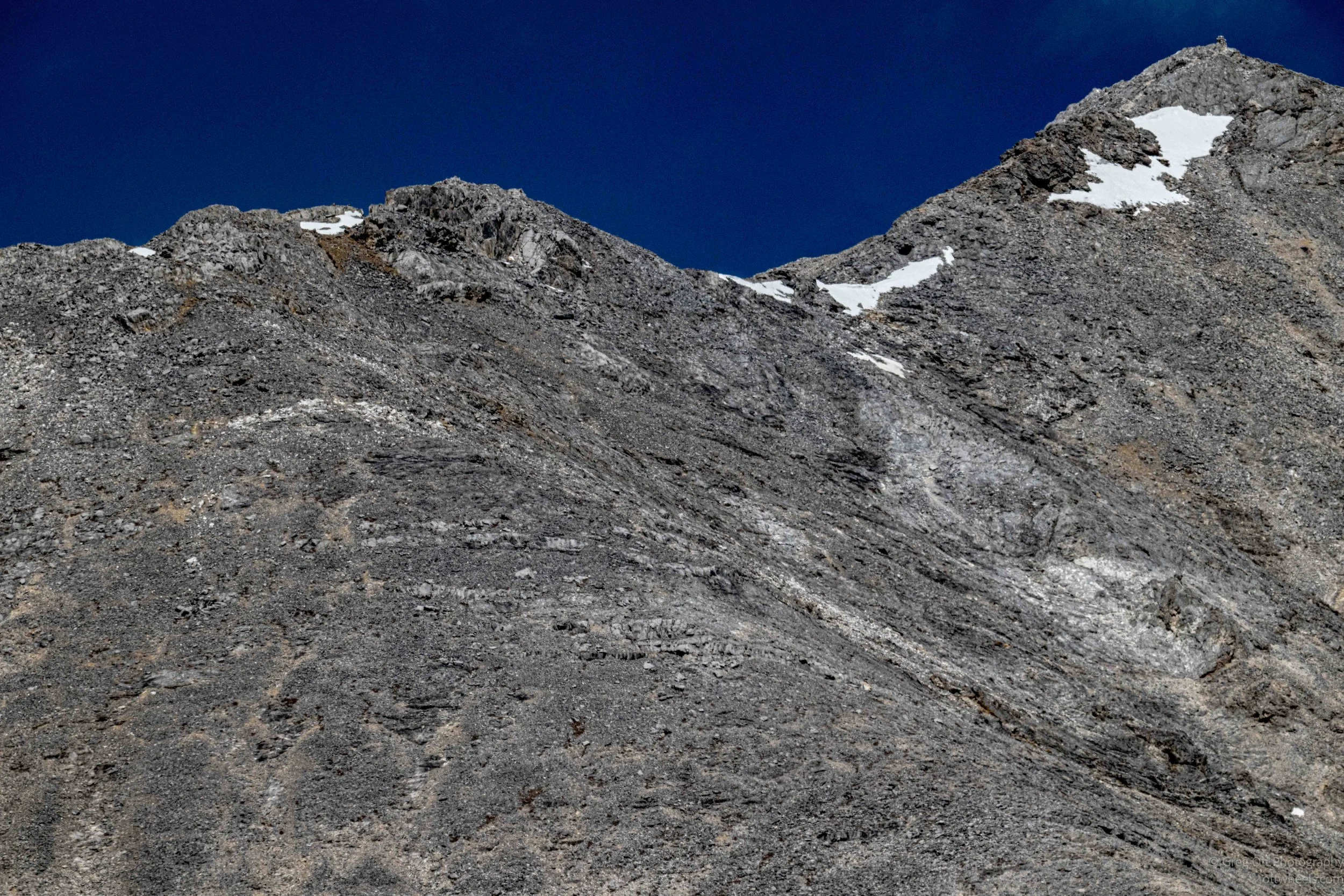
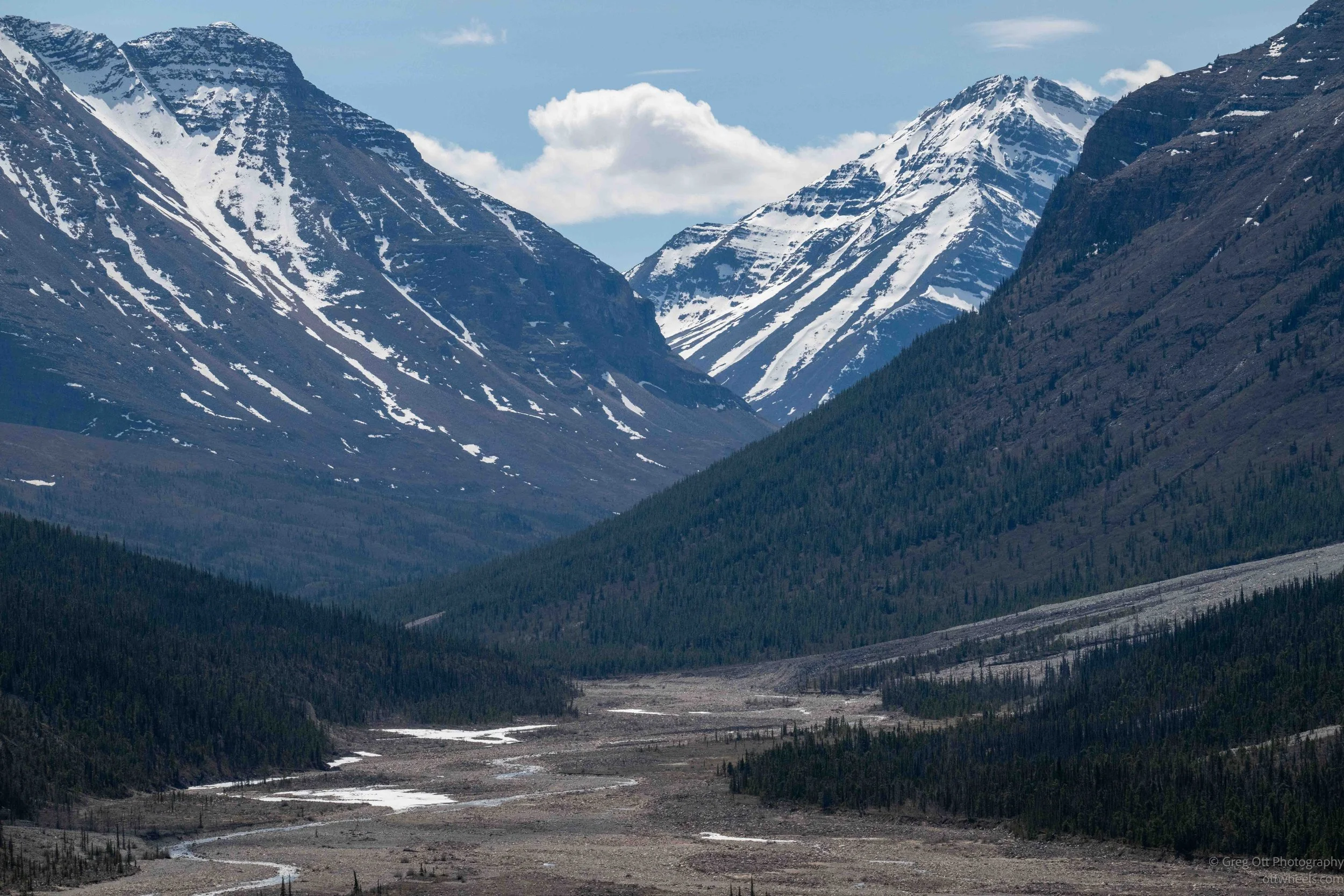
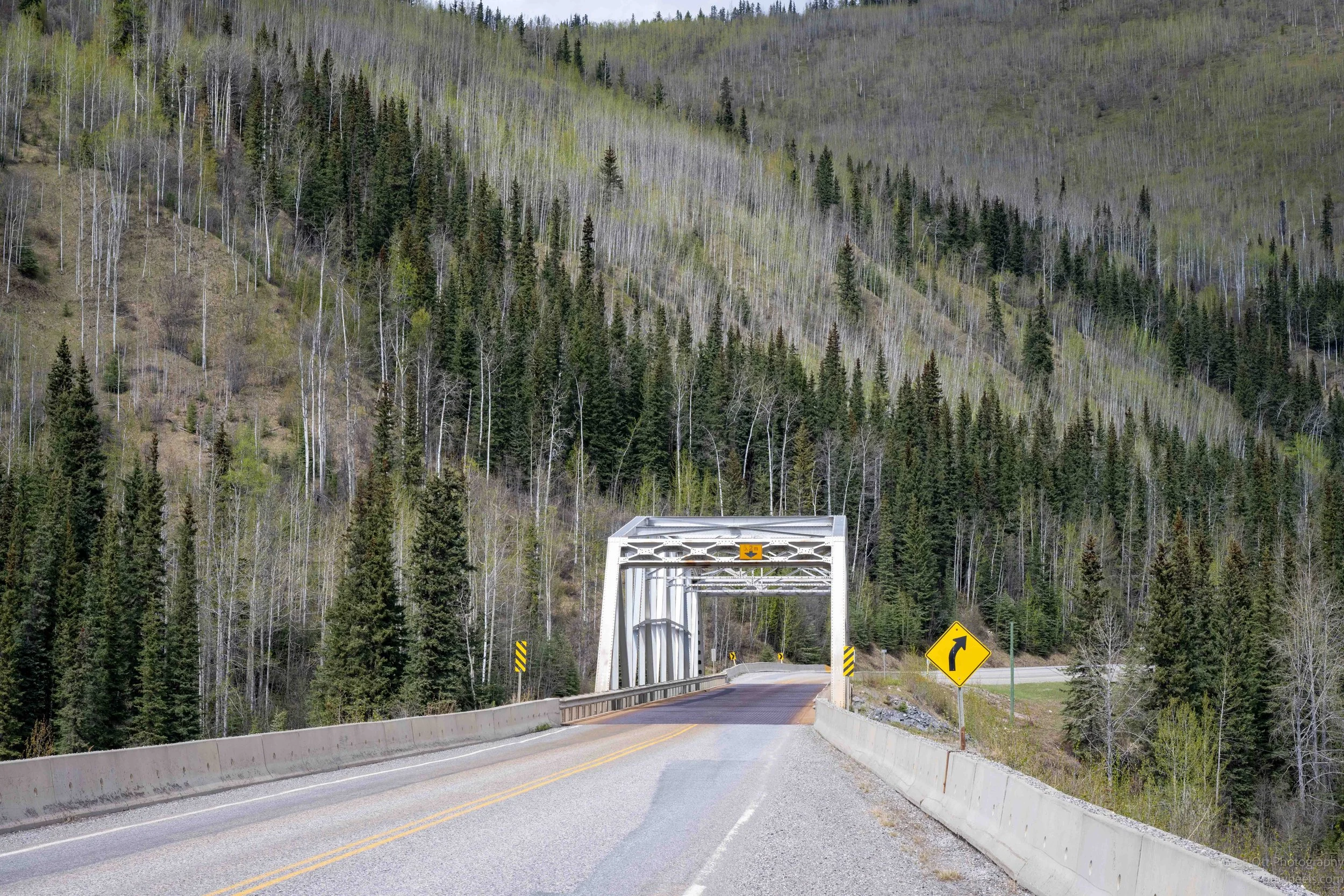
I stopped many times throughout the morning just to relax and photograph the mountains, valleys, rivers, and the sheer scale of the landscape. Northern British Columbia feels different than the lower parts of Canada and the American West. The valleys are wider, the mountains feel more isolated, and the spaces between people grow much larger. The farther north I go, the more the trip starts feeling like an actual expedition instead of simply driving another highway. The were sections where the tree line was stressed and the trees were dead creating a bright rusty red color that contrasted with the green pines below.
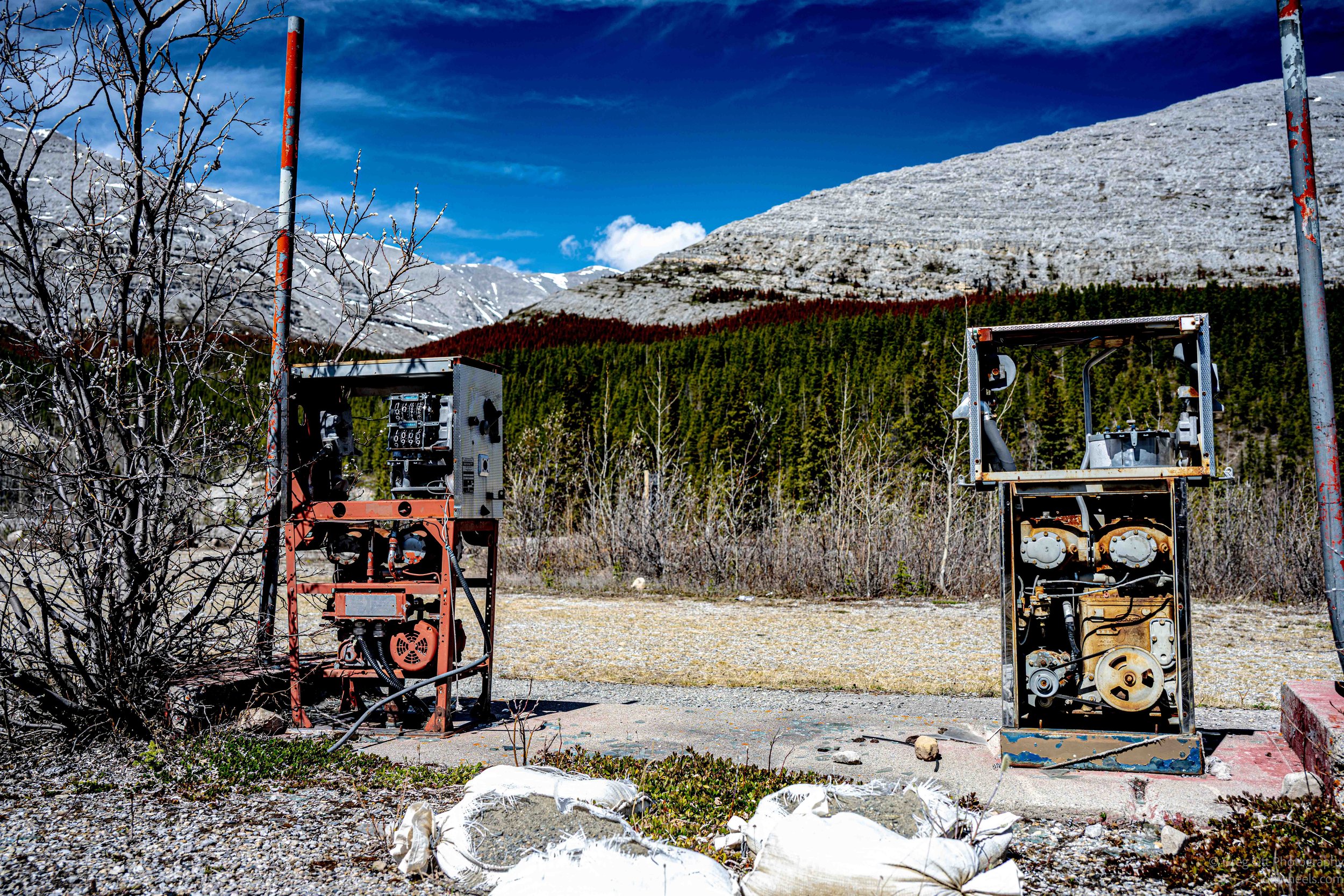
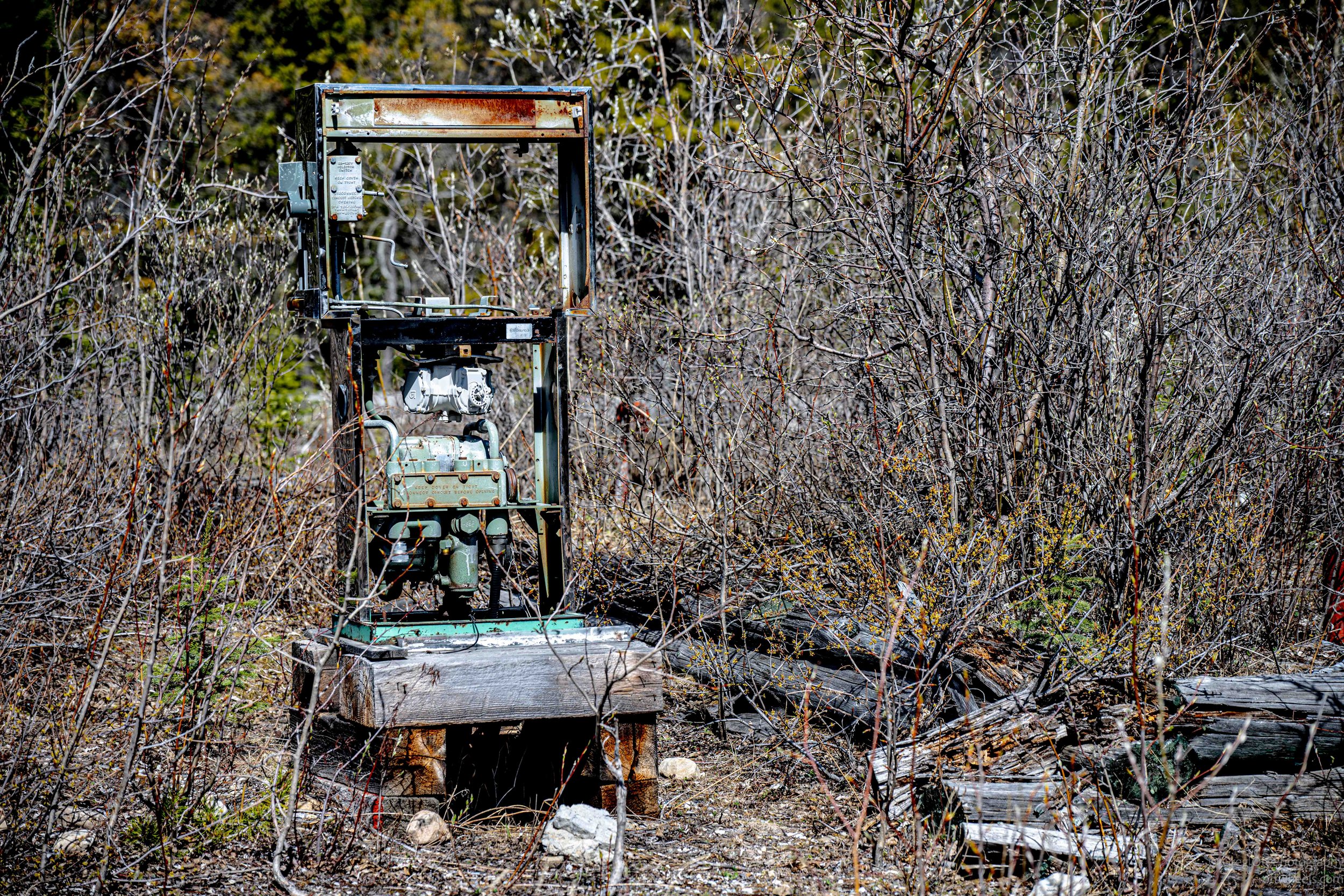
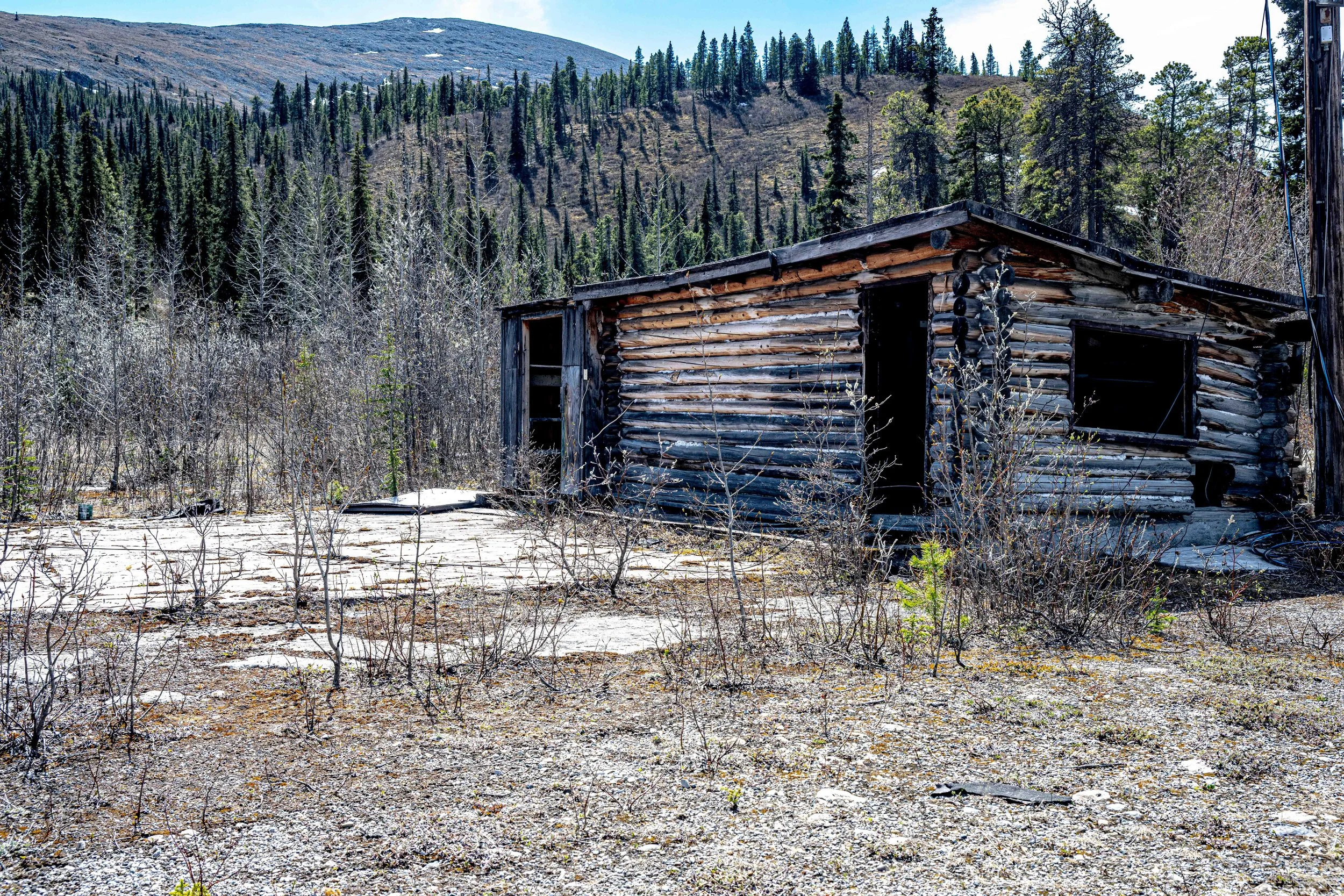
Eventually I reached what Google Maps believed was Summit Lake. It turned out to be a defunct gas station and what was probably once a small roadside resort. A rough dirt road climbed into the mountains where Google had dropped the destination pin, but between the rusty debris and the general feeling of abandonment, I decided against going farther. I got out and photographed the old gas pumps. For some reason old pumps have always fascinated me. They remind me of visiting the Veeder-Root factory as a kid and being allowed to spray paint the dials.
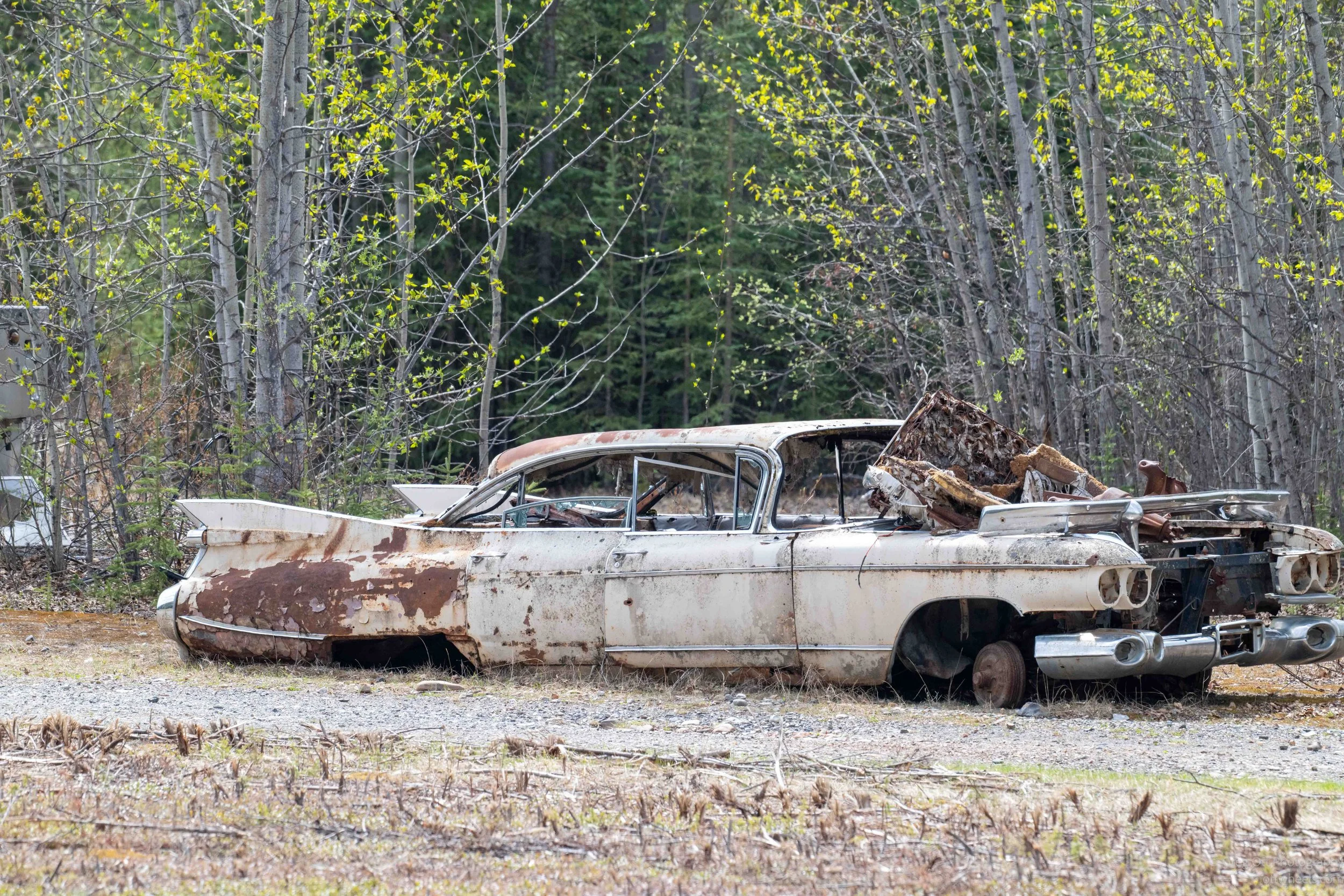
One building looked like it had partially burned. Another log structure still had a counter inside that may once have served food to travelers heading north. Nearby, the old convenience store was collapsing into itself. Off in the distance sat an abandoned trailer slowly rotting into the ground. Down the road were a few more trailers hidden in the woods and an old car rusting quietly beside the highway. Places like this make my mind wander. At one point this stop must have been busy during summer travel season. Families, truckers, tourists, workers, conversations over coffee, fuel stops before pushing farther north. Now it feels like the highway simply moved on without it.

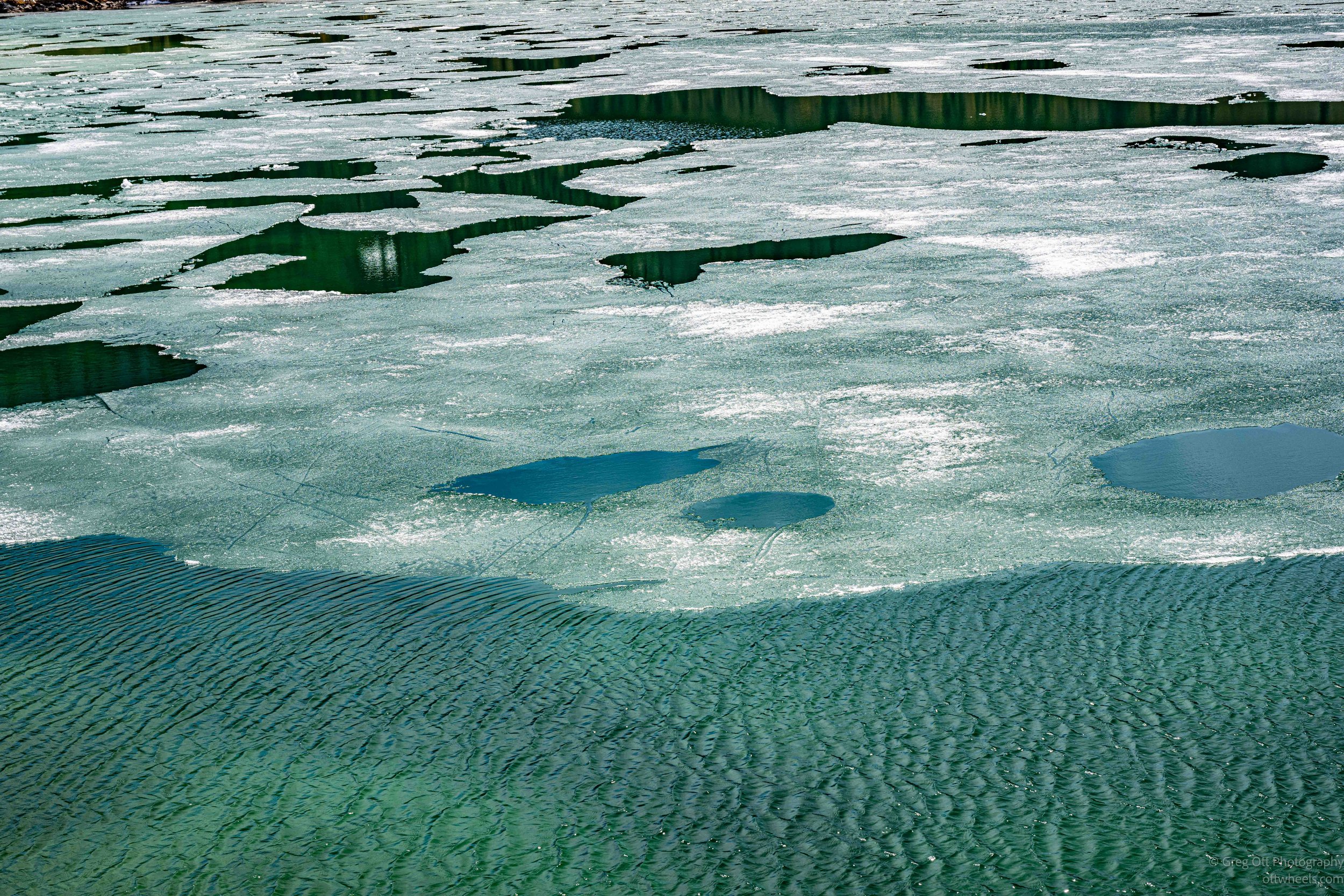
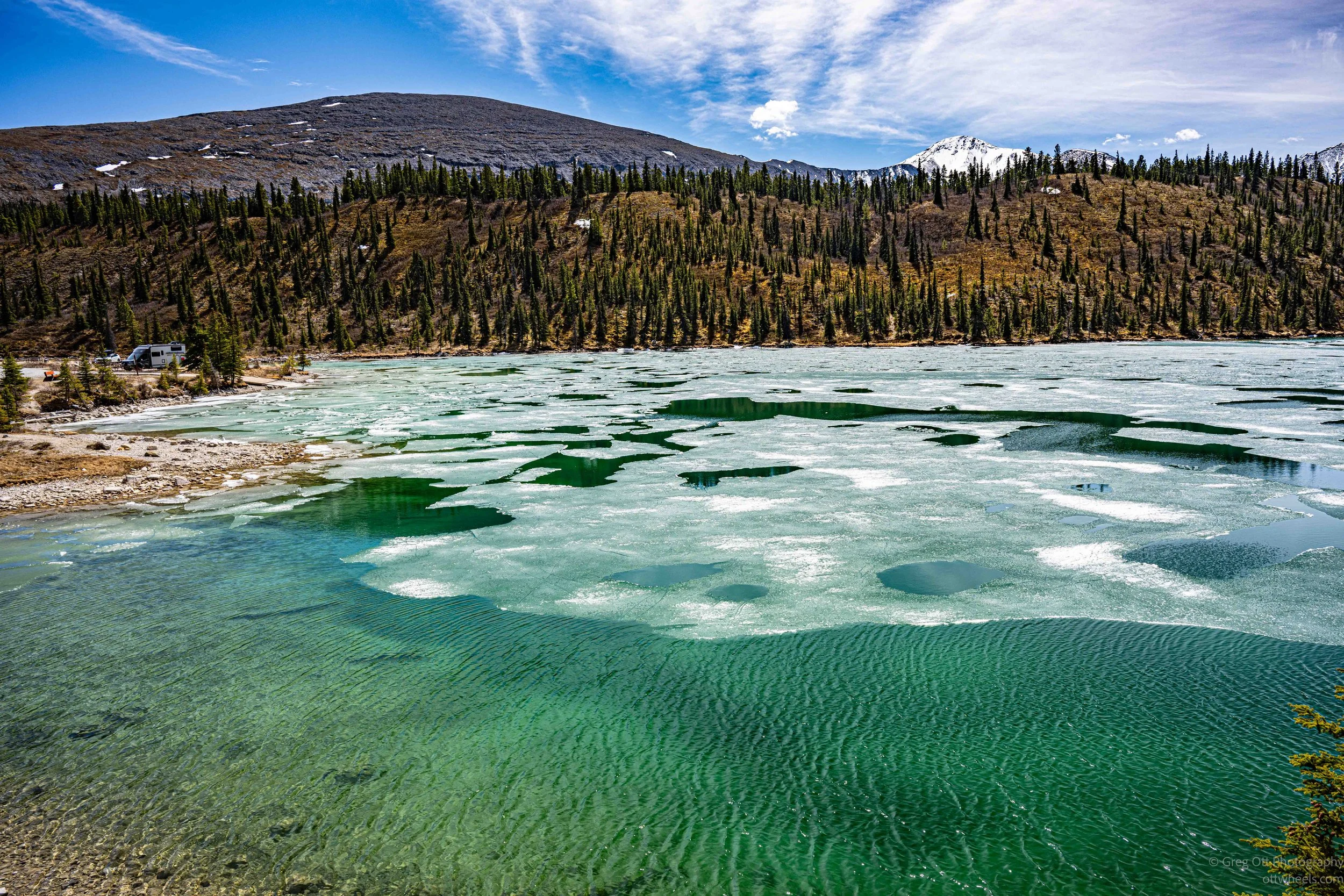
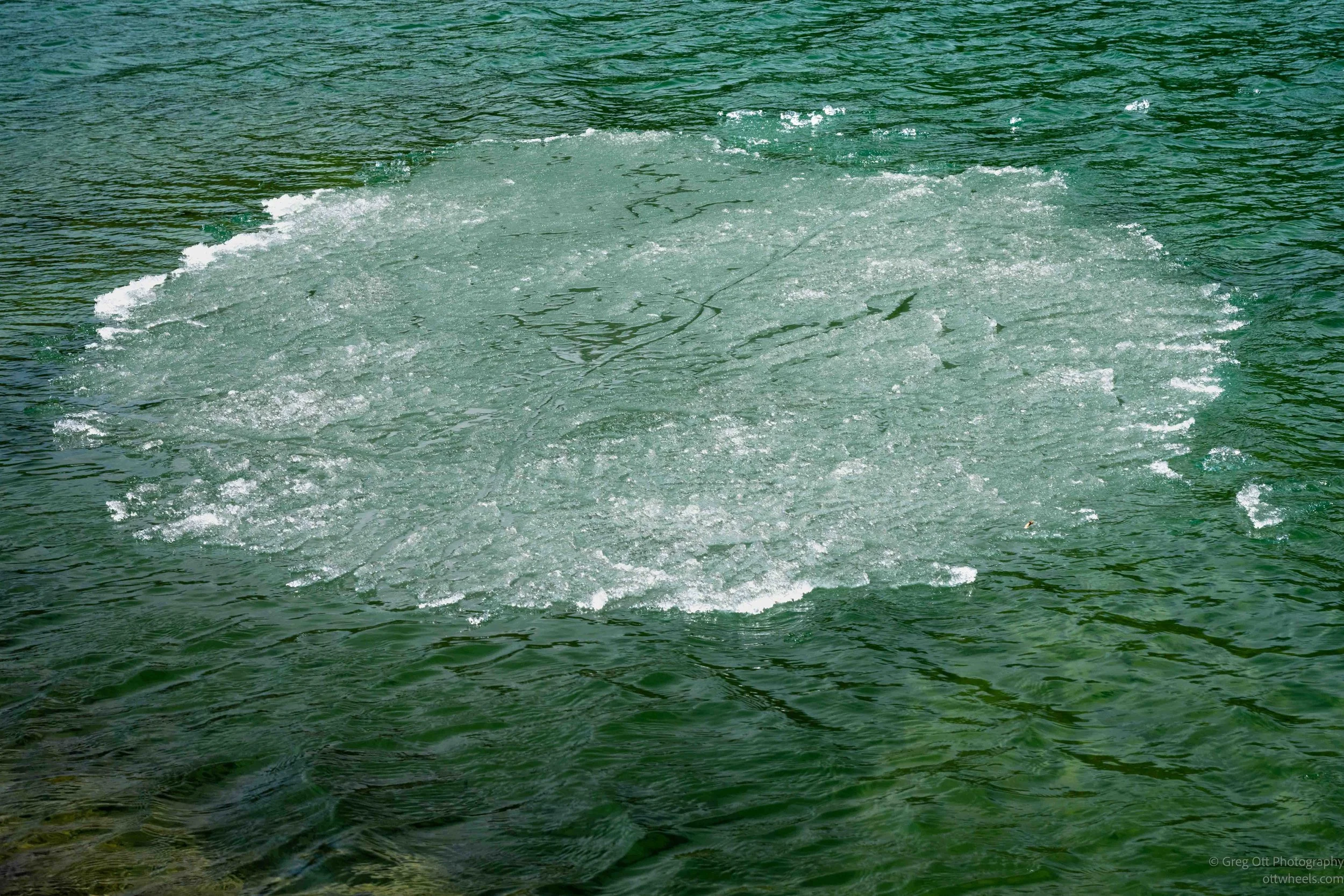
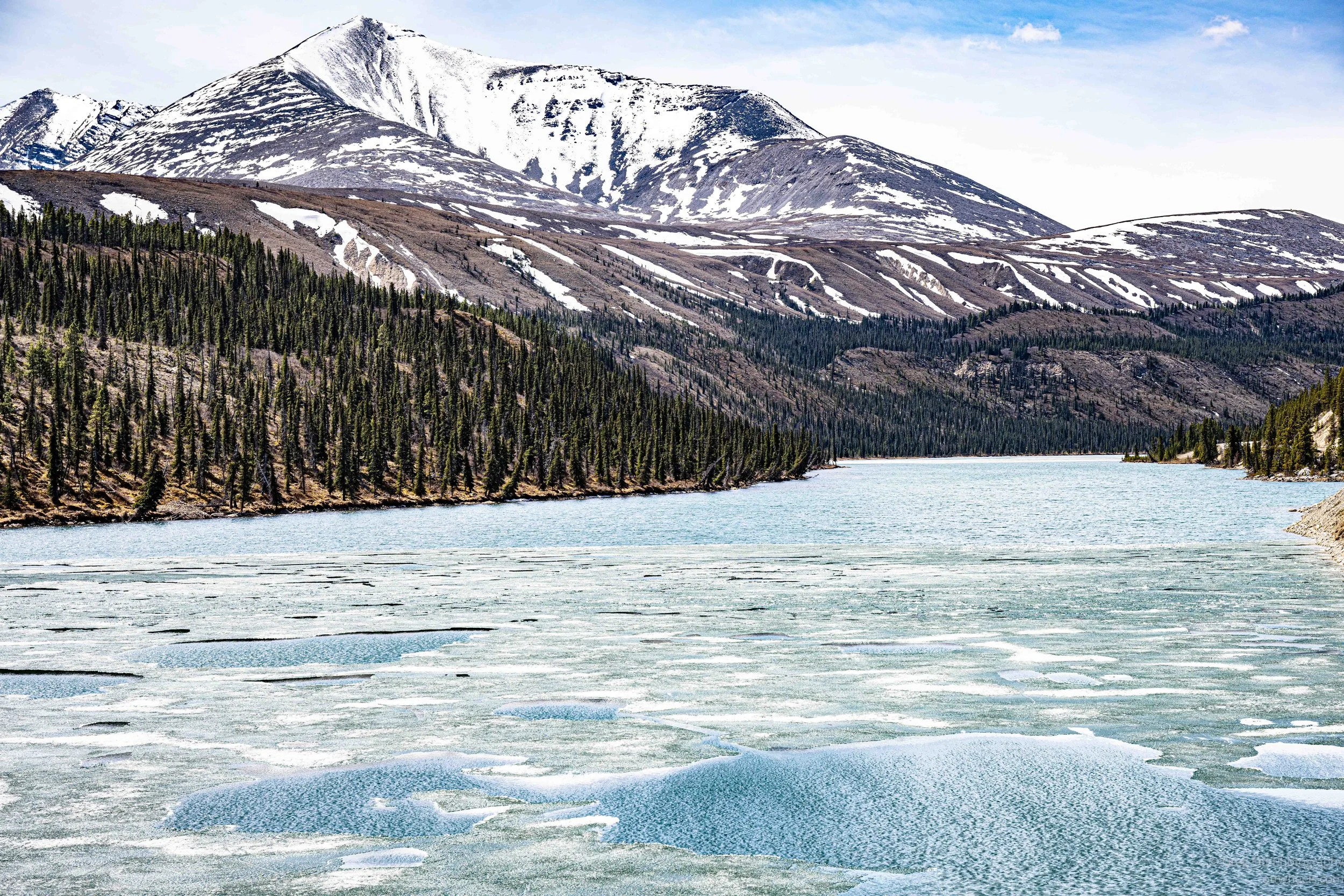
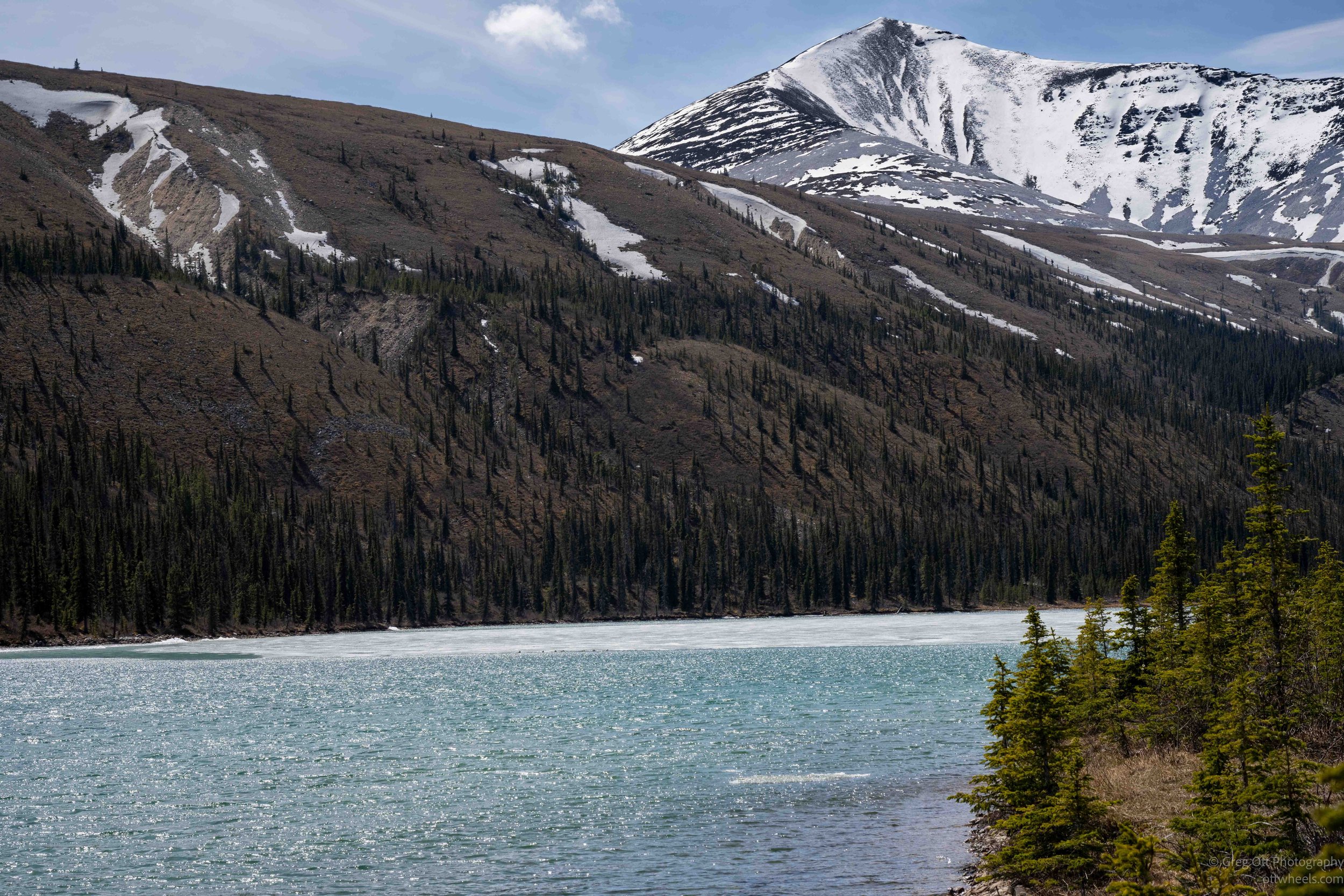
About five kilometers later I reached the actual Summit Lake area. A small campground sat beside an emerald-blue lake surrounded by mountains still holding onto snow. It was a beautiful May afternoon with temperatures in the low 60s, but there was still a layer of ice floating across sections of the lake, a reminder of how long winter lingers this far north.
As clouds drifted through the valley, the color of the lake constantly changed. Looking south, the water turned a deep green. Looking north, the ice appeared much whiter and brighter. I still don’t fully understand why it looked reversed from what I expected, but the effect was striking. The entire lake seemed to shift personalities depending on the light.
I pulled the van off along the side of the road and climbed down toward the shoreline. It was warm sitting in the sun, though a cool breeze rolled steadily off the lake. I found a log and just sat there for a while looking across the water. An Adirondack chair, a double espresso, a chocolate croissant, and a good book would have fit perfectly into that moment. Instead, I had my camera and a view that didn’t really need anything added to it.

Originally this was supposed to be my stop for the day, but I still had energy and several more hours of daylight ahead of me. The next stop on the itinerary was Muncho Lake, one of the best-known scenic stretches along the Alaska Highway, and it was only a little over an hour farther north.
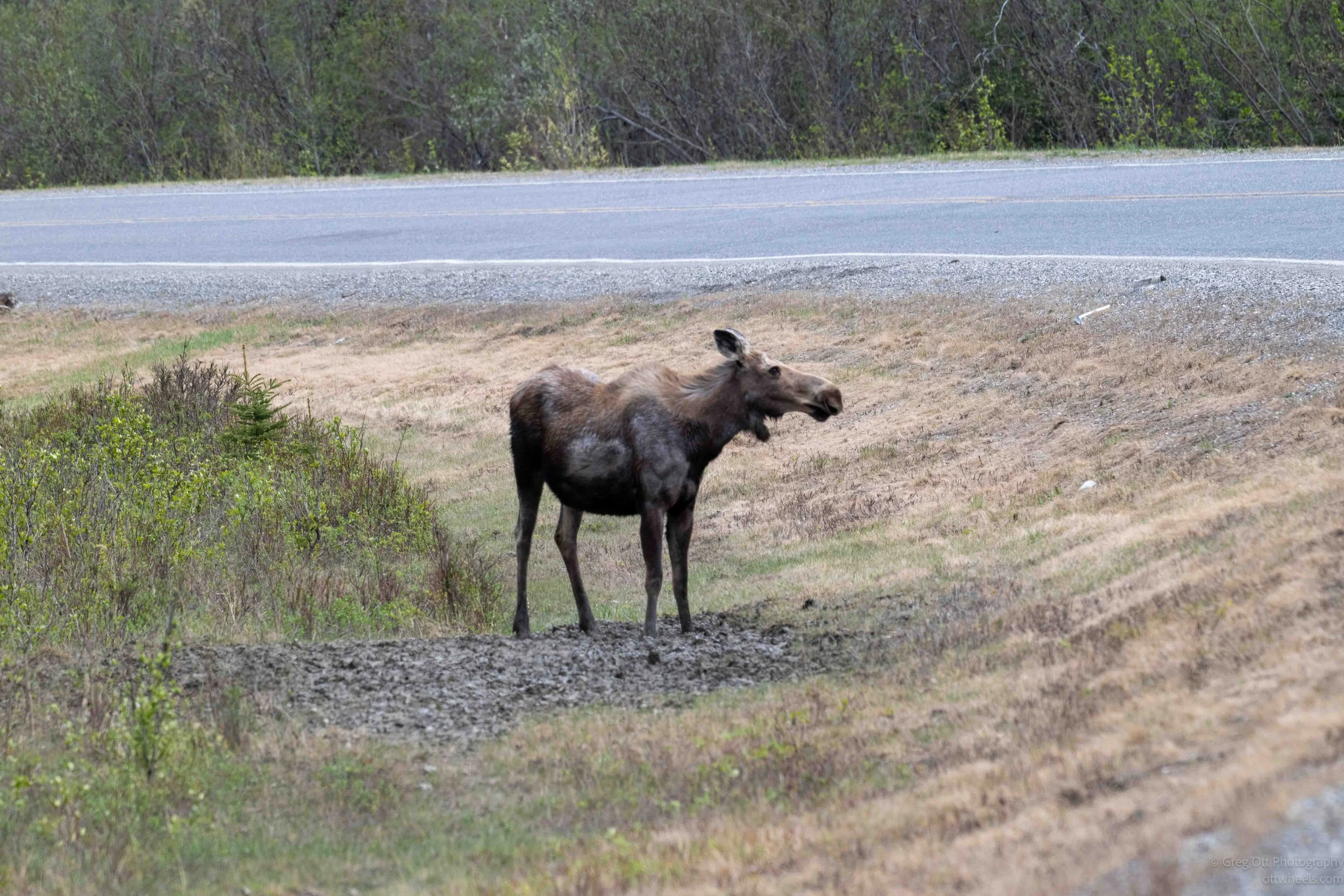
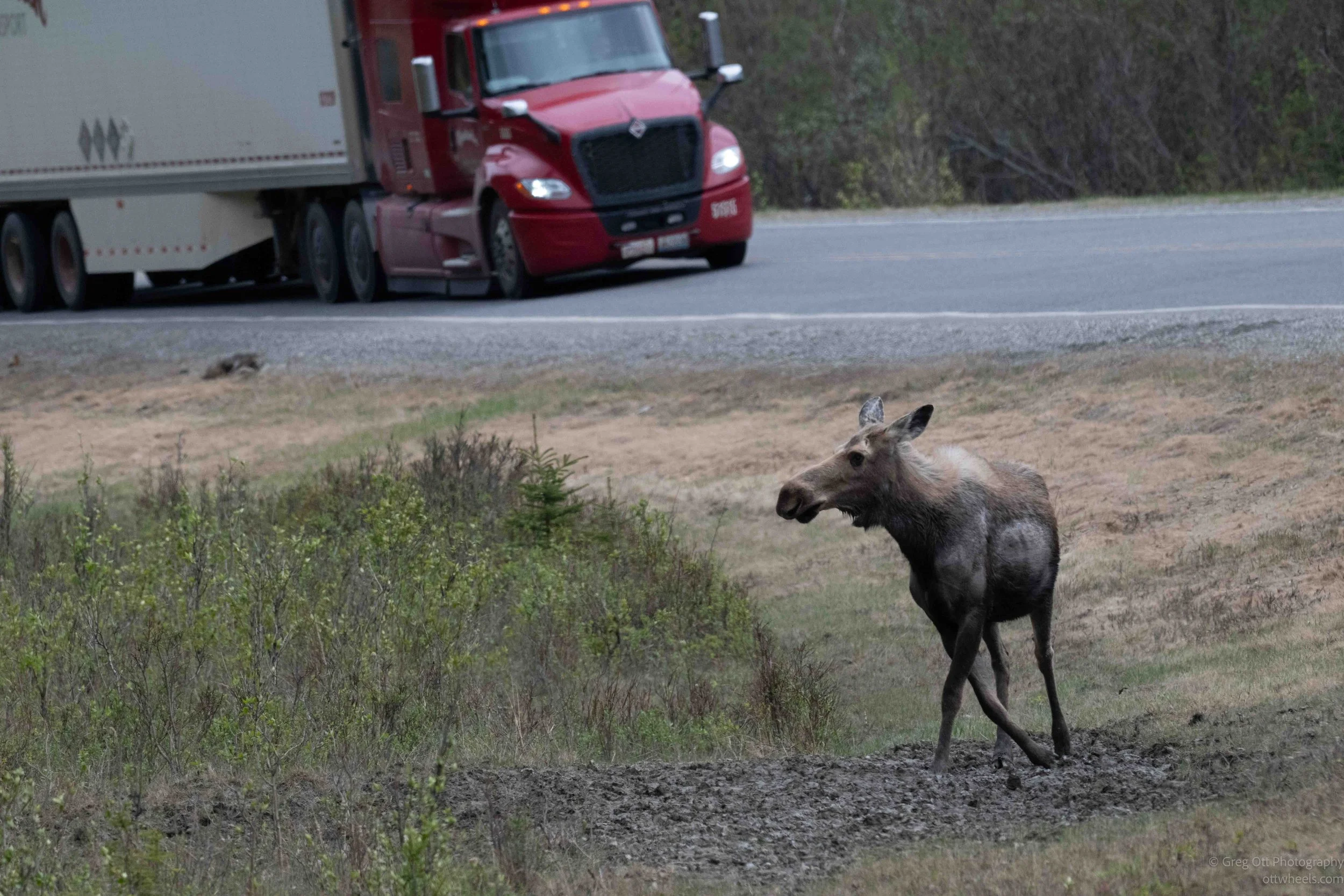
Down the road, I came around a curve and found a large moose standing beside the highway eating. I immediately hit the brakes in case it decided to bolt into the road. I’d already seen one dead moose earlier on the trip, and the last time I entered Canada I had two run directly onto the highway in front of me. I pulled over and watched it quietly feeding while occasionally looking back toward the van. About 10 minutes later, a truck rounded the curve and the moose disappeared into the trees.
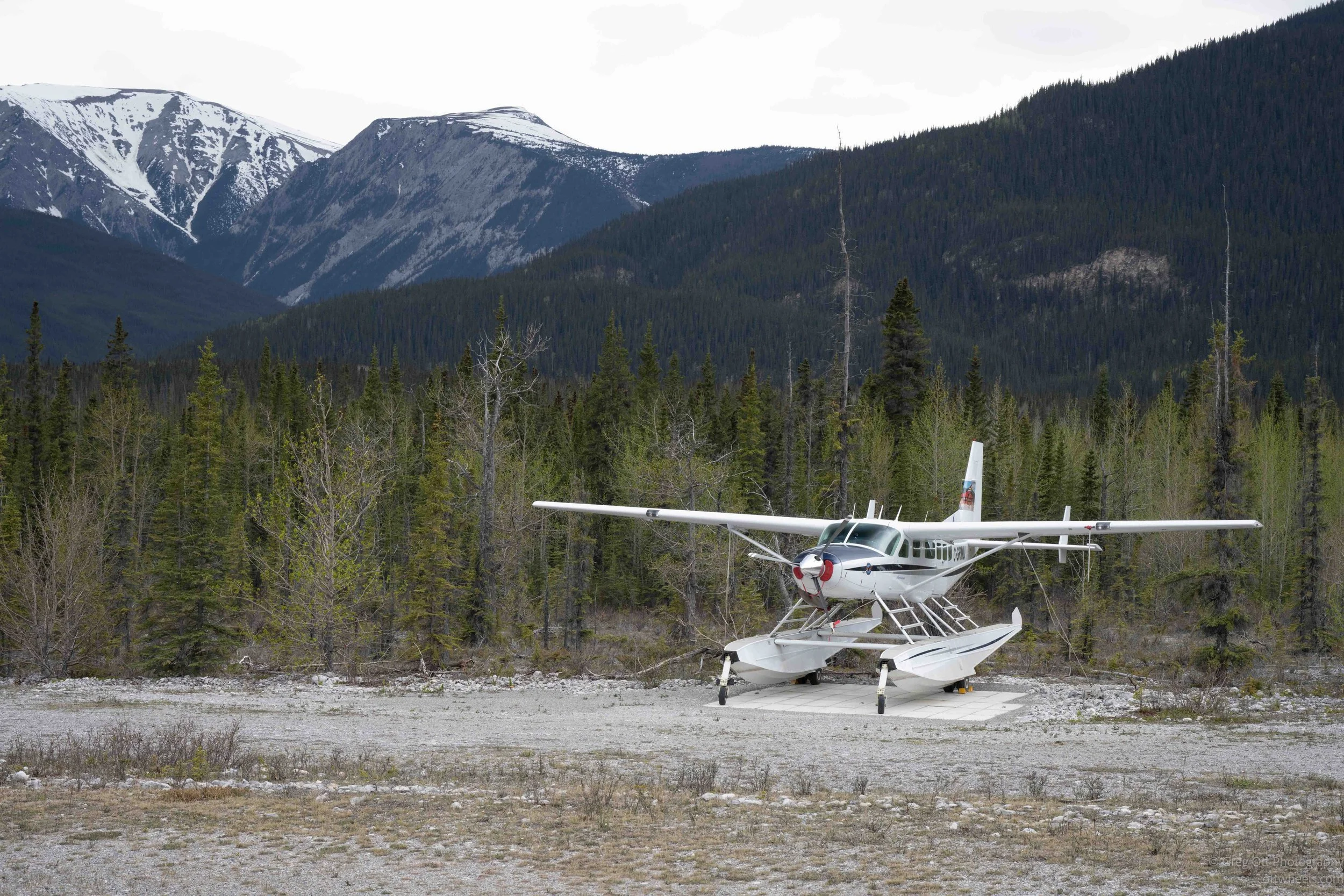
I was also surprised to see a float plane sitting beside the road in what looked like a storage area. A lake sat a few hundred yards down the hill and I assumed that was where it normally operated from. Seeing a plane parked beside the Alaska Highway somehow felt completely normal by this point. I stopped a few more times just to take in views.
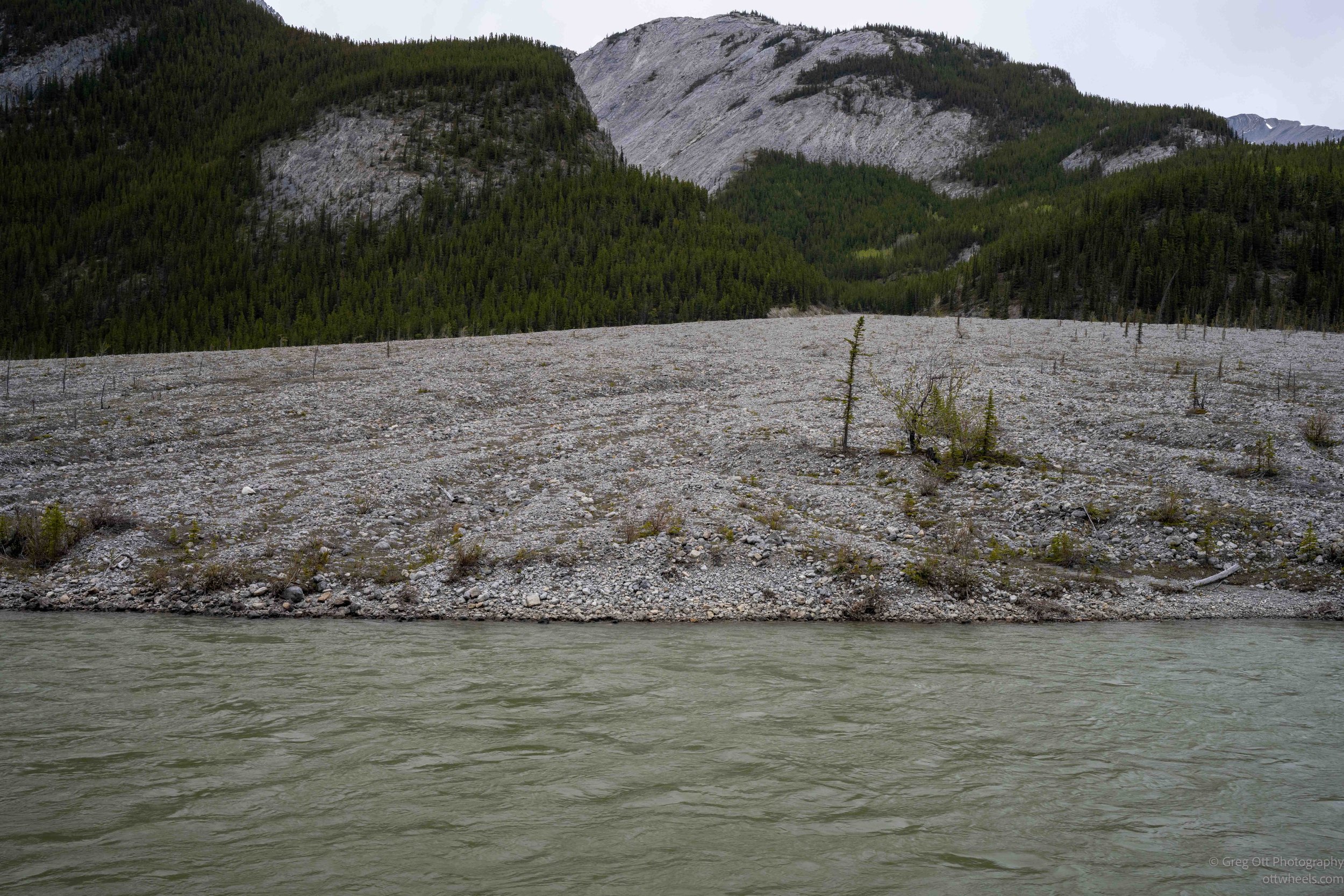
I stopped at Muncho Lake and filled up on gas. This was supposed to be my final destination for the night. I had planned to eat at the lodge restaurant, but when I walked in a little after 4 pm, the dining room wasn’t opening until 6. There were already four different groups standing around waiting for takeout orders and the whole place felt stretched thin. Staff moved quickly between the kitchen and front counter while travelers arrived with luggage and checked into the lodge. Up here, there aren’t endless options. Everyone moving along the Alaska Highway eventually funnels through the same handful of stops.
I filled up on gas and then found a place to park, because SpaceX was launching Ship 12, the first full Version 3 Starship stack, and there was no way I was missing it. I watched it on the “What About It” (WAI) YouTube channel while parked along the Alaska Highway. One of the big tests on this flight was a new “PEZ dispenser” system designed to launch next-generation Starlink V3 satellites from the ship. They also deployed 20 Starlink simulators along with two camera satellites to photograph and inspect Starship while in orbit. The mission later targeted a landing zone in the Indian Ocean. Some things worked, some clearly didn’t, but watching something this massive and experimental launch into space still feels absolutely insane every single time.
After watching the launch, I drove north another 20 km and found a nicely leveled spot off the highway near the river. Clearly meant for an RV. Outside the van plants were sending off shoots all around the area and I tried to grab some unsuccessful shots.
My priority now was the heating system which has not been working for several days. So, I spent the next couple hours trying to coax it back into submission. The heater itself seemed to be generating heat, but somehow the hydronic fluid that heats the floor, hot water, and interior air wasn’t circulating properly. No matter what I tried, I couldn’t get the system to fully kick in.
The forecast called for temperatures in the upper 30s overnight. I knew I’d need a cap and the duvet would keep me warm enough. I also always carry a 12-volt heating blanket just in case. After a while I gave up troubleshooting for the night and settled into the silence of northern British Columbia. Up here, even mechanical problems somehow feel quieter.