Denali: Tundra Wilderness Tour
Today was about taking the Tundra Wilderness Tour into Denali. I had already purchased my ticket, but somehow I didn't know what time the bus actually left. There was nothing obvious in the confirmation email, and I had been assuming it would be sometime after 8:00 a.m. The night before, I went back through my emails looking for a departure time and still couldn't find it. All I could see was a note telling me to meet at the Denali Bus Depot, which fortunately was only a few minutes away.
Eventually, I noticed a button that allowed me to view the actual receipt online. There it was: 6:20 a.m., with instructions to arrive twenty minutes before departure. By then it was nearly midnight. So much for getting a good night's sleep. I set the alarm for 5:00 a.m. and tried to get as much sleep as I could.
At about 5:30 the next morning, I drove over to the bus depot, made breakfast in the van, and collected everything I thought I might need for a five-hour trip into the park. I grabbed my camera and walked over to the depot. It was still early, but there were already plenty of people moving around, apparently much more prepared for a 6:20 departure than I had been.
I asked one of the employees where I should wait for the Tundra Wilderness Tour. He pointed me toward one side of the depot, where about twenty people were already standing in line. The Tundra Wilderness Tour is the narrated version of the trip into the park, with a driver-naturalist providing commentary along the way. In 2026, the tour costs $144.75 and lasts about five to five and a half hours.
While waiting in line, I struck up a conversation with a young couple from Holland. He worked in sales for an AI company, which naturally took us down several interesting side conversations. She was a lawyer who handled neighborhood and business disputes and had some fascinating stories about people's behavior during the COVID lockdowns. Things that might normally have been minor annoyances—noise, smoking and disputes between neighbors—sometimes turned into major conflicts when everyone was stuck at home.
They had spent the previous week in Las Vegas, where he was attending an AI conference, and decided to turn the work trip into a much larger American vacation. From Las Vegas they flew to Anchorage, took the train to Denali, and planned to continue by train to Fairbanks. From there they would fly to New York for a few days before finally heading back to Europe. Not a bad way to tack a vacation onto a business trip.
The bus began loading around 6:15, and we pulled away at about 6:30. There were 43 people aboard, although somehow the seats immediately beside me remained empty. Considering how tightly everyone else was packed together, I felt like I had won the lottery.
Behind me was a French couple traveling with three children, probably somewhere between eight and thirteen years old. The father had taken a job in Boston, and the family had already been living in the United States for several years. We didn't talk about work, but they had lots of questions about the animals and the park. After spending the previous day hiking from East Fork with a ranger, I suddenly knew enough about the area to answer quite a few of them.
The Tundra Wilderness Tour follows the Denali Park Road all the way to the East Fork area at about Mile 43. Normally, the Denali Park Road continues for 92 miles into the park, but the Pretty Rocks landslide has closed the road beyond this area while a massive bridge is being constructed across the unstable section. For now, East Fork is essentially the end of the road for both the narrated tour buses and the much less expensive transit buses.
That distinction became increasingly important to me as the morning went on.
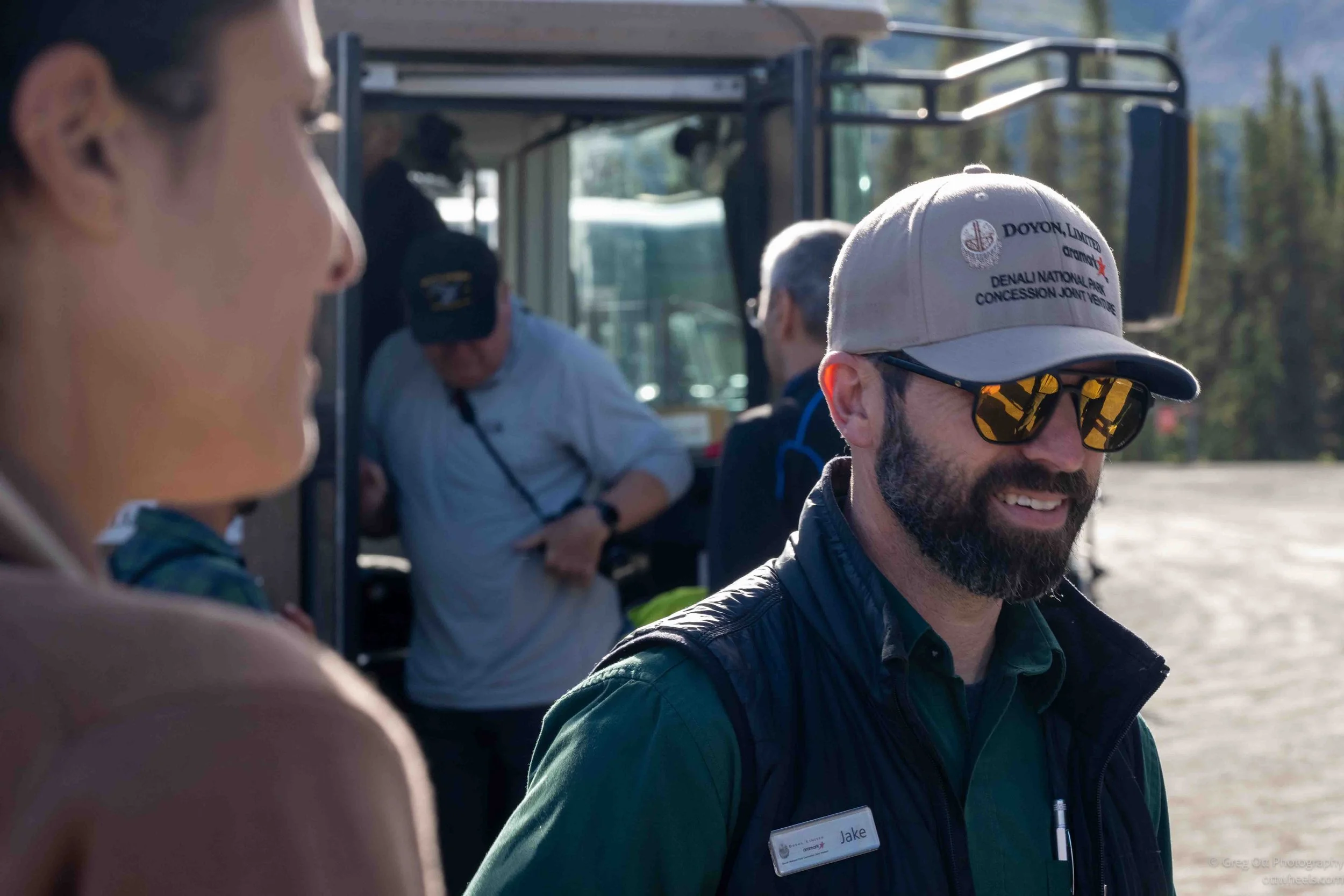
The driver, Jake, was energetic, animated and clearly knew how to work a bus full of tourists. He talked about the history of Denali, the landscape, wildlife, geology and some of the people associated with the park. He was constantly watching the hillsides and river valleys for animals, and whenever someone spotted something, he slowed or stopped the bus so everyone could get a look. He did a good job, and judging by the conversations around me, most people on the bus were thoroughly enjoying the tour.
Jake spent much of the first thirty minutes telling us how he ended up in Alaska. He had moved here from Texas after initially coming north to spend his summers working in Denali. Somewhere along the way he met his wife, and they eventually decided to make Alaska their home. They now both work as drivers, narrating tours through the park.
They live in a cabin outside Denali, heated by a wood-burning stove, with an outhouse and, at least for now, no running water. They're working on adding water and eventually expanding the cabin. They don't have a television, and he talked quite a bit about what their days are like, how they manage during the winter and what it takes to live year-round in this part of Alaska. It was an interesting glimpse into a lifestyle that's very different from what most of the people sitting on the bus probably experience at home.
We also had a reasonably good morning for wildlife. We saw grizzly bears, caribou, Arctic ground squirrels and several birds along the way, although they were much farther away than what I had experienced the day before. Sometimes they were little more than a small dot on top of a distant mountain. There were also plenty of distant objects that briefly became bears until binoculars proved otherwise—the infamous "bear rocks" that apparently inhabit Denali in enormous numbers. Every dark lump on a hillside seems to become a grizzly for at least a few seconds. There was also a high-definition camera onboard, and Jake would point it at whatever had been spotted. We could all get a closer look on the drop-down displays in front of us.
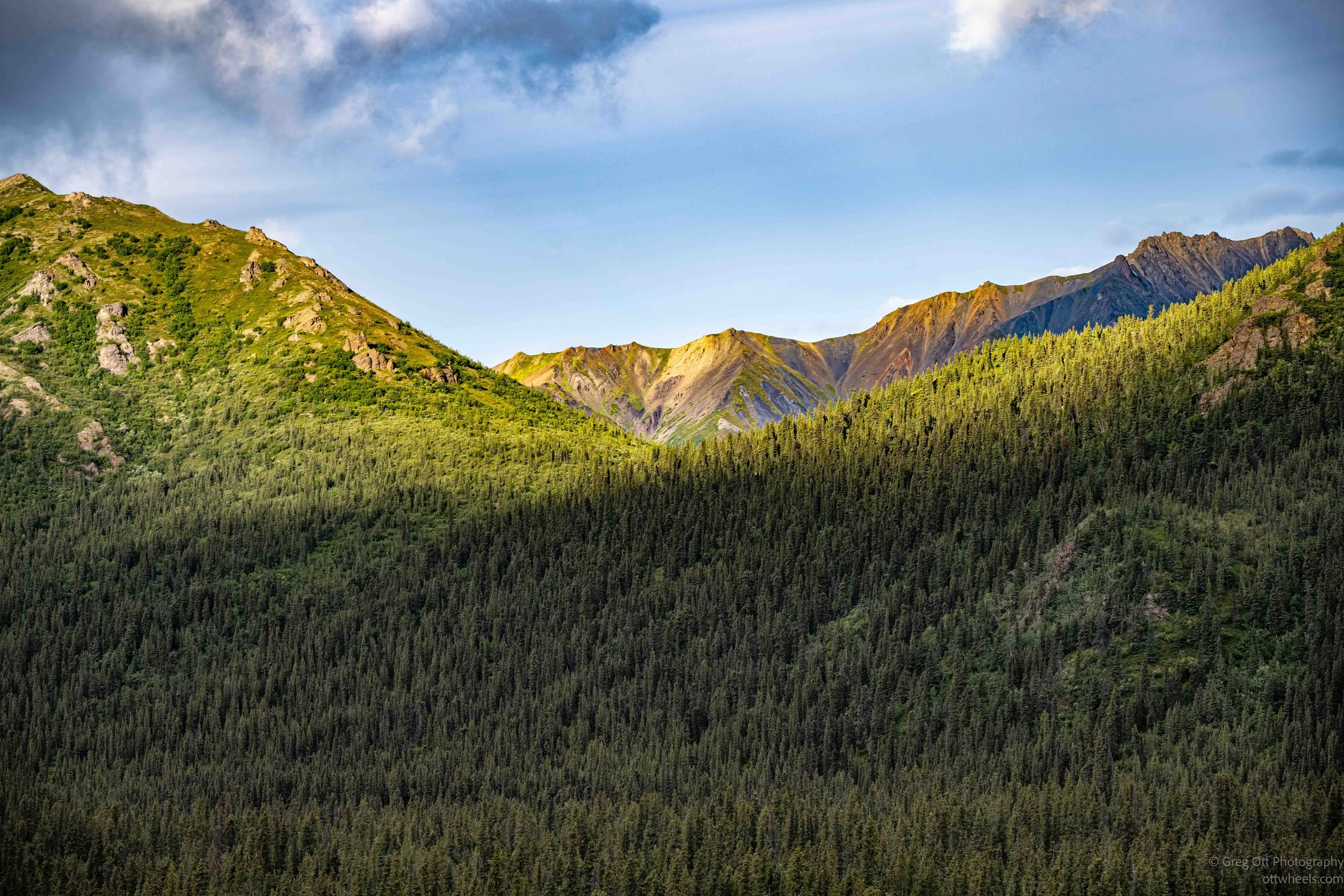
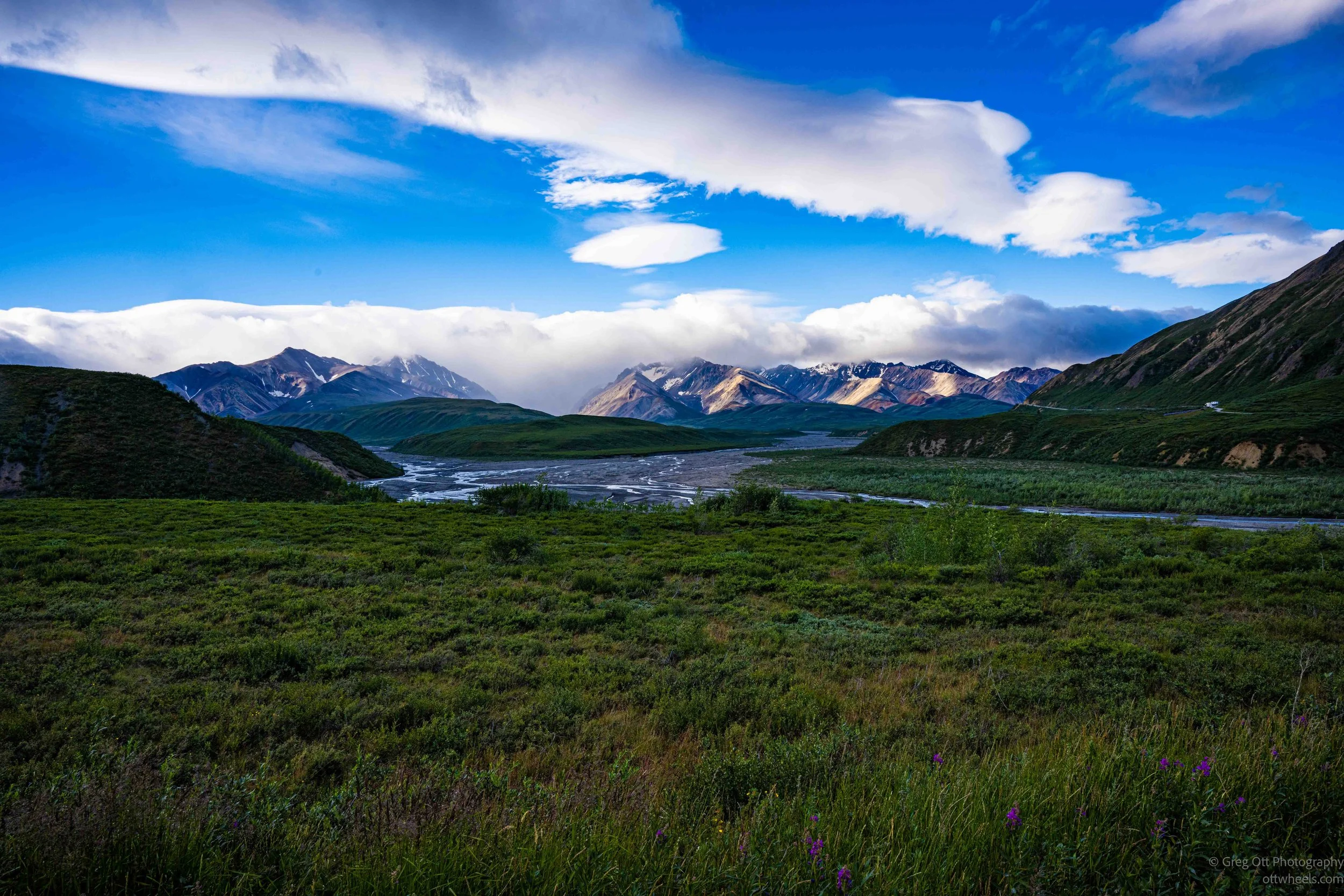
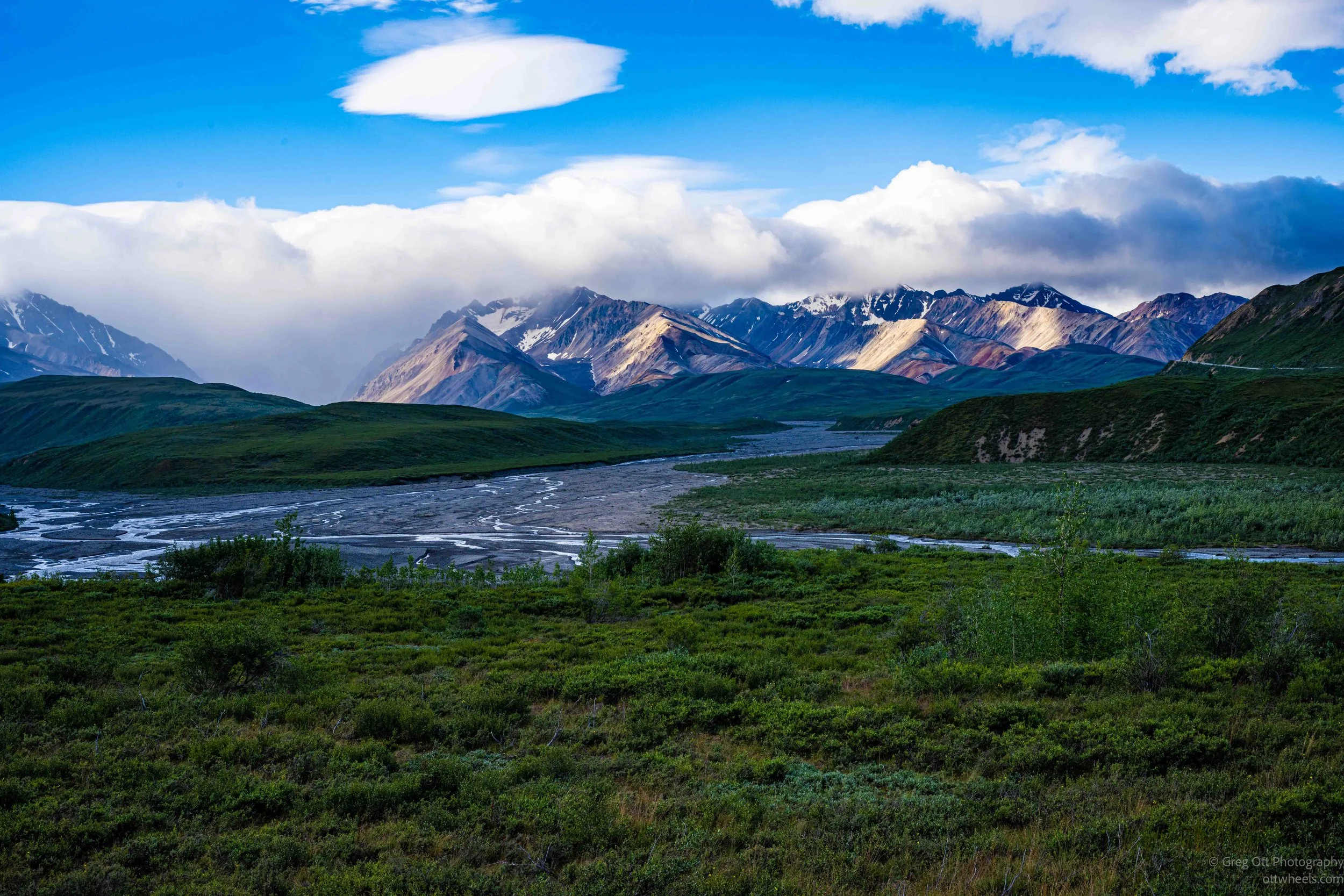
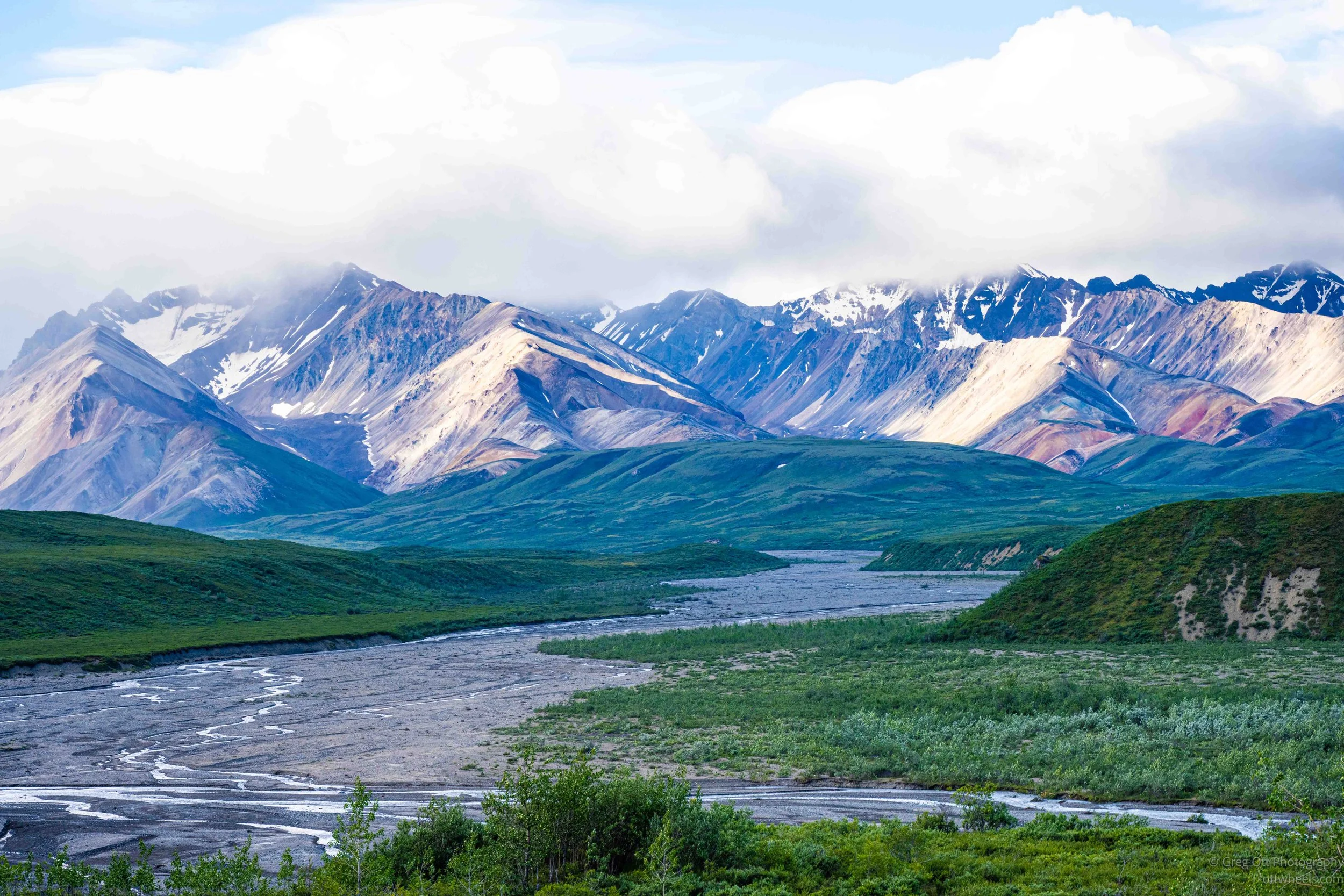
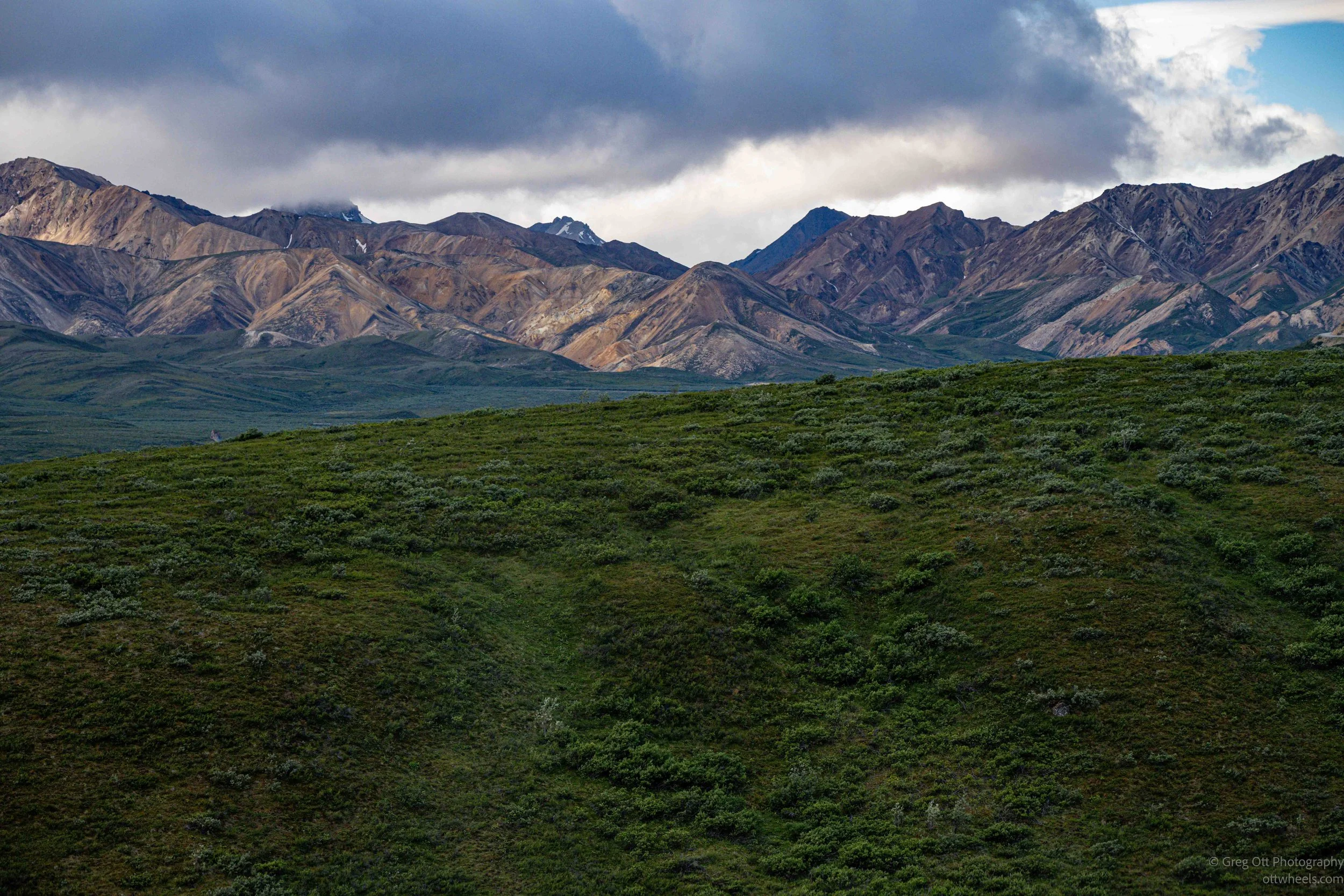
The scenery, of course, was beautiful. The road gradually leaves the spruce forest near the park entrance and moves into increasingly open country, with broad river valleys, tundra-covered hillsides and mountains stretching into the distance. Once beyond Savage River, the road becomes gravel and winds deeper into country that can't be reached by private vehicle during the summer. Even after several trips along this road, I still found myself looking out the window rather than listening to the narration.
Part of the problem was that I had already spent quite a bit of time in Denali. Much of the information being presented was material I had heard before from rangers, visitor-center exhibits, previous bus rides and programs during the week. The driver would talk for long stretches—sometimes close to thirty minutes at a time—and although there were interesting pieces mixed in, quite a bit of it felt like filler to me.
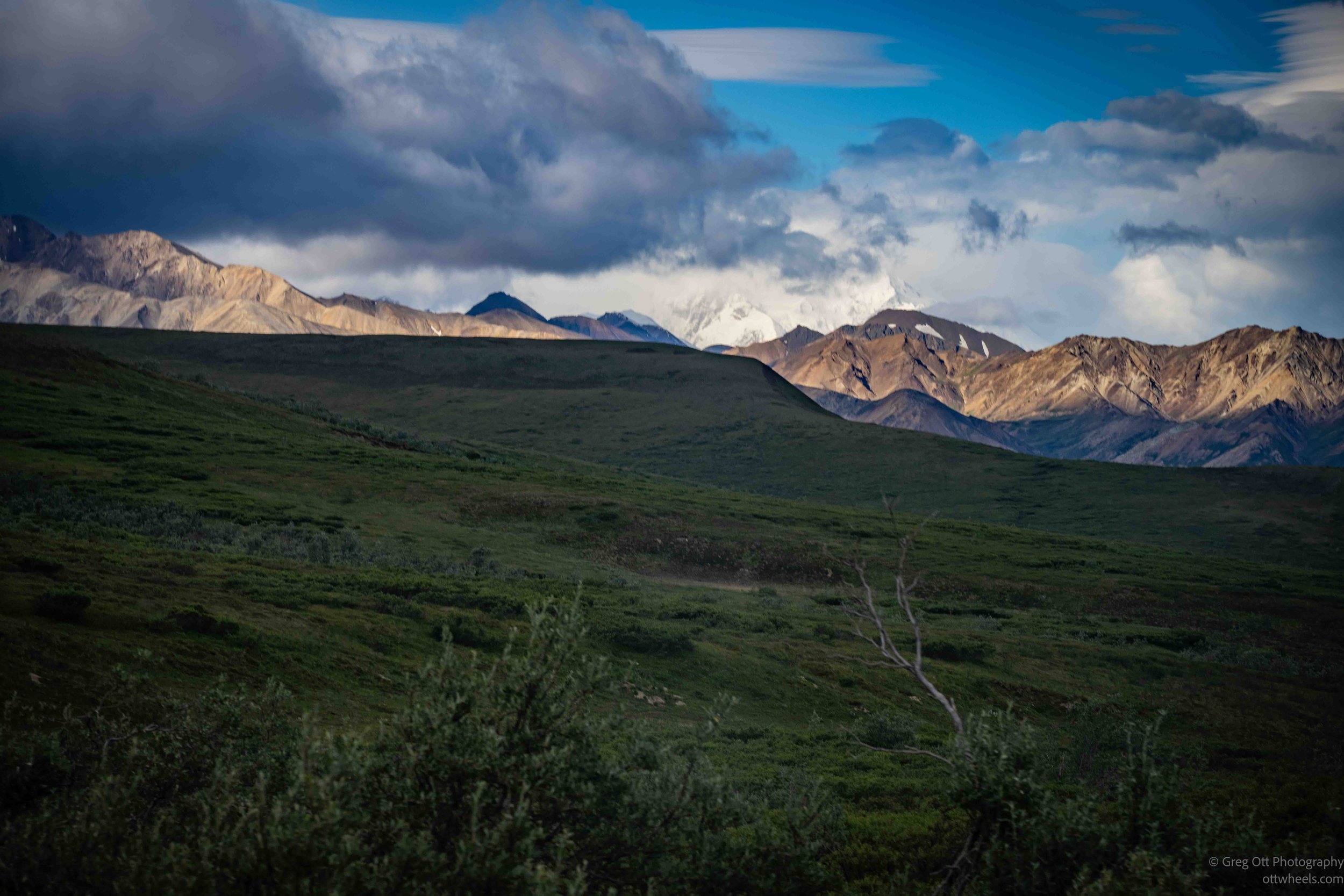
The goal for most people on the bus seemed to be completing the Denali checklist: grizzly, caribou, Dall sheep and, of course, Denali itself. The mountain was hidden by clouds for most of the trip, but there was about a ten-minute window when we could briefly see the peak—or at least we thought we could. Jake assured us that it counted and welcomed us to the "30% Club." It's a thing here, complete with 30% Club patches (purchase at the Mercantile Store) for people who want to say they actually saw Denali. Based on my experience so far, I think even 30% might be optimistic.
For someone arriving by train, staying for a night or two and wanting a single trip deep into the park with someone explaining what they're seeing, the Tundra Wilderness Tour makes sense. The driver-naturalist handles everything, you don't need to know anything about the park beforehand, and you have a good chance of seeing wildlife along the way.
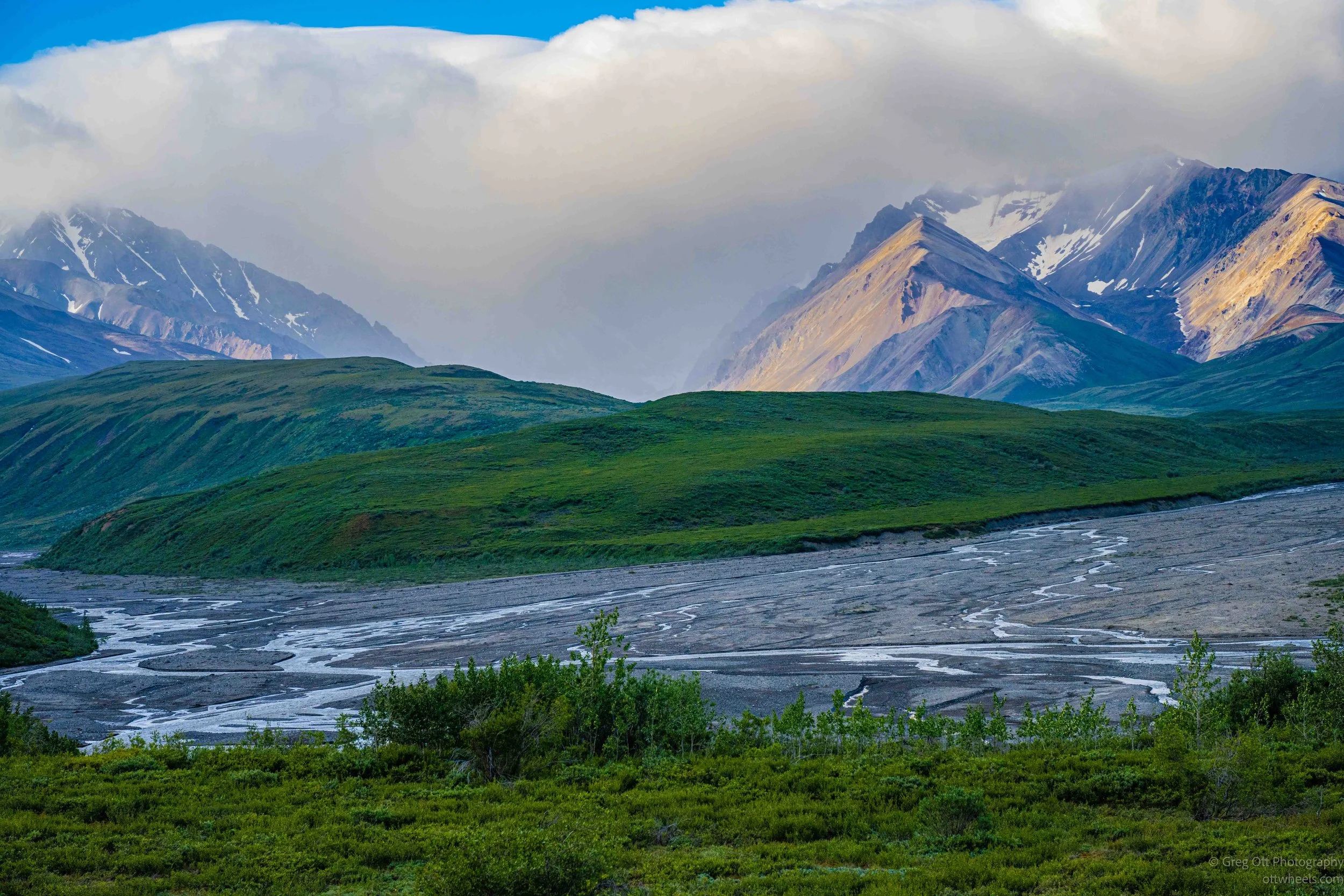
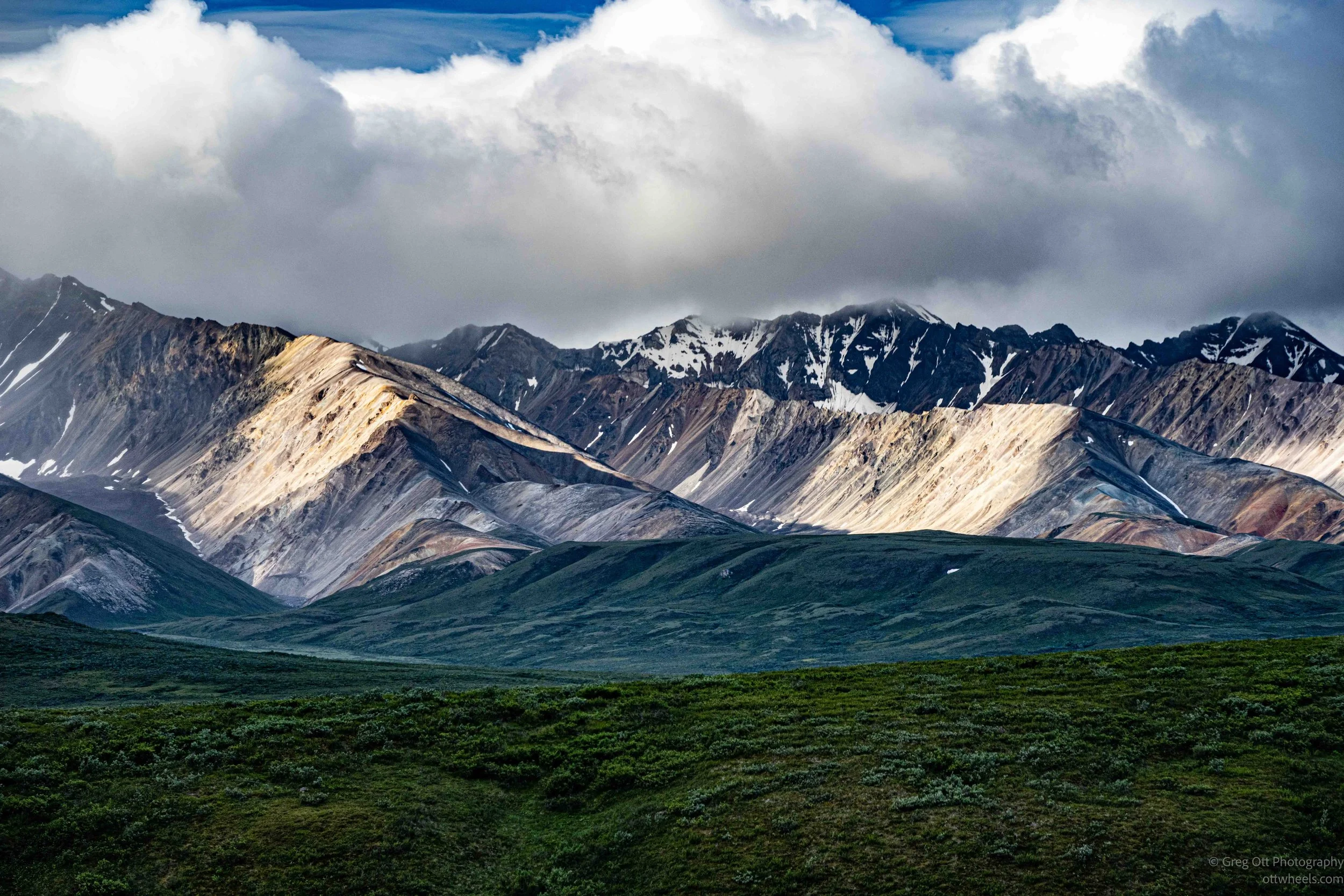
For me, however, it was hard to see the value. The tour costs nearly $145 per person, and there were more than forty people packed onto our bus. At times it felt less like exploring Denali and more like being crammed into a cattle car. The seats are narrow, you're sitting shoulder-to-shoulder, and most of the experience consists of looking through a bus window. For that price, I expected something more than essentially a narrated bus ride to East Fork and back.
What made the comparison particularly difficult was what I had done the previous day. The regular East Fork transit bus costs $33.50 and travels essentially the same road to essentially the same destination. The transit driver doesn't provide the formal narration, but the buses still stop for wildlife, and the drivers provide basic information and help passengers spot animals. More importantly, I had used that bus to join a ranger-led hike from East Fork, spending hours actually walking through the landscape, crossing the river, pushing through brush, seeing caribou and grizzlies, and learning directly from a ranger. That entire experience cost me about $35.
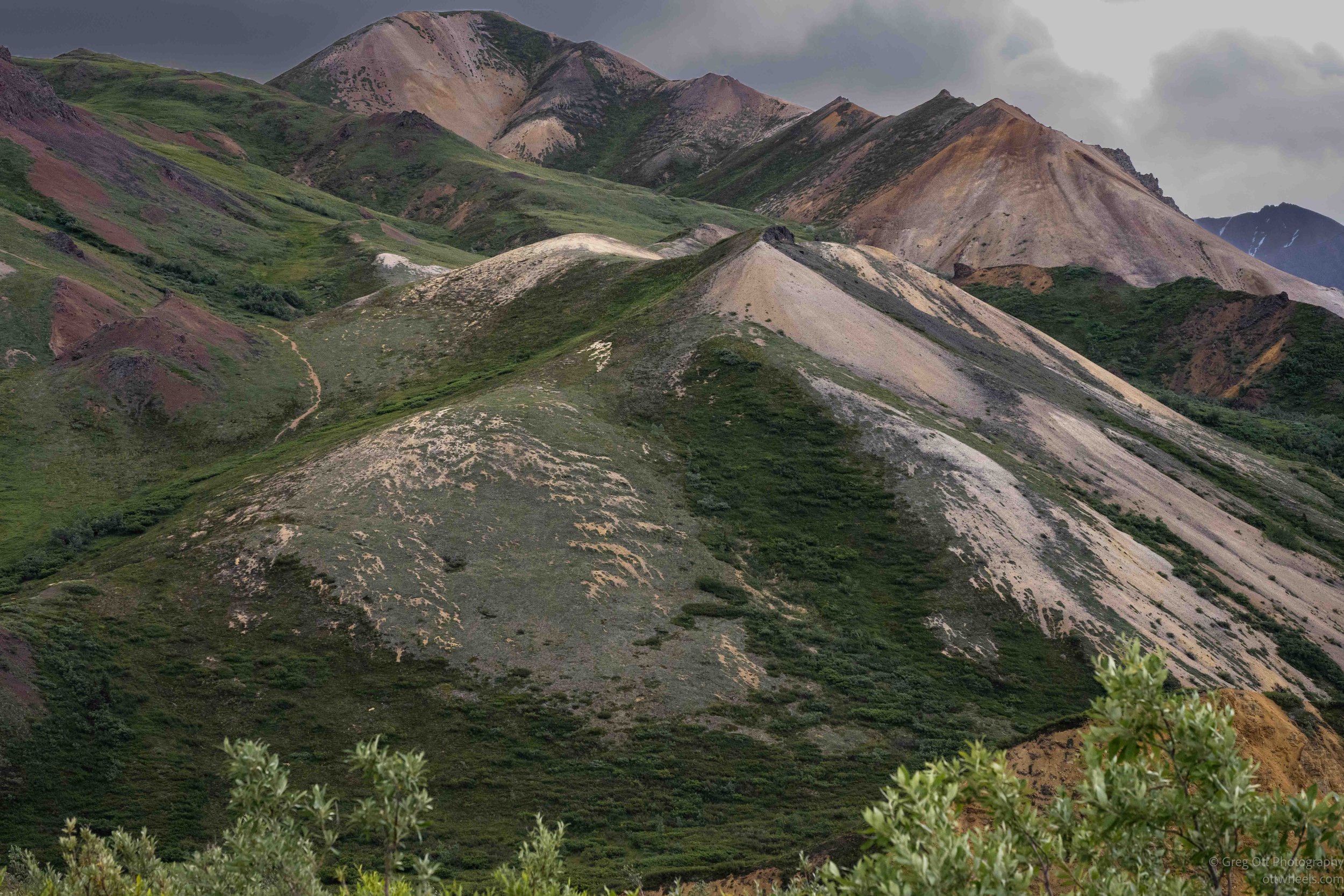
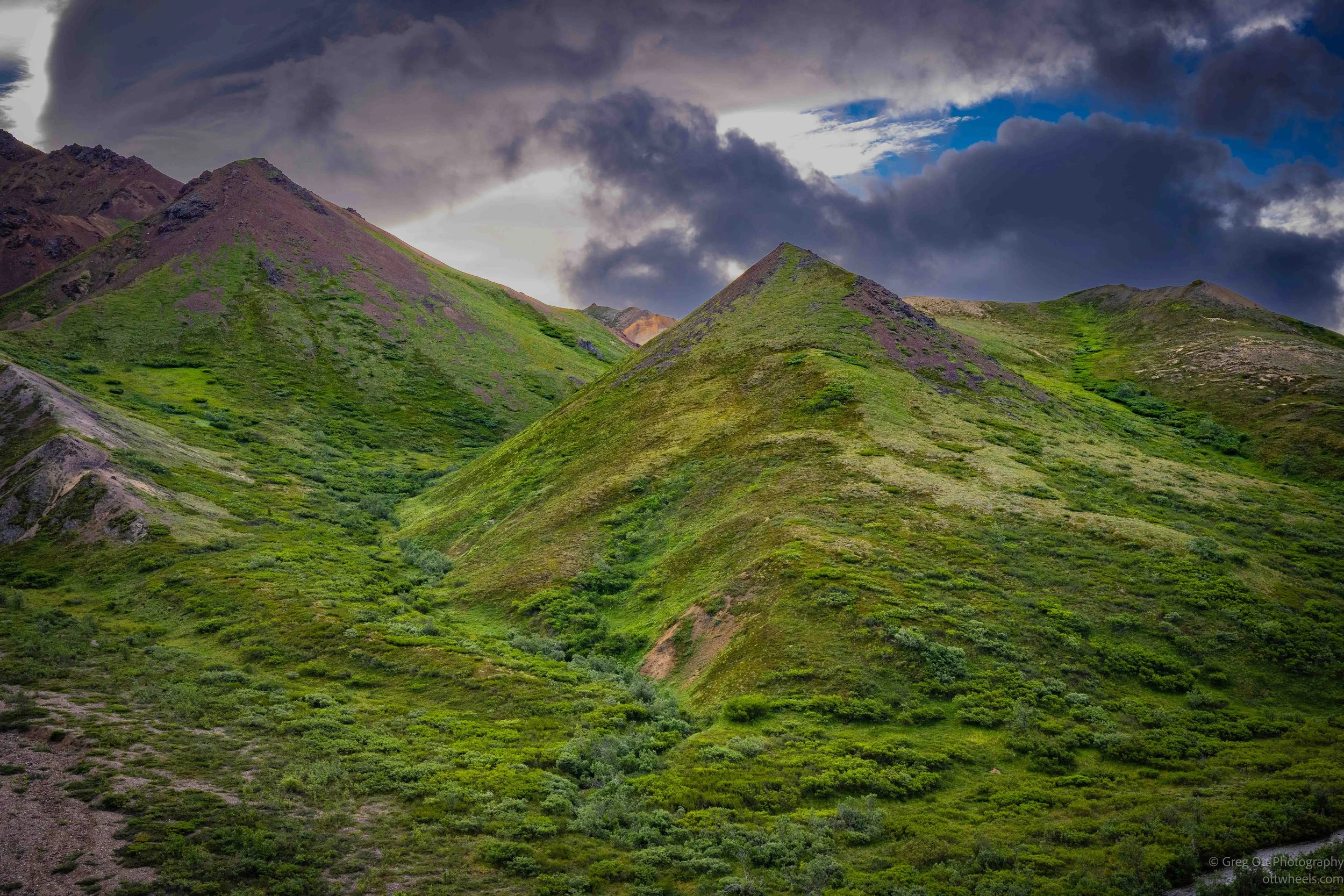
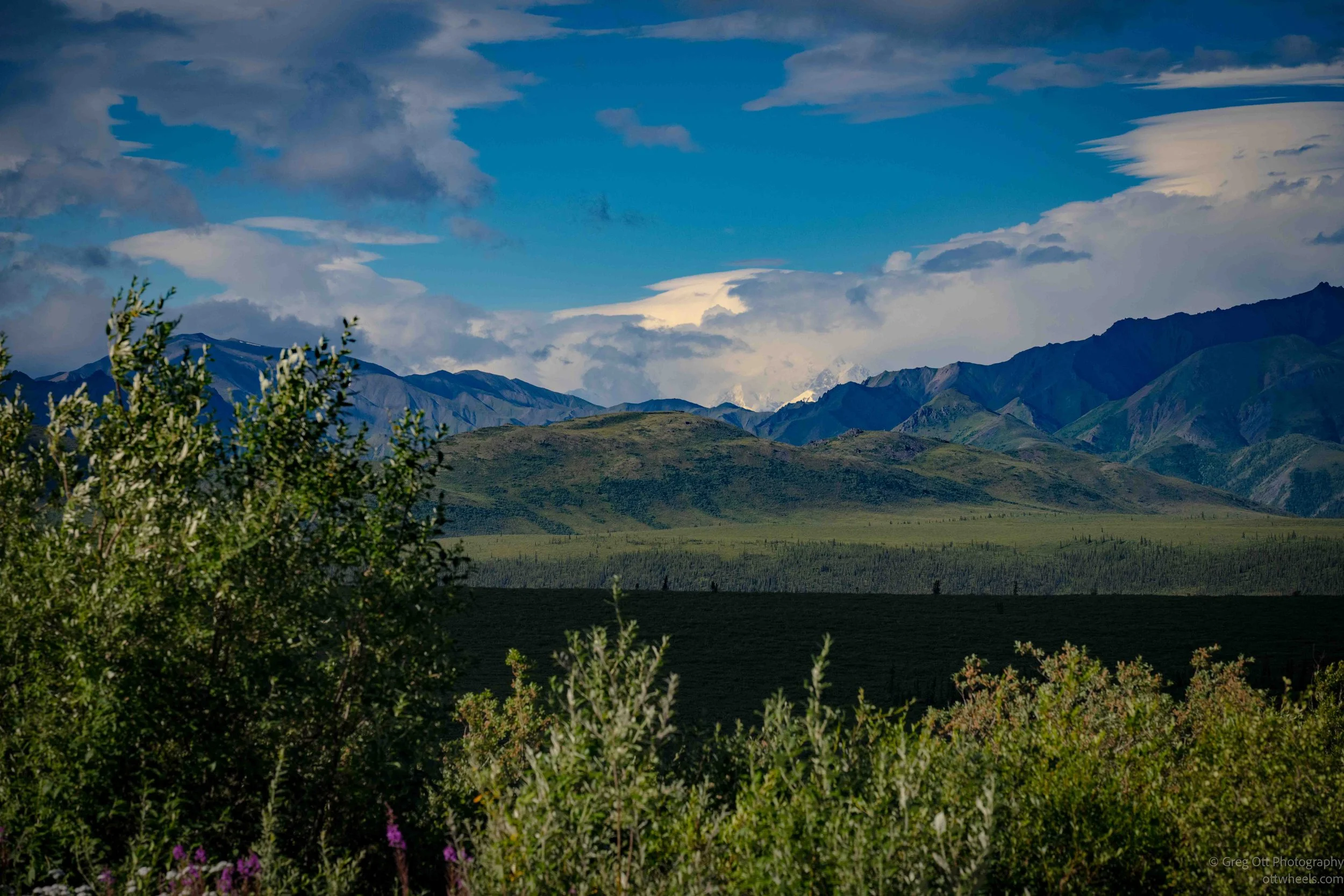
There really wasn't a comparison. I got far more out of the previous day's experience for less than one-quarter of the price. I was participating in Denali rather than watching it through a window.
That's not to say the Tundra Wilderness Tour is bad. The driver was good, the scenery was beautiful, we saw wildlife, and nearly everyone around me seemed delighted with the experience. If you have limited time in Denali and want someone to take you into the park and explain everything along the way, it may be exactly what you're looking for. But after spending several days exploring Denali on my own and with park rangers, it simply wasn't worth $145 to me.
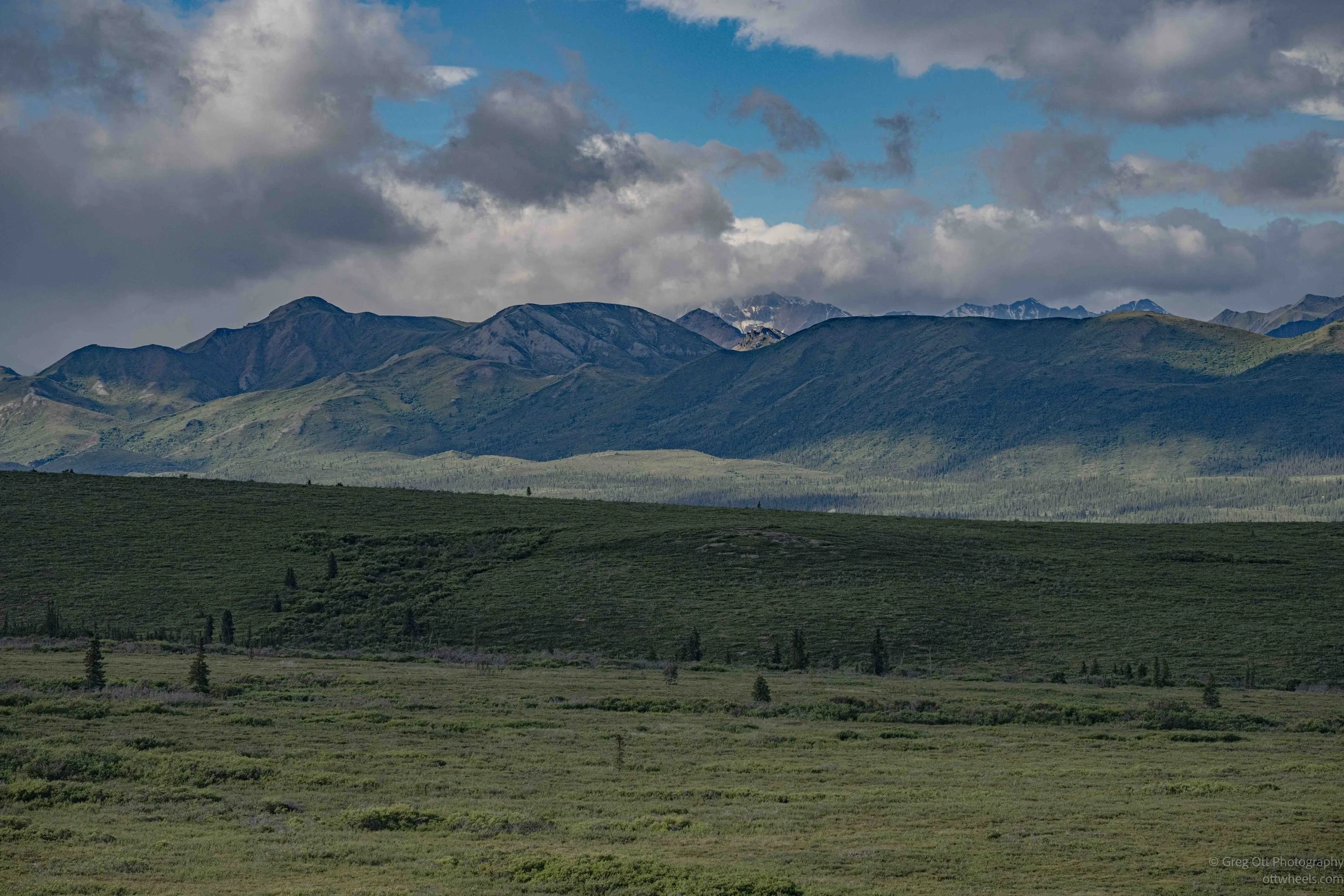
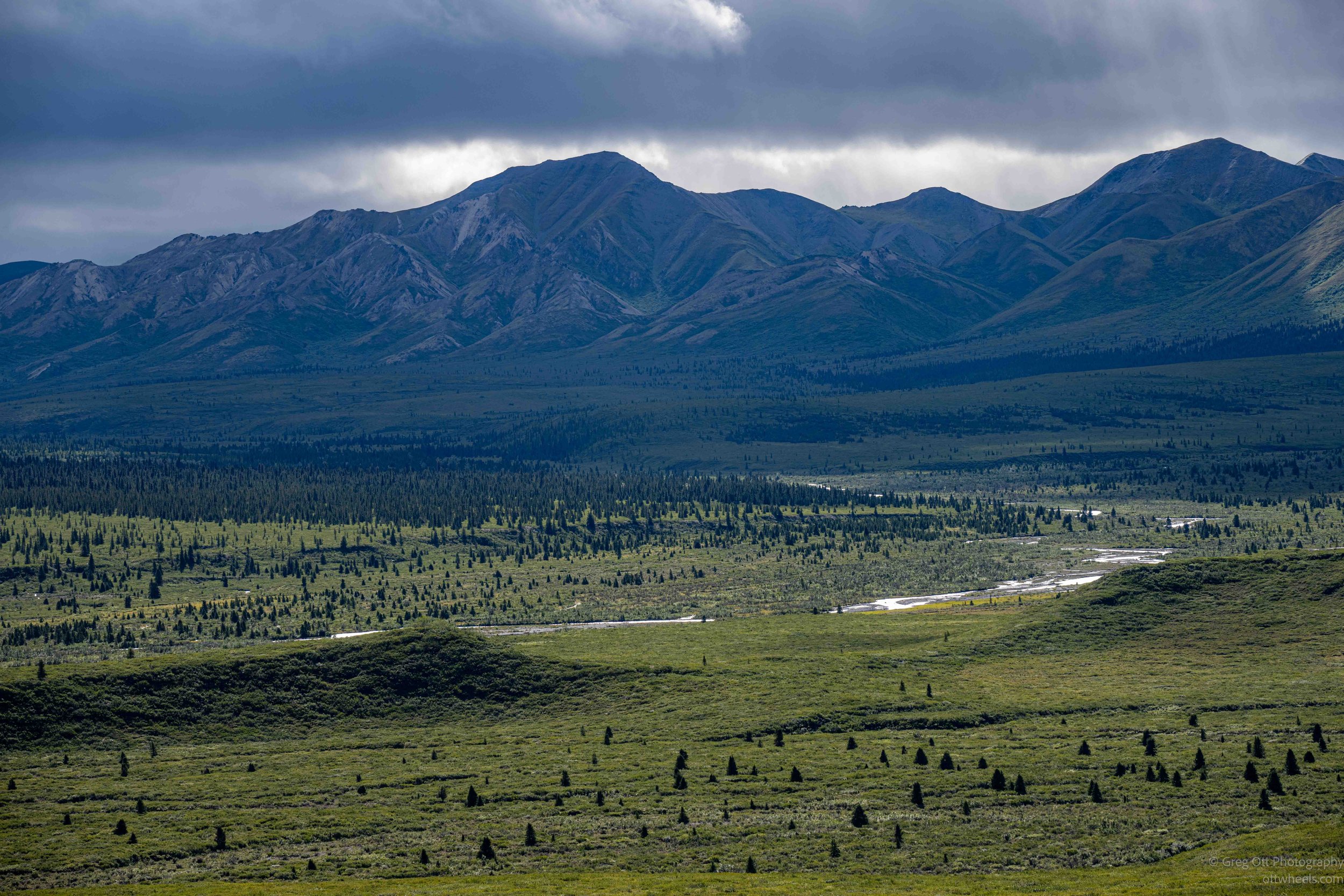
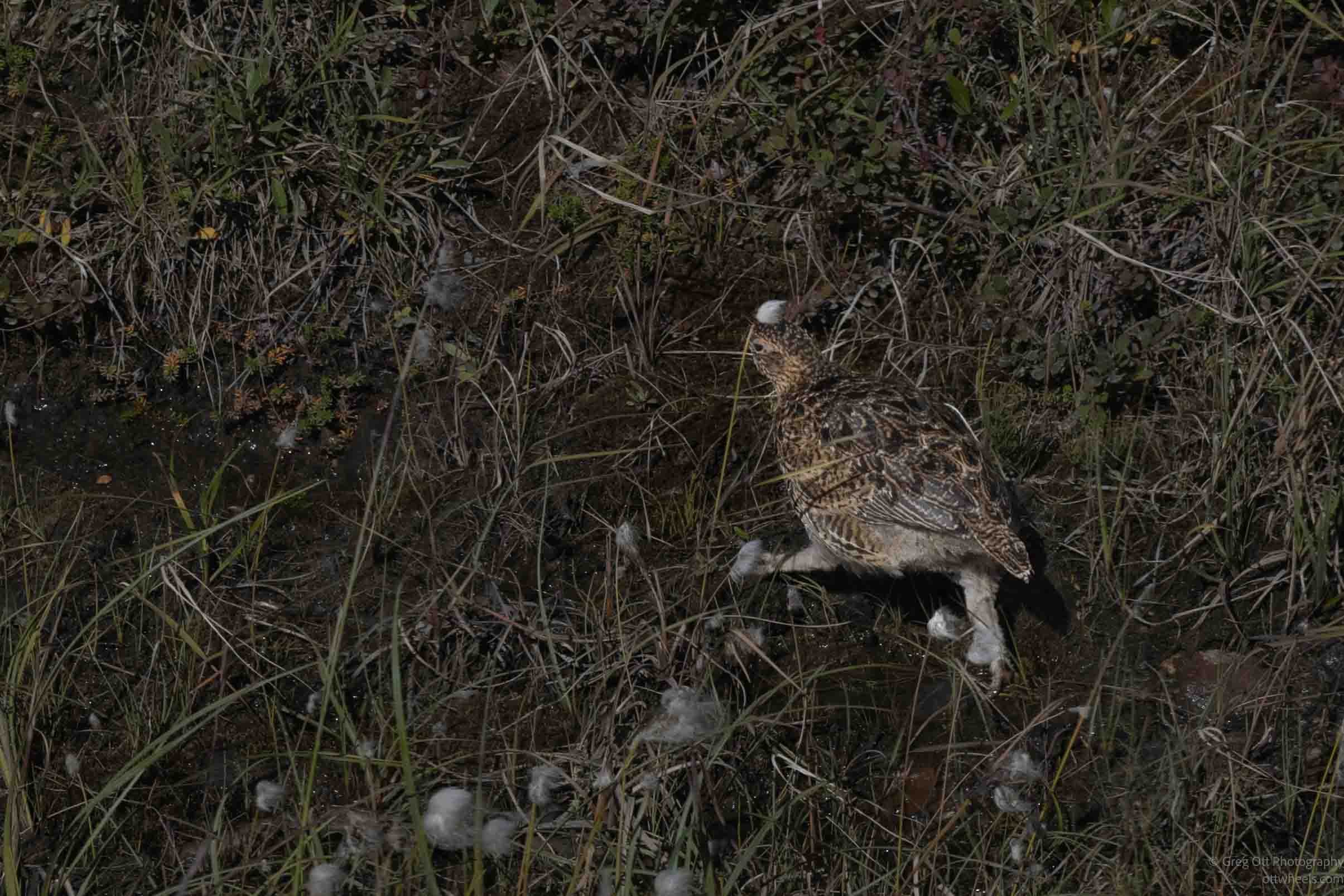
We arrived back at the bus depot around 11:45. The lack of sleep was catching up with me, I was ready for coffee. I stopped for one at the Bus Depot and drove back to the campground.
A History of Fire and Ice
Later that evening, I headed back out for something completely different. On most Tuesday evenings throughout the summer, Alaska Geographic hosts an evening speaker series at the Murie Science and Learning Center. I attended a presentation by Dr. Melissa Chipman, an Assistant Professor of Geology at the College of William & Mary in Williamsburg, Virginia. Her talk, A History of Fire and Ice, was free to the public and began at 7:00 p.m. It turned out to be one of the best presentations I've attended in a while.
Alaska's lake bottoms aren't just dark, murky places. They preserve an incredible record of the past, revealing the history of wildfires, permafrost thaw, changing vegetation and ancient climates. Dr. Chipman's research uses sediment cores collected from lakes across Alaska to reconstruct thousands of years of environmental change. She and her team are also beginning a new project here in Denali National Park, using those same techniques to better understand the park's long history of fire and how it may change in the future.
Before coming to Alaska, I thought of permafrost as simply frozen ground. I had no idea it was one of the largest carbon storage systems on Earth. The presentation explained that beneath our feet is a layer of permanently frozen soil that has trapped plants and other organic material for thousands of years. As temperatures warm and that frozen layer begins to thaw, microbes begin breaking down that ancient material, releasing carbon dioxide and methane back into the atmosphere. What surprised me most was the scale of it. The frozen soils of the Arctic and subarctic contain an enormous amount of carbon, making what happens here important far beyond Alaska.
The talk became even more interesting when Dr. Chipman described the different kinds of ice hidden underground. Some forms in cracks over thousands of years, while other sections are actually buried remnants of ancient ice that have survived for enormous periods of time. When that ice melts, the ground can suddenly collapse, creating landslides that drain lakes, destroy habitats and reshape entire landscapes in a remarkably short period of time.
That part immediately connected with something I had seen elsewhere in Alaska. Not long ago, I had visited an area near Homer associated with a massive landslide and the resulting megatsunami. Standing in these landscapes, everything looks solid and permanent. The more I've learned about Alaska, the more I've realized how misleading that impression can be. Mountains move, glaciers retreat, permafrost thaws, hillsides collapse and entire landscapes can change almost overnight.
What fascinated me most was how scientists piece together this history. Instead of looking only at rocks, they drill long tubes of mud from the bottoms of lakes. Every layer represents another chapter in the past. Hidden in that mud are pollen grains, bits of charcoal, tiny insect remains, leaves, twigs and minerals washed in from landslides. By studying those layers, researchers can reconstruct thousands of years of changing temperatures, vegetation, fires and even the moments when nearby hillsides collapsed into the lakes. It's amazing to think that a muddy core only a few inches wide and several feet deep can reveal thousands of years of history.
The second half of the presentation shifted from ice to fire. I had always assumed wildfires were simply becoming more common because of today's warming climate. The reality is much more complicated. Fire has always been a natural part of Alaska's boreal forests, but researchers can see how fire patterns have changed over thousands of years by studying microscopic charcoal preserved in lake sediments. Some periods experienced larger fires, others more frequent fires, and those changes often coincided with shifts in the kinds of trees growing across the landscape.
One detail I found especially interesting involved black spruce. Fire plays an important role in the reproduction and regeneration of black spruce, helping release seeds and opening burned areas where new trees can establish themselves. As fires become larger or more frequent, however, forests can gradually shift toward more deciduous trees such as quaking aspen, which generally don't burn as readily as black spruce. In an odd twist, repeated fires can help create a landscape that is eventually less flammable than the forest it replaced.
The presentation also reminded me how much research is happening right here in Denali. Earlier that same day, Dr. Chipman and her team had been out collecting lake cores in the park. Their goal is to better understand Denali's long history of fire so scientists and the National Park Service can better understand how the landscape has changed and how it may respond in the future.
It's easy to think of a national park as something frozen in time, preserved exactly as it is today. The reality is almost the opposite. Denali is constantly changing. Glaciers move, permafrost thaws, forests burn and regrow, rivers change course, and scientists continue uncovering stories that have been quietly preserved beneath the mud at the bottom of its lakes for thousands of years.
I walked out of the auditorium looking at the landscape a little differently. What had seemed like a timeless wilderness suddenly felt alive, with an ancient history still unfolding beneath my feet. That's one of the things I've come to appreciate most about Denali. The scenery is spectacular, but understanding why it looks the way it does makes standing here even more meaningful.
It had been a strange contrast to the morning. I had spent nearly $145 to sit on a crowded bus and came away somewhat disappointed. That evening, I sat through a free presentation and walked out fascinated by things I hadn't known anything about two hours earlier. Sometimes price and value have very little to do with each other.
After another long day in Denali, I went back to the van, relaxed with the side door open and let the cool air in. It was a quiet night and very relaxing.