Denali: East Fork Discovery Hike
I slept well and was up around 6:00 a.m. to catch the shuttle for the East Fork Discovery Hike in Denali National Park. After leaving Riley Creek Campground, I drove the couple of miles to the bus depot, giving myself just enough time for breakfast, one final gear check, and, of course, a double espresso.
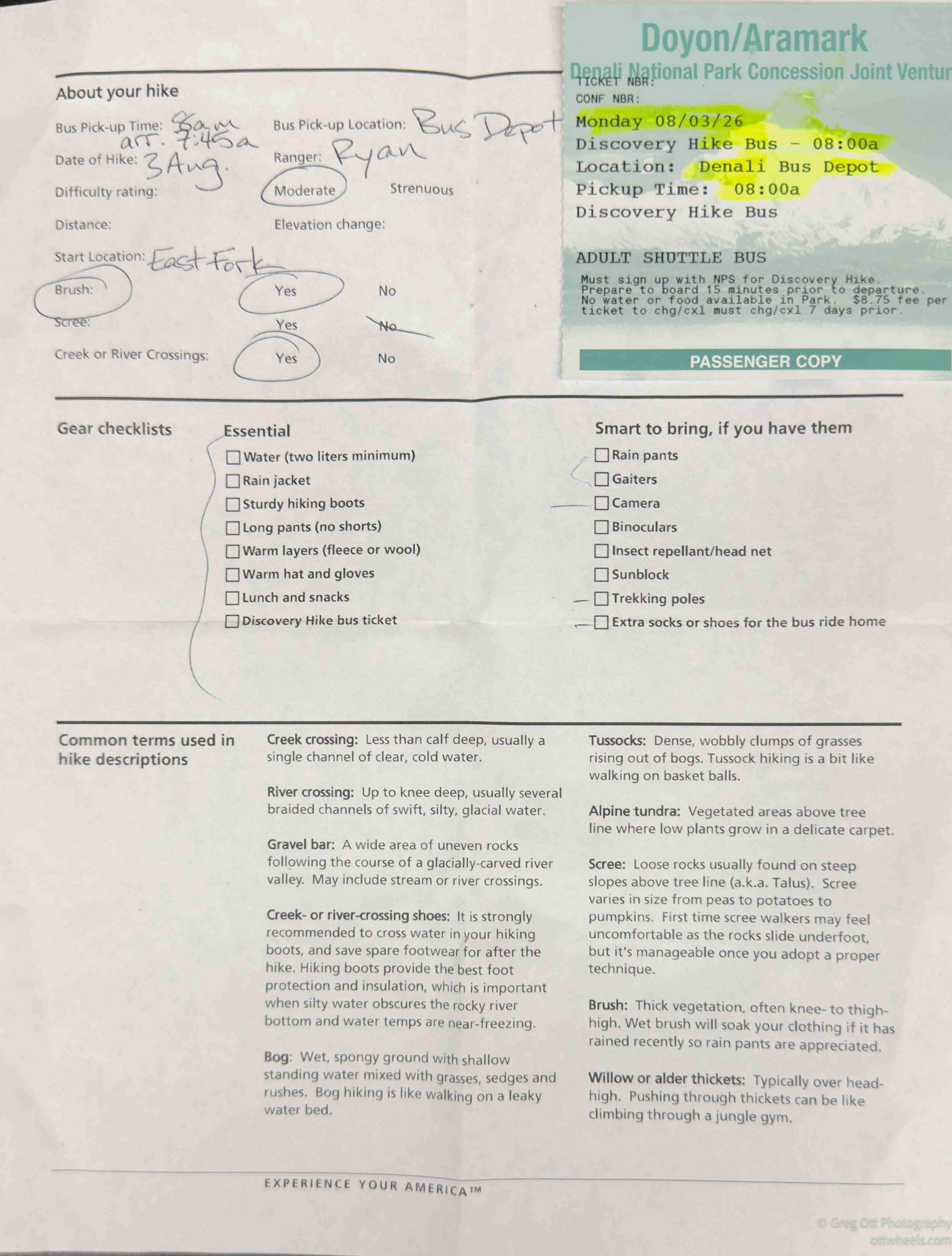
Registering for one of Denali's guided hikes is more than simply buying a ticket. The National Park Service provides a preparation guide that makes one thing very clear: expect anything. A summer hike could bring sunshine, rain, sleet, or even snow. The ranger at the information desk told me Ranger Ryan would be guiding our group on a moderate hike with brush, stream crossings, and water that could reach one to two feet deep. Rain was forecast most of the day, but I packed my camera anyway and hoped for the best.
Shortly after 8:00, our green shuttle bus pulled away from the depot. Unlike the narrated tour buses, these shuttle buses serve hikers and campers along the park's single road. Once past Mile 15, private vehicles are no longer allowed, the pavement disappears, and Denali begins to feel truly wild.
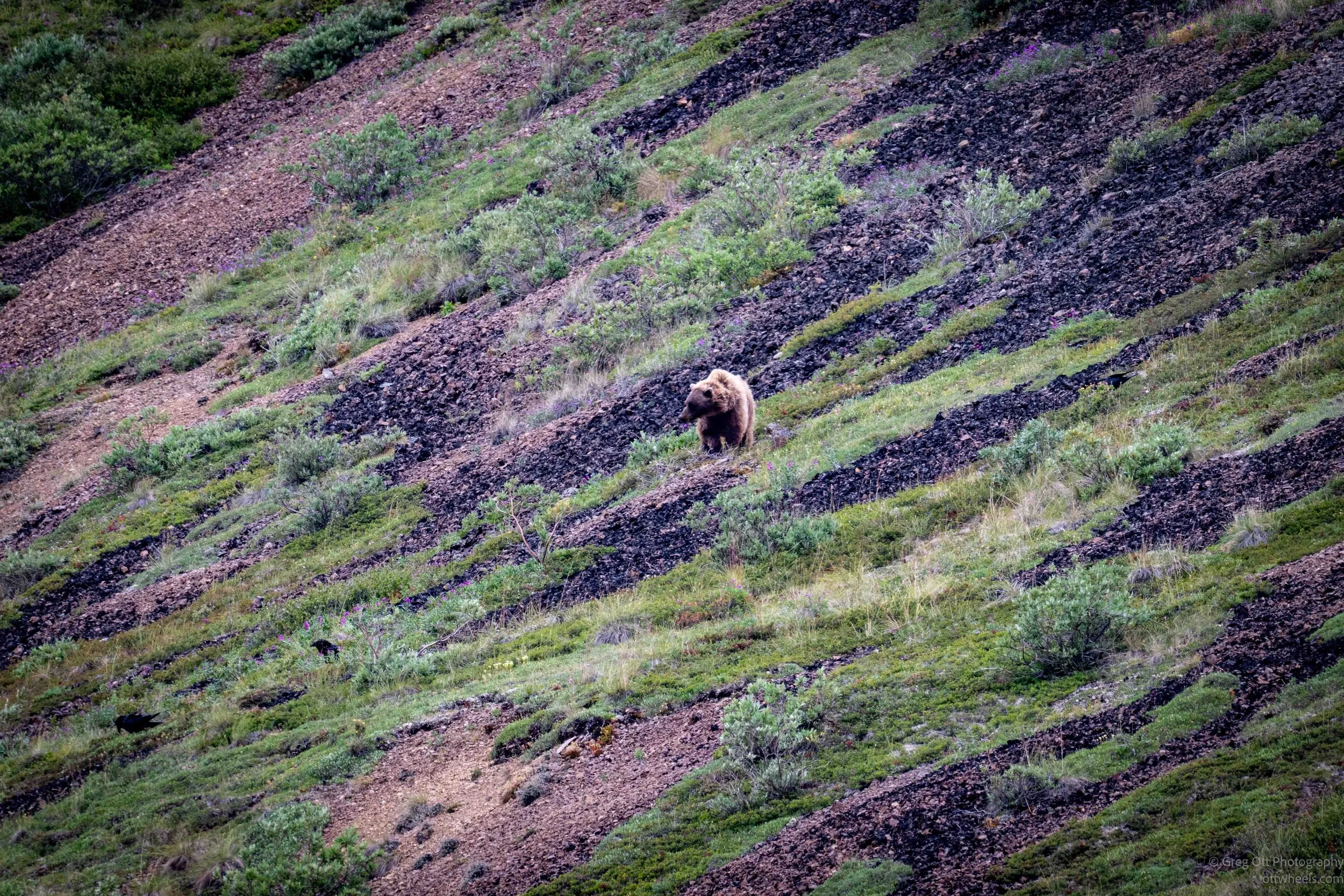
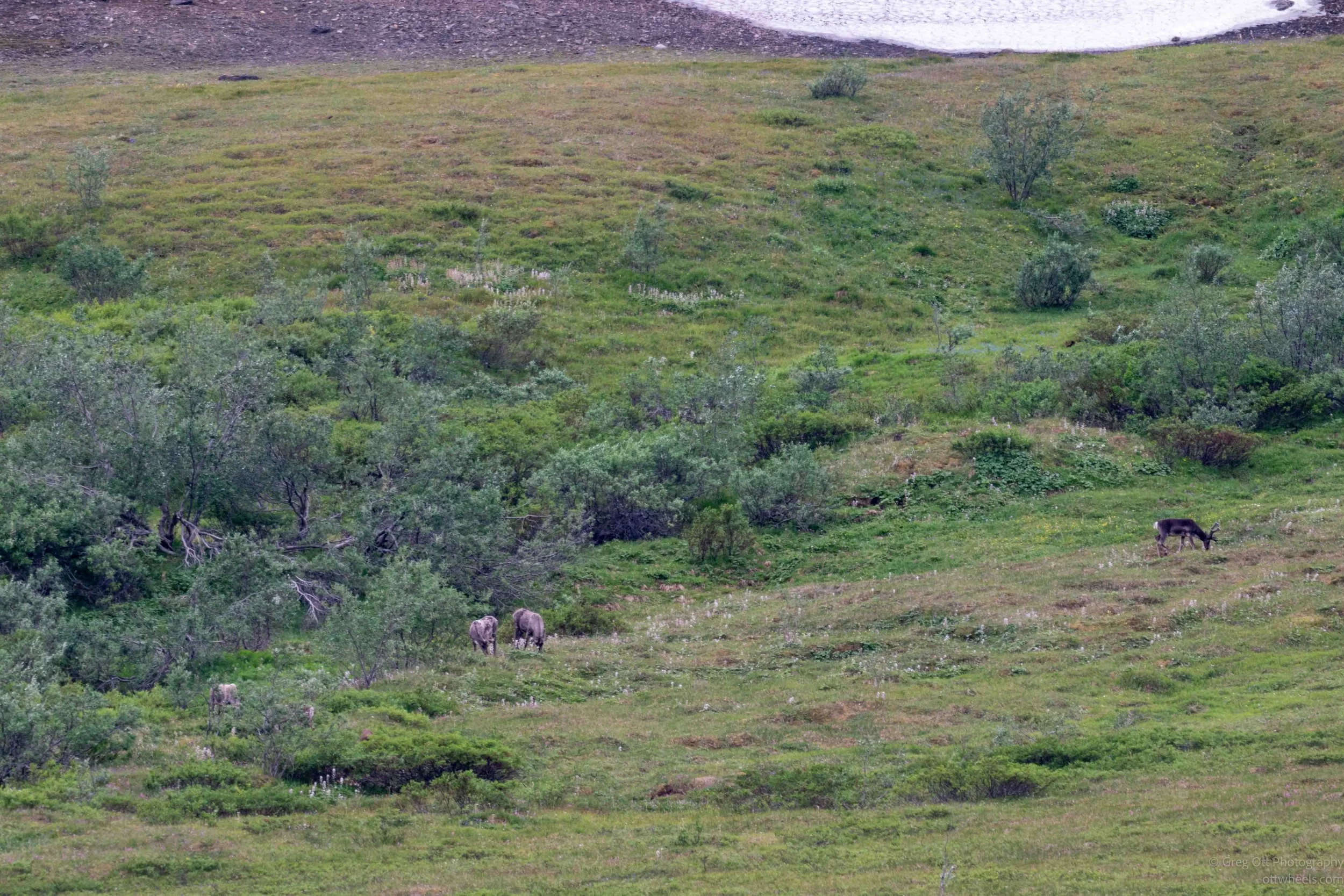
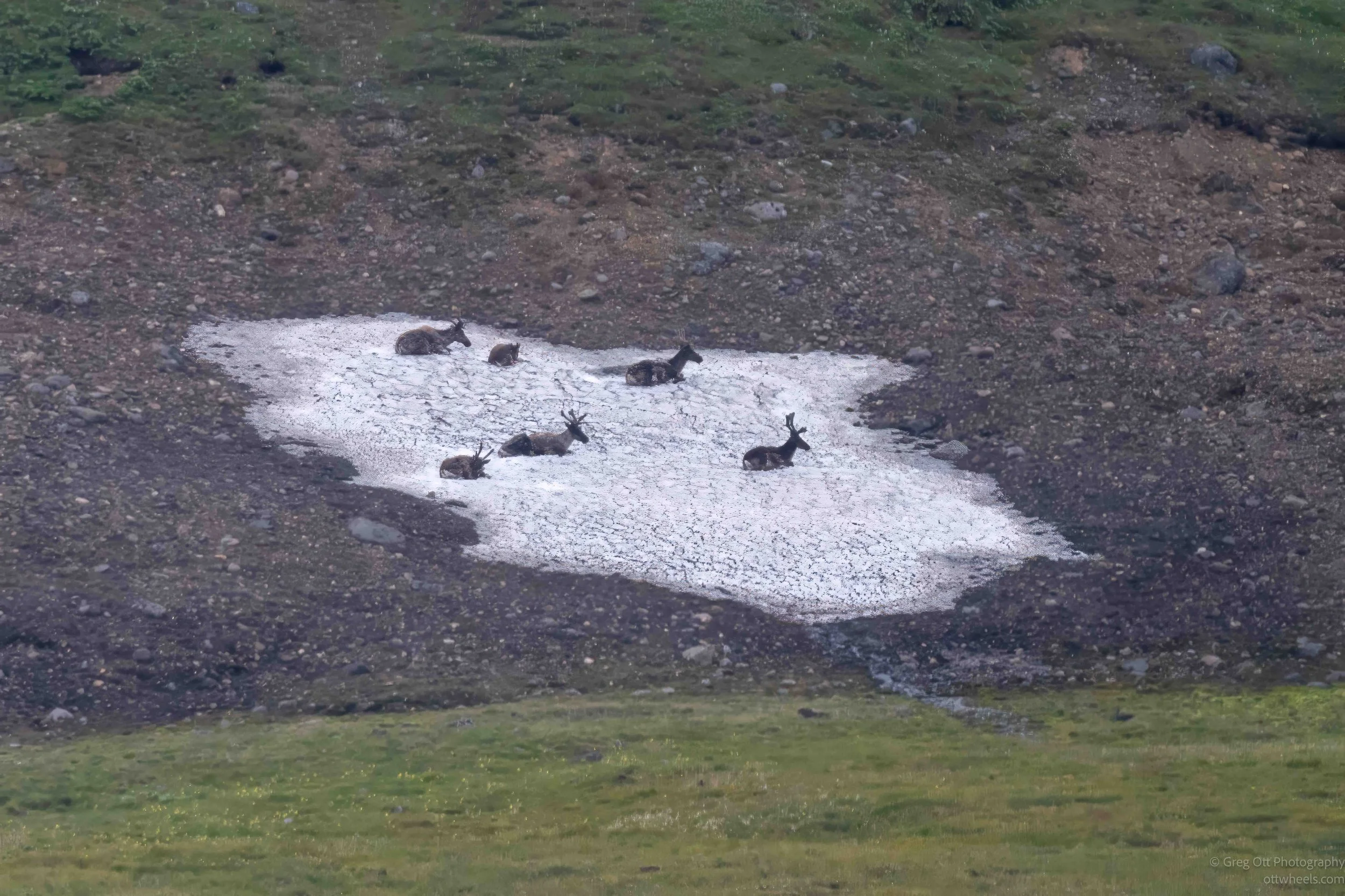
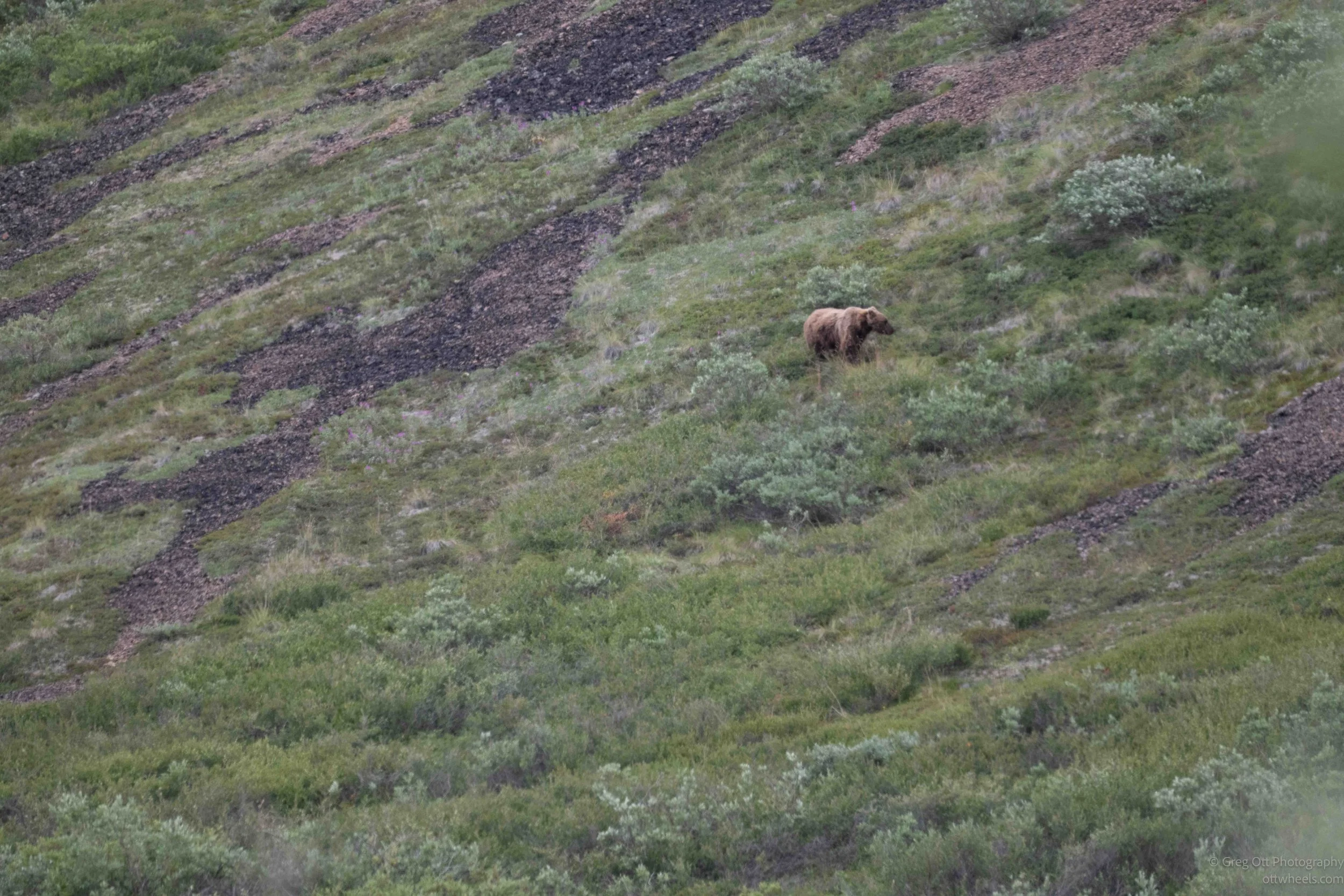
The ride to East Fork took over two hours. Along the way we stopped several times for wildlife. The first excitement came when someone shouted for a bear, only to discover it was a "bear rock," a boulder that has fooled countless visitors. A little later someone actually spotted a grizzly high on the mountainside, followed by several caribou grazing near Sable Pass. Even with my 600mm lens, they were tiny in the distance. I was amazed that other passengers seemed able to spot wildlife long before most of us.
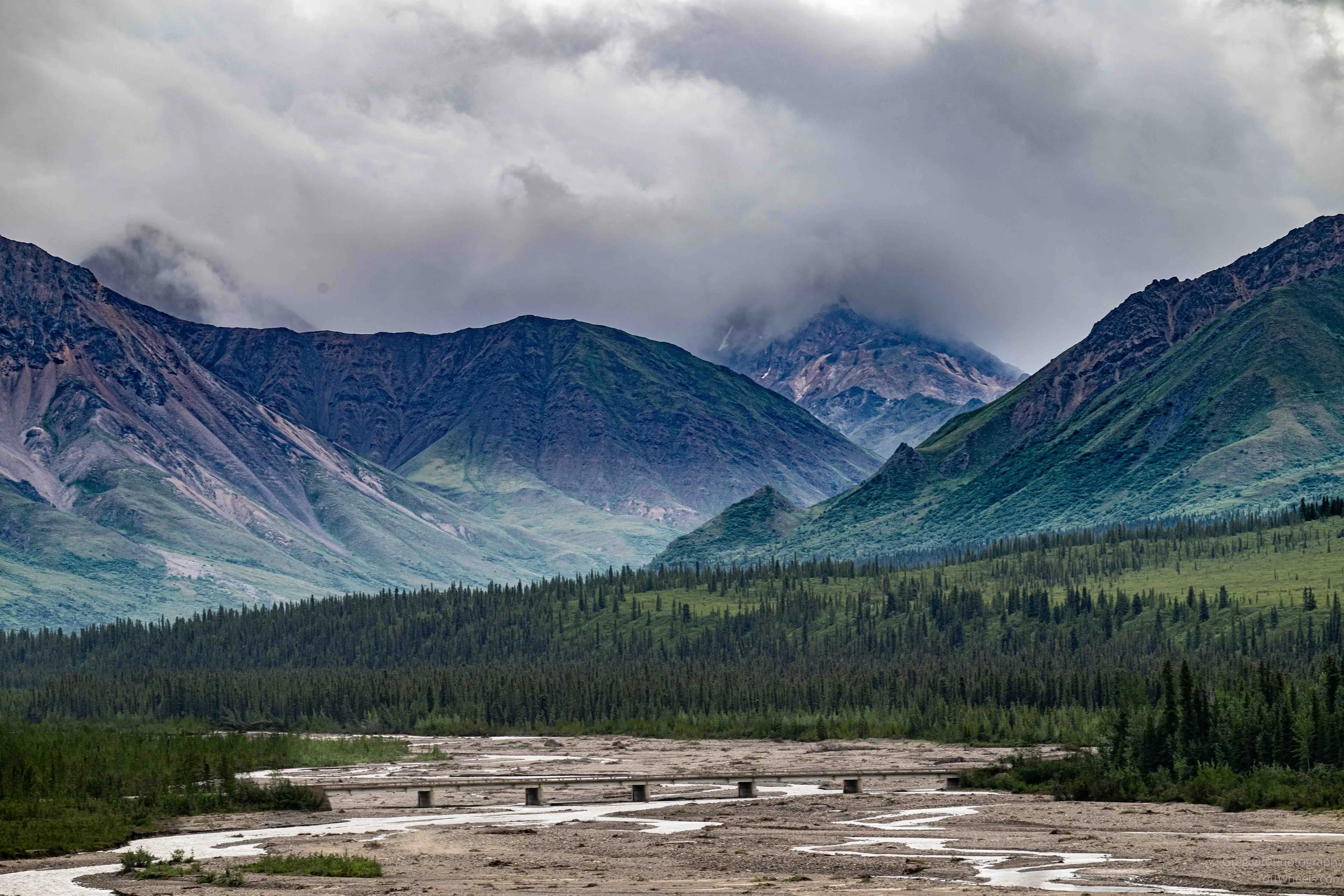
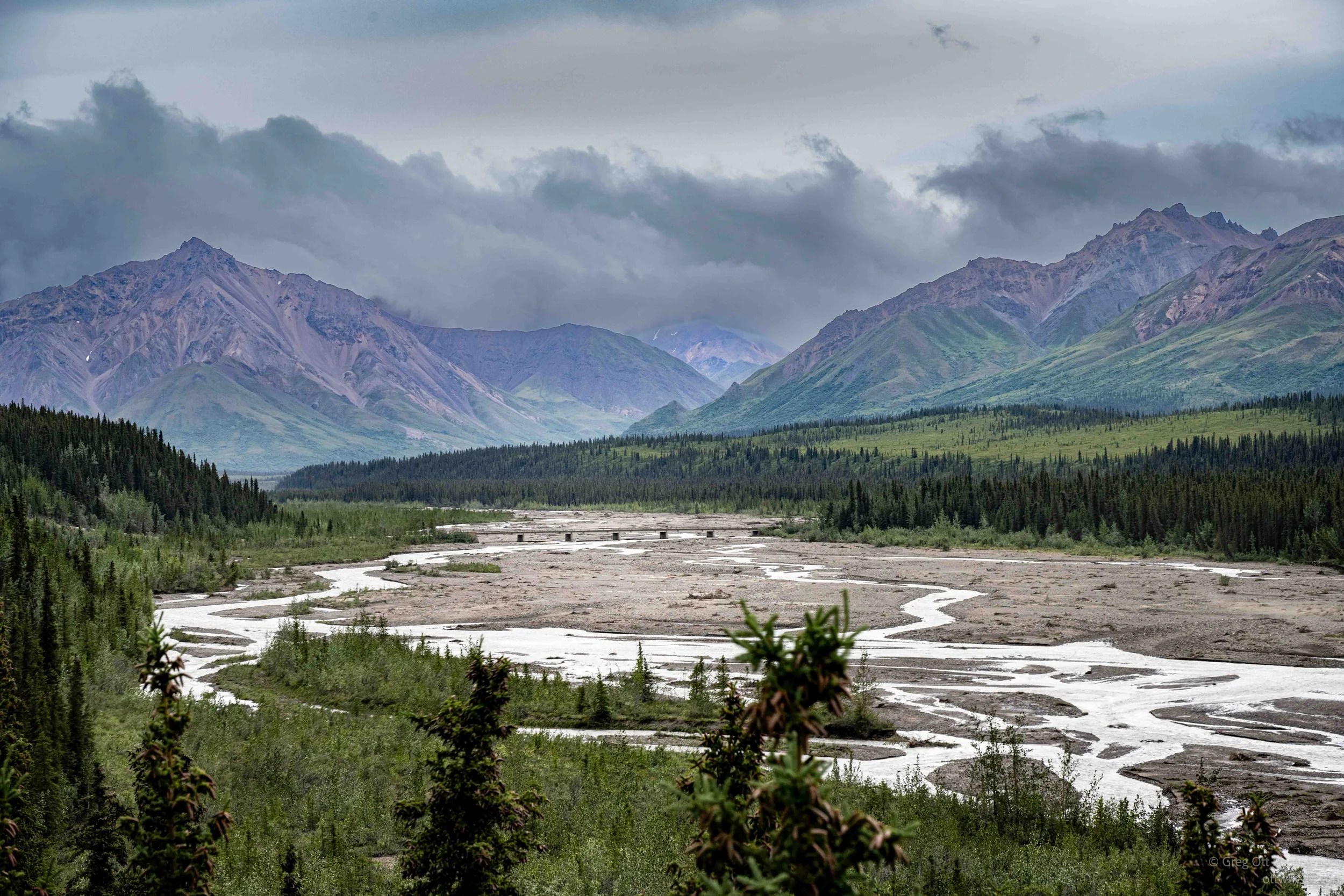
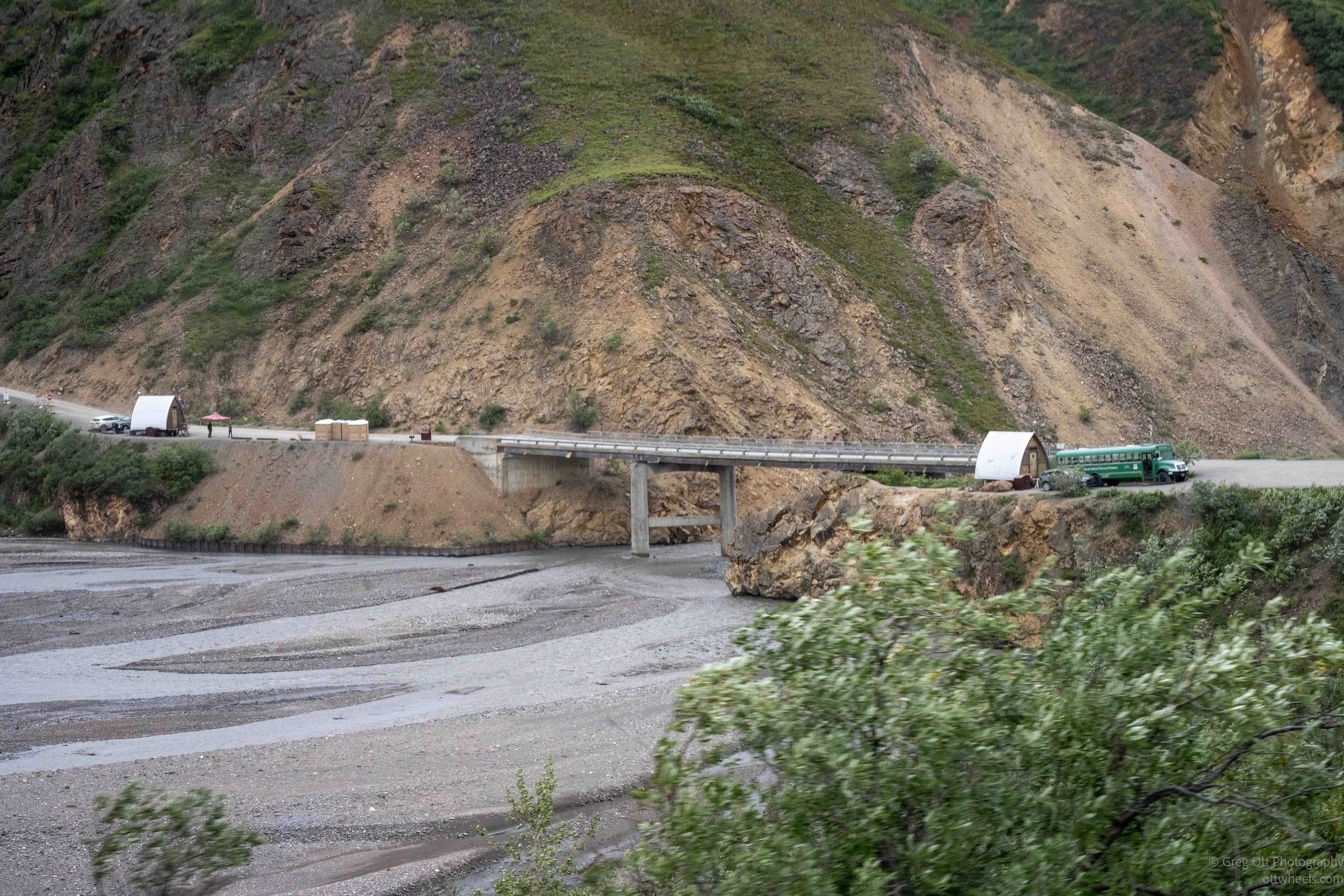
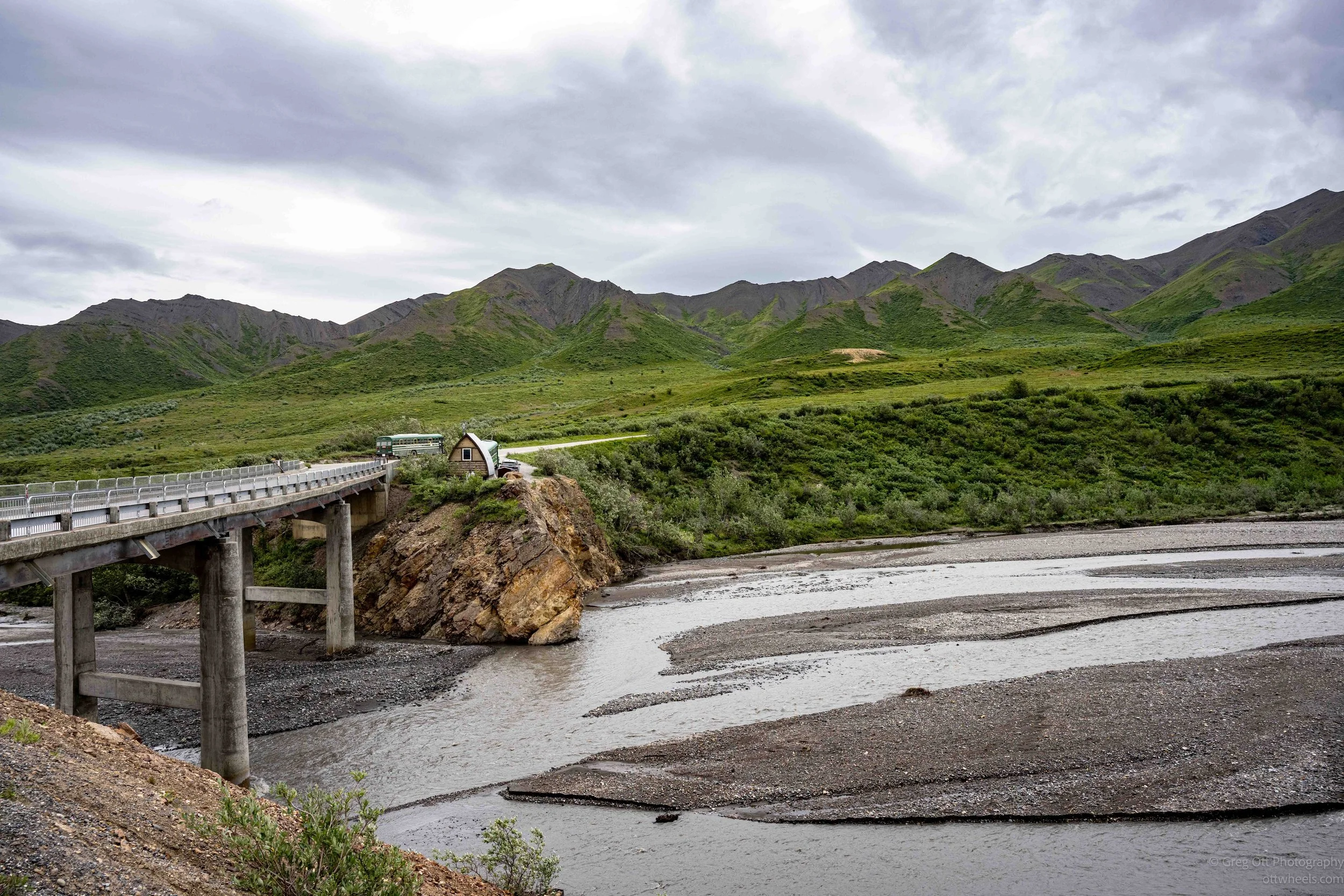
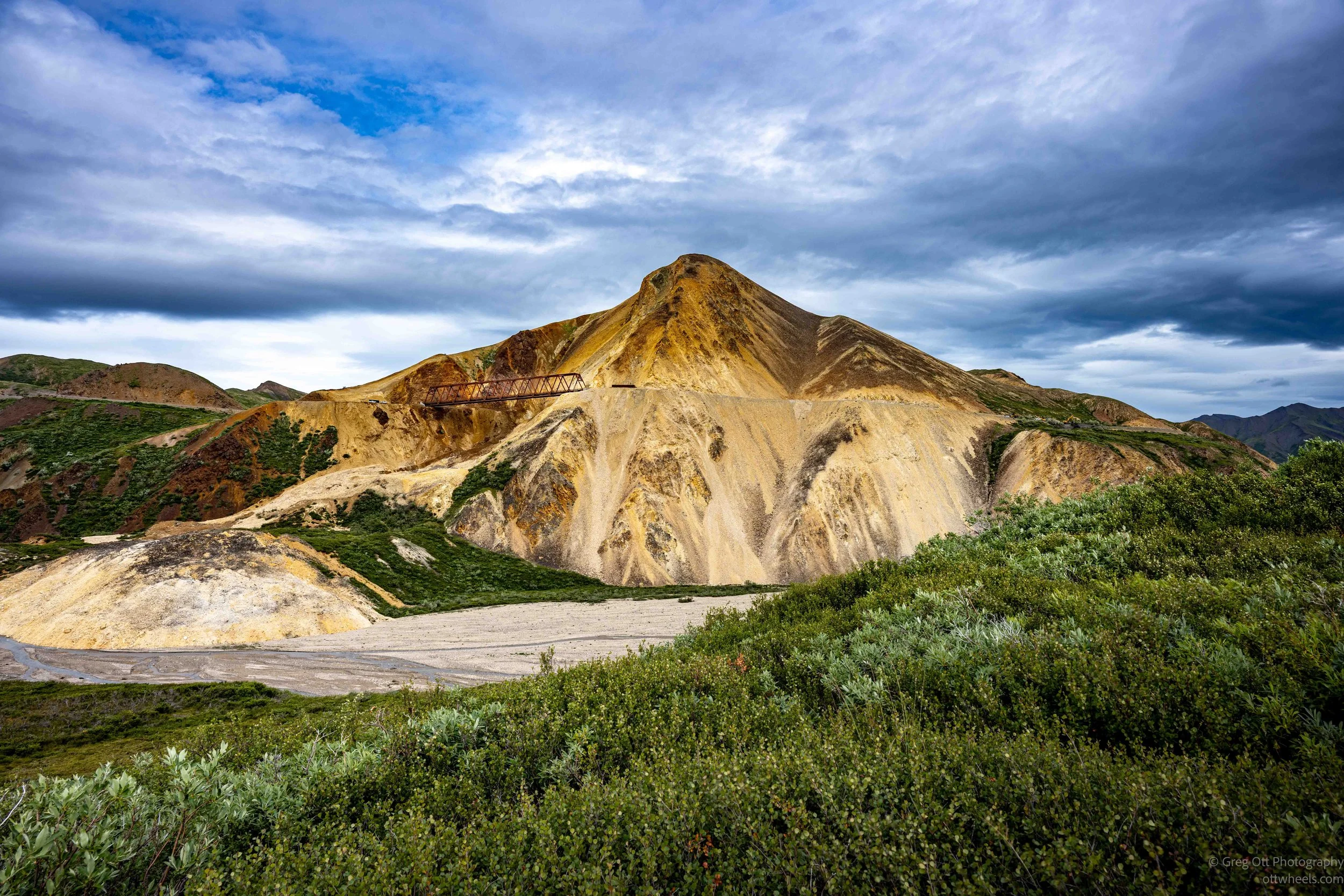
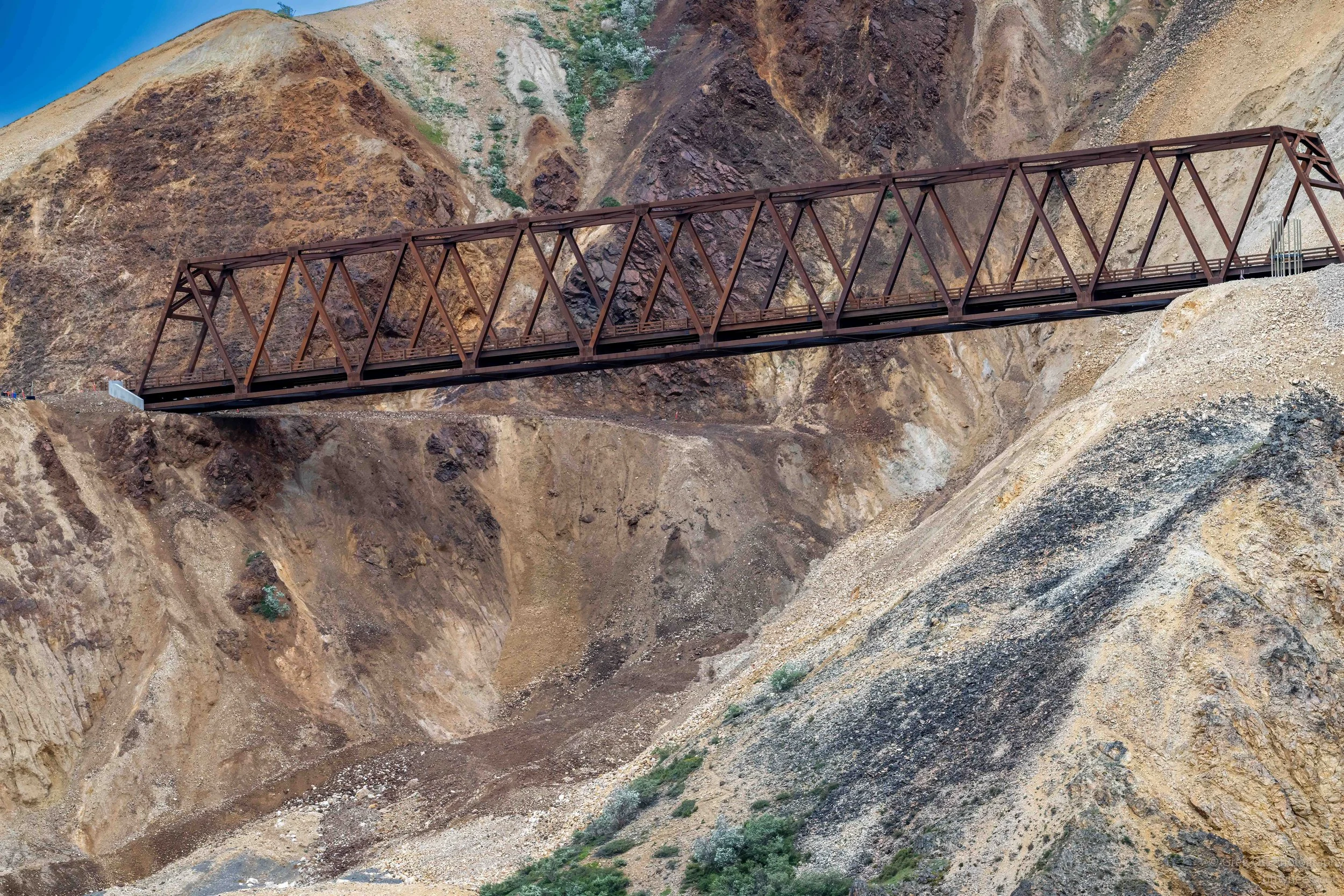
East Fork is currently the end of the road because of the Pretty Rocks Landslide at Mile 45.4. Ranger Ryan explained that, for years, the Park Service didn't realize just how much ice was buried beneath the mountainside. As the climate warmed, that ice-rich permafrost began to thaw, causing the entire slope to slowly creep downhill. At first, the movement was barely noticeable—only inches each year—but it kept accelerating. Before long it was moving inches a month, then inches a week, then inches a day.
By 2021, parts of the slide were shifting nearly 0.65 inches an hour, making it impossible to keep the road safe. The Park Service closed the road in August 2021, and by the following year the roadway had completely collapsed in places. Today, East Fork serves as the turnaround point while crews finish a massive bridge that will span the entire landslide rather than trying to fight it. Ranger Ryan gathered the twelve of us, asked about medical concerns, and then explained one of our most important bear safety techniques. Rather than hiking quietly, we needed to make constant noise. To keep it entertaining, he'd shout the name of a country, and we'd respond with another. We laughed through the practice, but everyone understood why we were doing it.
Before we started, Ryan checked in with the Alaska Rescue Coordination Center using a Garmin satellite communicator. With virtually no cell service in the park, that small device provides rescuers with our location and expected return time should anything go wrong.
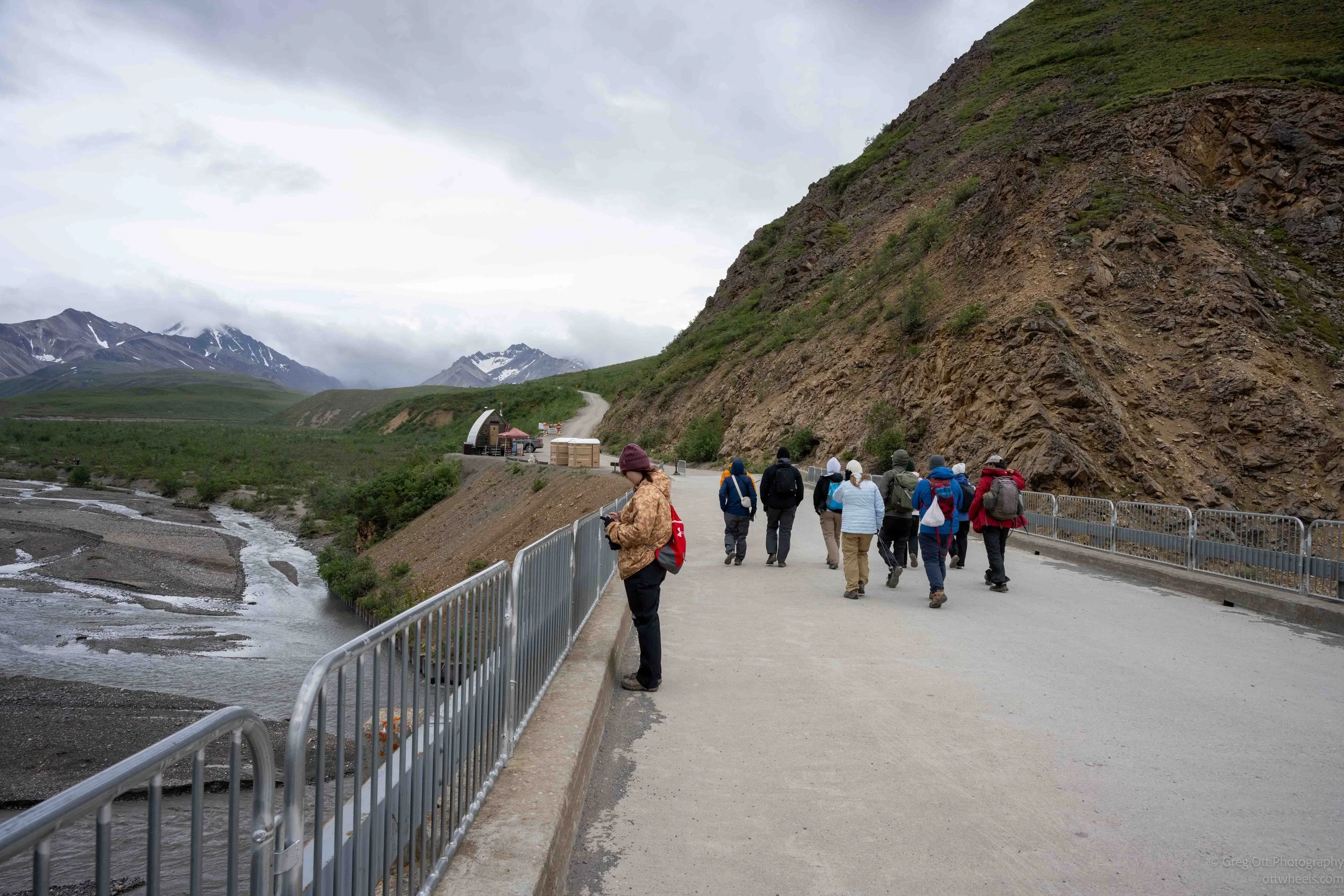
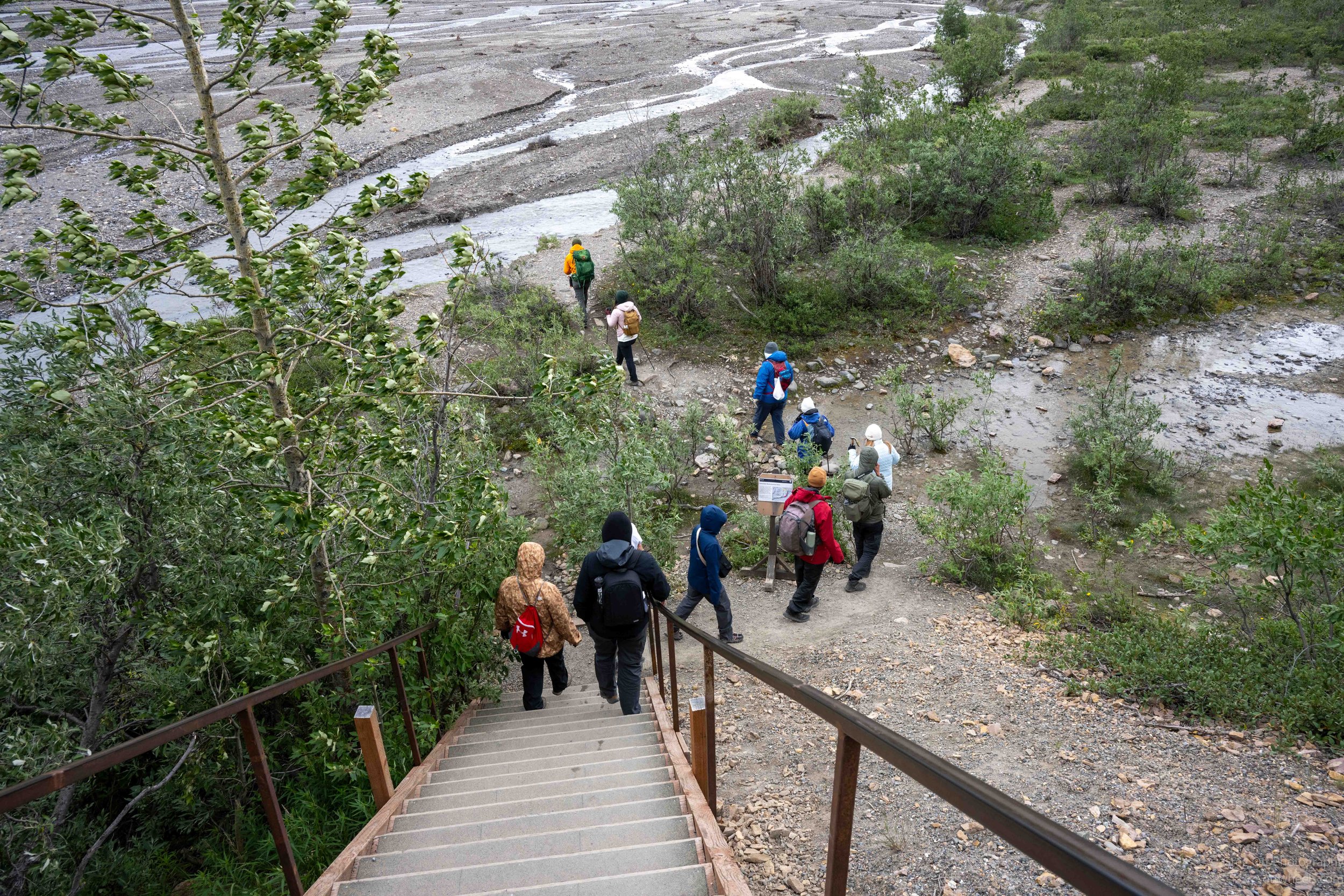
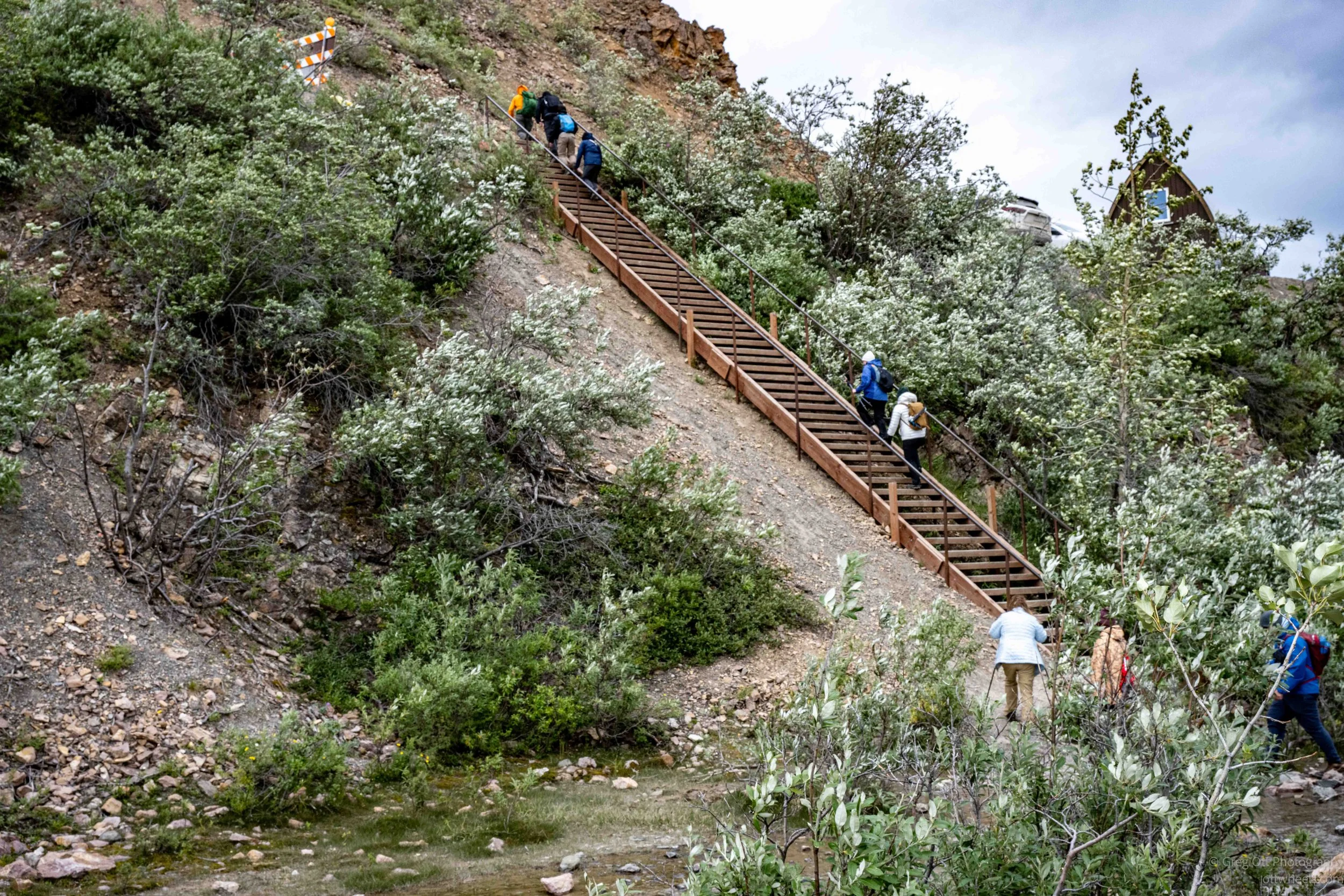
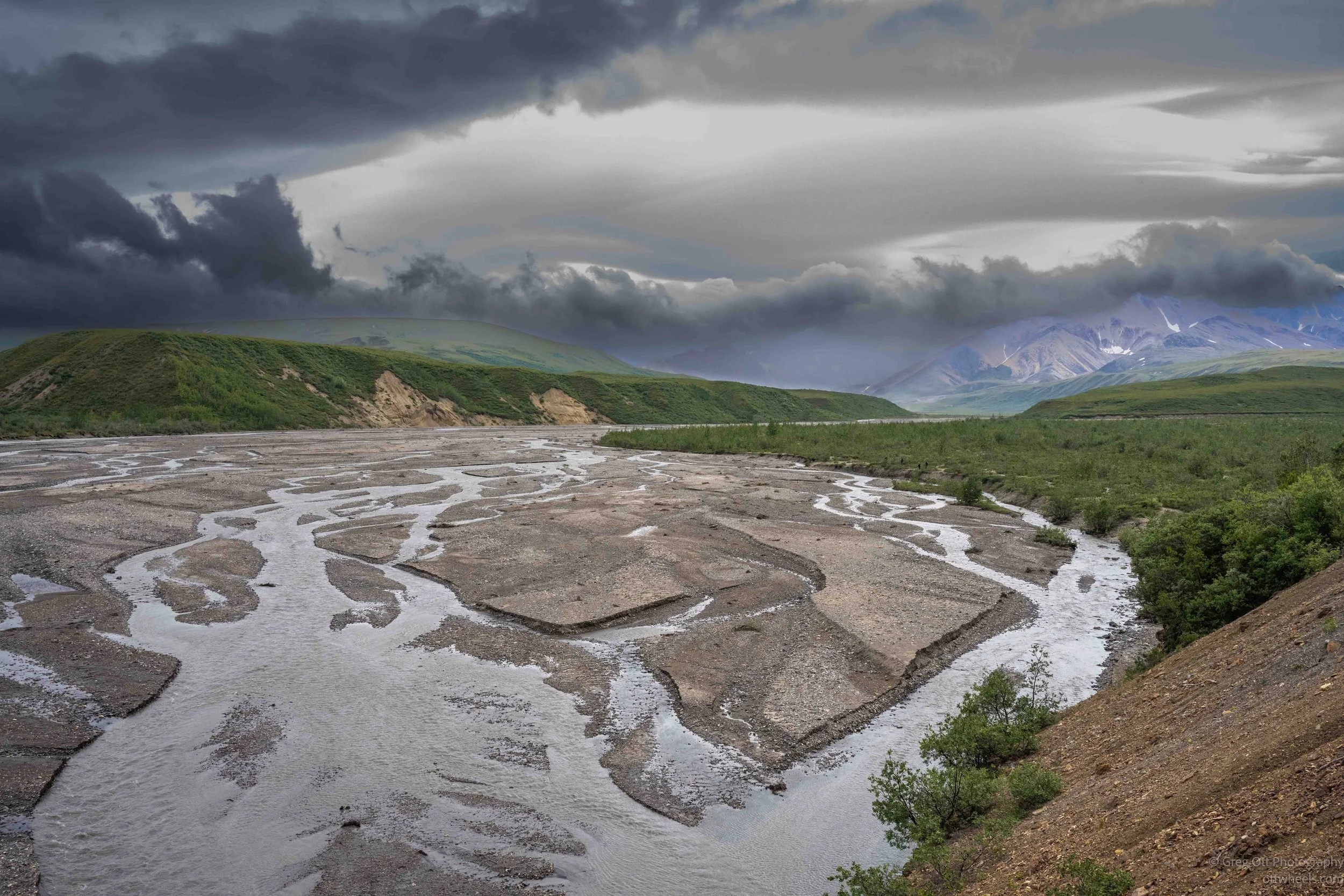
The hike began with a steep staircase leading down into the broad river valley carved by glacial water. Ryan set a comfortable pace, stopping often to point out plants, animal tracks, rock formations, and features of the surrounding landscape. Ryan studied biology and has a degree in geology. It felt less like following a trail and more like wandering through an enormous outdoor classroom.
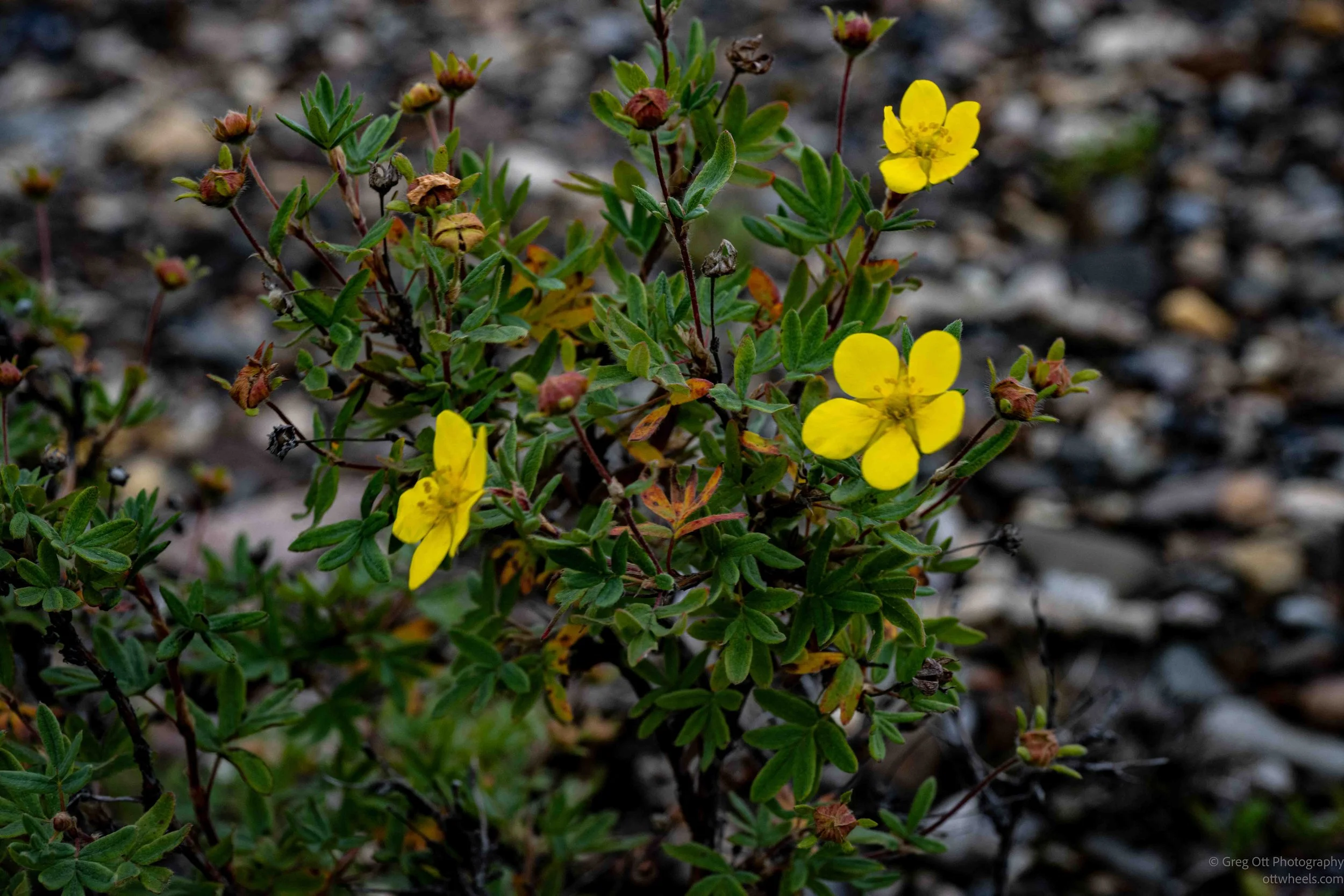
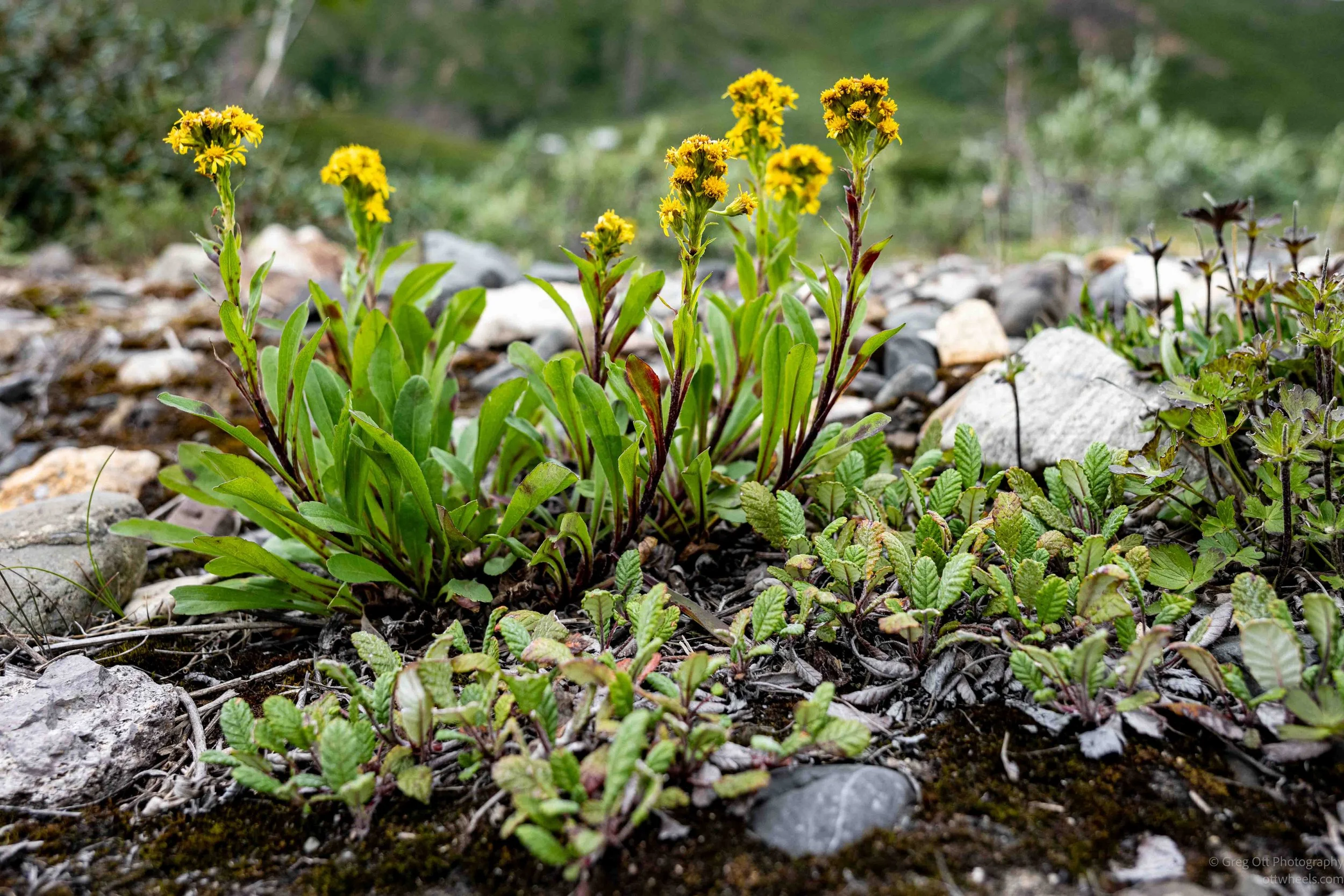
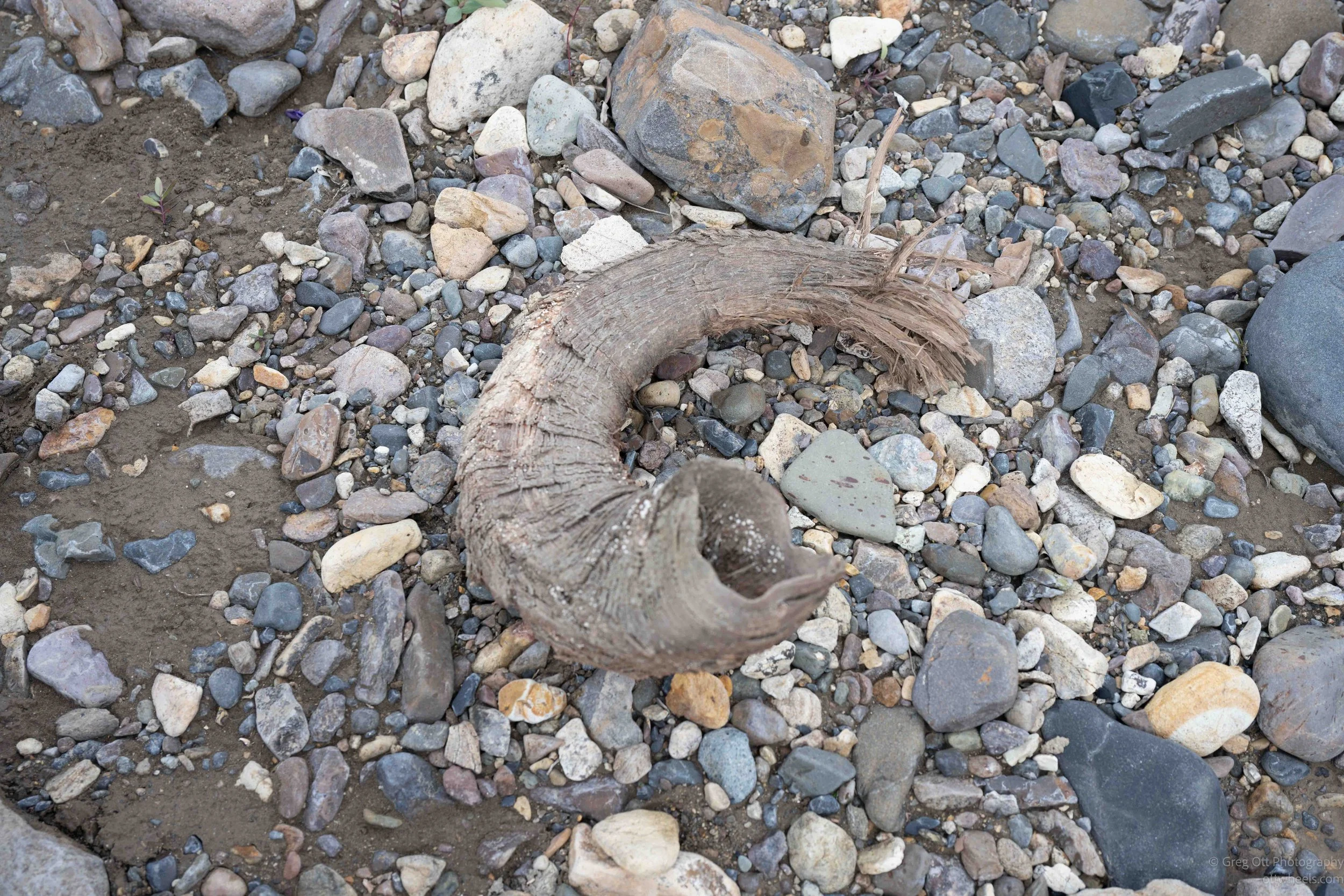
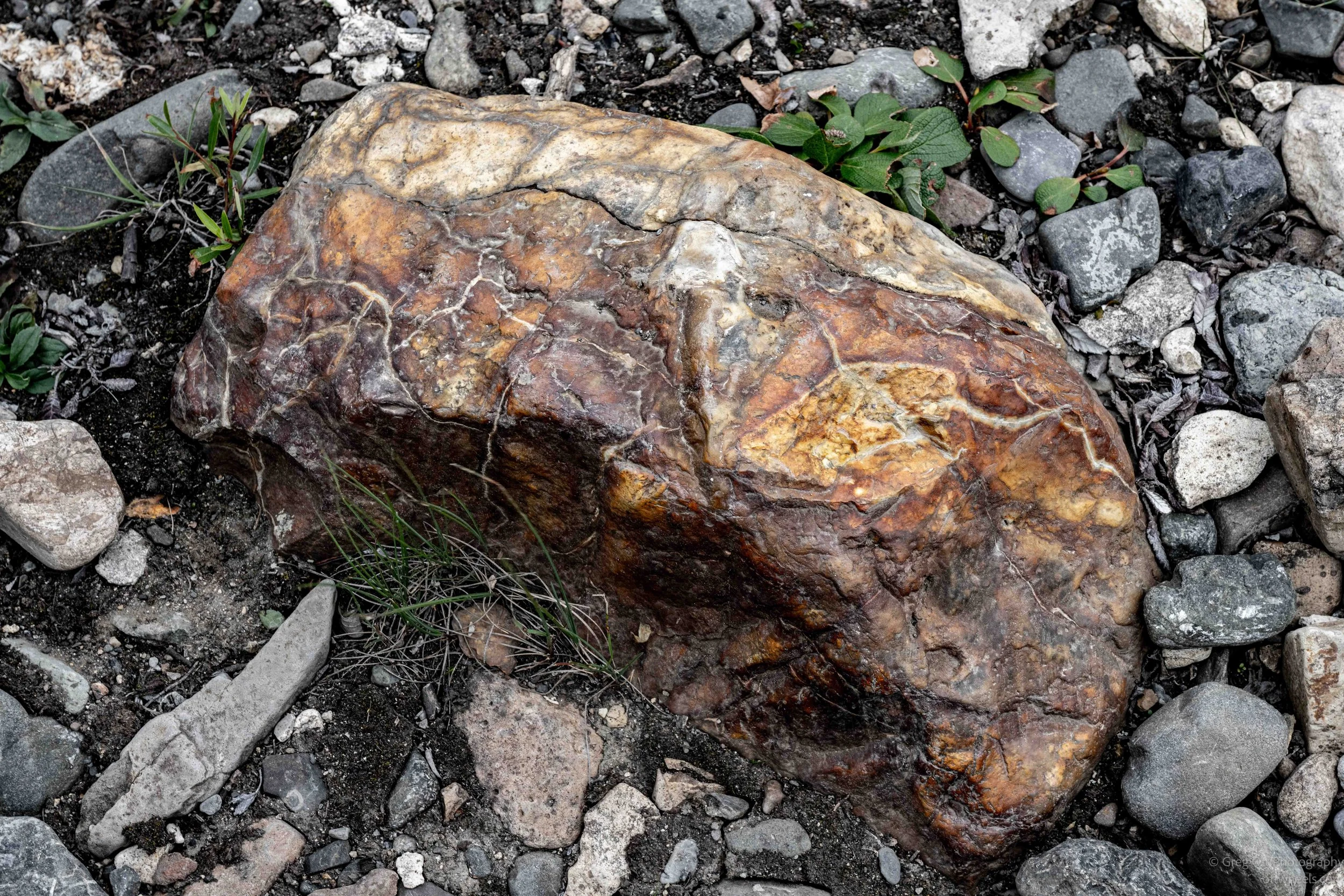
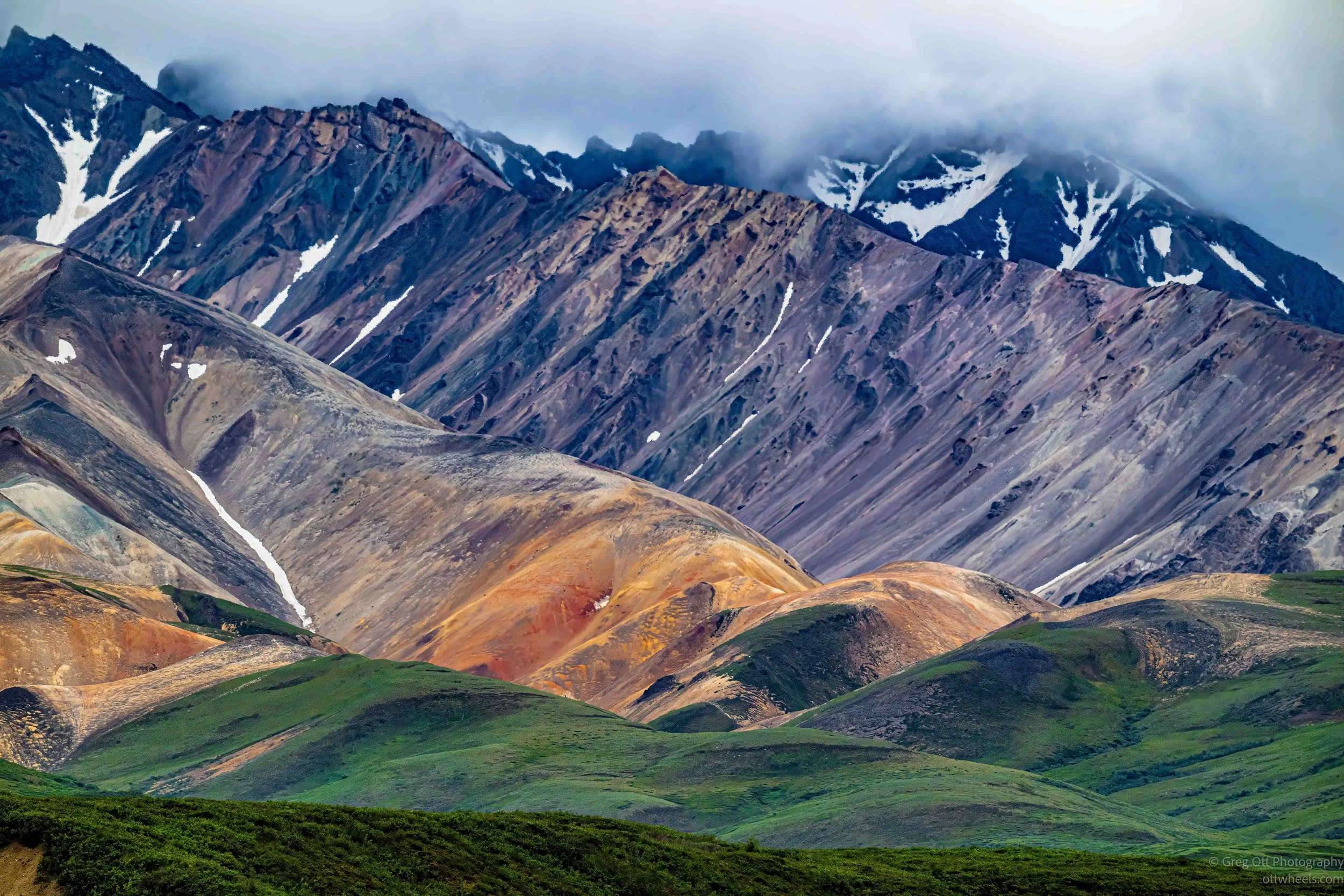
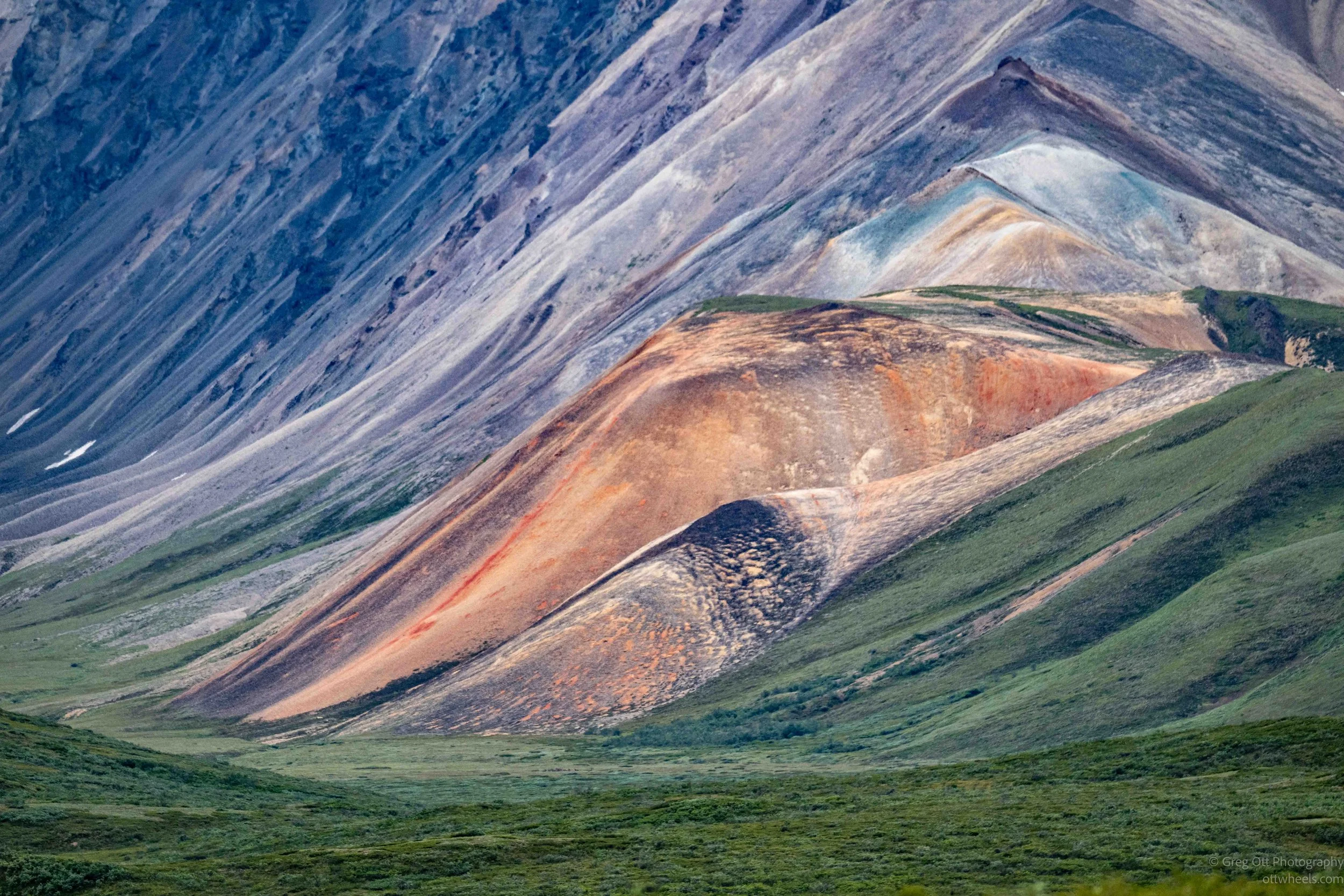
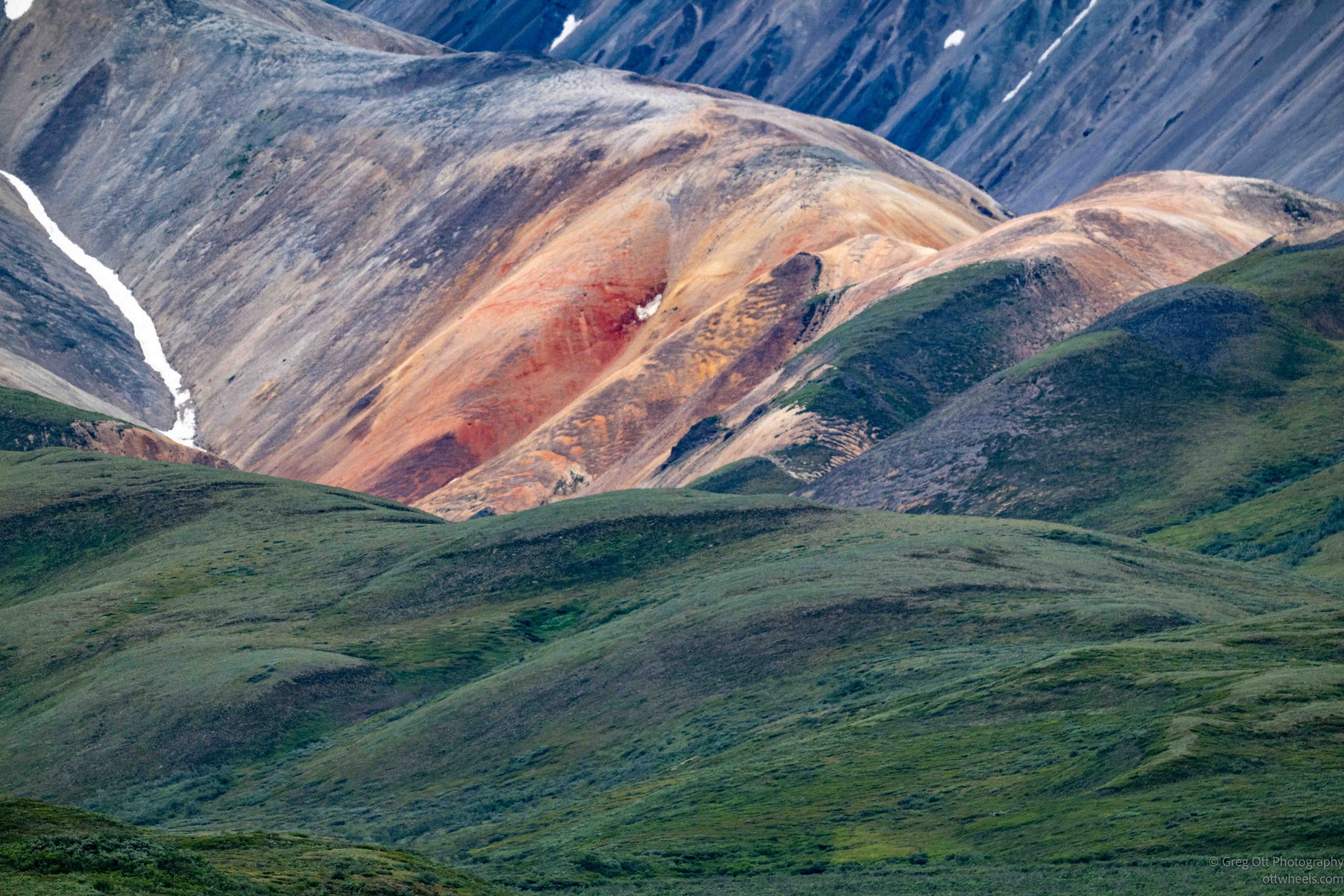
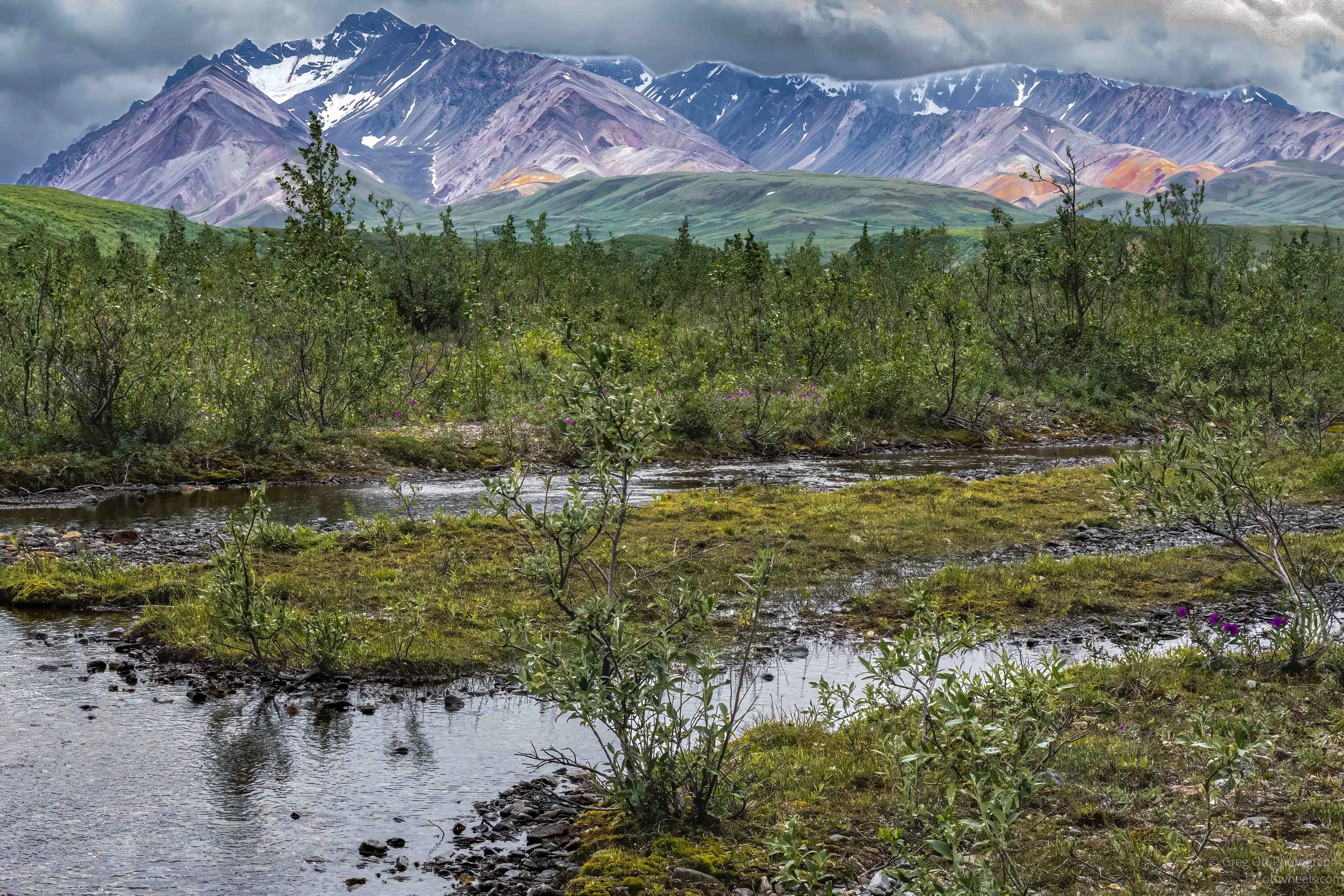
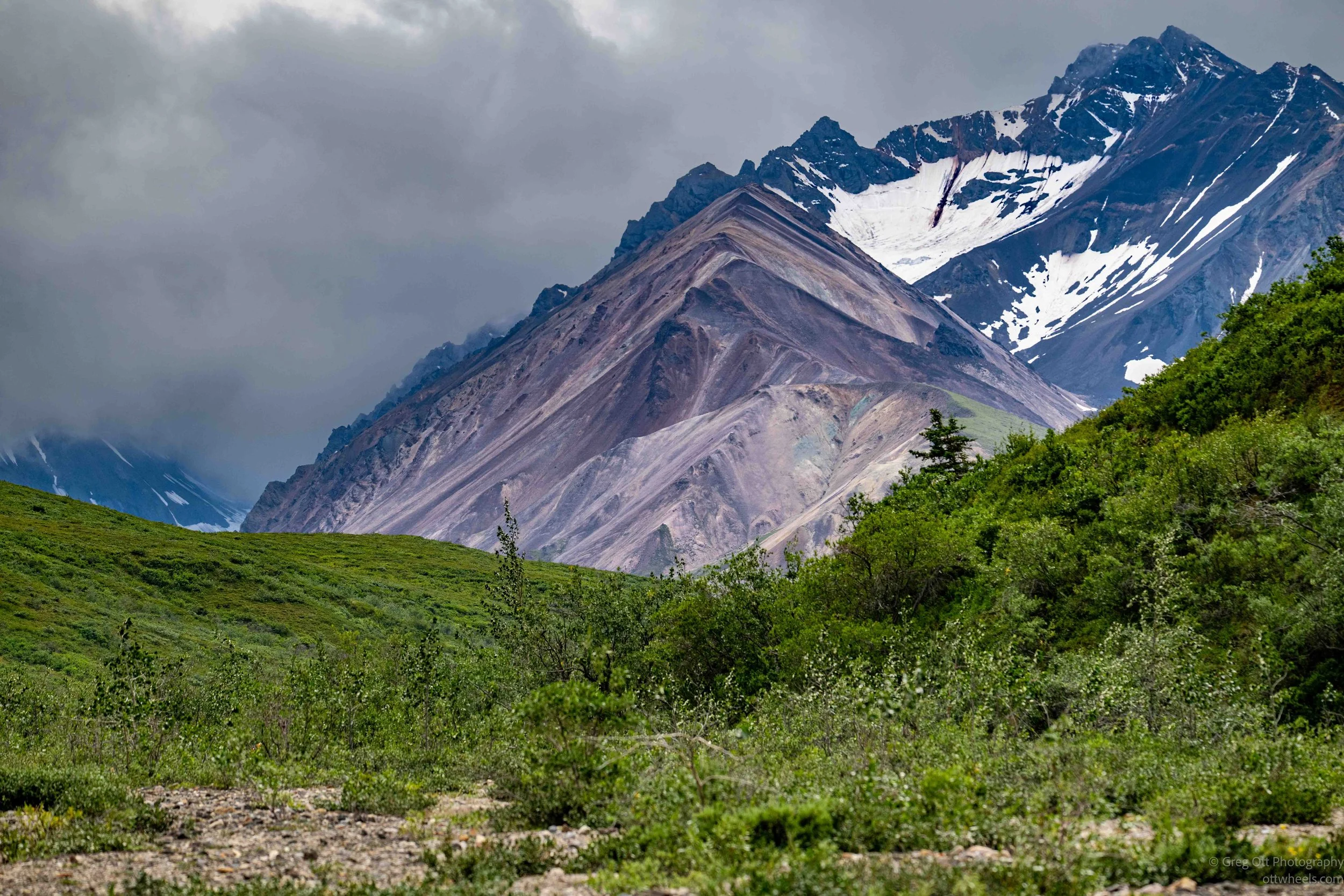
One thing Ryan kept metioning was the light, and before long I understood why. The overcast sky acted like a giant softbox, bringing out incredible colors in the mountains without harsh shadows. Purples, reds, yellows, greens, and grays seemed to glow across the valley. Rain never arrived, and the clouds stayed high enough to reveal nearly every peak.
I stopped constantly to photograph the scenery, which meant I was forever catching up with the rest of the group. Ryan finally looked back concerned and asked if I was doing OK. I assured him I was fine—I just couldn't stop taking pictures. The downside is that you have to sort through them all later.
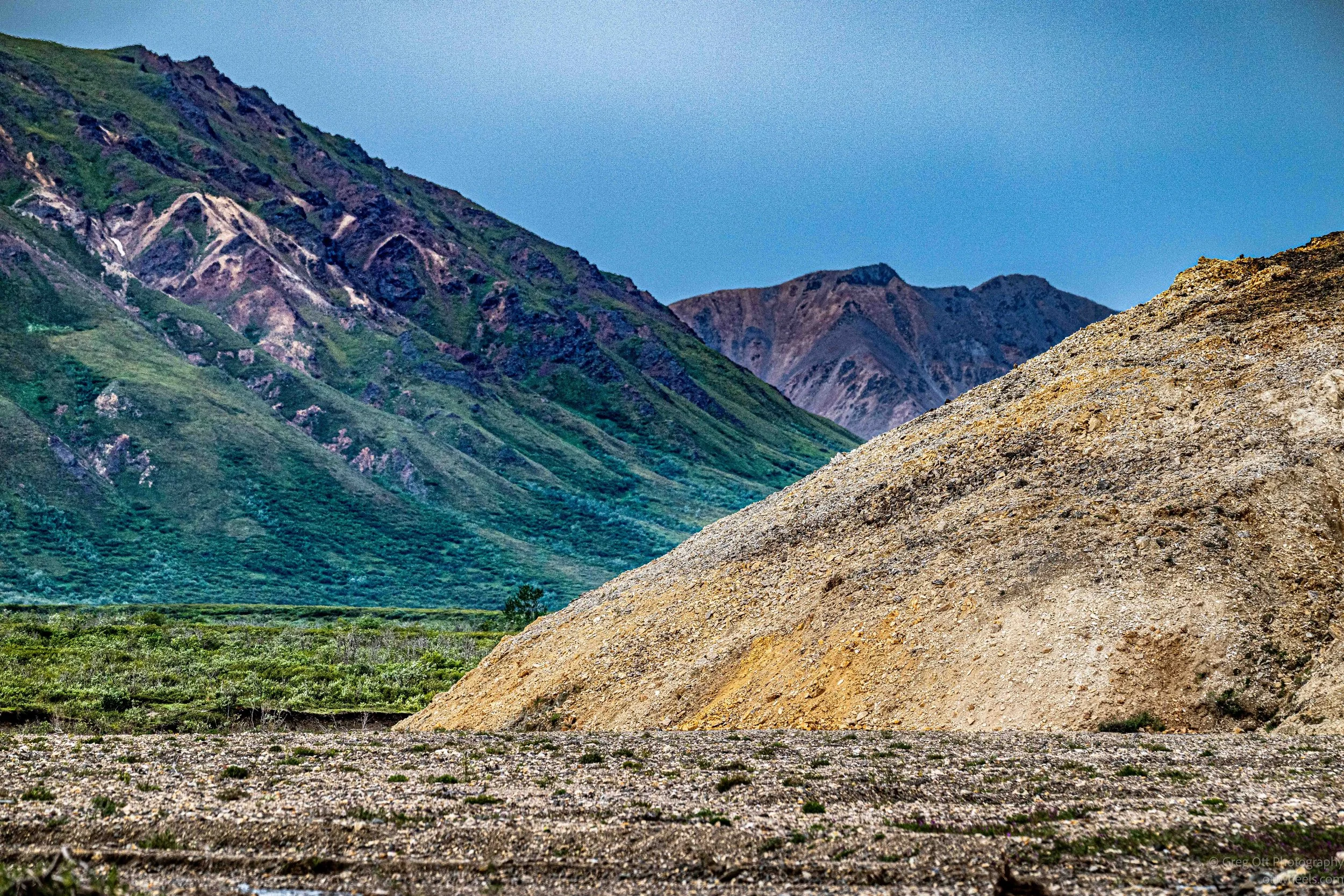
About an hour into the hike we reached our first river crossing. The glacial water was around eighteen inches deep, flowing over slick rocks that made every step a careful one. Most of the group had running shoes or low boots. I had high boots and my pants were pulled over top. Event then, the ice water came into my waterproof boots. It actually felt refreshing.
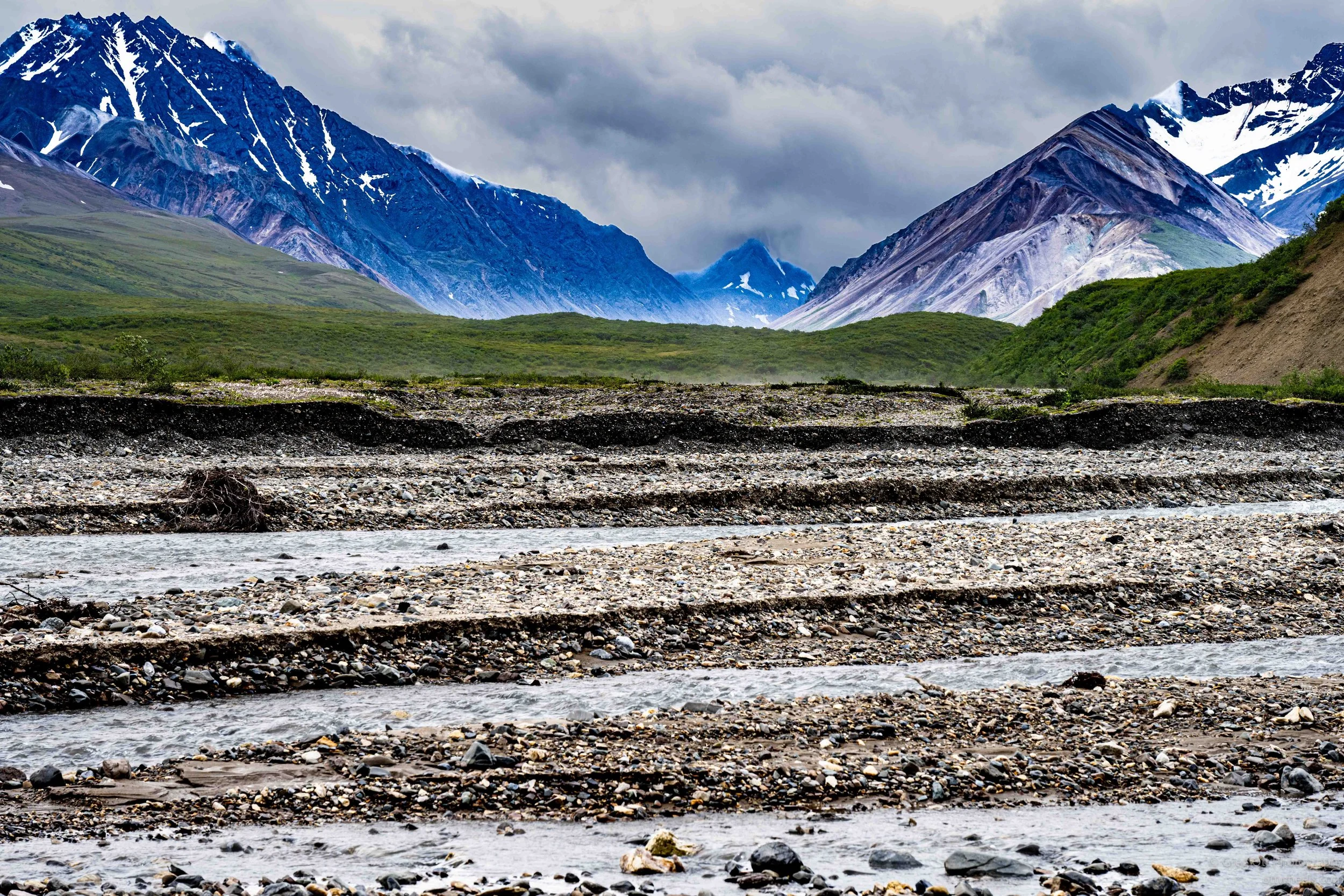
Beyond the river, Ryan pointed out the new bridge that has been installed and told us that not many people have seen the bridge yet. We could only see the top corner at that point, but we could see the part of the mountain that had slid away. Ryan said, “We might get a better view.” as we continued the hike.
Eventually we reached the base of a fairly steep hill. Ryan stopped and checked with each of us individually to make sure we wanted to continue to the top. When I registered for the hike, the ranger at the visitor center had mentioned this section was optional and would depend on the guide's decision that day. Nobody hesitated. Every one of us wanted to see what was waiting at the top.
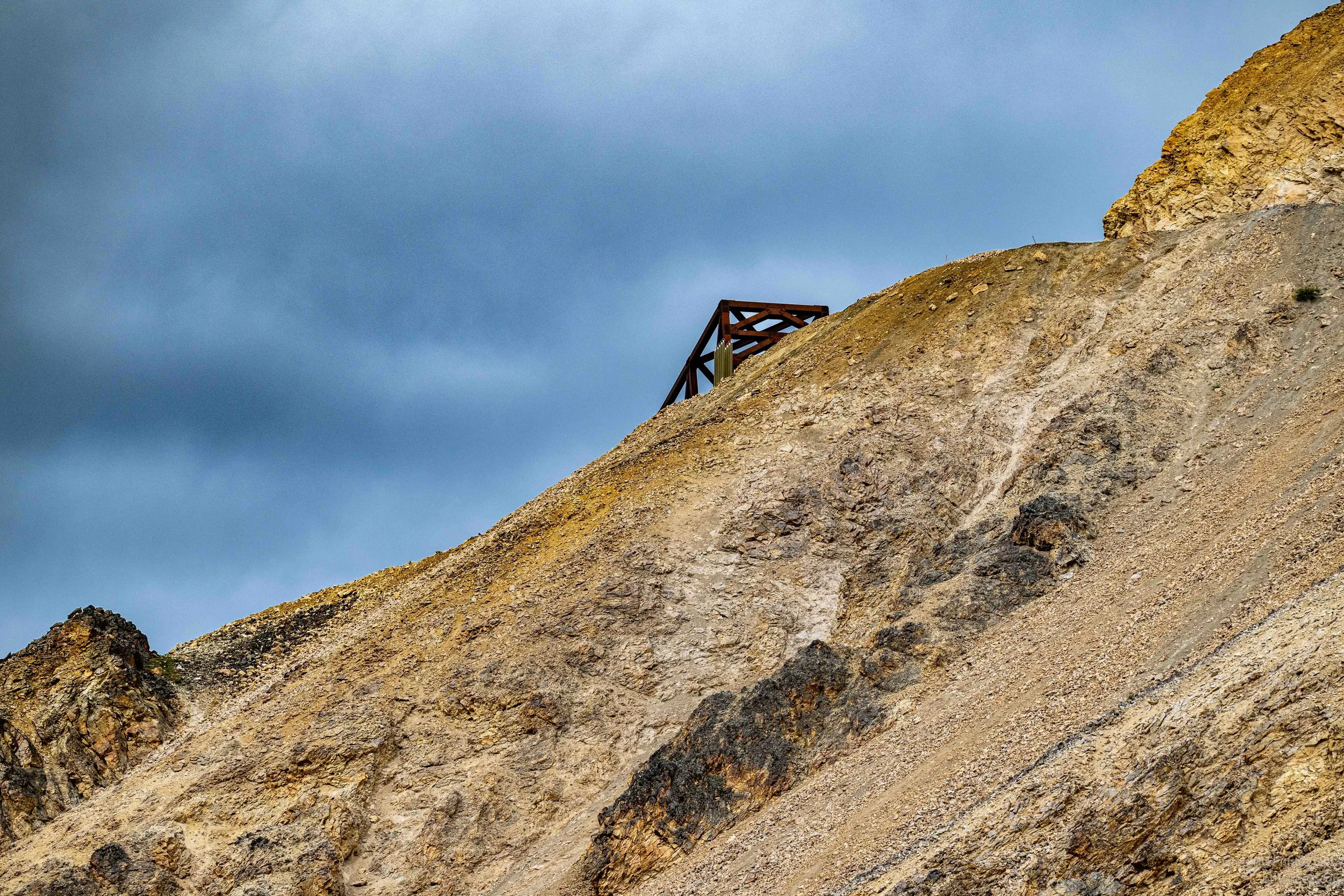
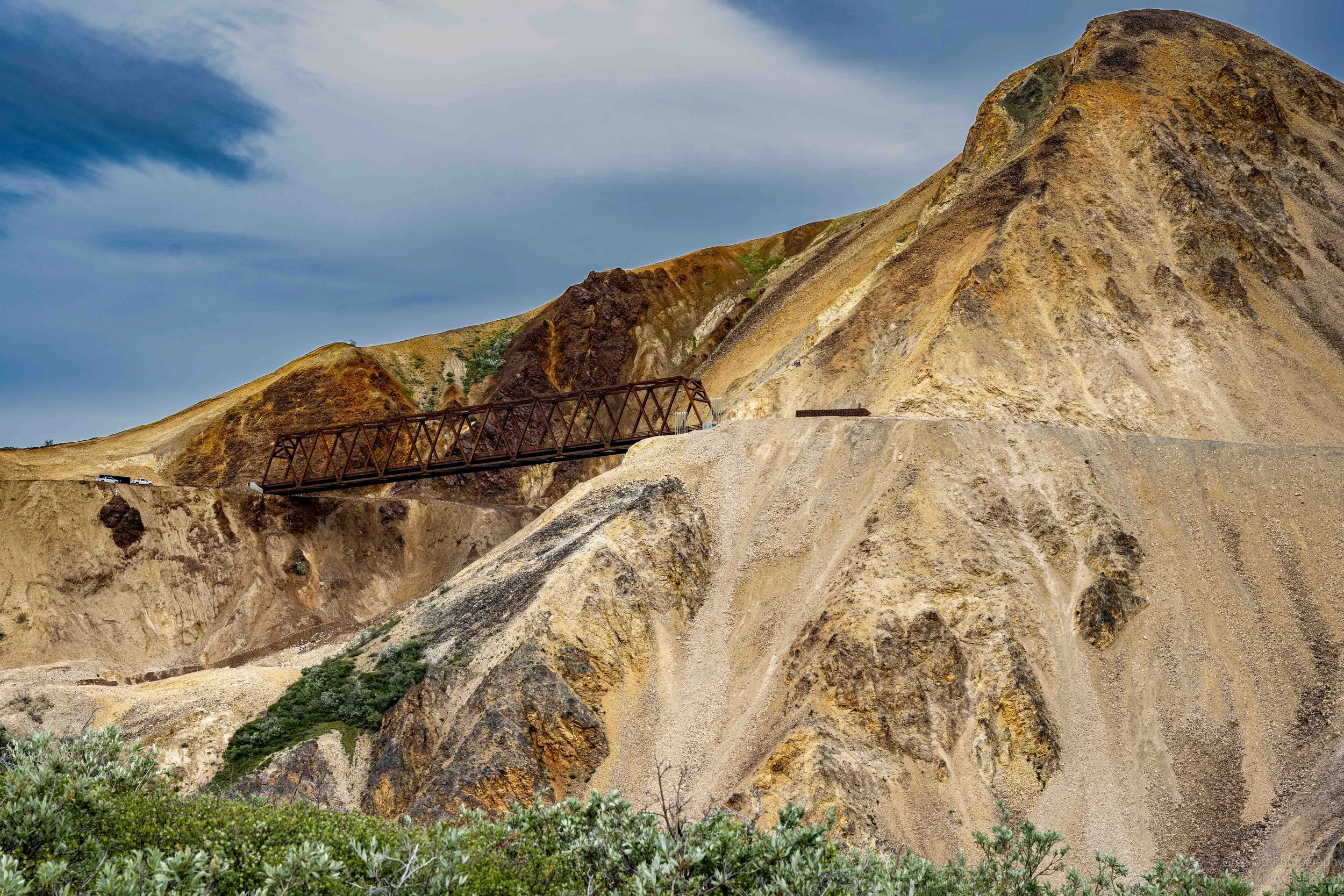
Walking up through the tundra wasn’t on normal solid ground. The ground felt soft and springy, almost like walking on a giant sponge, with countless Arctic ground squirrel holes hidden beneath the vegetation. We had to be careful not to twist an ancle. Ryan encouraged us to spread out so we wouldn't create a permanent trail, but before long we naturally drifted back together. It was difficult pushing through and stepping over 2-3 foot high bushes.
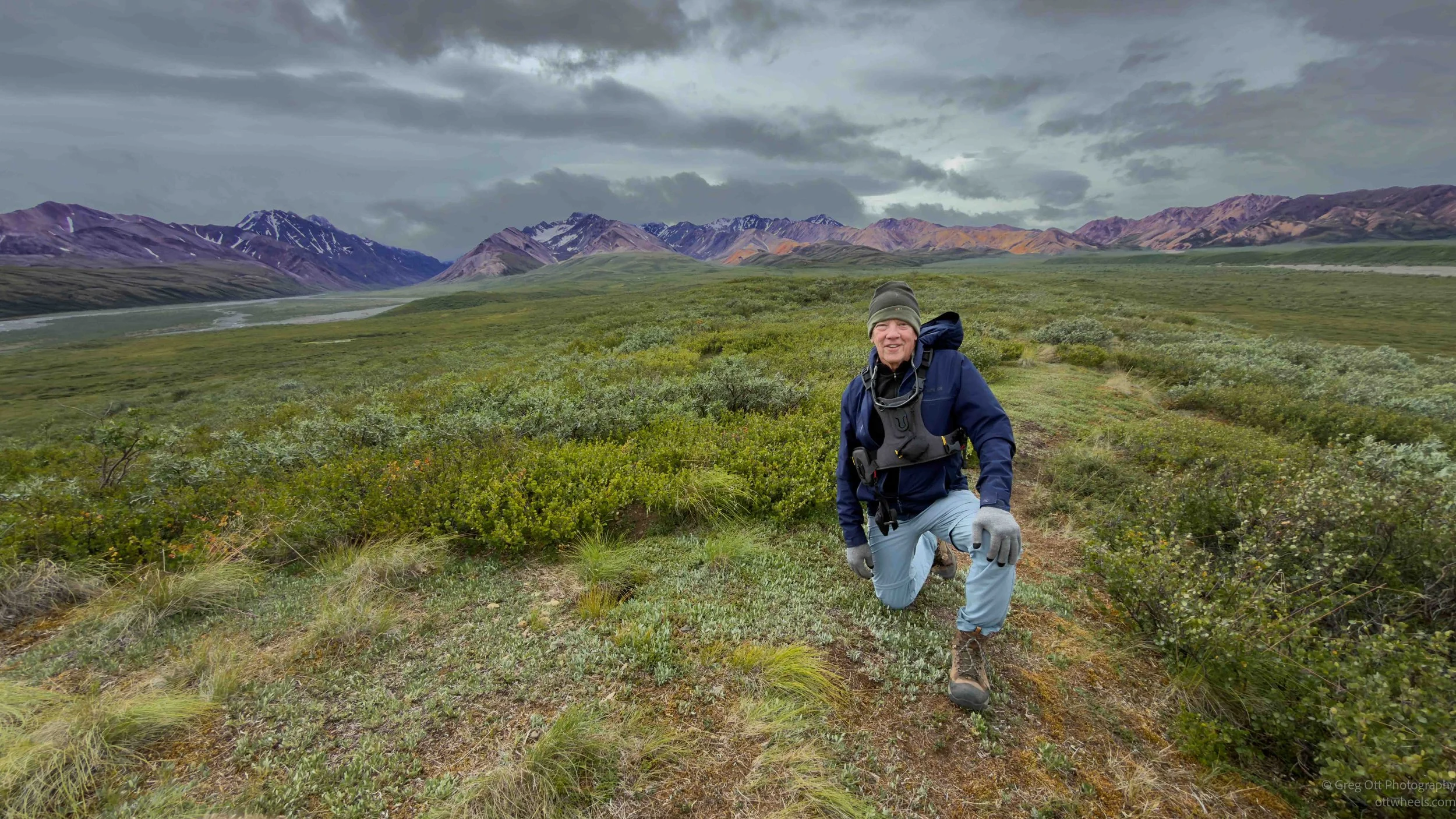
When we reached the top, we stopped for lunch, and the view was worth every step. There was an open area on the tundra, sheltered from the cool wind by the vegetation. The thick tundra beneath us felt surprisingly warm and soft. It would have been easy to lie back and fall asleep.
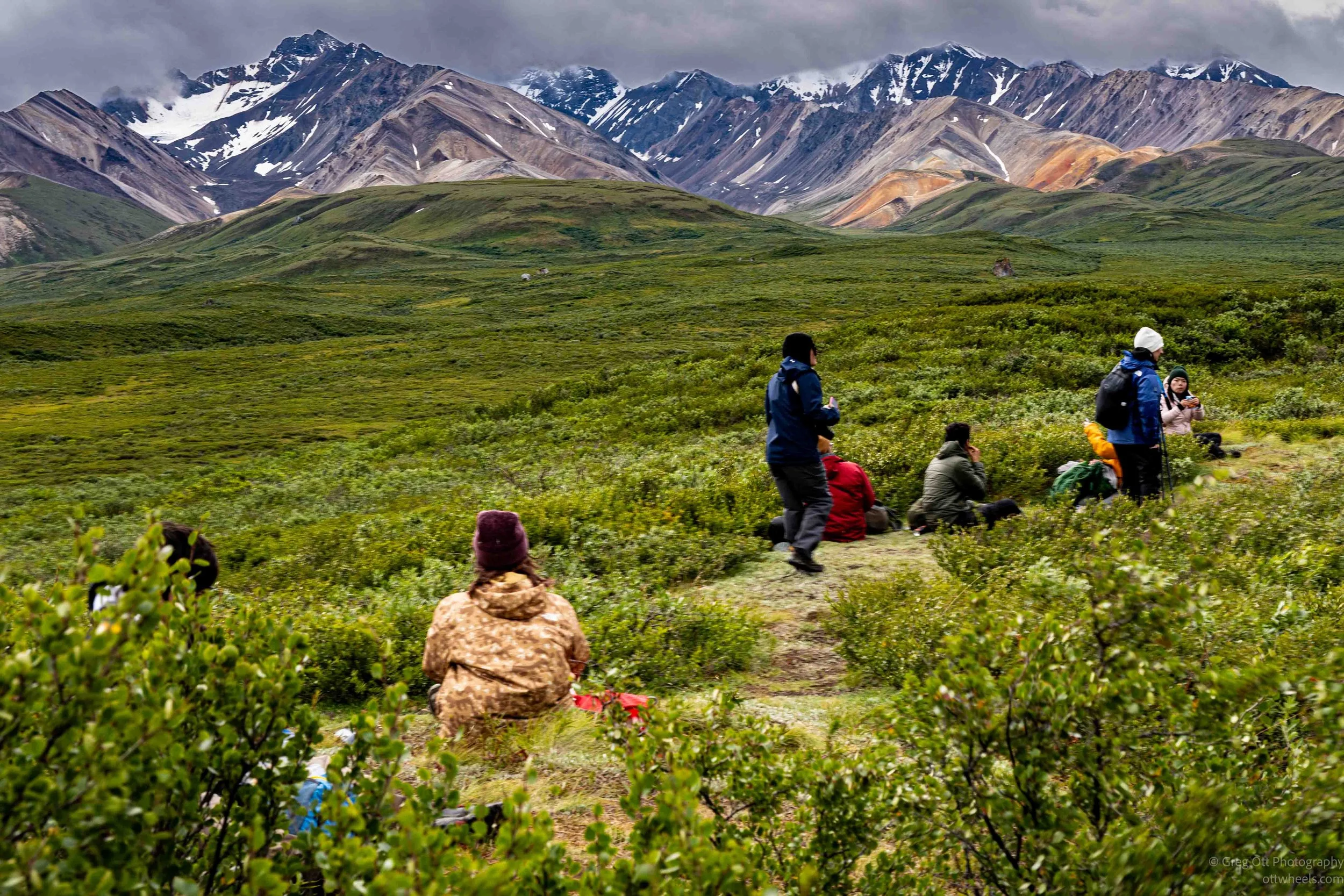
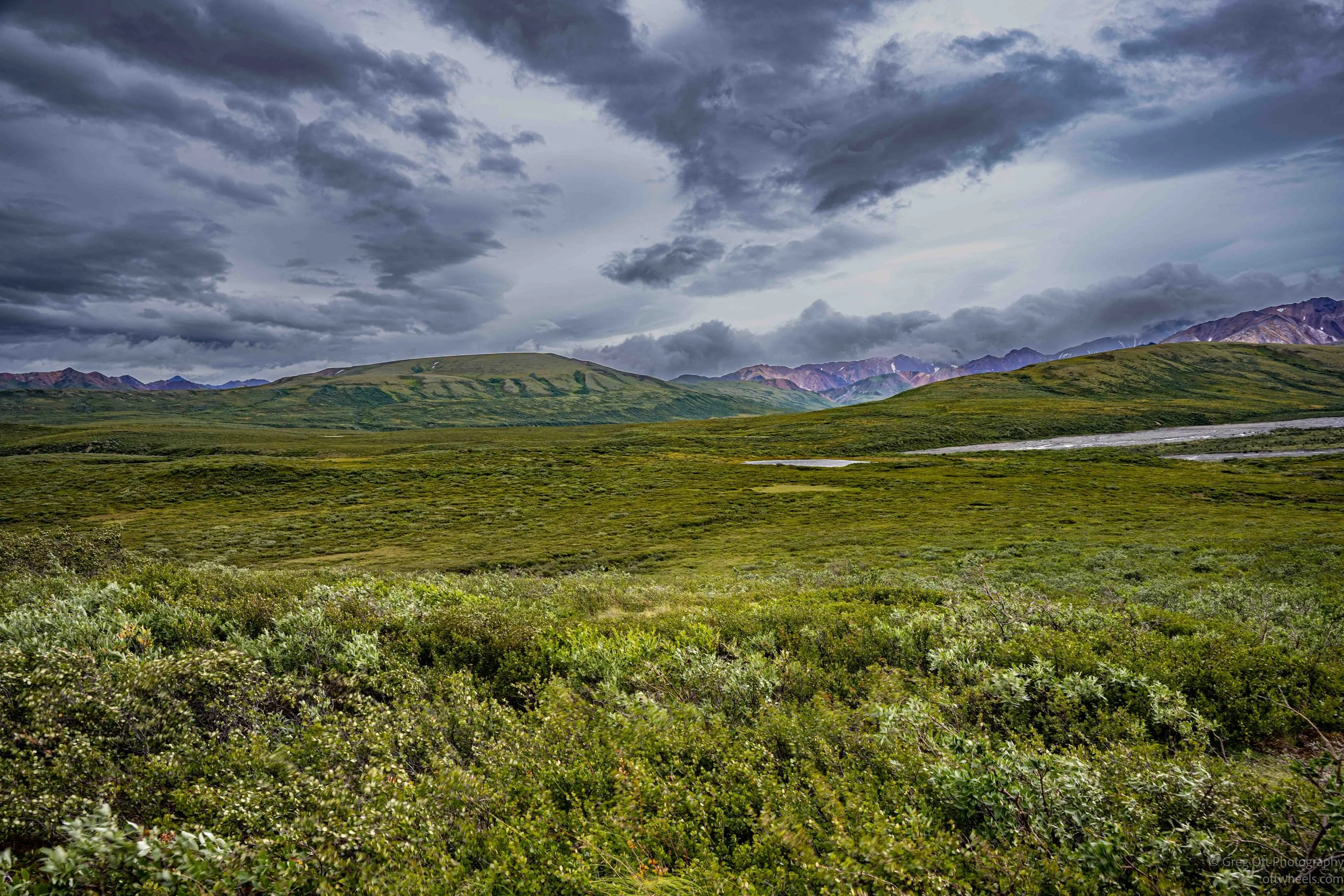
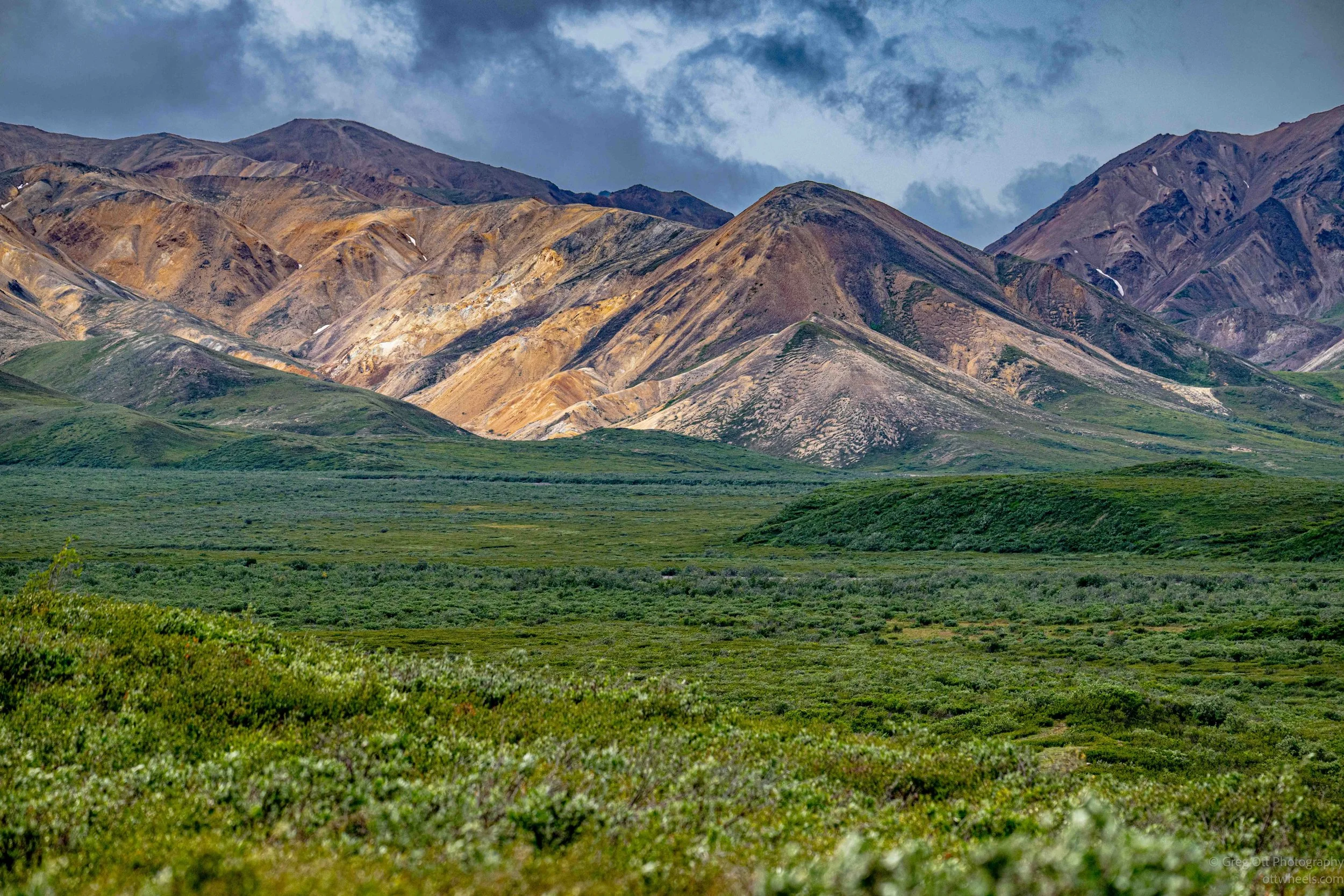
Everyone, including me, was taking photographs. Layer after layer of colorful mountains (Polychrome Mountain) stretched across the horizon while low clouds drifted between the ridges, constantly changing the scene. It reminded me of my trip to John Day Fossil Beds National Monument in Oregon in some ways. I found myself putting the camera down almost as often as I picked it up. Some moments are simply better experienced than photographed.
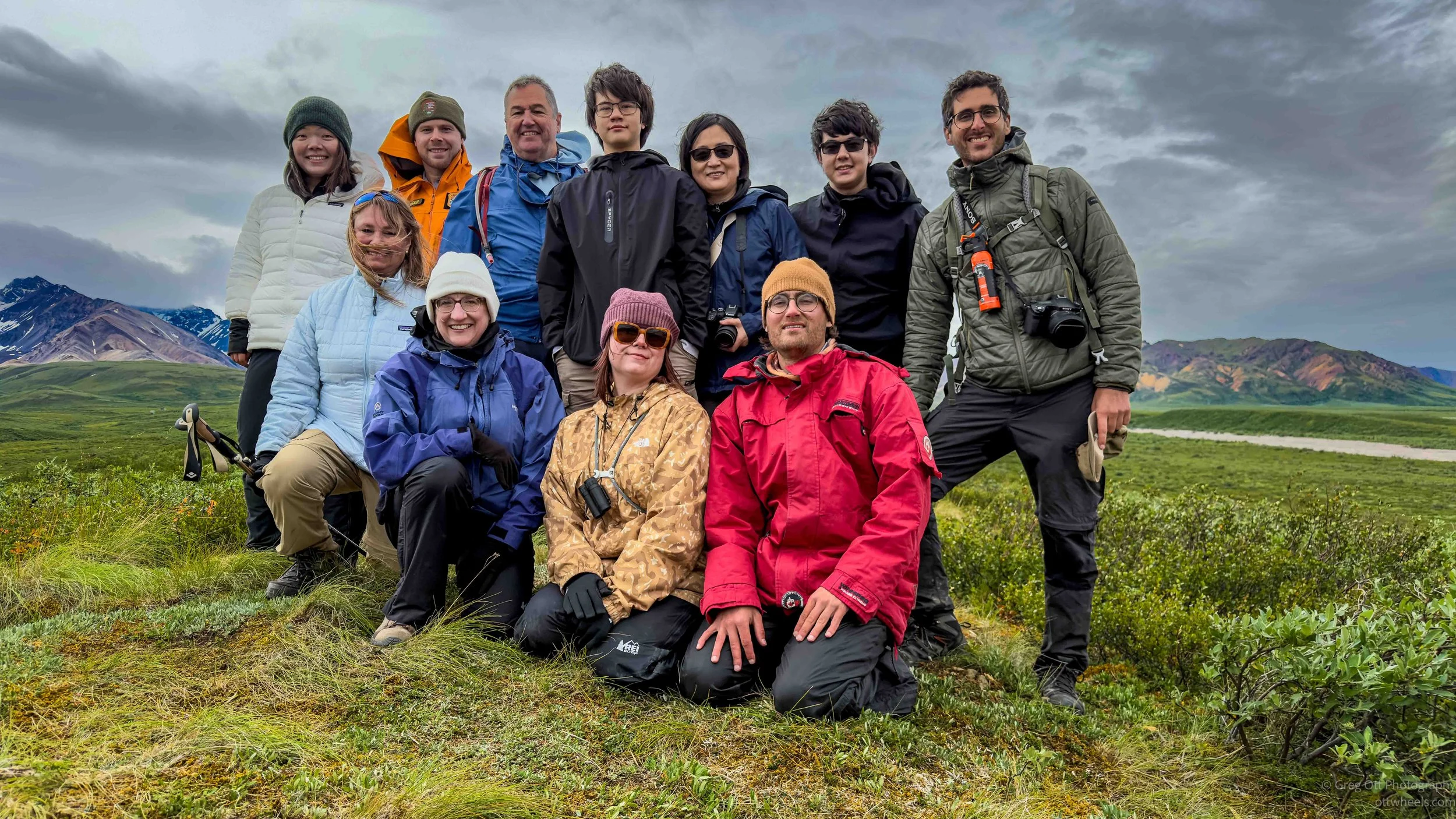
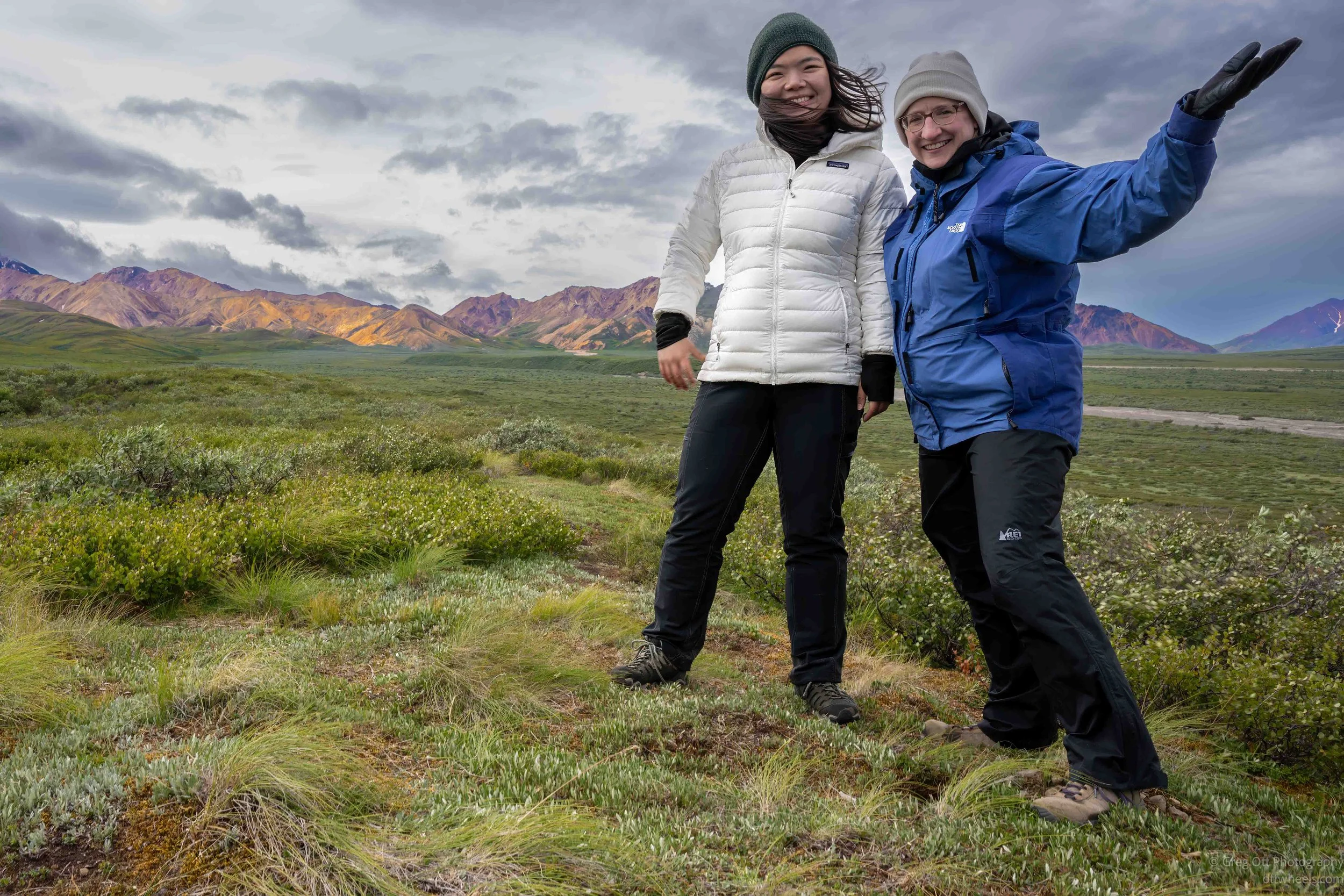
Before leaving, I suggested a group photo and passed the images to everyone using AirDrop. It was a small gesture, but one everyone seemed to appreciate.
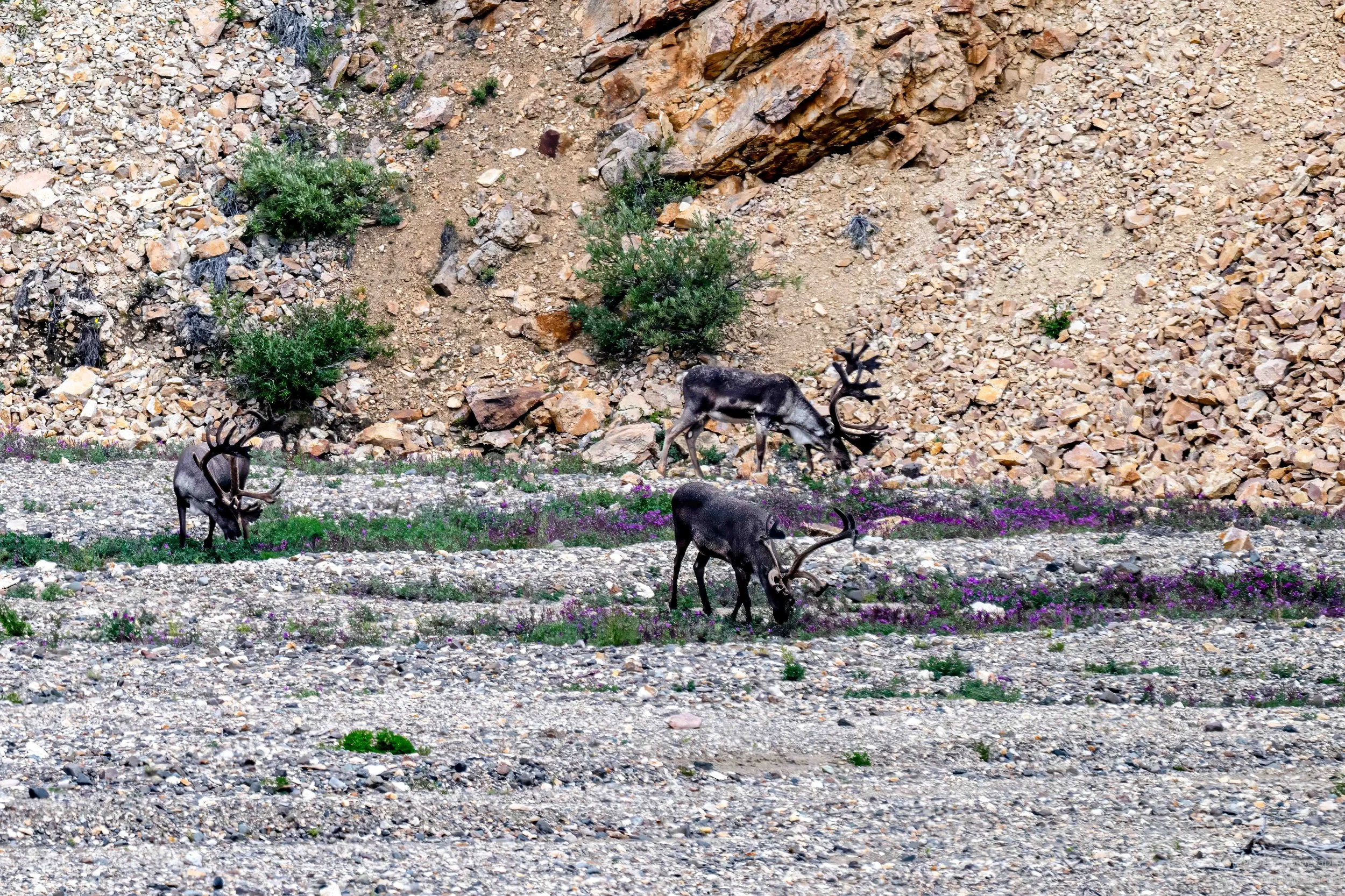
The hike back down became even more memorable. Waiting near the bottom were three large bull caribou feeding quietly across the river. We stood in near silence watching them, careful not to disturb them.
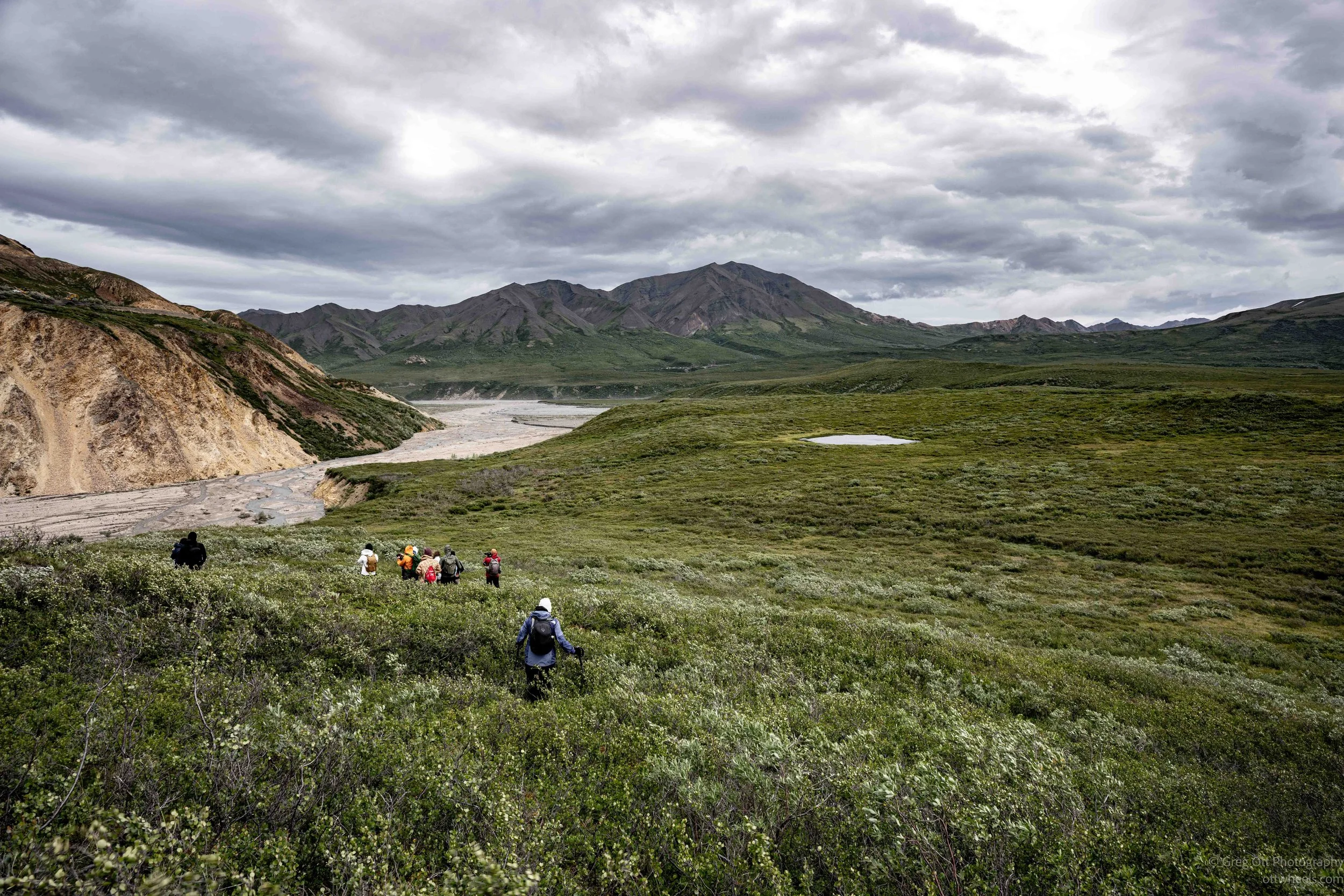
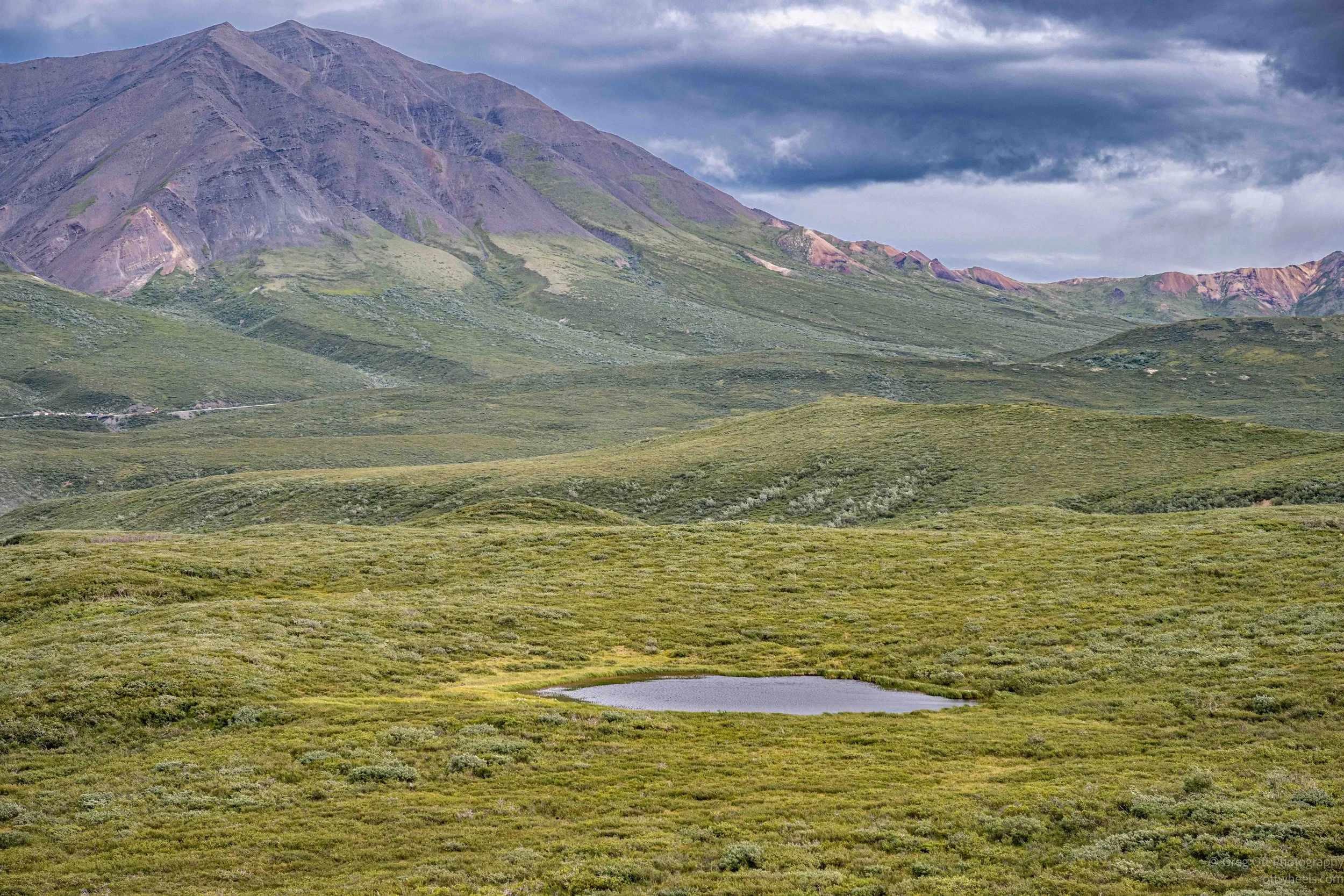
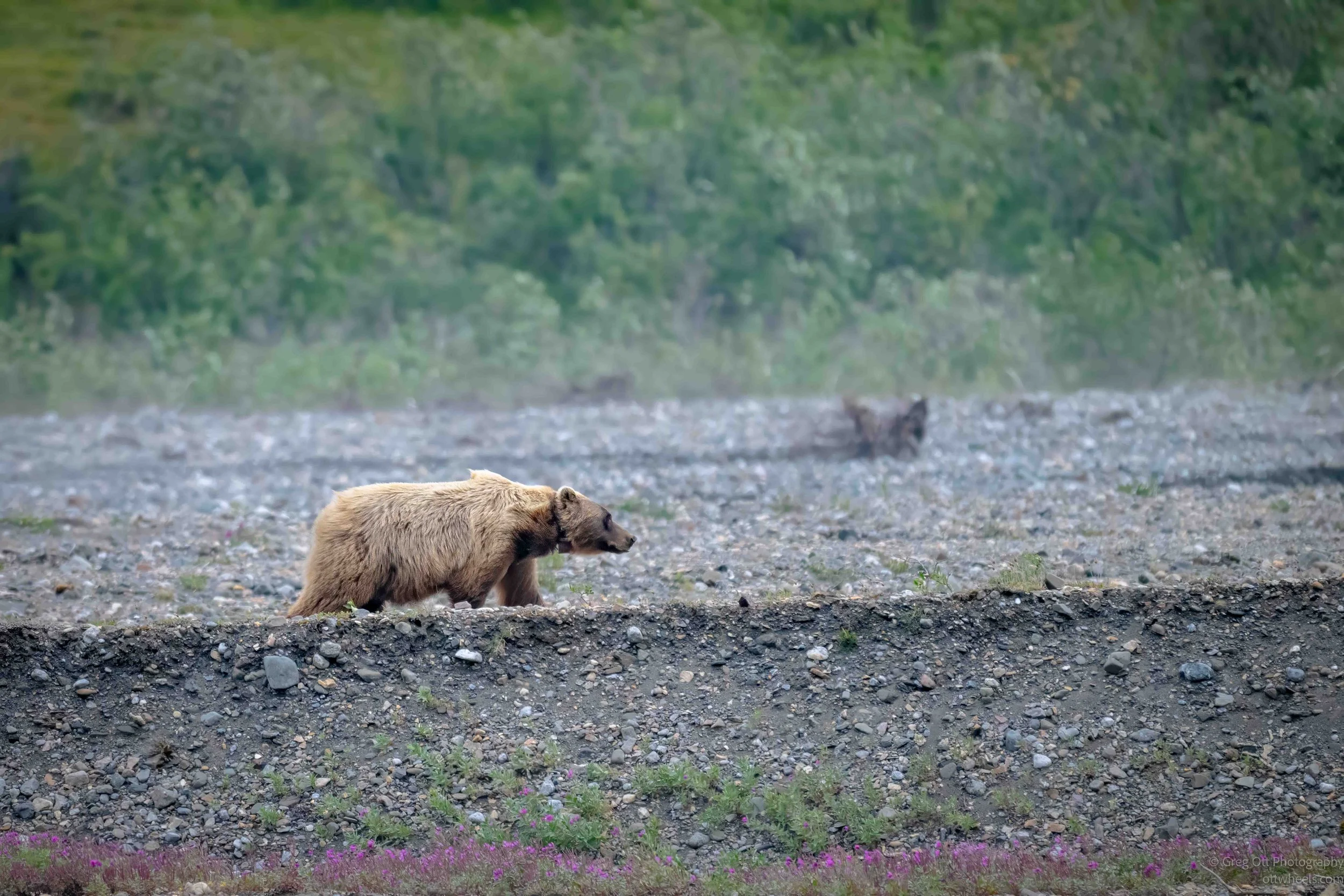
Crossing the river a second time, we suddenly found ourselves between those caribou and a mother grizzly with two nearly grown cubs farther up the valley. Ryan immediately gathered the group together and moved us toward higher ground. A few people lingered for for more photographs before realizing this wasn't the time to fall behind. As we climbed a muddy bank, I came within an inch of burying one boot in deep mud.
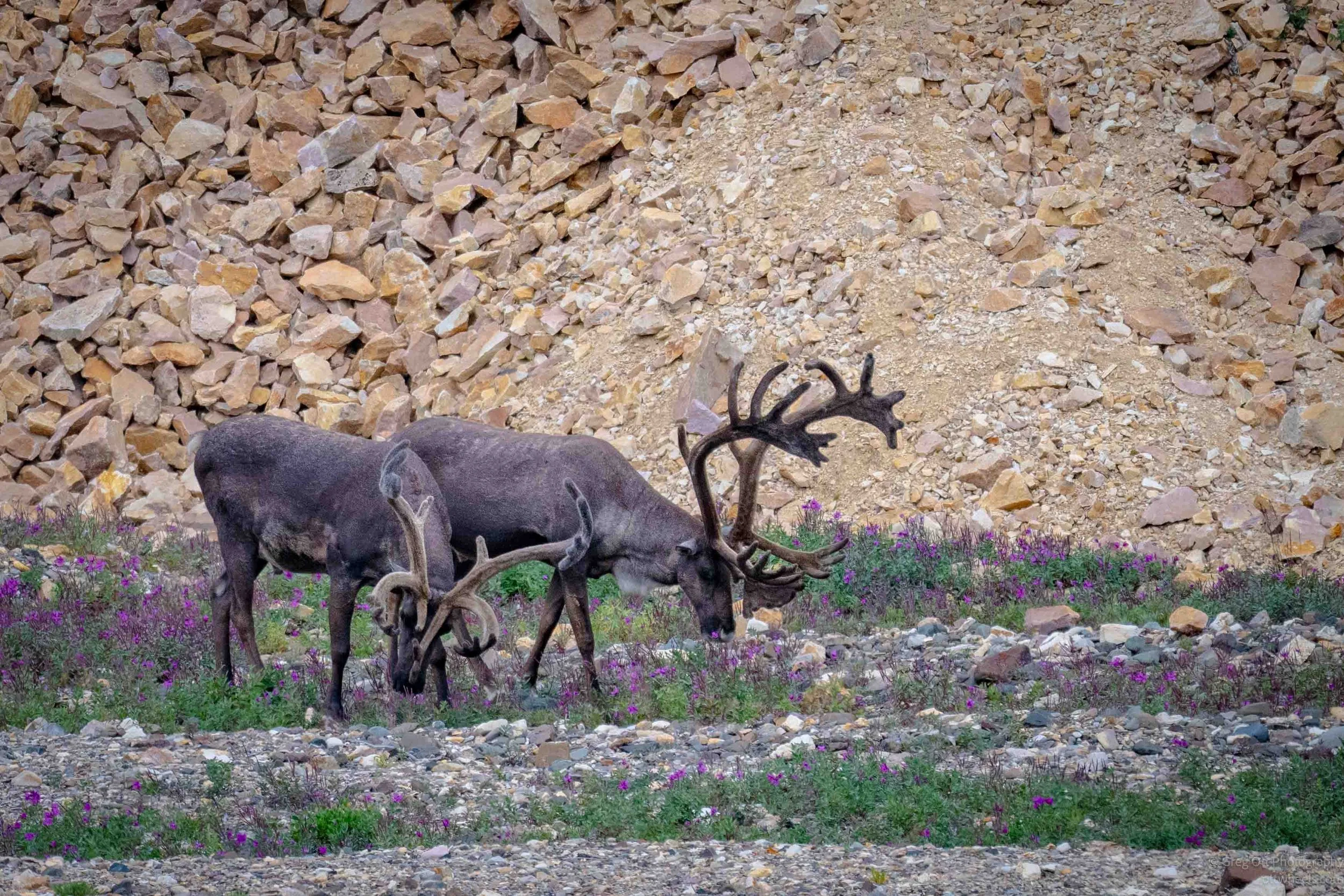
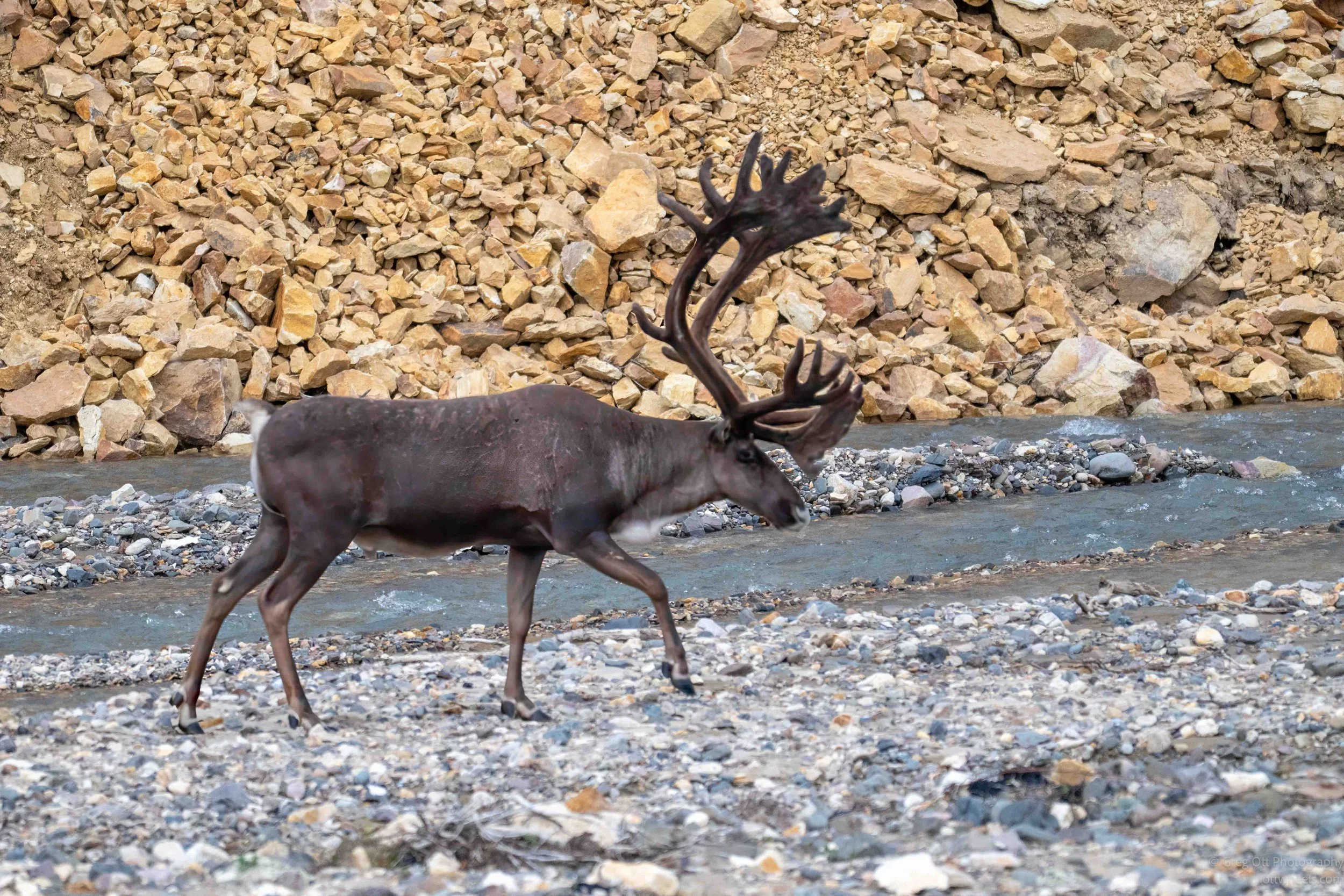
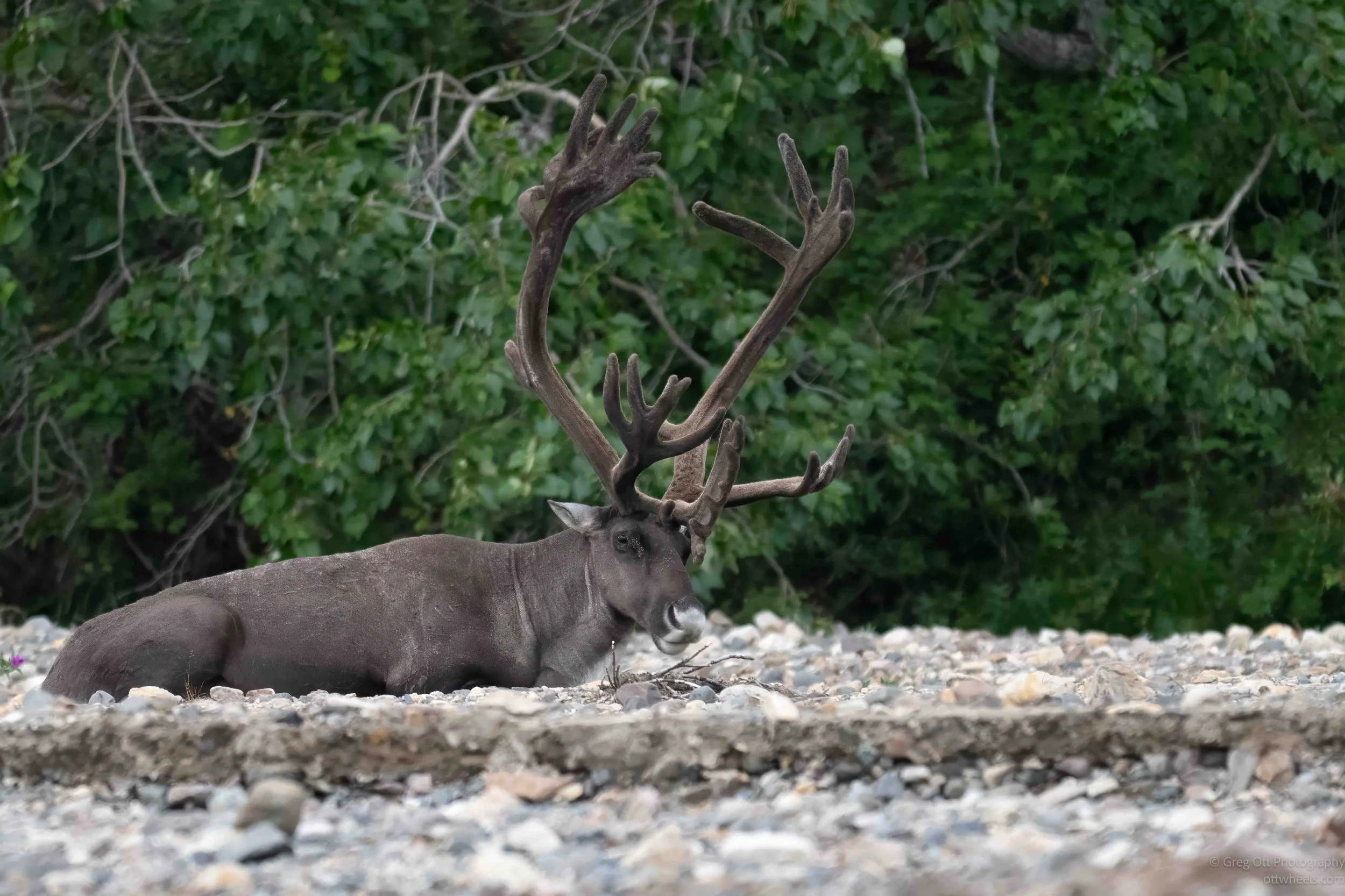
For the next mile Ryan kept everyone moving. The mother bear watched us while her cubs wandered behind her, turning over rocks in search of food. It was a powerful reminder that we were visitors in their home.
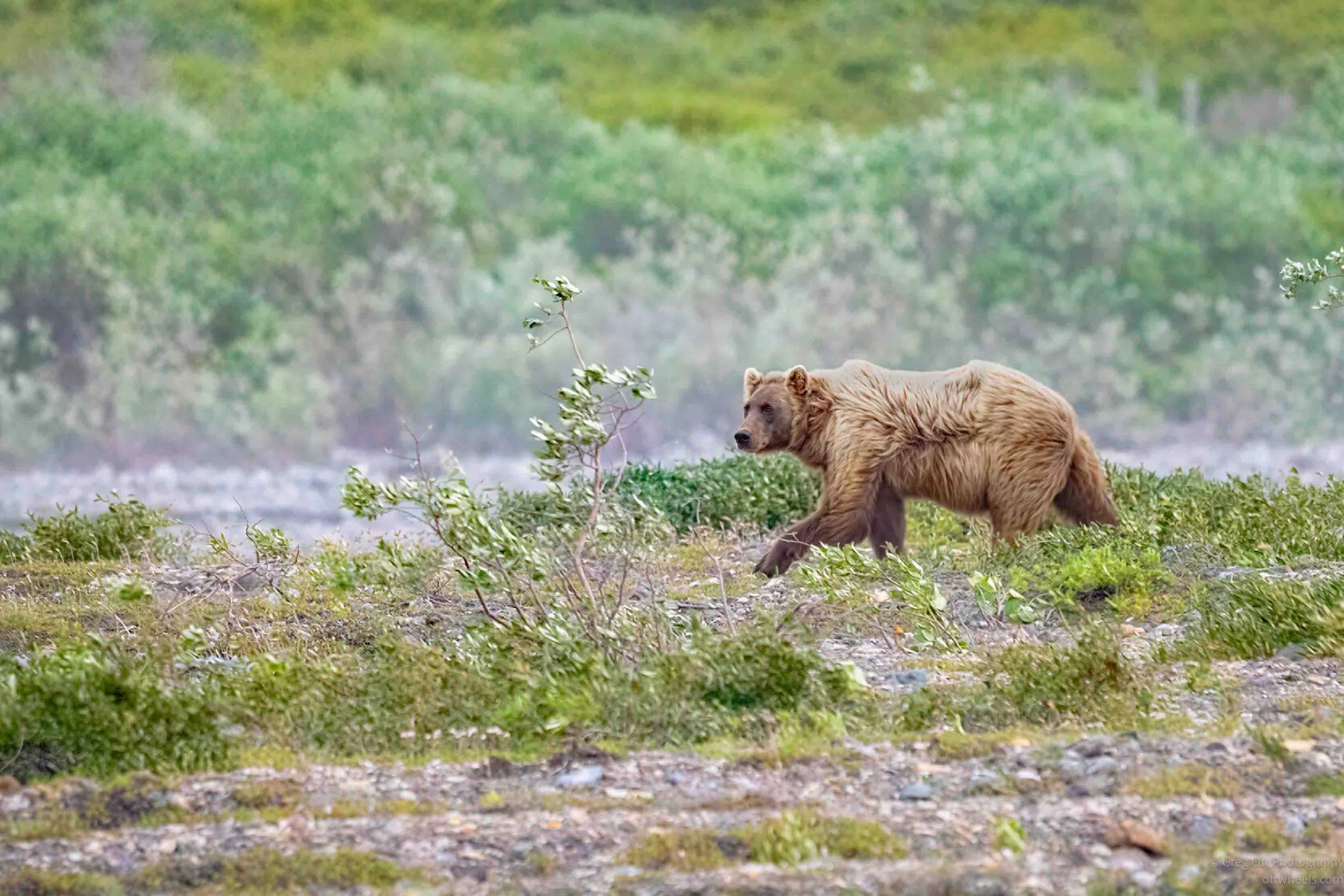
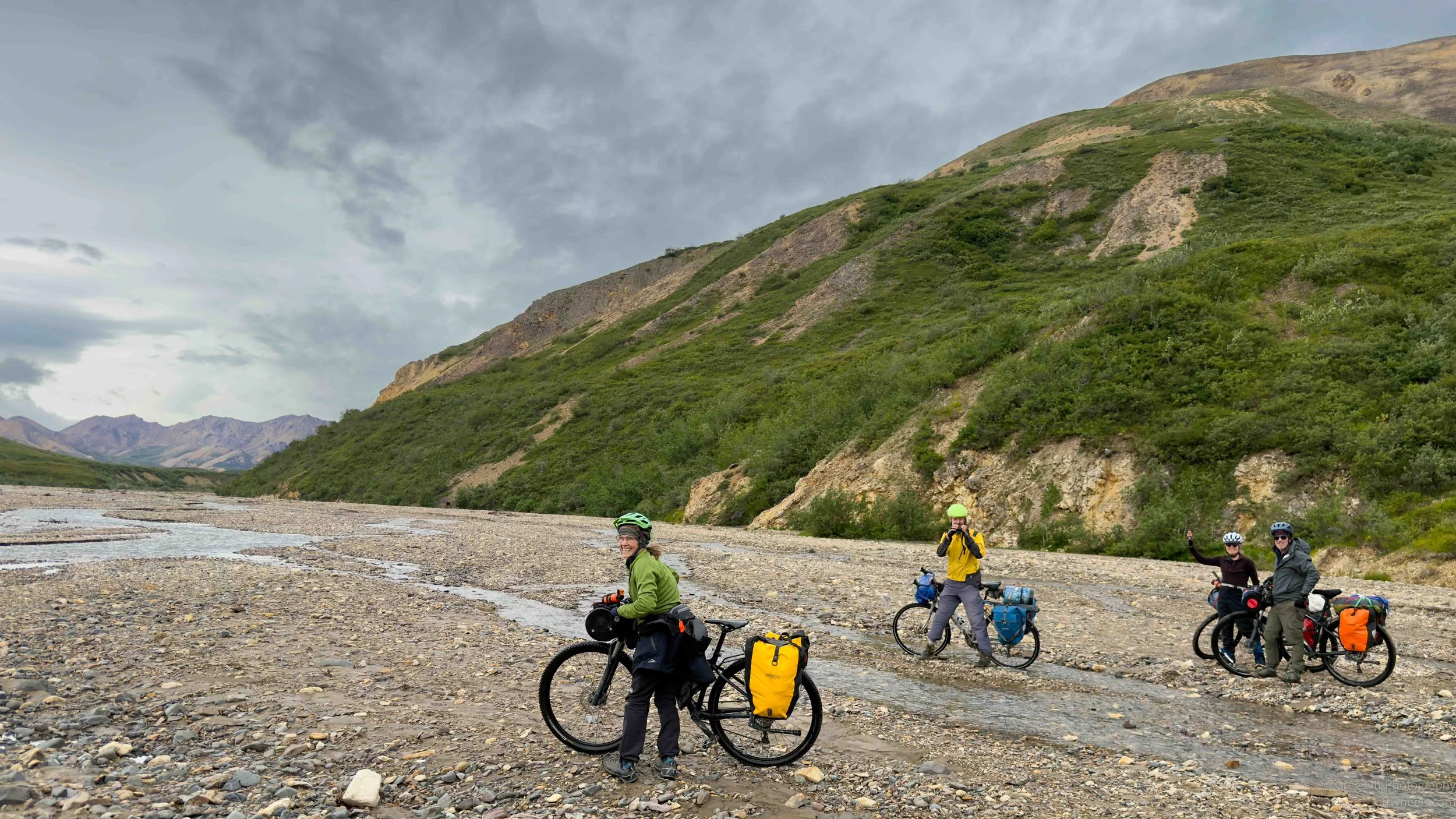
Near the end of the hike we encountered a group of cyclists heading farther into the backcountry. After Ryan warned them about the bears ahead, they thanked him, gave me a thumbs-up for a quick photograph, and continued on. As we entered a wooded section, our "country game" resumed, filling the forest with enough conversation to let any nearby bears know we were coming.
Back at the road, the weather had turned windy, and we waited inside a park service shelter bus for the shuttle. There weren't enough seats for everyone, so I stayed behind and caught the next bus rather than split up one of the couples from our group.
The ride back turned out to be enjoyable in its own way. I spent much of it talking with a curious ten-year-old boy who thought traveling the country in a van sounded like the greatest adventure imaginable. We continued stopping for wildlife along the way, adding a few more bears, moose, and plenty of "bear rocks" before finally reaching the bus depot around 6:00 p.m.
Back at the campground, I changed out of my soaked hiking clothes, made a simple dinner, and began sorting through the day's photographs. Looking through them, I realized the pictures only told part of the story. What stayed with me most wasn't the wildlife or even the incredible scenery. It was spending a day immersed in a landscape that still feels genuinely wild, where nature, not people, sets the rules. It was one of those experiences I'll be replaying in my mind long after I've left Denali behind.