Paper Tickets and Desert Highways
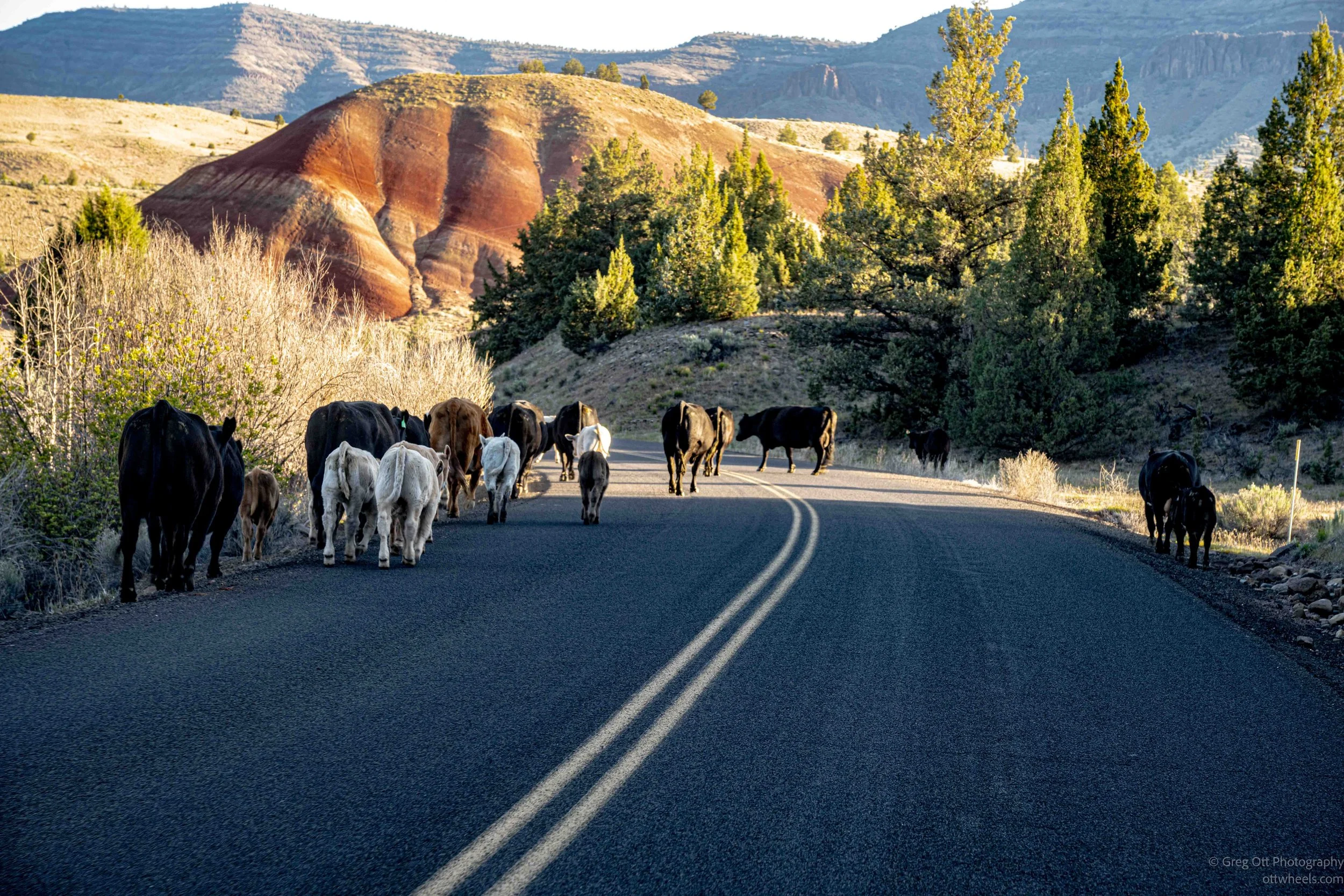
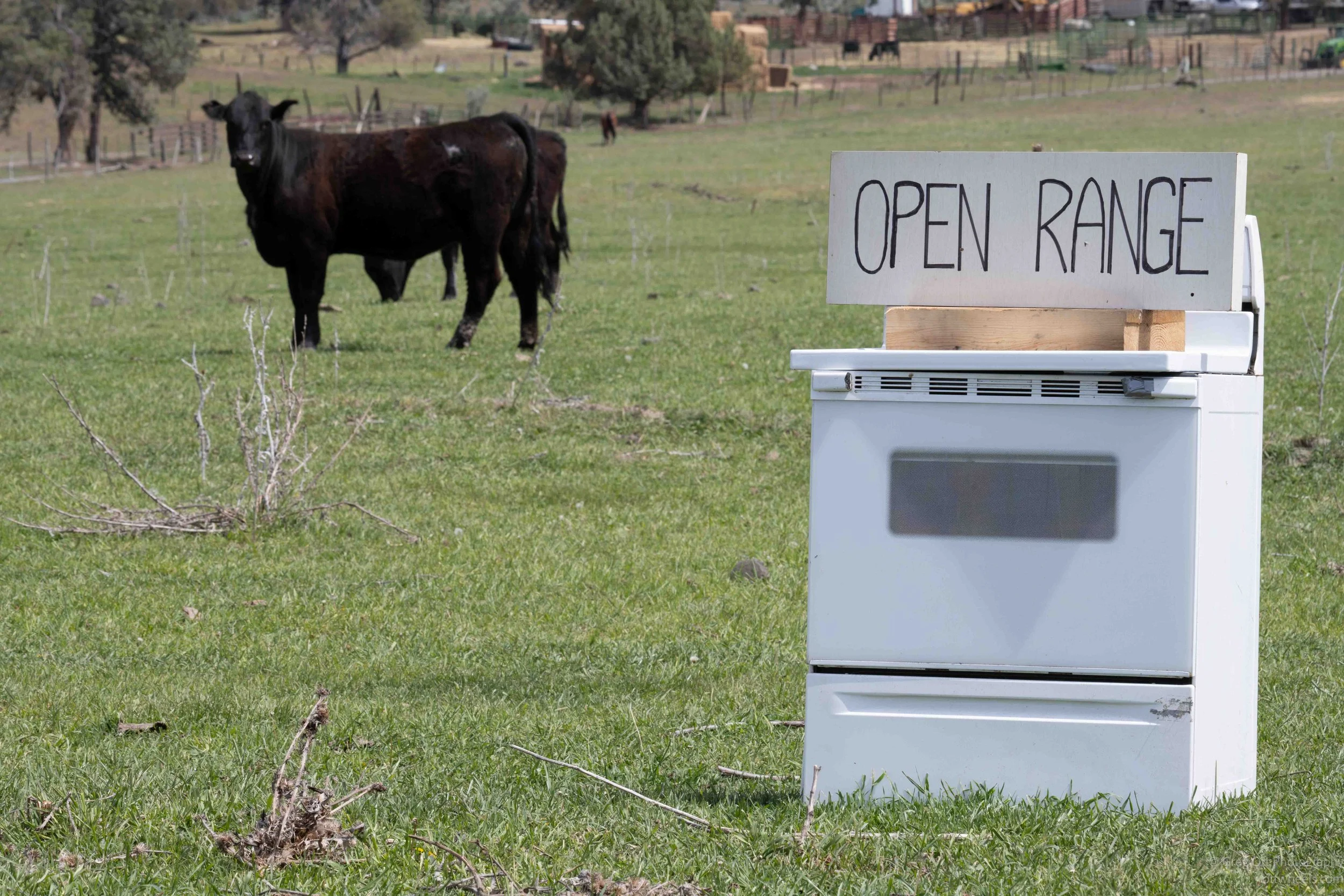
I’ve been driving three to five hours a day for a while now, and it was starting to catch up with me. I slept well the night before, parked between two trees with cows surrounding the van, but I still felt sluggish in the morning. By seven, the cows had disappeared and the rising sun had turned everything around me gold. I left the BLM area and turned onto the main road and there were the cows walking down the road.
I drove about five miles back to the Painted Hills Unit of the John Day Fossil Beds National Monument. The parking lot was level, there were restrooms, garbage and recycling bins, and almost complete silence except for the occasional calls of red-winged blackbirds echoing across the hills. After breakfast, I mapped out the rest of the day. The plan was to head north toward Pendleton, stop at the Tamástslikt Cultural Institute, and do the underground tour. Google said the drive would take three and a half hours. I already knew it would take longer than that.
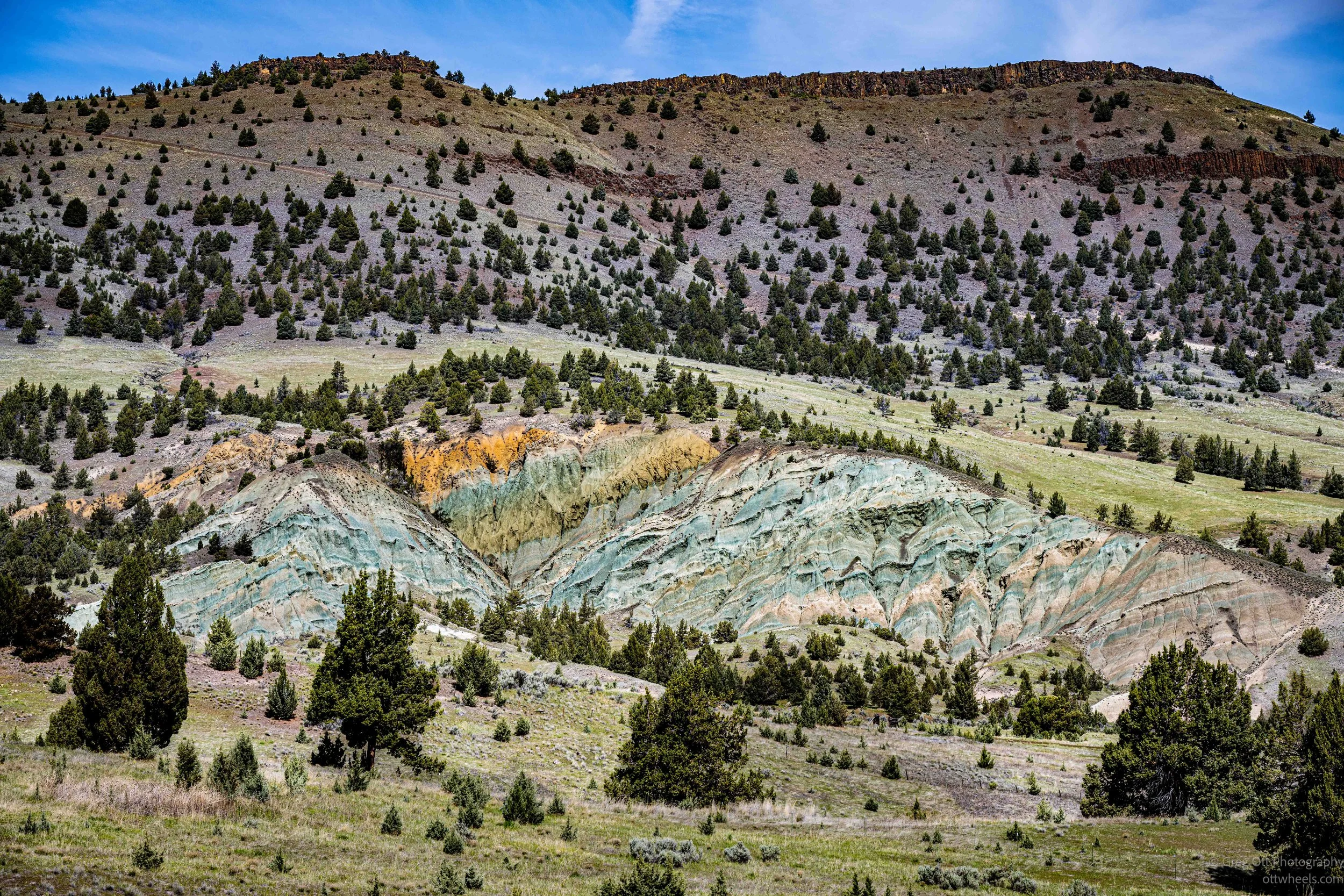
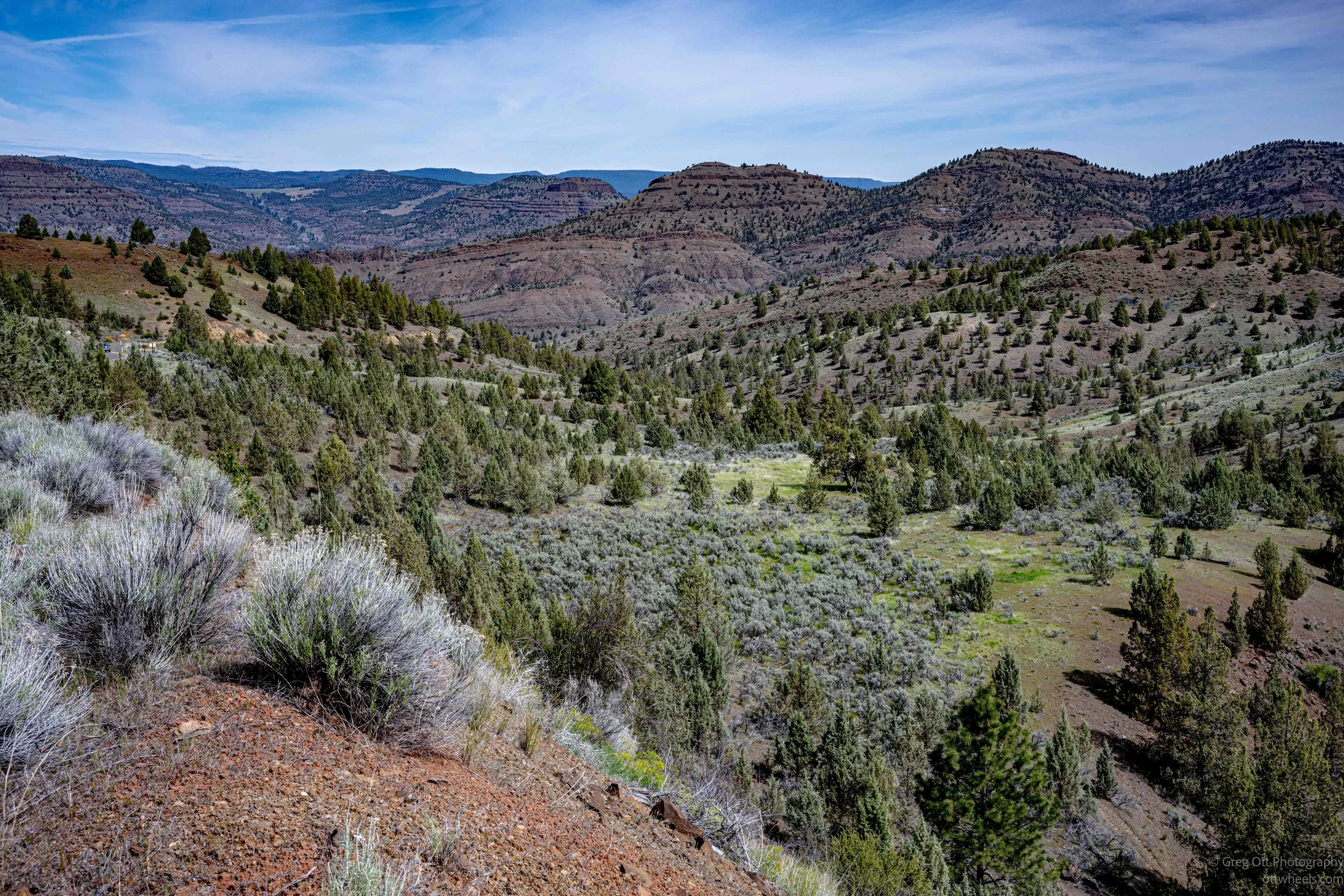
I was starting to get concerned about the fuel level in the van. Out there, a quarter tank feels different. There aren’t towns every few miles, there aren’t endless freeway exits with gas stations, and cell service comes and goes whenever it feels like it. According to Google, I had enough fuel to make it to Spray, Oregon. Calling Spray a town might be stretching the definition a little. It’s basically a single street running through the middle of nowhere with a handful of buildings lined up along it. No stoplights, no traffic, no suburban sprawl creeping in from the edges. Just a tiny place sitting out in the high desert along the John Day River looking like it has barely changed in decades.
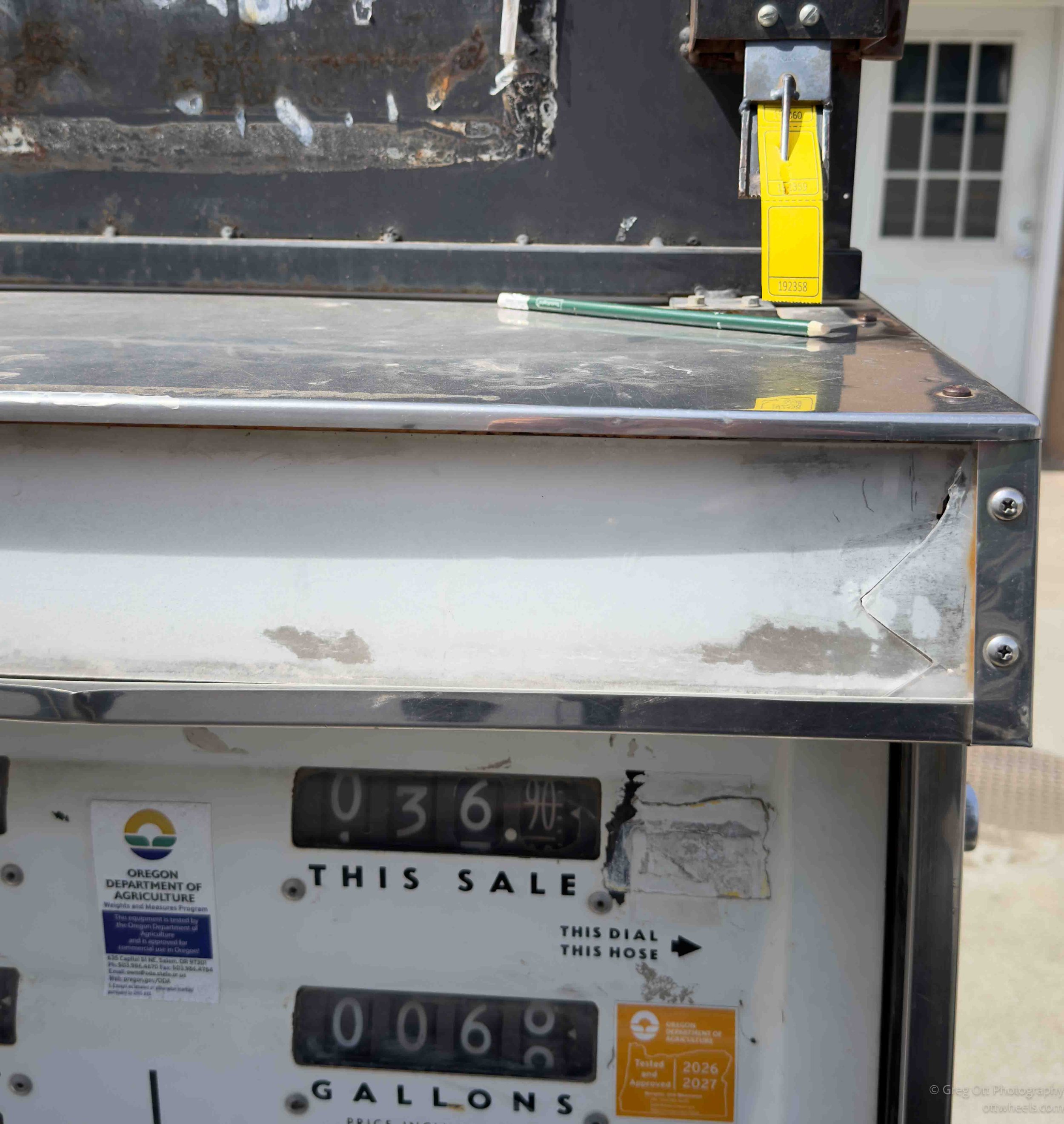
I pulled in and immediately saw the gas station sitting right on the roadside. There weren’t even curbs separating the pumps from the street.
The dispensers looked ancient, probably from the ’80s or early ’90s, the kind of pumps you barely see anymore unless you’re deep in rural America. There was no credit card reader at the pump, no touchscreen, no digital ads yelling at you while you filled up. The woman inside explained the process. There was a roll of paper tickets and a pencil sitting next to the pump. After fueling, I was supposed to write down the dollar amount and gallons exactly as they appeared on the pump and bring the ticket inside. That was it. No prepay. No authorization hold on a credit card. Just trust.
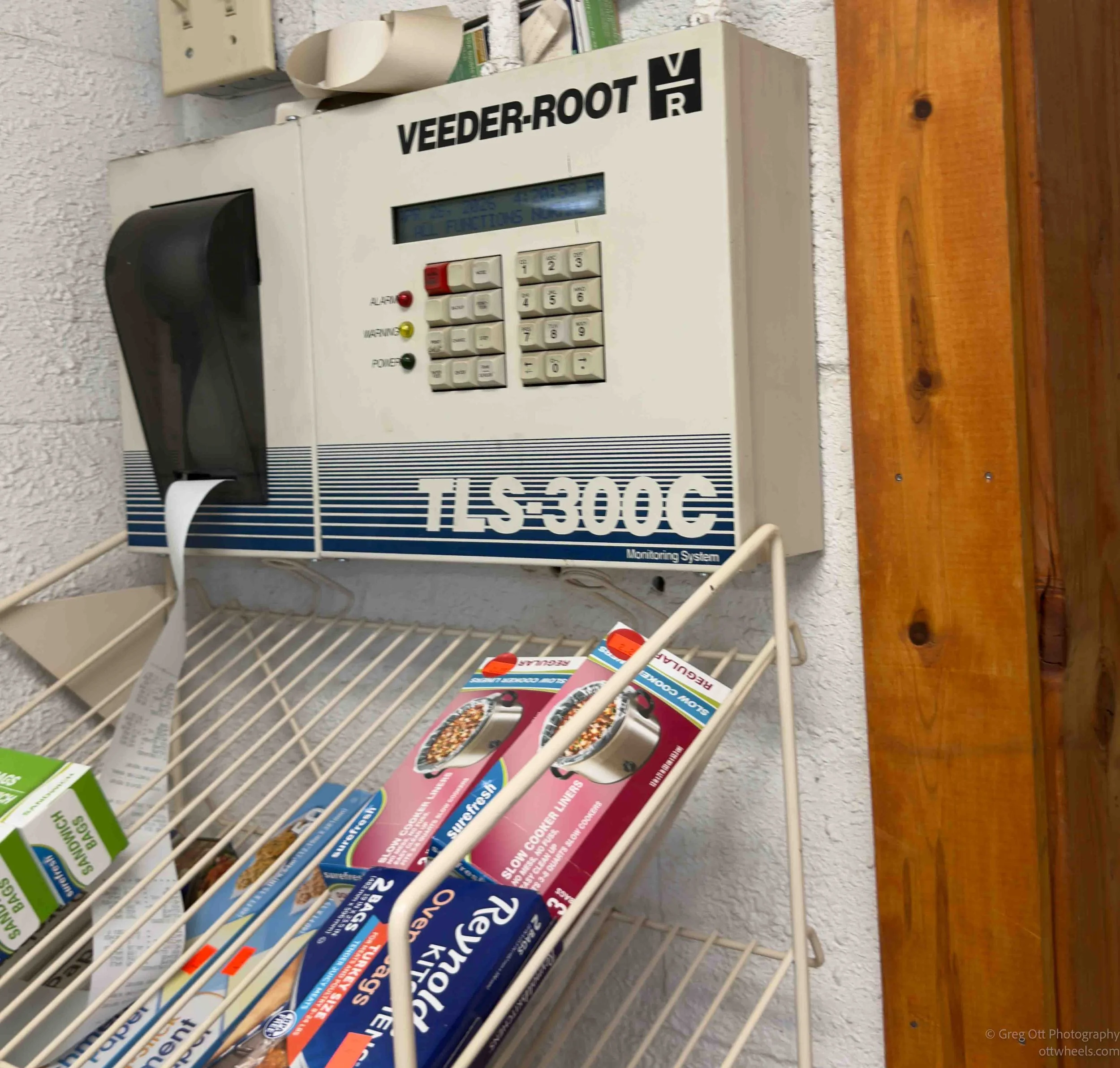
I filled up the van and noticed the price was almost a dollar cheaper per gallon than what I’d been paying recently. That alone already had me in a better mood. Walking back inside, I spotted something mounted on the wall that instantly pulled me back years: a Veeder-Root TLS-300C. I used to work for Veeder-Root, and seeing one still operating felt like stumbling across an old piece of industrial history quietly continuing to do its job. Even back when I worked there, this wasn’t exactly new technology.
The owner told me their maintenance company keeps the system alive by hunting down parts from cannibalized units they find online.
Somehow that made the whole place even better. Old pumps. Paper tickets. Pencil accounting. Ancient tank monitoring hardware still hanging on decades later. In a strange way, it all fit perfectly with Spray. That little gas station honestly made my day.
It was around one in the afternoon when I pulled into Long Creek, OR, another tiny crossroads town in the middle of nowhere. Blink while driving through and you’ll probably miss it. Sitting right at the intersection was the Long Creek Mercantile, so I decided to stop for lunch. I ended up staying about 90 minutes, waiting on my salad, talking with Dan, the owner, and slowing down for a bit.
At some point a guy named Al Potter came in. He clearly knew Dan and was telling him he was paying somebody to come set up his Starlink because he didn’t understand technology at all. Dan explained that it was actually pretty simple and most of it was already installed. Somehow I ended up getting pulled into the conversation too.
Dan eventually stepped away to help another customer, and Al and I kept talking. He was 74 and hunched over from a lifetime of riding Harleys. At some point early in his life, his parents had moved from Vermont to California’s San Fernando Valley (SFV). One story led to another, each somehow getting more interesting as time went on. He talked about getting busted in Texas for possession of two grams of cocaine, spending five years in a Texas prison, and riding with the Hell’s Angels from club to club across the country. He told me he wanted to write a book someday about everything he had been through.
Then the conversation shifted.
He told me he had recently lost his 49-year-old daughter to breast cancer. His entire voice changed when he talked about her and everything she went through. She wanted to die at home, so he brought her back and took care of her until the end. He said he was planning to take her back to Vermont to bury her. That part of the conversation seemed to snap both of us back to reality for a moment. Before leaving, he told me it was nice talking with me, and I asked if I could take a couple of photos, including one of the SFV tattoo on his arm.
He was one of those people you don’t forget. Irreverent, rough around the edges, full of stories that sounded half unbelievable and completely real at the same time. Underneath all of it, though, he was deeply human. The kind of person who had clearly lived through more than most people ever will, and somehow was still standing there talking to strangers in a small-town mercantile in the middle of Oregon.
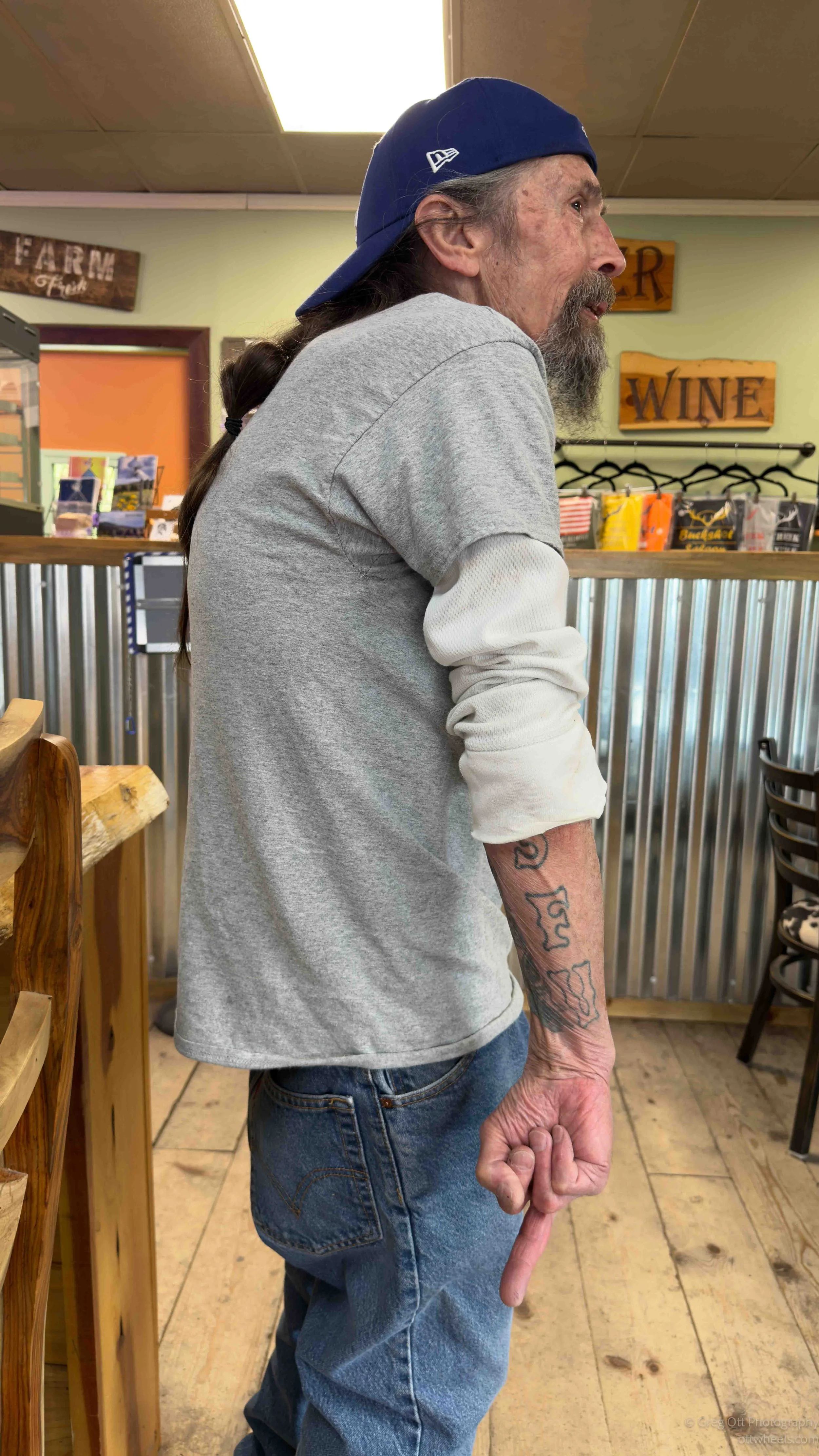
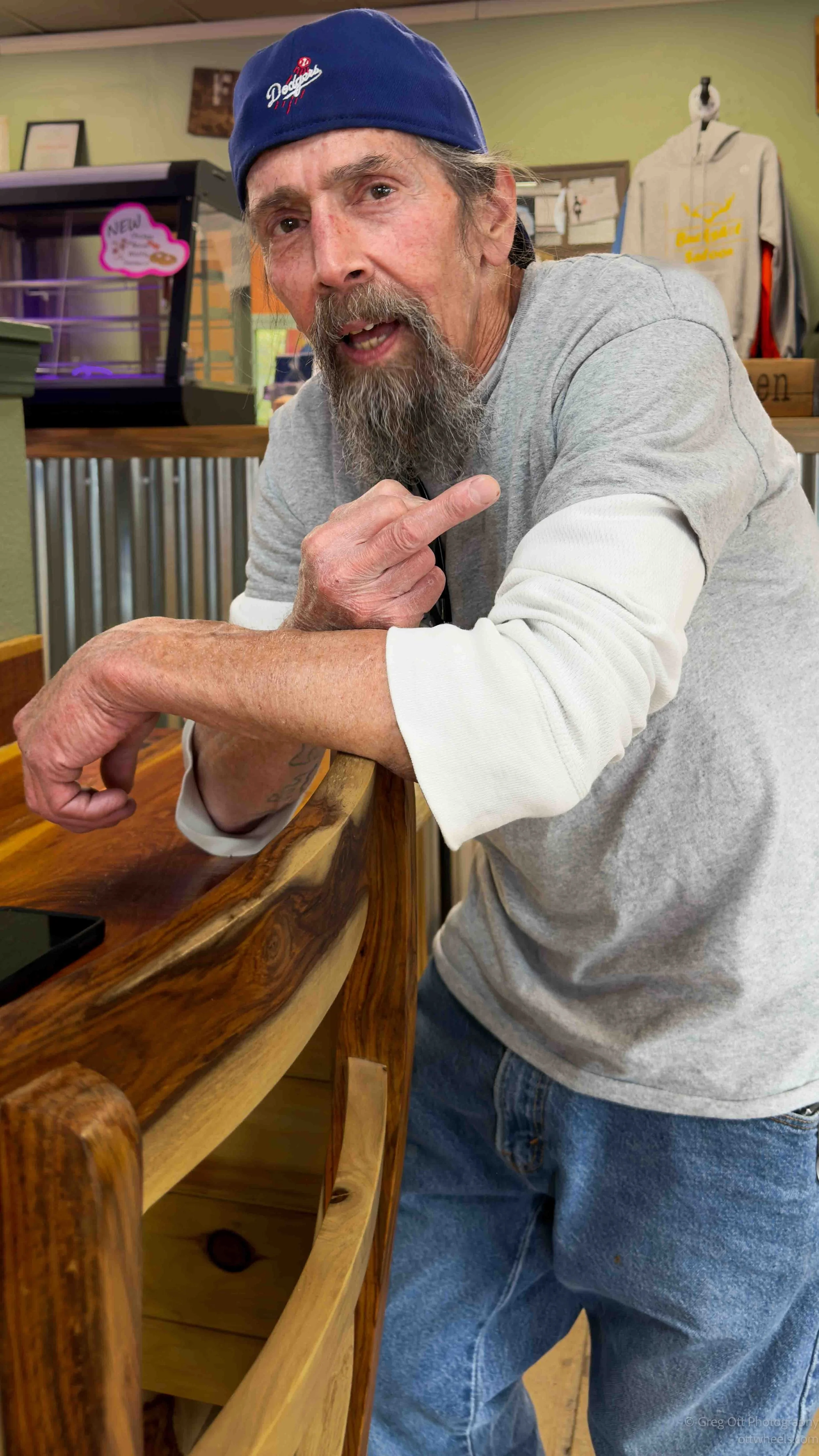
I stopped a number of times on the drive north toward Pendleton. Oregon had turned into a whirlwind tour with a lot of miles between stops. By the time I reached Pendleton, I decided I needed to slow down for a couple of days. I found a state park outside town and stayed for two nights.