Tamástslikt & Pendelton Mills
I spent the last two nights at Emigrant Springs State Park just outside Pendleton, Oregon. I needed to slow down for a bit. I’d been driving hard all week and it finally caught up with me. I didn’t do much besides sleep, read, write, and take a few short walks around the campground. The park wasn’t exactly quiet, sitting so close to I-84. It felt more like one of those places travelers pass through on their way somewhere else.
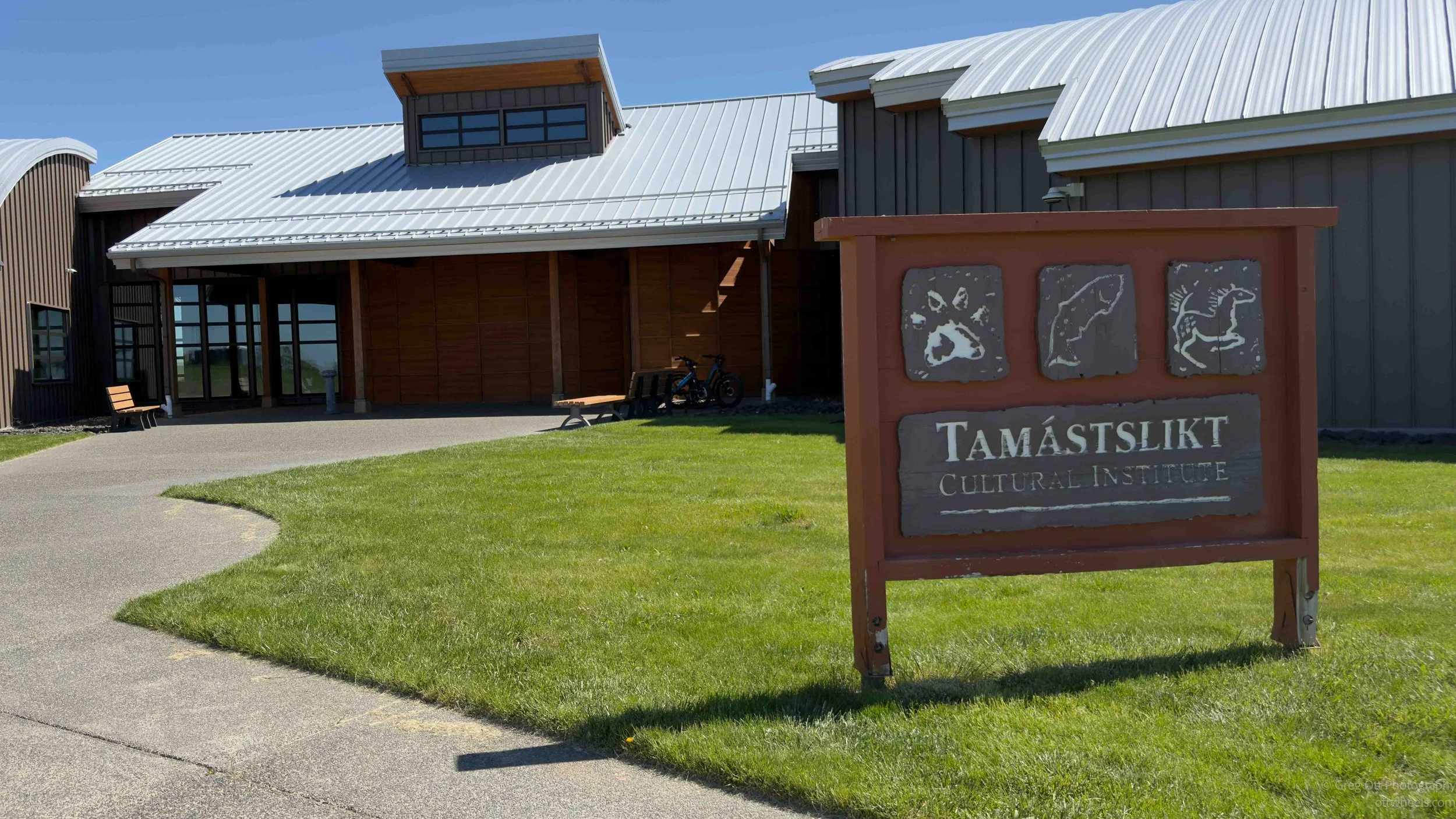
Tamástslikt Cultural Institute
Feeling somewhat recharged, I headed to the Tamástslikt Cultural Institute on the Umatilla Indian Reservation just outside Pendleton. I honestly wasn’t sure what to expect going in. It was on my itinerary, so I stopped. I ended up spending far more time there than I planned, and I’m glad I did.
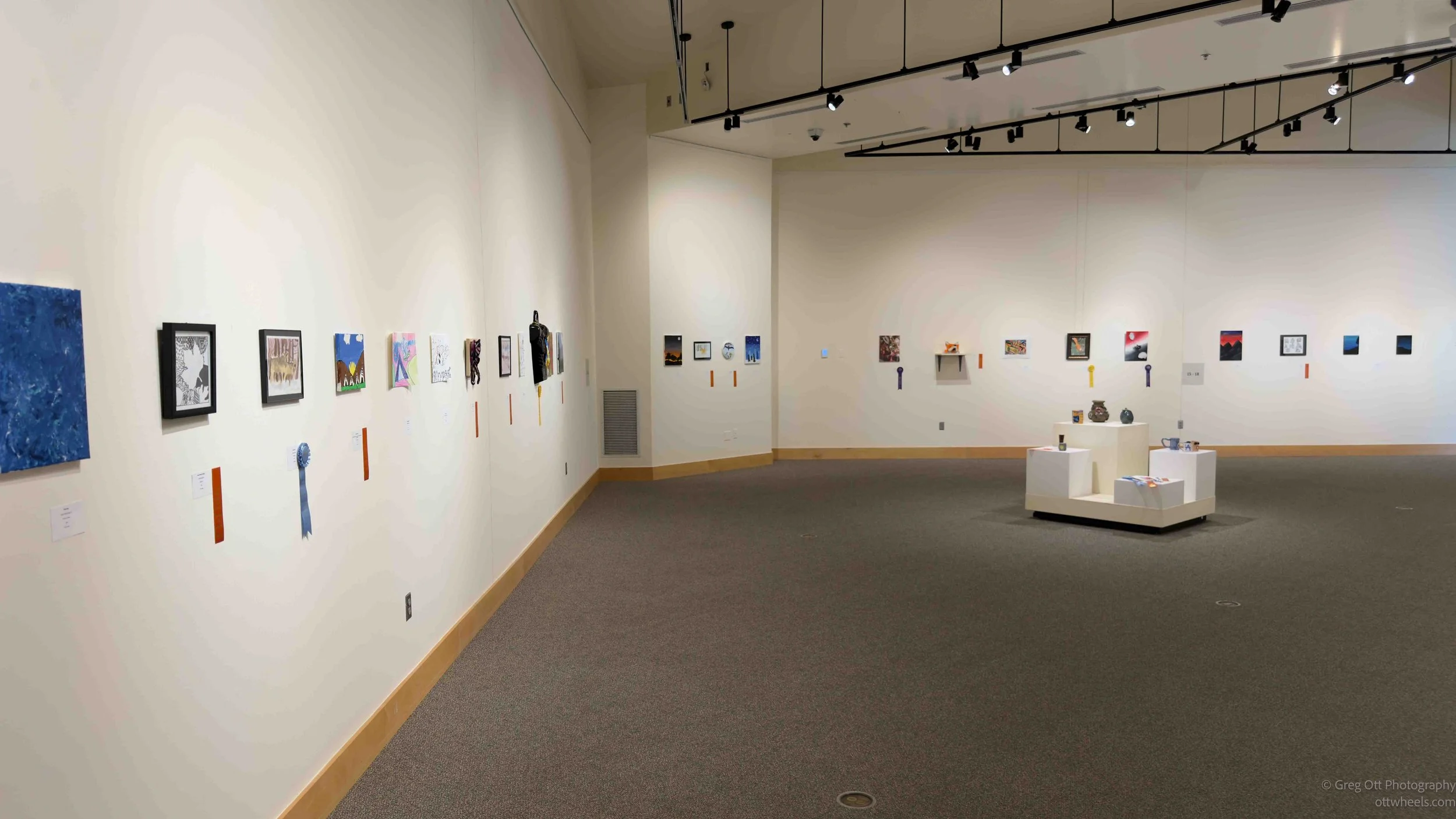
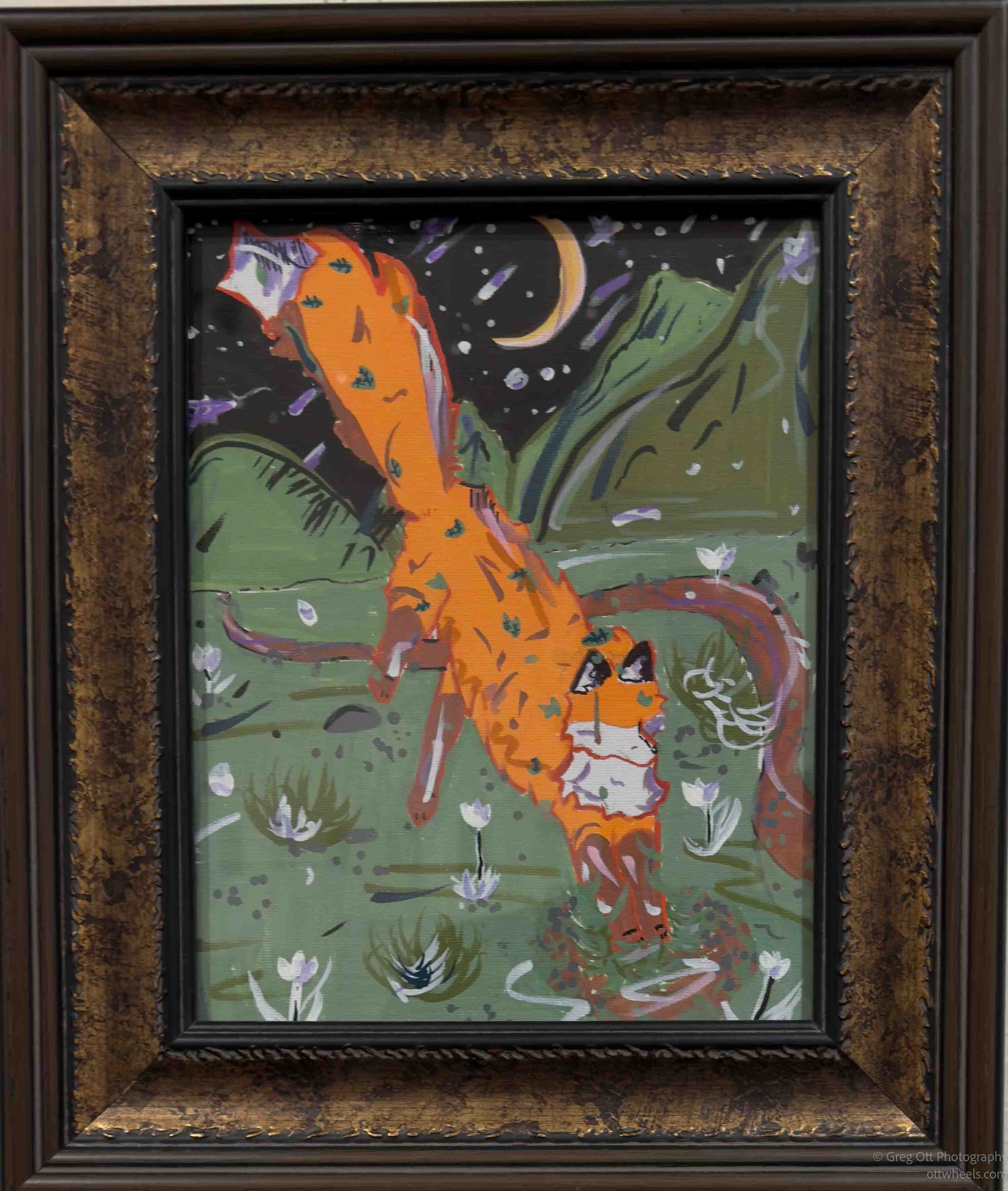
I started in an art exhibit featuring work from grade school through high school students. Ribbons marked the winners and honorable mentions. Looking through the entries, I found myself agreeing with the judges more often than not.
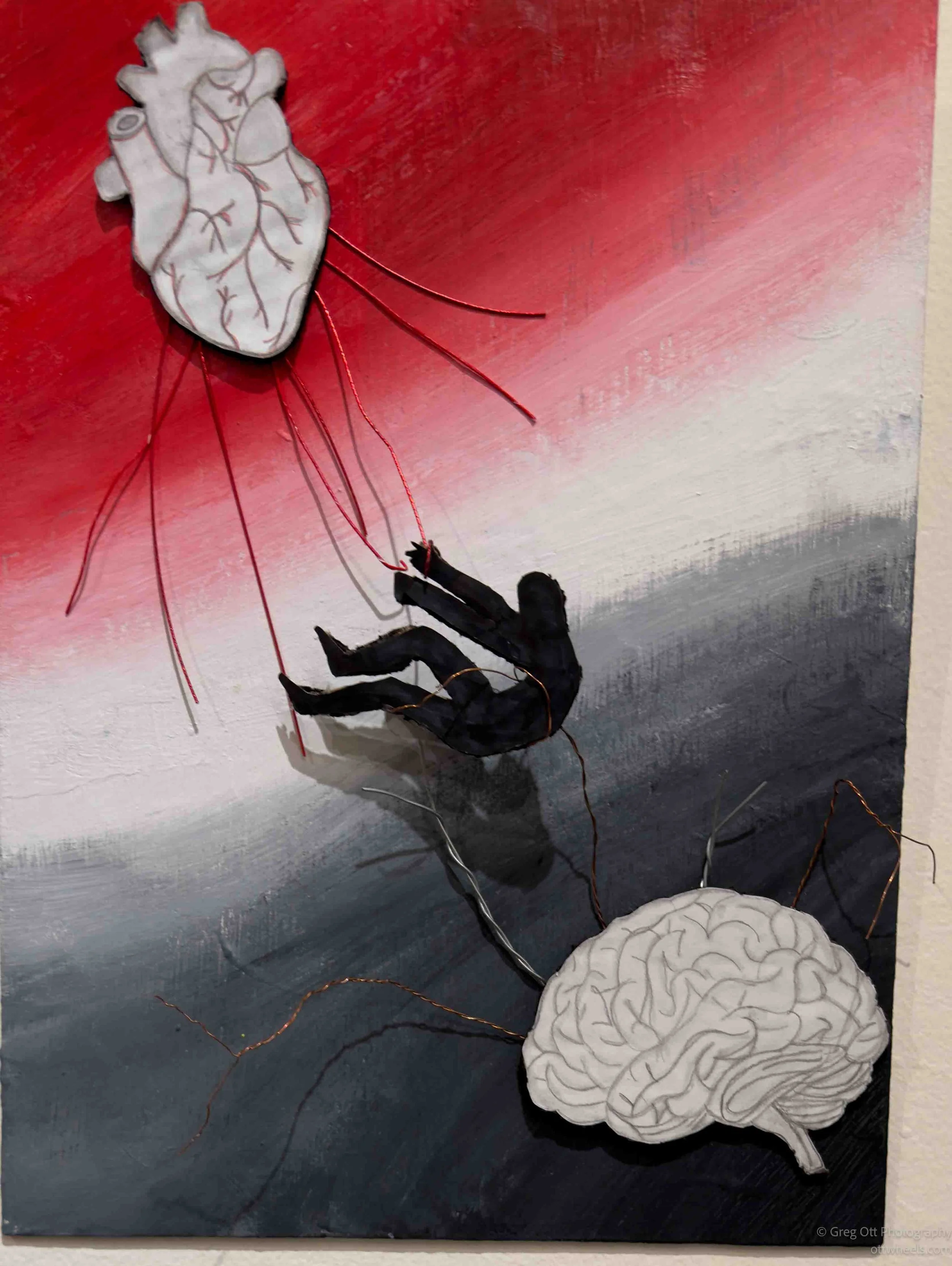
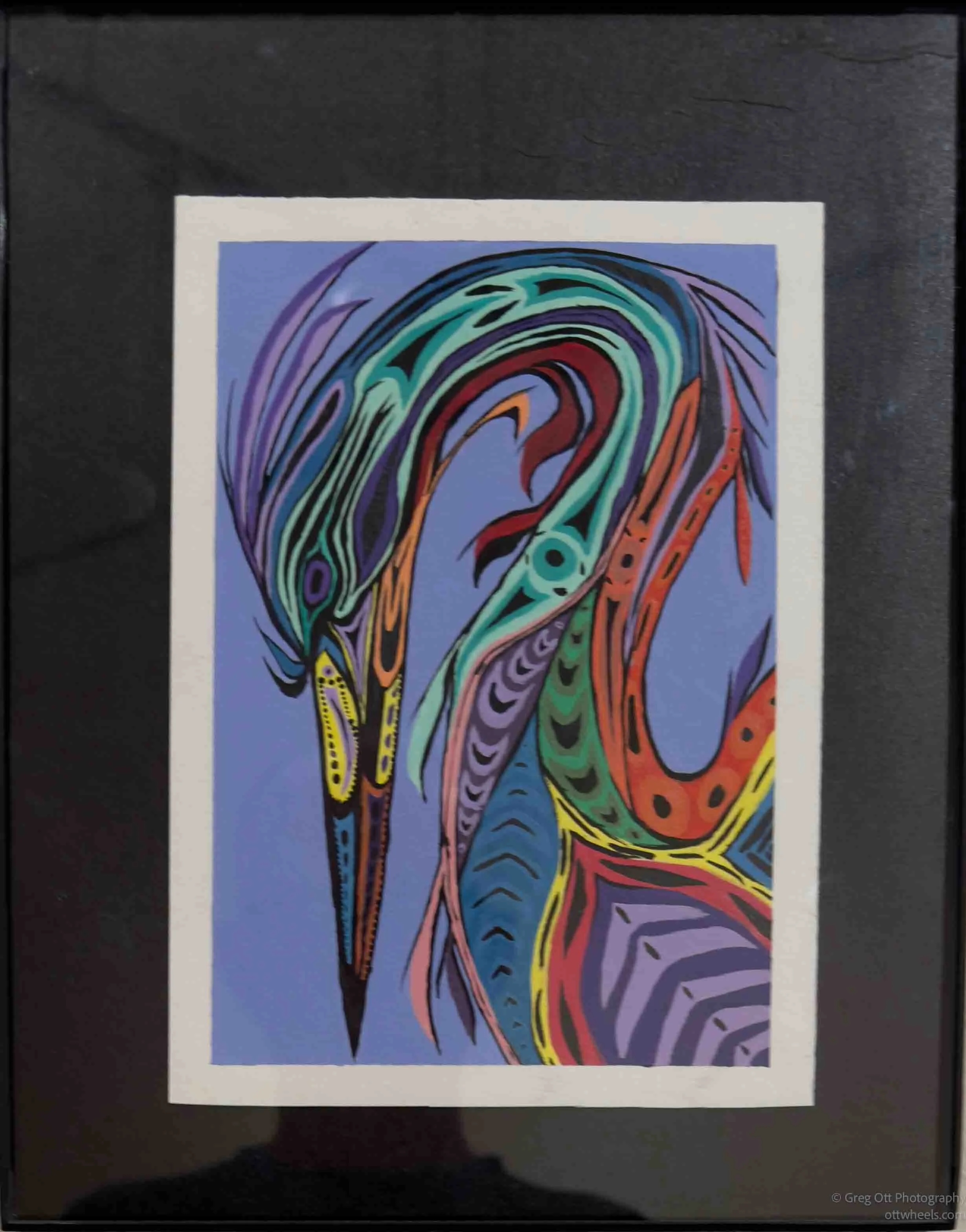

Tamástslikt means “interpreter” in the Walla Walla language, and the museum focuses on telling the story of western expansion from the tribal perspective. It represents the Cayuse, Umatilla, and Walla Walla tribes, people who have lived in this region for more than 10,000 years. The museum is organized around three themes: We Were, We Are, and We Will Be. Instead of treating Native history like something frozen in the past, it ties the past directly to the present.
The “We Were” section is where I slowed down and spent the most time. Before European contact, the tribes moved through a large seasonal cycle across the Columbia River region, traveling between the lowlands and the Blue Mountains to fish, hunt, and gather food. It wasn’t random wandering. Everything followed an established rhythm connected to the land and the seasons.
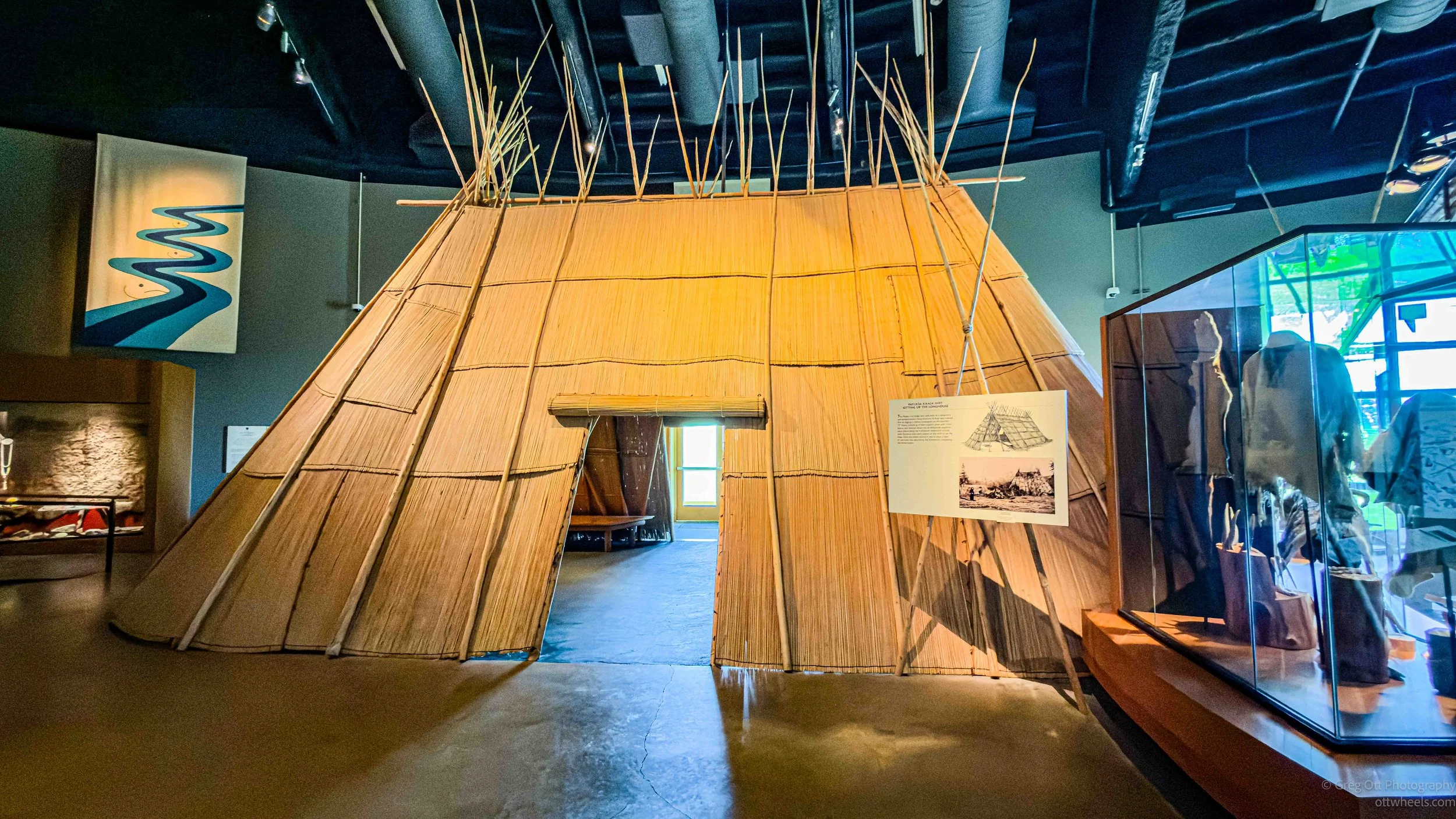
The exhibits on clothing and shelter were especially interesting. Their clothing was made from deer and elk hide, often decorated with beadwork and fringe. The homes used tule mats stretched over lodge poles instead of animal hides. Tule grows naturally along waterways, and the mats could be rolled up and carried when the tribes moved seasonally while the heavier poles were left behind. One detail that stuck with me was how the tule reeds would swell during winter rains, naturally sealing gaps and making the structures weather resistant.
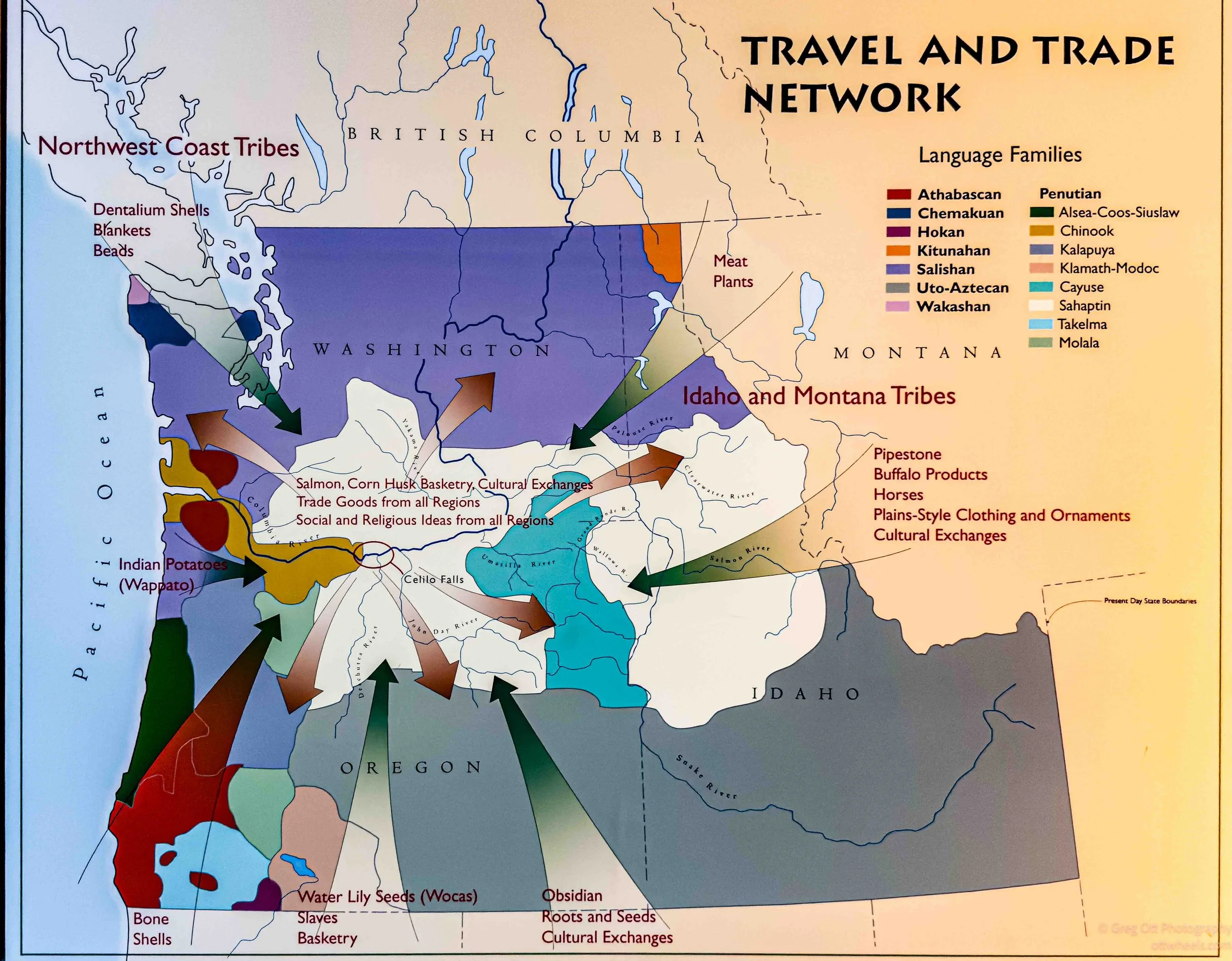
The museum also made it clear these were not isolated communities. Extensive trade routes connected tribes across huge distances. Salmon and roots moved eastward while buffalo meat and hides came back west across the Rockies.
Then came disease, settlement, and forced displacement. The museum doesn’t soften any of it. Illnesses like measles and smallpox devastated communities that had no immunity. By some estimates, more than 90 percent of the indigenous population in the region died within a relatively short period after contact. In 1855, the tribes signed the Treaty of Walla Walla, surrendering millions of acres of ancestral land for a much smaller reservation. Like many treaties, the terms kept changing over time, usually not in their favor.
The exhibits on boarding schools were probably the hardest to walk through. Children were removed from their families, forbidden from speaking their languages, and punished for practicing their culture. The goal was assimilation through erasure. The museum doesn’t avoid using the phrase cultural genocide, and after reading through the material, it’s hard to argue with it.
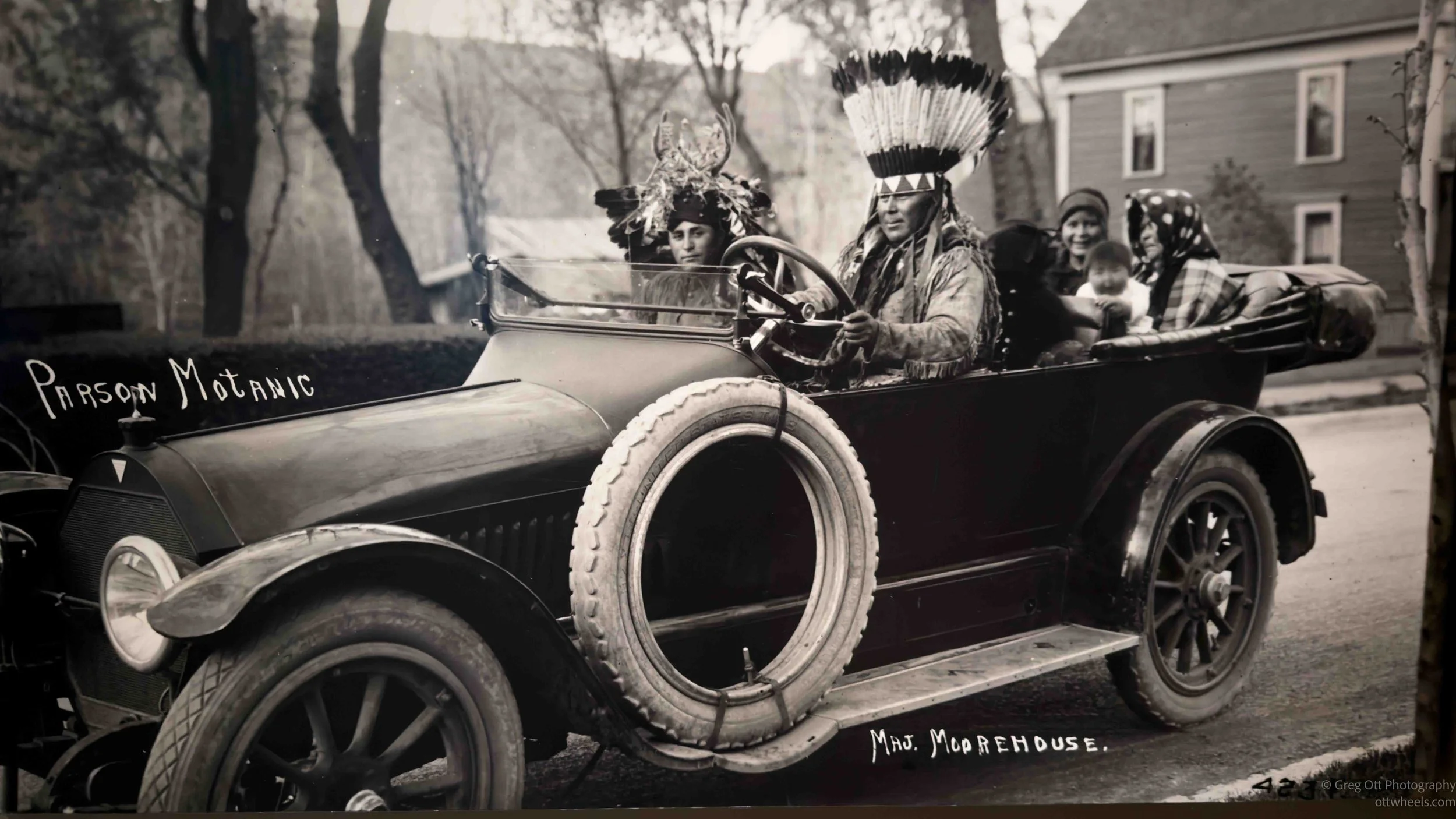
What stayed with me most, though, was that the story didn’t end there. Beginning in the 1970s, tribal members increasingly used the legal and political system to reclaim sovereignty and rebuild what had been stripped away. Today the Confederated Tribes operate their own government, businesses, restoration programs, and this museum itself. There was a strong sense throughout the exhibits that the culture survived because people refused to let it disappear.
There’s also a café inside the center with two soups offered each day. I ended up getting chicken, wild rice, and vegetable soup along with a salad. Somewhere in the middle of lunch I realized none of it was actually native food, which was a little disappointing since I would have liked to try that as well. There also weren’t many people there during my visit, maybe because it was still the off season.
Walking back outside into the afternoon light, I kept thinking about how strong the message of the place was. If you’re anywhere near Pendleton, it’s worth stopping.
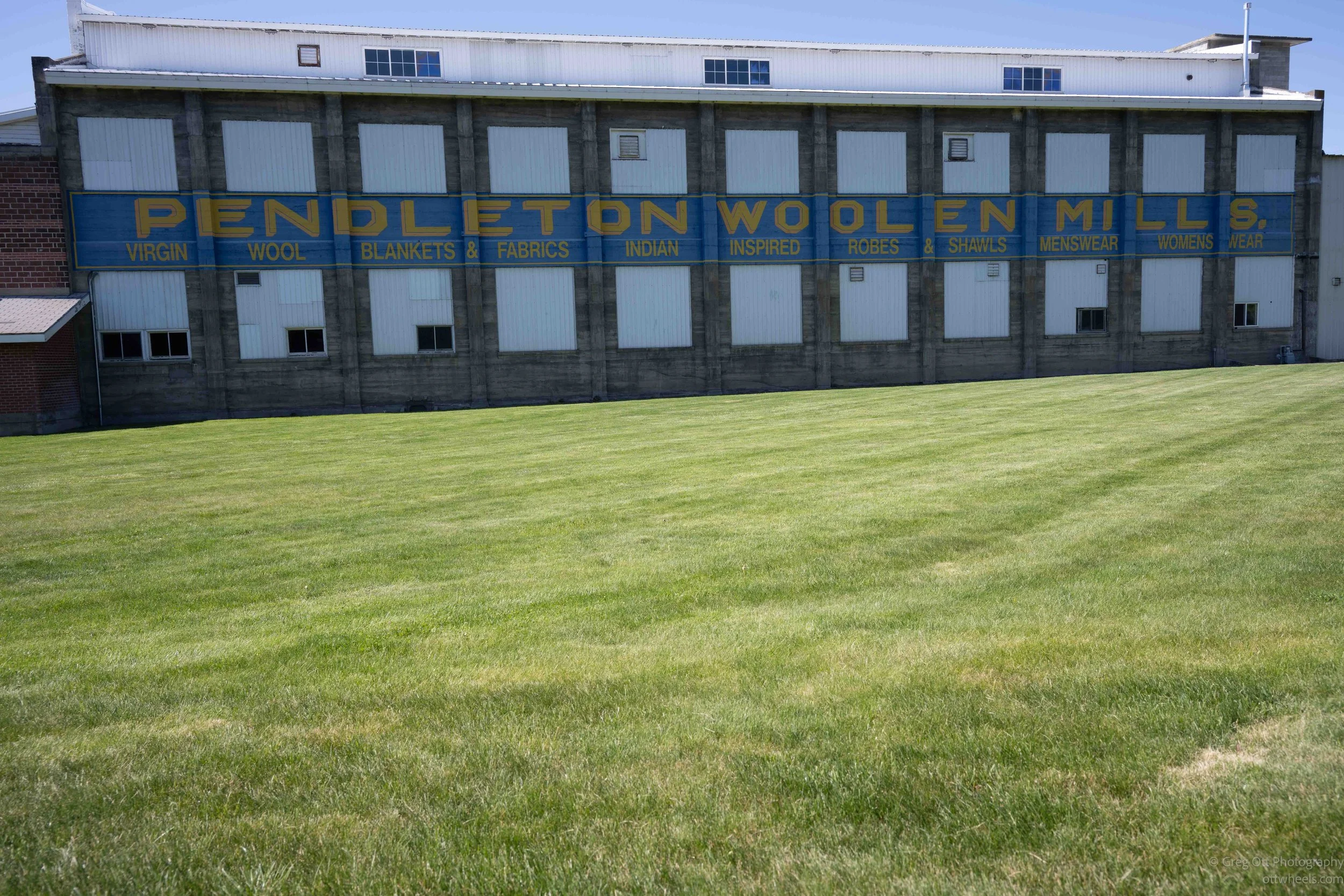
Pendleton Woolen Mills
I also wanted to stop at Pendleton Woolen Mills, which is still operating today.
I arrived mid-afternoon and missed the 3 p.m. tour by about ten minutes. One of the staff pointed me toward a video in the visitor center that covered most of the same material as the tour itself.
Standing there watching it, I realized there was a direct family connection between the Thomas Kay Woolen Mill in Salem and Pendleton Woolen Mills. A few days earlier, I had toured the Salem mill founded by Thomas Lister Kay in 1889. Pendleton Woolen Mills was later founded in 1909 by Kay’s daughter, Fannie Kay Bishop, and her husband, Charles Pleasant Bishop. Their sons — Clarence, Roy, and Chauncey Bishop — carried the company forward, and more than a century later it’s still operated by the Bishop family into the fifth and sixth generations.
Because I had already toured the Salem mill, I understood the wool process going in — cleaning, picking, carding, spinning, weaving, and dyeing — so Pendleton didn’t feel like a completely separate experience. It felt connected. Like I was seeing the continuation of the same story, just on a much larger scale.
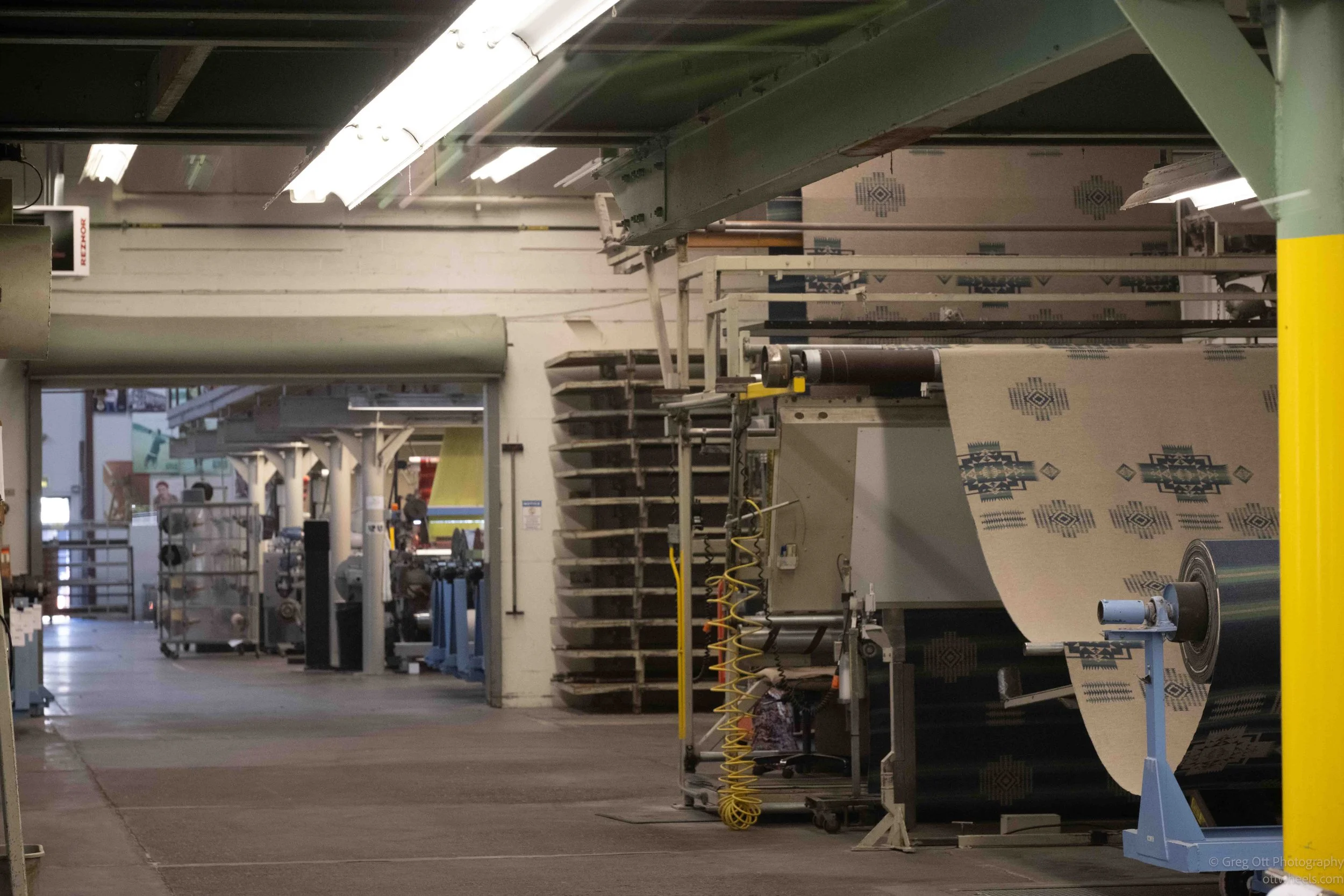
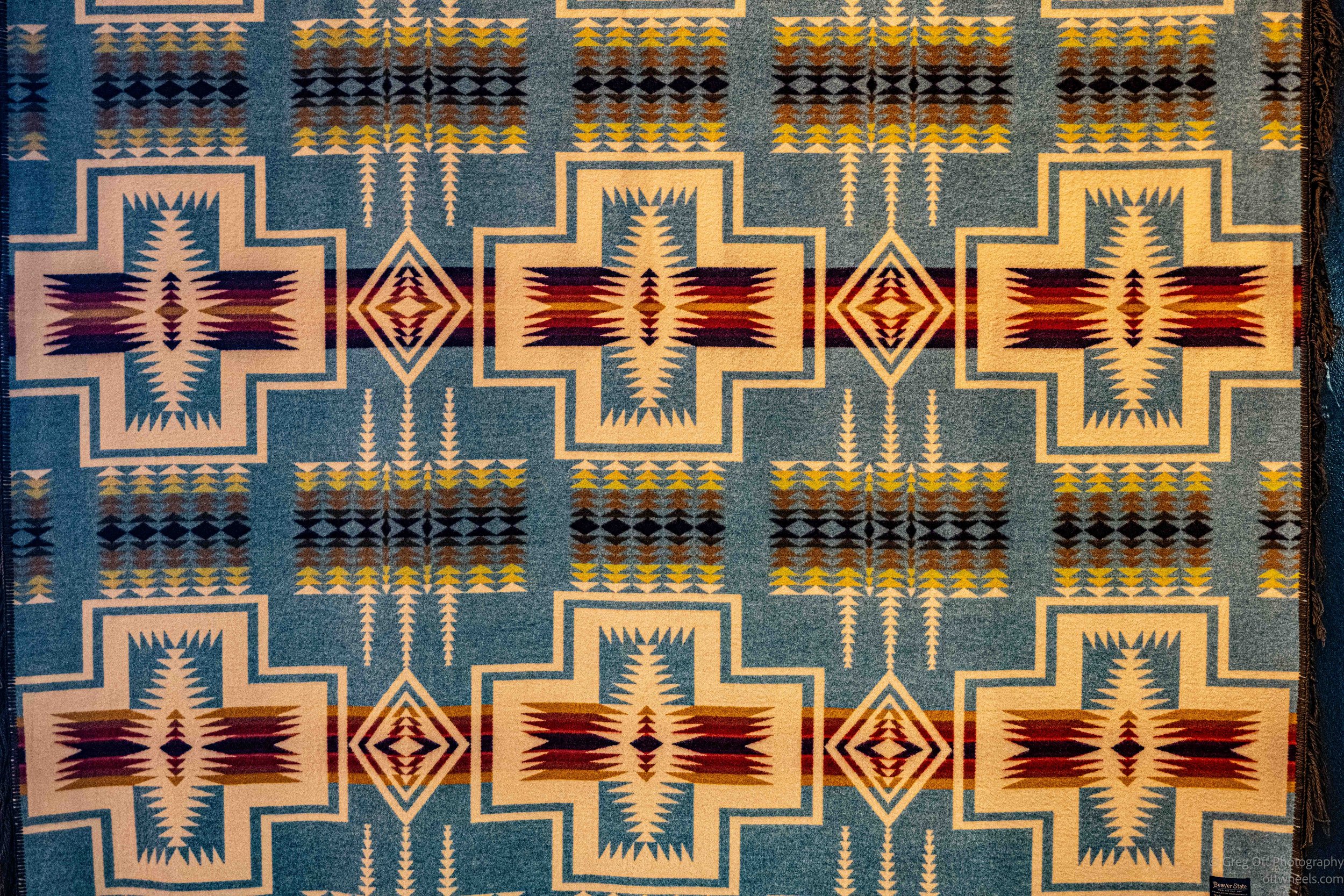
Pendleton is best known for its wool blankets and the bold geometric patterns associated with them. The company has long relationships with Native American tribes and communities, and many designs are tied to specific ceremonies, schools, or cultural stories. The history around that is obviously complicated, but the company now appears to work through consultation and partnerships rather than simply reproducing patterns without involvement.
One thing I hadn’t expected was the technical side of the operation. The video explained that Pendleton has built a color library containing thousands of shades developed over decades. Wool can be difficult to dye consistently, so maintaining that level of color control matters when you’re producing fabrics at scale.
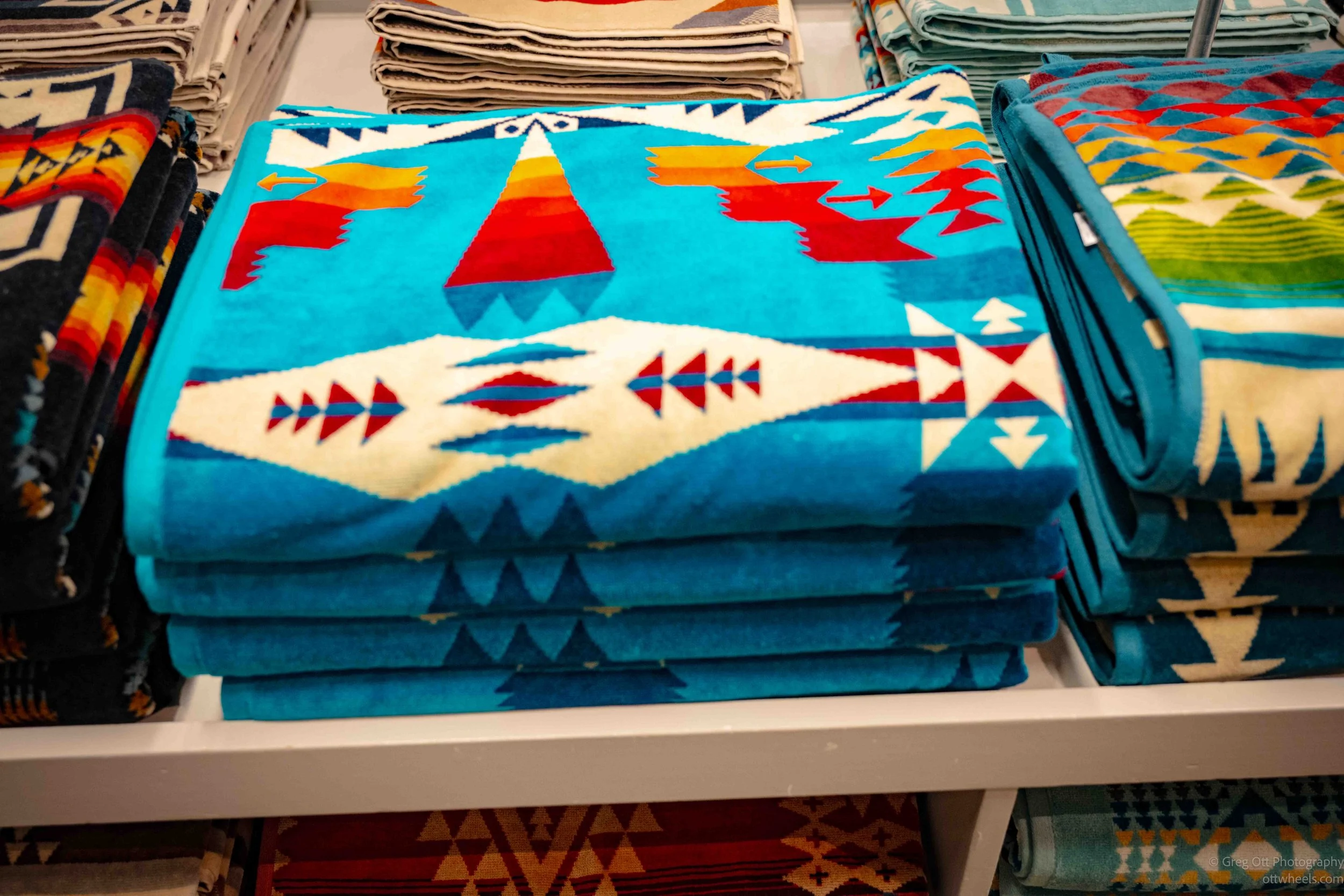
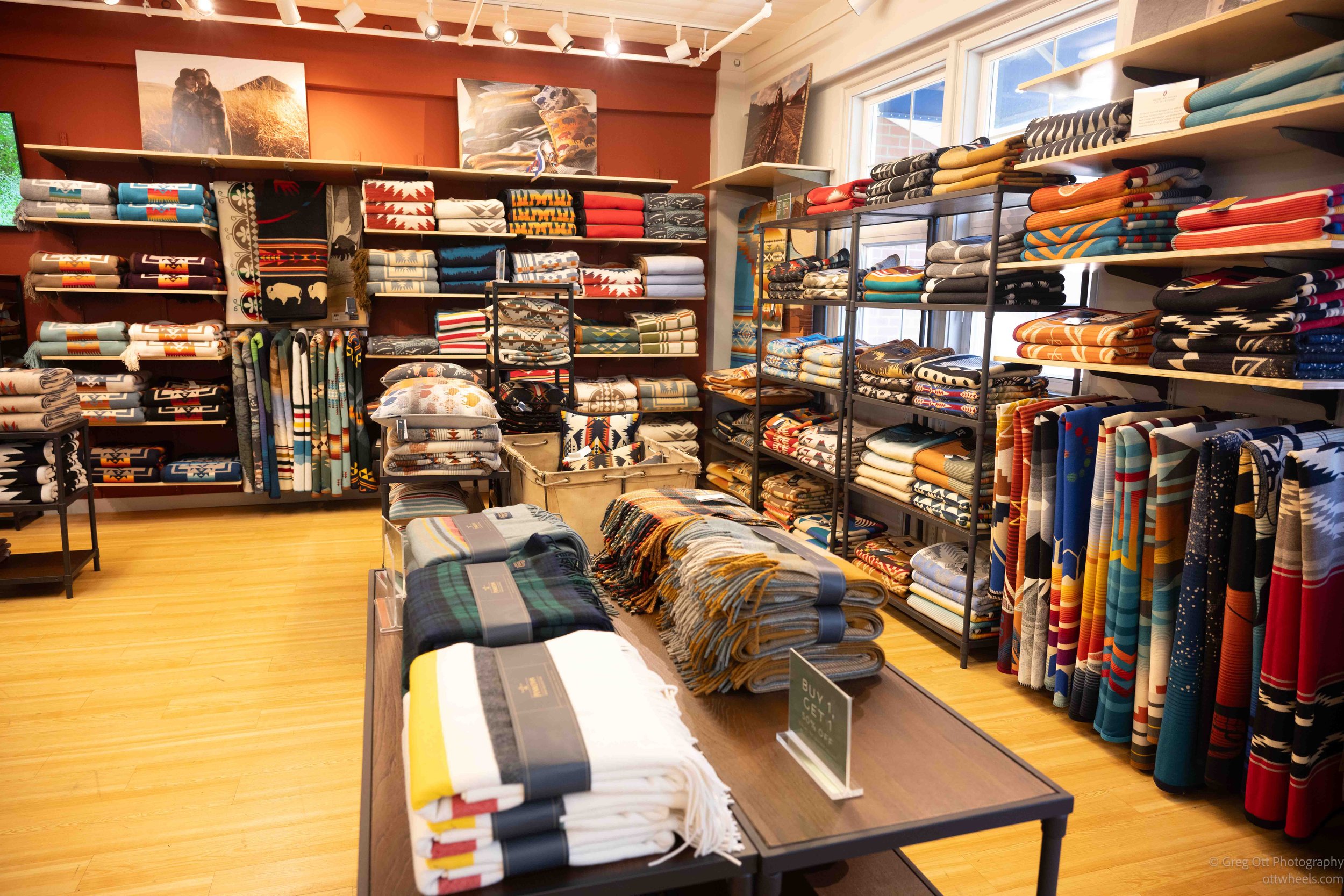
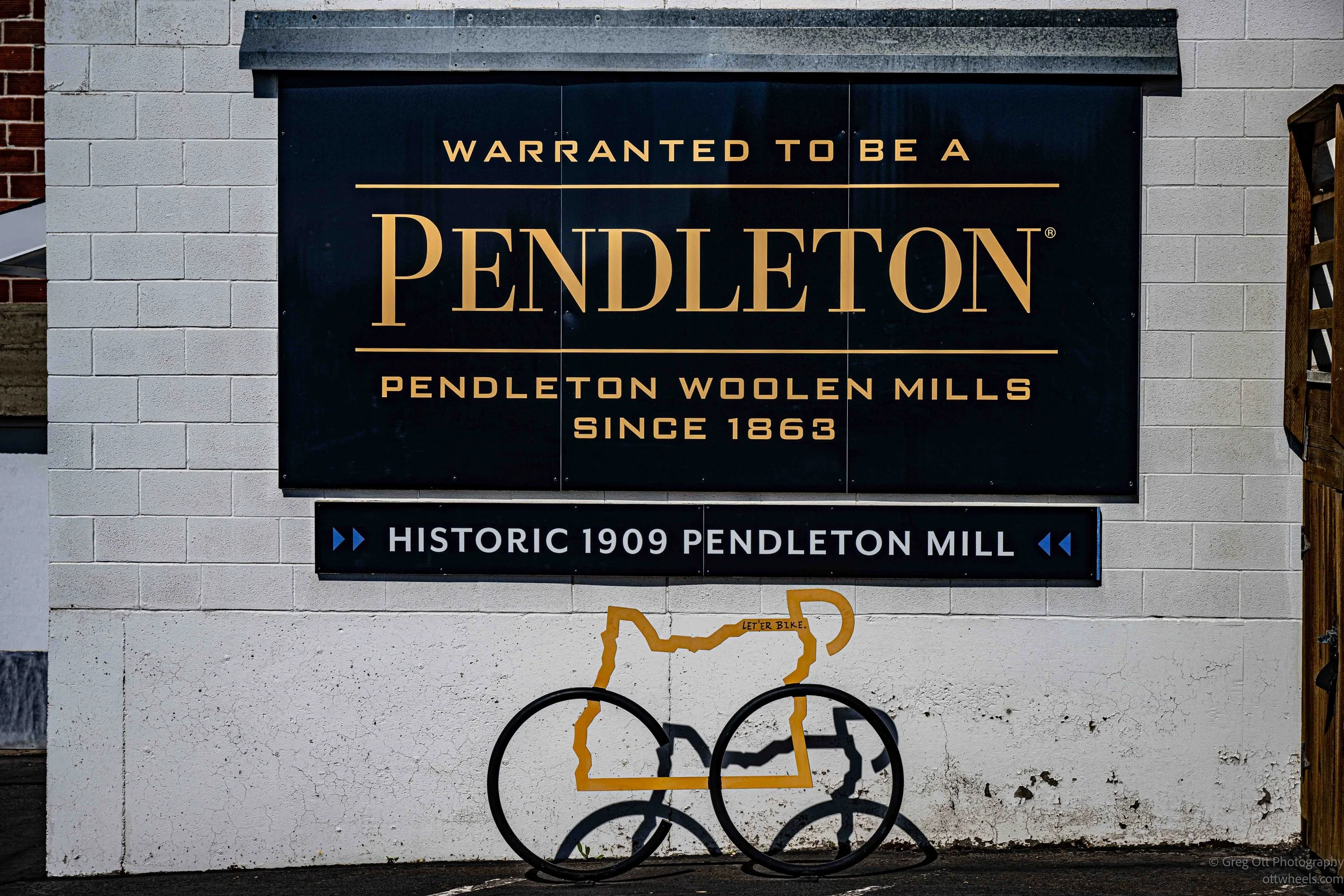
There’s also a strong connection between the mill and the town itself. This isn’t just a factory on the outskirts of Pendleton. Generations of families have worked there, and the company still seems deeply tied to the local identity and community. After visiting both Salem and Pendleton, the two mills stopped feeling like separate places. They felt connected by one long history that’s still continuing.
Afterward, I walked through town for a little while before continuing on.
Umatilla National Wildlife Refuge
Before leaving Oregon, I drove to the Umatilla National Wildlife Refuge. I swore the last time, I wasn’t never going to visit another wildlife Refuge. All the other ones I’ve visited have been long drives down unpaved dirt roads in the middle of absolutely nowhere, the van shaking to its core. And then there was very little wildlife to see. Umatilla felt a little different. First it was close to paved roads although the refuge itself had no paved roads. The dirt roads here were far better maintained and the ruts were limited. I did see birds, a bald eagle, red winged black birds, a grouse, black birds, sparrows, and other birds I couldn’t identify.
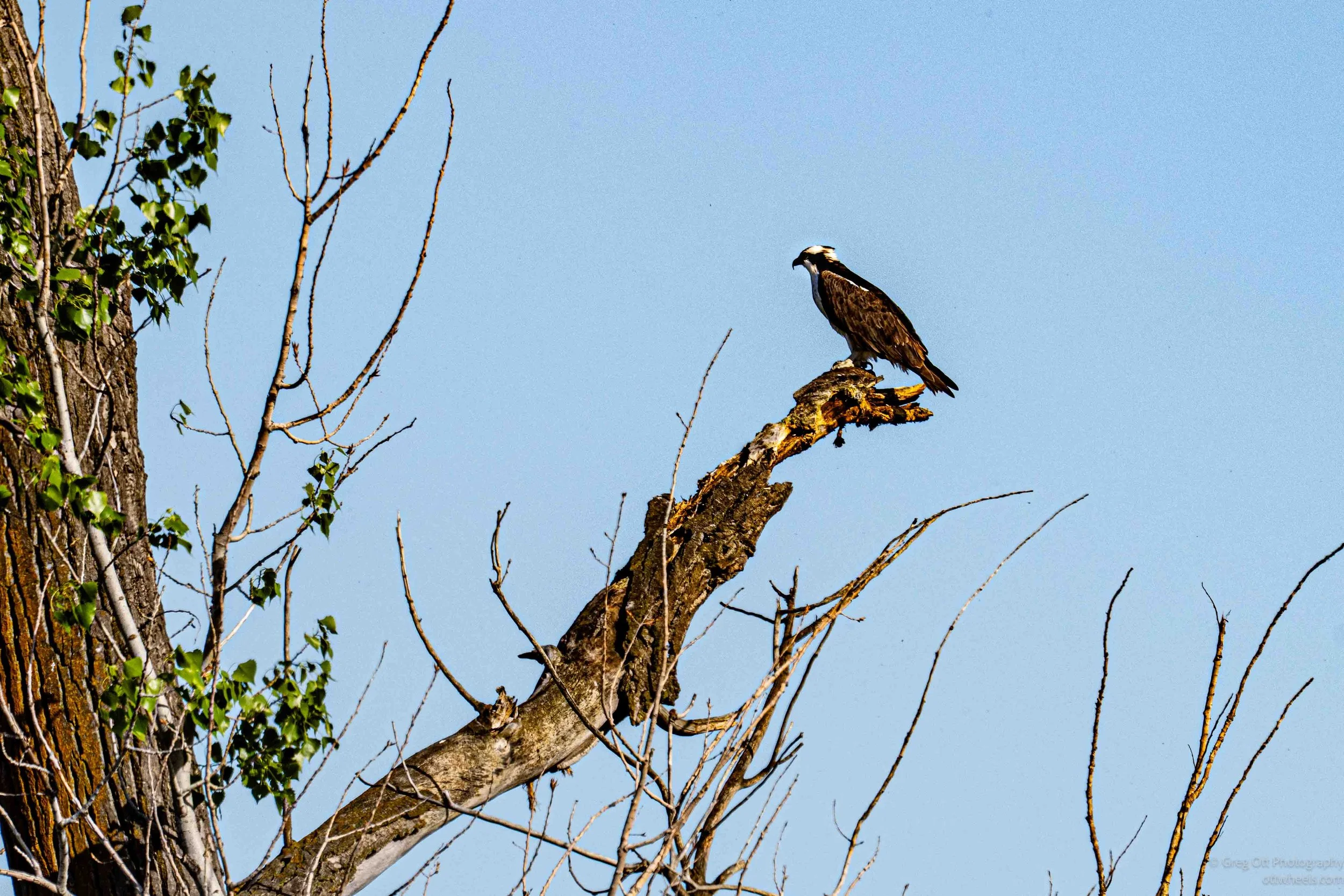
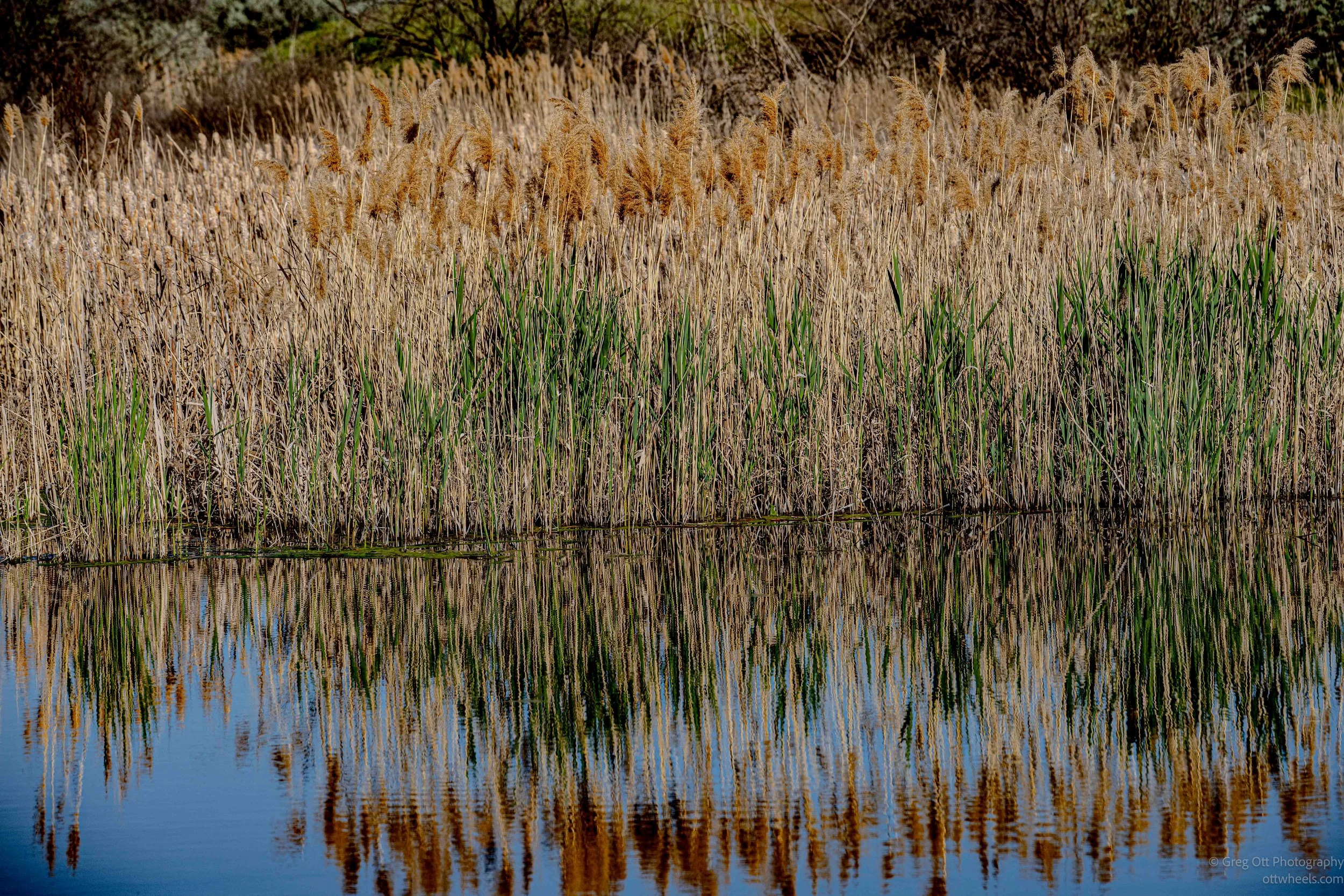
I knew I would need a lot more time and patience if I wanted to capture any meaningful bird photos. I went for a walk with the camera, but the birds were either too elusive or too far away. Eventually I packed everything back into the van, knowing this was my last stop in Oregon. Crossing the Columbia River into Washington, I could see one of the massive hydroelectric dams off to the right, part of the system that permanently changed salmon runs and the surrounding ecosystem upstream. There wasn’t anywhere convenient to pull over for photos, so I kept driving.
The drive to my spot in Washington took me through rolling hills filled with vineyards and orchards. The sun was dropping fast, and the full moon was turning deeper orange by the minute. I spent about 45 minutes slowing down and pulling over, trying to line up the moon with vineyards, farm buildings, or old equipment. The moon by itself wasn’t all that interesting. In the end, I stopped and took a few straightforward moon shots before moving on.
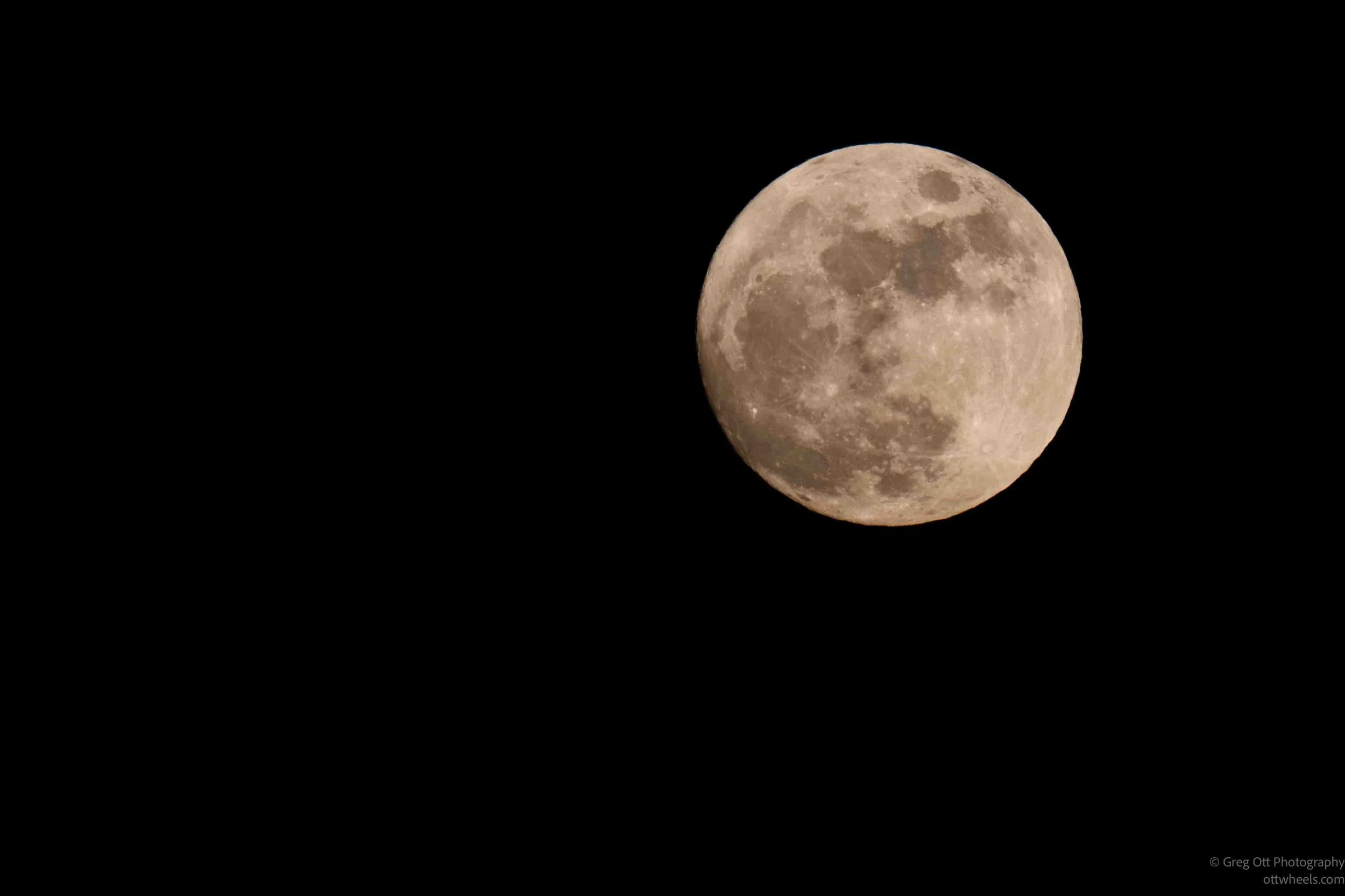
The drive to my spot in Washington took me through rolling hills filled with vineyards and orchards. The sun was dropping fast, and the full moon was turning deeper orange by the minute. I spent about 45 minutes slowing down and pulling over, trying to line up the moon with vineyards, farm buildings, or old equipment. The moon by itself wasn’t all that interesting. In the end, I stopped and took a few straightforward moon shots before moving on.
That night I found a spot six miles down a smooth dirt road along the Snake River. About 100 feet away, railroad tracks followed the river through the valley. I made dinner, worked on photos, and stayed up past midnight before finally calling it a night.