Snake River to Steptoe Butte
I slept in until around 9 am, which isn't something I normally do, but I'd been up until 1 in the morning again. It's been happening a lot lately. With the days getting longer, my body just doesn't want to shut down. There's still light at 9 pm, and something in me feels like I should still be out in it.
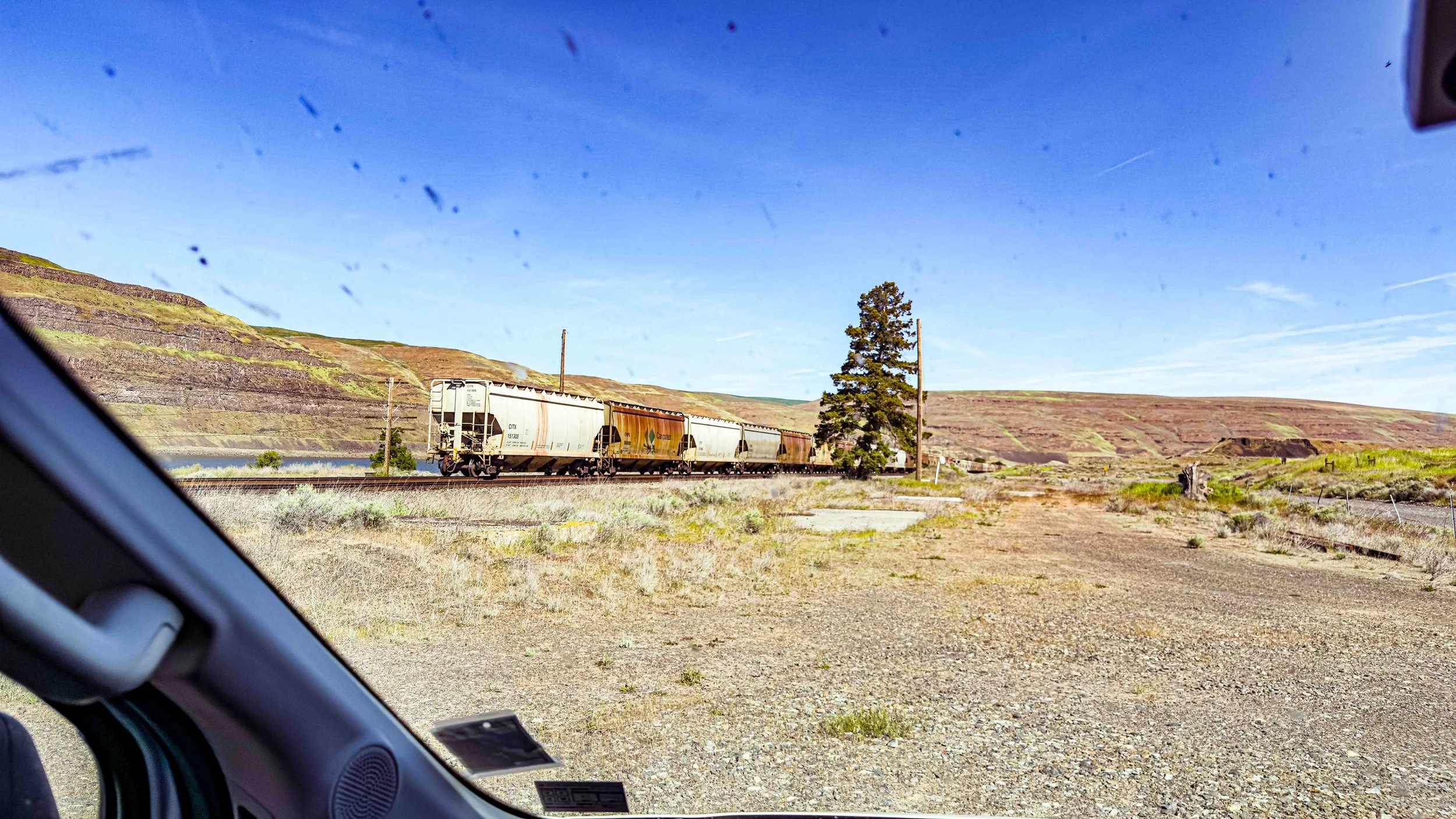
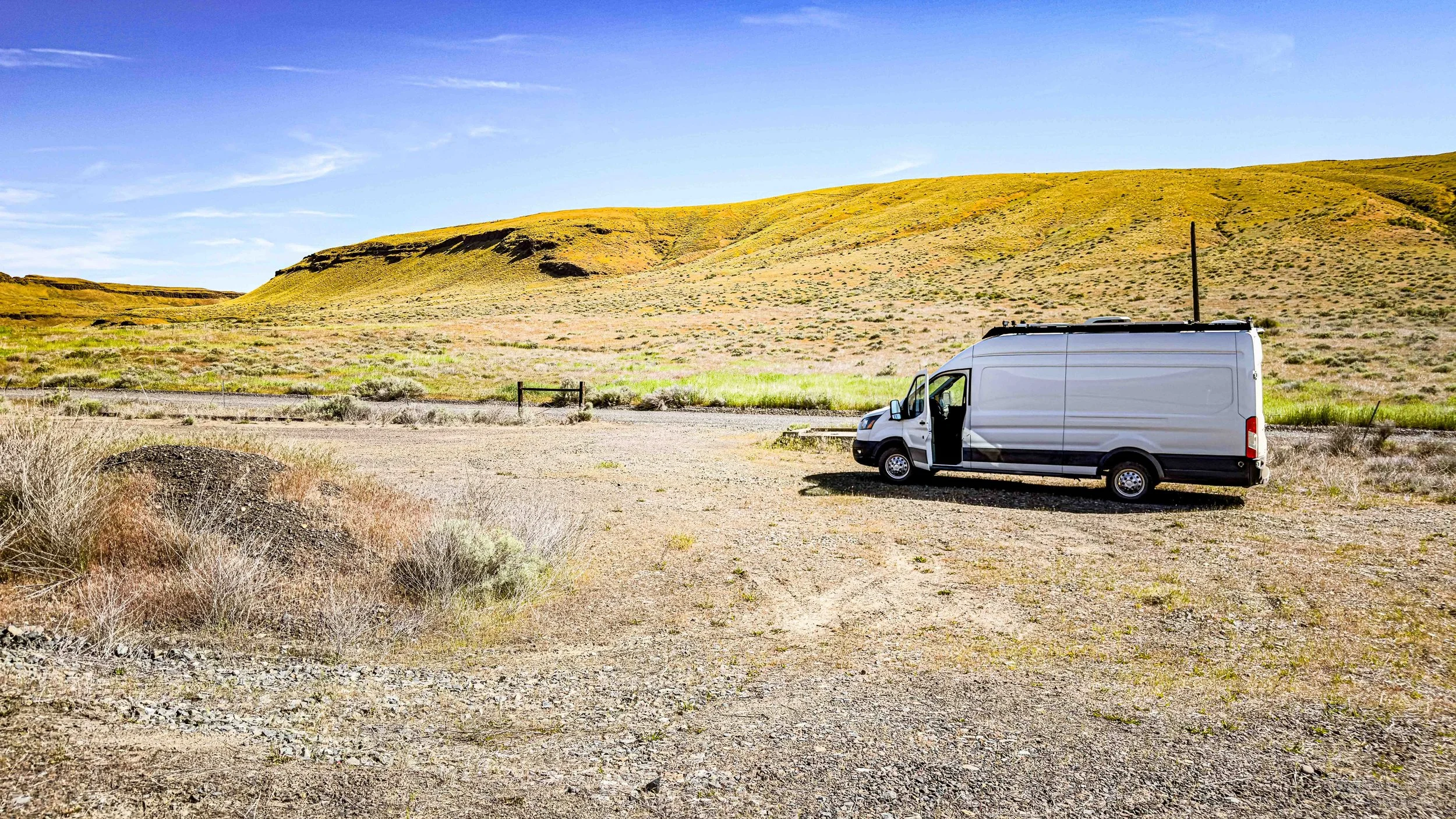
Earlier that morning, around 5:30, a train came through and I could hear the horn from miles away. I was parked about 100 feet from the tracks in a river access area along the Snake River. Nobody had come through in over ten hours. The train didn't bother me — if anything, it took me back to growing up in central Pennsylvania, where trains were just part of the background noise of life. I rolled over and went back to sleep after the last car rumbled north.
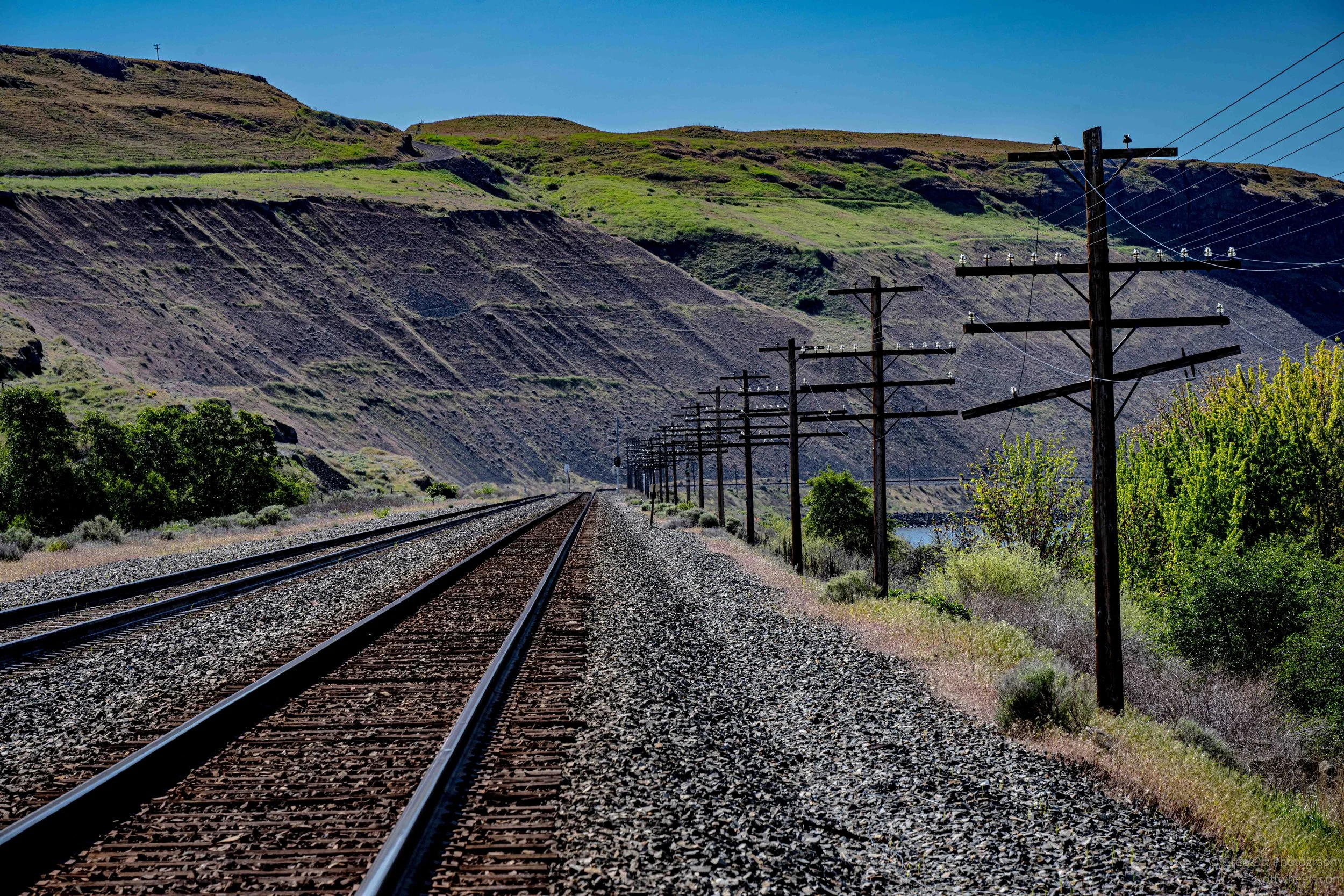
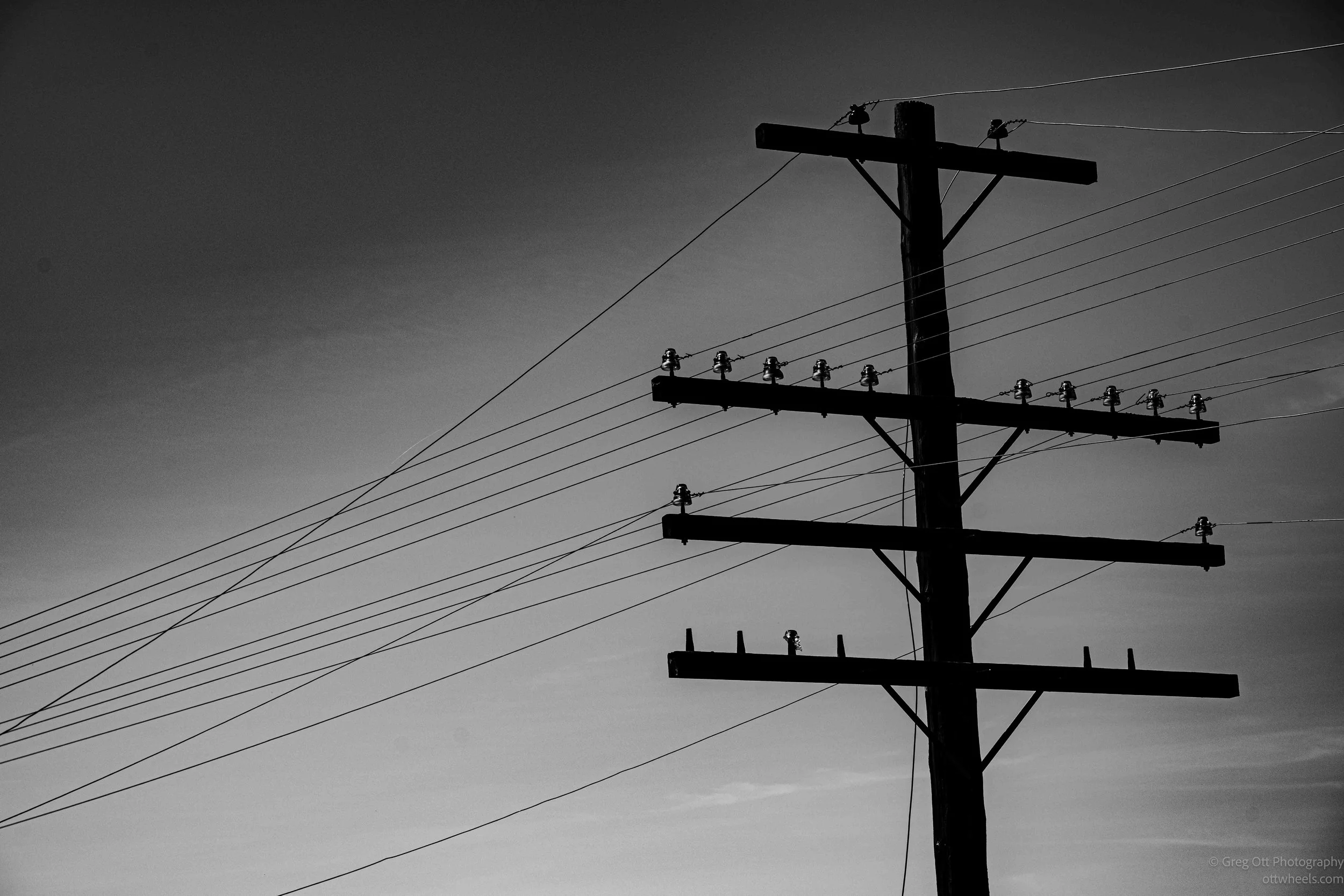
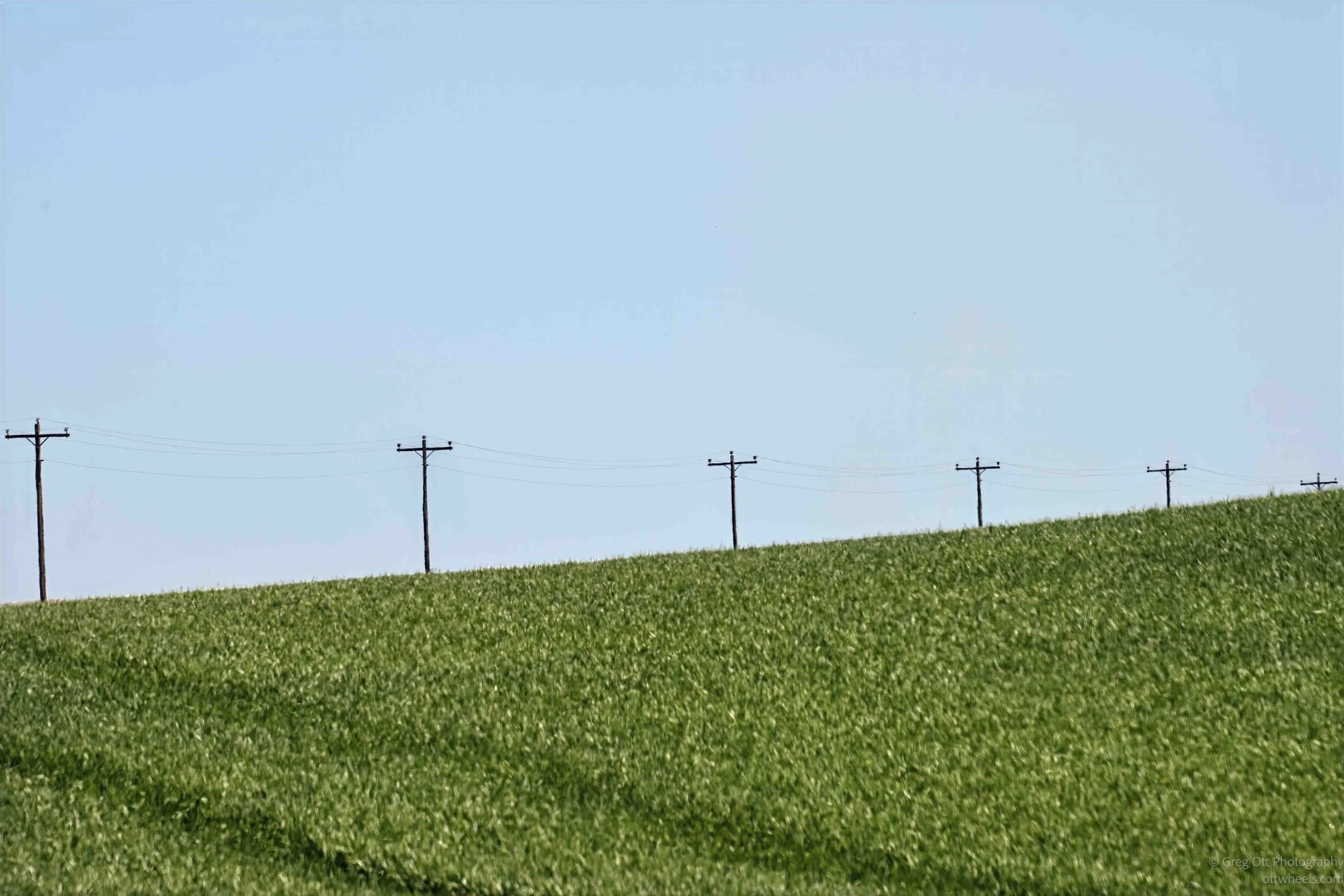
Before packing up and heading out, I grabbed a few shots of the area — the river, the tracks disappearing into the distance, and the old telephone poles with their glass insulators still intact. There's something about those old poles that feels tied to another era entirely. As it turned out, power lines would become a recurring theme for the rest of the morning.
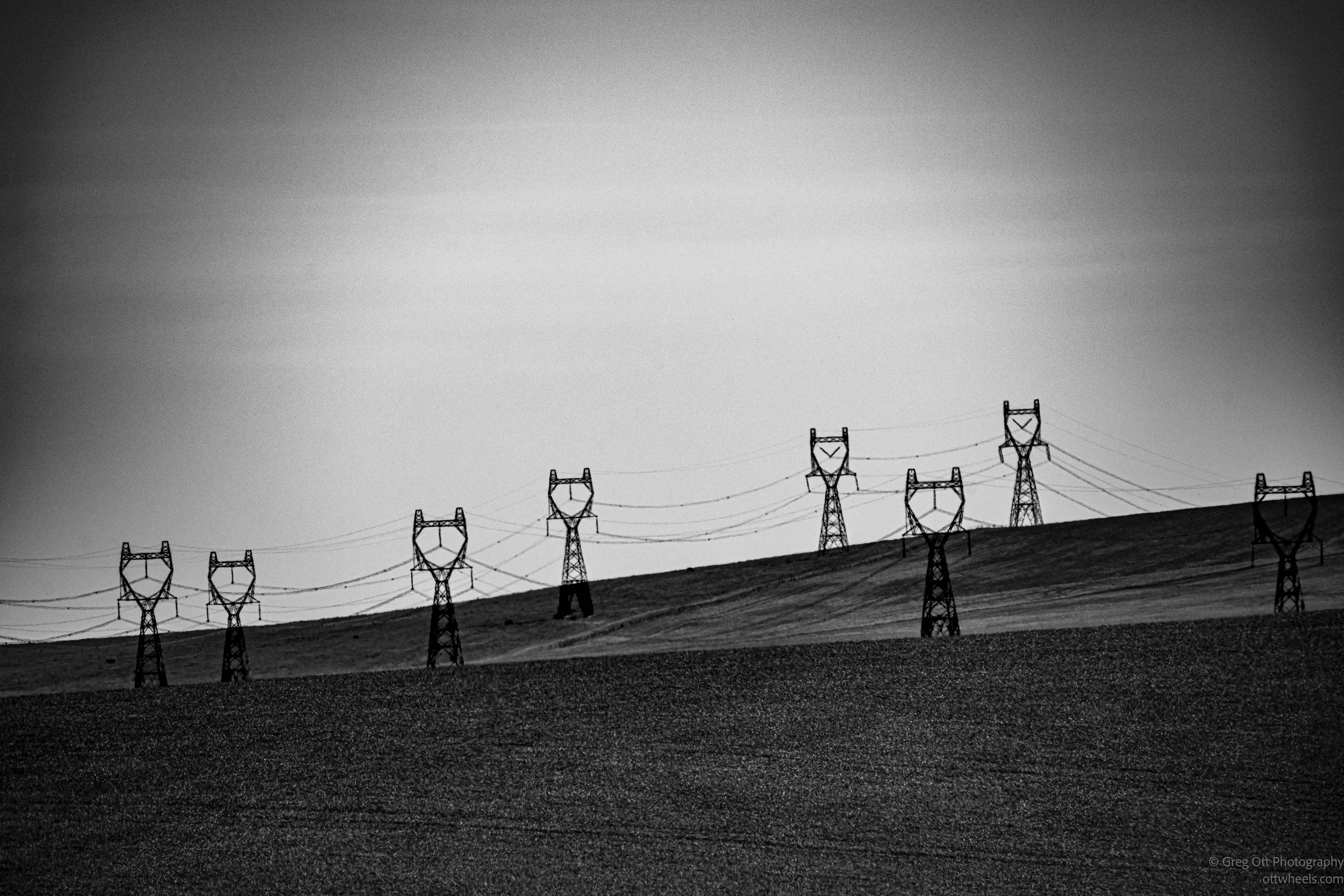
I hadn't gone far up the steep hill out of the valley when I spotted giant transmission towers cresting the ridgeline. I immediately thought of photographer Cole Thompson and his stark black-and-white images. There was something almost alien about those massive steel structures marching over the hills in a connected chain, one after another. I pulled over and spent 45 minutes photographing them. I hadn't even traveled two miles yet. This would become a theme for many hours.
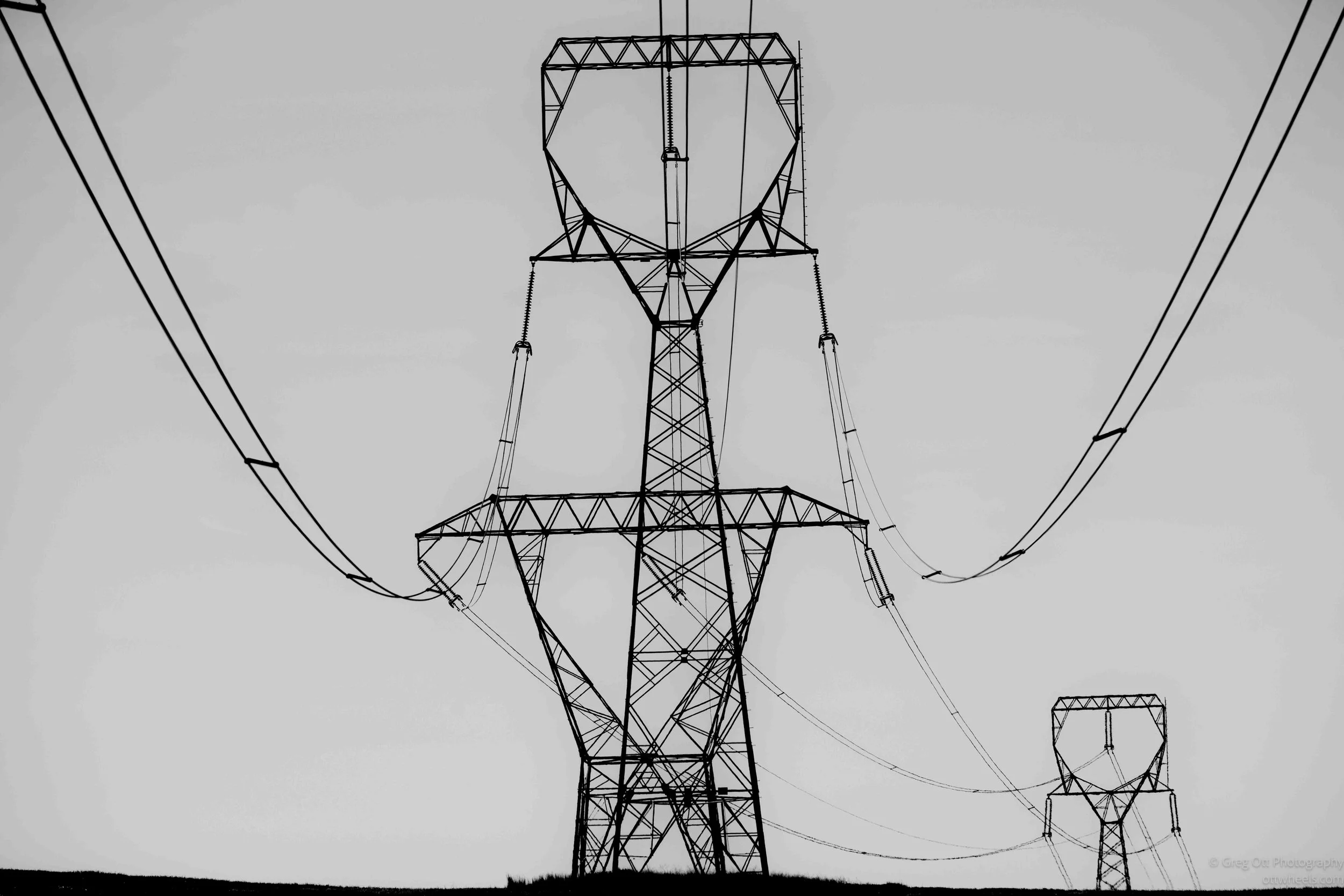
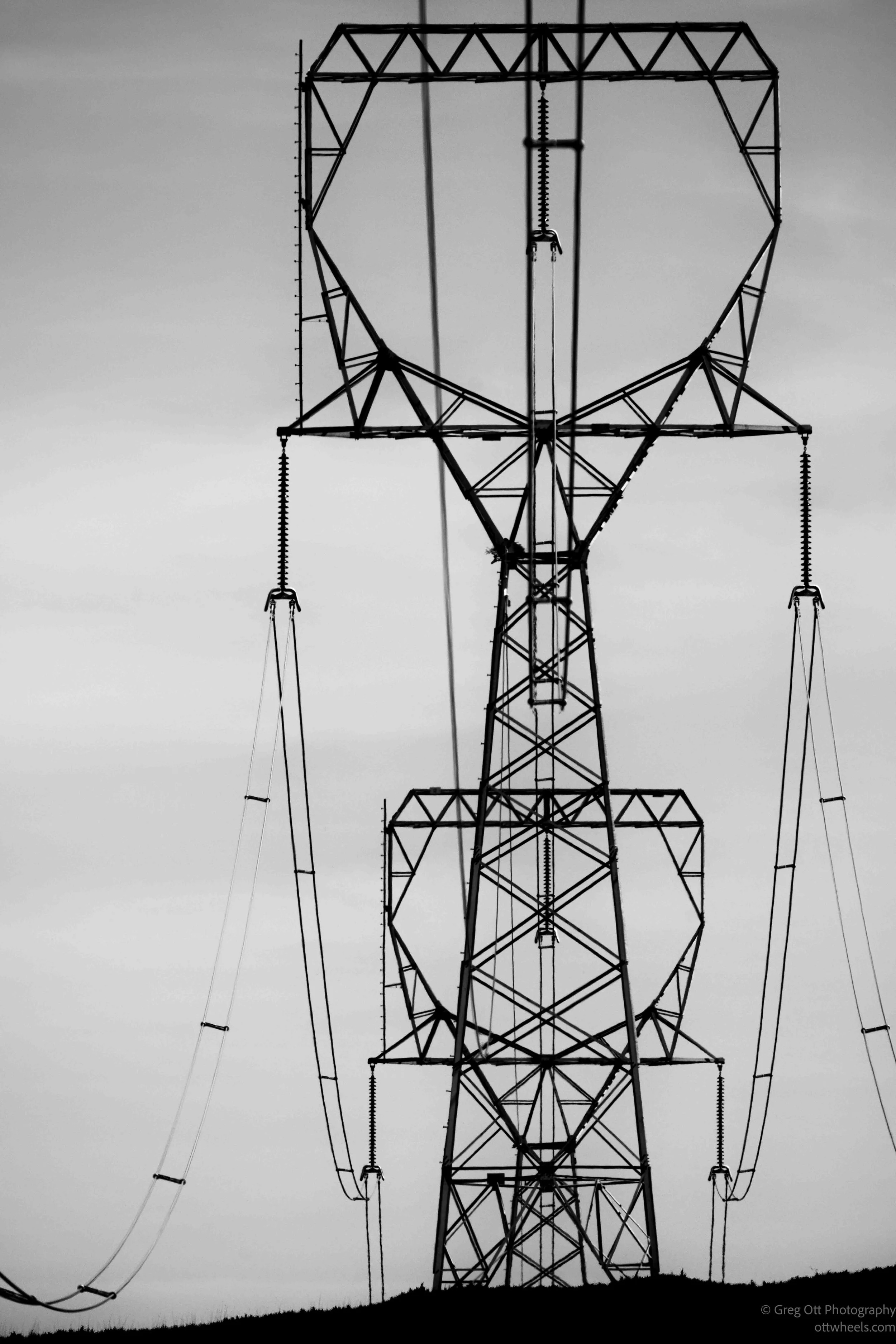
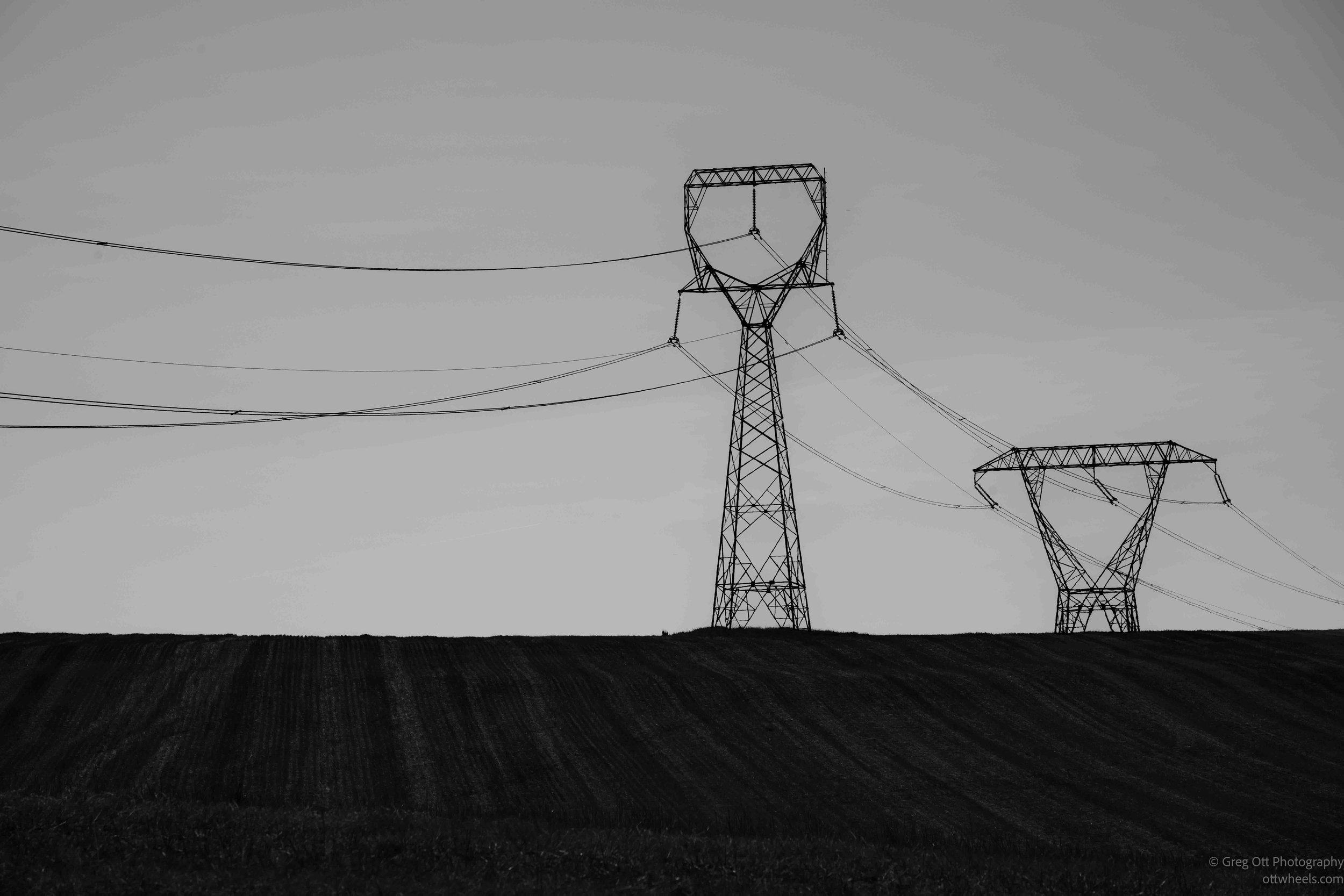
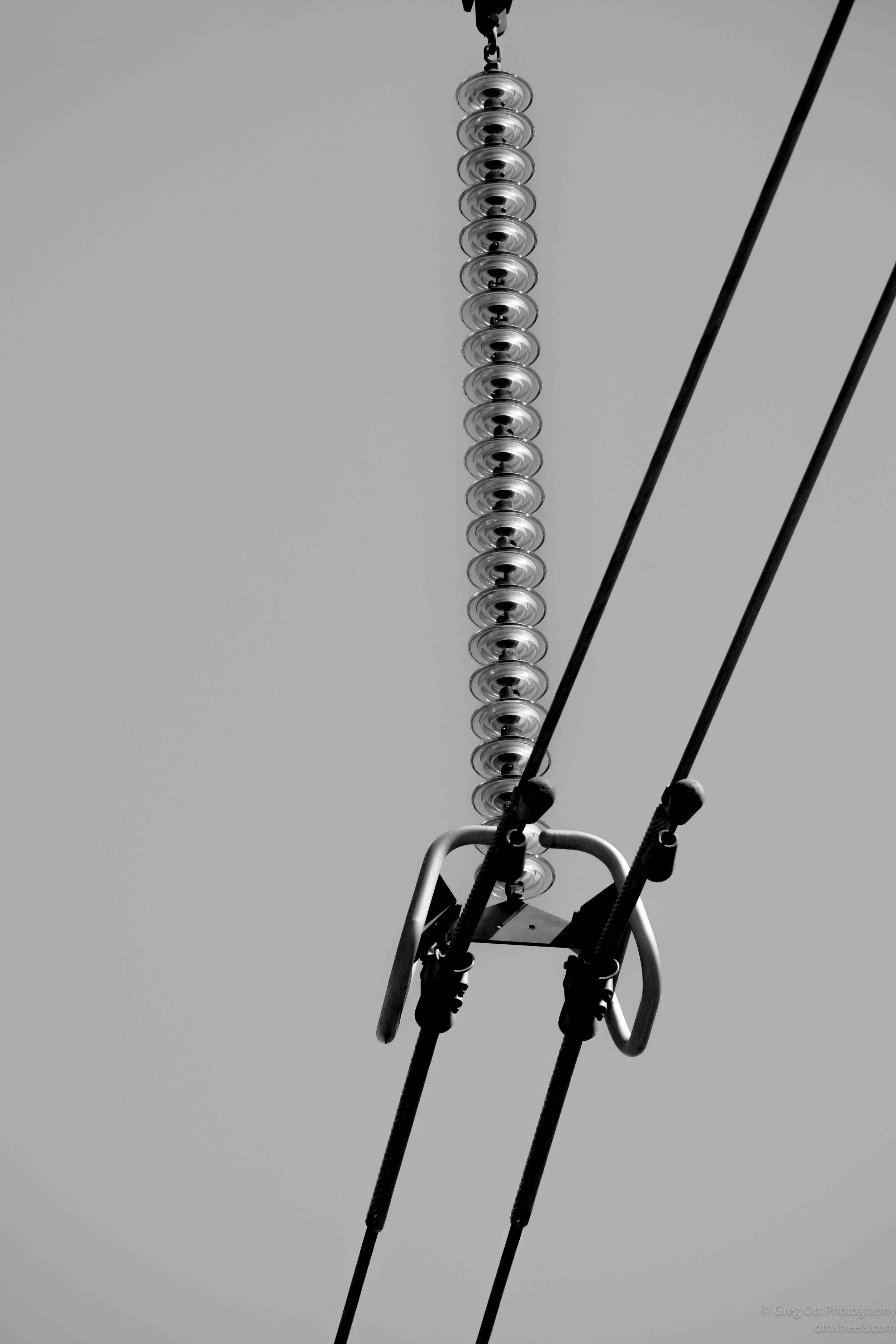
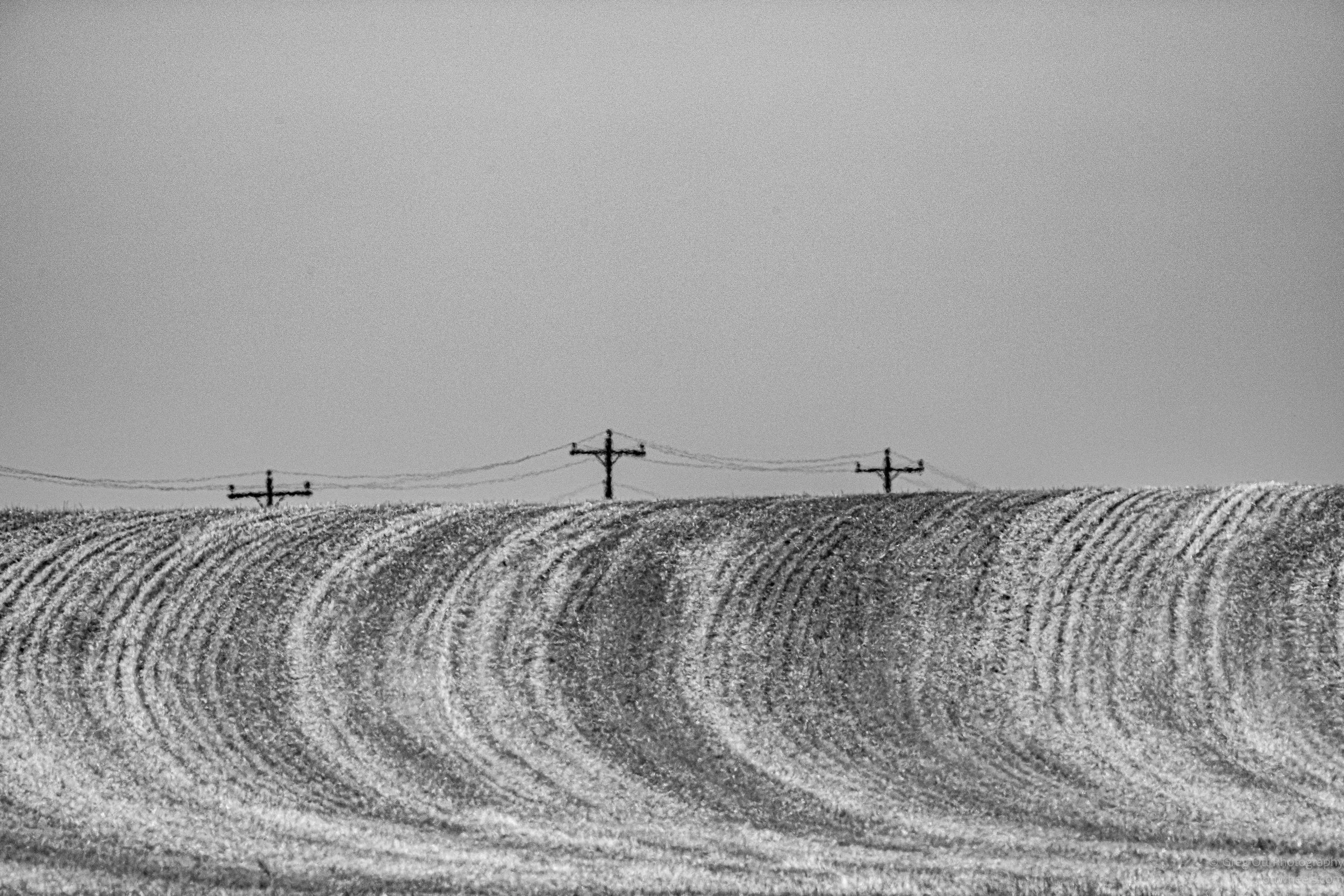
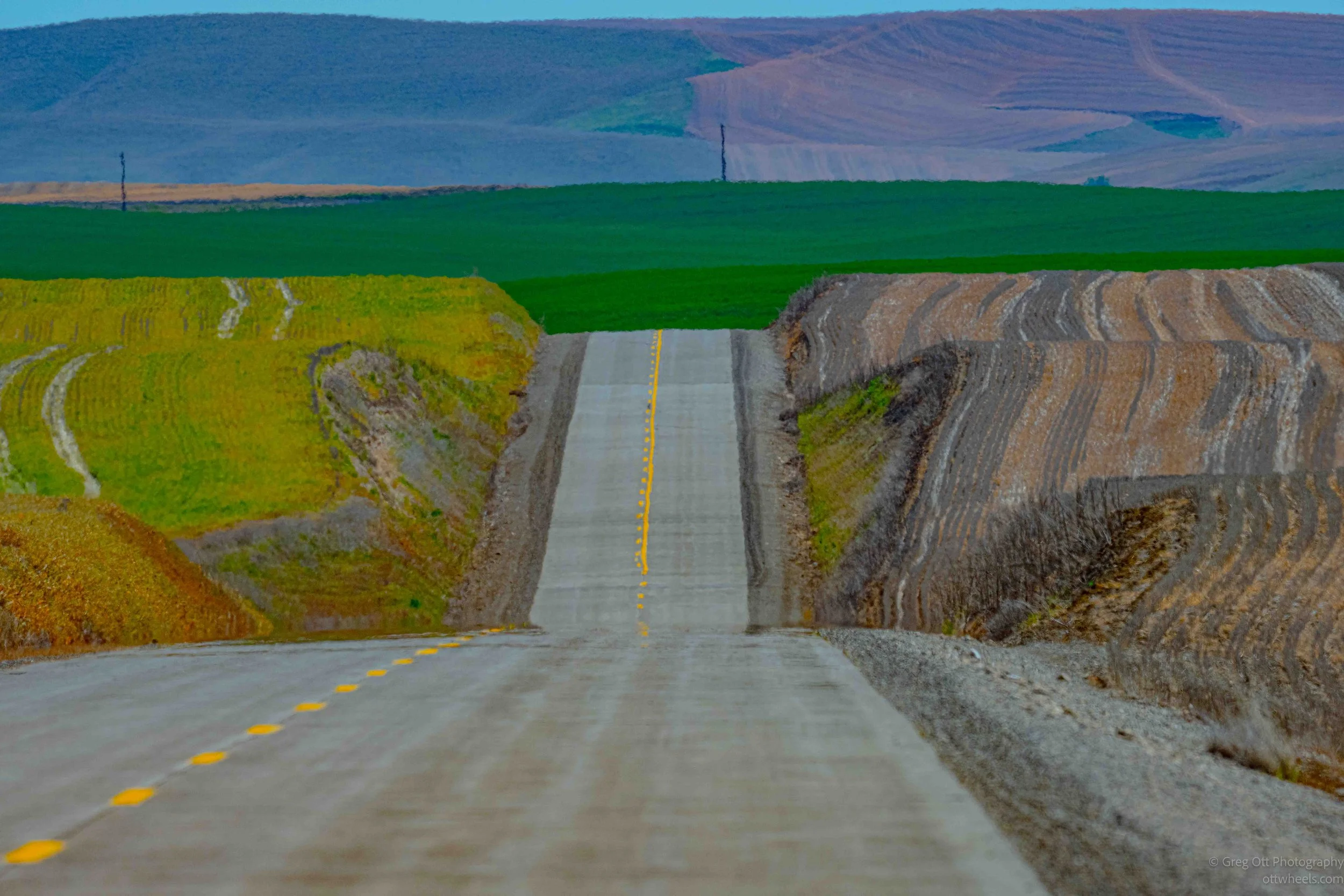
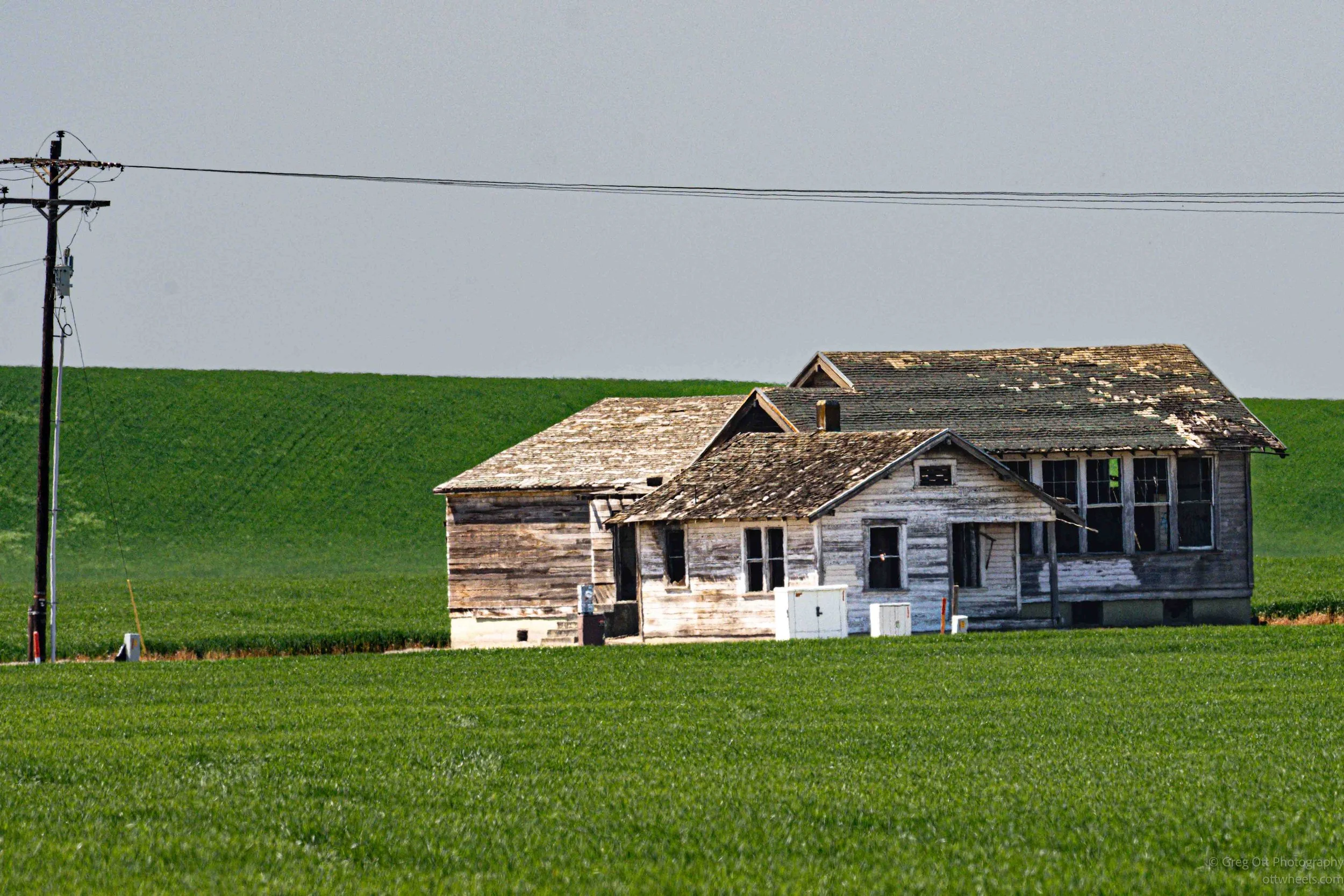
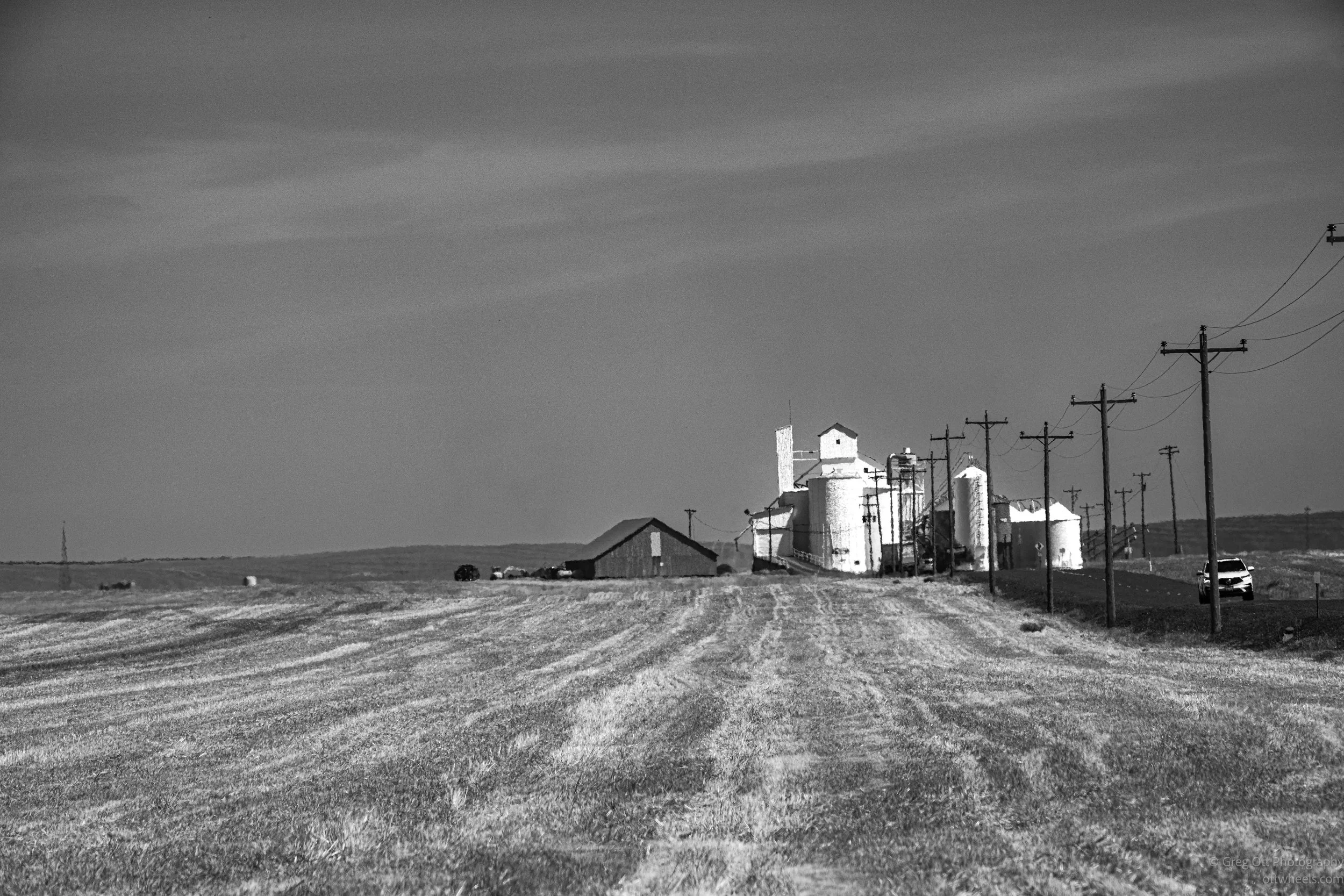
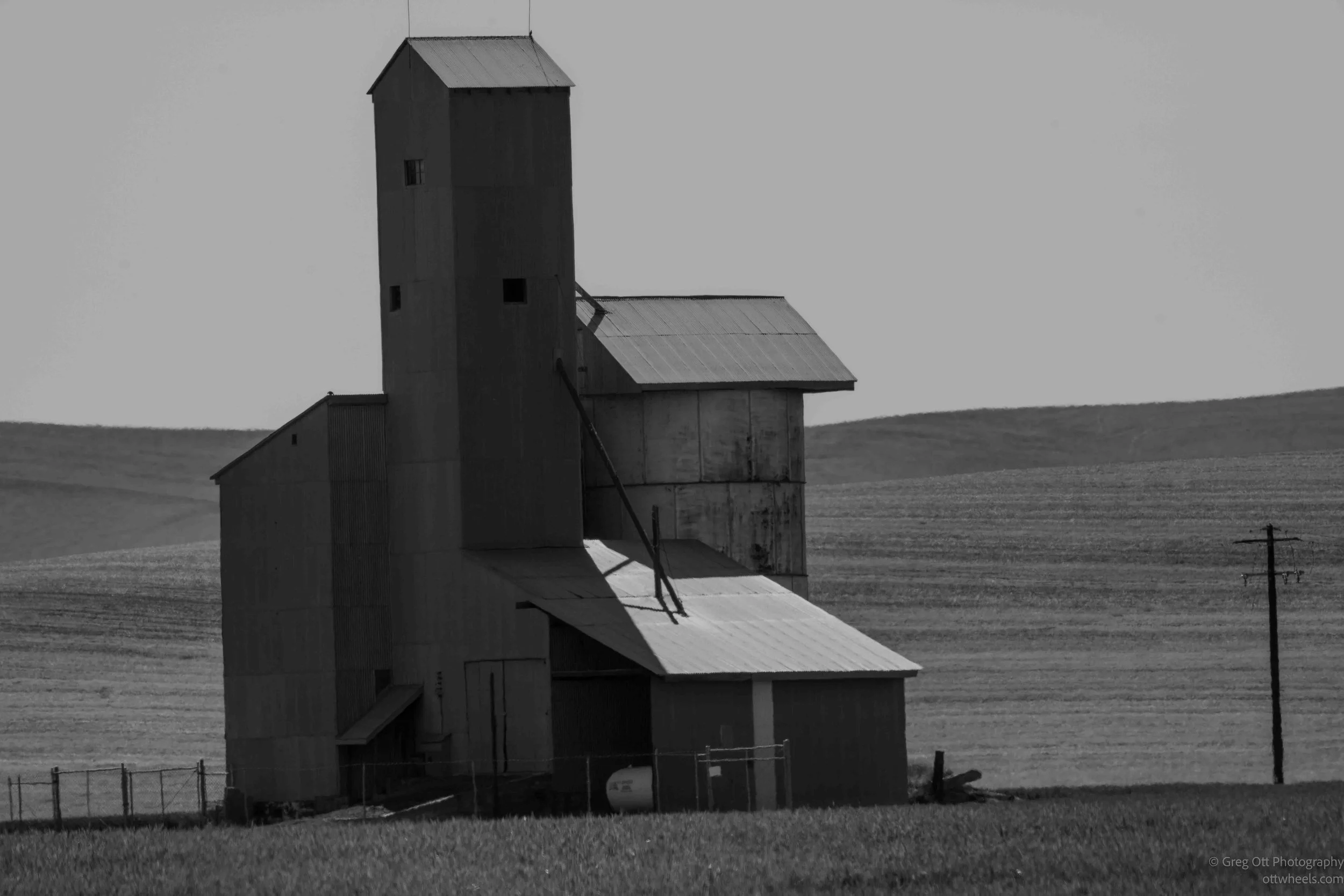
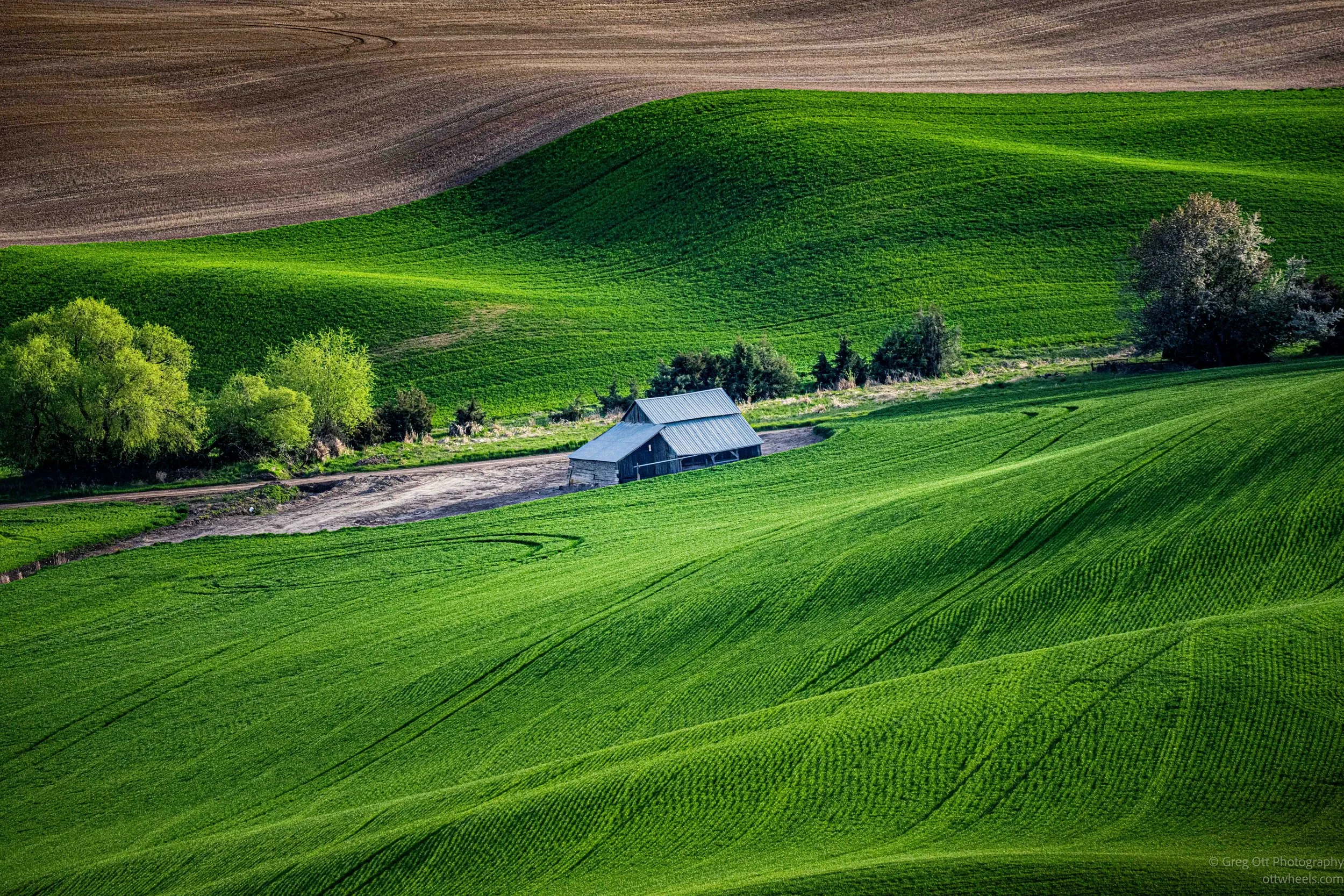
I followed the dirt road for another four miles without seeing a single person. The farm country out here is something else. It reminded me of parts of France, with rolling hills that looked like something Vincent van Gogh might have painted — patchworks of greens, tans, and browns stretching across the landscape. Grain elevators with their sharp angles and muted greys stood against the hills, while abandoned homesteads slowly disappeared back into the land. The fields were already showing the first green of the season. I kept stopping. At one point I framed up a shot that looked so much like an old Microsoft screensaver that it made me laugh.
When I'd woken up that morning there was a faint smell of smoke in the air — the dry, distant kind you associate with forest fires. As I drove north it steadily got worse. I was photographing a farm scene, a tractor working the fields in the distance, when I started coughing. The dust the farmer was kicking up mixed with the thickening smoke and made the air surprisingly rough. I figured he had to be inside an air-conditioned cab. There's no other way you'd want to work in that all day.
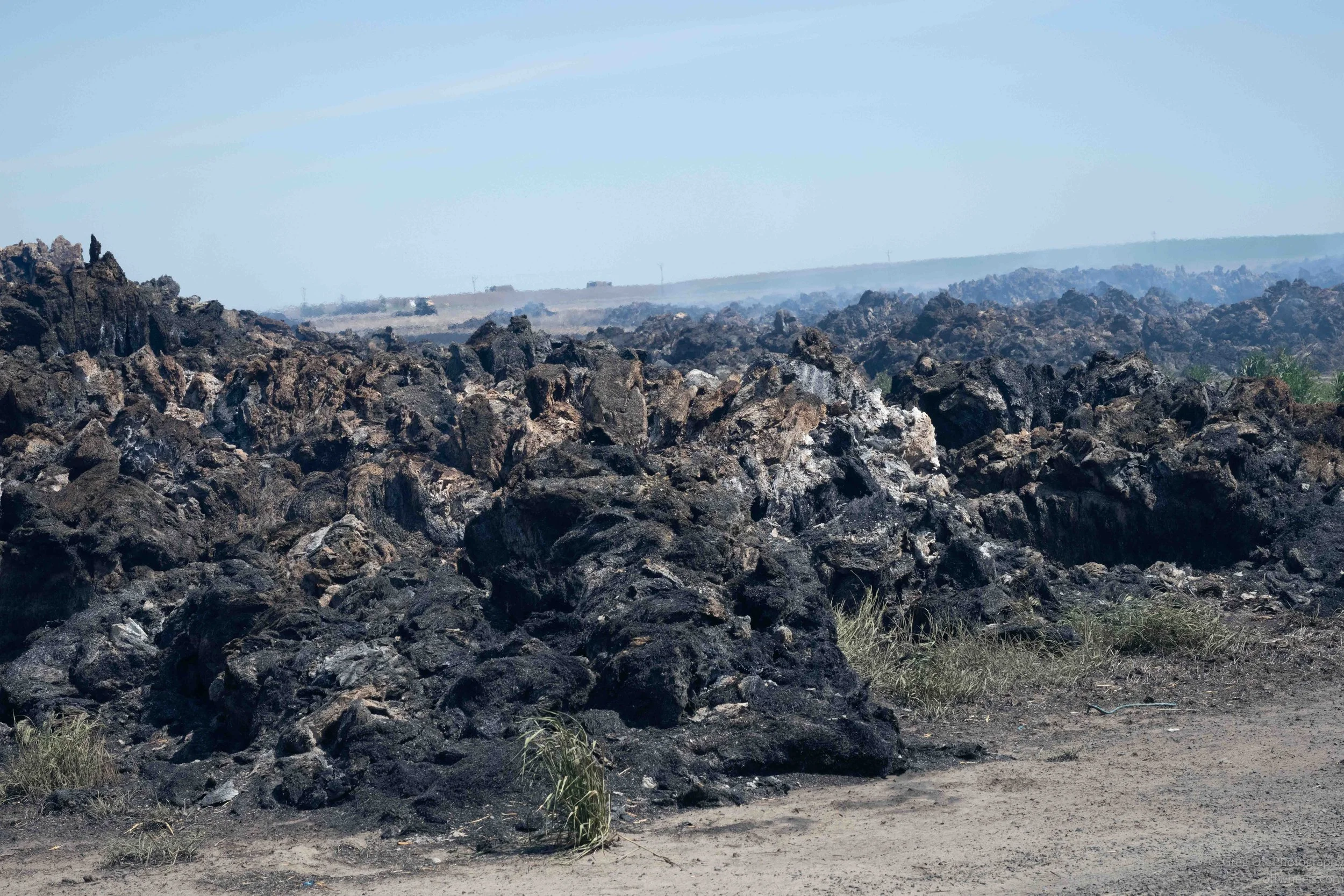
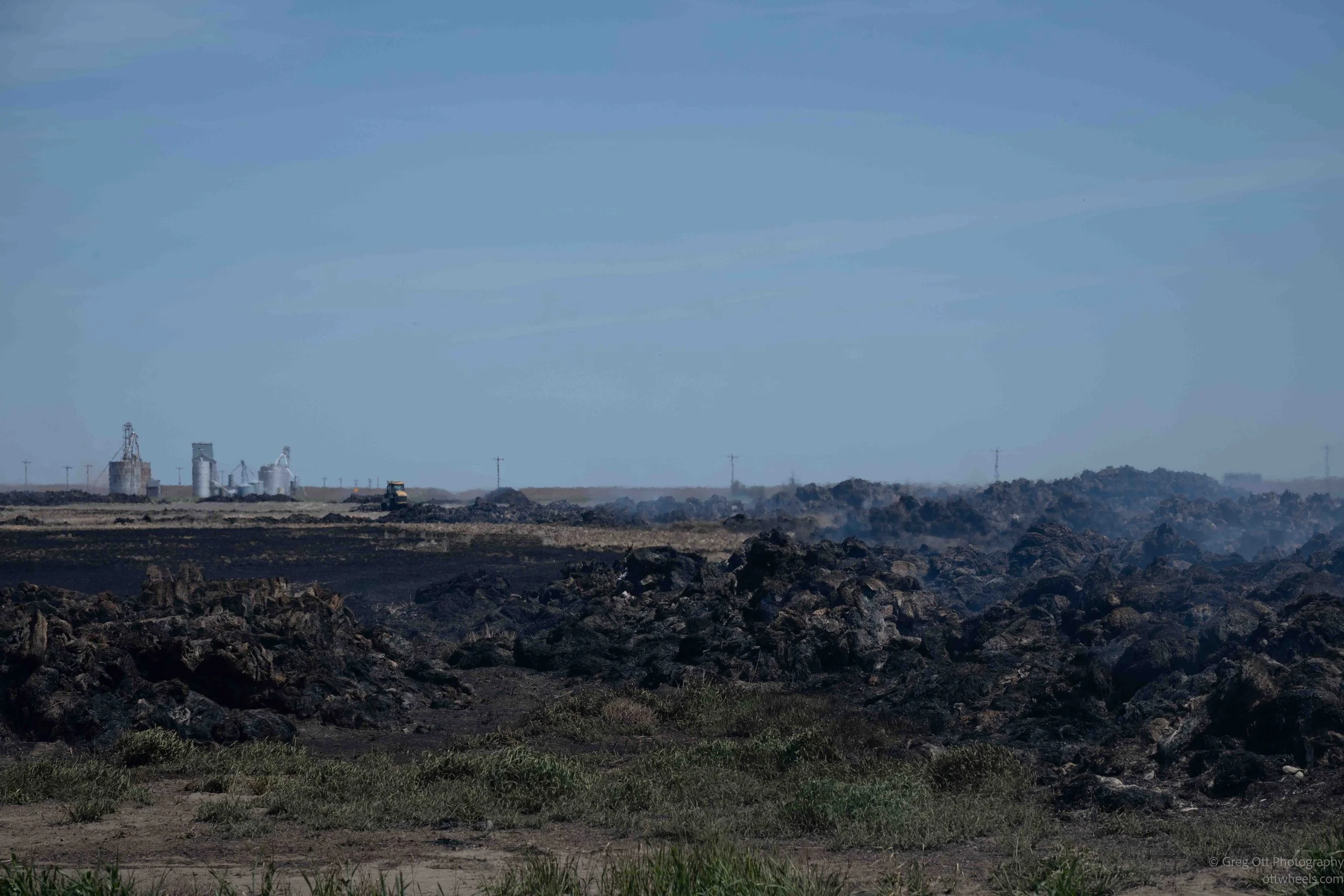
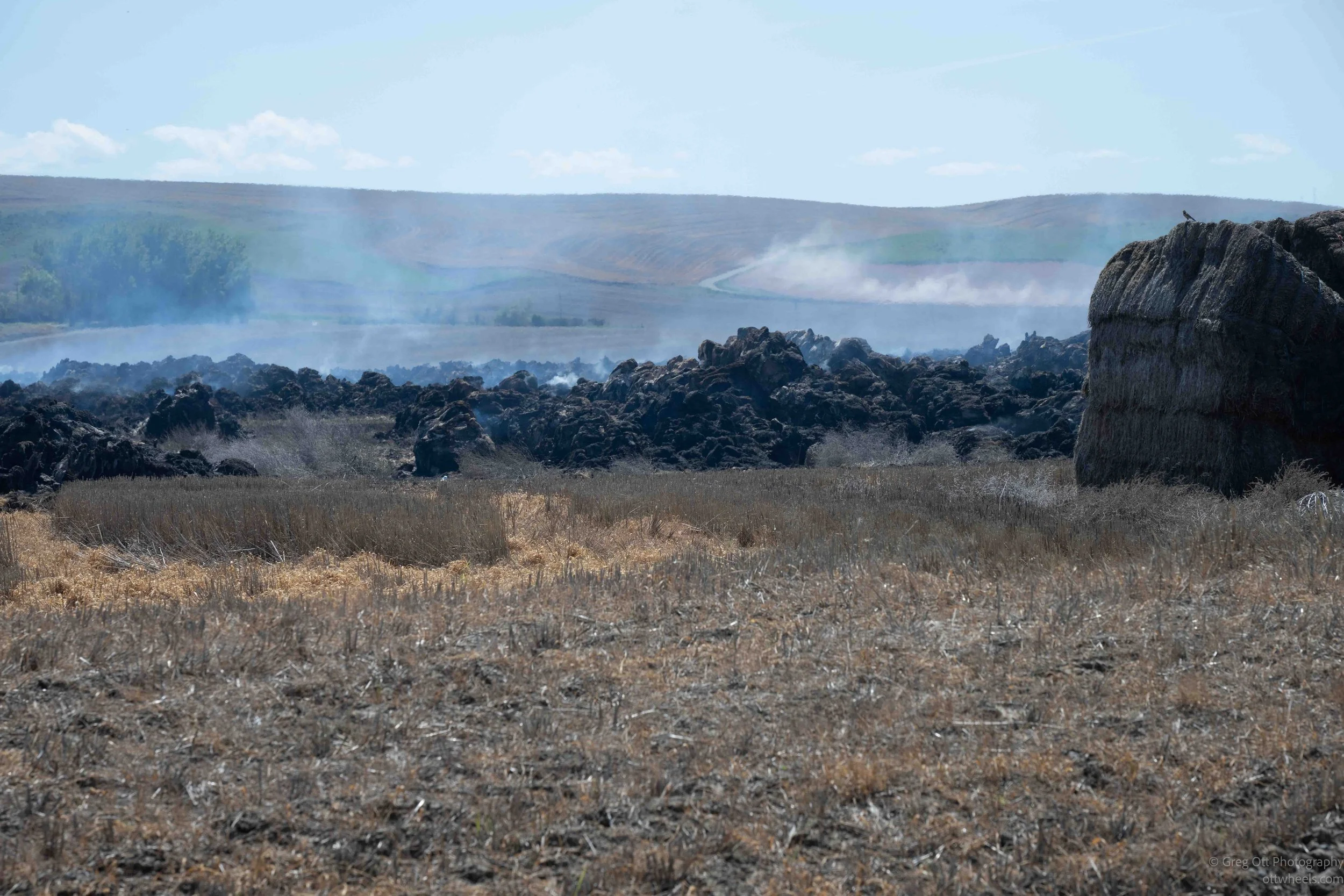
About a half hour farther up the road, I found the source. There was an area — probably three square miles — where enormous piles of rotting straw bales were smoldering. Large blackened patches of earth showed where earlier piles had already burned through. I still don't fully understand it. Why grow the straw just to burn it? Why let it rot first? And why allow that kind of open burning when the air quality impact on nearby communities has to be significant? I didn't have answers, just questions and a sore throat.
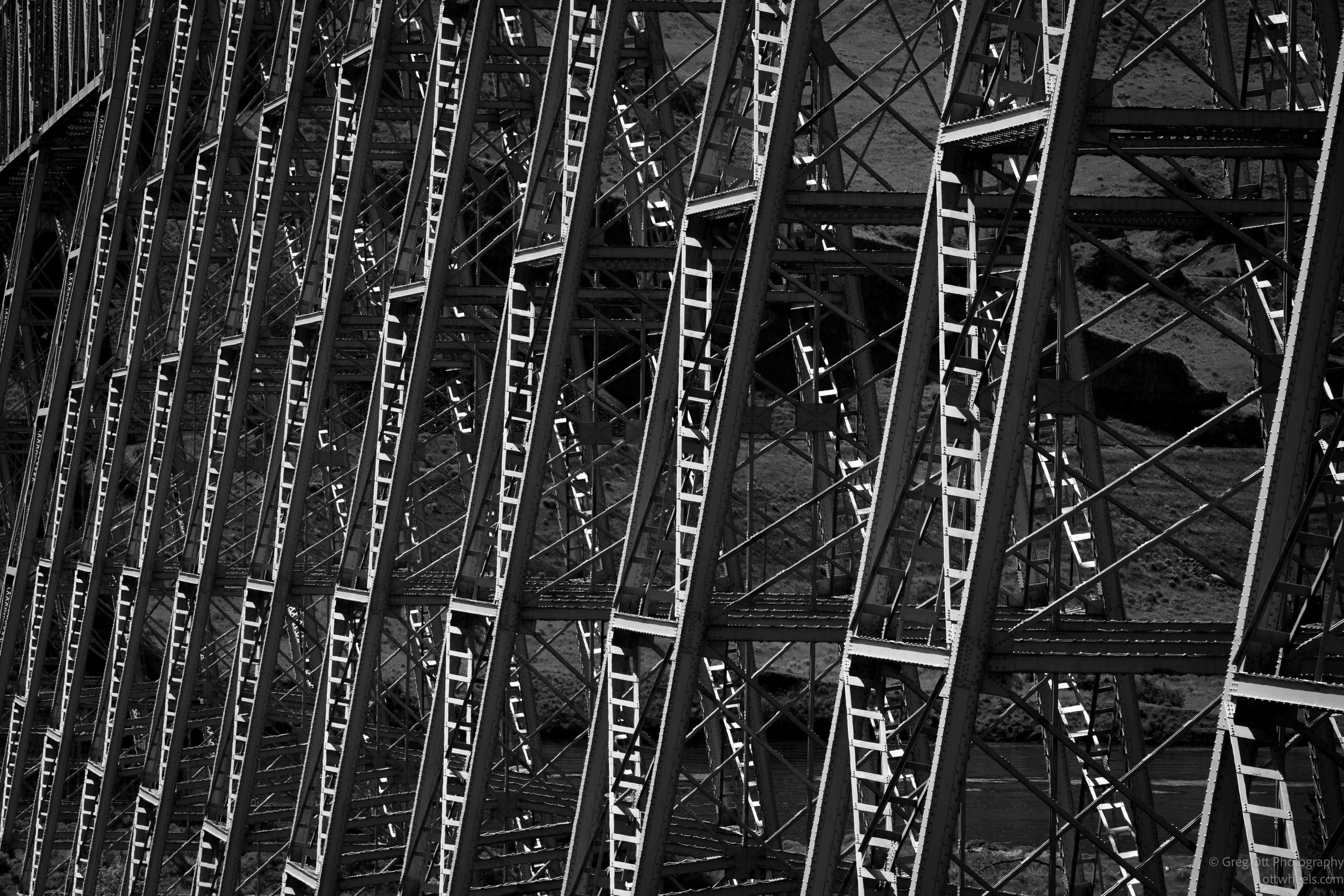
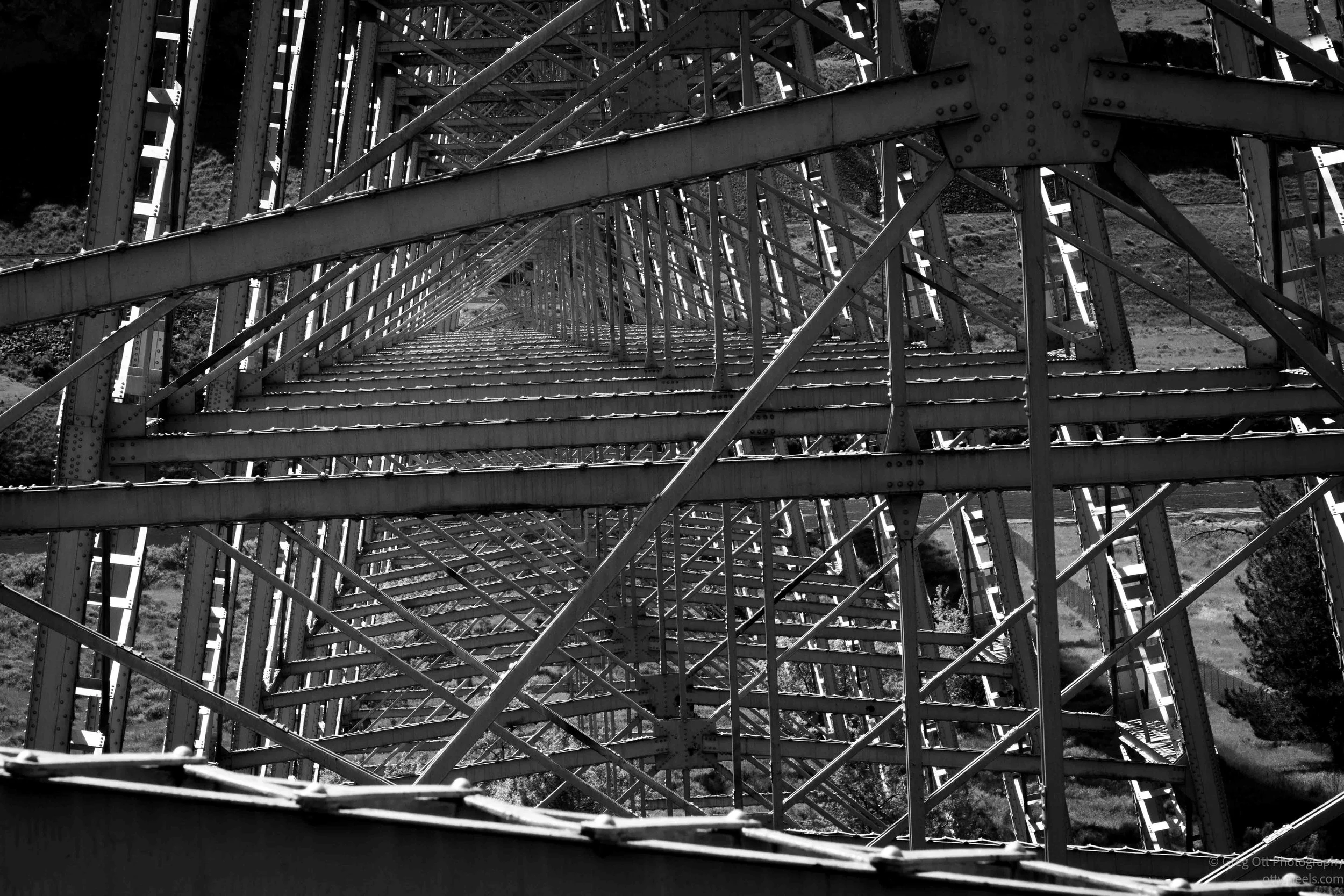
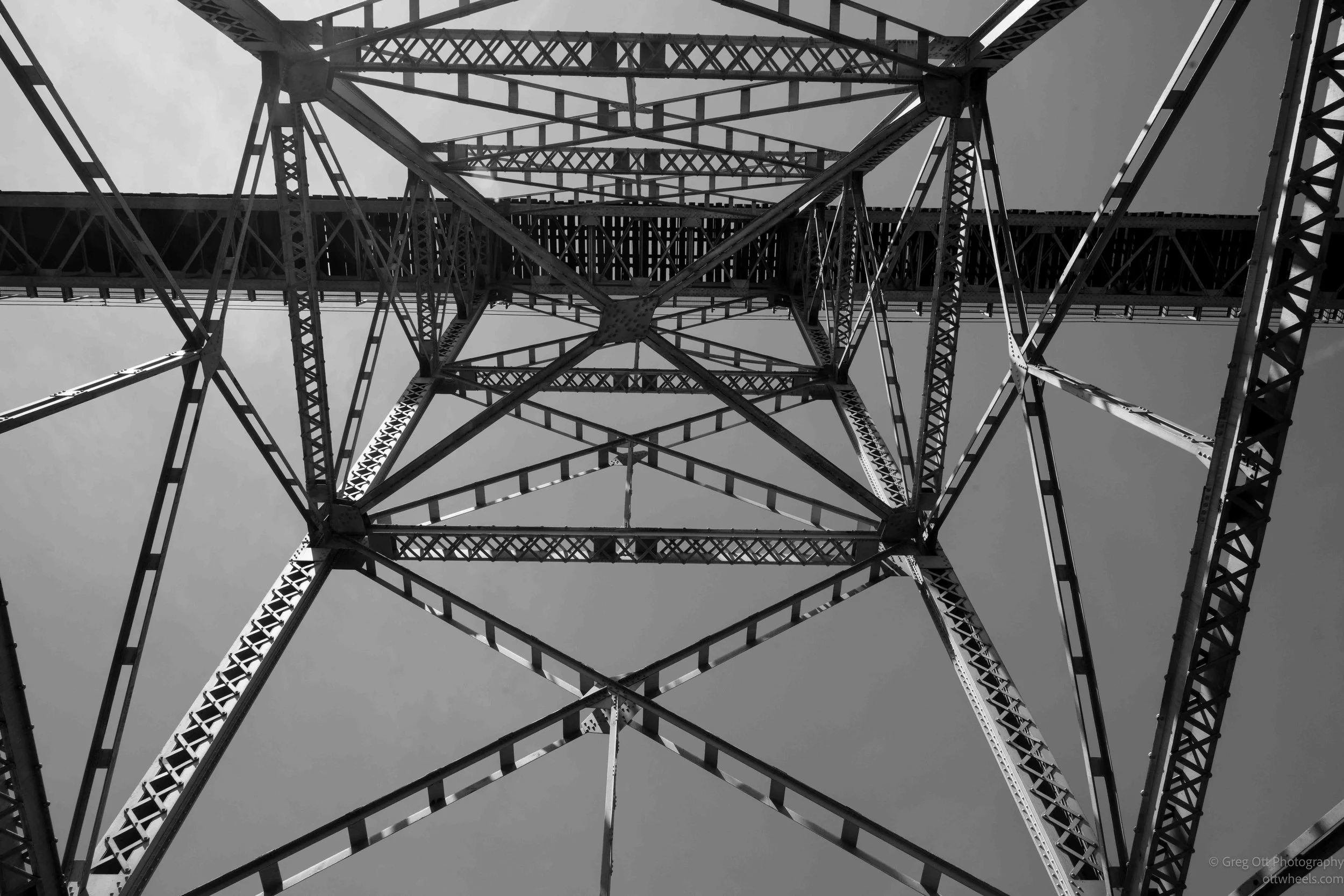
Closer to Palouse Falls, I crossed the Snake River near Lyons Ferry and stopped at a set of old railroad trestles — massive steel structures bridging ridges high above the water. I was hoping a train might come through while I was there. Even without one, the geometry of the steel beams made for compelling images.
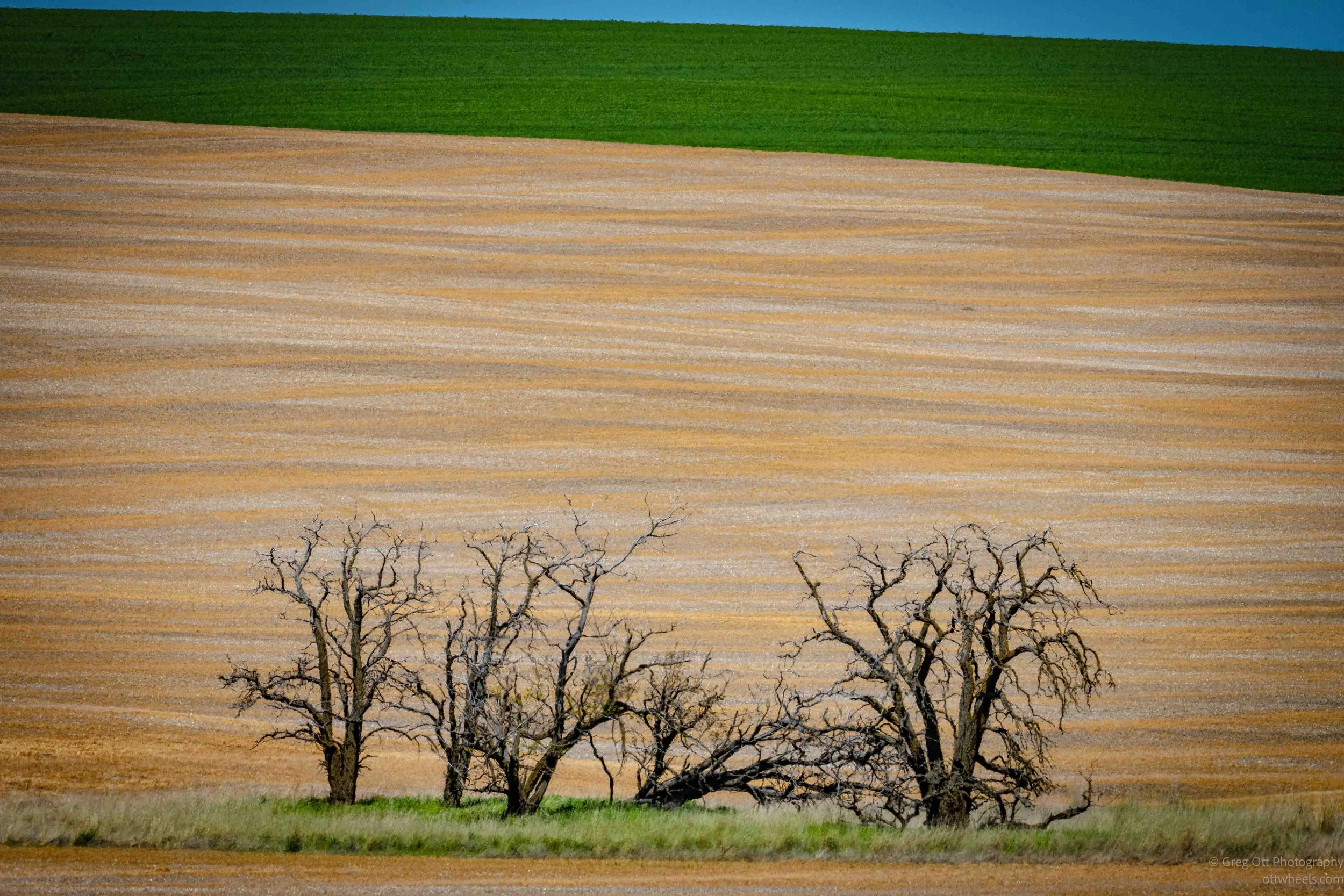
I made several more stops along the way — more power lines, planted fields with lone trees standing in the middle of them, open rangeland stretching off to the horizon. It's the kind of country that keeps pulling you over.
Palouse Falls State Park
It was already pushing 1 pm by the time I reached the three-mile dirt road leading into the park. Fair warning if you're planning a visit: that road is washboard almost the entire way. Everything in the van was rattling and shaking, so I crawled along between 10 and 15 miles per hour.
All Washington State Parks require a Discover Pass, and I asked the volunteer at the entrance about the annual version. At $45 for the year, it seemed like a great deal, but unfortunately the machine wasn't dispensing them that day. I paid the $10 day-use fee and moved on.
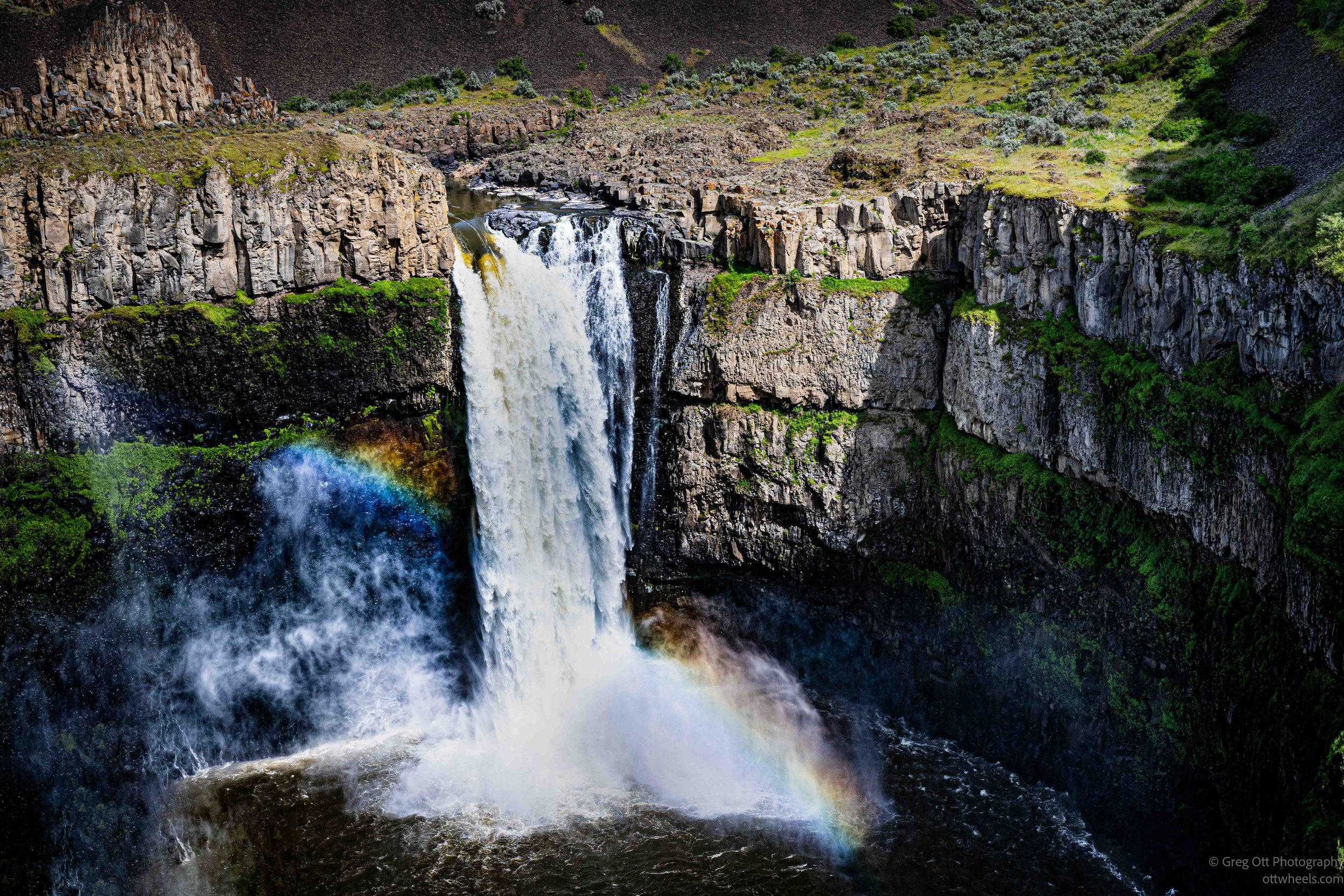
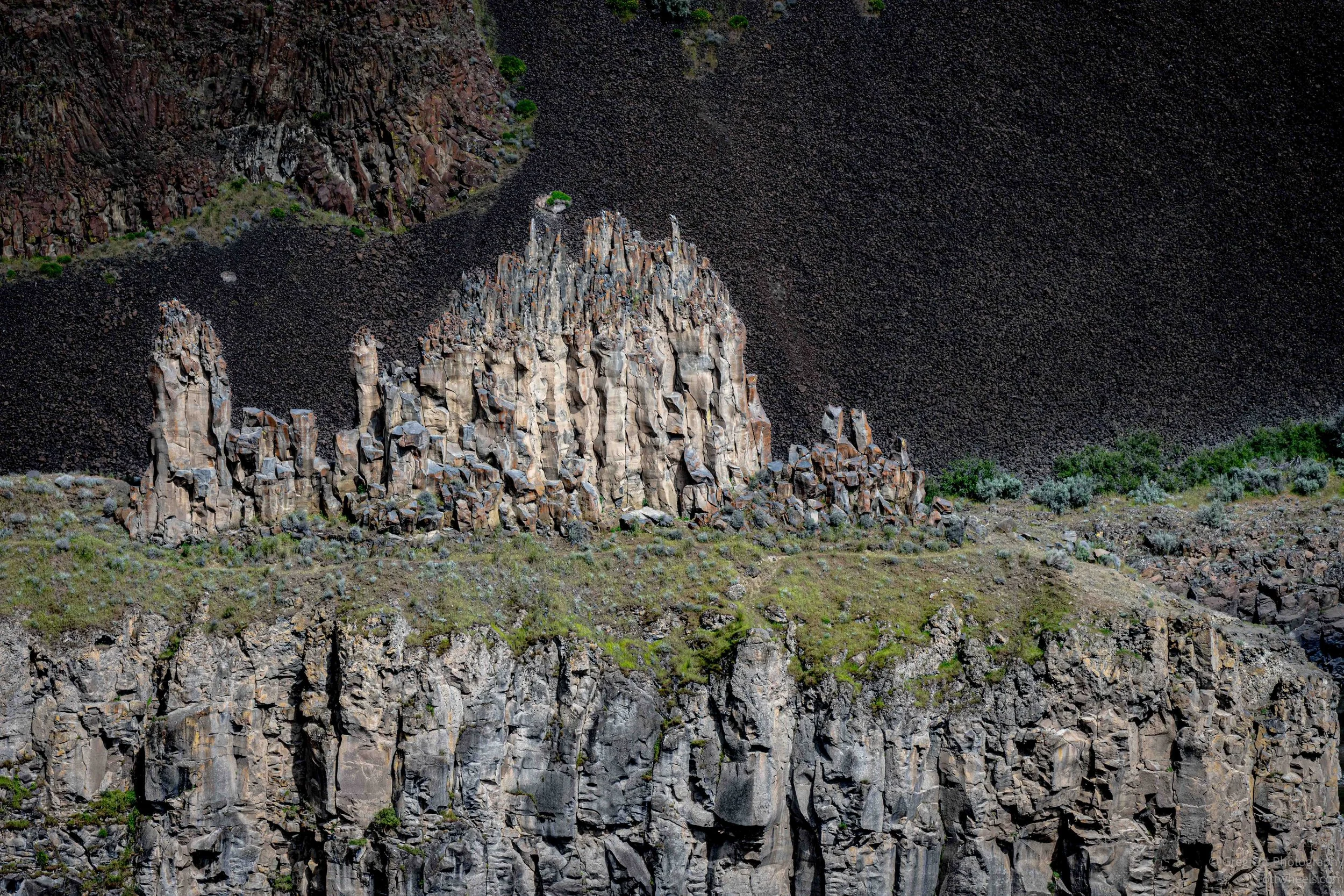
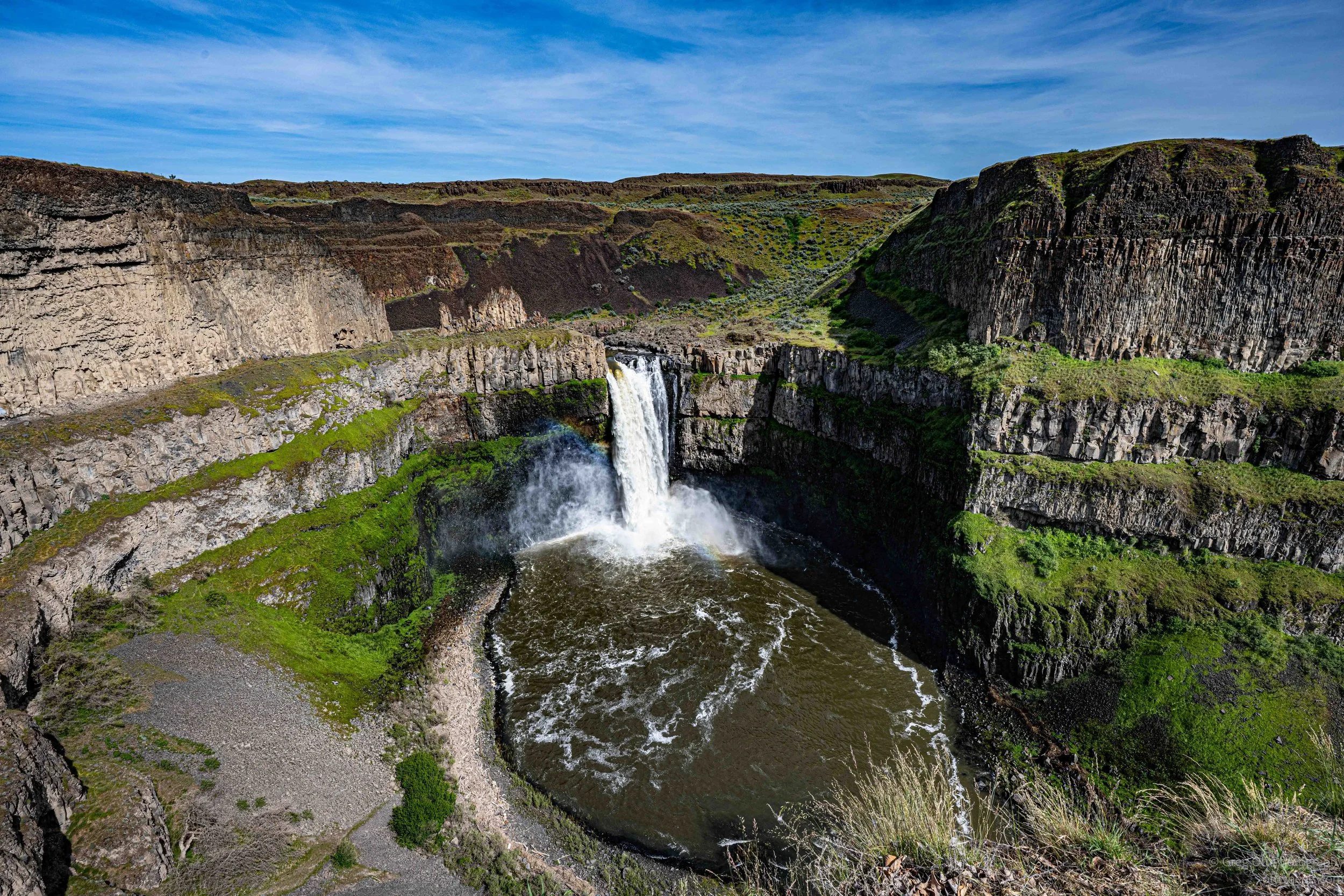
Palouse Falls State Park has been earning its recognition for a long time. The Palouse River runs through a narrow cataract and drops nearly 200 feet into a churning bowl before continuing through a winding canyon of columnar basalt carved more than 13,000 years ago during the Ice Age floods.
The falls became Washington's official state waterfall in 2014, and the story behind it is one of my favorites. A group of local schoolchildren pushed for the designation, worked with lawmakers, and ultimately got the bill passed through the state legislature. A bunch of kids decided this place deserved recognition and simply went out and made it happen. Hard to argue with that.
For many years the falls were known as "Aput Aput," meaning "falling water," before the name shifted to reflect the nearby Palouse people. According to tribal legend, the river once flowed peacefully into the Snake until four giant brothers pursued a mythic creature known as Big Beaver. They speared it five times as it fled through the canyon. Each strike carved the walls deeper, and the final blow tore open the gorge entirely, sending the river over the cliff to create the falls seen today. The jagged canyon walls, they say, still bear the marks of Big Beaver's claws.
The volunteer at the entrance turned out to be a photographer herself and gave me some good suggestions on where to shoot from. Nothing here is much more than a half-mile walk, which makes it extremely accessible without taking anything away from the experience. There are three distinct viewpoints, including an ADA-accessible overlook with historical displays and panoramic views of the canyon.
Around the parking lot were small ground squirrels — at least I think that's what they were. They weren't the same species I'd seen in South Dakota. These were completely used to people and would wander surprisingly close, clearly hoping somebody would feed them. They didn't get anything from me, but they were entertaining company while I ate lunch and waited for the light to shift across the canyon walls.
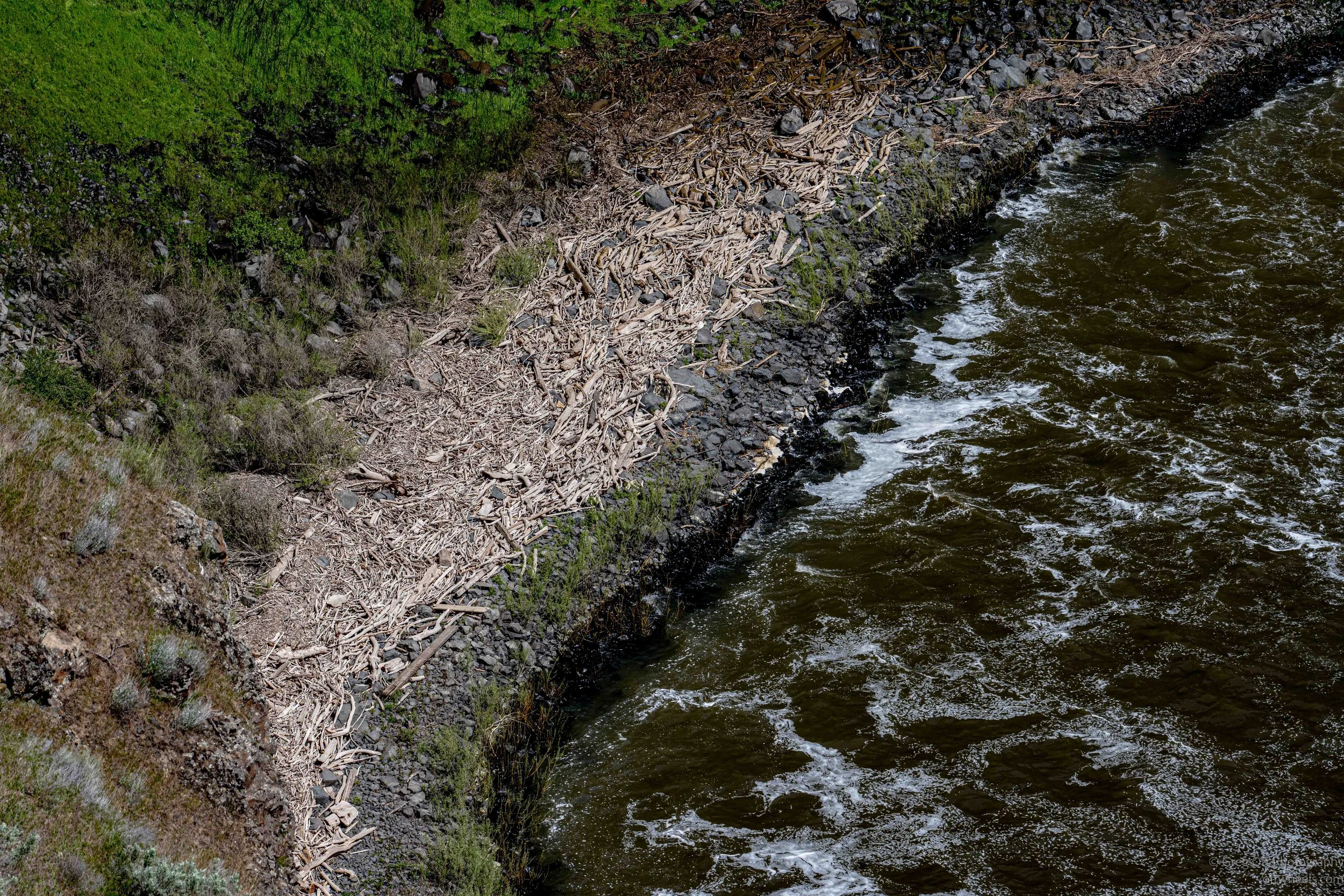
I ended up spending a couple of hours there photographing the falls from different angles and just watching the changing light move through the basalt walls.
Steptoe Butte
I still had energy left in the afternoon — the coffee helped — and decided to continue on toward Steptoe Butte State Park Heritage Site, which I'd originally planned for the following day. I'd done some research beforehand, but nothing really prepared me for what I found.
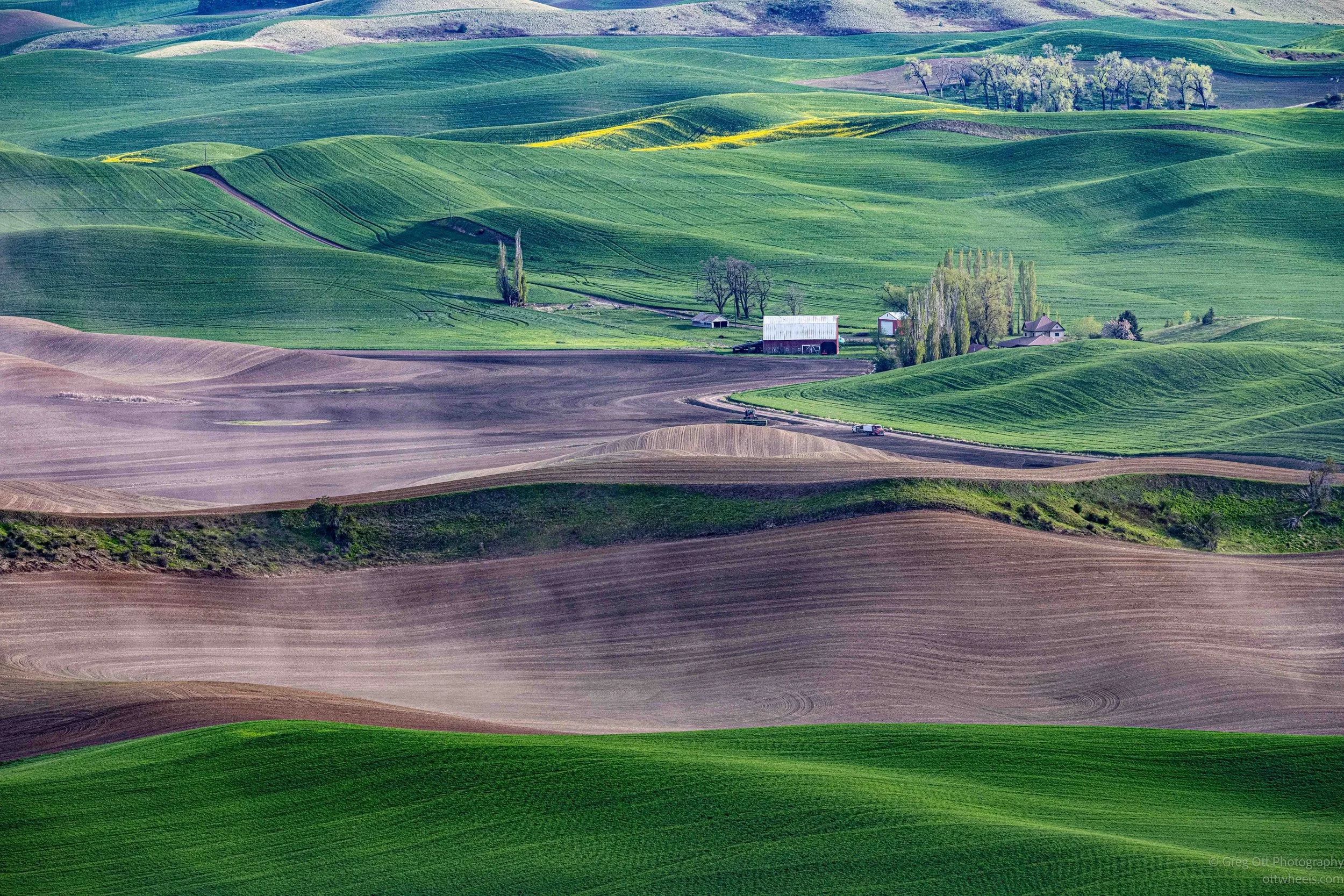
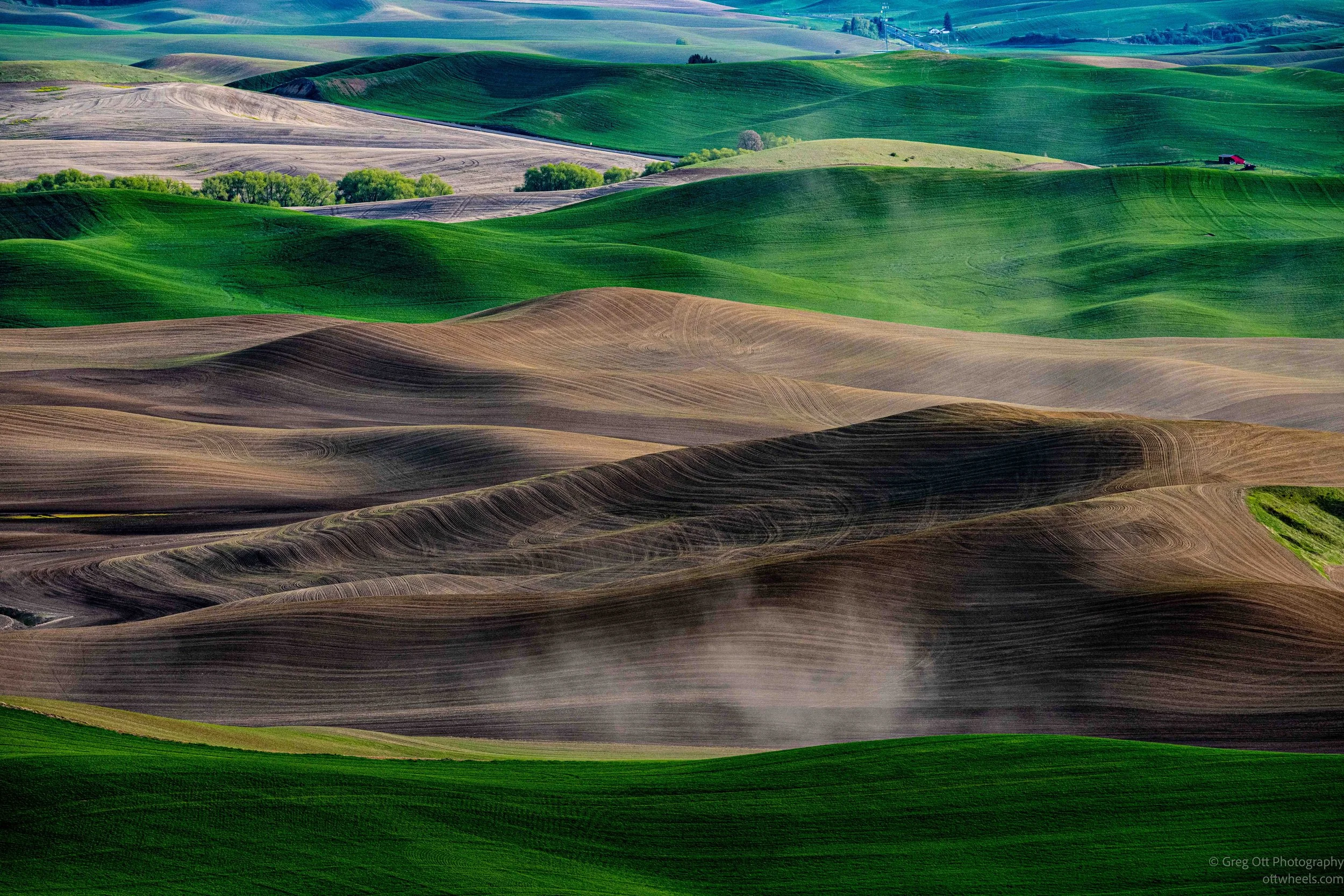
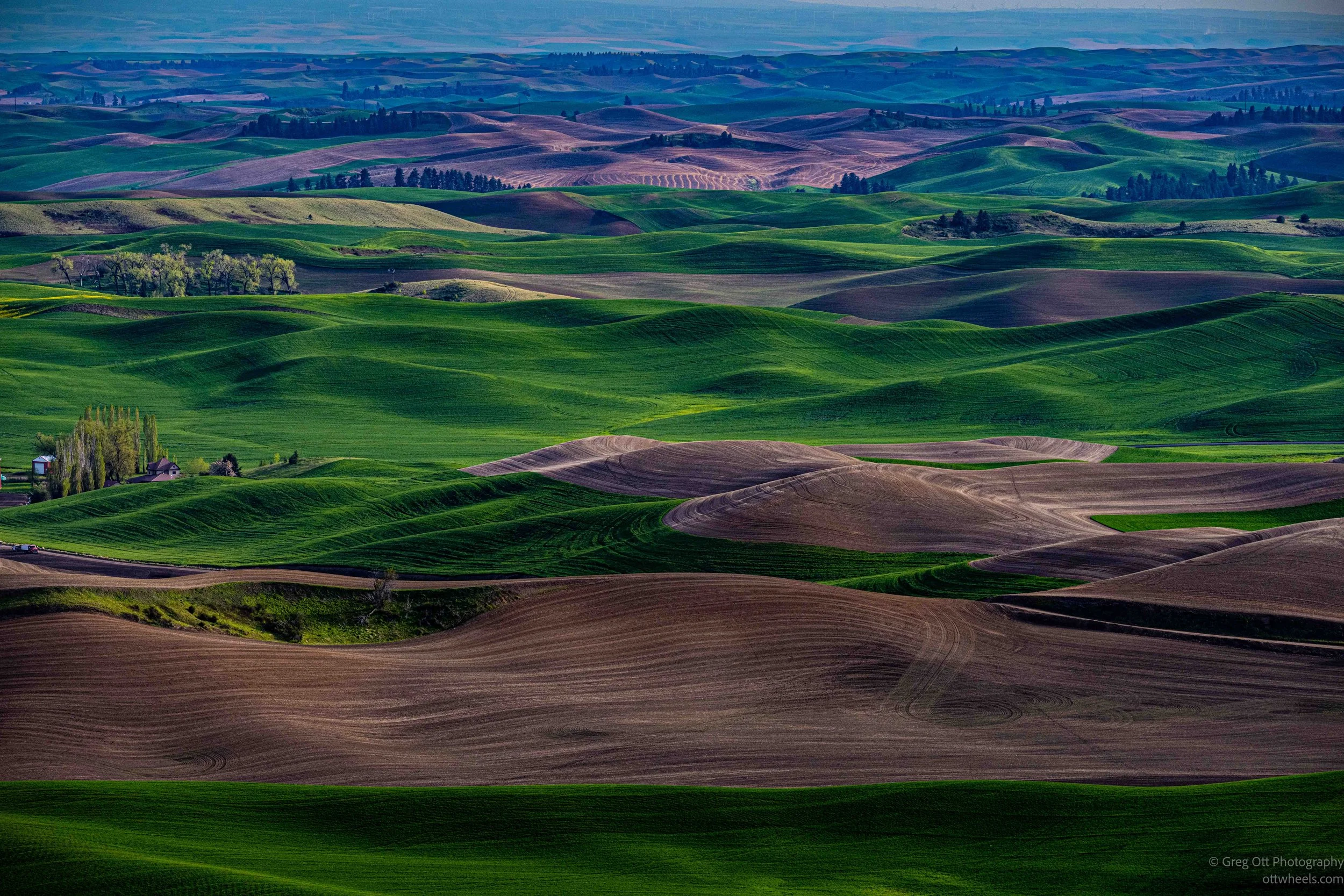
Even from the base of the mountain I could see the road making long counterclockwise loops around the butte. About halfway up, I spotted two guys pulled off at an overlook with some serious photography equipment — a Hasselblad, a Nikon Z7, a Z9, multiple lens bags, and the back of their vehicle packed with gear.
The light over the farmland below was spectacular under the cloud cover — soft, diffused light that made every color richer and every shadow more interesting. They were completely locked in on what they were shooting. We exchanged a few words while they packed up to head farther up the mountain, and I stayed there another 40 minutes photographing the scene below.
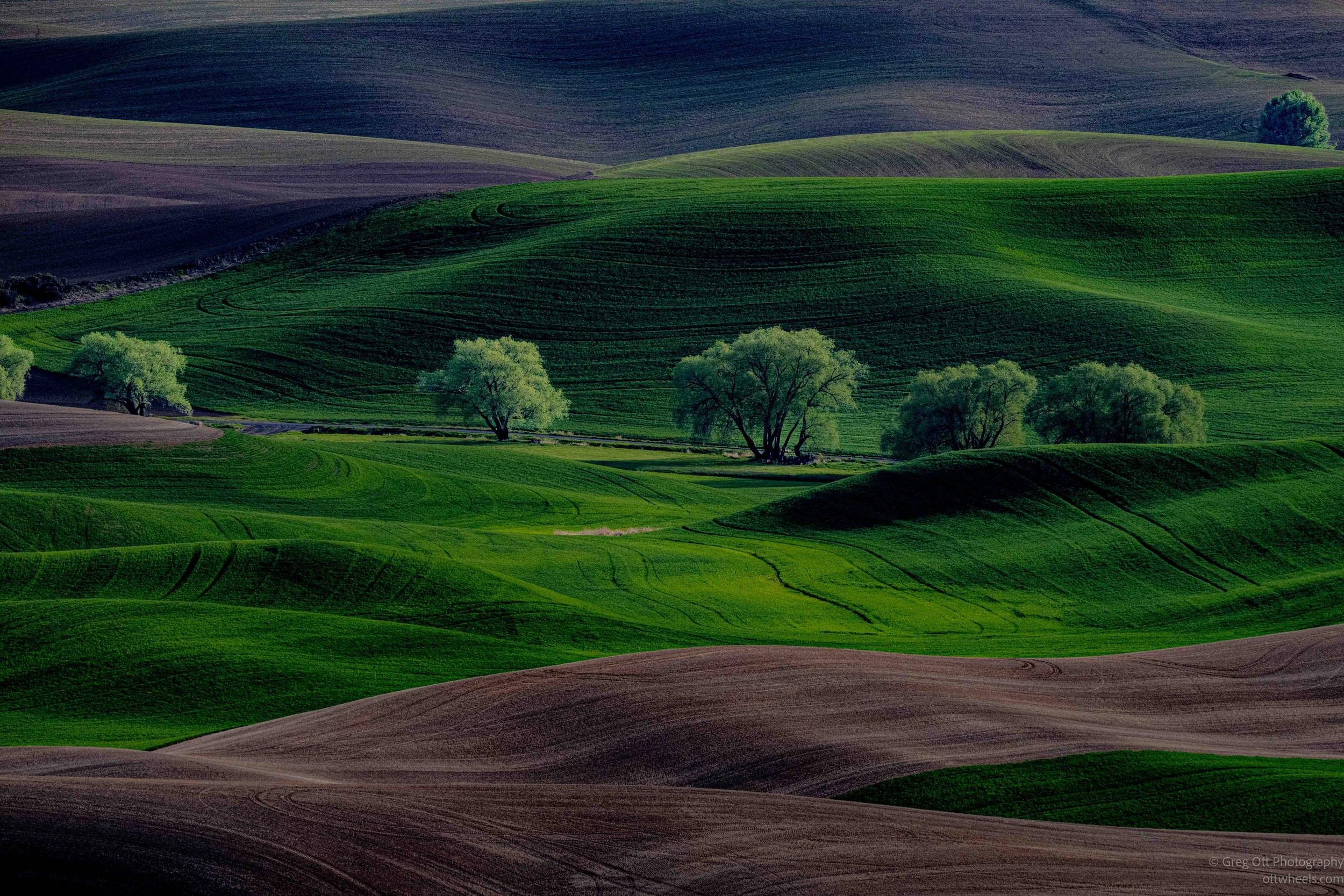
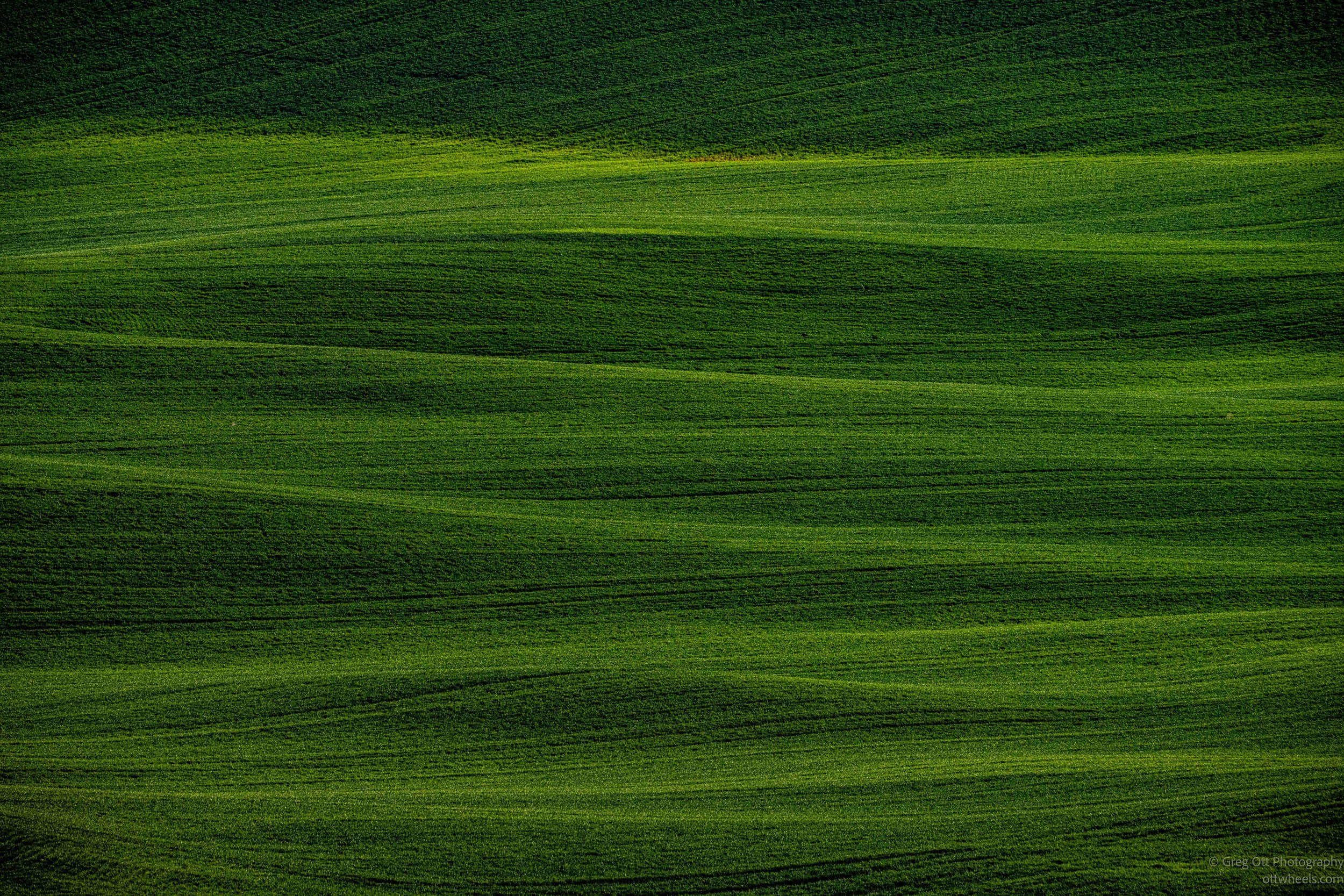
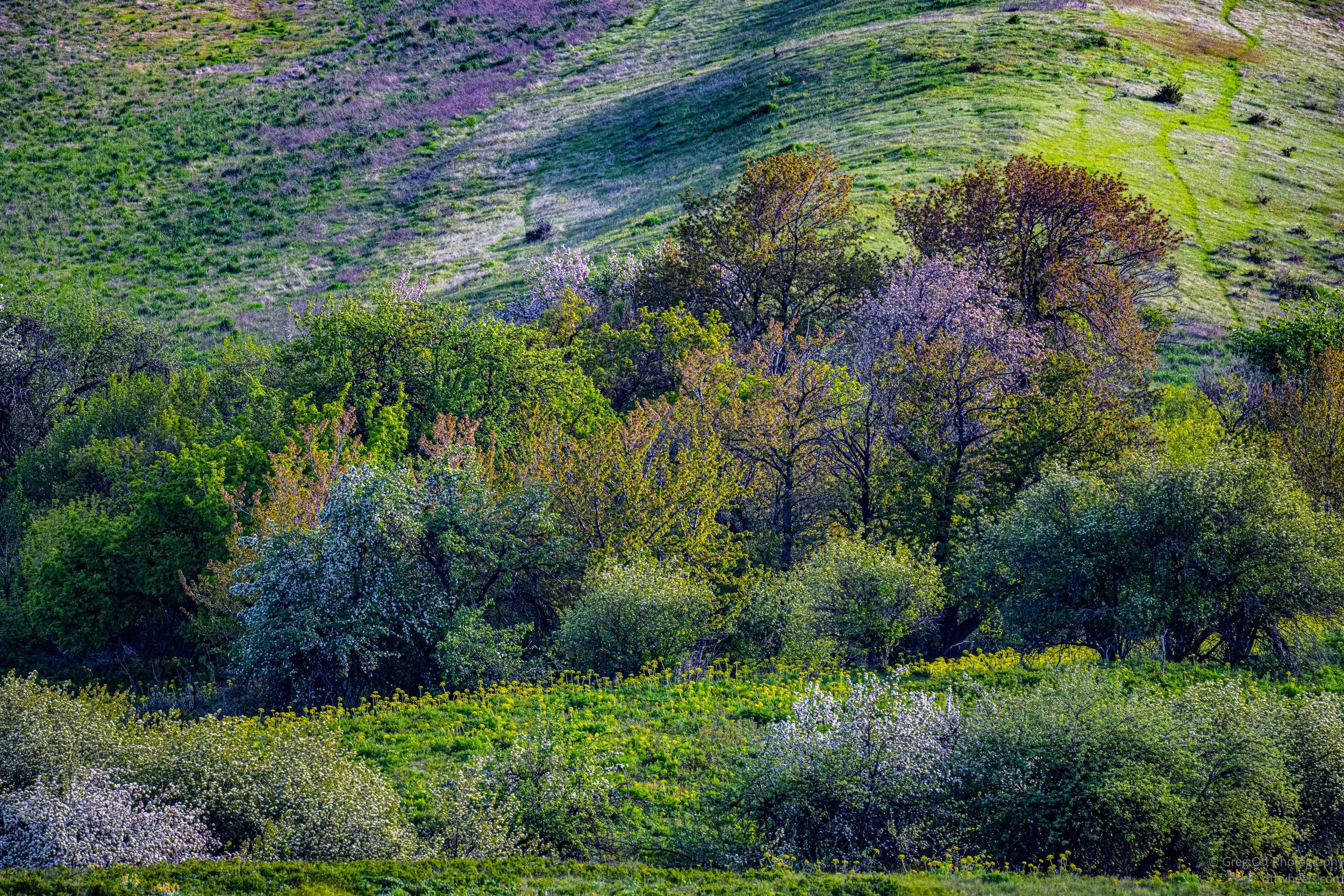
As I continued climbing, there were photographers stationed all along the road with every kind of setup imaginable. Apparently I'm not the only person willing to make a detour for good light.
The upper sections of the road get fairly narrow, though at least the guardrails provide some reassurance that you're probably not about to slide off the side of the mountain. Near the summit the road opens into a large parking area, and there must have been 40 people lined up with long lenses pointed into the valley below.
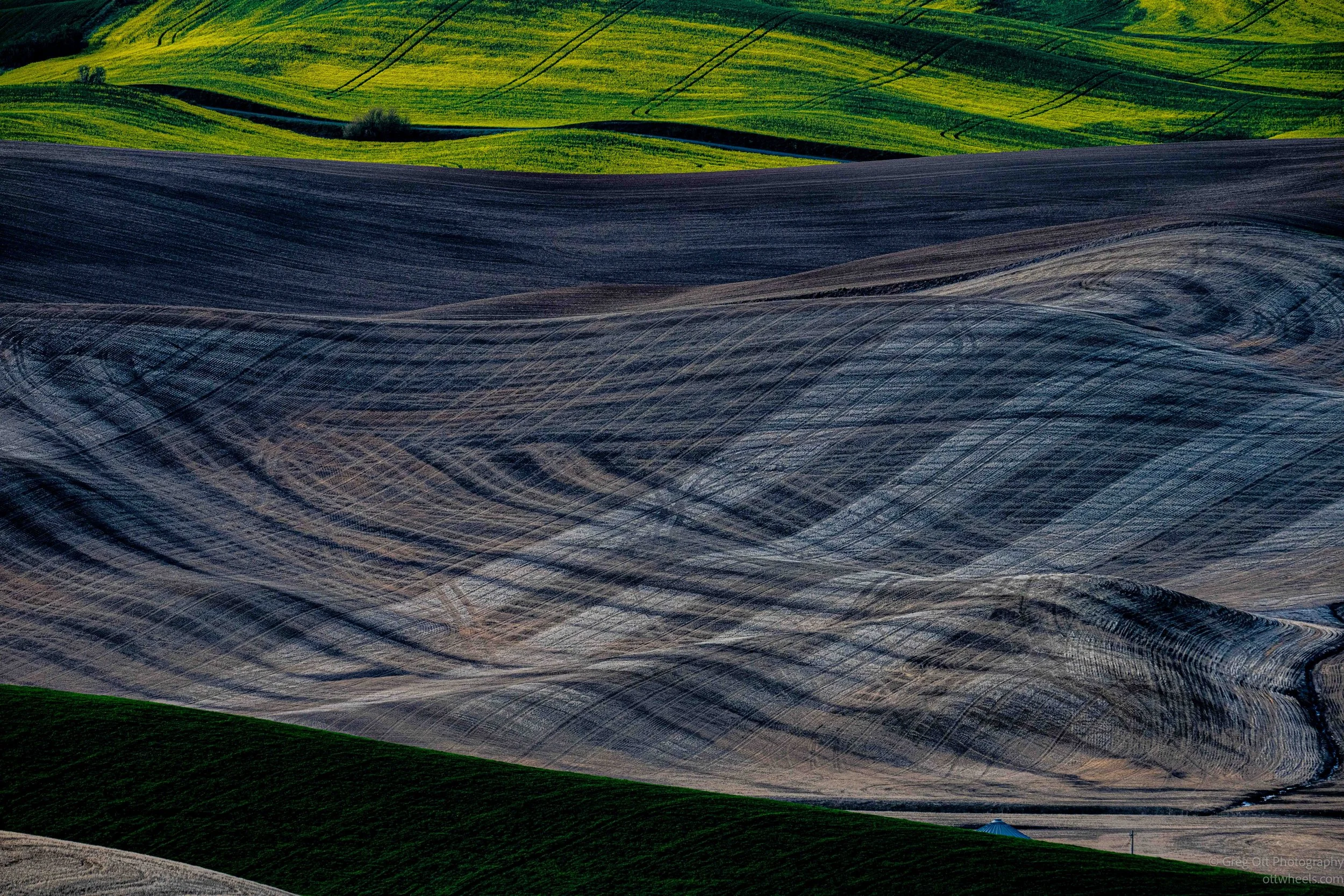
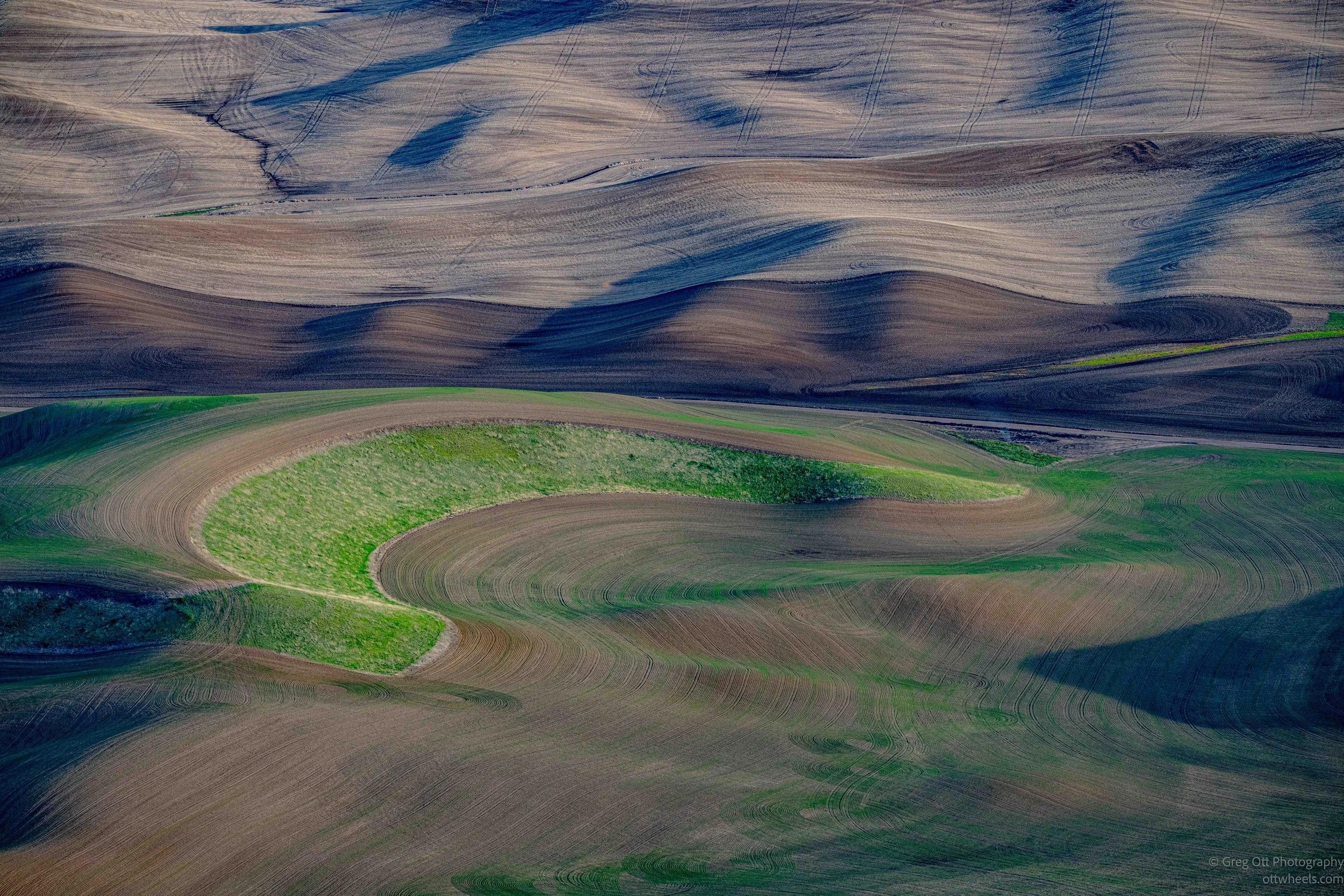
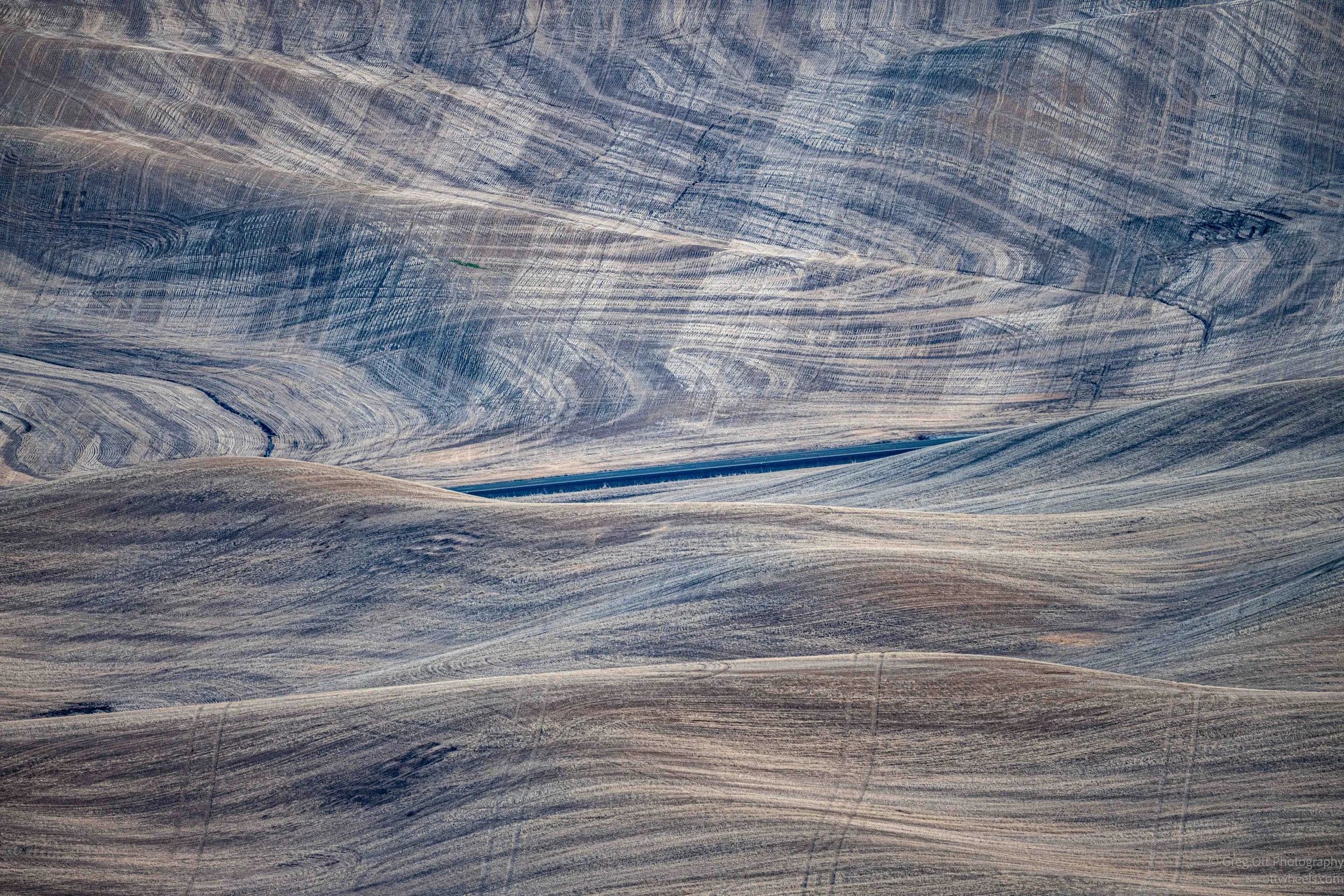
It reminded me of those Swiss Alpine viewpoints where a bus unloads tourists and everyone photographs the exact same panorama — except these were serious photographers who had all independently found their way to the same place.
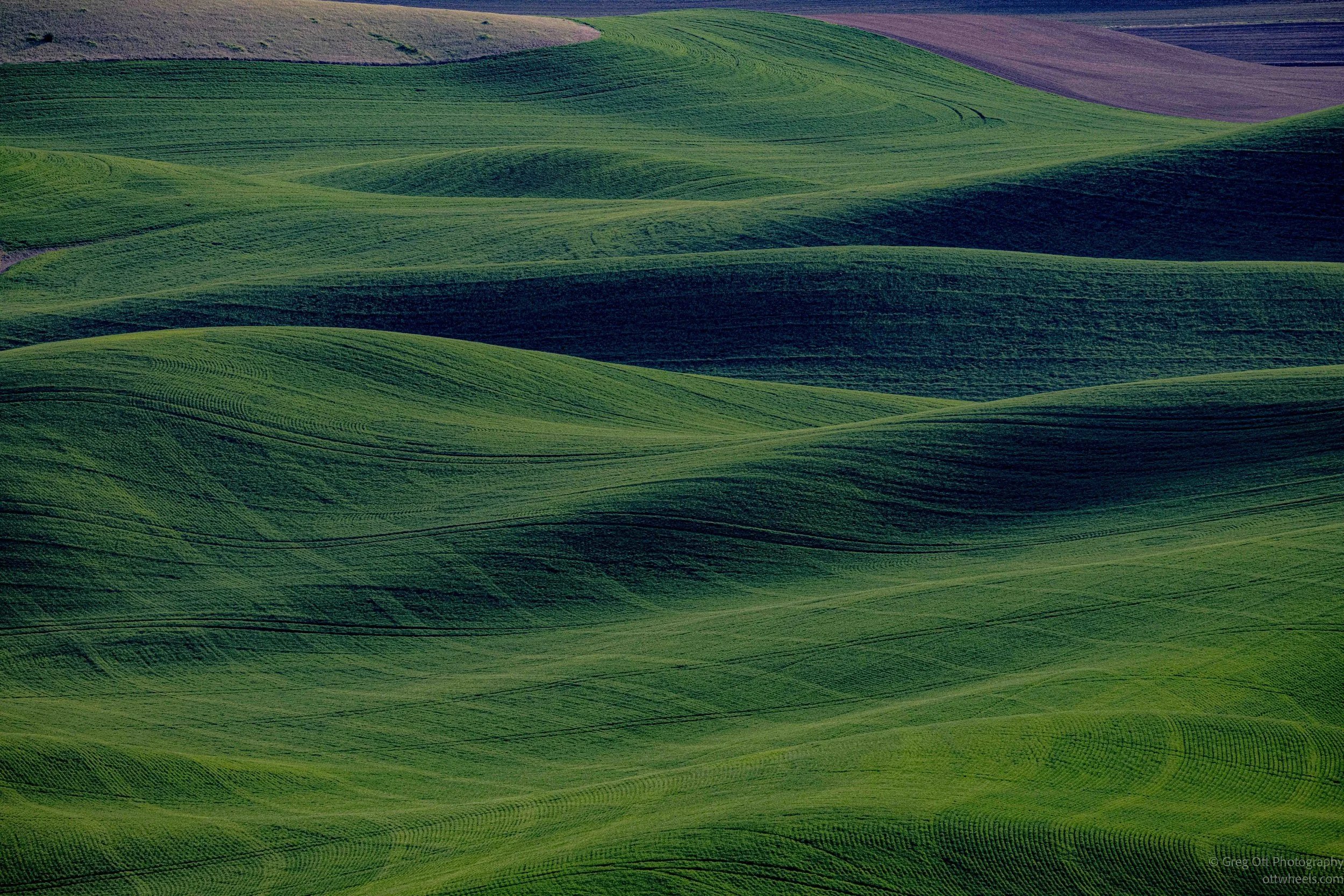
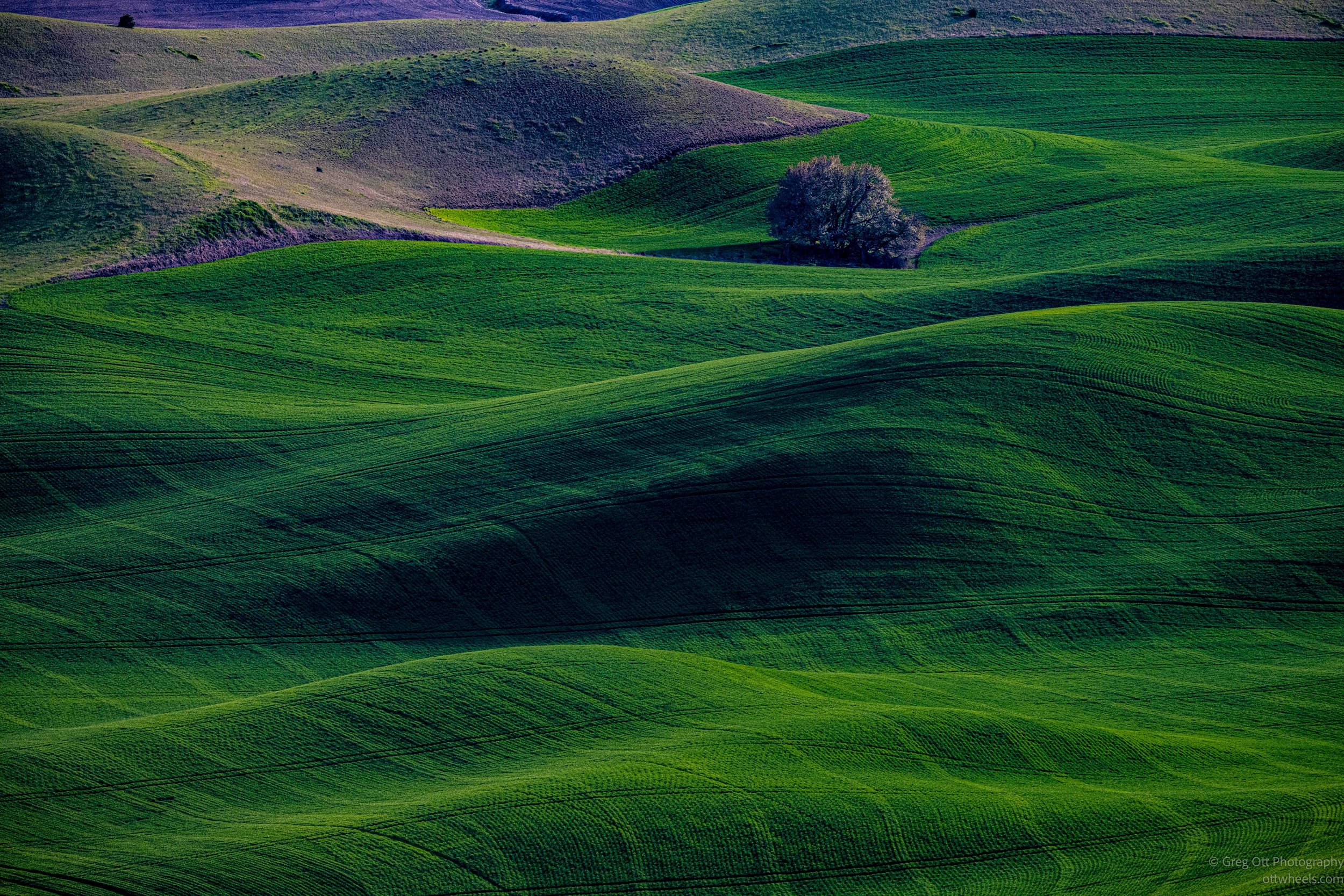
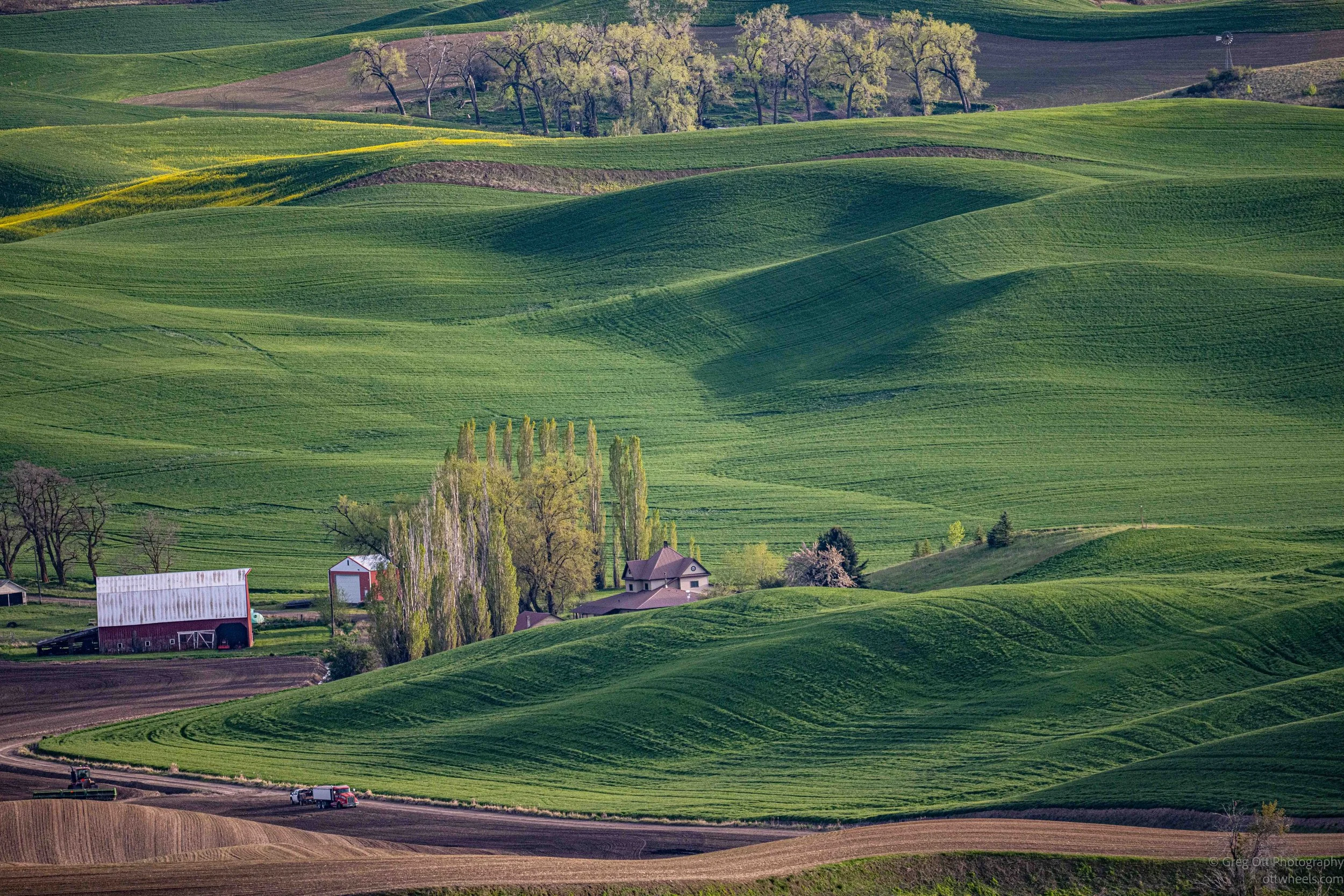
The light just kept improving. I ended up staying until nearly 8 pm.
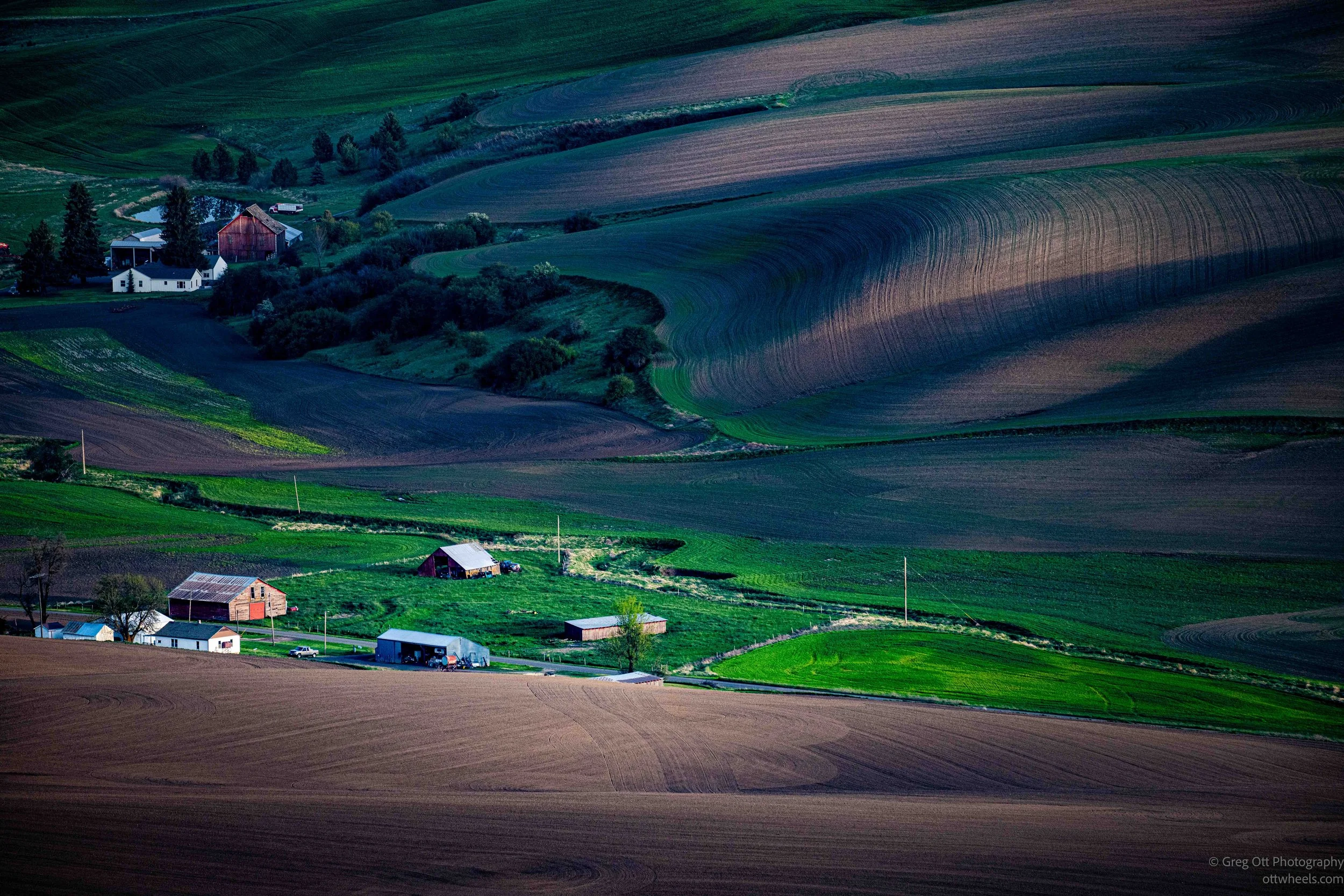
By the time I finally pulled away, the wild camping options near Steptoe weren't looking great, so I decided to continue on to Spokane instead. I reached a street near Uprise Brewing Co. around 9:45. They closed at 10, so I barely made it in before they locked the doors and picked up a four-pack of stout.
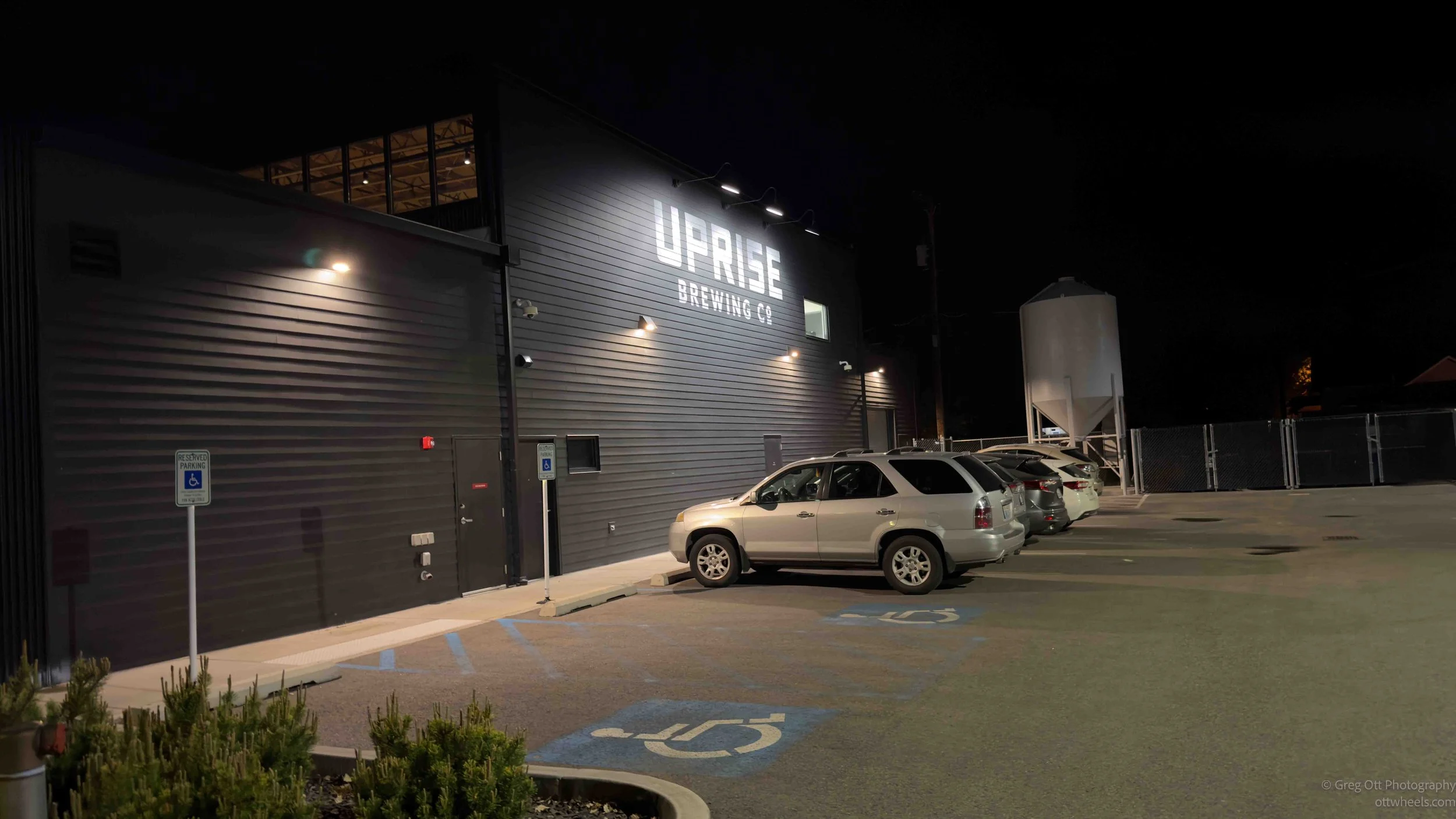
Back in the van, I made a bowl of pasta, cracked open one of the cans, and started pulling images off the camera. By 12:30 my eyes were giving out on me and I finally forced myself to stop for the night. Another long day.