
Salem Capitol, Oregon
I woke up at my Harvest Hosts Bob’s spot—just a simple overnight at Harvest Hosts—nothing fancy, but quiet enough to get moving. I really didn’t sleep well due to the tremendous tilt of the van. My First stop was Planet Fitness. An hour workout, a hot shower, and I felt human again.
Breakfast was easy—Starbucks up the street. Same routine, coffee, a little food, a place to sit and ease into the day.
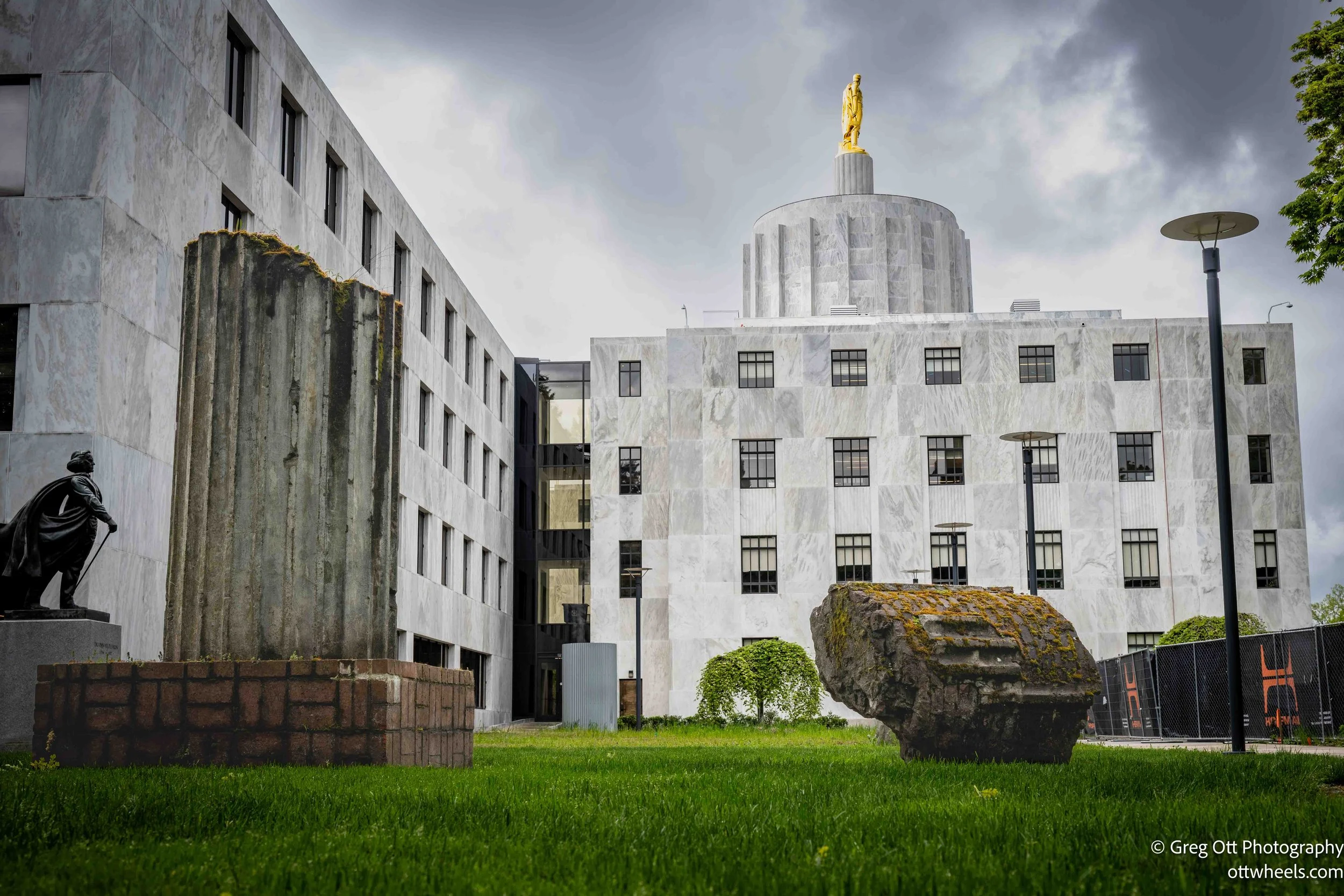
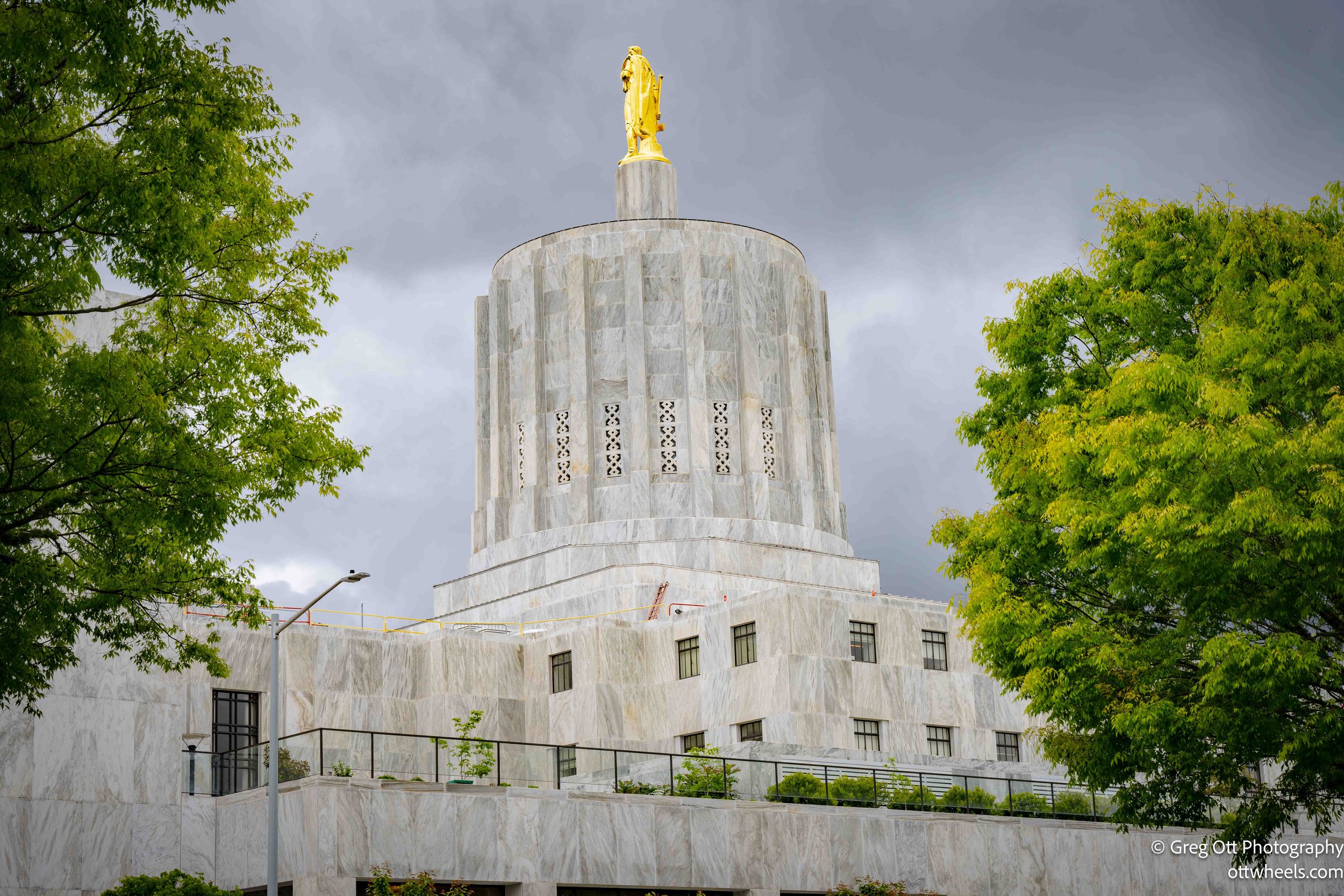
From there I drove to the Oregon State Capitol grounds. It’s open, well-kept, and easy to wander, with wide lawns and straight walkways that give you room to just move without thinking about it. The light outside was stunning. The sky was grey casting a soft light over everything. Much of the outside was closed for renovation but still visible.
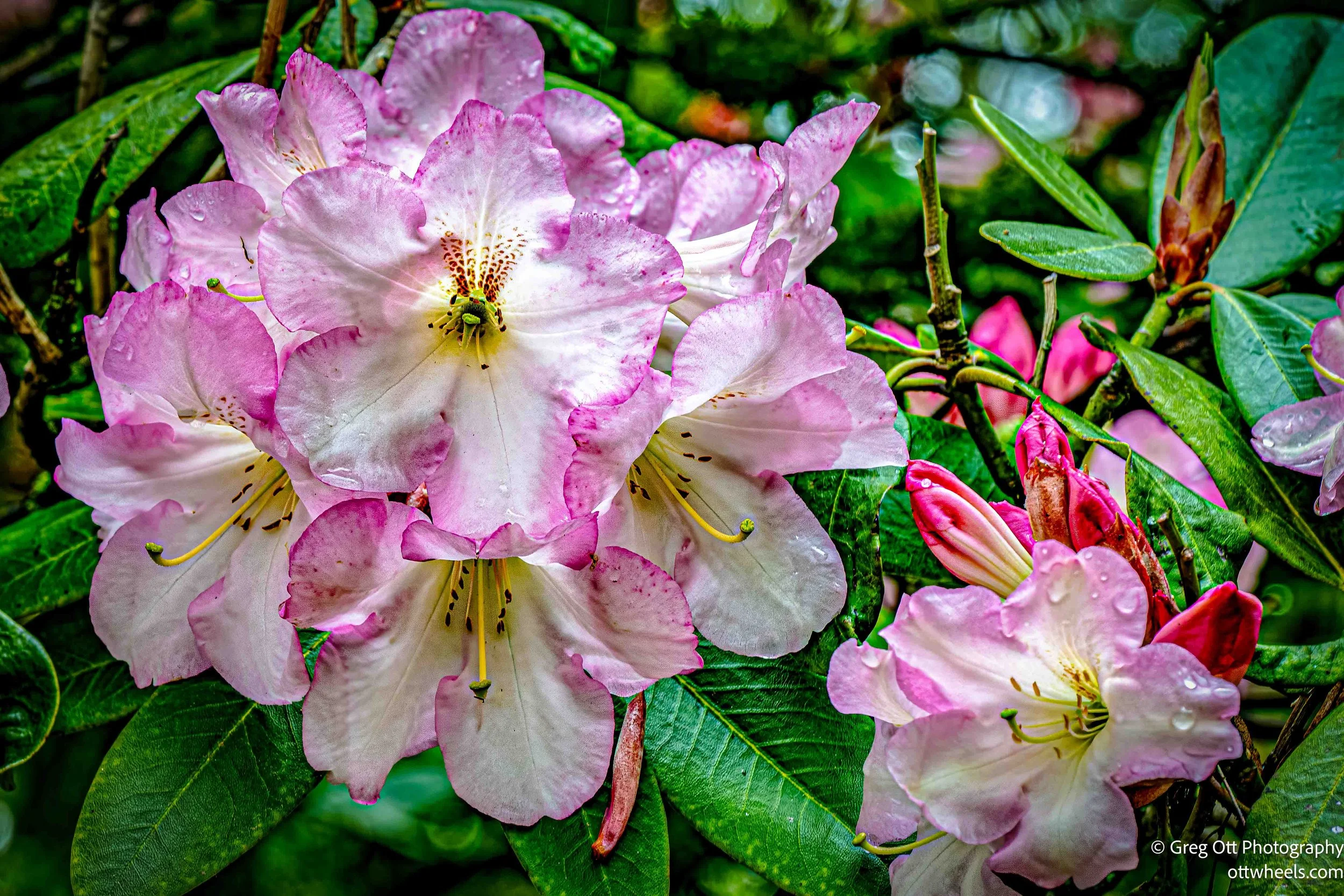
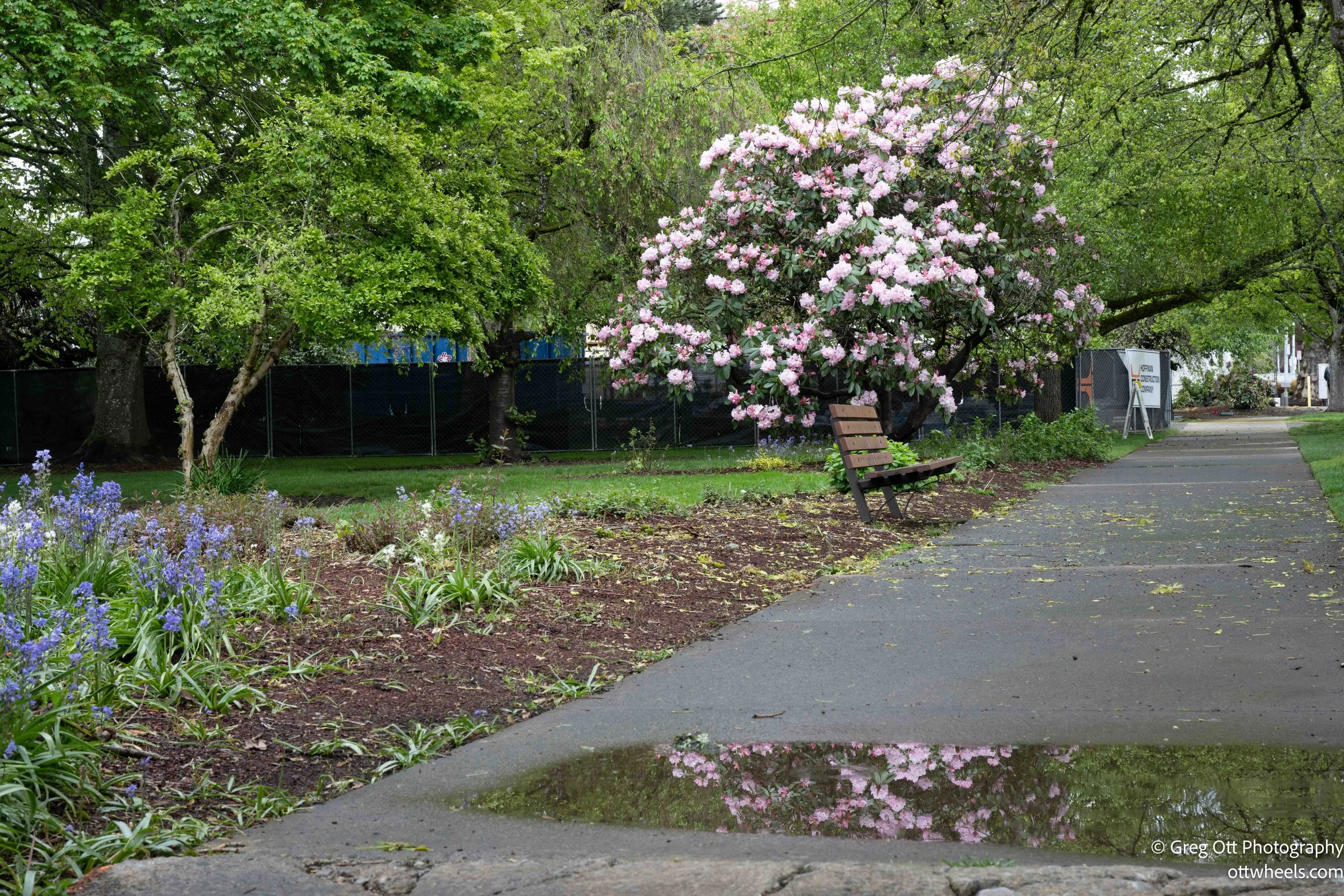
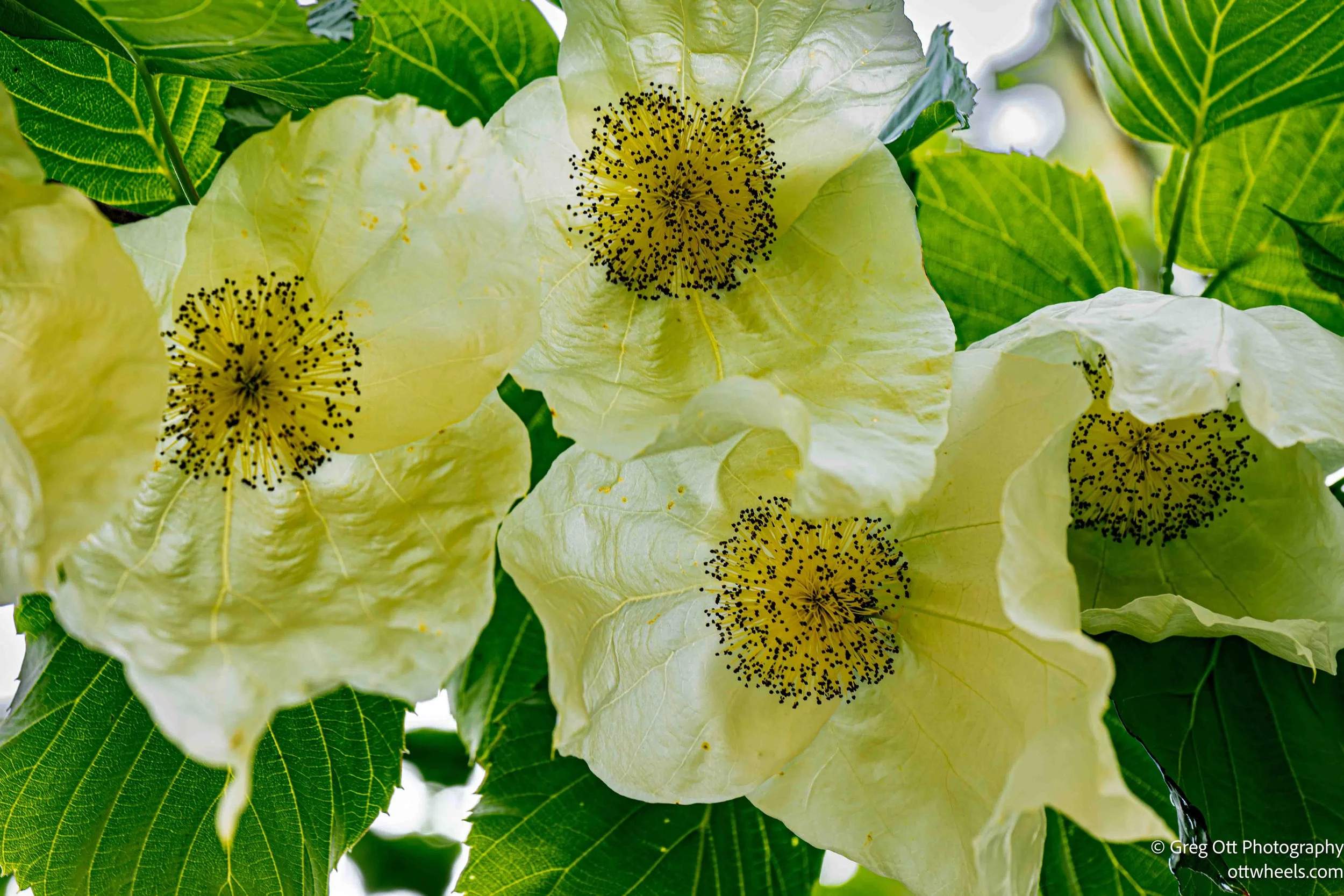
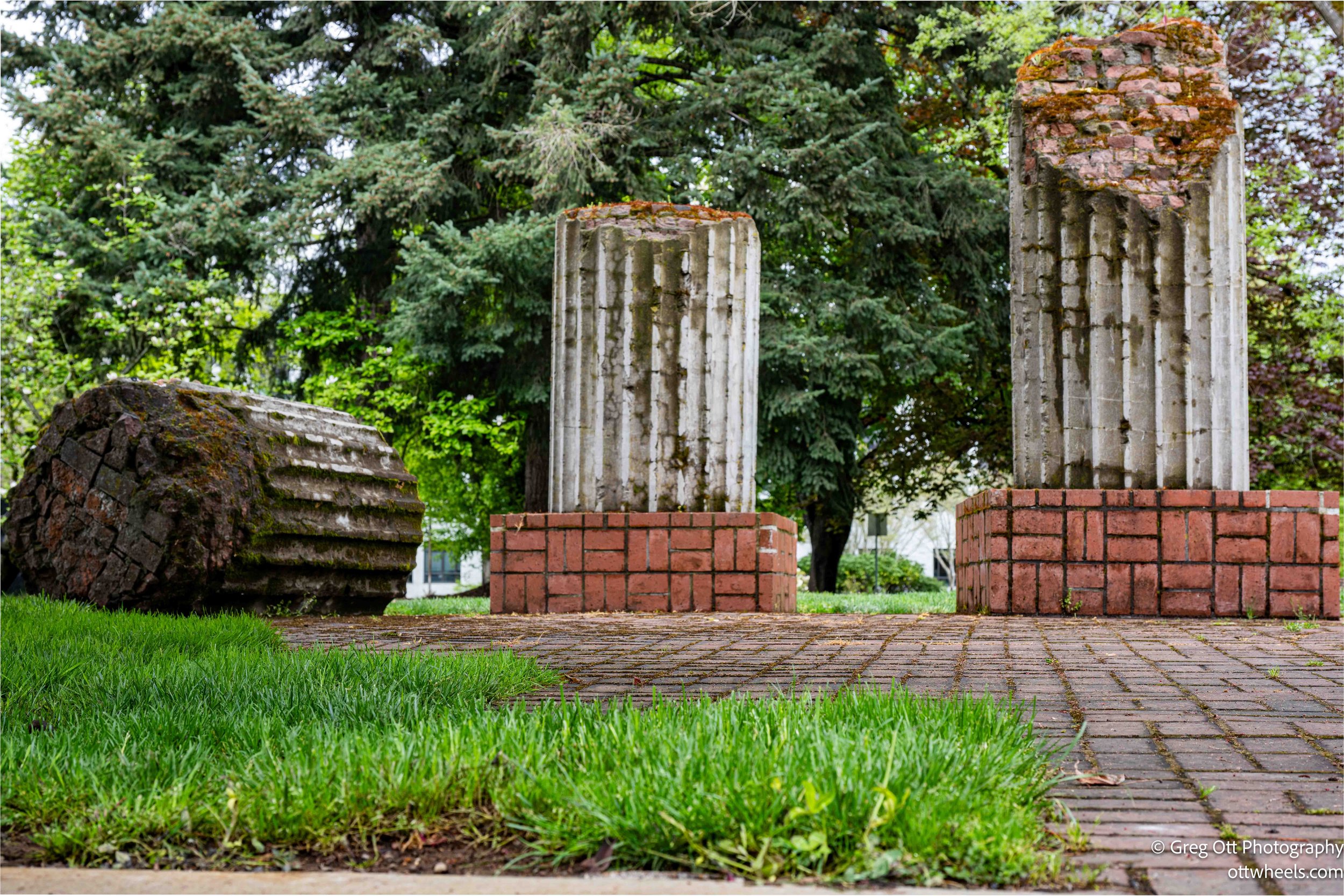
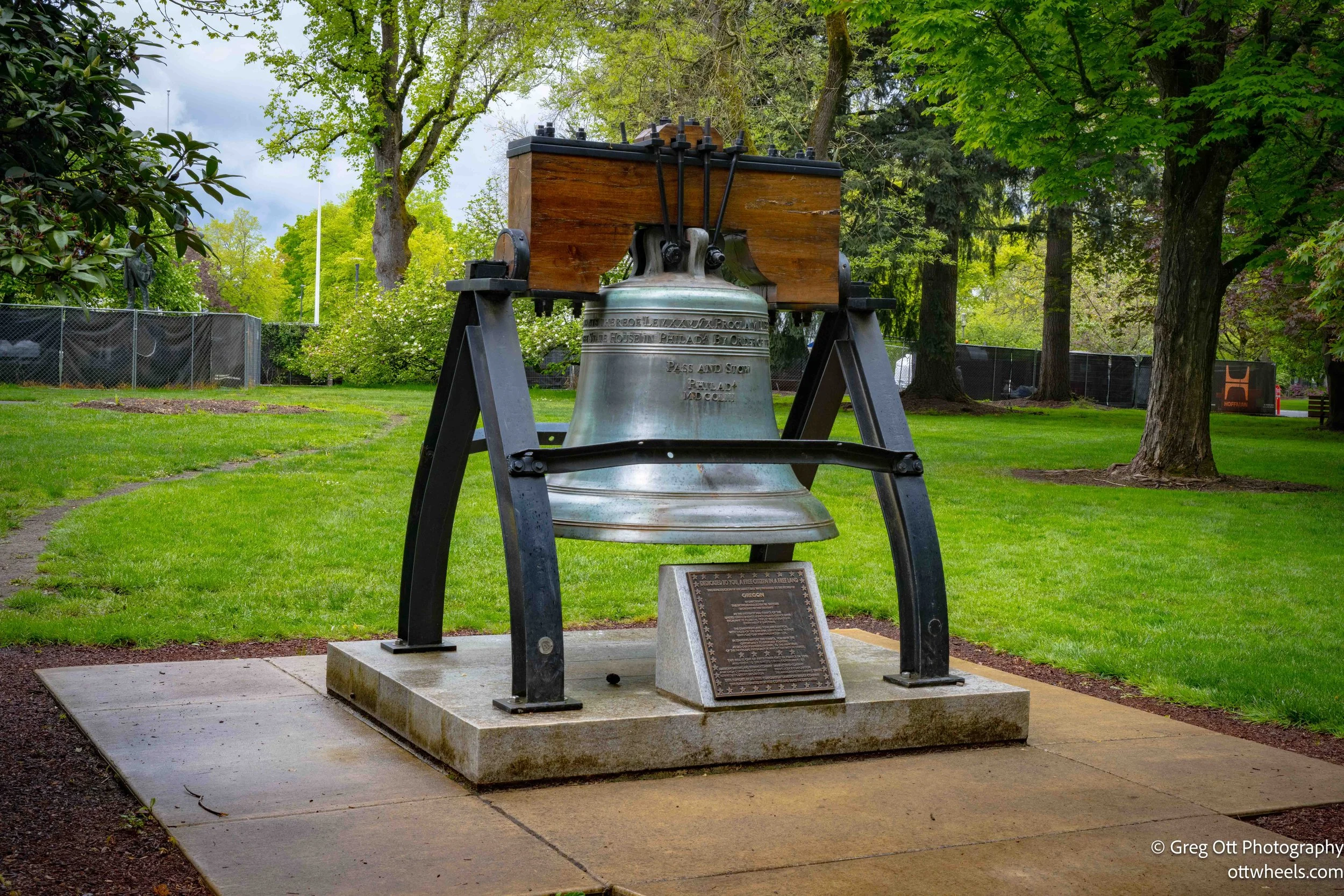
Scattered around the grounds are pieces that pull you in if you’re paying attention—the replica Liberty Bell sits off to one side, and not far from it are a set of stone columns from the previous capitol building, left standing after the fire as a quiet reminder of what used to be there. The trees were in bloom when I walked through, soft blossoms breaking up all the white stone and green lawn, which gave the whole place a lighter feel than most capitol complexes.
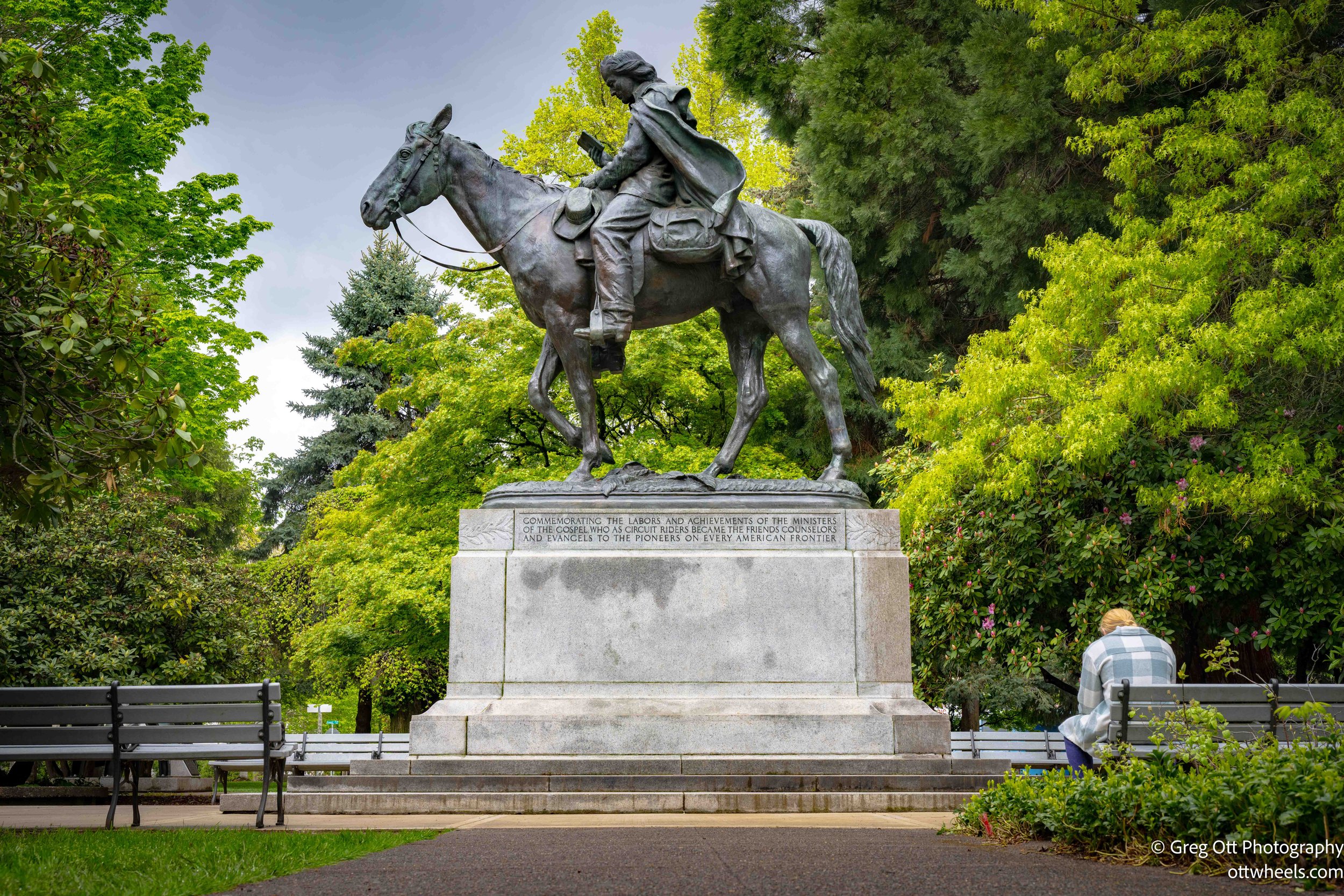
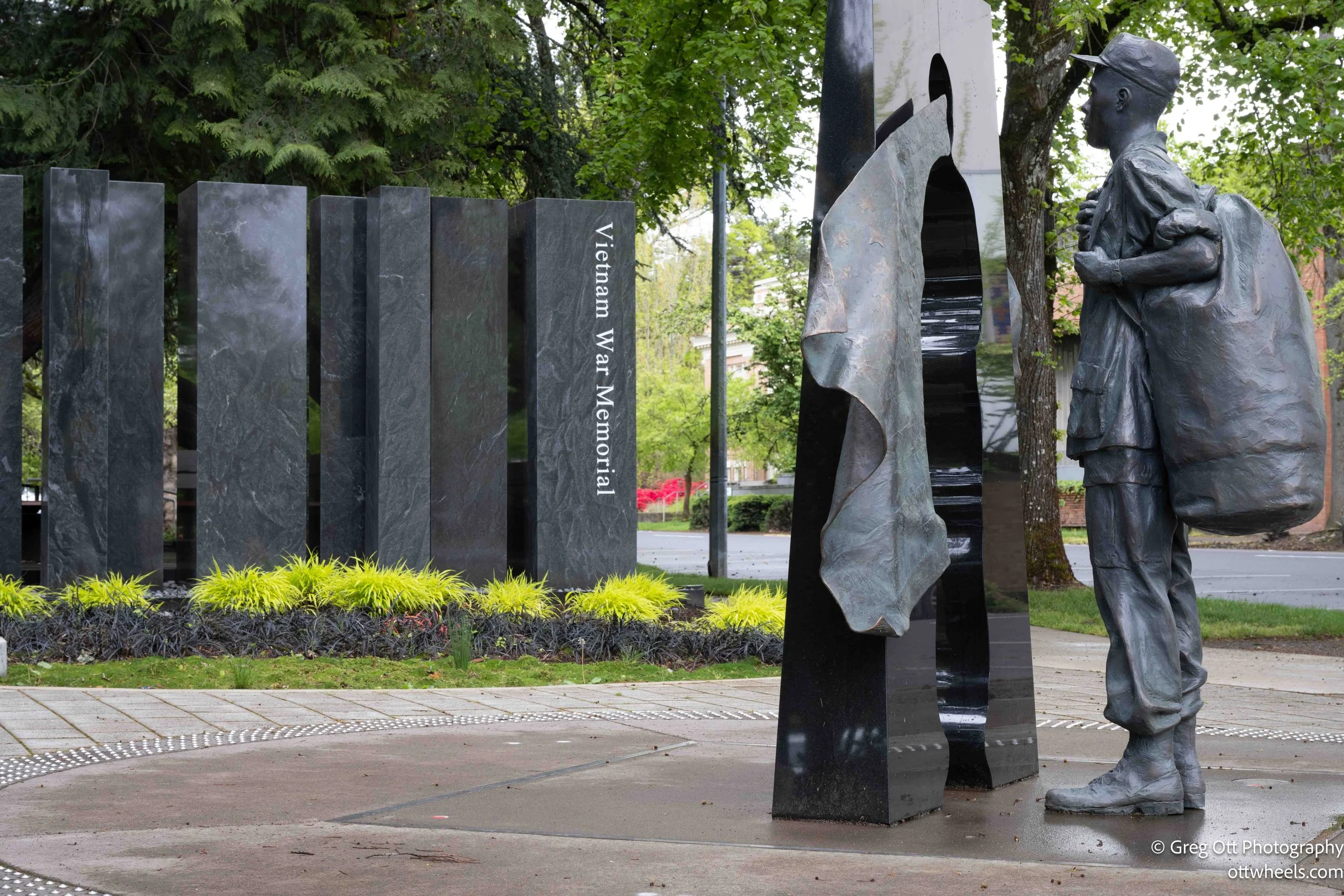
There are memorials worked into the grounds without making the place feel heavy. The Oregon World War II Memorial and the Oregon Vietnam Veterans Memorial are both there, set back enough that you come across them rather than being directed to them. And then there’s the statue of the Oregon Pioneer—a man on horseback—standing out in the open, one of those landmarks you notice even before you realize what it represents.
The building itself stands out right away because it doesn’t look like most capitols. Instead of a large dome, it has a clean, almost stripped-down look with a tall cylindrical tower rising from the center. The exterior is faced in white marble, but the lines are simple—vertical windows, flat surfaces, and very little ornamentation. At the top of the tower is the gold Oregon Pioneer statue, which catches the light and gives the whole building a focal point. It’s a mix of Art Deco and modernism, more about shape and proportion than decoration, and it feels different the moment you see it.
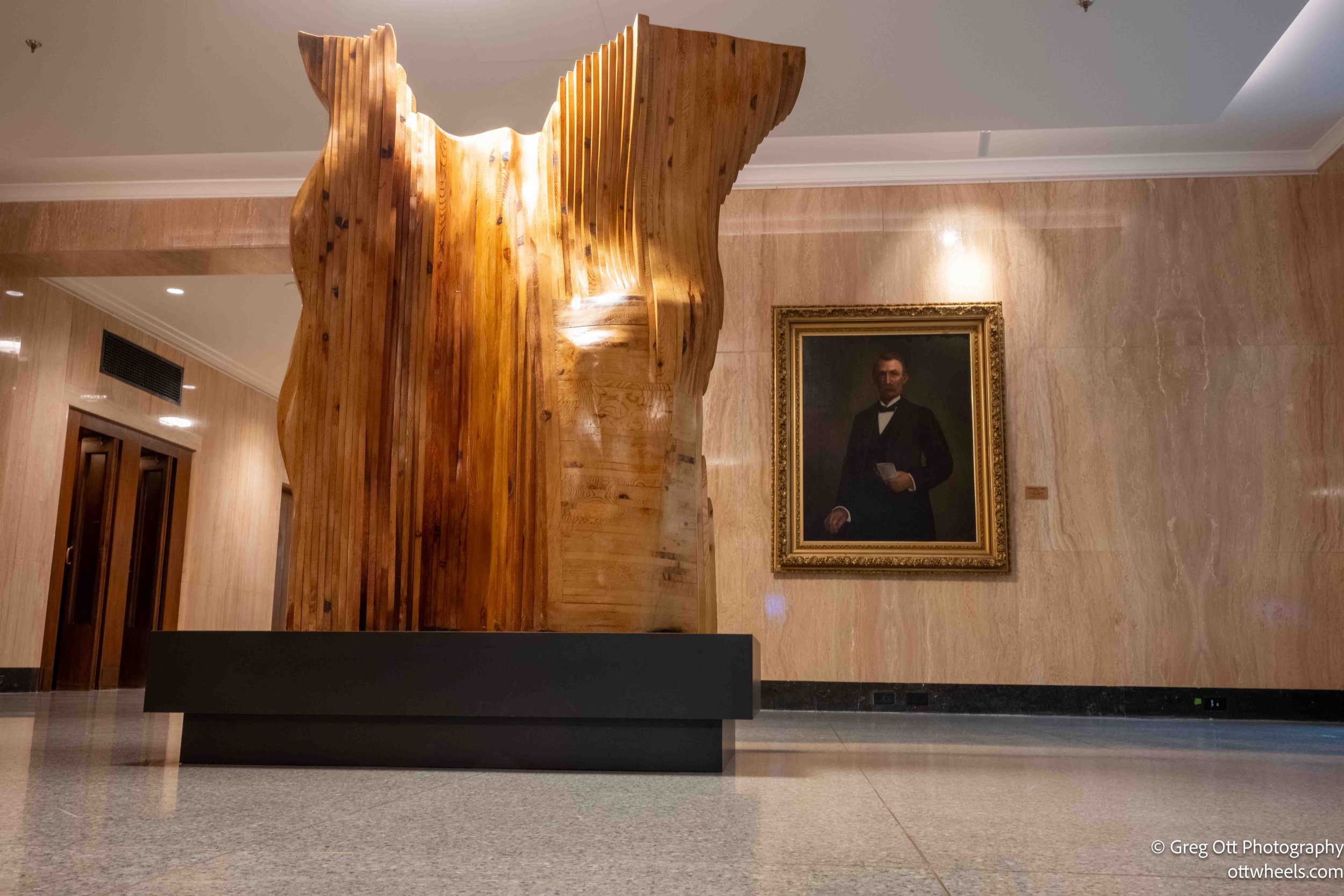
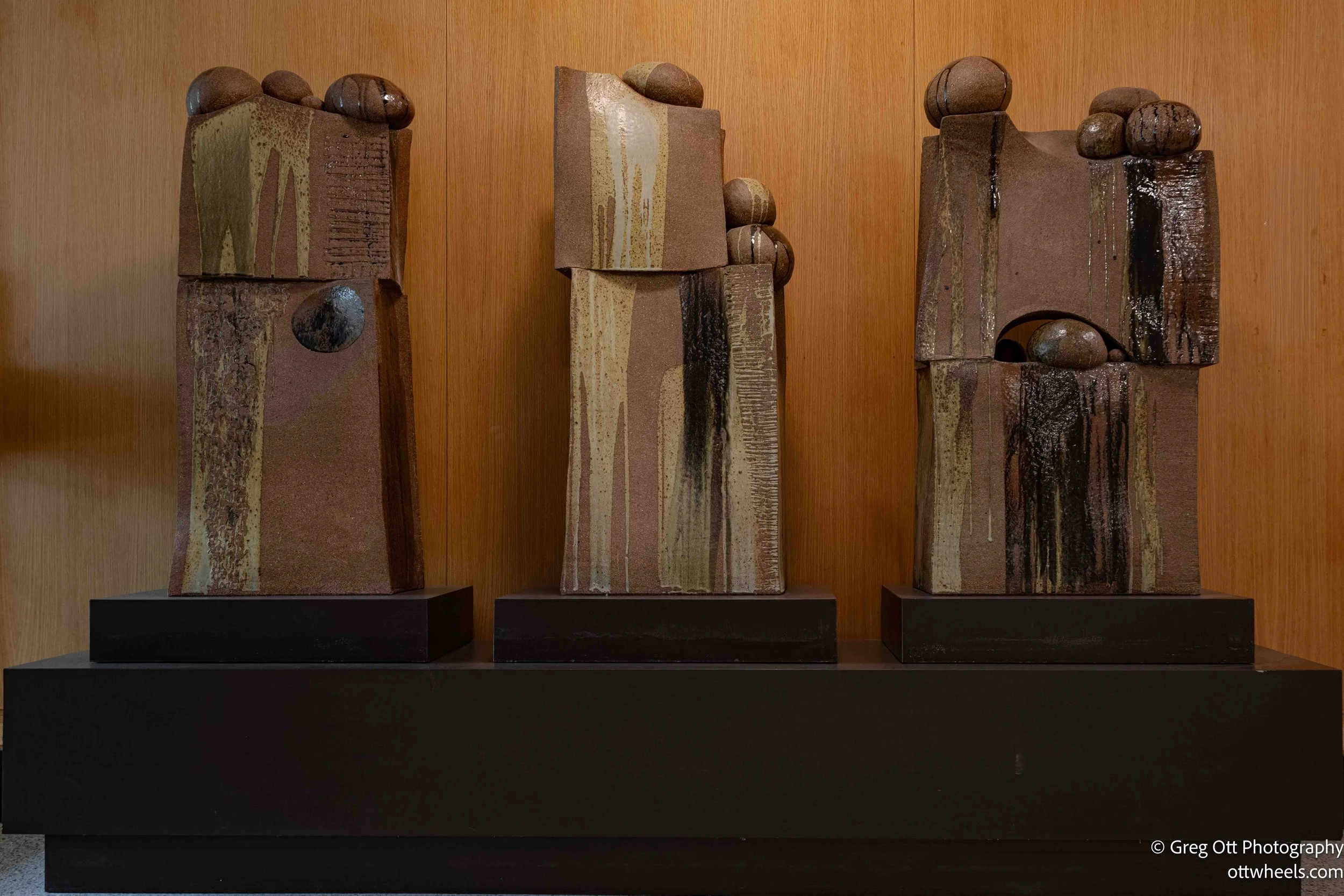
I signed up for the 1:30 tour at the Oregon State Capitol and ended up being the only one. A private tour without trying. The Art Deco feel carries right inside—clean lines, geometric details, and a lot of restraint compared to the older capitols that lean heavy on marble and decoration. It feels intentional, not showy. There were also several art installation that were fascinating.
The guide walked through the history and symbolism, pointing out details I would have walked right past on my own—how the design reflects Oregon’s identity, and how this building replaced the earlier one after it burned. With just me there, it turned into more of a conversation than a tour, stopping when something caught my attention and moving on when it didn’t. It felt less like being talked at and more like walking through the place with someone who knew it well.
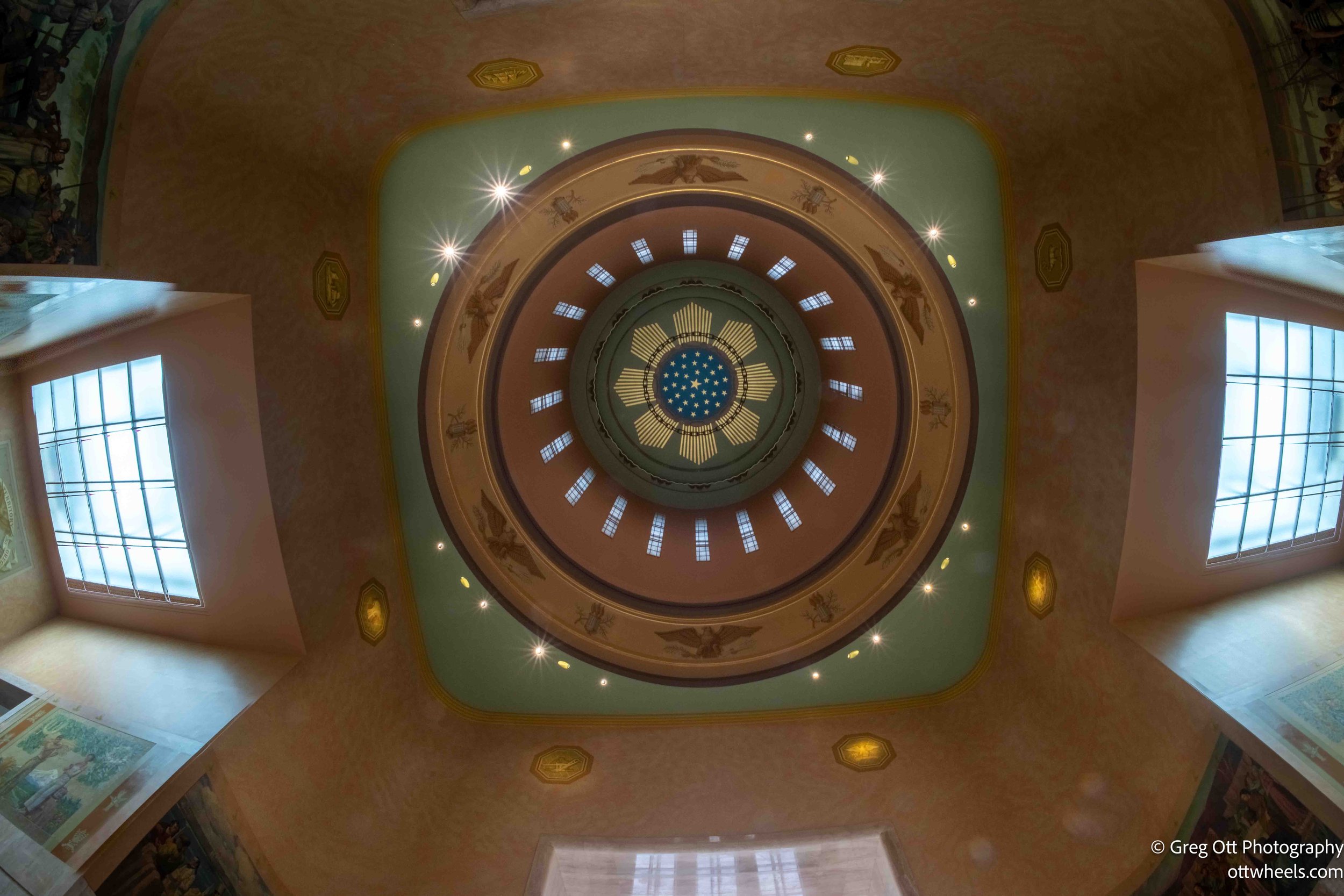
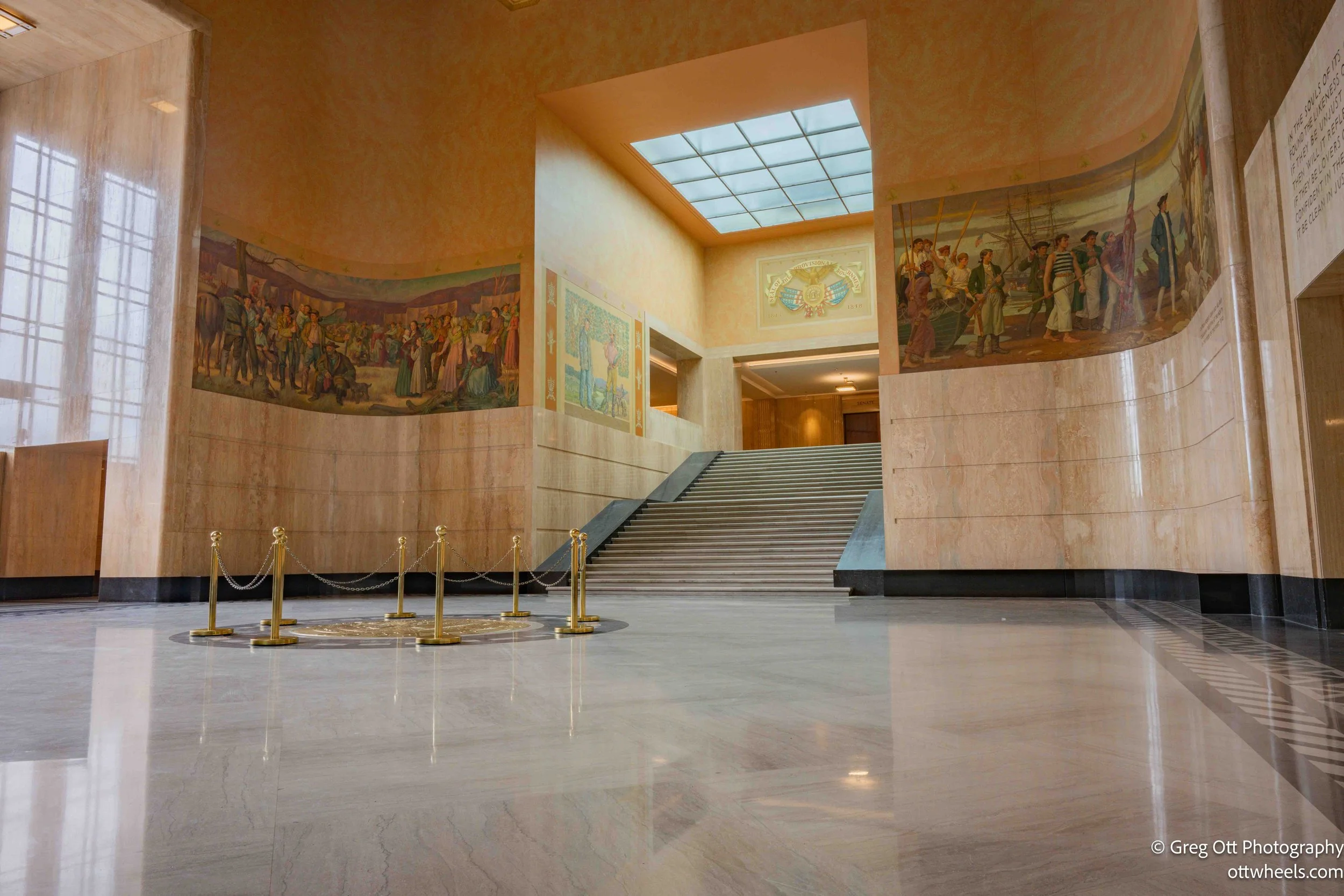
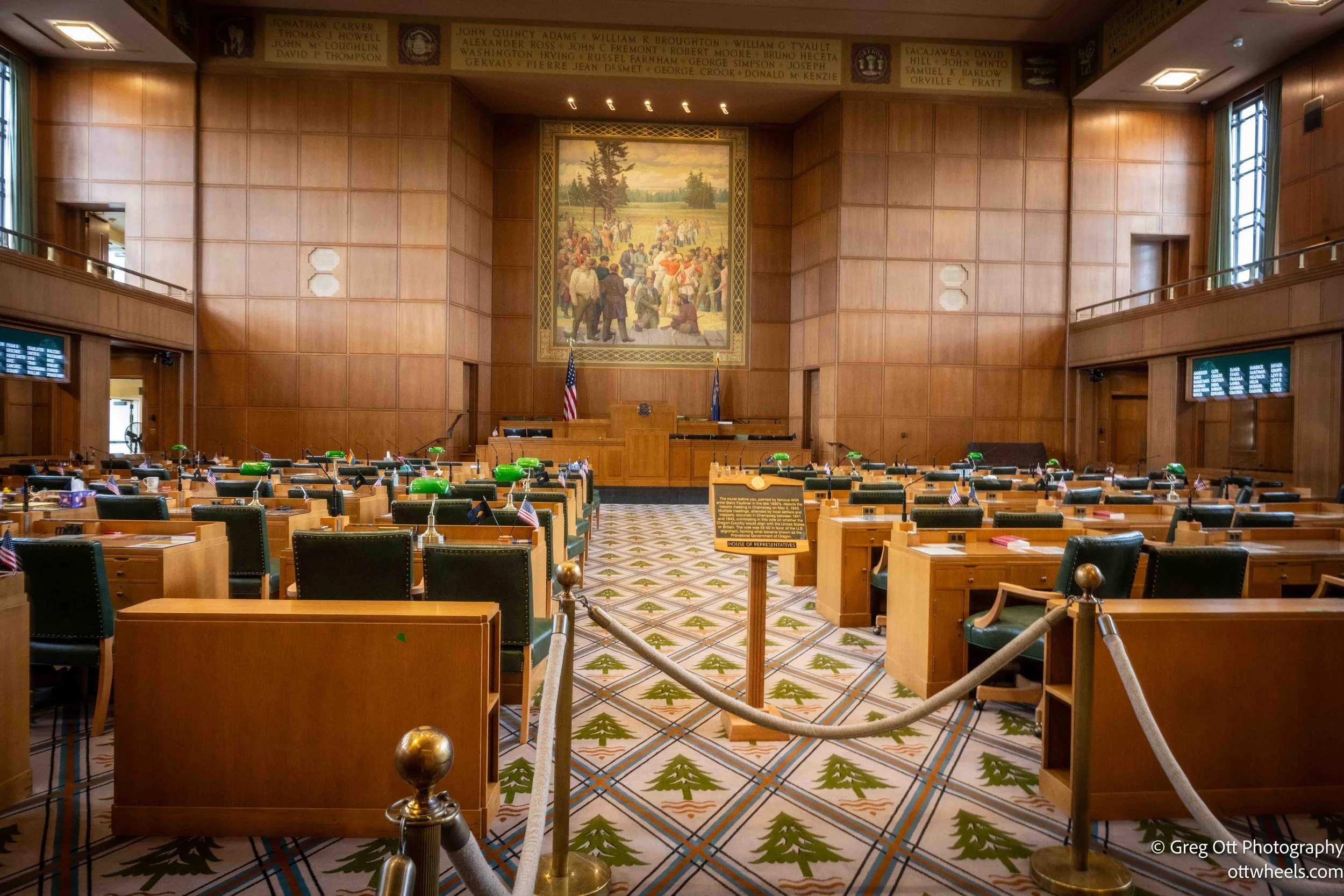
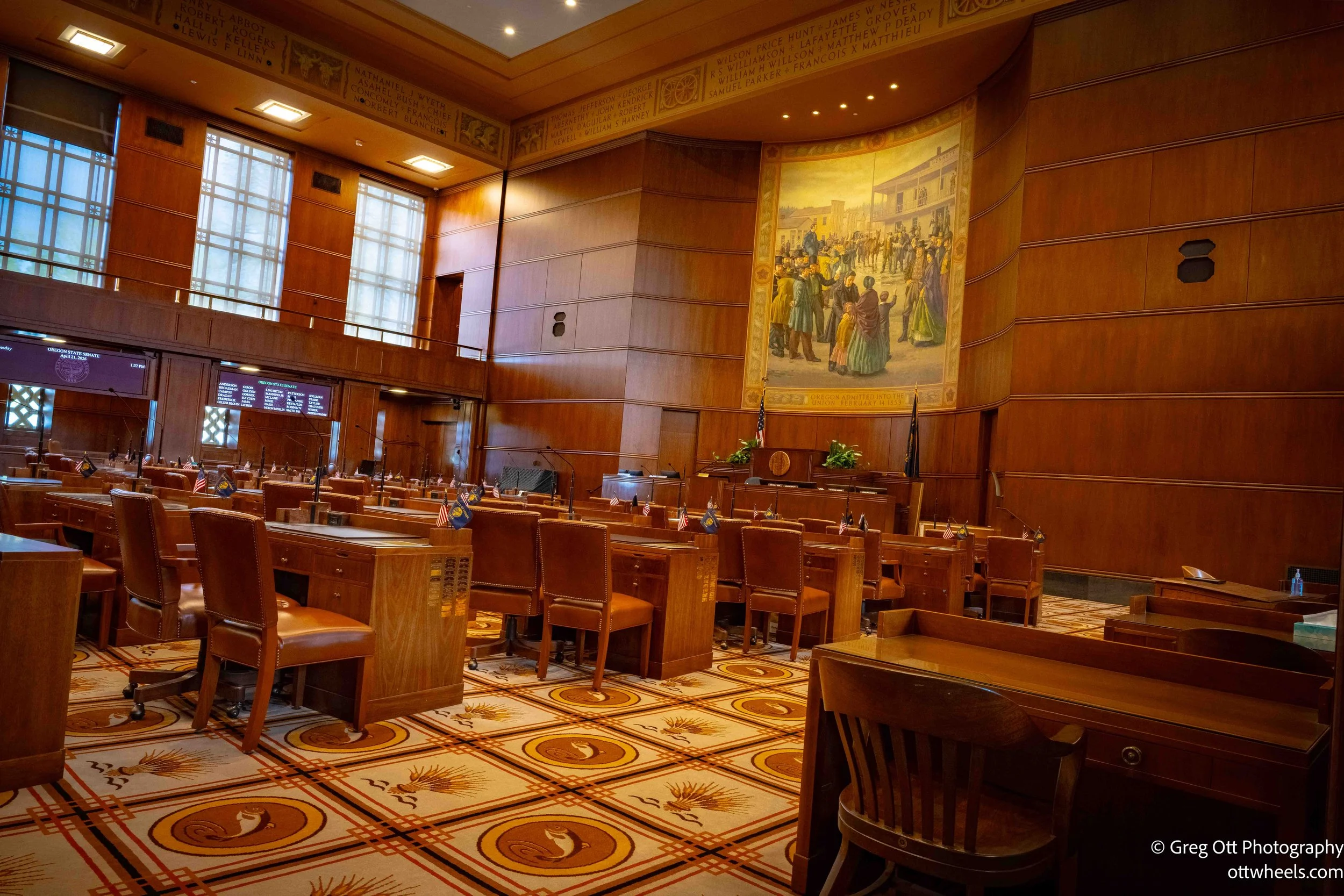
Downtown was next. I made my way toward the Salem Riverfront Park, where the river walk and the Salem's Riverfront Carousel sit right along the water. It’s one of those places that feels built for slowing down—families, people walking, kids running around, nothing rushed. I’d never tried to photograph a merri-go-round before and it was a challenge.
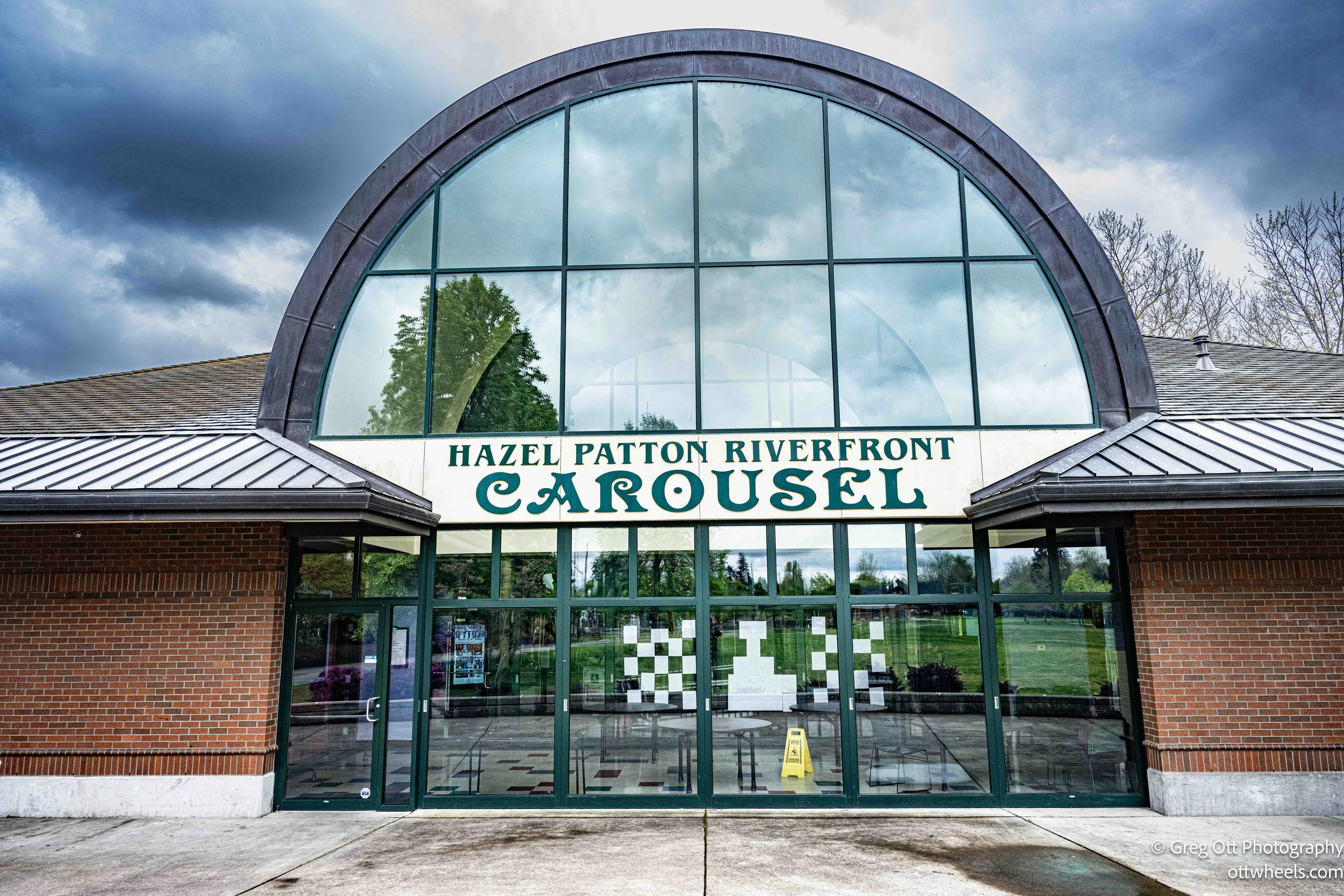
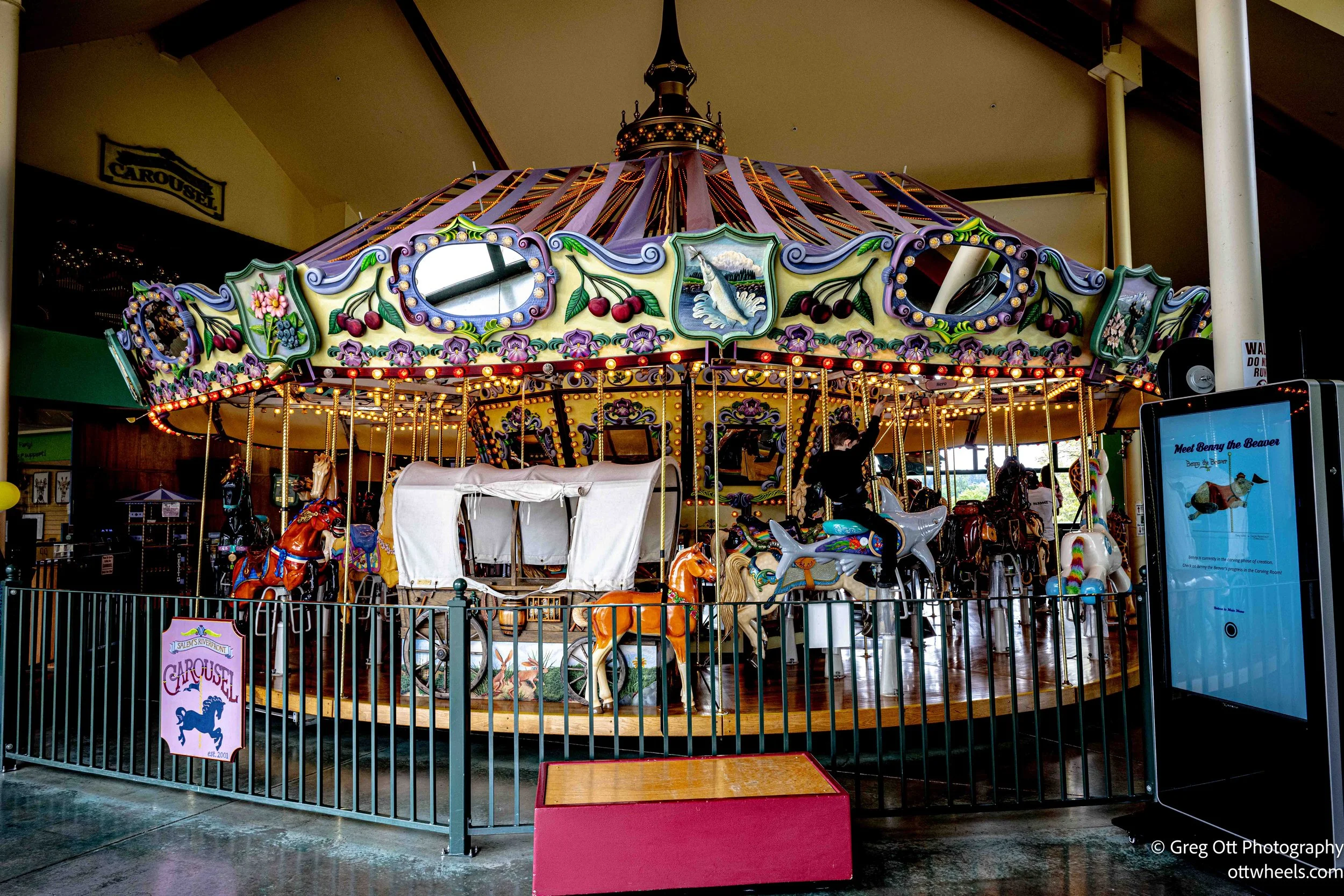
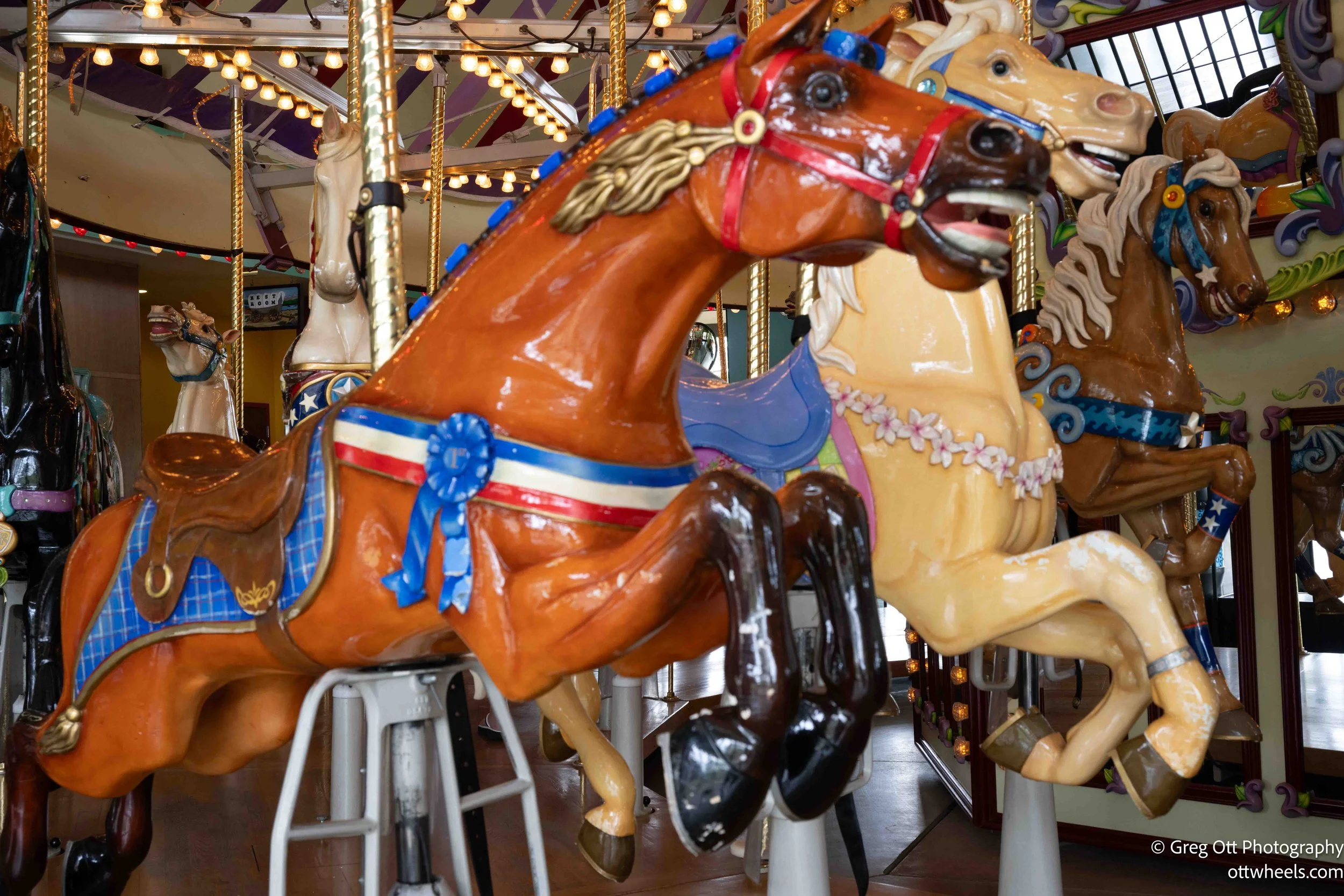
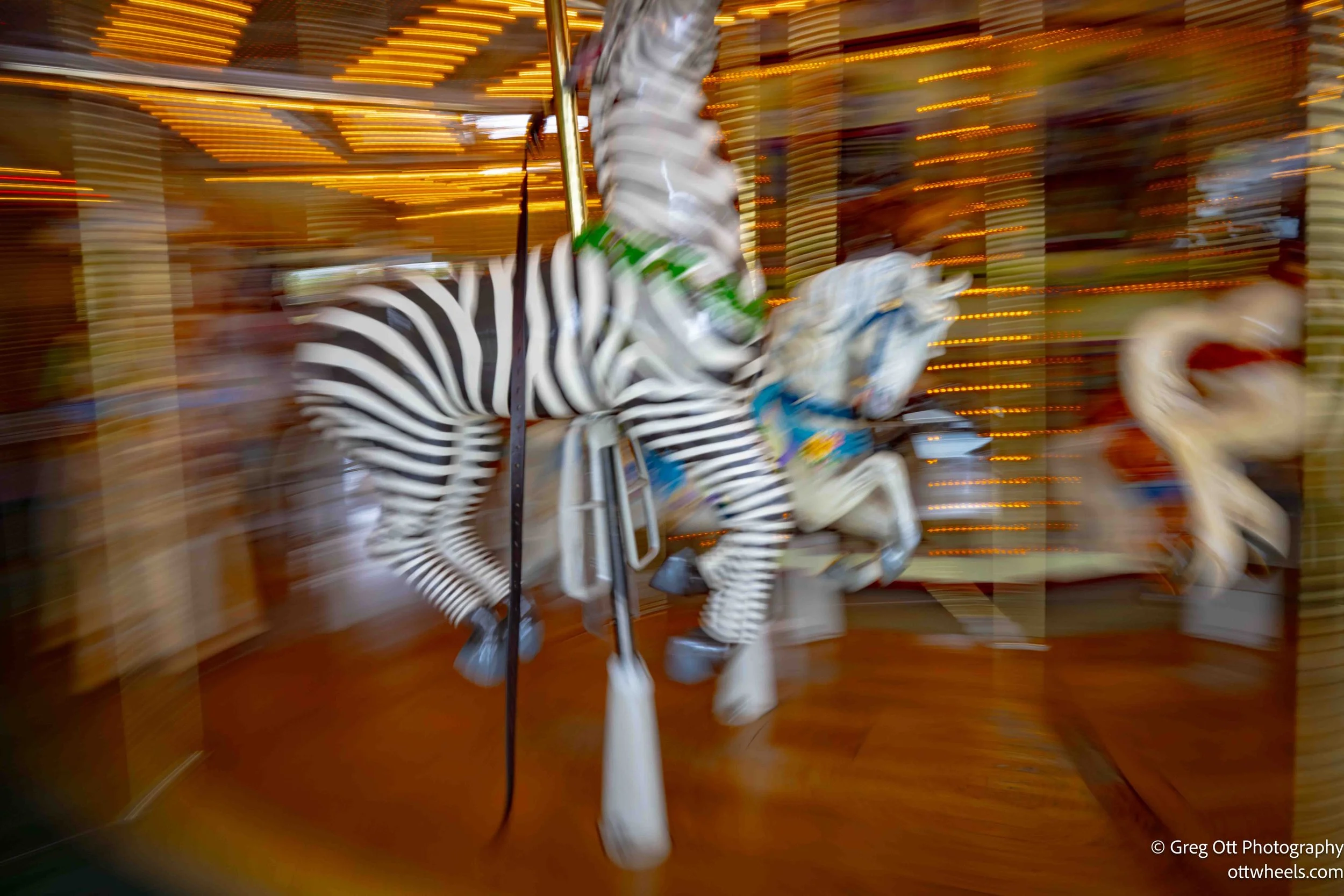
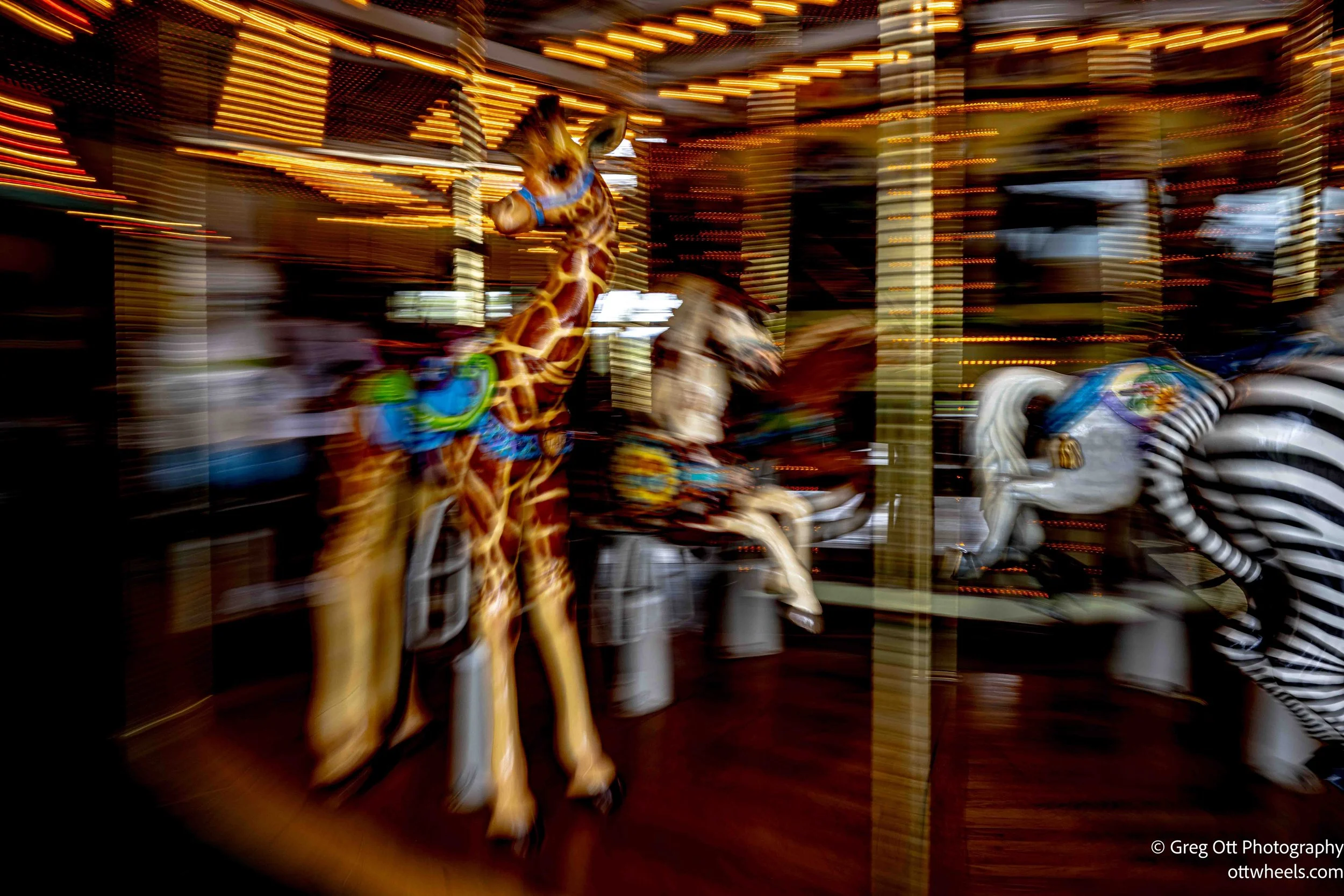
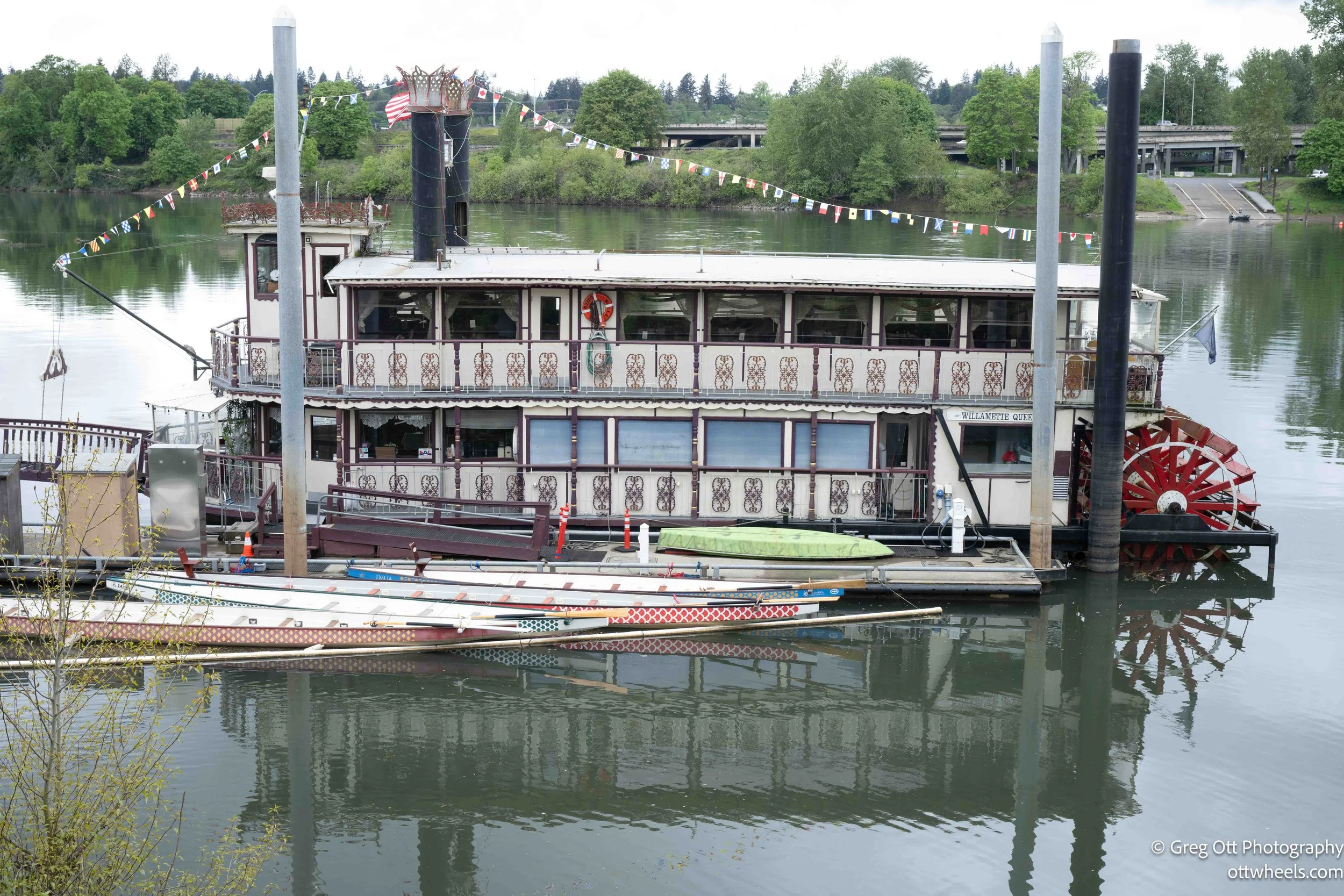
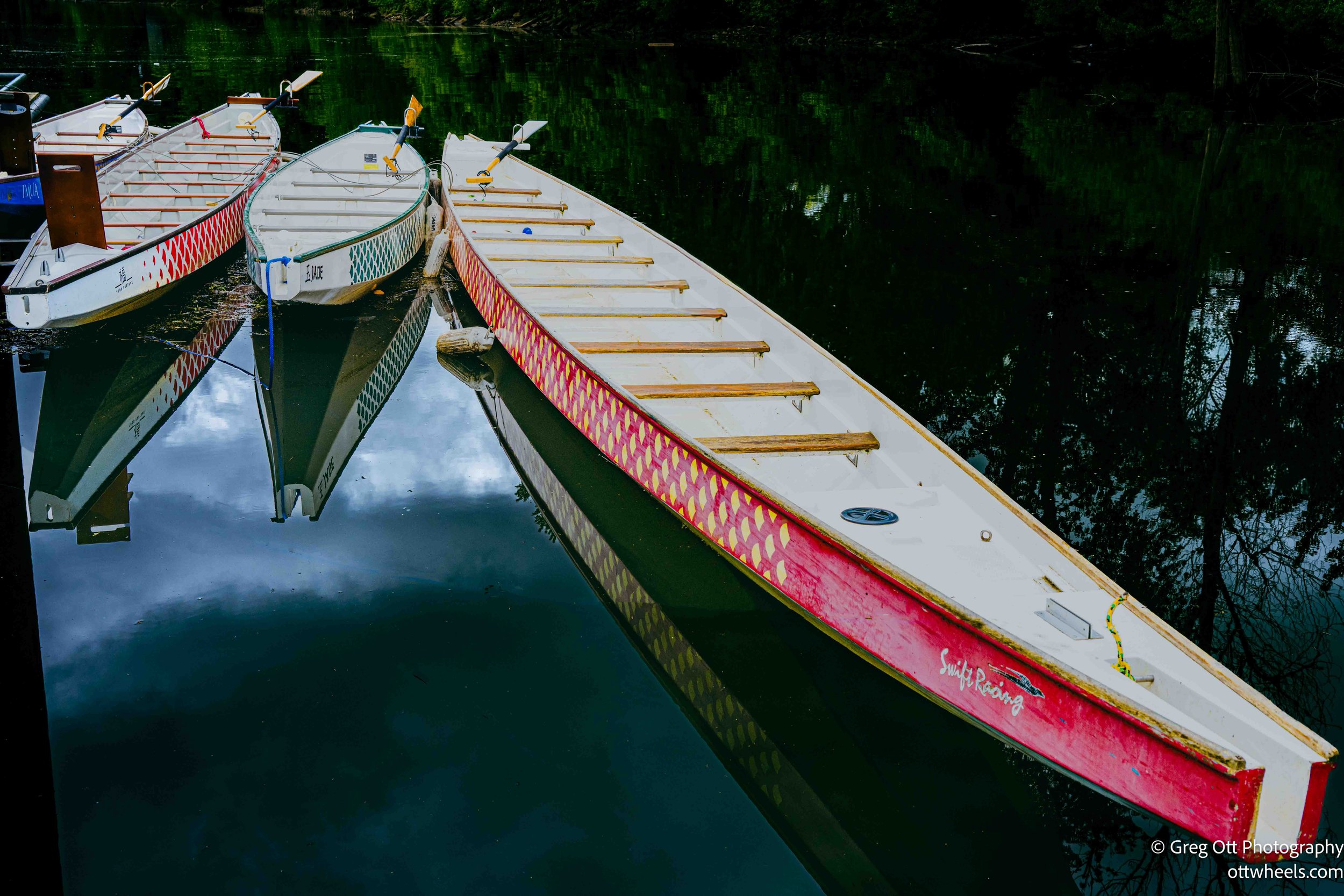
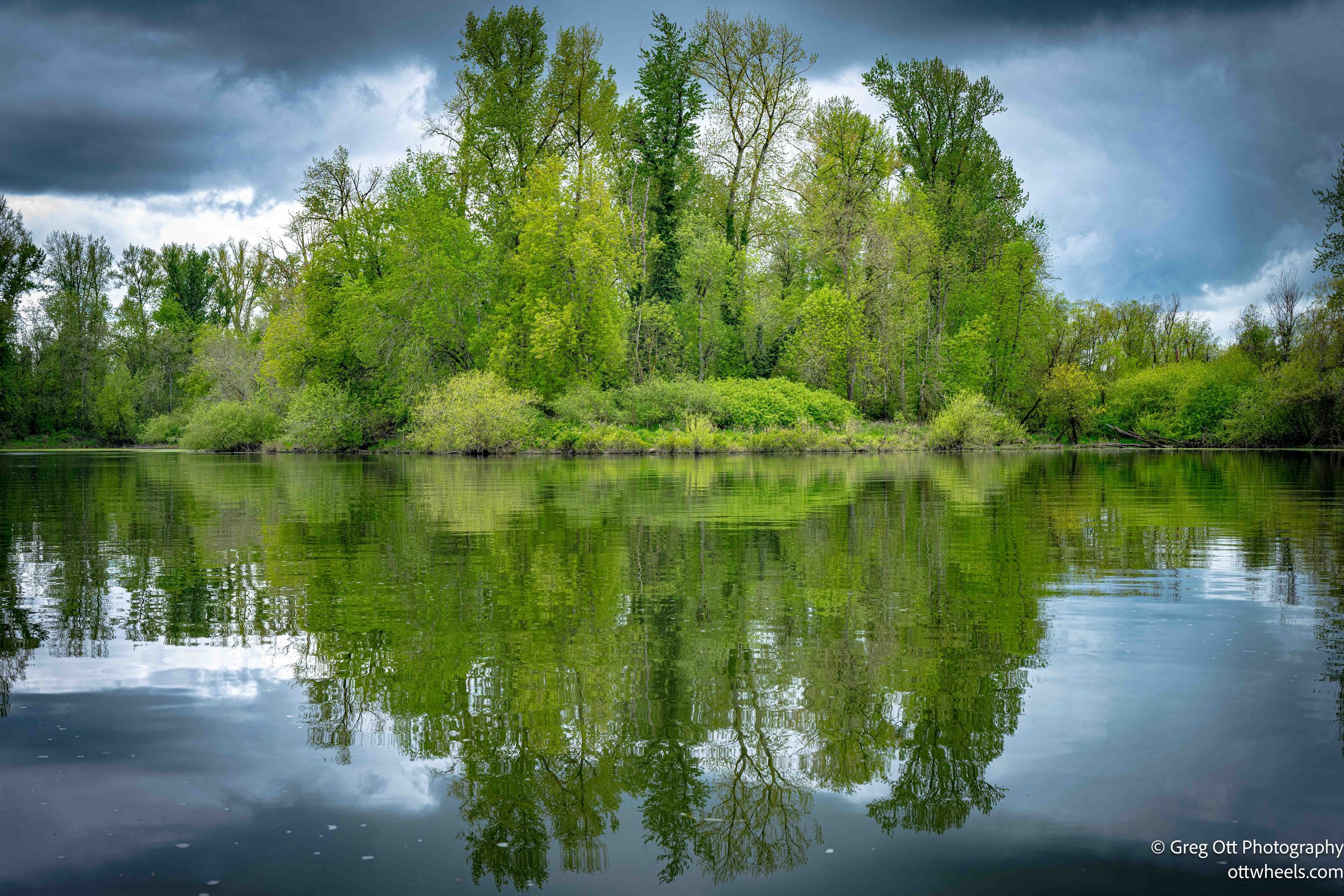
There wasn’t much happening near the riverfront, but I assume in summer that is not true. It was rather quiet despite the road bridge down river.
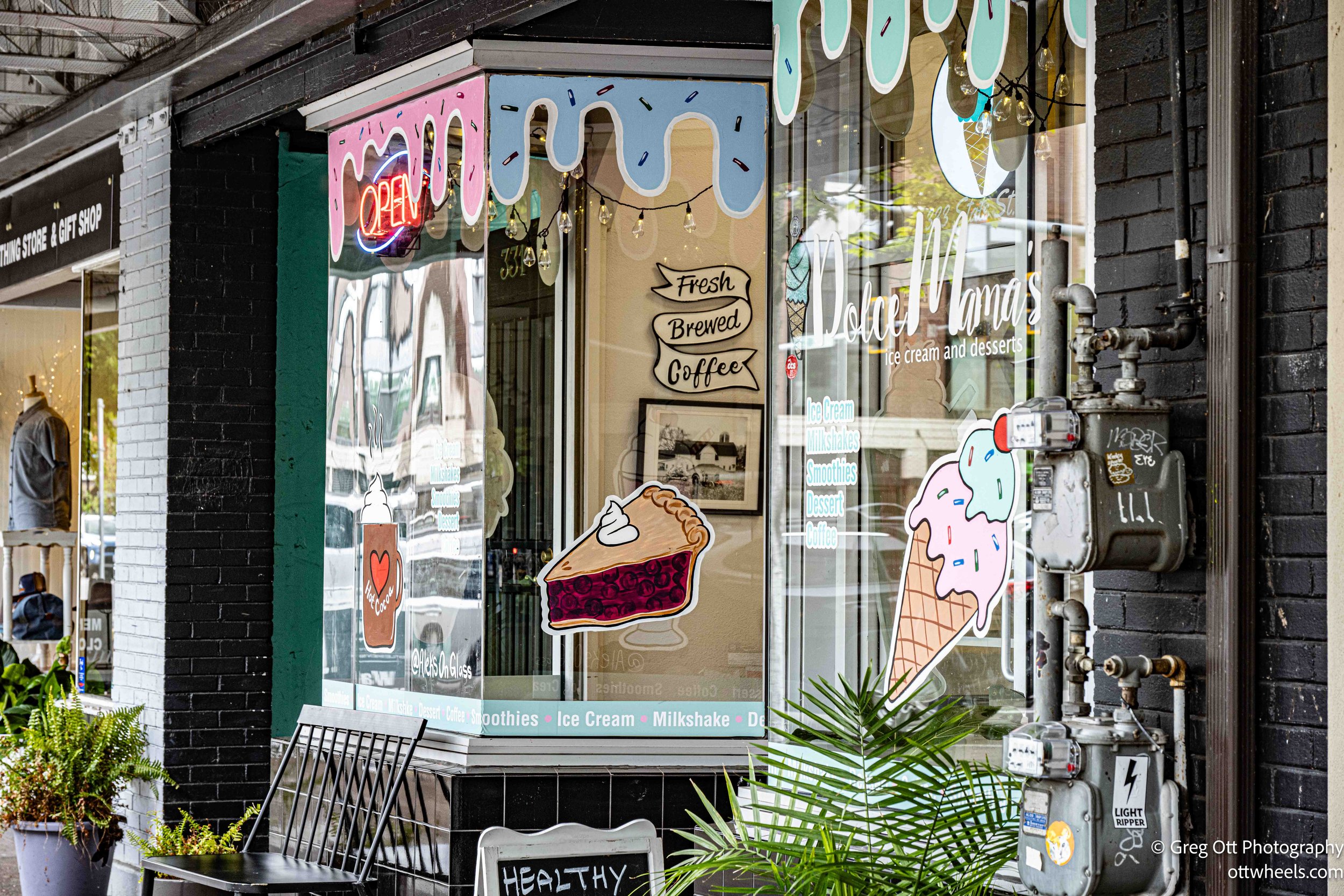
I was looking for a coffee shop when I walked past Dolce Mama's. Something pulled me in. I ordered a slice of Oregon mulberry pie with a scoop of ice cream on top, mostly because of a photo on the wall. The woman behind the counter called it a sundae. Turns out that term gets used pretty loosely—ice cream, toppings, something underneath, close enough. It worked.
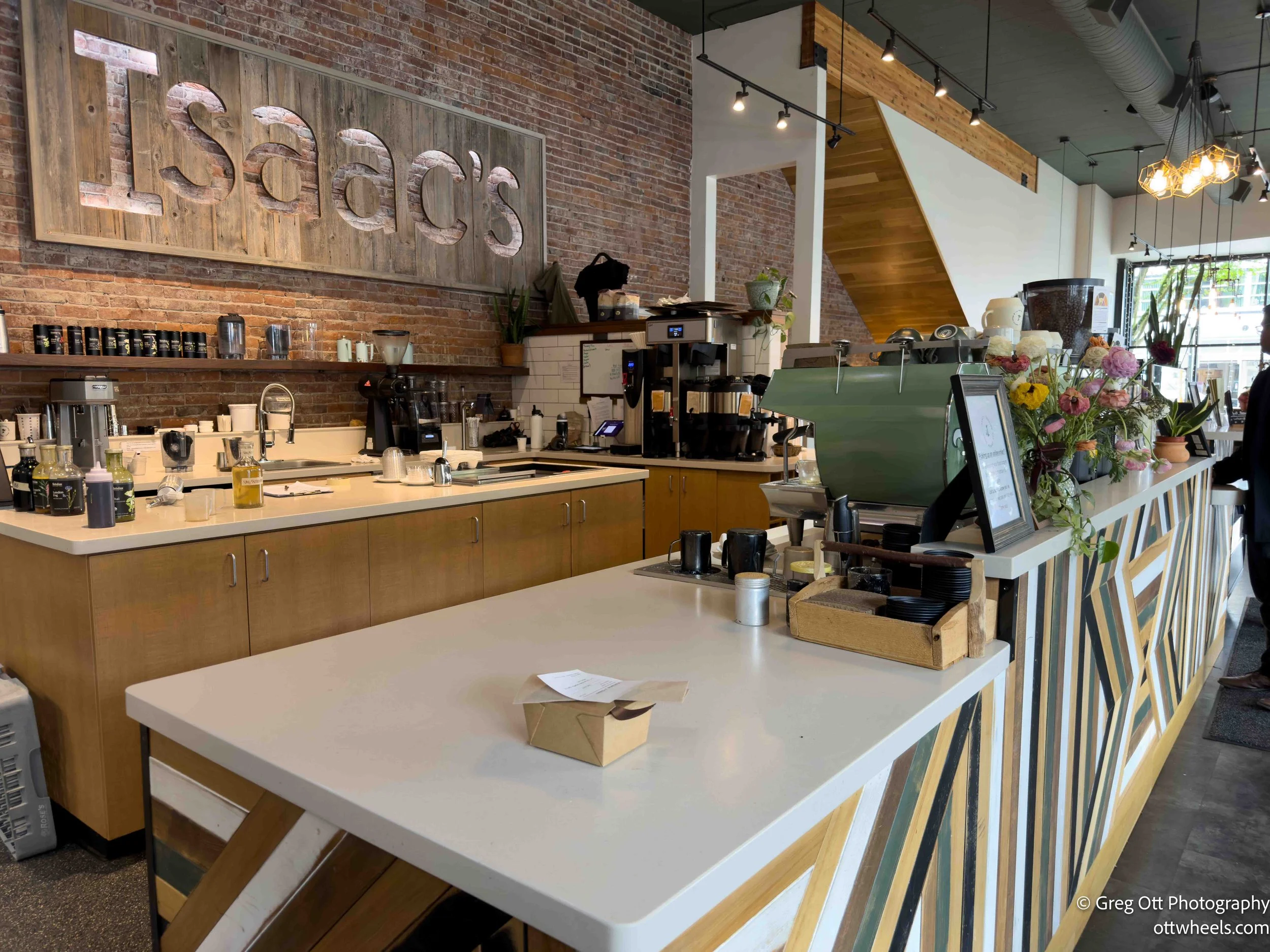
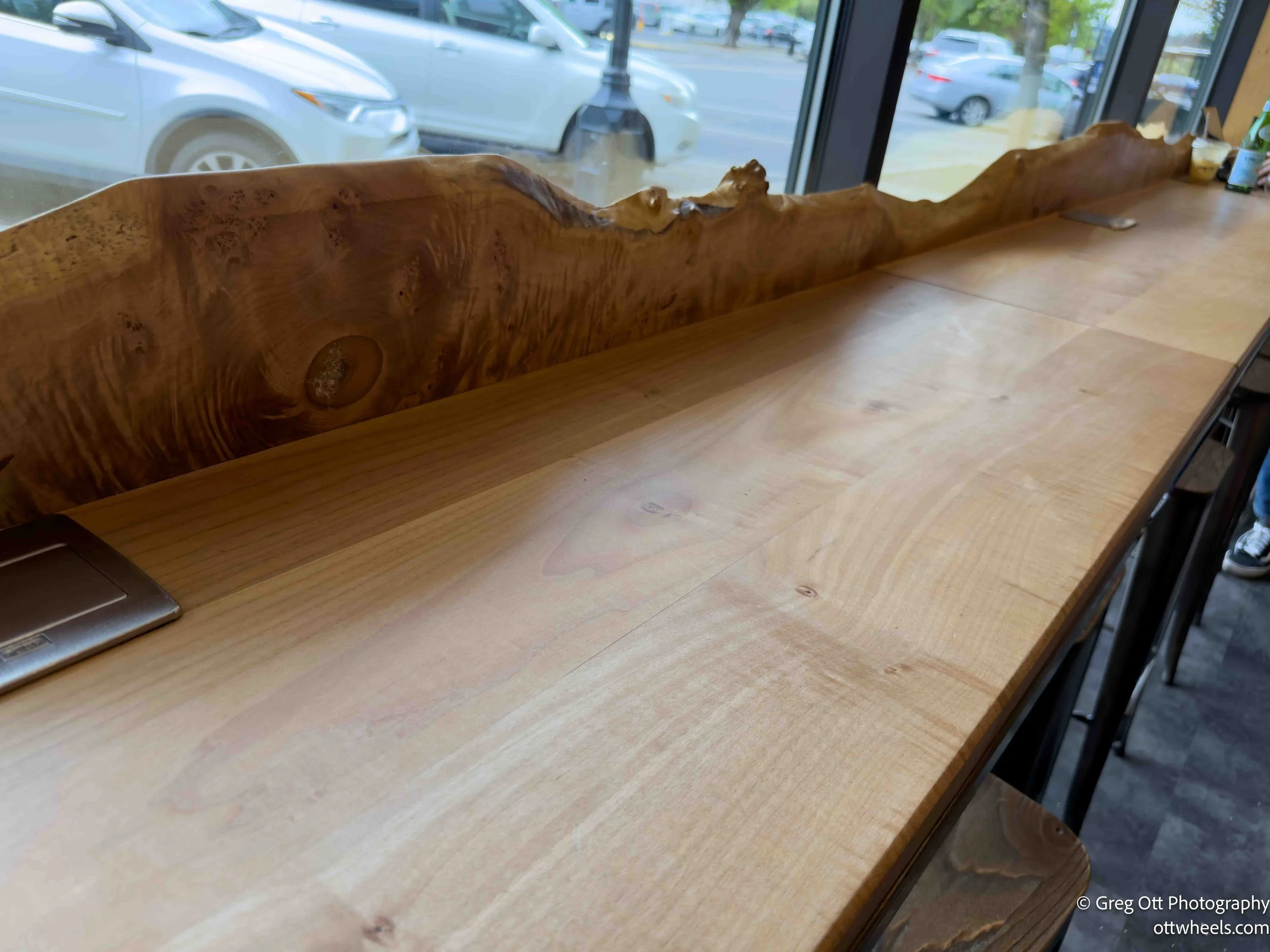
A few blocks later I found Isaac's Coffee. Busy place. People reading, small groups talking, students lined up along the windows working through whatever they had open in front of them. I grabbed a seat at the bar and noticed the wood right away—Oregon myrtlewood, the same material I’d been learning about. Rough edges left in place, the grain doing most of the work. It’s one of those details you wouldn’t notice unless you were already looking for it.
With some energy back, I headed out again. Walking past the ice cream shop, a guy stopped me—“nice camera.” They recognized me from earlier. Said that ice cream place was their favorite. We talked for a bit. They asked if I went there often. I told them I wasn’t from here and just stopped by chance. “Cool,” was the answer. They gave me a few suggestions for places to check out. I’d already been to most of them. They mentioned the parking garage for night photos. She told me she was from Salem and had driven to pick up her boyfriend in Dallas, Texas. The conversation was easy, but there was something underneath it. A sense they were living closer to the edge than they were letting on. I asked if I could take a photo. “Sure, that would be cool.” was the response.
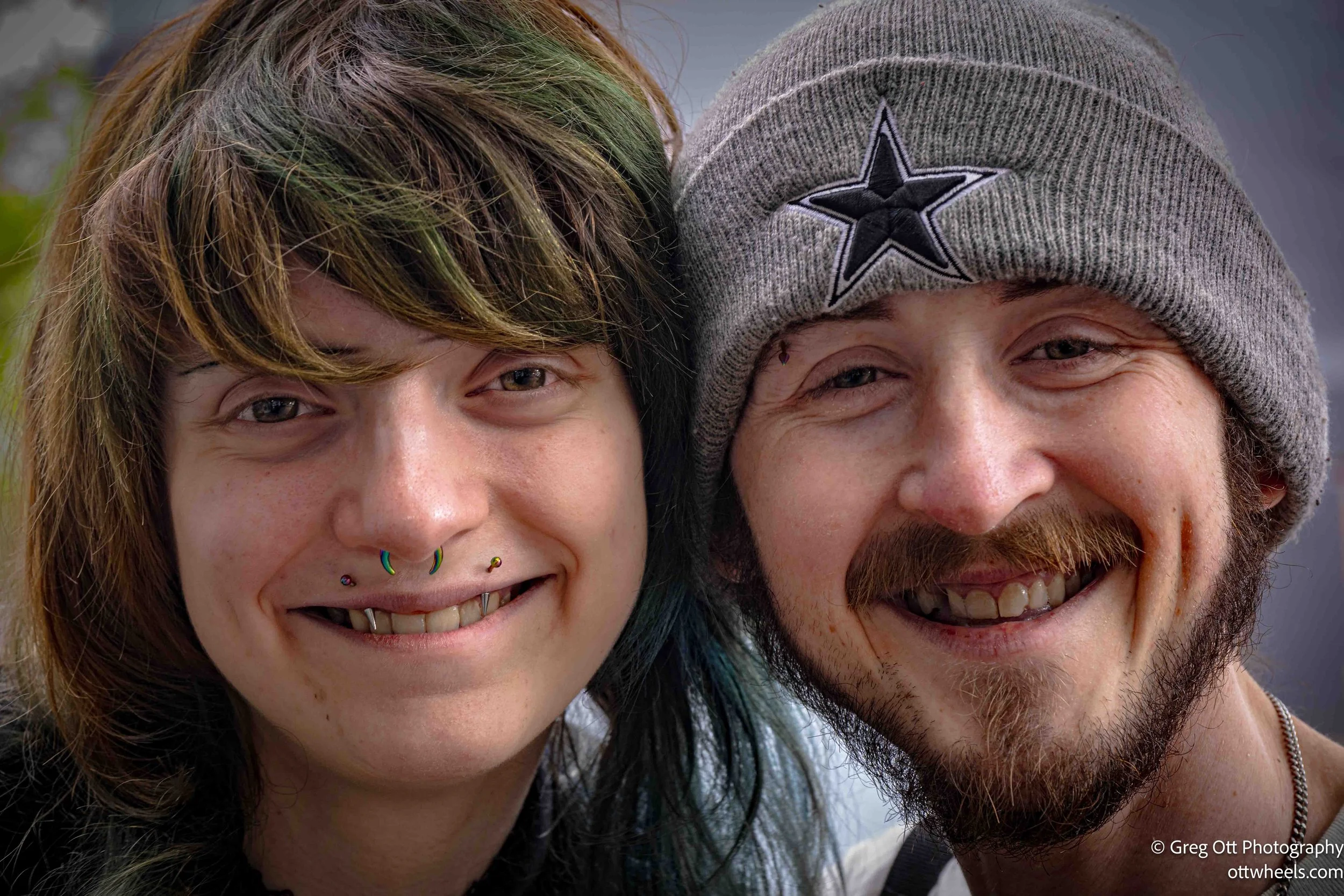
I was heading toward the Reed Opera House and stopped along the way for a few shots. I ran into them again, this time talking with someone on the street and a dog. When I caught up, they were feeding the dog. “We watch his dog while he goes to the liquor store,” they said. They offered me some food to give the dog. I passed and moved on.
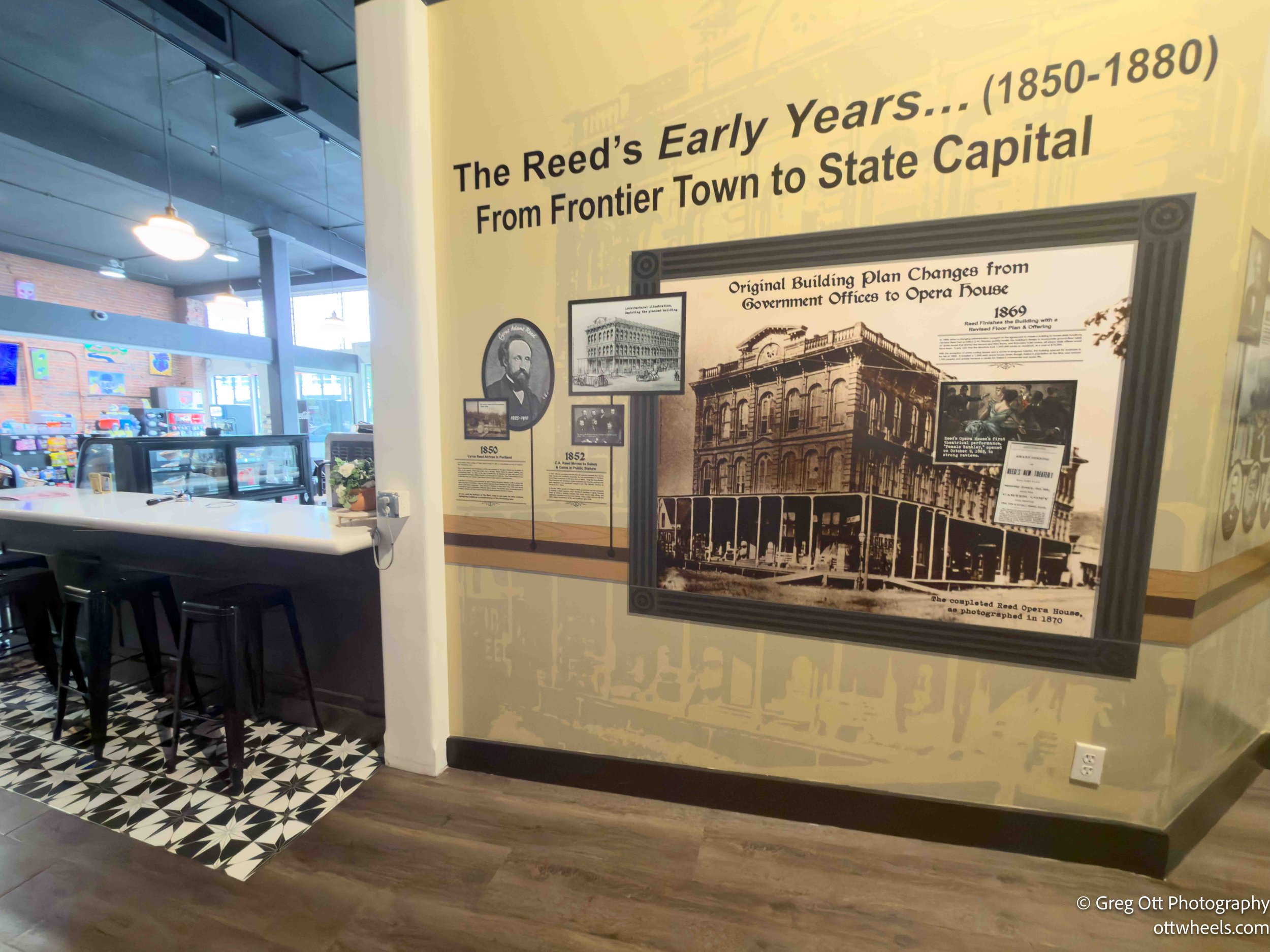
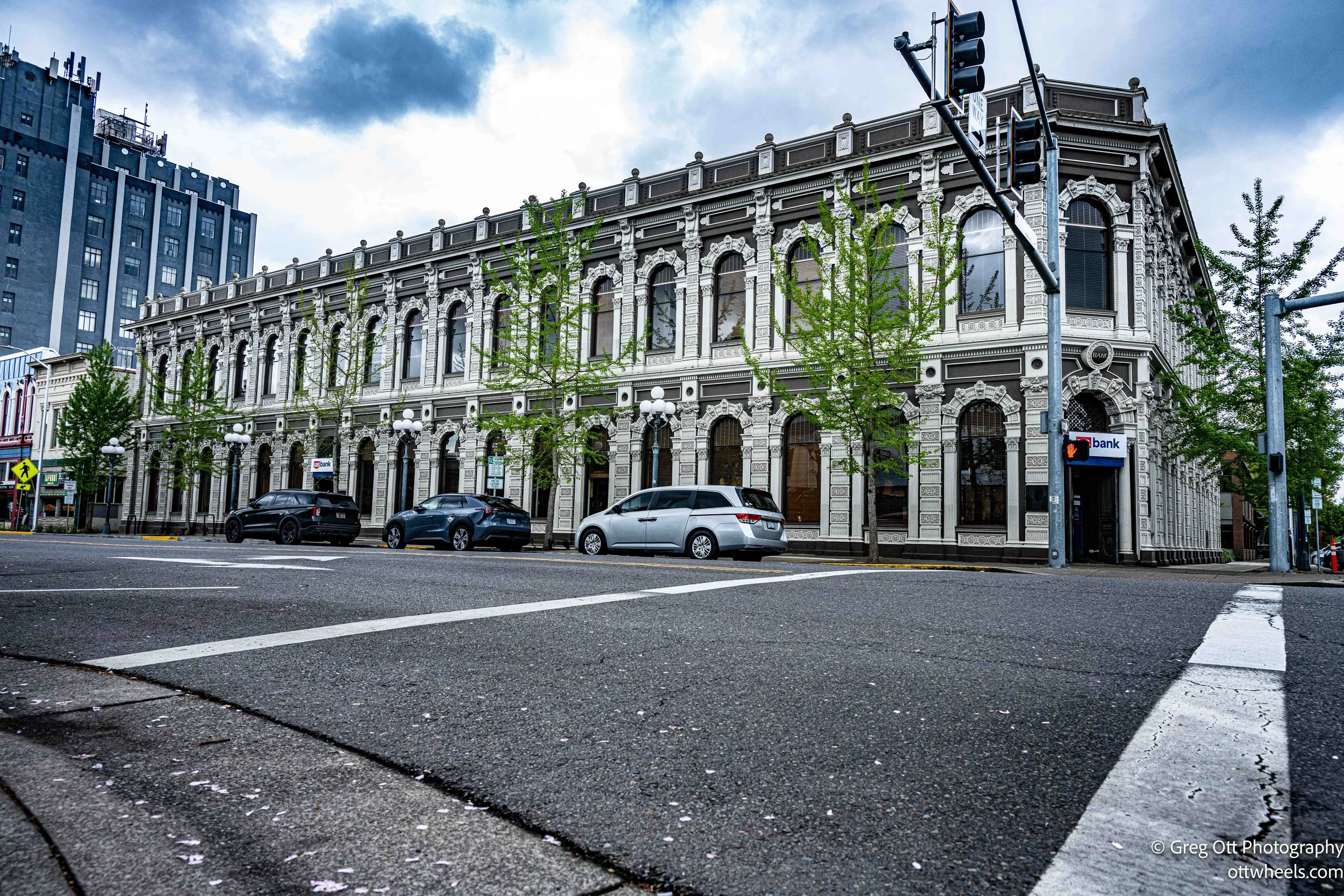
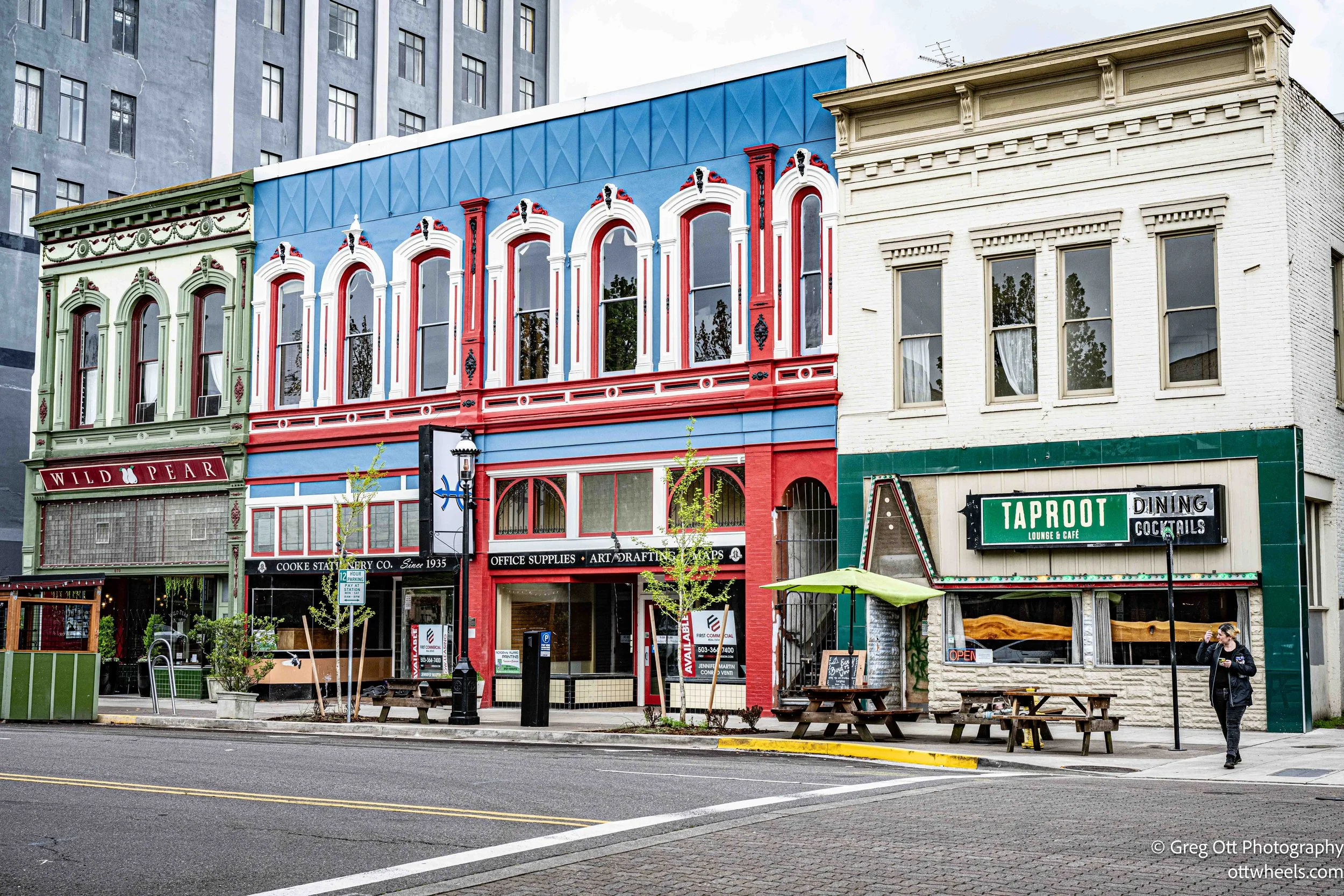
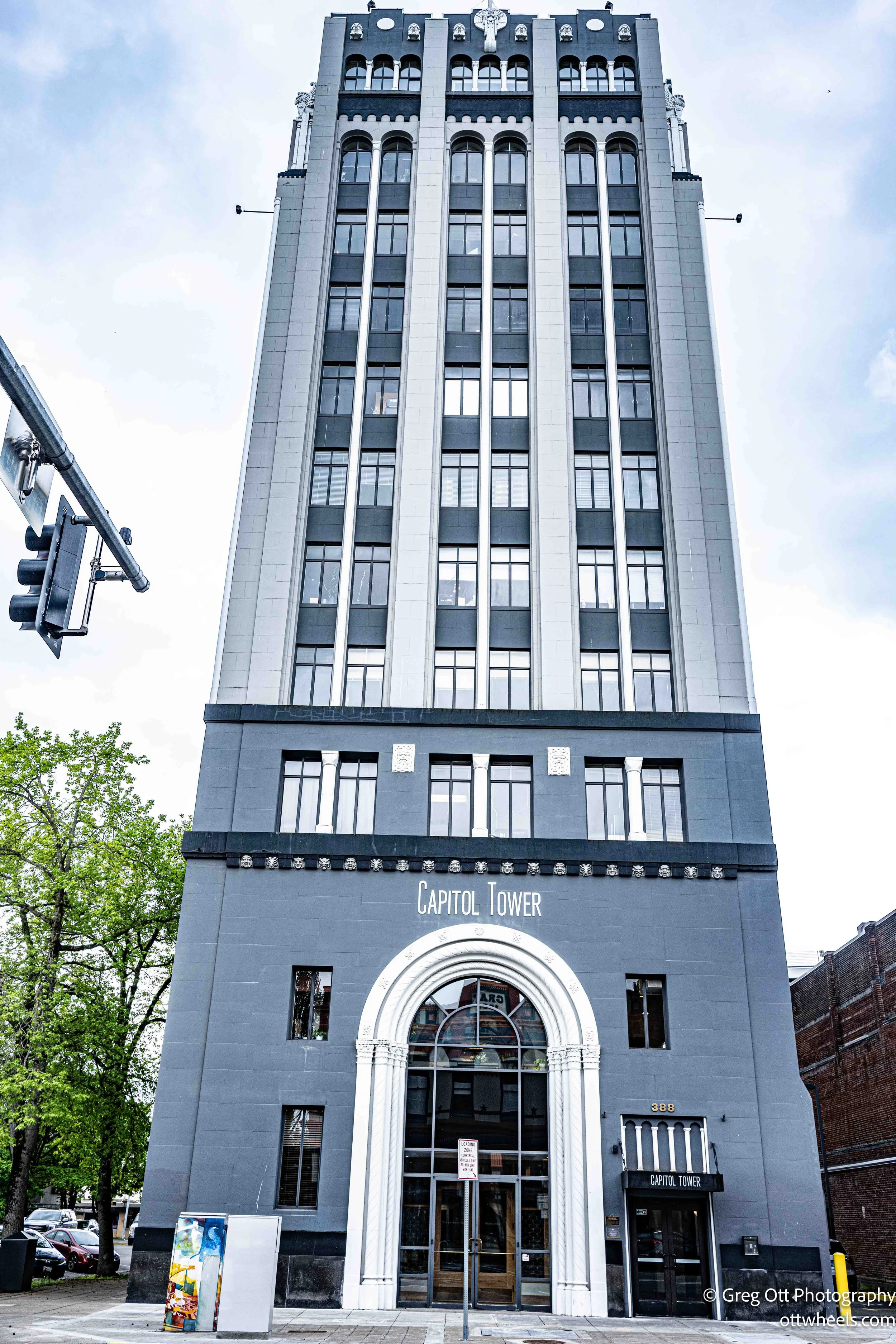
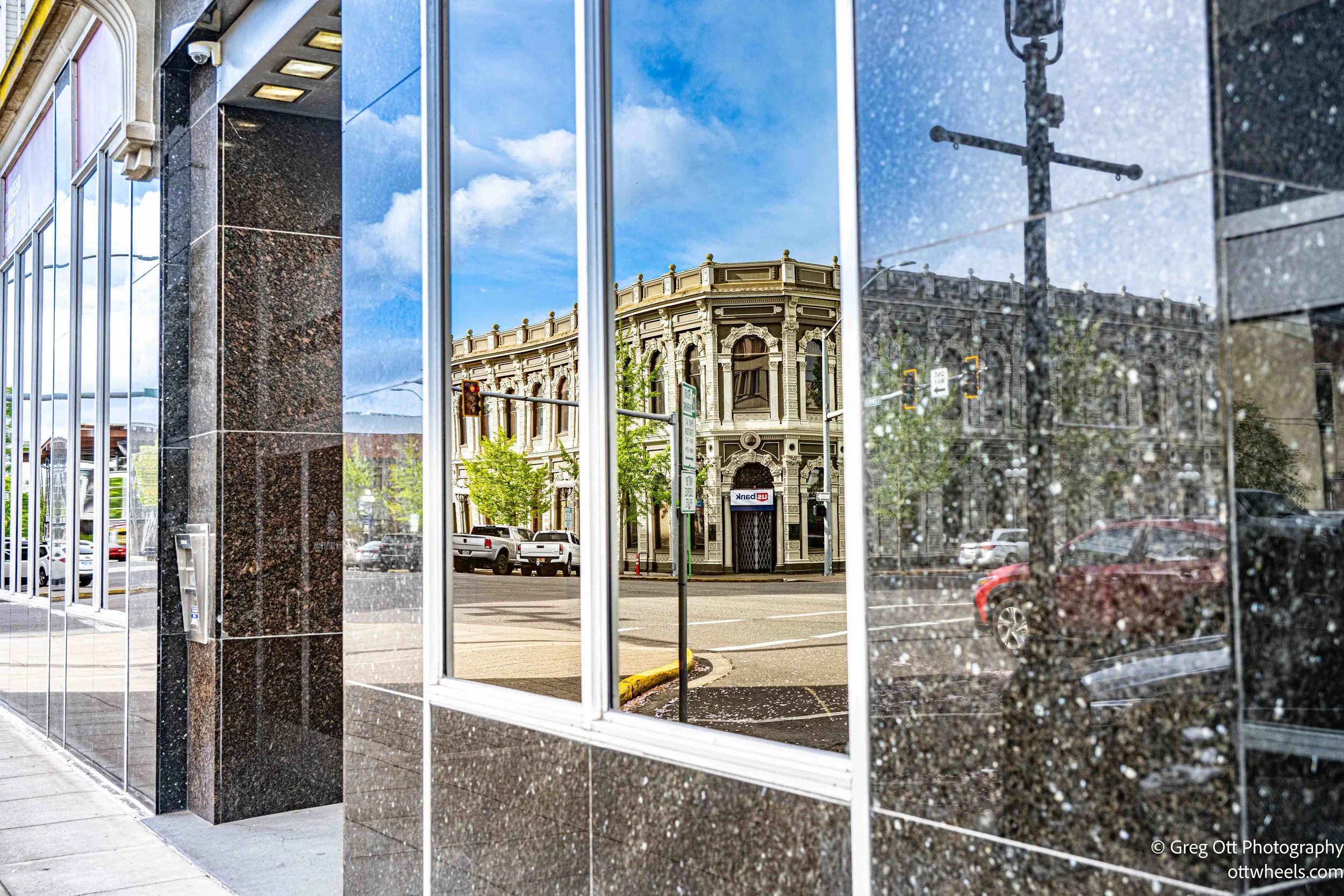
The Reed Opera House was one of those unexpected stops. Built in the 1870s by Cyrus Adam Reed, it started as a mix of retail space below and a full opera house upstairs. Over time, the performances faded, the building changed hands, and like a lot of places from that era, it could have easily disappeared. Instead, it stayed.
Now it’s a mix of small shops tucked into the original structure. I walked through all of them, but what kept pulling me in were the plaques. They fill in the story—what the building was, how it changed, how it survived. If you just walk through, it’s a shopping stop. If you slow down, it turns into something else.
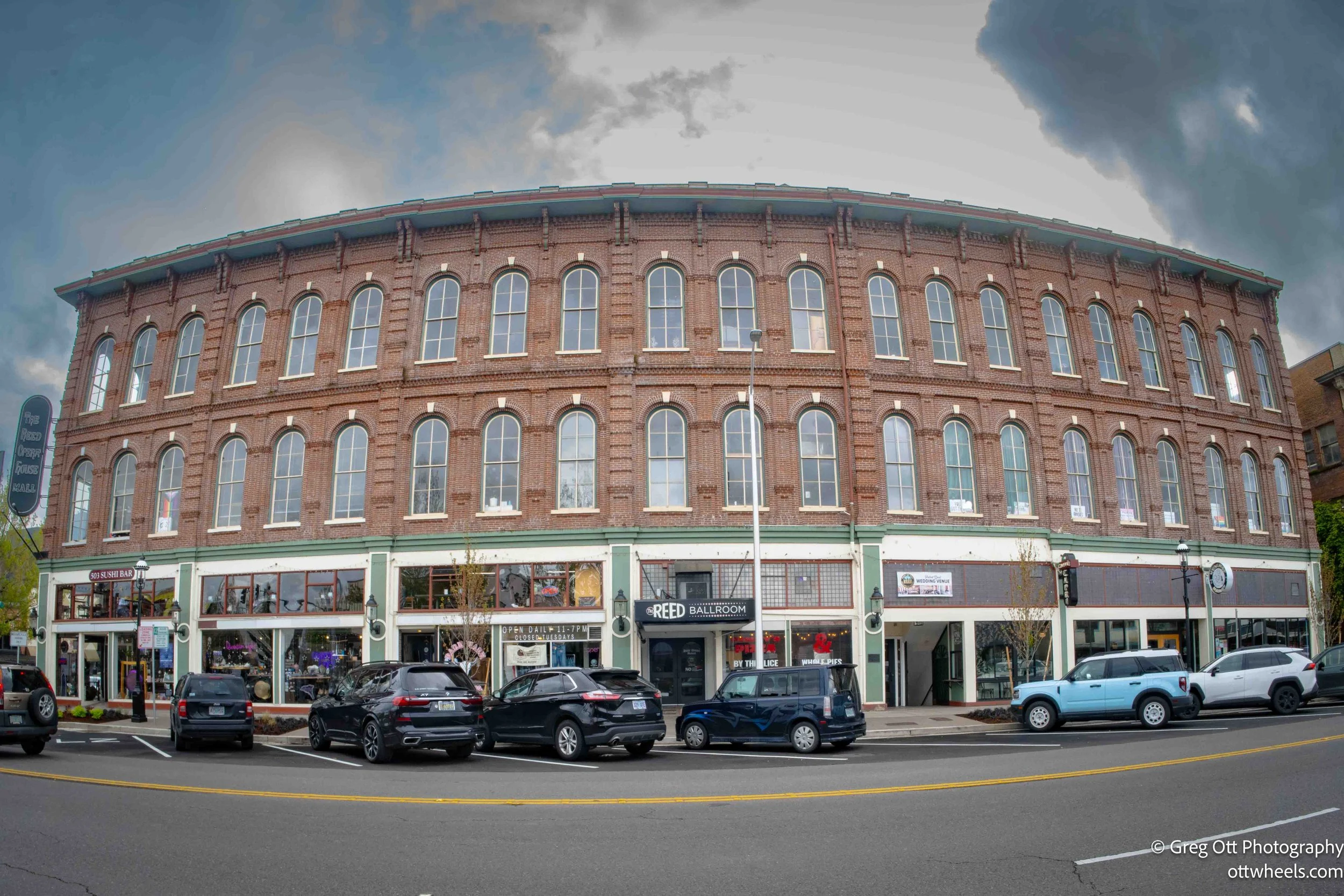
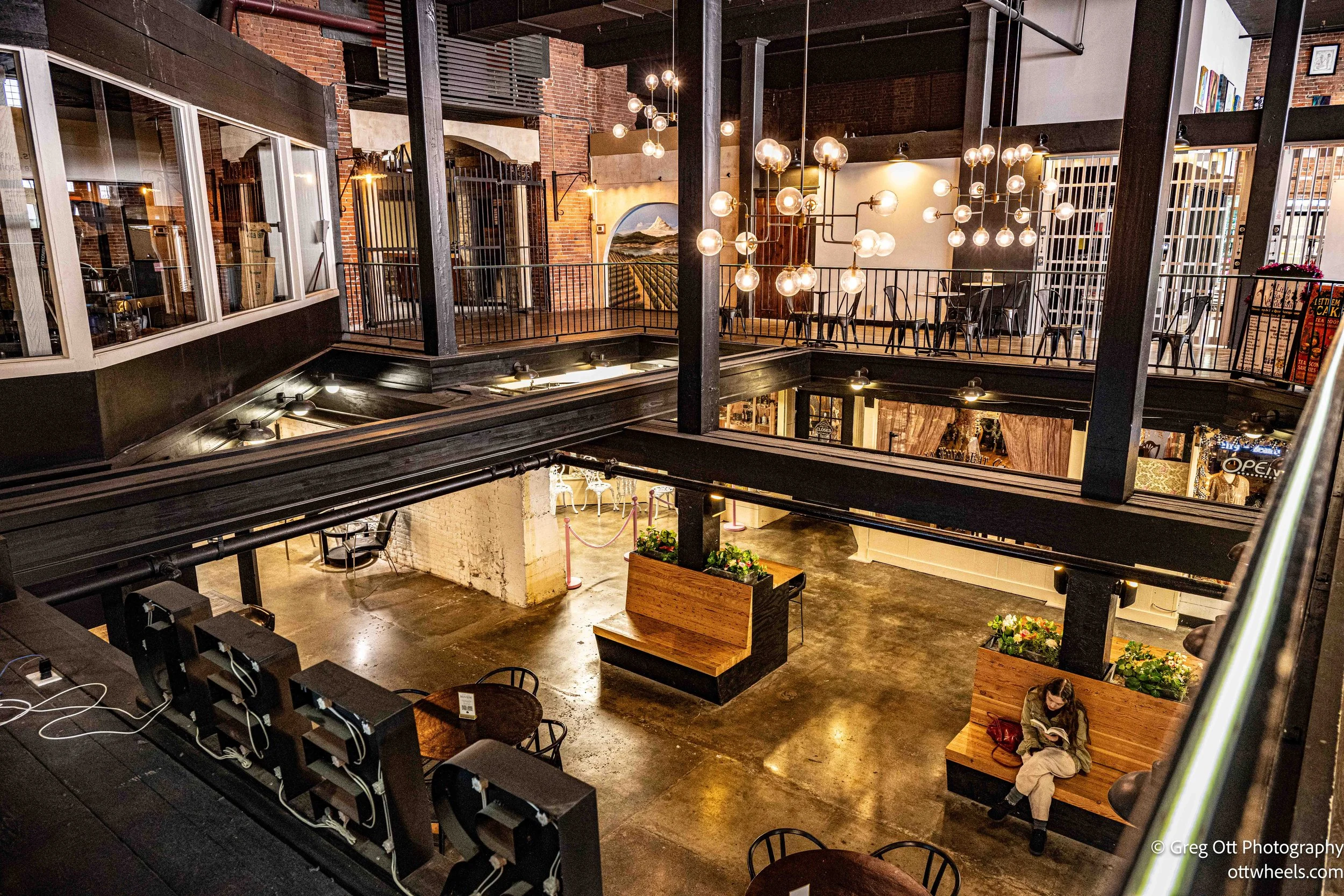
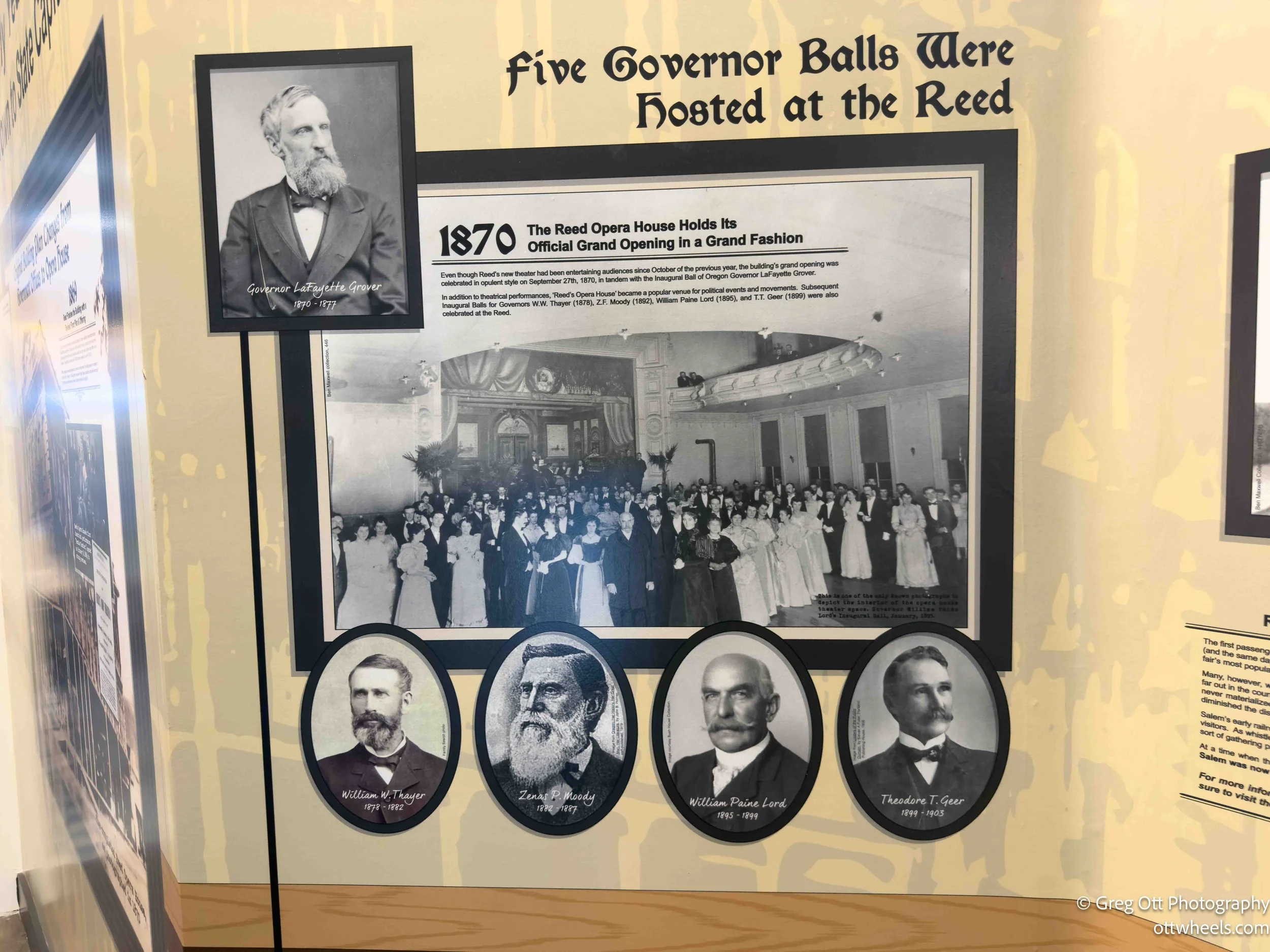
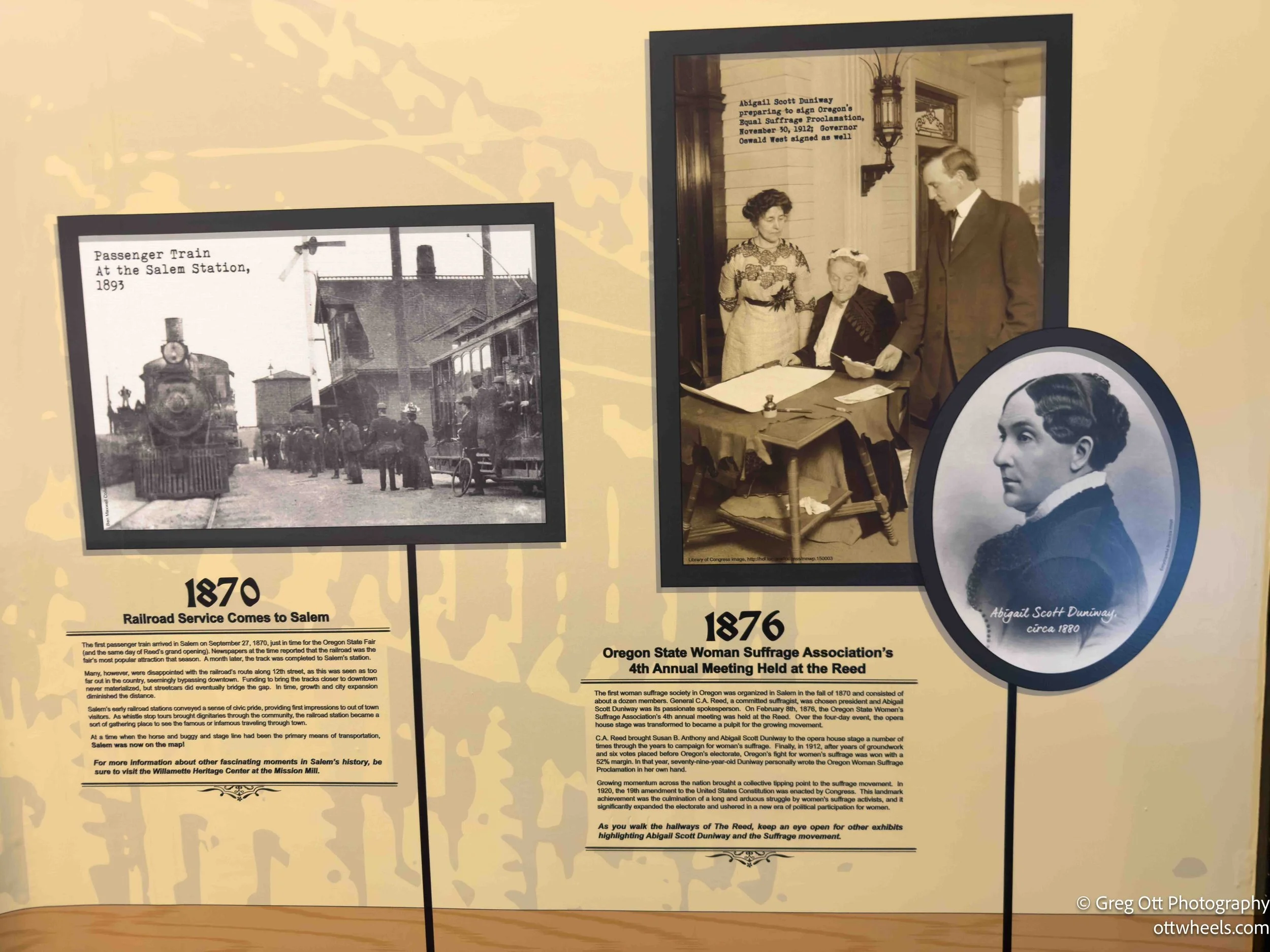
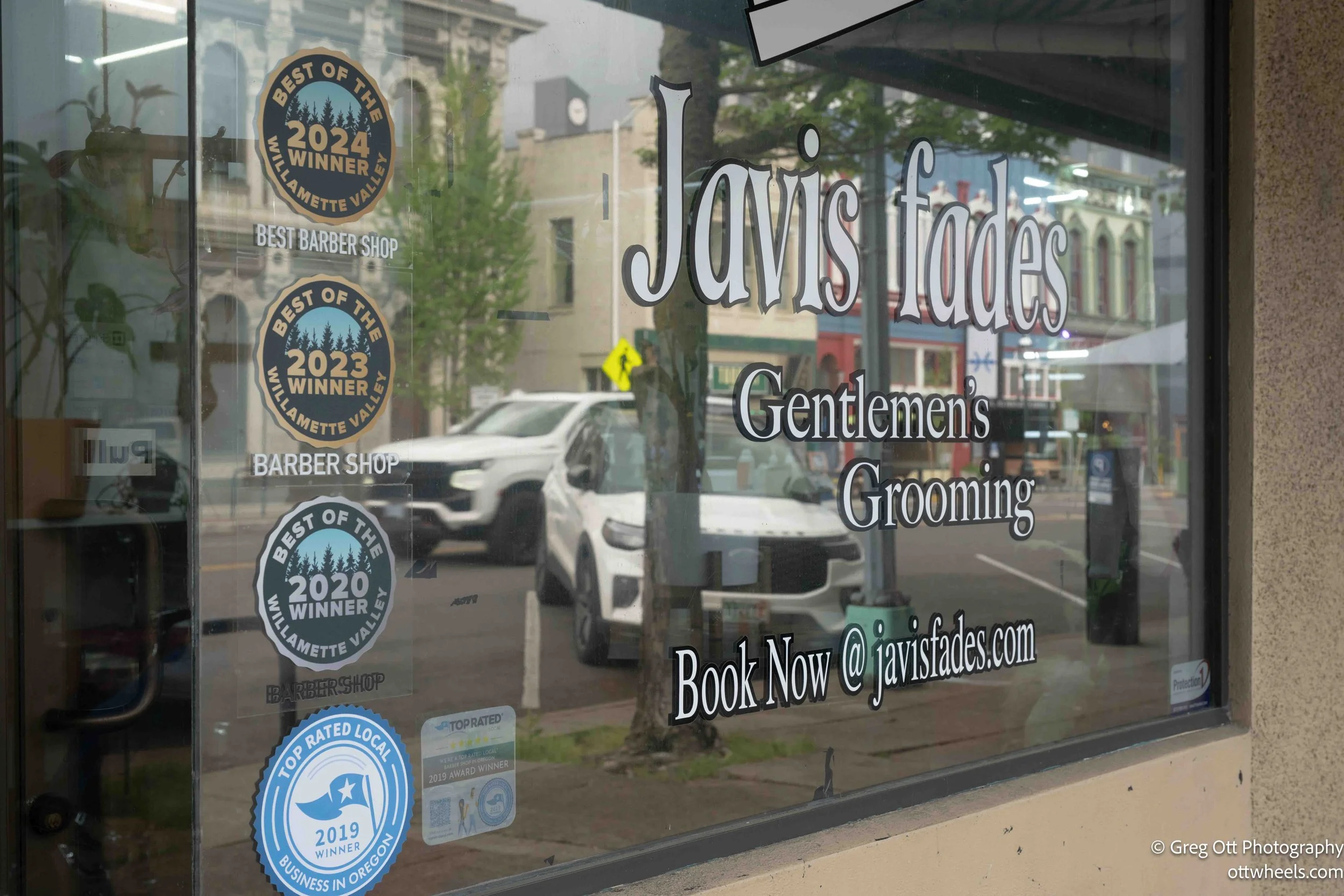
I continued walking the area just capturing the building. They’ve done a great job of restoration and maintenance.
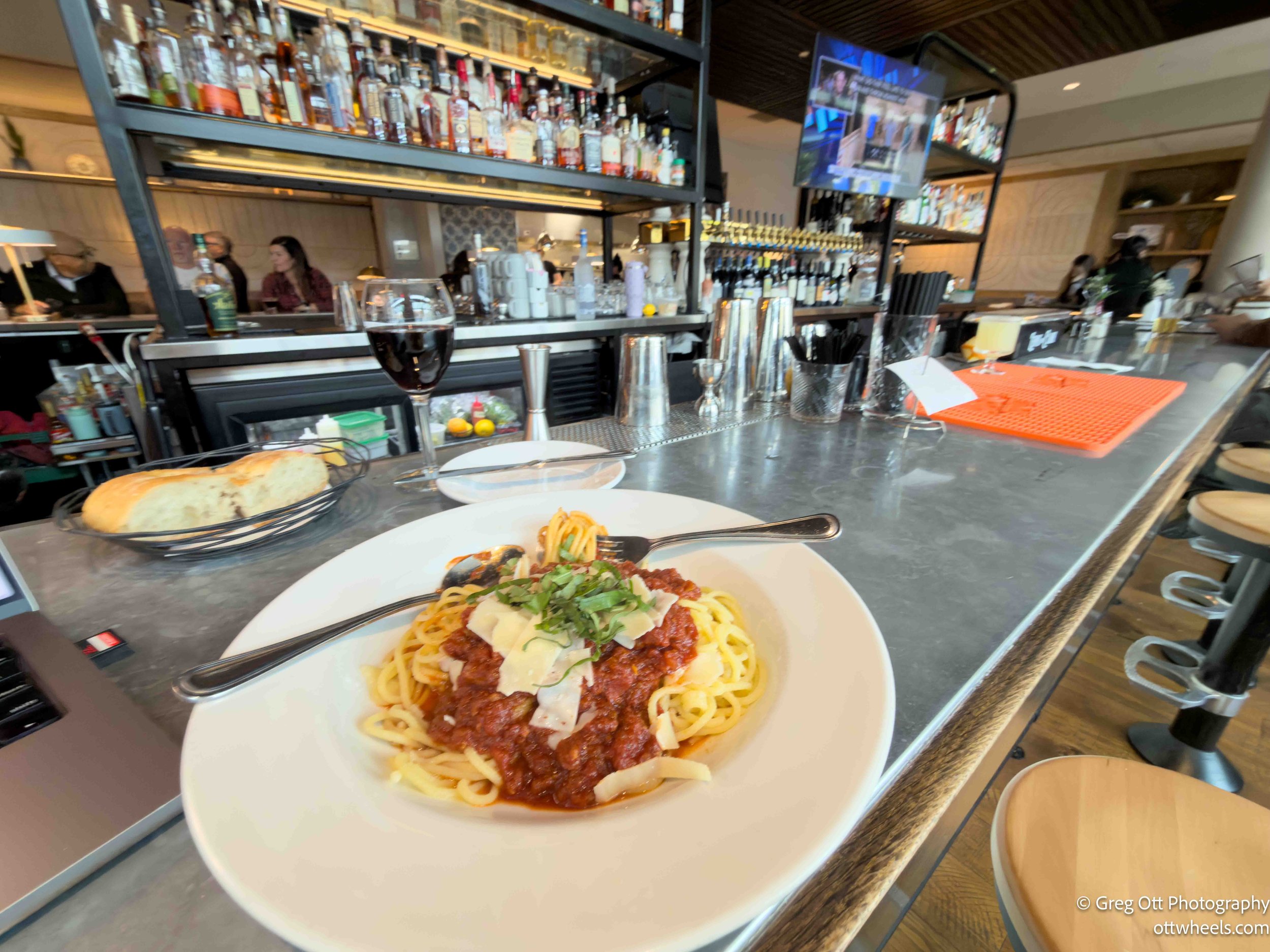
Dinner was at Gamberetti's Italian Restaurant inside the Hilton Salem. The pasta is made in-house, at least according to the server. I kept it simple—spaghetti with marinara and a glass of Decoy red wine. Nothing complicated, just solid.
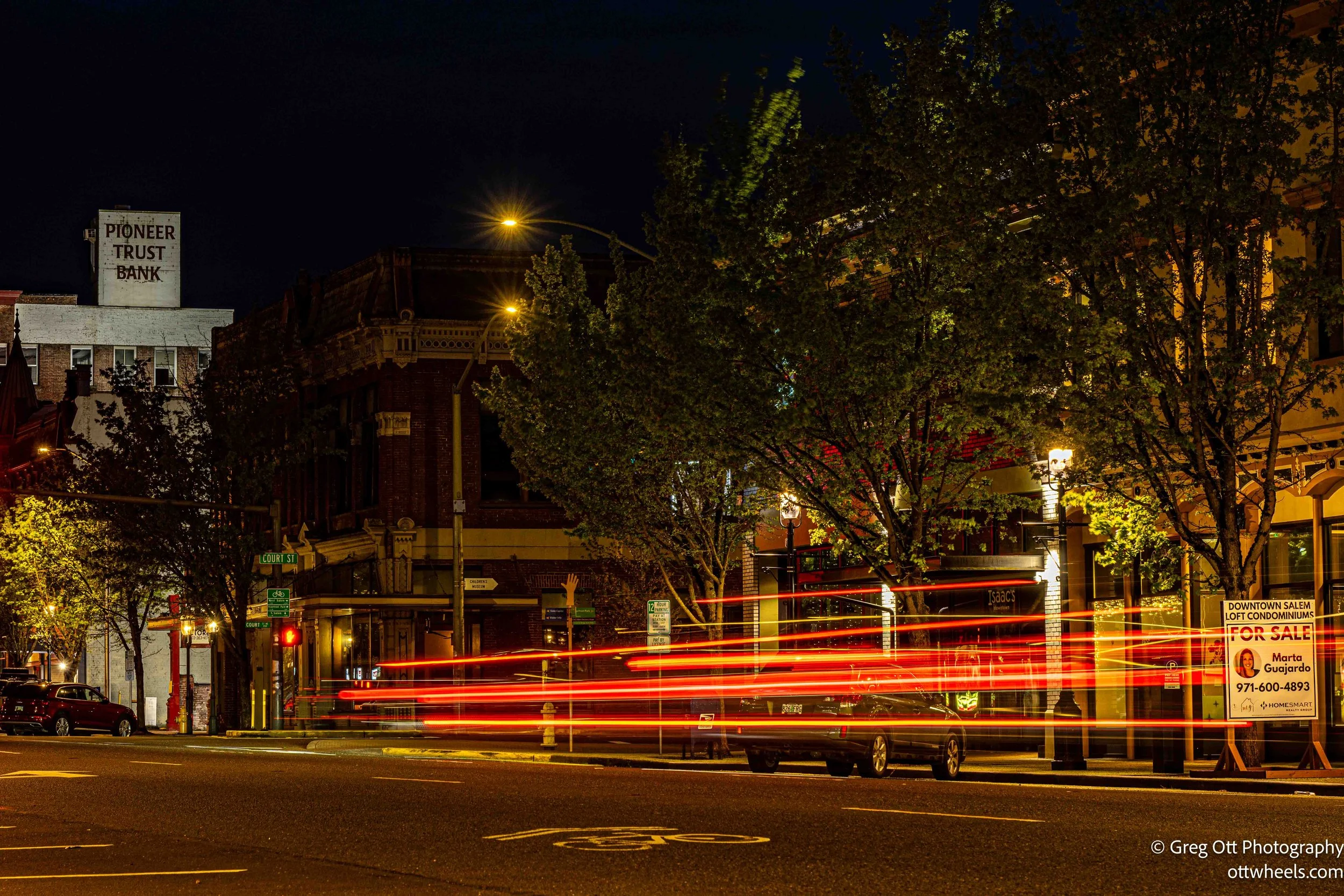
After dinner, I walked downtown again hoping for night shots. The parking garage—four stories up—was supposed to be the spot. I made the climb. The views weren’t there. Too many lights, too many buildings blocking anything clean. It happens.
Finding a place to stay in Oregon has been harder than expected. Between the number of vans and the number of people already using those spaces, the usual apps weren’t helping. I went back to Harvest Hosts and found a spot at True Life Church of the Nazarene.
It was in a residential area, small homes, a few campers nearby. Quiet enough. I shut things down and was asleep pretty quickly.
I was searching for a coffee shop and walked by Dolce Mama's ice cream shop. Some force in the universe forced me to go in and order a slice of Oregon Mulberry pie with a scoop of ice cream on top. I had ordered it from an image on the wall. English was not the first language of the woman serving me. She called it a sundae. I later did a little research and learned that, Ice cream sundae often gets used loosely to mean “ice cream + sauce + toppings,” even if there’s something extra (like pie) under it.
I eventually did find my coffee shop a few blocks away. Isaac's Coffee was a busy place, people reading books, little groups meeting, students studying at the window, and me looking for a place to relax and watch people. I ordered my coffee and found a seat at the window bar with some students. They had there books open, earbuds in, and were taking notes on their various devices. I sat down and immediately noticed the wood. It was that Oregon Myrtlewood I been learning about, with the rough unfinished edges and beautiful grain.
Coffee in me, I had more energy and headed out find more images. I walked by the ice cream shop and a guy stopped me and said, nice camera. We saw you in the ice cream shop. That’s our favorite. They wanted to know if I go there a lot. I explained that I was travelling and just visiting the Capitol for the day. Cool was the response. They gave tips on places to go and I had already been to them all. They suggested the parking garage after dark for photographs. She was from Salem and drove to pickup her boyfriend in Dallas, TX. I had a sense that they were living on the street, like so many people in the area. I asked if I could grab a photo.
I was on my way to the Reed Opera House about a block away. I stopped for photos along the way and then notice the same couple talking to a street person with a dog. When I got there, they were feeding the dog and the street person was walking off. They said, “hello, we watch that guys dog while he goes to the liquir store.” They wanted me to join in feeding the dog. I passed and wished them a good afternoon.
I stopped into the Reed Opera House not really knowing what to expect, and it ended up being one of those places that’s part shopping area, part quiet history lesson. It dates back to the 1870s when Cyrus Adam Reed built it as a centerpiece for downtown, with retail space below and a full opera house upstairs that hosted performances, community events, and political gatherings. Over time, the upstairs theater faded out, the building changed hands, and like a lot of places from that era, it went through periods where it could have easily been lost. Instead, it was kept, adapted, and folded into the modern city without wiping out what it had been.
Now it’s a mix of small boutiques tucked into the original structure, and I walked through all of them, but what I kept doing was stopping at the plaques along the way. They fill in the gaps—how the space evolved, what it used to be, and how it managed to survive while everything around it changed. It’s easy to just browse and move on, but if you slow down and read what’s on the walls, the place shifts from just another shopping stop into something with a timeline behind it. That’s what made it work for me.
Dinner at Gamberetti's Italian Restaurant inside the Hilton in Salem, OR. There pasta wa made in-house fresh daily according my server. I had the basic spaghetti with marrinara sause and a glass of red wine (Decoy).
After dinner, I walked the streets in downtown hoping to get some good night shots. I was told that there were great views of the city from the top floor of the parking garage, four stories up. I didn’t see the great views. There were a lot of bright lights and building blocking the views.
It is difficult to find bood docking spots in most of Oregon, perhaps because of the number of camper vans and homeless people. My normal go to apps, weren’t giving me any clues so I pulled up Harvest Hosts. There were two that weren’t bars, wineries, breweries, or golf courses and I was able to get a place at the True Life Church of the Nazarene in Salem, OR. The curch was surrounded small homes and campers. The area was relatively quiet and I fell asleep pretty quickly.