Prince George
The drive north to Prince George, BC felt mostly transitional. Long stretches of highway, trees, scattered towns, and the sense that northern British Columbia just keeps unfolding one layer at a time. Prince George itself felt more industrial and spread out than I expected.
Exploration Place Museum
The Exploration Place Museum was the first stop on my itinerary. Admission was C$15. I spent about an hour walking through the exhibits, though many were difficult to fully appreciate because of the lighting. A lot of the display areas were very dim, making some of the text hard to read. The museum also seemed to function as a combination science center, children’s activity space, and alternative learning environment. Kids were running everywhere and screaming while parents sat nearby. There was even a kindergarten or preschool on the top floor.
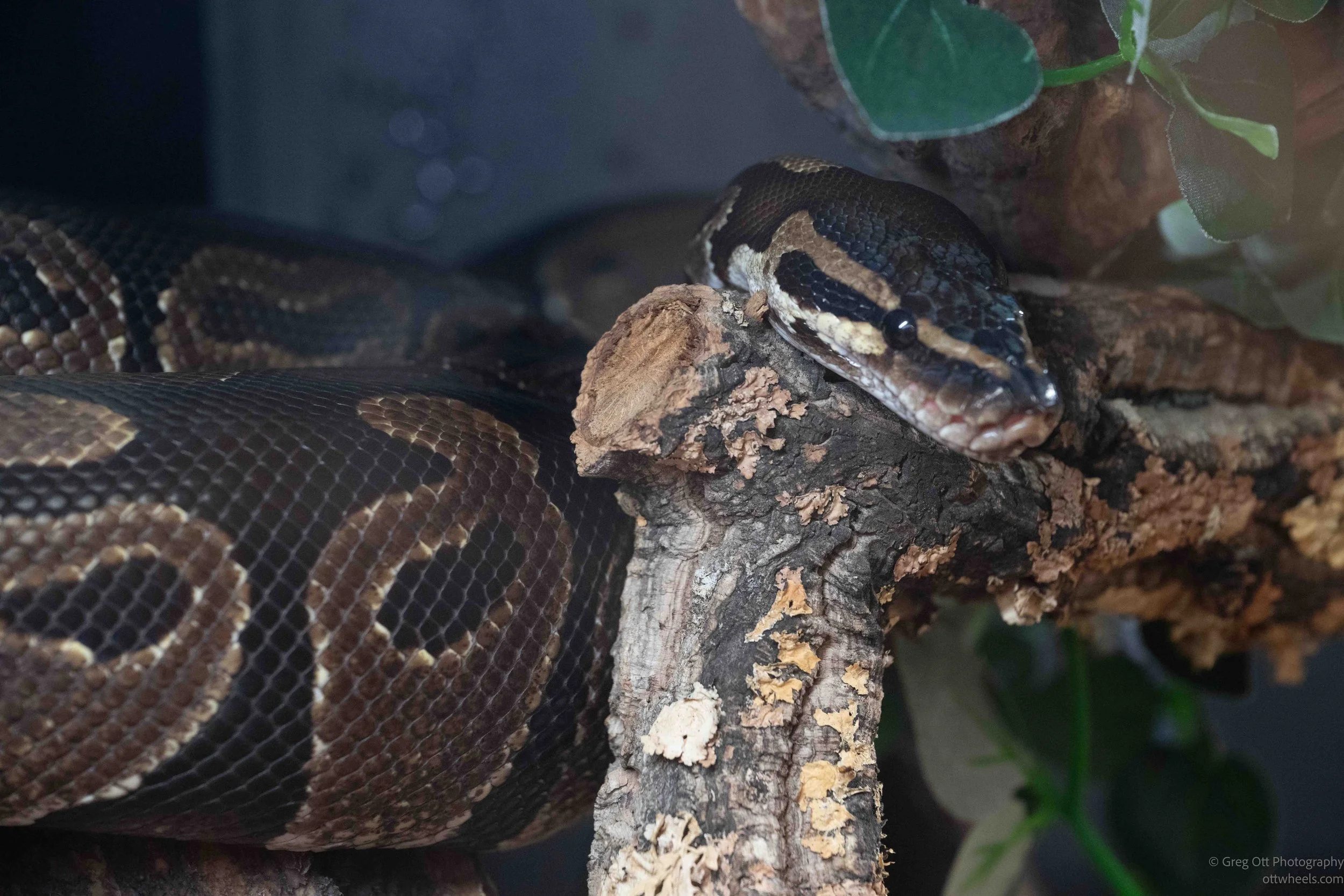
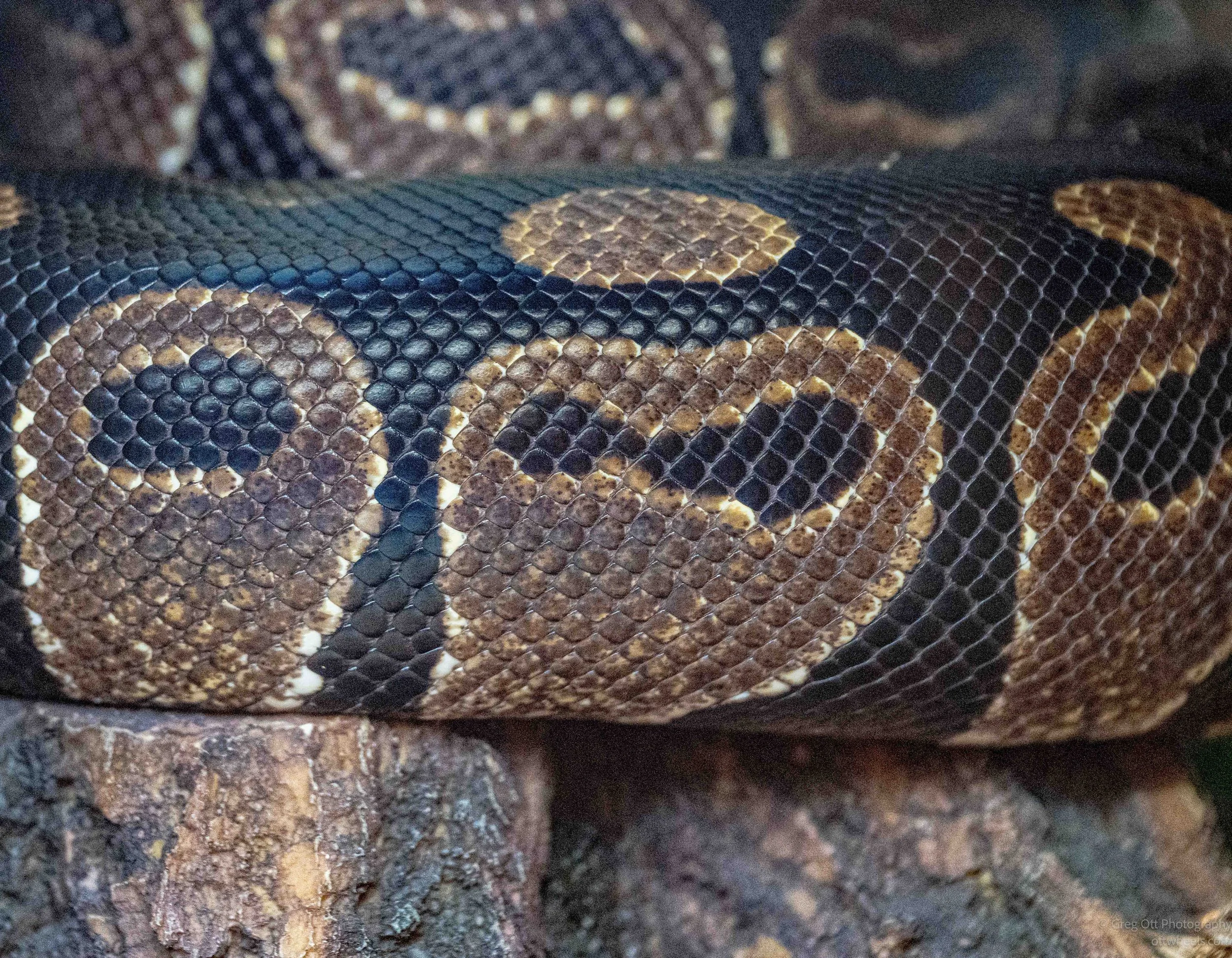
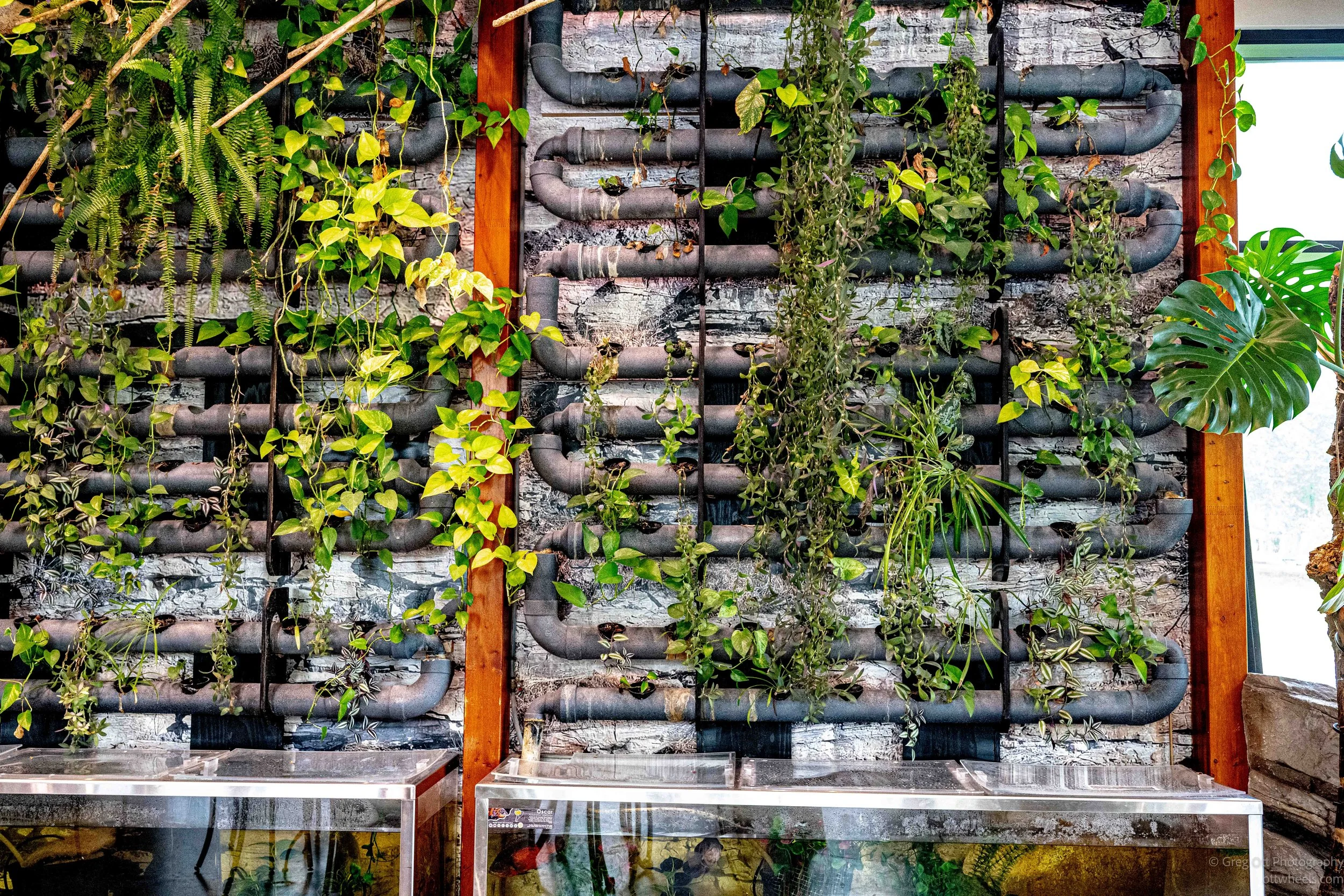
I spent some time observing the small python, Madagascar hissing cockroaches, various lizards, and aquatic reptiles. I like the patterns on the python’s skin and wondered why nature chooses all the different patterns. A number of the tanks had murky water and green algae growing on the glass. There was a wall of hydroponic plants that also looked somewhat neglected. There wasn’t much explanation of how the system worked, but I assumed it was filtering and oxygenating water for the tanks below.
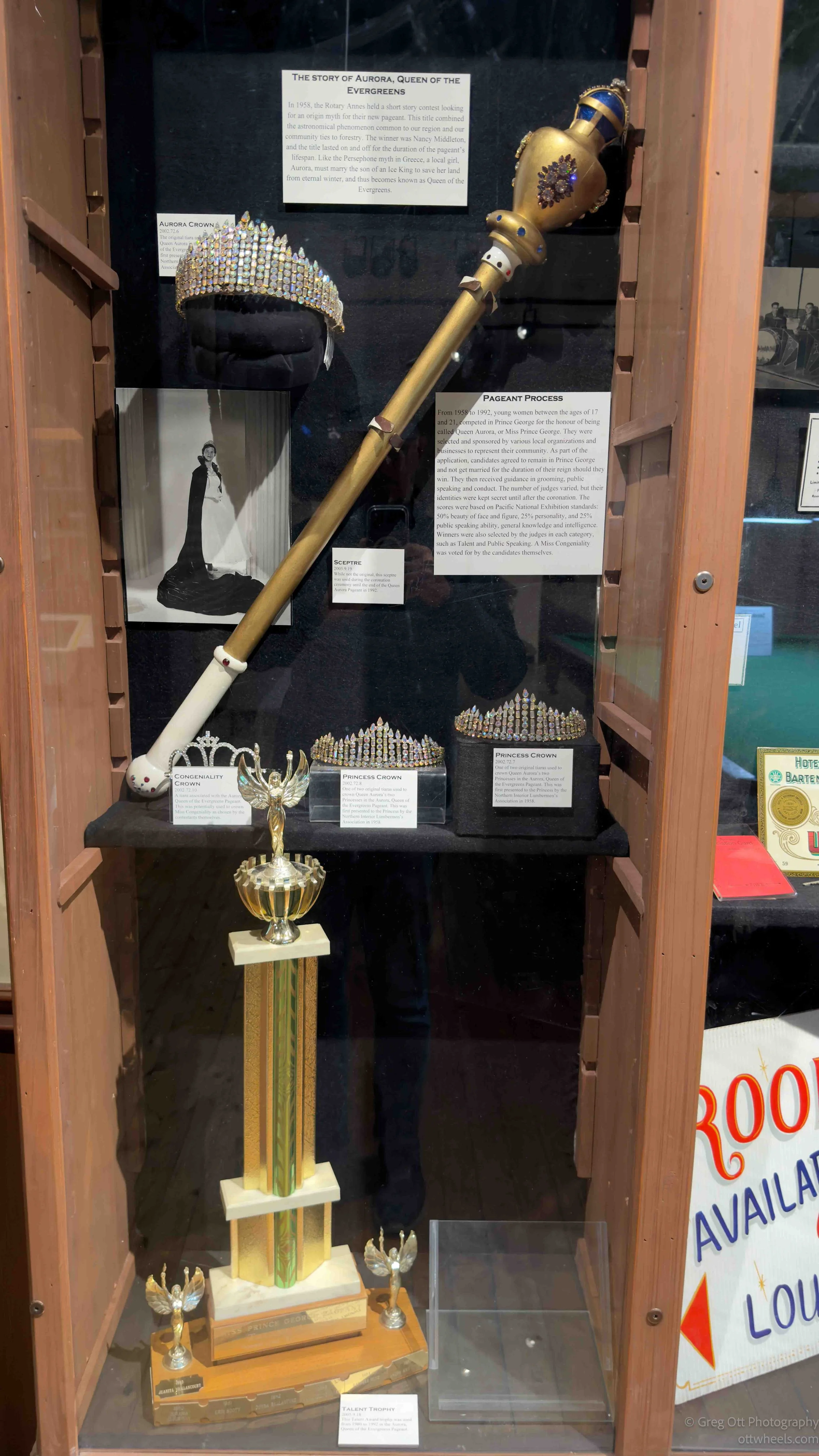
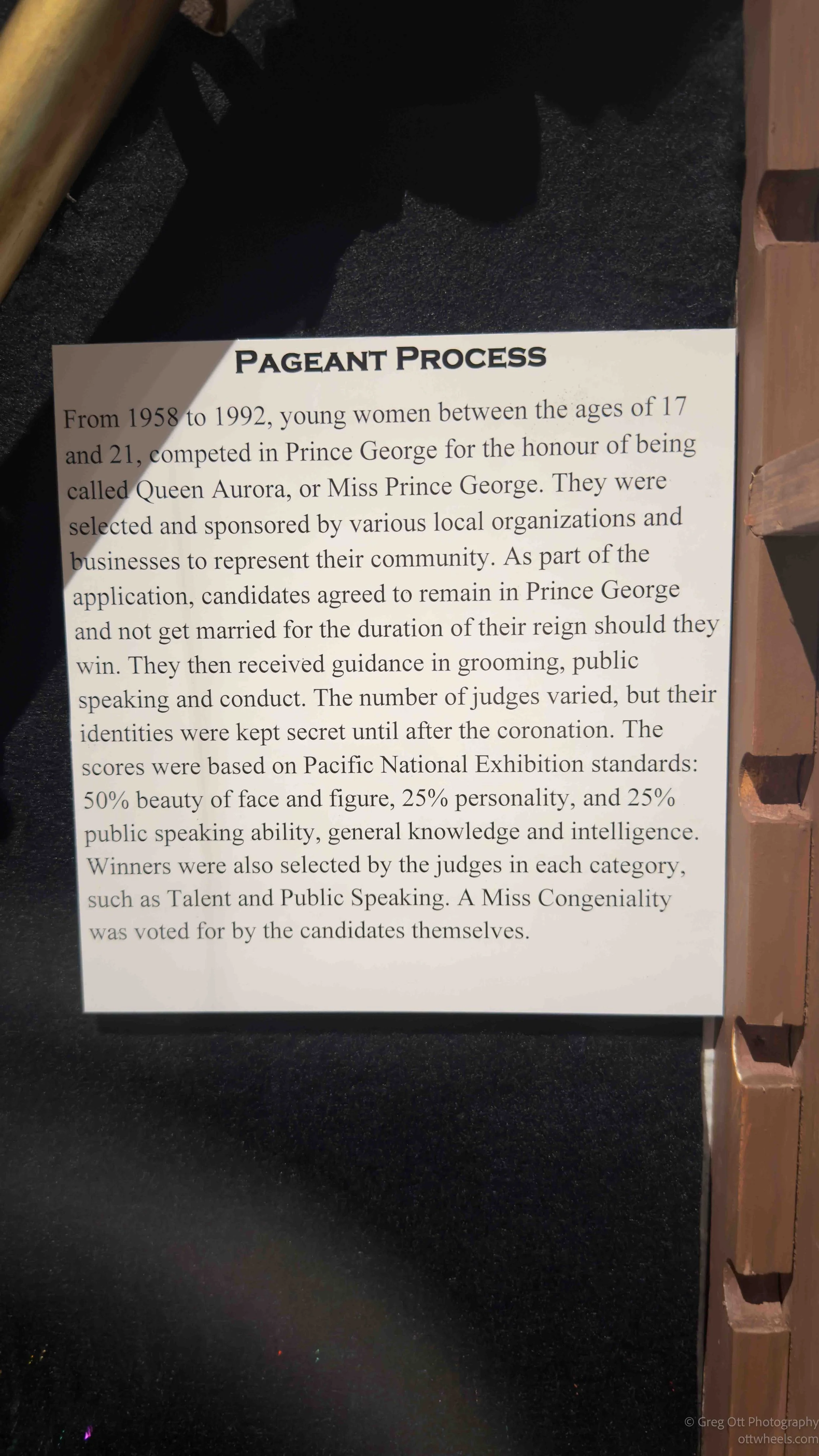
The second floor focused on local Prince George history. For some reason I became interested in an exhibit about the Miss Prince George pageant that ran from 1958 through 1992. Maybe it was because there was finally some readable text and actual social history instead of dimly lit objects behind glass. The exhibit explained that contestants between 17 and 21 competed for the titles of Queen Aurora or Miss Prince George. Contestants agreed to remain in Prince George and not marry during their reign if they won. Judging standards included 50% beauty of face and figure, 25% personality, and 25% public speaking ability, general knowledge, and intelligence. It felt like opening a small window into another era.
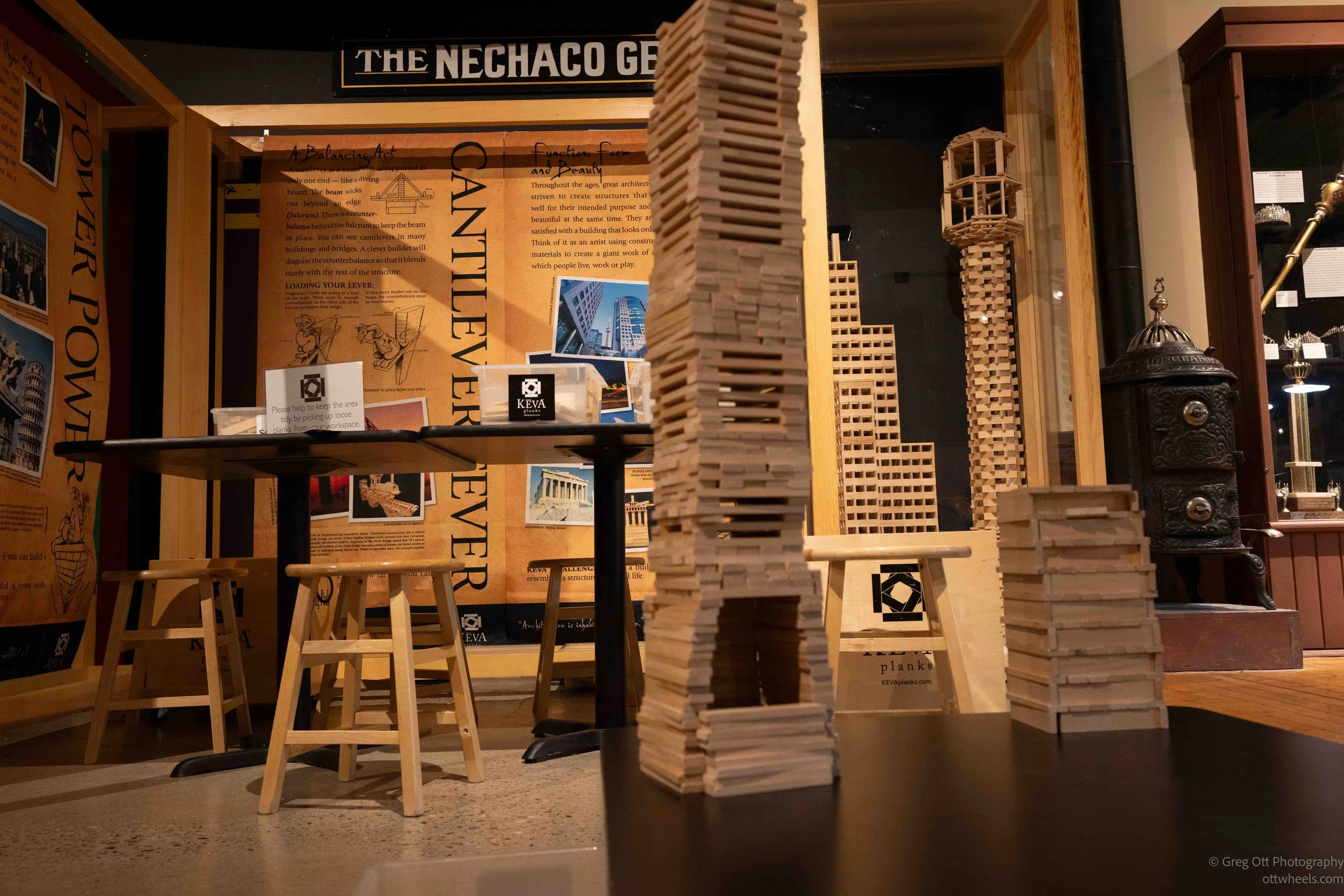
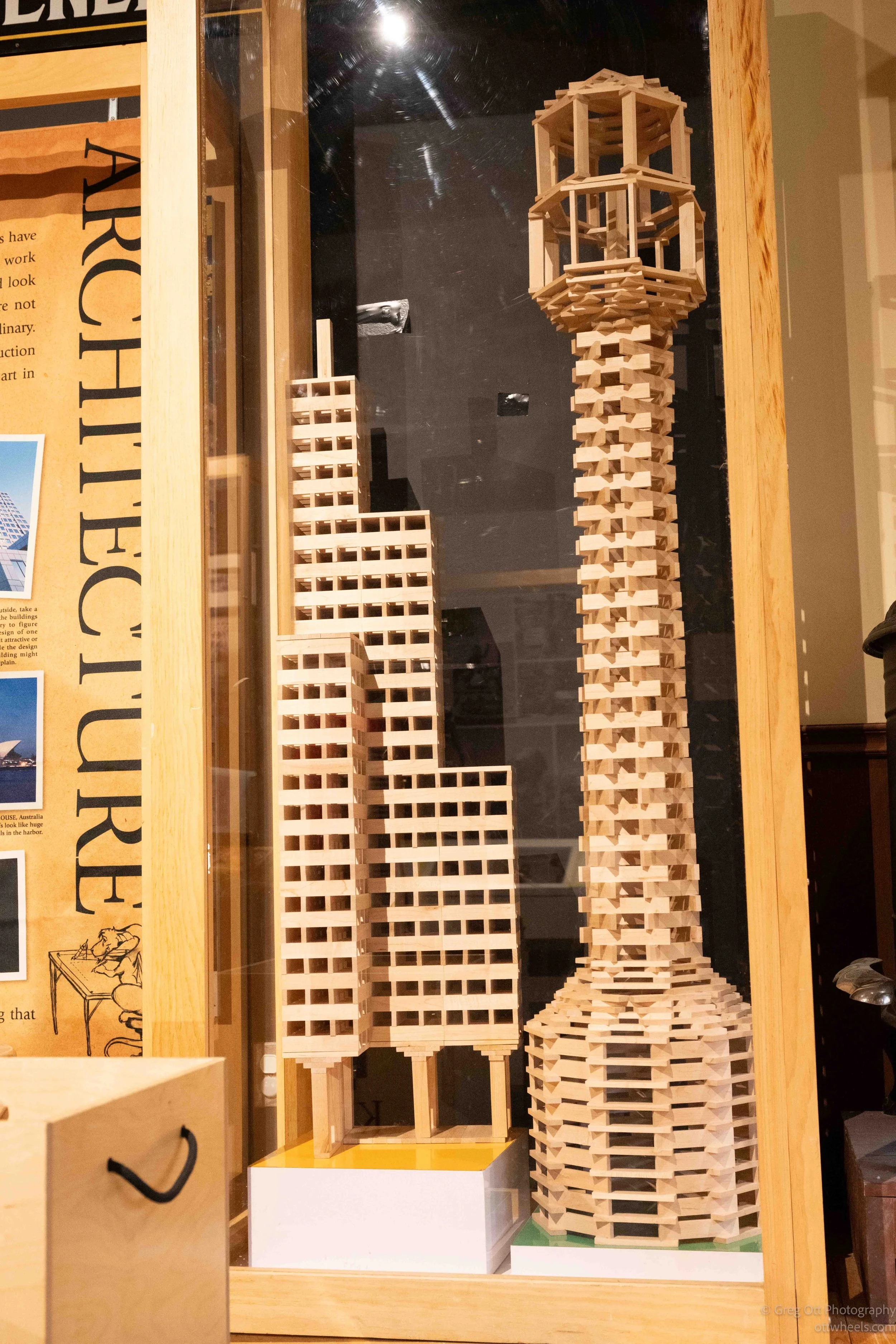
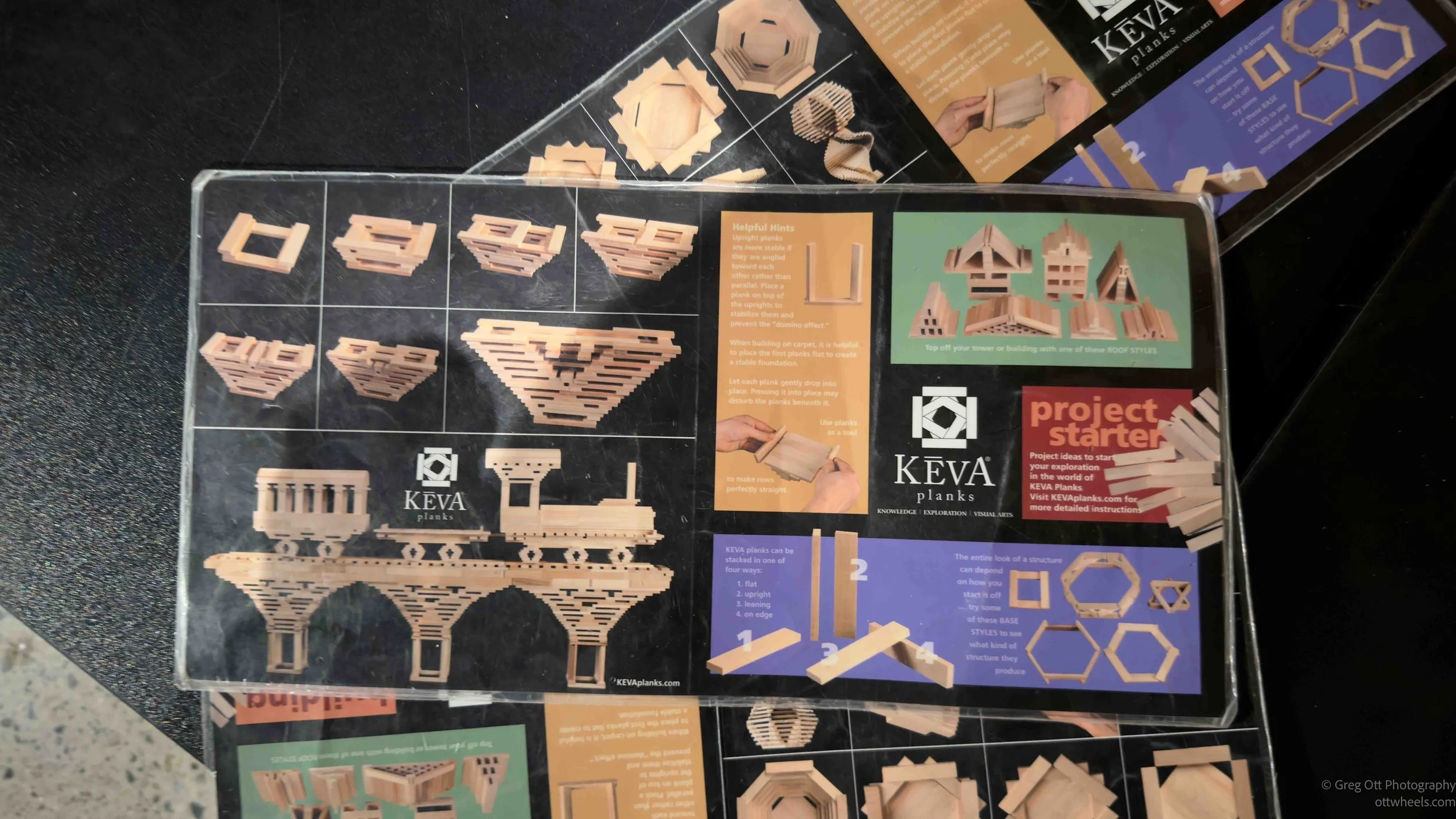
One section I actually enjoyed was dedicated to Keva Planks. I had never heard of them before, but they looked like a fantastic way to encourage creativity in both kids and adults. There were elaborate structures behind glass along with partially built creations visitors were working on themselves.
The gemstone section had potential, but again the lighting hurt it. The same thing happened with the dinosaur fossils. It was difficult to really study anything closely.
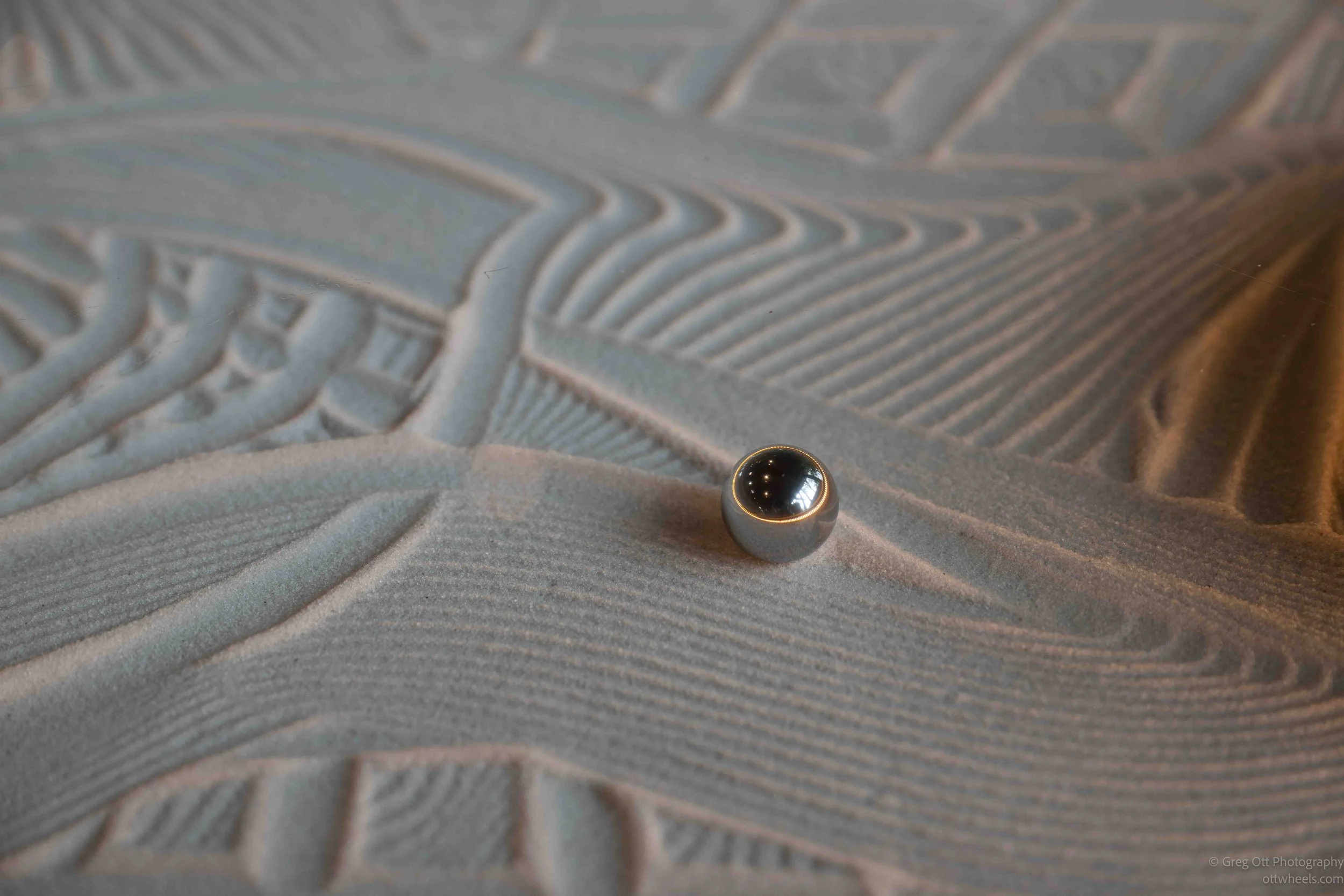
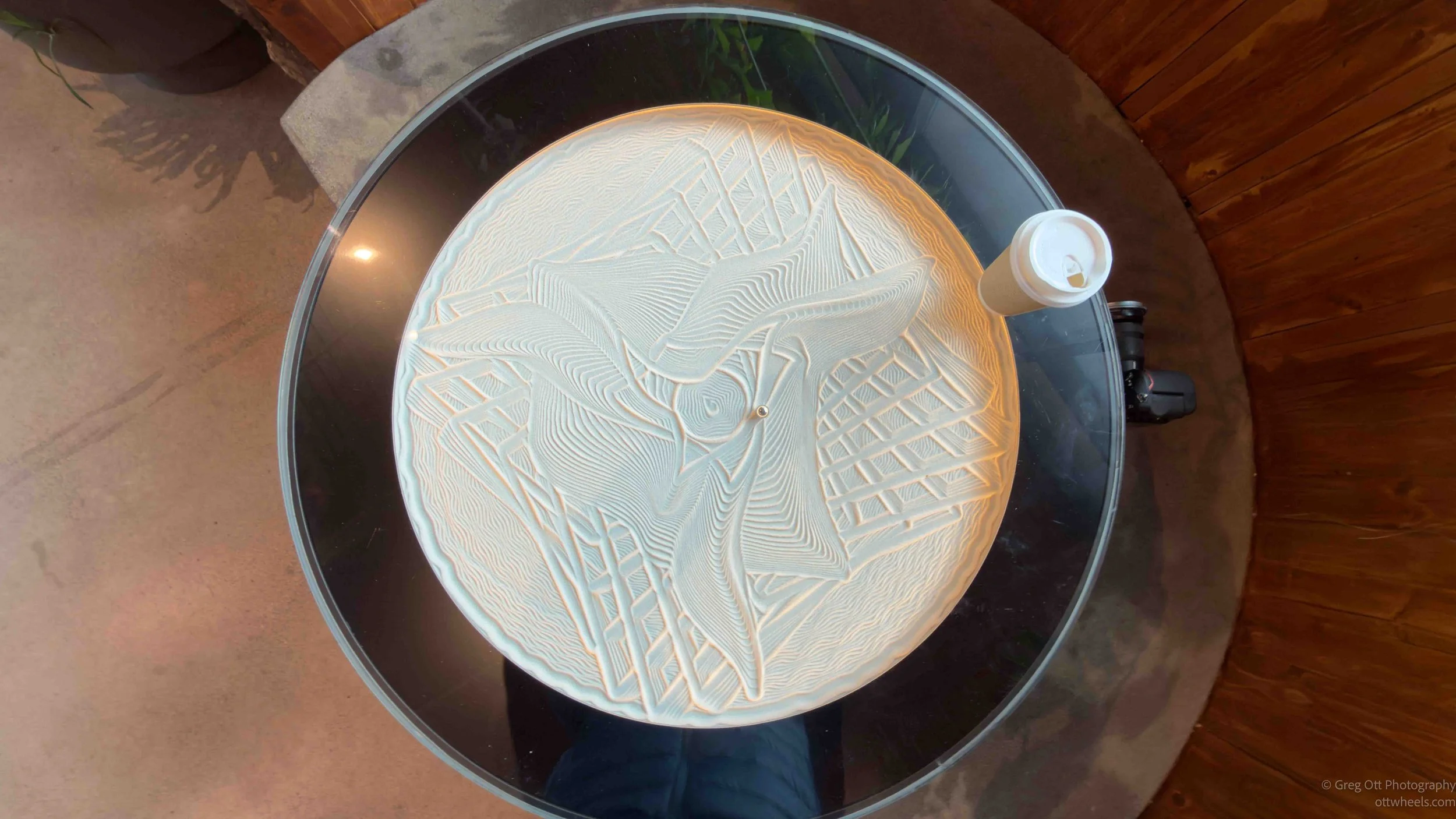
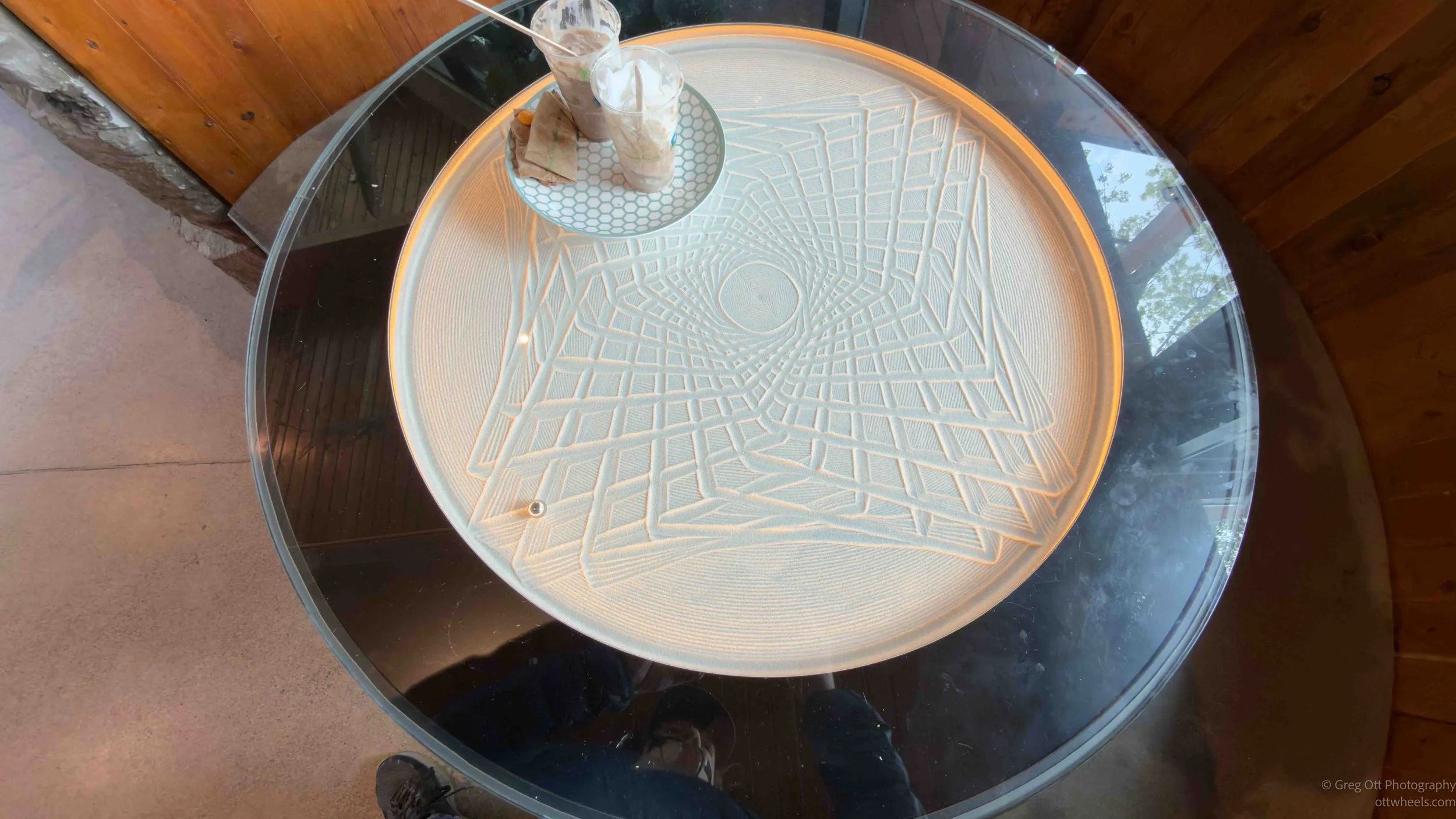
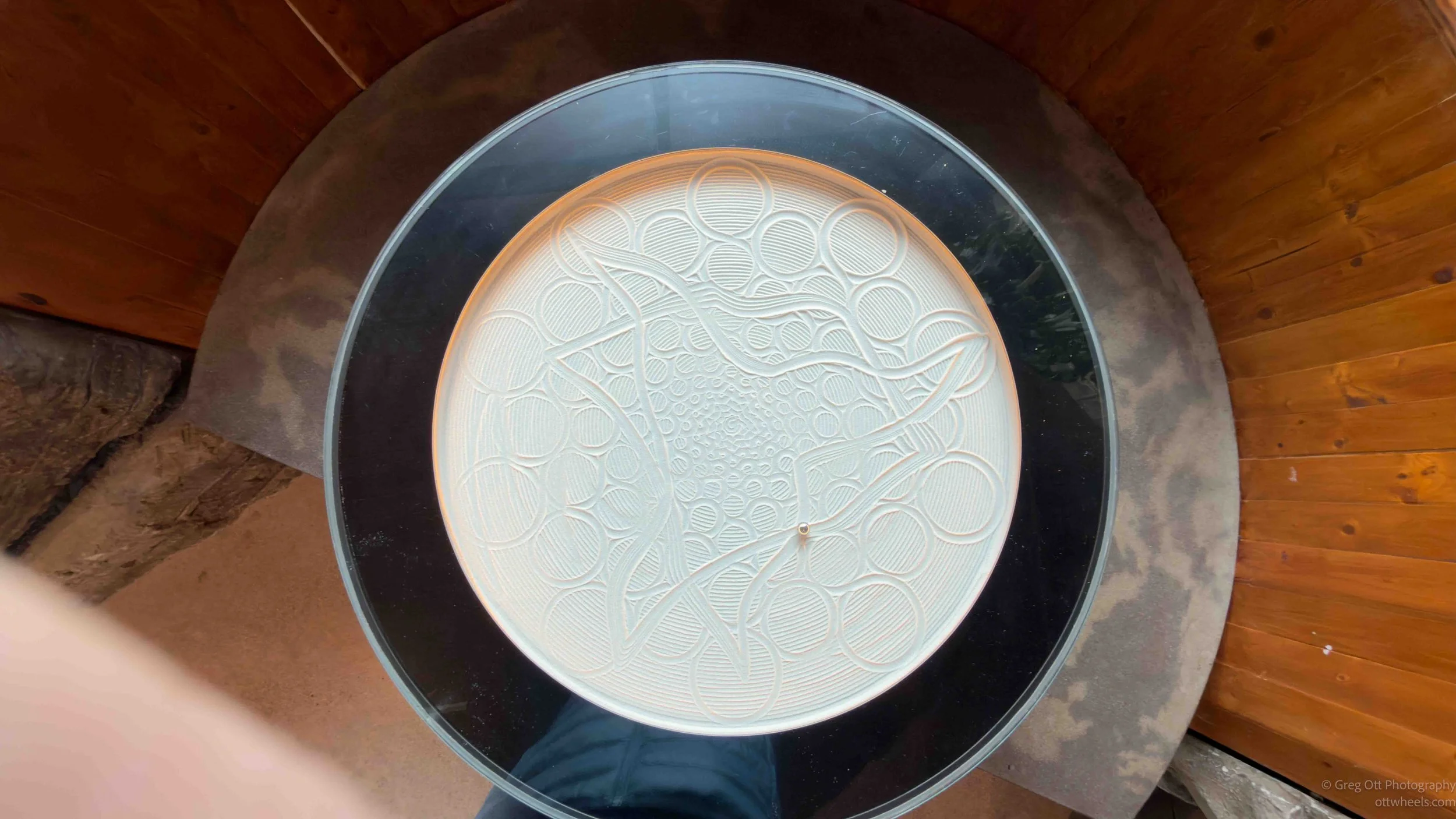
Eventually I gave up and stopped for lunch around 1:30 p.m. Ironically, the café experience was better than much of the museum itself. I had a vegetarian croissant, a chocolate muffin, and a surprisingly good coffee. The tables were entertaining on their own. Each one had a layer of sand sealed beneath glass with a steel ball controlled by a magnet underneath. I assume a program was controlling the patterns formed in the sand. It was strangely mesmerizing to watch.
Cottonwood Island Nature Park
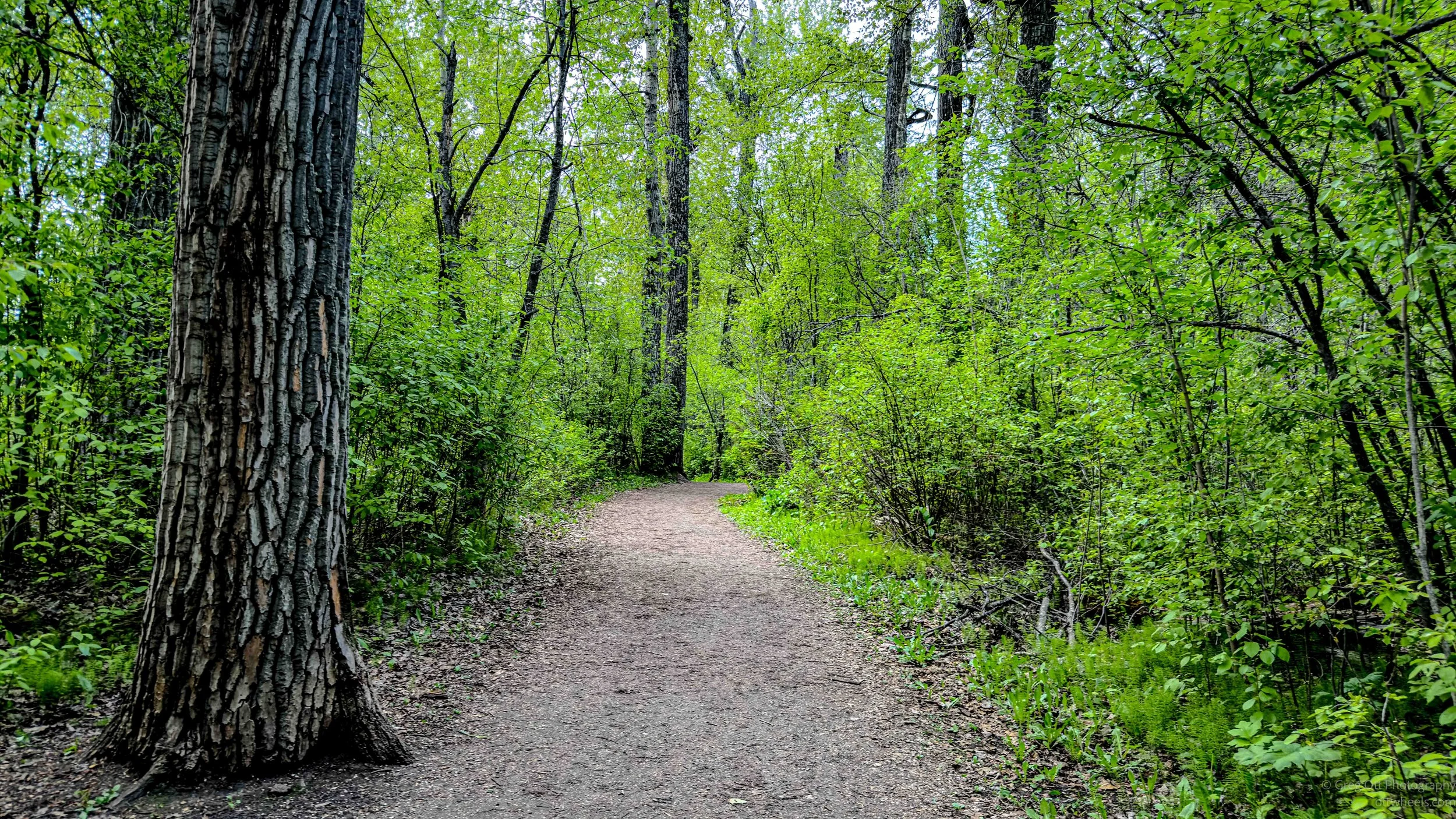
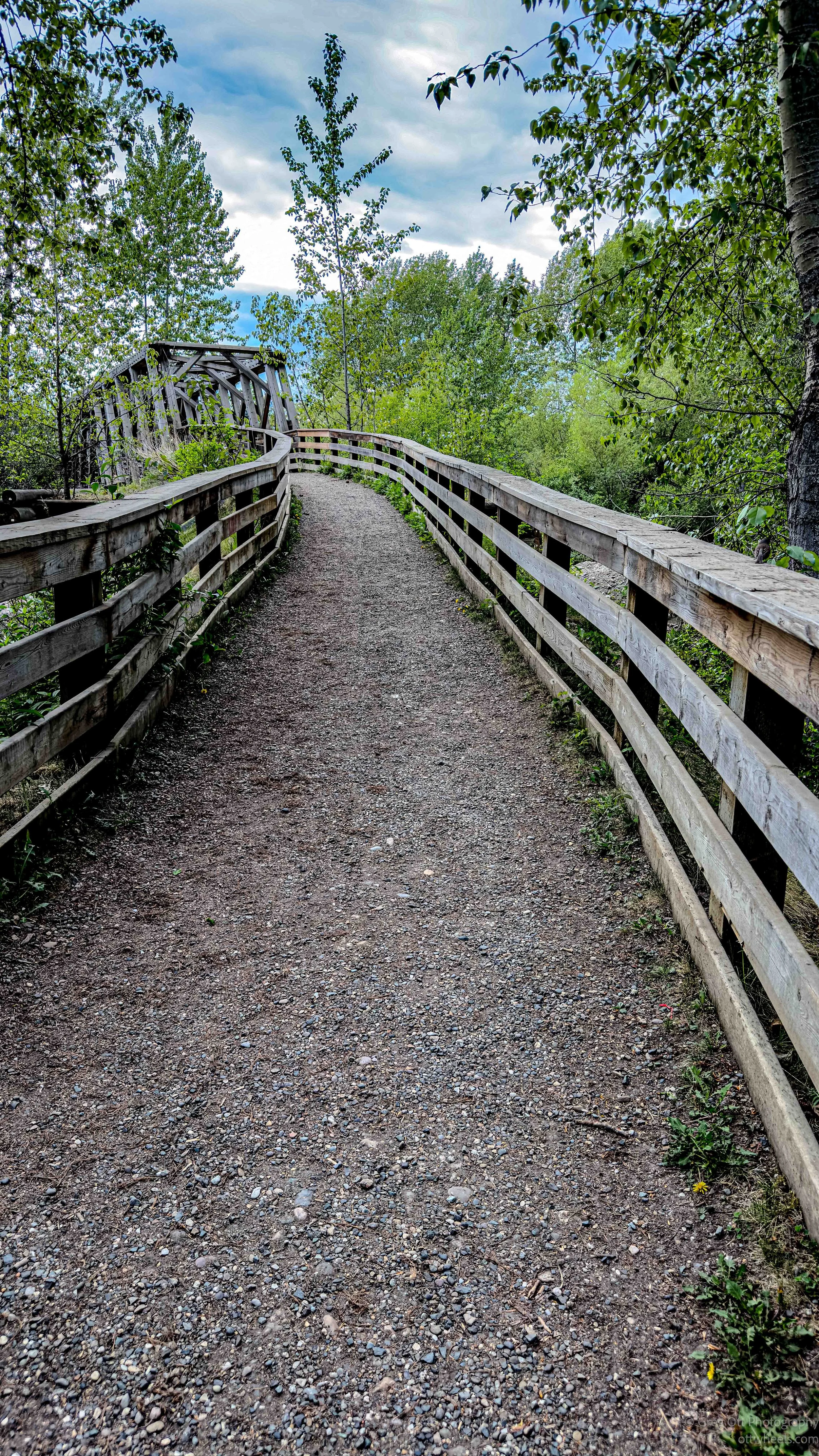
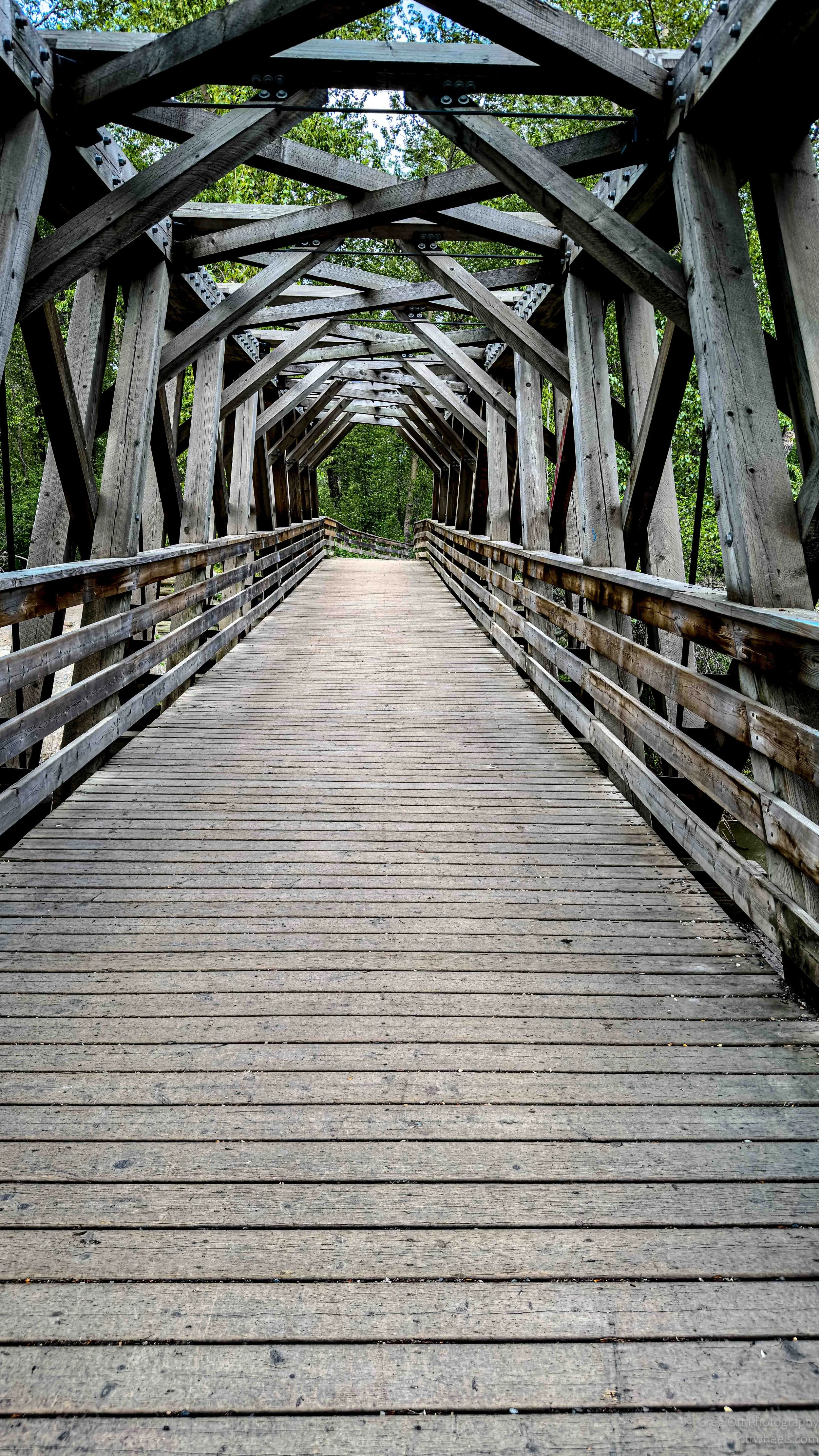
After lunch I drove a few miles to Cottonwood Island Nature Park. The trail system is less than a two-mile loop that most people probably finish in under an hour. I ended up spending several hours there walking slowly, photographing birds, talking to locals, and repeatedly circling back over the same sections of trail.
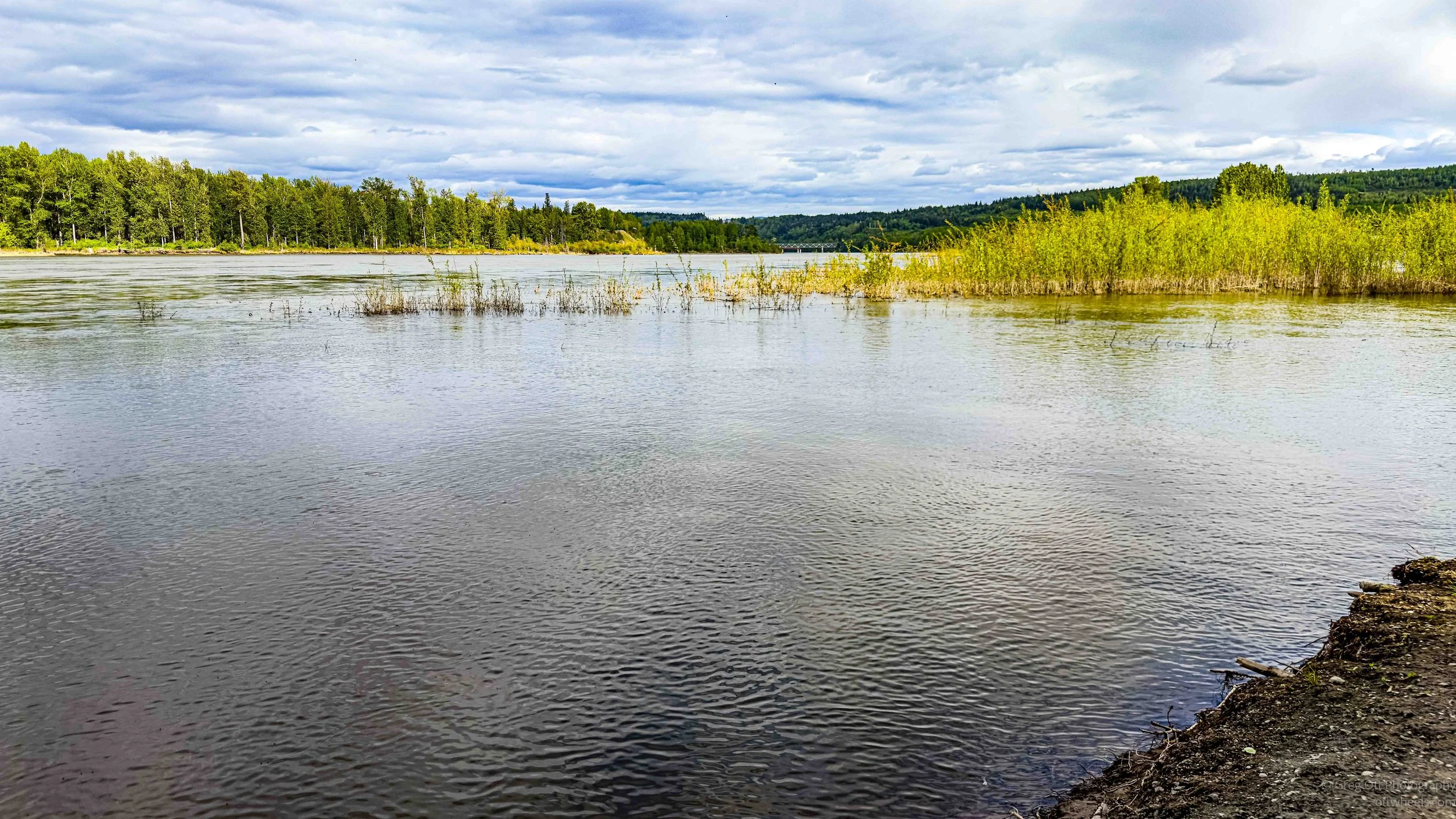
The park sits along the Fraser River where the current bends around a wooded island offshore. Blackbirds seemed to dominate the island. The entire area had a calm, damp river atmosphere to it. Cottonwood trees leaned over the trails, the river moved steadily past, and birds constantly called from somewhere out of sight.
At one bridge I stopped near two older guys talking smoking a joint. They told me there was a beaver in the and said I might get lucky with photos. I stood on the bridge for about 15 minutes waiting for a beaver to appear while listening to stories about motorcycle trips through the United States, fishing, a friend whose health was failing quickly, and some local project they were unhappy about. The beaver never showed up.
Further along I heard red-winged blackbirds calling. I kept trying to track them down, but the sound seemed to move constantly through the trees and reeds. I opened Merlin and within minutes it had identified around 15 species nearby.
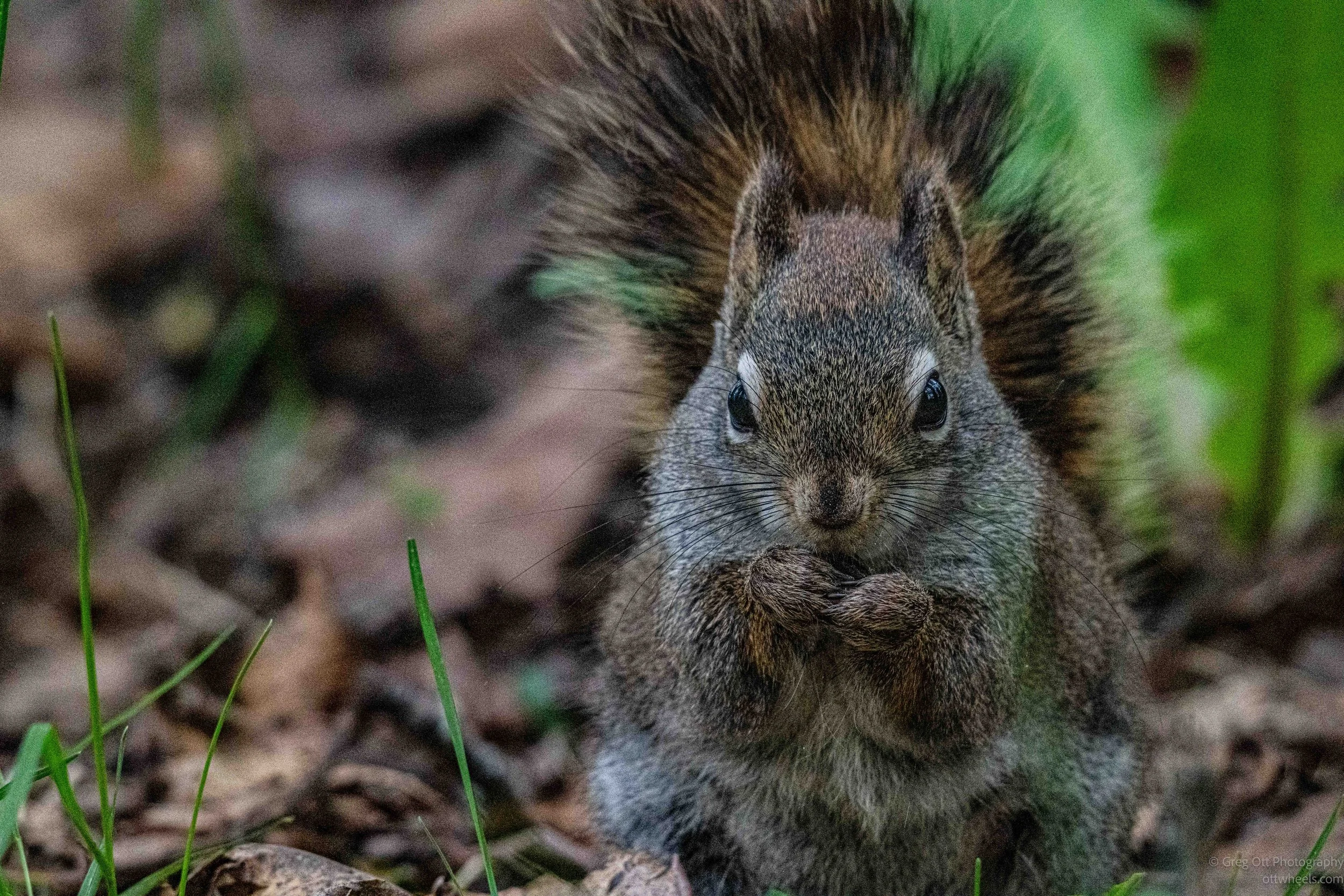
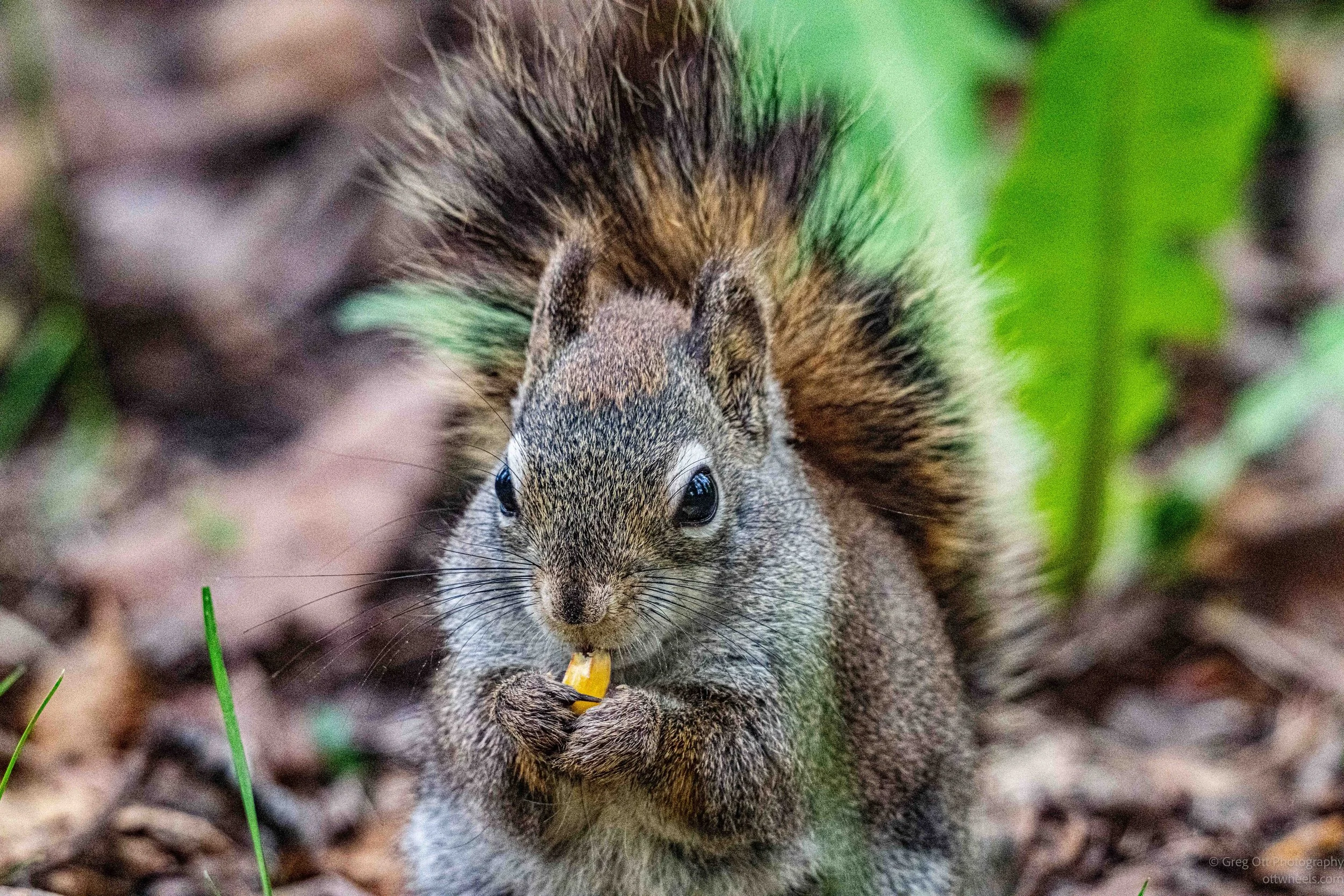
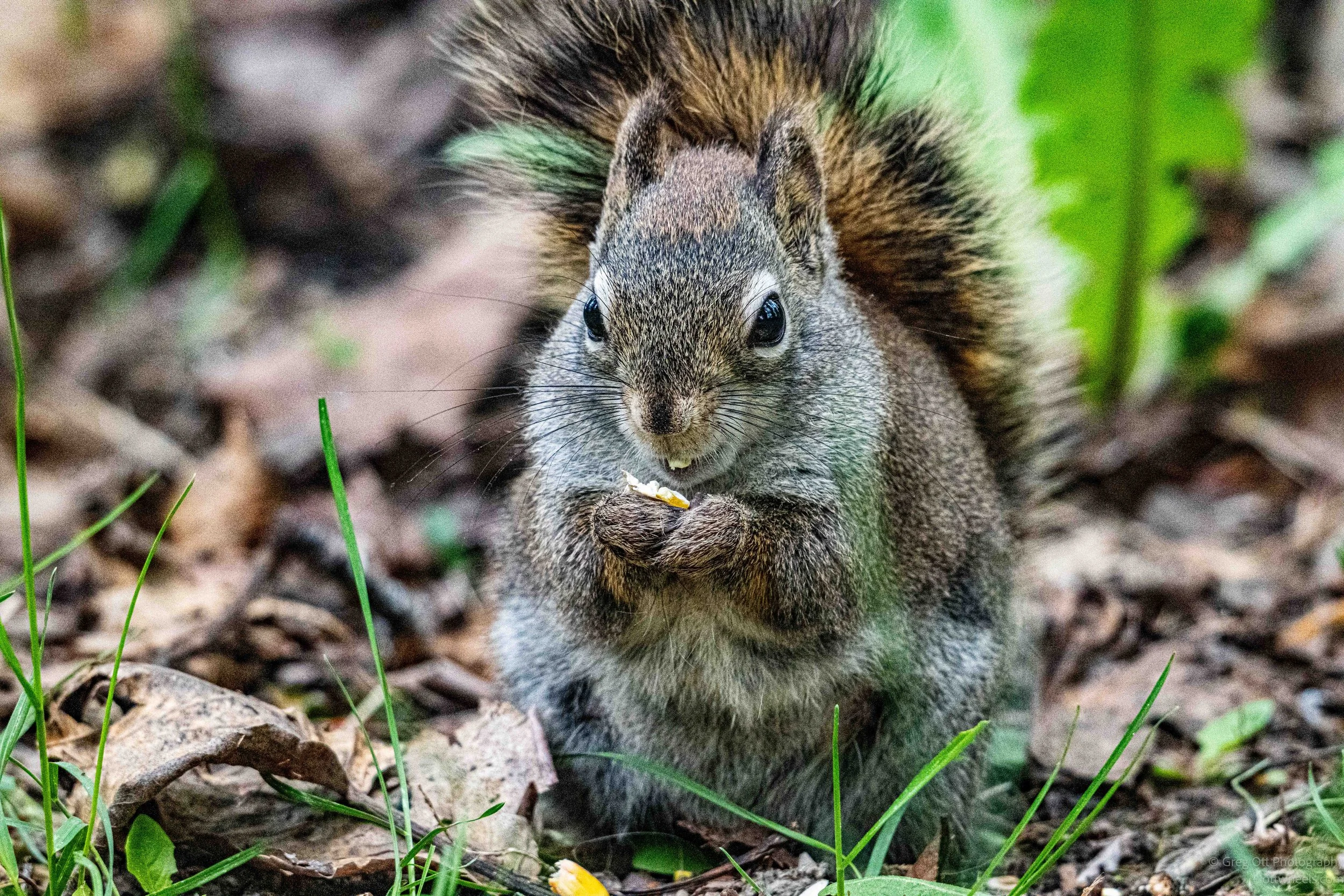
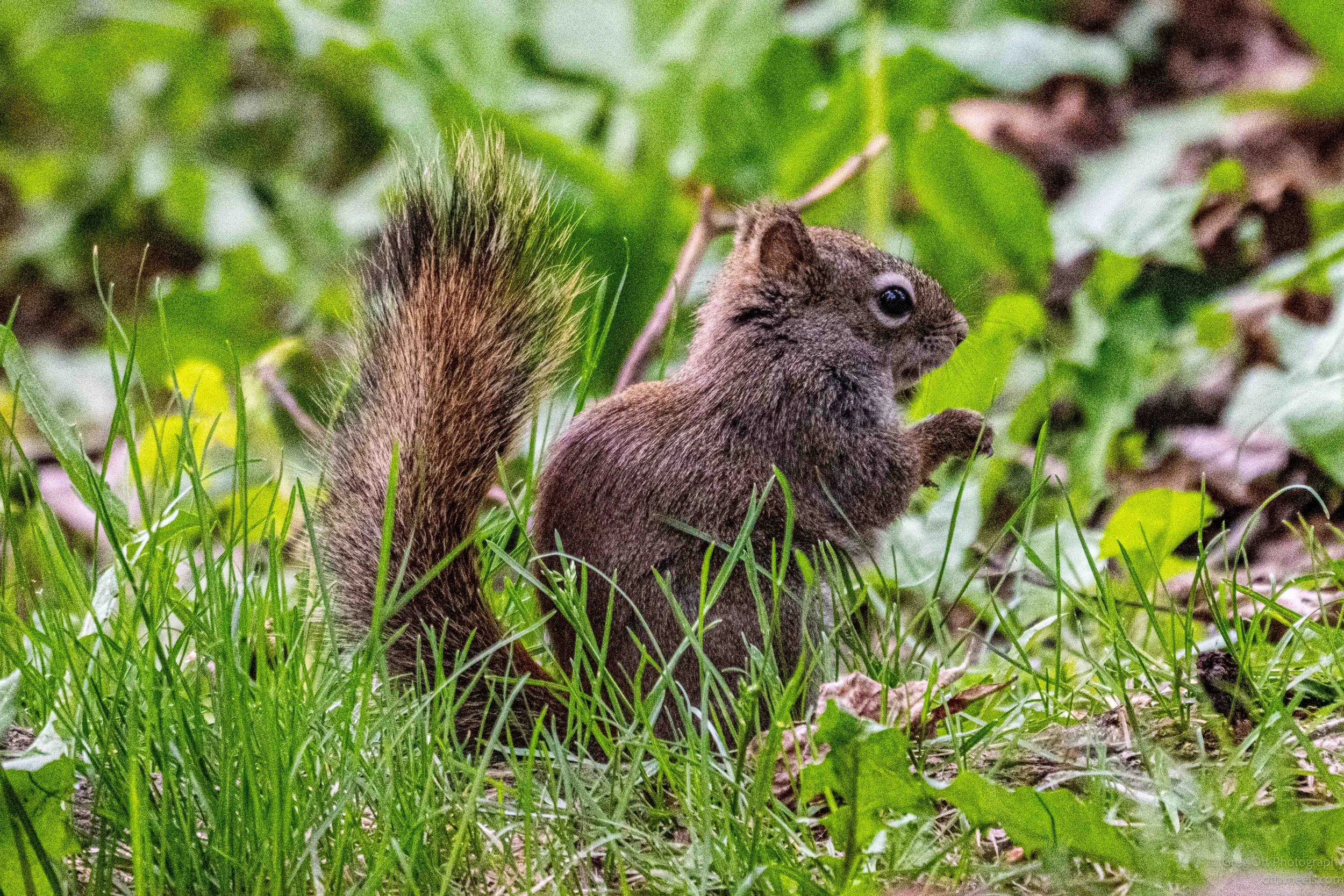
I kept moving and saw a squirrel feeding on some ground corn. I knelt down and started taking photos of the little guy eating. A woman shouted, “Look, a chipmunk!” I said, “It’s actually a squirrel.” She looked again and said, “Oh yeah. They’re basically the same thing. Rats!”
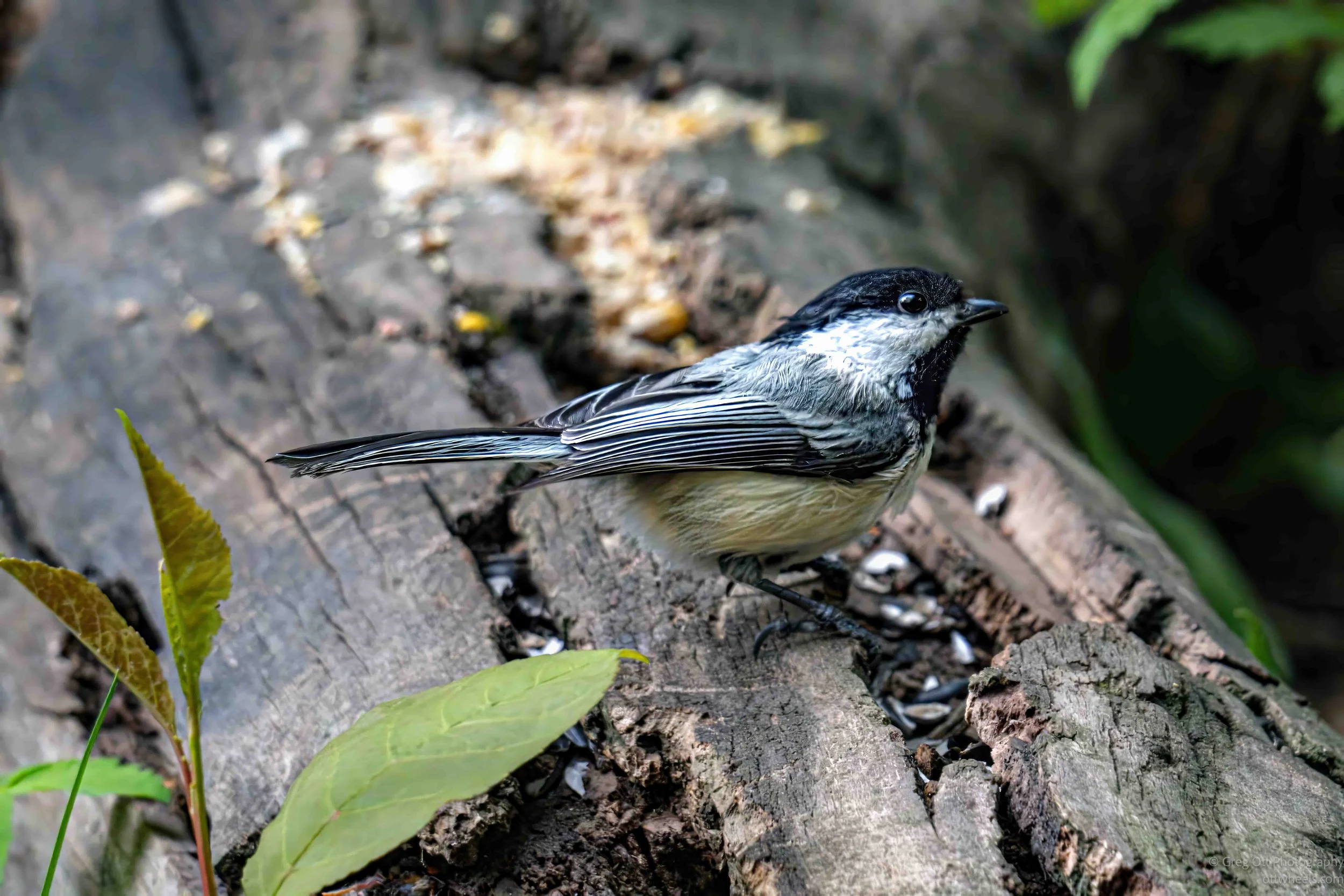
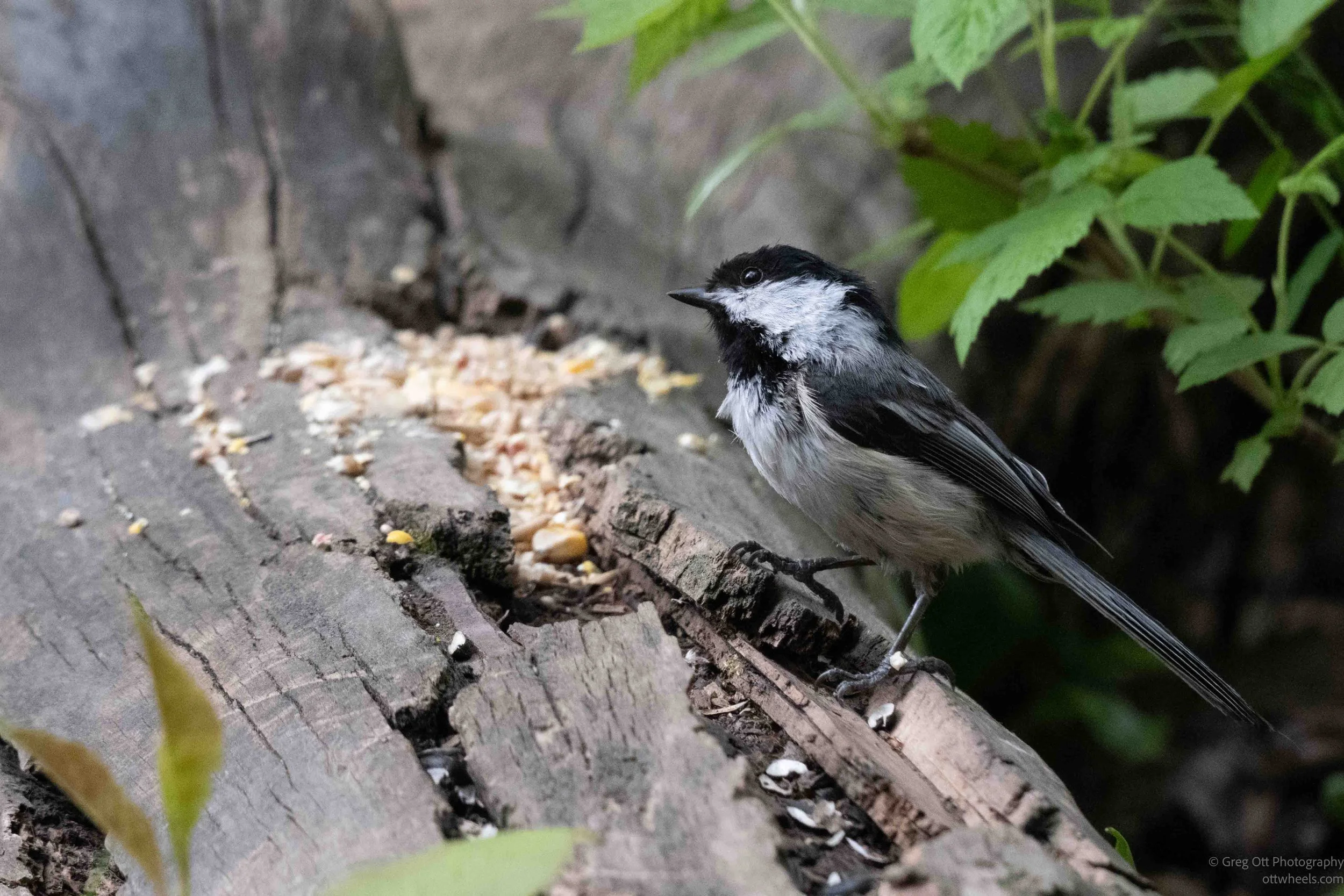
I eventually spotted small birds dropping repeatedly onto a log and spent about 15 minutes trying to photograph Black-capped Chickadees. They are incredibly fast and nervous birds. They never seem fully comfortable with anything around them. A guy named Bruce stopped and asked if I was getting any good photos. That became the unofficial phrase of the day.
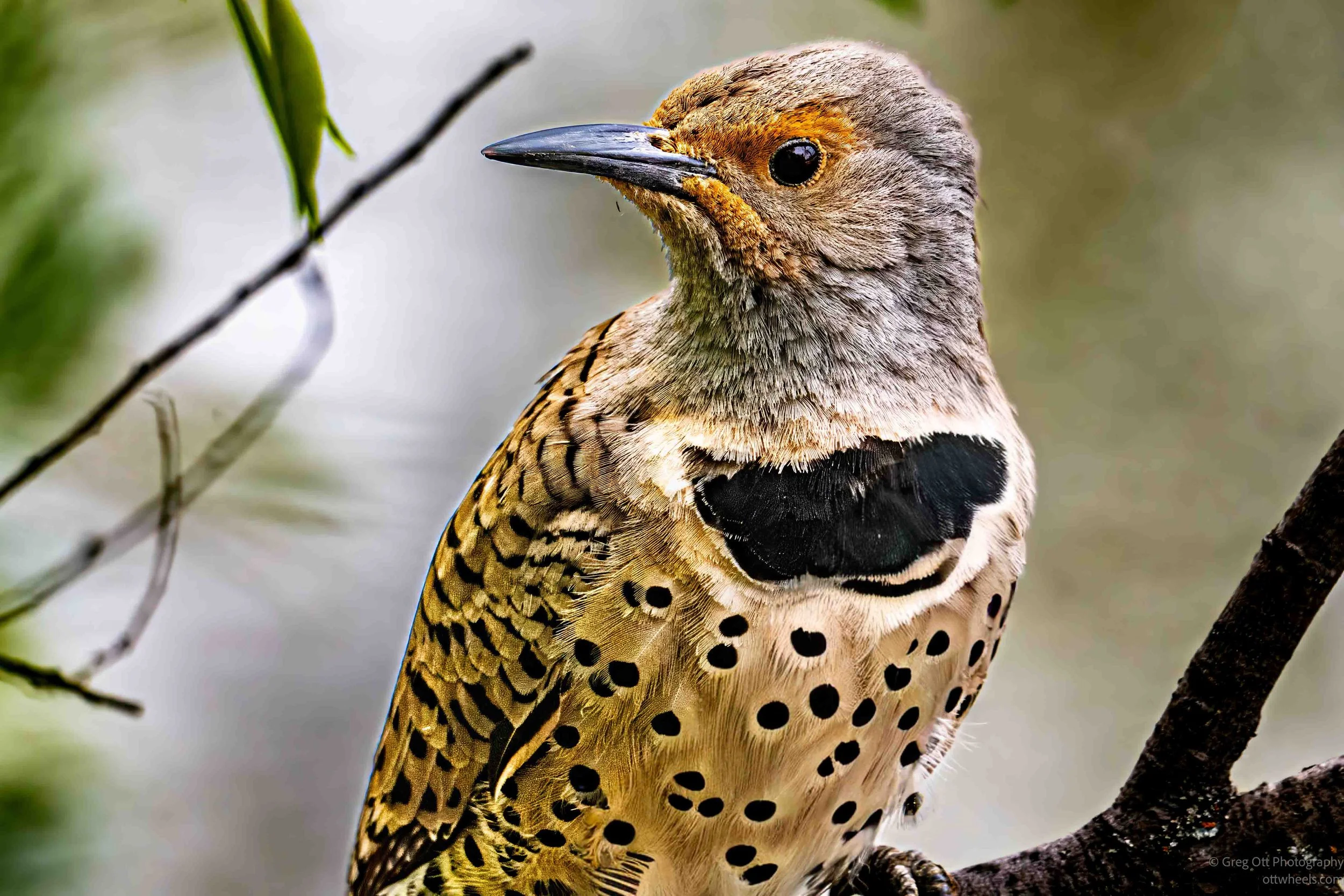
Then I heard ducks and a kid screaming, “They ate it!” I followed the noise and peered over the bank when a Northern Flicker took flight from the bank to a tree branch. I learned that what makes flickers unusual is not where they nest, but where they feed. Unlike many woodpeckers, they spend a huge amount of time on the ground eating ants and beetles. That’s probably why it was on the ground in the first place. It sat on the branch for a few minutes, jumping around, probably waiting for me to leave. I was able to get some sharp images, but there was a branch crossing right in front of it.
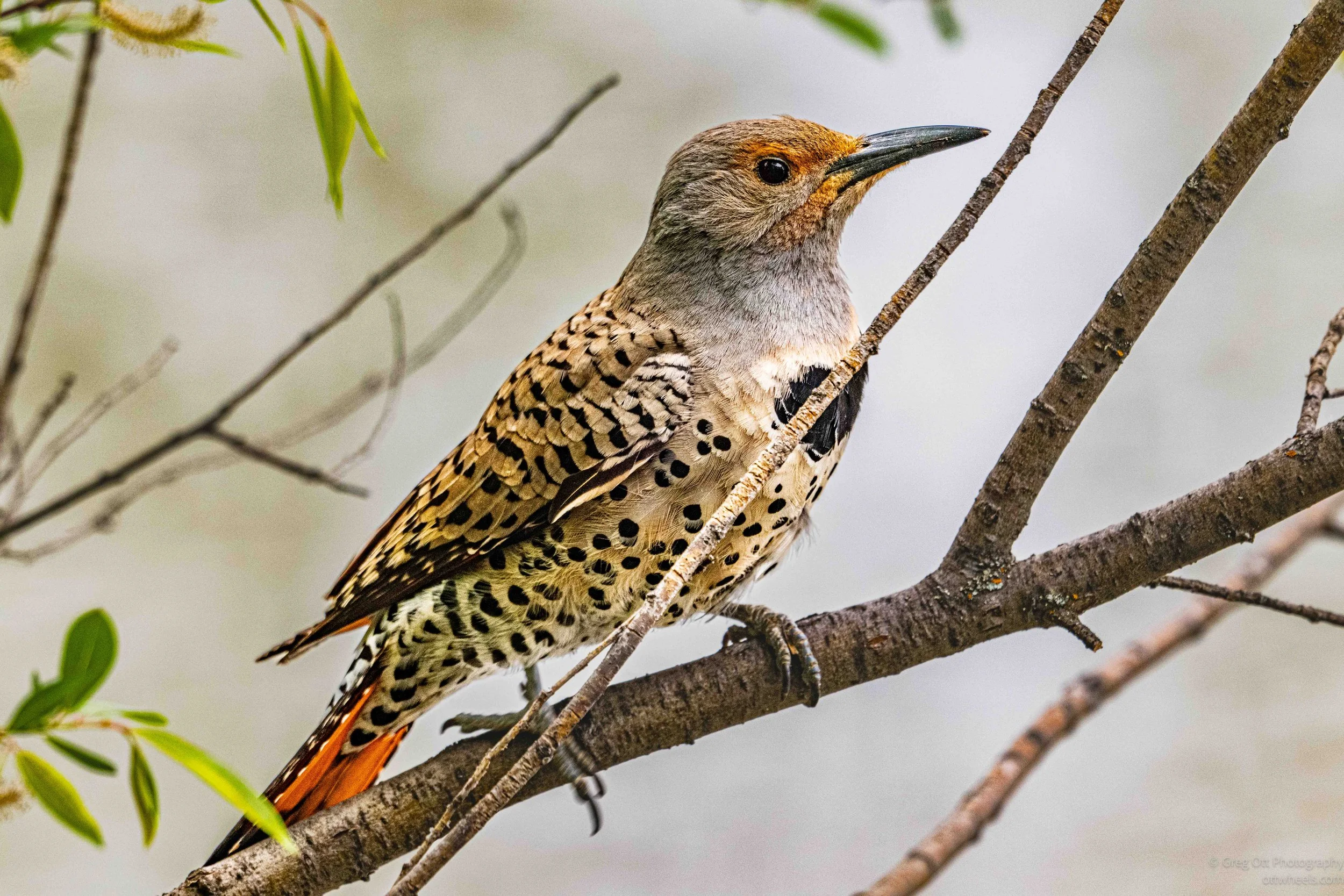
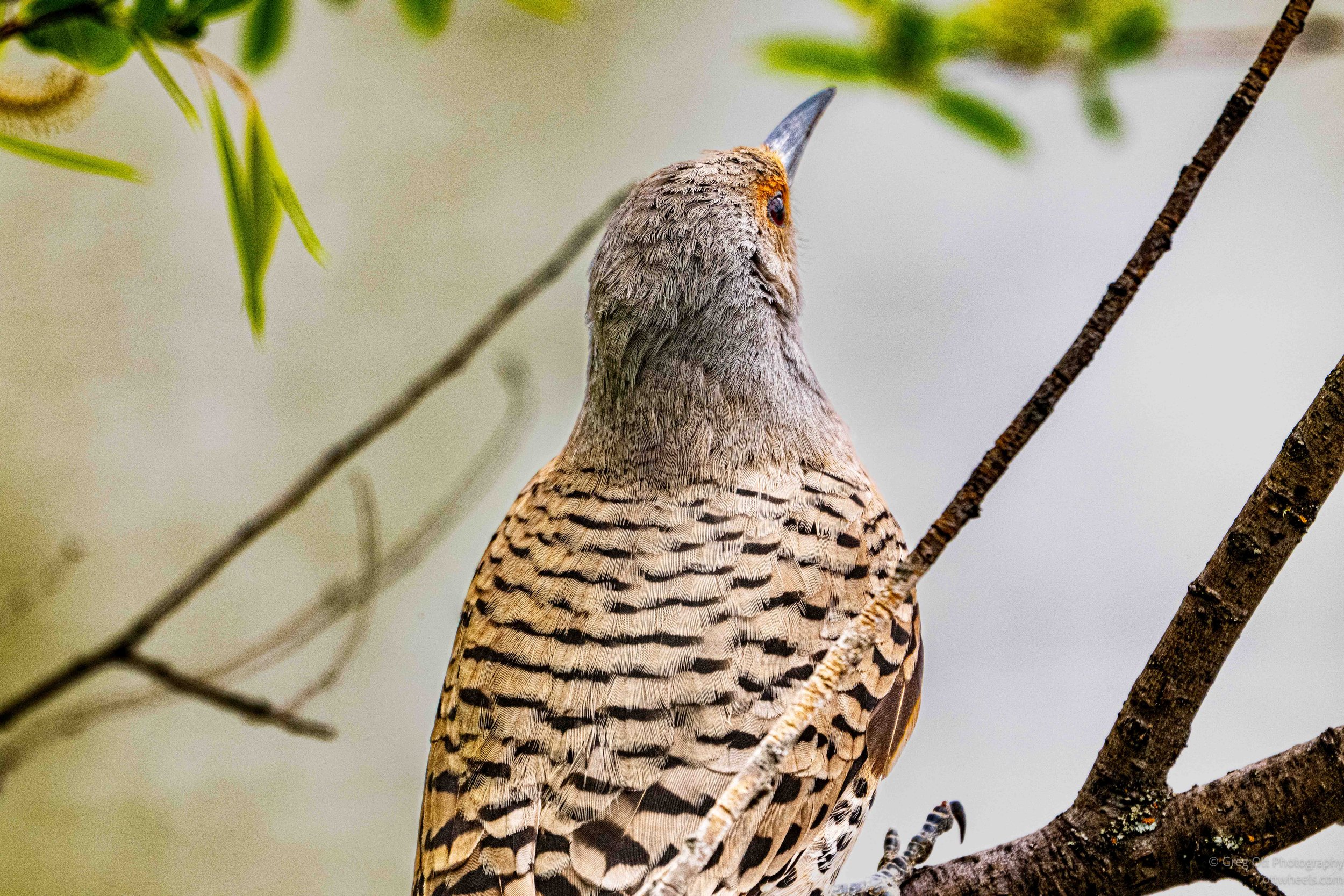
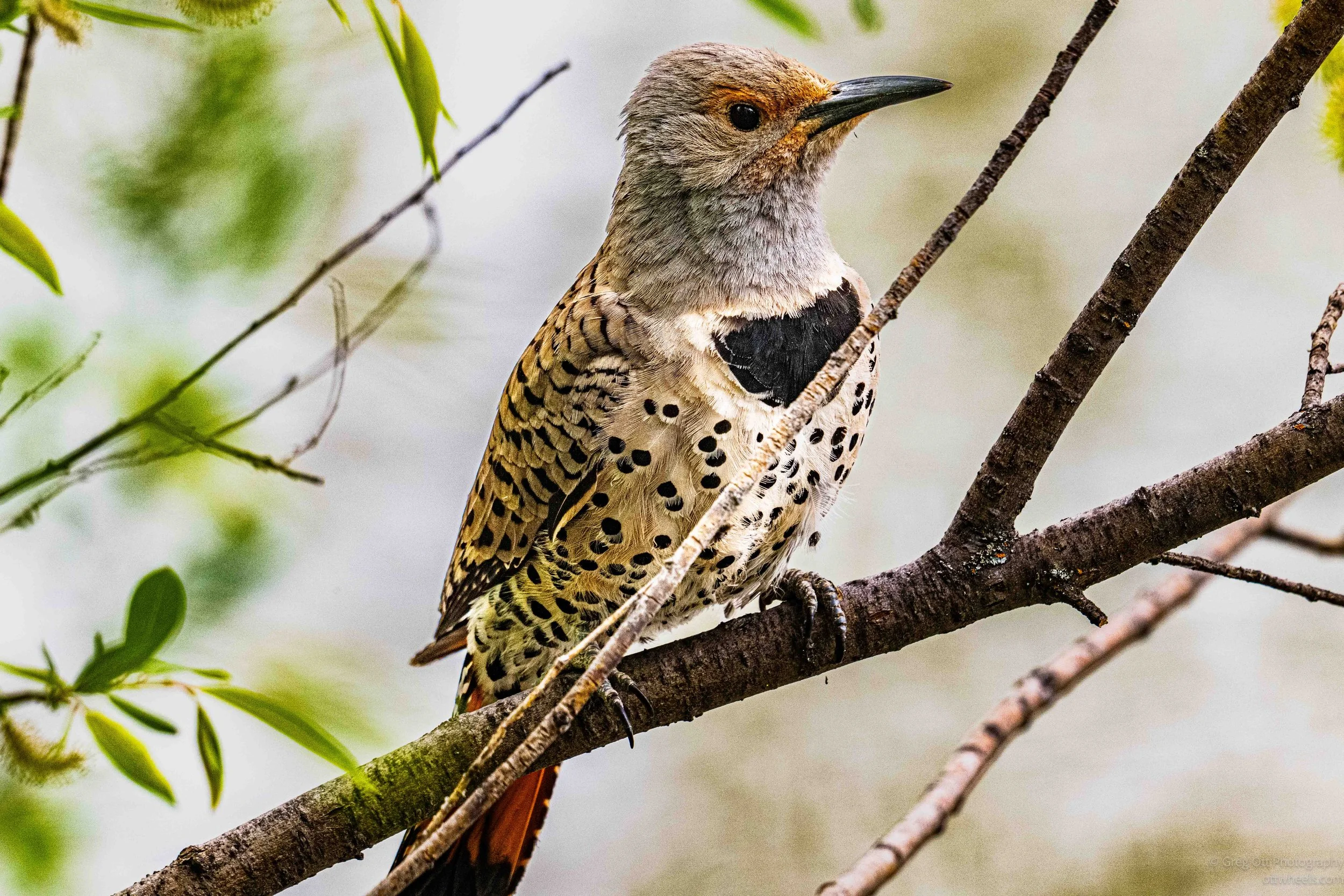
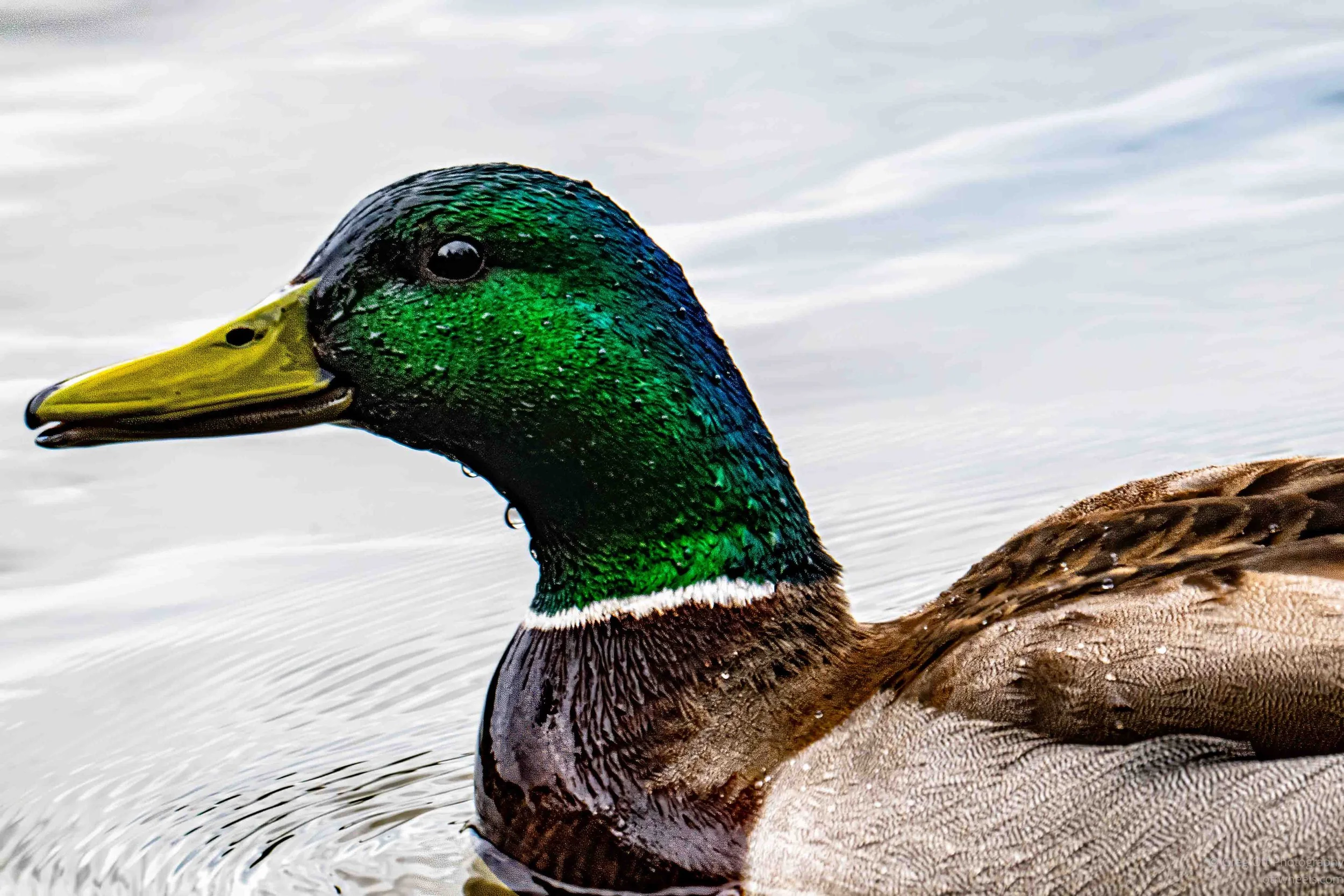
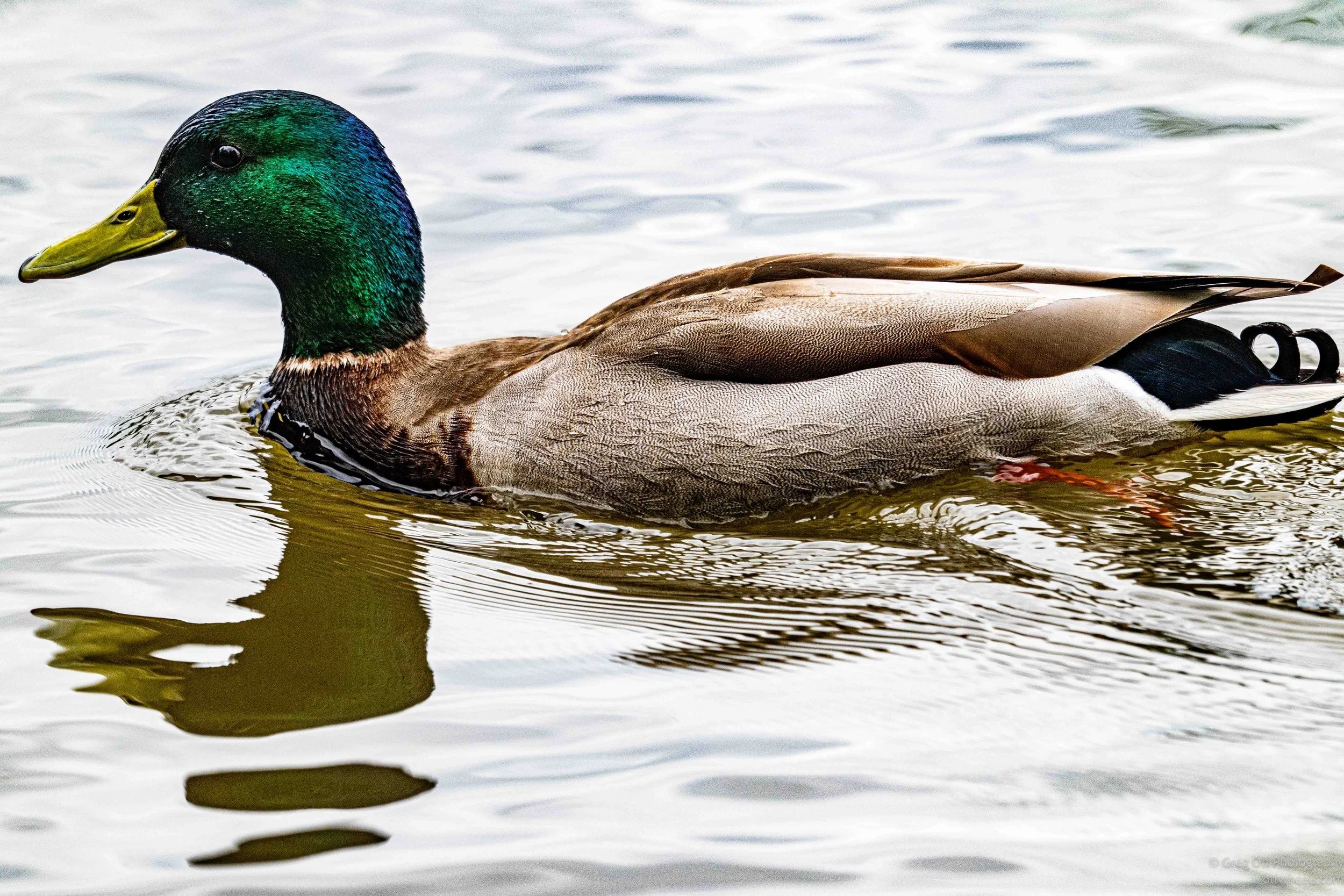
I heard the ducks again and walked closer. There were a few Mallards in the water. They kept turning and fighting the current, trying to remain where they were without being swept downstream. Along the edges of the Fraser River, slower pockets of water form near the bank where ducks can rest and feed without having to battle the full current. The mallards would drift slightly, paddle hard back into position, and then settle again in the calmer water. They seemed completely comfortable working the edge of the current while the river kept moving steadily past them.
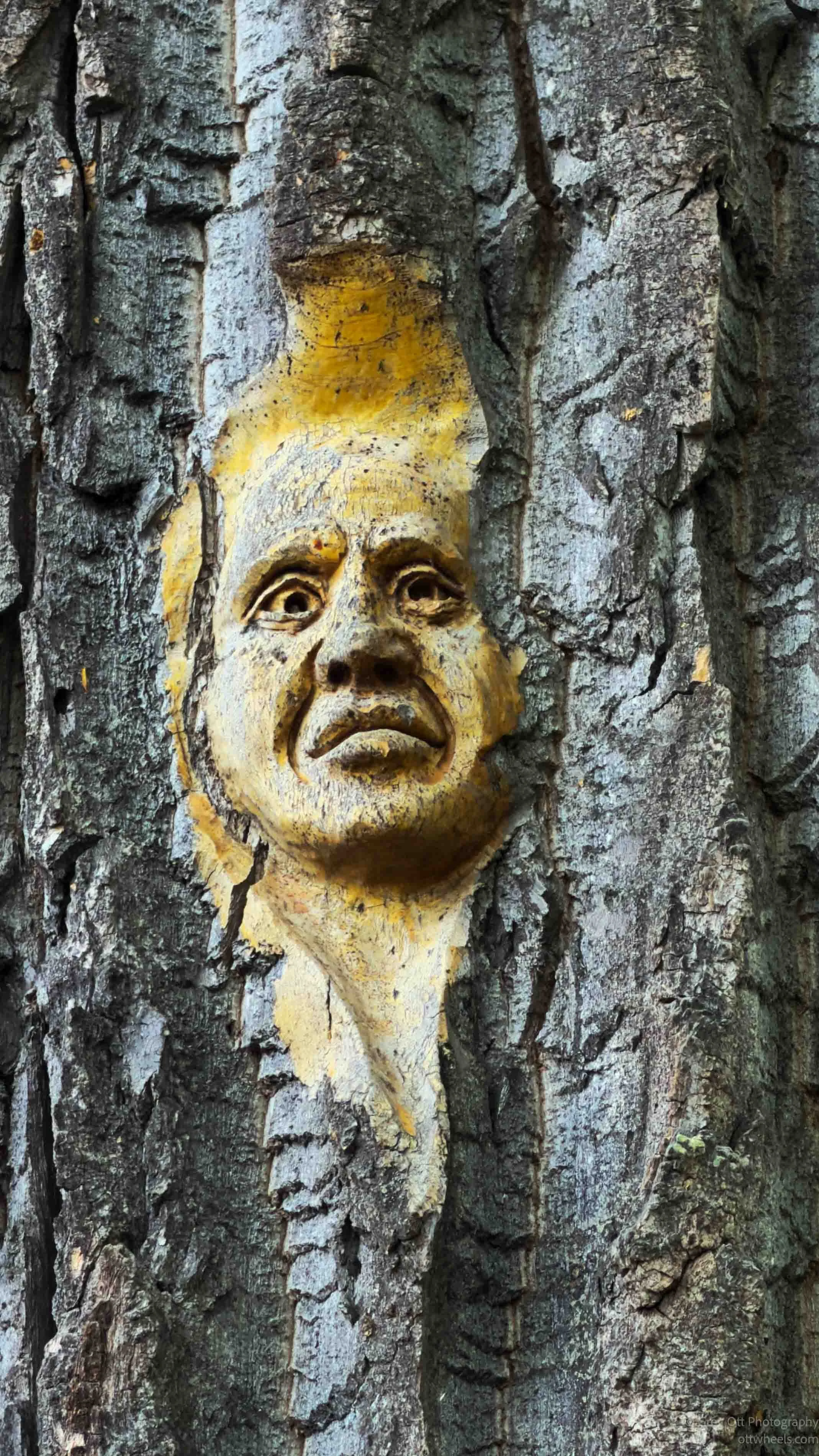
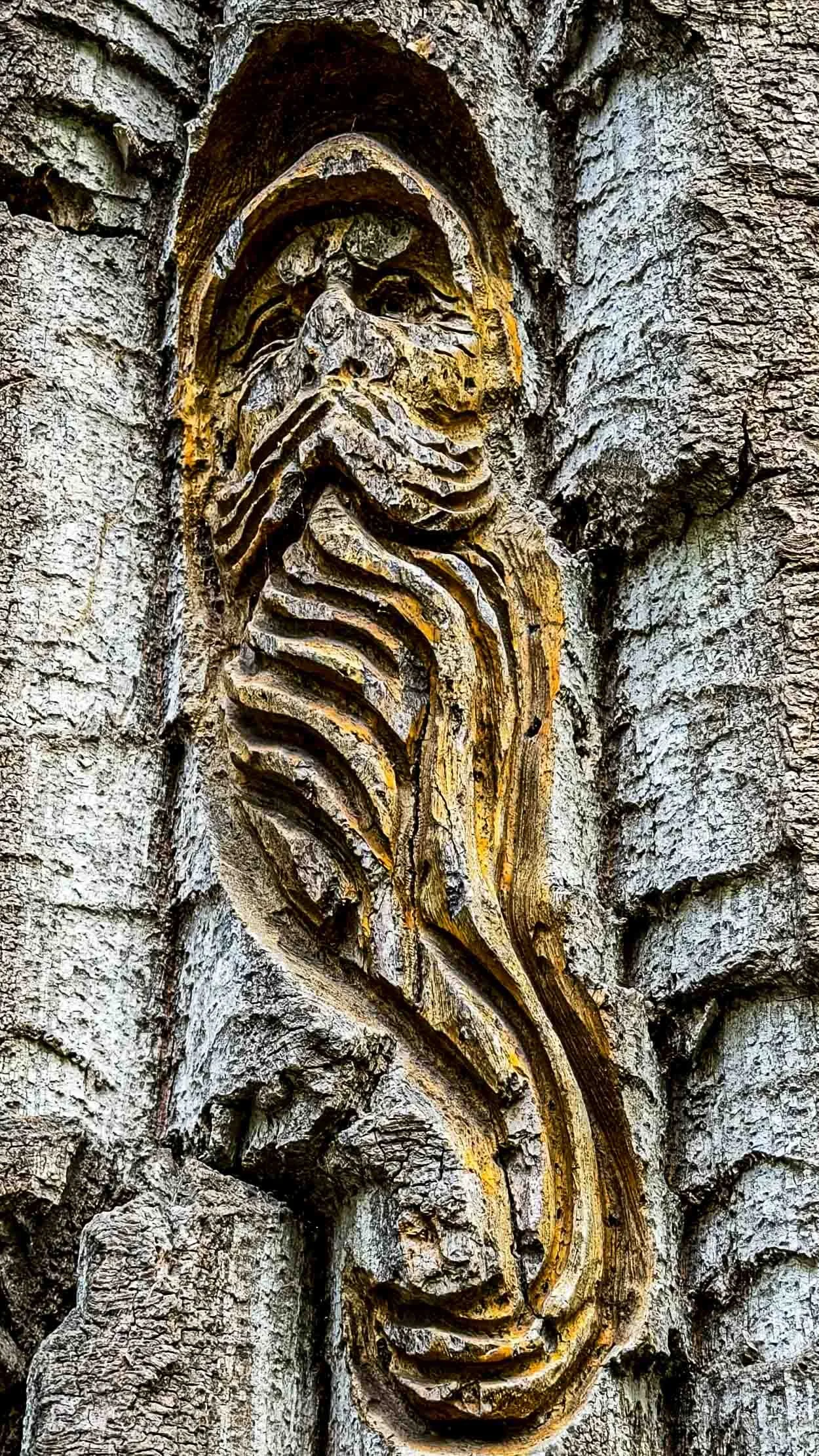
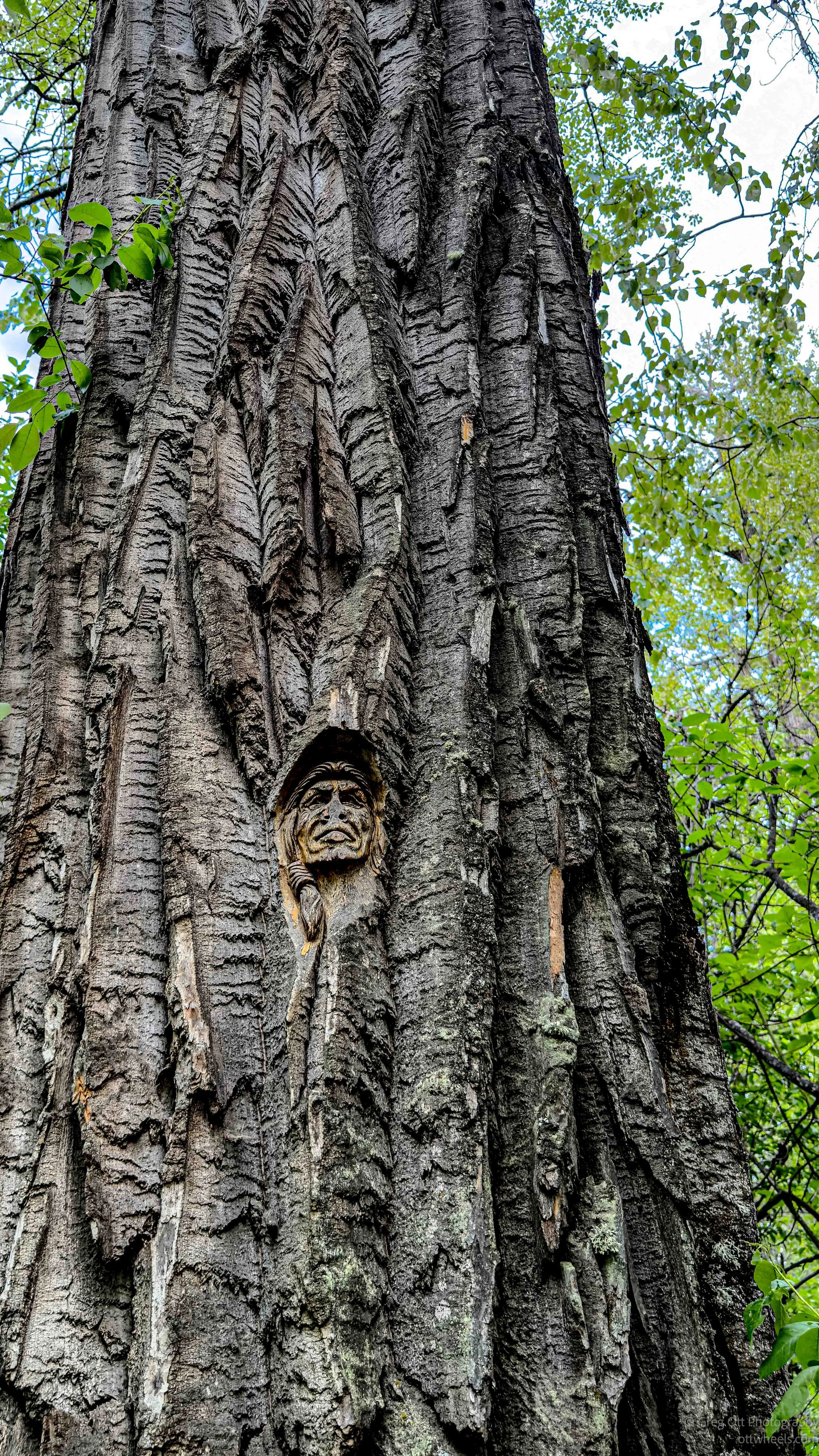
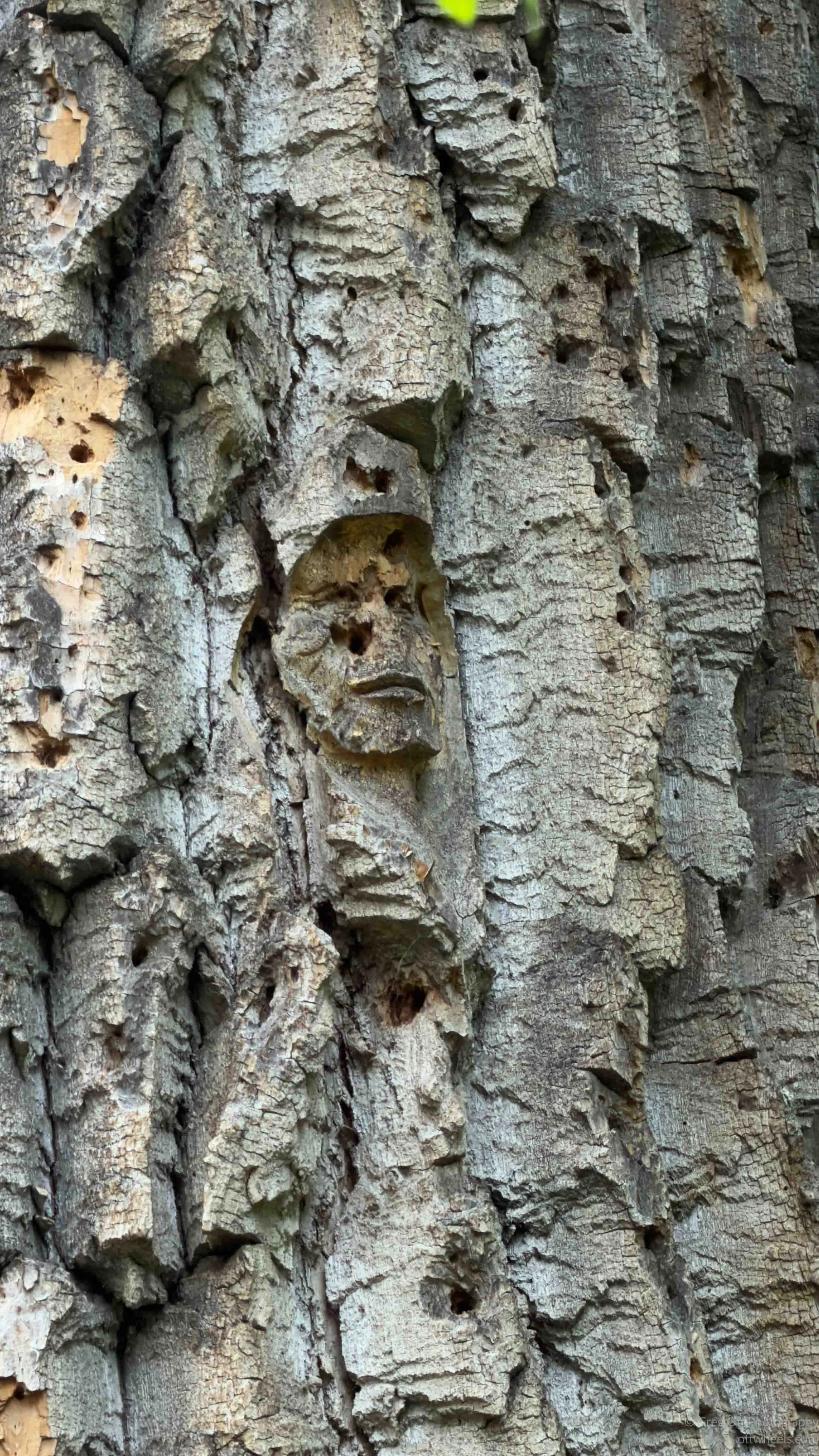
As I continued along the trail I started noticing carvings cut directly into cottonwood trees. One carving showed a woman with long flowing hair emerging from the trunk itself. Then there were more. Faces, animals, fantasy figures, and strange whimsical expressions hidden throughout the park. I slowed down and began studying the details and photographing them one by one. On the back of one carving was the signature: “Elmer 2016.”
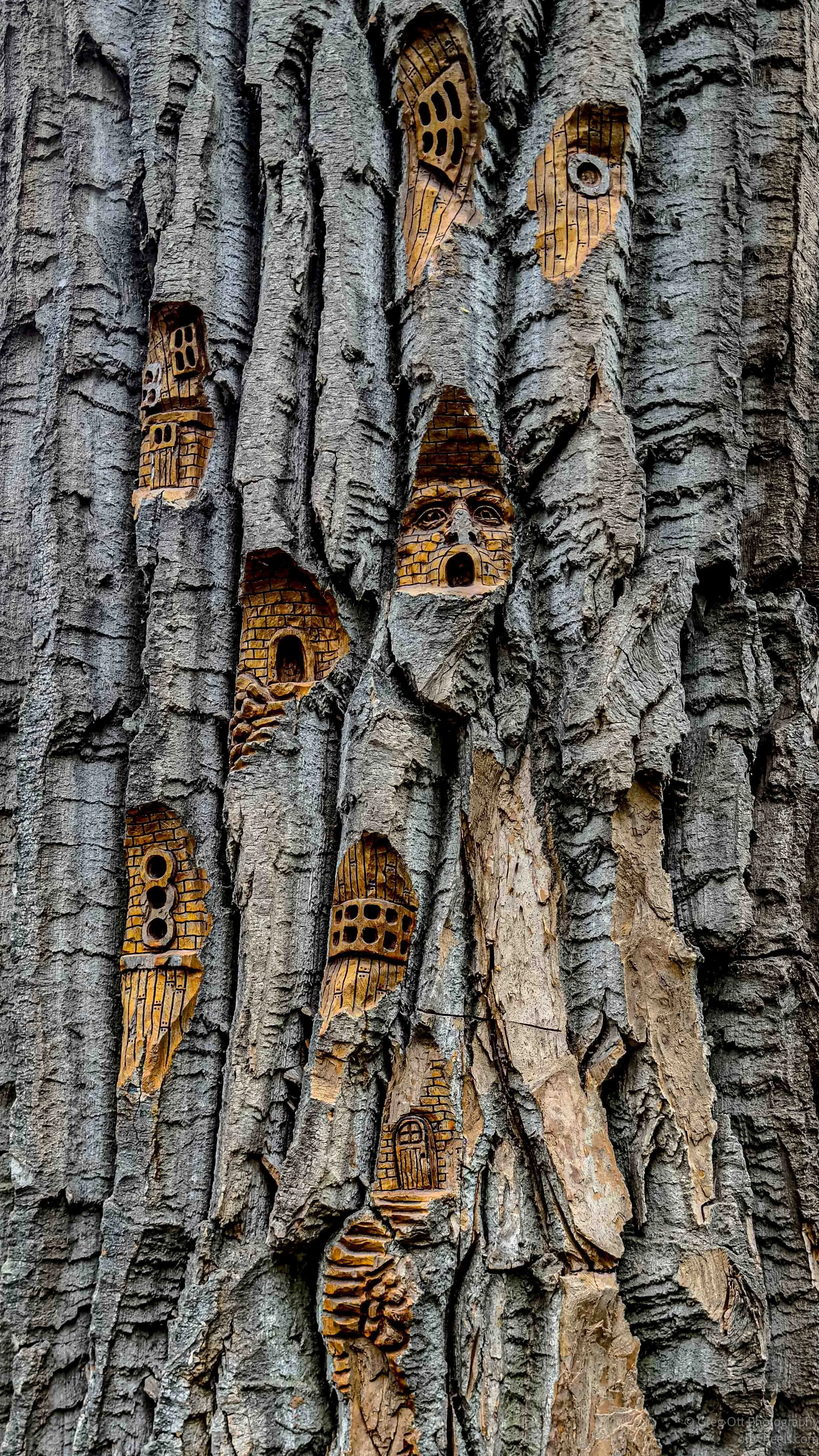
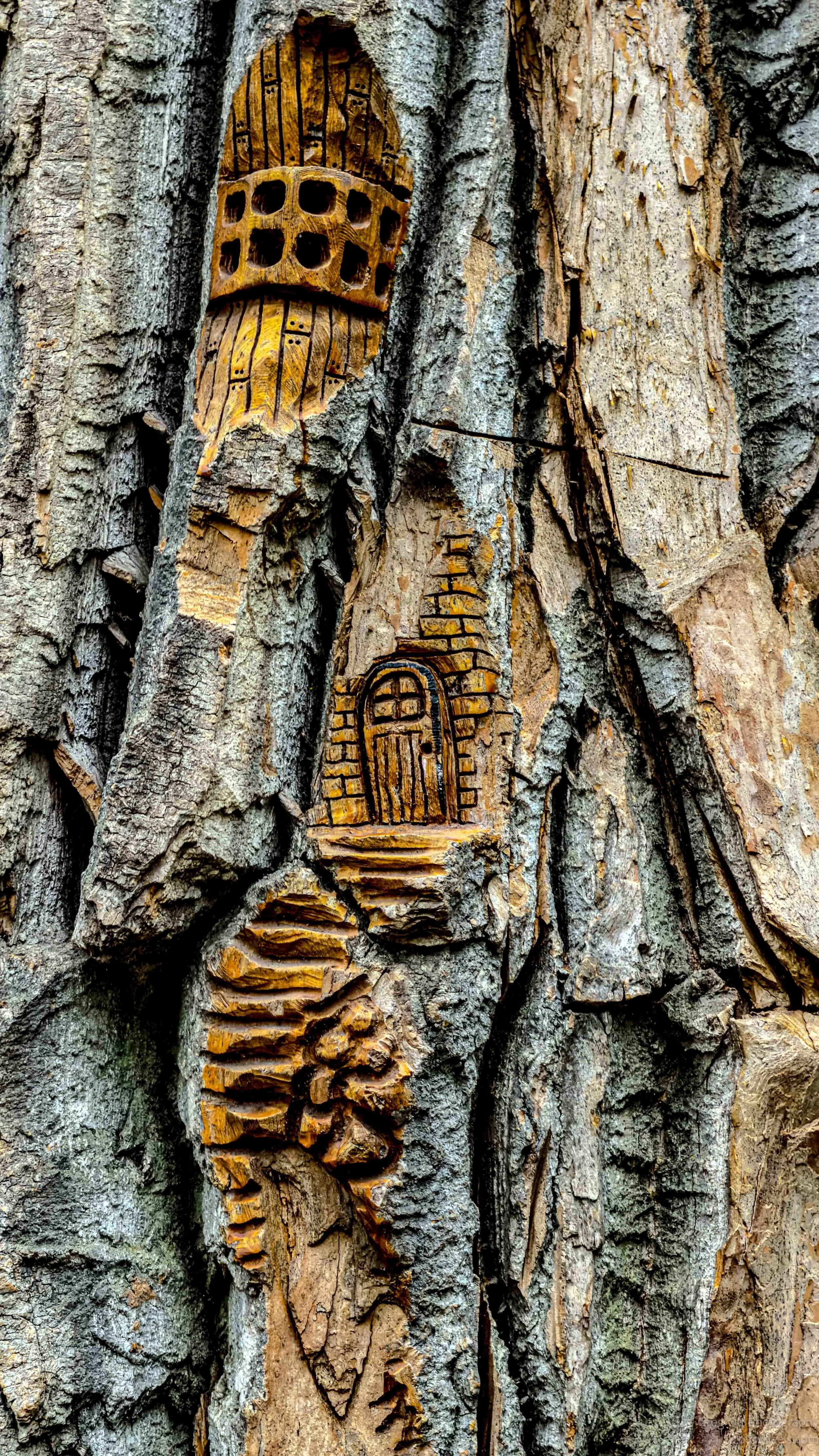
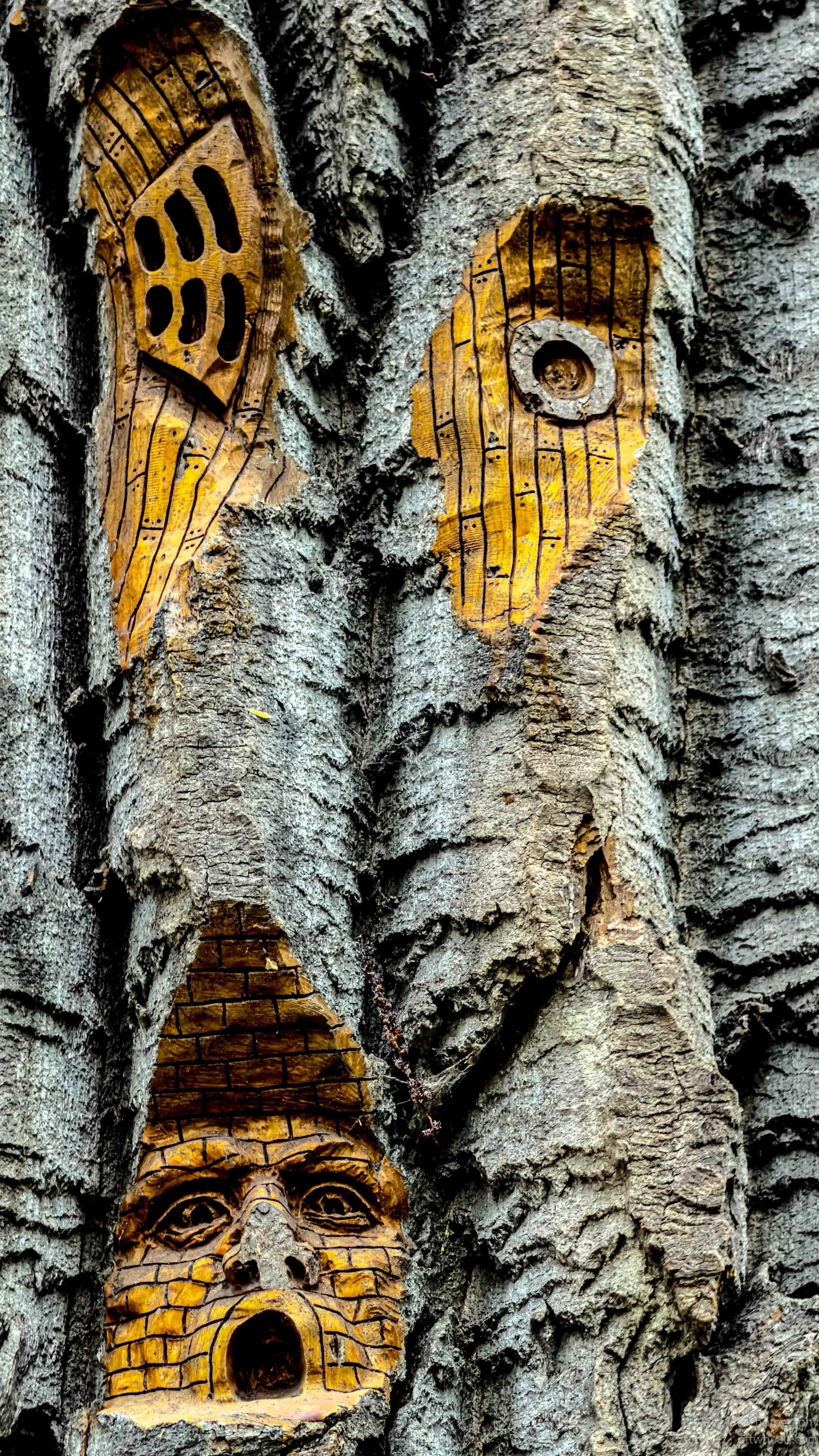
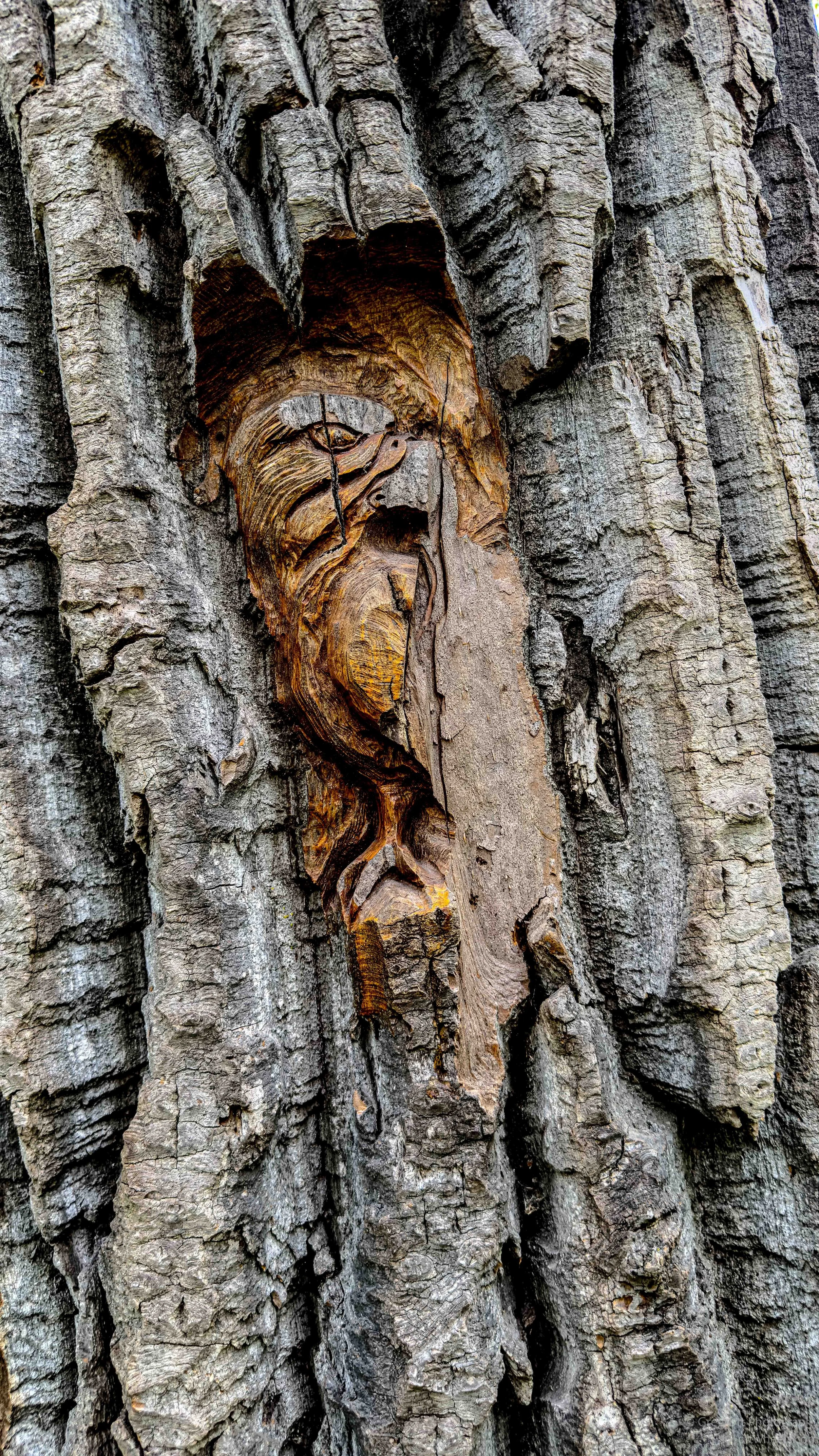
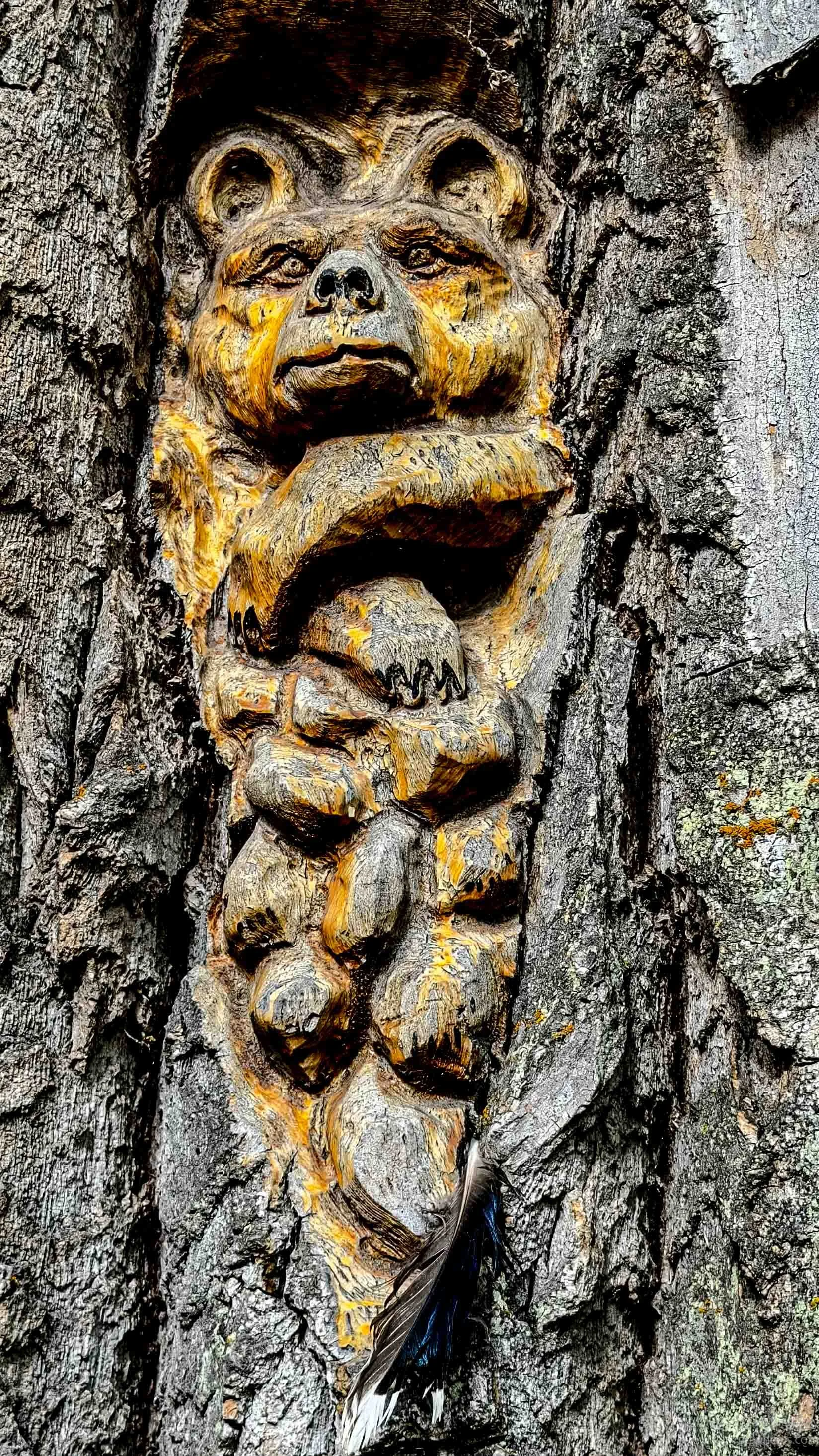
Later another couple stopped me with the same question everyone else seemed to ask that day: “Any good photos?” I mentioned the carvings and the man told me he had worked with Elmer Gunderson, the local wood carver responsible for many of them.
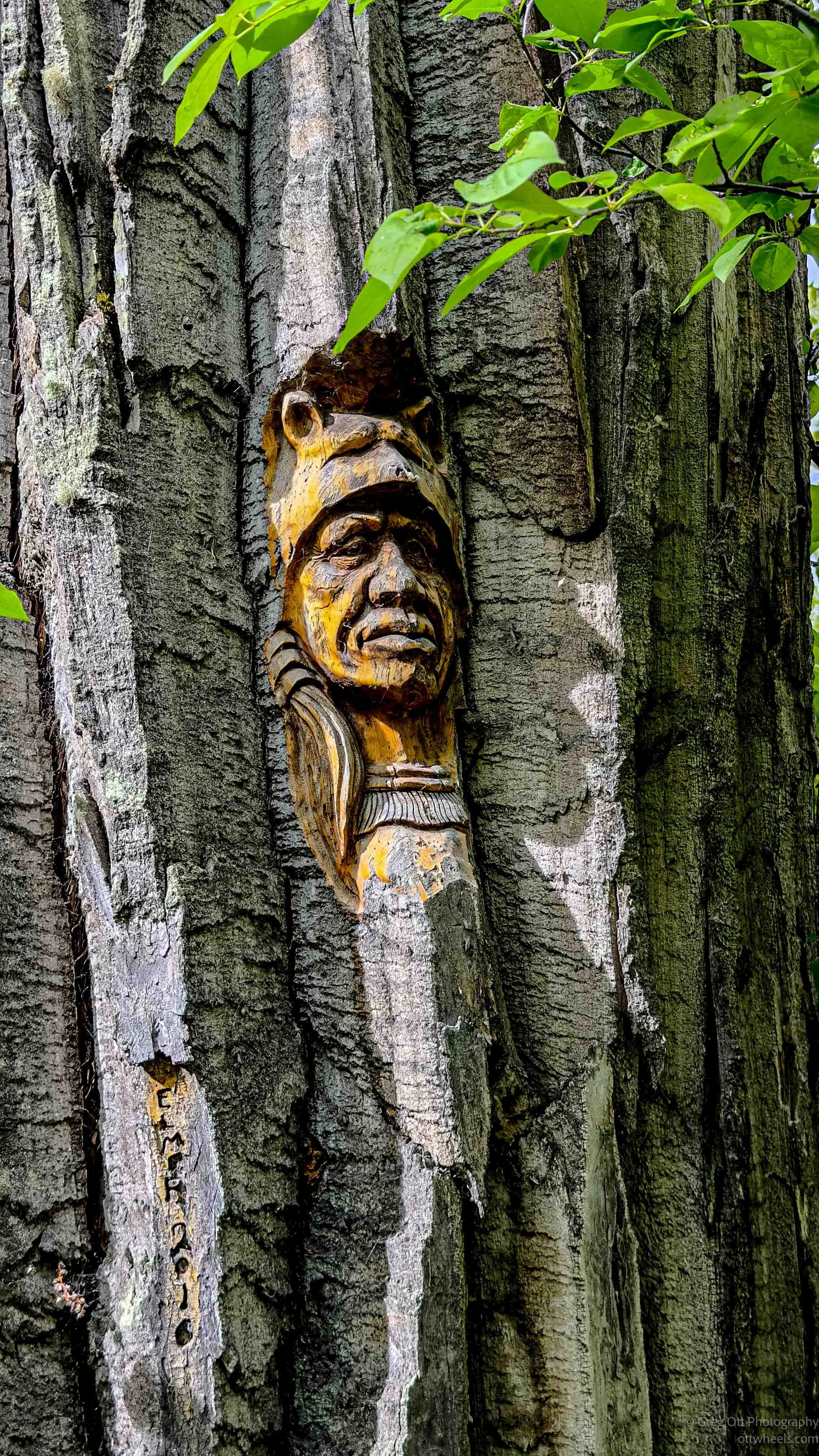
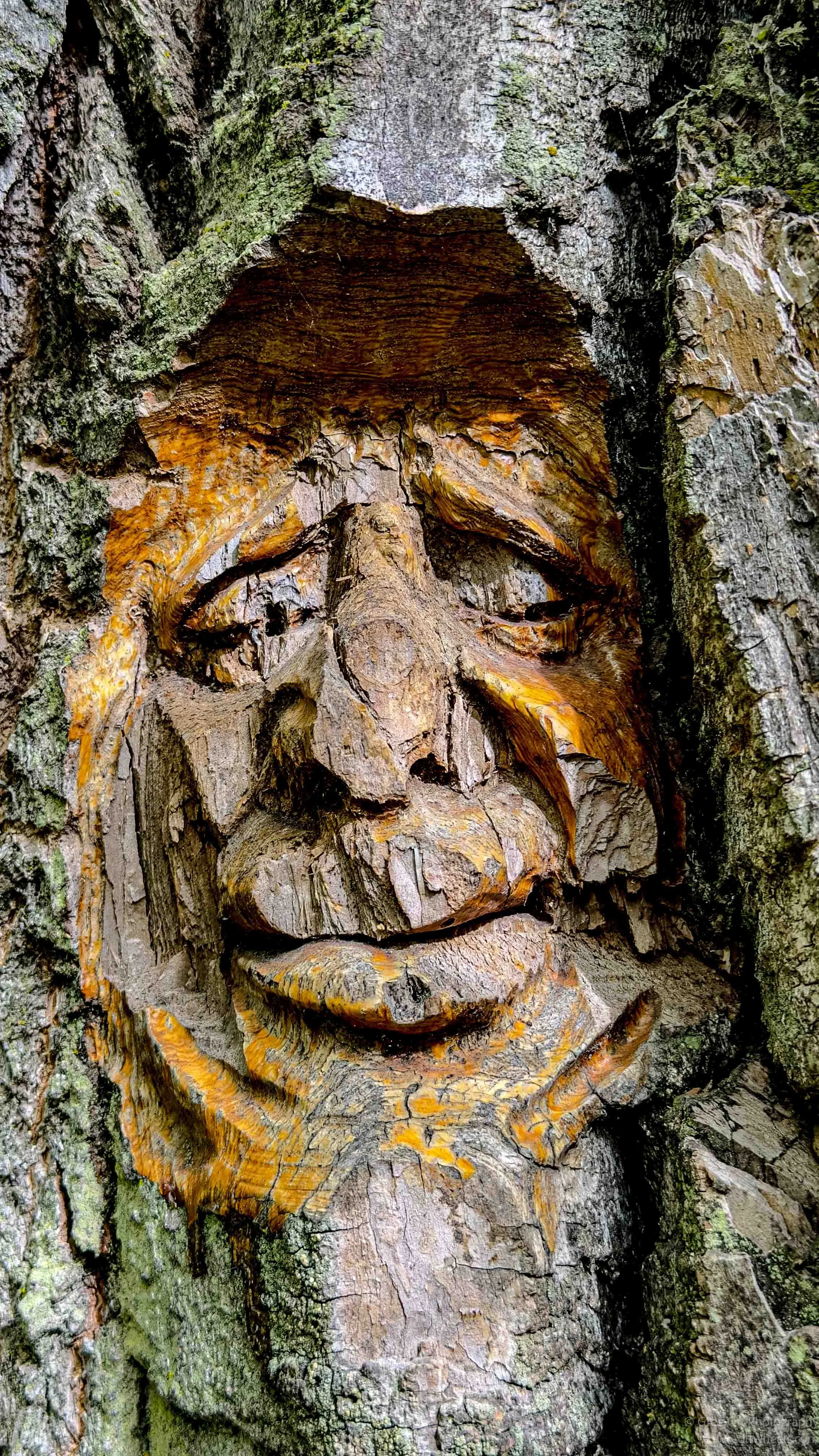
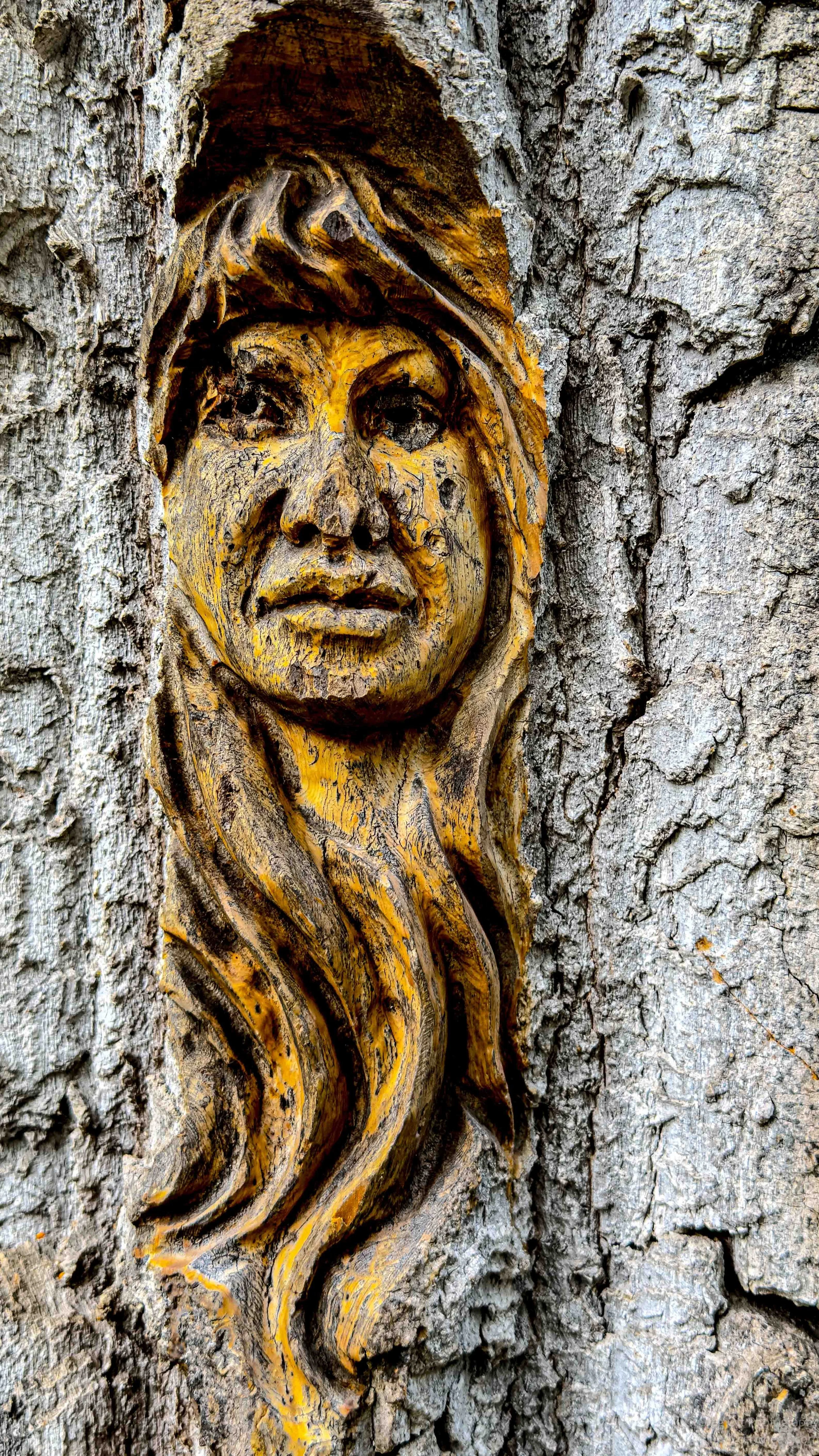
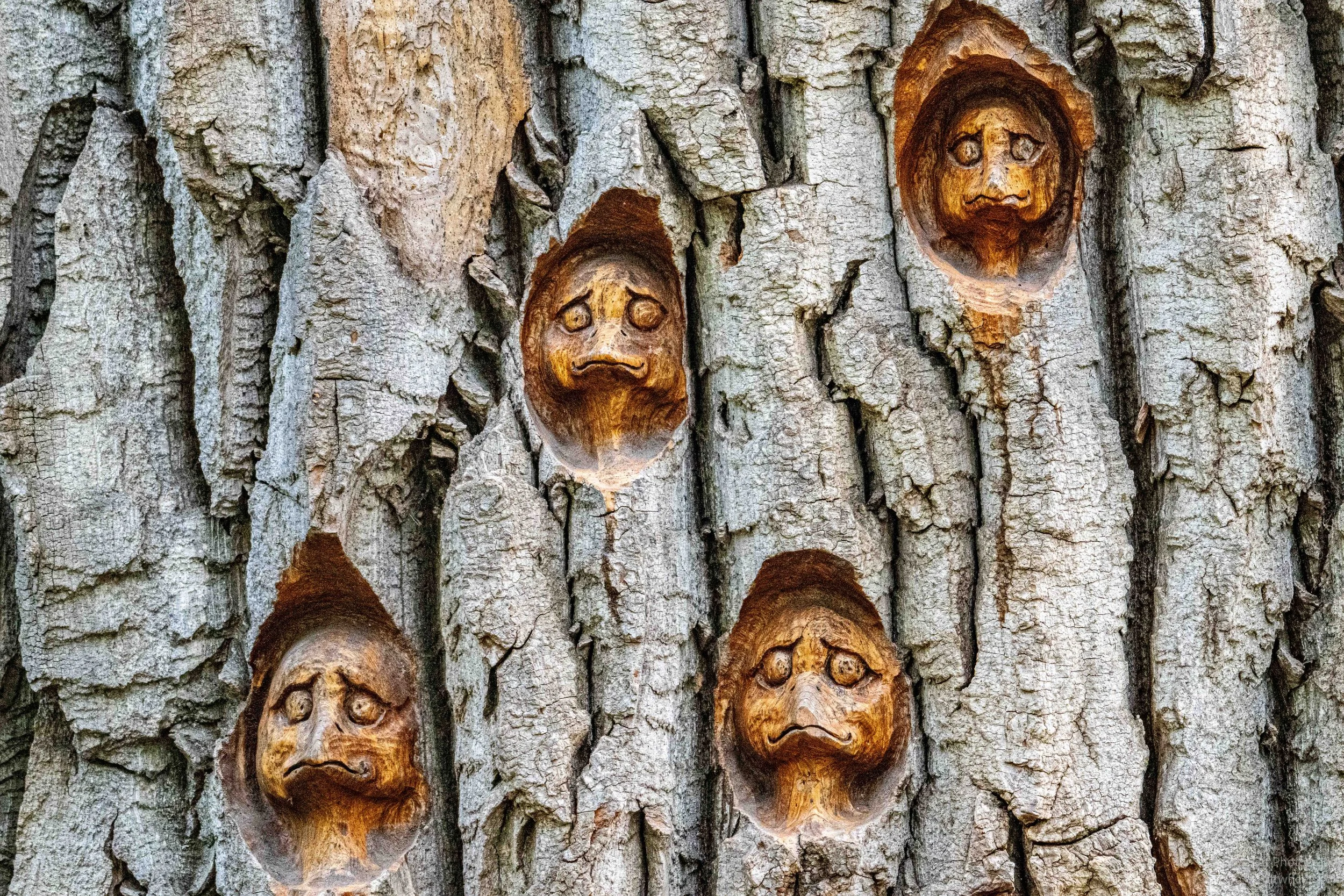
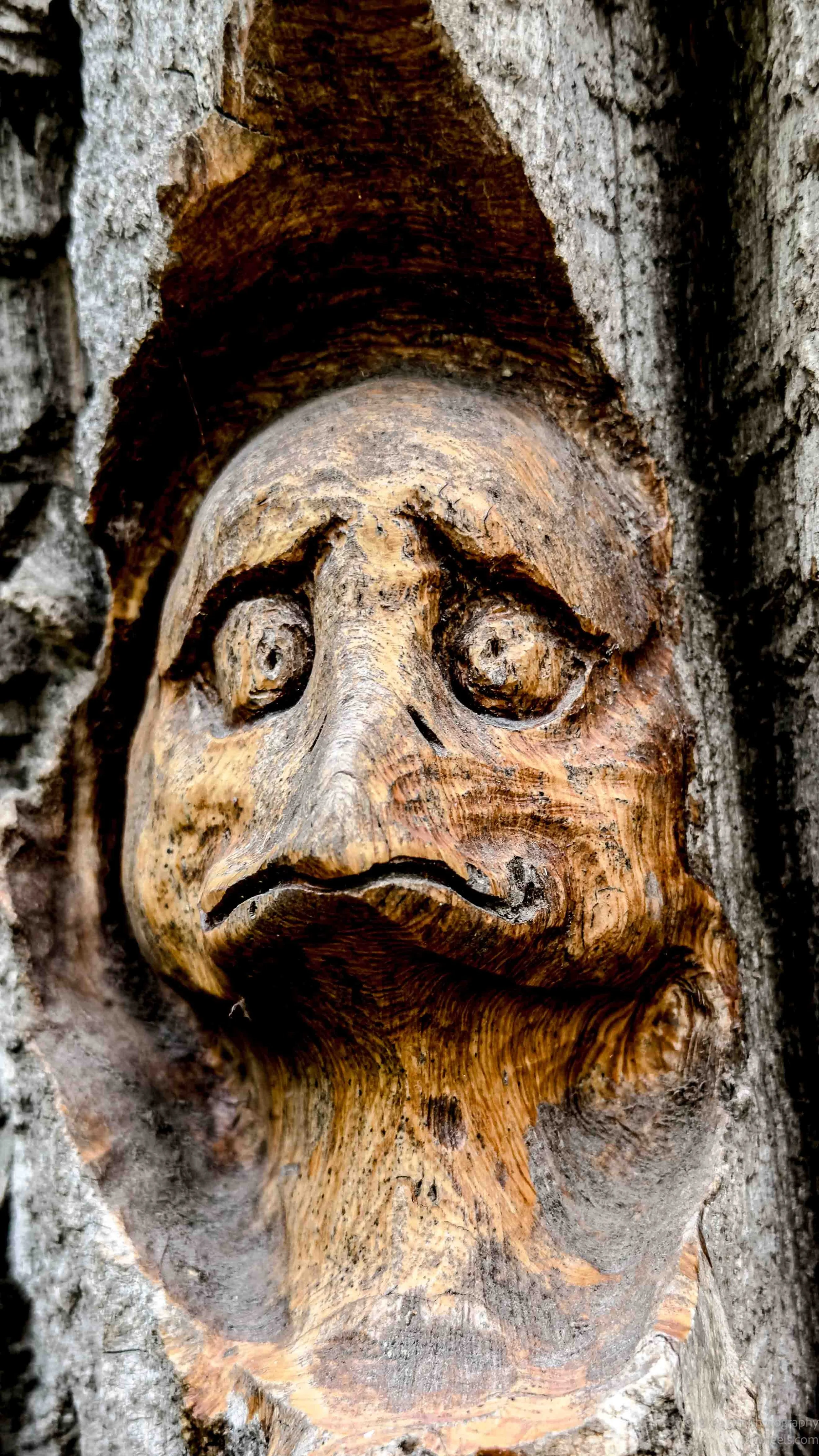
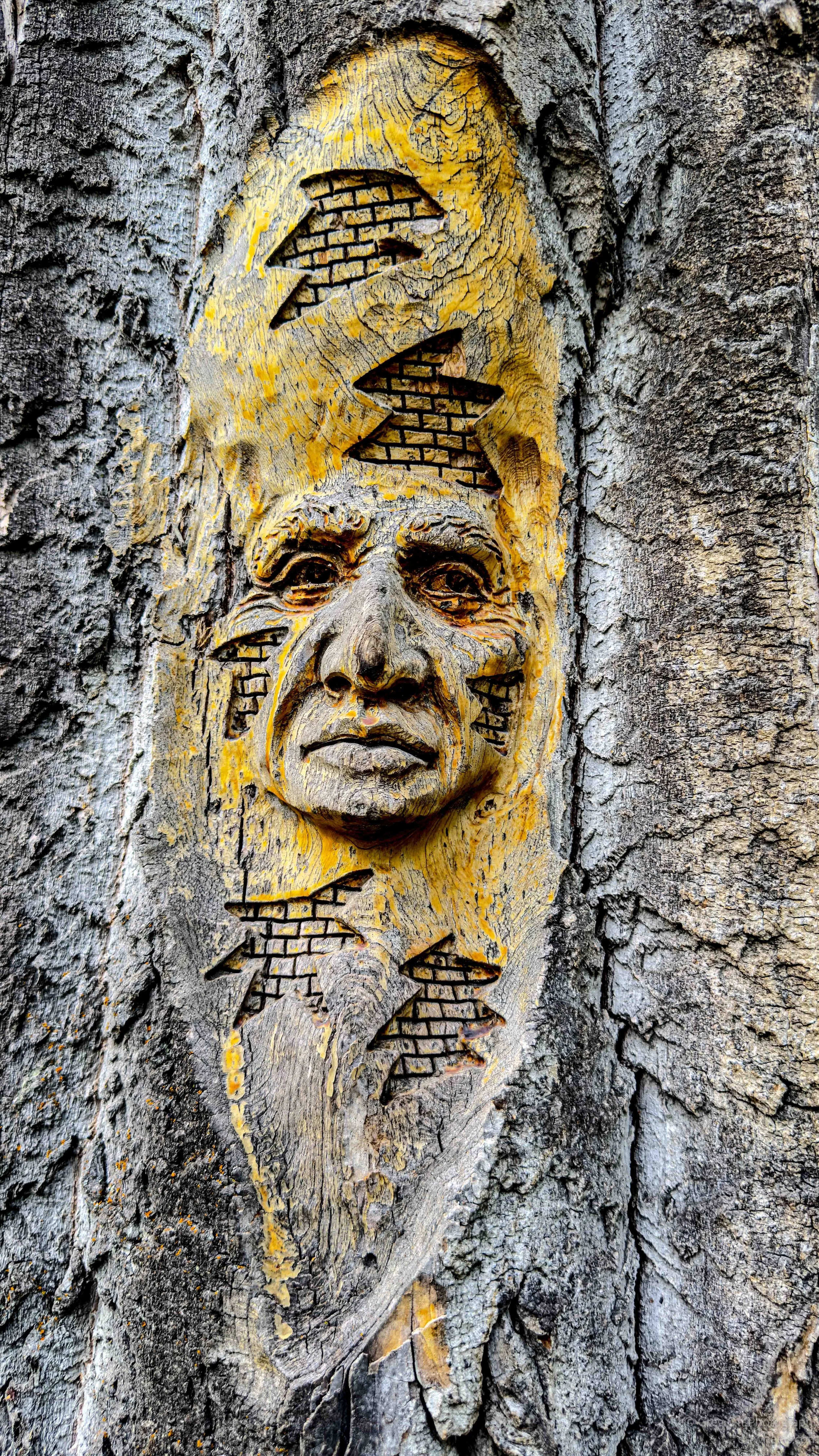
Elmer Gunderson became well known around Prince George for transforming damaged or dead cottonwood trees into public art. Beginning around 2005, the City of Prince George supported a large carving project throughout Cottonwood Island Nature Park. Over time the park filled with dozens of faces, animals, fantasy creatures, and human figures carved directly into standing trunks and stumps. Gunderson’s work became part trail attraction and part outdoor gallery. Beyond the park, he also created memorial carvings, civic artwork, and community projects throughout northern British Columbia. The carvings fit the region perfectly. Northern BC seems to have a strong carving culture, especially chainsaw carving and large-scale wood art.
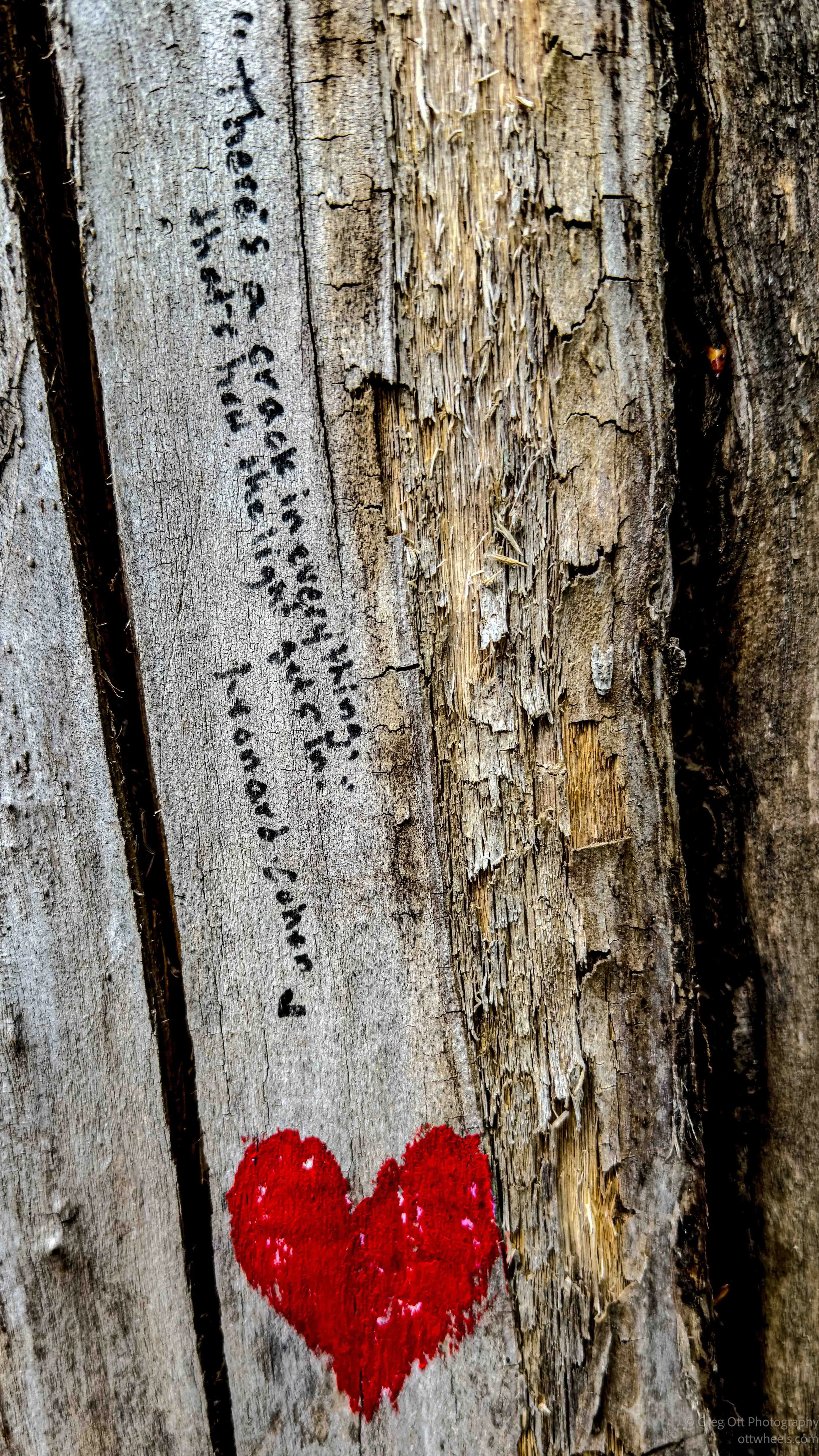
There was a tree with a red heart on it beside a big crack in the bark. Someone had written a famous lyric from Anthem by Leonard Cohen:
“here is a crack in everything,
that’s how the light gets in.
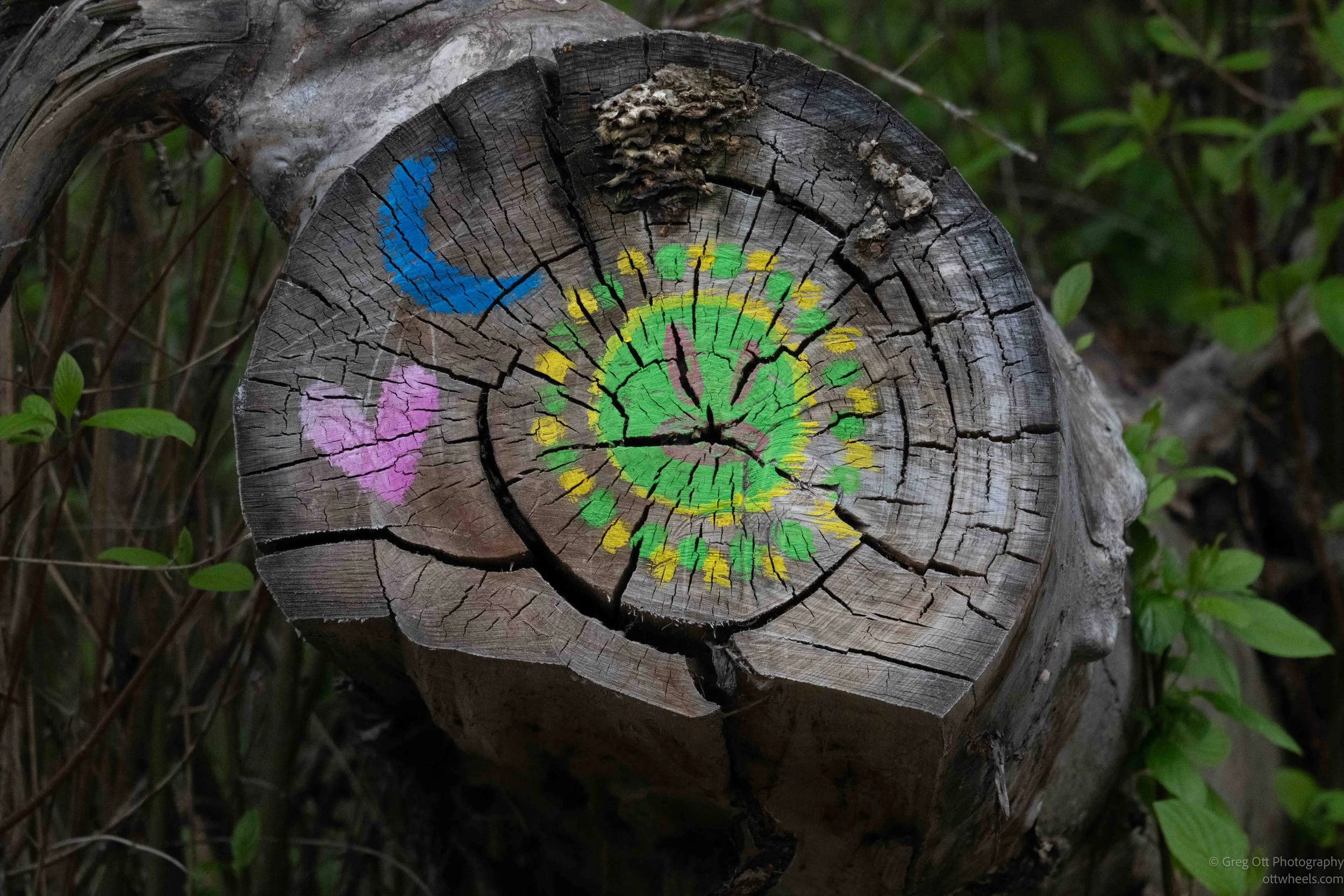
I spent more time wandering the trails chasing birds with limited success, rewalking sections of the loop, and photographing more carvings.
When I finally returned to the van and started loading gear inside, I heard the familiar question again.
“Any successful photos?”
It was Bruce. We ended up talking for another hour. He and his wife used to travel in various campers before she passed away a little over a year ago. He had been thinking about buying a campervan himself. I gave him a tour of mine and we talked about the tradeoffs between building versus buying, layouts, insulation, and trying to find a setup that actually works for the way you travel.
Bruce suggested a few places where I might park overnight. I stayed at the park until around 9 p.m. making dinner and getting organized for the next day. I checked out the spot he recommended, but eventually found a quieter street that worked even better. One side had a tall fence. The other had a deep lawn with large bushes. The road was flat and quiet. I shut the engine off, climbed into the back of the van, and dropped almost immediately into a deep sleep.