Quesnel, BC
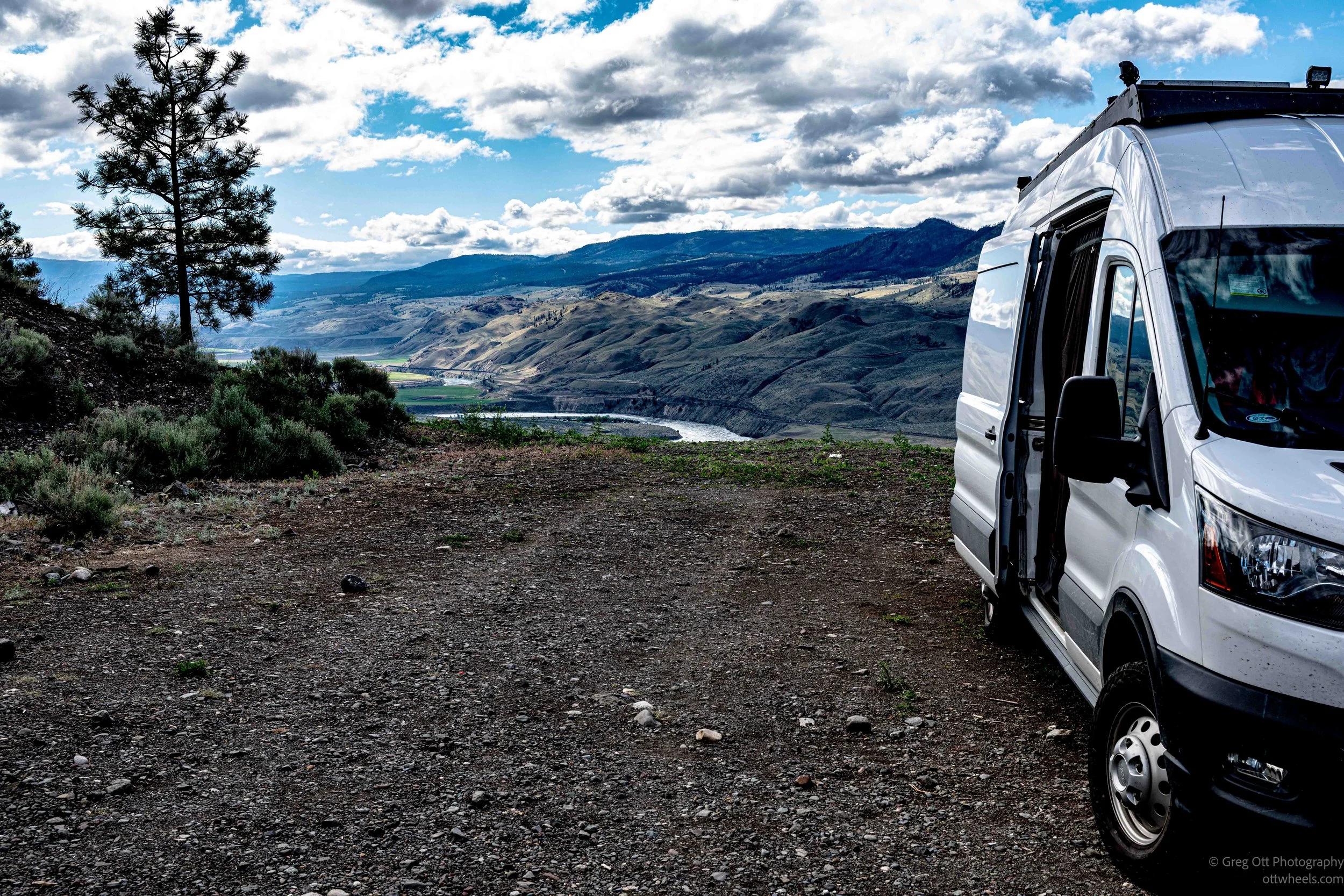
I woke near Cache Creek, BC. The storm had passed through and the views of the valley were clear. After breakfast, I just stood there and took it all in. The silence was periodically interrupted by birds around me and the deep groan of a truck using its compression brakes somewhere below in the valley. The air carried that fresh scent that only seems to exist after rain. Showers and flowers. I remember thinking that would make a good name for a flower shop. Showers and Flowers: Inspired by a Rainy Day.
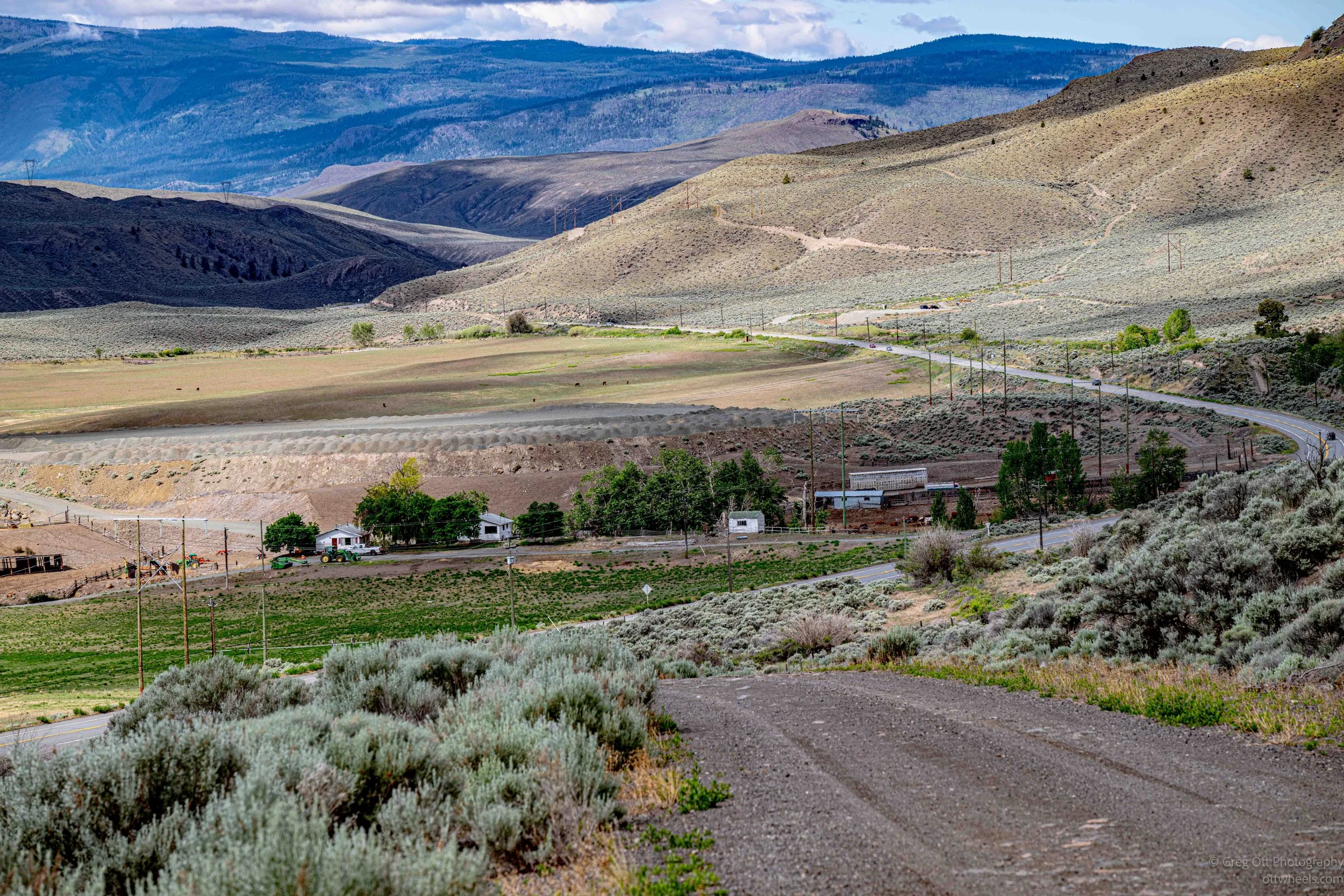
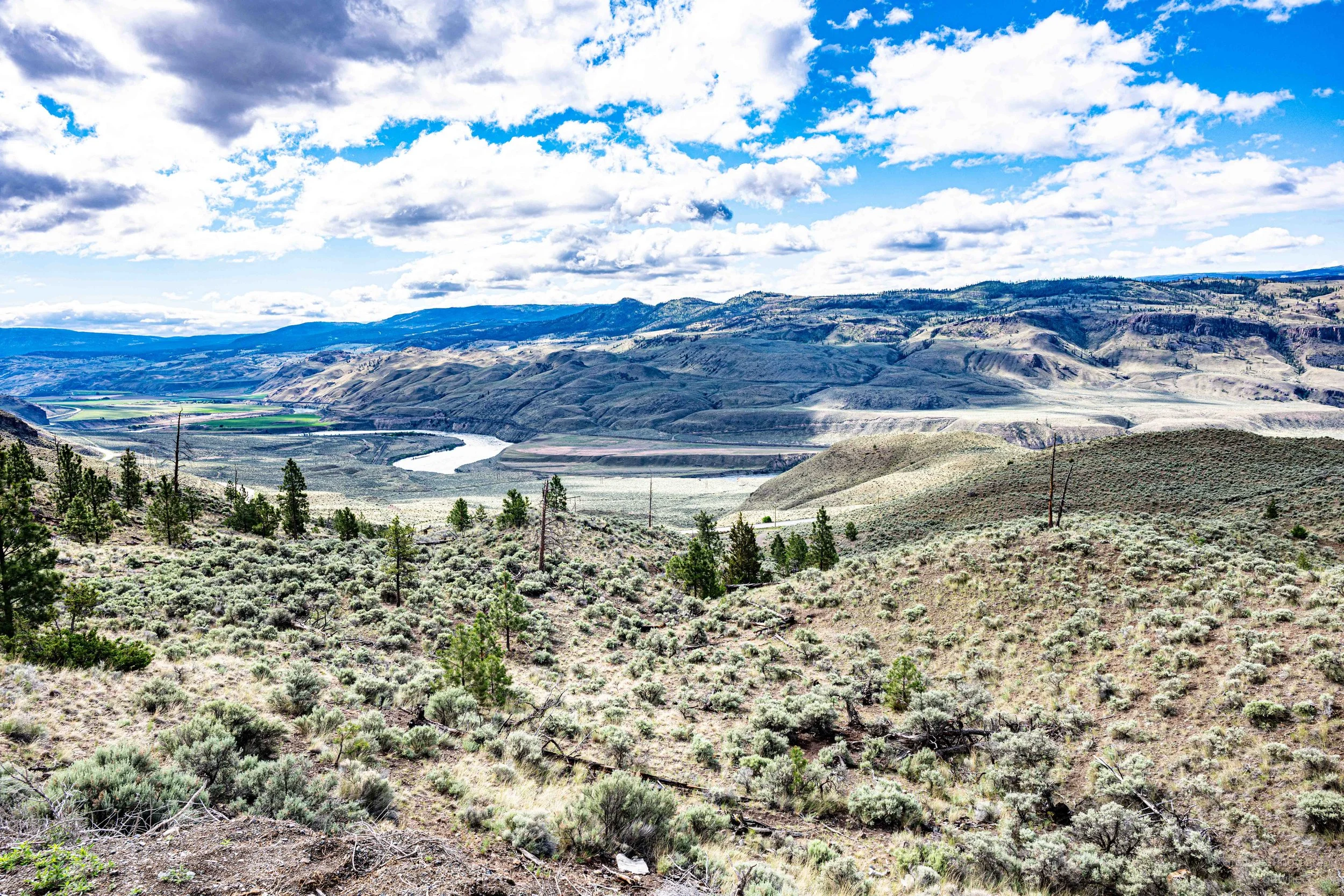
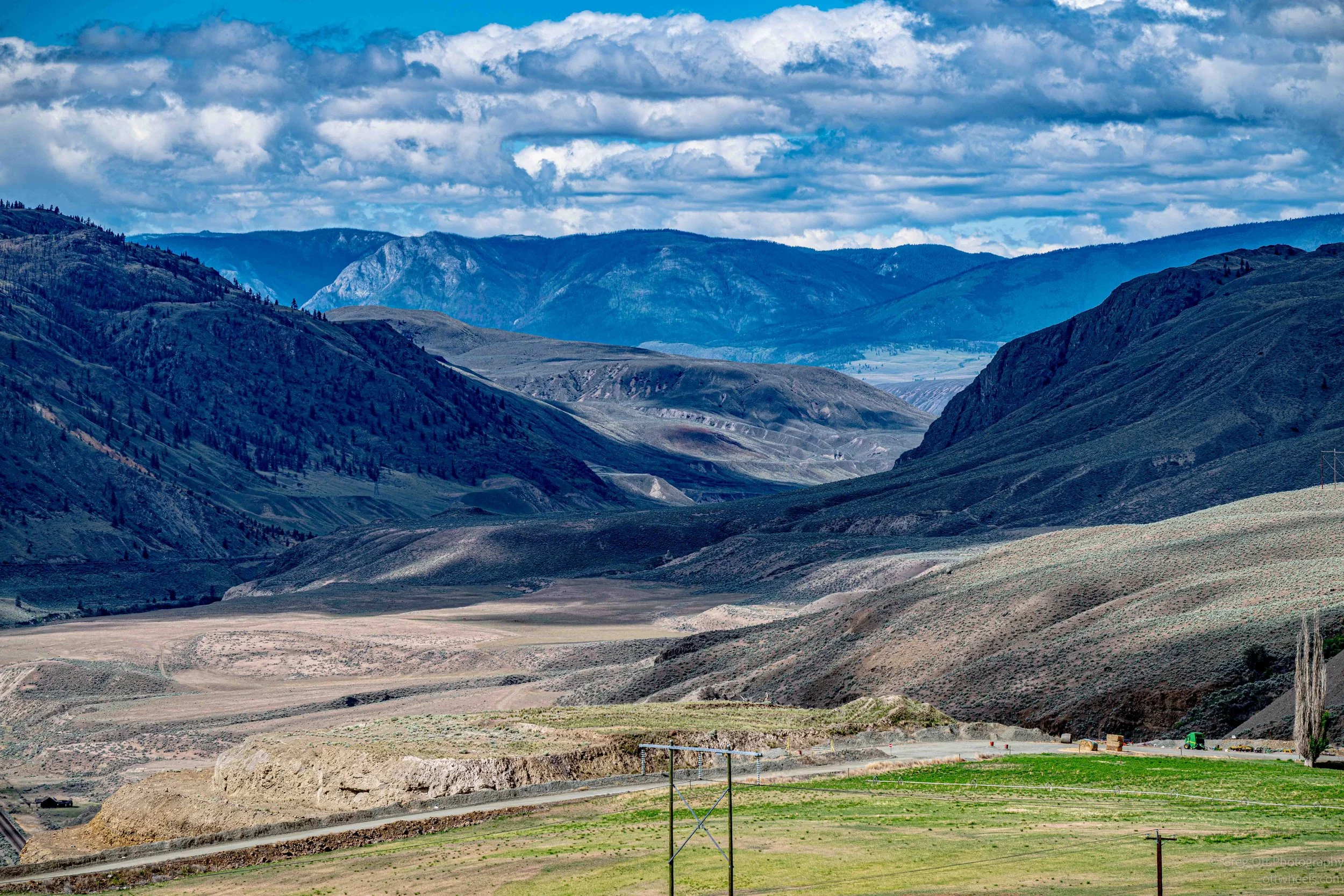
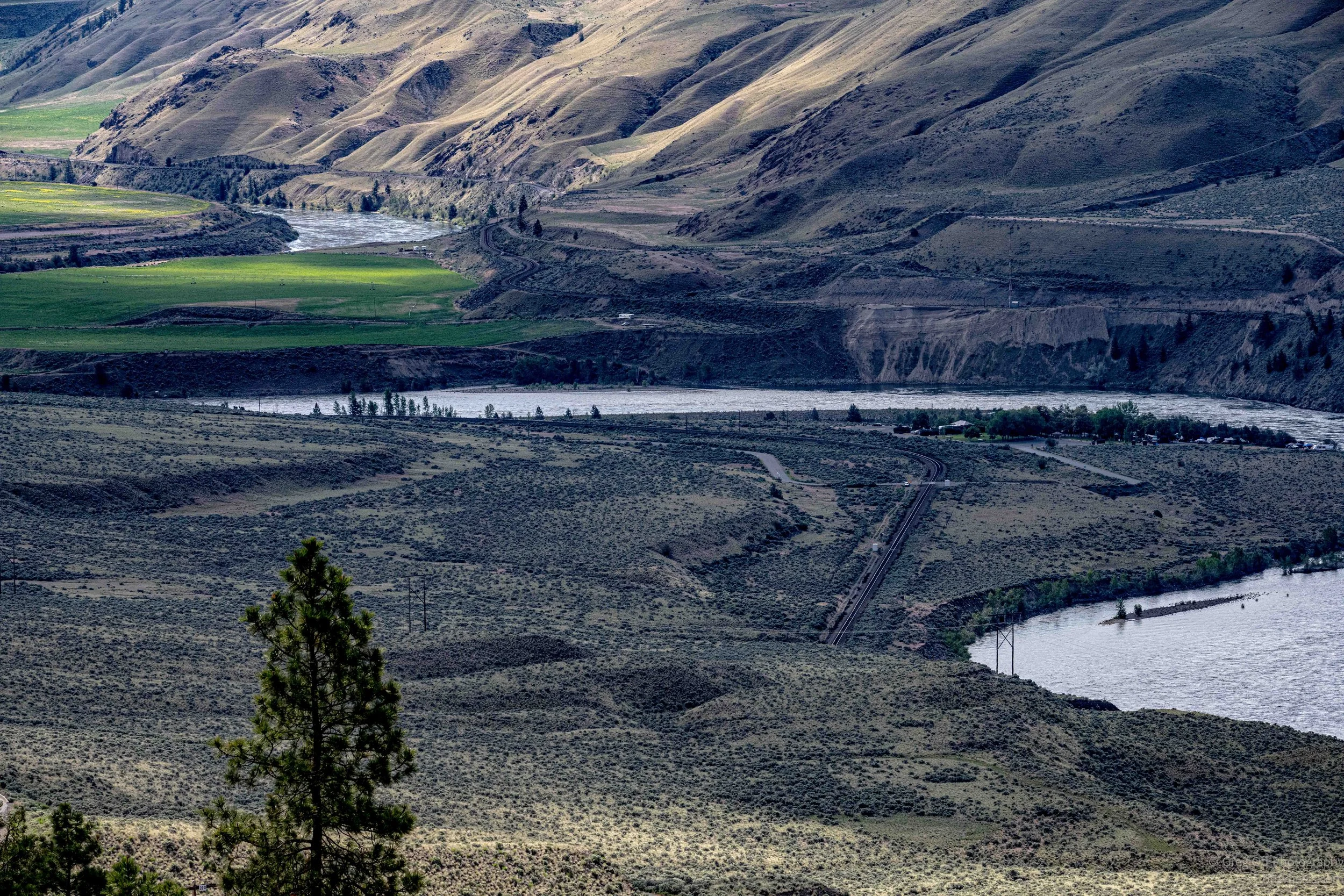
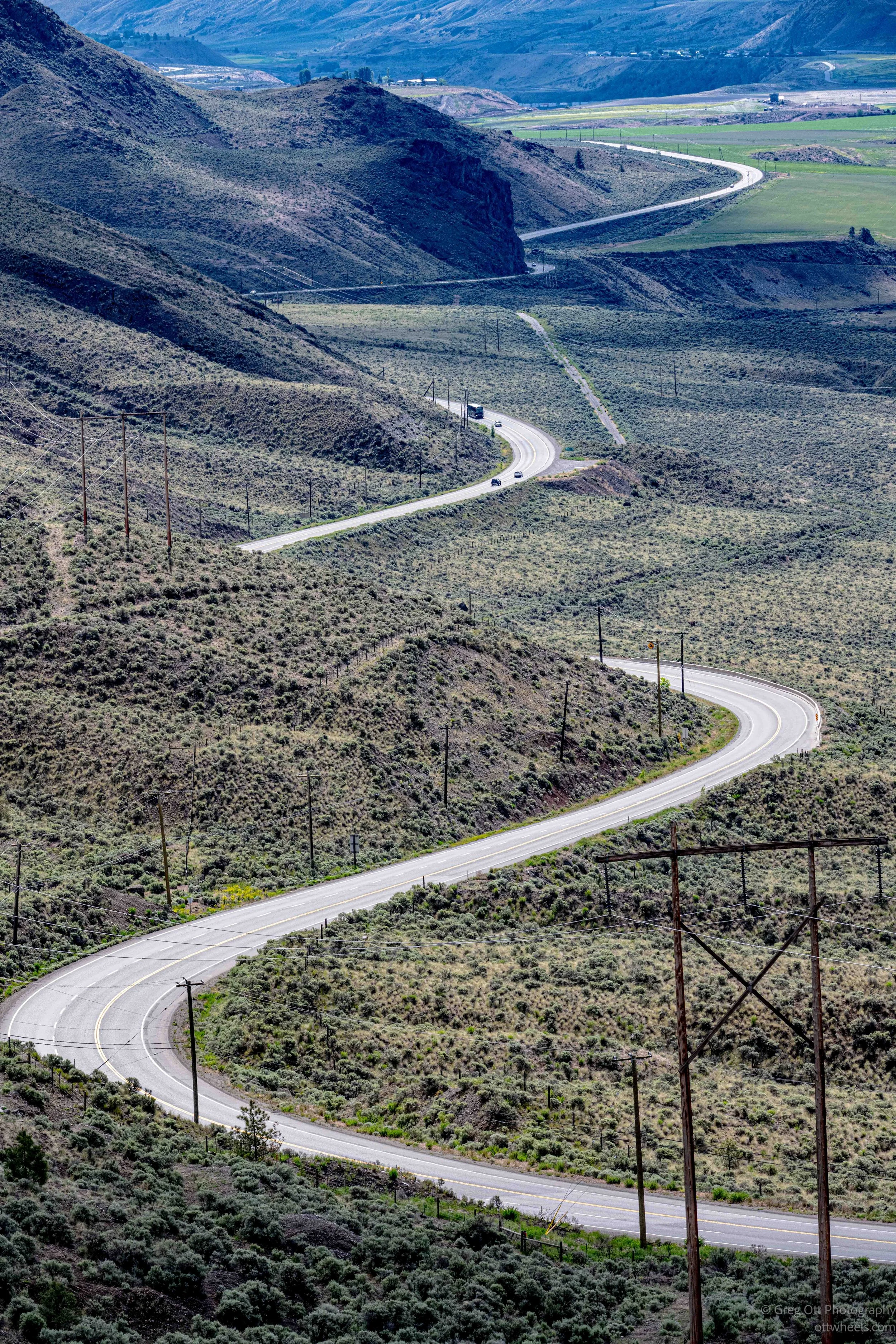
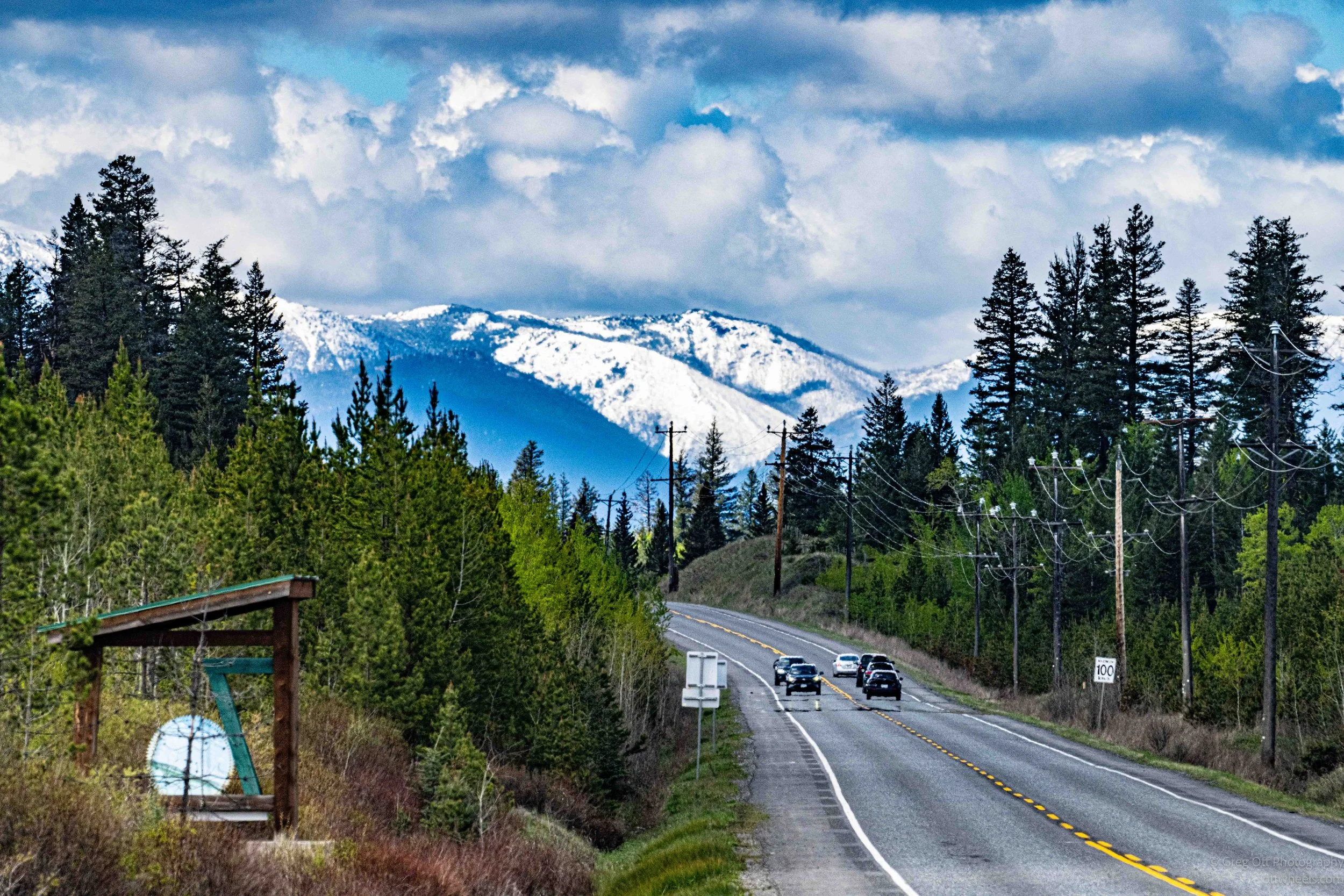
The drive north was one long stretch of “un” — uneventful, uninspiring, unhurried, unchanging, and undeniably long. Rain drifted in and out throughout the drive. I stopped several times for photographs, but none of them really worked. Sometimes the light never quite comes together. Sometimes you just keep driving.
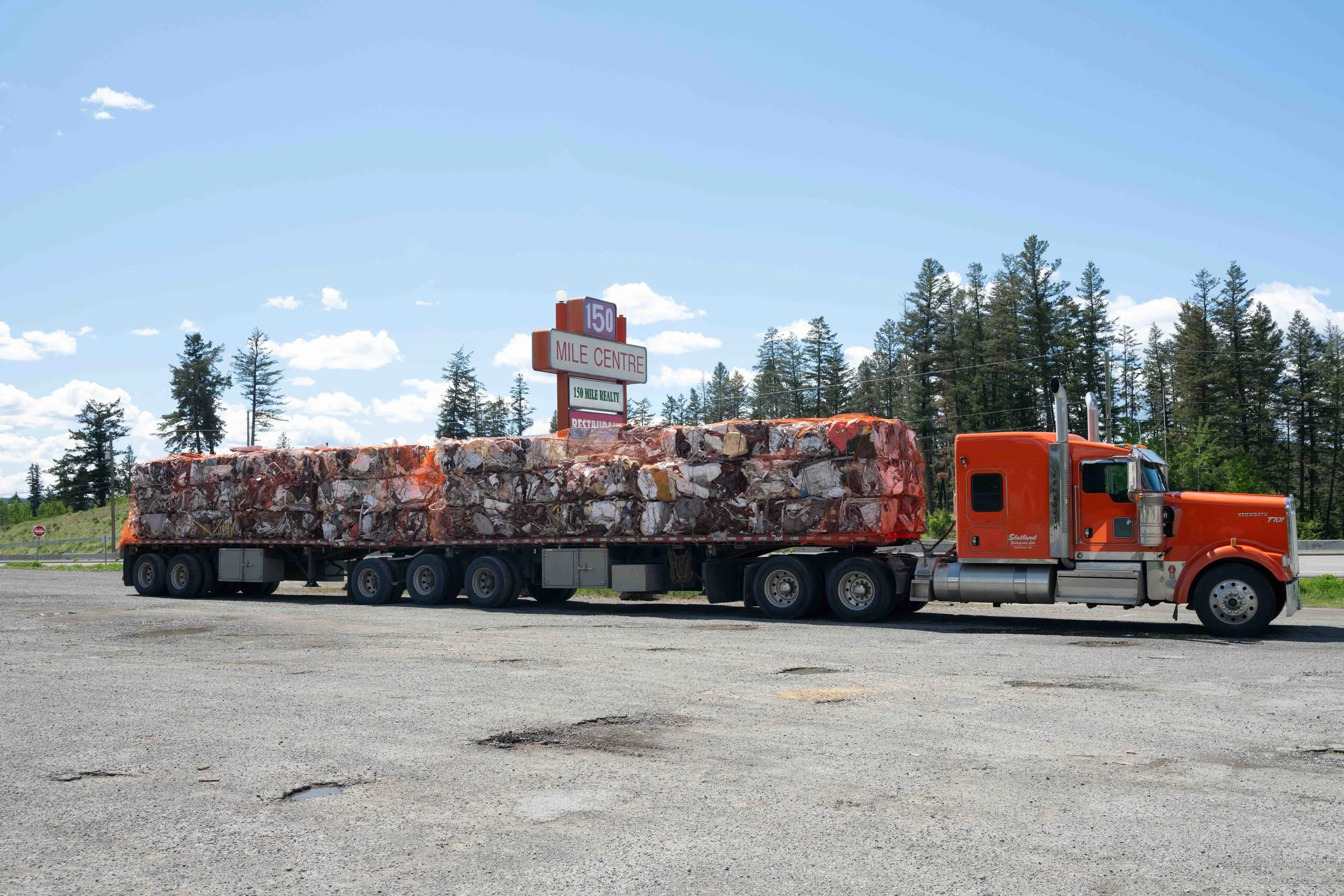
Hours later, I rolled into Quesnel. It was Sunday and the town seemed strangely quiet, almost like it had been shut down for a plague. Streets were empty. Parking lots sat vacant. A few people moved around downtown, but there was very little energy anywhere.
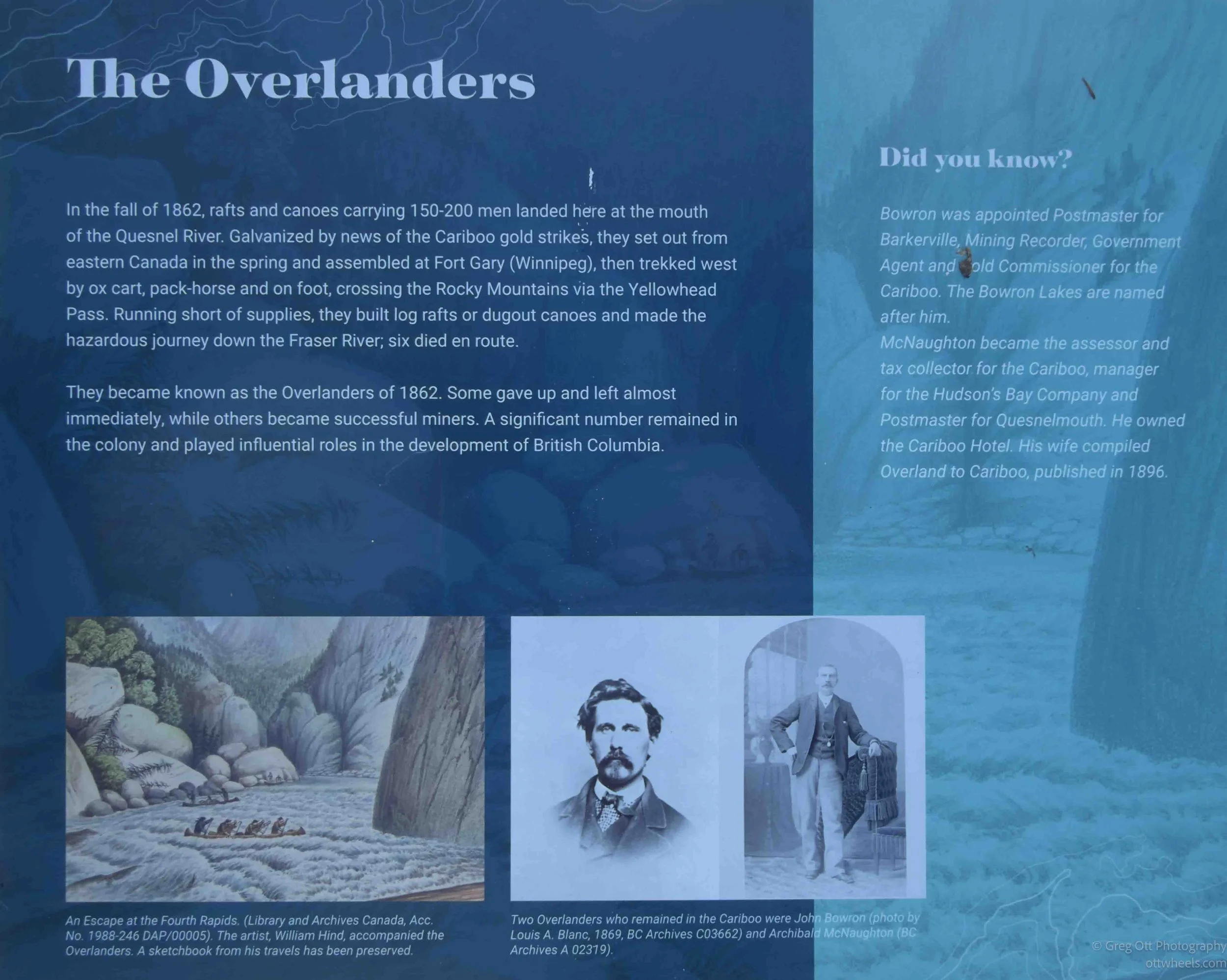
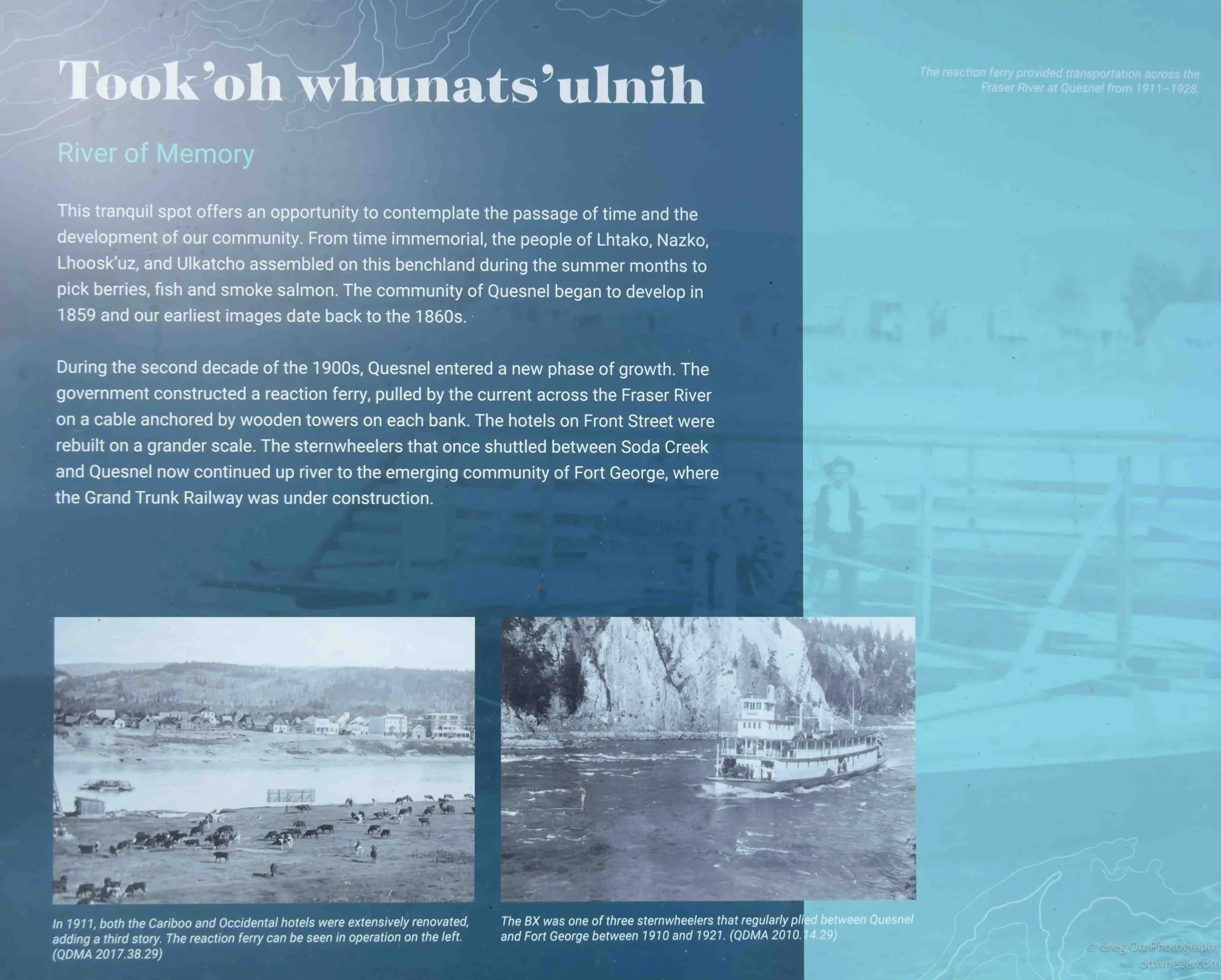
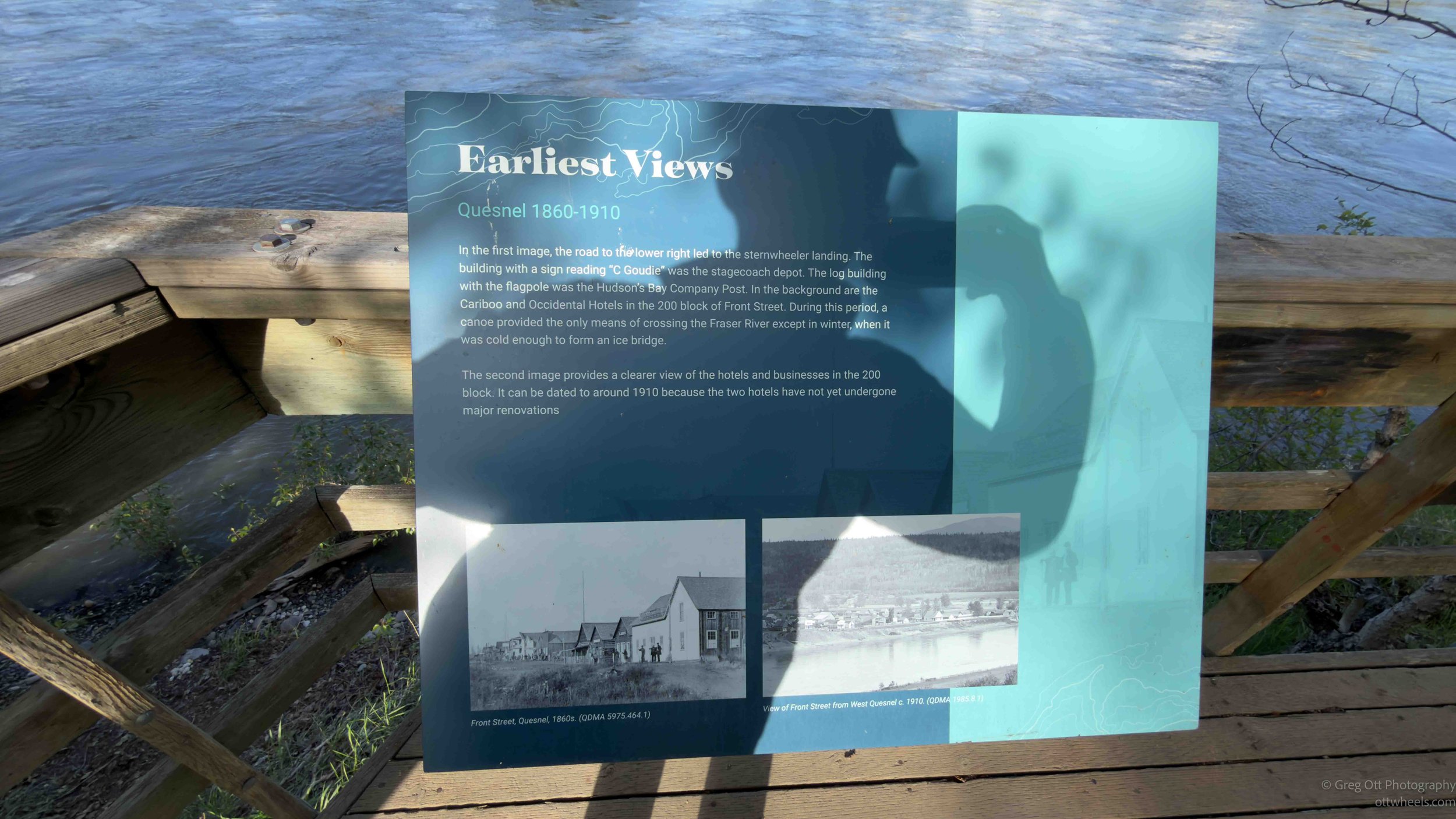
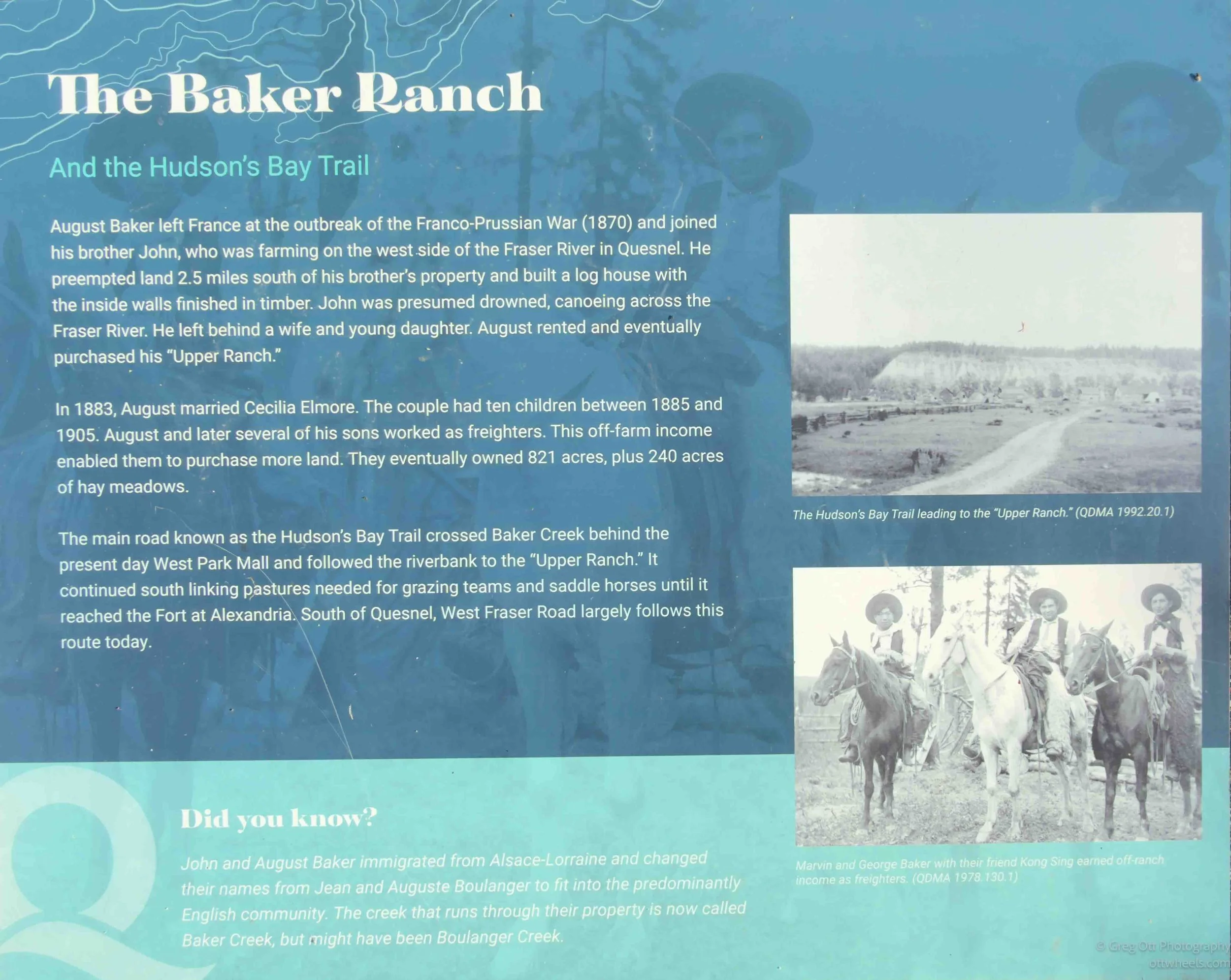
Quesnel exists because of rivers, gold, and geography. The town sits at the confluence of the Fraser River and the Quesnel River, two waterways that once served as major transportation routes into the Cariboo during the gold rush of the 1860s. Prospectors flooded north through this region chasing rumors of gold strikes deeper into the interior of British Columbia. Supply towns rapidly appeared along the river systems, and Quesnel became one of the important staging points before travelers continued north toward Barkerville and the goldfields.
The town was originally known as Quesnellemouth, named after Jules Maurice Quesnel, a fur trader connected to Simon Fraser’s expeditions through western Canada. Sternwheelers once moved up and down the Fraser River carrying freight, mail, mining equipment, livestock, and passengers through an often dangerous river system. Entire industries grew around those transportation routes. Later came railroads, logging, and sawmills, which gradually replaced gold as the region’s economic engine.
Today, Quesnel still feels deeply tied to those working-class roots. Logging trucks move constantly through town. Rail lines remain active. Pulp mills and forestry still dominate much of the local economy. But like many resource towns across North America, there are signs of strain everywhere — empty storefronts, aging infrastructure, homelessness, addiction, and a downtown core that feels caught somewhere between its past and an uncertain future.
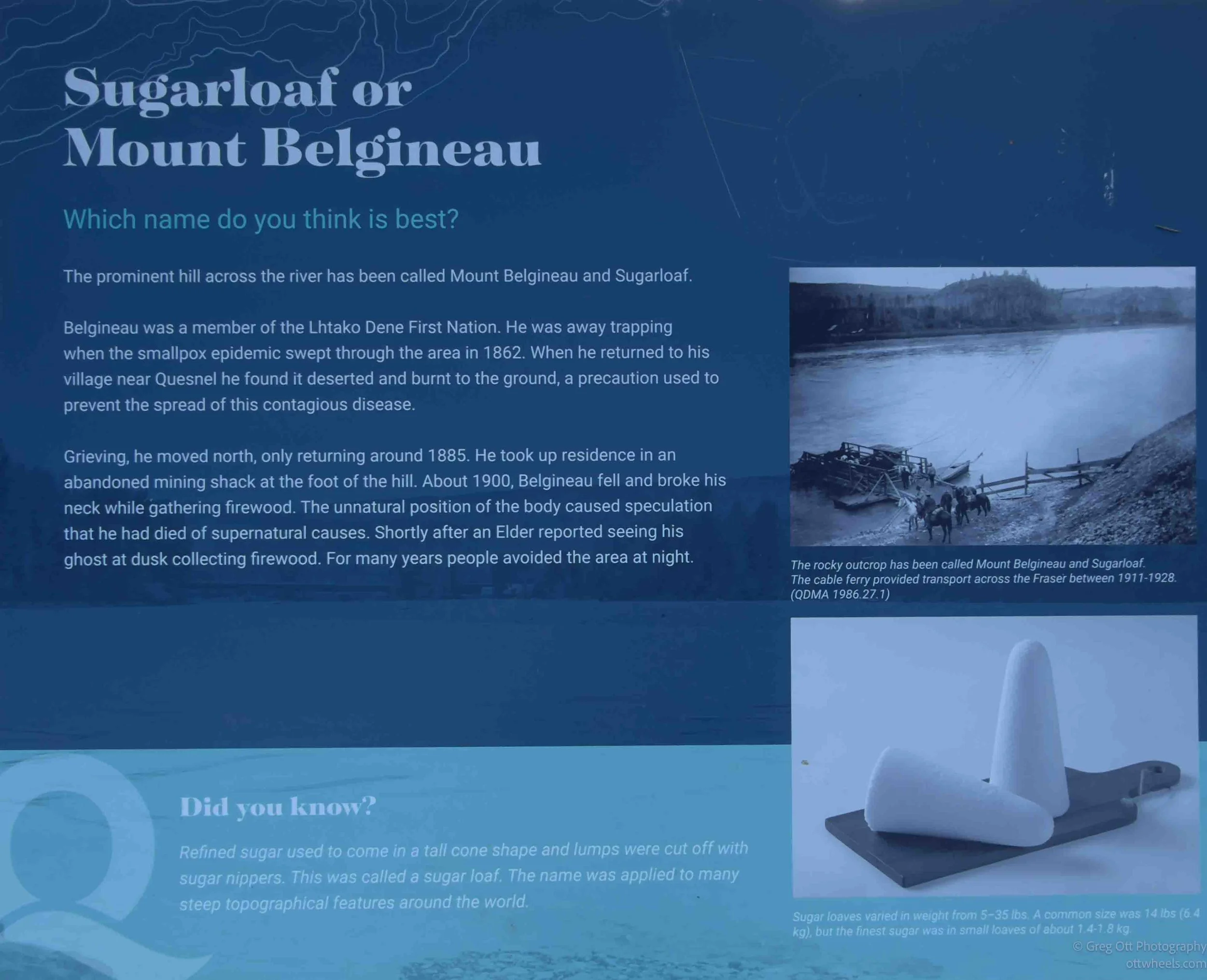
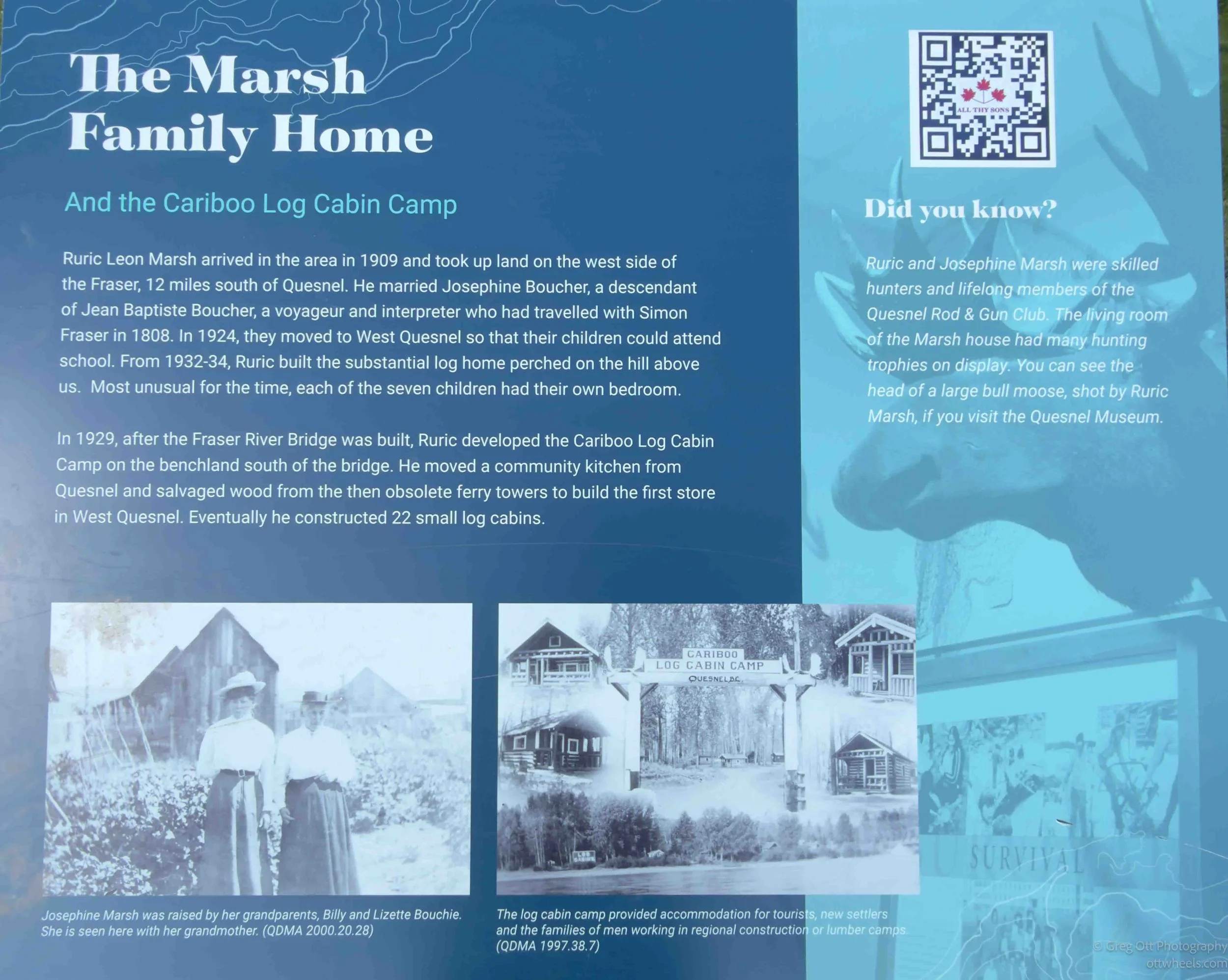
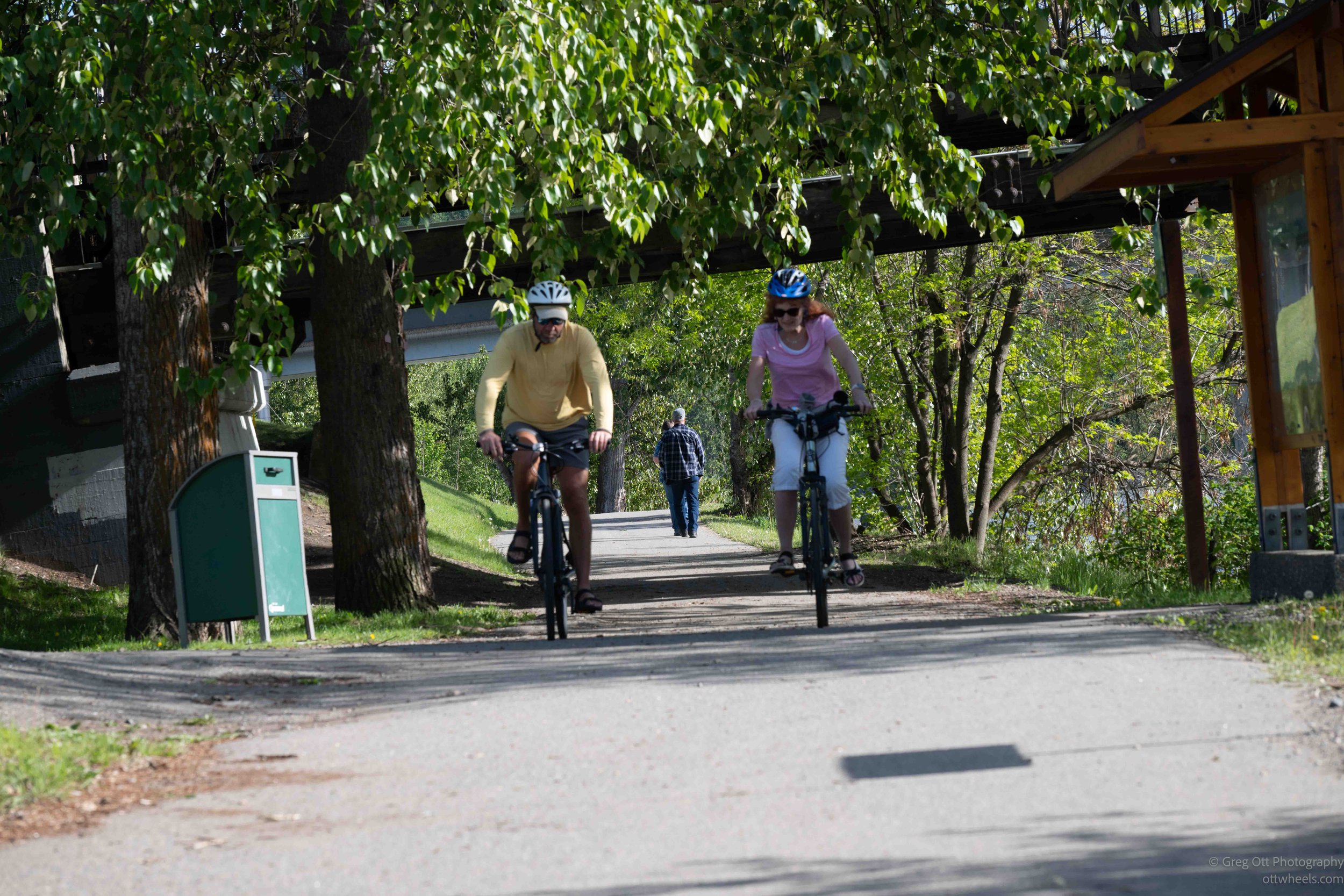
I eventually found parking near the river and realized I was at the trailhead for the Riverfront Trail system. A map showed several connected trail loops running along both sides of the river. I had AllTrails set to the Riverfront Trail, but after crossing the walking bridge I ended up following a different route entirely. The trails alternated between paved pathways and city sidewalks as they moved through neighborhoods, parks, and wooded areas along the water.
I was truly struck by the number of homeless people living along the river. Many looked young, almost like they had only recently fallen into homelessness, while others seemed hardened by years of it. I found myself wondering how anyone survived winters here. Snow, ice, subzero temperatures, months of darkness. The riverbank didn’t seem survivable, yet there they were.
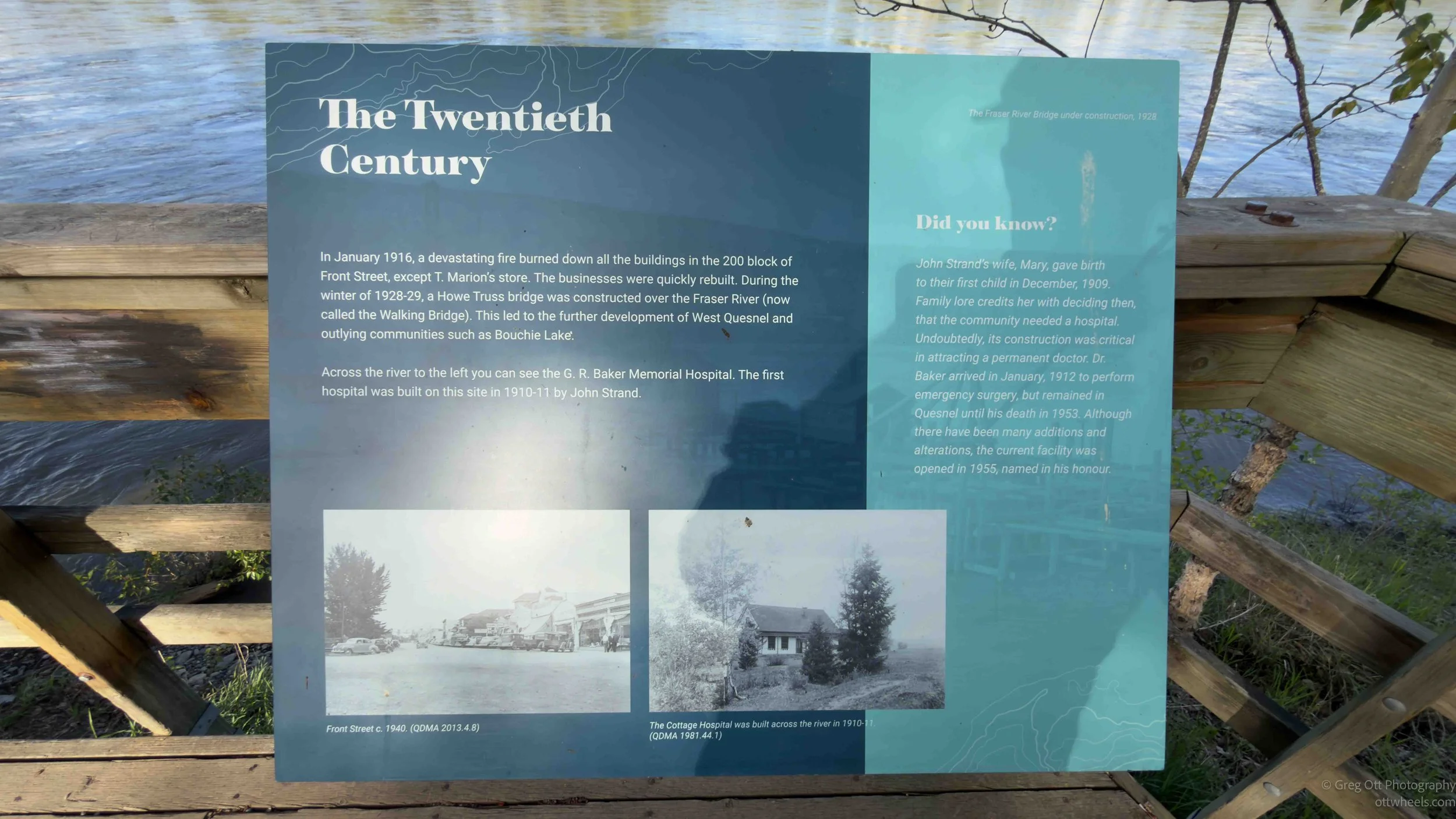
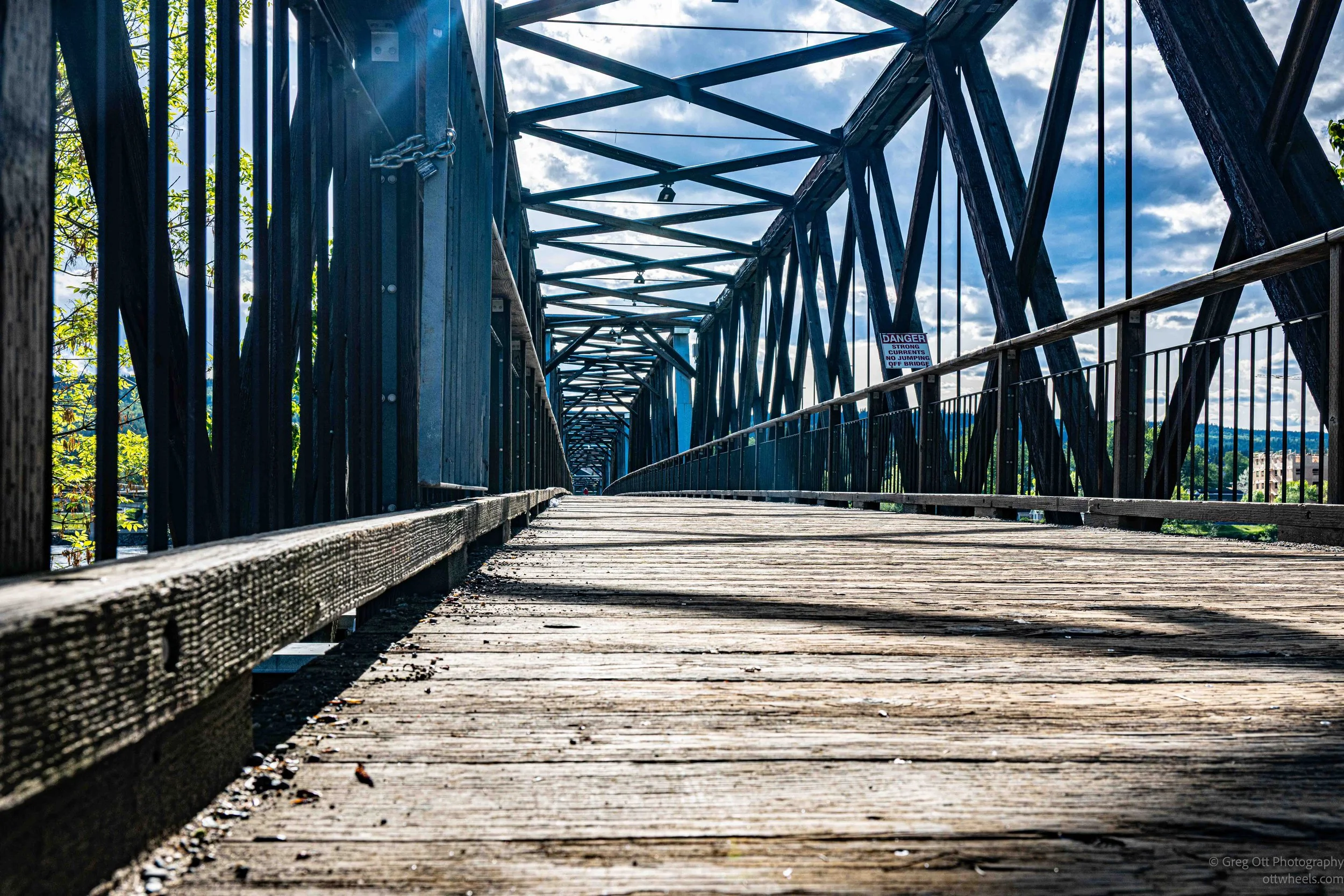
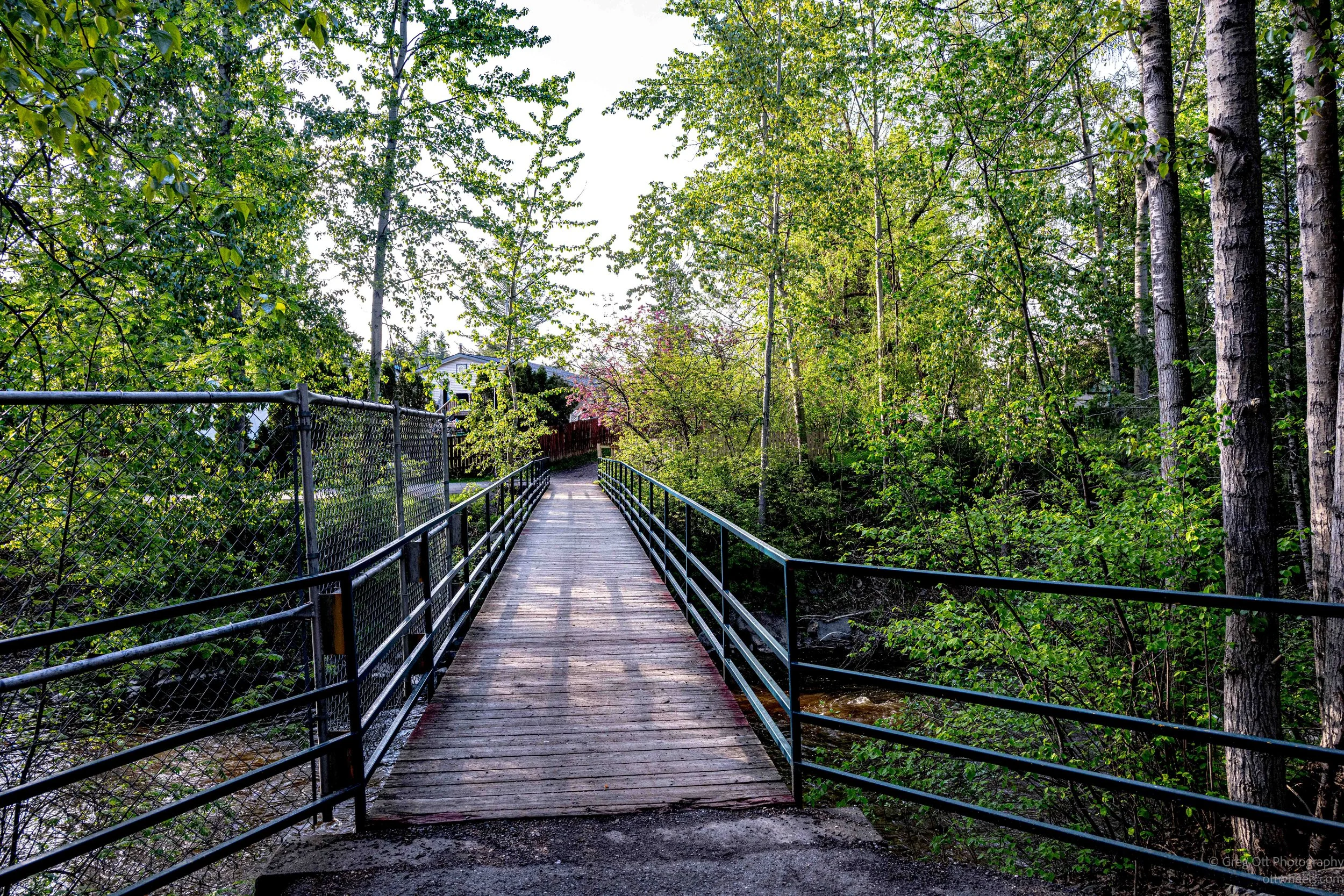
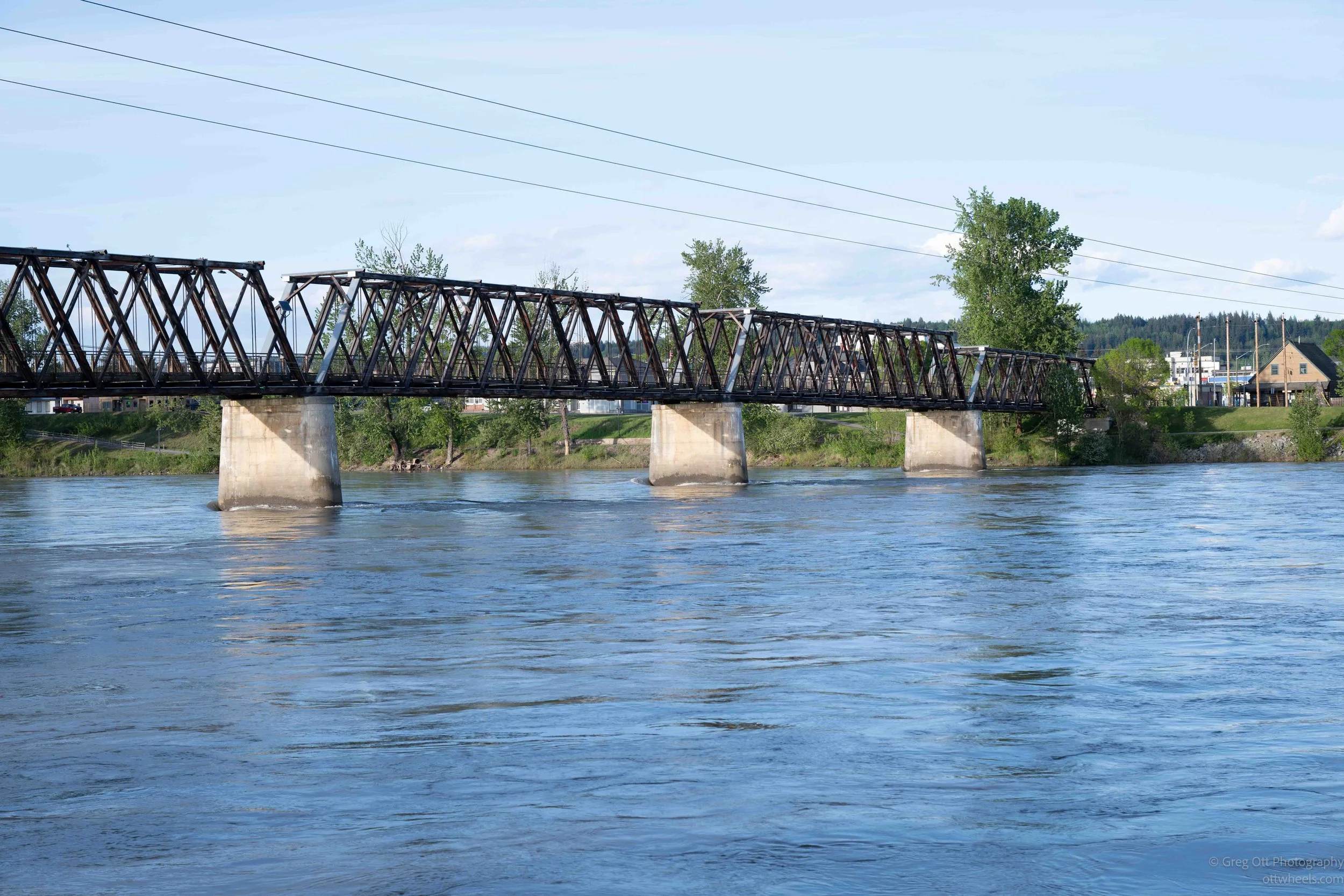
I crossed the Fraser River on the old walking bridge, originally built as a rail bridge and later converted for pedestrian use as part of the trail network. The heavy timber decking and dark creosote-soaked lumber gave it a rough industrial feel that fit the town perfectly. The bridge itself feels like a leftover piece of Quesnel’s working past, built for utility rather than beauty, though standing in the middle of it looking down at the river rushing below became one of the more memorable moments of the afternoon.
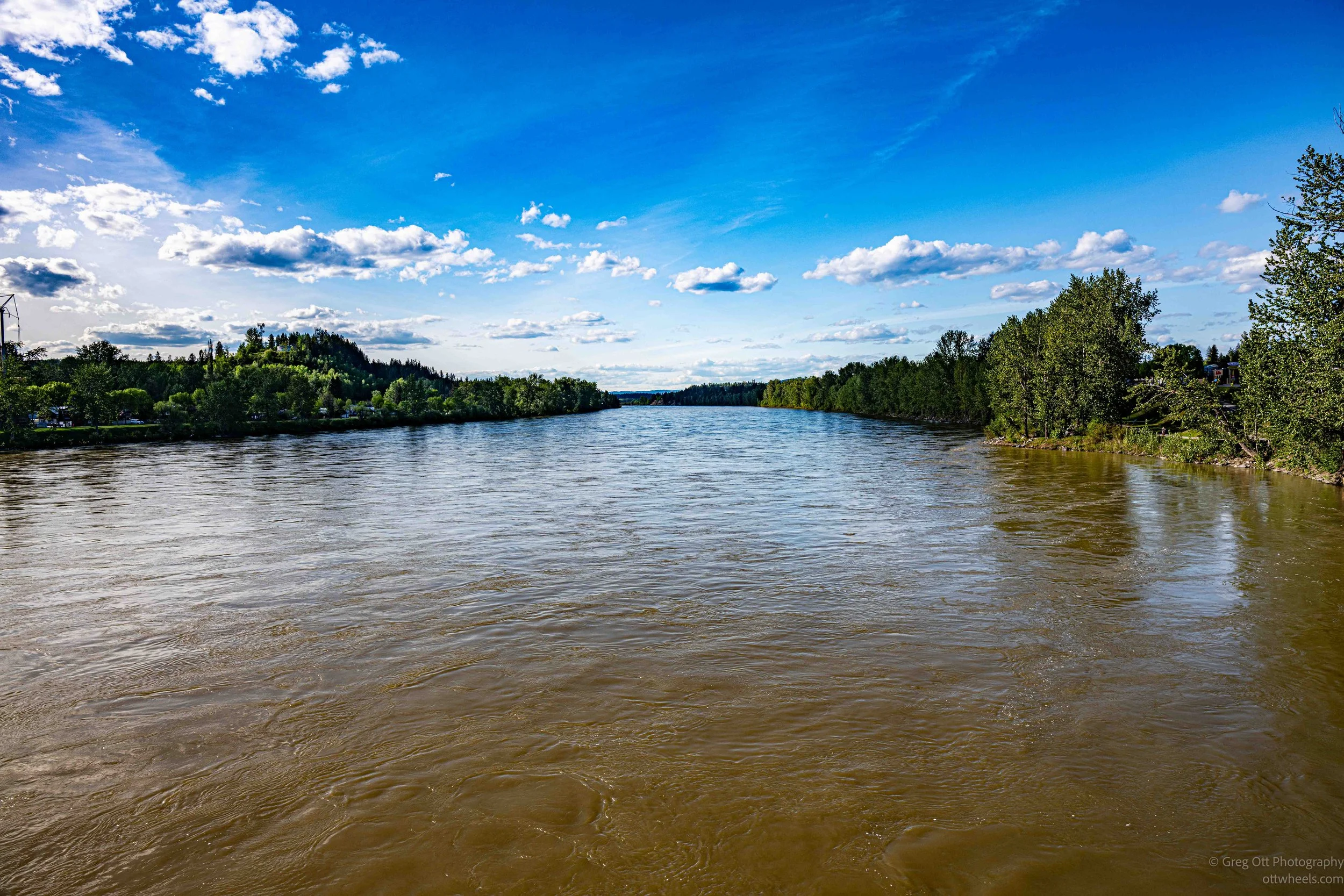
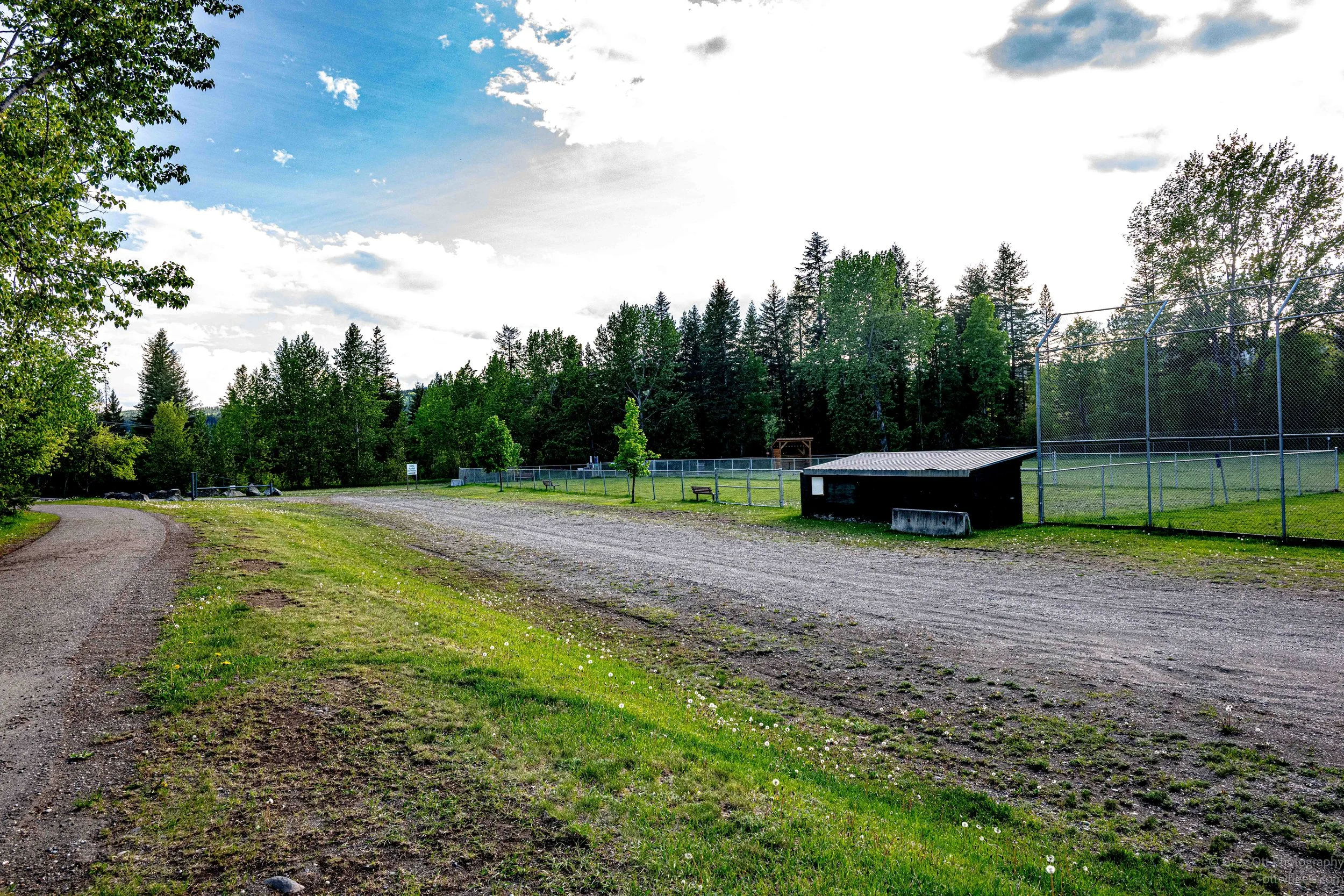
The Fraser was moving incredibly fast beneath me, a massive body of water carrying entire trees and debris downstream. The trail climbed steeply on the opposite side toward a community baseball field and then disappeared into a residential neighborhood. People said hello as they passed. There was an accent I kept noticing that somehow sounded slightly Scottish to me, though softer and flatter. I’m not even sure that makes sense, but it was the closest comparison my brain kept making.
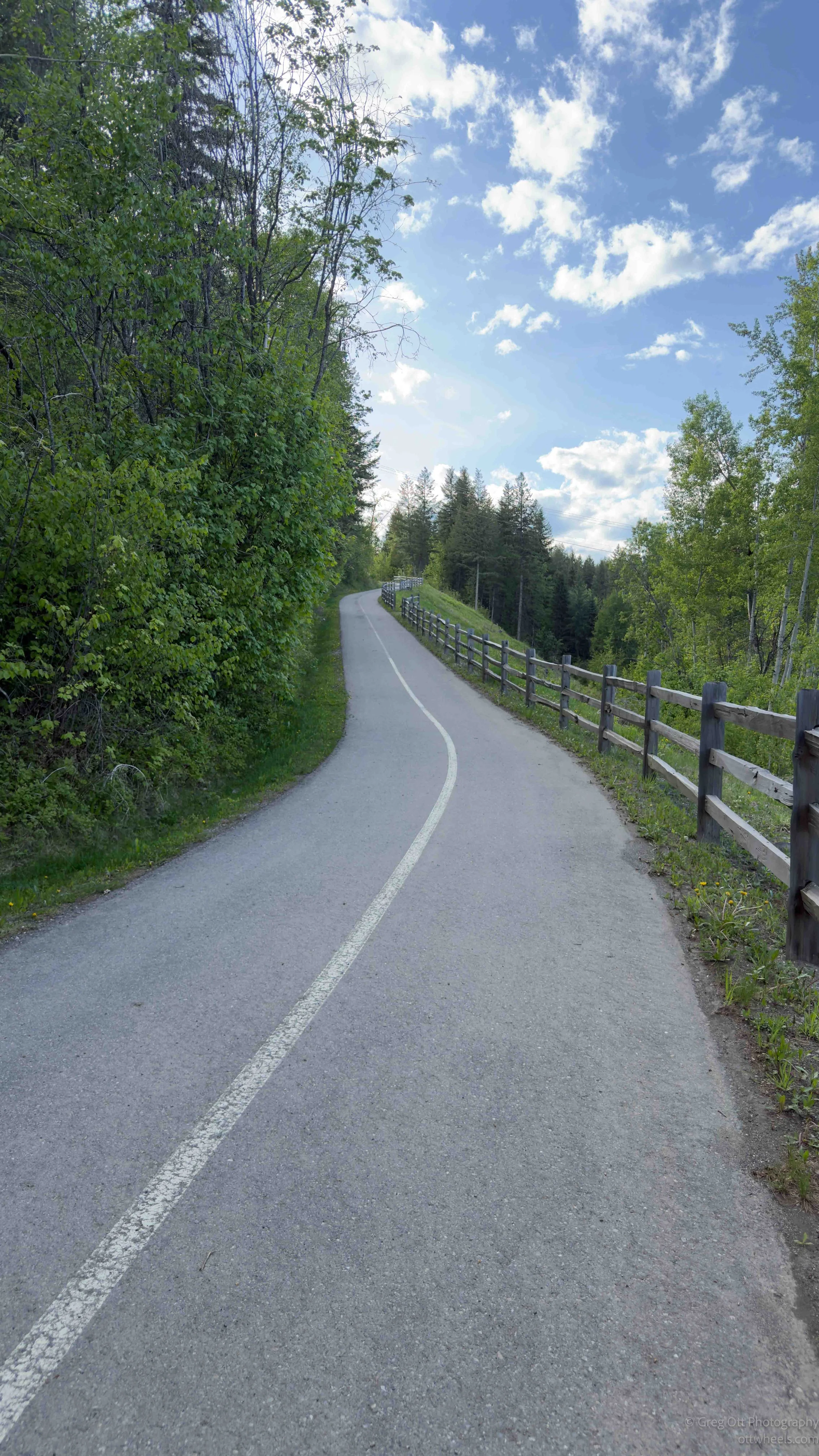
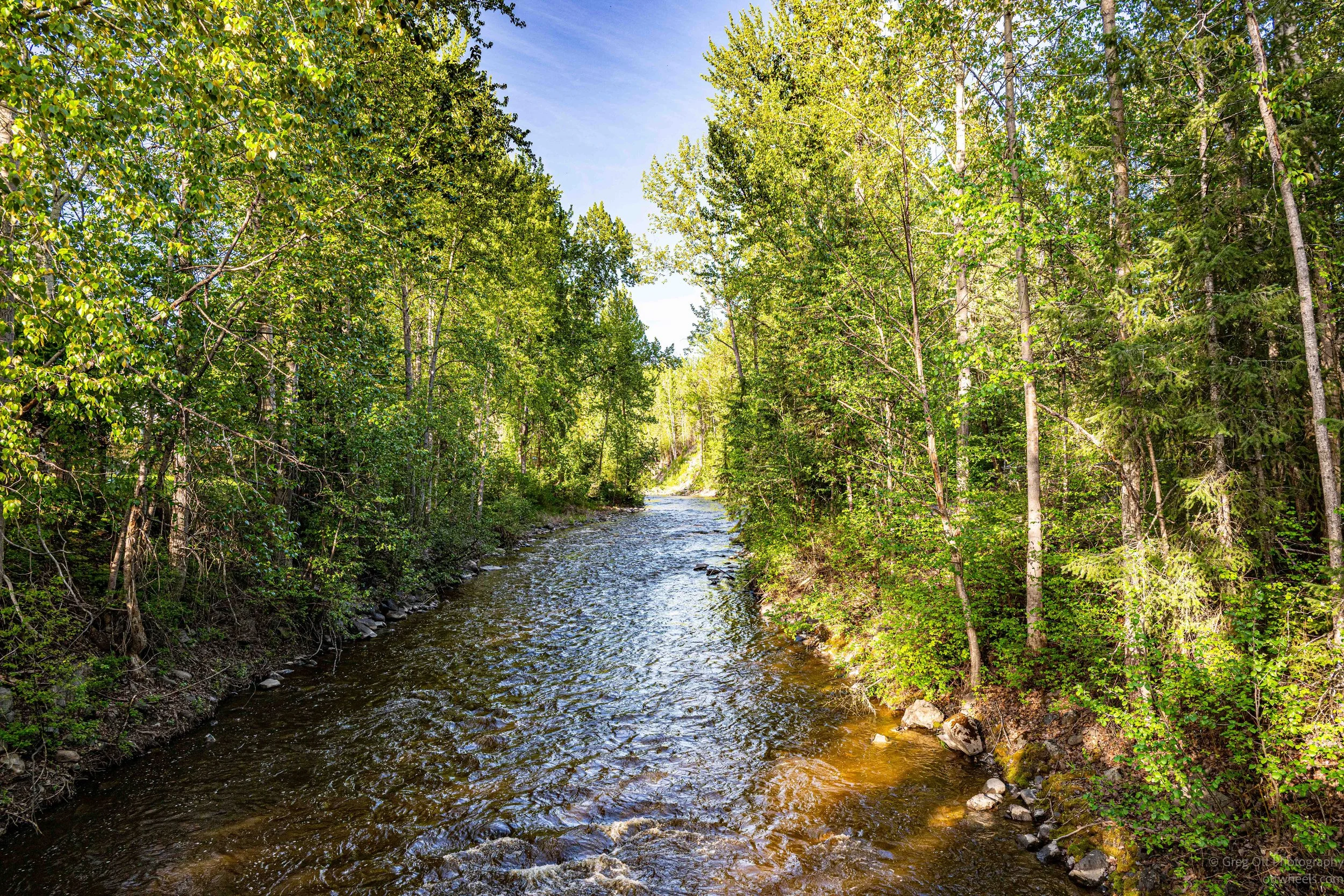
Eventually the trail narrowed into a small walkway between houses before opening again near the Quesnel River, which at this point felt more like a stream compared to the Fraser. The smell changed immediately. Everything became intensely fragrant — wet trees, fresh leaves, damp soil, river water, spring growth all mixed together.
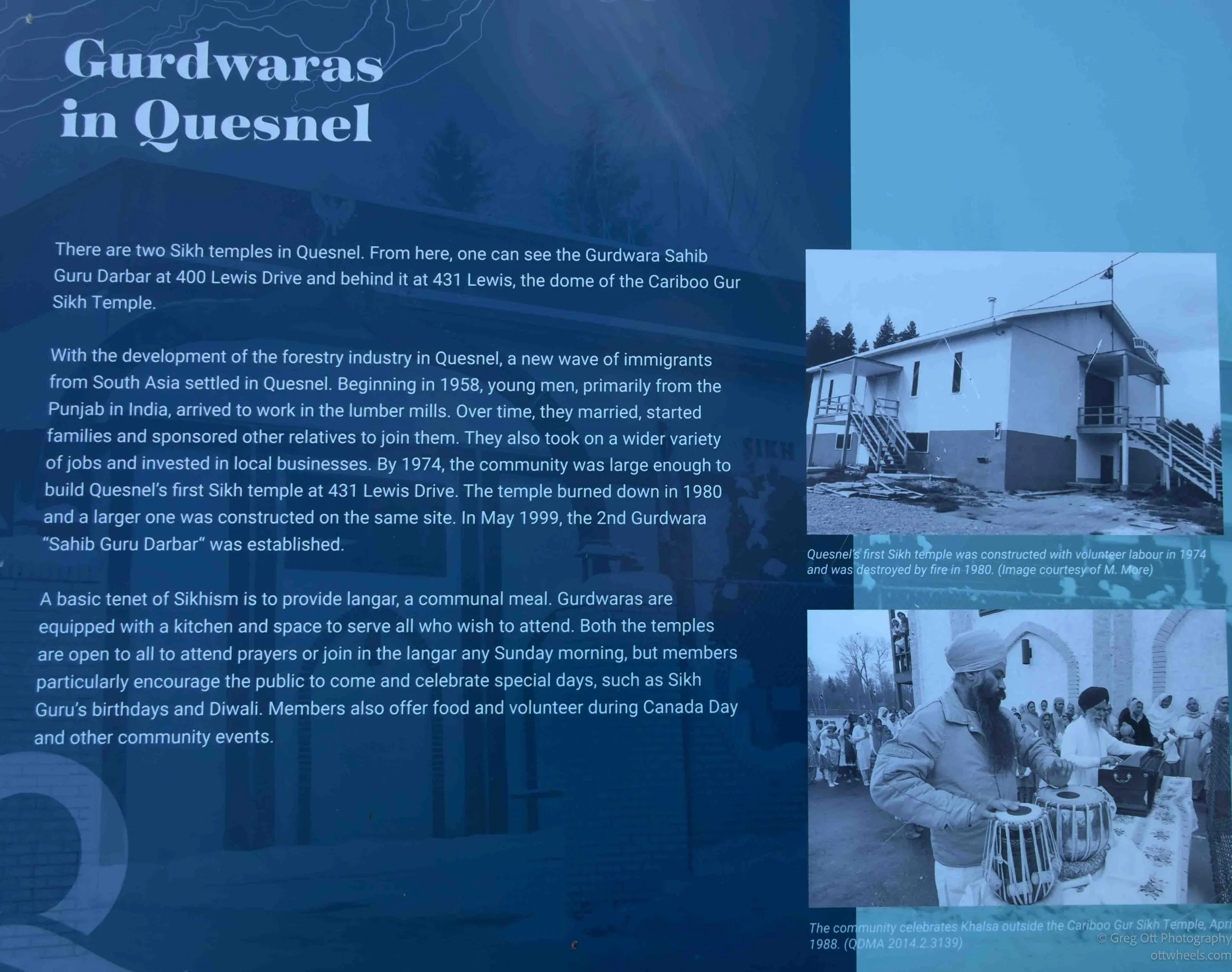
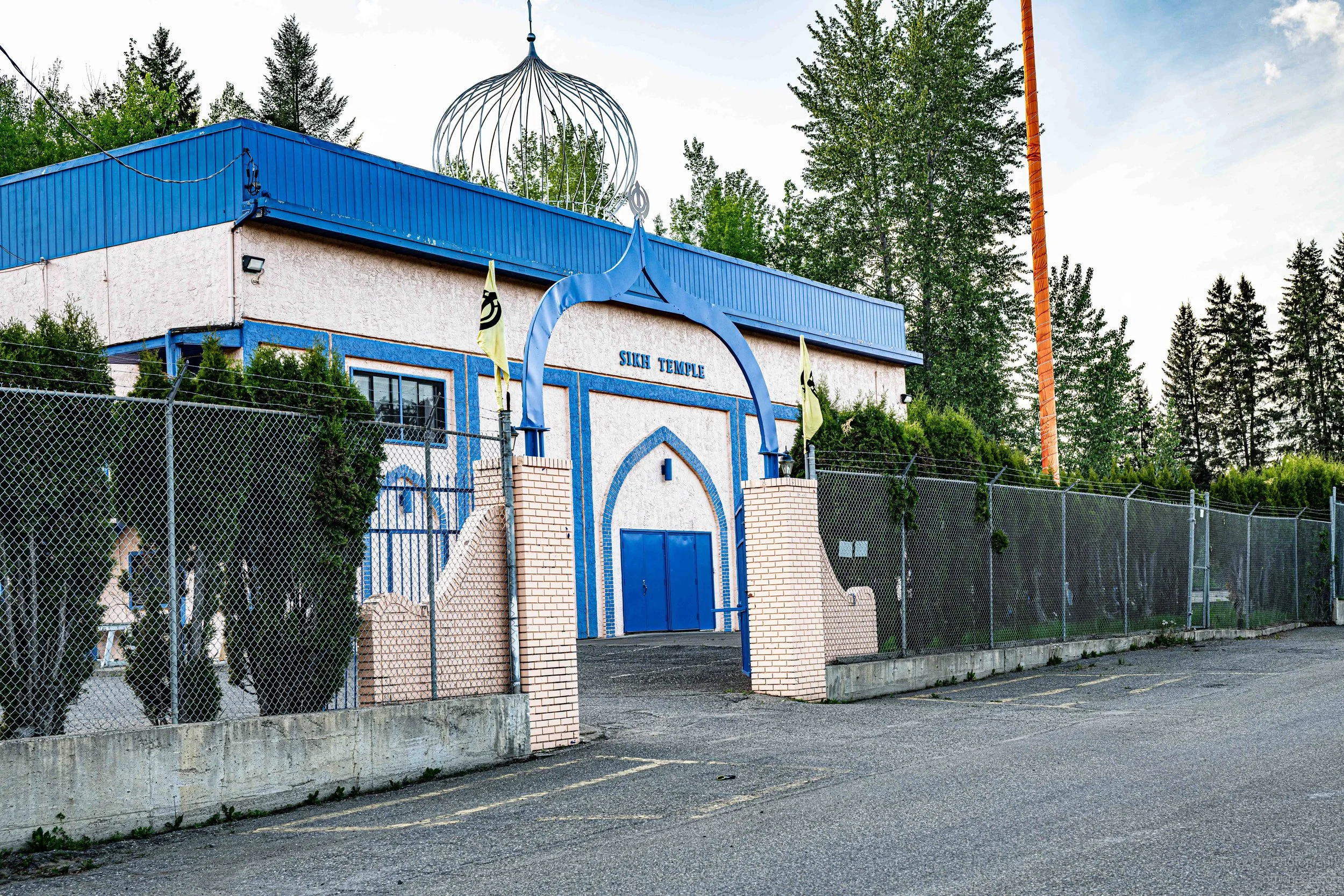
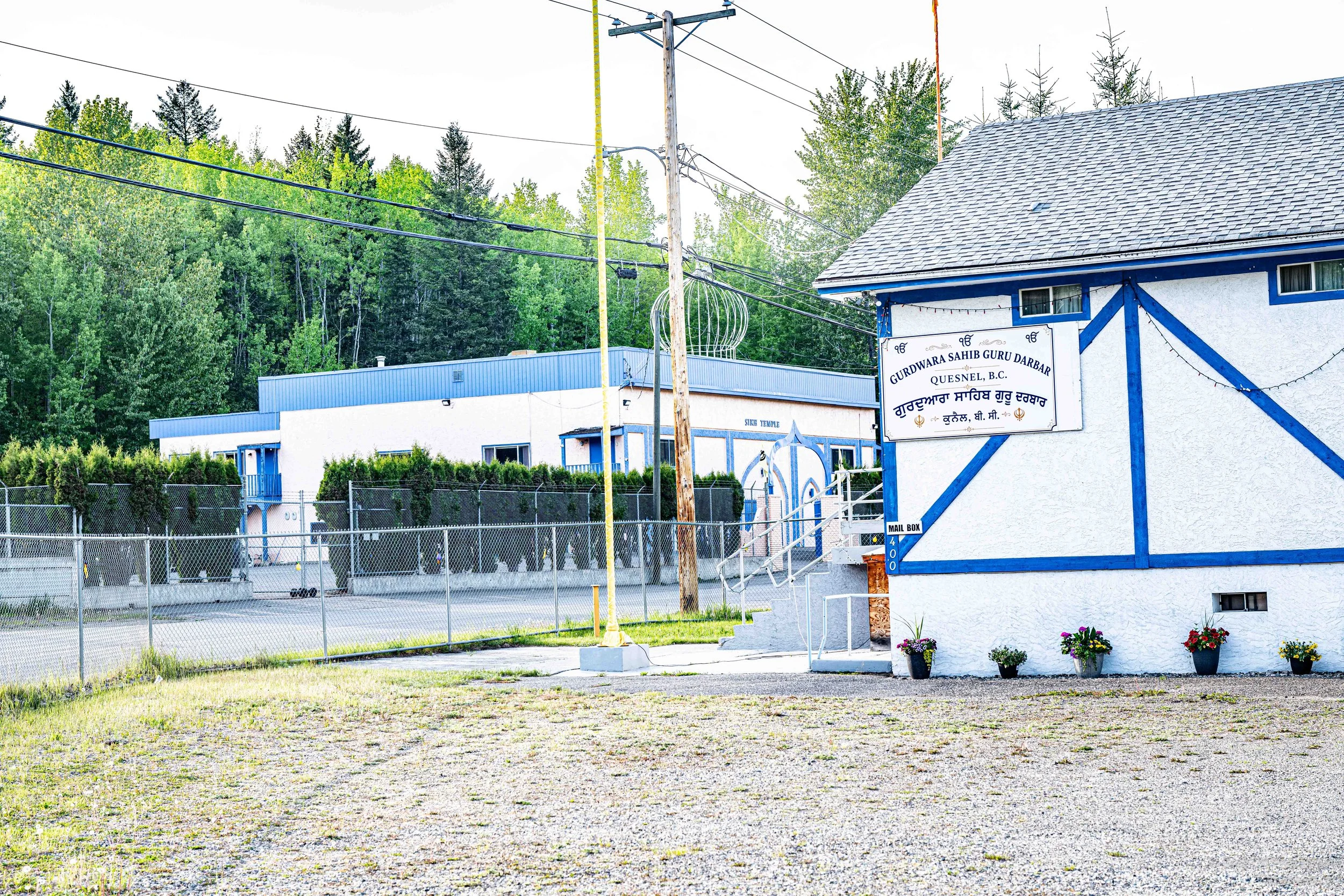
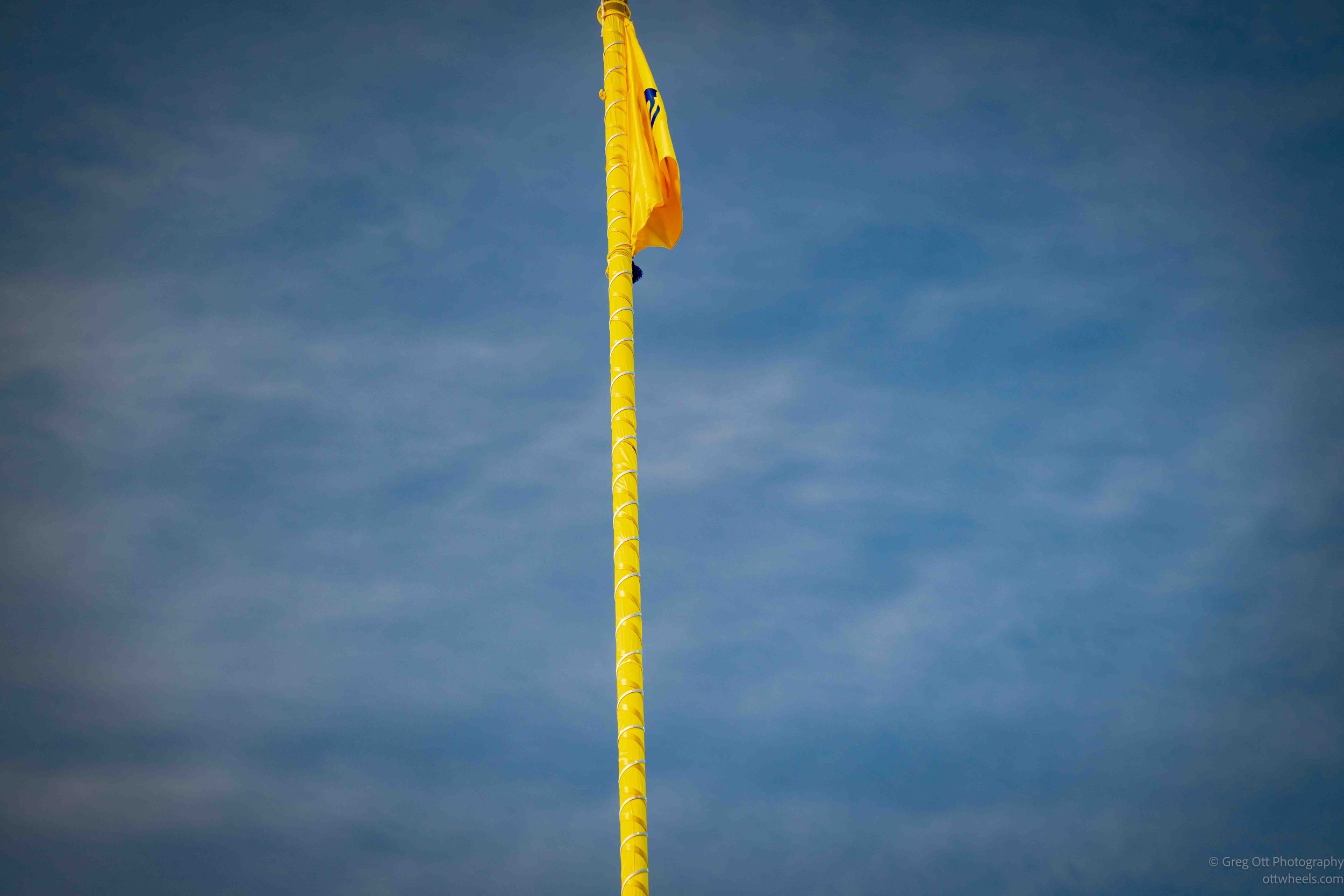
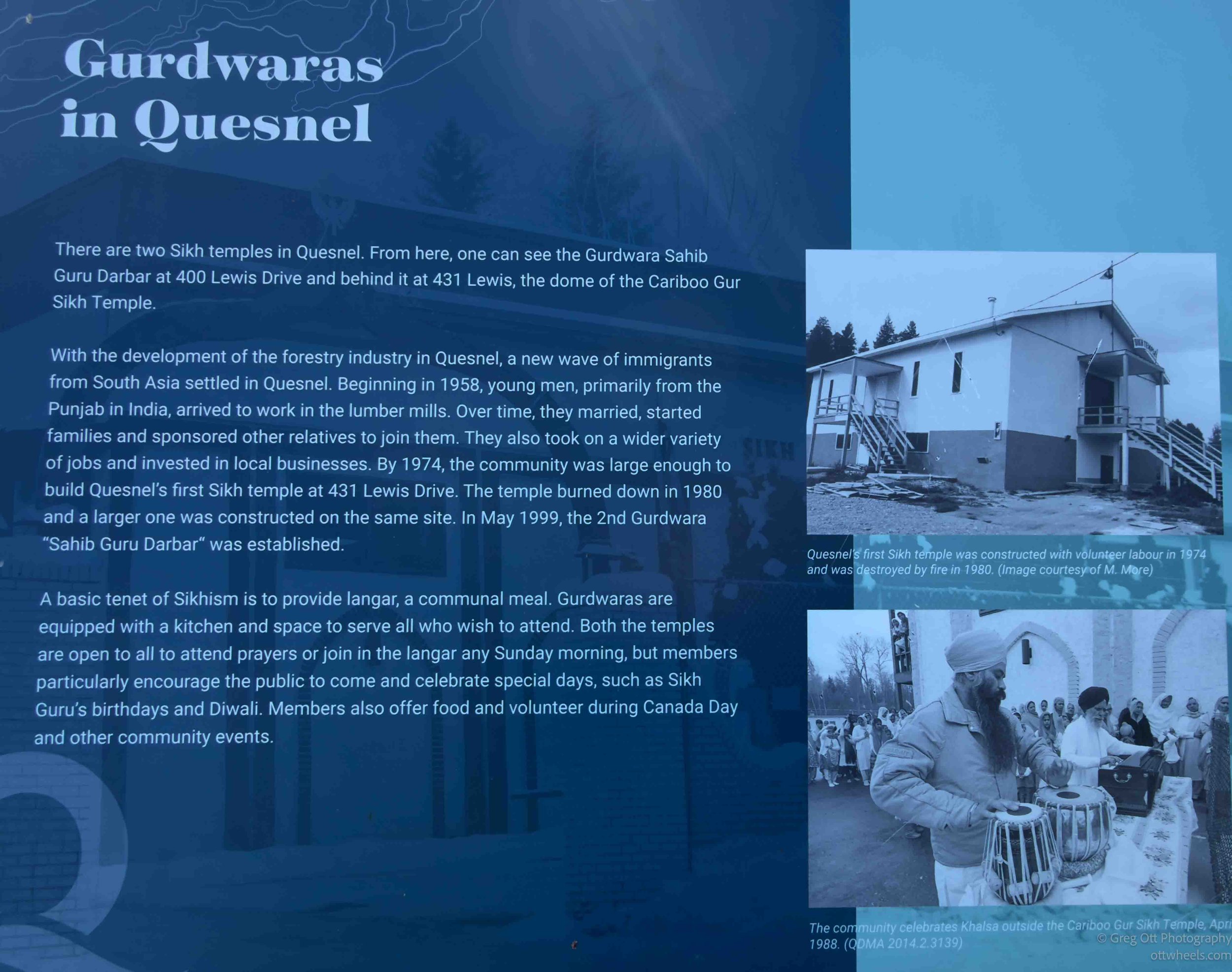
A block off the trail, I noticed the Gurdwara Sahib Guru Darbar, a Sikh temple rebuilt by the local community after the original structure was destroyed by fire years ago. Standing there in northern British Columbia brought back memories of an Easter morning in Connecticut when Sikh friends invited my family and me to one of their services. Instead of the Easter traditions I grew up with, we sat together, listened quietly, covered our heads out of respect, and shared an incredible Indian meal afterward. It was a completely different way to experience Easter, but the warmth, generosity, and sense of community felt instantly familiar. That same feeling seemed to exist here as well, tucked quietly a block off the trail and just beyond Highway 97 in the middle of the Cariboo.
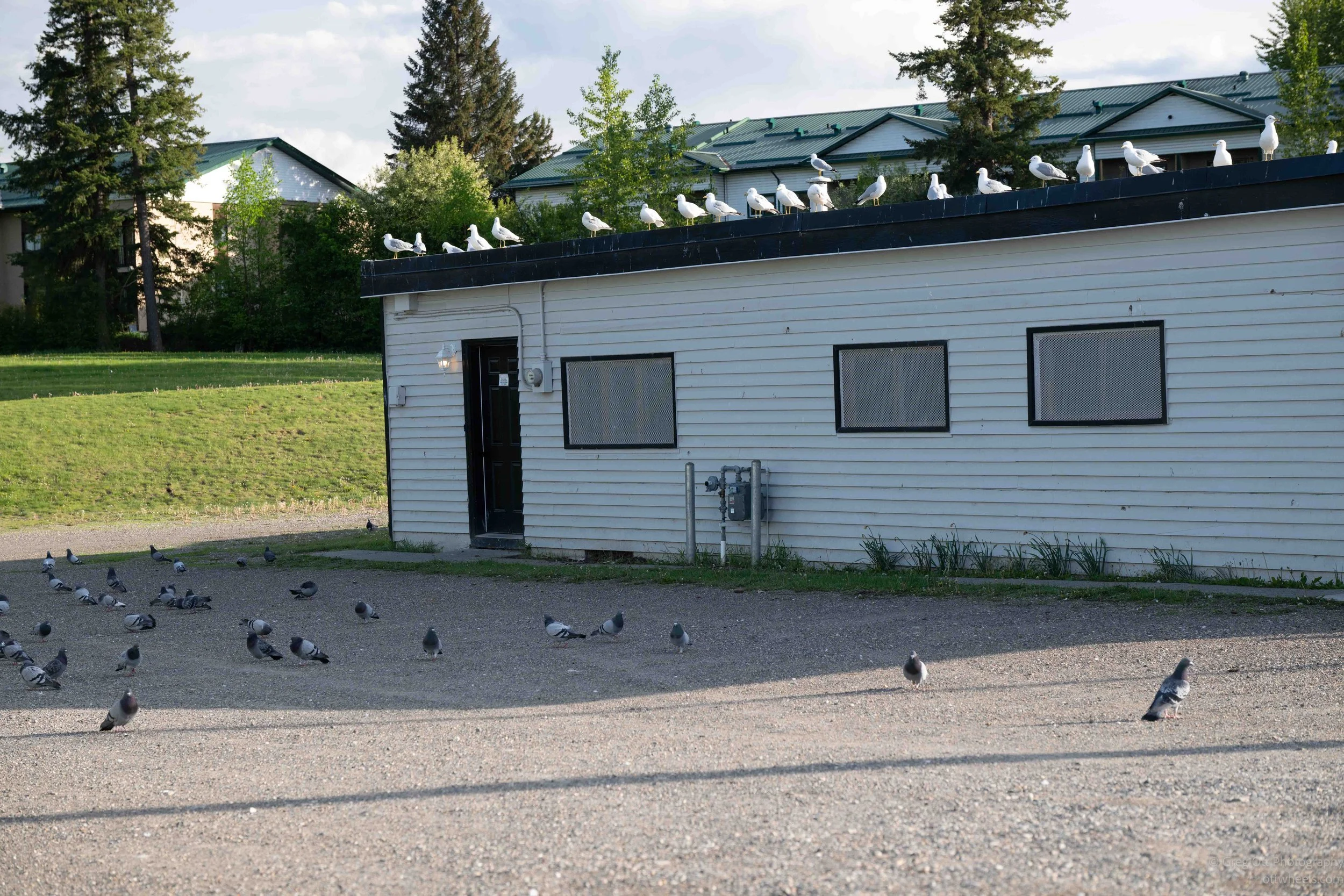
I came back into town and crossed a street where I saw something that seemed very strange. The pigeons crowded the gravel lot below, constantly moving and pecking at the ground, while above them an almost perfectly spaced row of gulls sat motionless along the roofline. After watching for a few minutes, it started to make sense. The pigeons were doing what pigeons do — searching for food at ground level — while the gulls stayed elevated where they could safely watch everything below. The roof gave them visibility, safety from people and dogs, and an easy launch point if food appeared. What first looked bizarre slowly revealed itself as two different bird species sharing the same space in completely different ways.
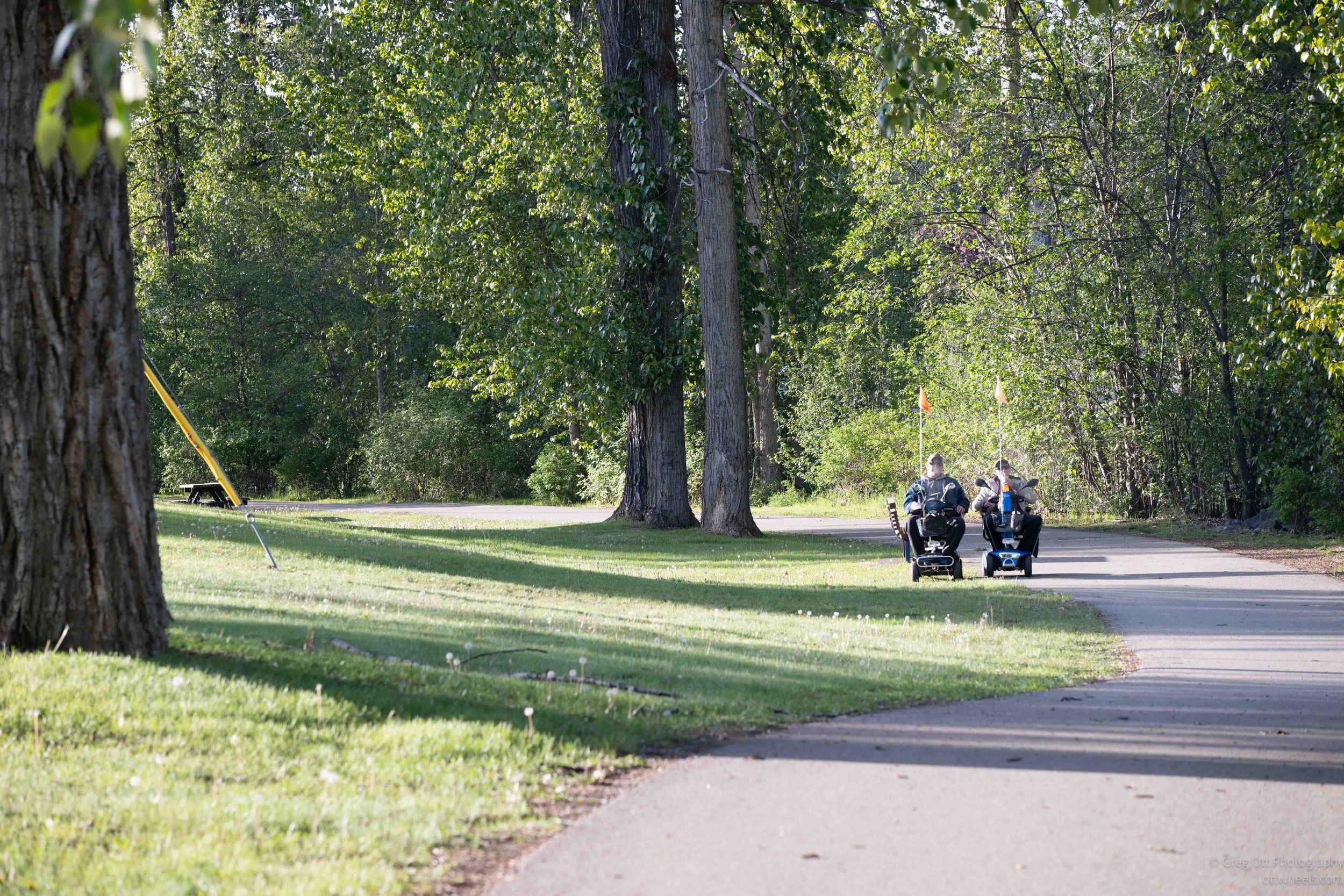
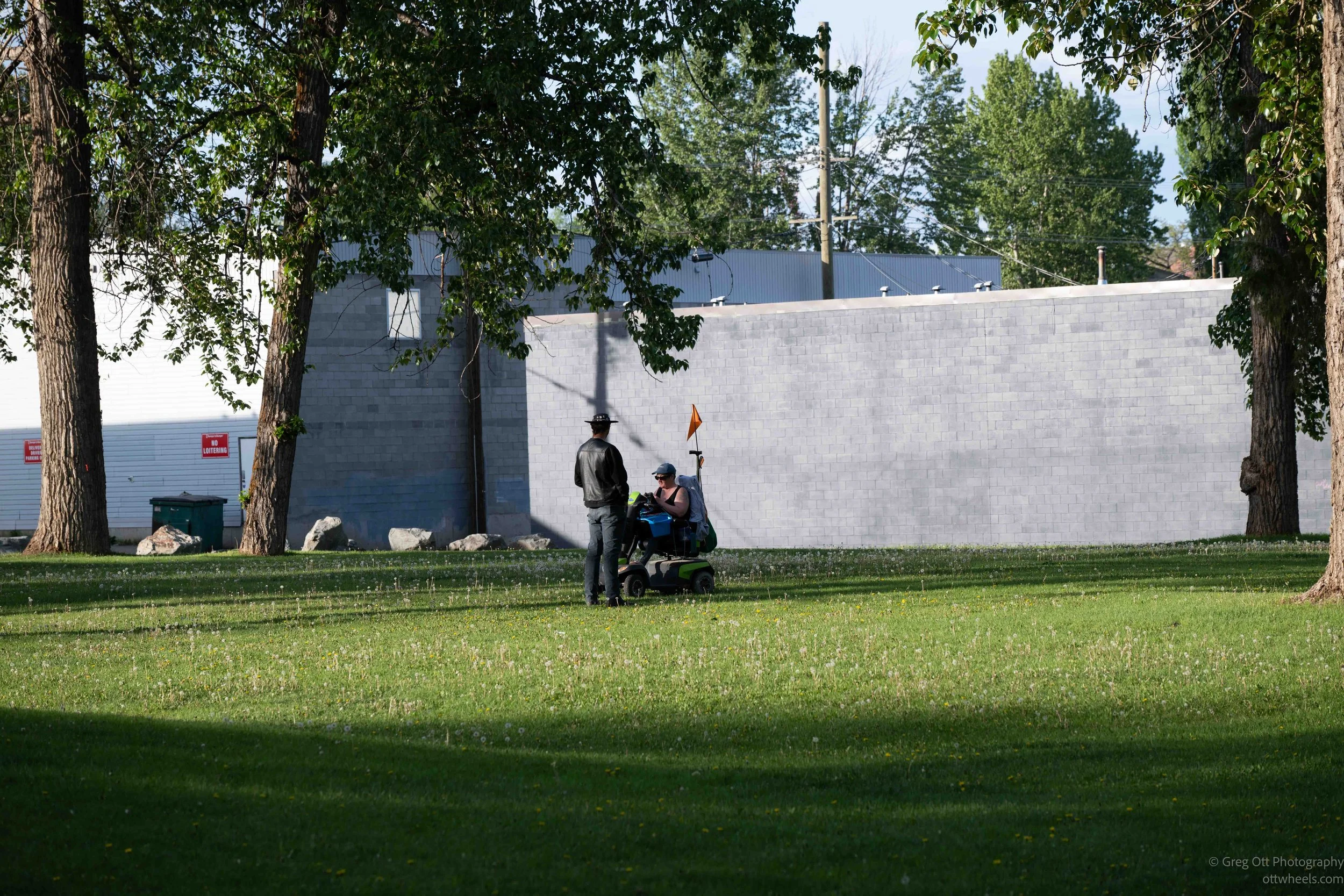
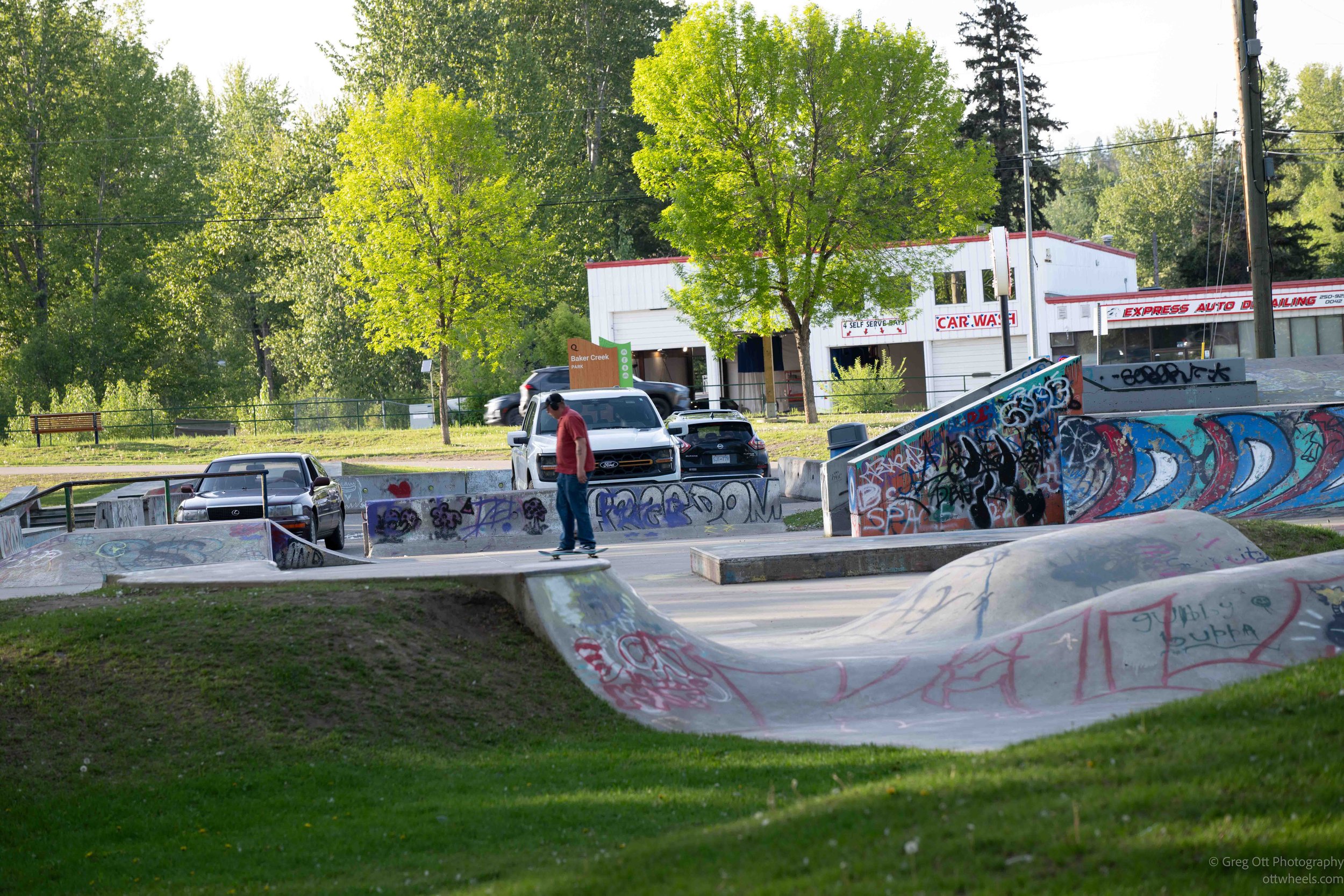
I continued walking along the park system. Several people sat in wheelchairs smoking joints. A very nice skate park seemed to have been largely taken over by older men doing drugs. I wondered what the original vision for the place had been. Was it built to give kids something positive to do? Did parents still feel comfortable bringing them there? Or had the social dynamics simply shifted over time until nobody really questioned it anymore?
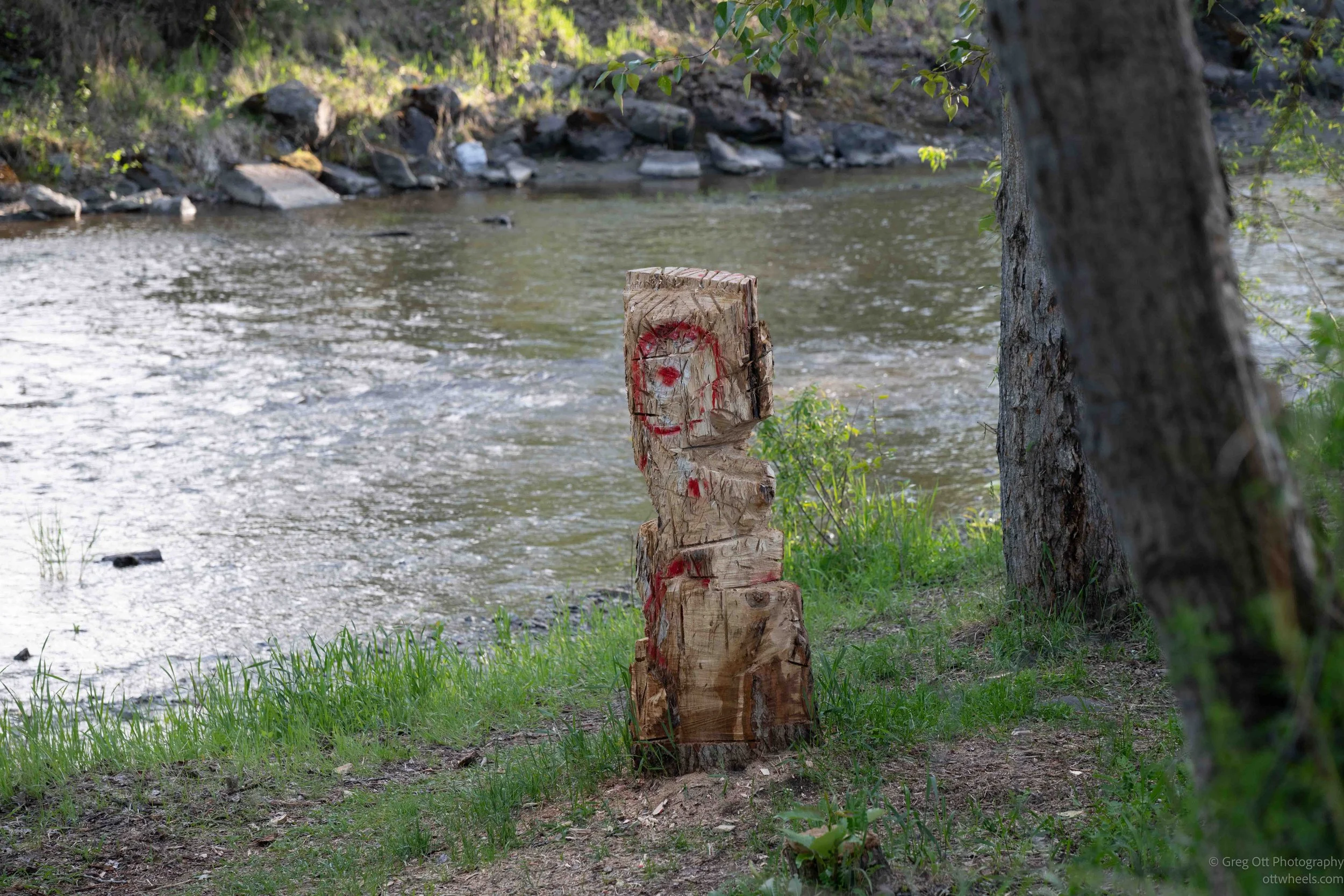
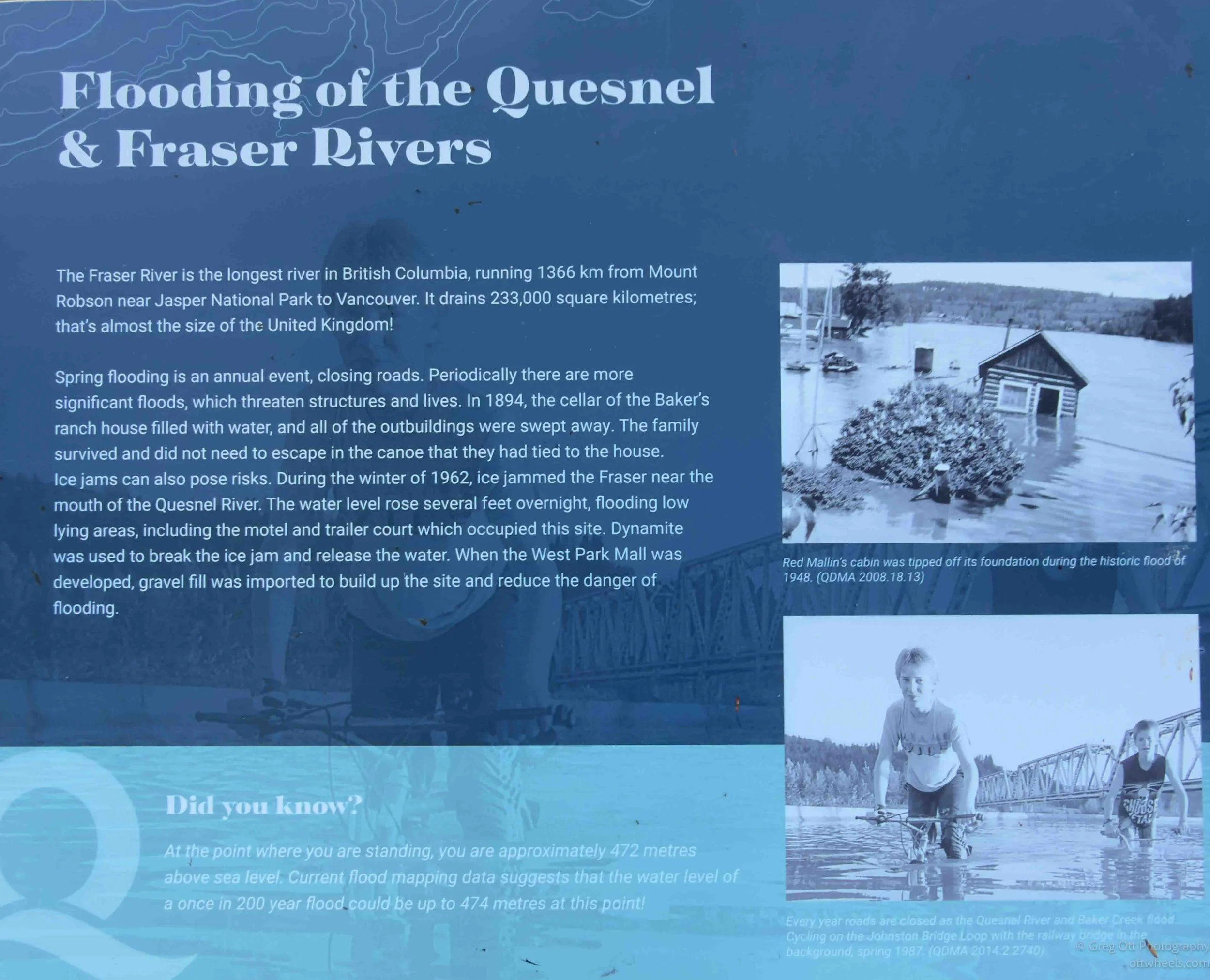
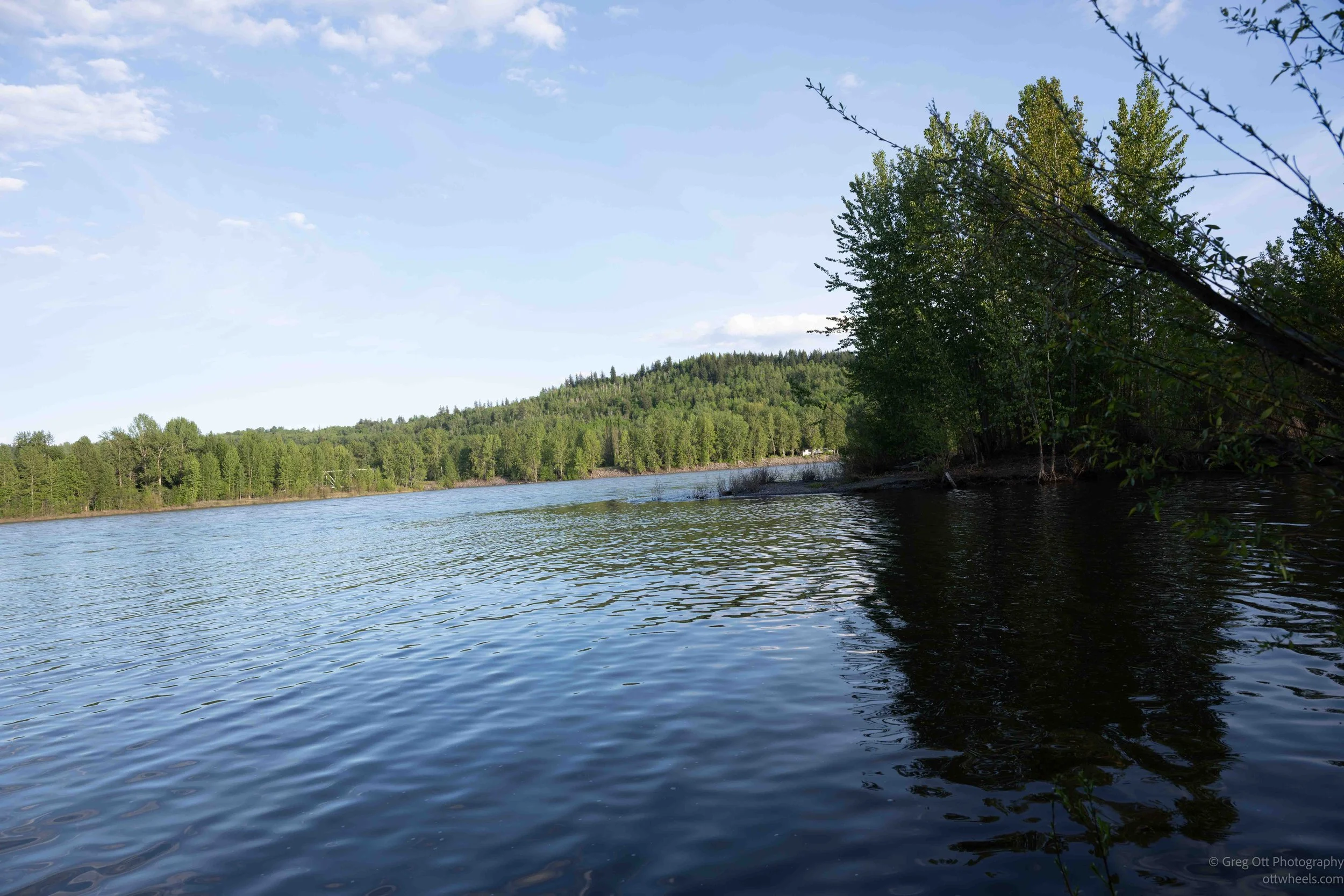
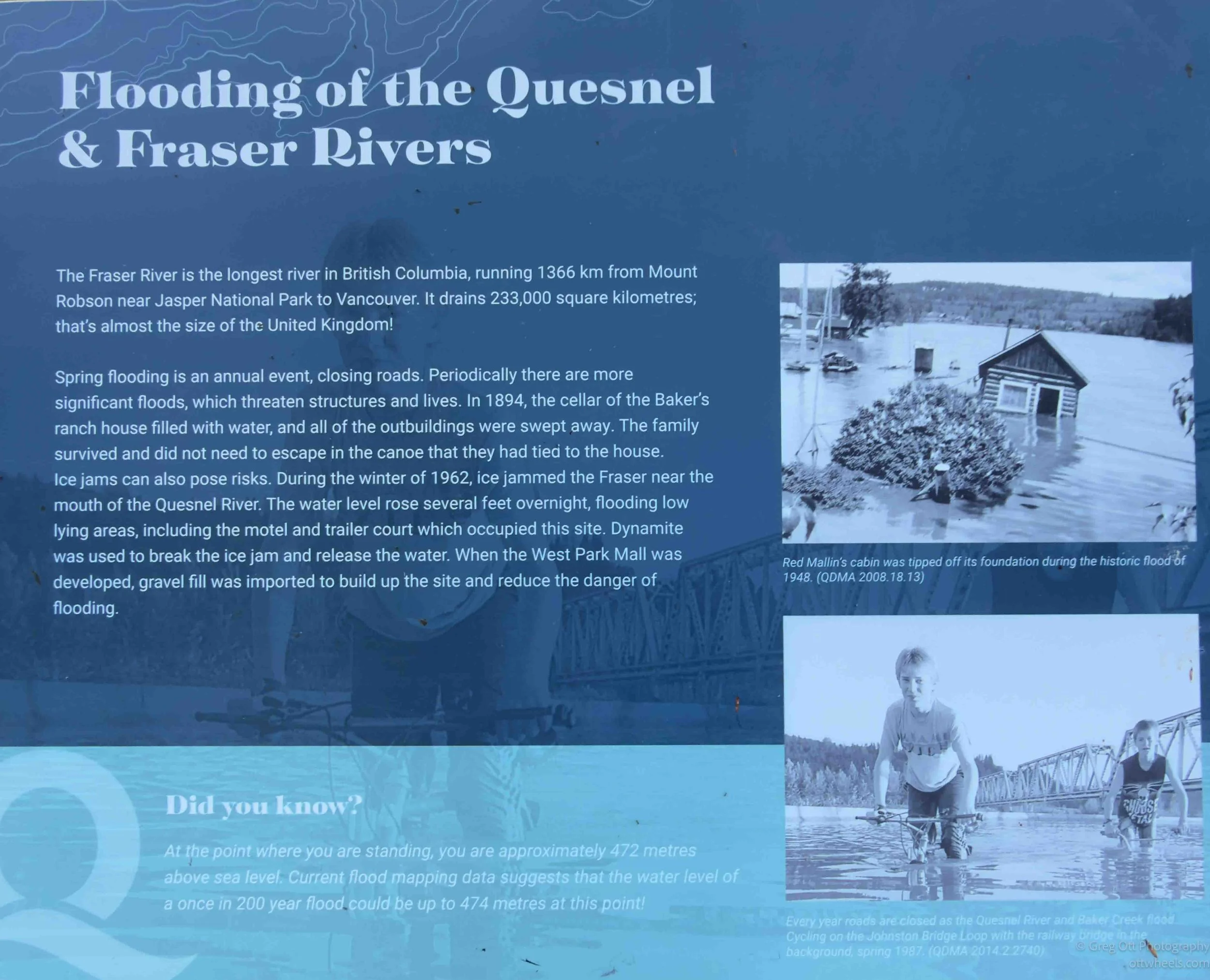
At the confluence of the Quesnel and Fraser Rivers, a plaque explained the area’s long history of flooding. The Fraser can back up the Quesnel River during ice events so severely that crews have historically used dynamite to break apart ice jams. Standing there looking at the calm water, it was difficult to imagine the violence that river systems are capable of during spring breakup.
Crossing the foot bridge, I noticed several people carrying entire meals while continuing to walk at full speed. Burgers, fries, drinks, takeout trays balanced in their hands. Nobody sat down. Nobody slowed down. It felt like a practiced skill here, as though people had collectively decided stopping for ten minutes was unnecessary.
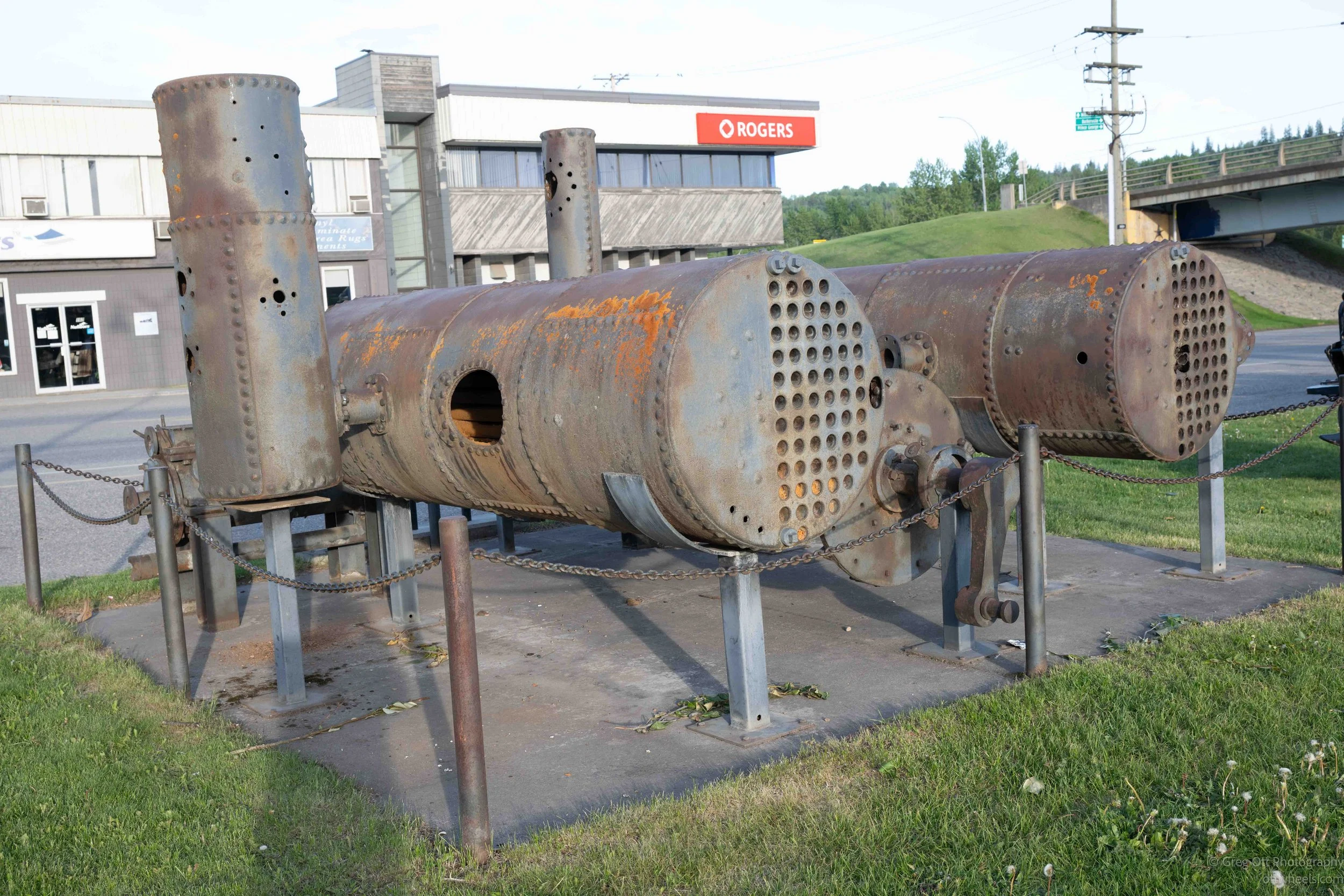
On the other side, I tried photographing remnants of Quesnel’s working history. Some homeless people nearby stood up and quietly walked away when they saw the camera. Others were too stoned to care.
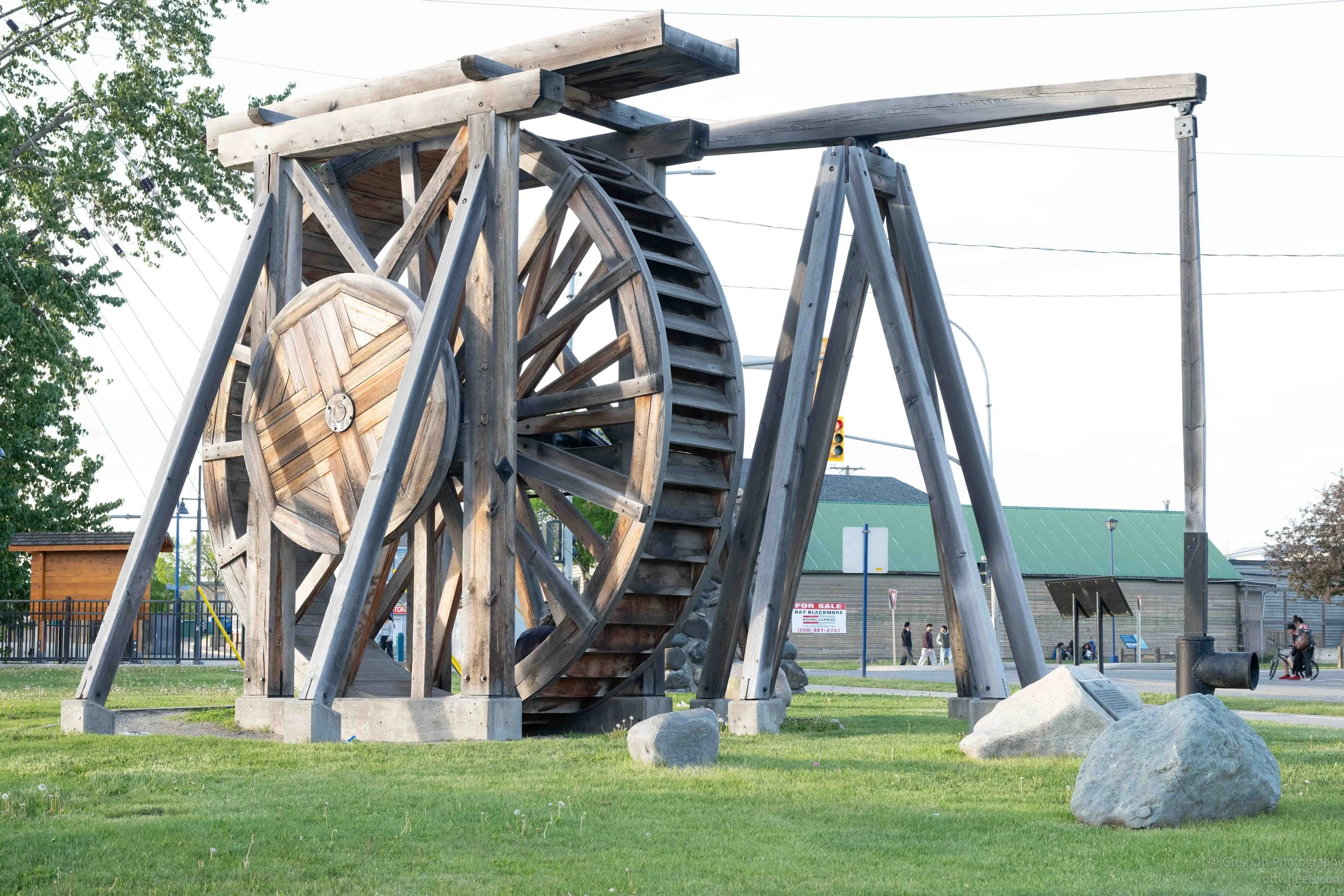
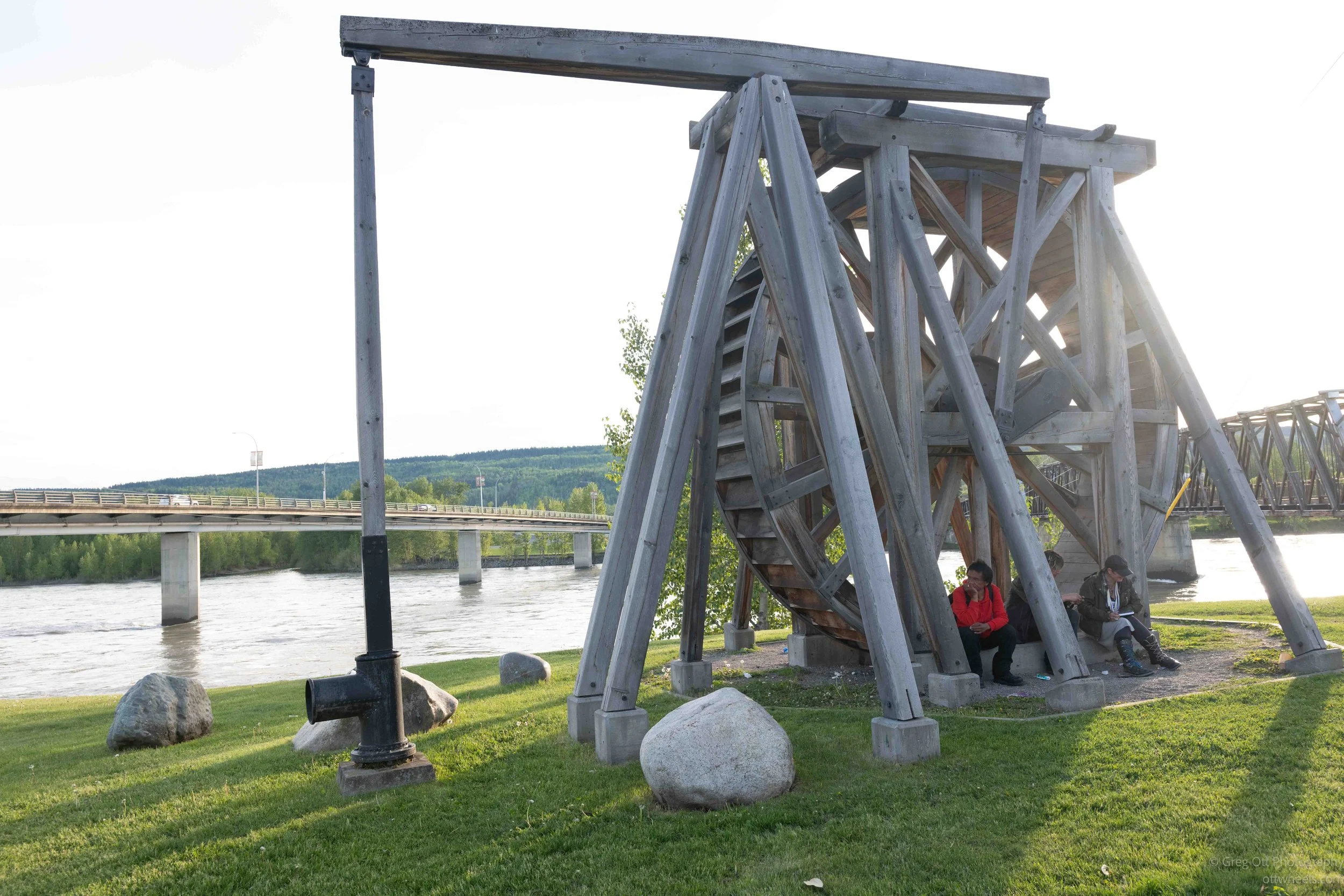
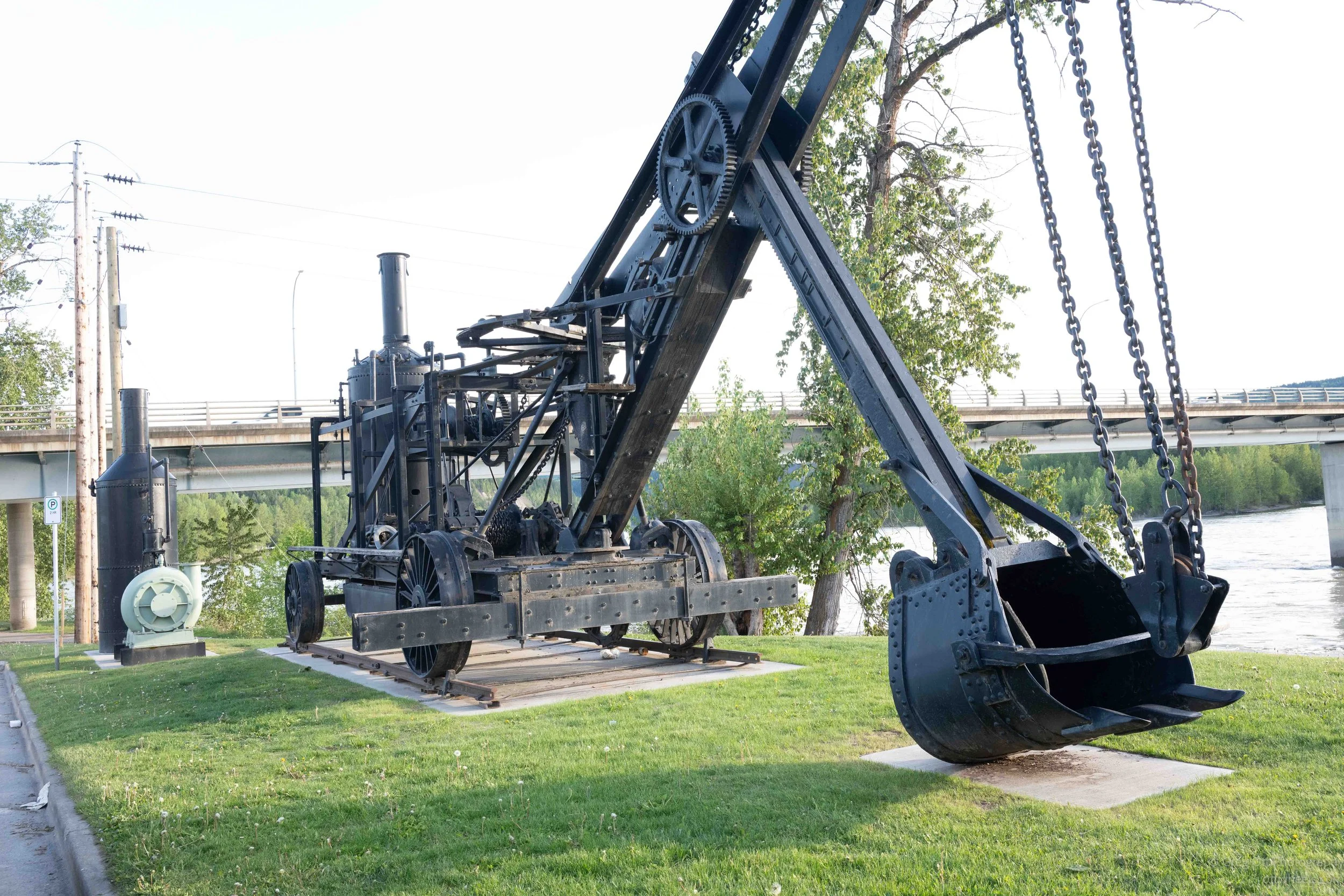
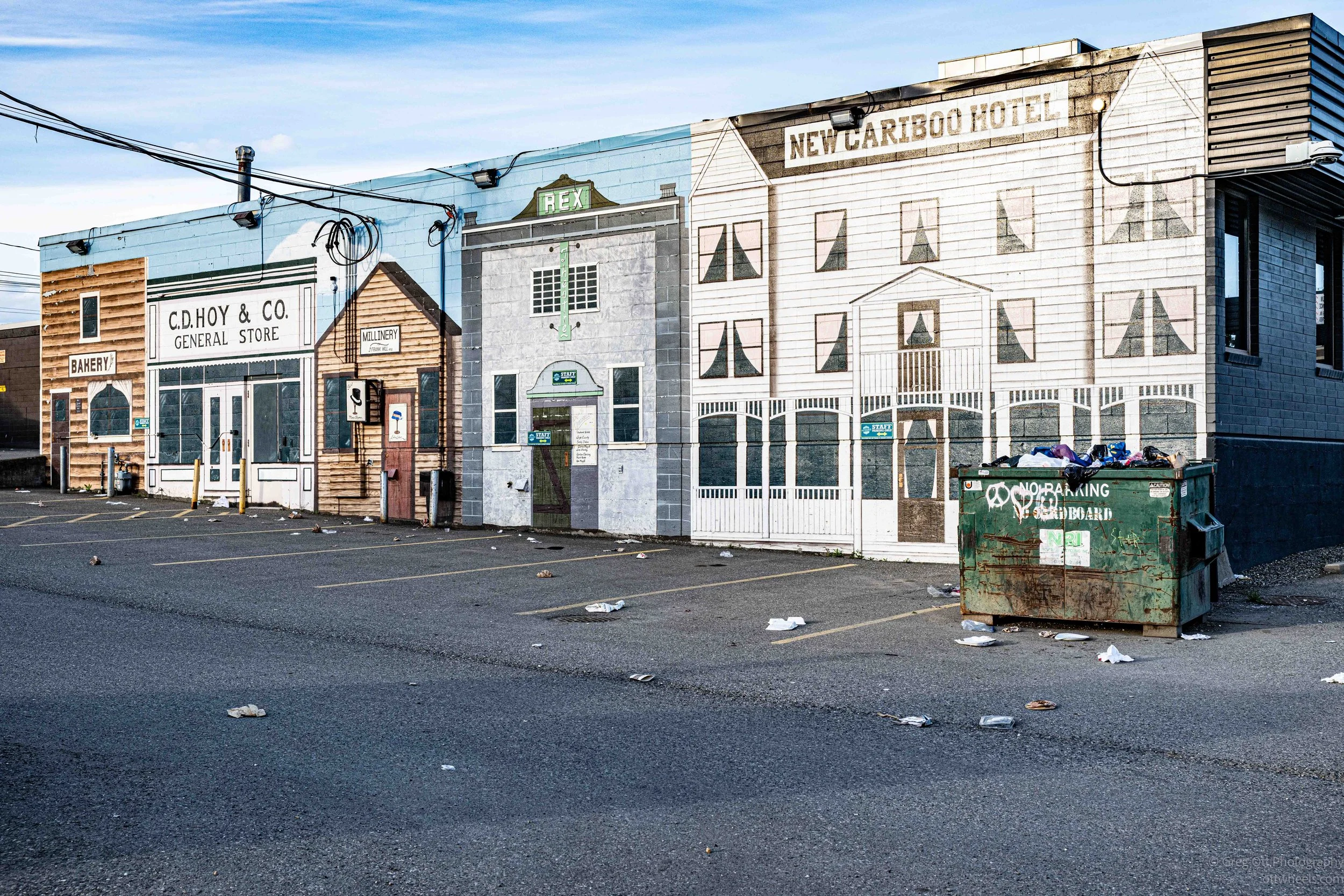
I wandered farther through downtown. Many of the streets remained nearly empty. Public dumpsters had been placed around town, presumably to help deal with the growing homeless population, though one overflowed badly with trash scattered across the parking lot and street. It reminded me of New York’s “broken windows” theory — the idea that once visible disorder begins to spread, communities slowly stop caring for the spaces around them.
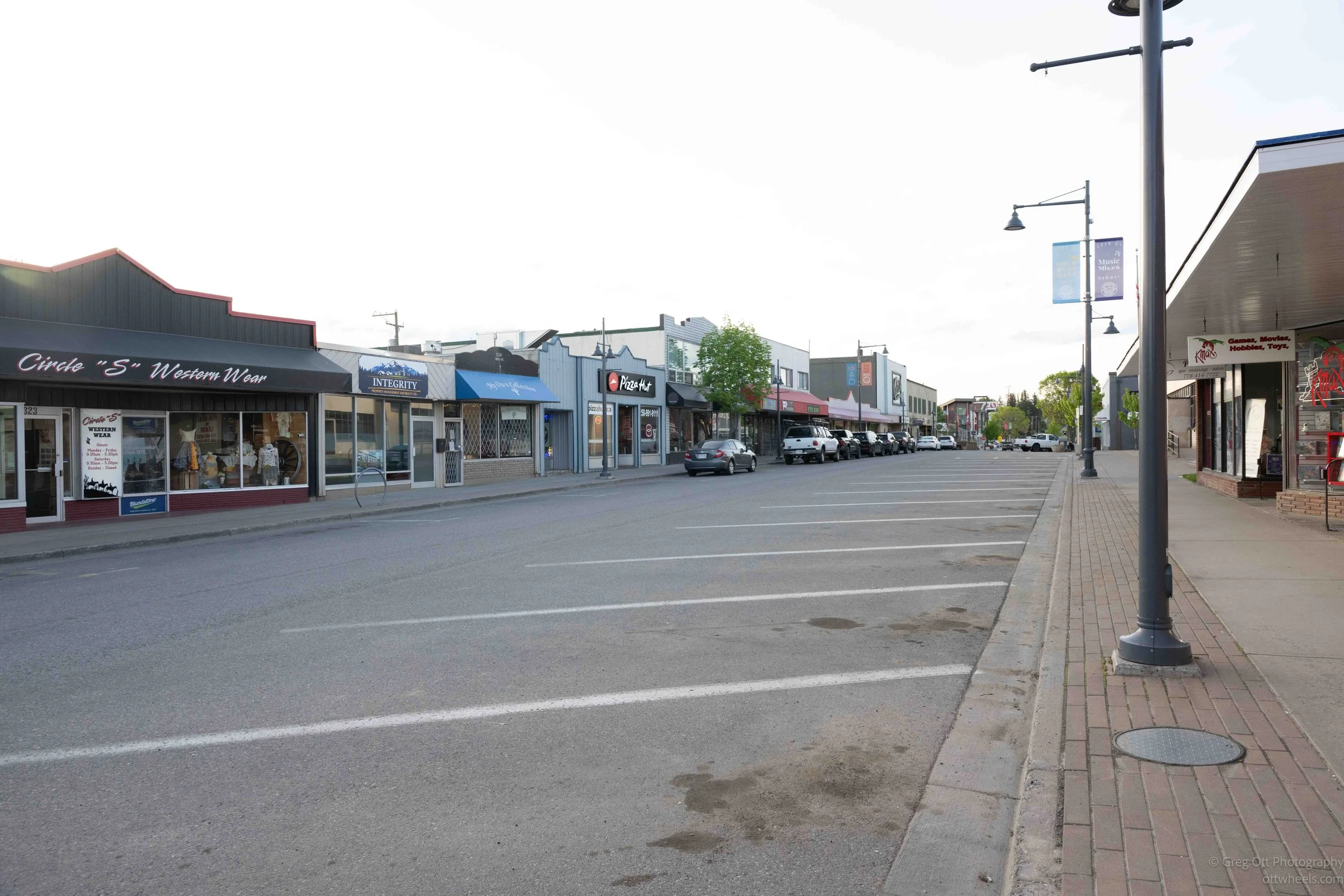
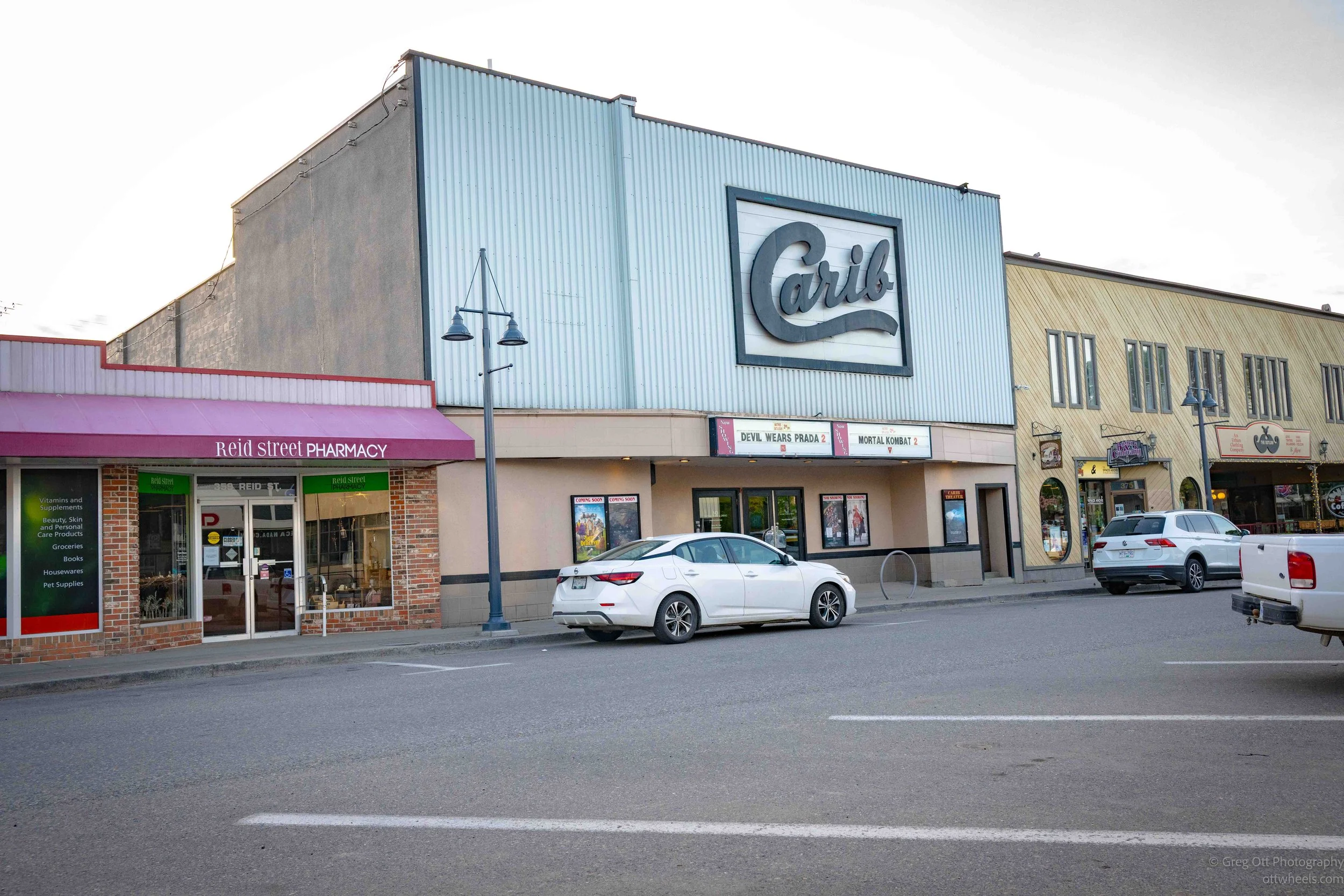
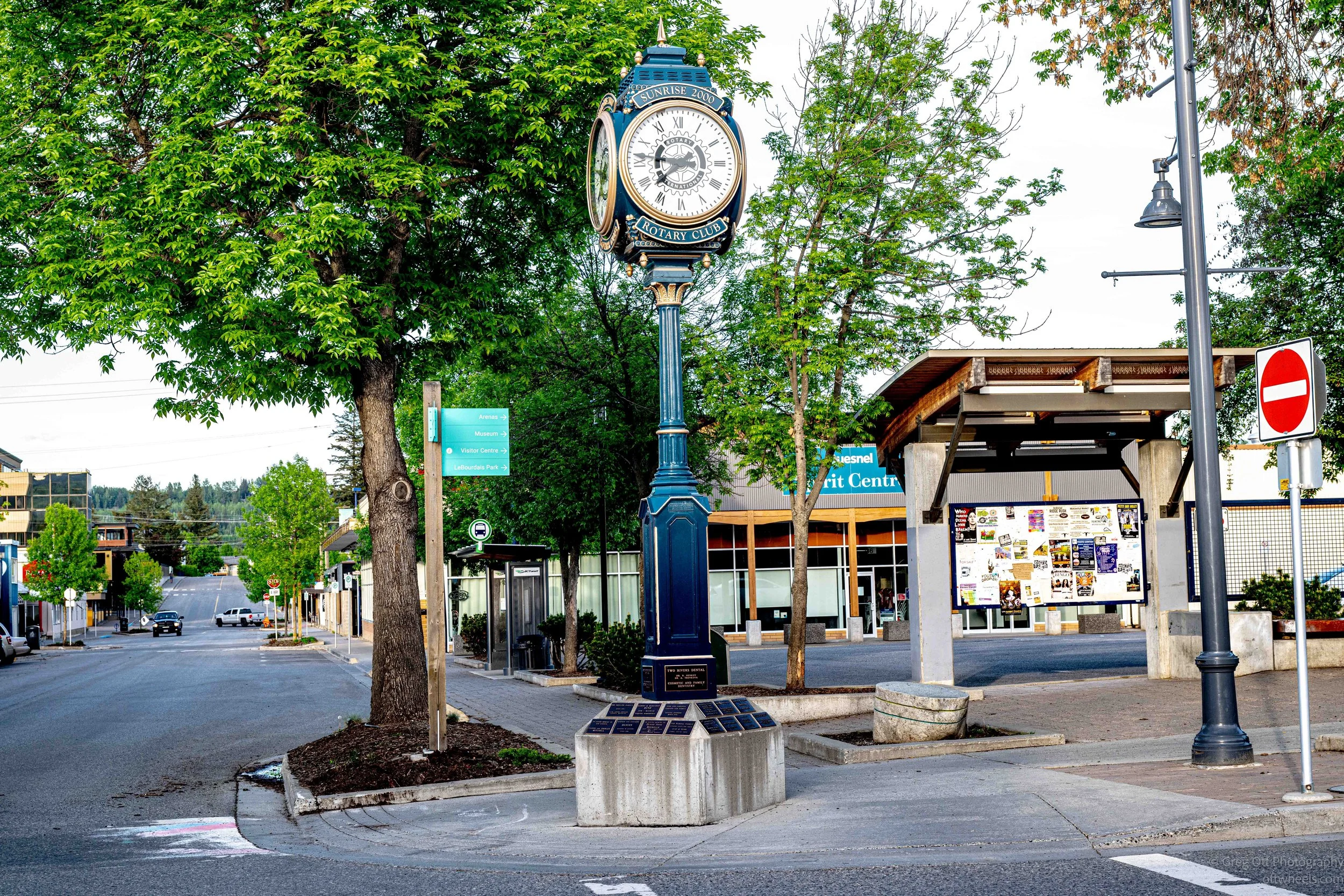
There were only a few places open downtown for food, and after walking around for a while, I decided to skip it entirely. A lot of storefronts were dark, quiet, or simply gone. It’s hard not to wonder how much worse this may become as AI and automation continue reshaping the business landscape. Fewer workers, more online services, self-checkouts, remote work, delivery apps, and changing consumer habits all seem to be slowly hollowing out smaller downtown cores. It doesn’t feel like just a North American problem either. In China, there’s even a cultural movement called “lying flat,” where younger generations have begun stepping away from the constant pressure to work, compete, and consume. Walking through town, the silence and empty storefronts made it feel like parts of the world may already be quietly shifting into something different, though nobody seems entirely sure what comes next.
I eventually made it back to the van and drove out to the Walmart on the edge of town to resupply before continuing farther north. For some reason, I have this lingering fear that at some point food is going to become scarce the farther north I go.
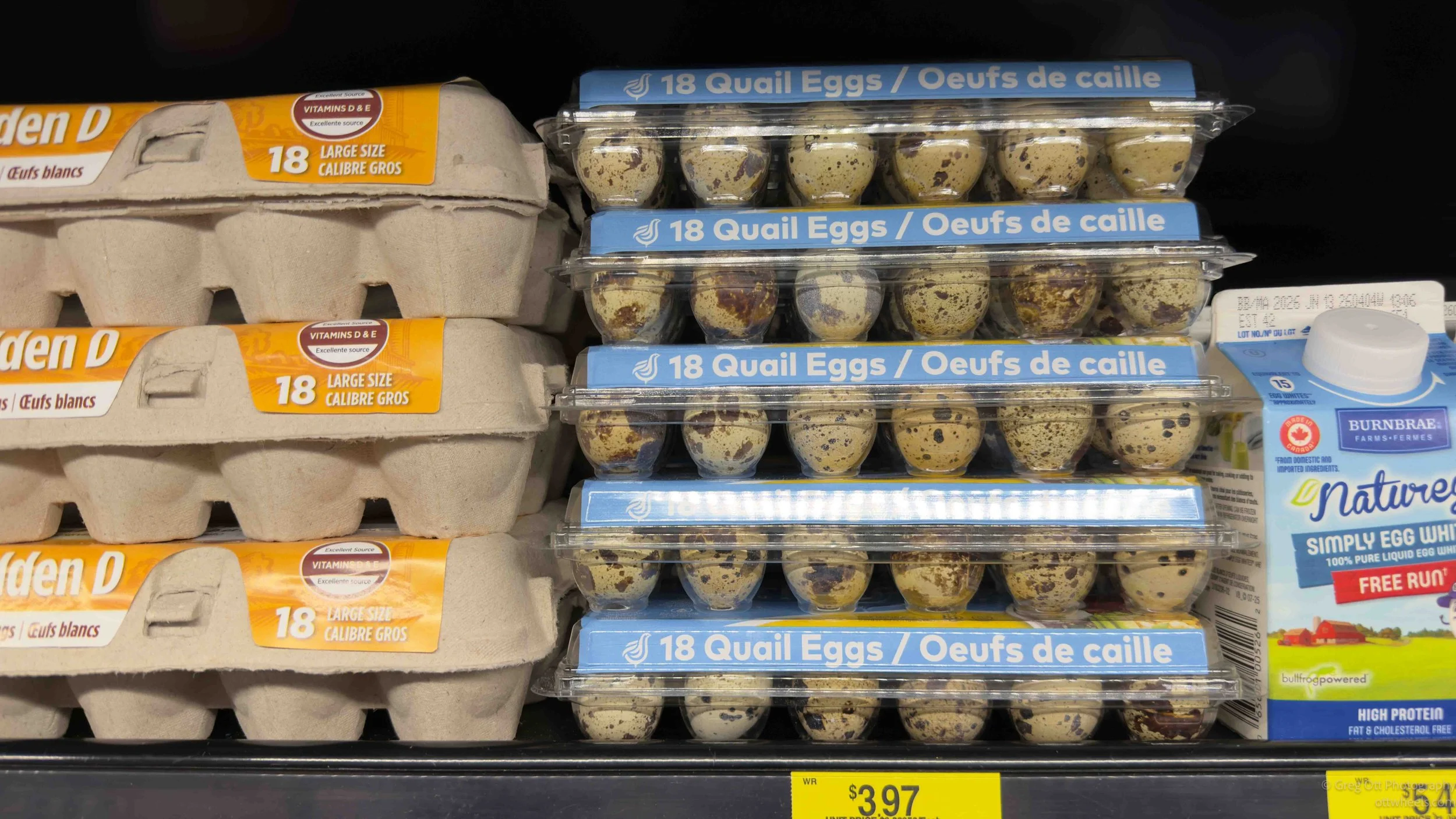
This was my first Canadian Walmart. The produce section immediately stood out. Everything looked fresher, higher quality, and noticeably different from what I’m used to seeing in the United States. The store itself was smaller and laid out completely differently. The product selection also felt unfamiliar. I’d never seen quail eggs sitting in a normal supermarket cooler before. I’ve eaten them many times, and seeing them unexpectedly reminded me of sitting with a friend at my favorite sushi bar in Venice, California eating sea urchin topped with raw quail egg.
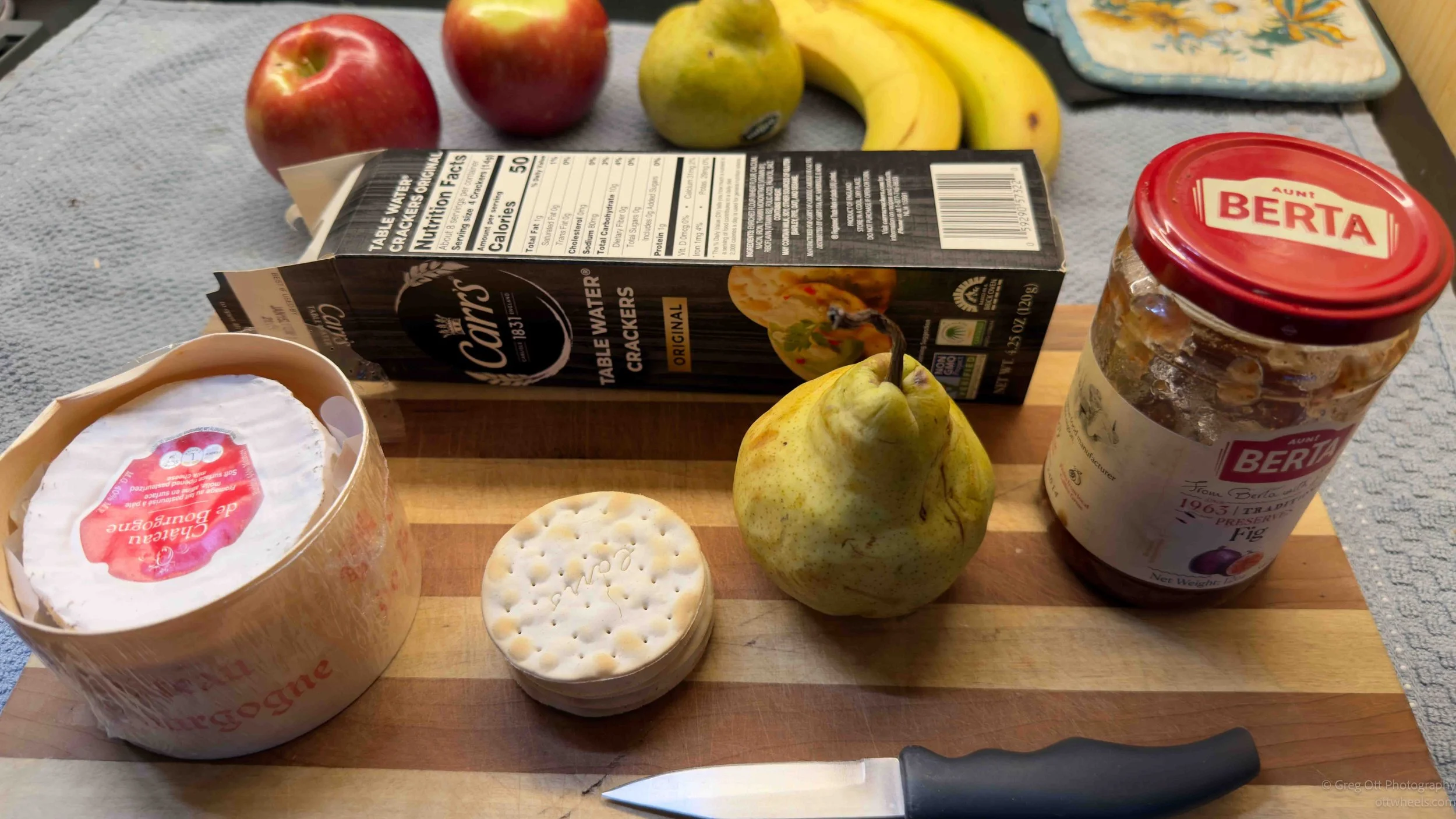
That night I found a quiet spot in the parking lot and decided to break into the Château de Bourgogne. I had a fresh pear, fig jam in the refrigerator, and just enough Carr’s Table Water Crackers left to justify opening the cheese. You never really know when you’ll find good brie again once you start moving farther north.