Explore the journey — one trail, museum, meal, and memory at a time.

Dolly Sods
A light snow covered Dolly Sods as I woke to a dead Starlink switch and no internet deep in the Monongahela National Forest. What began as a plan for a winter hike became a lesson in adaptation—navigating forest roads, a Walmart run, and a warm latte before settling in for a quiet night on the road.

Blackwater Falls & Dolly Sods
I woke at the overlook above Elkins with fog filling the valleys and drove the rough mountain road down toward town. After restocking supplies, I followed the storm north to Blackwater Falls, where rain poured and the campground was closed. By afternoon, I was on the rocky road to Dolly Sods, climbing into wind, fog, and the high country of West Virginia.
Spruce Knob & Seneca Rocks
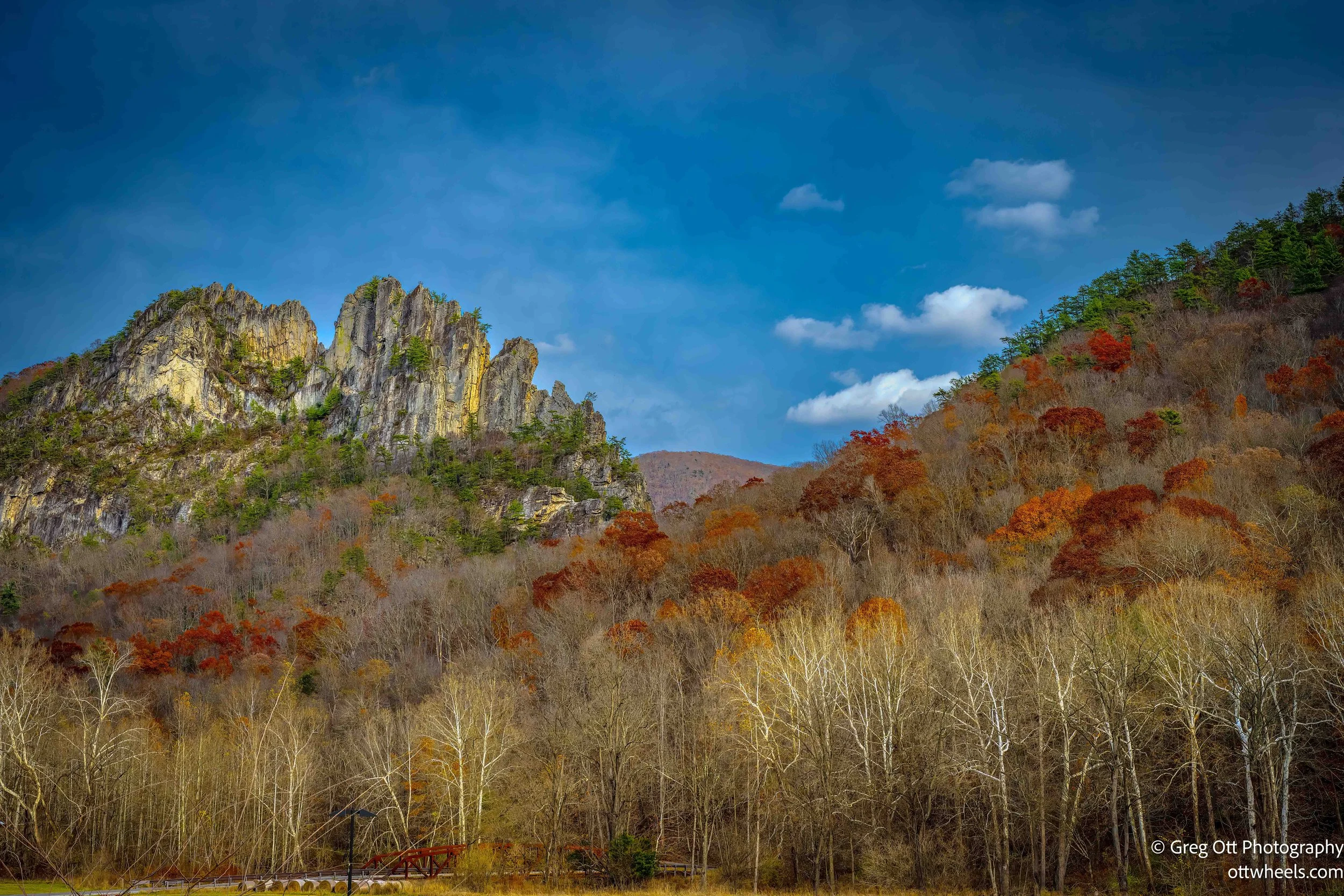
I woke to fog and rain in the Monongahela National Forest and set out for Spruce Knob, the highest point in West Virginia. After exploring the summit’s alpine forest, I continued to Seneca Rocks for a steep hike, sweeping mountain views, and unexpected conversations about shutdowns, miners, and the strength of small mountain towns.

Cass Railroad and Green Bank Observatory
A cold start in the forest turned into a day of discovery. After a stop at a roadside bakery, I explored Cass Scenic Railroad, where the legacy of logging still echoes through the hills, then continued to Green Bank Observatory, where massive radio telescopes listen to the stars in one of the quietest places on Earth.

Falls of Hills Creek & Cranberry Glades Botanical Area
From steep trails and roaring waterfalls to quiet bogs preserved since the Ice Age, this stretch of the Monongahela National Forest reveals a wilder side of West Virginia. I hiked the three falls at Hills Creek, wandered the boardwalk through Cranberry Glades, met a few unusual characters, and ended the day camped high on Route 150 under a glowing fall sky.