Organ Pipe Cactus National Monument Hike
I rose early and was on the trail before 8 a.m. The desert rewards early risers. The light is softer. The air is cooler. I carried plenty of water and limited myself to two lenses — enough to stay flexible but not so much that I’d resent the weight four miles in. The hike out to the old Victoria Mine is a little over four miles round trip, a steady desert walk with enough rise and fall to keep you honest.
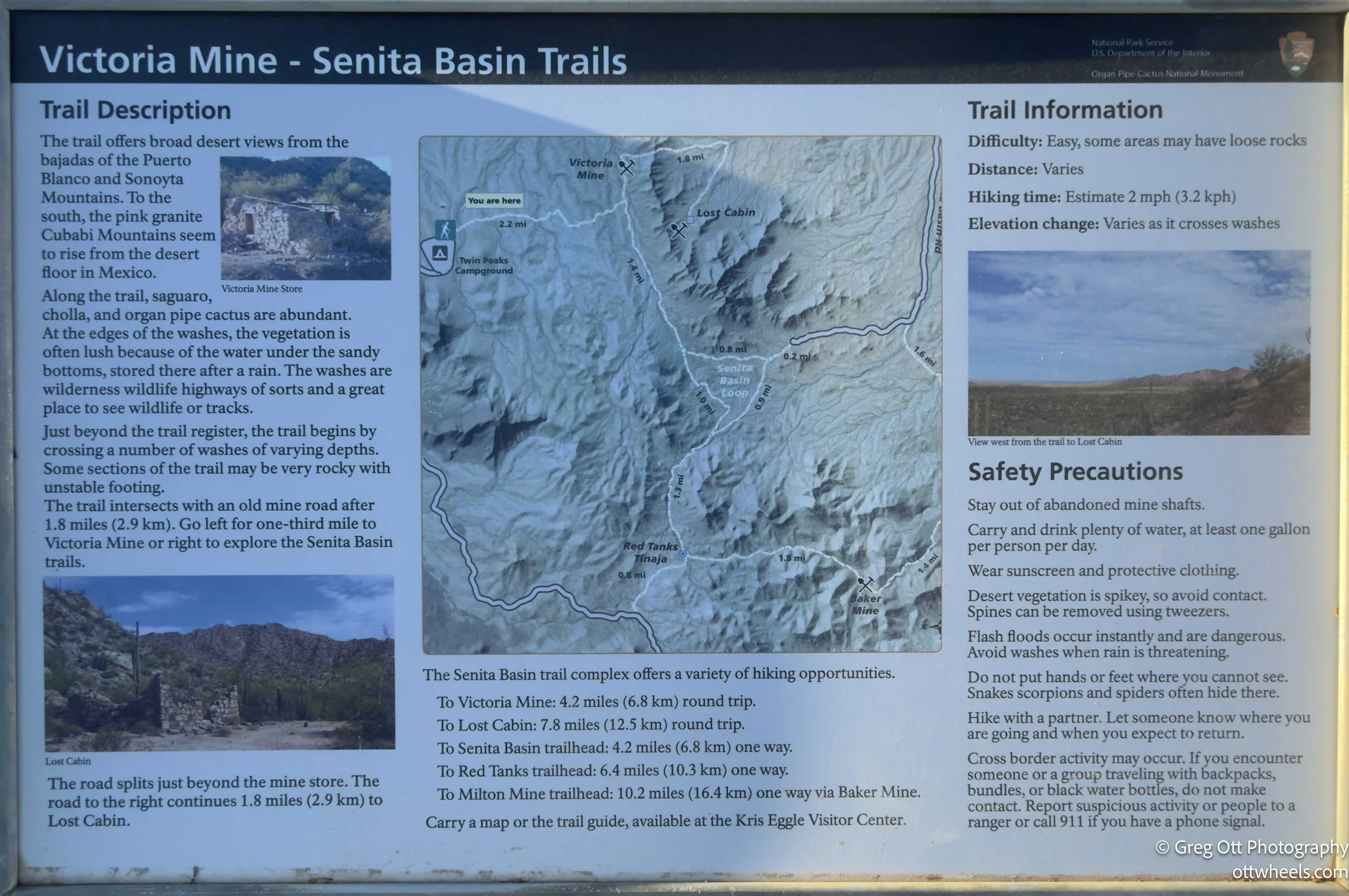
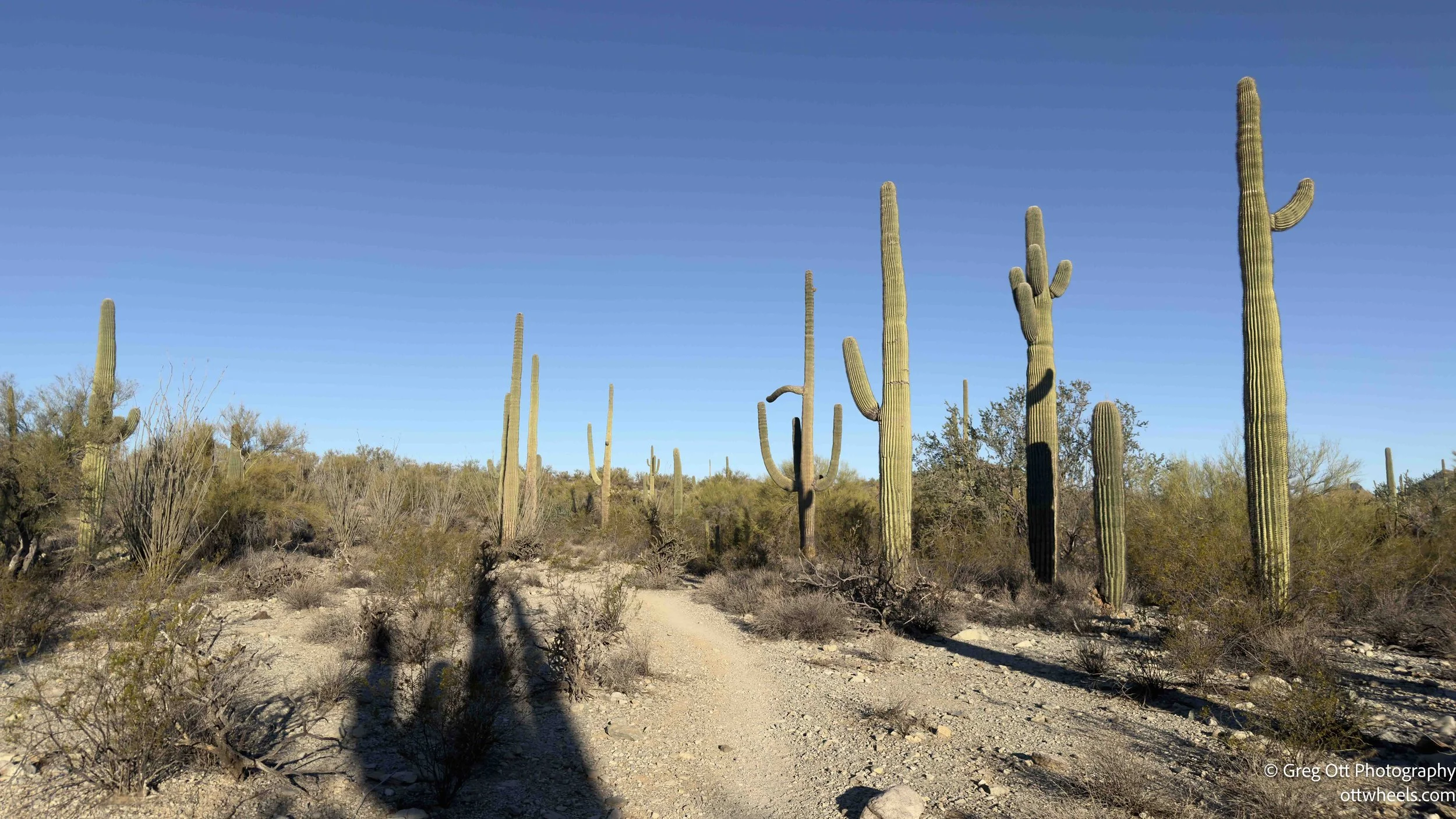
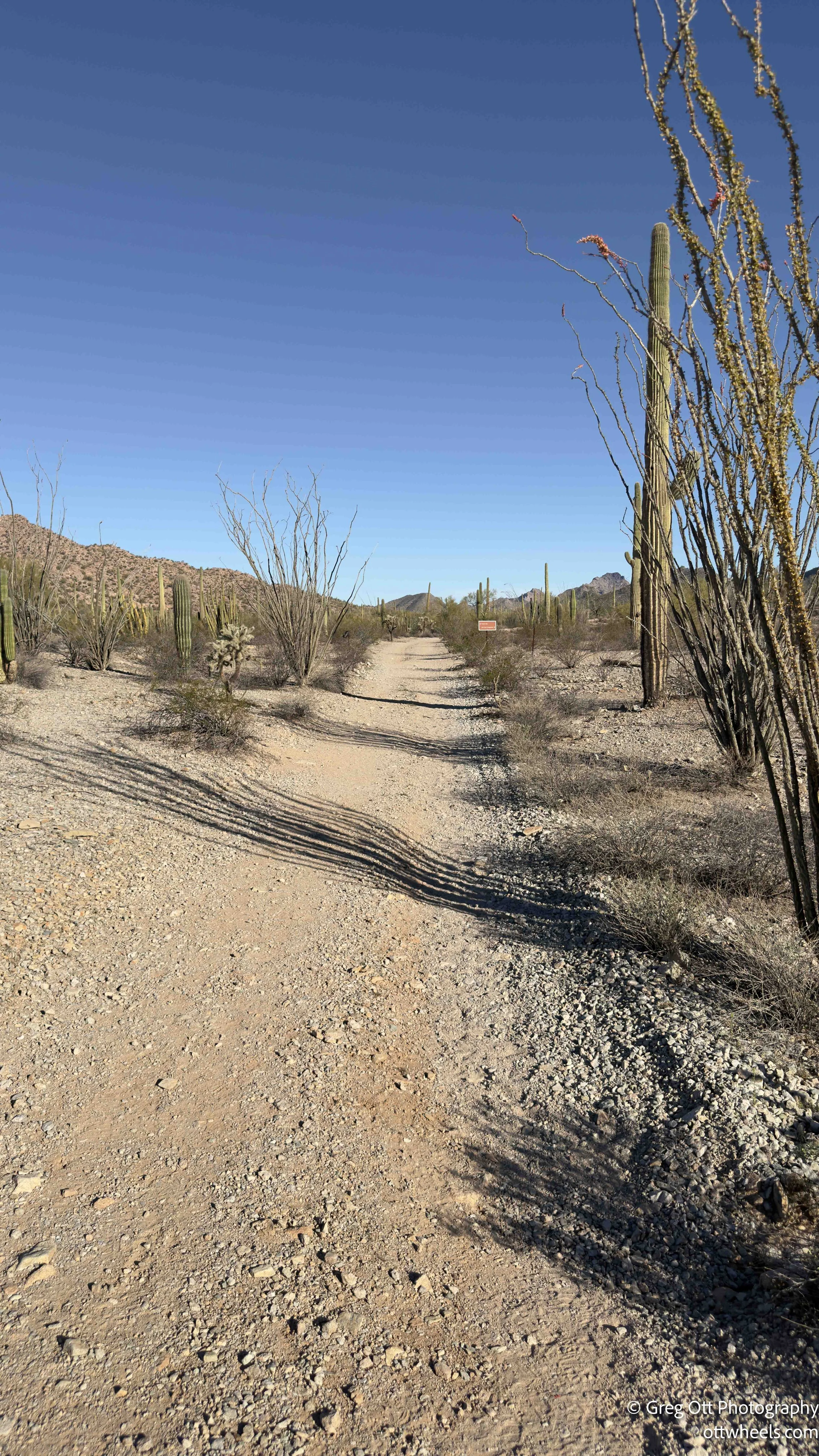
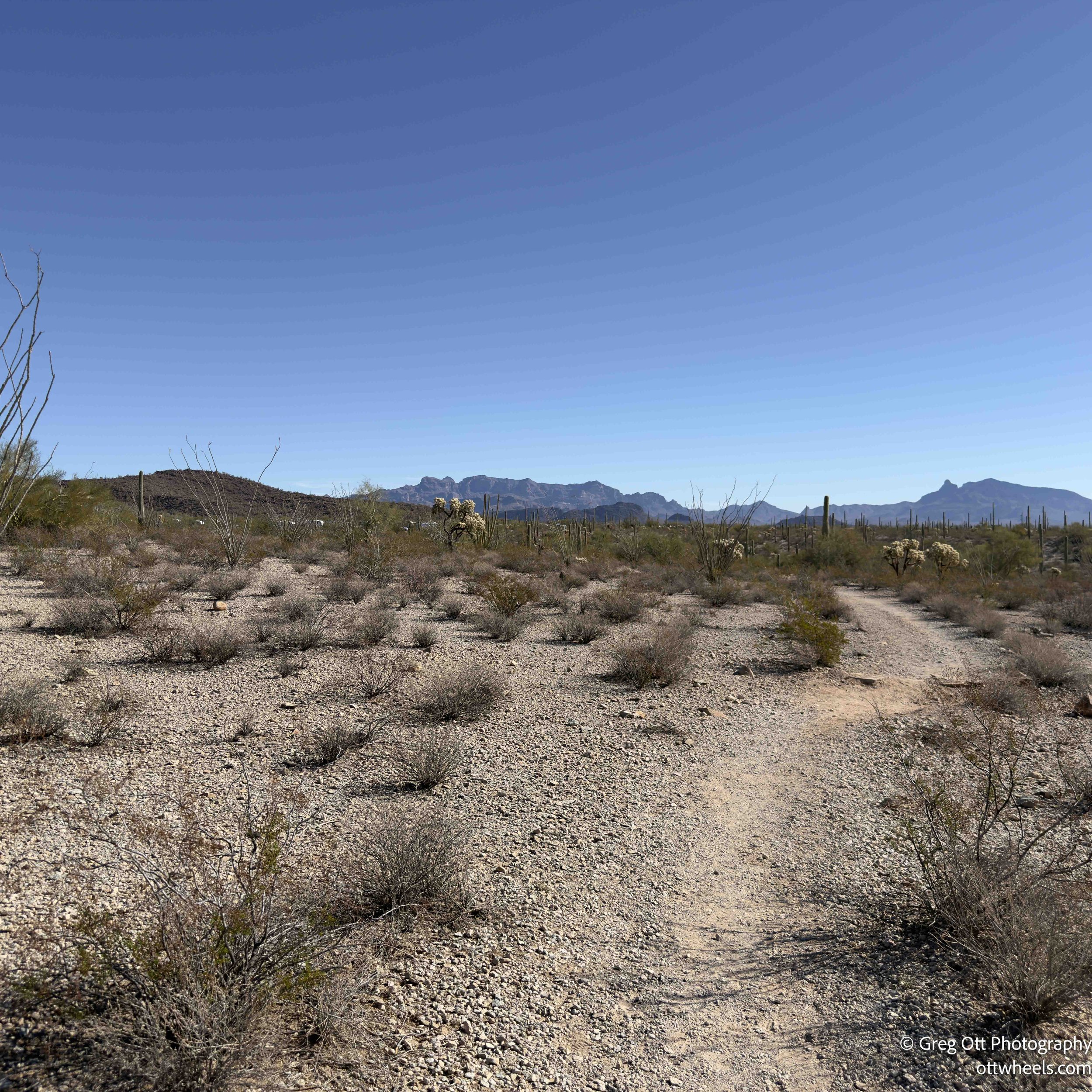
The Victoria Mine Trail rolls gently through classic Sonoran Desert terrain. It isn’t technical, but it isn’t flat either. The path threads through shallow washes, climbs low ridges of volcanic rock, then dips again into sandy stretches where your boots sink just enough to remind you you’re working for it. There are scattered rock outcroppings that offer pockets of shade — small mercies that feel larger than they are. The views open up in all directions. To the south, the land feels endless, folding into low mountain silhouettes. To the north, ridgelines layer into pale blue haze.
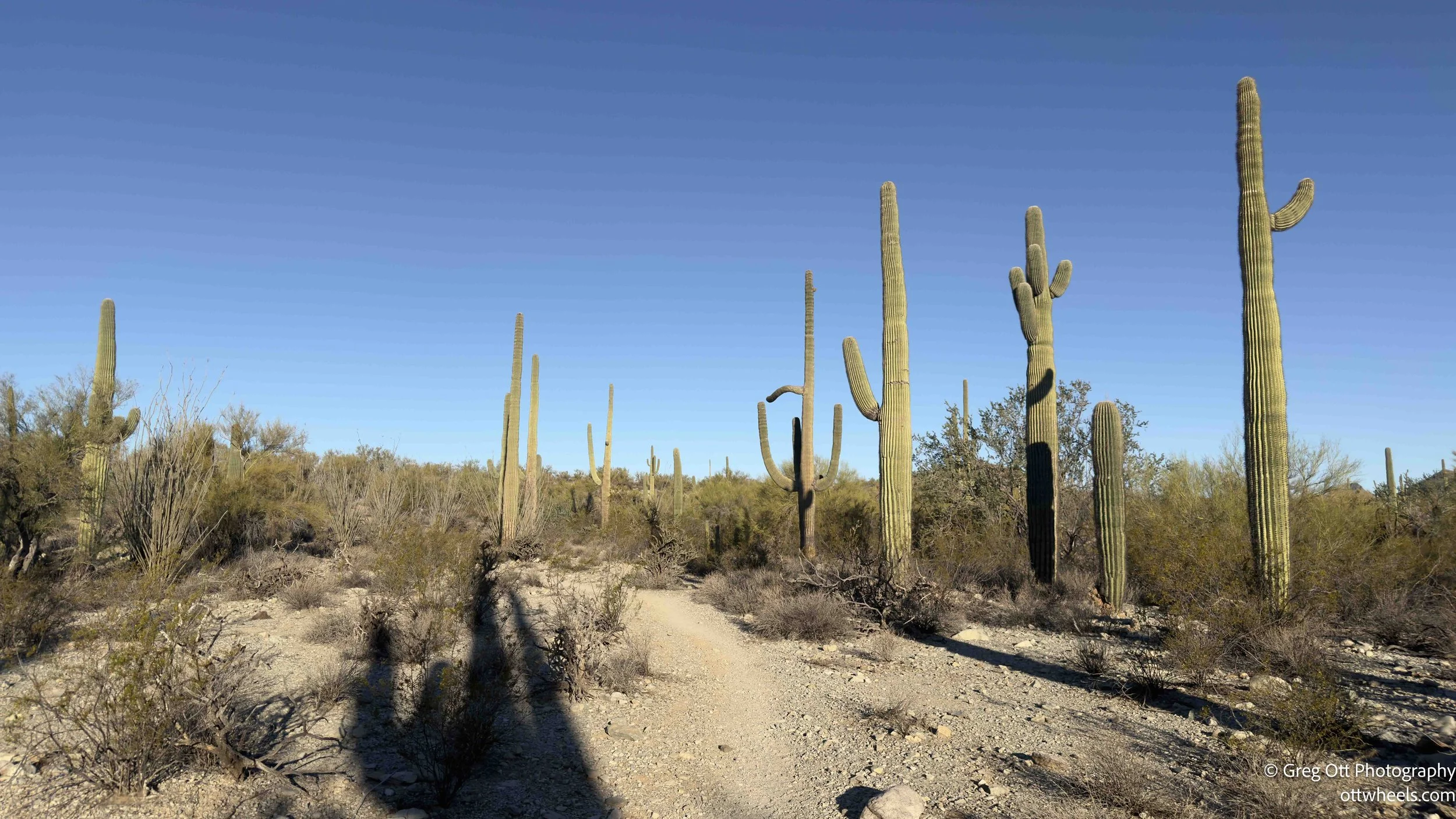
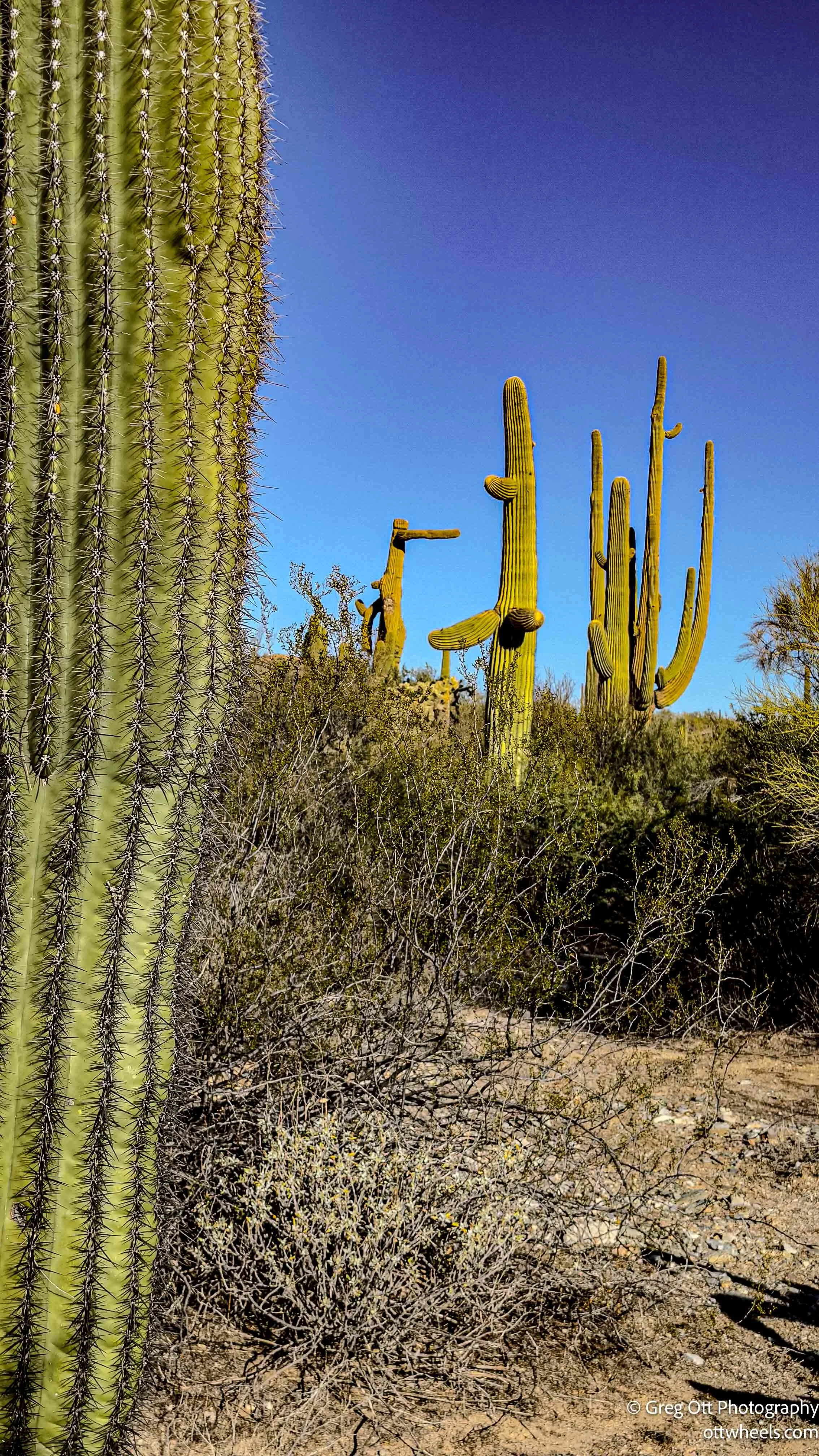
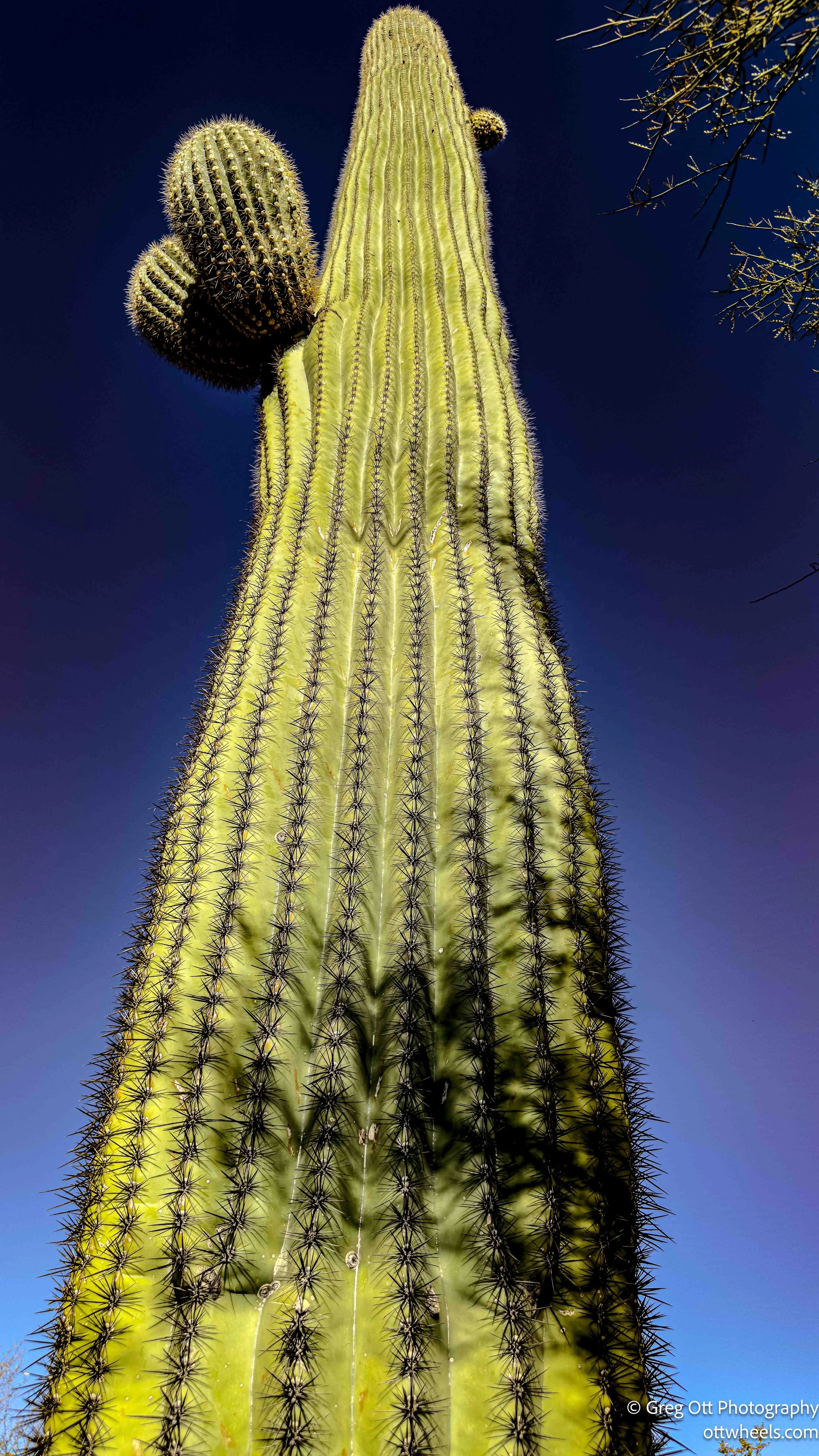
The plant life alone is worth the walk. Towering saguaros stand like sentries, arms lifted in frozen gestures. Some are straight and formal. Others lean or twist as if mid-conversation.
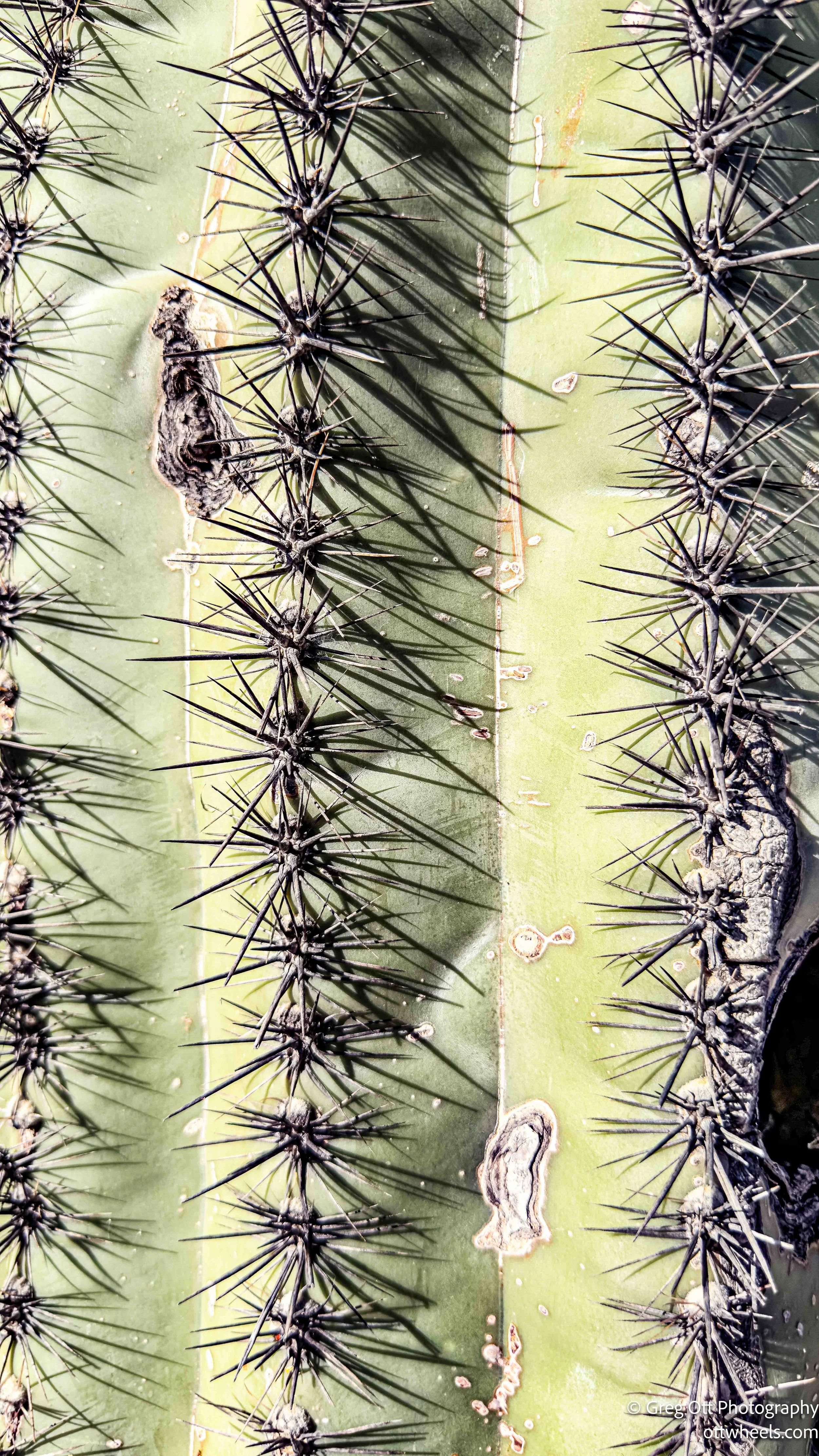
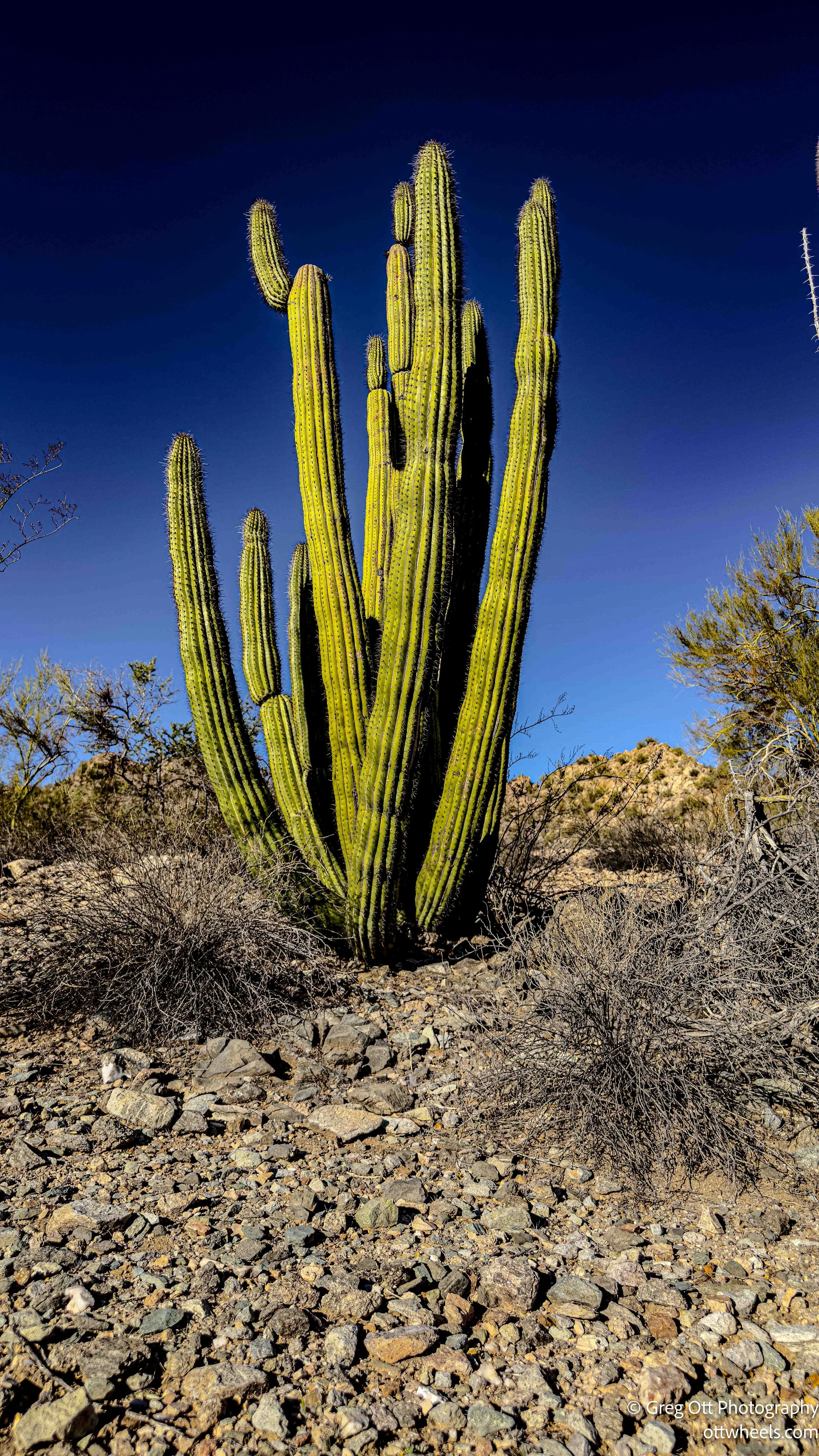
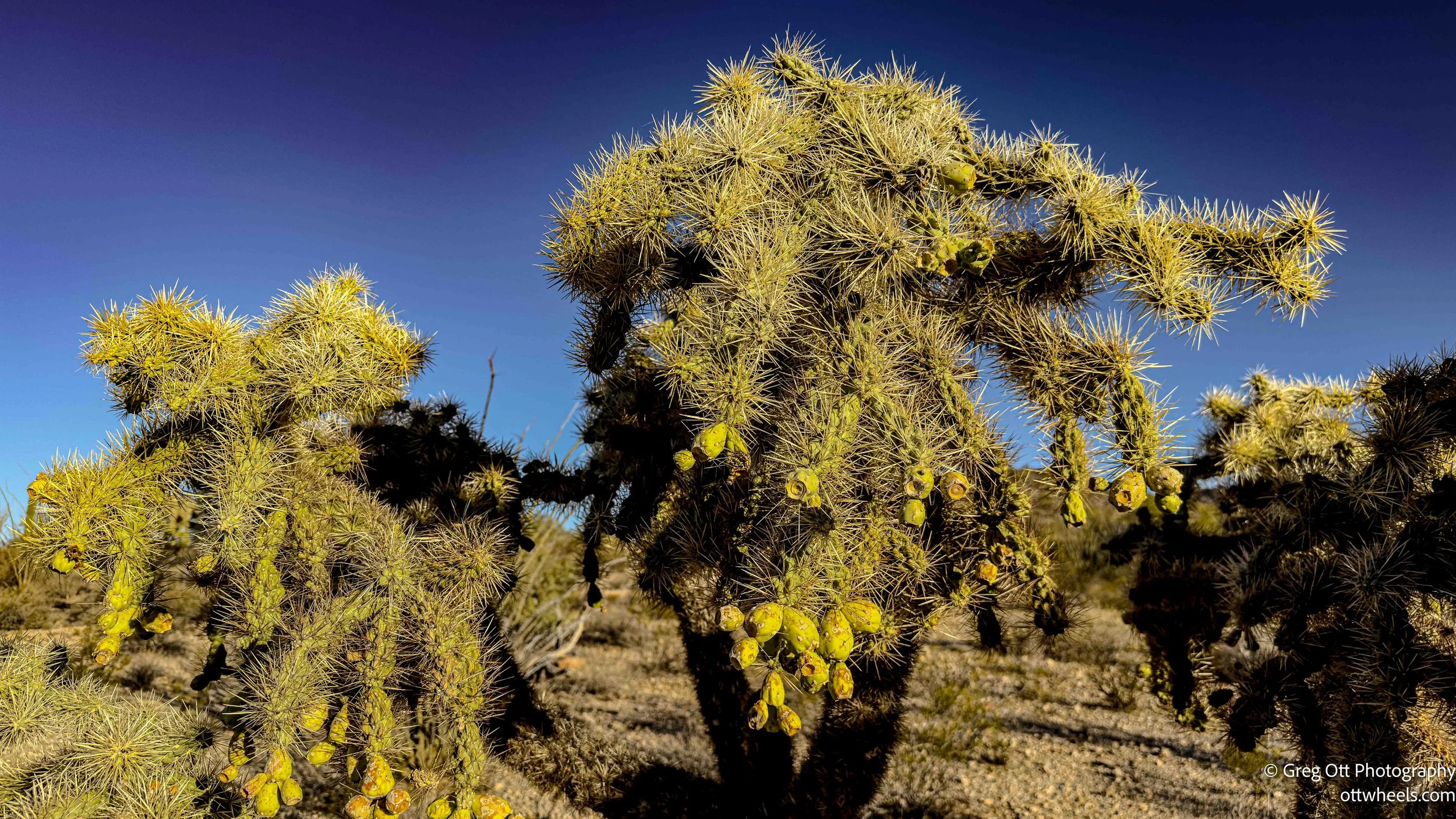
Organ pipe cactus grow in tight clusters, many-armed and slightly chaotic, rising from a single base like desert chandeliers. The cholla — what I clumsily call “chocal cactus” when I’m moving too fast — glow in the early light, their spines almost luminous. You give them space. Everyone learns that lesson at least once.
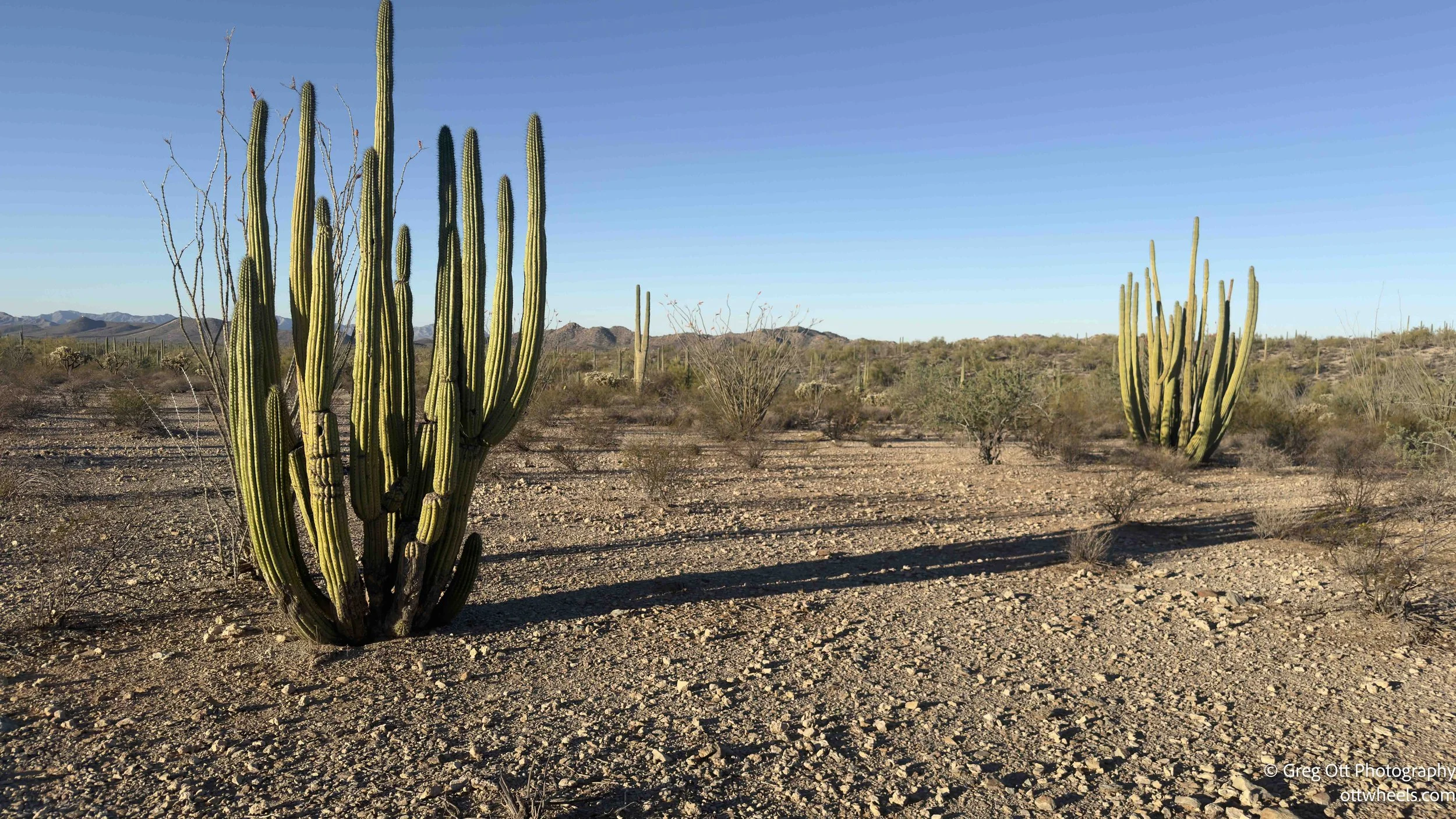
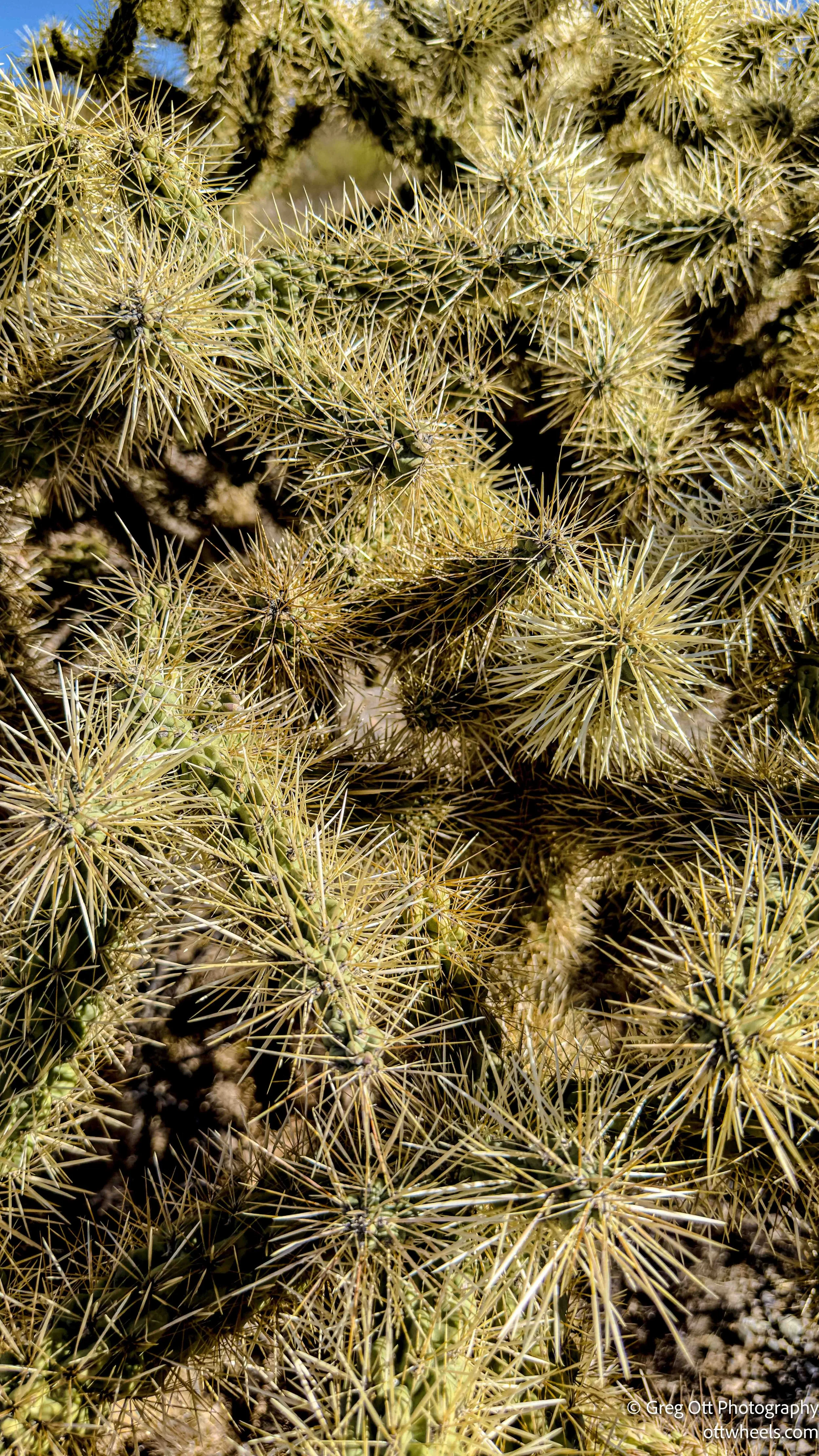
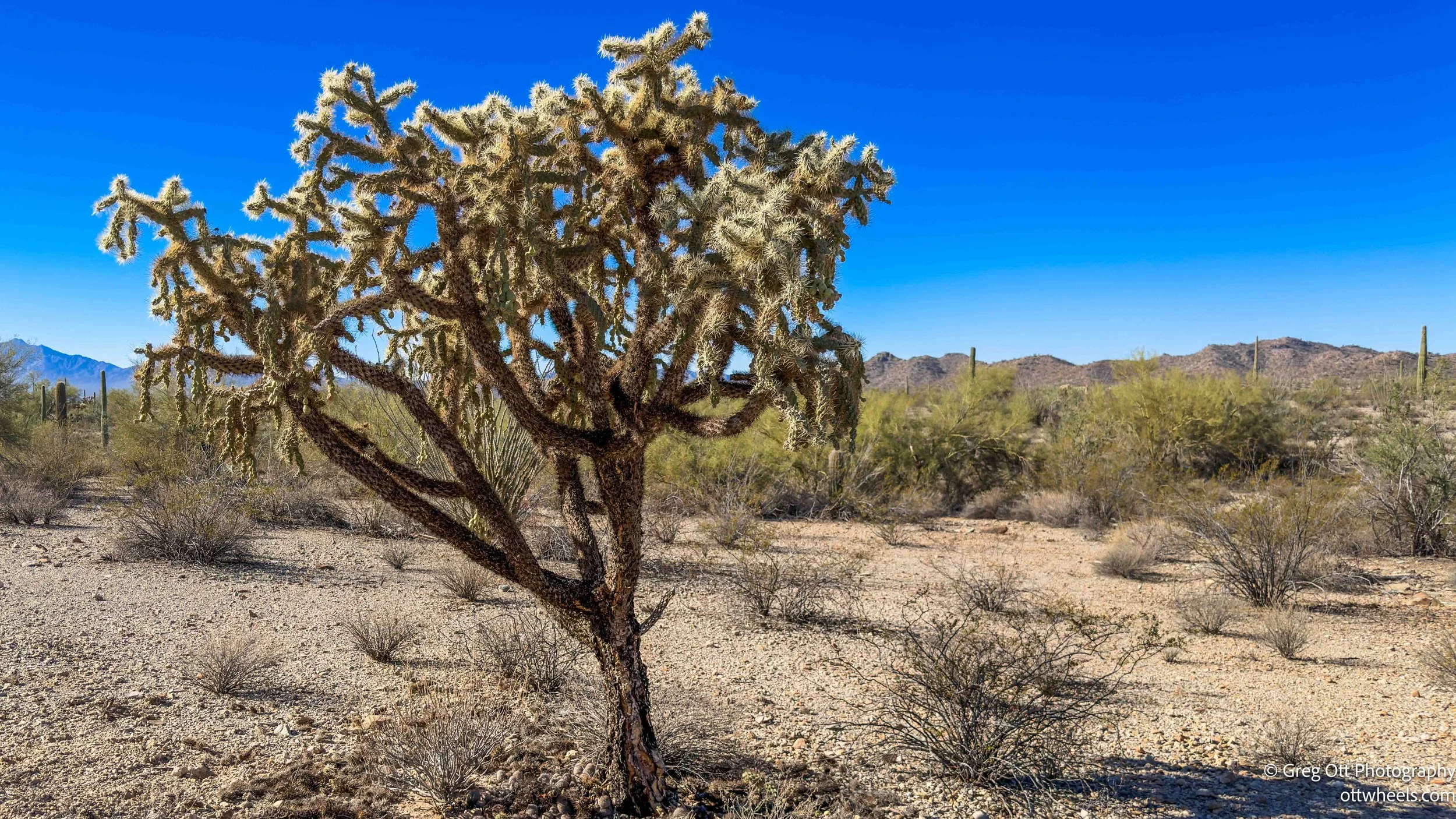
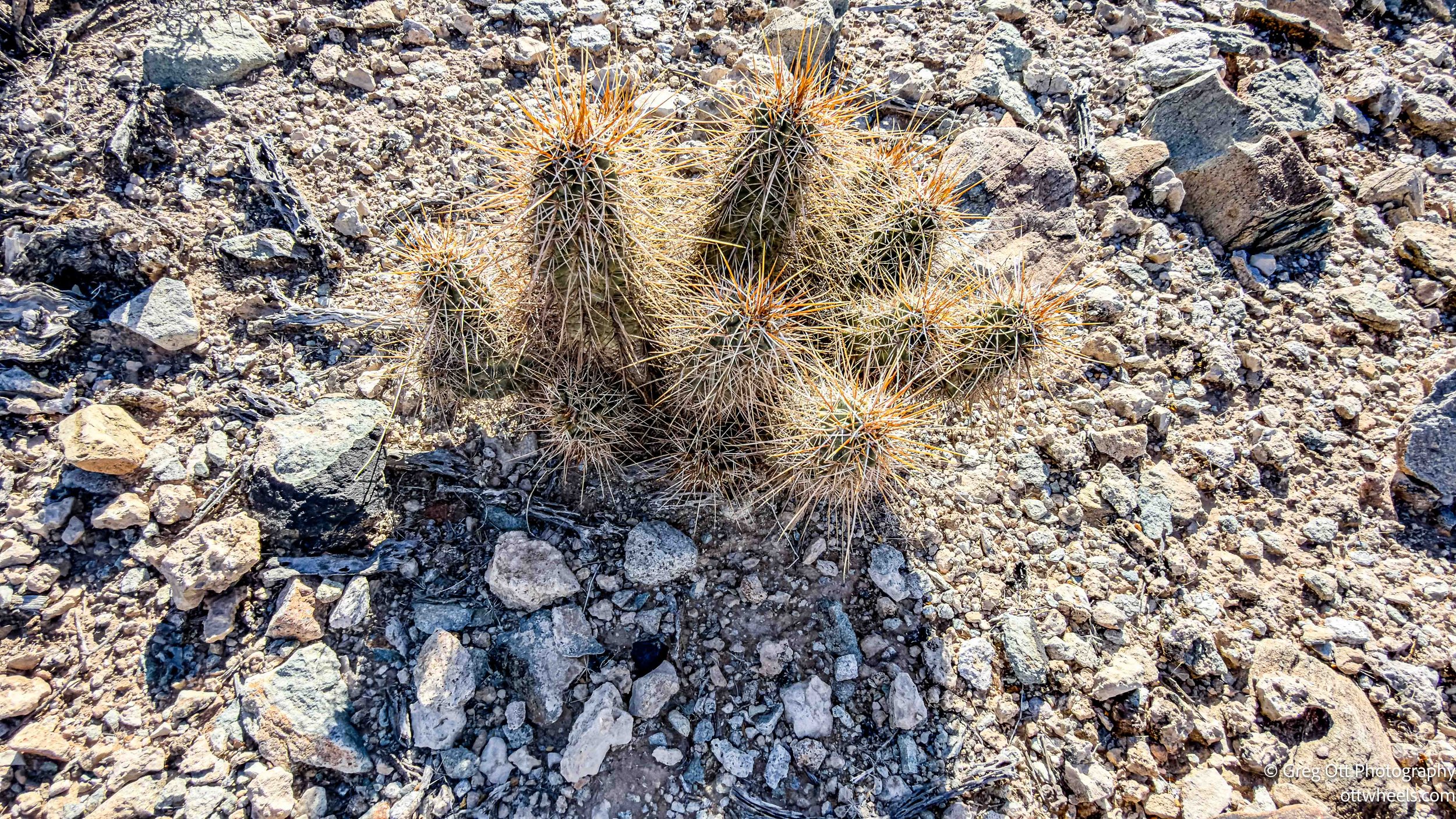
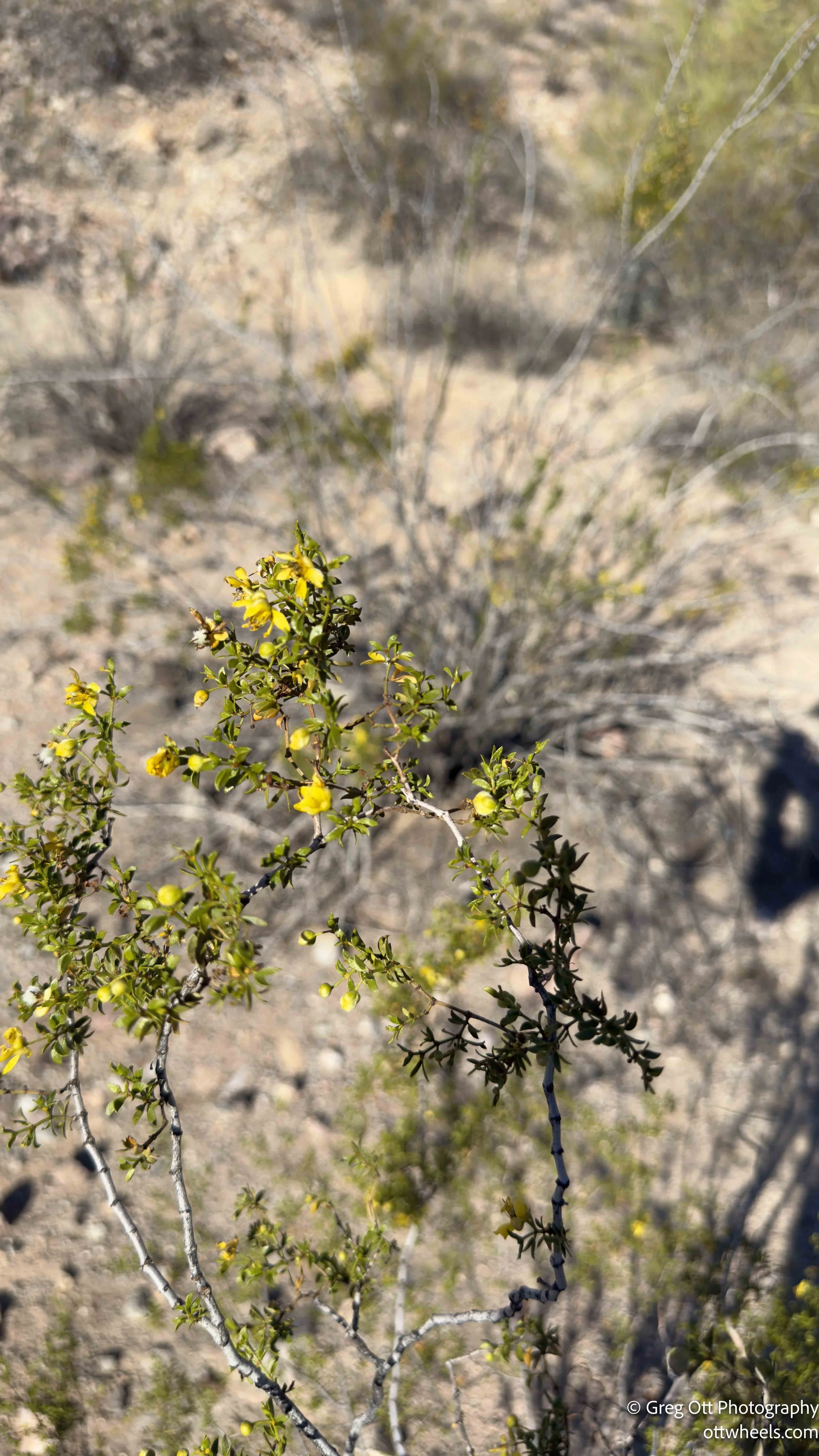
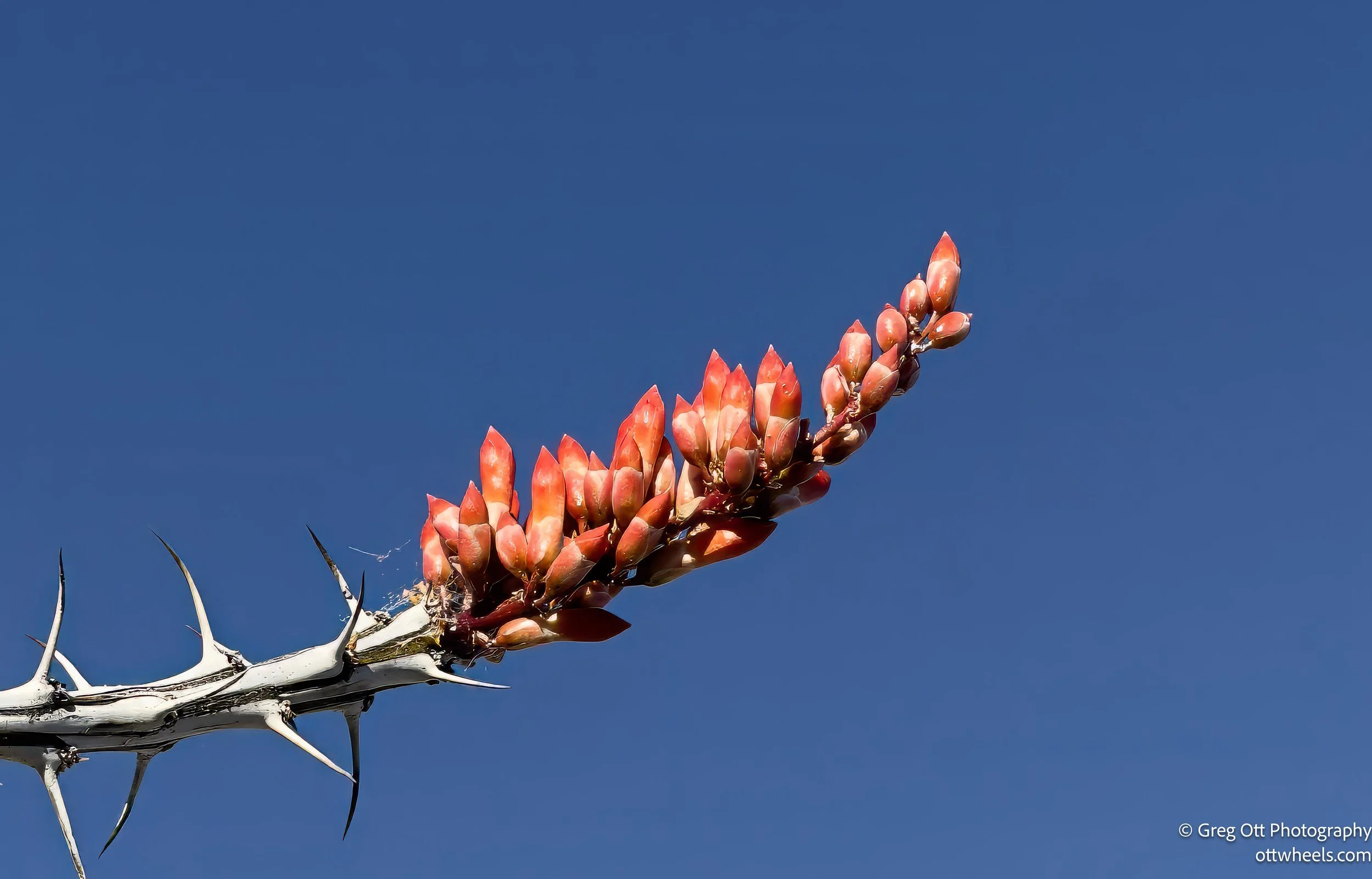
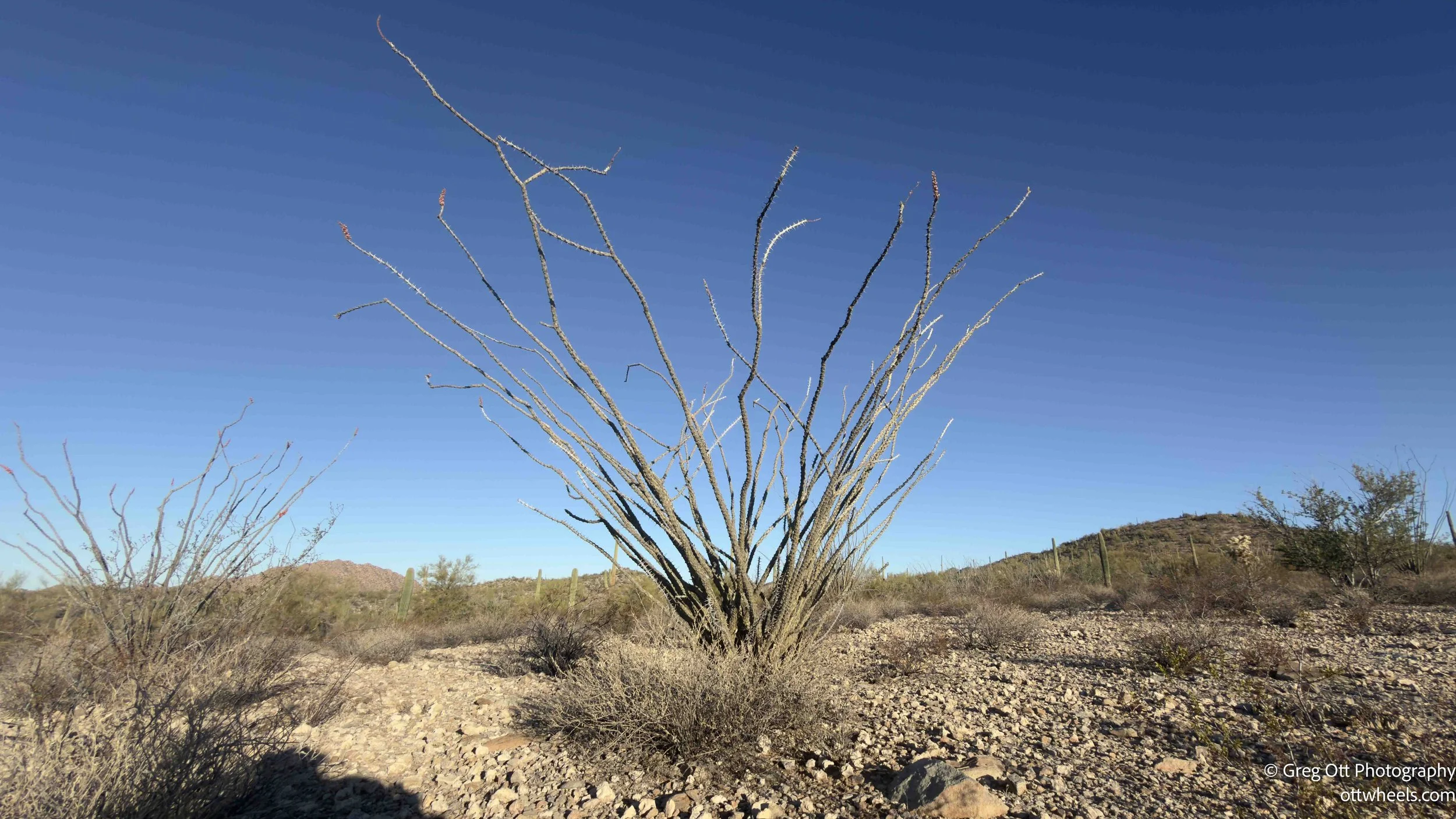
Between the giants are the smaller players: barrel cactus tucked low to the ground, ocotillo reaching up in thin spindles, brittlebush scattered across the slopes. And then there were the creosote bushes. I passed several stands of them, their dark green leaves small and waxy. When the air warms — especially after rain — they release that unmistakable desert scent. Creosote gets its name because early settlers thought it smelled like creosote oil used to preserve wood. The plant isn’t the source of the industrial chemical; it just shares the smell. But that scent — earthy, sharp, almost medicinal — is the smell of the desert itself. At moments I caught hints of sage in the breeze, faint and clean.
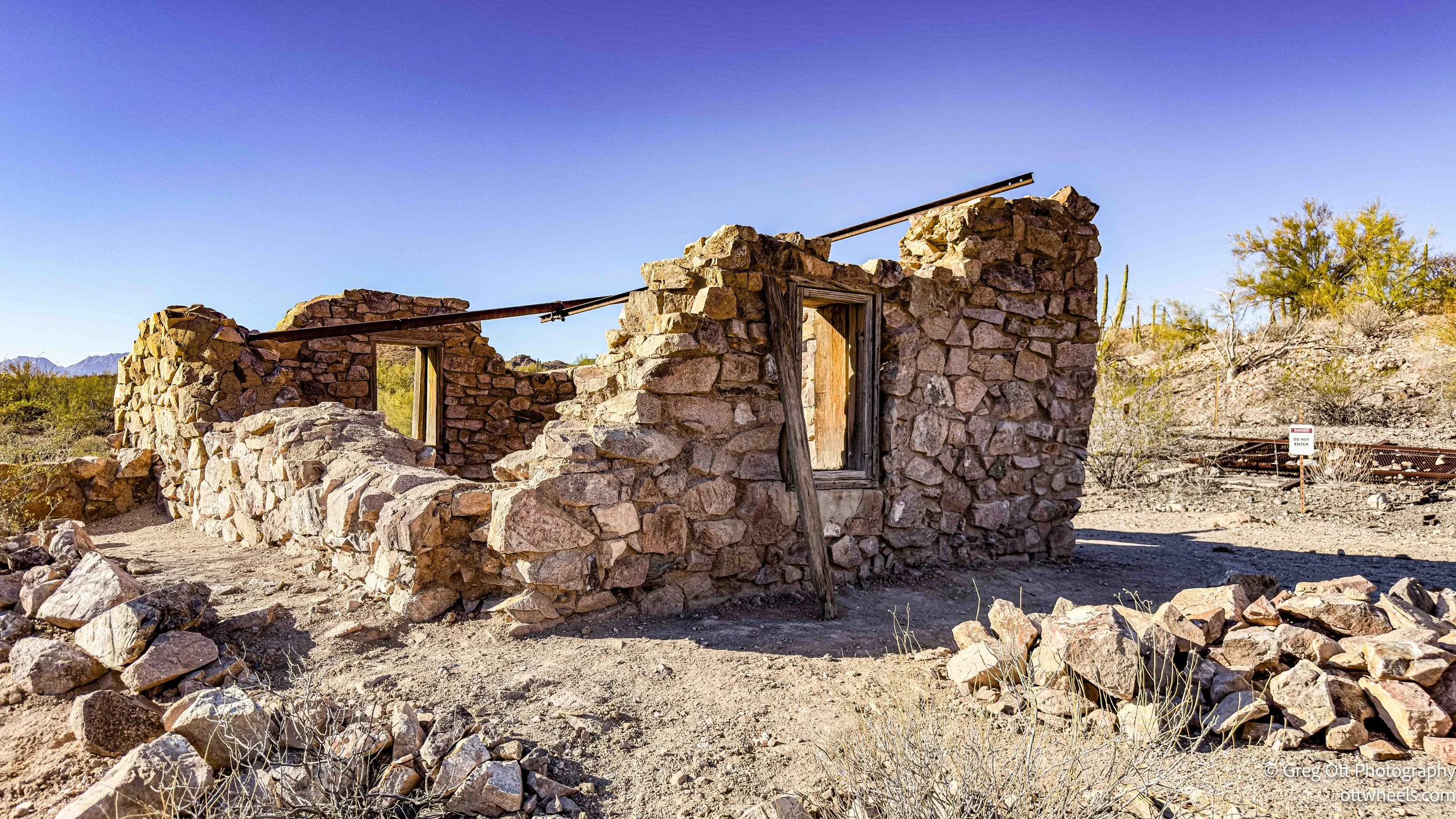
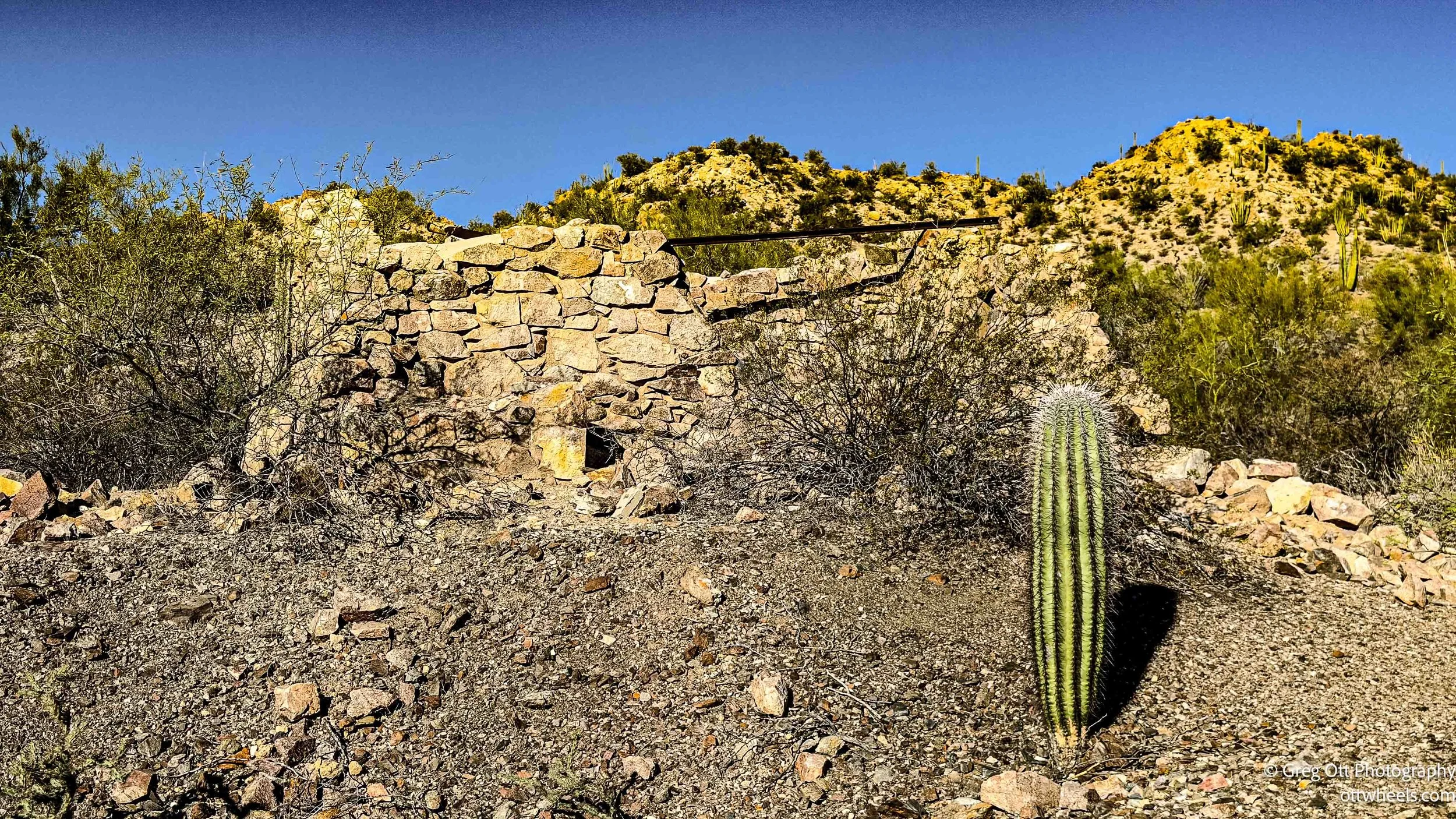
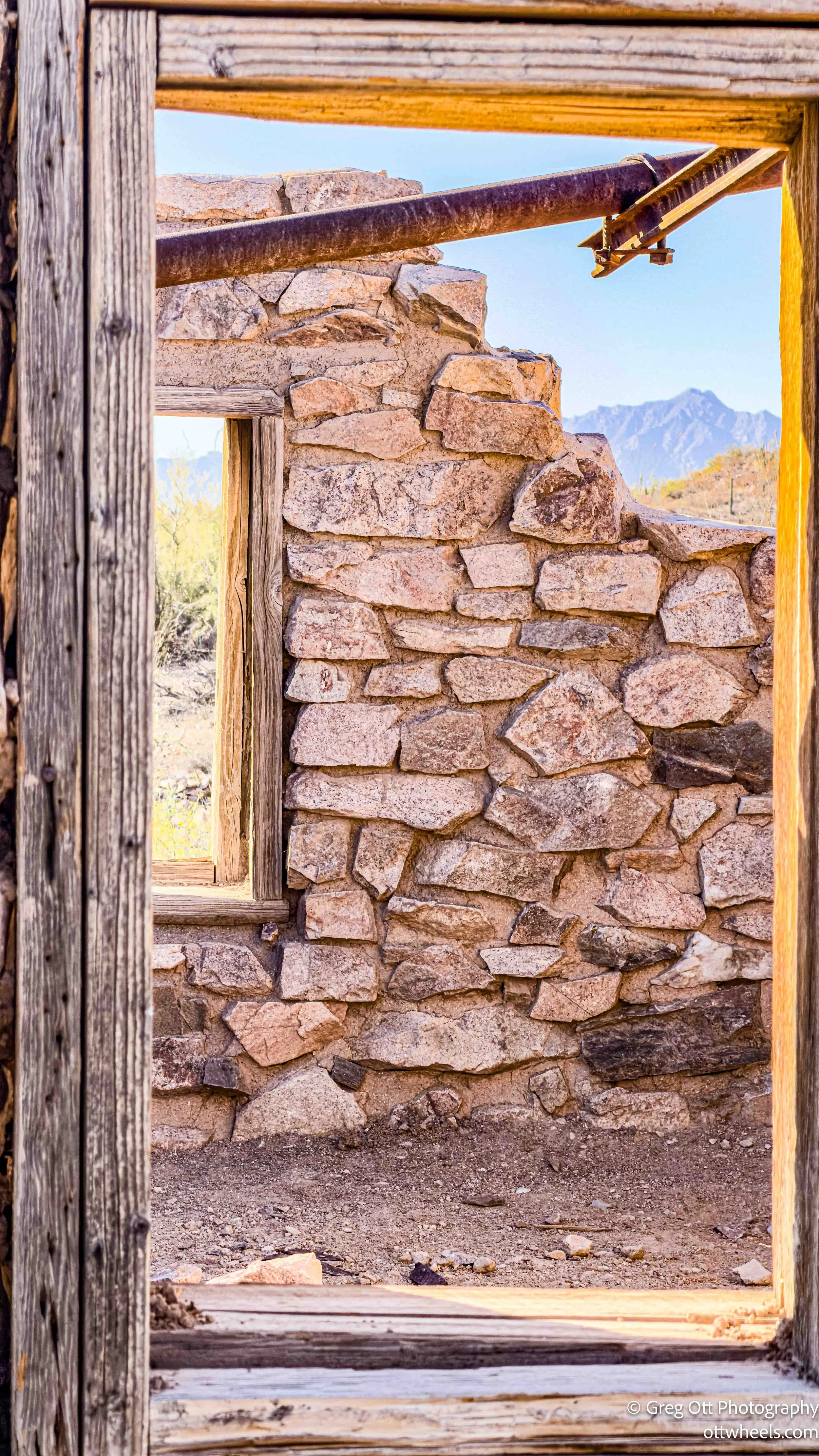
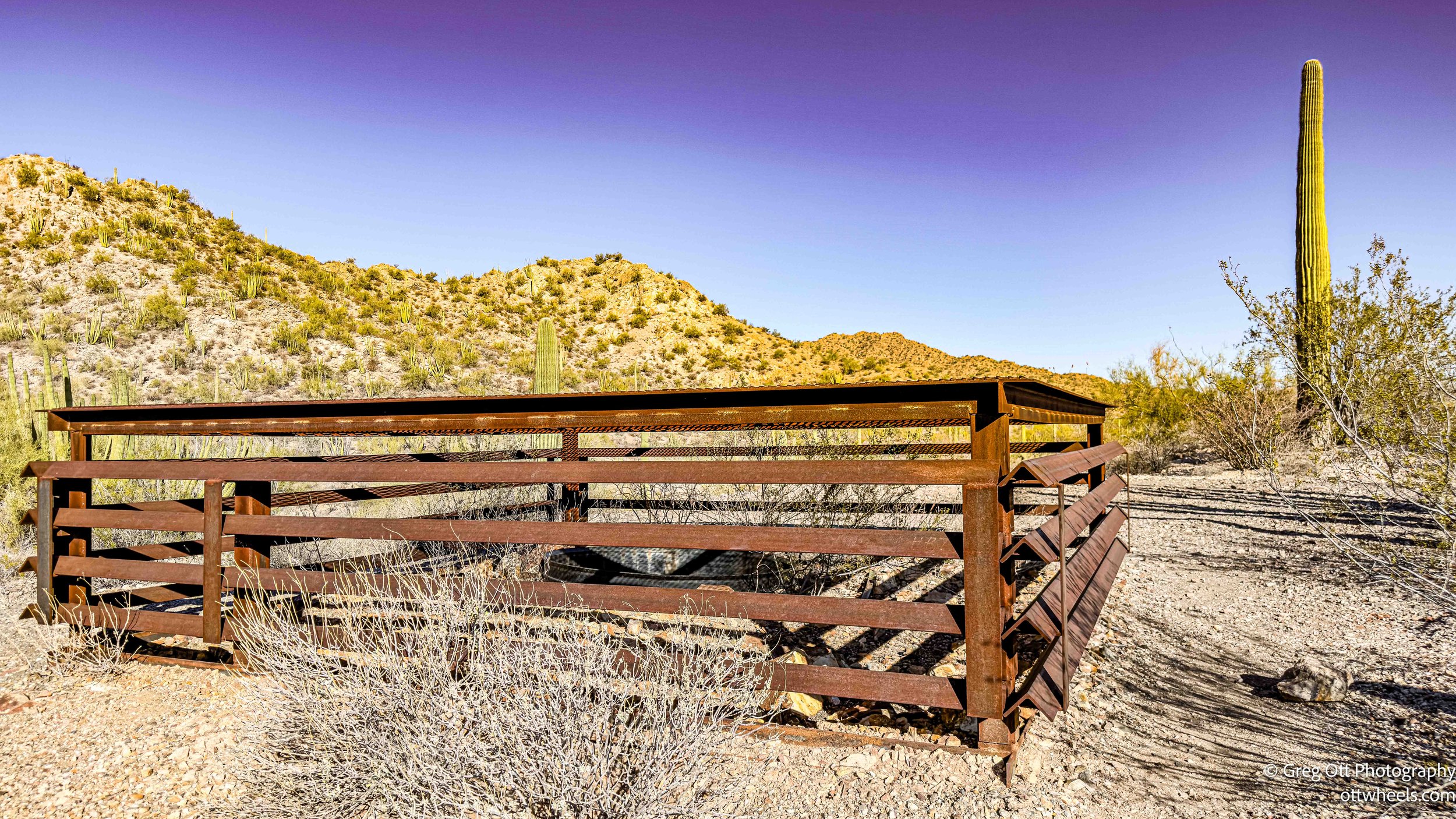
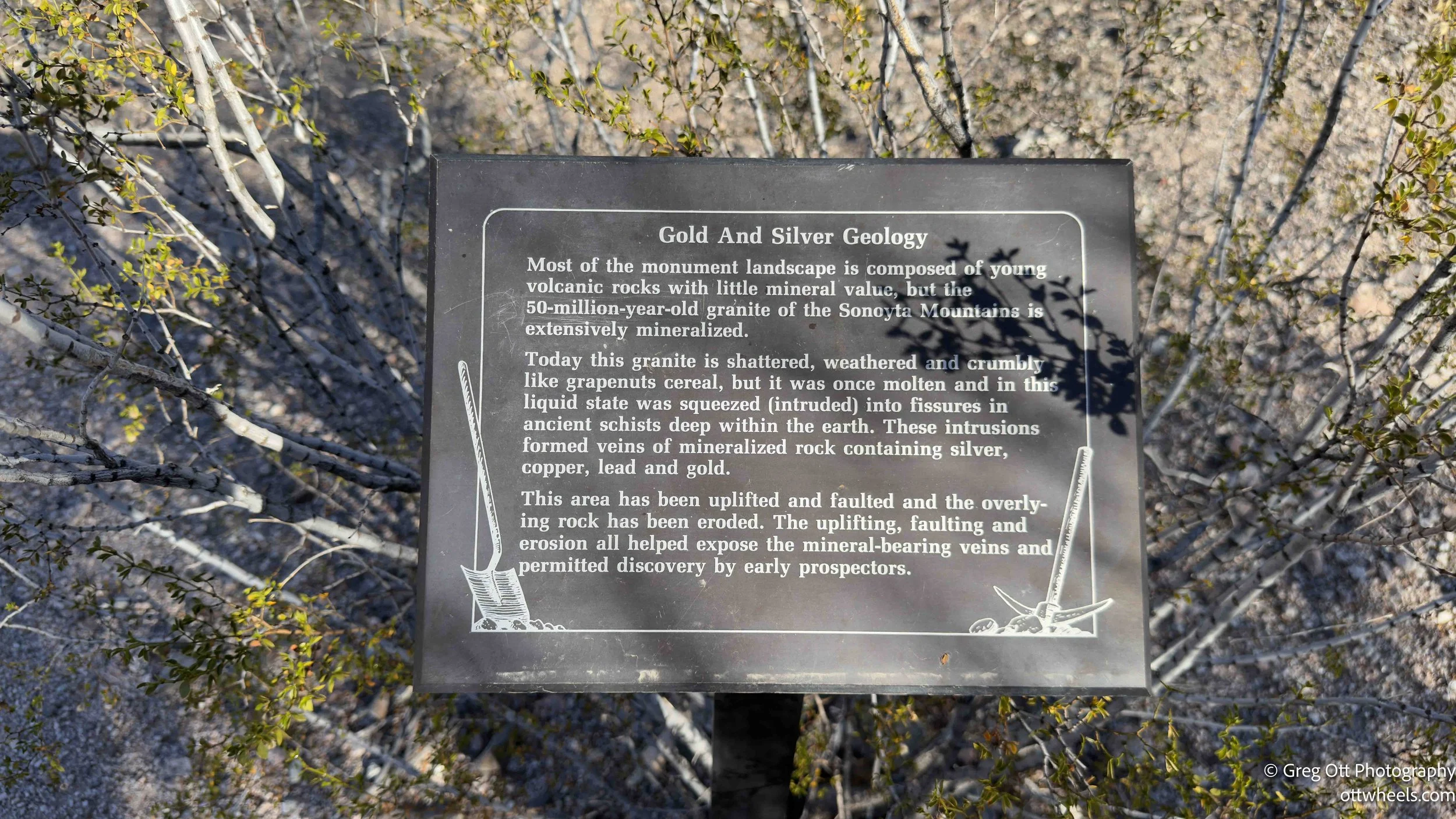
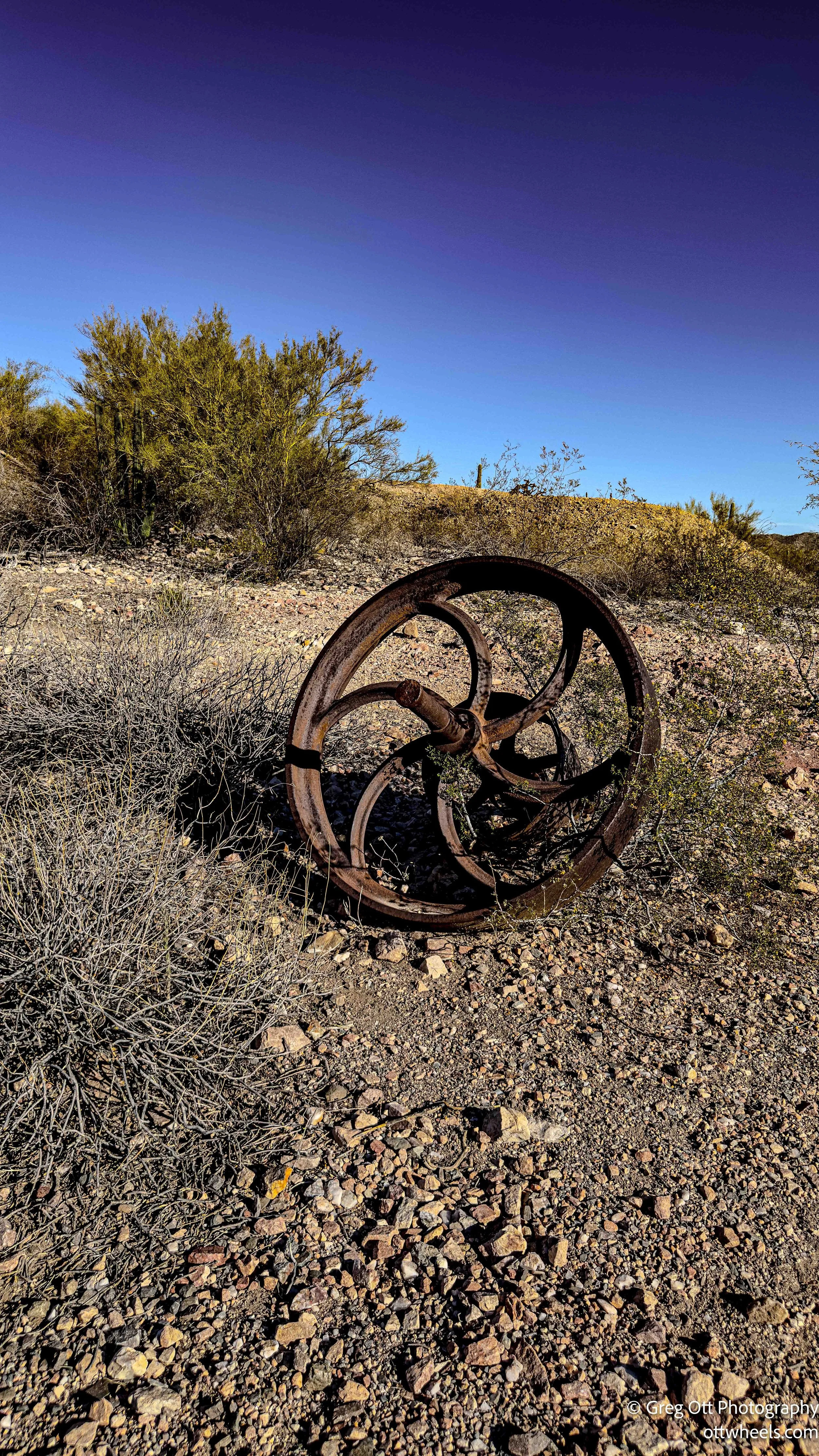
The mine appears almost casually at the base of a rocky slope — timber supports, a dark opening, scattered remnants of stonework and rusting metal. The Victoria Mine dates to the early 1900s, when prospectors combed this region for gold. Like many desert mines, it promised more than it delivered. Gold was indeed found, and small-scale operations continued intermittently through the 1930s and 1940s, but it was never a major producer. The isolation, heat, and cost of hauling equipment and ore limited its success. Standing there, you can imagine the optimism that once hung in the air — men convinced they were one shaft away from striking it rich. Instead, the desert quietly reclaimed the effort.
I hiked for a little over two hours. For the first three-quarters of the walk I saw almost no one. Just me, the wind, and the steady crunch of boots on gravel. By 10 a.m., the desert had awakened. A few groups appeared on the trail. The temperature was already climbing. I had signed in at the trail register before I started — a habit out here. When I returned, I marked myself safely back.
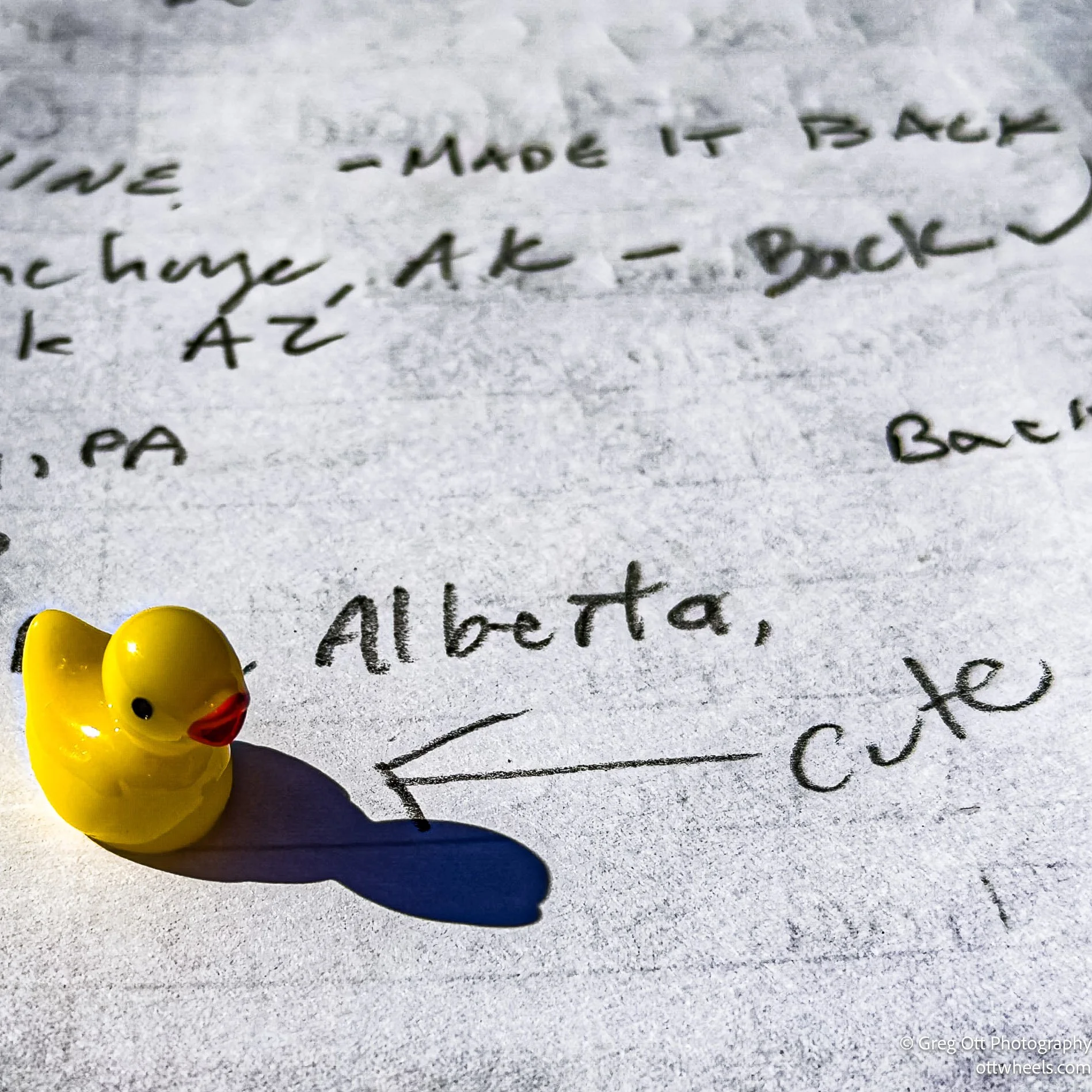
On the sign-in sheet someone place a small yellow ducky. Another hiker had circled it and written “cute.” I smiled. It made my day. Someone took the time to place a tiny duck in a desert trail log, expecting nothing in return. Just a simple gesture. A small offering to the next stranger.
This was my last stop in Arizona. Southern Nevada was next, and it would be a long drive with a handful of unplanned pauses.
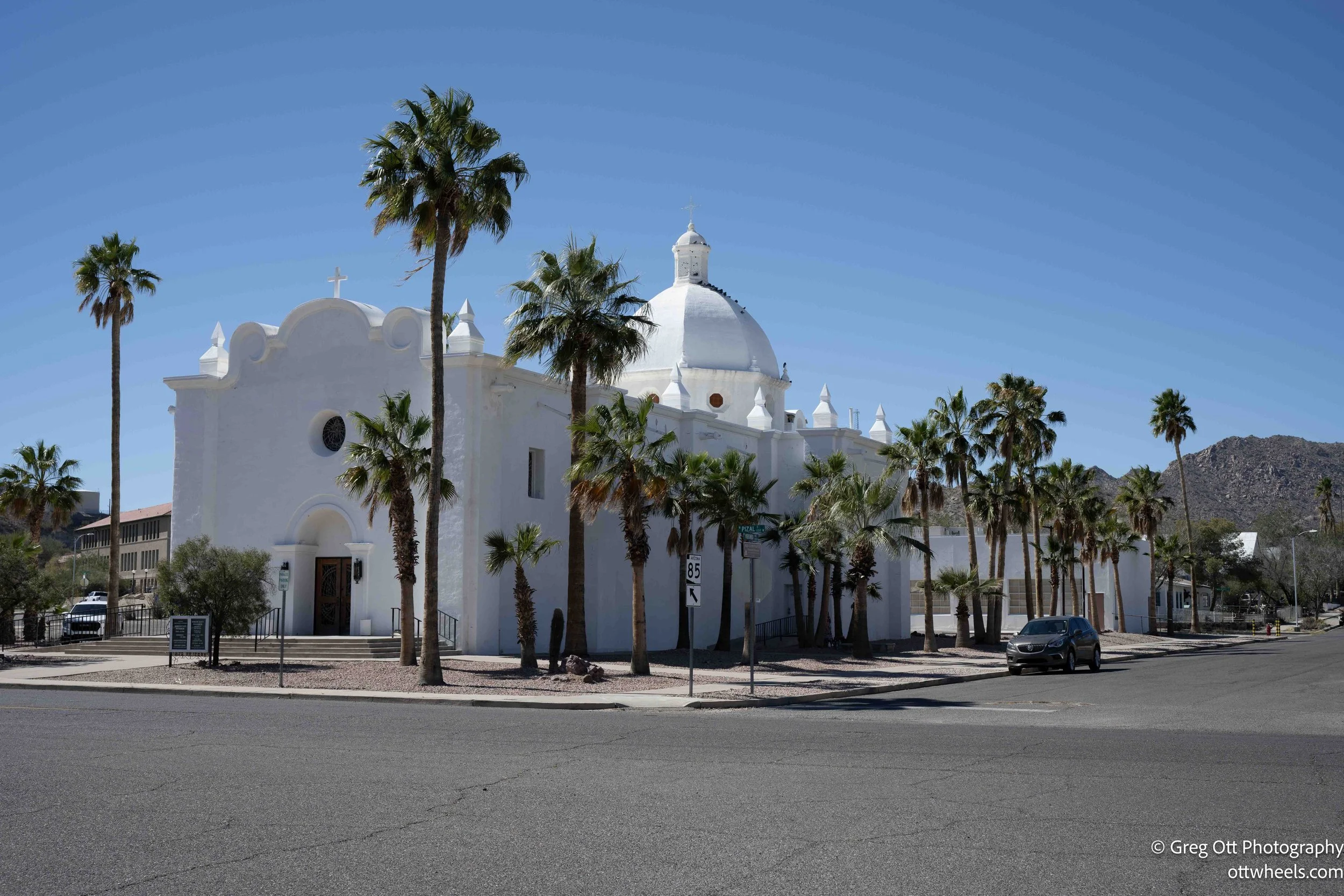
I stopped in Ajo on AZ-85, about twenty miles north of the trail. The white facade of the mission church caught my eye and I pulled over. Immaculate Conception Church rises unexpectedly bright against the desert backdrop. I wandered briefly, then found coffee at Sonoran Desert Inn & Conference Center — my first cup of the day. I sat for about 30 minutes, checked maps, fuel levels, weather, and the usual road-trip variables. The ritual matters.
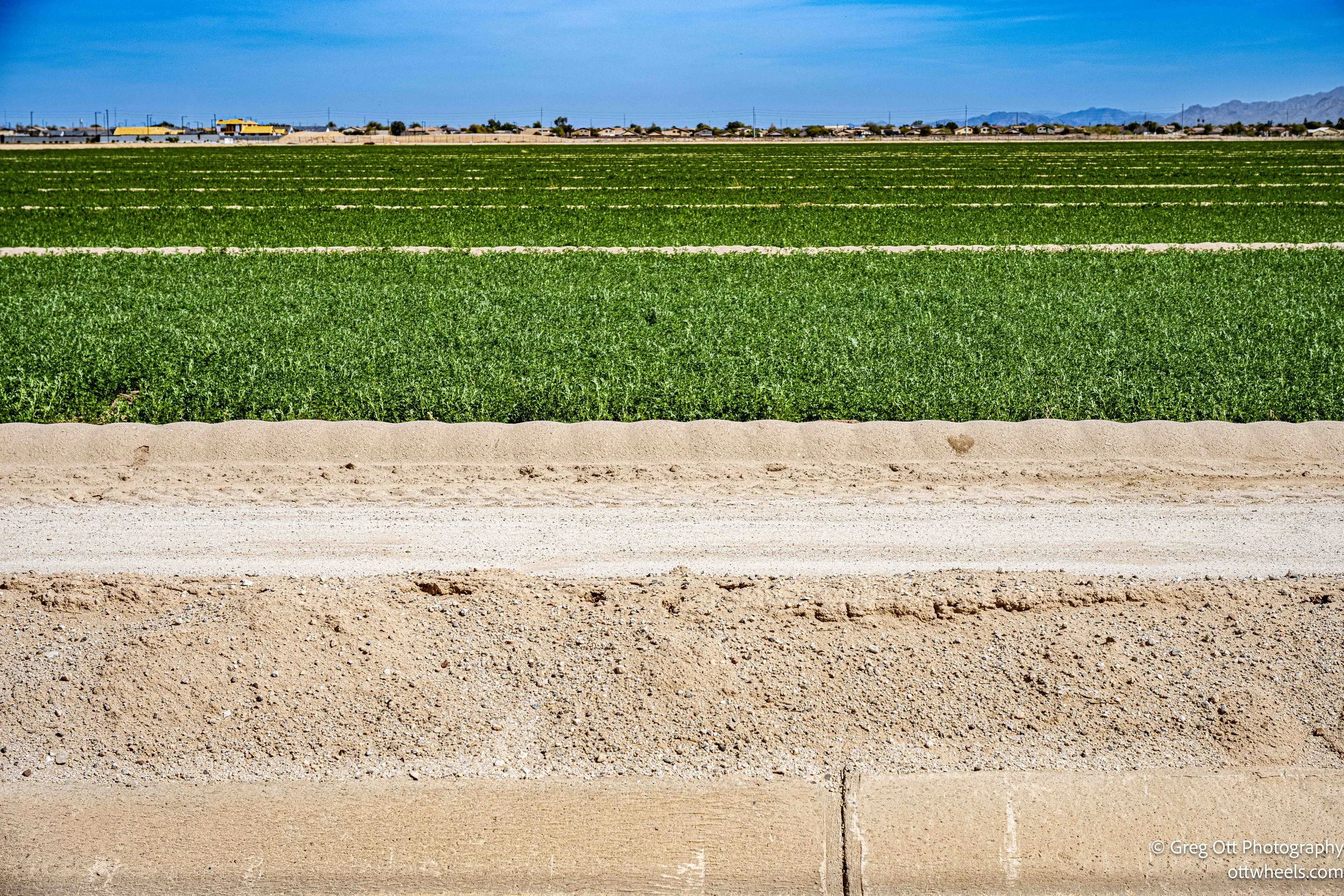
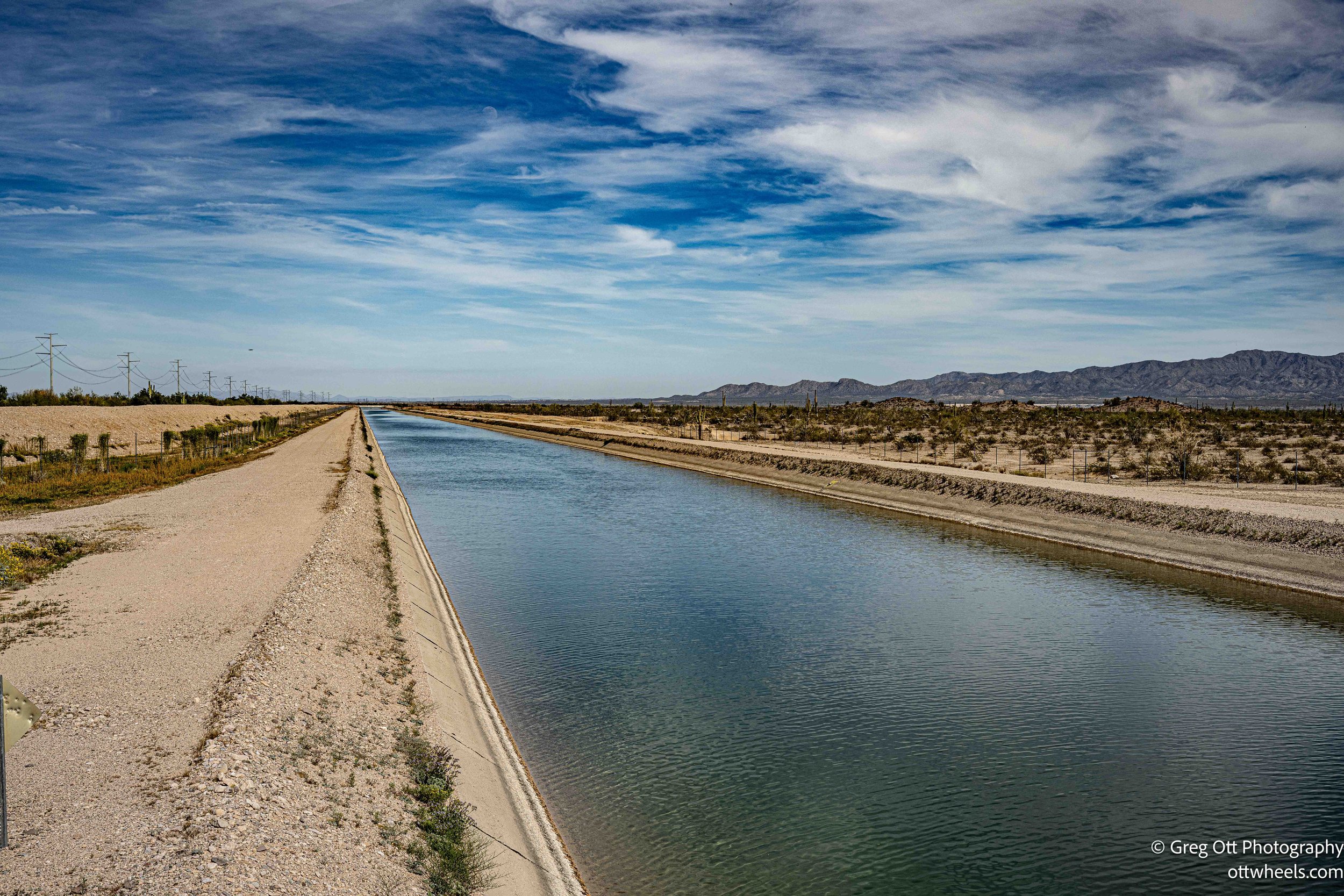
Driving north, I was surprised by how green parts of western Arizona looked. Water moves quietly through this desert, often unseen. Much of it ultimately comes from the Colorado River, captured and redirected through a web of canals and aqueducts that feed farms and cities across the region. I stopped to photograph one massive concrete aqueduct slicing through open desert. The water was strikingly clear — far clearer than I expected — sliding through engineered walls toward fields and communities that would not exist without it. In the West, water is infrastructure, politics, survival.
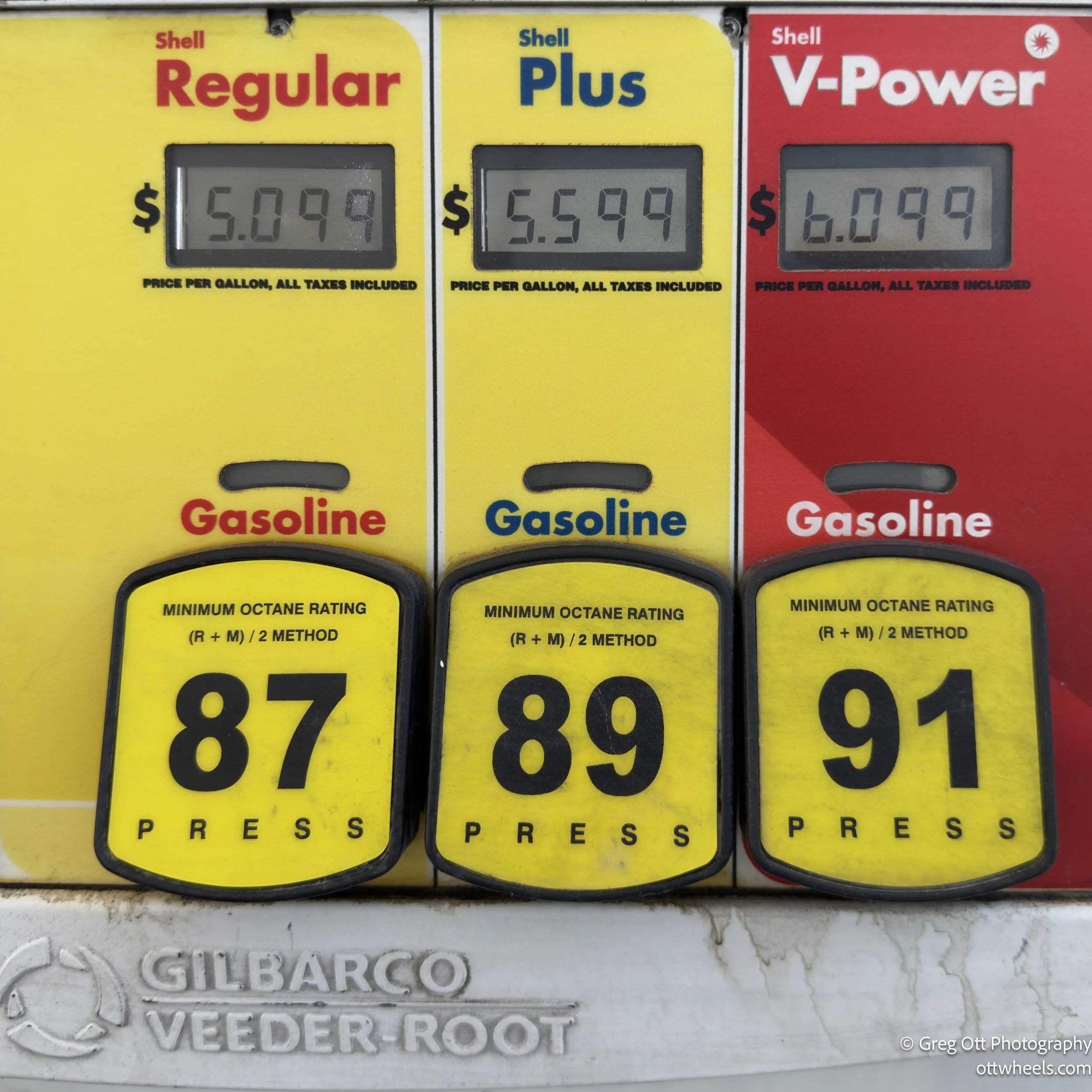
I topped off at every gas station along the way. With about 75 miles left, I pulled into Wikieup on US-93 and nearly choked at the pump: $6.099 per gallon. My previous fill-up had been $3.619. A $2.50 jump makes you look around to see if you’ve misread the sign. The reason is less dramatic than it feels. Wikieup is remote, with limited competition and fuel hauled long distances by truck. Stations there serve a captive highway market with few alternatives nearby. Lower volume, higher transportation costs, and simple supply-and-demand pricing can drive numbers up fast. When you’re the only game in town, you set the game.
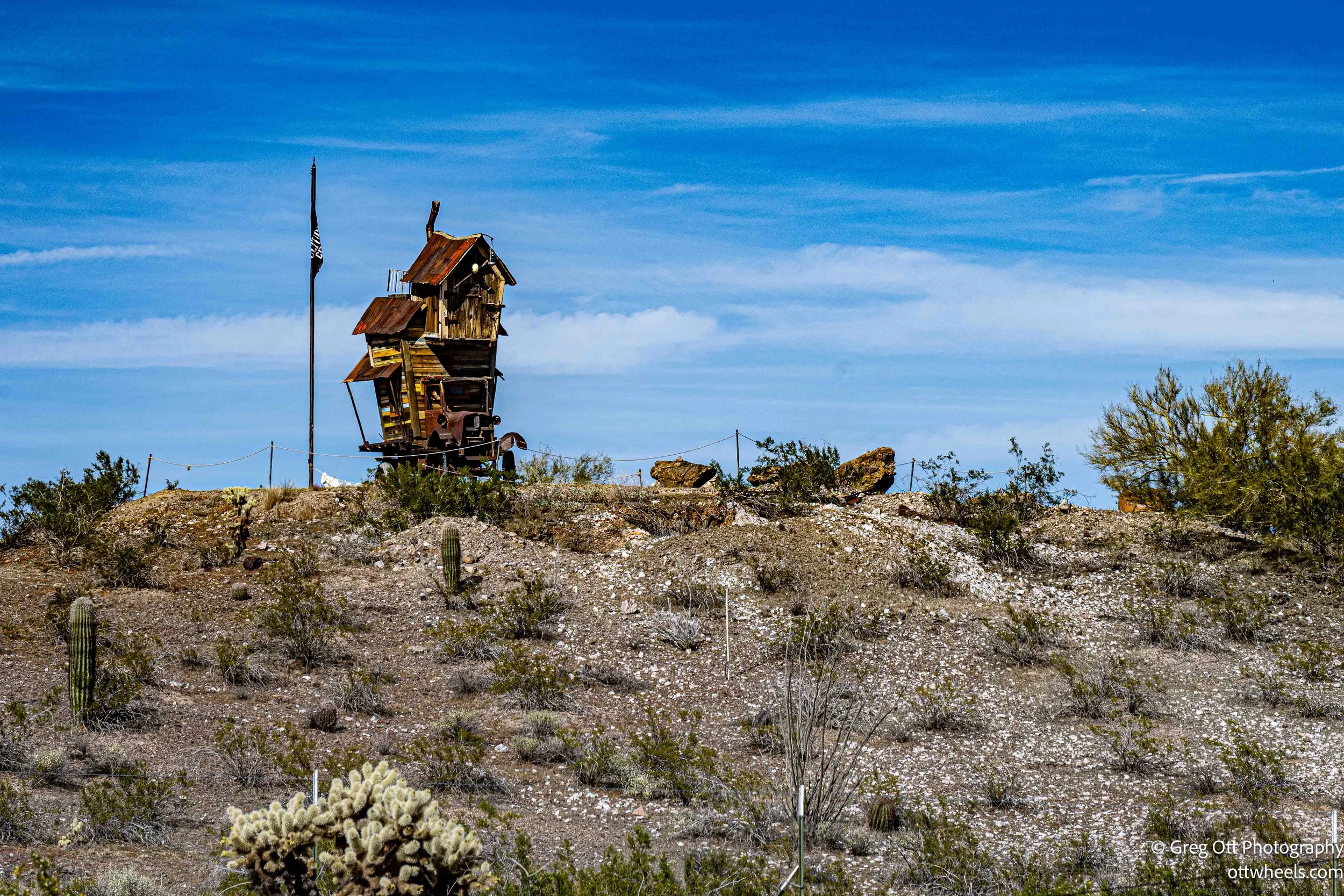
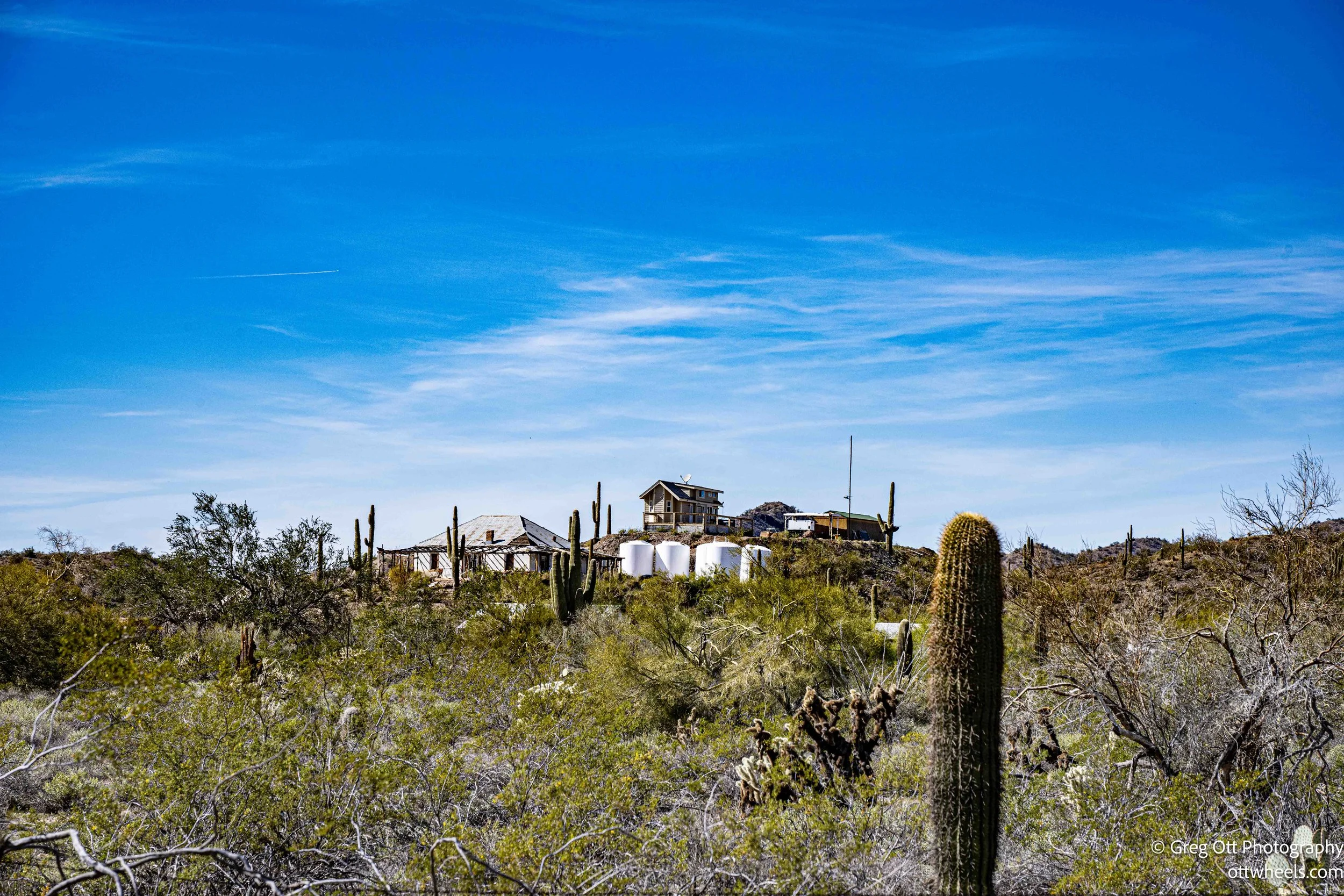
There were plenty of curiosities along the way — an old truck perched on a hilltop with a rough wooden structure built onto its bed, facing east as if it had been parked there to watch the sunrise. Scattered across the landscape were off-grid homes with oversized water tanks, tilted solar panels, and tall antennas reaching for signal. I passed more than a few scenes I wanted to pull over and photograph, but I kept driving on purpose. Not every interesting thing needs to become a stop.
I continued toward Laughlin, Nevada, planning to overnight on the eastern side of Lake Mohave near Davis Dam. I’d found a BLM spot described as lakeside, open, and scenic. The sun was beginning to set when I rolled down the one-mile dirt road.
A large fifth-wheel trailer and a converted school bus were already there. They had arranged themselves in what I can only describe as a defensive formation — subtle, but intentional. The universal signal of “We were here first… and we’d prefer solitude.”
I walked over and introduced myself. We talked for about fifteen minutes about travel, routes, weather, and the usual road stories. Dan, the fifth-wheel owner, put his dogs inside and turned on an Avalanche hockey game. His friend from the bus was more conversational. When I mentioned I’d park along the side where it was clear, Dan reminded me he’d be leaving in the morning and needed room to get out.
There was plenty of room.
I asked what time he planned to head out. “Around 10 or 11,” he said.
I told him I’d be gone before he’d even had coffee.
He wasn’t exactly warm about it. I wasn’t exactly bothered. I parked neatly along the edge, well clear of any turning radius drama. Territory secured — peacefully. I made dinner, watched the last of the light fade over Lake Mohave, and was asleep by 9:30.
In the end, it was a beautiful spot. The desert doesn’t belong to any of us. Sometimes you just have to smile, park respectfully, and let the hockey game play on.