Sturgill's Landing and a Quiet Skagway
I woke up at the campground in Skagway and spent a little time talking with my neighbors from Alberta. They were on a month-long trip through Western Canada and Alaska in a large Class C motorhome. The sides of the camper were covered with a company number and advertising. One of them included the word "Triumph." That turned out to be a problem.
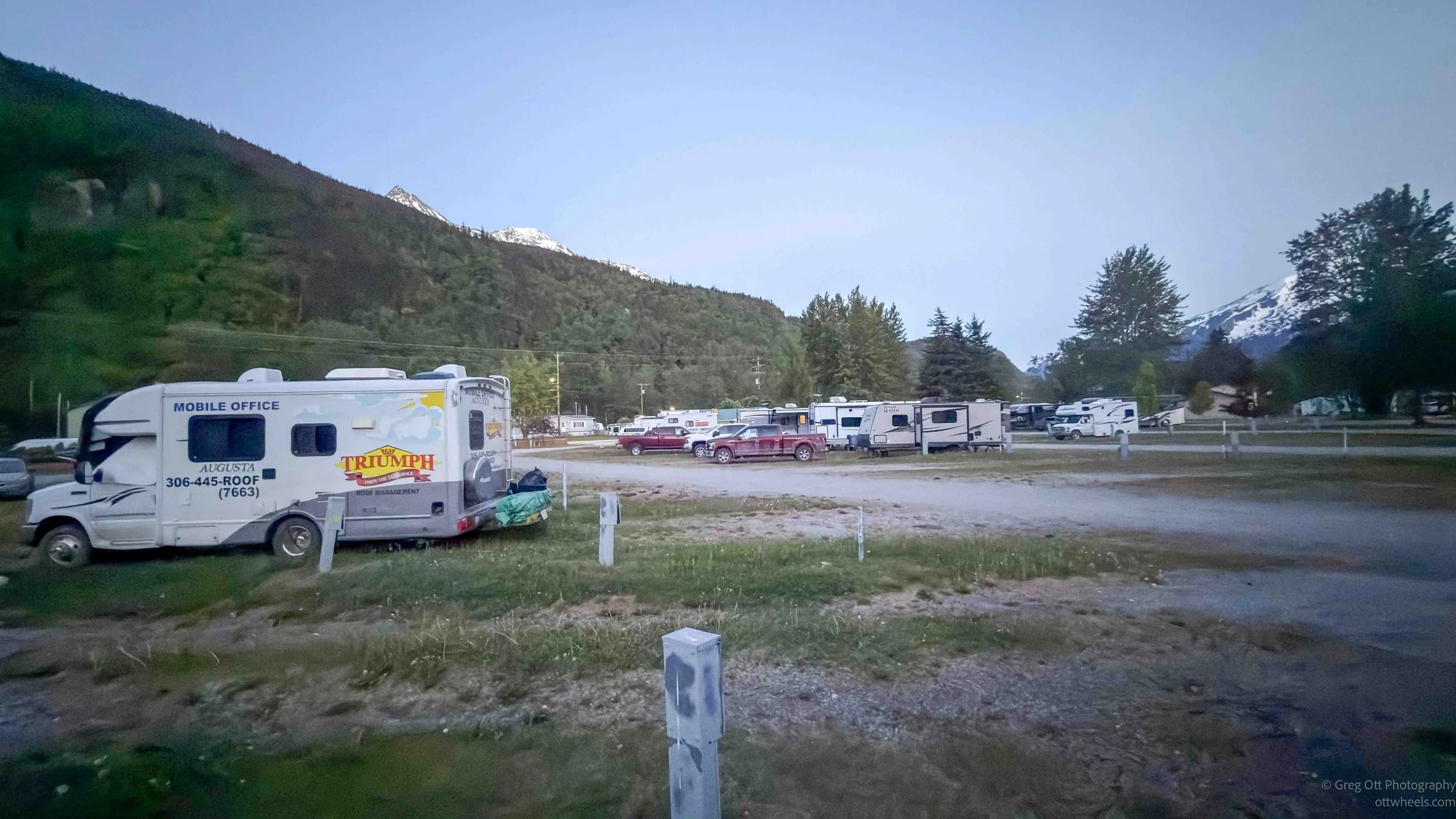
The night before, they had parked at another campground and walked away from their camper for a few minutes. When they returned, they found a woman sitting in their camper. She had mistaken the word "Triumph" for "Trump" and immediately launched into a spirited political discussion. At some point she pulled a bottle of whiskey out of her blouse and continued explaining her opinions while drinking from it. Eventually, with some gentle persuasion, they convinced her to move along. They decided that was enough excitement for one evening, got a refund, and relocated to the campground where I met them.
The rest of the morning was much quieter. I sat and ate breakfast while trying to learn more about my Garmin GPSMAP 67i. I have been carrying it on hikes for navigation, satellite messaging, weather forecasts, and emergency SOS capability, but I feel like I have only scratched the surface of what it can do. Several people online suggested it takes about a month of regular use before everything starts to feel natural. Based on my experience so far, that sounds about right.
By late morning I walked into town for coffee and then headed out for the Sturgill's Landing Trail. The route is a little over six miles round trip with plenty of climbing and descending. I carried two lenses, the Nikon 14-24mm and the 24-120mm. The wide angle never came out of the bag. The 24-120mm handled everything.
The trail is named after Captain William Sturgill (I couldn’t find much about him), one of the first Americans to trade along the Northwest Coast in the late 1700s. The landing itself was used as a small coastal access point long before roads connected the region. Today the trail winds through dense temperate rainforest before eventually reaching the rocky shoreline along Taiya Inlet. For me, I’m not clear why he would have chosen this as a landing point with a steep rocky access.
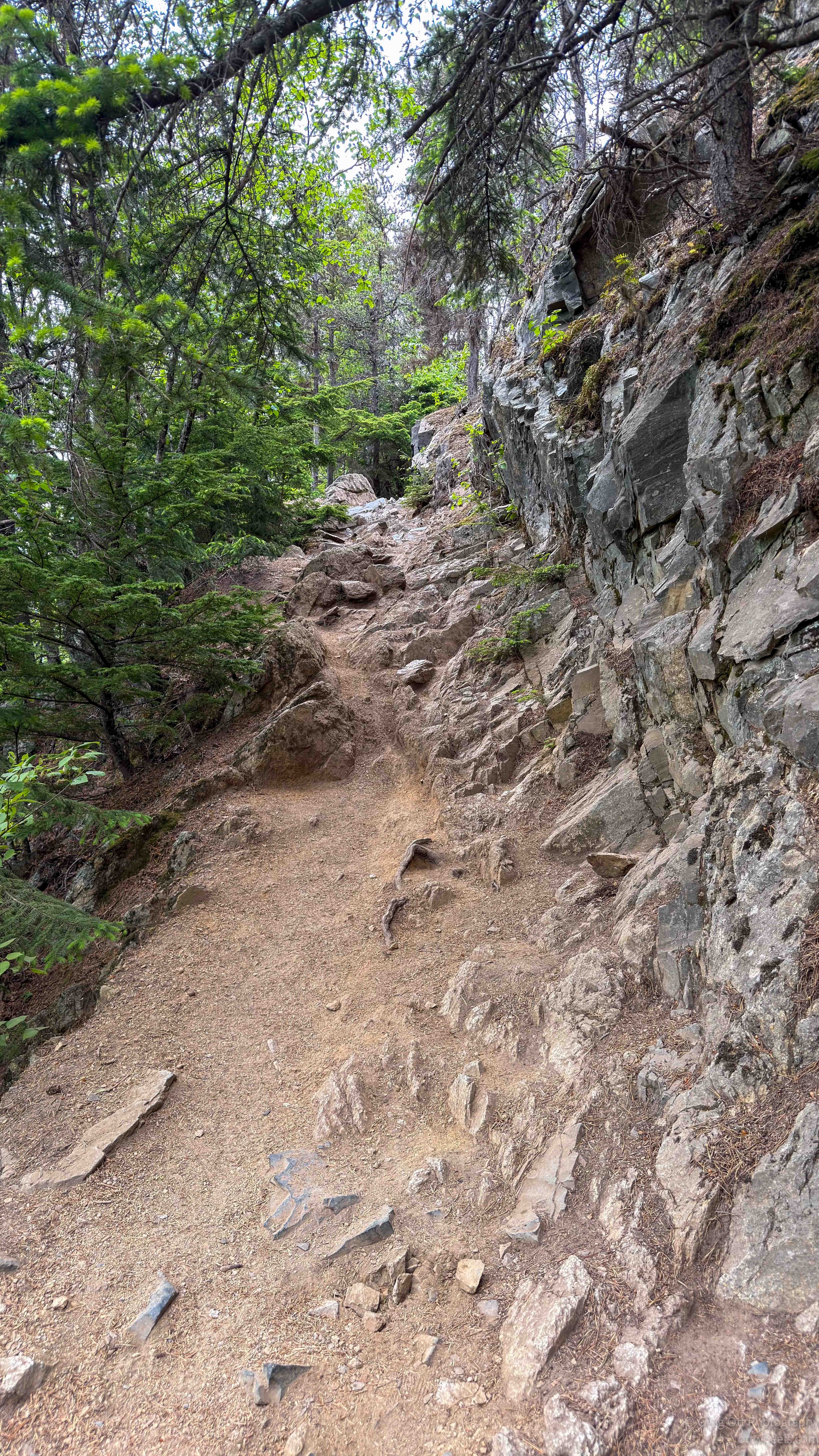
The climb begins immediately. The first half mile gains elevation quickly before leveling off beneath a canopy of western hemlock and spruce. Not long after reaching the top of the climb, I stopped to watch two birds that looked vaguely like blue jays. They would perch on a branch, drop to the forest floor, grab something, and then fly back into the trees. Every so often I caught a flash of brilliant blue against otherwise dark plumage. I spent ten minutes trying to photograph them before a woman passing on the trail informed me they were Steller's Jays. I had never seen one before.
That conversation led to another. The woman's name was Laurie, and she was hiking with her daughter. They had stopped to listen to birds and I didn't want to interrupt, but we eventually started talking. Laurie seemed to know bird calls exceptionally well. I asked if she used Merlin. She held up her phone and smiled. "I have all the Cornell apps."
A little farther down the trail the rest of the family caught up. Her husband Jim joined us along with their other daughter and her boyfriend. We ended up walking together for quite a while. As often happens on trails, complete strangers quickly moved beyond small talk. We talked about travel, retirement, family, children, divorces, and the places we had lived. They were from the Albany area of New York. At one point the conversation turned to music, and I mentioned my son and the years he spent playing in a jam band.
"Have you ever heard of Phish?" I asked. Being from upstate New York, they certainly had. I told them about The McLovins, the band's connection to Tom Marshall, and some of the shows I had attended over the years. We talked about Revolution Hall in Troy and the old music scene around Albany.
Eventually we reached a trail junction where our routes separated. I told them it was nice meeting them and gave Jim my blog address. Before leaving, he said, "I have a quick story for you."
It turned out Jim had been the judge who presided over Trey Anastasio's drug case years ago. Trey was the guitarist for Phish. He described the discussions between the attorneys, the district attorney, and the court. Trey had serious problems at the time, but he also had extraordinary talent, strong community support, and a great deal to lose. Listening to Jim explain the reasoning behind the eventual outcome was fascinating. It was one of those moments where a random encounter on a hiking trail suddenly connected to a story I already knew.
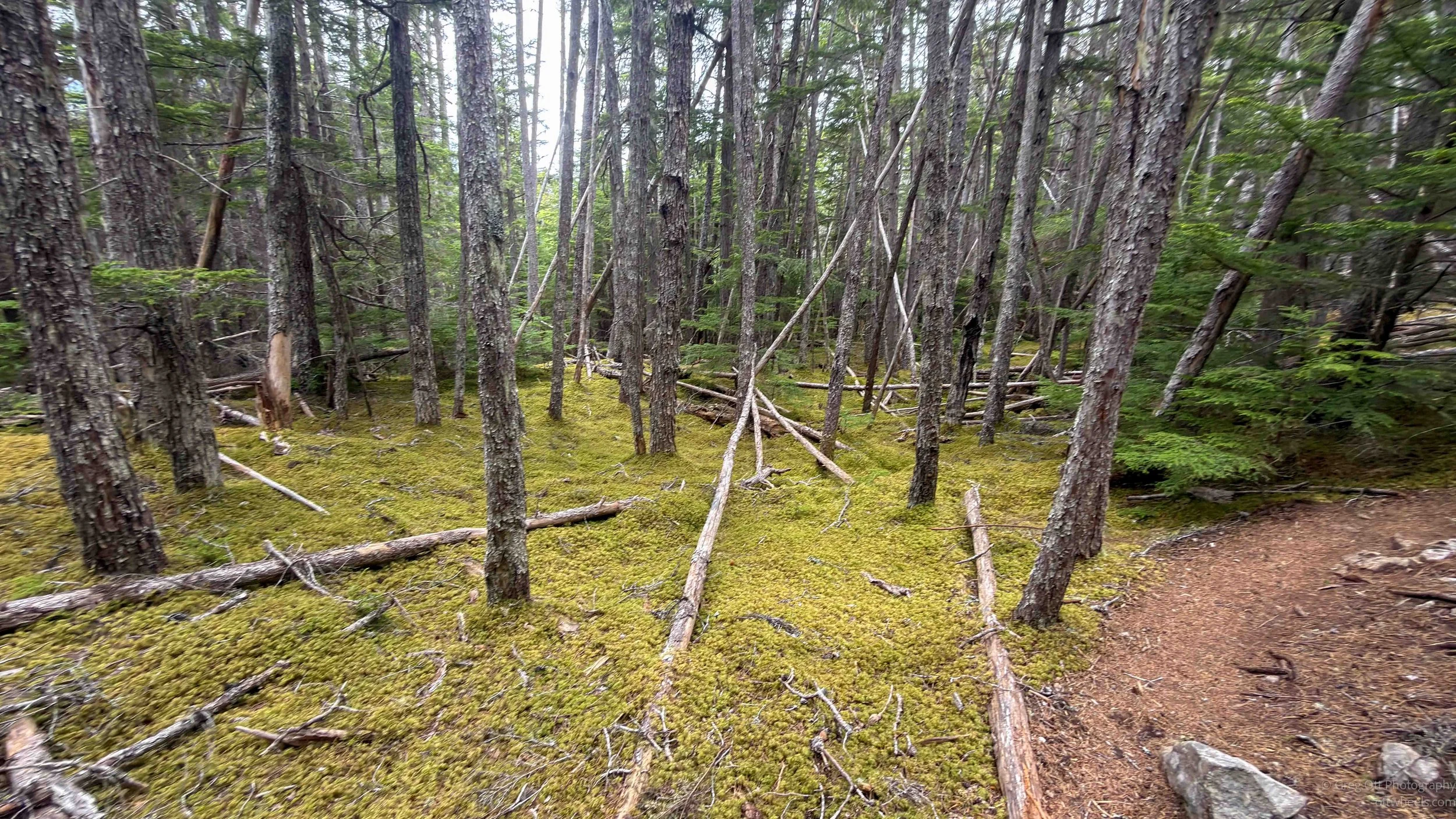
The weather forecast had called for a tenth of an inch of rain, but it never really rained. Instead, the air remained cool, damp, and heavy with moisture all day. The rainforest seemed to amplify every smell. Pine, wet wood, mushrooms, moss, flowers, and rich forest soil mixed together into something impossible to describe accurately. Every few minutes a different scent would become dominant.
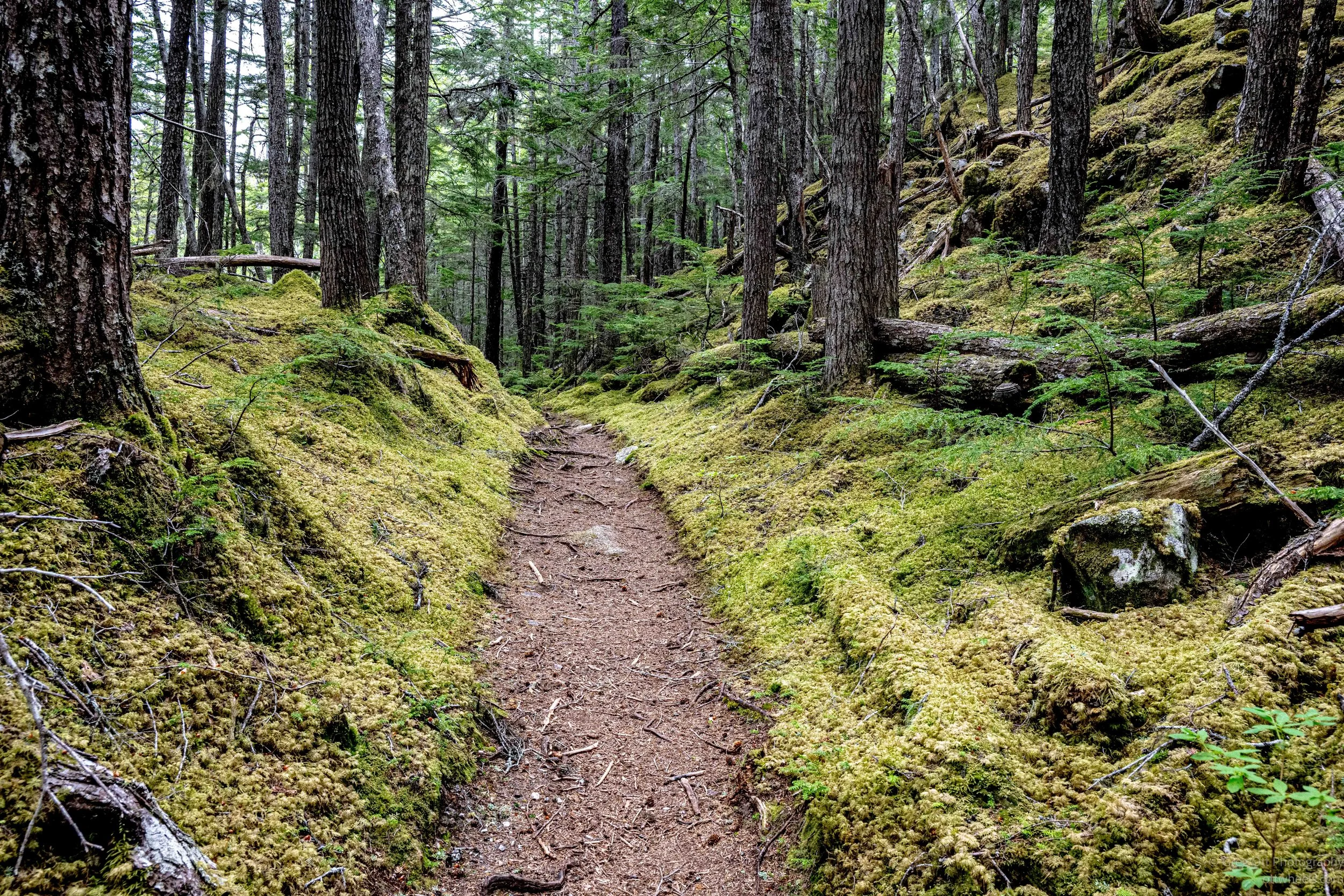
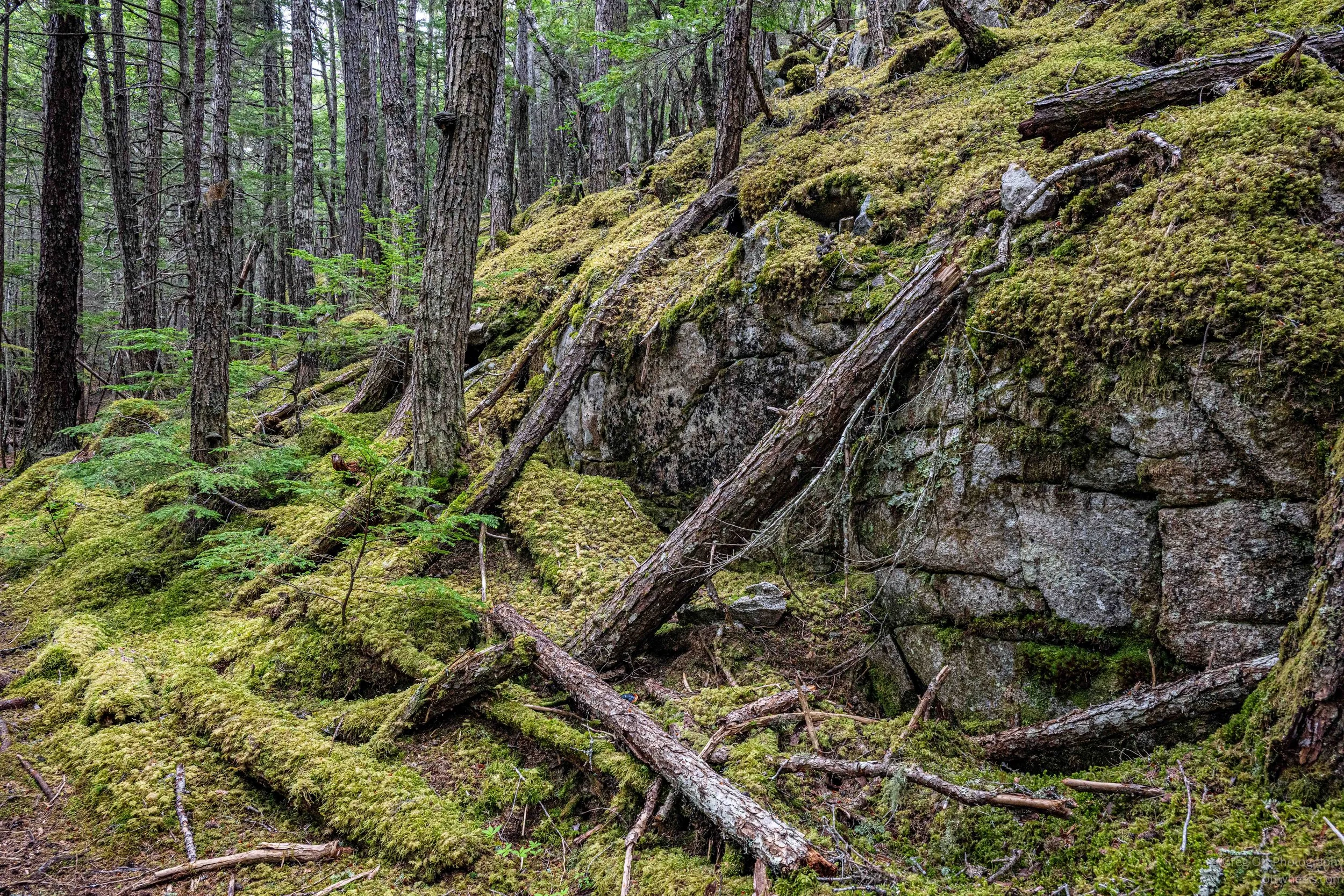
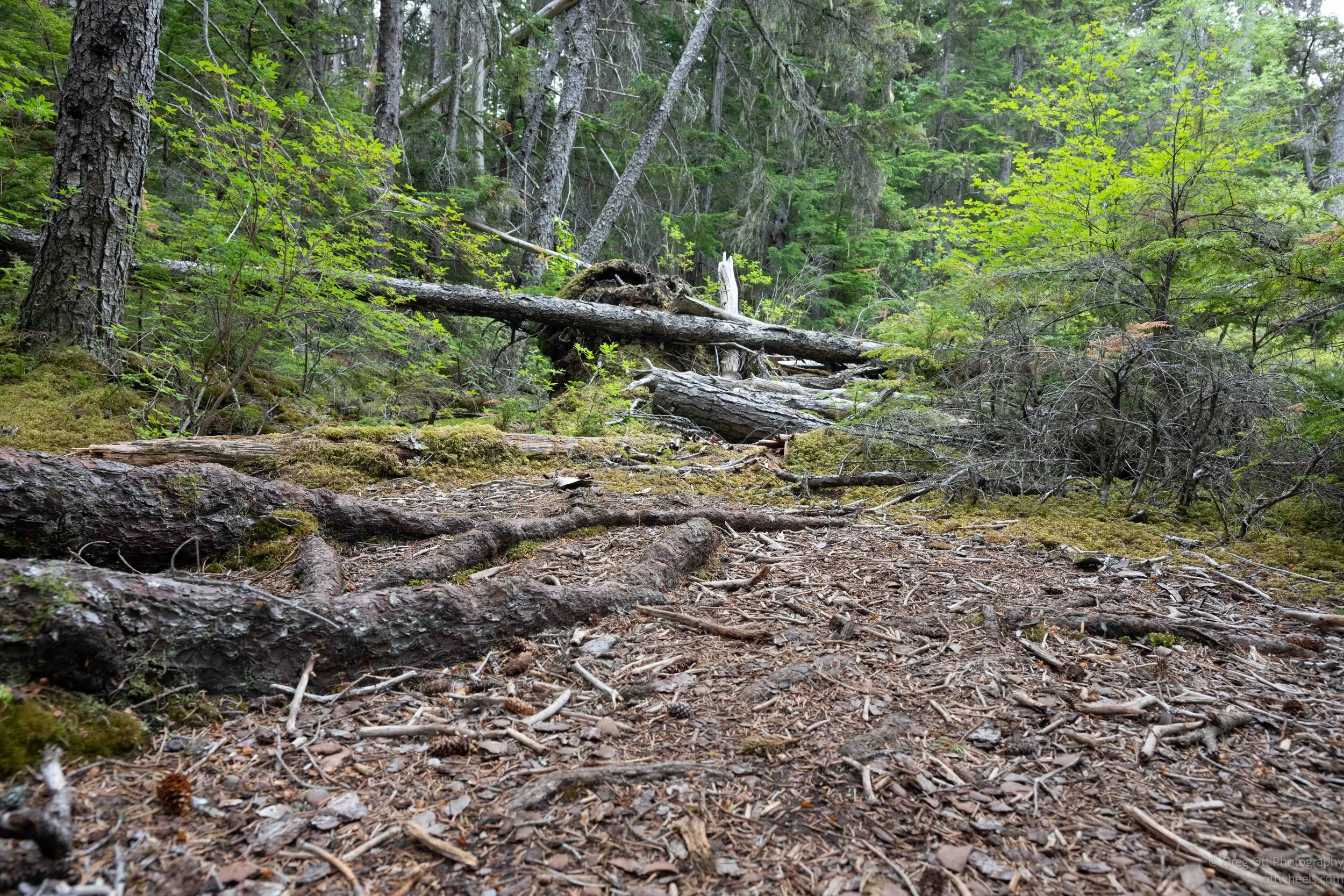
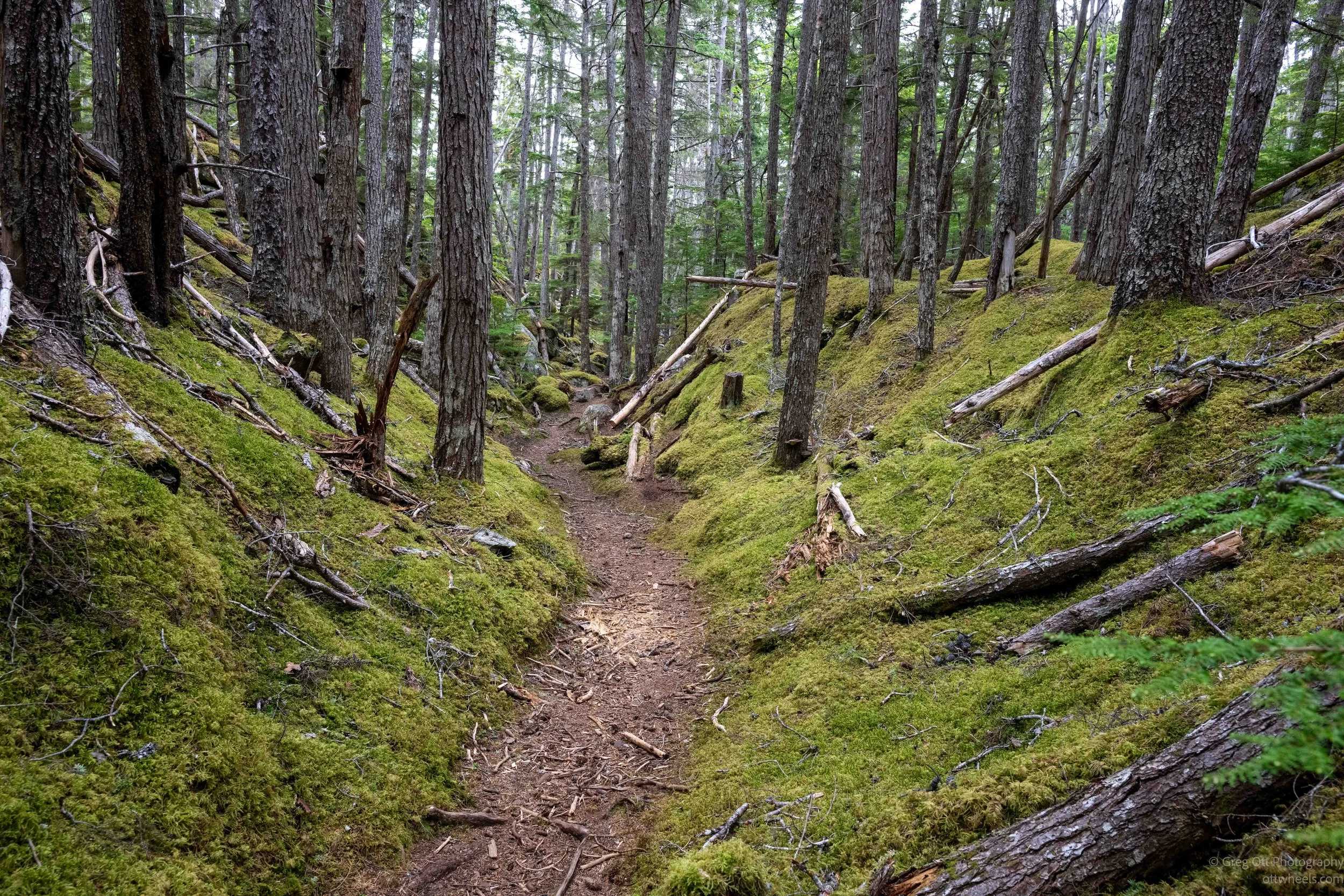
The trail itself was wonderfully soft. Thick layers of needles, moss, and decaying wood created a natural cushion beneath my feet. Fallen trees were covered in green moss. Rocks disappeared beneath moss. In some places even the trail seemed to disappear beneath moss. I found myself paying more attention to the plants than the scenery.
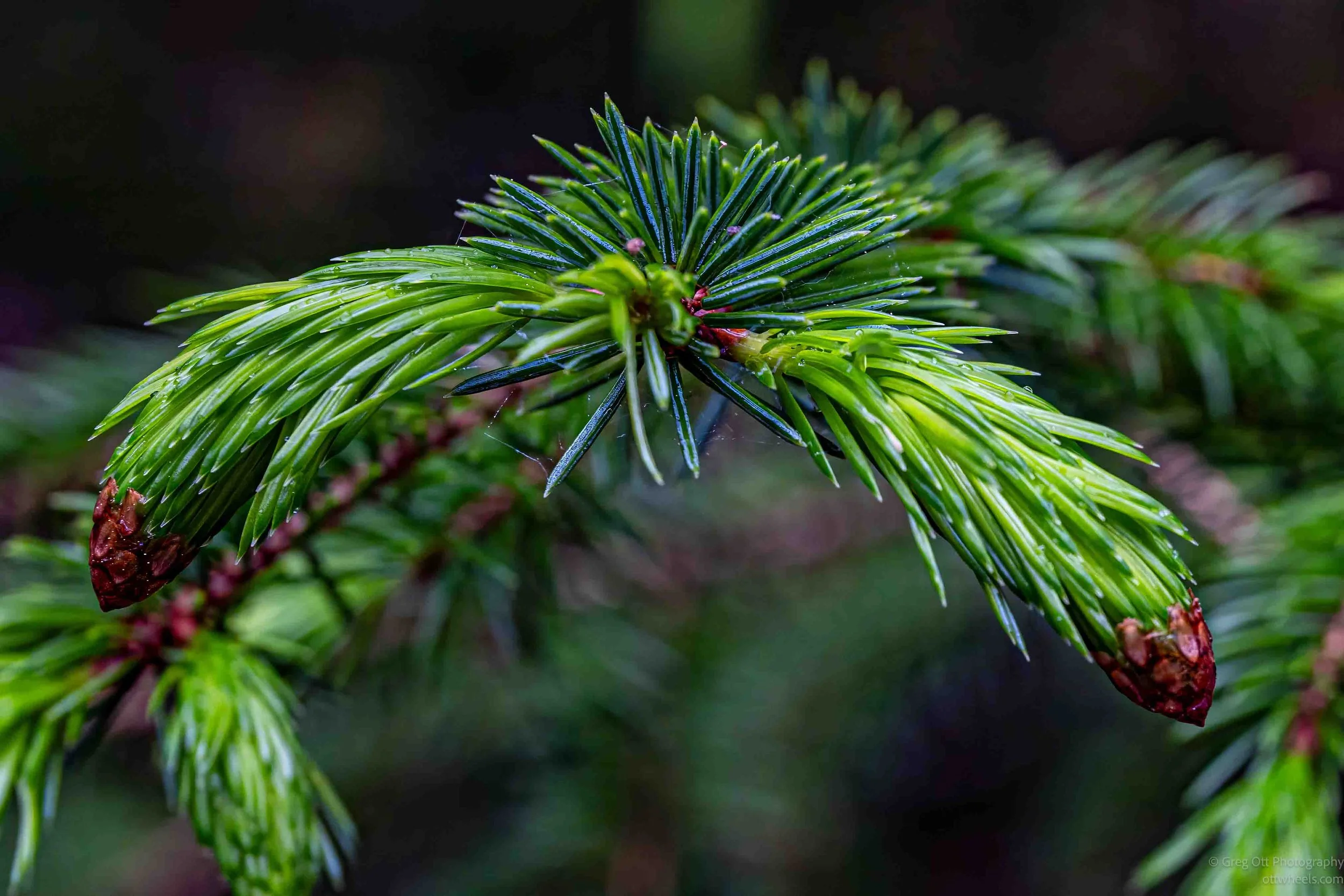
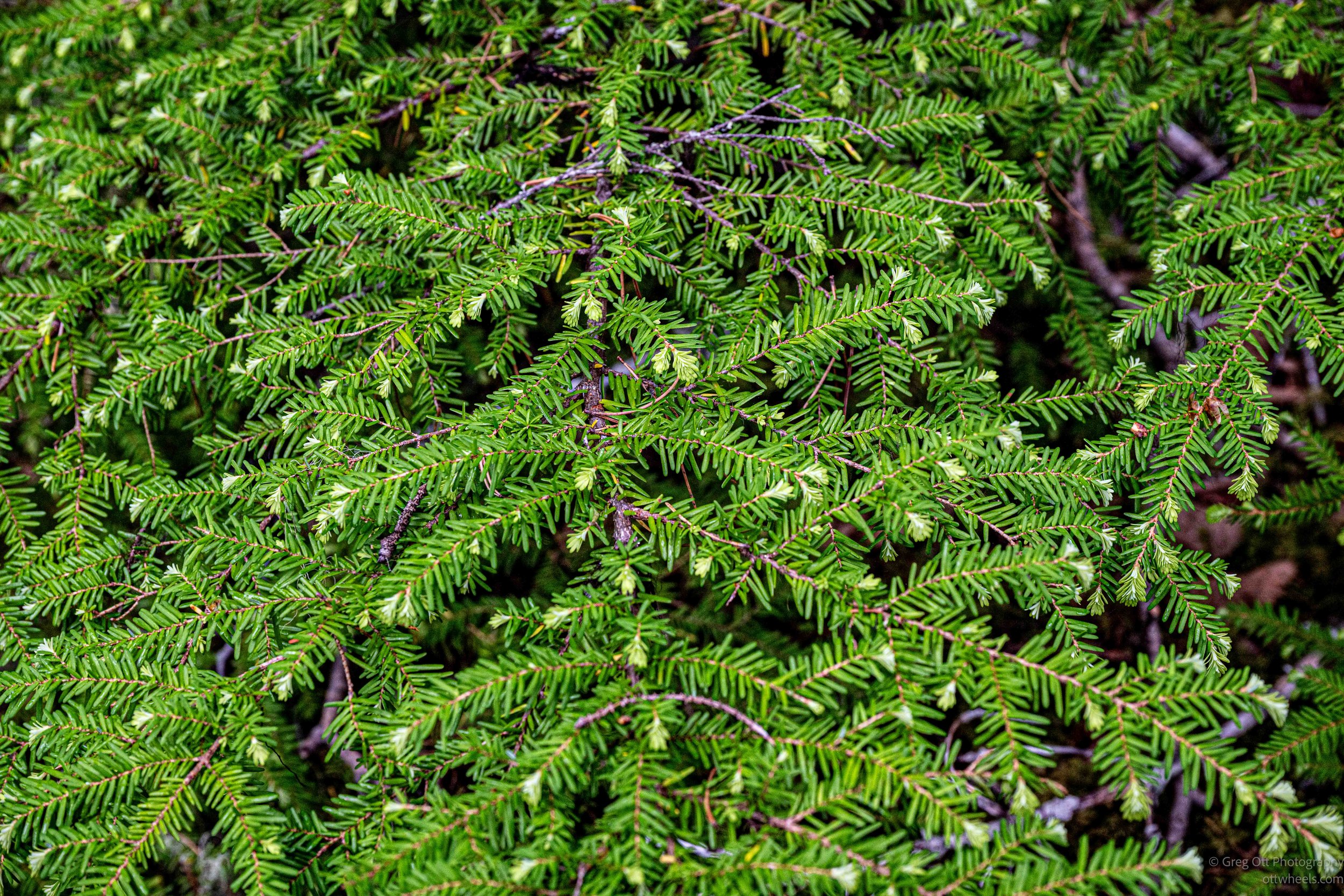
The western hemlocks were putting out fresh spring growth at the ends of their branches. I knew Indigenous people had traditionally used the young tips for tea, so I finally tried one. The flavor surprised me. Instead of tasting like a pine tree, it had a bright citrus quality, almost lemon-like.
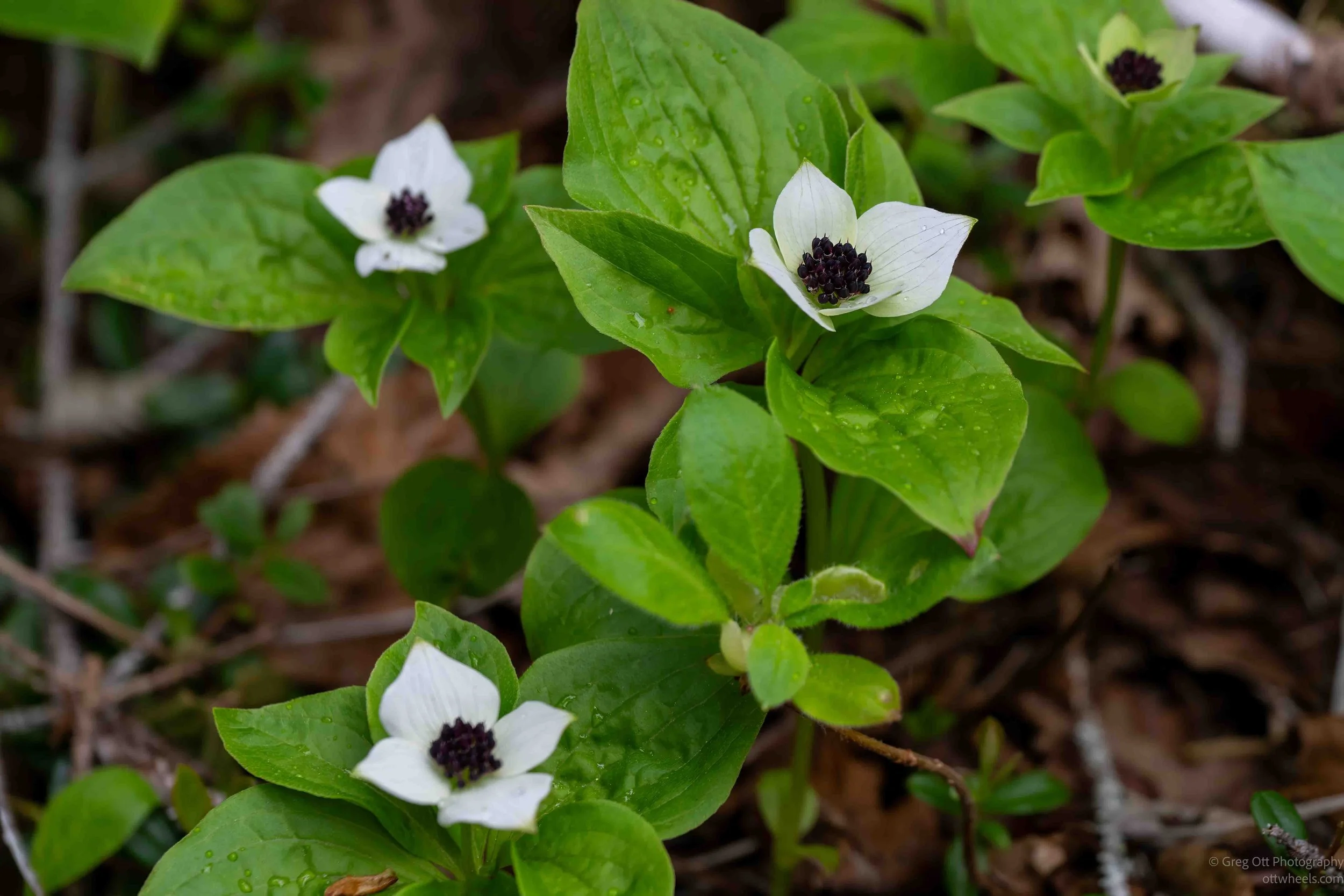
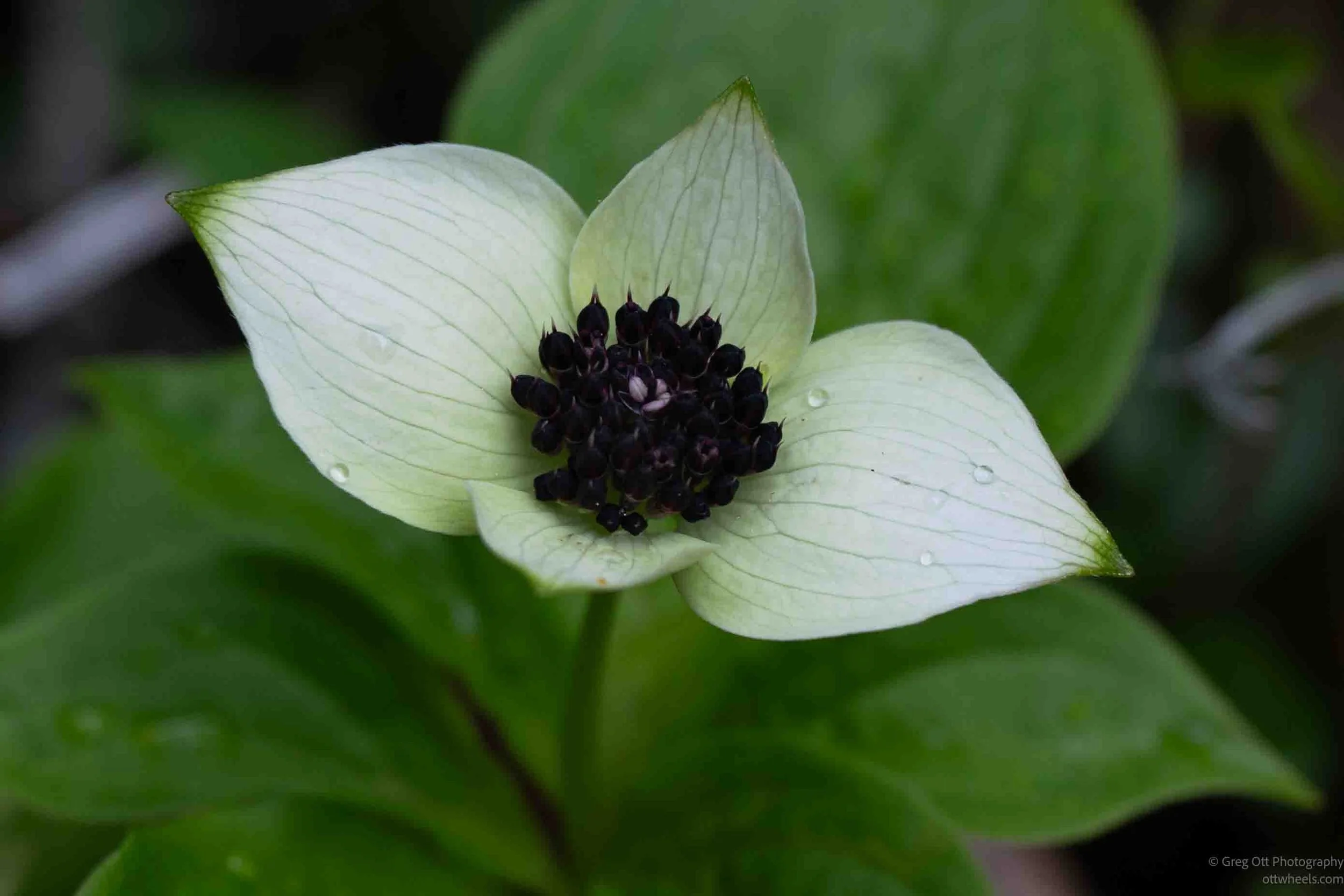
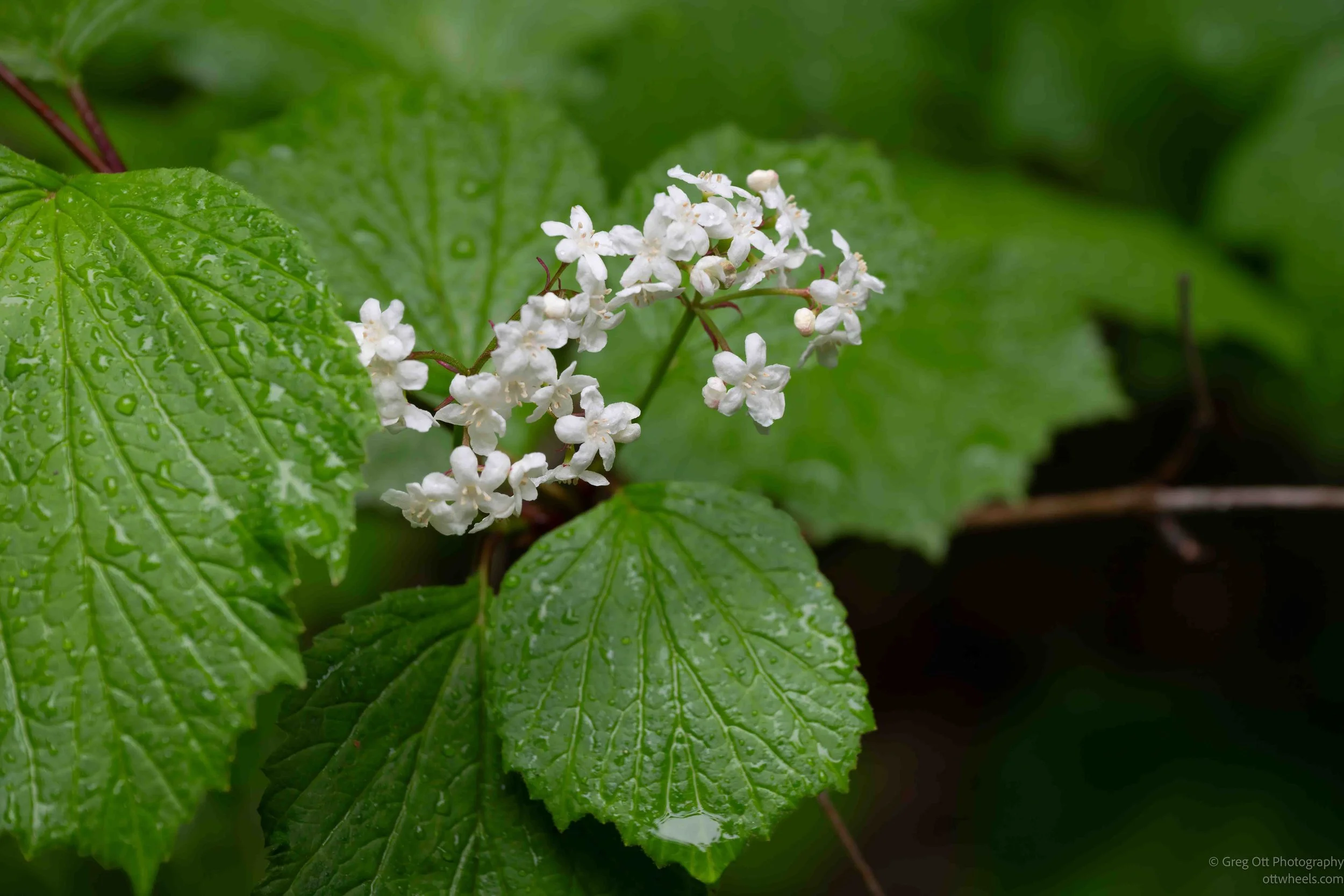
A little farther along I stopped to photograph a wildflower I couldn't identify. Later I learned it was false bugbane, a native rainforest plant with delicate white flowers that look almost like tiny fireworks. It would have been easy to walk right past it, but up close the intricate structure was remarkable. The longer I spend in Alaska, the more I find myself paying attention to details that I would have ignored a few years ago.
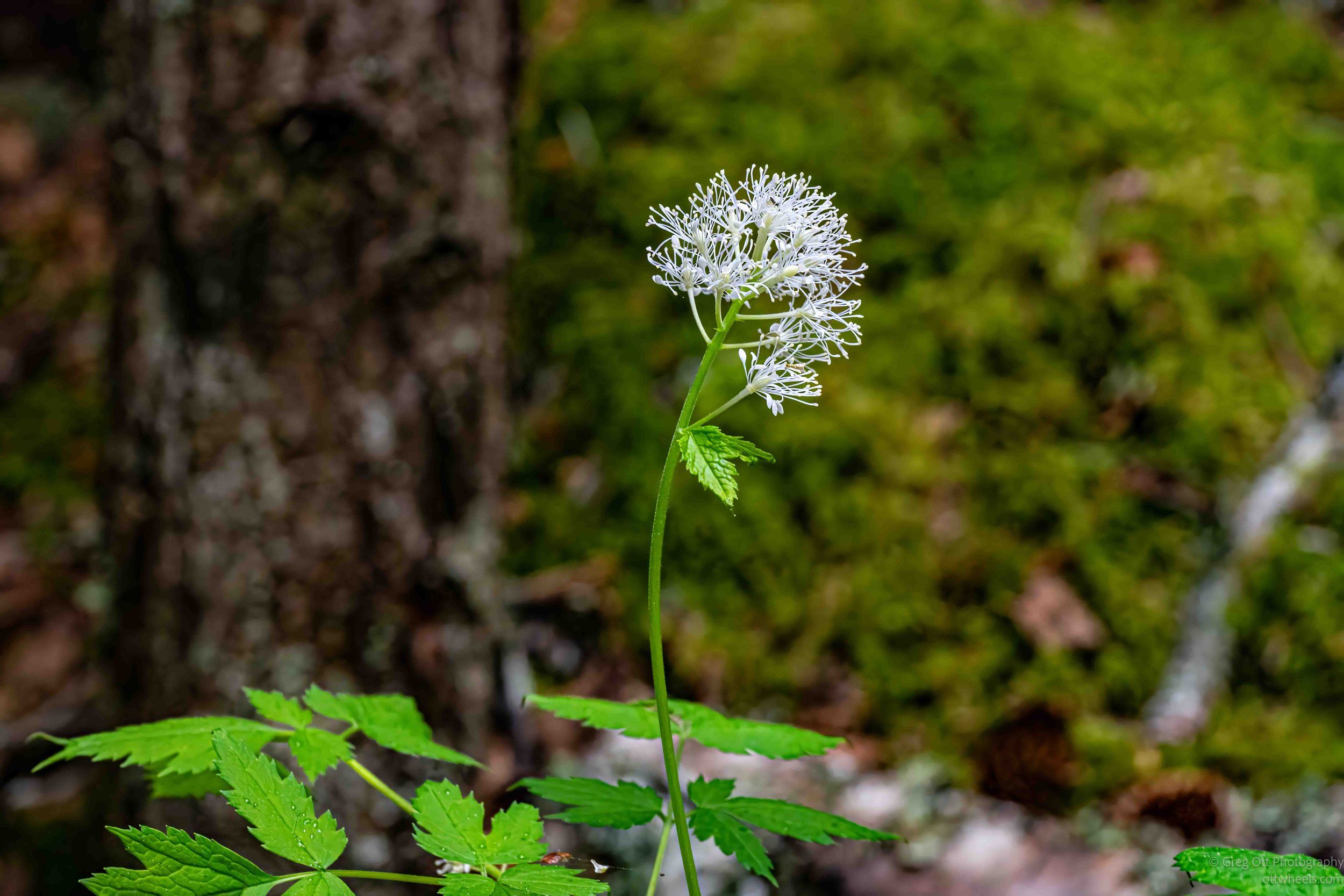
False Bugbane
Eventually I reached the shoreline. The final descent to the water was steep, rocky, and slippery. Since it was getting late and I hadn't seen anyone for quite some time, I decided not to push my luck and turned around. That decision led to the day's navigation lesson. Not long after leaving the coast, I realized I had wandered off the main trail. The markings weren't particularly obvious and I found myself climbing through rocks that clearly weren't part of the route. This was exactly the kind of situation I had purchased the Garmin for. I selected "Track Back," and the unit immediately displayed the path I had followed earlier. Within minutes I was back on the correct trail.
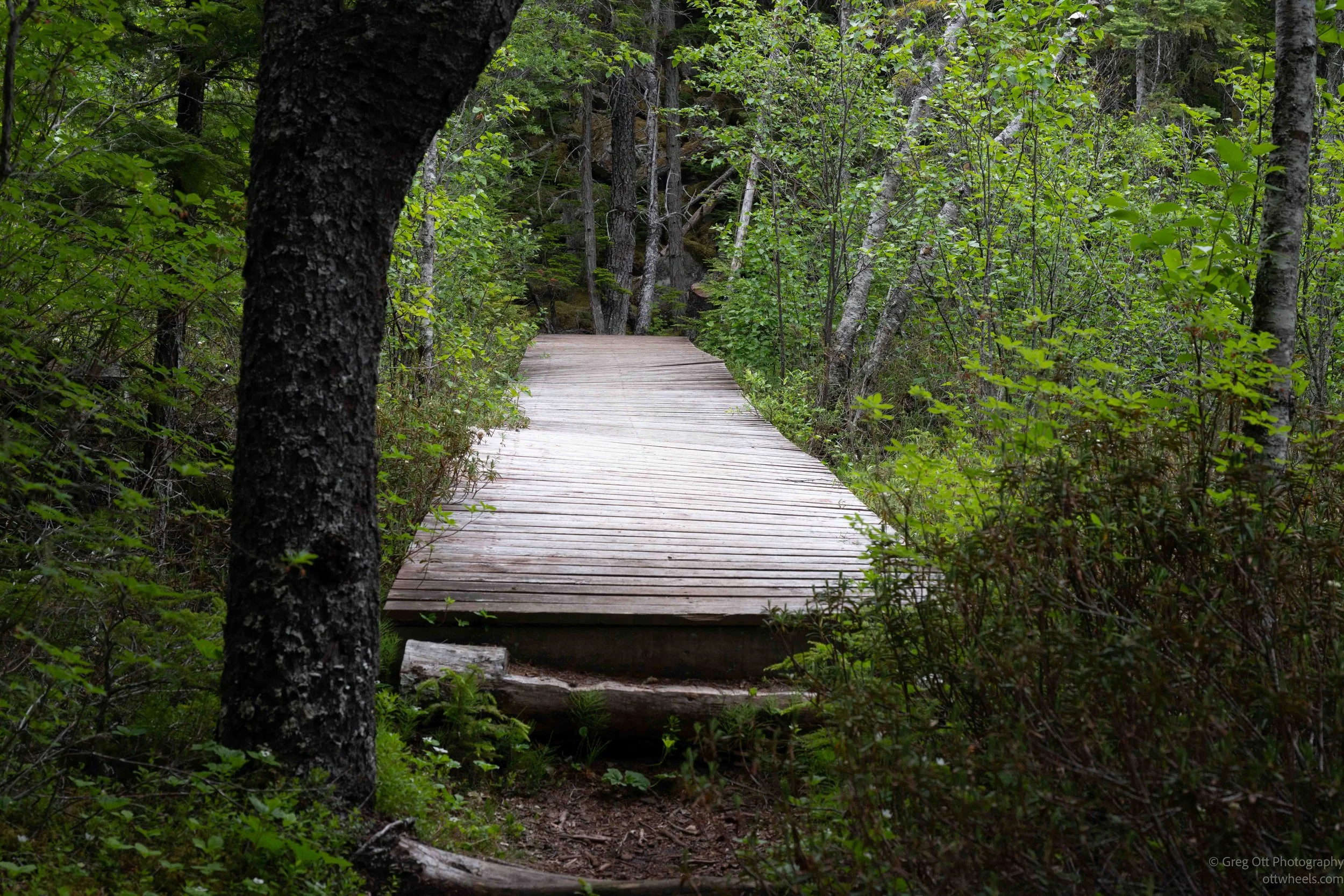
For the rest of the hike the forest felt almost completely silent. The birds had disappeared. The only sounds were water, wind, and my own footsteps. At one bridge crossing I stopped and simply stood there for several minutes. Water rushed beneath the bridge, wildflowers grew in the damp soil nearby, and the fragrance coming off the forest was incredible. I closed my eyes and just listened.
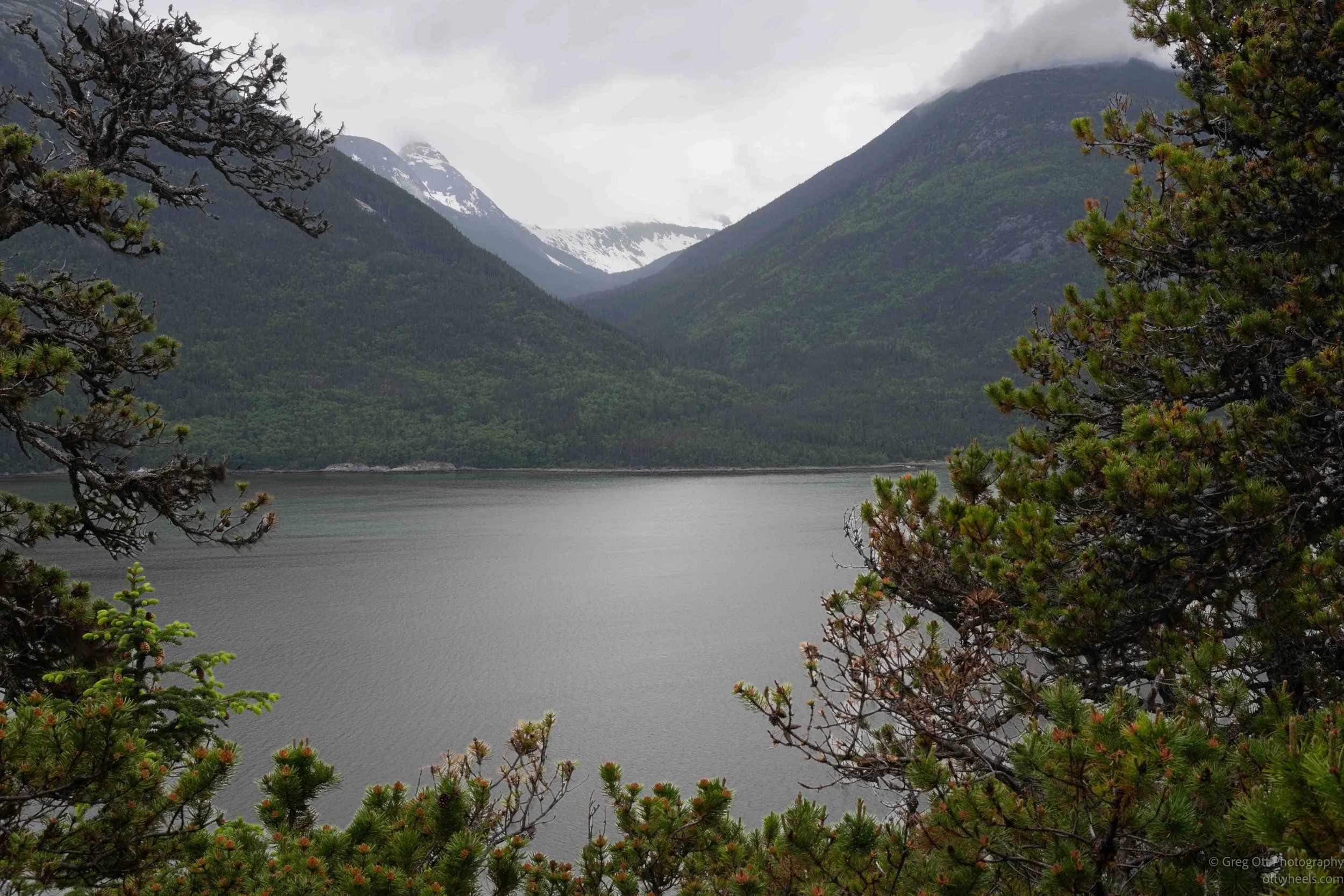
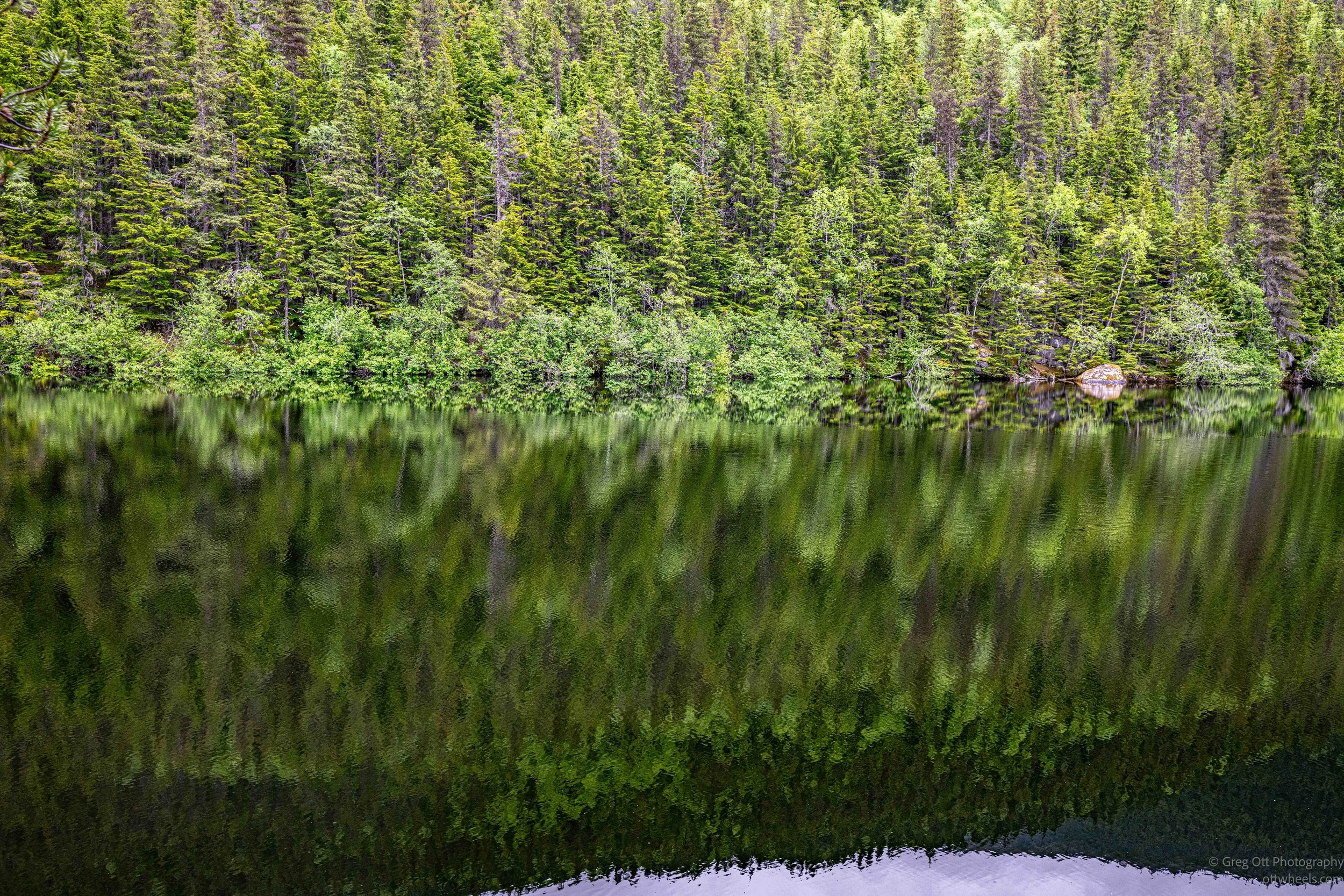
When I emerged near the lake, dark clouds had settled over the surrounding hills. It was only around 5:15 p.m., but the light felt much later in the day. I stopped several times to photograph reflections on the water before continuing toward town. The only people I encountered near the end of the hike seemed to be doing the same thing. They climbed the steep first section, realized there was still a lot of trail ahead, and turned around after completing the hardest part.
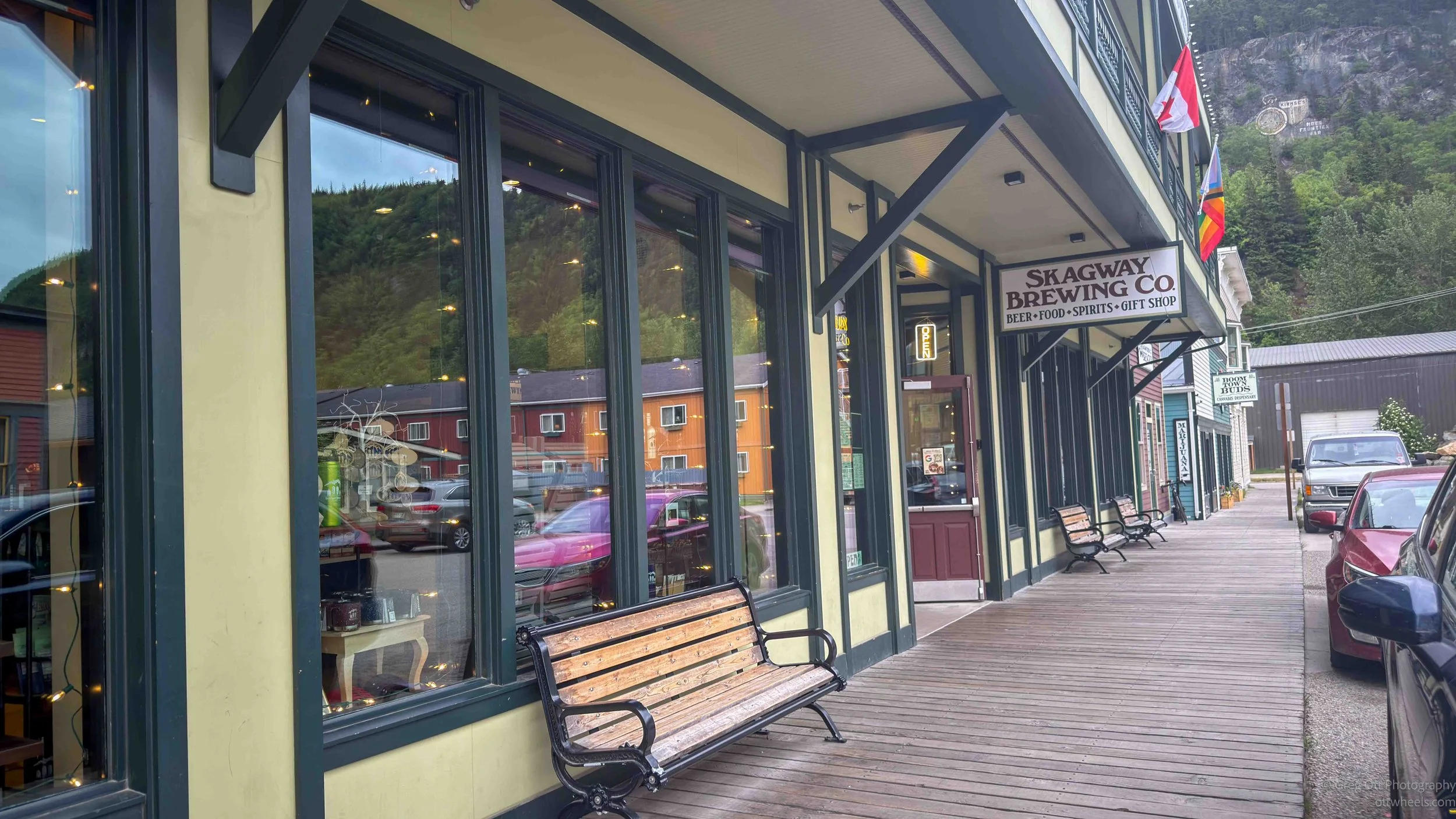
Back in town, Skagway felt strangely empty. Two cruise ships were docked, yet no one was walking the streets. I stopped at Skagway Brewing Company for dinner. Founded in 1897 during the Klondike Gold Rush and revived in modern form in the late 1990s, it has become one of the town's gathering places. I ordered a burger, fries, and a porter. Three different beers I asked about happened to be the only three beers they were out of, which seemed statistically impressive. While eating, I overheard staff discussing cruise ship schedules and how weather can change everything. It was a reminder that despite all the tourism infrastructure, this is still Alaska. Nature ultimately decides what happens.
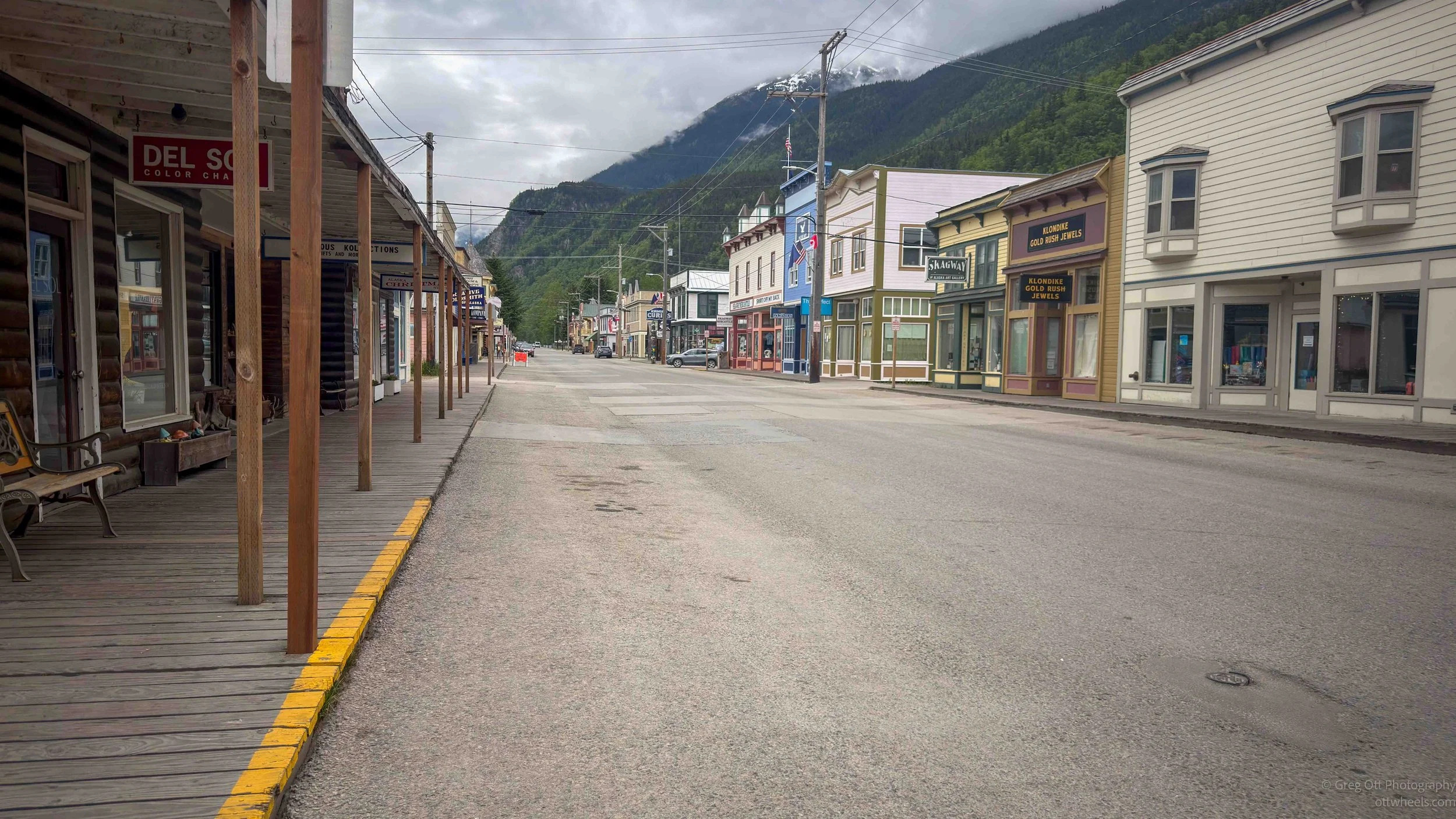
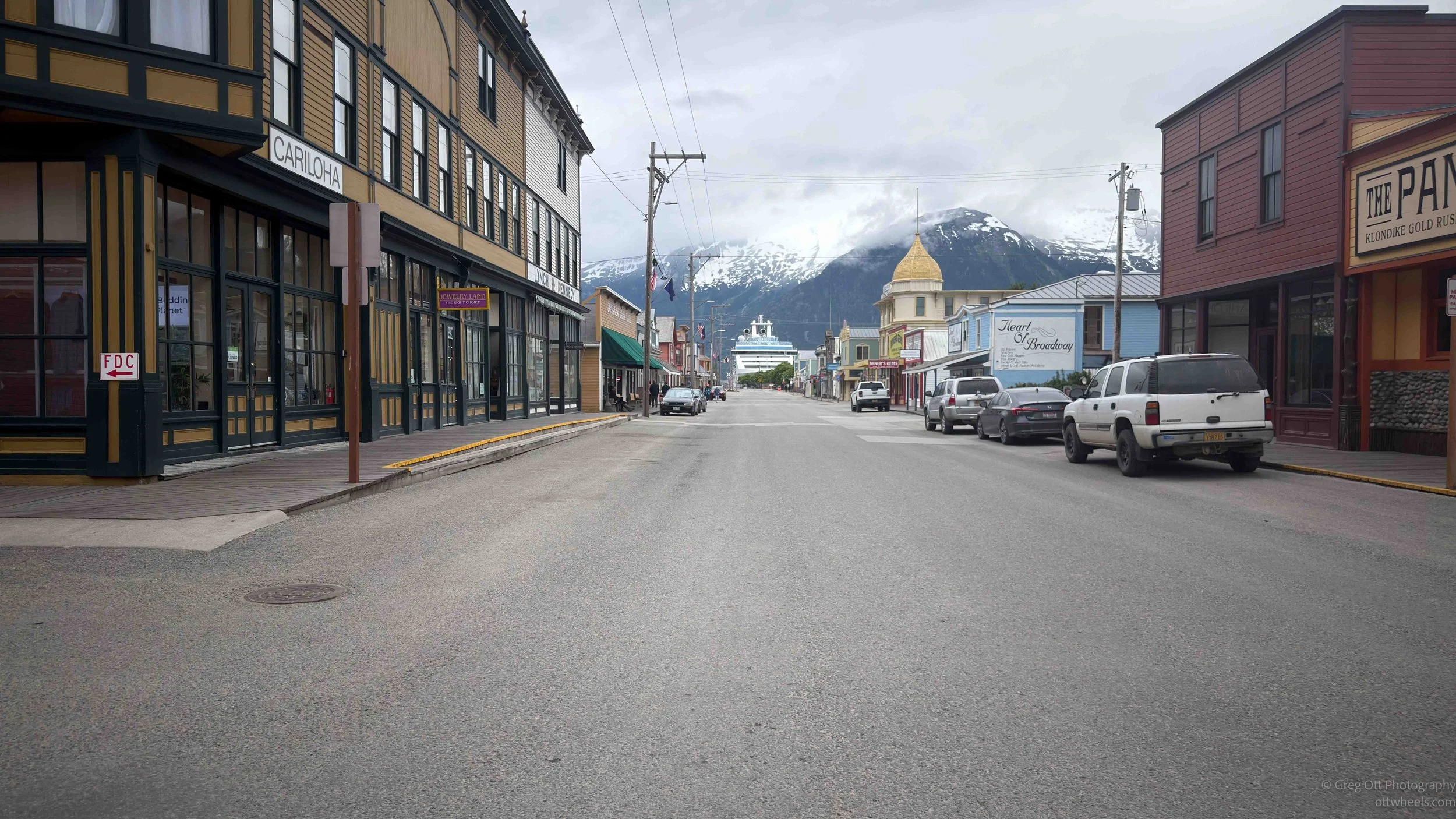
A little after 7 p.m. I stepped back onto Broadway. The scene was almost surreal. Not a single person was visible in either direction. A few vehicles sat parked in the direction of the docks, but otherwise the street was empty. It felt less like a tourist town and more like a movie set where aliens had snached everyone. One block away, however, the grocery store was busy. This area appeared to be where the locals were.
With groceries in hand, I made the nearly mile-long walk back to the campground. After putting everything away, I took a much-needed shower, climbed into bed, watched a little television, and fell asleep without writing a single word.