Cathedral Gorge and Pioche, NV
I was surprised how quiet it was at the BLM turnoff. US-91 had almost no traffic during the night. A car passed every now and then, but mostly it was still. After breakfast, I drove toward Cathedral Gorge State Park expecting something on the scale of Valley of Fire, where I had been the day before — wide roads, big visitor center, long drives between trailheads. Instead, I arrived at a simple, unmanned entrance with a payment station that took credit cards. Four button pushes and a card swipe later, I had a printed day pass in hand and the place felt almost self-serve. No line. No crowd. Just quiet.
Cathedral Gorge
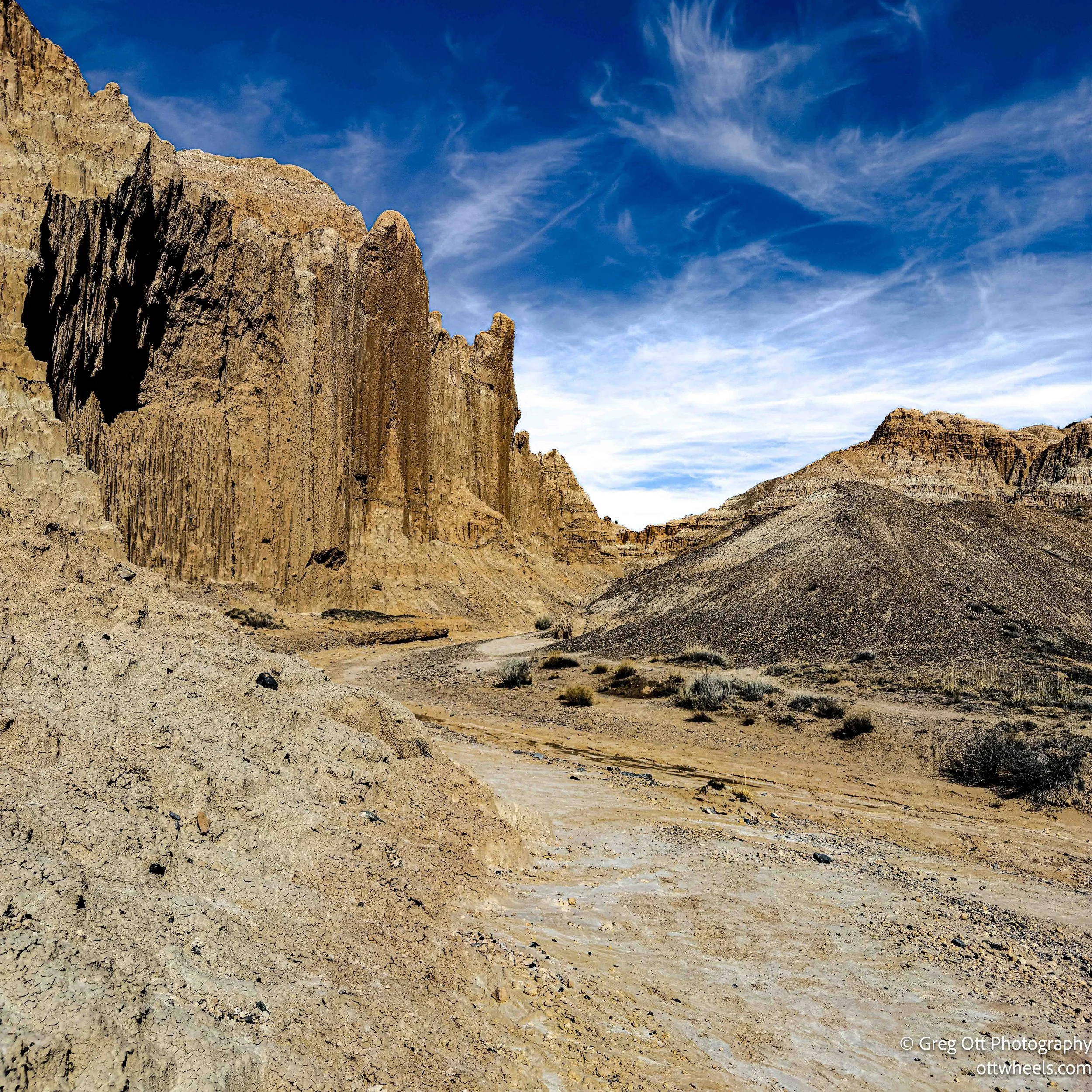
Cathedral Gorge became a Nevada state park in 1935, one of the early additions to the system during the Civilian Conservation Corps era. The dramatic clay formations were carved over millions of years from bentonite-rich volcanic ash left behind by ancient eruptions and later shaped by erosion. Long before it was a park, this area was home to the Southern Paiute people, who lived across what is now eastern Nevada and southern Utah. Today, the park feels modest in scale. There’s one main road looping through, a small campground tucked against the formations, and a handful of trails that lead directly into the spires and narrow canyons. It doesn’t try to overwhelm you. It’s compact and approachable.
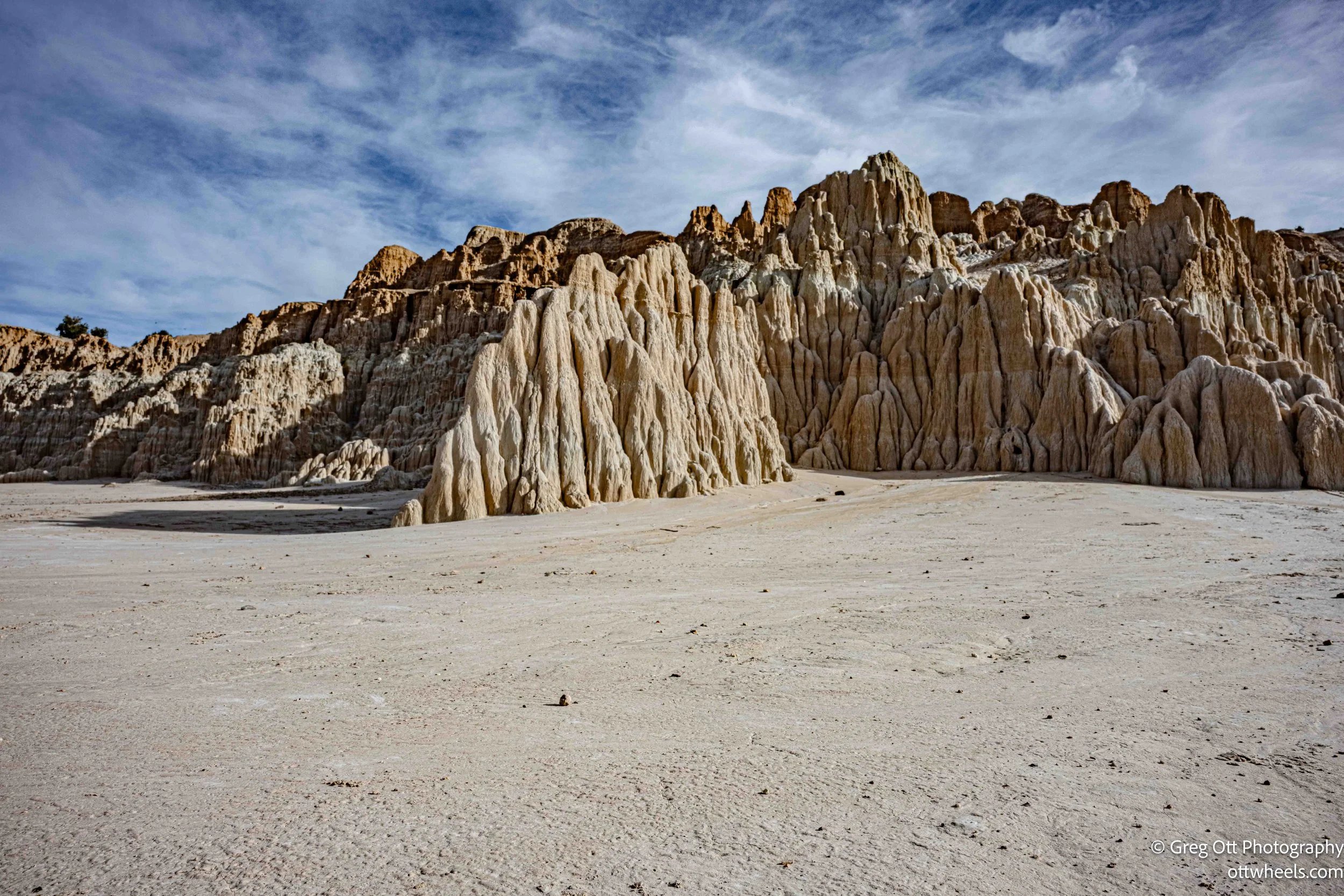
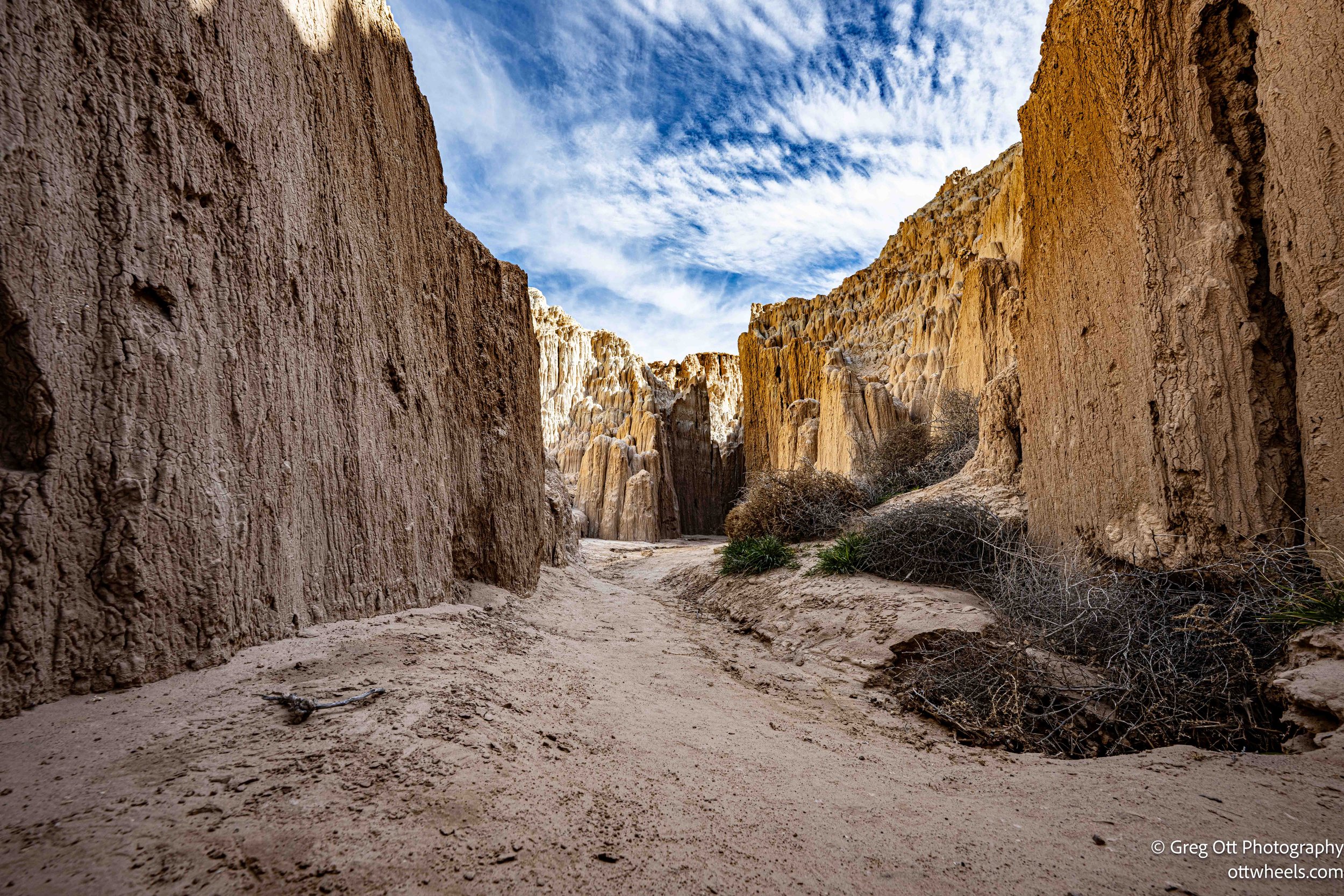
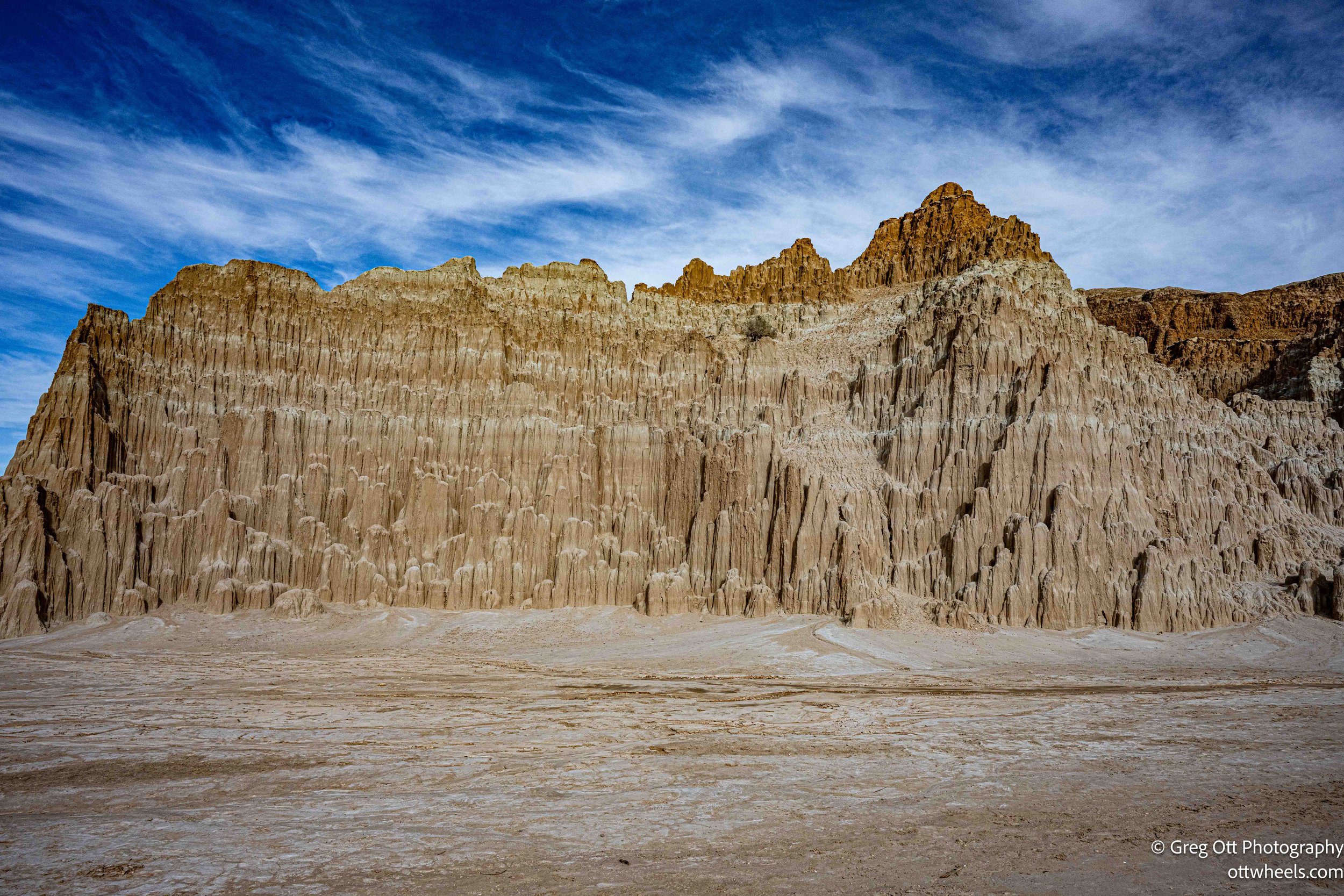

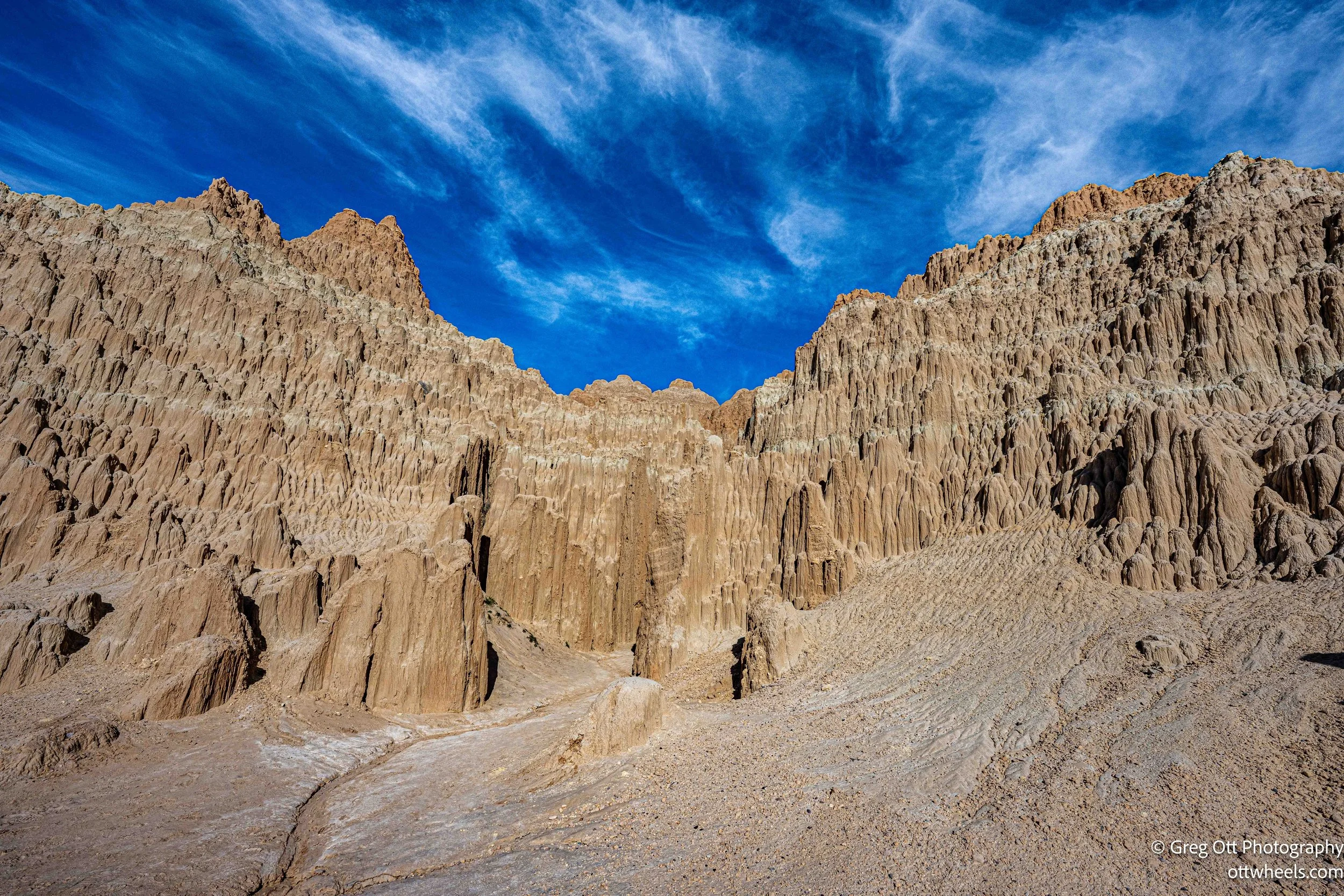

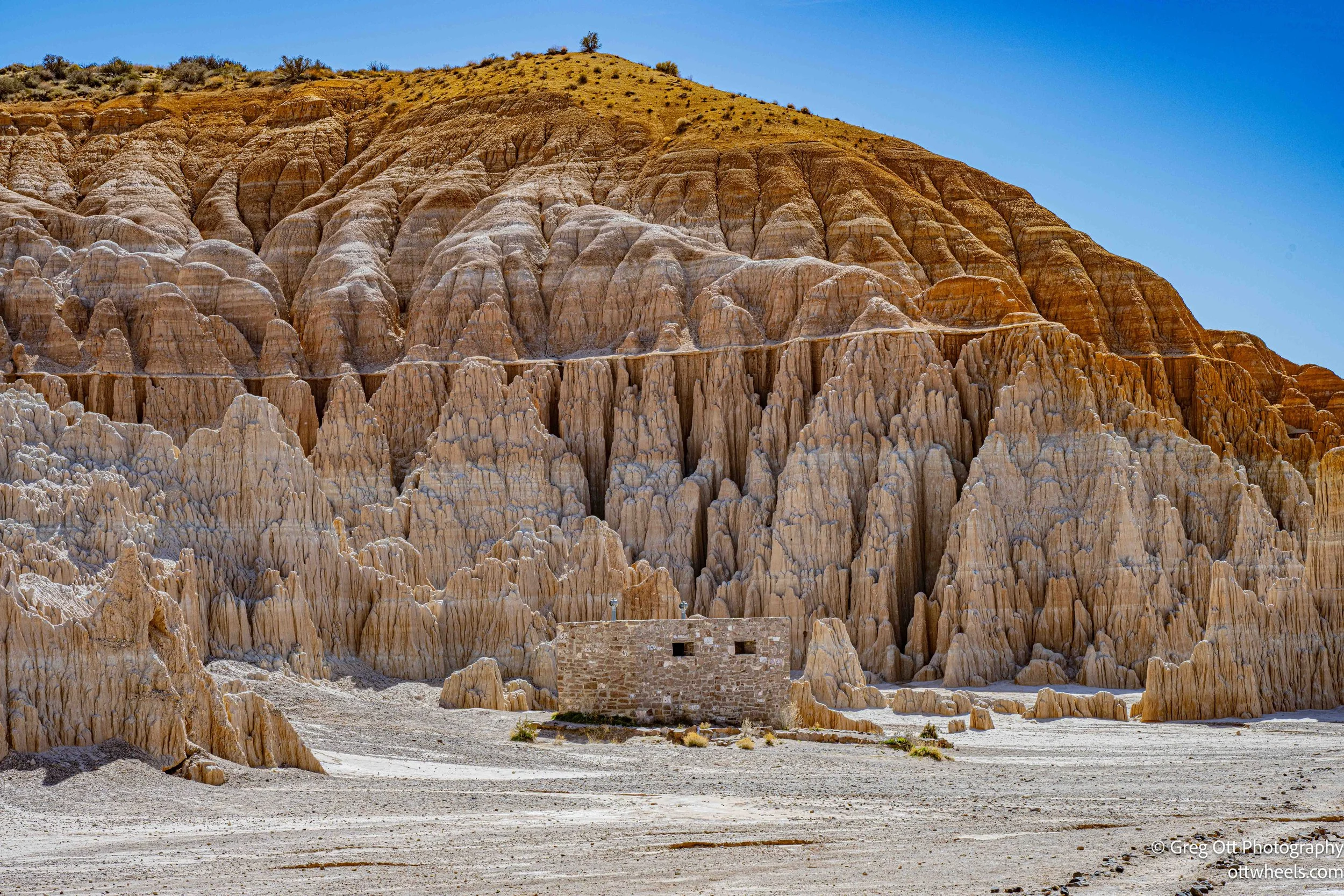
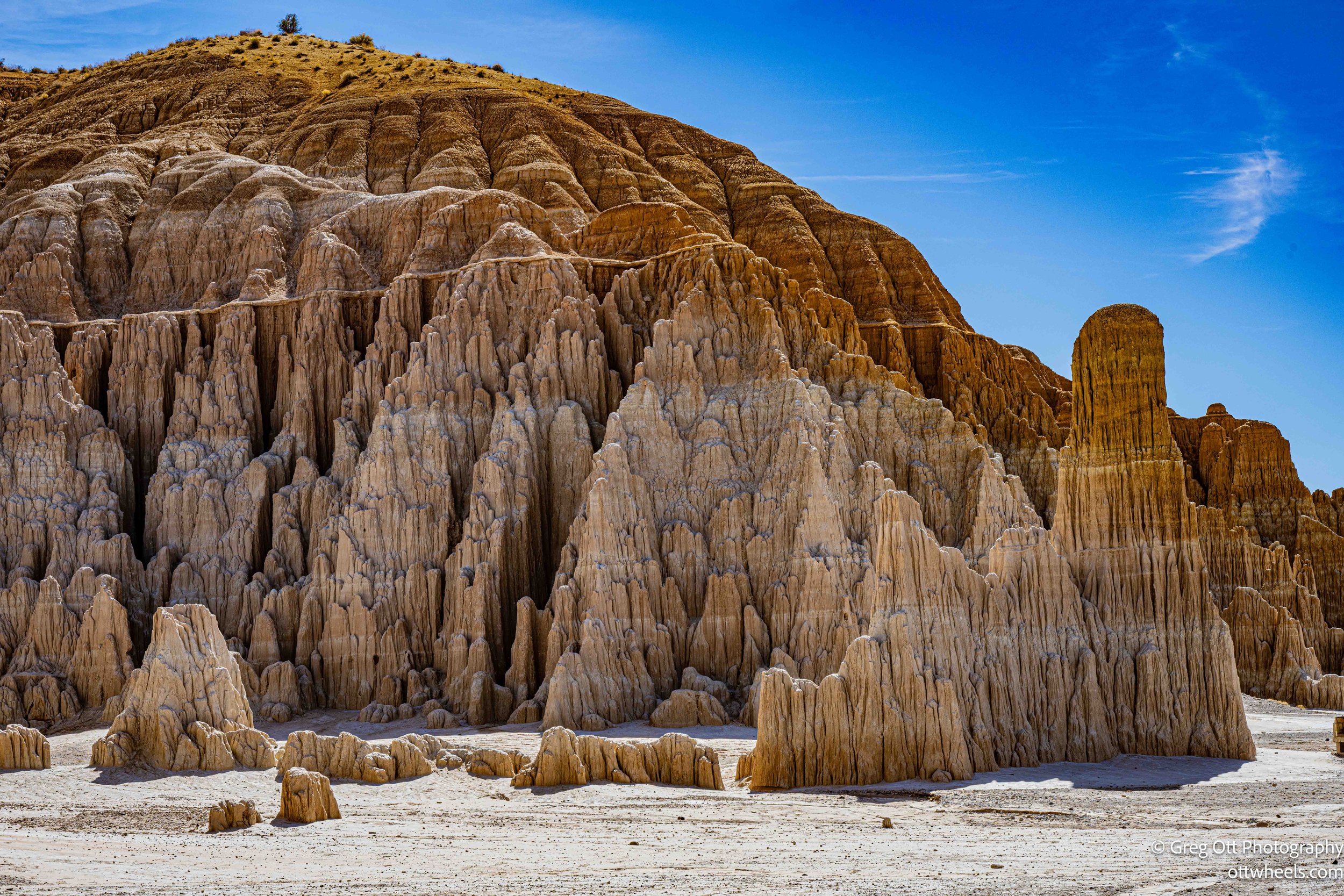
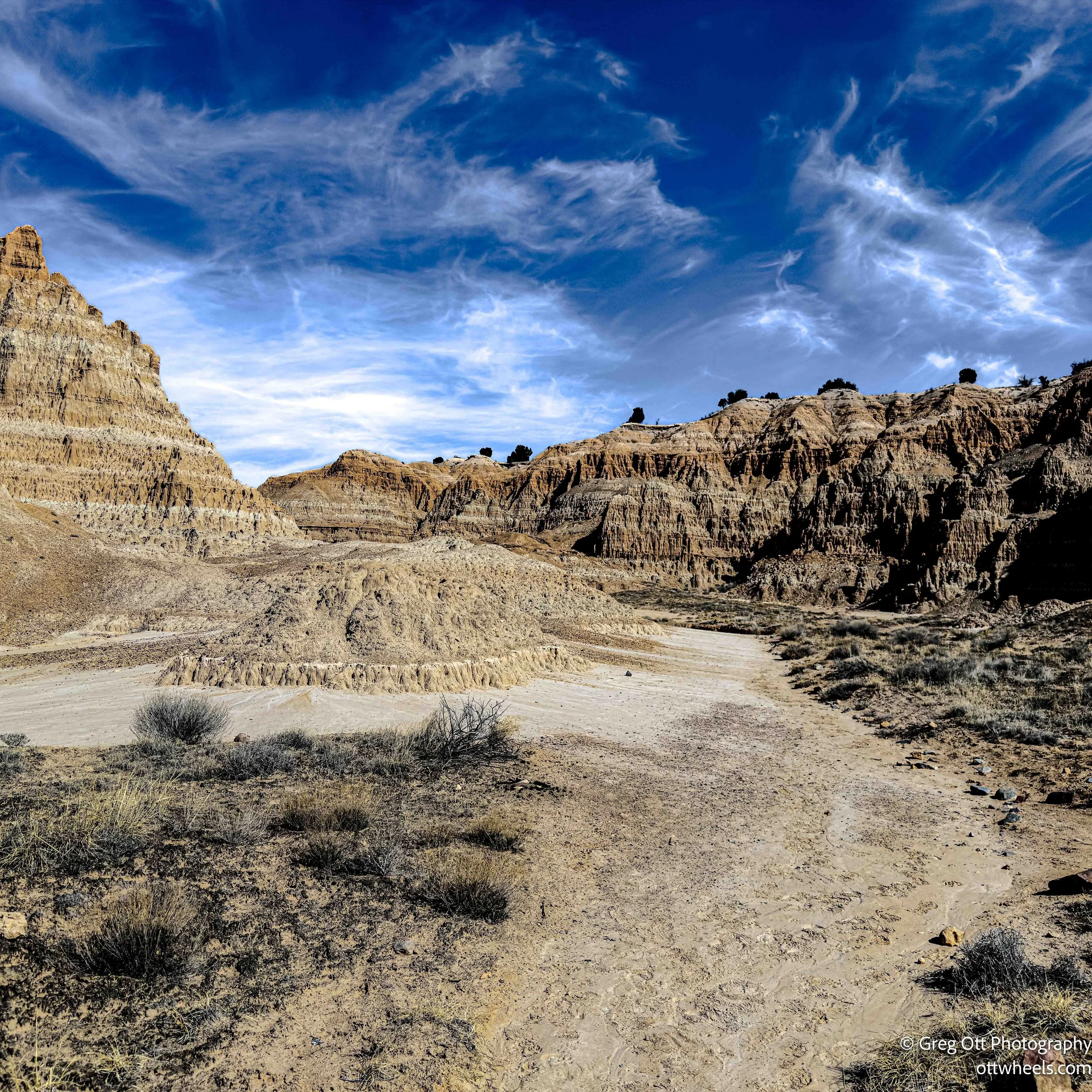
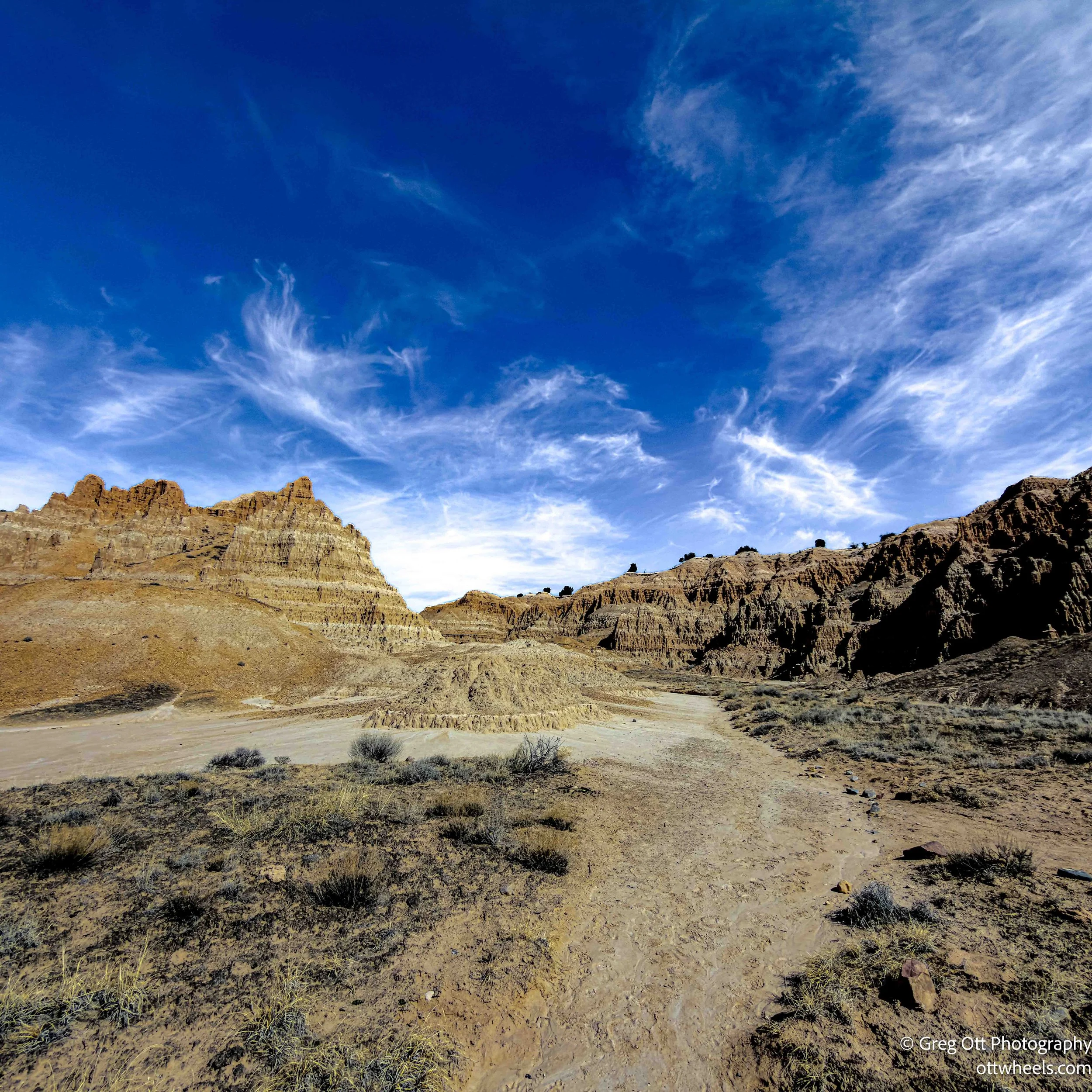
I started with the Moon Caves slot hike and spent about forty minutes wandering and photographing. The formations rise in tight clusters of soft, fluted spires — pale tan and gray, almost chalky in texture. The slots are narrow in places, just wide enough to turn sideways and slip through. Light filters down from above in thin beams, catching ridges and casting sharp shadows. These shapes were formed by water cutting through the soft clay over time, especially during flash floods that funnel through the gorge after heavy rains. The material erodes easily, which is why the walls look so sculpted and fragile at the same time. It feels temporary, like the landscape is still deciding what shape it wants to be.
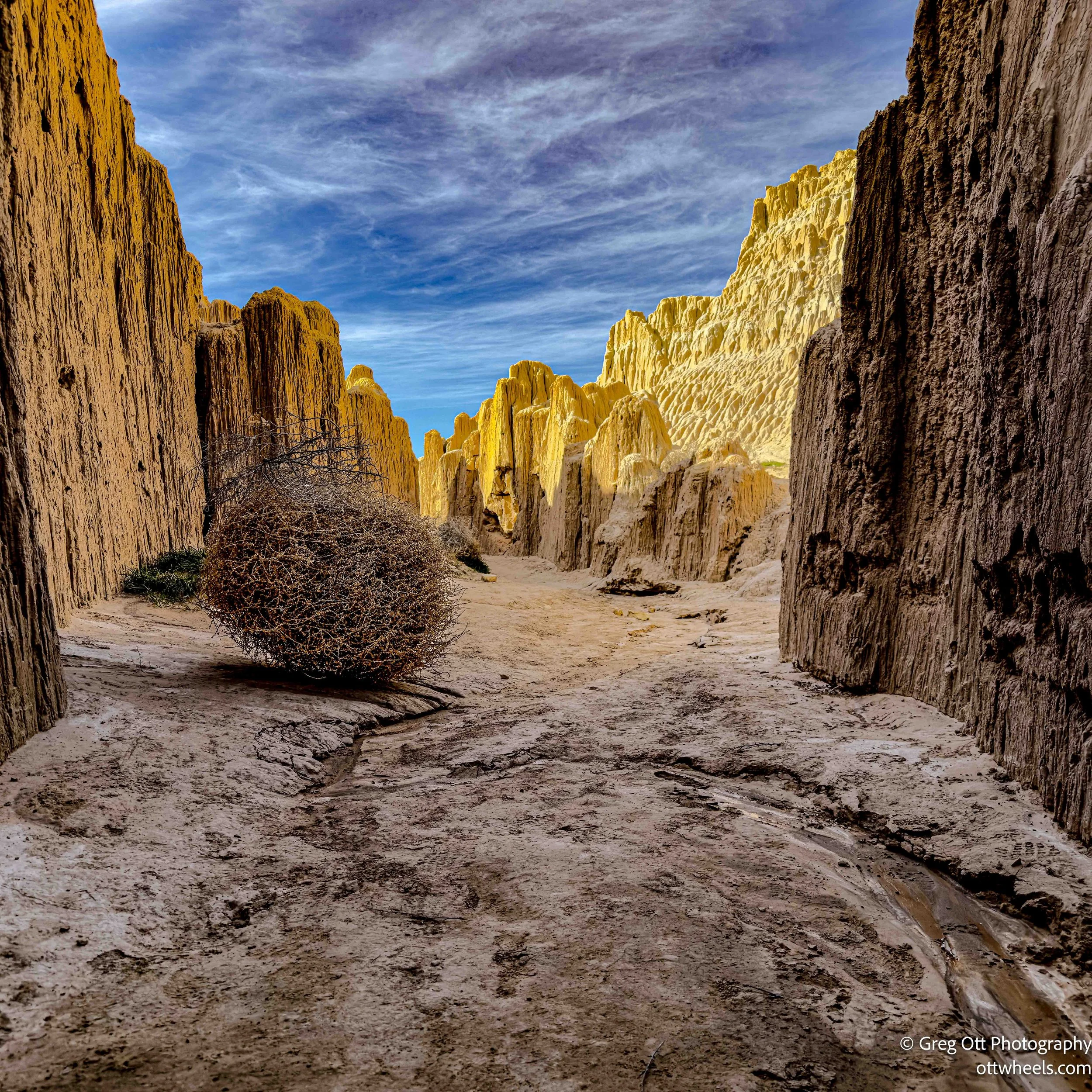
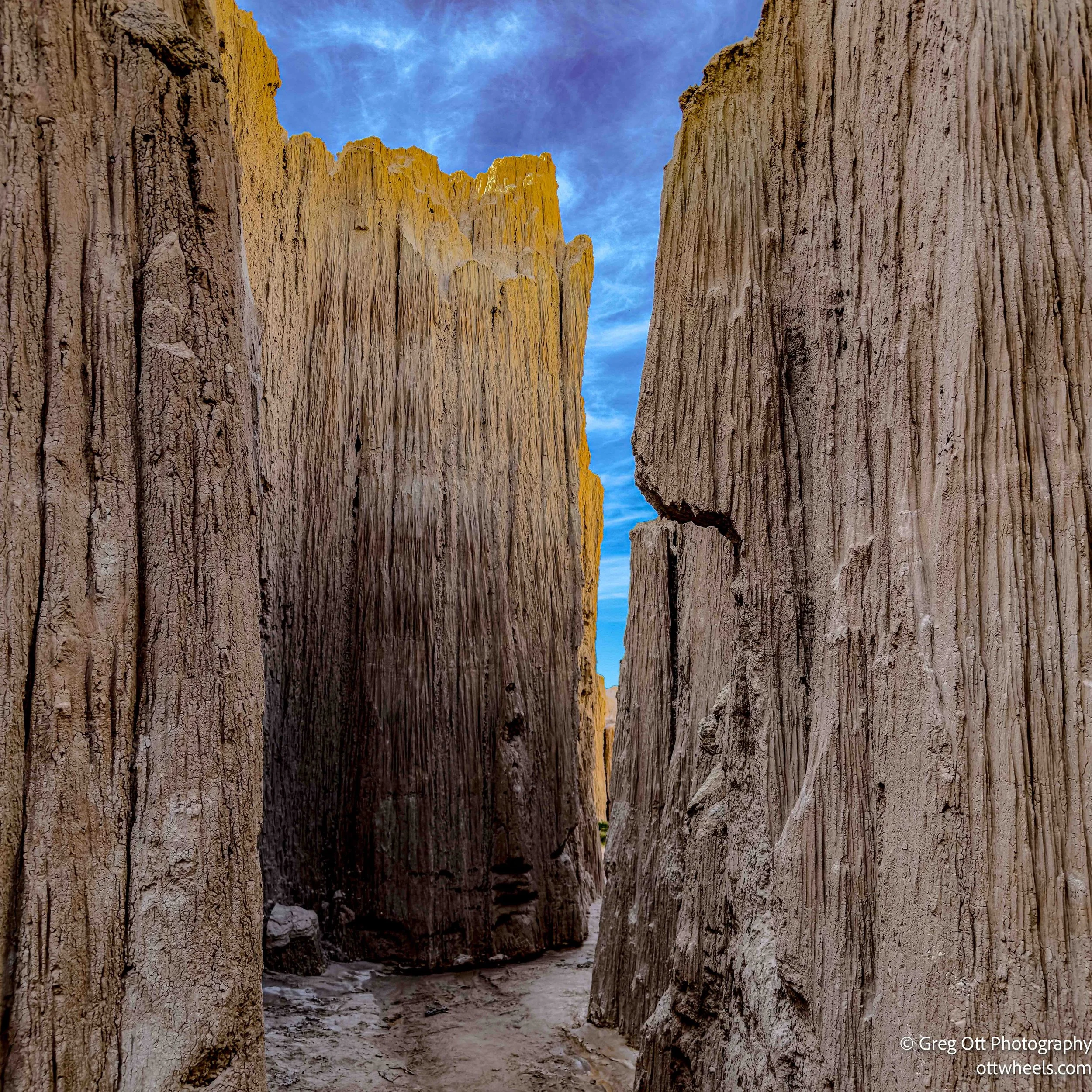
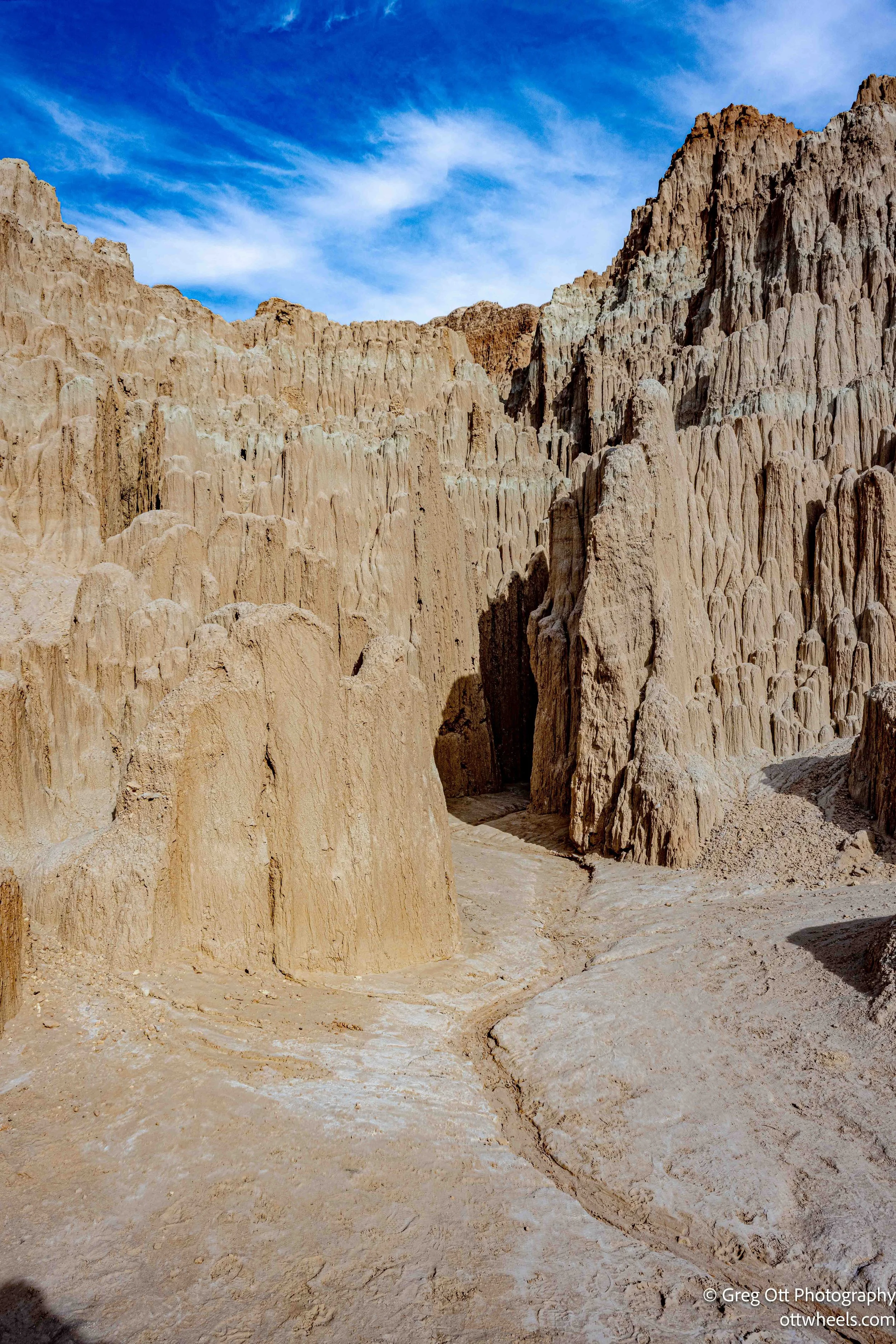
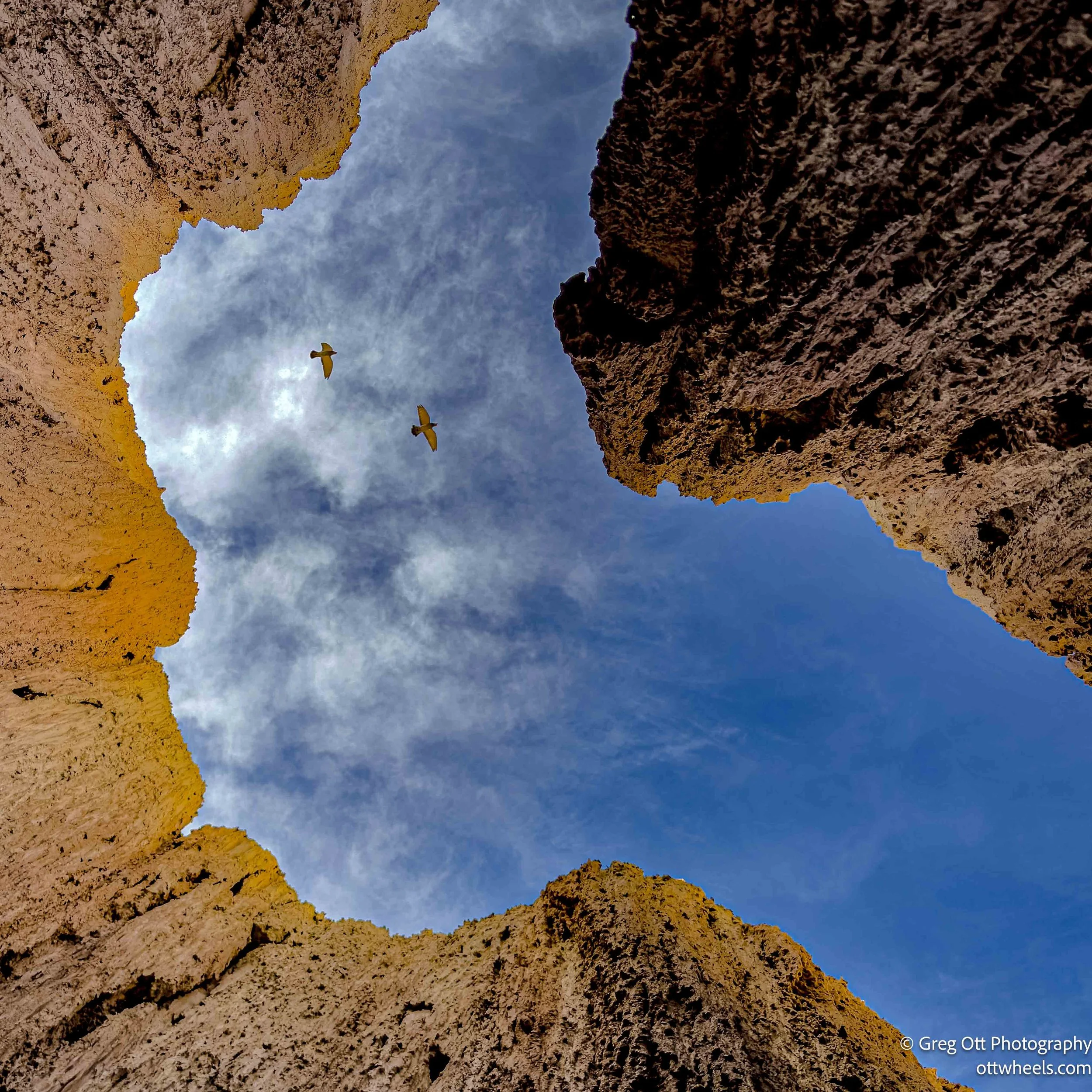
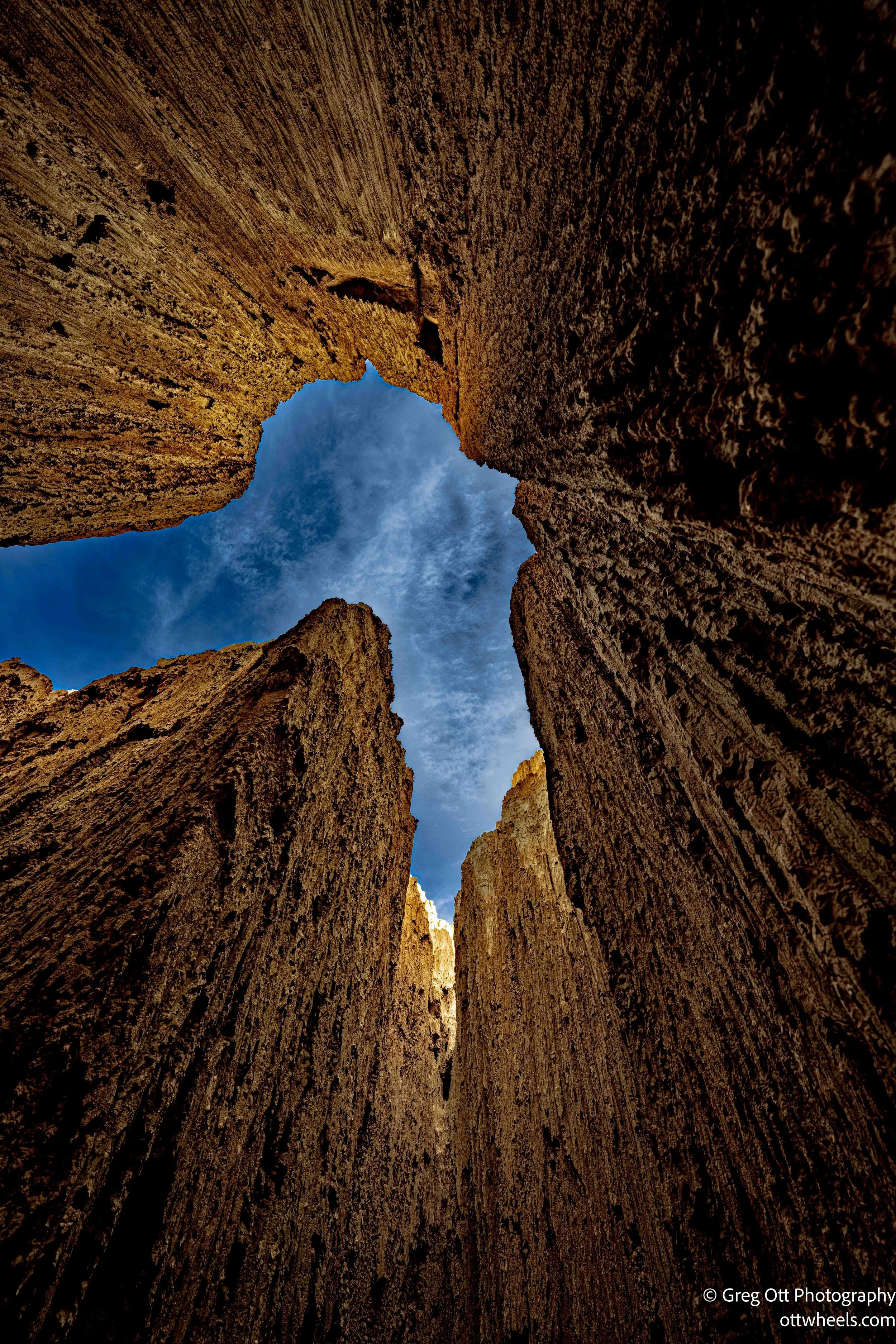
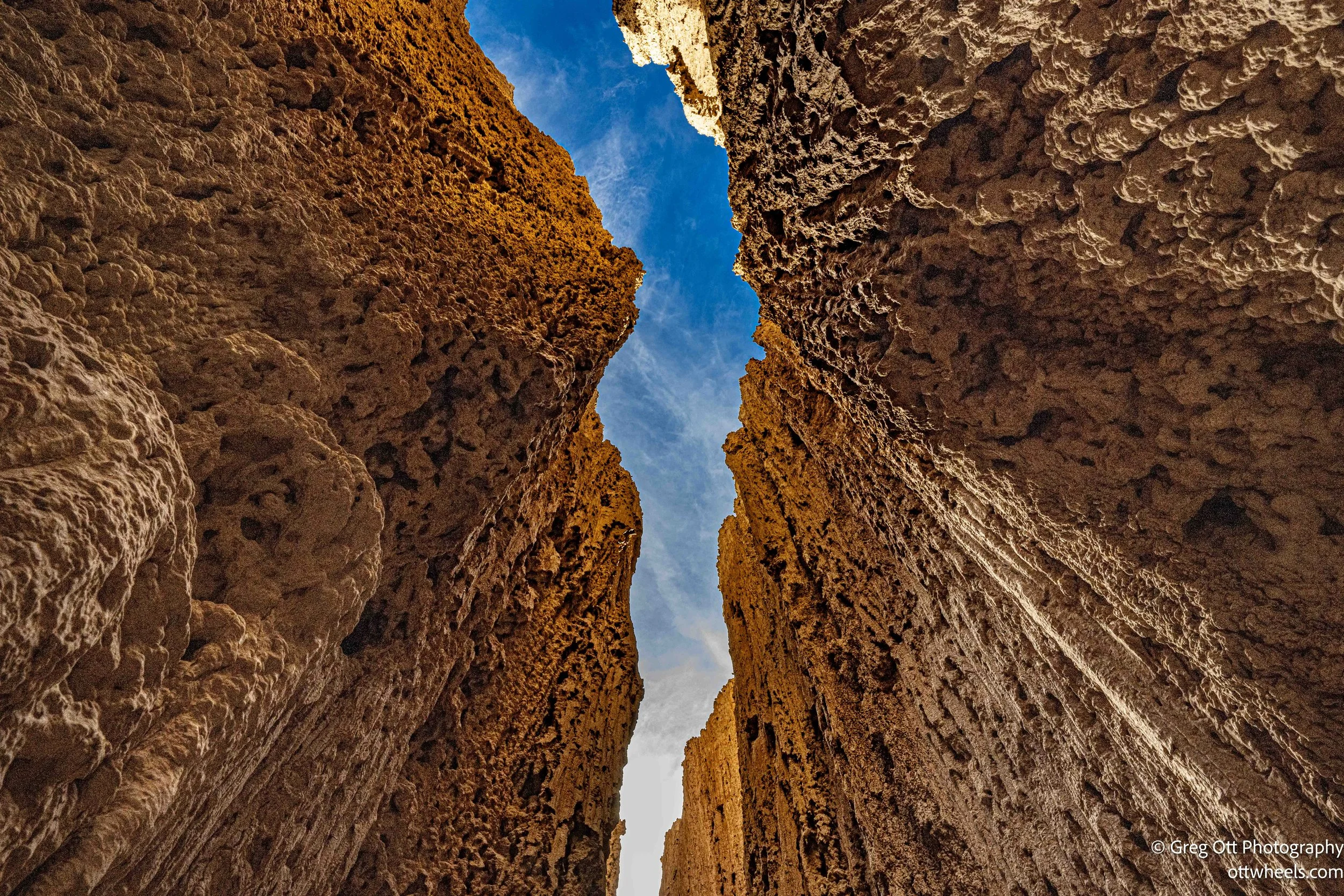
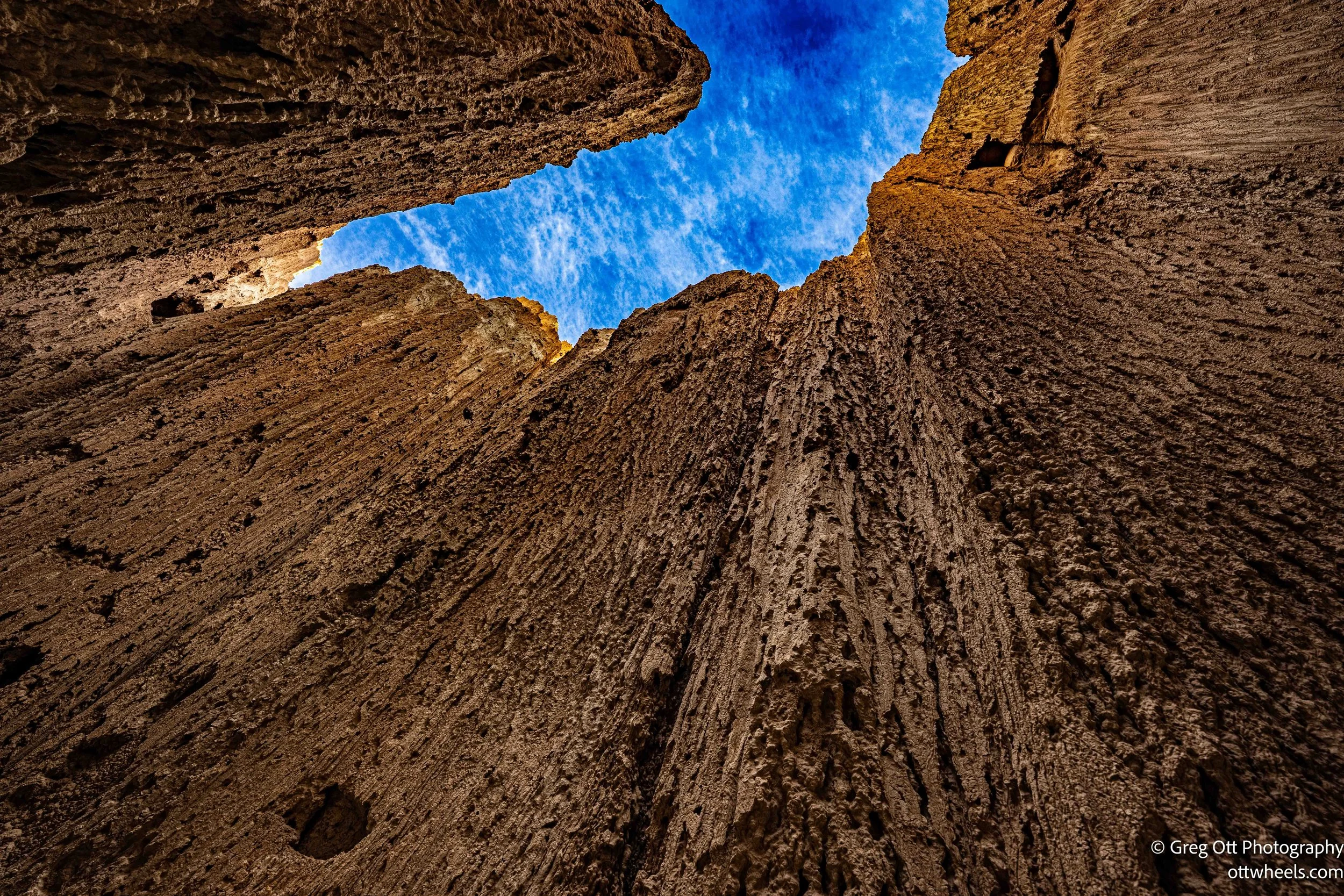
From there, I hiked through the gorge toward Miller Point, stopping often for photos. The trail threads between the formations before climbing out along a set of metal steps bolted into the side. They must have just painted them — the metal looked fresh and clean against the muted earth tones. The climb isn’t long, but it’s enough to get your attention after walking the slots. When I reached the top of Miller Point, I realized I could have simply driven there. There’s a parking area at the overlook. A few people were already standing at the rail taking in the view. One woman turned to me and said, “It is so beautiful. I wish I could walk through there.” I didn’t say it out loud, but I had just done exactly that. From above, the gorge looks like a maze of fins and narrow corridors, far more intricate than it appears from the road.
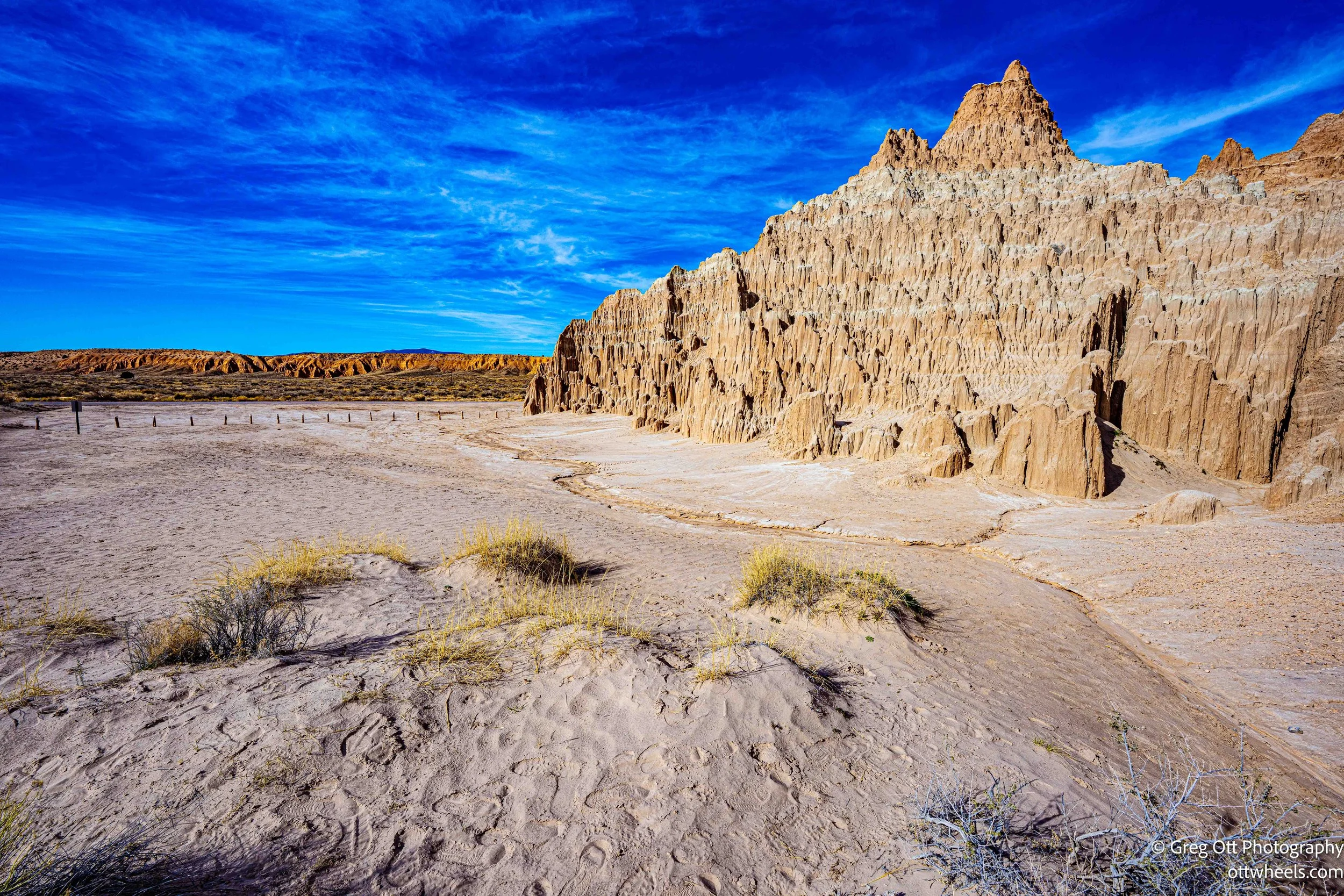
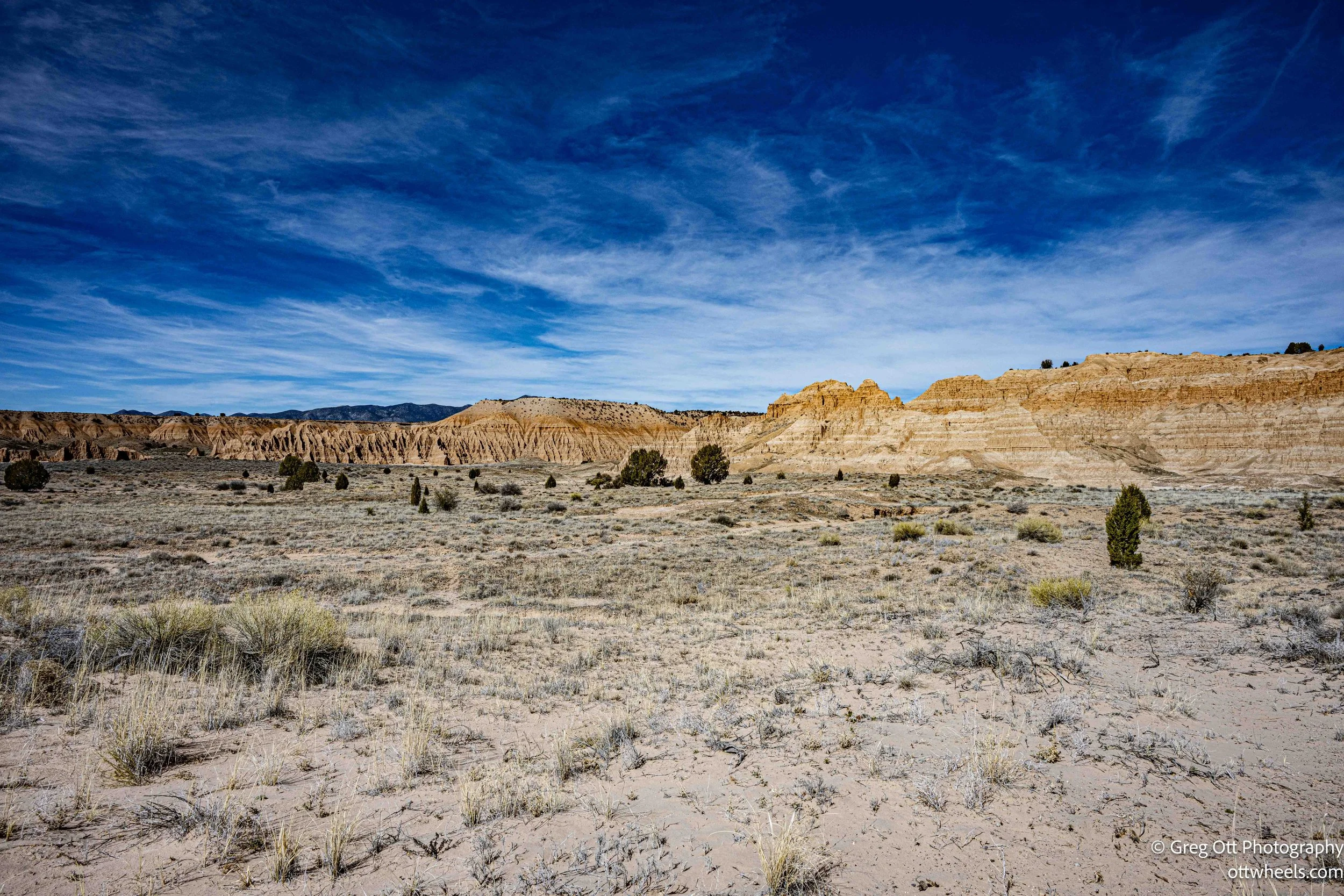
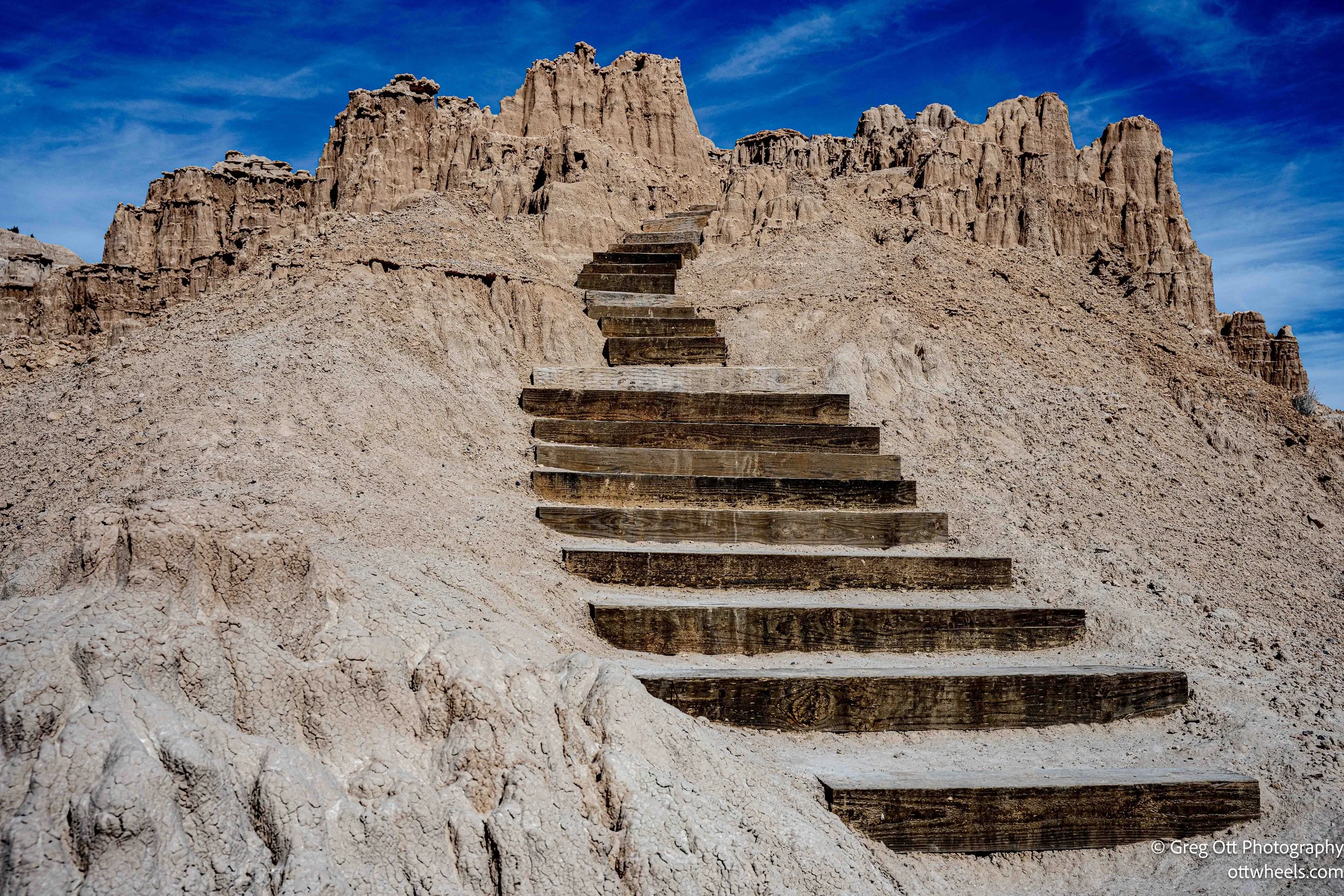
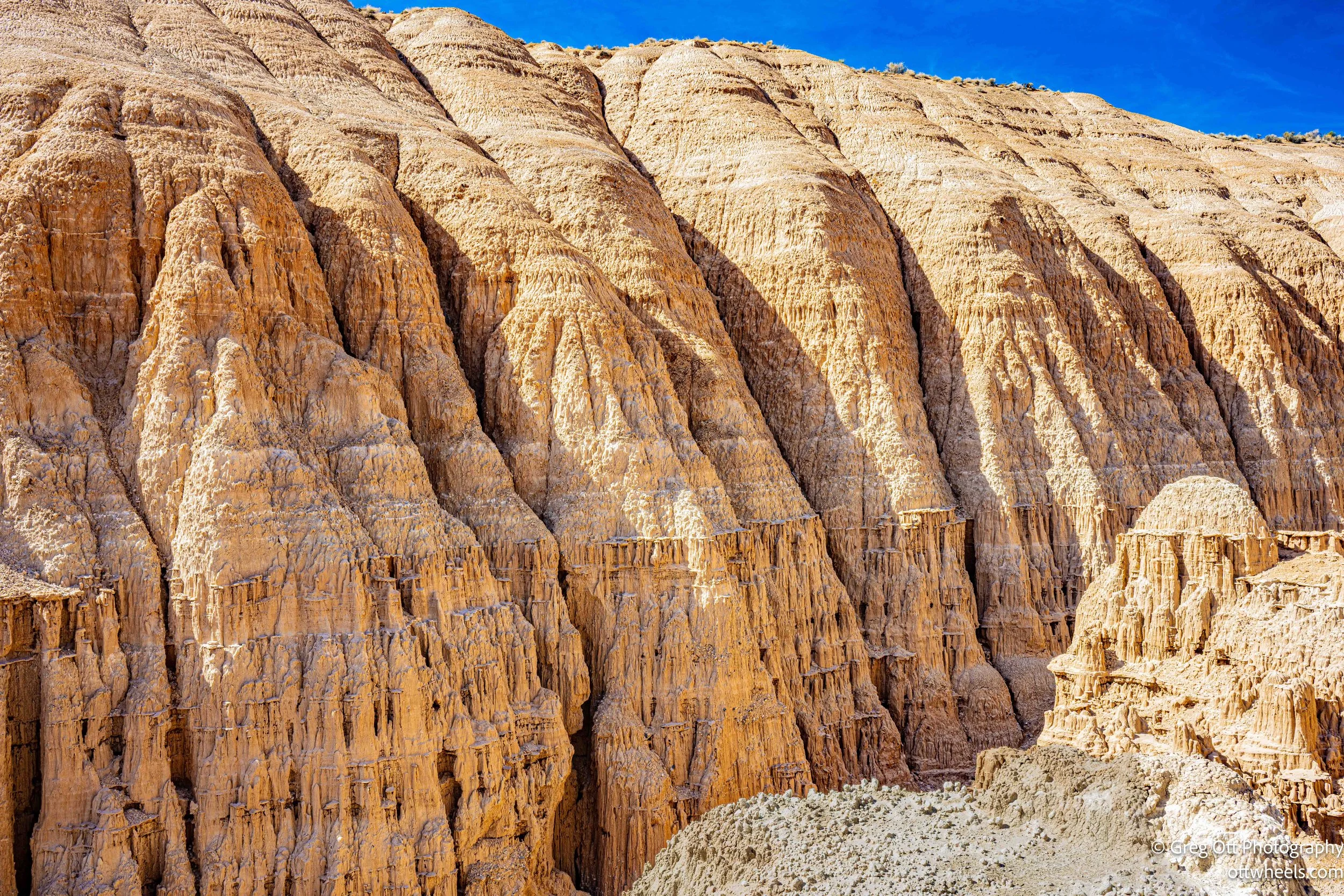
There were parts of the park I didn’t explore — additional trails branching off the main loop and more overlooks tucked along the drive. The campground looked small and orderly, set right against the formations. While I was photographing one section of the cliffs, a guy named Mike pulled over on his bike and asked about my van. We ended up talking for about twenty minutes. His Ford Transit was parked near mine in the lot — his wife insisted that he not do the build himself. I said, “That was smart on her part”. We talked cycling, gravel bikes, and vanlife for a while before drifting into work. He was in IT as well. It’s funny how often these roadside stops turn into conversations. A quiet state park in eastern Nevada and suddenly you’re swapping stories about van builds and gravel roads. I hope we have a chance to meet up for a ride in Washington state where he lives.
Pioche Historic District
My next stop was Pioche, Nevada, and I genuinely debated whether to pull in or just keep rolling. I’ve learned that those moments matter. If I’m close, I usually stop. More often than not, that’s where the interesting things happen. This turned out to be one of those days.
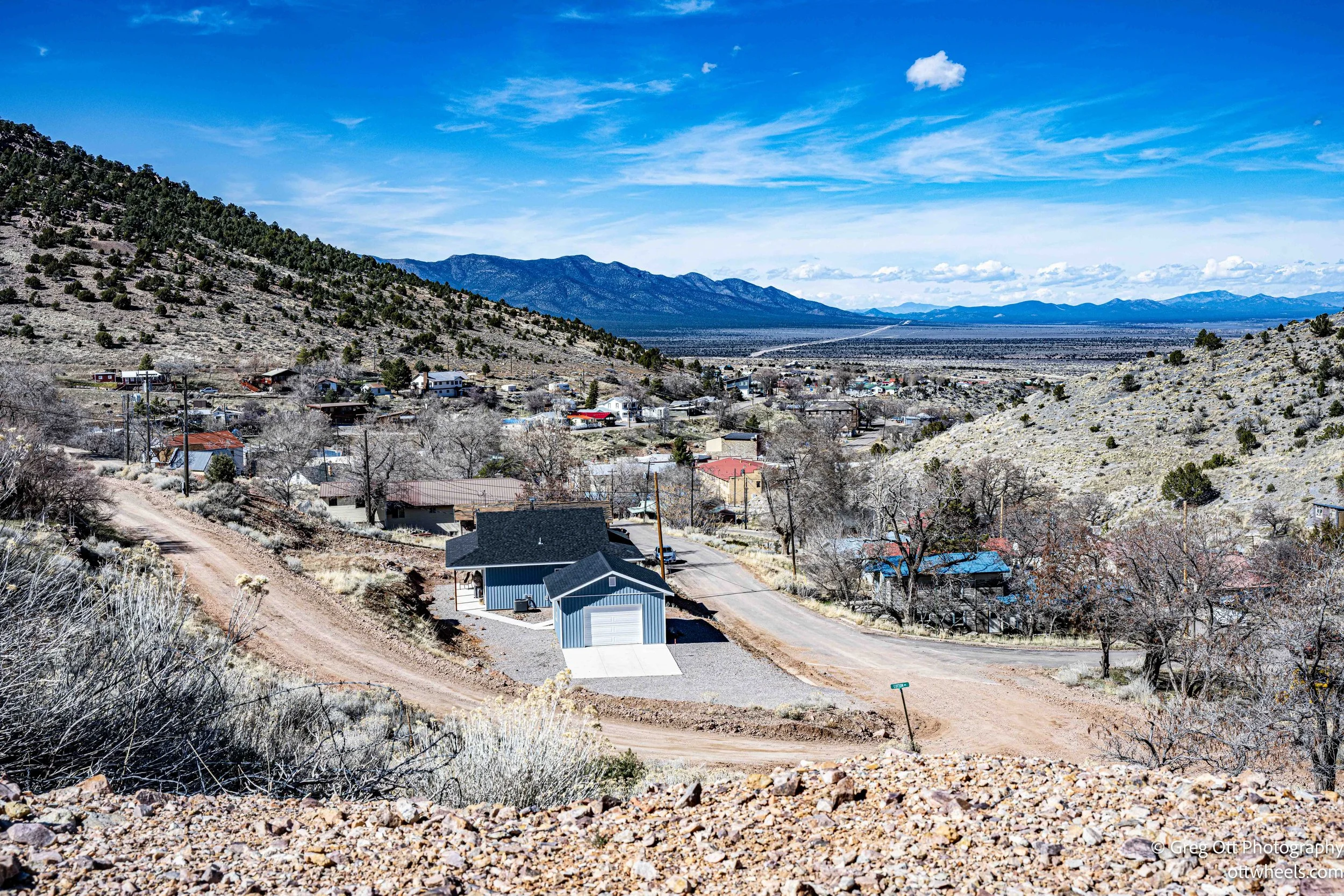
I entered town above Main Street near the site of the old mine. I had pulled over simply to take in the view when I noticed the workings below me — scarred hillsides, old structures clinging to the slope, reminders that this quiet place was once anything but quiet. I was already parked, so I grabbed the camera and started walking down the hill.
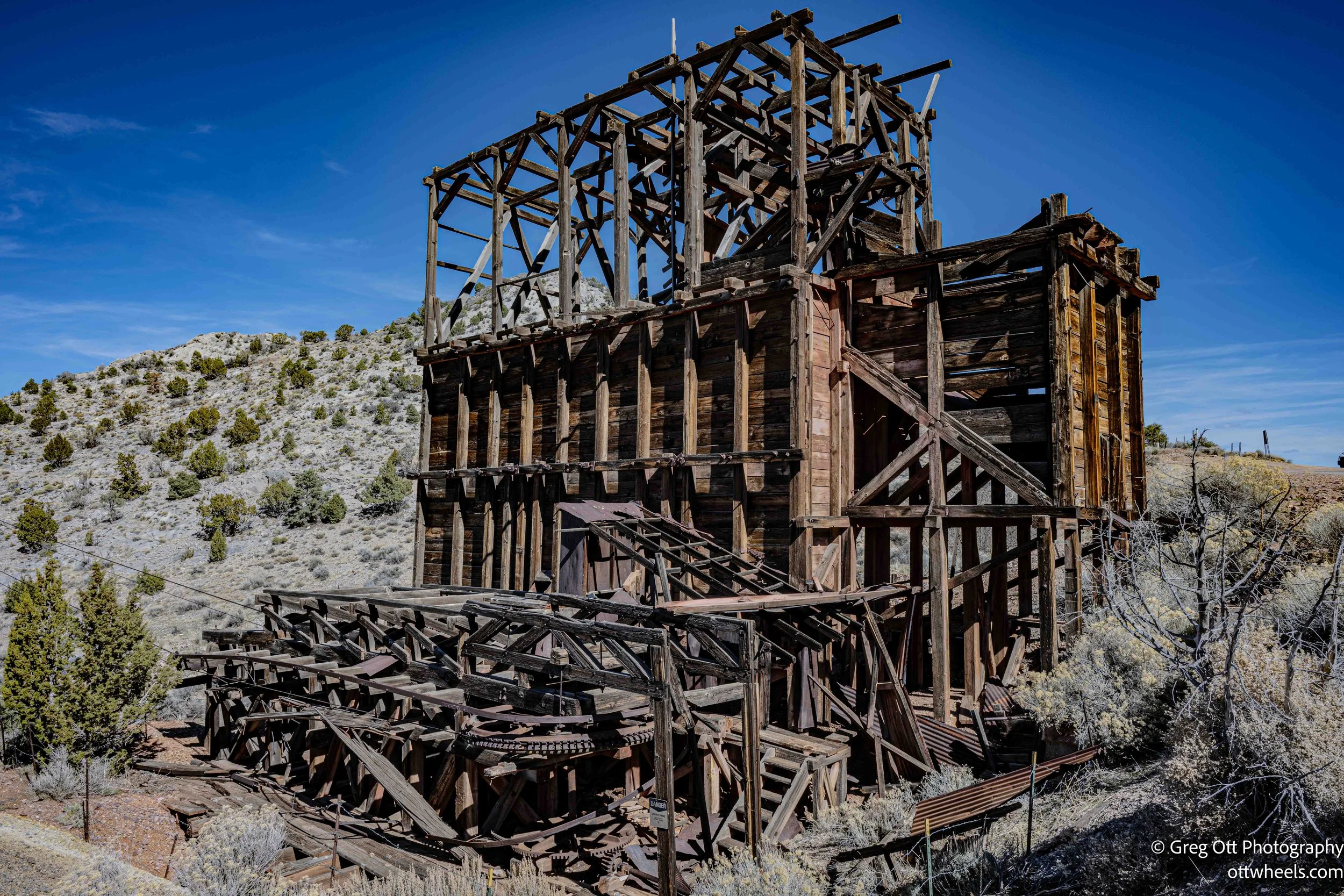
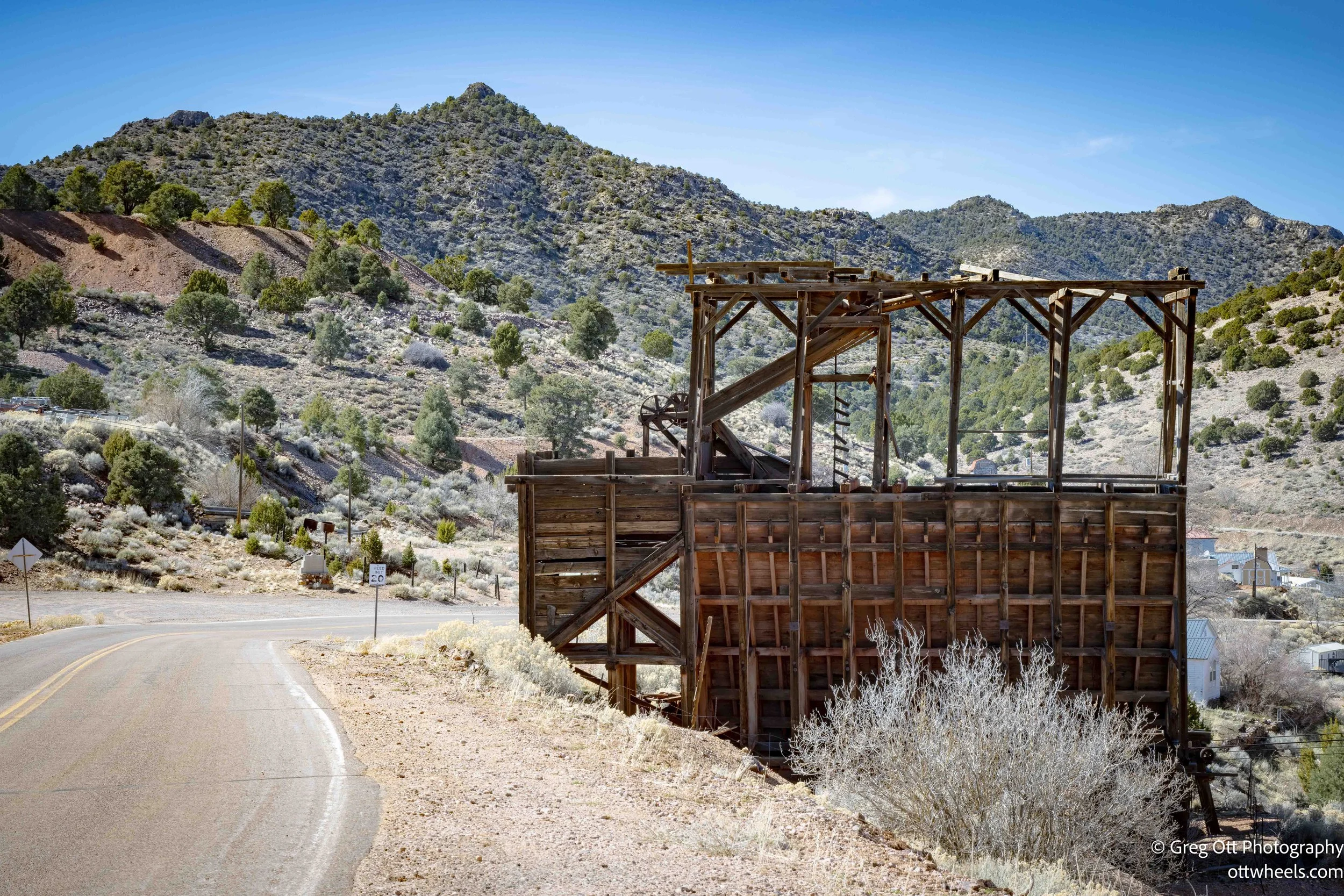
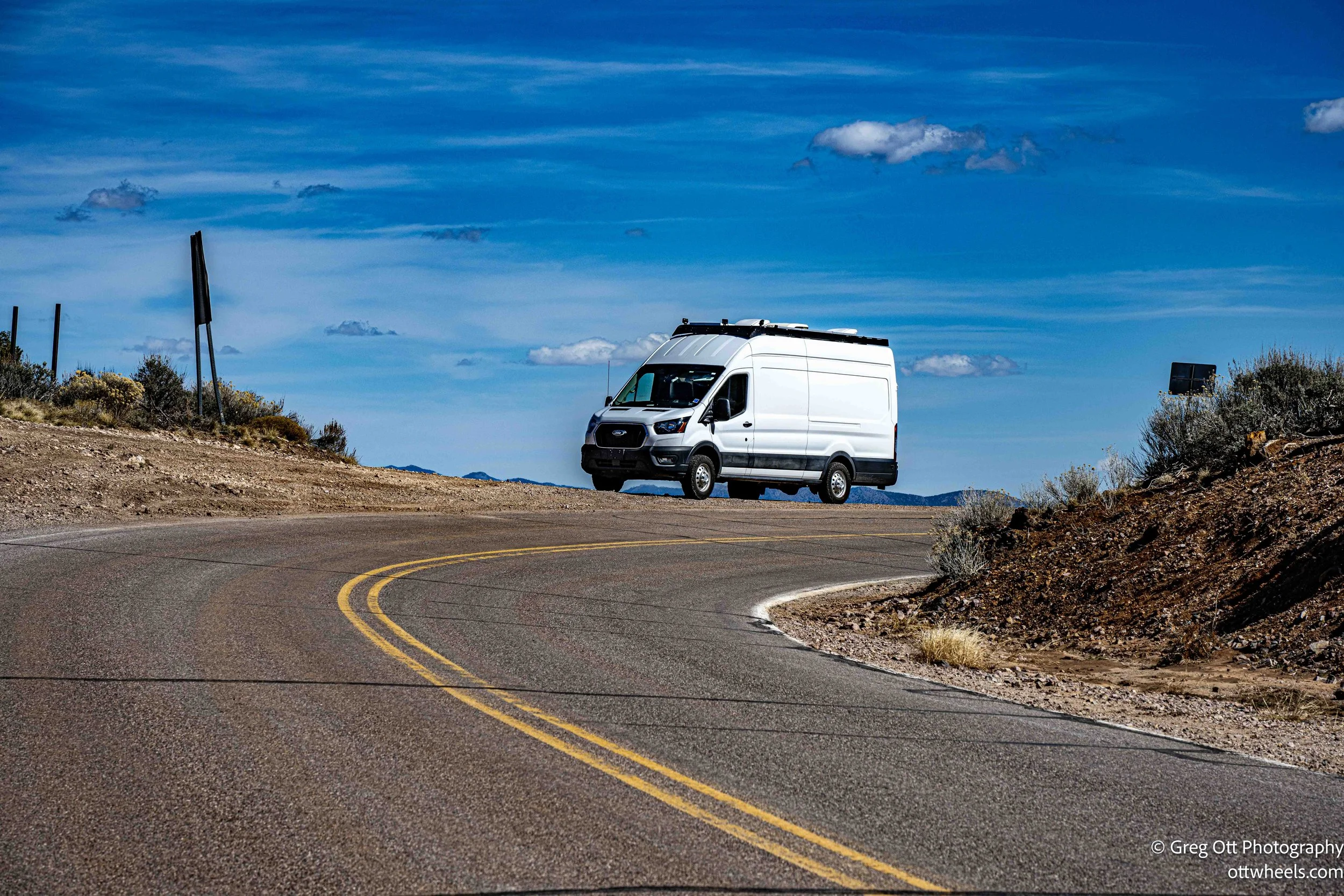
Pioche exists because of silver. In the late 1860s, prospectors discovered rich silver ore in the hills above town. By the early 1870s, it was one of the most productive silver mining districts in Nevada. The ore here was high grade, and fortunes were made quickly — and lost just as quickly. Investors poured money into shafts and mills, and the town exploded almost overnight.
Mining in Pioche wasn’t simple pick-and-shovel work. Shafts were driven deep into the hills, and ore was hauled up and out before being sent downhill to processing mills. At one point, aerial tramways — essentially cable systems — carried ore buckets down the steep slopes to stamp mills below, where the rock was crushed and processed to extract the silver. It was an industrial operation built on a mountainside. The physical effort required to move material in and out of those hills must have been enormous.
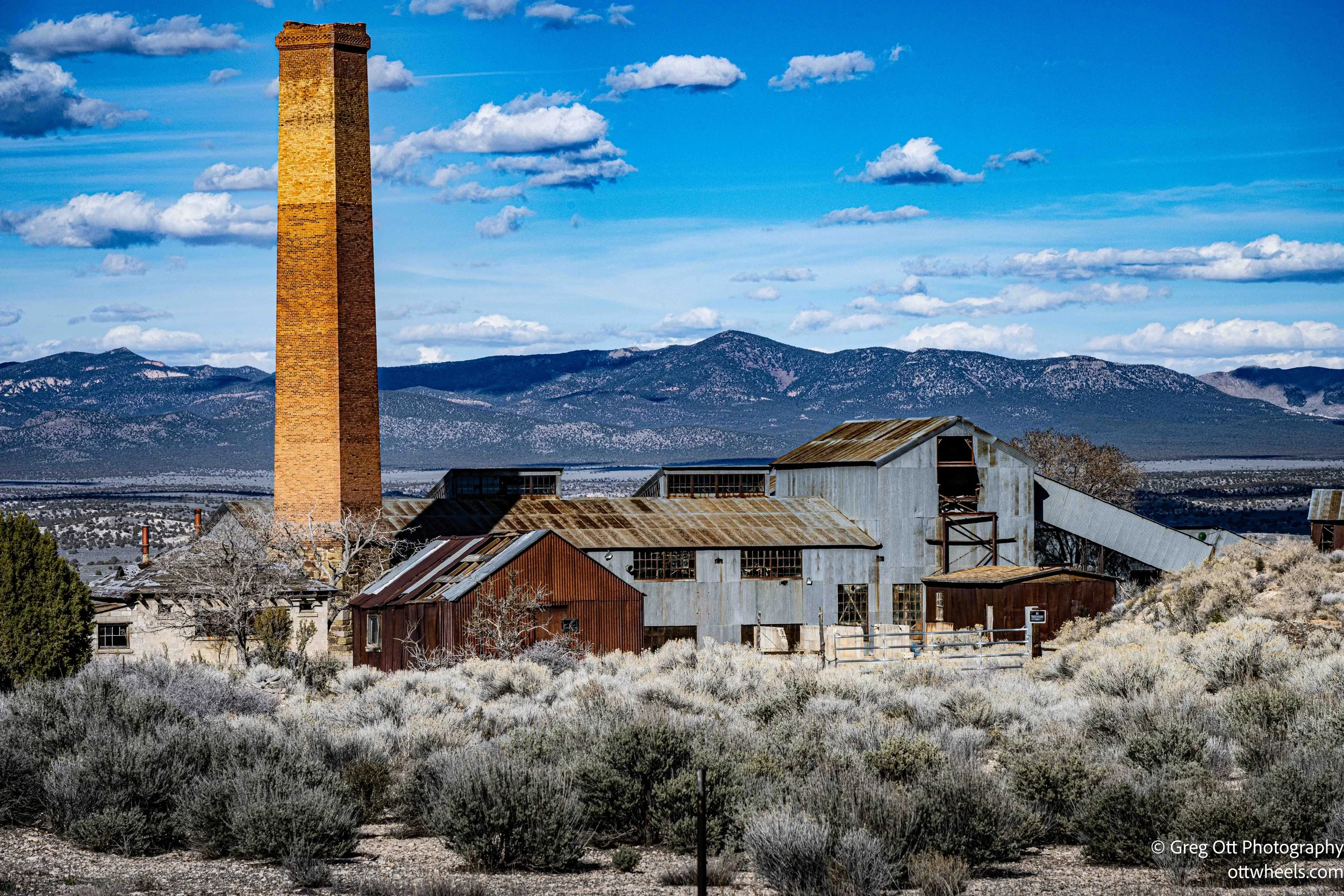
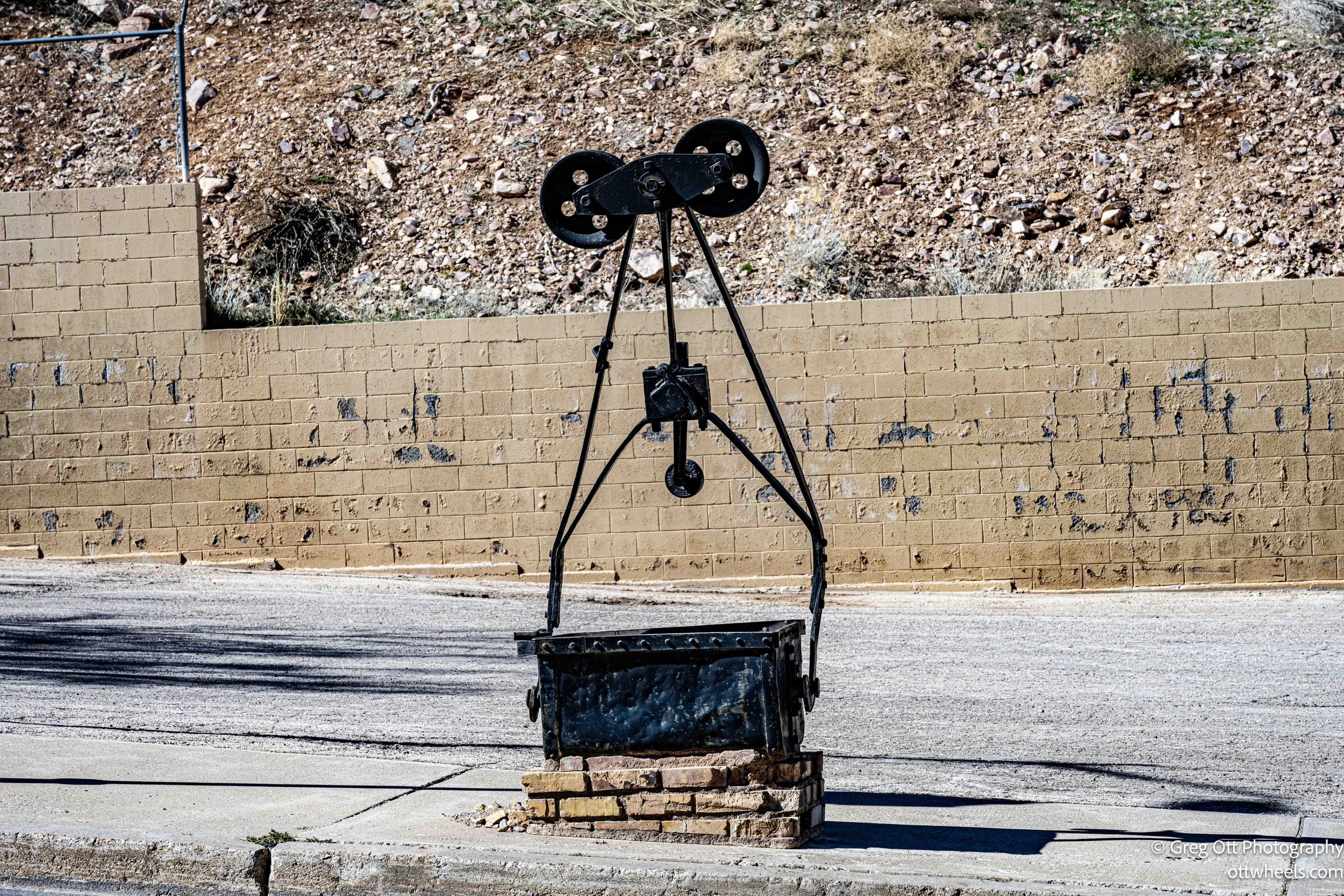
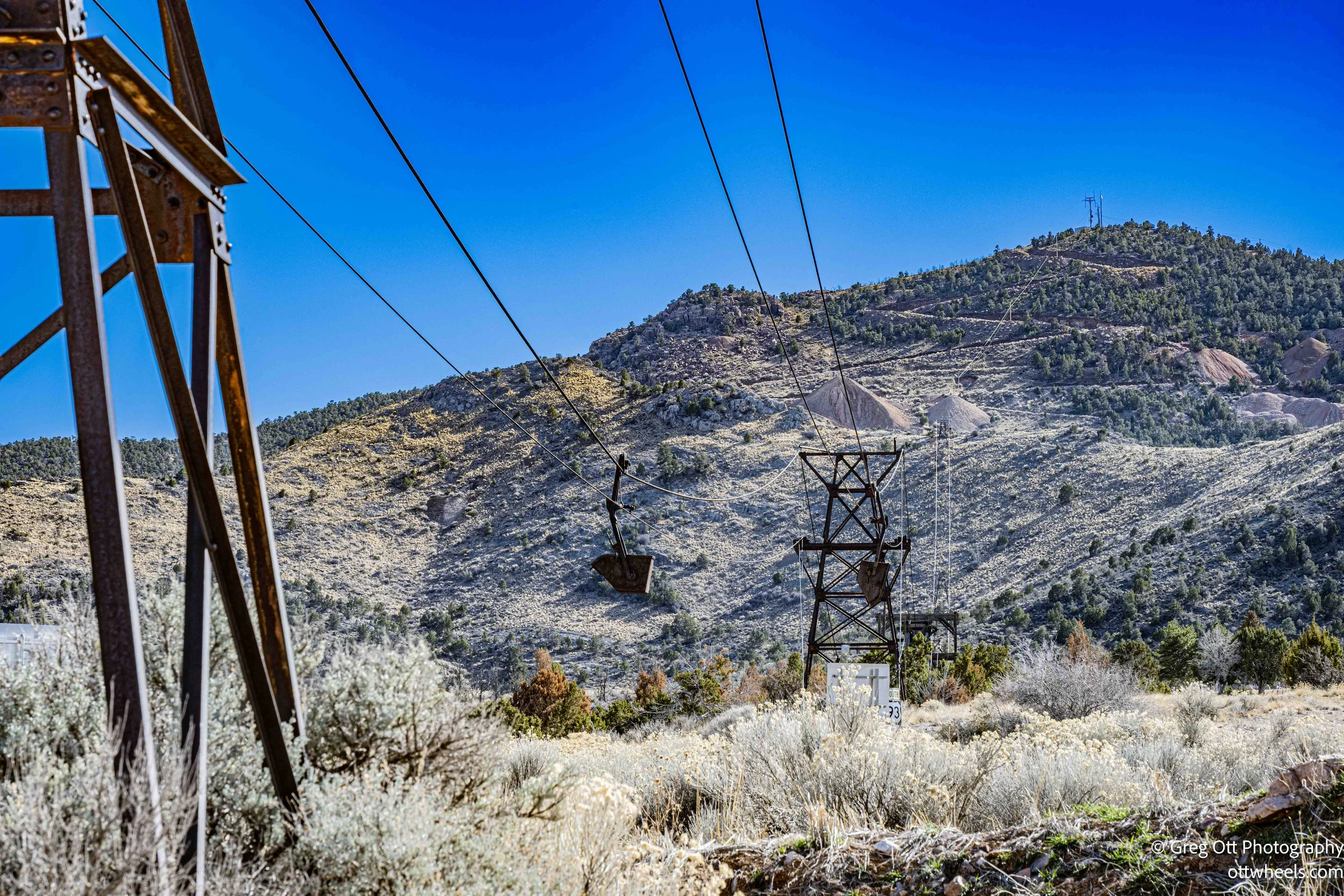
As the mine grew, so did the town beneath it. Pioche became a rough, booming silver camp filled with miners, investors, saloons, and speculation. When production was strong, the streets were packed. When the ore quality declined and prices shifted, the town contracted. By the late nineteenth century, production slowed significantly, though mining continued in waves for decades. Like many western towns, Pioche rose with the mine and faded as the richest veins played out.
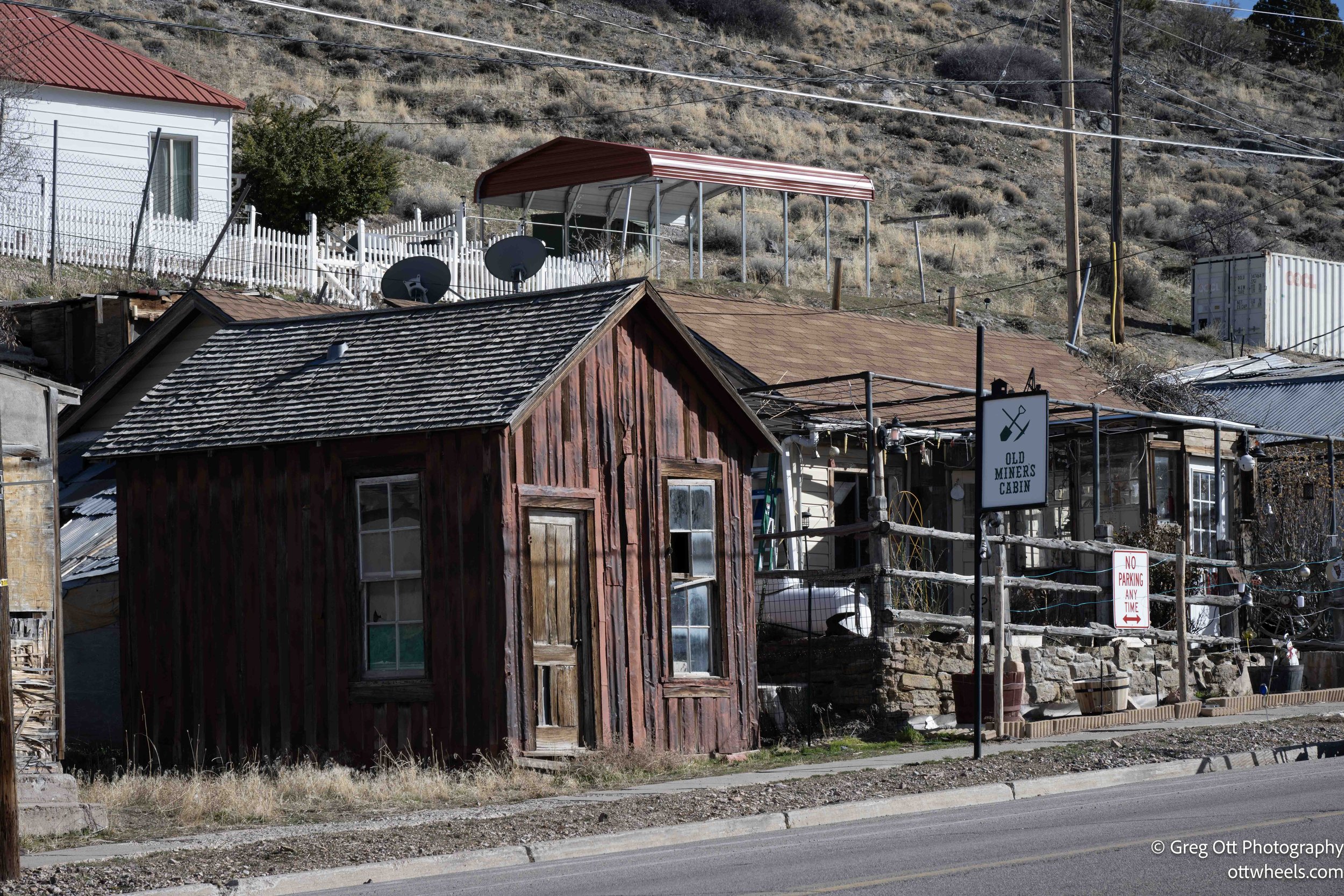
I followed the road down the hill as it curved into Main Street, stopping often for photographs. Many of the buildings are original — wooden storefronts, brick facades, false fronts that haven’t changed much in a century. It doesn’t feel staged. It feels lived in, weathered, and real.


History
Pioche was founded in the late 1860s after silver was discovered in the area, and by the early 1870s it had developed a reputation that rivaled some of the roughest towns in the West. According to local accounts — including histories shared by Candice Mortenson of the Overland Hotel — more than seventy men were killed by gunfire before the town ever recorded its first natural death. That statistic alone tells you what kind of place this was. Saloons lined Main Street. Brothels operated openly. Law enforcement struggled to keep up. It was a mining boomtown fueled by silver and alcohol.
Then came disaster. Flash floods in 1873 and 1874 tore through the canyon, washing out buildings and damaging infrastructure. Fires followed in later years, consuming sections of town that had been built quickly and cheaply. Boomtown construction doesn’t favor fire codes. Each time, Pioche rebuilt. Each time, it adjusted. The town’s fortunes swung with the mine — thriving when ore was rich, shrinking when production slowed.
Over time, Pioche settled into something quieter. Mining never completely disappeared, but the frenzy faded. The lawlessness gave way to a more stable community. What remains today is a layered town — part preserved history, part working Nevada community, part memory of what silver once brought here.
The Overland Hotel, built in 1948, stands as a later chapter in that story. It replaced earlier structures that had burned and reflects a mid-twentieth-century attempt to modernize while still leaning into the town’s identity. The bar remains the centerpiece, and walking through it feels like stepping into a space that has seen every version of Pioche — miners, gamblers, travelers, and now curious road trippers like me.
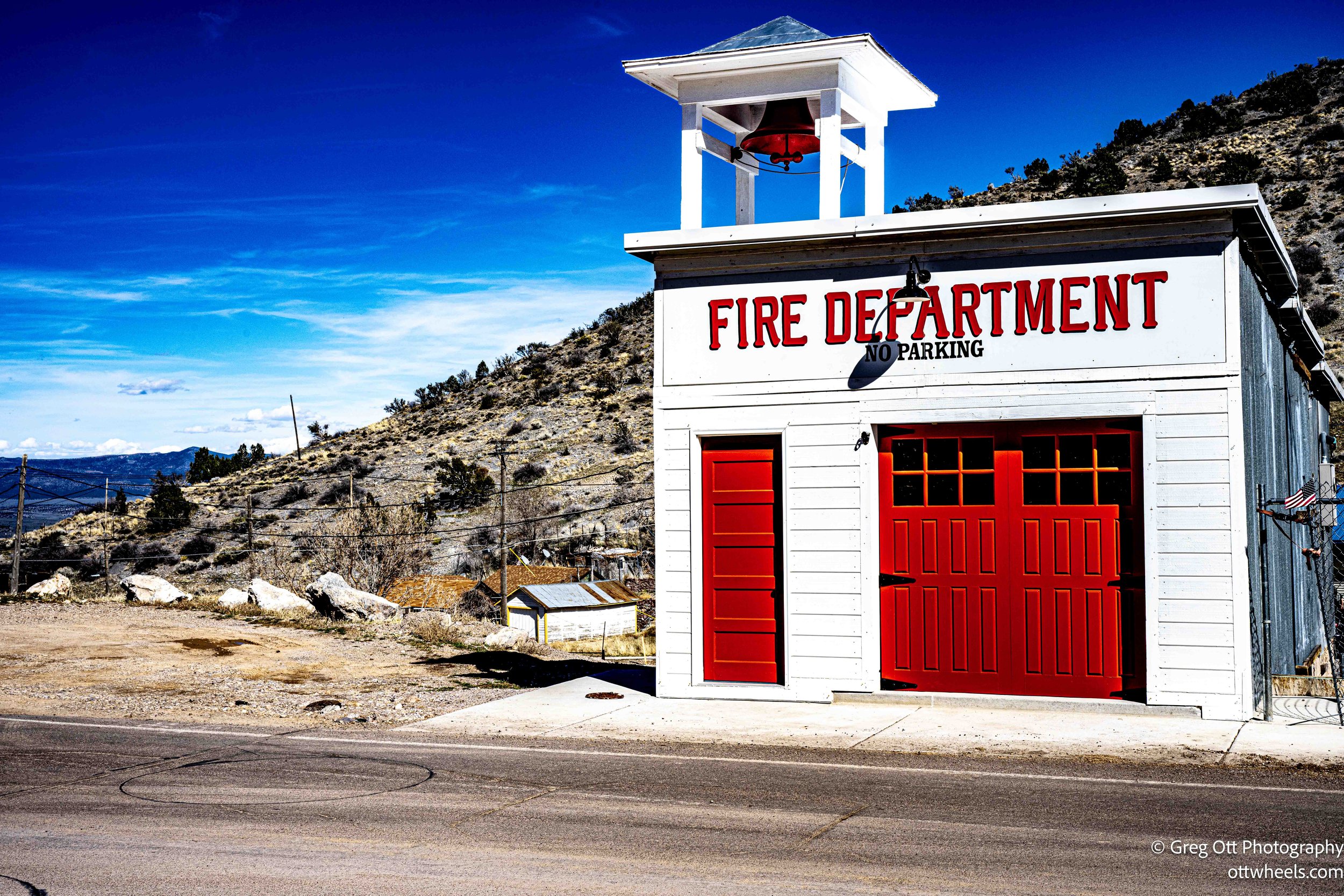
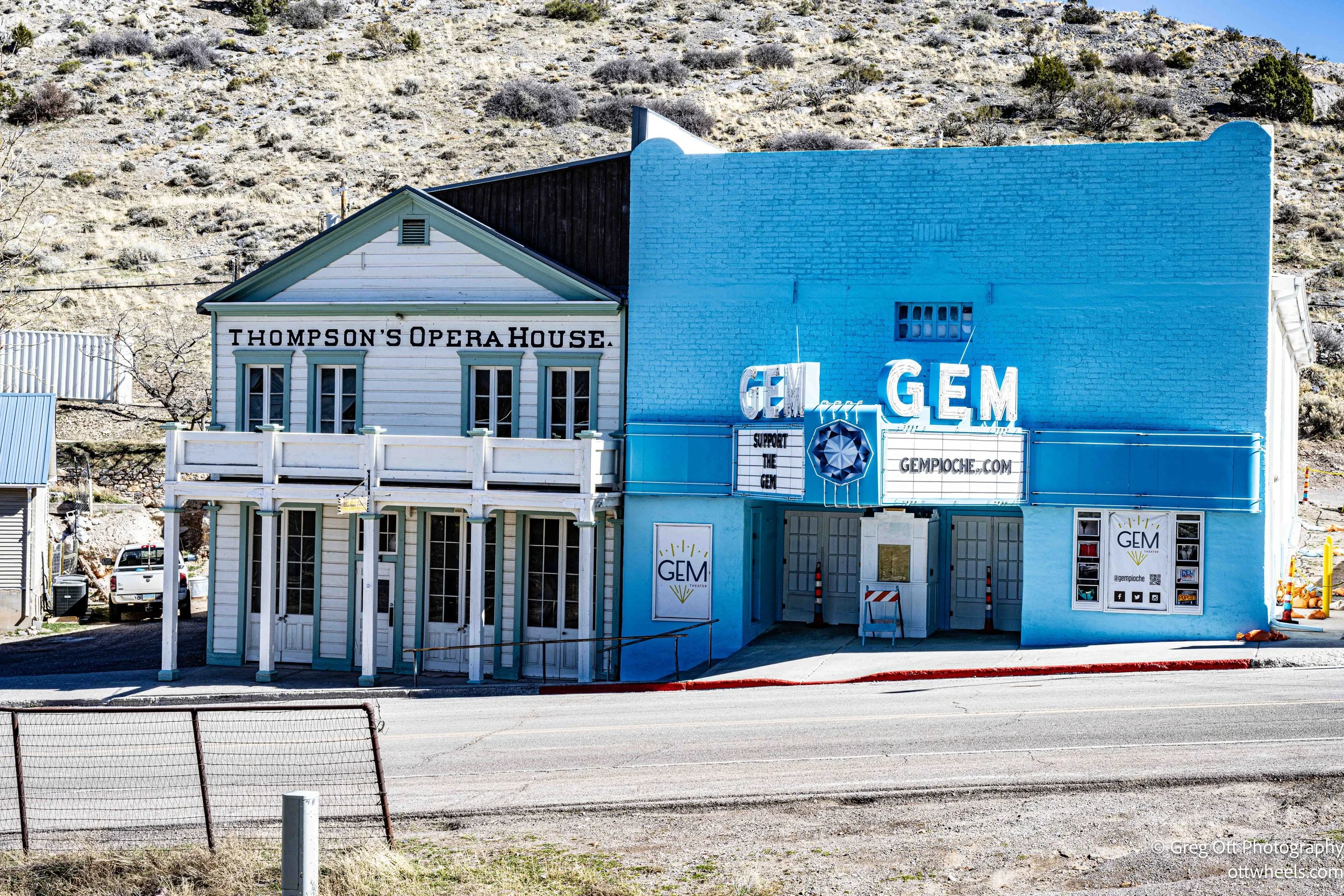
I stopped into Meadow Valley Market to pick up a few groceries and took photos of the old firehouse across the street. The firehouse dates back to the mining era, when protecting wooden buildings from flames was a constant concern. The old cinema down the street — the Gem Theater — looked closed when I passed by. Early theaters like that once served as gathering places for miners and families alike, offering a brief escape from the hard edges of mining life. Even the market building has worn different identities over the decades, shifting with the needs of the town.
Historic Silver Café
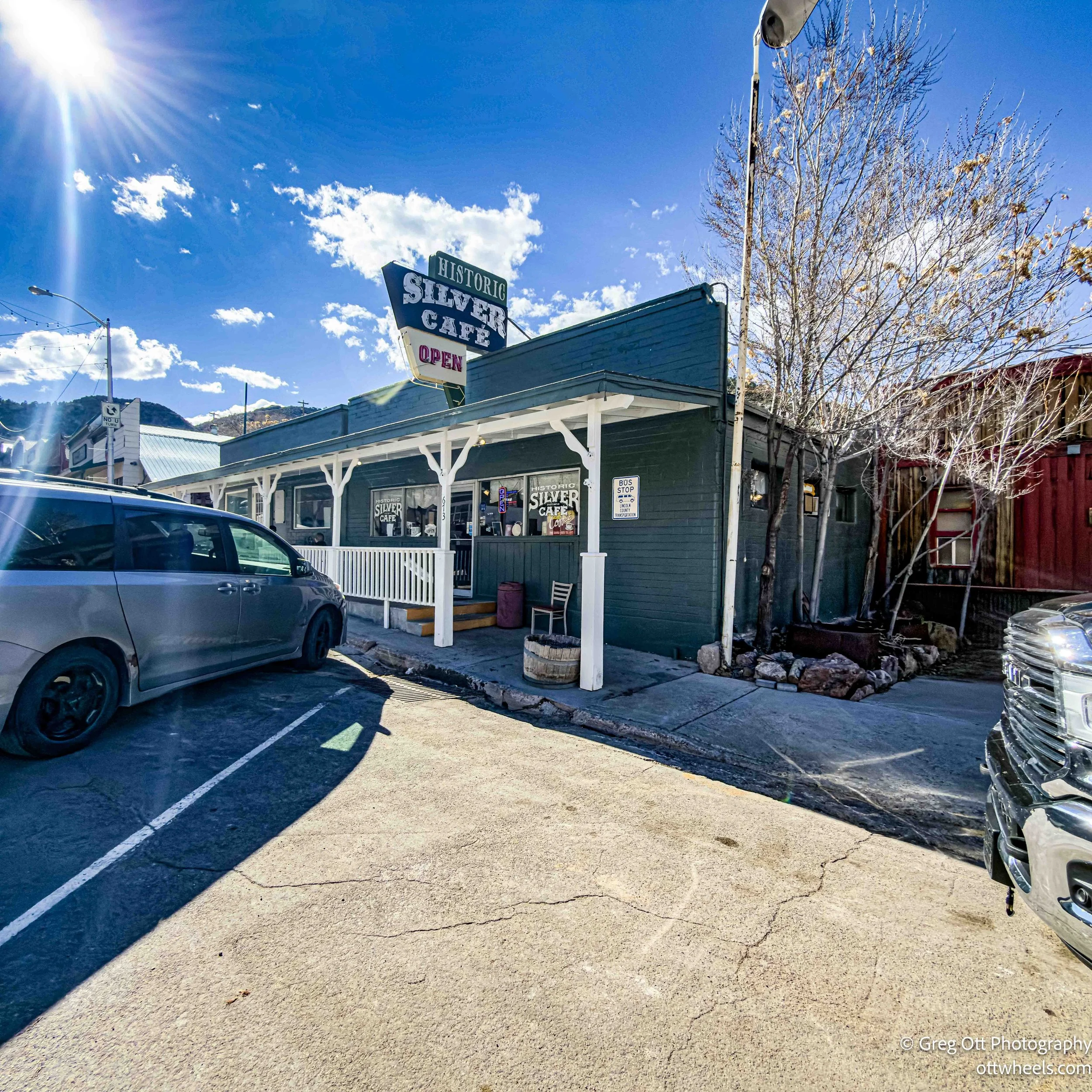
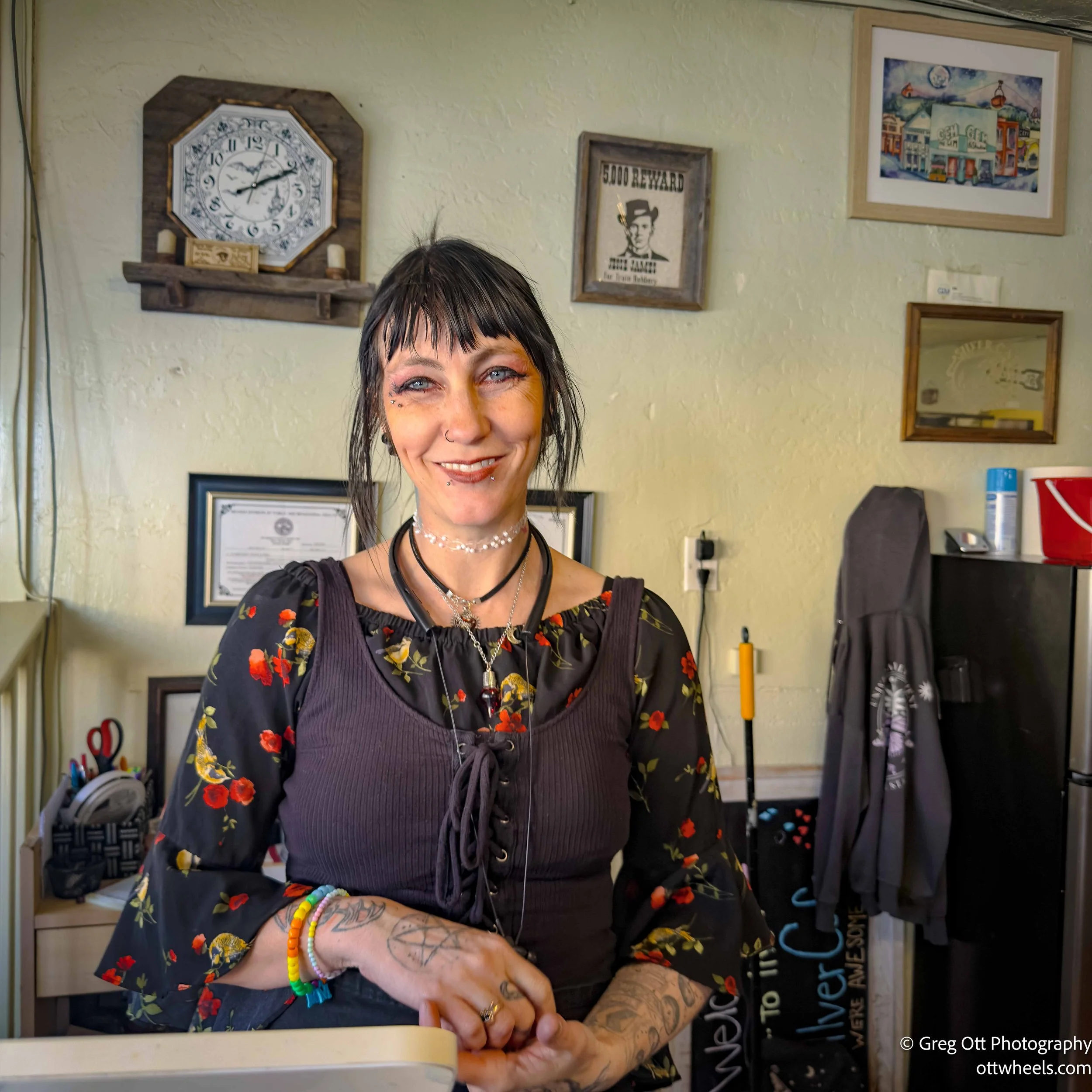
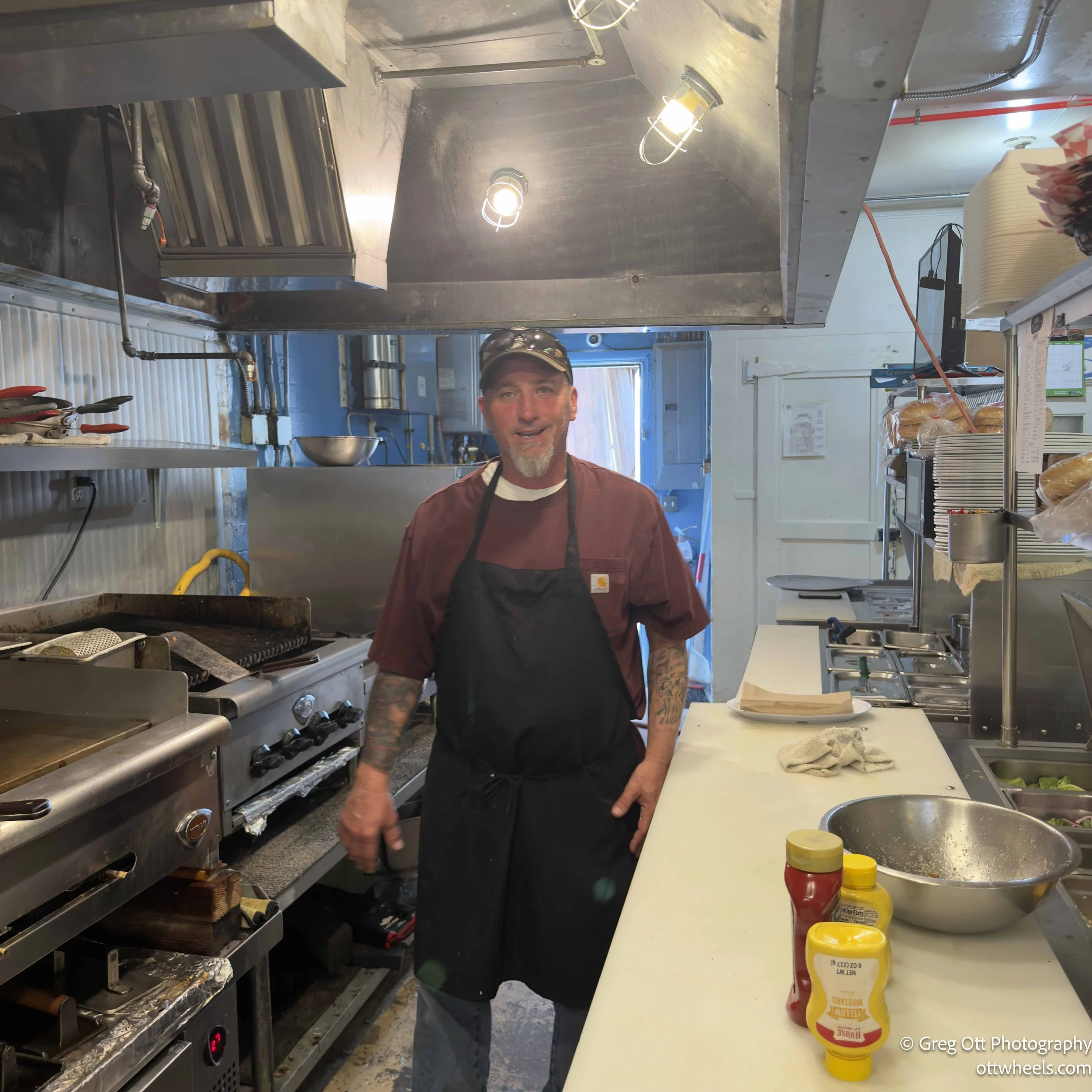
At the Historic Silver Café a couple was sitting outside, and we chatted about the weather and travel for a few minutes. I asked about the restaurant, and they told me the food was good and that it was the oldest restaurant in Nevada, established in 1908. That was enough for me. Inside, it had a classic diner feel — counter seating, worn floors, a place that knows what it is. I had been talking with the owners earlier, and Eric followed me in and disappeared into the back. And yes, the food was good and the service warm and personal.
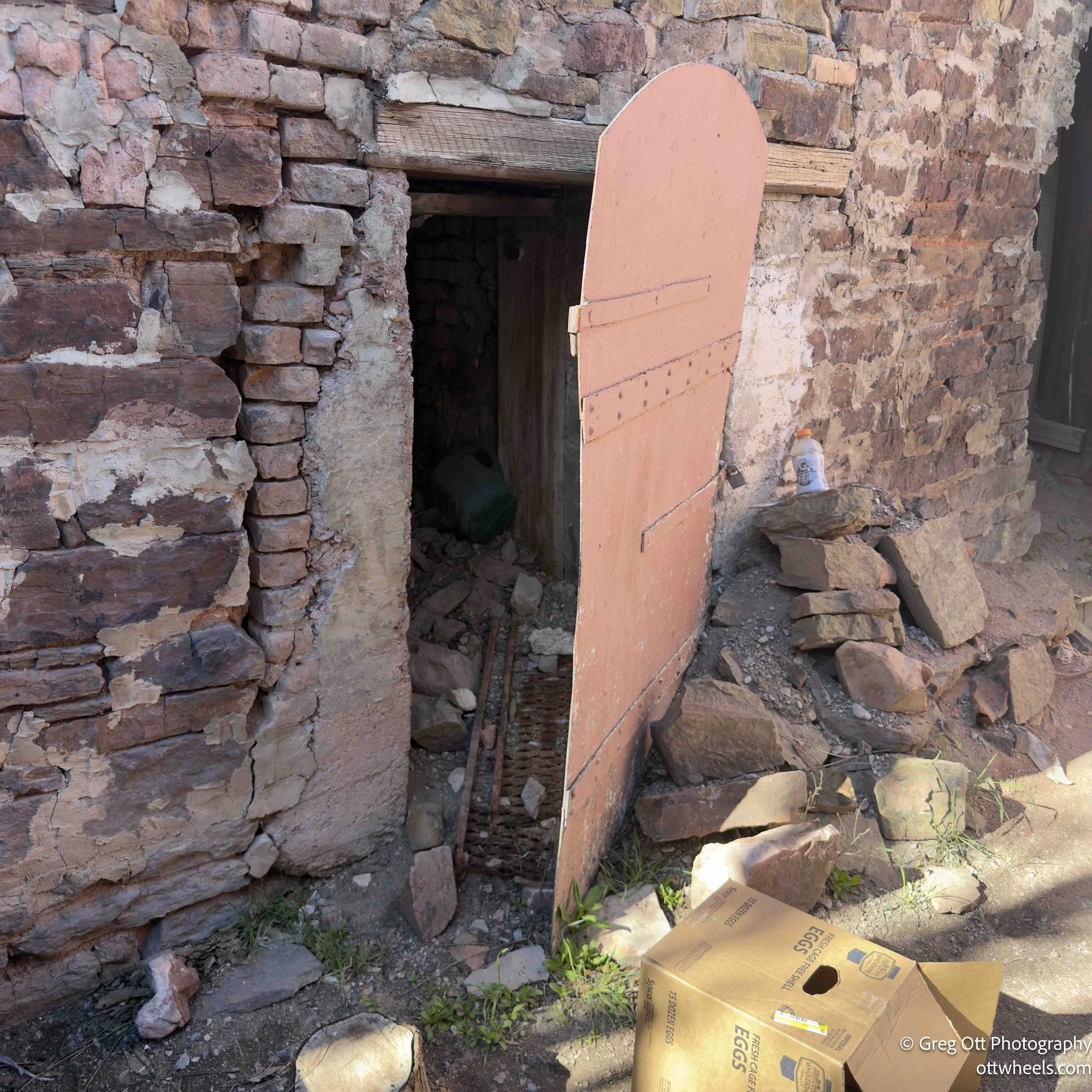
It was empty at first, but as I sat down, a steady stream of locals came in for takeout. I started talking with Ashley, who took my order. I went with a club sandwich, fries with no salt, and water. We talked about the town, and she knew her history. She handed me a few write-ups and mentioned stories about old opium dens once located behind the restaurant. Eric later invited me through the kitchen and showed me small, tight rooms where miners supposedly smoked opium and sometimes slept. The restaurant, at one time, had been owned by Chinese immigrants, which aligns with the broader history of Chinese laborers in western mining towns. I later found some evidence of opium use in Pioche. Whether it’s folklore, exaggeration, or a lost chapter of local history, it fits the era. Mining towns were rarely simple places.
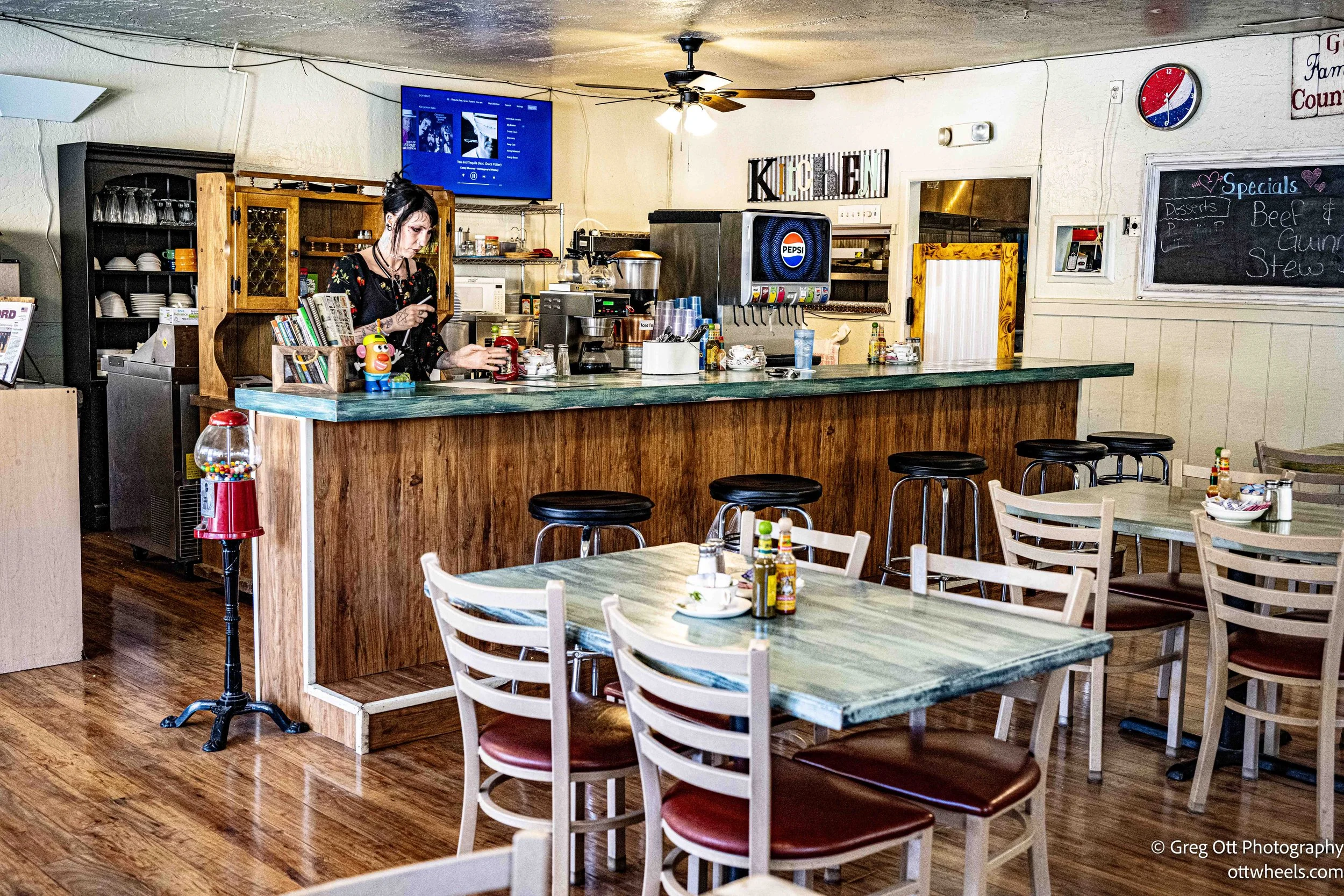
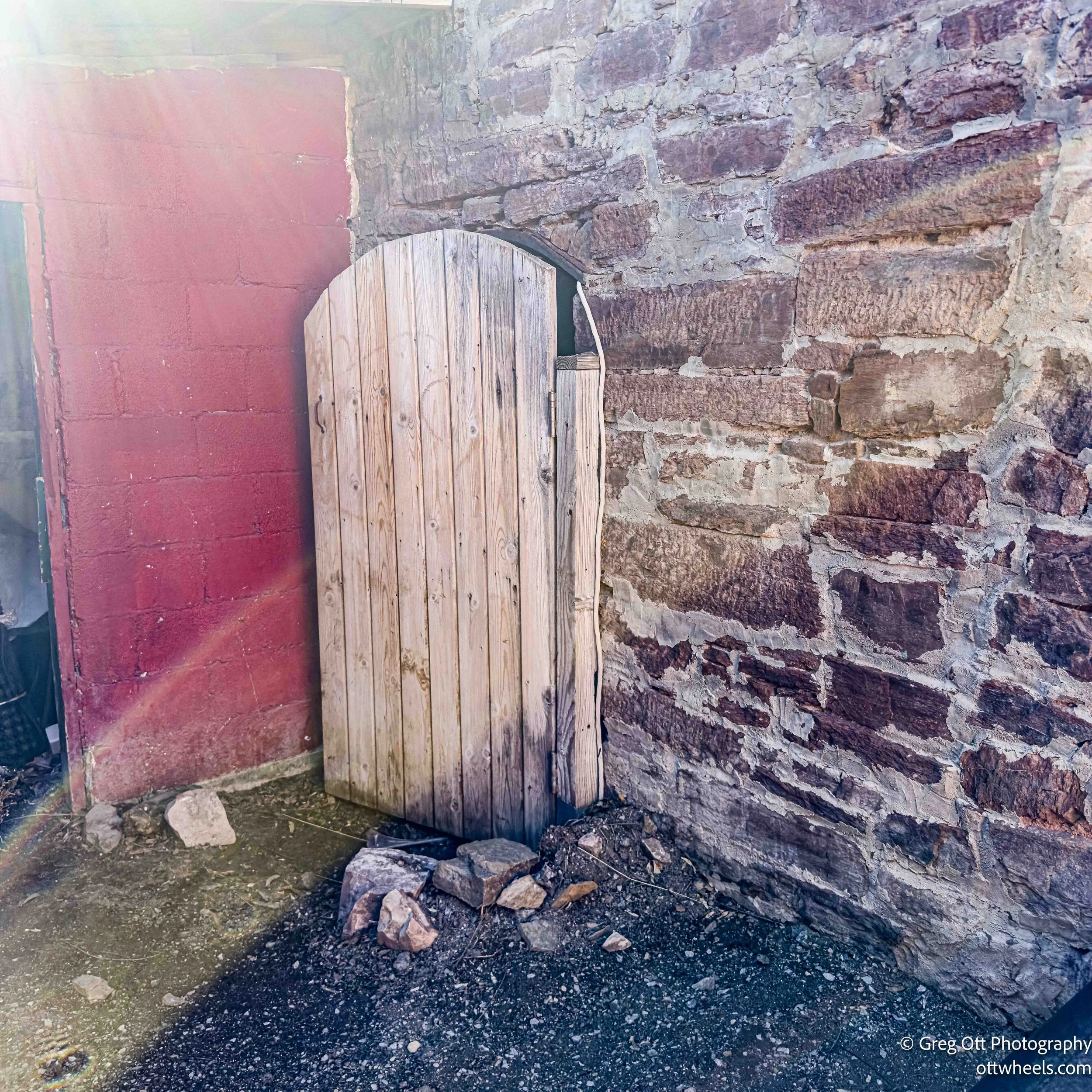
After lunch, I walked across the street to the Overland Hotel and did a quick tour of the first floor. The original bar still anchors the room, though now it shares space with slot machines blinking quietly in the afternoon light. Gone are the gun-toting miners and open brothels, replaced by a handful of locals sitting at the bar, nursing drinks and telling stories to a bartender who clearly knew them all by name. It wasn’t busy, but it wasn’t empty either. It felt like the kind of place where stories circulate slowly, where history isn’t just on plaques outside but embedded in the walls.
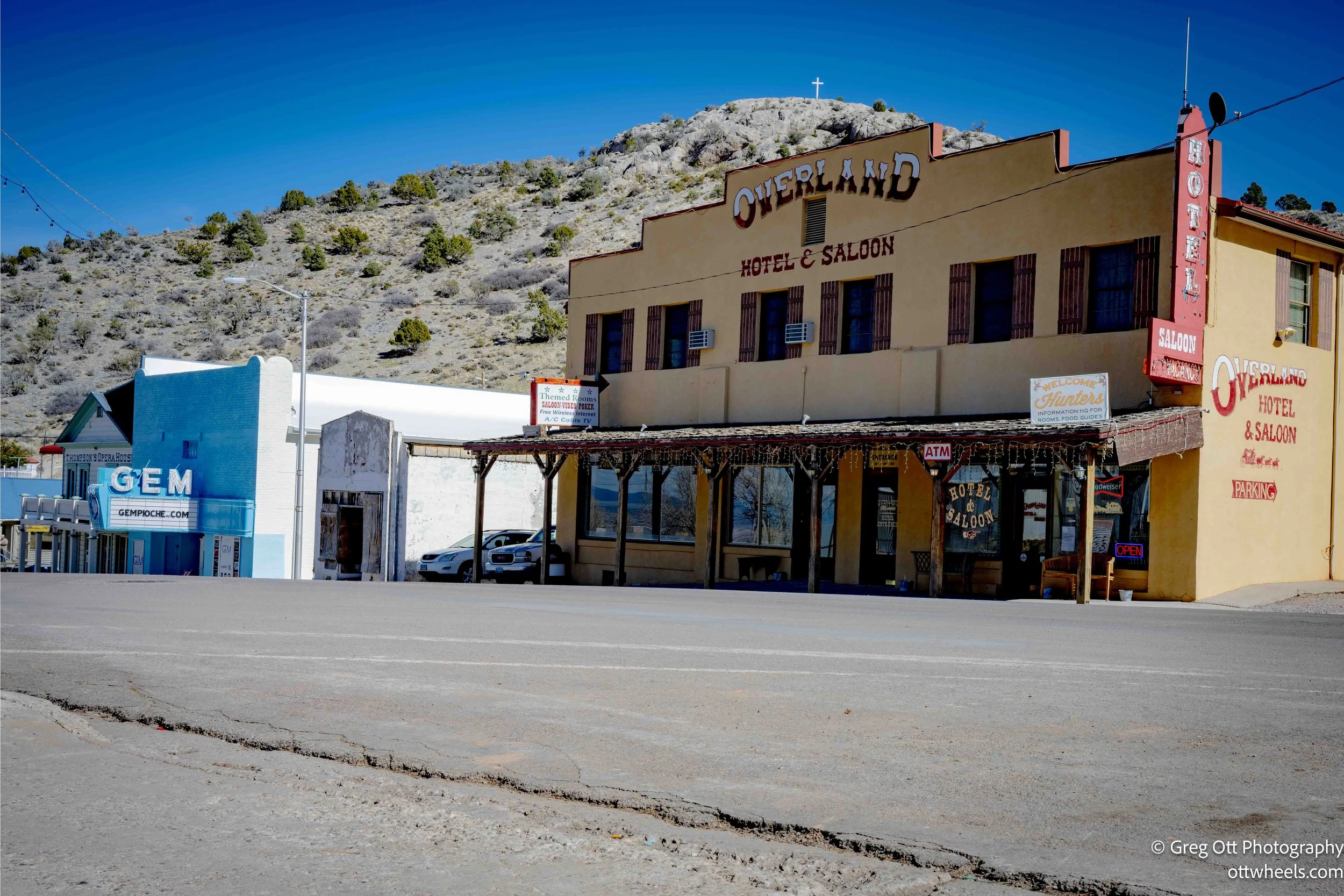
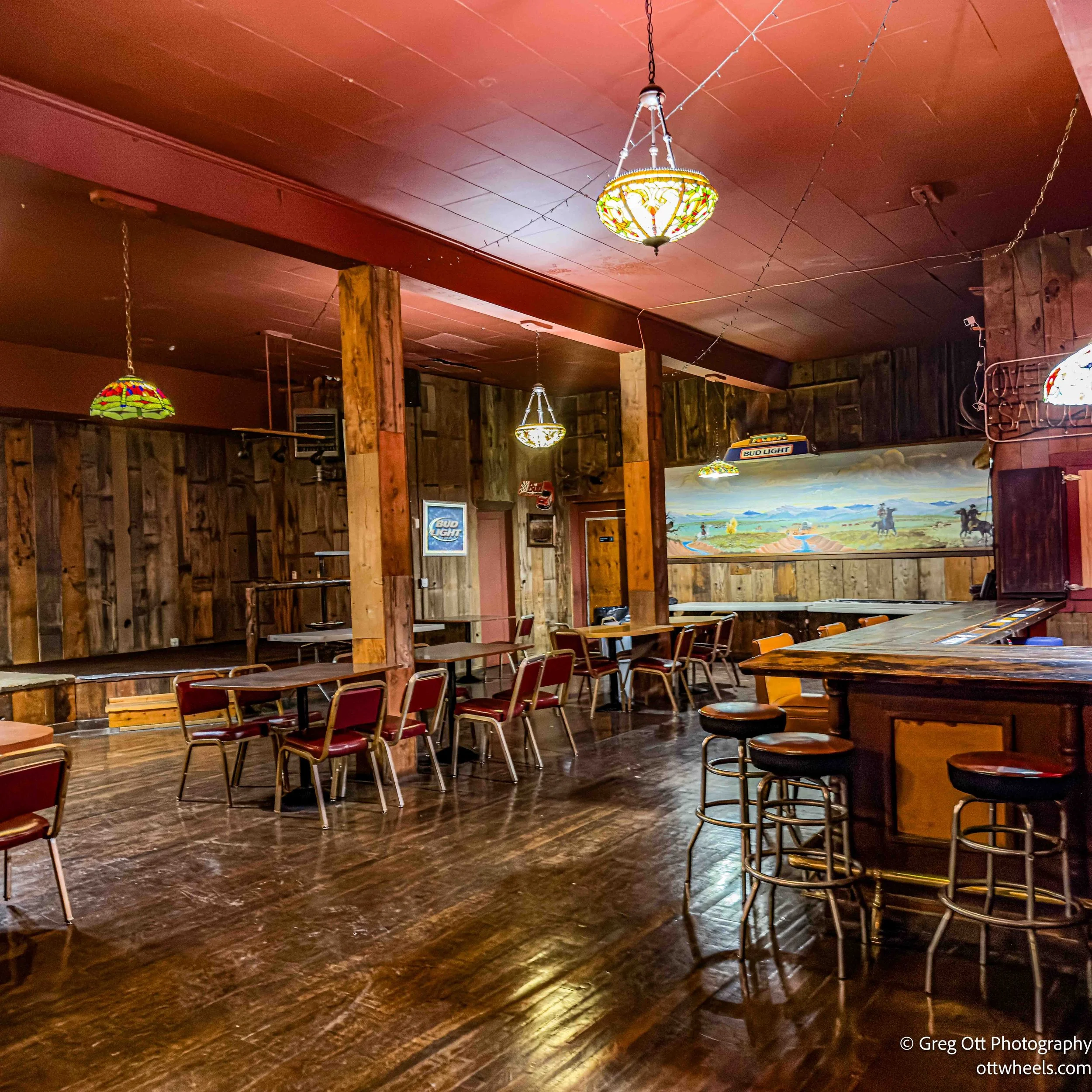
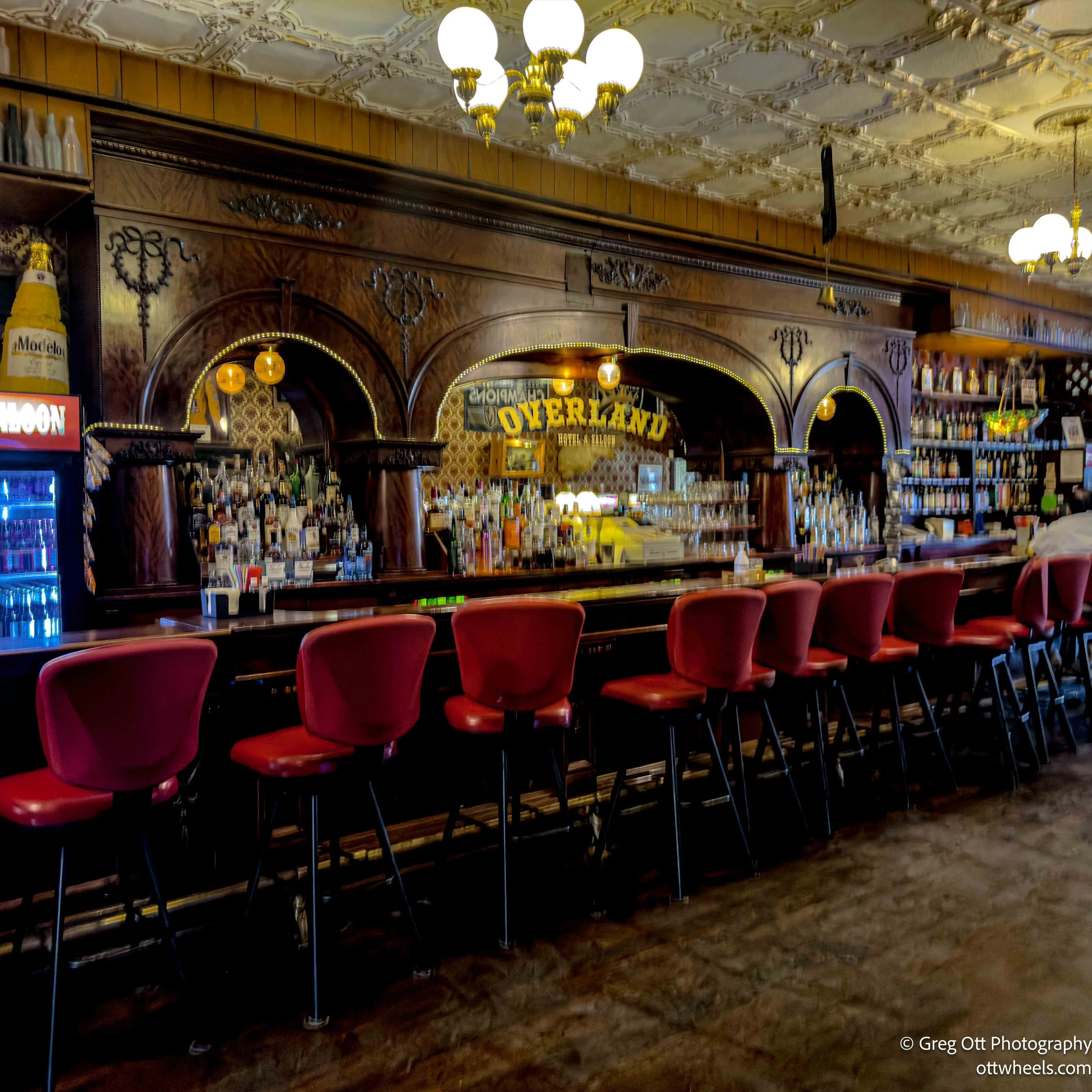
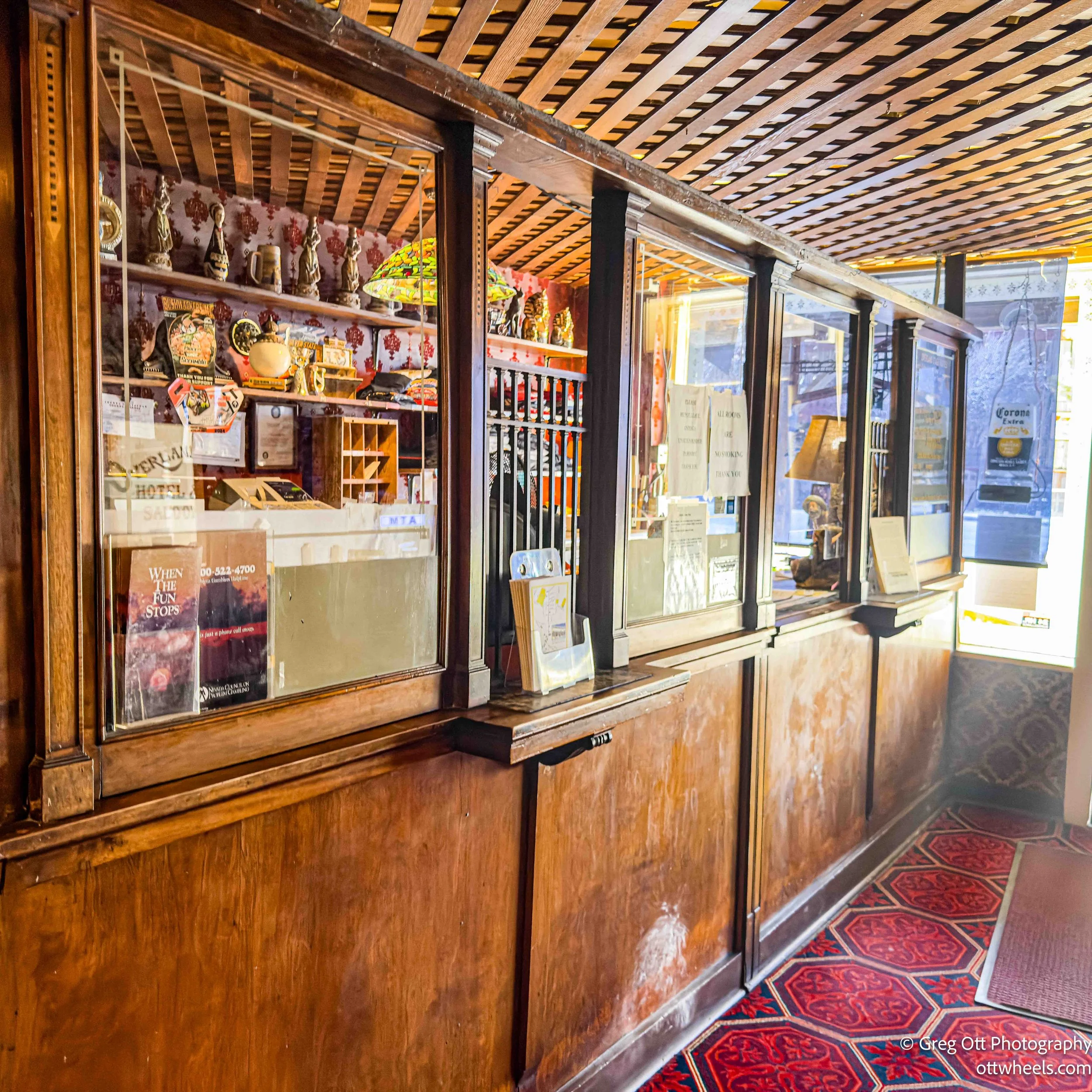
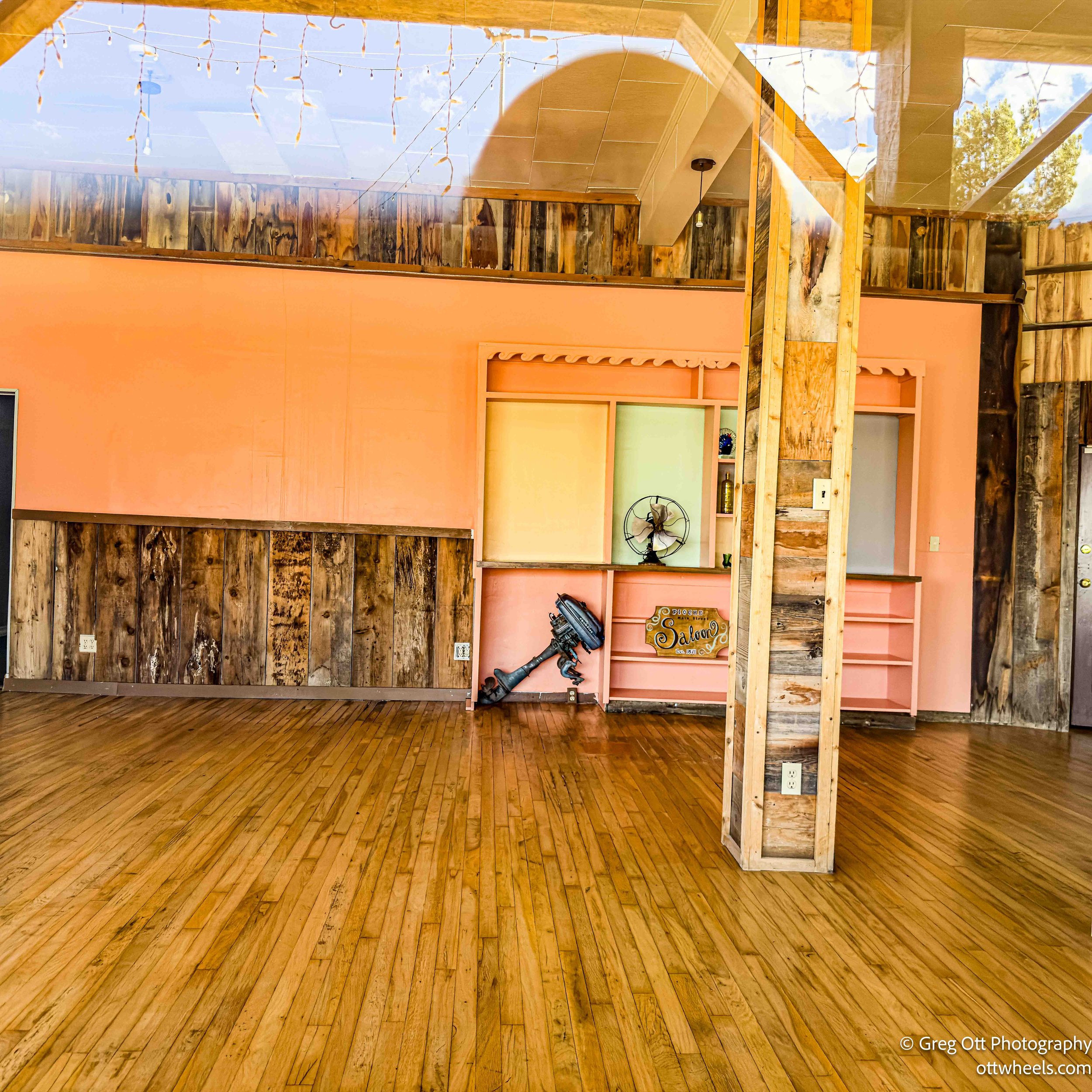
Stopping in Pioche had been a last-minute decision. It ended up being one of the more interesting parts of the day.
I pulled up my itinerary and saw Elko, Nevada listed as the next stop. Or so I thought. Turns out I misread the map. A small pop-up was covering the actual next destination — which was much closer — and I drove right past Great Basin National Park in Baker and a couple of other places I had intended to see. By the time I realized it, the sky to the north had turned almost black and I was committed to the drive.
About two hours outside of Elko, the storm hit. The sky opened up and visibility dropped fast. I tucked in with the truckers and focused on what mattered — the red glow of taillights and the steady rhythm of the road. For nearly two hours, that was the strategy: follow the trucks, stay steady, keep moving.
Outside of Elko, I found a quiet turnout with almost no traffic. It wasn’t scenic, but it was flat and calm. I made a late dinner, shut everything down, and called it a night. Some days go exactly as planned. Others adjust themselves.