
I woke up parked near one of Calgary's rapidly expanding neighborhoods, with new apartment and condo buildings on one side of the street and others still under construction on the other. I've found that these areas can be surprisingly good places to spend a quiet night. Once the construction crews leave, there isn't much activity, and in the morning I can usually be gone before the workday really gets underway.
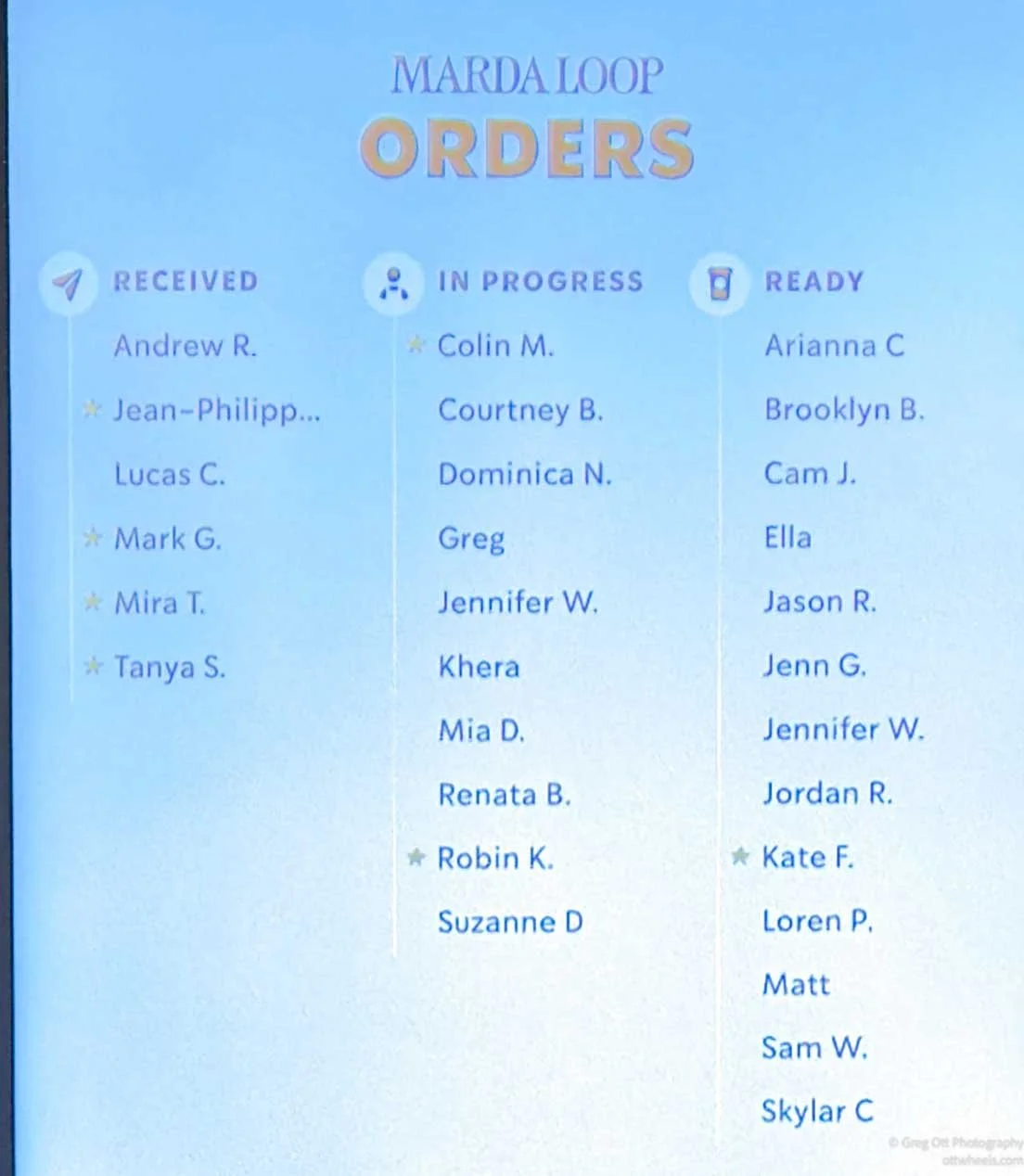
I drove over to the Starbucks in Westhills/Signal Hill for coffee and was surprised to see an order progress board showing where each order was in the process. I'd never seen one in a Starbucks before. I assume it was introduced partly to deal with the frustration I've seen at other locations when people think their order has disappeared into some black hole behind the counter. The only problem was the noise. I've noticed over the past six weeks or so that a lot of Starbucks seem considerably louder than in the past. Maybe that's intentional and keeps people from settling in for half the day with a laptop. Whatever the reason, I wasn't going to get much done inside. So, I sat outside, the weather was pleasant.
My first real stop was The Military Museums. I arrived before it opened and waited in the parking lot. I hadn't realized how extensive the place was. Rather than being a single museum, it is a collection of museums devoted to different branches and regiments of the Canadian military. There are separate Army, Naval and Air Force museums, along with museums for four Alberta regiments, a gallery, and a library and archives.
I started in the Army Museum of Alberta, where a volunteer asked if I would like a tour. I said yes, and what might have been a fairly quick walk through the exhibits turned into more than an hour. He was a history buff and extremely knowledgeable, and nearly every display seemed to lead to another story or another book he thought I might be interested in. He and his wife were both teachers, which probably explained why he was so good at turning objects in display cases into something much more interesting. It was genuinely a fascinating tour.
The Army Museum covers Canadian military history through the experiences of the people who served. We moved through First World War artifacts, including objects from Vimy Ridge, and displays dealing with the Second World War, German prisoners of war held in Alberta, the Canadian Women's Army Corps, Korea and more recent Canadian operations in Afghanistan. Some of the most interesting things weren't necessarily the largest objects. There was a German belt buckle taken as a souvenir during the First World War that later stopped a bullet and saved the Canadian soldier carrying it, and the story of Mike Mountain Horse, an Indigenous veteran who recorded his wartime experiences on a traditional story robe. The museum also has material from the Canadian Tim Hortons that operated at Kandahar in Afghanistan. With the volunteer providing the stories behind everything, it became much more about individuals than simply a chronology of wars.
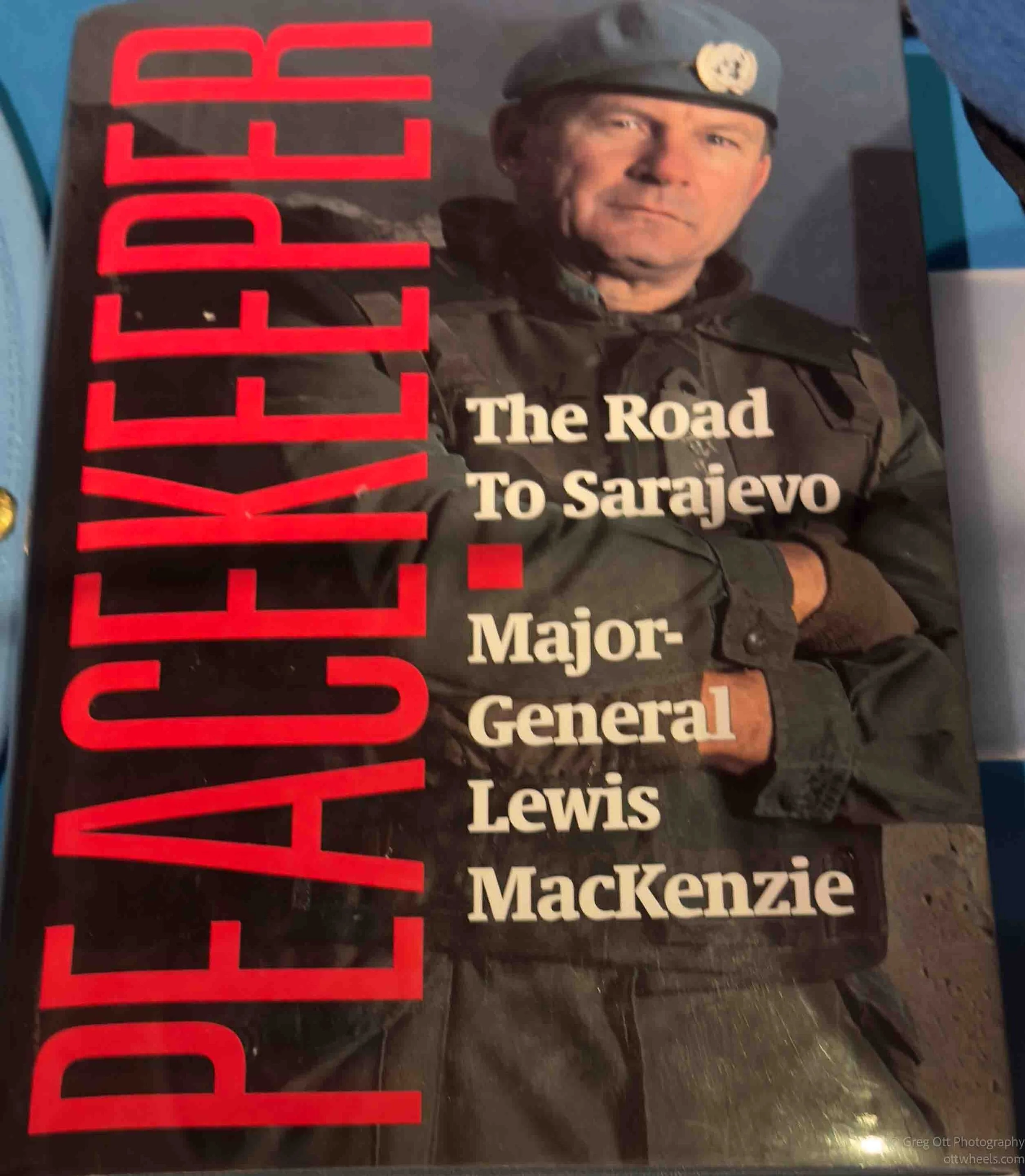
Our conversation wandered well beyond the displays. We talked quite a bit about Canada's role as a peacekeeper, including the war in Bosnia, which I had read a lot about. We also talked about Stalag Luft III and the Great Escape, an exhibit I would see later in the Air Force Museum. I knew the story mostly from the movie, and as is often the case, the real history turned out to be considerably different.
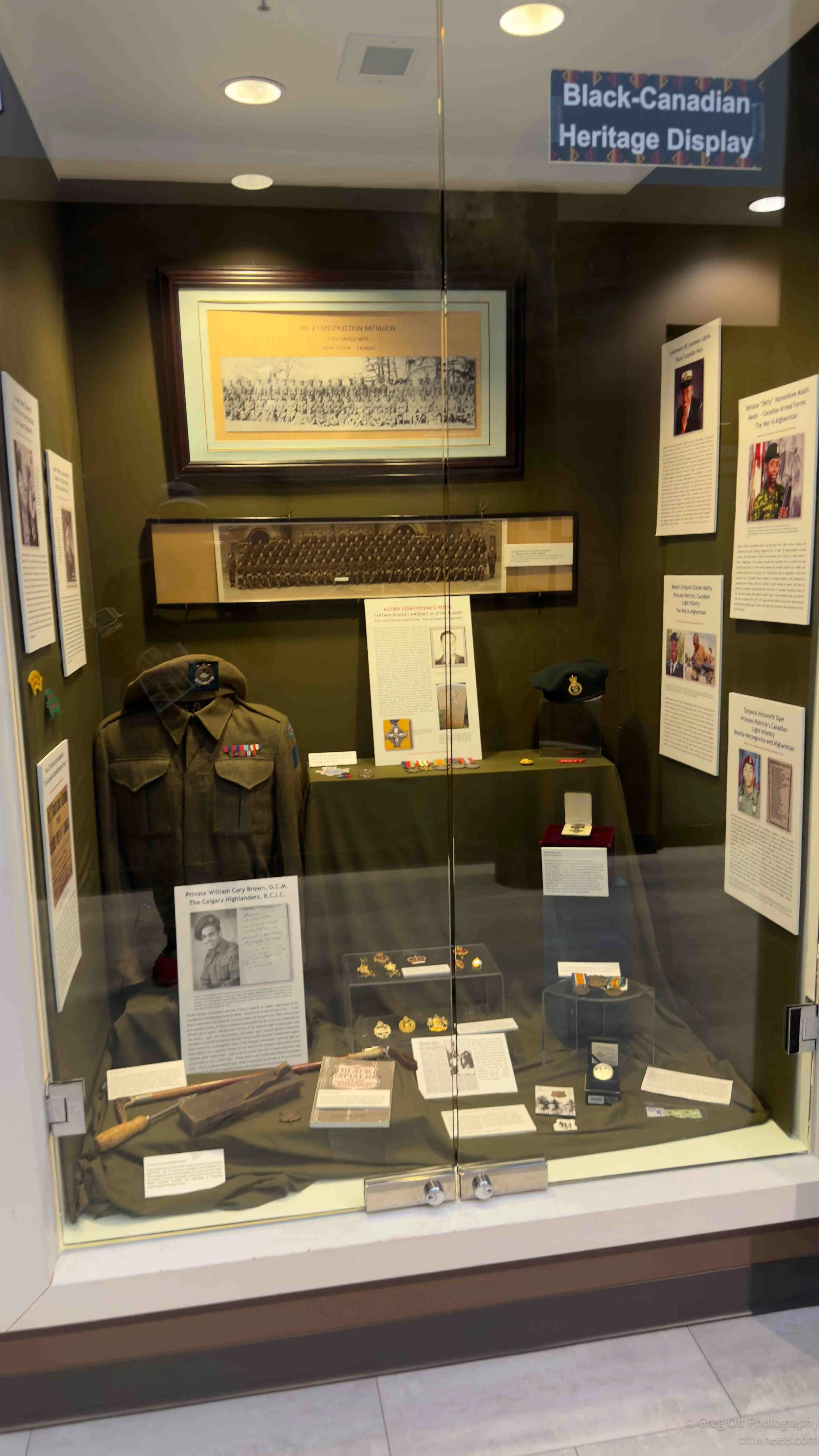
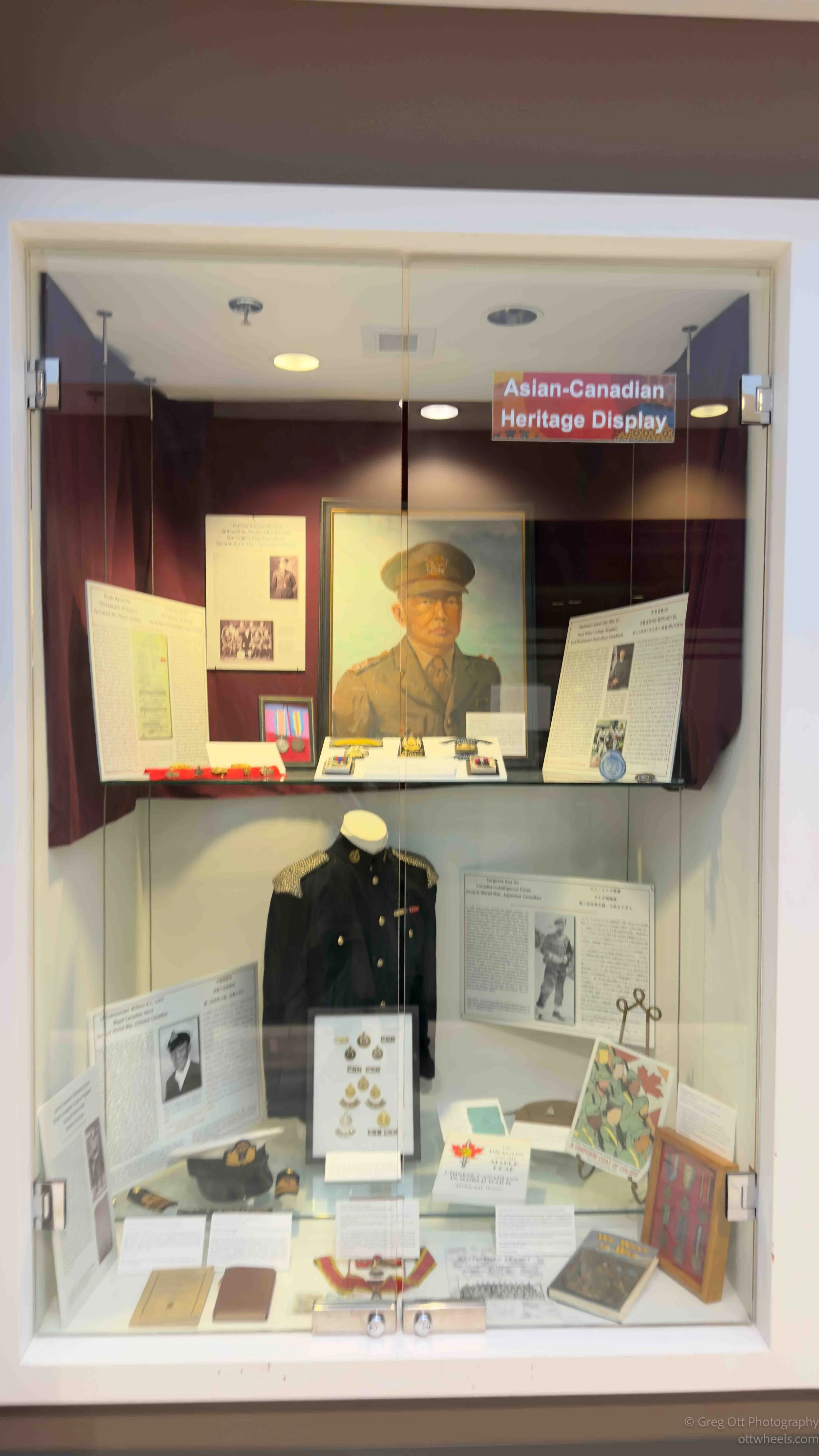
One section that caught my attention honored the contributions of Canadians from different ethnic and cultural communities. The displays are rotated periodically and included Black Canadians, Asian Canadians, Indo-Canadians, Muslim Canadians, Jewish Canadians and Caribbean Canadians. It was another reminder that the Canadian military story is considerably broader than the version that usually gets compressed into a few familiar photographs from the two world wars.
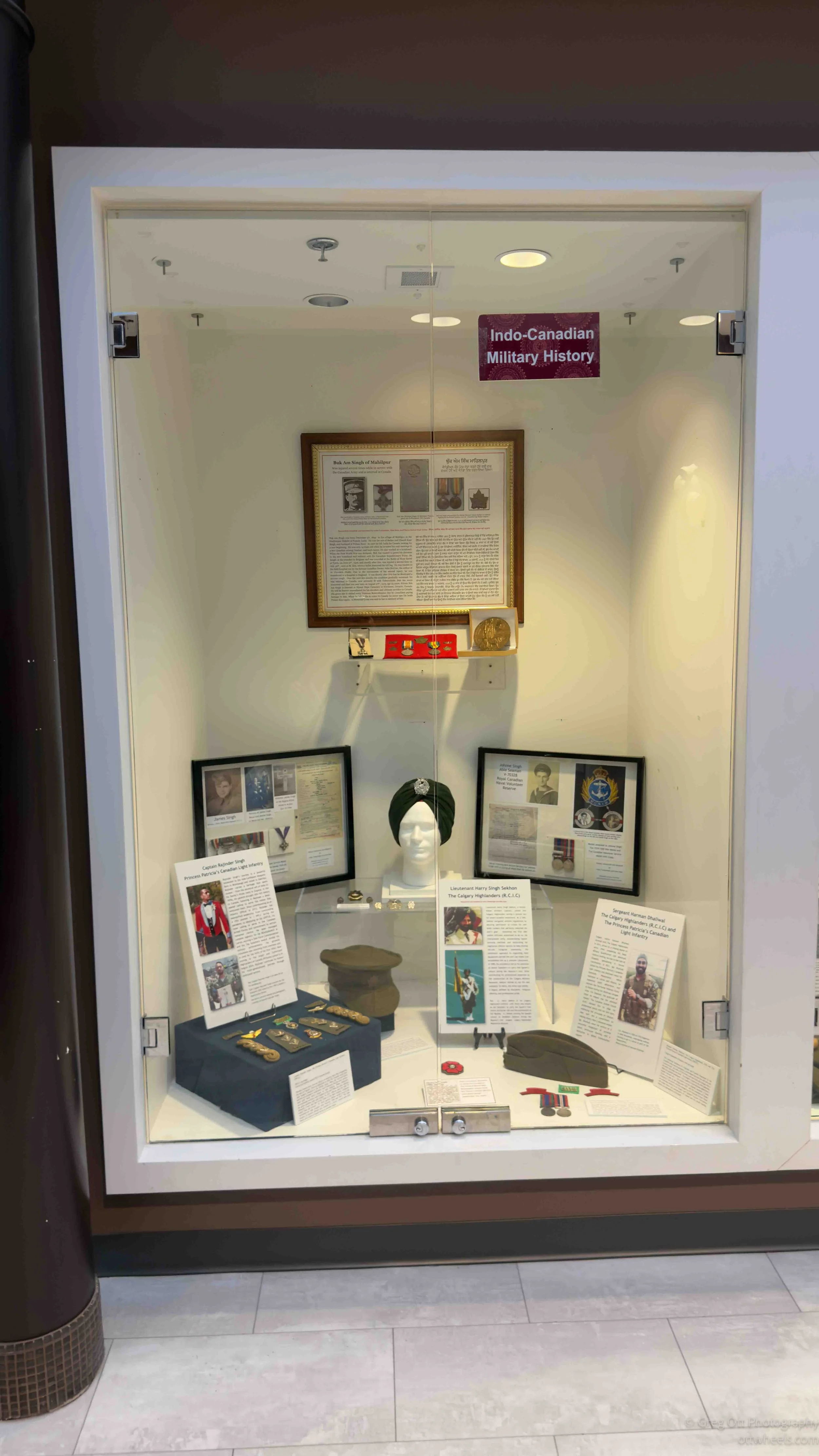
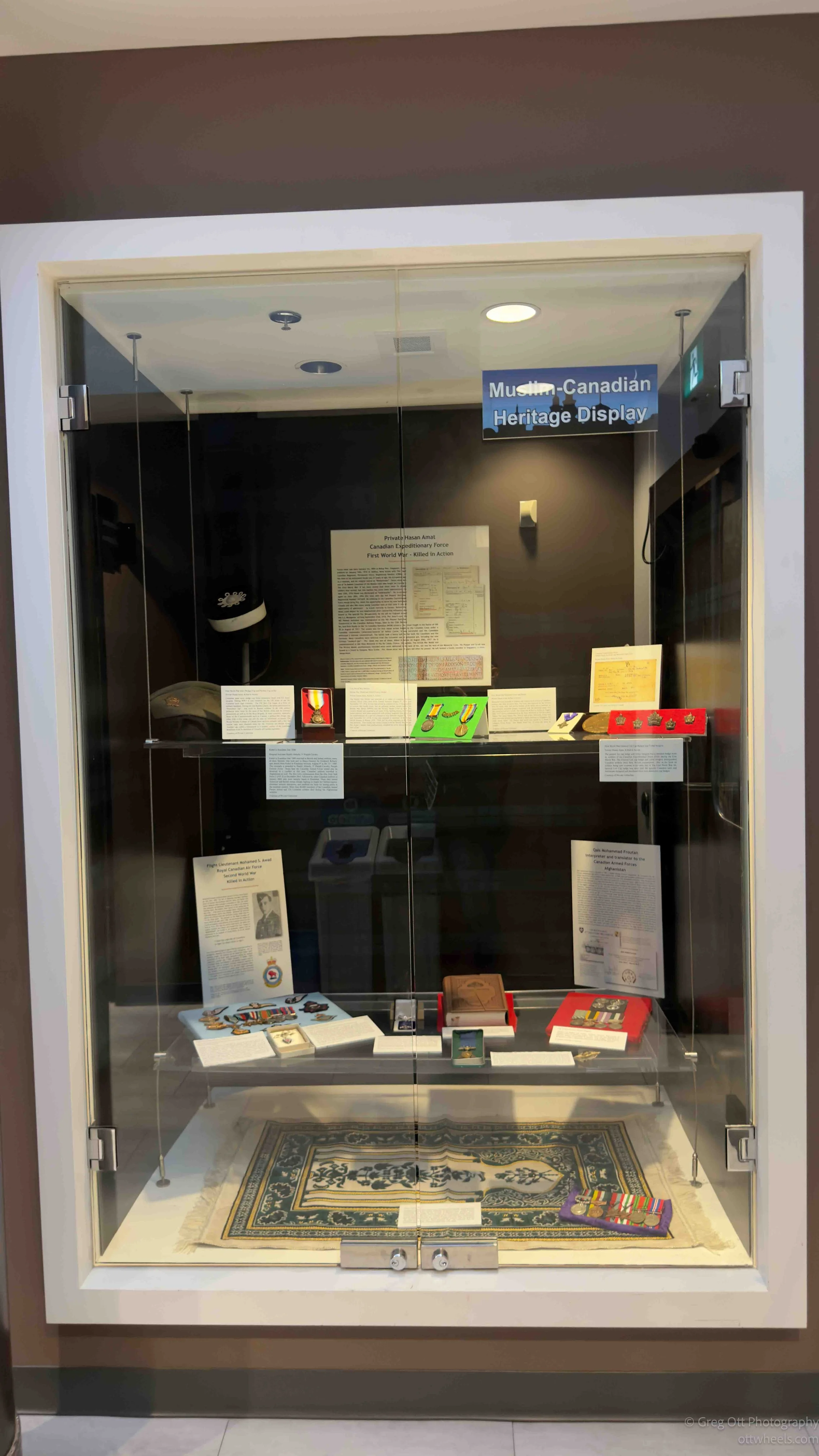
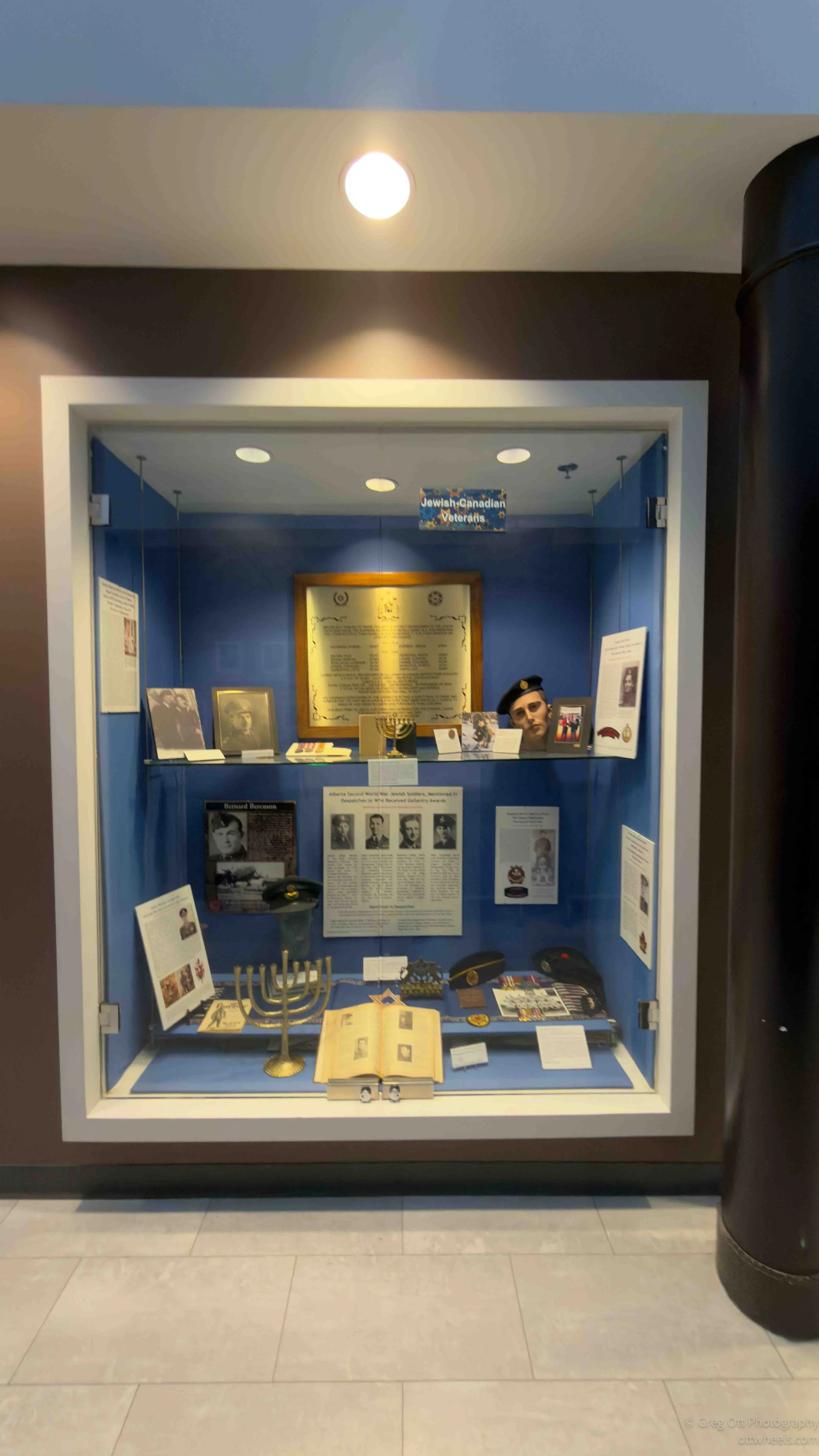
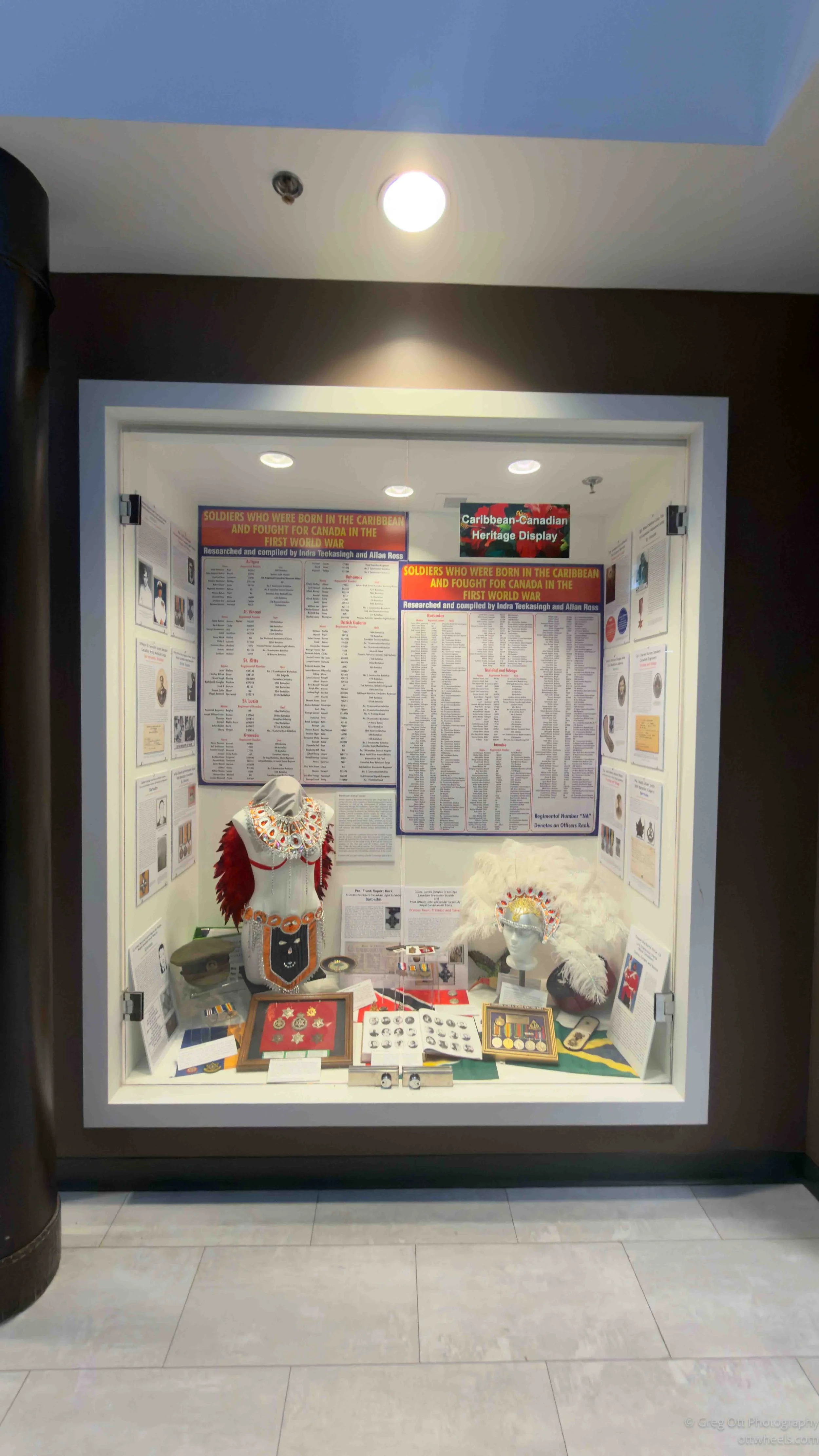
Eventually I wandered into the Naval Museum of Alberta, where two more volunteers were stationed near the entrance. Once again, I ended up talking almost as much as looking. We discussed the naval displays, D-Day and the Canadian role in the Second World War, but somehow the conversation eventually jumped forward eighty years to Ukraine and drones. Both volunteers were surprisingly knowledgeable about current drone technology, and we talked about how inexpensive unmanned systems are changing warfare. A military with fewer conventional aircraft, ships or armored vehicles can now use relatively inexpensive technology to threaten equipment costing millions of dollars. It changes some of the assumptions about what a modern military needs and gives smaller forces asymmetric capabilities that didn't exist in anything like their present form even a decade ago.
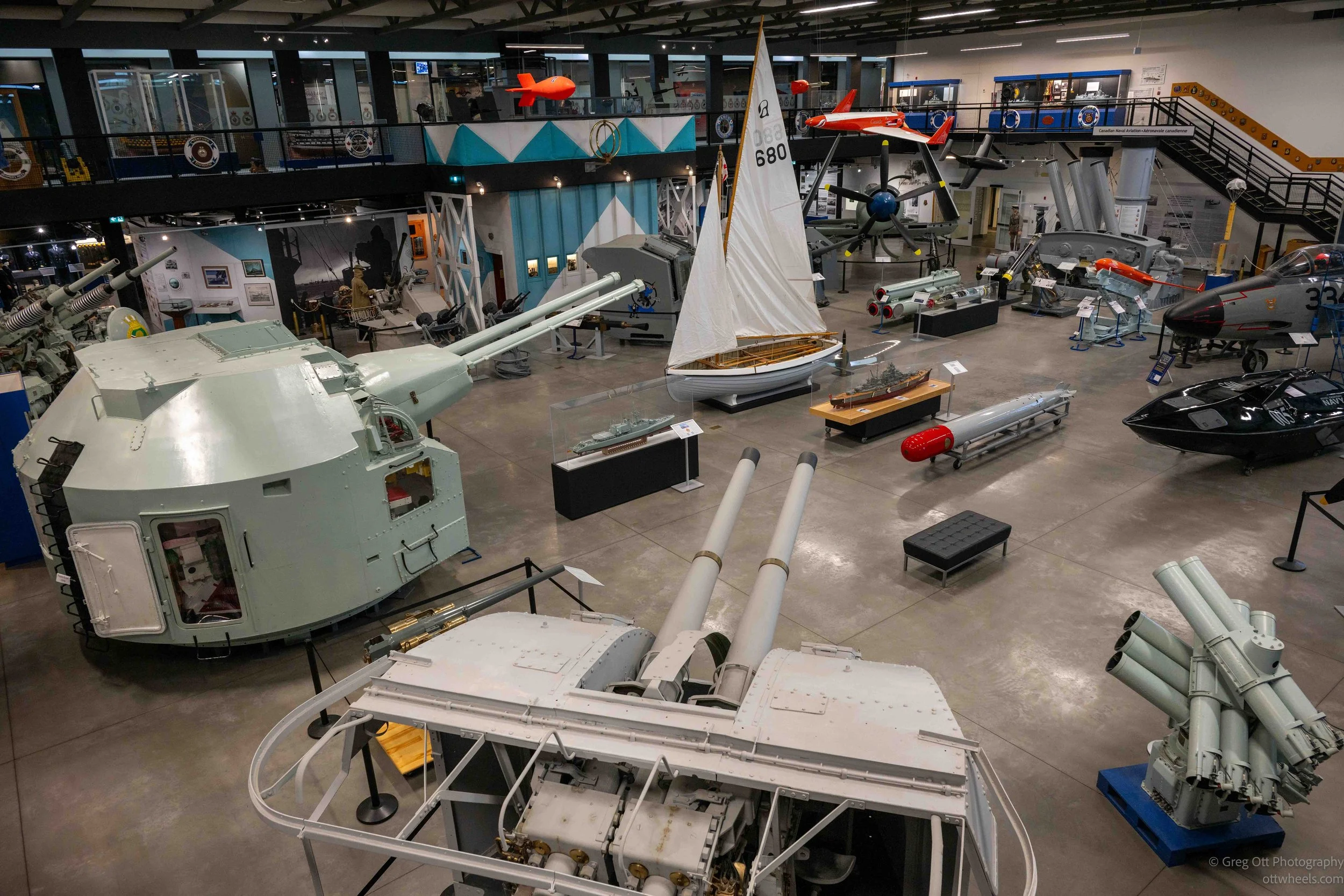
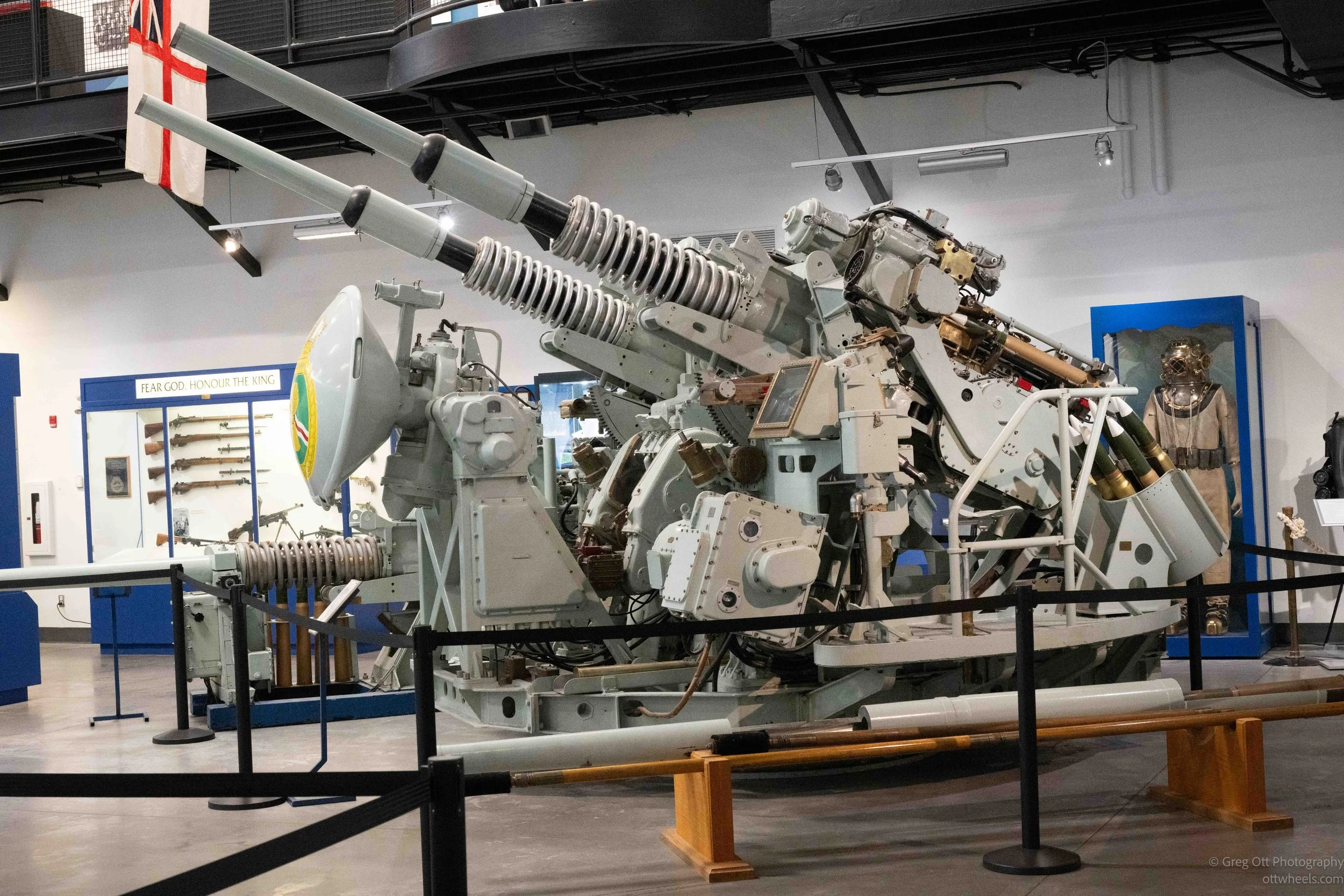
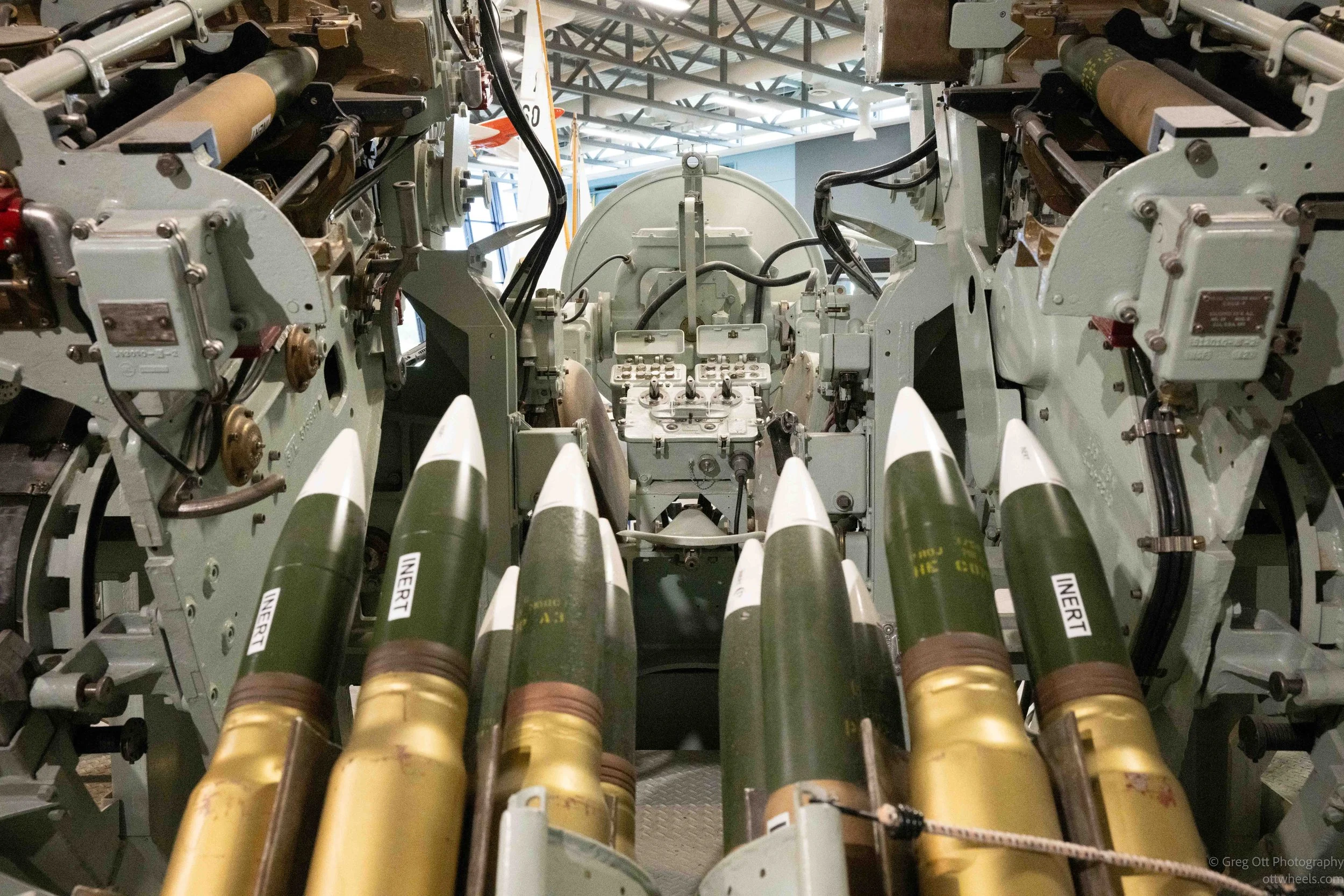
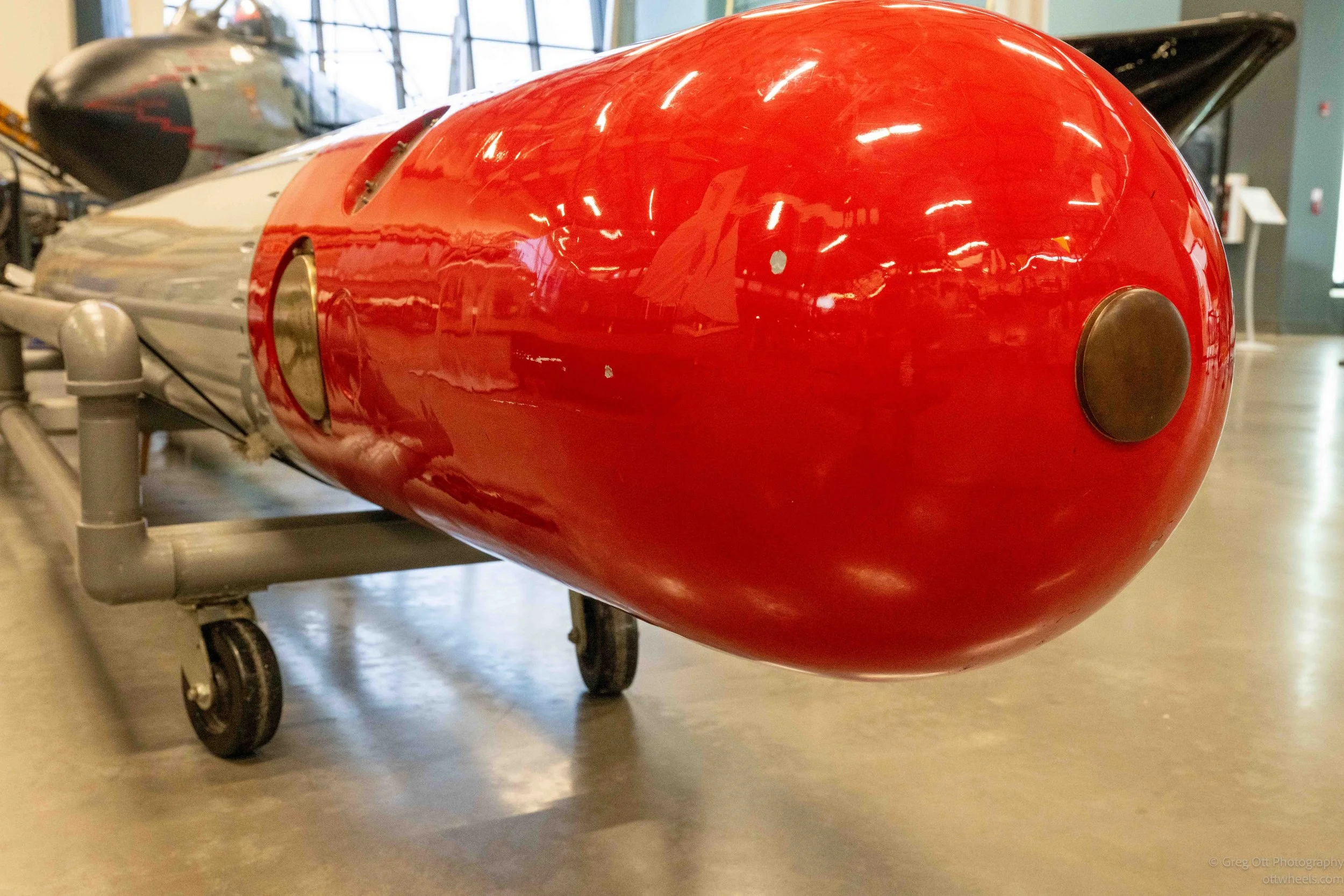
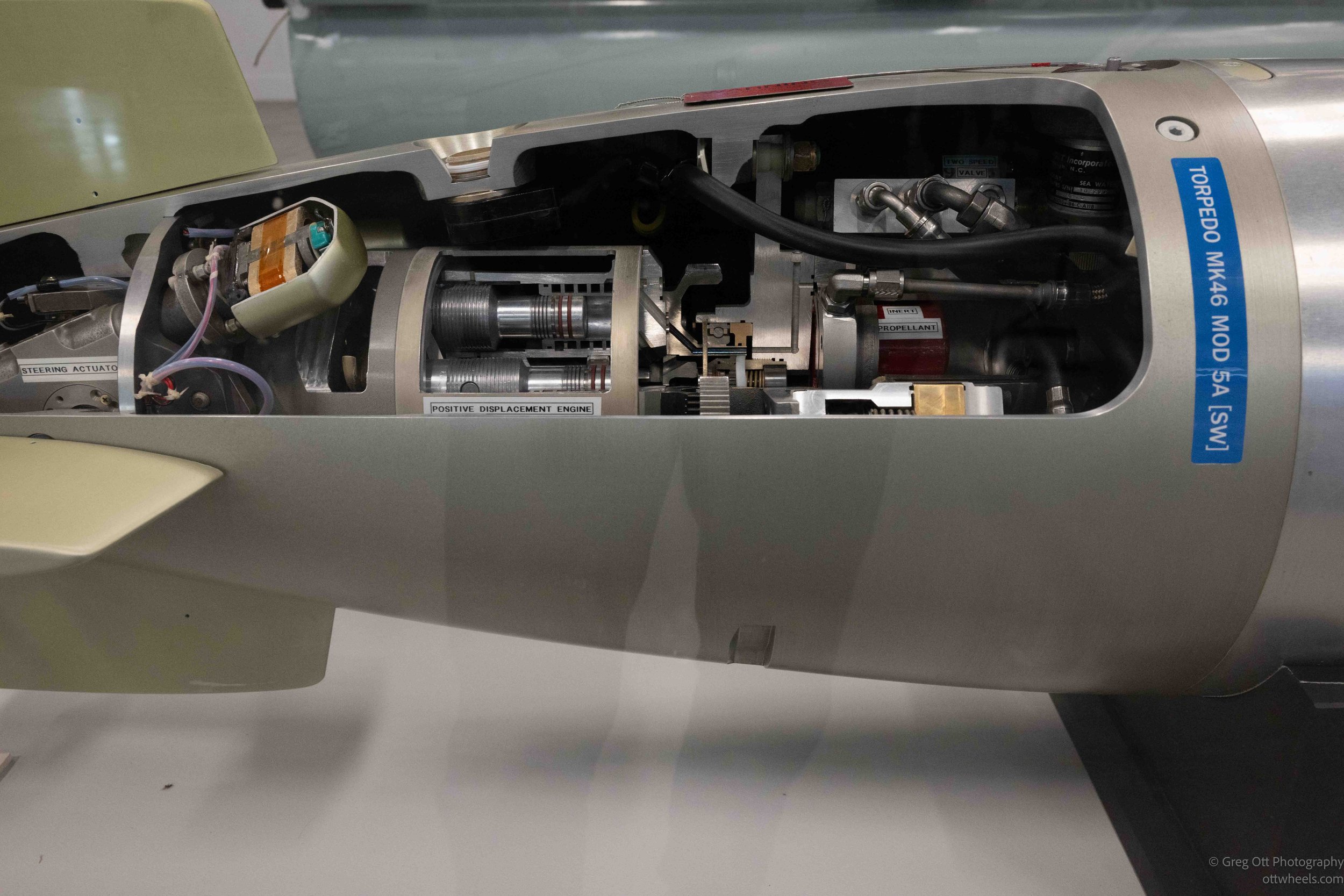
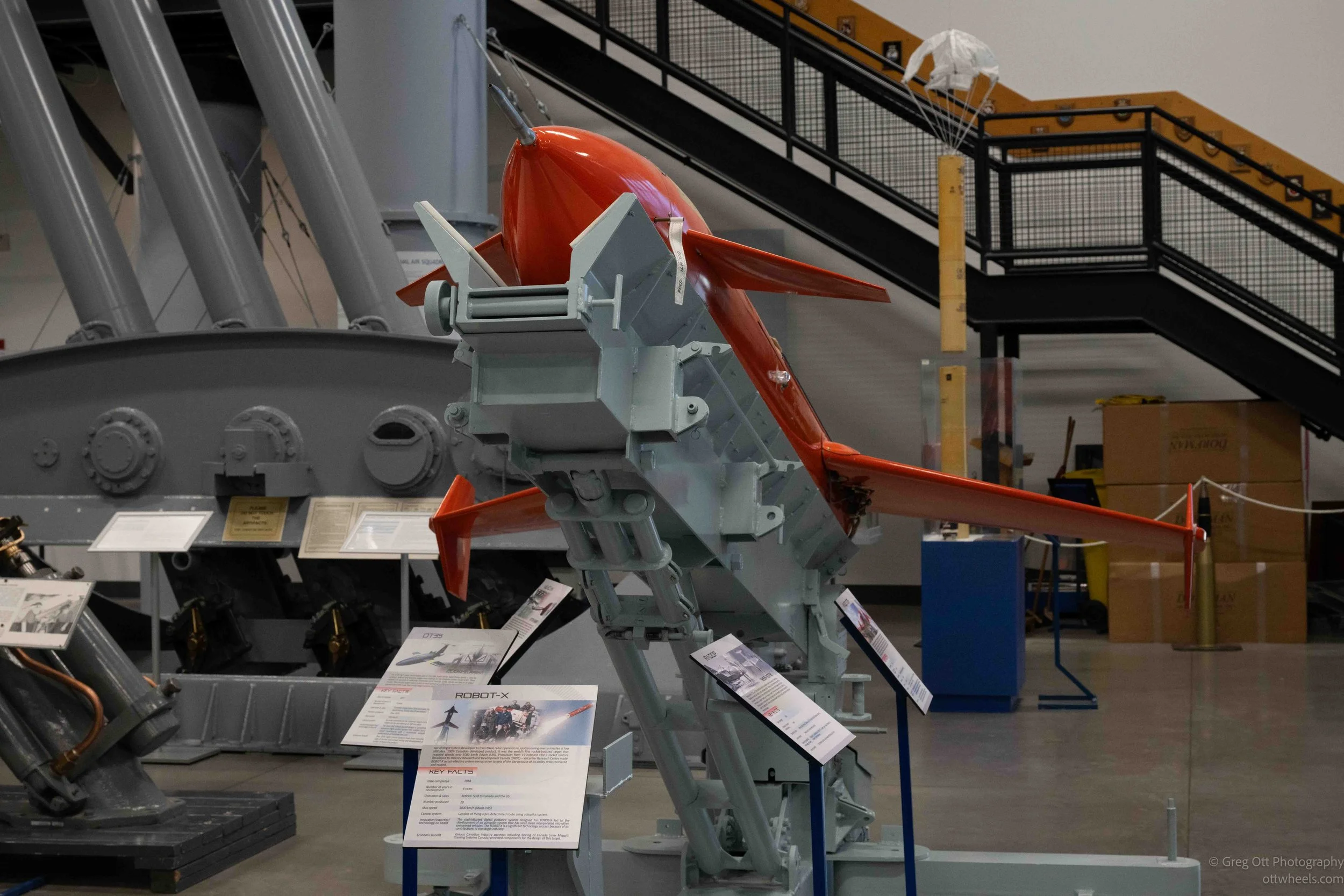
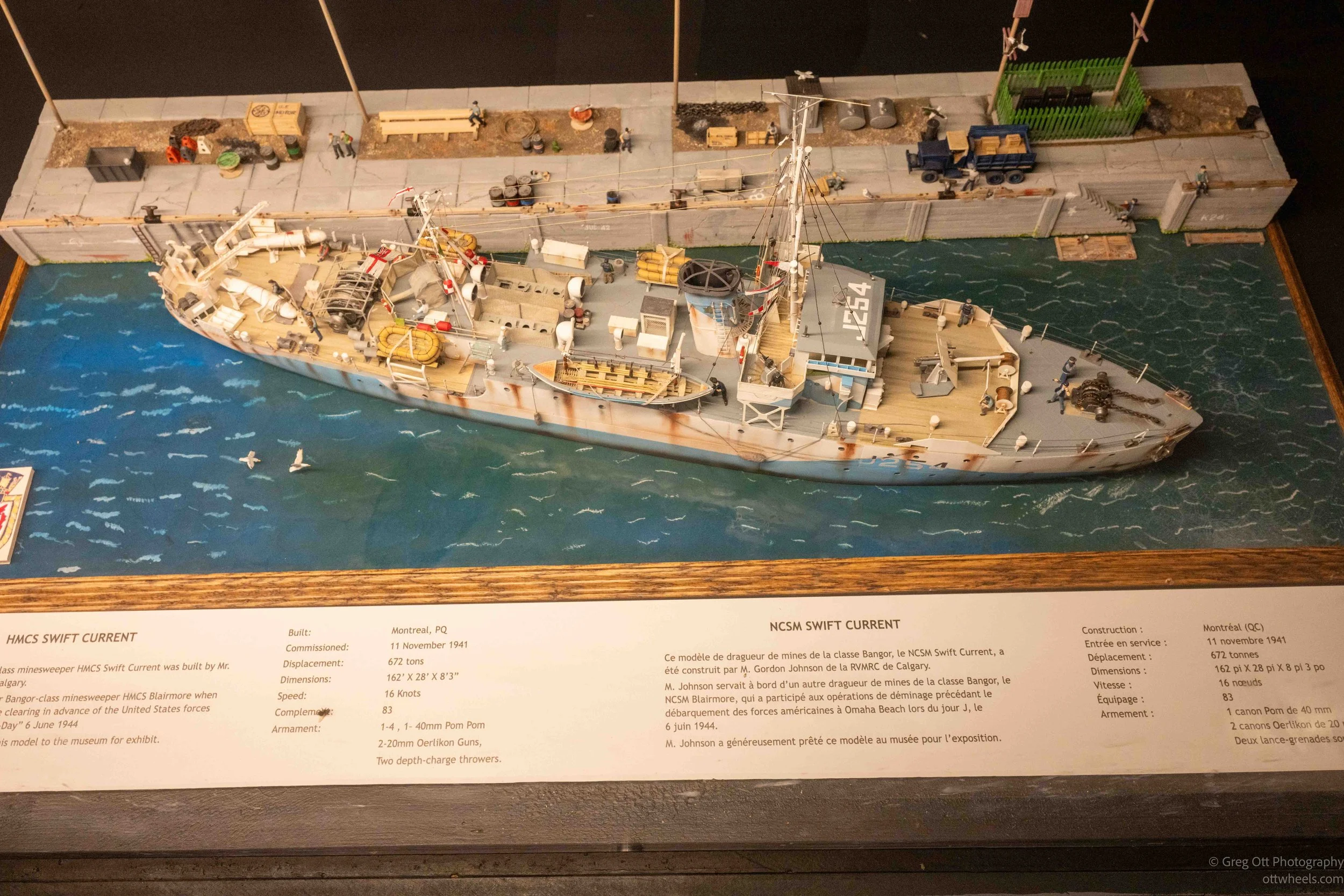
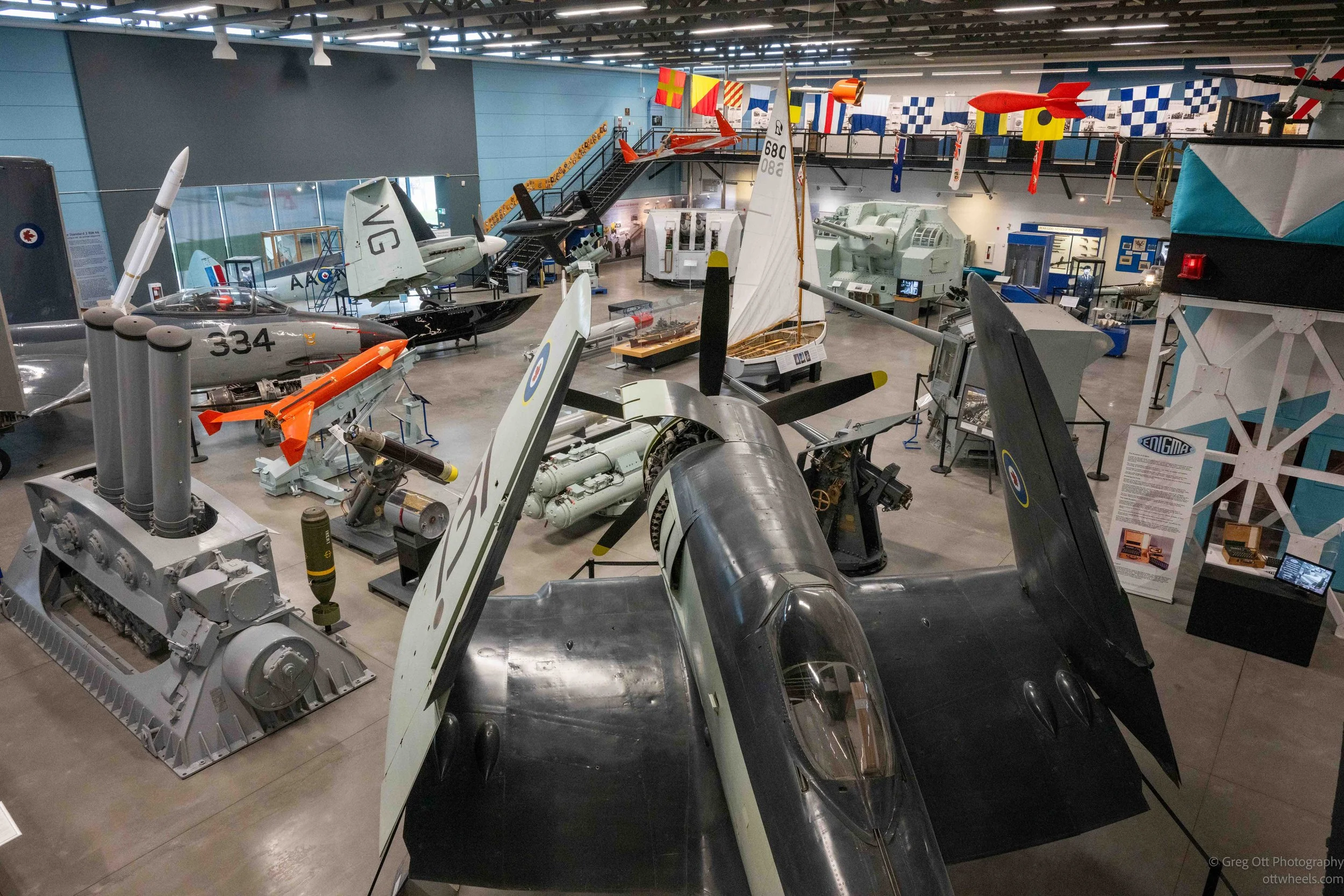
I also walked through The Military Museums Library and Archives. The librarian asked if there was anything in particular he could help me research. There wasn't, although considering how many historical rabbit holes I had already disappeared into that morning, it was probably fortunate that I didn't think of anything.
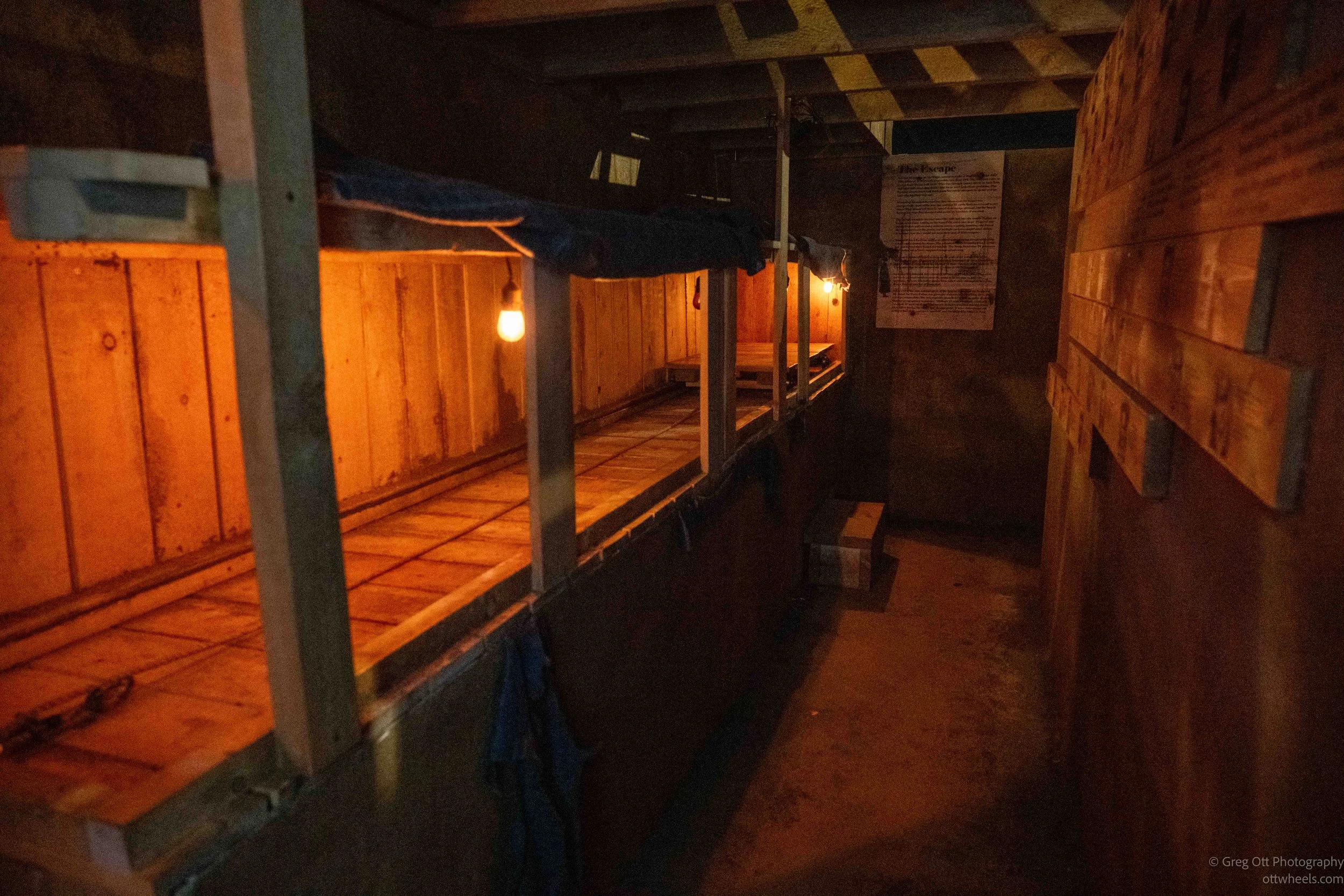
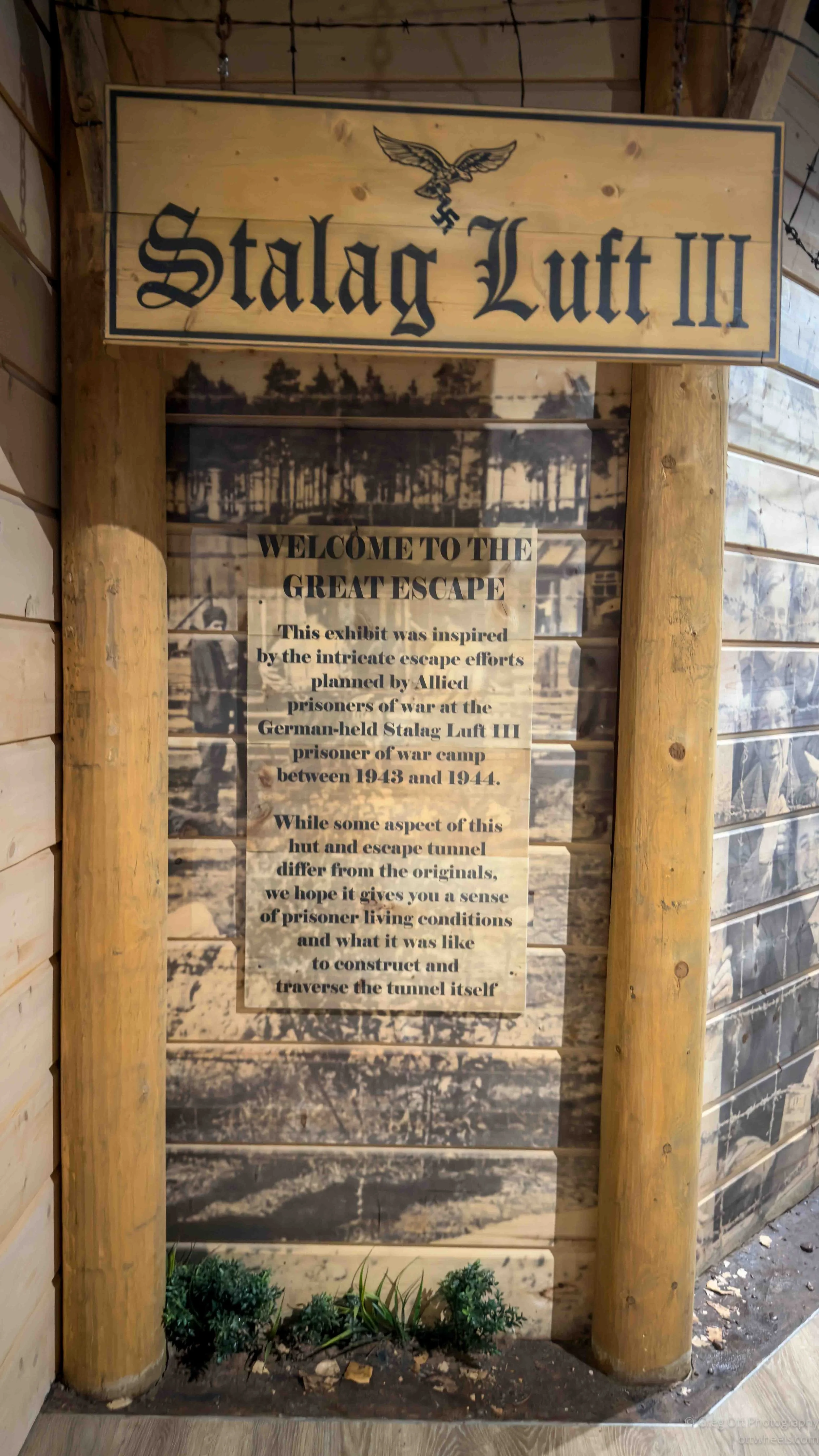
The Air Force Museum of Alberta was fascinating. It follows Canadian military aviation from the beginnings of aerial warfare during the First World War through the creation of the Royal Canadian Air Force in 1924, the Second World War, the Cold War and Canada's later commitments to NORAD and NATO. One section recreates the experience of Bomber Command beneath a Lancaster, complete with the sounds of sirens and explosions. But the exhibit I spent the most time thinking about was the recreation of Stalag Luft III and The Great Escape.
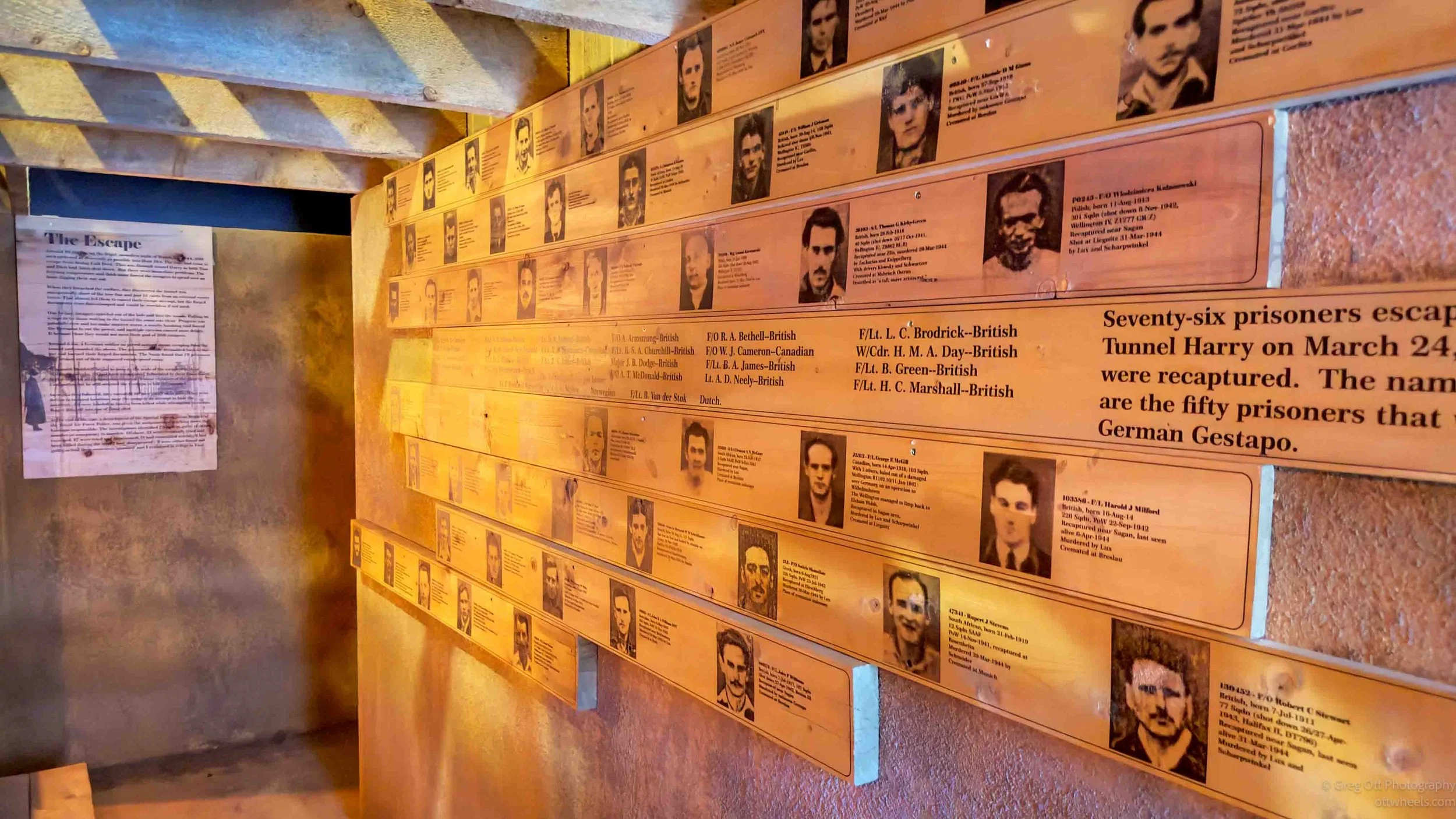
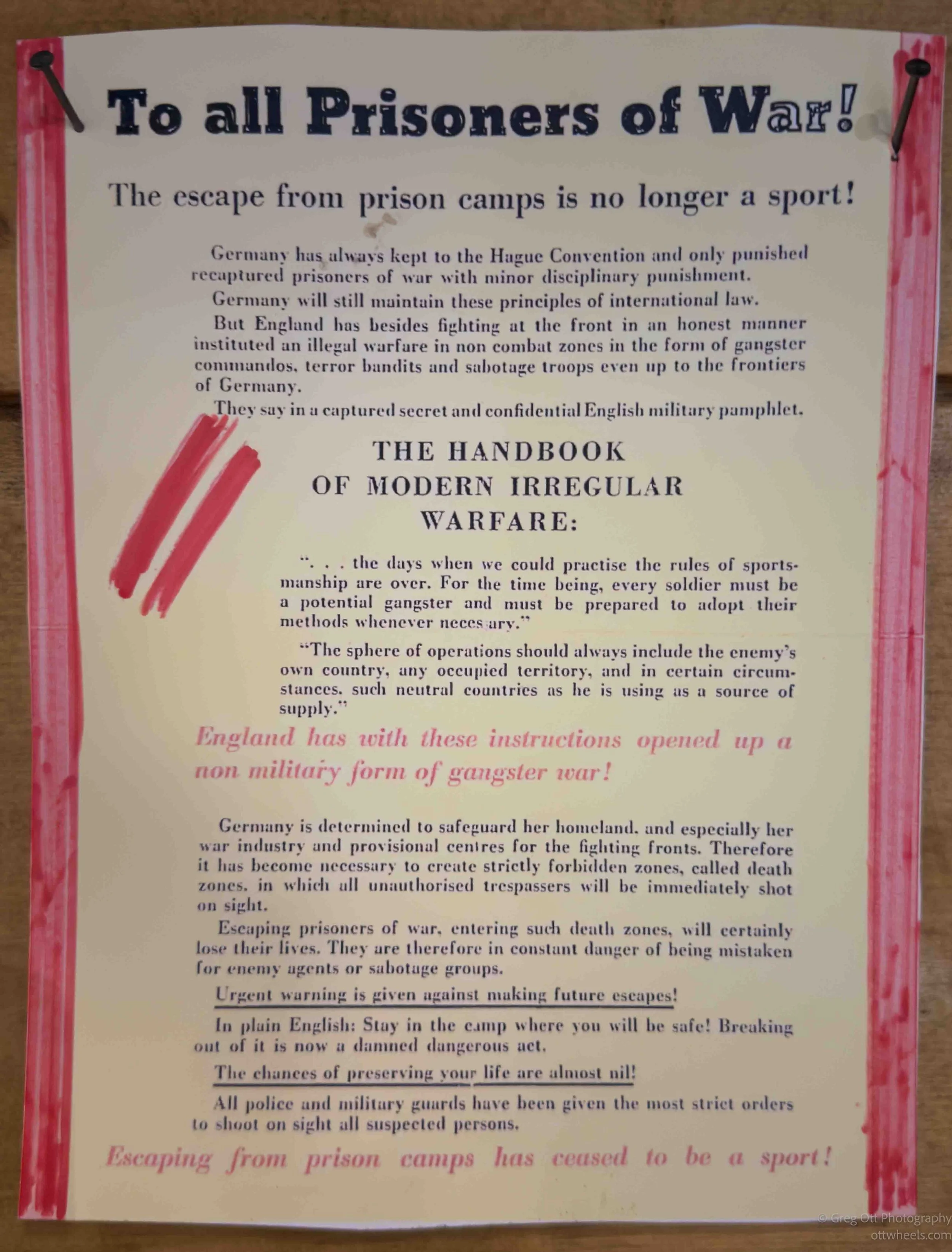
The movie (The Great Escape) had left me with the impression that Americans played a major role in the actual escape. They didn't. American prisoners had participated in the organization and early tunnel work, but they were transferred to another compound before the escape took place. On the night of March 24, 1944, 76 Allied airmen crawled through the tunnel known as Harry before the escape was discovered. Seventy-three were eventually recaptured and only three made it to safety. Hitler was furious and ordered reprisals. Fifty of the recaptured men were turned over to the Gestapo and murdered, although the Germans claimed they had been shot while attempting to escape again.
The museum has recreated part of the POW barracks as well as the tunnel itself, which helps put the scale of the operation into perspective. Harry ran more than 300 feet and was roughly 30 feet underground. The prisoners built a ventilation system, installed electric lighting and even constructed a small railway to move men and excavated sand through the tunnel. Looking at the reconstruction, it was hard enough to imagine digging something like that with proper equipment, much less doing it secretly beneath a German prisoner-of-war camp.
What struck me was how different the real escape was from the movie I remembered. In my mind, the escape took place in warm weather, with green fields, a motorcycle chase and Steve McQueen racing toward the Swiss border. The actual escape took place on a cold, snowy night in March. There was no motorcycle chase, and Stalag Luft III was hundreds of miles from Switzerland. The more I learned about what really happened, the less the story seemed to need Hollywood's additions. Seventy-six men actually crawled through that tunnel, 73 were recaptured and 50 were murdered on Hitler's orders. The real story was more remarkable than the movie—and considerably darker.
After that I continued roaming through the remaining galleries before heading outside to see the military equipment displayed around the grounds. By then what I had expected to be another museum stop had consumed a good part of the day, largely because of the volunteers. The artifacts were interesting, but having people there who knew the history, had their own perspectives and were willing to spend time talking about it made the museum something very different from simply walking past rows of display cases.
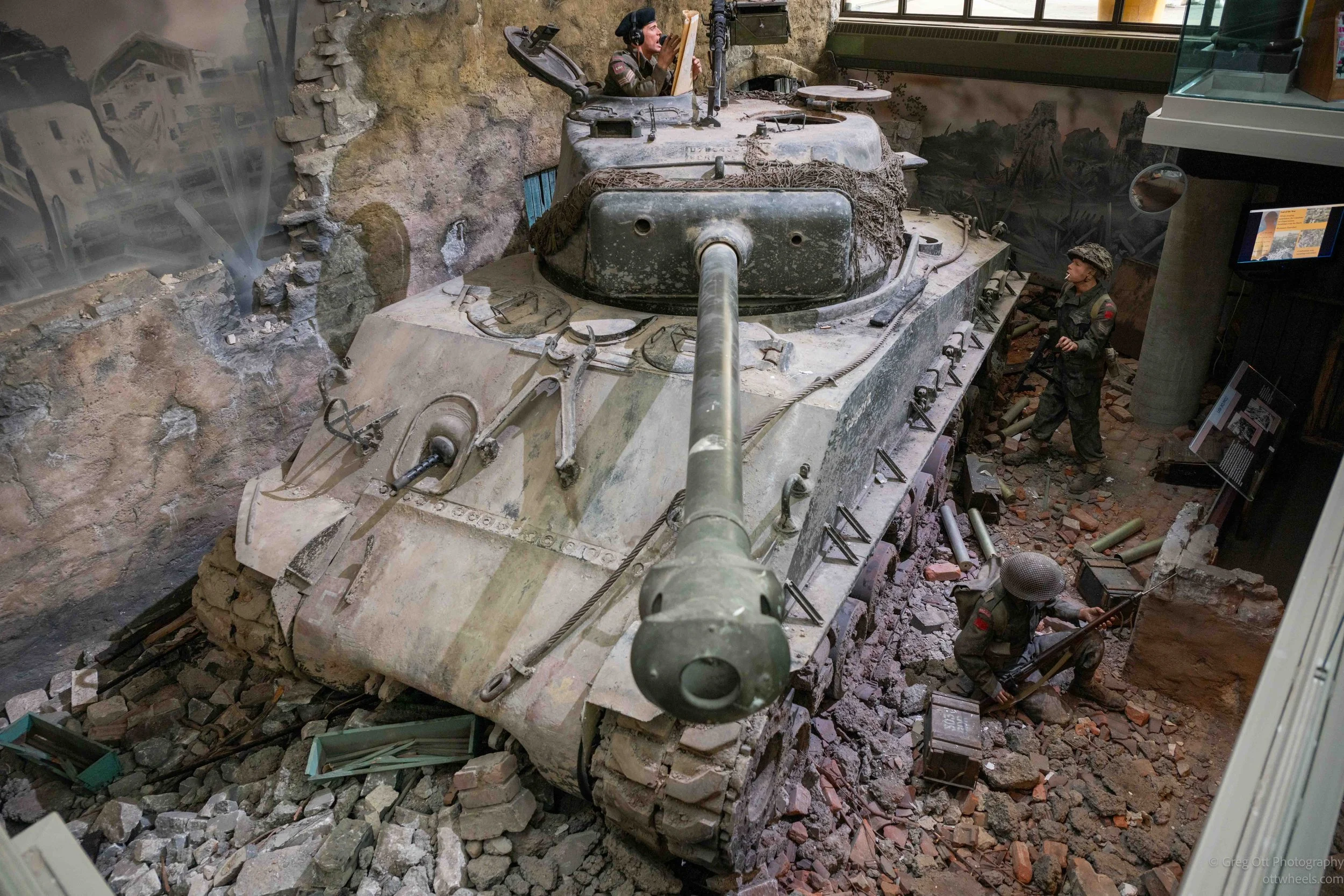
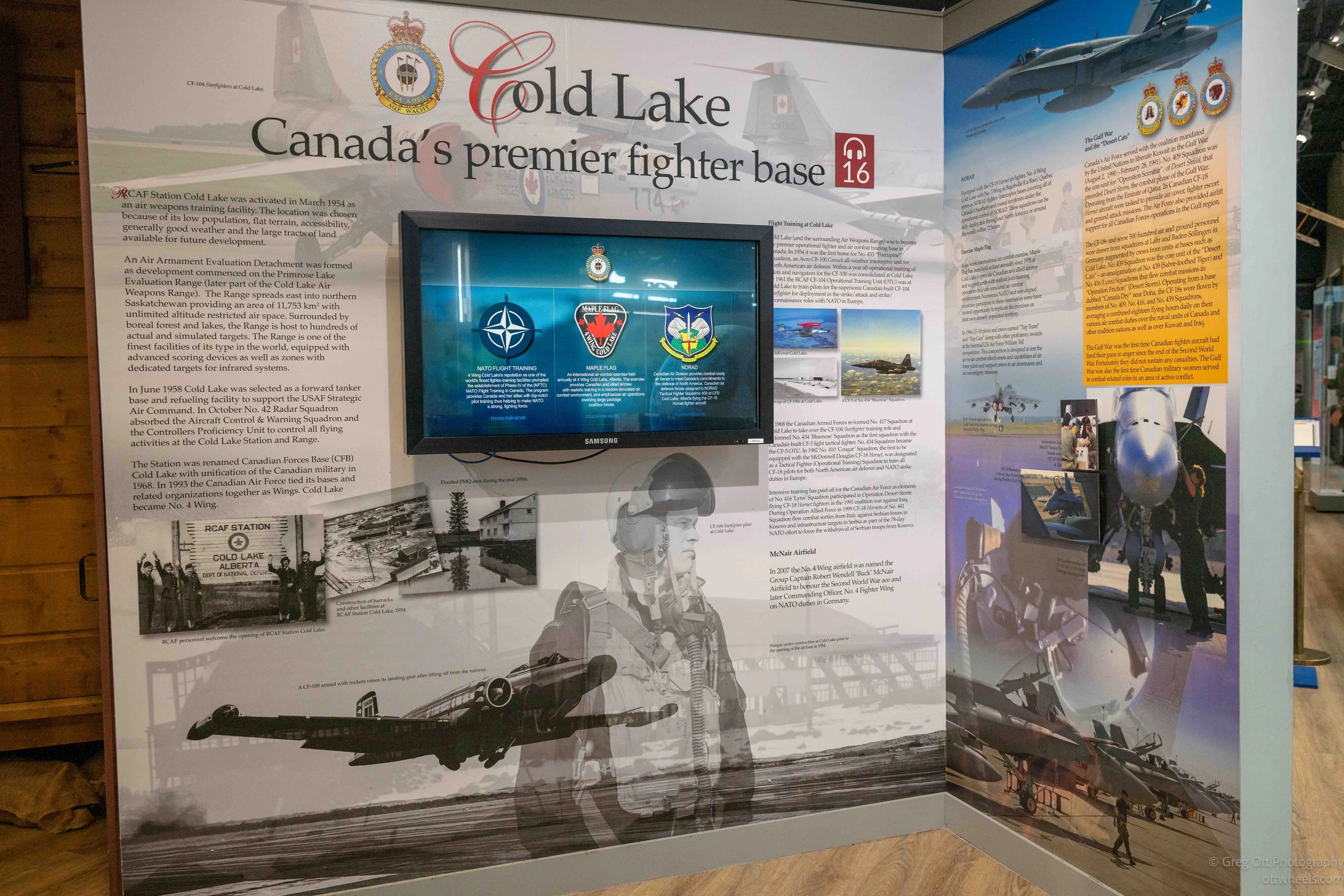
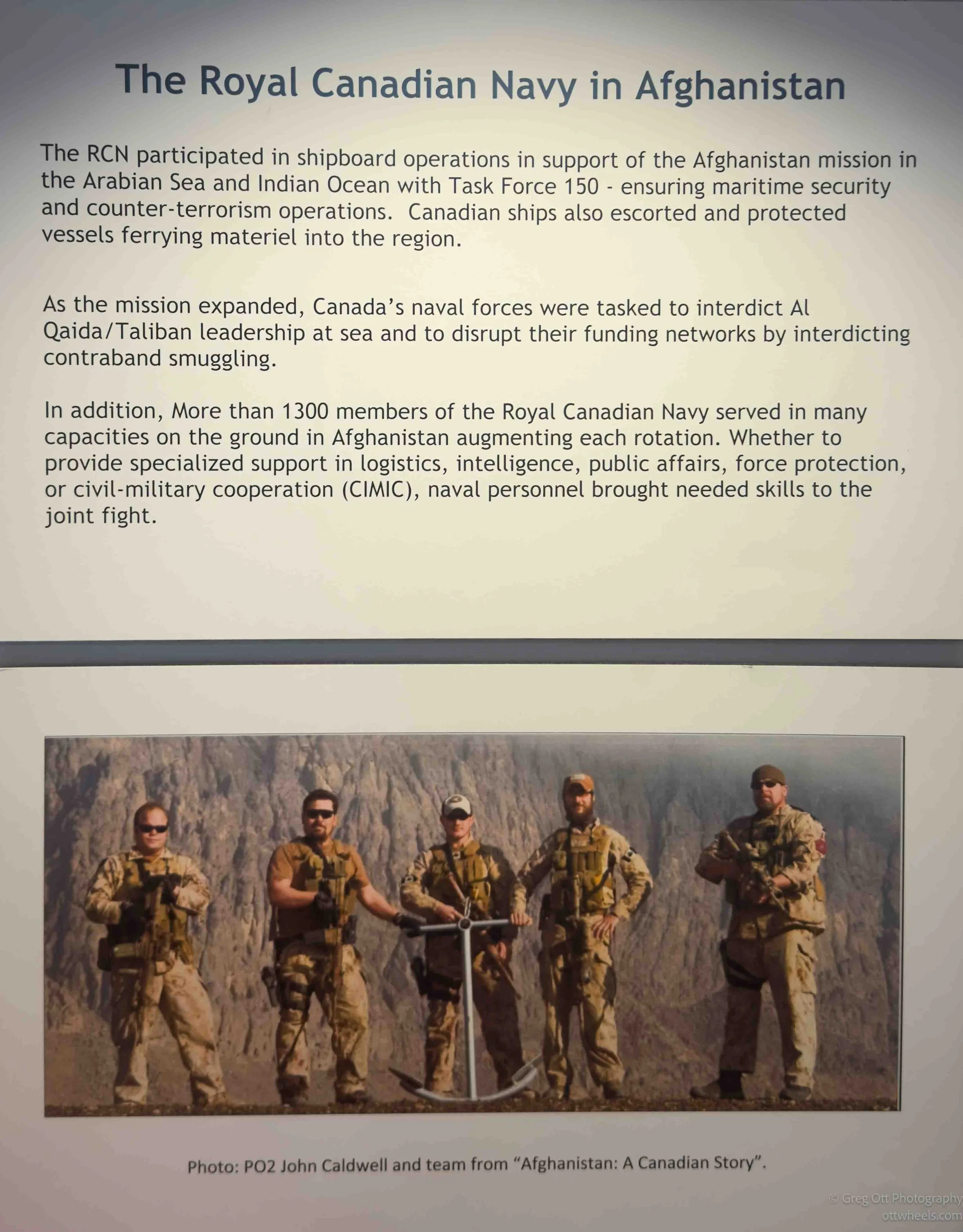
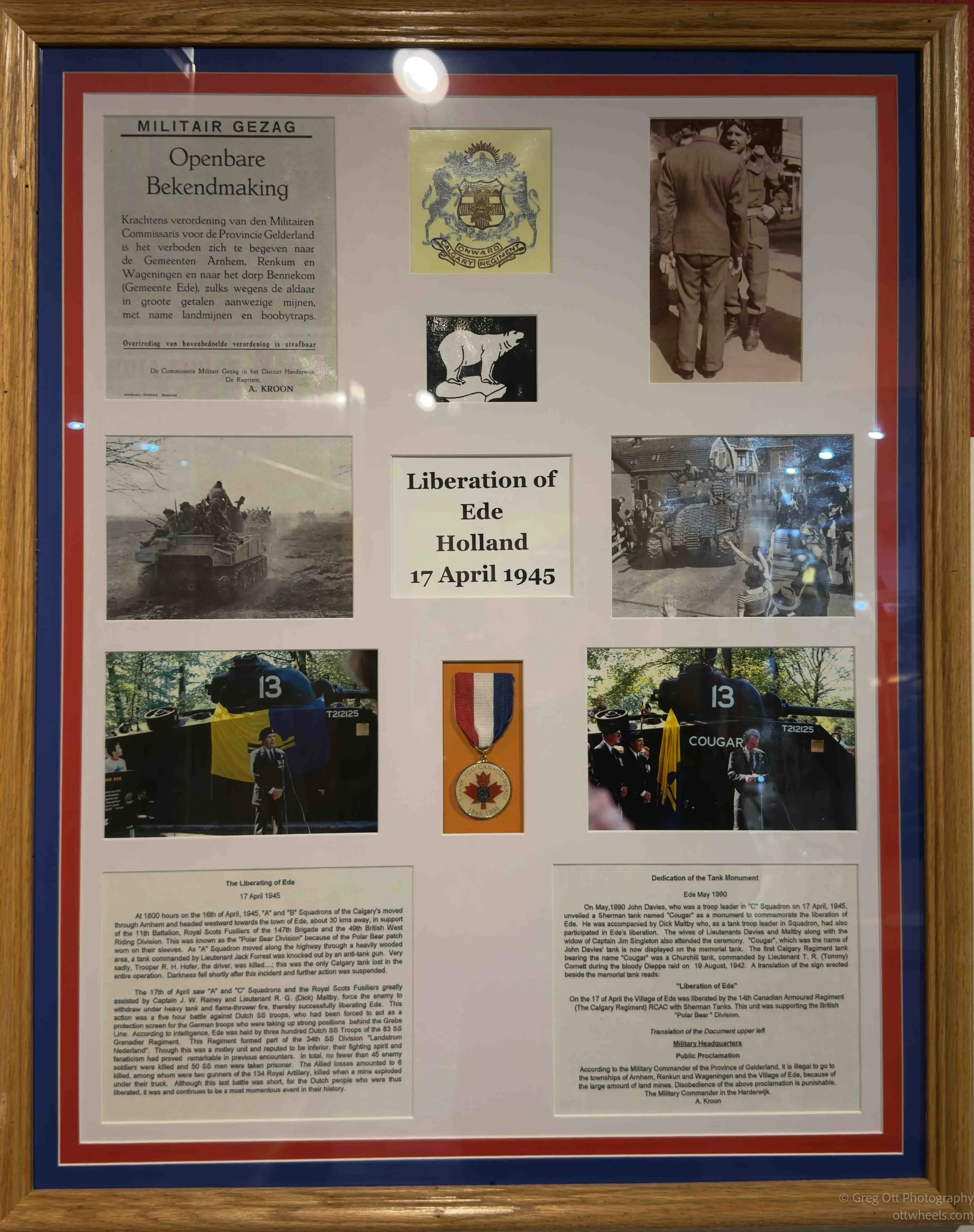
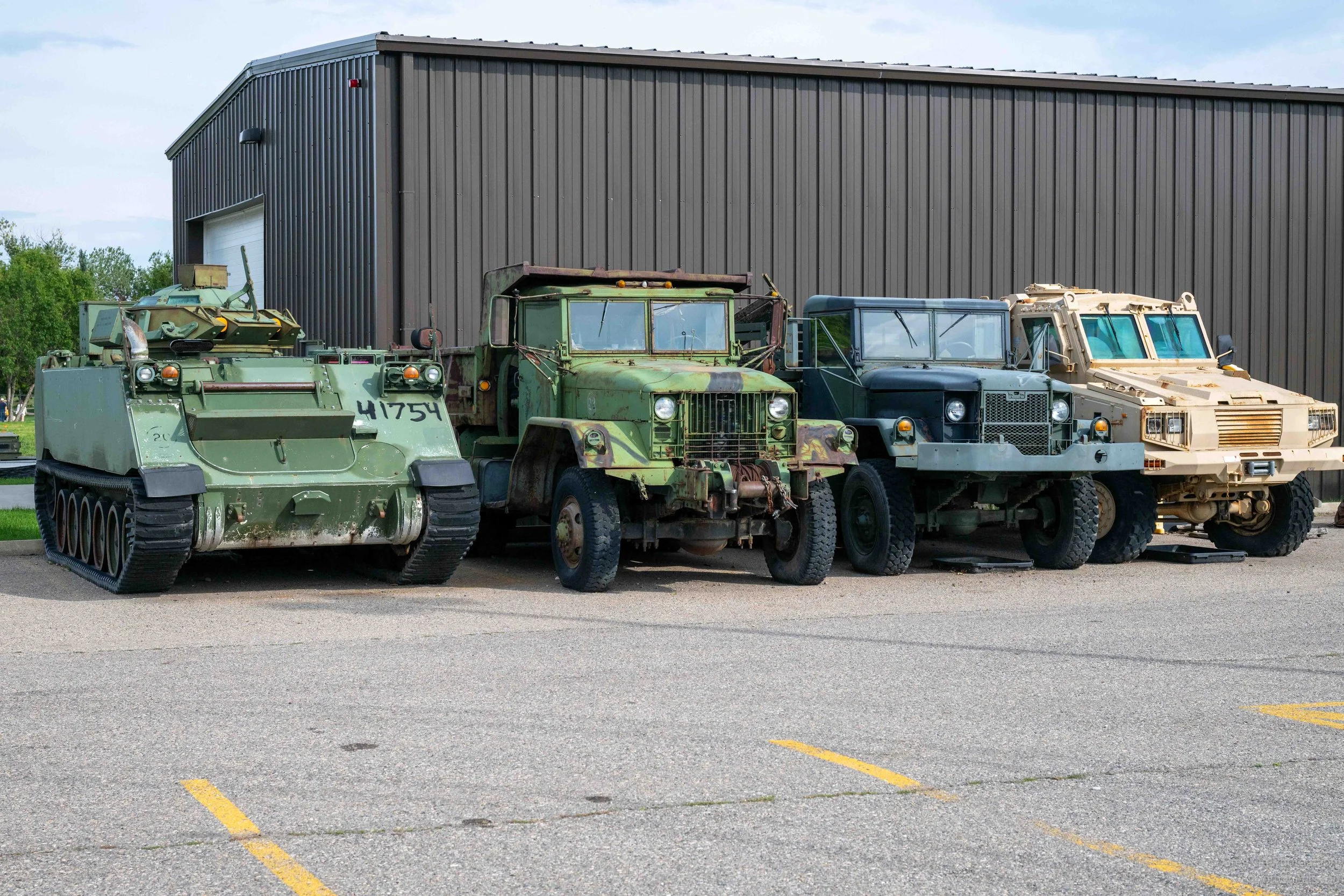
After spending so much time inside, I headed outside to walk through the museum's collection of aircraft, armored vehicles and artillery. The equipment covers several generations of Canadian military history. There were tracked armored personnel carriers, a large self-propelled artillery piece and a Churchill tank from the Second World War. The Churchill was particularly interesting because, unlike the cleaner aircraft displays, it still looked very much like a heavy piece of machinery built for war. Nearby were more modern armored vehicles, making it possible to see just how much the design and purpose of military equipment had changed over the decades.
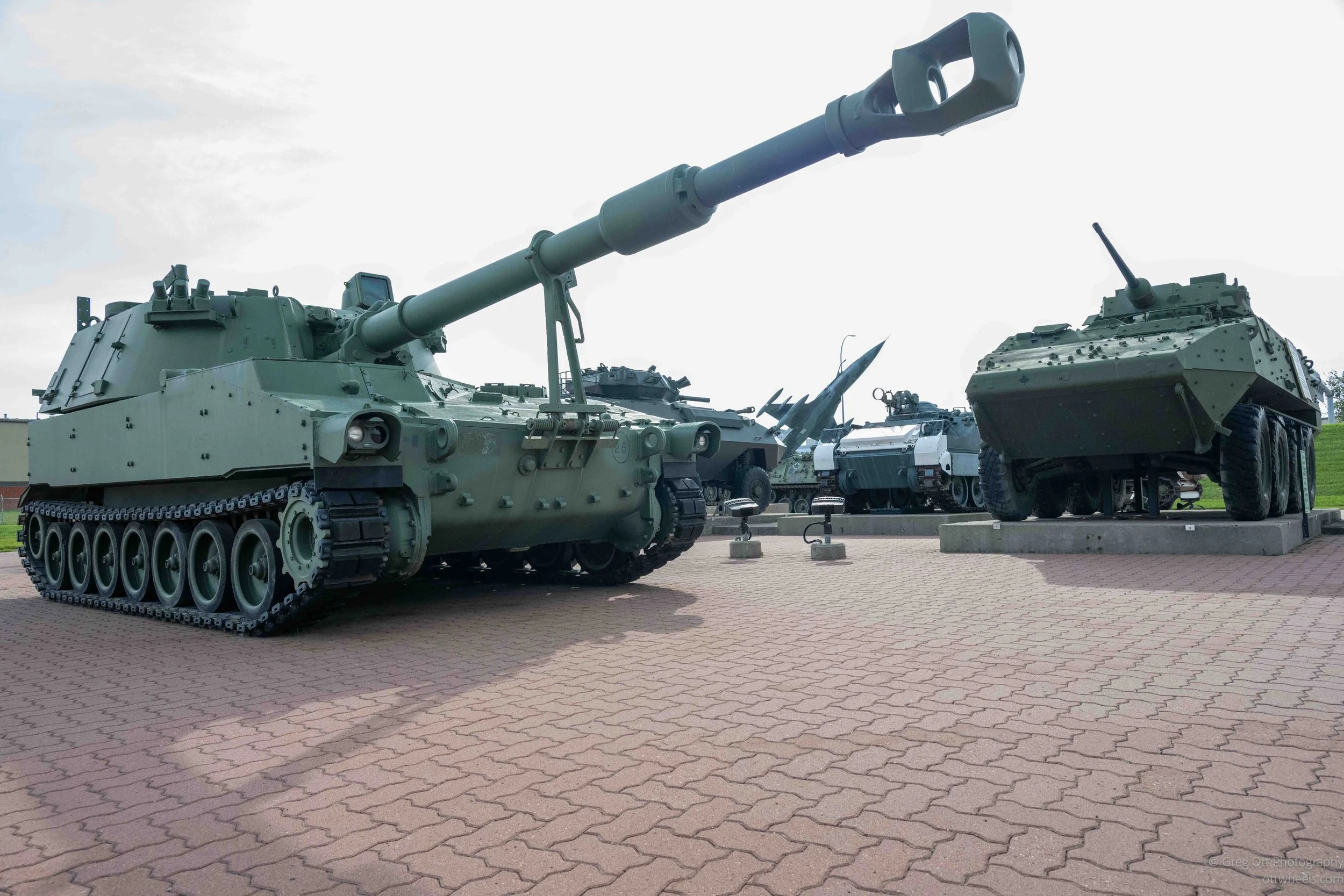
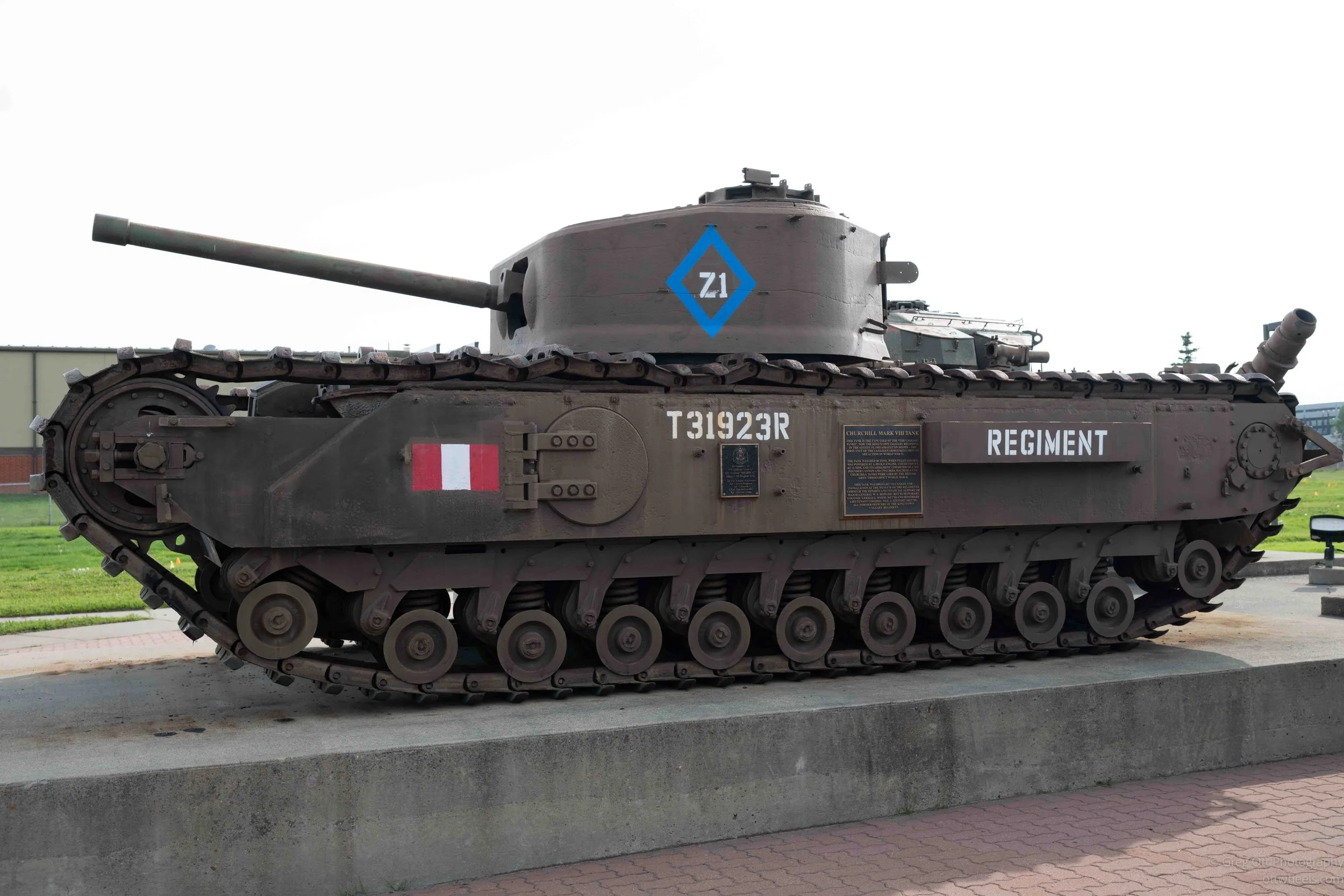
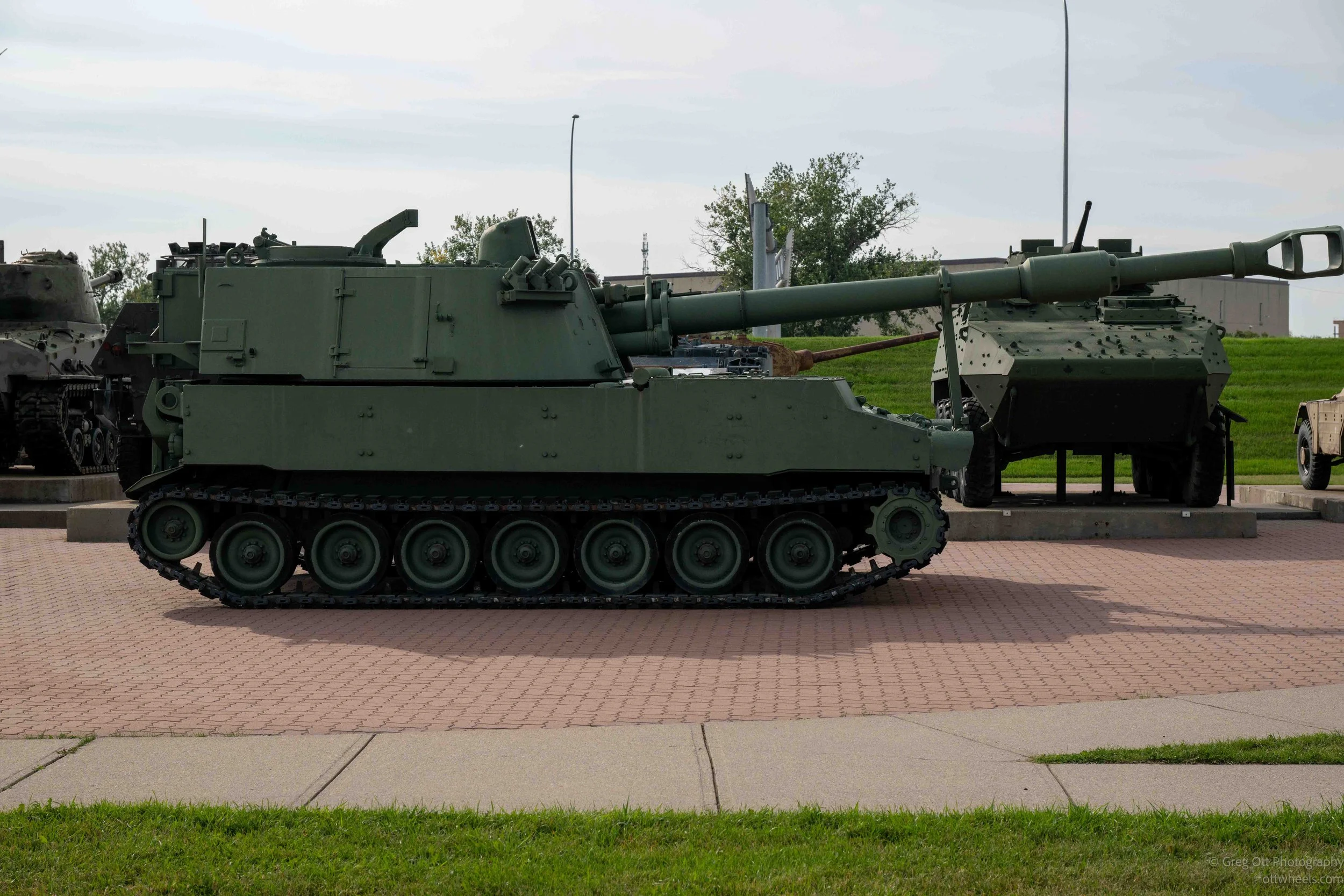
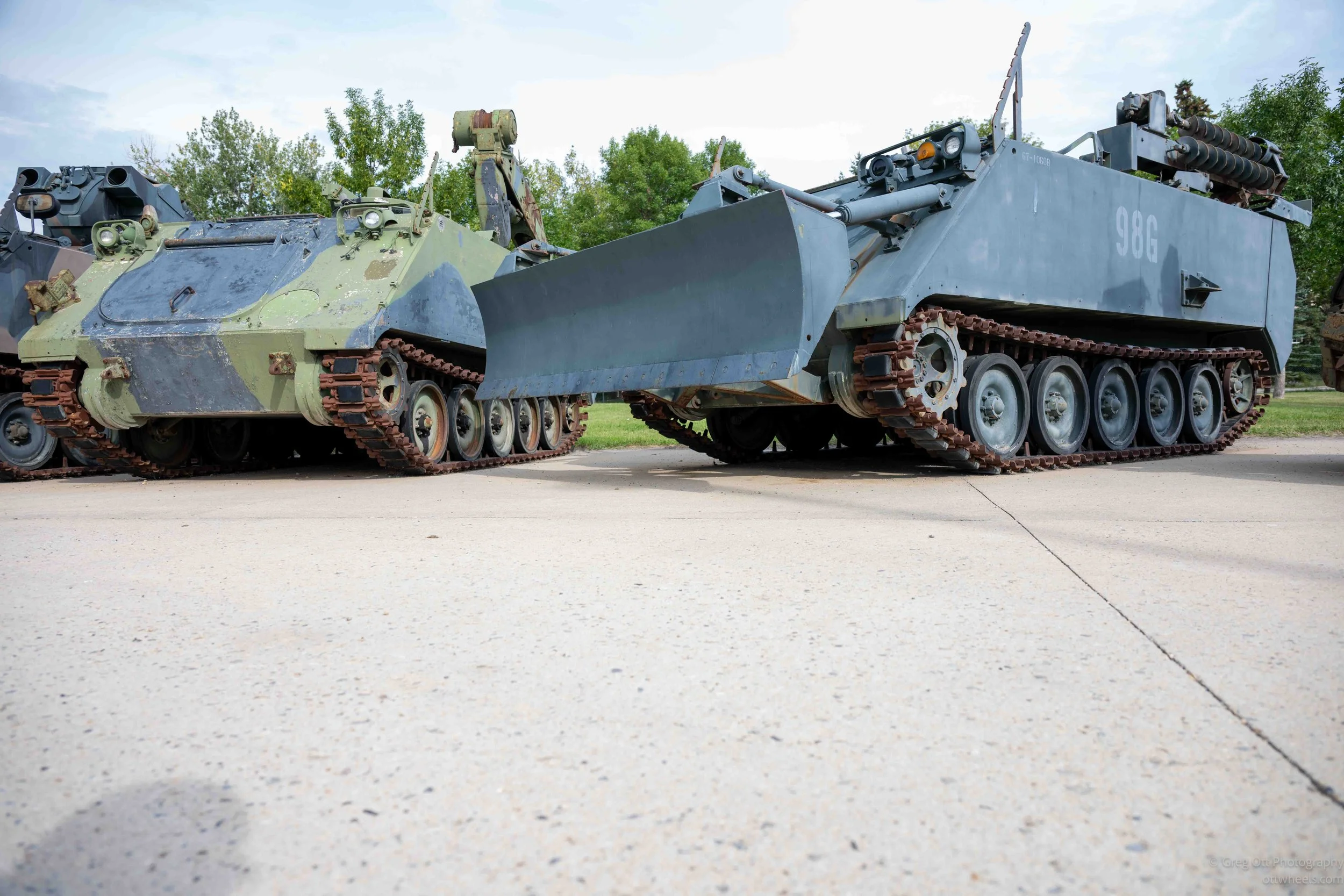
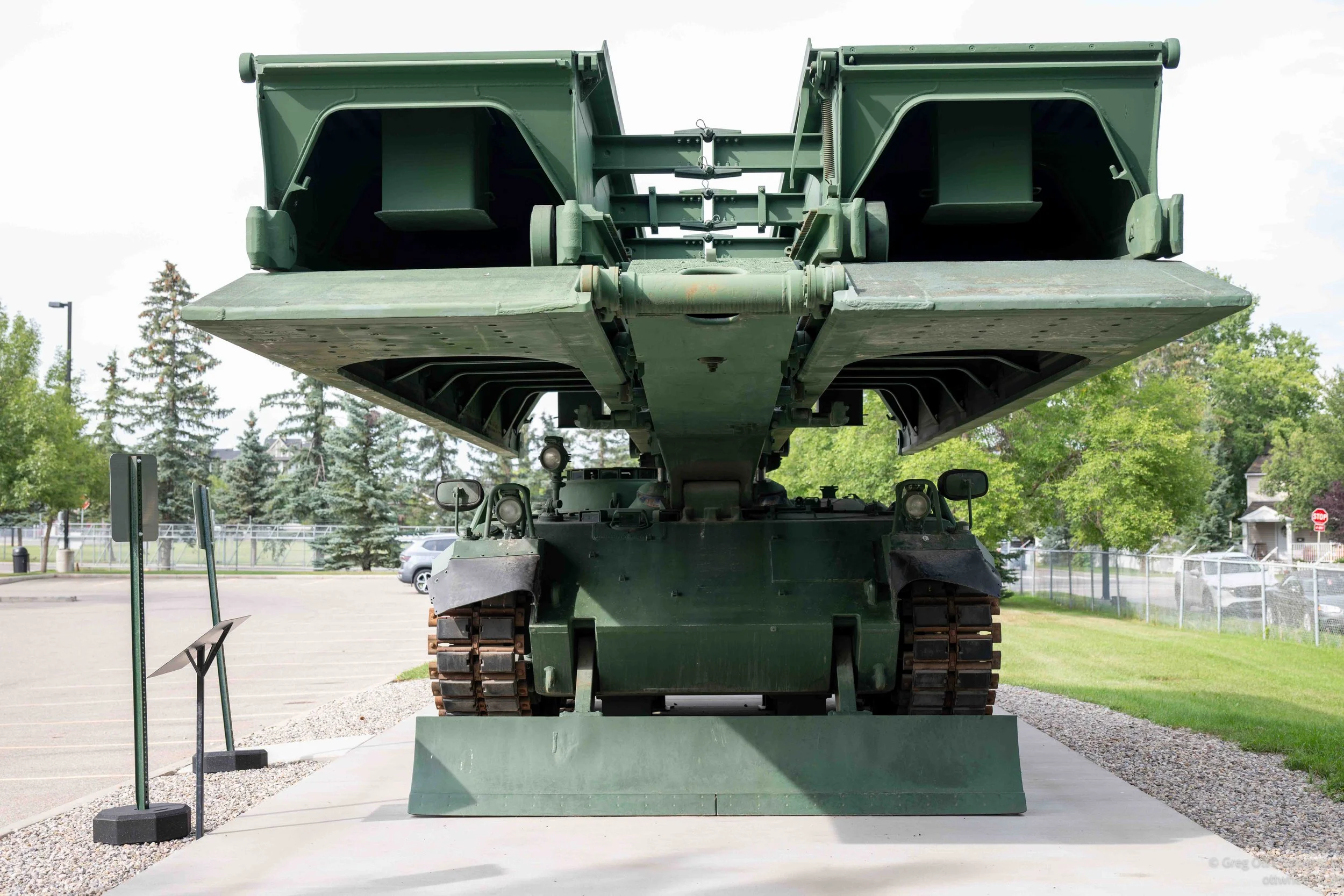
The aircraft were just as interesting. Several Cold War-era Canadian jets were parked together, including a CF-104 Starfighter and a CF-5 Freedom Fighter. The Starfighter was especially striking from behind, with its enormous engine exhaust, tiny wings and extremely narrow fuselage. Another aircraft was displayed dramatically above the grounds, making it possible to walk almost underneath it and see details that would normally be difficult to appreciate when looking at an airplane sitting on its landing gear.
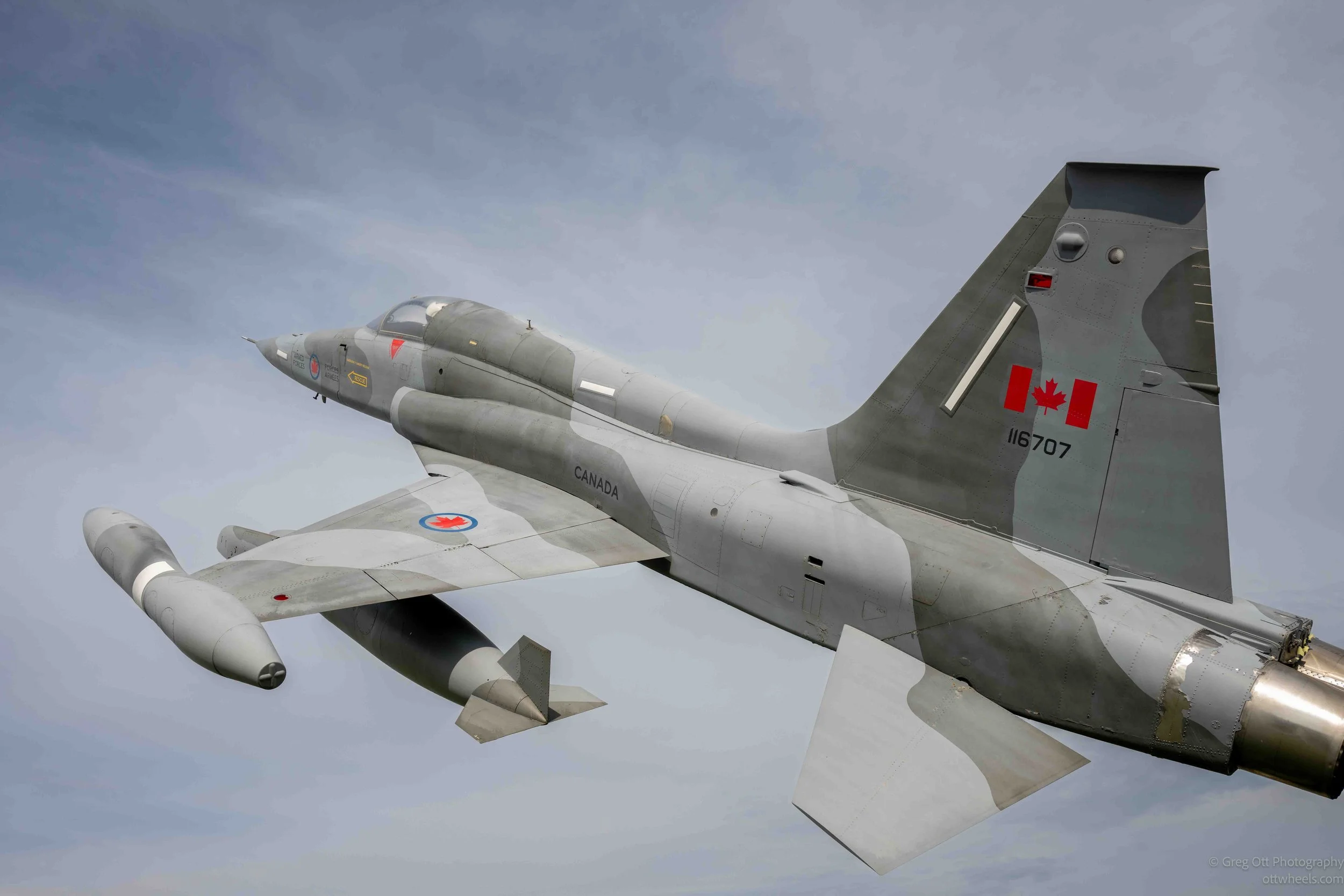
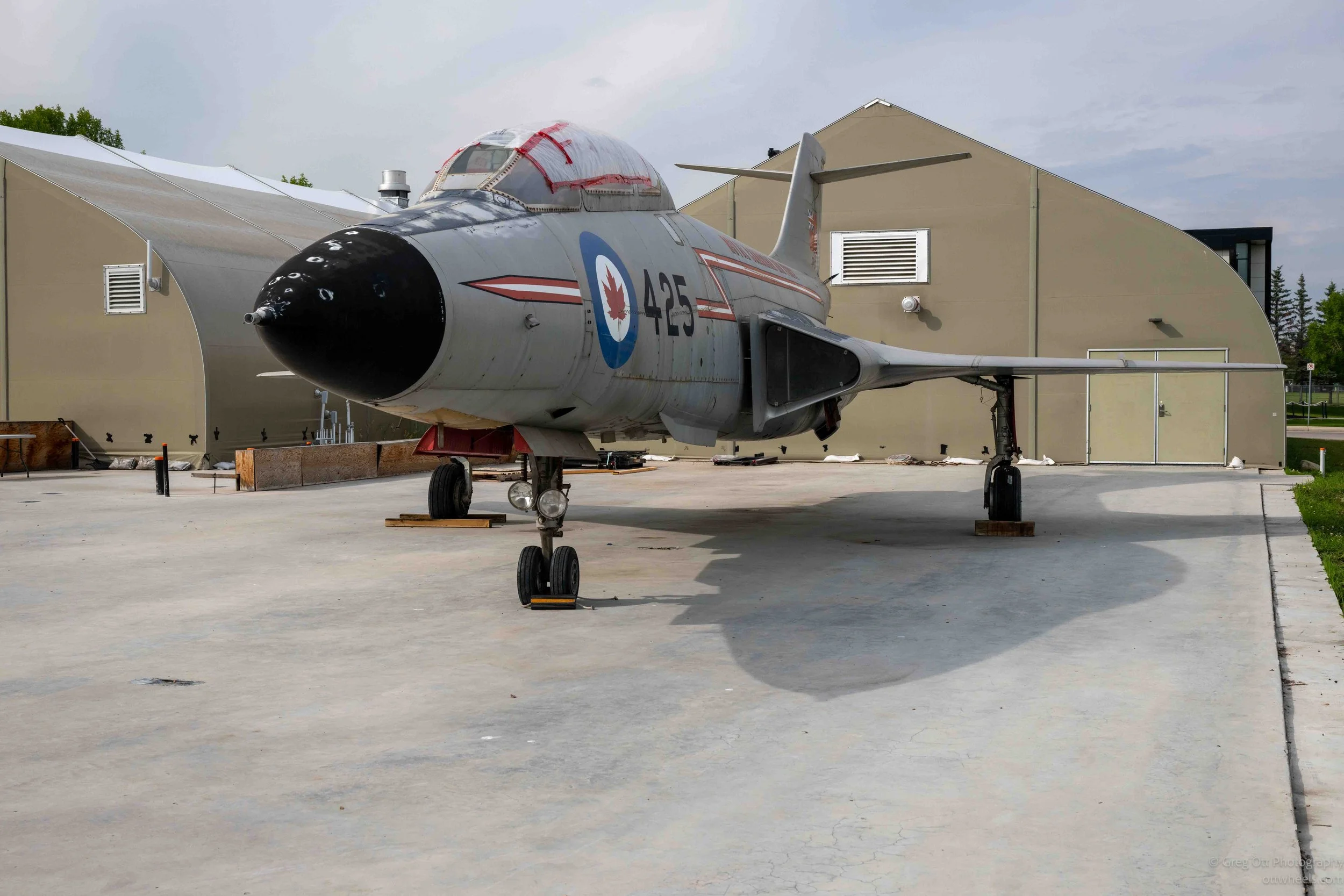
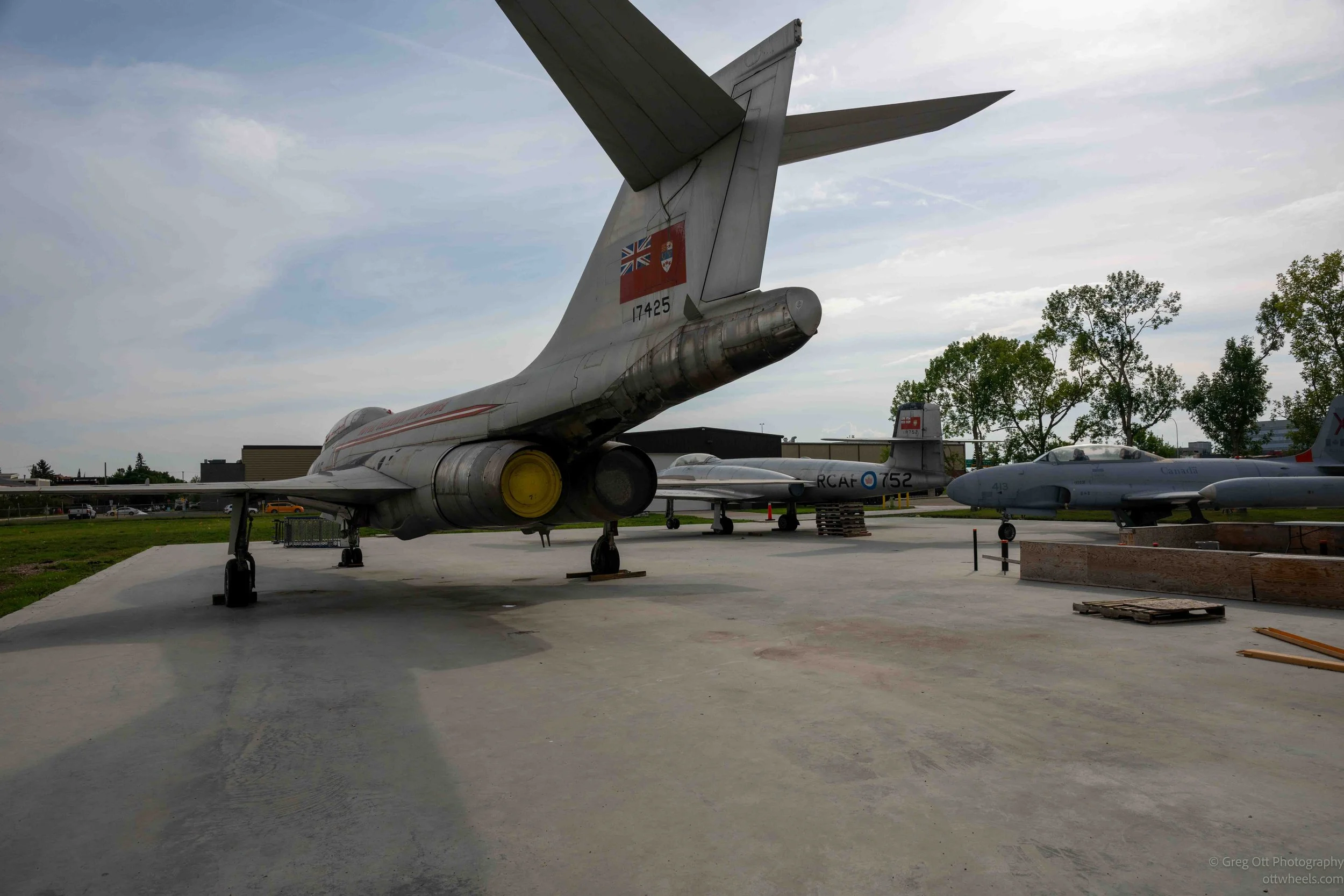
While I was wandering around taking photographs, a security guard came all the way out from the museum to find me. I had left the side door of the van open to air it out, and he was concerned that I had walked away and forgotten to close it. I was impressed that security had noticed both the open door and where I was on the grounds. He had a Scottish accent and knew quite a bit about the equipment, so what started as him checking on my van turned into another conversation about the museum. He pointed out several of the vehicles and explained what I was looking at. It seemed appropriate after spending much of the morning talking with knowledgeable volunteers inside that even my walk through the equipment outside ended with someone stopping to tell me more about what I was seeing.
I returned to the van and spent some time relaxing before driving downtown at the start of rush hour. There was a lot of construction on the way to a parking area on the west side of the river. I wanted to walk along the river and view the Peace Bridge.
Peace Bridge
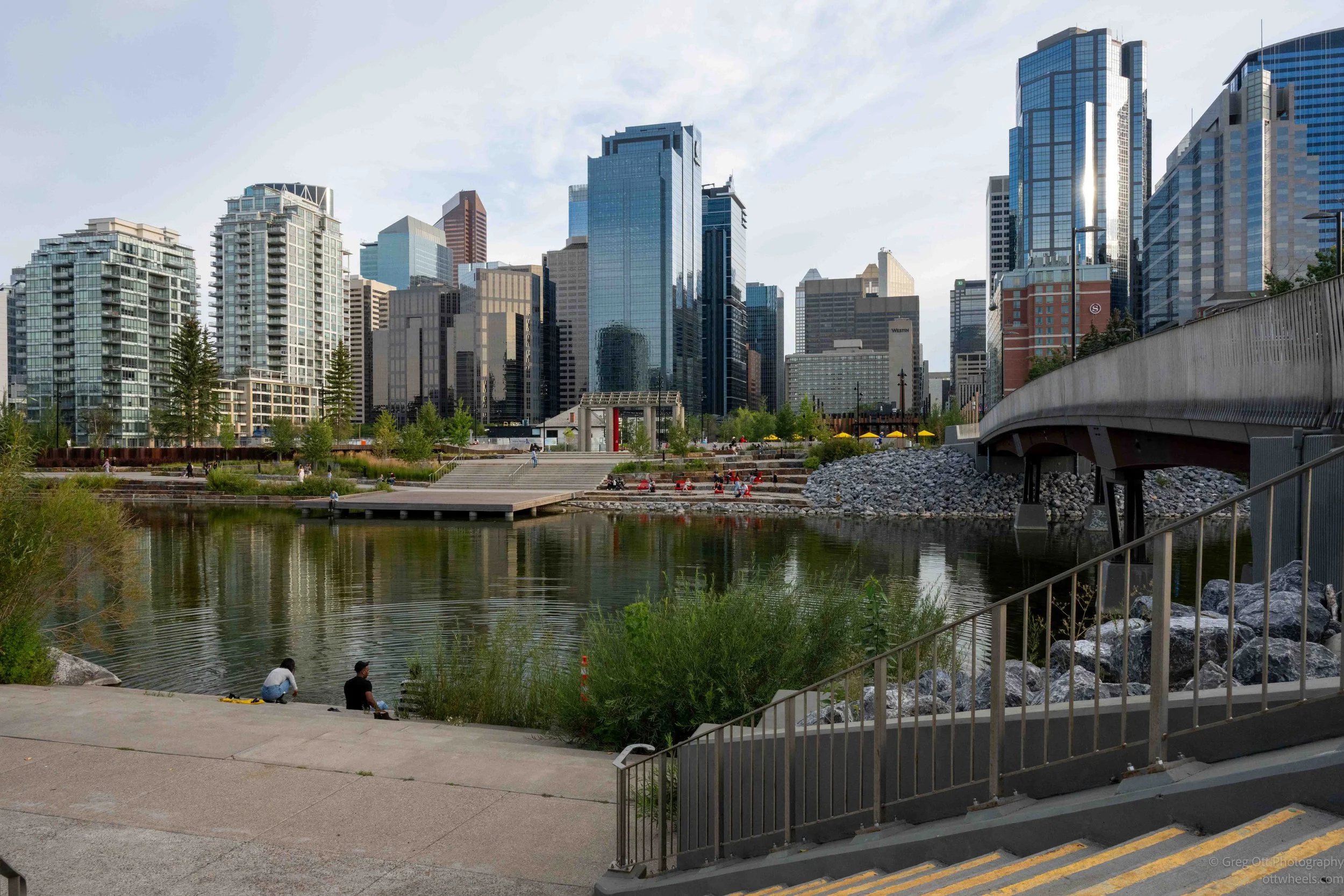
It was one of those walks where I would walk a little, stop to take a photograph or just look at something, then continue until I found a bench and sat for a while watching people go by. It was a beautiful afternoon and, exactly what I needed. The riverfront felt completely different, with gardens overflowing with flowers, mature trees and an interesting mixture of residential buildings and modern glass towers rising behind them. People were beginning to get out of work, some walking home and others heading toward the river paths. There wasn't any particular need to get anywhere. I could just wander.
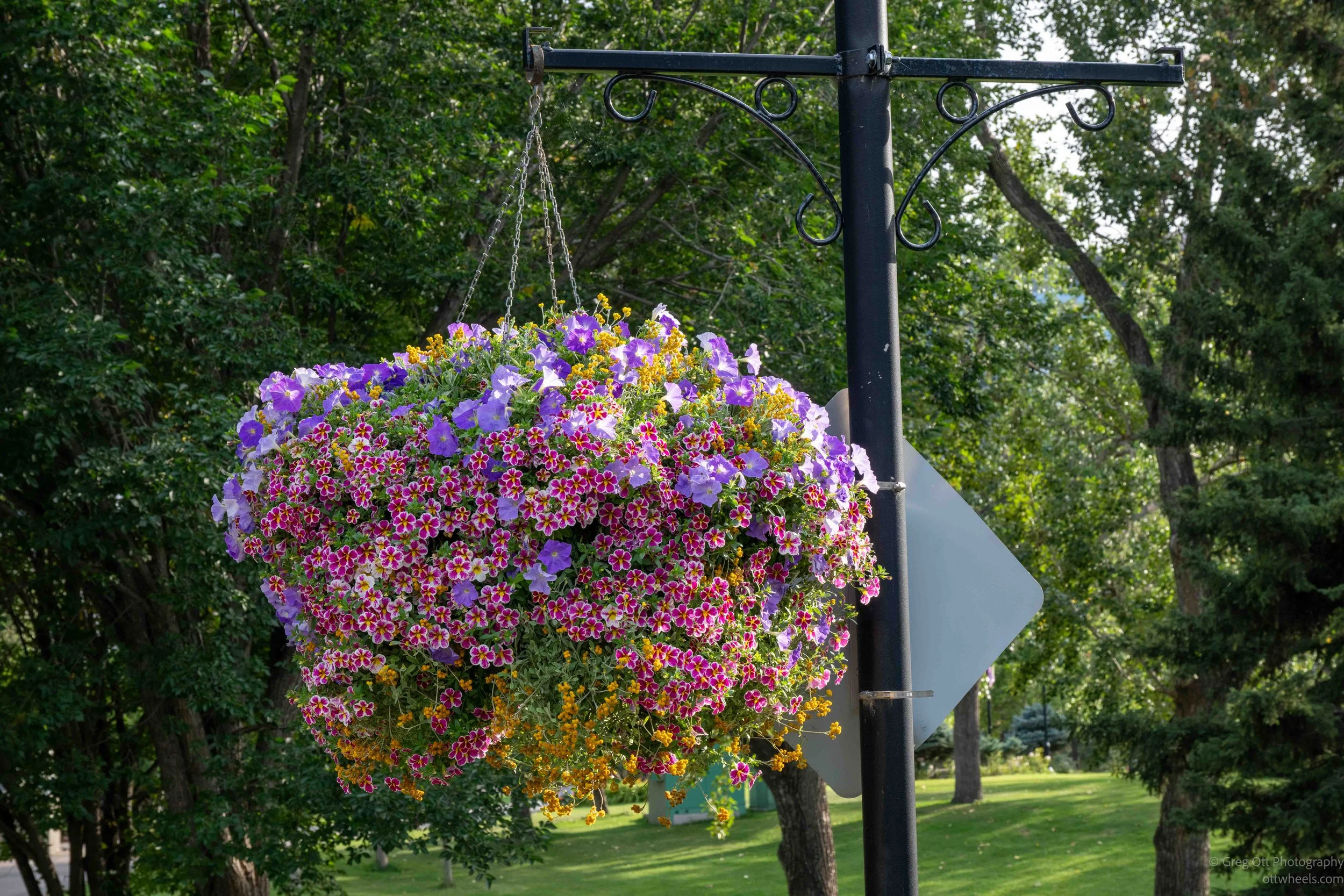
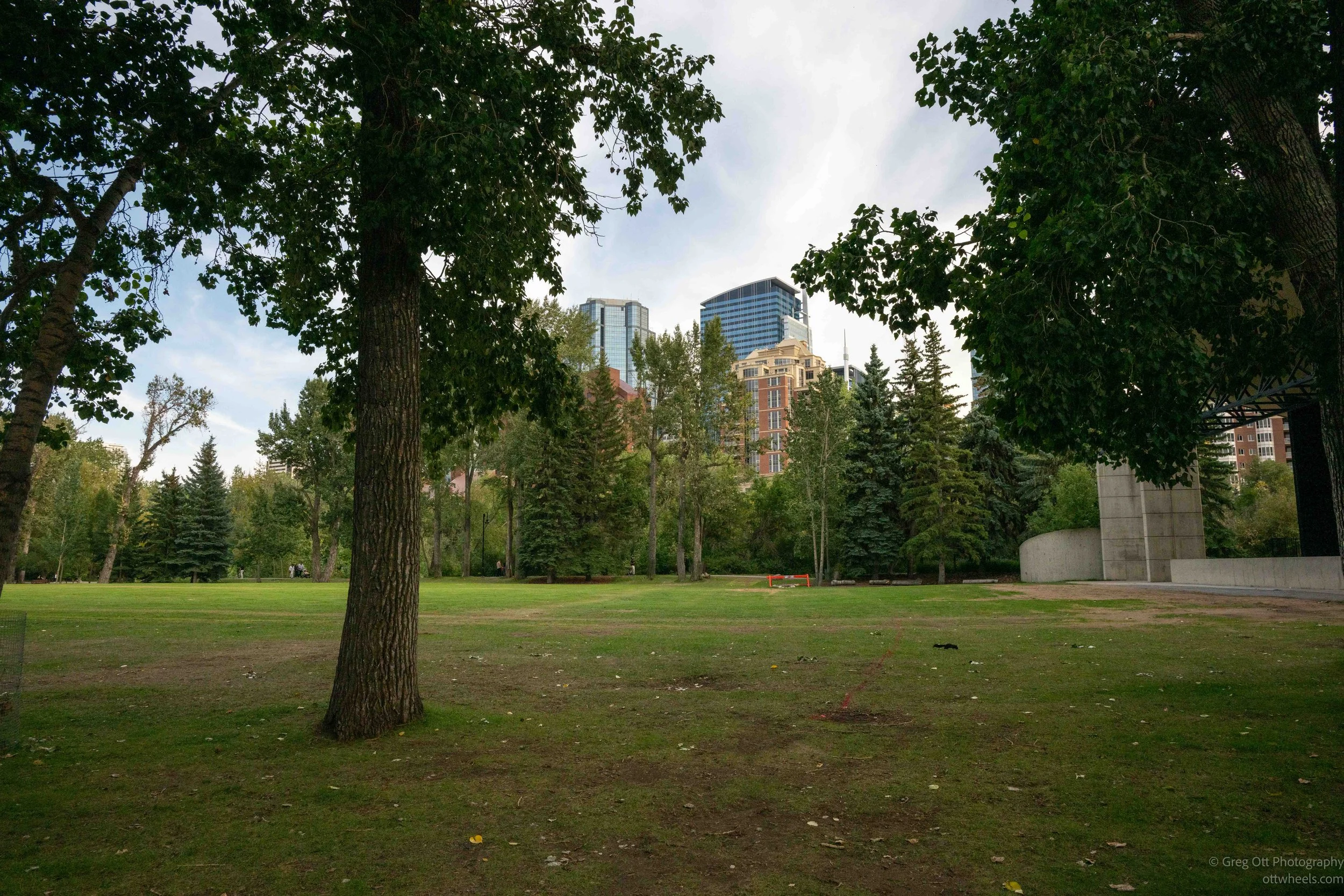
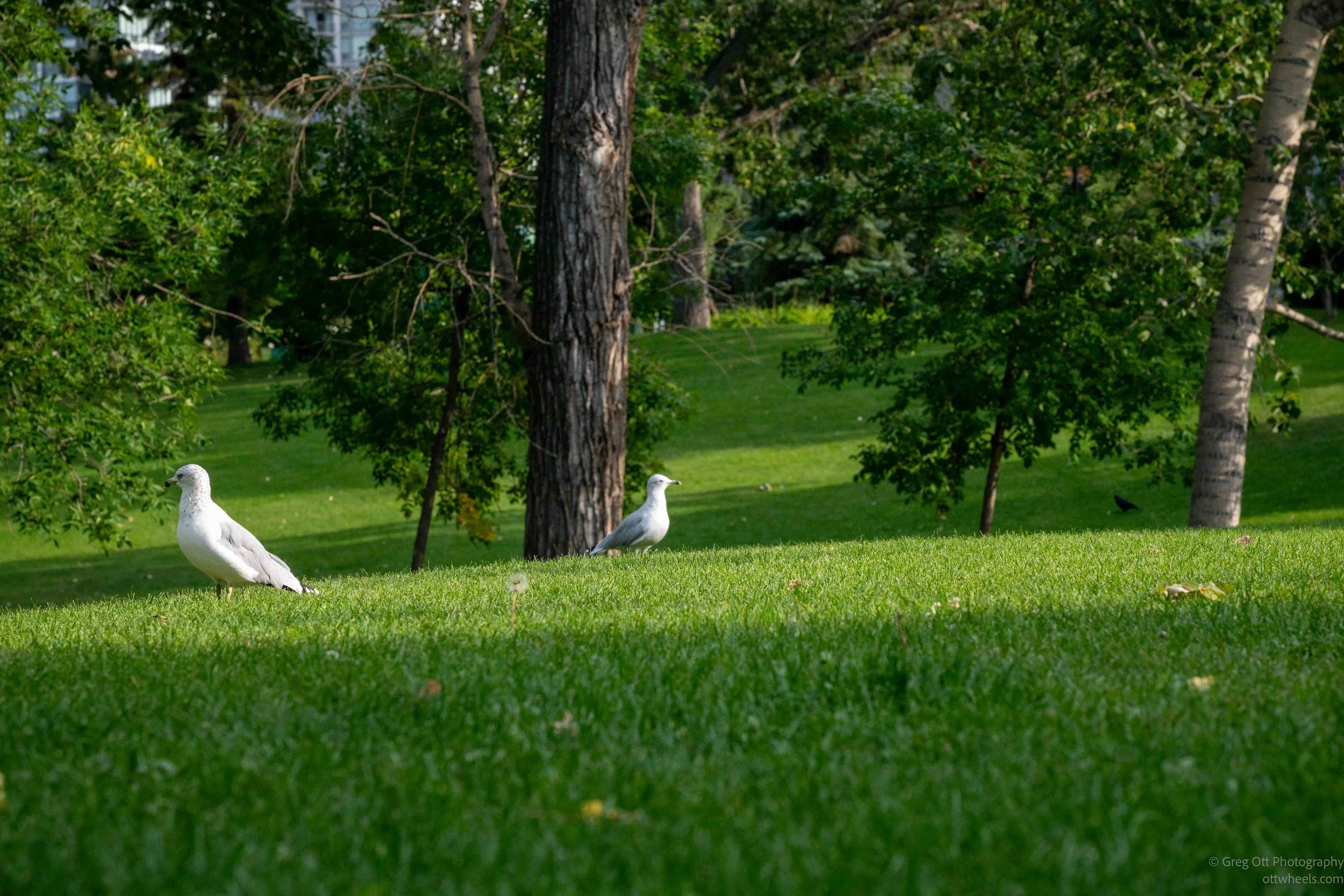
The Bow River is woven into this part of Calgary. Paths run along both banks and bridges connect the neighborhoods on either side. From one of the pedestrian bridges I could look back toward downtown, with the river below and the skyline rising above the trees. In other places the buildings almost disappeared. I passed hanging baskets packed with flowers, gulls standing on the grass and large old trees that made parts of the riverfront feel more like a neighborhood park than the center of a city.
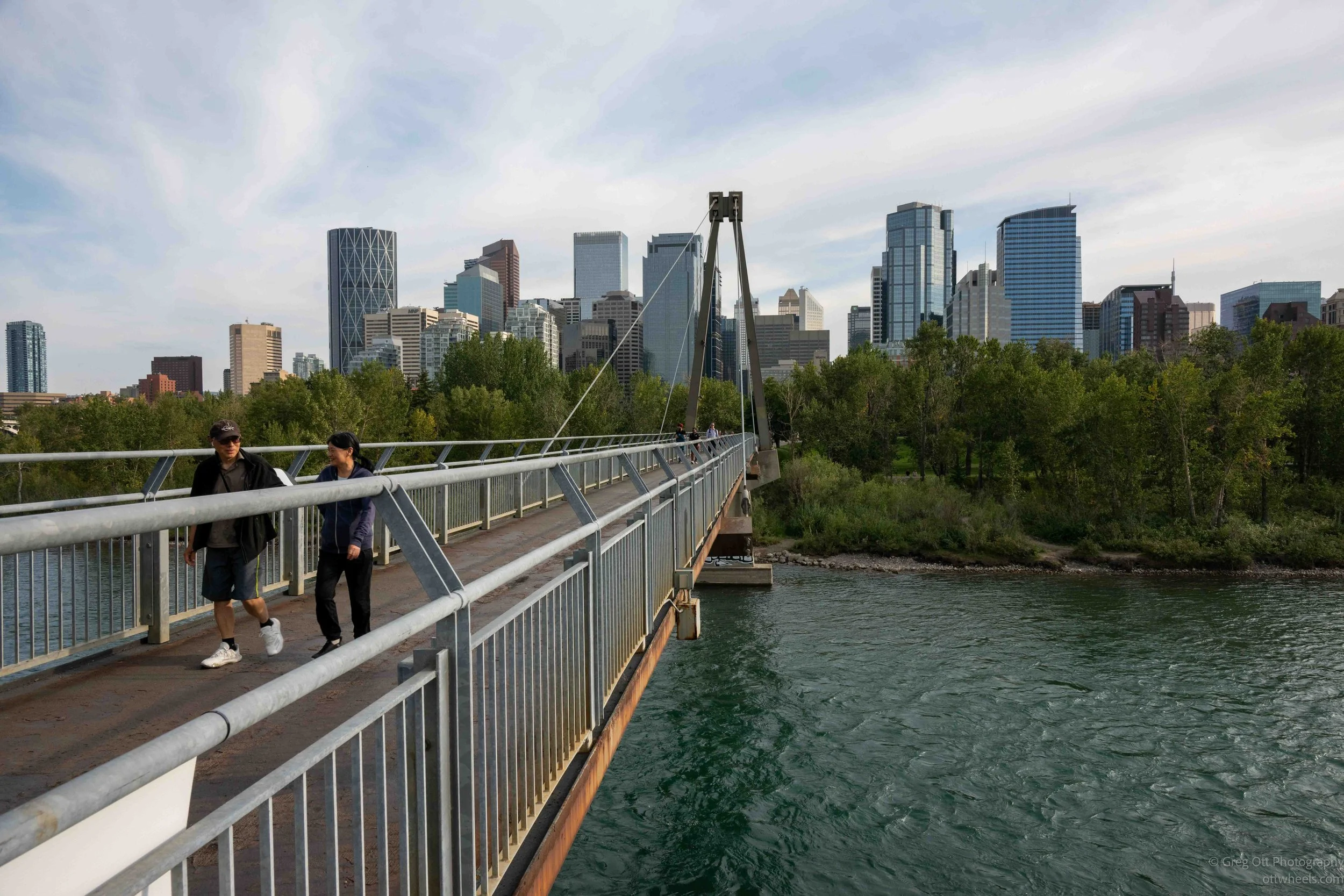
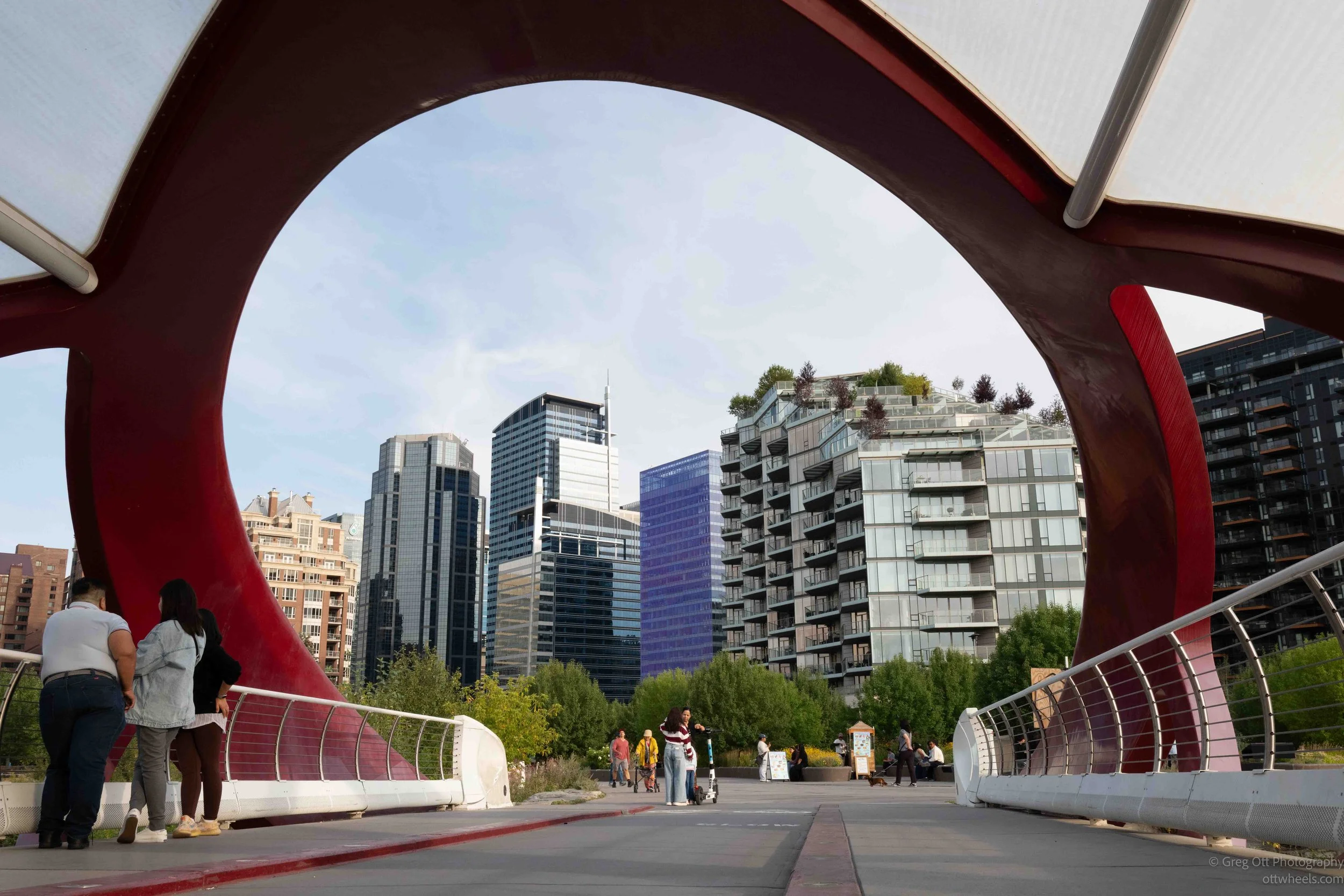
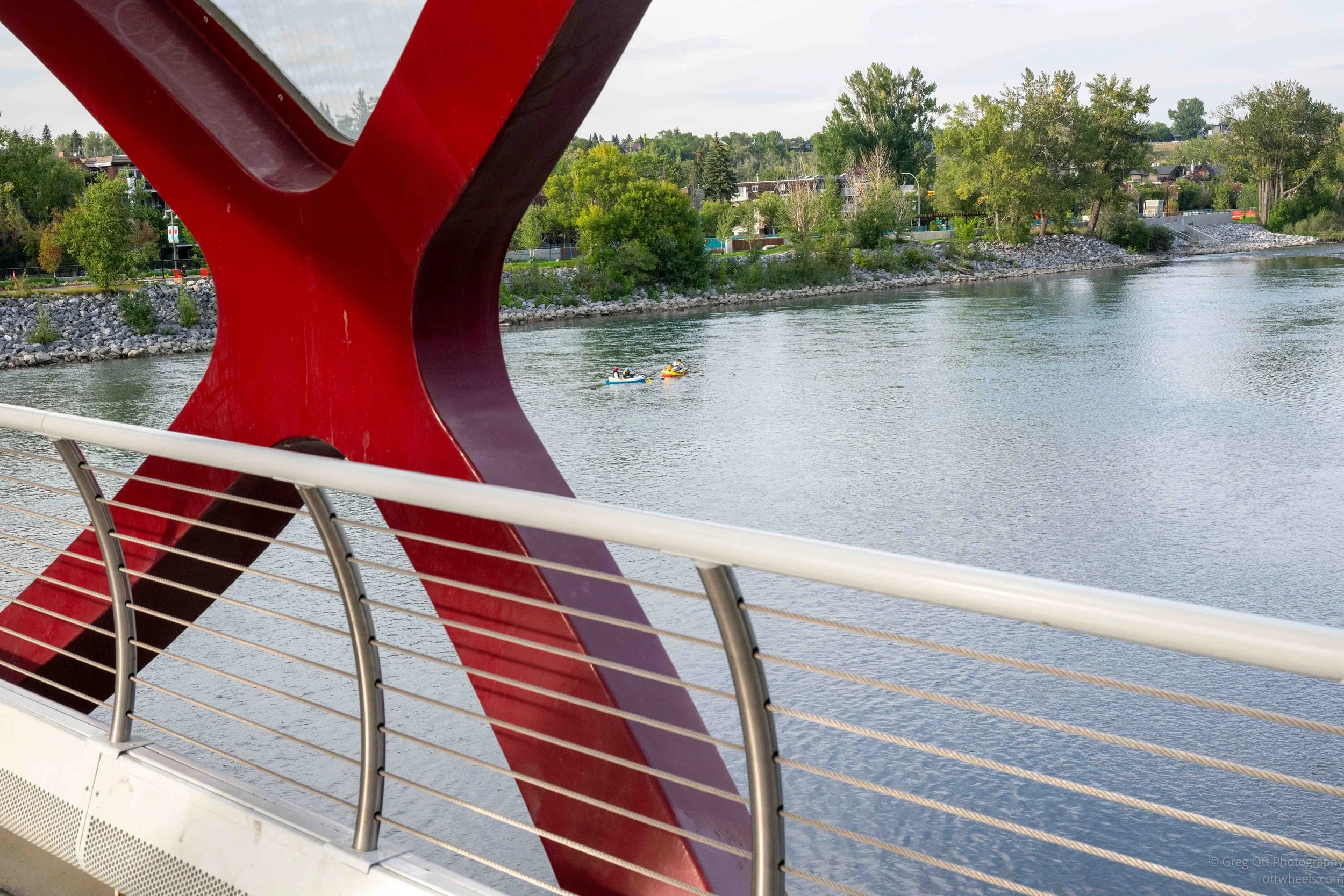
Eventually I reached the Peace Bridge, and it was impossible not to spend some time photographing it. Designed by Spanish architect and engineer Santiago Calatrava and opened in 2012, the 126-meter bridge connects downtown with the neighborhoods north of the Bow. Calgary required a design without piers in the river, while nearby heliport restrictions limited how high the structure could rise. The result is very different from the tall, cable-supported structures.
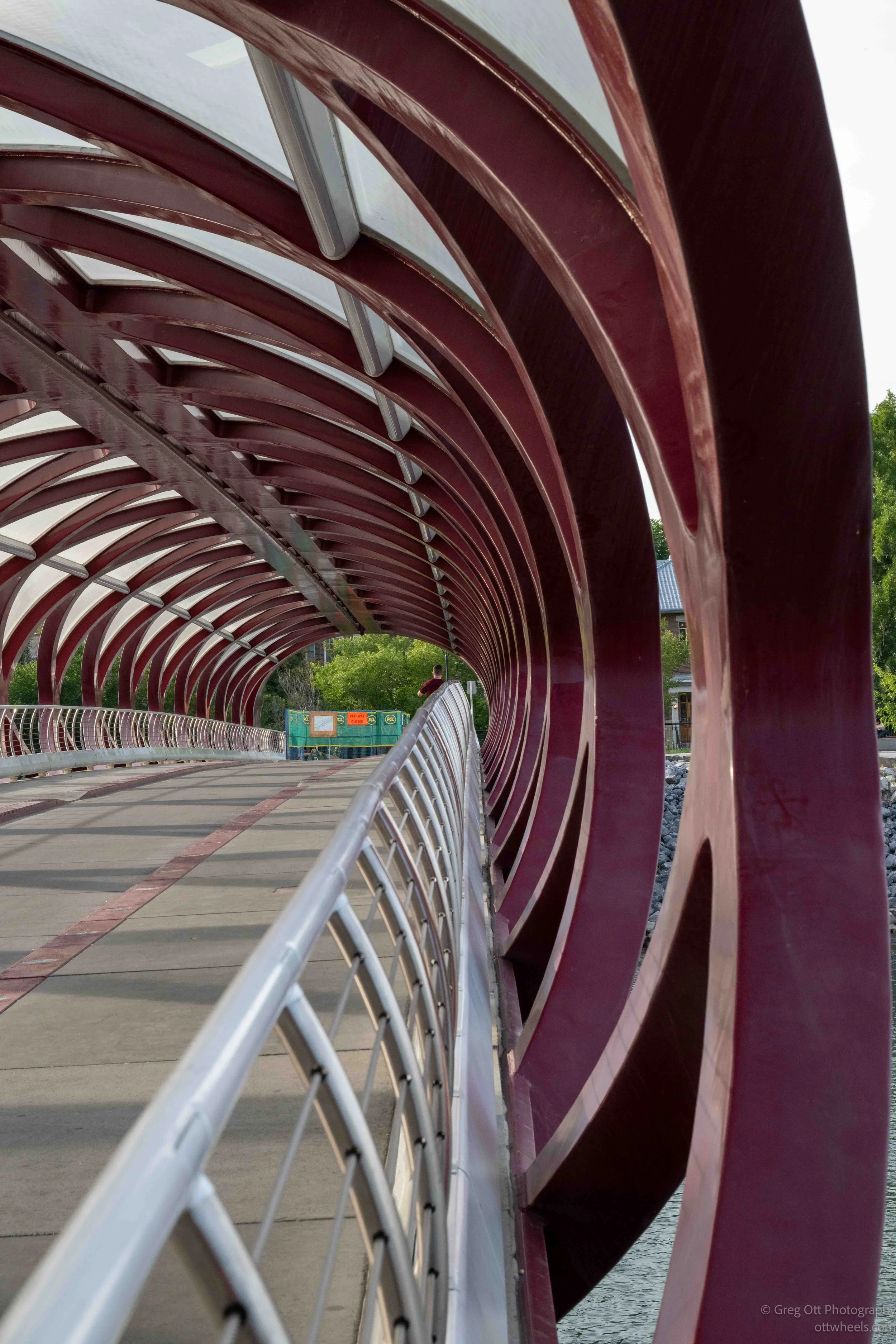
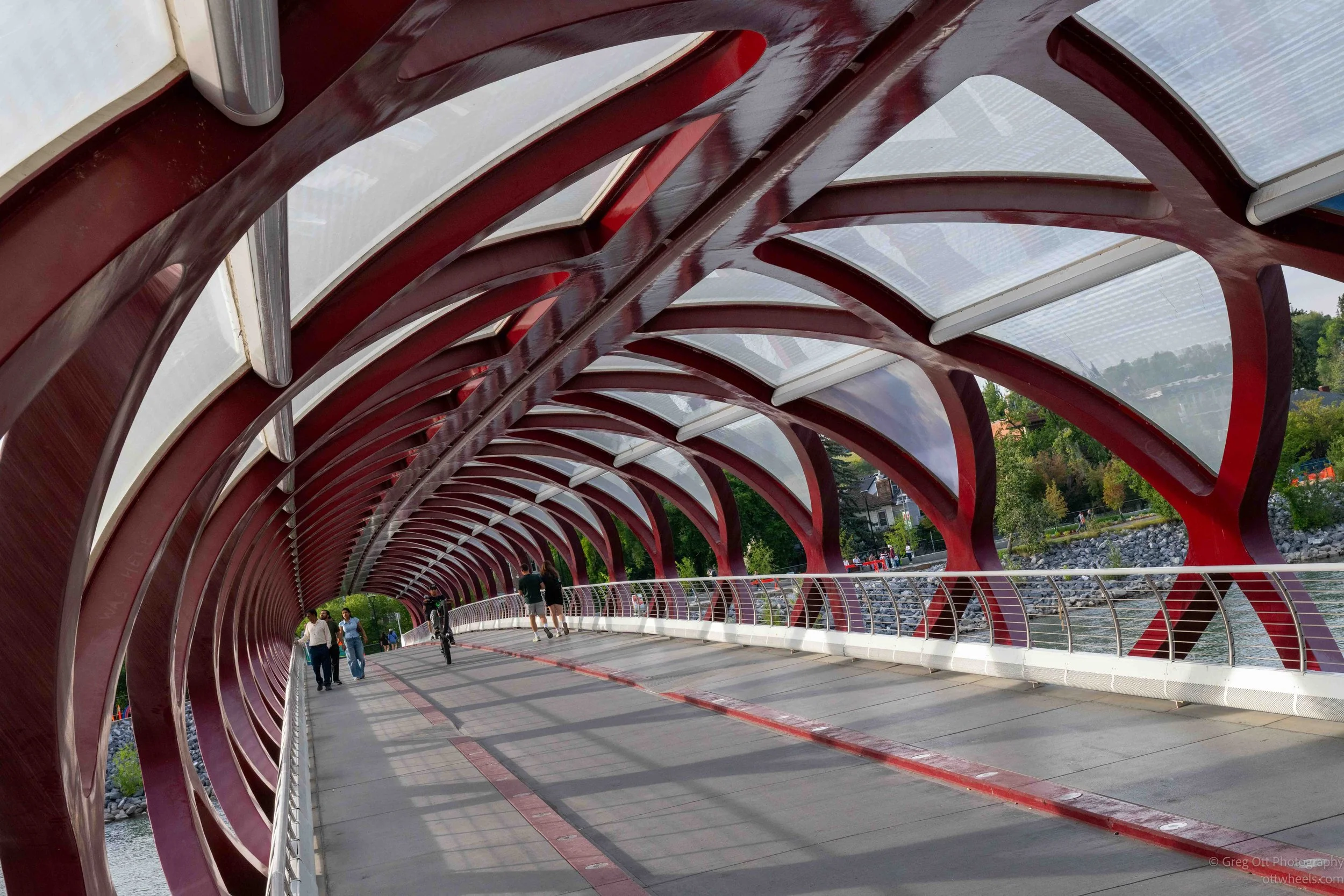
Instead, the Peace Bridge is essentially a long red steel helix wrapped around an oval passageway. Repeating ribs form the structure while curved glass panels cover portions of the top. The bridge separates pedestrian and bicycle traffic and is very much part of Calgary's transportation system rather than simply a piece of architecture placed over the river.
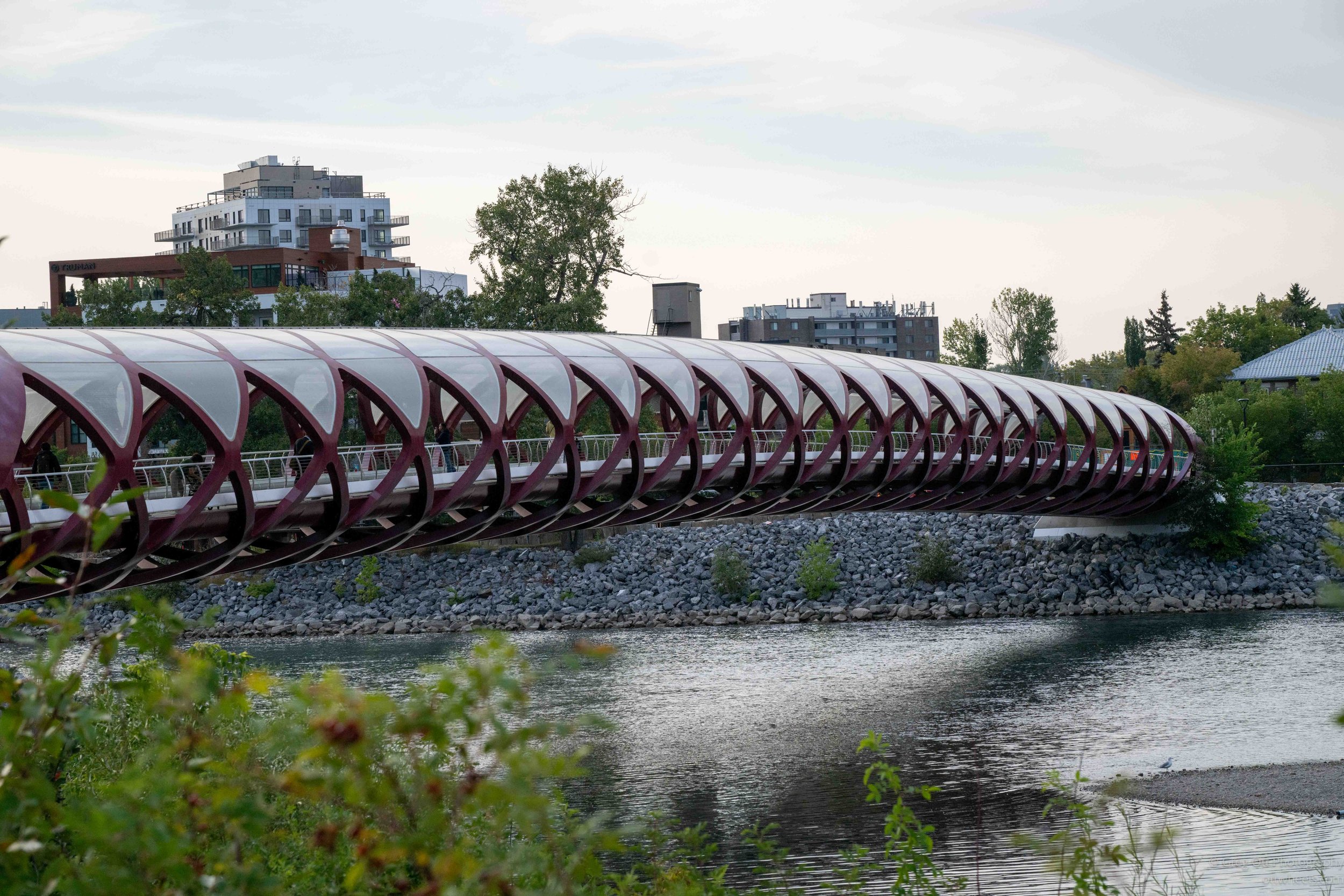
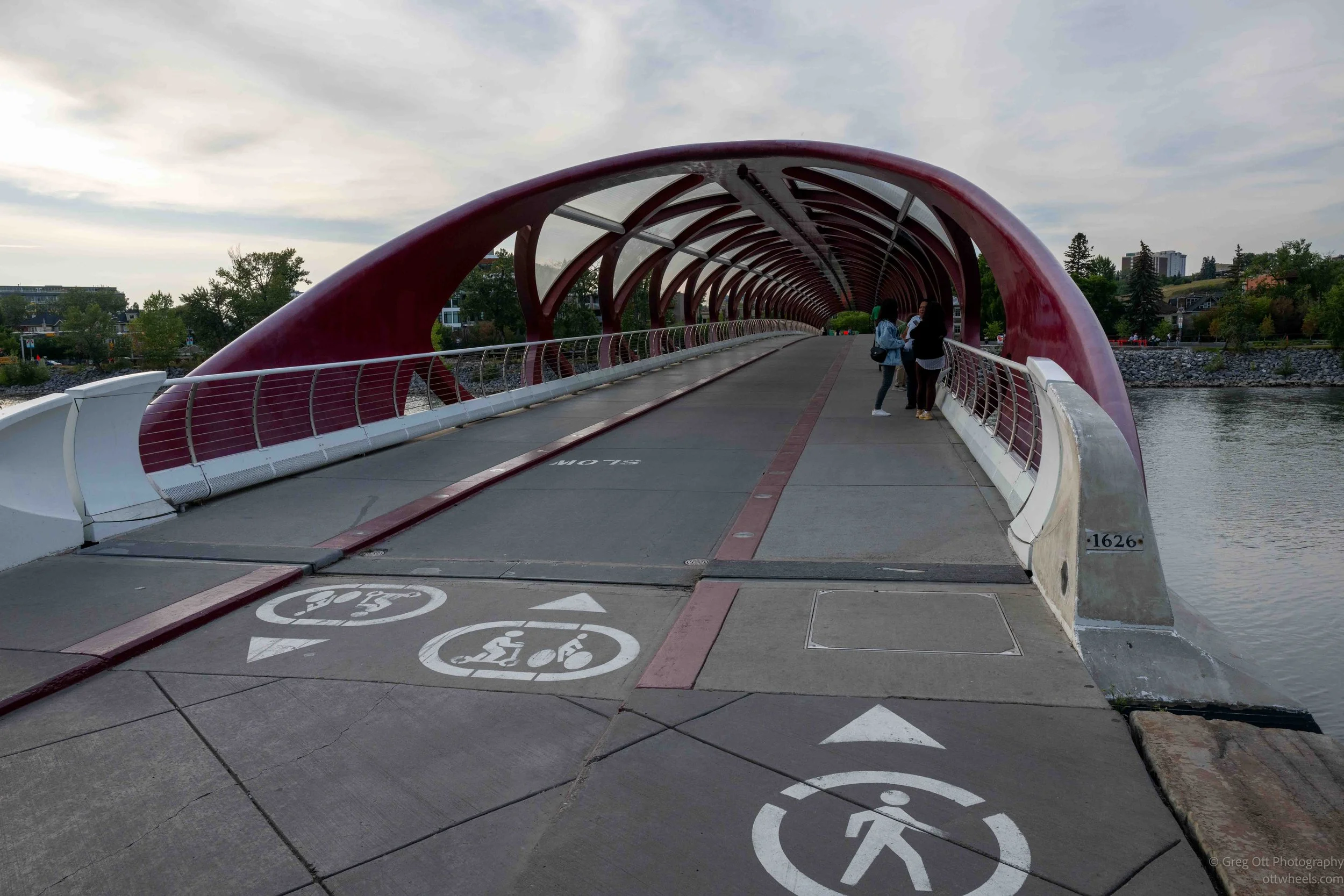
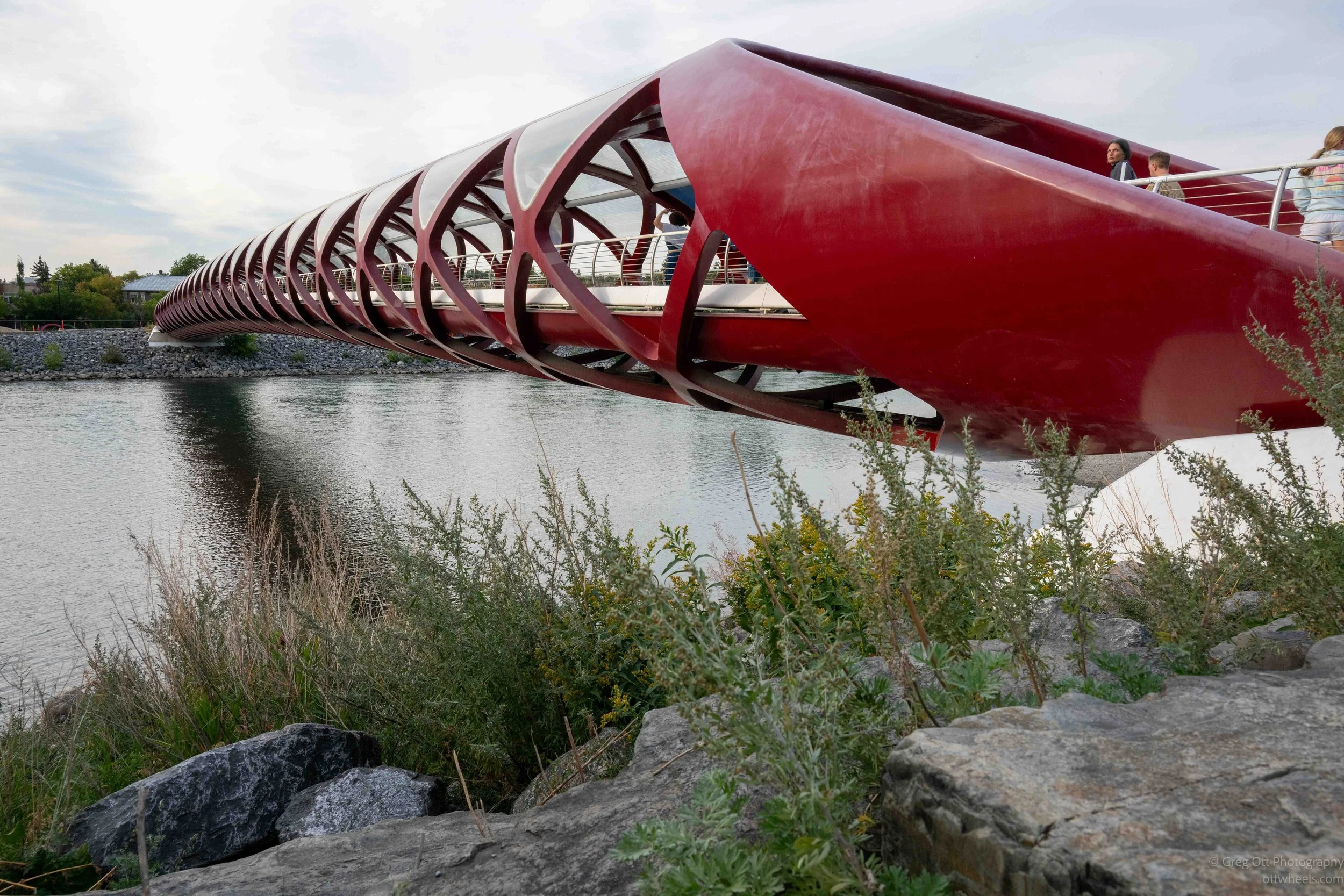
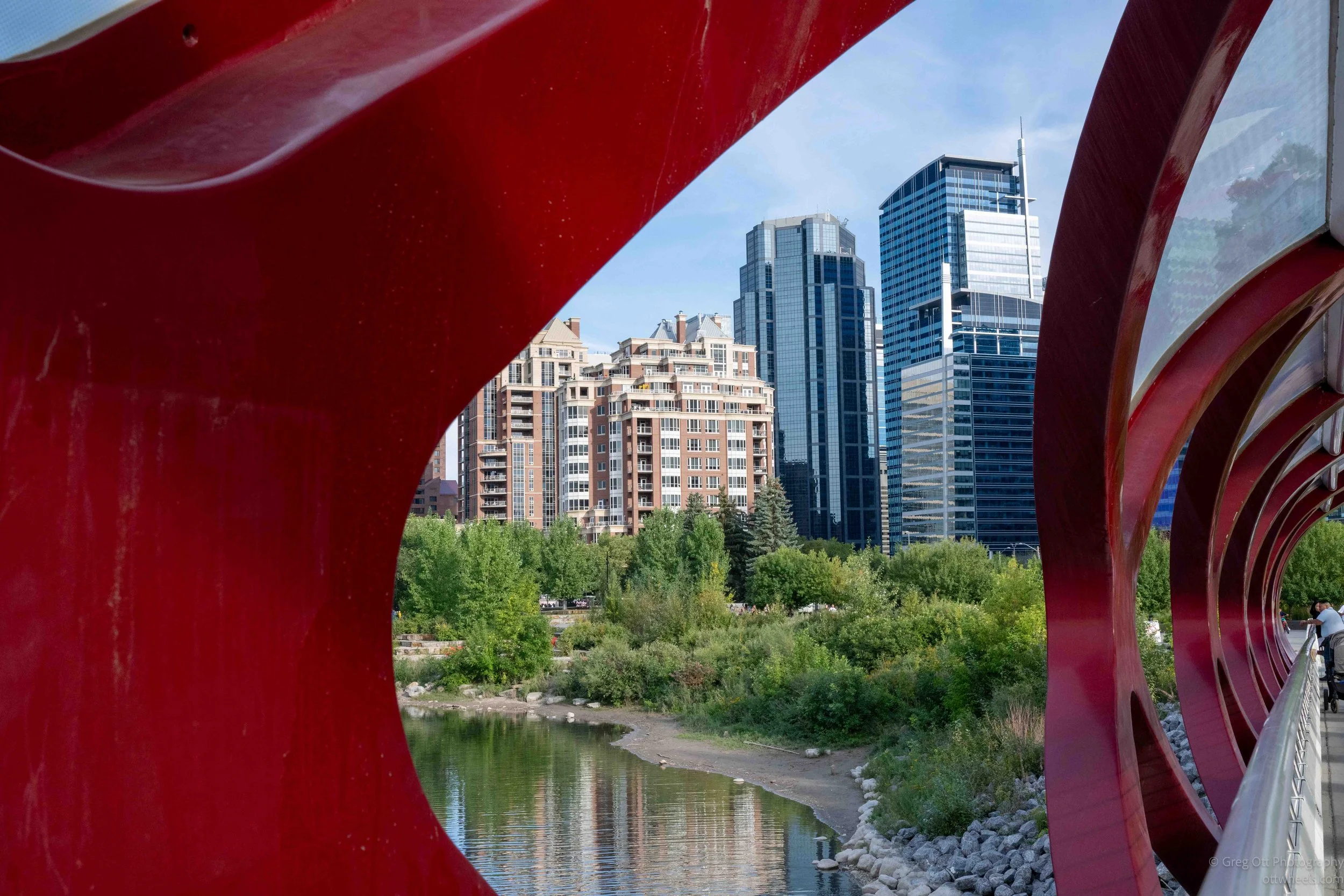
What interested me most was how the bridge changed as I moved around it. From the riverbank, the red structure stretches horizontally across the water, its repeating ribs getting smaller until they seem to merge together. Once inside, those same ribs become a tunnel, continually creating frames around whatever lies beyond them. One opening contained the river and downtown buildings; another framed apartment towers and trees. I kept stopping because moving only a few feet produced a different composition. Sometimes the bridge was the subject. Other times it became the frame around Calgary.
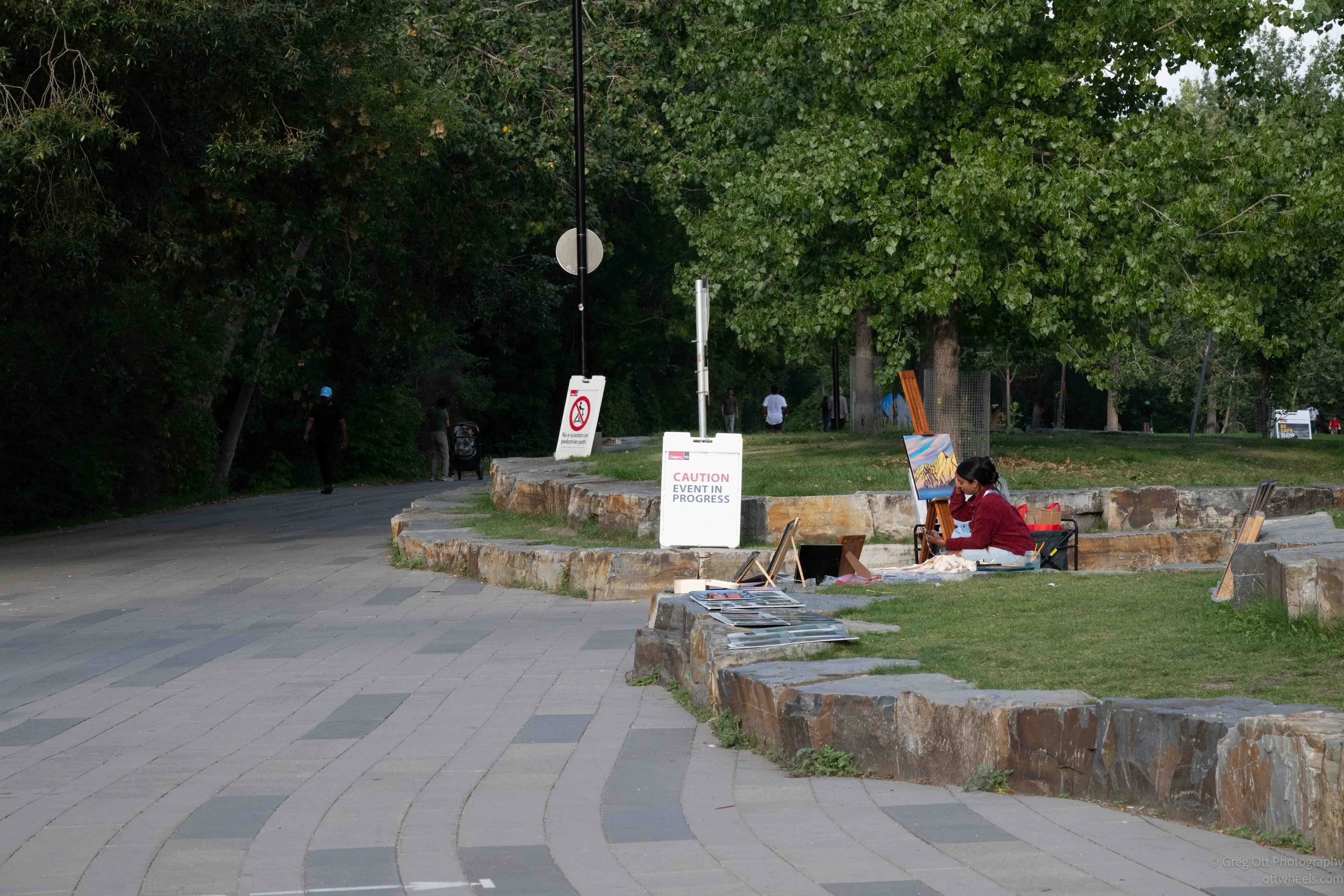
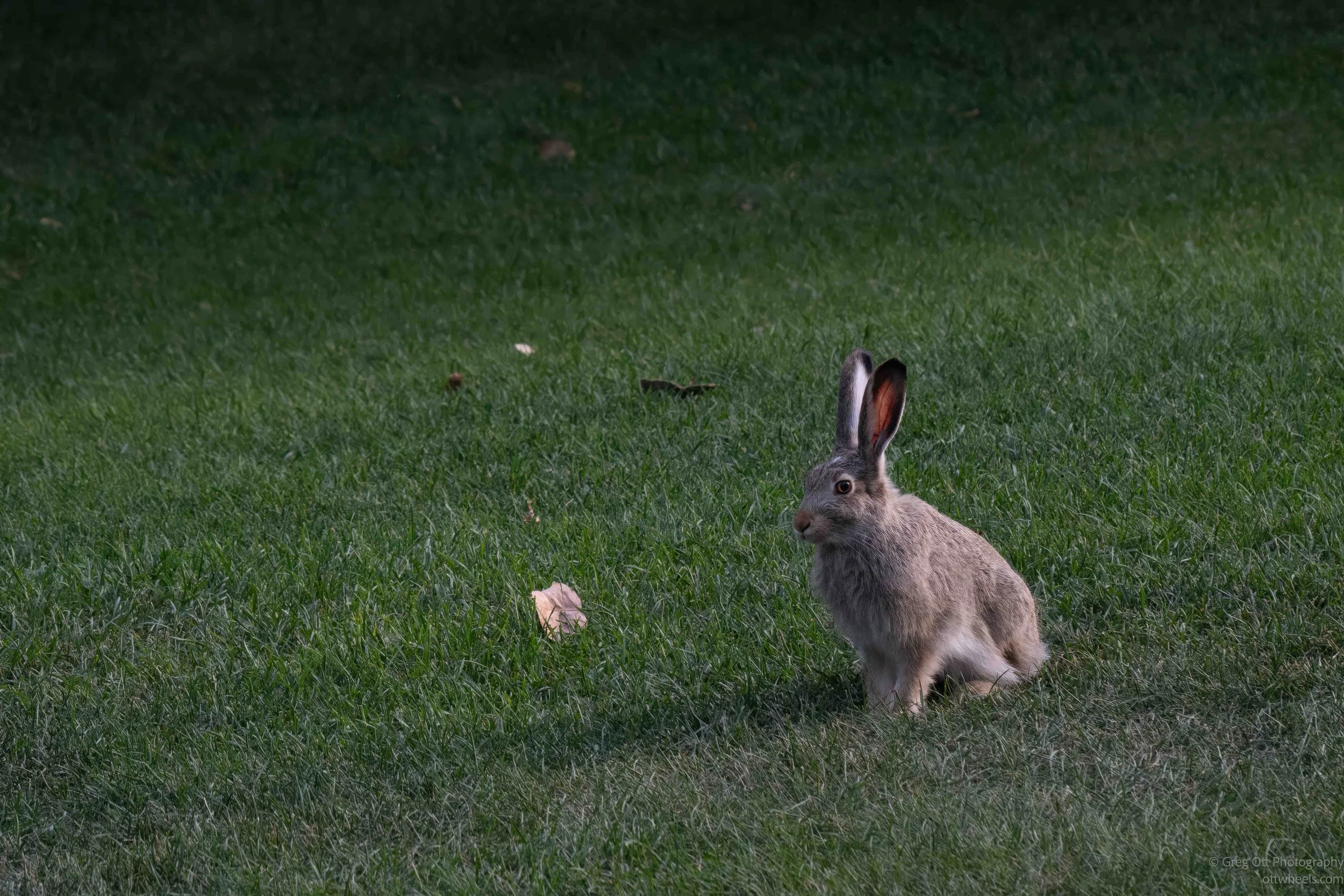
After crossing, I continued wandering through the riverfront parks. An artist had set up beside the pathway with paintings spread along the stone wall while she worked on another canvas. Rabbits moved through the grass, people occupied benches beneath the trees and pieces of public art appeared along the way. None of it felt like something I needed to rush over to see. It was simply part of the walk.
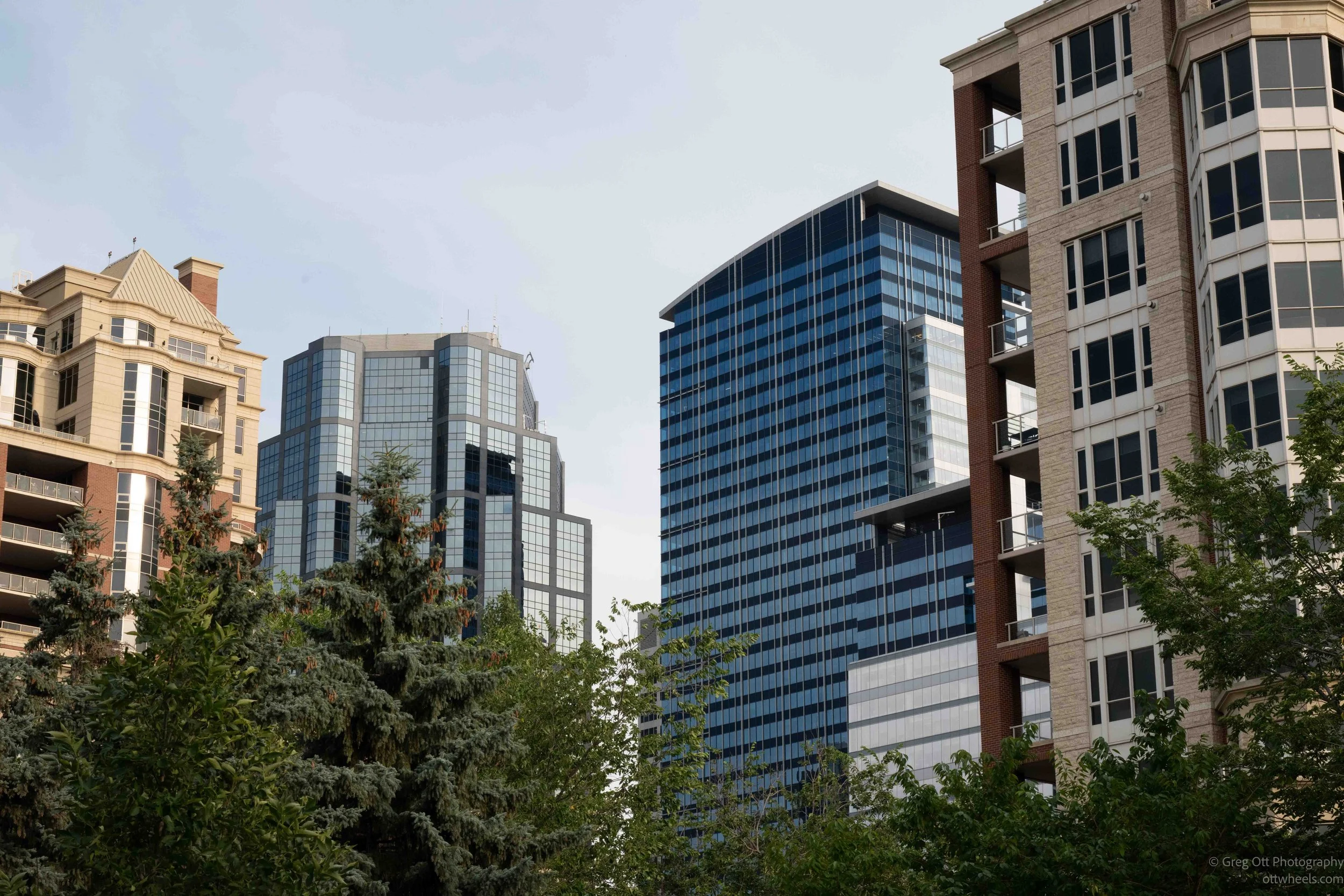
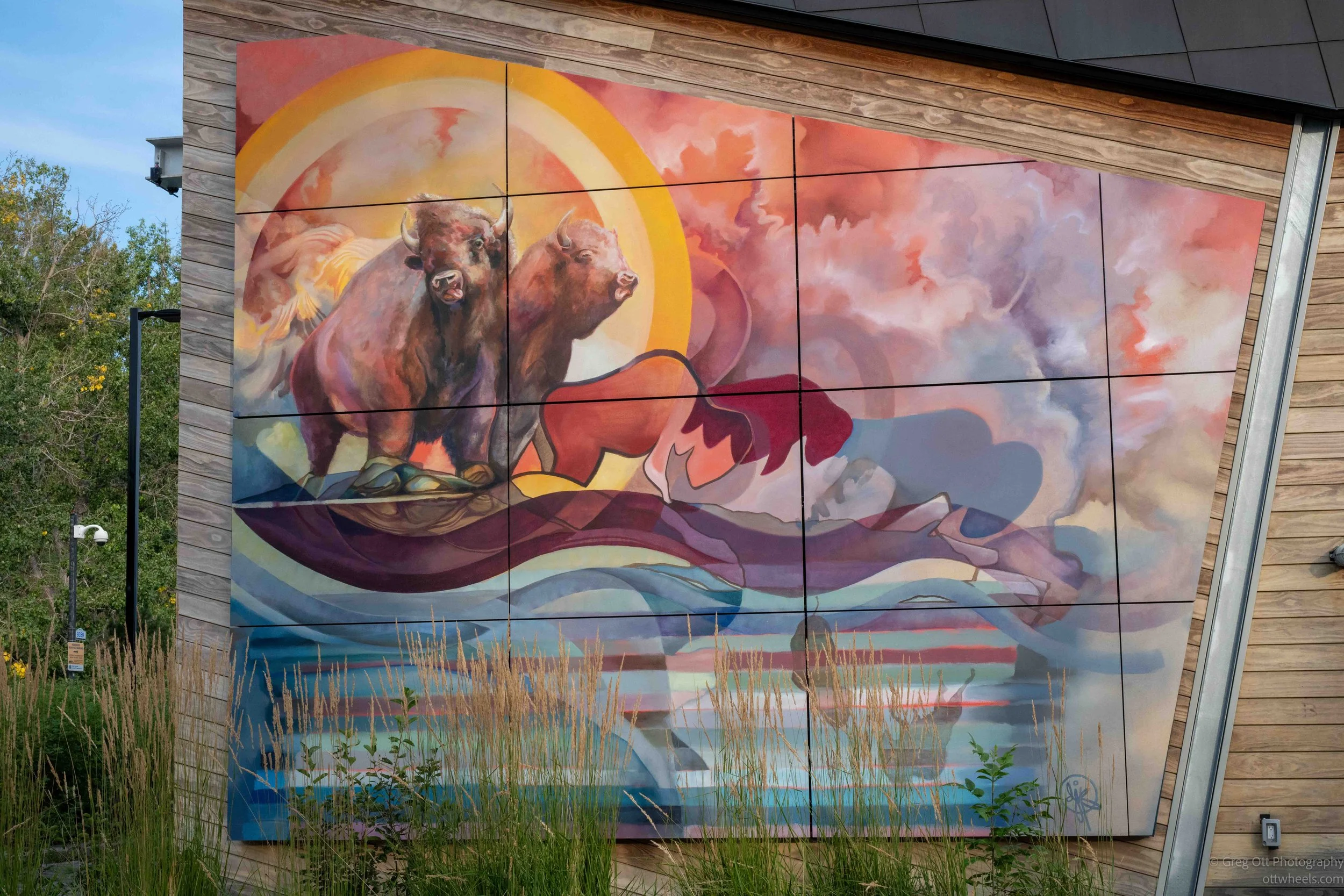
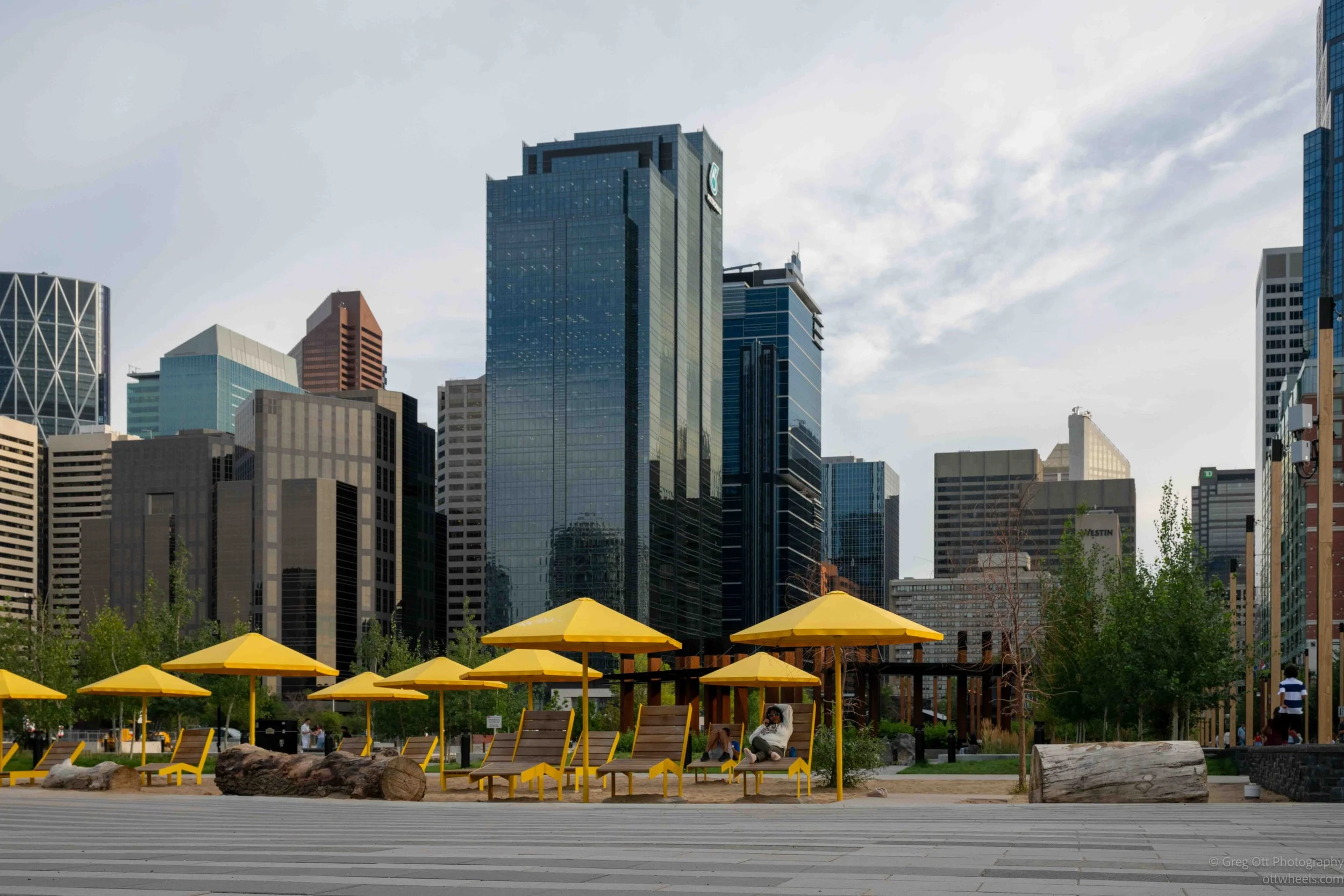
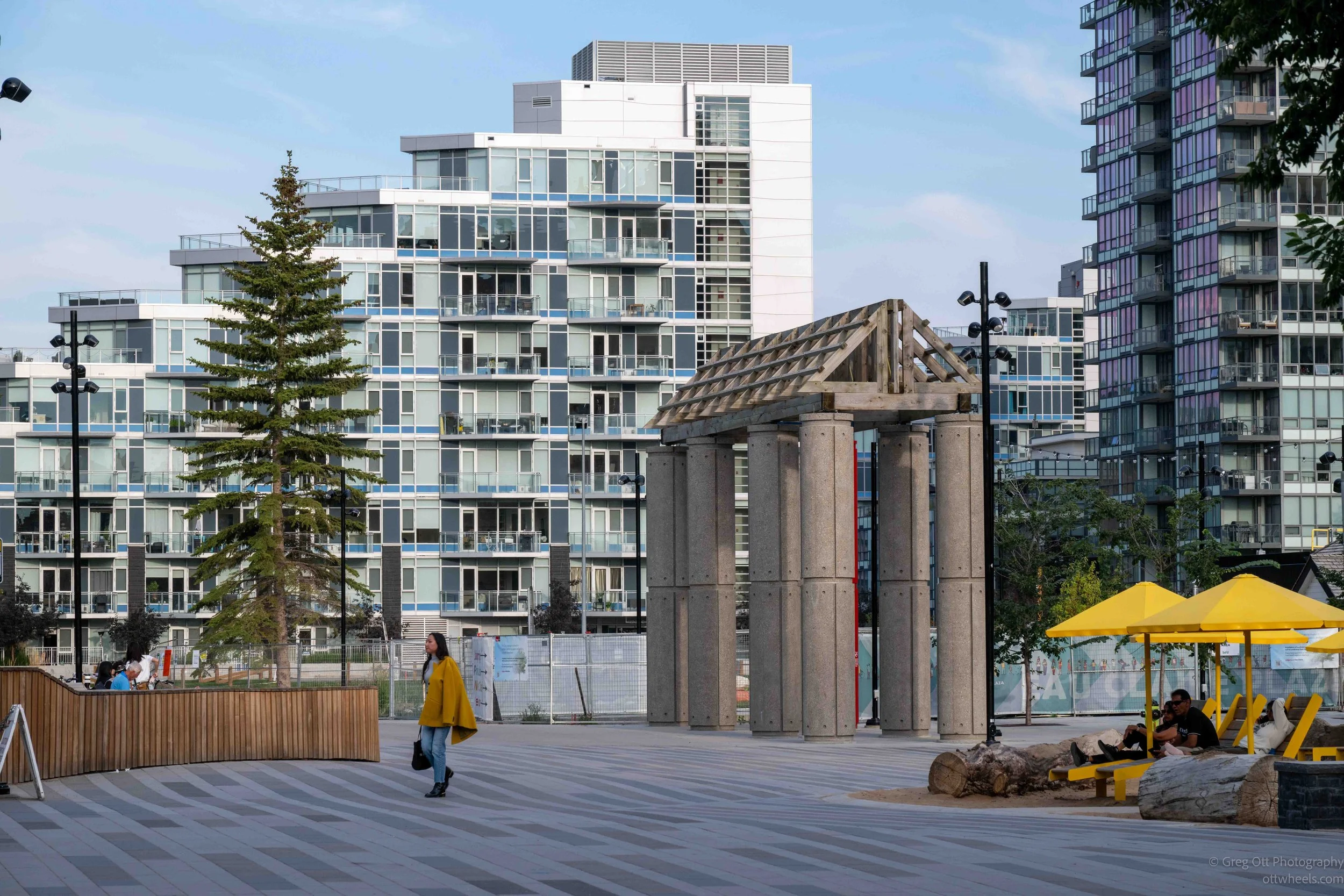
Closer to downtown, the trees began giving way again to apartment buildings and office towers. Broad paved areas, steps leading toward the water and bright yellow chairs and umbrellas created places where people could simply sit. I also came across a large mural dominated by two bison against a colorful landscape of mountains, water, clouds and sky. That became the rhythm of the afternoon: walk, notice something, photograph it, sit for a while and then start walking again.
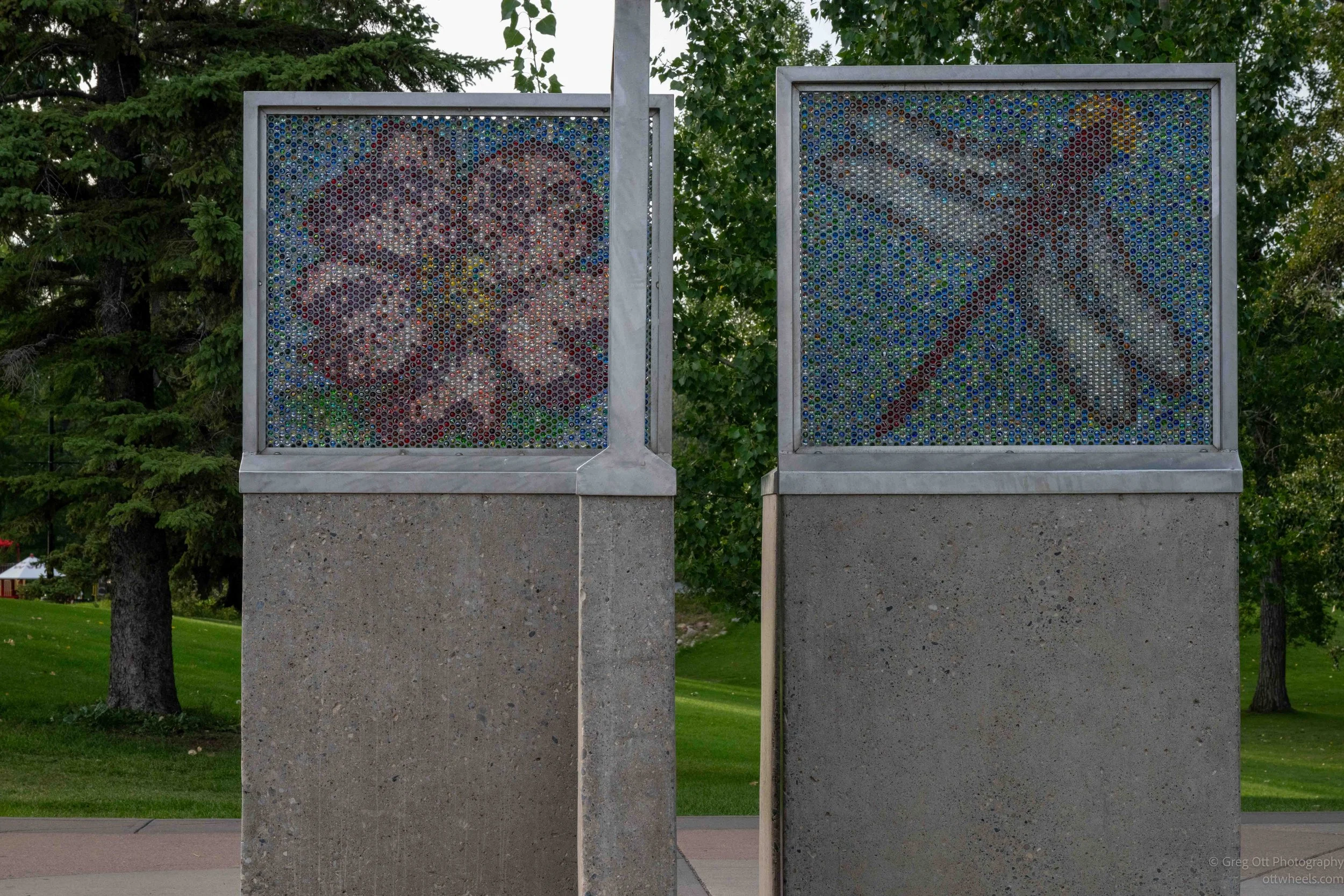
By then people were steadily leaving downtown. I watched them crossing the bridges and following the paths toward the surrounding neighborhoods, sometimes still dressed for work and carrying bags, while cyclists and people on scooters moved alongside them. Calgary's riverfront isn't somewhere people necessarily have to make a special trip to visit. For many of them, it is simply part of getting home.
I eventually found another bench and sat down. There was nothing I particularly needed to photograph and nowhere I needed to be. The afternoon had become exactly what I had hoped for—a couple of hours of walking slowly, watching people, looking at architecture and enjoying the city without trying to accomplish anything. It was peaceful and relaxing, and gave me a very different view of Calgary.
I walked back to the van just before dark. By then the traffic had died down and the parking lot was quiet except for a group of people in their twenties and thirties taking an outdoor fitness class. I opened the side door, made dinner and relaxed for a while before deciding there was still time for one more stop.
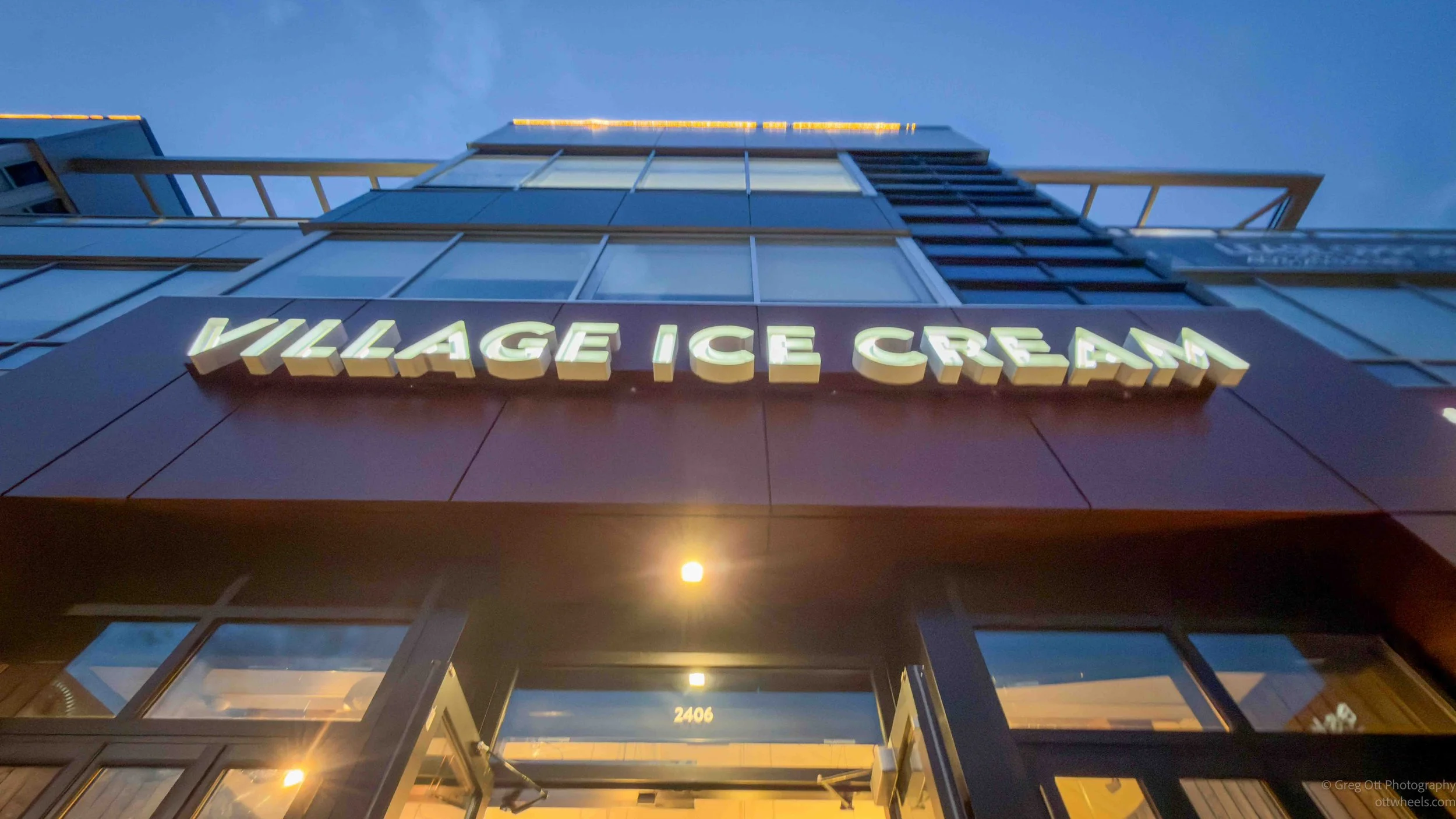
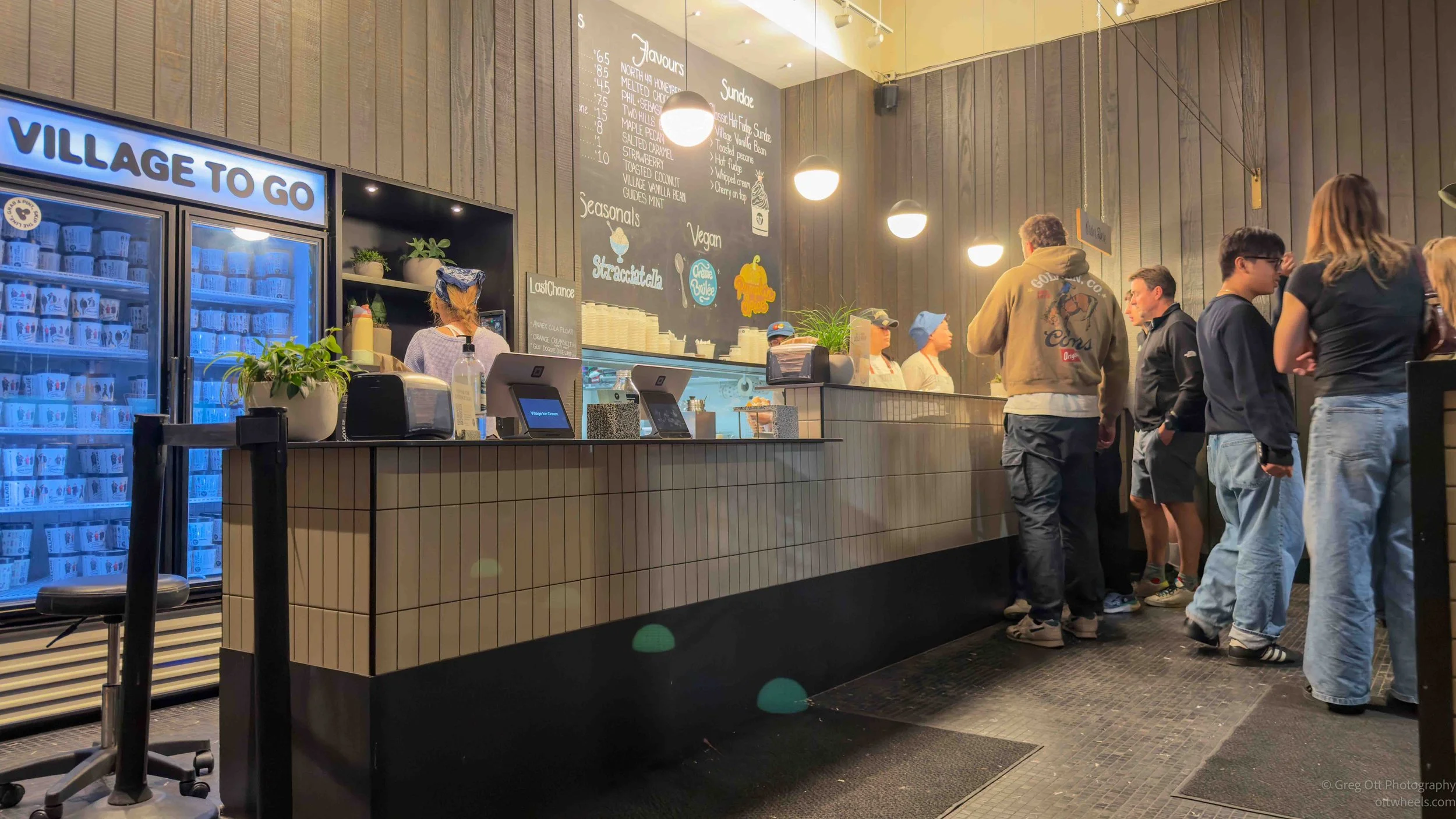
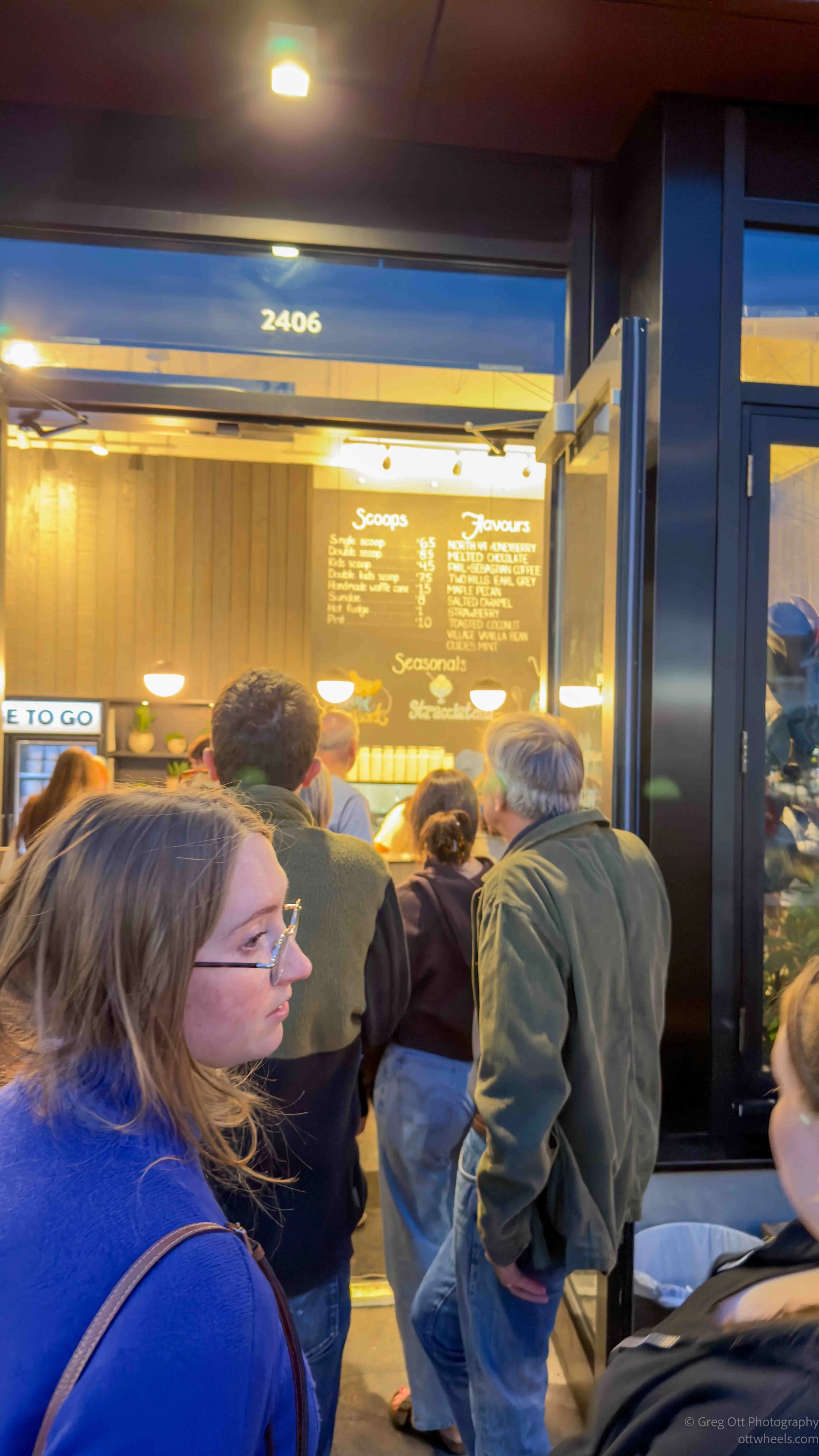
I drove back out to the Westhills/Signal Hill area for ice cream at Village Ice Cream. When I arrived, there were probably forty people waiting in line, which I took as a pretty good indication that I had picked the right place. The ice cream lived up to the crowd. What surprised me was how many people ordered a cone or cup and then added a couple of pints to take home with them. The shop and the surrounding neighborhood had a young, lively feel, and even fairly late in the evening there were people everywhere.
After the ice cream, I headed back to my favorite overnight spot and settled in for the night. It had been a relaxing day of military history, a slow walk along the Bow River and a very good ice cream to finish it off.