
Bannack Montana Ghost Town
I woke sometime before midnight because the air felt very cool. The Rixen’s heater was on and had been running already a few hours, but the van still felt cool. I installed hydronic floor heating when I built the van, and the floor didn’t seem nearly as warm as it should have been. The temperature had dropped from the mid-70’s to below freezing. I had heat but it still felt cool. I checked the Rixen controls, but there were no diagnostic warnings. I could feel plenty of heat beside the bed where the hydronic fluid tank is located, so I knew the system was producing heat. The hot-air circulator wasn’t coming on though to heat the air. I decided to raise the thermostat from 65 to 69 degrees, and almost immediately the hot-air heater kicked in. Within a short time, the van was nice and toasty, and it stayed that way for the rest of the evening.
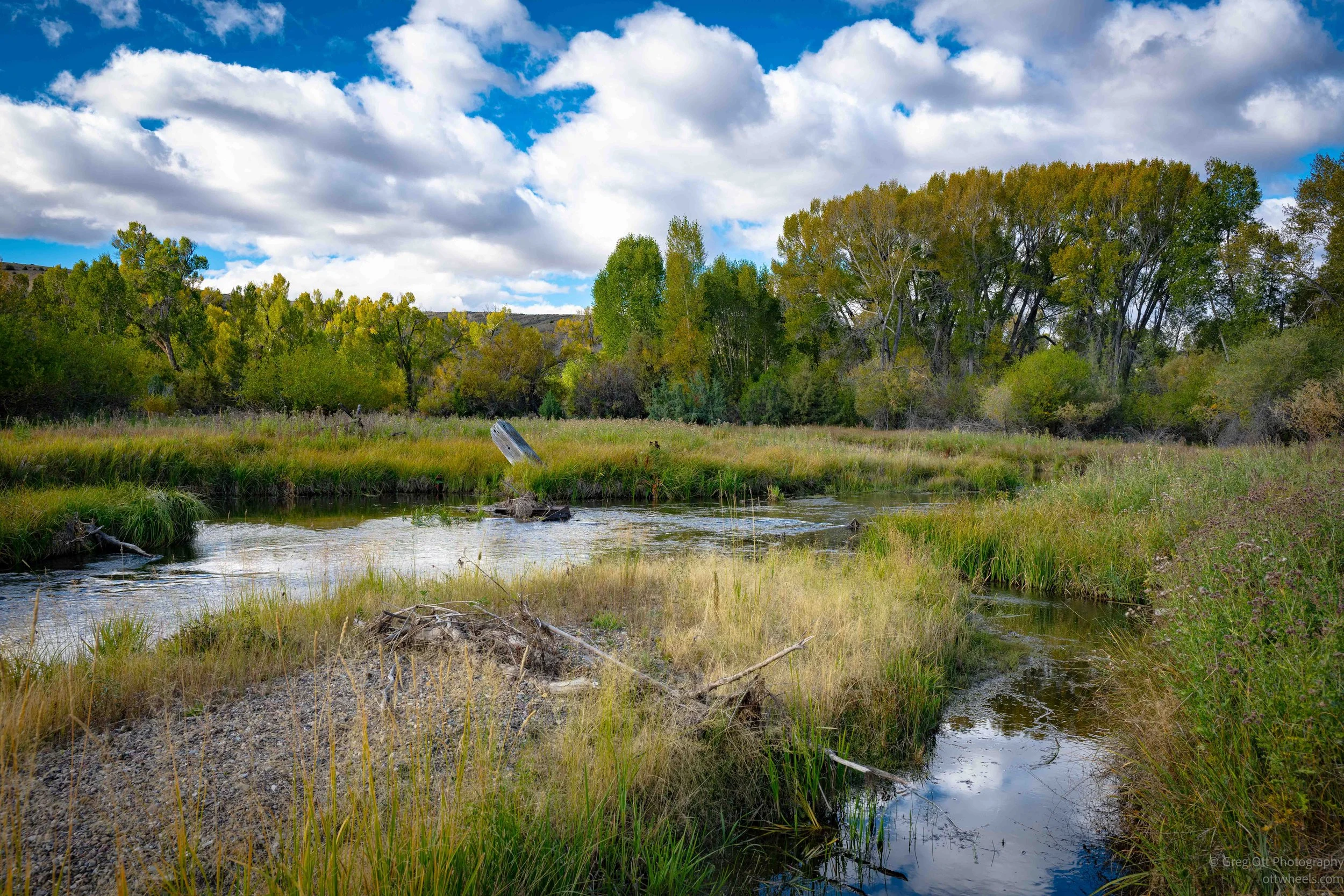
When I woke in morning, I could see sunlight shining through the small gaps along the sides of the divider behind the front seats. It had been another completely quiet night at Vigilante Campground in the Bannack State Park. I opened the side door and was greeted by one of those crisp, brilliantly sunny mornings that feels like fall even when the calendar says summer. I was parked beside Grasshopper Creek, the air was cool, the sun was already warming the valley, and there was almost no sound around me. It was one of those mornings where there was absolutely no reason to hurry.
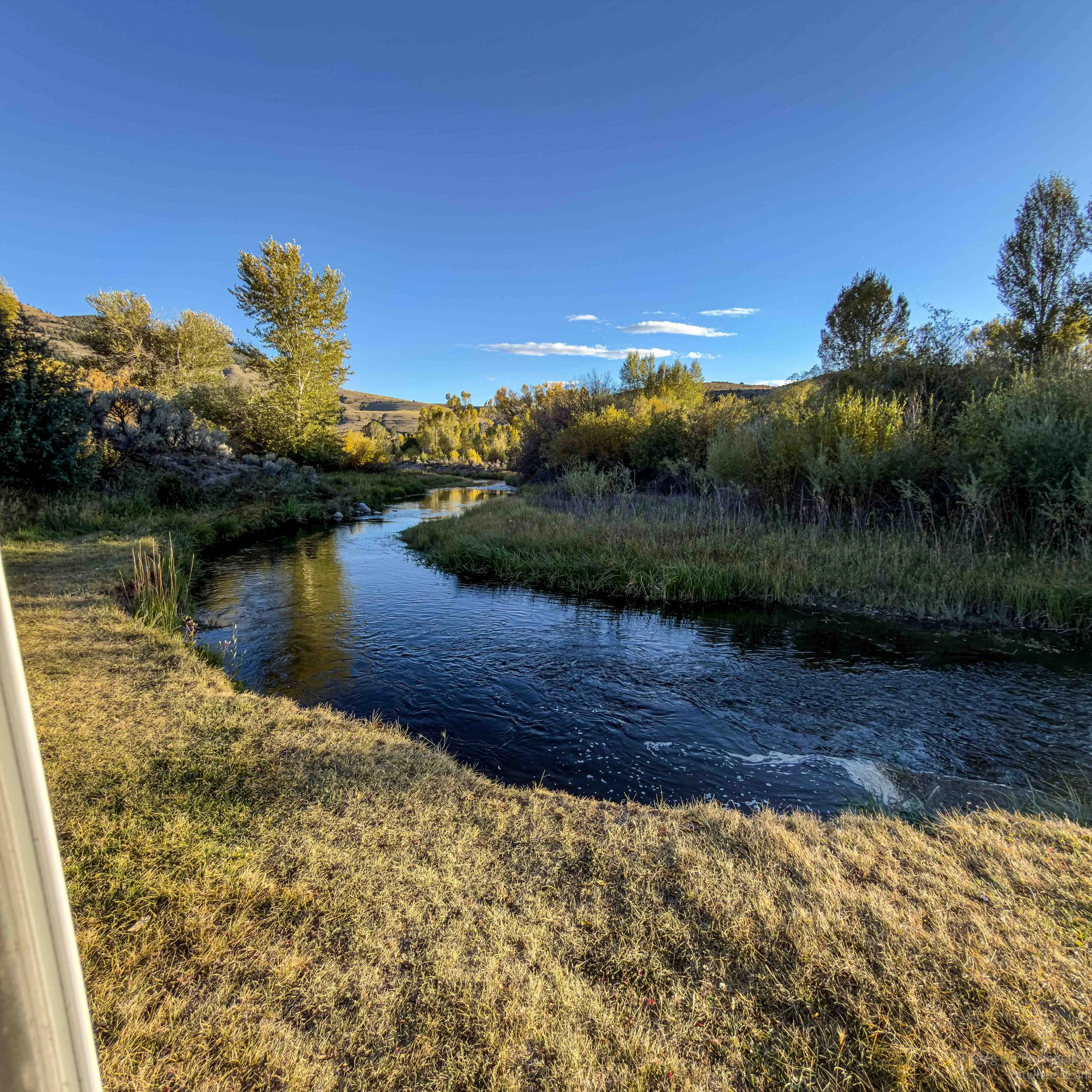
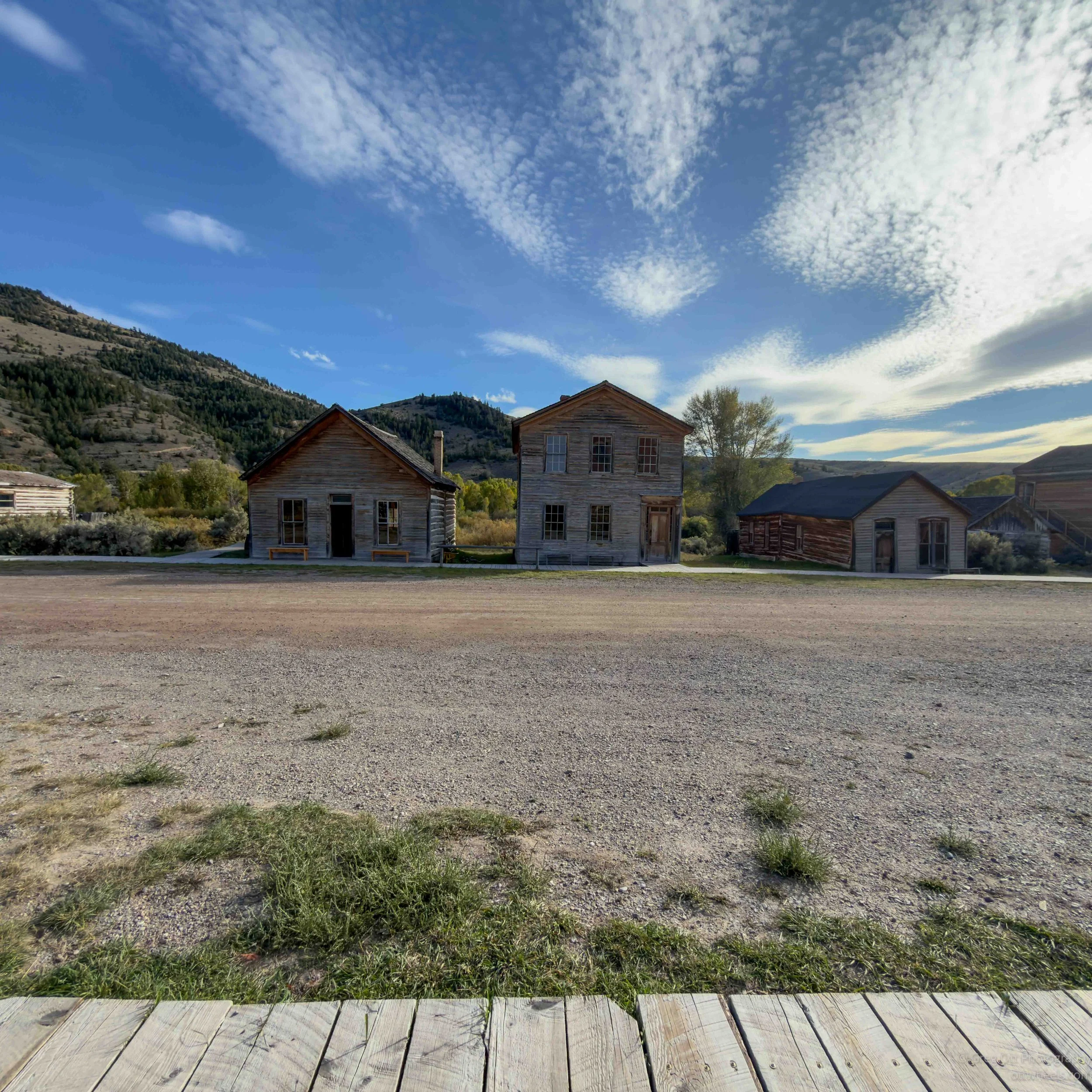
Sometime around 10:00, I walked the ¼ mile to Bannack to continue the tour I had started the evening before.
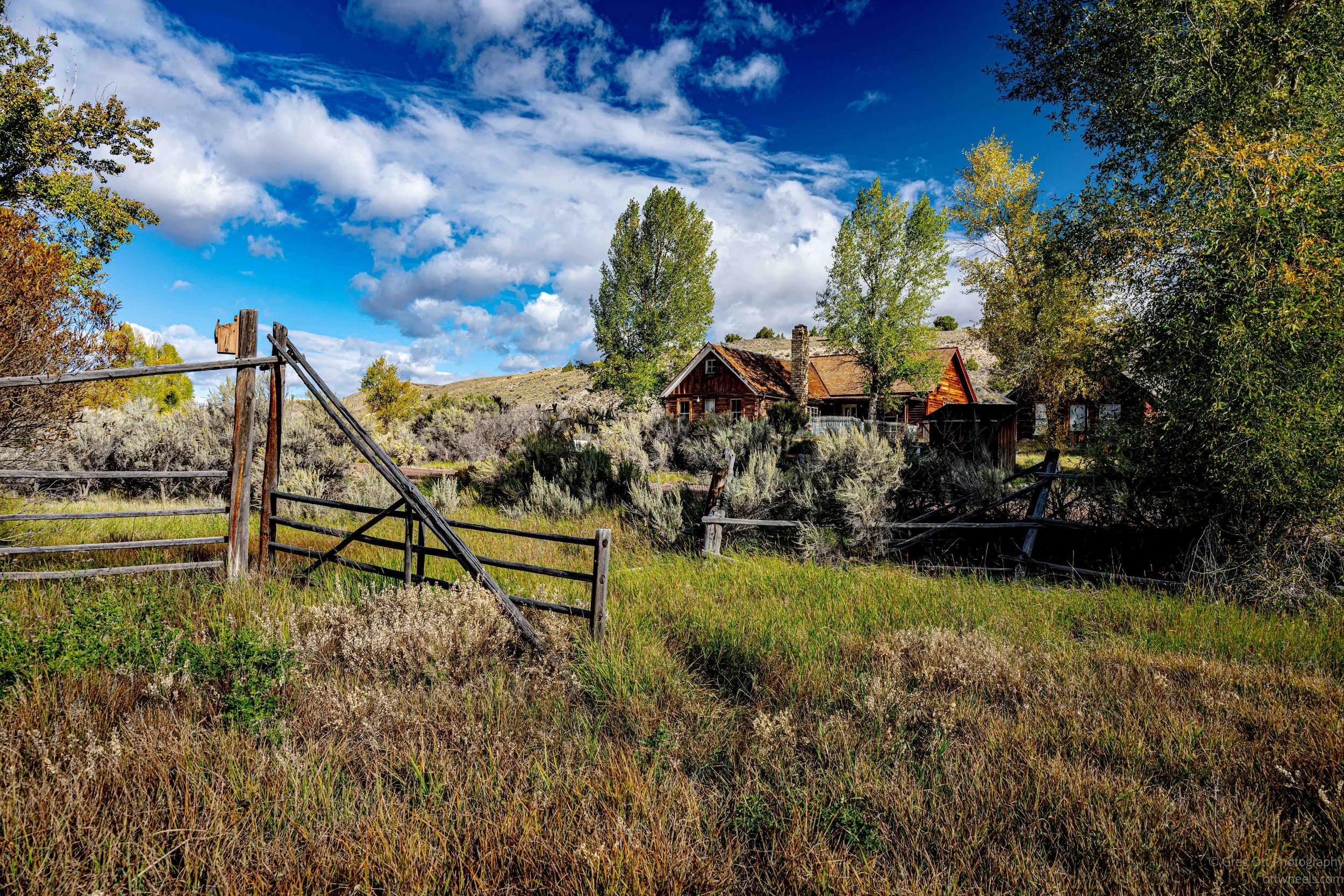
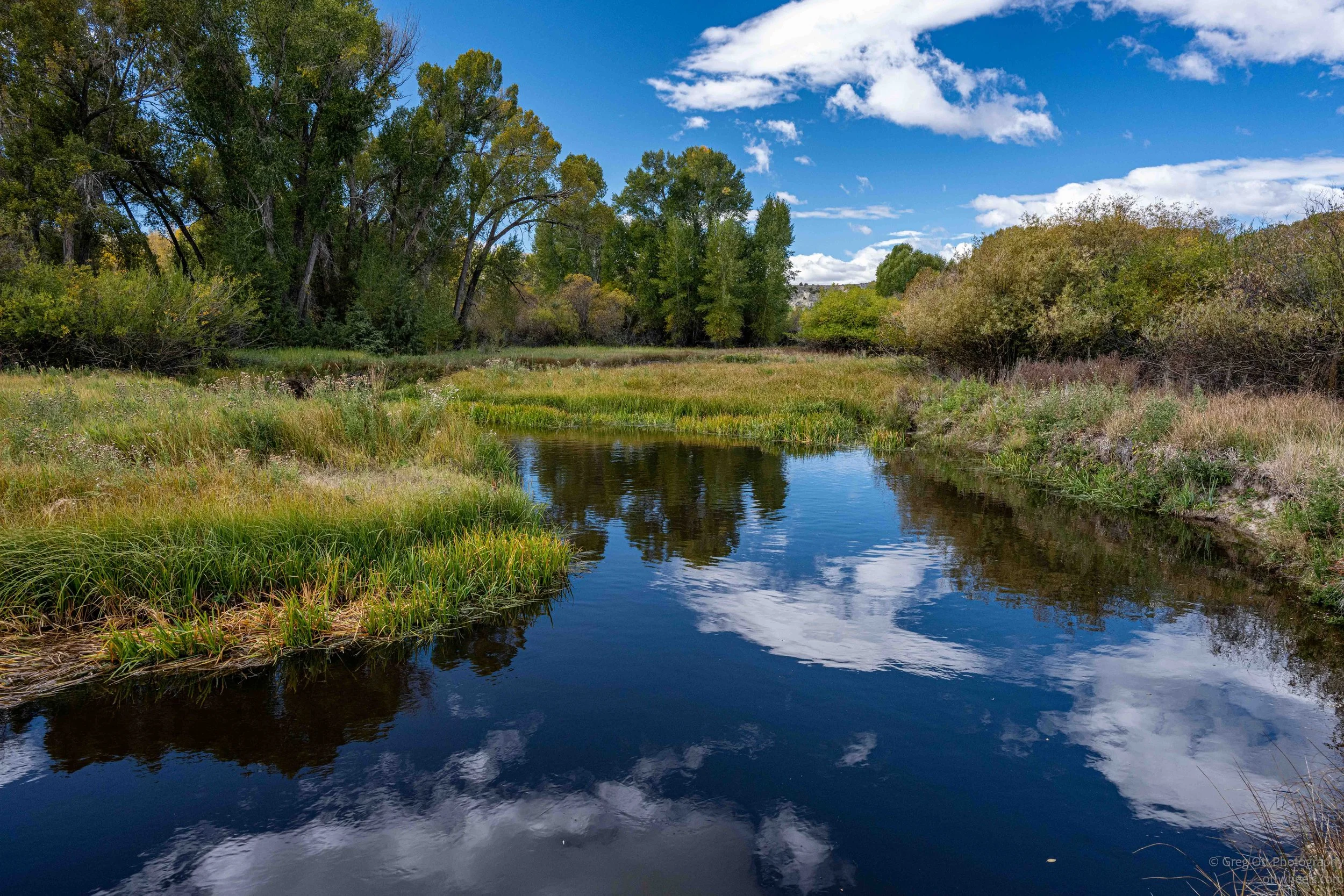
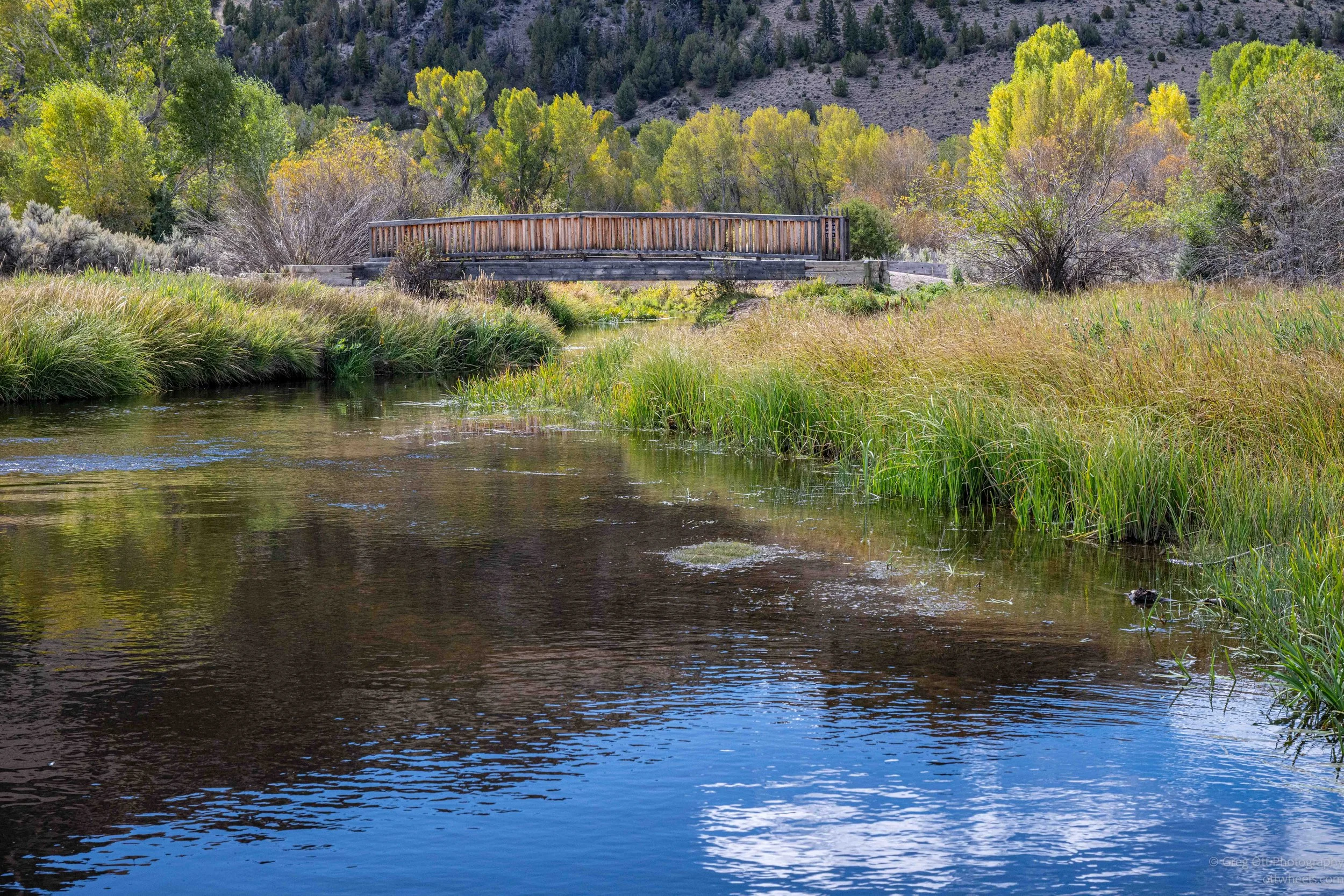
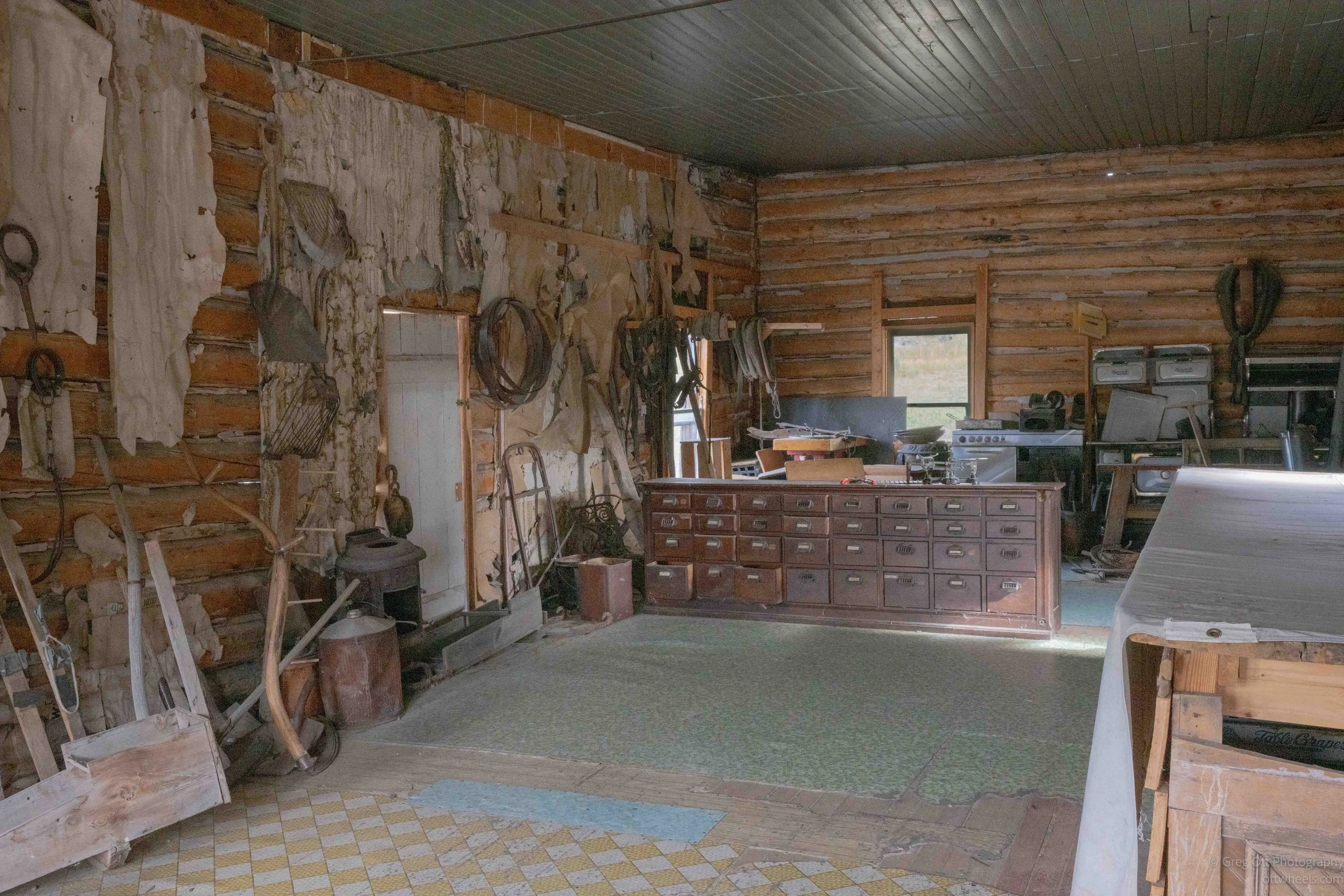
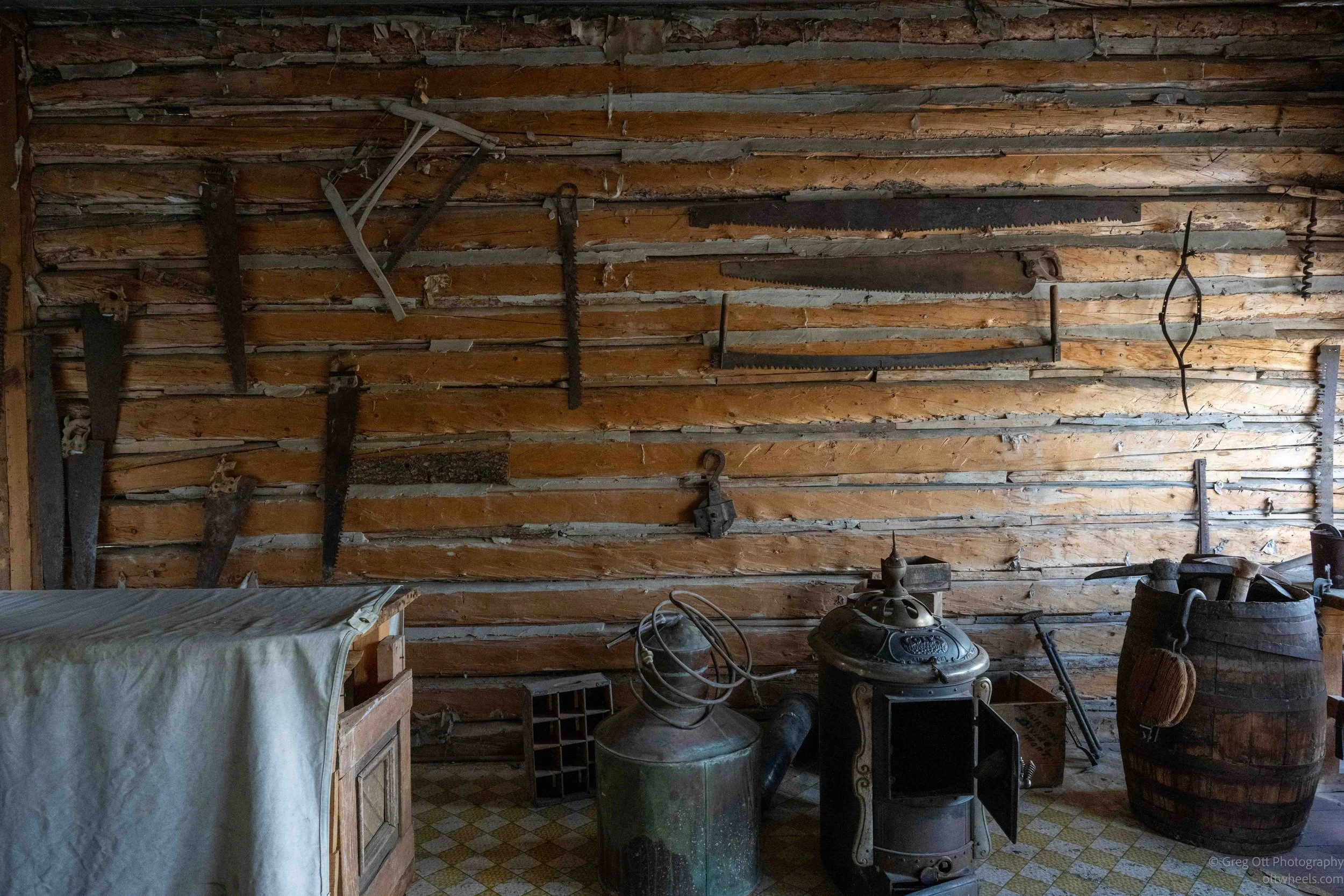
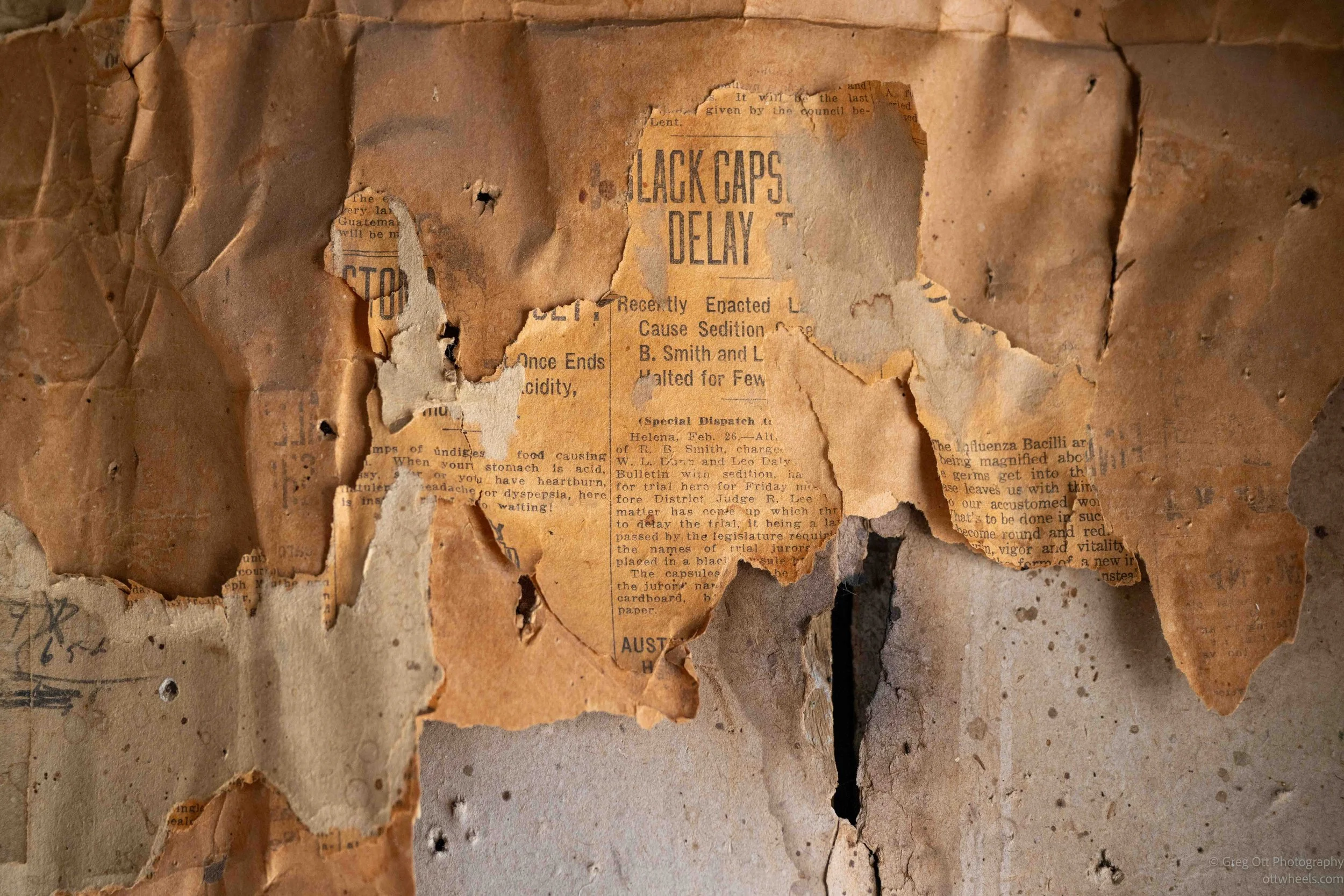
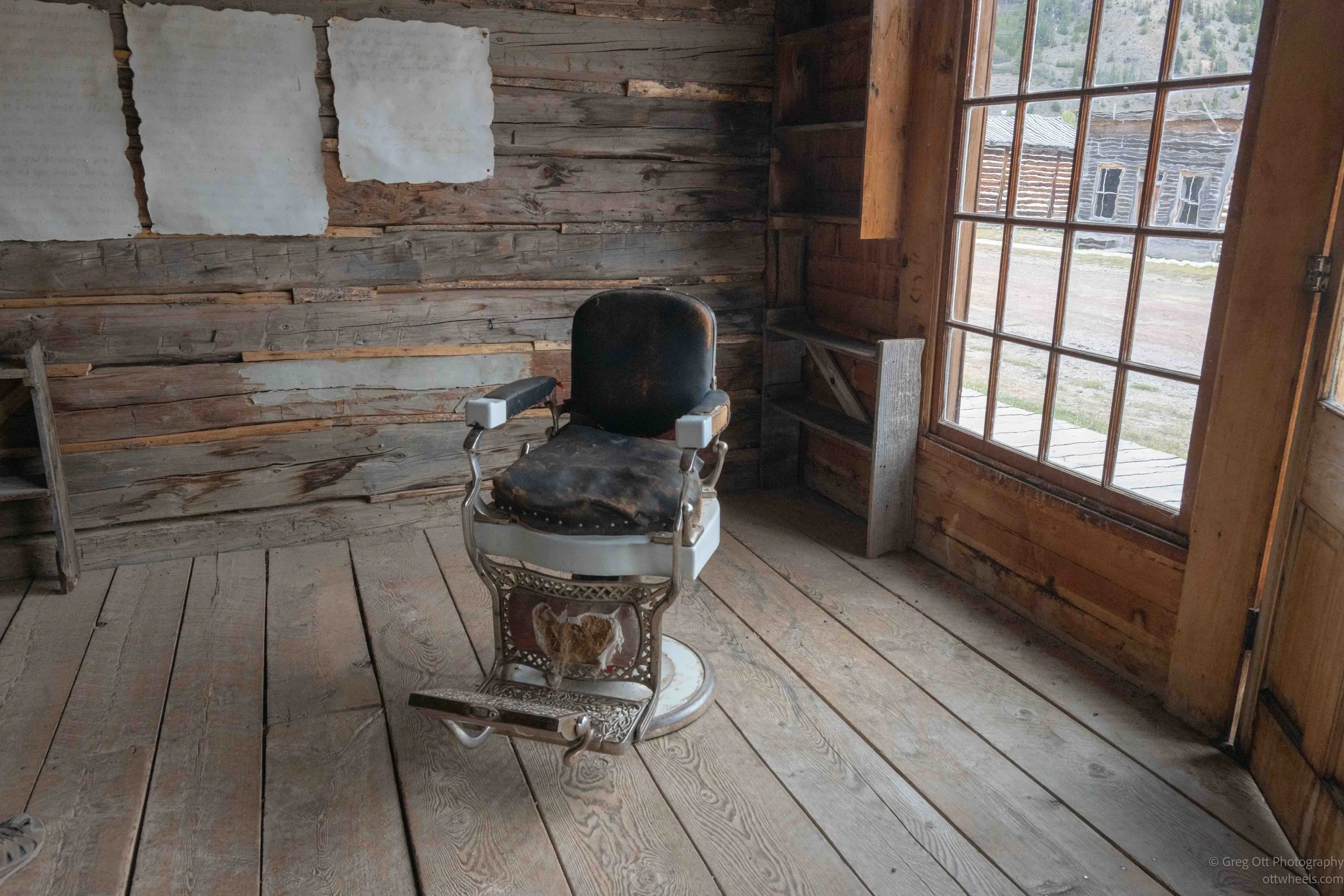
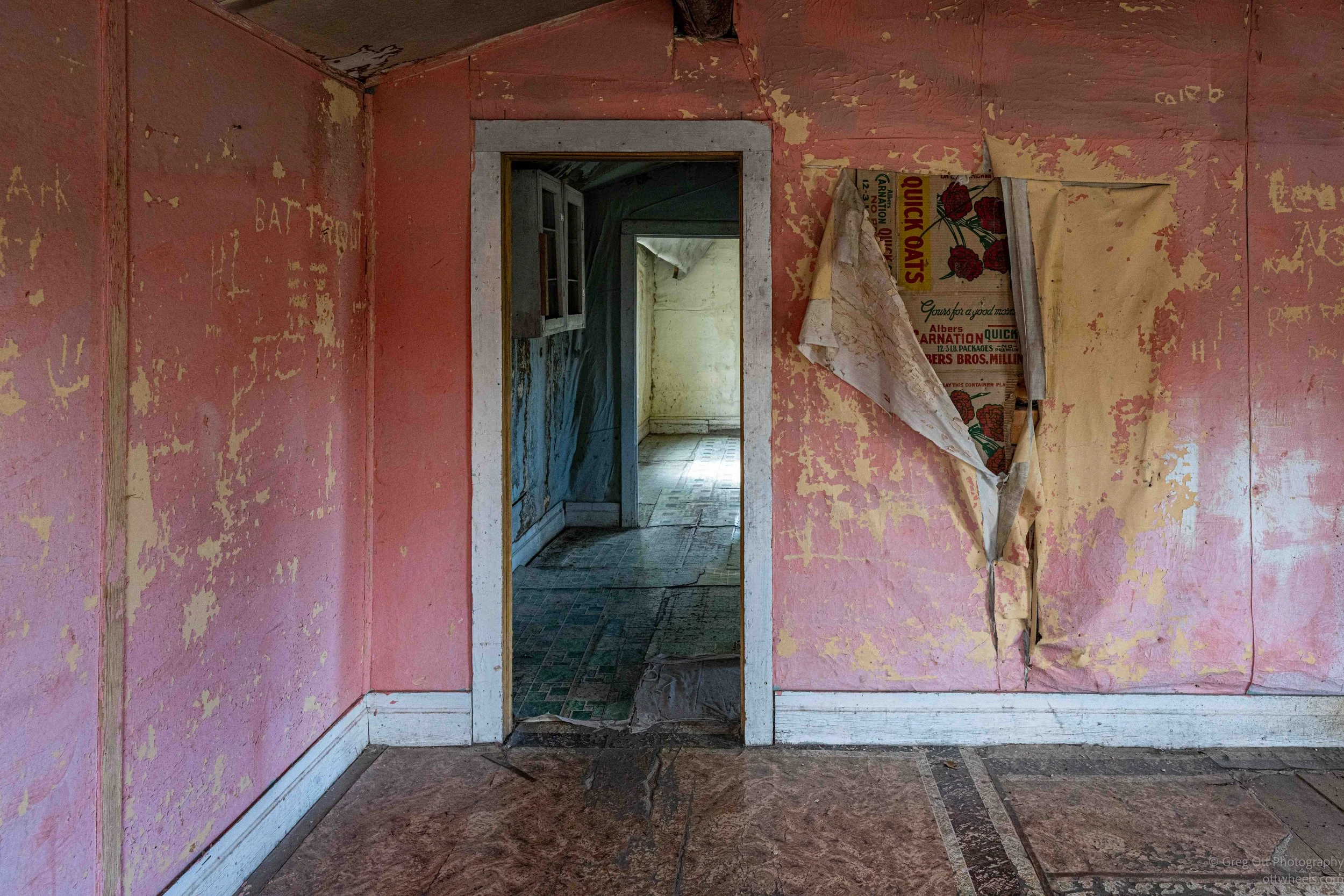
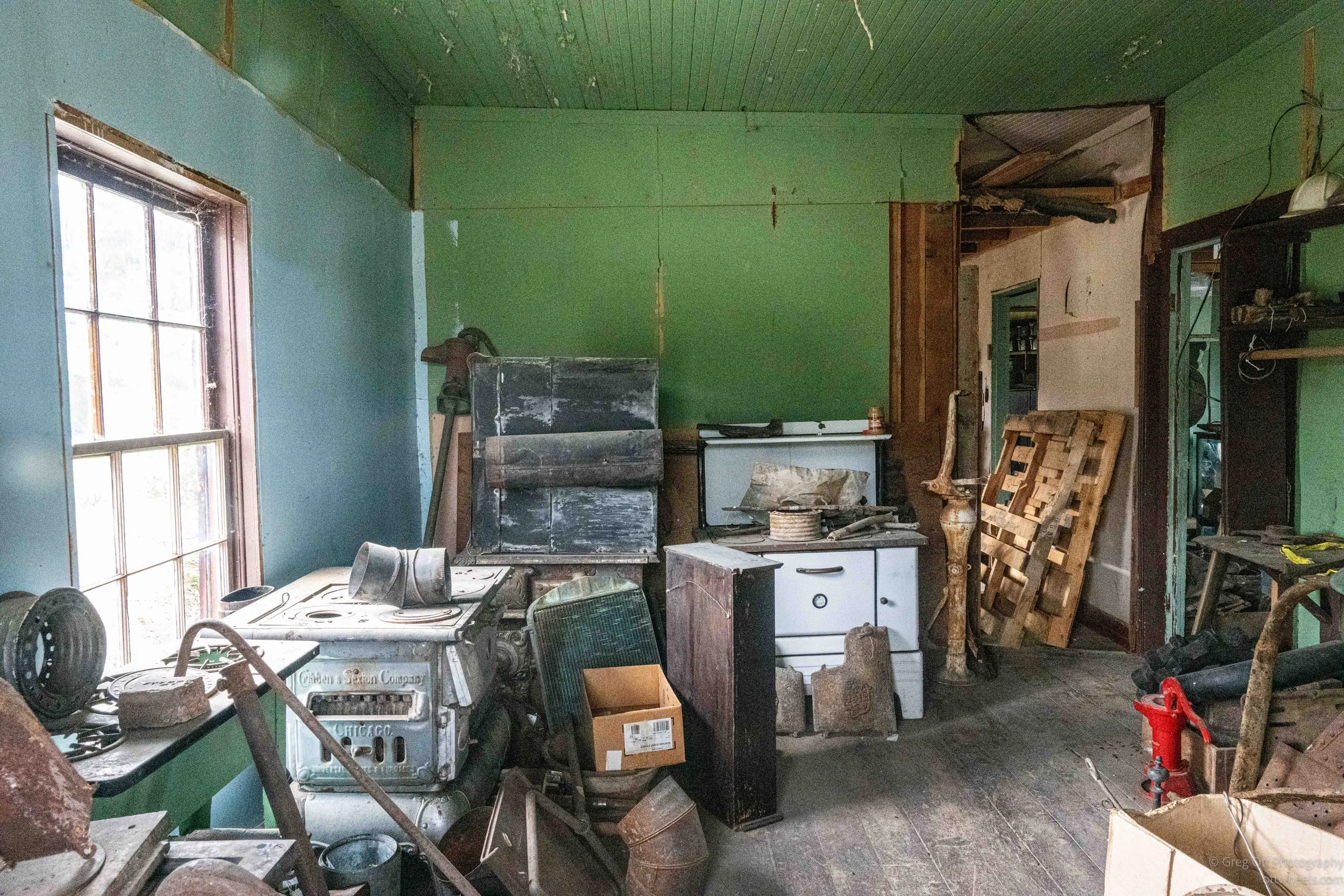
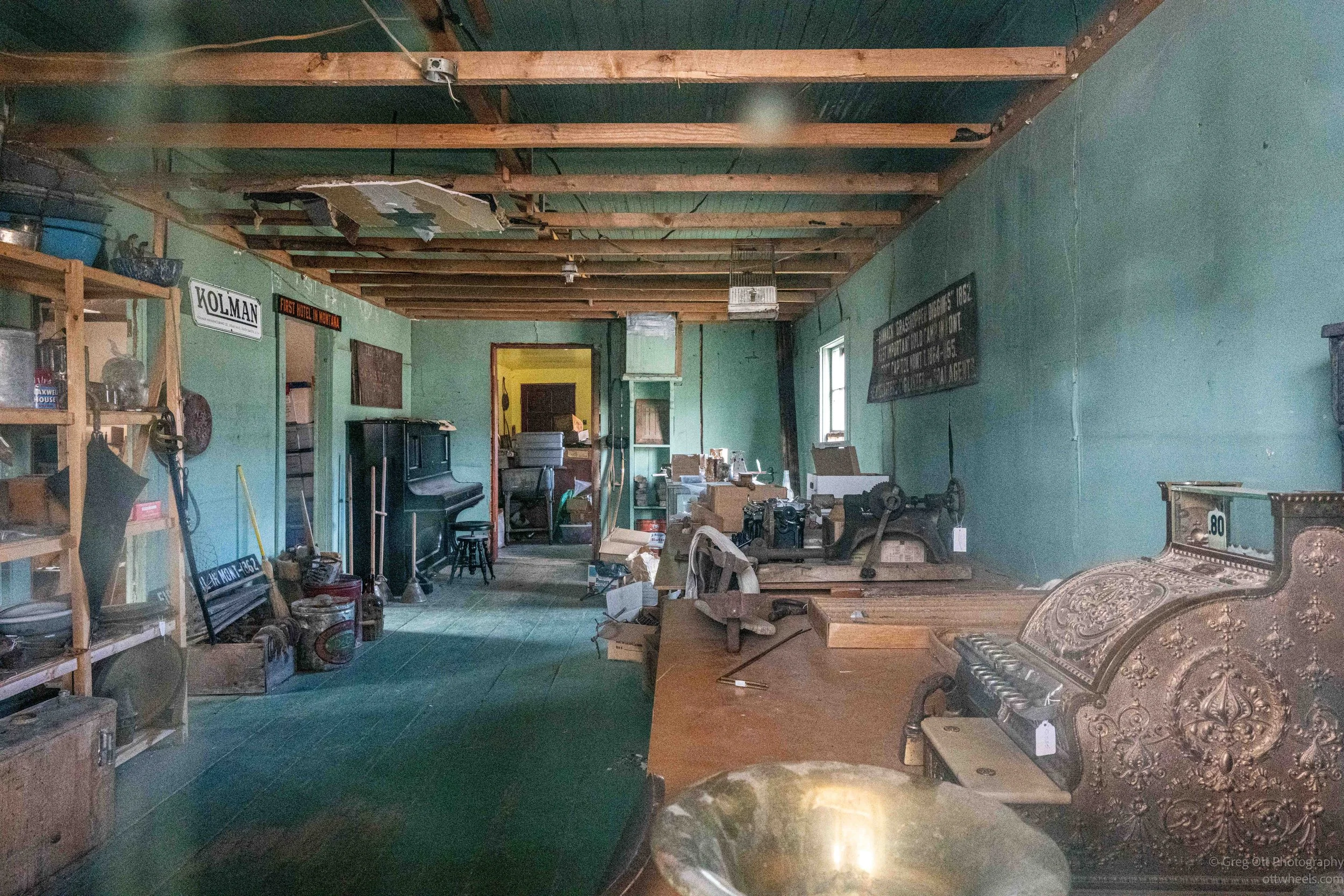
Another couple seemed to be moving through town almost in lockstep with me. They were from Arizona and were doing a fall trip through Montana. The woman had a good eye for the little details and kept pointing things out that I had missed: old newspapers pasted to walls as insulation or wallpaper, odd tools hanging in corners, an old barber chair and other things of interest. Her husband told me they were planning to ride a bicycle trail farther north.
-
With a lot of help from AI, the article was partially reconstructed:
Helena, Feb. 26.— The case of R. B. Smith, charged with W. F. Dunne and Leo Daly of the Butte Daily Bulletin with sedition, has been set for trial here for Friday morning before District Judge R. Lee Word. A matter has come up which threatens to delay the trial, it being a law passed by the legislature requiring the names of trial jurors to be placed in a black capsule …————
The article concerns one of Montana’s World War I-era sedition prosecutions. Smith, Dunne and Daly were associated with the Butte Daily Bulletin, a labor-oriented newspaper that had published an editorial attacking the authority of the Montana Council of Defense. Under Montana’s wartime sedition laws, criticism of the government could be prosecuted far more aggressively than it would be today, and Smith and Dunne were eventually convicted before their convictions were overturned by the Montana Supreme Court. The damaged clipping on the wall in Bannack was therefore not just random old newspaper used as wallpaper; it preserved a small piece of Montana’s history of wartime censorship, labor politics and free-speech disputes.
I was given the twenty-page Bannack guide at the visitor center the night before and read most of it in the van. That made a huge difference, because without the history Bannack is an impressive collection of old buildings, but once you know what happened here it becomes something else entirely. Gold was discovered along Grasshopper Creek in July 1862, and the town seemed to appear almost overnight. Within months, hundreds of people had arrived, and by the following year there were roughly 3,000 people in town with thousands more scattered along the surrounding gulch. The settlement was named for the Bannock Indians who had lived throughout parts of present-day Montana and Idaho, although the spelling gradually changed to Bannack.
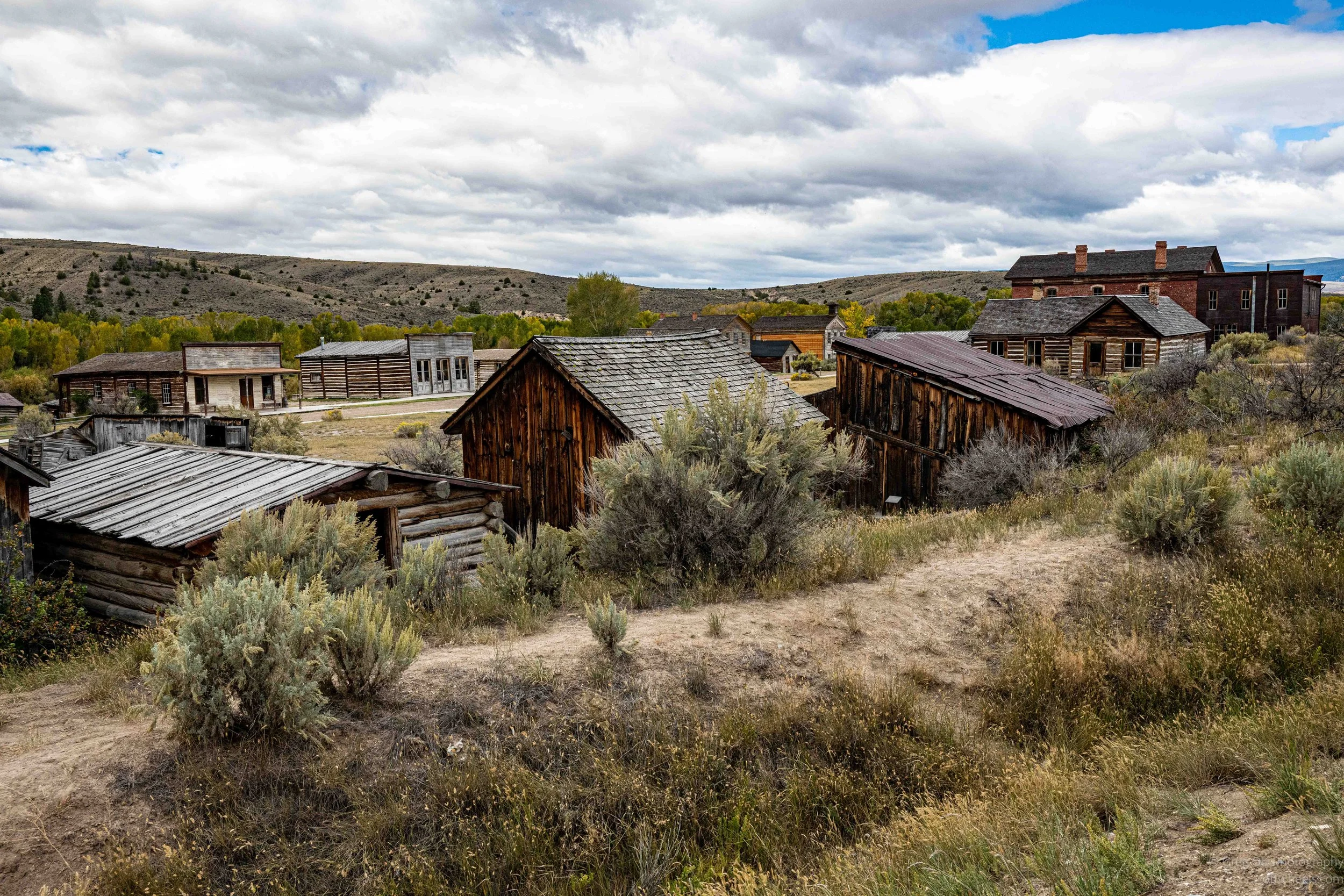
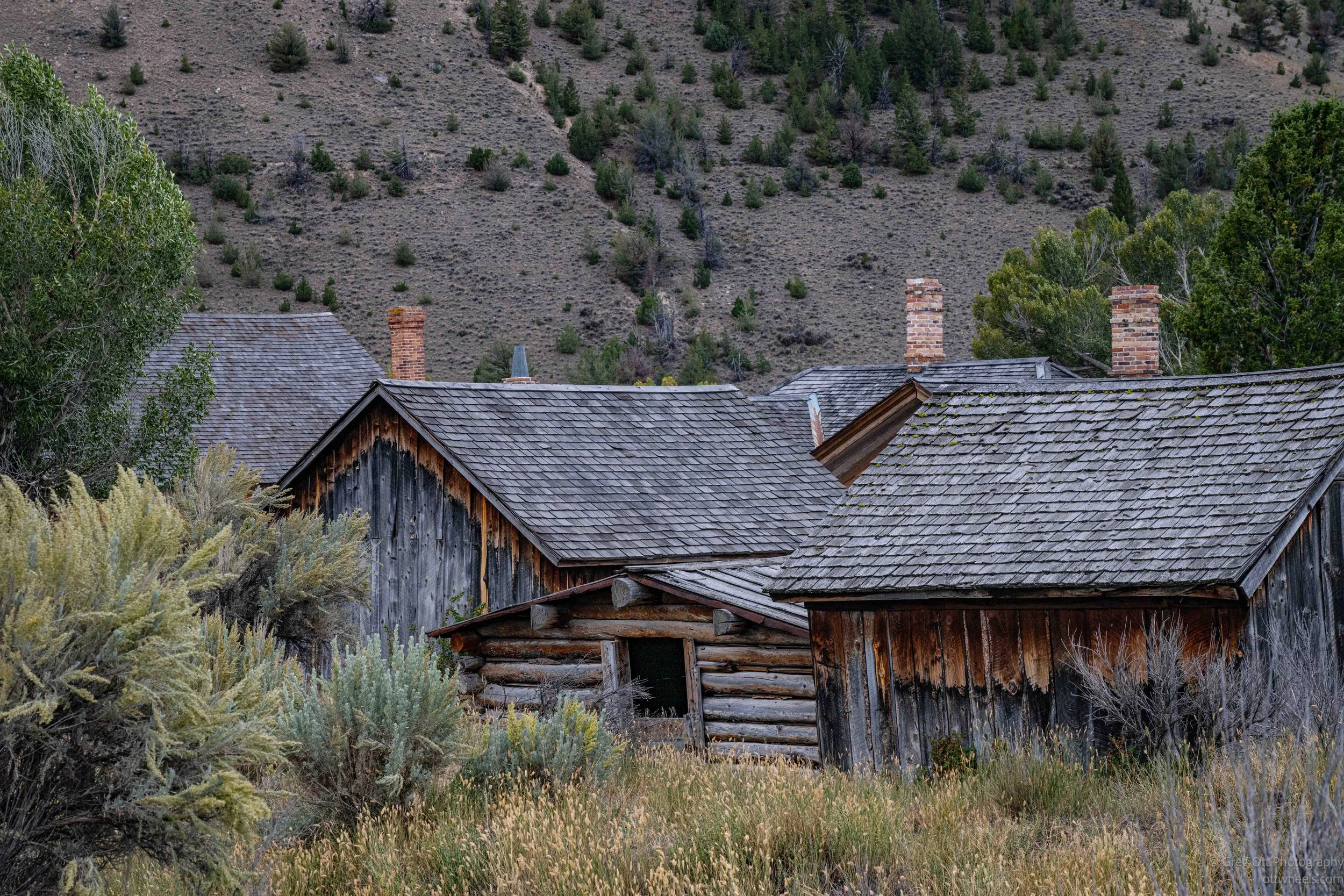
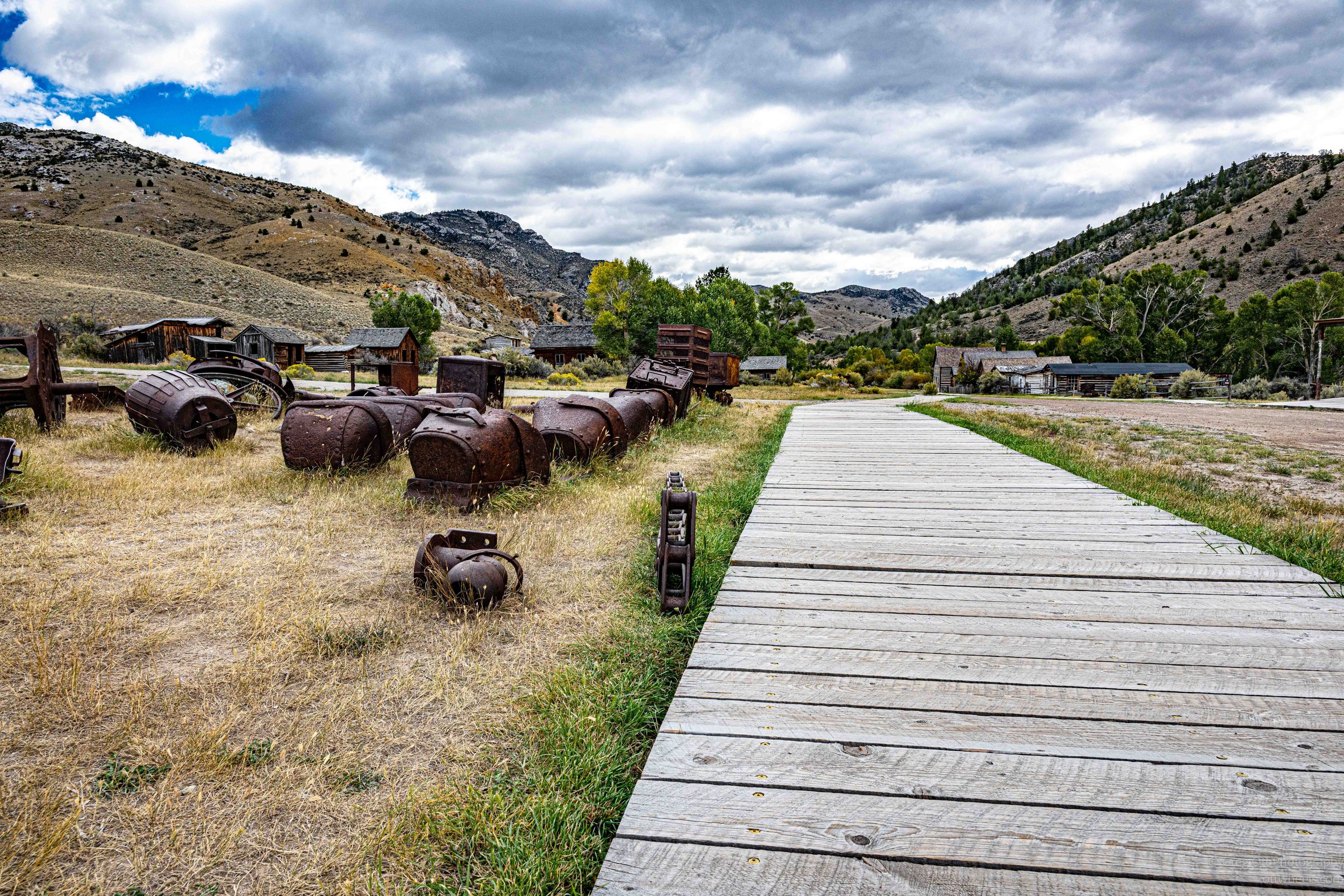
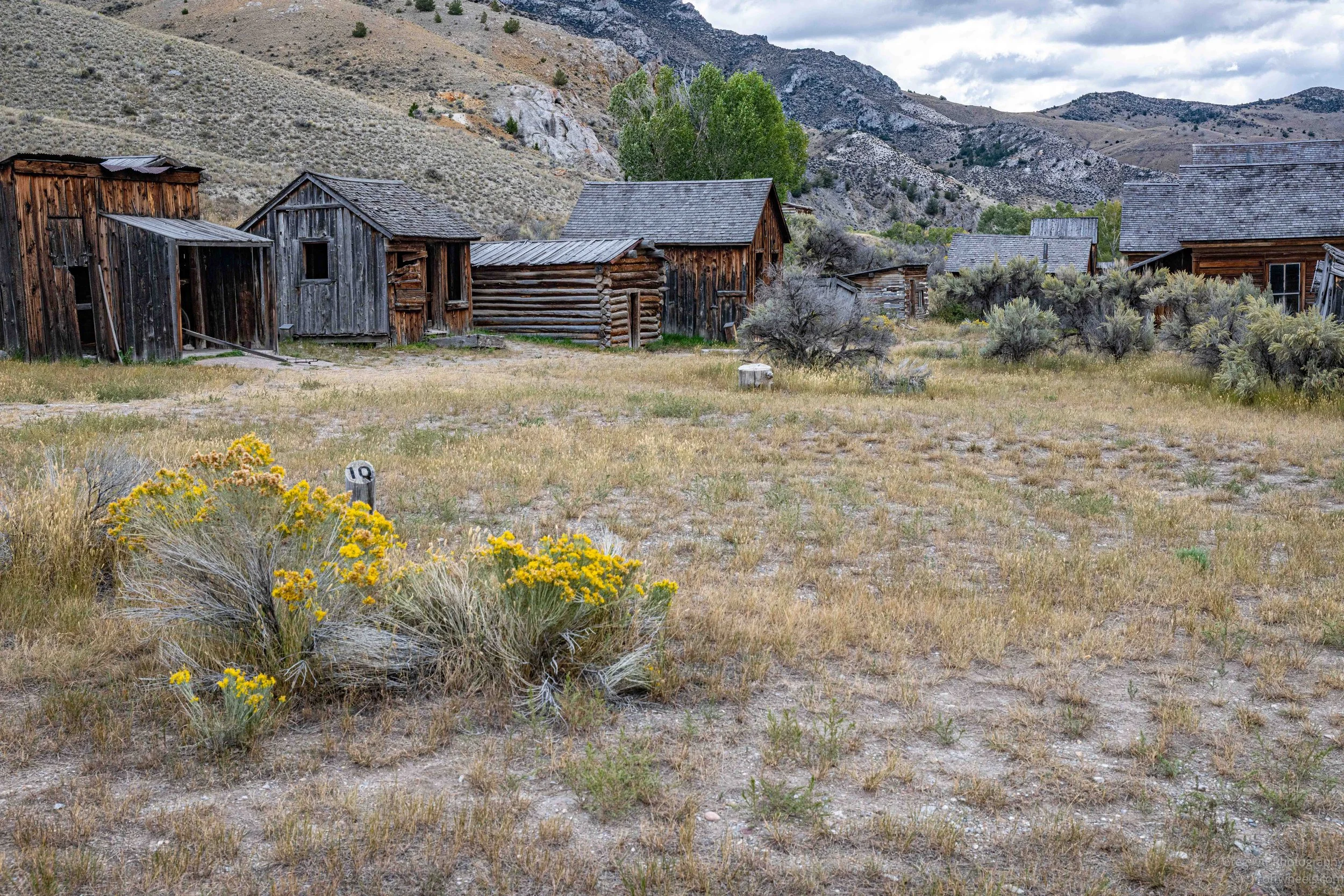
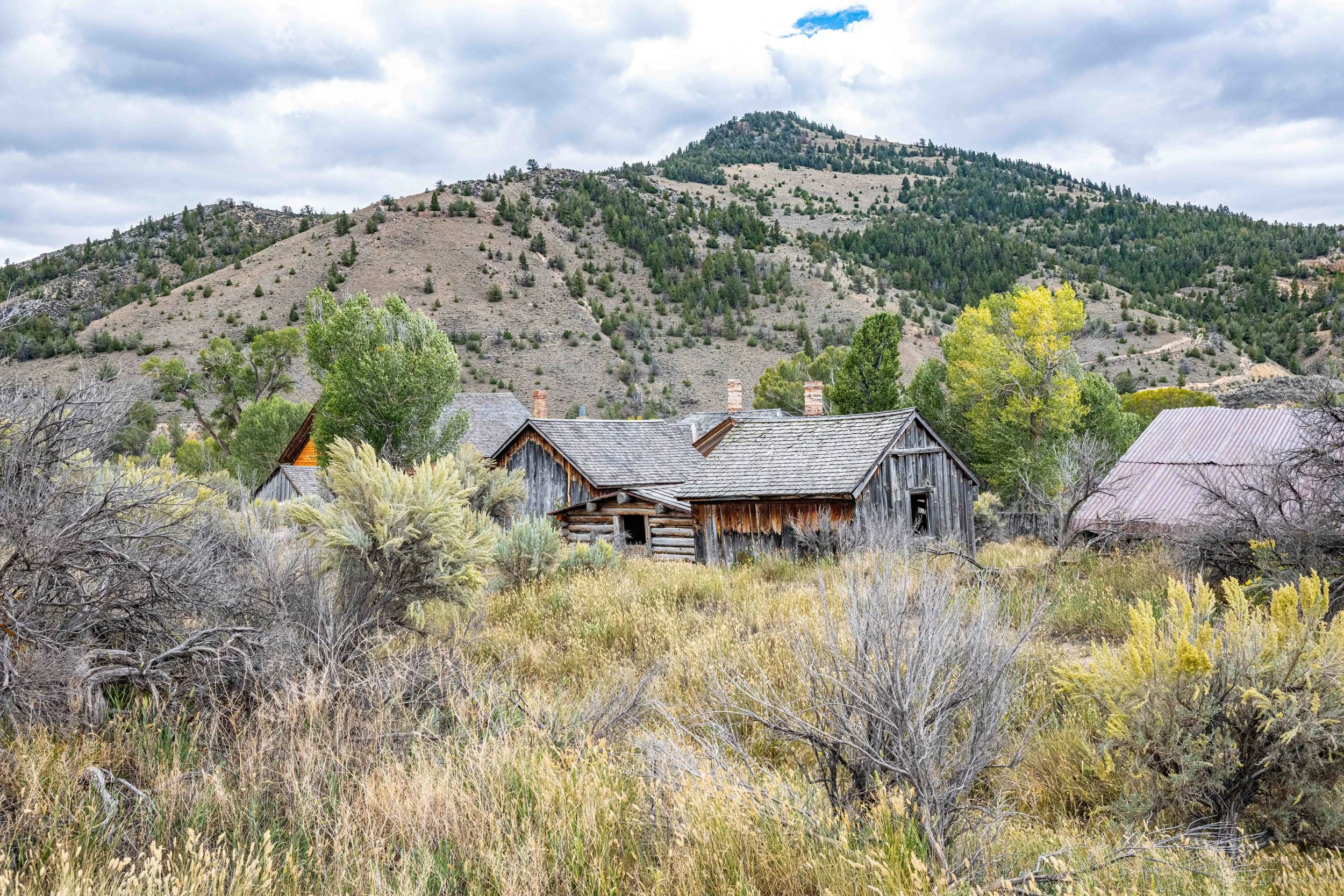
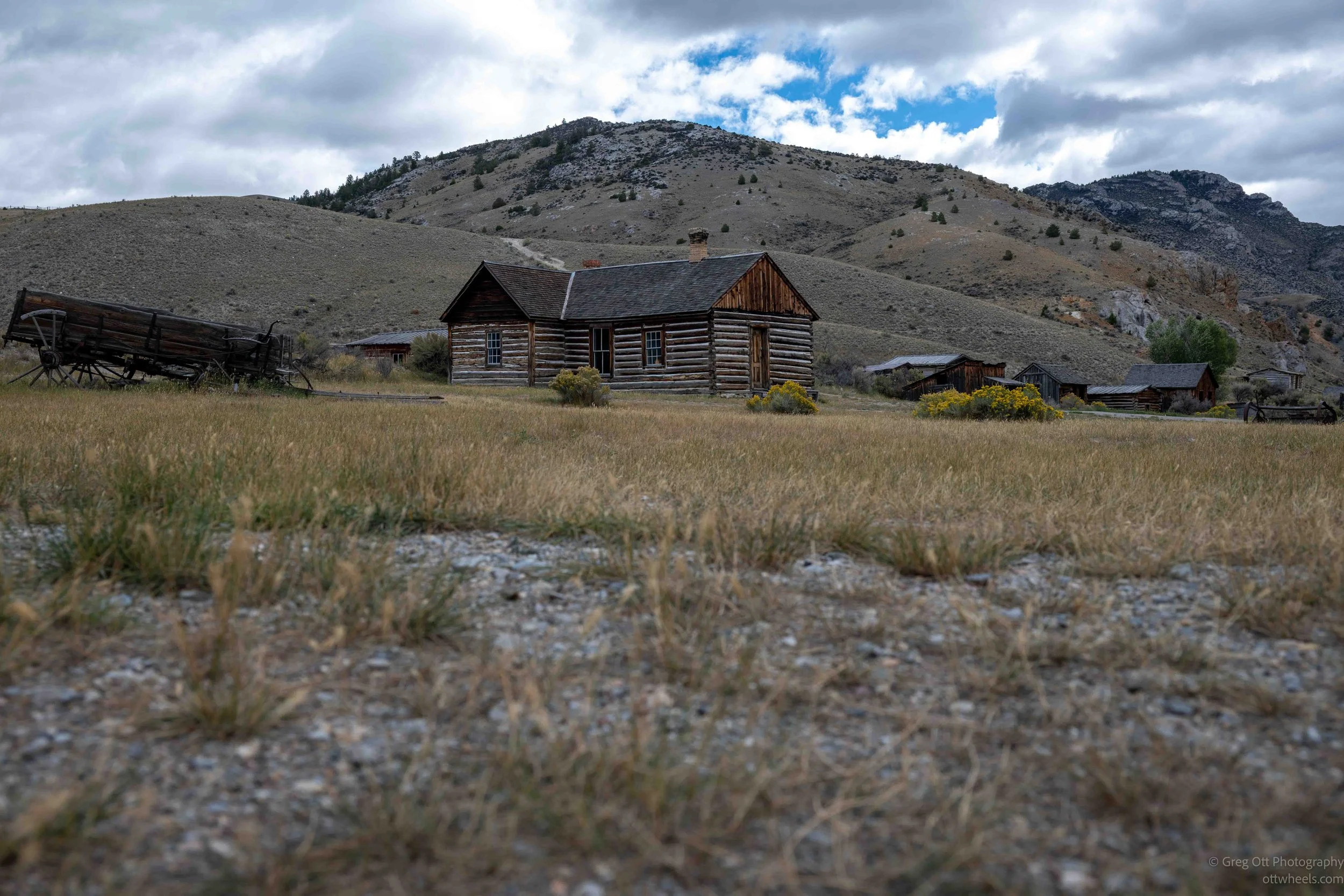
Most of the people who came here expected to get rich digging gold from the creek. A few did, but the people who often made the most dependable money were the ones selling things to the miners. Bannack quickly filled with general stores, blacksmith shops, hotels, saloons, restaurants, bakeries, stables, meat markets and just about every other business needed to support several thousand people living in the middle of nowhere. At one point there was even a brewery and a bowling alley. Gold may have created Bannack, but plenty of fortunes were made without ever swinging a pick.
The population was overwhelmingly male, and one early estimate put the ratio at roughly ten men for every woman. It isn’t hard to imagine what that meant in a place already filled with gold, whiskey, gambling and guns. There was also very little formal government, so miners created their own rules and established a Miners’ Court to settle disputes and deal with crimes. For a while, that improvised system was probably about as good as they were going to get. Then the robberies and killings became serious enough that people started to believe the system itself had failed.
I’ve read accounts describing Bannack as a place where pistol shots were common and gunfire could be heard at night. With thousands of miners, saloons, gambling, whiskey and very little formal law enforcement, violence was part of everyday life
Henry Plummer became the central figure in that part of Bannack’s history. He had already served time in San Quentin for murder before arriving in town, yet in 1863 he was elected sheriff. According to what I read, Bannack had somehow elected as sheriff the man who was secretly running the very criminals he was supposed to stop. The so-called road agents were accused of robbing miners and travelers carrying gold between Bannack, Virginia City and the surrounding camps. People leaving town after striking it rich were especially tempting targets. Some were robbed, some disappeared and some were found dead.
The old accounts blamed the road agents for well over 100 killings, although the actual number is uncertain and modern historians have questioned how organized the gang really was. There is also considerable debate over whether Plummer actually led it.
Plummer arrived in Bannack with a past that almost nobody there knew about. He had already been convicted of murder and imprisoned in San Quentin, but in Bannack he probably came across as educated, capable and trustworthy. Within months, the miners elected him sheriff.
That uncertainty makes the story more interesting, not less, because it shows how quickly rumor, fear and violence could merge in a place with almost no established legal system. What is clear is that people in Bannack and Virginia City became convinced that organized criminals were operating throughout the region and that normal law enforcement wasn’t going to stop them.
Their answer was the Vigilance Committee, a group that investigated suspects, held quick trials and started hanging people. There wasn’t much room for appeal. Eventually they came for Plummer himself. On January 10, 1864, Plummer and two other men were taken to the gallows outside Bannack and hanged. A replica of the gallows stands today near the approximate location of the original. After reading the story the night before, standing there made Bannack feel a lot less like a preserved Western town and a lot more like the real thing. The people here had elected a sheriff, decided less than a year later that he was a criminal, and hanged him.
There are also stories that some of the road agents buried stolen gold in the hills around Bannack and that it has never been found. Whether any of that gold actually exists is another question, but it is easy to understand why the story has survived. You look at the open hills around the valley and start wondering yourself. Metal detecting and removing artifacts are prohibited in the park, so I guess nobody is supposed to go wandering around trying to solve the mystery with a detector.
What surprised me was how quickly Bannack went from a nearly lawless mining camp to something resembling an actual town. Sidney Edgerton arrived here in 1863 after President Abraham Lincoln appointed him chief justice of the newly created Idaho Territory, which at that time included this part of present-day Montana. His niece, Lucy Darling, began teaching children in his log house. A proper school eventually followed, and in 1874 Bannack built the large two-story schoolhouse that still stands today. Children attended classes downstairs while the Masonic Lodge met upstairs. It was one of the places that changed how I looked at Bannack, because it is easy to picture prospectors, saloons and shootings in an old Western mining town, but it is harder to remember that families lived here too. Children went to school, people got married, joined organizations, opened businesses and planned to stay. Bannack wasn’t built as a ghost town. For the people living here, this was simply home.
Skinner’s Saloon was one of Bannack’s roughest gathering places, a hangout for road agents, gamblers and some of the most violent men in the territory. Shootings were common enough that one story tells of two men emptying their pistols at each other during a poker dispute, missing each other but killing a local dog and fatally wounding another man. Cyrus Skinner, who owned the saloon, was later accused of being part of Henry Plummer’s road-agent gang and was hanged by vigilantes in 1864. (see below).
-
Skinner’s Saloon
Skinner’s Saloon was built in 1862 by Cyrus Skinner down at Yankee Flats. In 1863 the saloon was moved to its present location. Nice people did not wander into Skinner’s. This was where the most dangerous, meanest and ruthless men in the territory congregated. It was not safe to walk down the streets of Bannack and Virginia City after dark, and even sometimes in the daylight. Shooting and killing was a normal standard here.
The demise of Road Agent George Carhart happened in this very building. One evening when gambler George Banfield and miner Dick Sapp were playing poker, Banfield’s love of winning got the best of him and he was discovered cheating. Both men emptied pistols at each other inside this saloon, missing every shot.
At first the only effect of their impromptu fray seemed the shooting of “Toodles,” a small local dog. While lamenting the loss of the community dog, it was discovered that George Carhart was shot in the stomach. He died a short time later in extreme agony. So much shooting and violence occurred daily in this saloon that the barber in the corner wouldn’t miss a stroke with a straight-edge razor when the bullets started flying. In 1869, after the Road Agent’s reign had ended, this building became a mercantile and remained so for nearly 60 years.
Cyrus Skinner
While destined for the gallows in Montana Territory in early 1862, Henry Plummer ran into his old cell mates, Cyrus Skinner, Club Foot George Lane and Bill Bunton. They finally ended up in Bannack where Cyrus Skinner built this saloon in the location known as “Yankee Flats.” After moving the saloon to this location, Cyrus Skinner was not only the saloon keeper, but a Road Agent who was a fence and a spy for Plummer’s gang. This saloon was the “headquarters” of the Road Agents. Skinner left Bannack late in 1863 and went to Hellgate (Missoula). He was sought out by the Vigilantes and hanged Jan. 25, 1864.
The Legend of Henry Plummer
The story of Henry Plummer, the Road Agents and Vigilantes is surrounded in myth and mystery. Some modern authors have proposed that the sheriff was innocent of the crimes that he was accused of and hanged for. Unfortunately we will never know the whole story. This version of the events that occurred here was taken from the book The Vigilantes of Montana by Thomas Dimsdale. Dimsdale was the editor of the Montana Post newspaper in Virginia City and his account of the Vigilante movement is still the primary source used by authors today when researching the Vigilante activity of 1863.
Though true name or alias is disputed, Amos Henry Plummer is an enigma in the Old West. In 1852, Henry Plummer resided in Nevada City, CA, where he served as local baker and city marshal. Five years later he was charged with second degree murder after shooting the husband of a woman he was involved with. Plummer was sentenced 10 years in San Quentin. It was there that he met Cyrus Skinner, who was doing time for grand larceny. Because of a supposedly “fatal illness,” Plummer served only 6 months before returning to California.
Plummer was in and out of law enforcement for a couple years following, during which time he nearly killed one man and did kill William Riley at a house of ill-repute on Oct. 27, 1861. He was incarcerated but escaped by literally running out the door. He hid with friends in Carson City and then went to Idaho. Plummer again became a wanted man after killing Patrick Ford. Plummer met up with his old friends and ended up in Bannack, where he was appointed Sheriff.
He lived a public life of virtue and generosity, marrying Electa Bryan, and even providing the first traditional Thanksgiving dinner in Bannack in 1863. After 3 months of marriage, Electa left for Cedar Rapids, Iowa, where her parents lived.
Henry Plummer was the leader of the Road Agents also known as the “Innocents.” Their password to identify each other was “I am innocent.” The Road Agents had spies and snitches in many businesses and gold camps of southwest Montana. When they got word of a gold shipment or a stagecoach passenger carrying large sums of money, they promptly relayed the information to gang leaders. Such wealth seldom reached its destination.
Plummer and his deputies infiltrated every decent group and endeavor in the mining camps — except the Masons. Plummer’s gang consisted of about 25 of the meanest roughs in the territory and reportedly killed 102 prospectors between here and Virginia City during an 8 month period in 1863. They stole millions of dollars worth of gold, which is still believed to be hidden in these hills.
The majority of people in the camps were hard-working, good people who grew increasingly weary at the growing violence and open disdain for law and order. After the robbery and senseless brutal killing of Dutchman Nicholas Tiebalt, Road Agent George Ives was tried by a miner’s court in Nevada City. On Dec. 21, 1863, the first Vigilante action was taken when they hanged George Ives by the neck.
Organizing quickly, the Vigilantes went to work. In an early scouting party they met Red Yeager, carrying with him correspondence from Road Agent George Brown to the Deer Lodge band. After capture and questioning, Yeager named Plummer as chief of the band. Both Brown and Yeager were hanged from a cottonwood tree along the Ruby River.
Things were getting hot for the Road Agents. The Vigilantes knew they were going to run and acted quickly. Late in the evening of Jan. 9, 1864, Vigilantes from Alder Gulch arrived in Bannack with news from the Virginia City company and their request for cooperation. The next day, three groups of Vigilantes individually apprehended Henry Plummer and his two deputies, Ned Ray and Buck Stinson. The three companies met at the gallows built by Plummer himself at dusk.
While his partners were hanging to die, Plummer begged for his life then stated that he was “too wicked to die.” His last wish was granted, and he was given a “good drop.” At the age of 27, Amos Henry Plummer died at the Bannack gallows on Jan. 10, 1864.
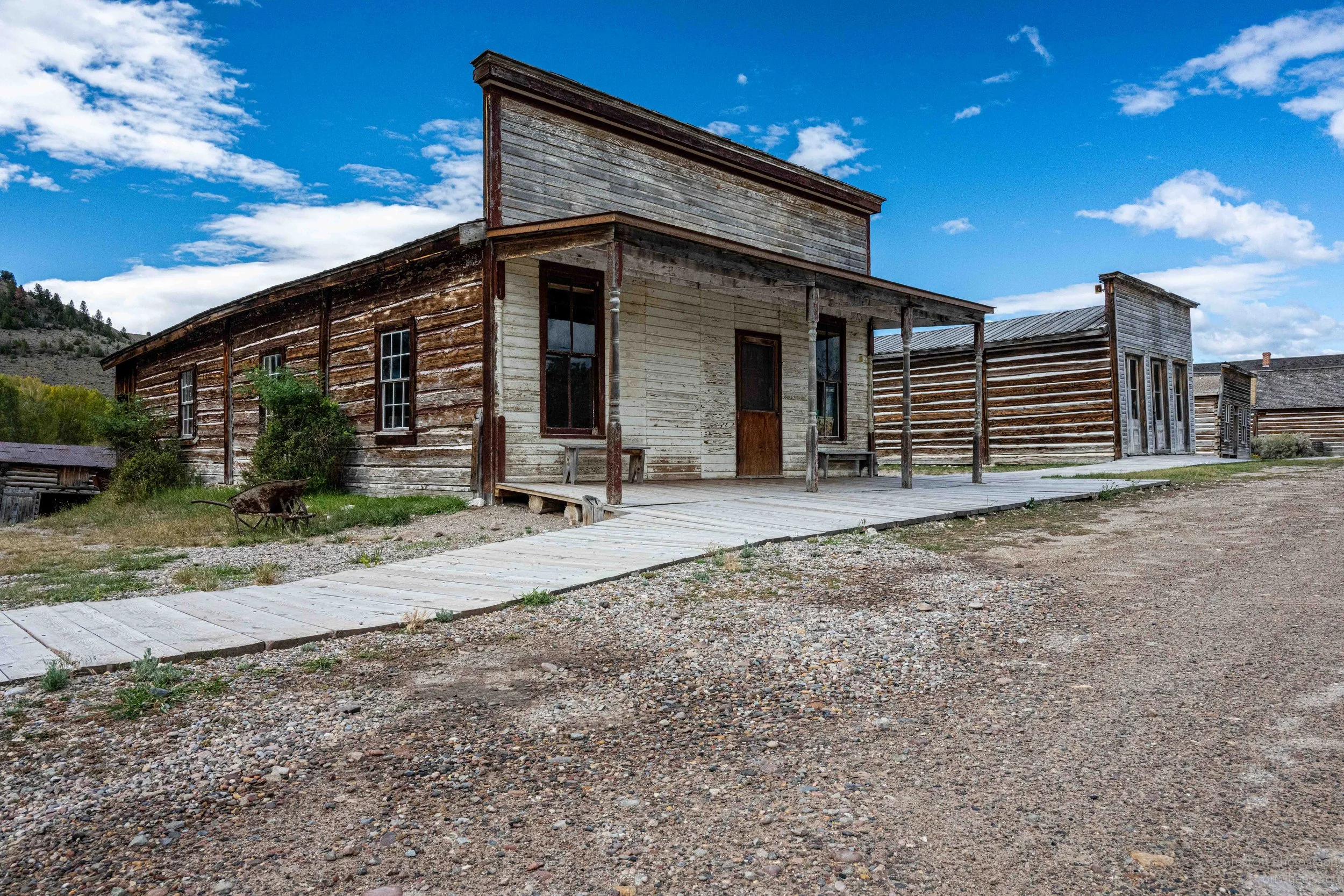
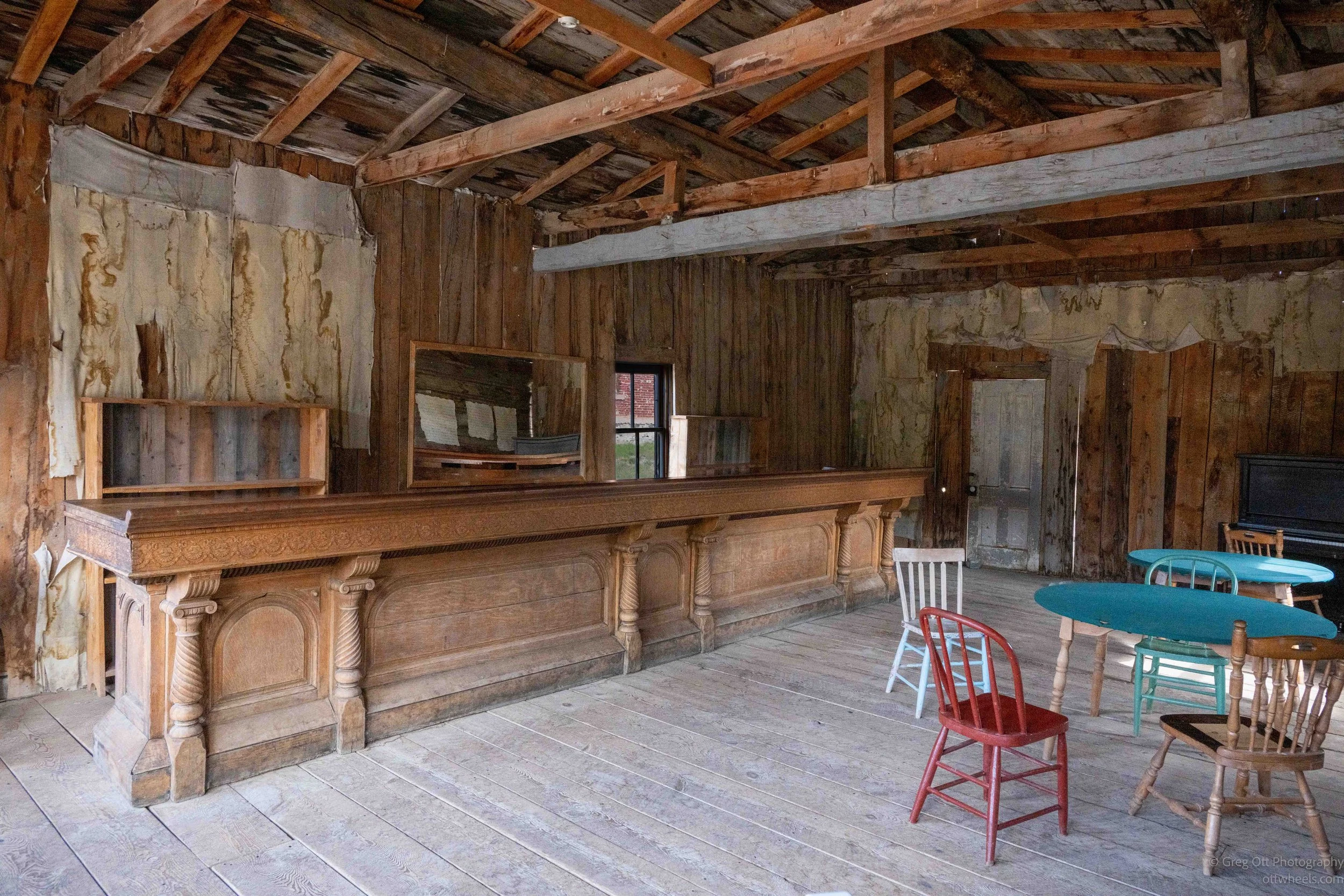
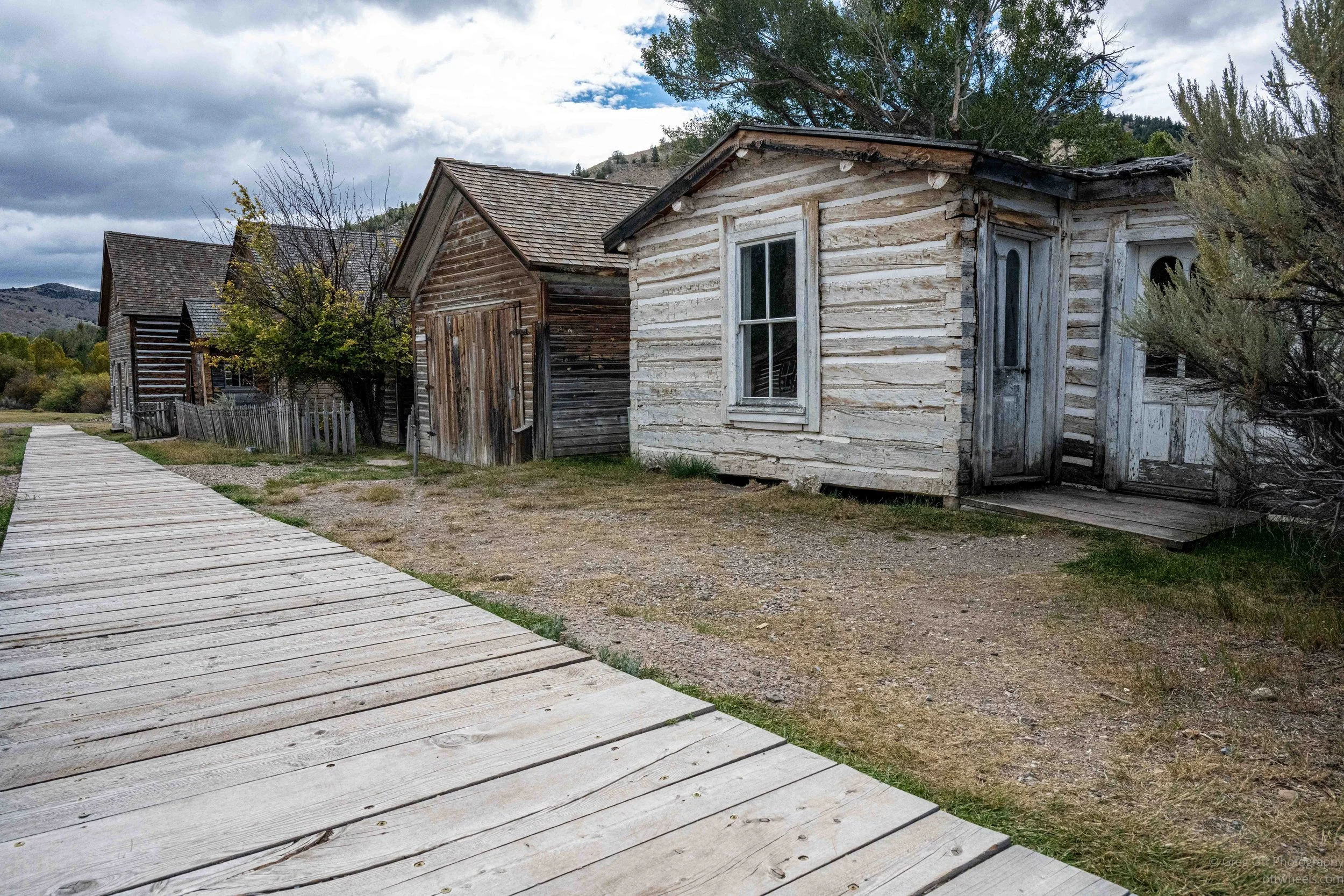
The small Assay Office was another reminder of how the town actually functioned. Miners could find gold in the creek, but somebody still had to determine its purity, weight and value before it became money in someone’s pocket. The assay office did that, and later the building became a general store. That kind of reuse happened throughout Bannack as the town changed from a wild mining camp into a more settled community.
Bannack also holds an important place in Montana history because for a short time it became the territorial capital. Sidney Edgerton discovered that governing this part of Idaho Territory from Lewiston was nearly impossible. The Continental Divide separated the two regions, and travel was difficult even under good conditions. Edgerton traveled to Washington to argue for the creation of a new territory, and in May 1864 Congress created the Montana Territory. President Lincoln appointed Edgerton its first governor, and Bannack became the temporary capital.
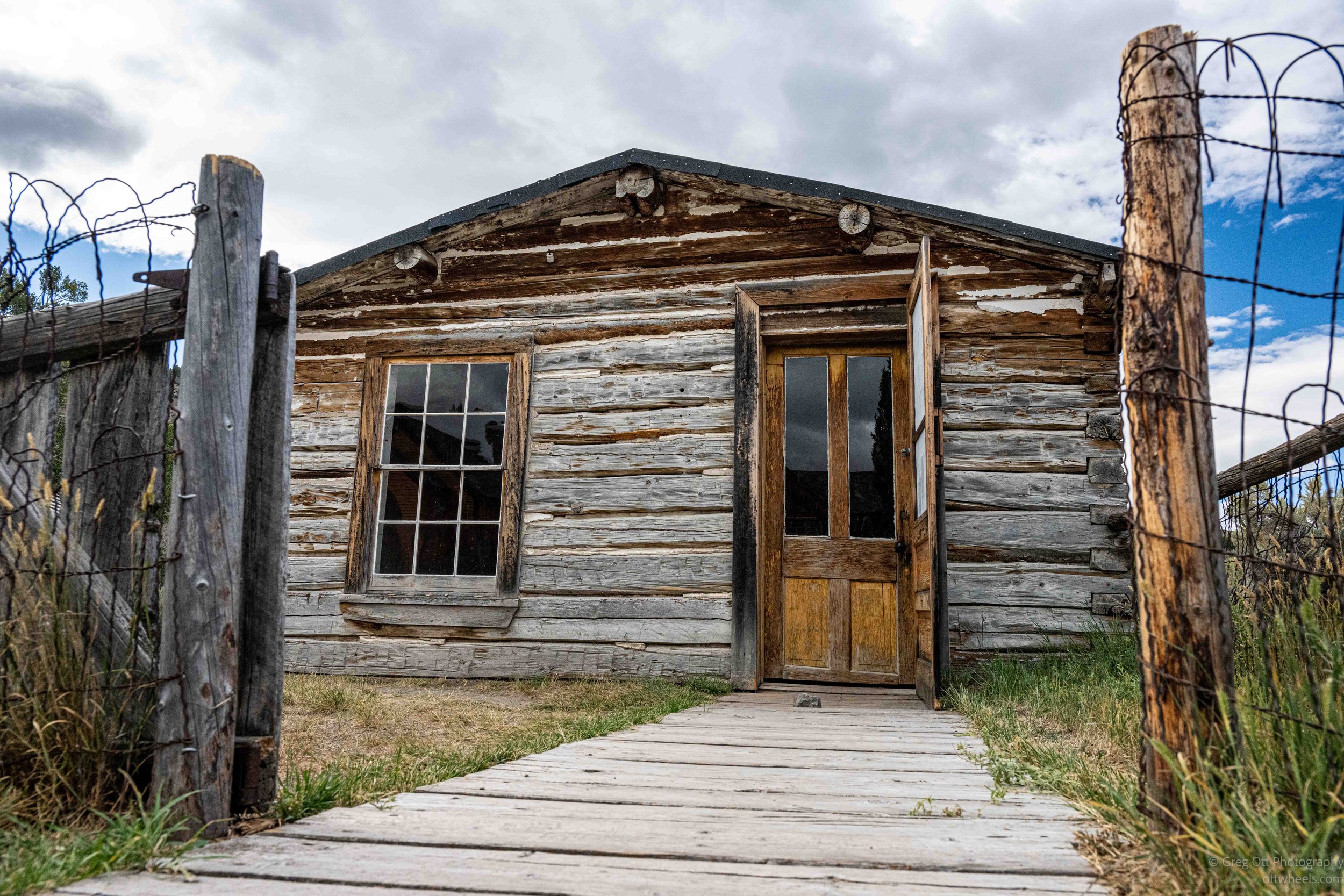
Calling Bannack a capital makes it sound much grander than it was. There was no capitol building, and the territorial legislature met in log structures that have since disappeared. Edgerton’s governor’s mansion was essentially a log cabin. Bannack’s time as the capital was also short because another huge gold discovery at Alder Gulch had already created Virginia City. By early 1865, the legislature moved the territorial capital there, and Bannack’s brief moment at the center of Montana politics was over almost as soon as it had started.
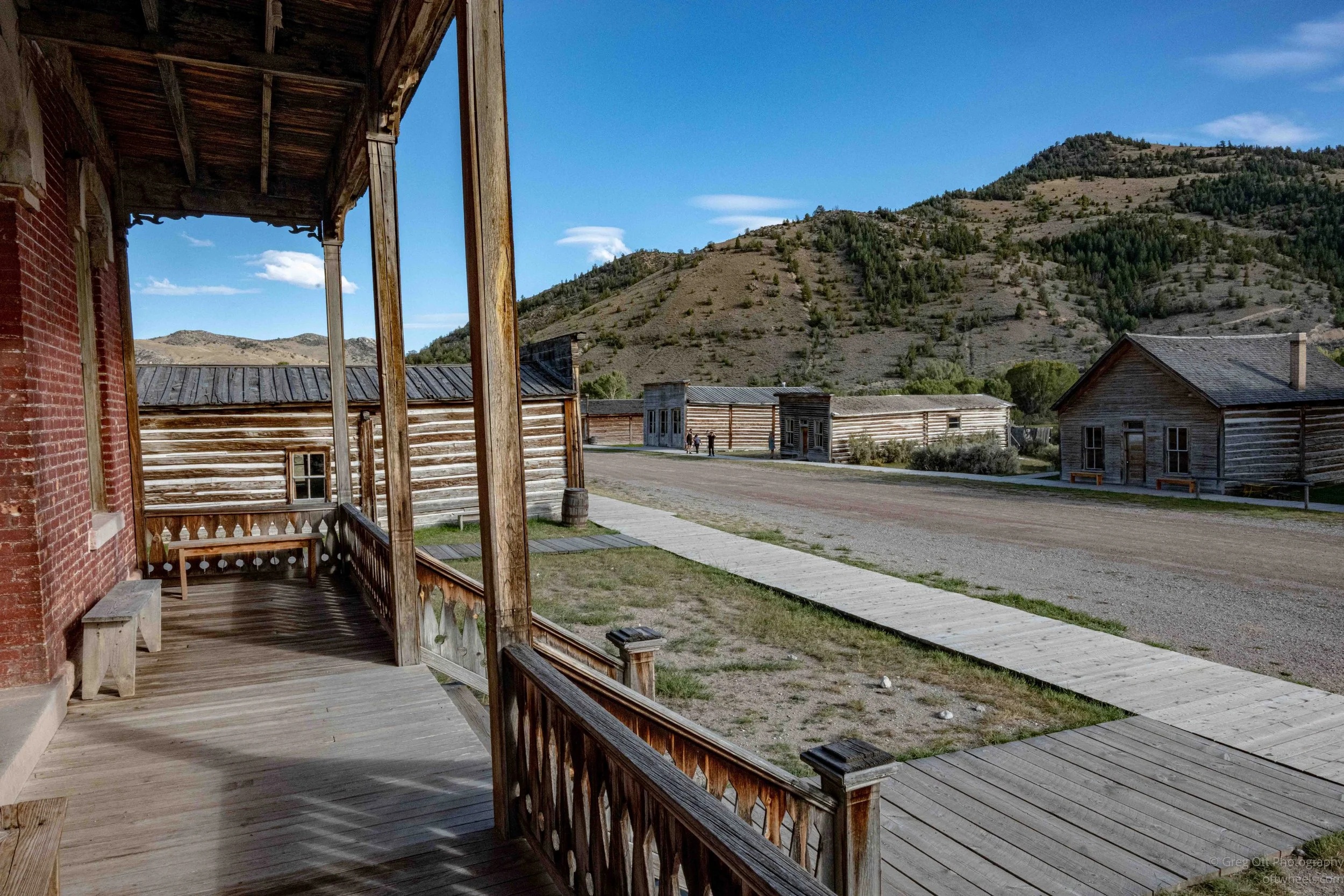
That didn’t mean Bannack disappeared. Mining continued for decades, sometimes profitably and sometimes barely at all. Water systems allowed miners to work areas farther away from the creek, and later enormous dredges tore through the valley floor looking for gold the original miners had missed. Every time it seemed as though Bannack was about to die, another round of mining gave the town enough life to keep going.
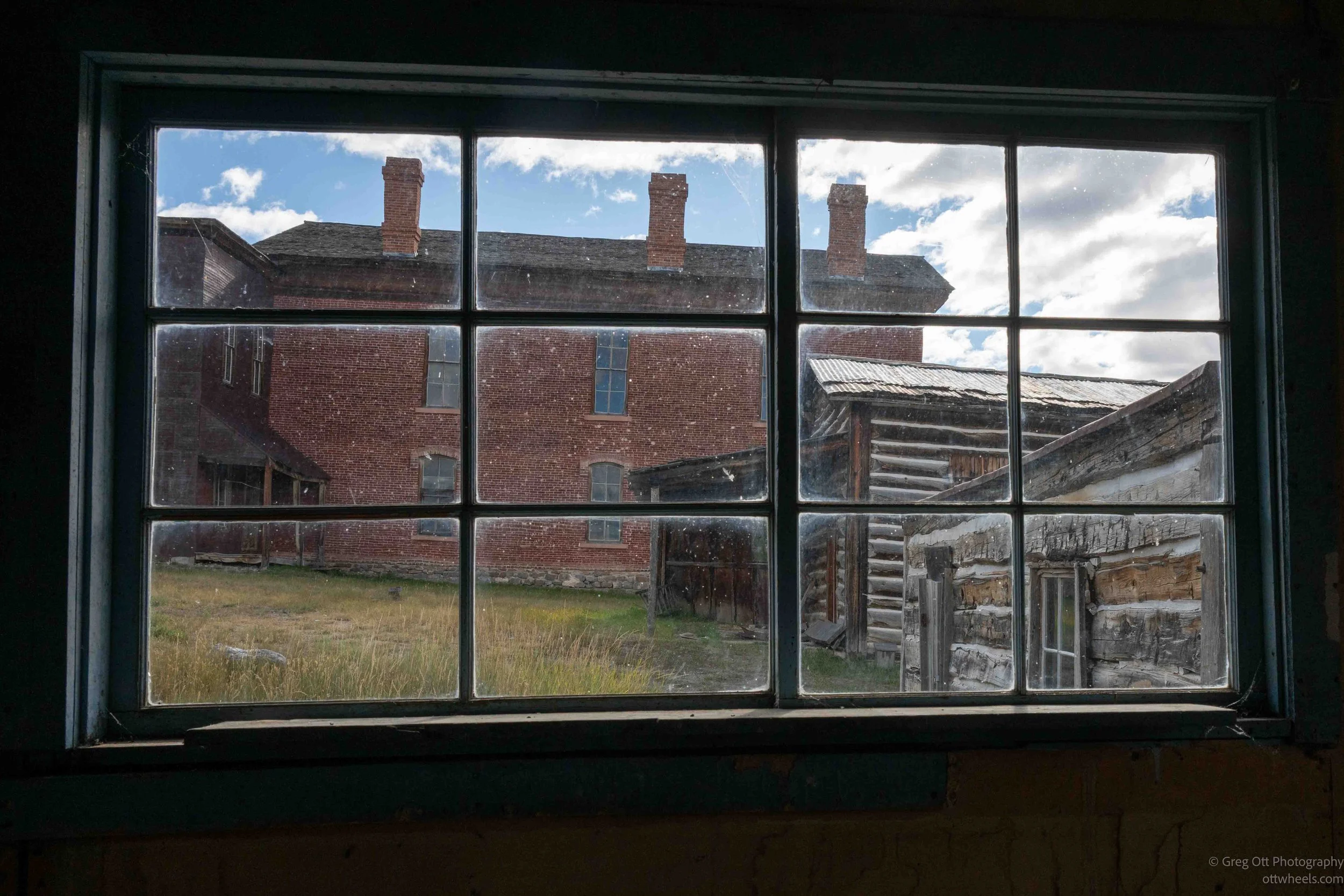
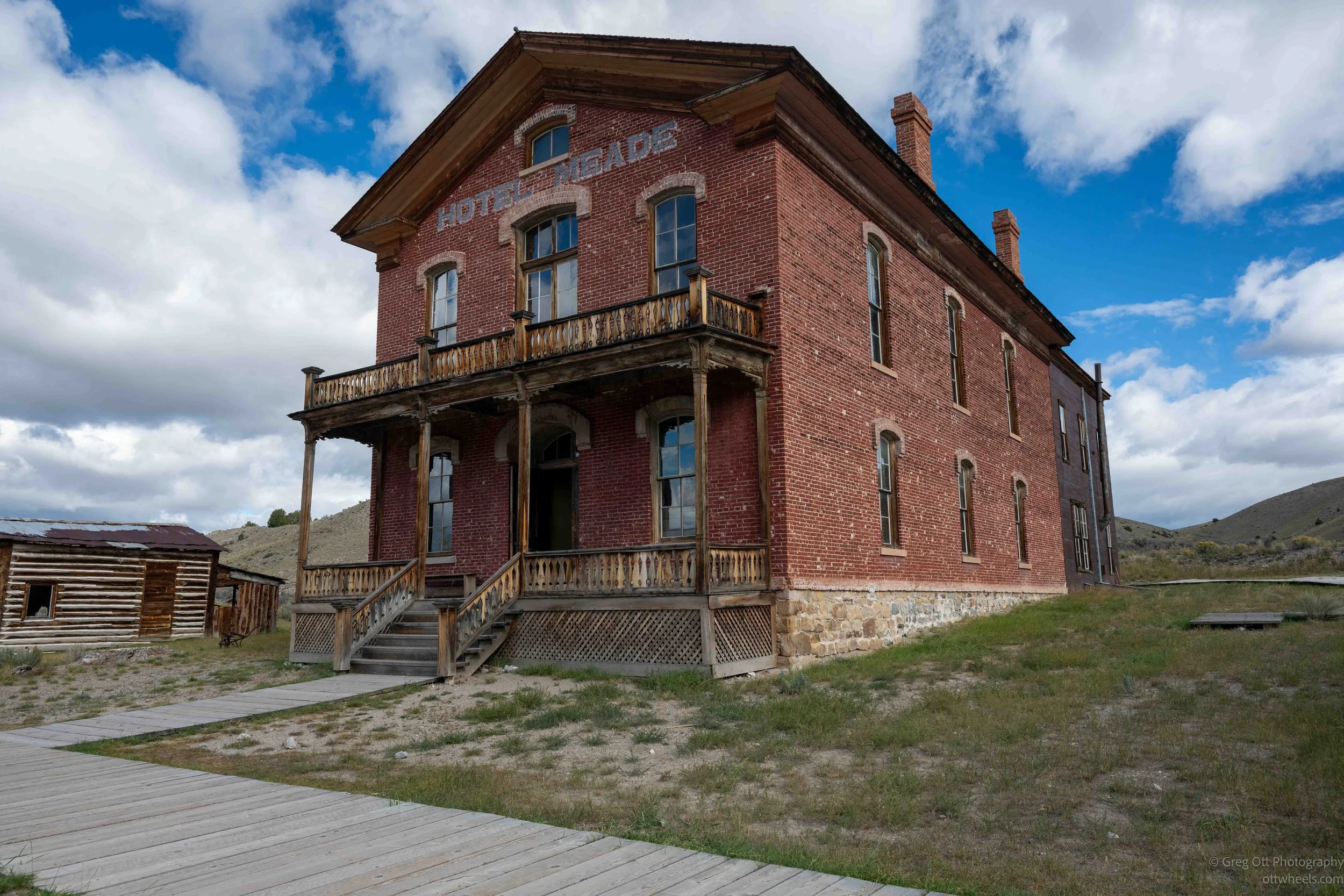
One of the most impressive buildings remaining from Bannack’s later period is the Hotel Meade, although it wasn’t originally a hotel. The large brick building was constructed in 1875 as the Beaverhead County Courthouse. At the time Bannack was the county seat and clearly expected to remain important. Then voters moved the county seat to Dillon in 1881, and the courthouse sat empty. About a decade later, Dr. John Meade bought the building and converted it into a hotel. A dining room and kitchen were added, and the former courthouse became one of Bannack’s social centers.
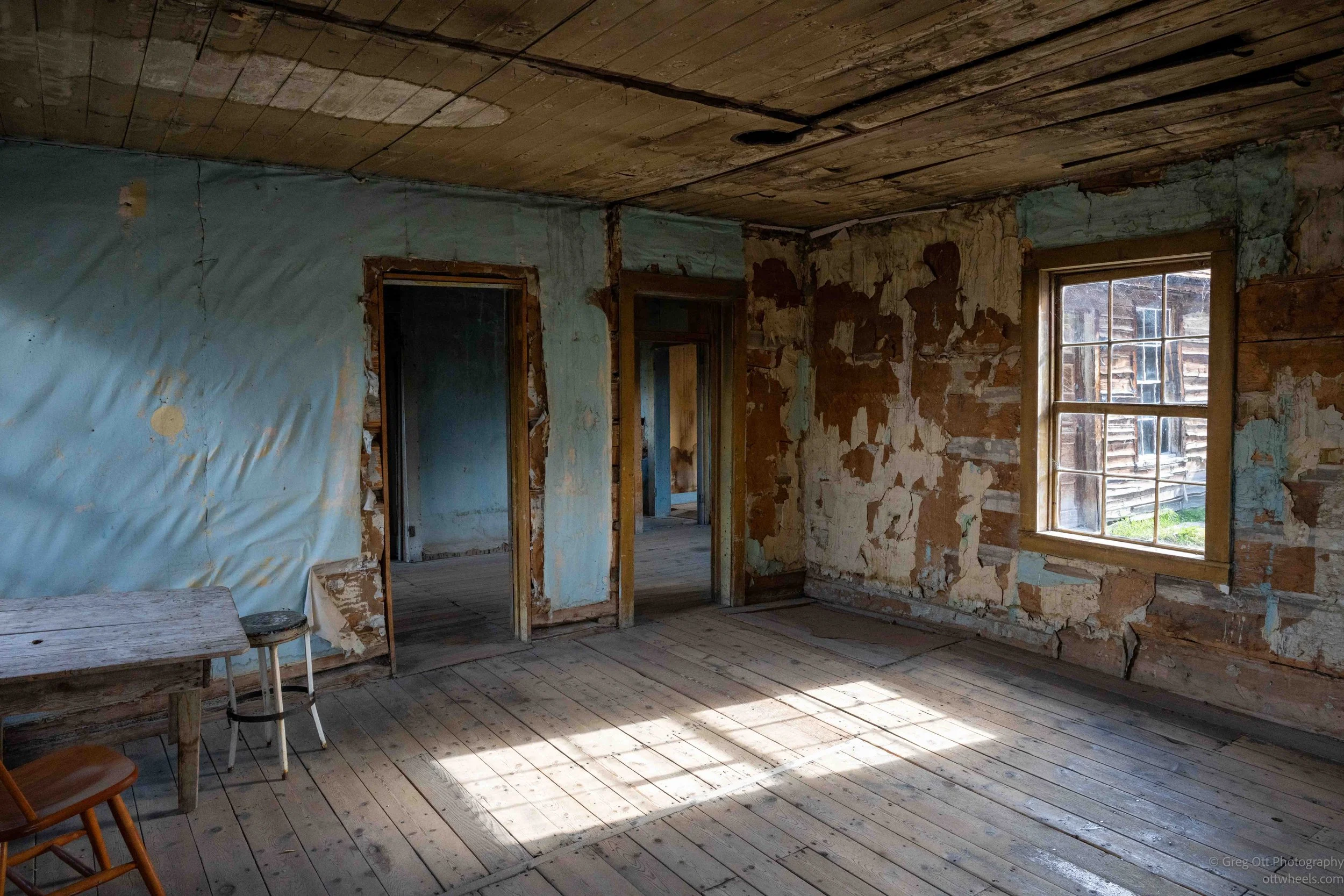
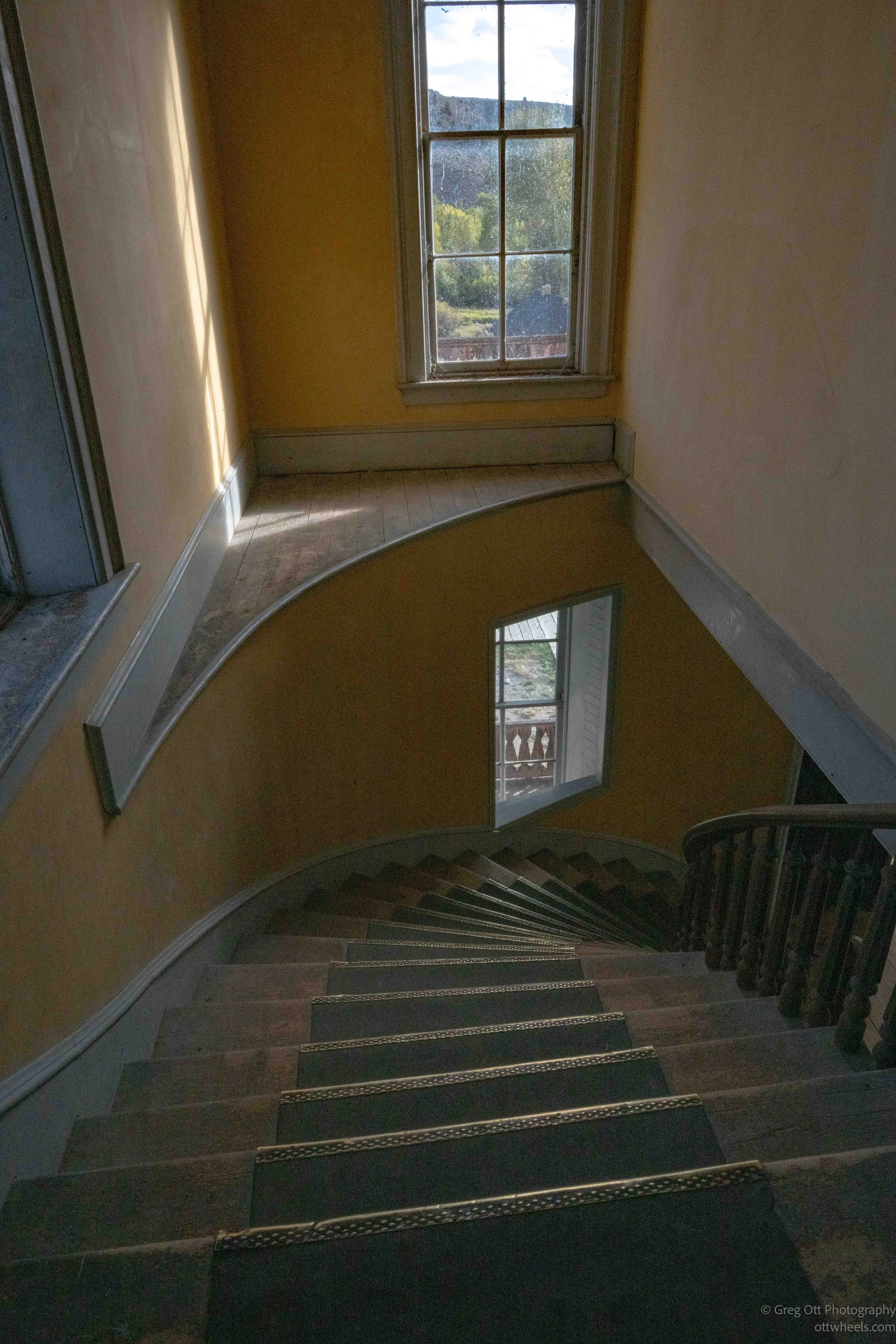
Walking through the Hotel Meade today, I could still climb the curved staircase and wander through the upstairs rooms. The floors creaked, the walls were worn and the rooms are empty. That was exactly what I liked about it. Bannack hasn’t been polished until it looks new. The buildings still feel old, and you can move through them without feeling as though everything has been staged for tourists. That is intentional.
The town slowly faded rather than suddenly dying. The post office closed in 1938, the hotel eventually shut down, and the school closed in 1951 when there were no longer enough children to keep it operating. Mining continued off and on, but by the middle of the twentieth century most of the population was gone. A town that had once held thousands of people had dwindled to a handful.
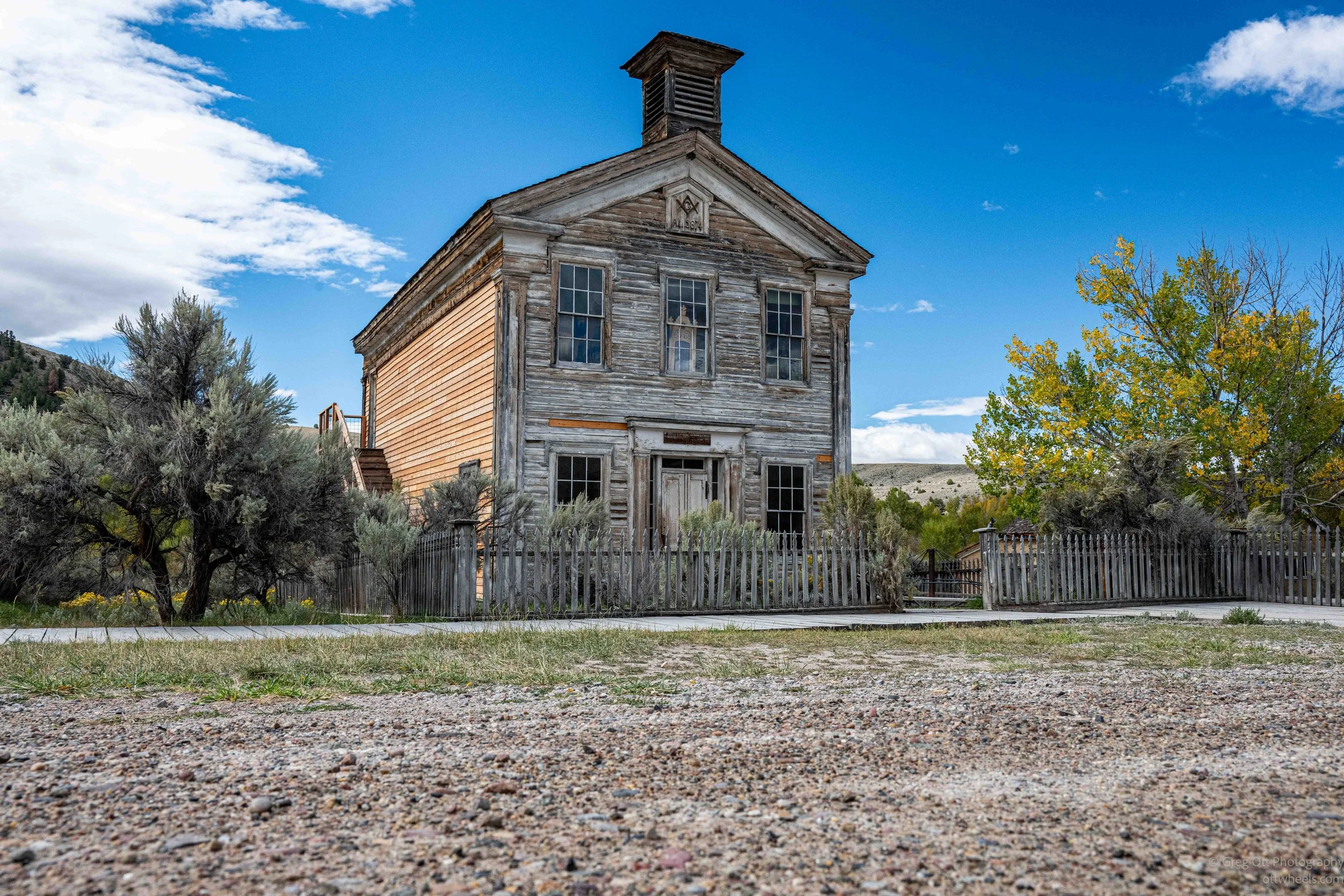
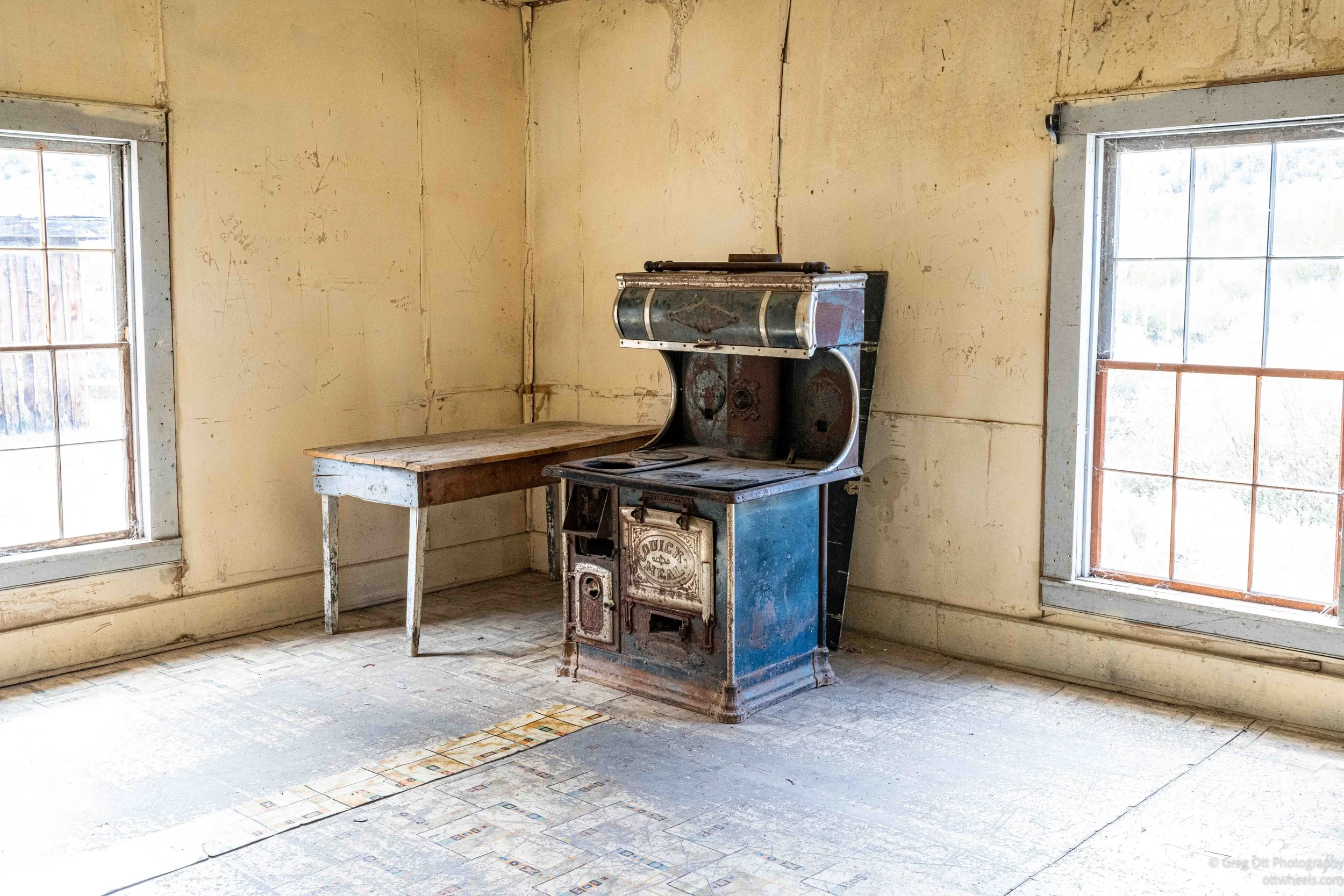
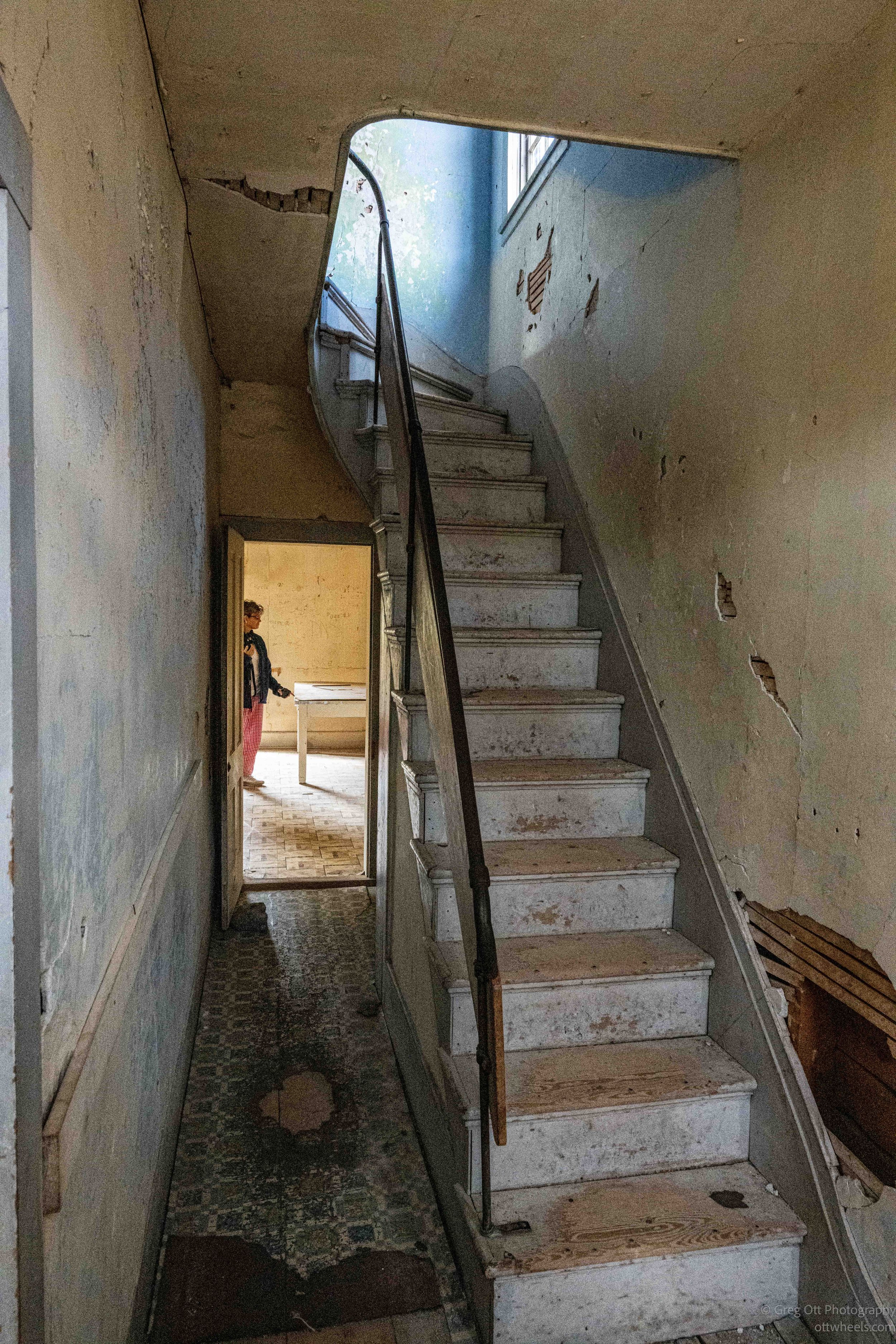
Fortunately, efforts to save Bannack began before the remaining buildings disappeared. In the early 1950s, much of the town property was acquired and eventually transferred to the State of Montana. Bannack became a state park in 1954, and a few people continued living there into the early 1970s. That surprised me. I had assumed Bannack had become a ghost town much earlier, but the final transition from living town to historic site happened relatively recently.
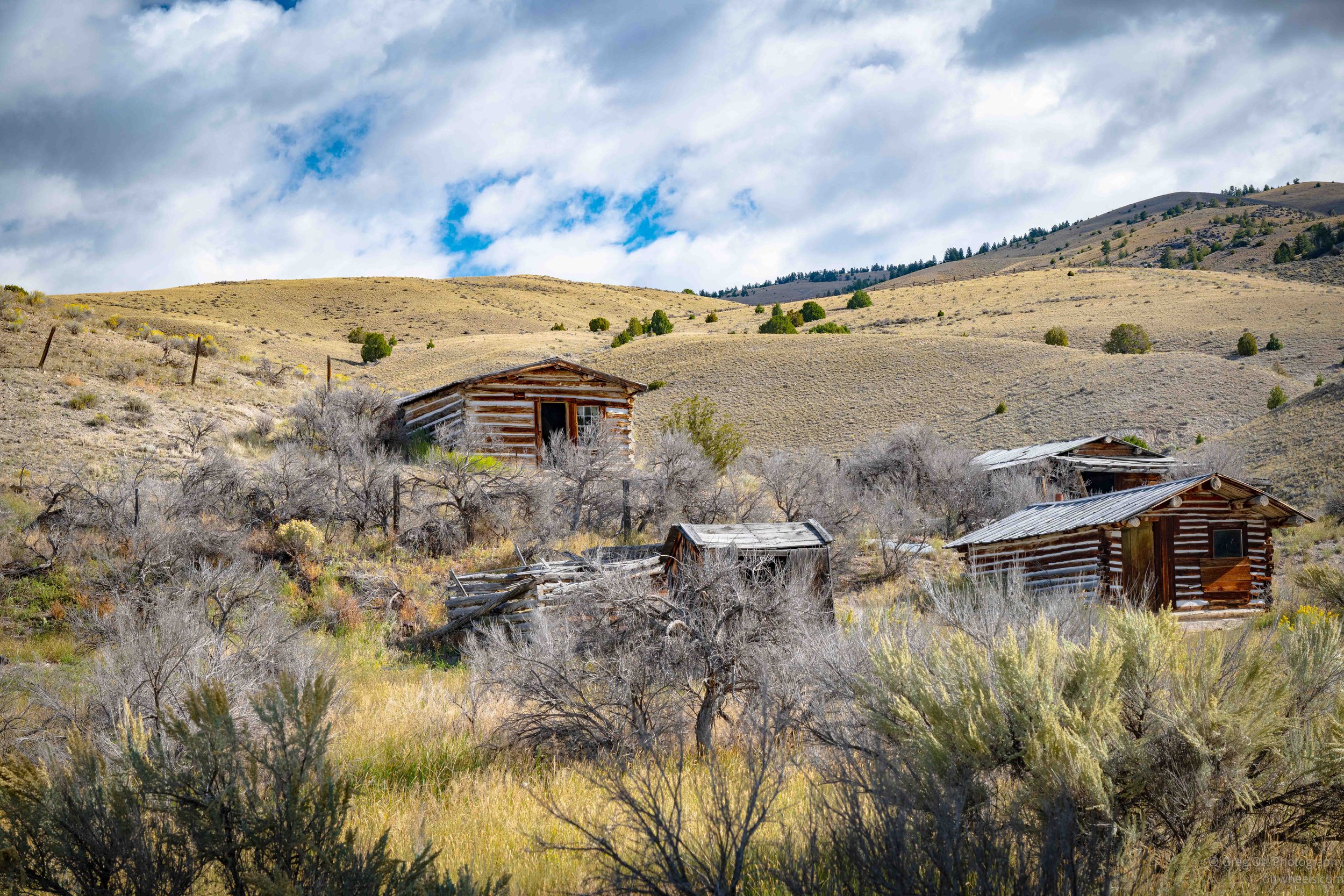
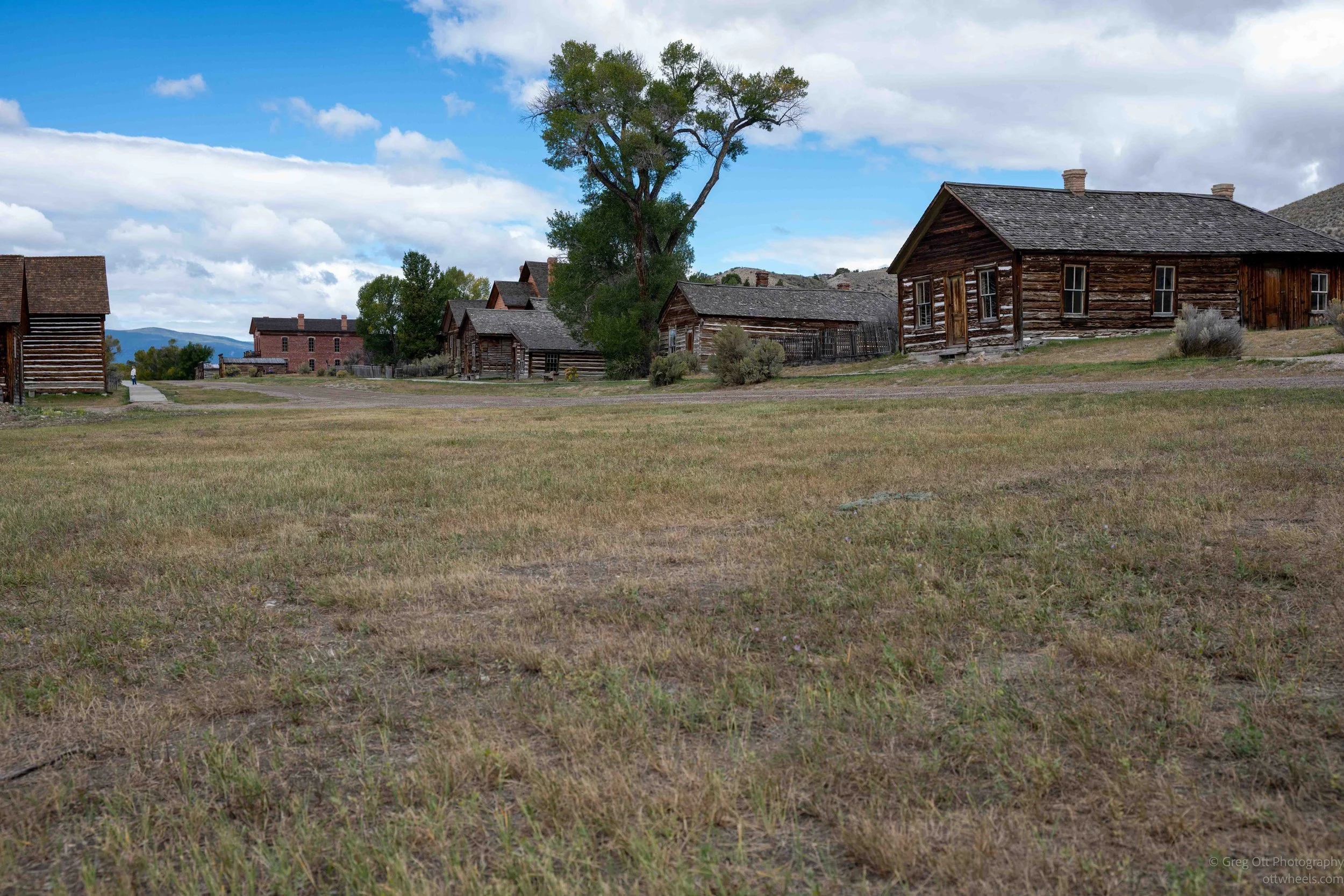
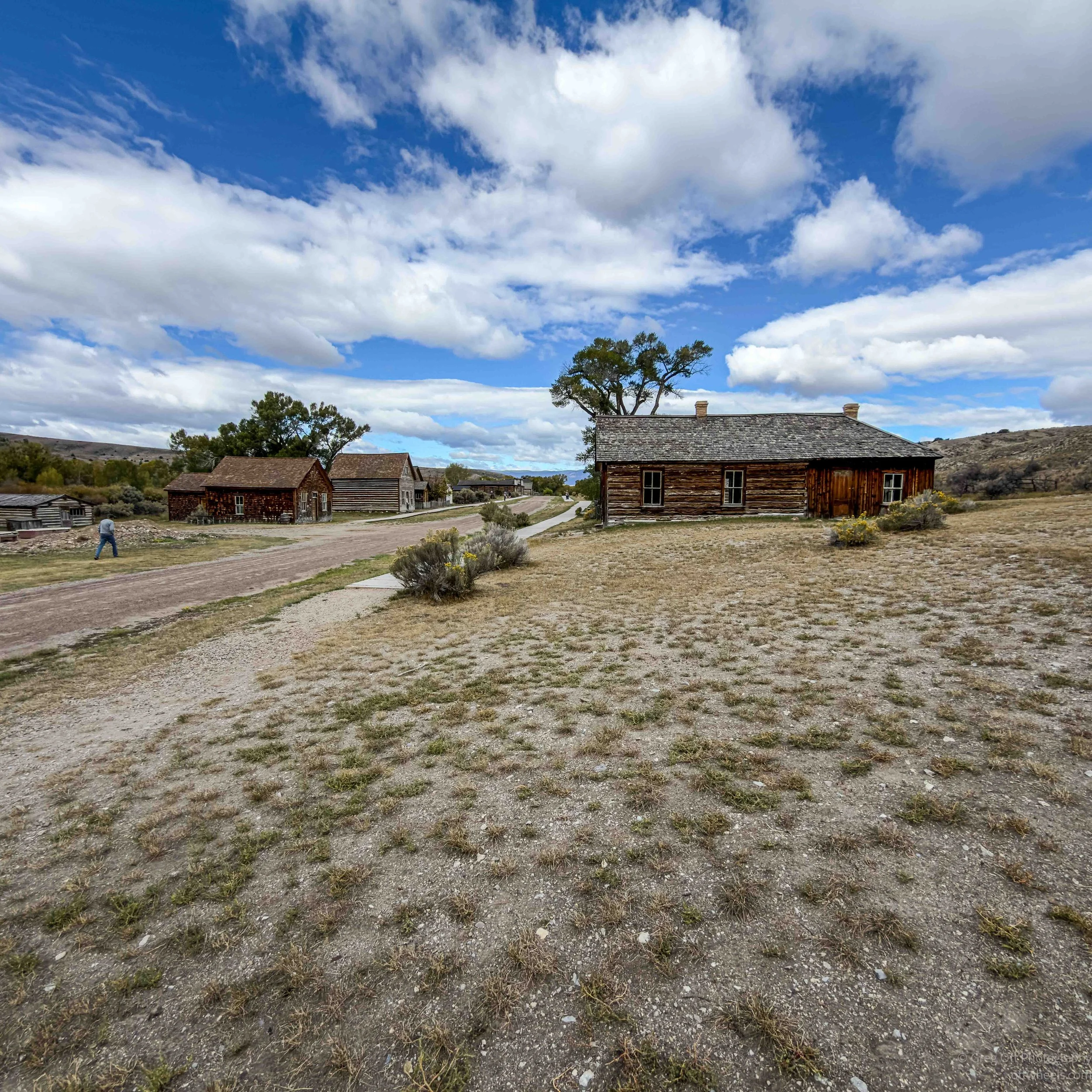
More than fifty historic buildings remain today, and what makes Bannack work so well is that it has largely been preserved rather than rebuilt into somebody’s idea of the Old West. There aren’t restaurants and souvenir shops filling Main Street. You open doors, walk into buildings and sometimes find rooms that look as though everyone simply left. You can walk from the hotel to the school, the church, the assay office, old houses and commercial buildings and gradually reconstruct the town in your head.
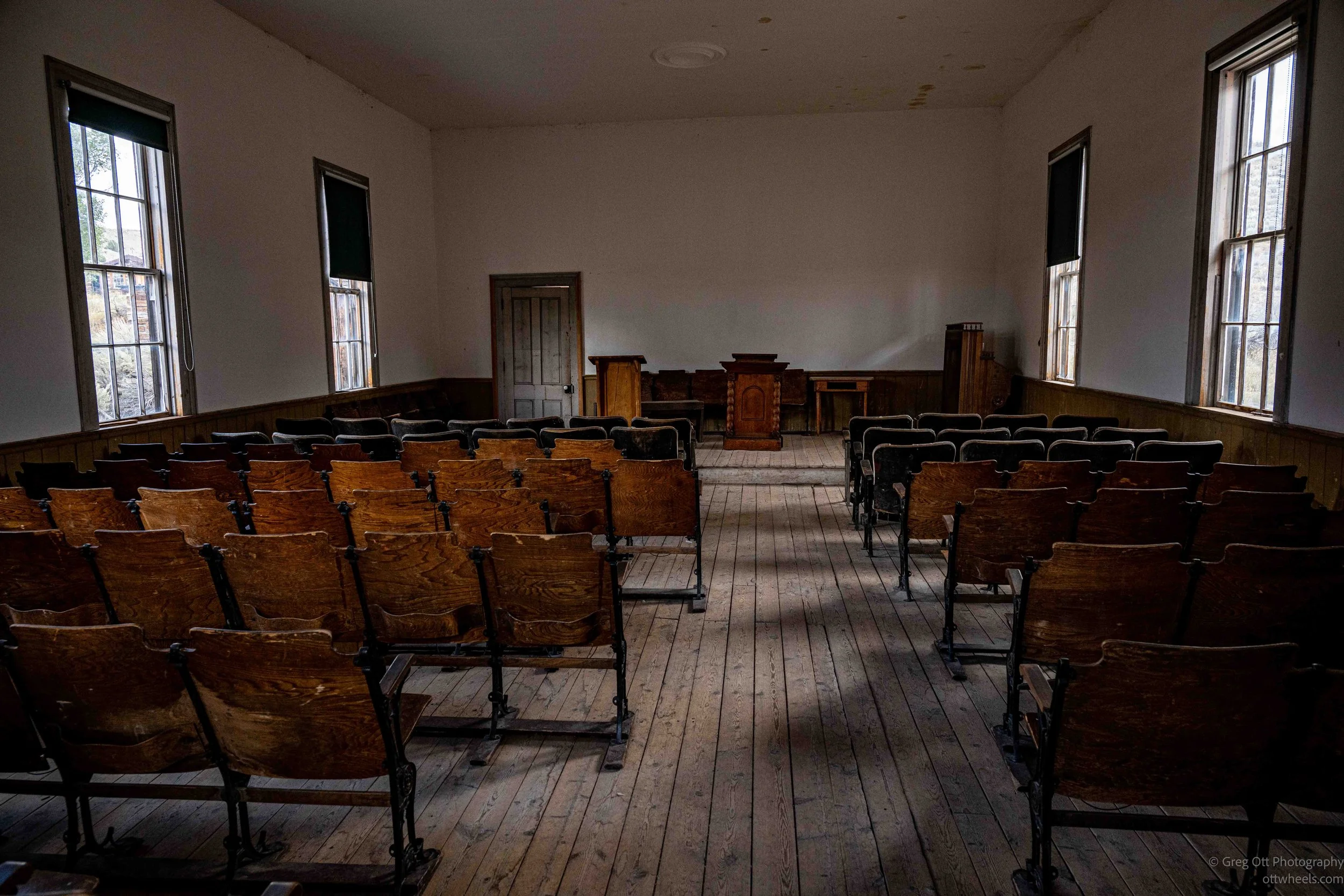
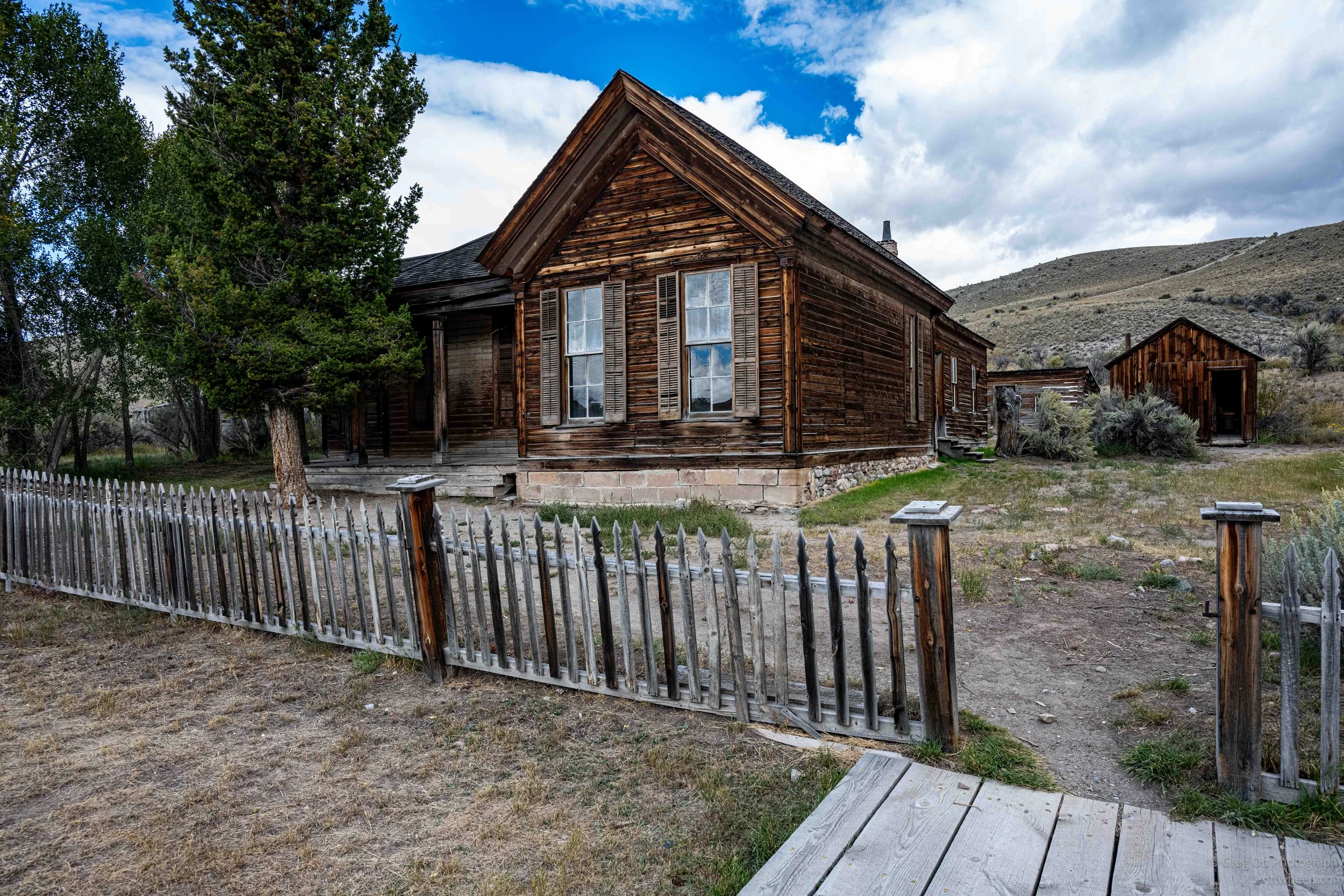
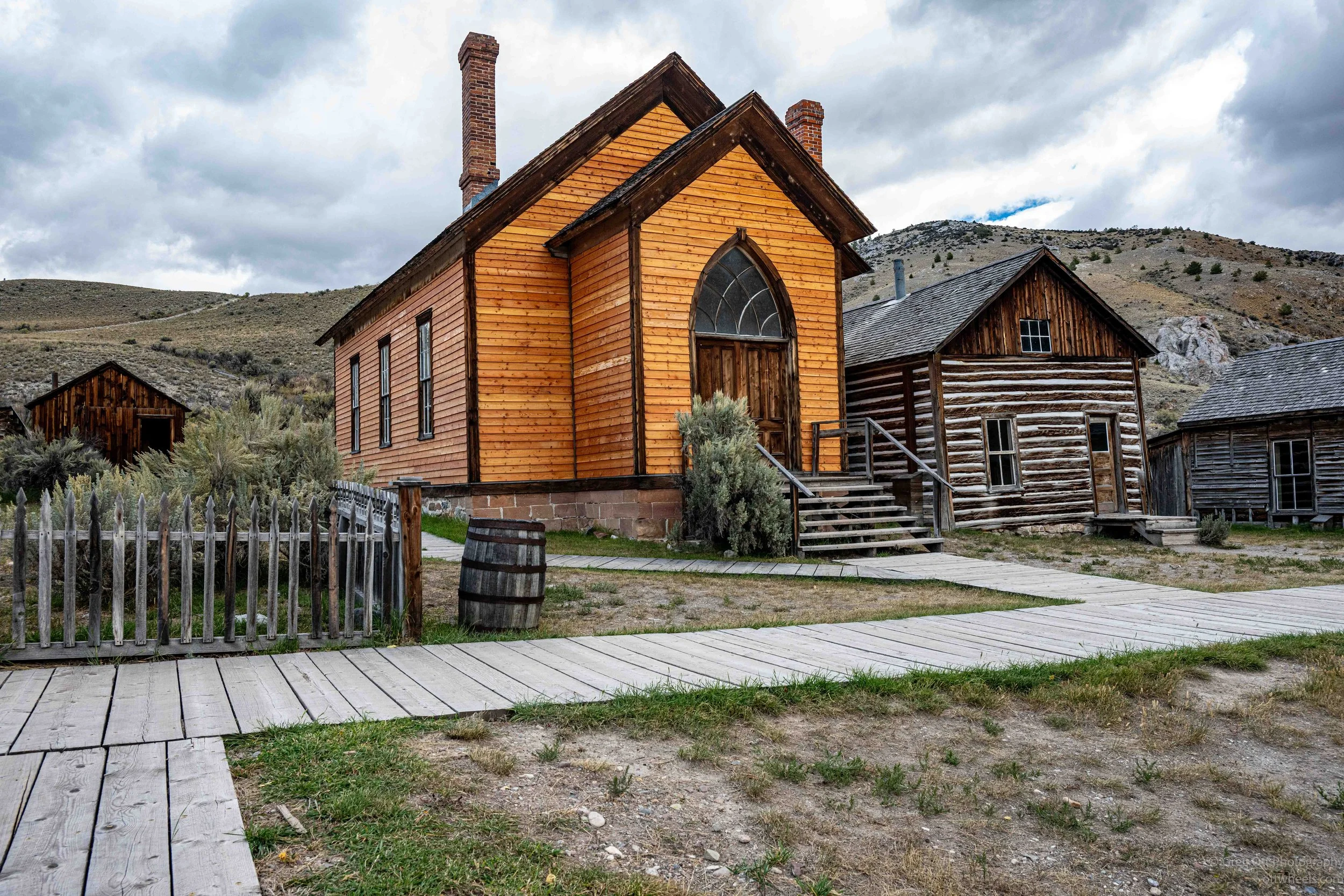
I had been to other ghost towns where only a handful of buildings survived and you needed a lot of imagination to picture what had once been there. Bannack was different. Main Street was still there, and enough of the town remained that I could begin to understand how it actually functioned. After reading the stories the night before and then spending the morning walking through the buildings, it no longer felt like I was looking at isolated ruins. I could picture thousands of people crowded into this narrow valley, miners working the creek, businesses lining the street, children heading to school and nervous travelers leaving town carrying gold.
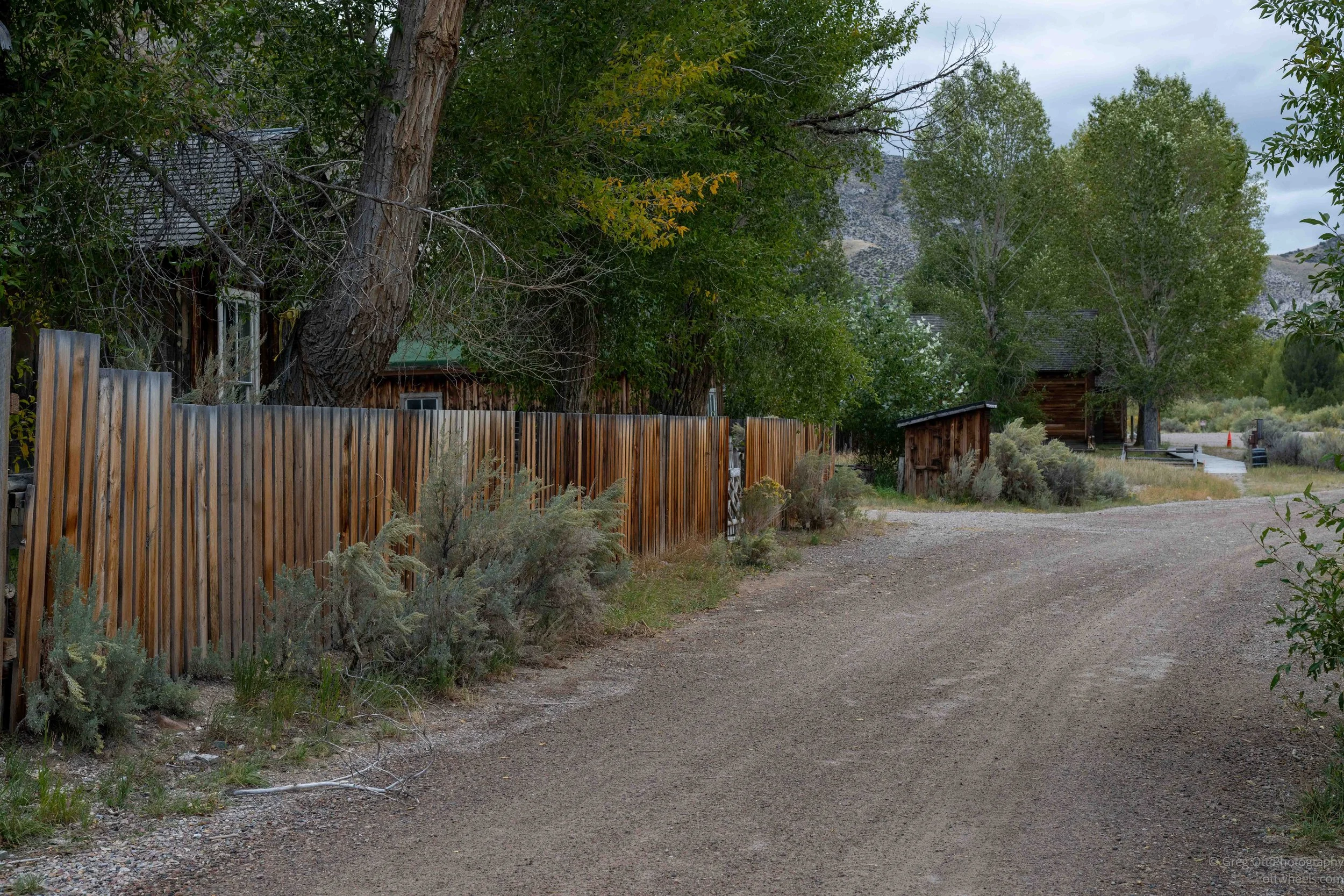
By the time I finished wandering through Bannack that morning, I had spent another couple hours there in addition to the time I had spent walking through town the evening before. I still wasn’t finished, so on the way back to the campground I stopped at the visitor center and extended my stay for another night. I continued to read online about barrack and the stories that are locked in history.