Montana Capitol, Charcoal Kilns and Bannack
I made breakfast and coffee and at 9:00 headed back to the Montana Capitol. I wanted to make one more walk through and see if I could get better photographs than I had the day before. The light was still difficult, but this time I brought the tripod. The guard remembered me from yesterday and said, “You and I are the only ones here.”
The building isn’t that large, so I started with the main staircase and rotunda, photographing them from several floors and in different directions. With no one else around, I could take my time lining up the symmetry of the arches, columns, railings and long hallways. I also concentrated more on the painted ceilings and murals above the rotunda, including some tighter photographs of details I had mostly passed by the previous day.
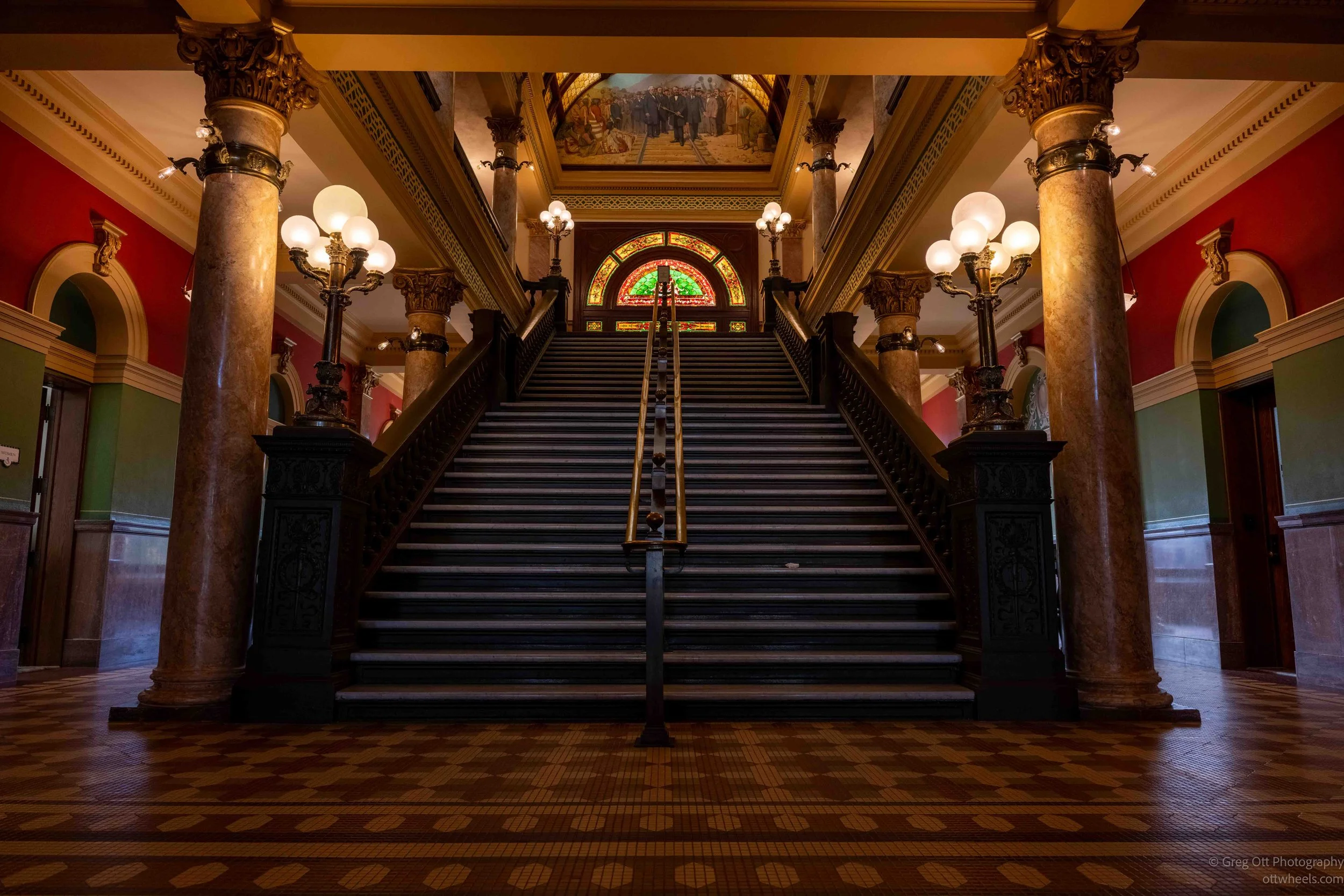
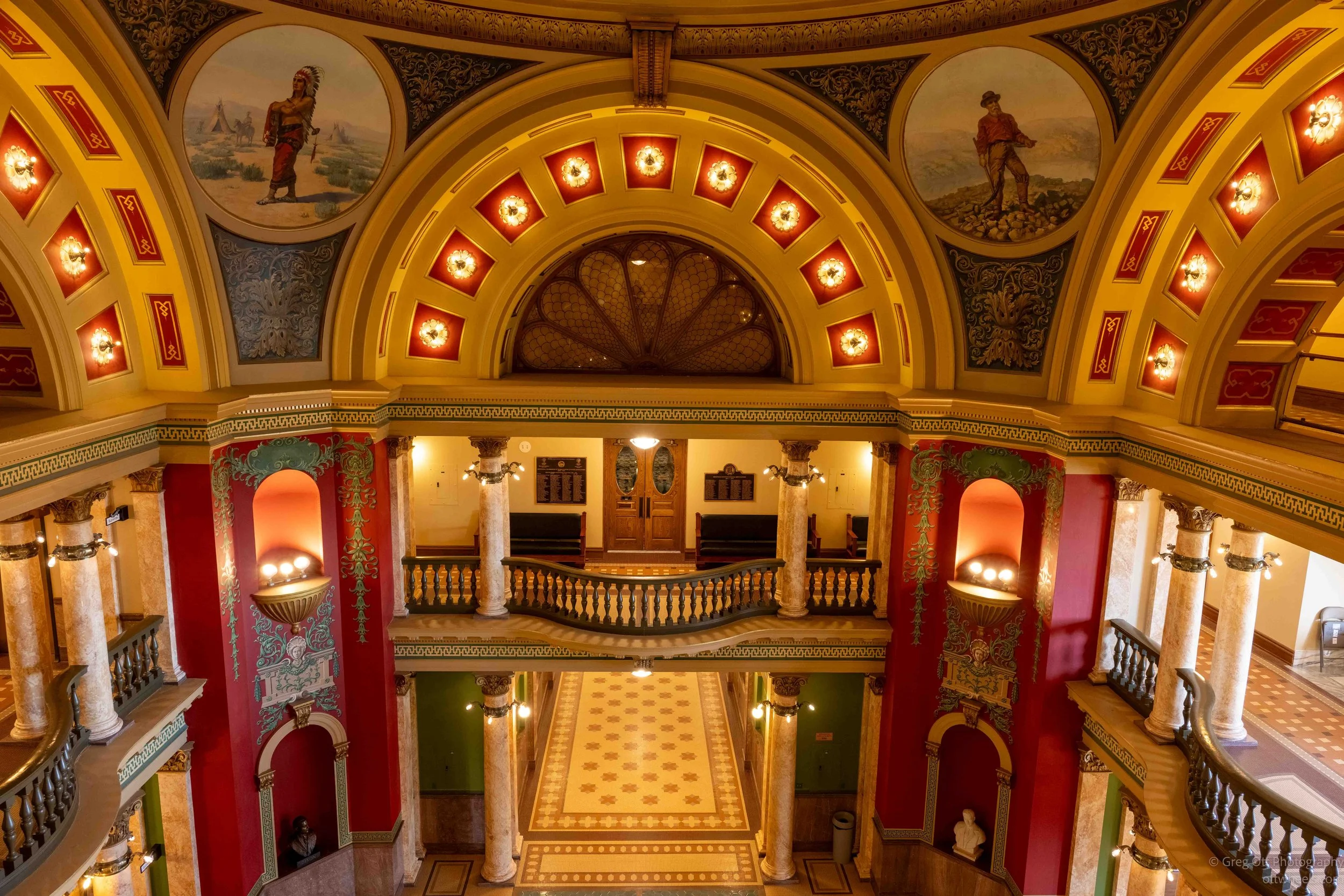
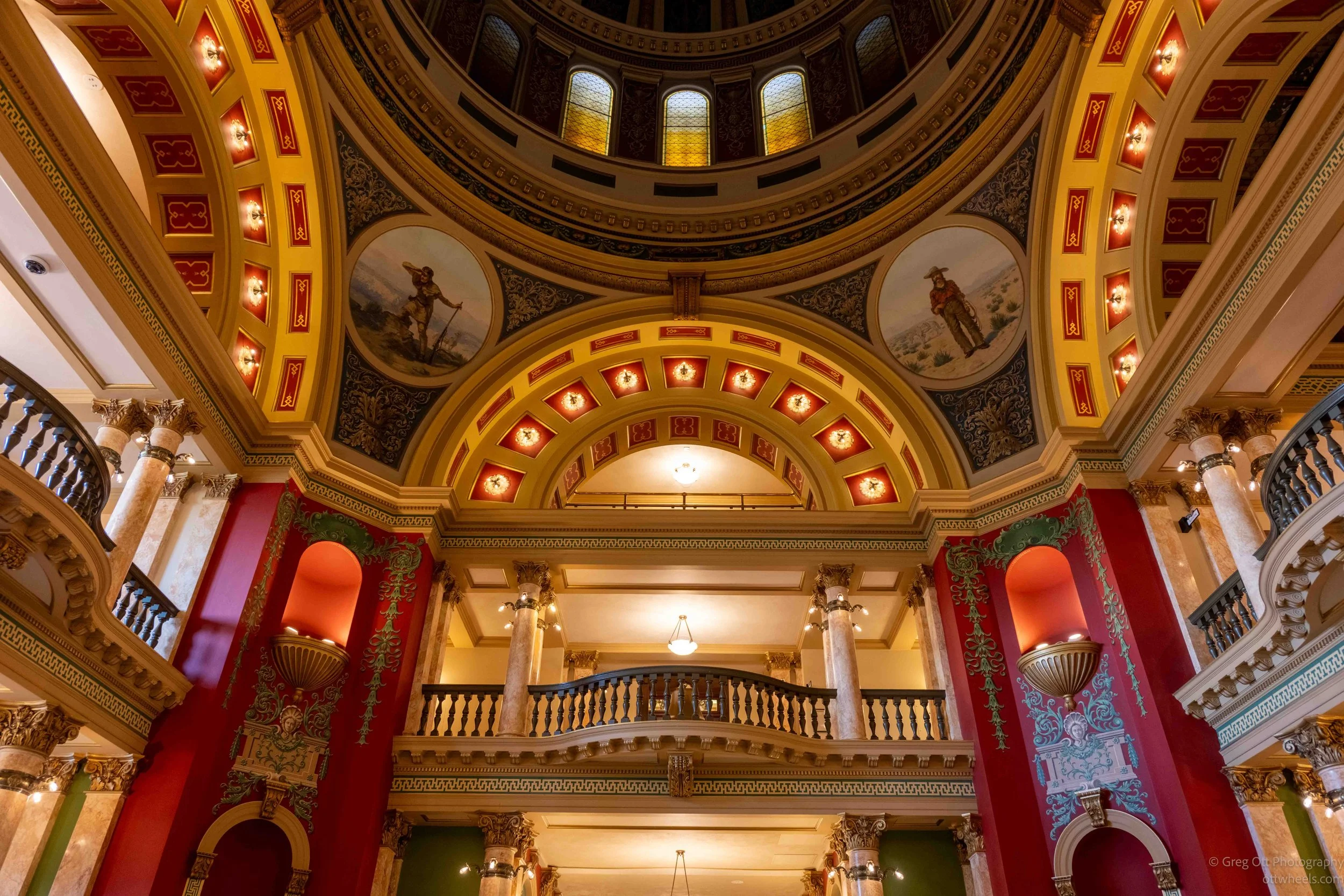
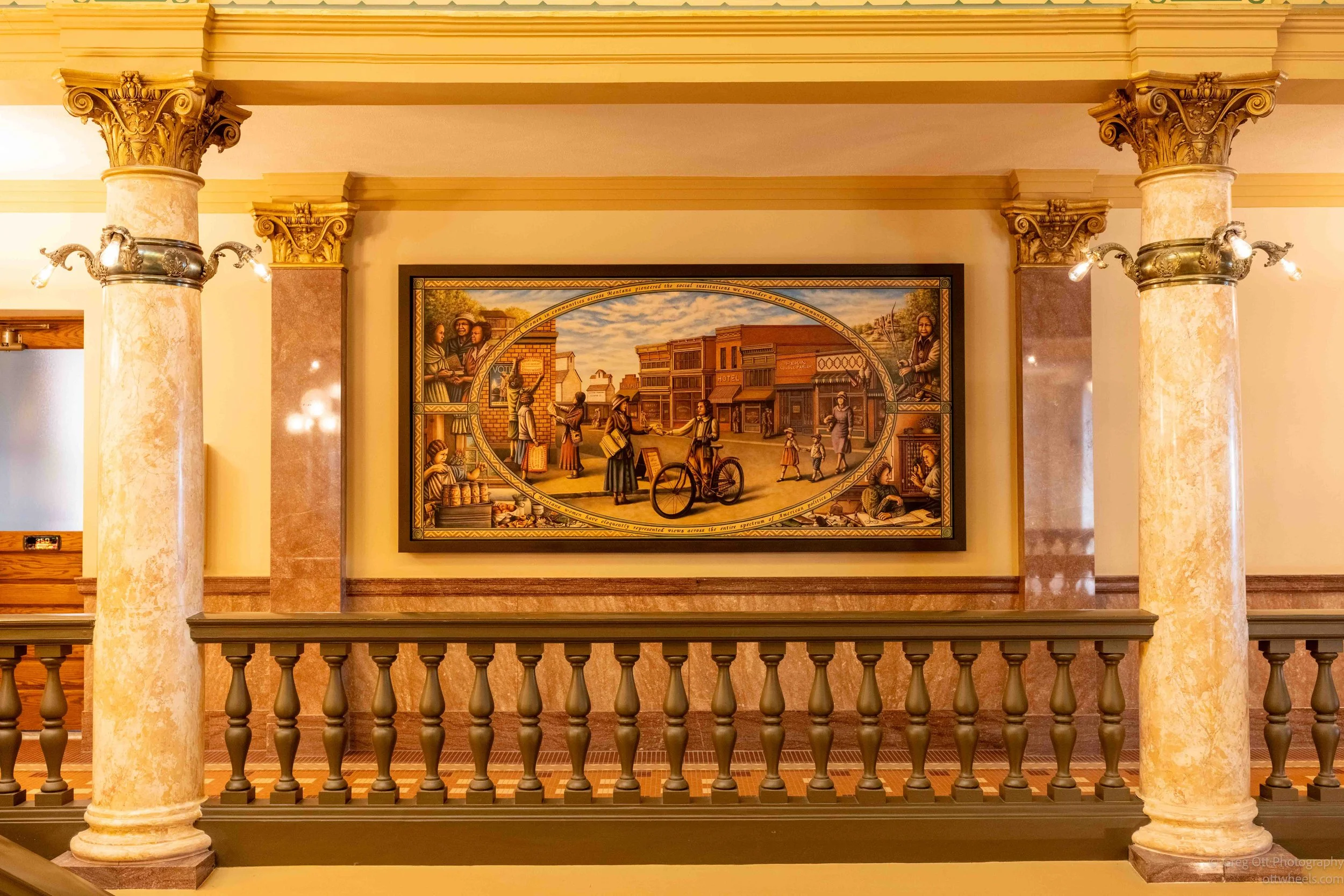
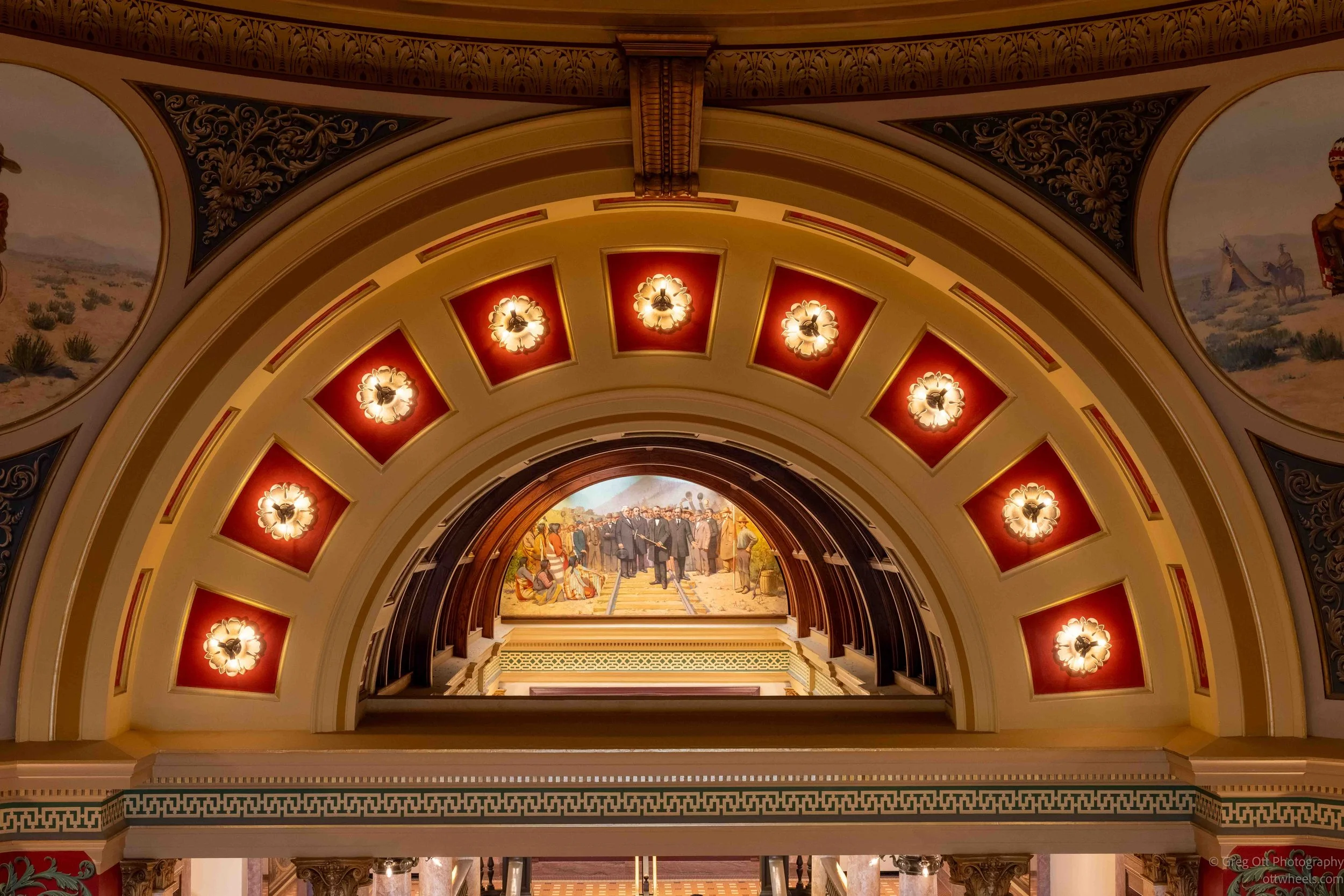
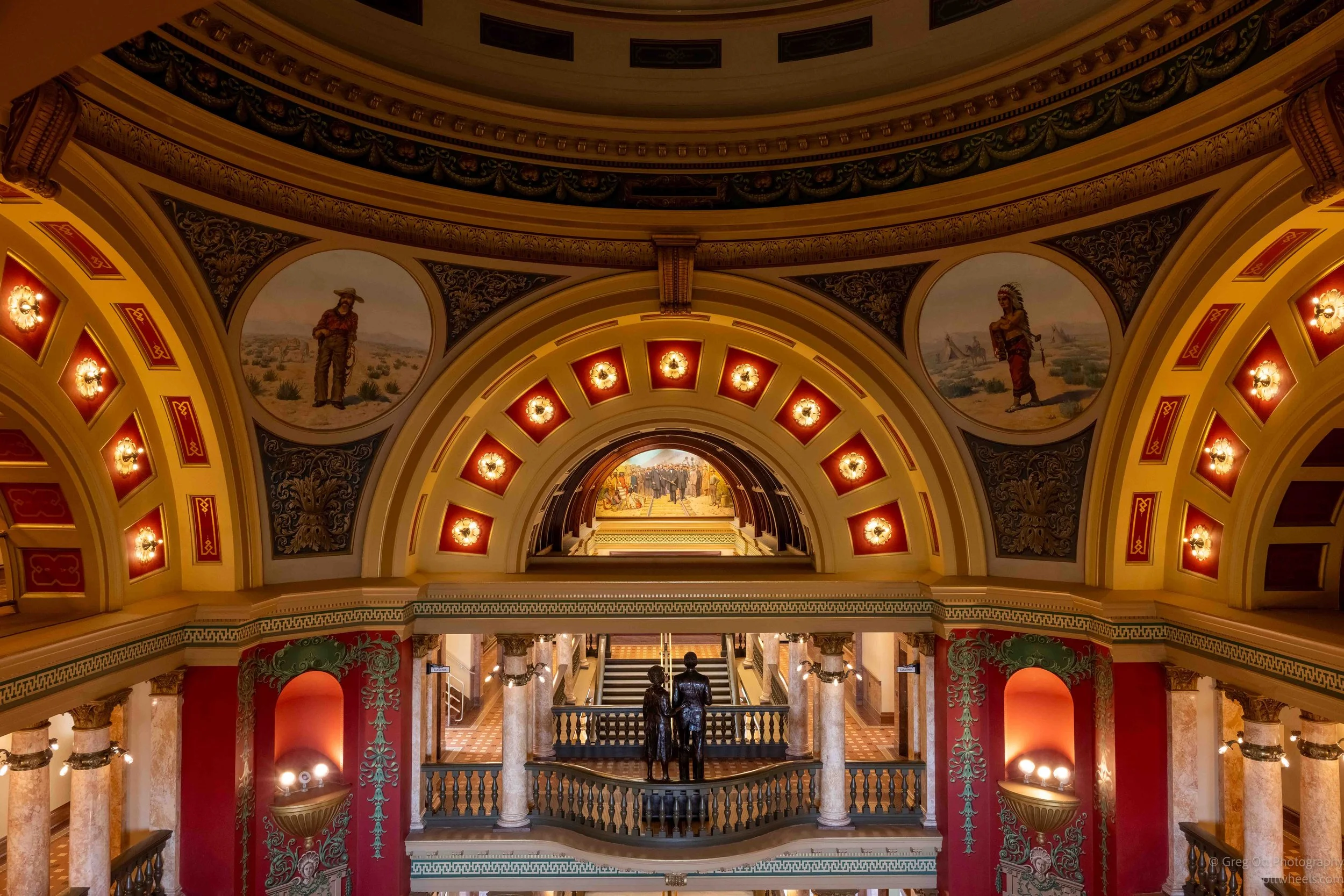
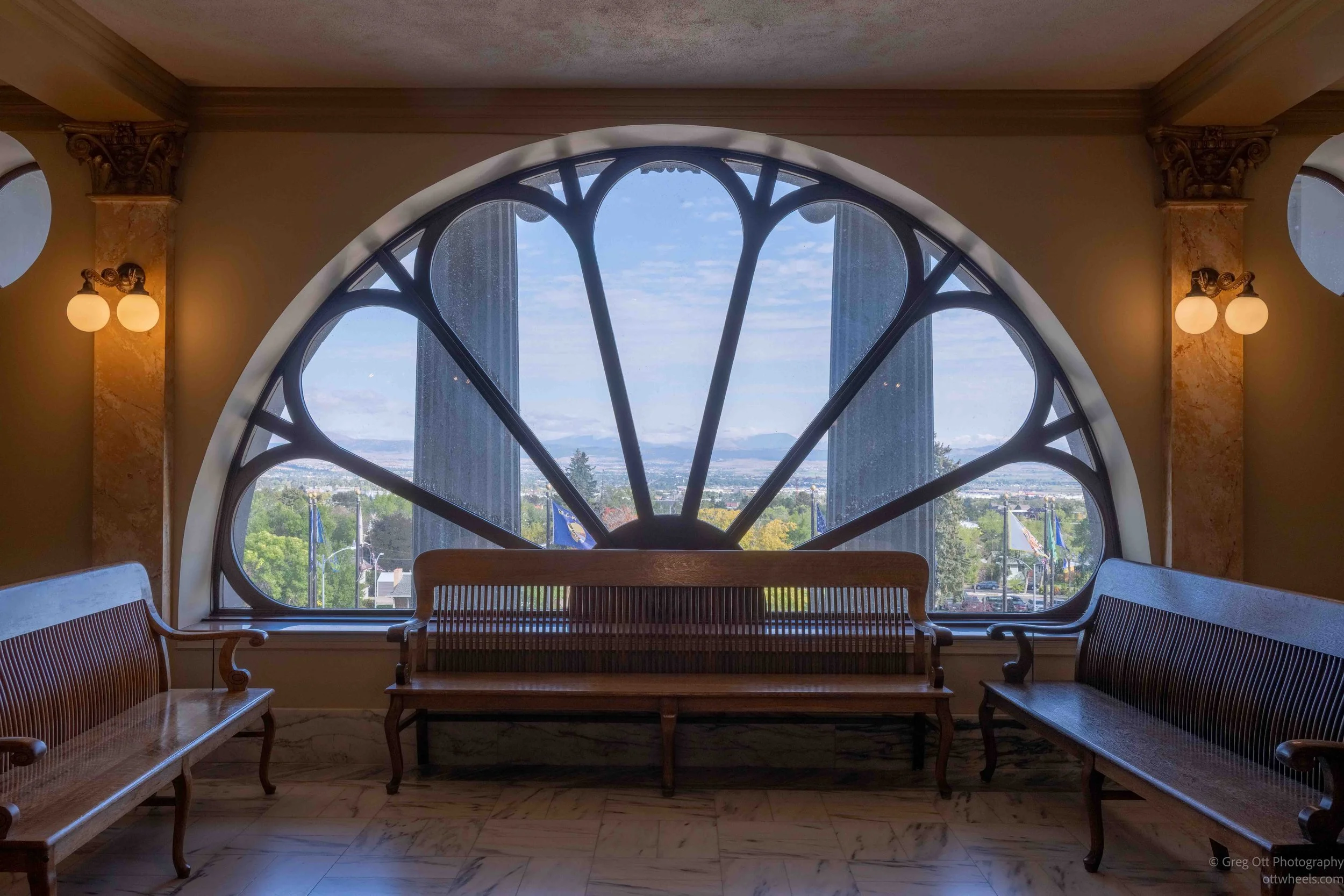
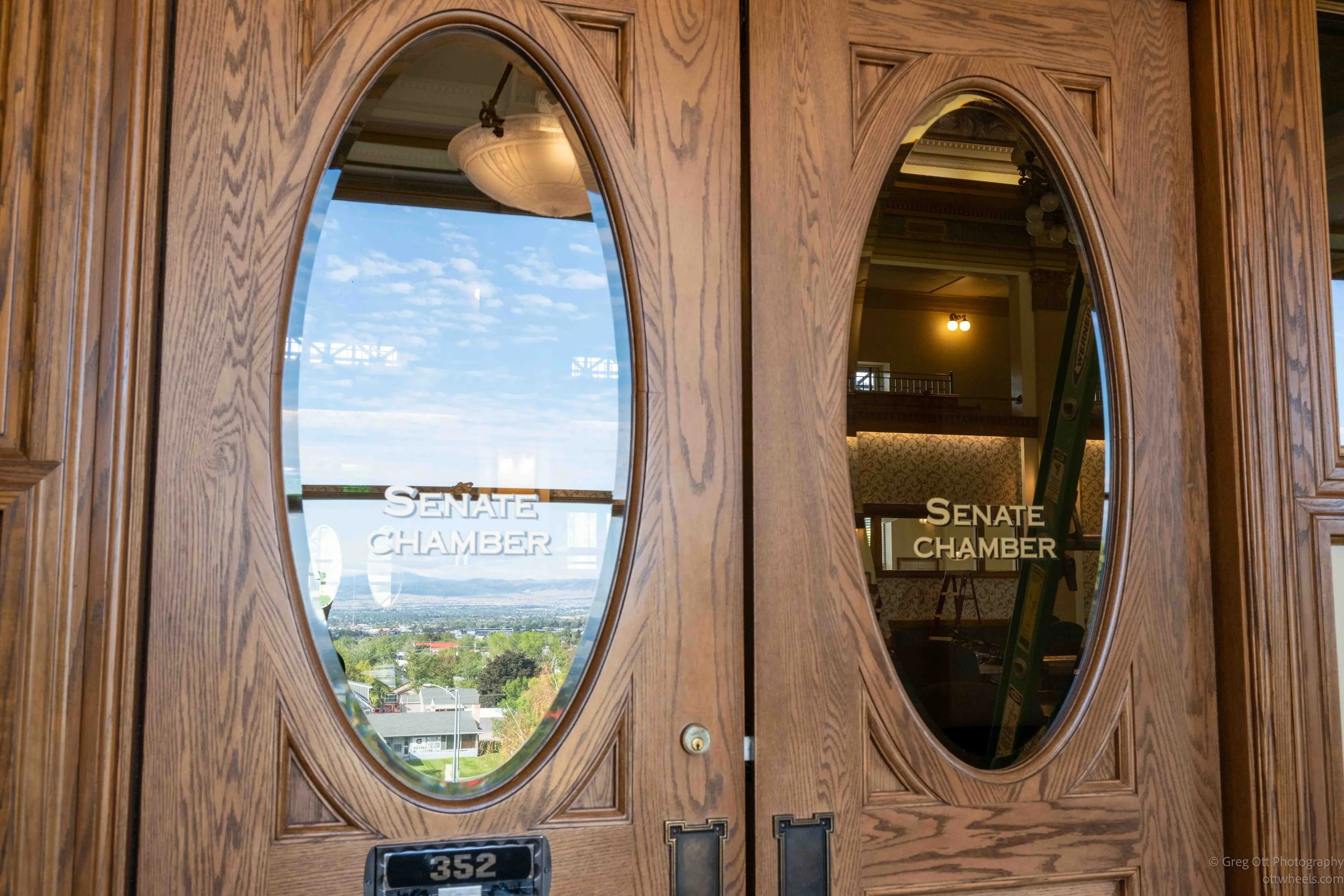
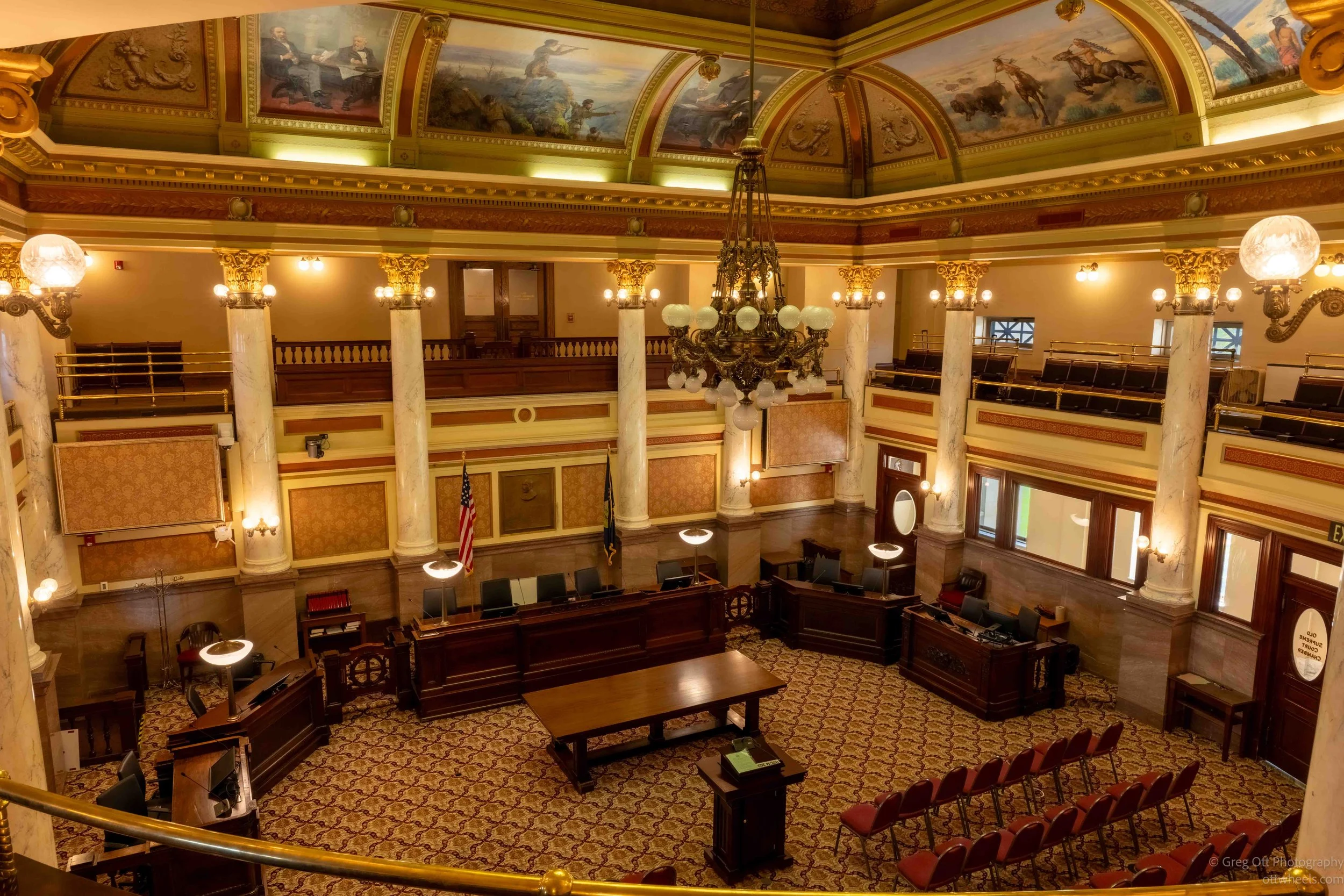
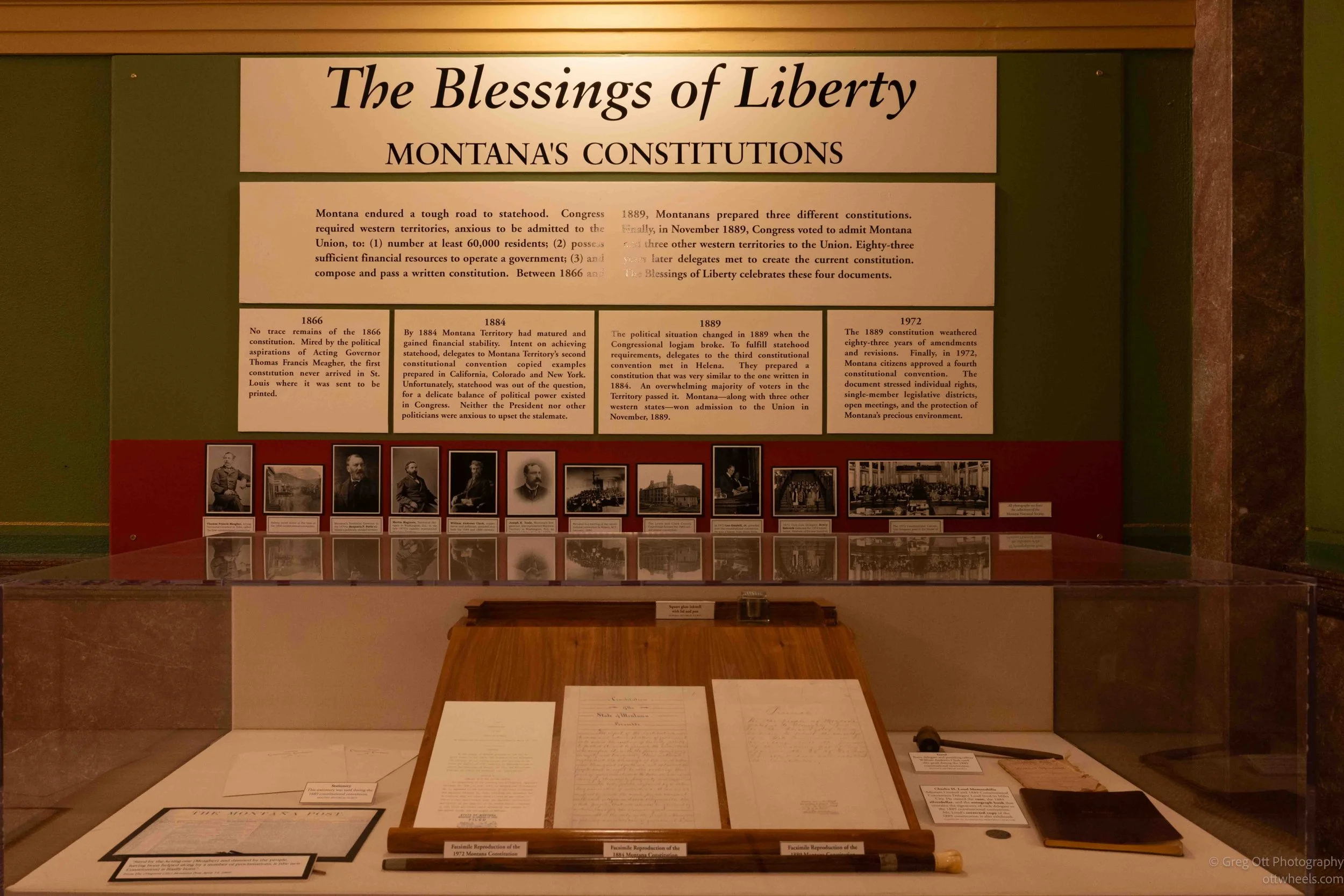
I walked through both legislative areas again, photographing the chambers from the galleries and the Senate Chamber doors with Helena visible in the reflection. I also stopped at the display on Montana’s constitutions and a few of the smaller artworks along the upper floors. One of my favorite views was simply a row of benches in front of the large semicircular window overlooking Helena.
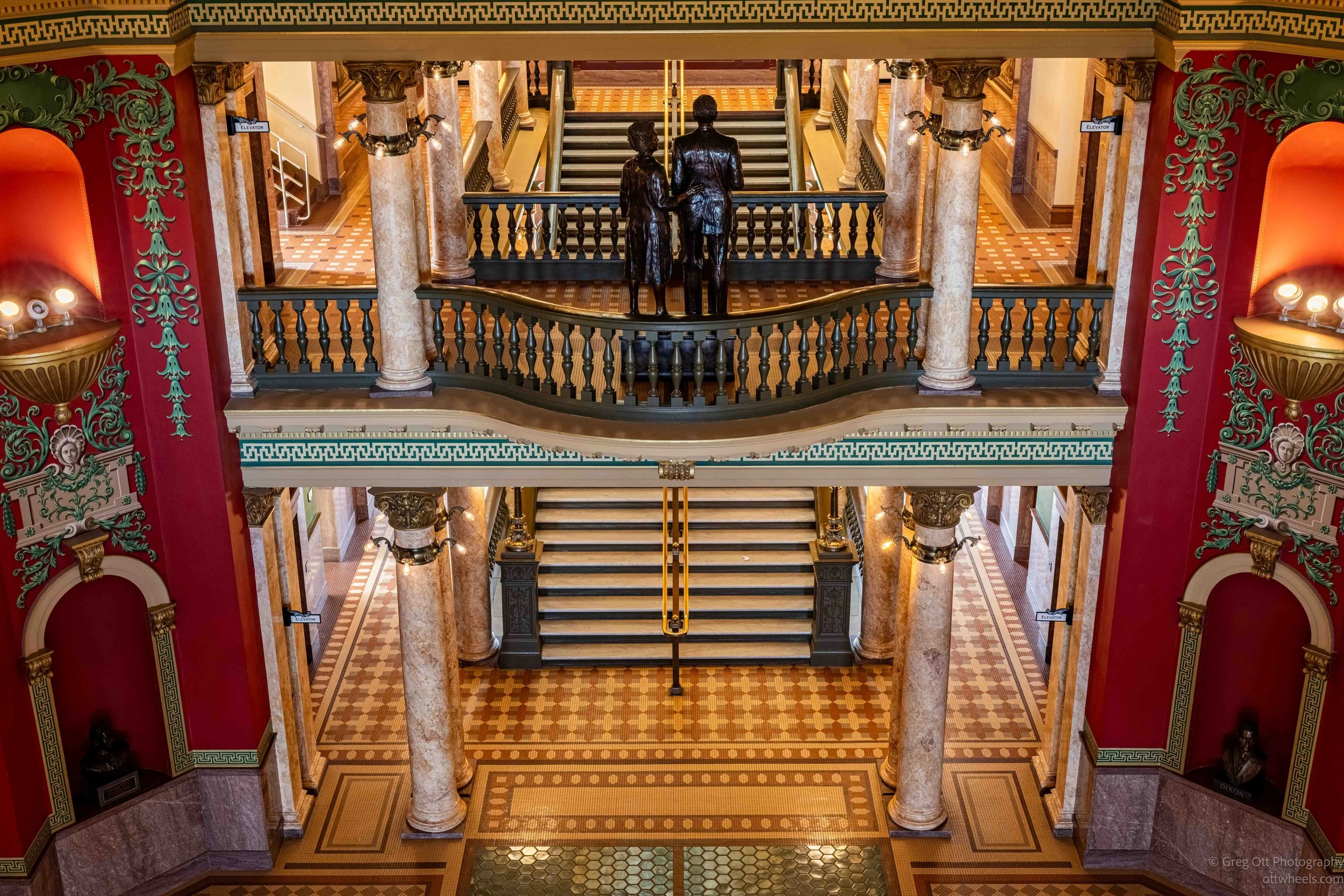
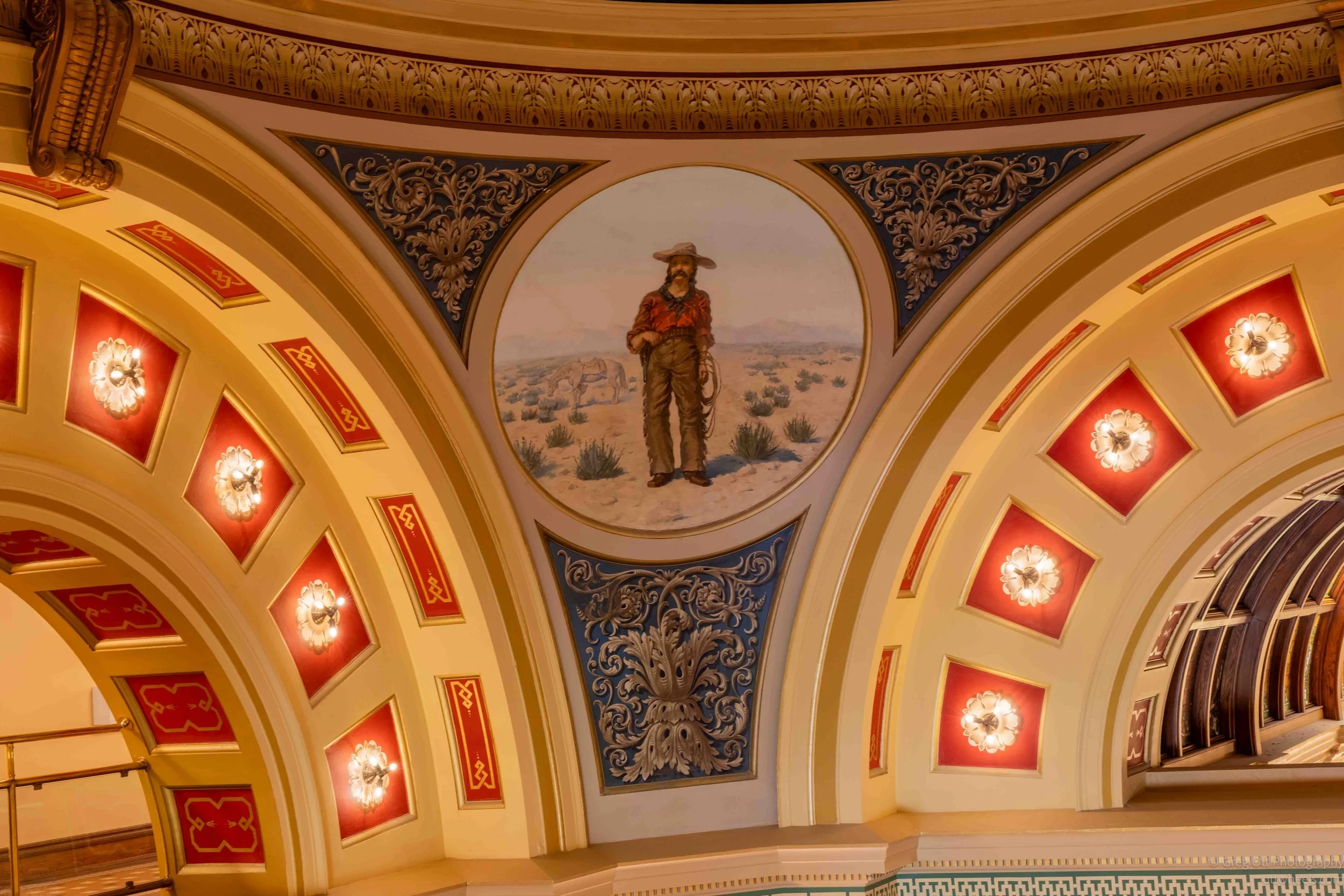
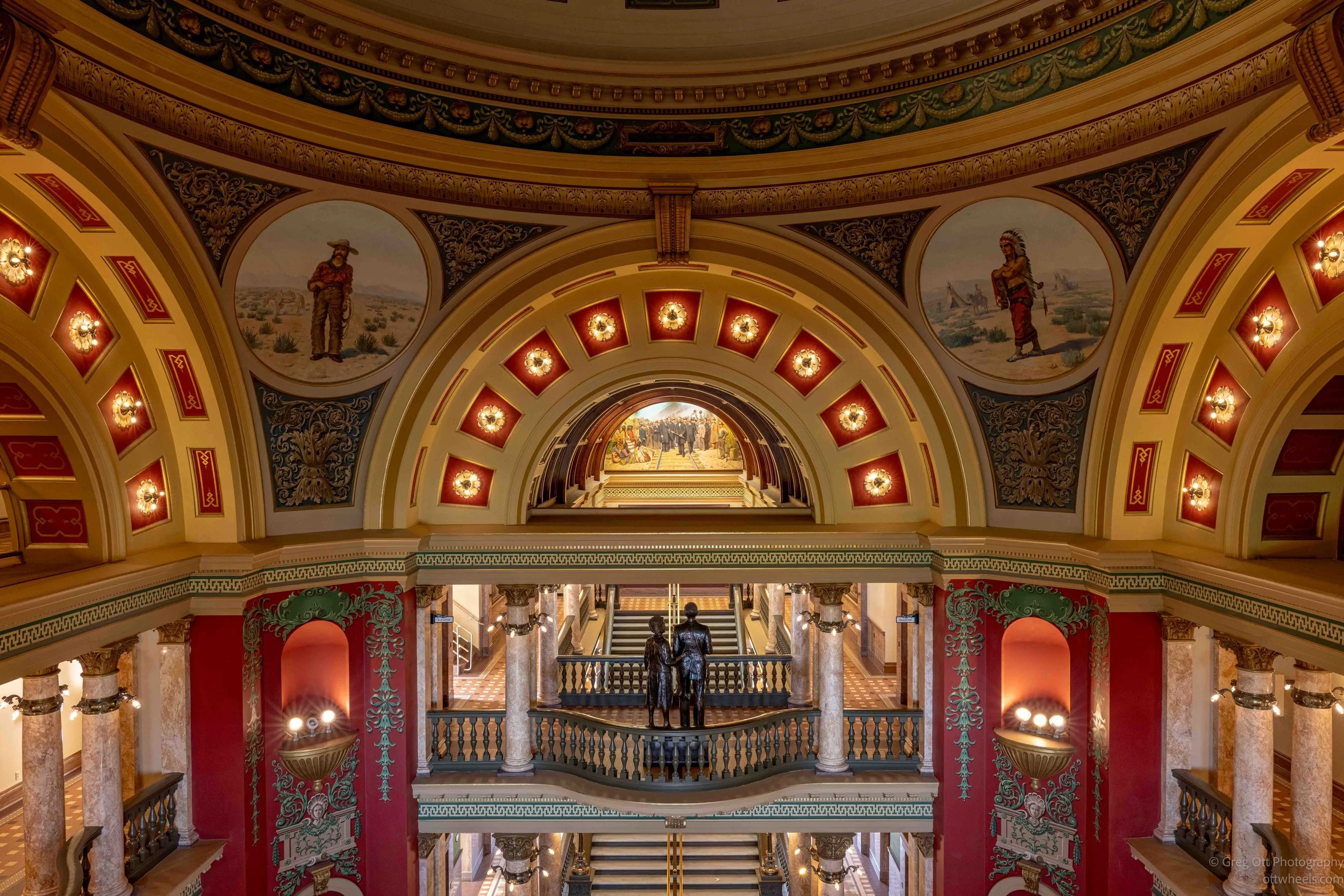
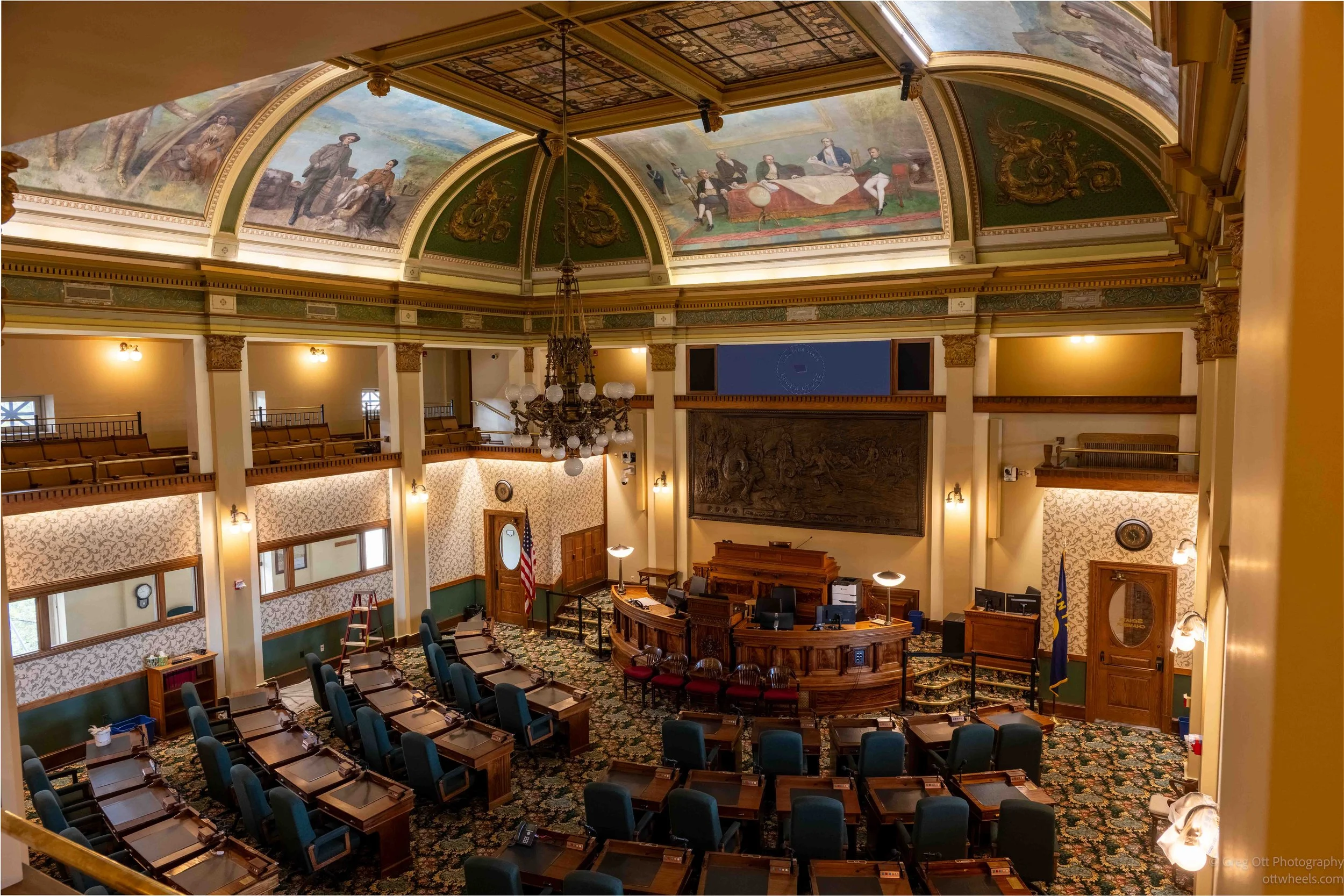
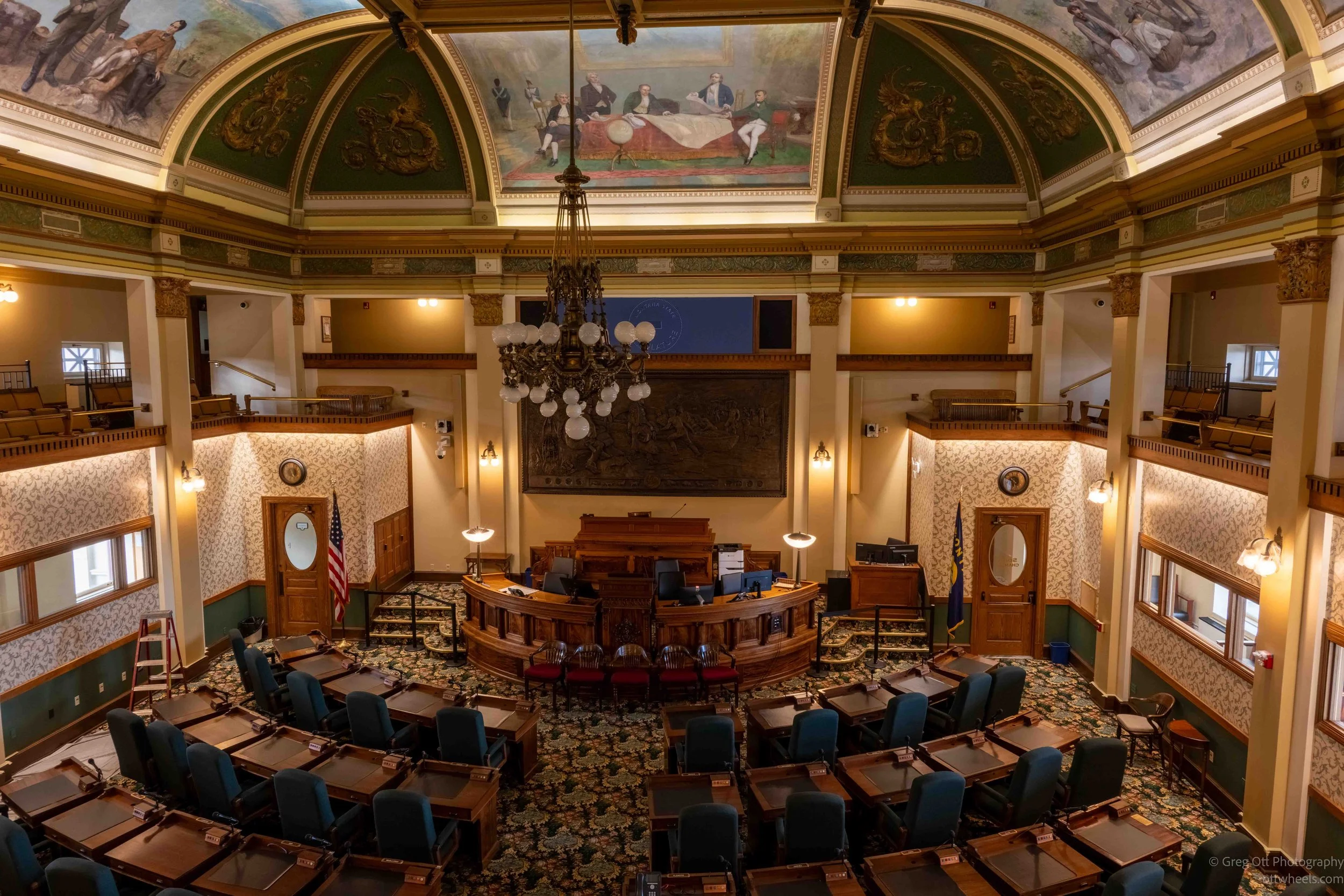
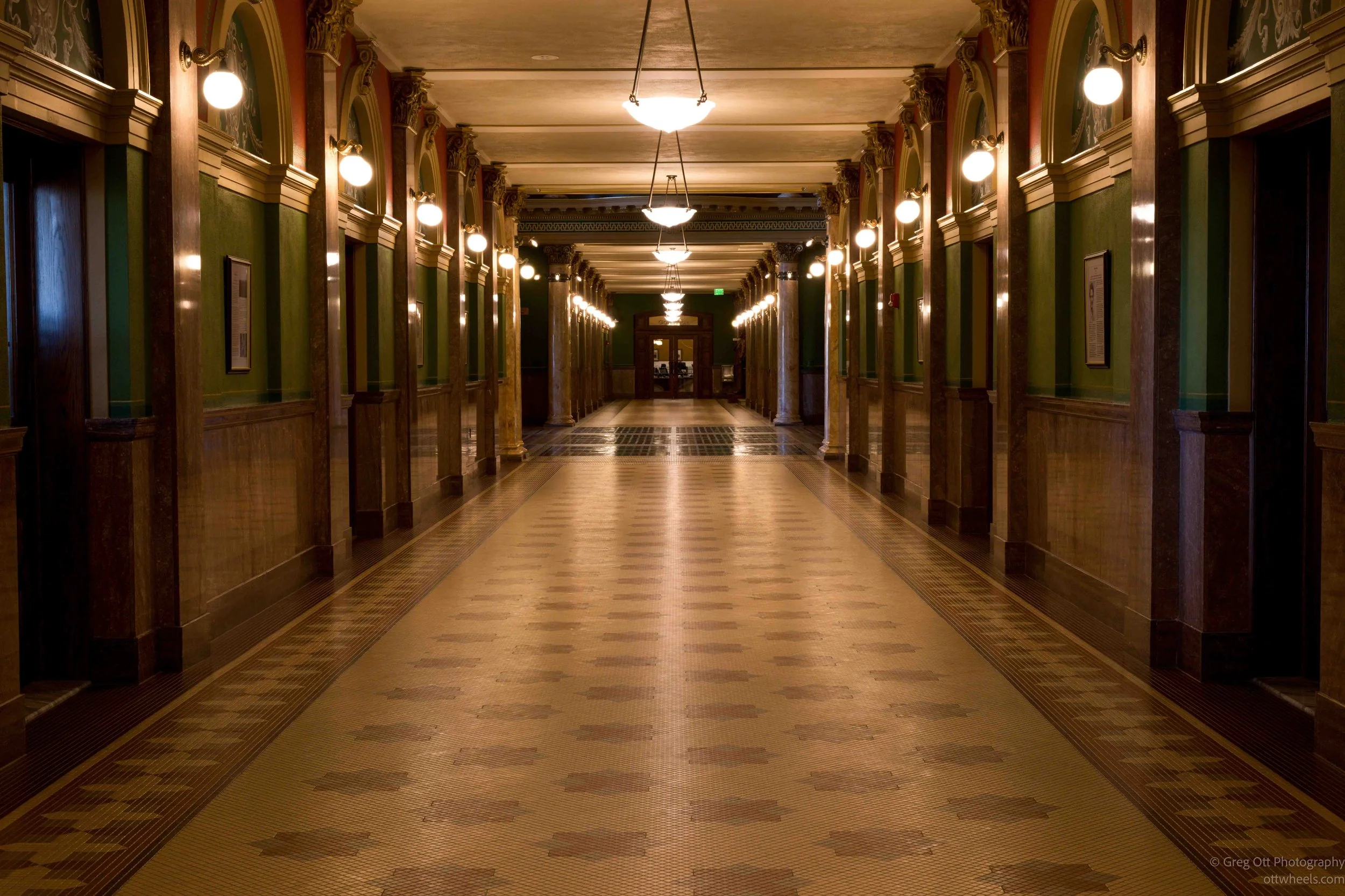
I probably didn’t need another visit after spending so much time here the day before, but having the Capitol almost completely to myself made it worth coming back. With the tripod and no reason to hurry, I was able to concentrate on the building rather than simply documenting it.
Canyon Creek Kilns
I drove about 90 minutes south on I-15 to the Canyon Creek turnoff. From there it was roughly another 12 miles to the Canyon Creek Charcoal Kilns. The first part wasn’t bad, but about a mile in the road turned to gravel and then increasingly rough washboard. At times I couldn’t drive more than 10 or 15 mph without the entire van shaking violently. I tried speeding up and slowing down to find some magic speed where the vibration would smooth out, but there really wasn’t one.
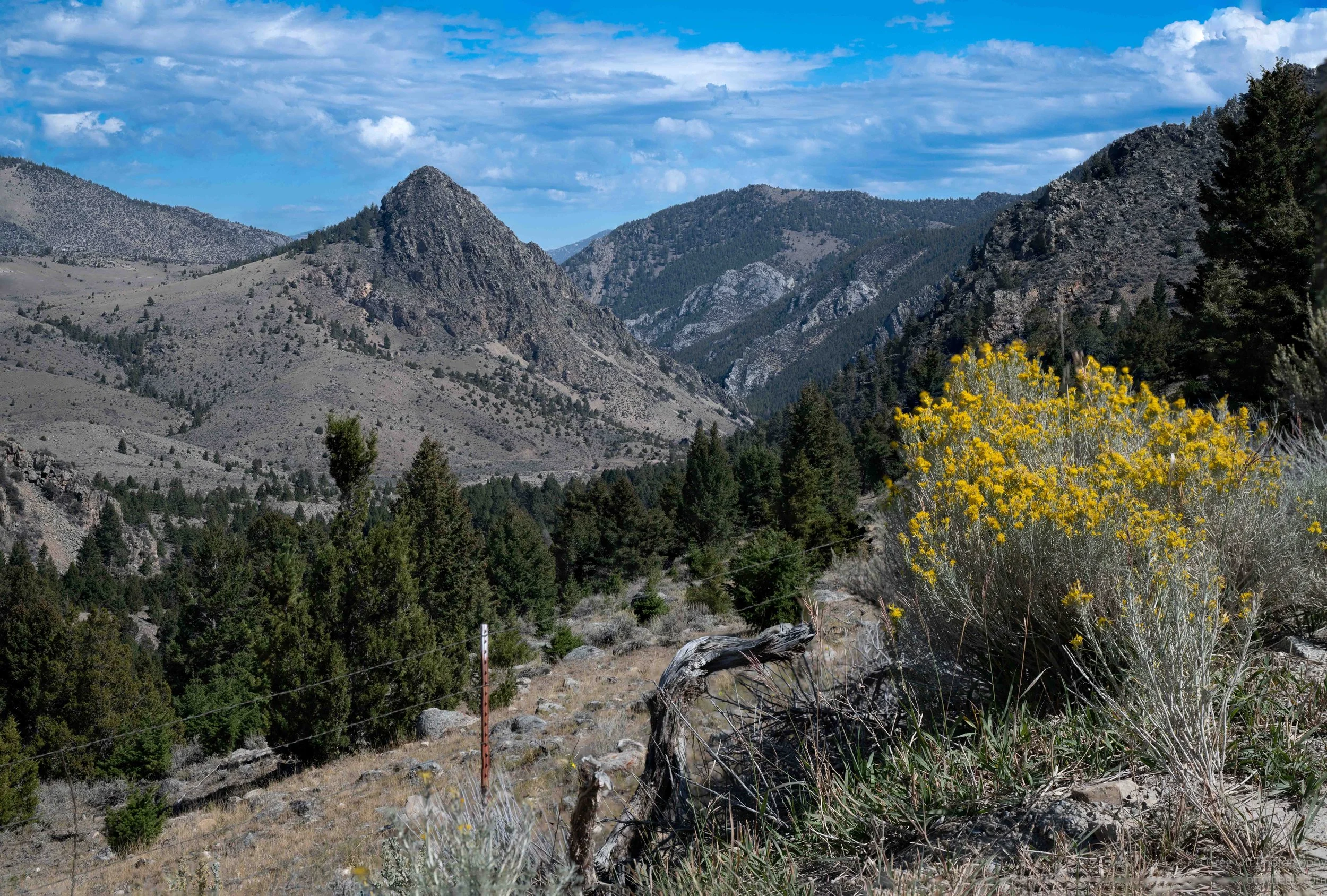
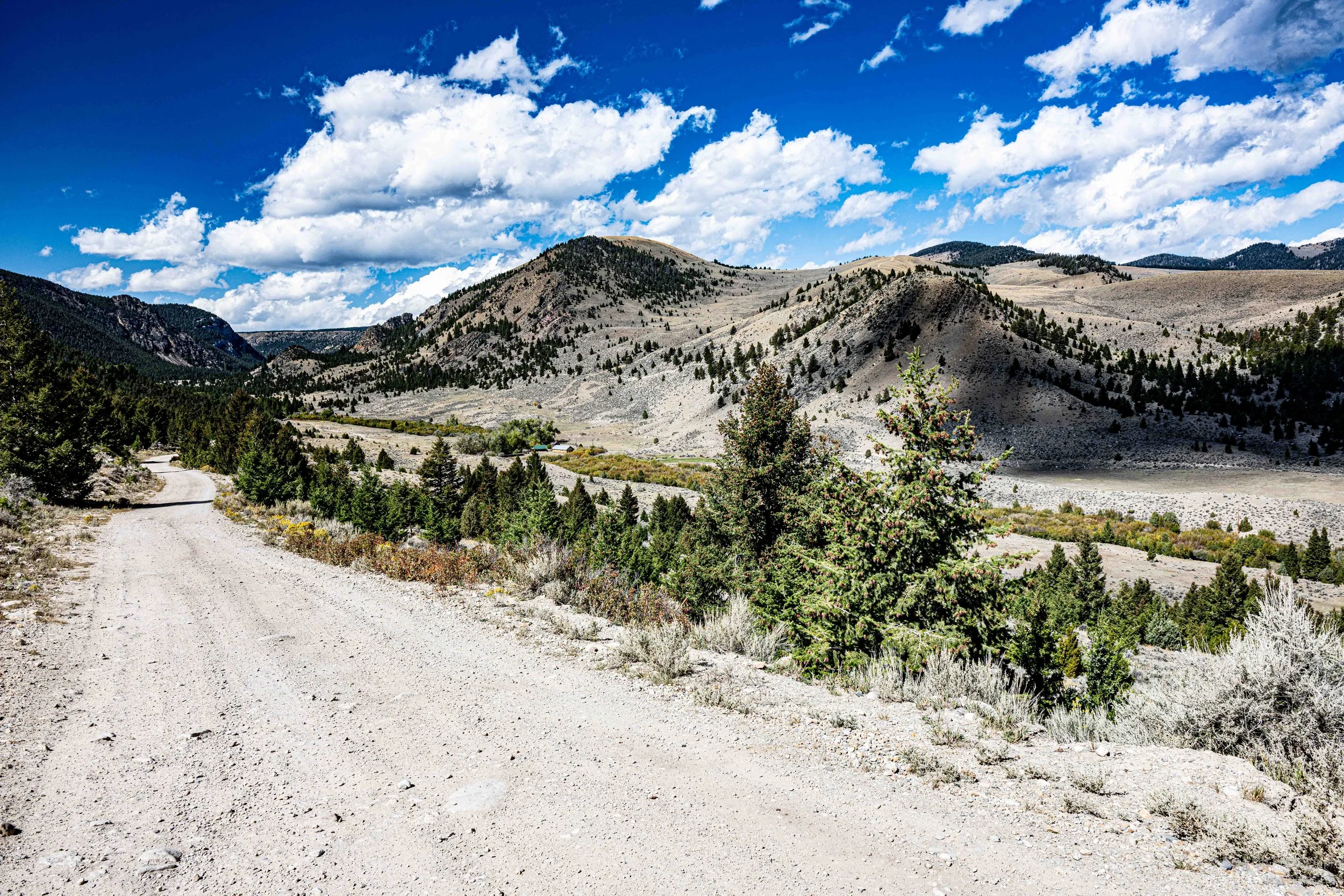
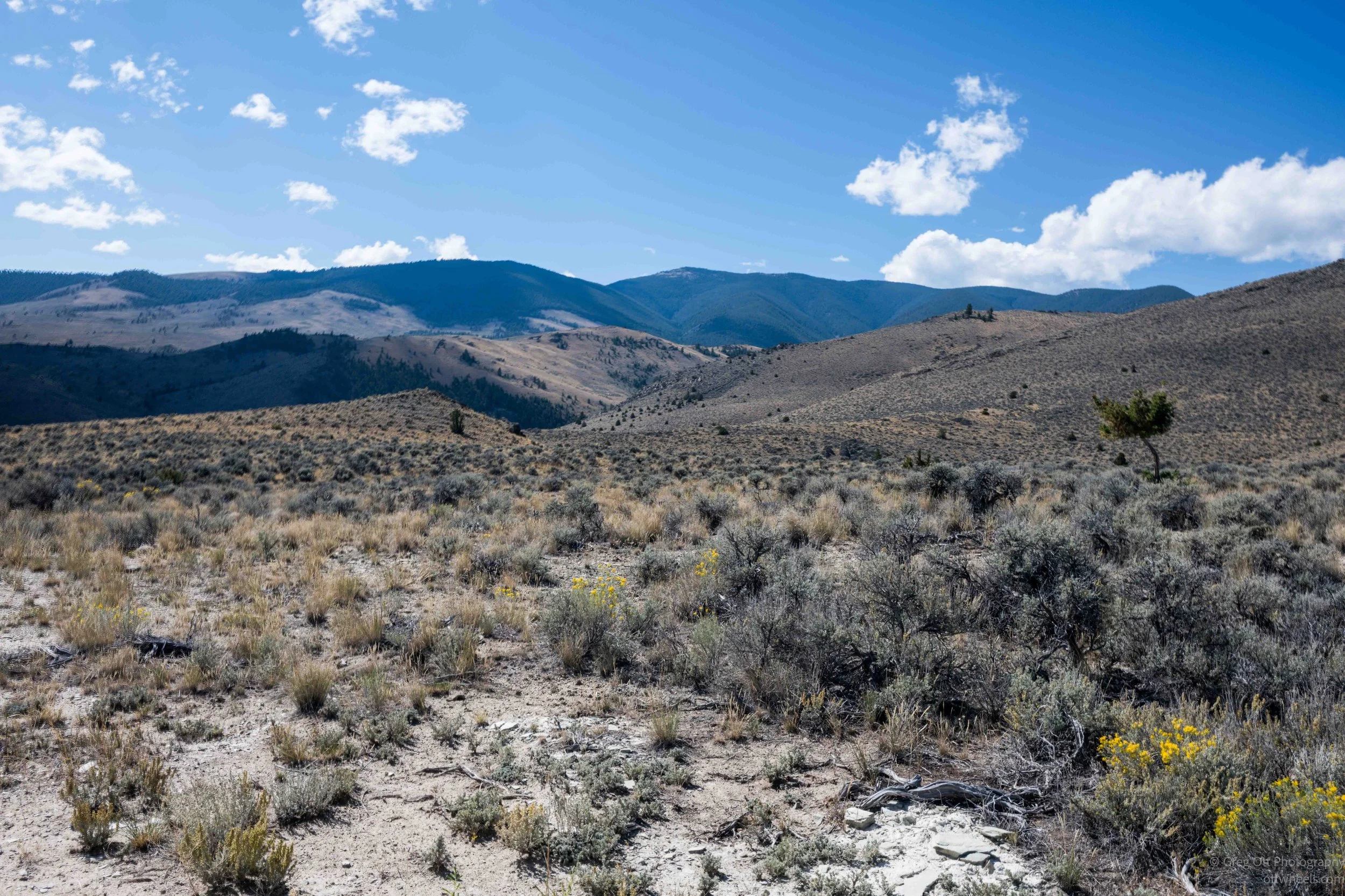
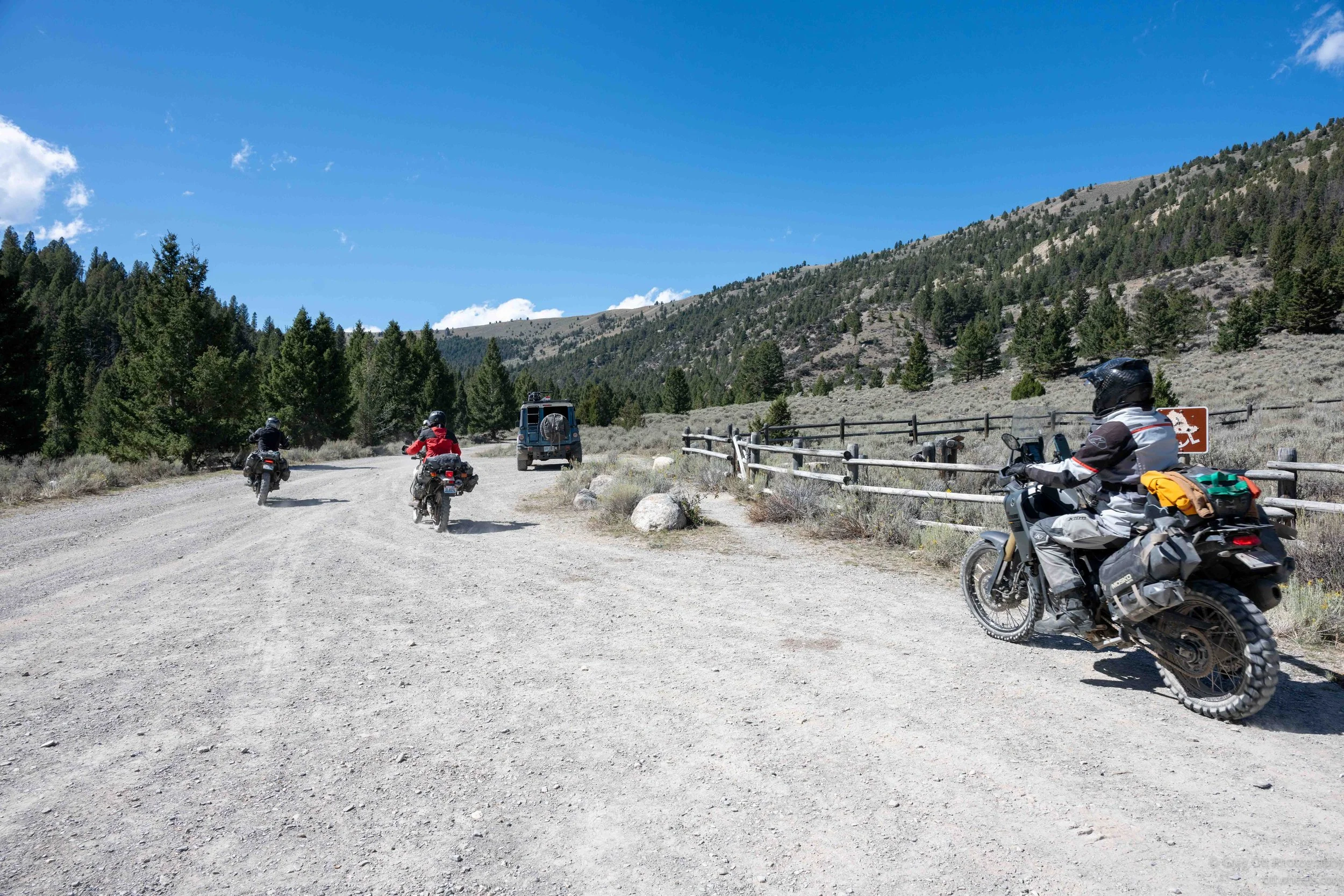
The road wound through a surprisingly beautiful landscape of open sagebrush hills, rocky ridges and narrow sections of canyon. I stopped several times for photographs and also pulled over to let motorcycles and Jeeps pass. They were much better suited to the road than I was. In a few places it was narrow enough, and the edge rough enough, that I had to pay close attention to where the van’s wheels were. What should have been an easy 11-mile drive took me more than an hour.
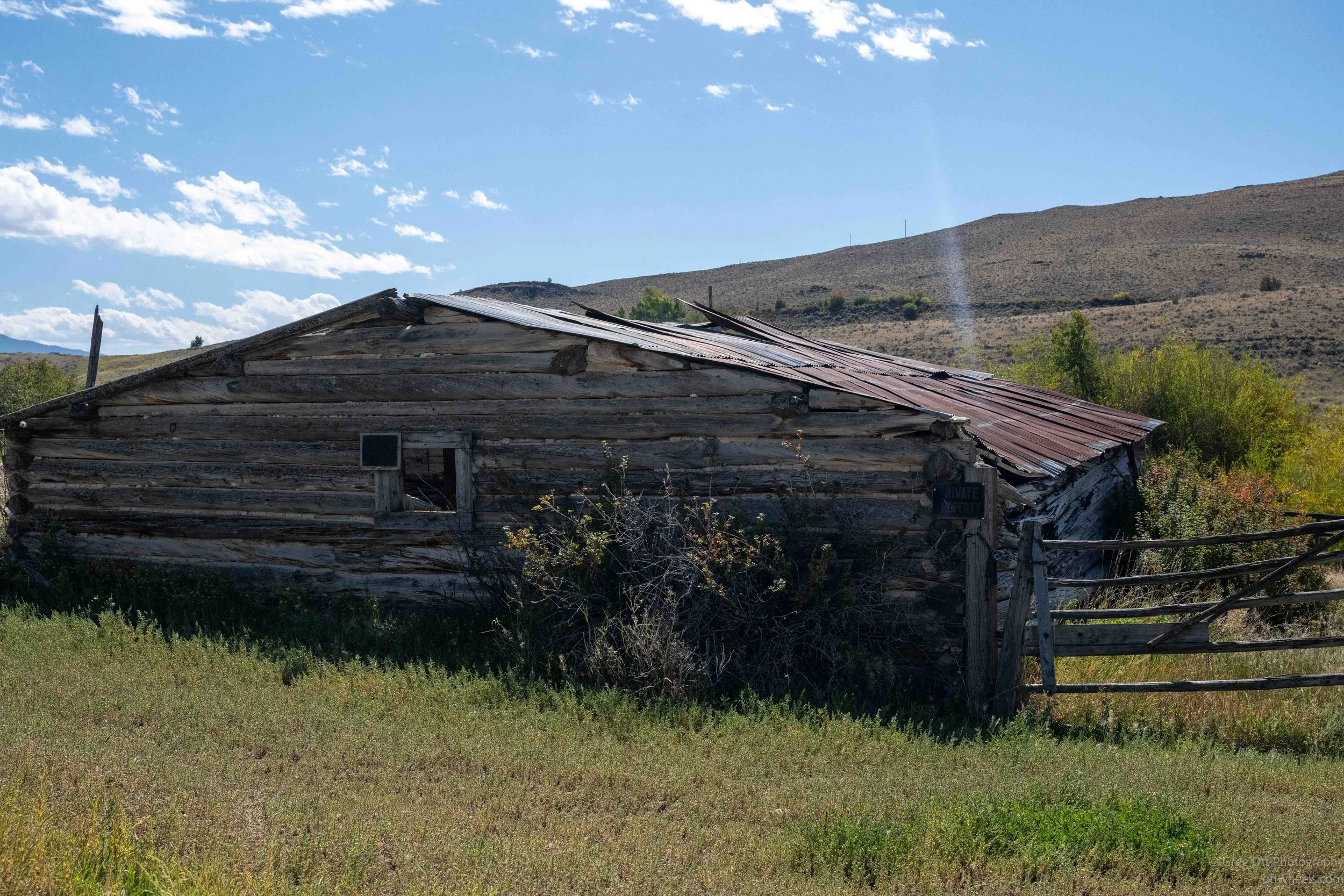
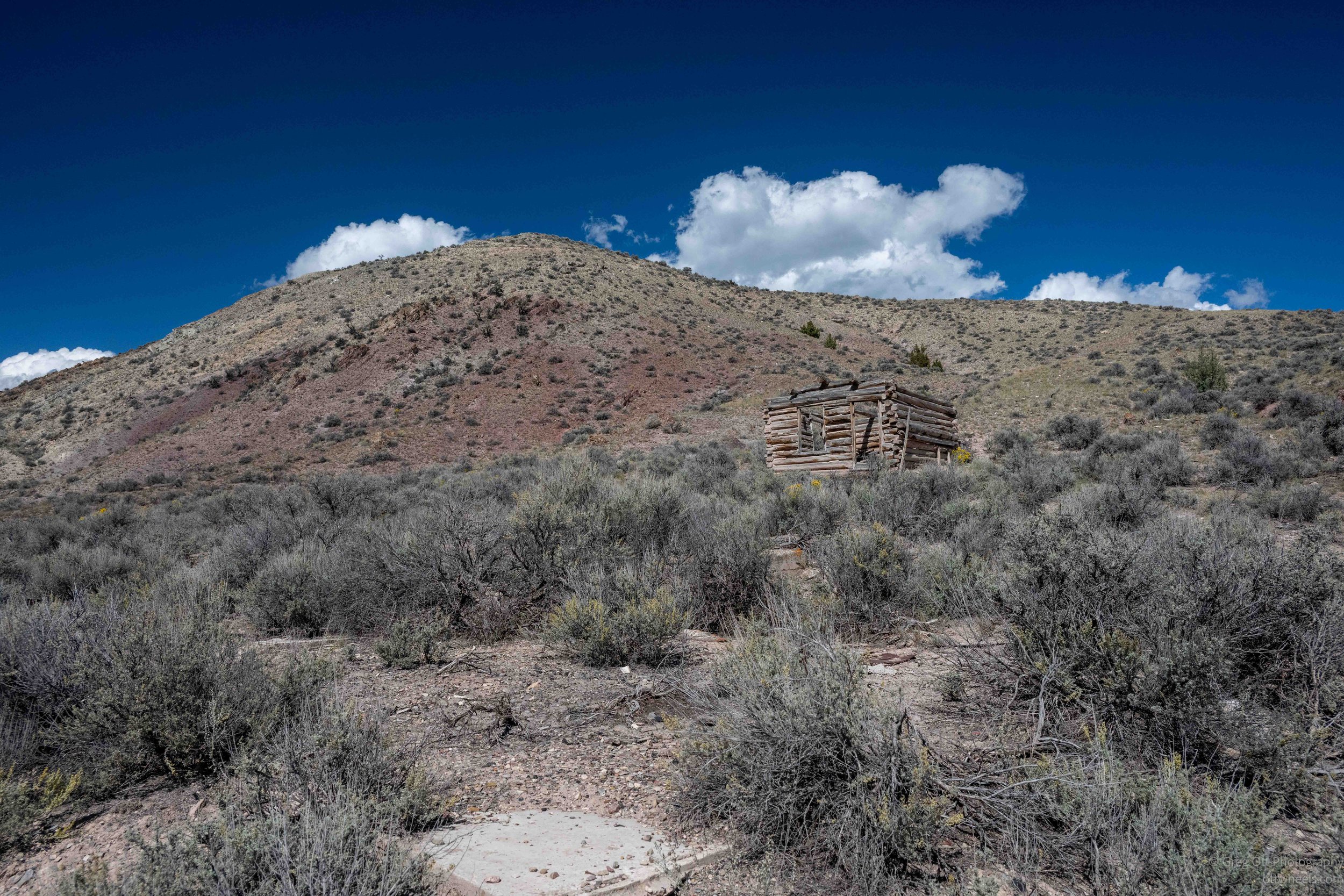
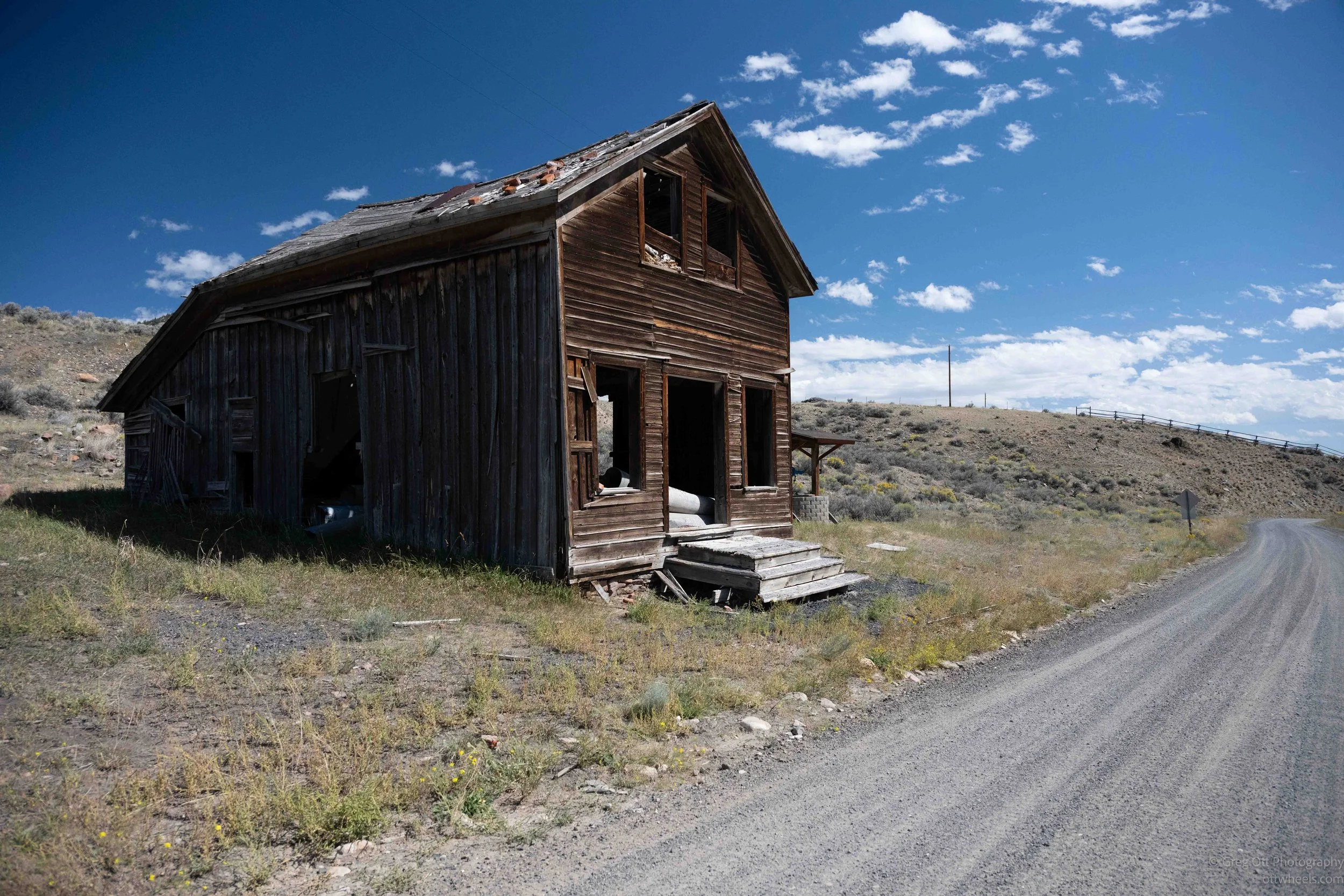
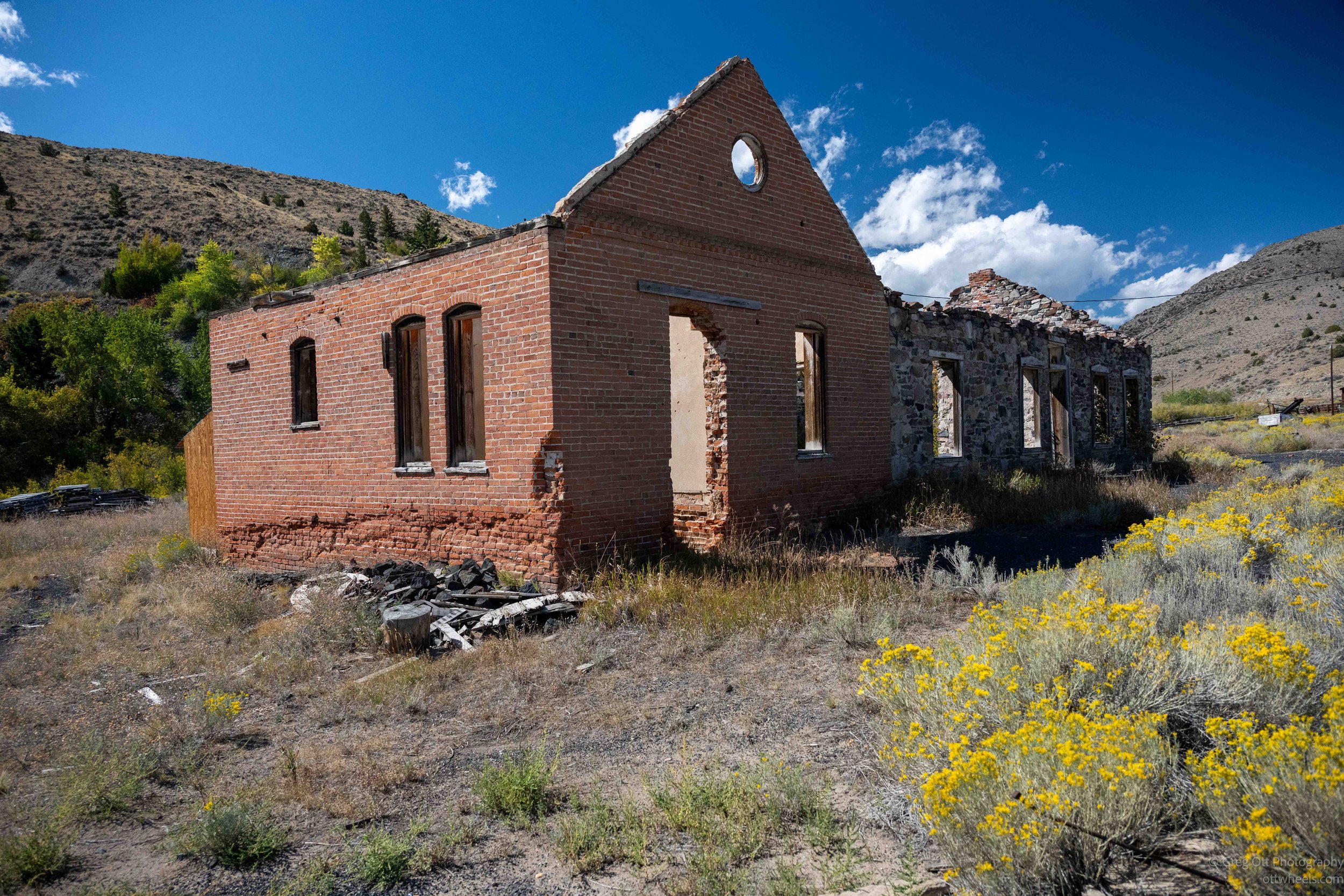
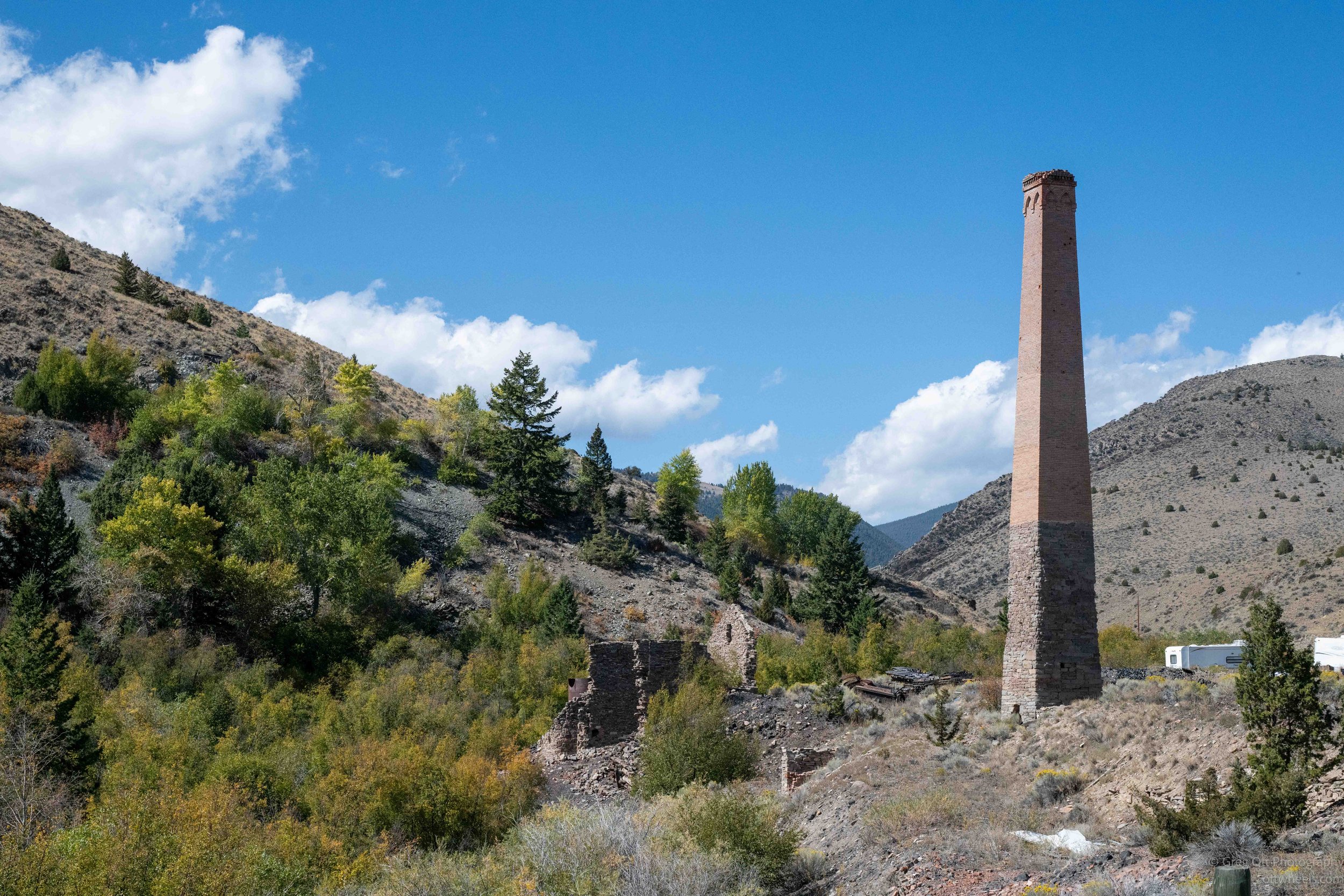
Before reaching the kilns, I came through the remains of Glendale, the old smelting town that once served the nearby Hecla mining district. That explains the tall brick smokestack and the scattered ruins in my photographs. Glendale once had a population approaching 2,000, and its smelter processed silver, lead and copper ore. The charcoal produced farther up Canyon Creek was hauled back here to fuel the furnaces. Today the smokestack, foundations and a handful of deteriorating buildings are about all that remain.
I stopped and photographed several of the old structures, including a collapsing log building, a brick-and-stone ruin and one wooden building sitting almost directly beside the road. I looked around for an interpretive plaque but didn’t see one, so at the time I wasn’t even certain what I was looking at. Only afterward did I realize that this was Glendale and that the charcoal kilns I was headed toward were essentially part of the same industrial operation, another five miles or so farther up Canyon Creek.
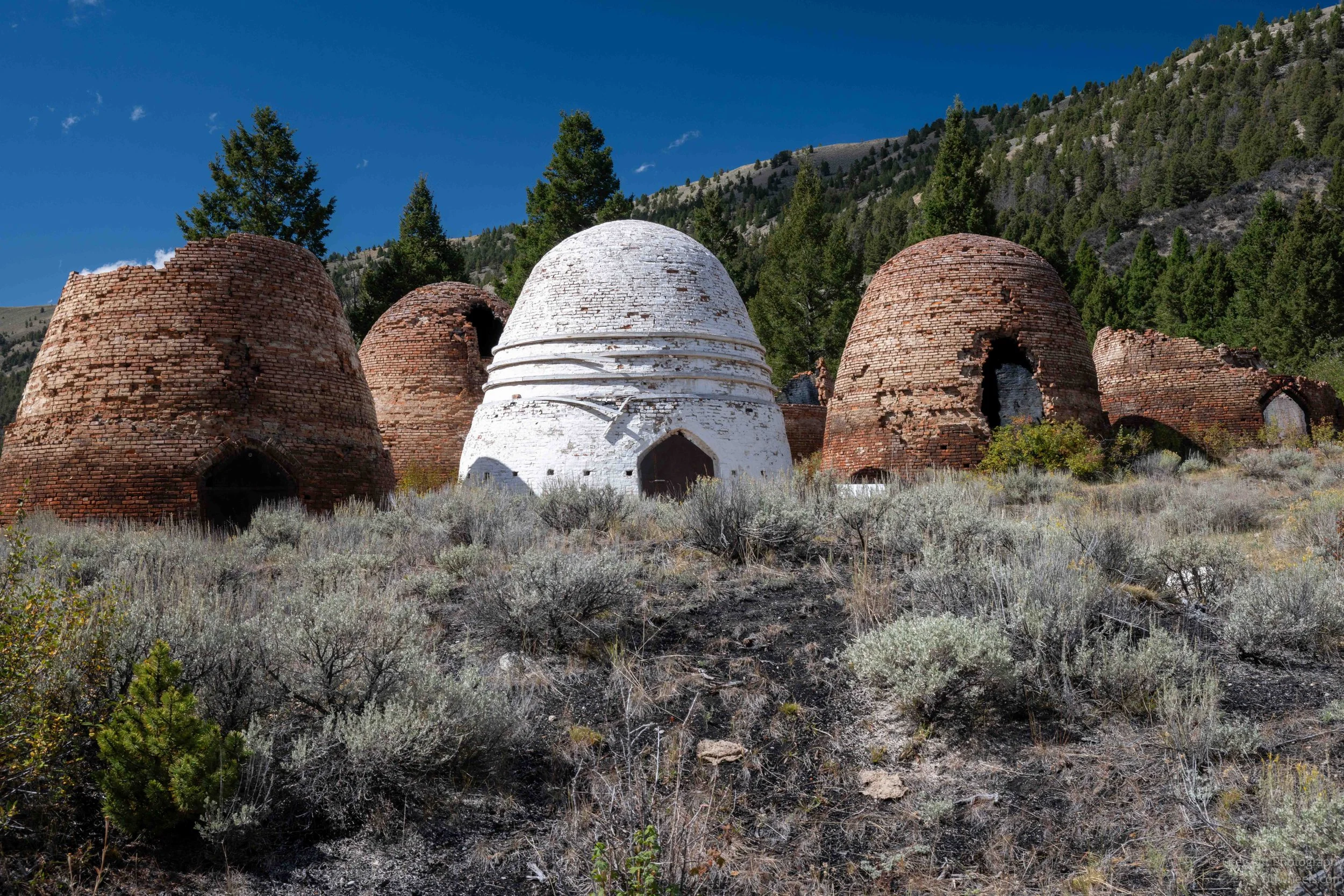
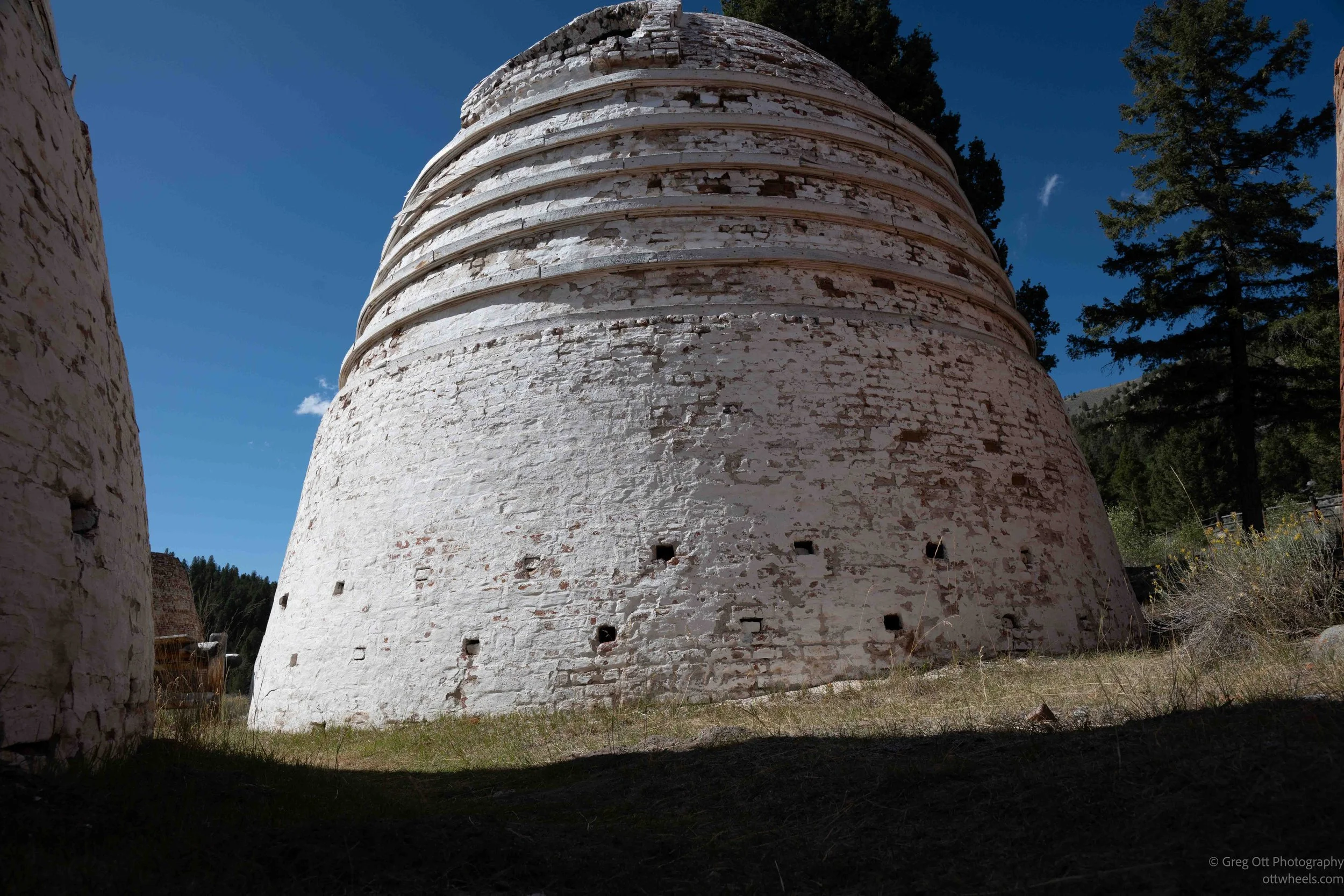
I read that the Canyon Creek Charcoal Kilns were built in 1881 by the Hecla Consolidated Mining Company to make charcoal for the smelter at Glendale, about five miles down the canyon. I was surprised to learn there were originally 23 of the large beehive-shaped brick kilns. Each was roughly 23 to 26 feet across and 17 to 19 feet high, large enough to hold around 25 to 35 cords of wood for a single burn. Workers packed them with cut pine, sealed them up and let the wood smolder with very little oxygen, turning it into charcoal rather than simply burning it to ash.
I also learned that the charcoal was hauled to Glendale and used as fuel in the smelter processing silver and lead ore from the Hecla mining district. The kilns operated continuously from 1881 until 1900, when the Glendale smelter was shut down and dismantled. As I walked around, I could see everything from nearly complete domes to collapsed shells of brick, with a few of the kilns whitewashed and stabilized. Walking among them, I could still get a sense of how large the operation must once have been.
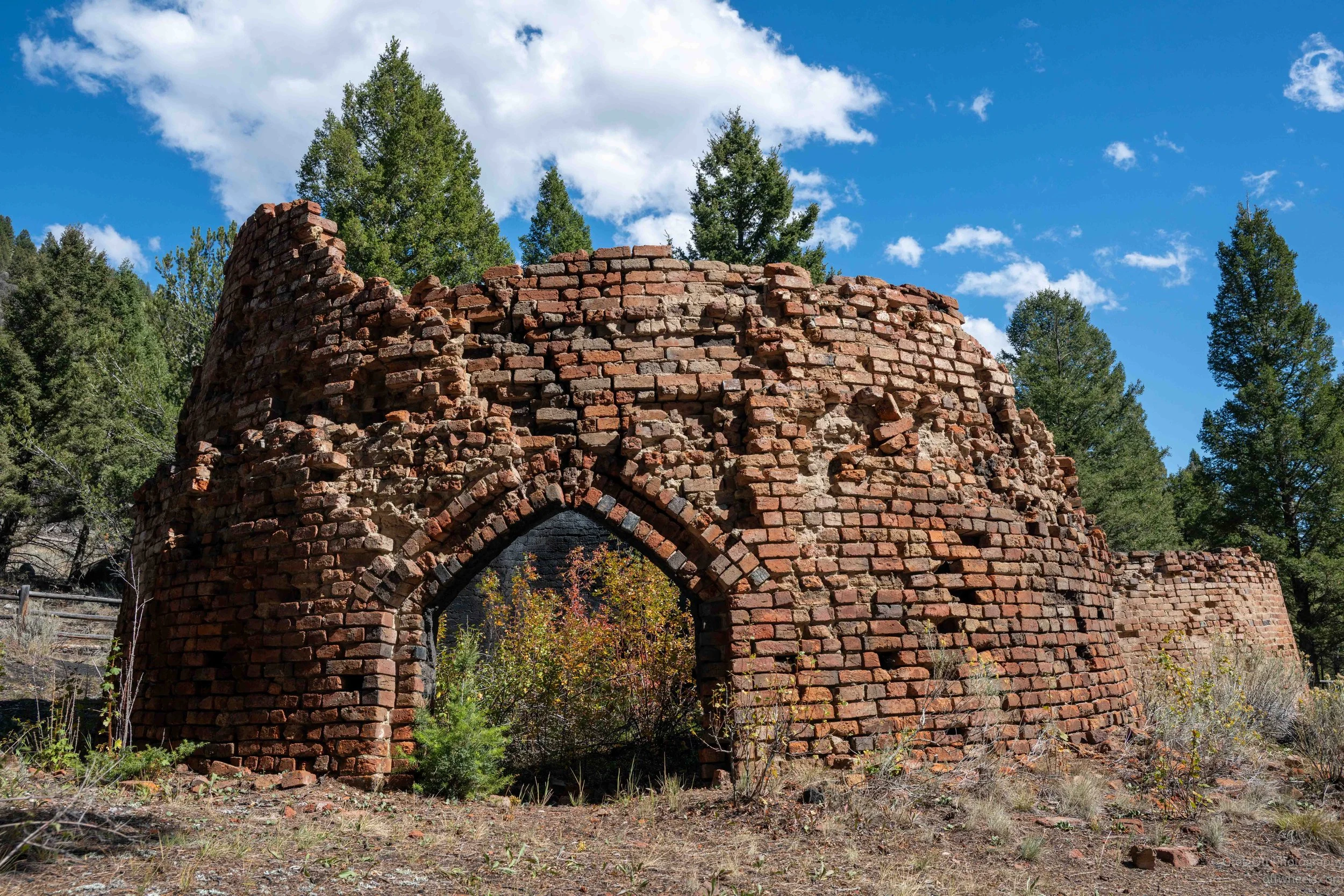
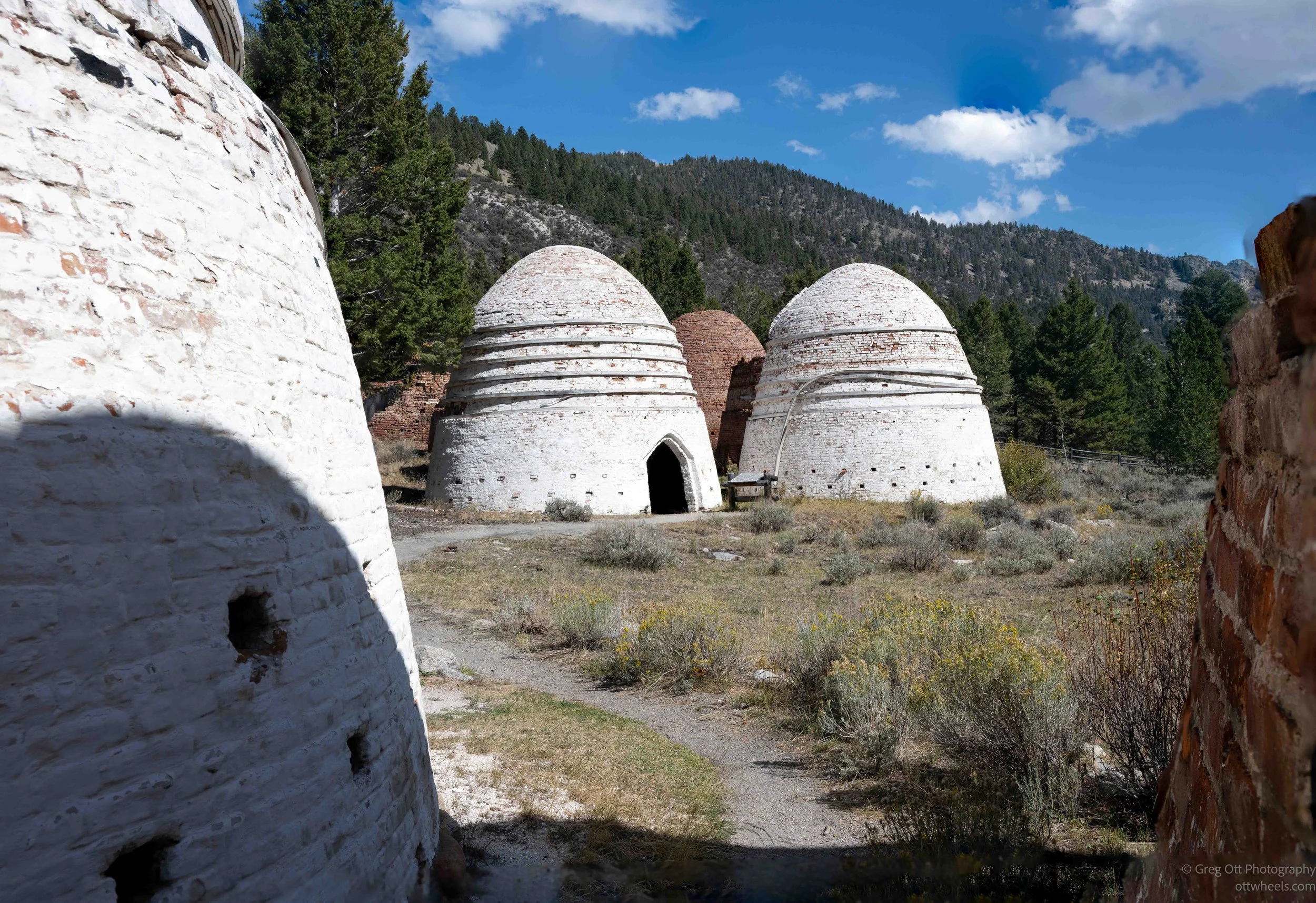
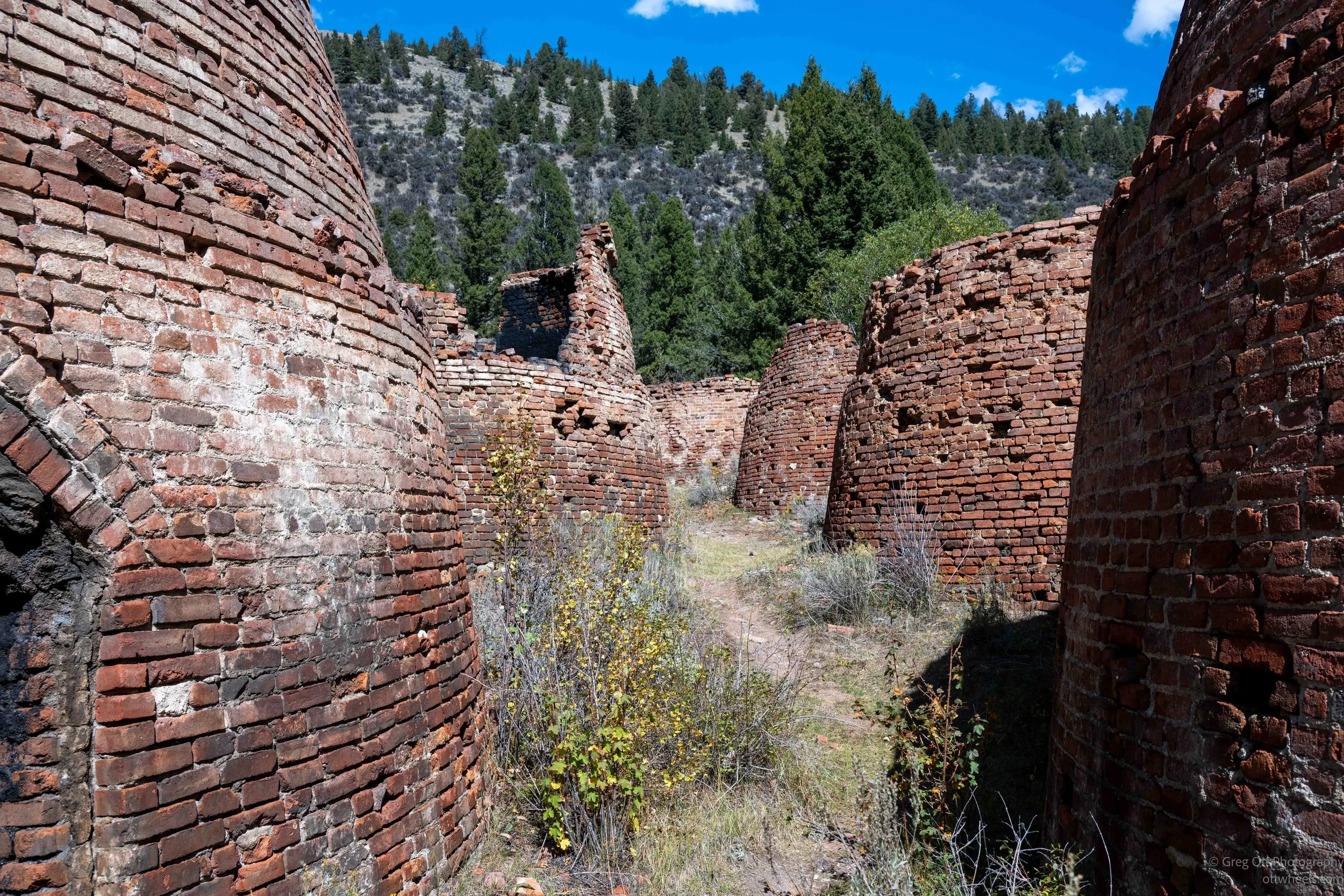
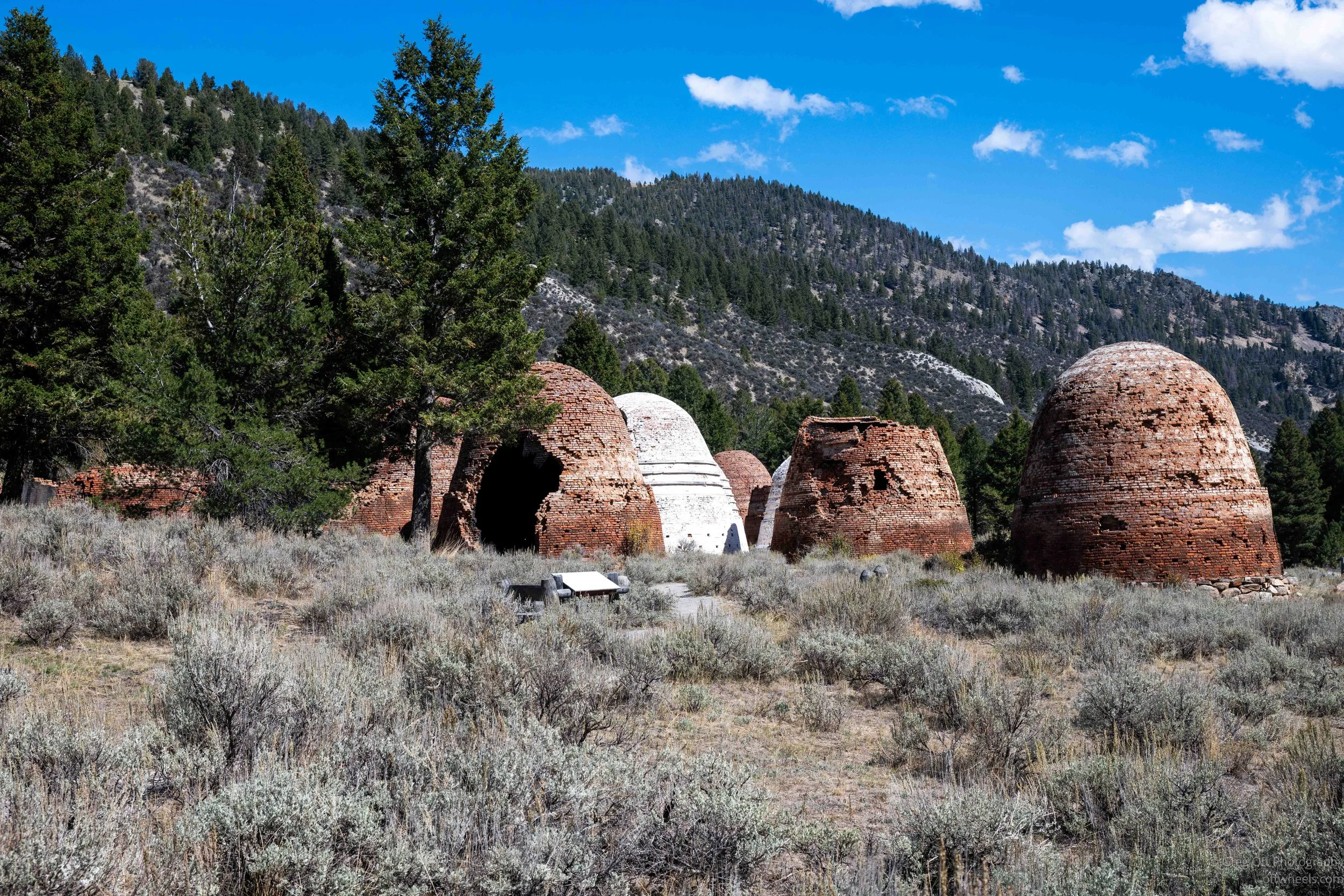
I spent about an hour walking through the kilns. During that time, five different groups of motorcyclists came through. Some were riding a Backcountry Discovery Routes route and were being supported by two people in a Jeep carrying the rescue equipment they might need. Another couple arrived from the opposite direction in a Jeep and convinced me not to continue that way when I left. They said the road became much narrower and the potholes were deep enough that they wouldn’t risk taking a van through it. They thought it could probably be done, but I agreed there wasn’t much reason to find out.
The drive back went a little smoother for some reason and I made it to I-15 in about 50 minutes.
Bannack Montana
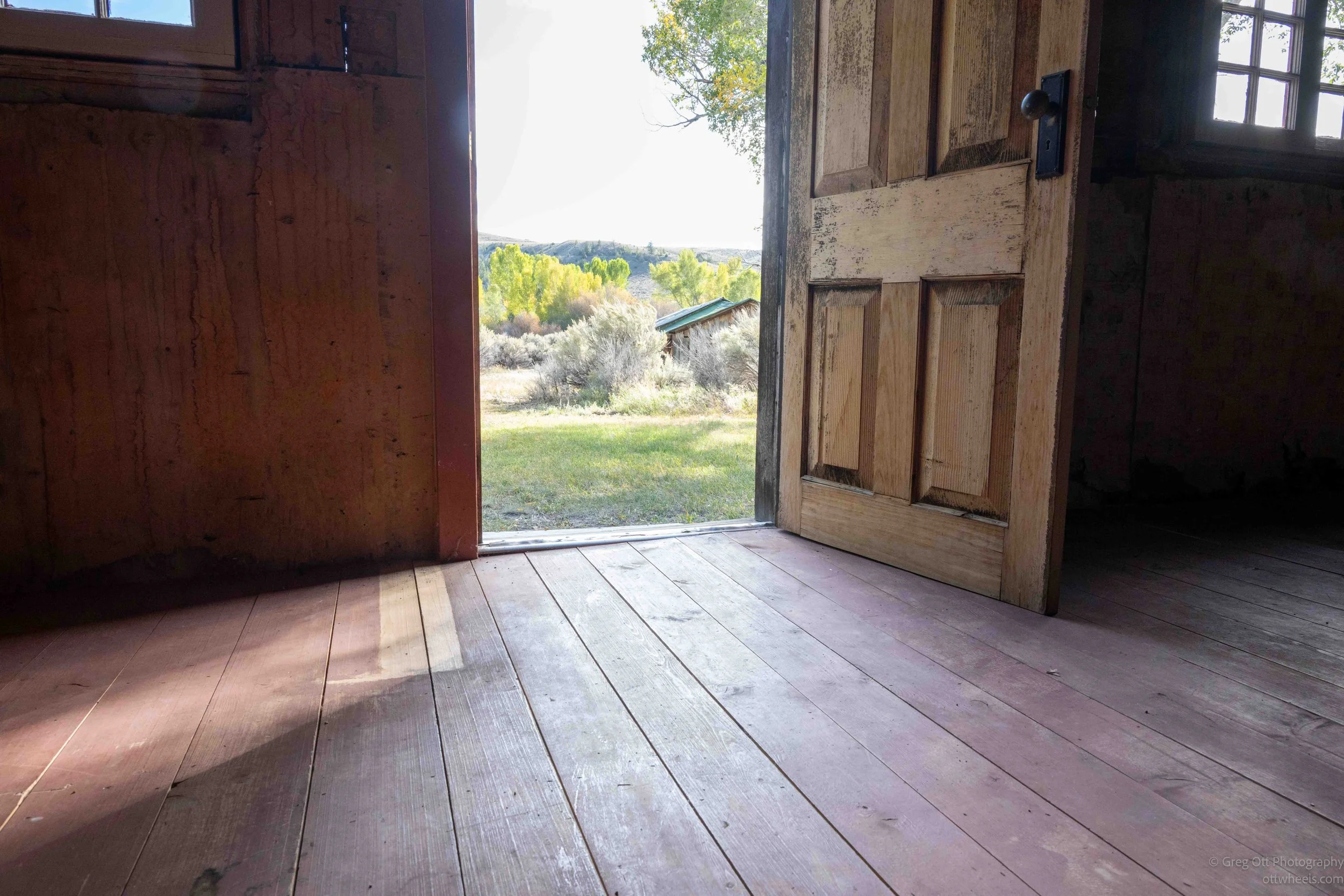
My final destination was the ghost town of Bannack, Montana, another two-hour drive. Luckily, there were no more dirt roads except for the last mile into Bannack State Park. I arrived around 5:30. It was sunny, the light was good, and it seemed like a perfect time to get a look at the town.
As I drove toward the visitor center, I noticed a small campground on my right. One camper looked like it had been there for a while. At the visitor center I asked about camping. The man behind the desk asked if I, or anyone else in my party, lived in the wonderful state of Montana. I told him I planned to live there tonight. He laughed and said, “That’s a new one, but it isn’t going to get you the coveted in-state discount.” It would be $28 for the night.
Bannack exists because gold was discovered along Grasshopper Creek in 1862, setting off one of Montana’s first major gold rushes. Within a year, thousands of people had poured into what had been an isolated valley, and a full town appeared almost overnight. Bannack briefly became the capital of the new Montana Territory in 1864, but its real reason for existing was always the gold.
The speed of that growth also produced a town with very little established law and a reputation for violence. Robberies, murders and vigilante justice became part of Bannack’s early history, and some of the people charged with keeping order were themselves accused of being involved in crime. I knew enough of that story to make the place feel different as I started walking through the empty buildings, but I decided to save the details for the next day. I asked about the $2 guidebook, which goes into much more detail about the individual buildings. The same guy handed me a guide and said you’re good. I started my first tour knowing I would come back tomorrow for a deeper look in the morning.
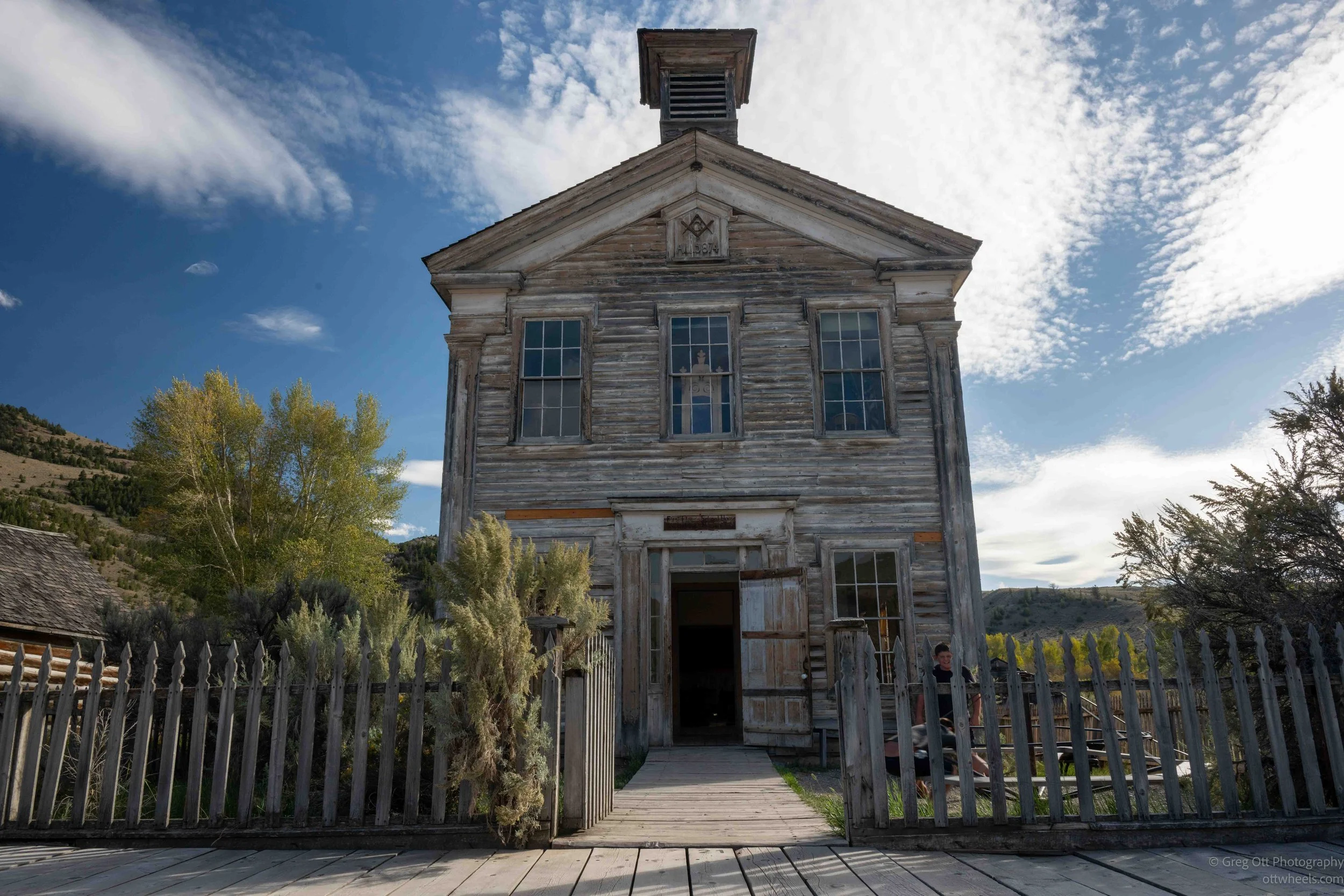
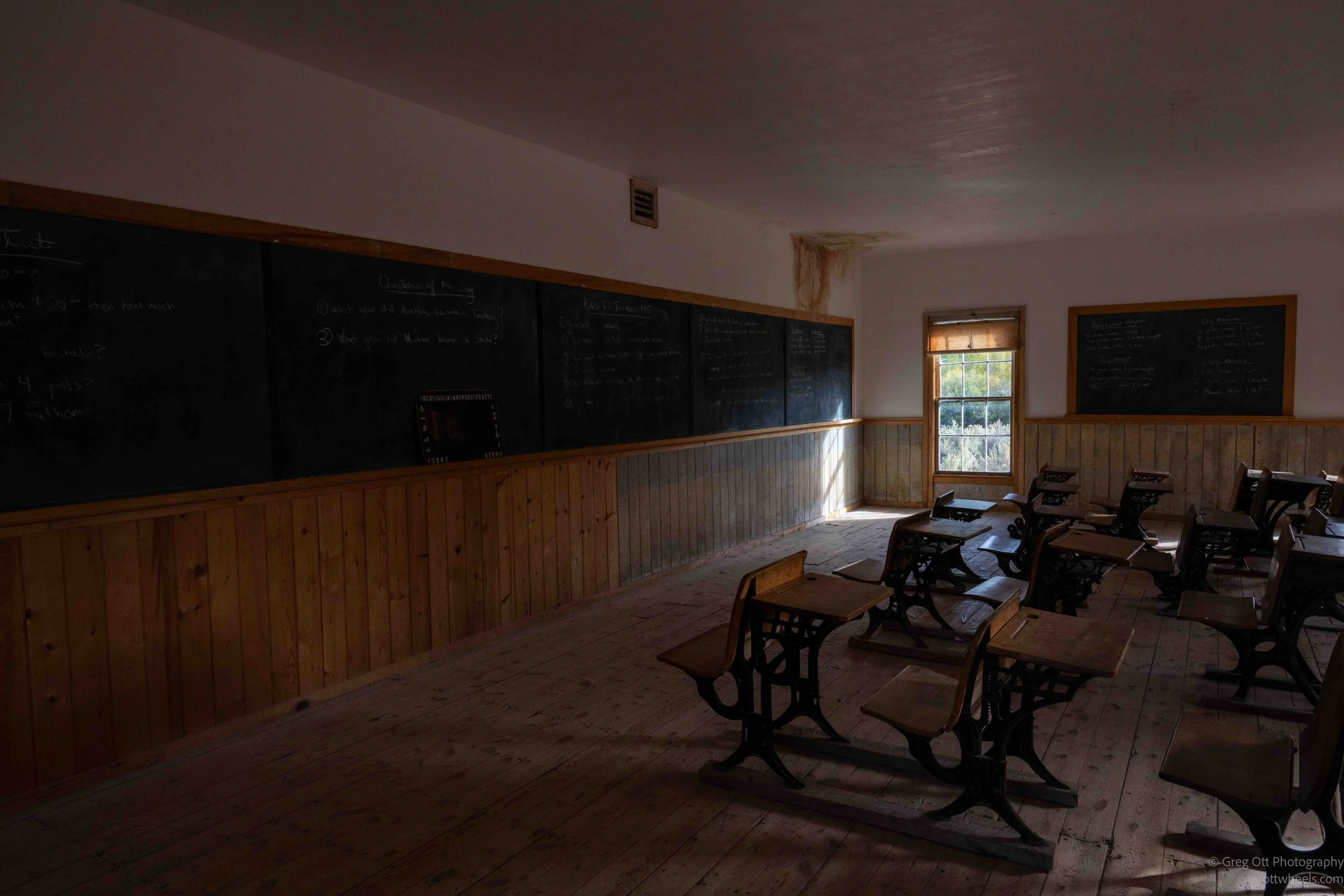
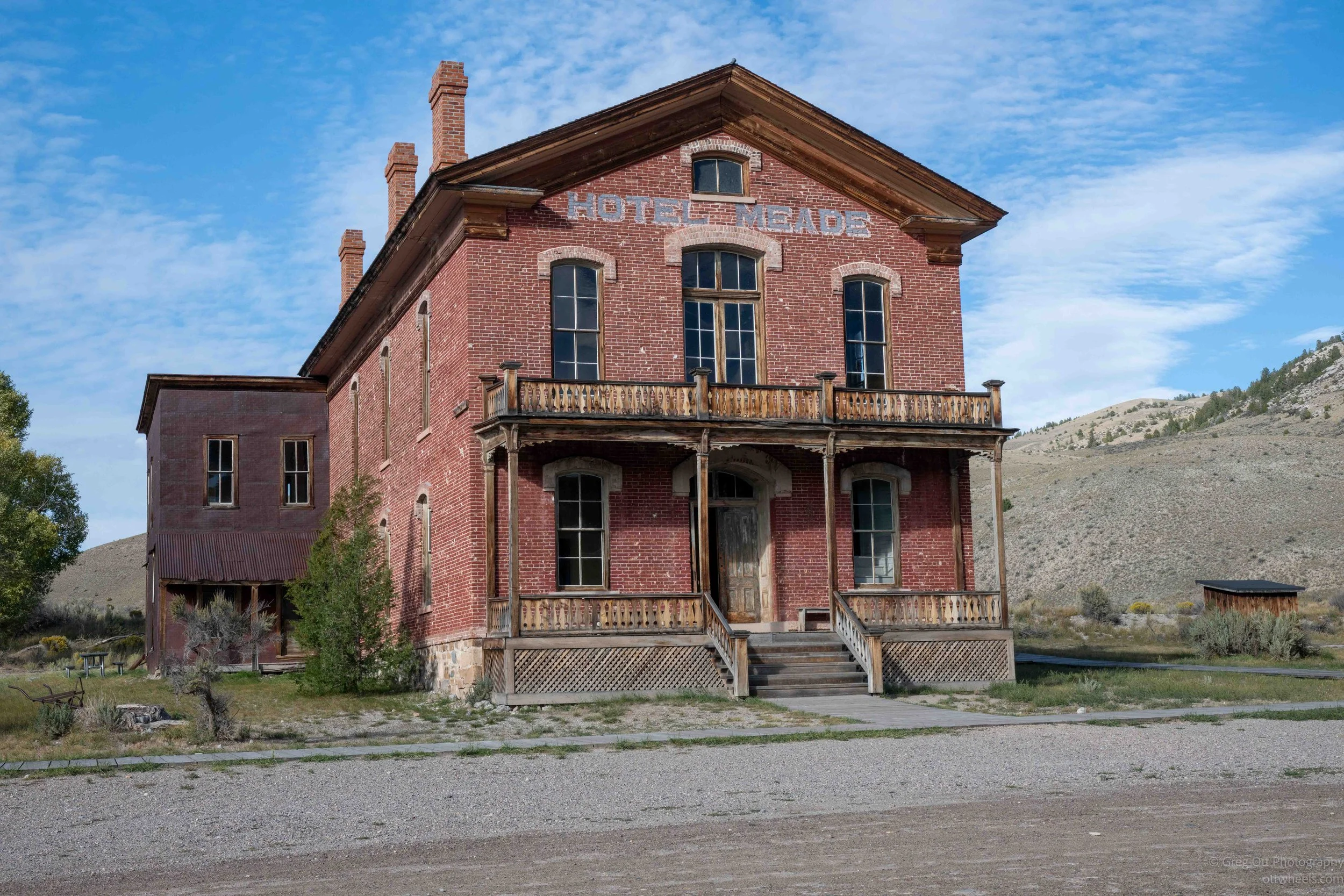
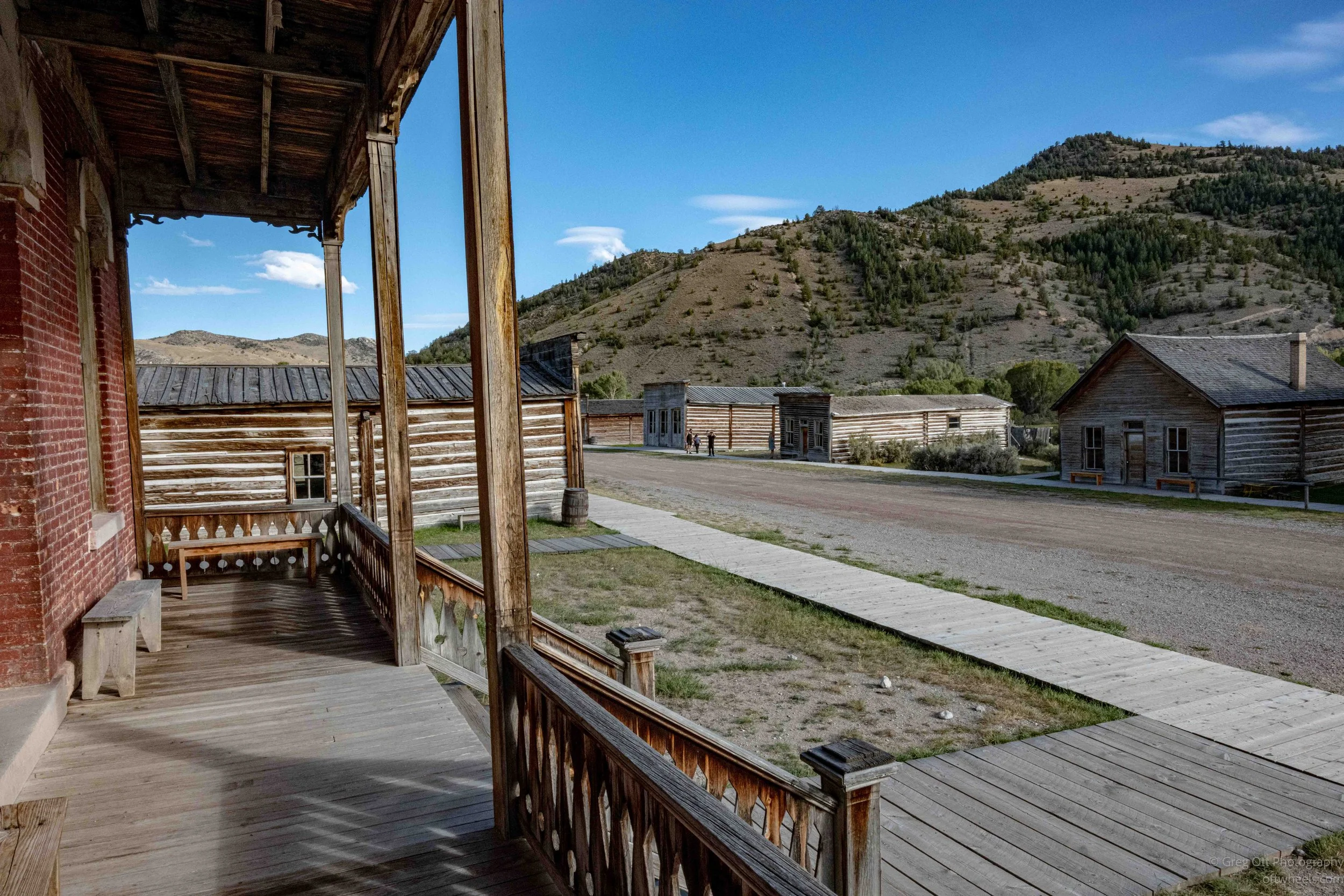
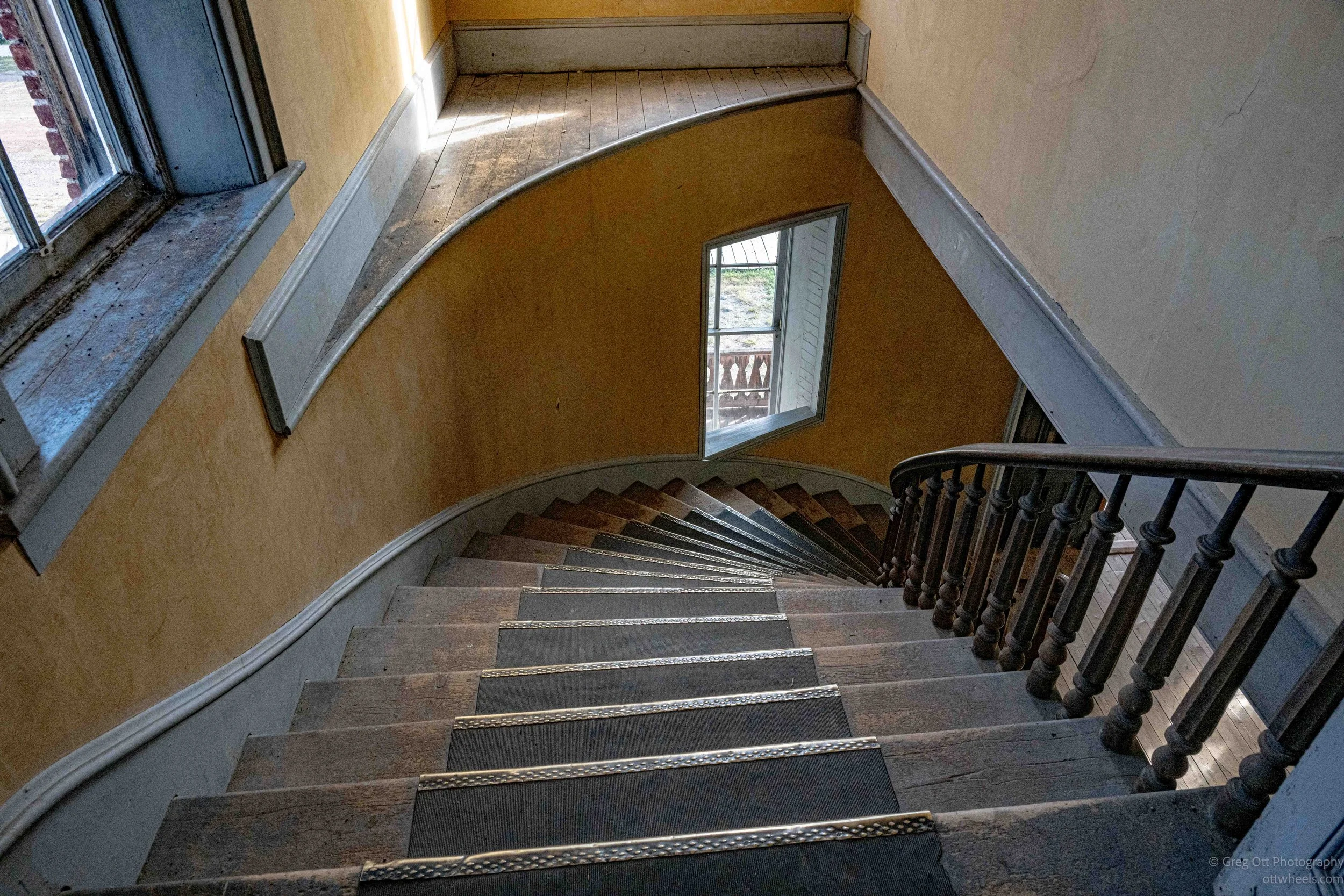
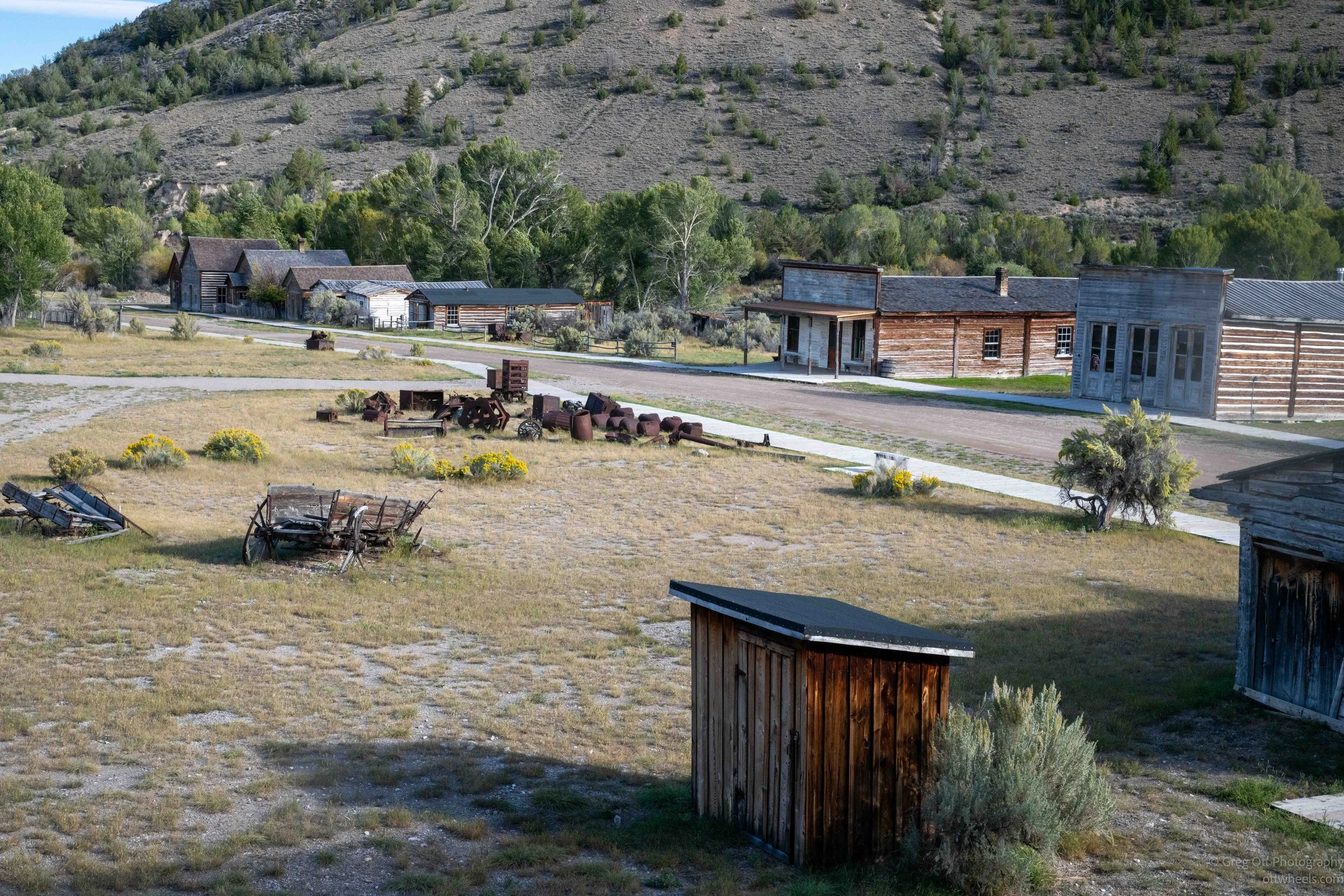
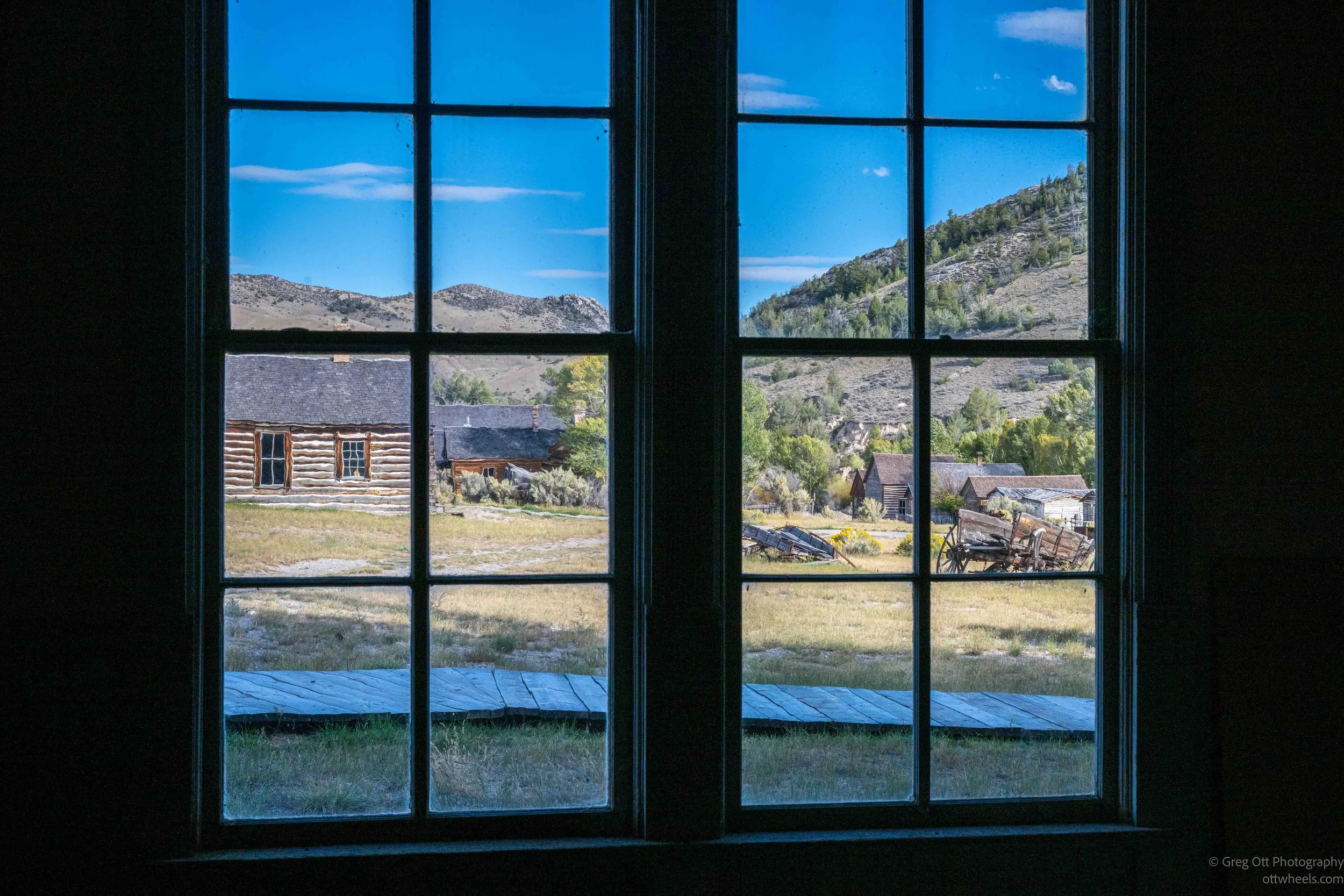
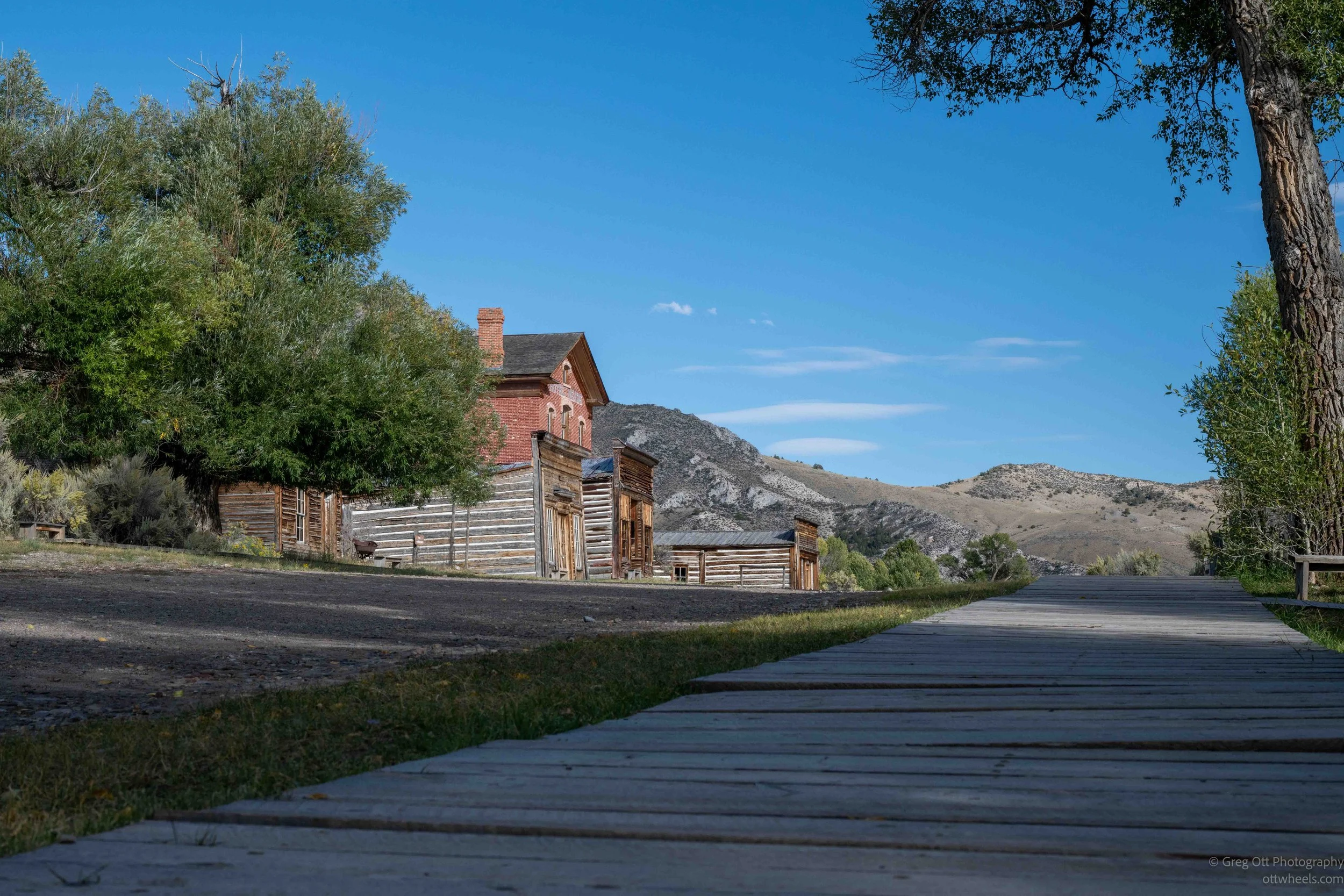
I drove back to the campground around 7 p.m. The loan camper was the camp host. There were a total of 18 spots in the Vigilante campground. I was in site 12 beside the stream. It was extremely peaceful. It had been a very long day and I was ready to relax.