Serendipitous Sunday in Helena
I woke at a spot a few blocks uphill from the Capitol near a church. There had been almost no traffic during the night, and I slept well. I drove back down the hill to the Heritage Center, parked, and made breakfast. It was Sunday morning and Helena was even quieter than it had been the day before. After breakfast, I walked the block over to the Capitol.
As I approached the building, I saw a man getting out of his car wearing a Neuchâtel, Switzerland T-shirt with a Swiss flag in the middle. That immediately caught my attention. I wandered around for a few minutes, then went inside and asked the guard about the 9:30 tour. A few minutes later the man in the Swiss shirt came in with his wife, so I asked if he was from Switzerland. He said no, but his cousin lived there and they had just visited. I told him I had lived in Switzerland for eighteen years and had worked not far from Neuchâtel, in Lyss.
I walked over to pick up one of the self-guided tour brochures. A couple was standing nearby and, without thinking much about it, I said, “How are you all doing?” The woman said, “We are fine,” then stopped and stared at me with a puzzled expression. A few seconds later she said my name.
I must have had an equally puzzled look on my face. I said, “Yes,” while trying to figure out how this woman standing in the Montana Capitol could possibly know who I was. Then it clicked. It was Jacqueline. I had known her in Bern, Switzerland, more than thirty years ago. We had taken German lessons together, she had stayed with us for a while when she was looking for an apartment, and she had babysat our kids.
Of all the people who could have walked into the Montana Capitol on a quiet Sunday morning, I had somehow run into someone I had known in Switzerland decades earlier. What made it even stranger was that only a few minutes before I had been talking with a complete stranger because he happened to be wearing a Neuchâtel T-shirt. I don't know how you calculate the odds of something like that. It was simply one of those moments when the world suddenly feels much smaller than it should.
After recovering from that surprise, I joined the Capitol tour. I had already tried taking a few photographs, but the light inside was extremely difficult. Bright windows and chandeliers were surrounded by much darker wood, murals and hallways. If I exposed for the shadows, parts of the image disappeared into white; if I protected the highlights, much of the room went dark. I took a few photographs anyway, but decided I would come back the next day with the tripod and see if I could do a better job.
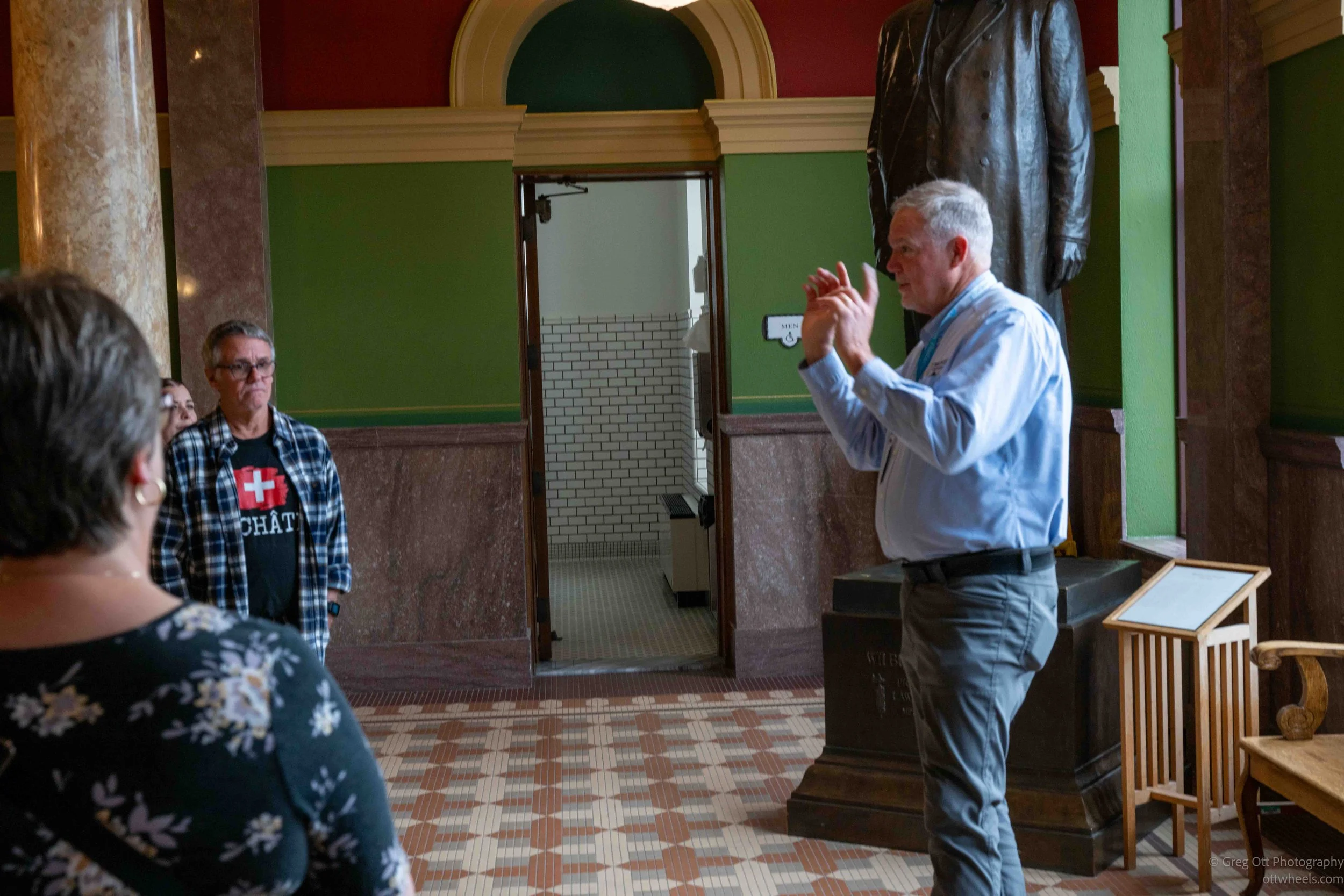
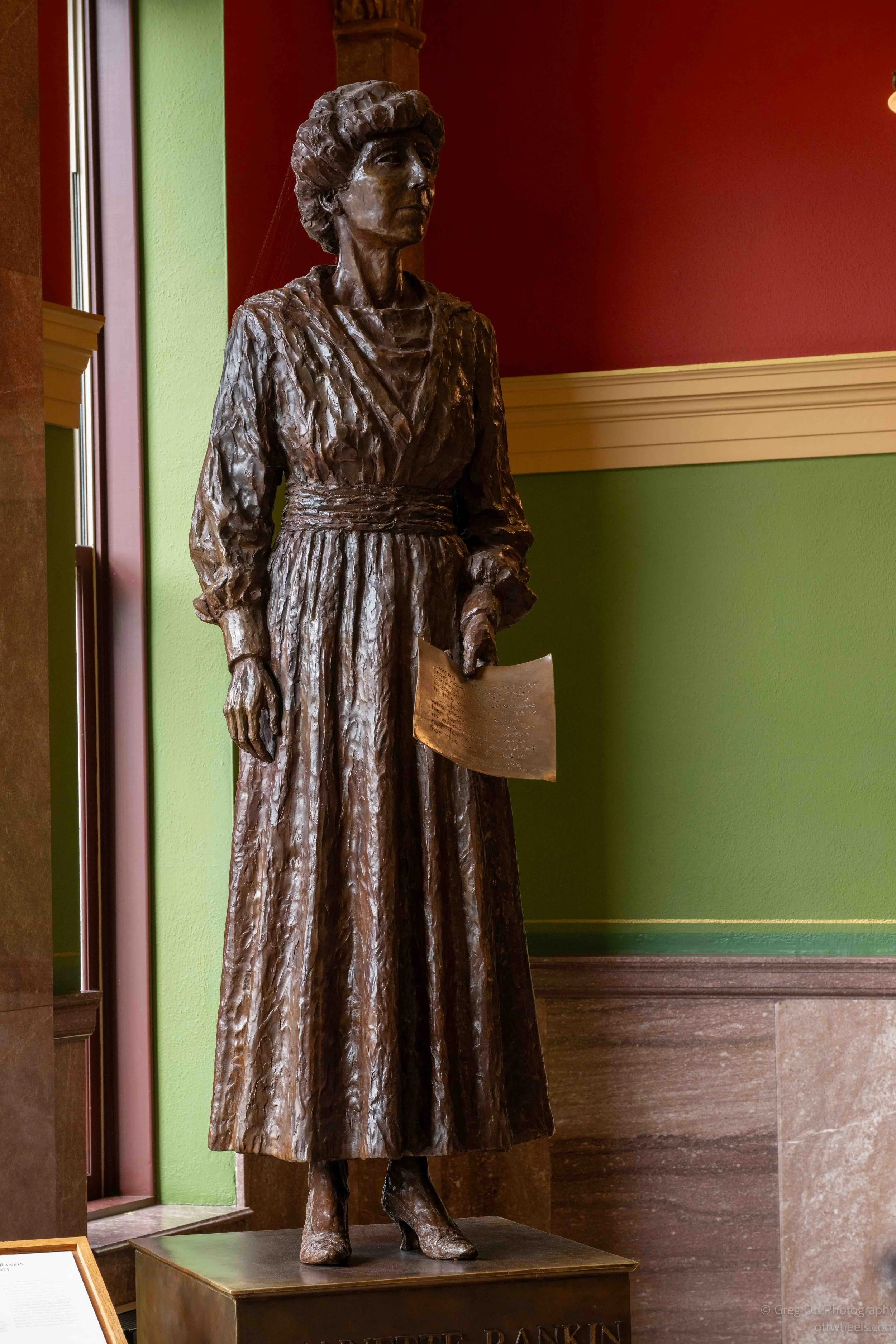
Our guide made the tour. Rather than just pointing at statues and telling us who they were, he kept giving us the stories behind them. One was Jeannette Rankin, a Montana suffragist who in 1916 became the first woman elected to the U.S. Congress. I had remembered her as a senator, but she actually served in the House. She was also a committed pacifist, voting against American entry into World War I and later casting the only congressional vote against entering World War II.
Nearby was a statue of Mike Mansfield and his wife, Maureen. Mansfield represented Montana in both the House and Senate and eventually became Senate majority leader. What I remembered from the guide was not his résumé, however, but the story of the statue. When people wanted to honor Mansfield with a monument, he refused unless Maureen was included. He felt she had been too important to his life and career to leave her standing invisibly behind him. That little detail made the statue much more interesting than another bronze politician standing alone on a pedestal.
The guide was especially good when he talked about the paintings. Some of the original murals had been done by an eastern firm from Cincinnati whose artists had apparently never set foot in Montana. They produced grand historical scenes, but not necessarily scenes that made much sense to someone who actually knew the place. One painting even shows Thomas Jefferson meeting Napoleon during the Louisiana Purchase, a meeting that never happened. Later, when additions were made to the Capitol, Montana artists were brought in instead, including Edgar Paxson, Ralph DeCamp and Charlie Russell.
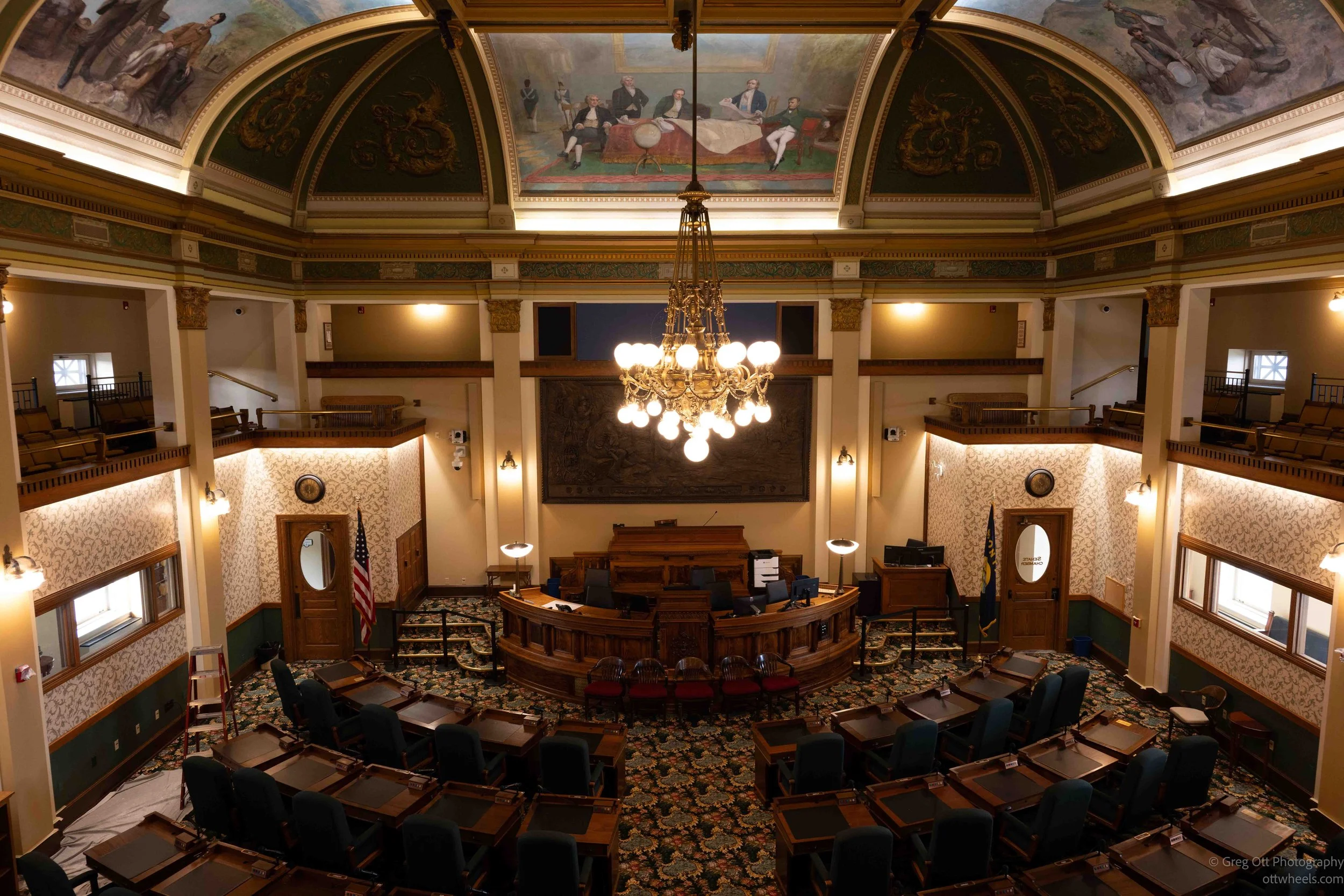
I enjoyed the Senate chamber, especially the huge bronze relief at the front. It is called We Proceeded On and was created by sculptor Eugene Daub. The thing is massive, about 17 feet wide and 8 feet high, and weighs roughly 1,800 pounds. It shows members of the Lewis and Clark expedition moving through Montana, but what stayed with me was really the scale of it. It dominates the front of the room.
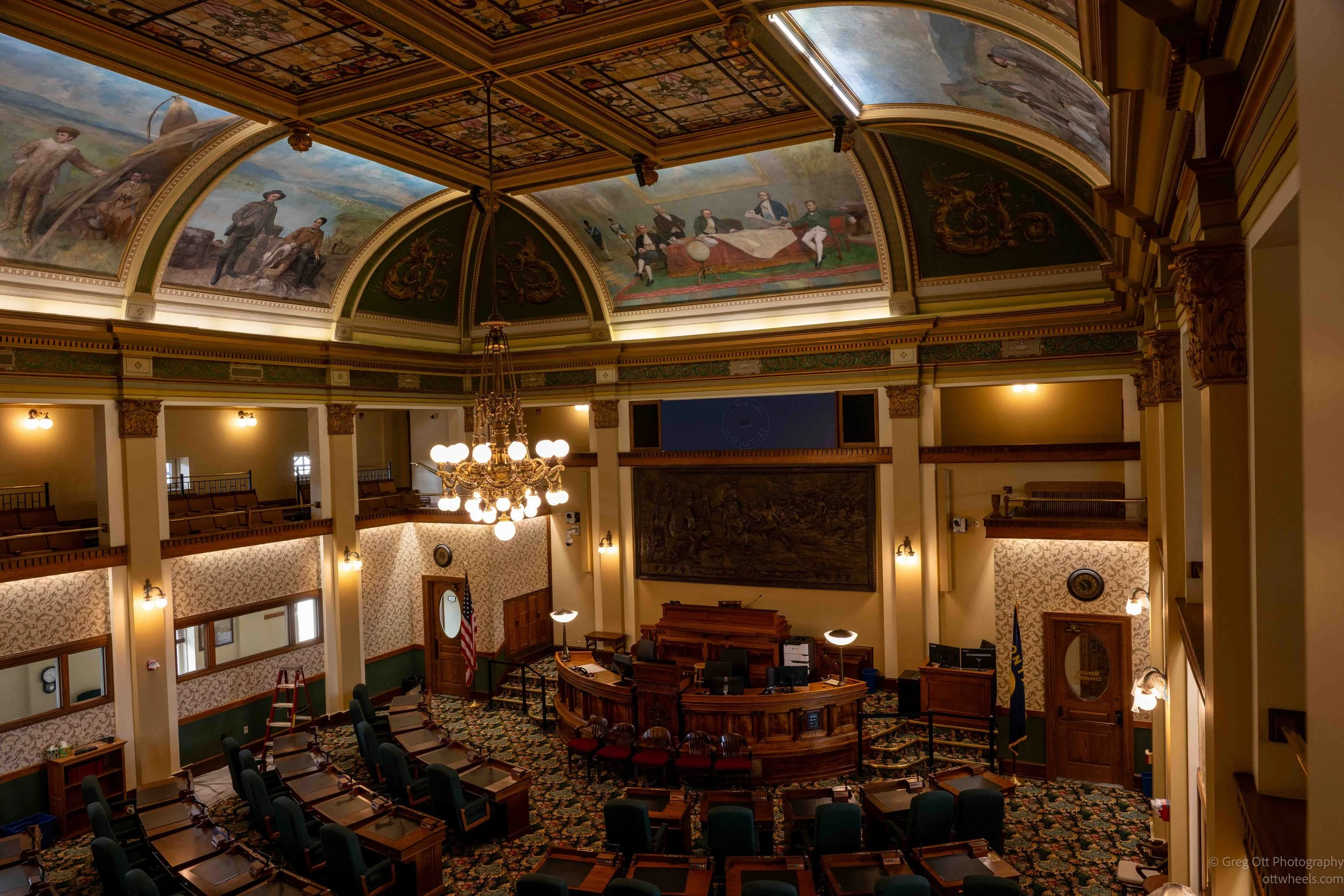
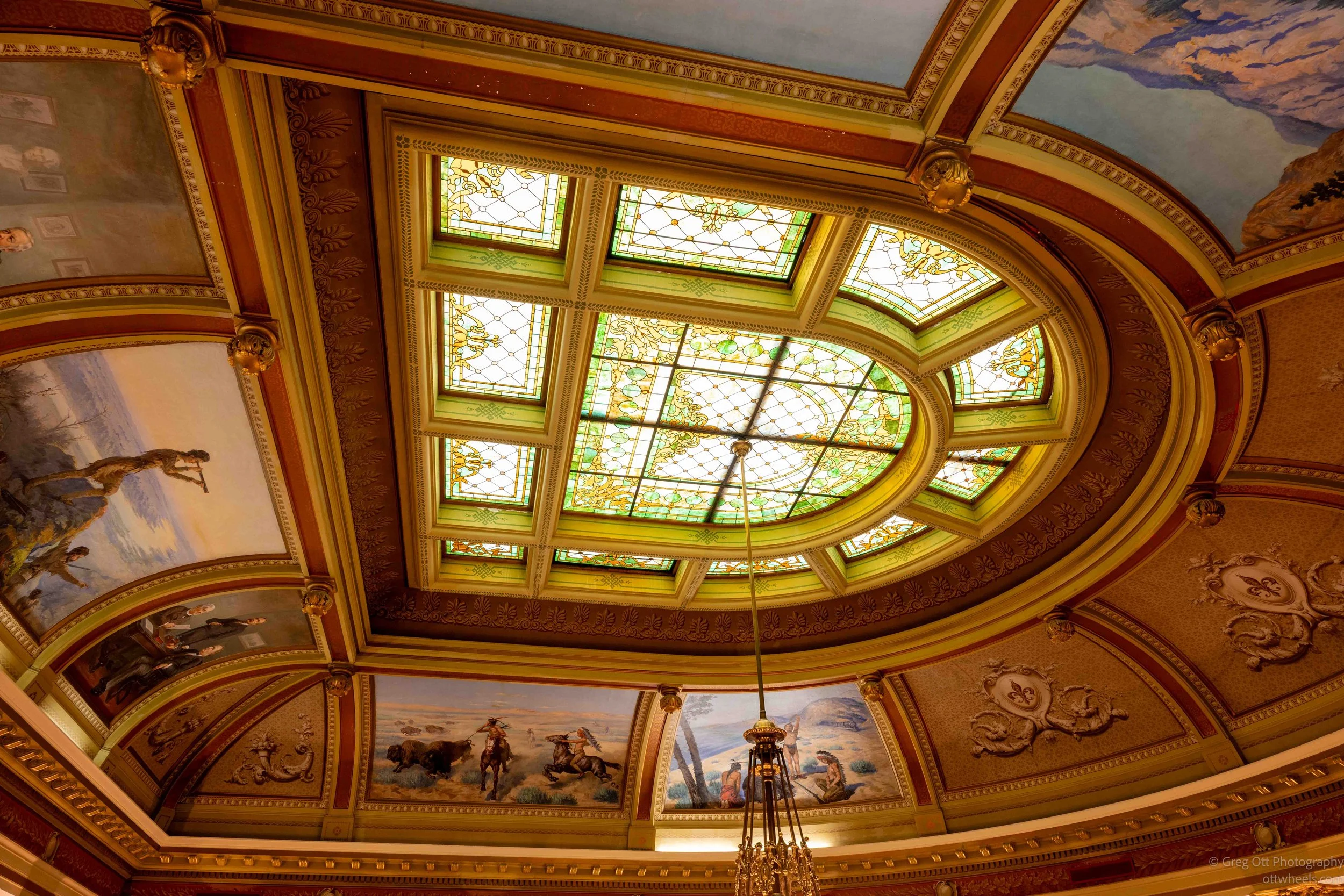
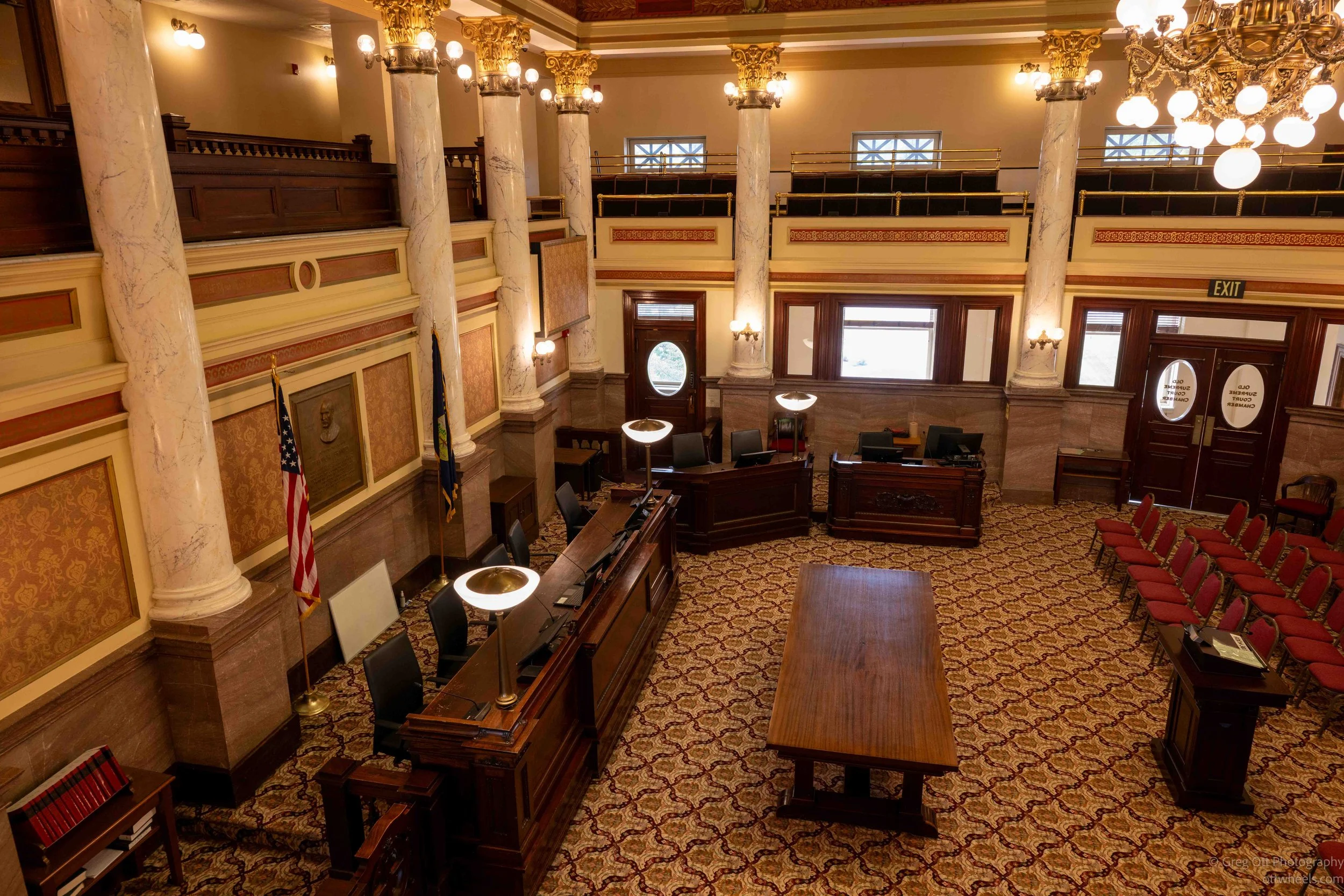
We went into the old Supreme Court chamber, now used as a hearing and meeting room. Before it had been the Supreme Court chamber, it had actually housed the state Senate. I liked the room partly because it felt more intimate than the larger legislative chambers. Dark wood wrapped around the room, tall columns rose toward the balcony, and paintings filled the ceiling and upper walls. From above, the desks and chairs almost disappeared into all of the ornamentation.
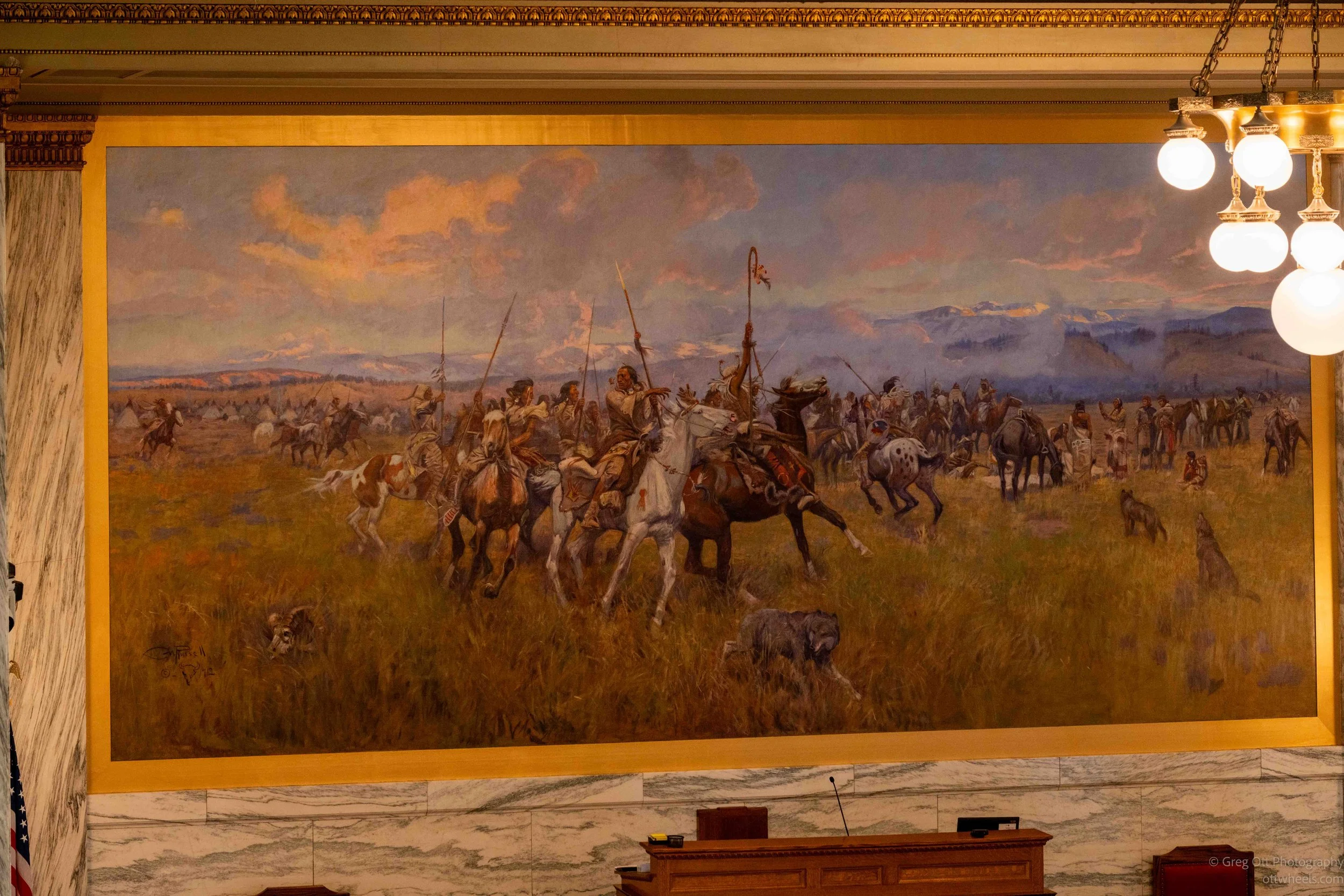
The House chamber contains the enormous Charlie Russell painting Lewis and Clark Meeting the Indians at Ross' Hole. Russell did something I wouldn't have expected: Lewis and Clark are not really the dominant figures. The mounted Salish occupy the foreground while the explorers sit farther back in the scene. Then the guide pointed out a wolf in the painting positioned above the Speaker's chair. He told us the story that Russell didn't particularly like the Speaker and had placed the wolf there staring down at him. Whether that is entirely history or partly Capitol folklore, it was exactly the kind of detail that made everyone in the room look up and search for the wolf.
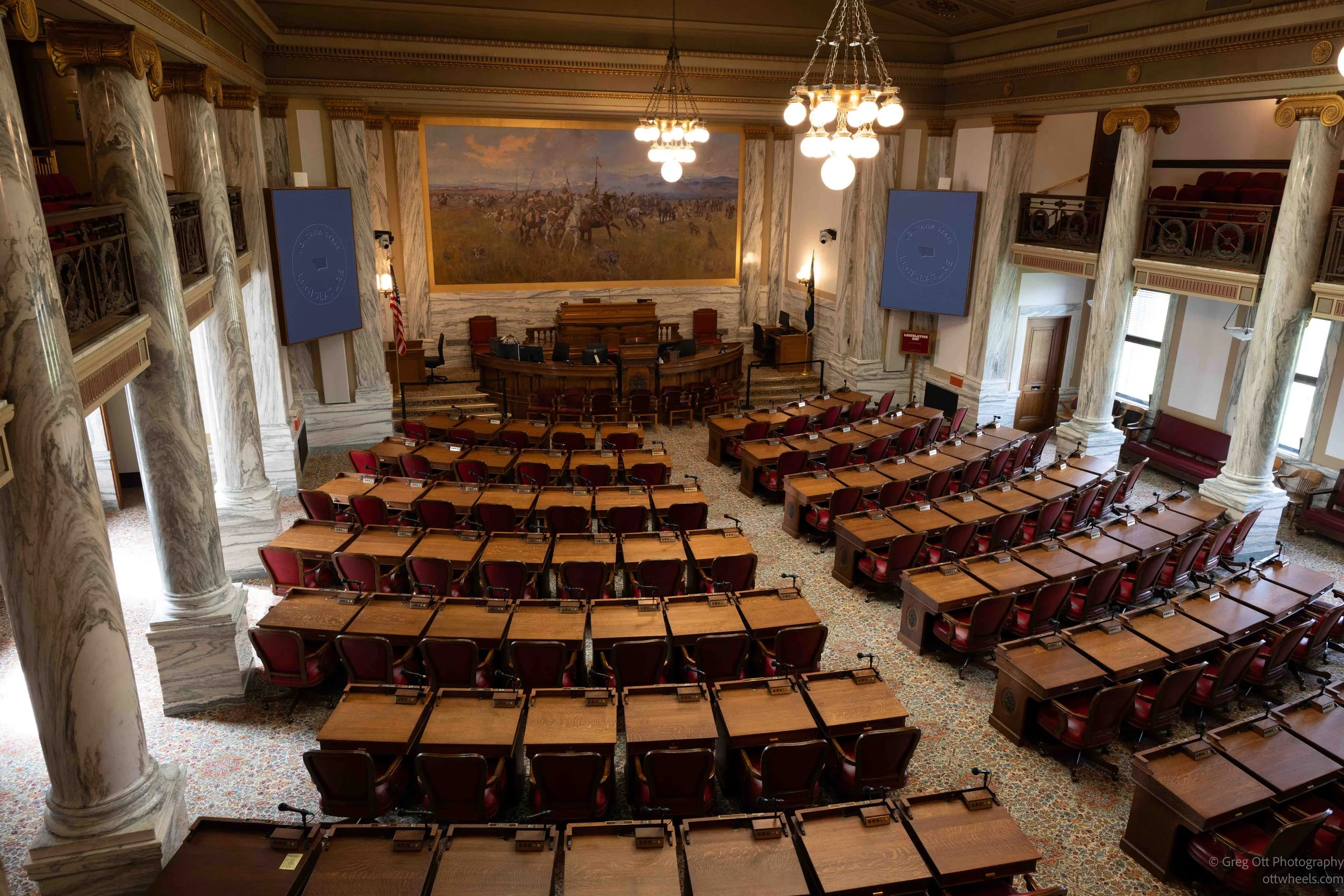
That was what made the tour so good. I wasn't remembering dates and lists of officeholders as much as I was remembering Rankin, Mansfield insisting that his wife stand beside him, painters from Cincinnati trying to imagine Montana, Russell relegating Lewis and Clark to the background, and a wolf glaring down toward the Speaker's chair. Our guide knew the building extremely well, but more importantly, he knew how to turn its history into stories. Of all the state Capitol tours I've taken, this was certainly among the top three or four.
After the tour, Jacqueline, her husband Michael, and I walked over to Norm’s Café in the Heritage Museum down the street. I think we sat there for a couple of hours, just catching up after so many years. They are doing basically the same thing I’m doing, except they’re traveling in an Airstream camper.
We exchanged addresses and phone numbers, then walked out to the van. I gave them a tour before we said goodbye. They were heading into the Heritage Museum, while I was going downtown to watch the soapbox derby in the old part of Helena.
I found a parking lot that was mostly empty a few blocks from the old town. I pulled in and was starting to turn around when a guy slowly started backing out. I had nowhere to go and started blowing my horn. I kept on the horn as I watched just slowly back into the side of the van. We both got out and he said he thought it was the truck in front of him blowing his horn. There was no damage to the van, he was luckily moving extremely slowly. He didn’t appologize, that seems to be the new normal, don’t show wrong doing. Anyway, he pulled back in and allowed me to pull into my spot. All good.
Soap Box derby
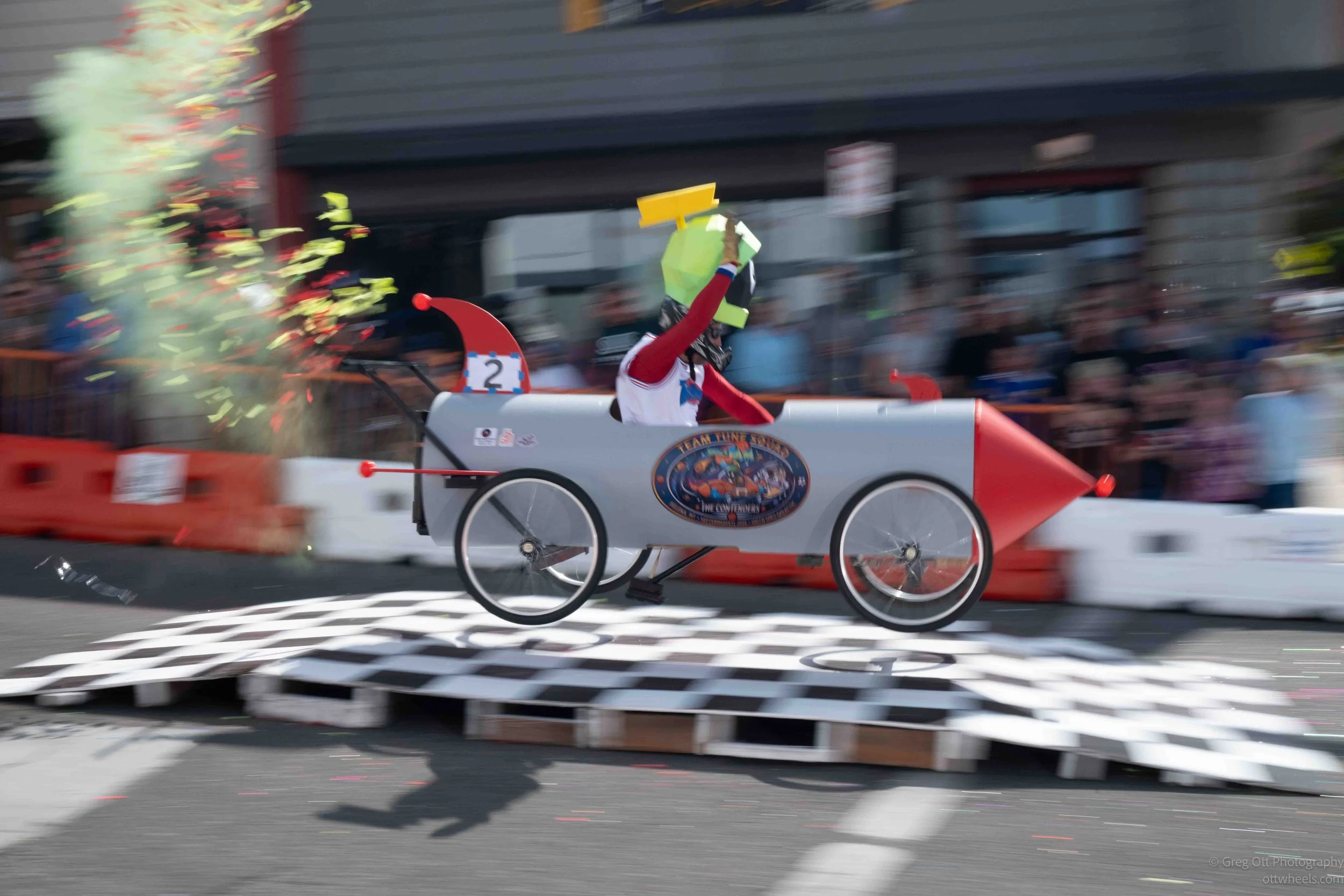
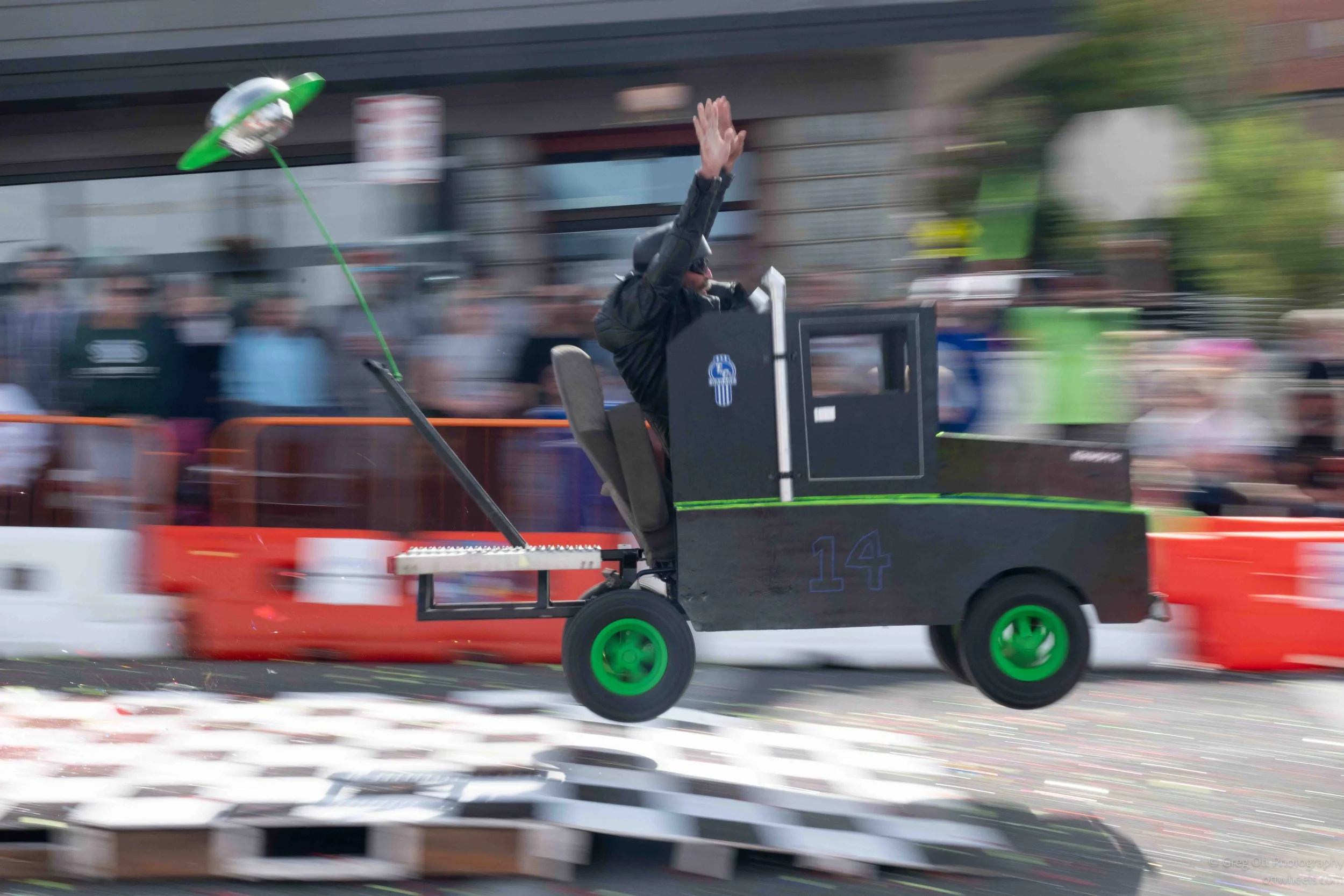
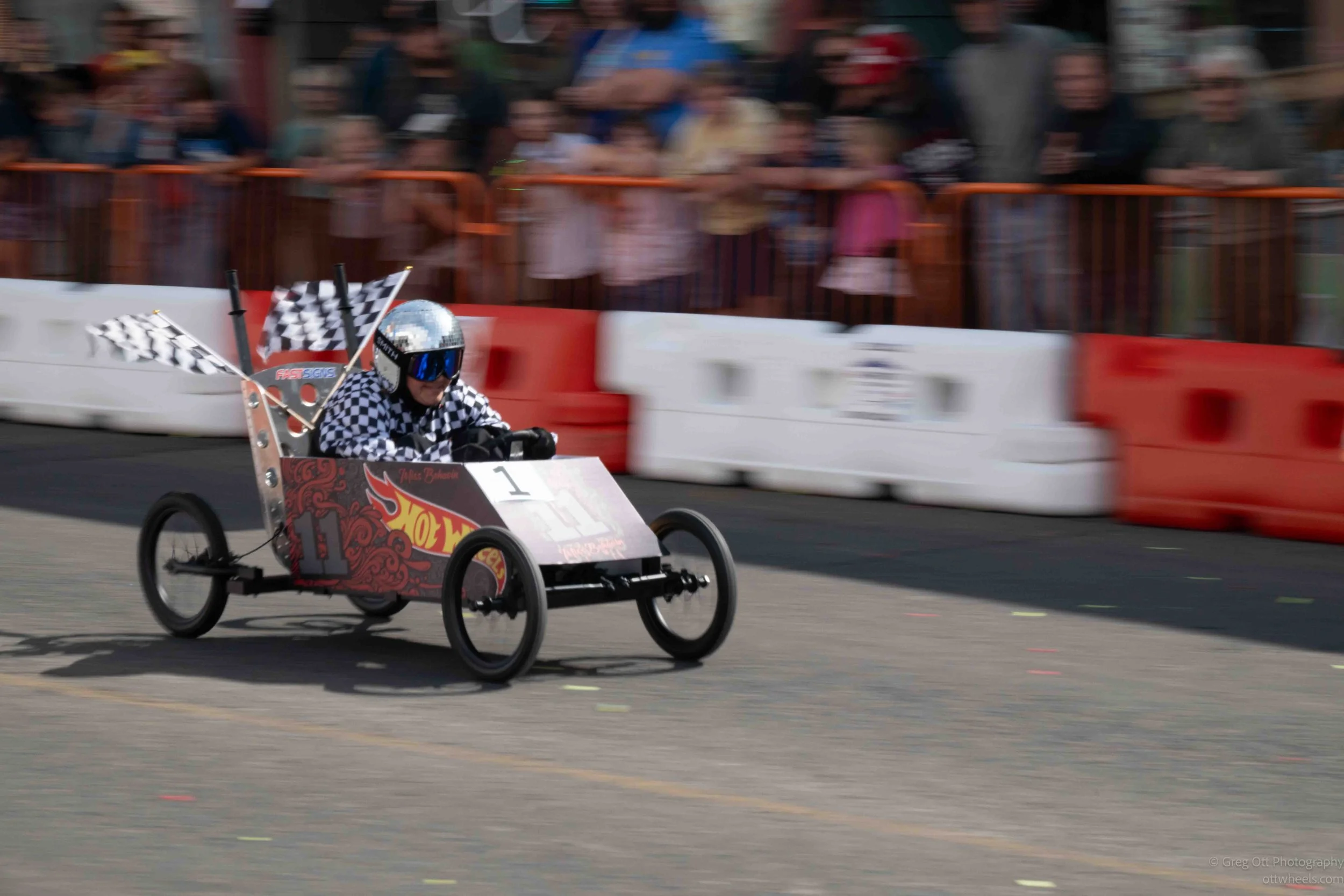
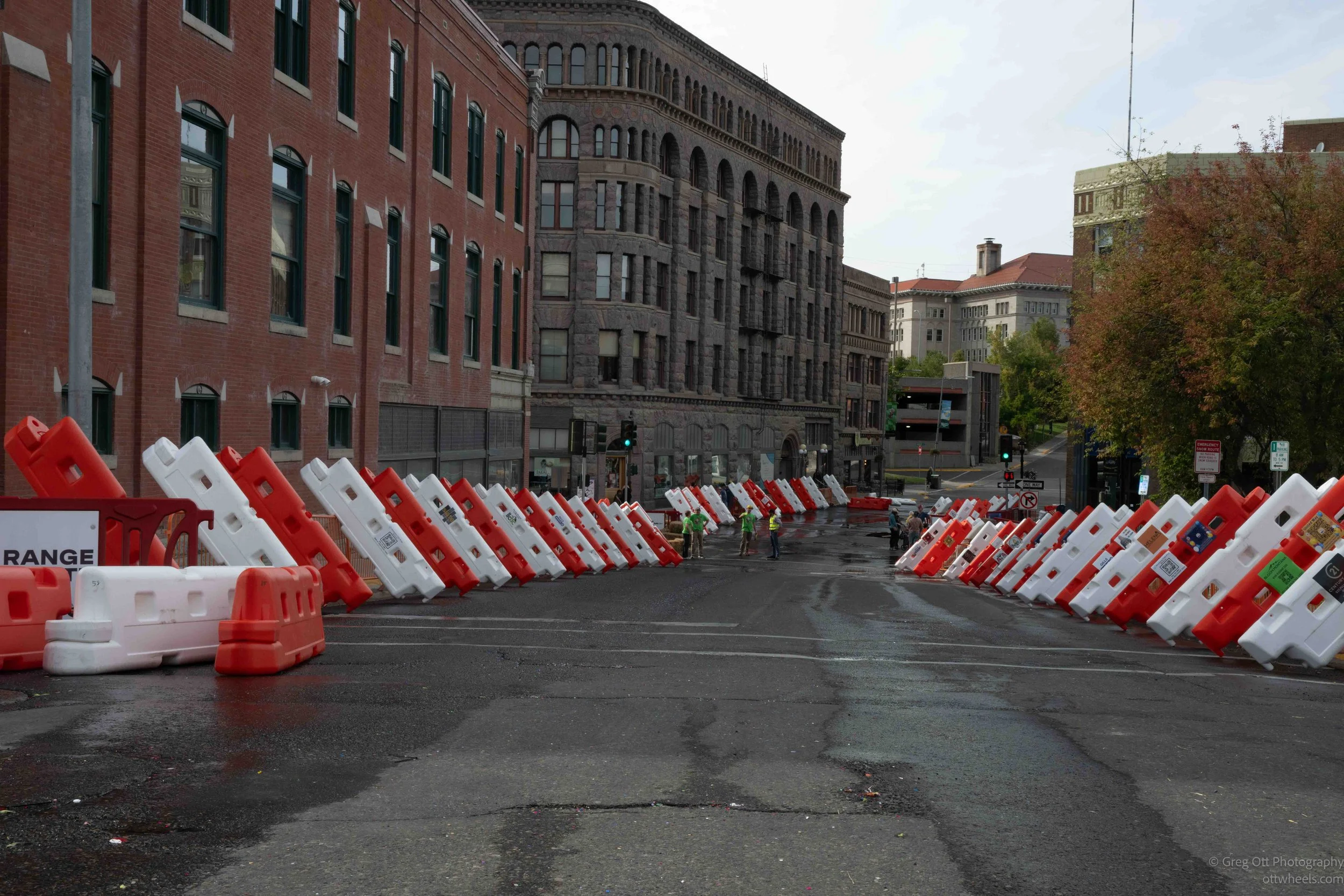
It was more than just a race down the hill. The cars were judged on a combination of speed, style, crowd interaction and how they handled the course, including an optional jump partway down Sixth Avenue. Six judges scored each run from 1 to 10, although from what I saw they were a generous group—I don't remember seeing anything below an eight. I was able to watch most of the first heat.
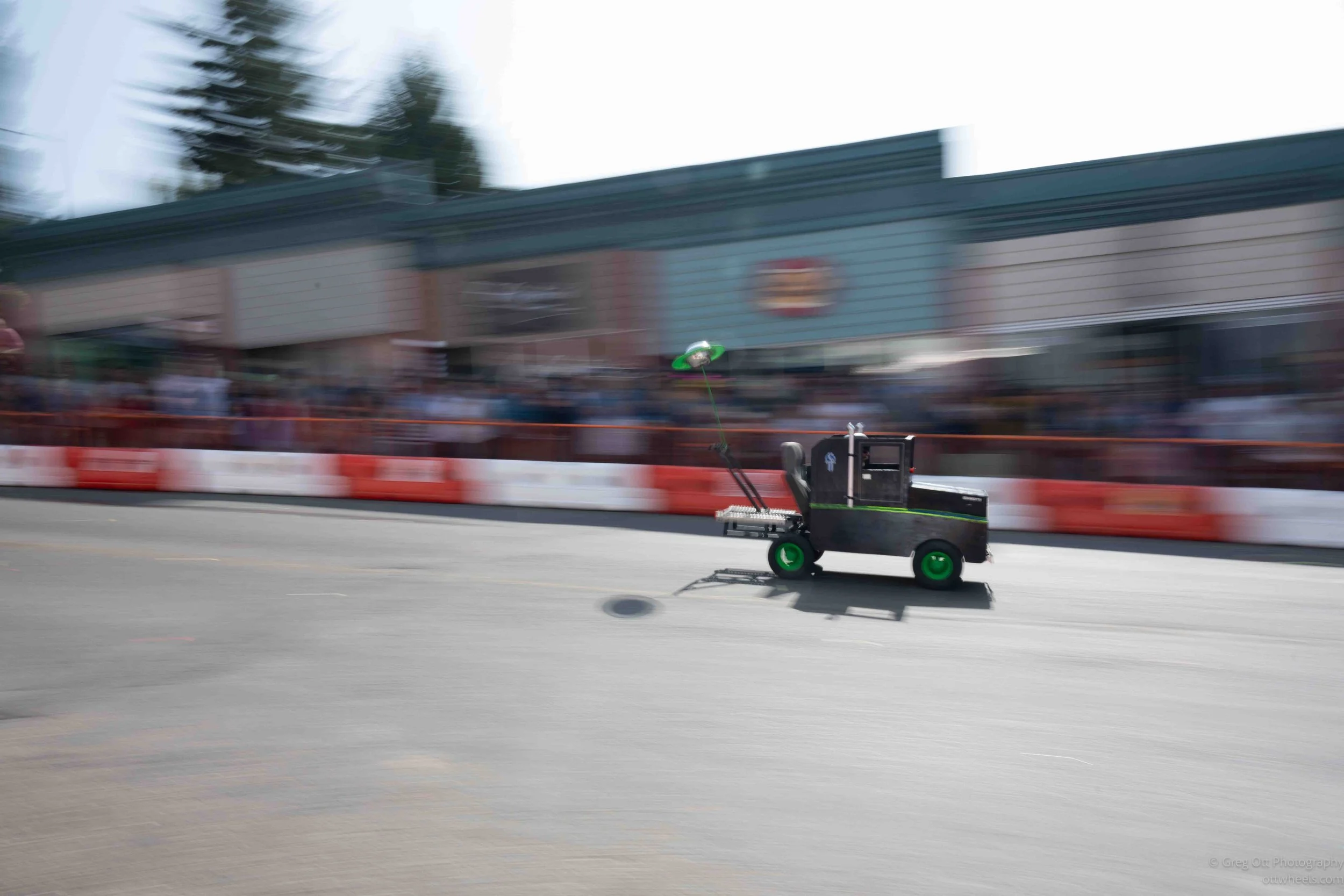
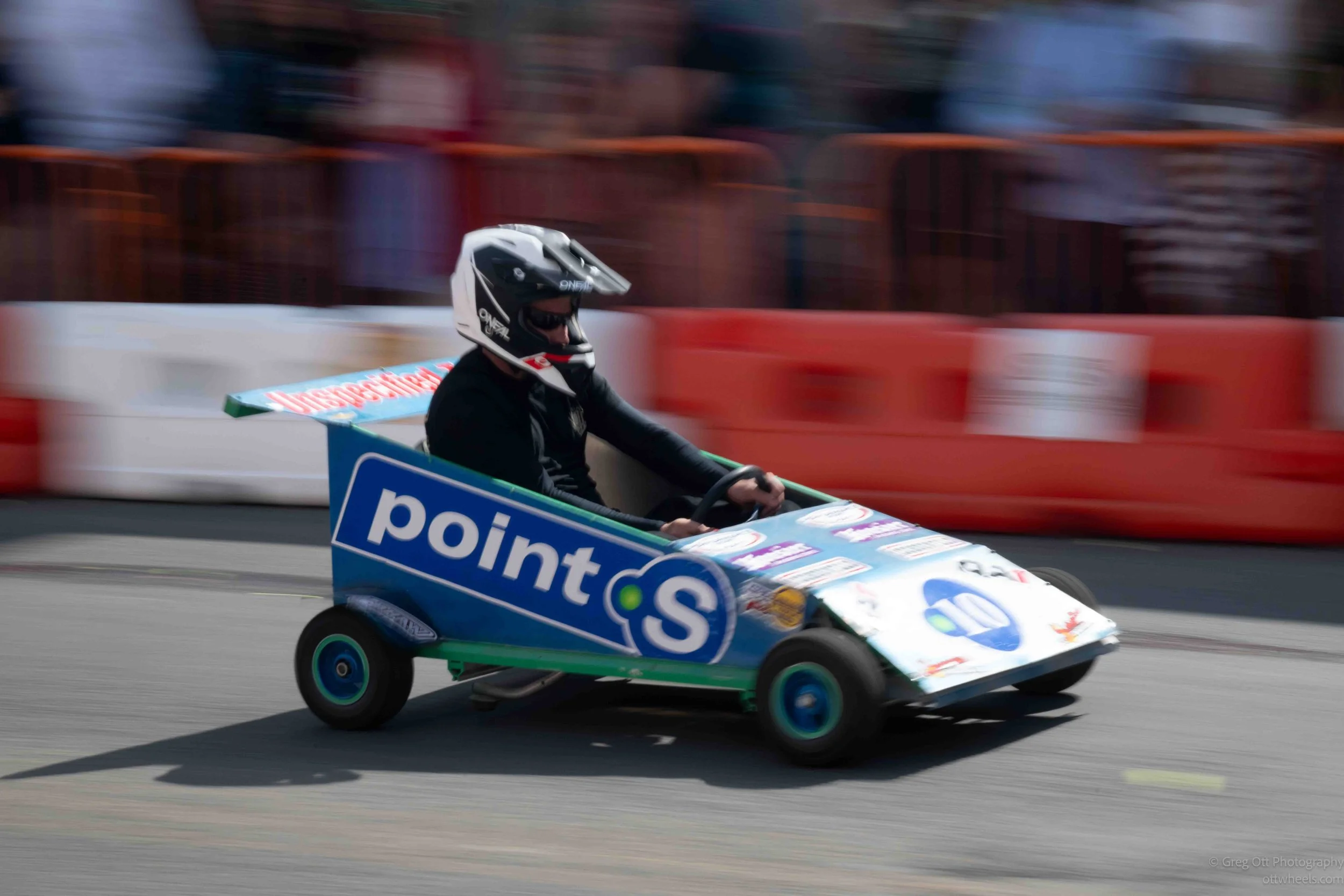
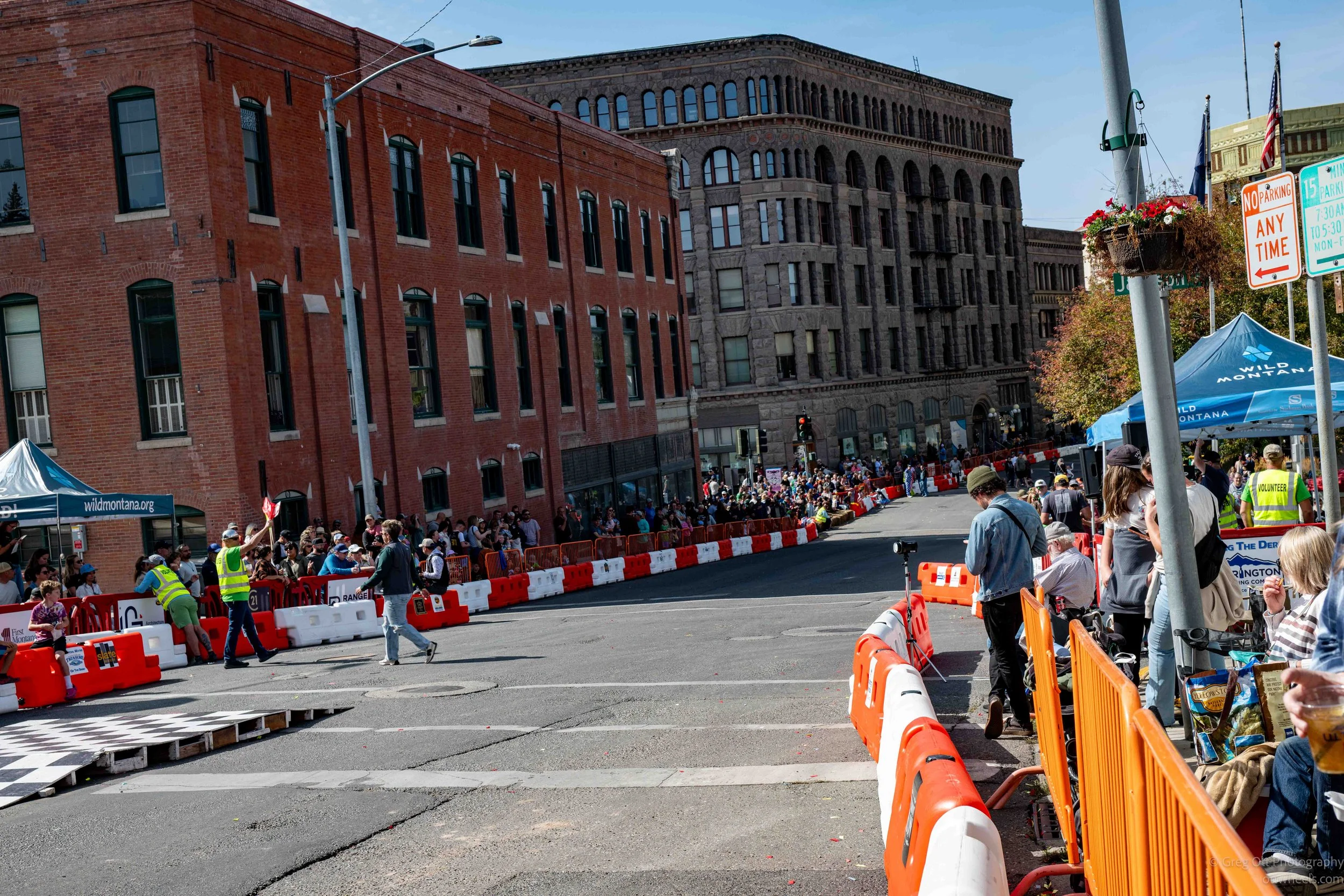
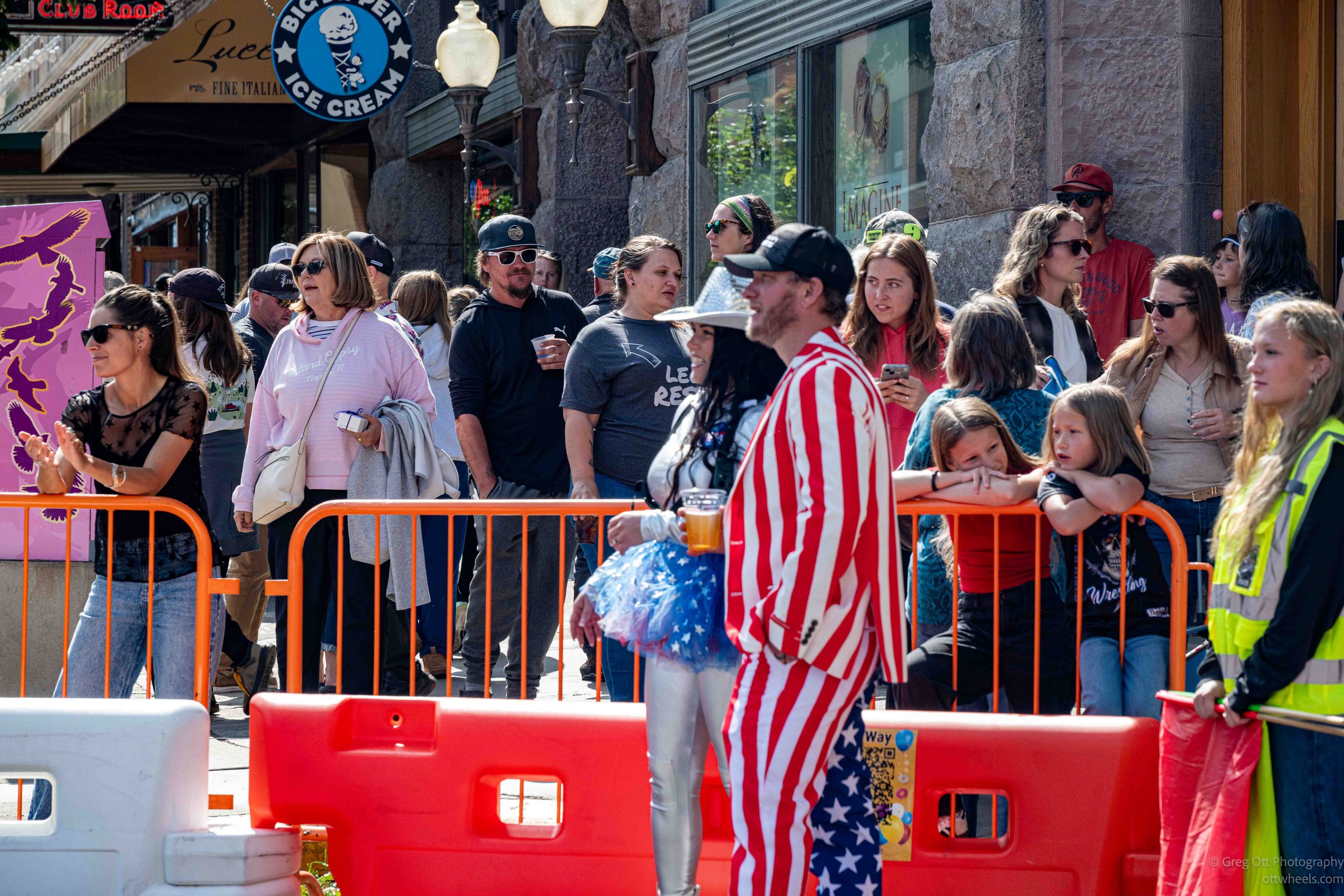
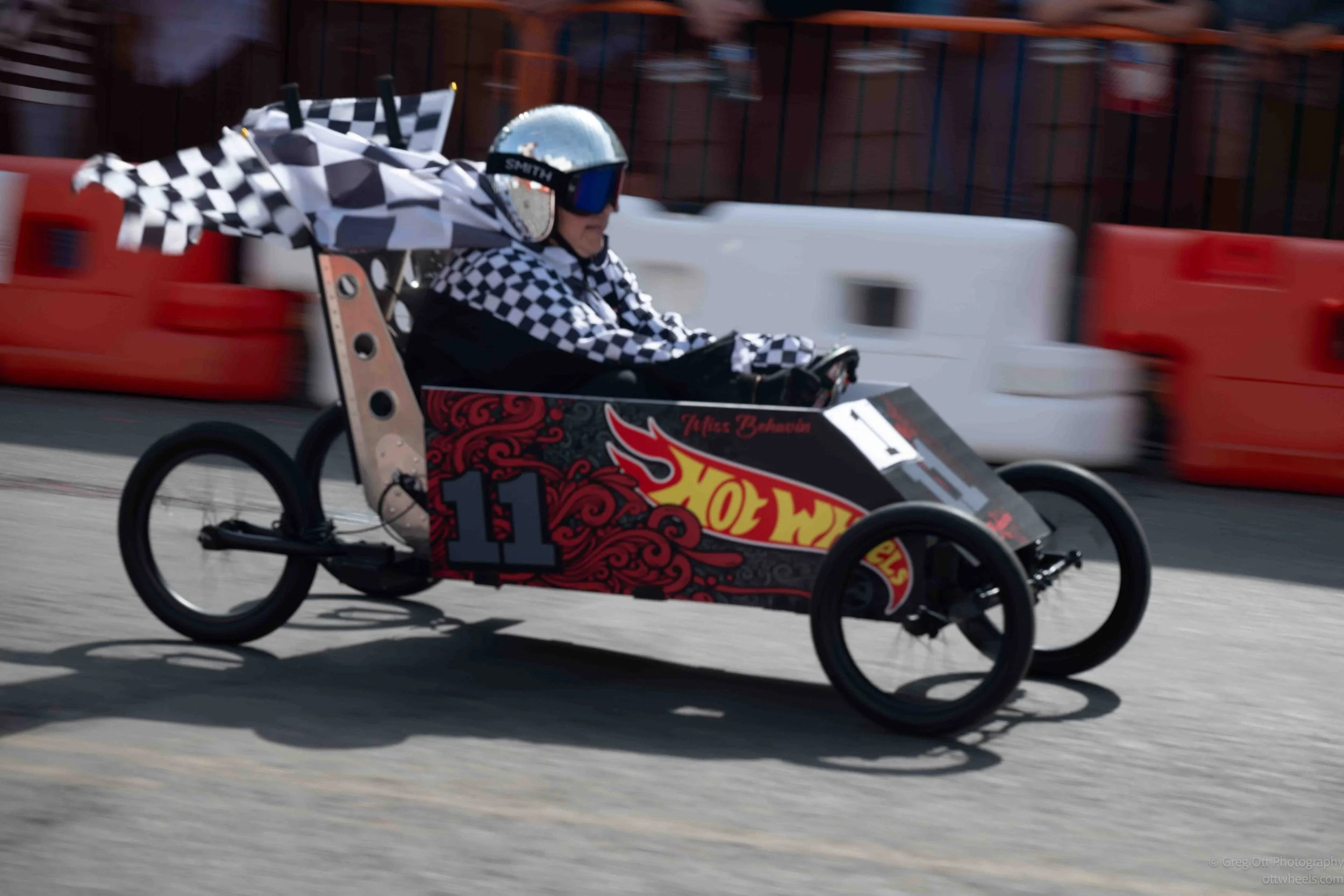
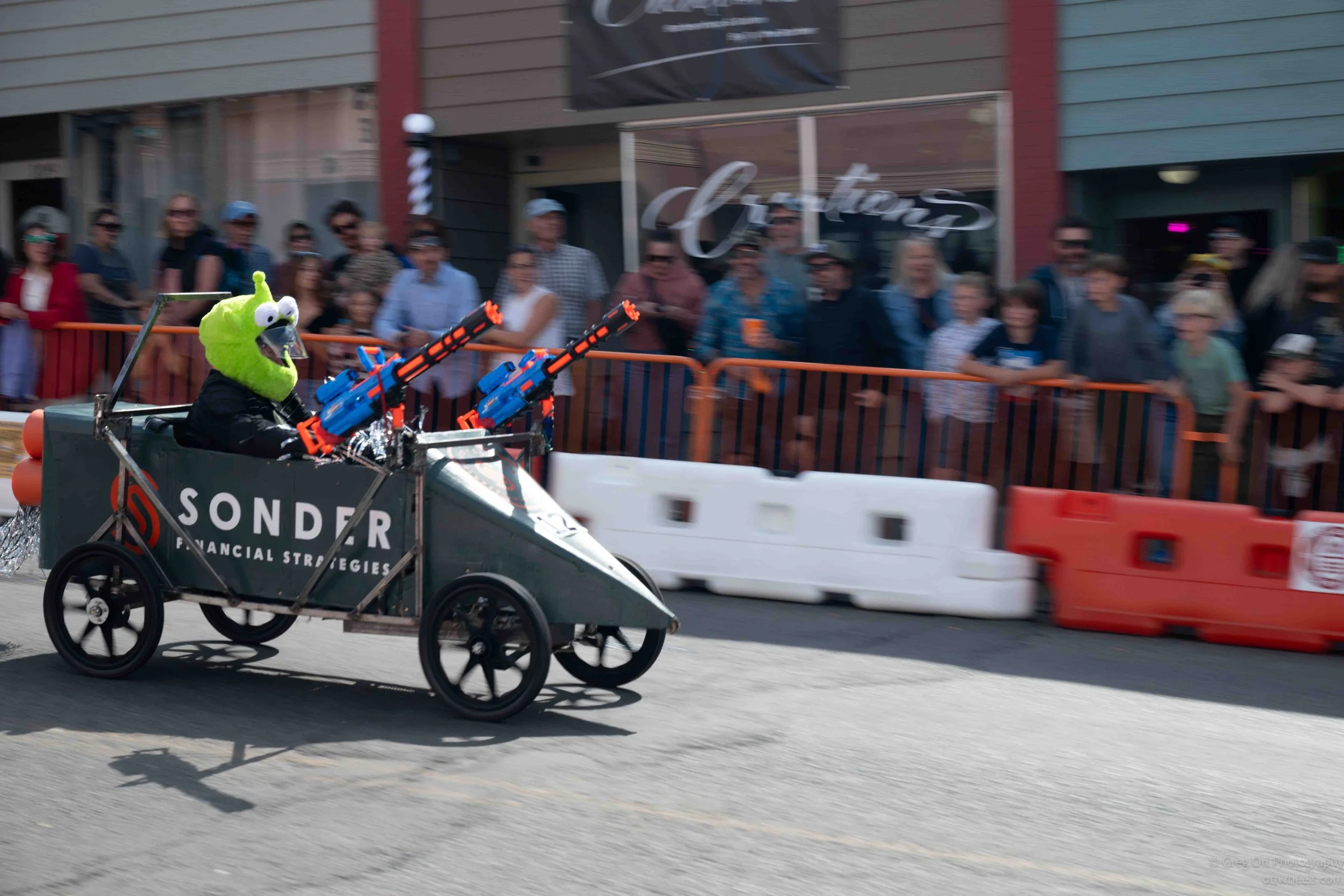
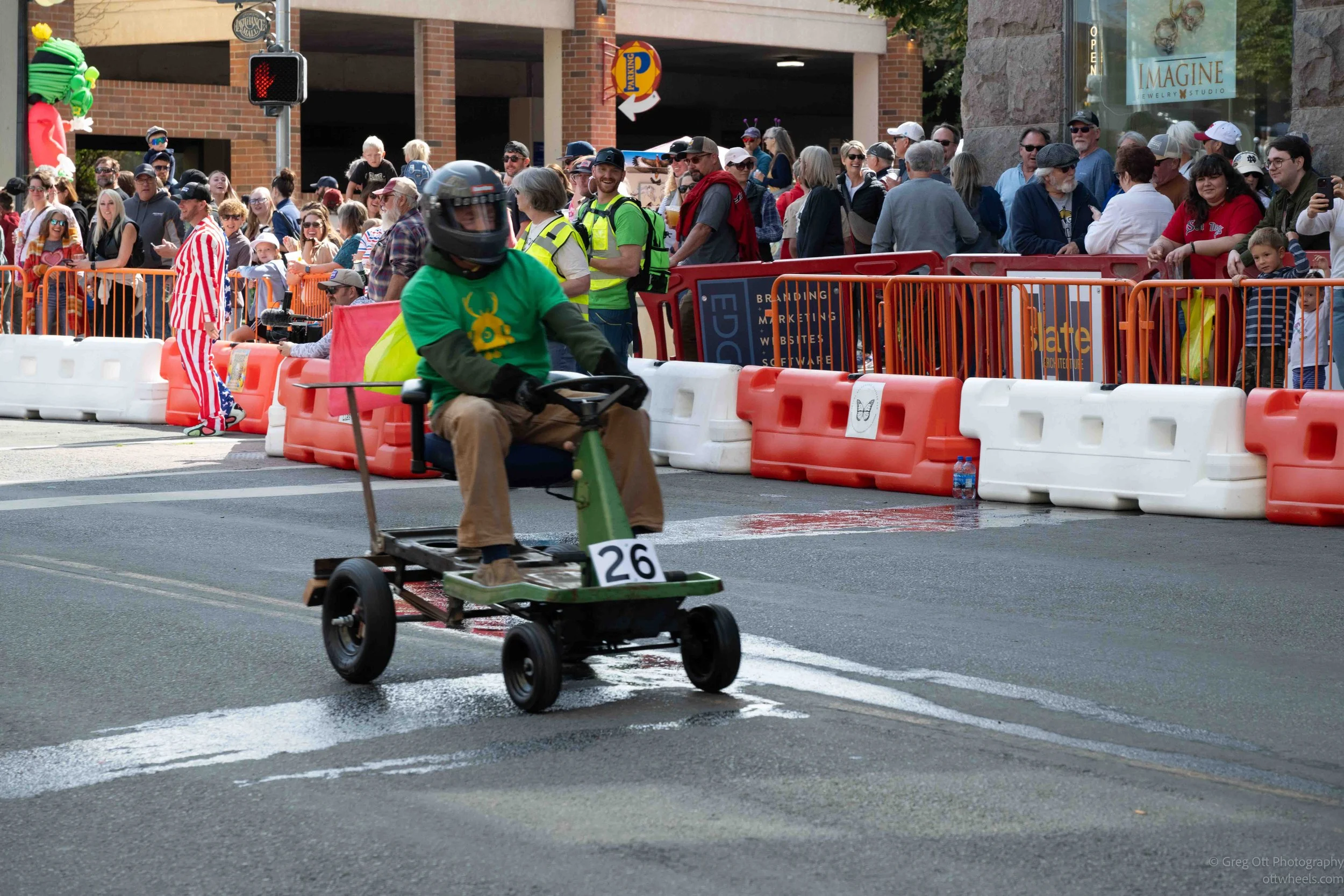
There was a 30 minute intermission between the main heat and the semi finals. There were events and music that kept the crowd entertained while they moved the vehicles back to the top. I went up and talked to some of the builders.
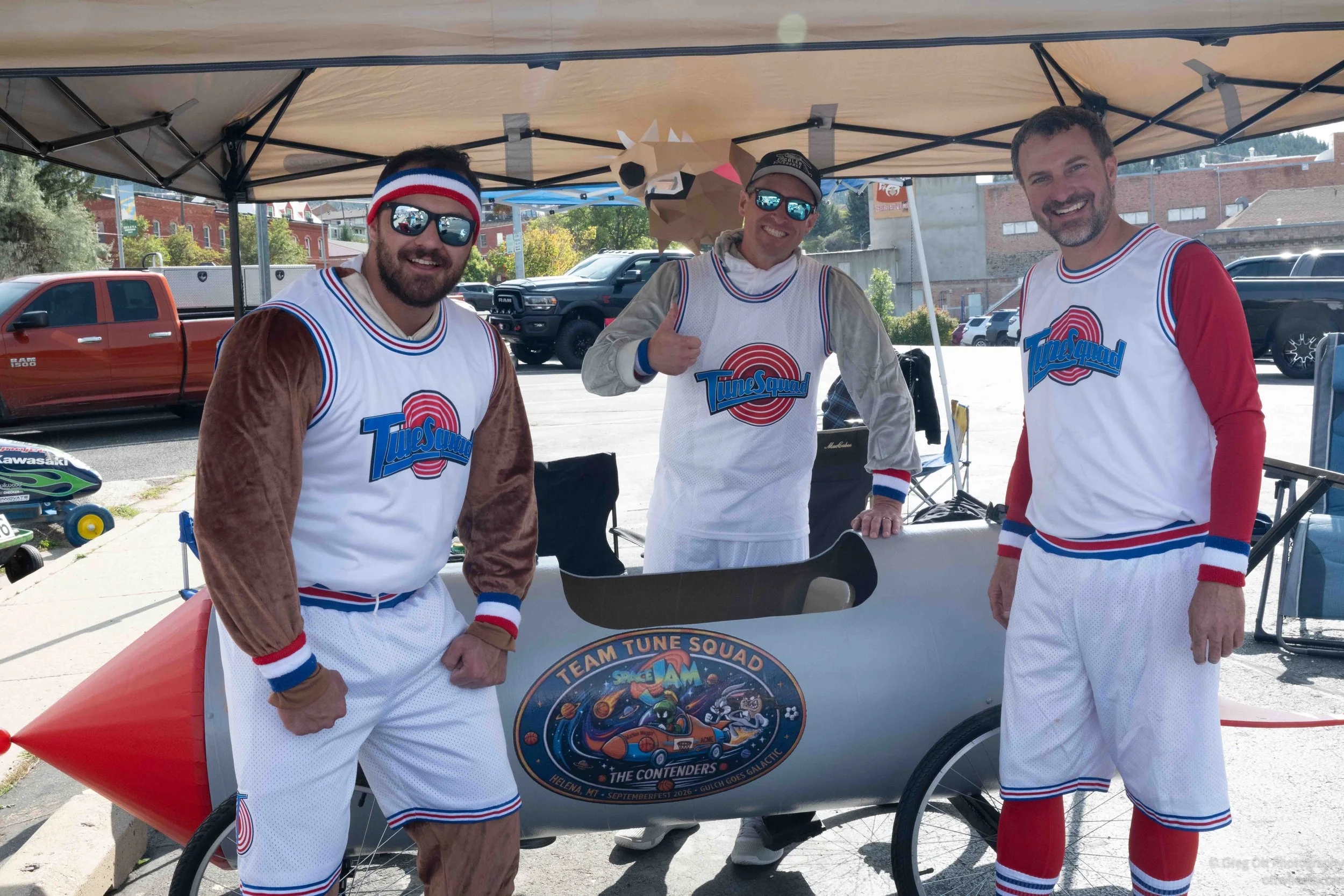
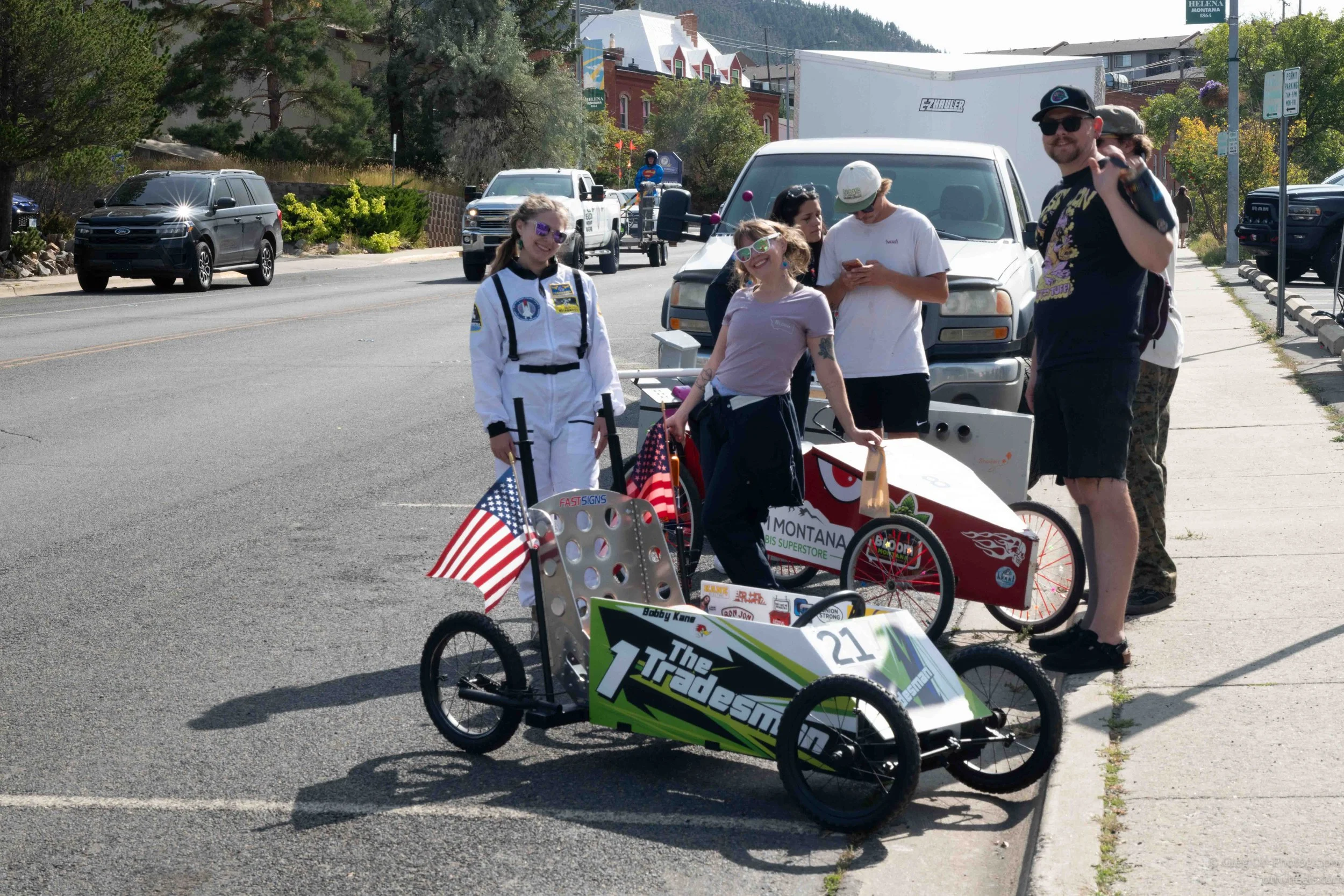
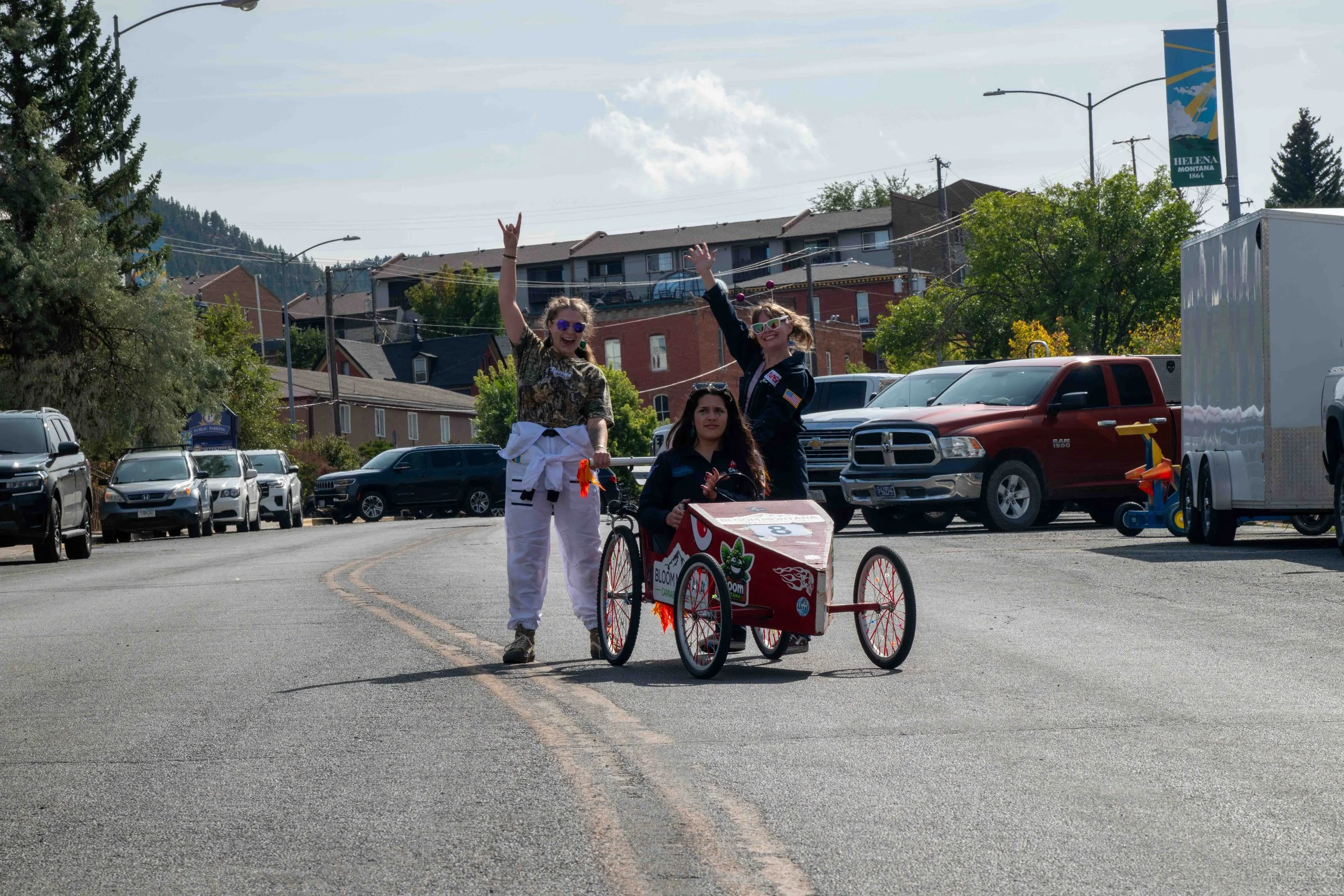
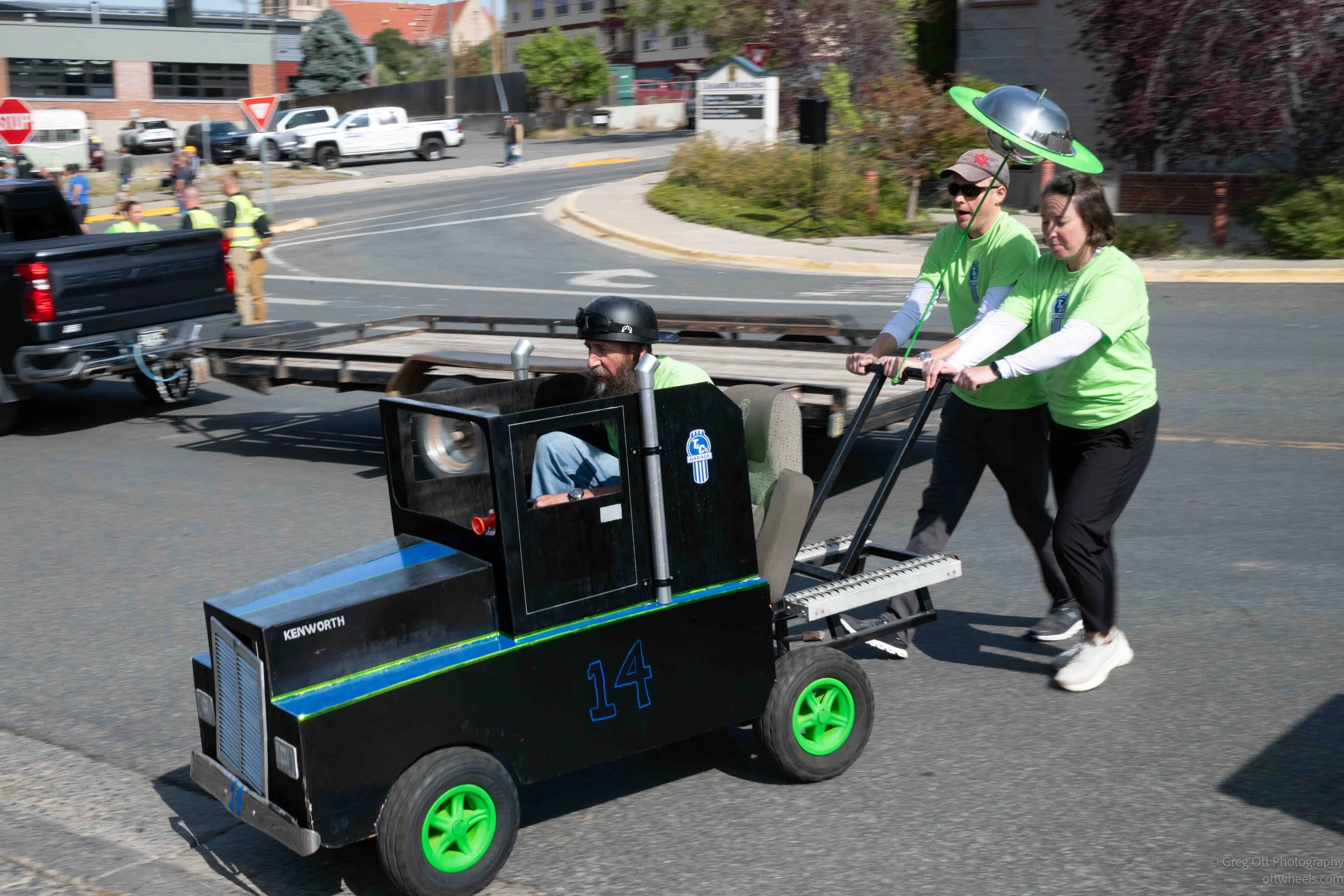
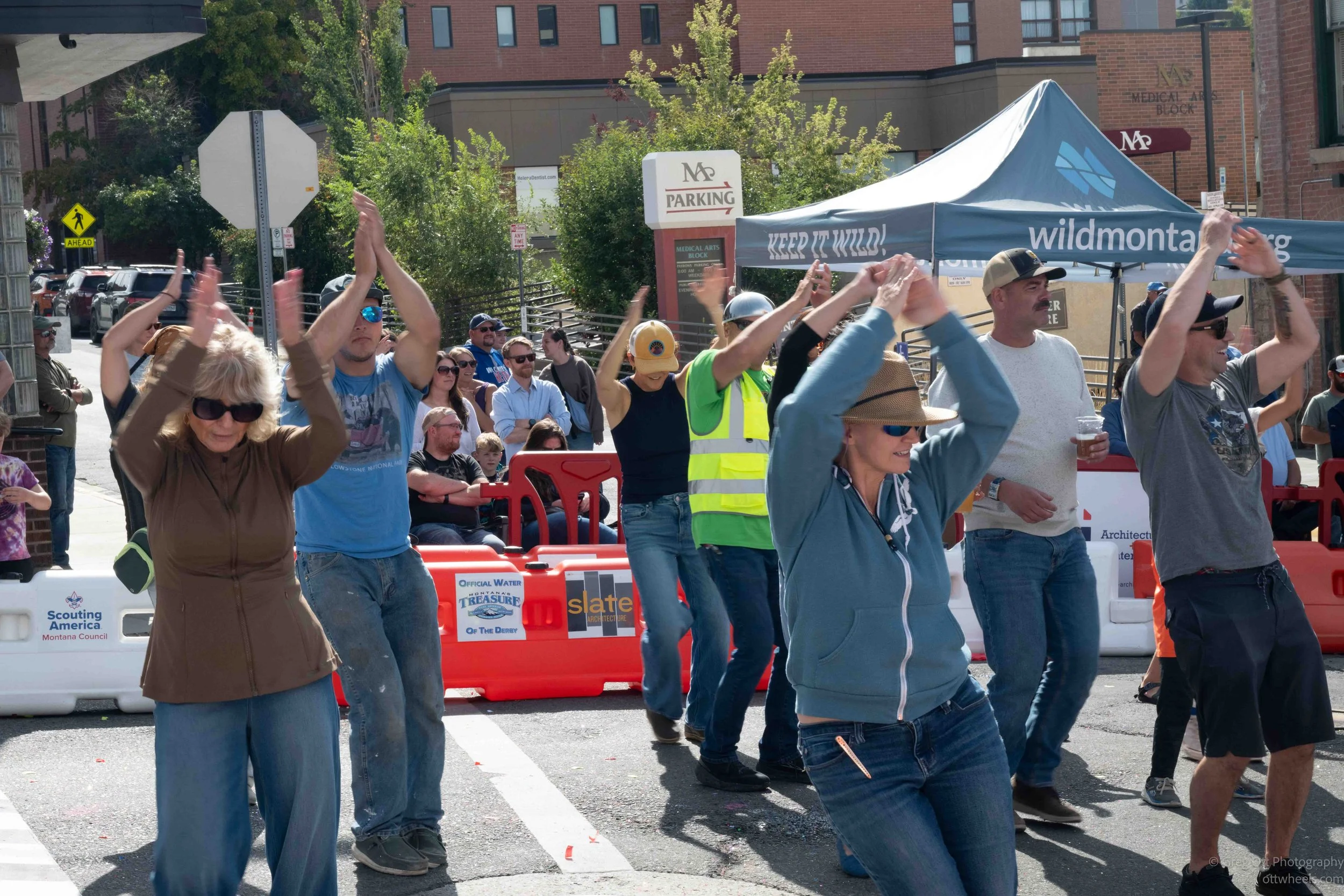
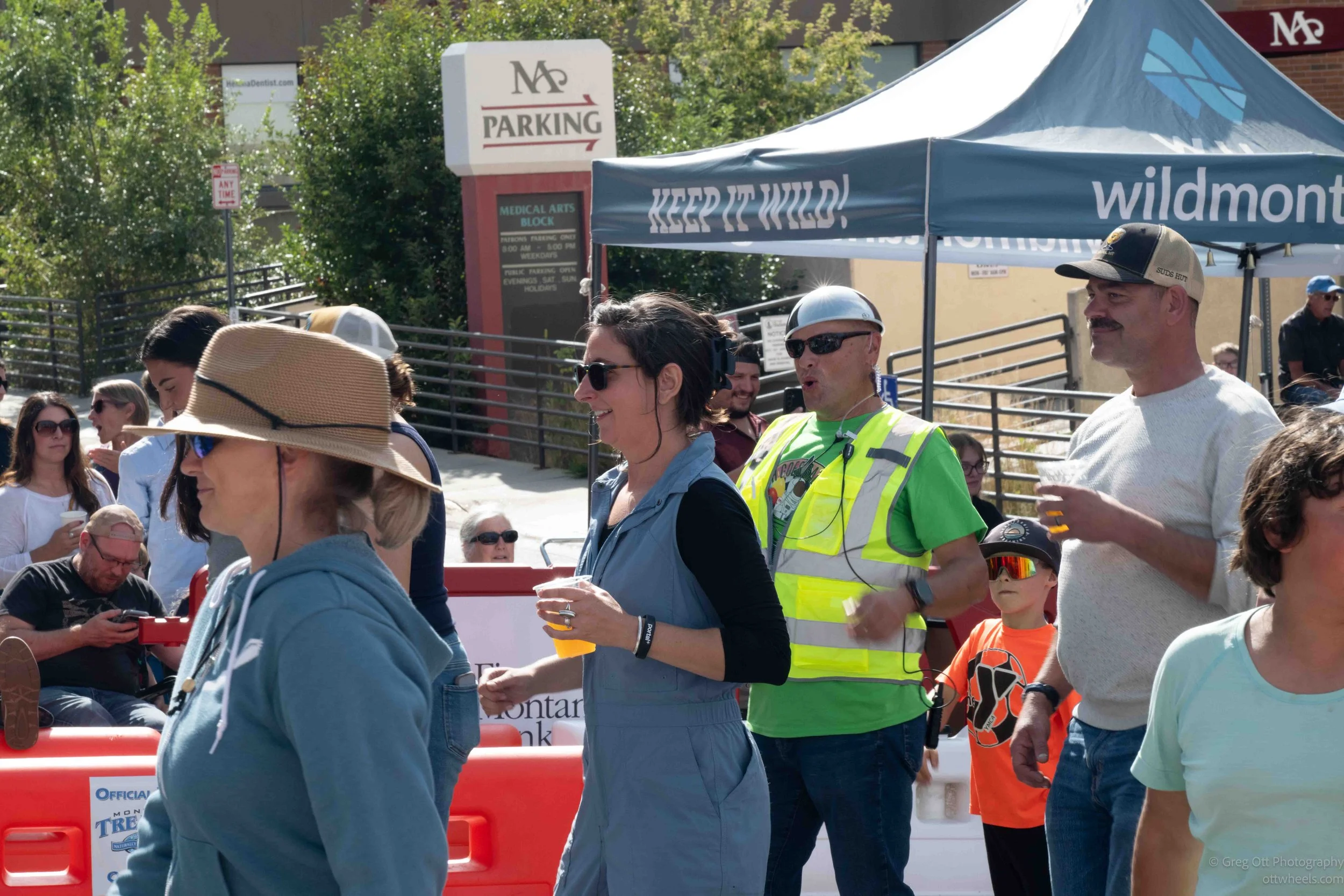
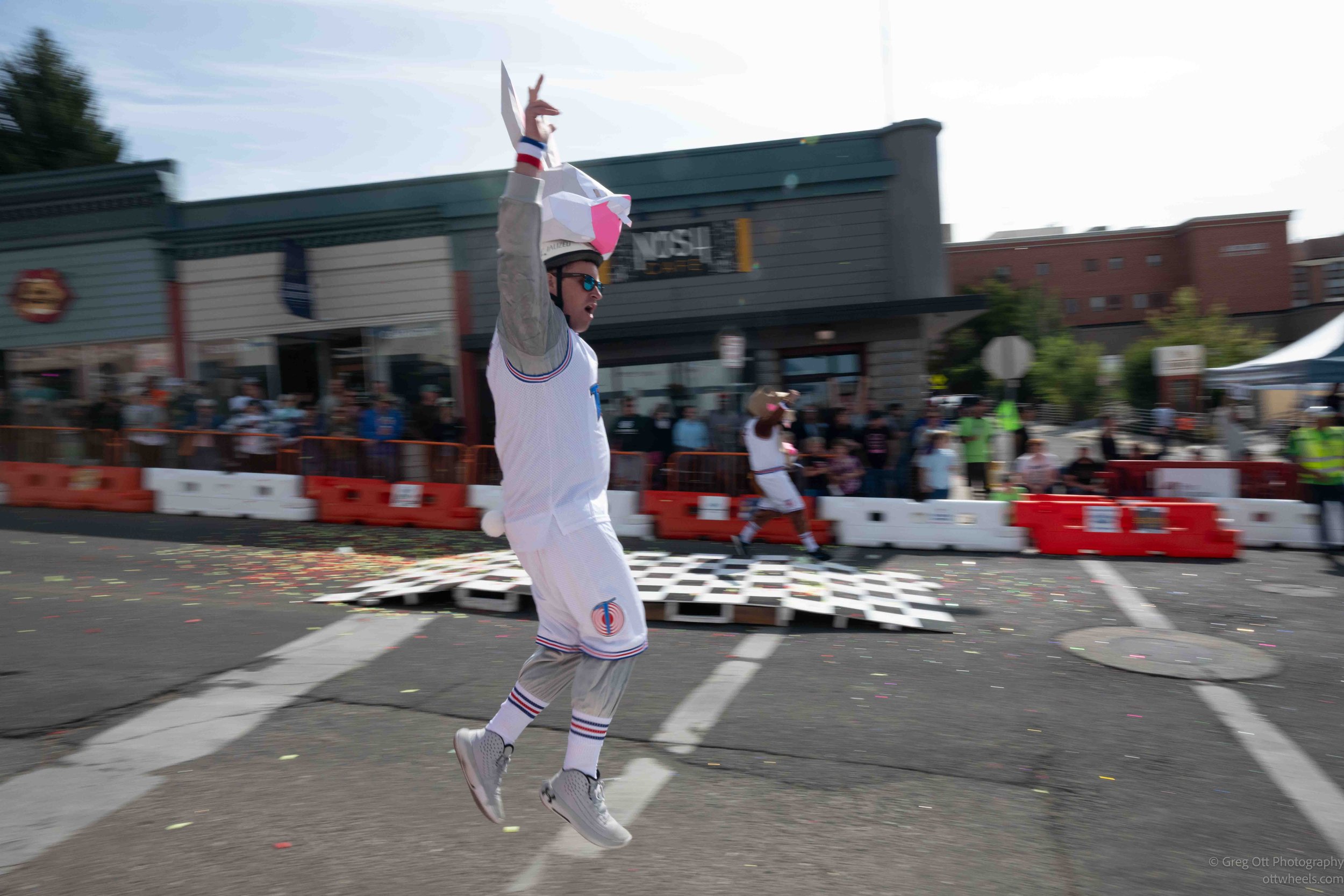
Some teams played to the crowd, some clearly cared more about the look of the car than the clock, and others seemed determined to hit the jump as hard as possible. I moved around the course photographing from several different spots so I could catch both the cars and the reactions of the crowd. After the initial round, the field was cut down and the highest-scoring teams ran again, first in a smaller group and then once more for the final few cars competing for the top spots. The whole thing felt less like a conventional race and more like a combination of racing, performance and controlled chaos.
Dear Potato Bakery
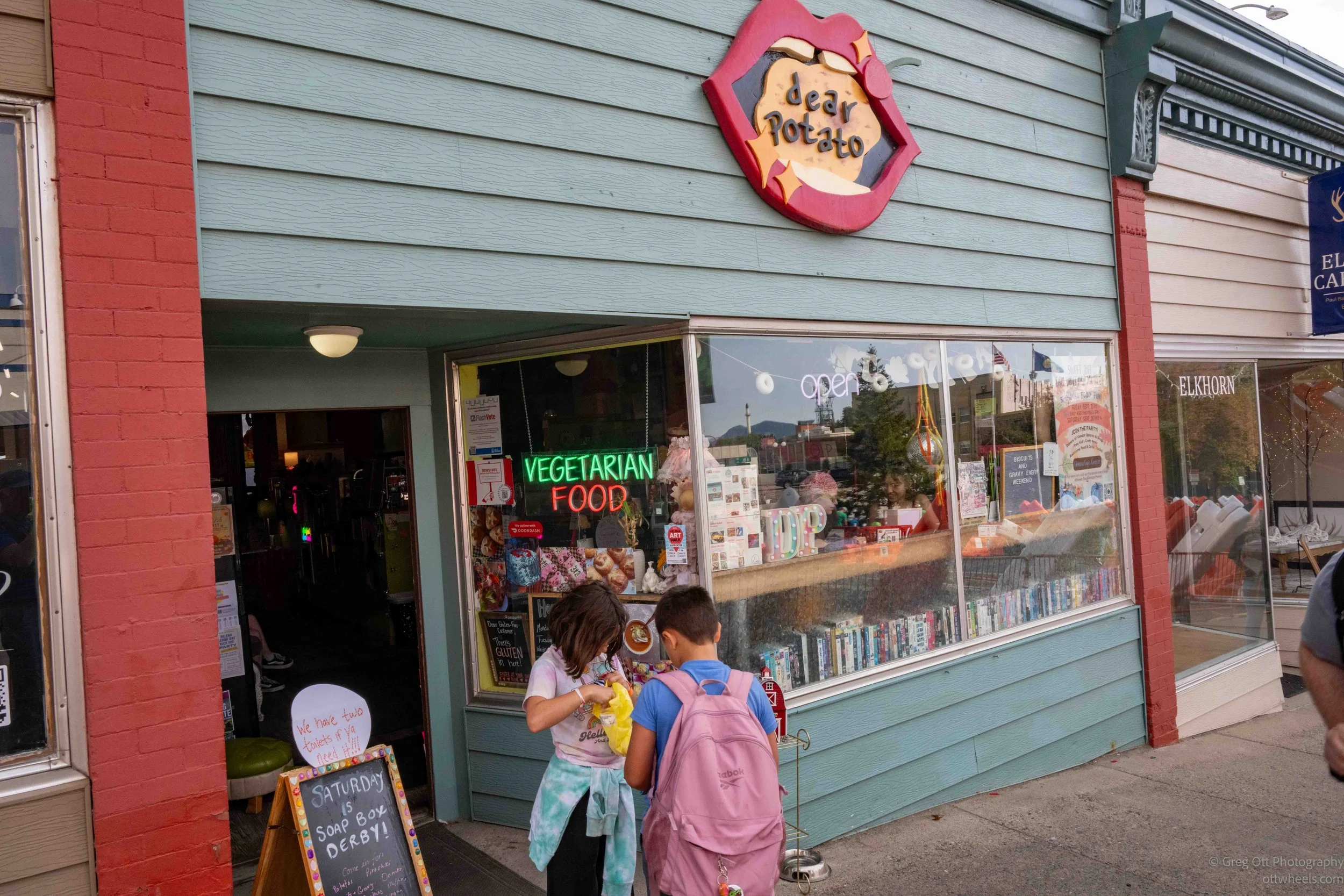
After the race, I stopped at Dear Potato Bakery and ordered a Stuffed Baked Potato which was excelent. They don’t use meat but the faux bacon they used was excellent. I had a pinapple soda to go with it and just hungout and watched people.
Old Town
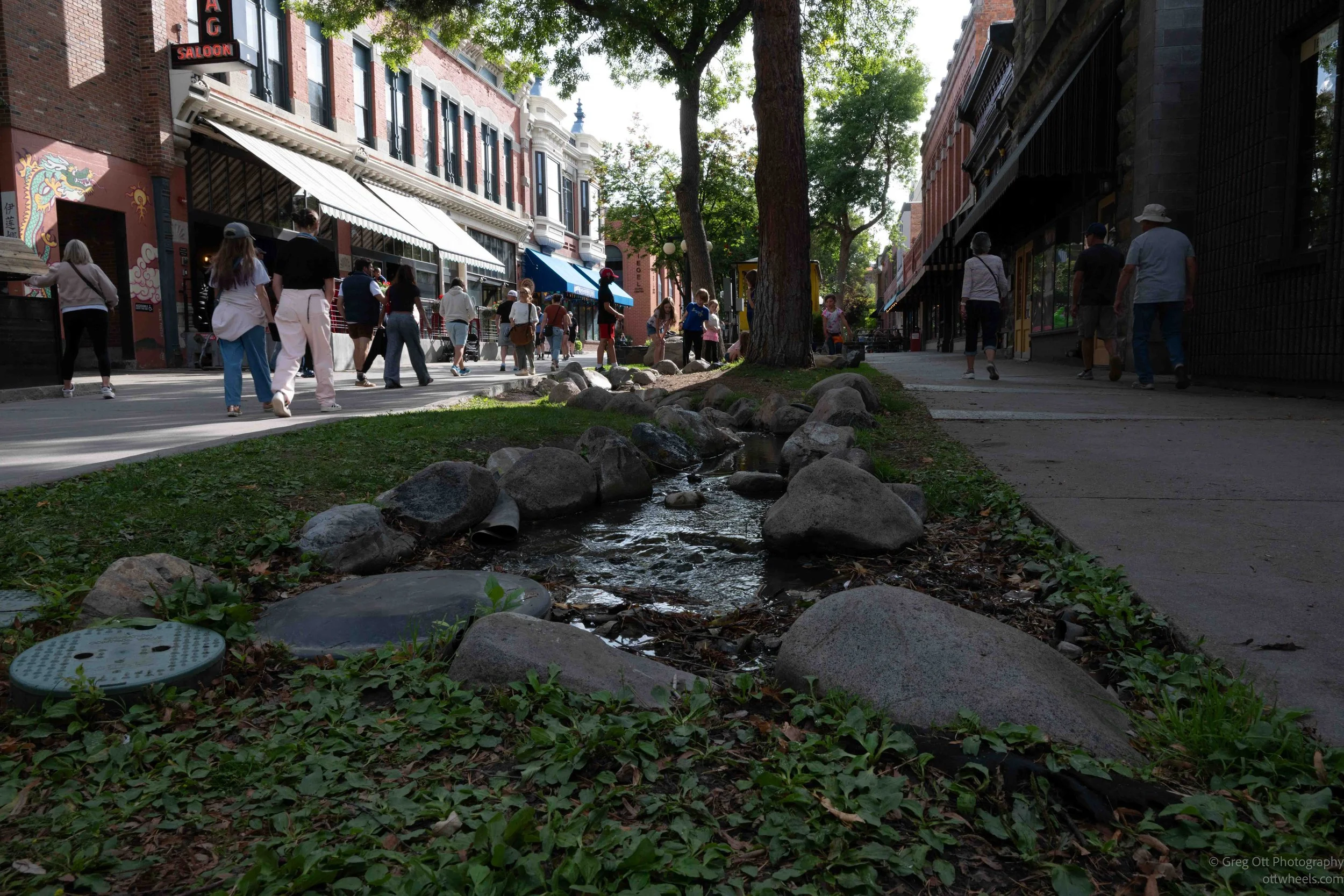
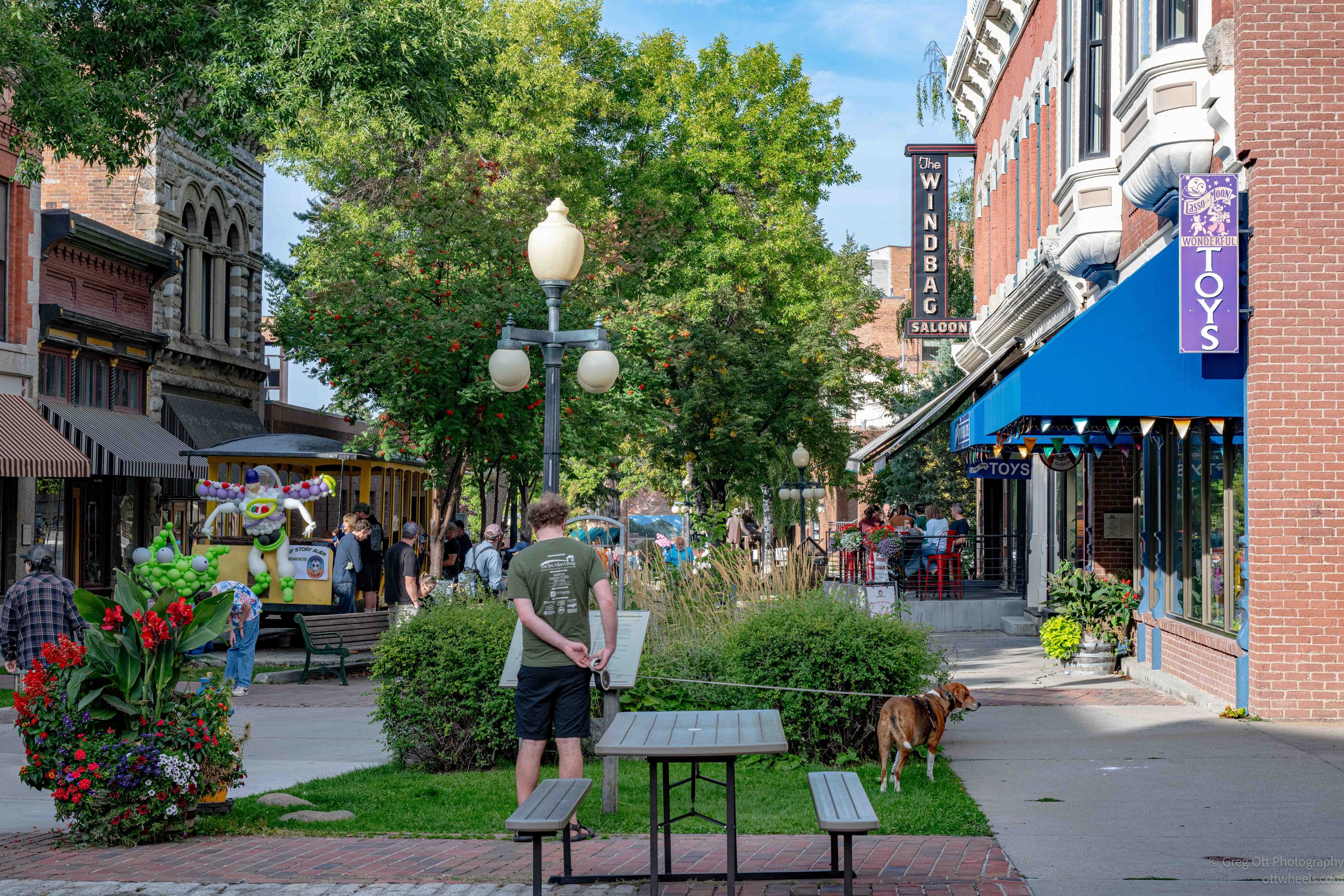
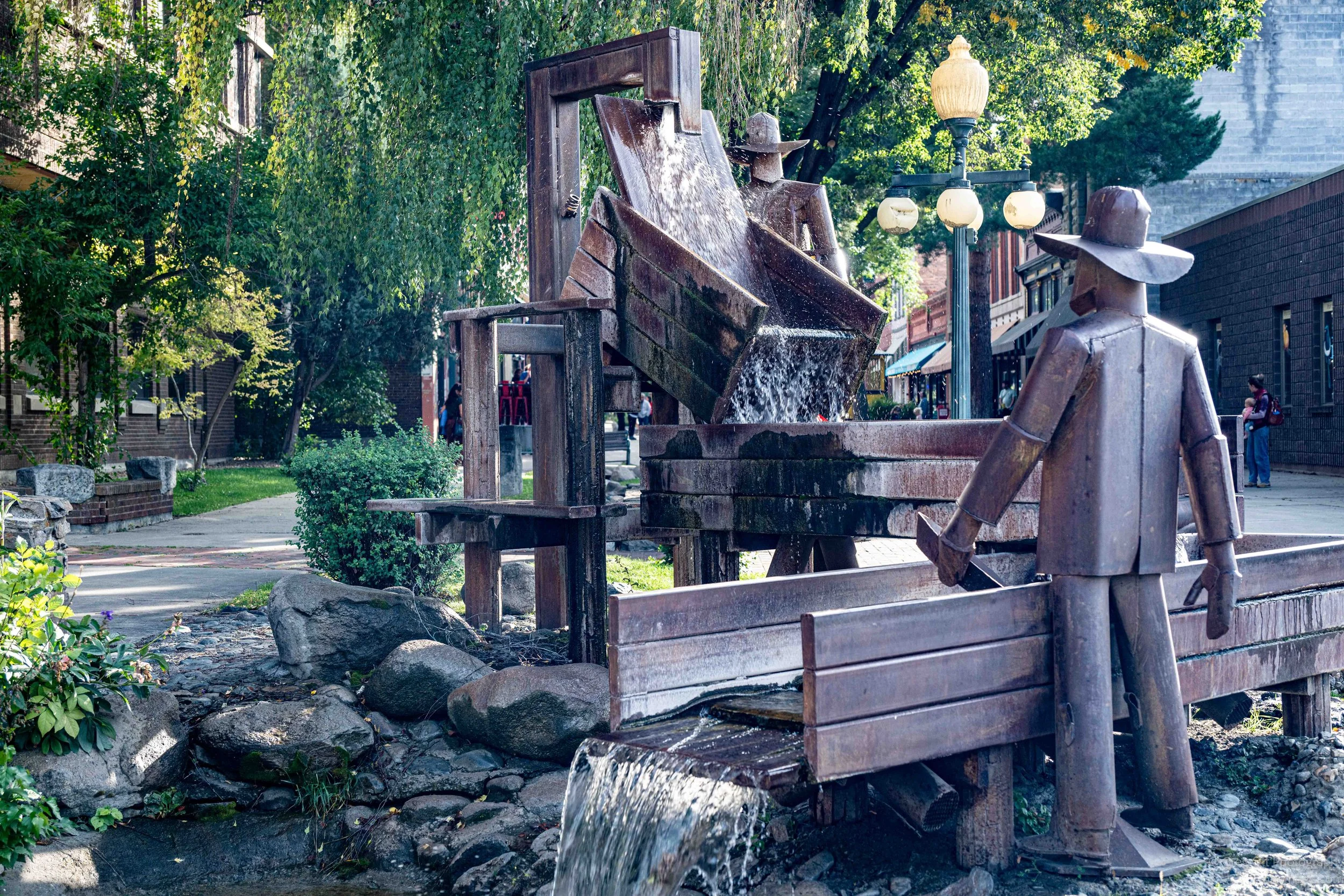
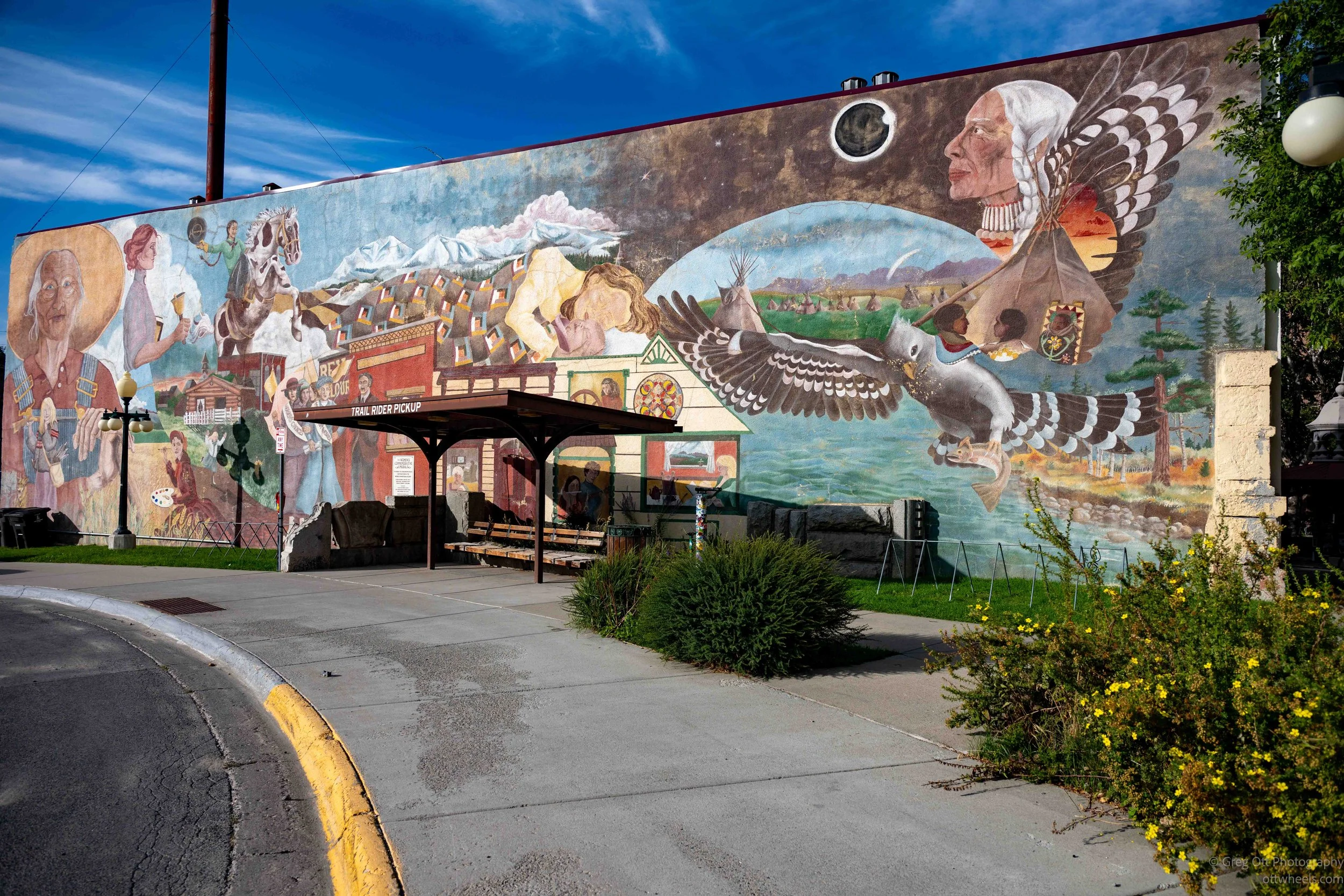
The old town was packed. A pretty mediocre band was playing, and people were mostly just wandering around, eating, talking and watching everything going on. There had to be close to a hundred people waiting in line for ice cream.
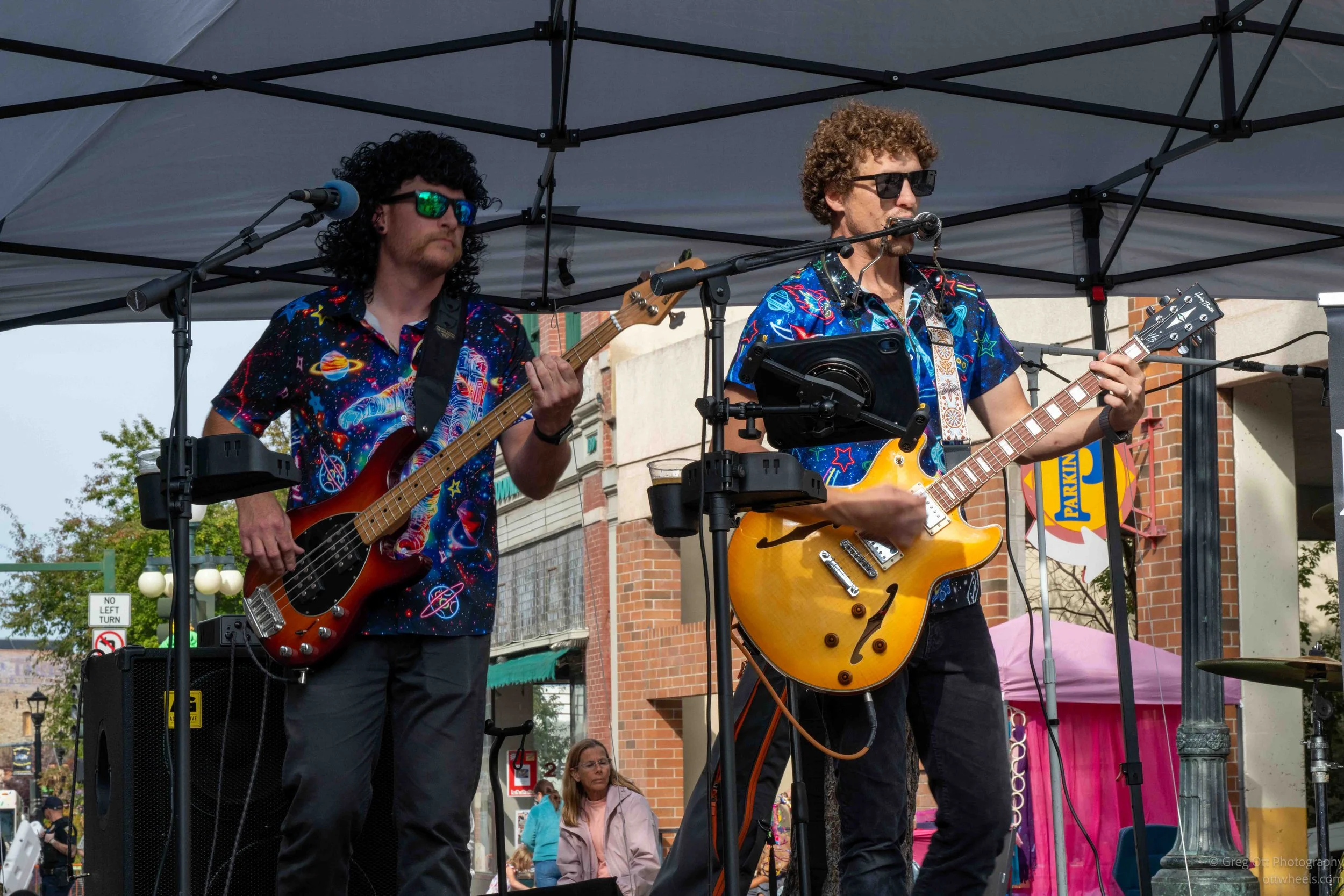
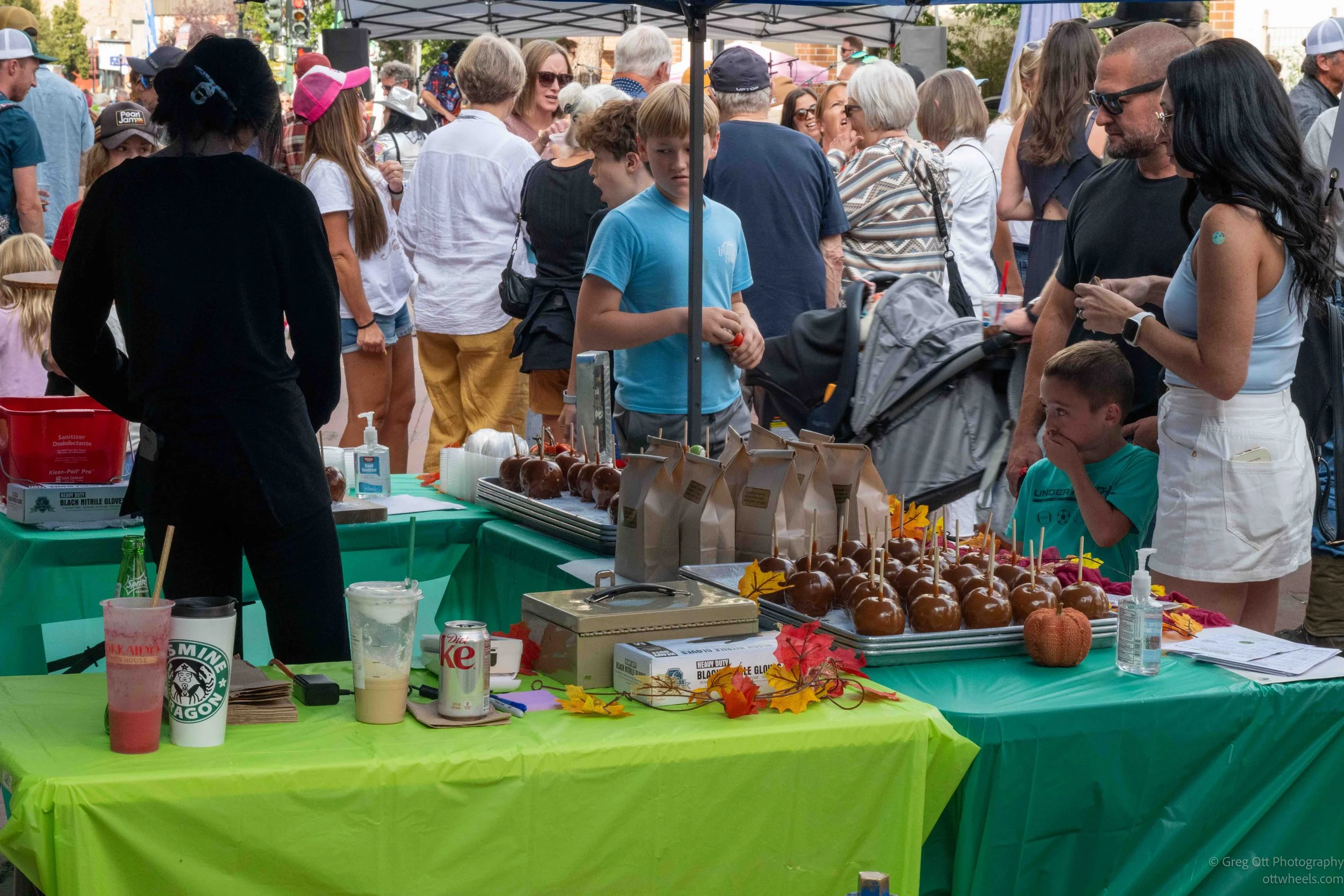
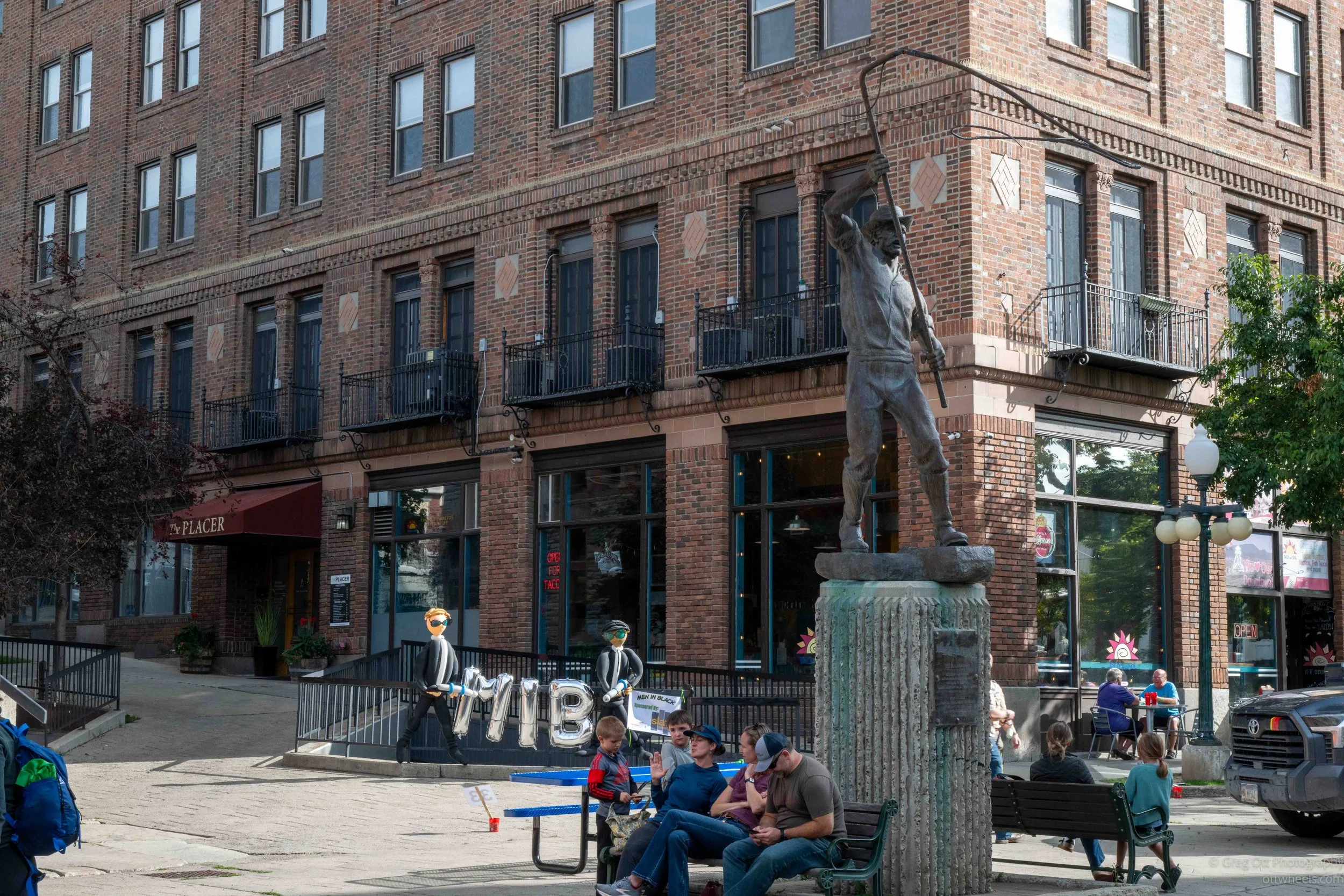
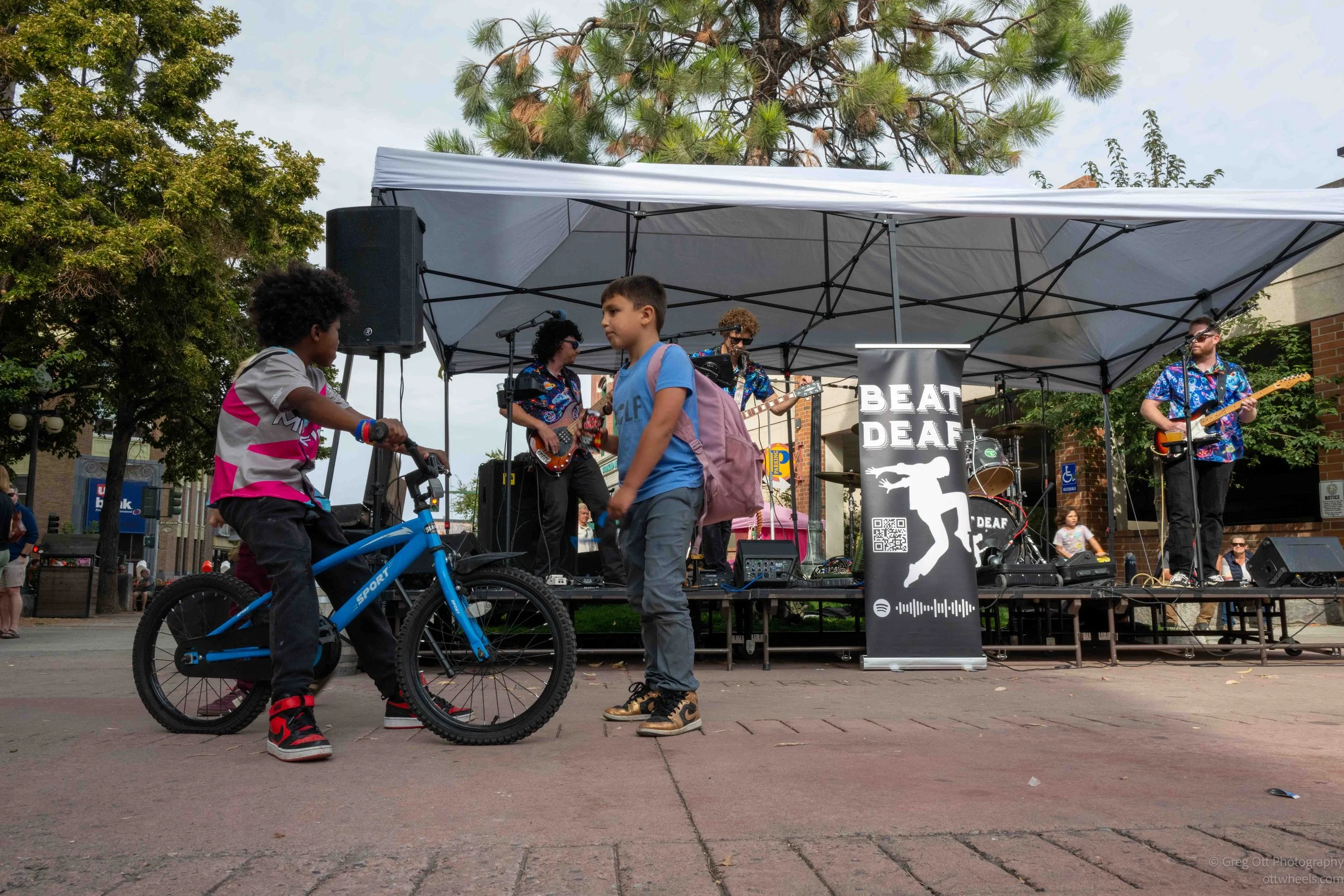
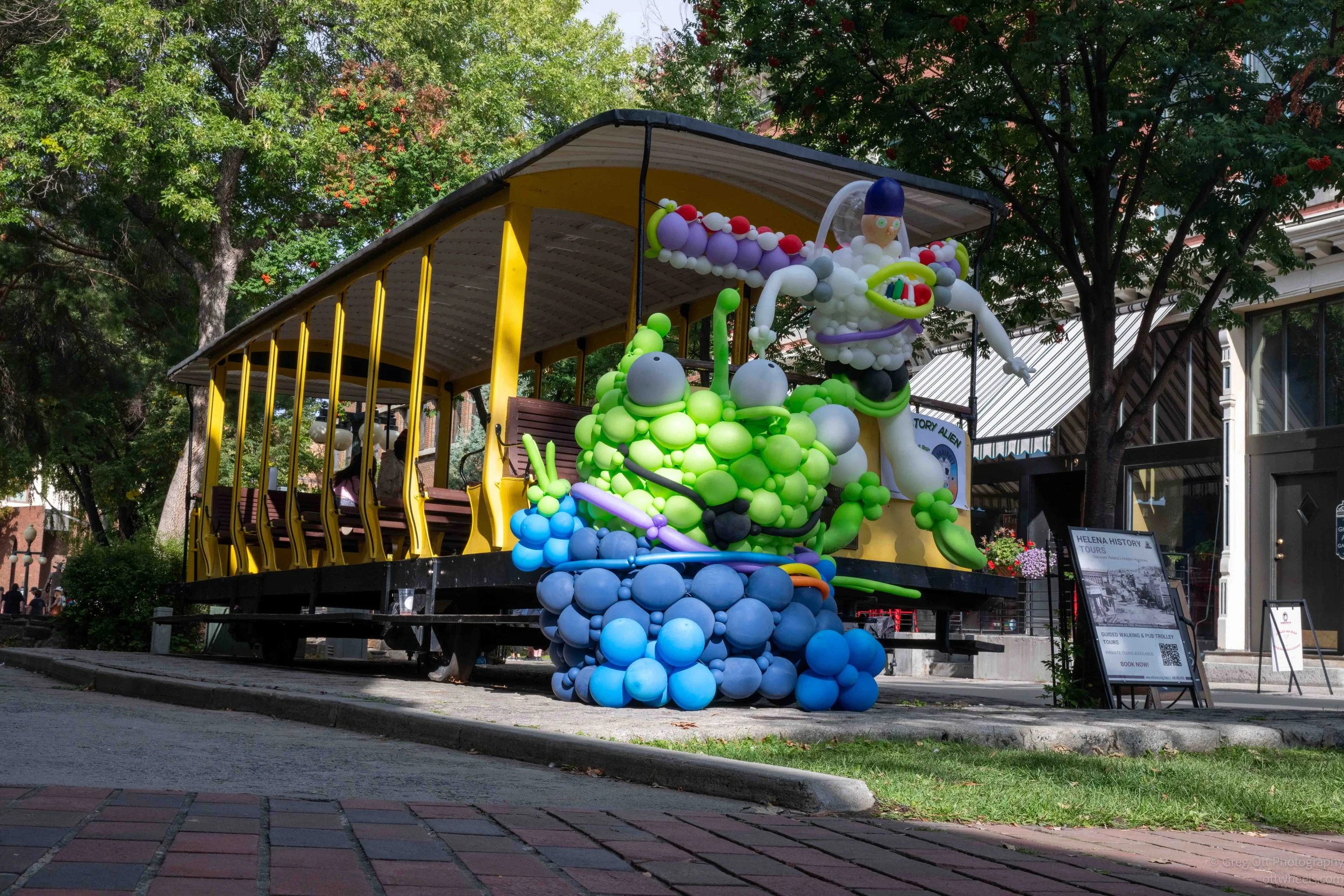
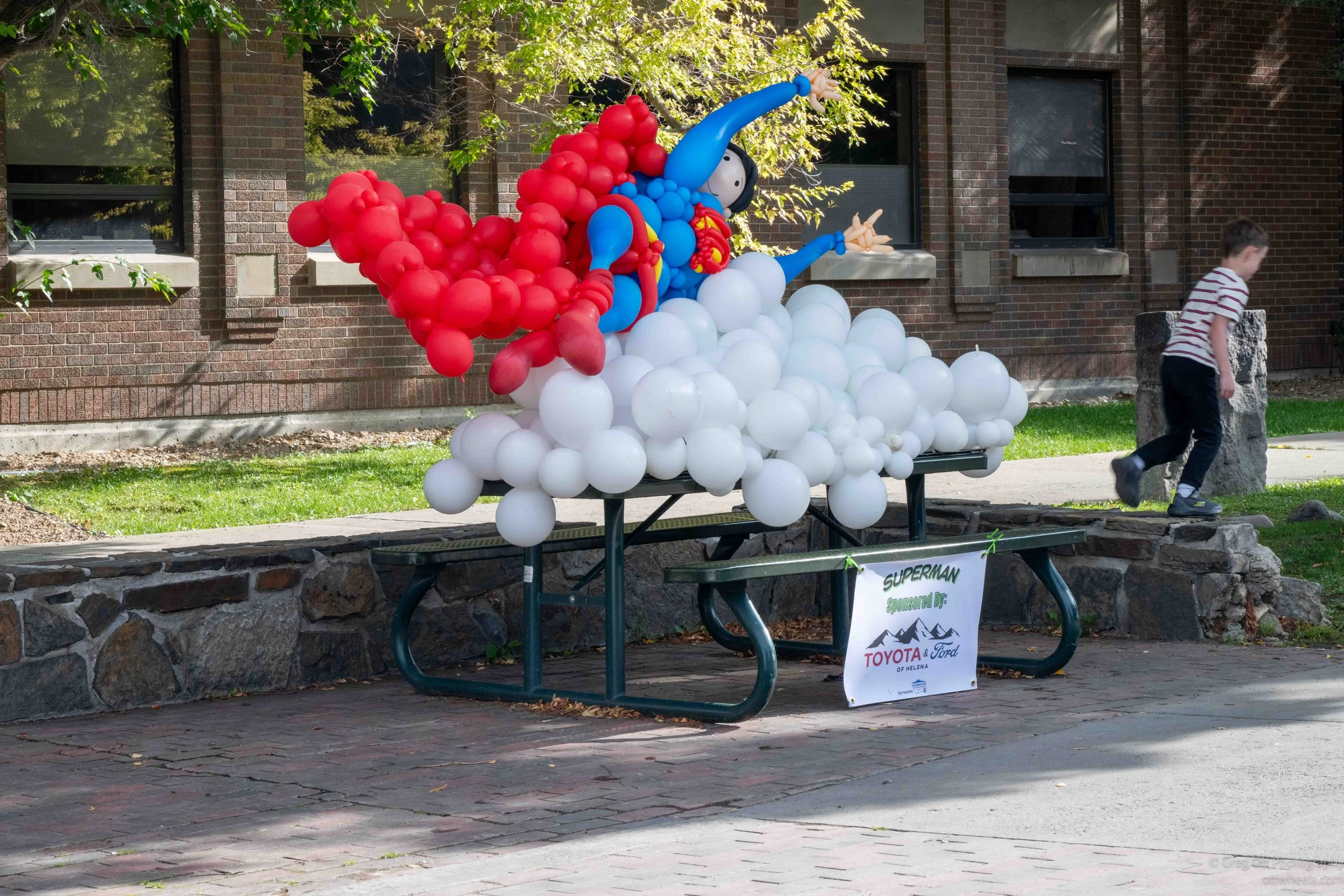
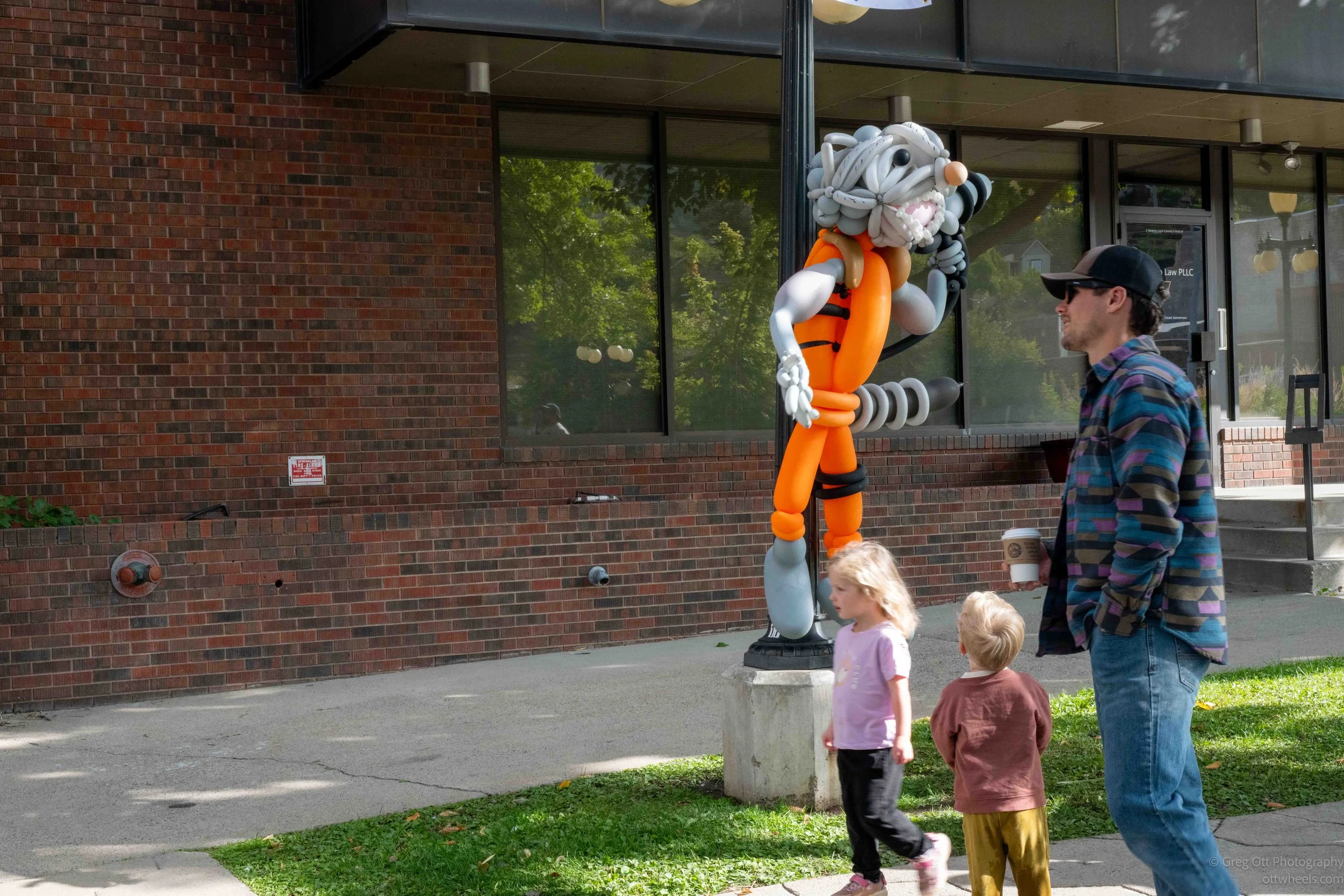
Scattered around downtown were huge balloon sculptures created for the Sauter Balloons Sculpture Fest, part of Septemberfest. This year’s theme was “Gulch Goes Galactic,” so many of the sculptures had a space theme. That explained the theme of the soapbox cars as well. I walked around photographing several of them as I worked my way through the crowd.
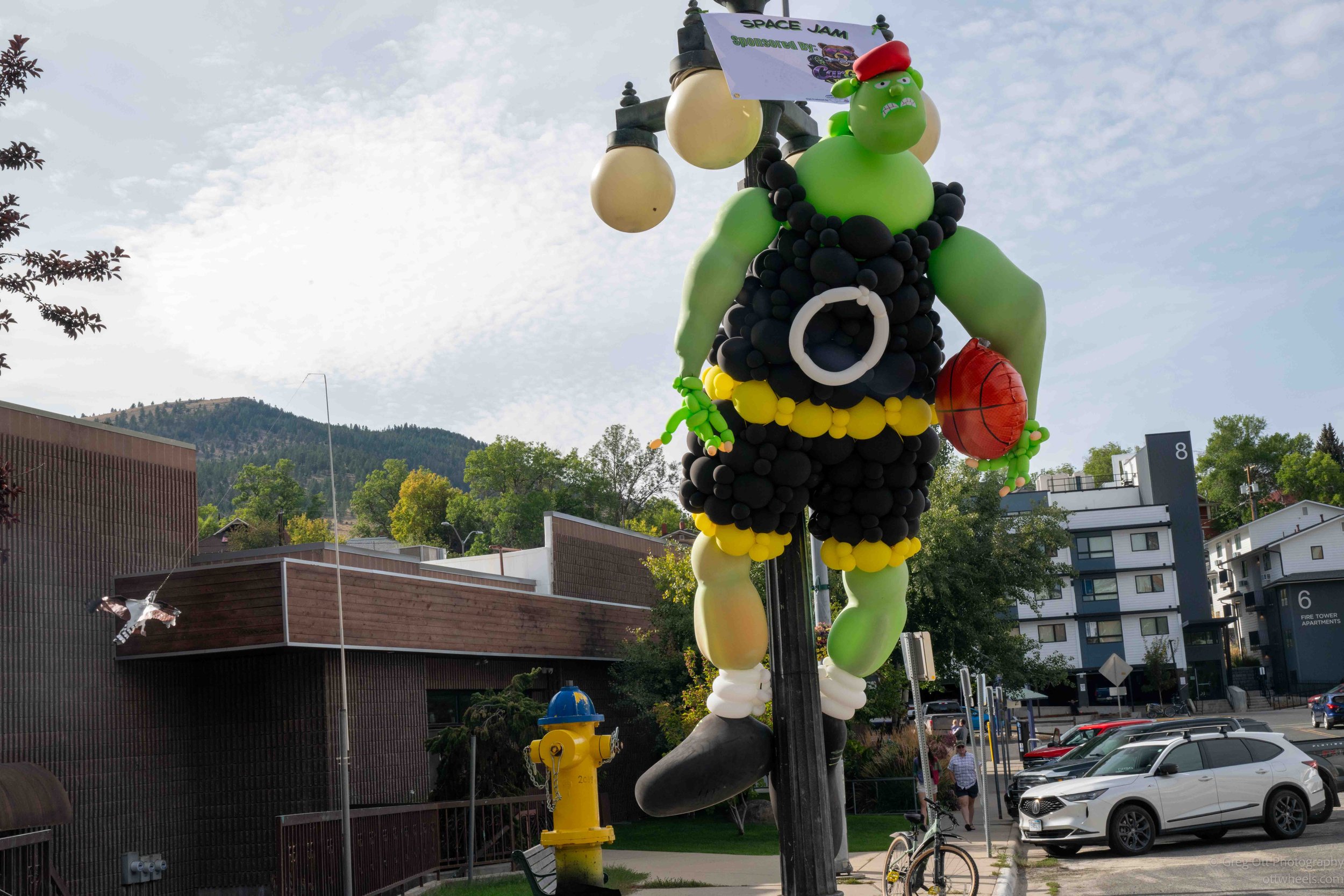
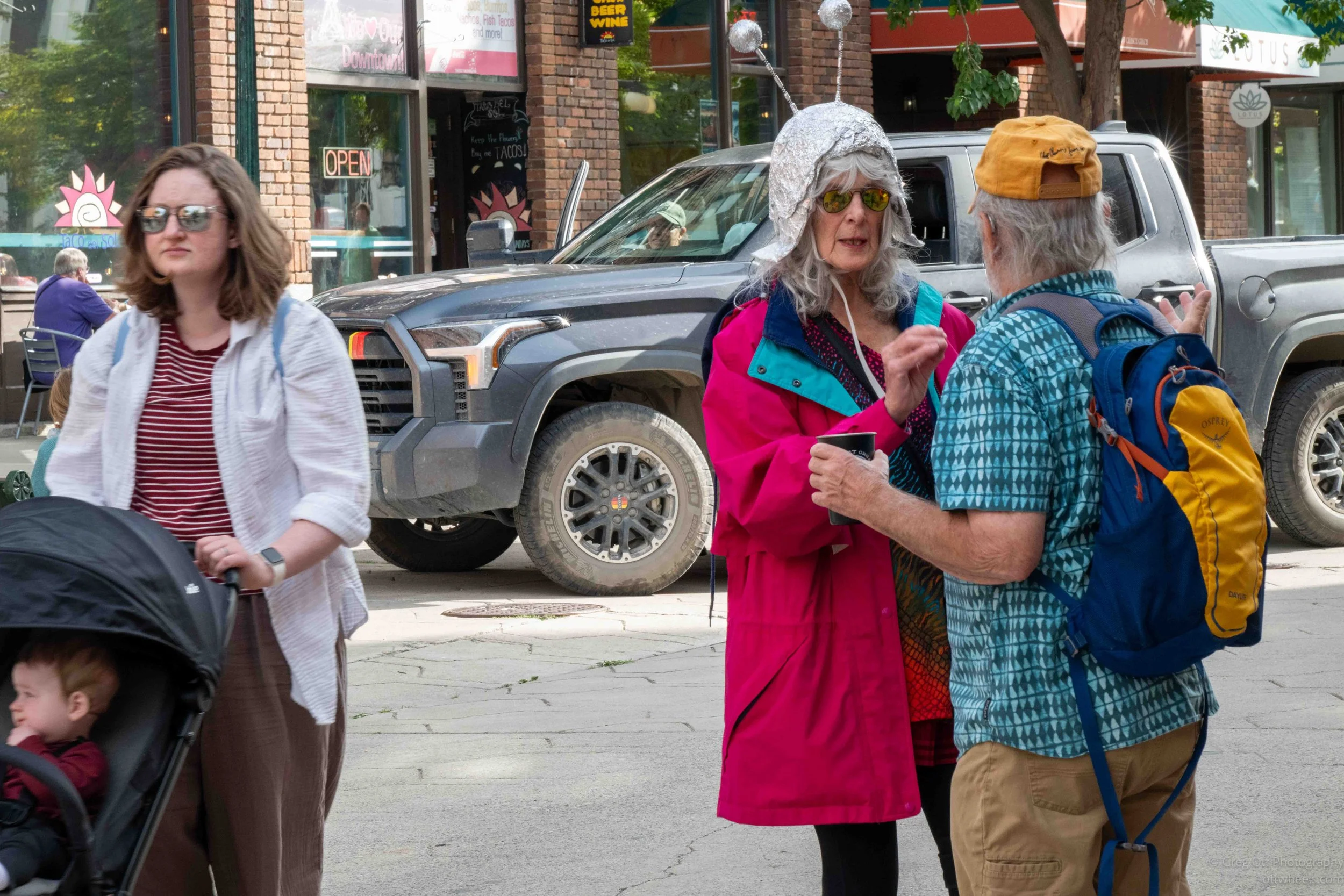
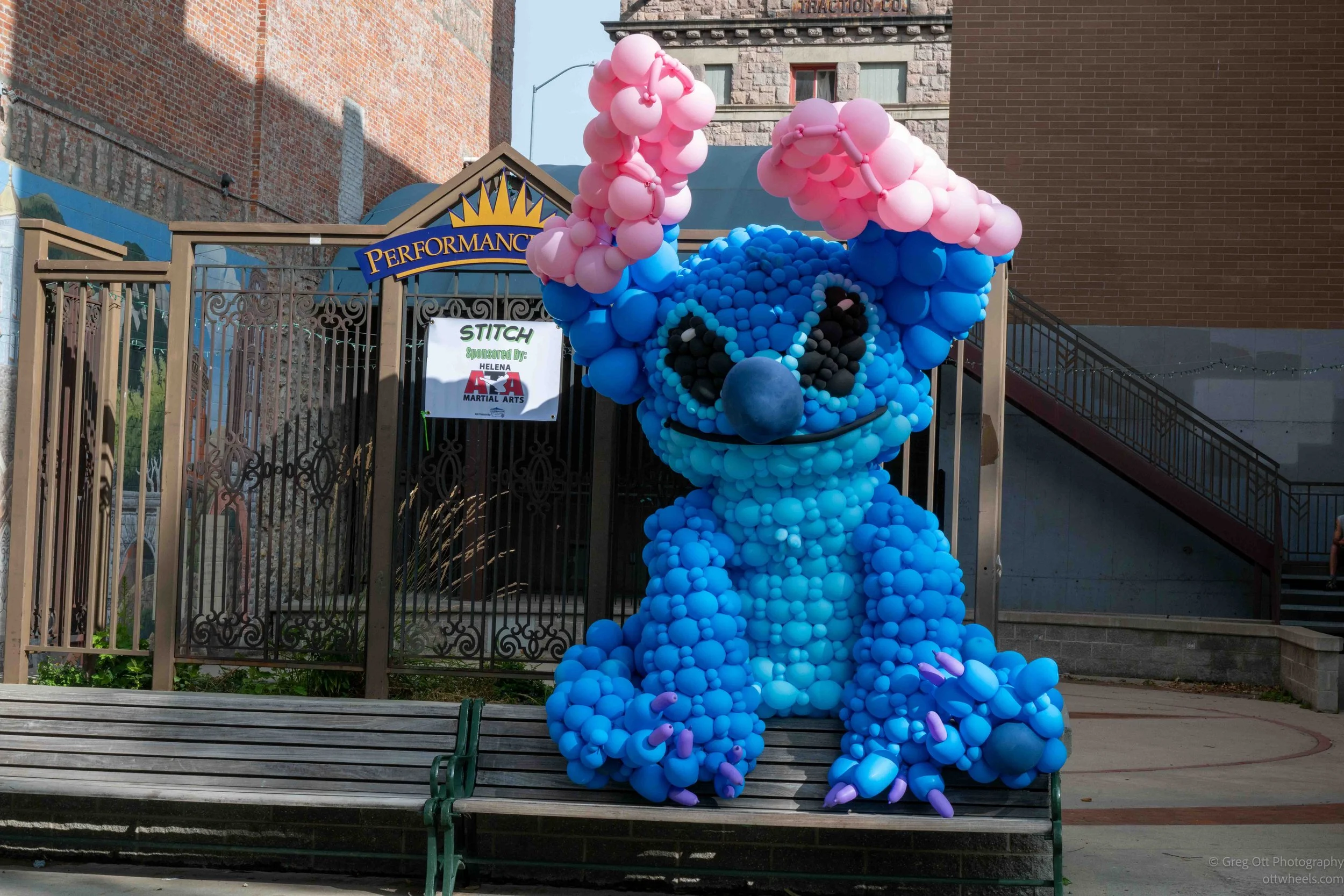
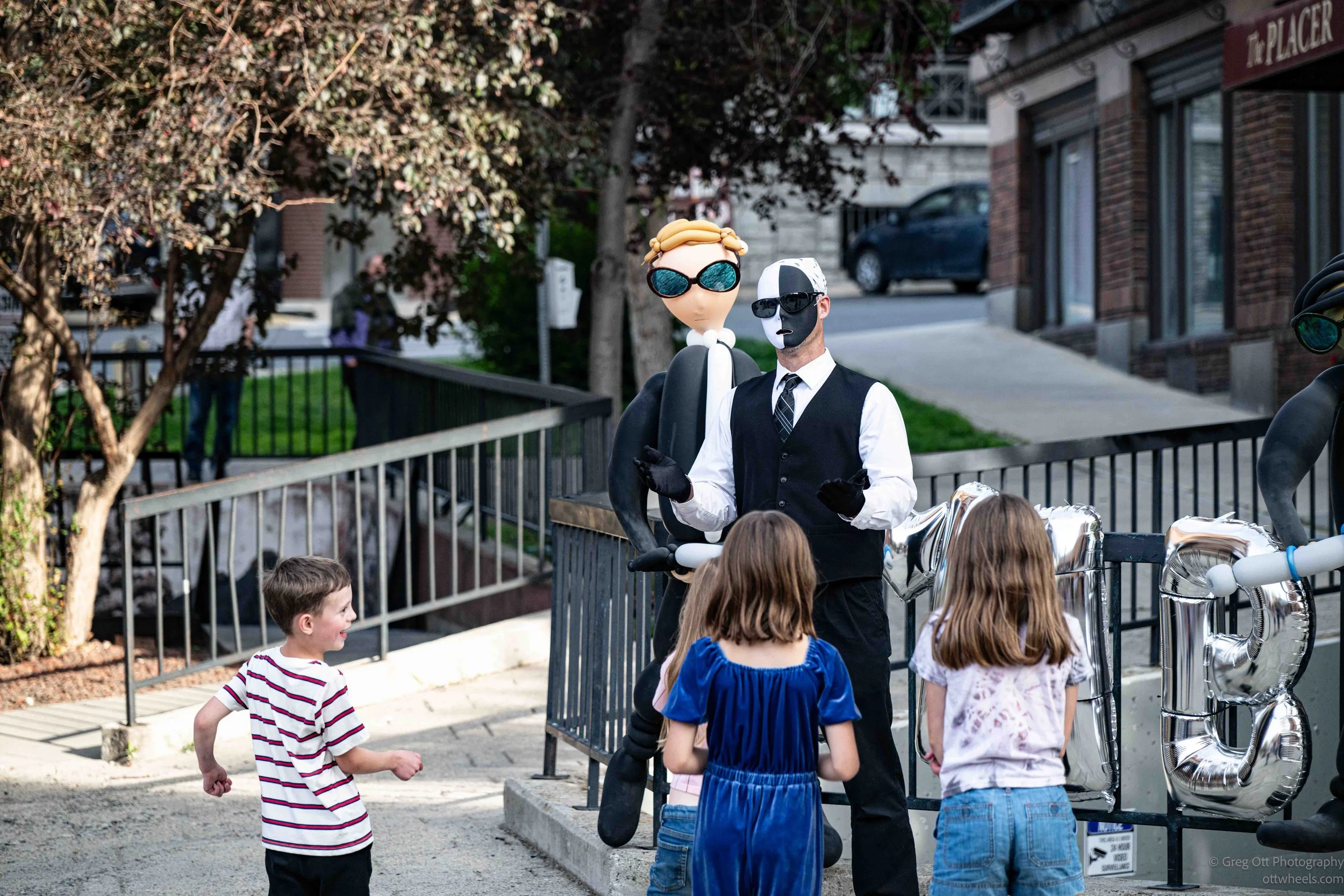
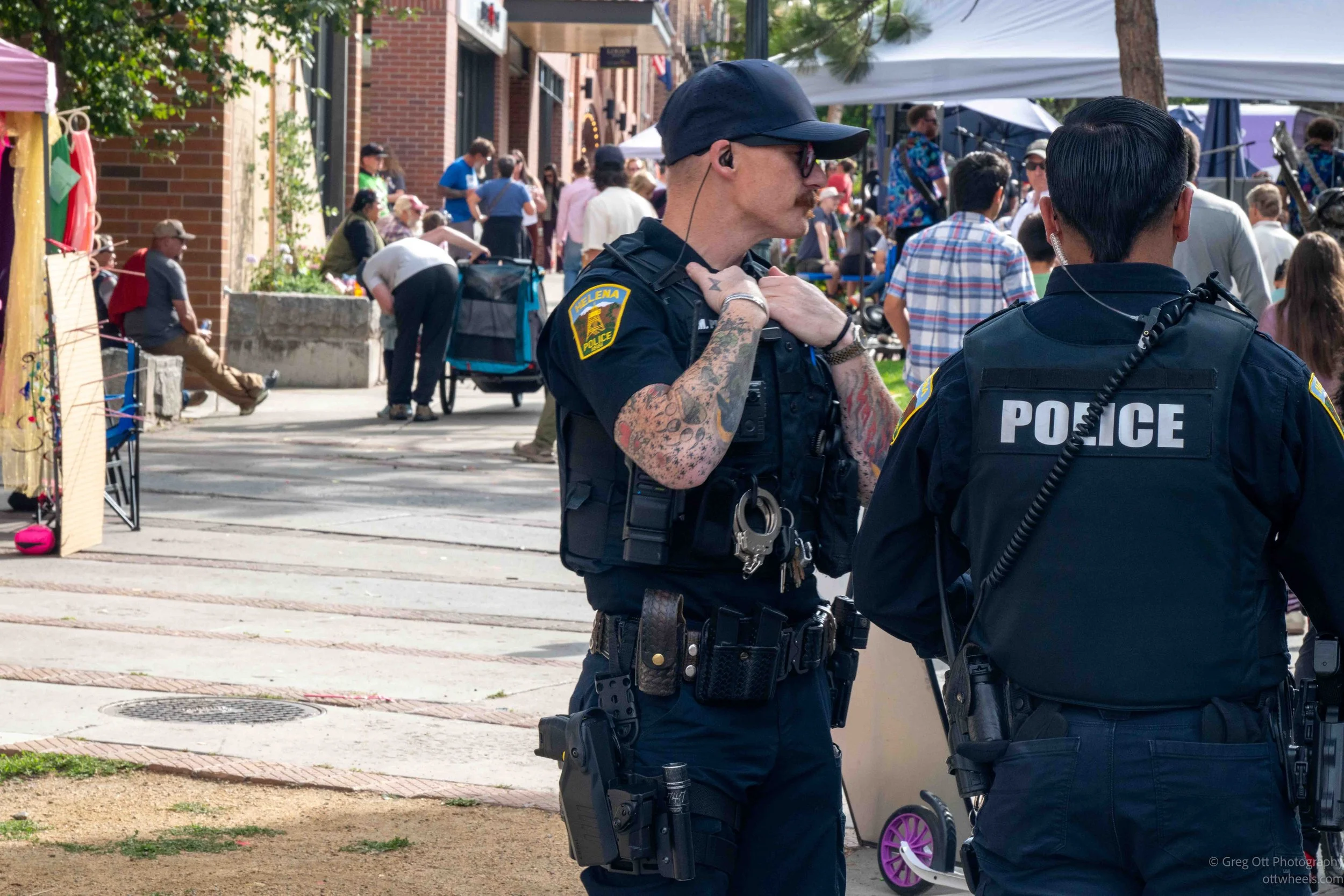
There was a police presence, but everything felt very low-key. Most of the crowd was families, people sitting around eating, or groups slowly moving along the walking mall. What struck me was how often people stopped because they had run into someone they knew. Conversations would start in the middle of the sidewalk and people would stand there catching up. It had that small-town feel where, even with thousands of people downtown for an event, a lot of them still seemed to know one another.
Library Tour
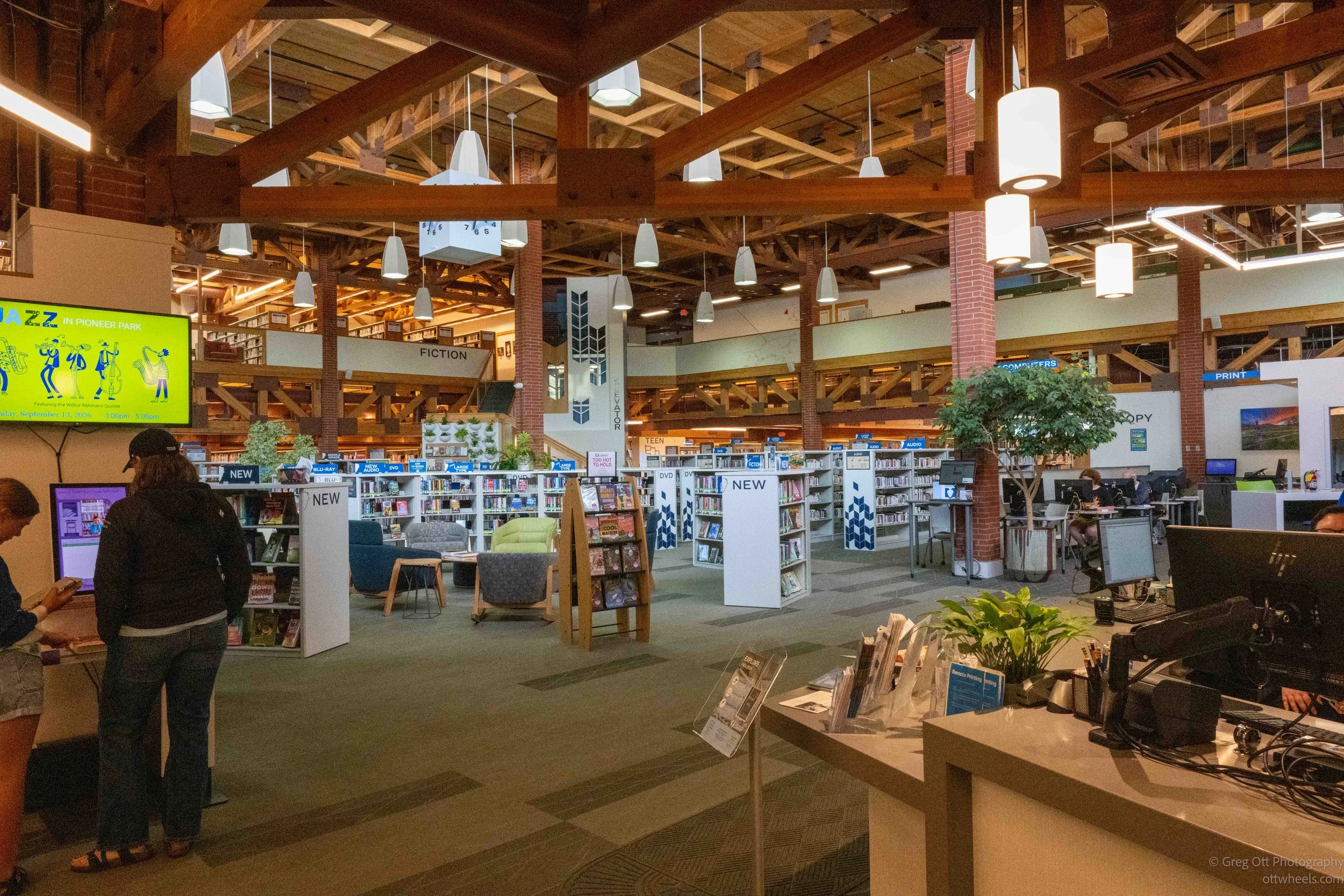
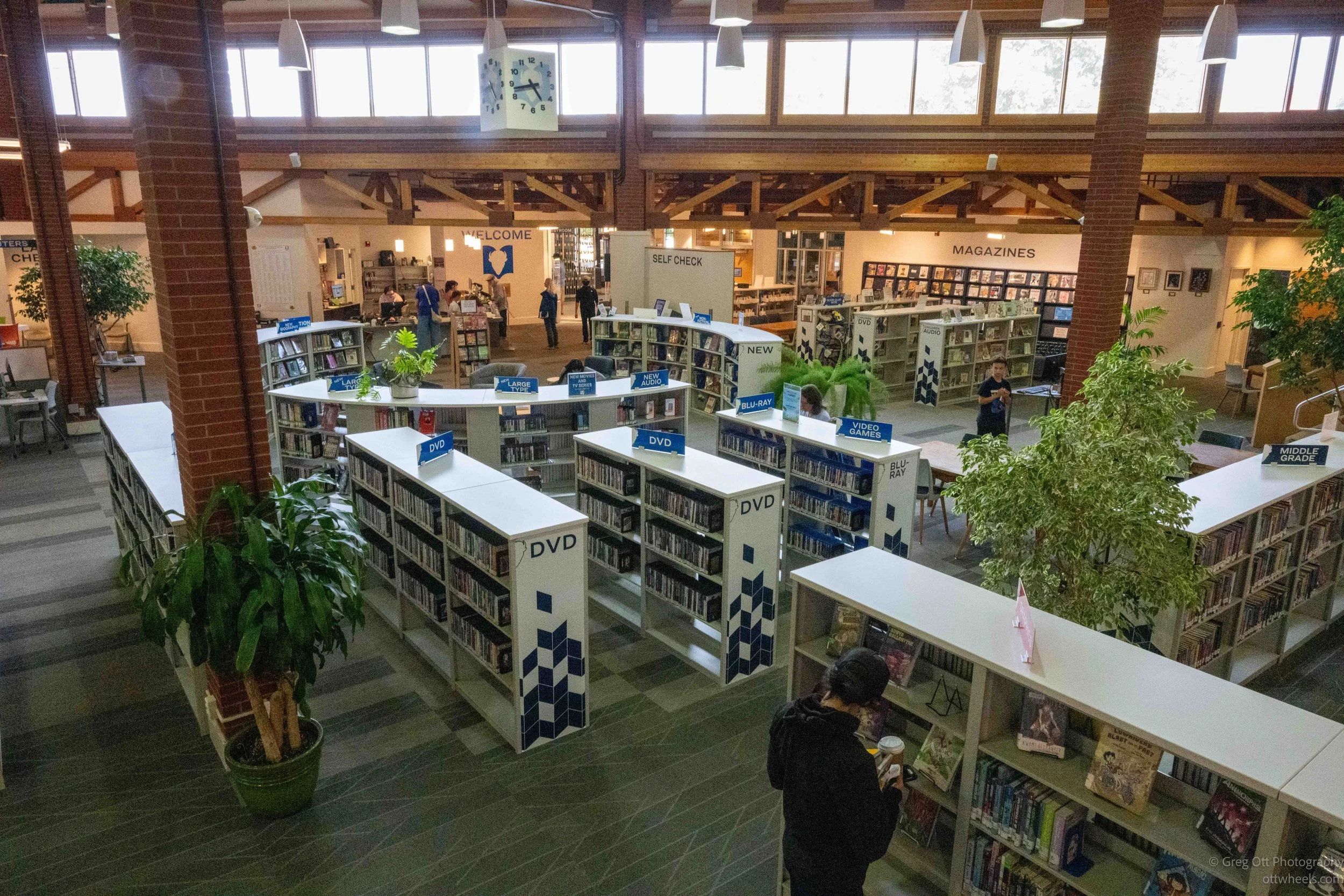
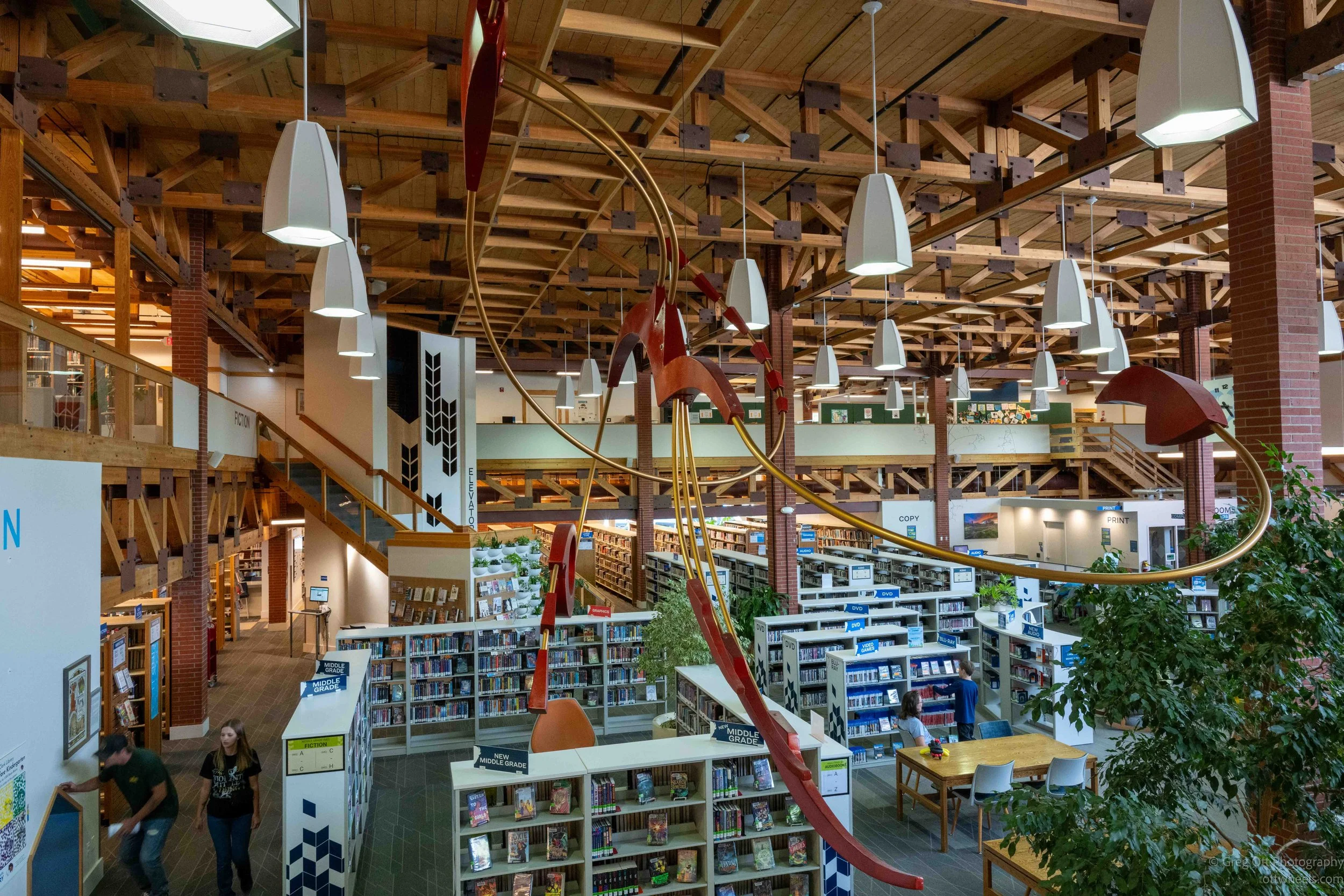
I stopped at the library because, from the outside, it looked surprisingly new. The building itself wasn’t new, but the woman at the welcome desk told me they had just finished a major interior renovation. Walls had been opened up and the layout changed, giving the library a much larger, brighter feel. I learned this after stopping to take a photograph of the interior and talking with her for a few minutes.
Reeder’s Alley
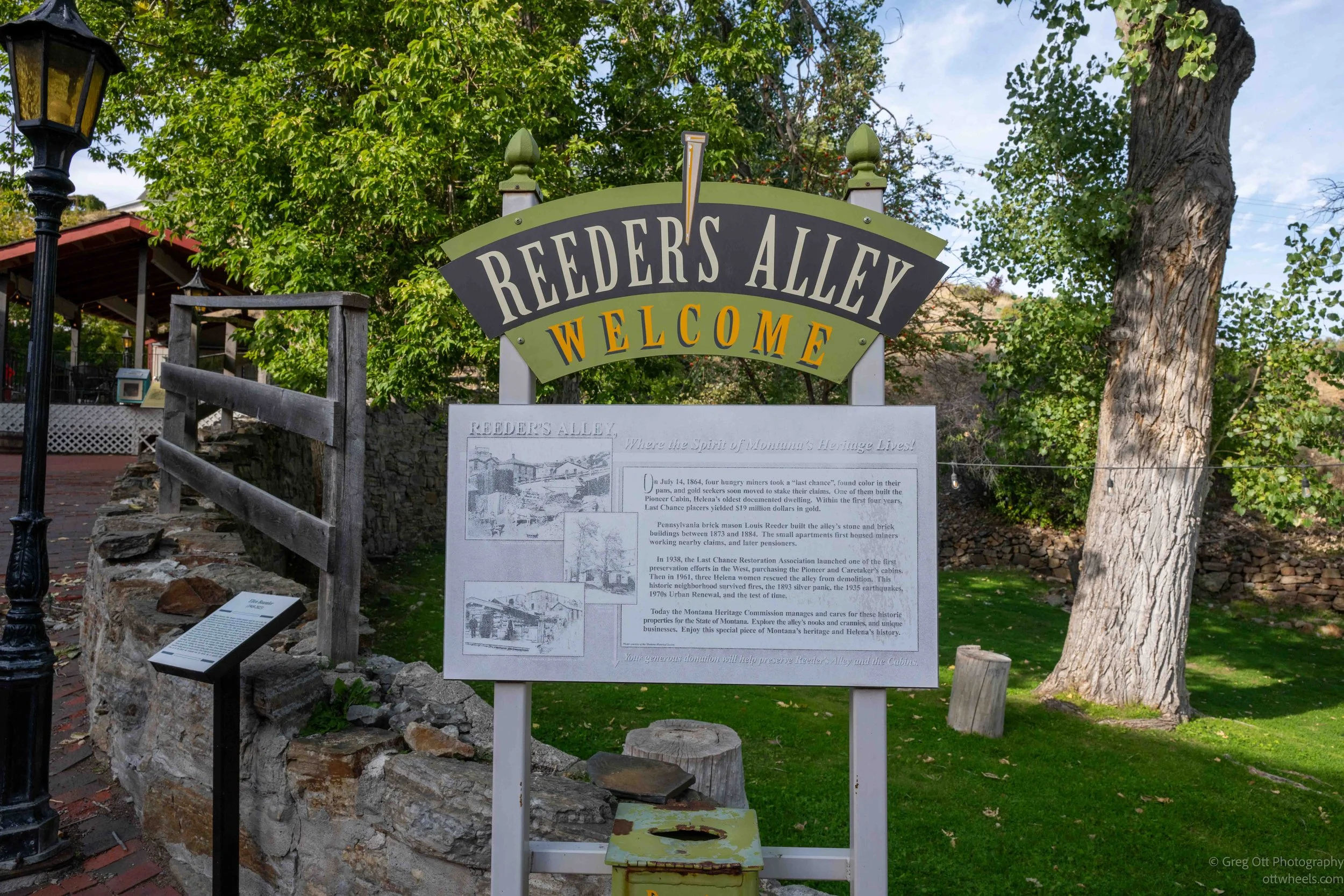
It had already been a completely serendipitous day, and as I walked I saw a small sign that read Reeder’s Alley. I had no idea what it was, so I followed it.
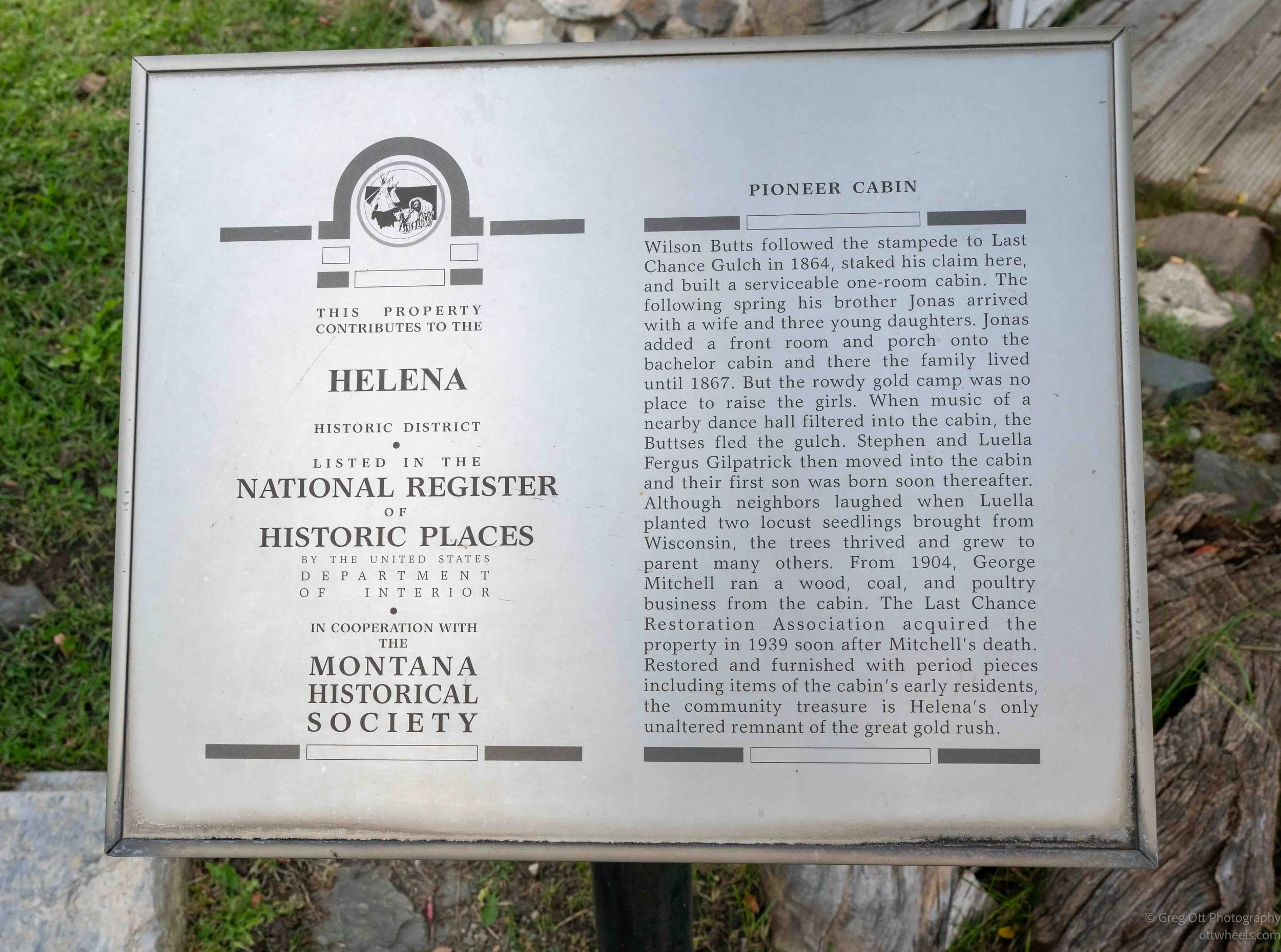
It turned out to be one of the oldest parts of Helena still standing. The narrow brick-lined alley climbs along the hillside below Mount Helena, with small brick and stone buildings packed closely together on either side. Louis Reeder, a Pennsylvania brick mason, began building them in the 1870s as apartments and bunkhouses for miners. At one point there were about thirty-five housing units here, giving single miners something more substantial than the log cabins that had filled early Helena. The brick and stone also offered some protection from the fires that repeatedly swept through the young mining town.
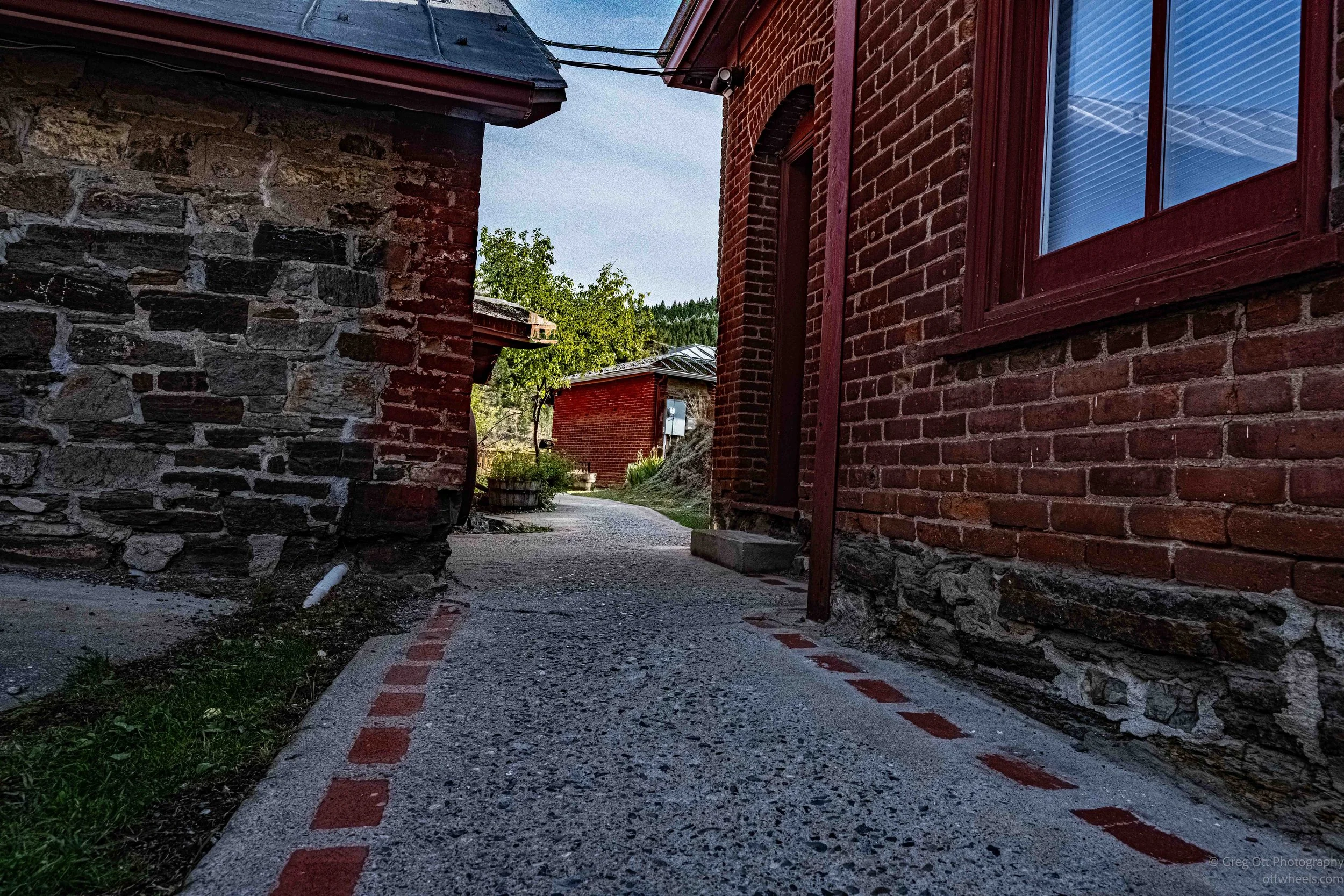
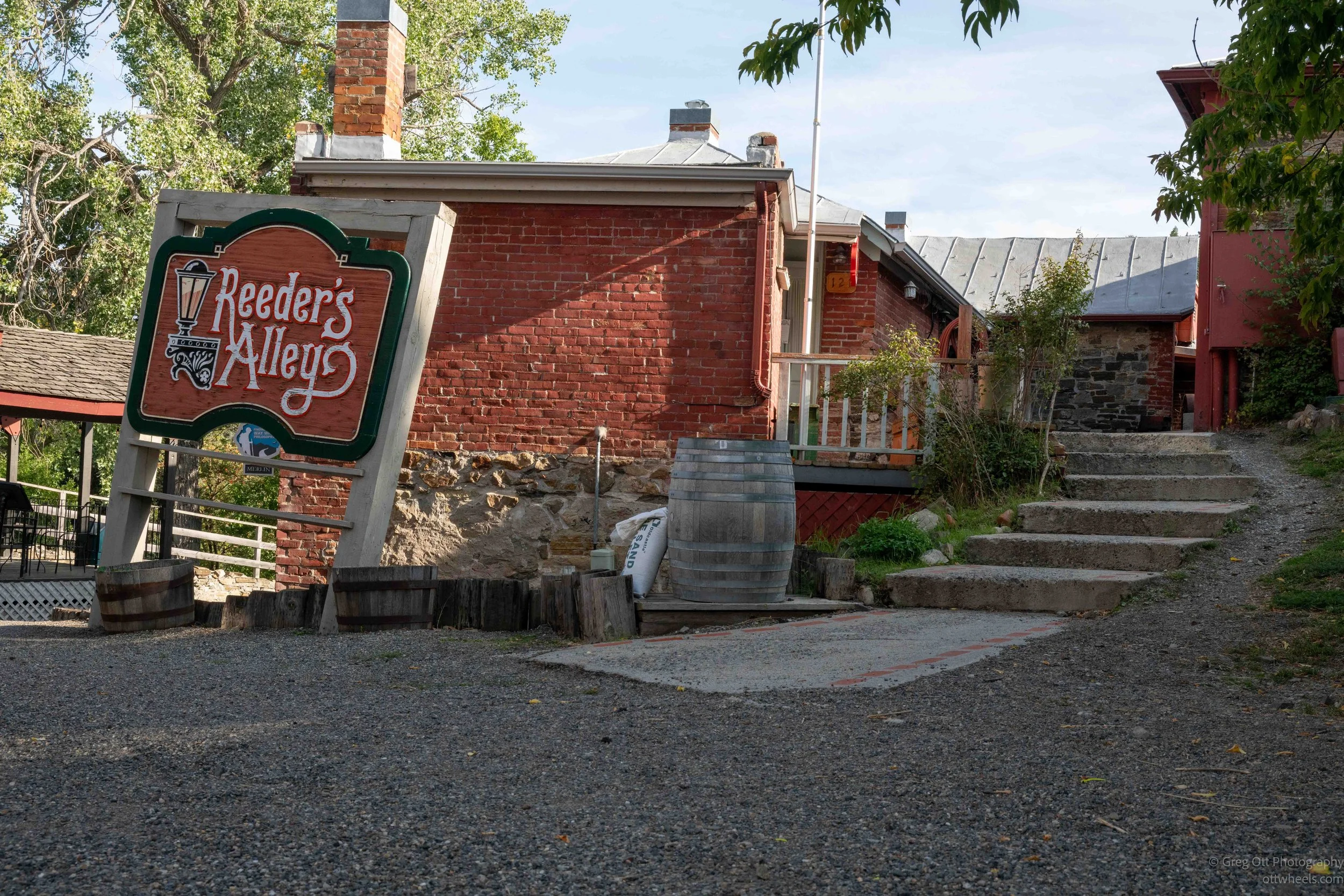
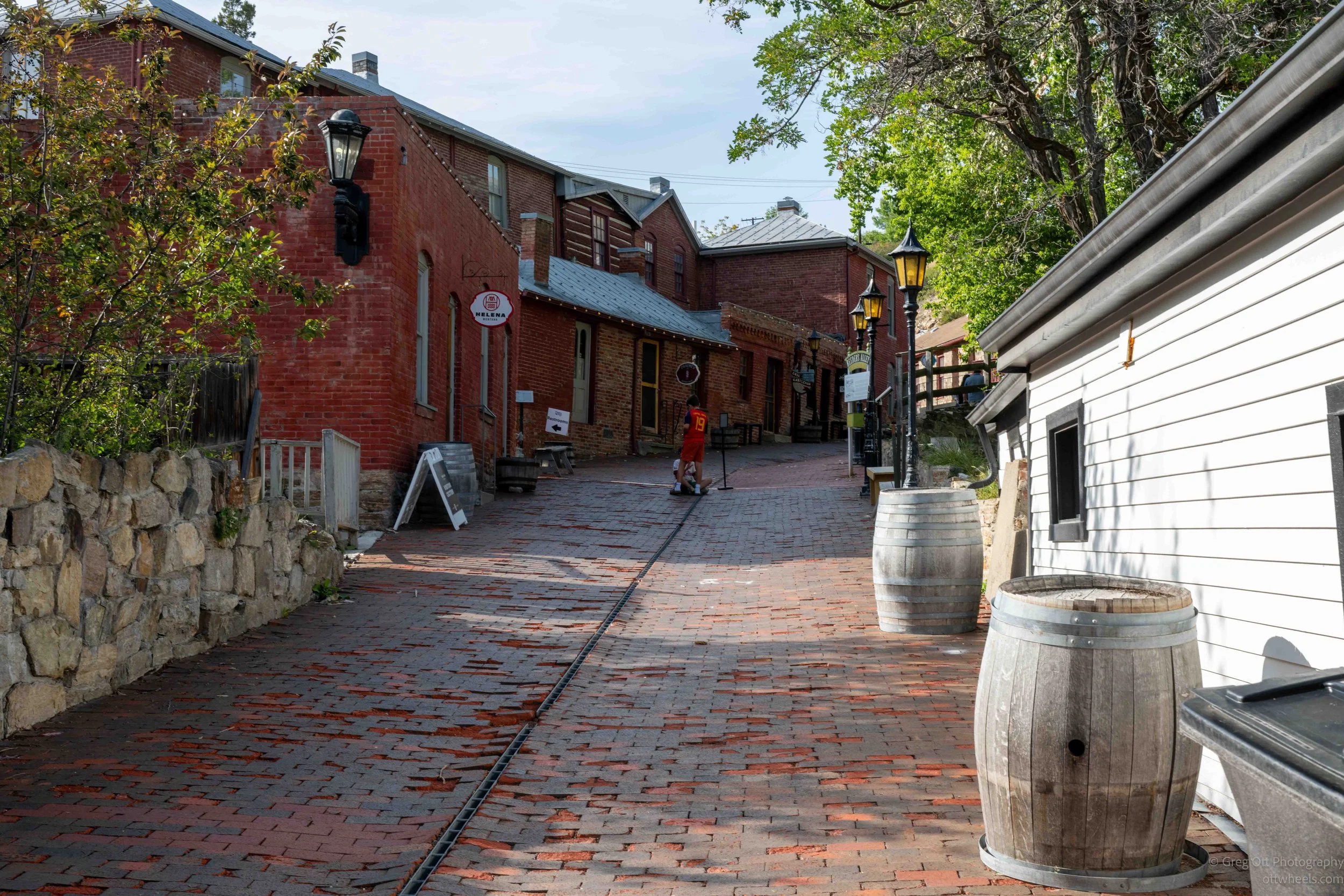
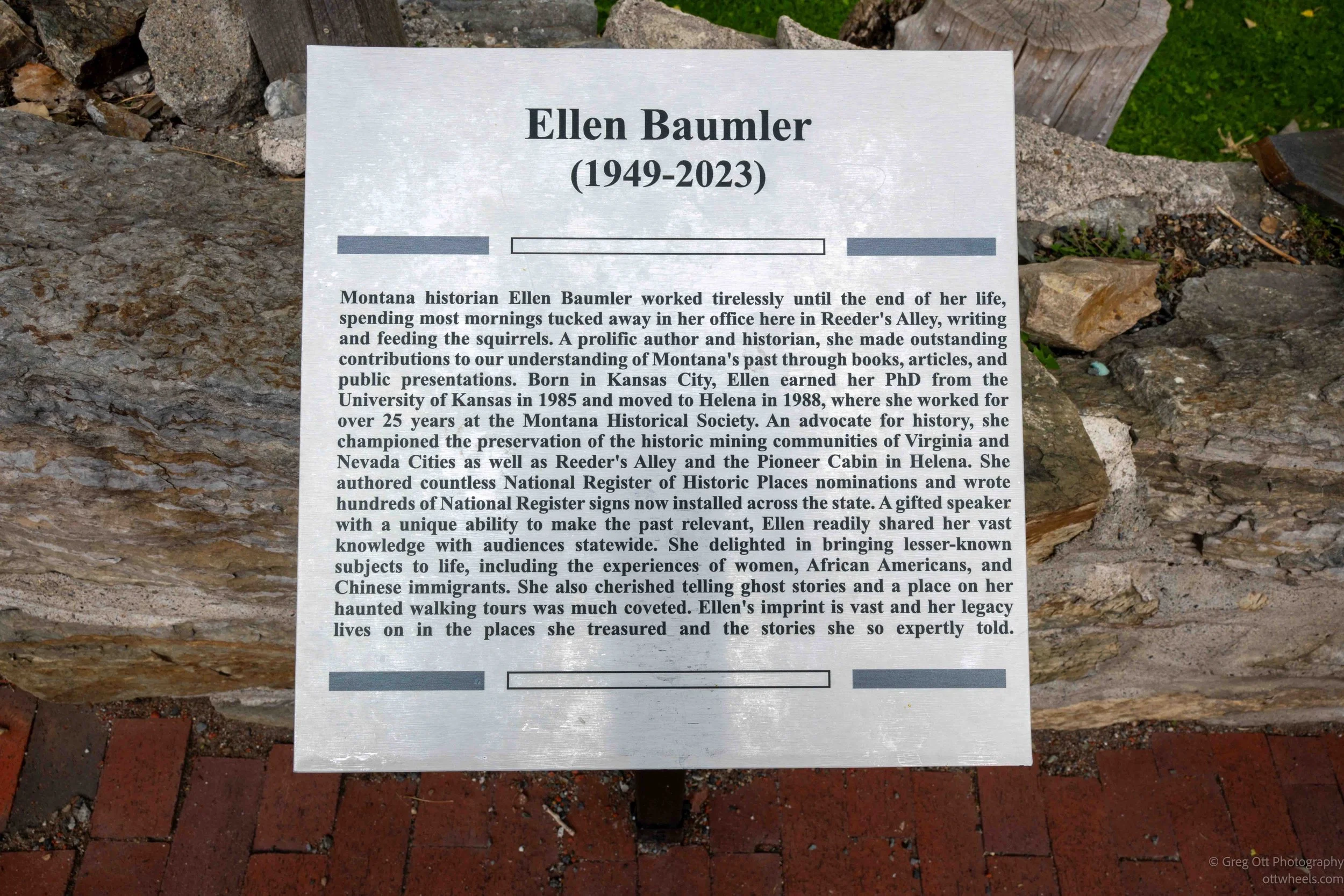
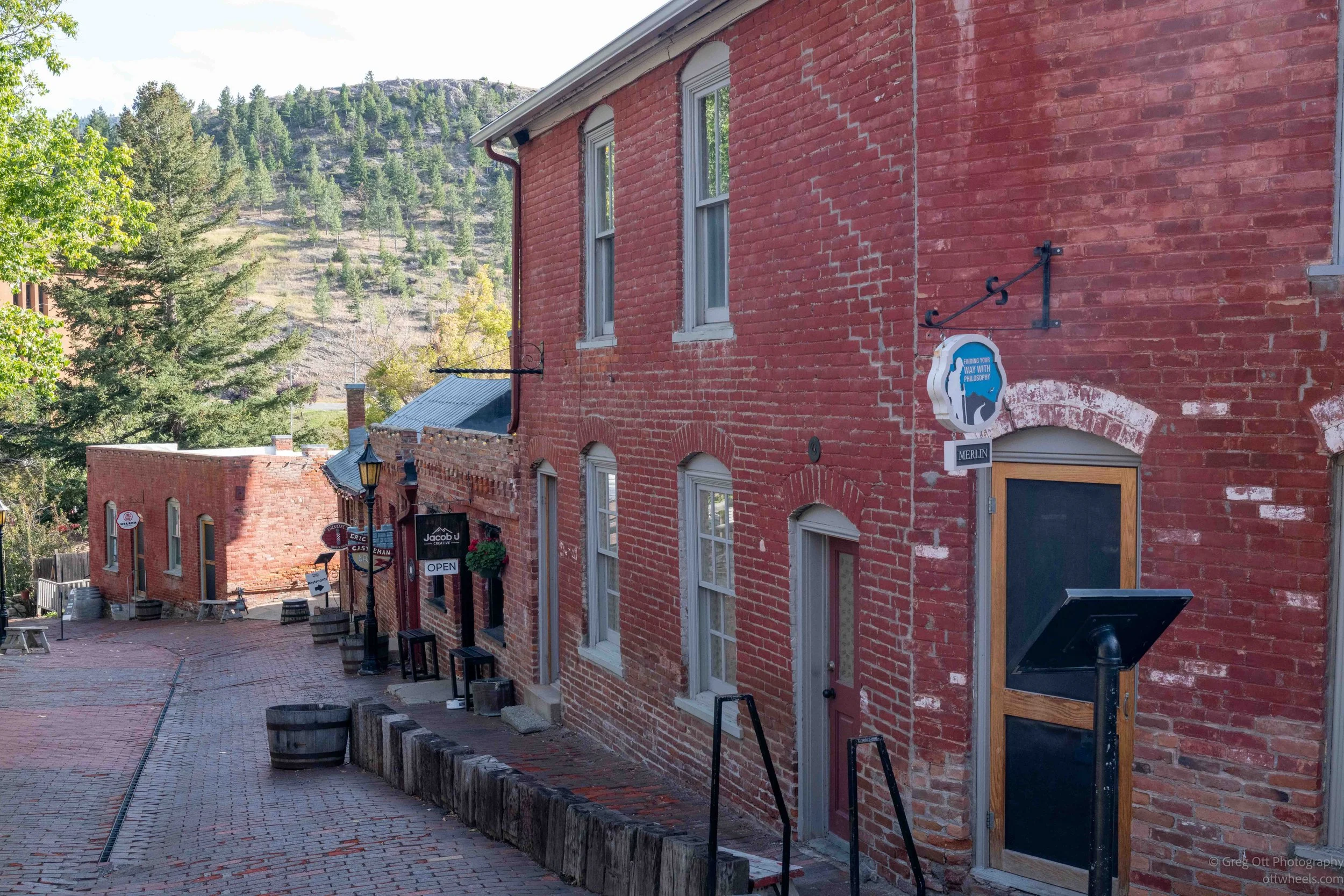
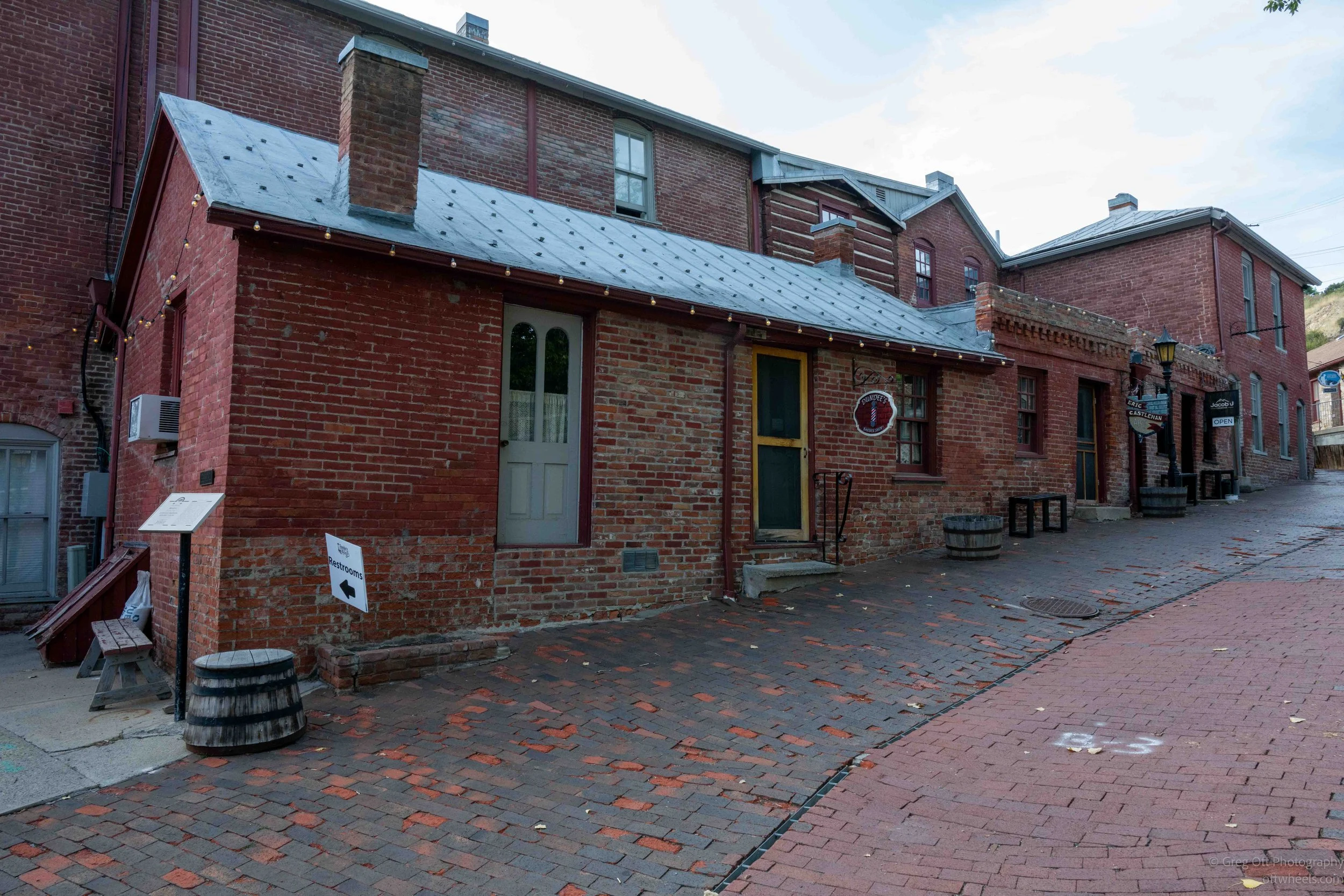
I walked slowly through the alley, looking at the old doorways, uneven brick, stone walls and buildings that seem to grow directly out of the slope. There is also the Pioneer Cabin, dating to 1864, from the earliest days of Helena. What surprised me was how intact the whole area felt. This wasn't one reconstructed building sitting by itself. It was a small neighborhood that had somehow survived while the city grew up around it. Today it is considered Helena’s most complete remaining block from the territorial period.
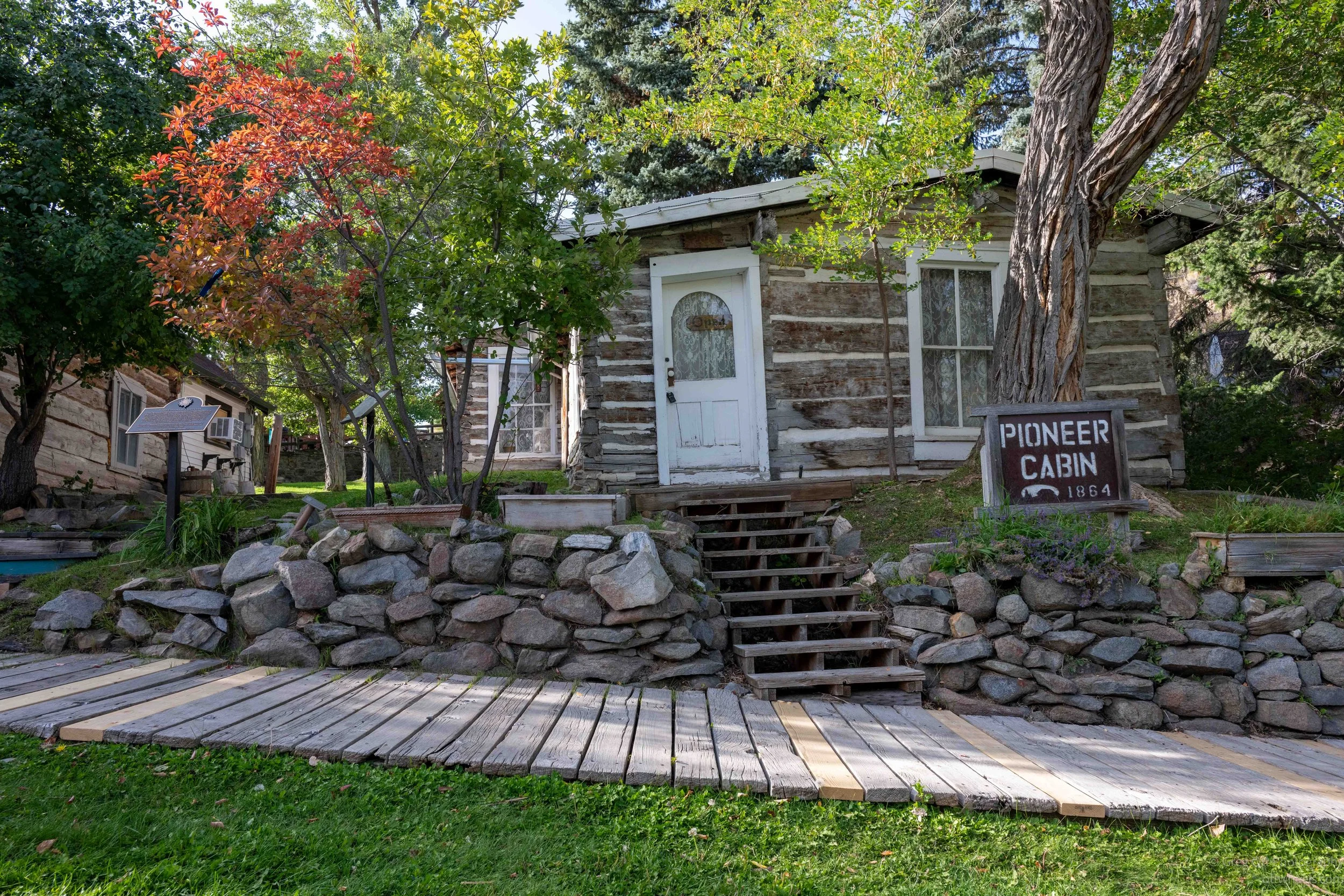
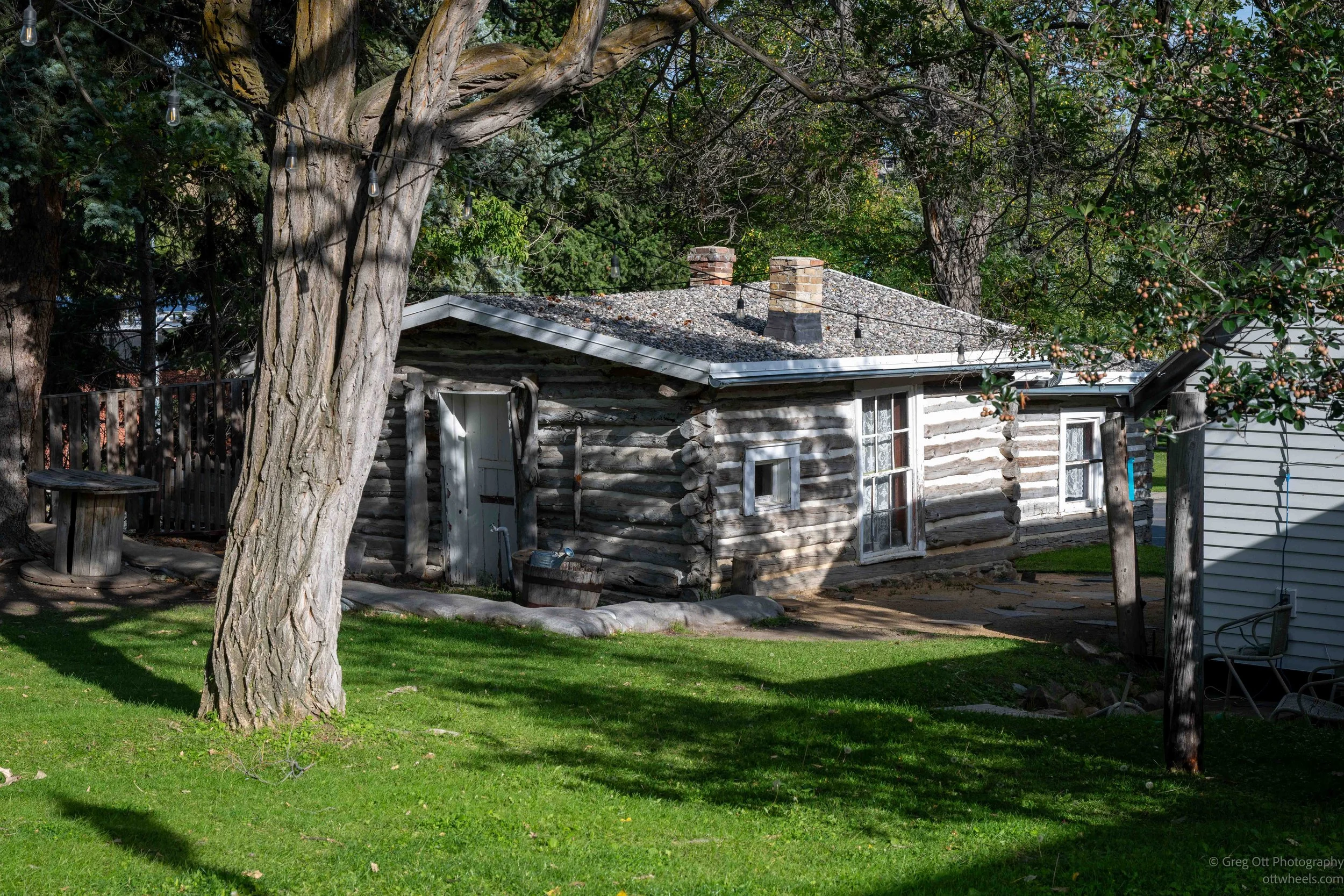
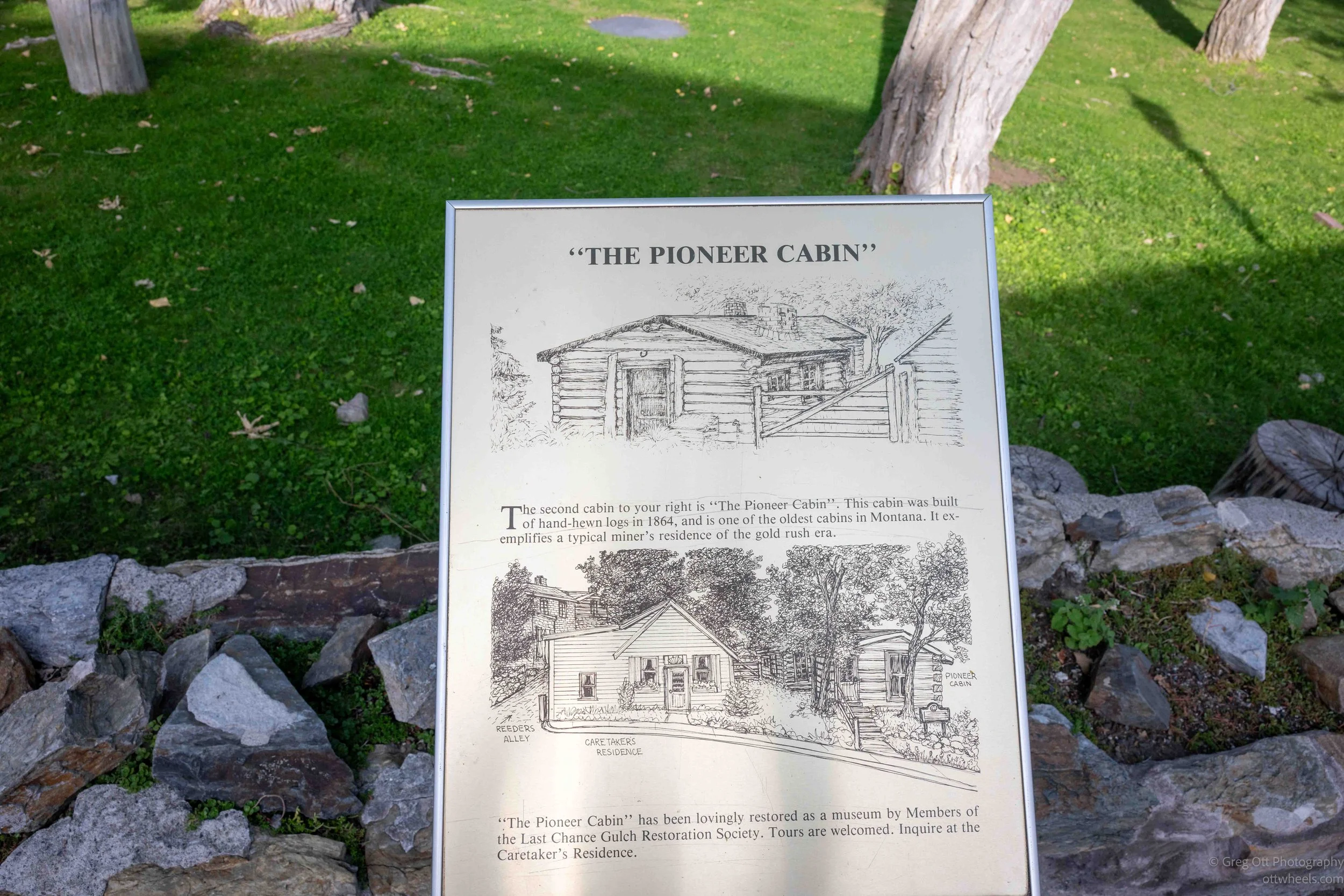
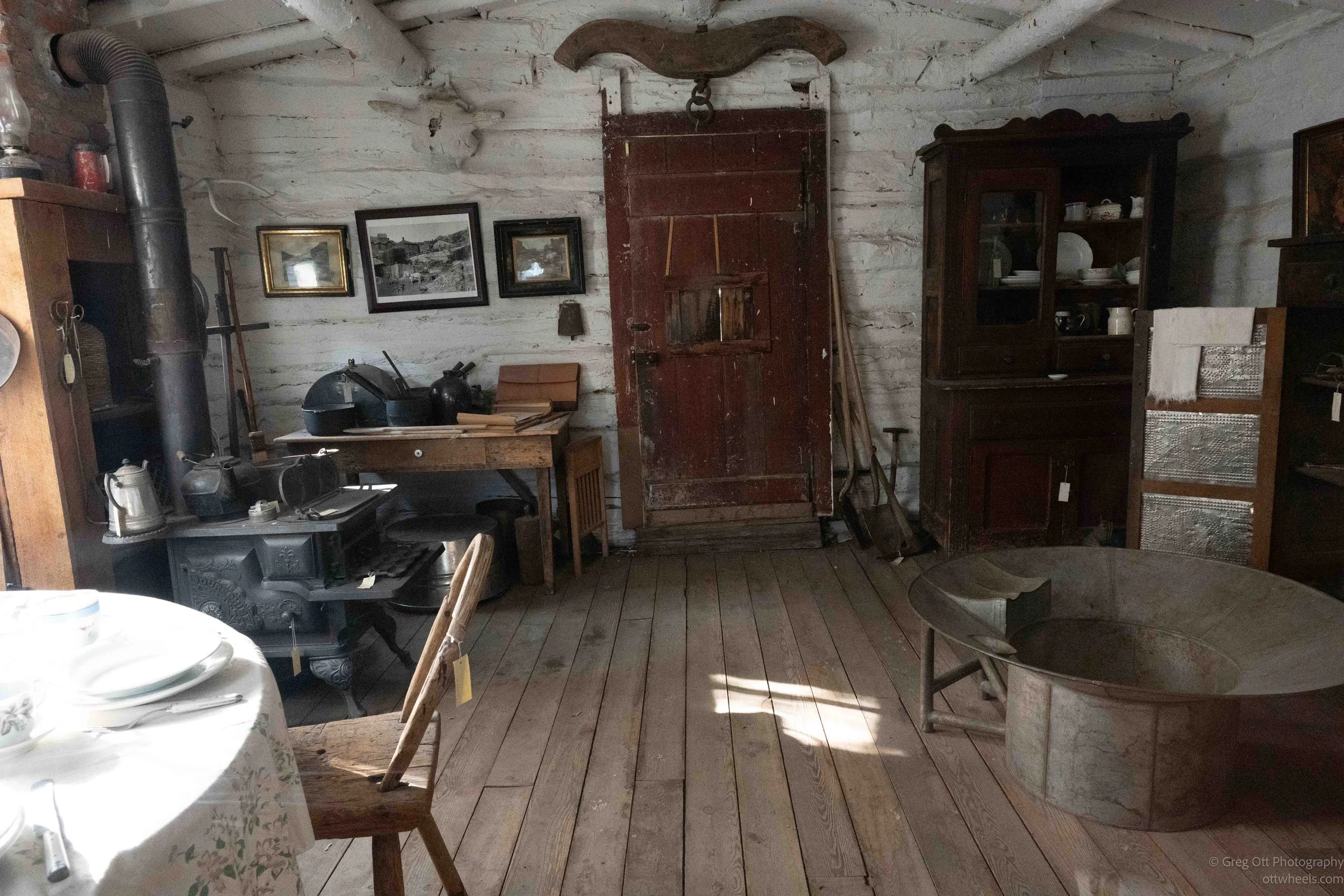
I hadn't planned to see any of it. I had simply noticed a sign while walking and decided to find out where it went, which seemed entirely appropriate for the way the day had unfolded.
I made my way back down the walking mall in the old part of town and passed Big Dipper Ice Cream. I hadn’t eaten in a couple of hours, and this time there was no line, so I stopped. I should have ordered a single scoop. The portions were enormous, and what sounded reasonable when I ordered turned into far more ice cream than I needed.
Photographs Downtown
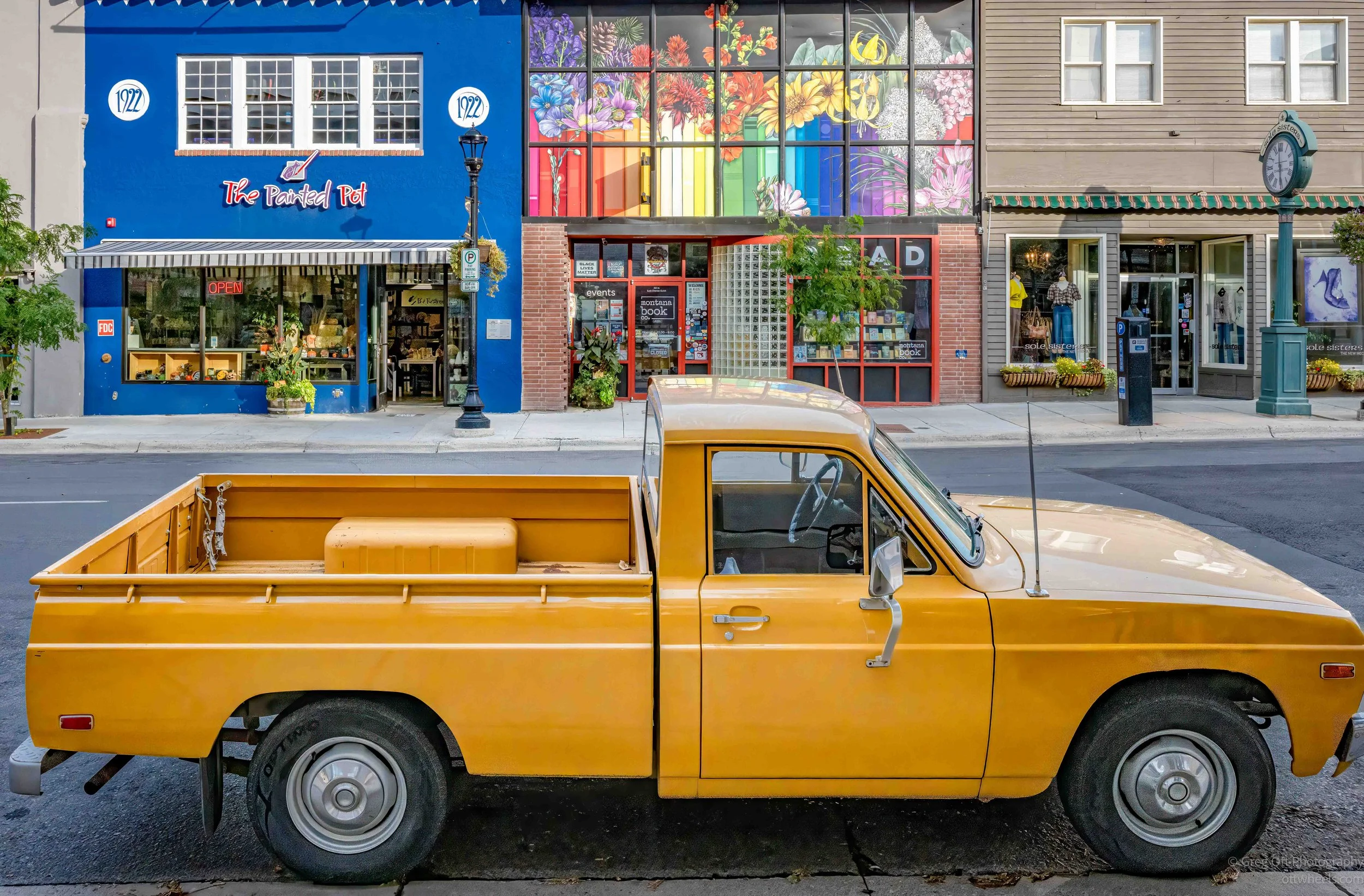
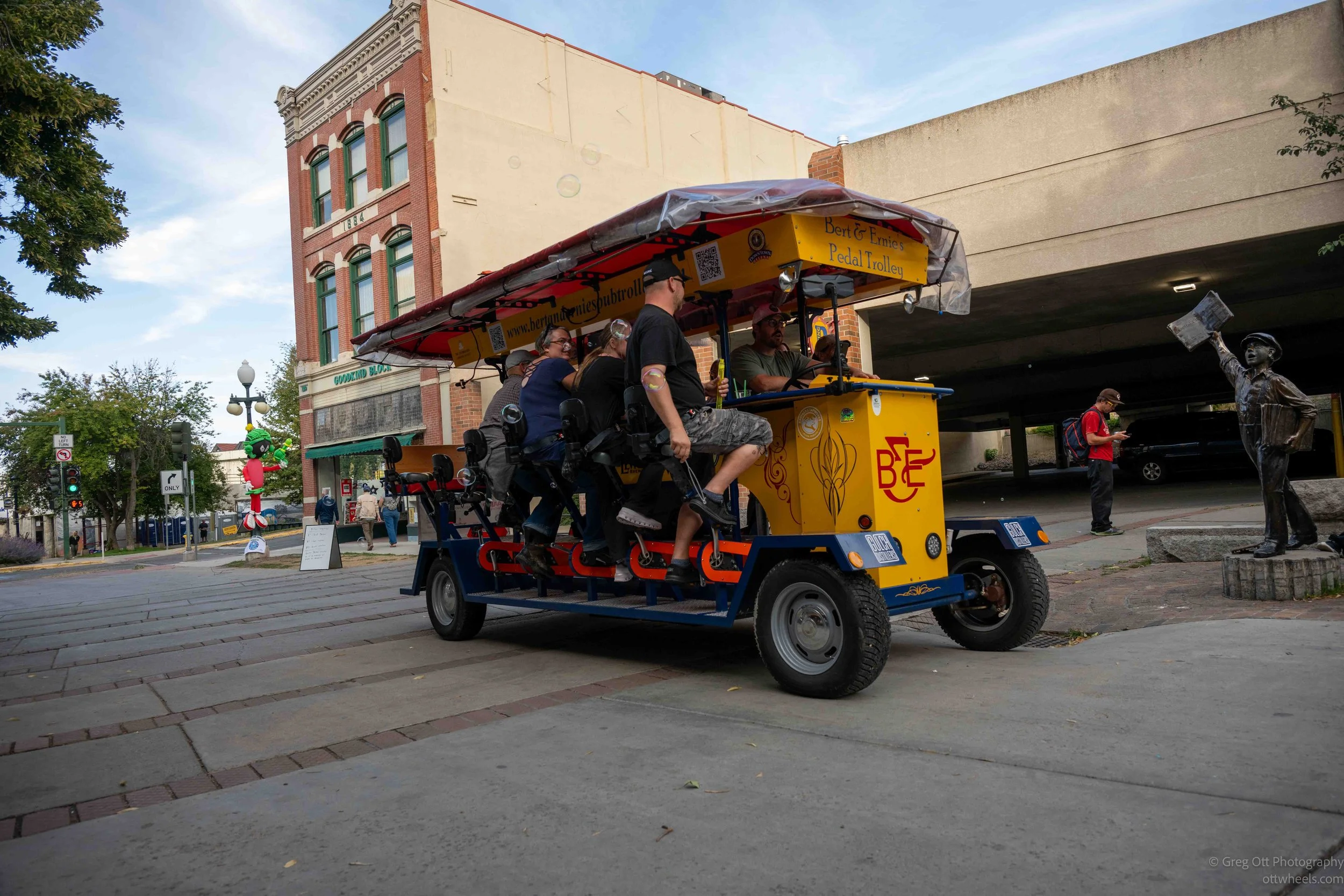
I wasn’t in a hurry and kept stopping to take photographs as I walked back toward the van. An old yellow pickup caught my eye first, parked in front of a bright blue storefront. The colors were hard to miss, and the flowers painted across the windows behind it made the whole scene even more colorful. A little farther along, one of the pedal trolleys rolled past with a group of people aboard, which seemed to fit the mood downtown.
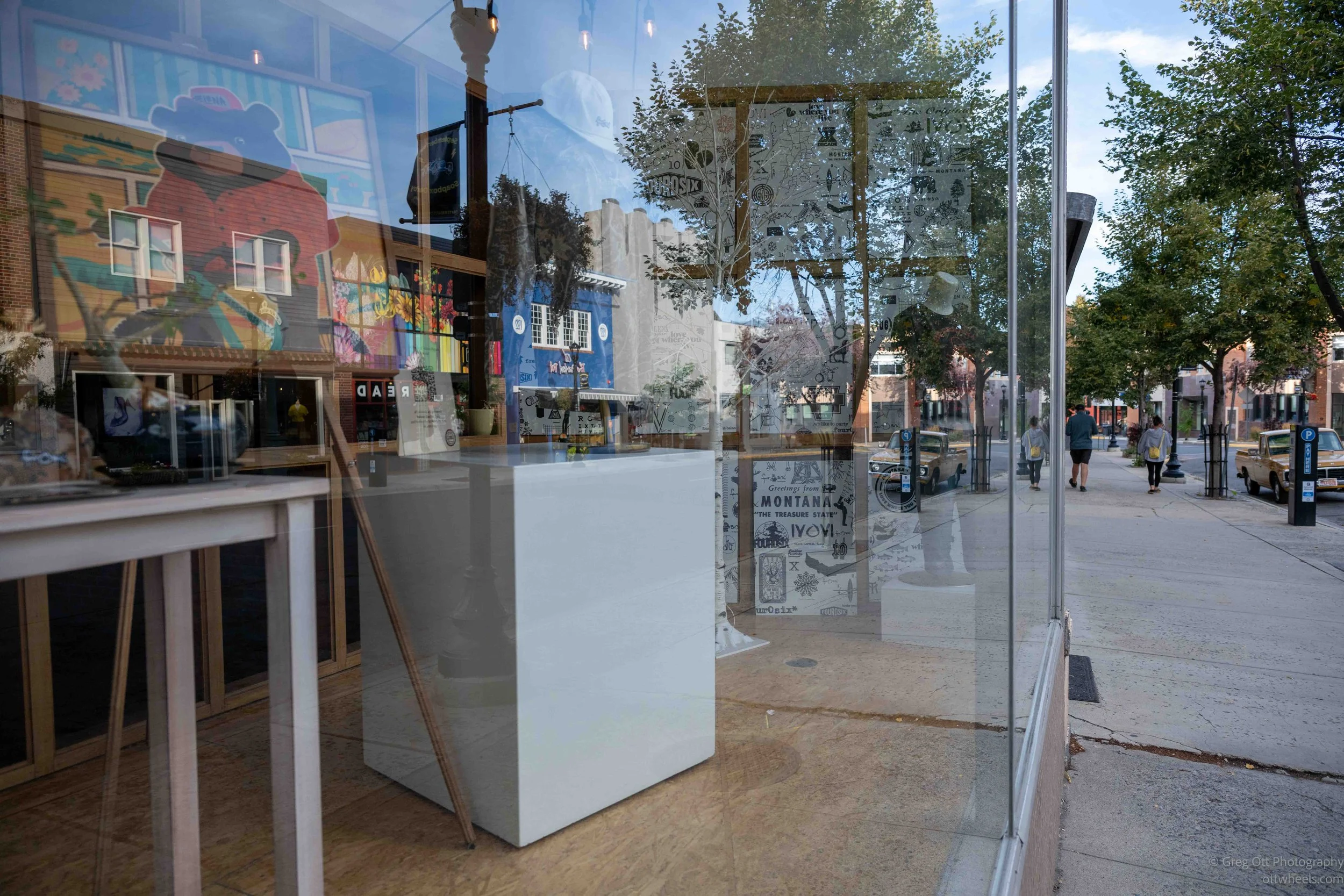
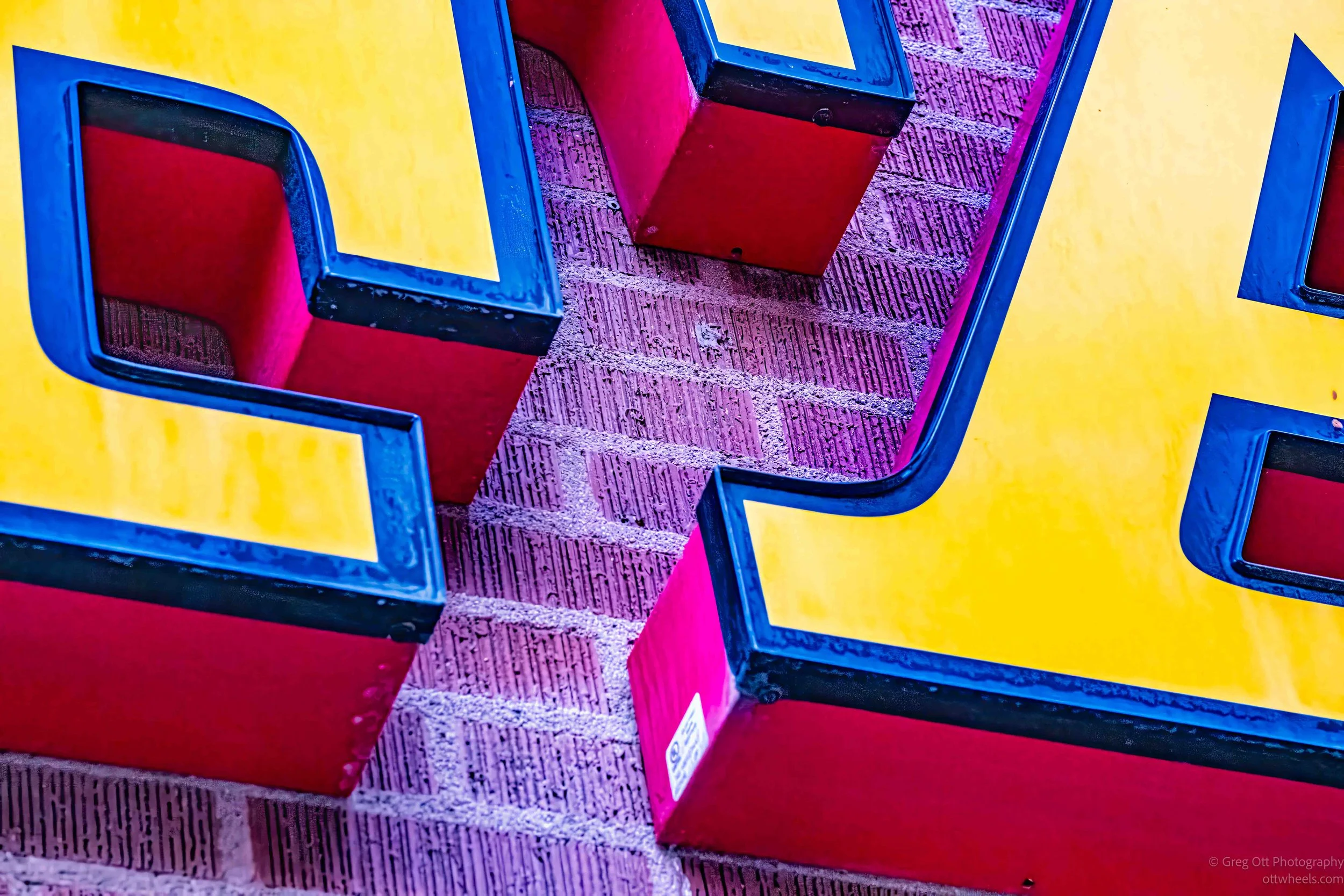
I also stopped at a storefront window where the reflections made it hard to tell what was inside and what was across the street. A few minutes later, I noticed part of a large sign mounted on a brick wall. Up close, the yellow, blue, red and purple stood out more than the letters themselves. I had no real plan for any of these photographs. I was just walking back to the van and kept finding things that made me stop.
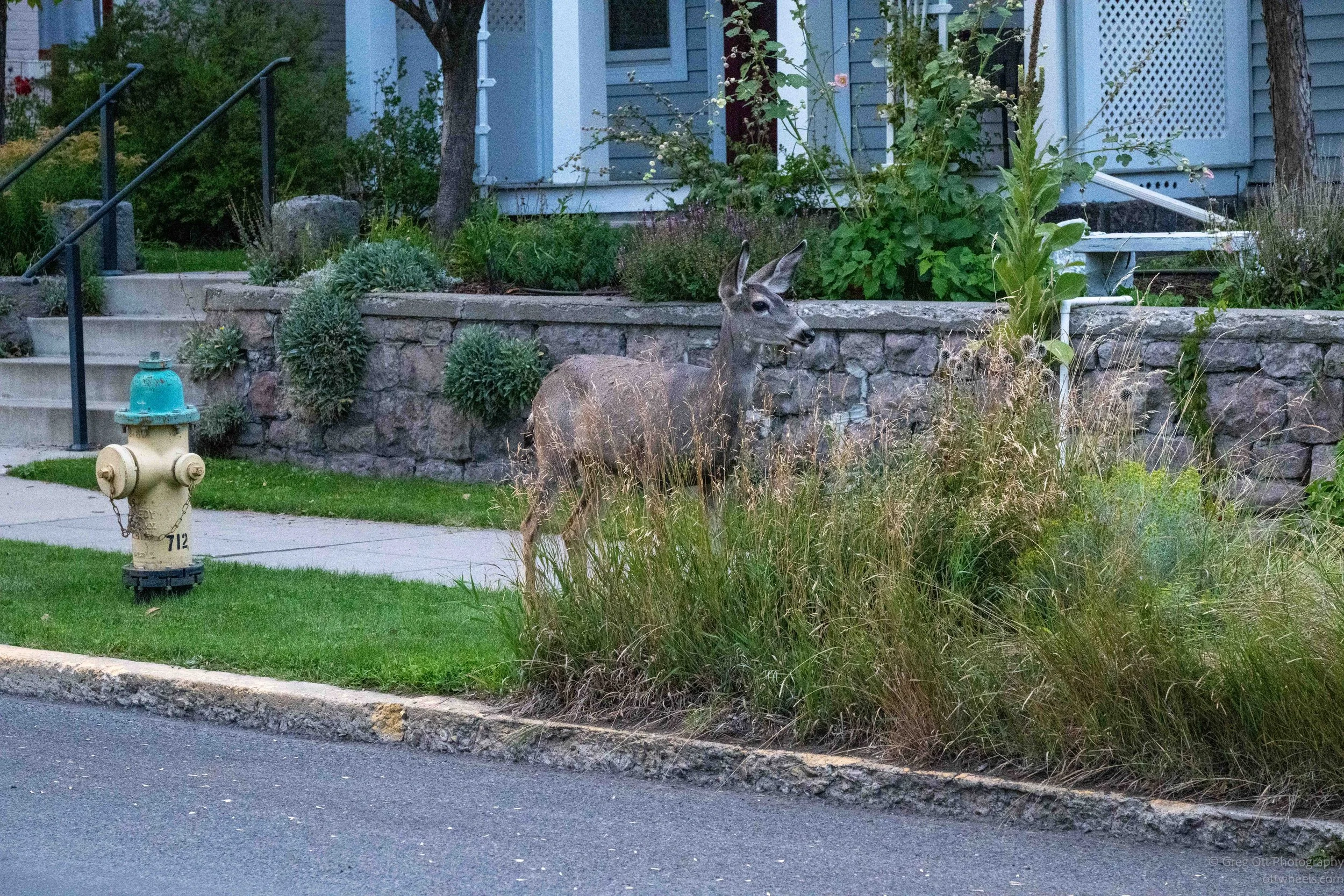
It was Sunday, so I decided to stay in the parking lot at the Heritage Center for the night. As I was getting close, I noticed two deer in a yard nearby, casually eating someone’s plants. They seemed completely unconcerned about being in the middle of town, and I stopped long enough to take a few photographs before heading to the parking lot.