
Tour of Heritage Museum
I woke in the Heritage Museum parking lot around 7 a.m. It was Friday, and unlike most state capitals during the work week, the area was extremely quiet. Maybe 10 or 15 government vehicles were still parked together at the far end of the lot. I took a short walk around the neighborhood, then drove to the Starbucks a couple of blocks away.
This Starbucks was a little unusual because of the number of pickup orders. Instead of sitting in the drive-through line, people had ordered ahead, parked, run inside, grabbed their drinks and left. There were so many orders waiting that they had overflowed the pickup stand and were spread across the counter.

I spent some time catching up online before heading back to the Heritage Museum.
Montana Heritage Center
The Montana Heritage Center sits only a block from the Capitol, and I had no idea when I arrived just how new it was. The building opened to the public in December 2025, and it still had that brand-new feeling—the galleries, lighting, floors, display cases, everything. It is a beautiful museum and easily one of the best things I found in Helena. Admission is free, and I would consider it a must-see if you are visiting the Capitol area.
The museum is the new home of the Montana Historical Society, an organization that goes back to 1865. The Society was originally founded in Virginia City, MT, moved to Helena in 1874, spent time in the basement of the Capitol, and then moved into the Veterans and Pioneers Memorial Building in 1953. That building eventually became too small for the Society's collections and programs, and the new Heritage Center was built alongside it. The result is a 165,000-square-foot complex combining the new Betty Babcock Building with the renovated 1953 building.
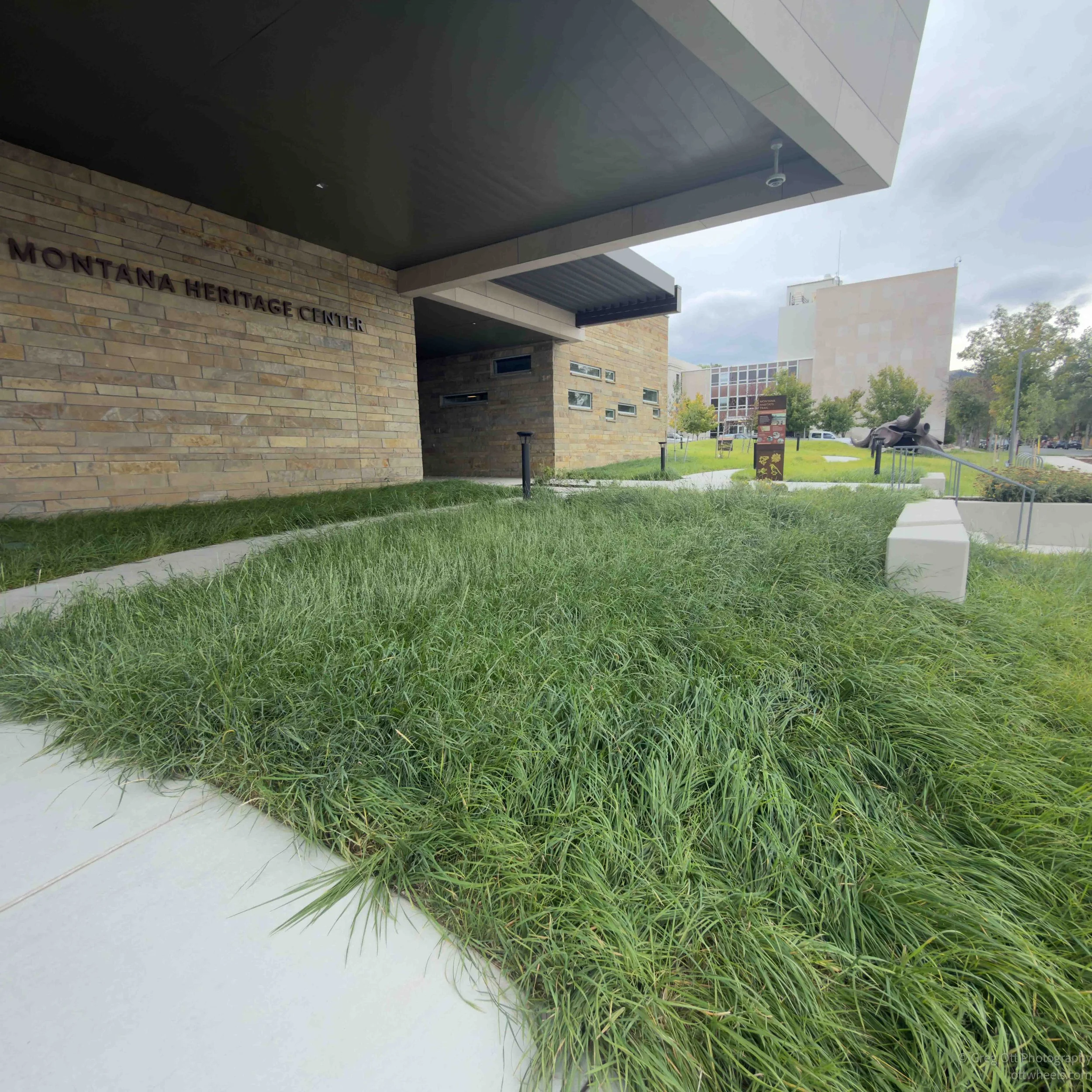
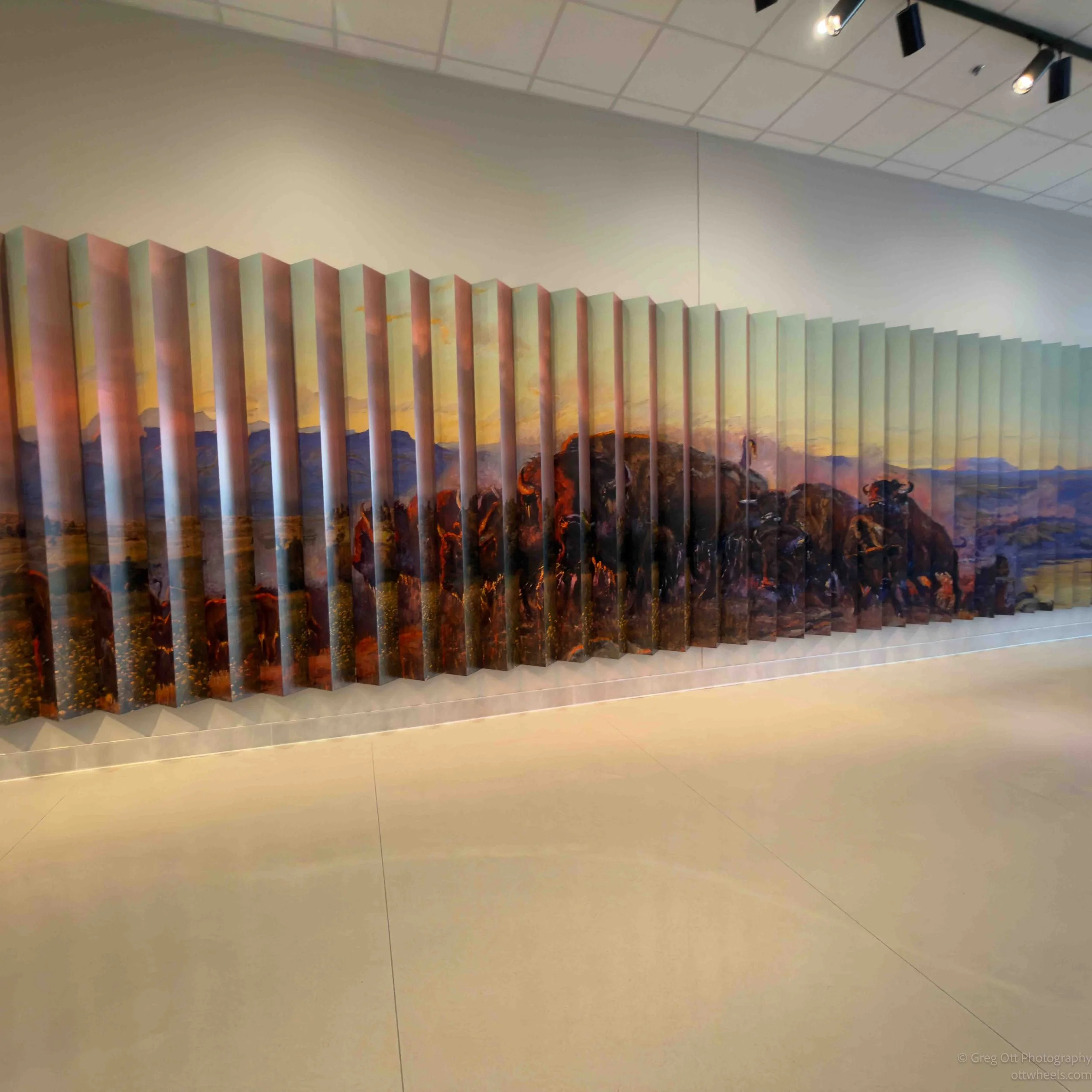
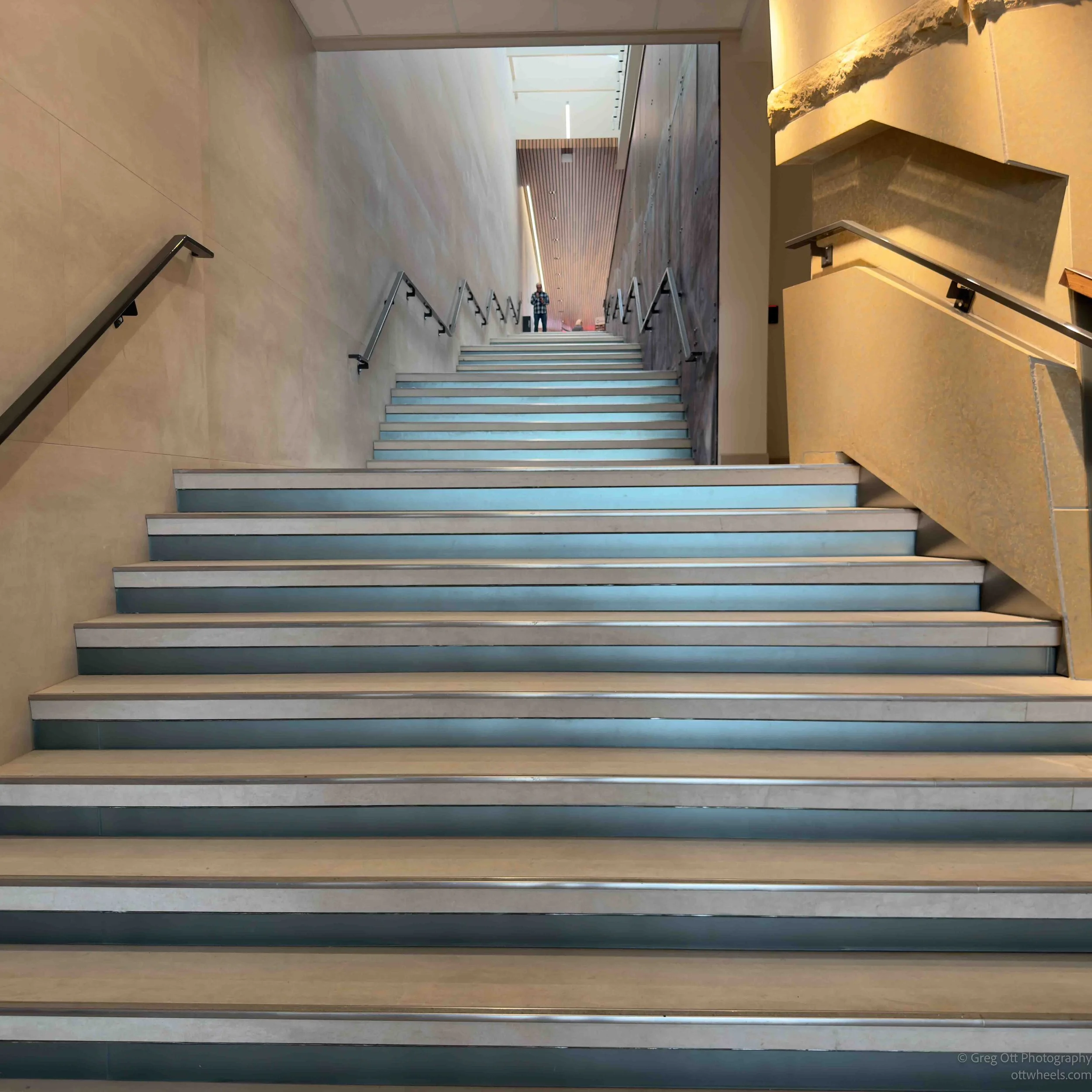
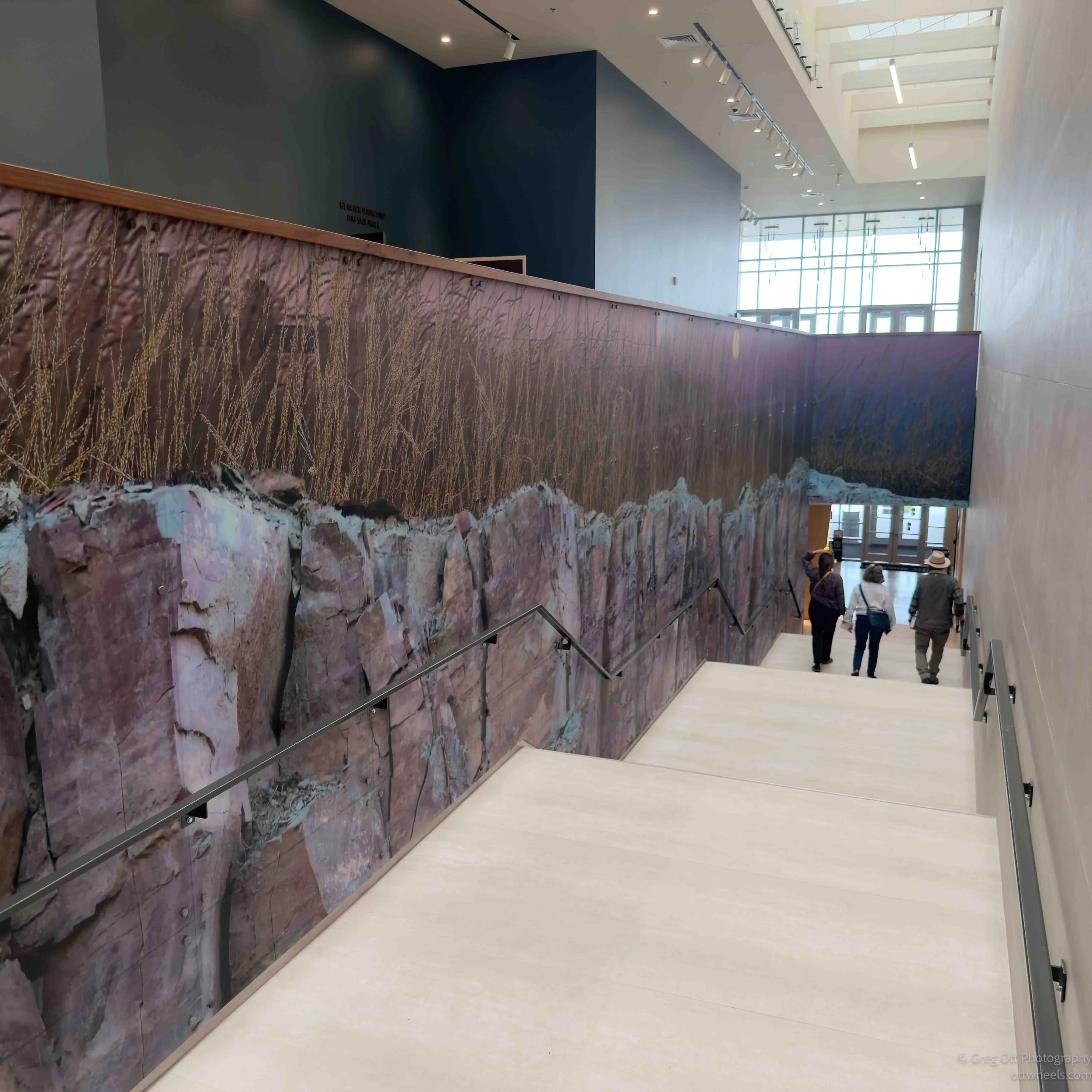
The museum is divided into three main galleries. The Montana Homeland Gallery covers more than 13,000 years of Montana history, the Changing Gallery rotates material from the Historical Society's collections, and the Charles M. Russell Gallery is devoted to Montana's famous "Cowboy Artist." The Historical Society has more than 65,000 pieces of art and historical material in its museum collections, so the larger building finally gives it room to show objects that spent years in storage.
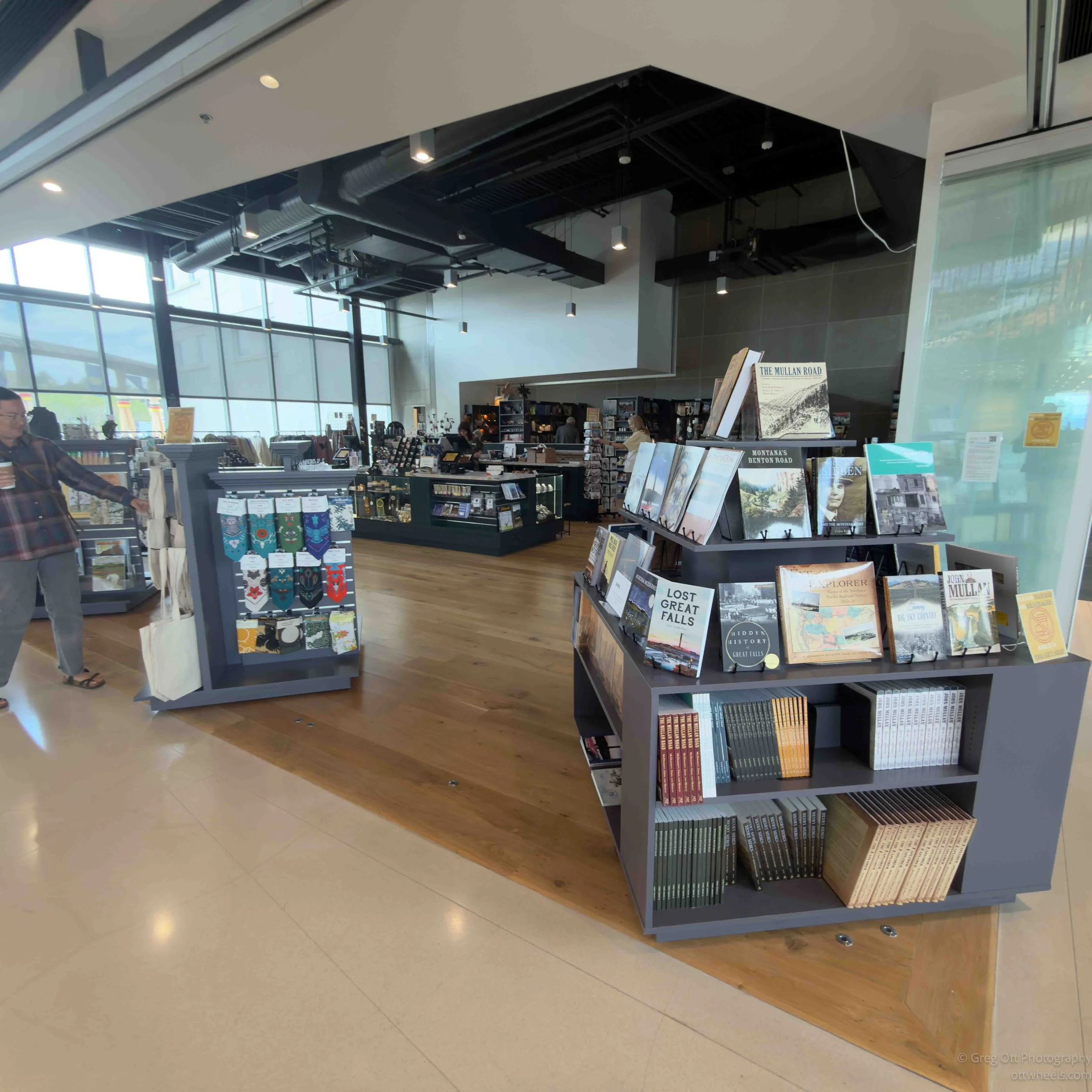
I started in the gift shop and spent some time going through the books. After walking around the building for a while, I noticed a board at the front desk listing several free tours. That immediately changed my plans for the day. Rather than just wandering through the museum by myself, I decided I wanted to hear someone explain what I was looking at.
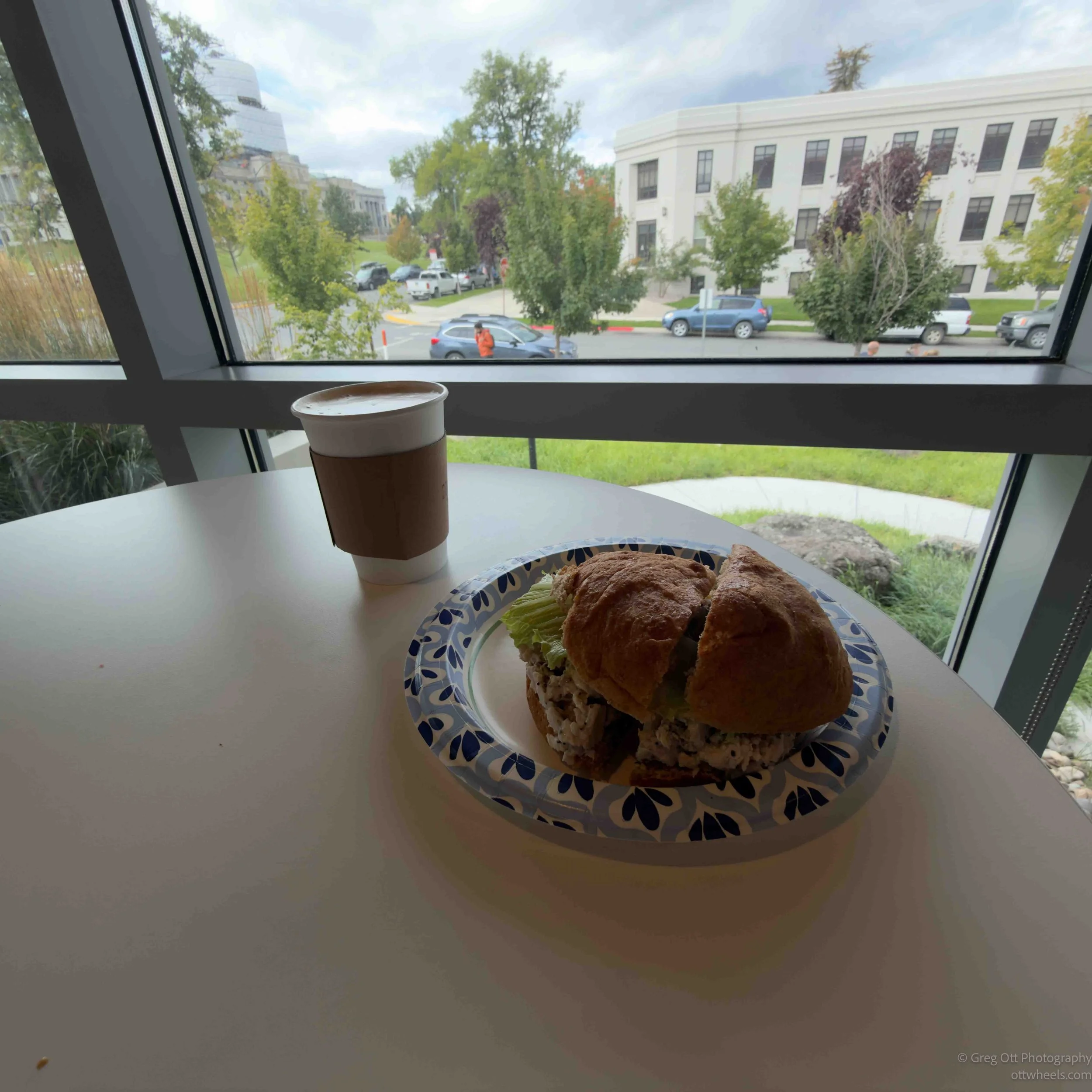
I had some time before the next tour, so around 12:30 I stopped at Norm's Café inside the museum for lunch. They had sold out of the chicken salad sandwiches, but instead of telling me to pick something else, they made one from scratch. Of course, I also had to get one of the cinnamon rolls and a latté for dessert. I had planned to carry the coffee with me while I toured the museum, but that idea ended quickly when they told me no food or drinks were allowed in the galleries.
The Charles M. Russell Gallery
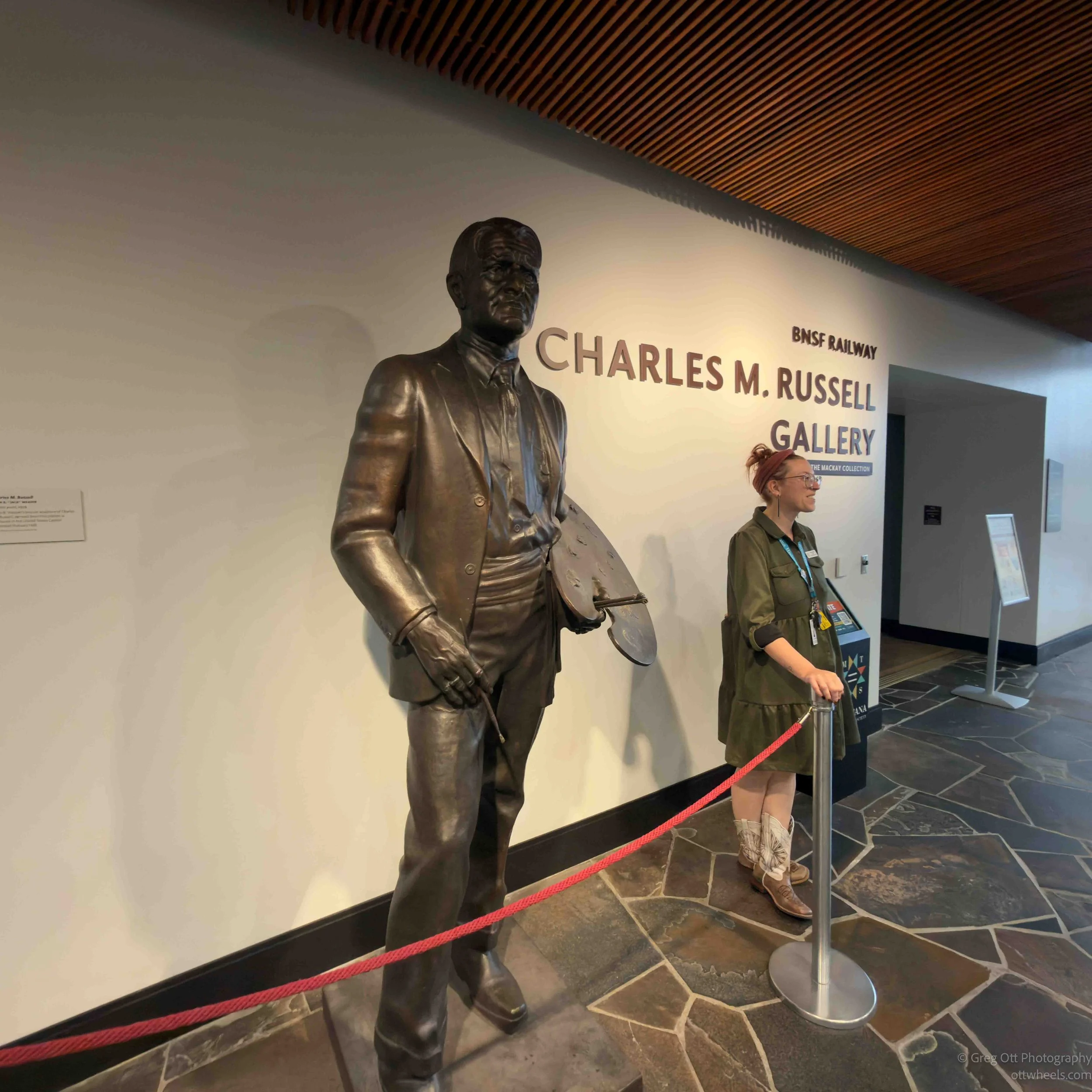
At 1:30 I joined the tour of the Charles M. Russell Gallery. This was stunning. I knew Russell's name and had seen some of his work before, but I had never really understood the man or how much his work changed during his lifetime. The new gallery is almost three times larger than the Historical Society's former Russell exhibit and includes major oil paintings, watercolors, drawings, illustrated letters, sculpture and personal artifacts. The Society itself owns about 230 Russell works, one of the major collections of his work anywhere.
Our guide began with Charlie's childhood. Russell was born in St. Louis in 1864 into a family with money and successful businesses. From a very young age he drew constantly and made small animals out of clay and wax. School was another matter. He disliked it, had difficulty writing and regularly got into trouble with his teachers. Today, historians with the Montana Historical Society believe he probably had dysgraphia, a learning disability. What interested him was the West. We were told he read stories about mountain men, skipped school to listen to travelers and river workers along the St. Louis waterfront, and became obsessed with the idea of Montana. I’m not sure how well he read.
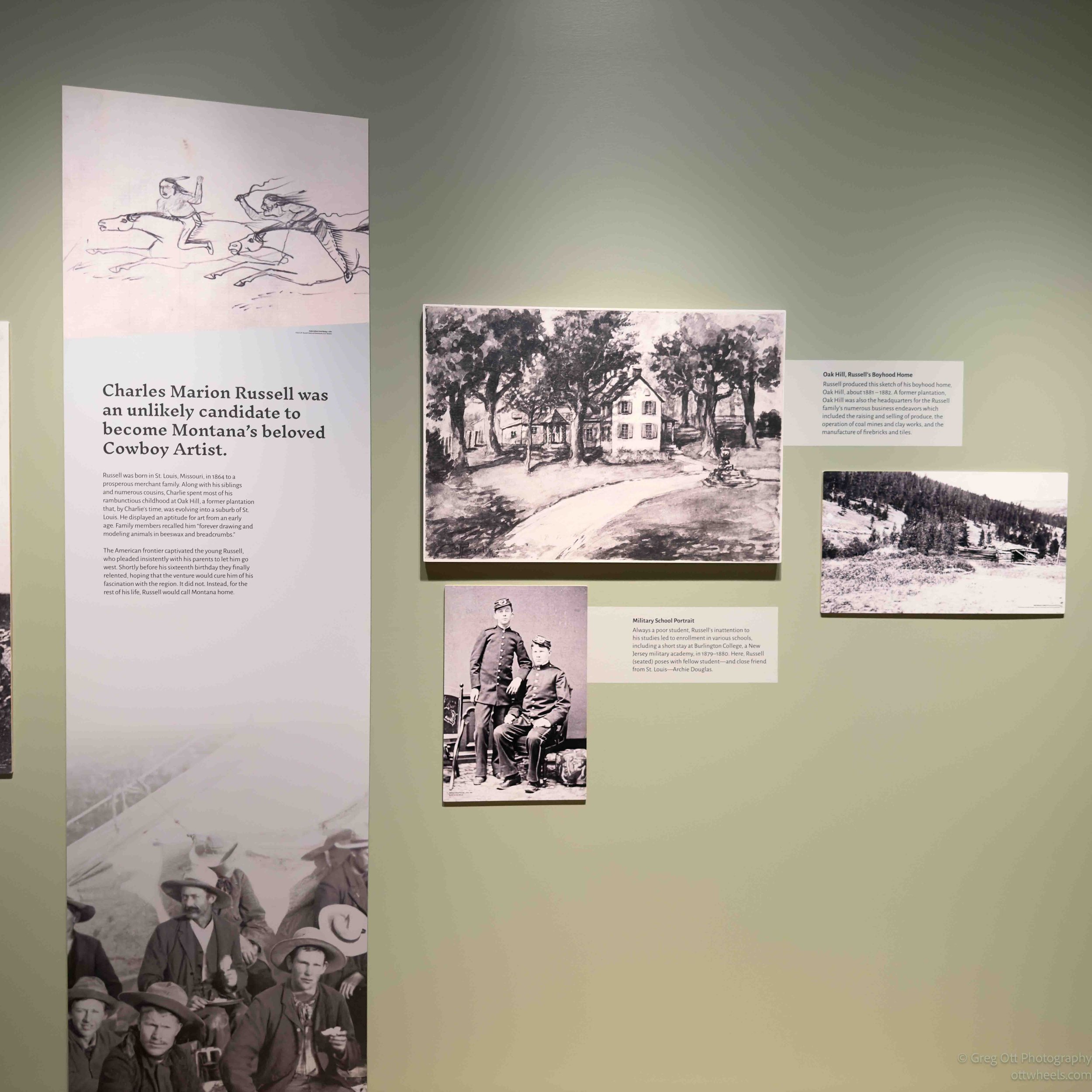
At sixteen he finally got to Montana. His family sent him west in 1880, apparently hoping a dose of real frontier life might cure him of the fascination. It had exactly the opposite effect. Russell worked at various ranch jobs and eventually spent about ten years as a cowboy, although even the Historical Society's own account admits he wasn't particularly good at it. What he wanted to do was observe, draw and paint. At twenty-nine he quit cowboying and devoted himself to art. Montana was where he wanted to be, and despite his family's hopes that he might eventually return to St. Louis, he never really wanted anything else.
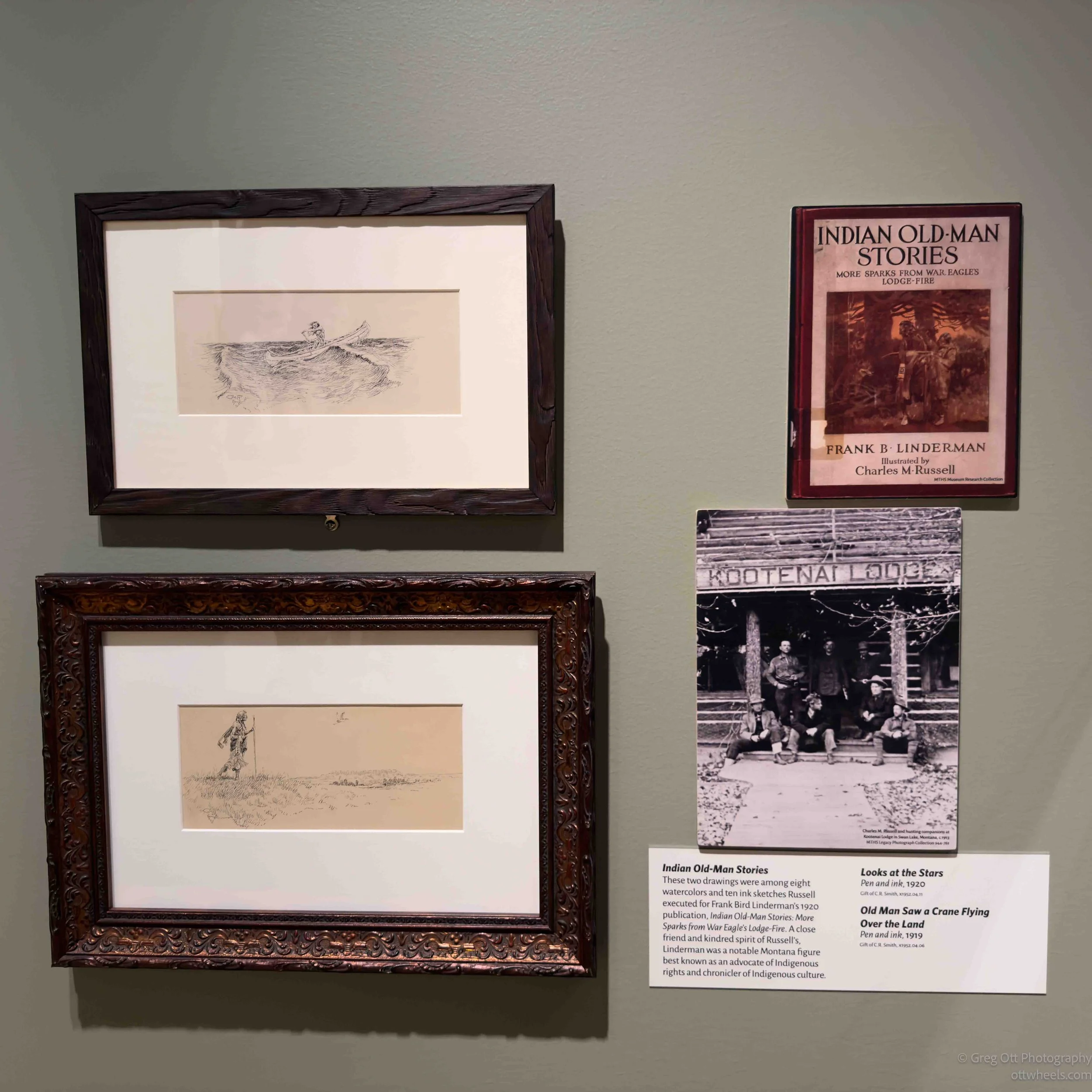
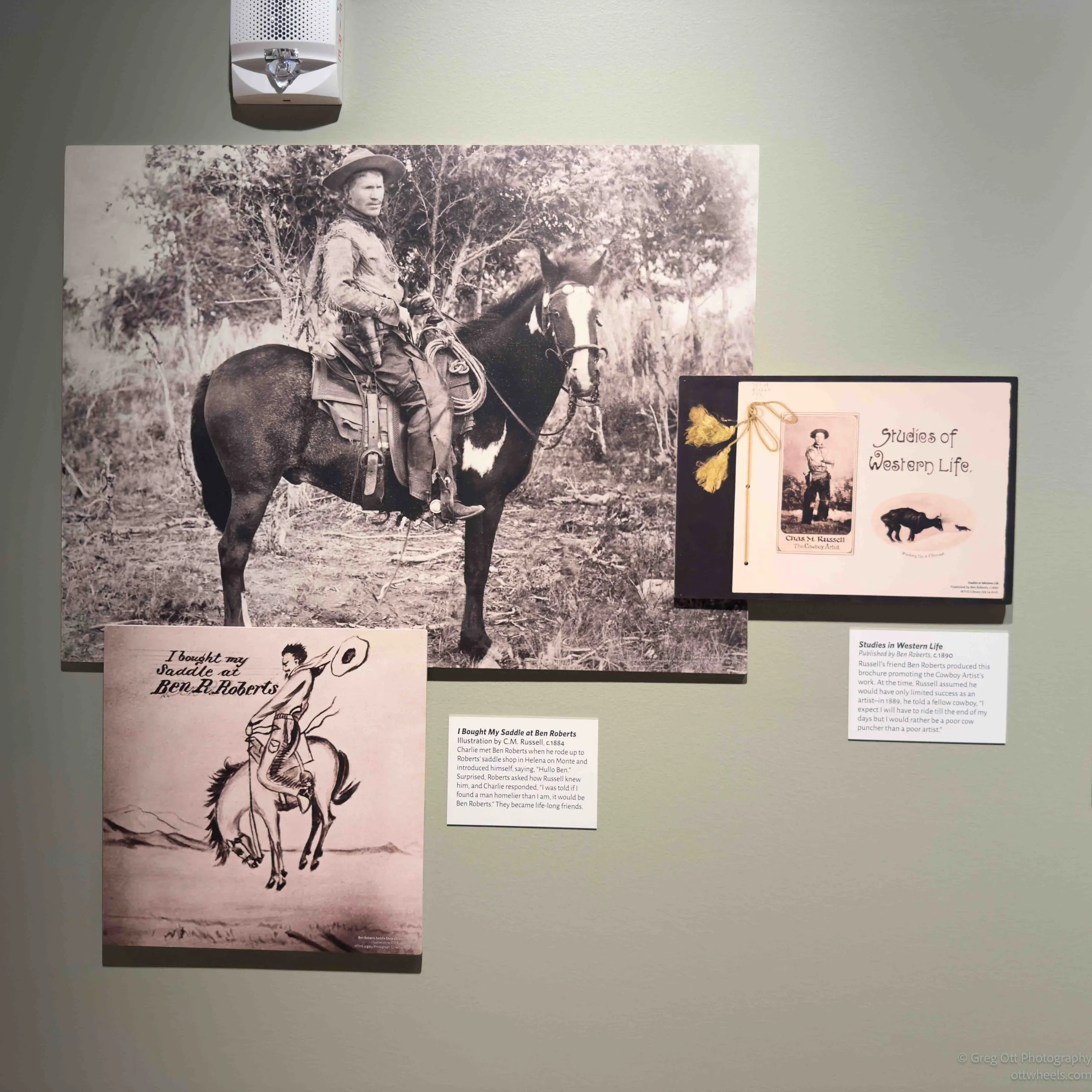
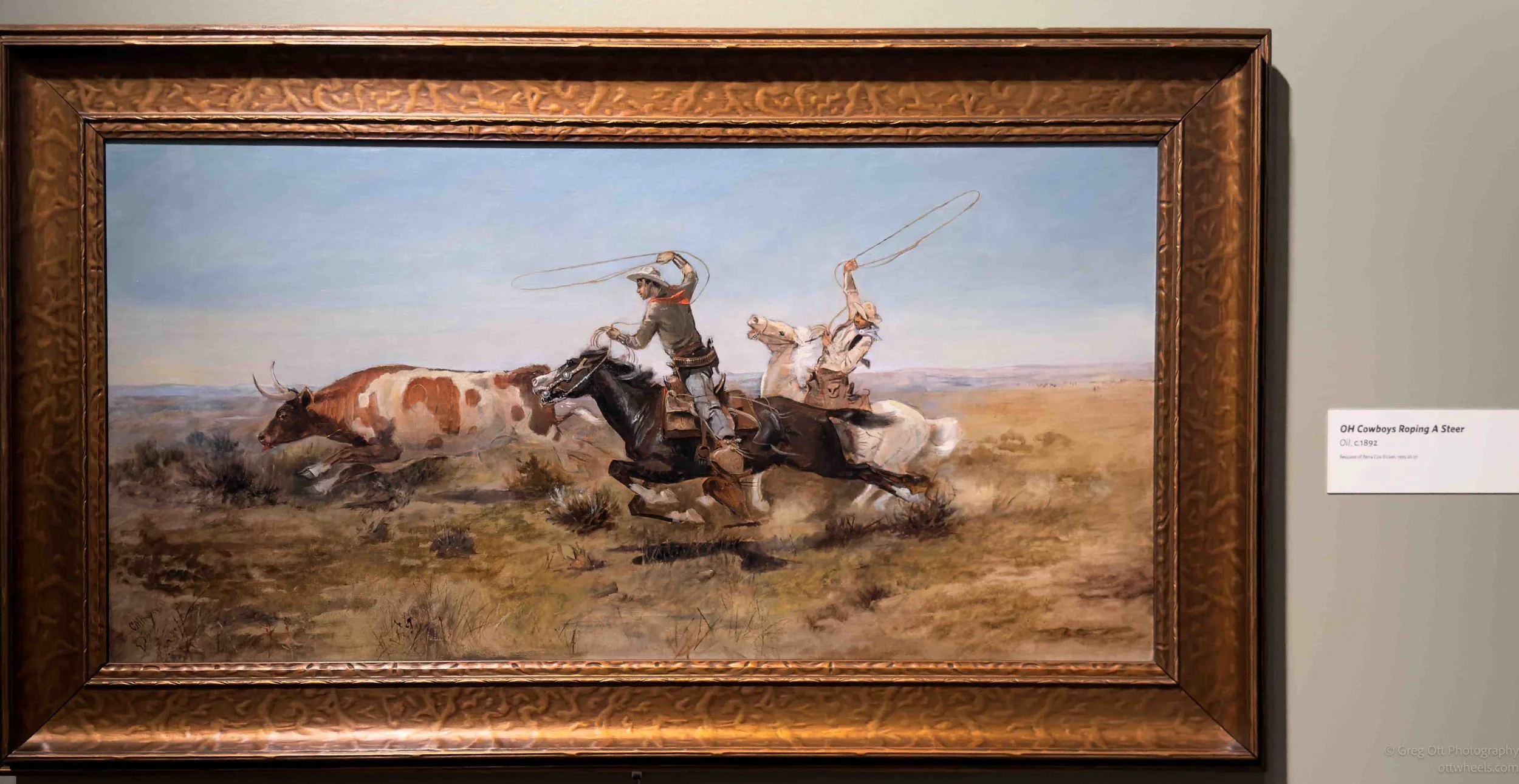
One of the most interesting parts of the tour was seeing that Russell was not born as the painter whose mature work now hangs in museums. He was largely self-taught. Our guide pointed out problems in some of his earlier paintings, including shadows that didn't quite agree with the direction of the light and figures that were less convincing than those he painted later. As we moved through the gallery chronologically, the changes became obvious. The anatomy improved, the landscapes gained depth, the lighting became more believable and his control of motion became remarkable.
That was particularly apparent in paintings of cowboys and horses. In later works, horses aren't simply standing or running; their weight, muscles and movement seem to make sense. Loops of rope, blowing scarves and the positions of riders all help create motion. Russell studied the subjects he painted, learned from other artists, read about history and simply kept working. The progression through the gallery makes it possible to watch him teach himself how to paint. His days working on ranch also helped him understand the movement of ropes.
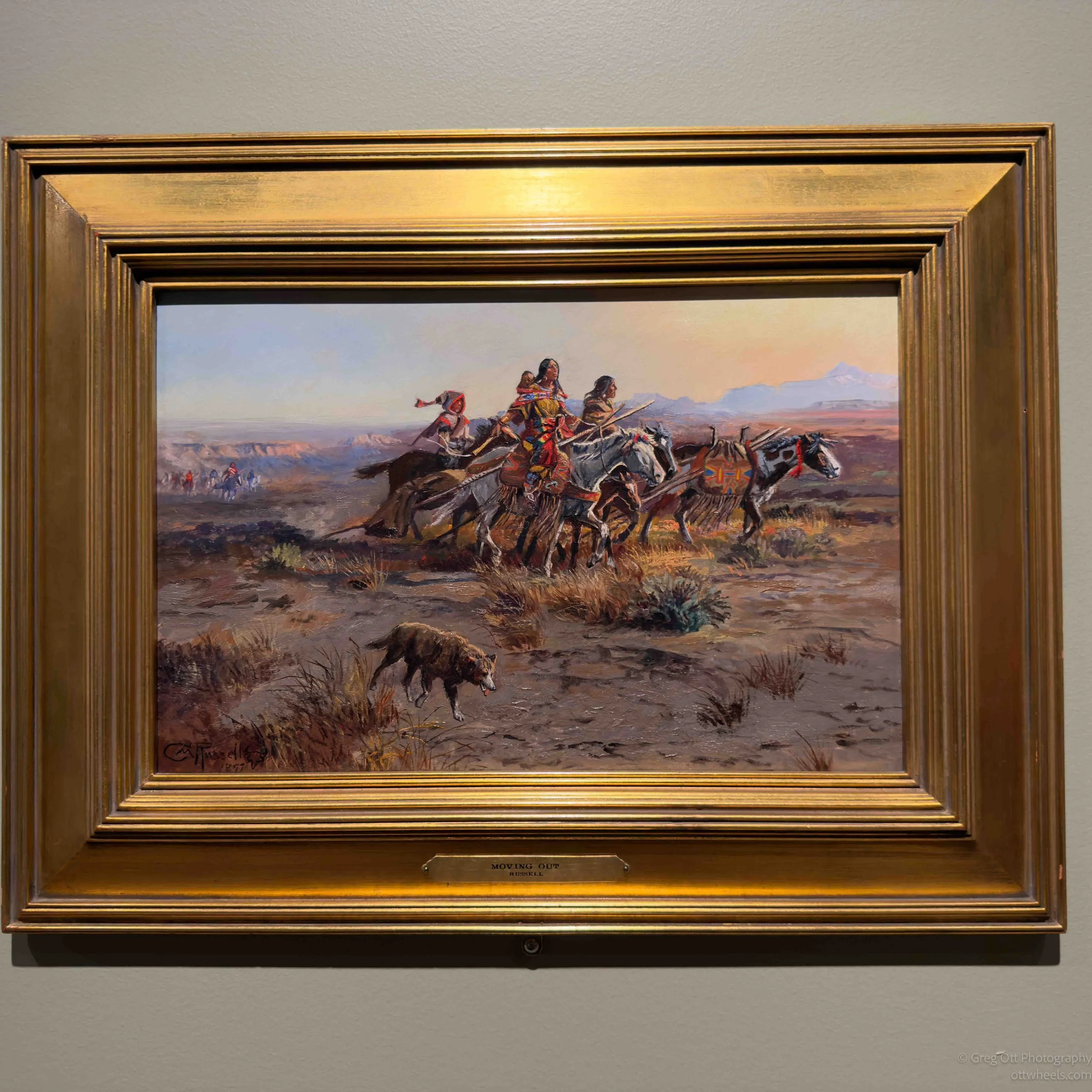
Then there was Nancy his wife. Nancy Cooper Russell came from almost the opposite background. Charlie had grown up with money and wasn't particularly interested in acquiring more of it. Nancy came from absolutely nothing and understood exactly what money, reputation and social position could do. After they married, she became far more than his wife. She essentially became his business manager. Charlie wanted to paint, tell stories and spend time with friends; he was uncomfortable putting prices on his work or promoting himself. Nancy was not. She arranged exhibitions, handled buyers and pushed his work into much larger markets, including New York, Calgary and London. The Montana Historical Society credits her with making him substantially more famous than he probably would have become on his own.
The relationship seems to have worked precisely because they wanted different things. Charlie could concentrate on painting while Nancy took care of the business surrounding it. By the end of his life, Russell had created roughly 4,000 works—paintings, watercolors, drawings, sculpture and illustrated letters. Looking at the gallery, that number suddenly didn't seem abstract. There was evidence of this extraordinary output everywhere.
Thre was a room recreated around a fireplace and furniture associated with Russell's close friends Malcolm and Helen Mackay. The Mackays were wealthy friends and patrons who had created an entire "Russell room" in their home in Tenafly, New Jersey, specifically to display Charlie's work. They lined the room with logs and filled it with Western objects, cowboy gear and big-game mounts. When Charlie and Nancy first visited, Charlie and Malcolm heated branding irons in the fireplace and burned brands into the walls and mantle. Russell burned his familiar bison-skull signature into the center of the mantle.
The Mackays later moved the room to their Lazy E-L Ranch near Red Lodge, MT. The original mantle, fireplace screen, andirons, brand boards and Windsor-style chairs are now on loan to the Montana Historical Society and are incorporated into the new gallery. Standing there was very different from looking at another artifact behind glass. It gave some sense of the rooms in which Russell actually relaxed with friends, told stories and surrounded himself with the world he liked. There was a couple on the tour that were friends of the Mackays and added some new details.
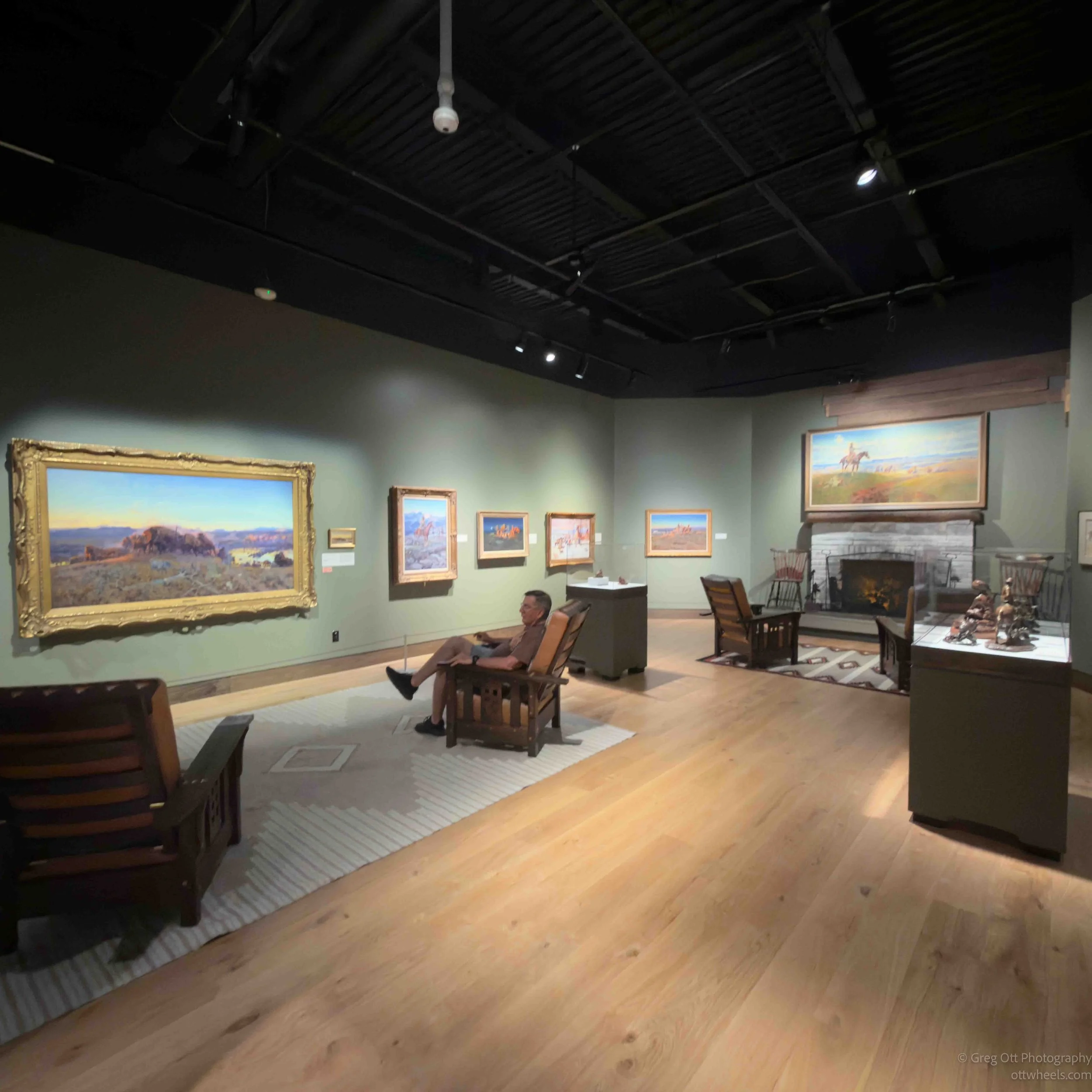
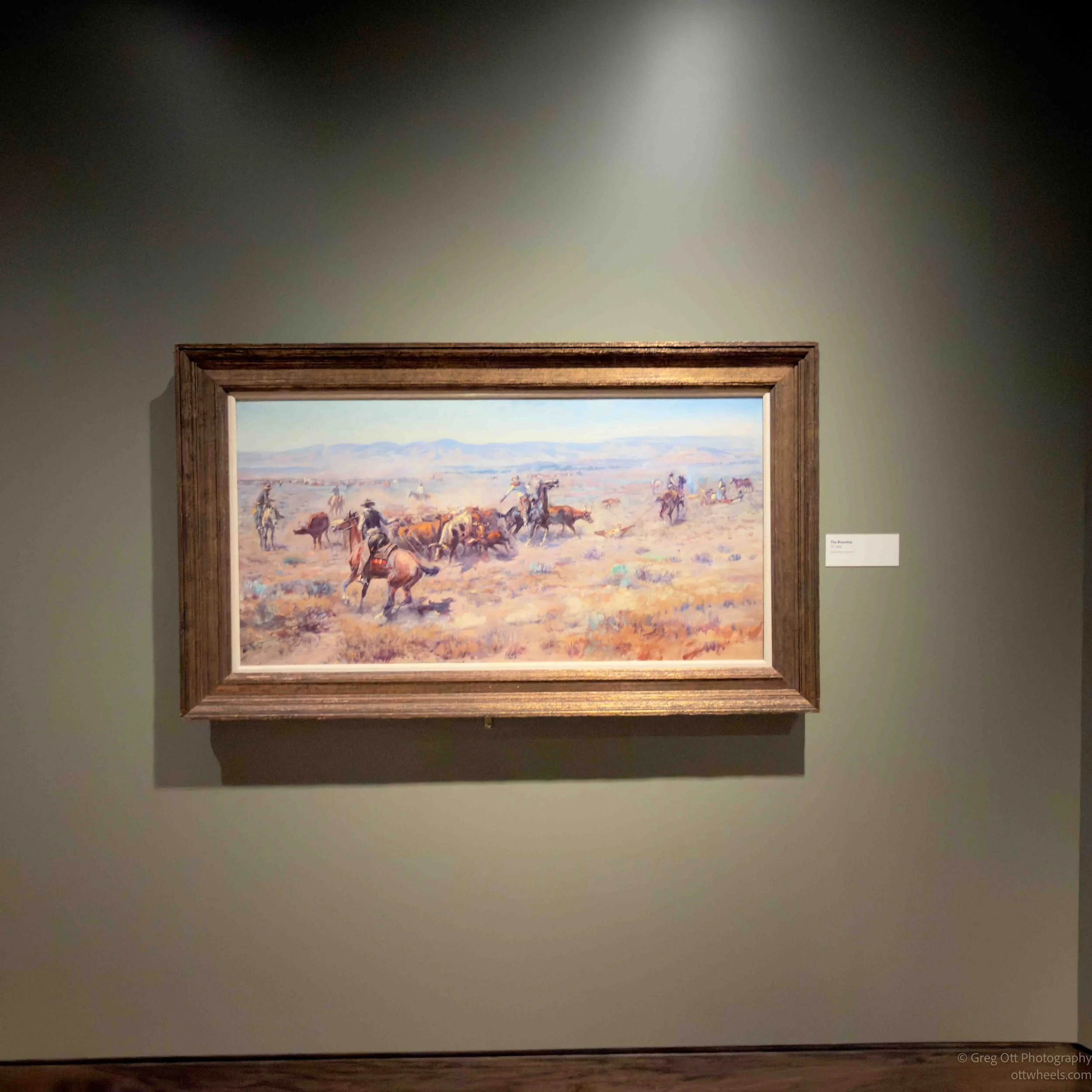
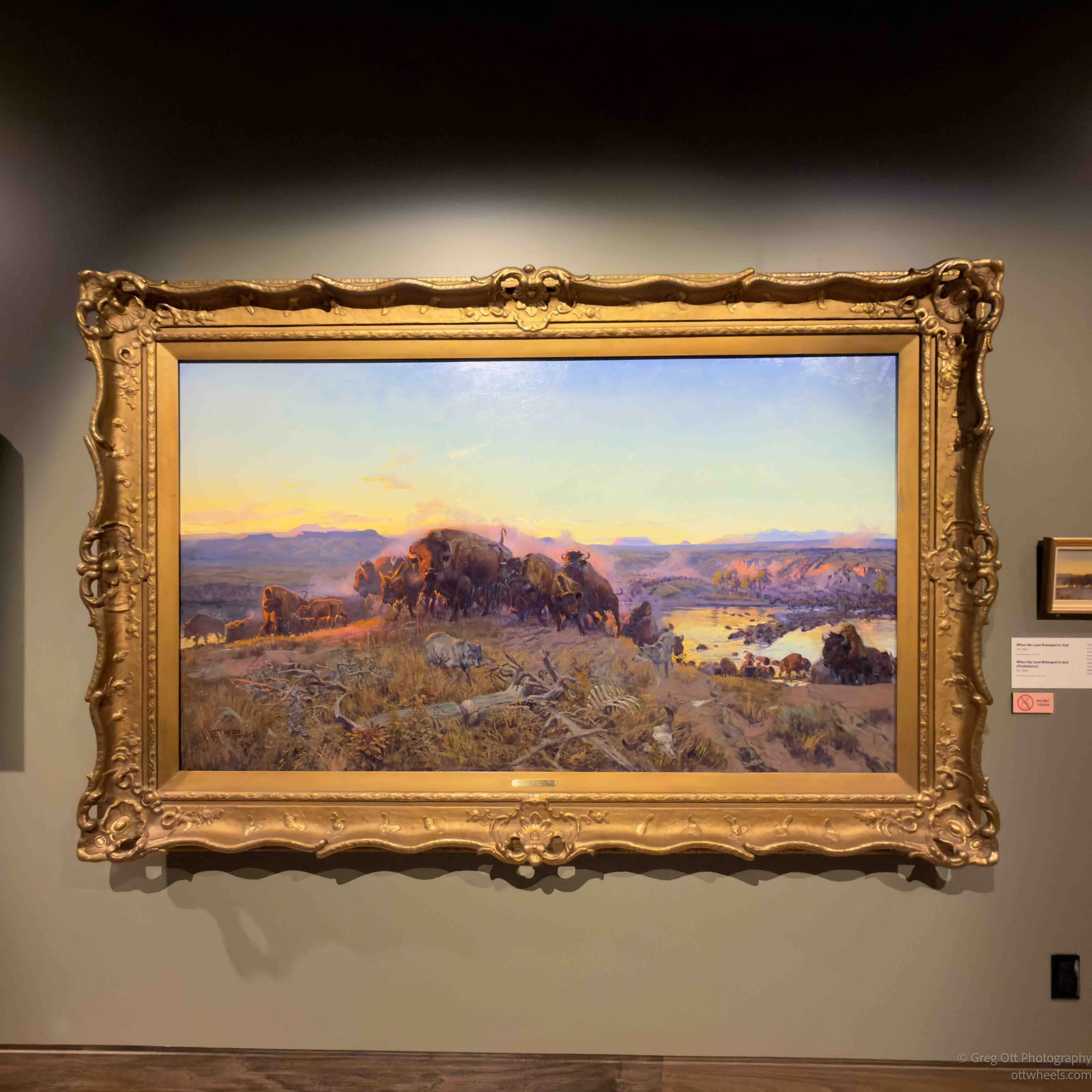
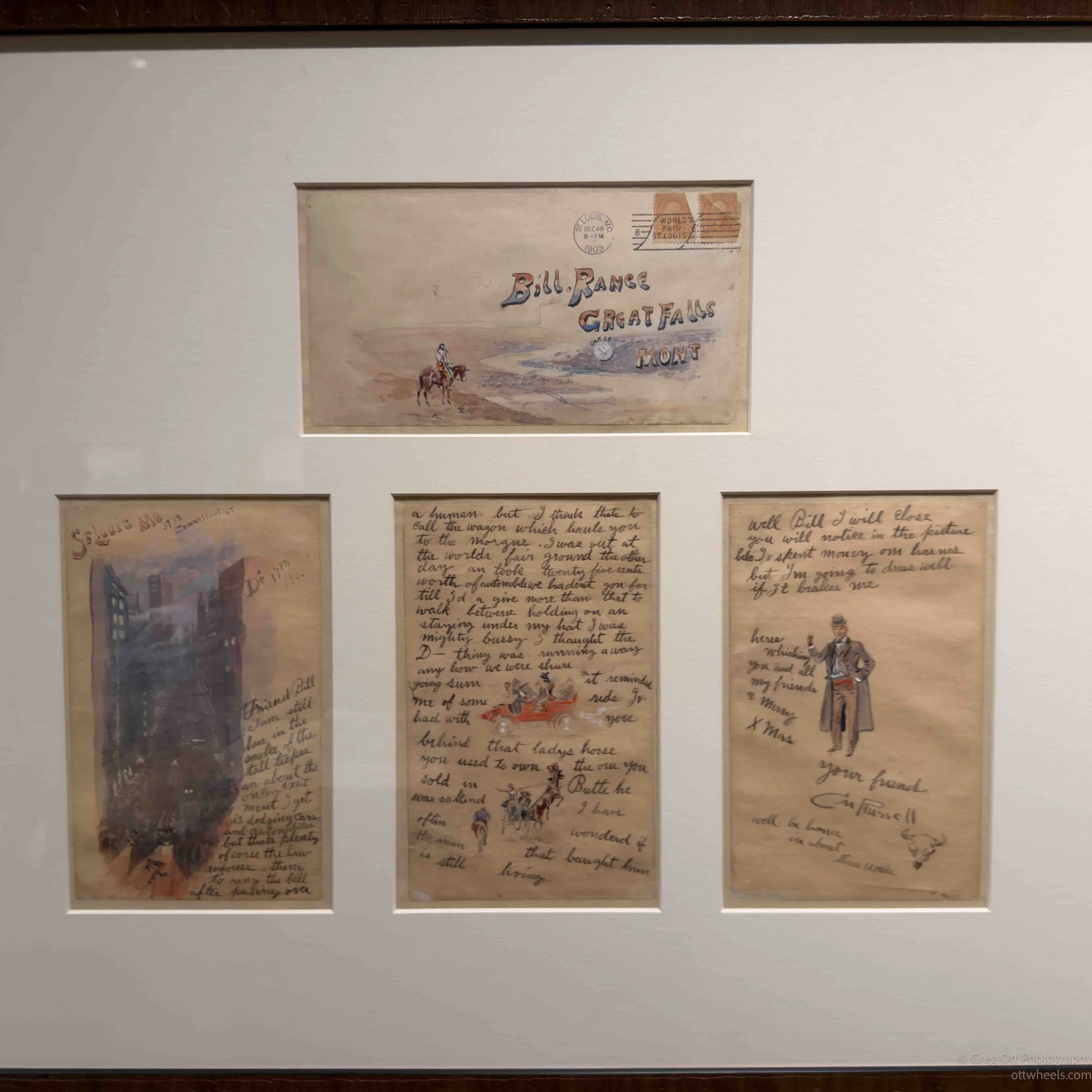
The paintings themselves ranged from quick drawings to enormous finished works. When the Land Belonged to God dominated one wall, with buffalo gathered above a river valley in late light. Nearby were much smaller works that showed how good Russell was at conveying action with remarkably few marks. I particularly liked seeing the sketches and illustrated letters because they made him feel less like a museum figure and more like someone who simply couldn't stop drawing. Even ordinary correspondence became another excuse to make a picture.
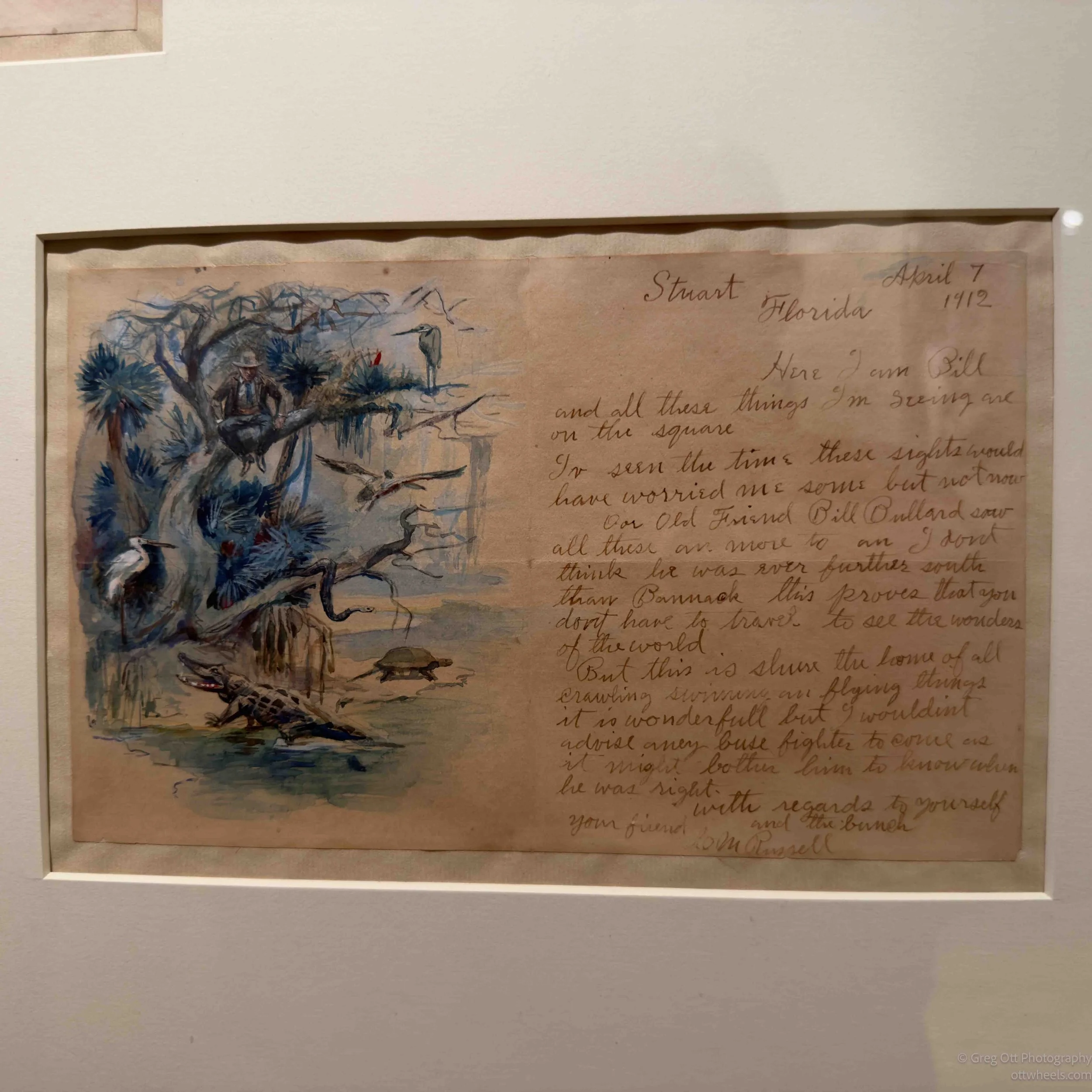
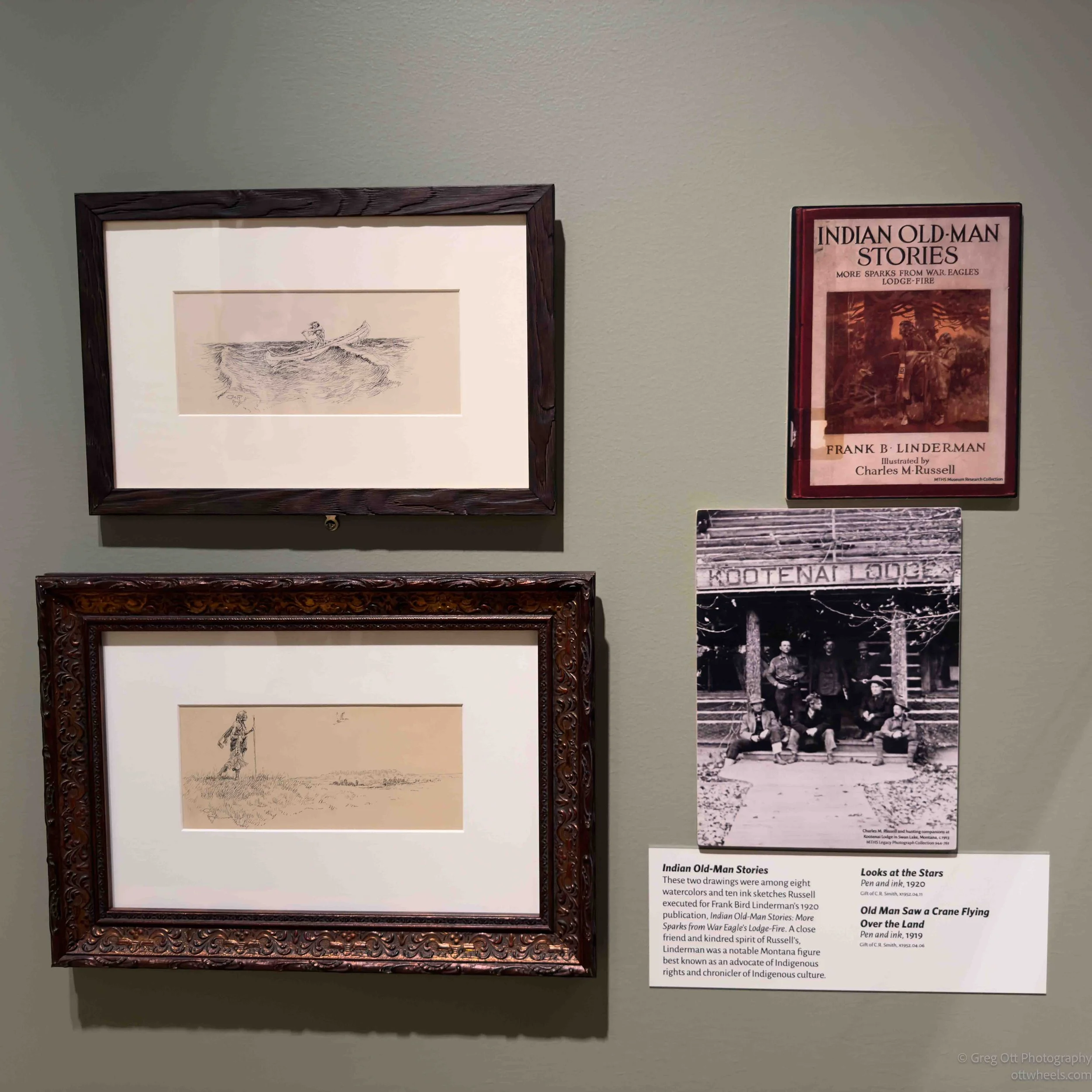
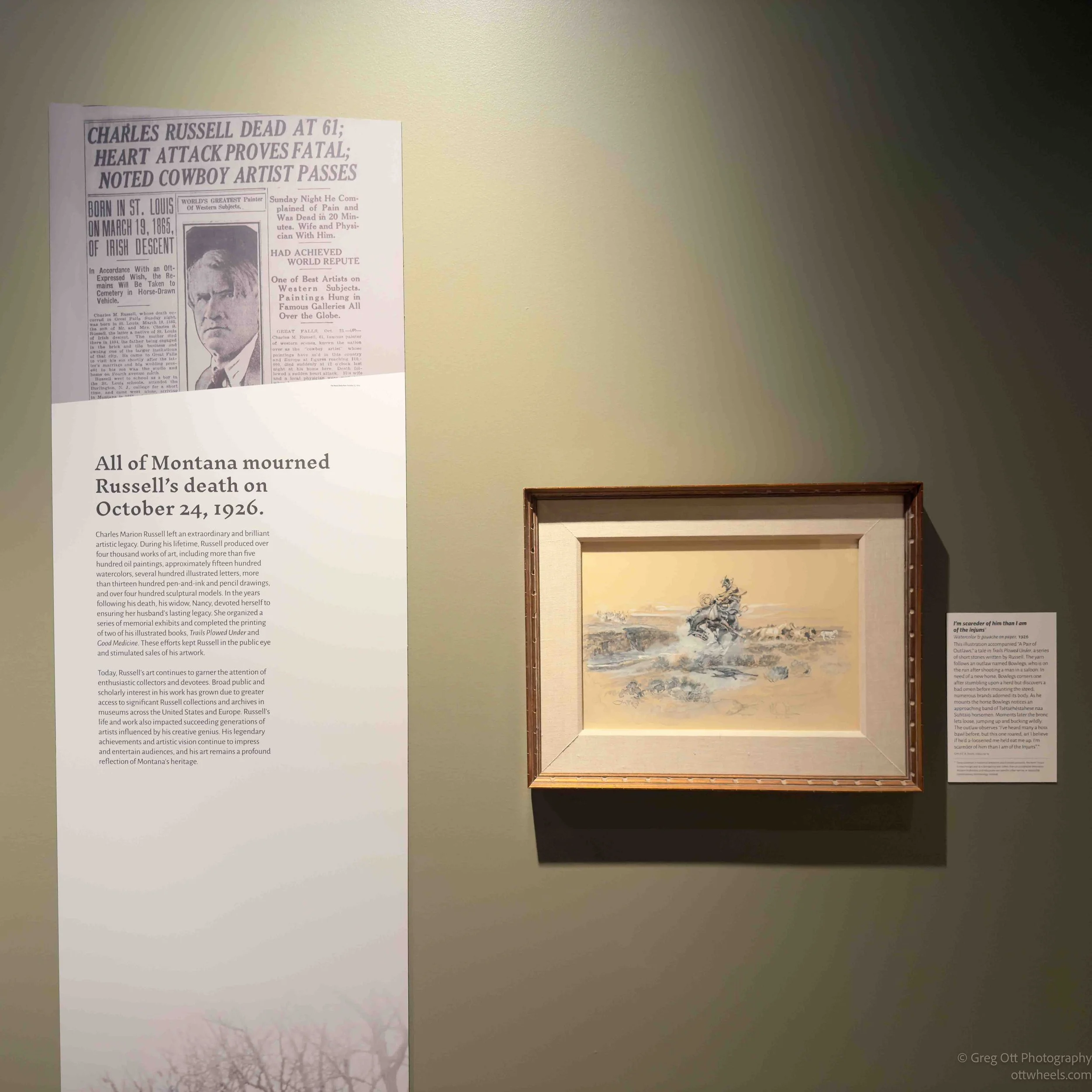
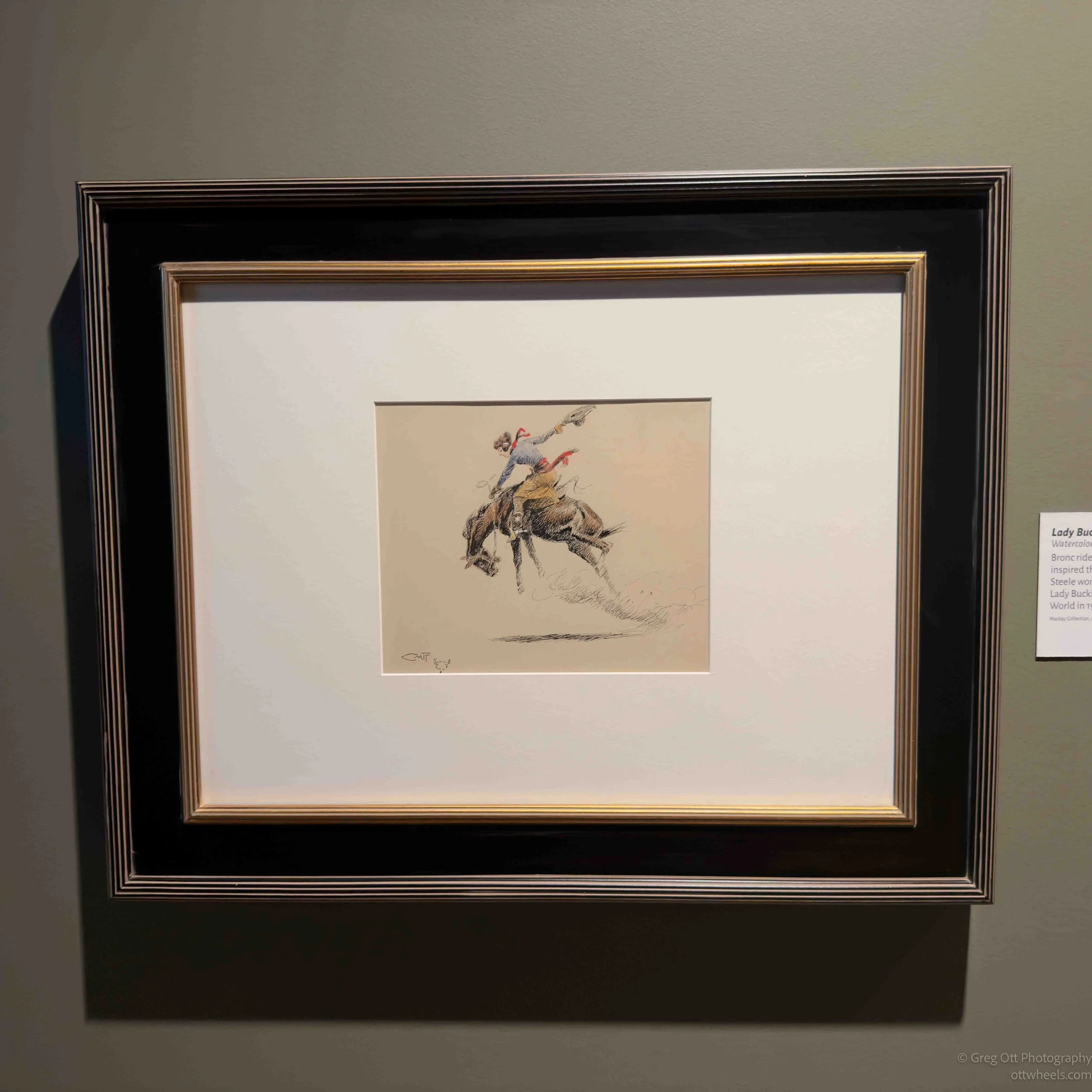
The tour eventually reached the end of Russell's life. He died of a heart attack at his home in Great Falls on October 24, 1926, at age sixty-two. One of the most striking objects in the gallery is a Western Union telegram sent the following day by Nancy Russell to their friend and patron Malcolm Mackay in New Jersey. It contains only a few words: "Chas Russell died last night." After walking through an entire gallery showing the man's life and enormous body of work, the bluntness of that telegram was surprisingly powerful.
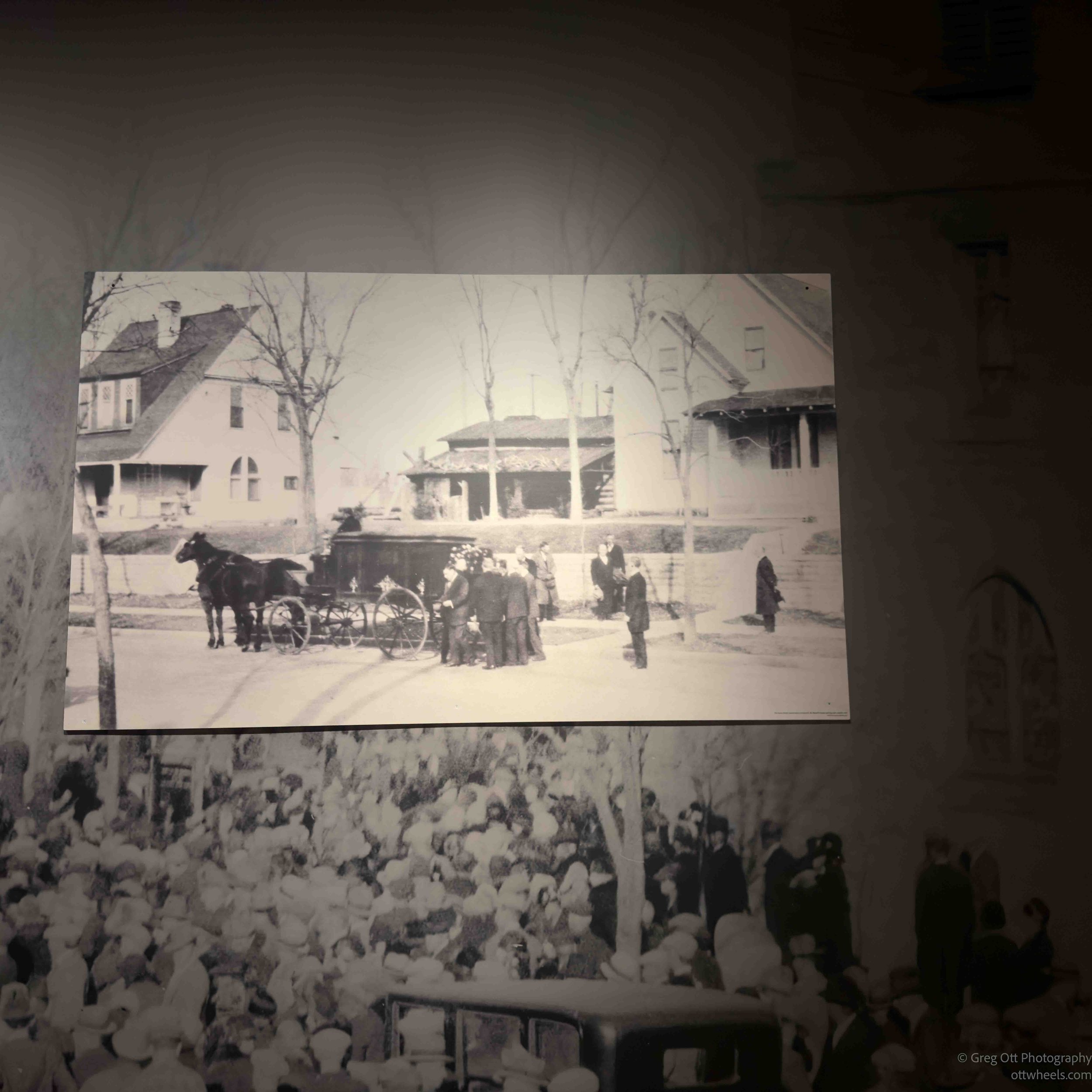
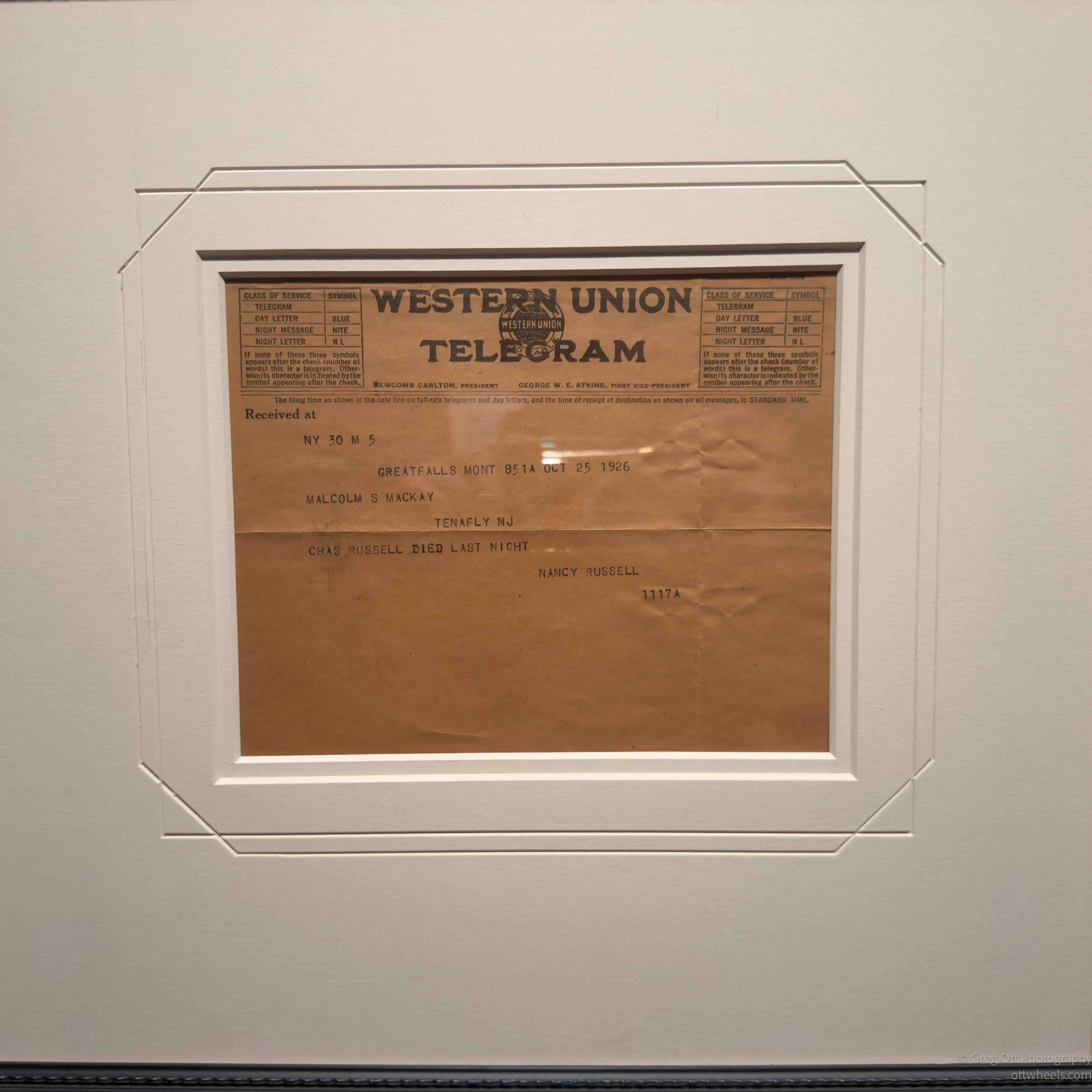
Russell's death became a major event in Montana. The exhibit includes newspaper coverage and photographs of his funeral procession, with crowds filling the streets of Great Falls. He was buried in Highland Cemetery there. The display says that all of Montana mourned him, and looking at the funeral photographs, that doesn't seem like much of an exaggeration.
What stayed with me most, though, was the development of the artist. You could see someone who started with an obsession and considerable natural ability but still had technical weaknesses, then spent decades looking, studying and working until those weaknesses largely disappeared. Russell once said that having talent wasn't something a person deserved credit for because you couldn't help having it. What mattered was that he had been lucky enough to make a living doing what he liked. That seemed especially appropriate after seeing the progression of his work across the gallery.
I also discovered that Great Falls has an entire C.M. Russell Museum built around his life and work, including his original home and log studio. I had already passed through Great Falls before coming to Helena. After seeing this collection, I wished I had known enough to visit it while I was there.
Poindexter Collection of Modern Art
I had the same guide for the modern art gallery, although she admitted almost immediately that this wasn't normally her tour. The regular guide was out sick. I thought, yes, the Friday sickness bug. I remember as a manager noticing that somehow more people seemed to get sick on Fridays than on any other day. :)
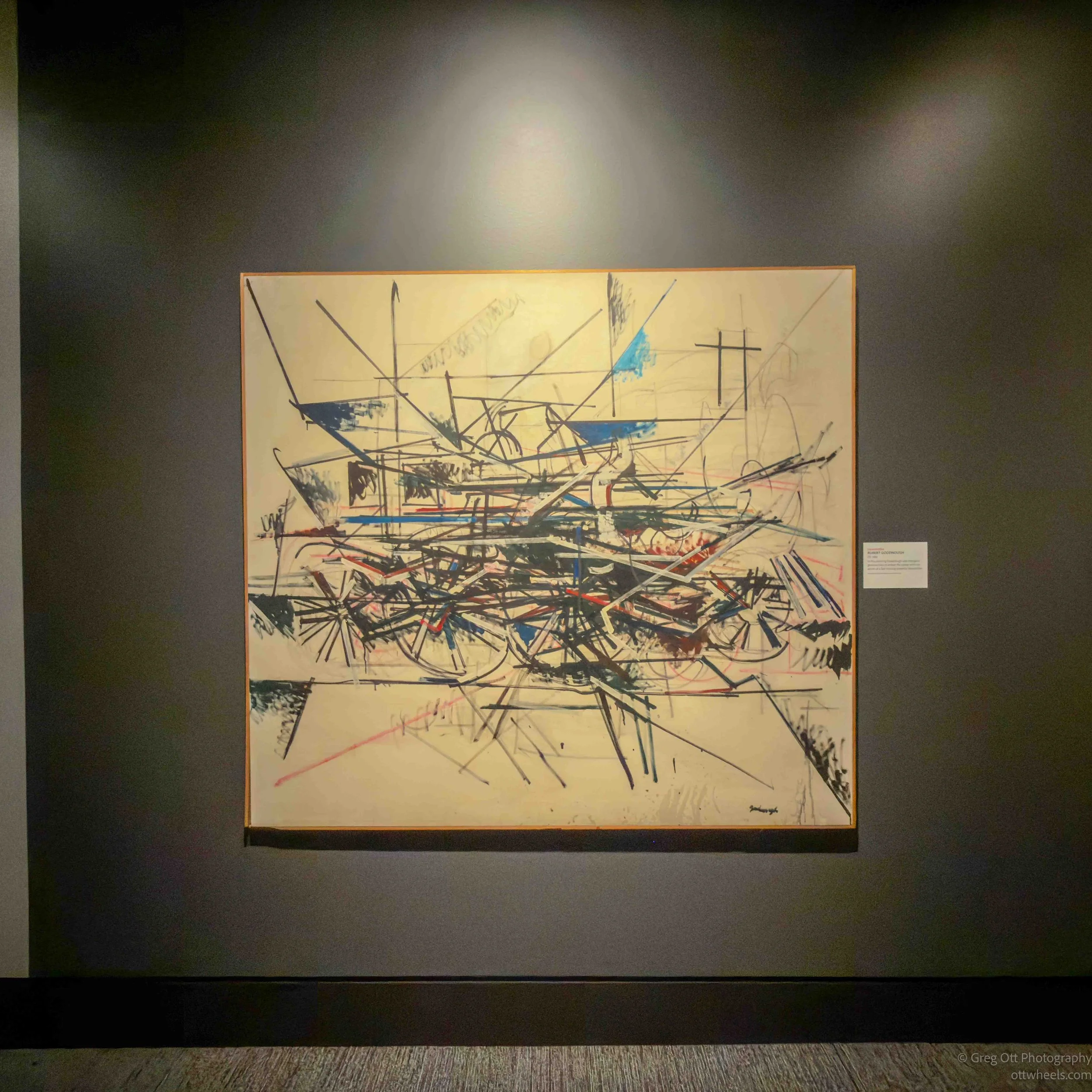
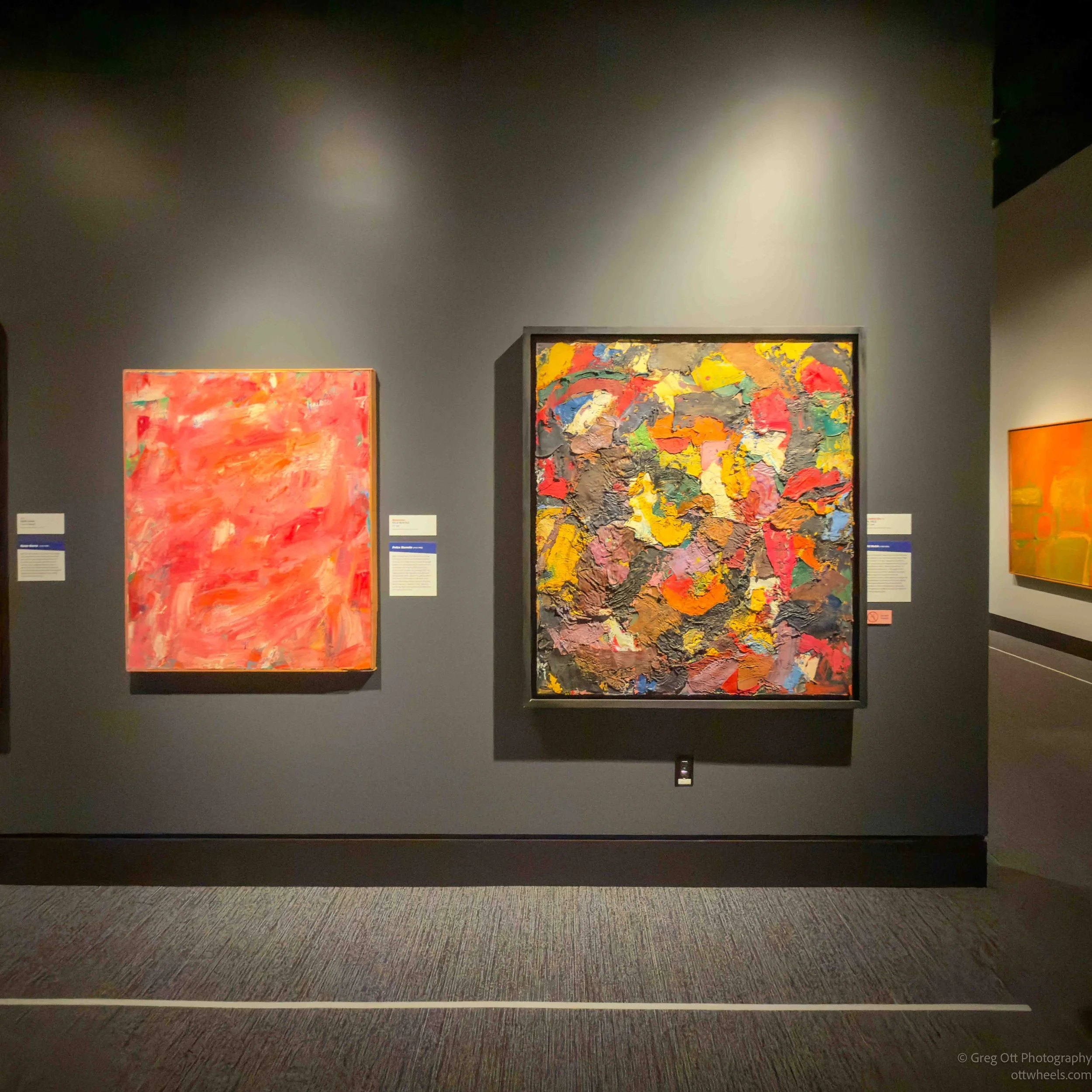
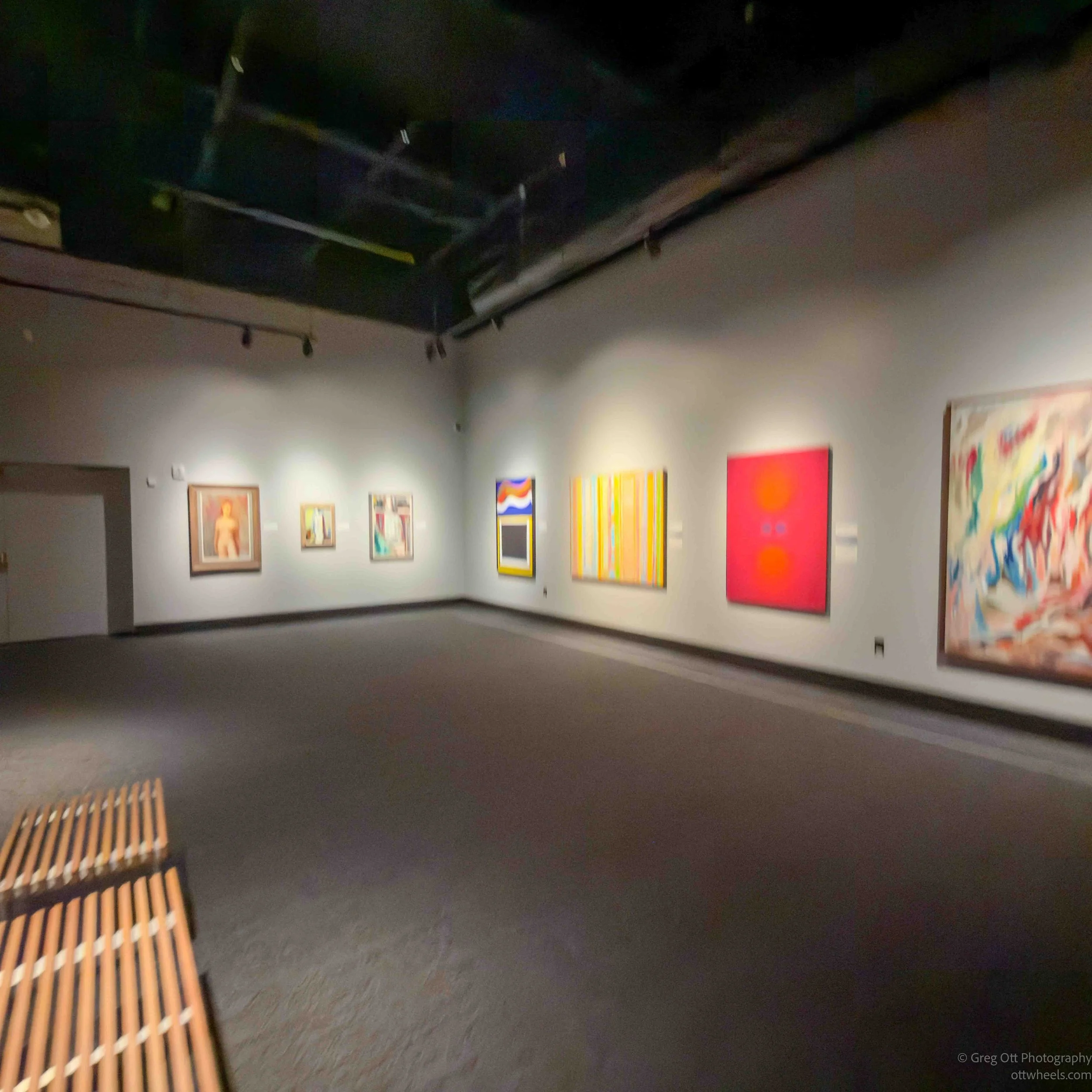
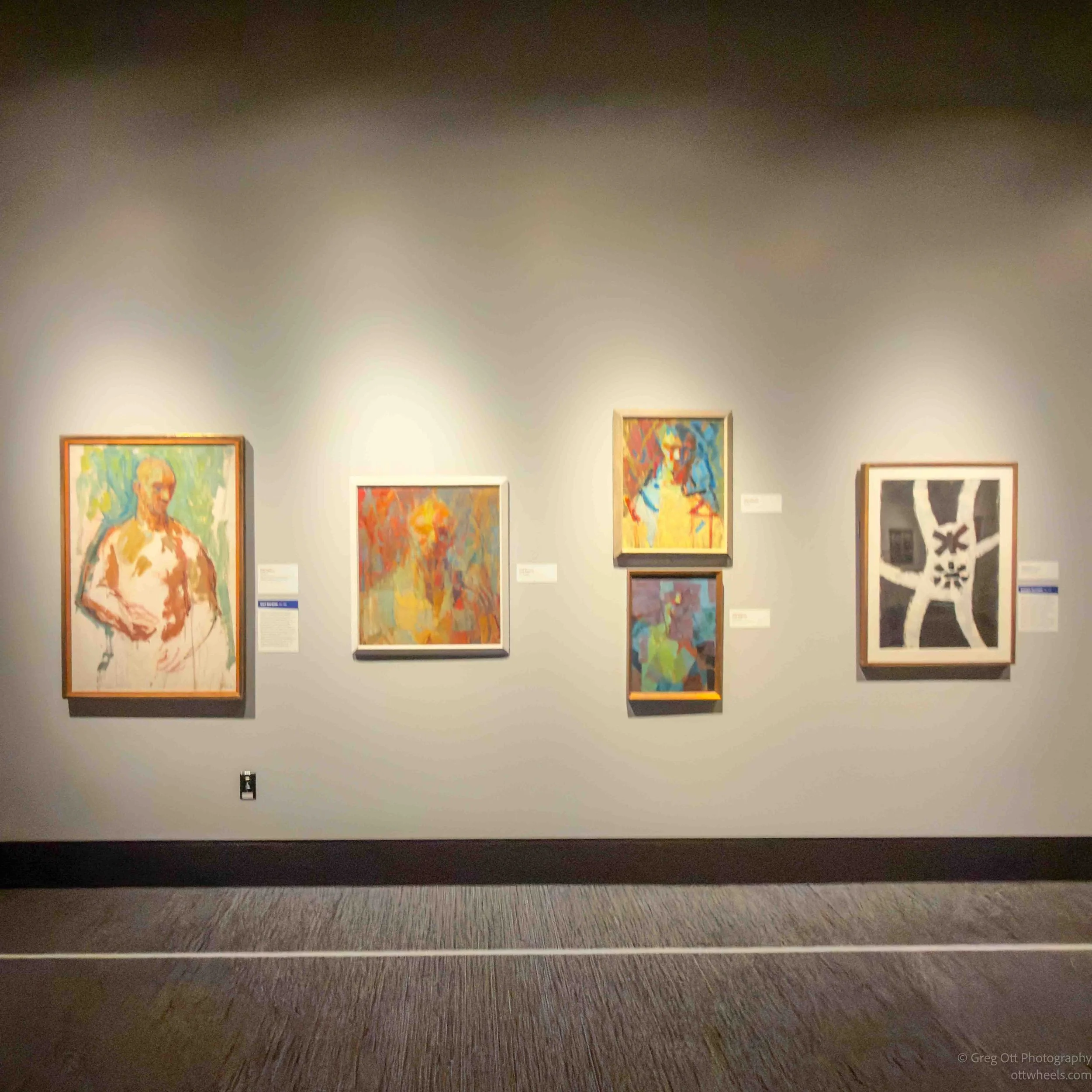
The exhibit is built around the Poindexter Collection of Modern Art, assembled by Montana native George Poindexter and his wife, Elinor. George was not initially a fan of abstract art at all. When he first encountered Abstract Expressionism in New York, he thought much of it was terrible, while Elinor was far more receptive. They began buying works together, and George apparently made a real effort to understand what he was seeing, even taking painting lessons in hopes that learning how art was made would help him appreciate it. Over time, the couple assembled an important collection of mid-century modern art and began donating it to the Montana Historical Society in 1960.
I didn't recognize many of the artists in the collection, although one name immediately jumped out at me: Robert De Niro Sr., the father of actor Robert De Niro. There were probably five of his paintings on display. The collection also includes major artists such as Jackson Pollock and Willem de Kooning, although I wasn't familiar enough with most of the work to recognize the artists without reading the labels.
I was also a little puzzled by the way the gallery was arranged. With one exception, works by the same artist weren't grouped together. A painting might be on one wall while another work by the same artist appeared somewhere else in the room. I wasn't sure whether the pieces were being grouped by period, style, color, or some other curatorial idea, and since our guide was filling in for someone else, I never really got a clear explanation.
Montana Homeland Gallery
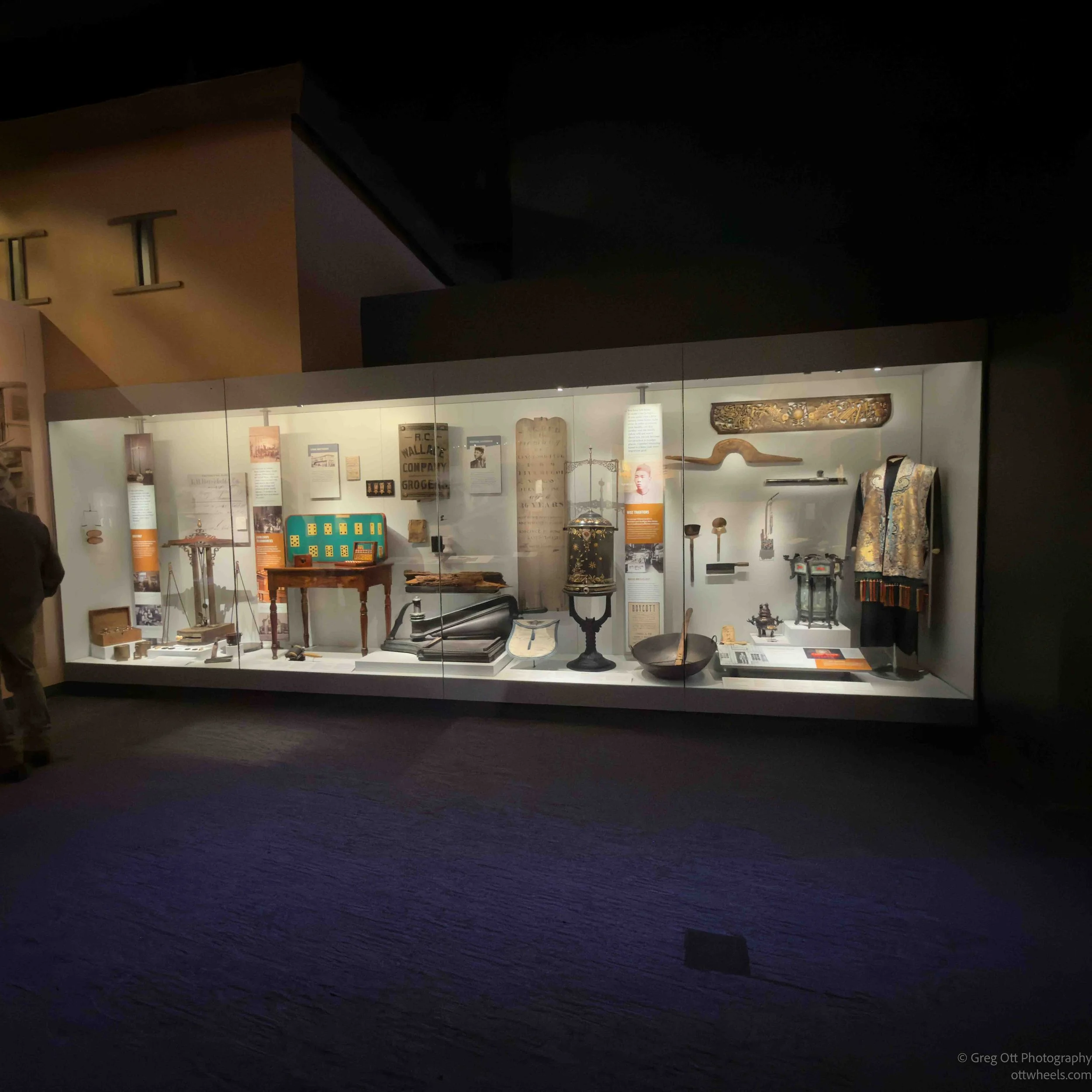
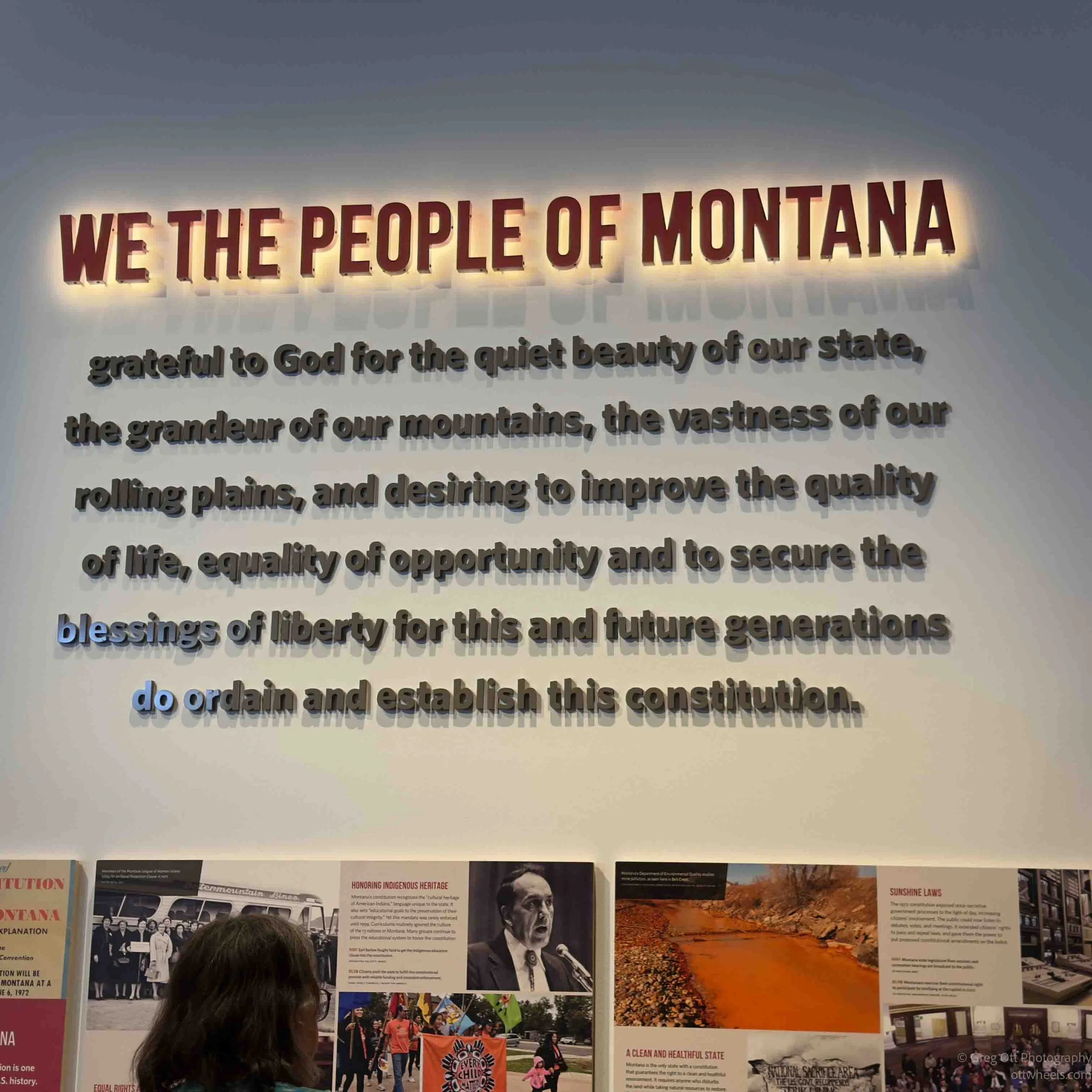
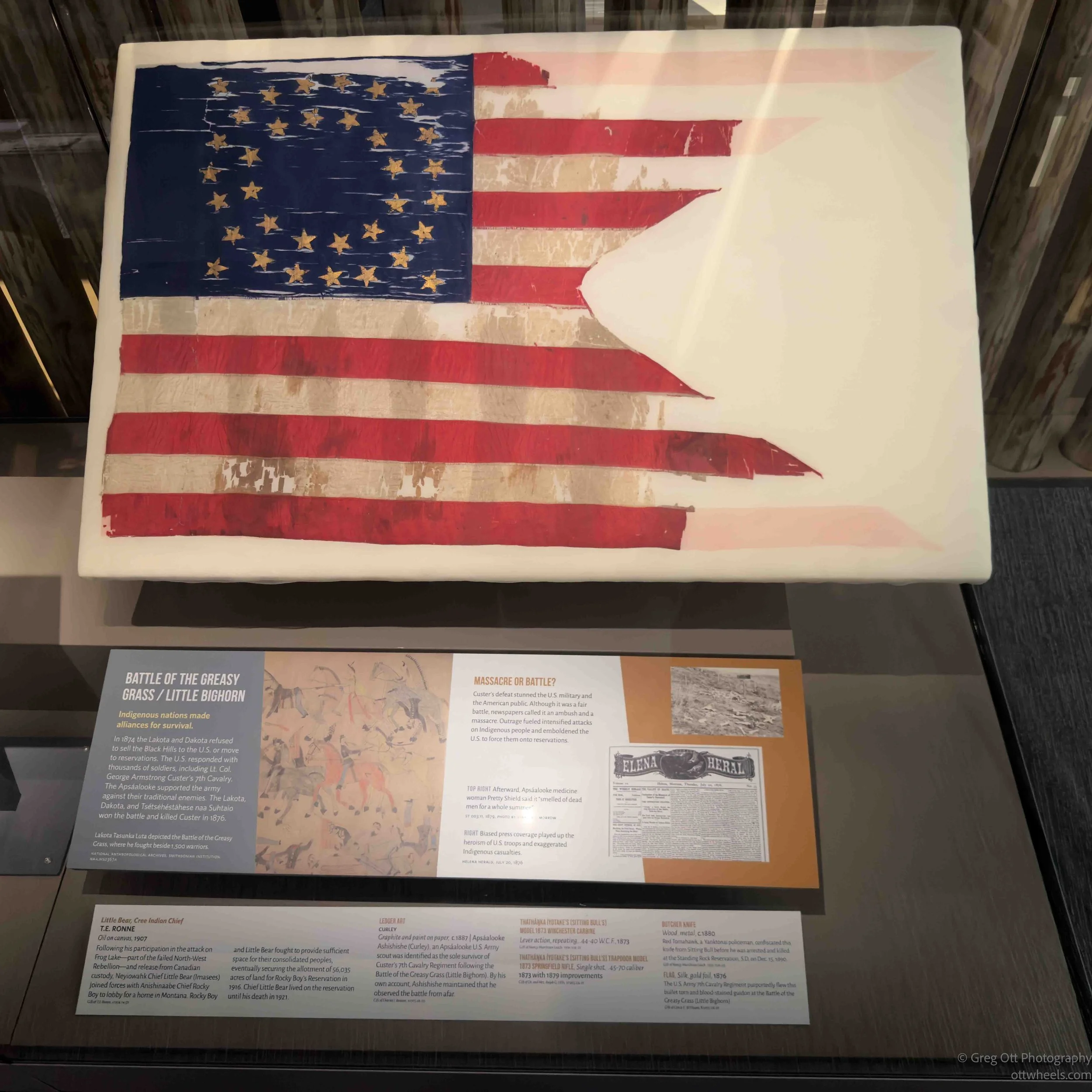
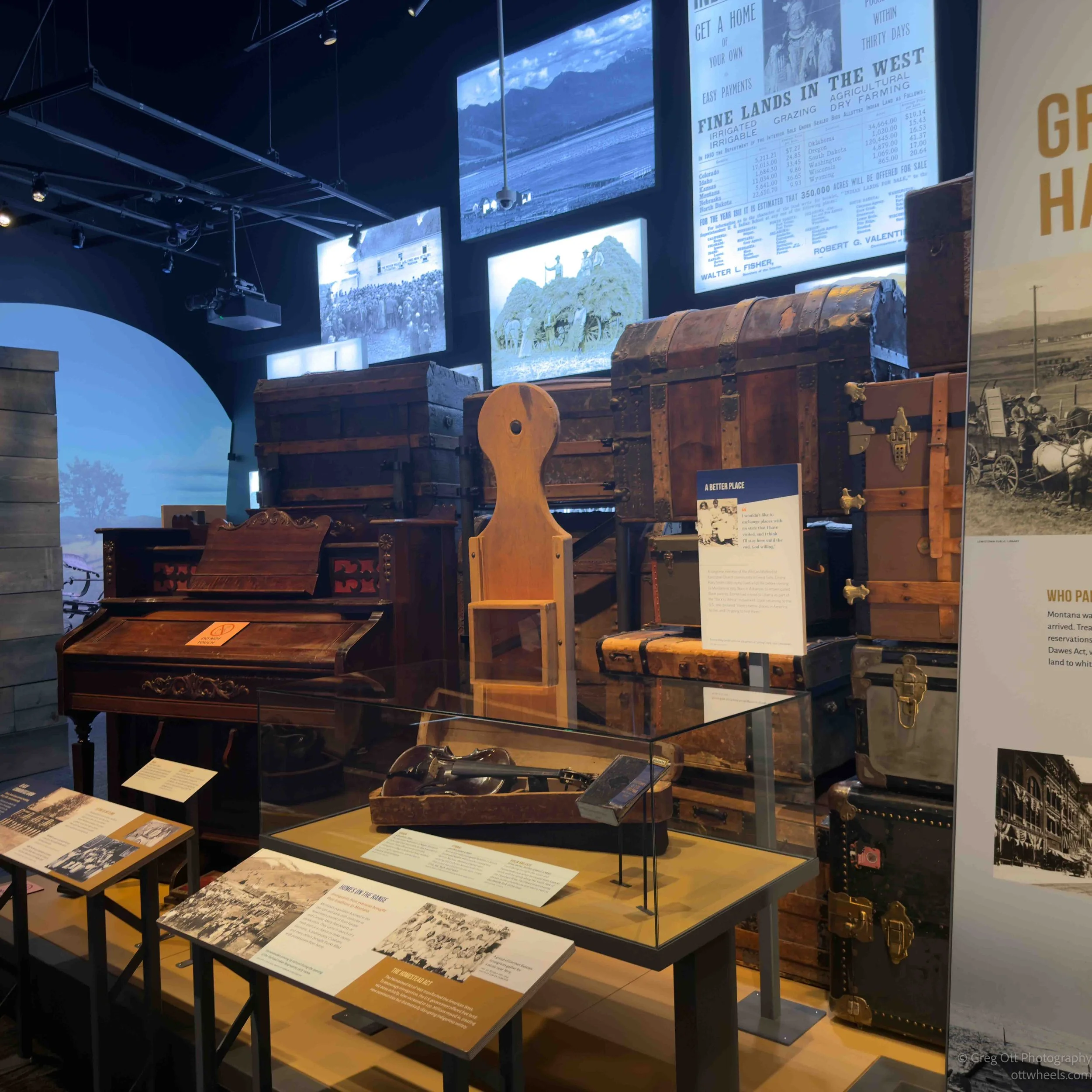
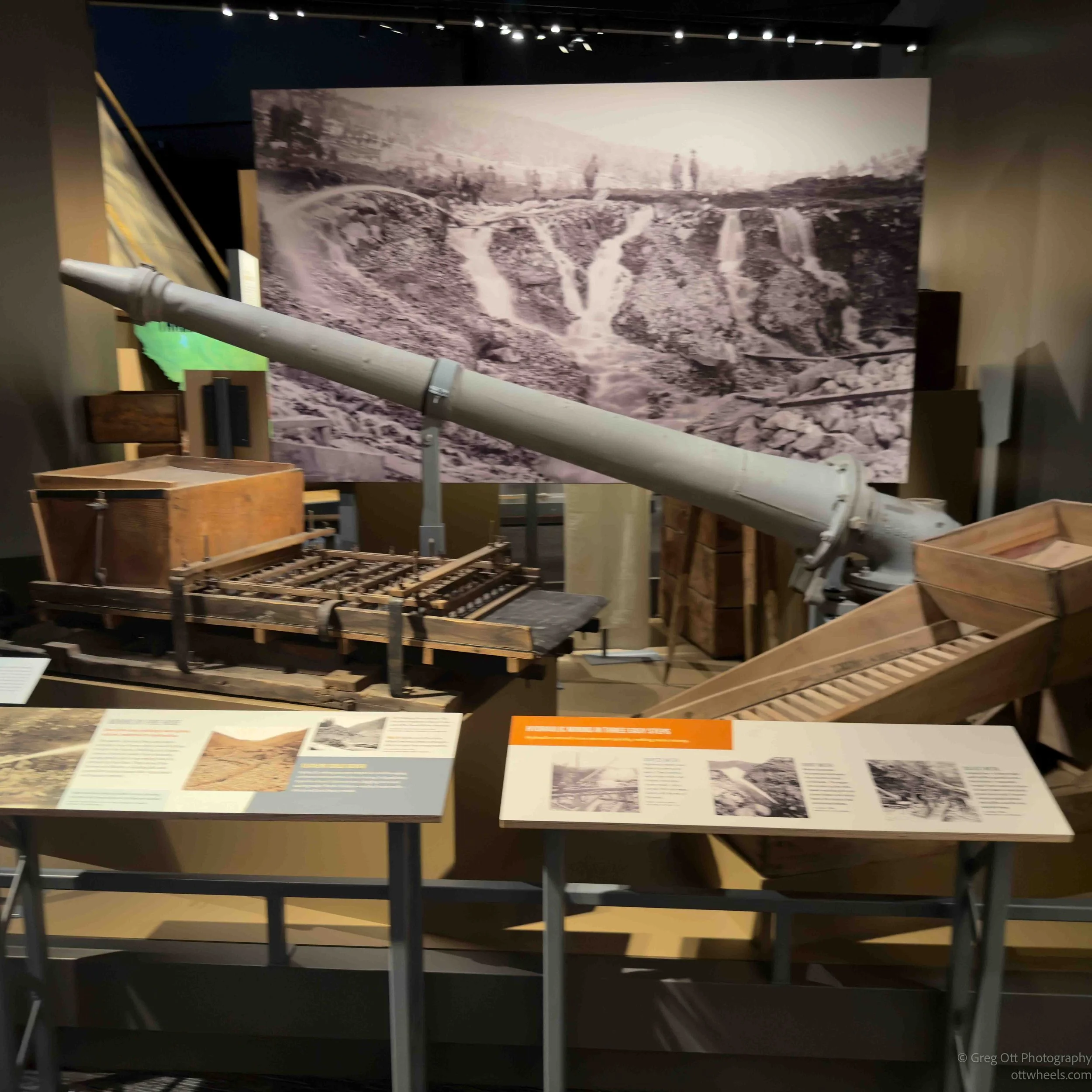
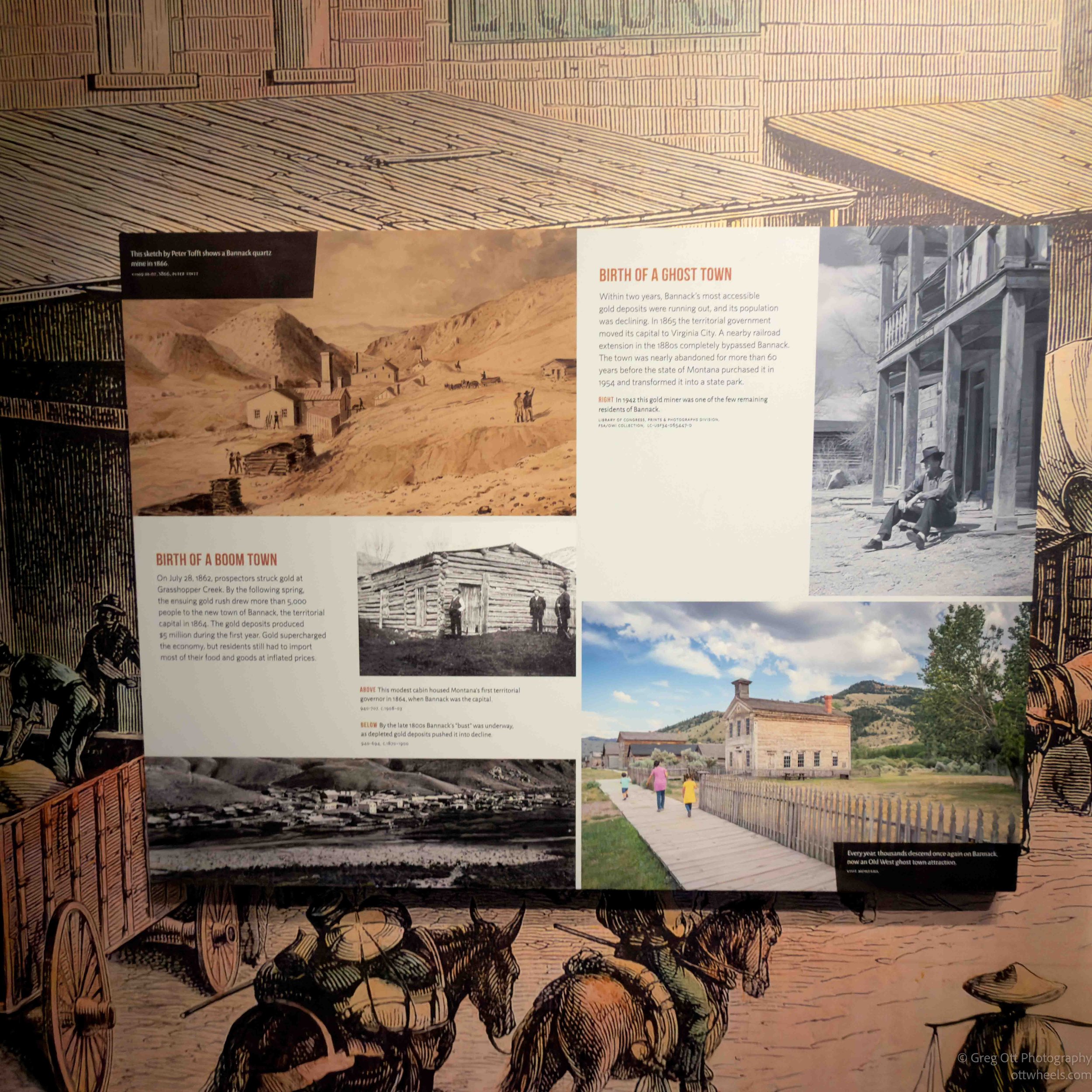
The Montana Homeland Gallery was enormous, but what impressed me was how cohesive it felt. The exhibits follow Montana's history chronologically, and the transitions from one period to the next felt natural rather than forced. I wasn't wandering through a collection of unrelated displays. I was moving through a story. Native history, exploration, settlement, mining, agriculture, transportation and industry all built on what had come before, so even with the tremendous amount of material, I always had a sense of where I was in the larger history of Montana.
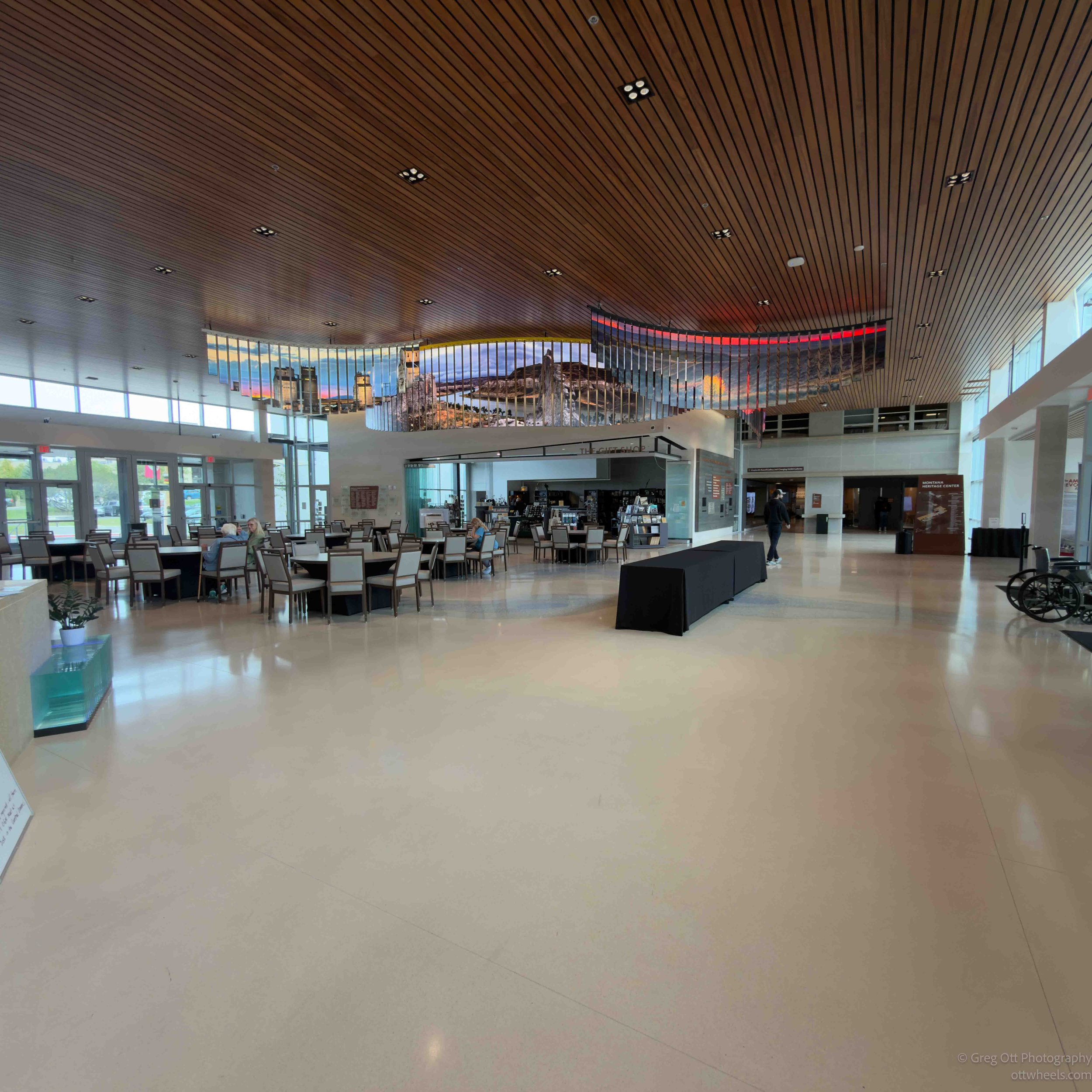
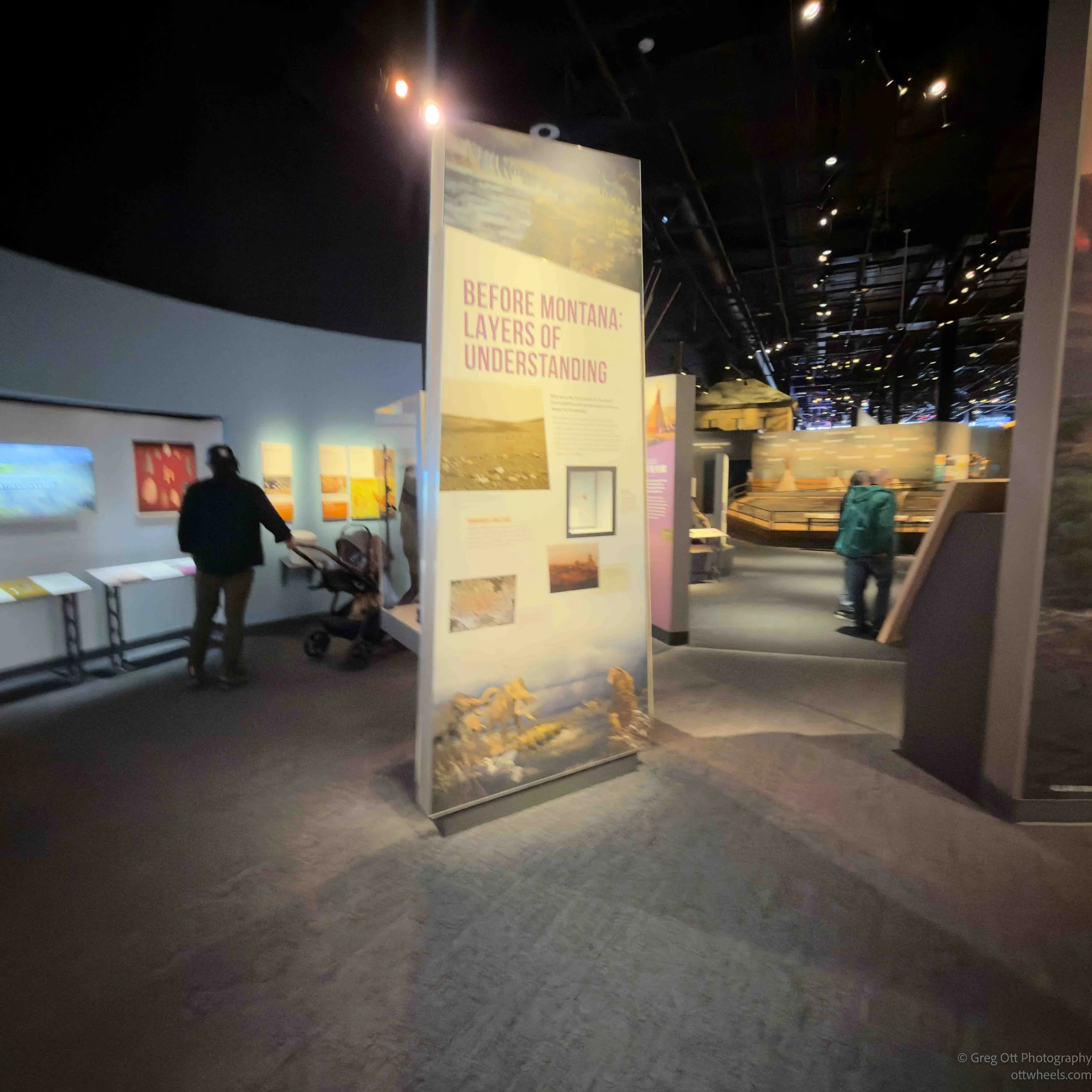
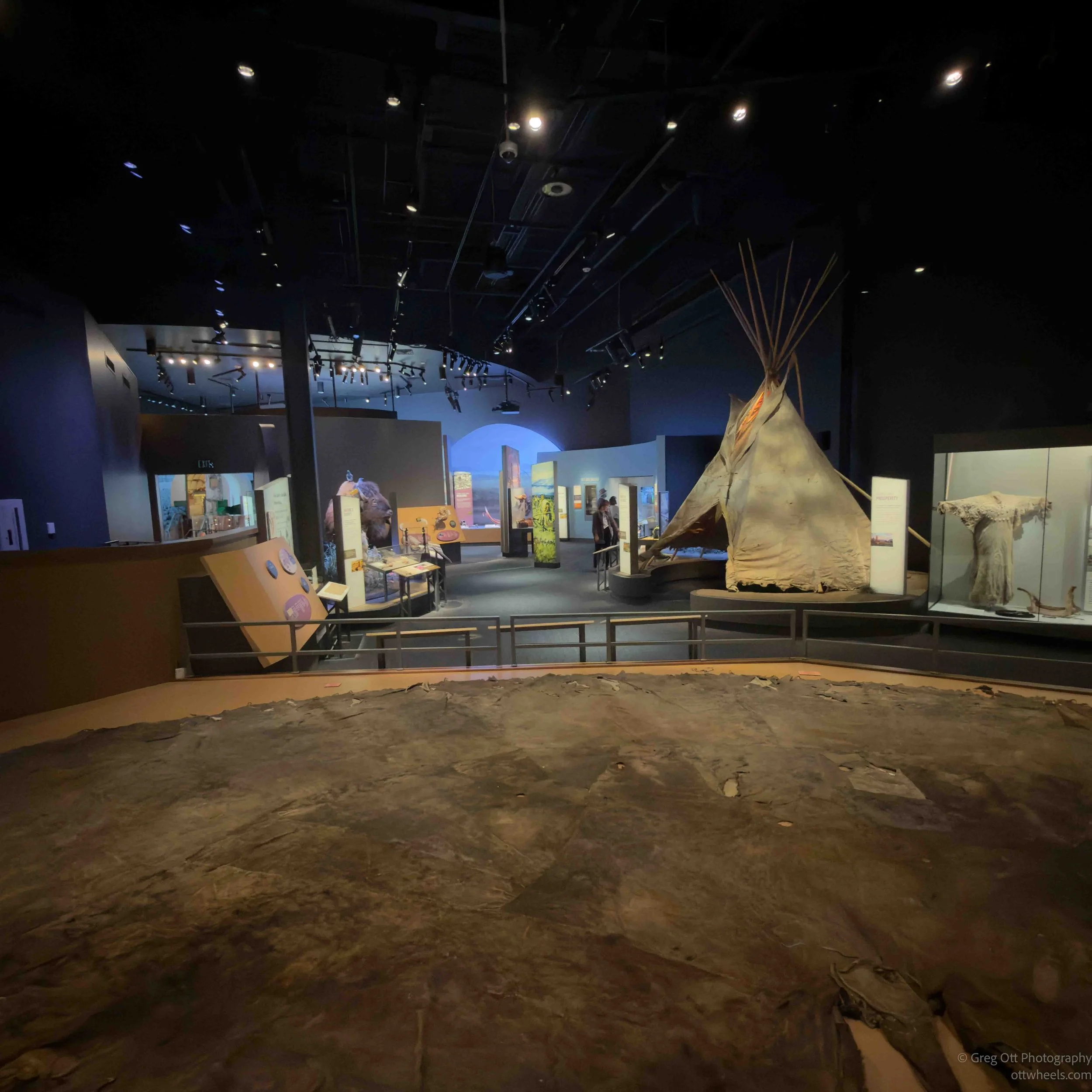
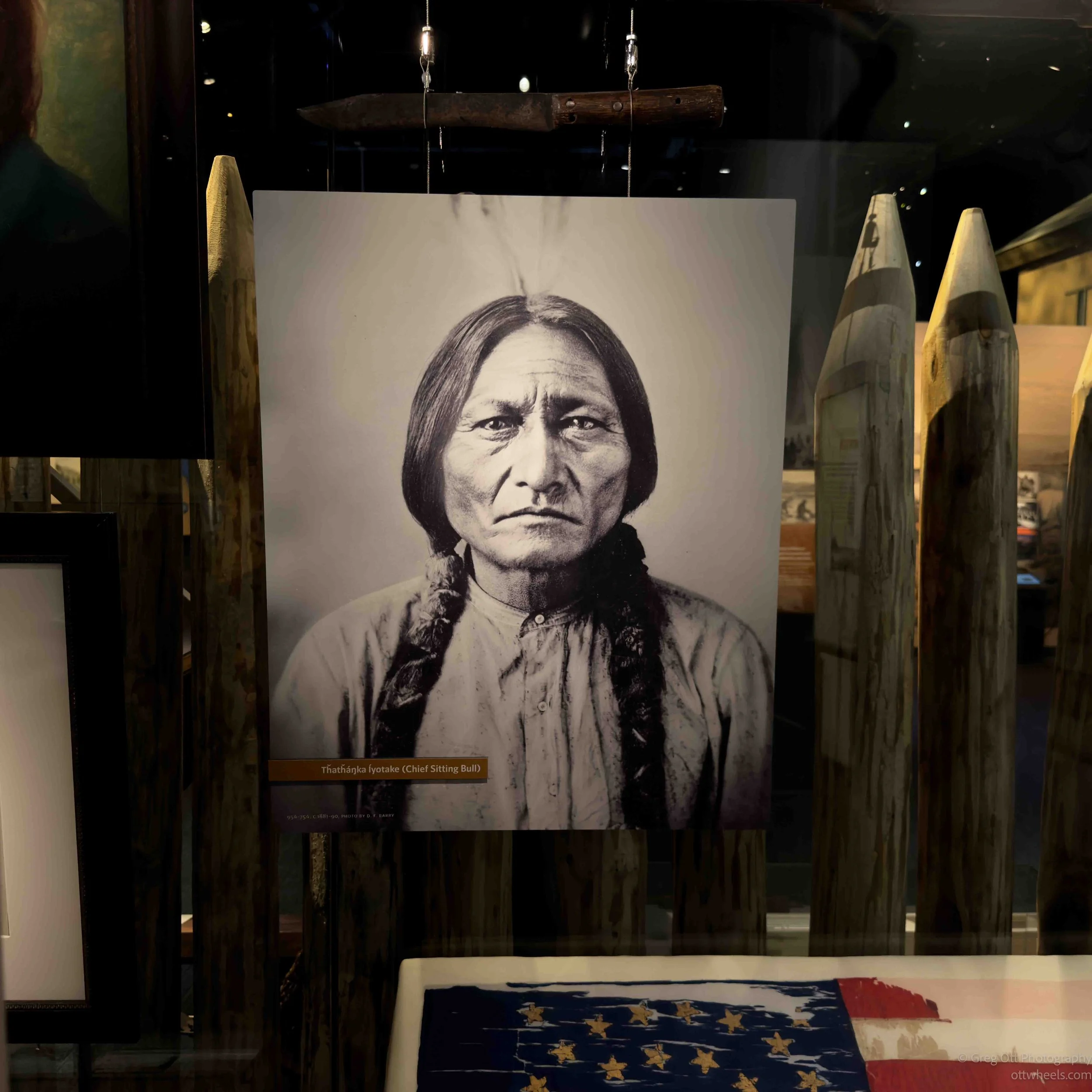
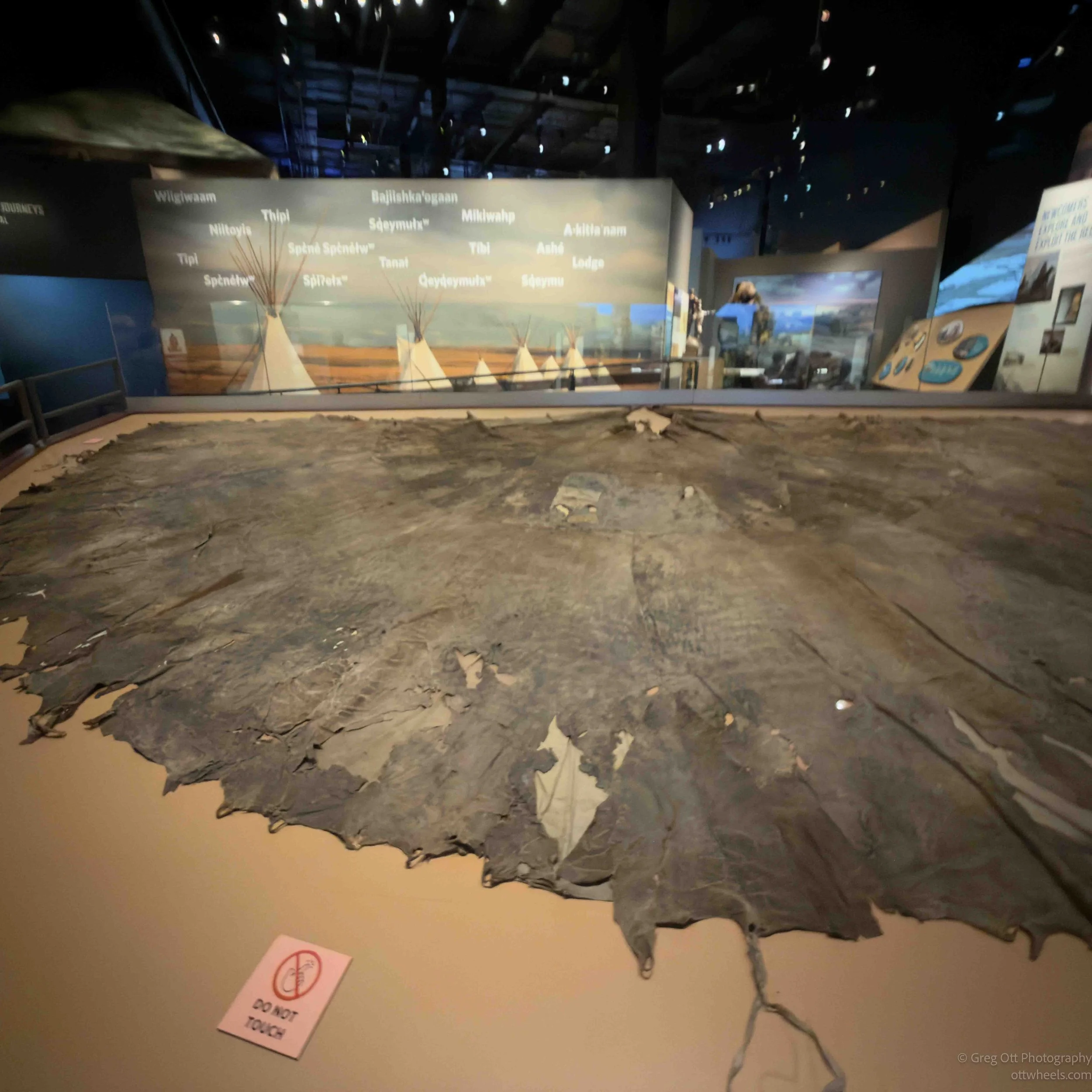
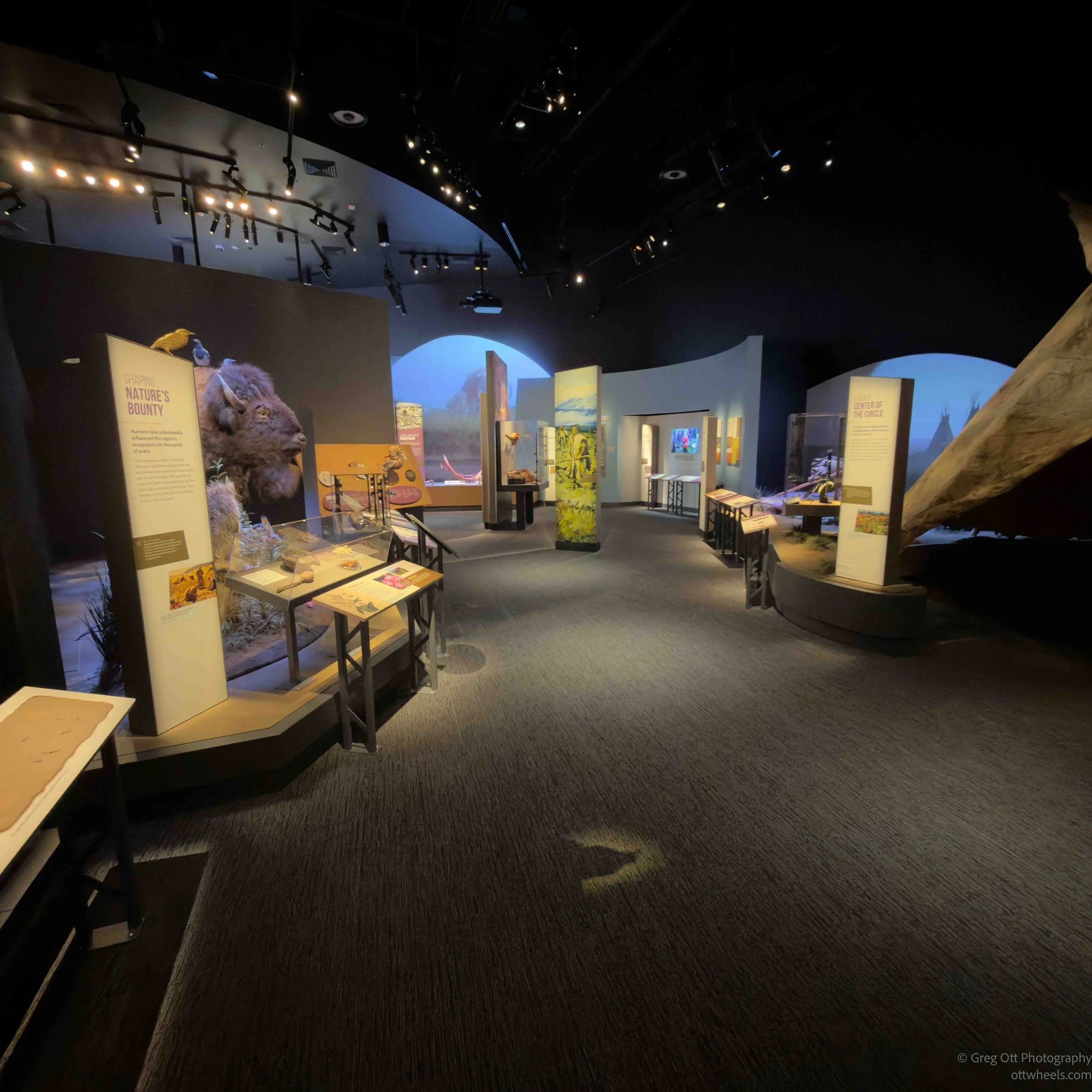
The physical design helped make that work. The gallery wasn't simply a series of glass cases and information panels. Tipis, wagons, clothing, photographs and large artifacts were worked into spaces that changed as I moved through them. Lighting, wall shapes and exhibit heights shifted from section to section, and the modern LED displays were particularly effective. Some were conventional screens, but others had unusual shapes and arrangements, with historic photographs and landscapes appearing almost as part of the architecture rather than as televisions hanging on a wall.
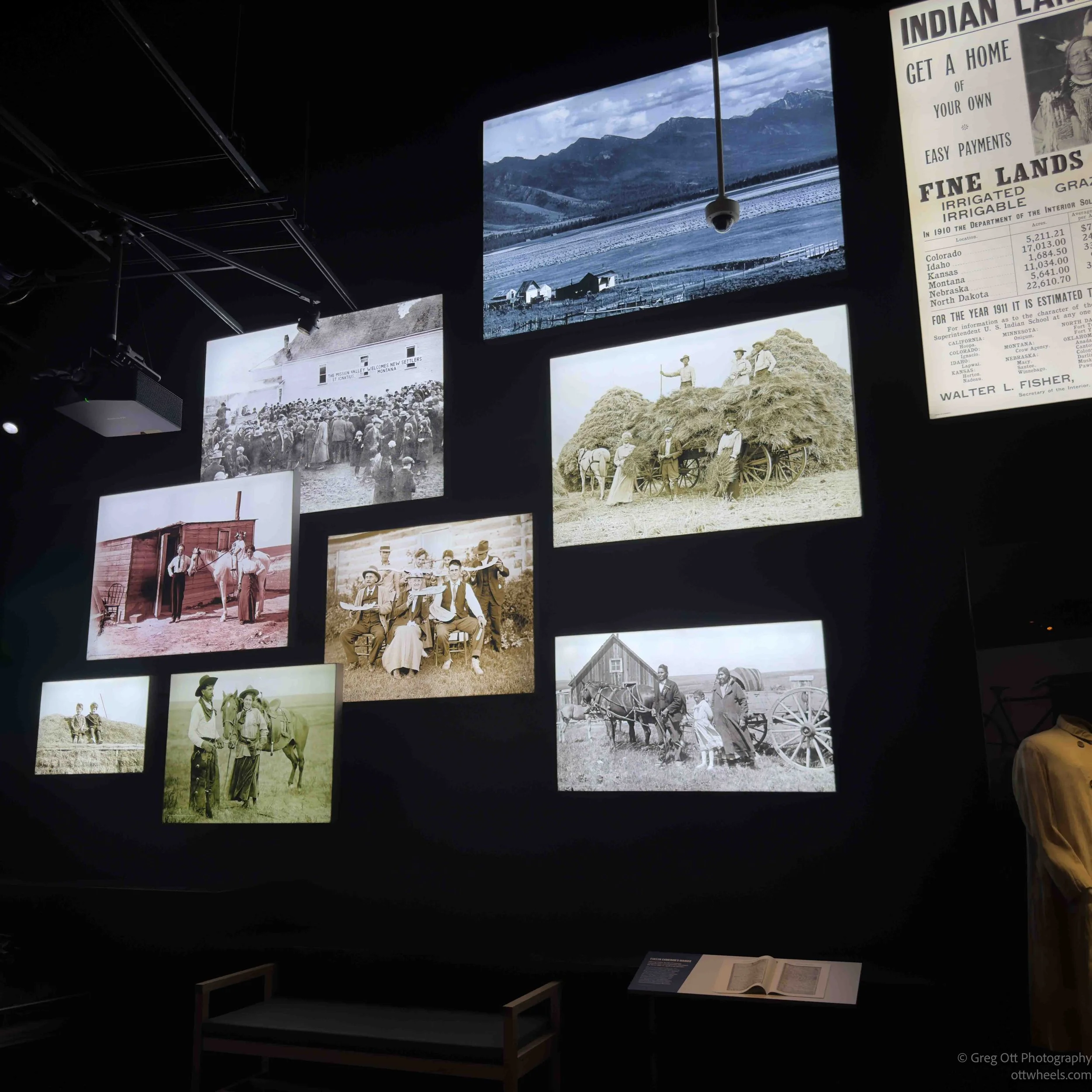
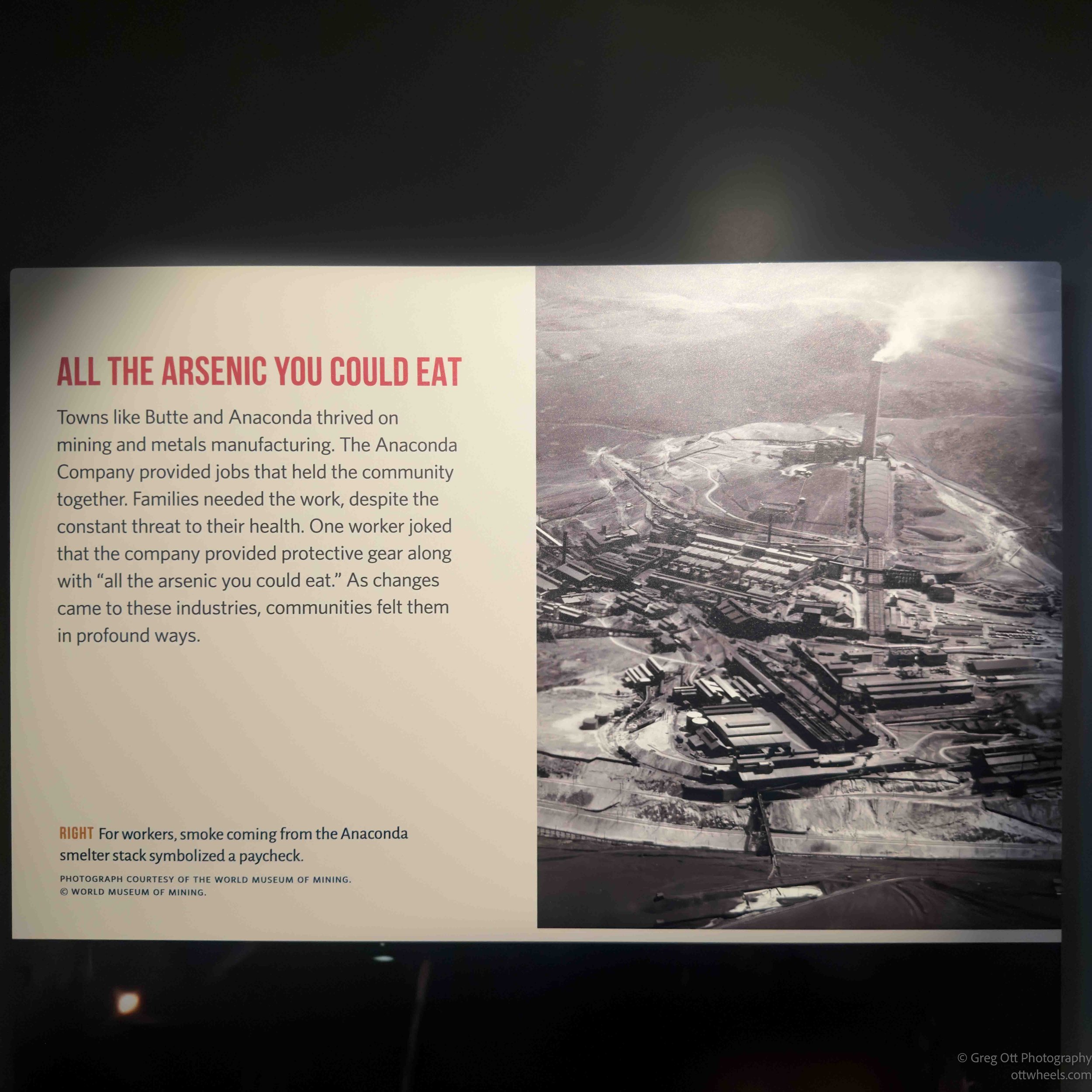
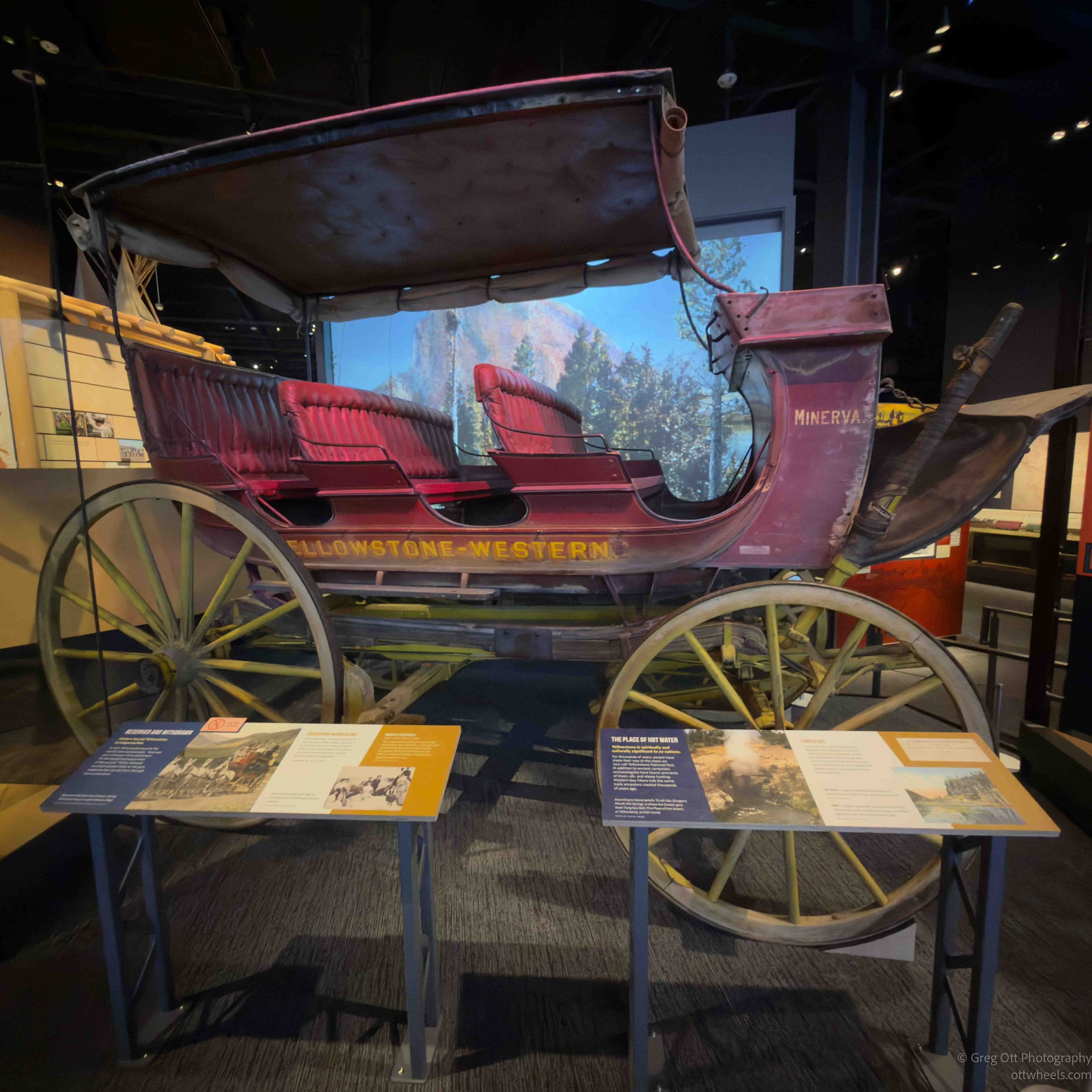
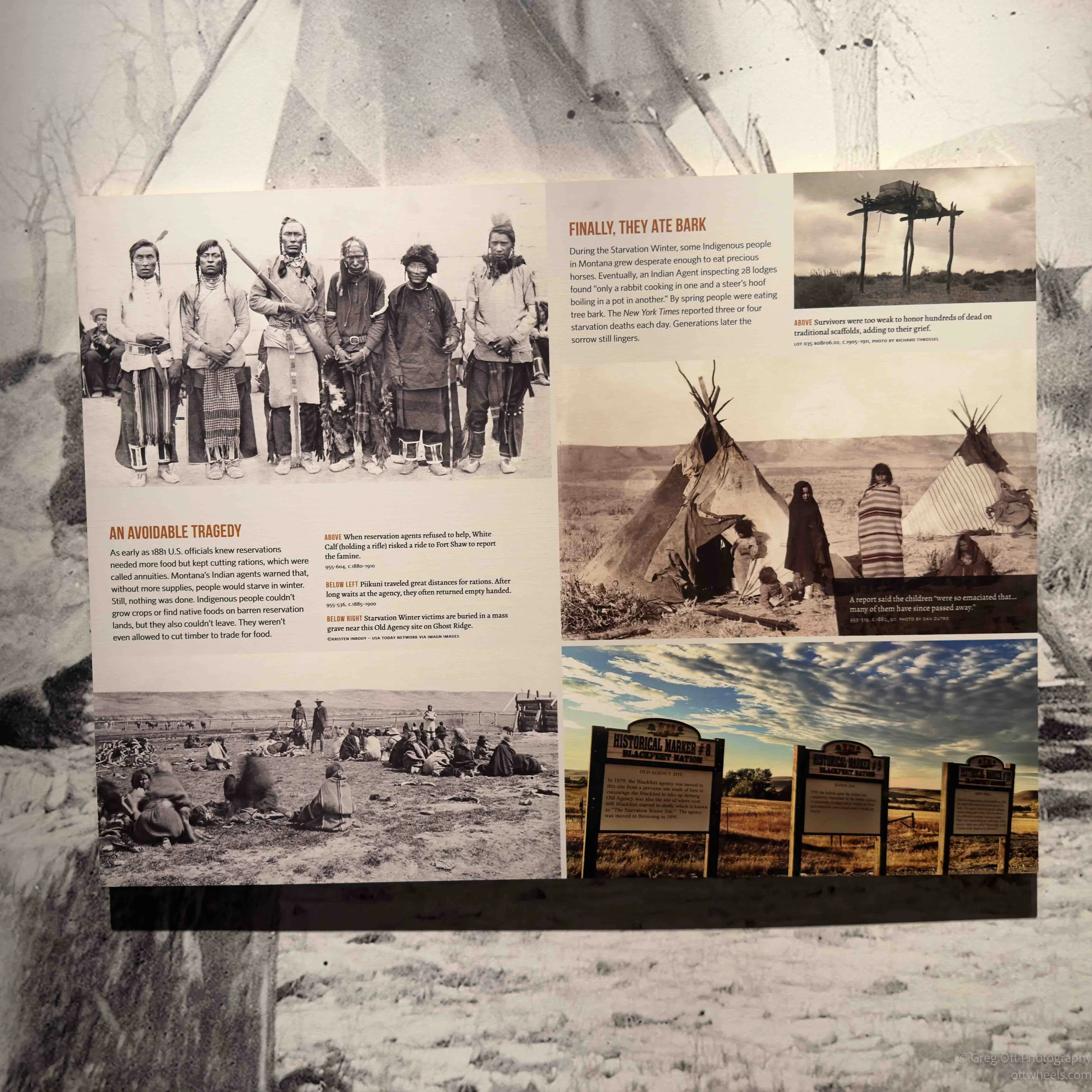
There was far more here than I could absorb in one visit, but I never felt overwhelmed by it. The chronological organization gave the gallery a direction, while the open layout still allowed me to stop wherever something caught my attention. Everything seemed to flow into the next subject. For a museum dealing with thousands of years of Montana history, that was probably its greatest accomplishment: it felt like one continuous story rather than hundreds of individual objects competing for attention.
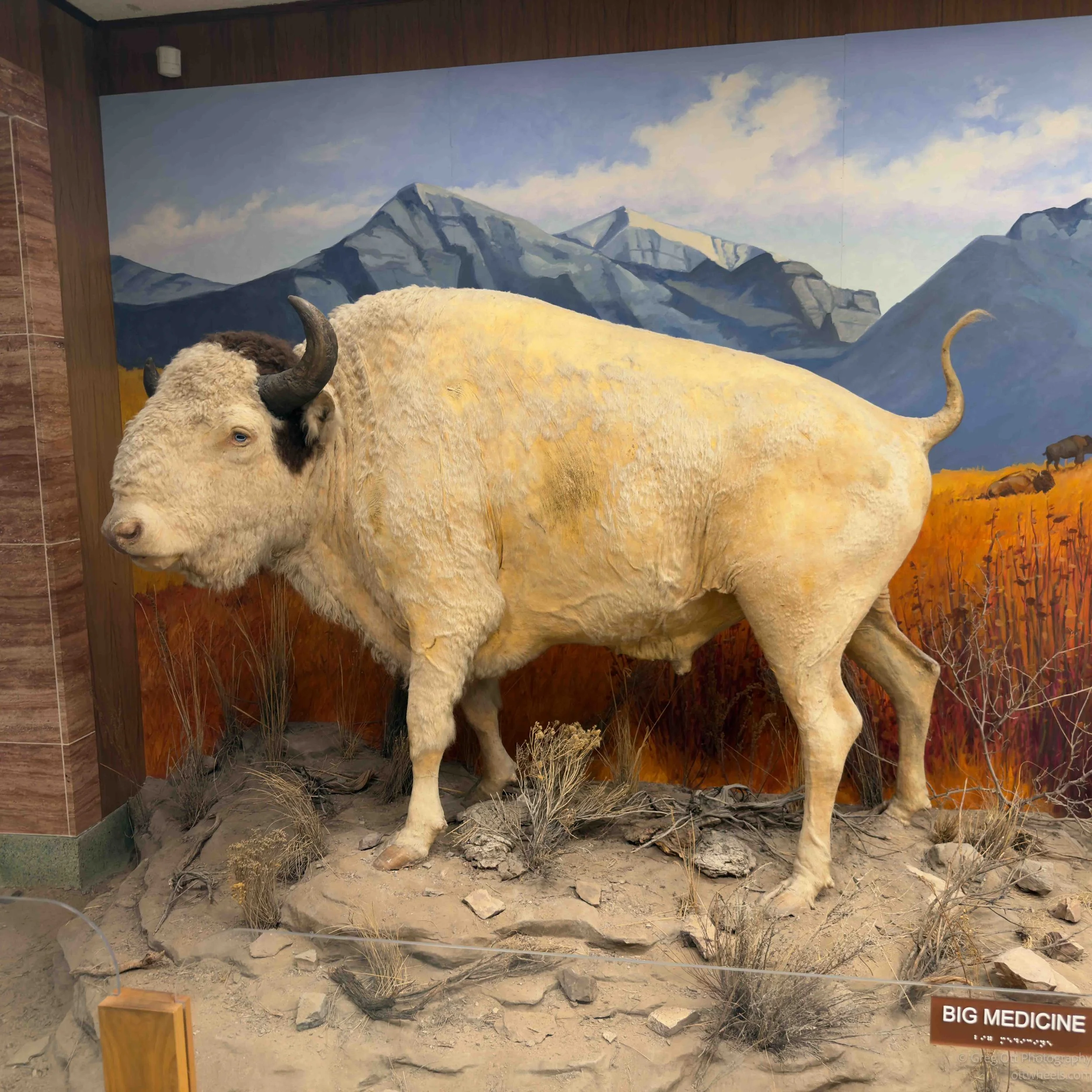
Big Medicine
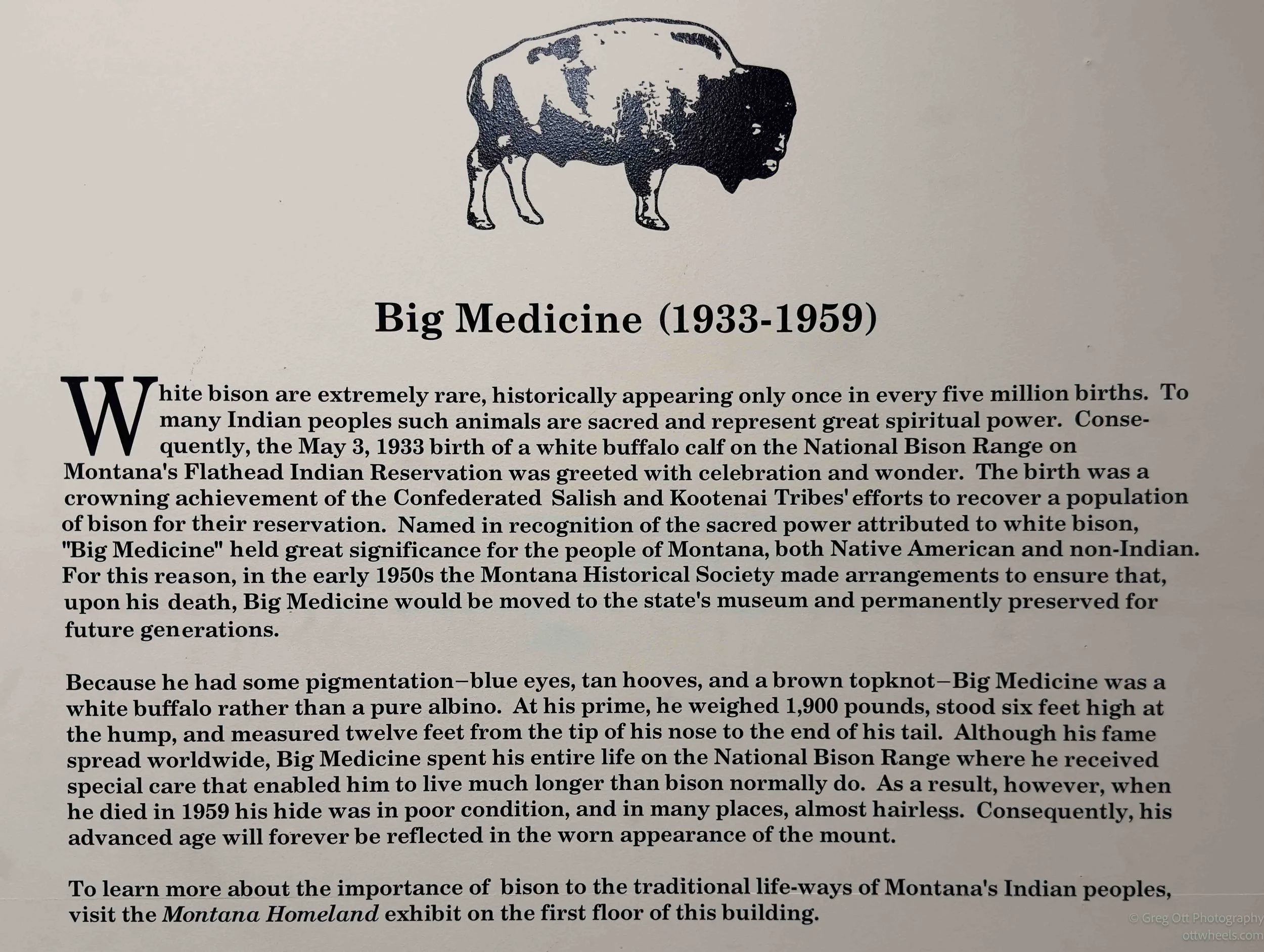
There was a second floor with a single exhibit, a mounted white bison named Big Medicine. It took me a little searching to find it, but the plaque explained that he was born in 1933 on the National Bison Range and was considered especially significant because white bison are extremely rare and hold spiritual importance for many Native peoples.
After the museum, I did some grocery shopping and made dinner. I drove around the neighborhoods above the Capitol for a short bit and eventually found a quiet place to stop for the night.