Yesterday the rain and fog continued, but this time there were thunderstorms mixed in and the rain barely stopped for most of the day. It reminded me of a week I spent in North Carolina a few years ago, when I was traveling with a tent and had to deal with water getting inside. At least this time I was warm and dry in the van. It was Sunday of Labor Day weekend, and by afternoon the train traffic along the tracks beside me had picked up considerably. With nothing I could realistically do outside, I decided to stay put, write, and read.
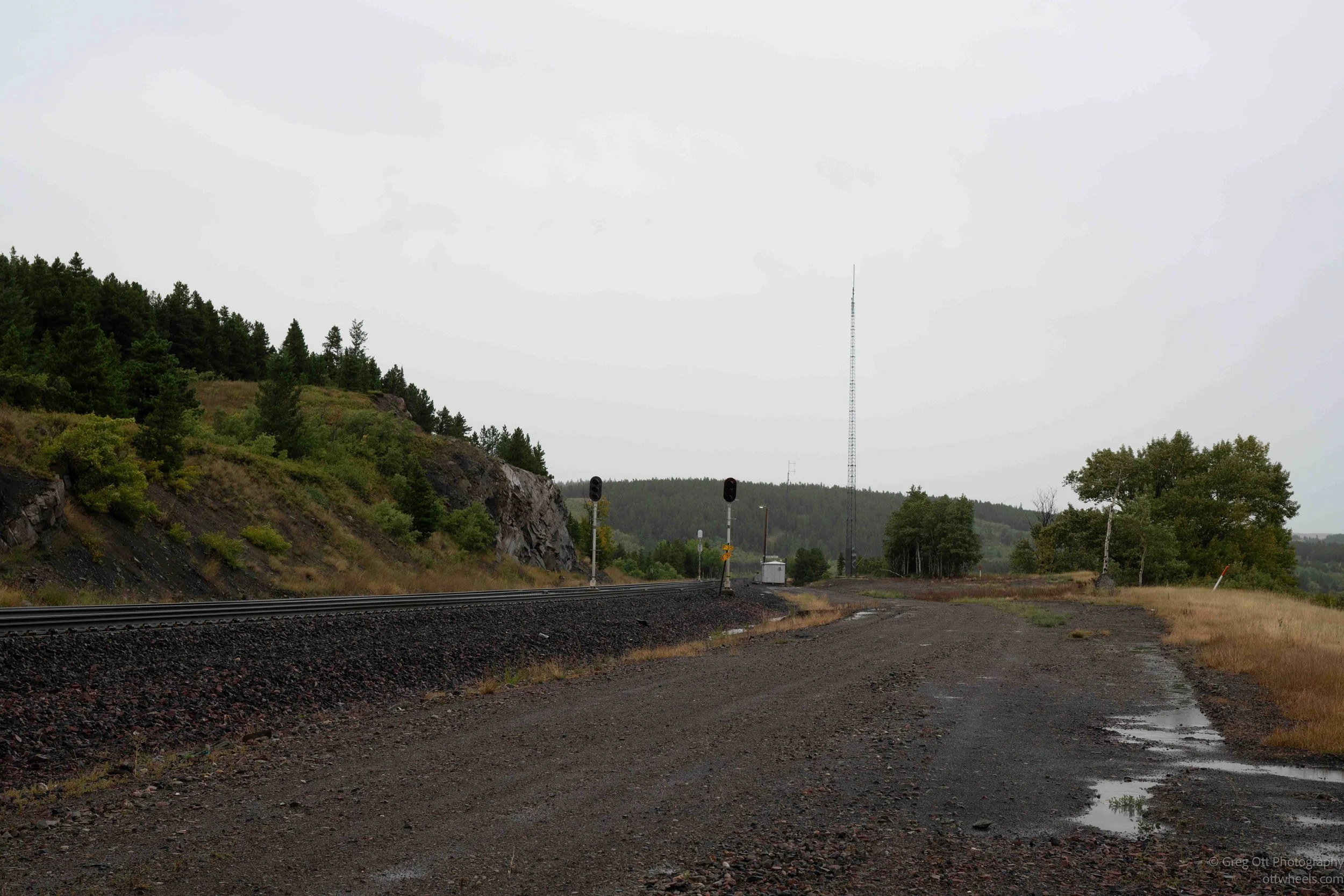
I had become curious about all the trains passing so close to where I was parked. This is part of BNSF's northern transcontinental route across Montana, and much of what I was seeing made sense once I looked into it. The long covered-hopper trains were primarily carrying grain and other agricultural commodities from the northern Plains, while the double-stack intermodal trains were moving containers between the Pacific Northwest and major hubs farther east, including Chicago. Amtrak's Empire Builder also uses the same route between Seattle and Chicago. By evening, though, the freight traffic had completely stopped. I assumed the holiday weekend had something to do with it, although I had read that freight railroads don't simply shut down for Labor Day.

Drive To Fort Benton
That made for a peaceful night. There was no train traffic between about 10 p.m. and 7 a.m., and I slept extremely well. As I was getting ready to leave around eight, an Amtrak train came slowly through, rocking noticeably from side to side as it passed. A few miles down the road I stopped in a small town for gas, and there was the same train again, sitting at the station while passengers got on and off.

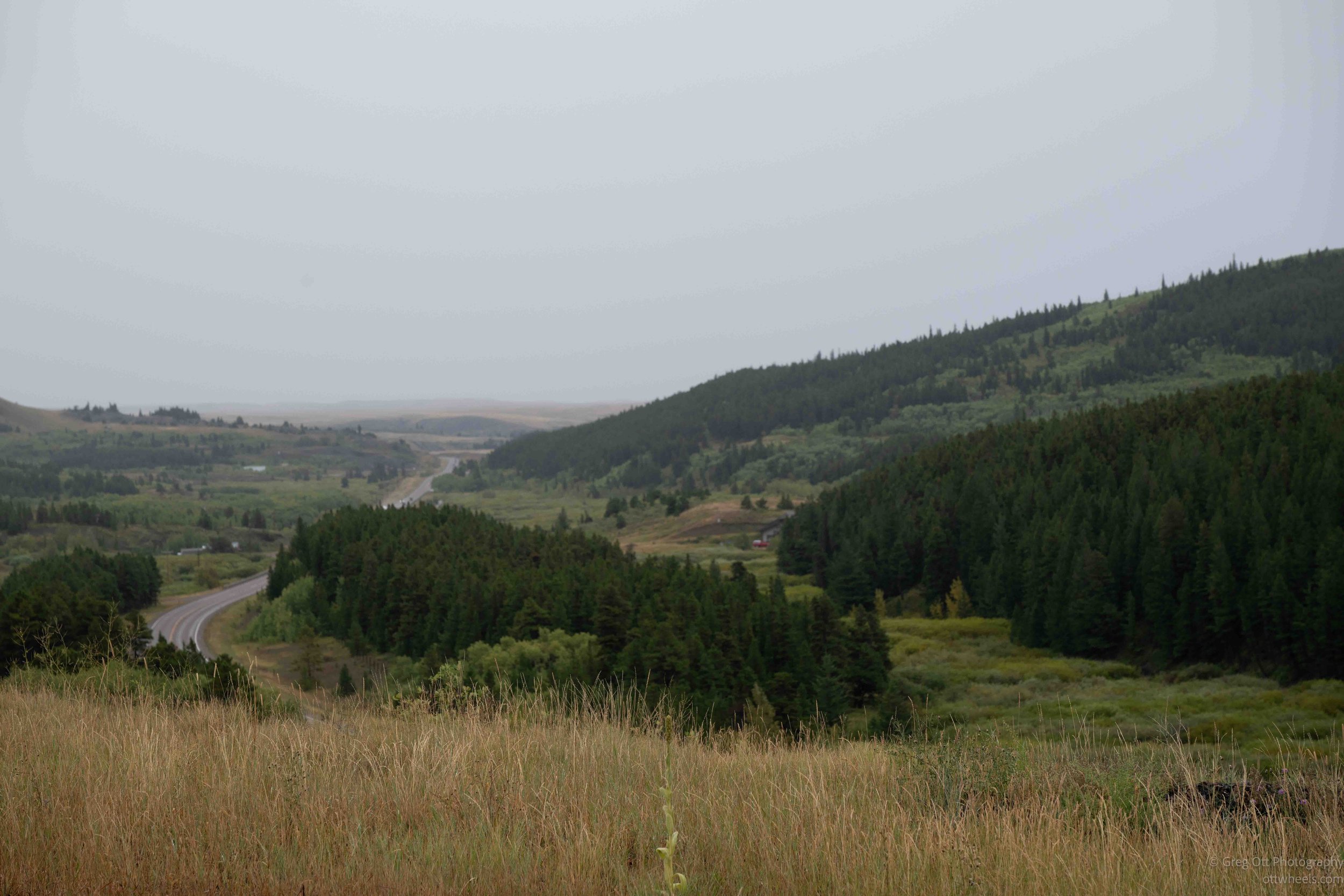
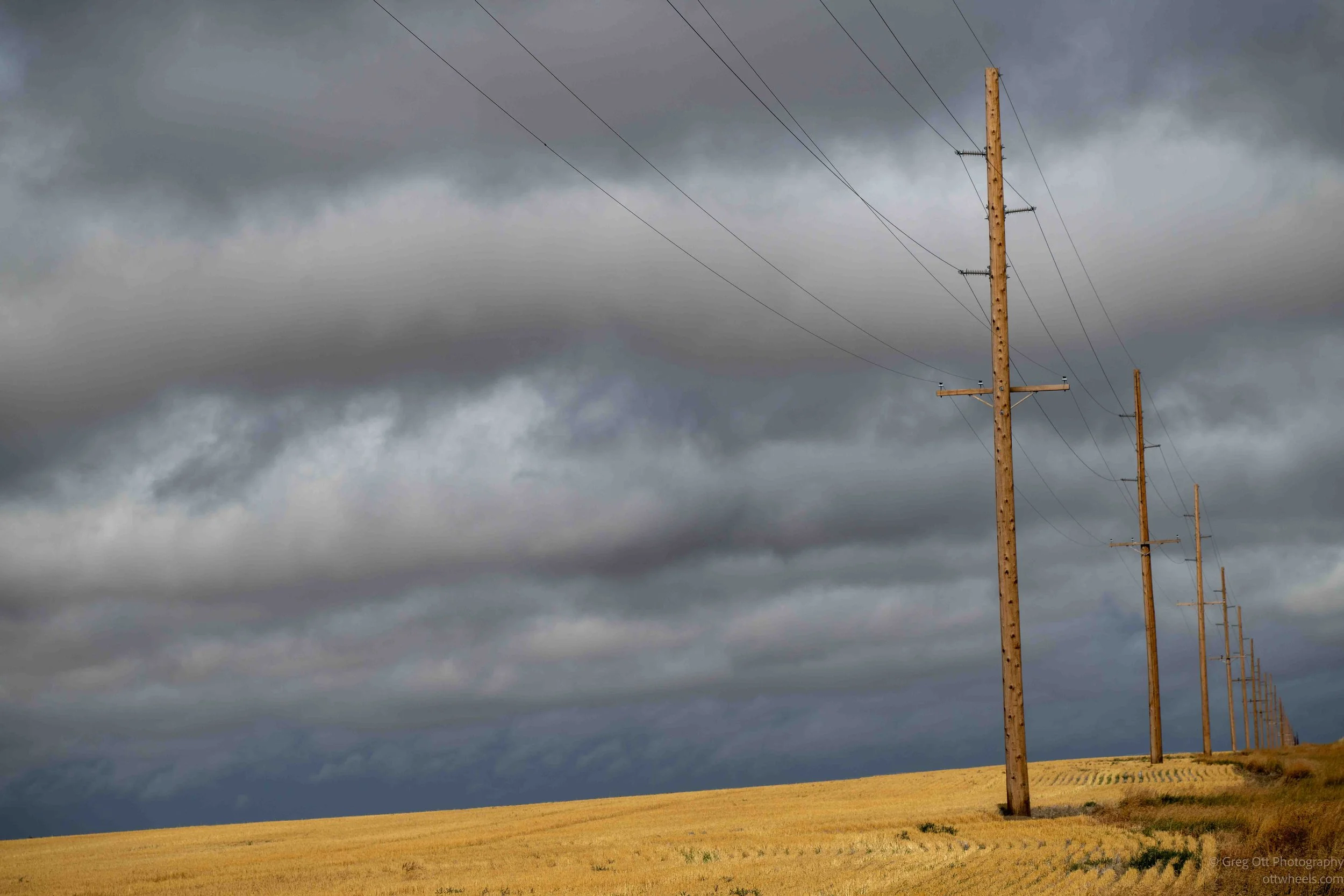
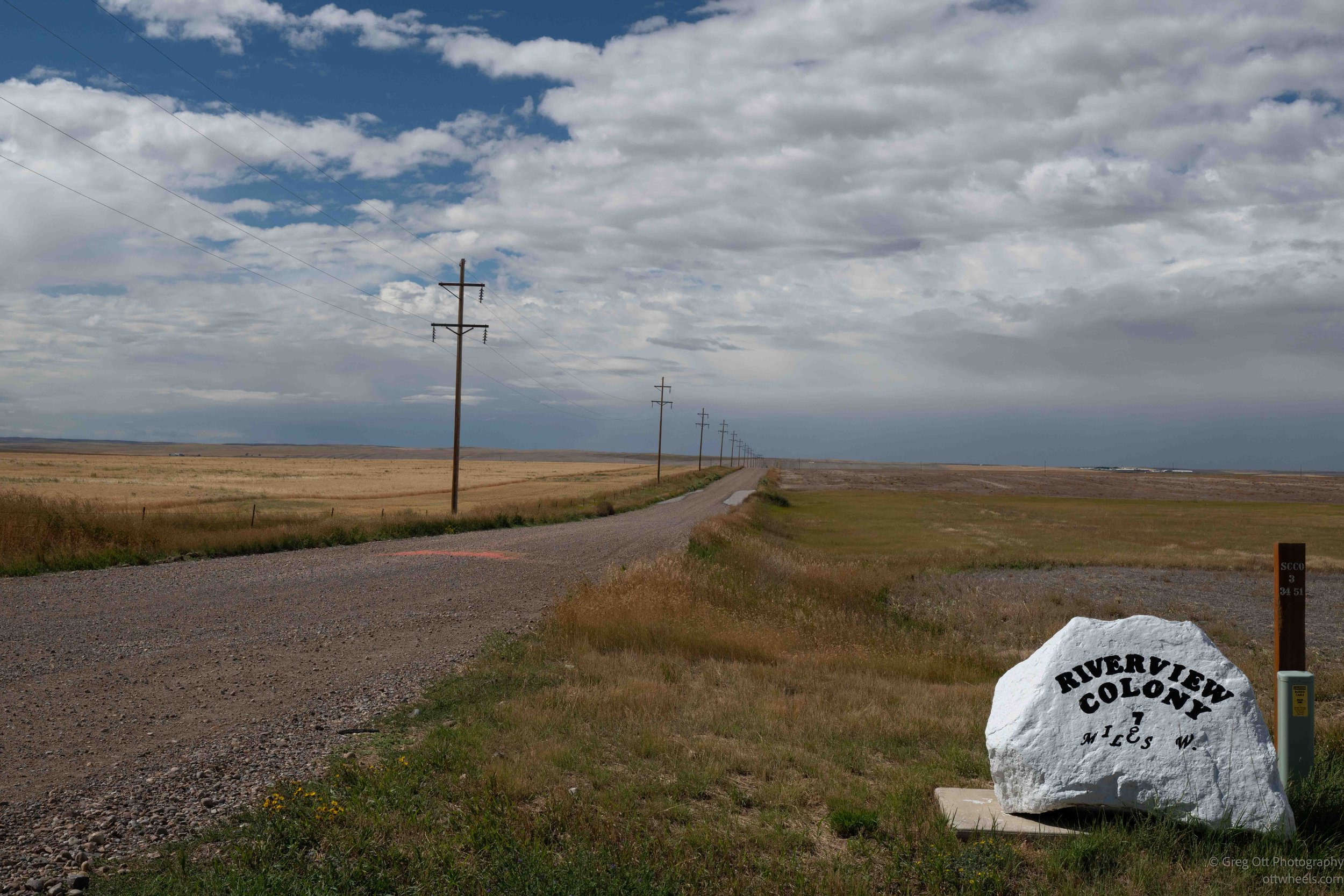
I was heading south toward Fort Benton, with rain still falling on and off and the forecast calling for more throughout the day. But only about five miles south, the clouds began to lift. Within half an hour, patches of blue sky were opening above the prairie, and the landscape had changed from wet forest and low cloud to broad fields, cattle, grain elevators, and enormous Montana skies. After several days of rain around Glacier, it felt like I had finally driven out from underneath it. I was sure I had made the right decision.


Fort Benton
I made it to Fort Benton by mid-afternoon. My itinerary described it as a historic town on the Missouri River that had once played an important role in supplying the northern frontier, but my first drive through town didn't leave much of an impression. I didn't really have an address for where I was going, so I wandered around for a while before pulling over and realizing that I needed to head downtown, which was only a few minutes away.
Fort Benton calls itself the “Birthplace of Montana” because it became one of the territory’s earliest and most important commercial centers, linking Missouri River steamboat traffic with overland routes carrying people, supplies, and money into the interior. Long before many of Montana’s later towns developed, Fort Benton was already helping shape the region’s economy and settlement. The old part of town sits directly along the Missouri River. I found plenty of parking on the street, and with it being Labor Day, the town was unusually quiet.


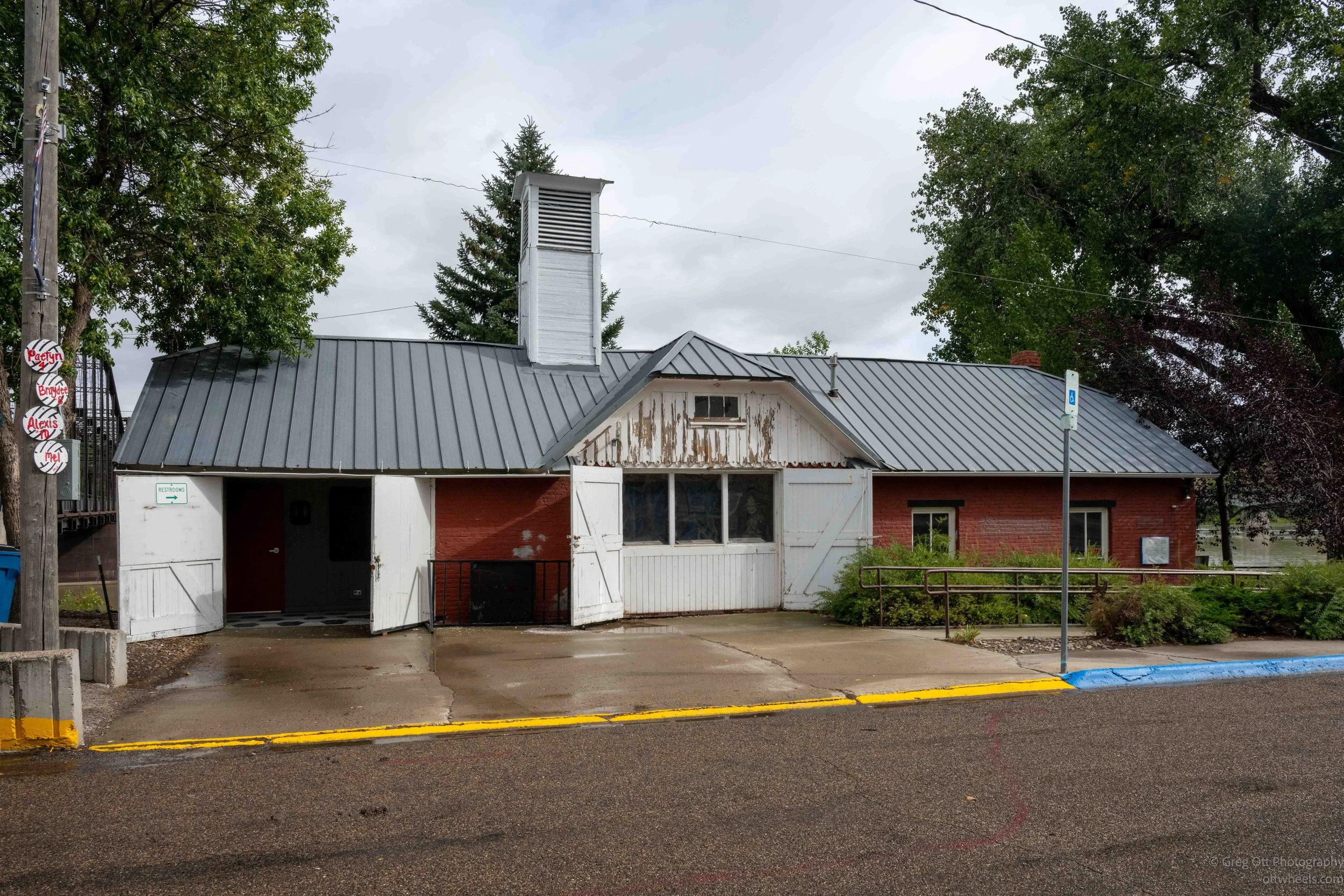
I decided to walk and almost immediately came across the visitor center in the old fire station. To my surprise, it was open. A woman was sitting inside reading and welcomed me as soon as I walked through the door. We ended up talking for about half an hour, and by the time I left I had both a condensed history of Fort Benton and what felt like a pound of brochures.
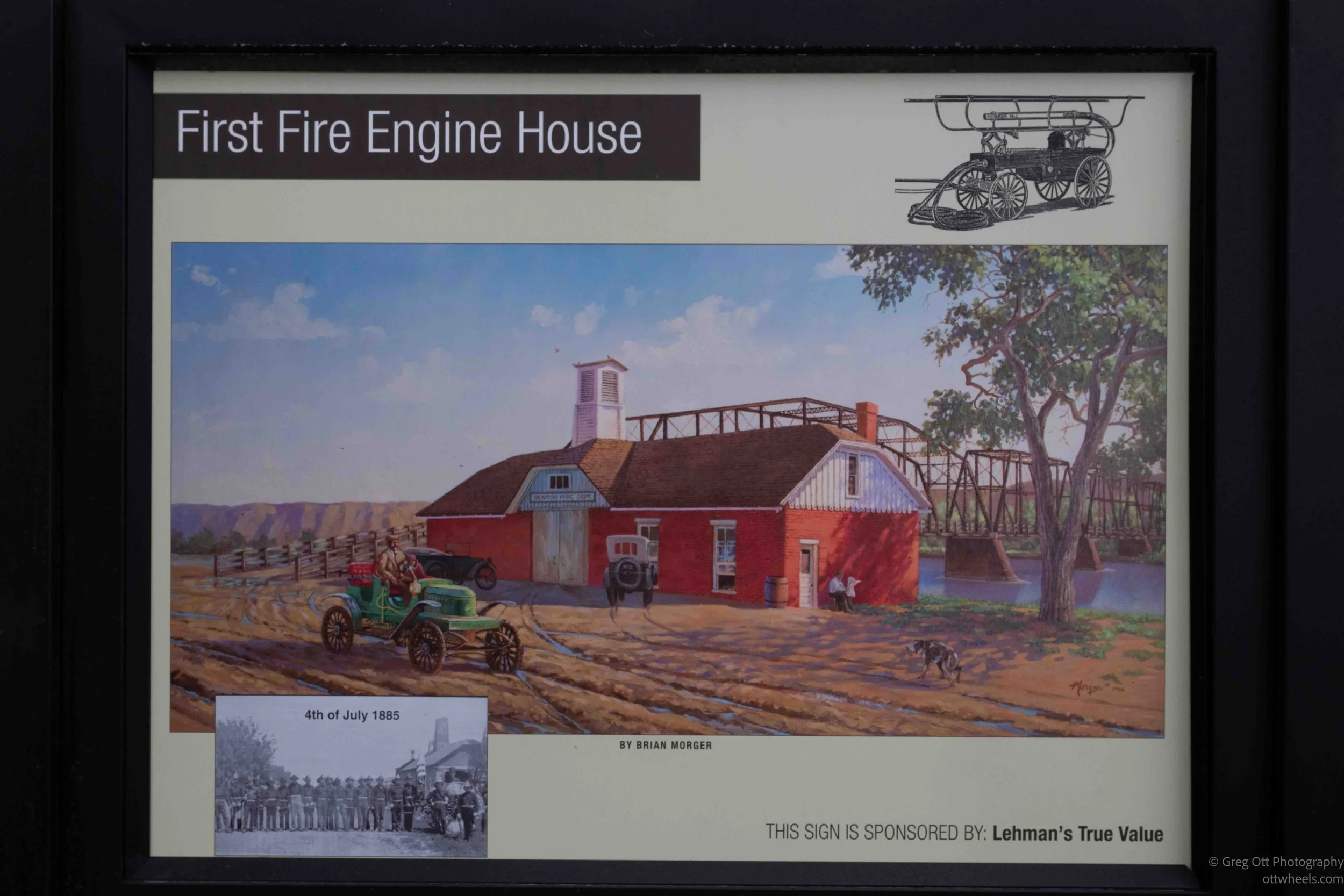

The history was much bigger than I had expected from such a small town. Fort Benton began as an American Fur Company trading post and eventually became one of the most important transportation centers in the northern Rockies. It sat at the practical head of steamboat navigation on the upper Missouri. Boats could travel upriver from St. Louis to Fort Benton, but the falls and rapids farther upstream made continued river travel impractical. That meant passengers and cargo had to come off the boats here and continue overland. During the gold-rush years, supplies moved from Fort Benton by wagon toward places such as Helena and Virginia City, while other routes carried freight north into what is now Alberta and Saskatchewan. Fort Benton also supplied military posts and, for a time, Canada's North-West Mounted Police. In a place that now feels quiet and somewhat isolated, it was strange to imagine dozens of steamboats arriving in a season and the levee crowded with freight, wagons, animals, merchants, soldiers, settlers, and people heading farther west or north.
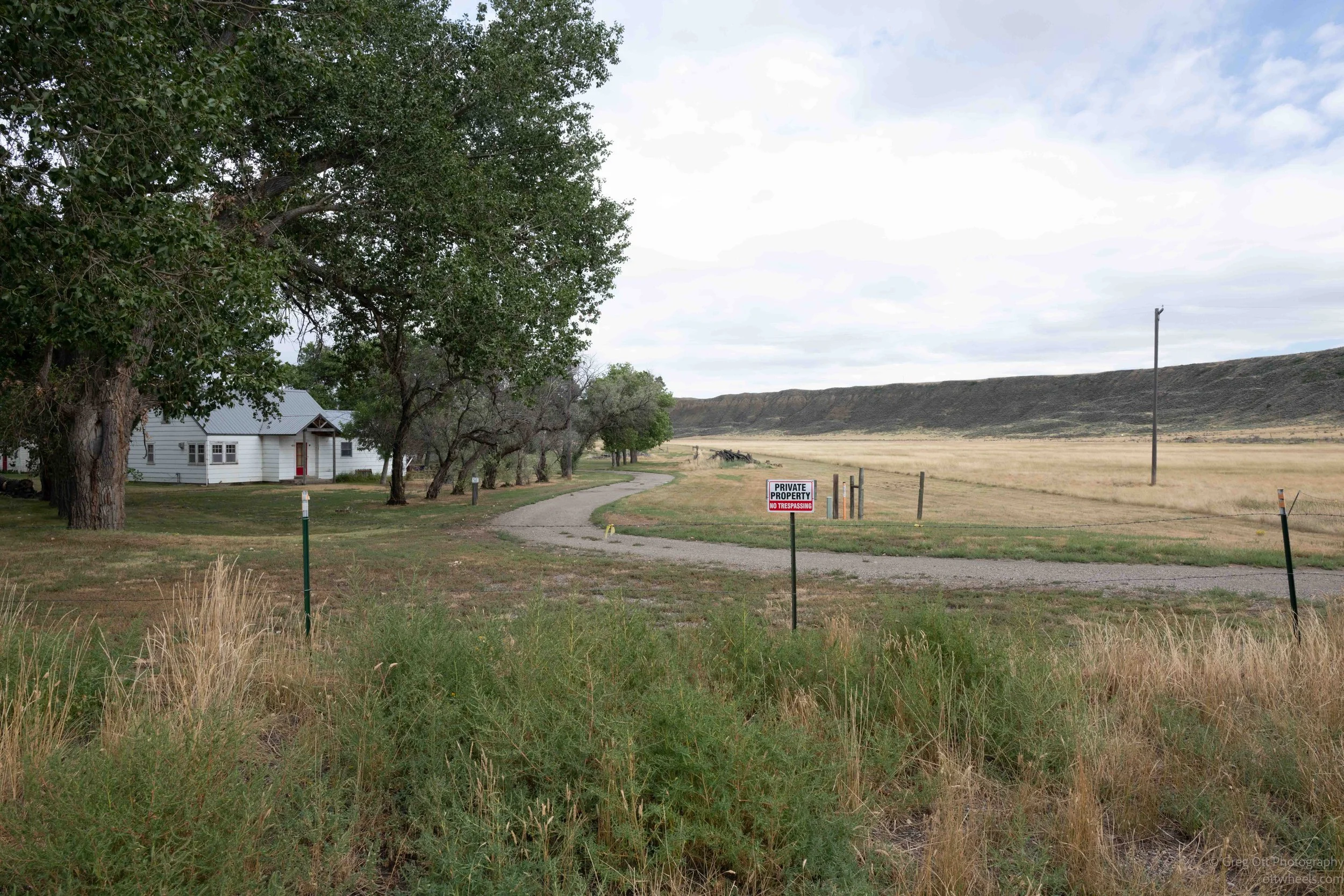
I followed the riverfront until I reached the old bridge and walked across it. The bridge itself is now a relic of an earlier Fort Benton, maintained well enough for pedestrians but no longer carrying normal vehicle traffic. On the other side, however, the walk ended rather abruptly at a field surrounded by barbed wire and Private Property and No Trespassing signs. A couple walking their dog toward the house beyond the fence passed me and waved. I couldn't help thinking that it was a missed opportunity. With a trail extending from the bridge, this could have been a wonderful walking or cycling route along both sides of the Missouri. Instead, I crossed the bridge, looked around, and walked back.




Standing there also made Fort Benton's geography much easier to understand. This was not simply a town that happened to be beside the Missouri. The river was the reason the town existed. Fort Benton became the transfer point between river transportation and the network of wagon roads and trails spreading across Montana and into western Canada. Steamboats coming up the Missouri unloaded along this levee because this was effectively the end of the line. From here, everything had to move overland. The quiet riverfront I was walking along had once been one of the busiest freight terminals in the northern West.
That contrast was probably what interested me most. The photographs show a broad, calm river and a small town surrounded by an enormous amount of open space, but during Fort Benton's peak years this was a transportation bottleneck. Goods arriving from thousands of miles away were unloaded here and redistributed by wagon in almost every direction. Today the surviving bridge, levee, old buildings, and open Missouri make it possible to see the outline of that history, even though the activity that created the town disappeared more than a century ago.
There’s a mile-long walk along Front Street lined with large plaques that tell the history of the town, its buildings, and the people who lived and passed through there. Many of the plaques are placed directly across the street from the building or site they describe, so you can read the story while looking at the place itself.
The Fort Shaw Indian School girls’ basketball team stopped in Fort Benton in 1903 while raising money for a trip to the St. Louis World’s Fair. The following year, they went undefeated against their challengers there and were celebrated as the 1904 “World Champions.”


I already knew the story of Shep, the dog who watched his owner’s casket leave Fort Benton by train in 1936 and then met every arriving train for more than five years, apparently waiting for him to return. I had seen an illustrated children’s book about Shep years ago; there are several books about him. The dog is buried outside of town on a hill with white stones spelling out SHEP.


Fort Benton once claimed a block so violent it was known as the “Bloodiest Block in the West,” lined with saloons, gambling dens, and brothels where shootings were common enough to become part of the town’s legend. I’ve visited several better-known Old West sites, including the O.K. Corral, but this was another reminder that frontier violence was hardly limited to the places that became famous.


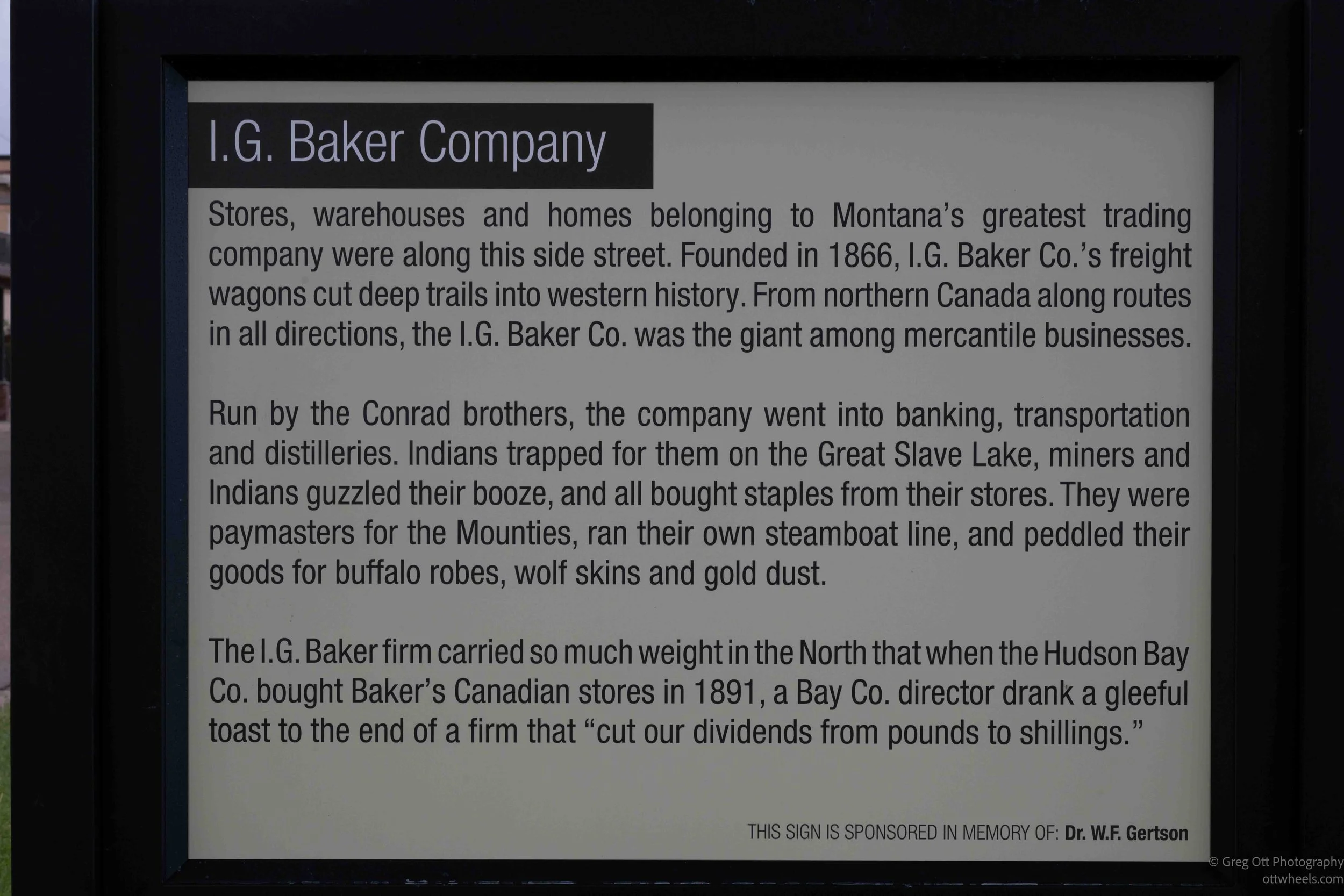
I.G. Baker & Company had an enormous influence on Fort Benton, growing from a local mercantile business into a trading and transportation empire that stretched north into Canada. The Baker name itself did not continue as a major business dynasty: the Conrad brothers gradually took control of the company, and Hudson’s Bay Company purchased its Canadian operations in 1891.
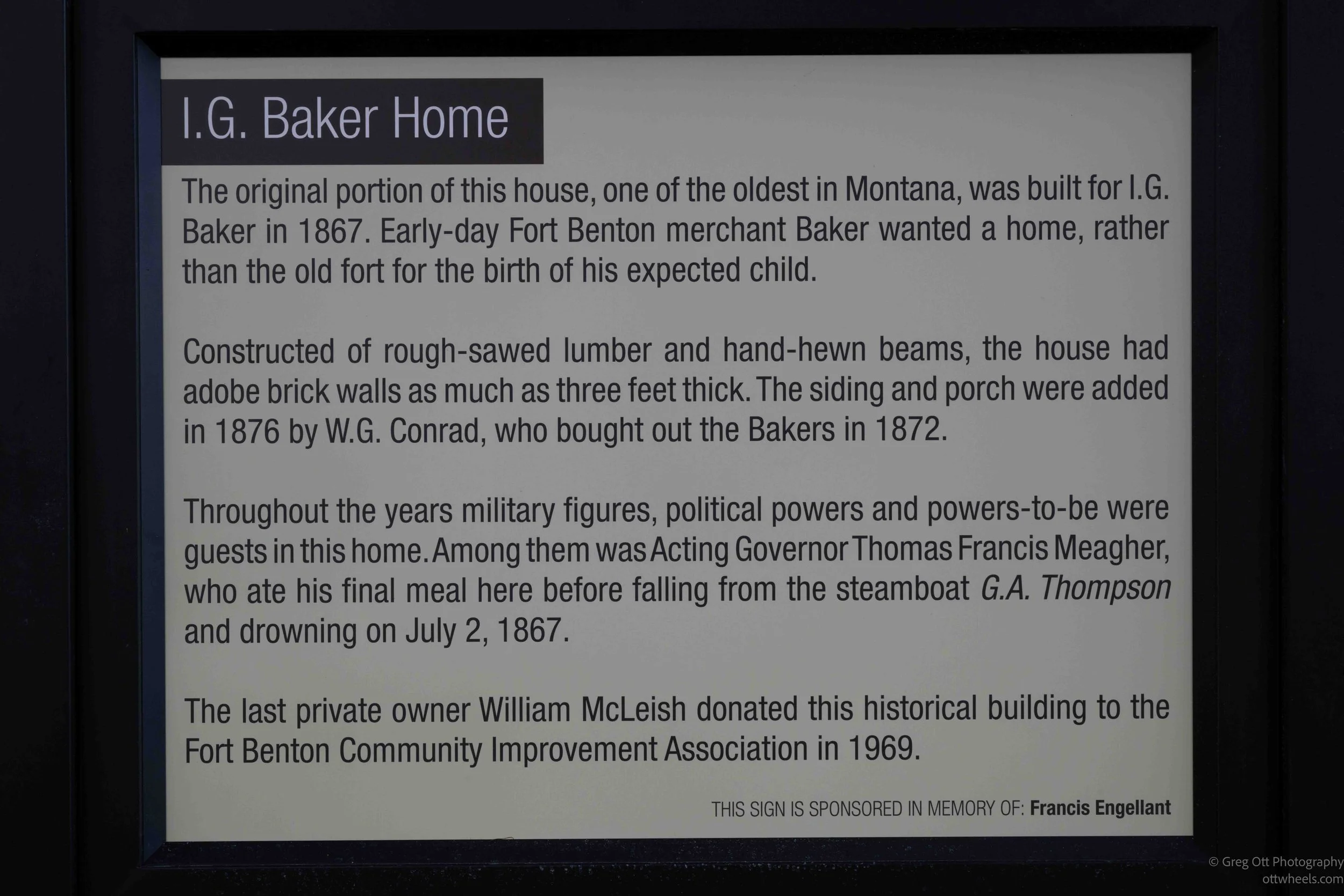
I continued walking along Front Street, reading the signs and looking at the buildings connected to that history. Baker’s 1867 home still survives, a remarkably modest reminder of just how much commercial power once radiated from this small town on the Missouri.



The Missouri River was the thread connecting nearly every chapter of Fort Benton’s history. Lewis and Clark passed through here on their expedition, later steamboats pushed upriver with people and supplies, and Fort Benton eventually became the point where river travel gave way to wagon roads heading farther west and north. Standing beside the Lewis and Clark memorial, it was easy to see that the river was not just part of the landscape—it was the transportation route, the economic lifeline, and one of the main reasons the town existed at all.


There were many more stories told on the plaques, but I didn’t make it all the way to the end of the walk. It was close to 7 p.m. when I finally turned back, stopping again to read plaques on the buildings along the opposite side of the street. I liked the way Fort Benton had preserved its history so completely, not just in museums but throughout the town itself. There were four museums I wanted to visit, so I saved those for the next day.
For dinner, I headed to the restaurant at the Grand Union Hotel, where I had checked the menu earlier. A few seats were open at the bar, with a group gathered at one end and a woman sitting alone at the other. I pulled out my laptop, and the bartender came over. That was one the last times I looked at the computer for the next couple of hours.

A couple from Bozeman, Dusty and Beth, sat down beside me, and we started talking while I ordered walleye, a side of fresh beets, and the house Merlot. On my other side, the woman at the bar was asking the bartender whether she could take a bottle of wine back to her room. He could sell her one, but he couldn’t open it for her. I told her I had a corkscrew she could use if she needed it, and that broke the ice.
The four of us soon started talking about travel. The woman to my right was Taylor, although she goes by Tay, and she turned out to be a terrific ambassador for Montana. She clearly loved the state and knew it well. I showed her my itinerary, which she generally approved of, but she immediately started pointing out places I should add. With Tay supplying ideas and Dusty and Beth adding their own suggestions, I ended the evening with eight new places to consider. If I had spent much more time with the three of them, I probably could have added another month to the trip.

At some point I ordered a second glass of wine, and before I knew it, nearly two hours had passed. Tay even called her husband, who has a Ph.D. in geology, to confirm the name of one final place she thought I needed to see. She did end up buying the bottle of wine, and after all the discussion about needing a corkscrew, it turned out to have a twist-off cap.
The food was excellent, but the evening became memorable because of the people. The conversation was easy, the recommendations kept coming, and the bartender managed to be attentive without ever getting in the way of it. By the time I left, dinner had turned into one of those unplanned travel evenings that ends up being far better than anything I could have scheduled. I grab a few images of this historic hotel before leaving.


Earlier in the day, I had stopped at the Forest Service museum, where several U.S. government vehicles were parked for the long holiday weekend. I went back that evening, didn’t see any signs prohibiting overnight parking, and pulled in. It was in a very quiet part of town and felt like a good place to stop for the night.
Before going to bed, I spent about half an hour adding all of Tay’s recommendations to My Maps (Google) and rebuilding my route around them. Only one of the places was really far out of the way, but I added it anyway, knowing I probably wouldn’t make it there. Then I shut everything down for the night. It was completely quiet—no trains, no trucks, no traffic—and I fell asleep almost immediately.