Anchorage Museum
I drove to Starbucks for breakfast and spent some time catching up on blog posts. It was nice to sit for a while and go through the photographs from my trip to Columbia and Meares Glaciers near Valdez. I also revisited my Anchorage itinerary and shuffled a few things around. Originally, I had planned a hike, but today just didn't feel like a hiking day.
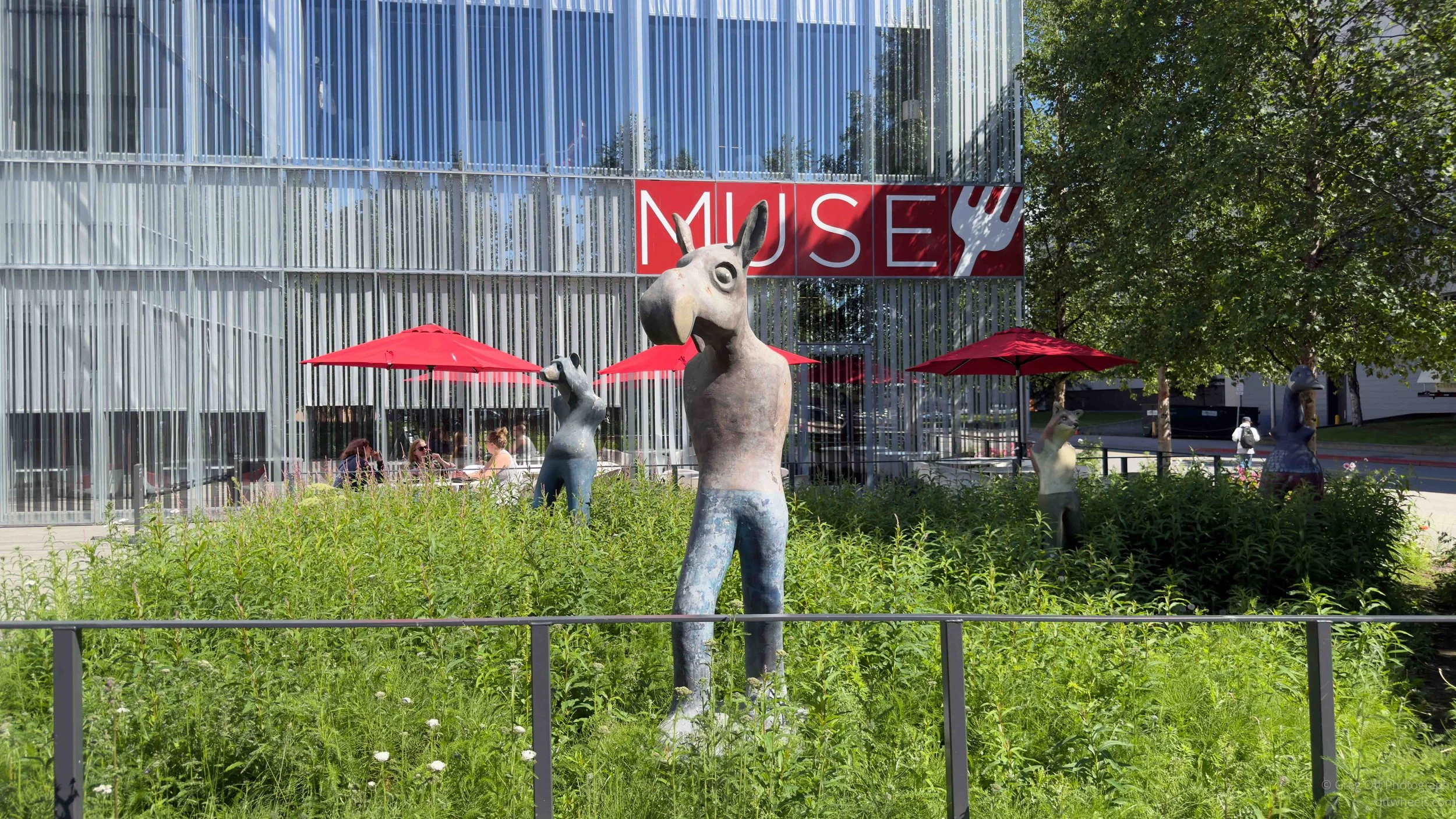
Instead, I spent about an hour driving around Anchorage before heading to the Anchorage Museum. It gave me a chance to get my bearings and see a little of the city before spending the afternoon indoors. Around 1:00 p.m. I stopped at one of the museum's two cafés for lunch. I ordered a turkey and cheese sandwich on a Kaiser roll with tomatoes, lettuce, and what turned out to be a very generous helping of horseradish. A little would have been perfect. This was enough to clear out every sinus cavity.
The sandwich came with fries, and I asked for them without salt. That simple request started a conversation with the people in line. The cashier laughed and said, "I had that request for the first time just last week." One of the two women standing behind me chimed in, "That's a great idea. I never thought to ask for that." It was one of those ordinary little travel moments that somehow sticks with you.
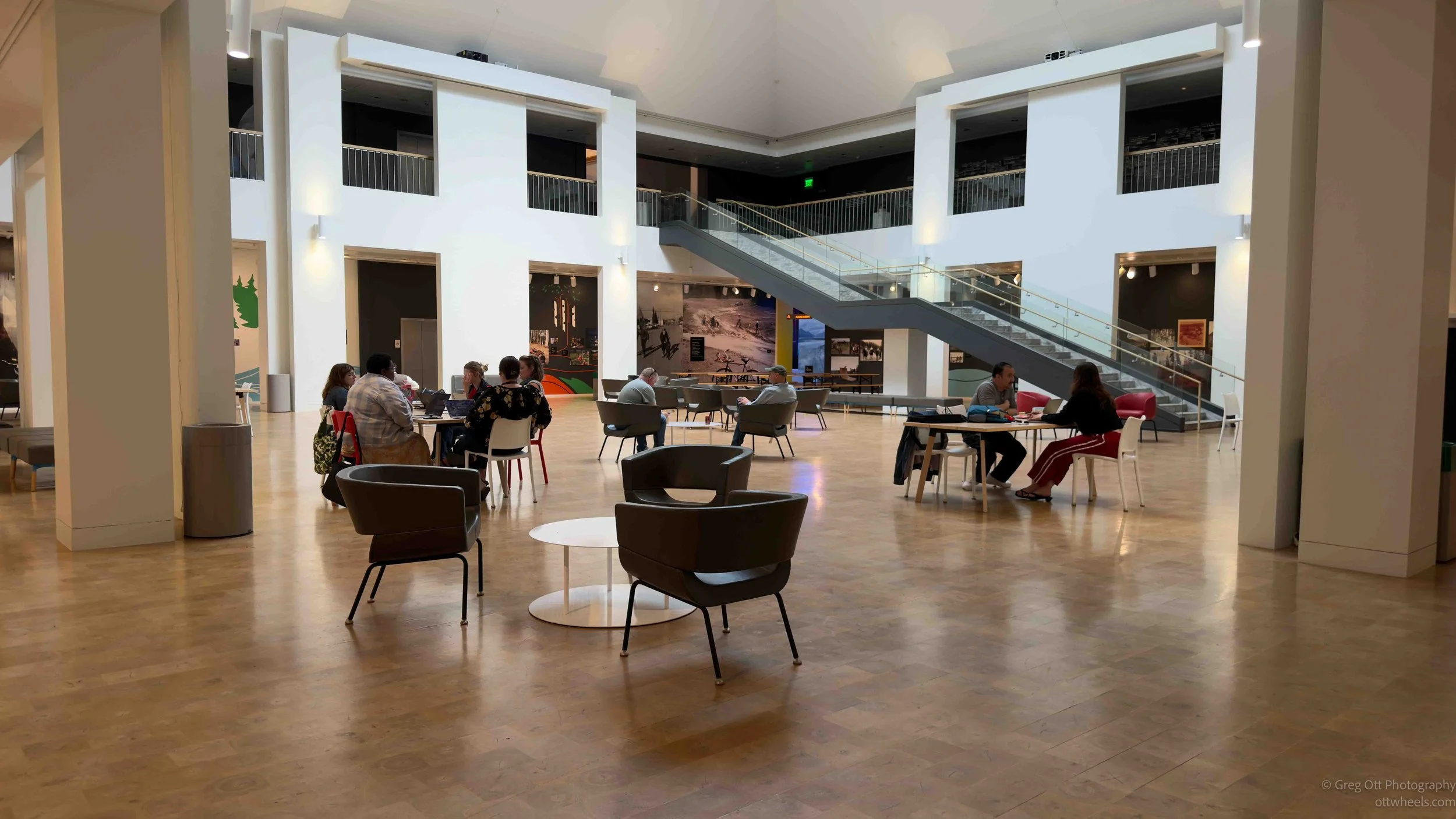
Anchorage Museum
I ended up spending almost five hours in the museum, and it turned out to be an excellent introduction to Alaska. Rather than focusing on a single subject, the exhibits explored everything from Native cultures and art to science, history, sustainability, aviation, and even humor. It was one of those museums where you wander into a gallery planning to spend ten minutes and suddenly realize an hour has disappeared.
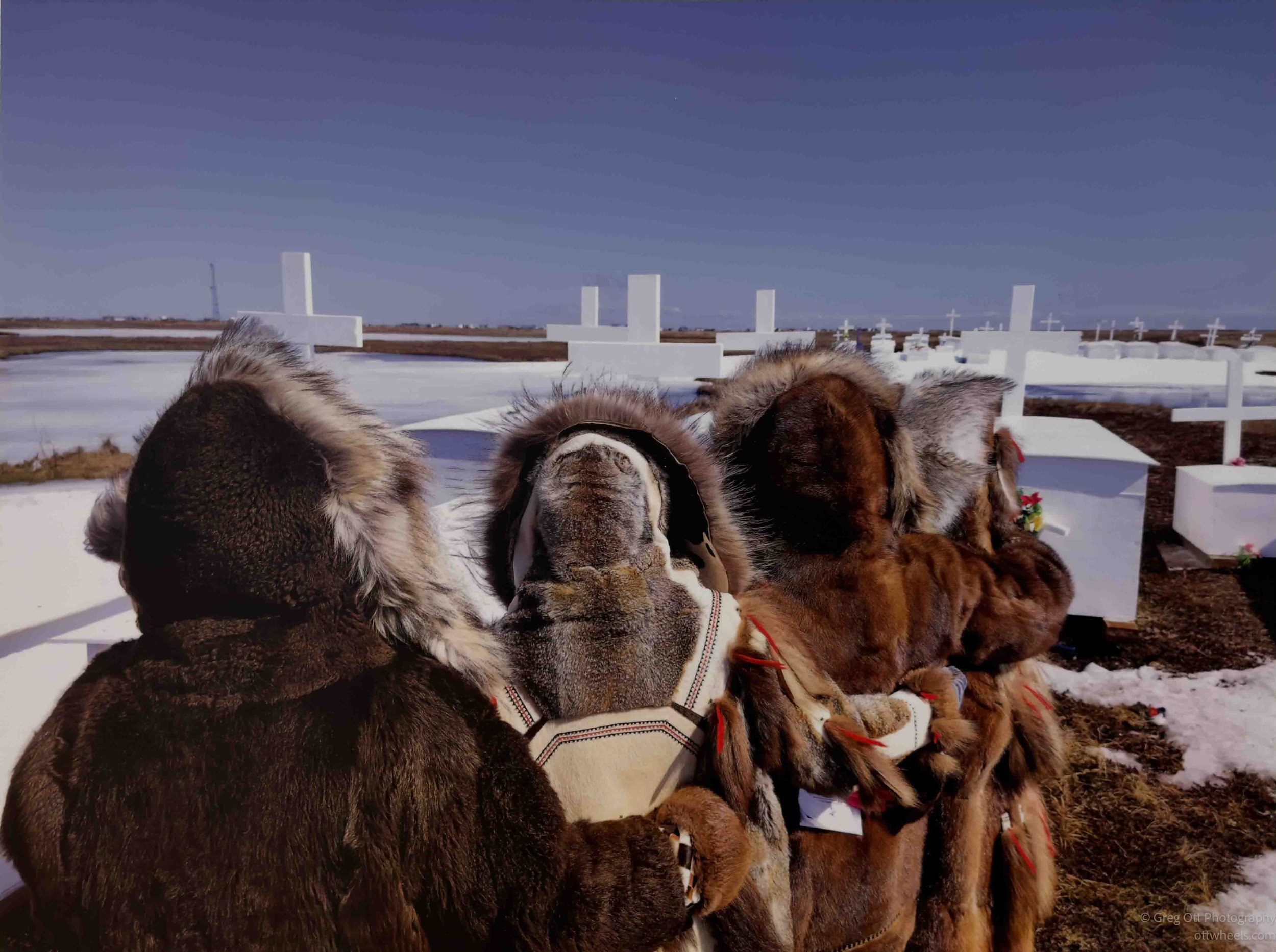
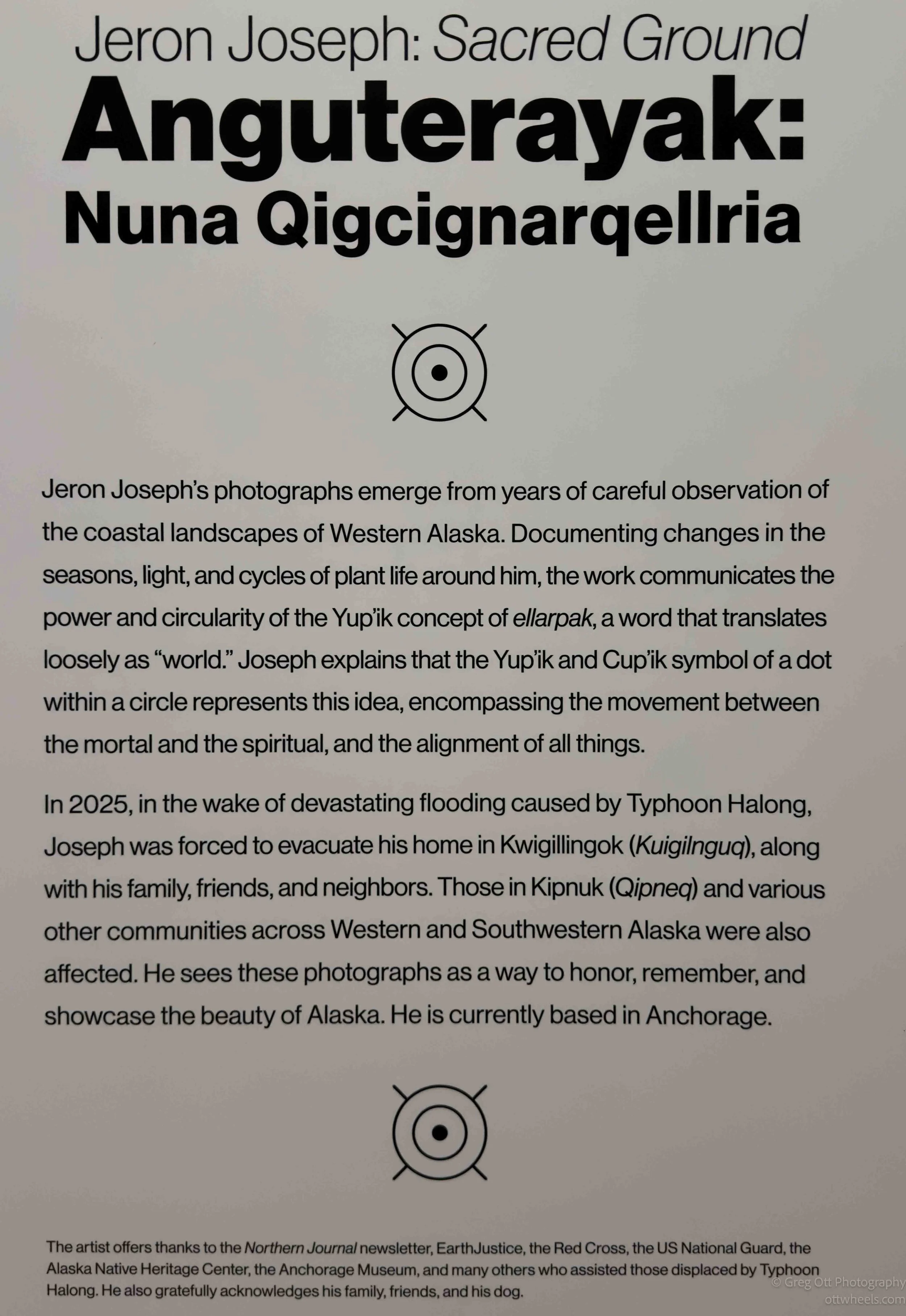
The temporary photography exhibition featured the work of Jeron Joseph, Sacred Ground: Anguterayaki: Nuna Qigcignarqellria. His photographs document the coastal landscapes of western Alaska while exploring the Yup'ik concept of ellarpak, loosely translated as "world," representing the interconnectedness of the physical and spiritual worlds. Joseph created the series after he and his community were displaced by severe flooding caused by Typhoon Halong in 2025, using the photographs as a way to honor both the land and the people affected.
While I appreciated the story behind the exhibition far more than the photographs themselves, only one image struck me as compositionally strong enough that I would have wanted it on my own wall. Even then, I thought the choice of printing on wood worked against the photographs. To my eye, metal or even glass would have complemented the images much better.
Another exhibit marked the 100th anniversary of the first verified flight over the North Pole. In May 1926, the airship Norge, led by Norwegian explorer Roald Amundsen, Italian engineer and pilot Umberto Nobile, and American explorer Lincoln Ellsworth, became the first aircraft to successfully cross the polar ice cap between Europe and North America. After reaching the North Pole, the expedition continued toward Alaska, intending to land in Nome. Poor weather and mechanical problems forced an unexpected landing near Teller on Alaska's west coast instead. The exhibit included a mural depicting the arrival of the massive airship, which local Alaska Native residents reportedly called the "great flying seal." I couldn't help but imagine what it must have been like to look up and see something that enormous drifting silently overhead in 1926. For the people on the ground, it must have seemed as unbelievable as seeing a spacecraft land today.
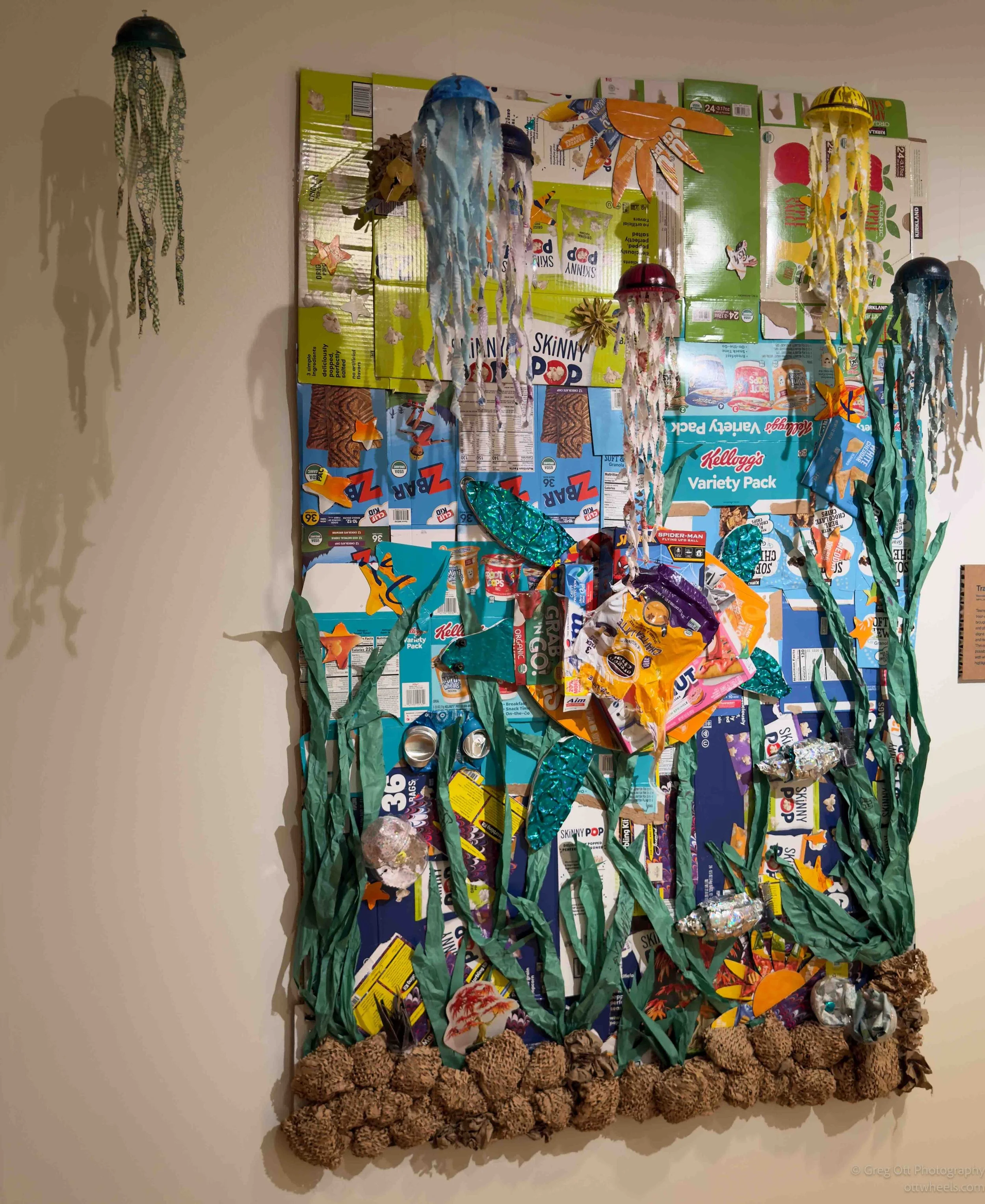
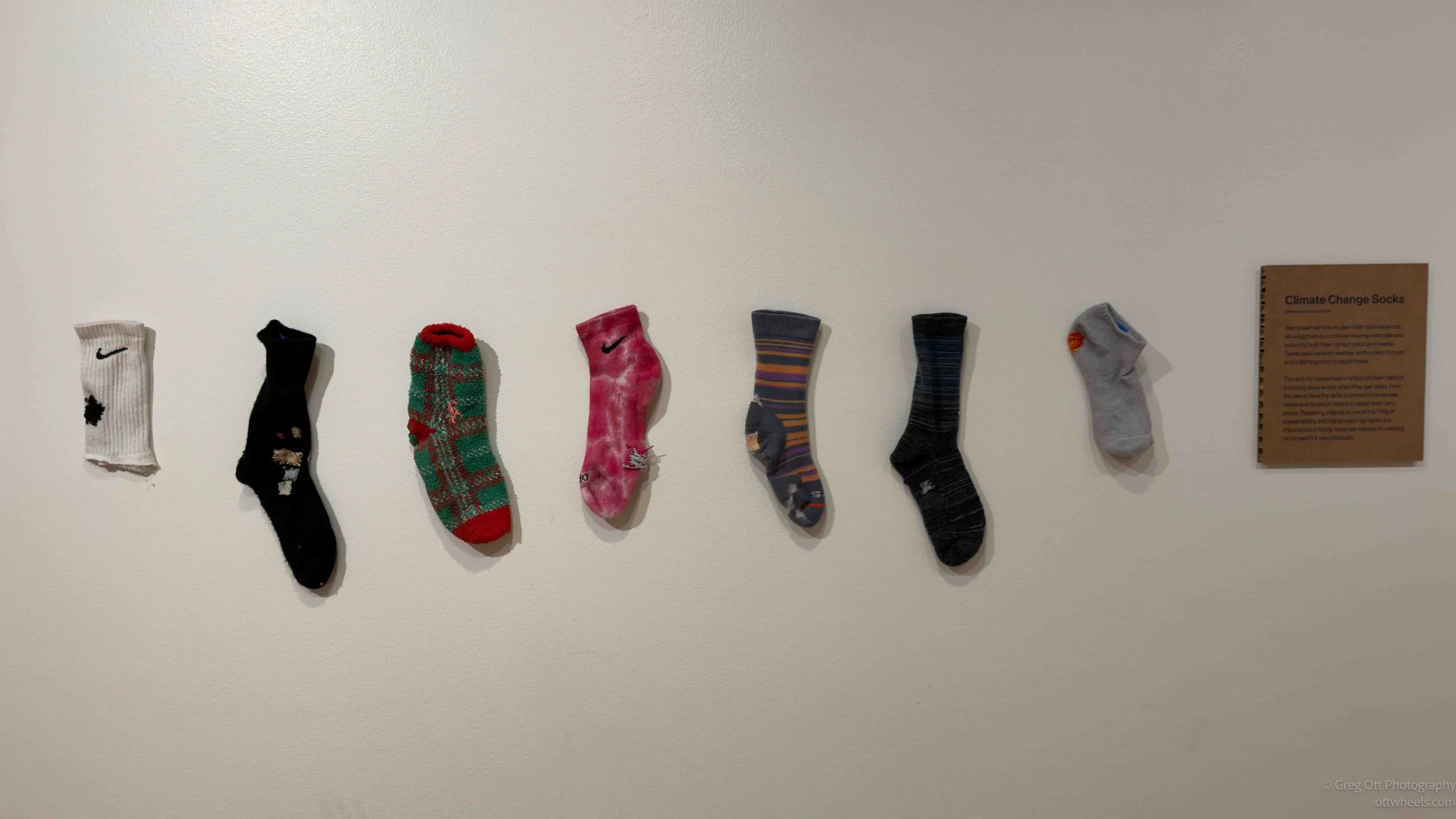
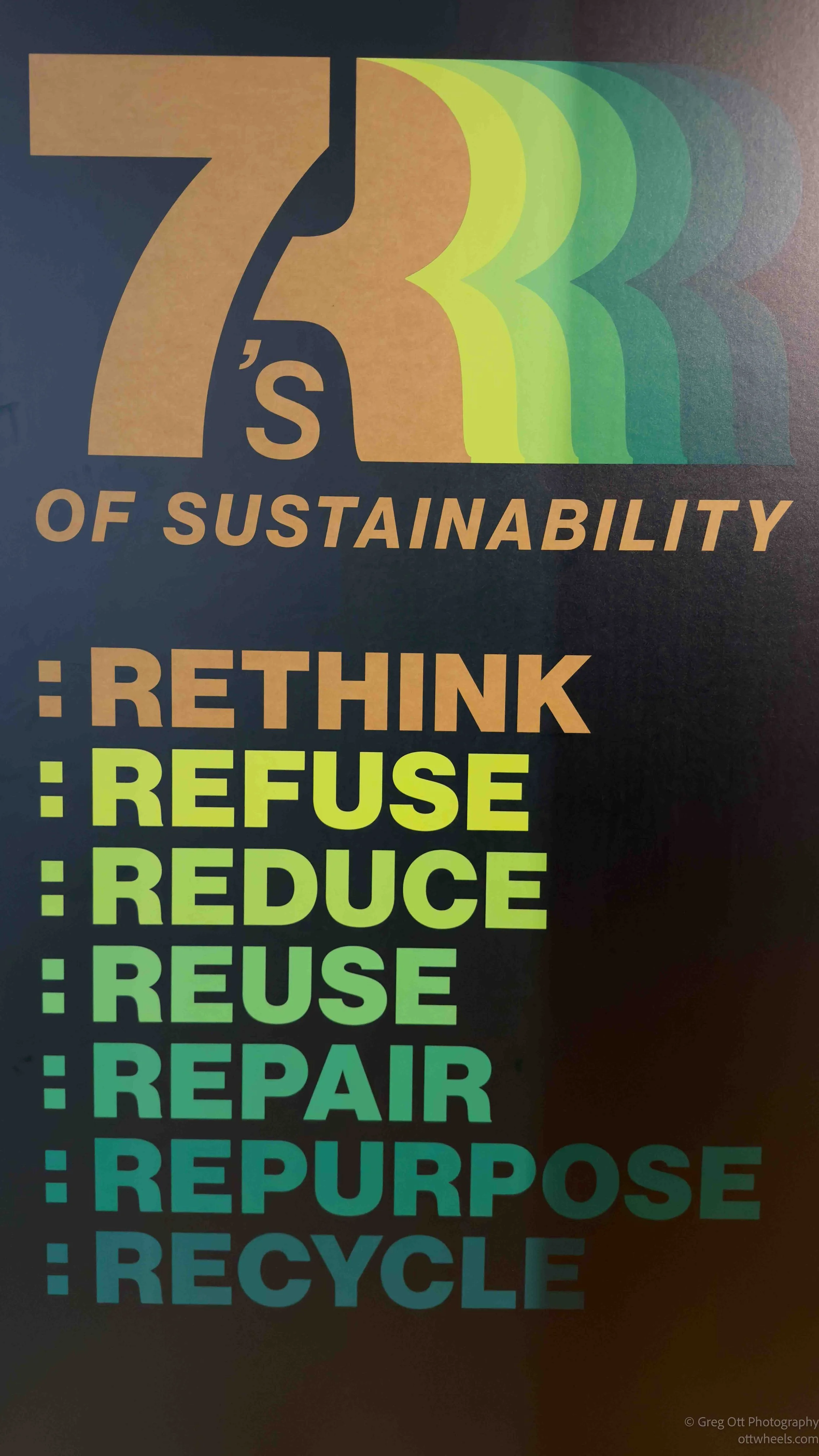
One gallery focused on the 7 Rs of Sustainability and featured artwork created by local students using recycled materials. My favorite piece was a seascape assembled entirely from discarded objects. It was imaginative, colorful, and exactly the sort of project that reminds you creativity doesn't depend on expensive materials.
I also wandered into the Discovery Center and completely lost track of time. The 11,000-square-foot interactive science center explains how Alaska works rather than simply displaying artifacts. The exhibits are organized around five themes—Land, Water, Sky, Life, and Innovation—and nearly every stop along the way was hands-on. Rather than standing in front of displays reading information, you were encouraged to push buttons, turn cranks, run experiments, and discover how things worked for yourself. There were exhibits on earthquakes, liquefaction, volcanoes, glaciers, the aurora, weather, air flow, seismographs, plate tectonics, and Alaska's incredible seismic activity.
One display plotted every earthquake recorded in Alaska during 2018 by both location and magnitude. Seeing thousands of dots scattered across the state made it immediately obvious why Alaska is one of the most seismically active places on Earth. It was one of the best science centers I've visited because it encouraged curiosity and experimentation rather than simply asking you to read signs. I wasn’t the only adult spending time here.
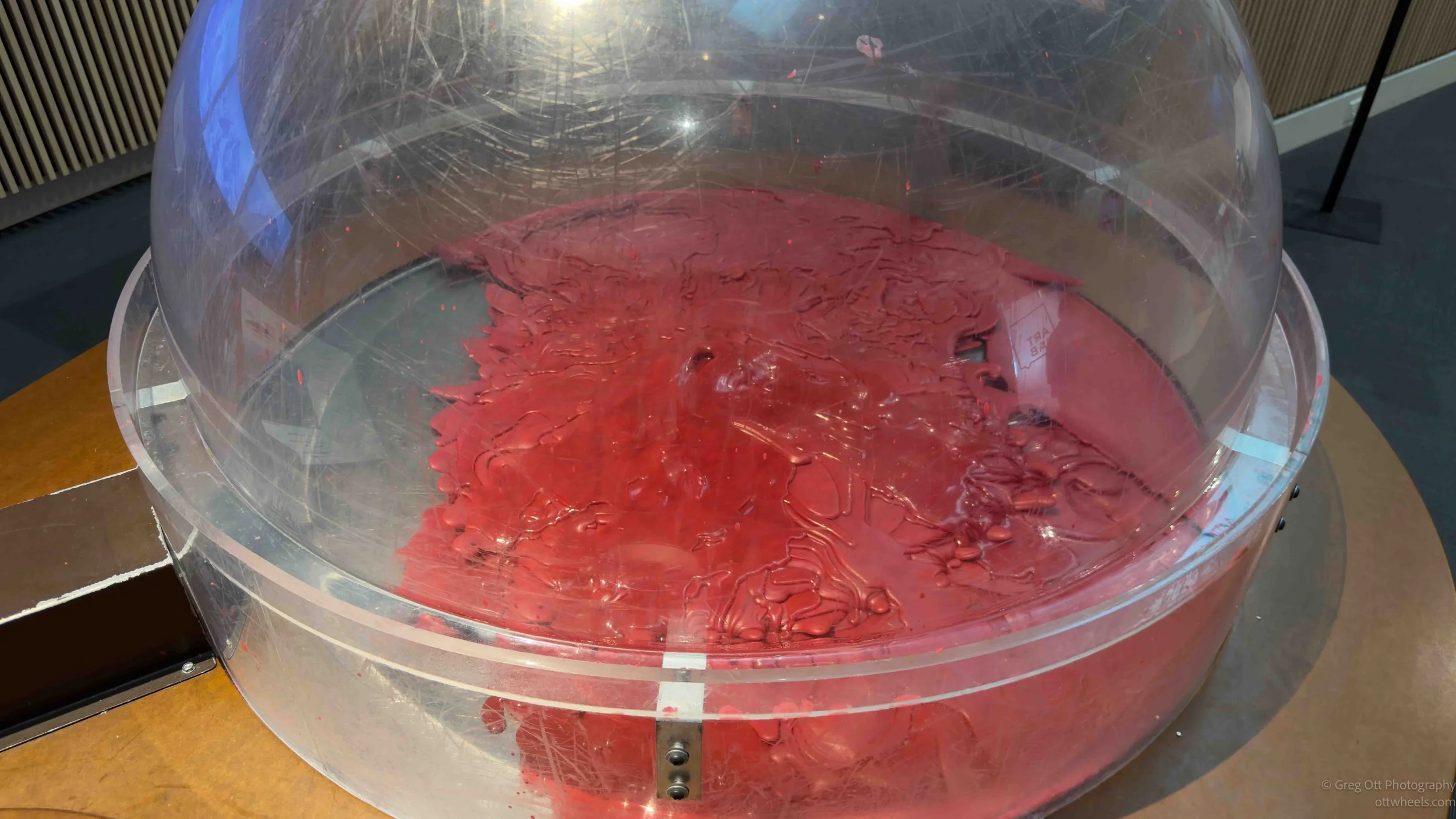
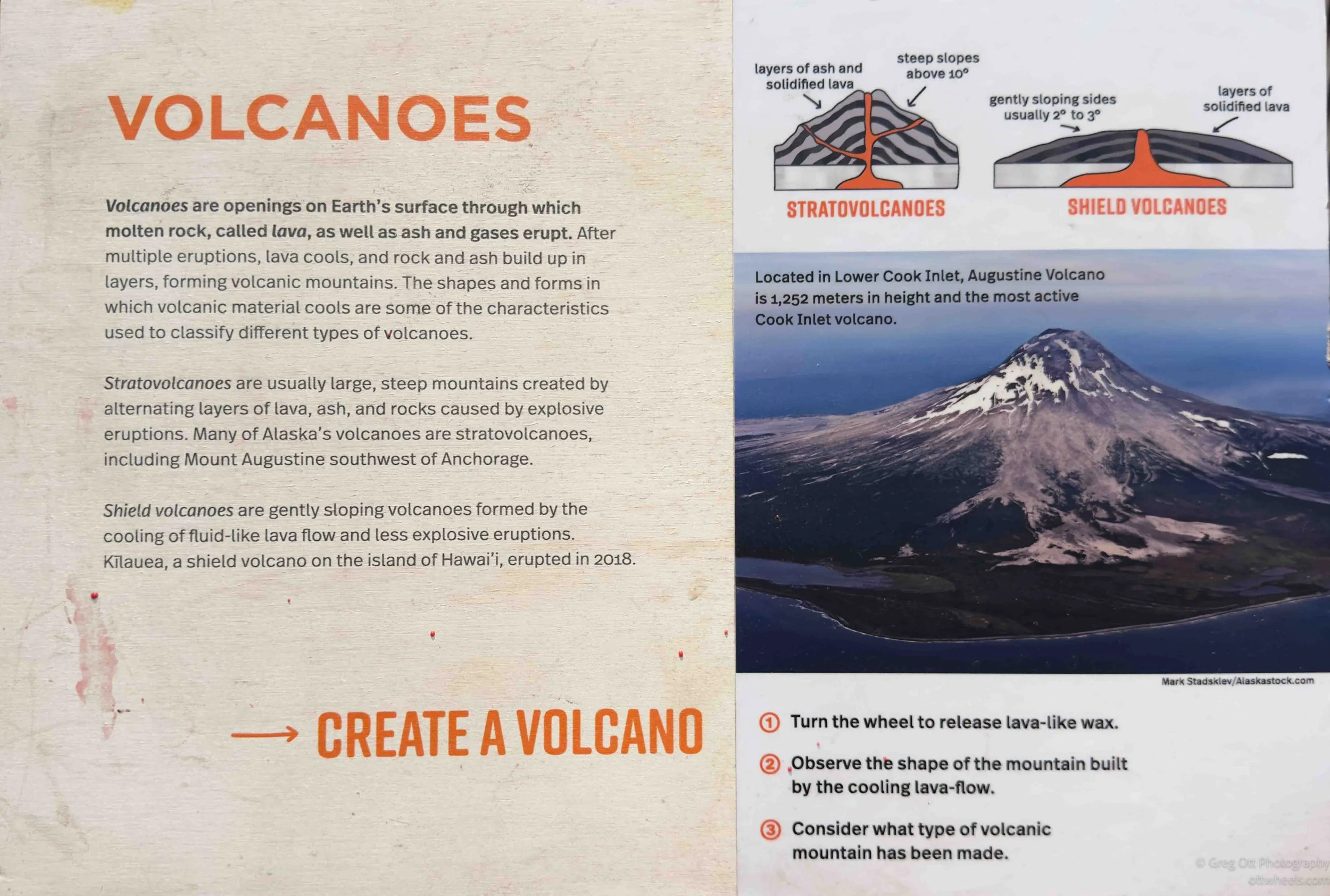
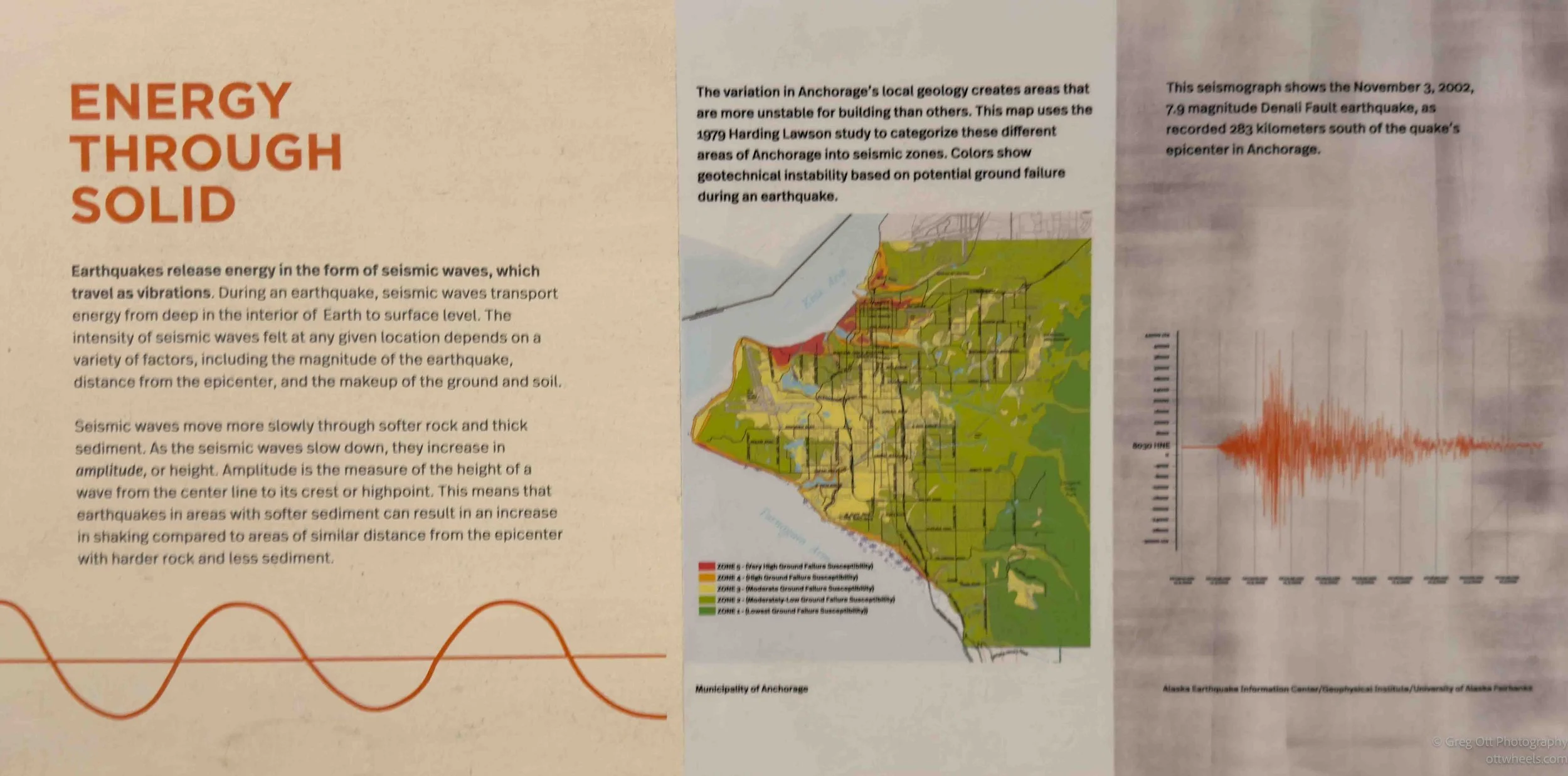
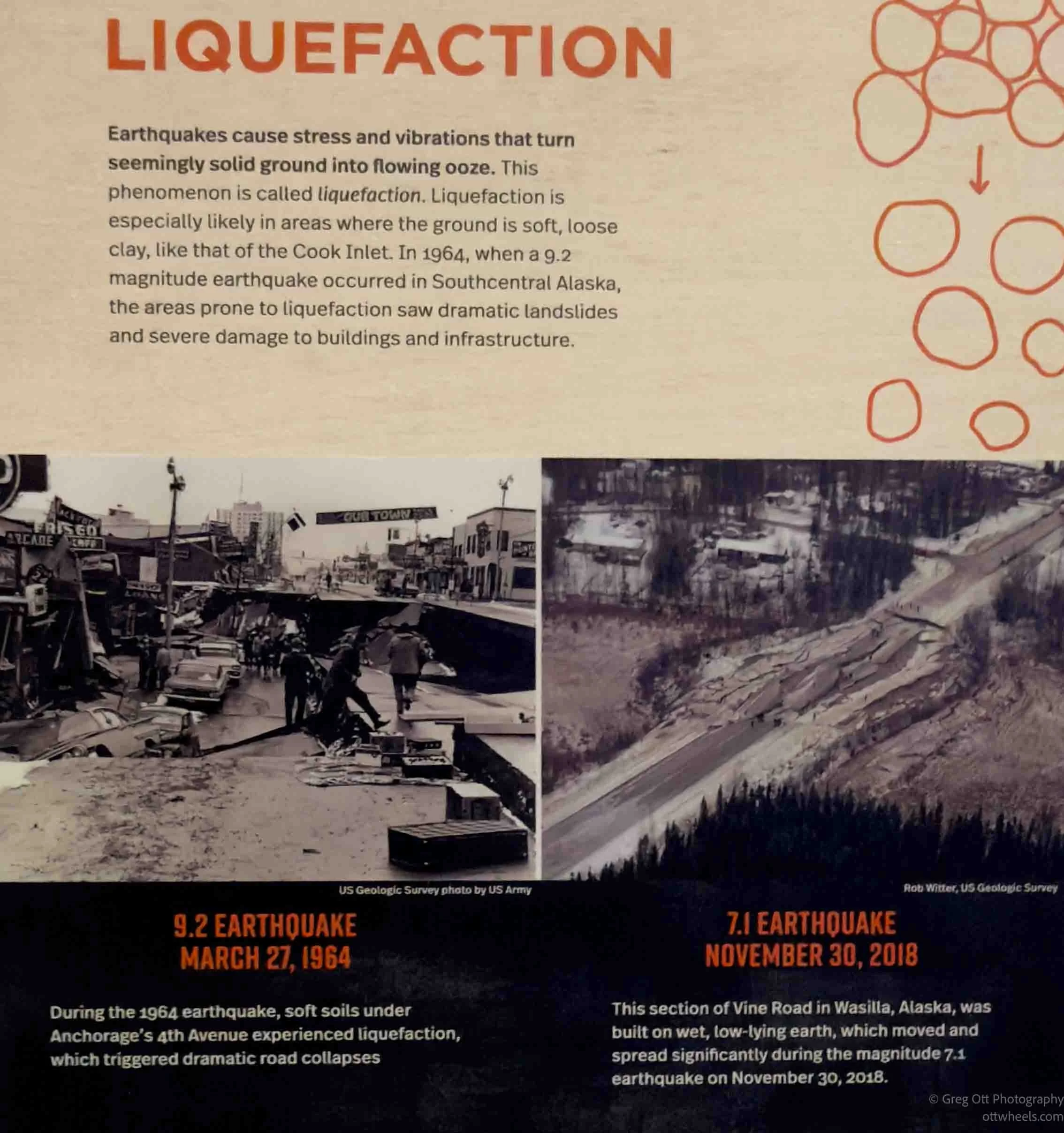
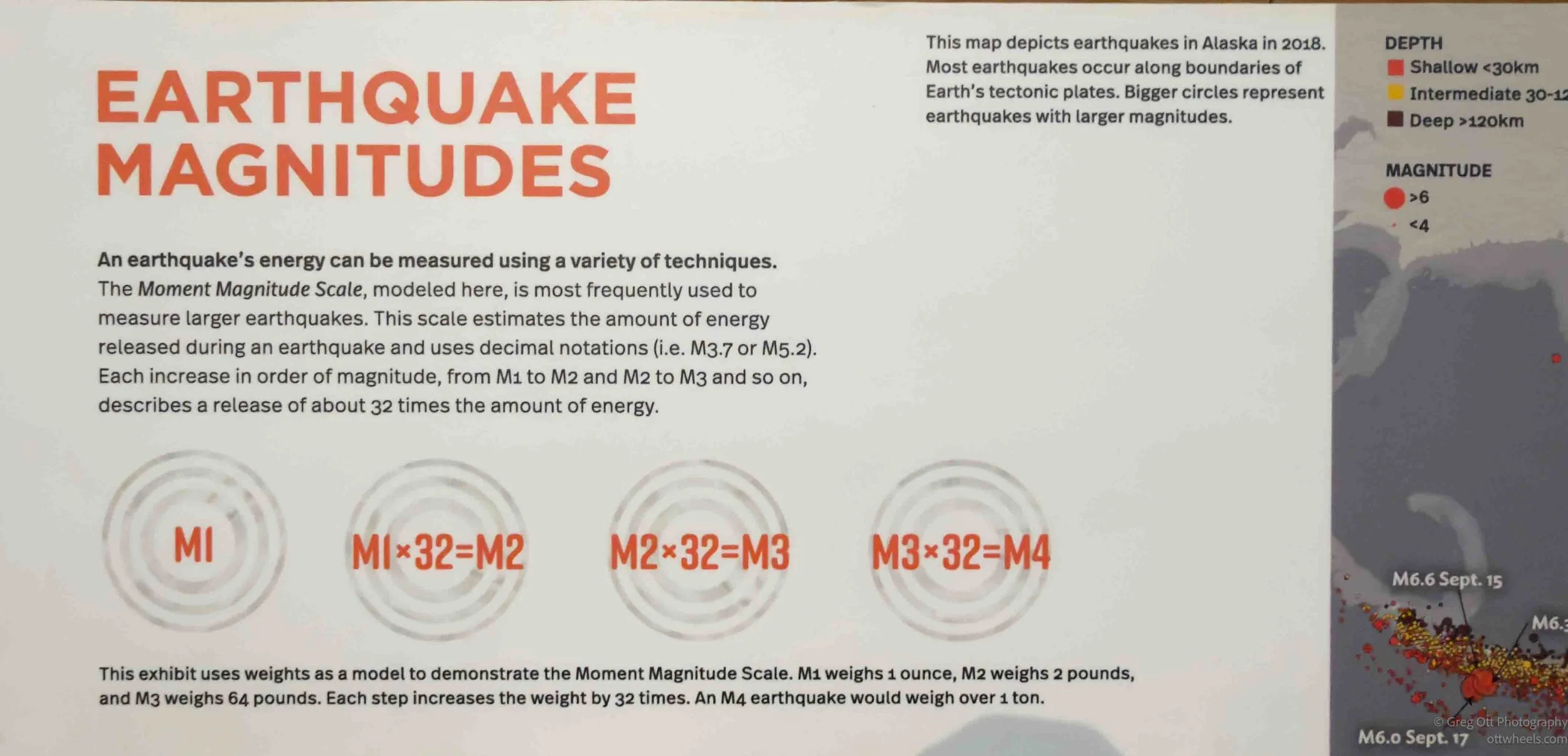
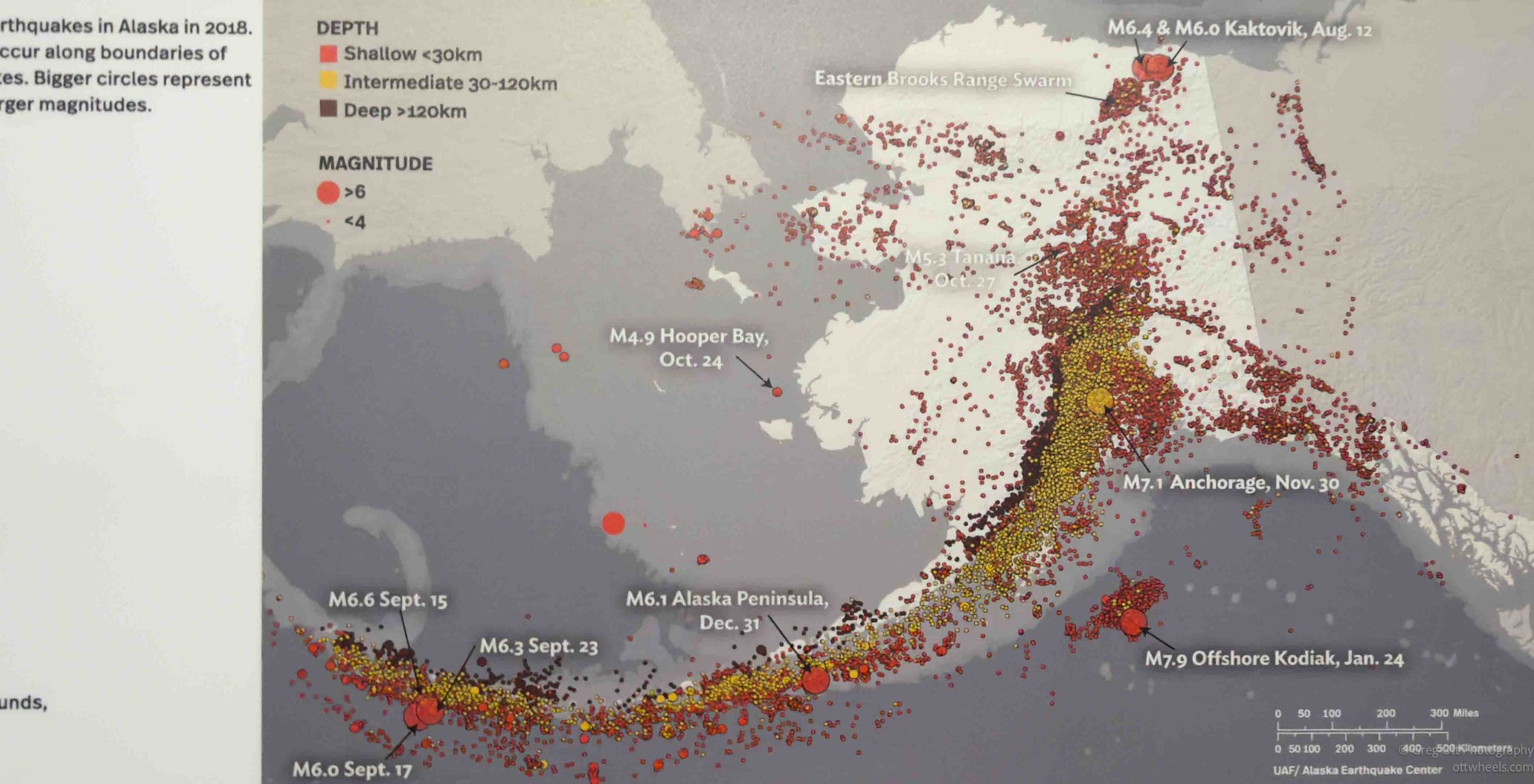
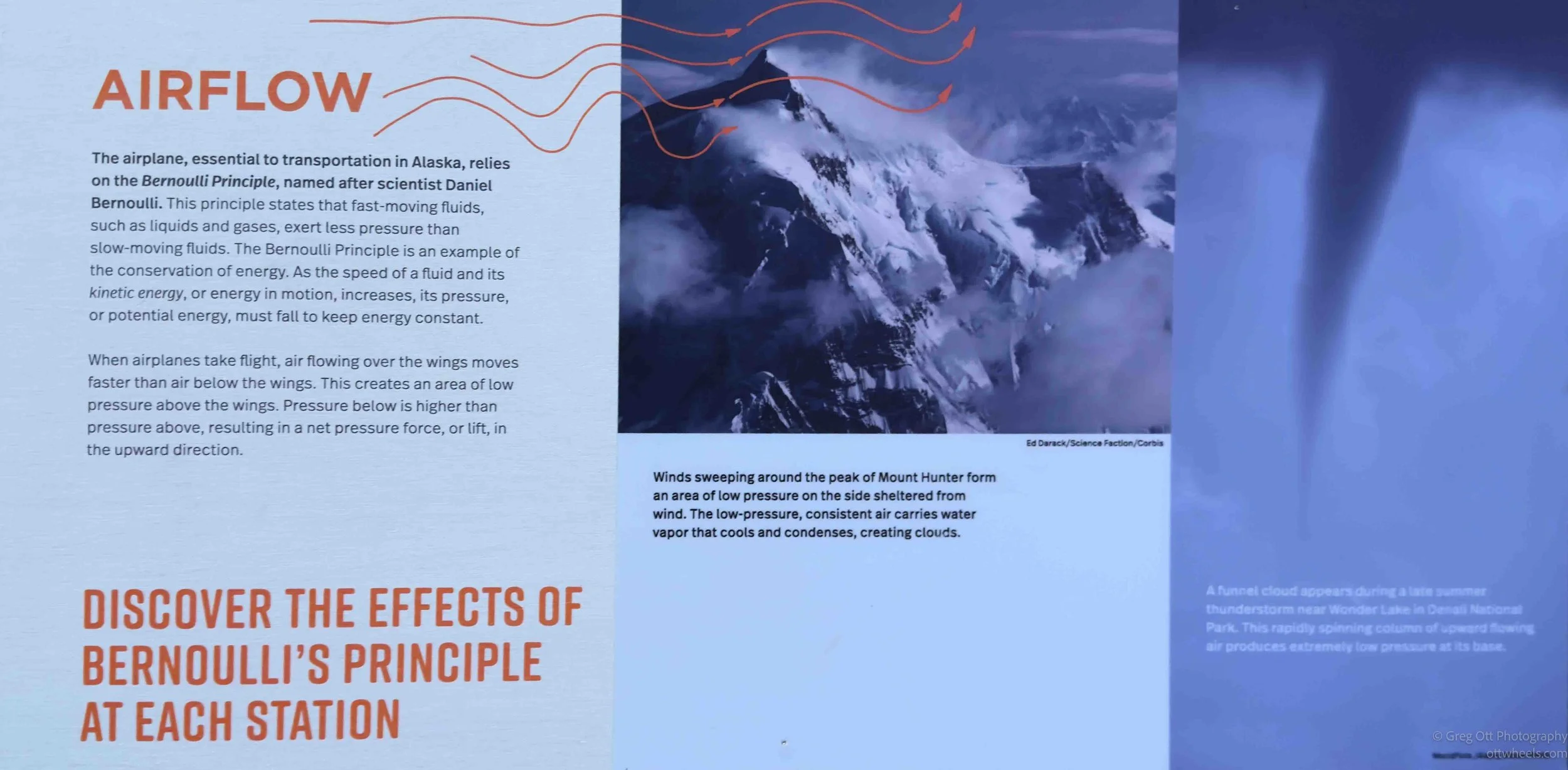
The Alaska Native collections were equally impressive. The craftsmanship of the baskets, clothing, carvings, and ceremonial objects was extraordinary, but what stayed with me just as much were the quotations displayed throughout the galleries. Many reflected Indigenous perspectives on nature, community, and experience, adding another layer of meaning to the objects themselves. One, attributed to Iyaaka (Anders Apassingok, St. Lawrence Island Yupik), especially resonated with me:
"What you do not see, do not hear, do not experience, you will never really know."
I couldn't think of a better description of why I travel. You can read books, watch documentaries, and study maps, but none of them replace standing in a place, talking with the people who live there, and experiencing it for yourself.
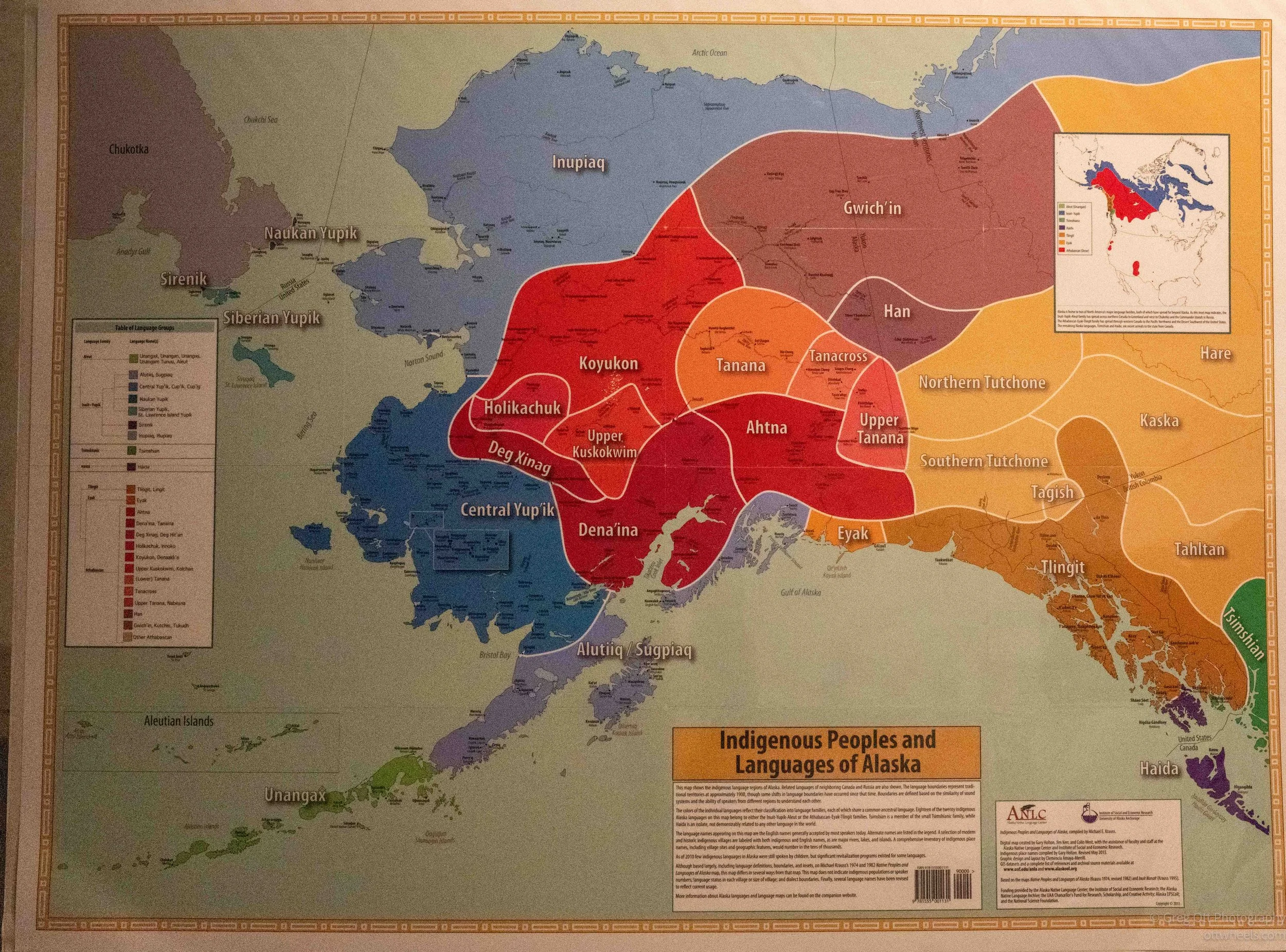
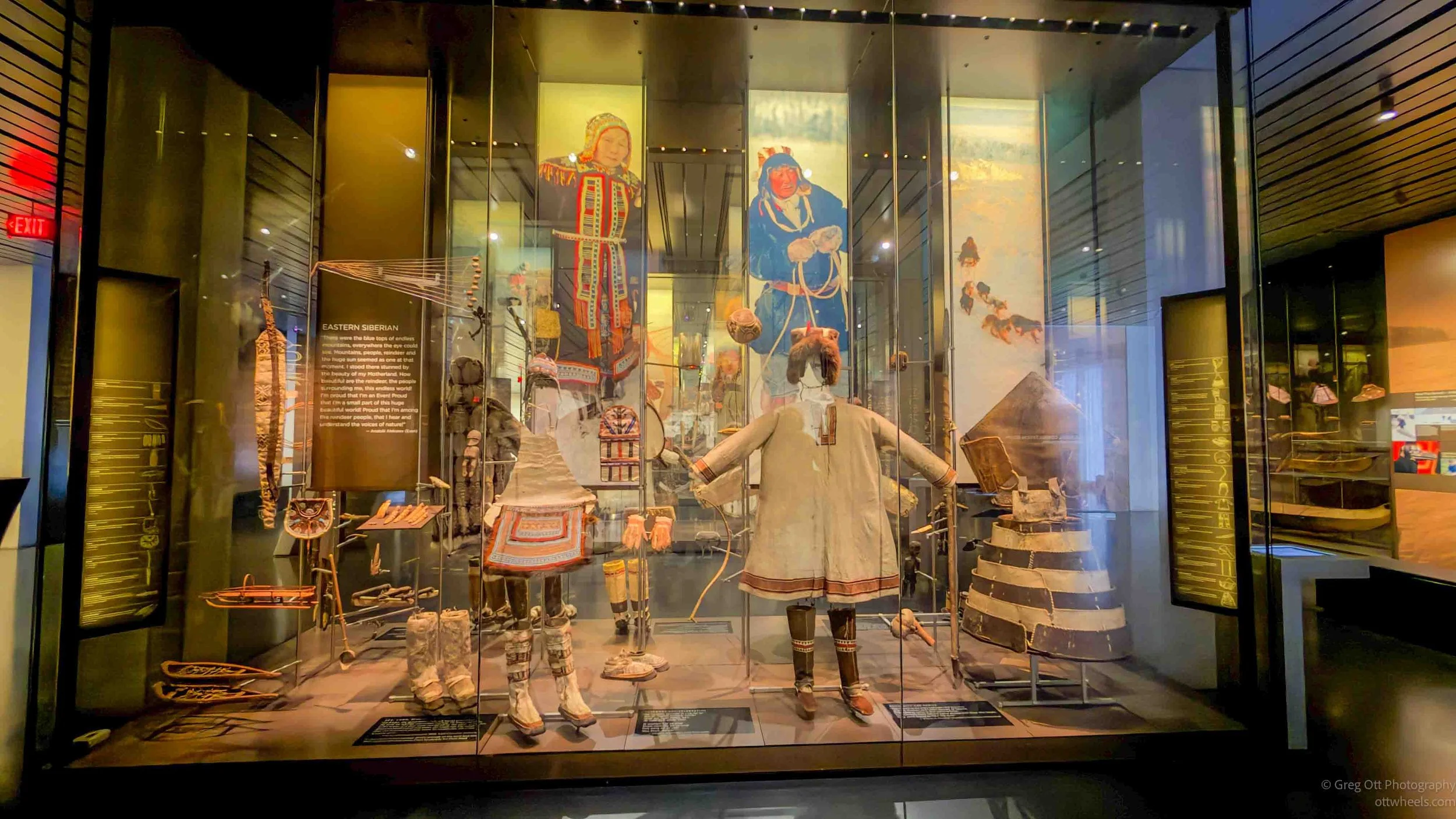
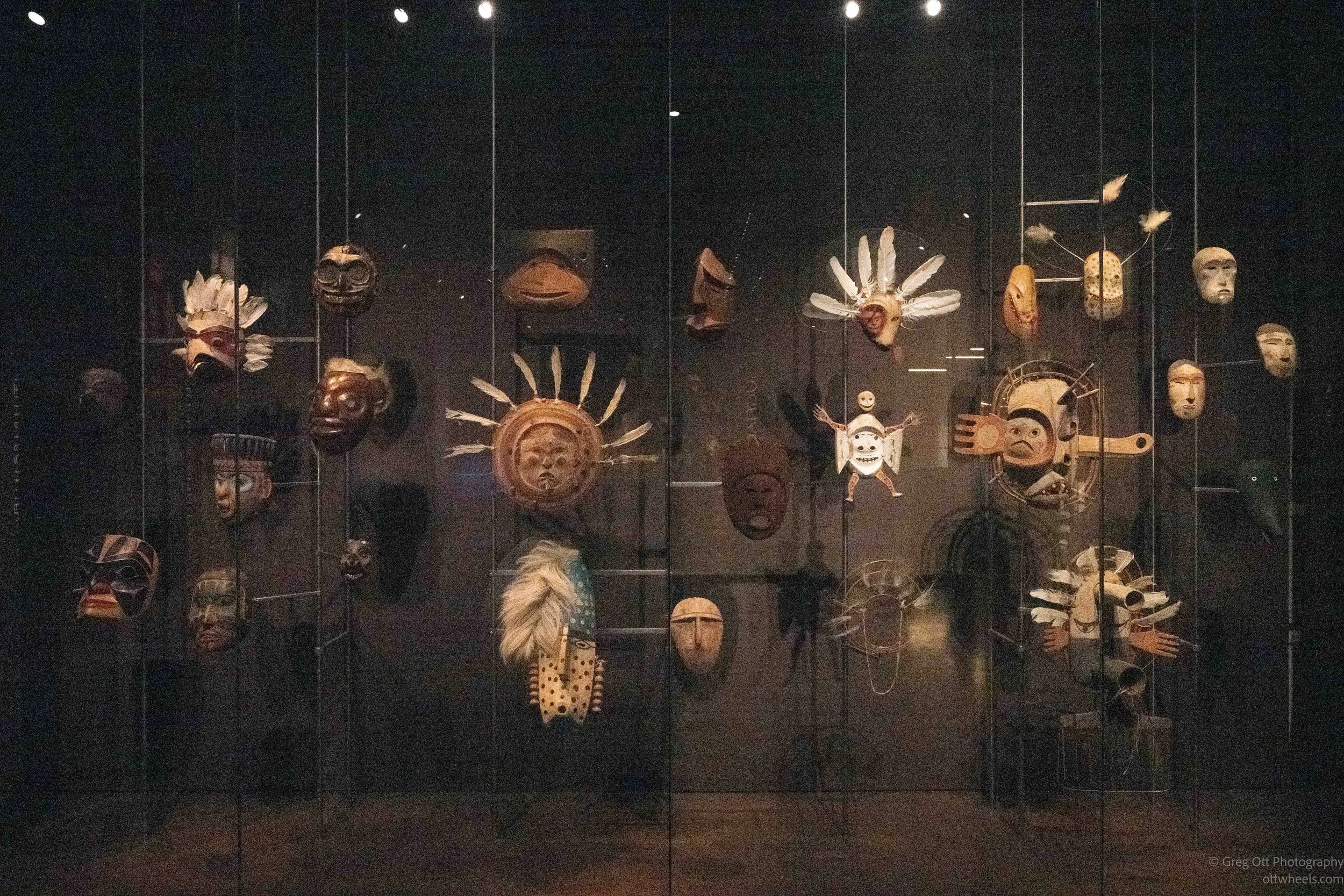
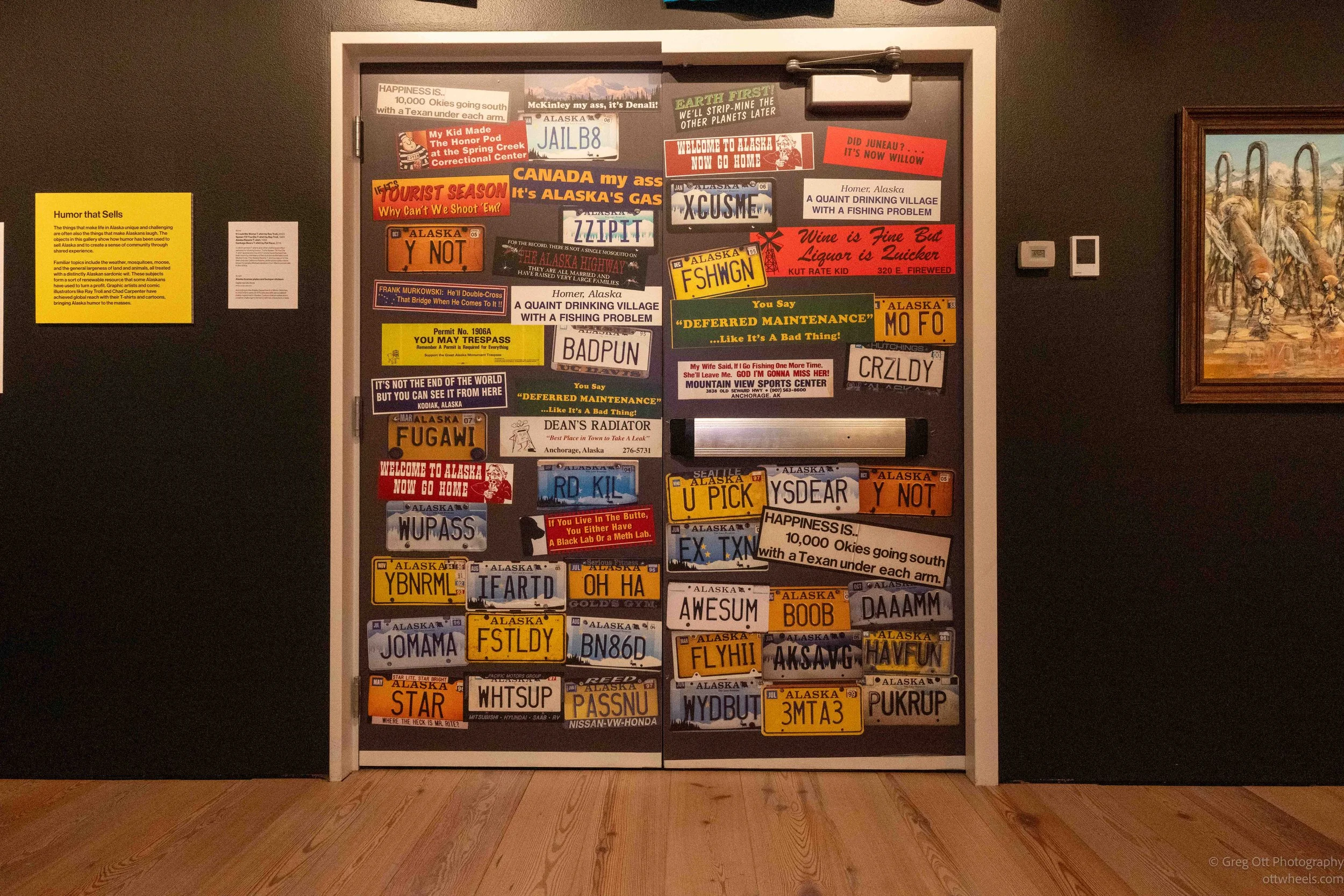
The museum also included a gallery devoted to Alaska comedy, which was an unexpected surprise, along with a collection of intricate carvings made from walrus ivory. The level of detail in many of the pieces was remarkable.
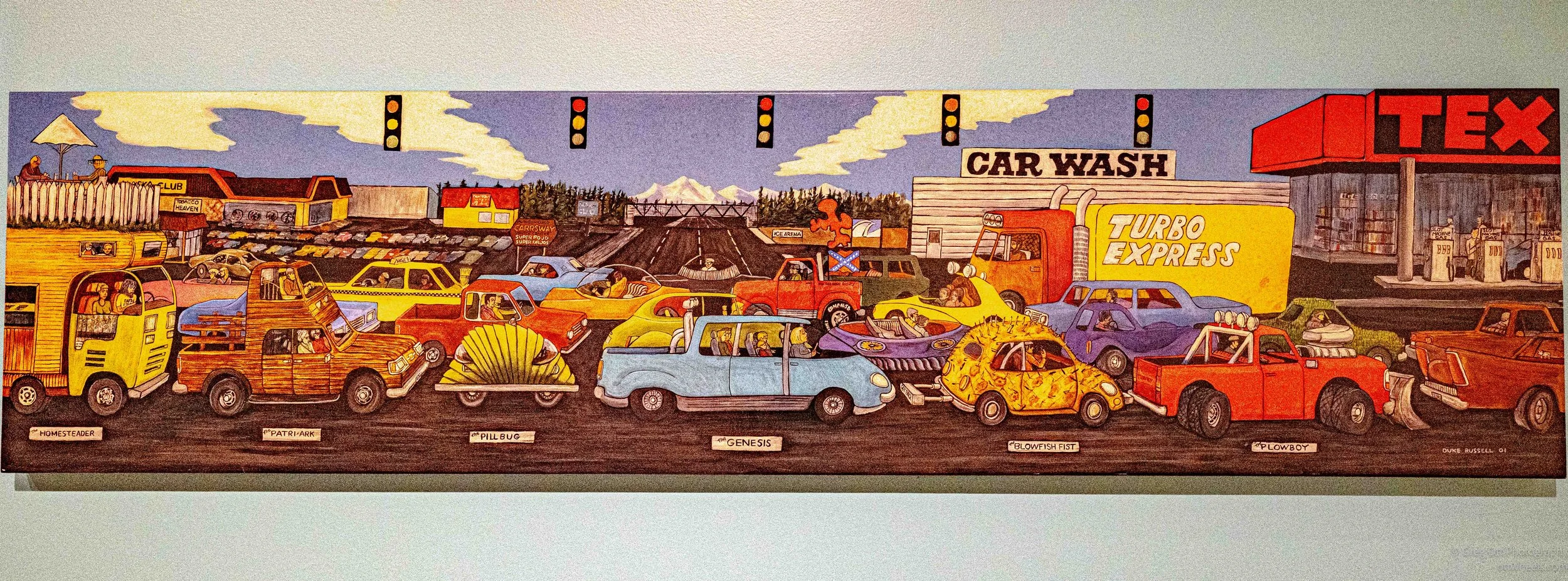
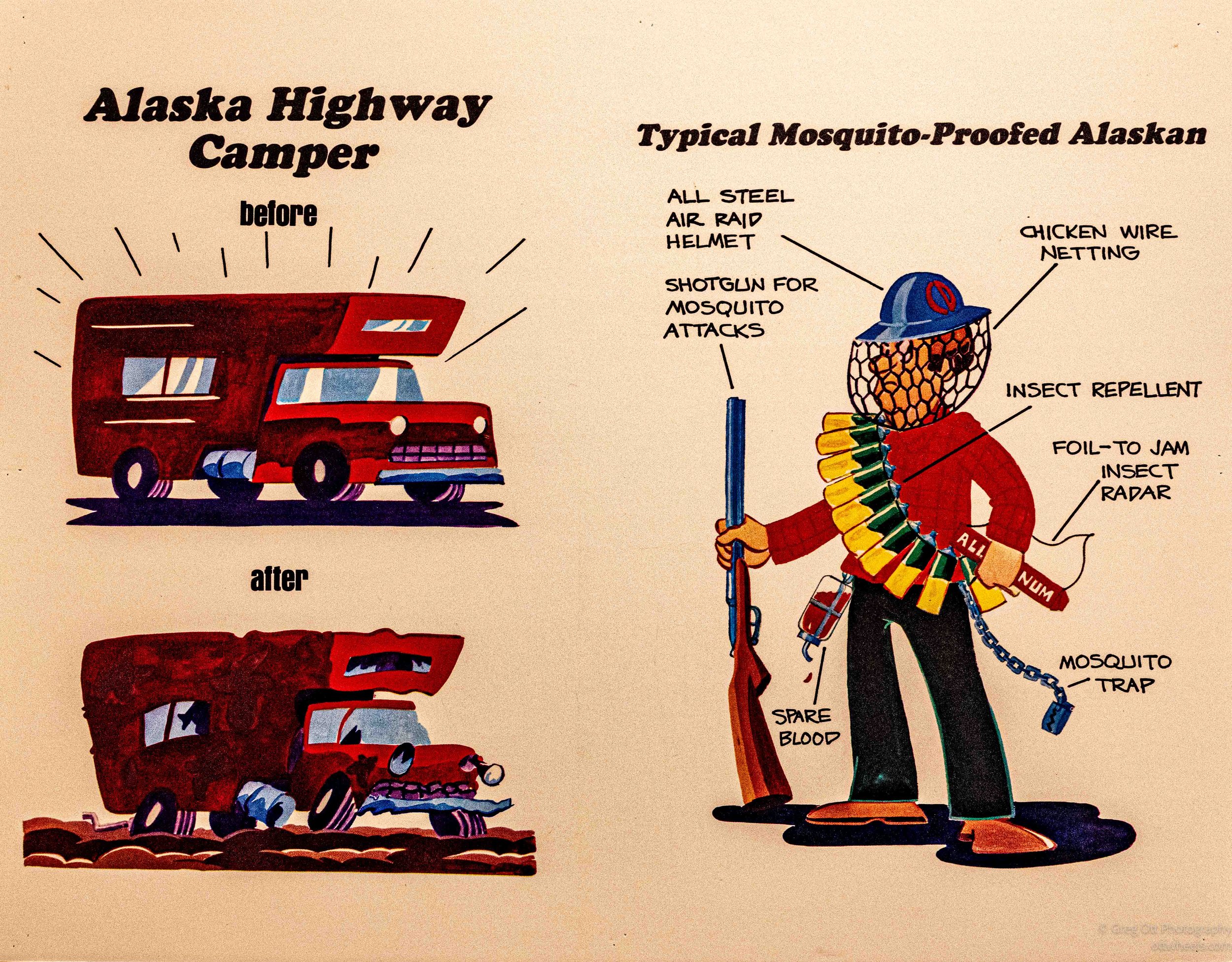
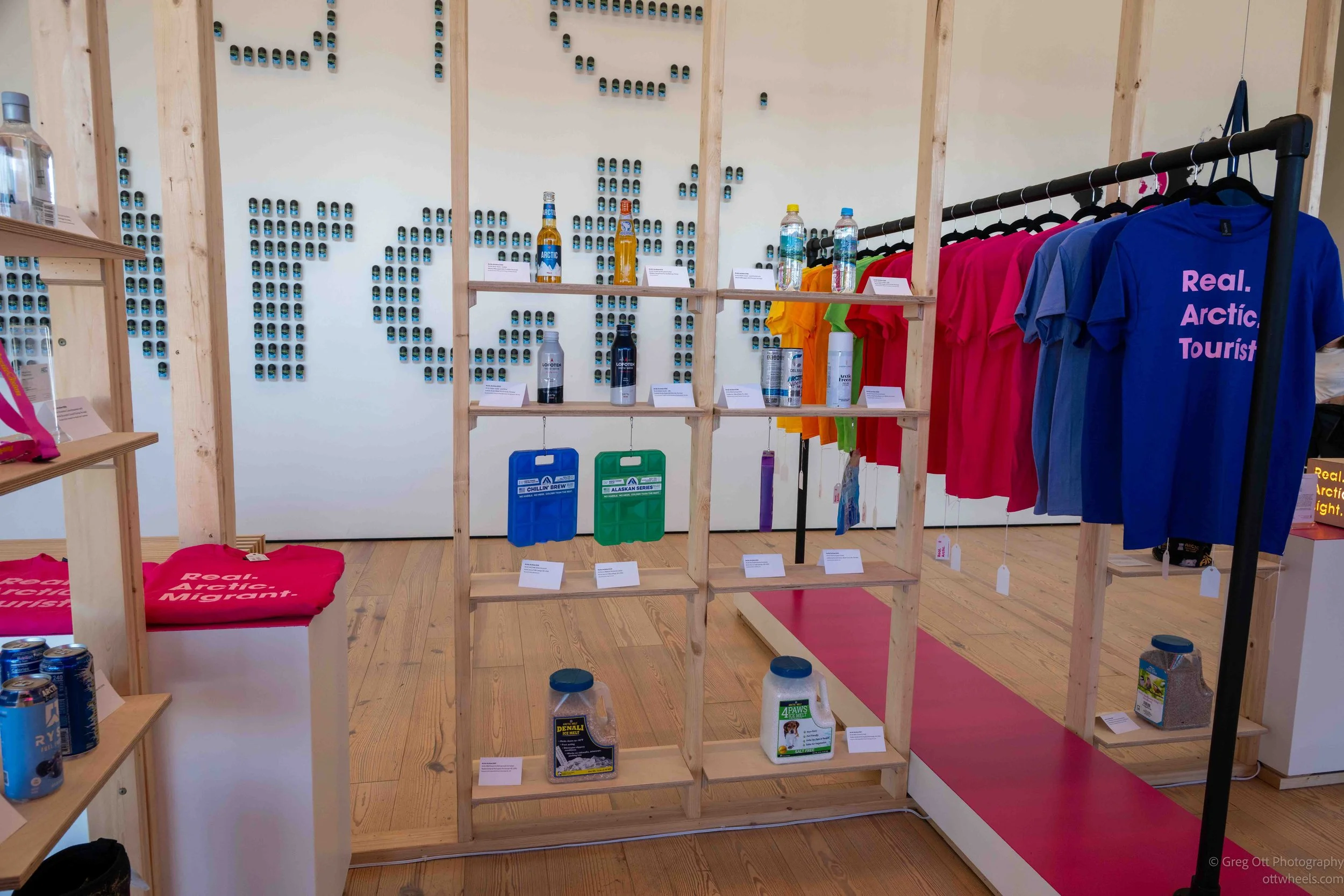
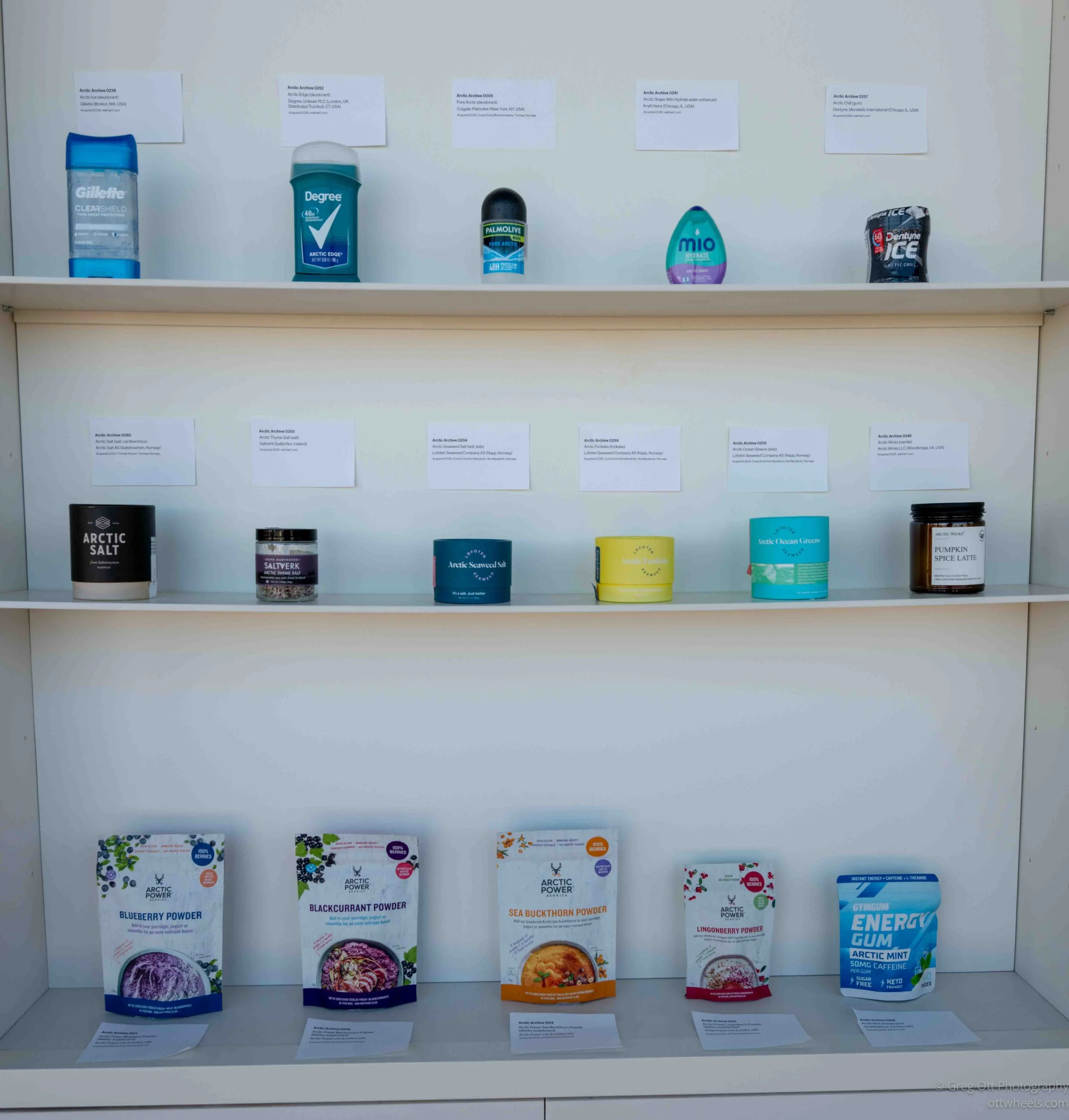
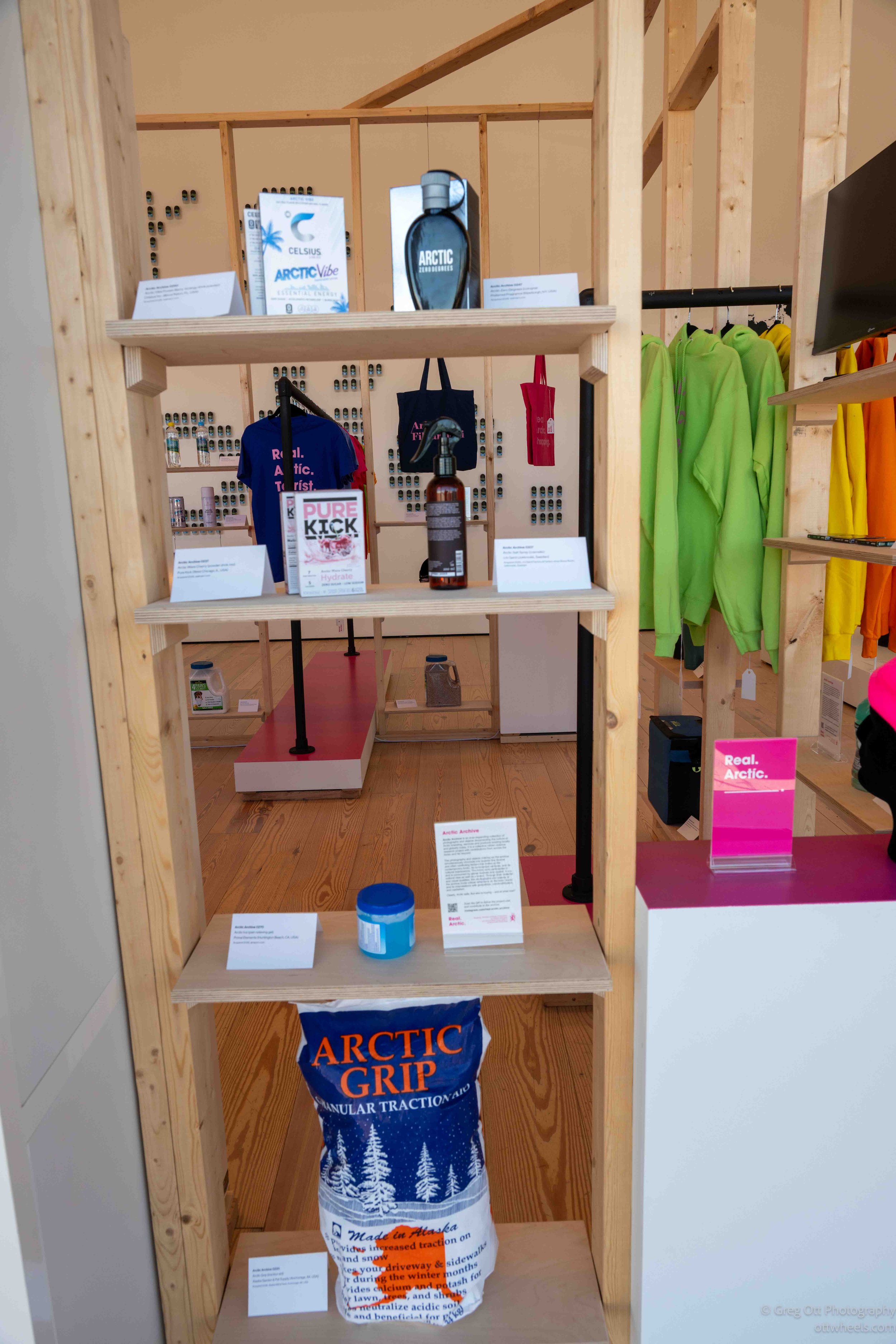
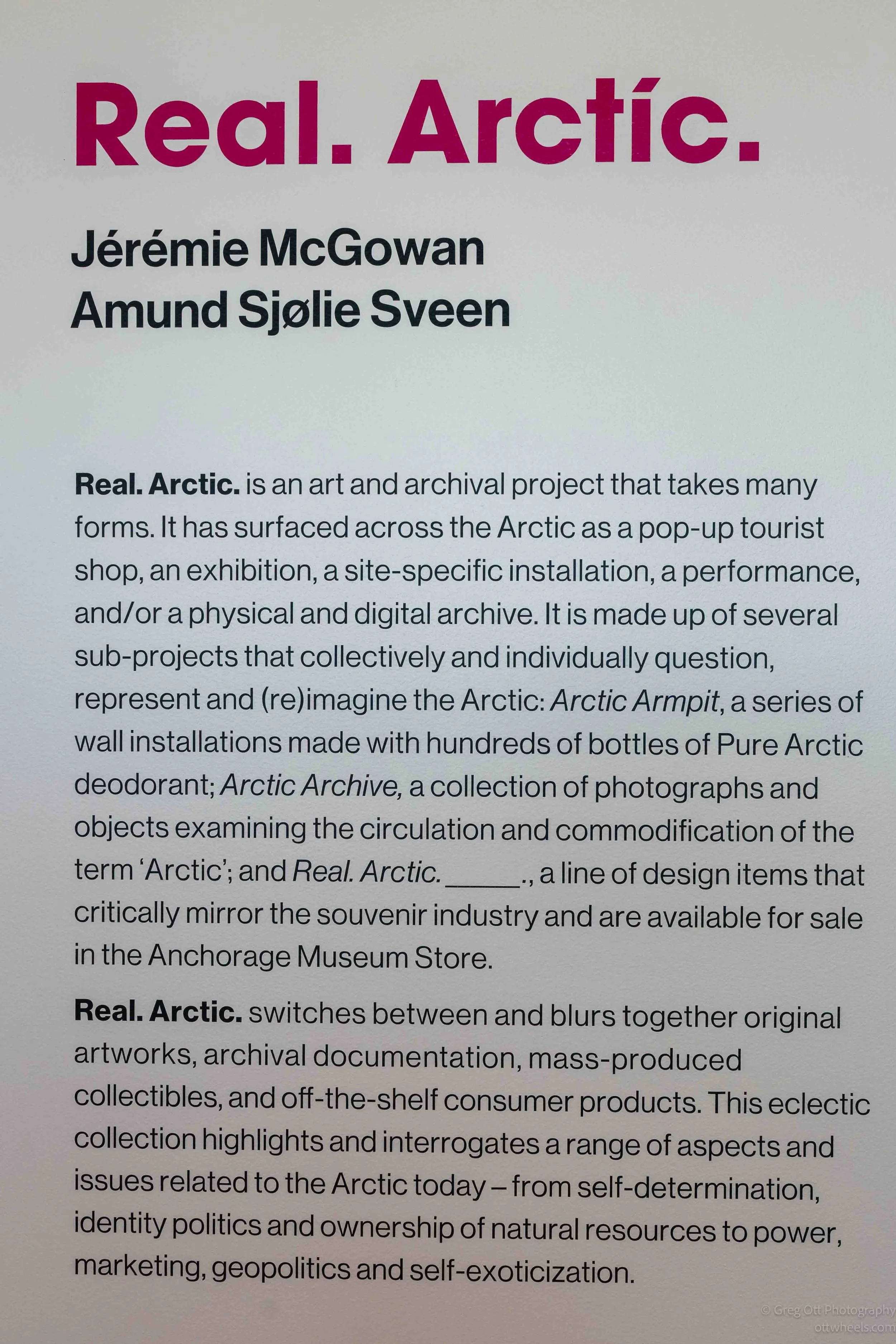
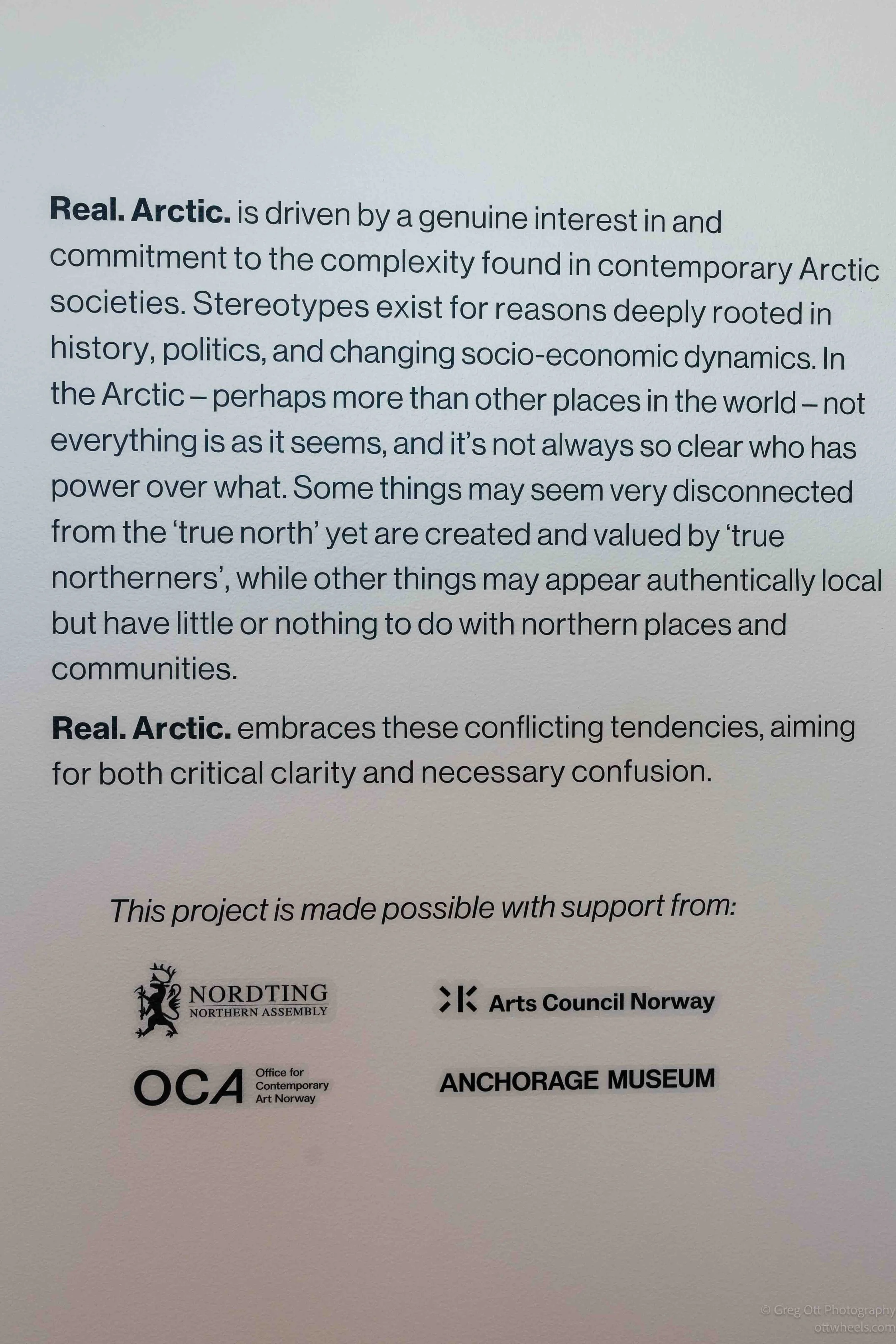
Another exhibit, Real. Arctic., challenged the way we think about the Arctic itself. Rather than focusing on glaciers and polar bears, it explored how the word Arctic has become a brand, attached to products, souvenirs, and marketing campaigns that often have little or no connection to the people who actually live there. Through photographs, installations, archival materials, and even satirical consumer products, the exhibit questioned ideas of authenticity, ownership, identity, and who gets to define what is "real" Arctic. It made the point that some things marketed as Arctic have almost nothing to do with the region, while other genuinely Arctic people, communities, and traditions are often overlooked. I thought it was a clever exhibit because it made me realize that even the word Arctic carries a lot of assumptions.
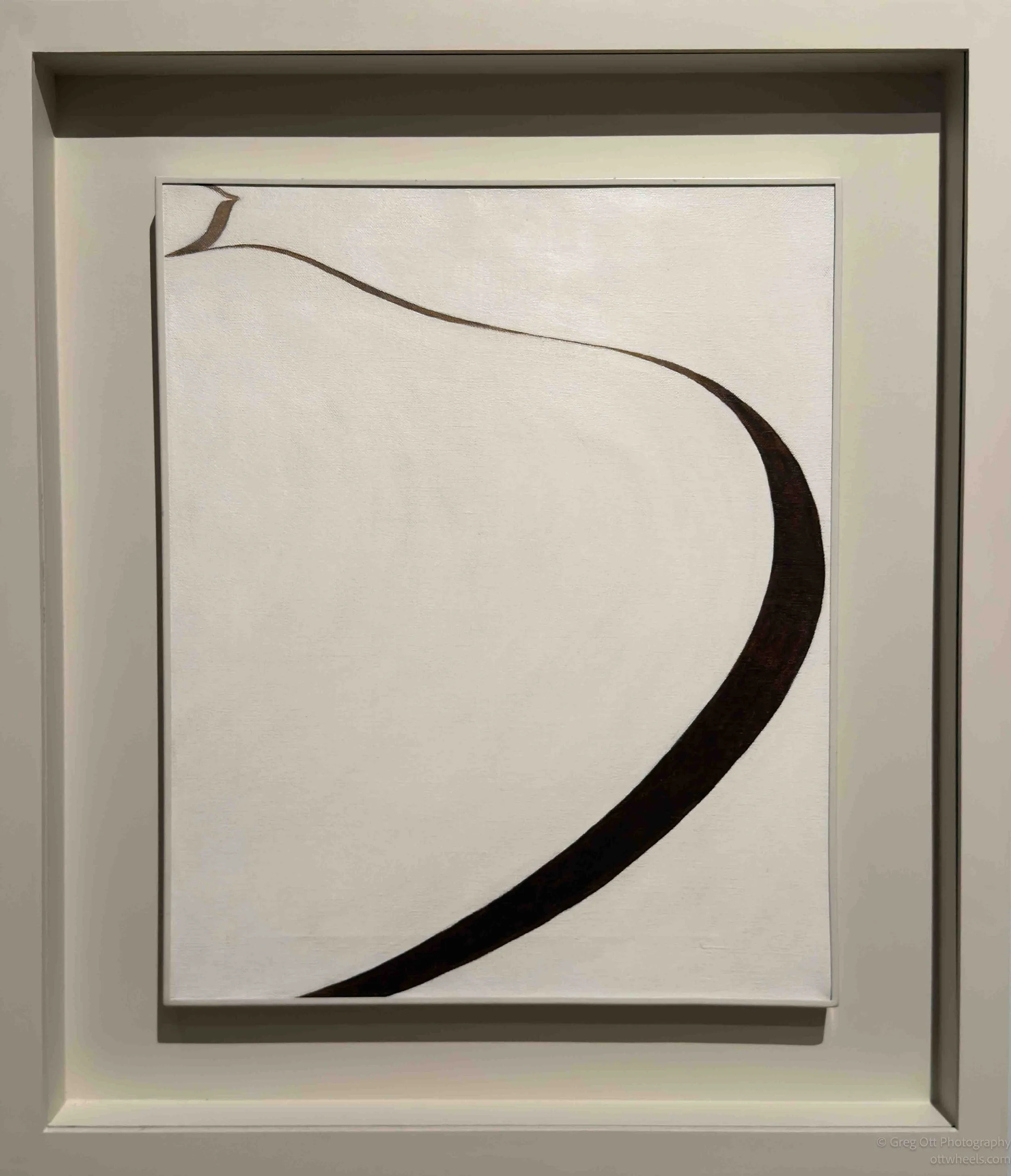
The art galleries on the second floor included Indigenous art, Alaska-related works, and pieces by well-known artists, including Georgia O'Keeffe. One of O'Keeffe's paintings especially caught my attention because of the story behind it. She was inspired by a winding road near her home that climbed into the mountains. Once she saw it that way, she couldn't let the image go. It was still a road, but it had become something much more abstract. My first impression was that I was looking at the outline of a pear.
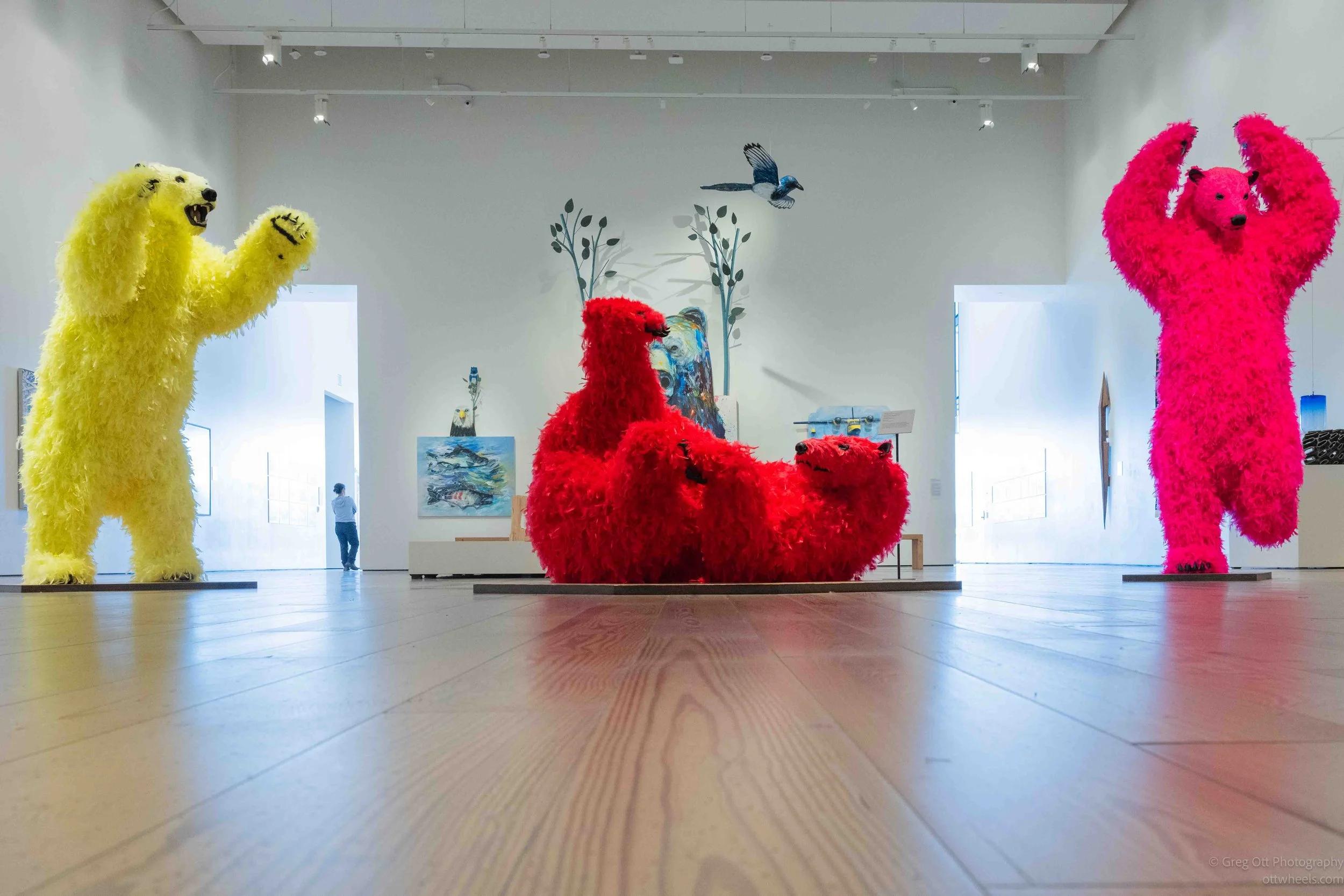
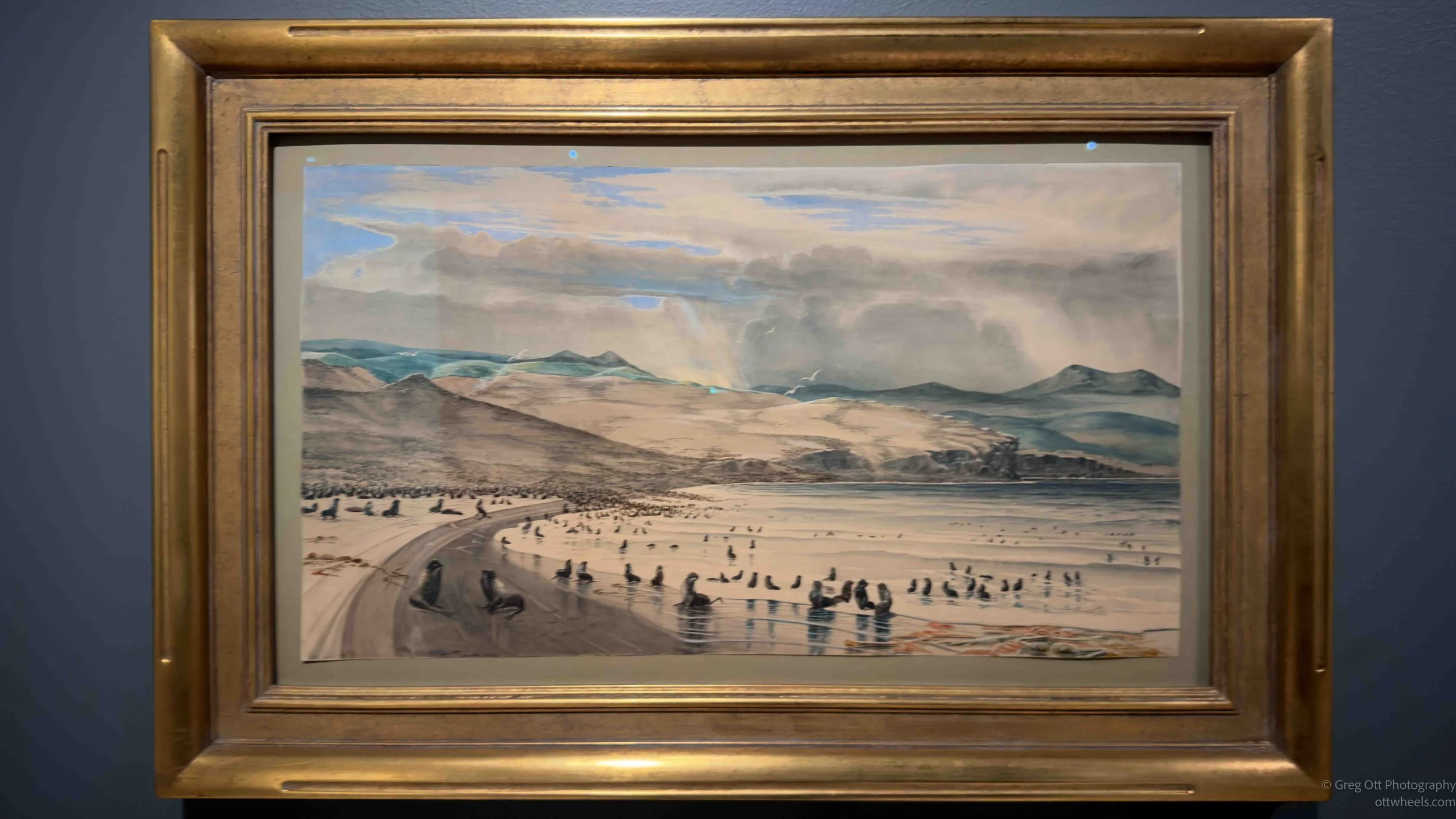
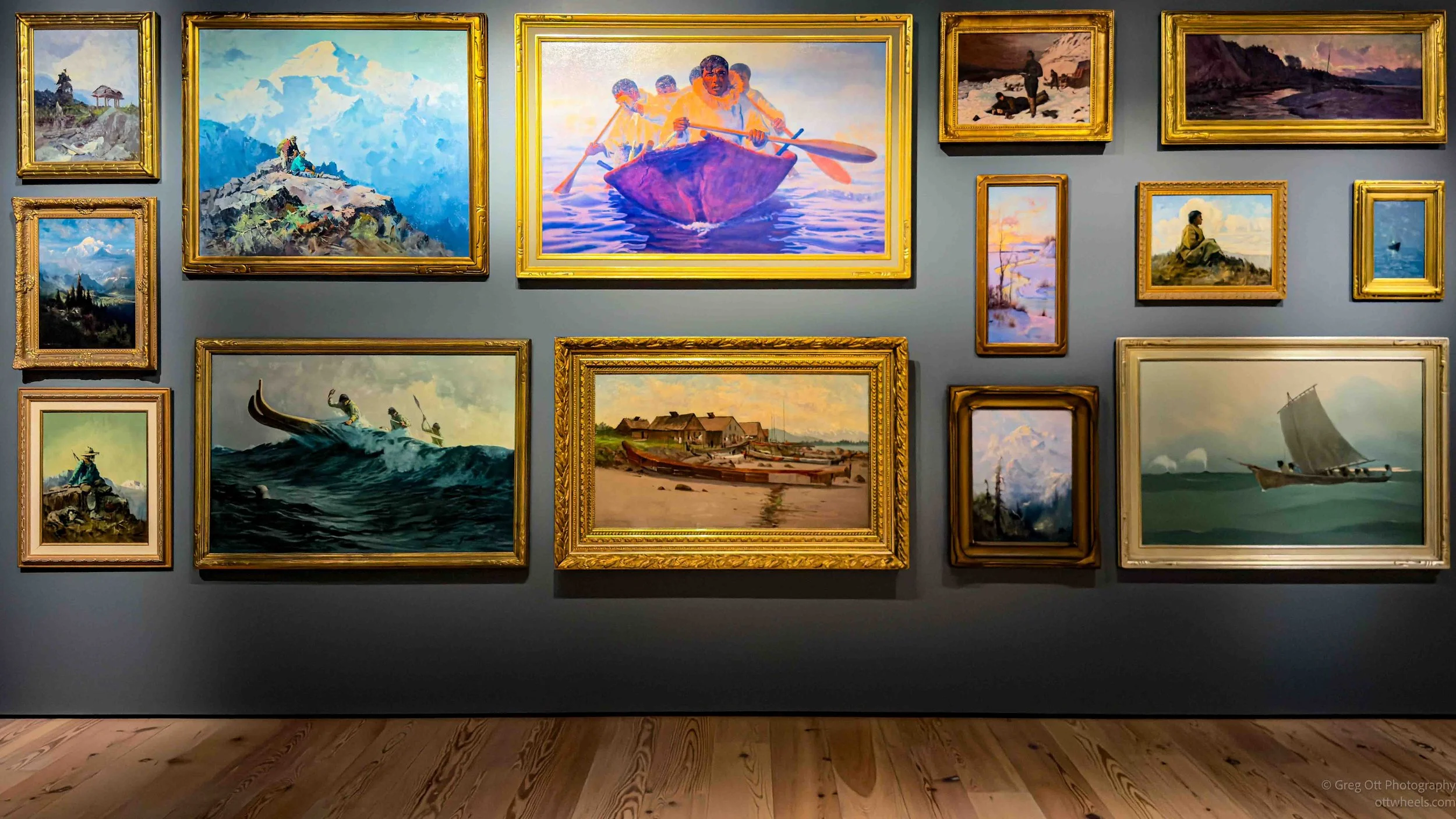
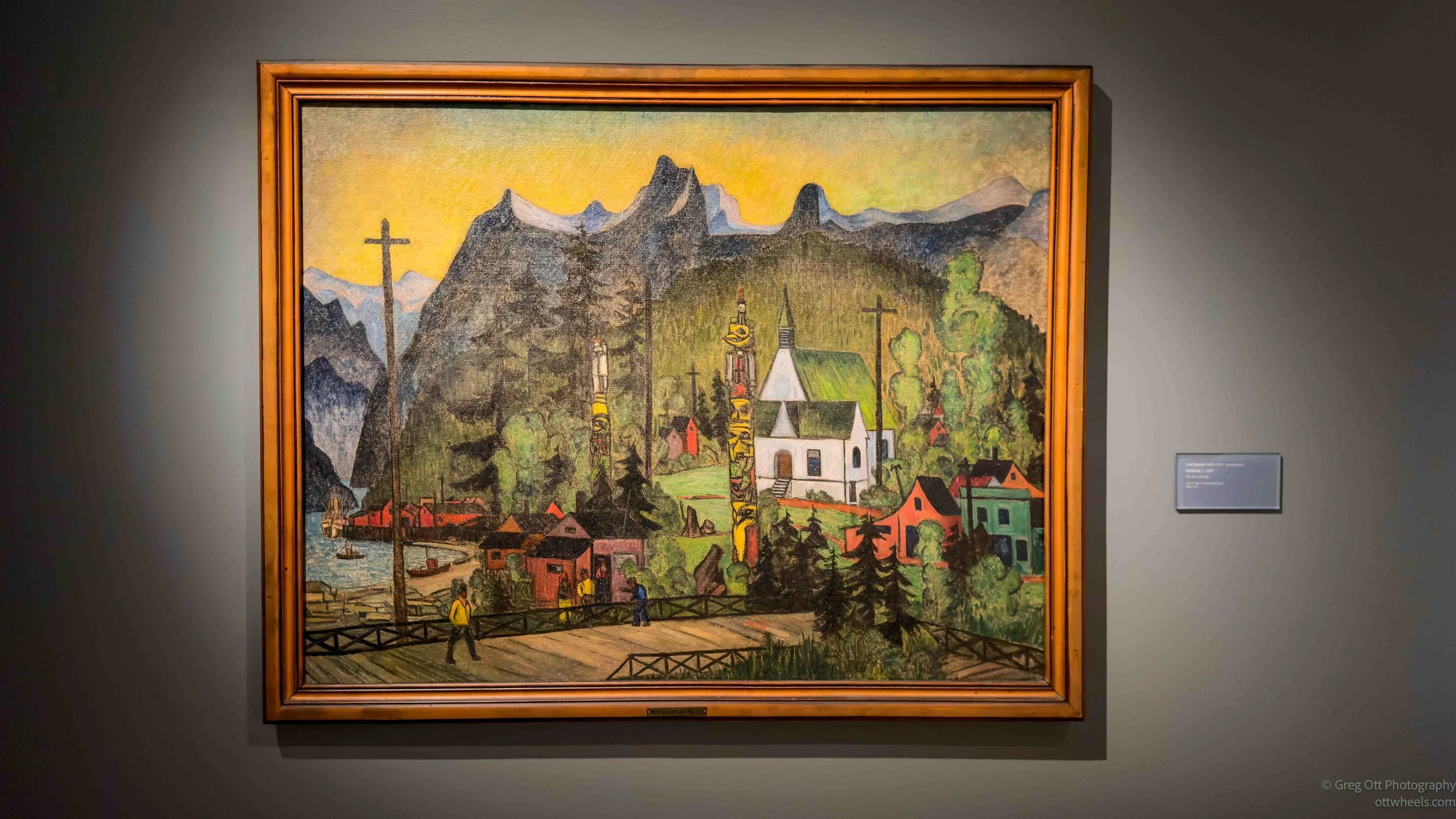
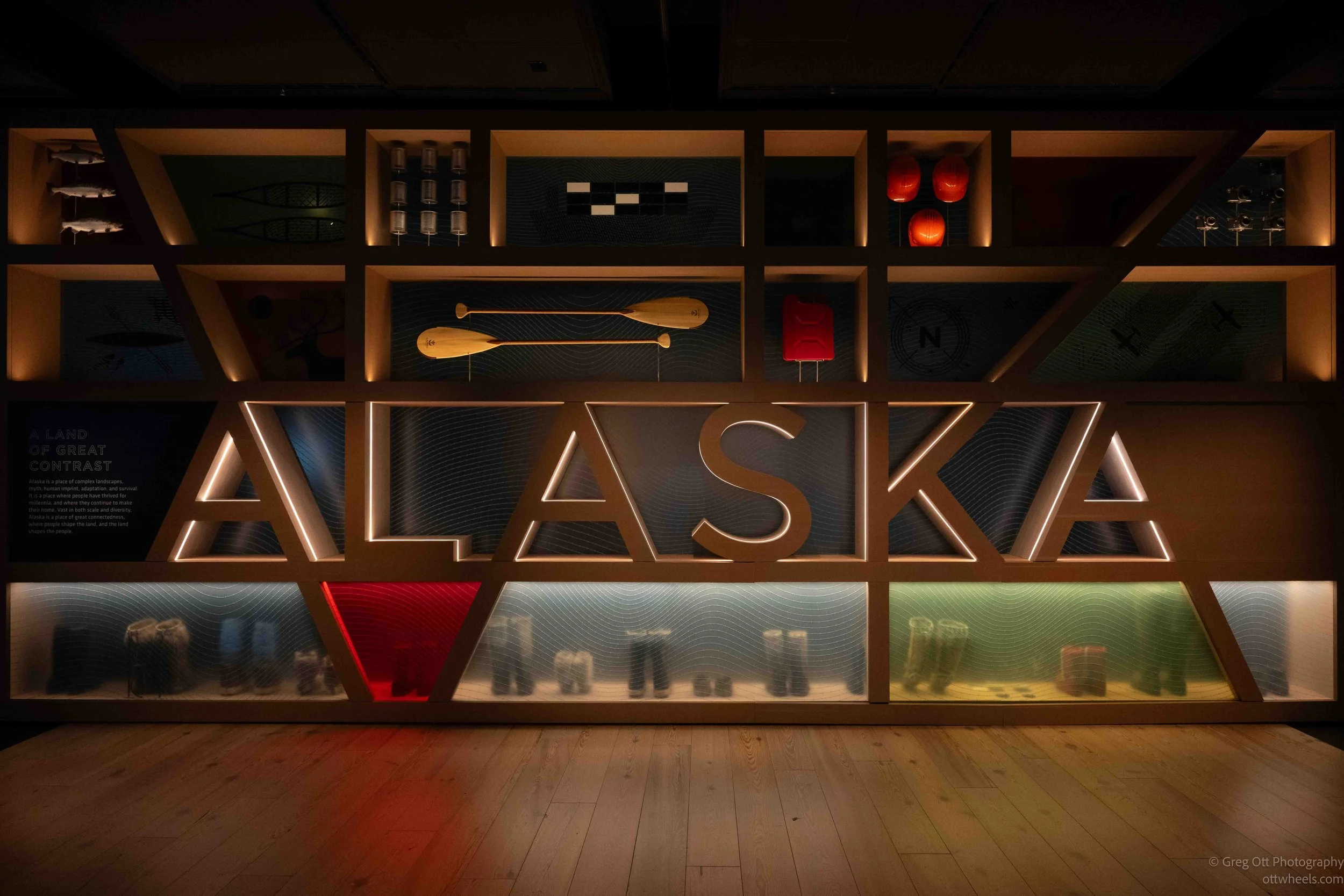
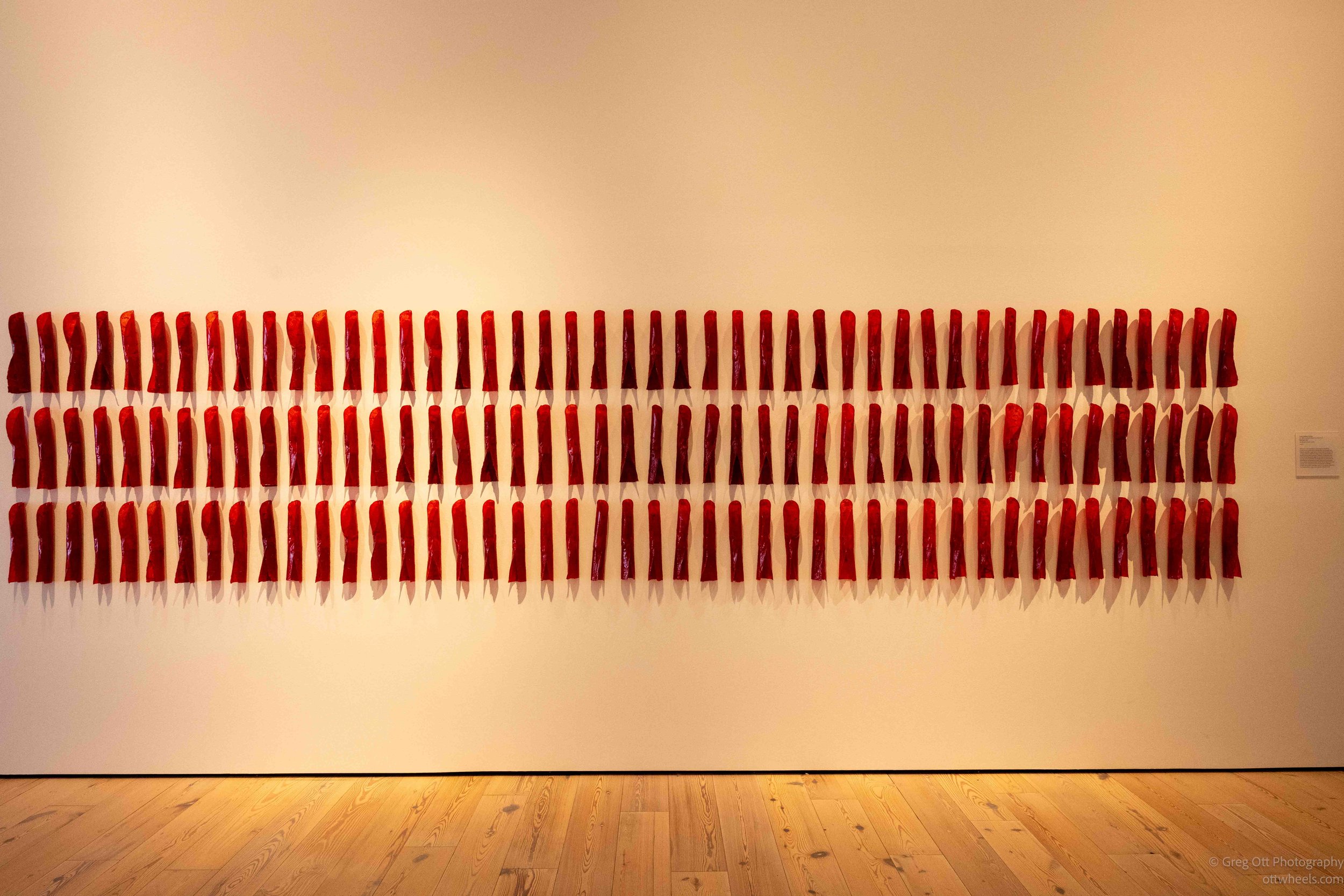
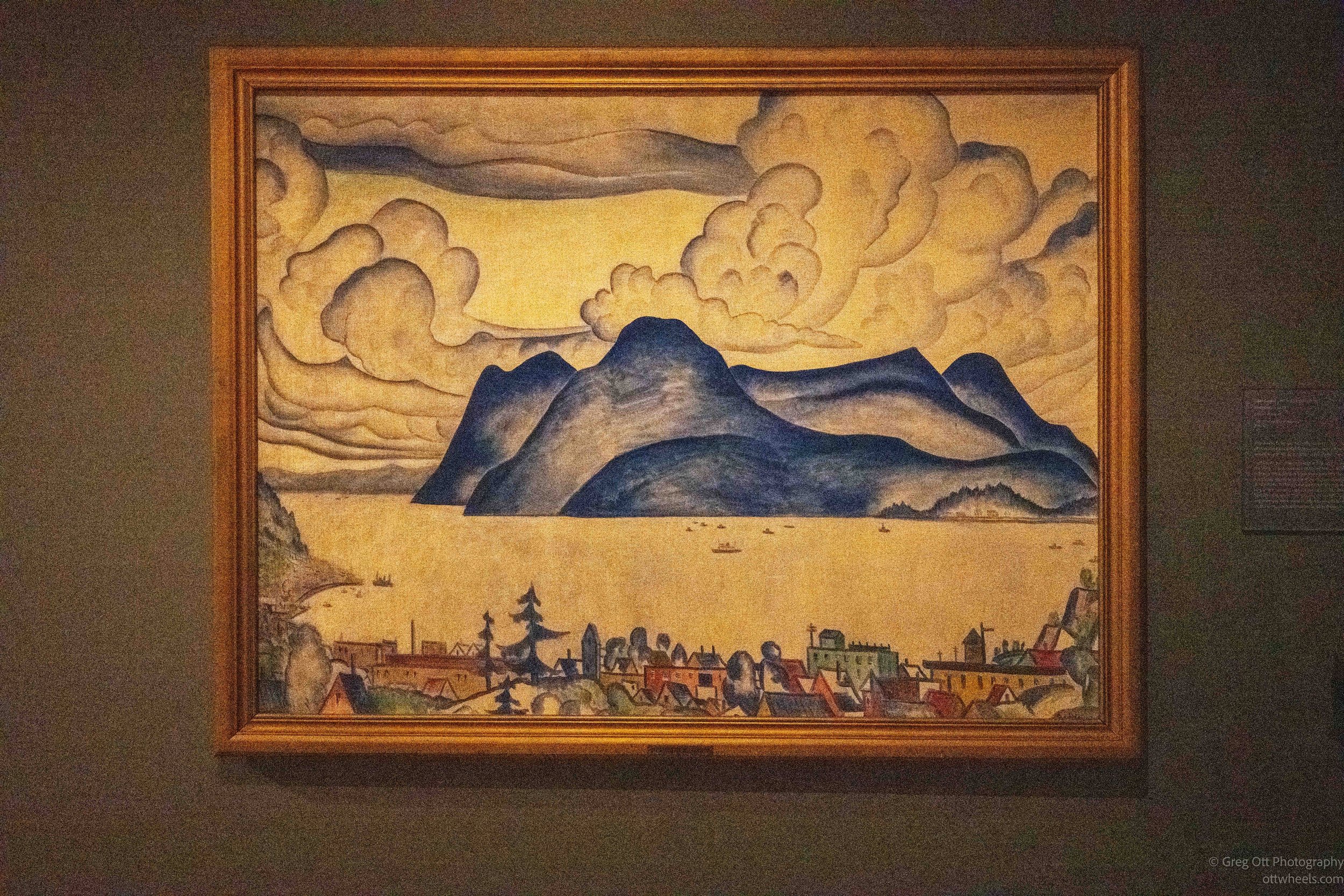
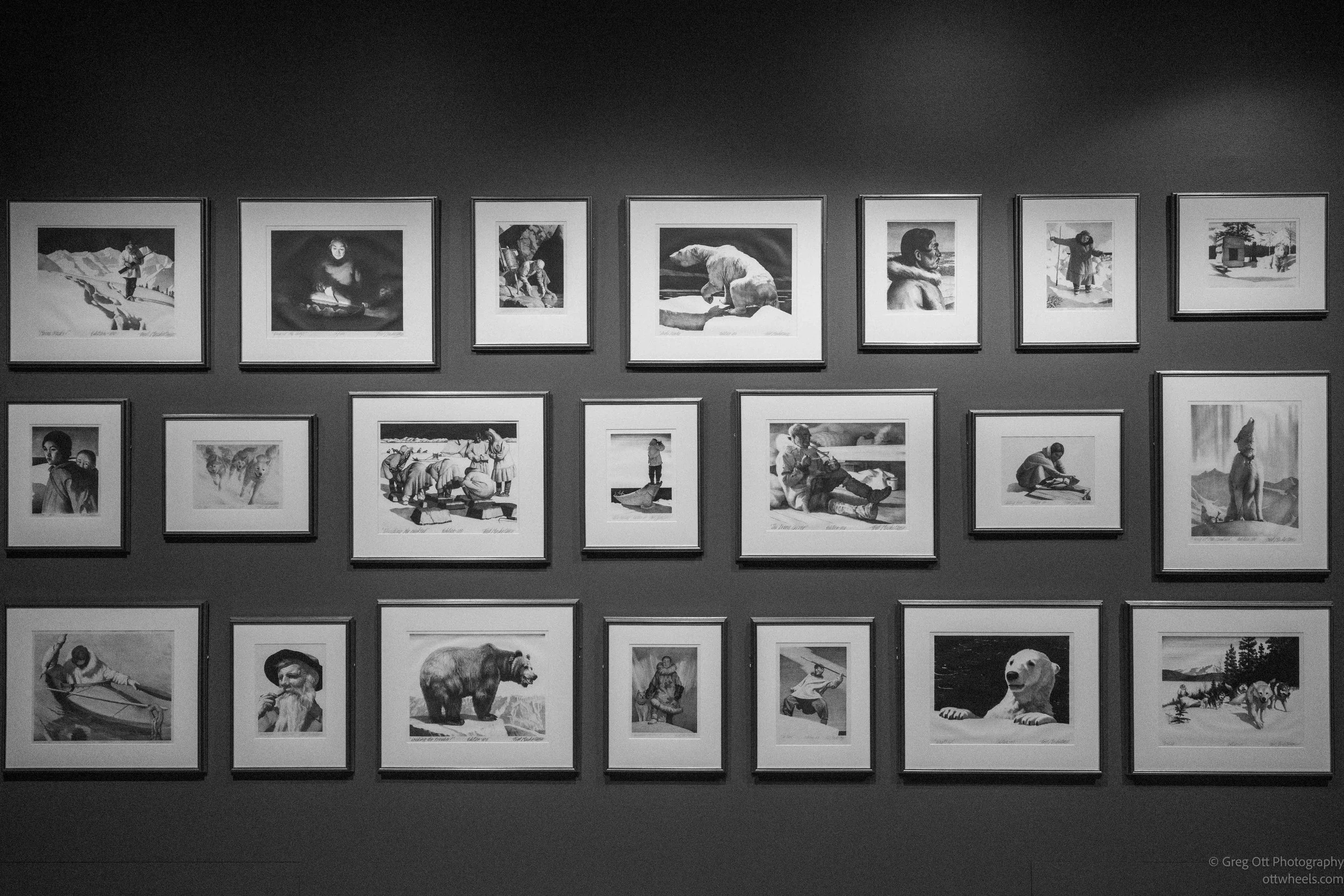
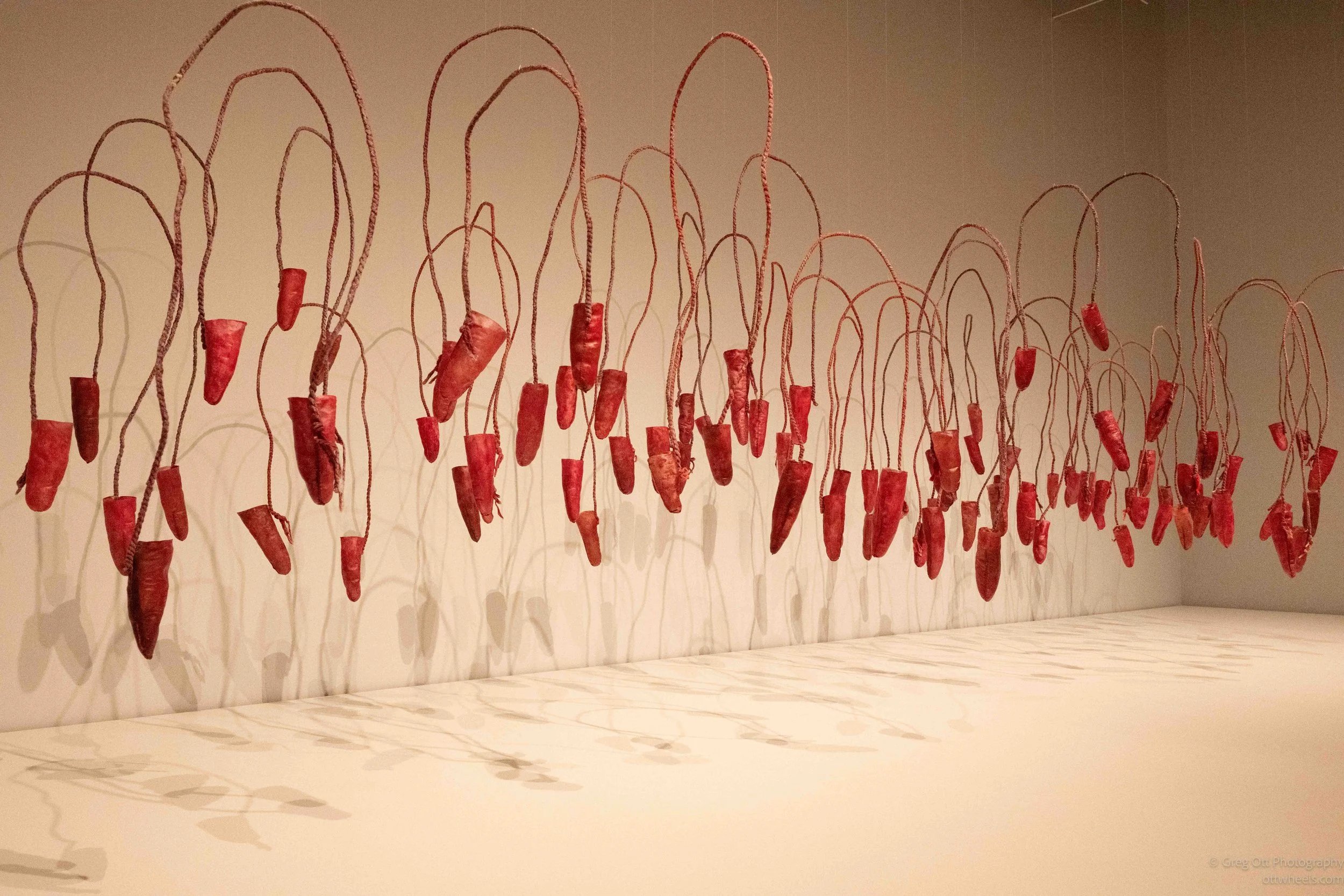
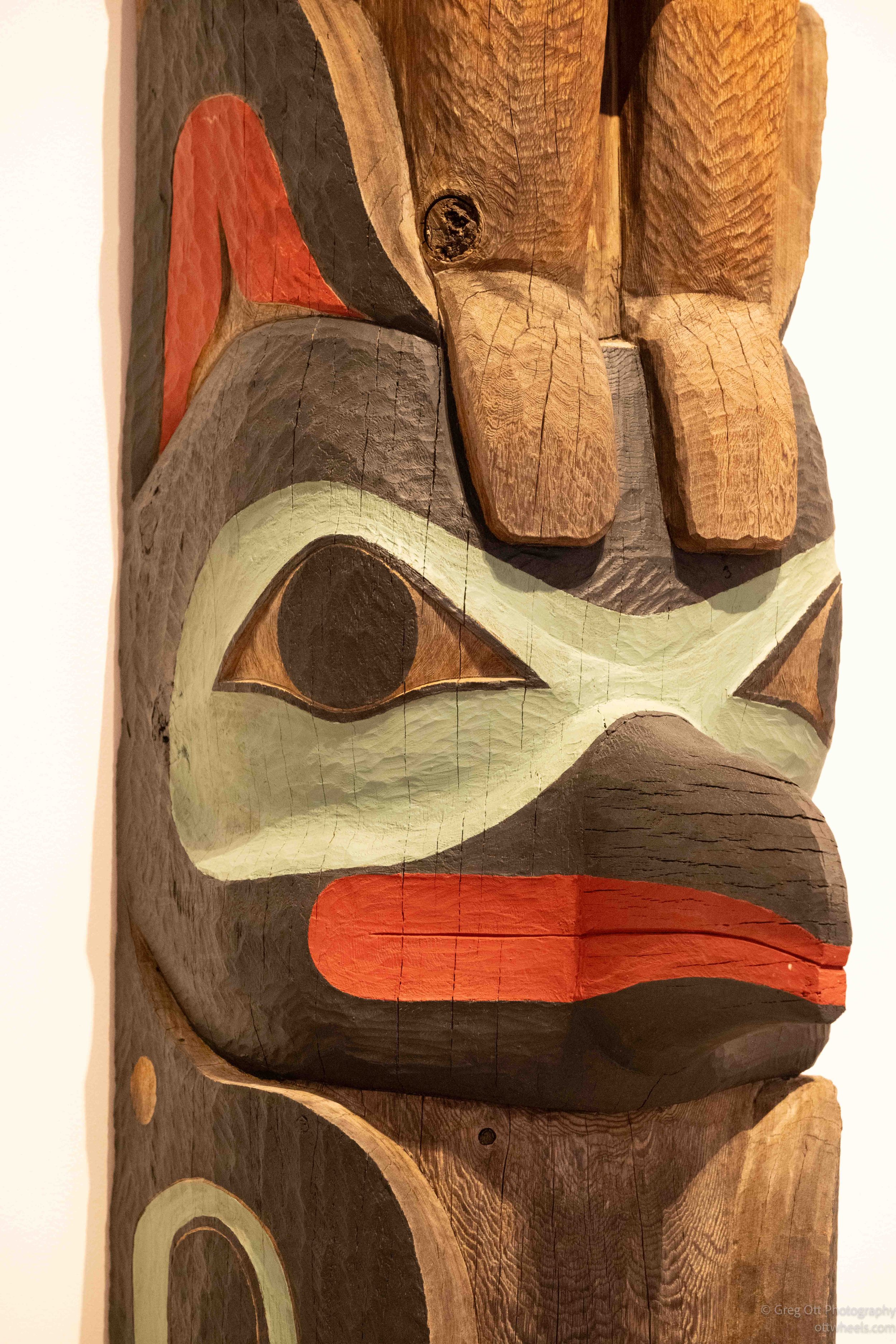
There was much more to see than I could possibly cover here, and even five hours wasn't enough to do the museum justice. The afternoon disappeared before I knew it. It was 6 p.m. and by the time I walked out the door, I had a much deeper understanding of Alaska—its geology, wildlife, history, cultures, and people—and a greater appreciation for many of the places I had already visited on this trip.
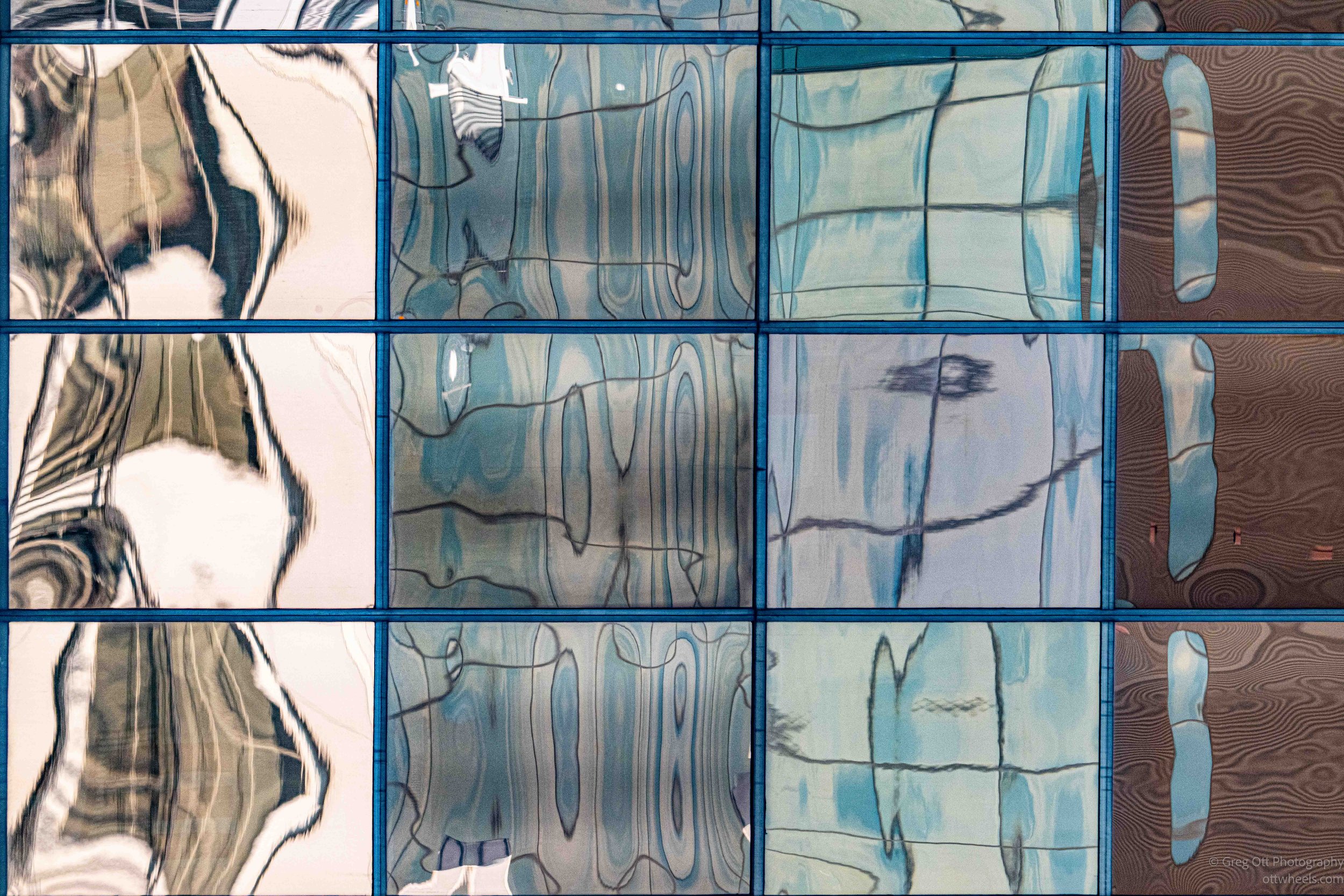
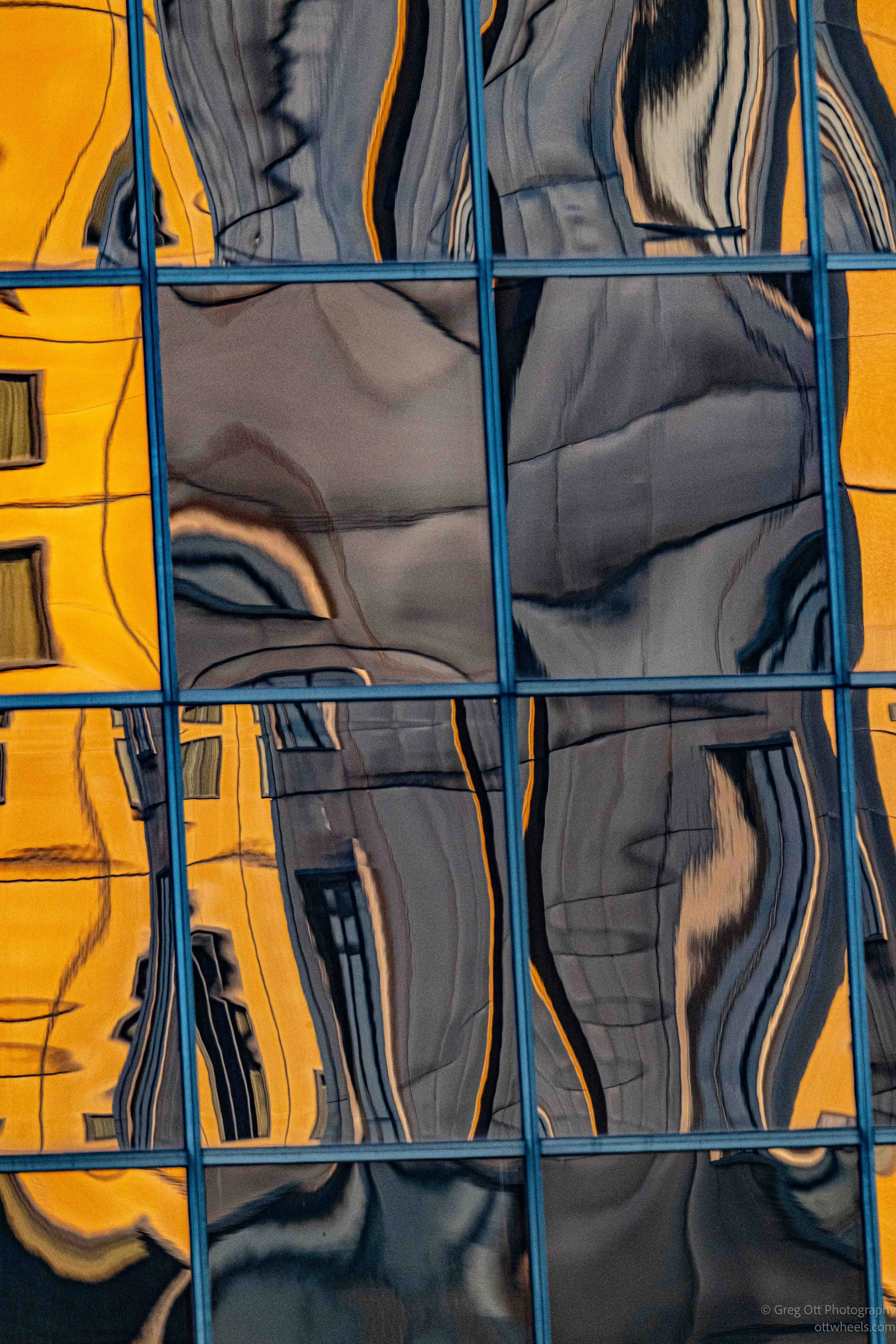
Emergent Forms
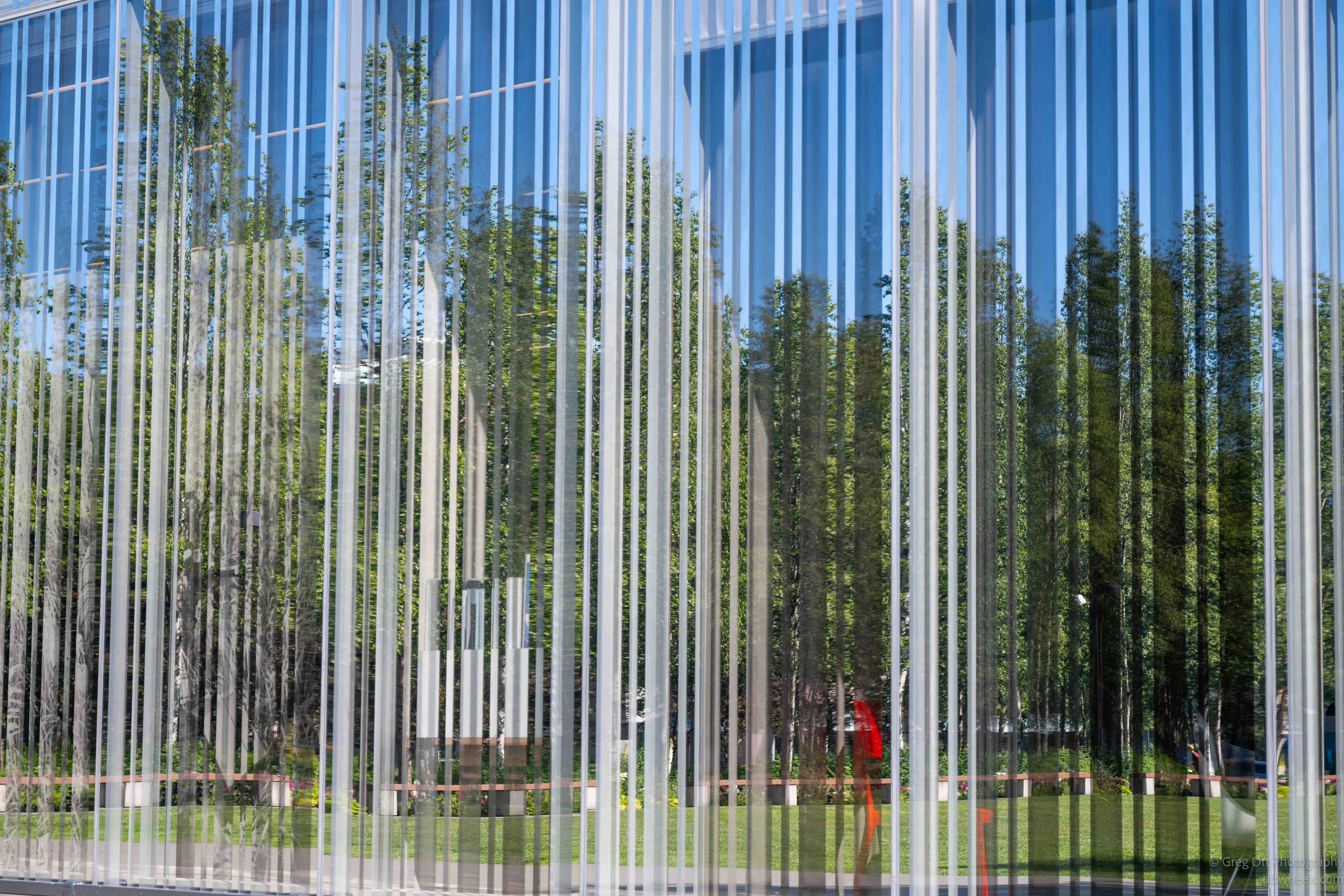
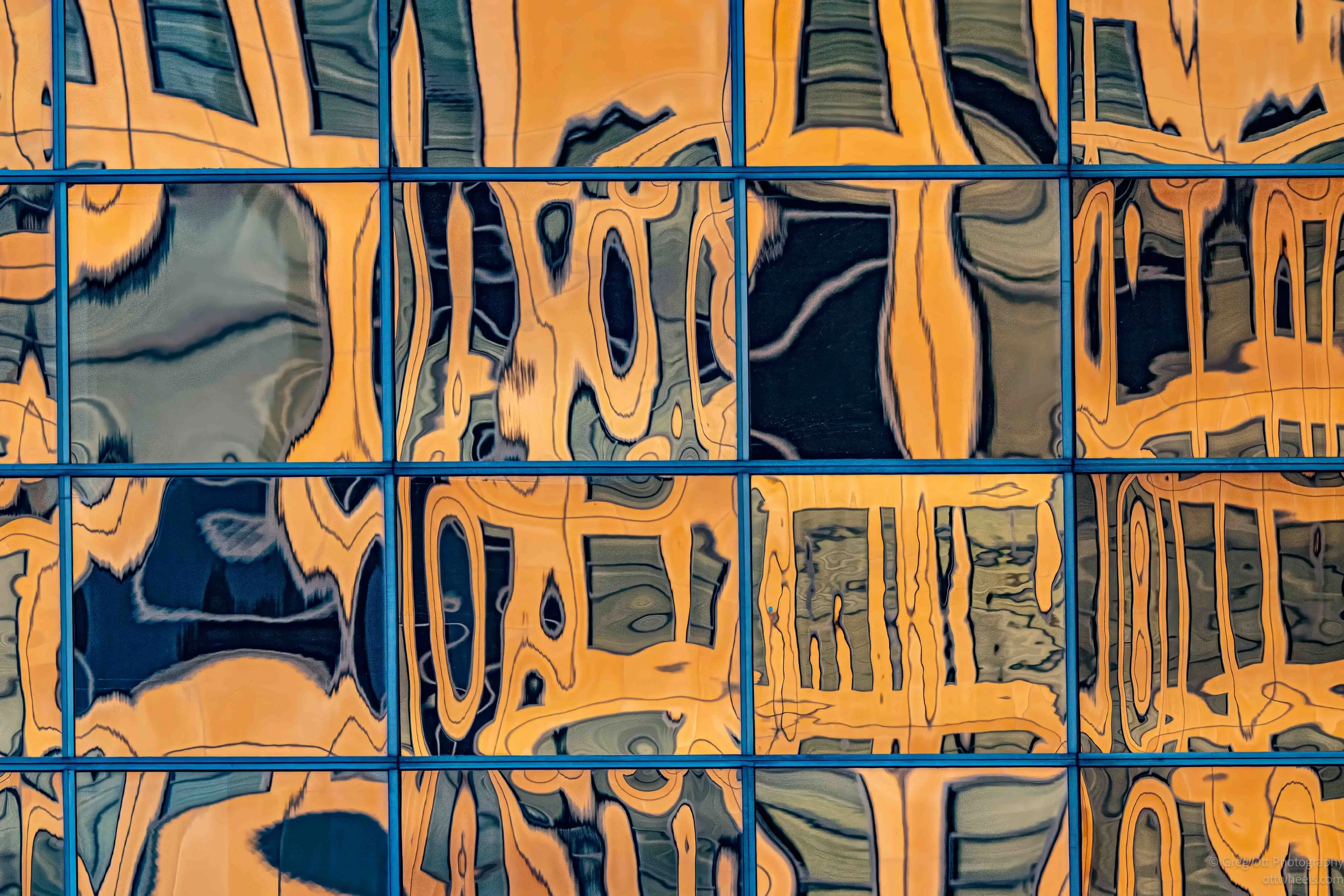
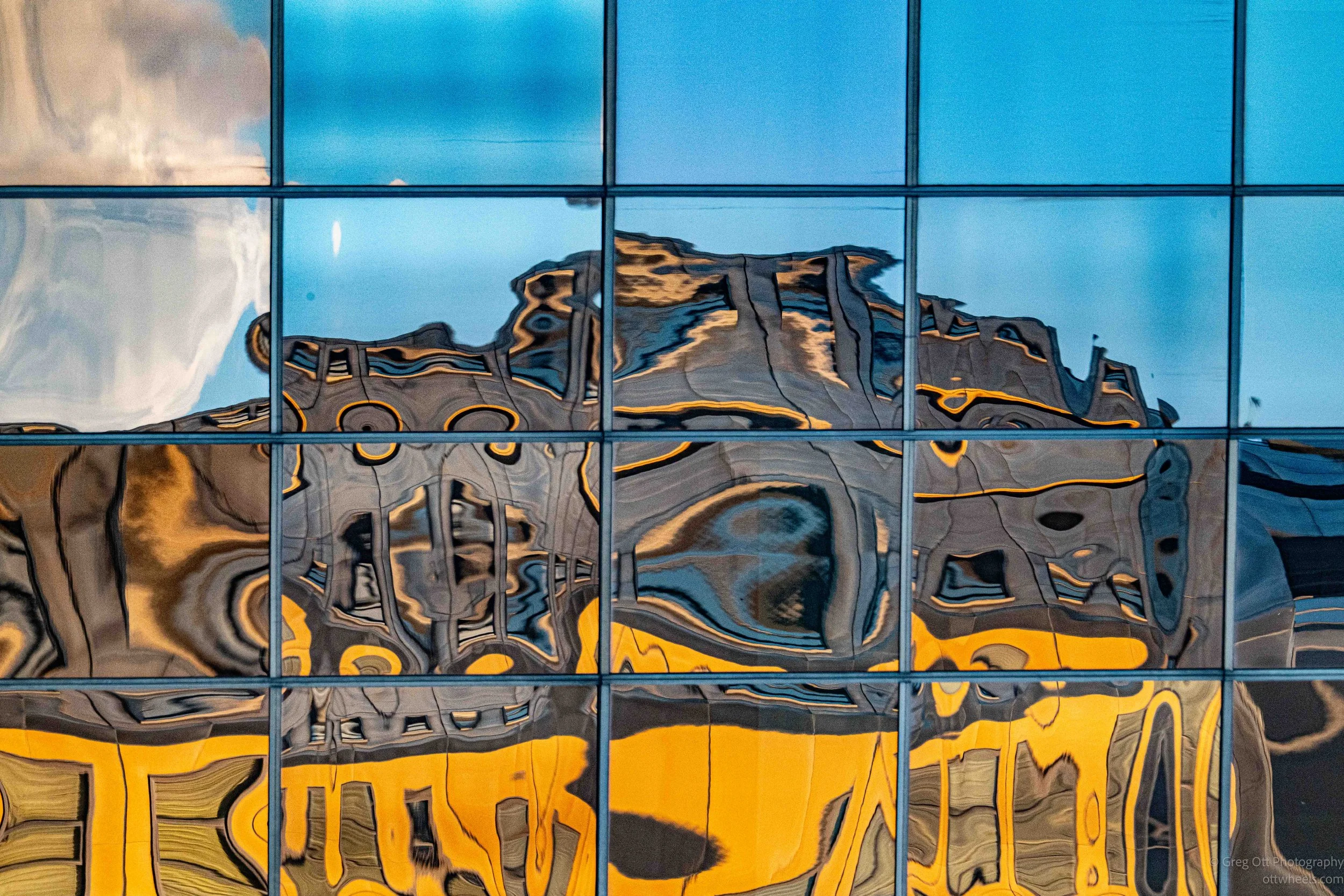
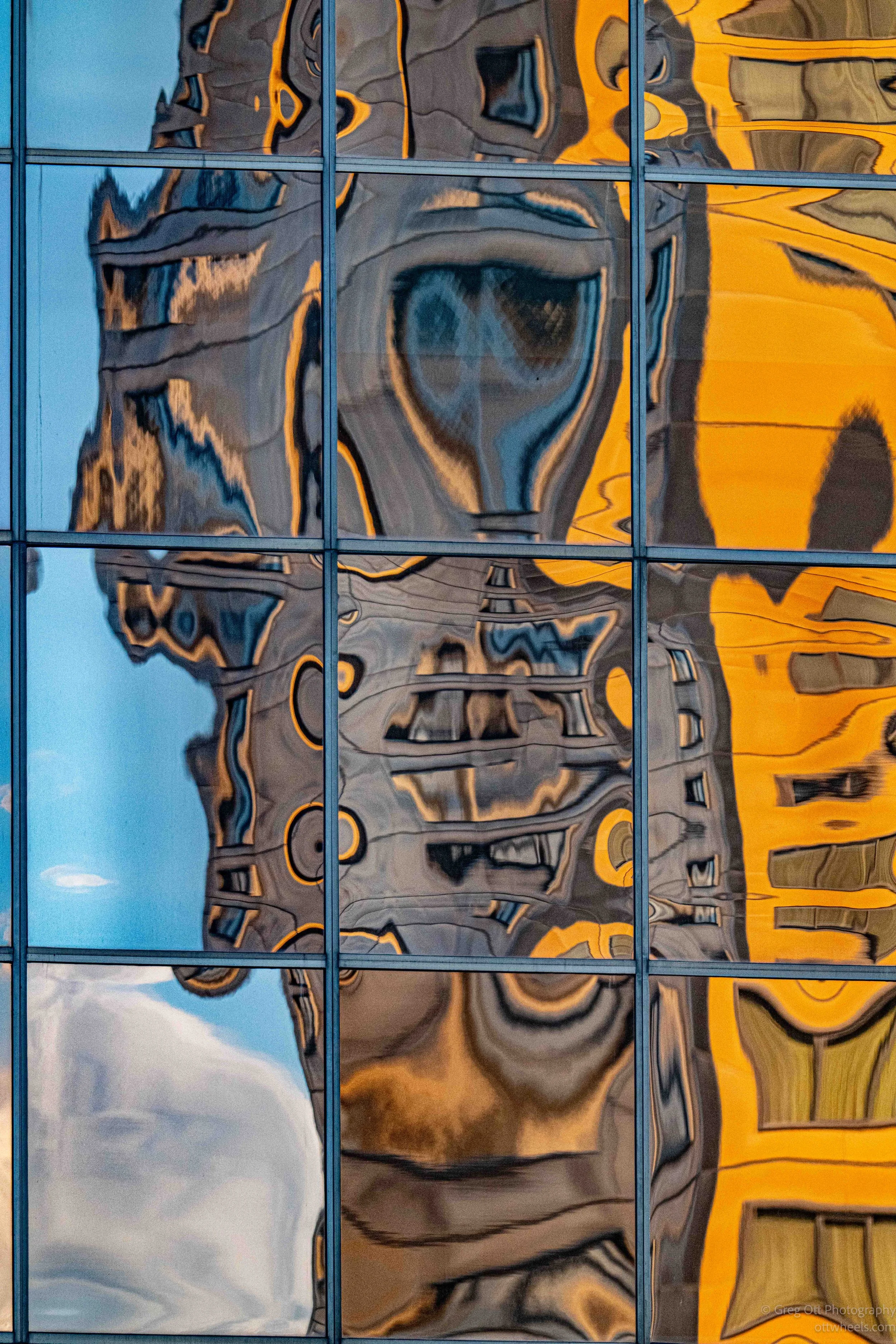
Around 6:30, I drove through downtown Anchorage looking for reflections in the glass buildings. Ever since photographing similar scenes in Vancouver, I've found myself drawn to the way reflective windows transform rigid architecture into abstract patterns and shapes. Anchorage's modern buildings gave me plenty to work with, and I spent a while wandering with my camera looking for interesting combinations of color, geometry, and distortion.
Lake Hood
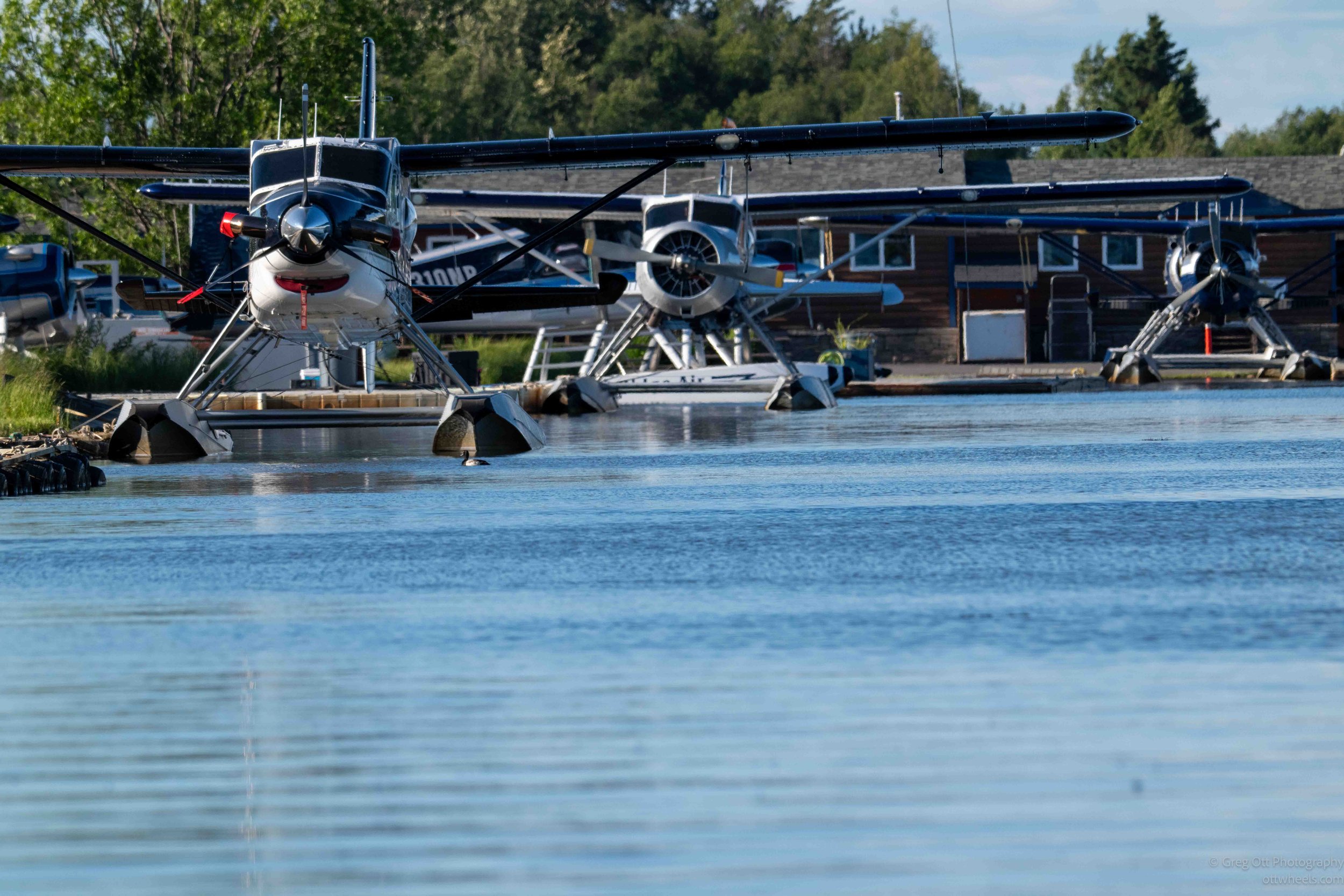
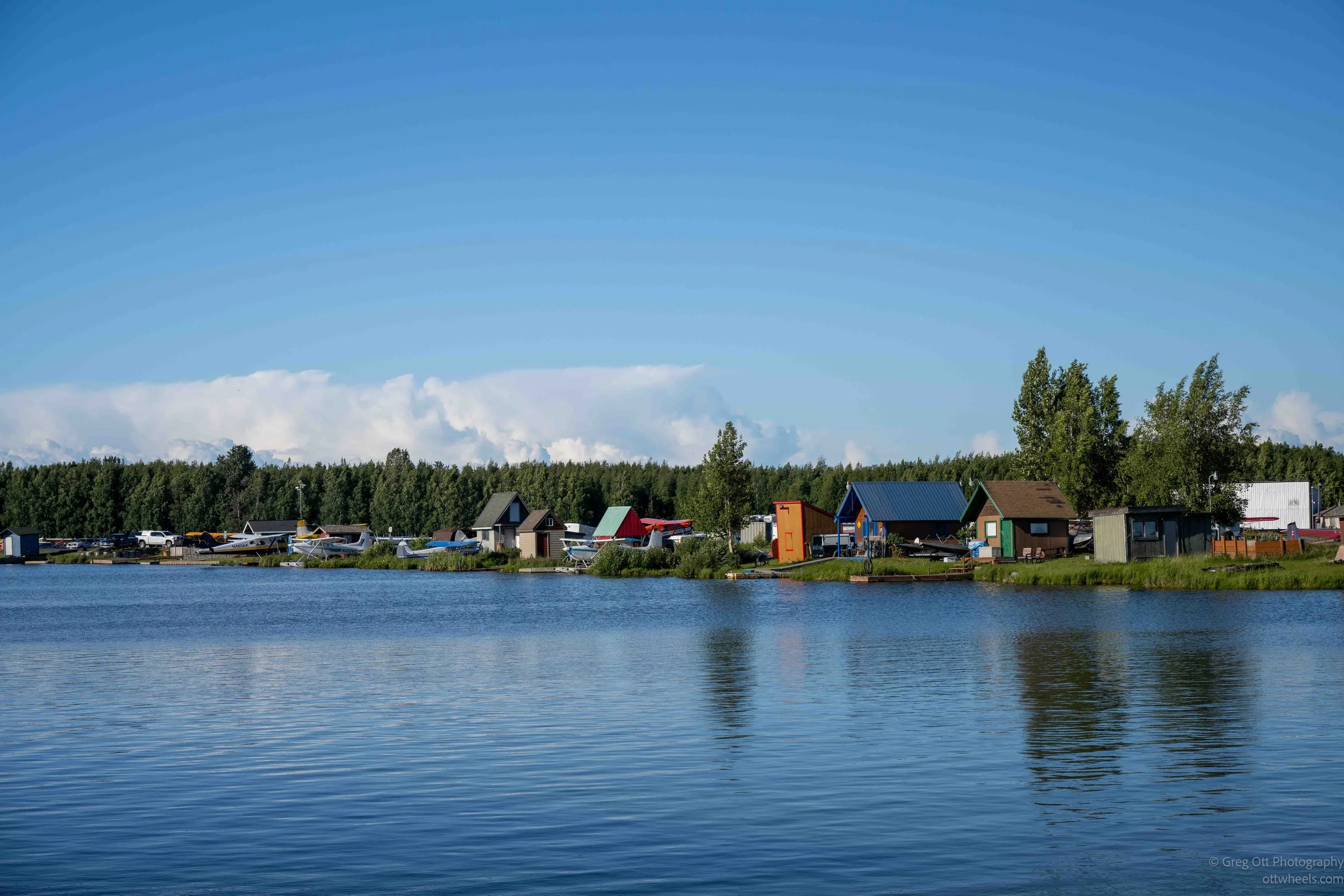
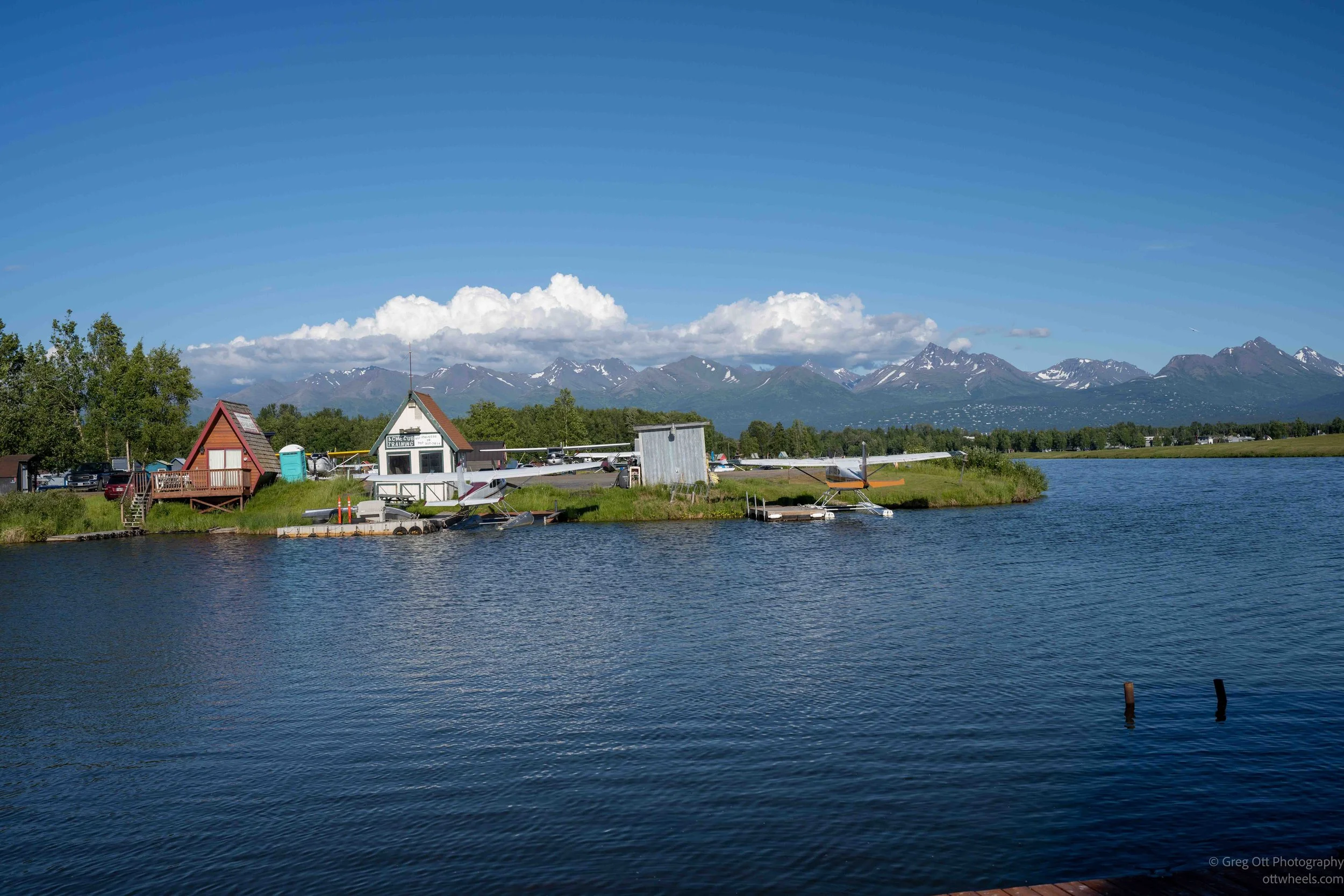
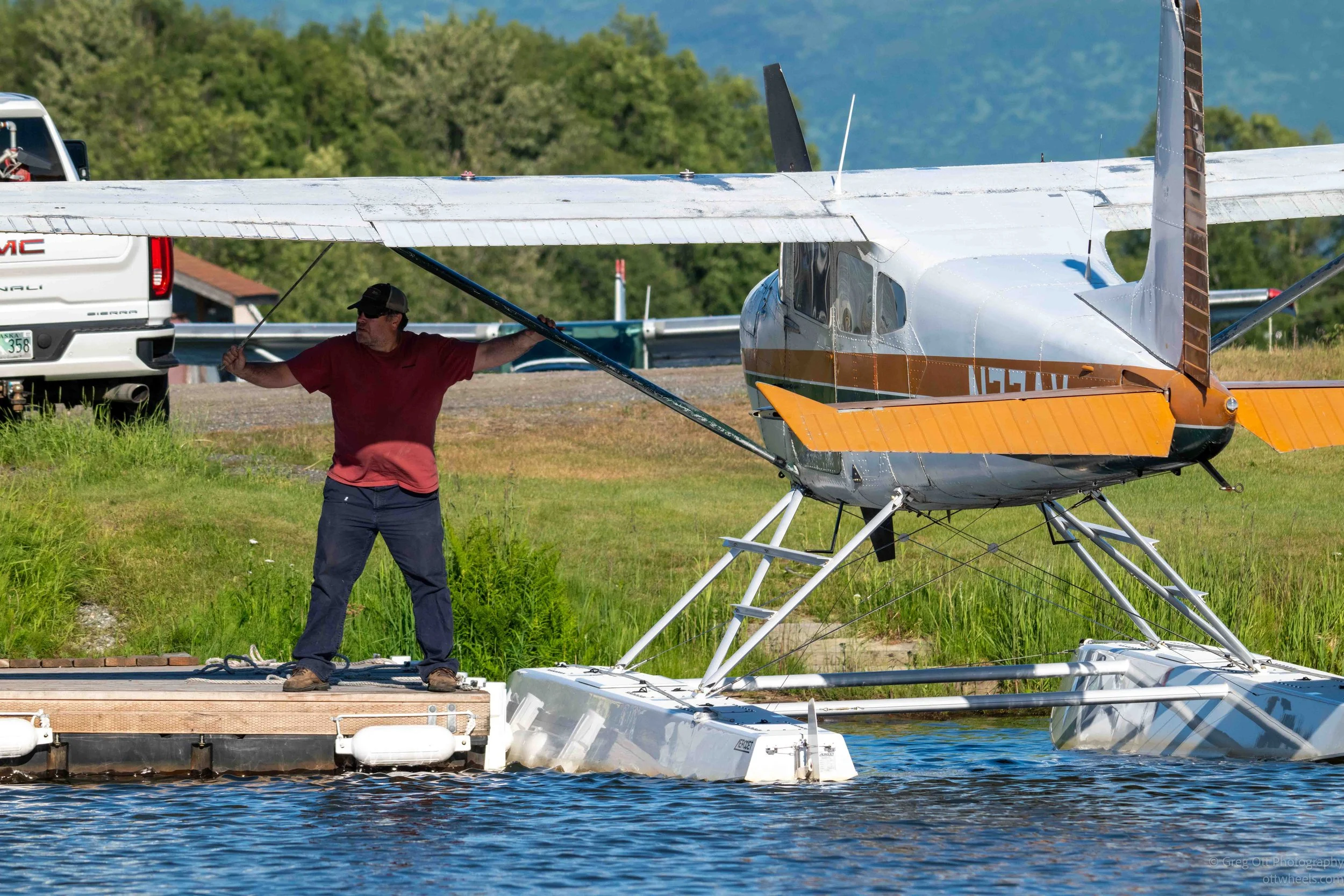
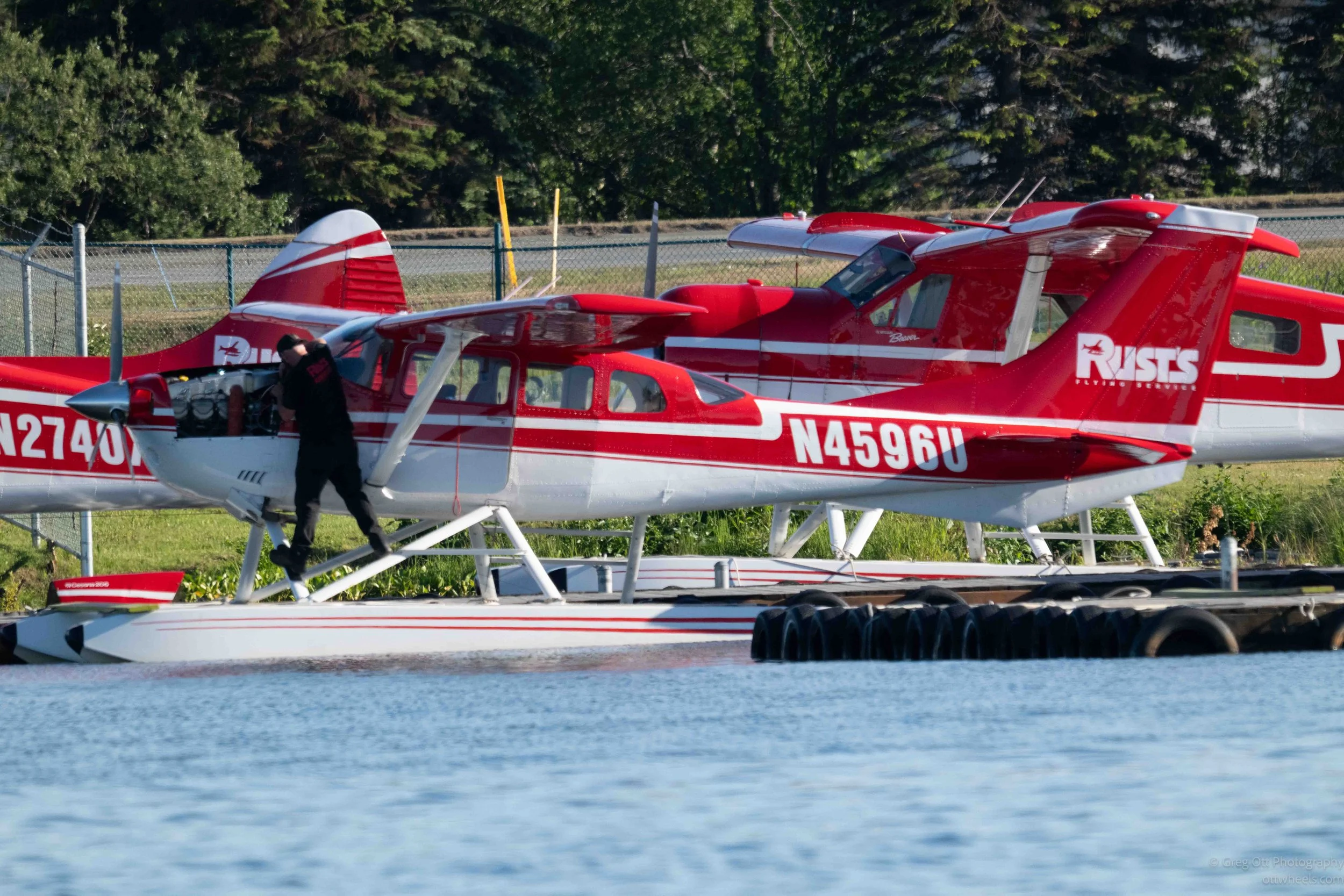
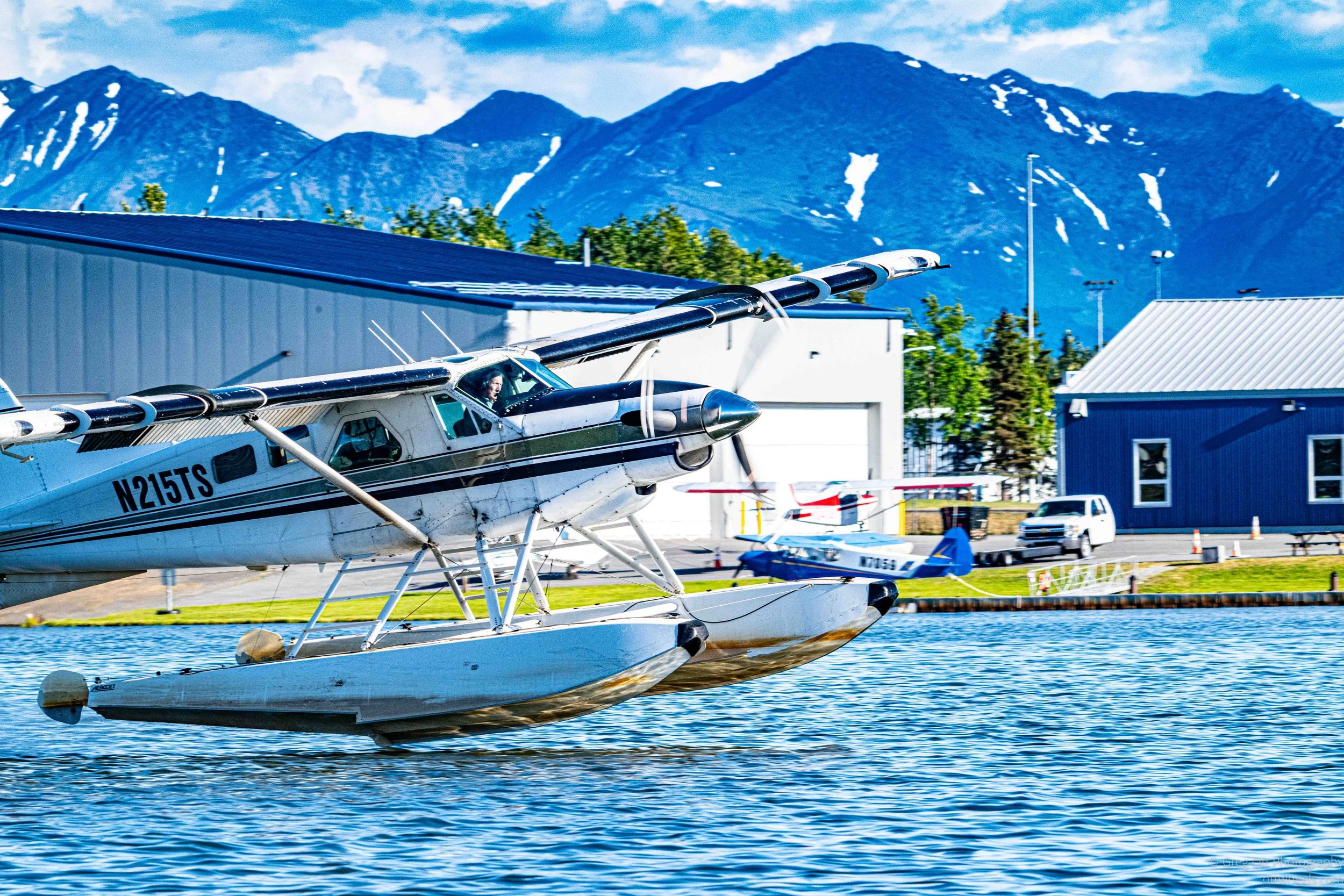
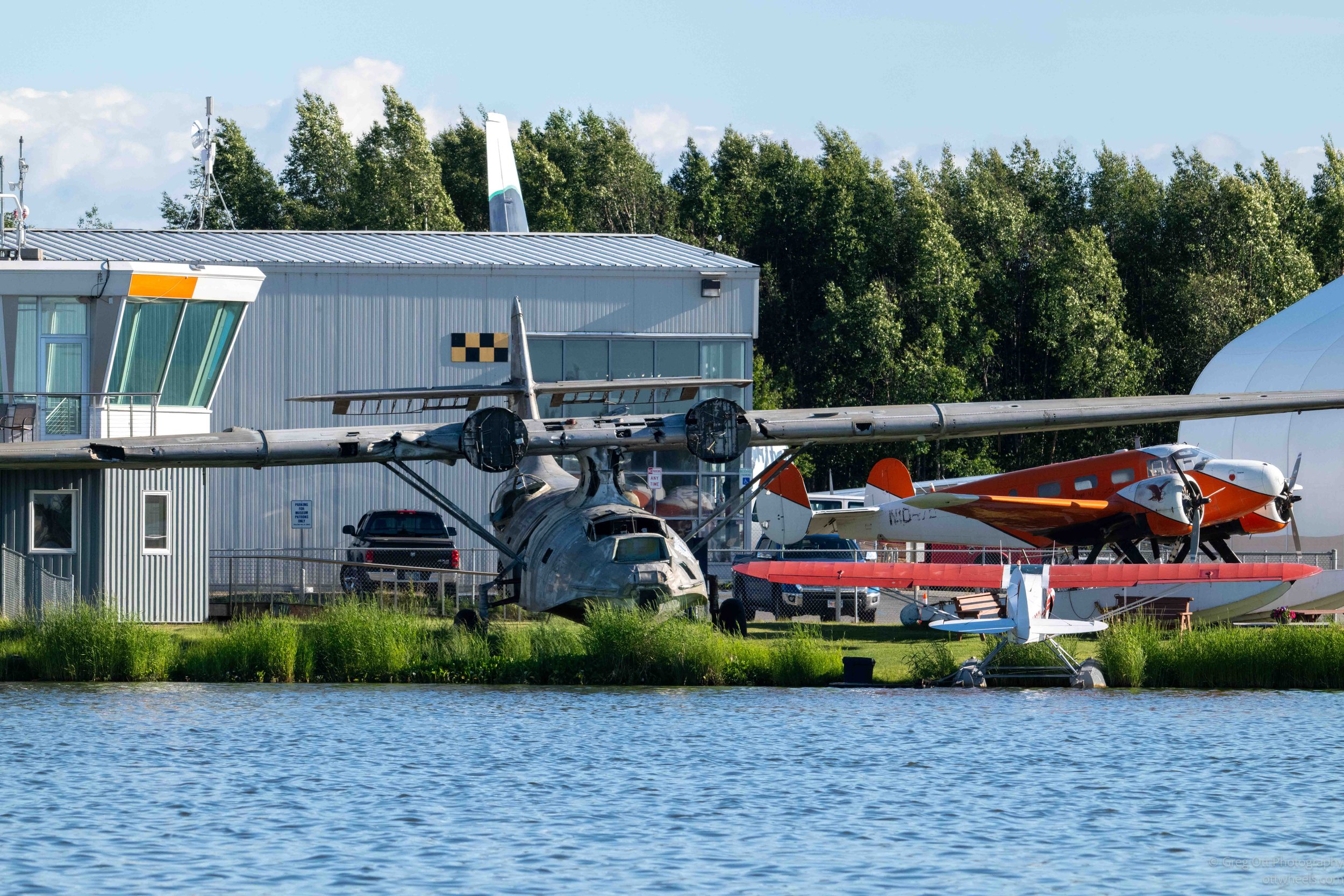
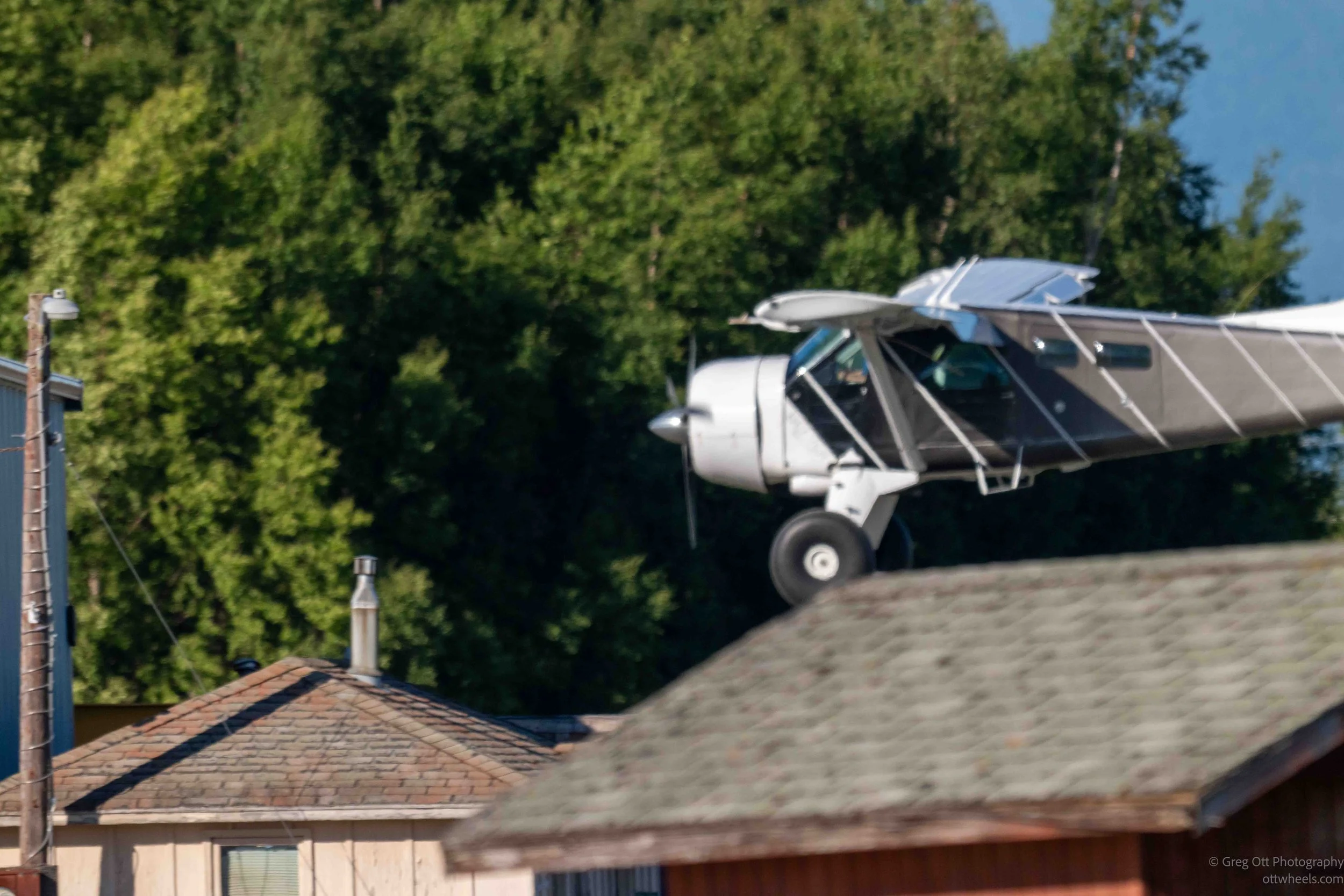
As the evening light began to soften, I headed over to Lake Hood, the world's busiest floatplane base, just west of Ted Stevens Anchorage International Airport. Almost as soon as I arrived, one floatplane landed, taxied across the lake, and then took off again. There wasn't a lot of traffic after that, but I didn't mind. I found a spot on the dock and watched pilots go through their routines—checking the aircraft, loading gear, untieing and retieing the lines, and preparing for departure. It reminded me of watching sailors ready a boat to leave the marina. There was no rush, just a practiced sequence of small tasks repeated so many times they had become second nature.
Greater Skaup
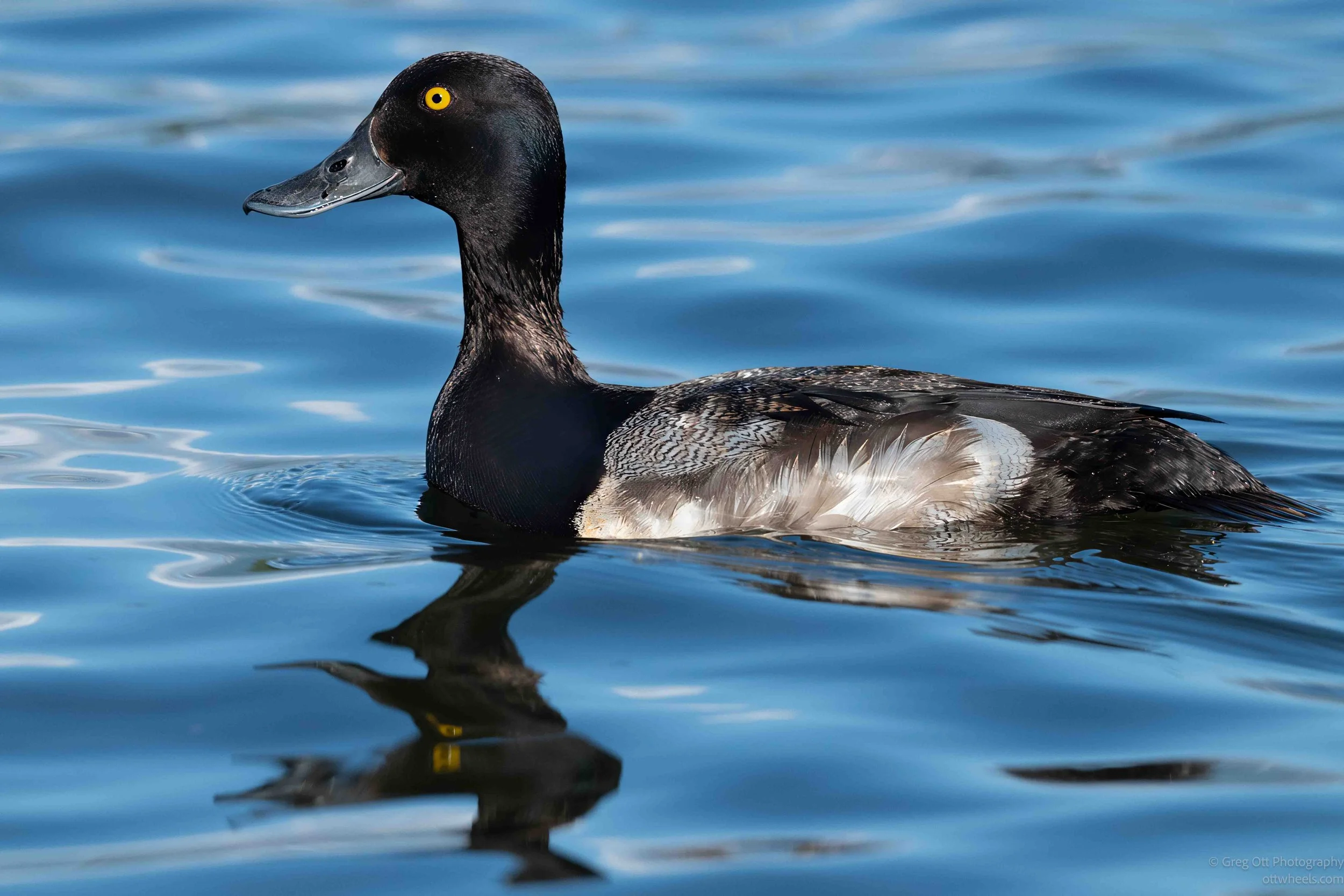
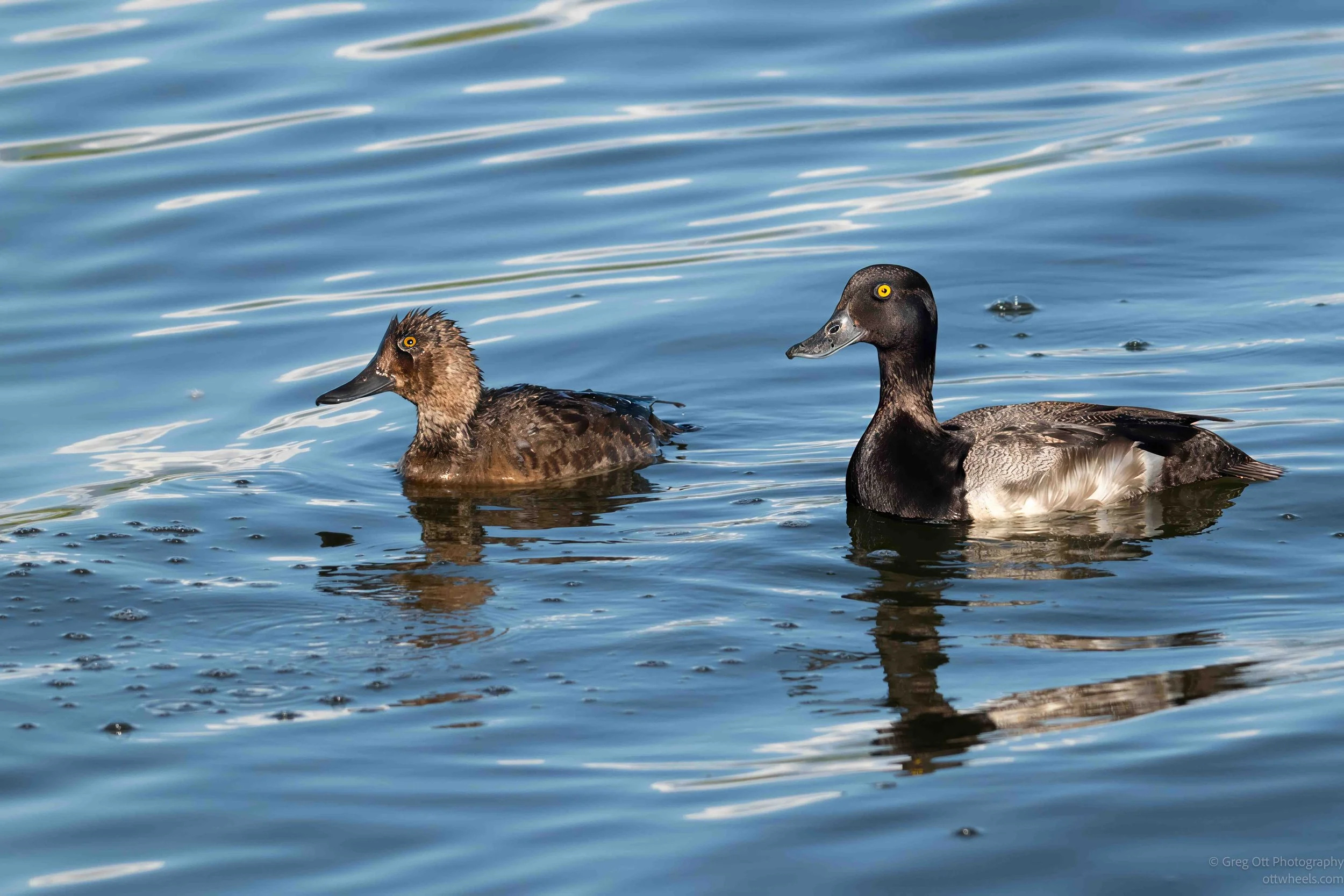
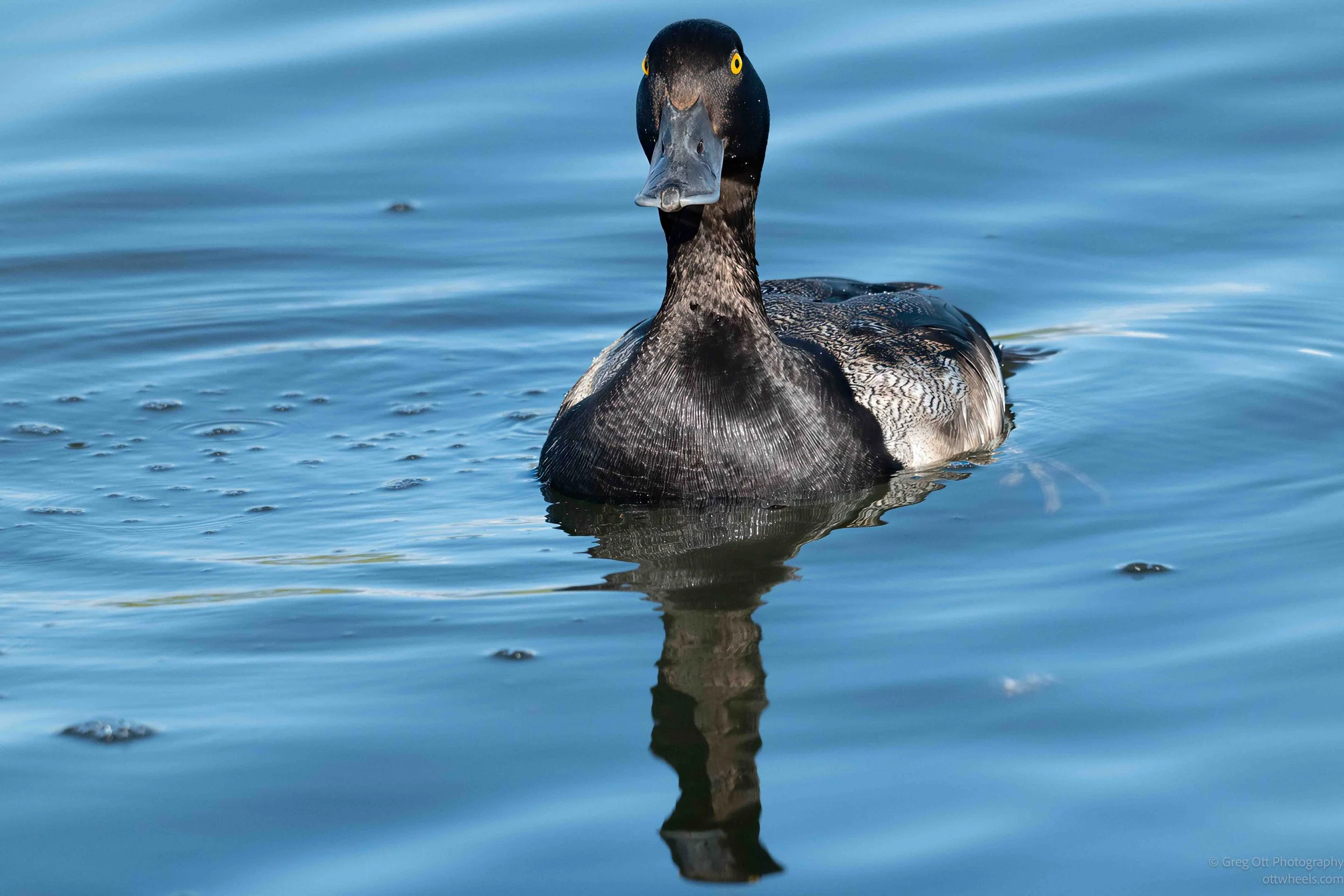
I spent about 45 minutes watching and photographing a pair of Greater Scaup ducks. The female seemed to have only one thing on her mind—food. She spent most of the time disappearing beneath the surface, diving repeatedly in search of aquatic insects, crustaceans, and other small prey before popping back up for only a few seconds and diving again. The male, on the other hand, was far less interested in feeding. He floated nearby, keeping one eye on her and the other on me. Every time I raised the camera, he seemed to return the favor by watching me just as intently. Greater Scaup are diving ducks commonly found on Alaska's lakes, bays, and coastal waters during the summer. Their streamlined bodies let them dive with ease, but they have to work much harder to take flight, pattering across the water before becoming airborne. After forty-five minutes I managed a handful of photos I genuinely liked, mostly of the male. She simply refused to stay above the surface long enough to pose.
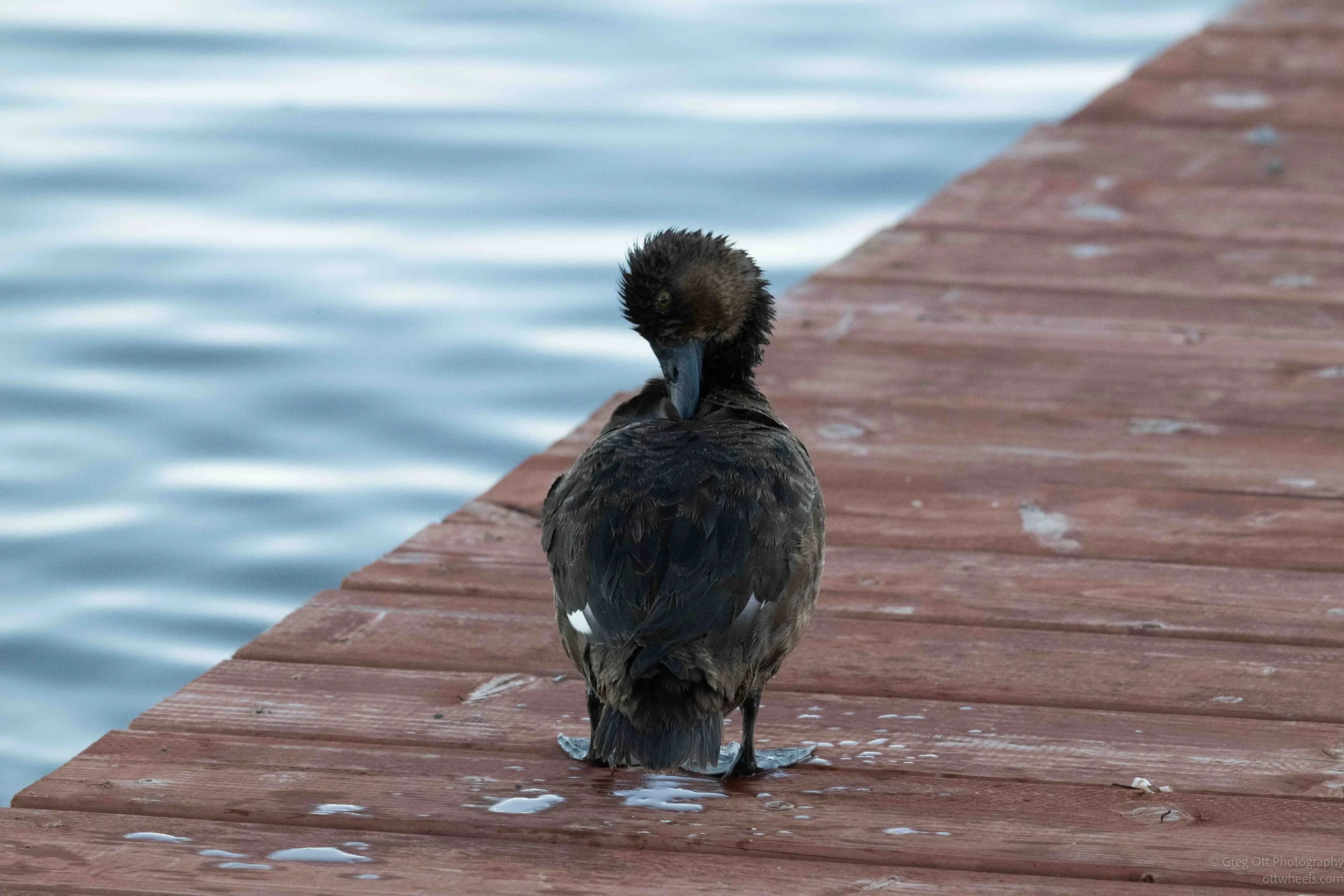
While I stood there on the dock, a young river otter swam out from underneath, looked at me for a few seconds, rolled over, and quietly swam away. A few minutes later, the female Greater Scaup climbed onto the dock about ten feet away, plucked a few feathers, scratched an itch that apparently couldn't wait, and then slipped back into the water as if nothing had happened. I understood completely. Some itches simply have to be dealt with.
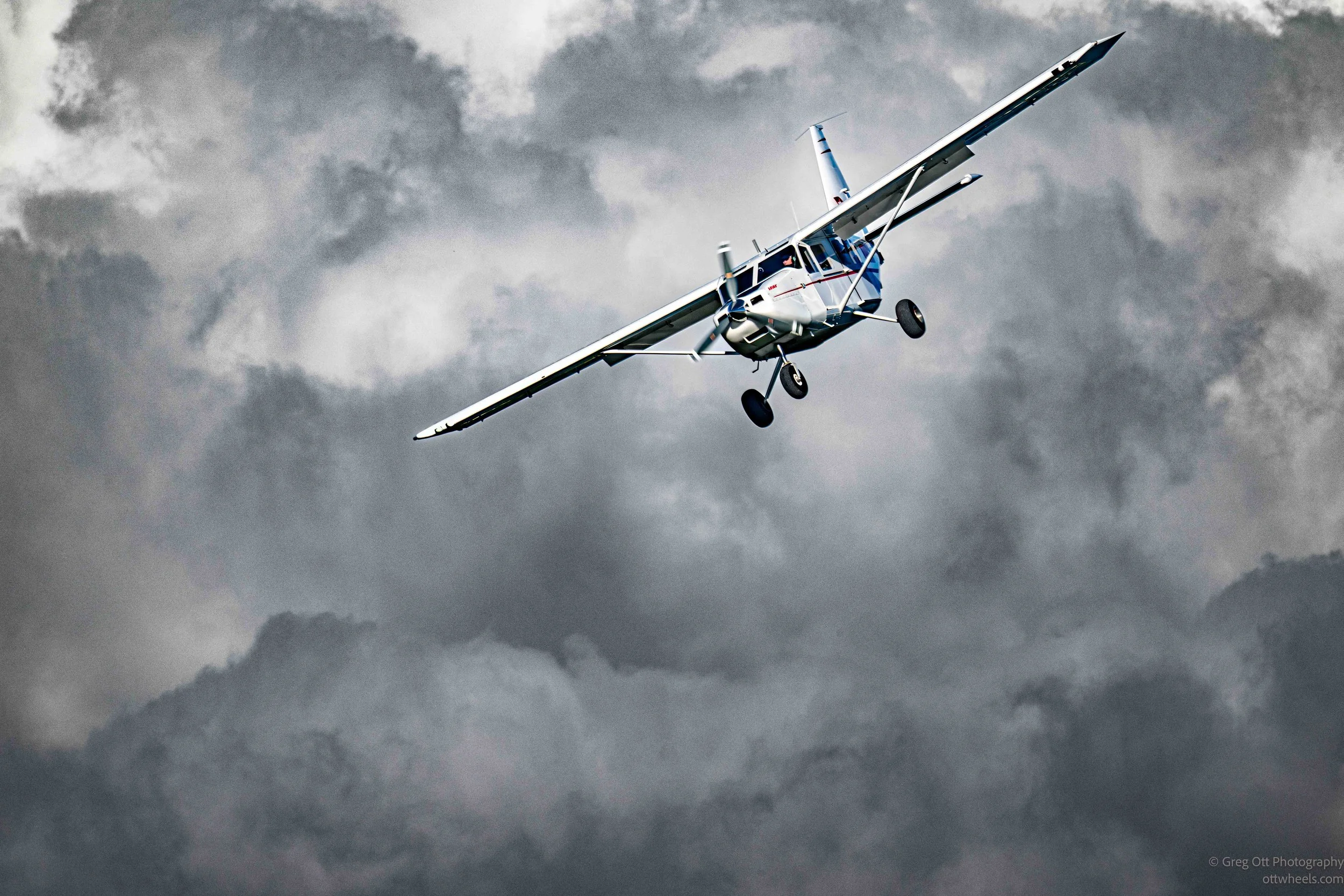
It was getting late, and a few floatplanes were returning to Lake Hood. To the east, dark storm clouds had begun to build while patches of brilliant white clouds still caught the evening sun. The contrast was striking. As one of the planes banked toward the lake, it flew across the boundary between the bright sky and the approaching storm. For a moment, it looked less like a photograph of an airplane and more like a small aircraft threading its way through a wall of weather. It turned out to be one of my favorite images of the evening.
It was going on 9:30 p.m. when I finally left. I drove slowly back to my campsite, thinking about everything I'd seen that day. The museum had helped me better understand Alaska—its people, geology, wildlife, and history. The evening at Lake Hood reminded me why I came here in the first place. Some days are filled with big adventures. Others are made up of small moments that quietly stay with you.