Lady Bird Johnson Grove and Fern Canyon
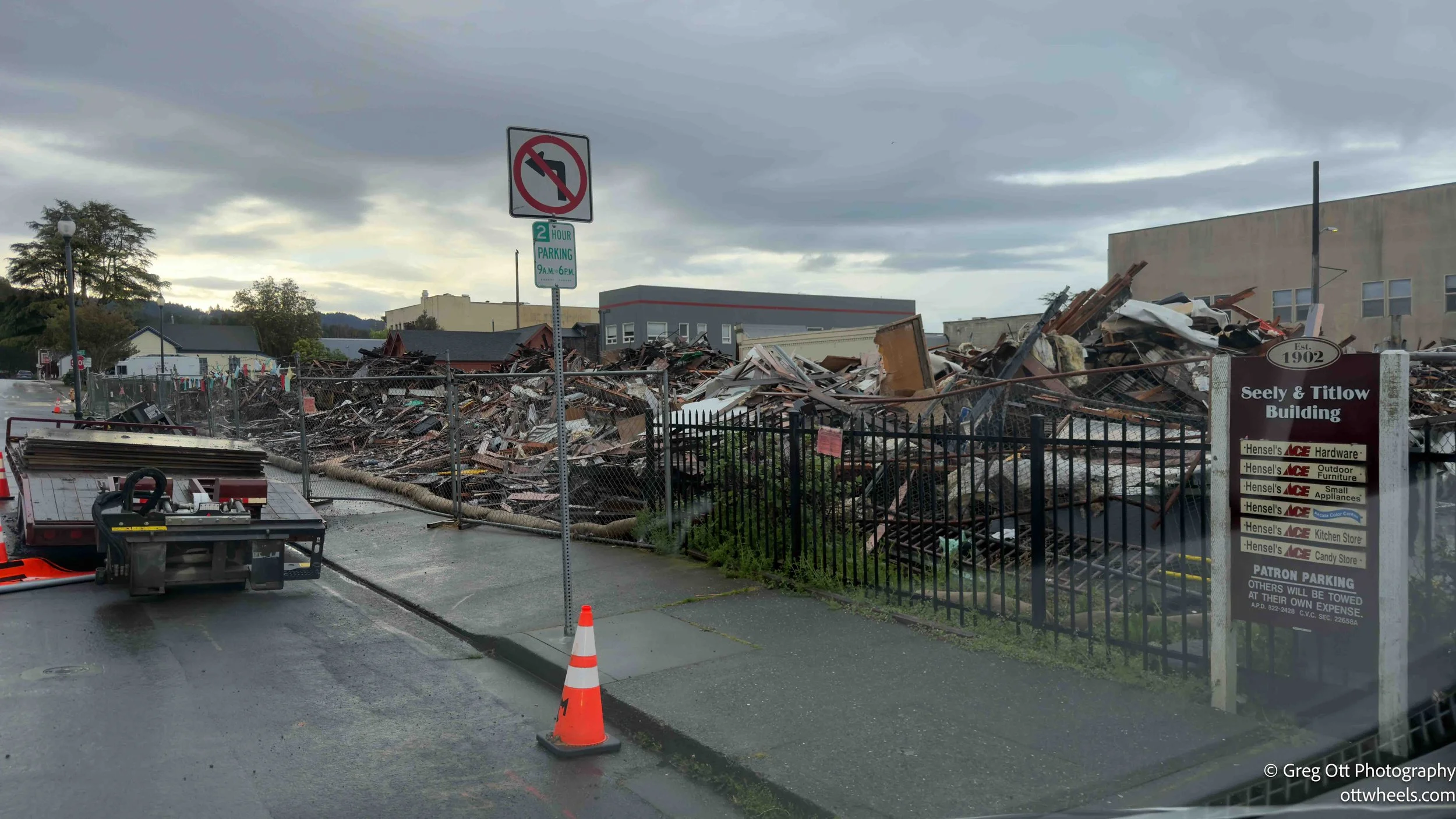
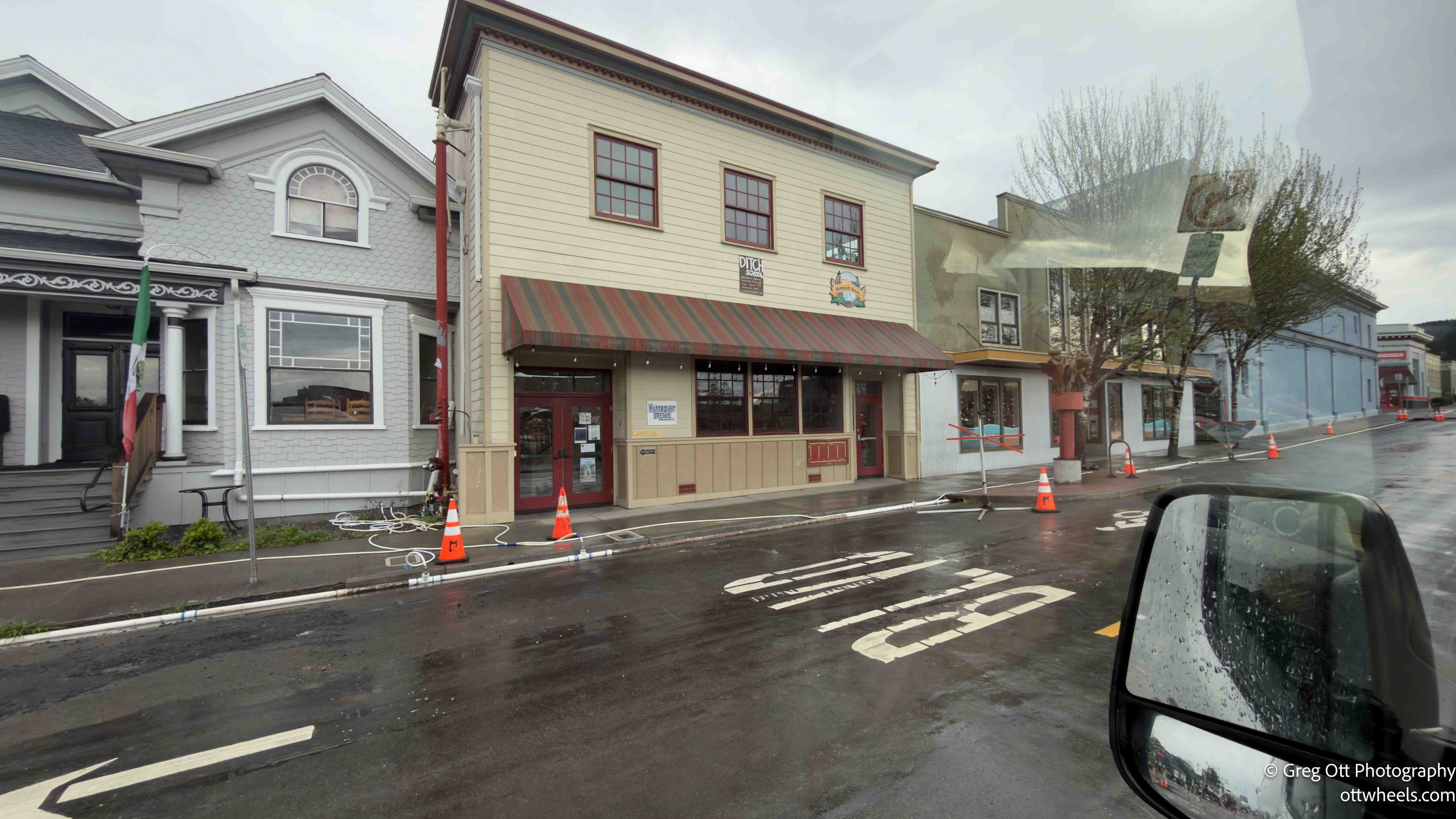
I woke in Arcata and eased into the morning without much of a plan—just the general direction of the redwoods and whatever I found along the way. Before leaving town, I stopped to grab a photo of a burned block and the restaurant I ate at across the street in Arcata. It’s one of those quiet reminders that things change, even in places that feel steady.
A little farther north, I pulled into a Starbucks and settled in for about 90 minutes. Coffee, some writing, catching up on a few things. It’s become a bit of a routine—find a place, sit still for a while, then get back out there.
From there, I made my way to the Kuchel Visitor Center. I got my passport stamped, grabbed a map, and talked through a few ideas with the ranger. I mentioned heading to the Lady Bird Johnson Grove Trail, and they pointed out a few other places worth seeing along the way. That’s usually how the best parts of these trips unfold—one suggestion leading to another.
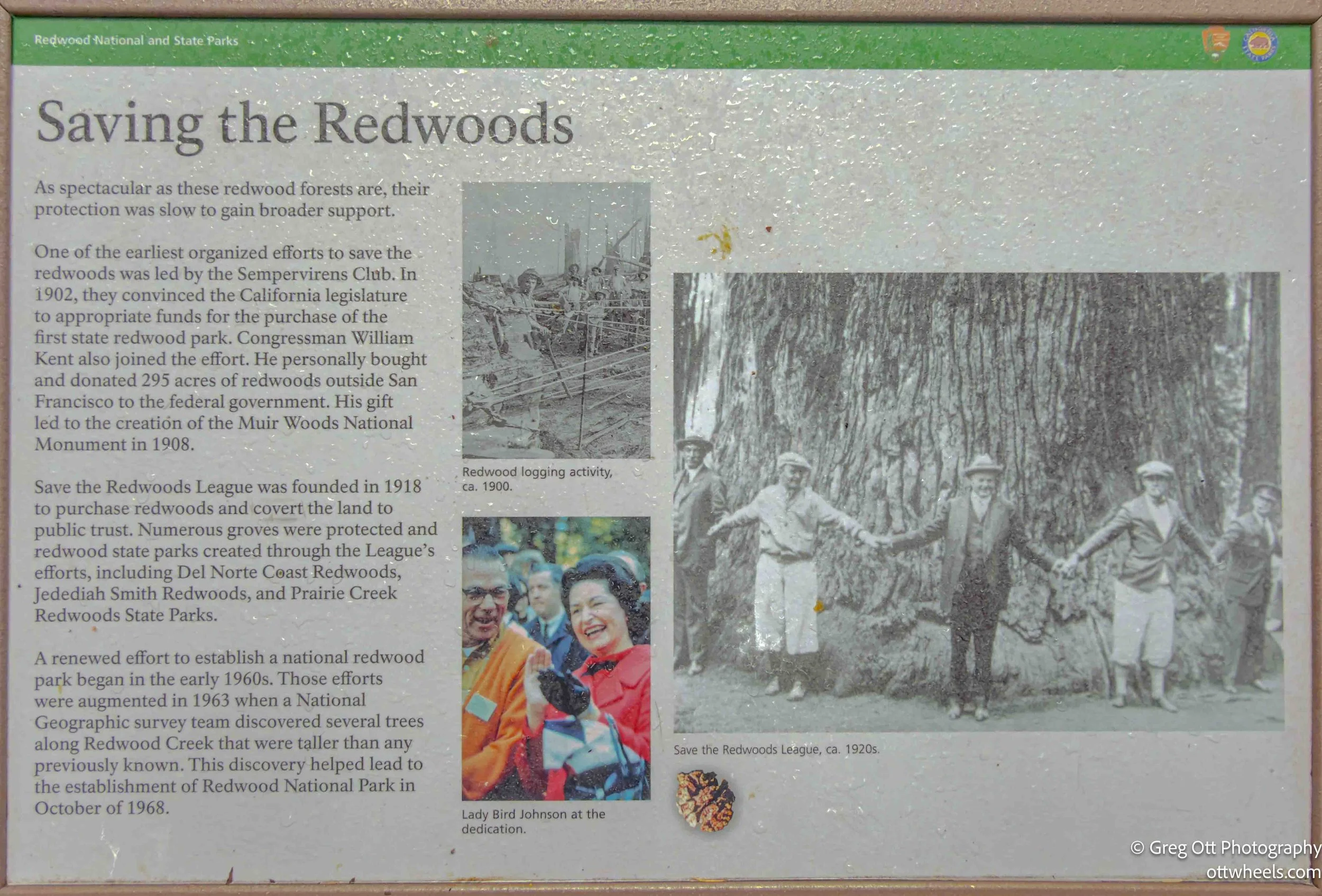
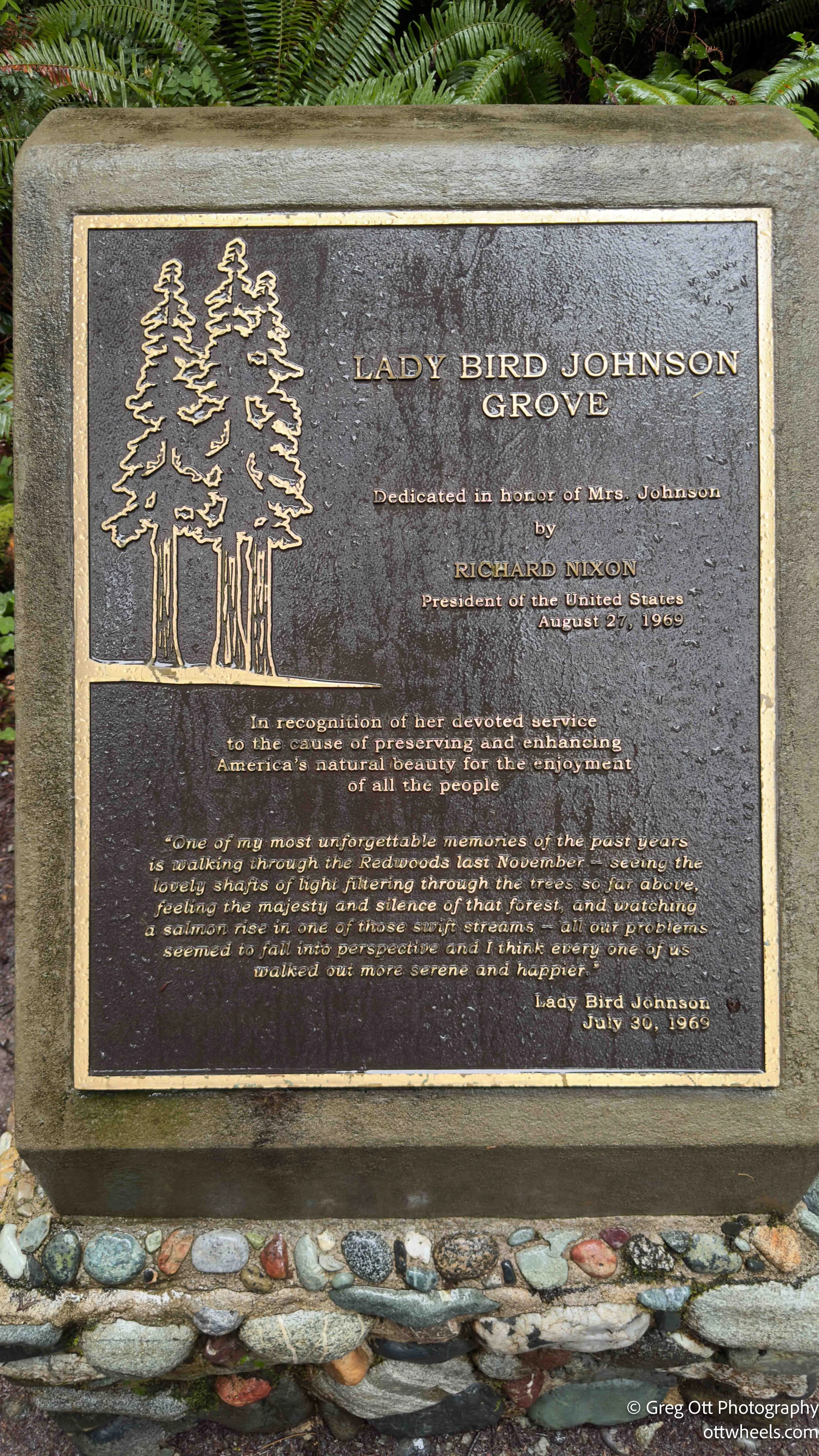
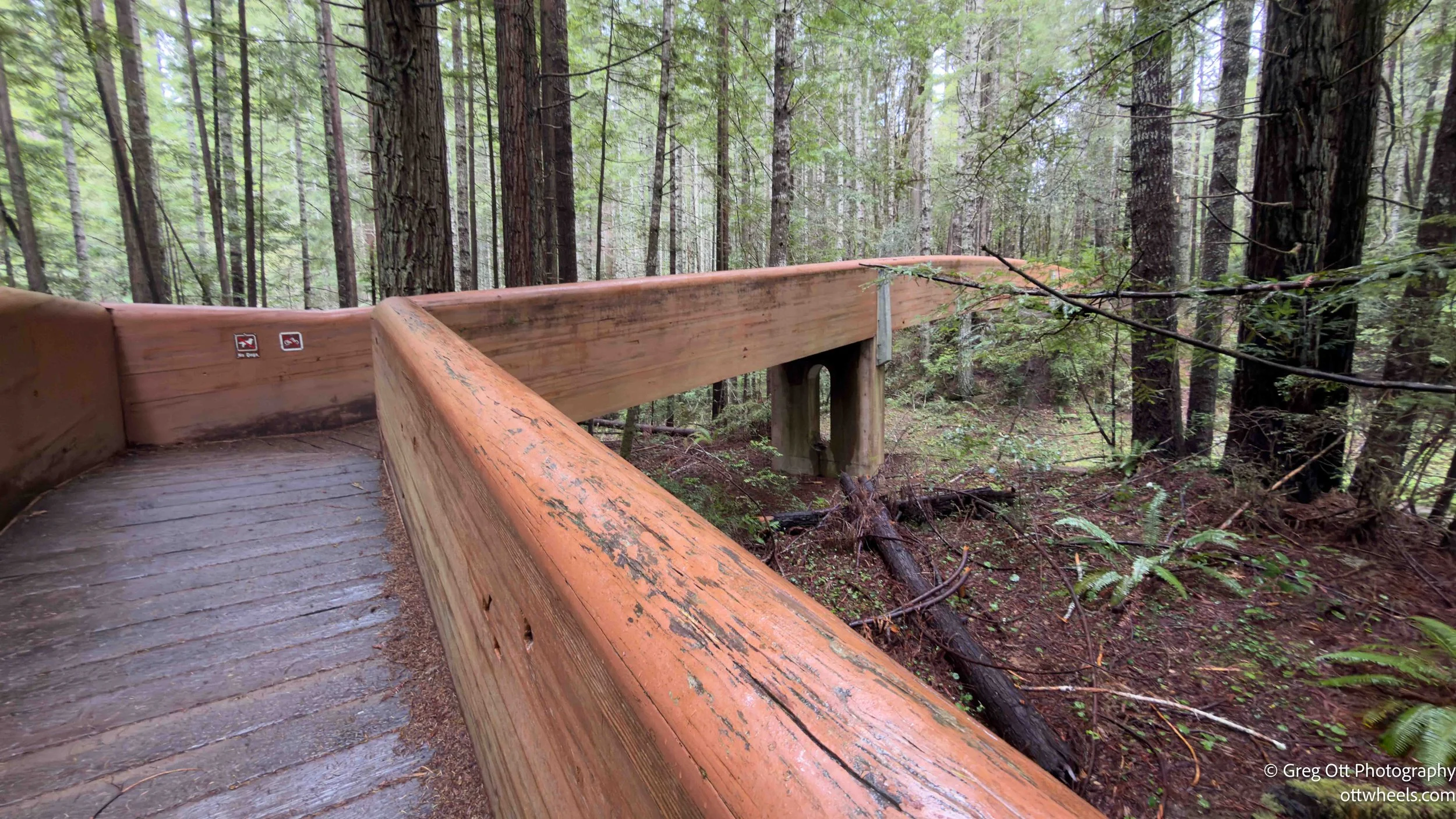
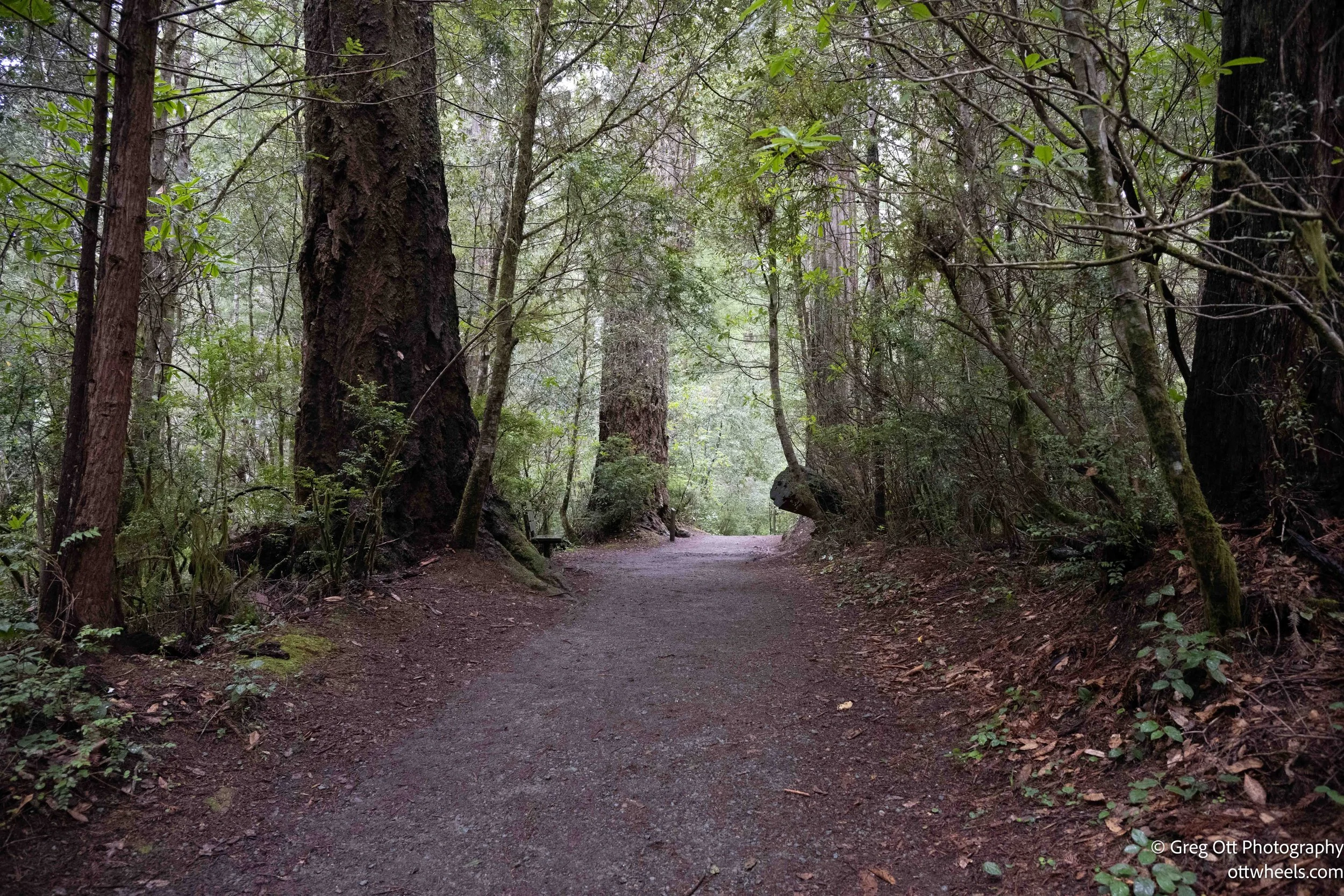
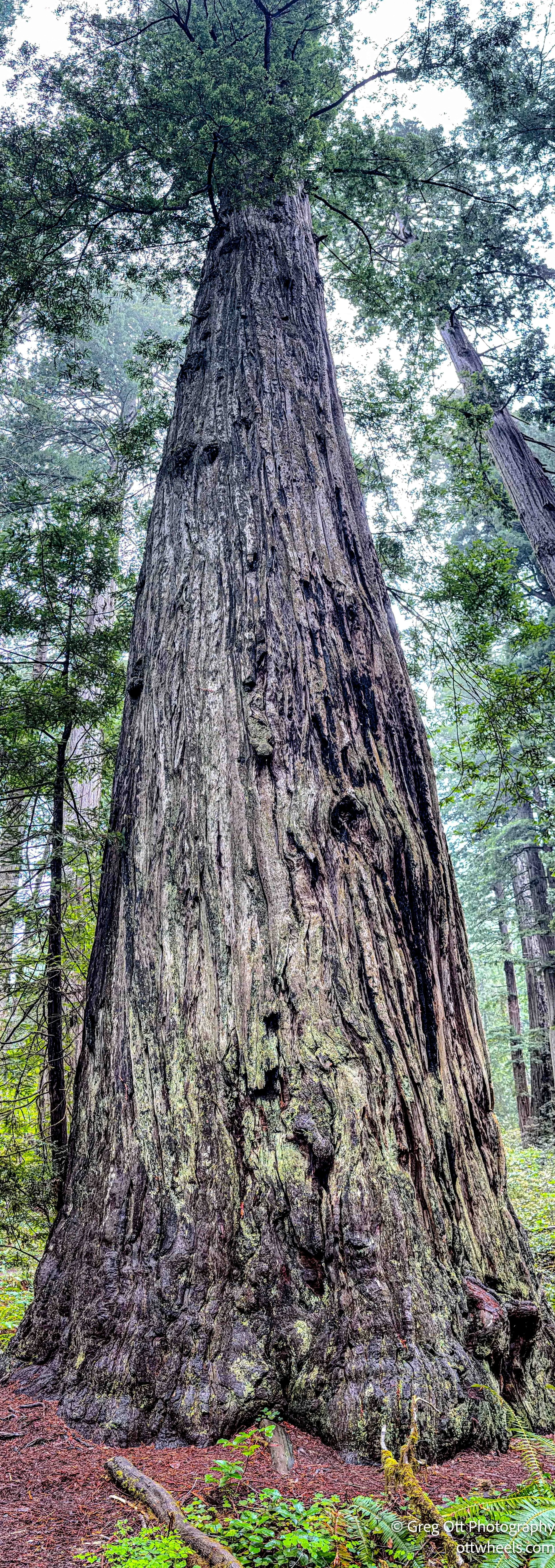
The Lady Bird Johnson Grove was exactly what you’d expect in the redwoods—quiet, massive, and humbling—but it still manages to catch you off guard. The trail moves easily through the grove, a gentle loop that doesn’t demand much physically but slows you down anyway. I found myself stopping constantly, not because the terrain required it, but because something about the place does. You look up more than forward, trying to trace the height of trees that don’t seem to end. The light filters down in a way that feels controlled, almost staged, and the farther you walk, the more the outside world drops away.
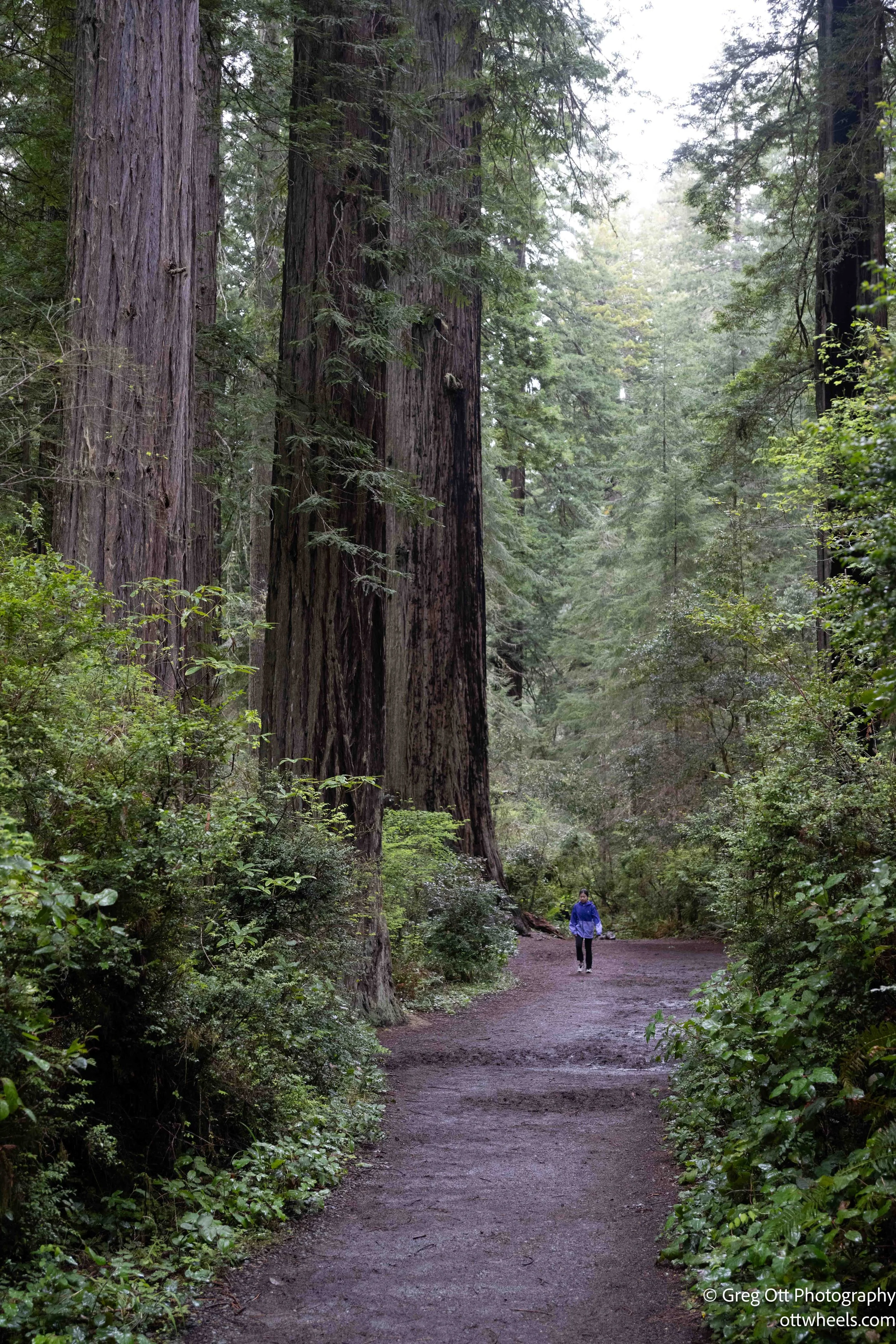
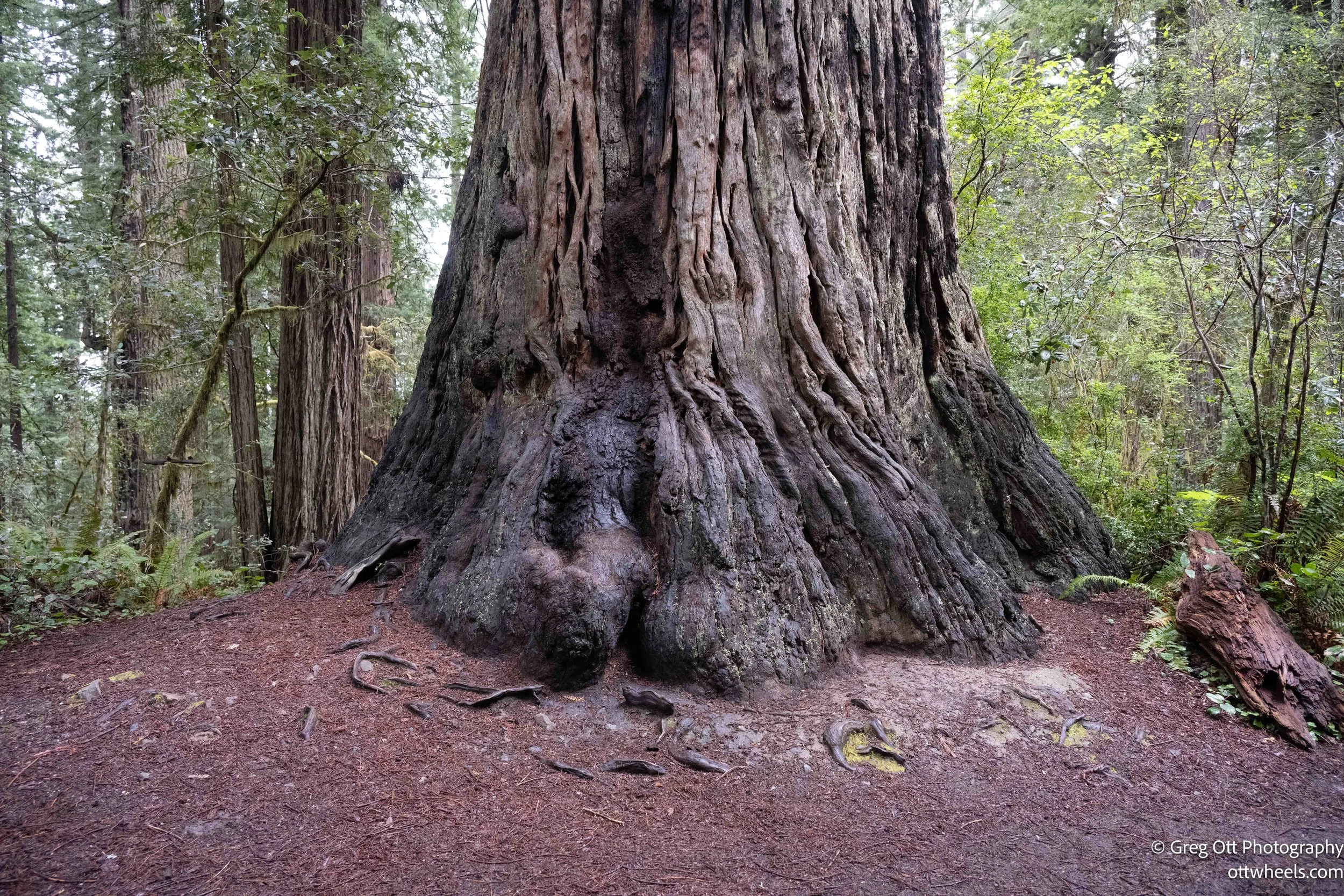
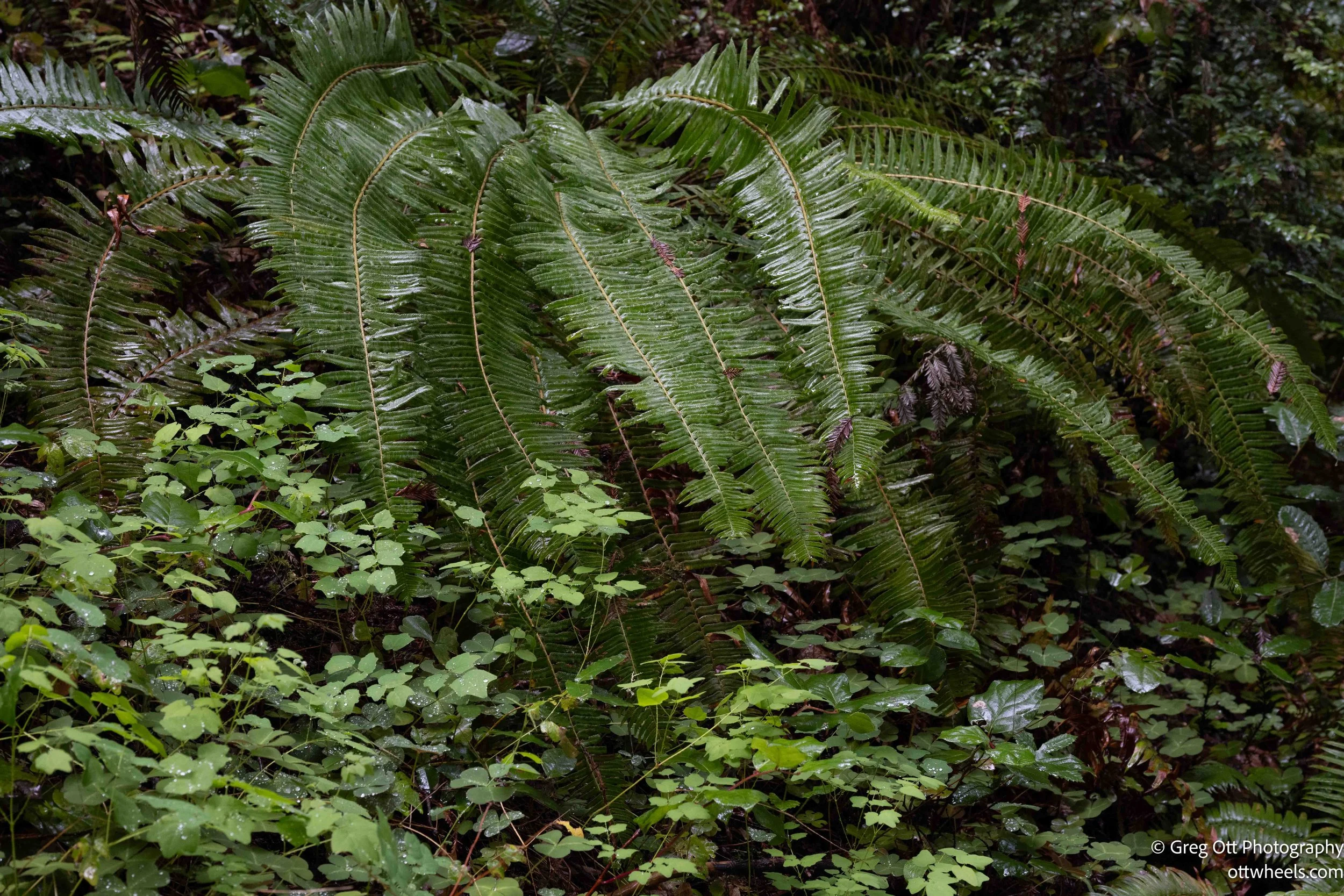
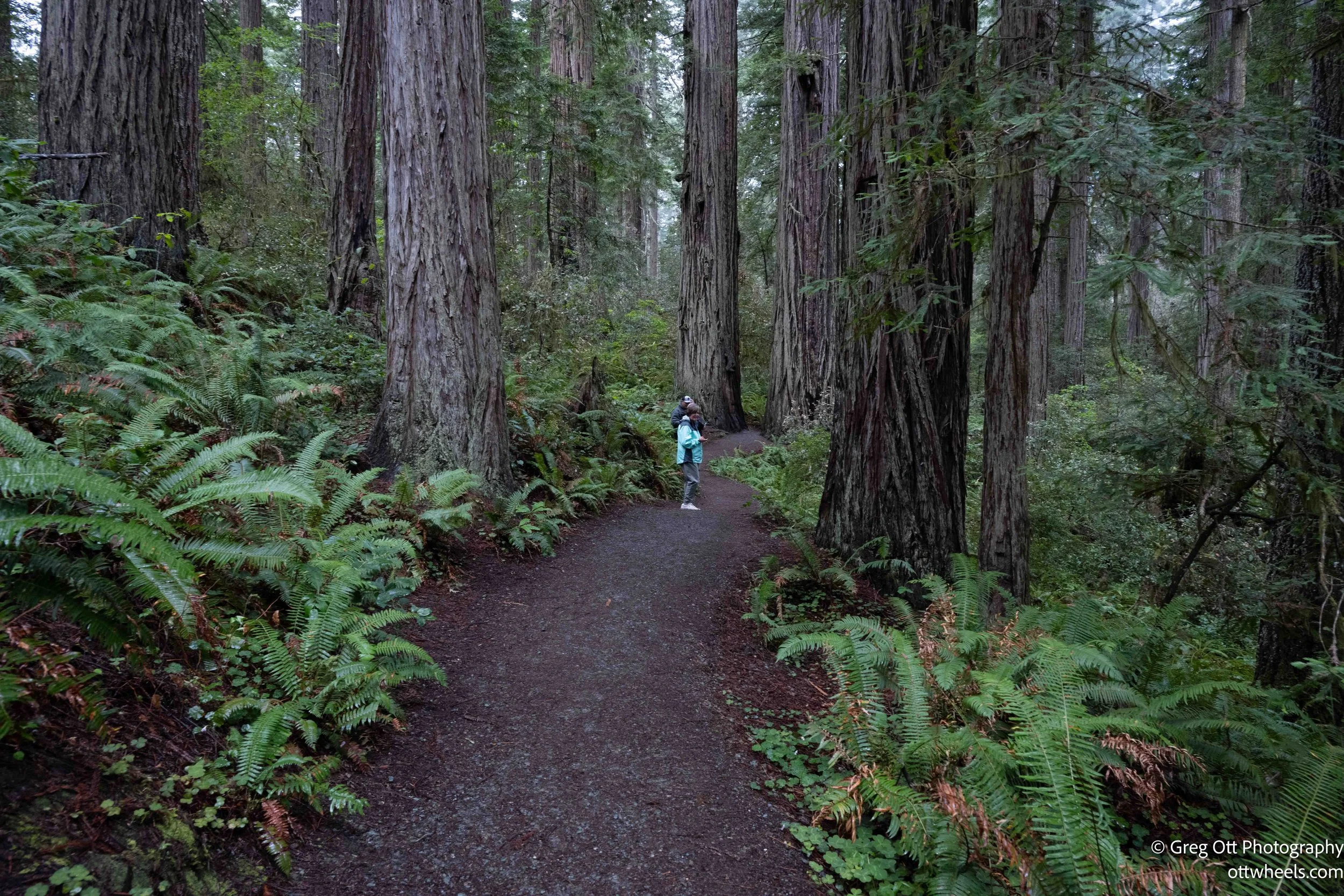
What stood out most wasn’t any single tree, but the repetition of scale. Every turn gives you another massive trunk, another vertical line disappearing into the canopy, and your brain never quite adjusts. You try to frame it, to make sense of it through a lens, but it doesn’t translate cleanly.
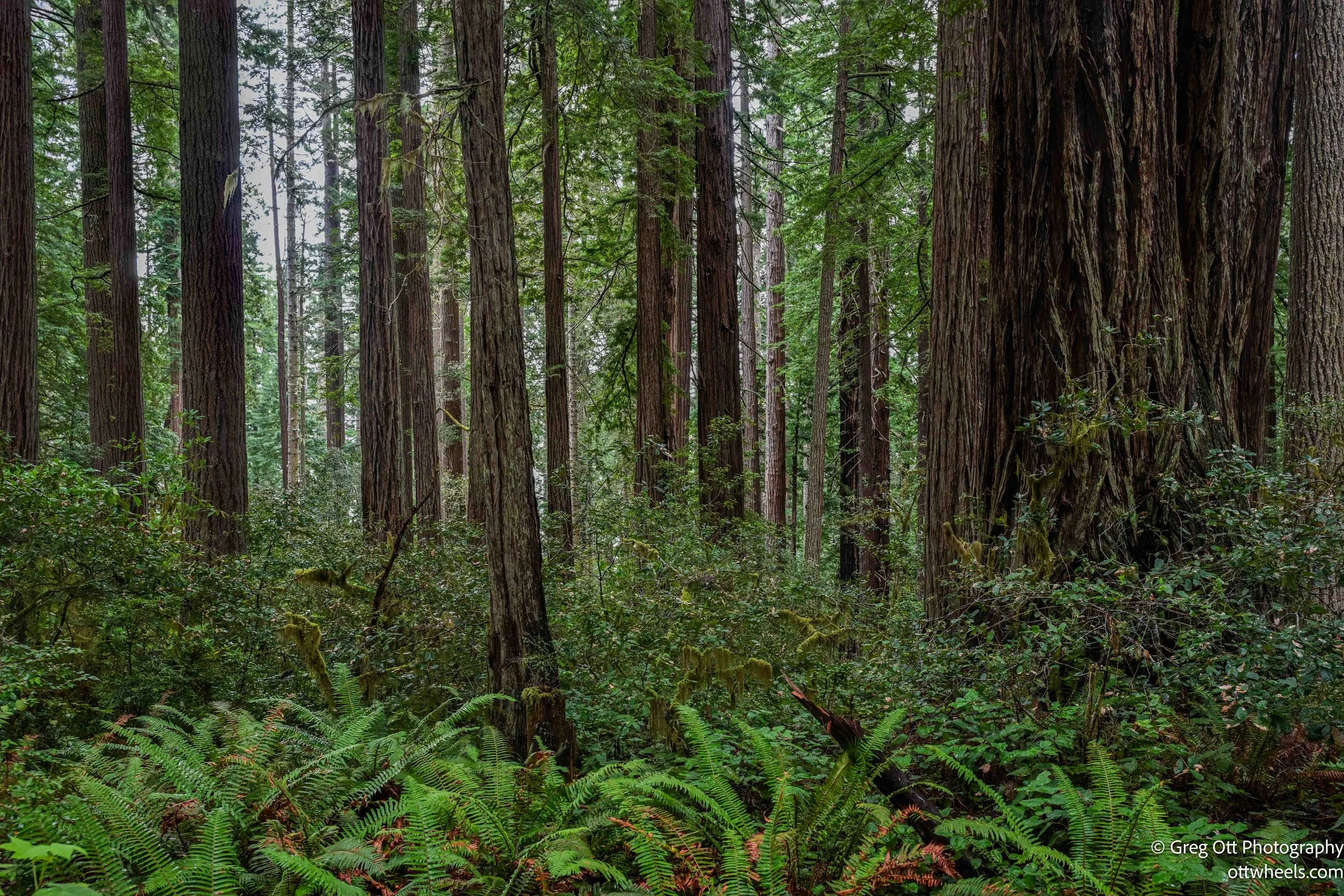
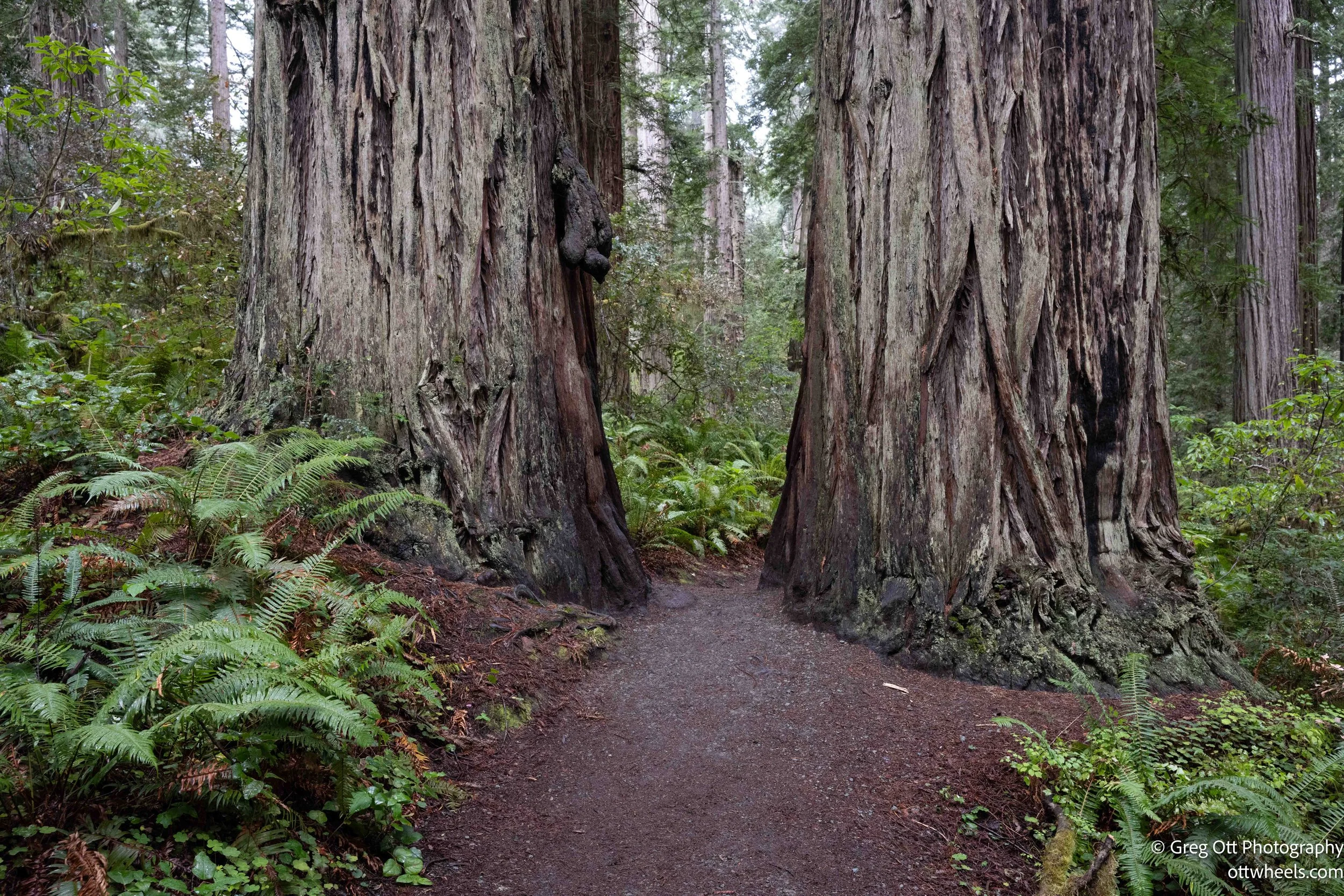
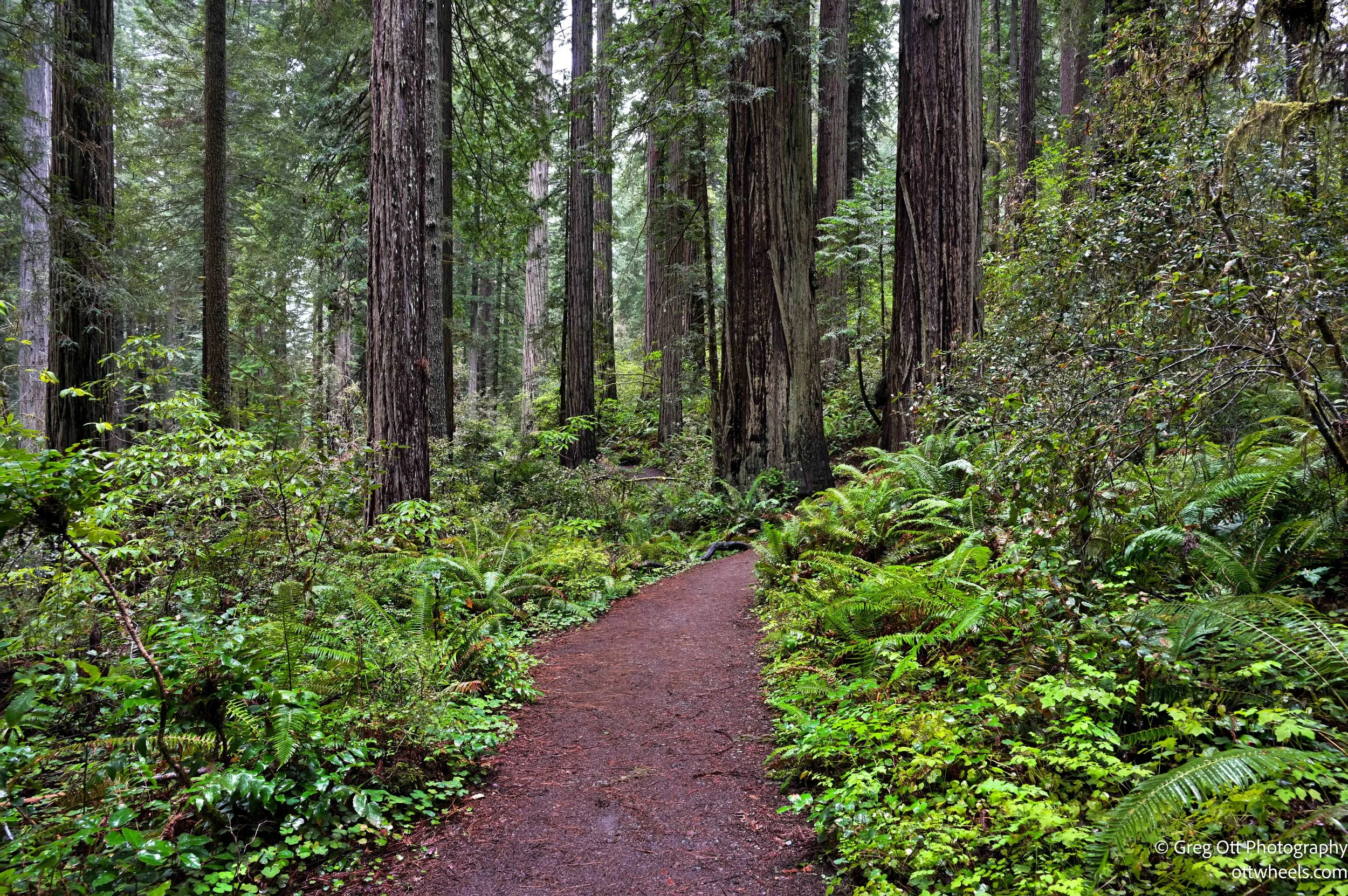
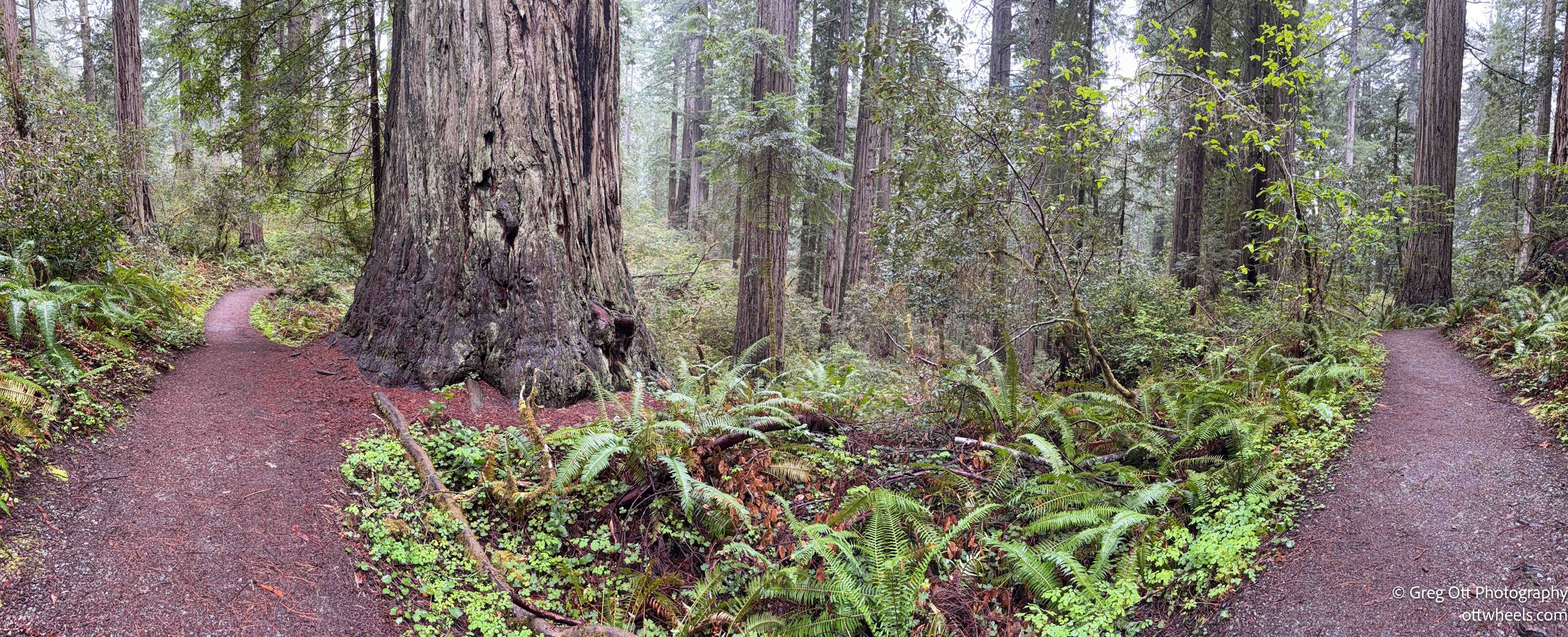
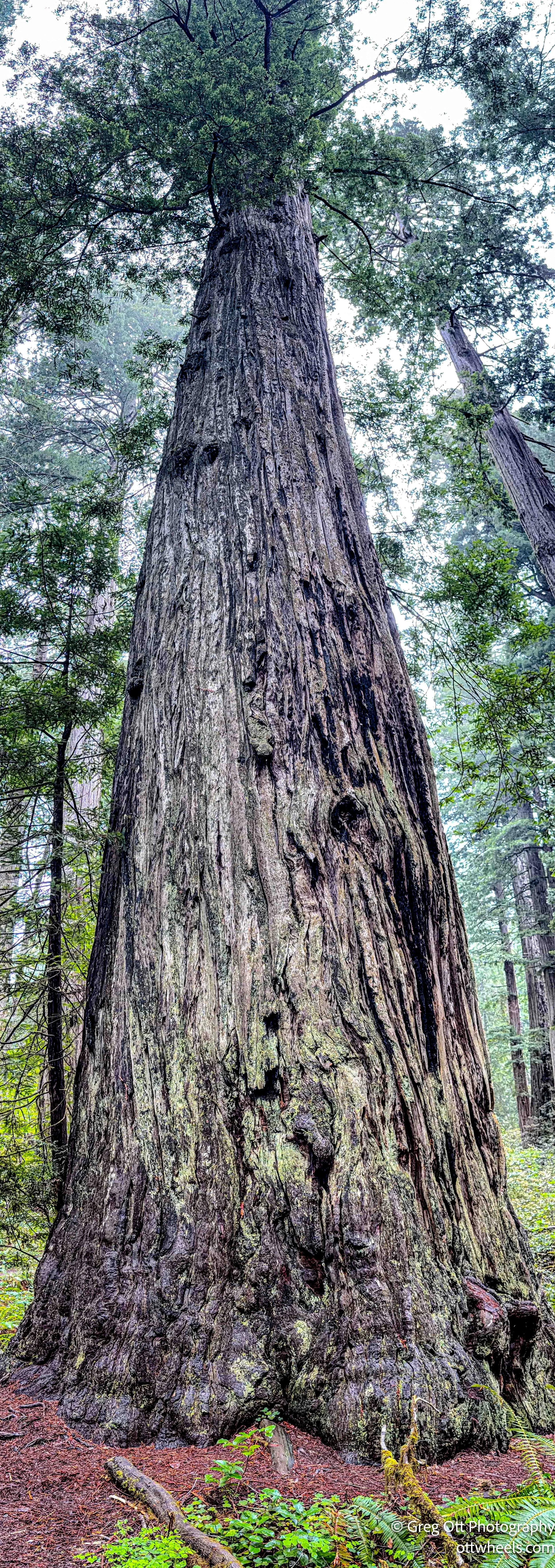
The trail keeps you moving, but your pace never really returns to normal. It’s less of a hike and more of a slow drift through something that feels older than it should be, like you’re passing through a space that operates on a completely different timeline.
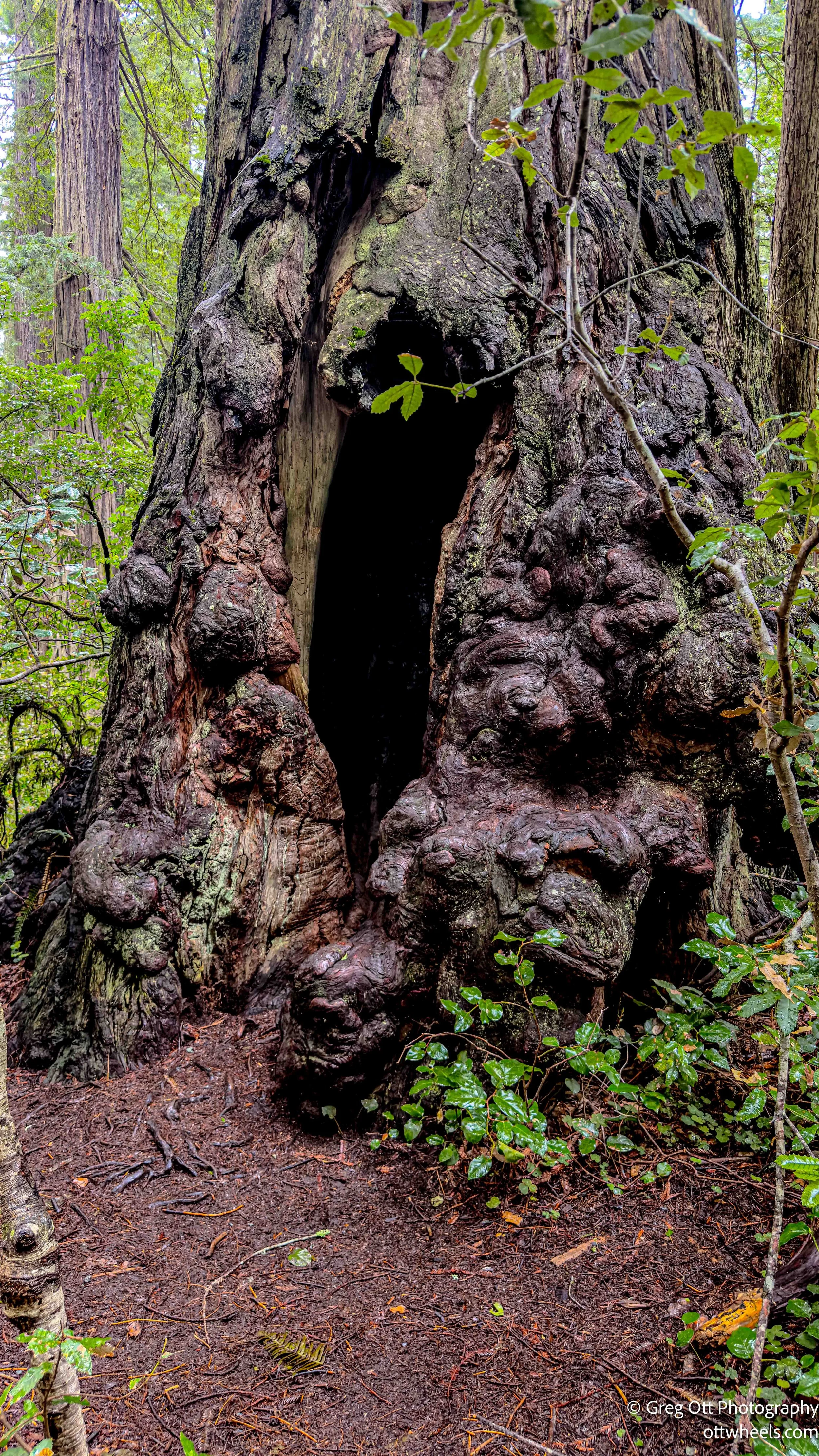
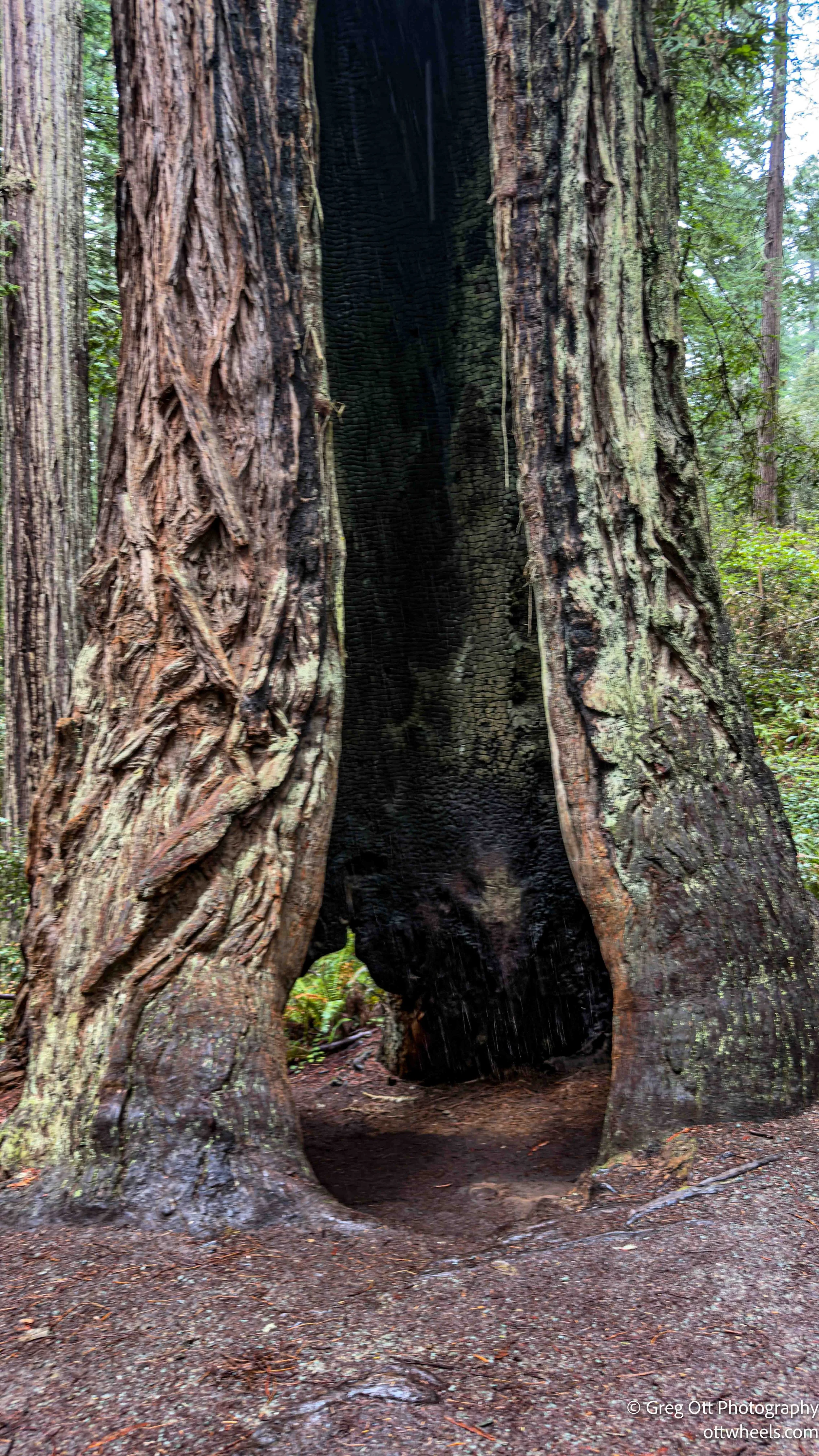
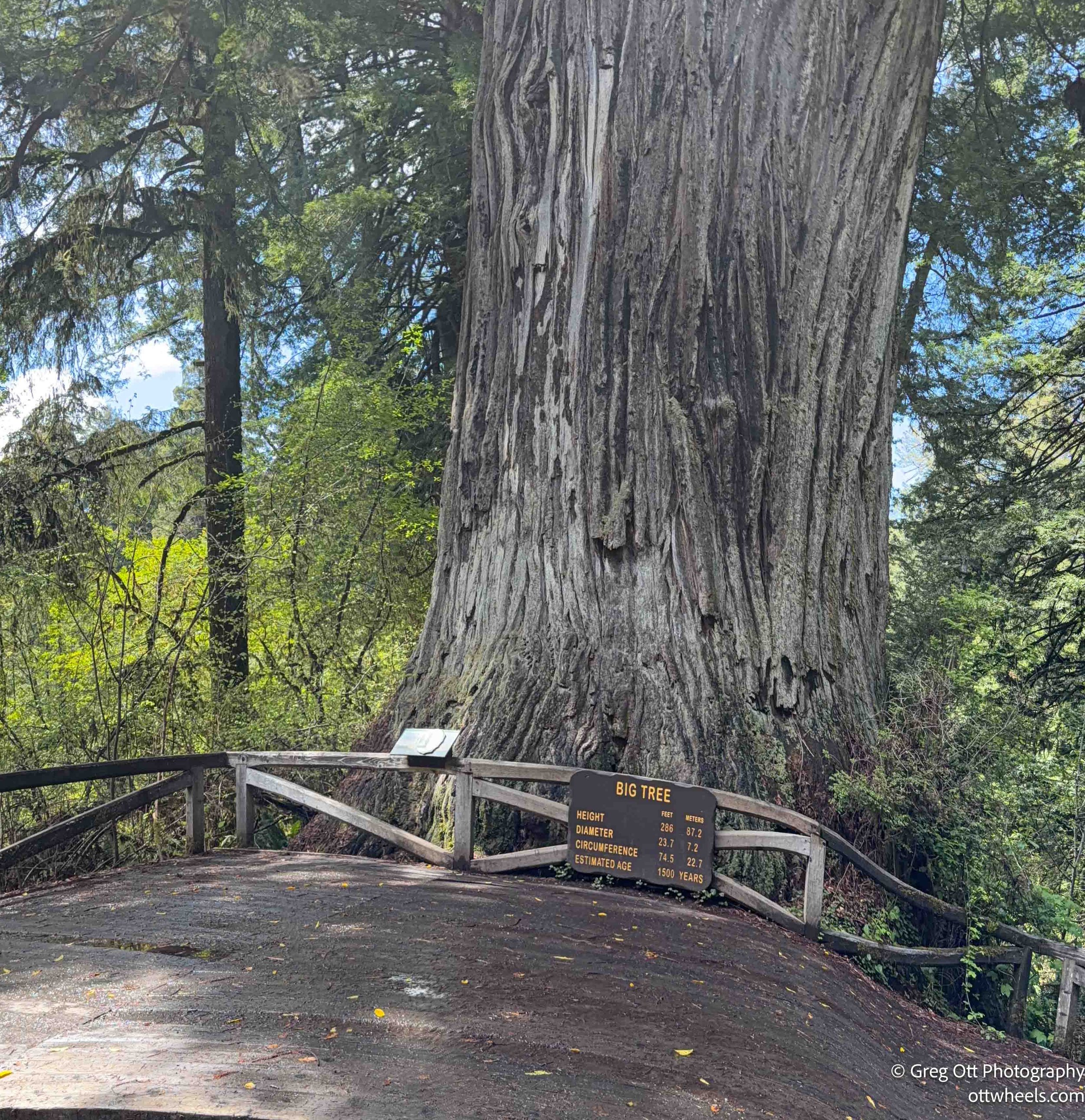
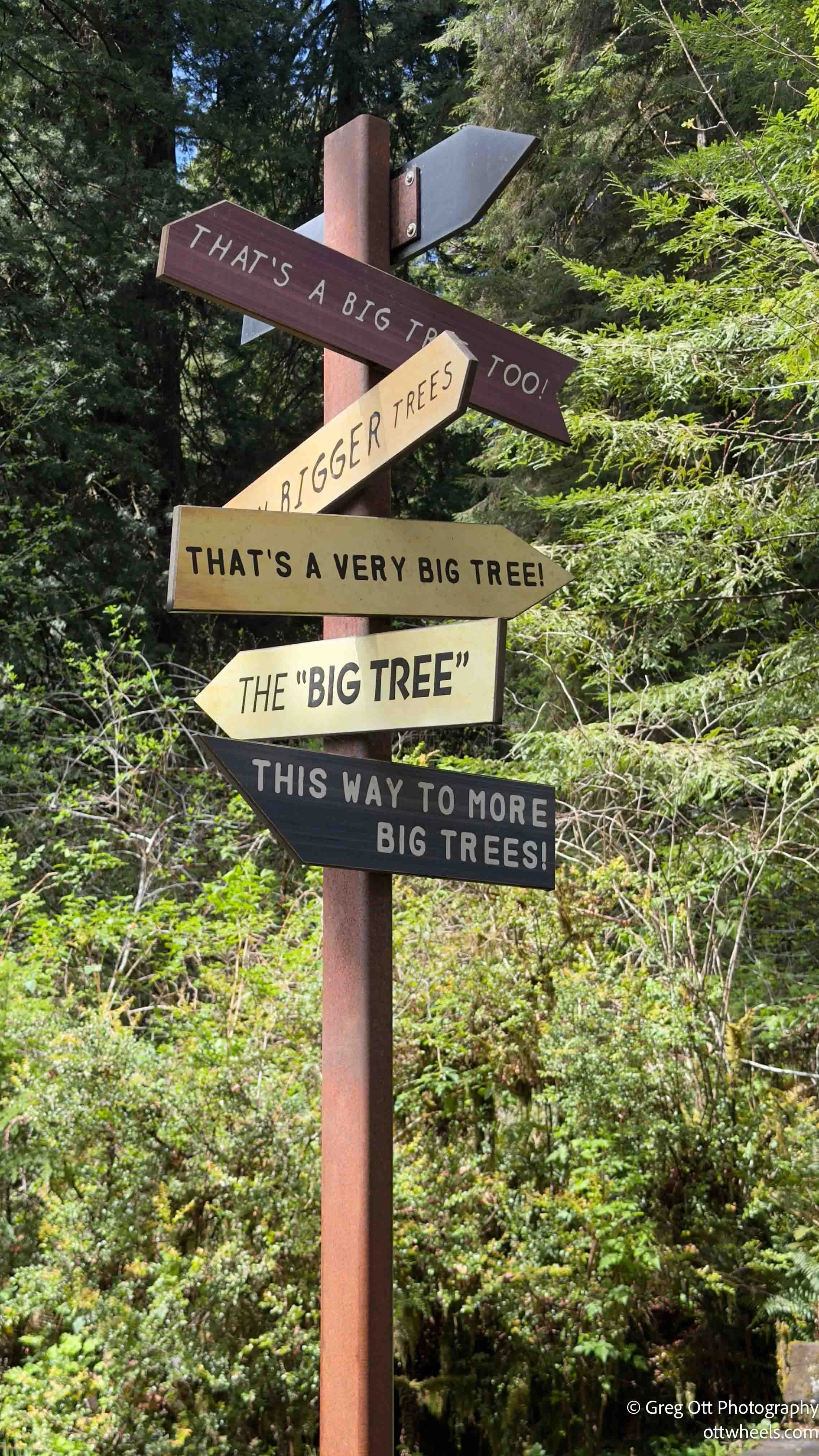
I had planned to stop at the Prairie Creek Visitor Center next. I’d heard there was a good bookstore and some natural history displays, but when I got there, it was packed. Cars lined the road, no real place to pull in, so I kept moving. About half a mile down, I found a spot at Big Tree Wayside. Even that was tight—cars parked everywhere, some where they probably shouldn’t be.
The walk to the tree is short, maybe 100 yards, and then you’re standing in front of something that’s been there for over 1,500 years. It’s hard to process that. I spent about 15 minutes there, looked around at the trails heading off in different directions, but the crowds made it an easy decision to move on. I can’t imagine what it looks like in peak summer.
Back at the van, I made lunch. As I was cleaning up, I heard someone outside calling out. I stepped out, and he asked if I knew my Starlink was wide open—said he had connected to it. I told him I was pretty sure that wasn’t the case and explained my background in networking. He tried to show me, but couldn’t find the connection again. Turns out there was another van nearby—one of those custom van companies—and it was likely theirs set up as a demo. We ended up talking for a bit about startups and the boom years, the kind of conversation that just happens on the road.
Before he left, he mentioned Fern Canyon. I hadn’t heard of it, but the way he described it was enough—that became the next stop. That’s how these trips usually go. I start with a plan, meet someone local, hear about something I shouldn’t miss, and the plan goes out the window.
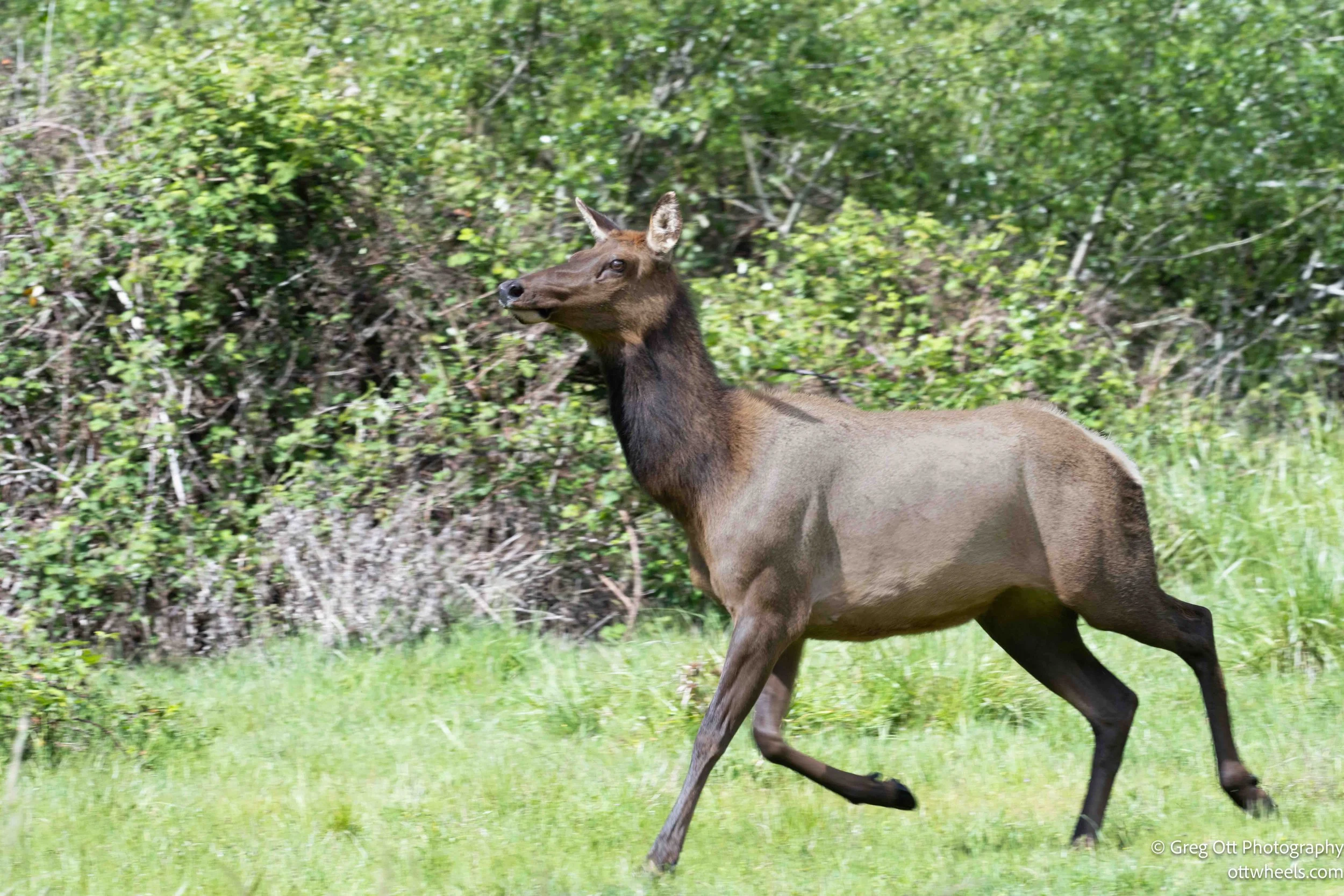
On the way there, heading along U.S. Route 101, I noticed a couple of elk off to the side of the road. I pulled over, and then realized it wasn’t just a couple—it was a full herd. I got out with the camera and noticed an older man with a walking stick nearby. I asked if he was local. He told me he’d lived there for 47 years and knew the herd well. He was following them and said there were about 60 in the herd. The males weren’t with them at the moment.
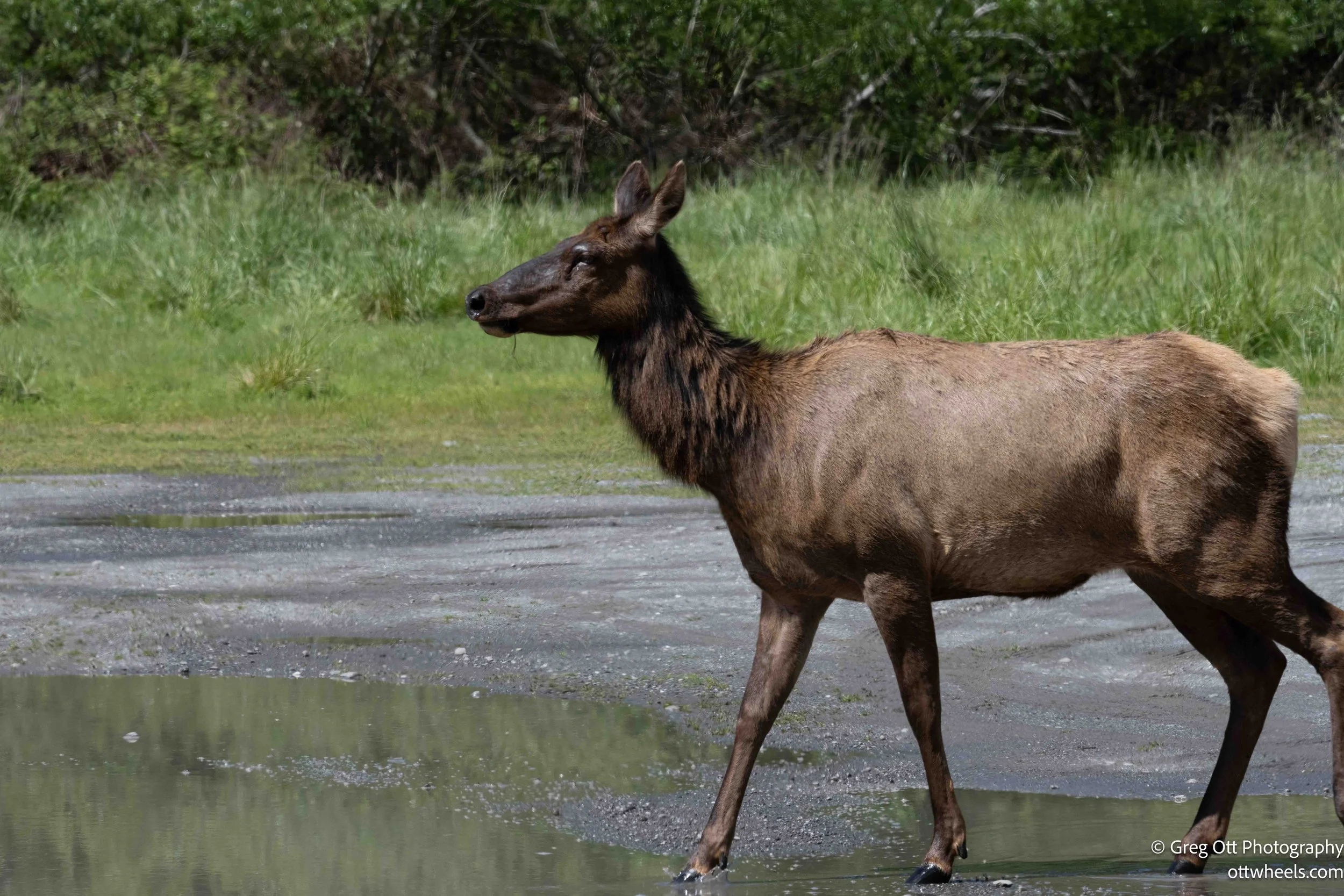
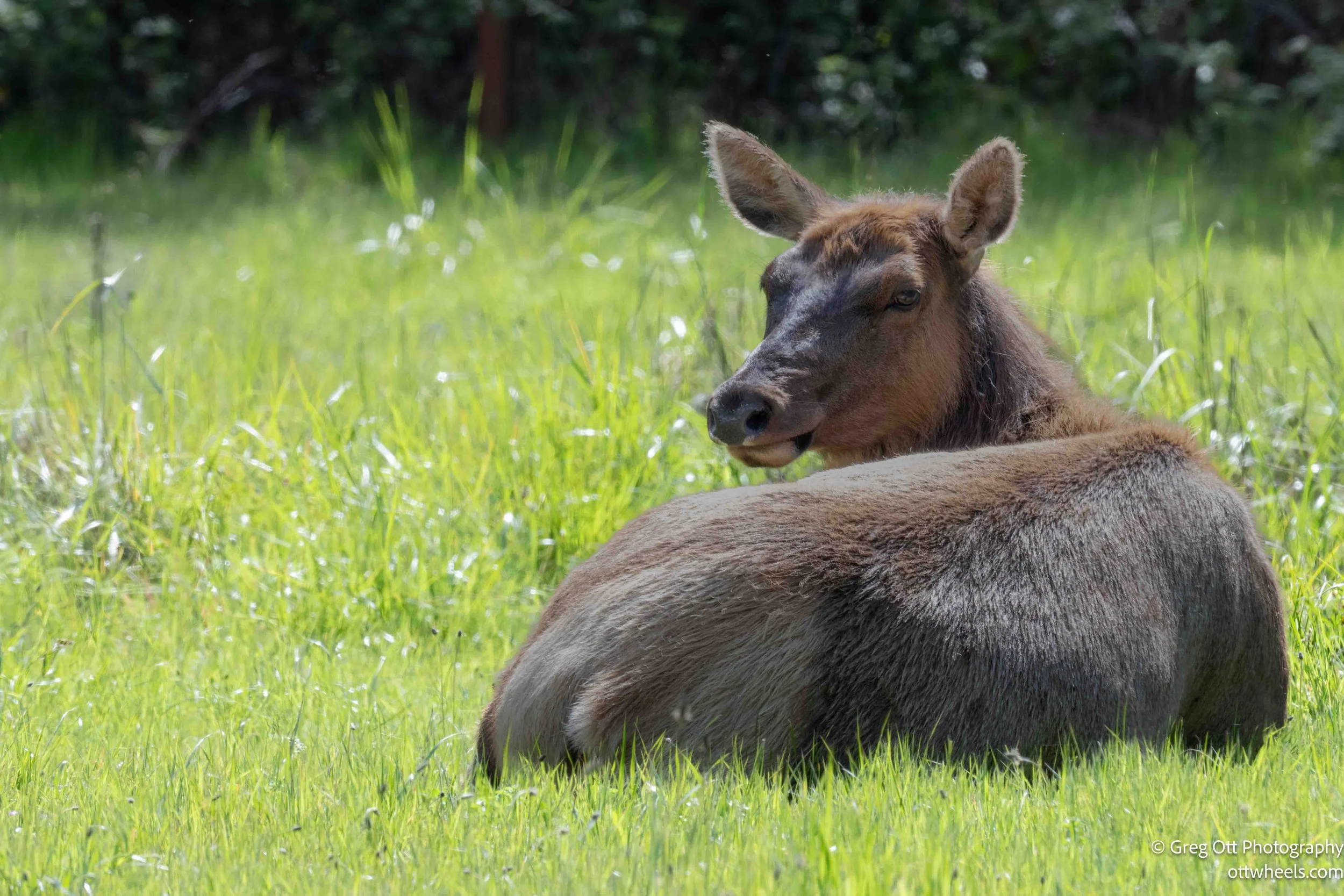
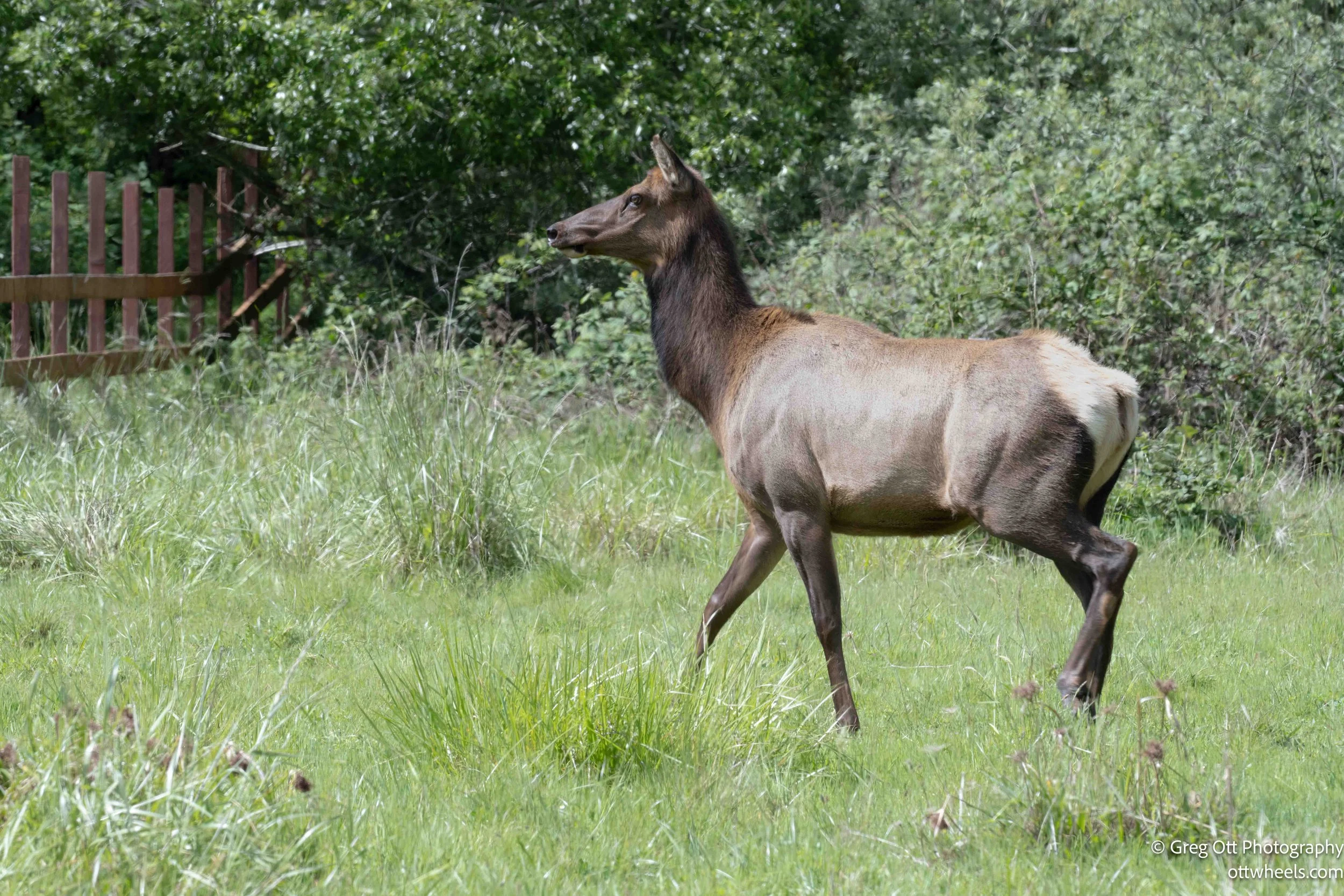
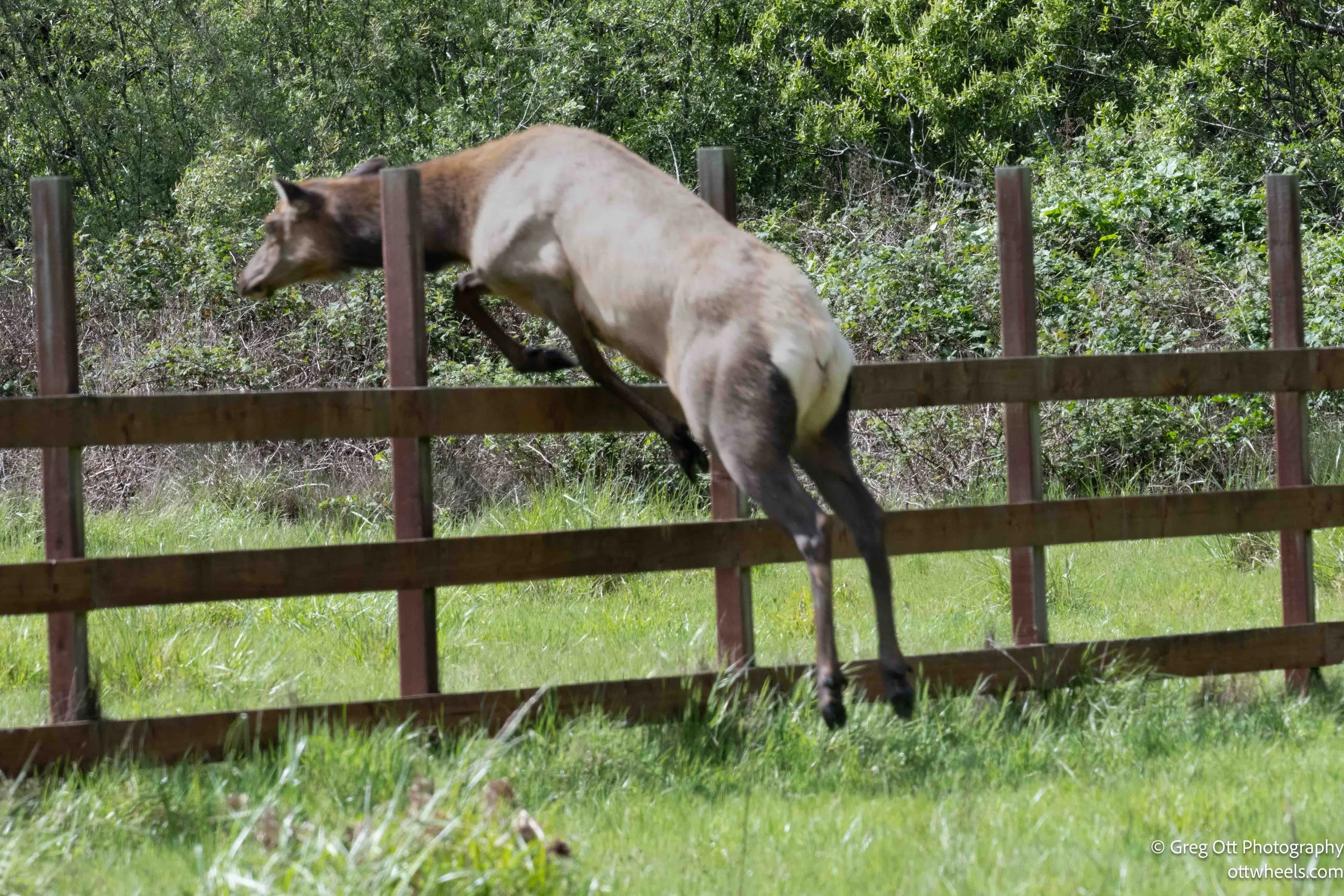
We stood there talking when a large female approached the fence behind us. She studied it, paced a bit, then, without much effort, cleared it like it wasn’t even there. Smooth, easy, almost casual. I managed to get a few shots—not great, but catching that moment was worth it. He wandered back toward the rest of the herd, and we said our goodbyes.
The drive into Fern Canyon is about 12 miles off the highway, and the last 6 miles turn into a dirt road that demands your attention. Narrow in spots, steep in others, with potholes and blind corners. I took it slow—about 15 mph most of the way—pulling over when needed, working through tight turns, and just letting the road dictate the pace.
I had been told there wouldn’t be a fee until May, but about five miles in, I came to an entrance station. The ranger asked, “Day pass?” I asked what the options were, and she mentioned camping. With the national pass, it came out to $17.50 for a site at Gold Bluffs Beach Campground. Easy decision. The plan shifted—hike Fern Canyon, then spend the evening on the beach.
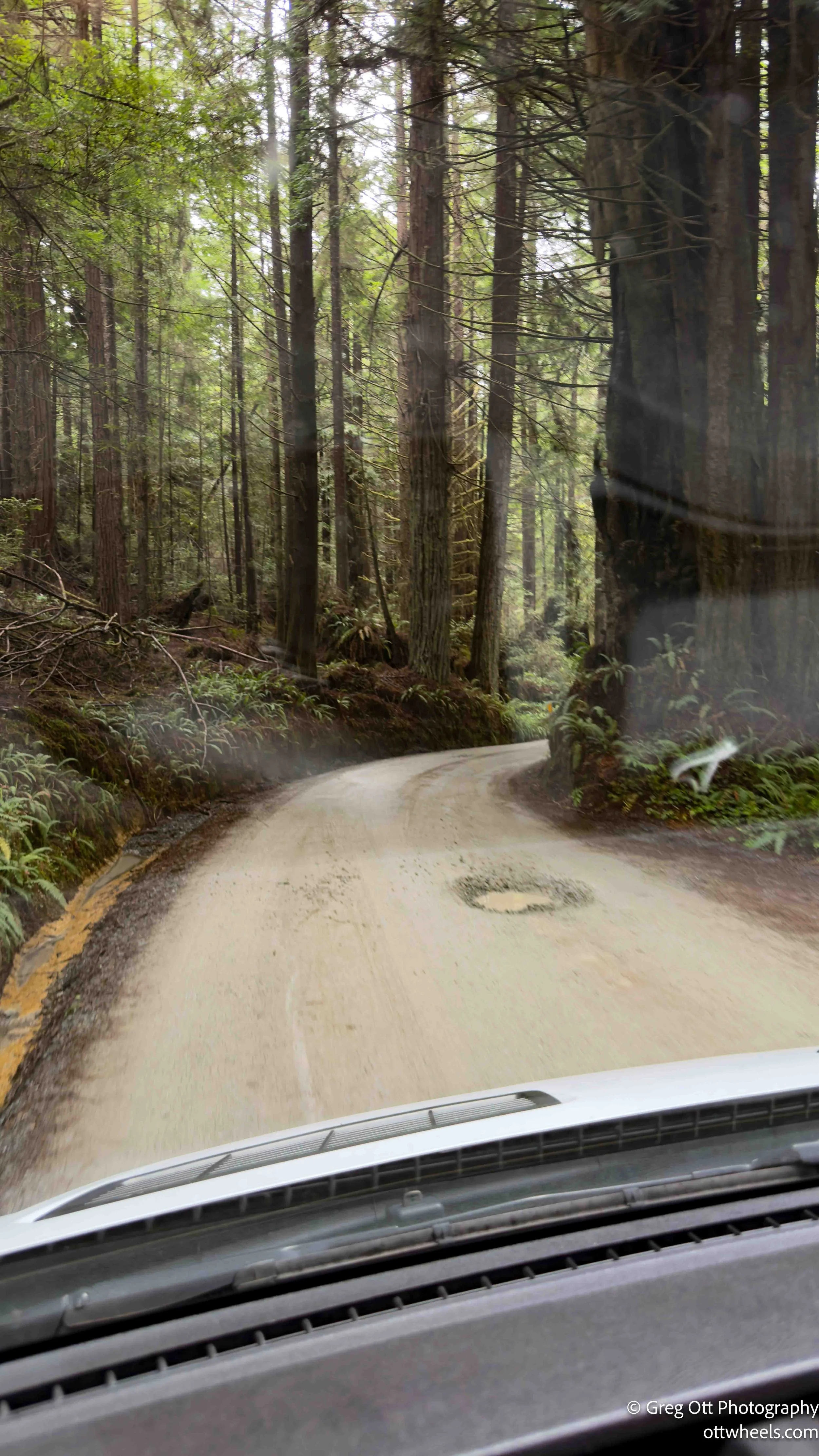
Fern Canyon
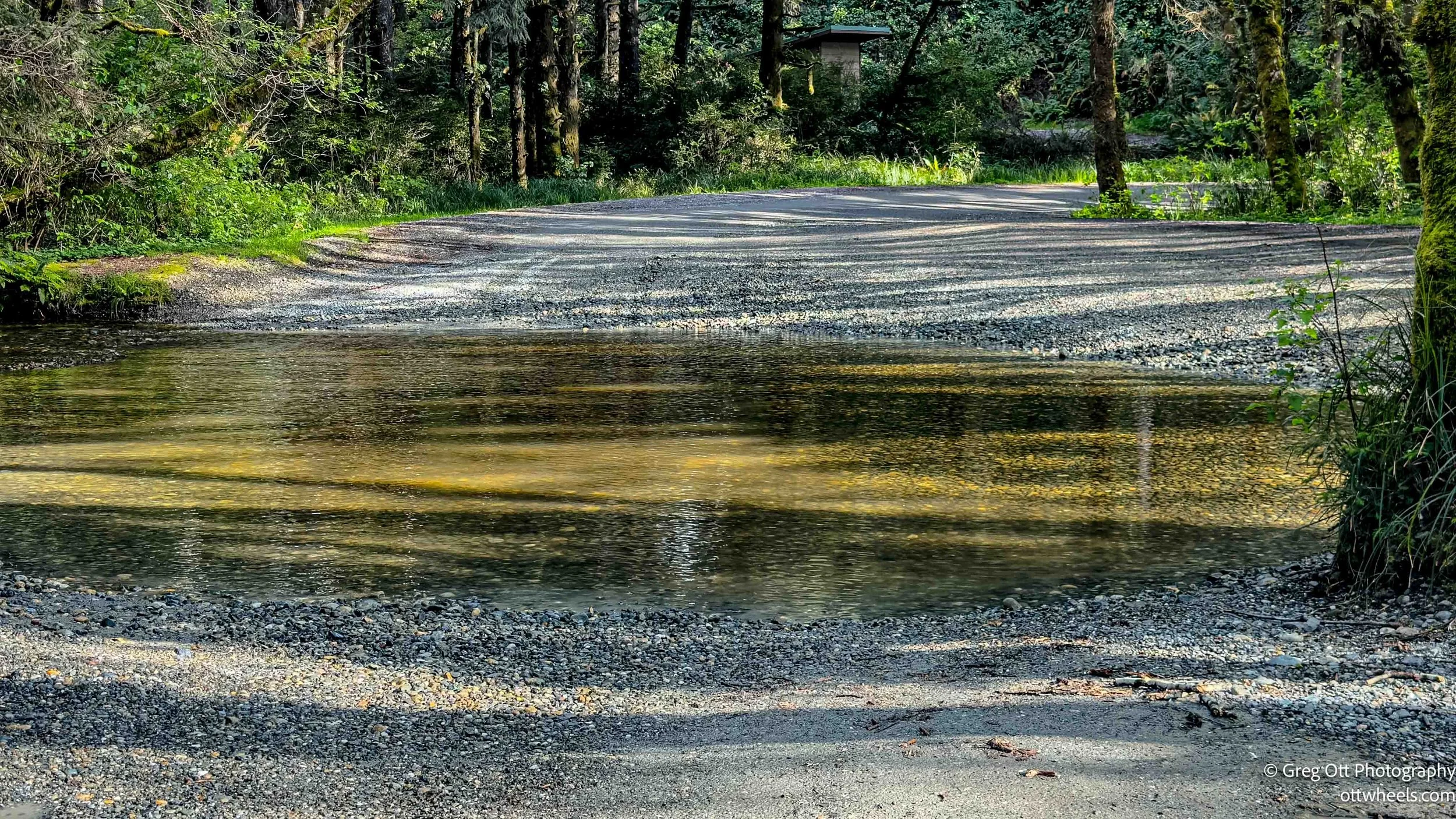
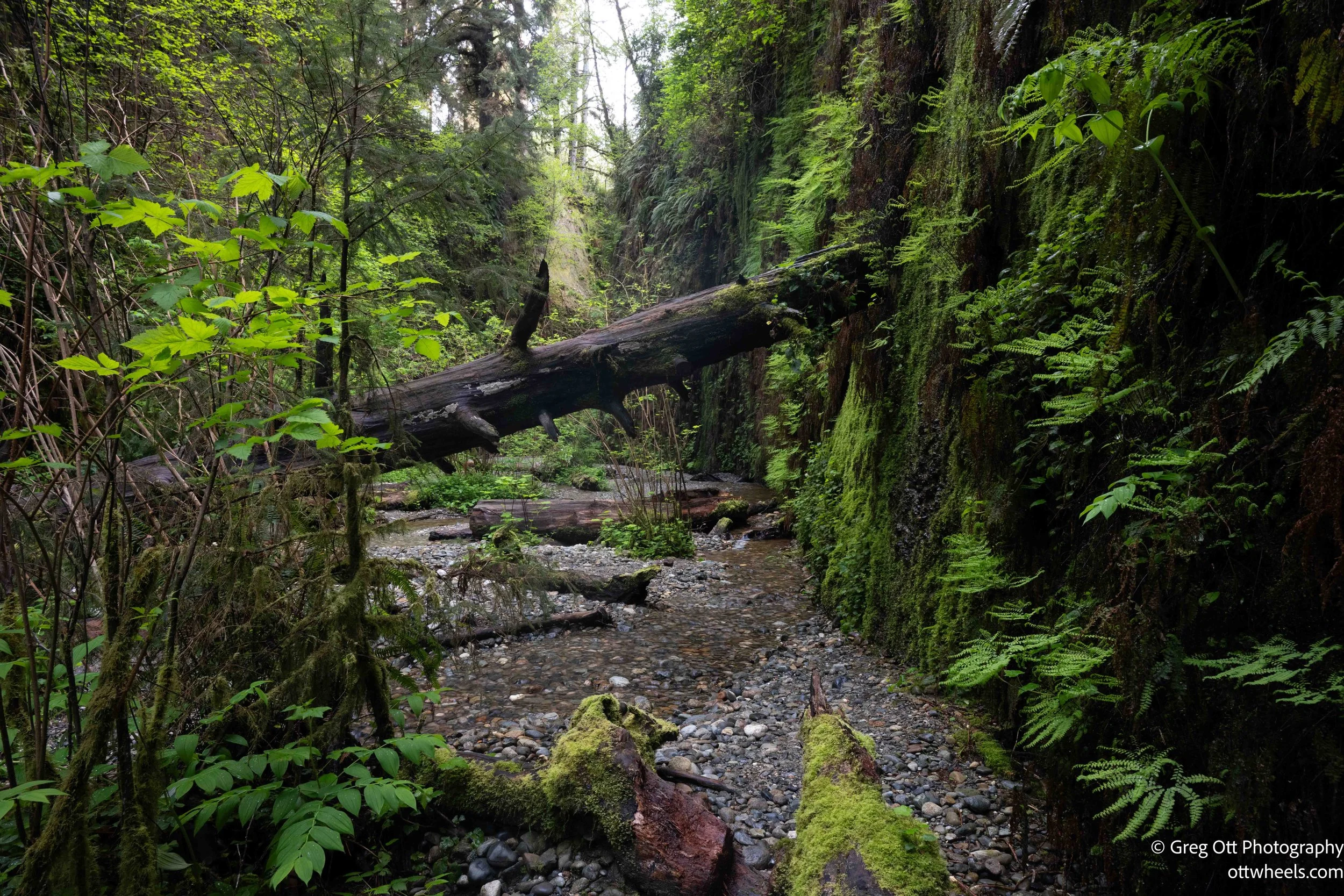
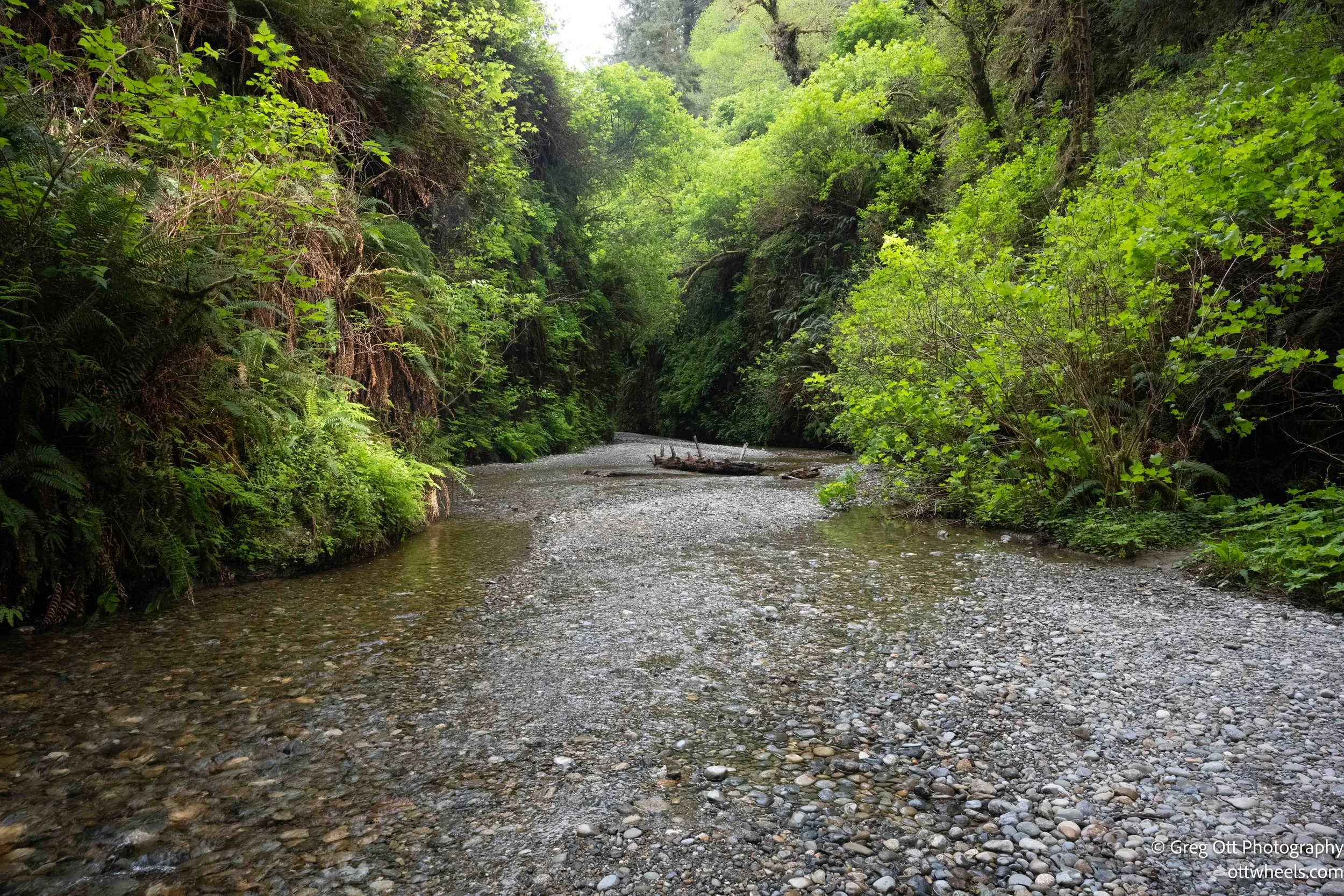
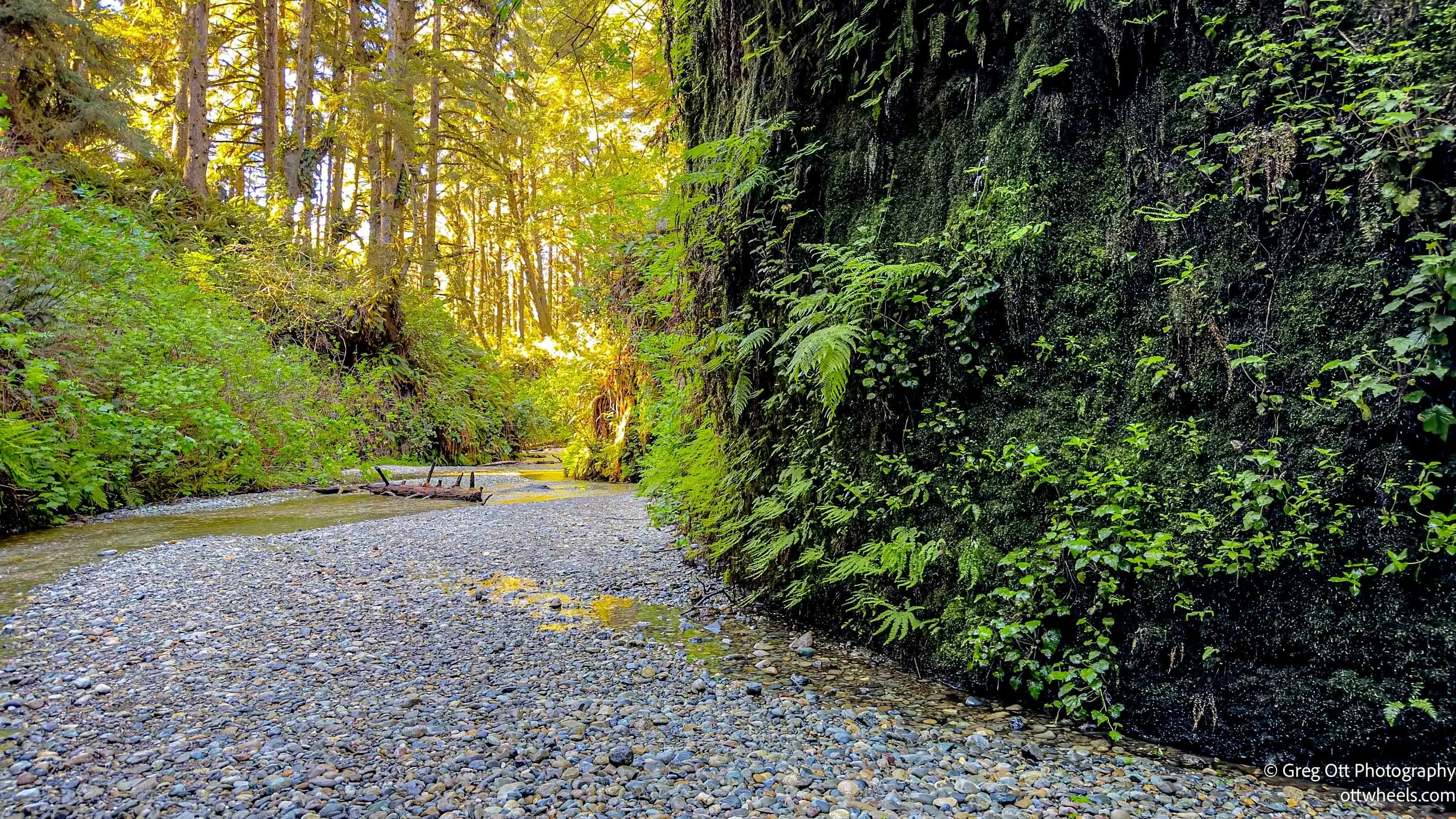
The hike in is short—maybe a tenth of a mile—but it eases you into what’s ahead. The canyon opens up quickly, and from there you follow the stream as it winds forward. There was plenty of water running, which meant you were constantly crossing from one side to the other. Someone had placed large pieces of wood at key spots, clearly with the intention of keeping feet dry. In theory, it was a solid plan. In practice, it turned into a bit of a balance test.
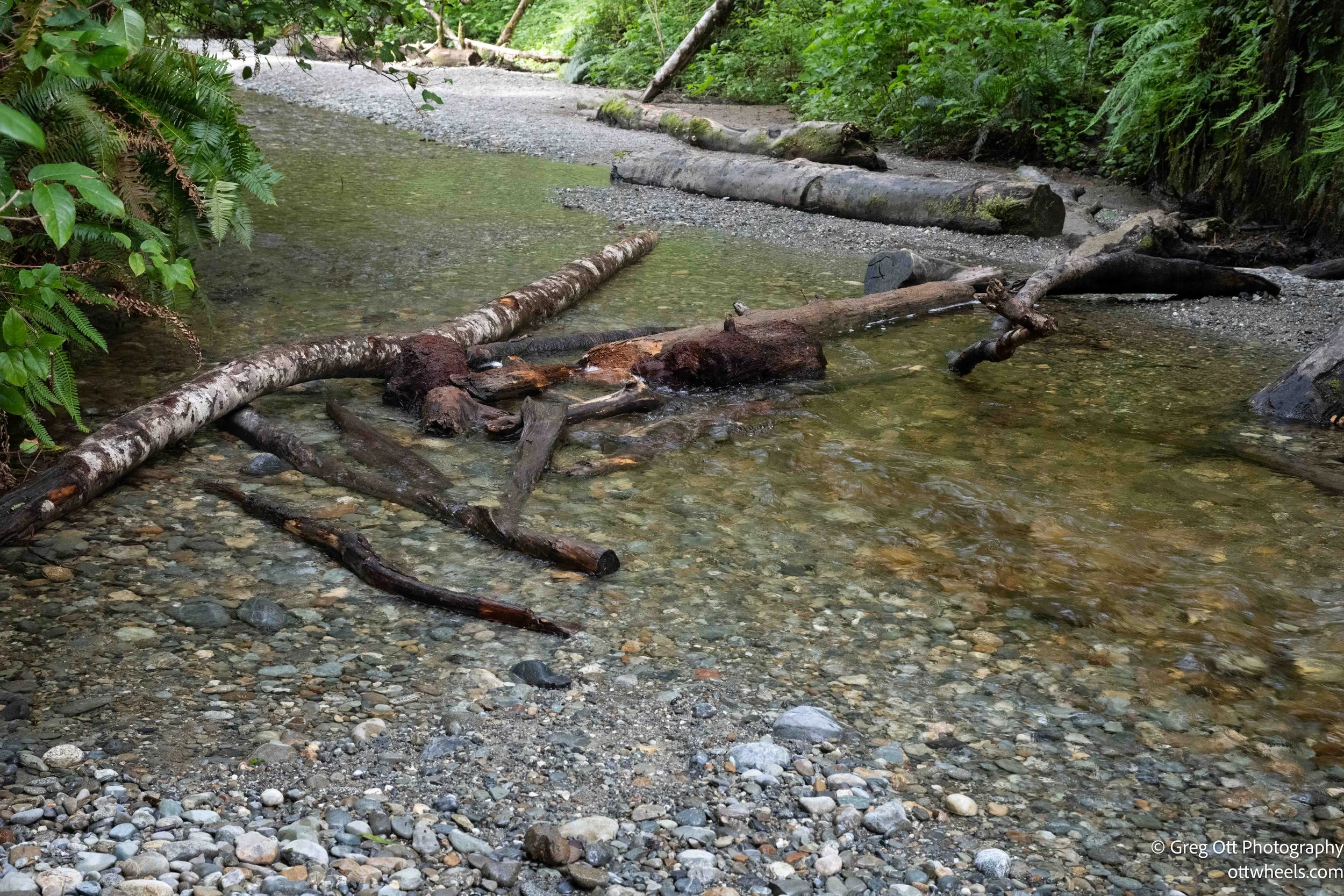
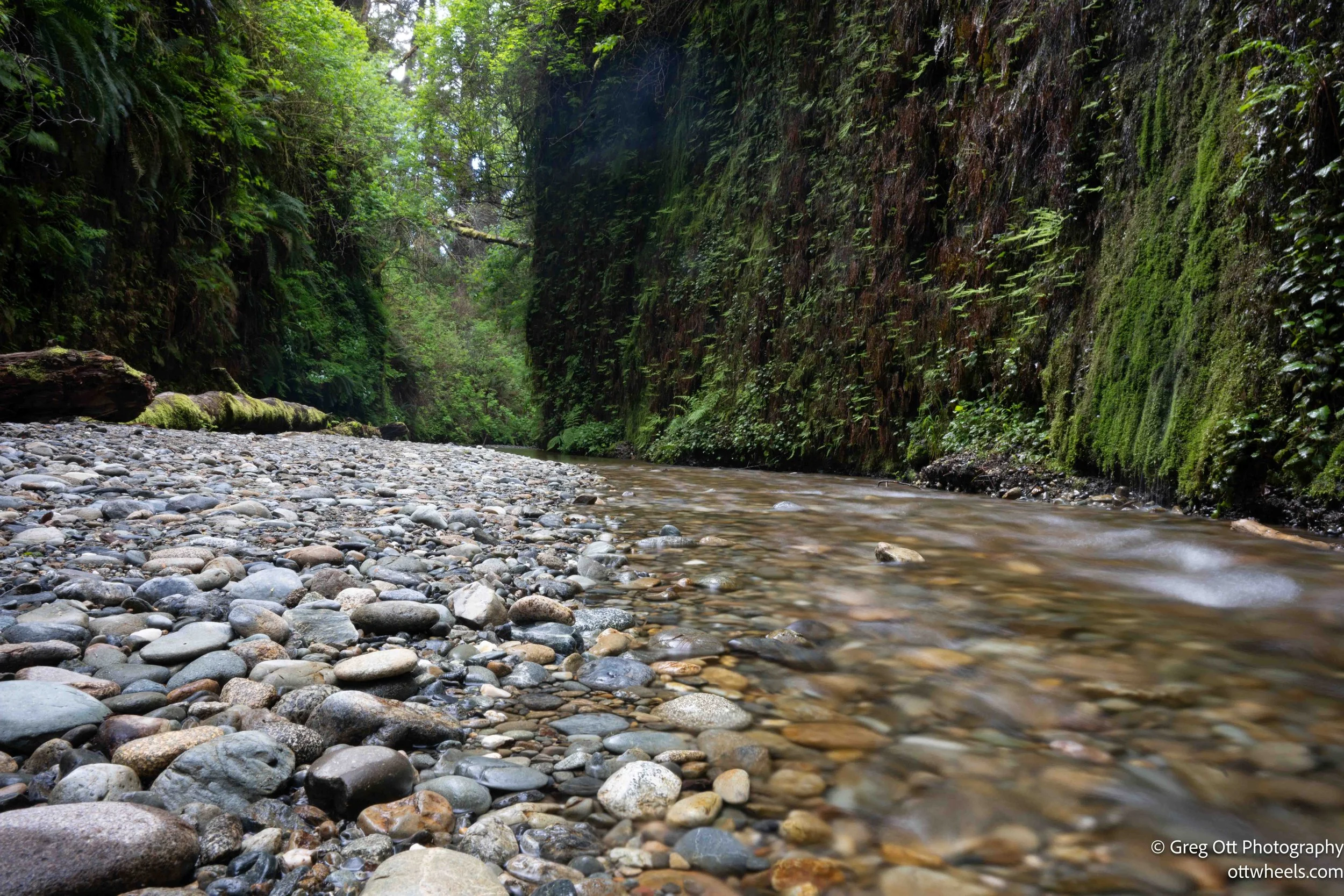
The canyon itself is incredible. The walls are covered in bright green moss, with vines and ferns hanging down in every direction. Water trickles along the entire length, giving everything a damp, almost glowing look. It’s noticeably cooler inside, and the air has that clean, fresh feel where you can actually see your breath.
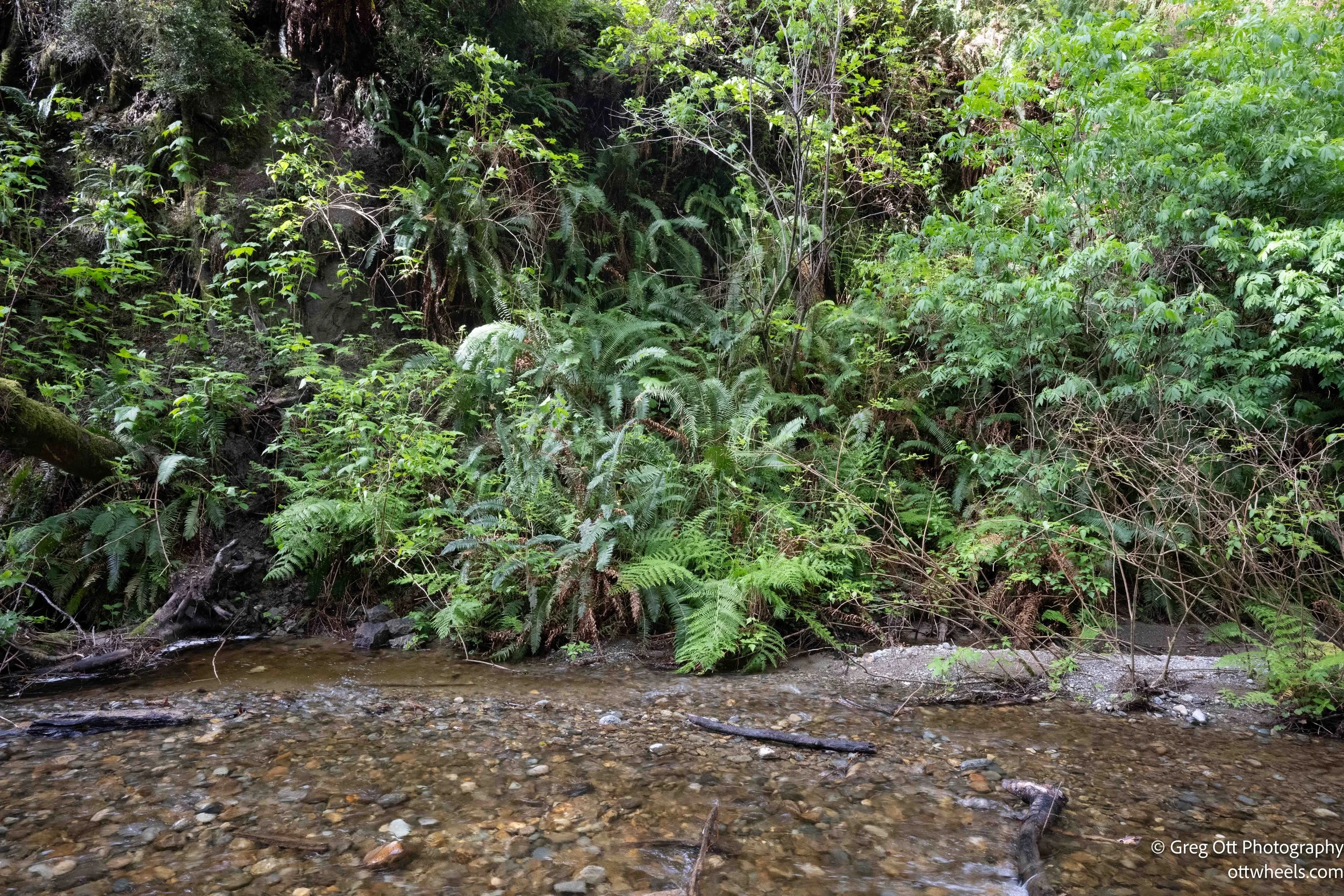
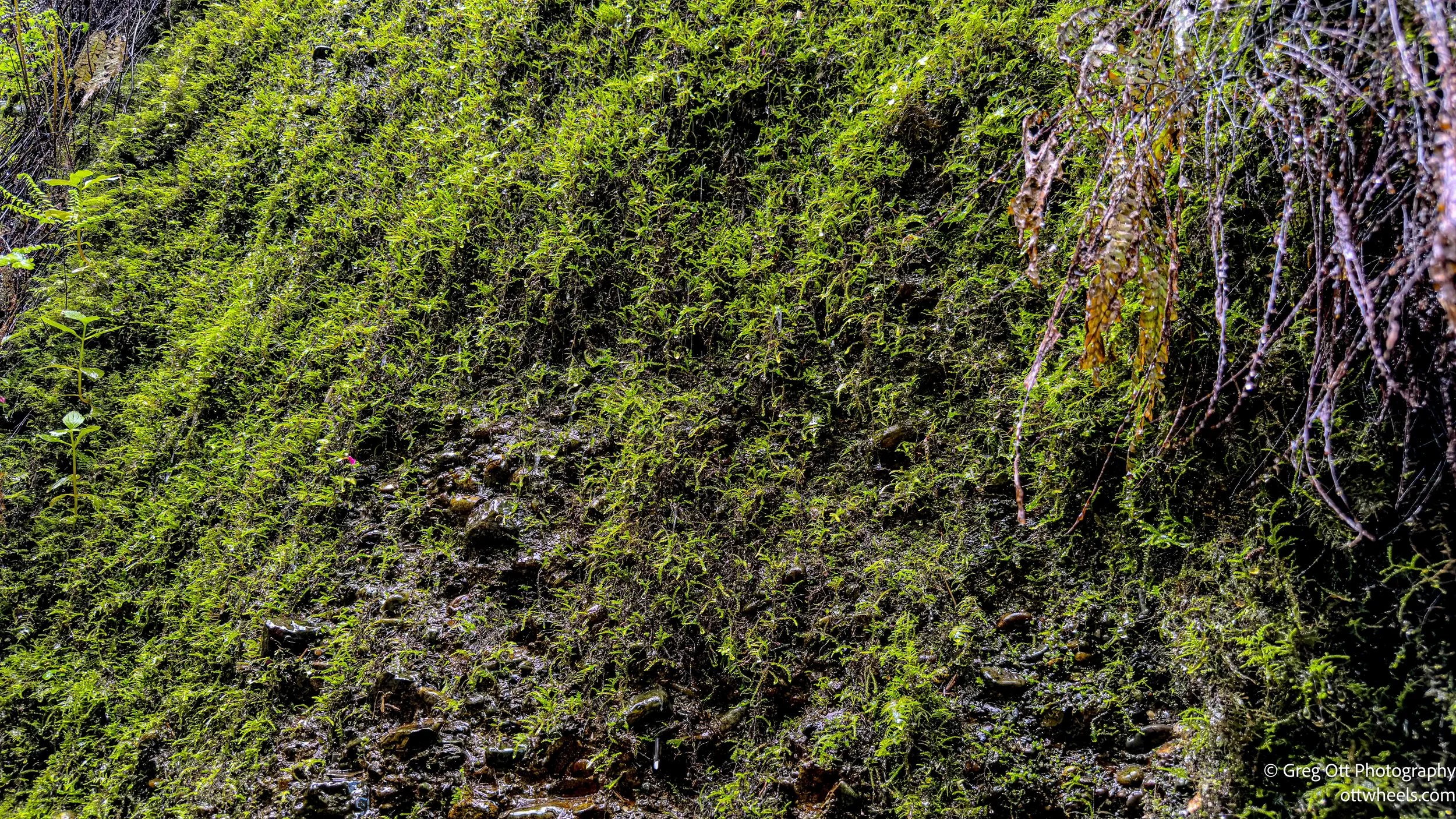
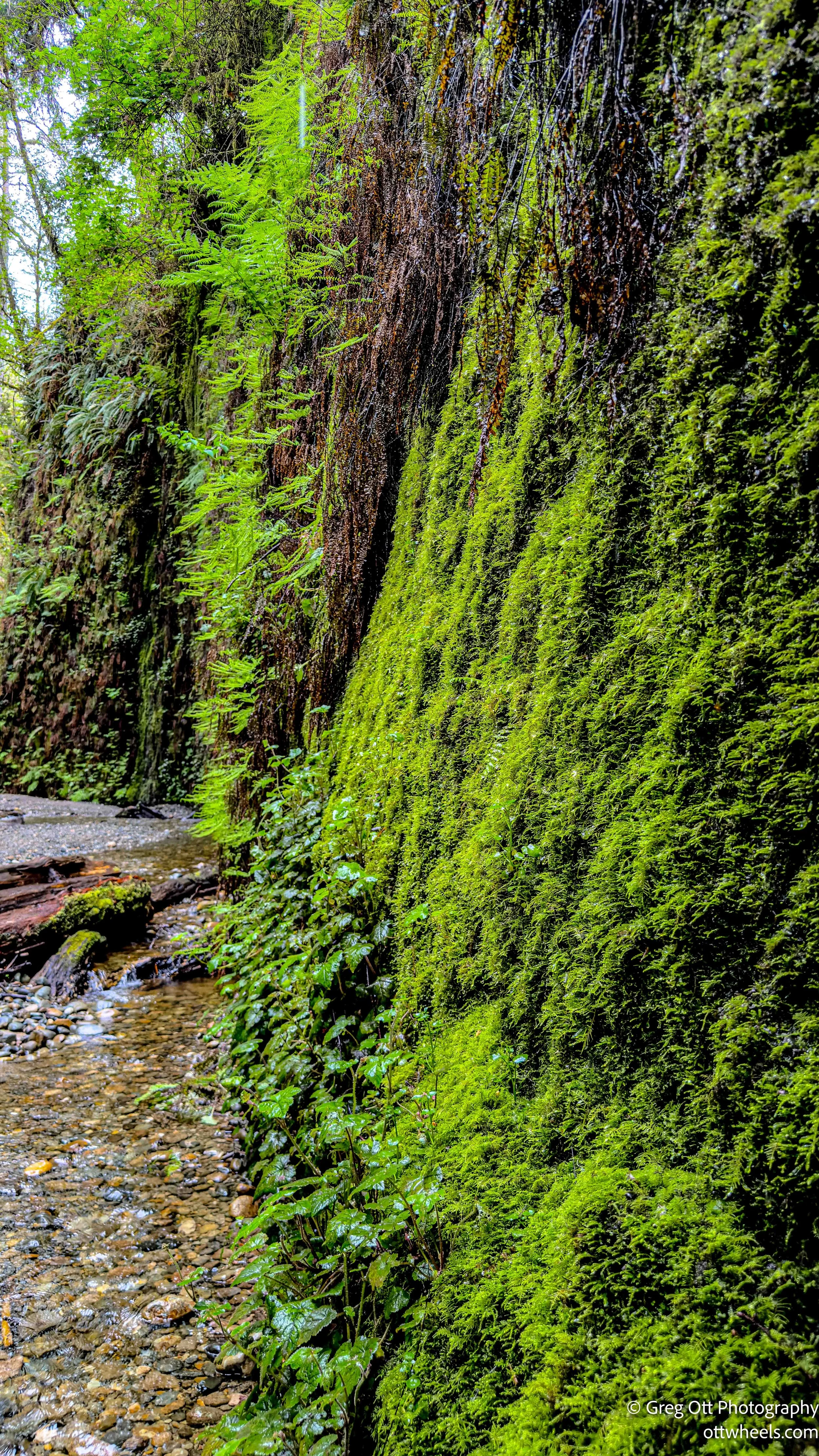
Crossing the stream became its own form of entertainment. I managed to stay dry, carefully working my way across using my best balance moves—some more graceful than others. A few people weren’t as committed. Some kicked off their shoes and just went for it barefoot. One guy joked about channeling Wim Hof, which got a laugh. One woman walked straight through in her boots and shrugged it off: “I gave up after falling in twice.” Two guys showed up fully prepared with waders, clearly having done this before. Meanwhile, kids treated it like a game, going back and forth like it was nothing, much to the concern of their parents.
I took my time, stopping often, just taking it all in. It’s the kind of place where you don’t need to rush. The air is easy to breathe, the sound of the water is constant, and everything about it slows you down in the best way.
Gold Bluffs Beach
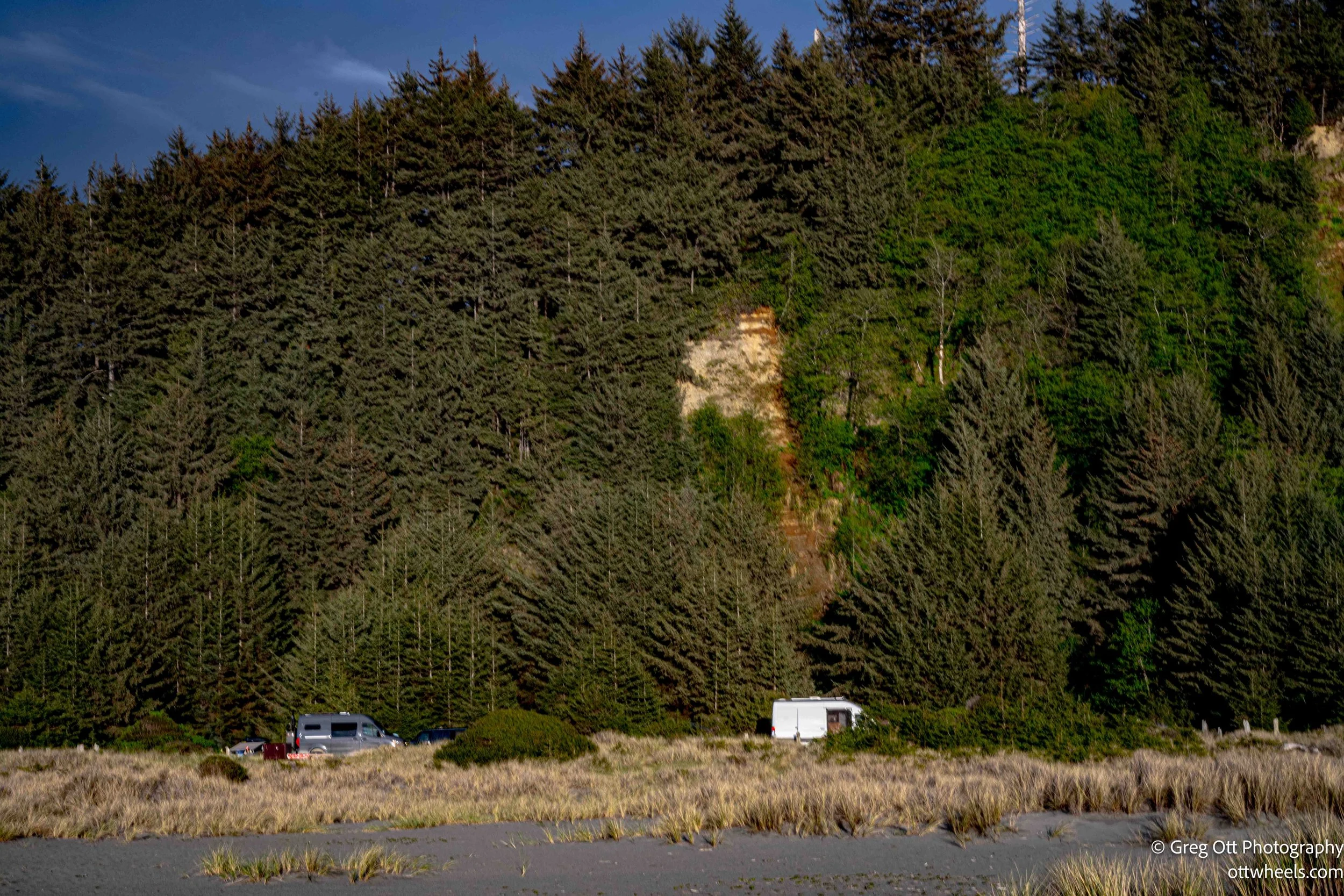
I made my way to the campground—site 17, right on the beach. It was a little over an hour until sunset, so I headed straight out to the sand.
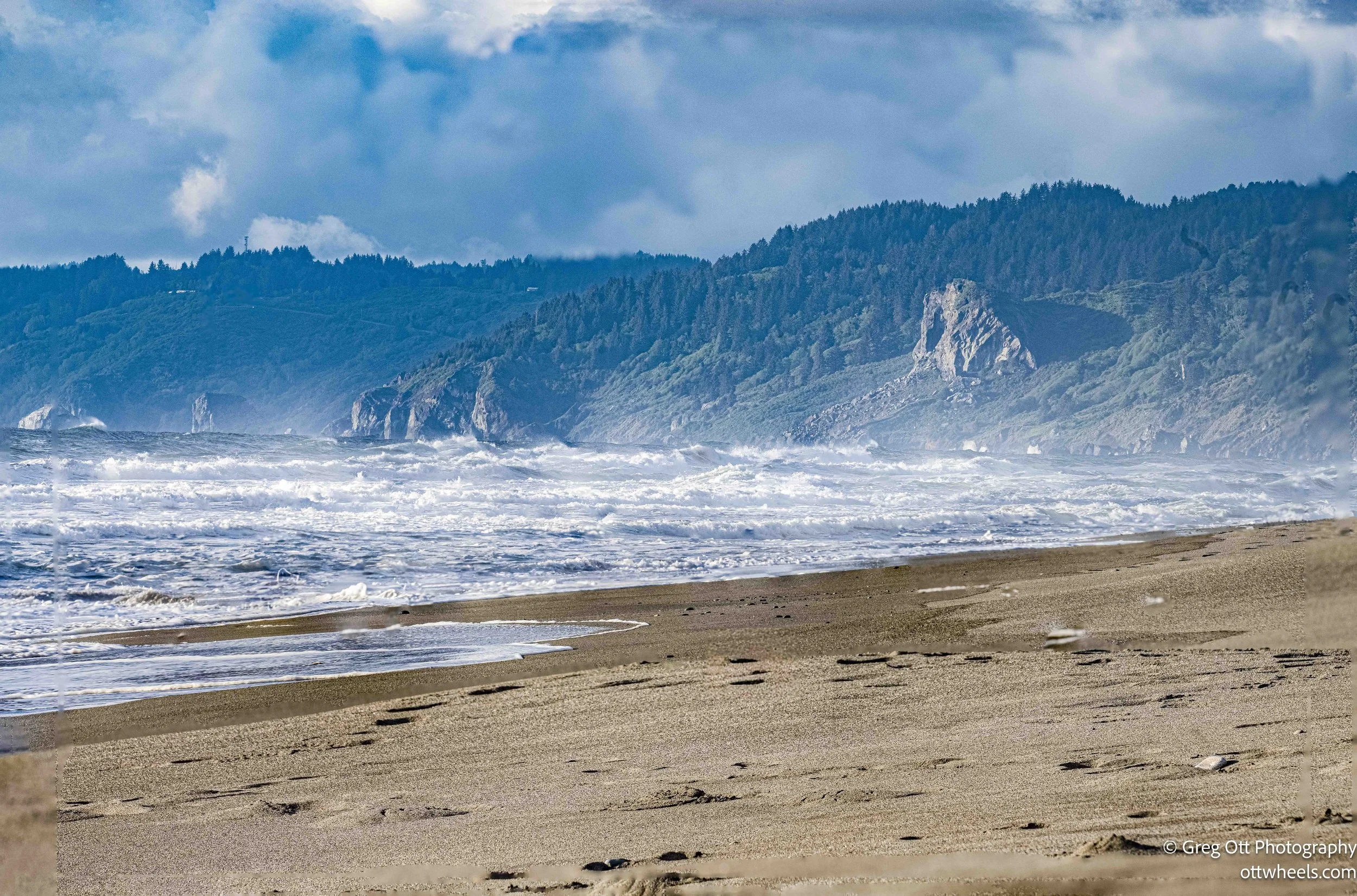
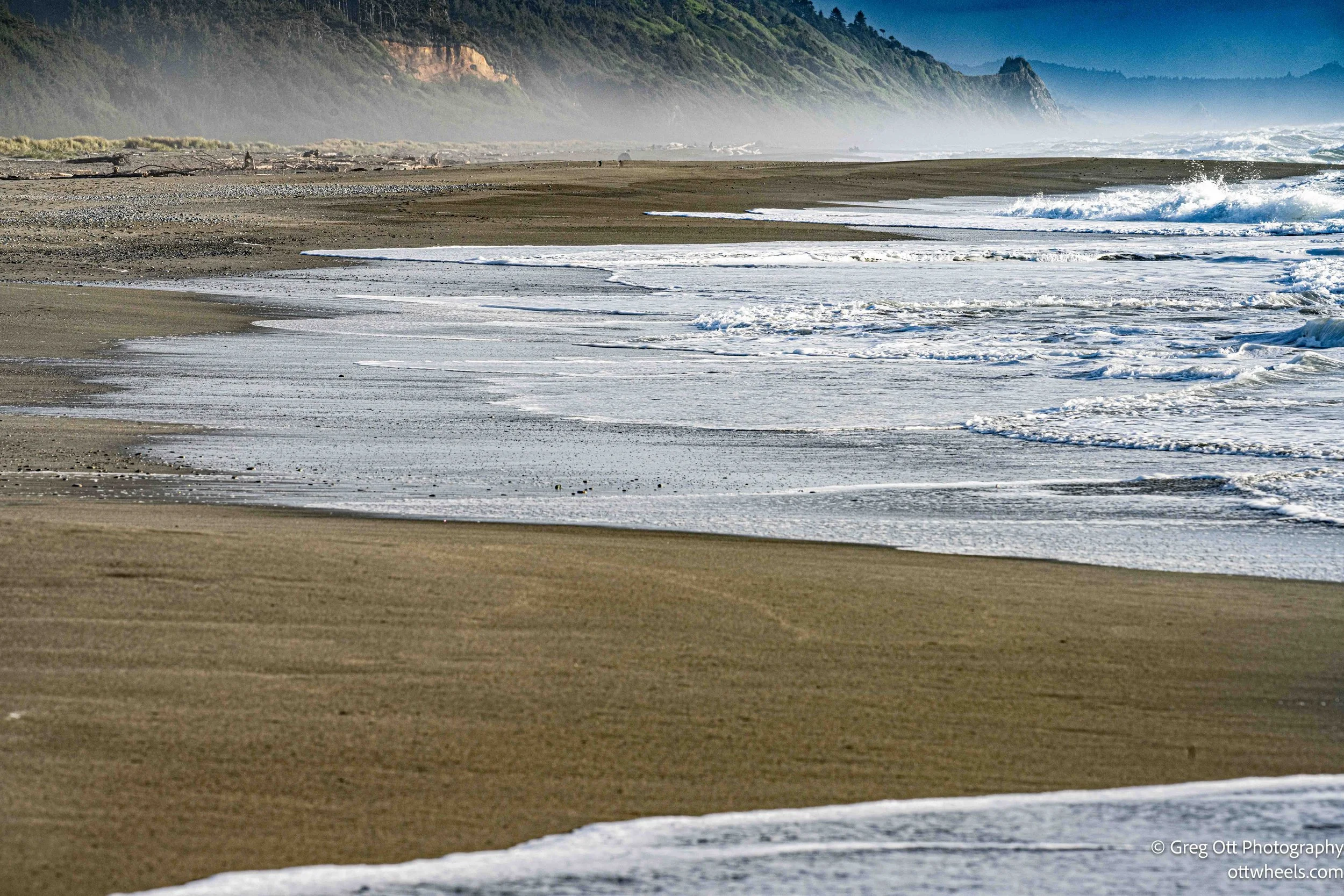
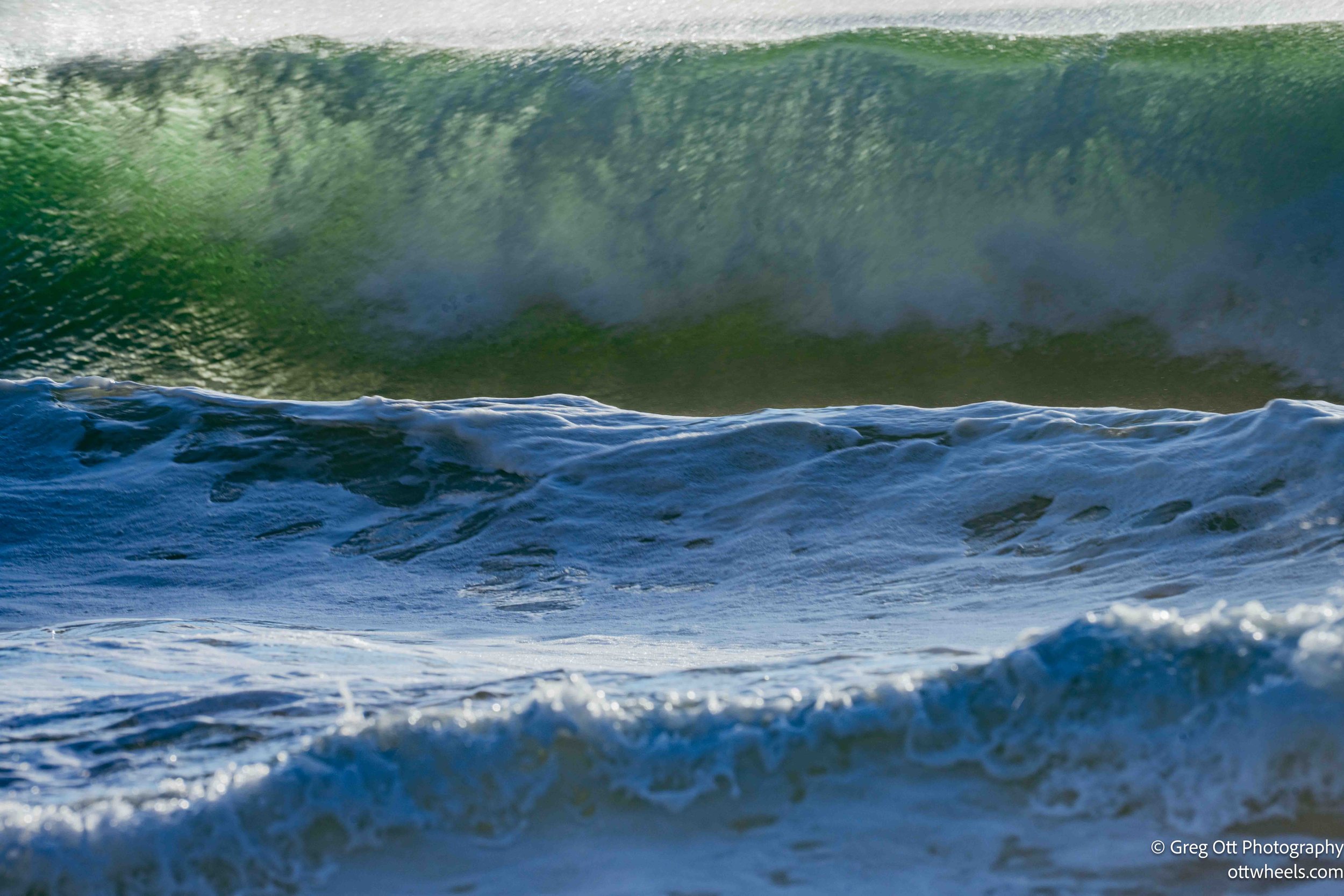
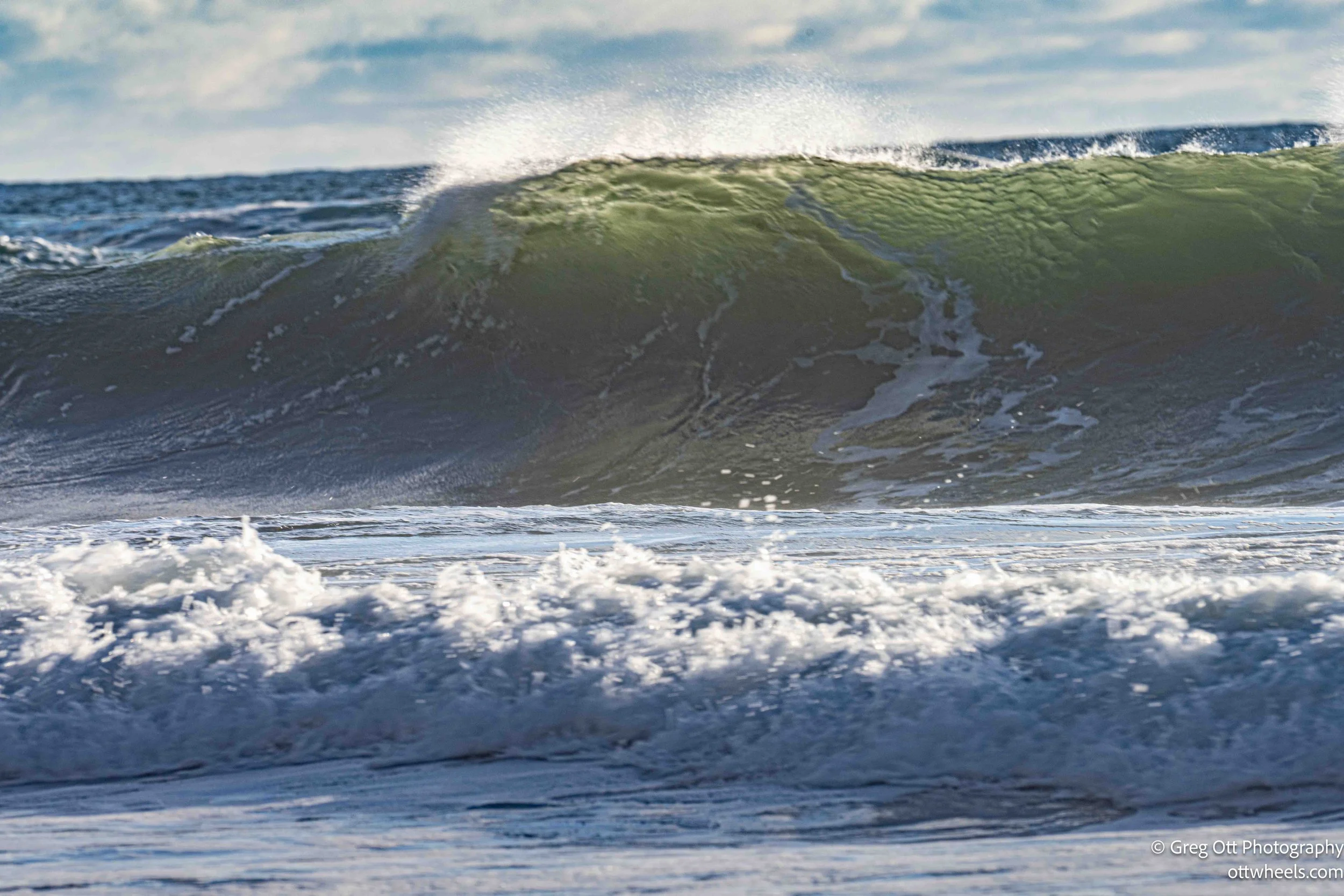
The light was low and direct, hitting the waves just right. As they rose and curled, the sunlight passed through them, turning the water into this green, almost translucent color. It was one of those moments that looks simple but is nearly impossible to capture. I stood there for a while, taking a few shots, but mostly just watching.
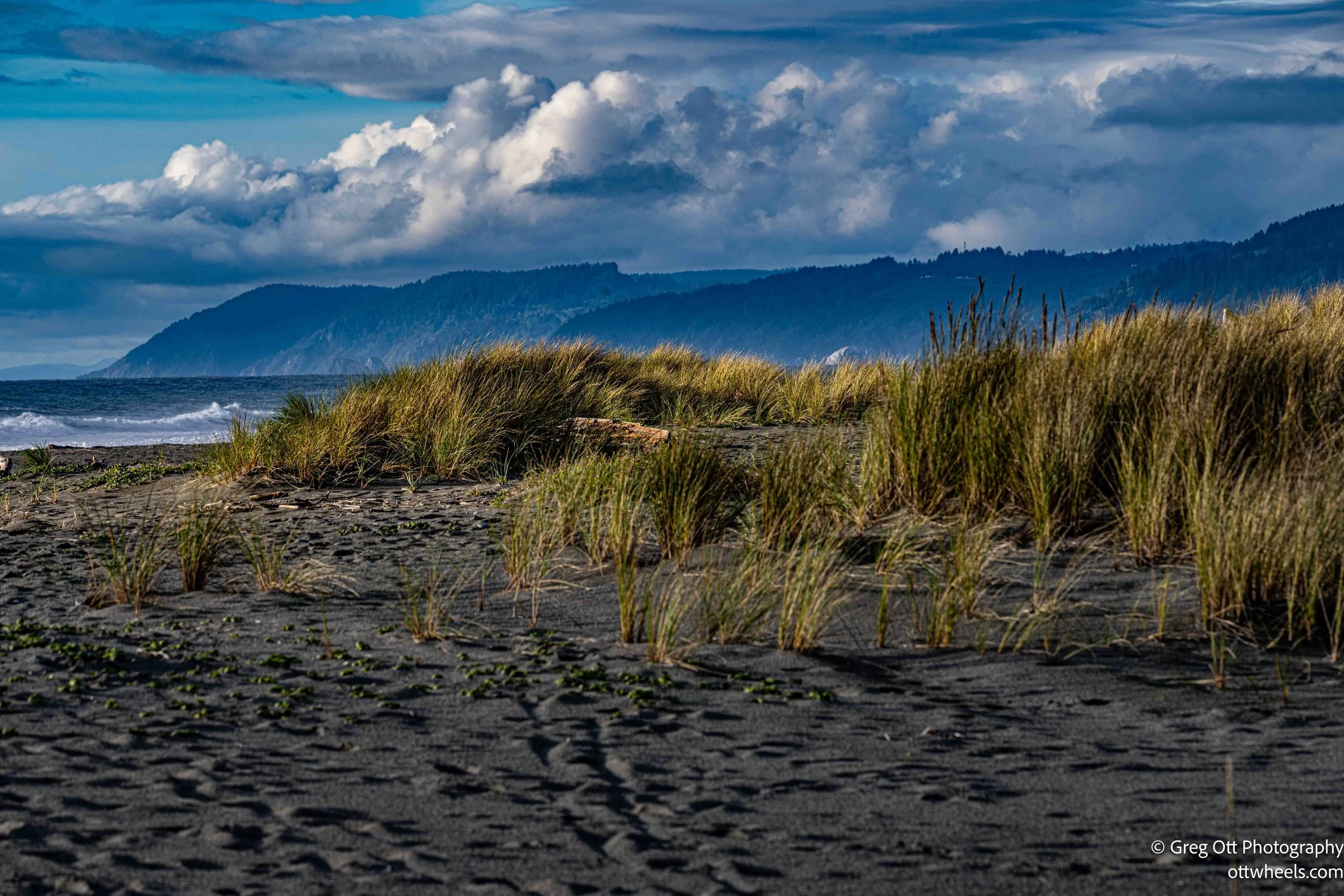
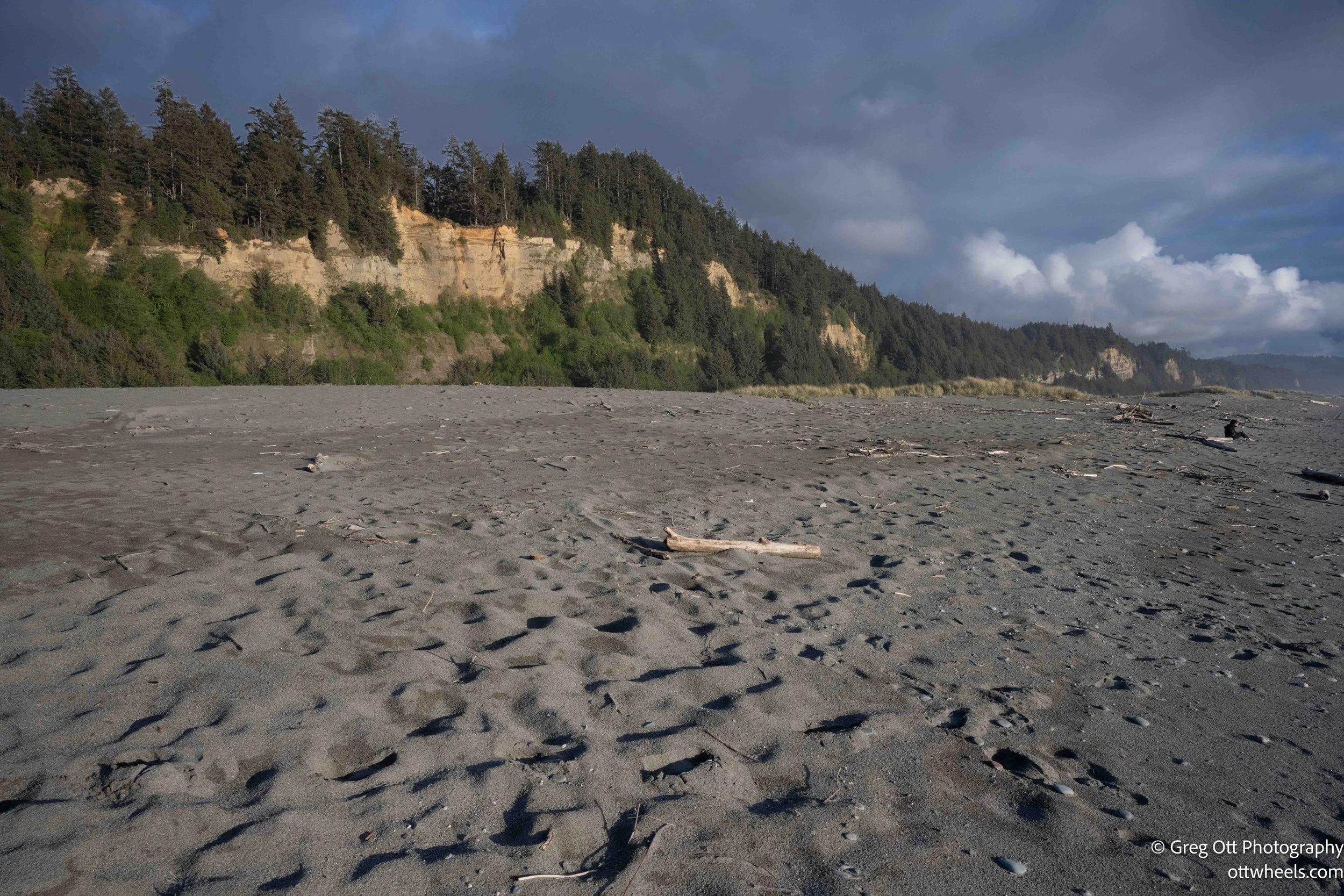
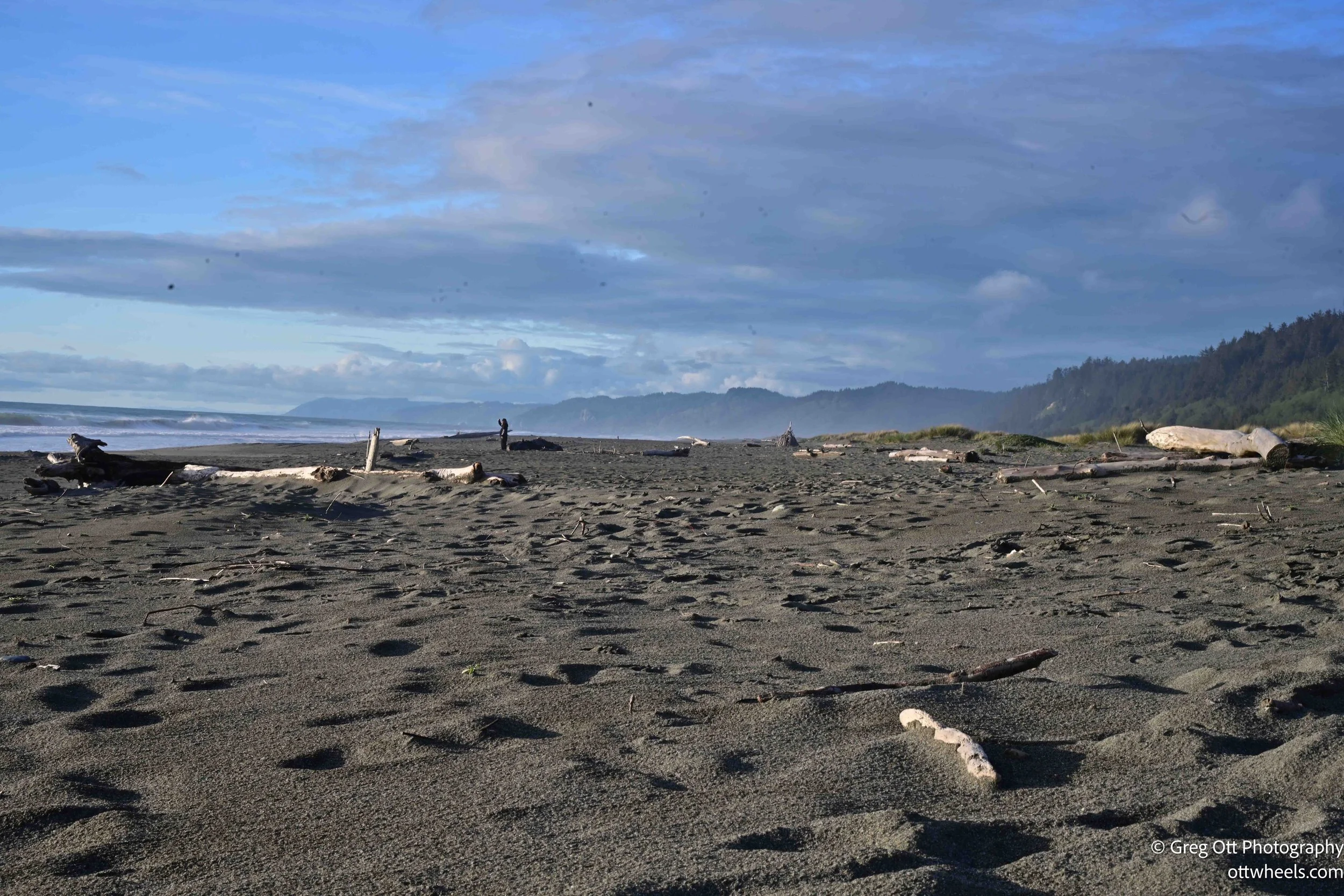
As the sun dropped, I headed back to the van, made dinner around 8:30, and settled in. It had been one of those full days—unexpected stops, small conversations, and places I hadn’t planned on seeing that turned out to be the highlight.
I sat there for a while thinking about it all. Days like this don’t need much added to them. You just notice them, and you’re grateful you were there for it.