Fall in Idaho’s Sawtooth Mountains
I woke up at the site where the town allows 12 hour parking. It was a great setup for the van, with water, a dump station and toilets, so I took advantage of all three before leaving.
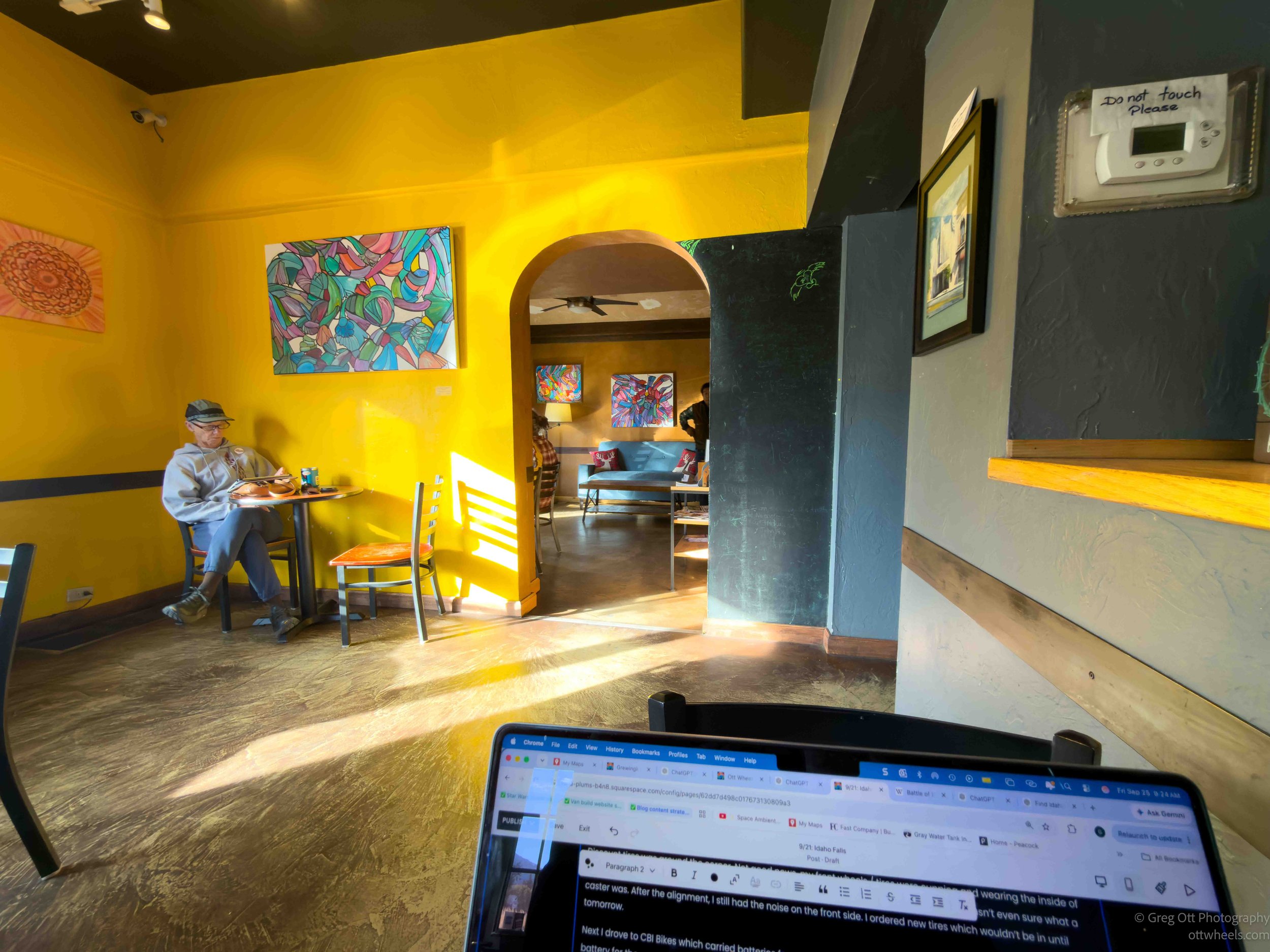
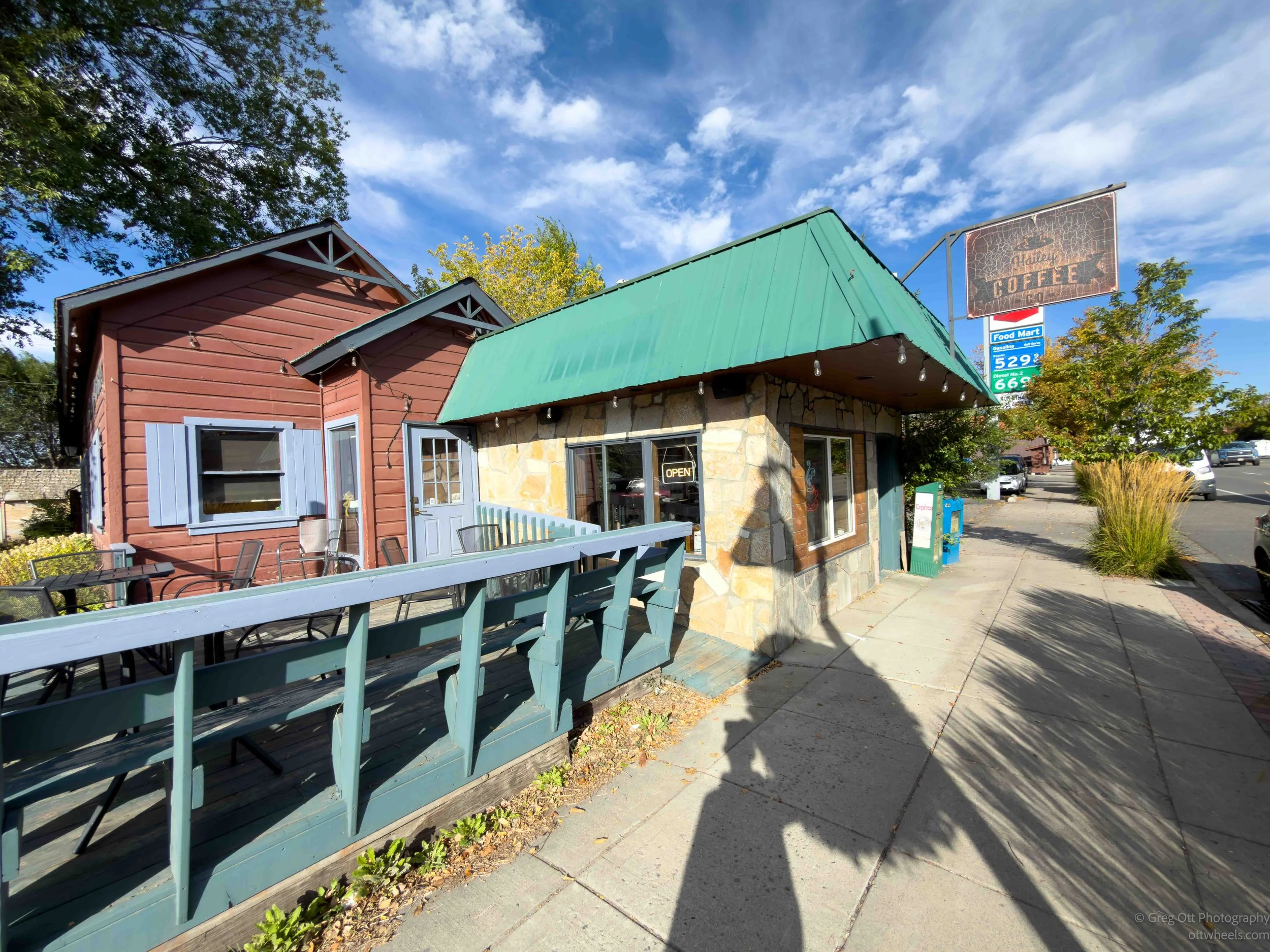
From there, I drove less than a mile to Hailey Coffee Company. It was a funky little Mexican style coffee shop with colorful artwork, croissants and other pastries, and really good coffee. The staff were all Spanish speaking, and there was a steady stream of Spanish speakers coming through the door. One woman came in specifically to practice her Spanish.
I found a seat and spent about an hour writing, enjoying the color, artwork and friendly atmosphere while watching people come and go. One woman walked in, found a comfortable spot, pulled out a book and started reading. She never bought anything. Nobody seemed particularly concerned about it.
Then I headed a few blocks to Sturtevants to pick up a couple of things for the bike. They weren’t the friendliest people that morning. Perhaps they hadn’t had their espresso yet. I needed some cleaner for the drivetrain and a backup tube to carry with me on rides.
My next stop was L.L. Green’s Hardware, where I needed some special screws to repair something in the van. This must have been the nicest hardware store I had ever been in. Everything was beautifully organized, and it felt more like an upscale shop than a place to buy screws. It was certainly not what I expected when I walked through the door looking for a few pieces of hardware.
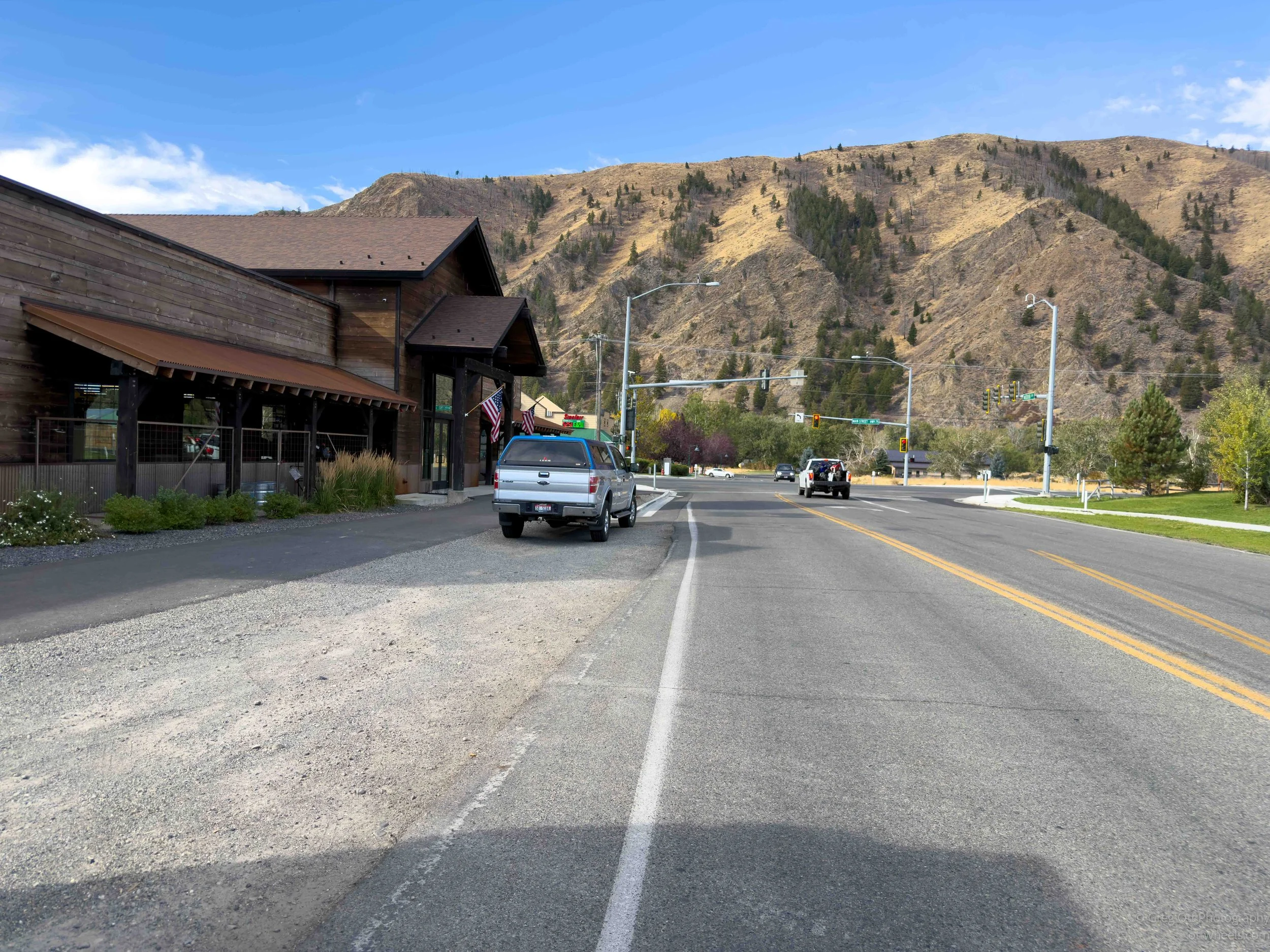
I was finally on my way north toward Stanley. It was only about a two hour drive, but I knew it was going to take me longer. I kept stopping to gawk at the scenery, read the plaques at the overlooks, take photos and sometimes just stand there for a while. By the time I reached Stanley, more than three hours had passed.
The road climbed steadily into the Sawtooth National Recreation Area, and one of my first stops was at an overlook with a sign titled A Place Less Traveled. From there I could look down into the valley and across miles of mountains. The landscape was becoming much bigger and wilder, and the interpretive signs helped me understand what I was looking at rather than just driving through it.
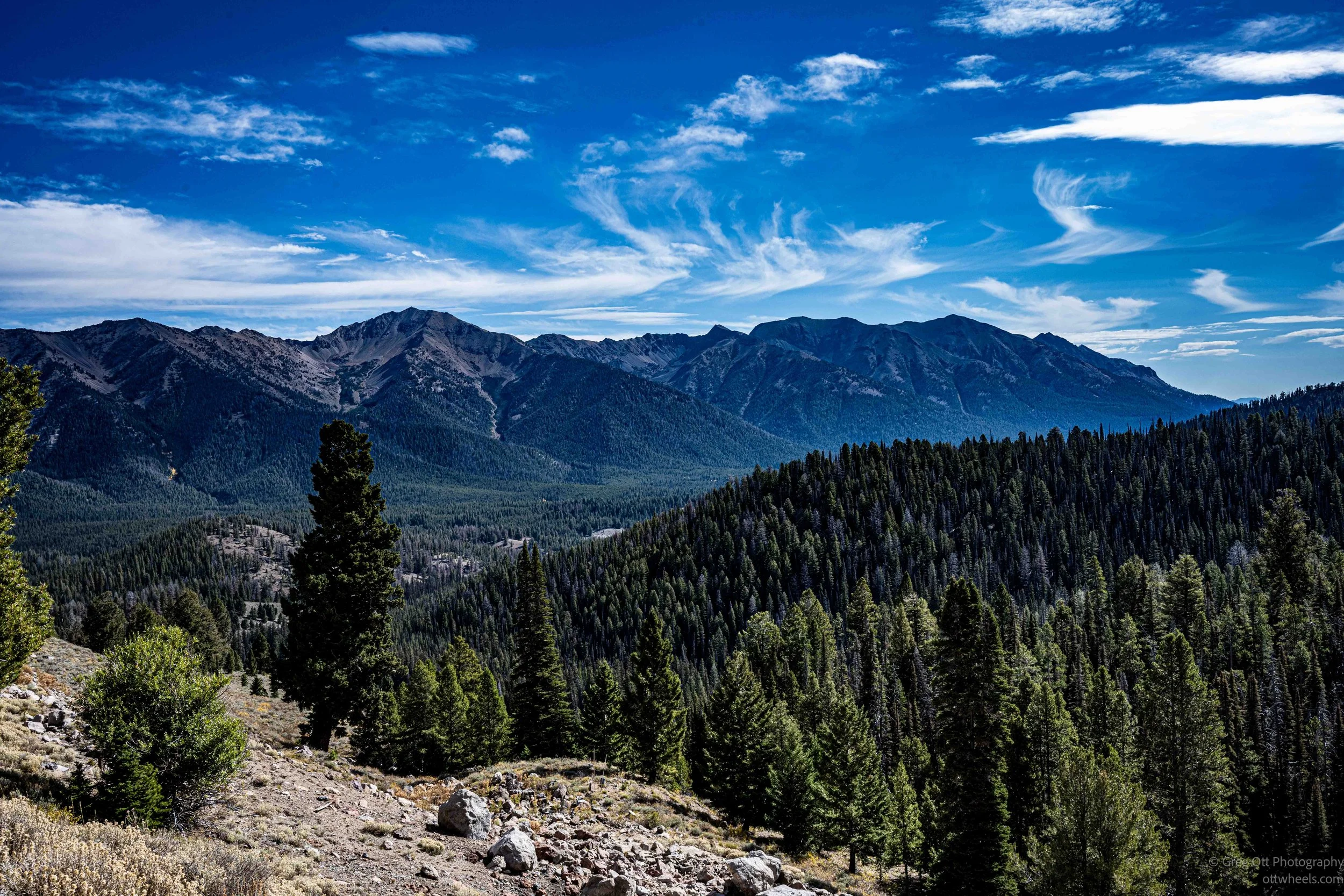
As I continued north, the views kept opening up. Forested slopes dropped into broad valleys, with one mountain range appearing behind another. The sky was almost as interesting as the mountains, deep blue in places with long, wispy clouds stretching across it. Around almost every bend there seemed to be another reason to pull over.
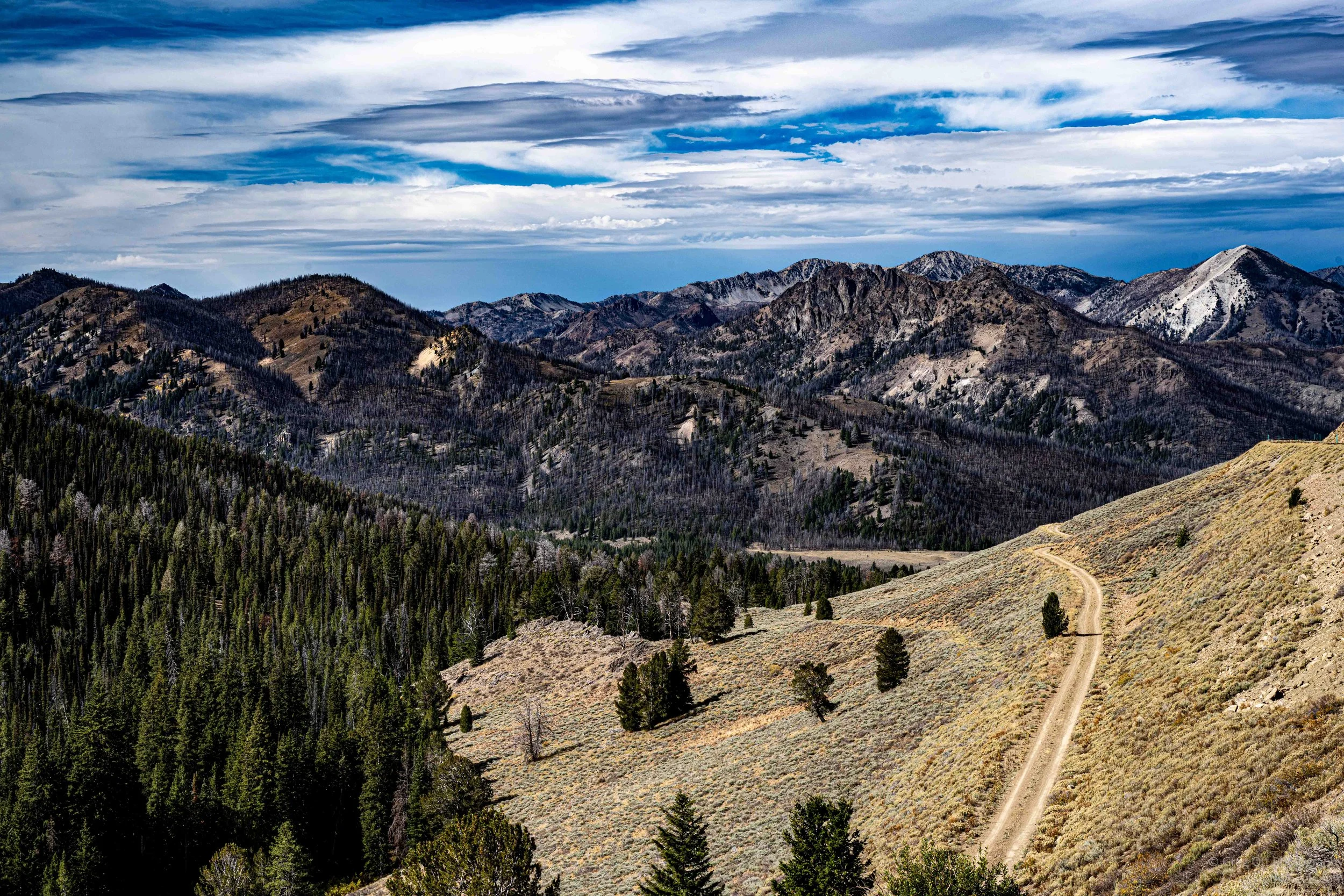
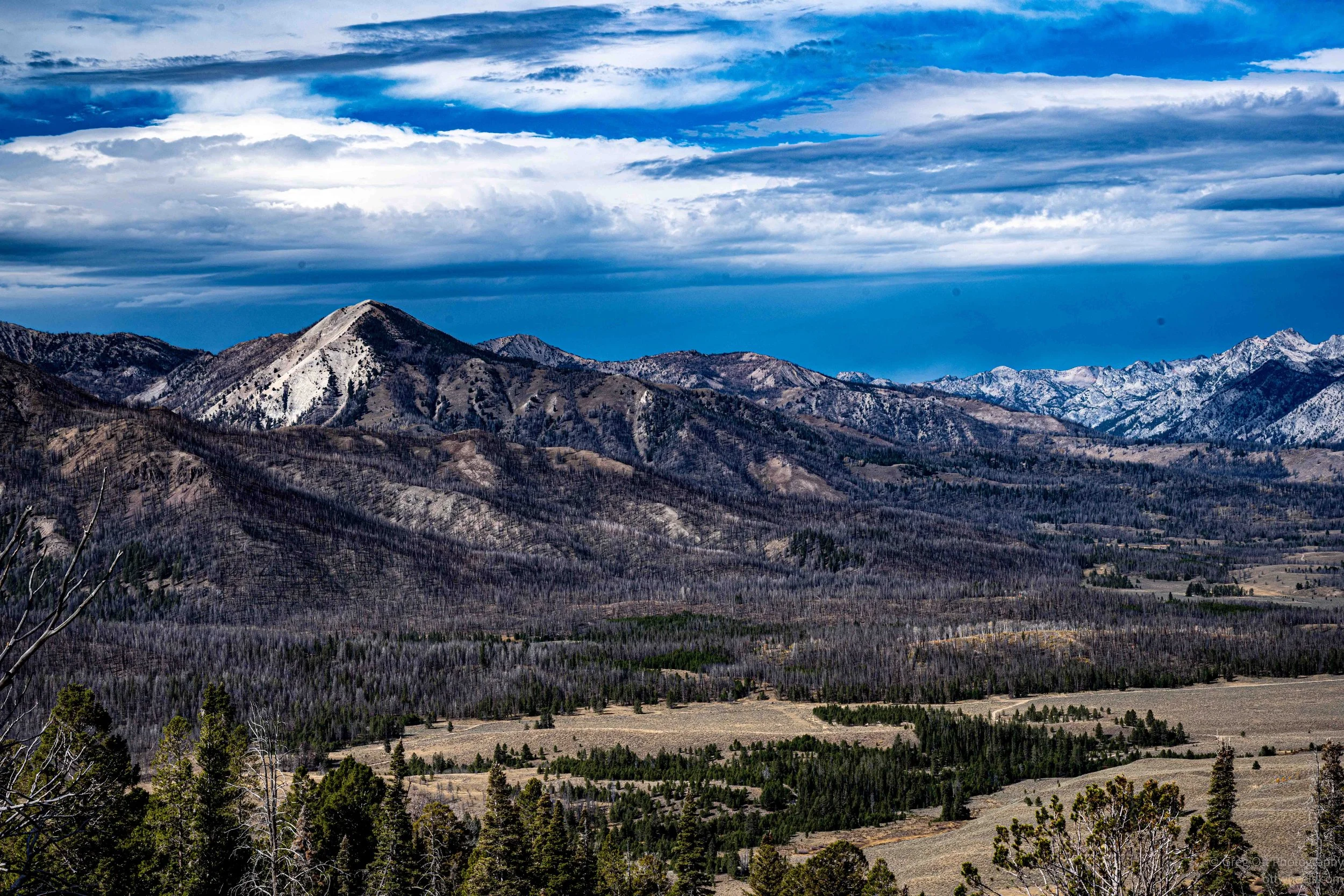
I also began seeing the effects of old fires. Some mountainsides were still densely covered with evergreens, while others were filled with gray trunks and large areas where the forest had disappeared. From a distance the contrast was striking, particularly where a green forest suddenly ended and an entire mountainside beyond it was covered with dead trees.
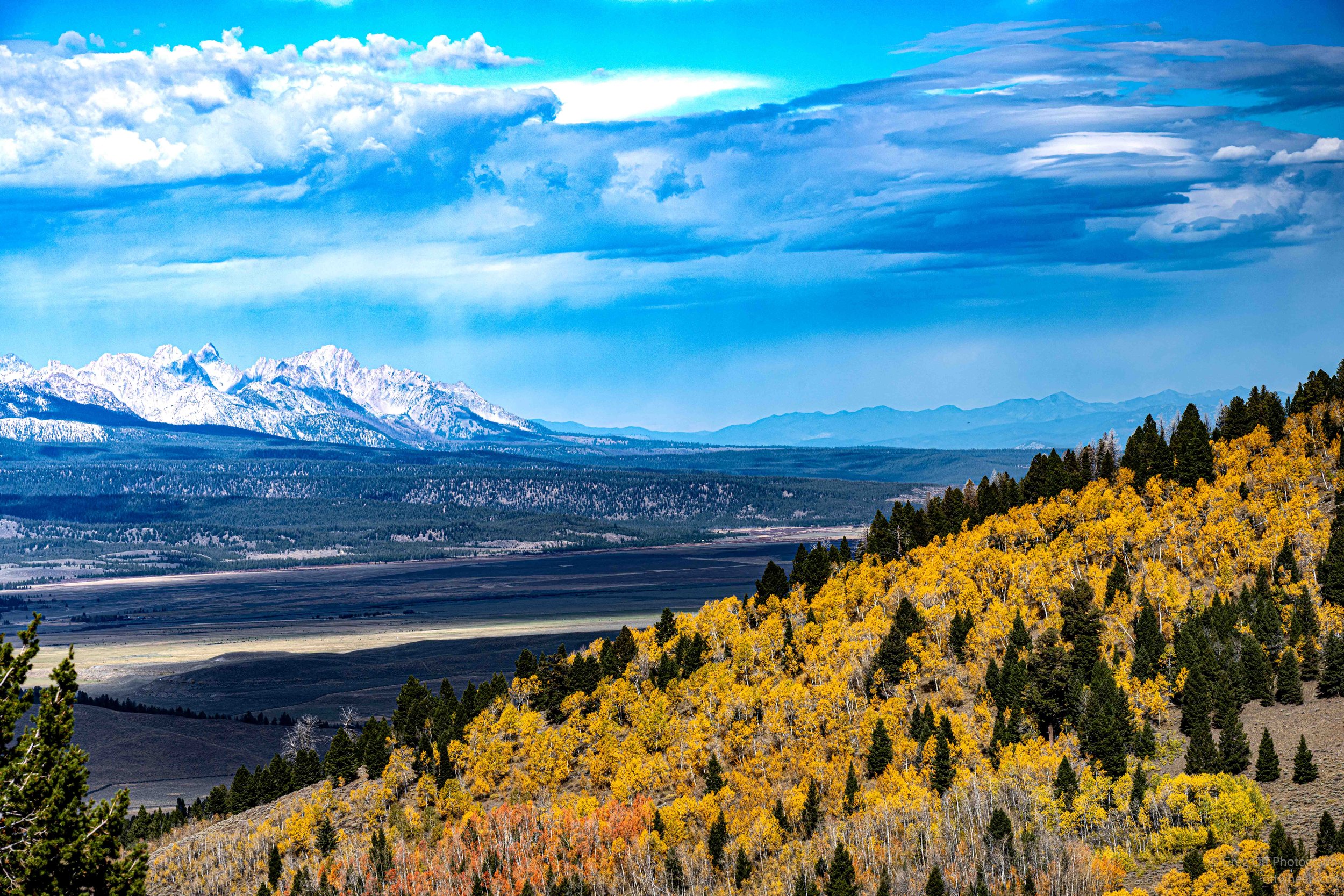
Eventually the Sawtooths themselves began appearing in the distance. Their jagged granite peaks looked completely different from the softer mountains I had been driving through. At one overlook I could see across the wide valley toward the range, with brilliant yellow aspens covering the hillside below me. This was more of what I had hoped to see when I came to Idaho in the fall.
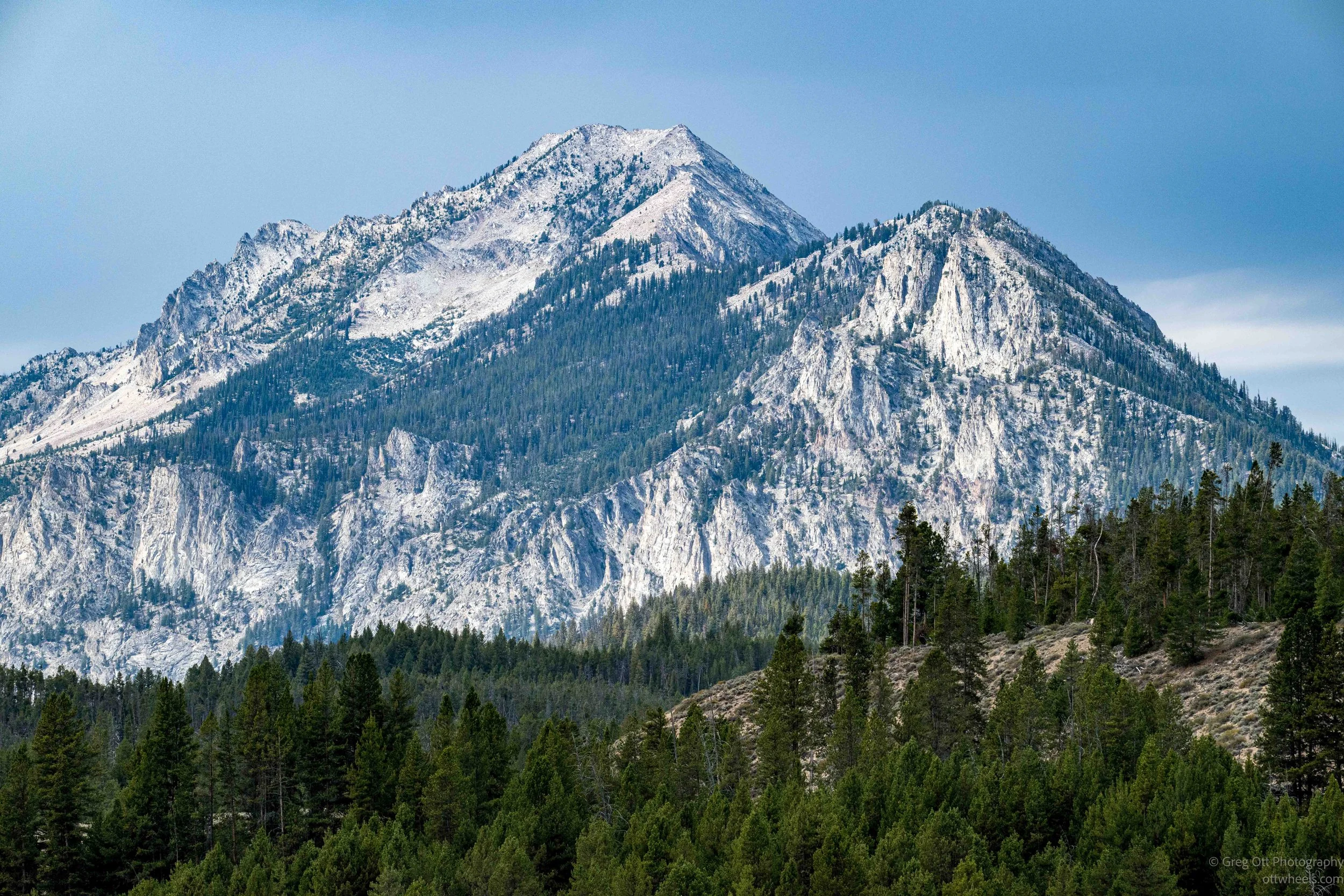
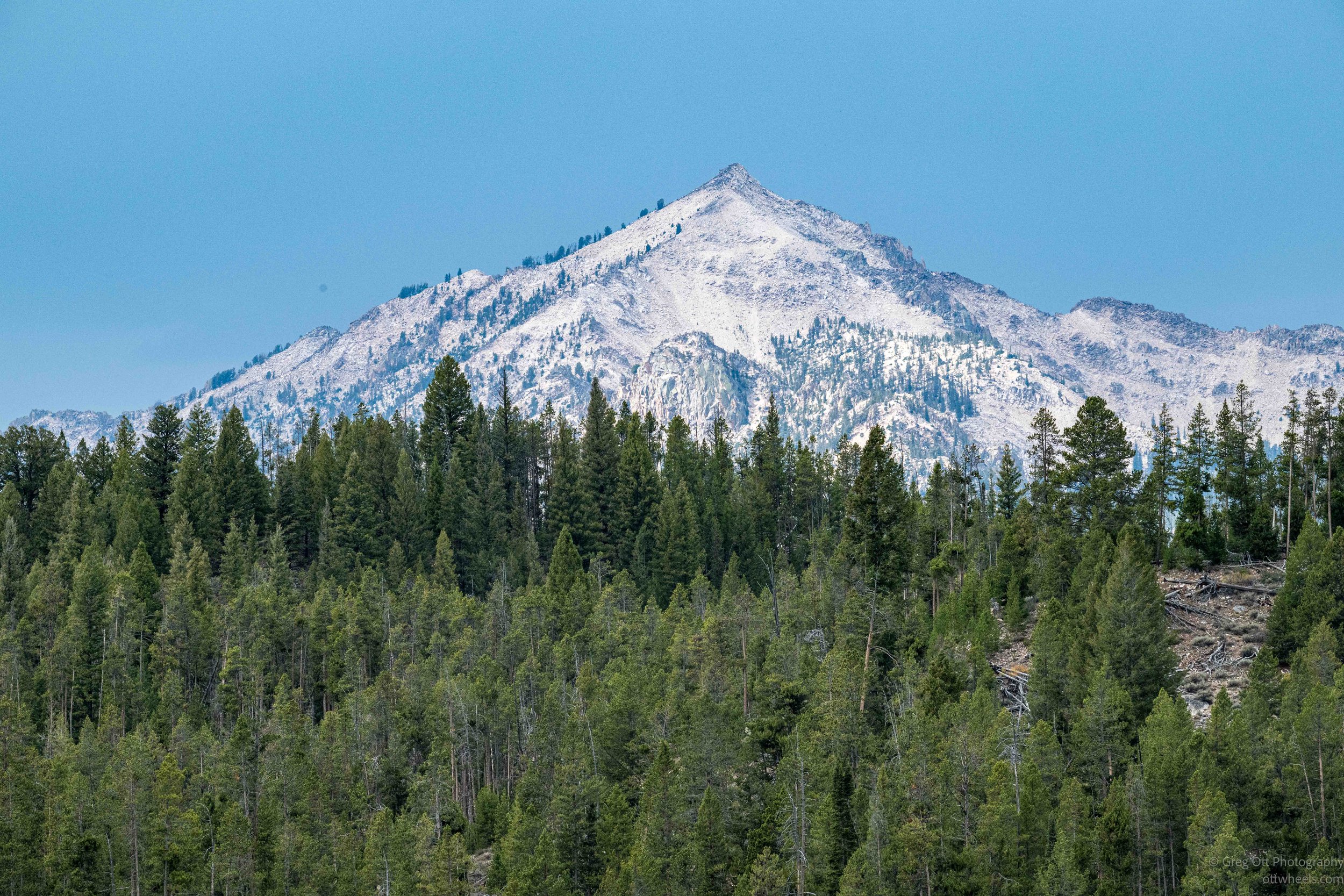
There wasn't nearly as much fall color as I had expected, though. Most of the trees were evergreens. The aspens appeared in isolated patches, sometimes following a drainage down a hillside, and those patches were spectacular. Bright yellow, orange and even a little red stood out against the dark green forest and brown hillsides.
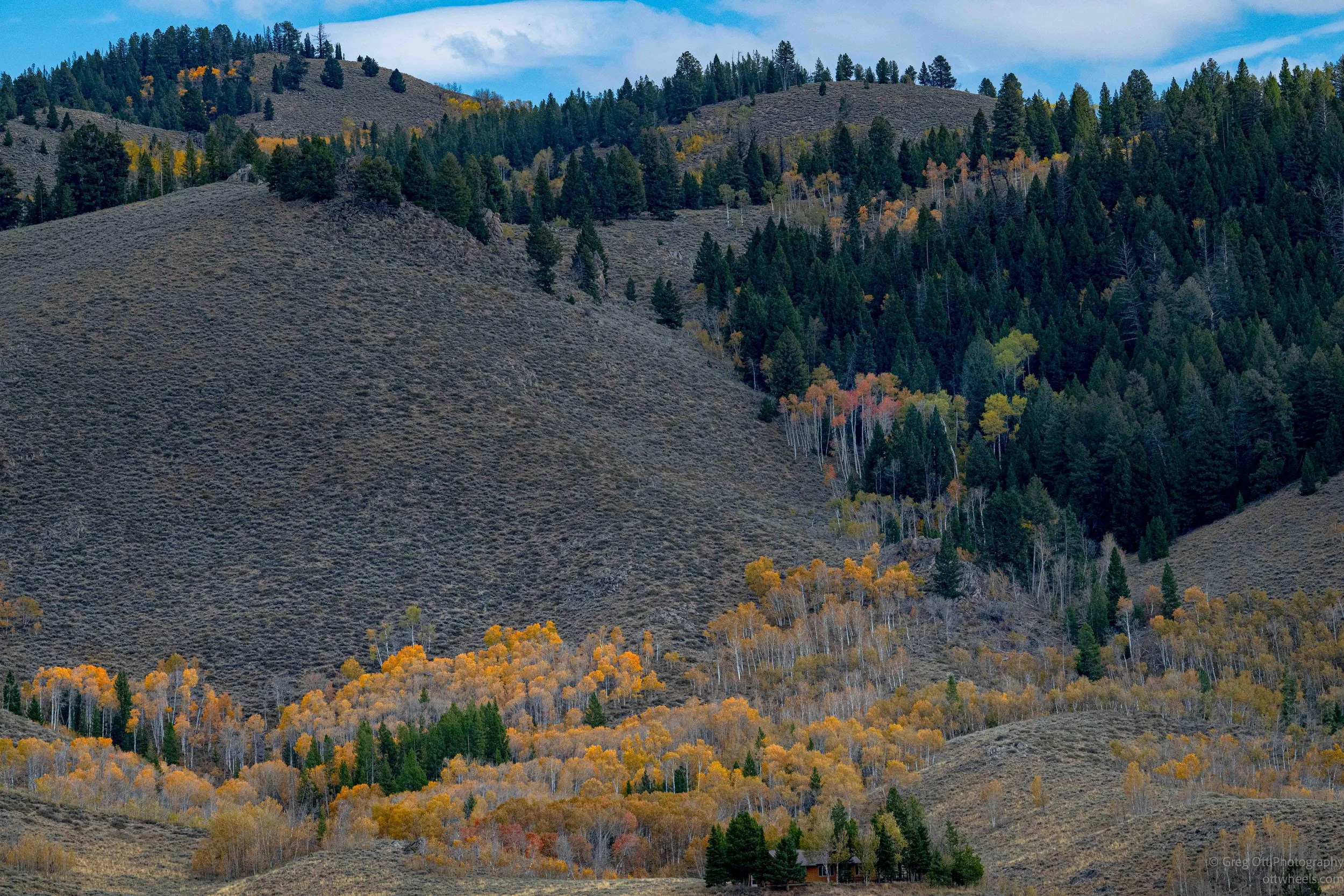
Once I dropped into the Sawtooth Valley, the landscape changed again. The mountains were no longer something I was looking down on from an overlook. They rose directly out of the valley in front of me. Old wooden fences crossed the open grasslands, horses grazed in the fields, and the increasingly jagged peaks of the Sawtooths formed the backdrop.
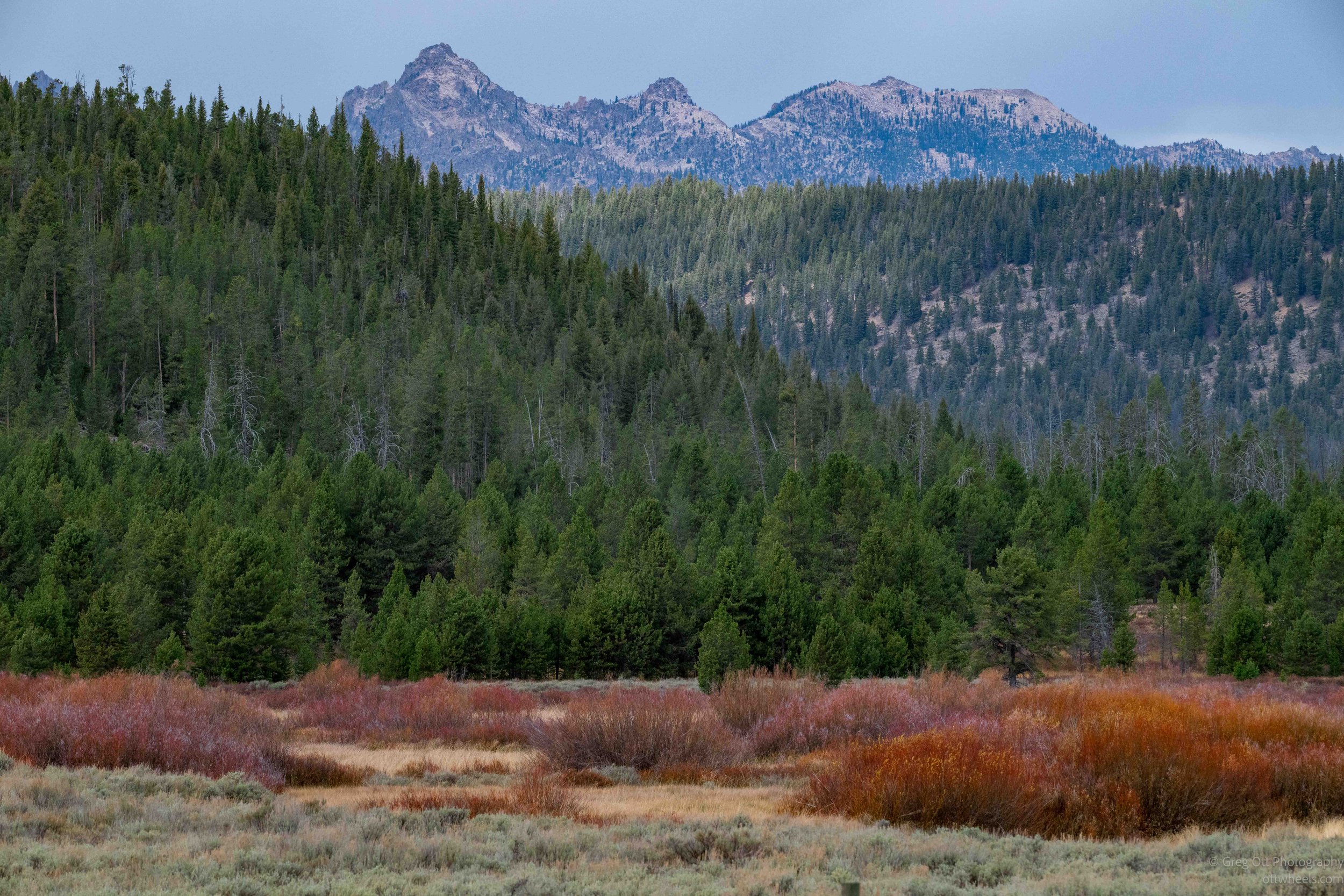
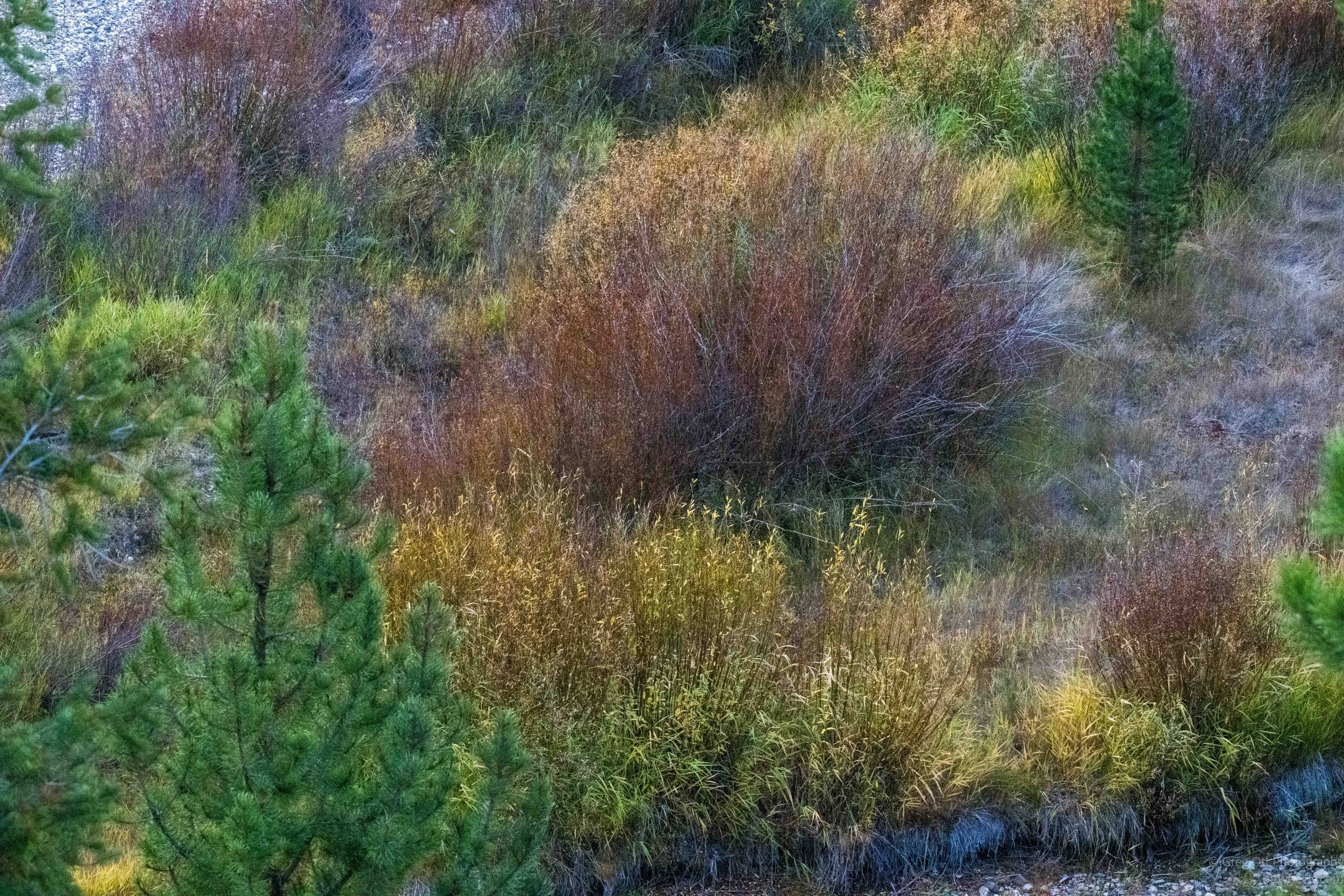
I stopped several more times as I worked my way toward Stanley. Some of the mountains were close enough now that I could pick out individual rock faces and the first traces of snow near the summits. Other views were softer, with red and orange brush in the foreground, dense green forest in the middle and the mountains rising behind it.
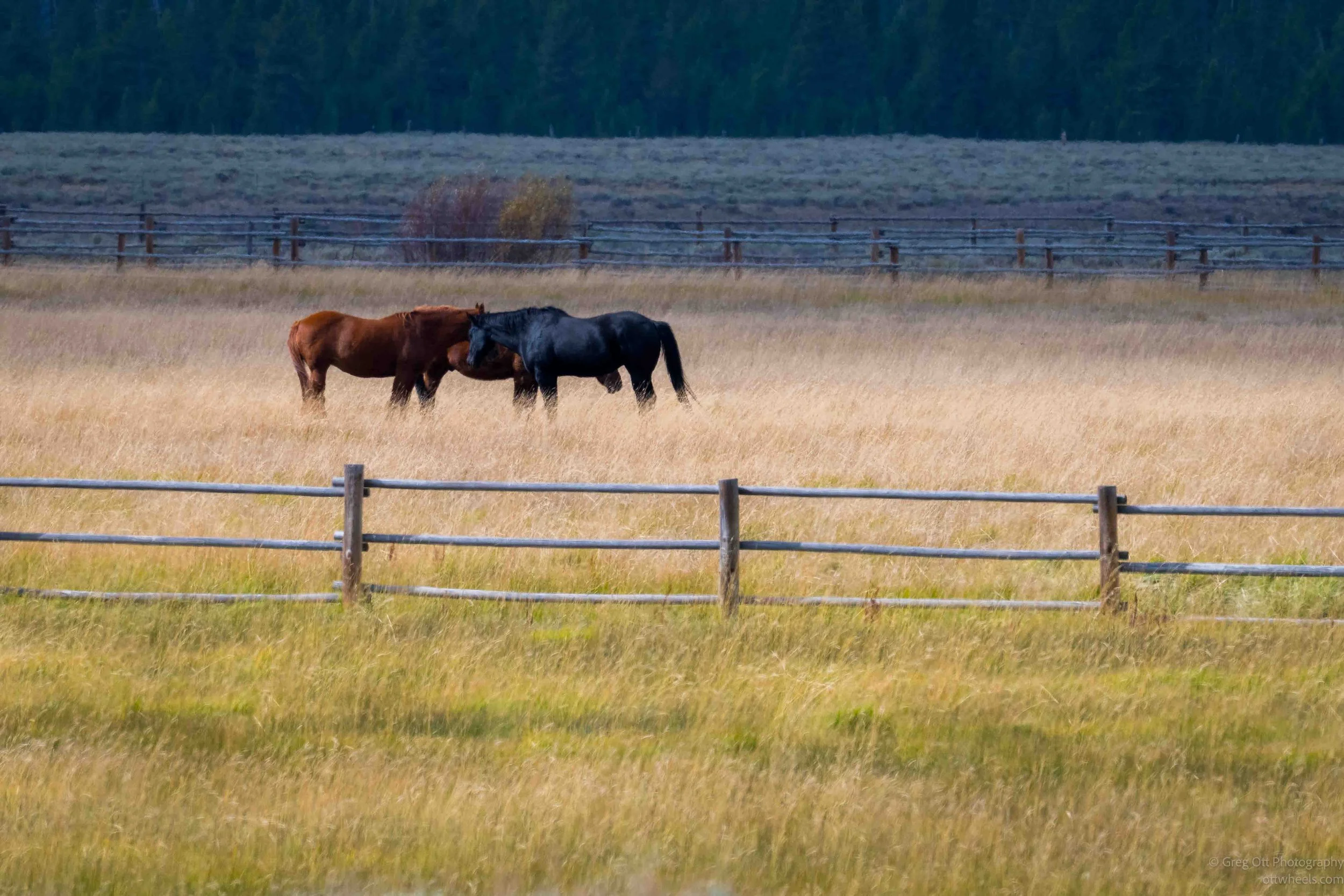
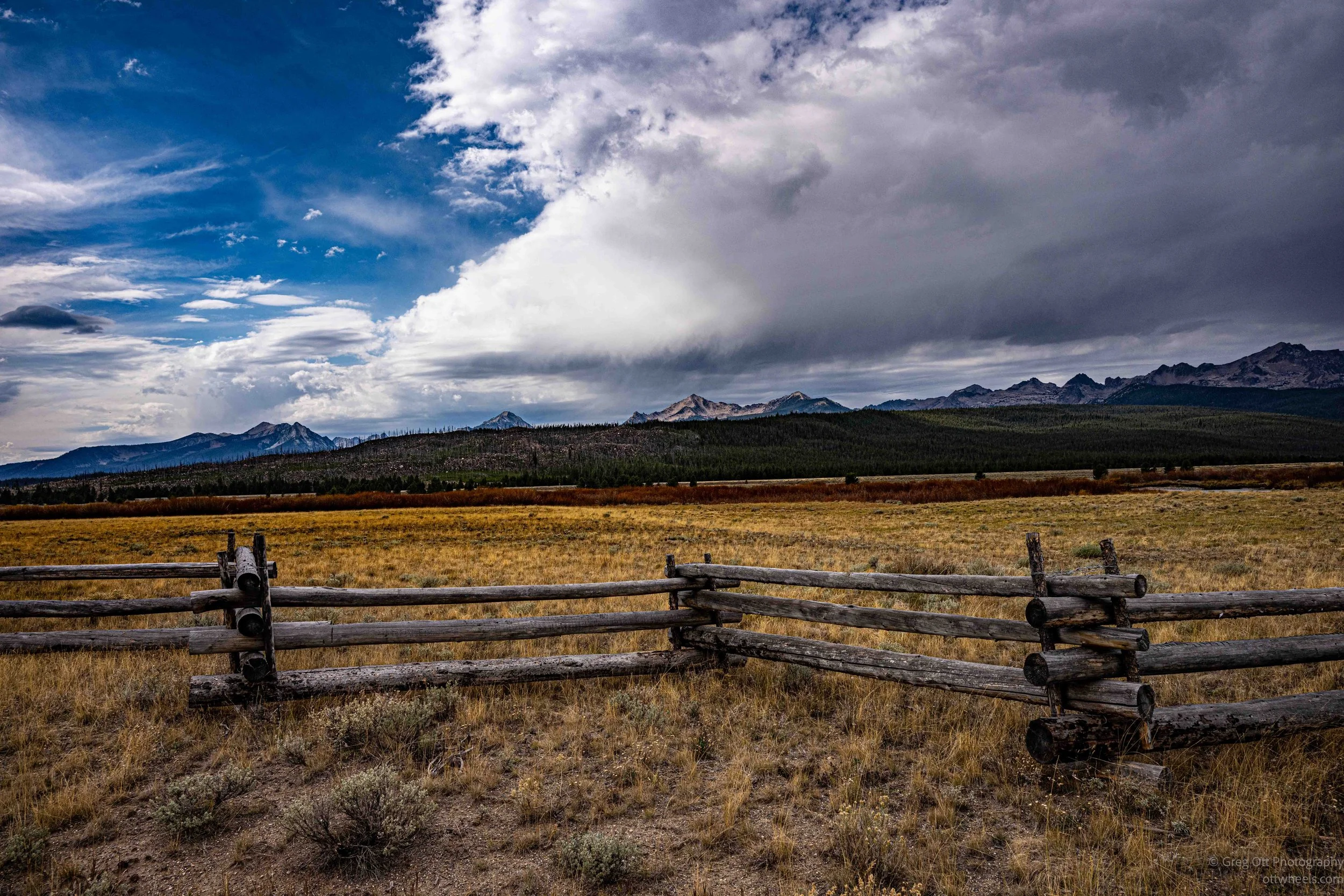
At another overlook, I stopped to read the signs welcoming me to the Sawtooth National Recreation Area. By then I had been stopping so often that my two hour drive had stretched beyond three hours. I didn't care. This wasn't a road I wanted to hurry through.
Staanley Idaho
It was after 1 p.m. when I reached Stanley, a small town that seemed to function as a refueling center and giant rest stop for everyone passing through the Sawtooths. I had actually passed my destination, Redfish Lake, a few miles earlier, but I needed gas and assumed Stanley would be the place to get it. I only saw one gas station, and the price of a gallon had climbed about 50 cents since I left Hailey.
I stopped at Mountain Village Restaurant for lunch. There wasn't a line, but there was only one guy taking orders, and most people waited about five minutes before giving up and leaving. I was more persistent and waited about ten minutes before anyone even asked if they could help me. It wasn't that they couldn't seat me. They just didn't seem very efficient.
The food was basically pub food, with a lot of salt and low quality ingredients. I'm not sure how the place has 4½ stars on Google. When my food finally arrived, I asked for a takeout box and the check. The box took another ten minutes, and after packing up the food, I finally had to go ask for the check again. It was time to leave.
I headed back toward Redfish Lake in the Sawtooth National Recreation Area. The lake got its name from the sockeye salmon that historically returned here in enormous numbers. When the sockeye return from the Pacific to spawn, their bodies turn bright red. Early accounts described so many of them in the waters around the lake that the name Redfish seems pretty appropriate.
As I approached the lake, I started checking the campgrounds. Some were already closed for the season, while others were full. I was arriving at the very end of the regular camping season in the Sawtooth National Recreation Area, and apparently I wasn't the only person who had decided to spend one of the last weekends of September here.
Sawtooths and Redfish Lake
I found a place to park near the visitor center at Redfish Lake. The sign said there was a two hour limit, but there were only a few cars in the lot. I could see another, much larger parking area nearby with a couple of vans parked there, so I wasn't too worried about finding someplace to move if I needed to. It was sunny but very windy, and after the drive I was happy to just sit for a while. The Sawtooths were directly in front of me.
I started reading about the area and realized I really didn't know much about the mountains I had been looking at all day. People have been moving through this part of Idaho for thousands of years, long before fur trappers, miners and settlers began arriving. Mining brought more people into the mountains during the 1800s, but this was difficult country to get into, and even today much of the Sawtooth backcountry feels pretty remote.
The name Sawtooth certainly made sense from where I was sitting. The mountains really do look like the teeth of a giant saw. What I hadn't realized was that much of what I was looking at was granite that had originally formed as molten rock deep underground. Over millions of years the mountains were pushed upward and the softer material above them eroded away, eventually exposing the granite. Then the glaciers got to work.
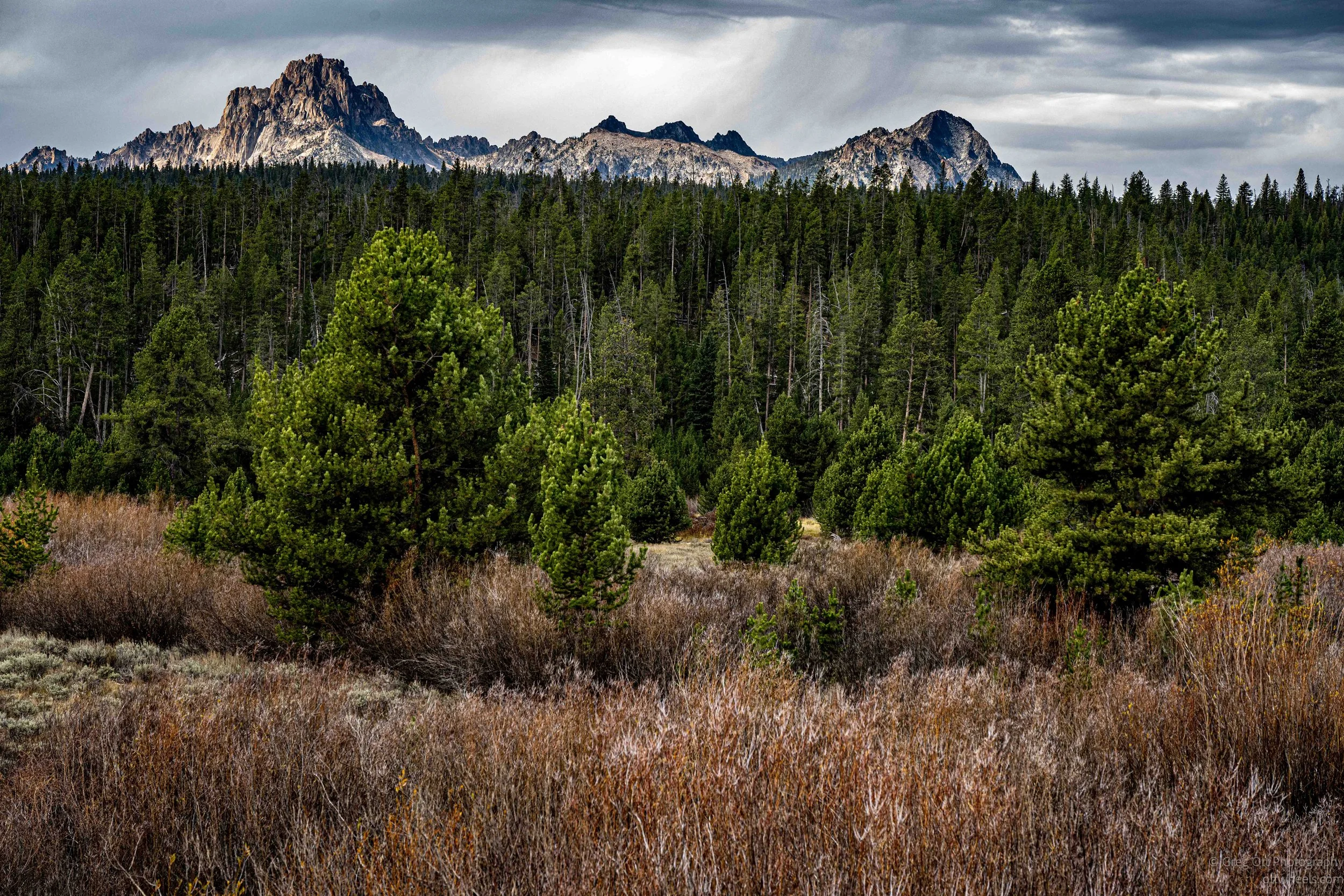
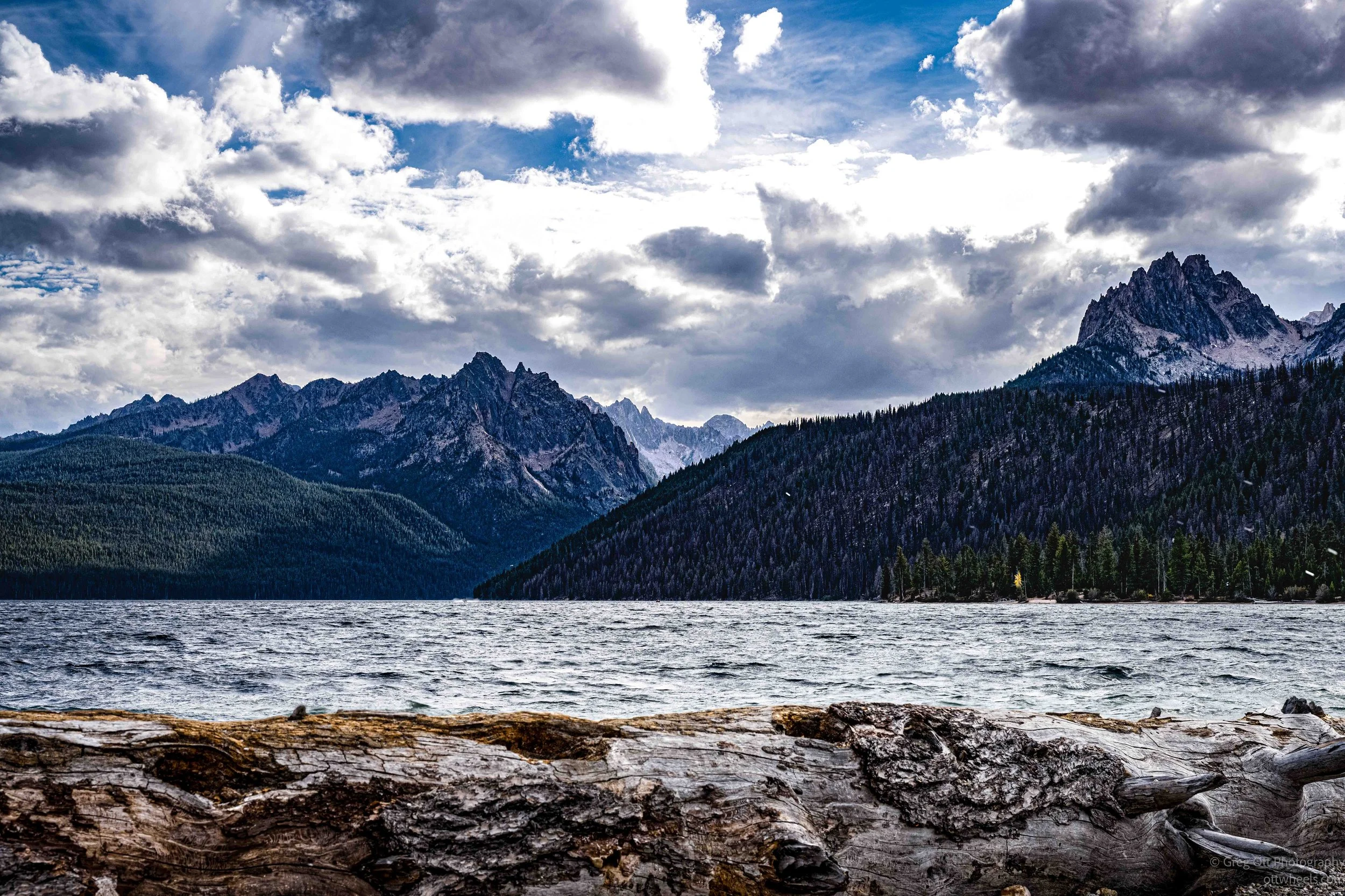
During the ice ages, glaciers repeatedly moved down out of these mountains, grinding away at the granite and carving the steep valleys and sharp ridges I could see from the lake. Redfish Lake itself is part of that story. A glacier once filled this valley, and when the climate warmed and the ice retreated, it left behind piles of rock and debris that helped form the basin holding the lake today.
That was the part I found interesting. I had spent most of the drive stopping to photograph these jagged mountains without really thinking about why they looked the way they did. Now I was sitting beside a lake created by the same glaciers that had carved the mountains behind it. Once I understood a little of what had happened here, the landscape in front of me looked different.
Around 4:30, I went for a walk along the lake. The wind had really picked up and most people had left. There were waves on the water, and the sun would periodically pop out from behind thick gray clouds. The clouds seemed to change from white to gray and back to white again every few minutes. It never rained, but the wind was picking up water along the shore and blowing it through the air. Then the sun would suddenly come out so brightly that I needed my sunglasses.
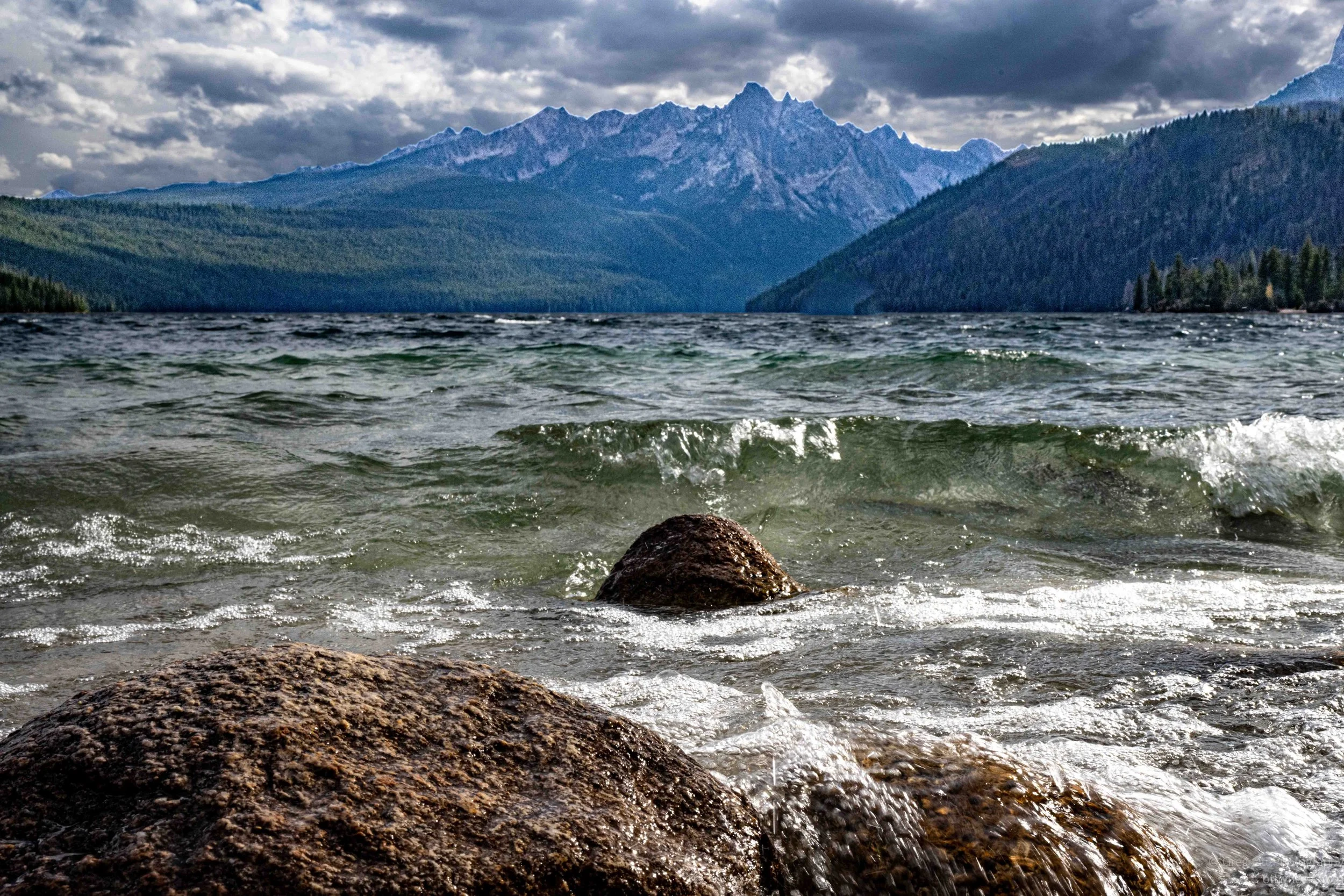
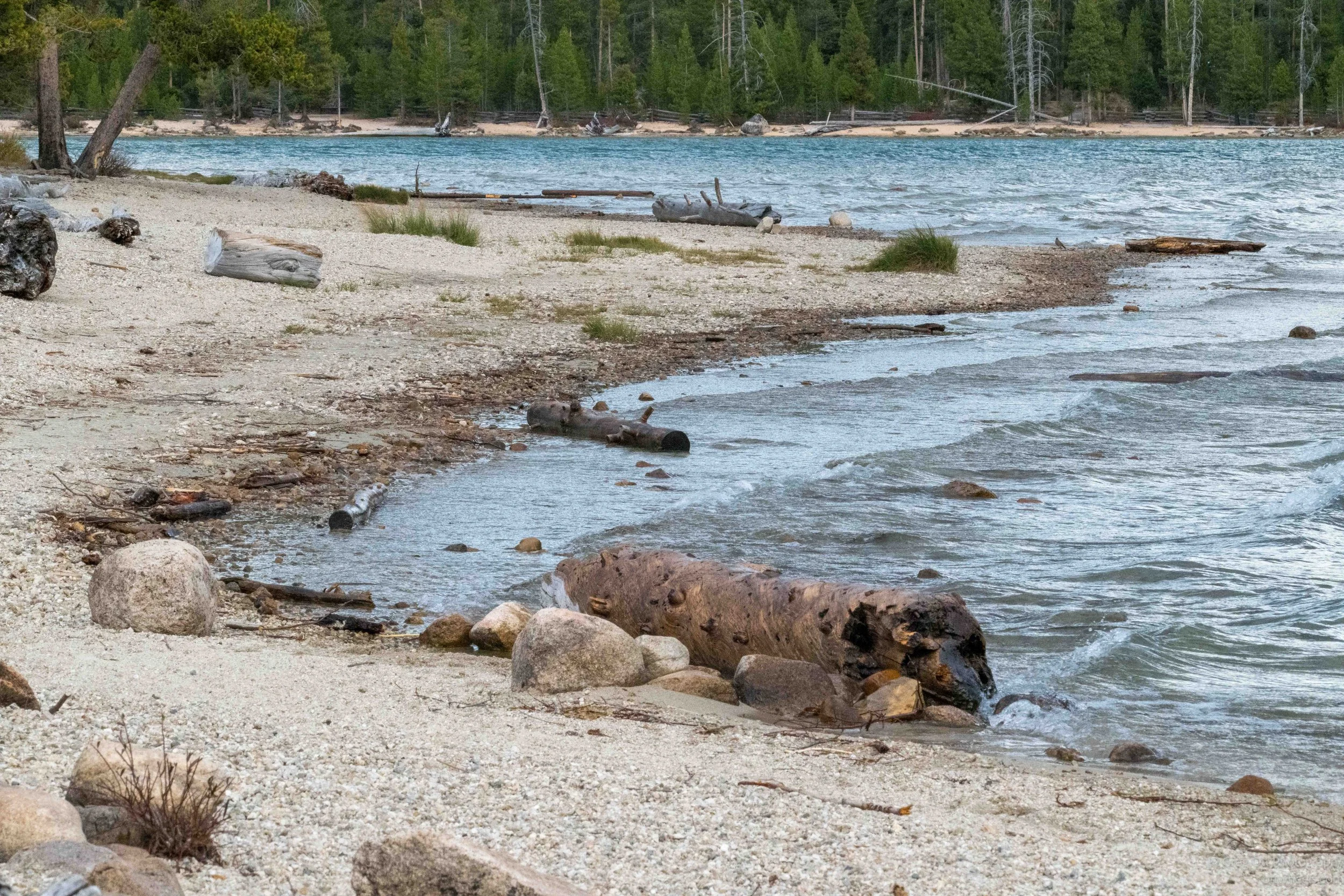
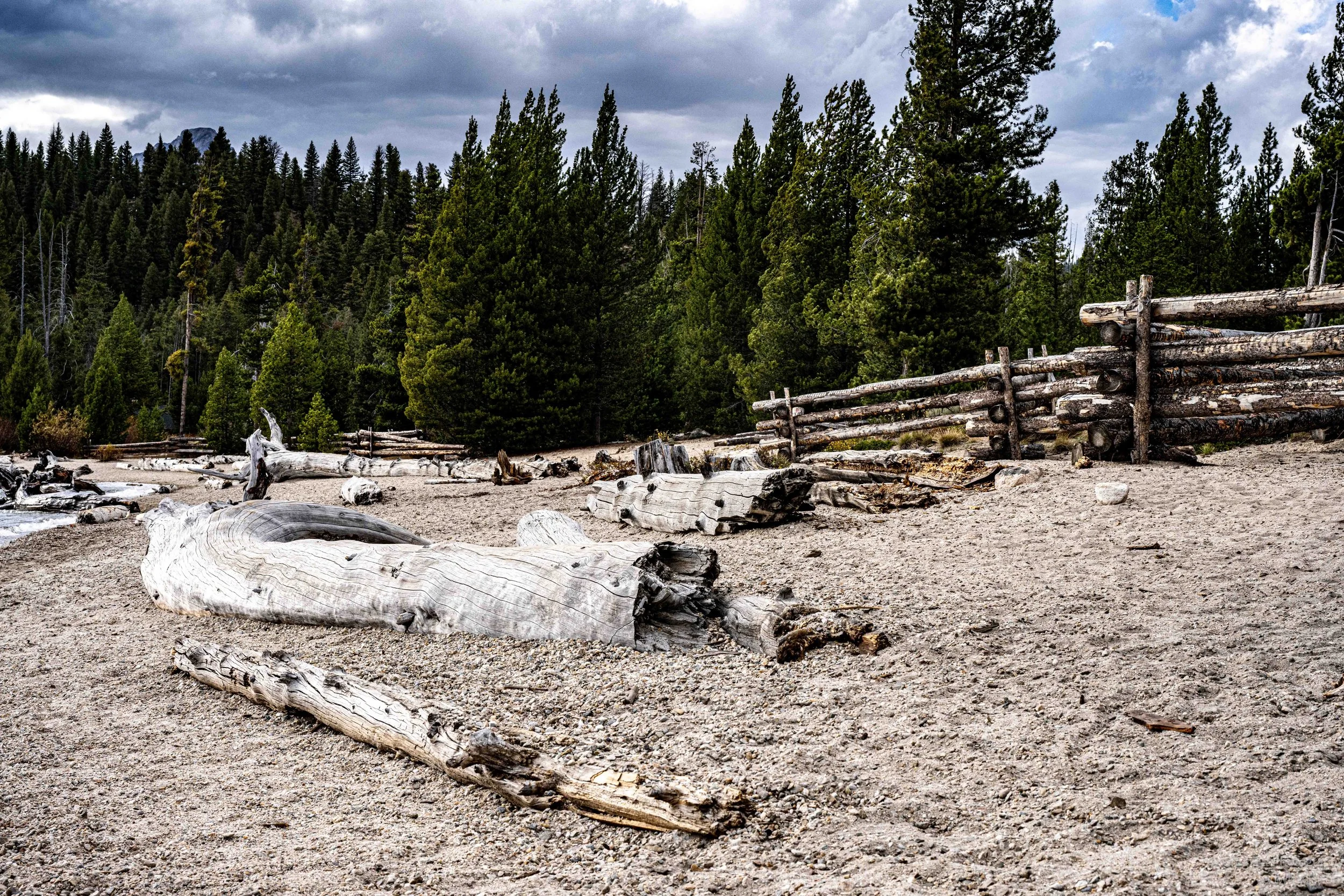
Later, the smaller birds started coming out of the trees and bushes to feed along the shore. I spent the next two hours following them around and trying to get photos. Between the wind and the blowing water, it wasn't easy. I had trouble keeping the long lens steady and had to wipe water from the front of it several times.
But I learned something that evening that I'll probably never forget. The birds didn't seem particularly concerned about me as long as I had the camera to my eye. I could stand or kneel surprisingly close to them, move the camera slowly as they moved and follow them back and forth along the shoreline. They would continue feeding as though I wasn't much of a threat. But when I lowered the camera and looked directly at them, their behavior changed. They became more cautious and would often scurry away.
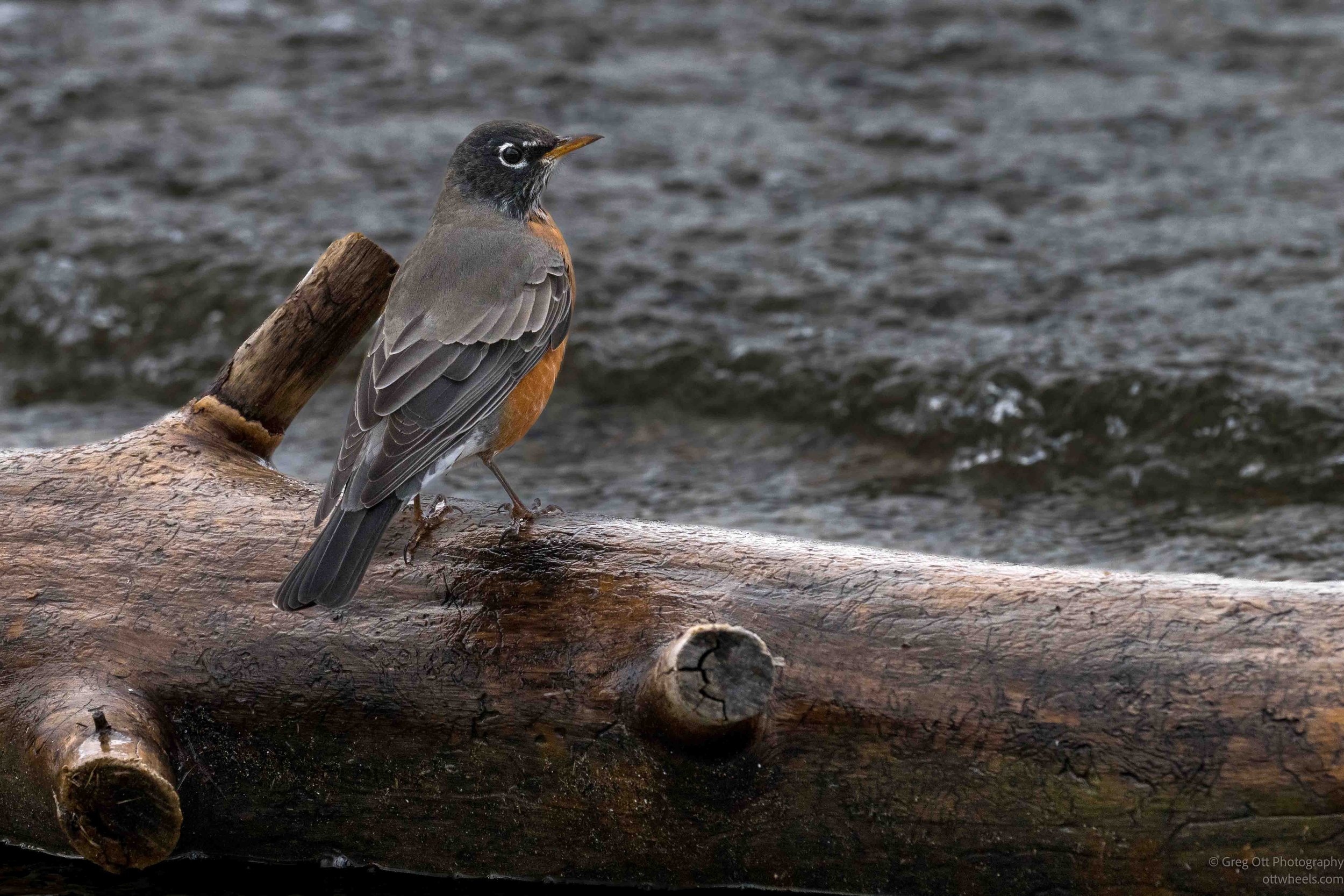
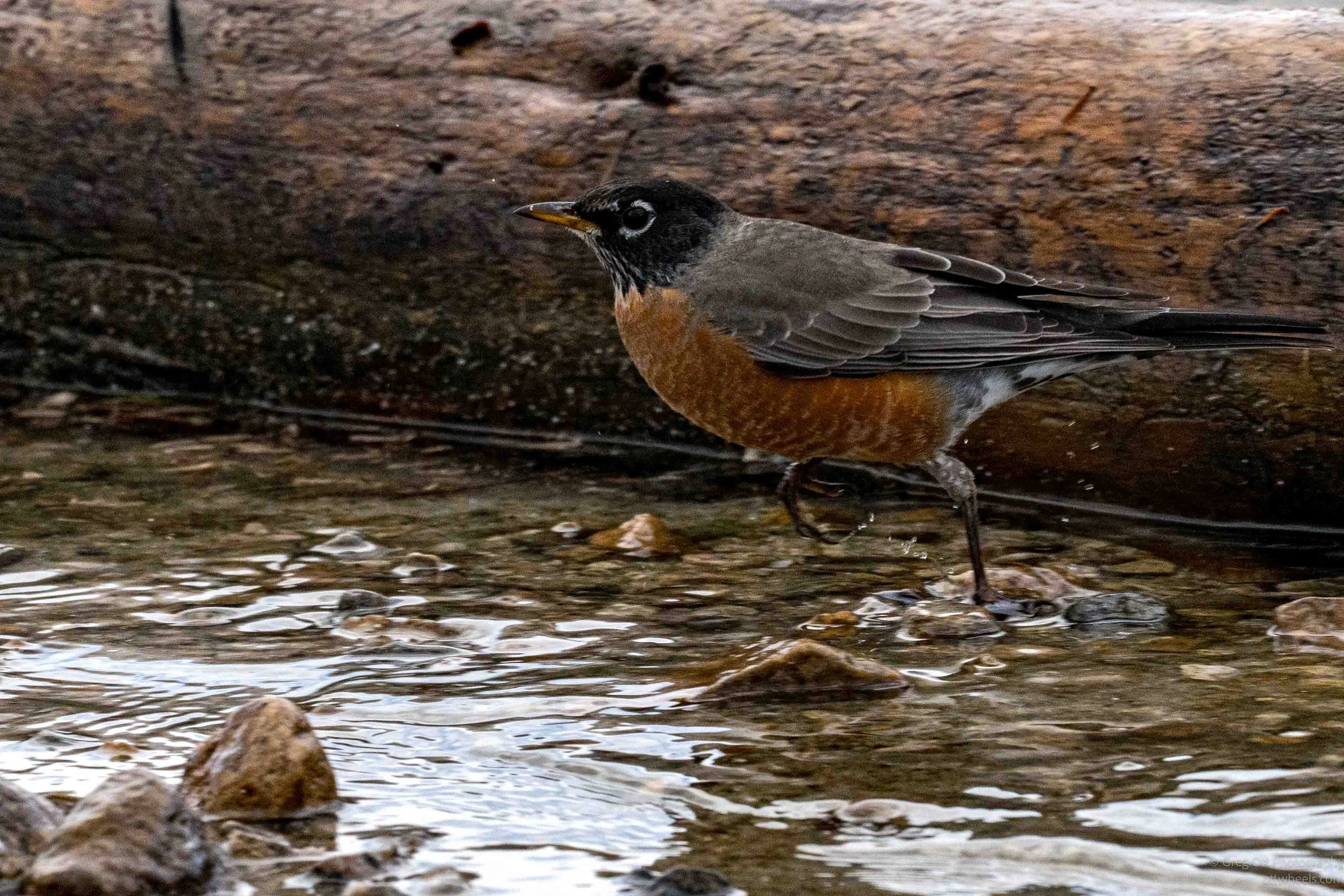
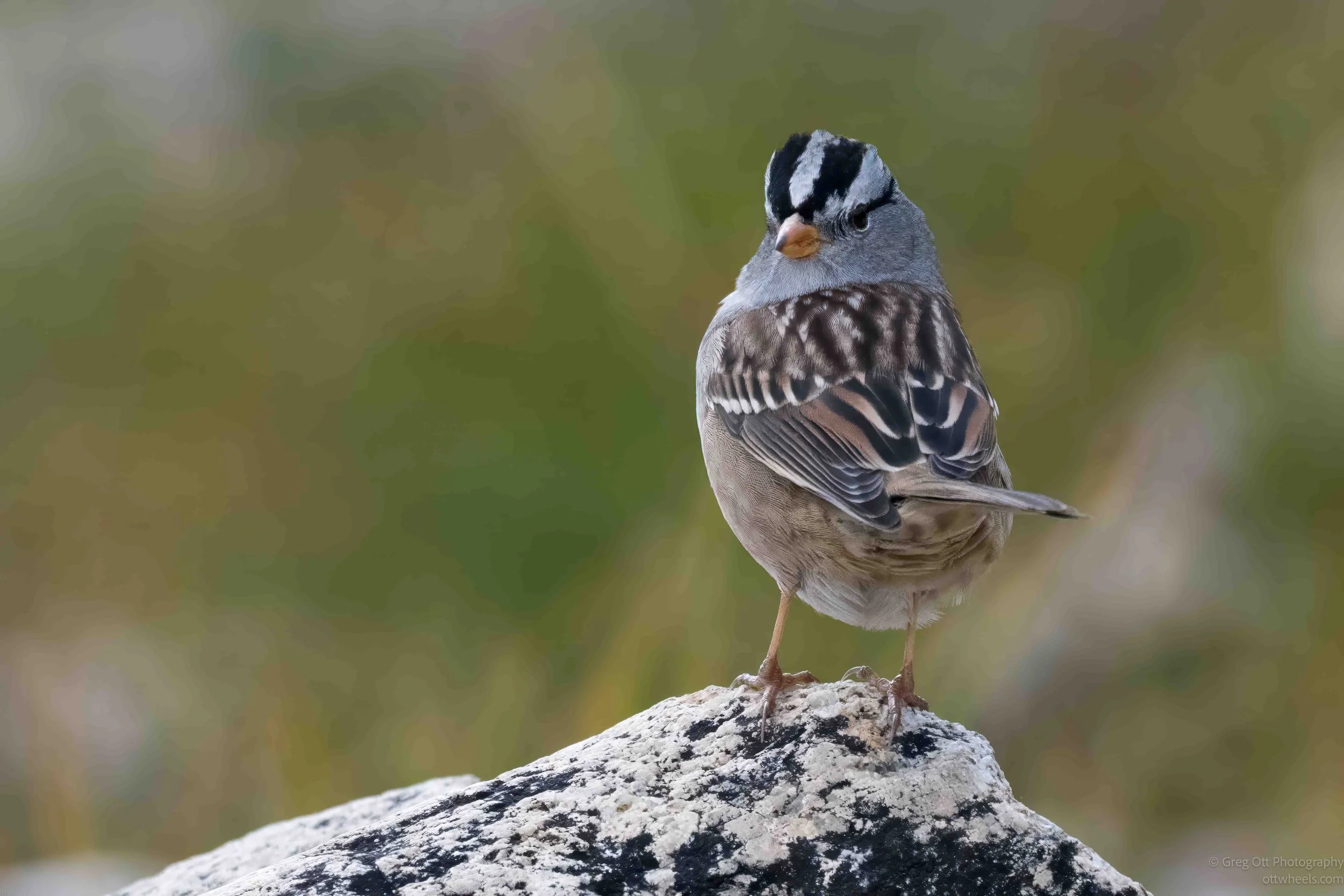
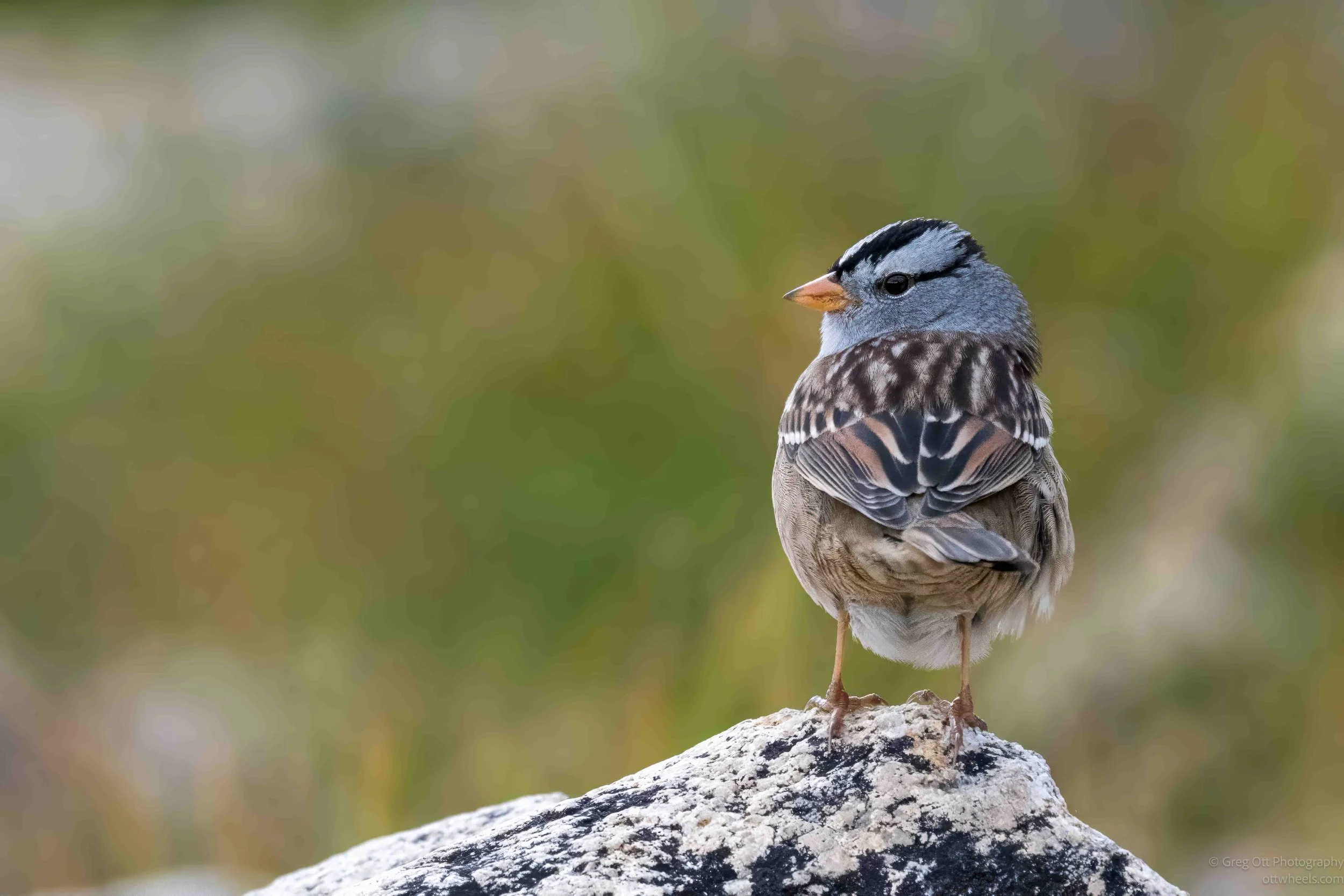
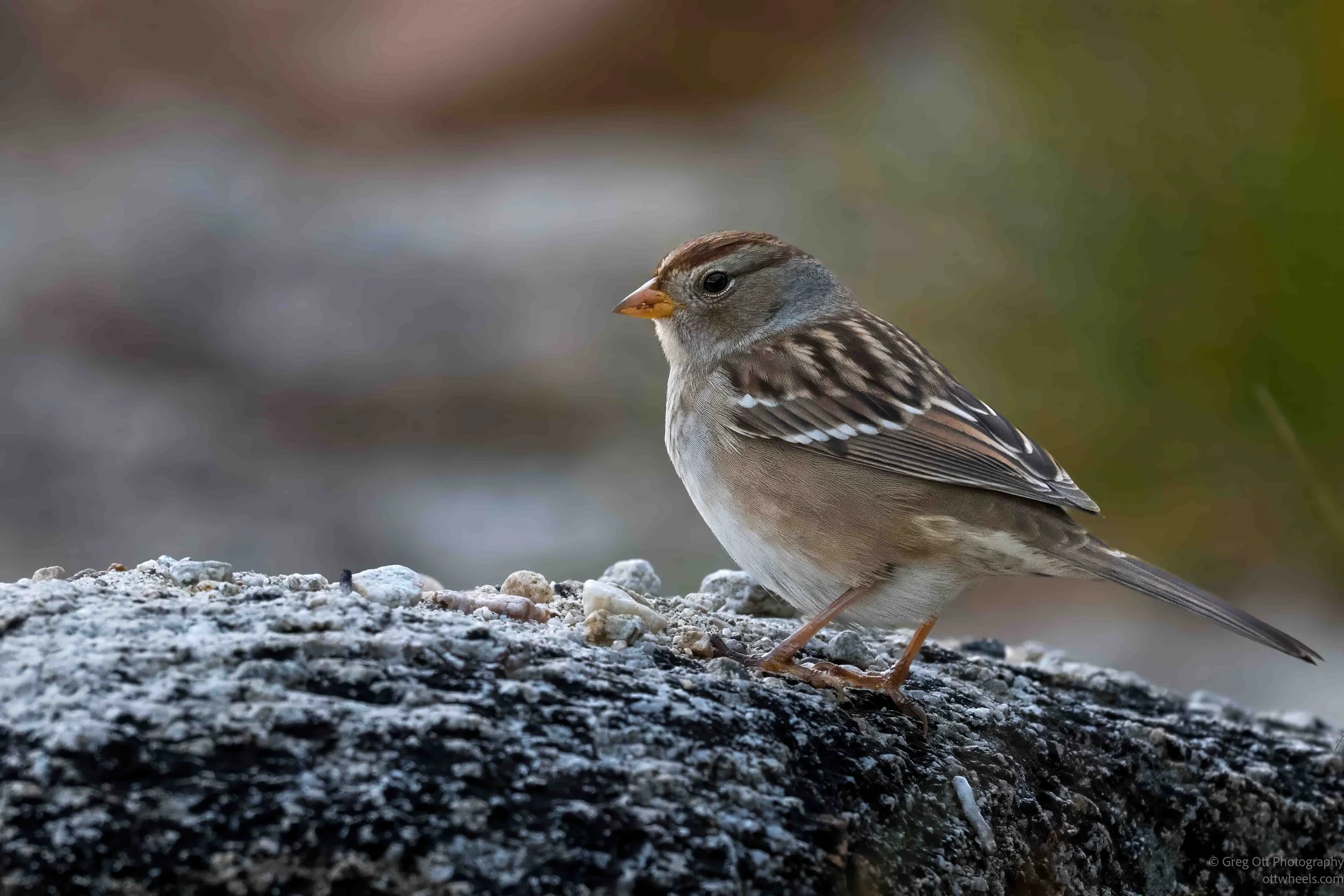
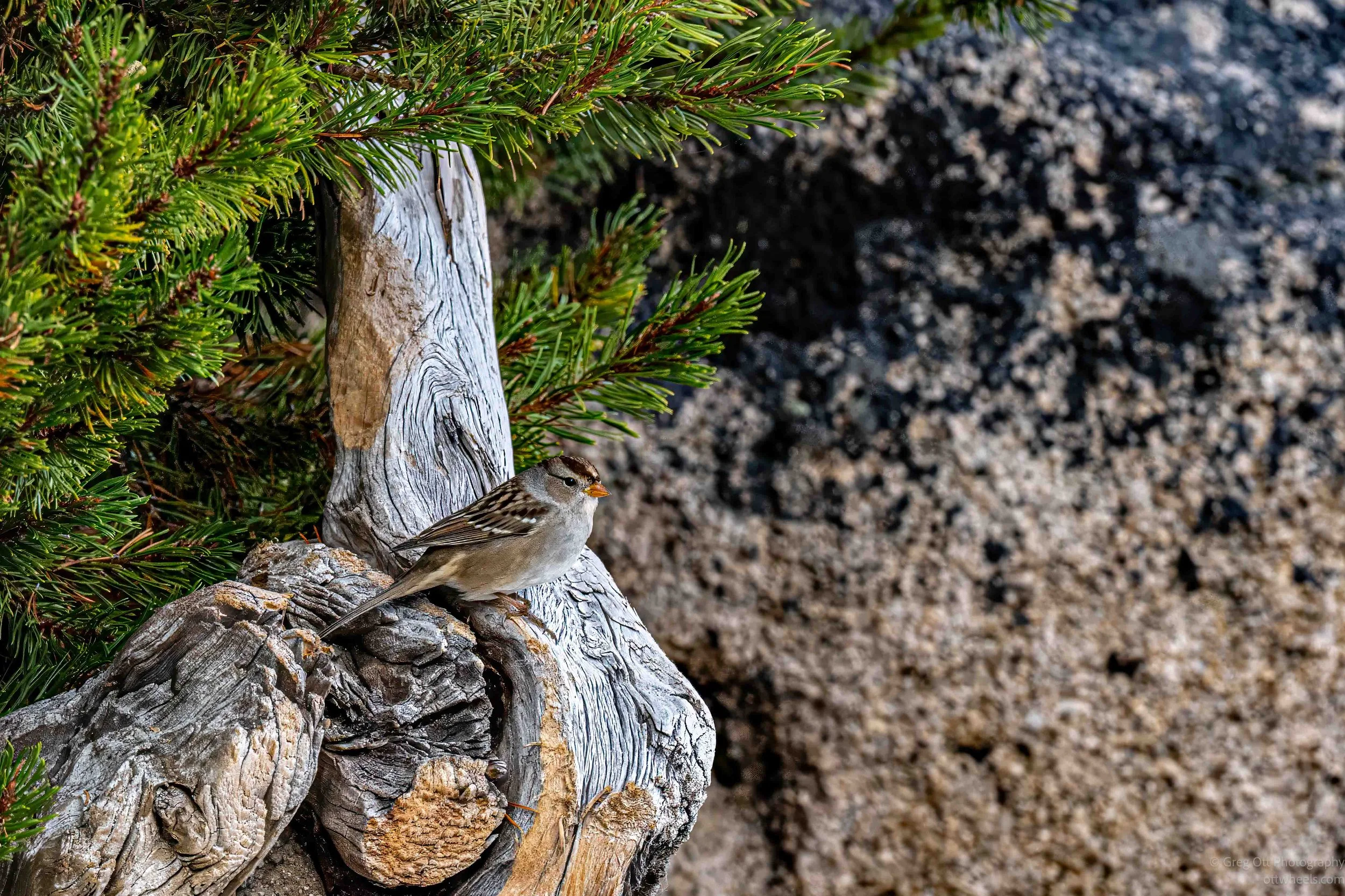
I started experimenting with it. When I needed to lower the camera to rest my arms, I would briefly close my eyes, lower the camera and then slowly open them without staring directly at the bird. That seemed to bother them much less. I also noticed that slow movements with the camera didn't seem to concern them. It wasn't simply that I had stopped moving. There seemed to be something about whether they could see my eyes and whether I was looking directly at them.
At one point a sparrow walked to within about four feet of me and continued feeding. I had the camera to my eye the entire time. It eventually got so close that I couldn't focus on it with the lens I had mounted. I just stayed still and watched through the viewfinder. For a few minutes I felt less like a person standing on the beach and more like a tree or a stone that happened to be there.
Later I did some reading and found that what I had noticed wasn't just my imagination. For a small bird, the direction of another animal's eyes can provide important information about whether it has become the focus of attention. A direct stare can mean that a predator has selected it, while an animal looking elsewhere presents less of an immediate threat. The camera was hiding my eyes, and after I had been there quietly for a while, the birds seemed to become accustomed to my presence.
I had always thought successful bird photography was mostly about being quiet, moving slowly and keeping my distance. That evening added something else. I started paying attention to my eyes. The birds had apparently been paying attention to them all along.
It was getting dark, and by then I was alone in the parking lot. There were many "No Overnight Parking" signs around the area, so I opened iOverlander and found a spot in the National Forest about a mile and a half away. It was on a cliff overlooking the Salmon River, and I parked the van about eight feet from the edge.
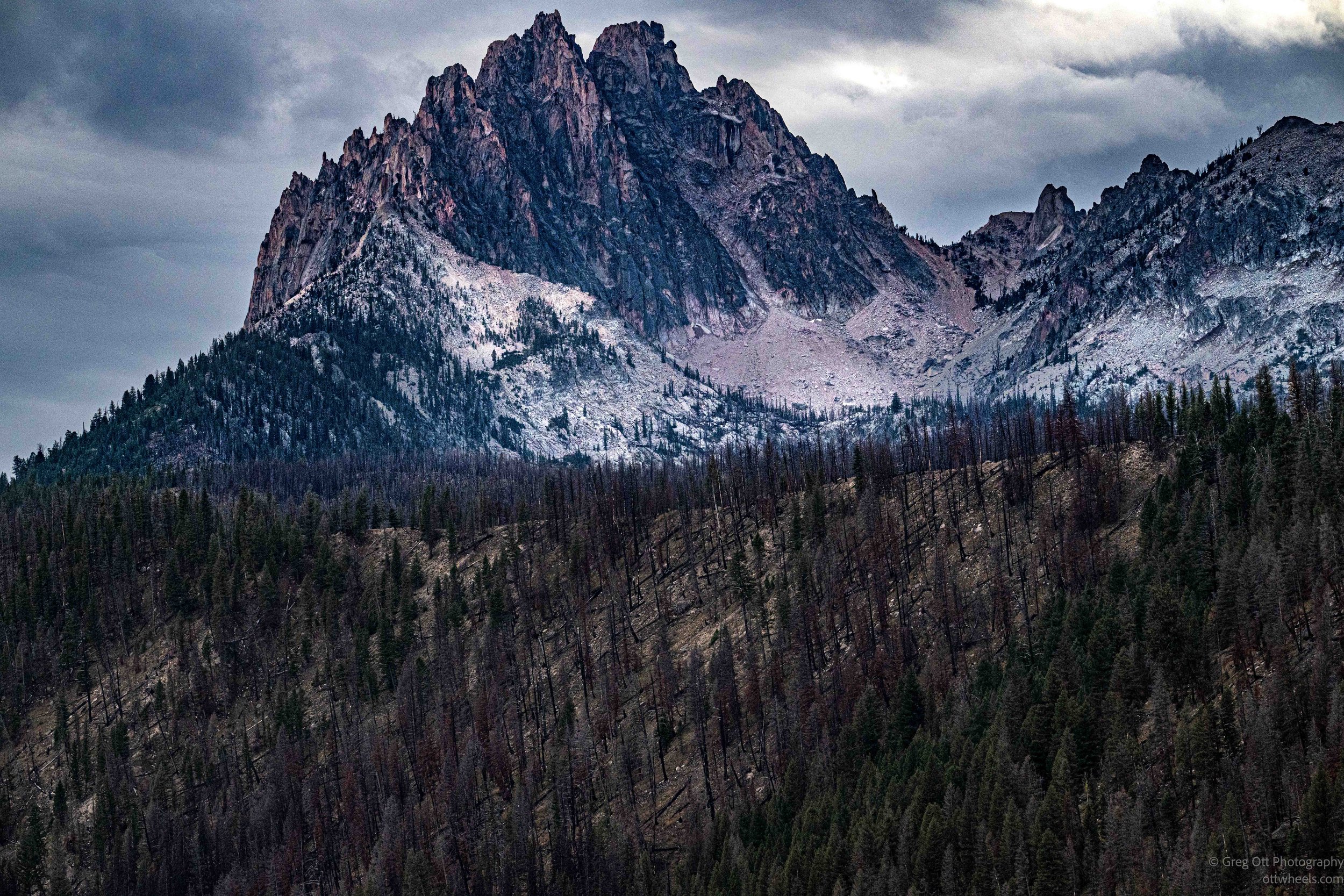
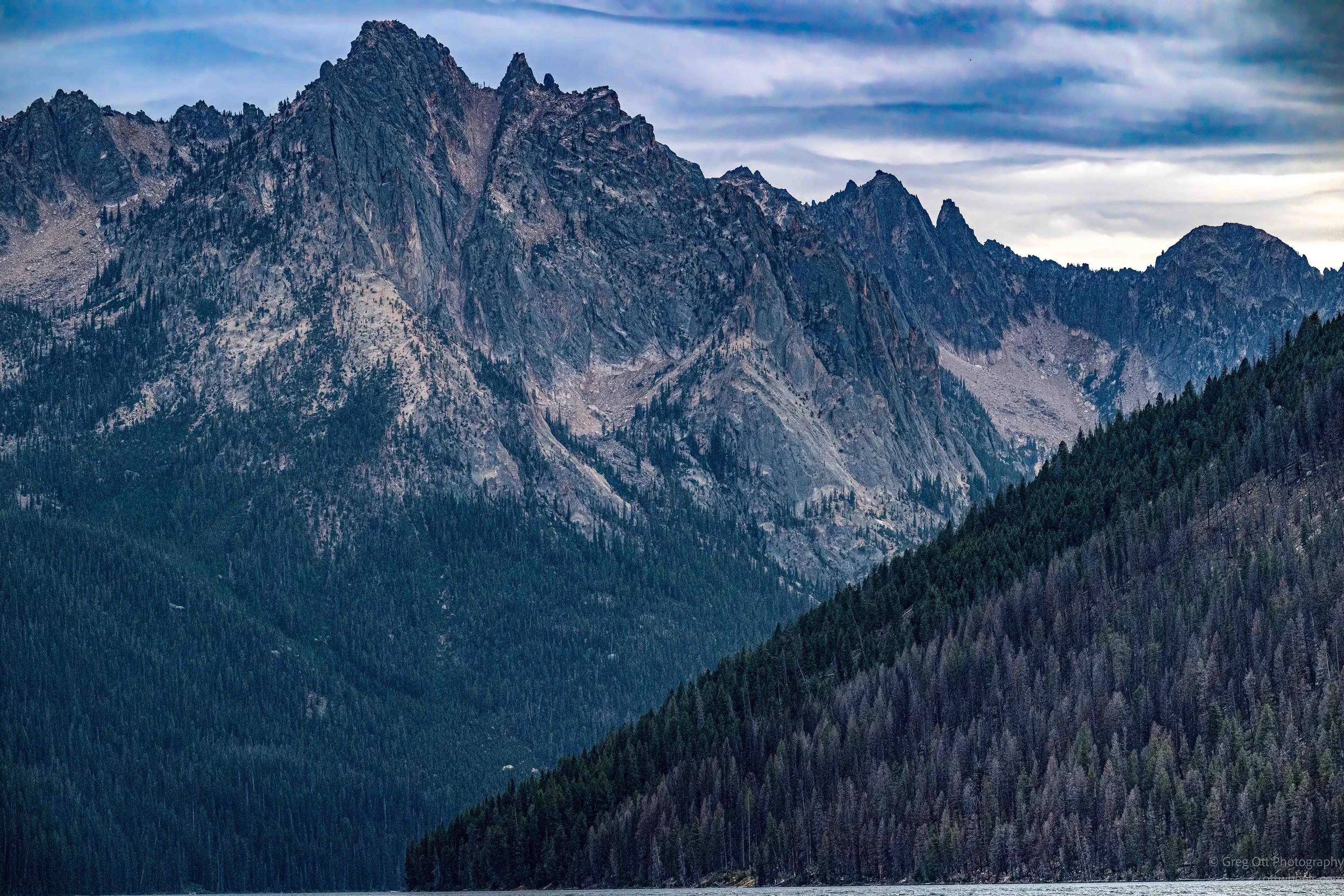
There was a small group of about eight couples in their twenties tucked away in the forest nearby, but otherwise it was quiet. I opened the side door of the van and was surprised that there was almost no wind. After being blown around at Redfish Lake for most of the afternoon, it felt completely different here. I sat in the doorway and watched the last light slowly disappear from the side of the mountain. I could hear the Salmon River somewhere below me.
As it got darker, some of the group decided to hike down toward the river with flashlights. A woman walked past the van on her way down and said hello. Eventually their lights disappeared into the trees, and I was left sitting there listening to the river below.
I made black bean burgers, wild rice and an assortment of steamed vegetables for dinner. I didn't feel like doing much after that. It had been a long day, and I was happy just sitting in the van, reading and watching a few things online before going to bed.