
Fountainhead Antique Auto Museum
It was a slow day. I slept until 9 a.m. in the airport long-term parking lot in Fairbanks. The fatigue from the long trip was beginning to wear off. I could hear planes taking off periodically, but this isn't a super busy airport, so it was actually fairly quiet. I made breakfast, collected a few things and then drove to a Starbucks a couple of miles away.
At noon I drove to the Fountainhead Antique Auto Museum. This wasn't at all on my radar for Fairbanks, but my driver yesterday on the Dalton Highway had raved about it. He had recently taken his father there and said that although he wasn't a big car aficionado, the museum was extremely well done. That was enough of a recommendation for me.
There was a lot of construction going on around the building. It looked like a combination of renovation and new construction, and the museum seemed to be connected to an old shopping center. There were metal beams stacked in the parking lot in front of where I parked. I parked away from most people, as I usually do, and waited until about 12:30. The museum opens at noon and there were people streaming in. I wasn't in a hurry, so I let things settle down before walking to the entrance.
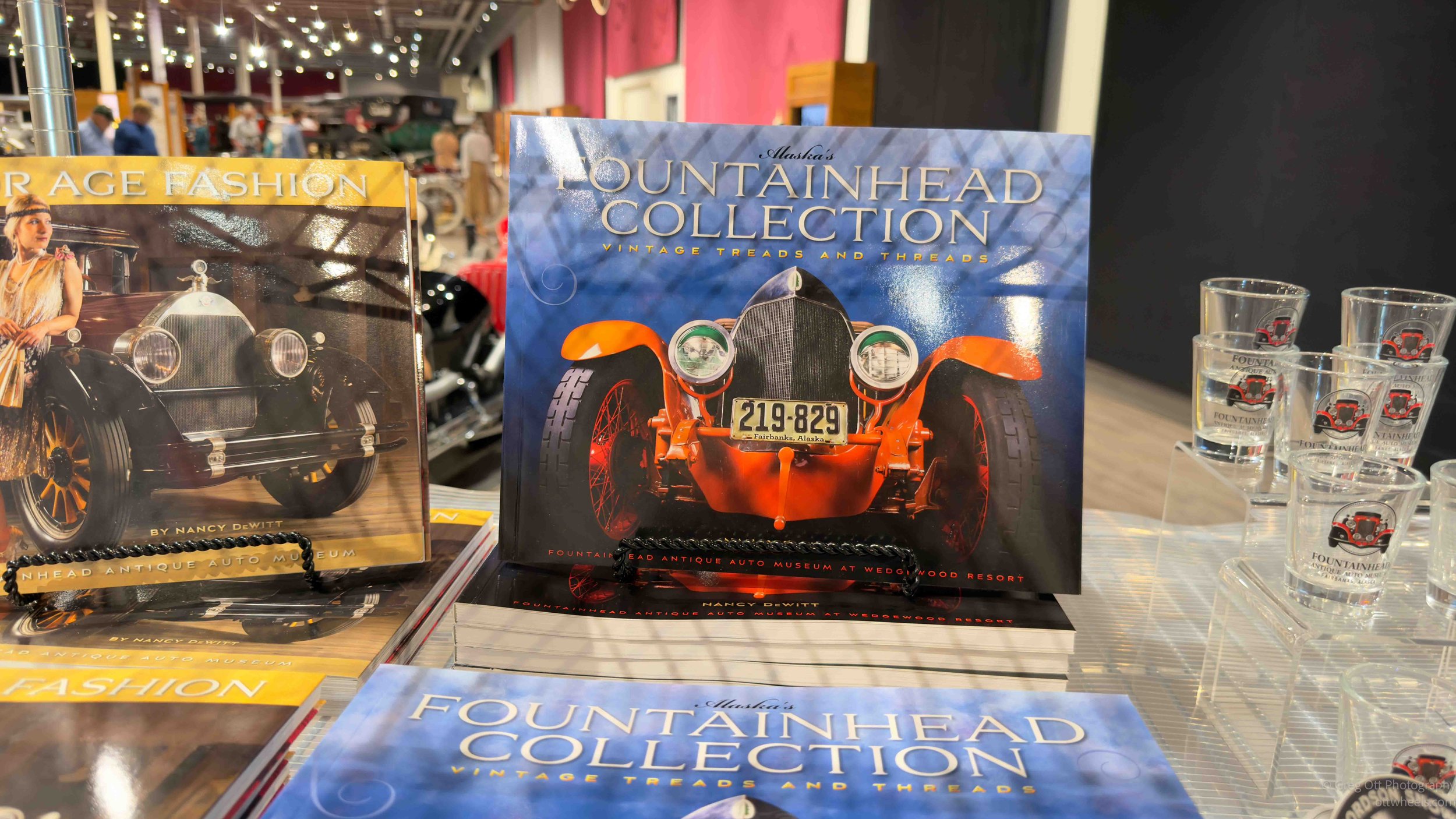
There was a woman at a folding table collecting the $20 adult entrance fee. Several books about antique cars were for sale, including one about the museum's own collection. There is no cafe in the museum, which seems like a missed opportunity. They are also in the process of expanding the museum, although I couldn't find much information explaining what was being added.
From the start, it was very clear that the restoration of the vehicles here was first class. There wasn't a detail that seemed to have been missed. These weren't old cars that had simply been cleaned up and put on display. Paint, upholstery, wood, brass and chrome had been restored beautifully, and many of the cars looked as though they could have just left the factory.
The museum itself is huge, with the cars spread through a large open space rather than packed tightly together. That gives you room to walk around them and really look at the details. Historic airplanes are mixed into the collection, and mannequins wearing period clothing stand beside many of the cars. At first the combination seemed a little unusual, but it didn't take long before it began to make sense.
There are cars here dating back to the very beginning of the automobile. Some look more like horse-drawn carriages that happened to acquire engines, which isn't surprising because that's essentially what the earliest automobiles were. You can almost watch the automobile evolve as you walk through the museum. At first, nobody really knew what a car was supposed to look like.
Manufacturers were experimenting with engines, steering, brakes, suspensions and even the basic arrangement of the vehicle. Some ideas disappeared almost immediately, while others eventually became conventions we still use today. The earliest cars weren't simply primitive versions of modern automobiles. They came from a period when almost everything about the automobile was still being figured out.
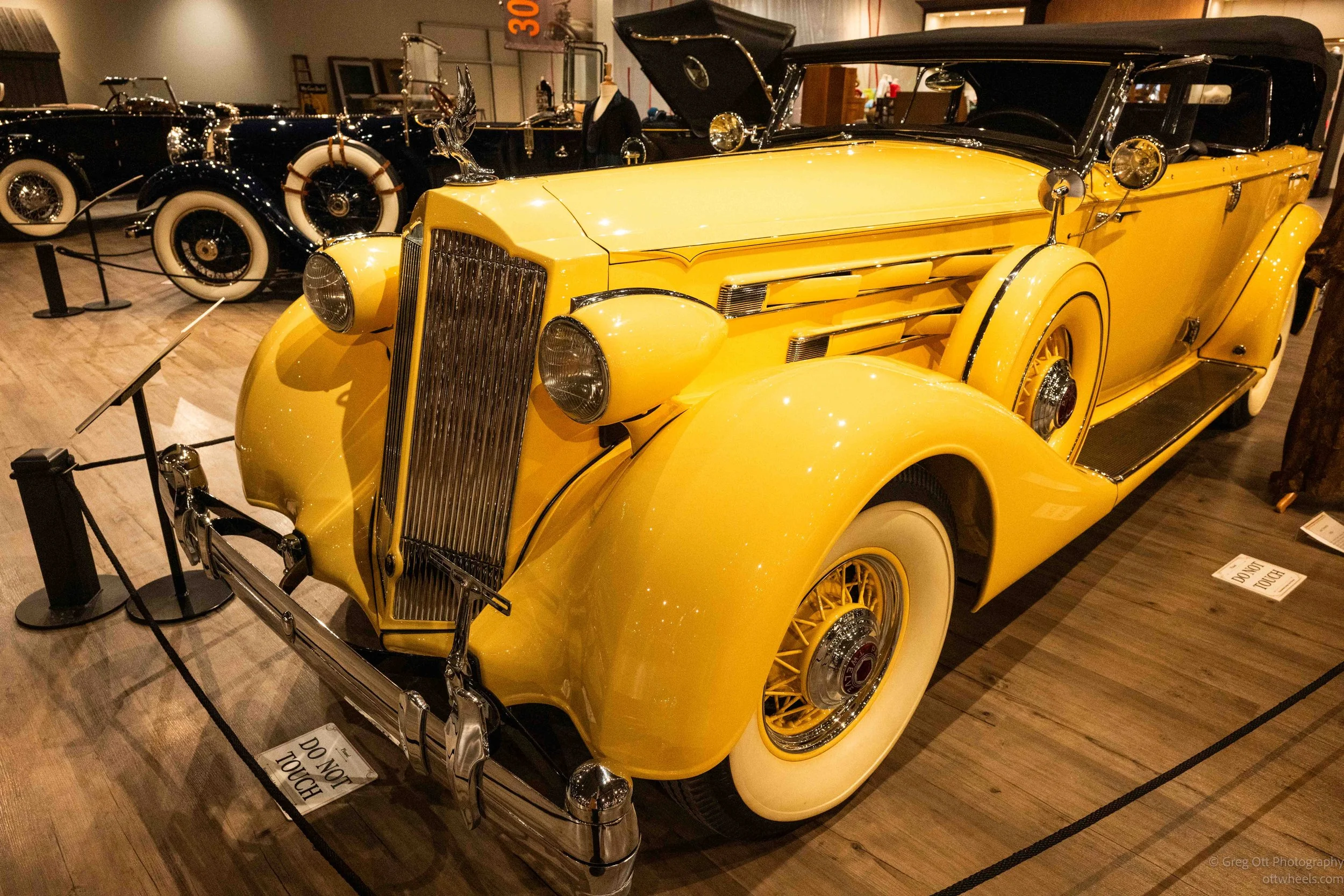
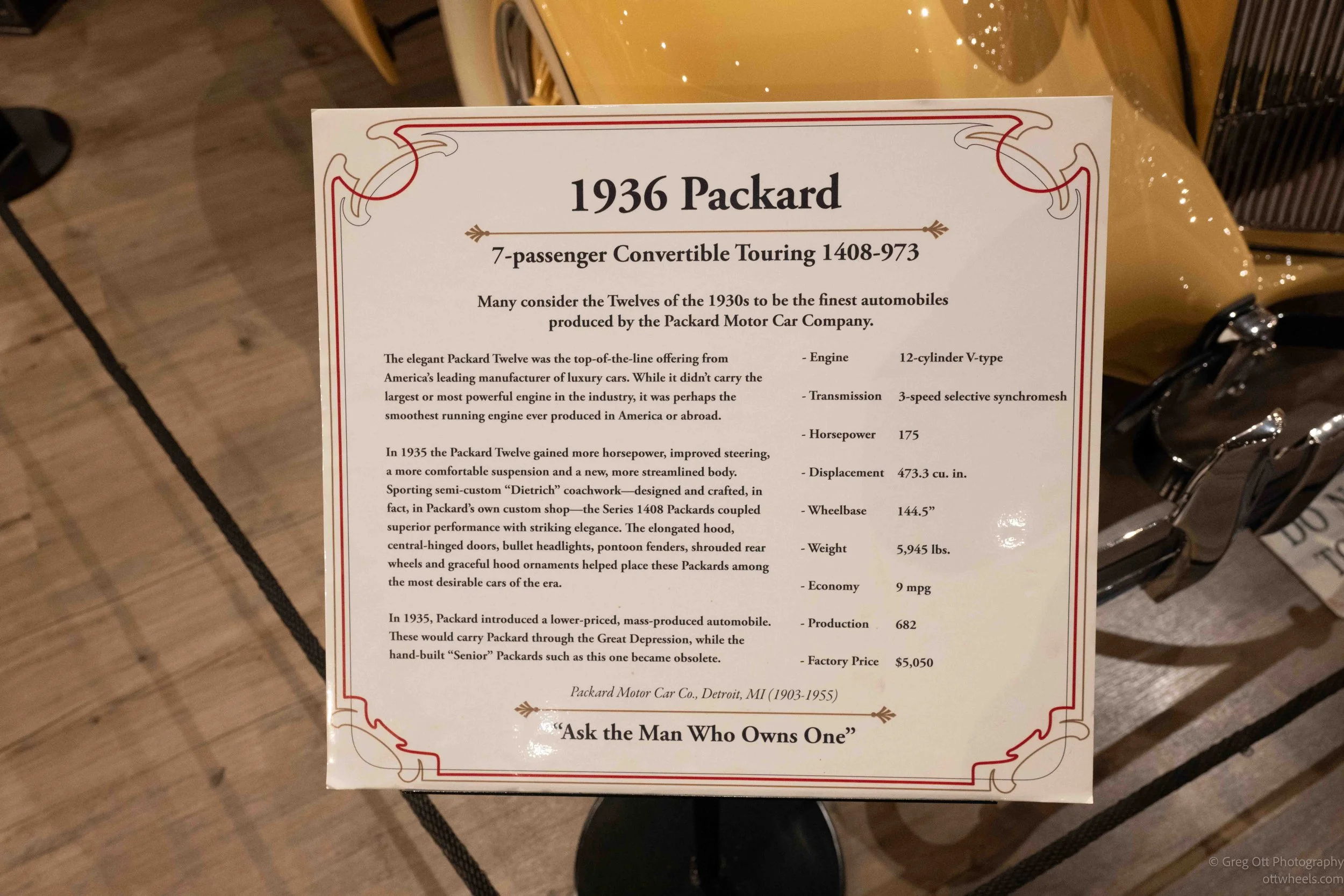
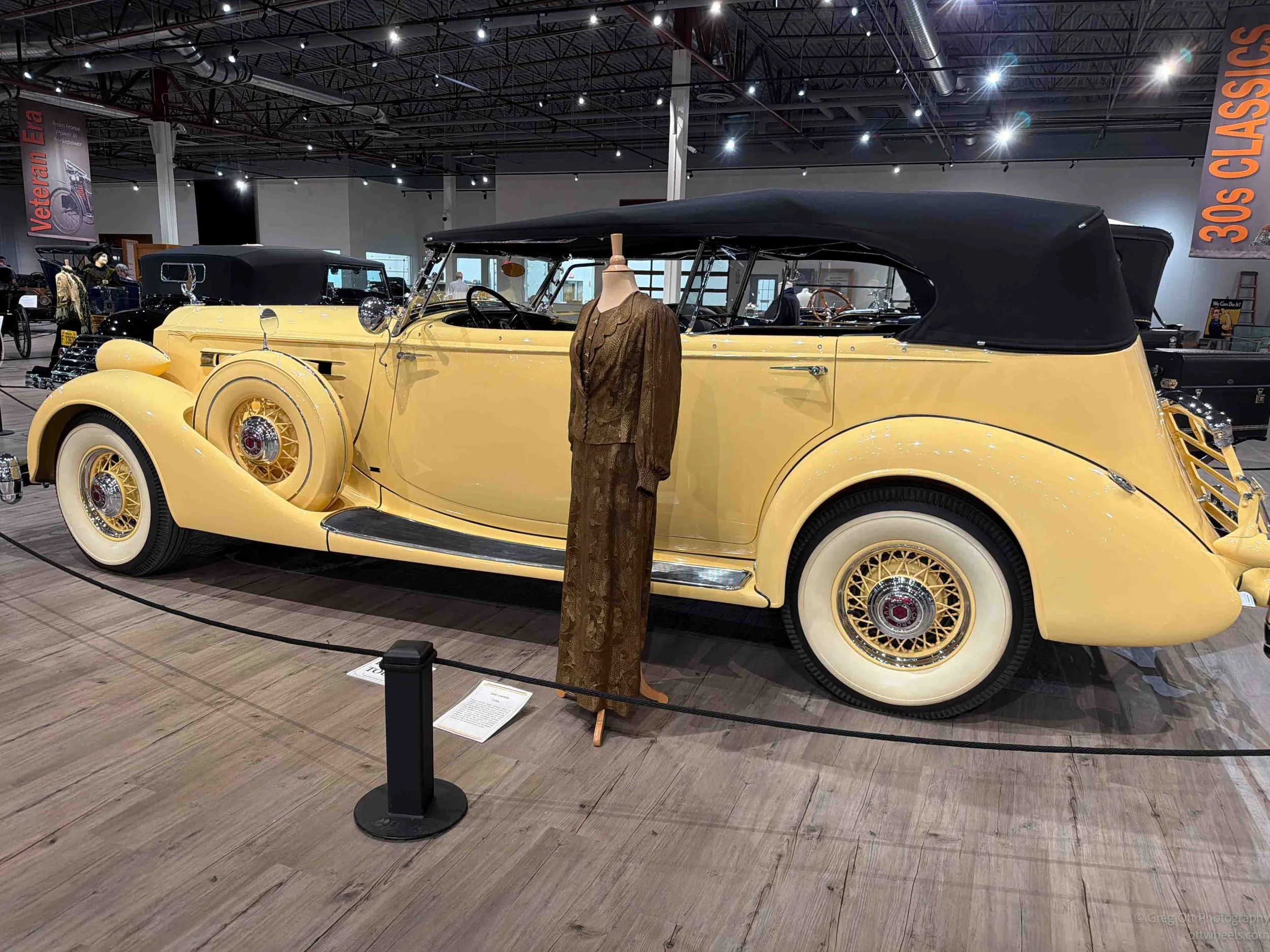
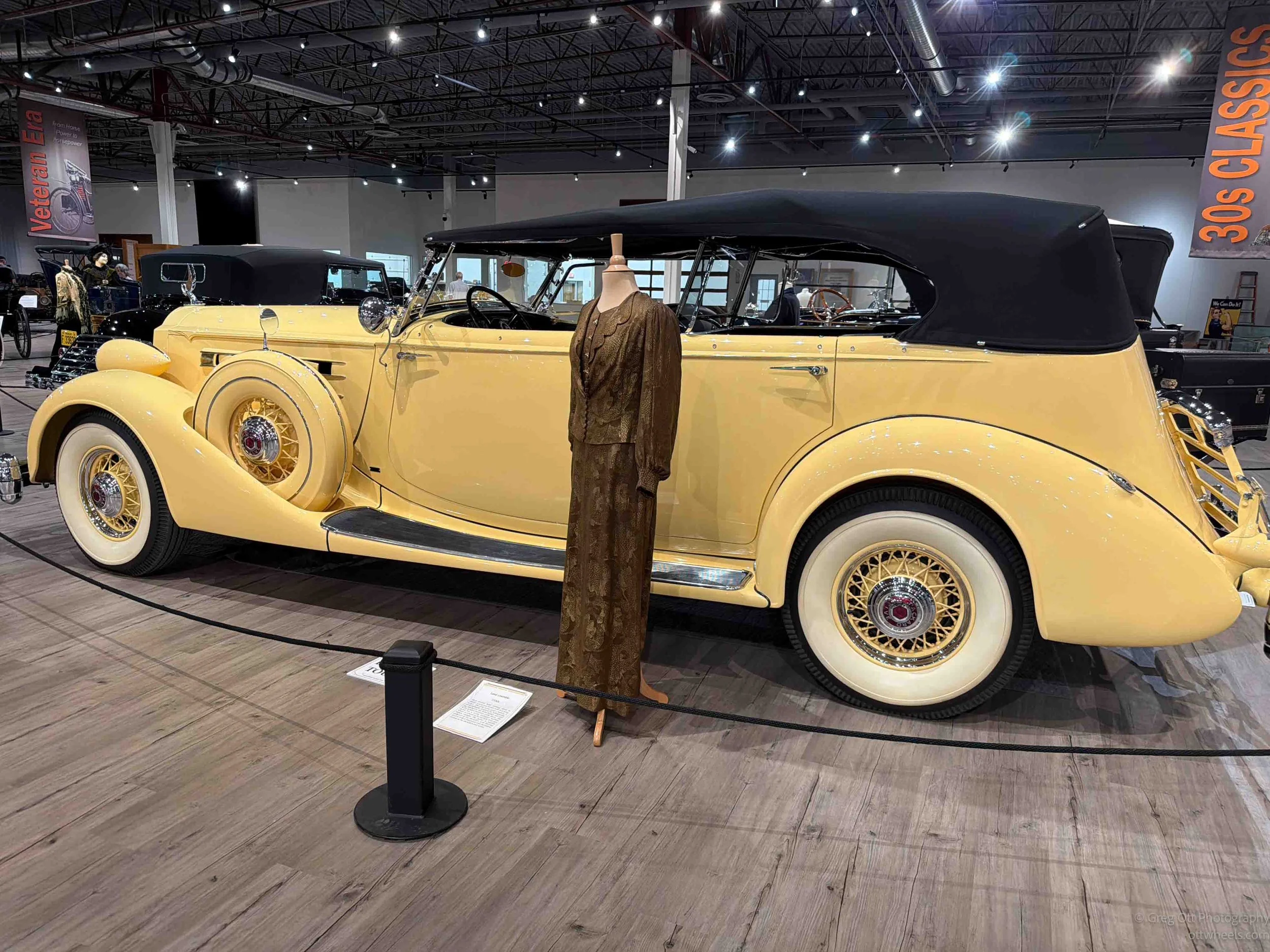
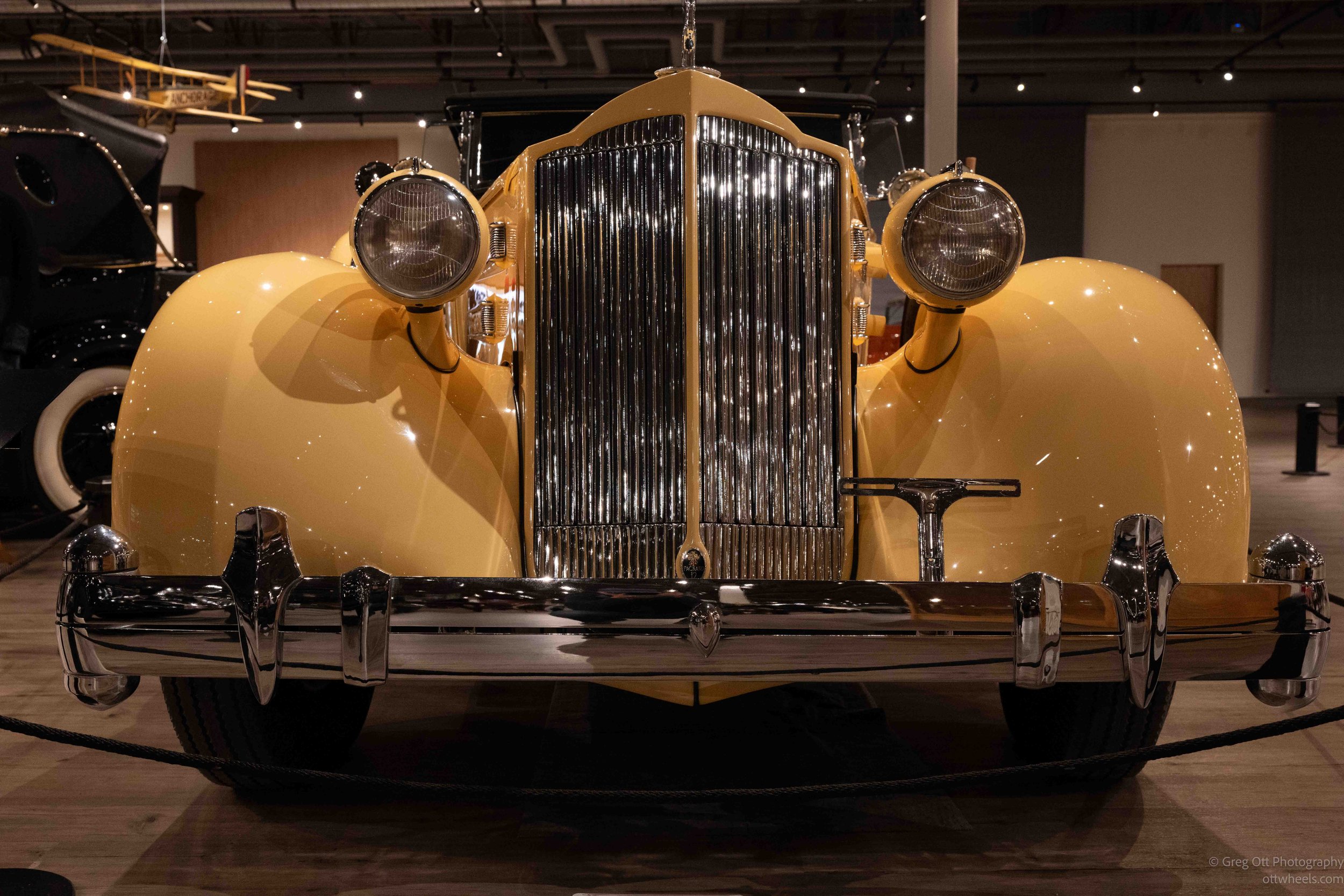
The car that really caught my eye was a 1936 Packard Twelve, a huge seven-passenger convertible touring car. The extraordinarily long hood, sweeping fenders and sheer size gave it a presence that was hard to ignore. Under the hood was a 473-cubic-inch V-12 producing 175 horsepower, and the car weighed nearly 6,000 pounds. This was one of Packard’s finest automobiles, with an original price of $5,050—an astonishing amount of money in 1936, especially in the middle of the Great Depression. Only 682 of this series were produced.
When Cars Became Design
By the 1920s and 1930s, automobiles had changed dramatically. They were no longer simply machines designed to move people from one place to another. Manufacturers were beginning to understand that people cared deeply about what their cars looked like, and this is where I really started slowing down.
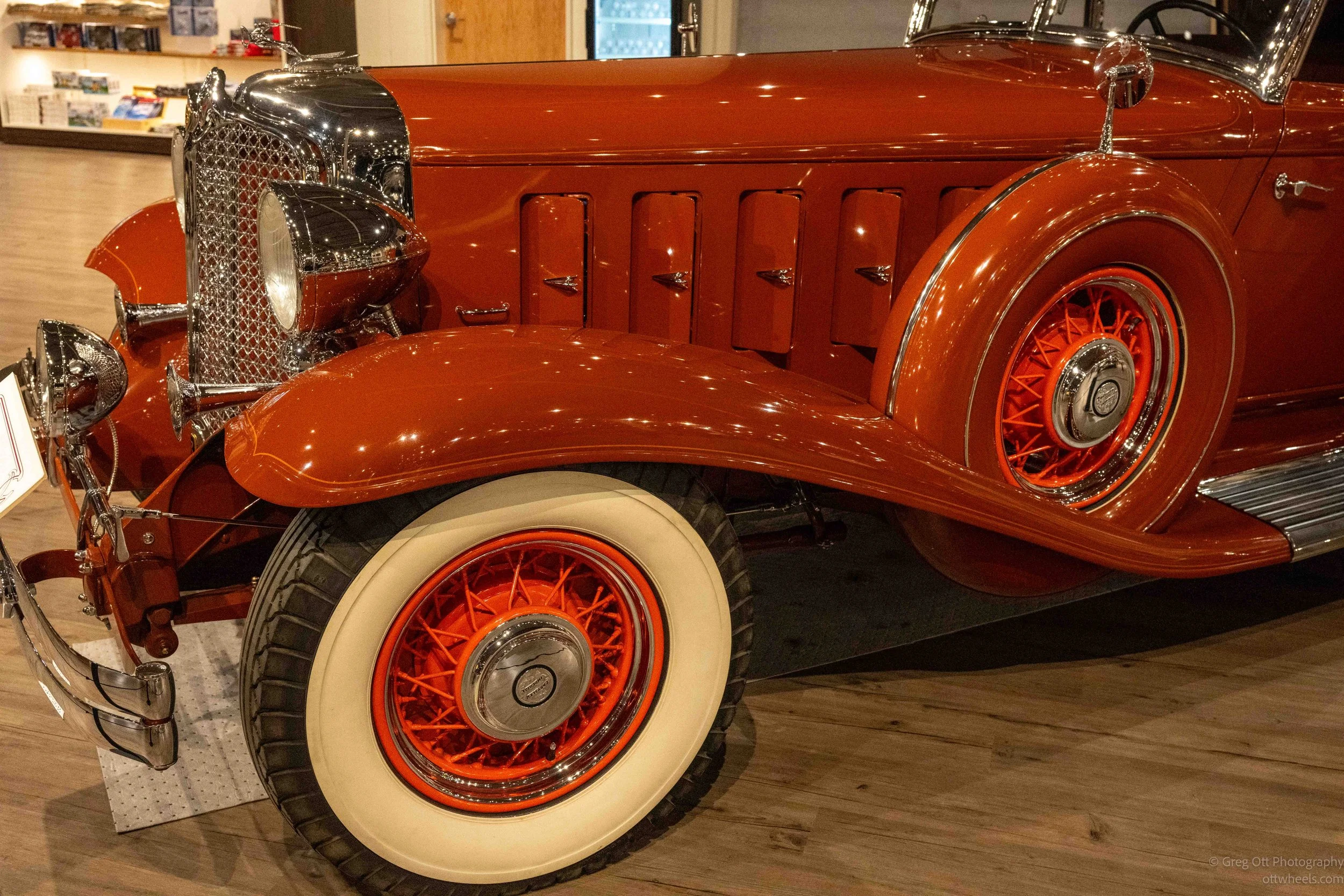
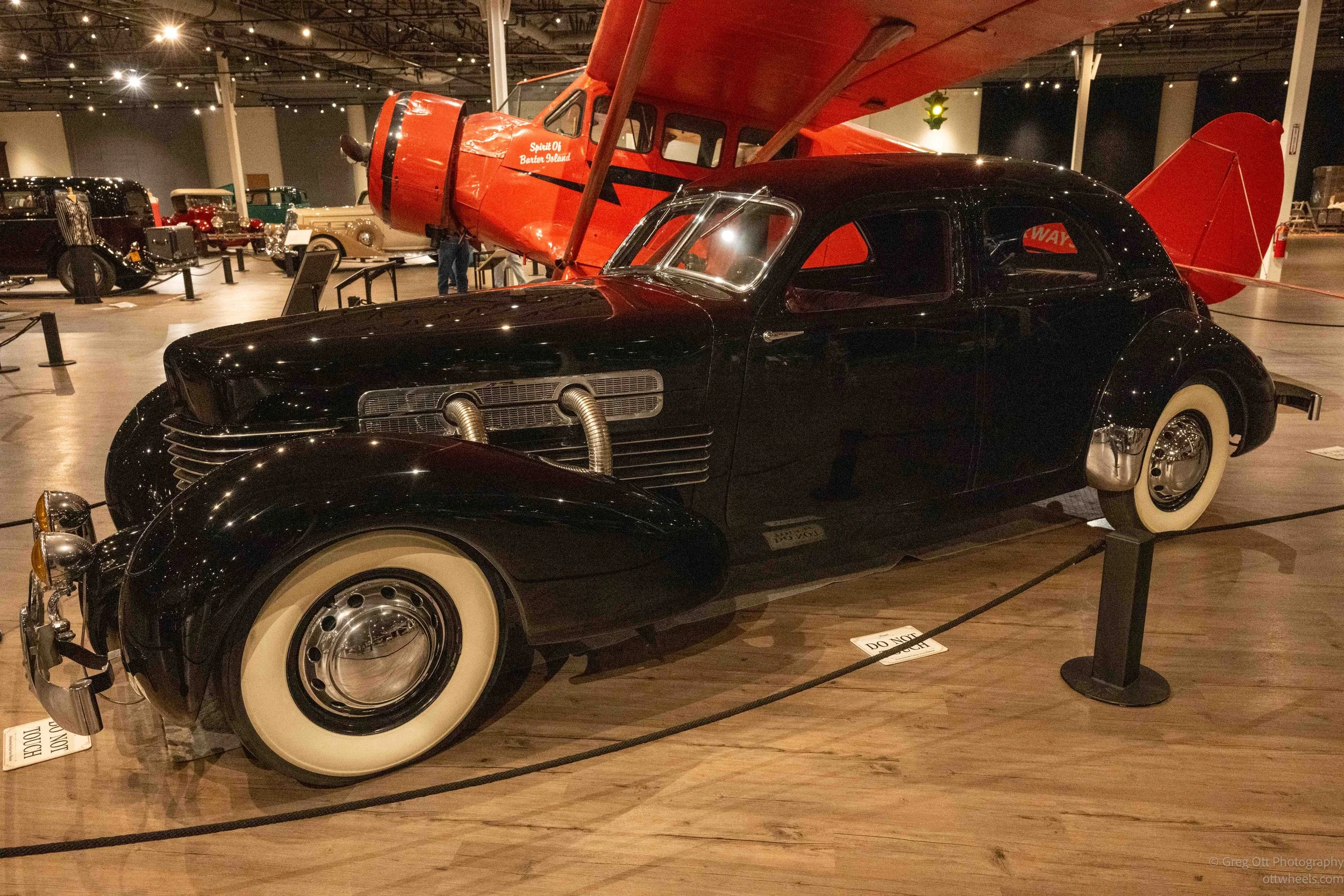
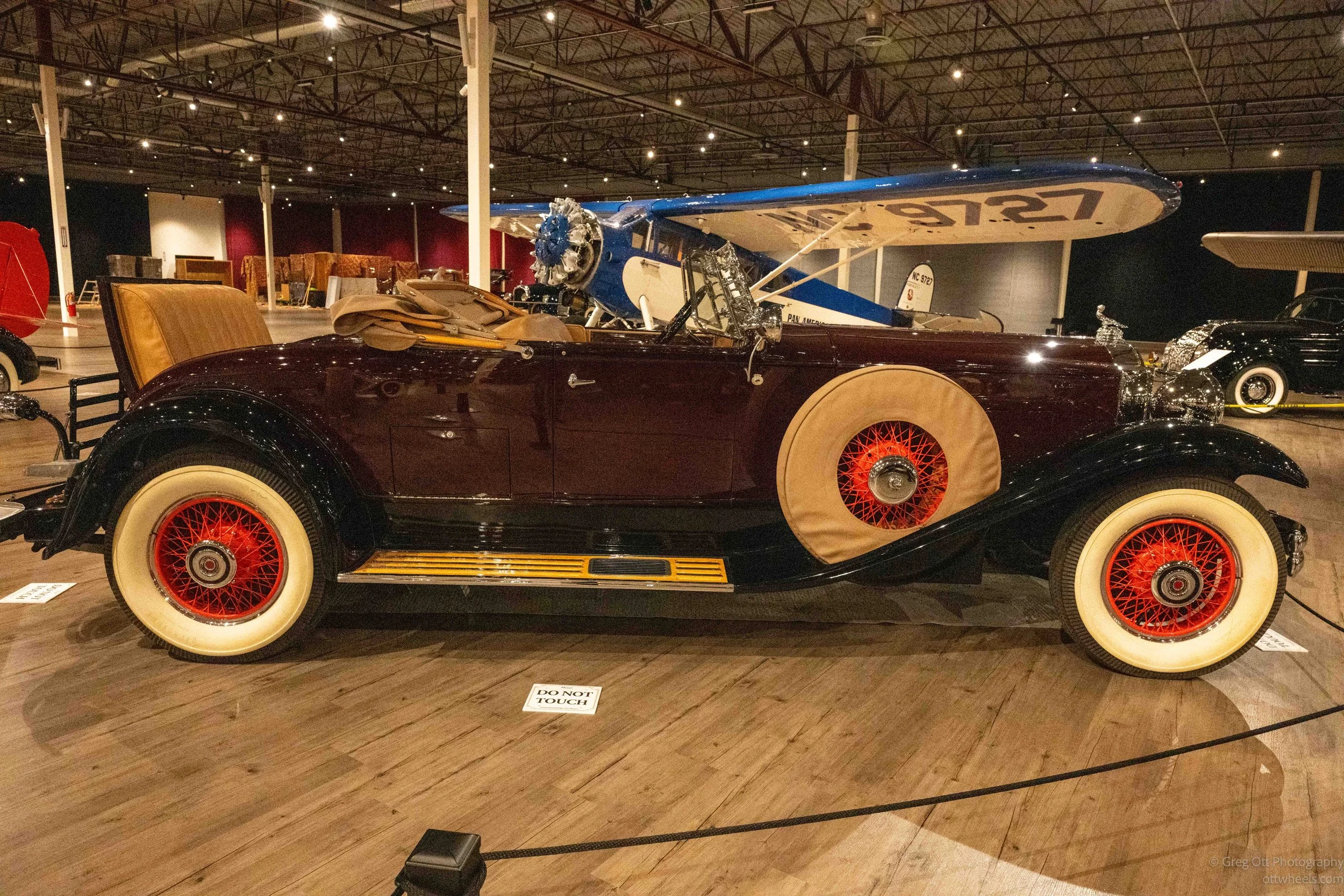
The cars became lower, longer and far more sculpted. Fenders flowed around enormous wheels. Radiators became architectural elements. Chrome, polished brass, sweeping bodywork and elaborate headlights turned mechanical components into part of the overall design. Even the spare tire could become a design feature, mounted prominently along the side of an enormously long hood.
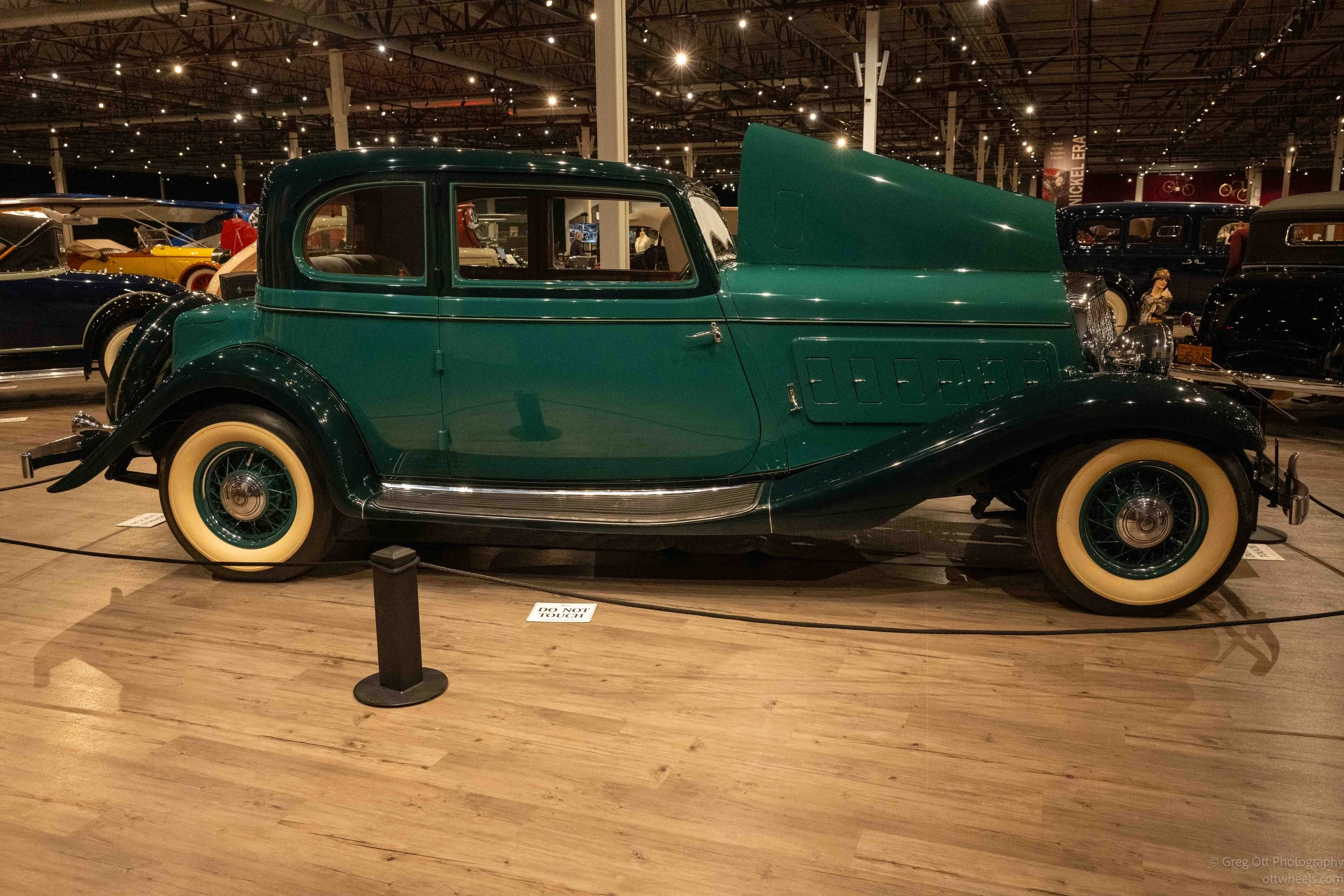
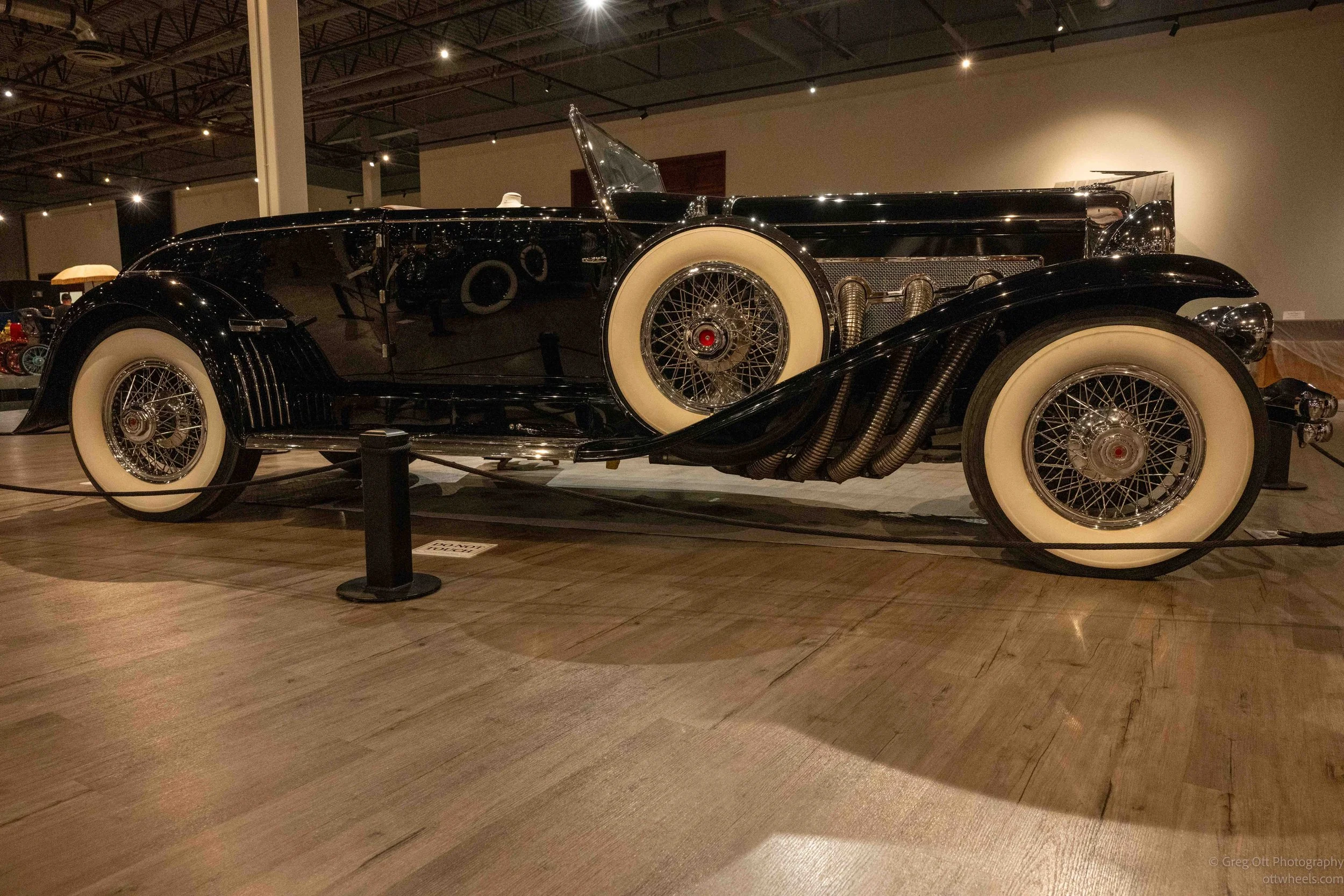
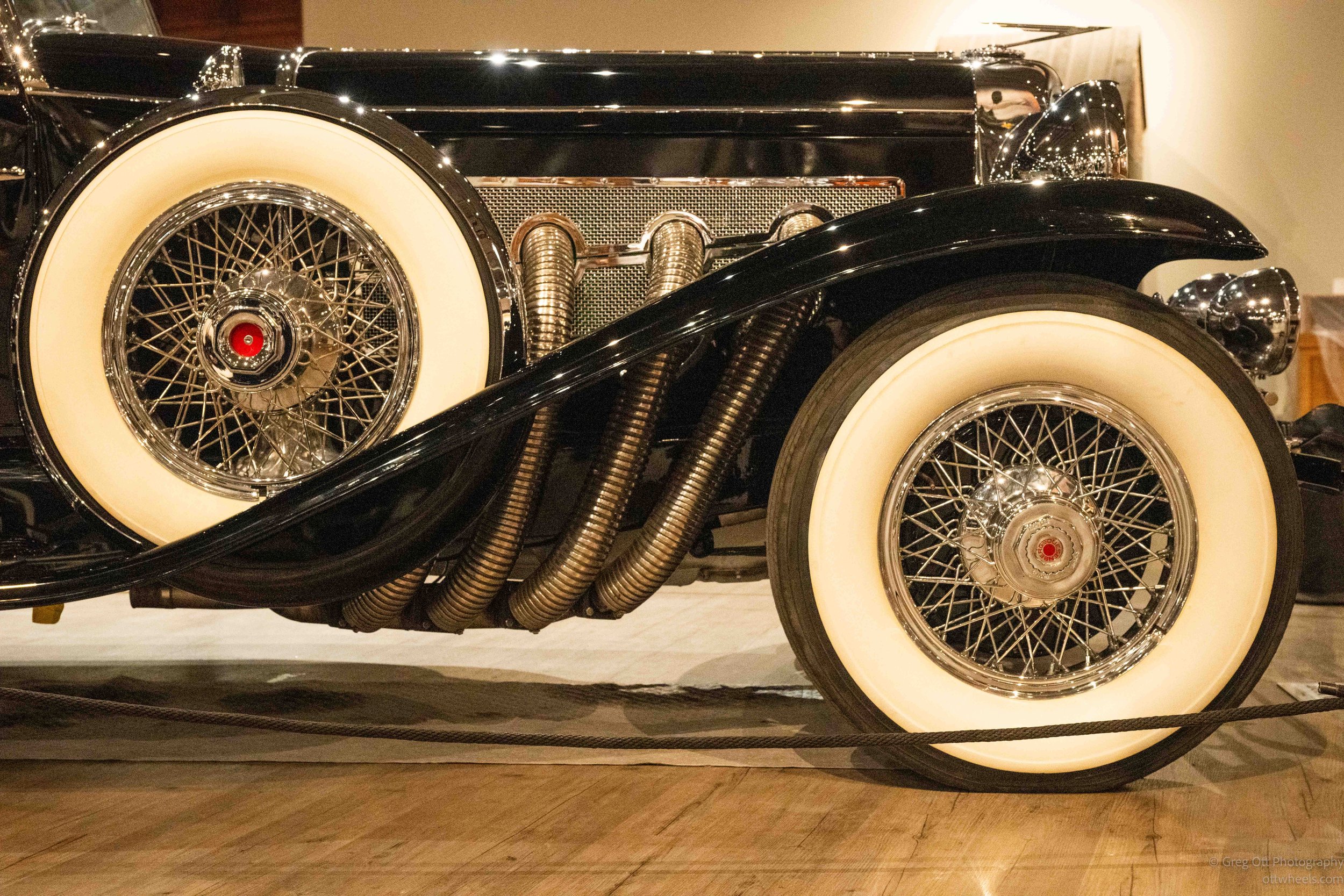
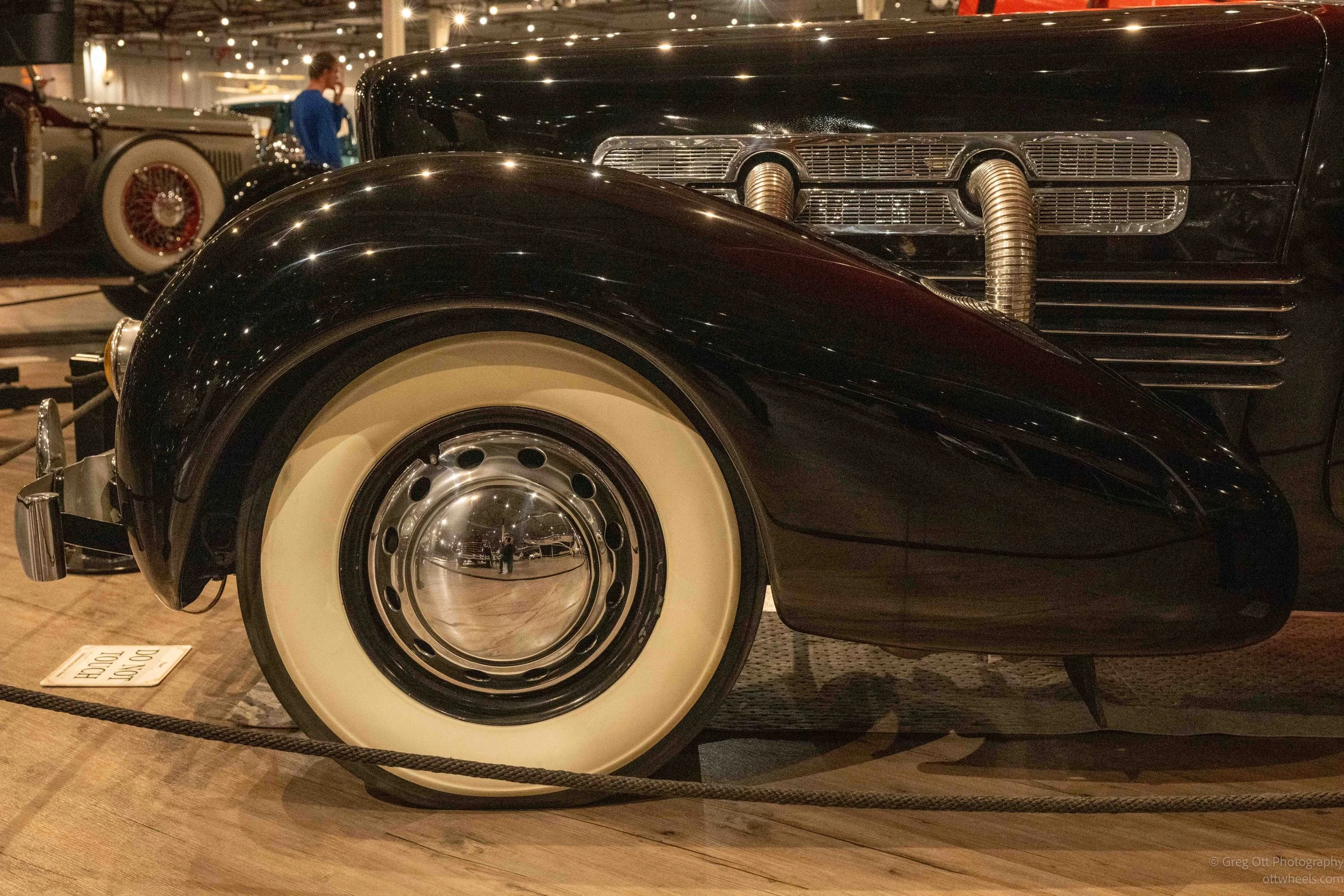
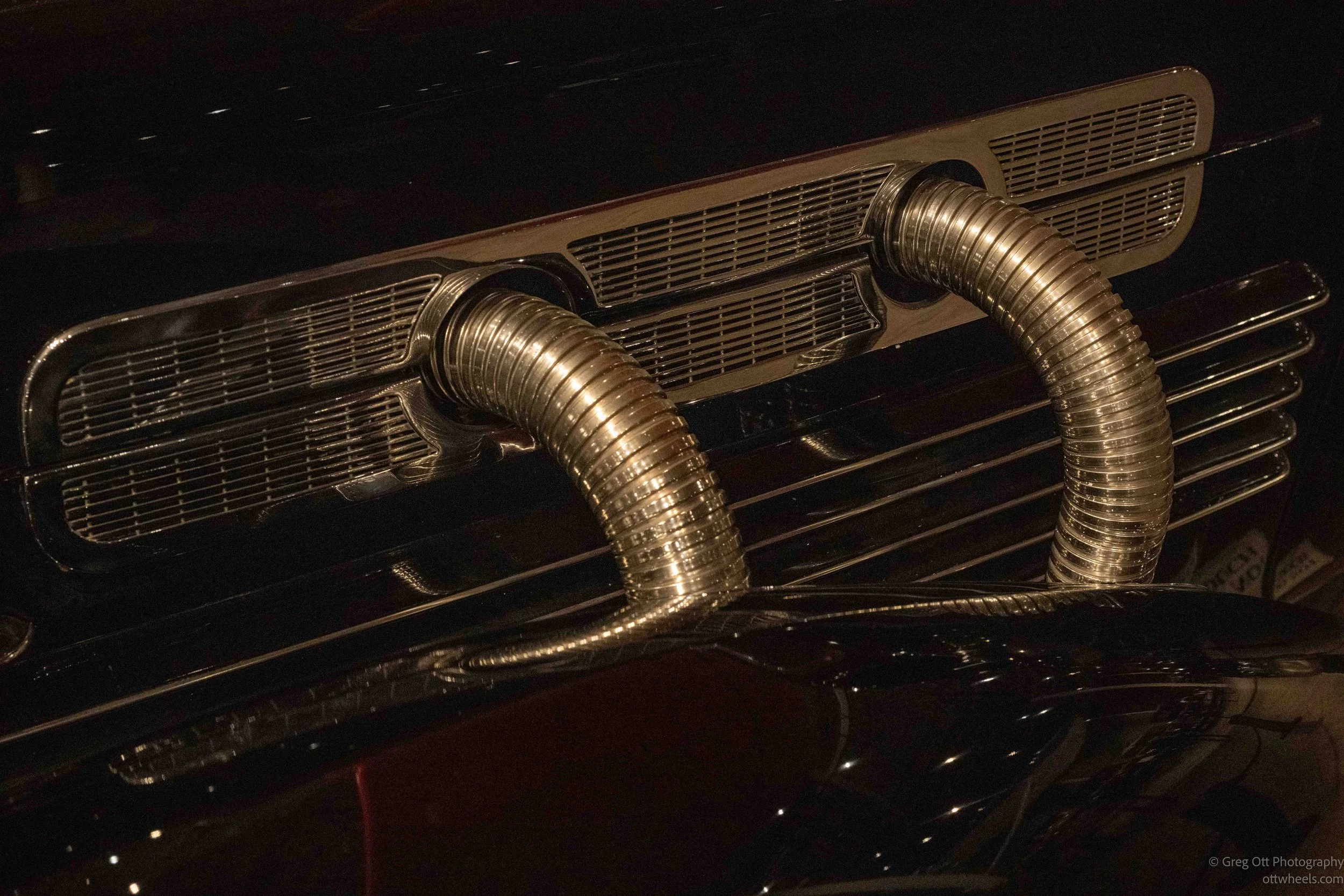
Some of the most spectacular cars had flexible exhaust pipes emerging from the engine compartment and sweeping downward behind the front wheels. Wire wheels, whitewall tires and chrome seemed to be everywhere. There was nothing accidental about any of it, and almost every mechanical component offered another opportunity for design.
At first I found myself thinking about how elaborate some of these cars were compared with today's automobiles, but the longer I looked at them, the more that seemed like the wrong way to think about them. You have to put yourself in the 1920s and 1930s. The automobile itself was still relatively new, and designers were discovering what a car could look like rather than following a design language that had already been established.
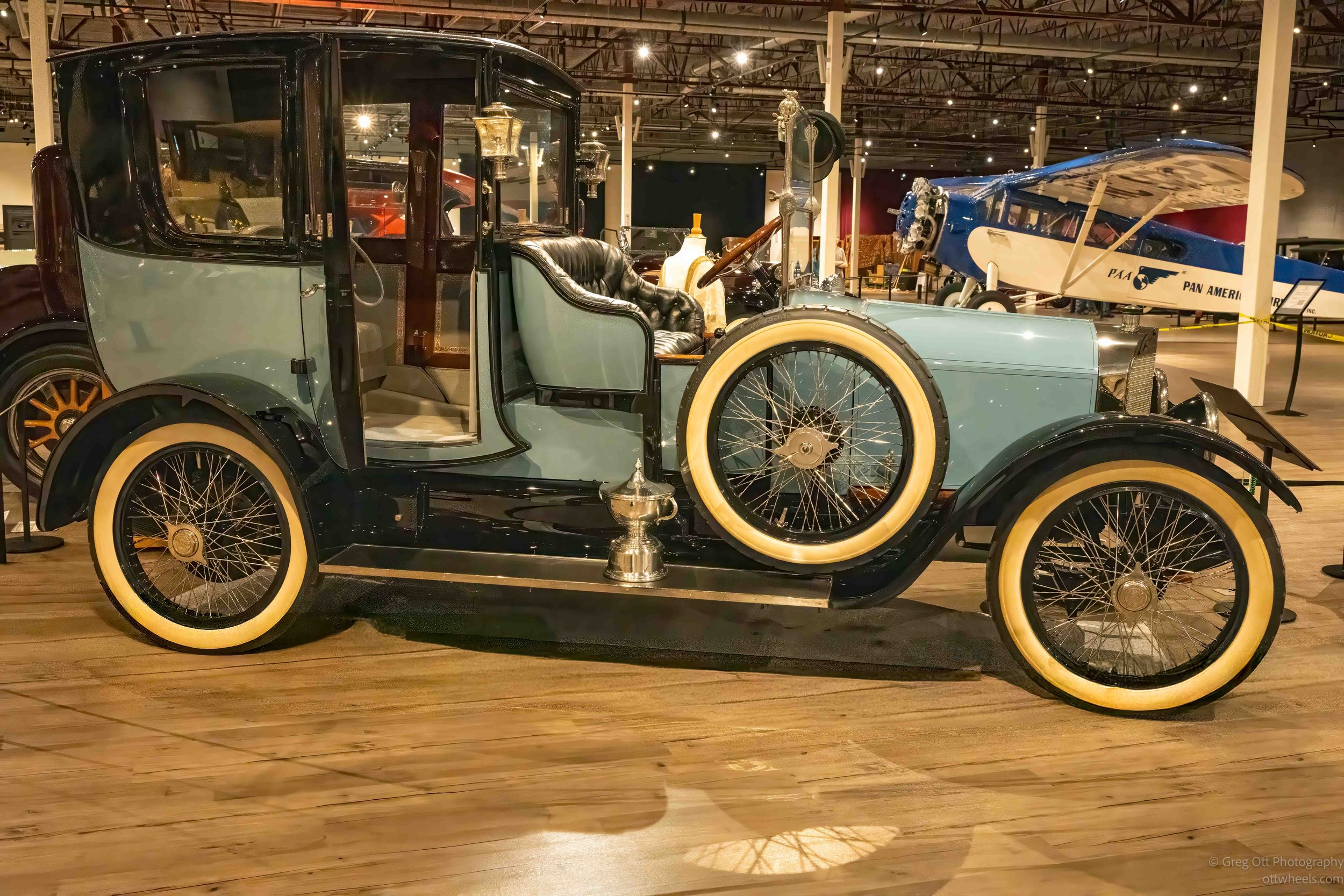
The Roaring Twenties in particular were a period of enormous change. Aviation was advancing rapidly, automobiles were becoming commonplace, radio was connecting people in completely new ways, skyscrapers were changing cities, and discoveries in science were changing how people understood the world. Technology was evolving at an amazing pace, and there was a fascination with what might come next.
Art Deco captured some of that fascination with speed, machinery, geometry and the future, and you can see those ideas throughout these cars. Even sitting completely still, many of them seem designed to suggest motion. Long hoods, sweeping fenders and increasingly streamlined shapes all point forward.
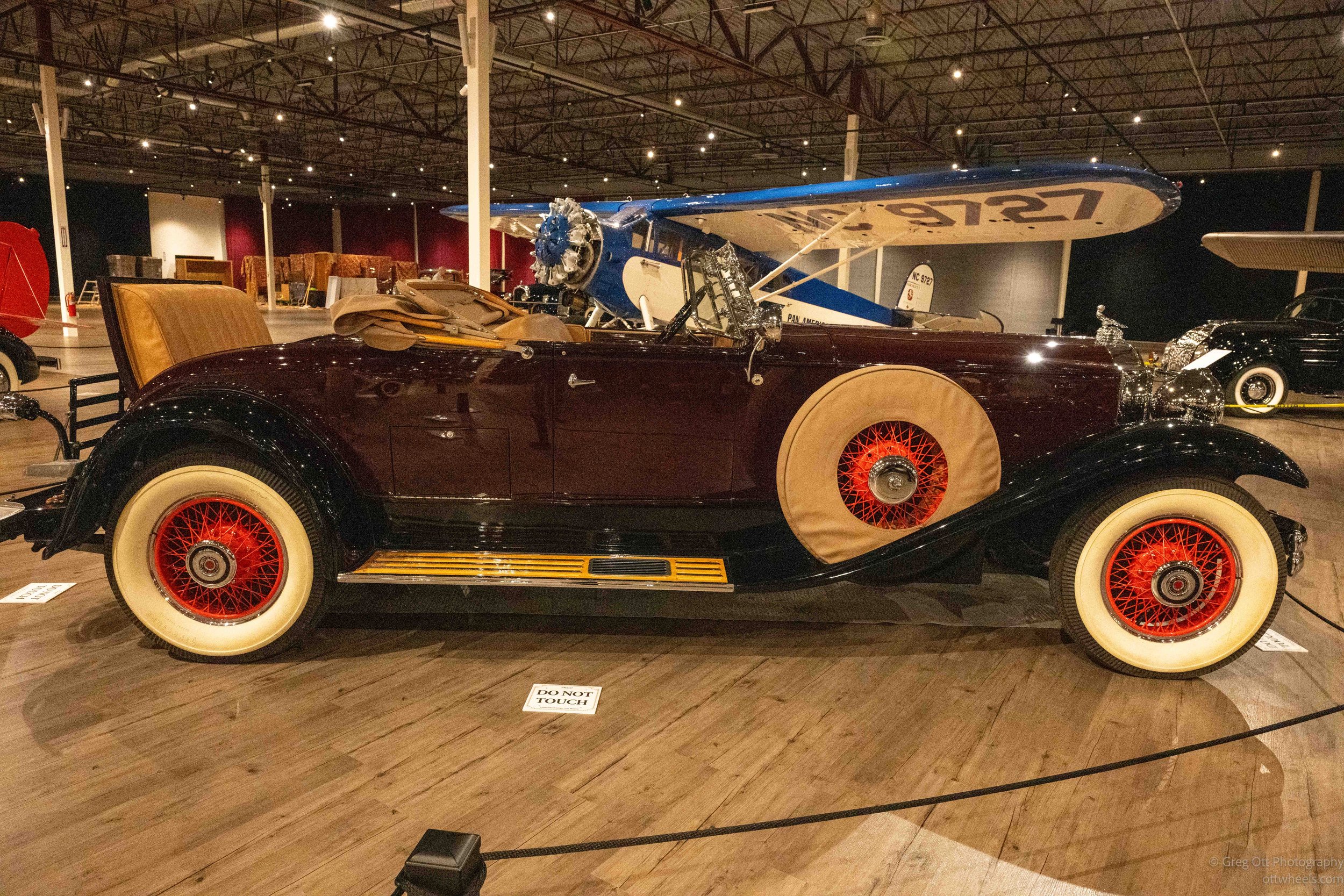
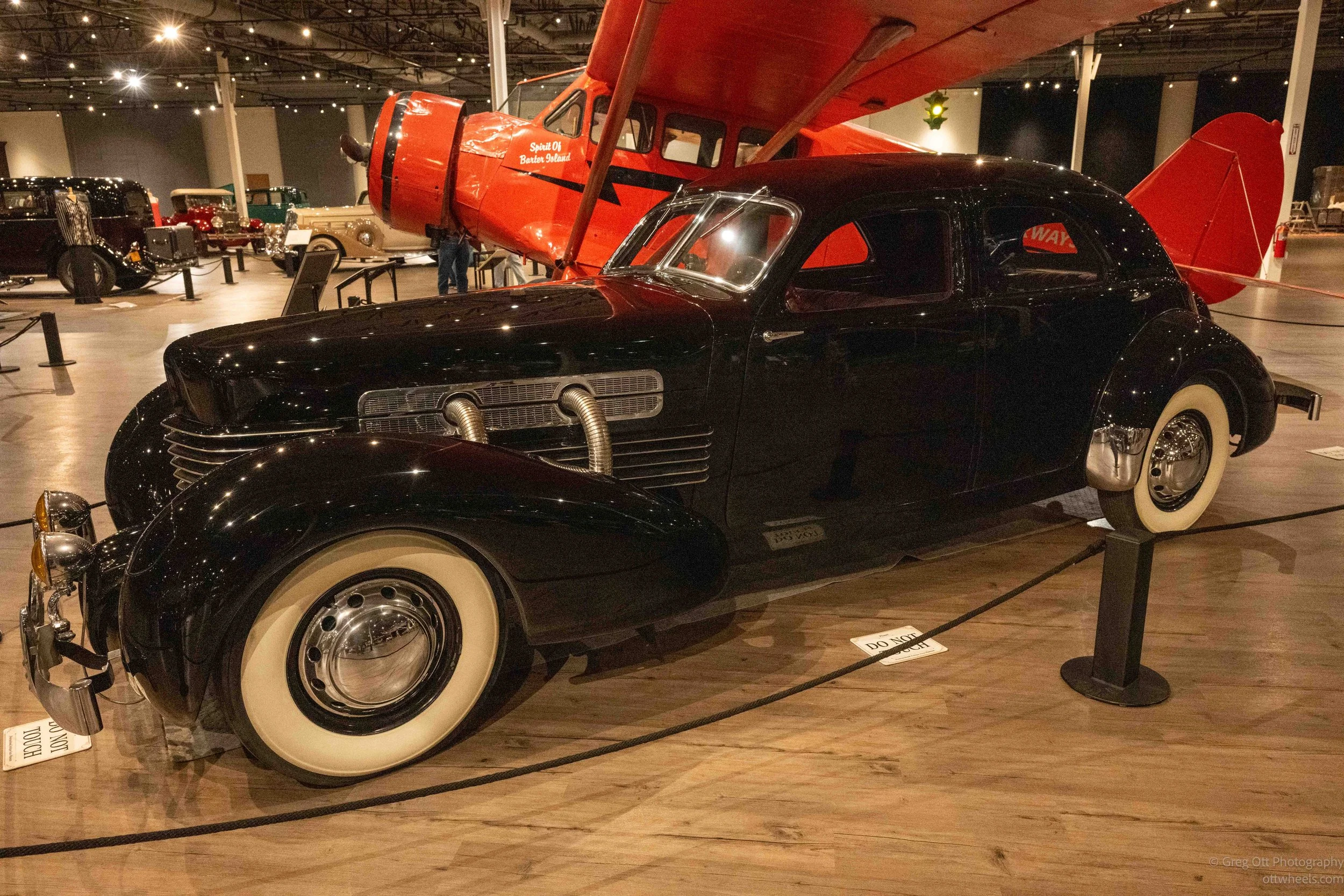
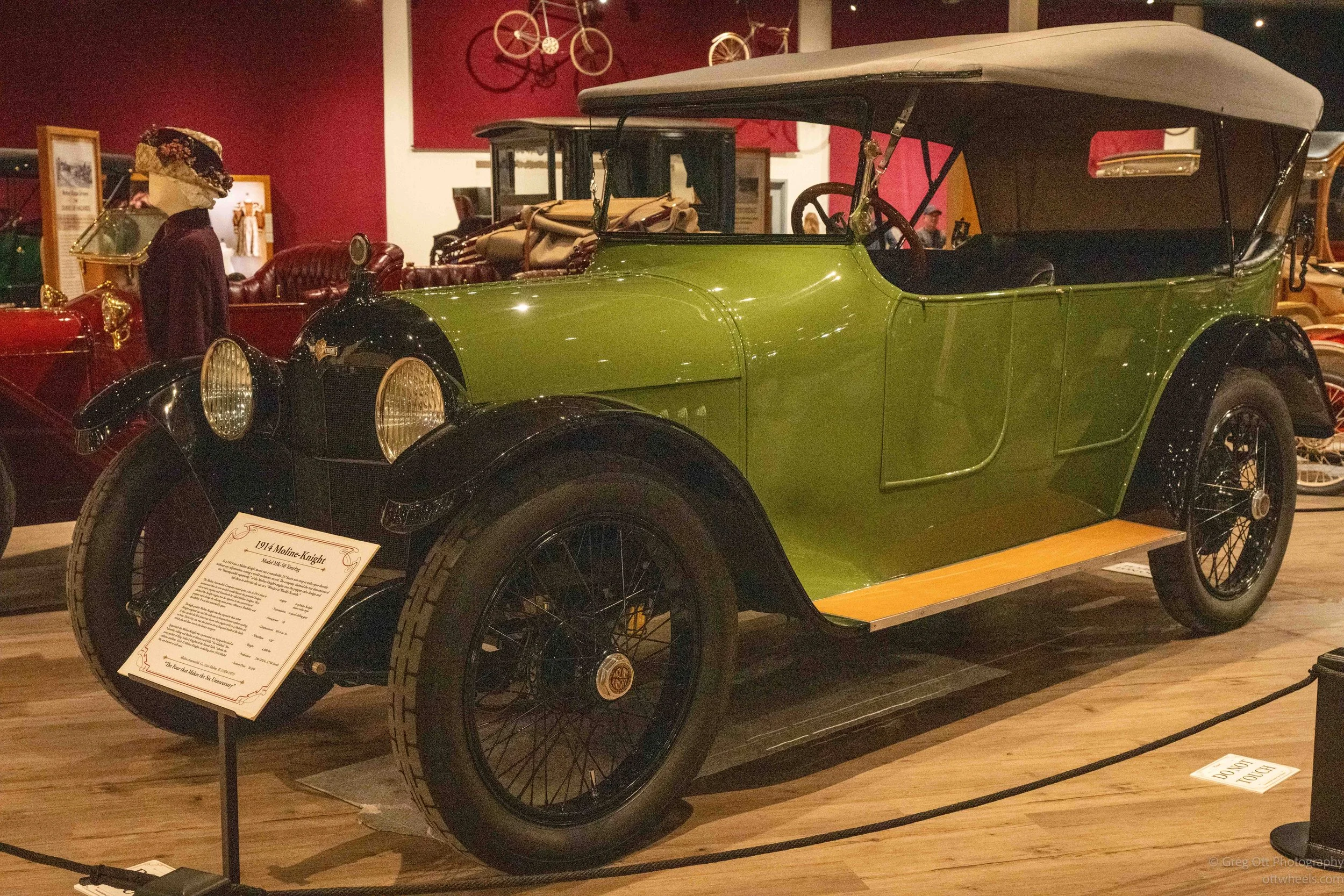
It is easy to look at these cars almost a century later and see extravagance. I think that's missing something. In the world in which they were designed, the automobile was one of the most visible examples of an entirely new technological age. There was no reason to make it disappear into the background.
Hood Ornaments
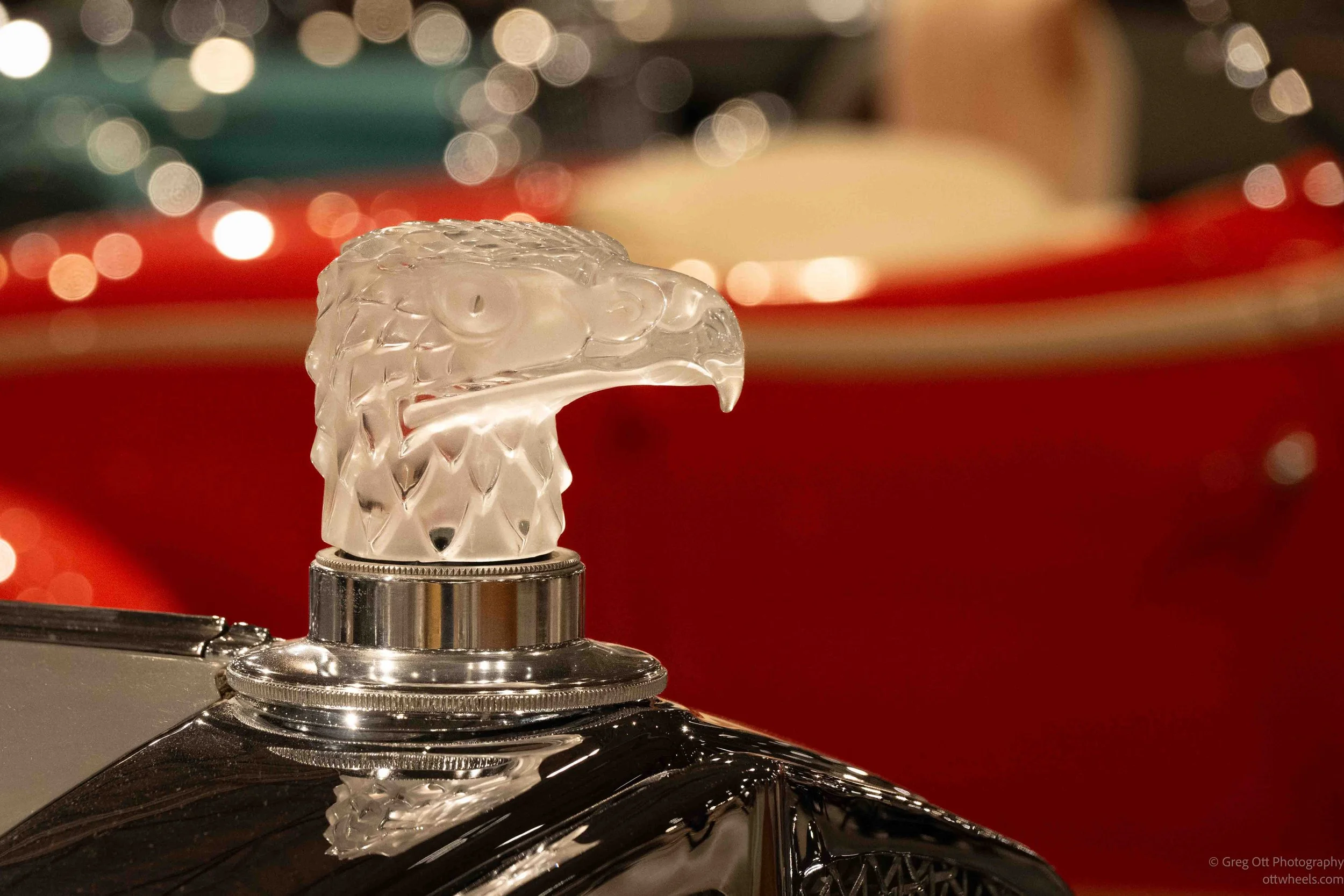
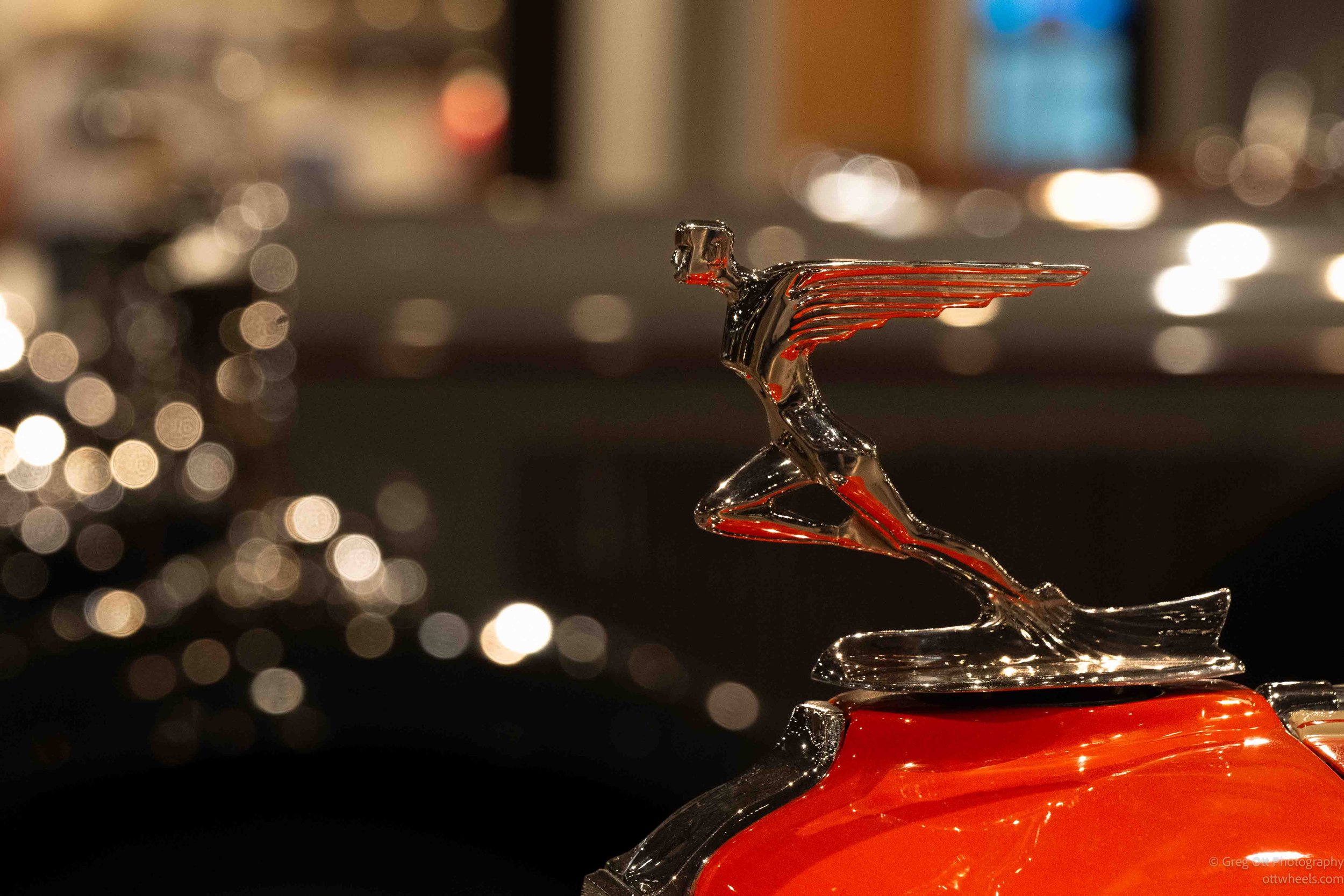
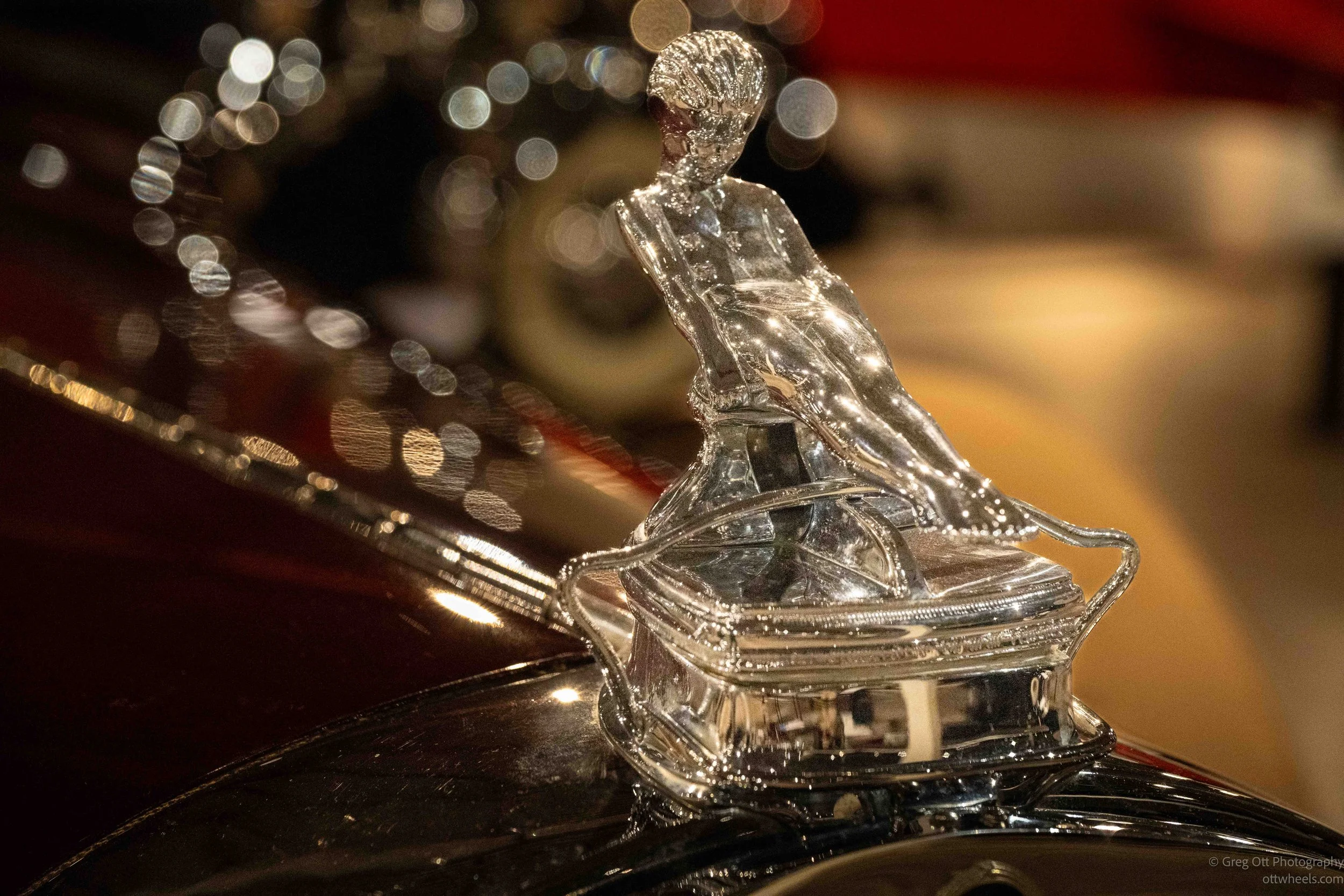
I started walking from car to car specifically looking at the hood ornaments. Some were delicate and elegant, while others were much more dramatic, but they all seemed to belong on these cars. Birds stretched forward as though they were flying, human figures leaned into the wind, and other ornaments became increasingly abstract, reducing the idea of speed to a few sweeping pieces of metal.
They were tiny sculptures sitting on top of machines, but they were also part of a much larger design. Radiators, headlights, wheels, exhaust pipes and even spare tires became visual elements. The machinery wasn't something that necessarily needed to be hidden. It was often something worth showing off.
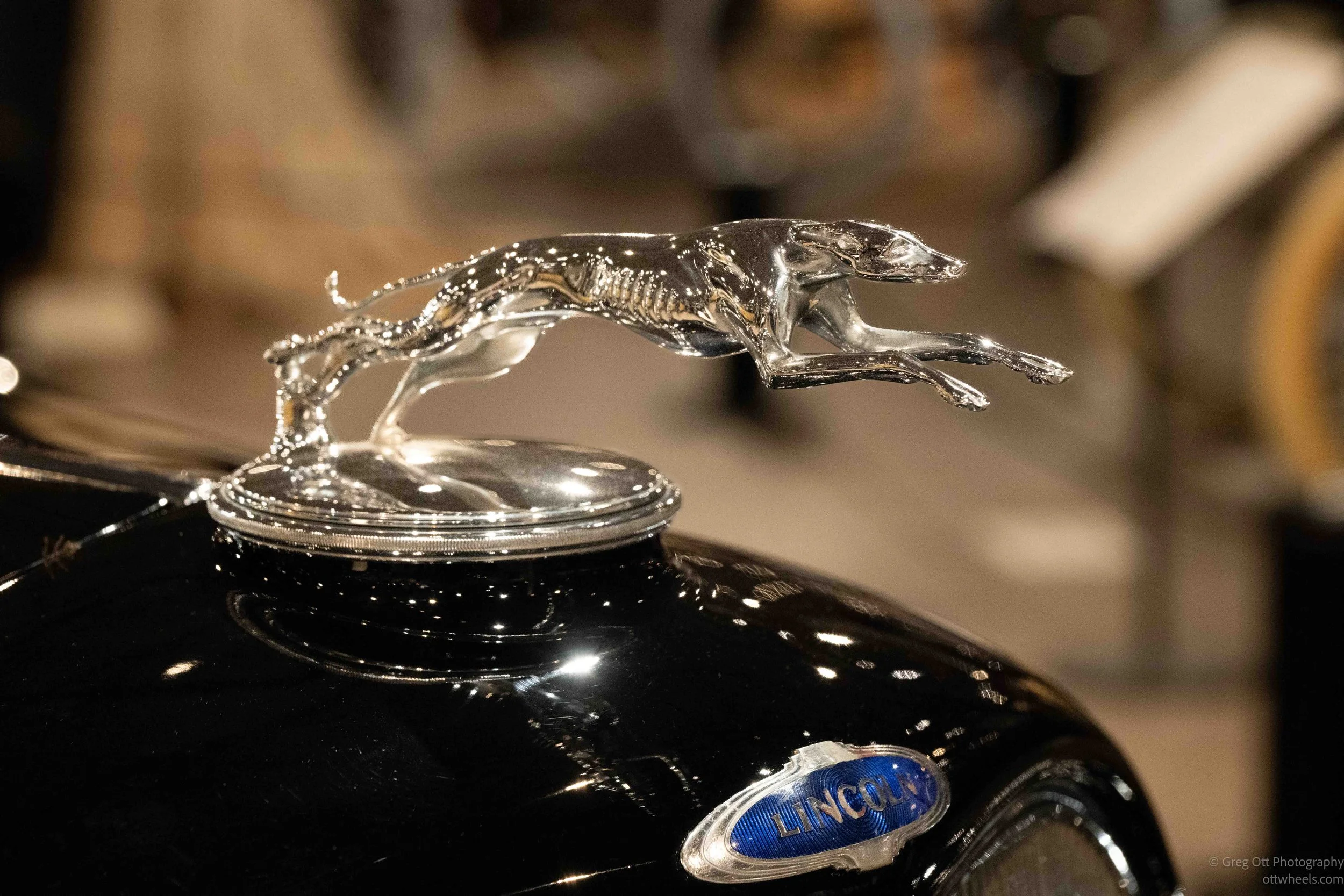
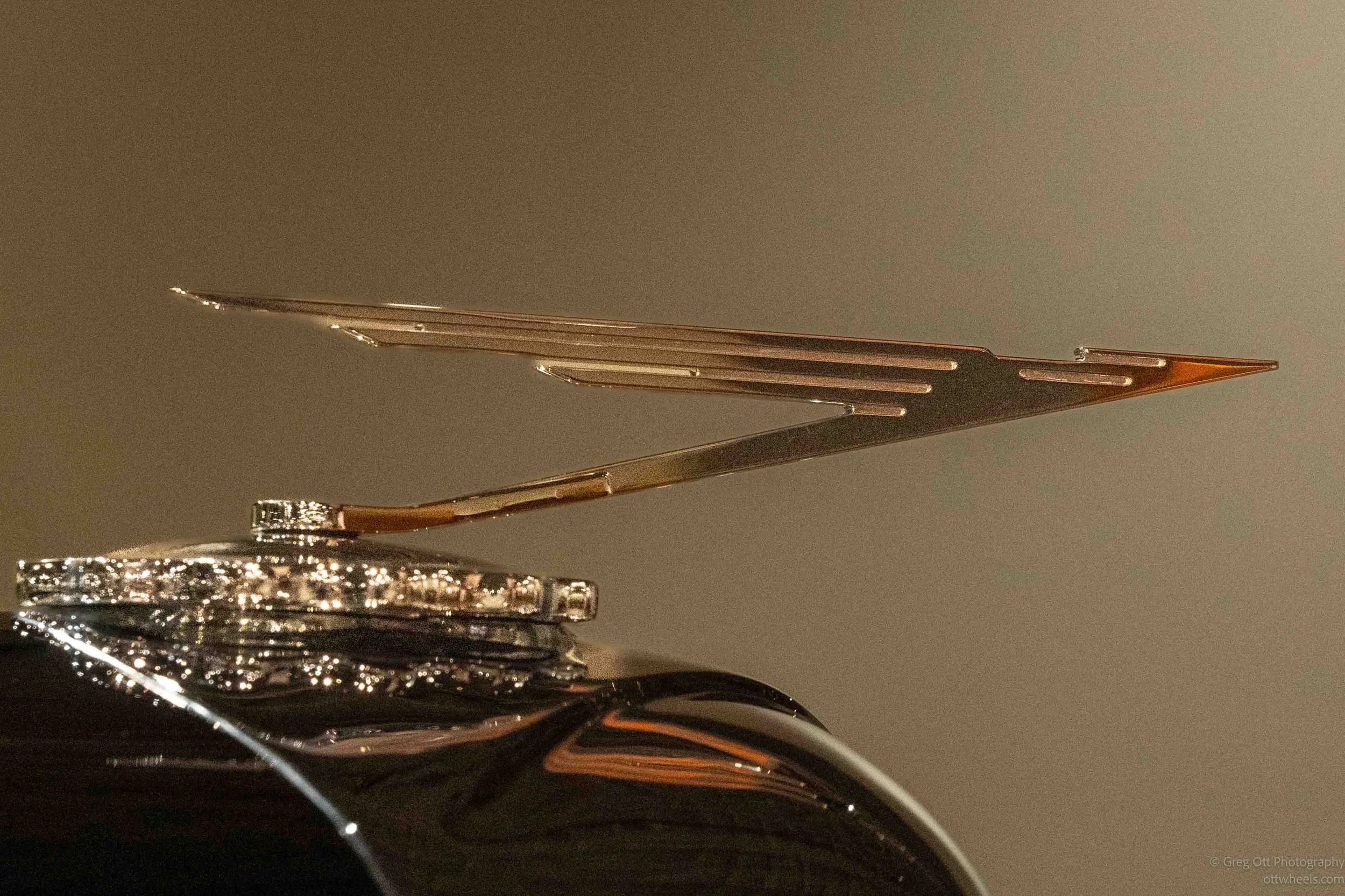
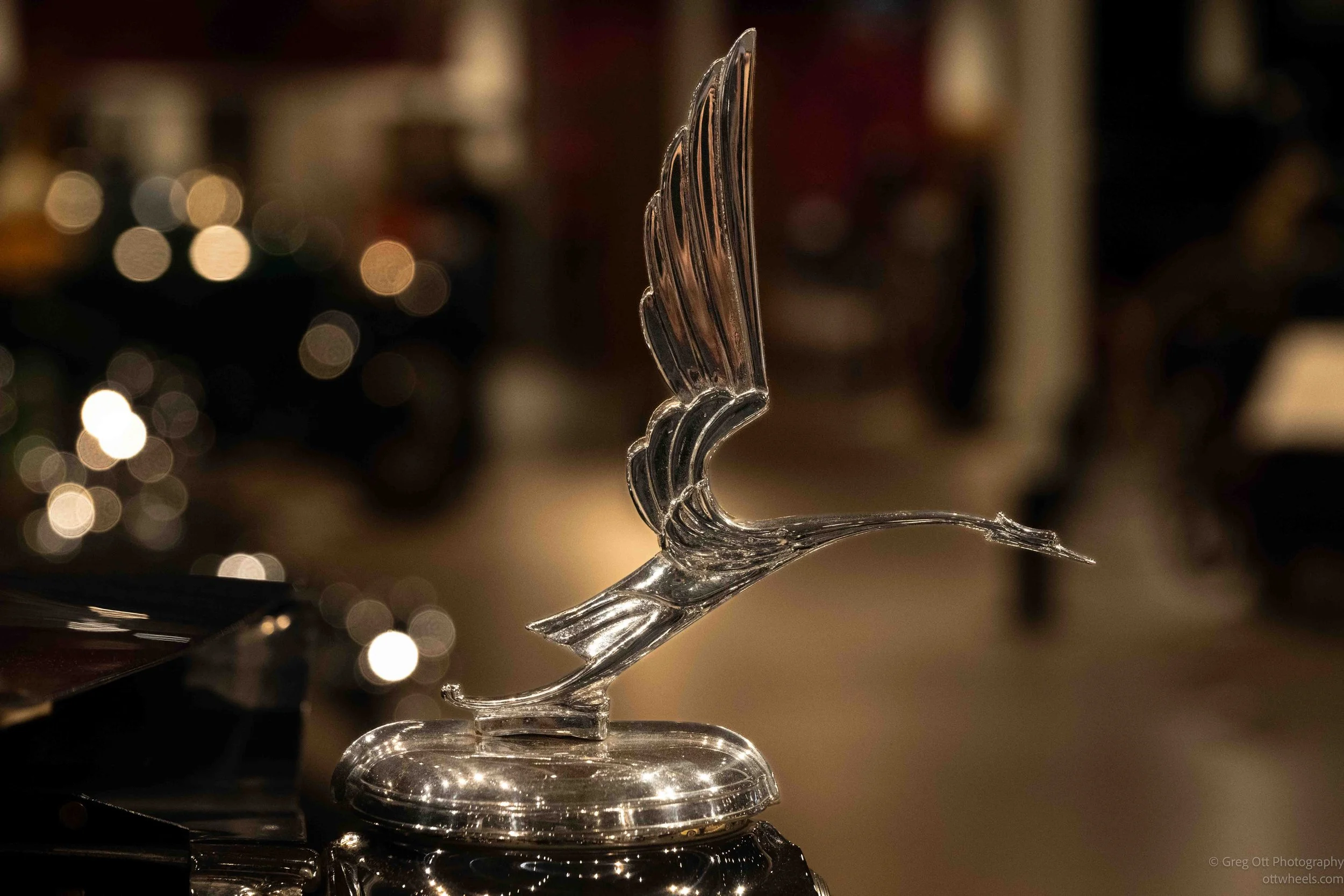
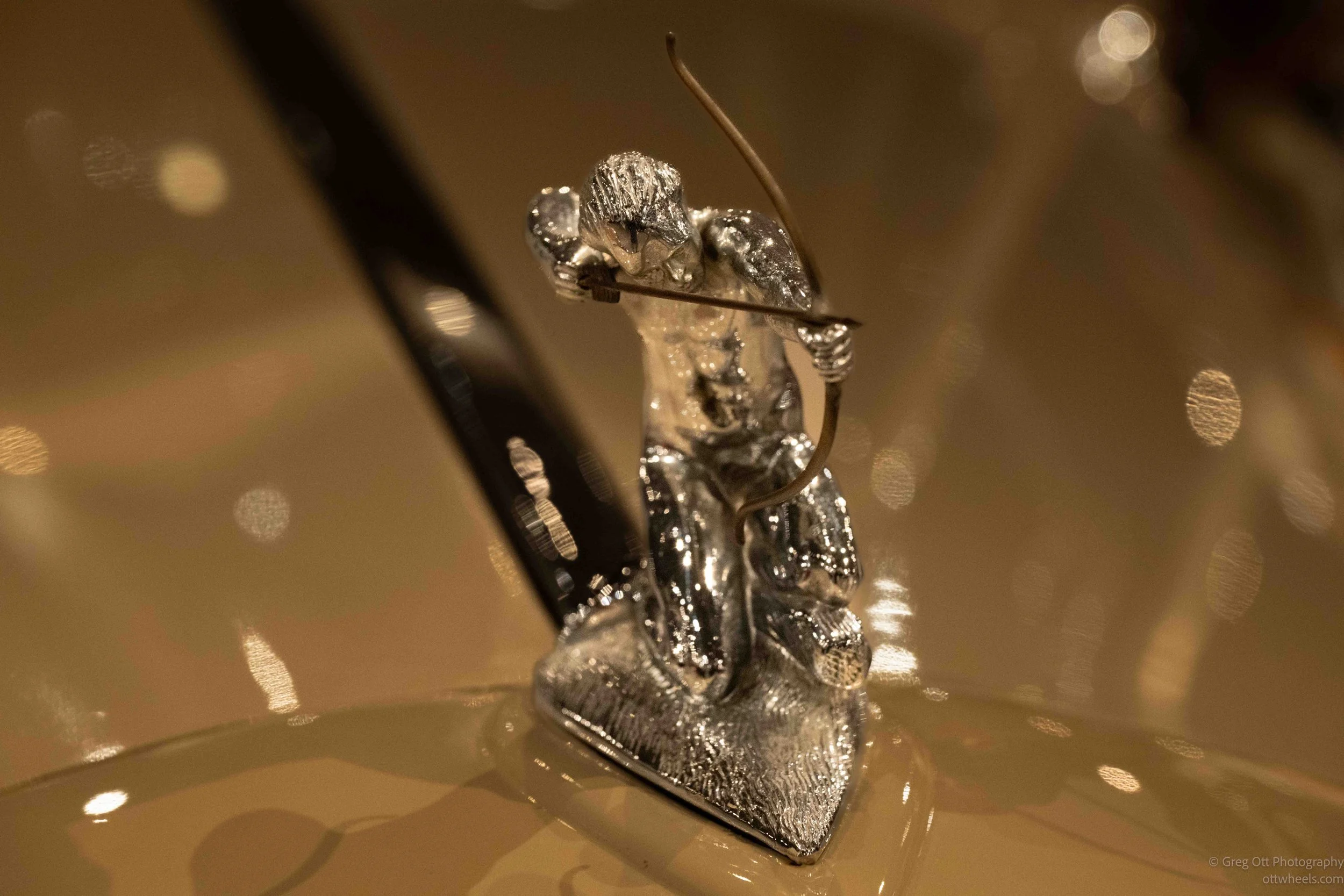
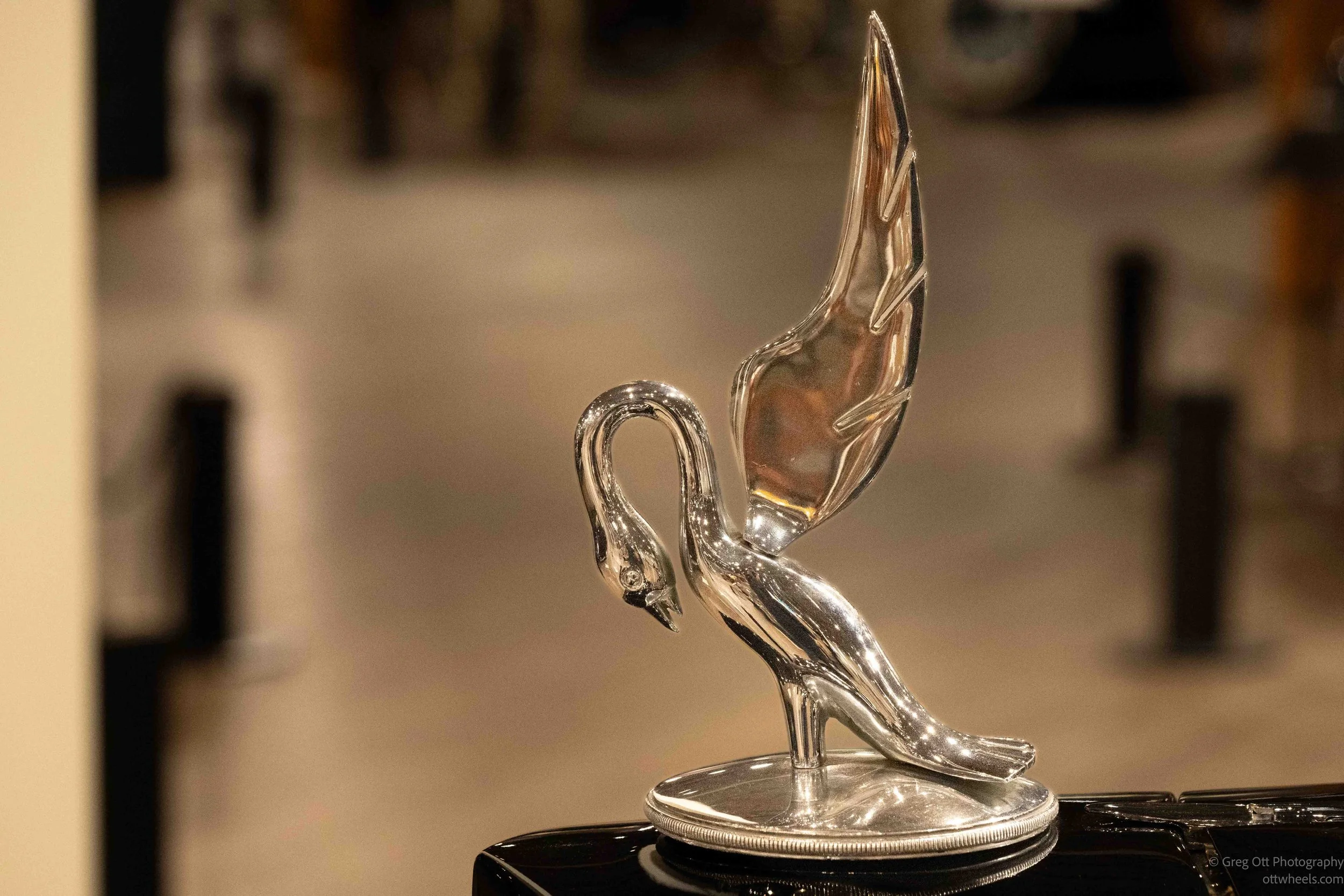
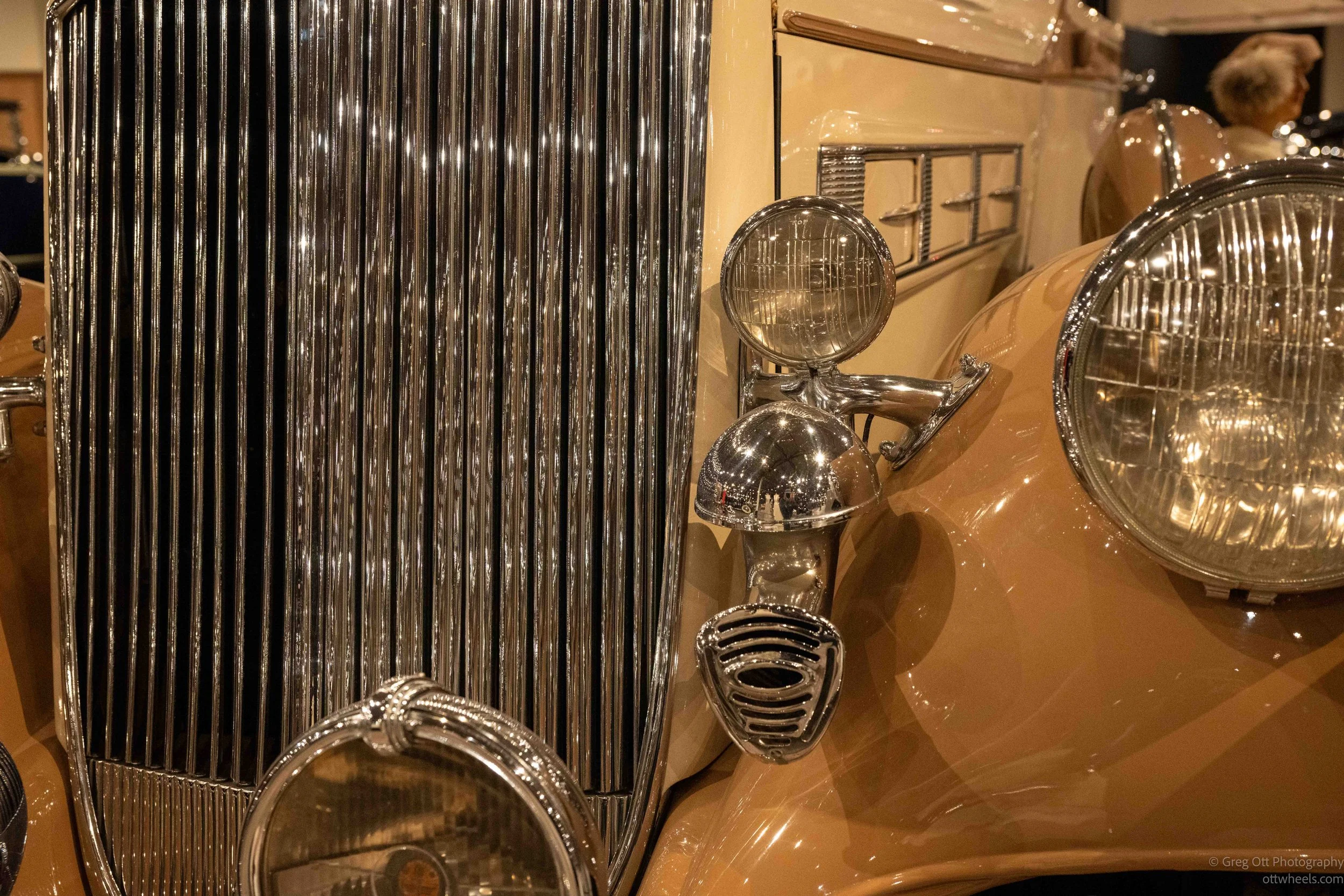
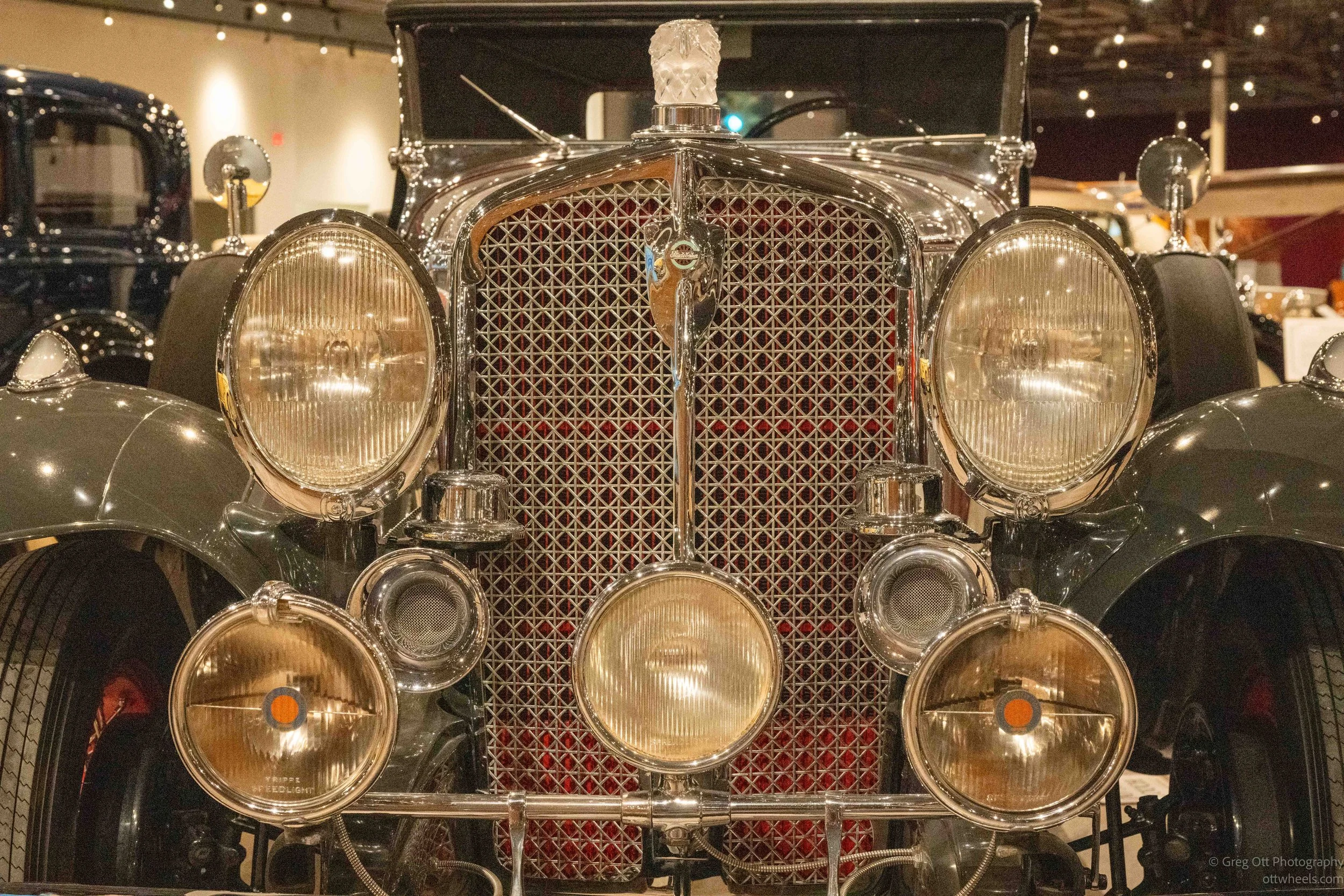
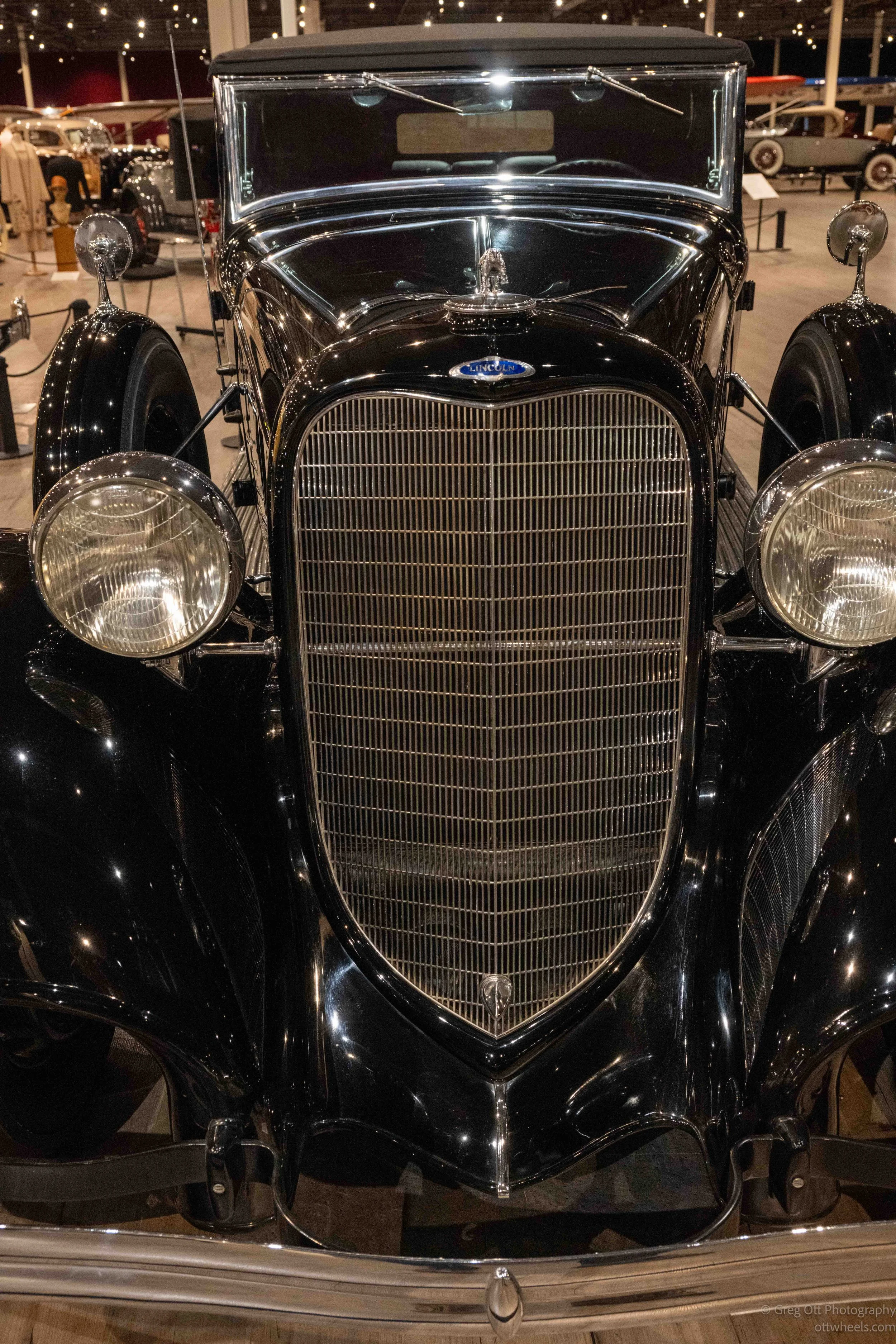
Some of the front ends are extraordinary. A huge vertical grille might dominate the entire car, surrounded by four, five or even six separate lights. Chrome reflected everything around it. On another car, the grille became a series of horizontal lines sweeping outward beneath an impossibly long hood. There were very few anonymous surfaces.
Compare that with a modern car, where much of the engineering disappears behind plastic covers, aerodynamic bodywork and electronic systems. On many of these cars, you can see the mechanical pieces and often understand something about what they do simply by looking at them. I liked that. There was a directness to the engineering even when everything surrounding it was beautifully designed.
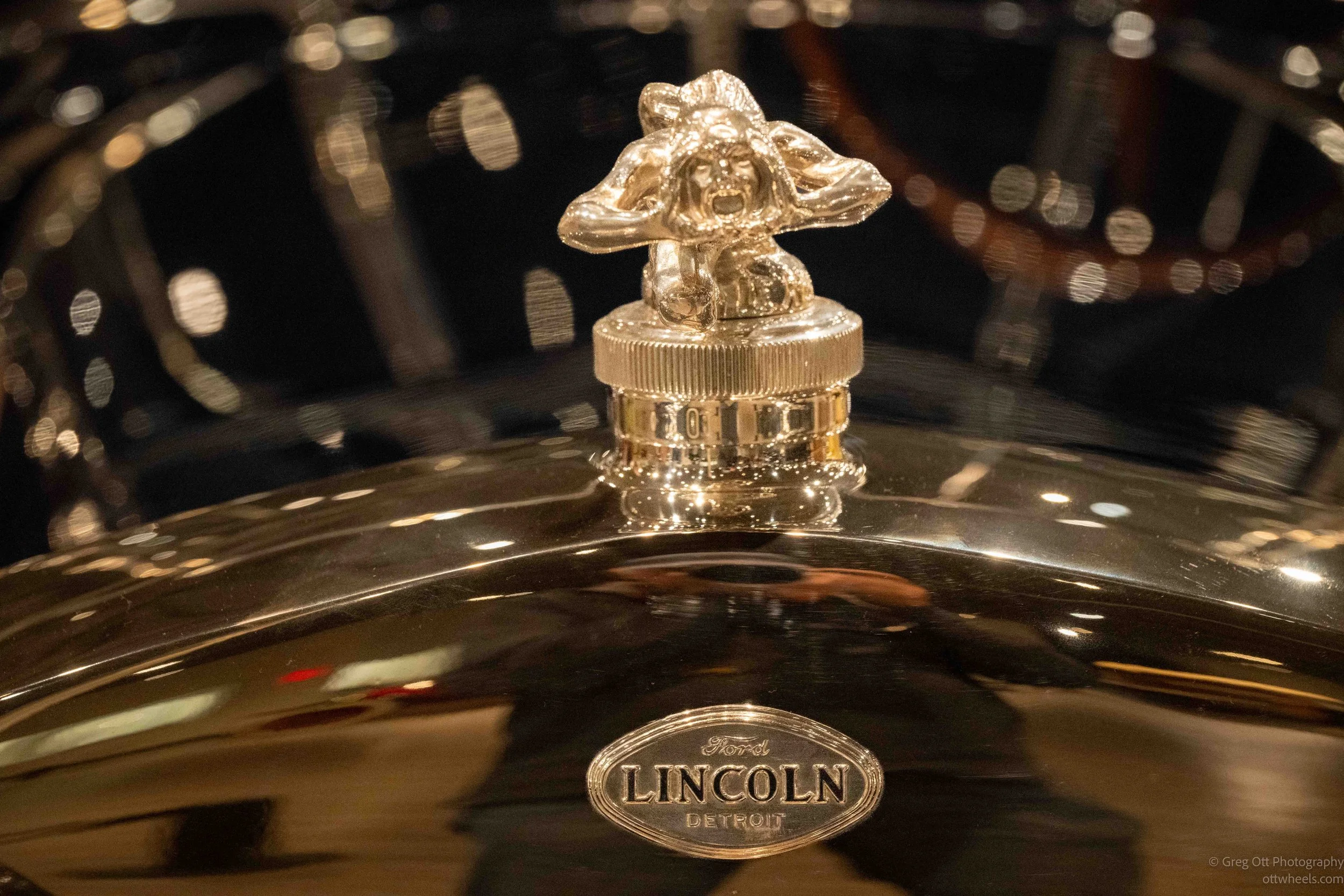
Cars as Sculpture
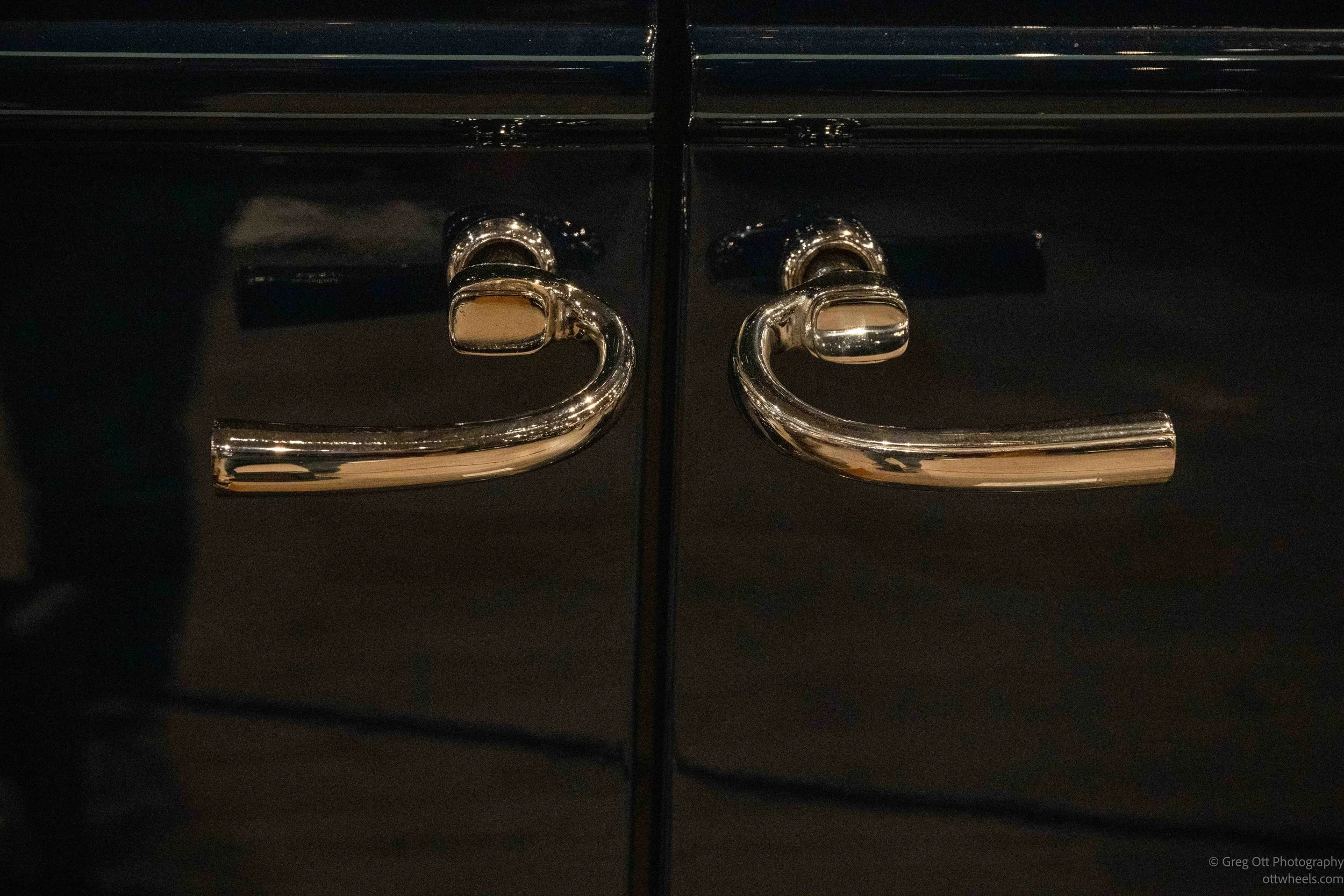
As I moved through the museum, I found myself becoming less interested in photographing entire cars and more interested in the shapes and details within them. Long hoods, sweeping fenders, whitewall tires, wire wheels, radiators, headlights, hood ornaments and chrome trim became subjects on their own.
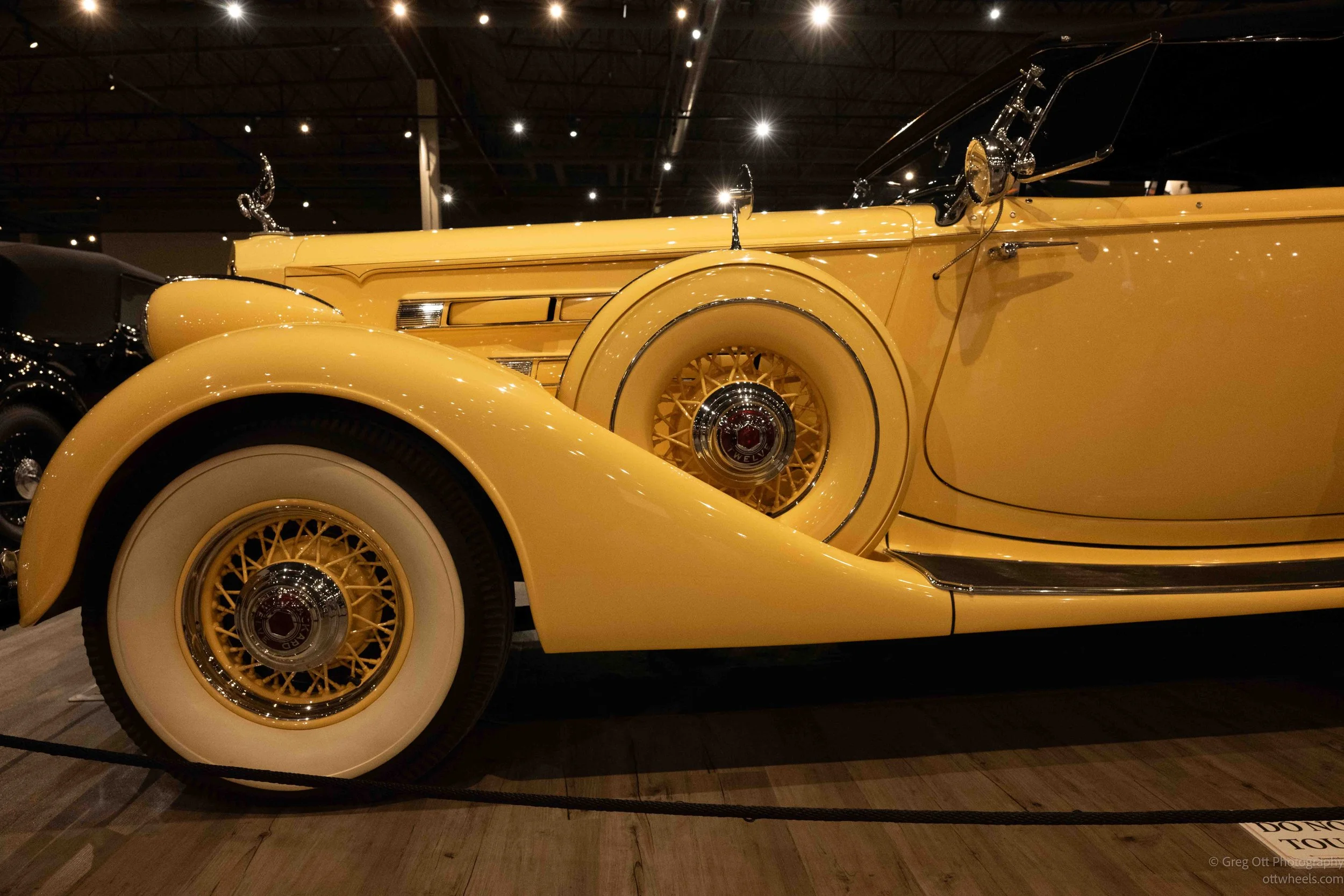
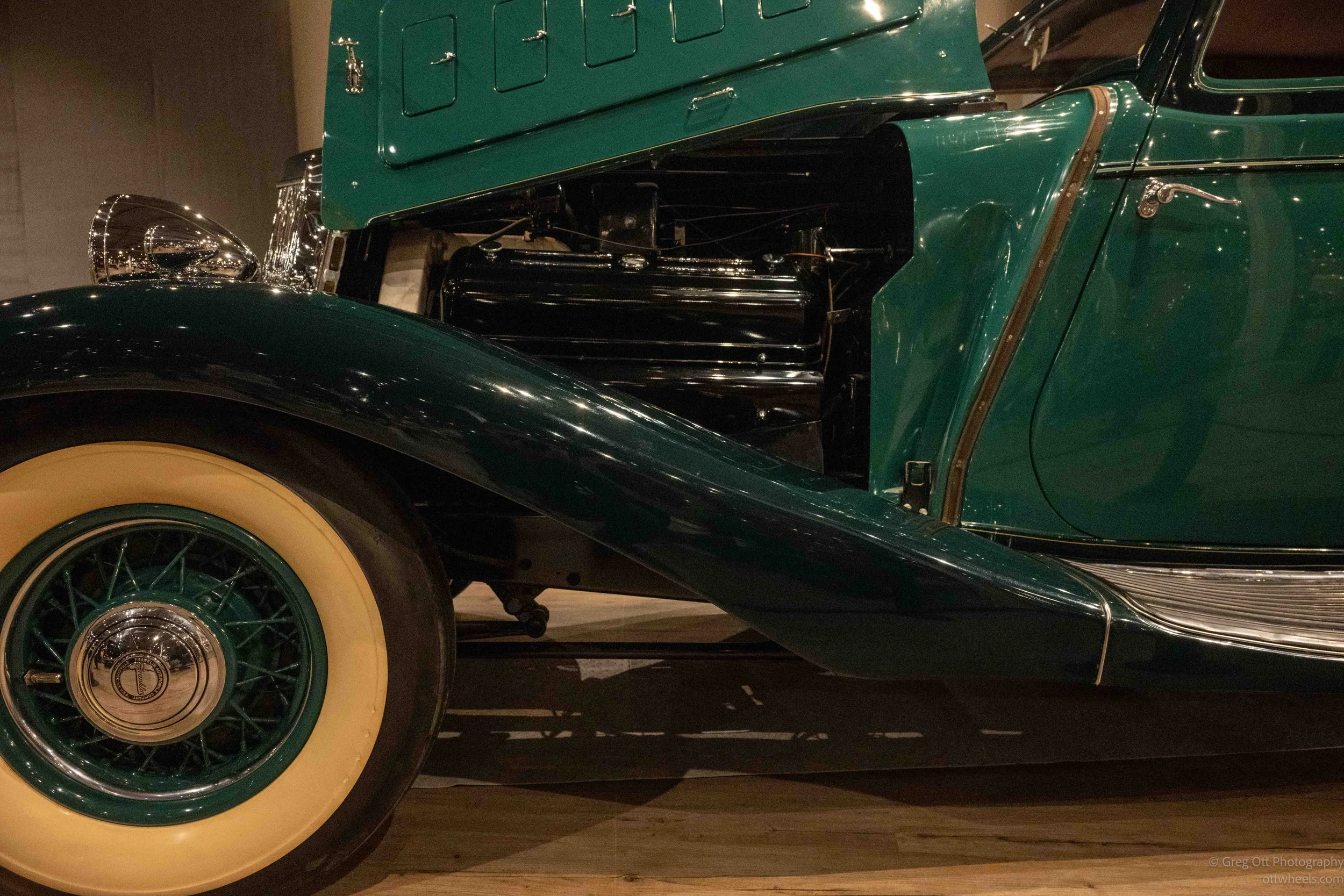
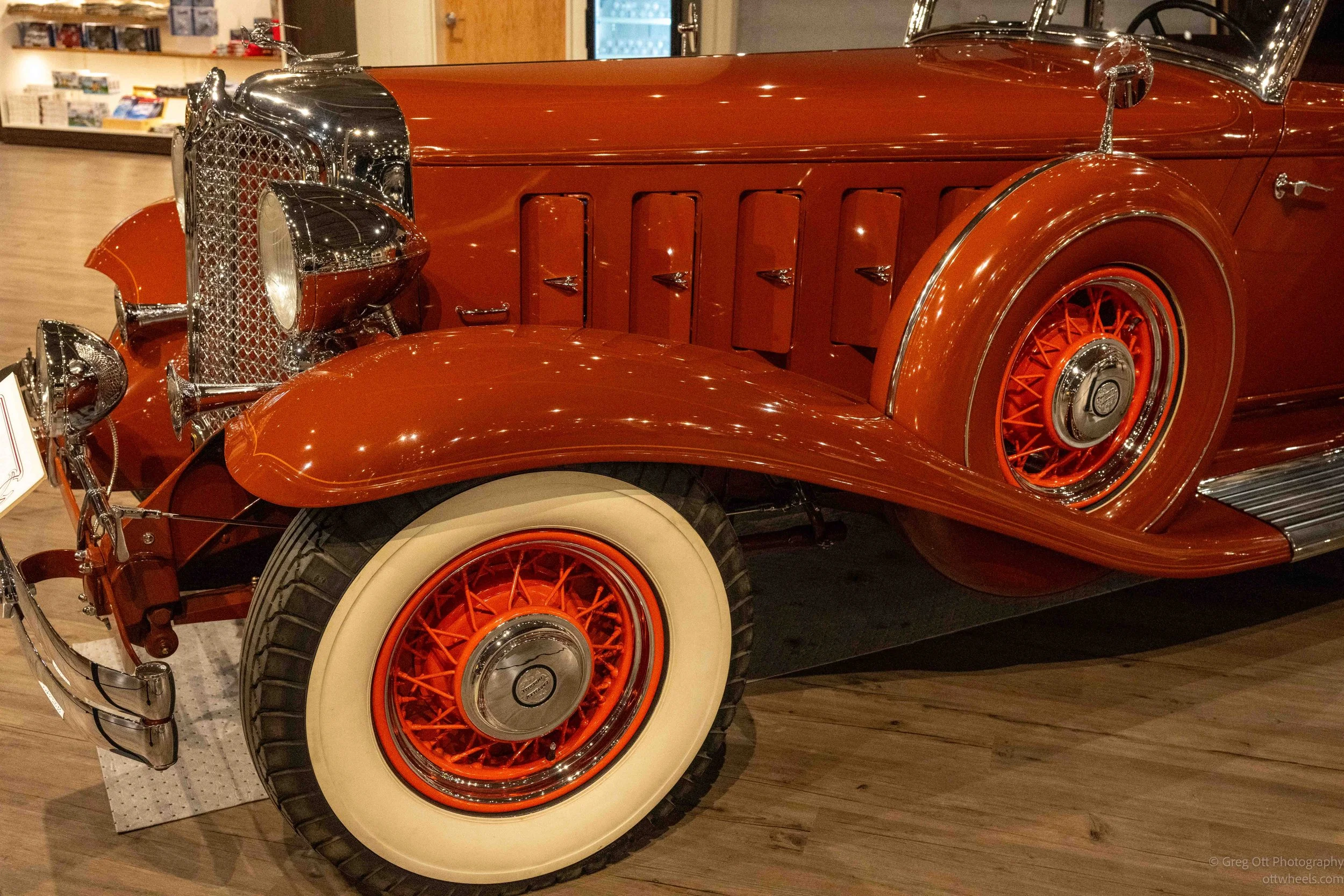
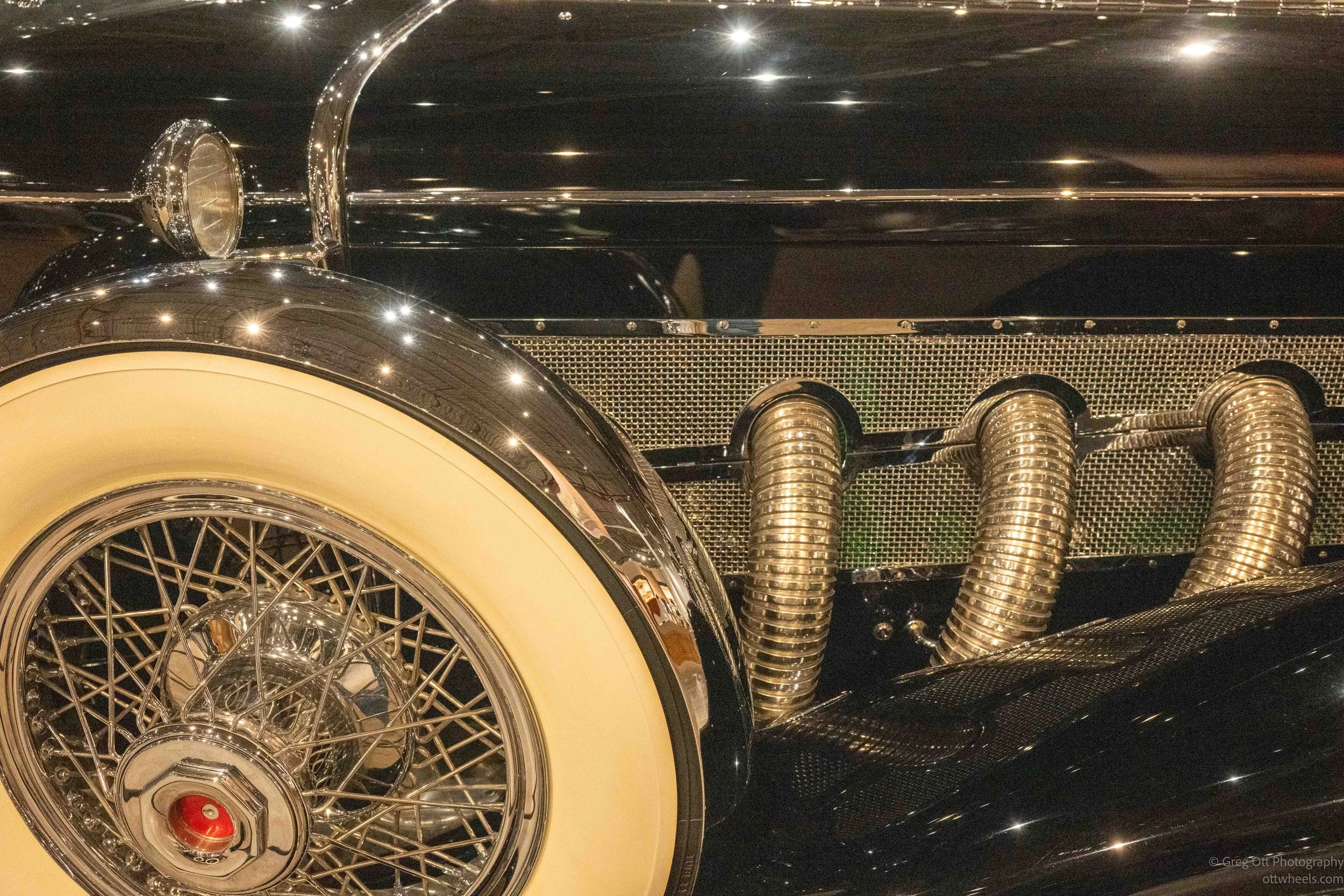
The museum lighting initially made this difficult. Hundreds of ceiling lights reflected in the highly polished paint and chrome, especially on the darker cars. Eventually I stopped fighting the reflections and began using them. Lines of light curved across hoods and fenders, emphasizing shapes that might otherwise have disappeared into the dark paint.
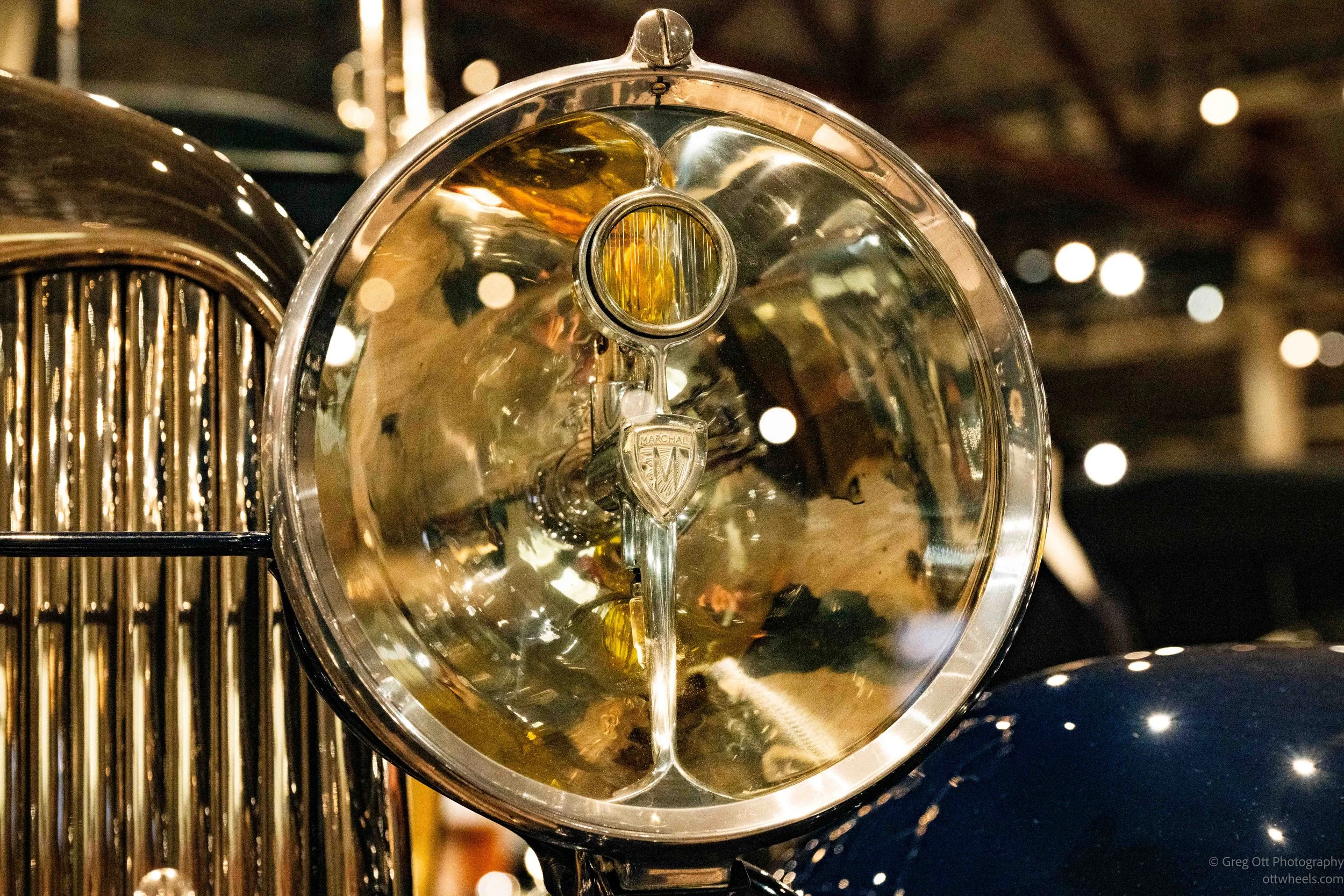
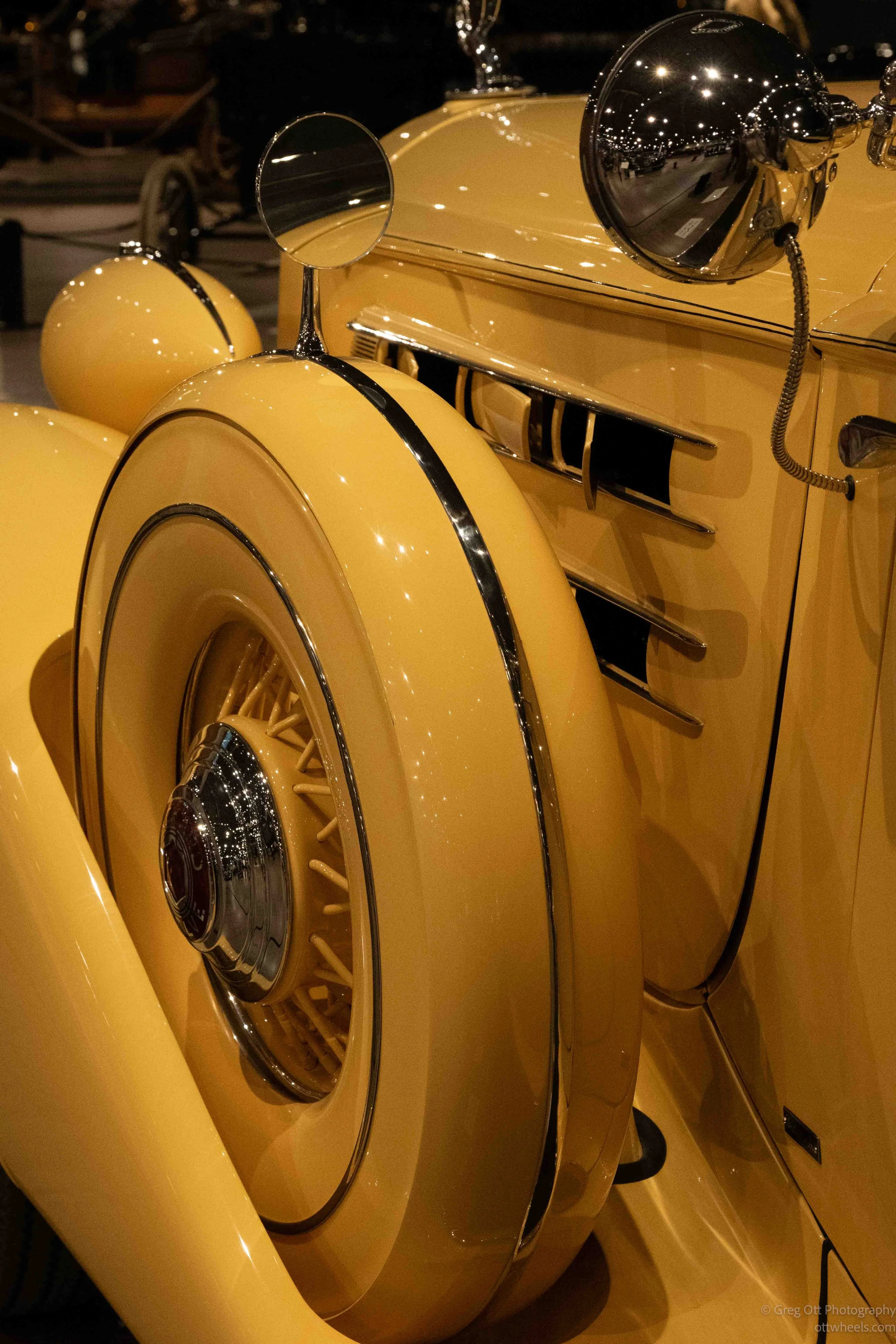
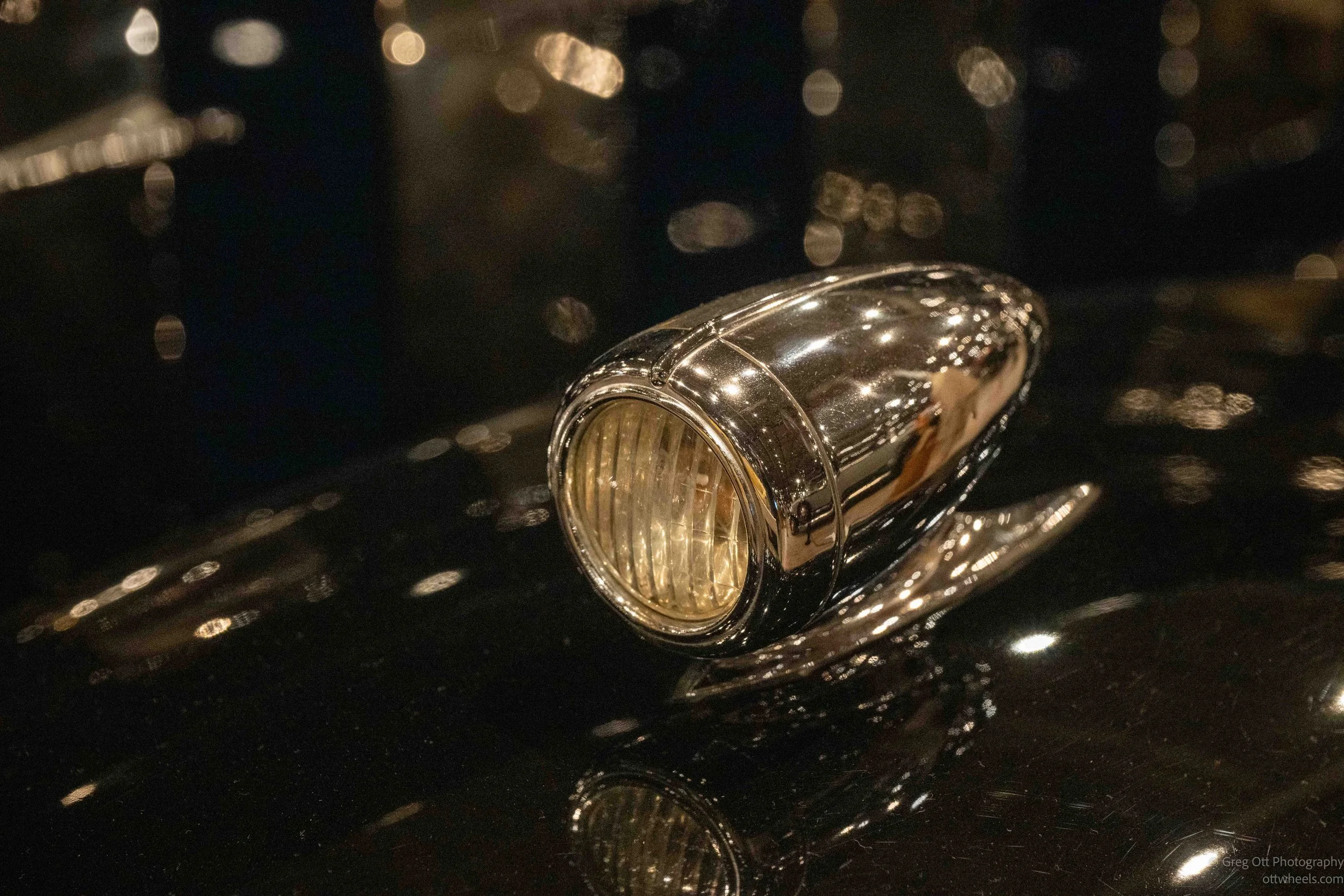
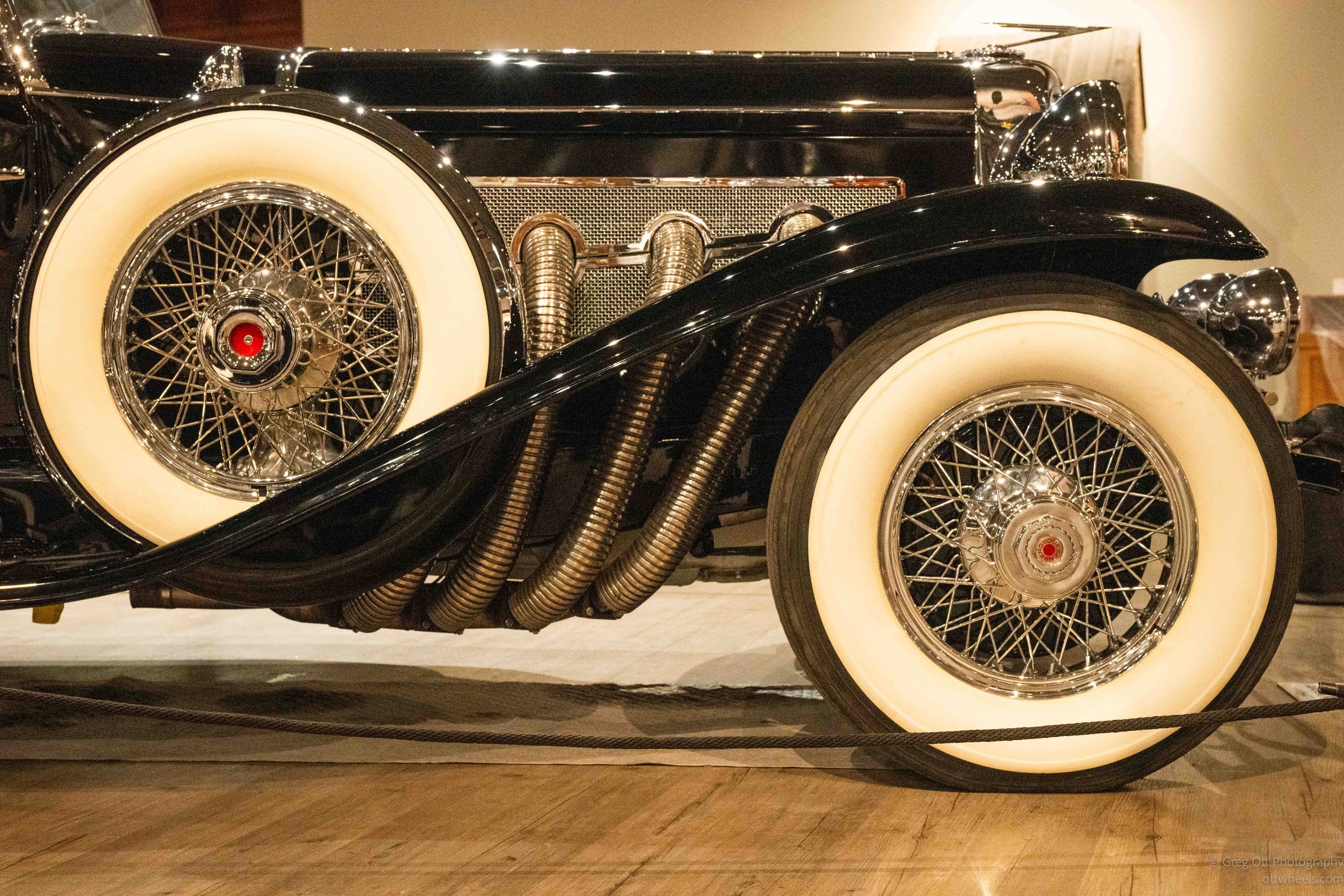
From that point on, I started looking at the cars differently. A fender wrapping around a whitewall tire or the geometry of a radiator could be more interesting to me than a photograph of the entire automobile. The cars became less about documenting what was in the museum and more about finding compositions within them.
The Face of a Car
I also became fascinated with how much personality designers gave the front of these cars. Modern automobiles still have recognizable faces, but many of these early luxury cars took that idea much further. The radiator was enormous and usually perfectly vertical. Headlights sat independently on either side, sometimes accompanied by several additional lamps.
The result could look almost architectural. Some were imposing while others looked surprisingly friendly, and a few seemed almost alive. The symmetry also made them interesting photographs. Standing directly in front of one of these cars, the grille and collection of headlights could become an almost abstract arrangement of circles, vertical lines and polished metal.
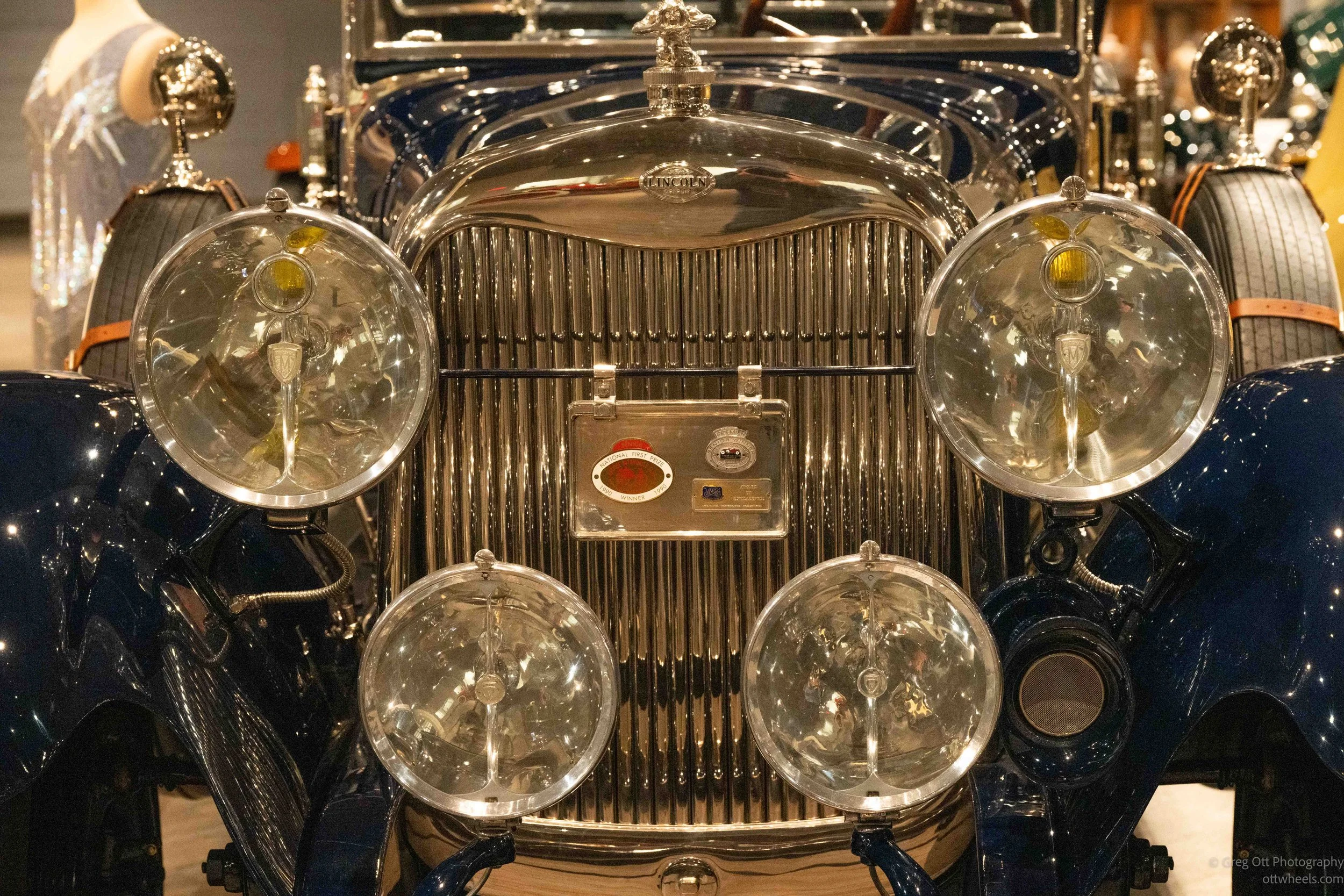
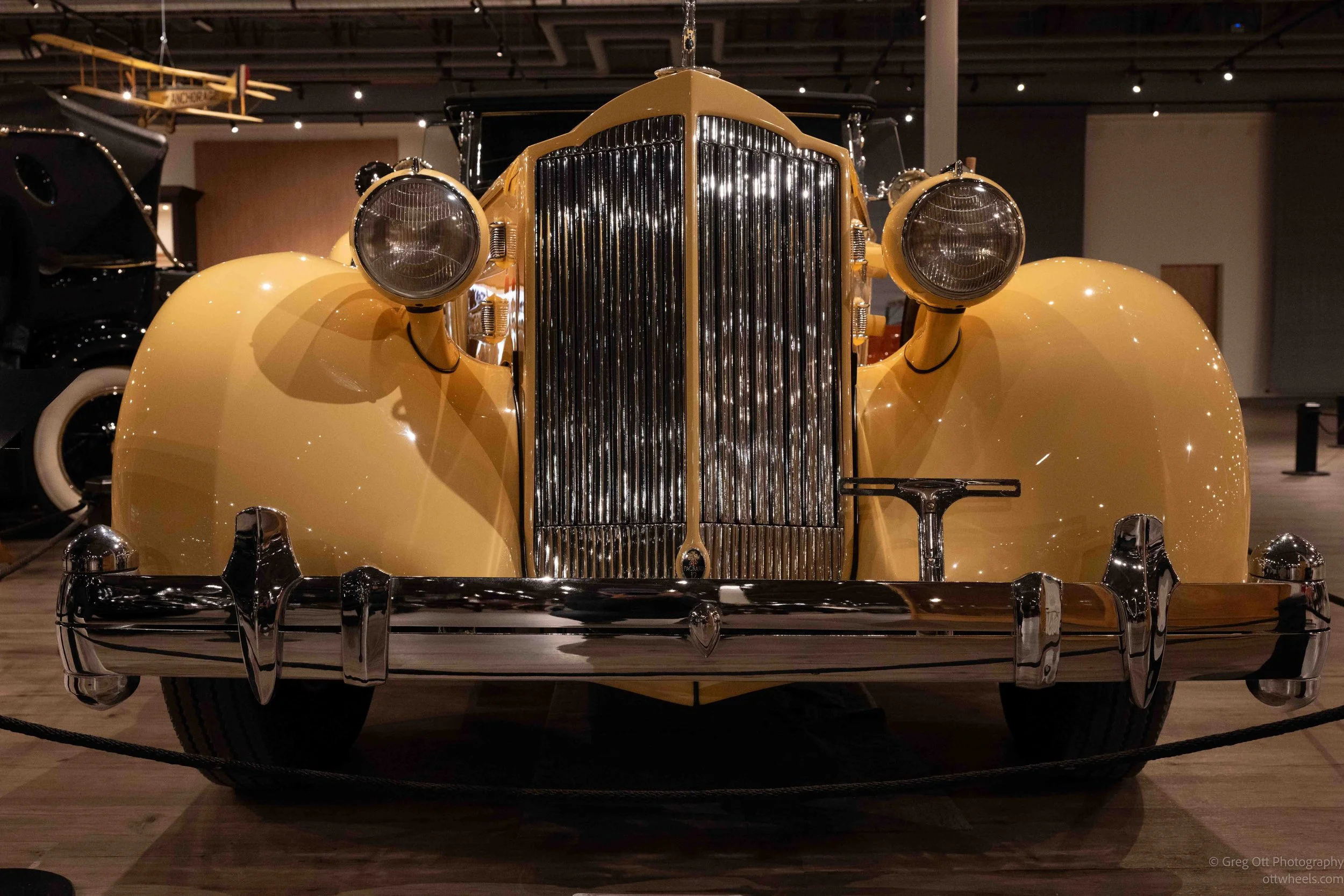
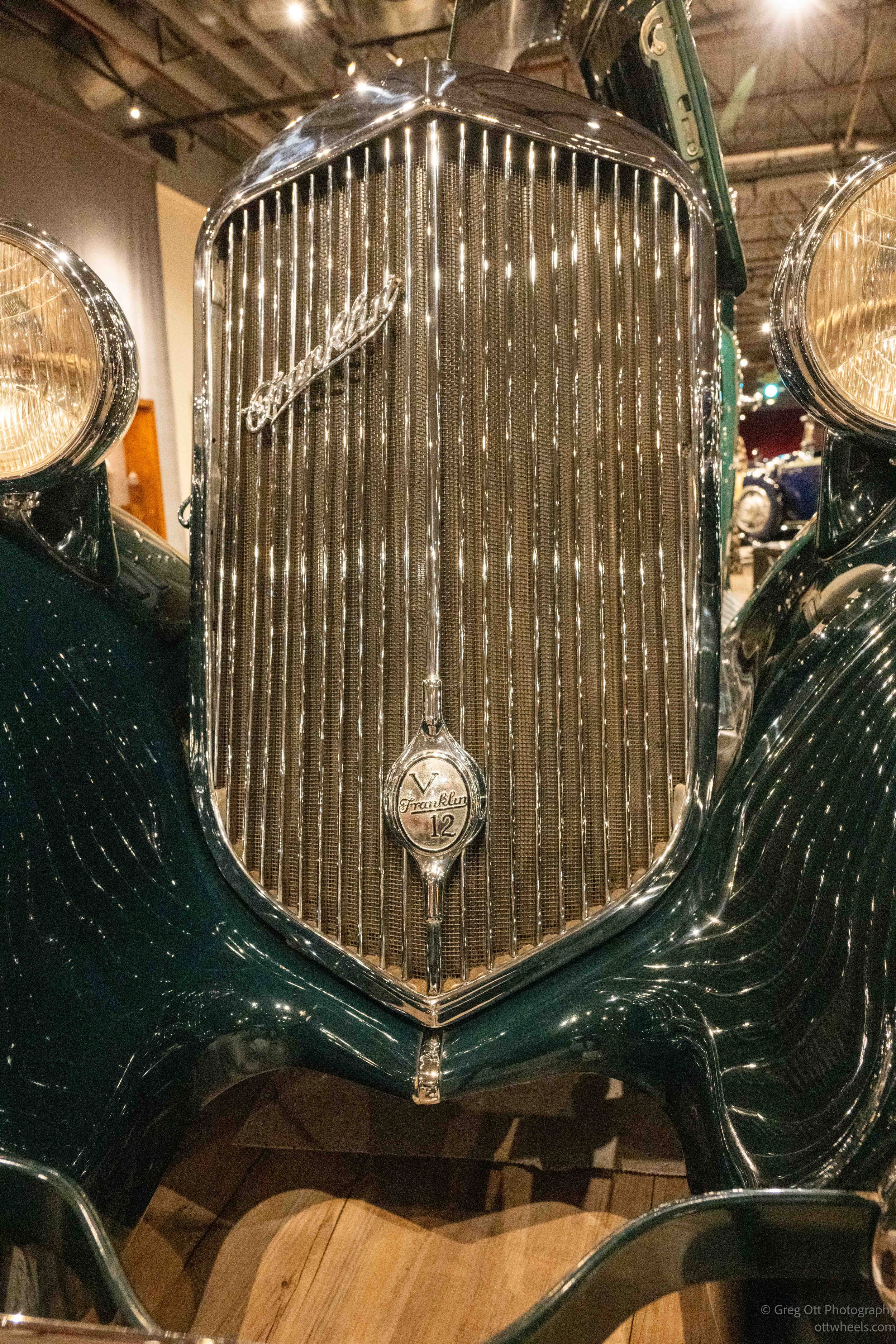
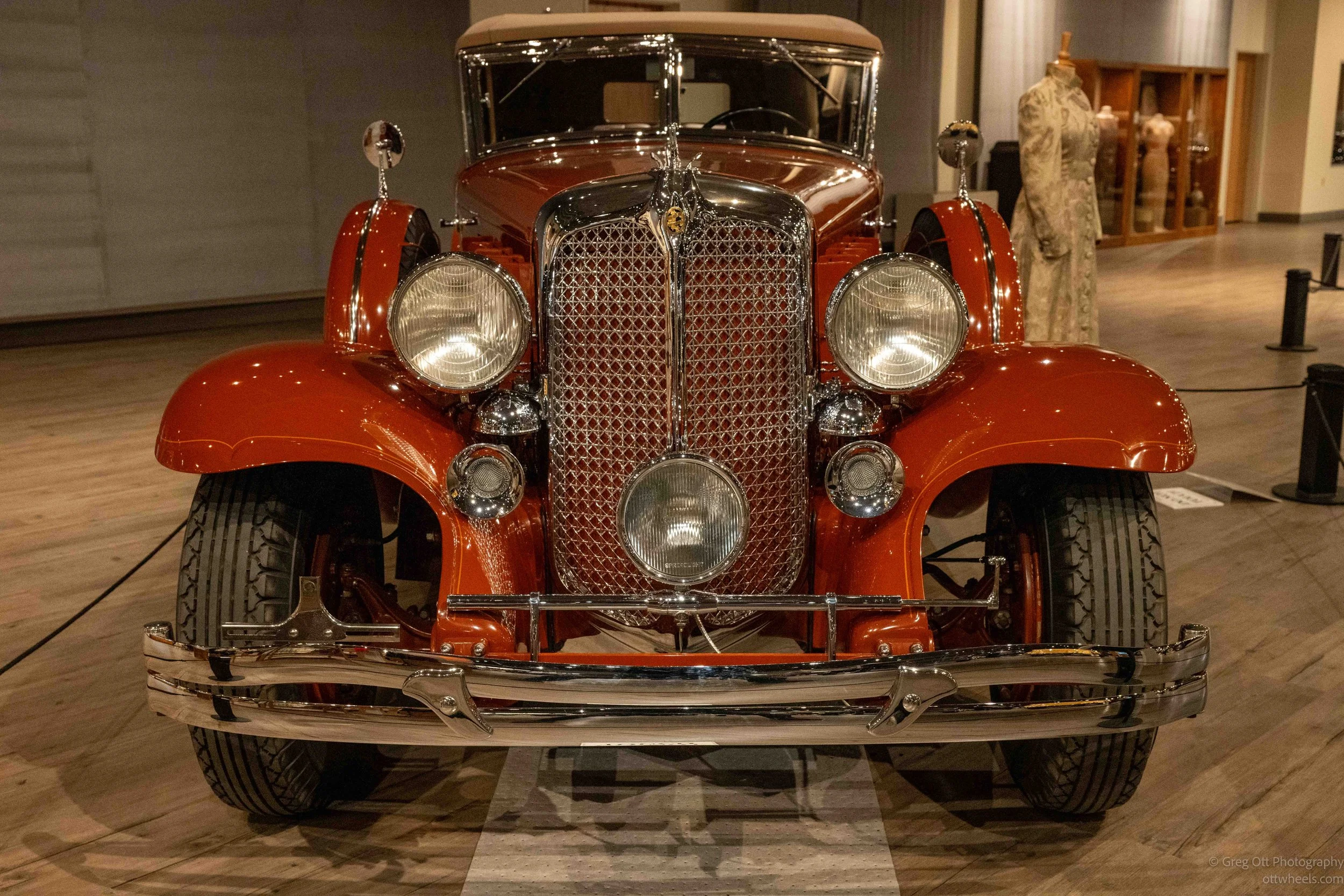
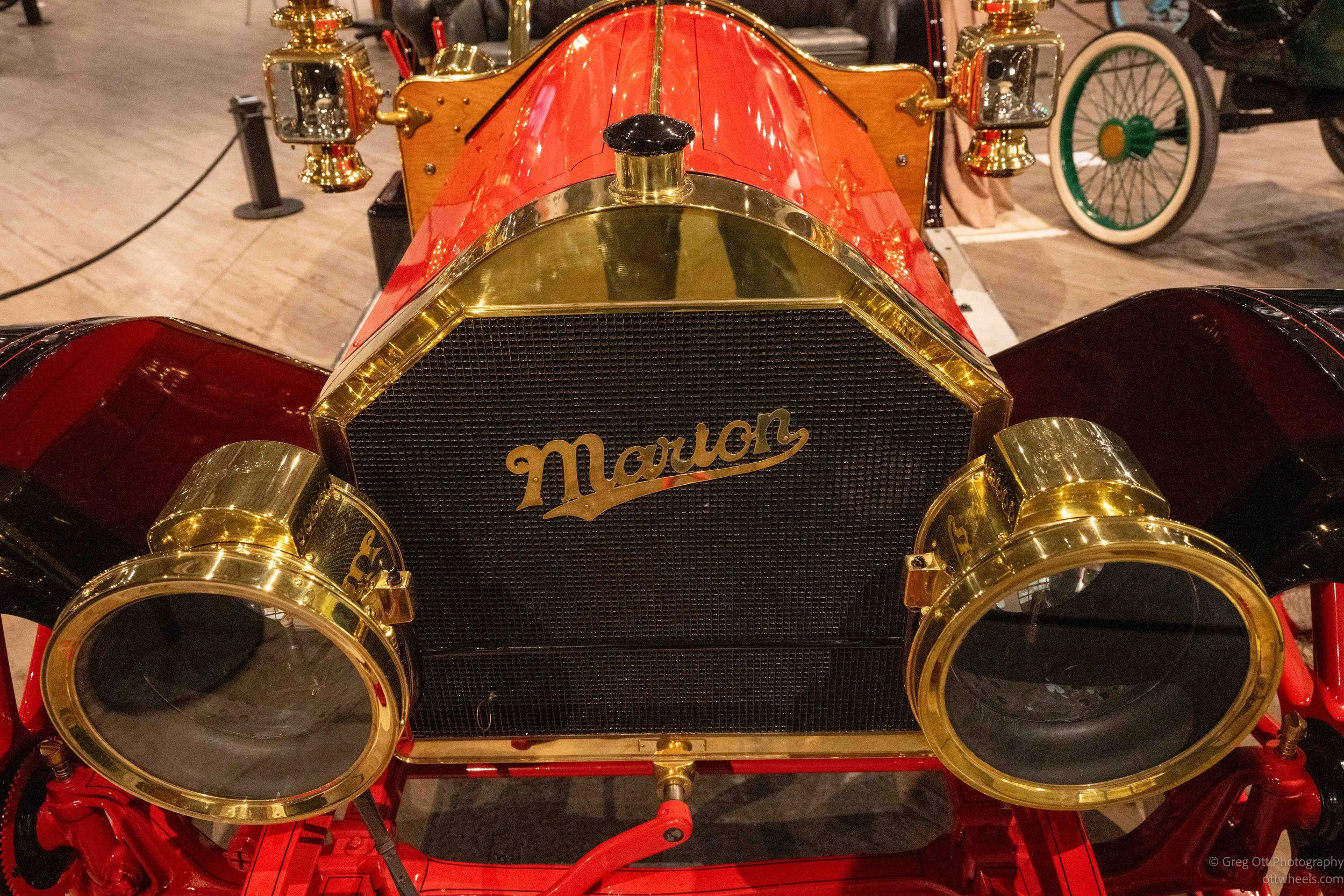
There were Packards, Lincolns and other manufacturers I recognized immediately, along with companies I had either barely heard of or didn't know existed. The museum makes it obvious just how many automobile manufacturers there once were. The industry hadn't yet consolidated into the relatively small number of enormous corporations we know today.
Companies were created, experimented, built cars for a few years and sometimes disappeared. Some introduced technologies that survived even though the company itself didn't. Walking through the collection is almost like looking at an evolutionary tree where many of the branches eventually died out, but pieces of them continued into later automobiles.
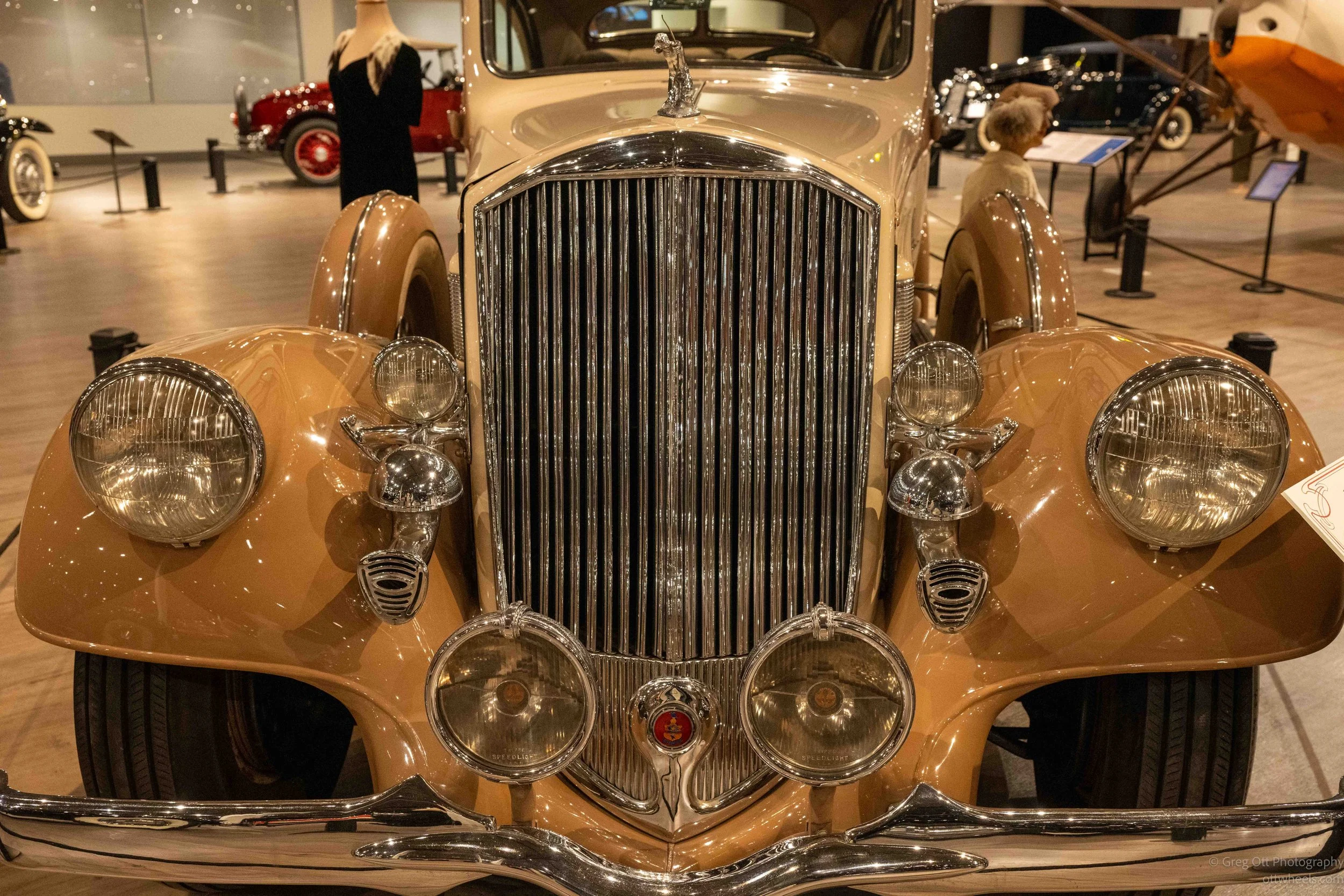
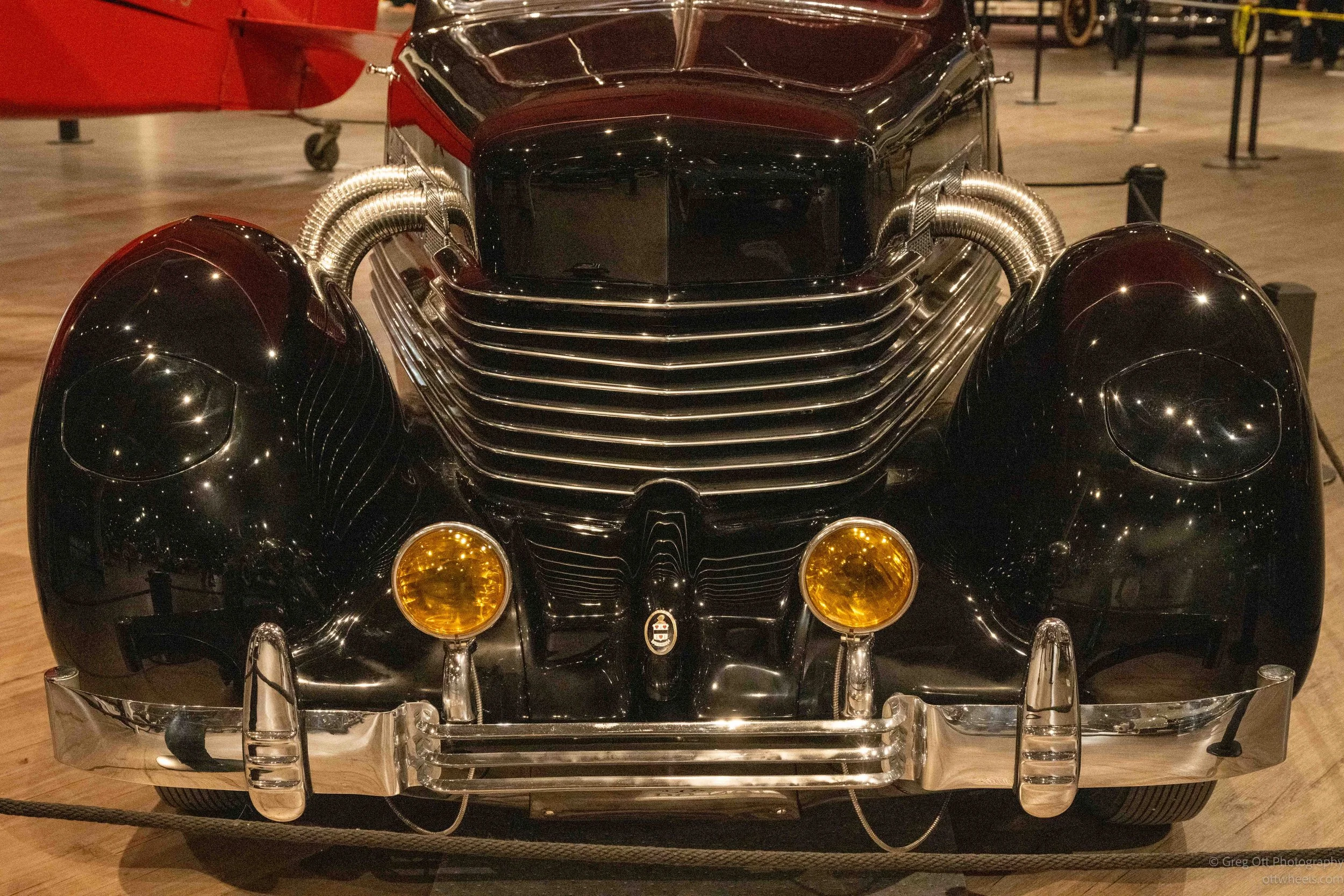
Fashion and the Cars
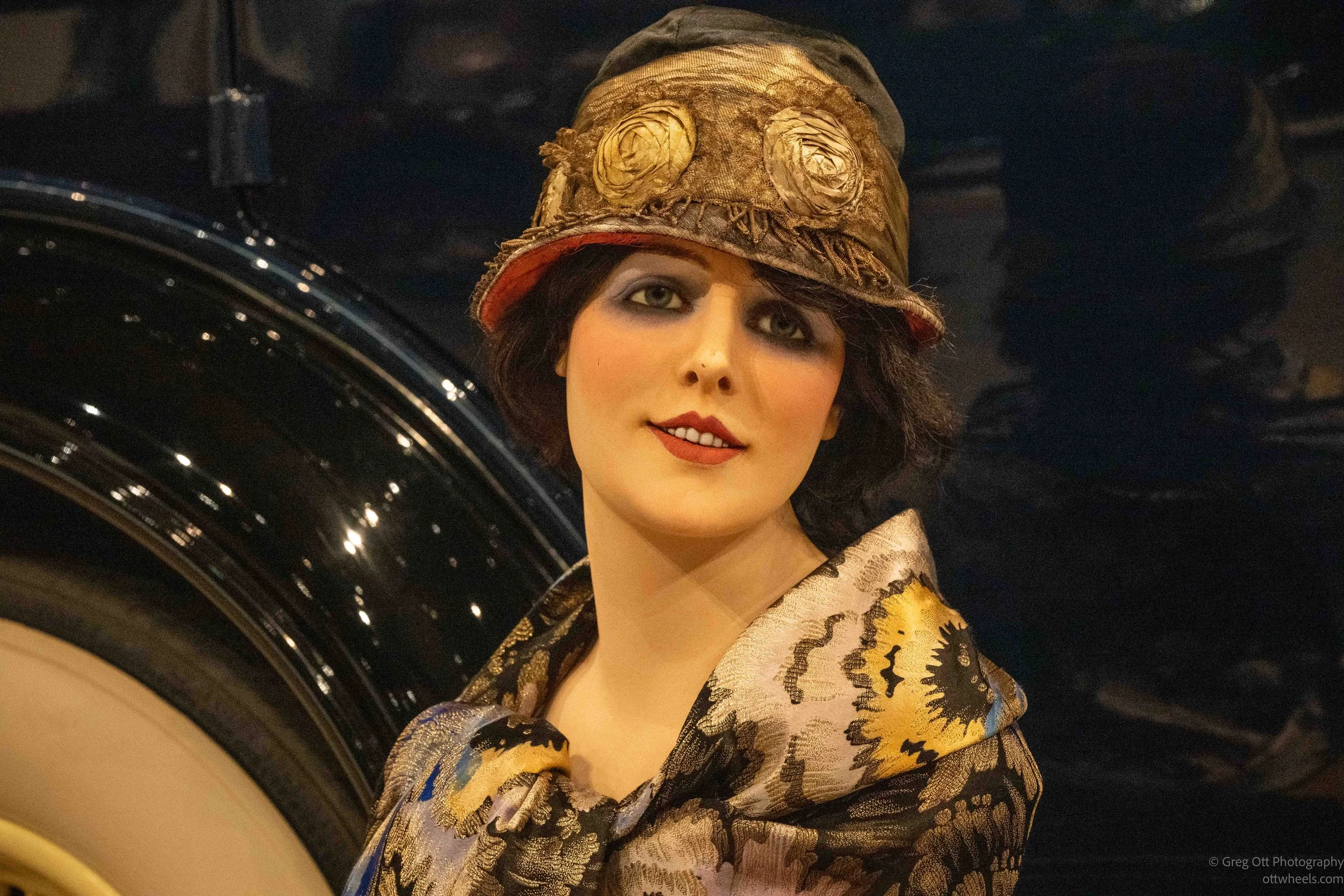
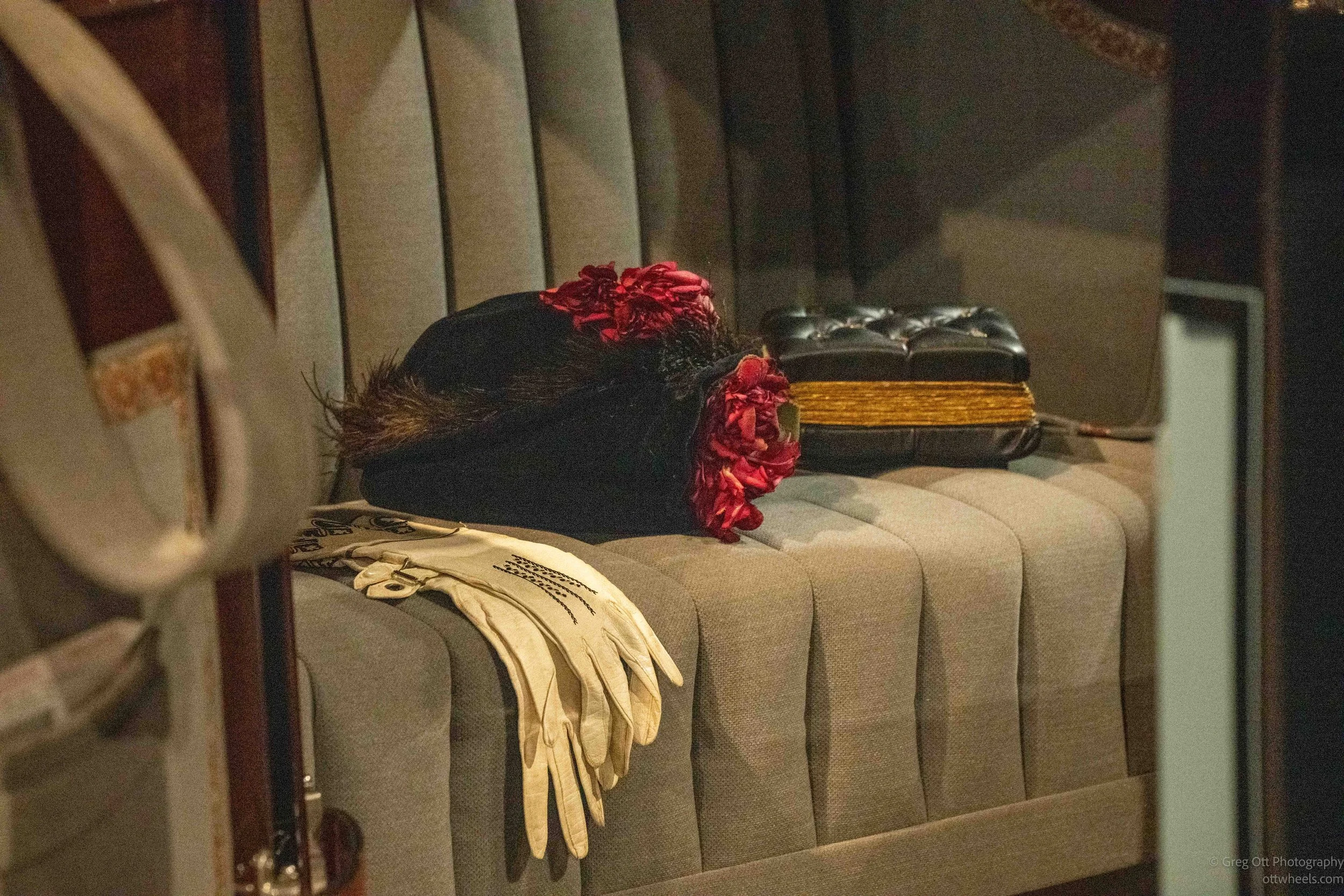
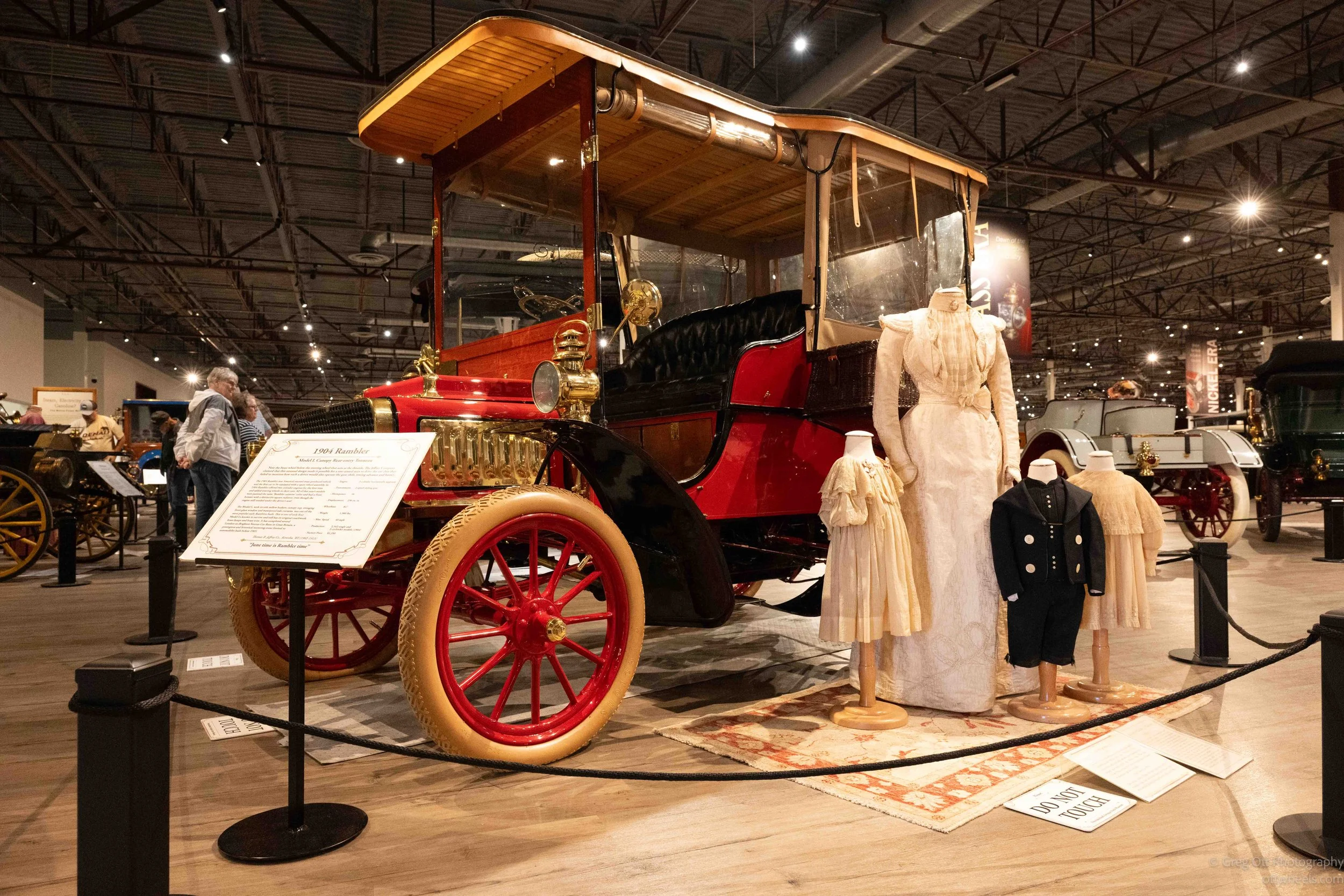
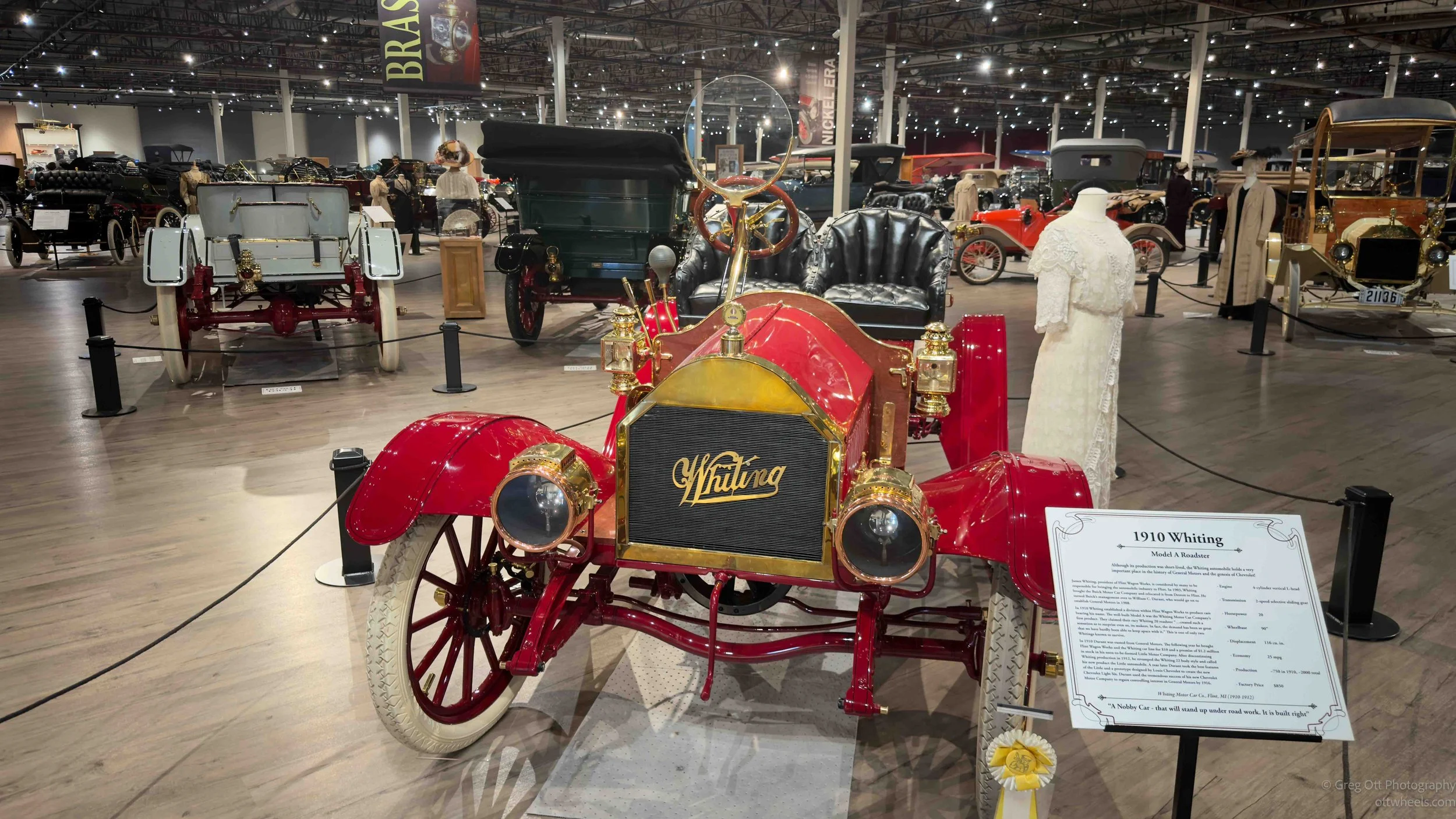
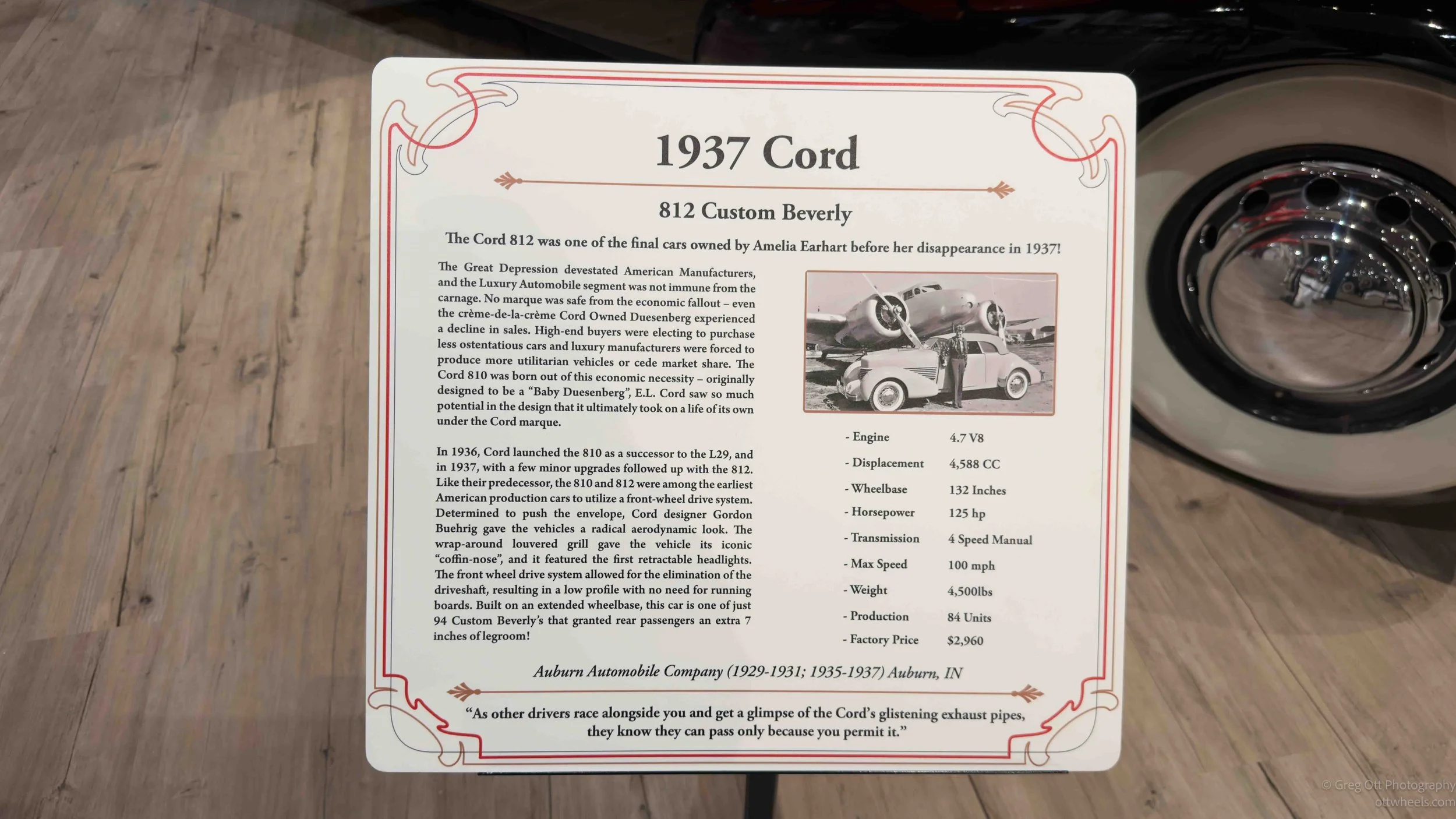
The museum also displays period clothing alongside the automobiles. At first I wasn't particularly interested in that part of the collection because I had come to see the cars, but the clothing changes the way you see them. A car sitting by itself in a museum can become an isolated mechanical object. Put a dress from the same period beside it and suddenly the car belongs to a particular world.
The colors, materials and design begin to connect. You can imagine these cars arriving in front of hotels, restaurants and theaters rather than sitting behind ropes in a museum in Fairbanks. The mannequins also give you a sense of scale and make the cars feel less like artifacts and more like objects that were once part of people's lives.
The museum has an extensive vintage clothing collection, and mannequins throughout the exhibits wear clothing corresponding to the periods represented by the automobiles. Rather than distracting from the cars, I thought it gave them context. The cars and clothing were both expressions of the same changing ideas about style and modernity.
And Airplanes
Then there were the airplanes. Several historic aircraft are mixed into the automobile collection, which initially seems slightly odd until you remember where you are. This is Alaska, where aviation became enormously important because roads simply didn't reach much of the state. In many places they still don't.
Seeing airplanes among the automobiles reinforced something else I had been thinking about while looking at the cars. These technologies were developing during the same extraordinary period. People living through the early twentieth century watched automobiles go from curiosities to everyday transportation while aviation went from a few experimental machines to carrying people over enormous distances.
The speed of that transformation is difficult to appreciate today. Someone born into a world dominated by horses could live long enough to cross the continent in an airplane. During a single lifetime, the boundaries of how far and how quickly an ordinary person could travel completely changed.
That sense of technological change is important when looking at these cars. We see them as antiques because we know everything that came afterward. The people buying them didn't. To them, these machines represented some of the newest technology available and perhaps a glimpse of what was coming next.
Looking at the Cars Differently
By the time I had walked through most of the museum, I wasn't really thinking about these as old cars anymore. I was looking at them as expressions of their time. Technology was evolving at an extraordinary pace, and there must have been a sense that the world itself was being reinvented.
Electricity, automobiles, aviation, radio and new scientific discoveries were changing everyday life and, at the same time, changing people's understanding of what might be possible. The designers of these cars were working inside that world, and the shapes, ornamentation and visible machinery reflected some of that excitement.
They weren't looking backward. They were trying to show people what the future looked like.
That changed the way I looked at the entire collection. The giant radiators, long hoods, hood ornaments, polished exhaust pipes, whitewall tires and acres of chrome weren't simply decoration added to old cars. They were part of an emerging design language for machines that themselves represented something entirely new.
I spent much longer at the Fountainhead Antique Auto Museum than I expected (3-1/2 hours). I went in because my Dalton Highway driver had told me it was worth seeing, and I expected to spend some time looking at a collection of beautifully restored old cars. Instead, I found myself thinking about the period that created them and how quickly the world was changing around the people who designed and bought them.
They weren't just transportation. They were machines created at a time when technology, engineering, art and design were all changing rapidly, and nobody really knew where any of it was going. Looking at them that way made the cars far more interesting to me than their horsepower, top speed or value.
And somewhere in the middle of all those beautifully restored machines, I realized I had spent several hours thinking about automobiles without once thinking about my brakes.
Lemongrass Thai
Around 6 p.m. I went to Lemongrass, a Thai restaurant on the outskirts of Fairbanks. This was another recommendation from the shuttle driver from Deadhorse. Thai food is very popular all over Alaska, and while this wasn’t my first Thai restaurant in the 49th state, it was certainly the most popular. It’s located in a small shopping center beside a bar. It was overcast but still a nice summer evening, and the restaurant was mostly full. There were probably a dozen people waiting inside and out, but I quickly realized they were all waiting for takeout. I was seated immediately.
I had decided to get something other than curry tonight and noticed they had sockeye salmon prepared Thai-style on a bed of spicy noodles. I paired it with the house Merlot. It was excellent—another good recommendation.

I wasn’t sure where I was going to park for the night as I walked back to the van. It was raining lightly now, and there were signs in the parking lot saying overnight parking wasn’t allowed. I remembered a gravel area near Starbucks that was flat and away from traffic, so I headed there. Starbucks was closed when I arrived, and the area was quiet. There was very little traffic, and the rain kept people off the streets. It seemed perfect for the night. I knew Starbucks opened at 4:30 a.m., but I didn’t think there would be much traffic that early.