Mount Hood and Bend, OR
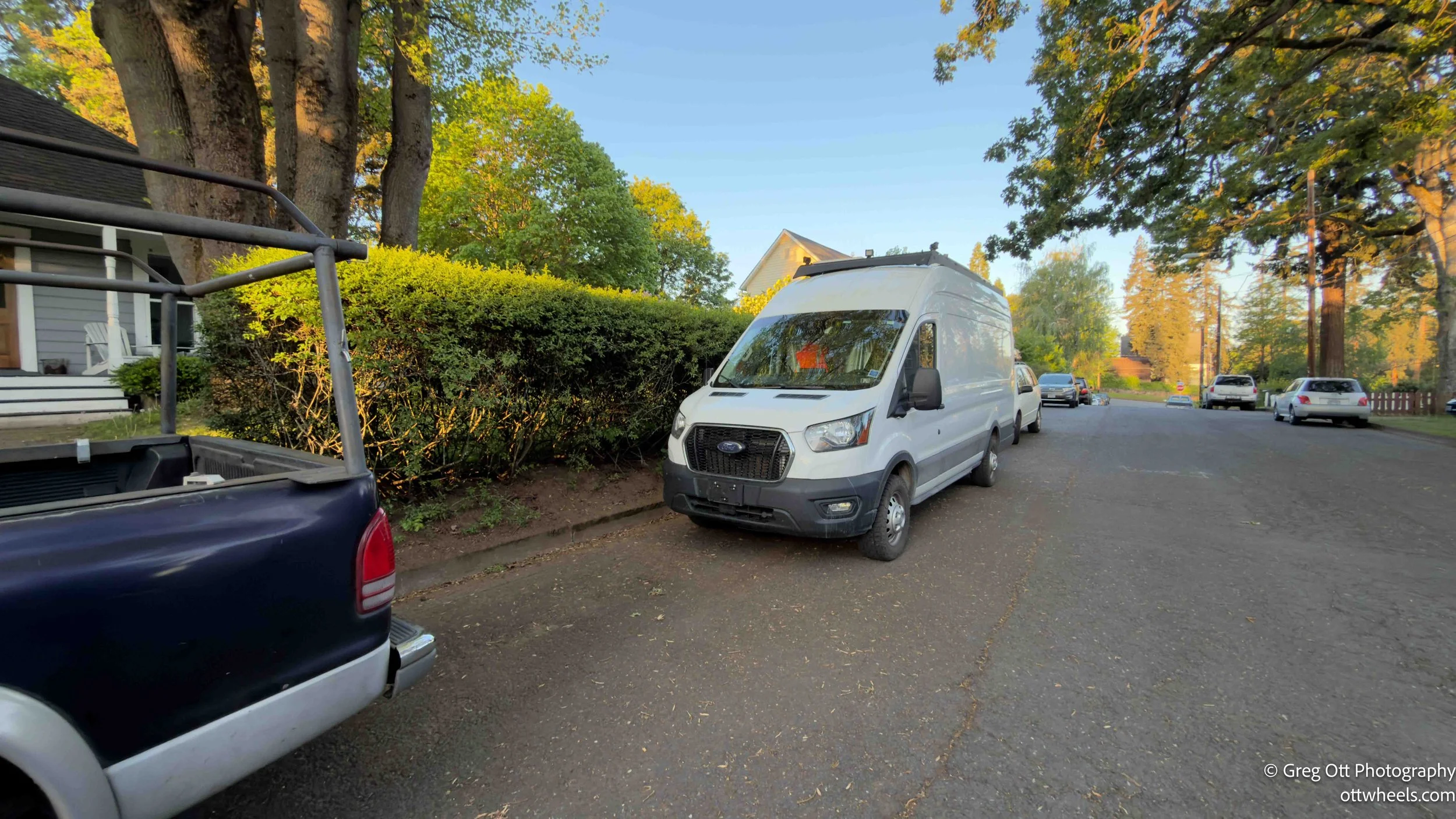
Super quiet night in Hood River, OR. I left my spot on the street around 6:30, topped off the tank, and slid over to the Starbucks on the outskirts of town. At seven, the place was nearly empty—perfect for getting work done.
After the disk crash and recovery, I’ve been pushing everything to the cloud with Backblaze. Starlink, though, hasn’t exactly been living up to its name out here—hovering around 40 Mbps. Plenty for day-to-day work, but moving 2.8 TB of photos at that speed turns into a waiting game. At best, it’s close to a week, assuming the connection holds and improves overnight like it sometimes does.
The plan for the day was simple: swing by Mount Hood, then make my way to Bend.
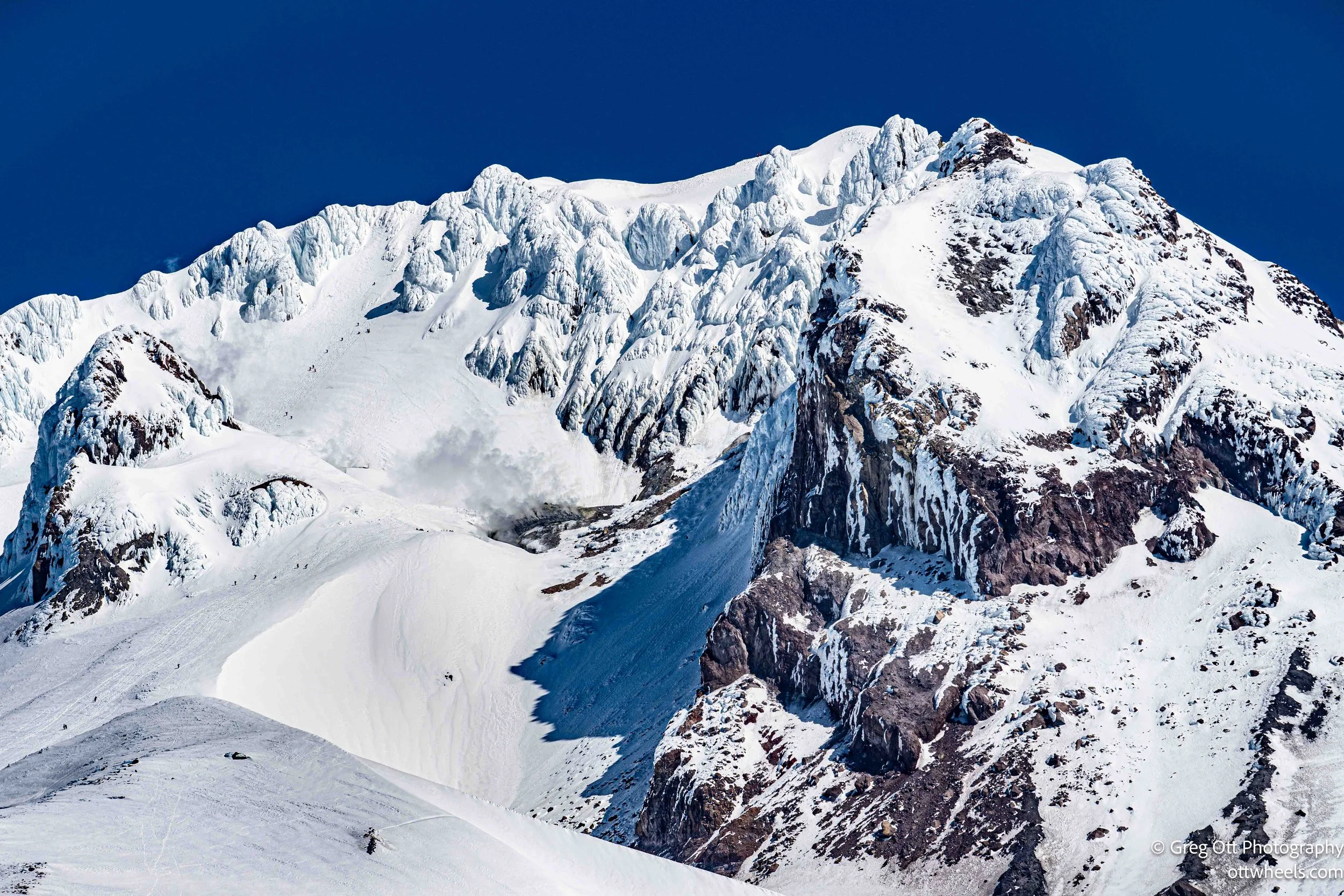
Mount Hood makes its presence known early. As I drove out of Hood River, the peak kept showing itself between breaks in the trees, pulling me to the shoulder more than once for photos. Even this late in April, the top was fully snow-covered, bright against the morning sky. I knew it was a volcanic mountain, part of the Cascade Range, but beyond that I wasn’t coming in with a deep understanding of it. It just stands there, isolated and obvious, the kind of mountain that doesn’t need much explanation to get your attention.
I followed the road up toward Timberline Lodge, which had been the destination all along. The lodge sits high on the mountain, built in the 1930s as part of a Works Progress Administration project, and it’s one of those places people make a point to see—not just for the views, but for the craftsmanship. Hand-carved wood, ironwork, stone—everything built by hand during the Great Depression. It’s also known as the exterior filming location for The Shining, which adds another layer of curiosity. I made it to the upper parking area, but it was packed. I spent a good 30 minutes circling, waiting for someone to leave, trying to fit the van into spots that were clearly designed for something smaller. No luck. Eventually, I gave up and pointed the van toward Bend.
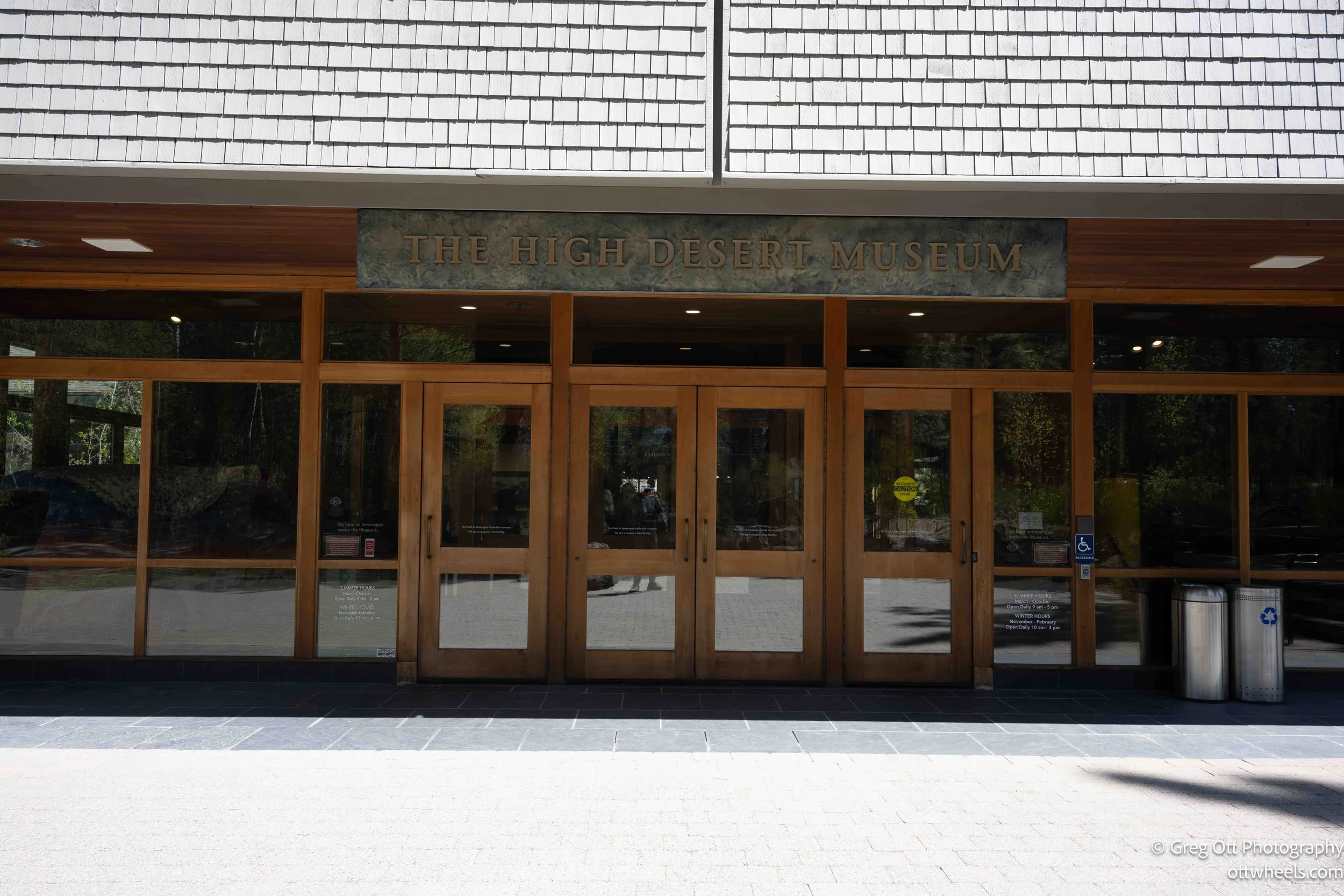
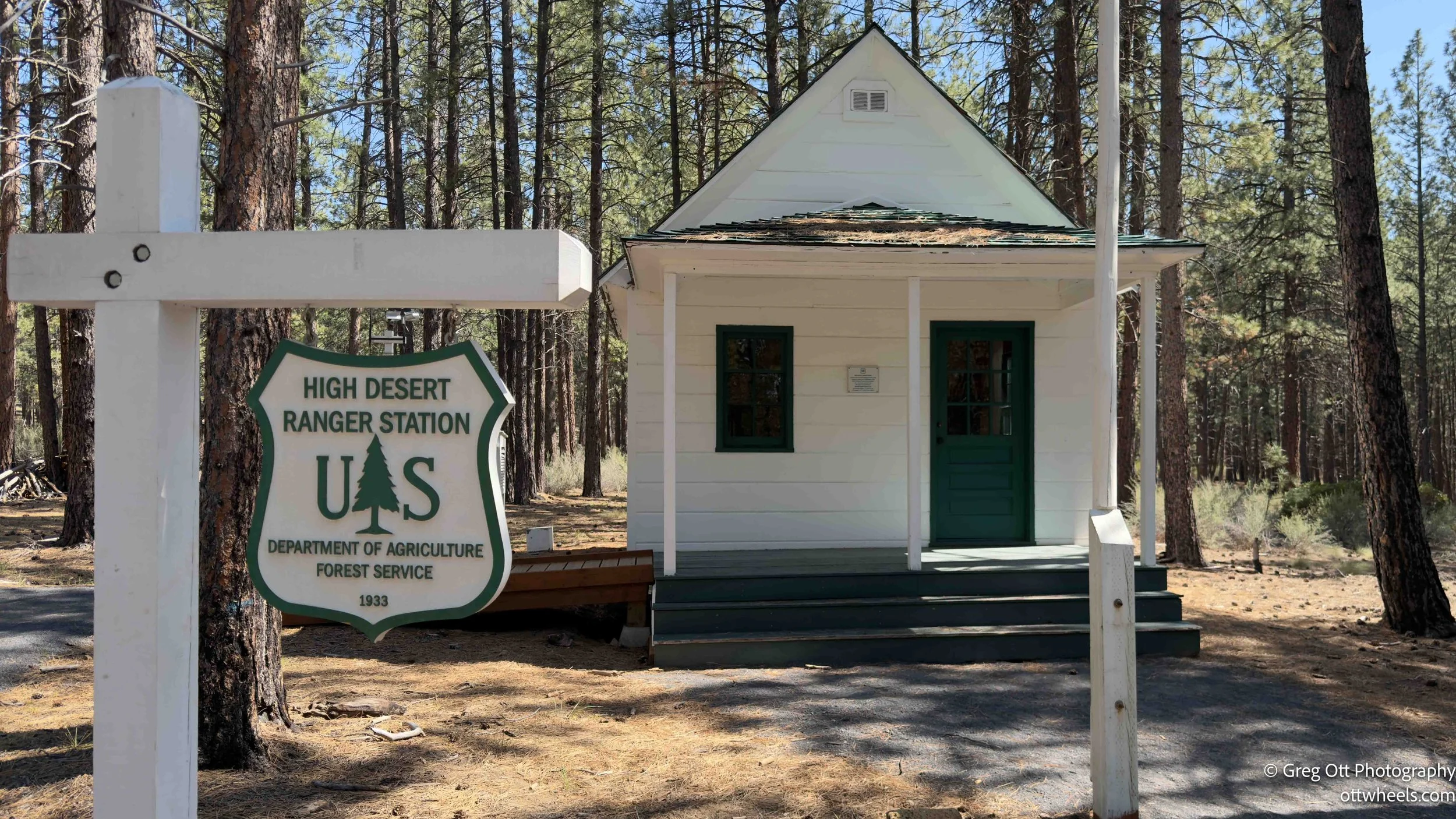
Just south of Bend, Oregon, I stopped at the High Desert Museum, and that turned out to be a solid call. The place does a good job of telling the story of this region without feeling staged or overproduced. It opened in 1982 and focuses on the natural and cultural history of the high desert—everything from geology and wildlife to the people who’ve lived here over time.
Walking through the outdoor section, you move past recreated homesteads that give a sense of how isolated and self-reliant life must have been. There’s a small frontier cabin, a blacksmith shop, and a working sawmill setup that caught my attention. I had no idea companies like Sears, Roebuck and Company once sold complete sawmills and equipment through catalogs. Not just tools—entire operations you could order and assemble. It says a lot about how quickly this part of the country was being developed and how people were expected to figure things out on their own.
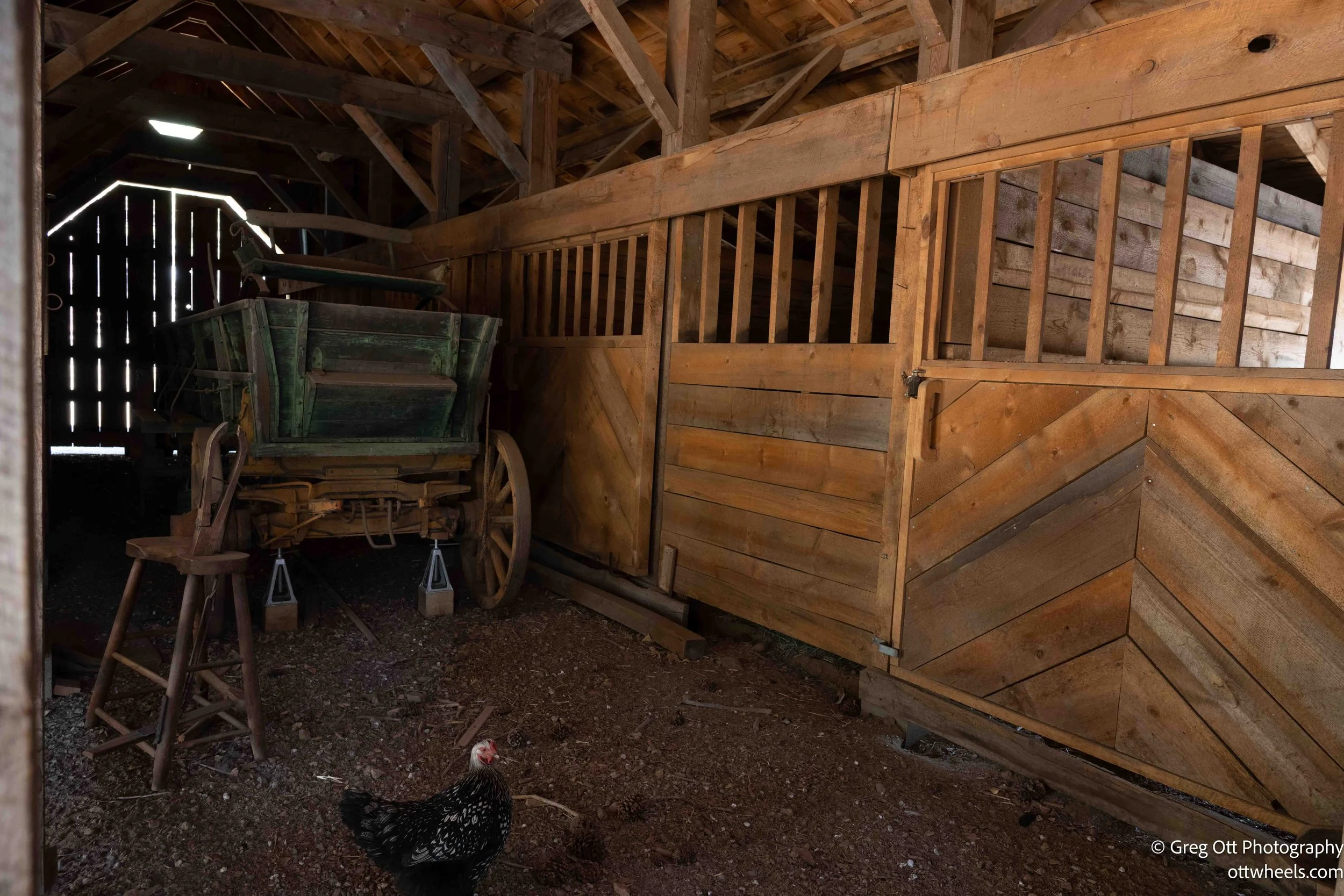

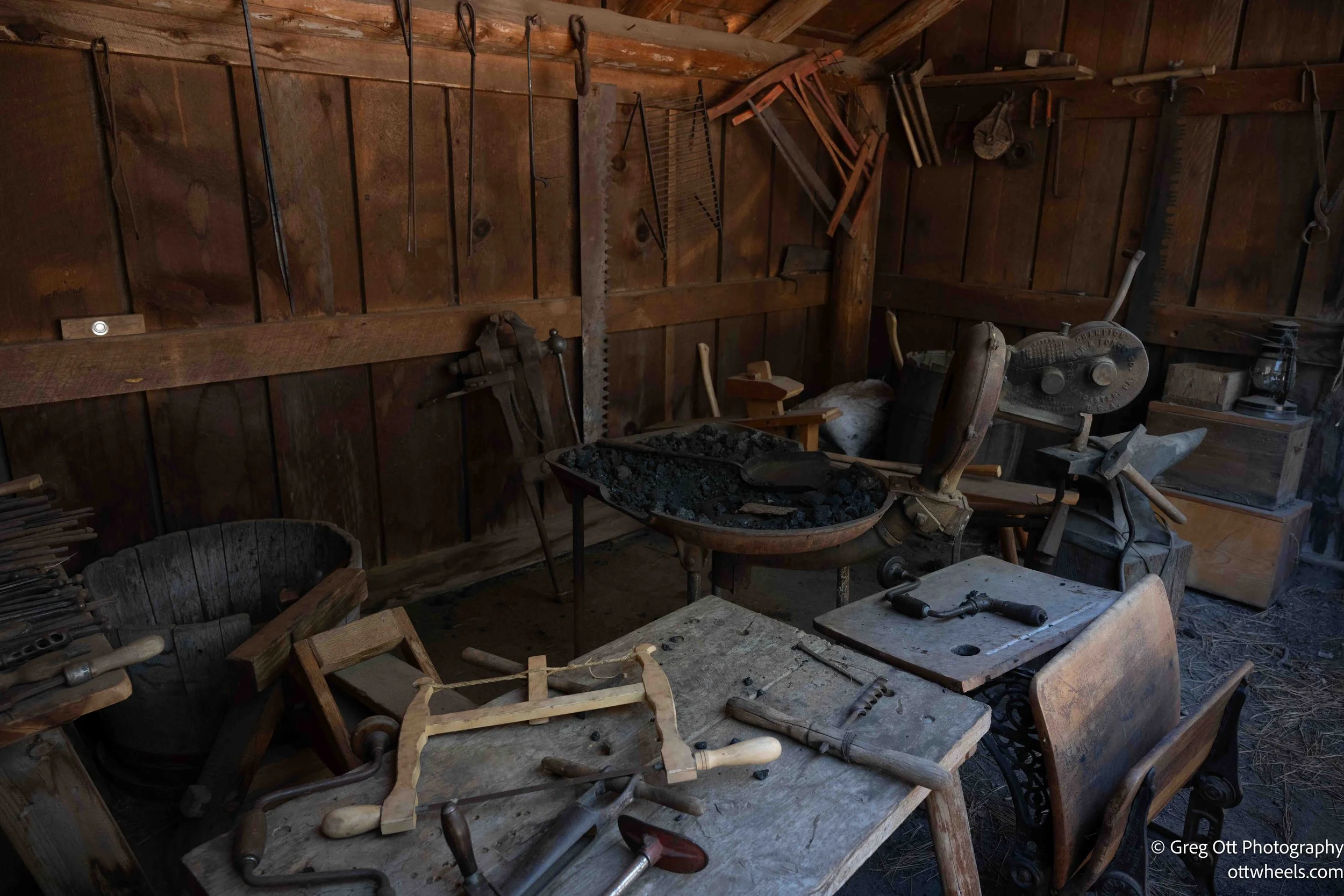
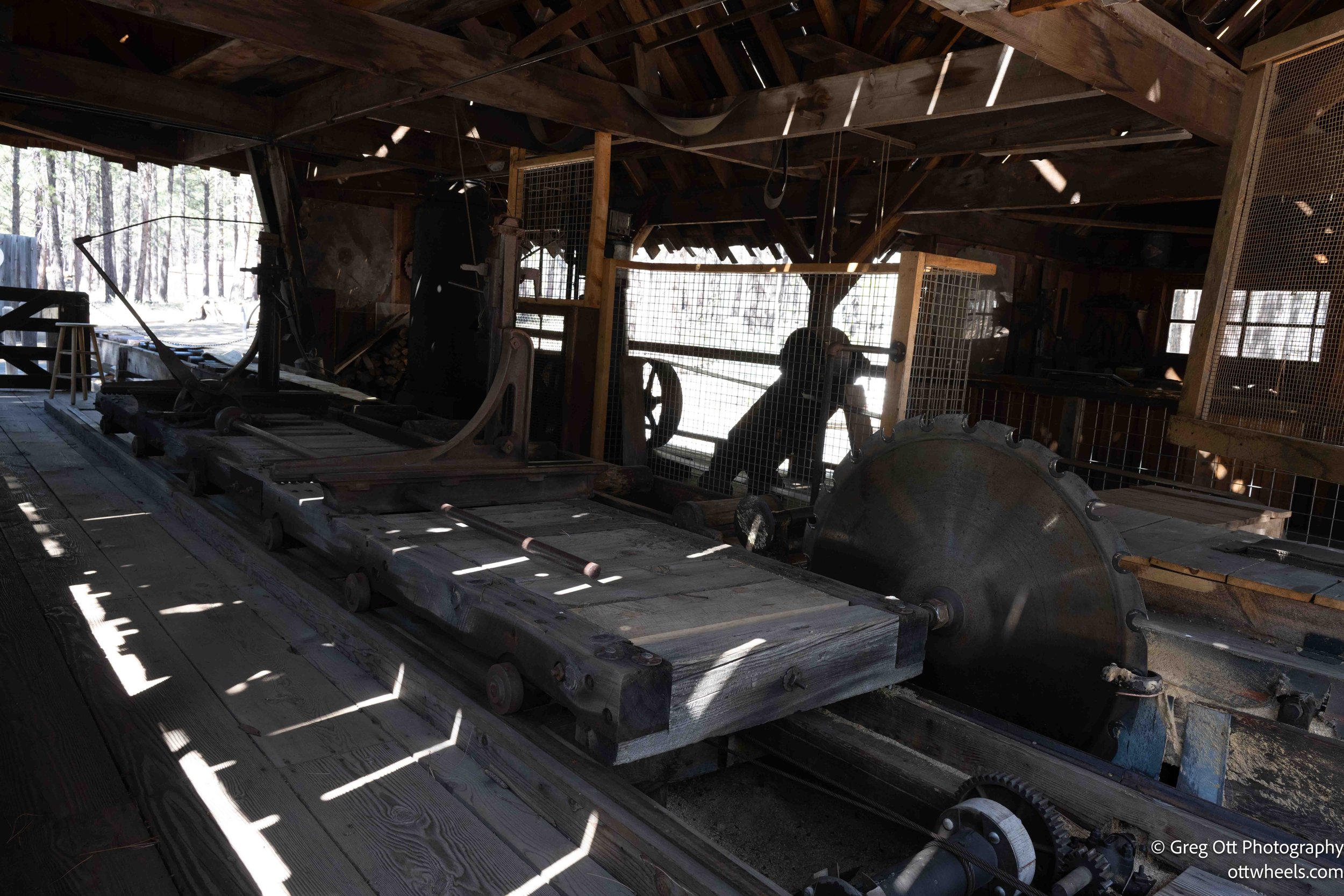
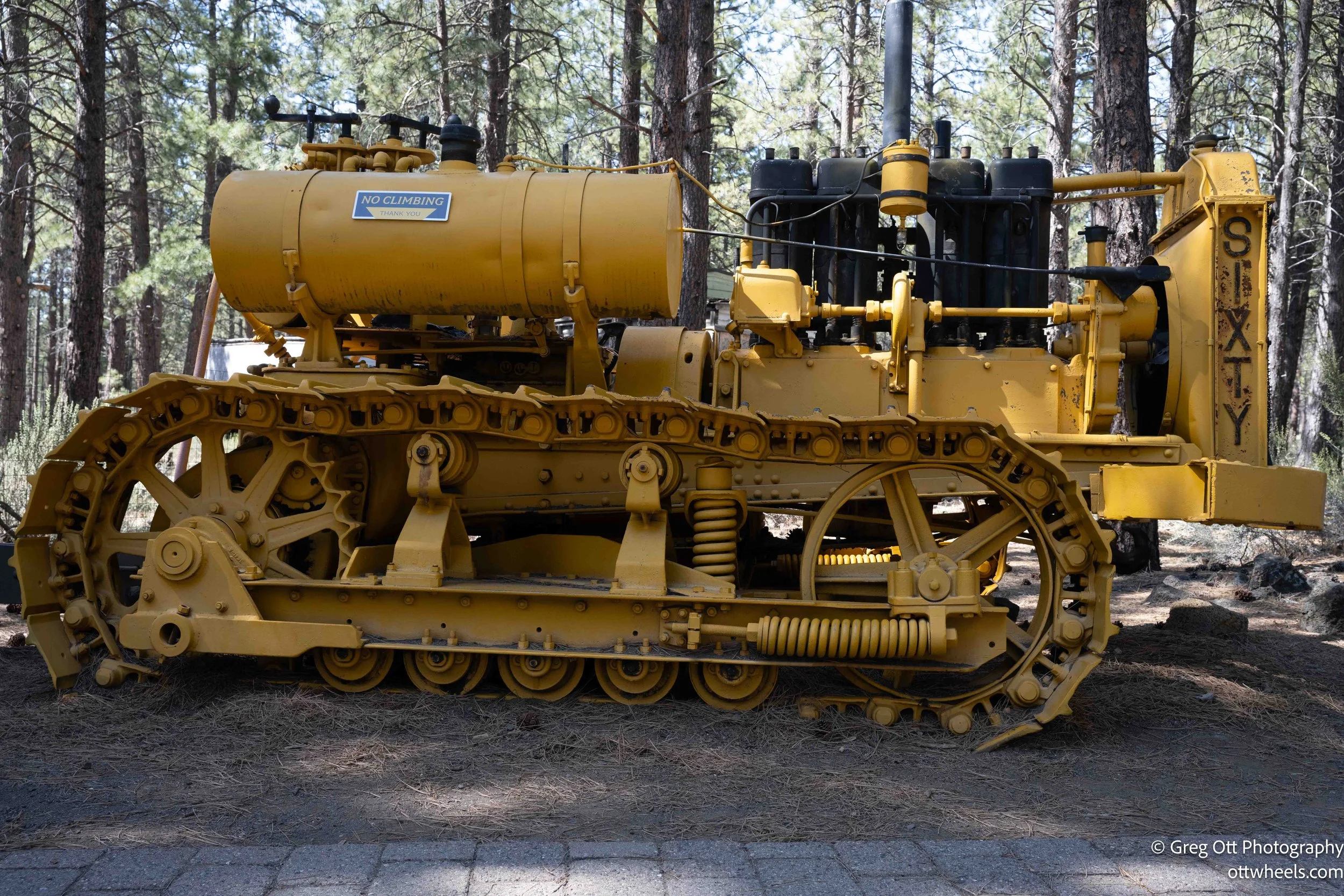
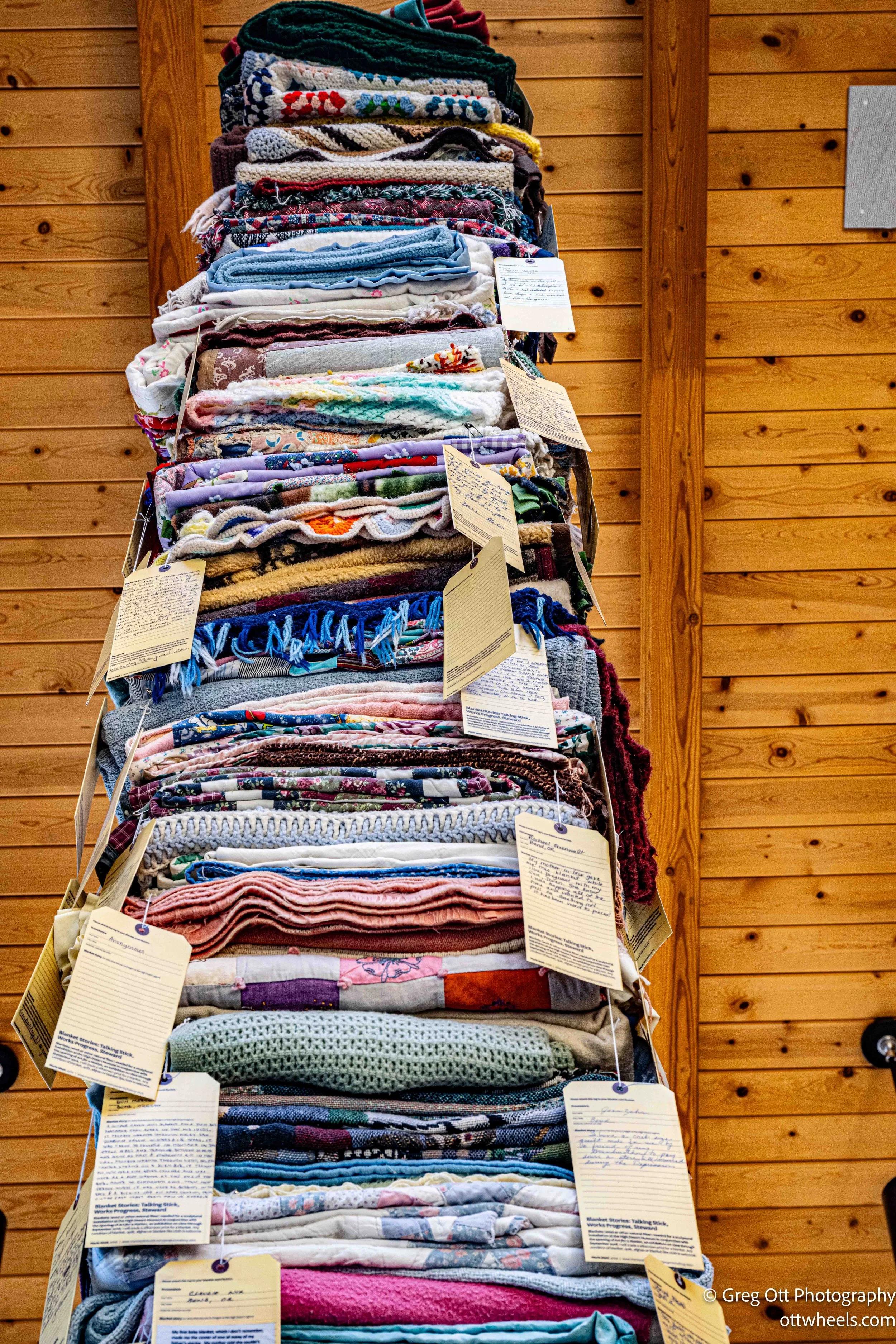
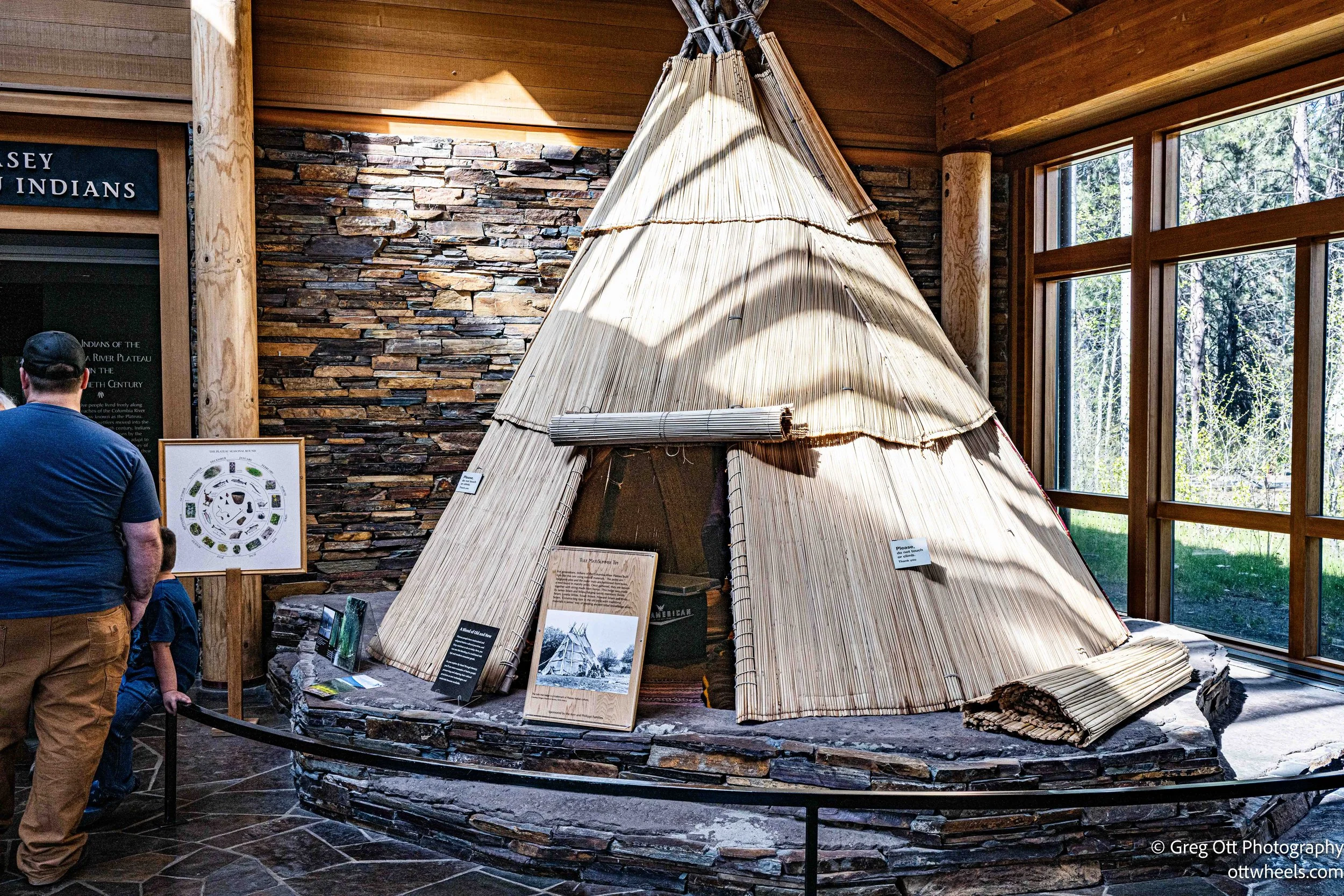
Inside, the exhibits shift toward deeper context. The Indigenous history is woven throughout rather than separated, which makes a difference. It connects directly to what I’d been reading and hearing about the region—multiple distinct cultures, each tied closely to the land, long before any of the homesteads or industry showed up. It doesn’t feel like an add-on; it feels like the foundation.
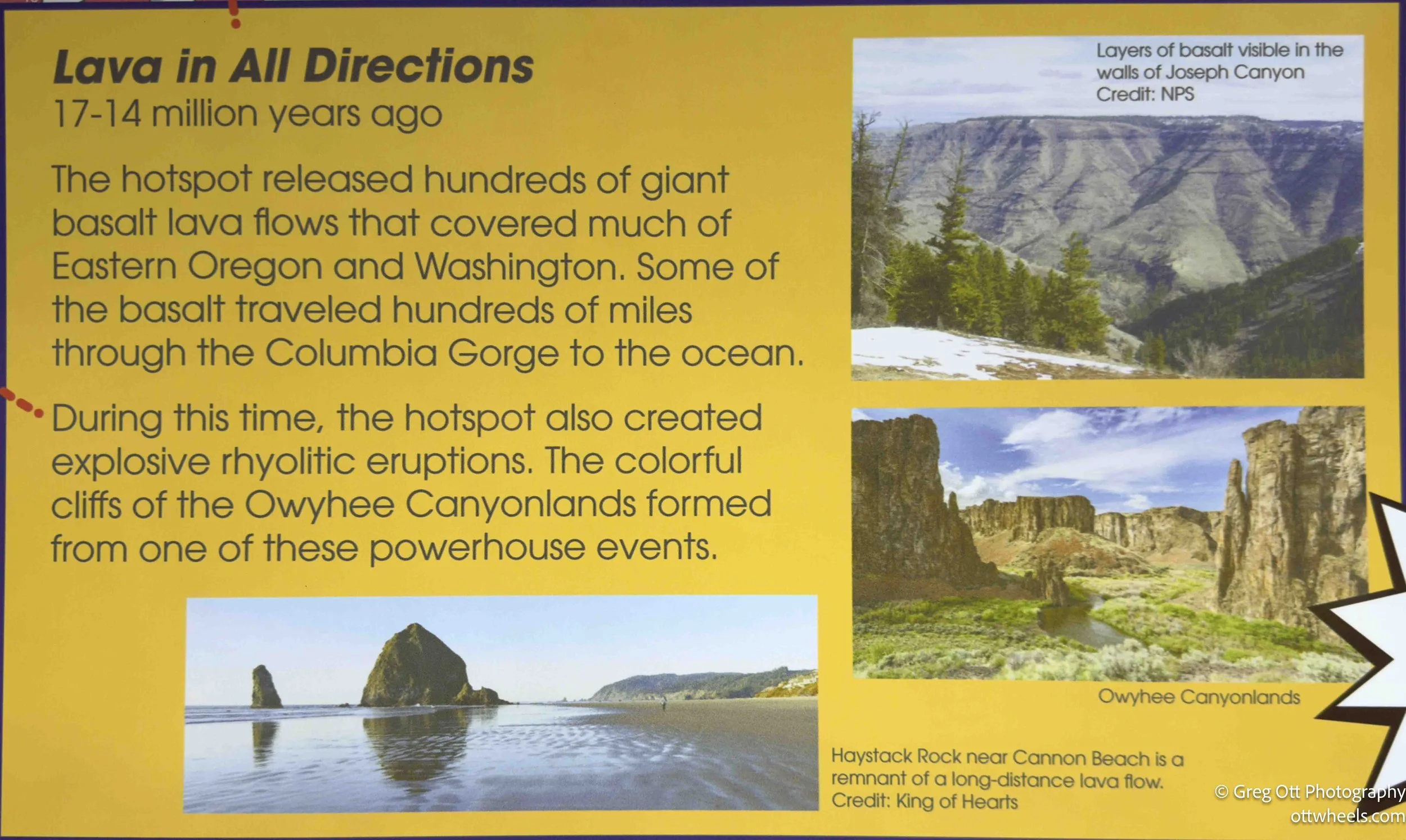
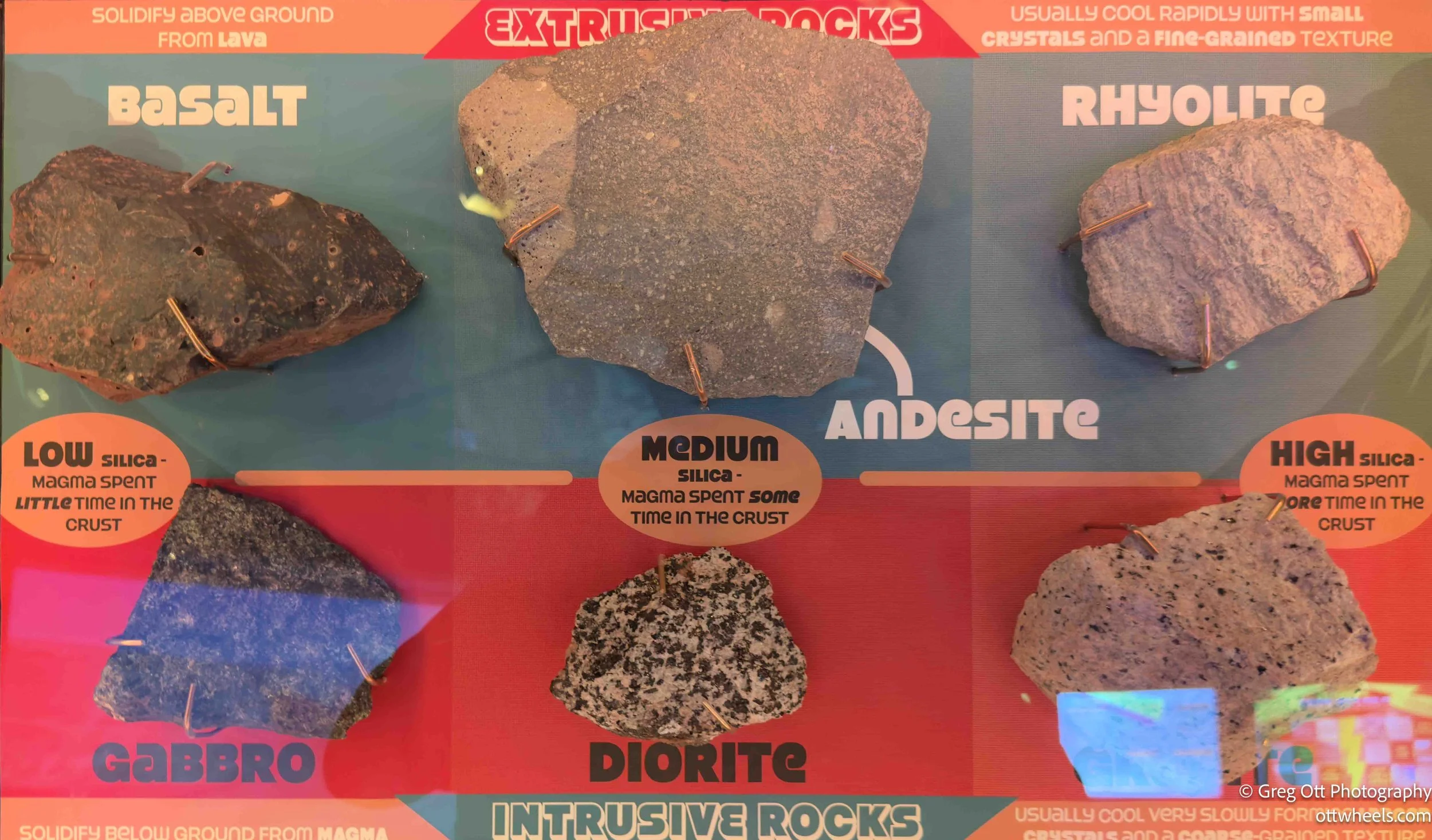
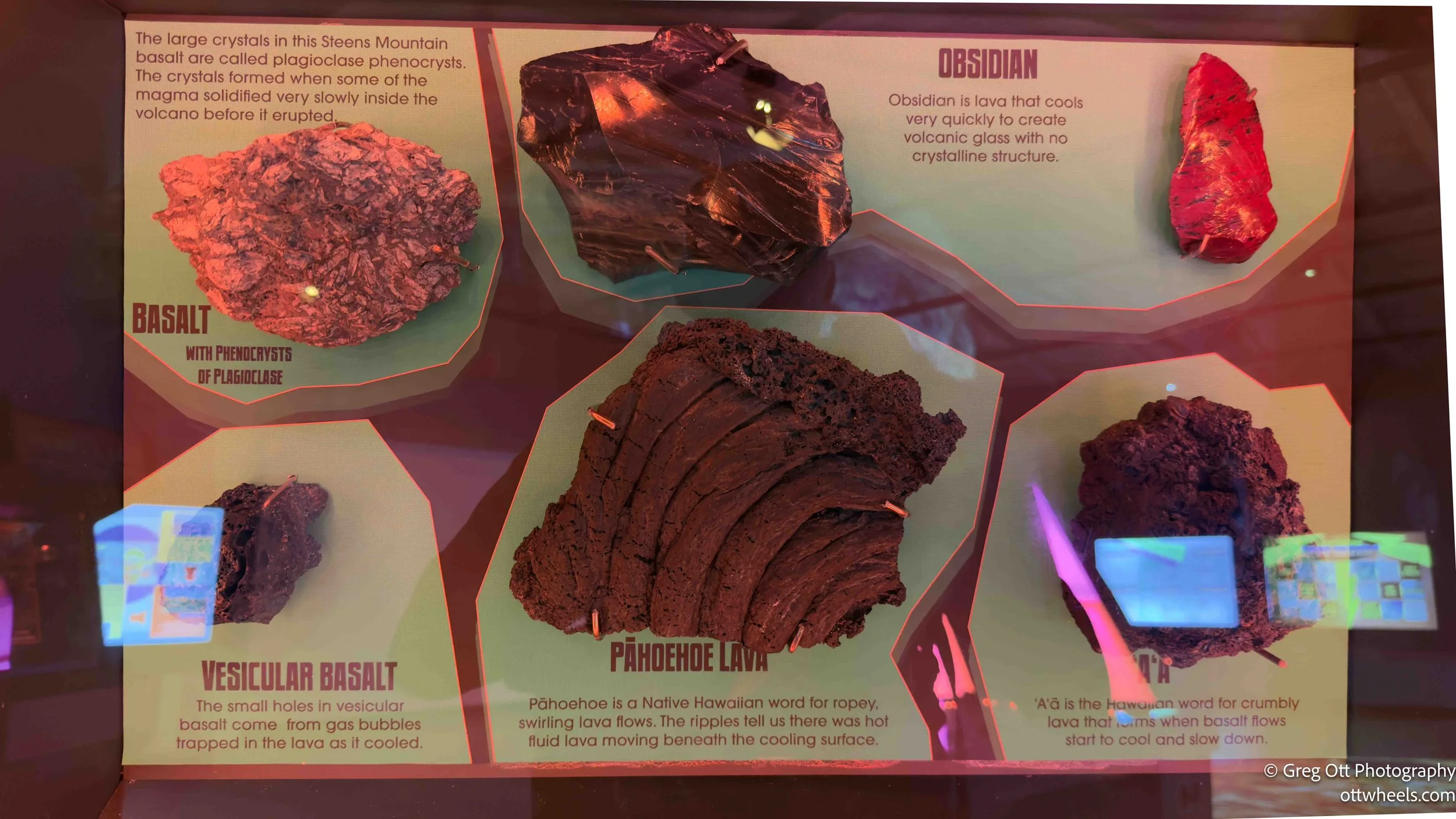
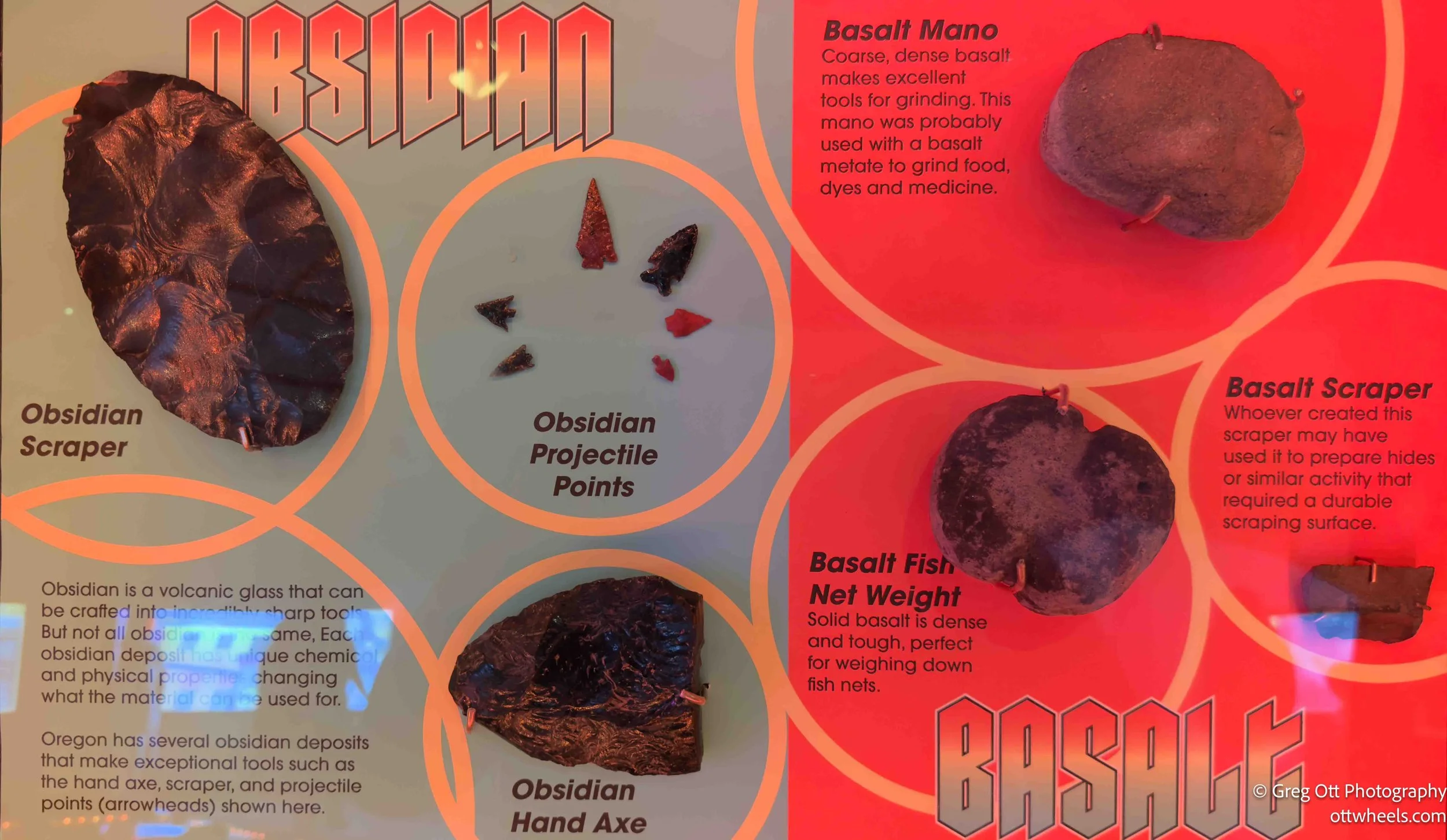
A lot of Oregon, especially from the interior out to the coast, has been shaped by volcanic activity. Much of what’s here started as molten rock, but how it cooled determines what kind of rock it became. When lava erupts and cools at the surface, it forms extrusive rock. That cooling happens fast, so crystals don’t have time to grow, and the result is fine-grained or even glassy material. Basalt makes up most of the lava flows you see across the region, while obsidian forms when lava cools so quickly it becomes volcanic glass. Pumice is full of gas bubbles, light enough to float, and andesite shows up throughout the Cascades as part of the volcanic arc. These rocks all point to the same process—lava reaching the surface and locking into place almost immediately.
Not all of that molten material makes it out. Some of it stays underground and cools slowly, forming intrusive rock. Because it cools over a much longer period, crystals have time to grow, which is why these rocks look more solid and structured. Granite is the most recognizable, with large, visible crystals, while diorite and gabbro are darker variations formed from different mineral mixes. Pegmatite takes that slow cooling even further, producing unusually large crystals. You don’t see these rocks where they formed—you’re seeing them after erosion has stripped away the layers above. Together, these two processes—fast cooling at the surface and slow cooling underground—explain most of the geology across Oregon, from the volcanic flows to the more massive, crystalline rock that shows up as the landscape ages and gets worn down.
There are also wildlife exhibits, both indoor and outdoor, with native species and habitats represented in a way that feels grounded. Nothing flashy, just well done. It’s the kind of place where you can move at your own pace and come away with a clearer sense of where you are and why the landscape looks the way it does.
After the museum, I headed back into Bend and found a Planet Fitness. Forty minutes on the stationary bike and the rowing machine, followed by a long, hot shower—one of those simple things that feels better than it should. Finished it all off with the massage chair.
A few blocks away, I landed at Laughing Planet, a vegetarian-leaning spot with bowls, burritos, and a few rotating specials. I went with a broccoli, rice, lettuce, chicken, and tahini bowl. Simple, but really well done. I grabbed a seat at the bar and kept working on this post. Over the speakers, CBDB was playing, which caught me off guard. I mentioned it to the woman behind the bar and said I’d never heard them being played anywhere. She had just put a new playlist on. She said she hadn’t heard them before, but she liked their sound. She said she was just looking for something a little more upbeat.

At one point, someone came in asking for a cookie, It was all sold out. He pivoted immediately: “Well then, give me one of the sugar cookies, those are amazing as well.” That was all I needed to hear. I walked over and ordered one as well.
Apparently, people park on the street in the NE section of Bend. This is the small buisness area, and there aren’t many people there on the weekend. There is a Costco apparently near by and people park on the street, not the parking lot, nearby. On my way there, I found a neighborhood with so many campervans and campers parked in driveways. I thought, if there is anywhere I’m not going to have a problem it is here. I pulled in beside a field. It was 10 pm and very quiet.