I had to rise early at 4 a.m. outside of Juneau. When I stepped out of the van at 4:30, it was already fairly bright. There was a slight orange-purple tint on the snow-covered mountains across the water. I dropped off some garbage and then headed to the ferry terminal about eight miles away.
The terminal opened at 5 a.m., and there were already plenty of vehicles waiting. I had purchased my tickets online days earlier but still needed boarding passes. There was a line of about 30 people already standing outside the door. Rather than join them immediately, I made breakfast, brewed some coffee, and put together a sandwich for the trip. A few minutes after 5, the doors opened and the line snaked through the waiting room. I joined everyone else and waited another fifteen minutes before the ticket windows opened. Everything went smoothly. They sorted vehicles into different lanes based on destination and size. I ended up first in Lane 2. Knowing there would be a wait before boarding, I settled in with my coffee and did a little reading.
Boarding was simple. The woman checking tickets thanked me for already having my ID and boarding pass in hand. "You know the routine," she said. We had all been instructed to have both ready before driving onto the ferry. Once aboard, they guided me into position, and I gathered my camera, computer, and a few other things before heading upstairs to the passenger deck.
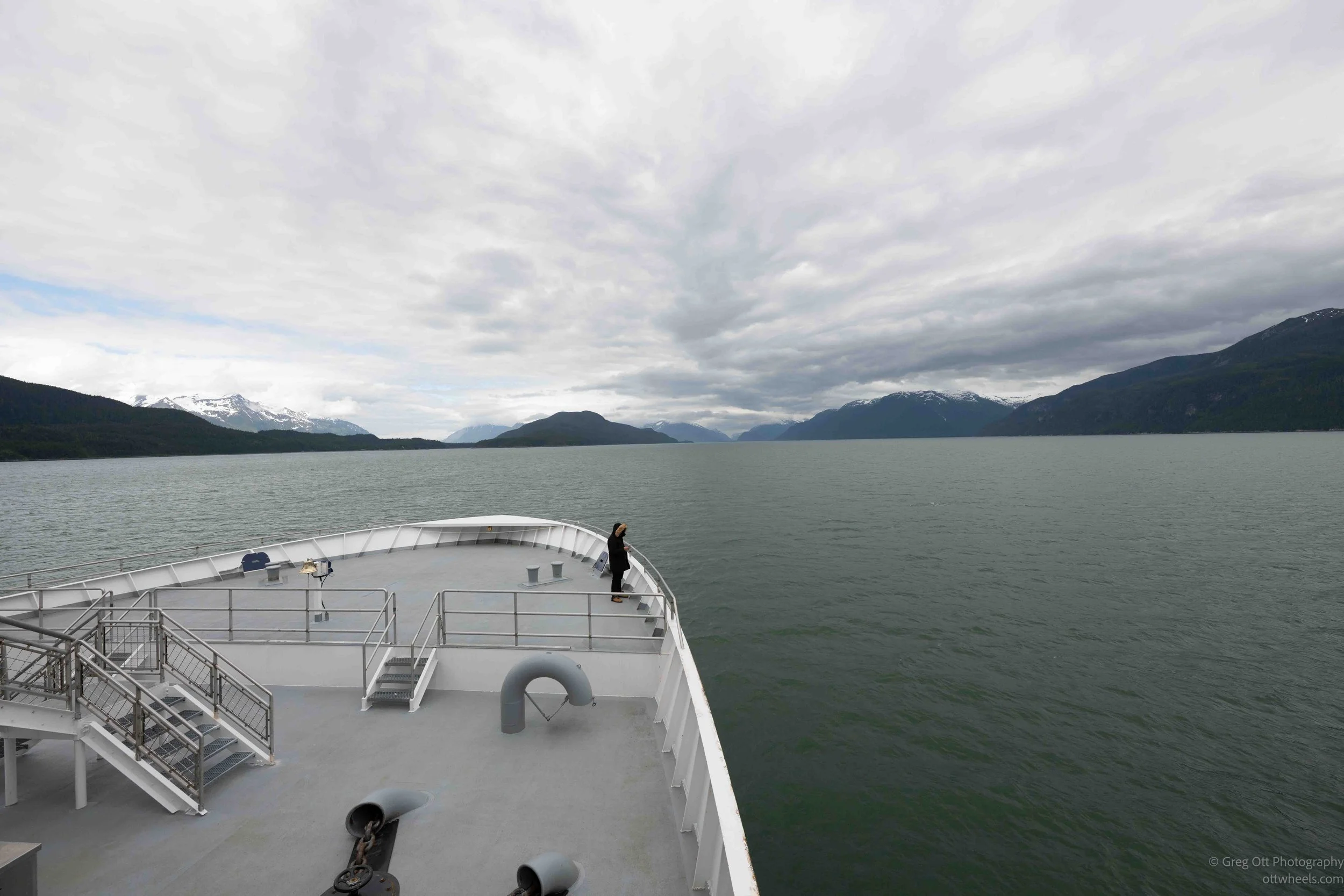
As the ferry pulled away from Juneau, I found myself reflecting on the six days I had spent there. I didn't accomplish everything on my list. The weather had a way of changing plans. I had hoped to do more on the water, maybe rent a kayak, and I never did get the bike ride in that I had envisioned. But looking back, the trip ended up being about different things than I expected.
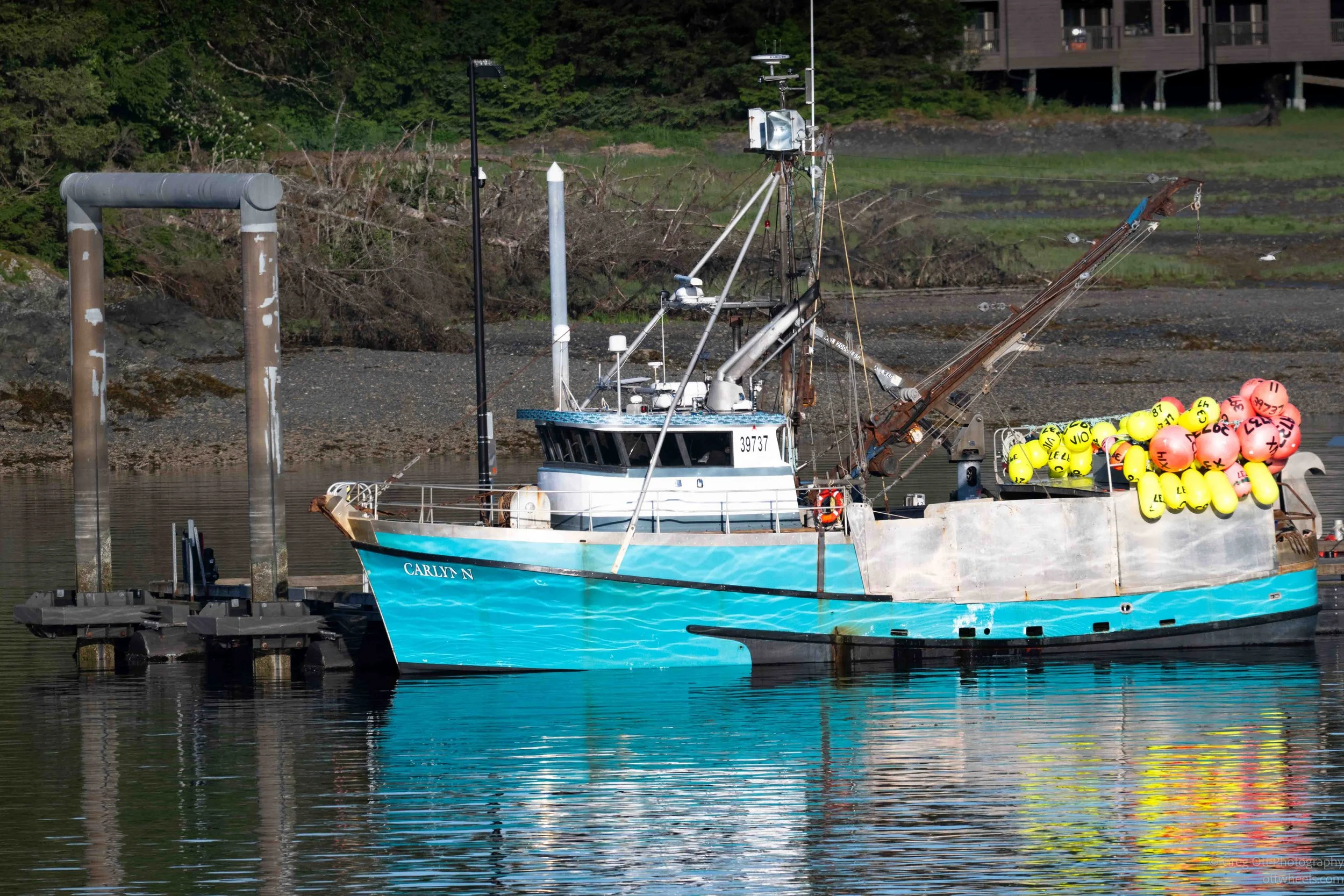
I spent hours exploring the Alaska State Museum, which turned out to be one of the highlights of my time there. I wandered through exhibits on Alaska Native cultures, the gold rush, fishing, mining, statehood, and the Exxon Valdez oil spill. I toured the State Capitol, walked the waterfront, photographed reflections and abstract patterns in the harbor, and spent time simply exploring the city. I also finally got the glycol pump replaced, which meant I had heat, hot water, and floor heat again after more than two weeks without them. That alone felt like a major victory.
What I will remember most about Juneau, though, is the people. Everywhere I went, people were friendly and willing to help. Whether it was someone offering directions, sharing local knowledge, or simply stopping to chat, the city felt welcoming. Juneau is isolated in a way few state capitals are. There are no roads connecting it to the rest of North America, yet it never felt cut off. It felt like a real community.
I won't miss the rain. It seemed like every time I looked outside another cloud was rolling in. Everything was damp. The air was cool. The mountains disappeared into fog as often as they revealed themselves. But that weather is also part of what makes Southeast Alaska what it is. The rain feeds the forests, the waterfalls, and the scenery that surrounds the city. As the shoreline slowly slipped away behind the ferry, I realized Juneau had become one of those places that grew on me the longer I stayed.
There was a family near one of the windows: grandparents, their daughter, son-in-law, and young grandson. The grandfather had once lived in Alaska. As the grandmother explained to anyone within earshot, "I rescued him. Otherwise he'd be livin' in a hut in the mountains." She also seemed determined to share Family Feud with the entire ferry. The volume on her phone was turned all the way up, and everyone within fifty feet got to listen.
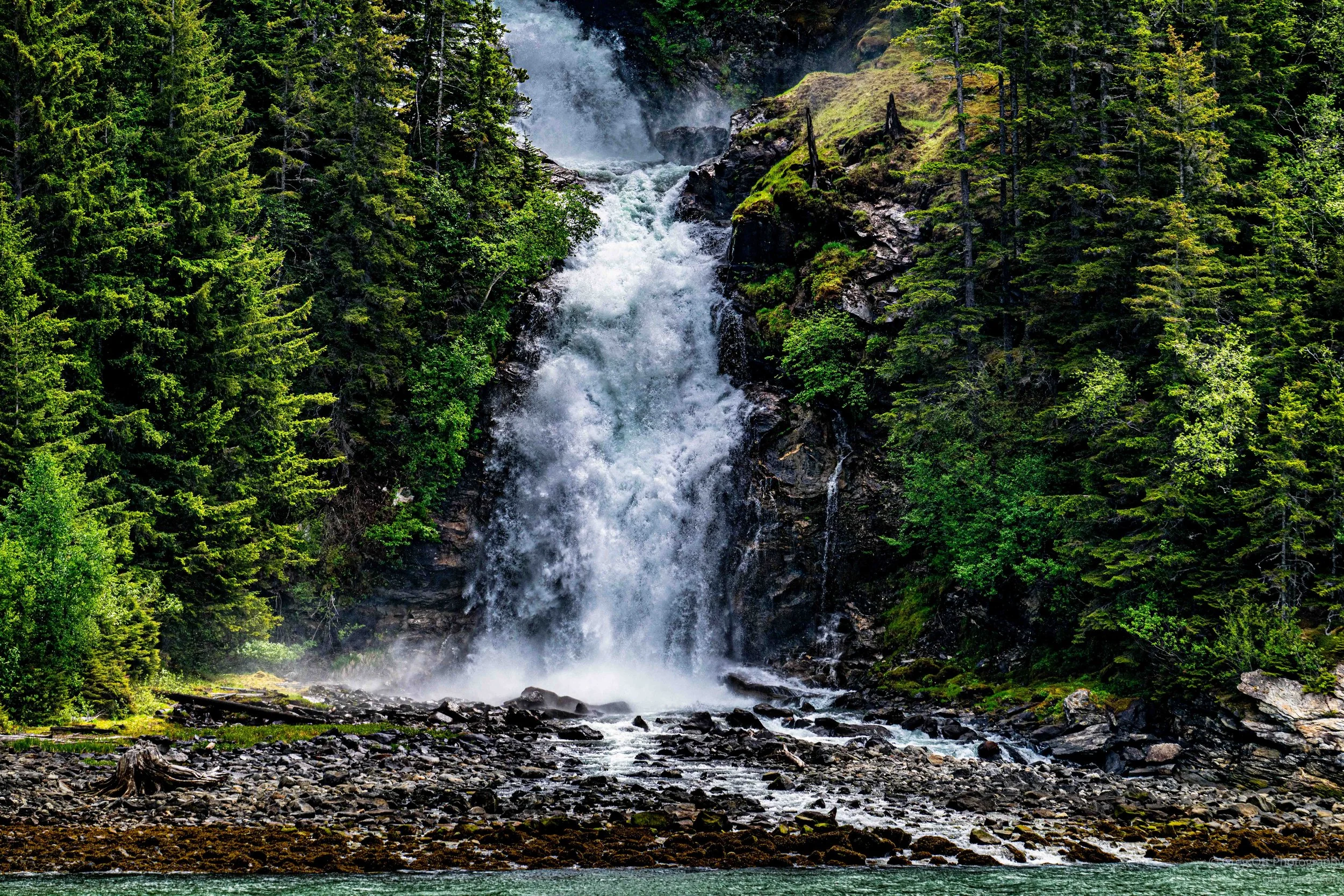
The family was loud, but they were also surprisingly helpful. They were hunters and outdoors people, and they constantly pointed out wildlife and scenery. "Whale to the right!" "That was an orca!" "Two eagles over there!" "Look at that waterfall!" Every announcement would send photographers scrambling to windows and railings. It was both comical and useful at the same time.
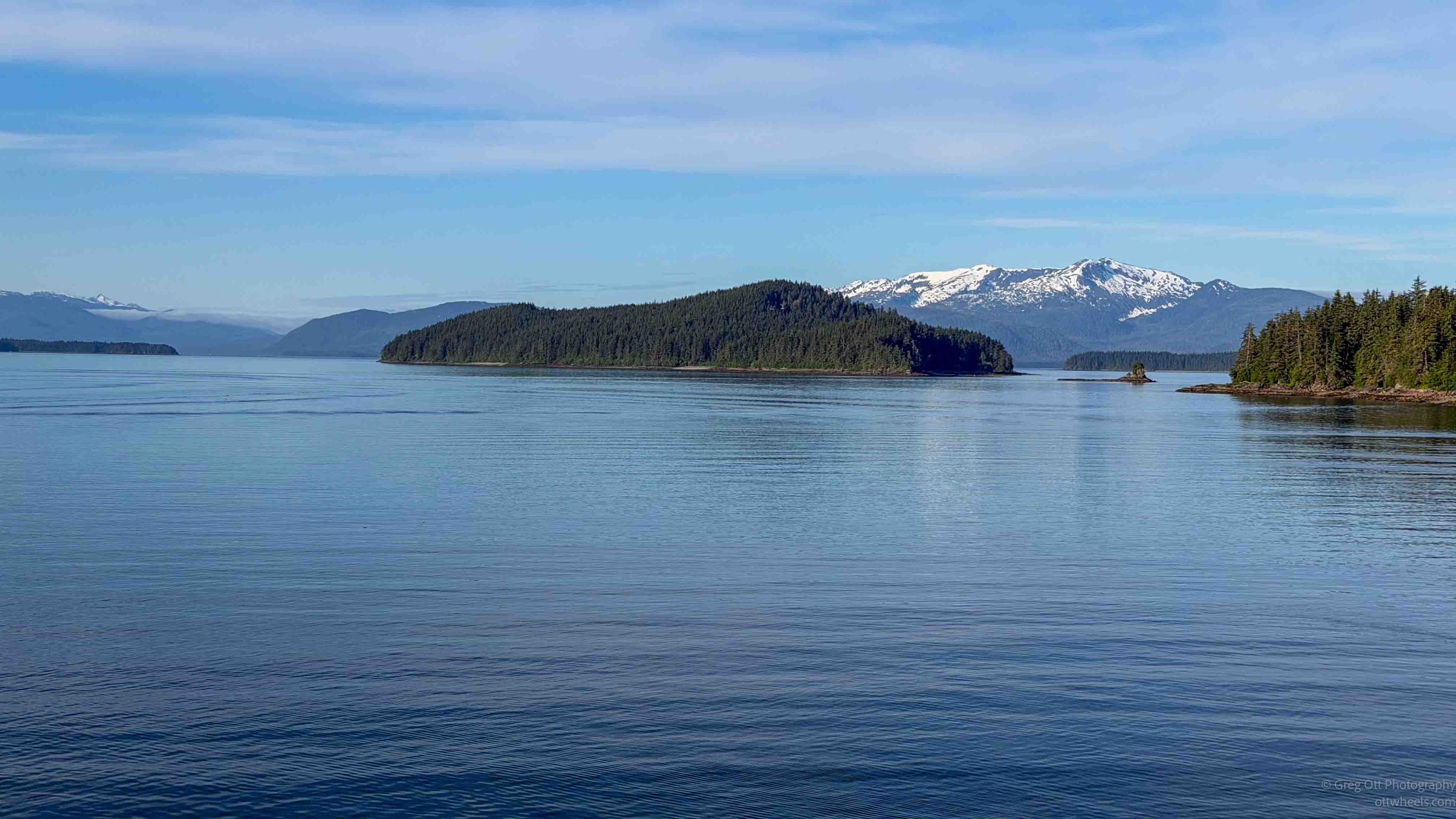
We hadn't even left port yet when a whale surfaced about a hundred yards away. The early morning blue light was beginning to change, and I spent some time photographing the water, mountains, and shoreline before we were fully underway.
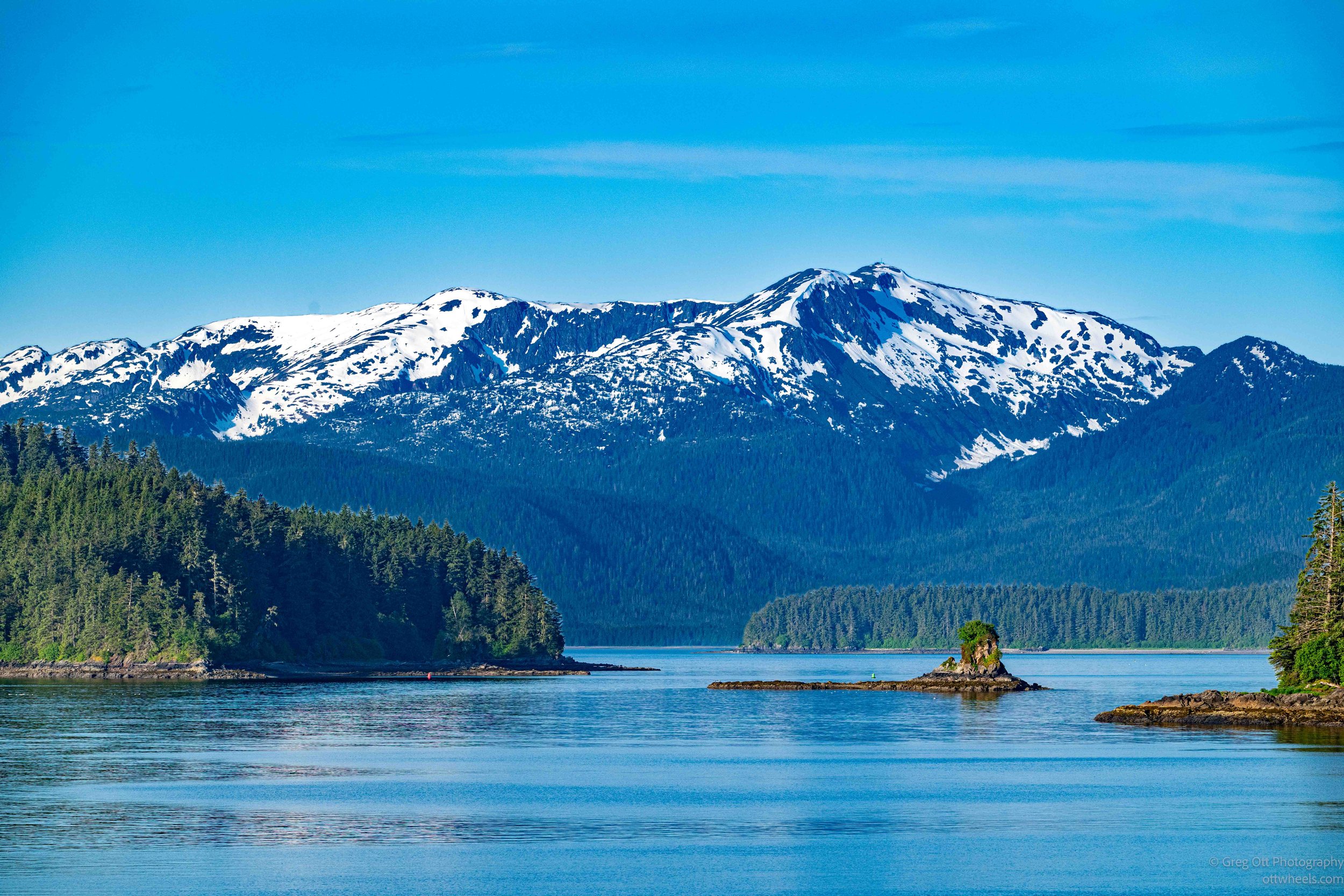
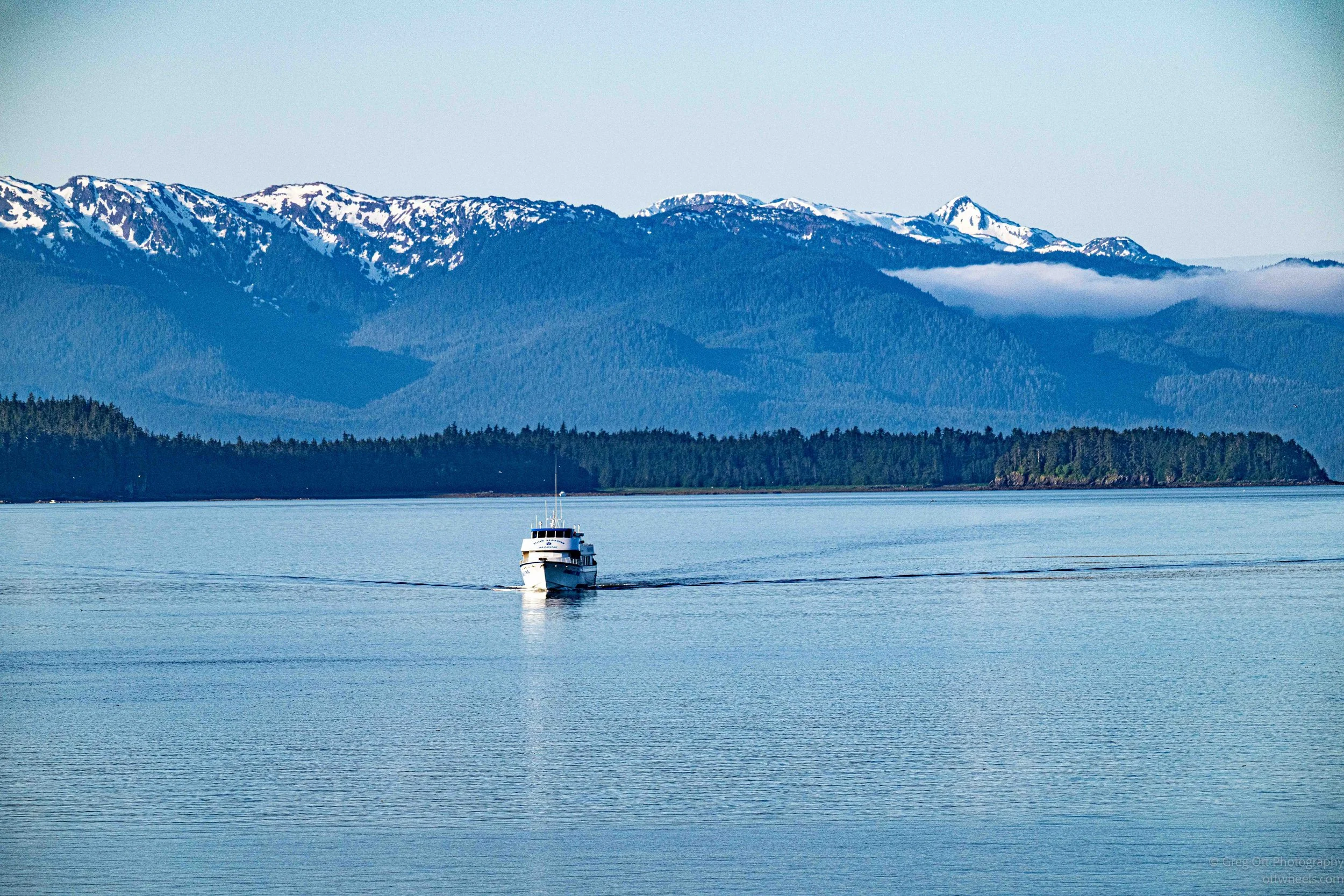
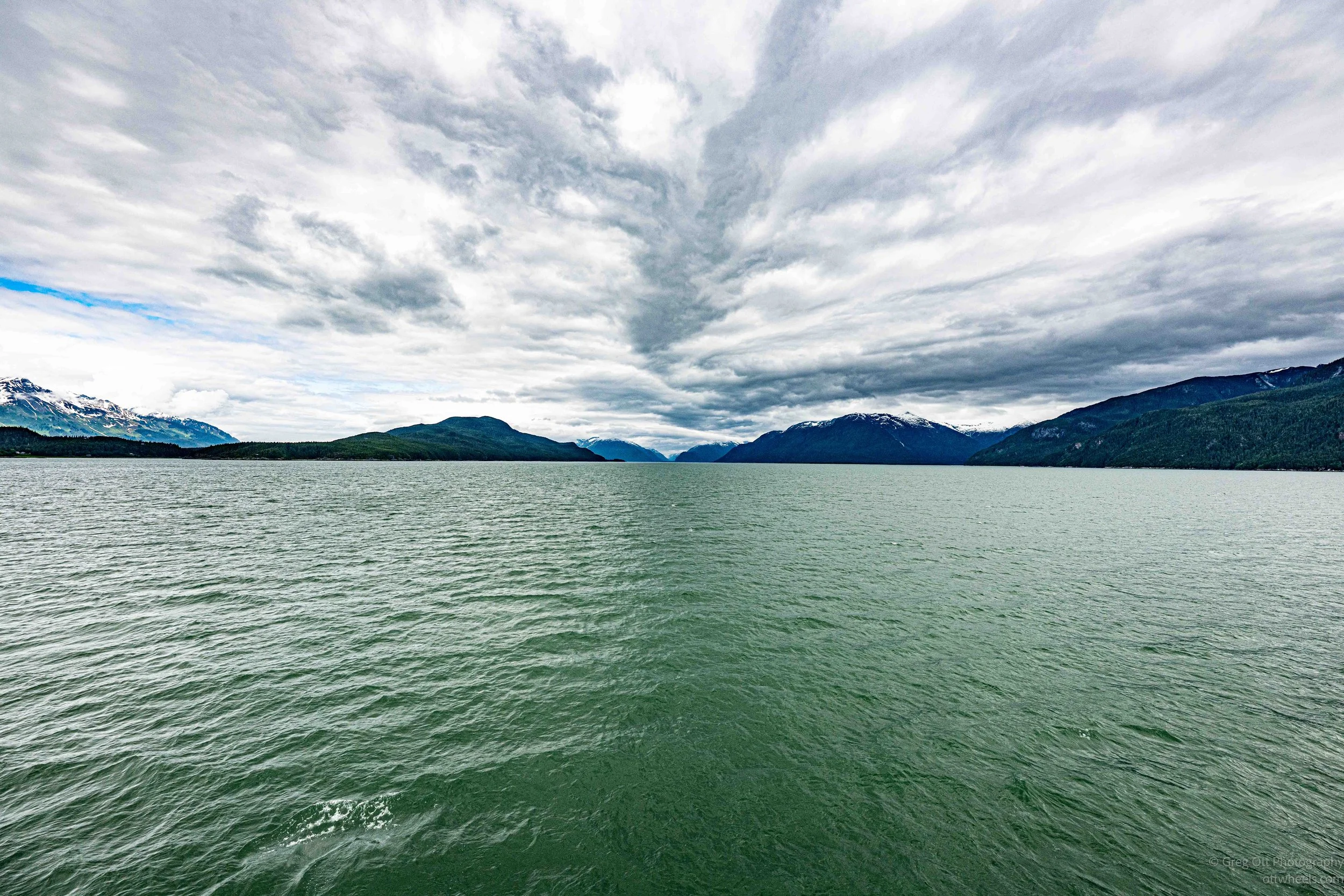
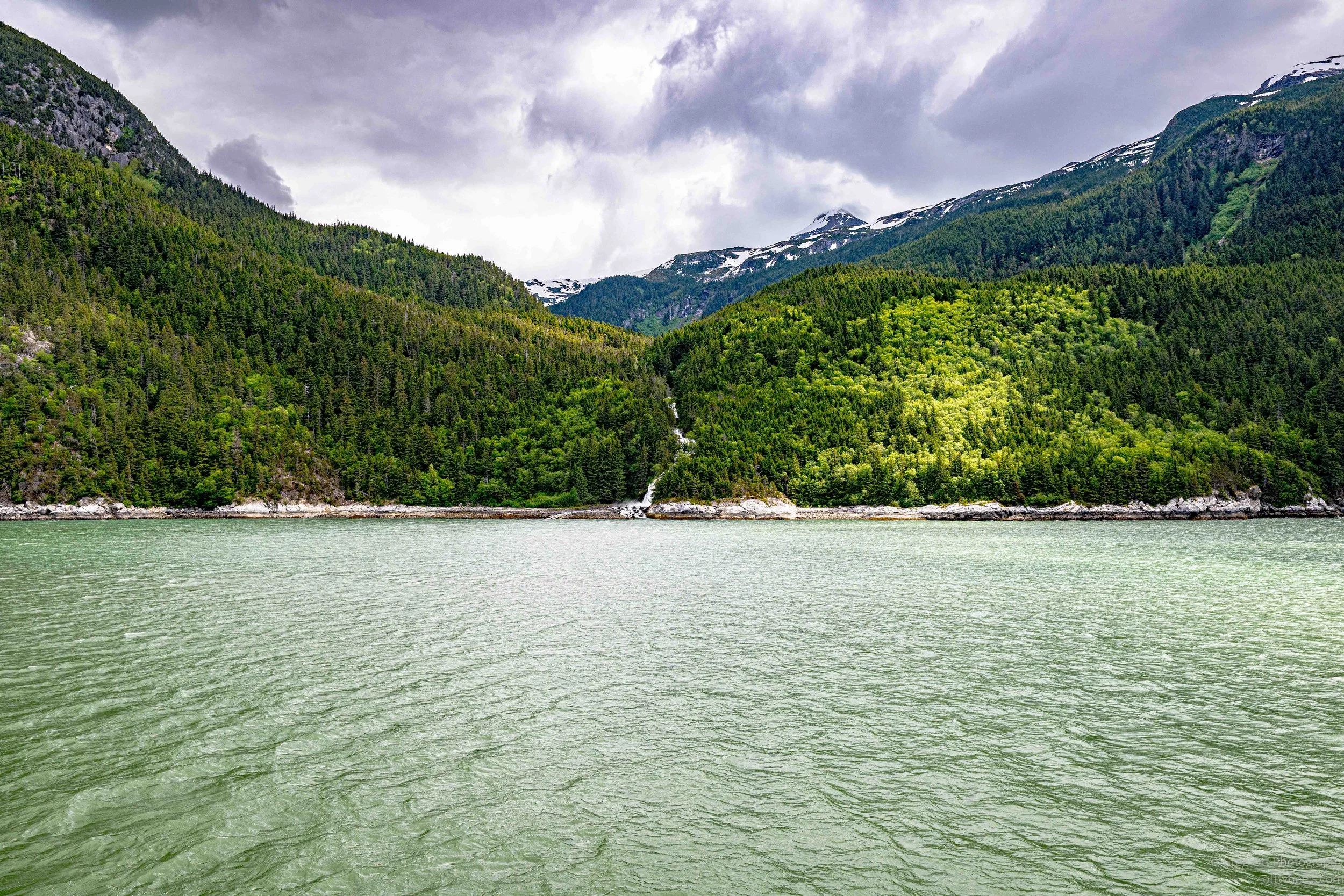
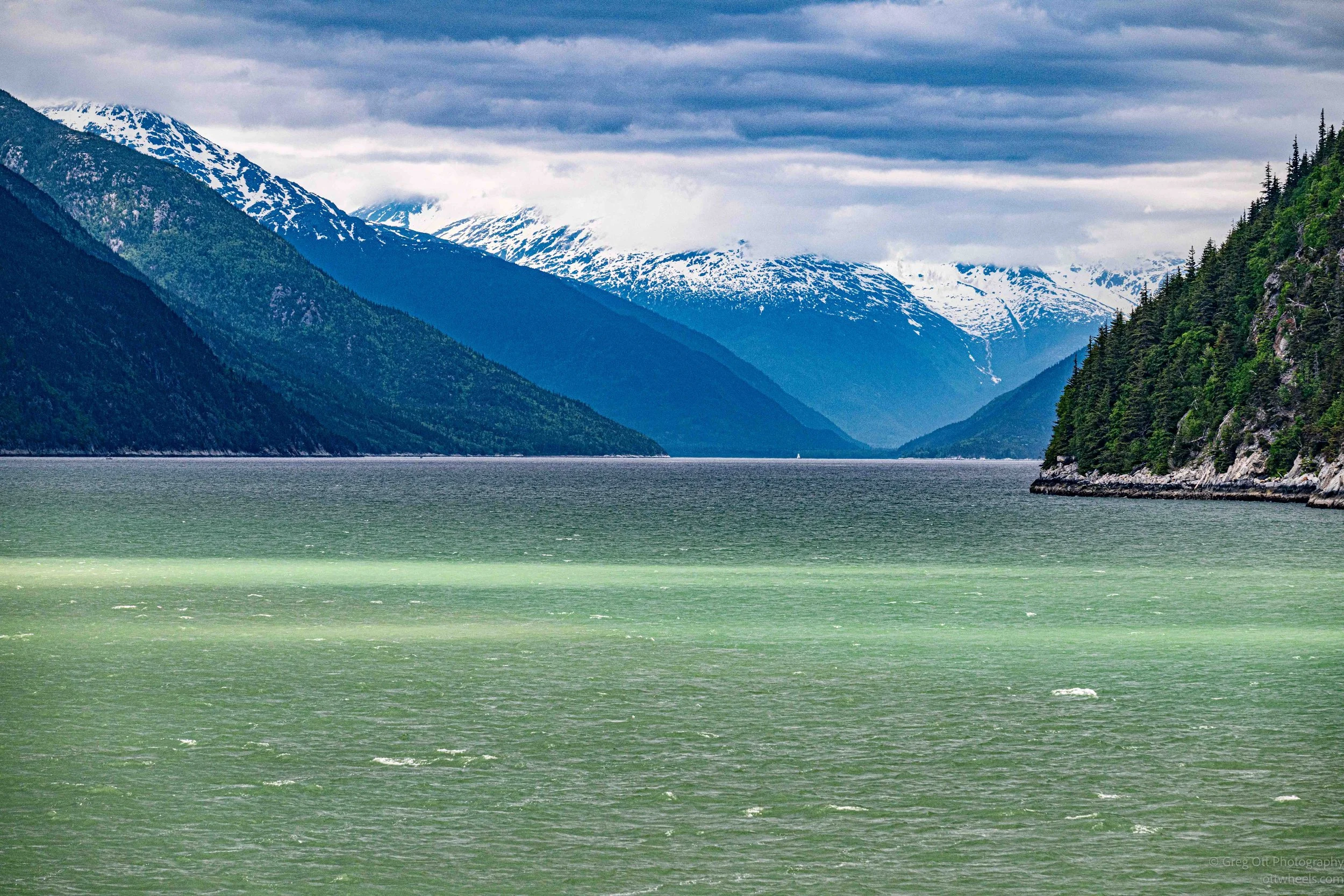
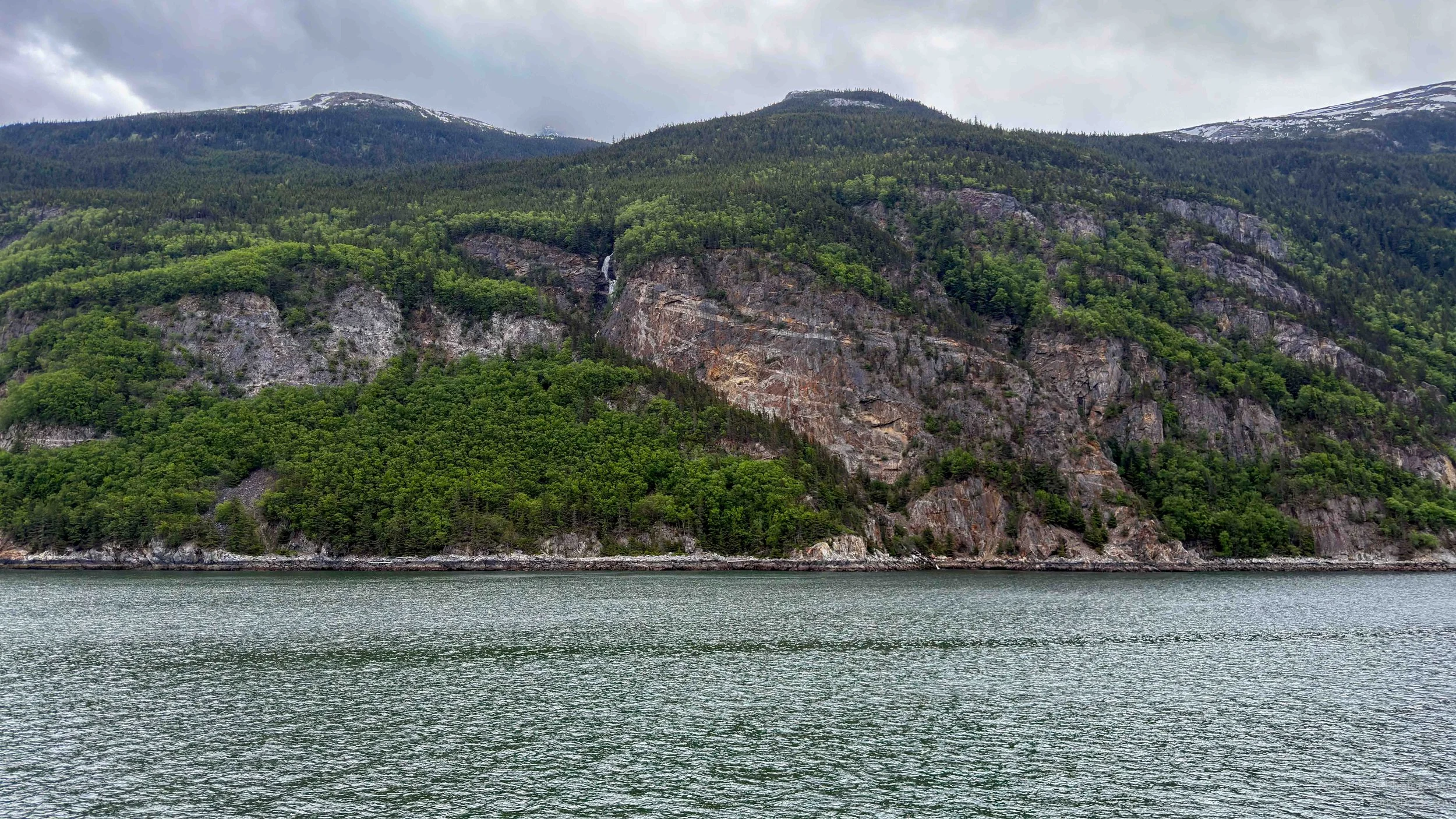
The ferry traveled north through Lynn Canal, often described as the longest and deepest fjord in North America. Snow-covered mountains rose almost directly out of the water on both sides. Waterfalls spilled down cliffs that seemed impossible to climb. Every so often someone would spot a whale, eagle, seal, or porpoise and a small crowd would gather near the windows. The scenery changed constantly. Even though the trip would take most of the day, it never felt long. Someone pointed out the striations on the rocks and explained they were created by glaciers thousands of years ago. Once I saw them, they seemed impossible to miss.
The ferry offered Wi-Fi, but I could never get my MacBook Pro to connect. After several attempts, I gave up.
After stopping in Haines, it was another forty-five minutes around the corner to Skagway. The two towns are relatively close, but there is no direct road between them. Driving requires heading north on the Haines Highway to the Alaska Highway near Whitehorse and then coming back south to Skagway, a trip of more than 350 miles.
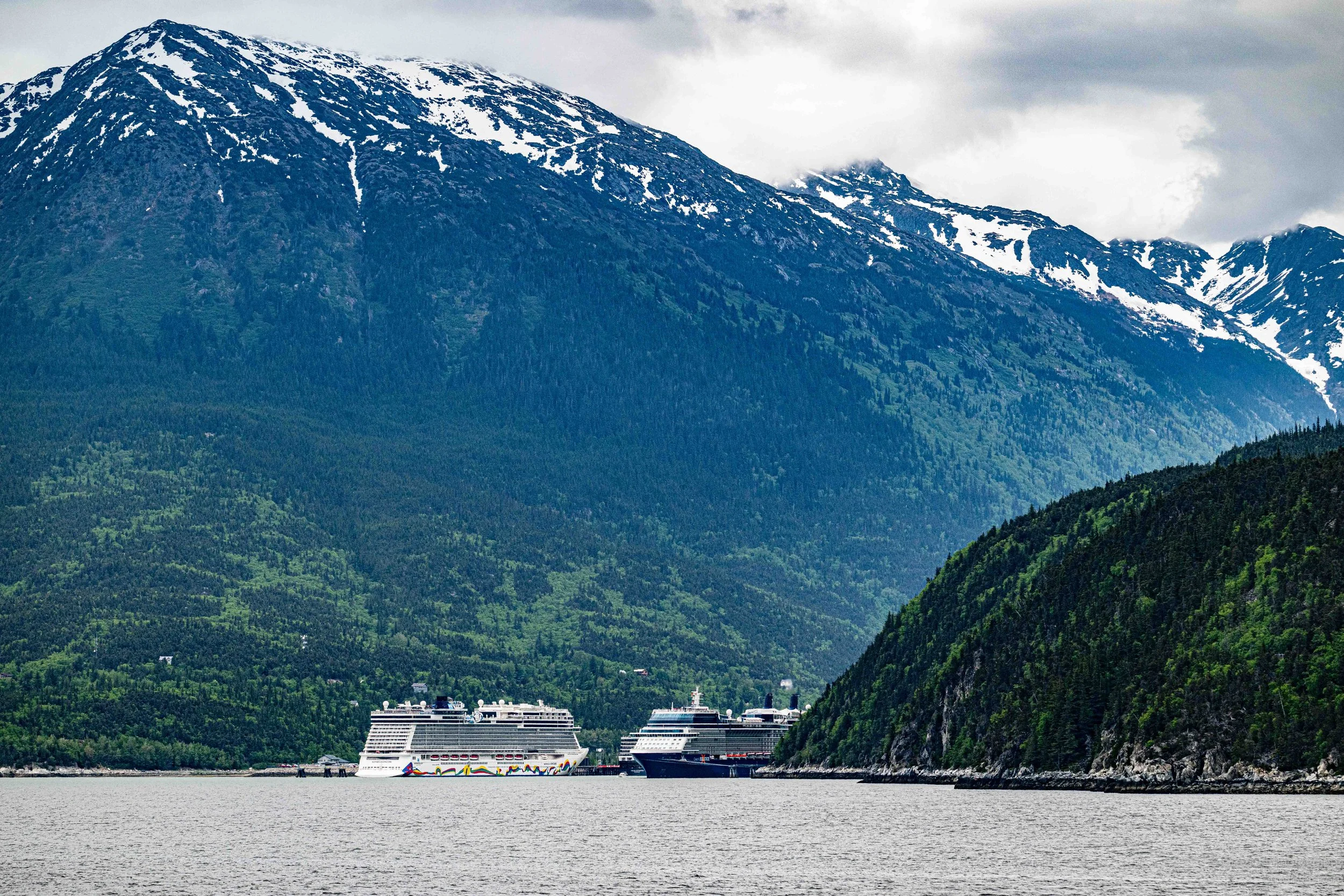
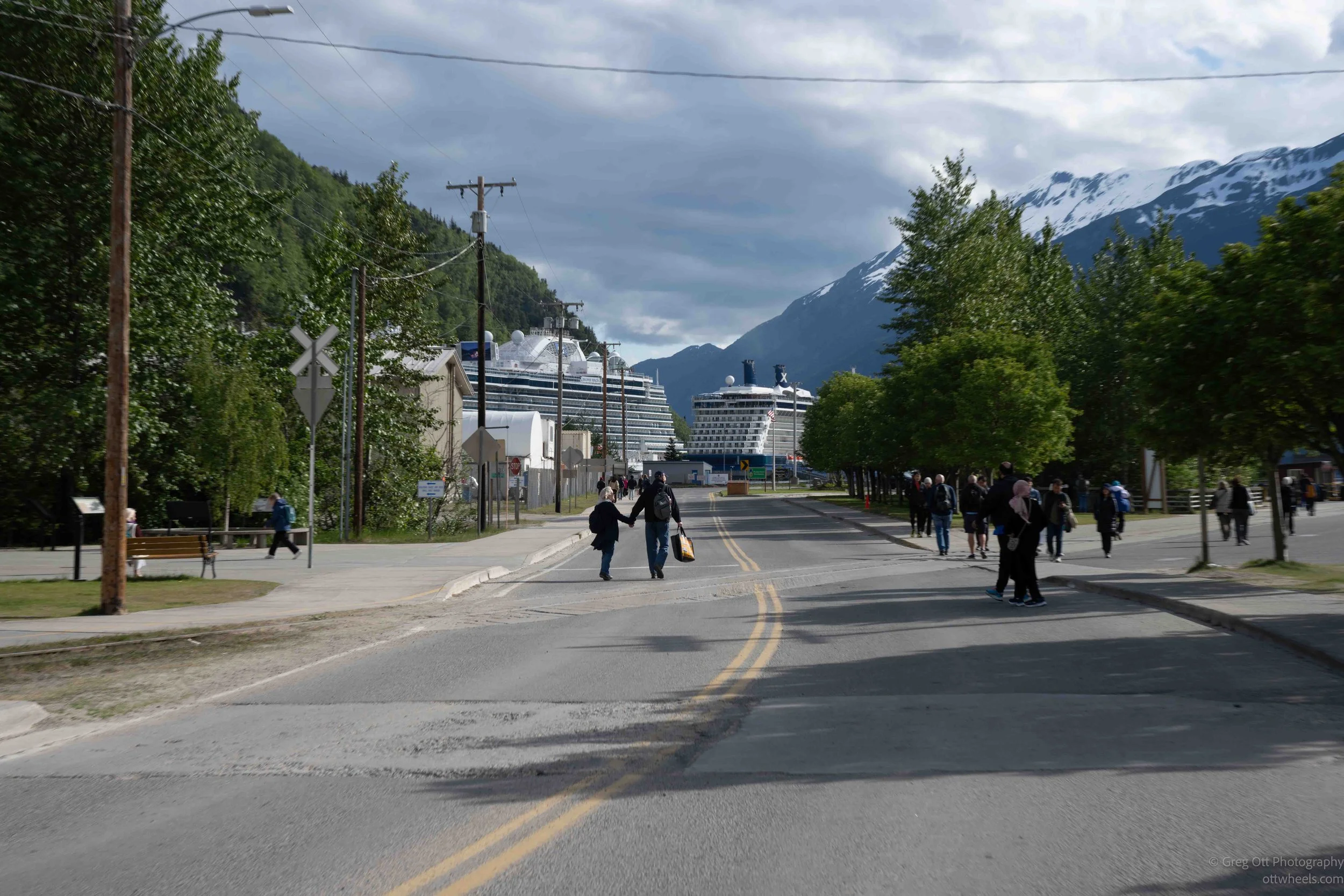
As we approached Skagway, the familiar cruise ships were already docked along the waterfront. Some were ships I had seen in Juneau the day before. I learned that nearly 12,000 tourists had descended on Skagway earlier that day. Between the ferry stops, loading, unloading, and the long route north, the journey had taken about nine hours.
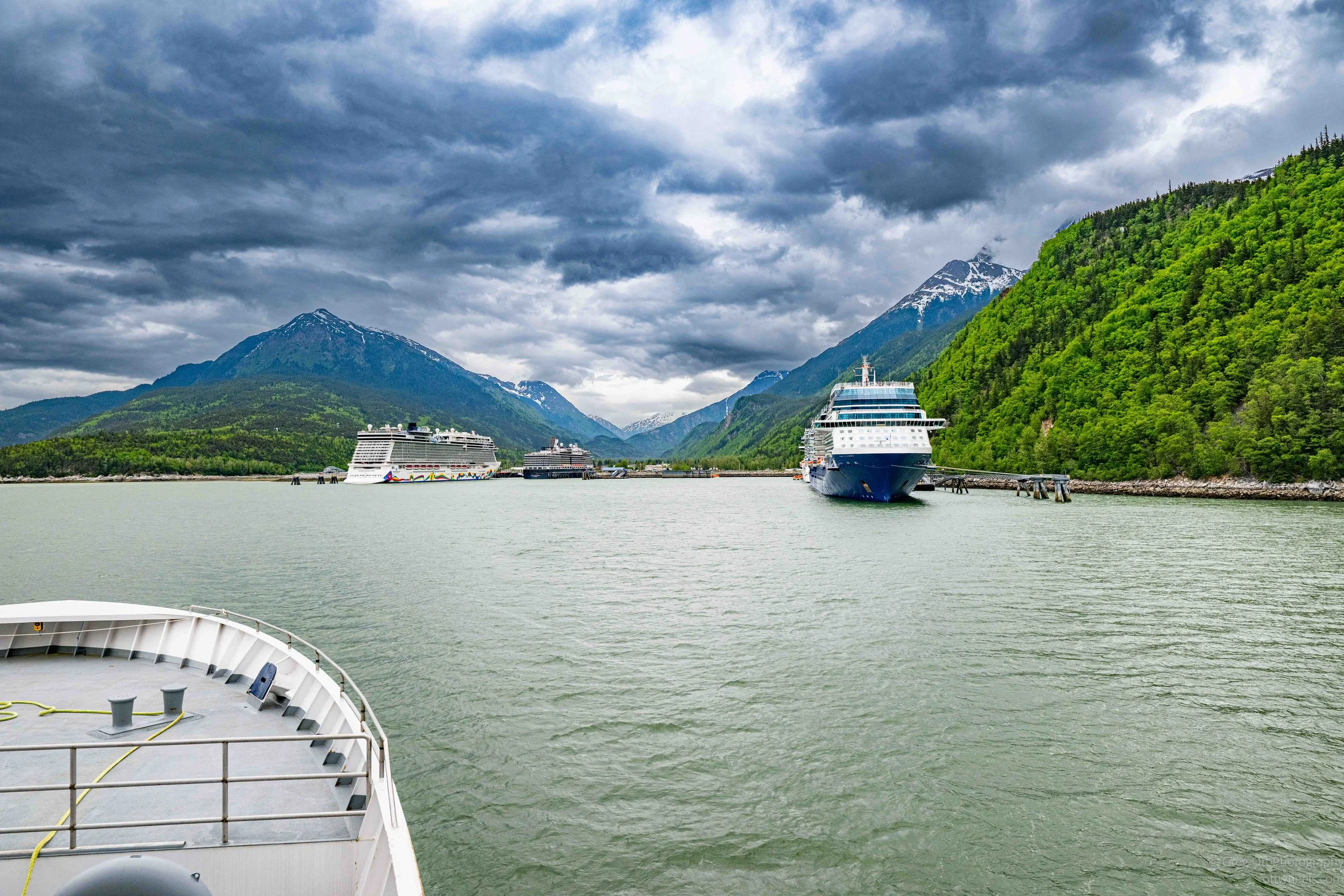
I had spent two days unsuccessfully trying to reserve a campsite online. As soon as I drove off the ferry, I headed directly to the campground about a mile away. The site I wanted was still available. I scanned the QR code posted on the office window, completed the registration online, paid, and checked in without ever speaking to anyone. After setting up, I took a thirty-minute nap before heading into town.
A Walk Through Skagway
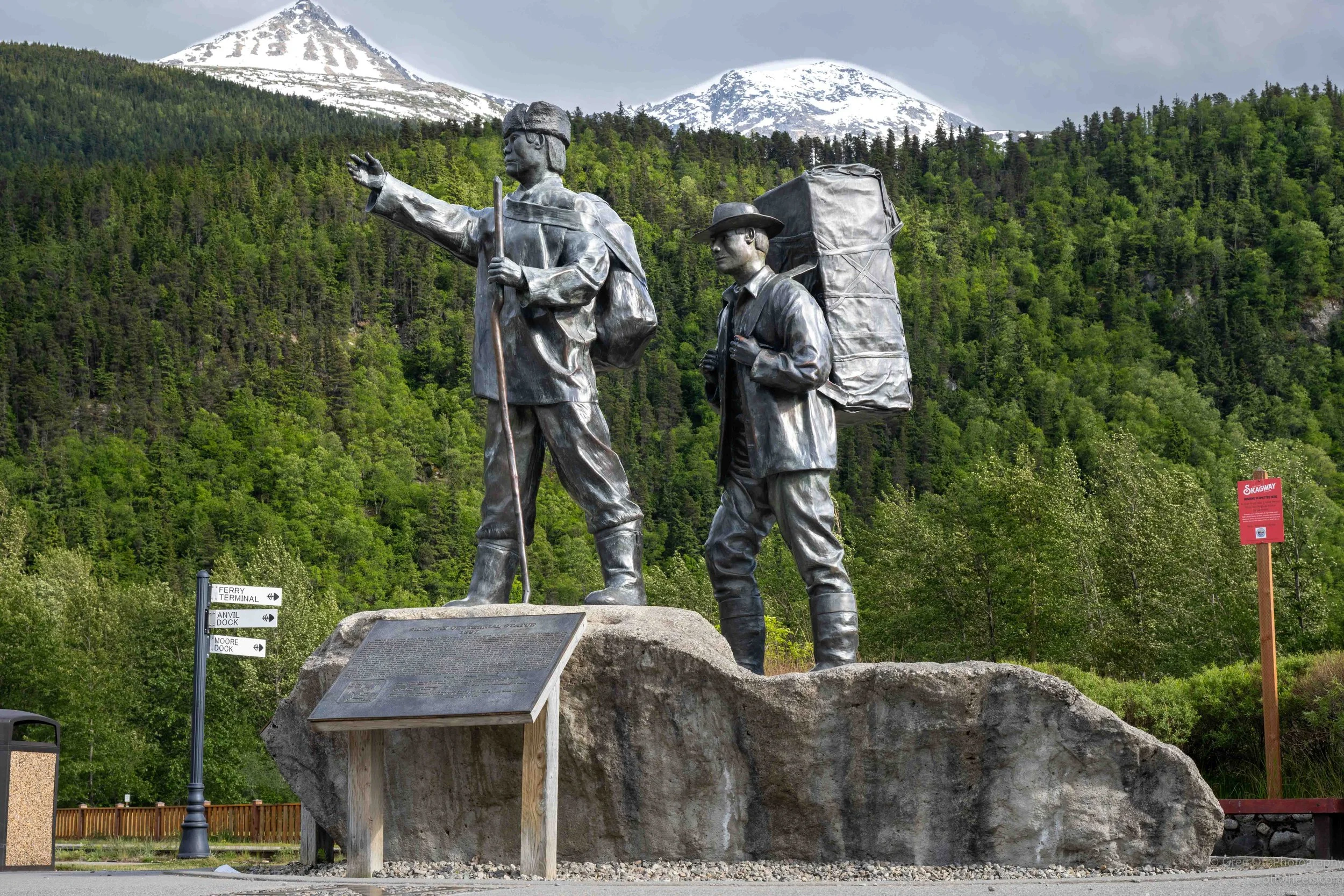
As I started walking through town yesterday, I came across a plaque that talked about the early days of Skagway and the man who first imagined there could be a town here at all. Captain William Moore arrived in the area in 1887, years before the Klondike Gold Rush, and established a homestead near Mill Creek. Reading through the exhibits, I learned that Moore married a Tlingit woman named Minnie and raised a family here. His sons helped develop the property and the growing settlement. What struck me most was how far ahead of his time Moore was. He recognized that this narrow valley provided access to the interior through White Pass and believed it would eventually become an important transportation route. Standing near the restored homestead, it was easy to see why later generations viewed him as the founder of Skagway. He saw potential here long before thousands of others arrived looking for gold.
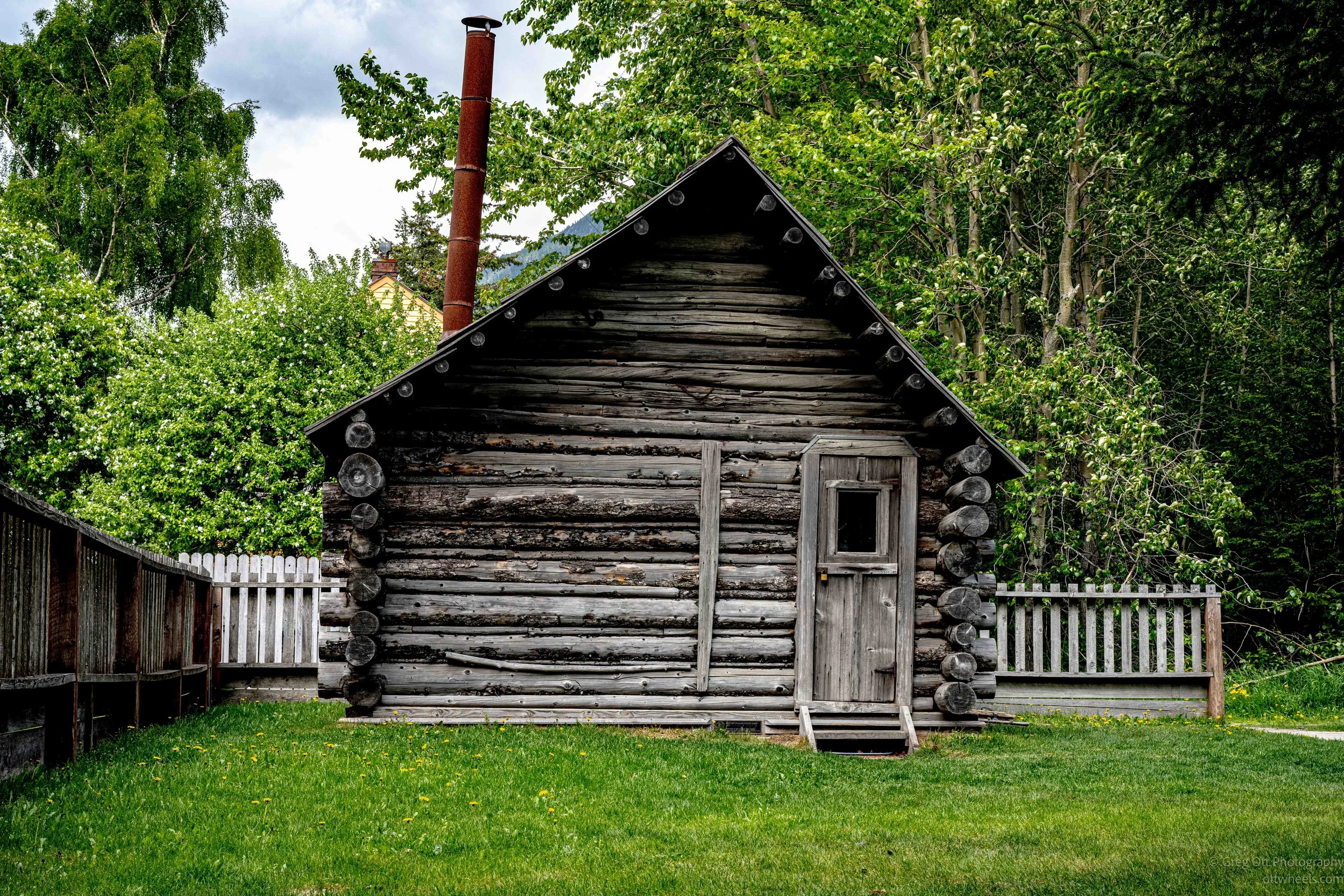
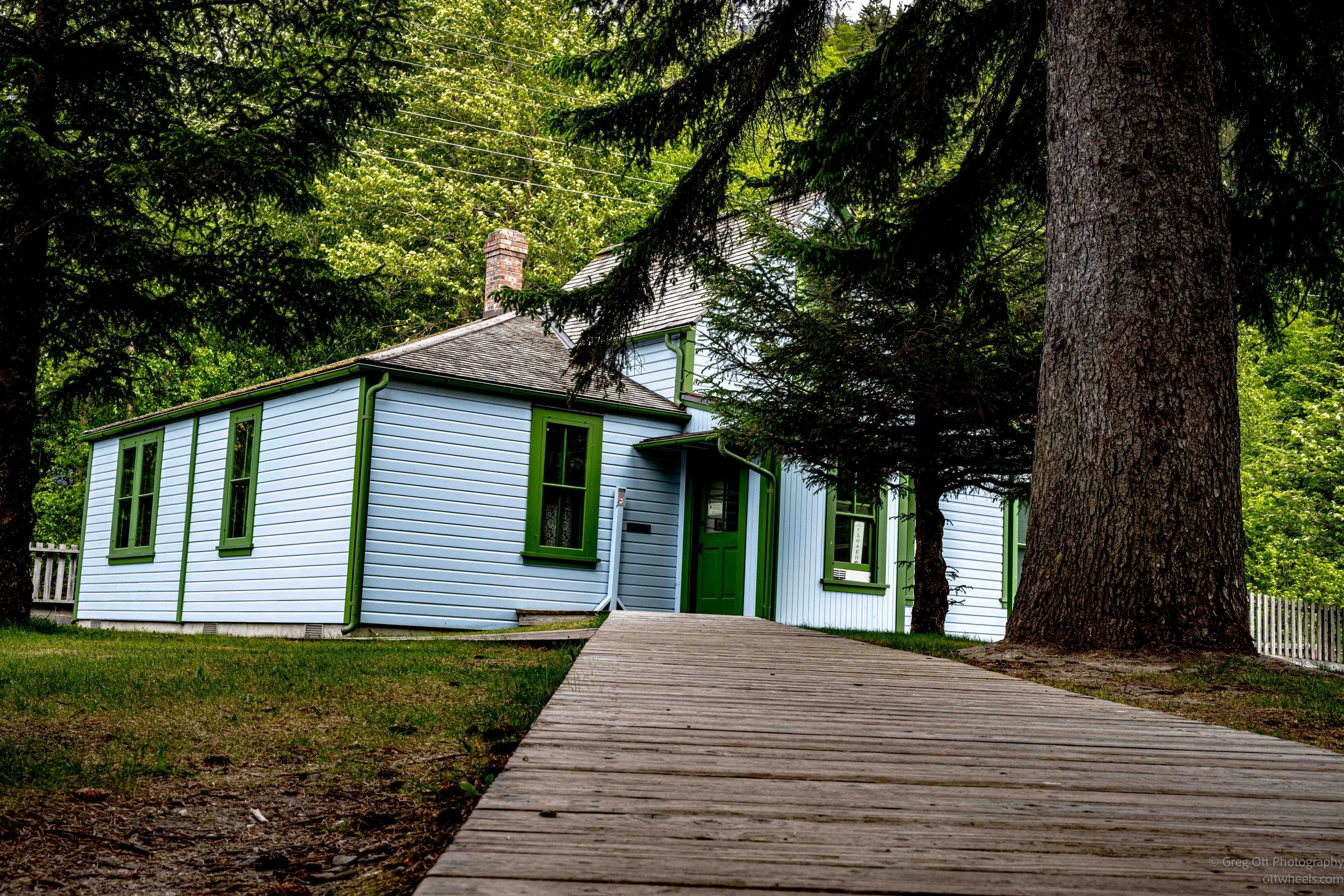
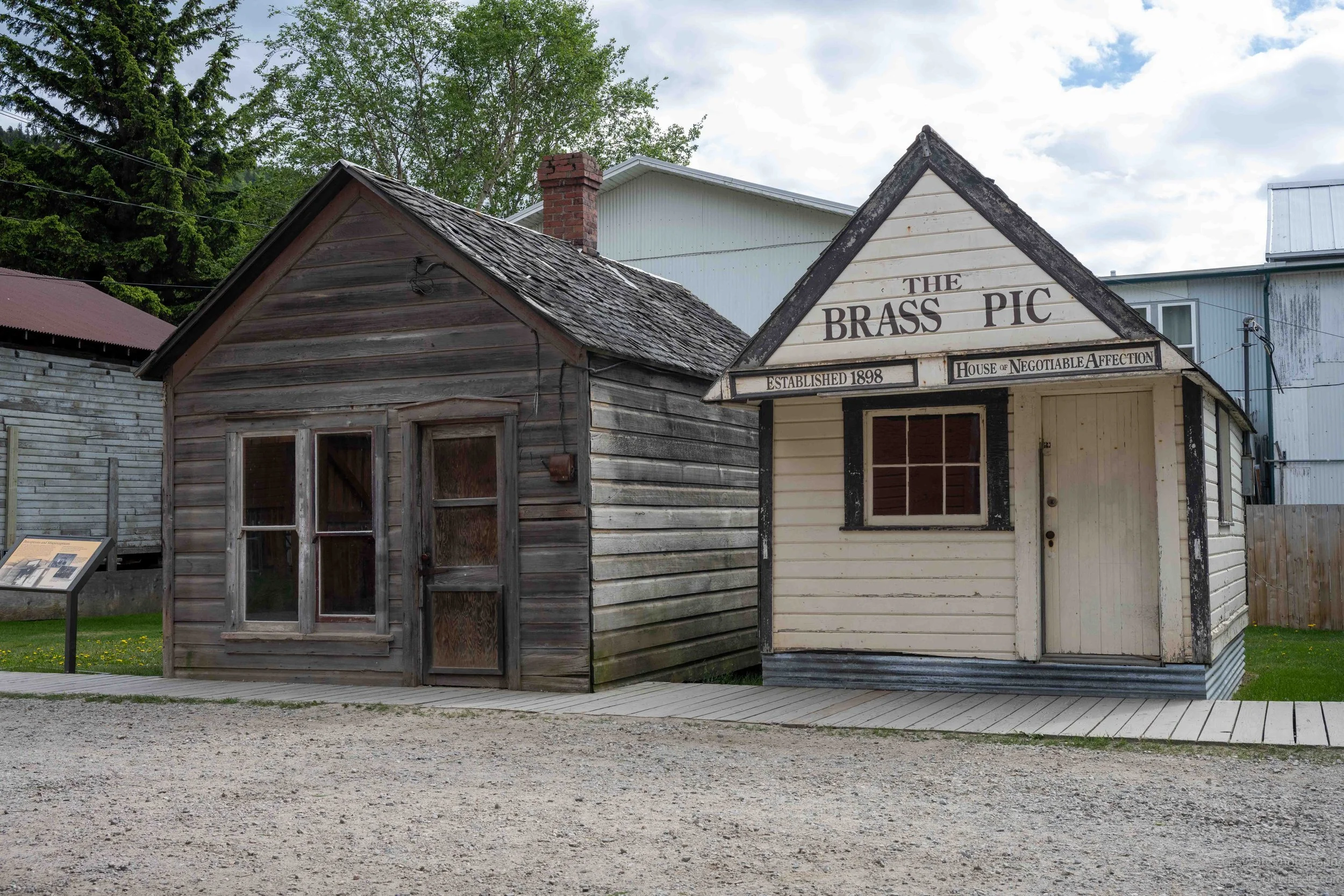
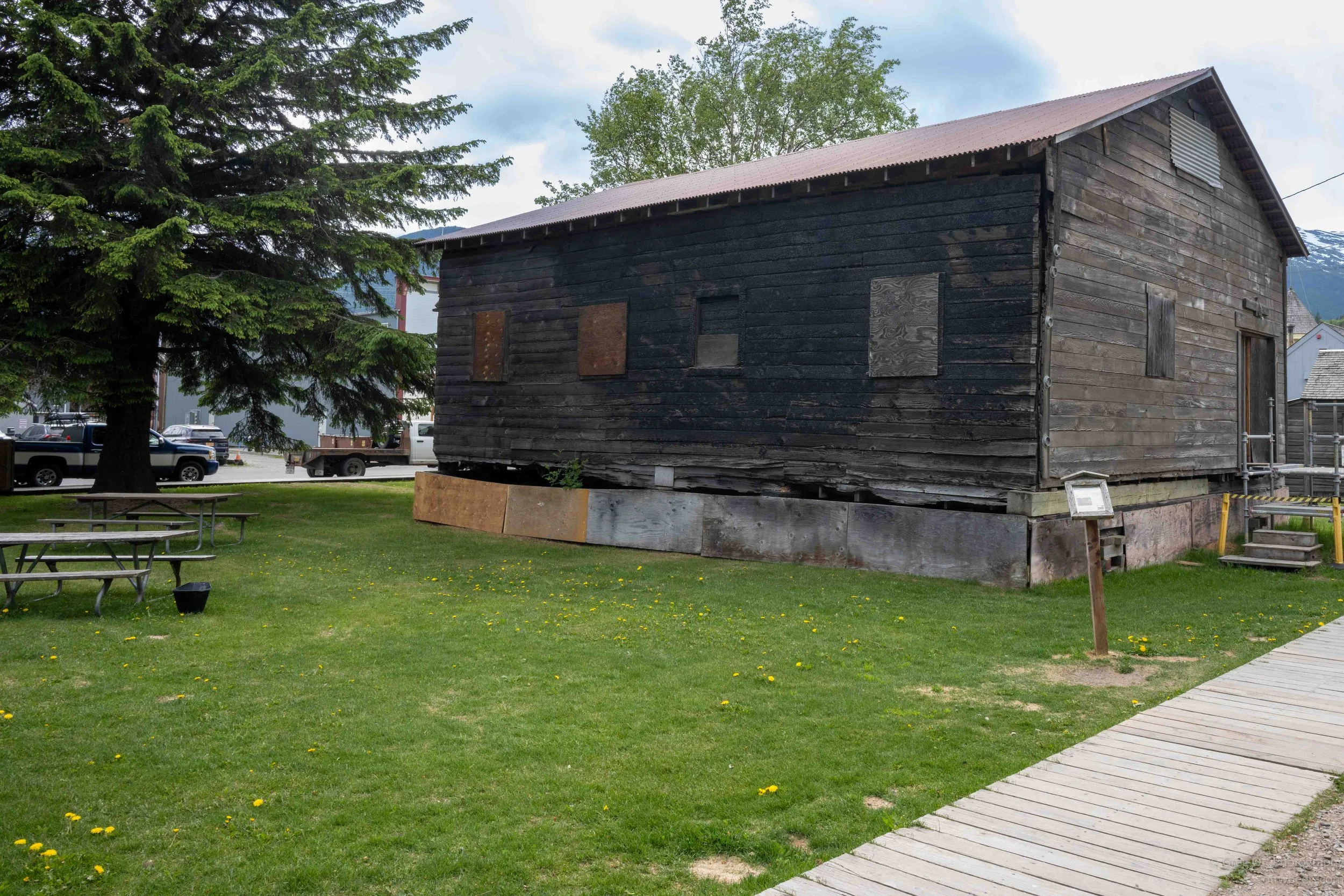
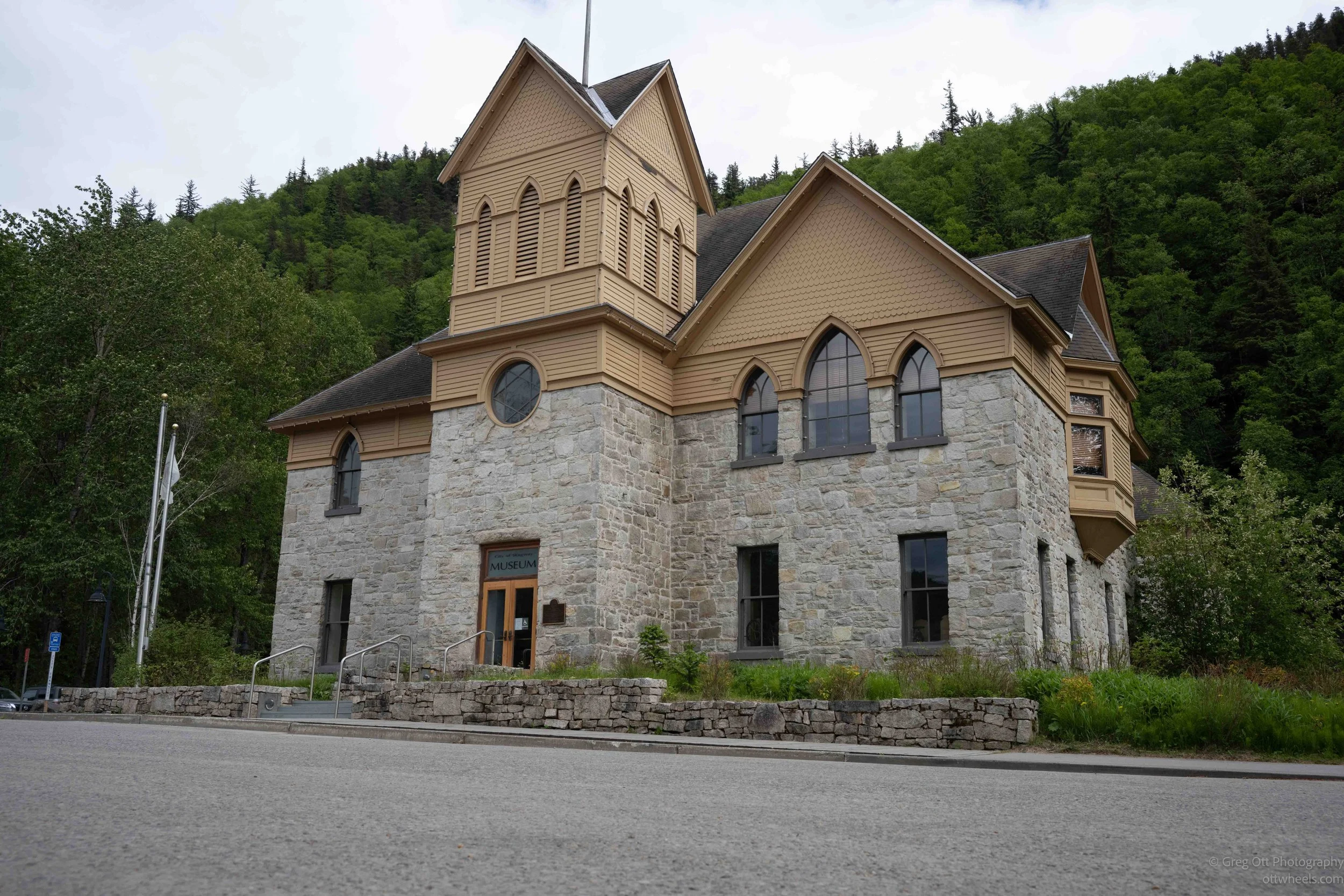
That vision collided with history in 1897 when news of gold discoveries in the Yukon spread around the world. As I continued reading the plaques, I learned that the area was briefly known as Mooresville before the growing settlement adopted the Tlingit name Skagway. Moore's claim was quickly overwhelmed by thousands of prospectors pouring into the valley. I noticed several markers describing lawsuits, surveys, and disputes over land ownership as the town exploded almost overnight. Tents, businesses, warehouses, saloons, docks, and hotels appeared faster than anyone could reasonably plan for. What had been a remote homestead suddenly became one of the busiest gateways to the Klondike goldfields, with people arriving from all over the world hoping to strike it rich.
As I wandered farther through town, I was surprised to discover that Skagway's history wasn't entirely about gold. One of the things that stood out to me was how quickly residents began building a permanent community. I read about gardens, farms, flowers, and vegetables thriving in the long summer daylight. The town eventually became known as the Garden City of Alaska, a title I never would have associated with a gold rush boomtown. I saw photographs of enormous gardens and learned that local farmers supplied produce, milk, and flowers throughout the region. The more plaques I read, the more it became clear that many people who arrived expecting to stay for a season ended up building lives here instead.
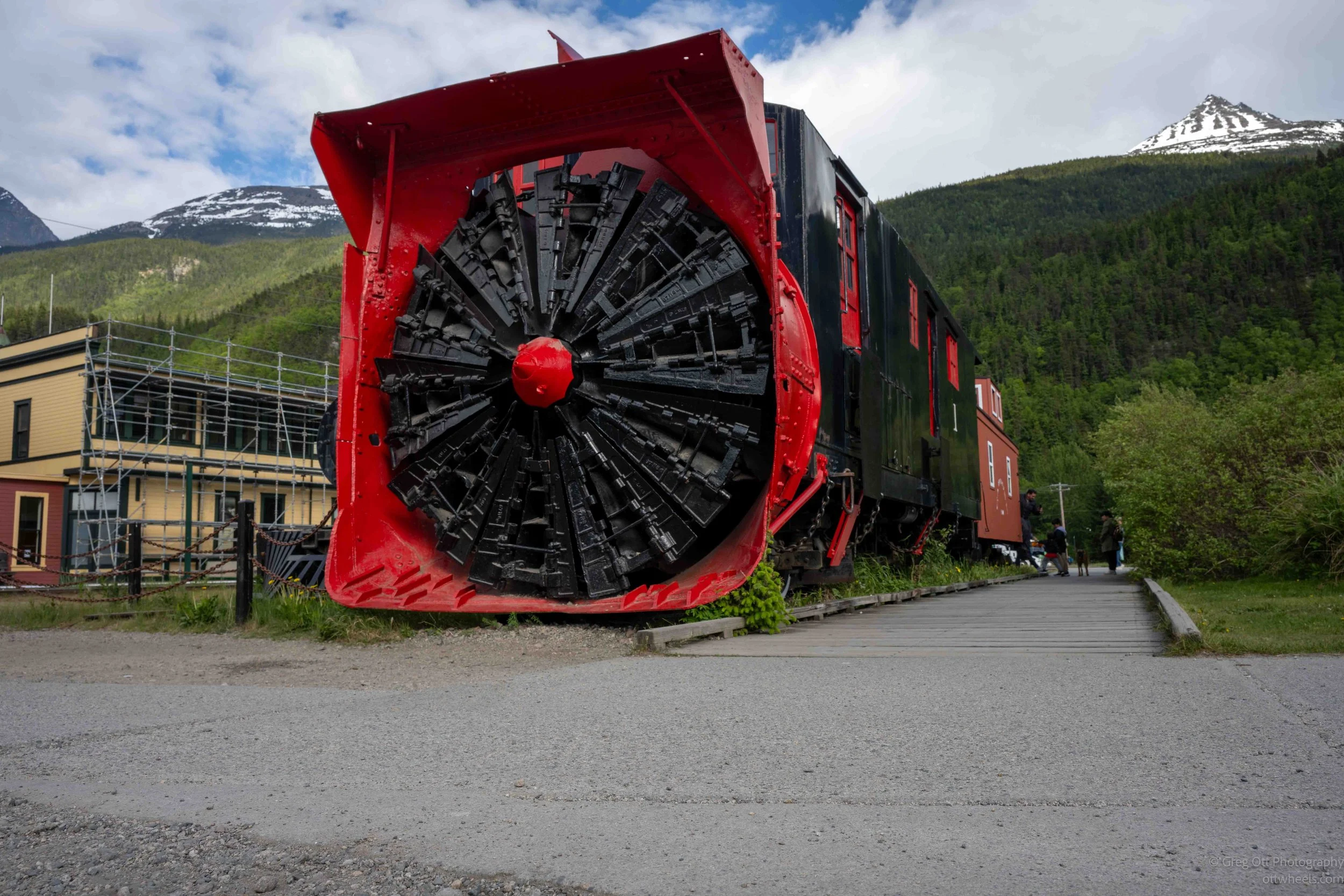
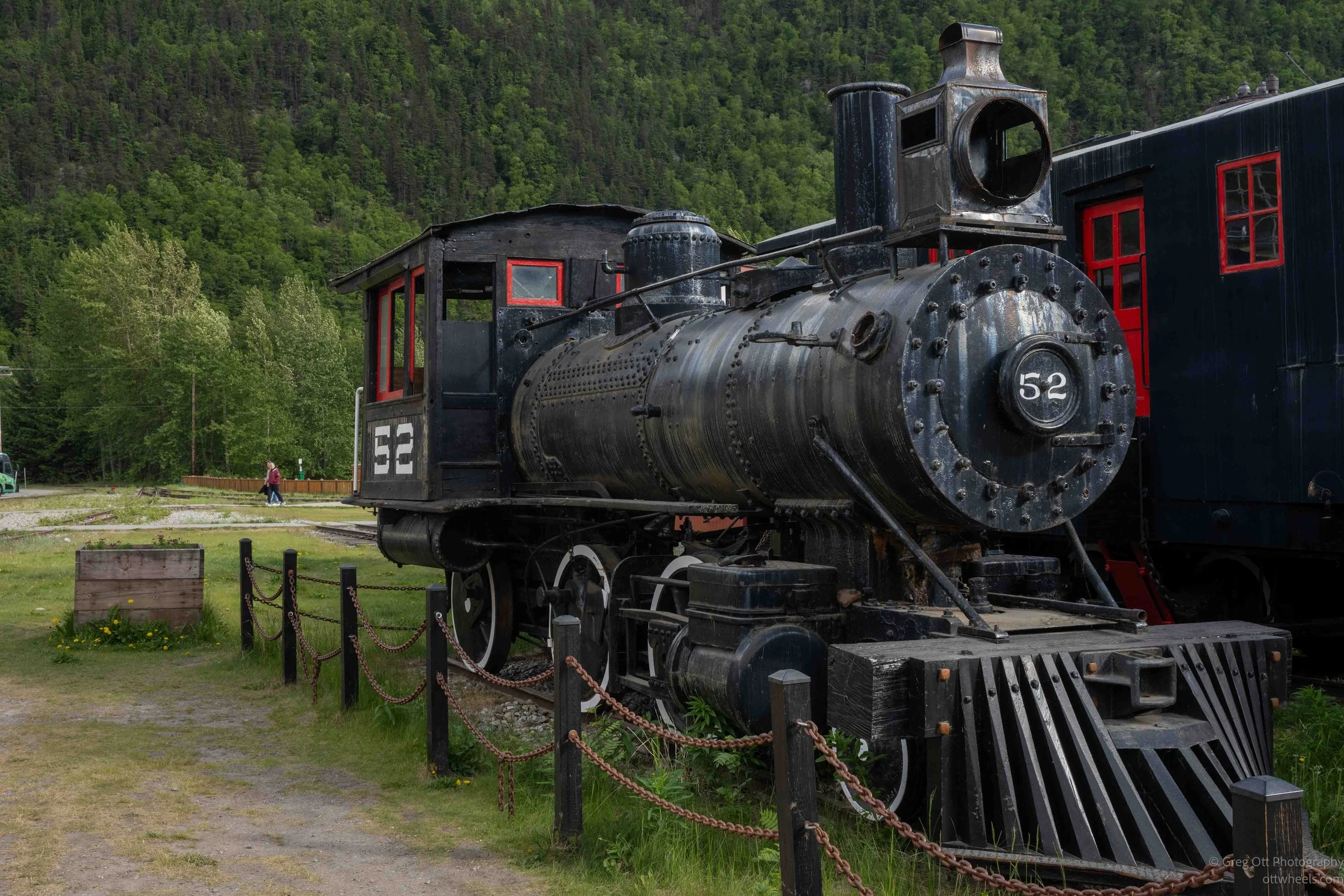
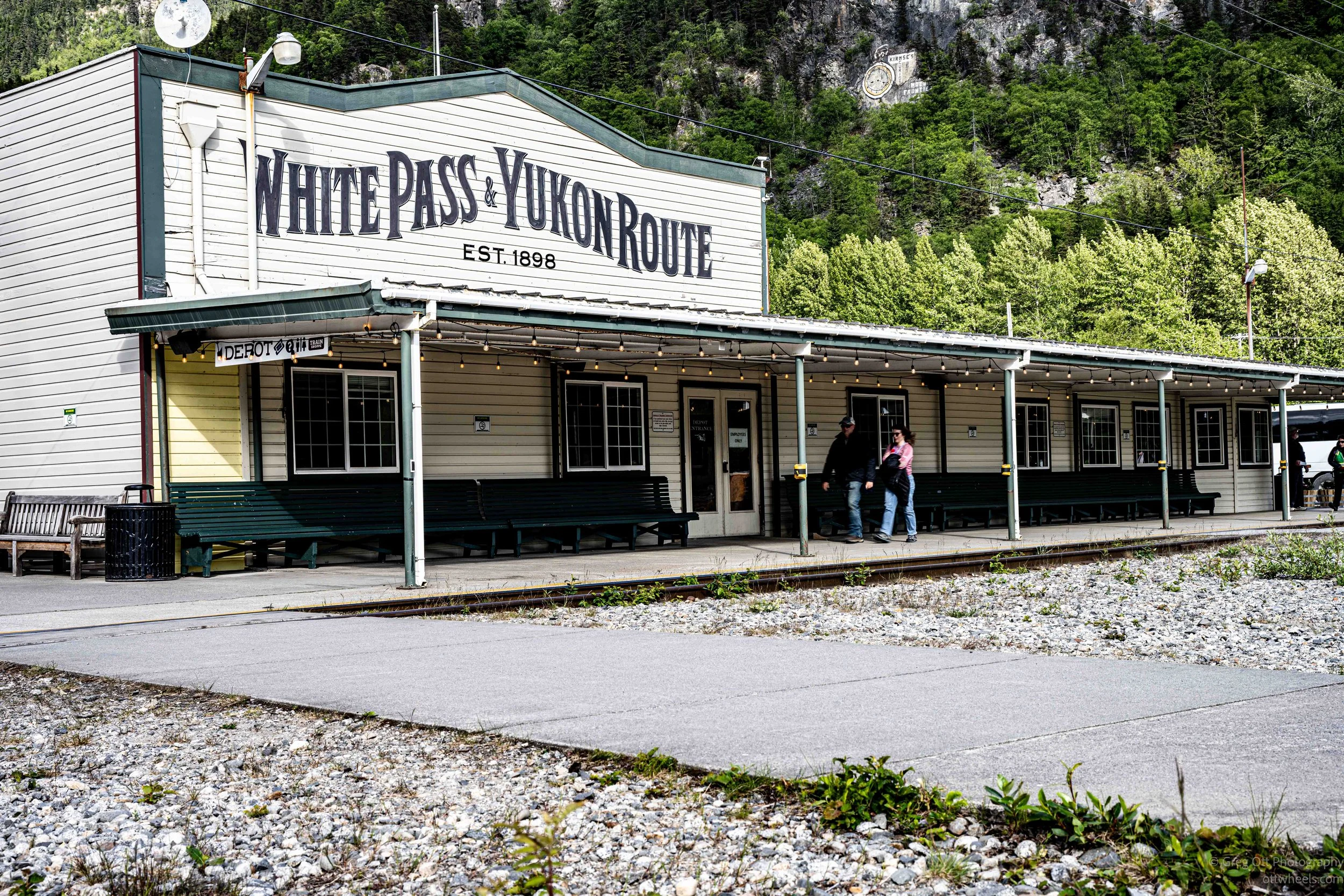
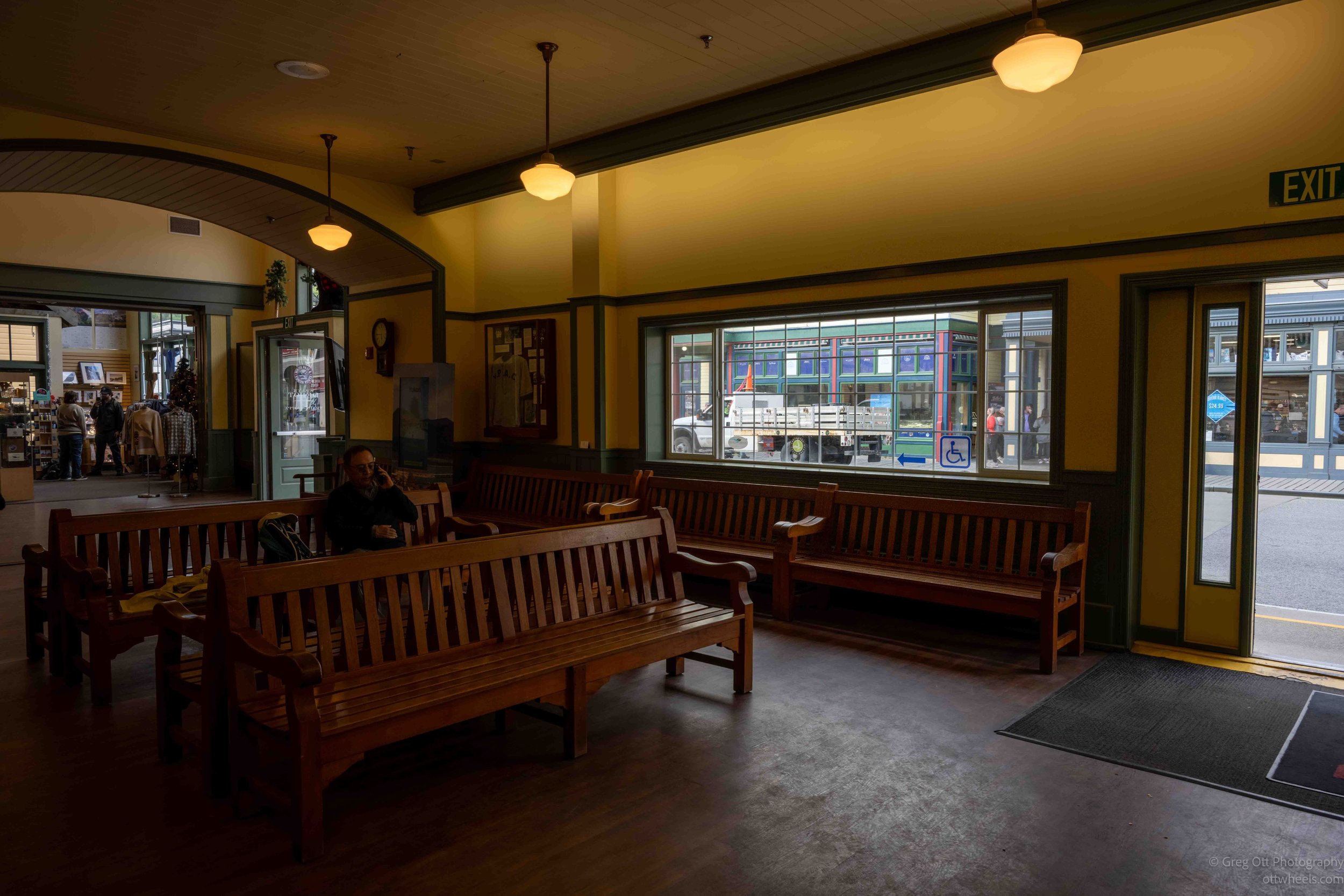
Not all of the history I encountered was optimistic. One memorial stopped me in my tracks. It told the story of the SS Princess Sophia, which departed Skagway in October 1918 carrying hundreds of passengers headed south. I stood there reading about how the ship struck Vanderbilt Reef during a storm and eventually sank with the loss of more than 350 people. It remains one of the deadliest maritime disasters on the Pacific Coast. Elsewhere, I read about how World War II transformed the town as thousands of military personnel arrived in the region, disrupting much of the town's earlier character. Walking from marker to marker, I realized that Skagway's history is much larger than the few chaotic years of the gold rush. The town has repeatedly reinvented itself over more than a century.
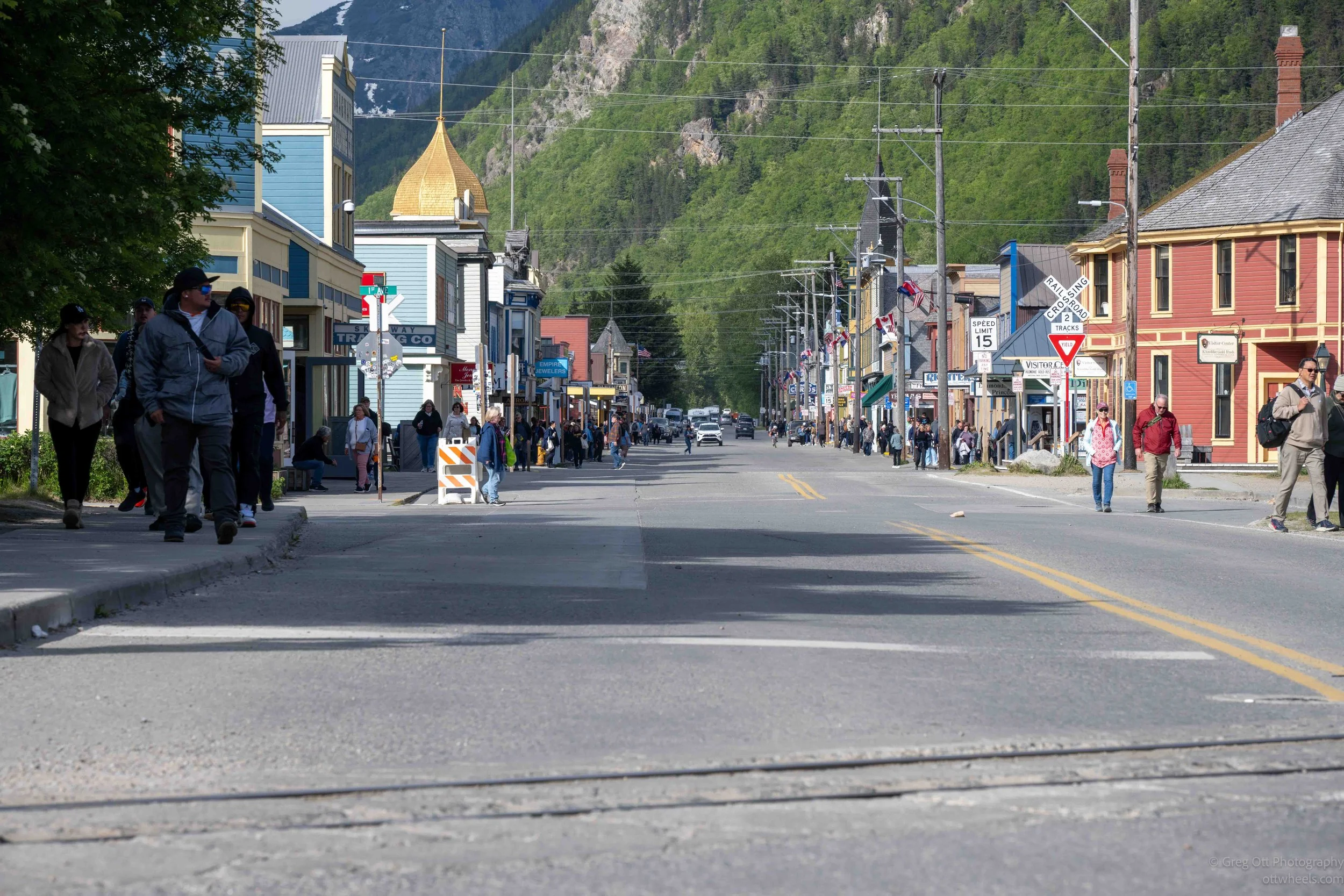
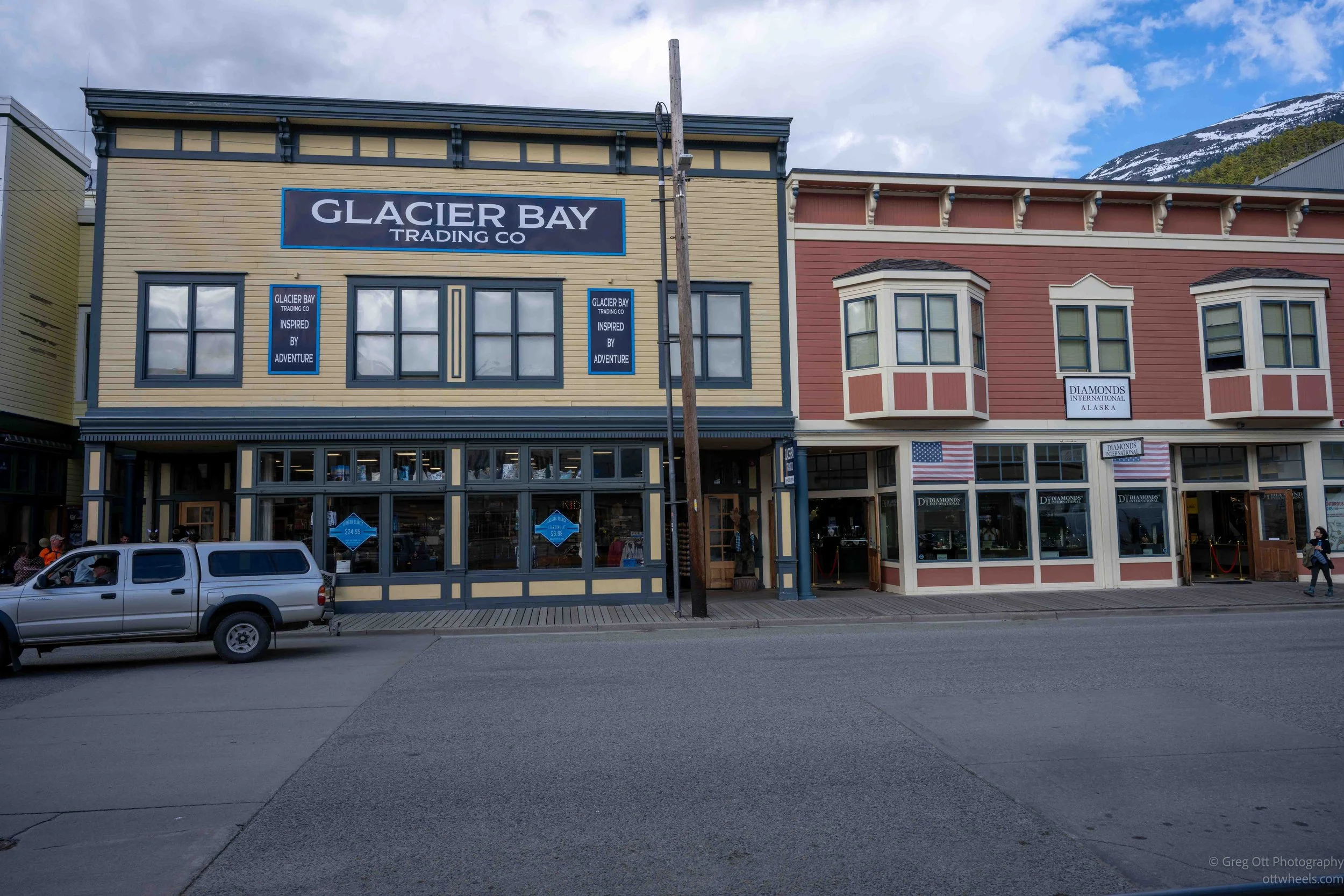
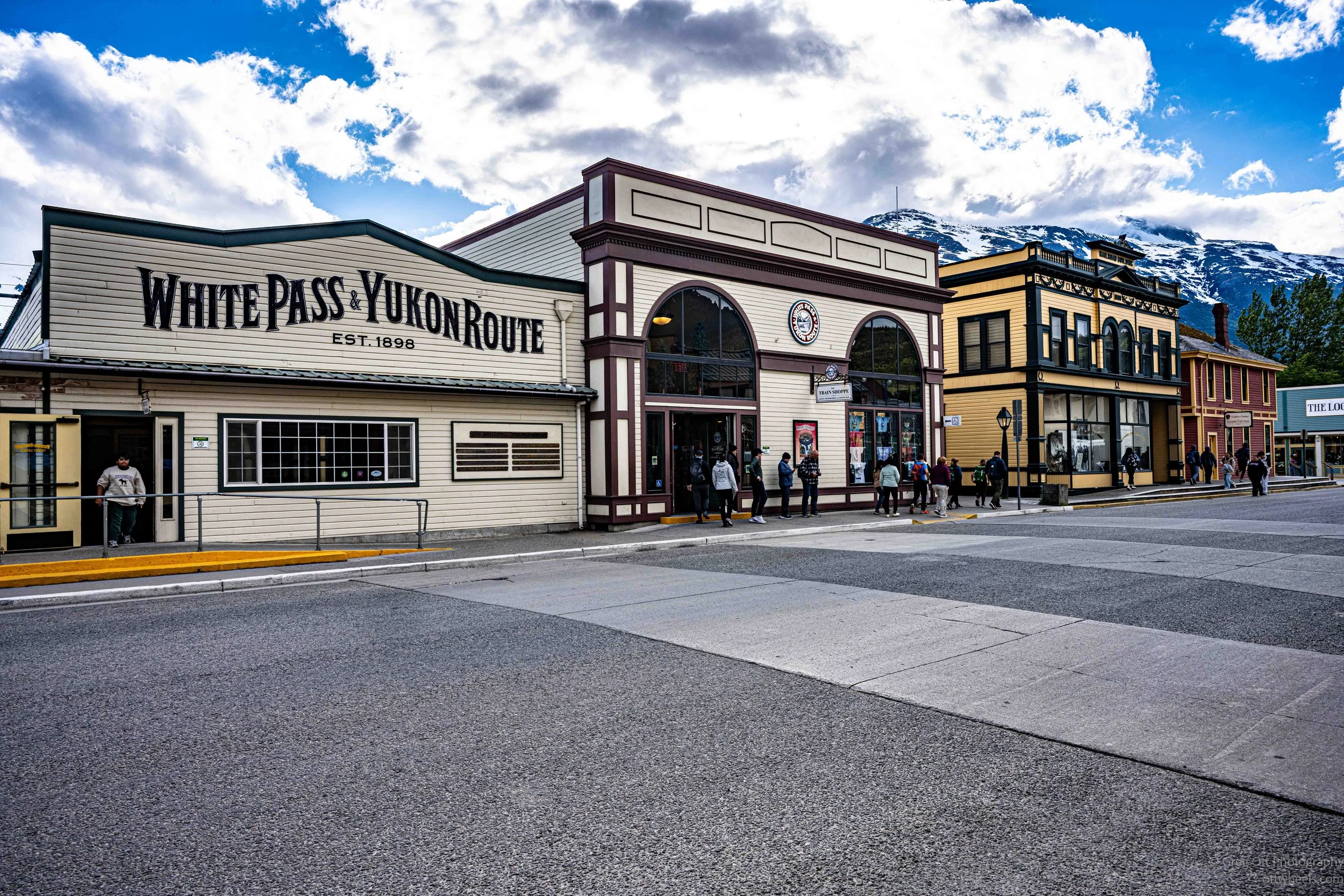
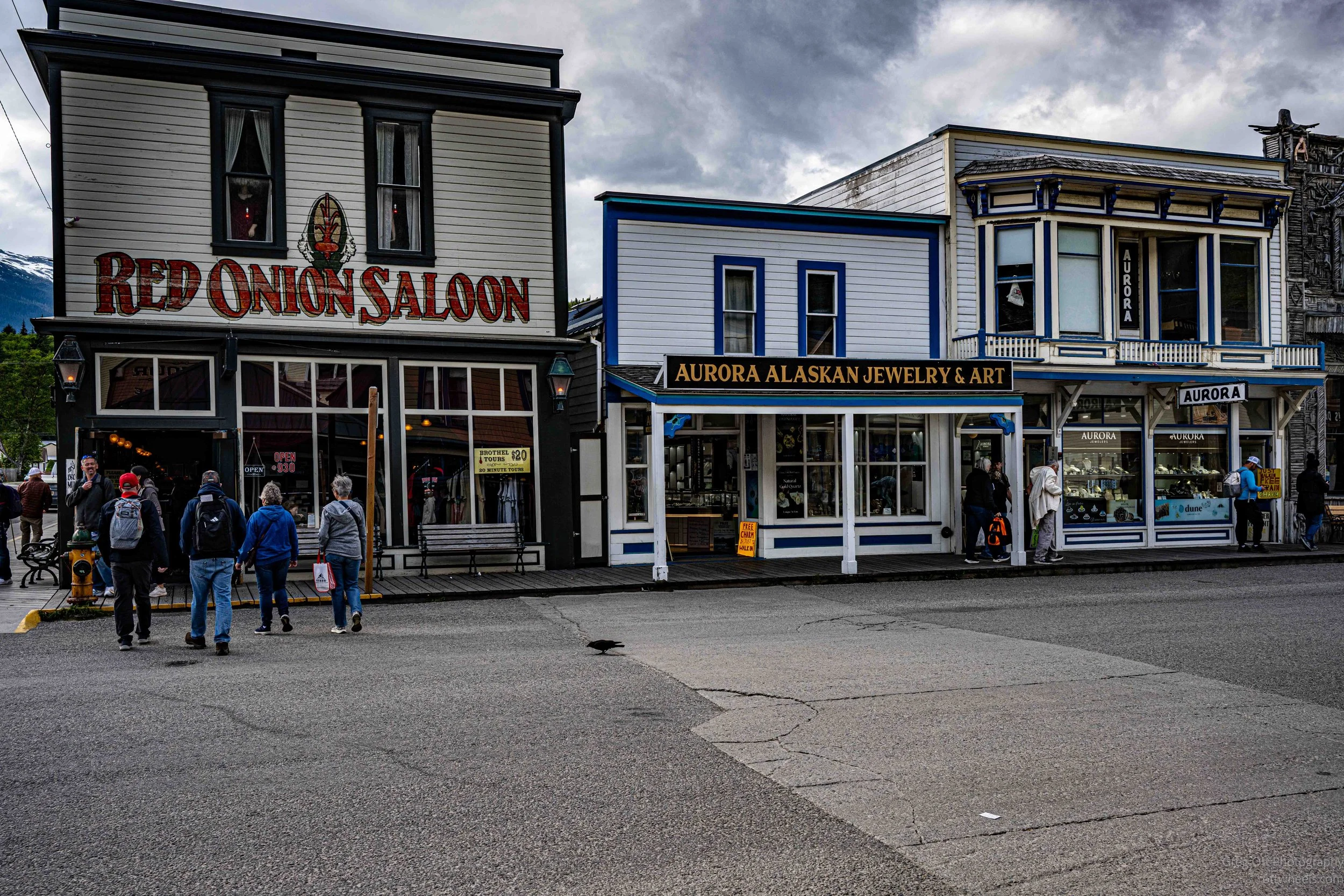
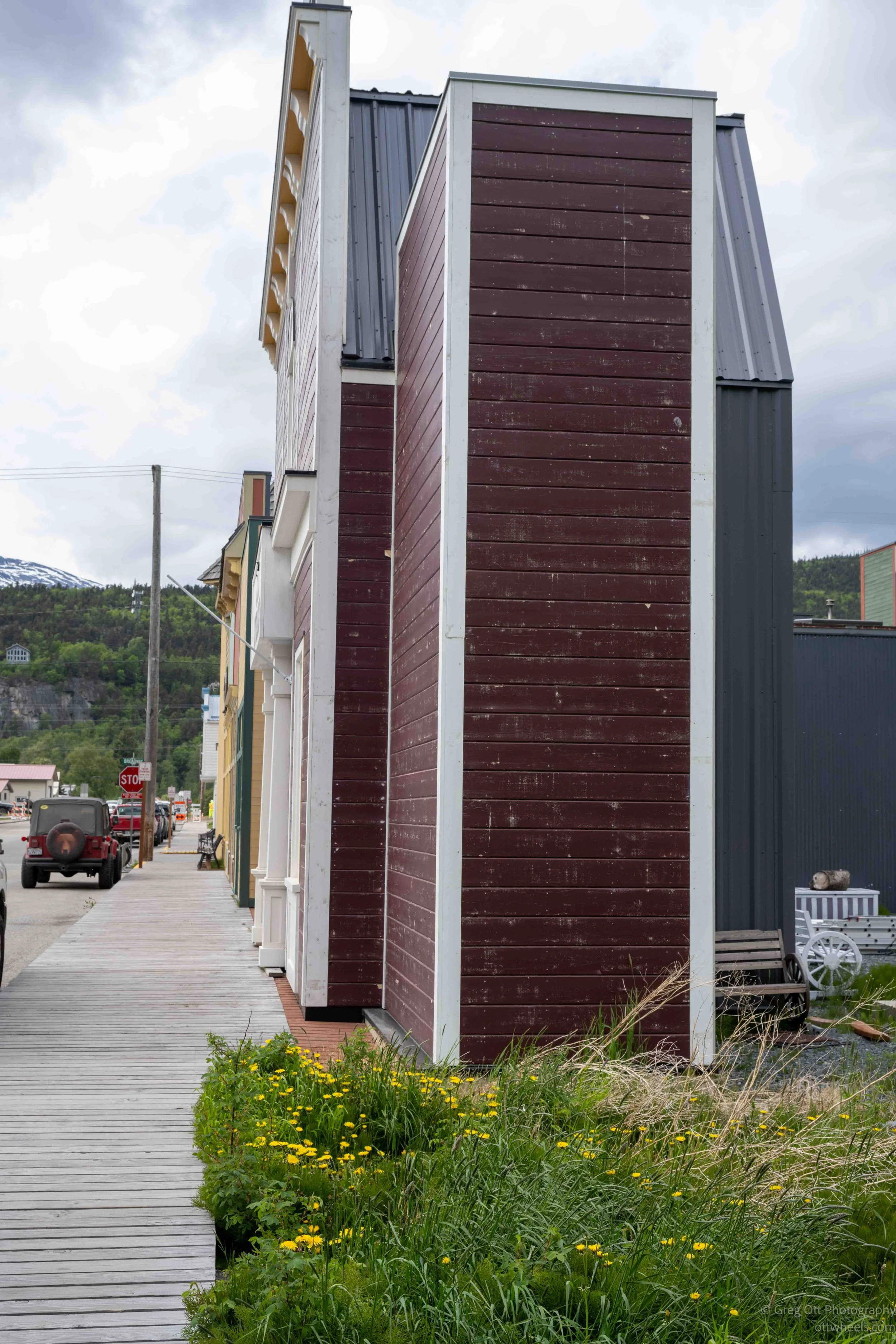
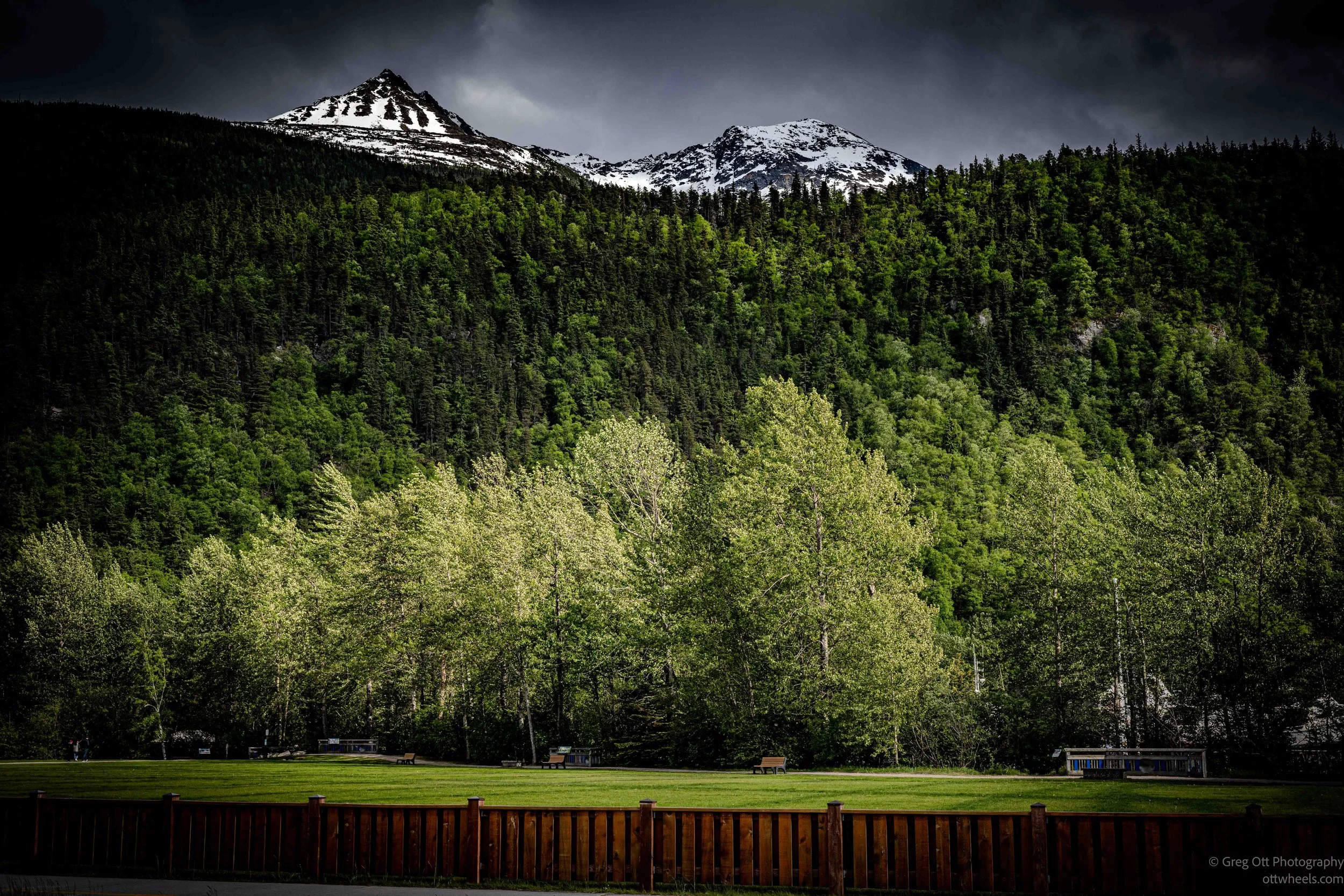
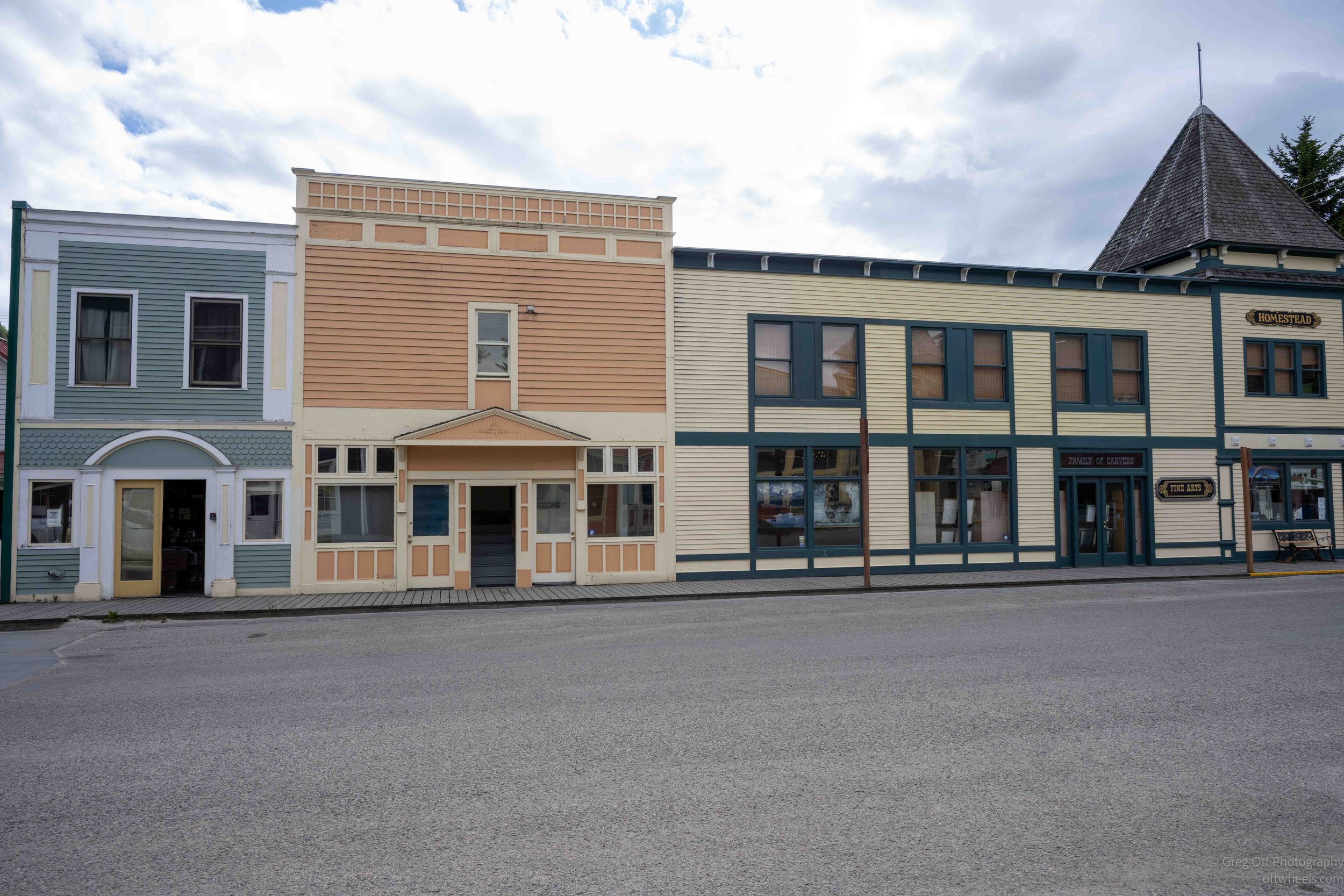
Yesterday afternoon nearly 12,000 cruise ship passengers filled the streets. I noticed the sidewalks packed with visitors, gift shops buzzing with activity, and tour groups moving from one attraction to another. It was difficult to imagine the rough frontier settlement I had been reading about only moments earlier. But later in the evening, long after the tourists returned to their ships, the town felt completely different. Under bright blue skies with a few scattered clouds, I walked the quiet streets and looked at the colorful false-front buildings that still give Skagway the appearance of a gold rush town. I was struck by the contrast. The facades remain, but today nearly every storefront caters to tourism rather than prospectors. The gold seekers are gone, replaced by visitors arriving on massive cruise ships, yet the town still serves as a gateway to the North. More than a century after Captain Moore first imagined a future here, people are still coming to Skagway looking for adventure, even if nowadays they're carrying cameras instead of gold pans.
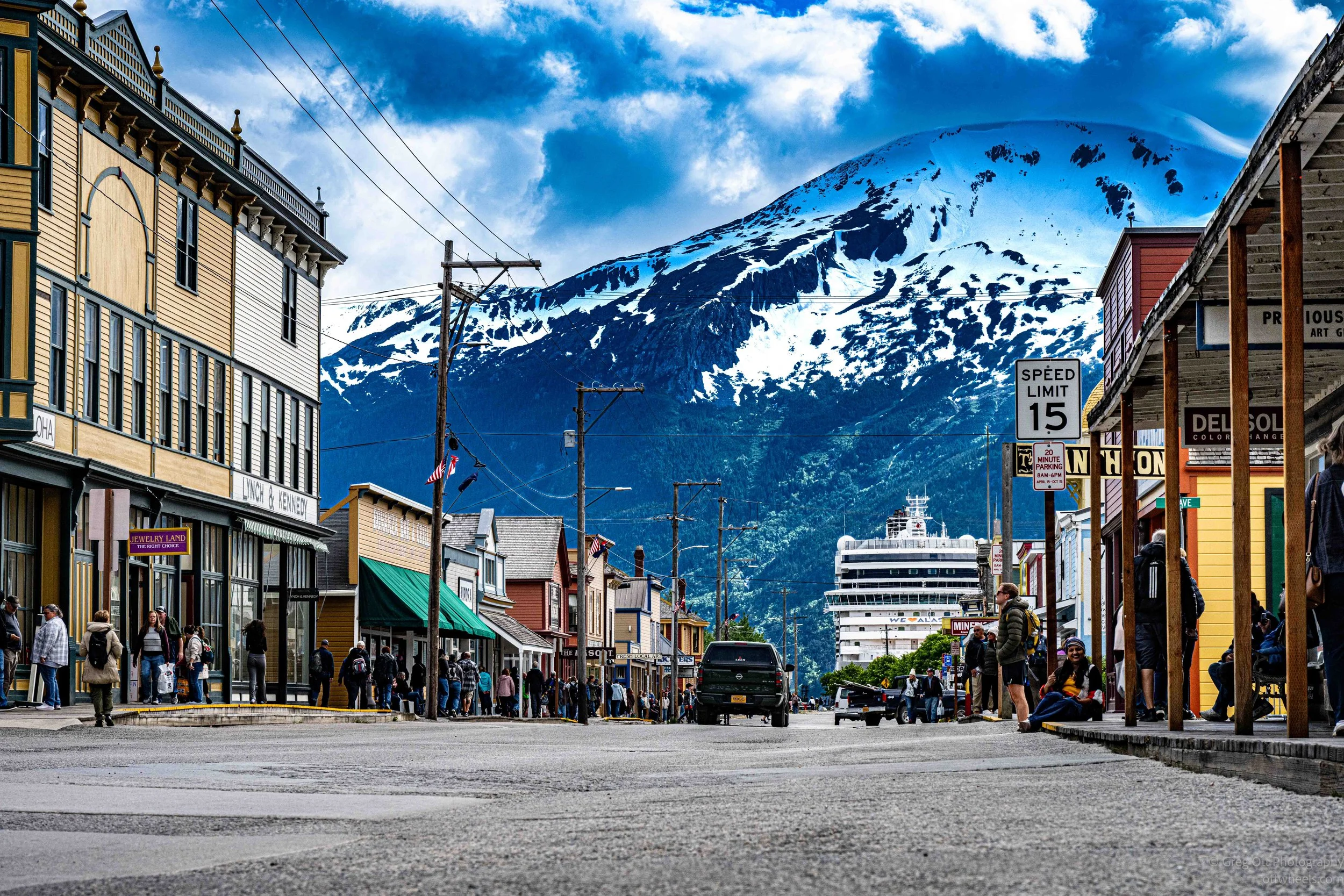
In a few days, I will head north once again toward Whitehorse, Yukon, a place I passed through weeks ago.
By dinner time, every restaurant I checked seemed to have a thirty-minute wait. Most had a pub atmosphere, and for whatever reason I just wasn't in the mood. I was about ready to give up and head to the grocery store when I came across a group of food trucks.
They were all owned by a guy named Jonathan. I ordered a Thai yellow curry and ended up chatting with him while waiting for my food. We talked about Skagway, things to do in the area, and somehow the conversation eventually drifted toward Hawaii. The curry was excellent, made fresh, and easily one of the better meals I've had recently.
It was about a mile walk back to the campground. By then, the streets were completely quiet. The cruise ship passengers had returned to their boats, most of the shops had closed, and the town felt entirely different than it had a few hours earlier. It was going on 8 p.m., but the sky was still surprisingly bright. The long Alaska daylight continued to throw me off.
As I walked through a residential area, I came to a large pine tree on the corner of a street. The top of the tree was filled with what looked like at least a hundred American Crows. They were making an incredible amount of noise. Birds were constantly flying out of the tree, circling around, and returning. Others seemed to be arguing with each other over spots in the branches. For fifteen minutes I just stood there watching what appeared to be complete chaos.
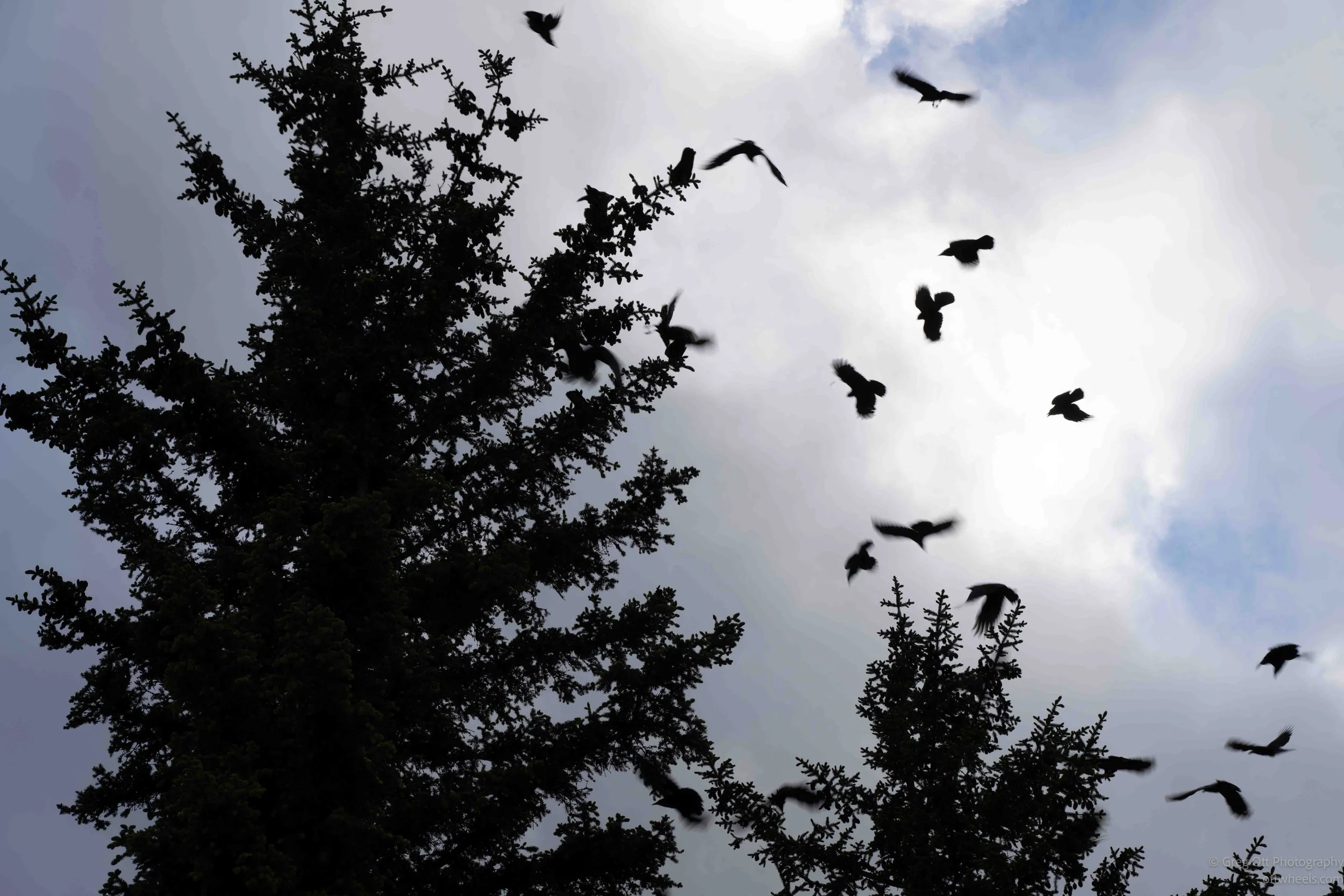
American Crows
When I got back to the van, I looked up what I had seen. It turns out this is a behavior known as a communal roost. During the day, crows spread out over a wide area looking for food, but in the evening they often gather together in large groups before settling in for the night. The noise and constant movement I witnessed were apparently normal. The birds were choosing places to sleep, interacting with other members of the flock, and keeping watch for potential predators.
I had no idea crows behaved this way. Seeing a hundred of them gathered in a single tree in the middle of a quiet Skagway neighborhood was one of those unexpected moments that sticks with you. It wasn't on any tourist map, and nobody had mentioned it. Yet standing there under the bright evening sky, listening to the constant cawing overhead, it ended up being one of the most memorable sights of the day.