Royal Alberta Museum
My spot on the street beside the church was even more quiet last night. I drove to a parking lot and made breakfast and had a cup of coffee. I didn’t want to compromise my spot by overstaying my welcome.
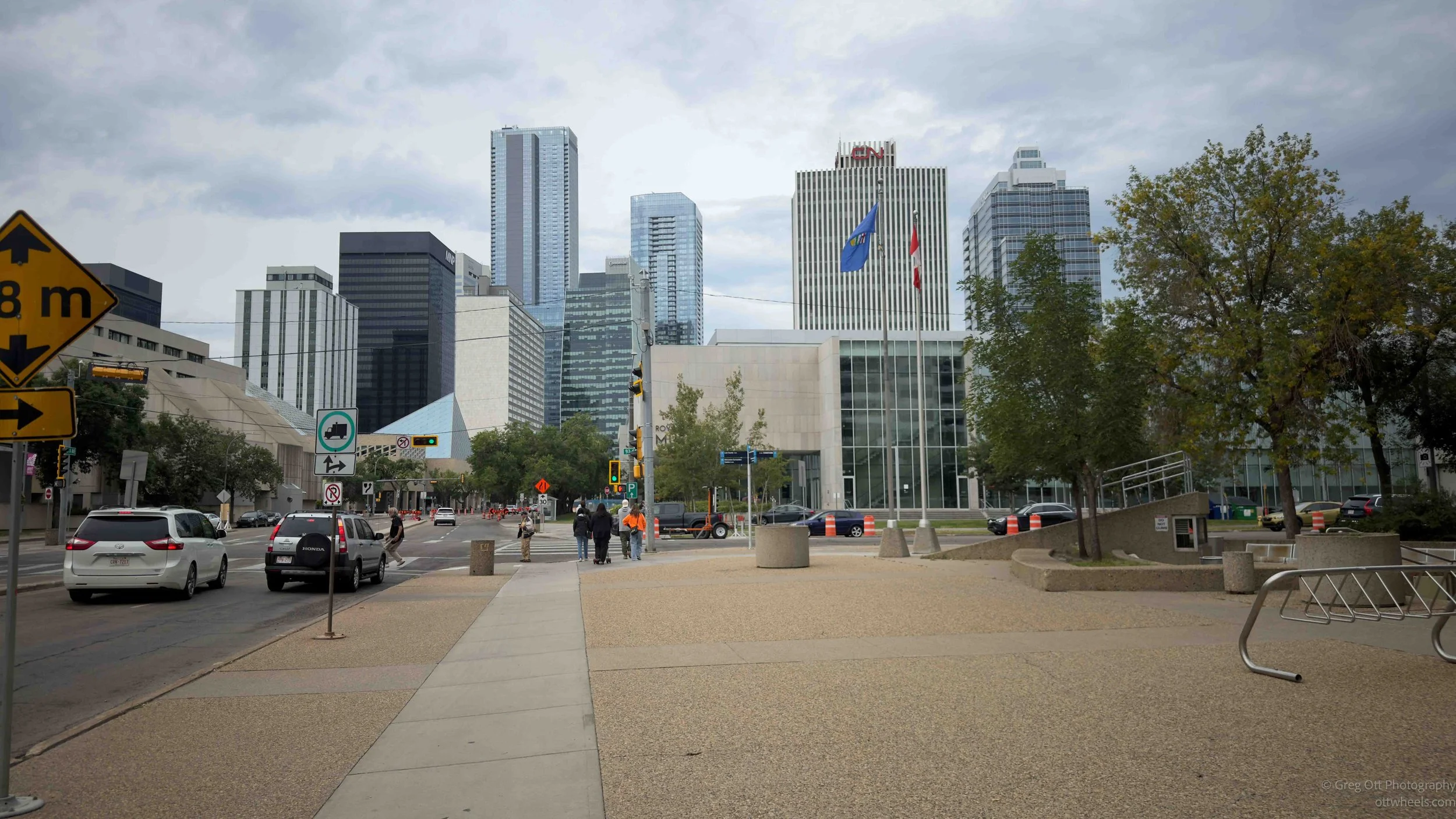
Royal Alberta Museum
The Royal Alberta Museum opened at 11 a.m. on Sunday. I arrived just before noon and found an outdoor parking lot where I could park the van a block away. I paid for parking online using their app and walked the two blocks to the museum. The entrance fee was C$16 for senior admission.
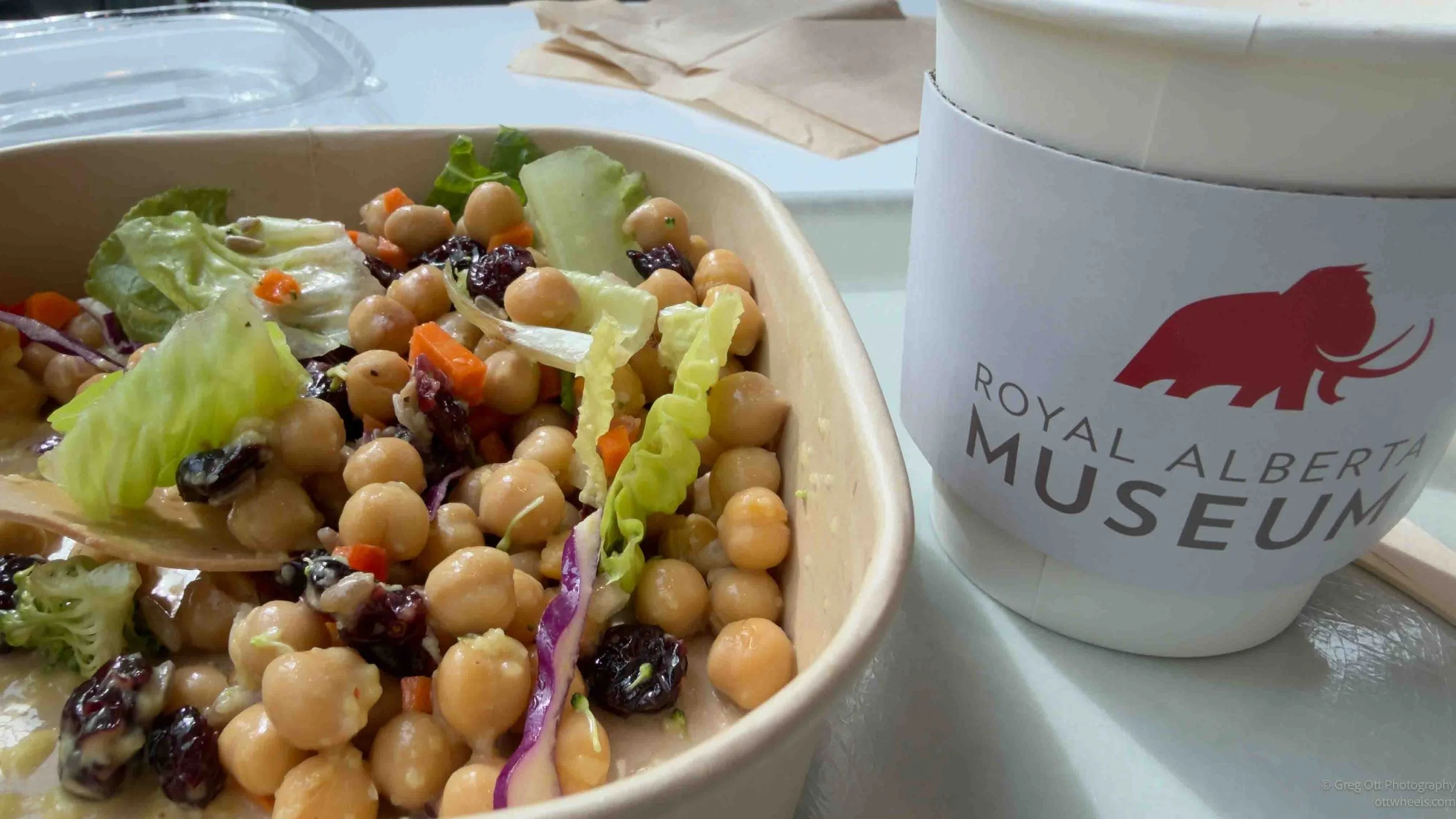
This was perfect timing. The café was open and had some nice salad offerings. I grabbed a prepackaged chickpea salad and ordered a coffee. The museum closed at 4 p.m., and I assumed I had more than enough time to see the entire museum.
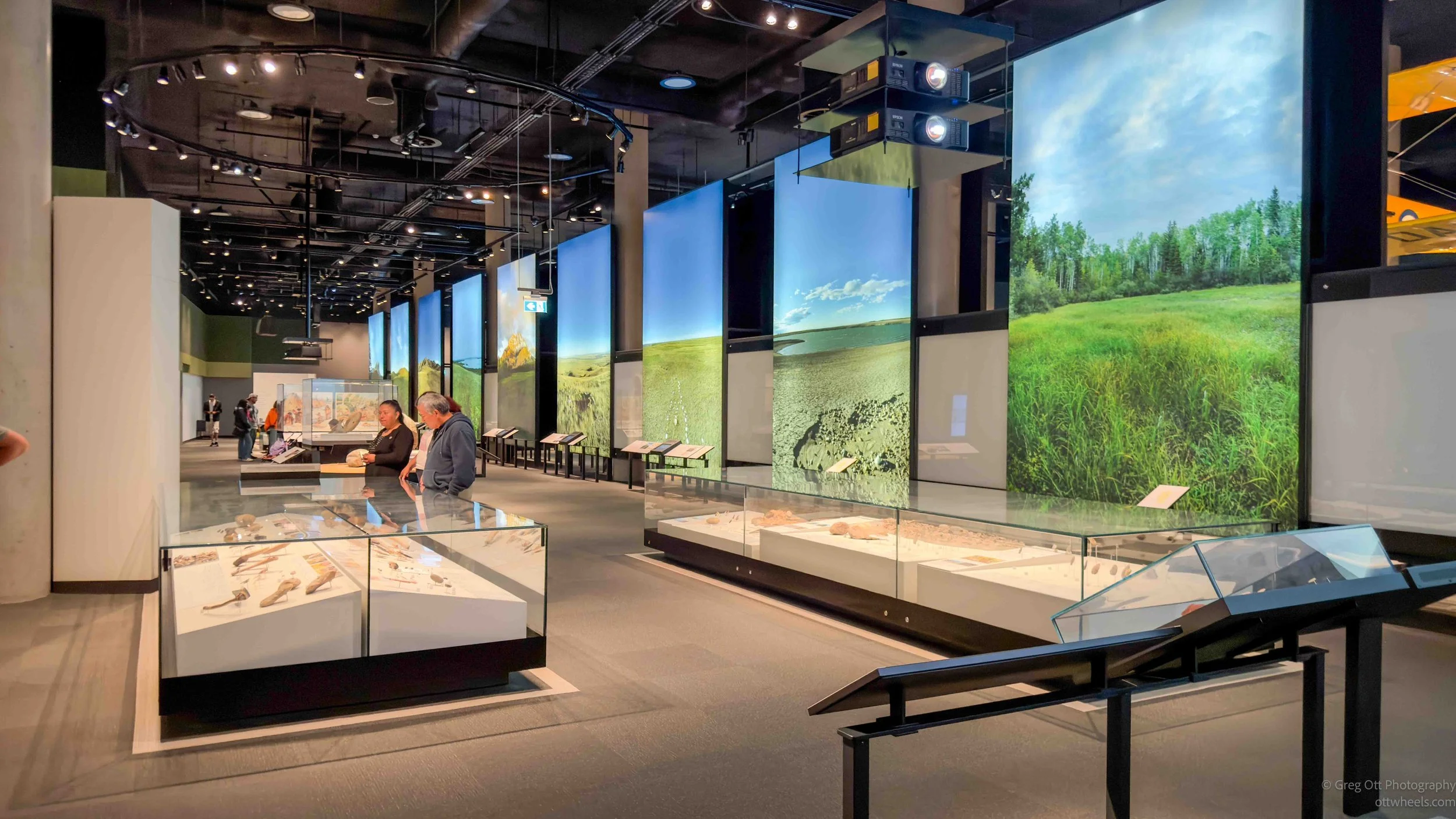
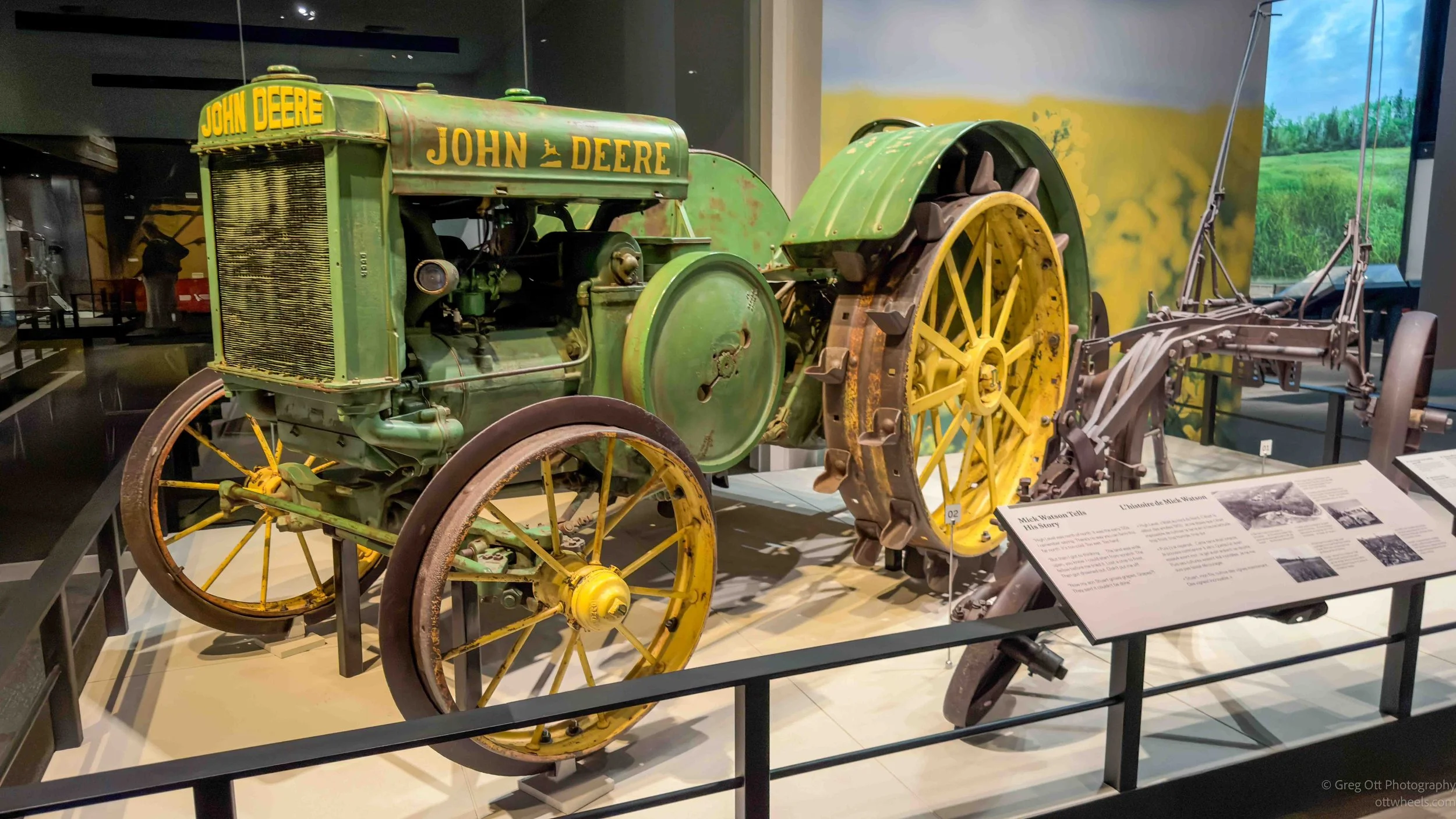
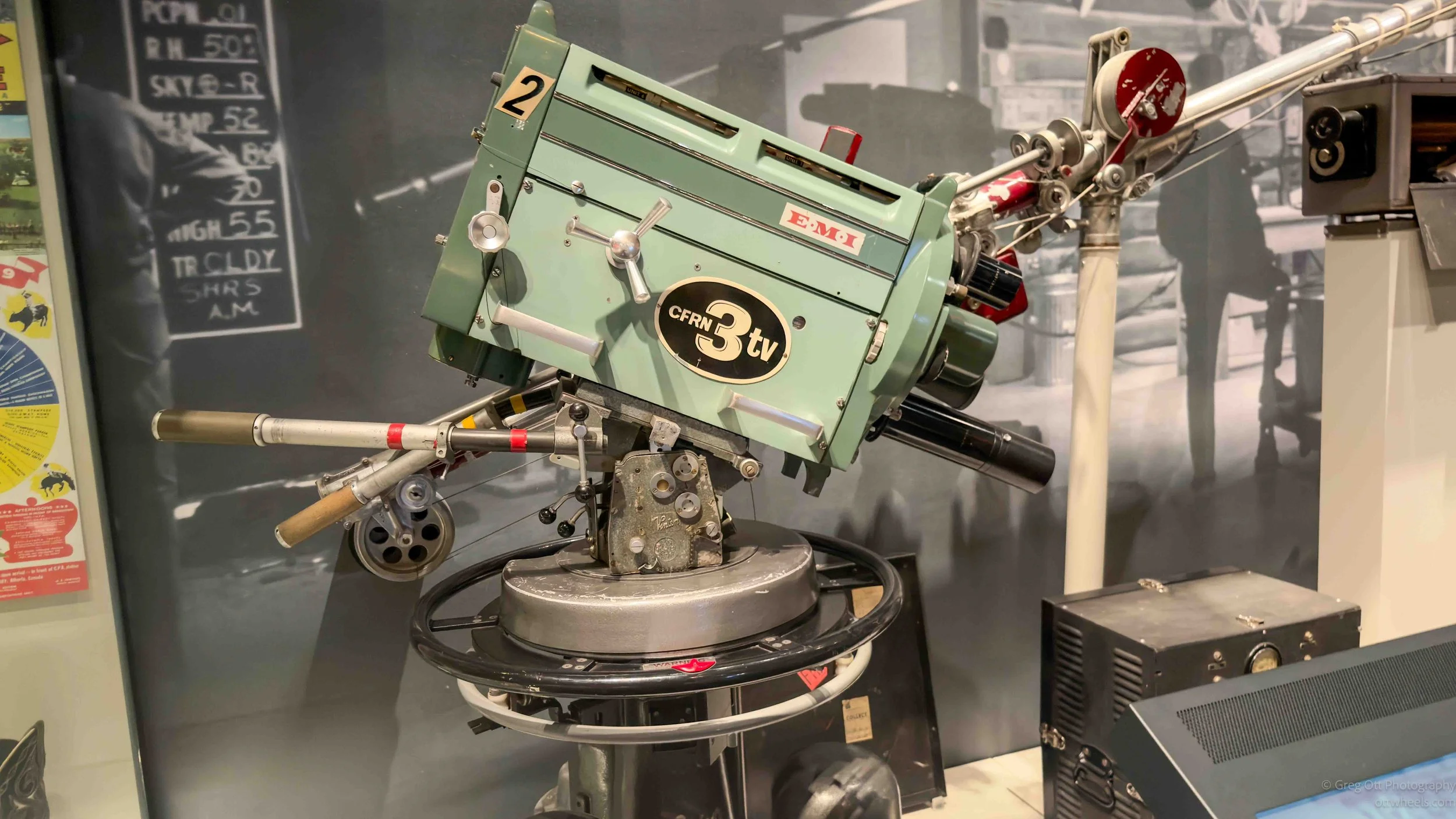
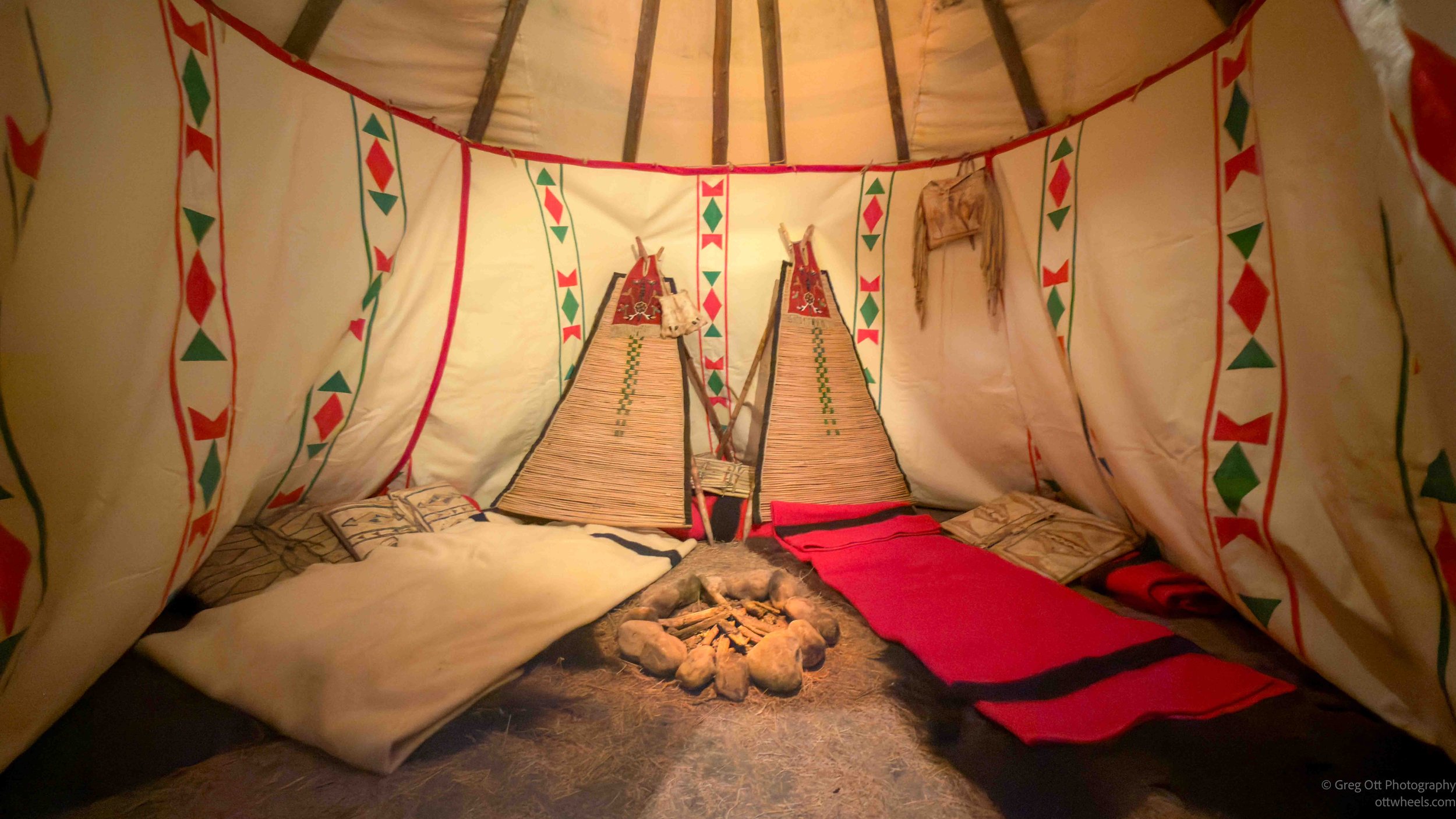
I started downstairs in the large Human History Hall. The exhibits cover an enormous amount of Alberta's history, beginning with the Indigenous peoples who lived here long before Europeans arrived and continuing through the fur trade, immigration, agriculture, industry and the development of modern Alberta. There were large photographs of the different landscapes across the province, display cases filled with tools and artifacts, and everything from an early John Deere tractor to an old television camera. It wasn't arranged as a simple march through dates. Instead, the museum used objects and individual stories to show how people lived and how Alberta changed around them.
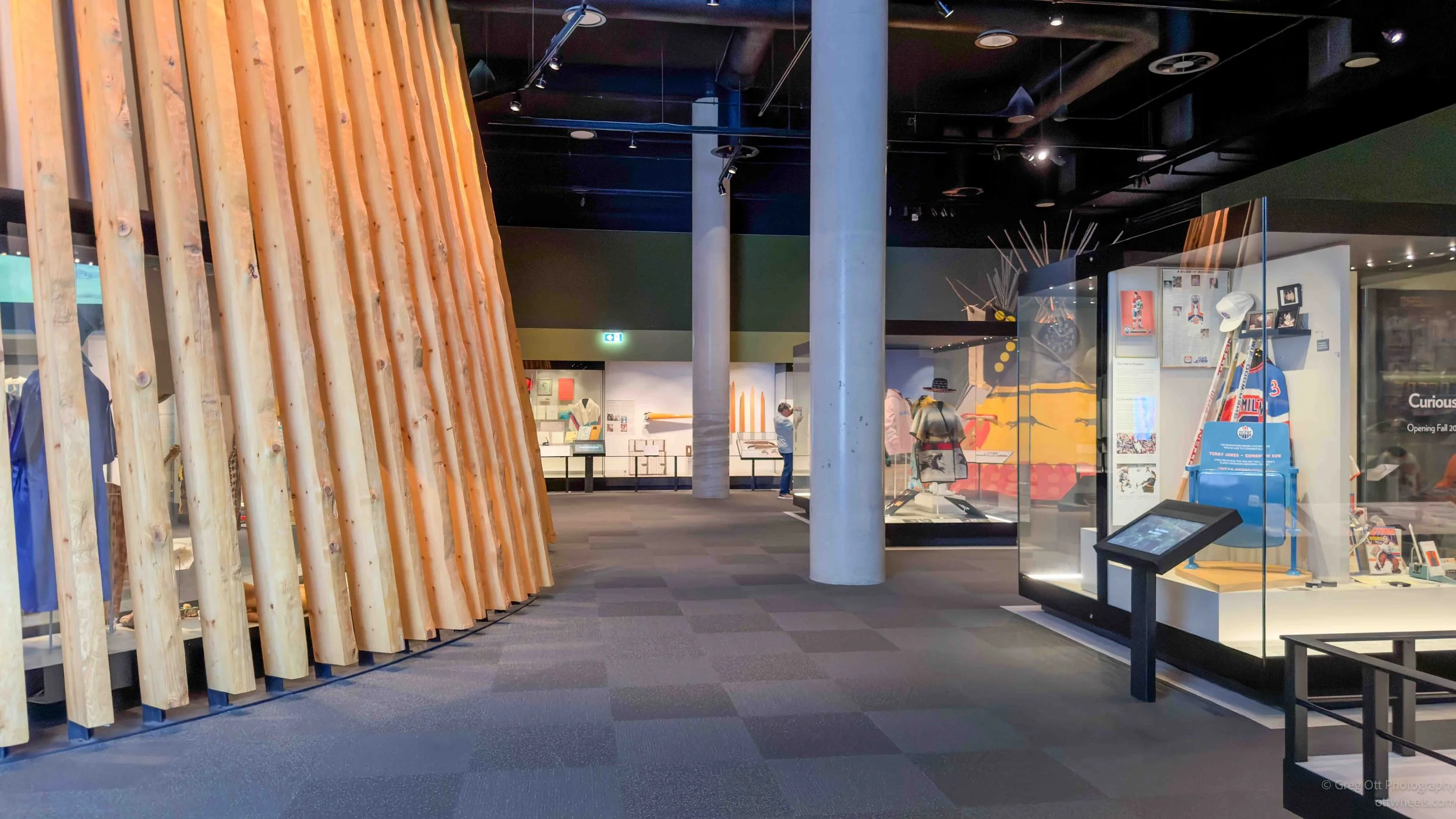
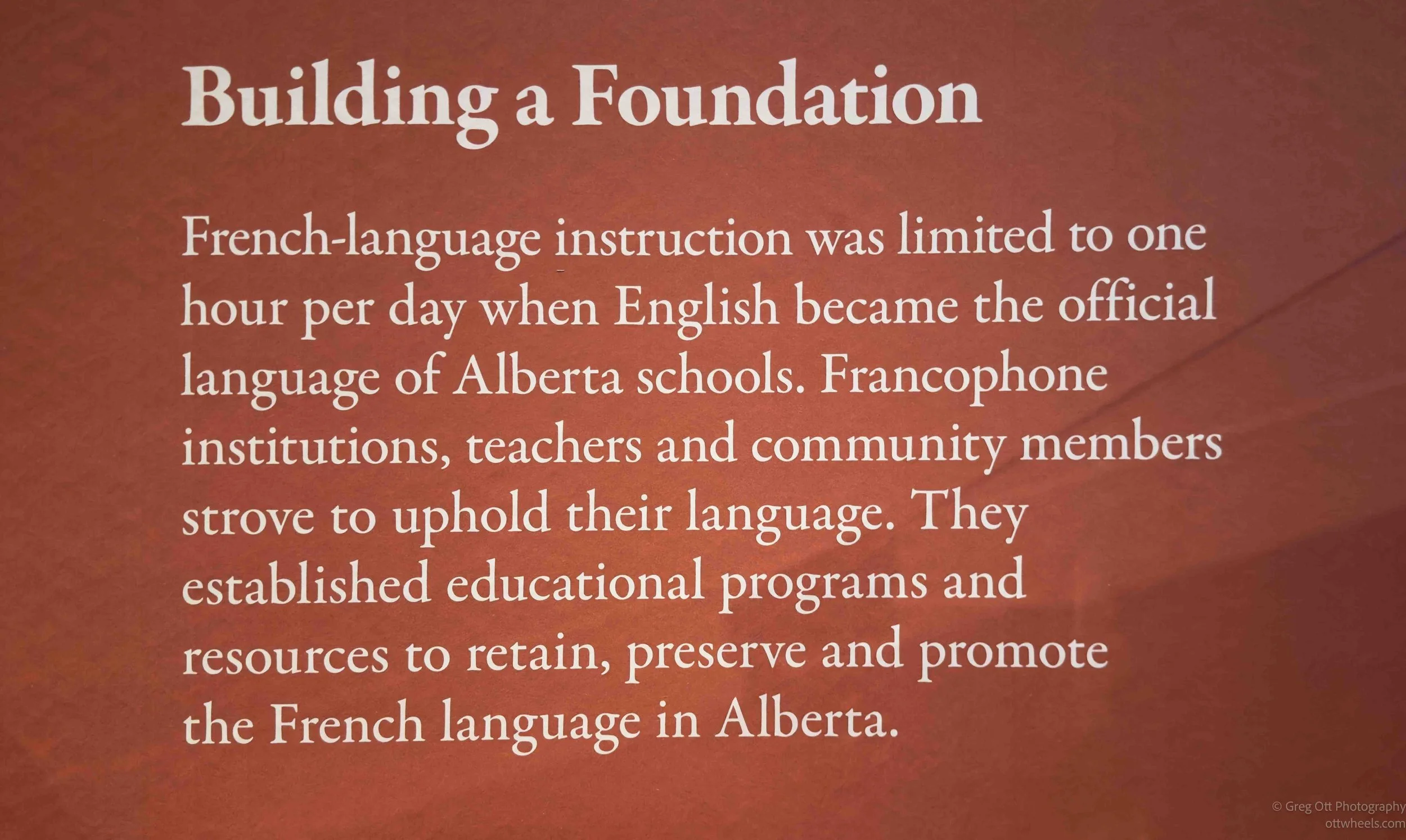
I wandered first into the section on Alberta's Francophone history. I hadn't really thought about the French presence in Alberta before coming here. French-speaking traders, missionaries and settlers had been part of the region for generations, and Francophone communities developed throughout the province. One display told the story of Edmond Mailloux, who came from Quebec and was sent to Plattsburgh, New York, at only thirteen to apprentice as a blacksmith. He eventually came west and opened a forge in Alberta in 1909 that became the St. Paul Foundry (Northeast of Edmonton), helping build the town's plumbing, gas and water systems.
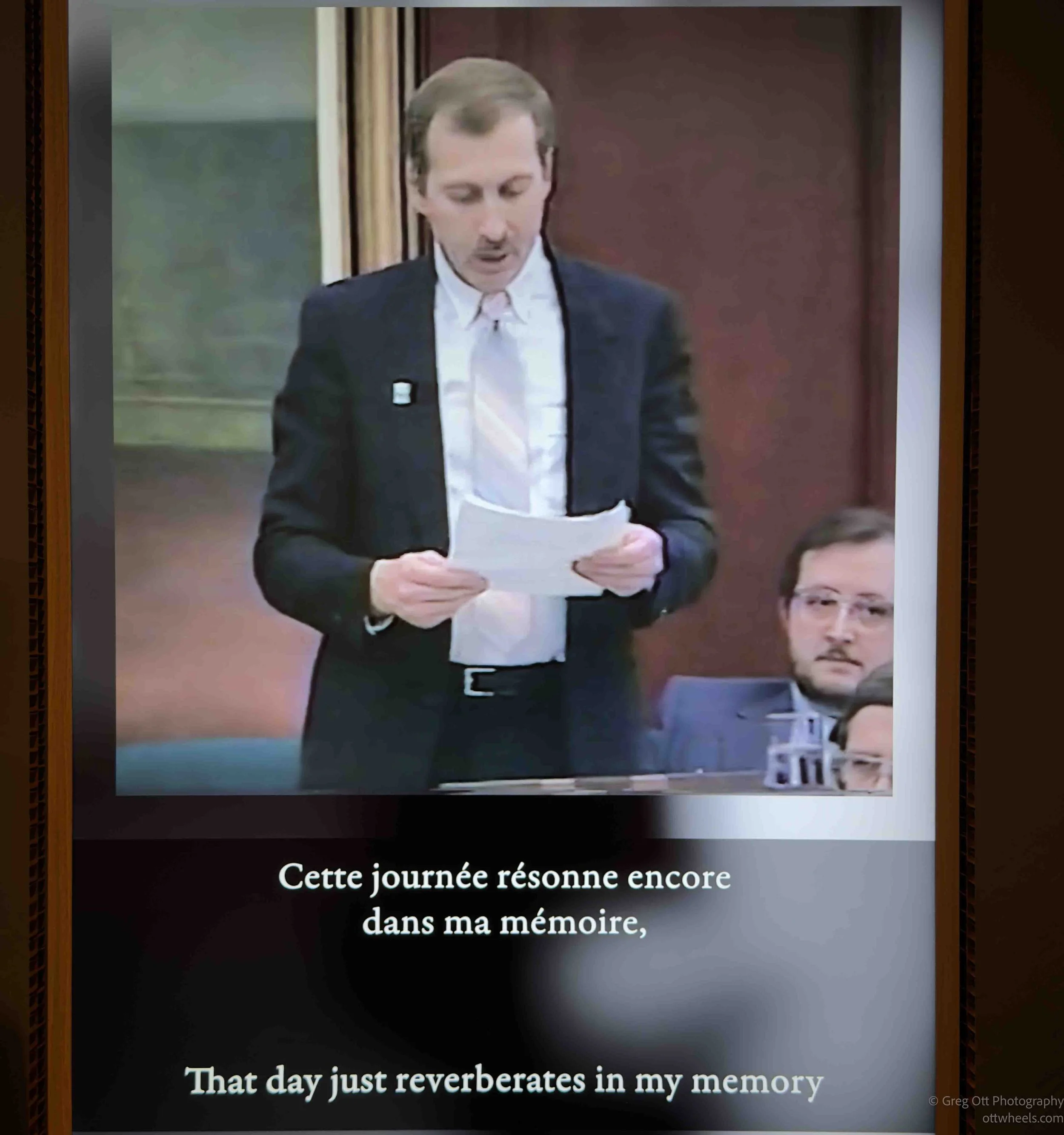
Another exhibit covered something I had never heard of—the Piquette Affair. In 1987, Alberta legislator Léo Piquette stood in the Legislative Assembly and asked a question in French. The Speaker responded, "En anglais, s'il vous plaît!"—in English, please. What sounds like a relatively small exchange turned into a much larger argument over language rights and Alberta's constitutional history. The dispute eventually reached the Supreme Court of Canada, and in 1988 Alberta passed its Languages Act, allowing members of the legislature to speak either English or French. The US, thus far does not have an official law designating English as the official language.
Language came up again as I moved into the Indigenous exhibits, although in a much different way. One panel described language as part of how a people preserve their beliefs, knowledge and traditions. Indigenous languages had been passed from one generation to another through oral histories, songs and stories, but children in Canada's residential schools were forbidden from speaking them. The result was the loss or near loss of many languages, something First Nations communities are now working to reverse through language revitalization programs.
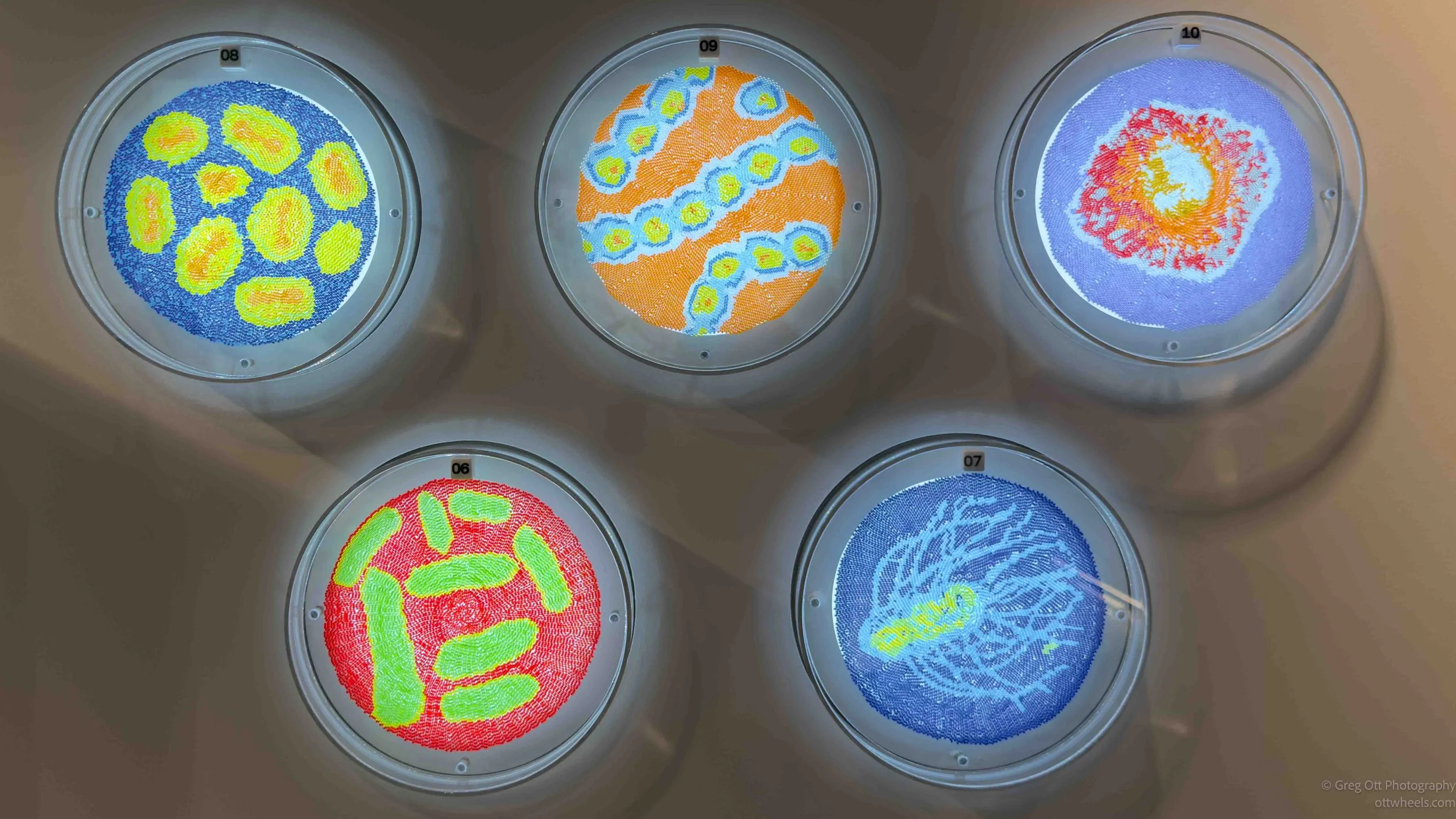
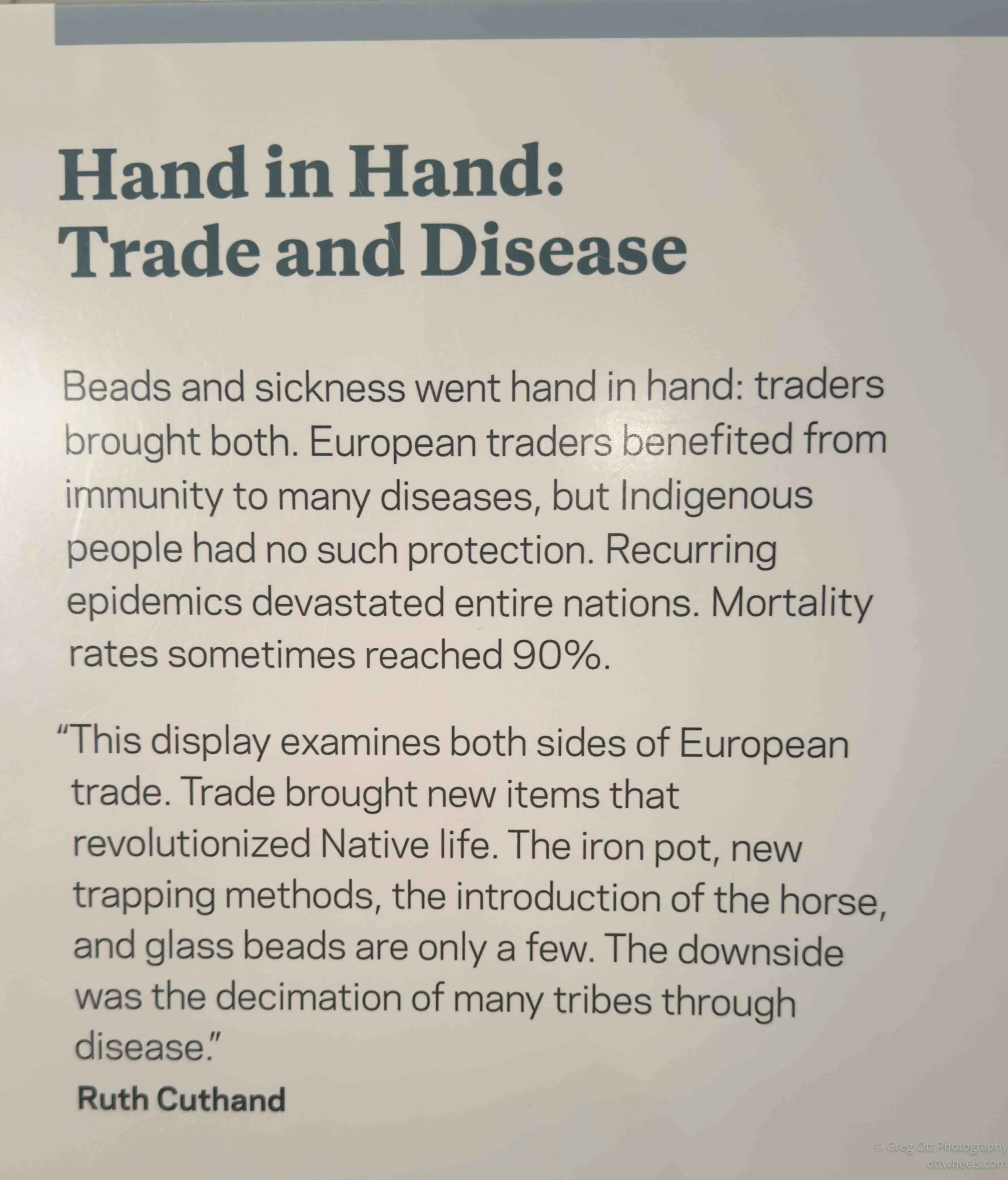
The Indigenous section also put the fur trade into a broader perspective than the familiar story of European traders arriving with manufactured goods and exchanging them for furs. Trade certainly brought things that dramatically changed everyday life such as iron cookware, new trapping methods, horses and glass beads. It also brought diseases against which Indigenous populations had little immunity. One exhibit stated that recurring epidemics devastated entire communities, with mortality in some outbreaks reaching as high as 90 percent (a number see throughout the Americas). The same contact that brought new technologies could be catastrophic for the people already living here.
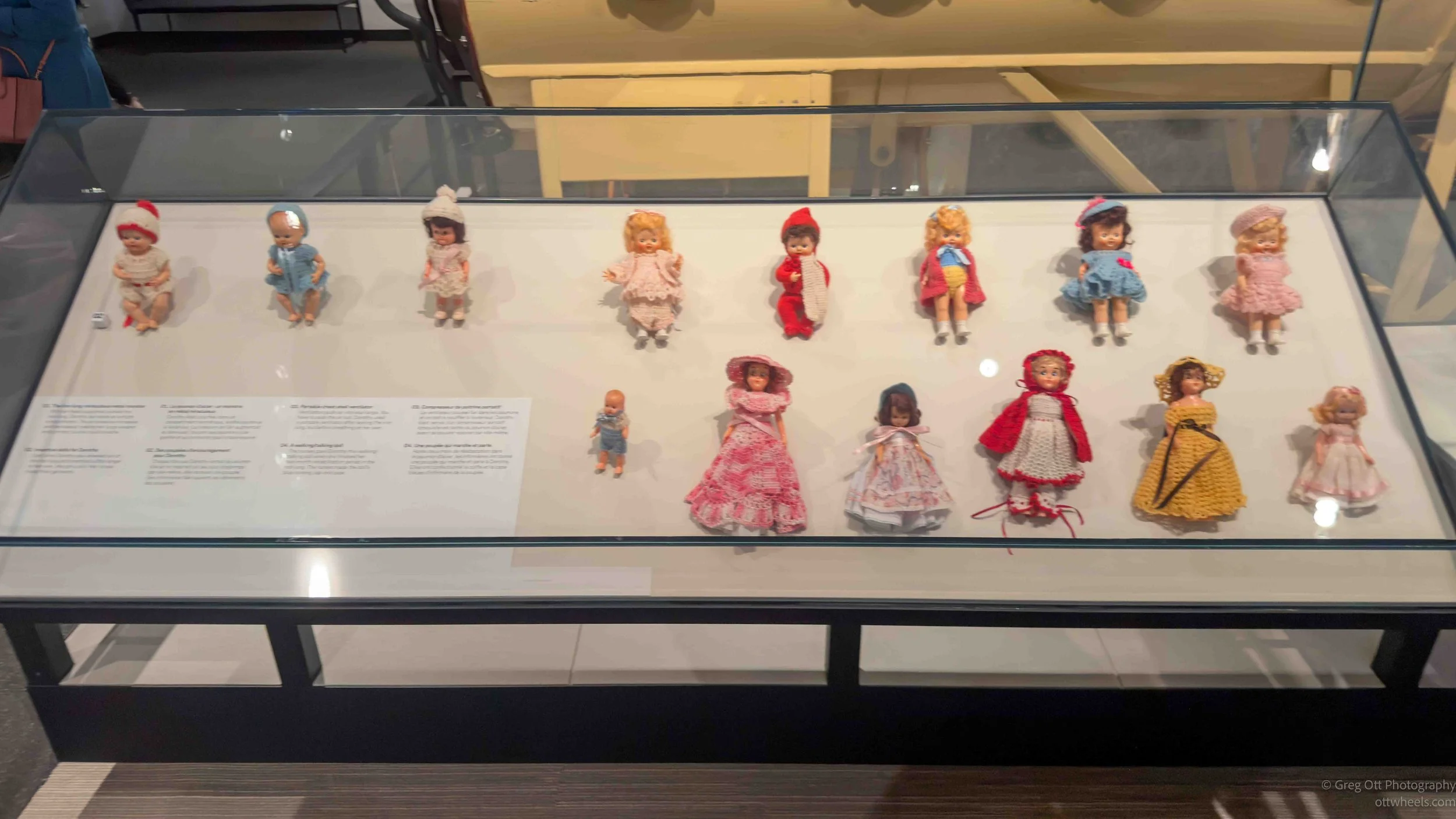
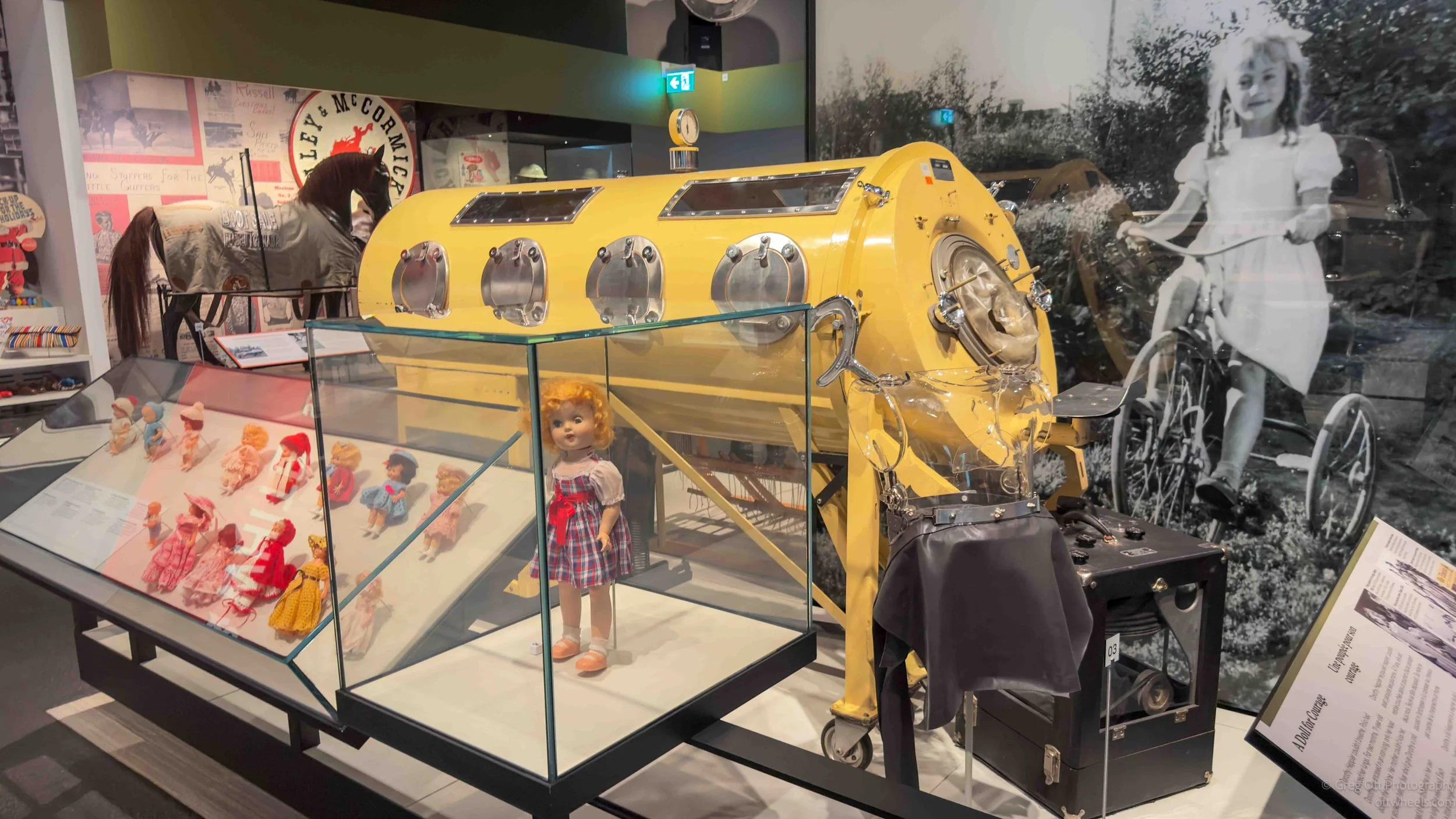
There were also smaller personal stories mixed among the broader history. One that caught my attention was about Dorothy Heppler, an eleven-year-old girl who contracted polio and spent two months inside an iron lung because the disease had paralyzed her lungs. She eventually had to learn to breathe on her own outside the machine. Each time she managed to breathe a little longer, the nurses hung another doll where she could see it. Each doll represented another small step in her recovery. The collection of dolls was displayed beside an iron lung, turning something I knew mostly as a piece of medical history into the story of one frightened eleven-year-old girl trying to breathe on her own.
I remember kids that had been inflicted with polio growing up in the 50s. I also remember two events where the entire school received the vaccine in the gym on a cube of sugar.
Alberta’s Natural History
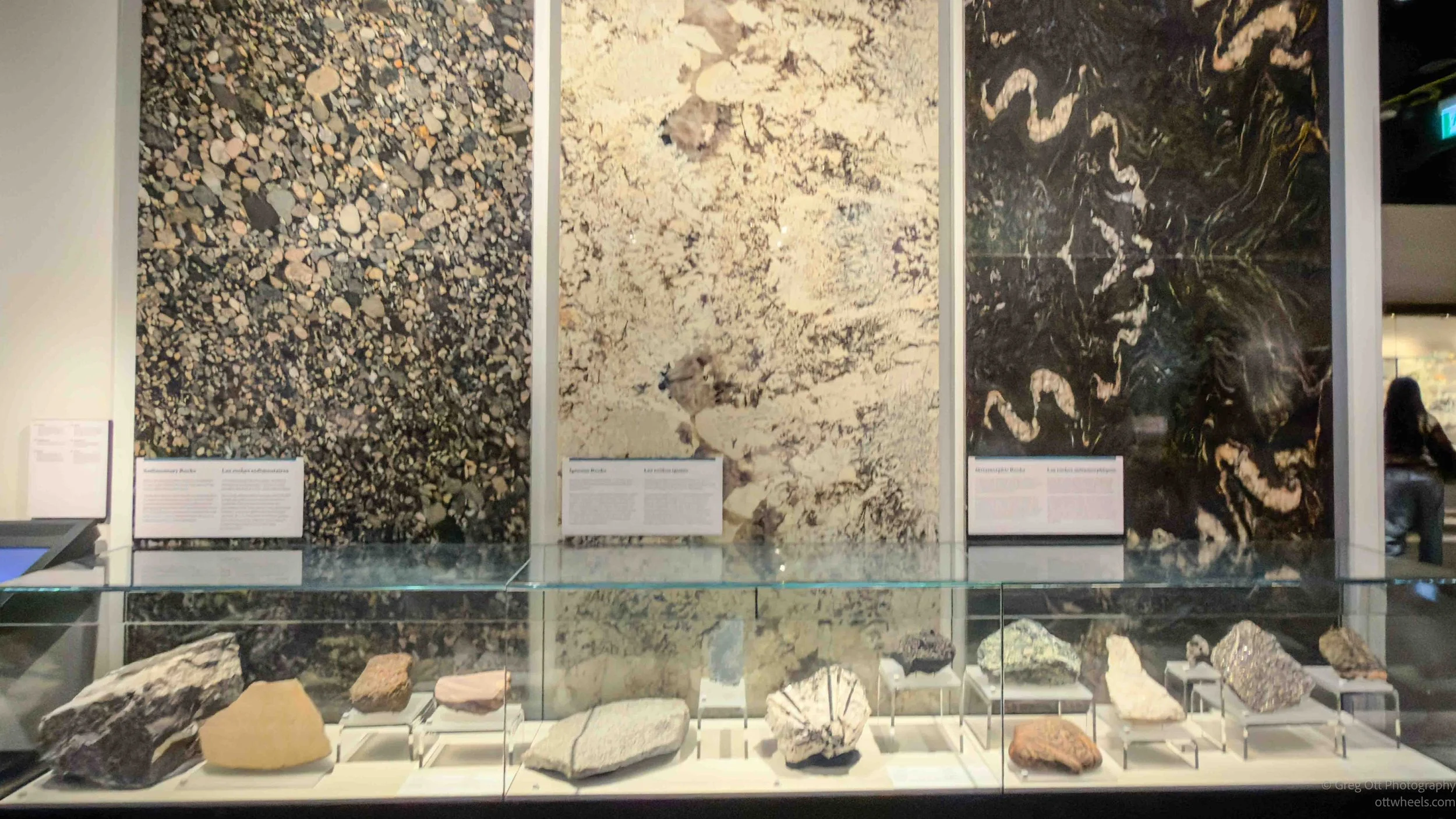
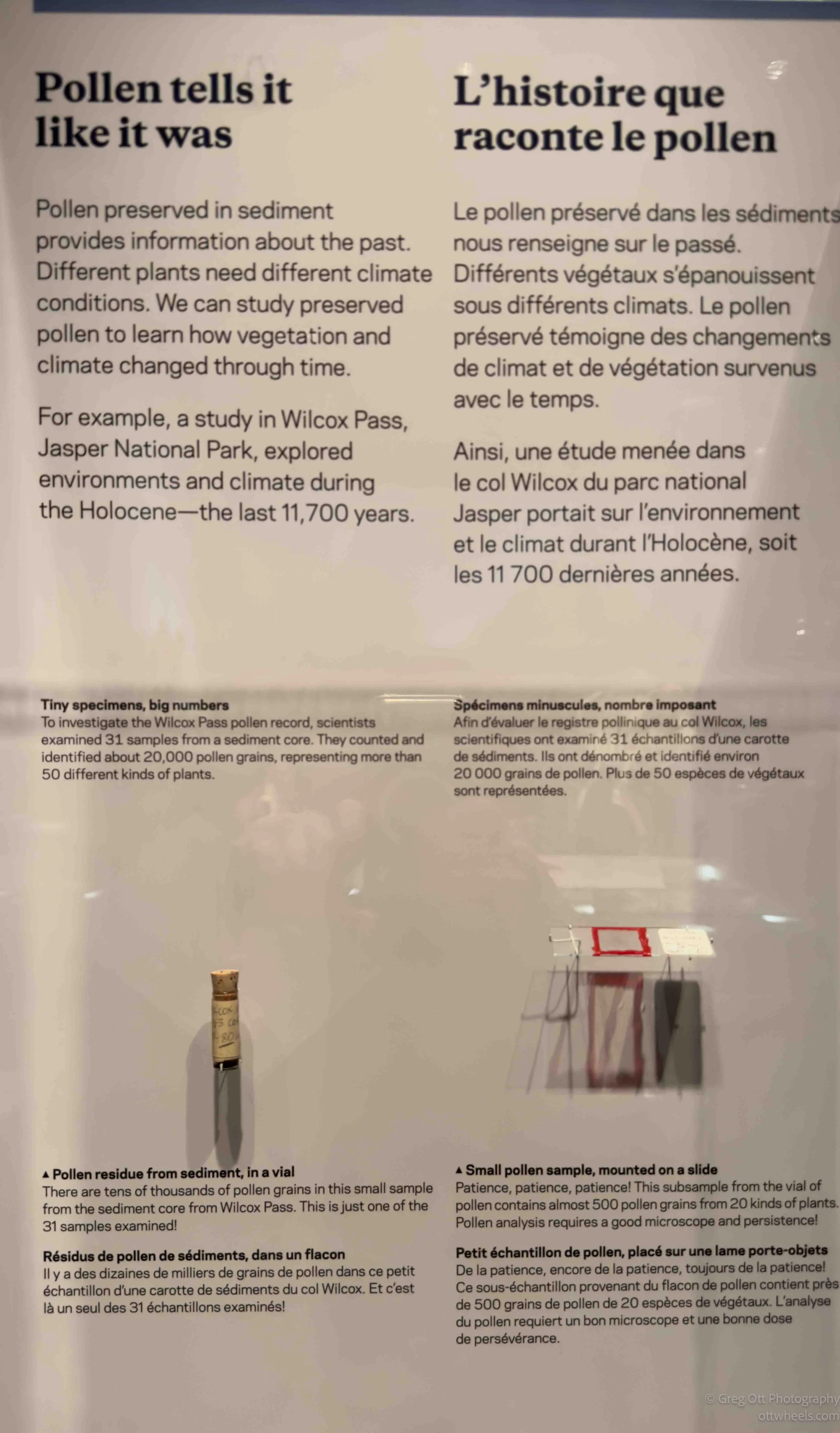
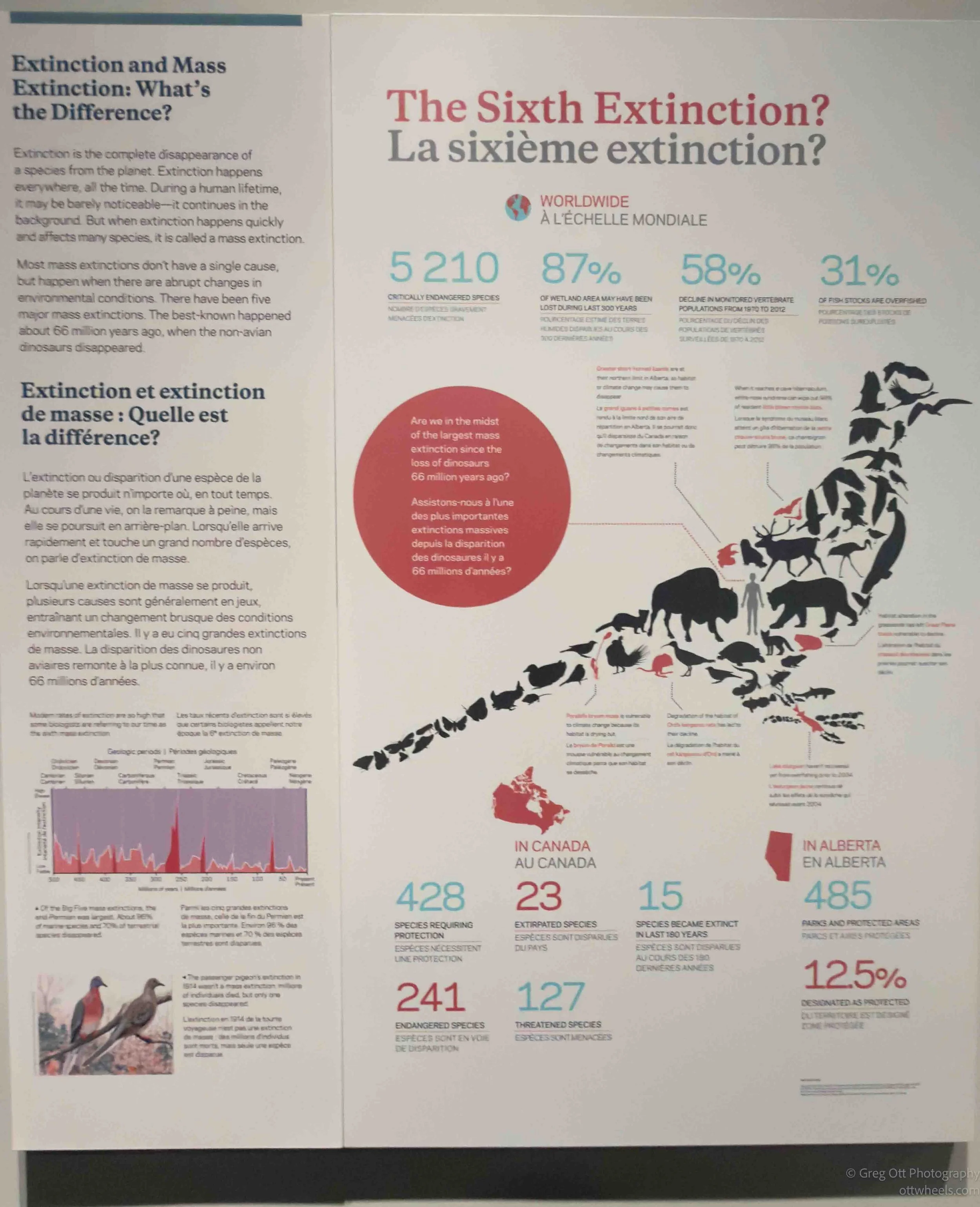
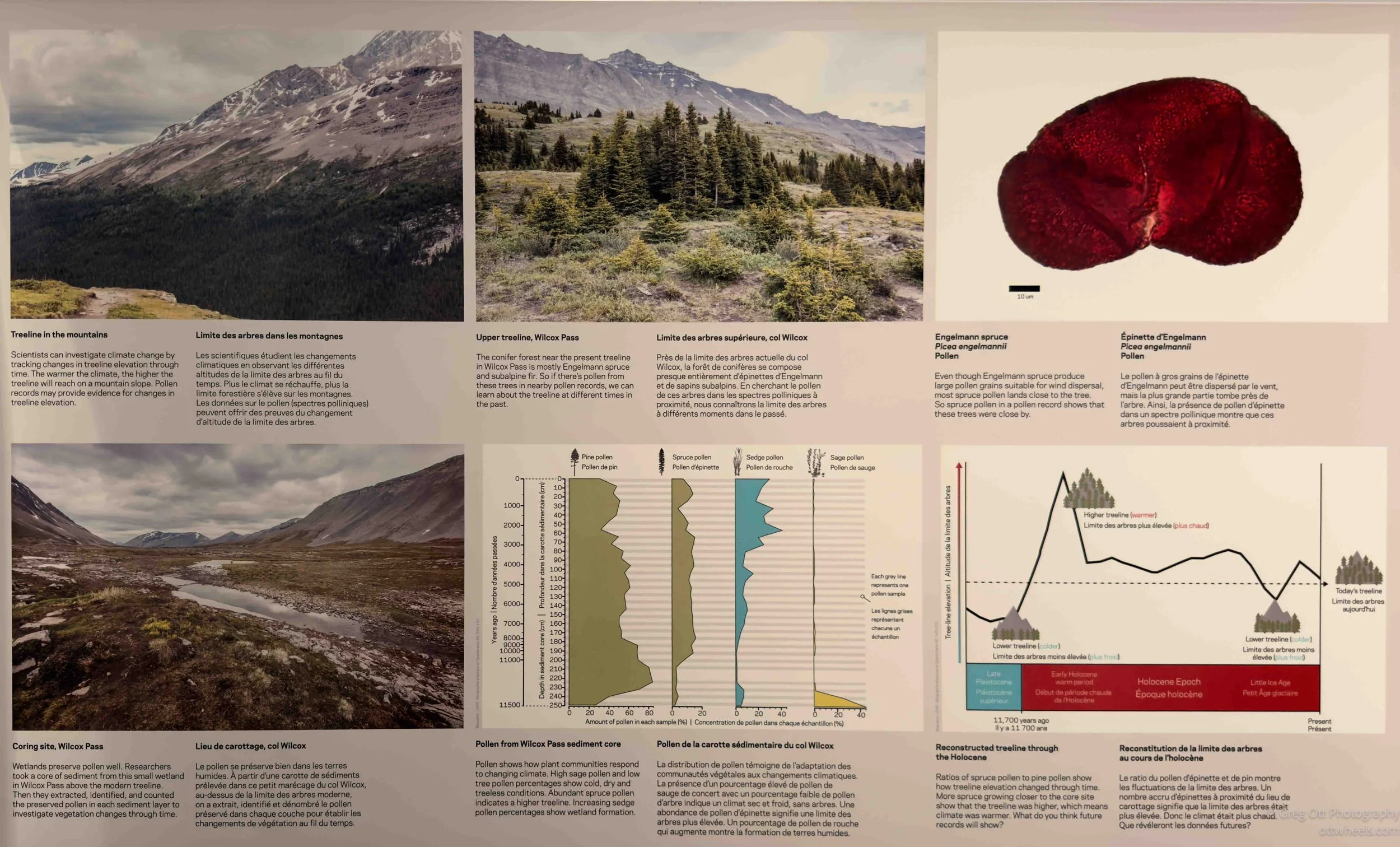
The natural history section was my favorite part of the museum. It covered an enormous span of time, beginning with the geology that formed Alberta and continuing through the Ice Age and the animals that once lived here. One of the first displays I stopped at showed huge cut rock sections. It reminded me of looking for a kitchen countertop. I liked the way the museum connected the rocks to the landscape rather than just putting a collection of specimens in a glass case. Other exhibits covered the discovery and use of pollen to understand the environment thousands of years ago. Then there was the more sobering section on extinctions and the theory of the sixth extinction.
I was also interested in the exhibit explaining how much of Alberta had once been covered by ice. During the last major glaciation, between about 25,000 and 12,000 years ago, thick ice sheets and glaciers covered almost the entire province. At their greatest extent, around 21,000 years ago, conditions were too severe for most plants and animals. As the ice retreated, the landscape slowly came back to life. I had just spent weeks driving through Alaska, the Yukon and northern Canada, seeing glaciers and landscapes that had obviously been shaped by ice, so I found myself paying more attention to this than I probably would have before this trip.
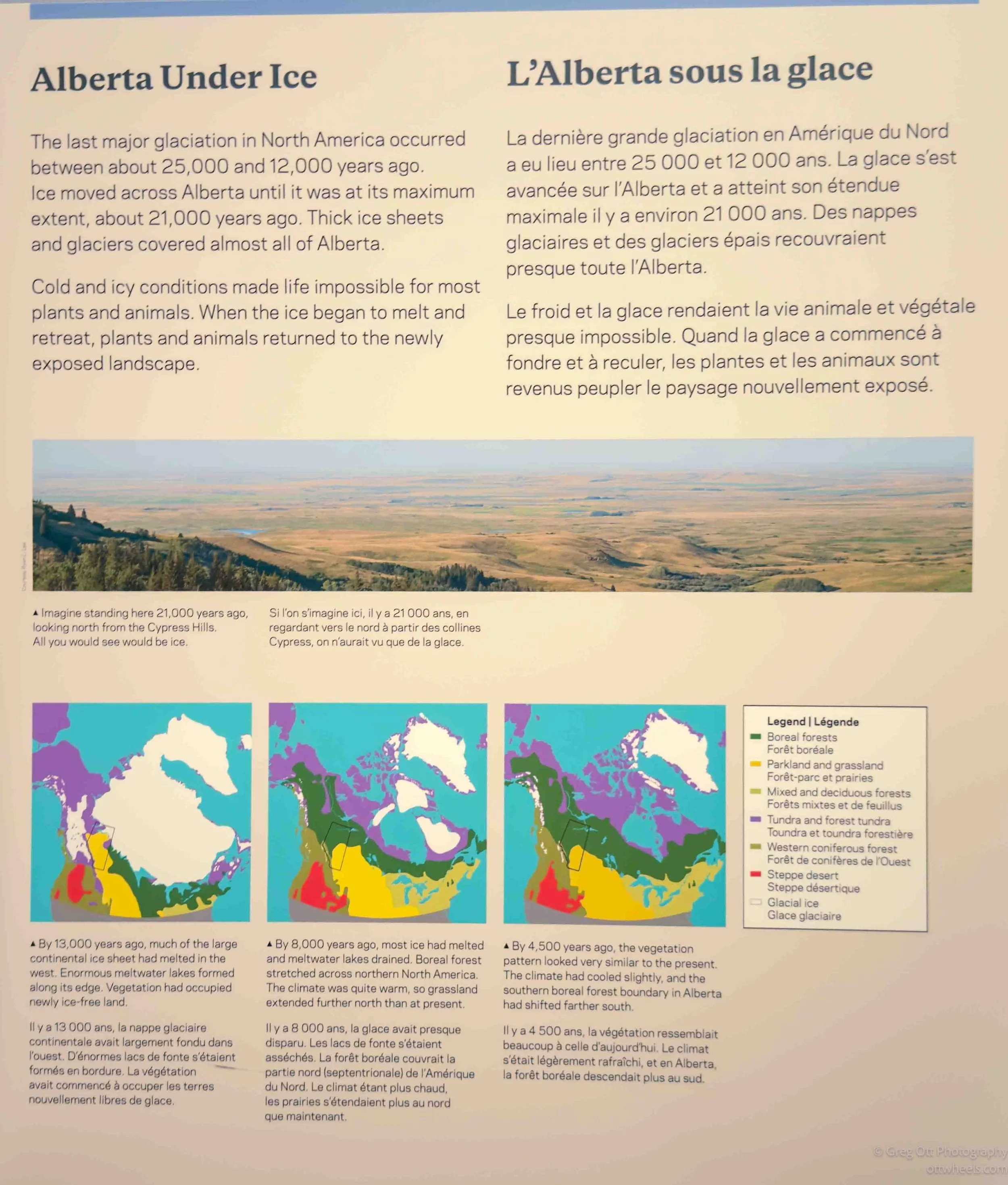
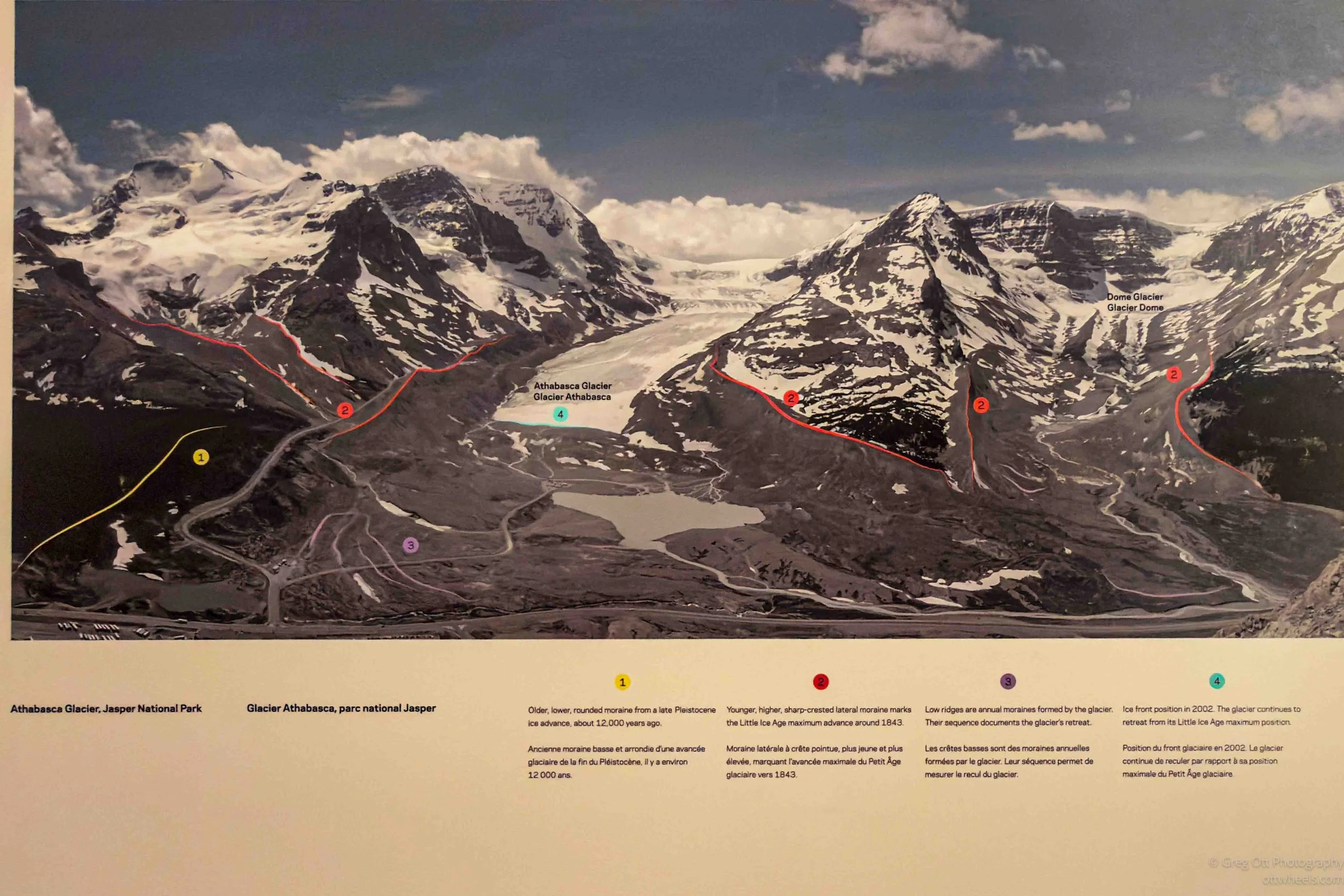
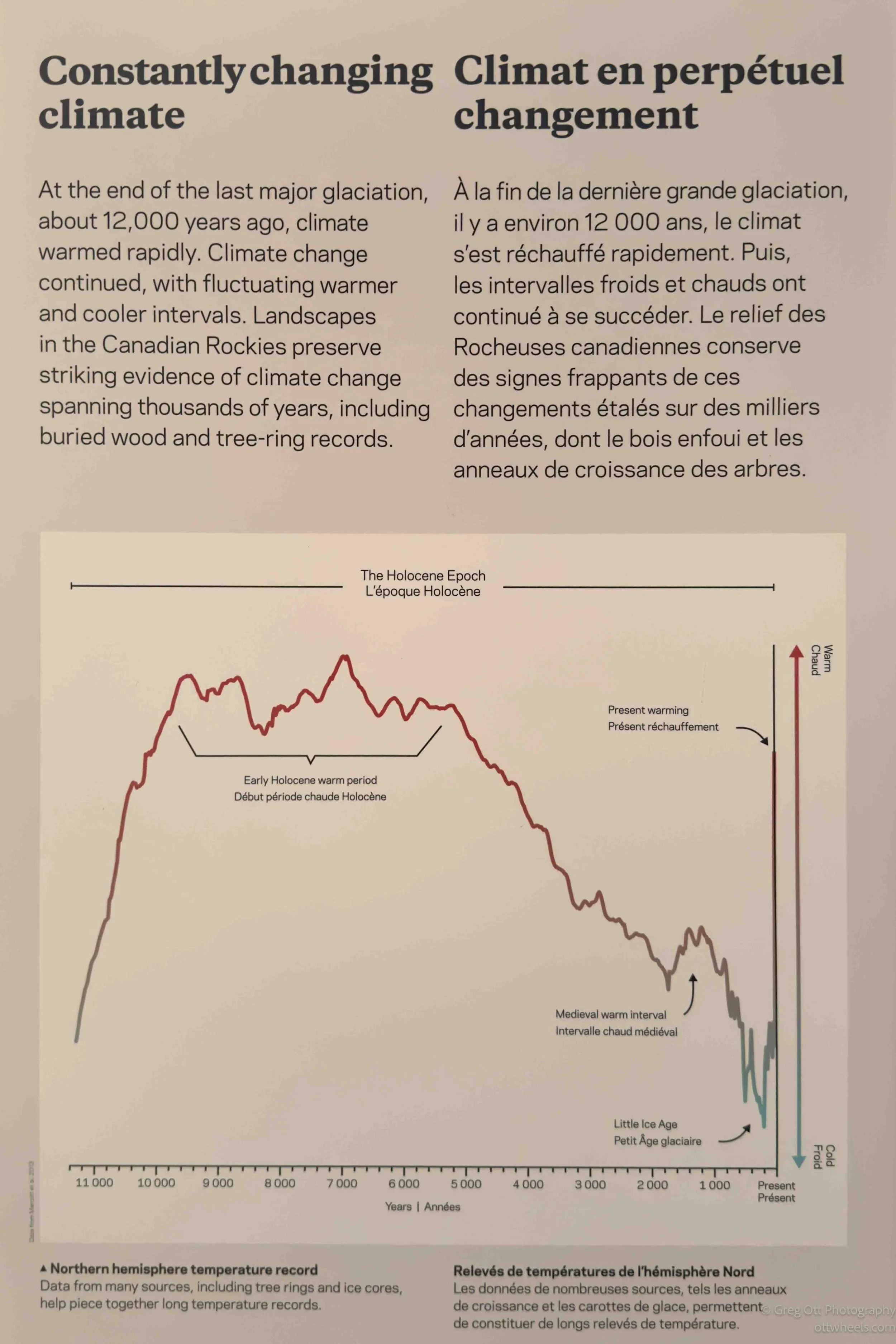
One exhibit that really caught my attention was about Wally’s Beach, one of Alberta’s most important paleontological sites (a place for a future visit). Fossils found there provide evidence of some of the last Ice Age megafauna to live in Alberta, but what surprised me was that human artifacts were found alongside them. It is also the site of the earliest known evidence of humans in Alberta. People were living here at the same time as mammoths, horses, muskoxen and camels. Mammoths I expected. Camels in Ice Age Alberta were a surprise.
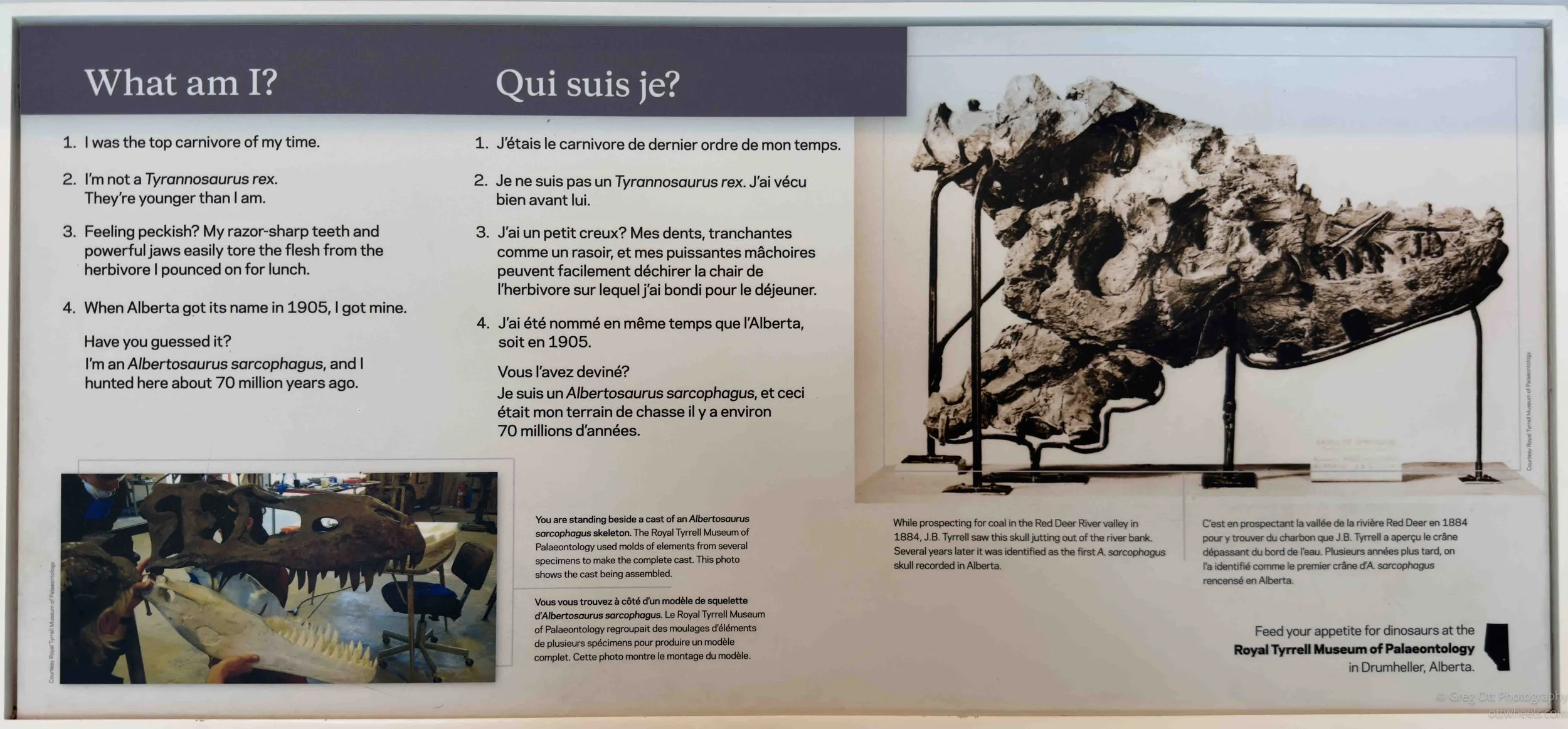
The more I read, the more I realized how little I knew about the paleontological discoveries in Alberta. I was already running short on time and there was far more here than I could absorb in one afternoon. I need to come back to Alberta and spend more time just digging, no pun intended, deeper into Alberta’s dinosaur and fossil discoveries.
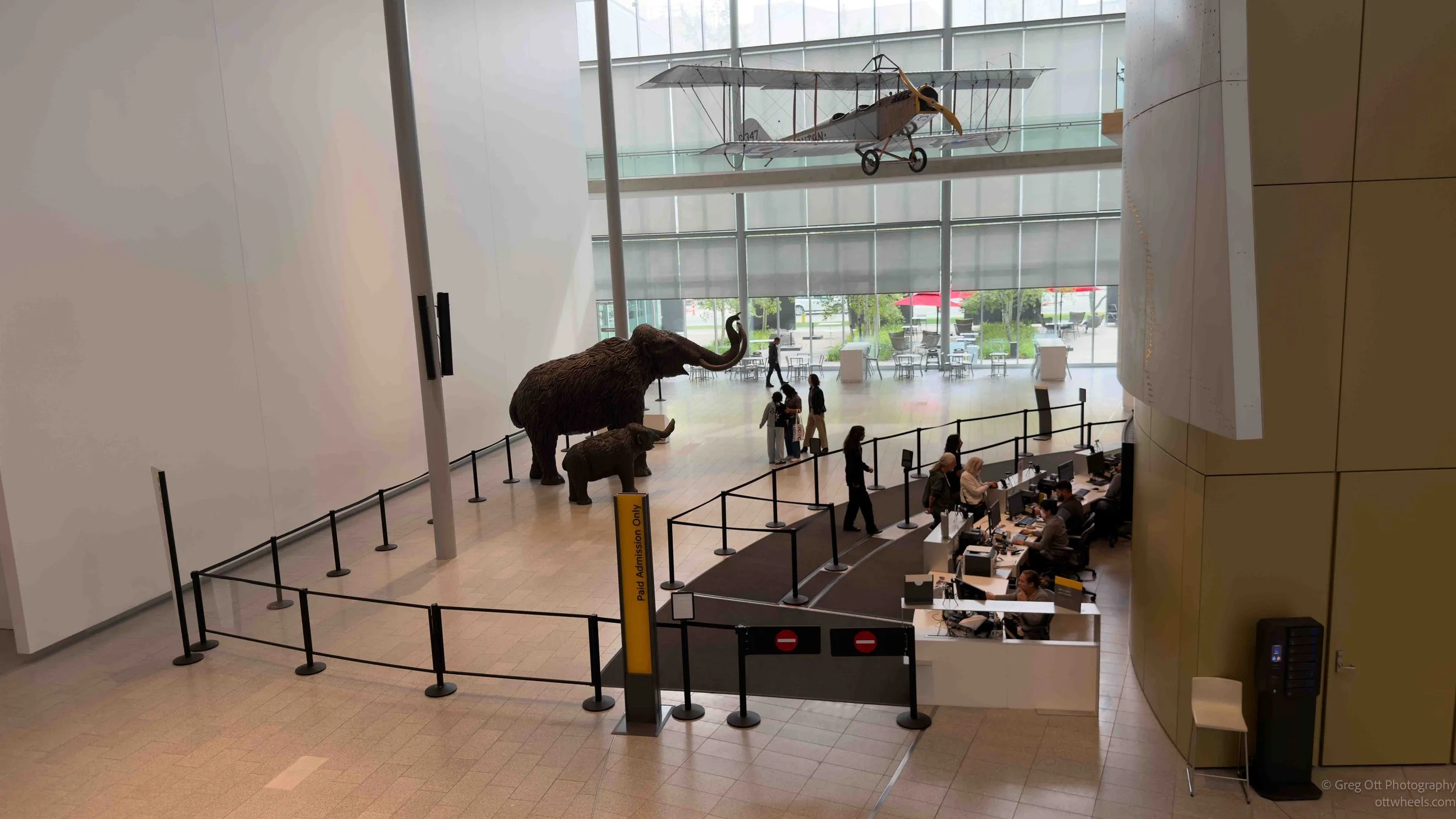
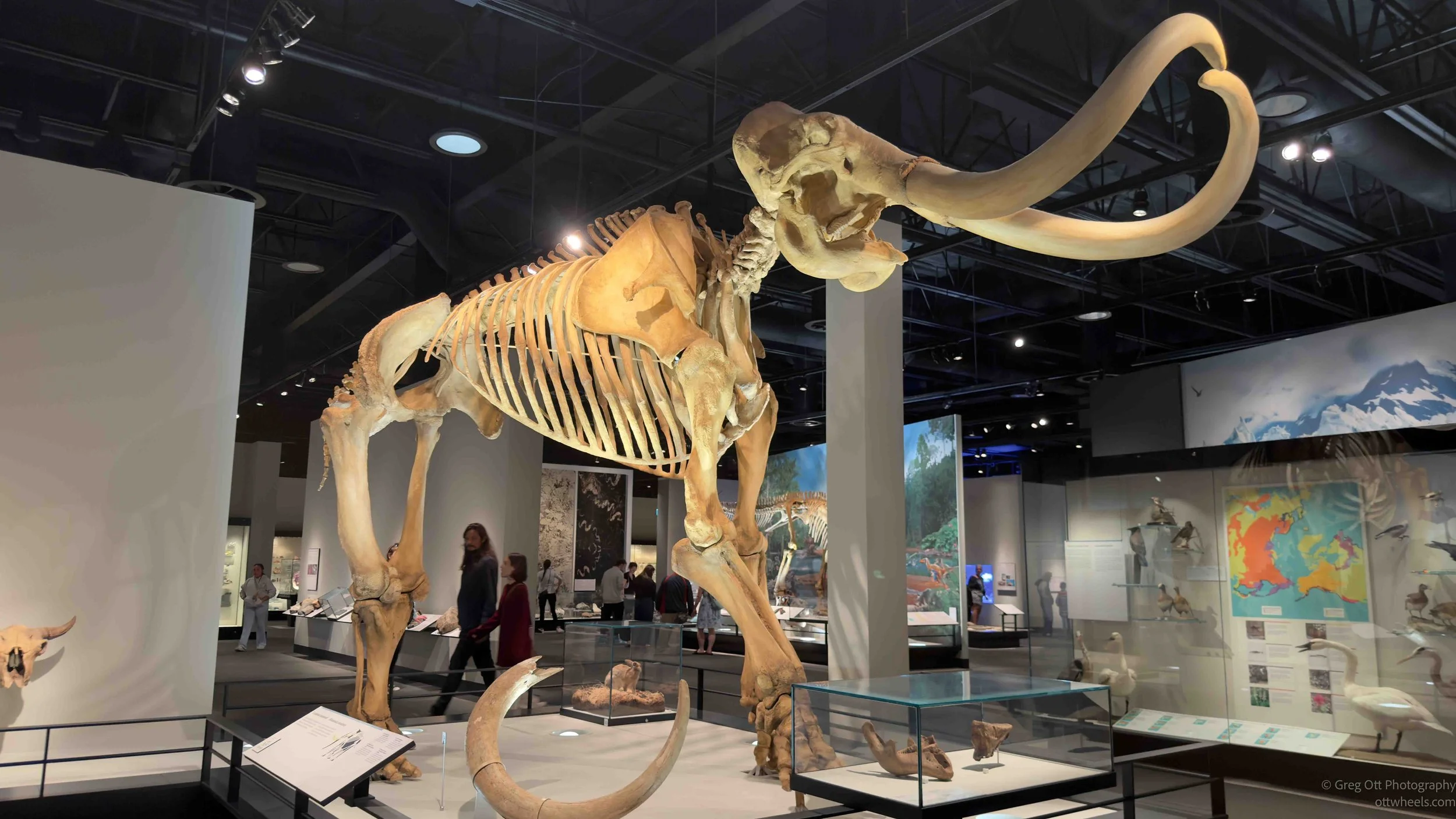
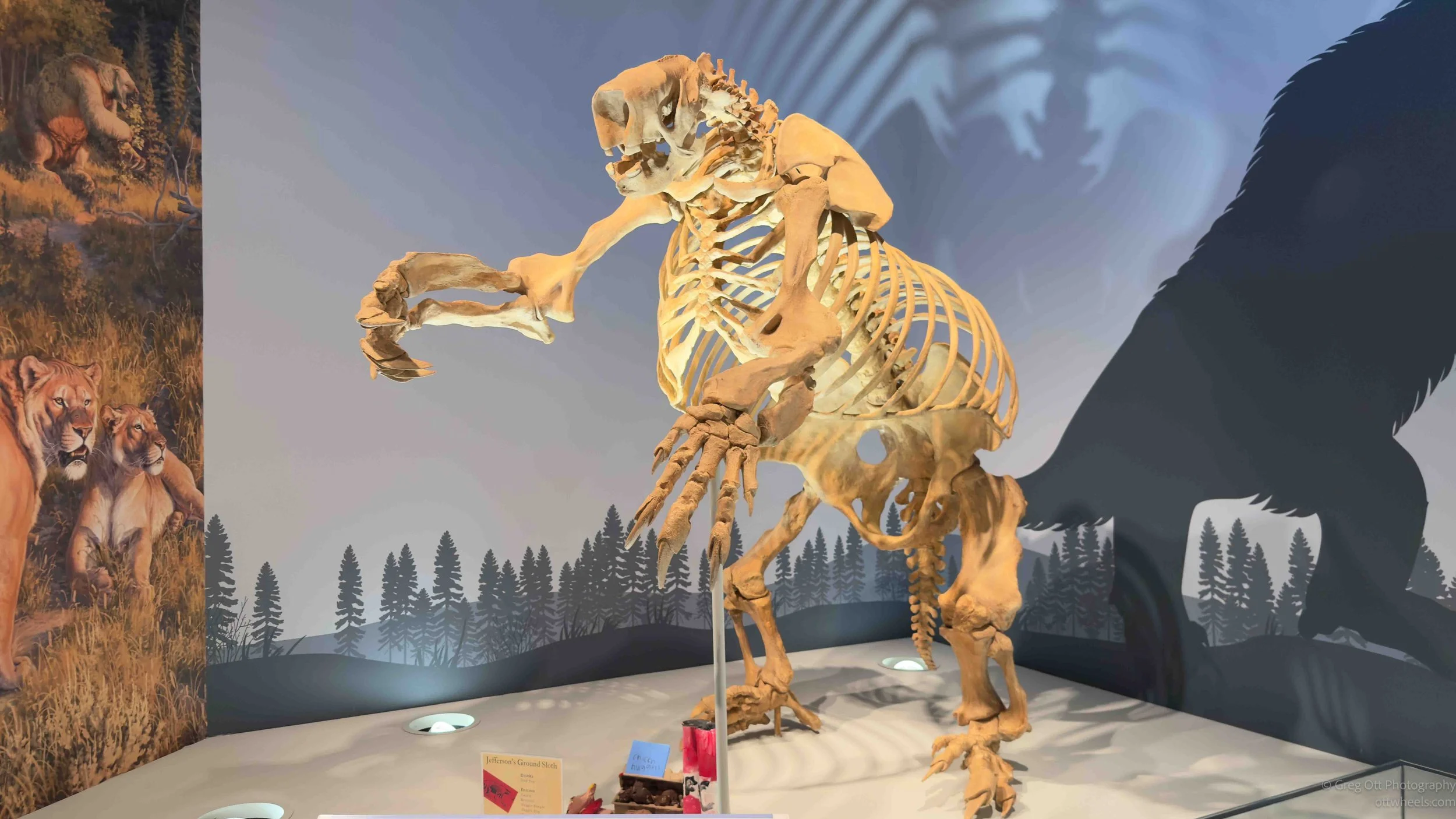
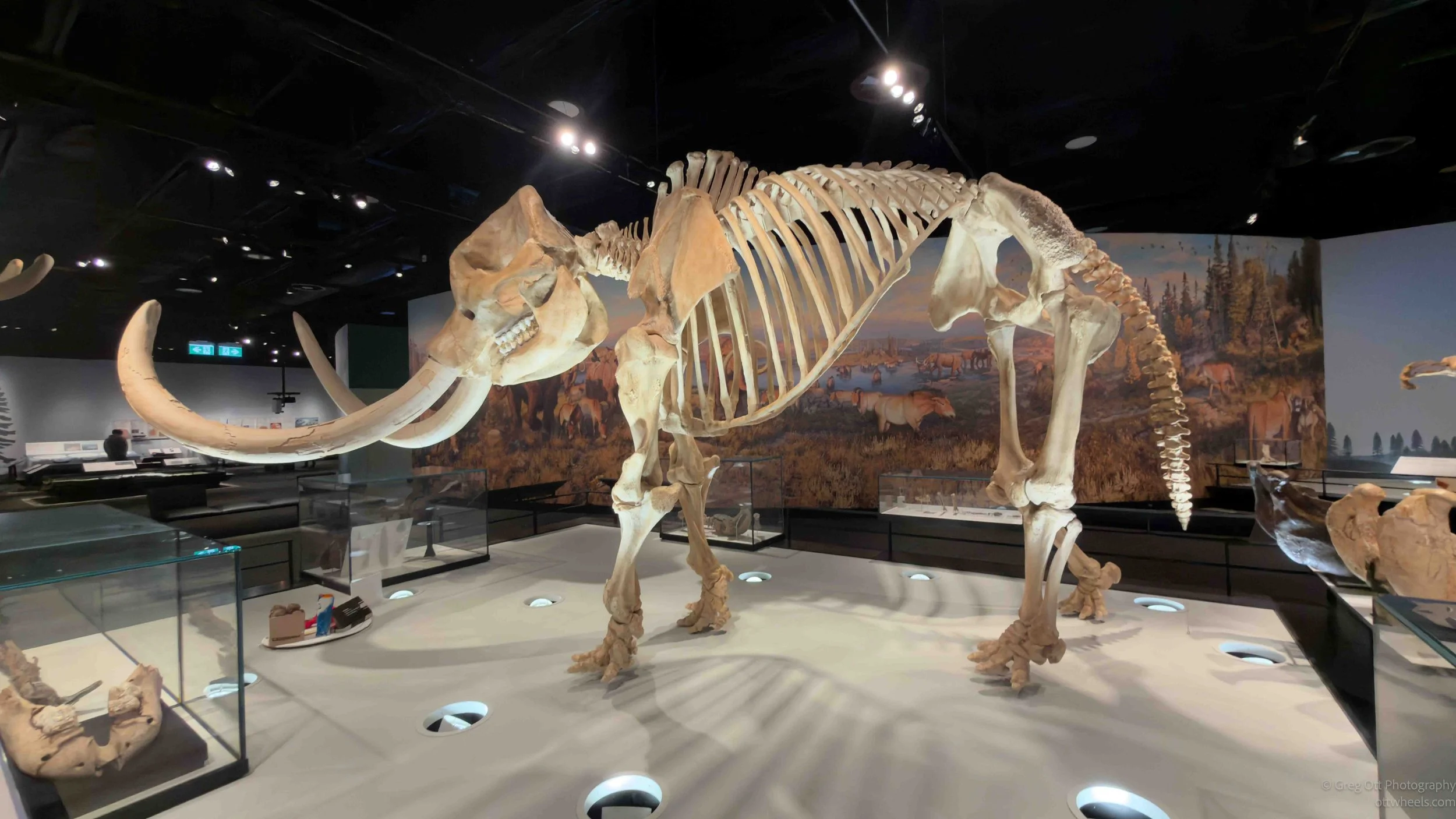
The skeletons made all of this considerably more real. A mammoth dominated one section of the gallery, with enormous tusks sweeping out in front of it. I have seen mammoth skeletons before, and standing underneath them gives you a sense of just how large these animals were. Nearby was a Jefferson’s ground sloth, which looked nothing like the small sloths we know today. It was a huge animal with long claws, and I found myself looking at the skeleton and trying to imagine one actually walking around Alberta.
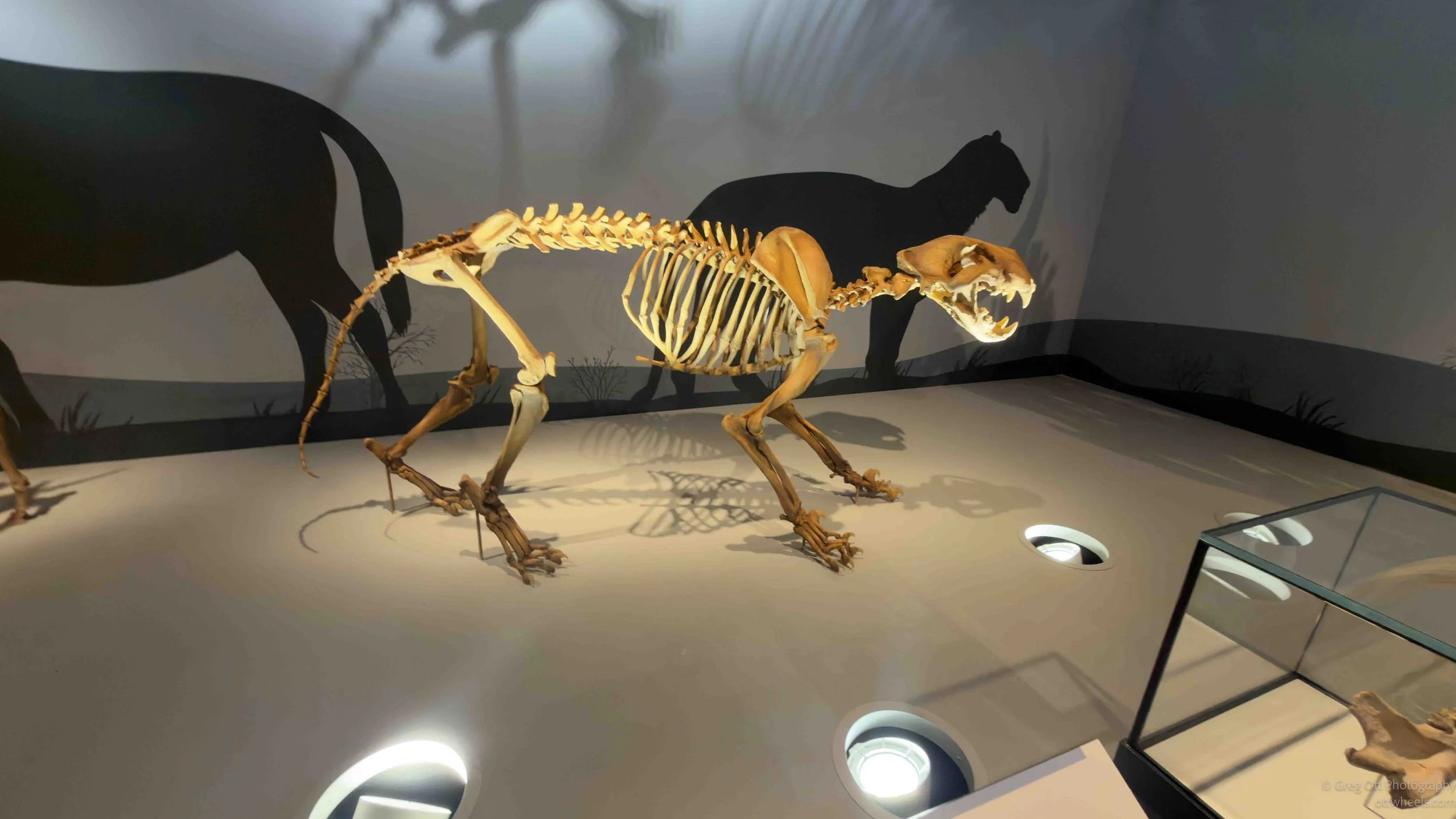
I had the same reaction to the giant short-faced bear. The skeleton looked formidable, particularly the skull and teeth. I was surprised to learn that it was more closely related to the spectacled bear of South America than to the bears living in North America today. After spending the summer seeing grizzlies and black bears in Alaska, it was interesting to stand in front of an animal that would have made even a modern grizzly seem considerably less intimidating.
Life Underwater
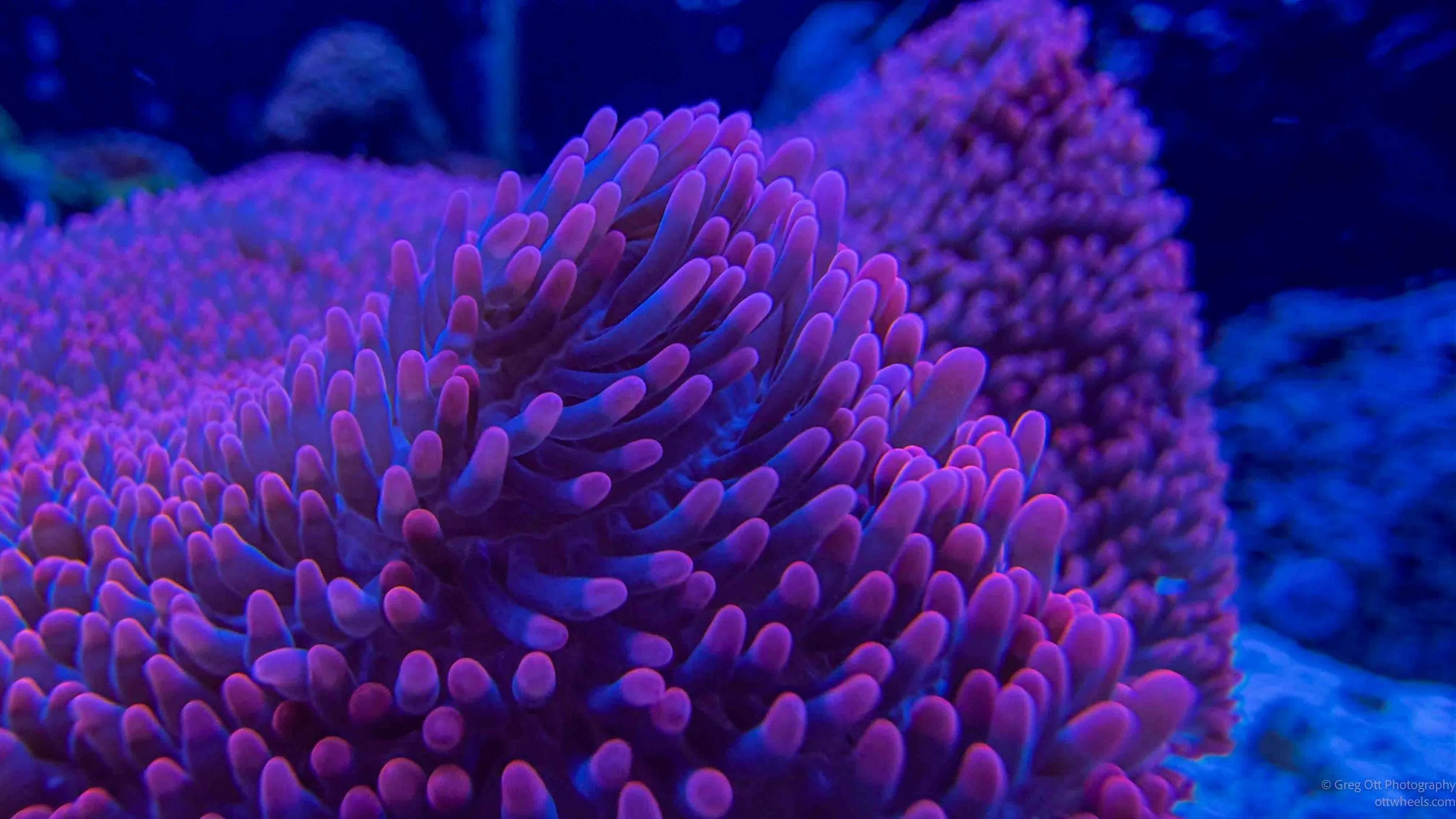
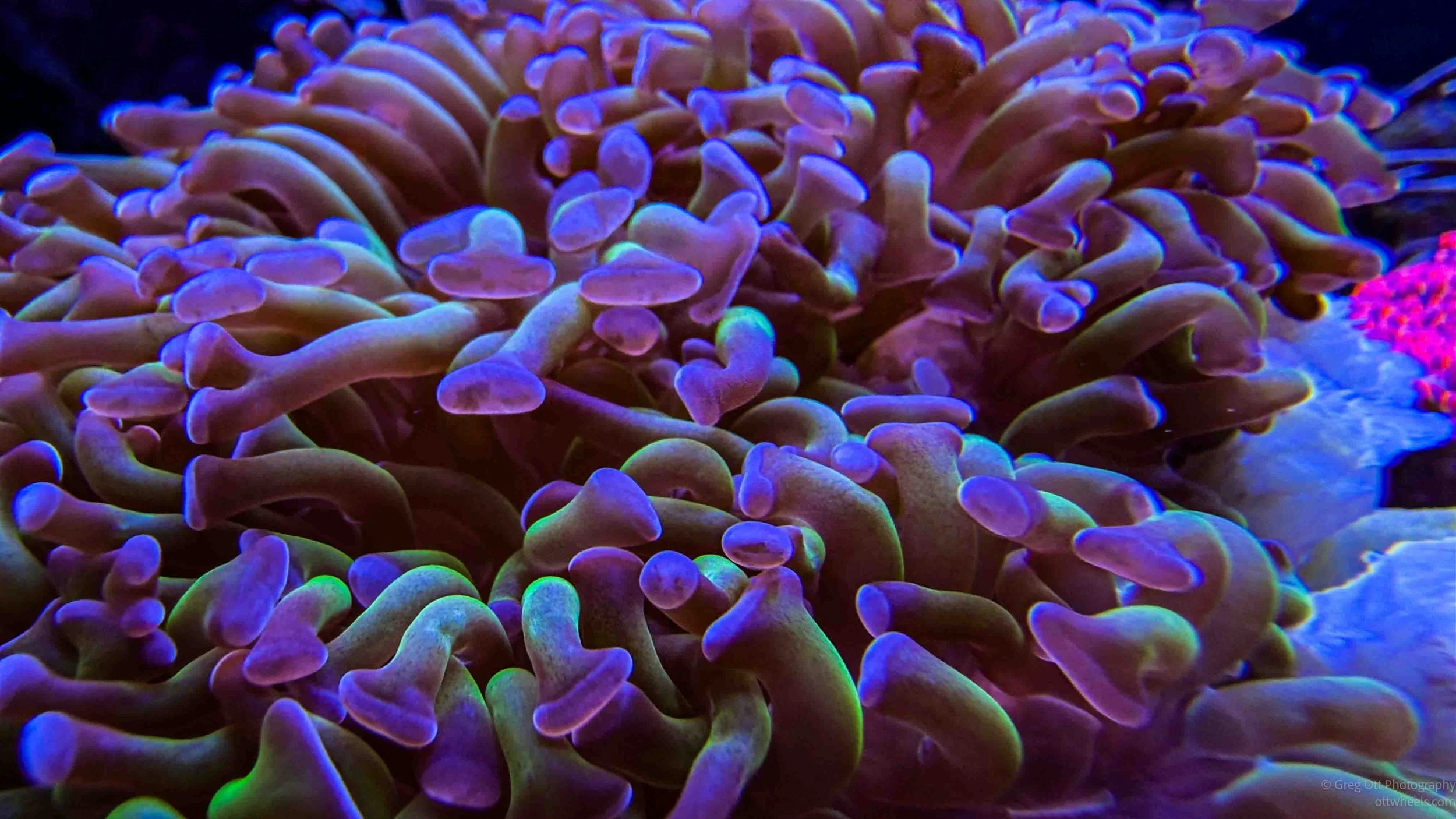
The aquarium area was a complete change of pace, and I liked it for an entirely different reason. After rocks, glaciers, mammoths and giant bears, I found myself staring into tanks filled with corals and anemones glowing beneath blue light. I wasn't as interested in identifying everything I was looking at as I was in the shapes, colors and patterns.
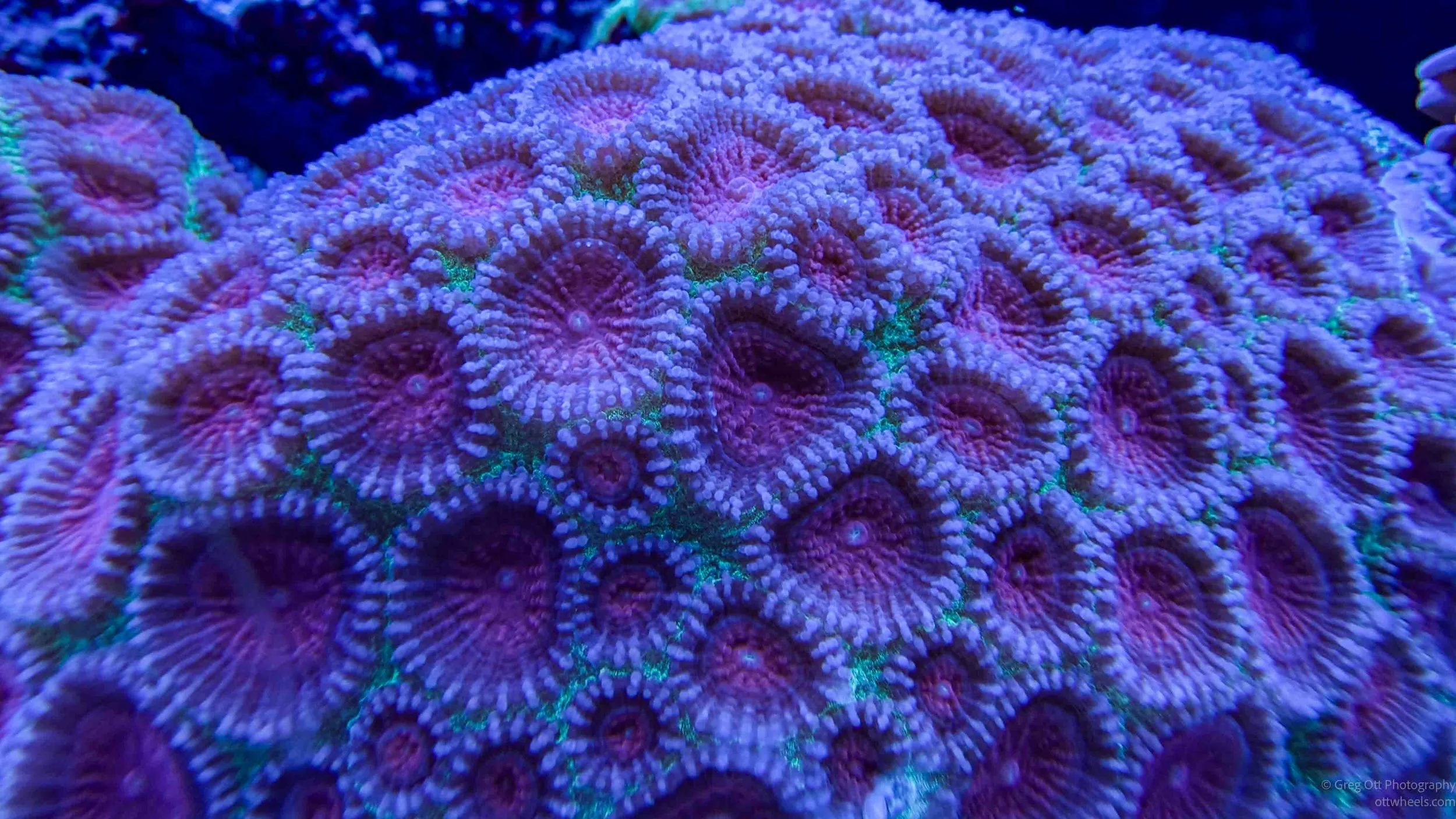
I wanted to photograph them but didn’t have my camera. Up close, some of the corals hardly looked like animals at all. One was made up of dozens of tightly packed circular forms, each containing its own repeating pattern. Another anemone was covered with long, soft tentacles tipped in pink, while another had thicker tentacles with flattened ends twisting over and around one another. I kept moving closer and looking for smaller sections of them to photograph.
What I noticed most was how abstract they became when I stopped looking at them as sea life. The blue aquarium lighting brought out purples, pinks and greens that I wouldn't normally associate with animals, and the repeating shapes reminded me more of patterns or strange landscapes. I could have spent quite a bit of time photographing just that small section of the museum. After spending much of the gallery looking backward thousands of years at extinct animals, I enjoyed ending up in front of something very much alive and almost equally strange.
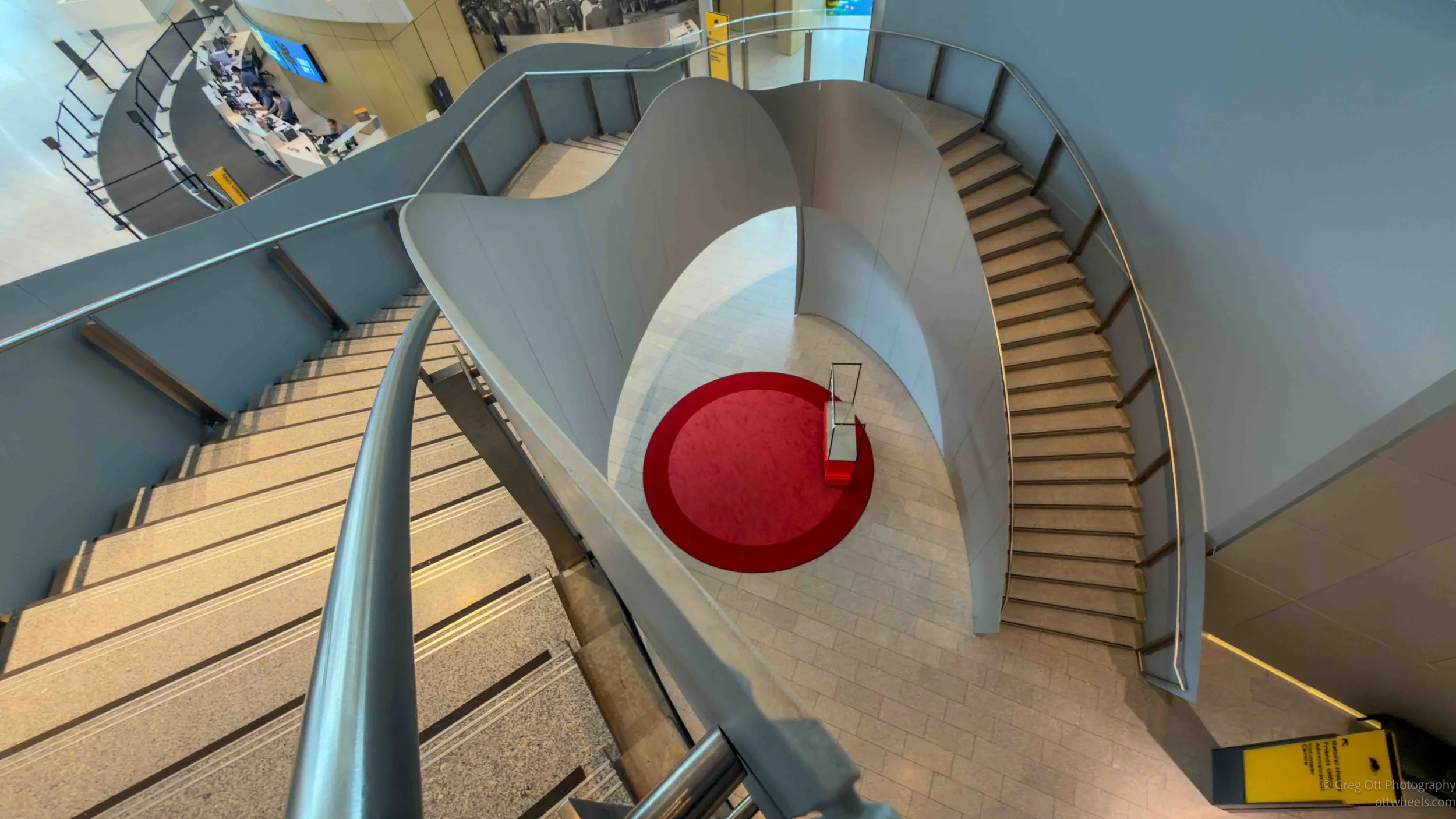
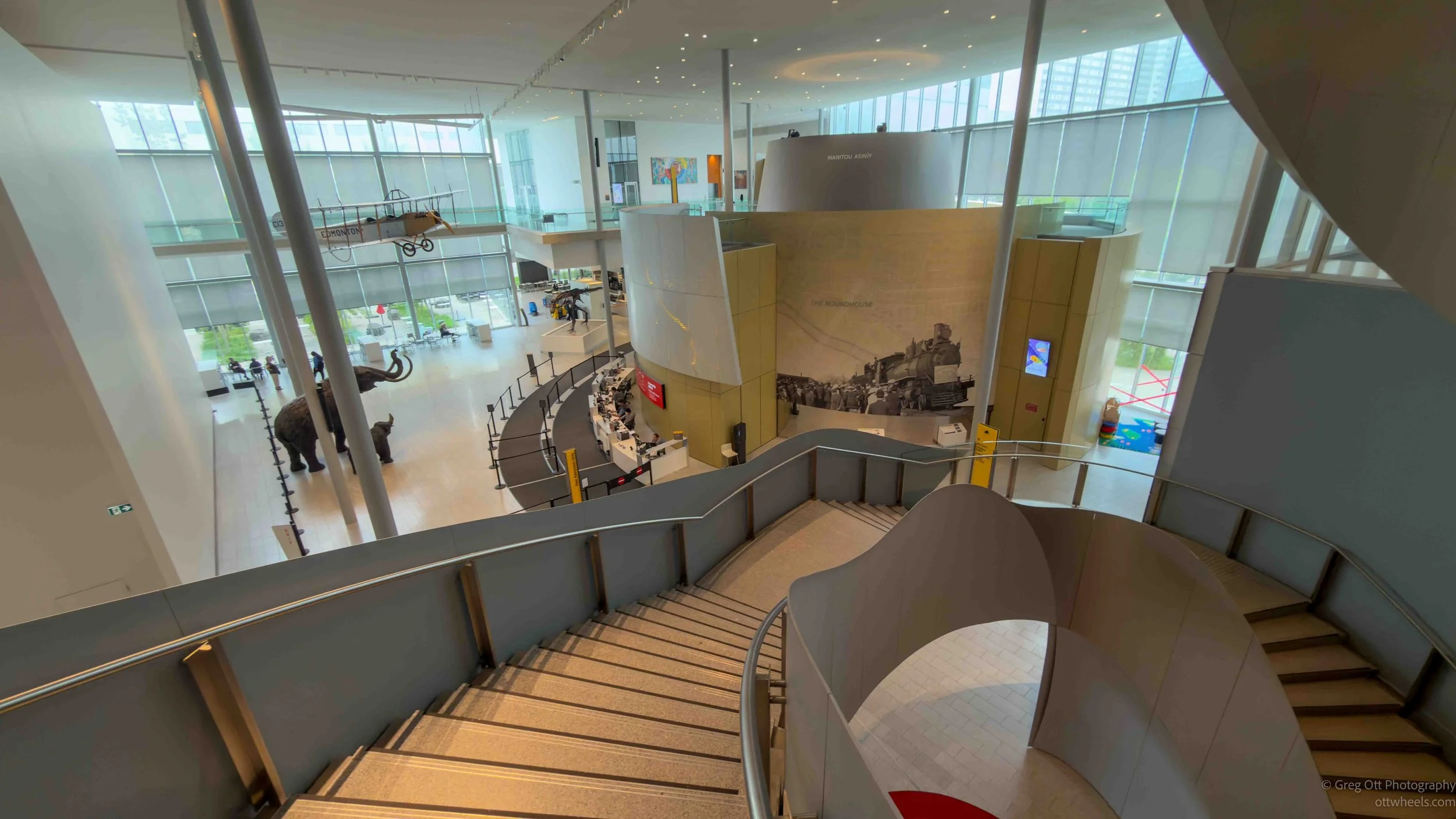
An announcement came over the speakers that the museum would be closing in 30 minutes. I slowly made my way out of the gallery, stopping to take a few photographs of the interesting spiral staircase before heading to the gift shop. There were plenty of things I would have liked to buy, but I have very little room for anything else in the van. I particularly liked the children’s book section and spent some time browsing through it before leaving.
Muttart Conservatory
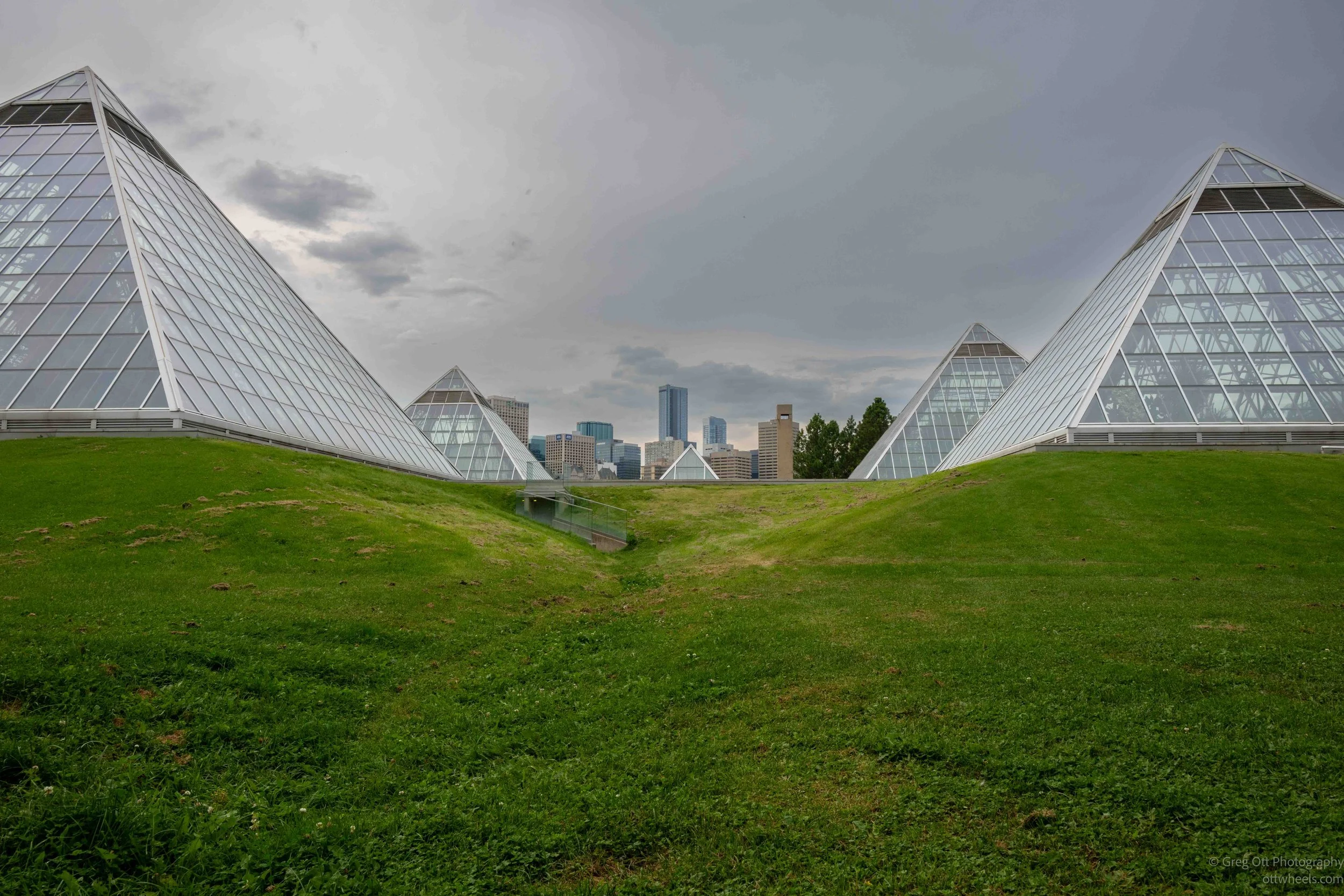
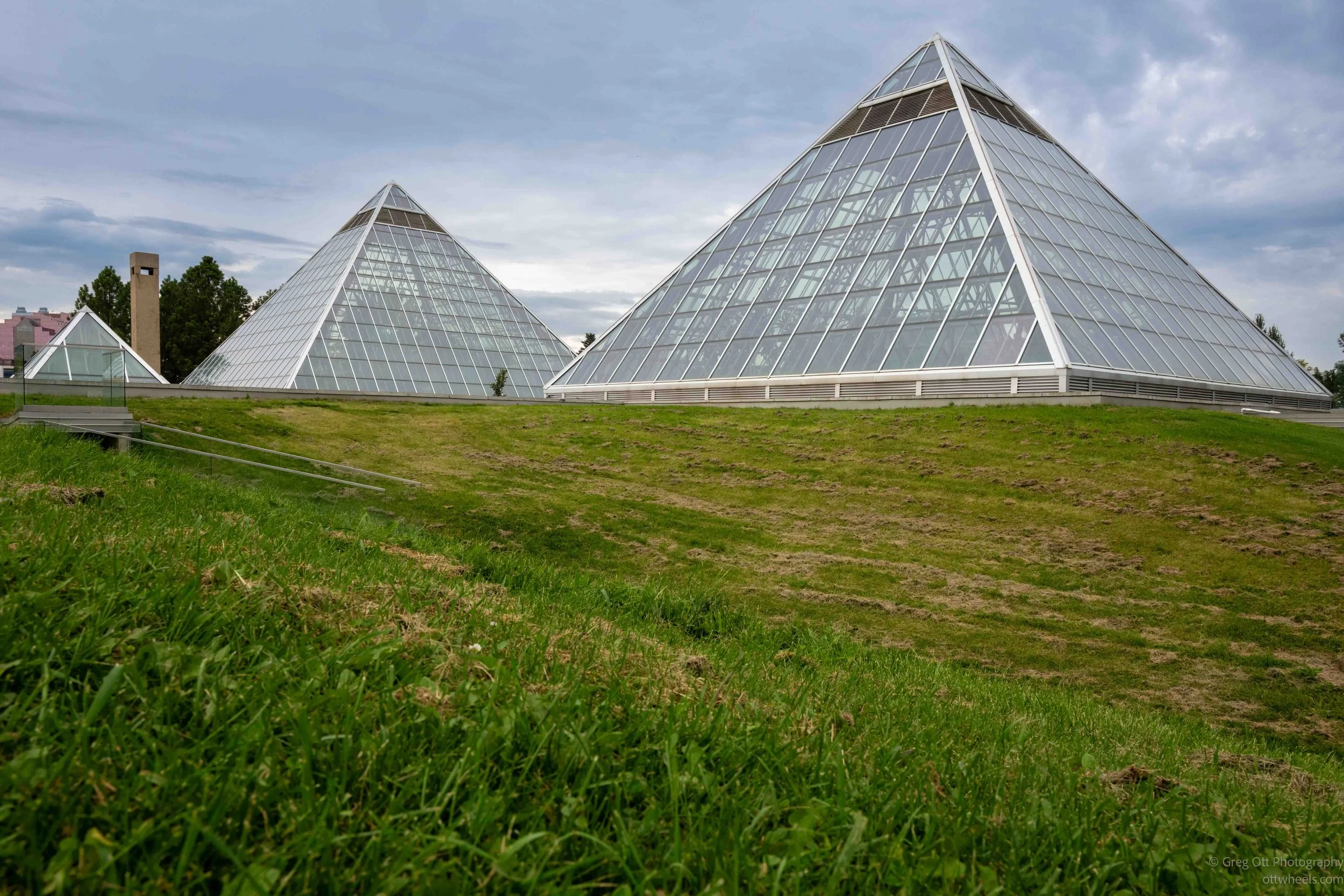
From the museum I headed over to the Muttart Conservatory, “the pyramids.” The four large glass pyramids rise out of Edmonton’s river valley and apparently contain separate climate-controlled environments. Three of them recreate tropical, temperate and arid environments, while the fourth is used for changing seasonal displays. Together they contain more than 700 species of plants.
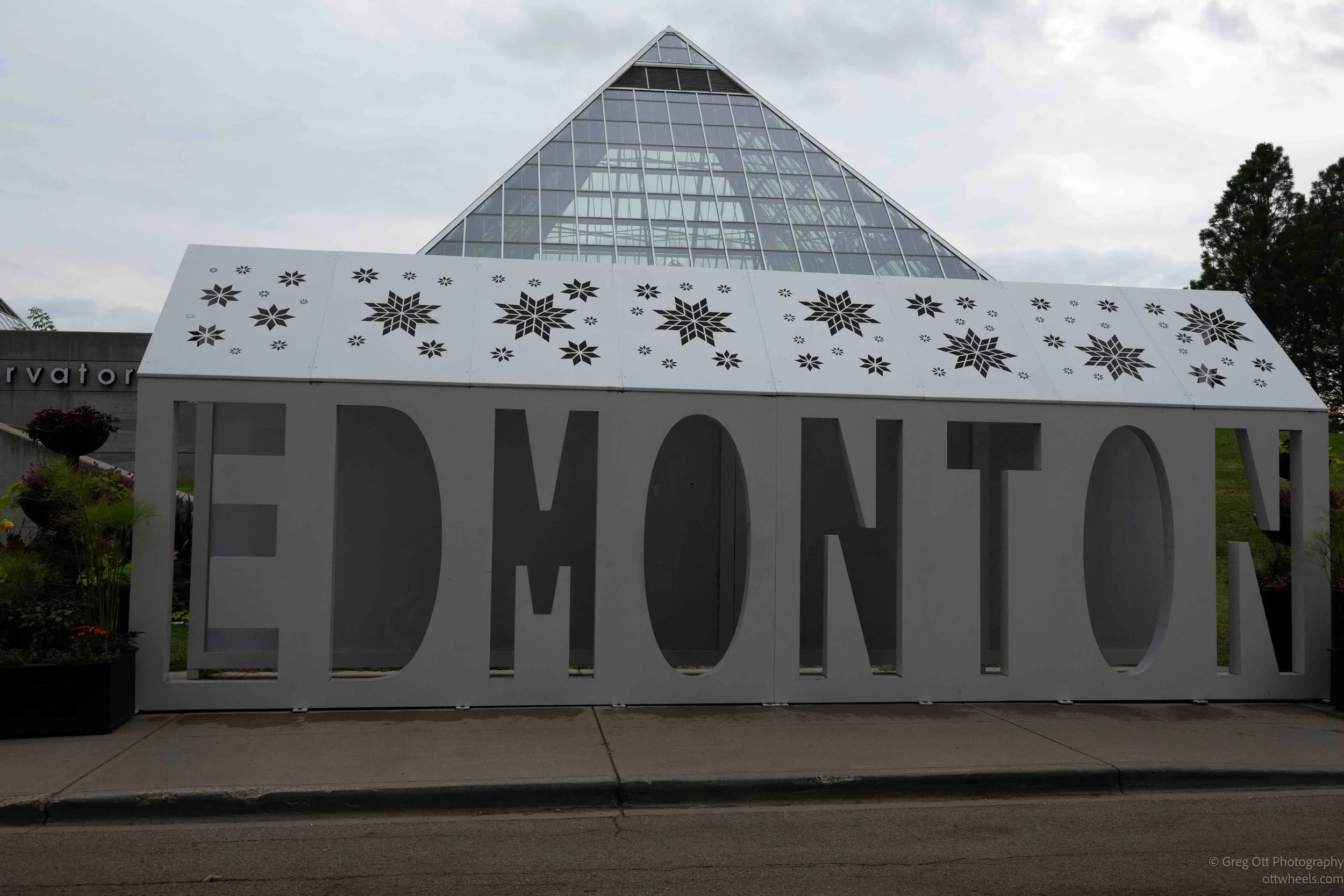
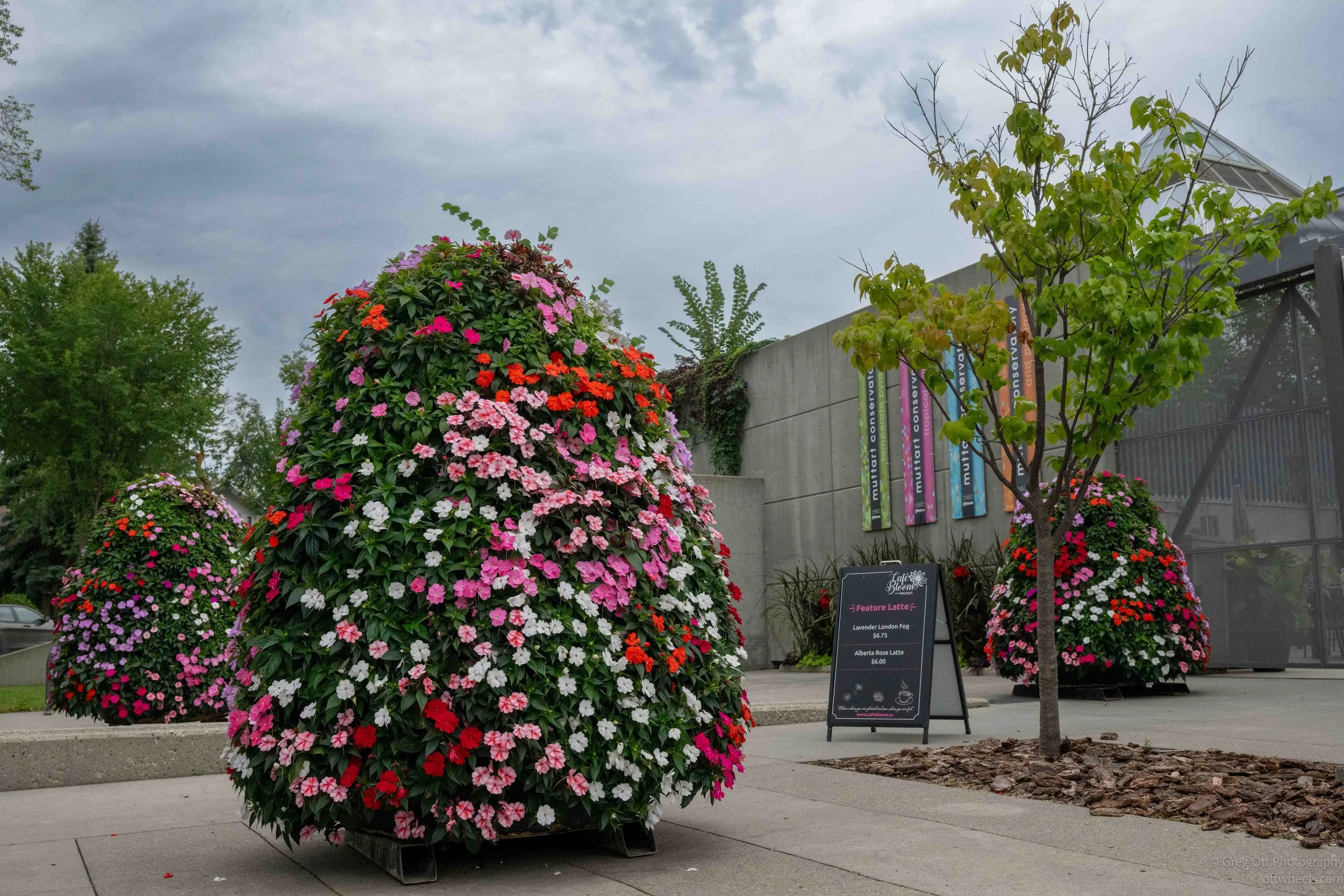
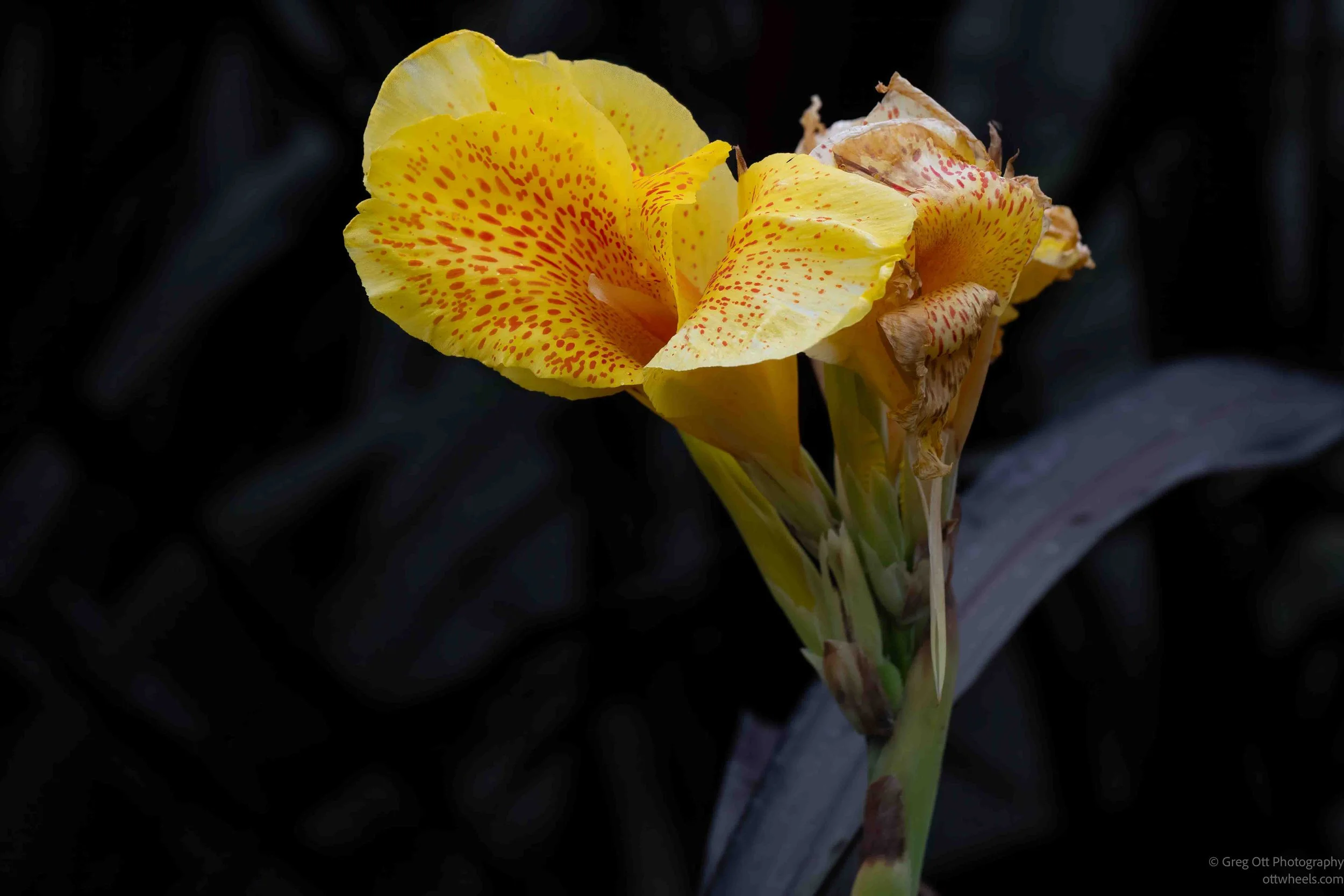
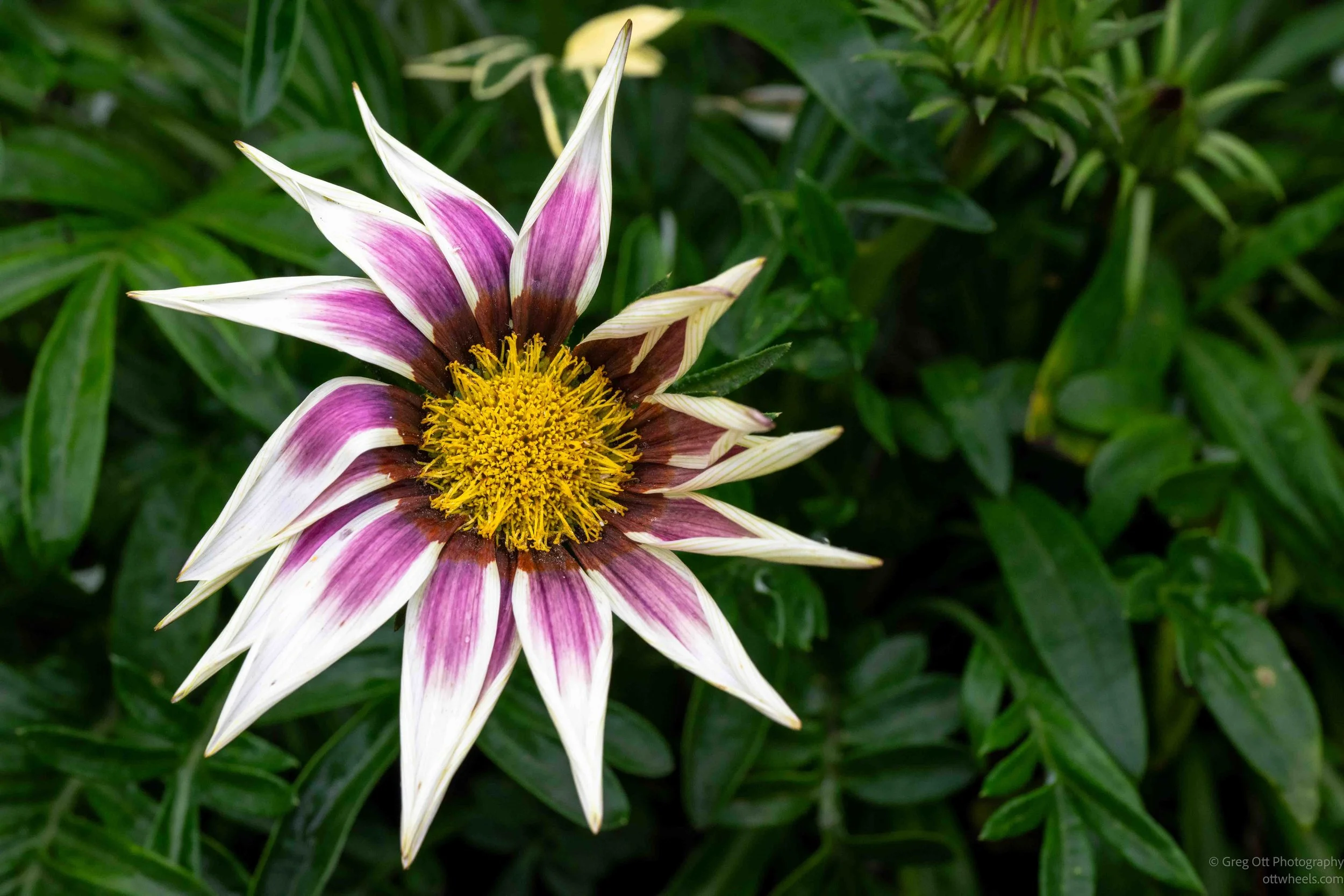
Getting there turned into considerably more of an adventure than it should have been. The conservatory isn't located somewhere you can simply drive straight toward from downtown. Google got me there just fine until it encountered a closed road. It rerouted me through a convoluted series of streets to get me back on course, only for me to miss a turn and have Google devise another equally convoluted route. I eventually pulled into the parking lot about five minutes before the 5 p.m. closing time. Unfortunately, I discovered that they stop admitting visitors 30 minutes before closing, so I had missed my chance to go inside.
Since I was already there, I decided to walk around the grounds instead. It was a nice place to spend an hour, and after rushing around trying to get there before closing, I was happy just to slow down and relax. There was a film crew setting up outside, and I tried to stay out of their way as I wandered around. They spent what seemed like more than an hour putting makeup on the actors. I never figured out what they were filming, but watching all the preparation was interesting in itself.
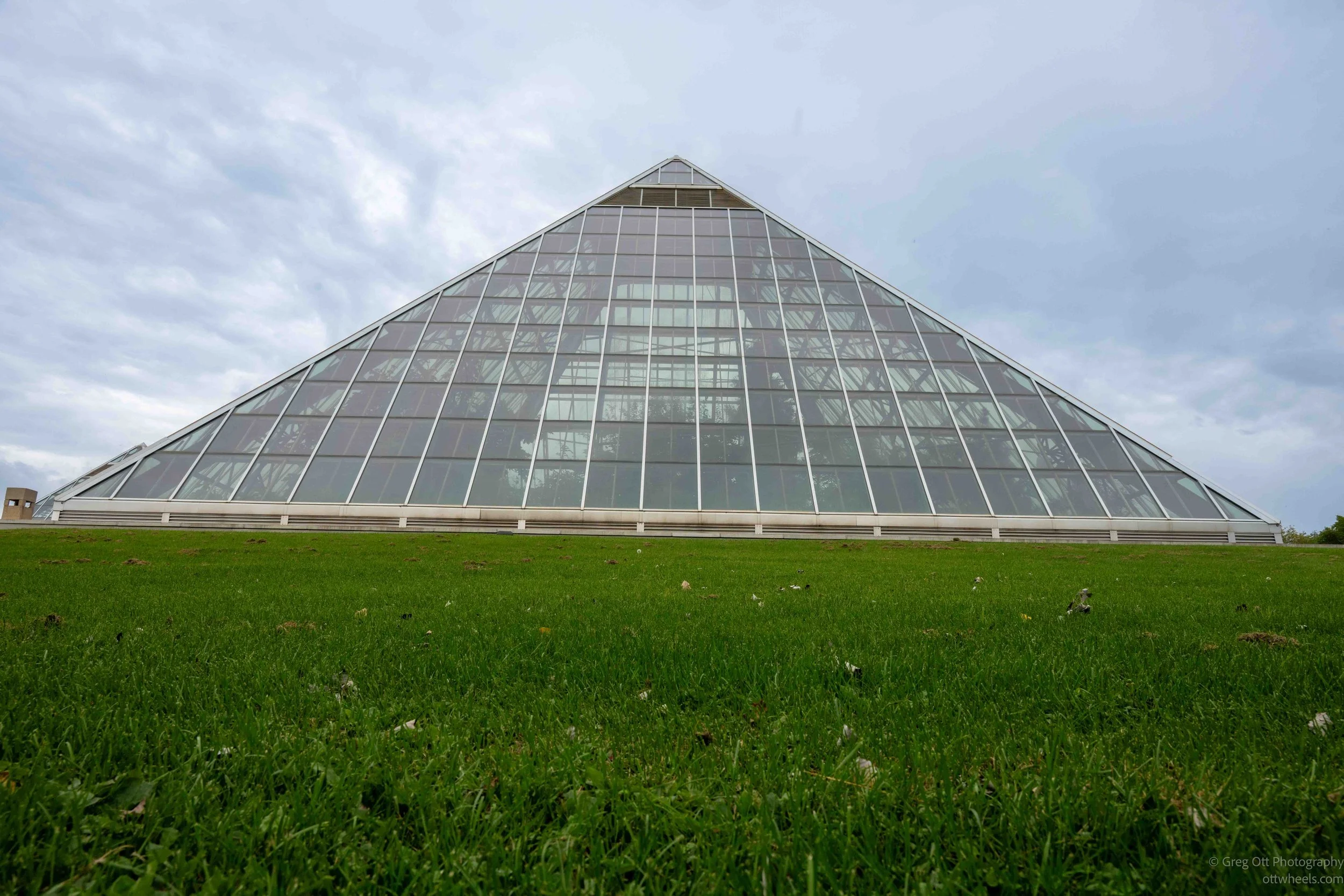
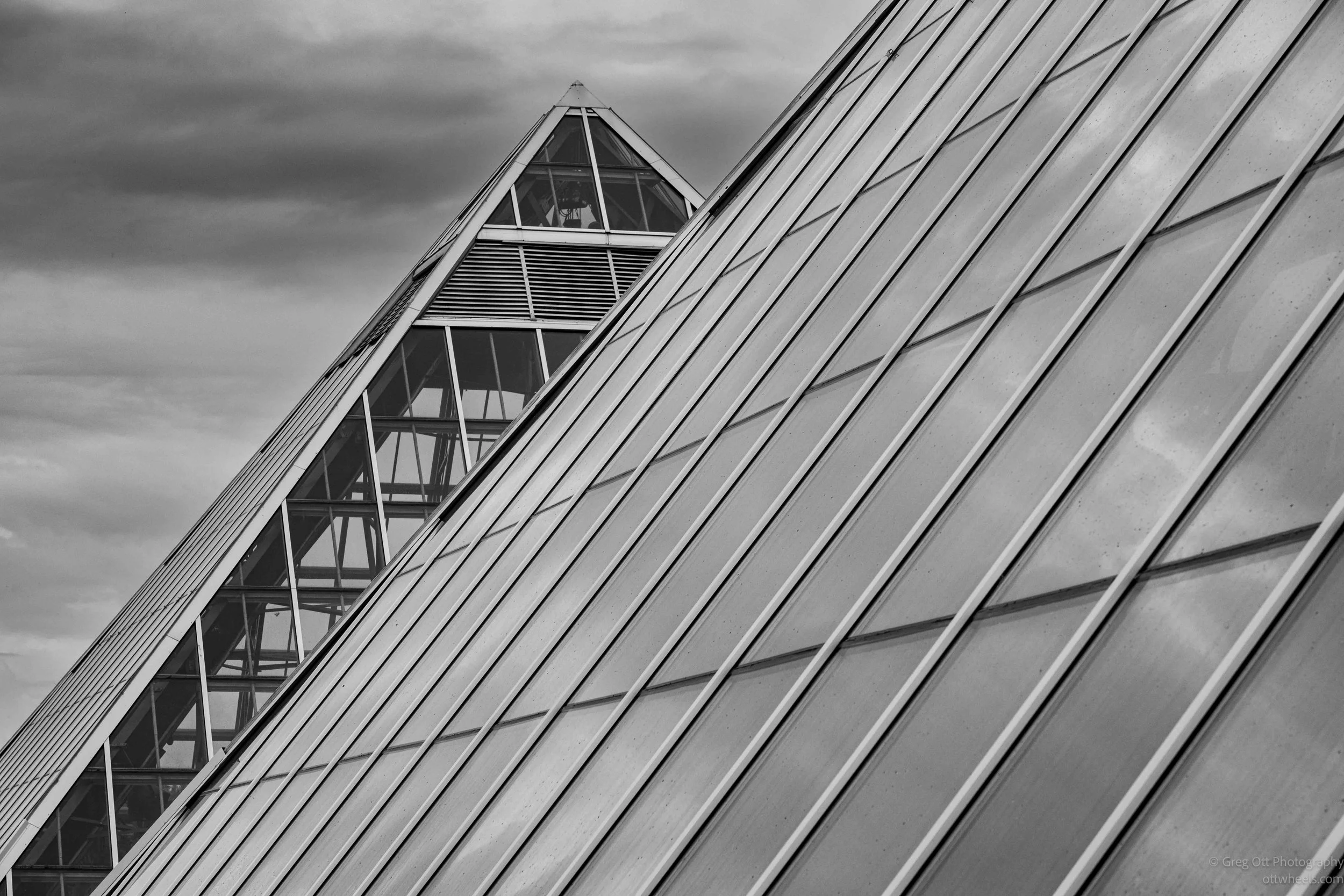
I made it back to the van around 6:30. The parking lot was amazingly quiet. It was open until 11 p.m., although there was a sign saying that anyone parking there needed to register their license plate at the desk inside the Muttart Conservatory. That wasn't going to happen since the building was obviously closed, so I decided to stay for a while and see what happened.
I made pasta primavera for dinner, which turned into a bit of a project by the time I chopped all the vegetables and cooked everything. I also had some chicken that needed to be cooked, so dinner took a while. Afterward I stayed in the van doing some work online. The parking lot remained remarkably peaceful, which made it an easy place to spend the evening.
At about 10:45, I packed everything up and climbed into the driver's seat. Almost on cue, two Peace Officers came through the parking lot, apparently making a final sweep of the park before it closed. They walked past the van, smiled and waved, and continued on. There were still two other vehicles in the lot. Earlier I had heard a large group of people talking before they walked over to the nearby LRT station to attend a show in Edmonton, the vehicles belonged to them.
I pulled out just before the 11 p.m. closing time. I hadn't managed to get inside the pyramids, but what started as a failed attempt to squeeze in one more attraction had turned into a surprisingly relaxing evening.
I drove back to my spot near Tony’s Pizza. It had been perfect the last two nights. The street was quiet and my spot was still open. I noticed a mercedes with a campervan just around the corner.