I left my quiet spot near Florence at the National Forest Campground and began my drive to Newport, Oregon.
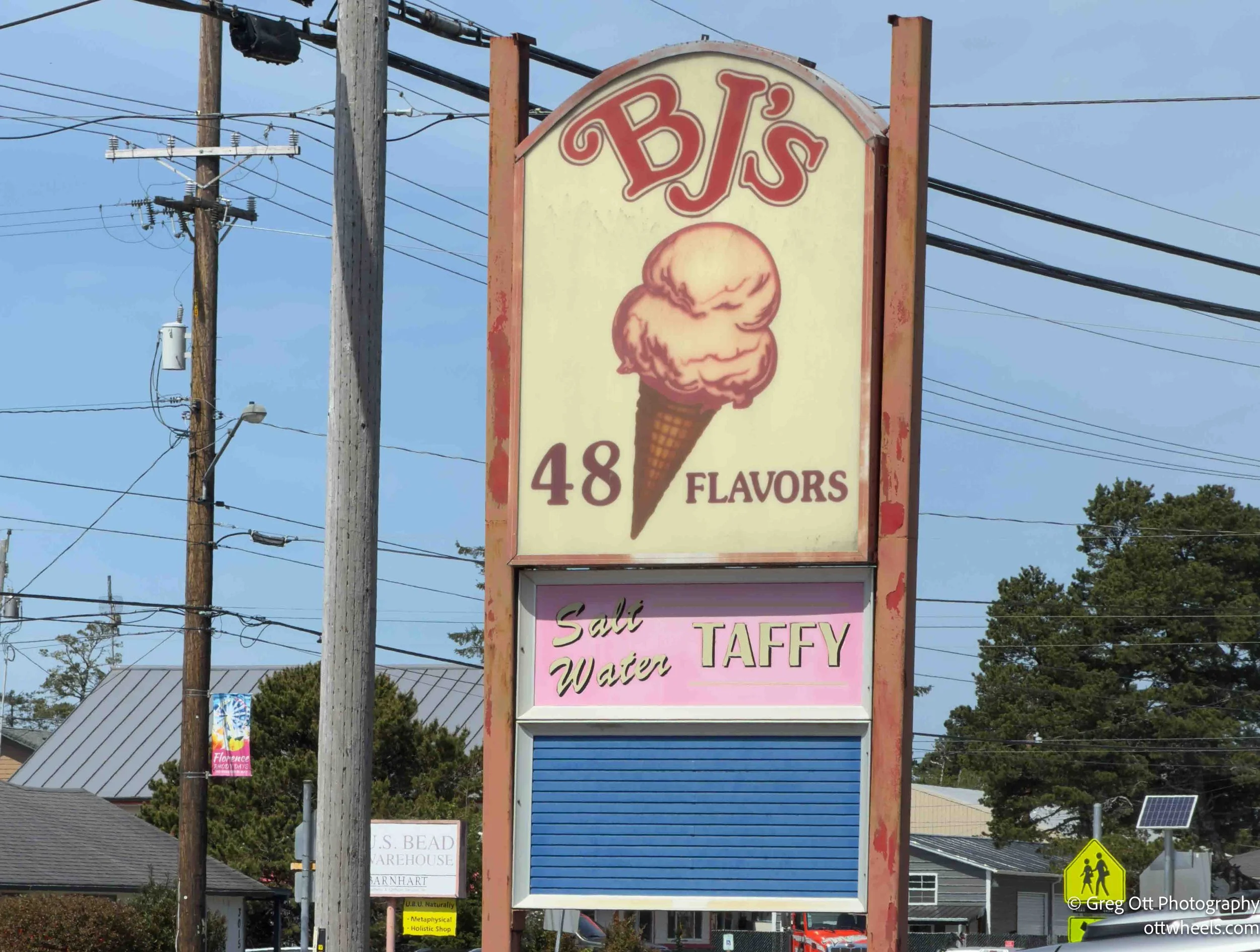
I didn’t make it far when my ice cream craving kicked in, and I stopped at BJ’s 48 Flavors. I ordered the smallest cup with two flavors, dulce de leche and dark cherry. It was interesting how he built the scoop, pressing one flavor to one side of the cup and then adding the second on the other side. I commented on it, and he said, “This is the only way to serve a double scoop.” I laughed. I paid and gave him a one-cent tip by mistake. We both laughed, and he said, “I think that is the smallest tip I’ve ever been given.”
I took my time heading up Route 101, stopping now and then just to look out at the ocean—the wide open beaches, the waves crashing, and the rock formations. I’ve learned that the dramatic rocks along the Oregon coast come from massive lava flows that spread across the region millions of years ago, cooling into dense, dark basalt. Those ancient volcanic layers became the foundation of the coastline. Over time, shifting land and relentless wave action wore away the softer surrounding material, leaving behind the harder volcanic remnants as cliffs, arches, and isolated sea stacks. The coastline is carved from those old lava flows, with erosion gradually exposing their structure.
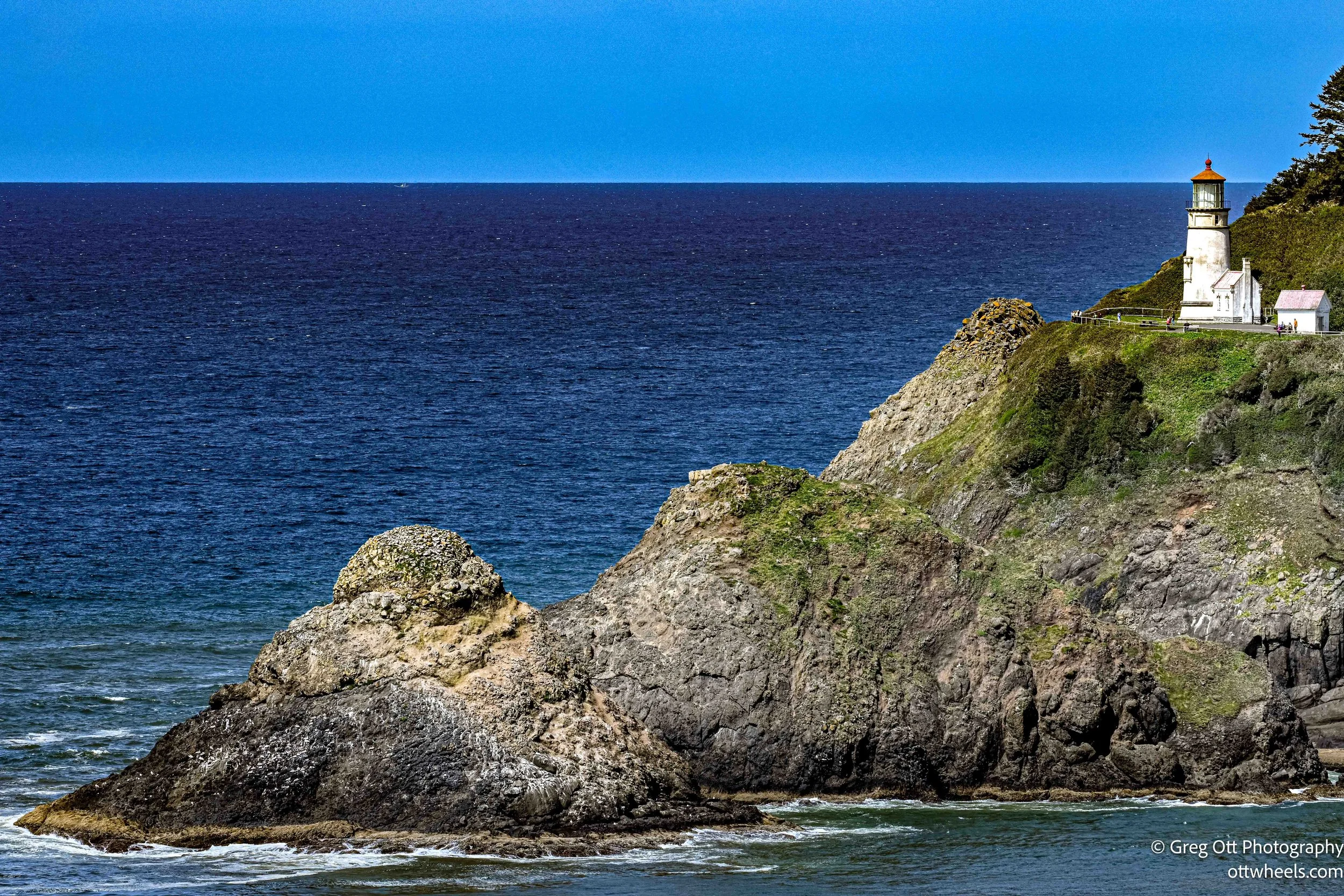
Heceta Head Lighthouse
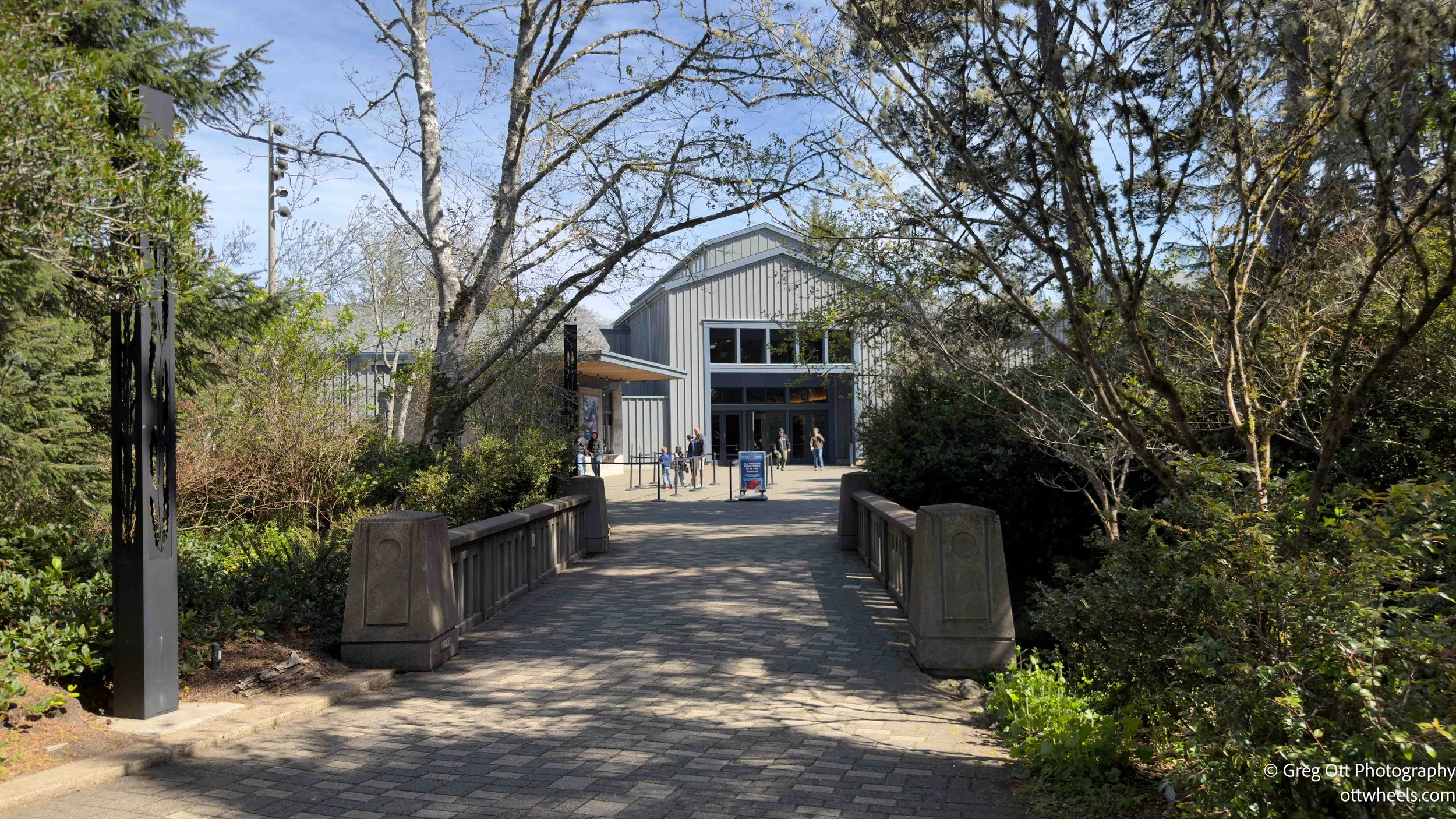
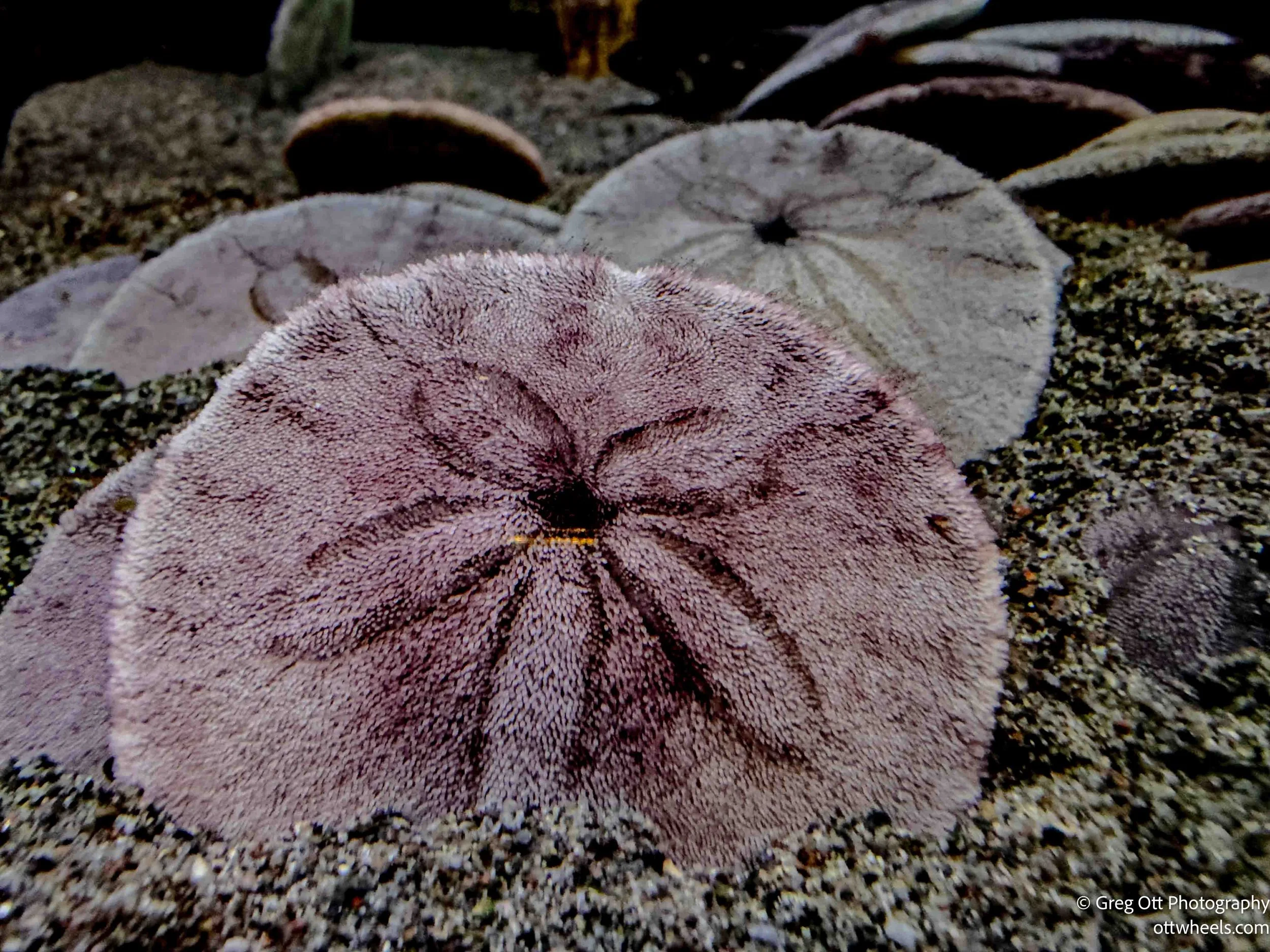
Oregon Coast Aquarium
After the long drive, I stopped at the Oregon Coast Aquarium. It turned out to be a lot more fun than I expected. It’s not a massive place, but everything is done well—the tanks are clean, the exhibits feel intentional, and the staff and volunteers clearly know what they’re talking about. The aquarium opened in 1992 and was built around the ecosystems of the Oregon coast rather than trying to be everything at once. That focus shows. It feels less like a collection of displays and more like a walk through the local ocean.
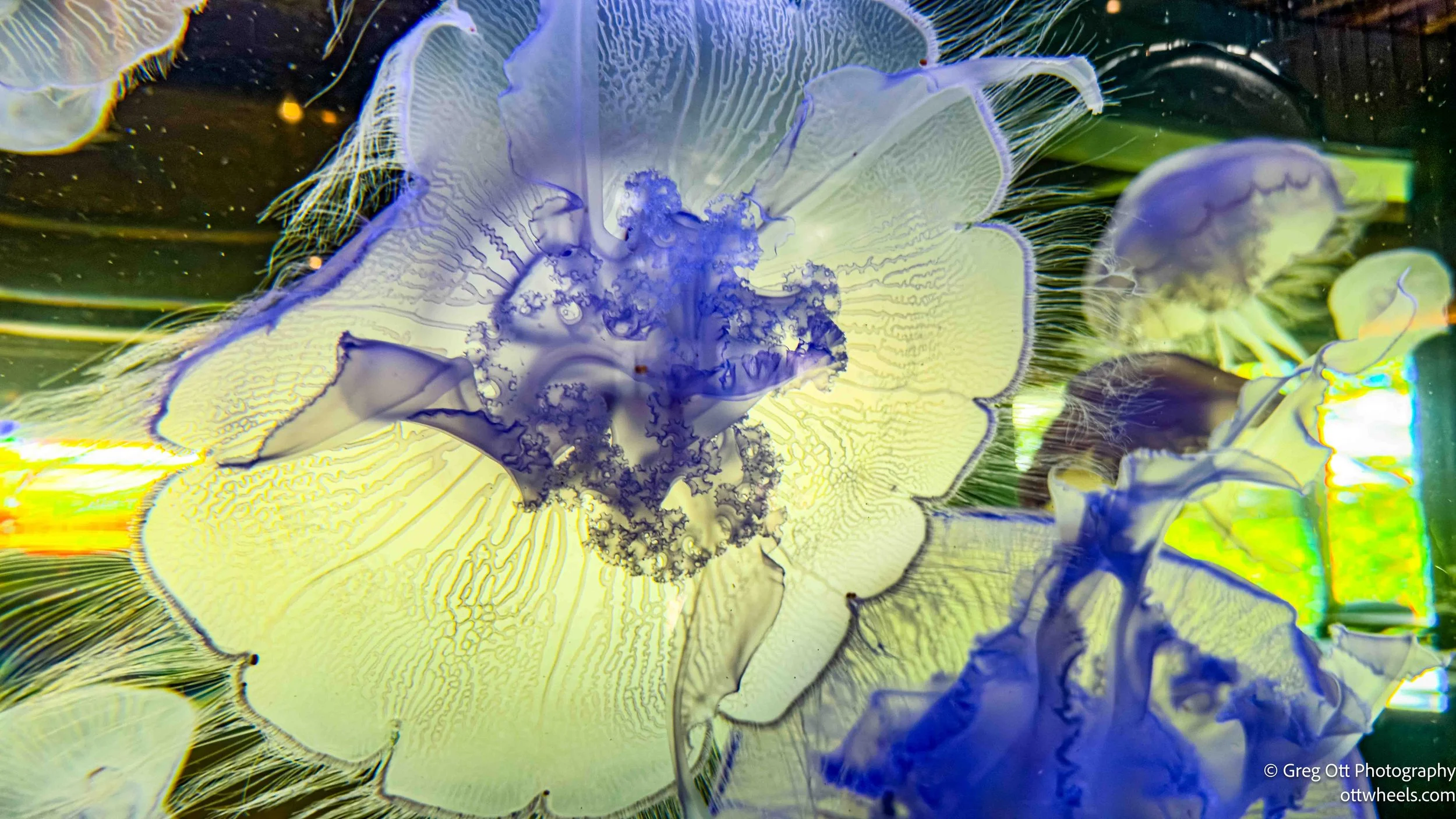
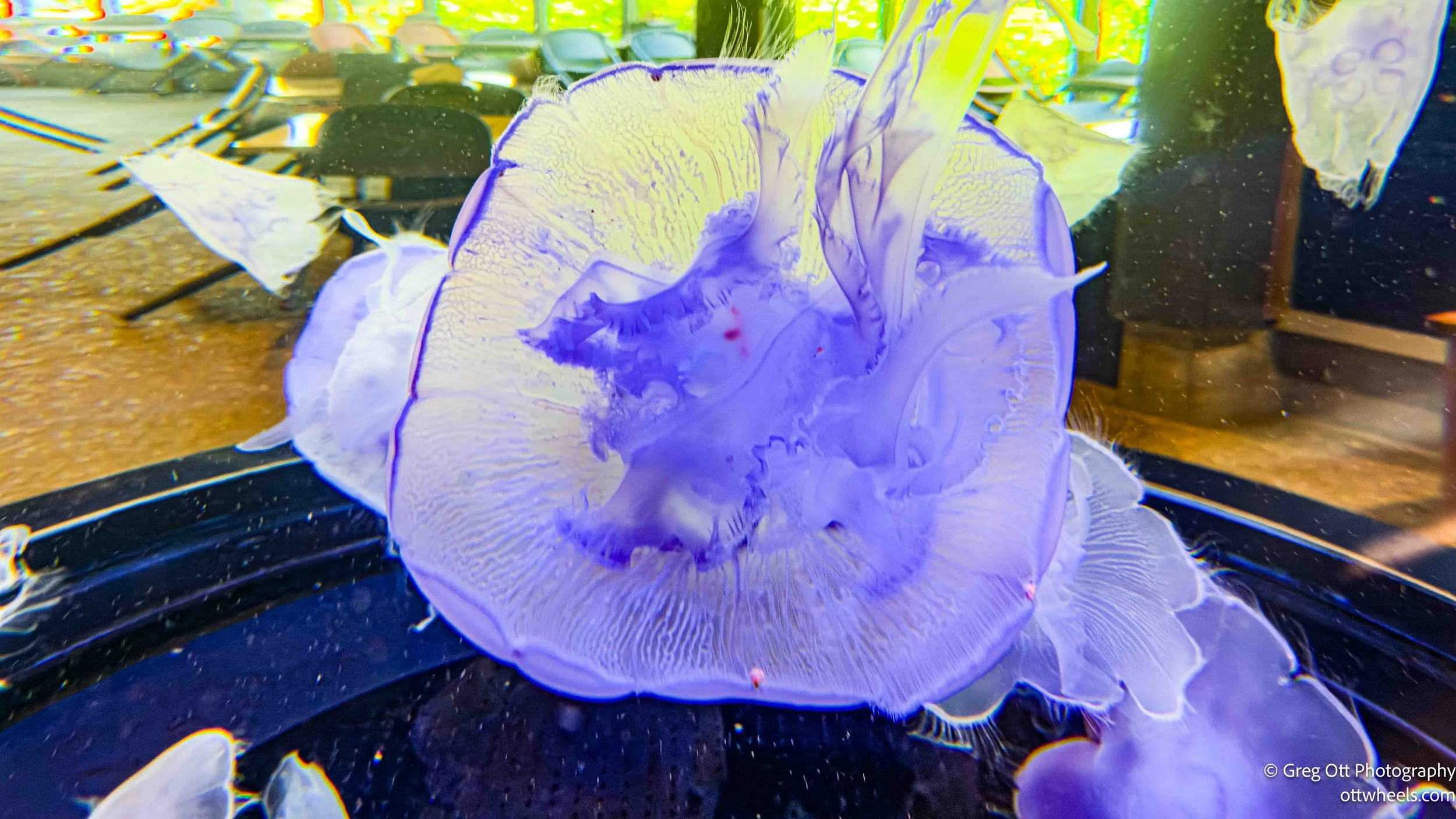
The jellyfish immediately pulled me in. The colors were striking—soft yellows and blues that didn’t look natural, more like something lit from within. There was clearly fluorescence going on, which usually requires an external light source, so I don’t think they were bioluminescent. I stood there longer than I expected, trying to figure it out, and then just gave up and watched.
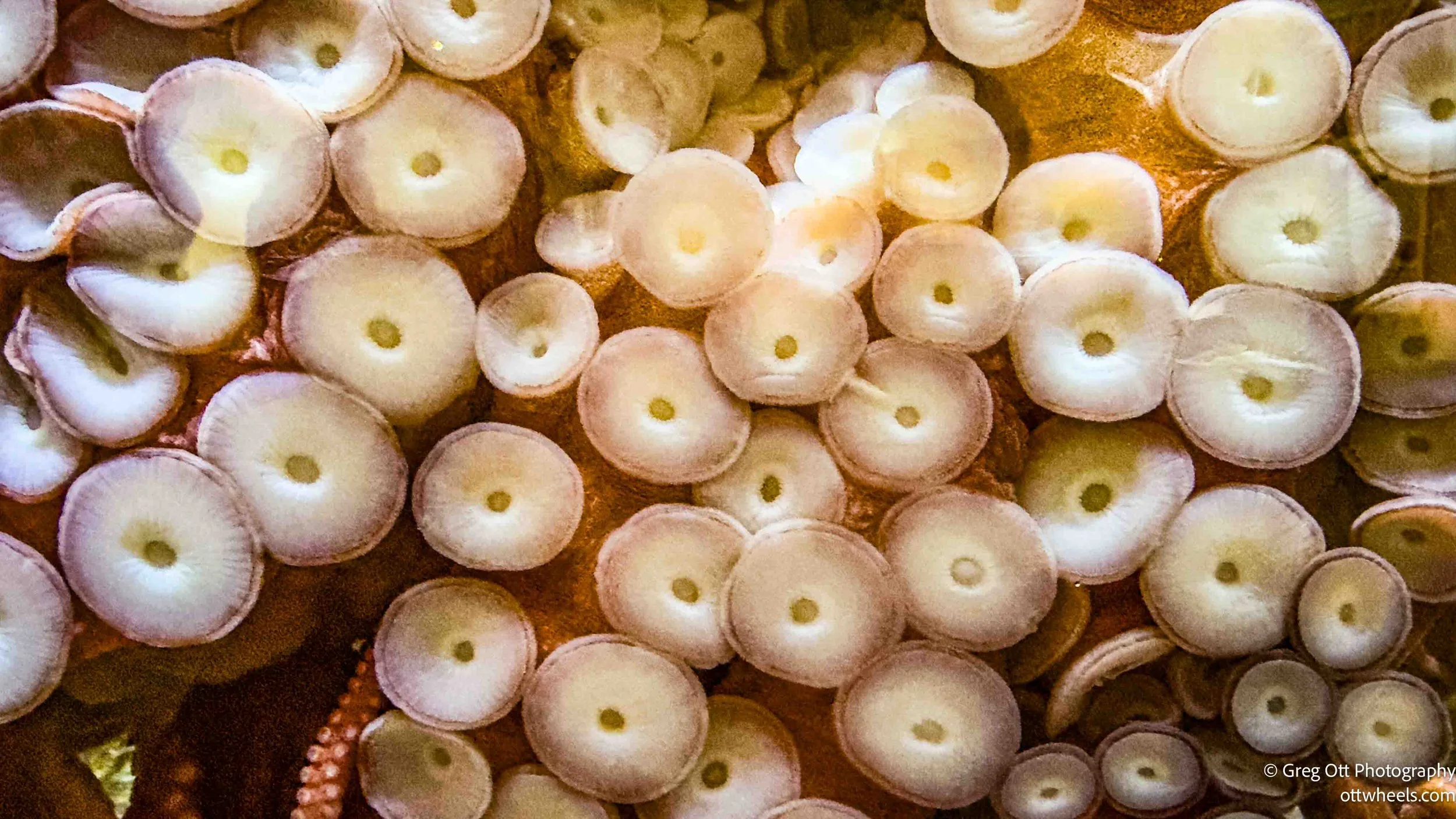
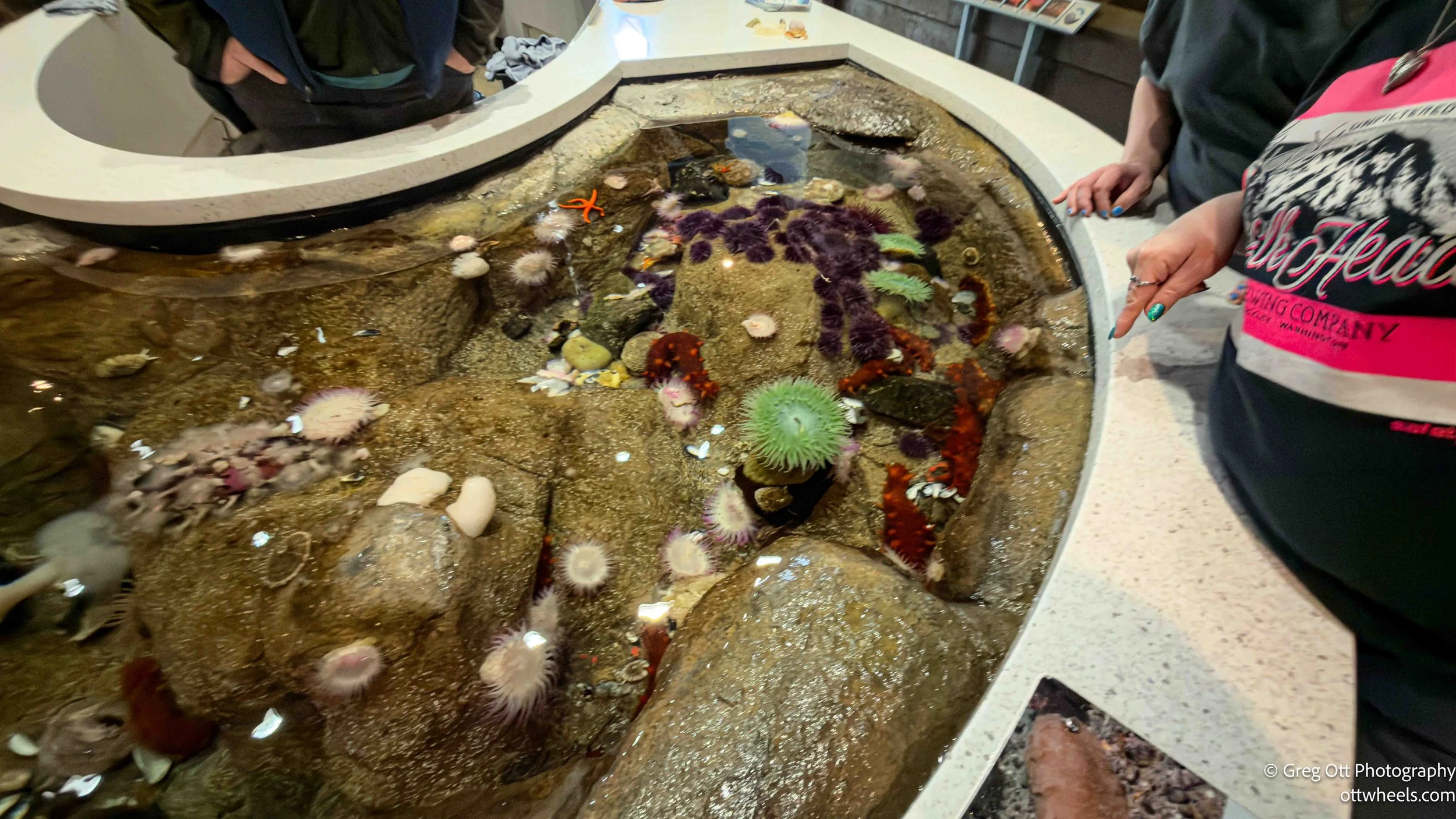
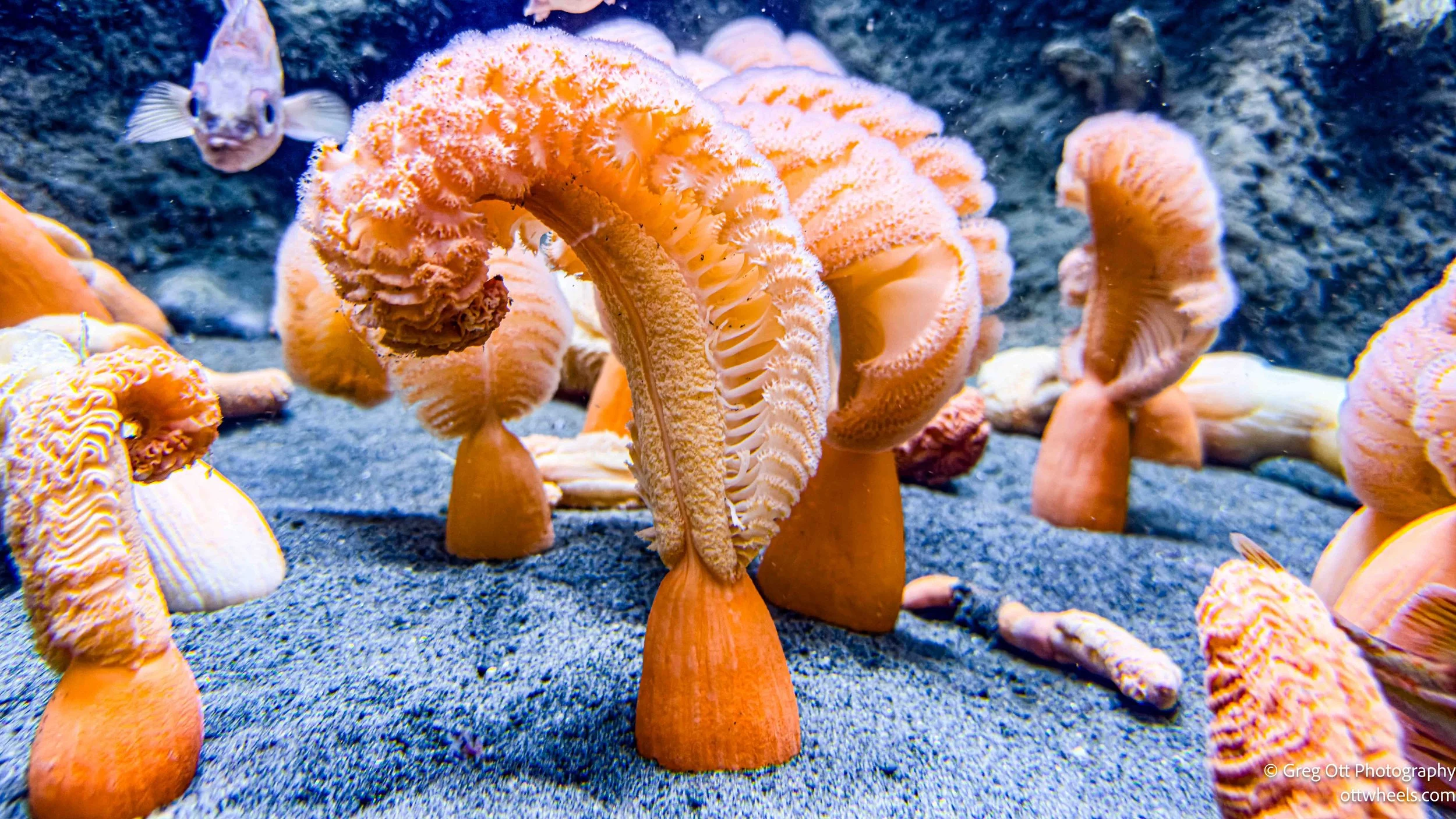
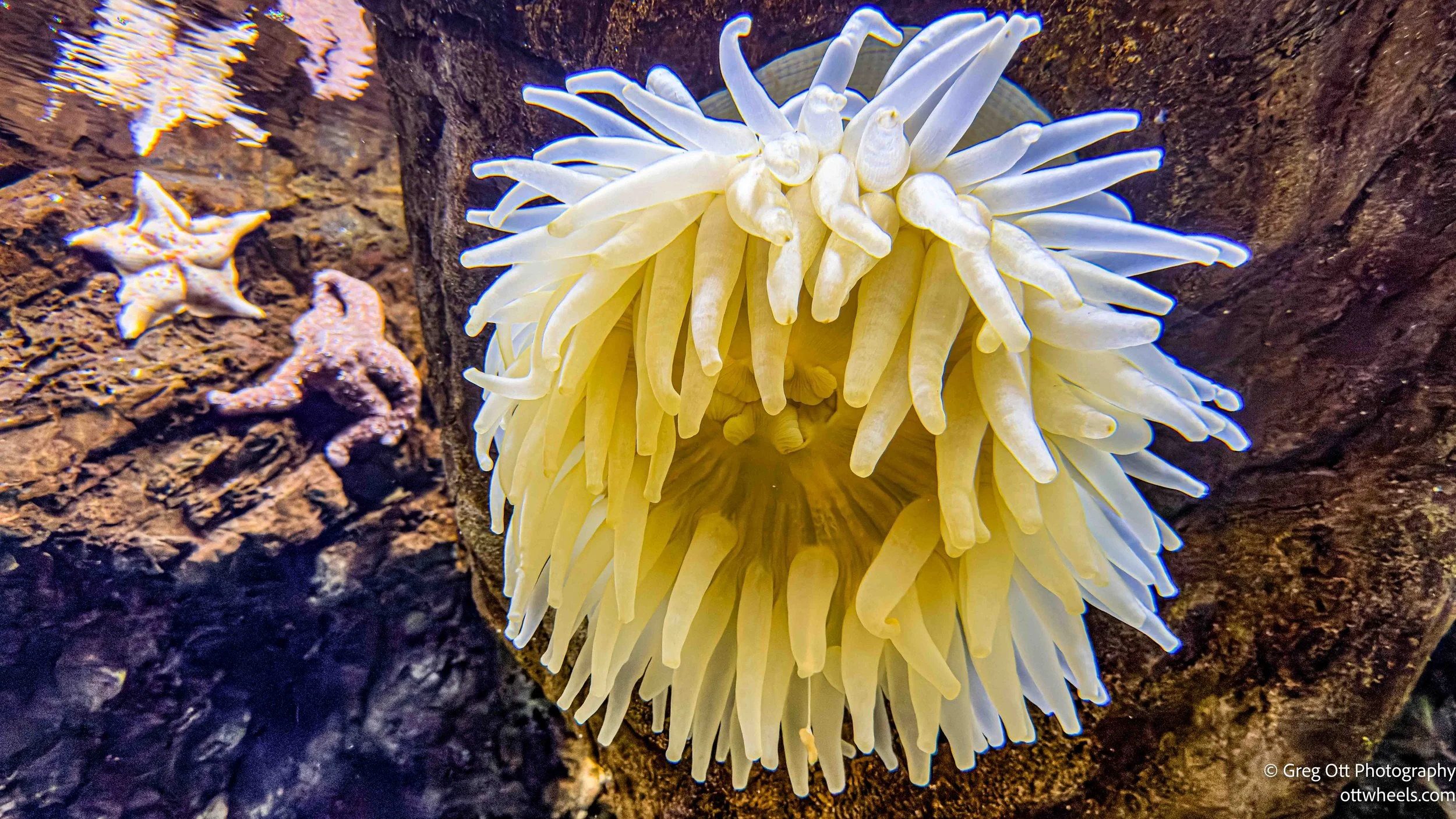
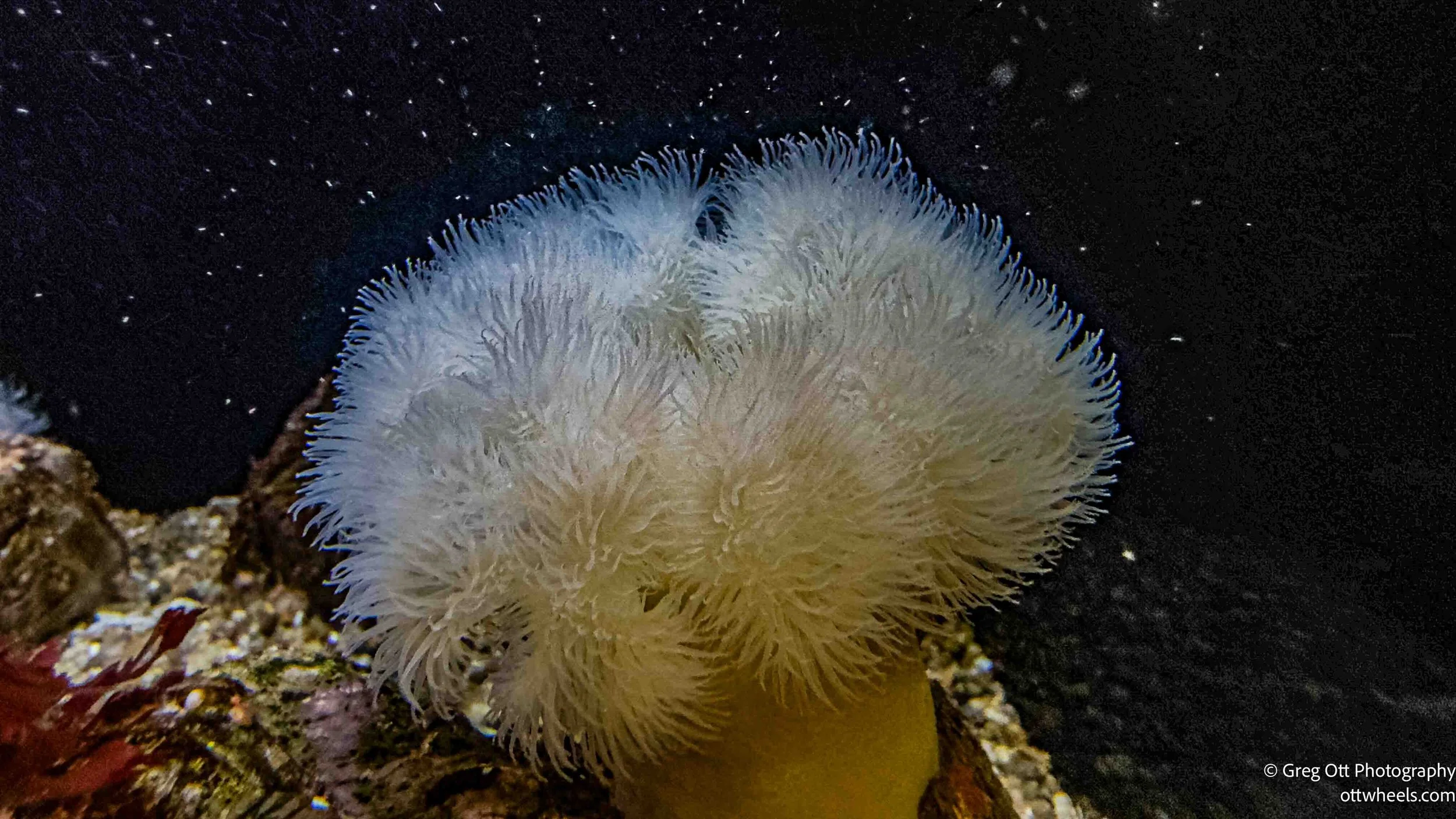
I spent even more time in front of the sea anemones. They’re anchored in place, but everything else is in motion—tentacles opening, folding, shifting with the current in a slow, steady rhythm. It felt less like watching animals and more like watching some kind of living plant, except the movement felt deliberate. Nearby, there was a touch area with smaller anemones, sea stars, and other tidepool life. Volunteers kept an eye on things and guided people as needed. When you touched them, the anemones would grab onto your finger and pull inward slightly. Half the fun was watching the reactions—some people leaned in, others pulled back like they’d hit something electric.
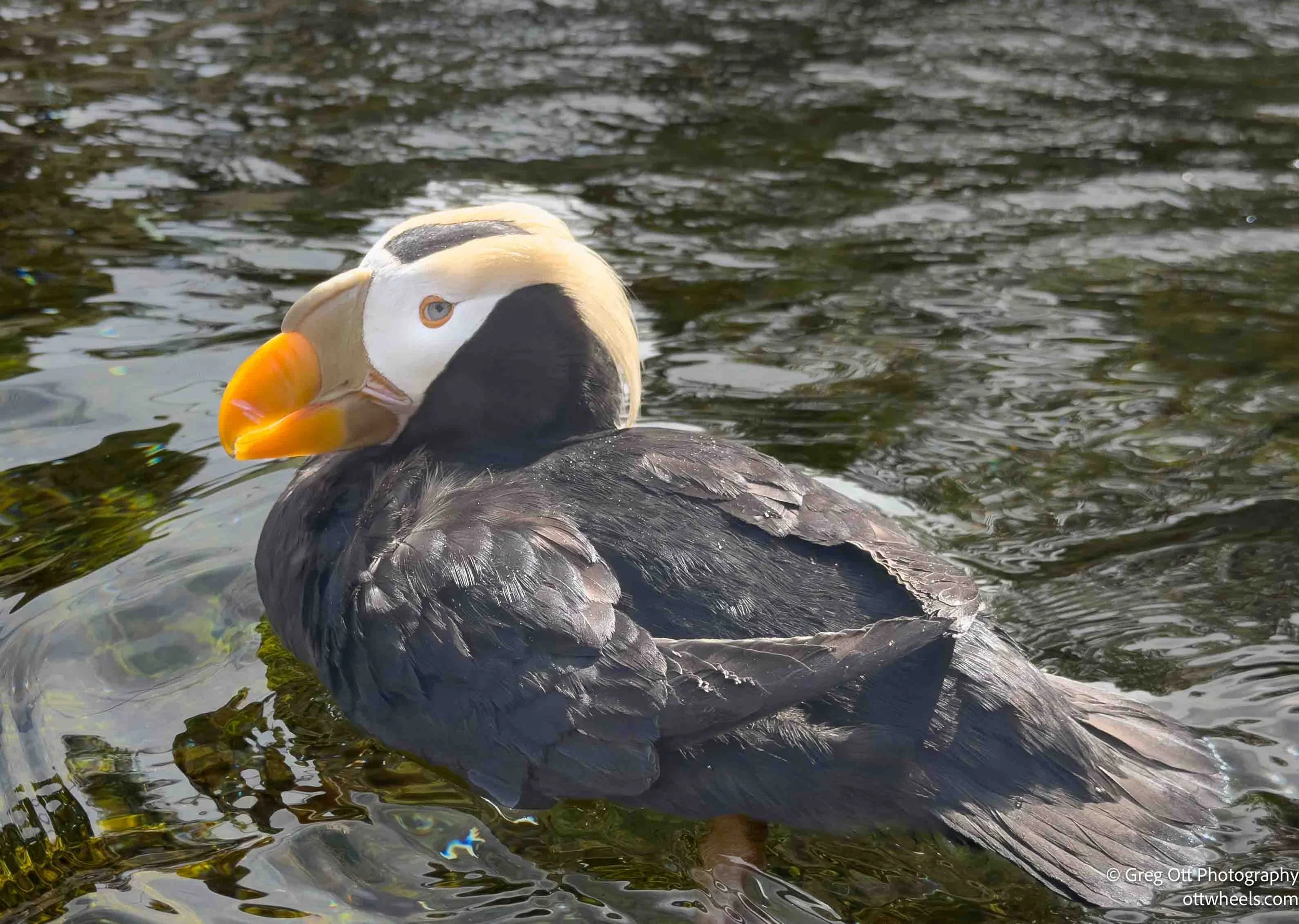
The seabird section caught me off guard. The tufted puffins were my favorite. If you stayed still, they’d come close on their own. One floated nearby for a while, just sitting there, looking straight at me. It was one of those quiet moments that didn’t need anything else.
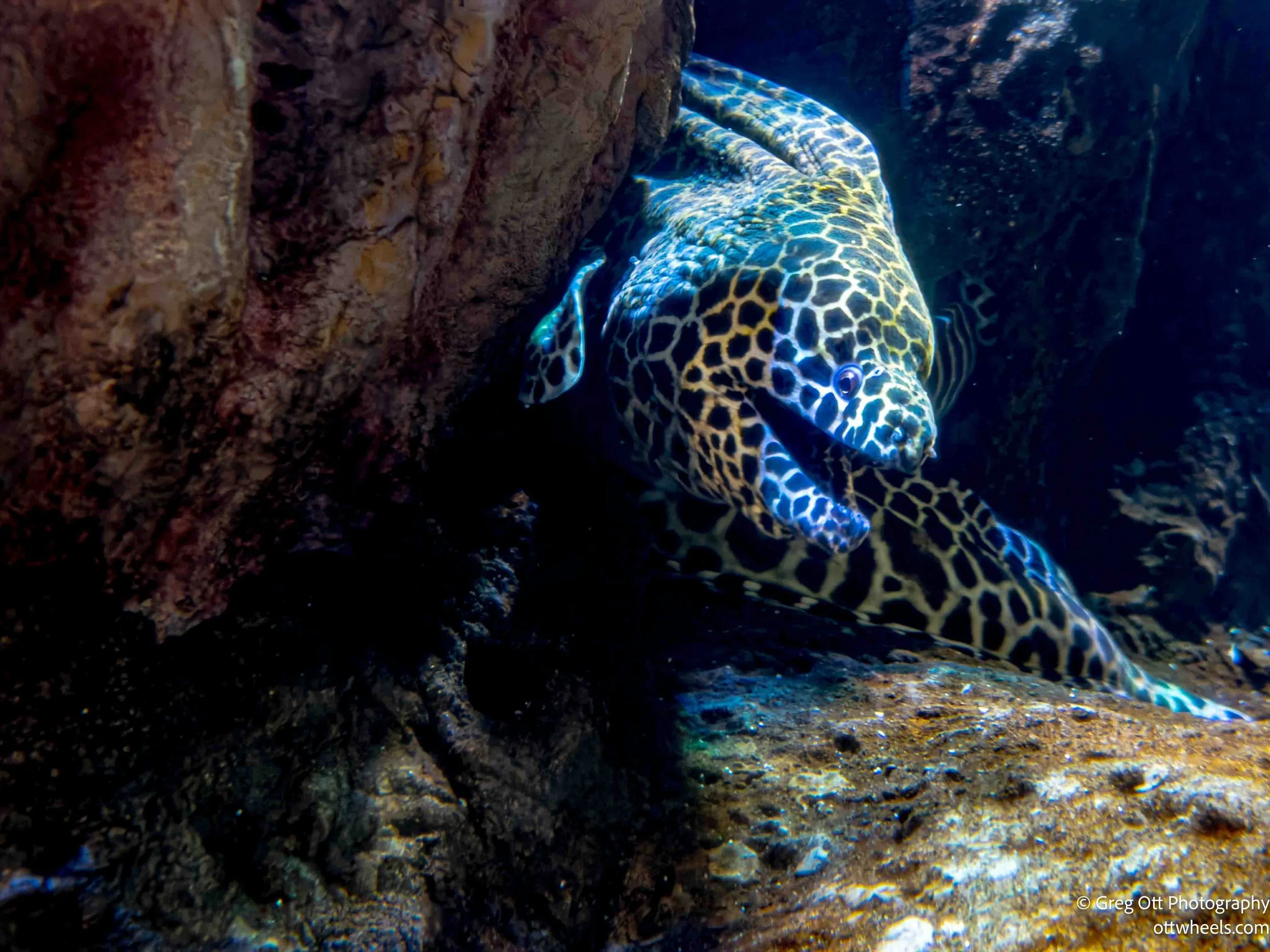
At the moray eel tank, one of them wouldn’t stay still. It kept weaving in and out of the rocks, never where you wanted it. A few of us tried to get a photo, which quickly turned into a losing battle—curved glass, awkward angles, constant motion. I did manage one shot of an eel poking out from behind a rock, which felt like a win.
There’s an exhibit called “Passages of the Deep,” a series of walk-through tunnels that put you under the waterline with sharks and large fish moving overhead. It’s designed to simulate the offshore environment, with curved acrylic tunnels that let marine life pass above and around you. The scale and perspective give you a sense of how these animals move in open water, which is hard to grasp from a standard tank. Unfortunately, it was closed for renovation. I finished the tour just wondering around and looking at the tanks I had missed.
I intended to stop at the Rogue Brewery location around the corner, but I read that all three locations were closed until further notice.
I had Yaquina Head Outstanding Natural Area on my agenda. It’s a small, contained headland just north of Newport run by the Bureau of Land Management (BLM). You pay at the gate, drive a short road out to the point, and everything is right there—lighthouse, tide pools, cliffs, and seabird colonies. I wanted photos of the lighthouse and tide pools with birds, but by the time I arrived, the gate was closed. The ranger heading out told me I could park about a mile back and walk in. I wasn’t up for a three-mile round trip and passed.
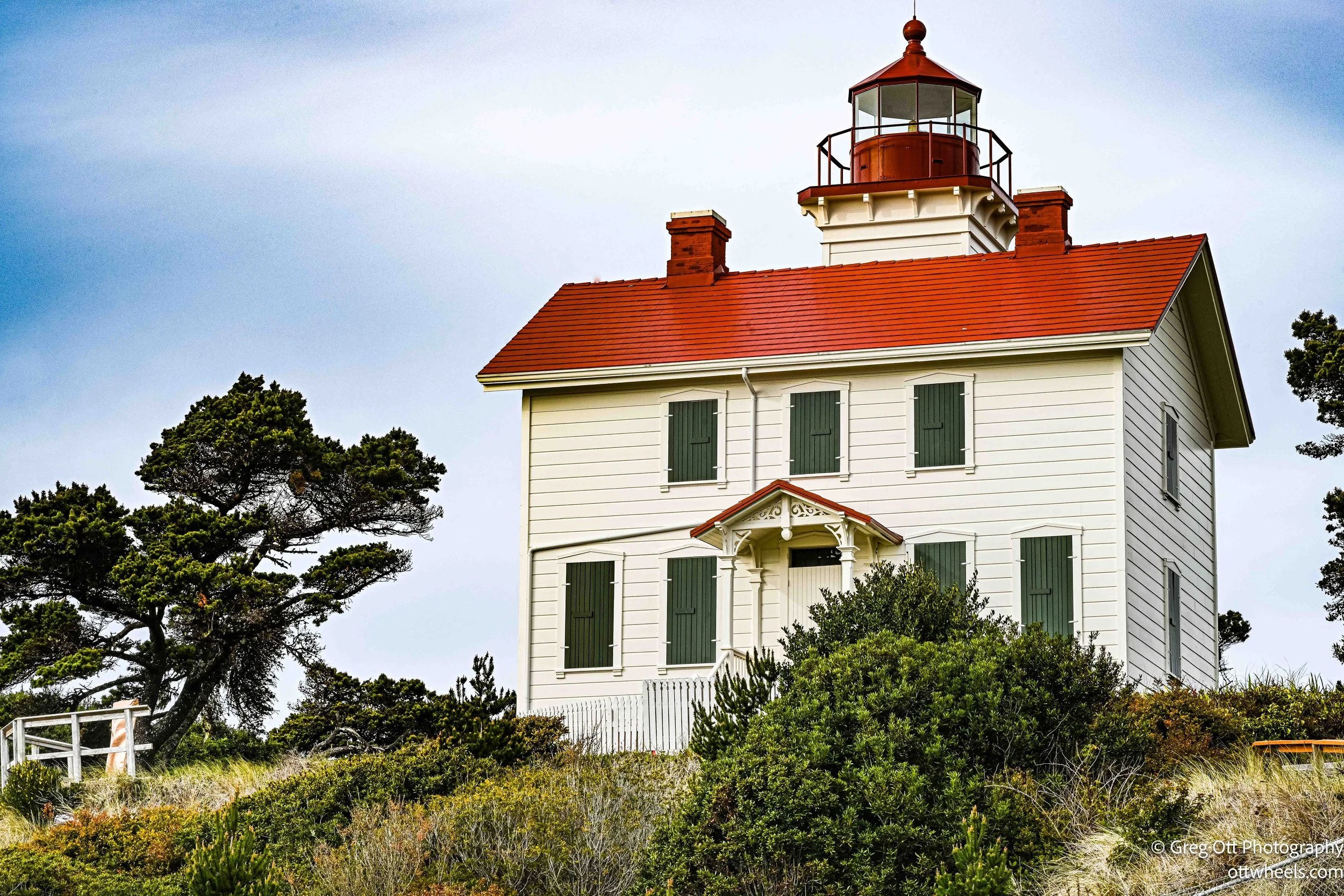
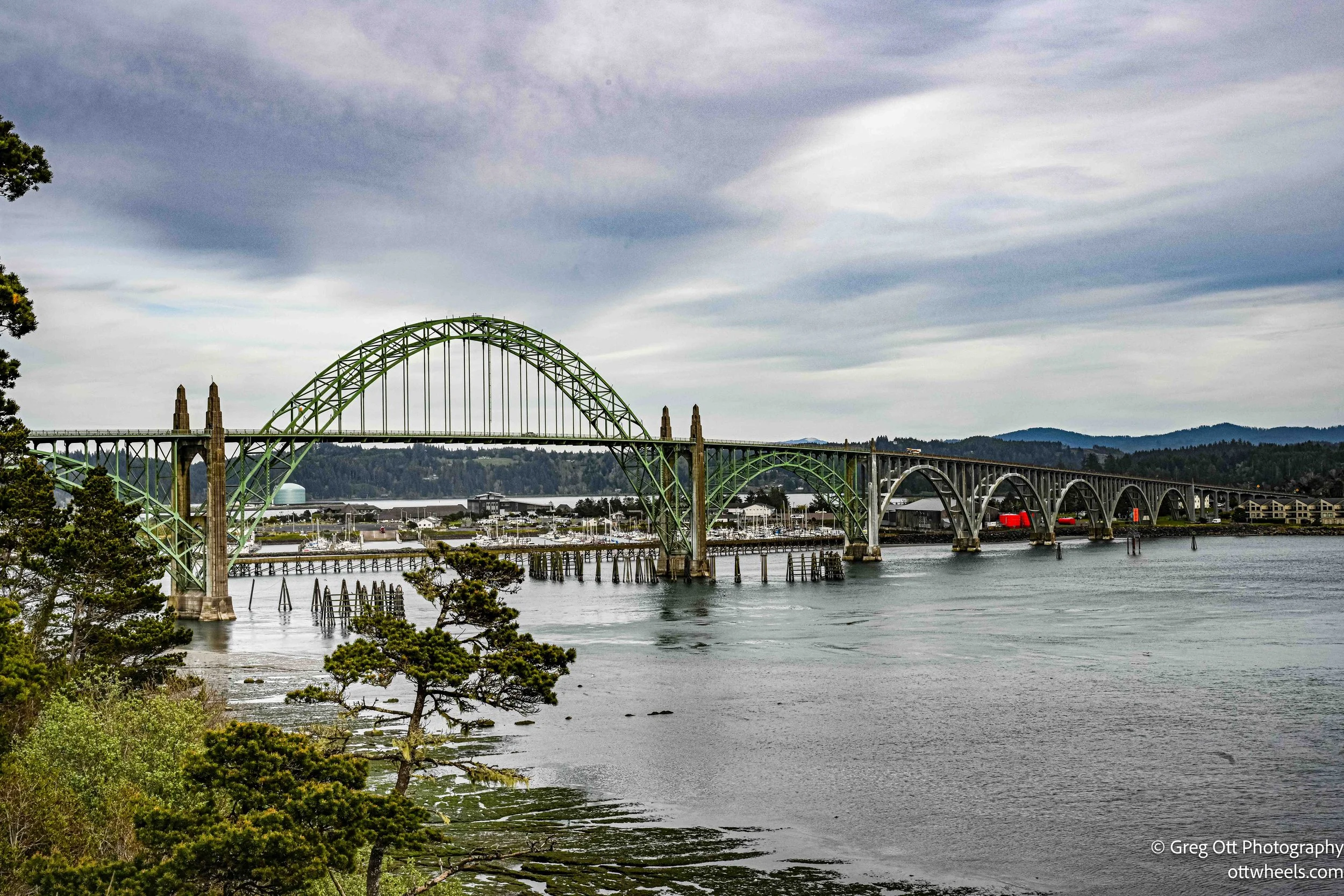
So I drove to Point Cabrillo Light Station, about a 15-minute drive away. It wasn’t the traditional lighthouse I had in mind, but I spent some time reading the history and grabbed a few photos. There are views of the Siuslaw River Bridge in the distance.
On the way, I passed a Walmart in Newport, so I doubled back and stocked up—one of those necessary resets that keeps the trip moving.
I found a place near the beach that a lot of people seemed to use. It sat in a section of Airbnb coastal homes on a cliff above the beach. There were maybe ten other vans parked along the street. It was quiet, and I could hear the ocean below.