
Lake Crescent: Marymere Falls Trail
It was Saturday morning and for the first time in a while, I slept in. The church parking lot had been surprisingly quiet through the night with hardly any traffic at all. There was one other camper parked in the dirt lot nearby, but otherwise it felt like I had the place to myself.
I finally crawled out of bed around 8 am and drove the mile and a half to Starbucks. I made breakfast in the van first, then went inside for coffee, a place to sit for a while, process images from the previous day, and figure out what I wanted to do that afternoon.
You’re never completely sure what a hike is going to be like, no matter how many reviews you read or photos you look at beforehand. I typed “Lake Crescent” into Google Maps which, apparently, was not specific enough. Google decided the logical destination was the absolute center of the lake. What I should have entered was the Marymere Falls Trail in Olympic National Park, so I eventually opened AllTrails, copied the GPS coordinates directly, and let Google try again.
I arrived sometime after 2 pm and eventually found my way to the oversized vehicle parking area. The parking lot was crowded with families unloading kids, hikers tightening backpacks, and people wandering around trying to figure out where the trailhead actually started.
The Marymere Falls Trail is only about 1.8 miles round trip and rated easy. It was around 65 degrees and comfortable enough that a light layer was perfect. After crossing through a narrow pedestrian tunnel beneath the road, the trail immediately begins pulling you into the forest.
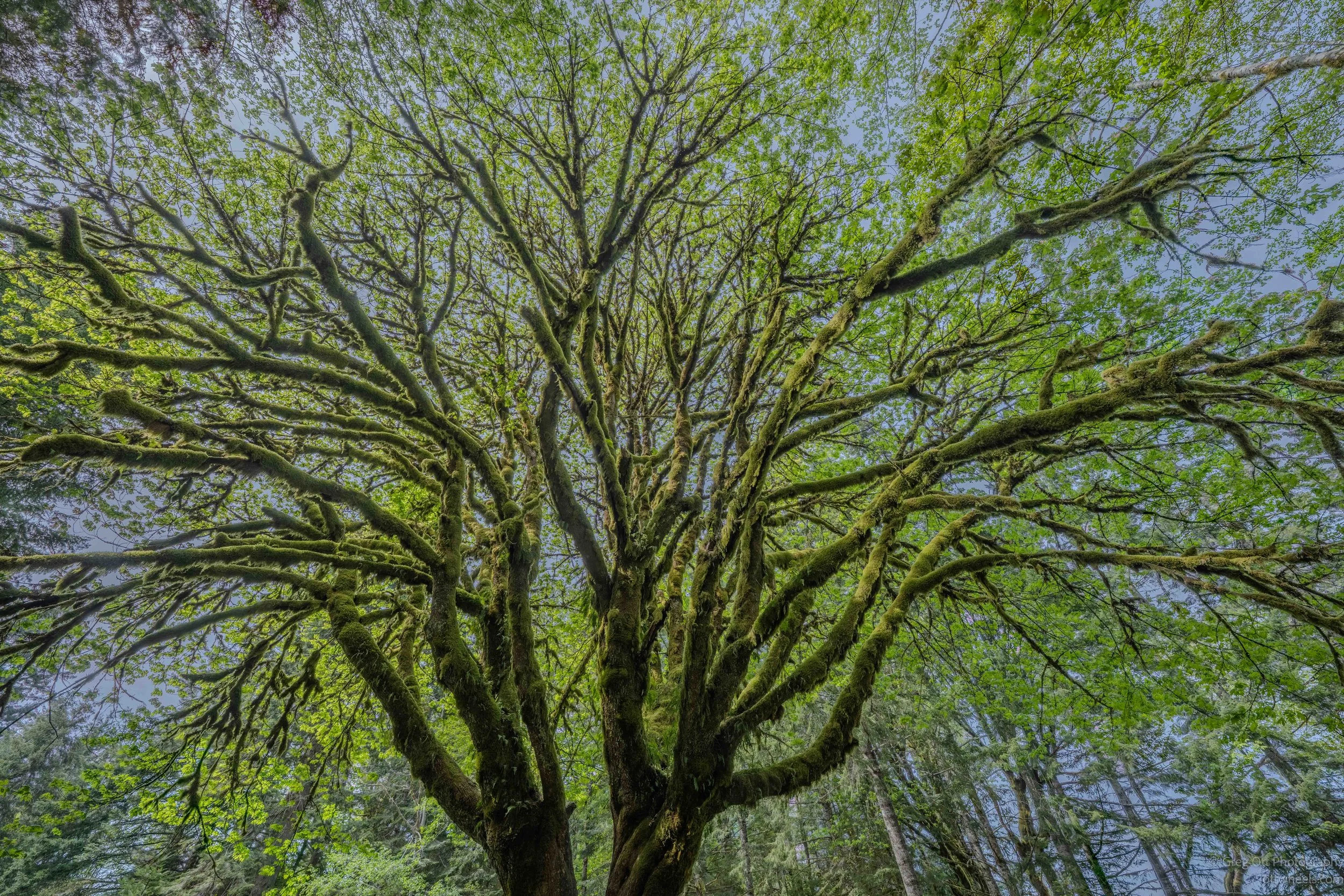
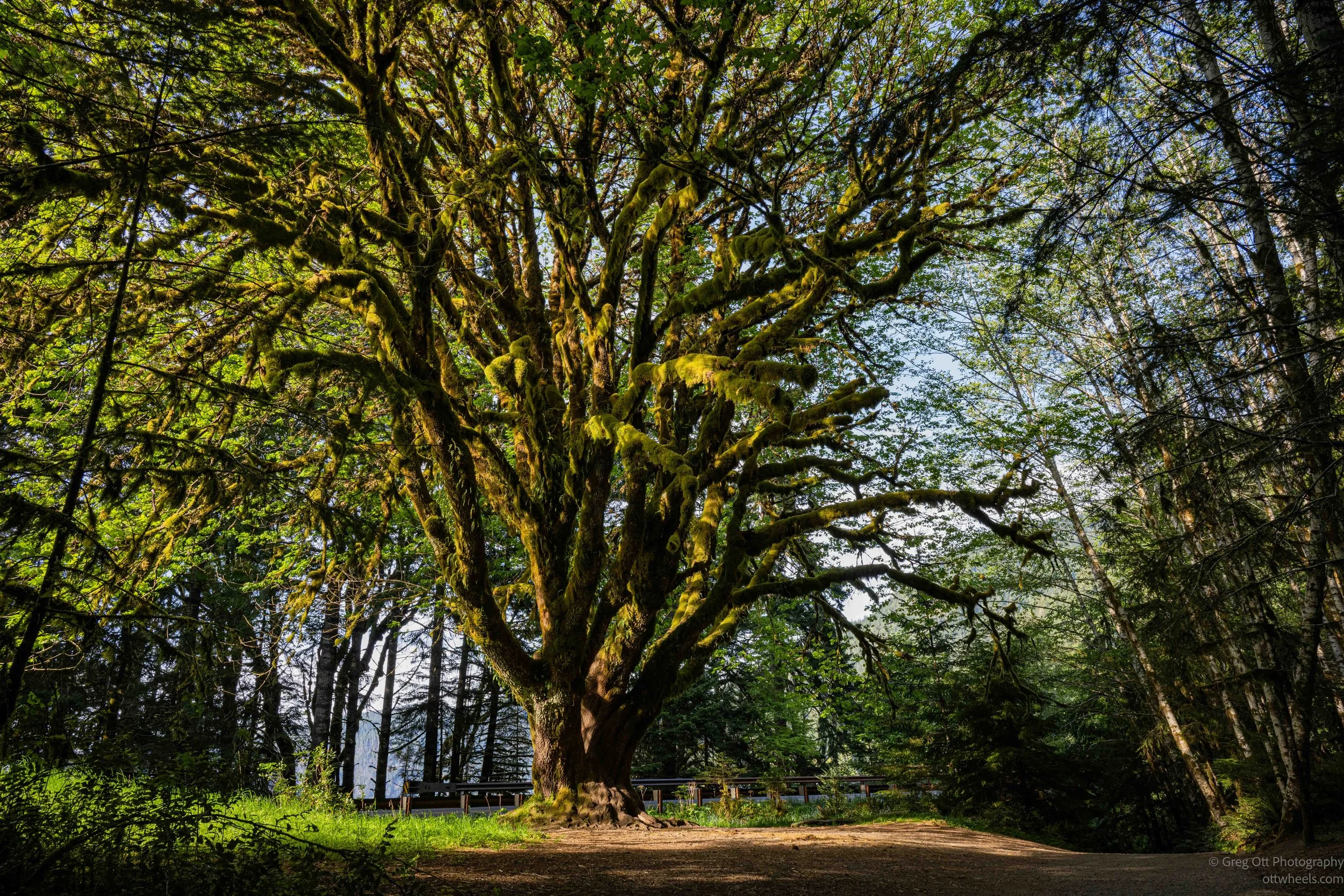
One of the first things you notice is a huge moss-covered tree beside the trail. Everyone stopped there. People posed beside it, couples took photos of each other, and kids stared up into the branches. Part of the fun was honestly just standing back and watching people react to it. It didn’t look like a normal tree. The limbs stretched outward in every direction and were so thick with moss that it almost looked artificial, like something built for a movie set instead of growing naturally beside a hiking trail.
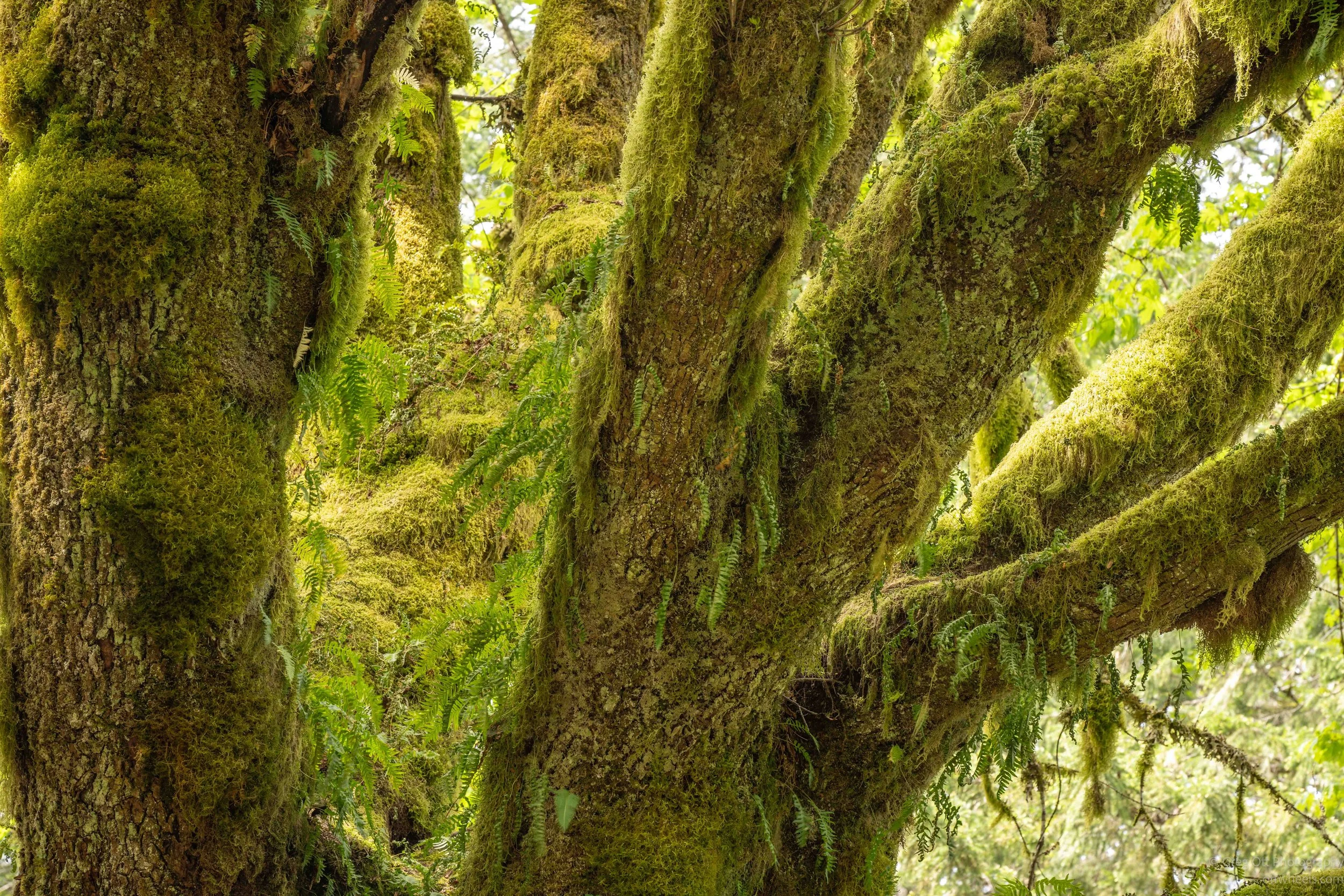
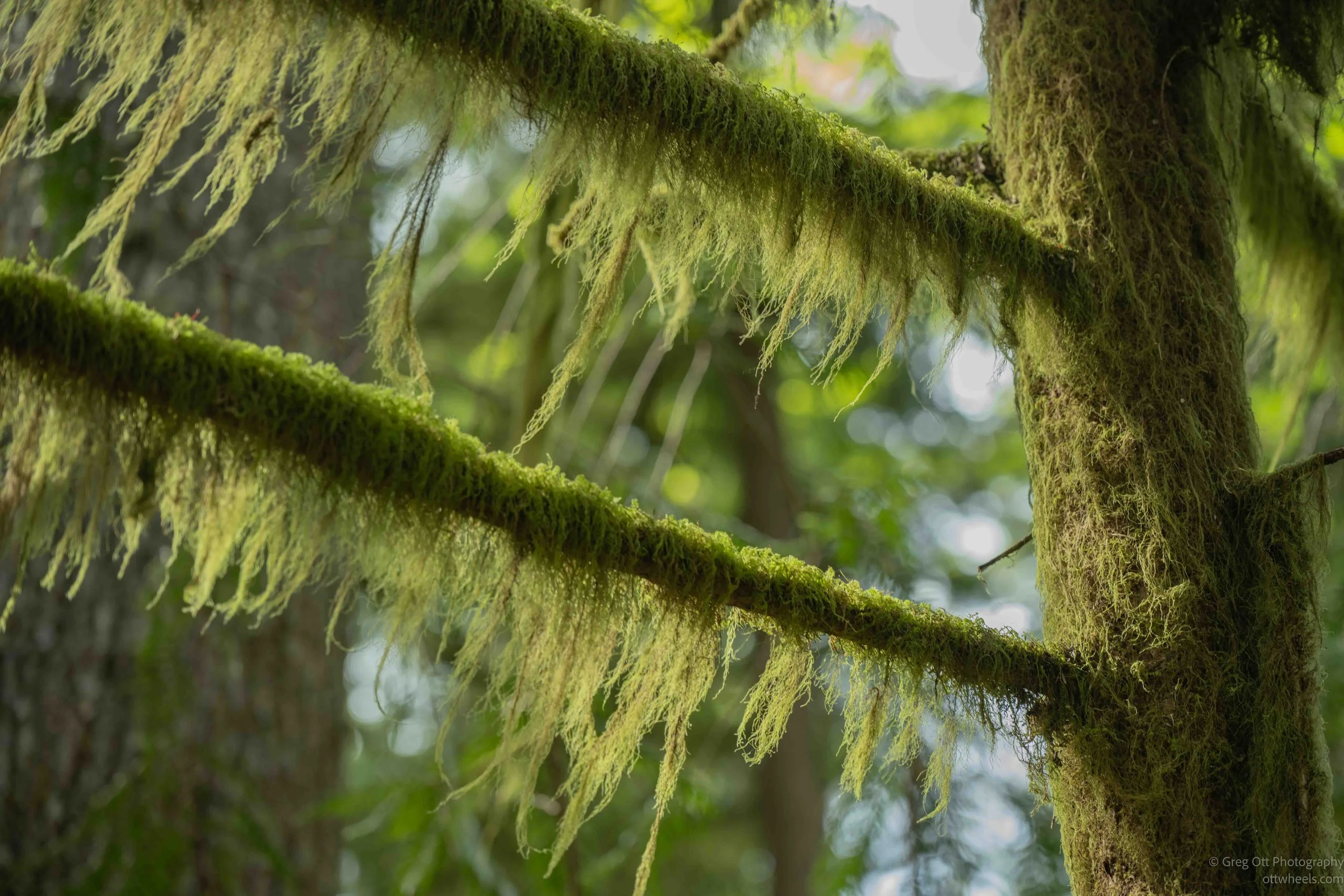
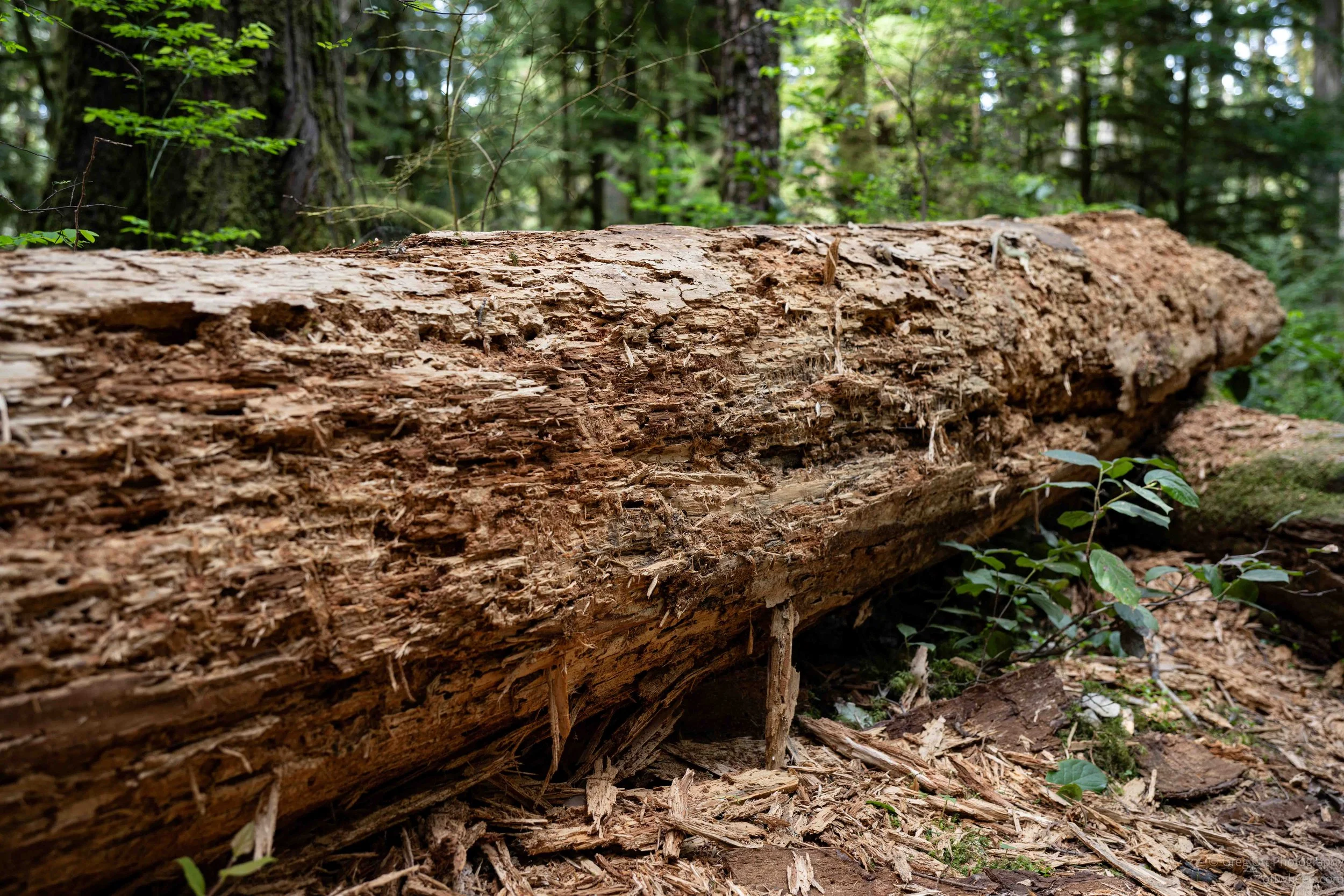
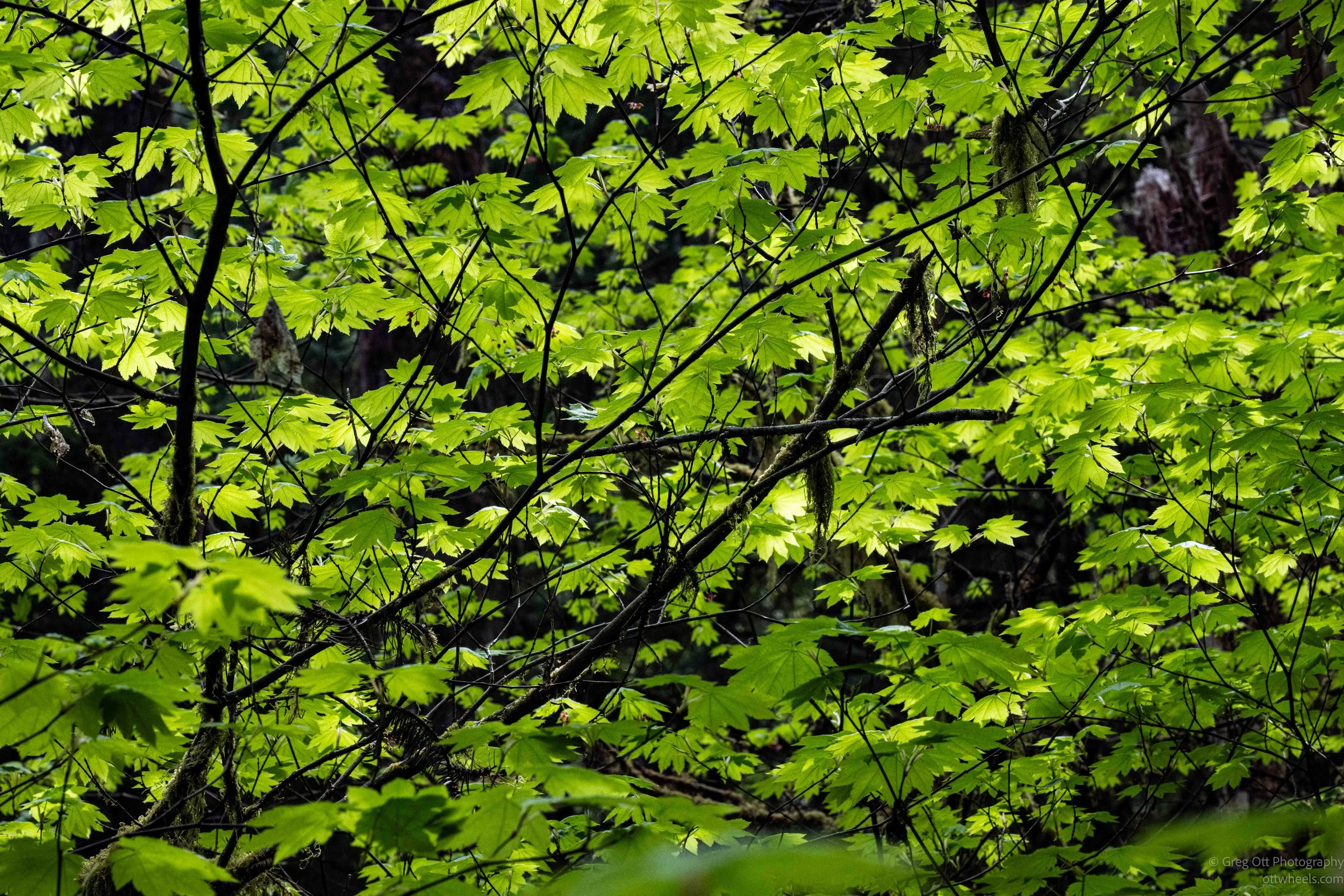
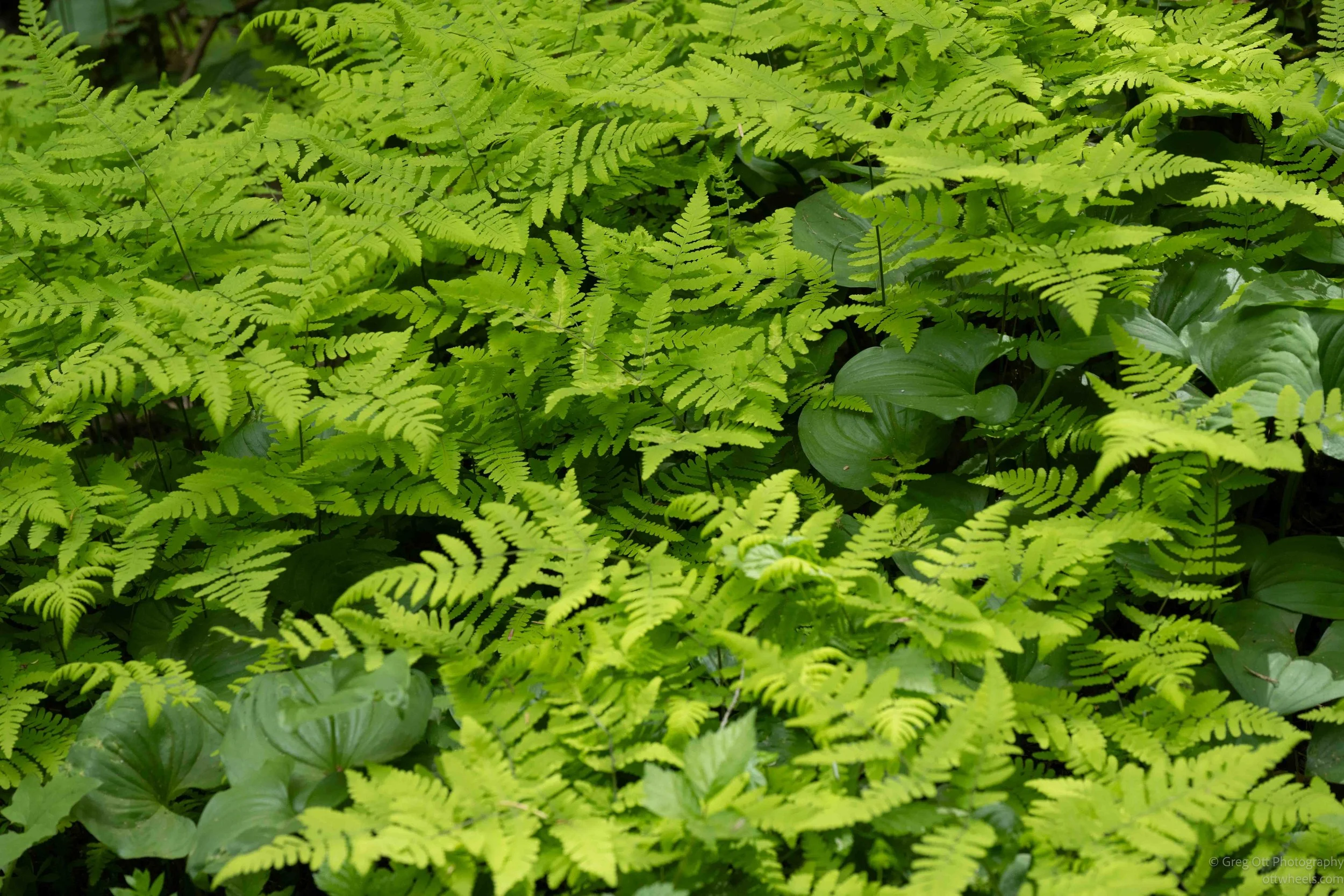
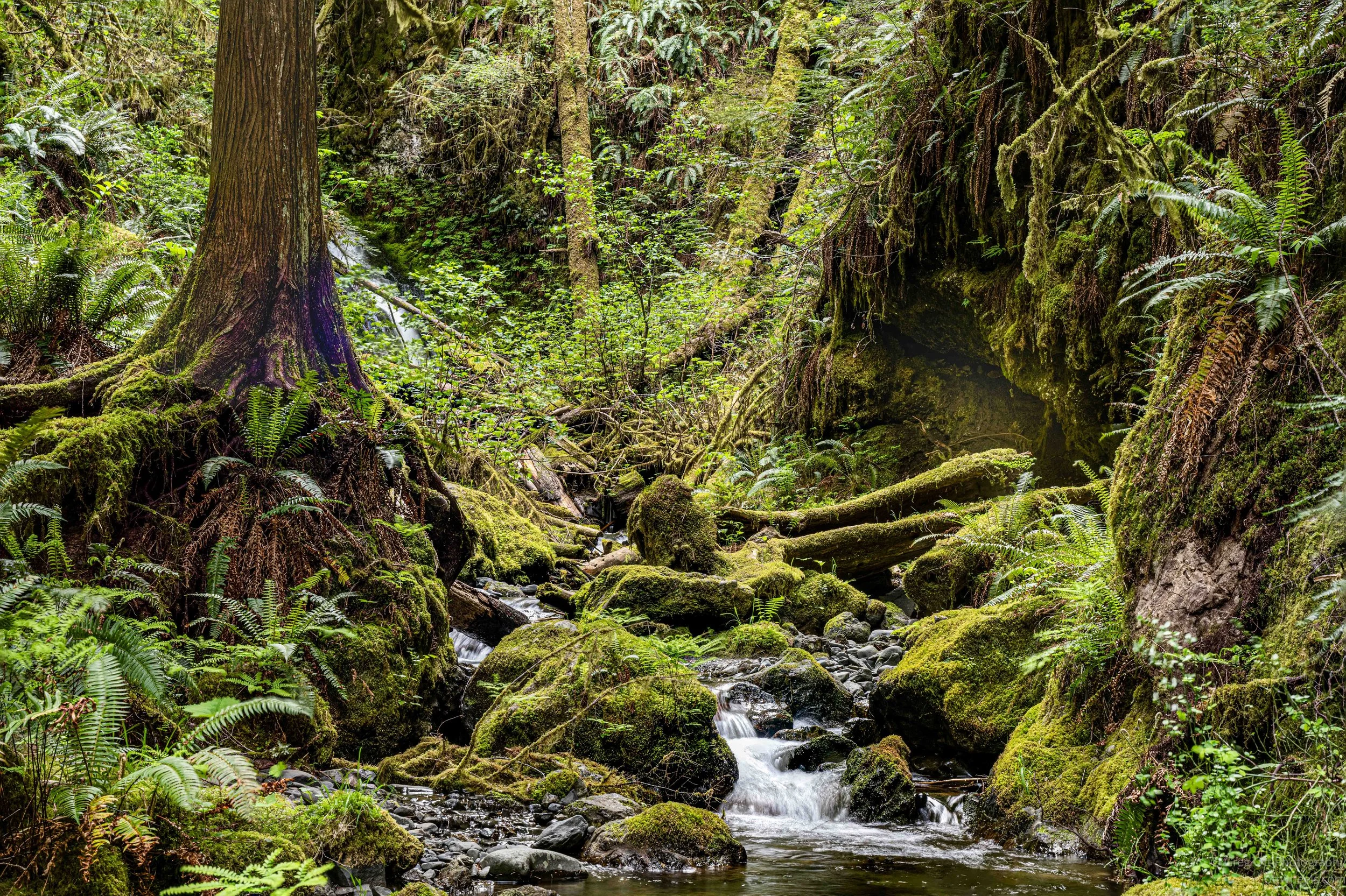
The deeper into the forest I went, the greener everything became. Moss covered branches, rocks, logs, and even parts of the trail itself. Fallen trees were slowly dissolving back into the forest floor while ferns pushed upward through them. Rotting logs became gardens. The entire place had this emerald glow to it that reminded me a little of Muir Woods in California, although this felt wetter, denser, and more enclosed.
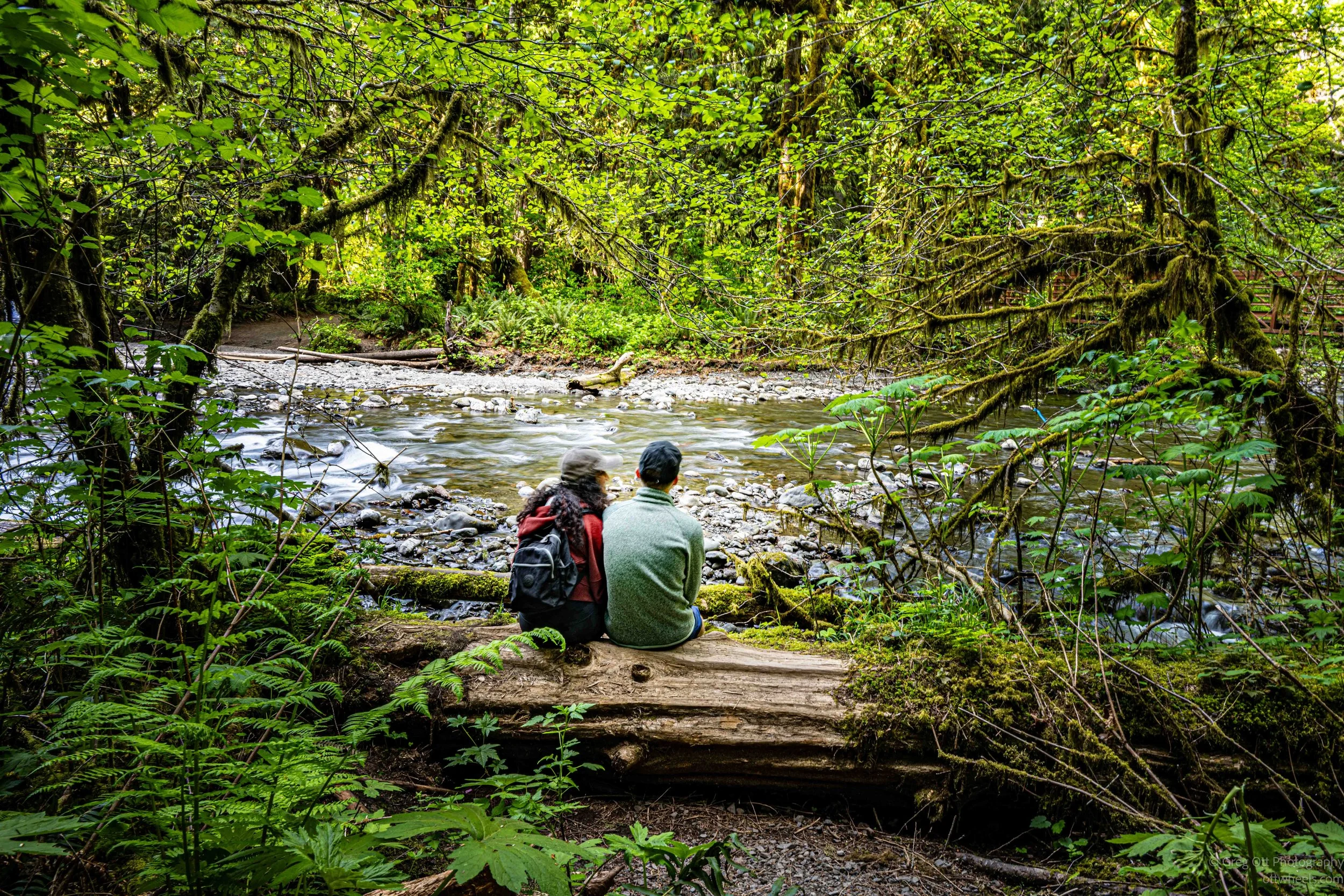
The trail itself is mostly flat and accessible, which meant there were people of every age and ability on it. Families, older couples, international tourists, serious photographers carrying tripods, and people hiking in jeans and sneakers all shared the trail together. Most of them passed me because I was moving slowly. I’ve learned over the last several months that hiking faster rarely makes the experience better. I stopped constantly to look at textures, listen to water, photograph moss hanging from branches, watch light filtering through leaves, and smell the damp forest warming slightly in the afternoon sun.
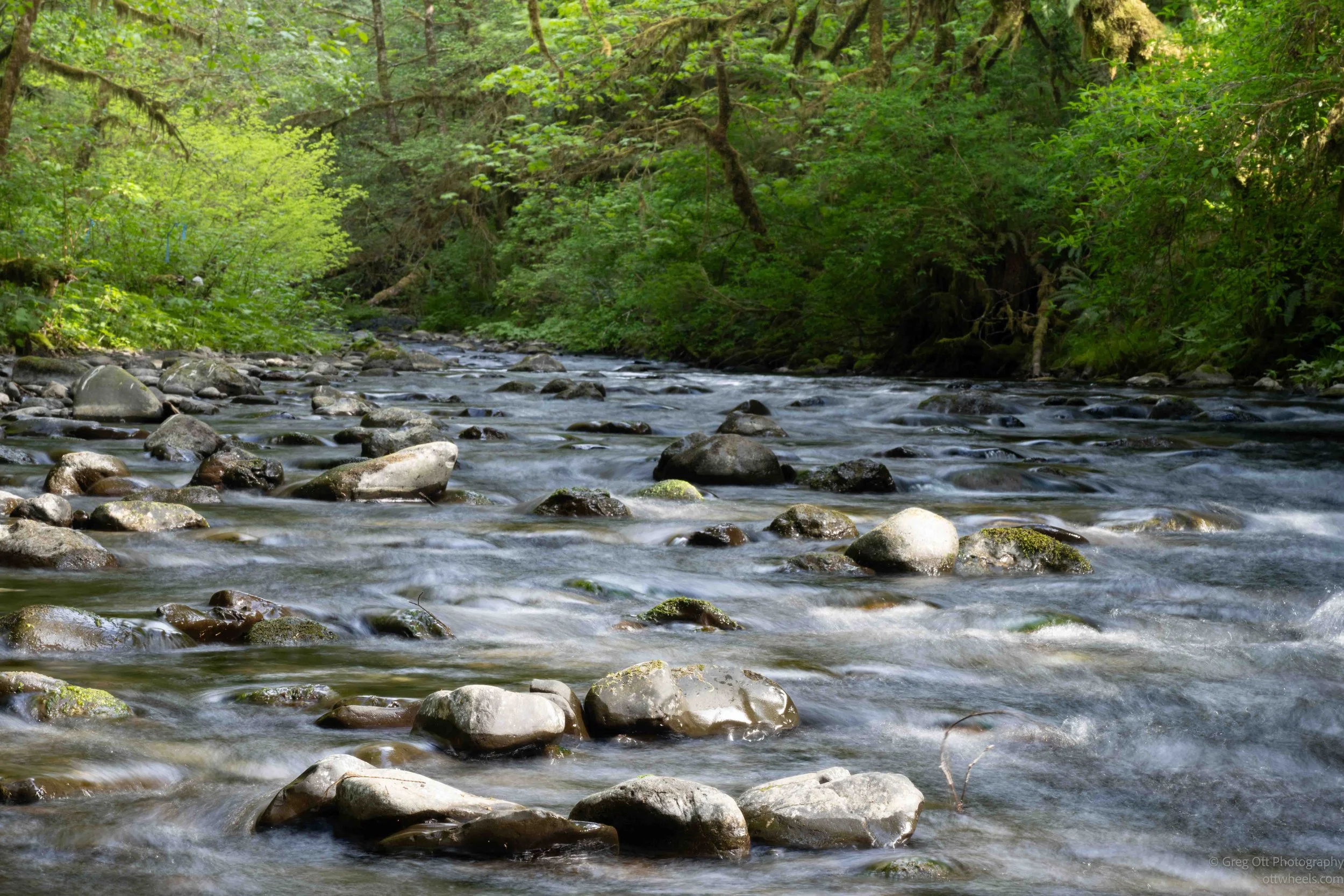
The trail follows Barnes Creek as it flows down toward Lake Crescent, and at several points you can hear the water long before you can actually see it. After crossing a newer bridge, the trail narrows and becomes more interesting. One section crosses a smaller stream on a narrow footbridge carved from a single large tree trunk. Water rushed underneath it from the falls above while I climbed around on wet rocks trying to get photographs without ending up in the stream myself. Somehow I succeeded.
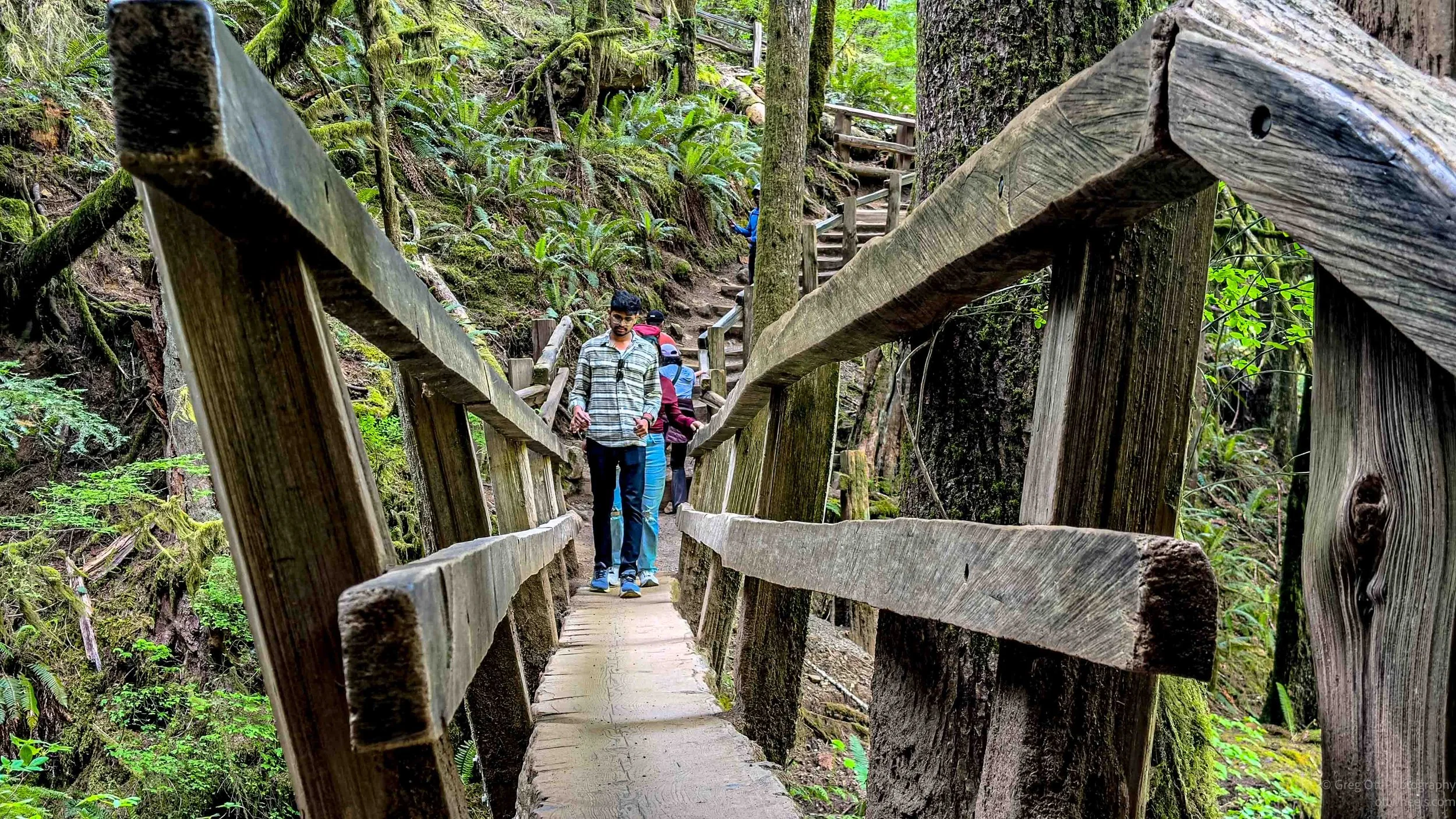
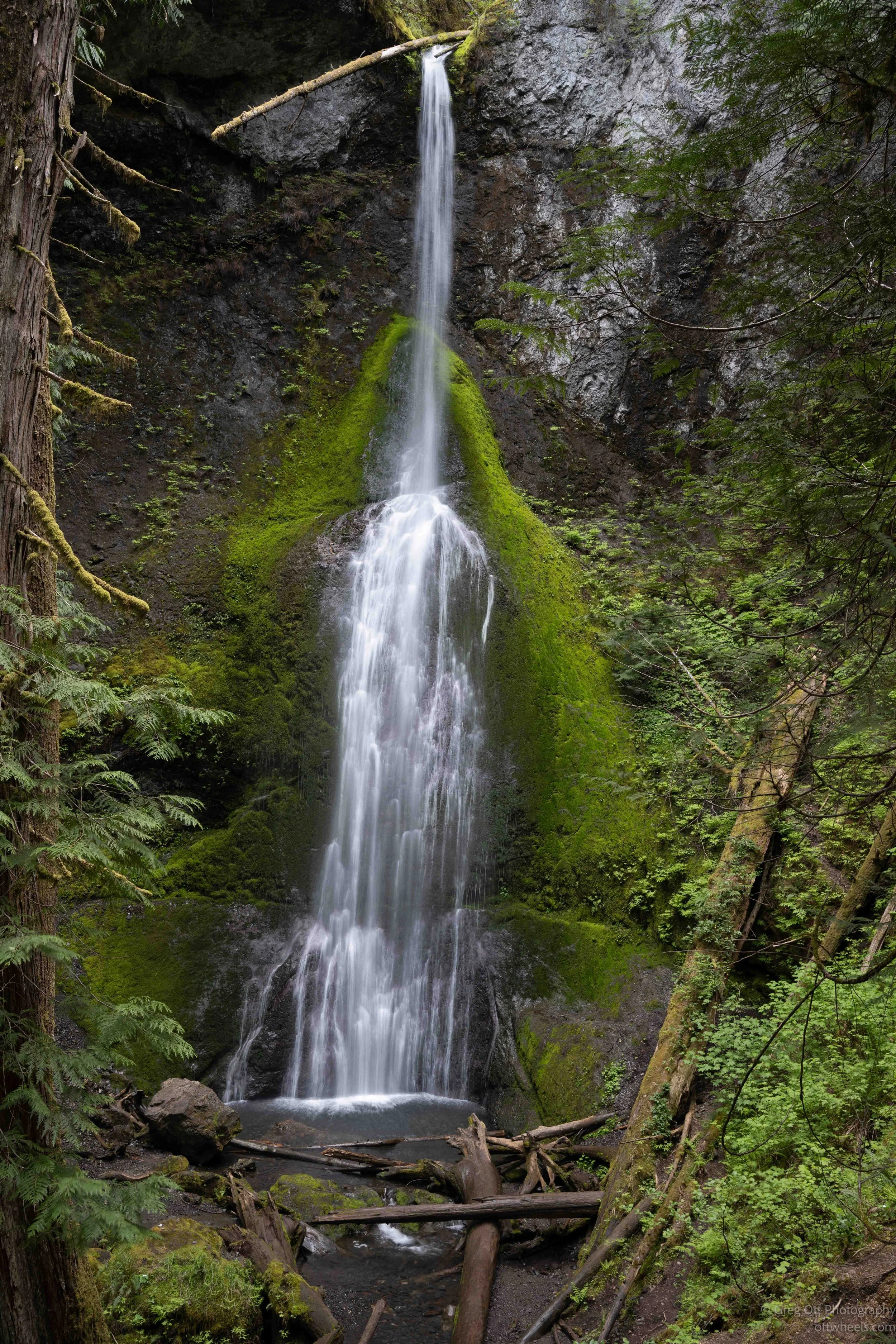
Almost all of the trail’s 324 feet of elevation gain happens in one short section near the falls. Tight switchbacks, steep wooden stairs, and narrow pathways suddenly replace the easy walking below. My legs immediately reminded me that yesterday’s hike had not been forgotten.
At the top is the viewing area for Marymere Falls itself, dropping down a dark rock face covered in bright green moss. It’s beautiful, but the thing I remember most is looking down and seeing a guy standing directly below the falls in an area clearly marked off-limits. There were multiple signs asking people not to go into the stream area along with signs directing hikers to move one-way through narrow sections of trail to keep traffic flowing smoothly. Most people followed them. Two groups of Americans apparently decided those rules were for someone else.
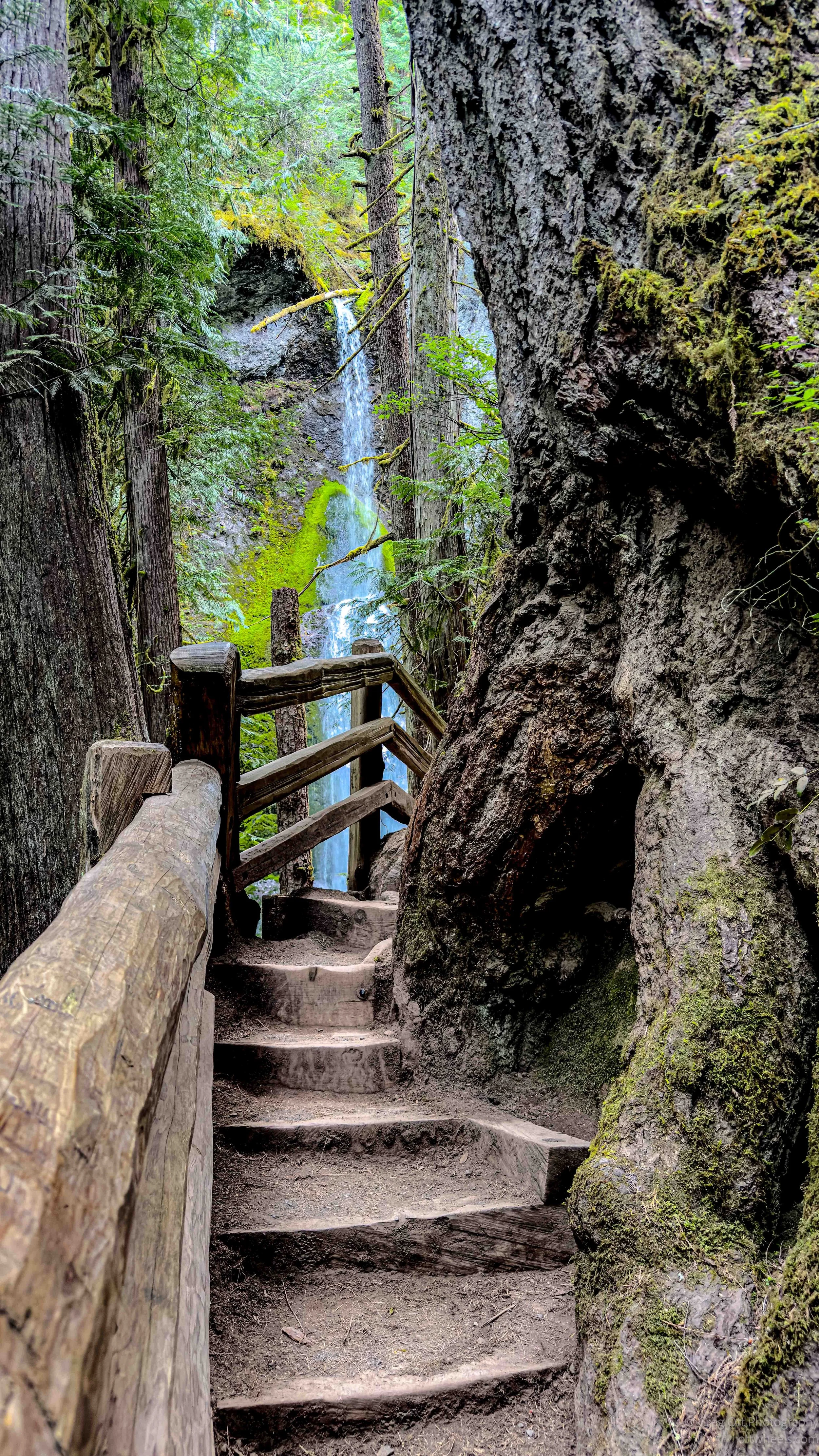
On the way back down I slipped slightly on loose shale beside the stairs and grabbed the handrail hard enough to remind myself I’m not twenty-five anymore. Nothing happened, but it definitely got my attention.
Heading back toward the main trail, I noticed a smaller side trail that looked less traveled. The evening light was beginning to drop lower through the trees, creating isolated beams of sunlight against deep shadows, which is exactly the kind of light that makes you stop walking and start looking closely at things.
I walked back about half a mile, sat down near the stream, and swapped over to the macro lens. For the next hour I barely moved while looking at tiny flowers growing near the forest floor, ferns uncurling themselves toward the light, moss glowing almost neon green when sunlight hit it directly, and insects moving across leaves I never would have noticed otherwise.
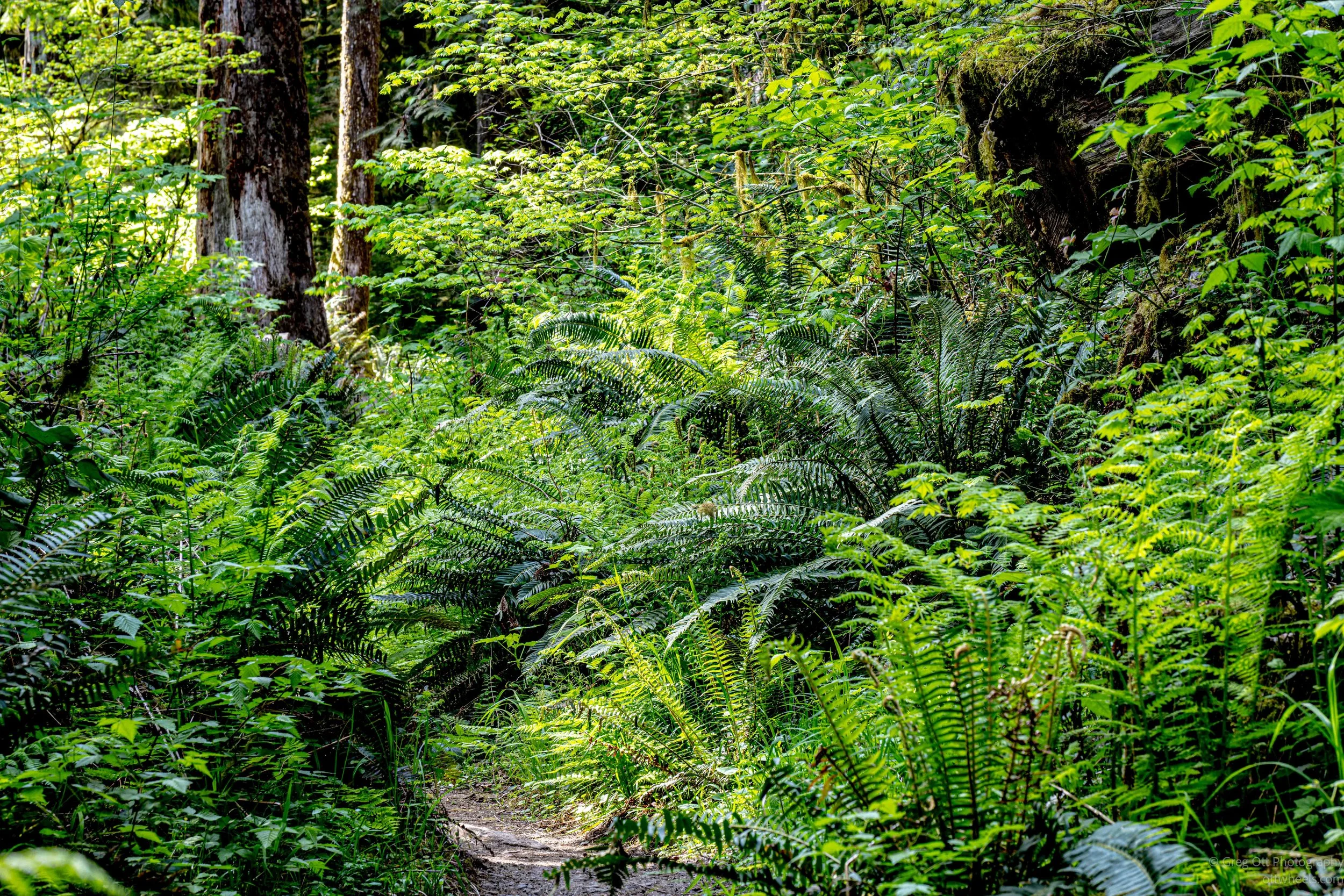
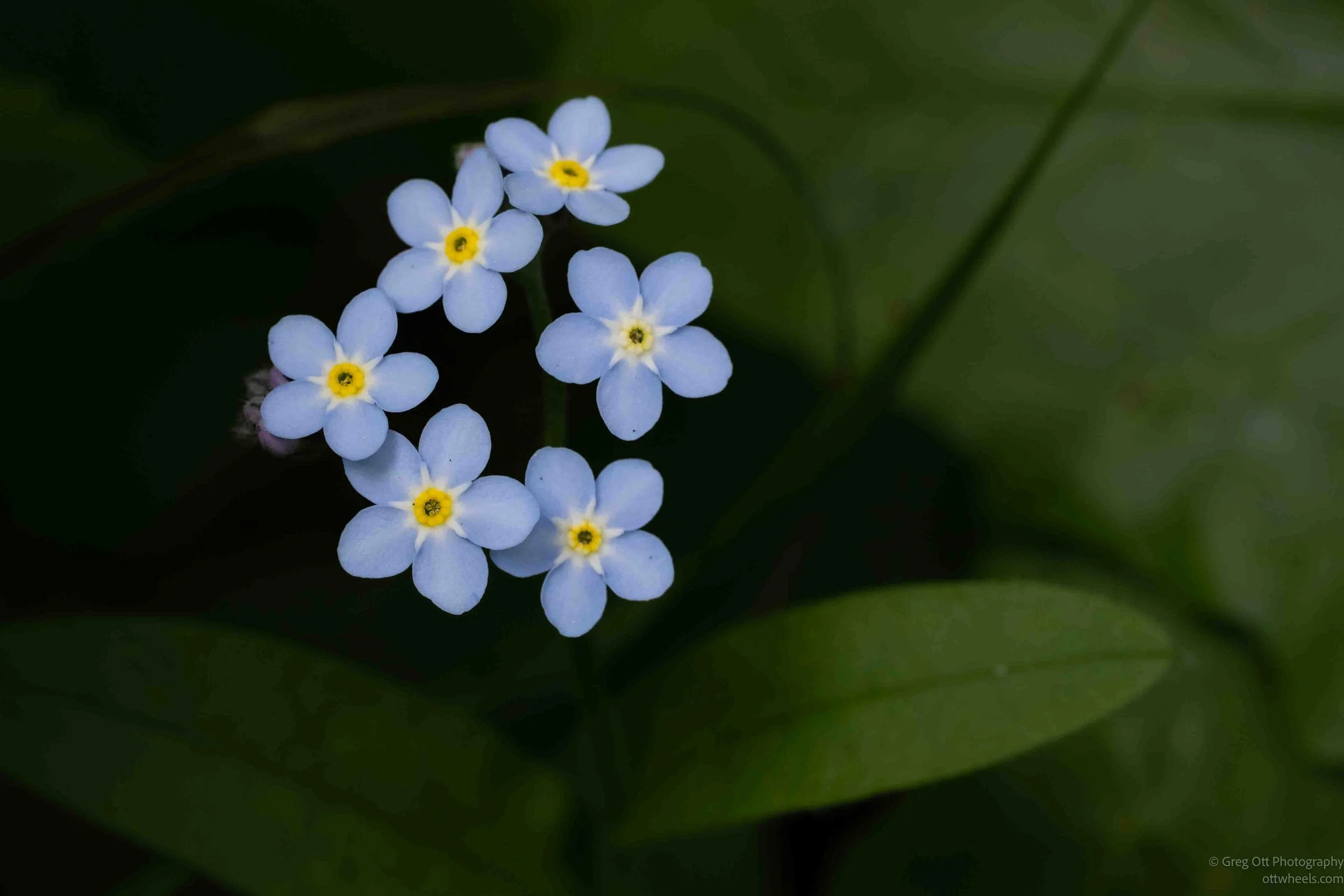
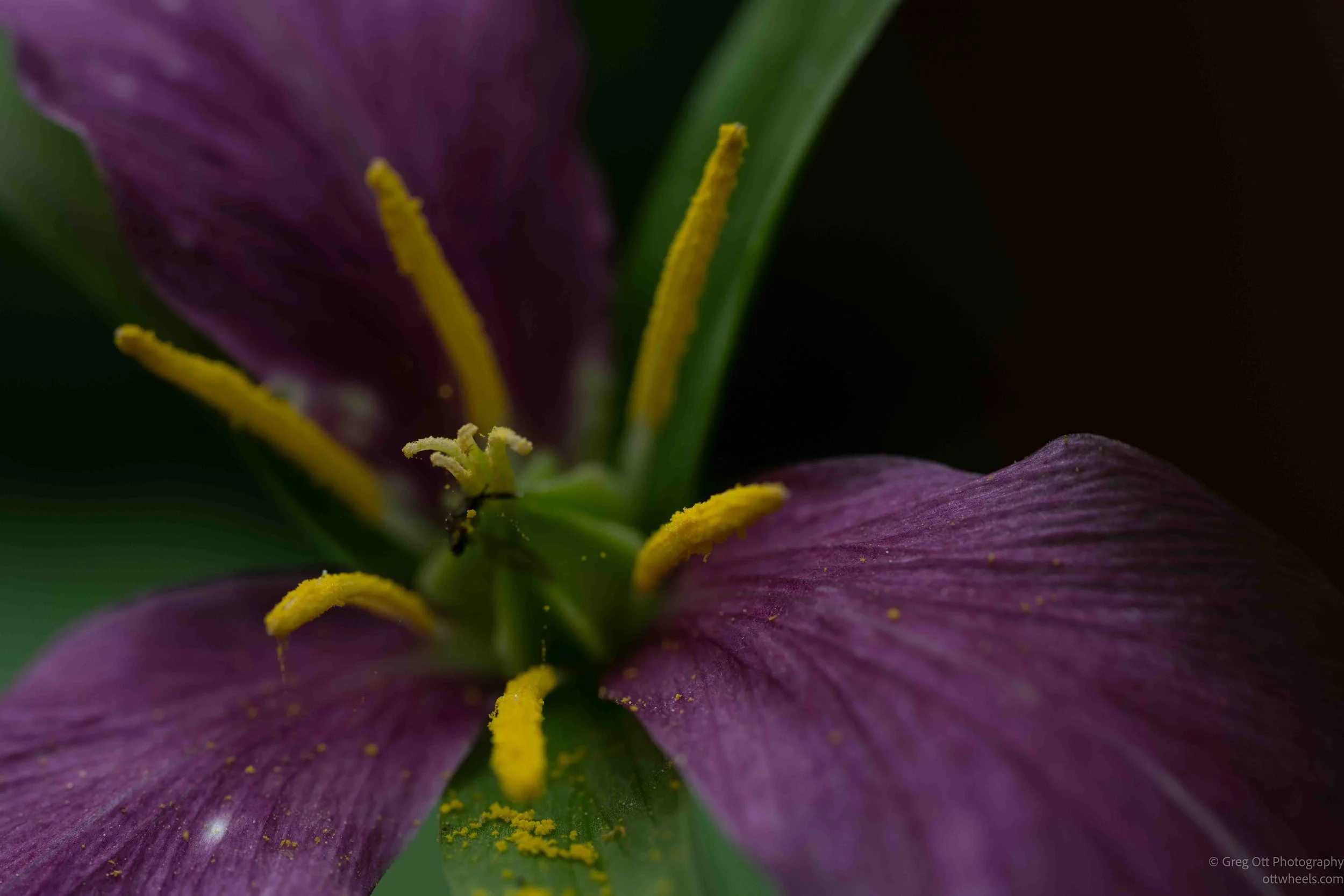
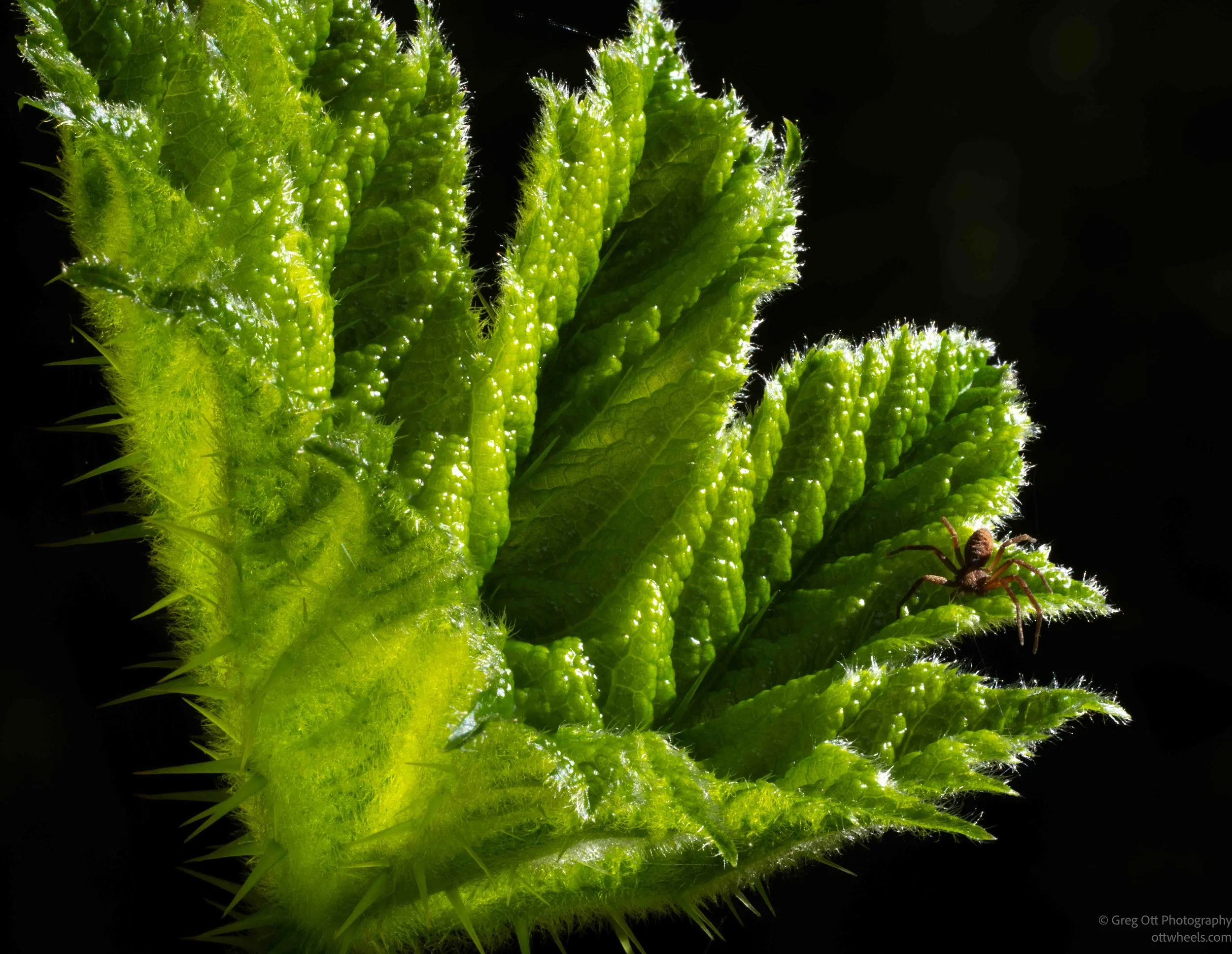
At one point I found a tiny spider sitting near the edge of a backlit fern that looked like it had been illuminated on a black stage. Moments like that are why I carry the macro lens because entire worlds exist six inches off the ground that most people walk right past.
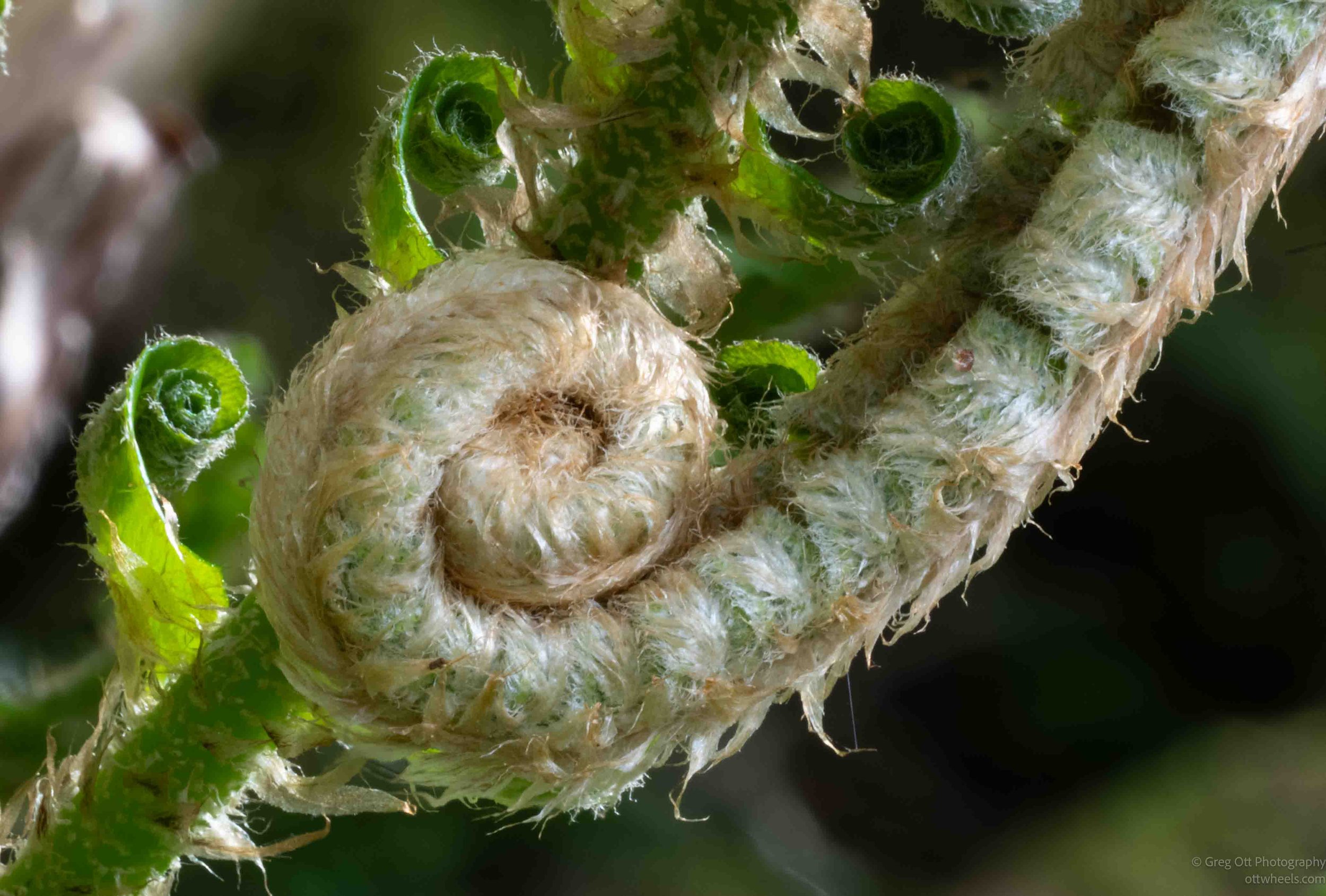
The forest became quieter as evening settled in and the temperature started dropping with it. I eventually packed everything up and started walking back toward the trailhead at a faster pace just to keep warm.
I had to stop at the large moss-covered tree one more time before leaving because a couple carrying cameras had stopped there as well, one Canon and one Nikon. The woman looked up into the branches and said to me, “I’ve never seen a tree like that before.” She was right. It felt completely different than the trees she knew from Savannah, Georgia, Mississippi, or Louisiana. This forest had an entirely different personality. Wetter. Older. Wilder.
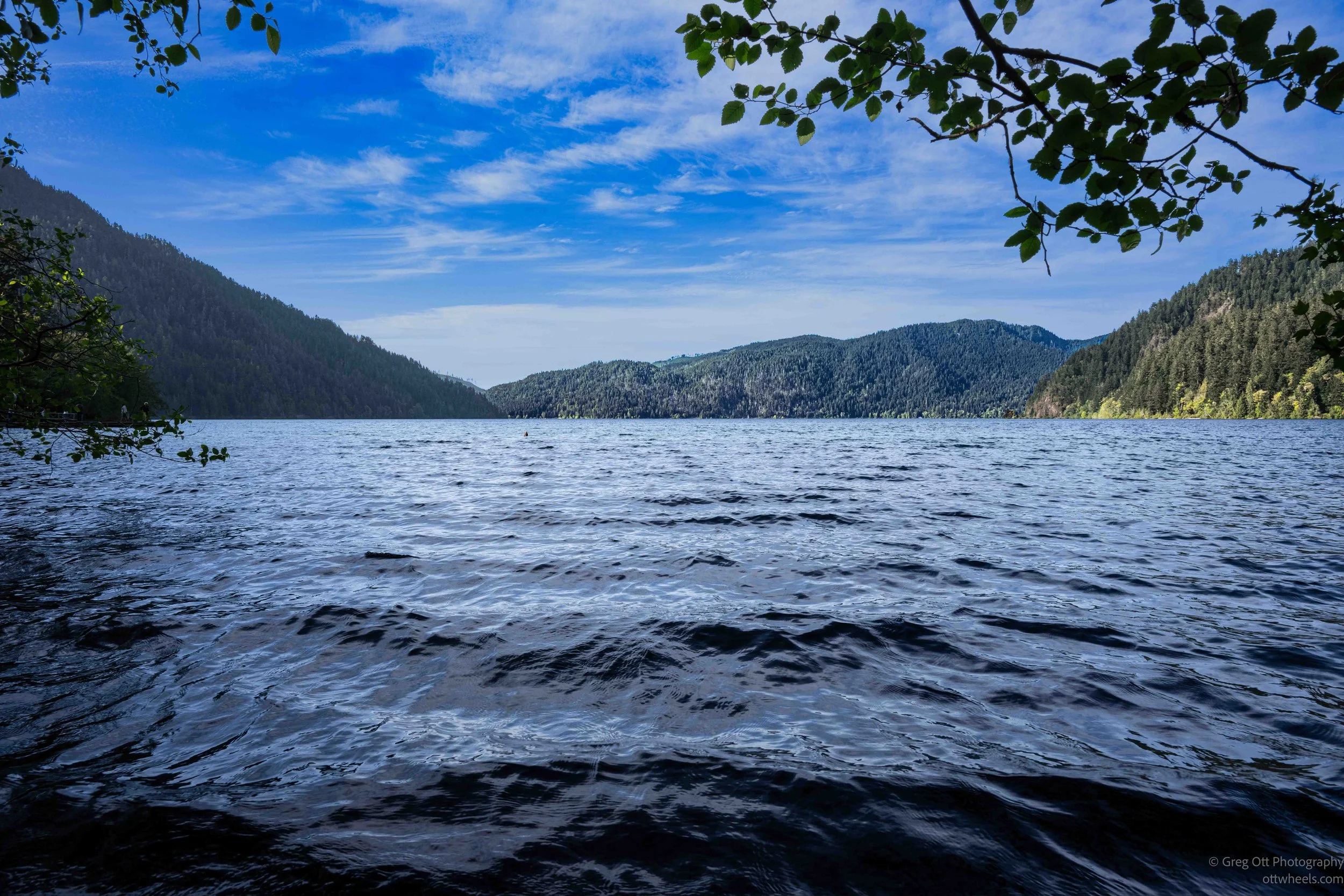
Before leaving, I walked down to Lake Crescent itself and watched the late sunlight reflect across the water while a couple of boys jumped off a dock into the lake. It had to be freezing water, but they didn’t seem to care.
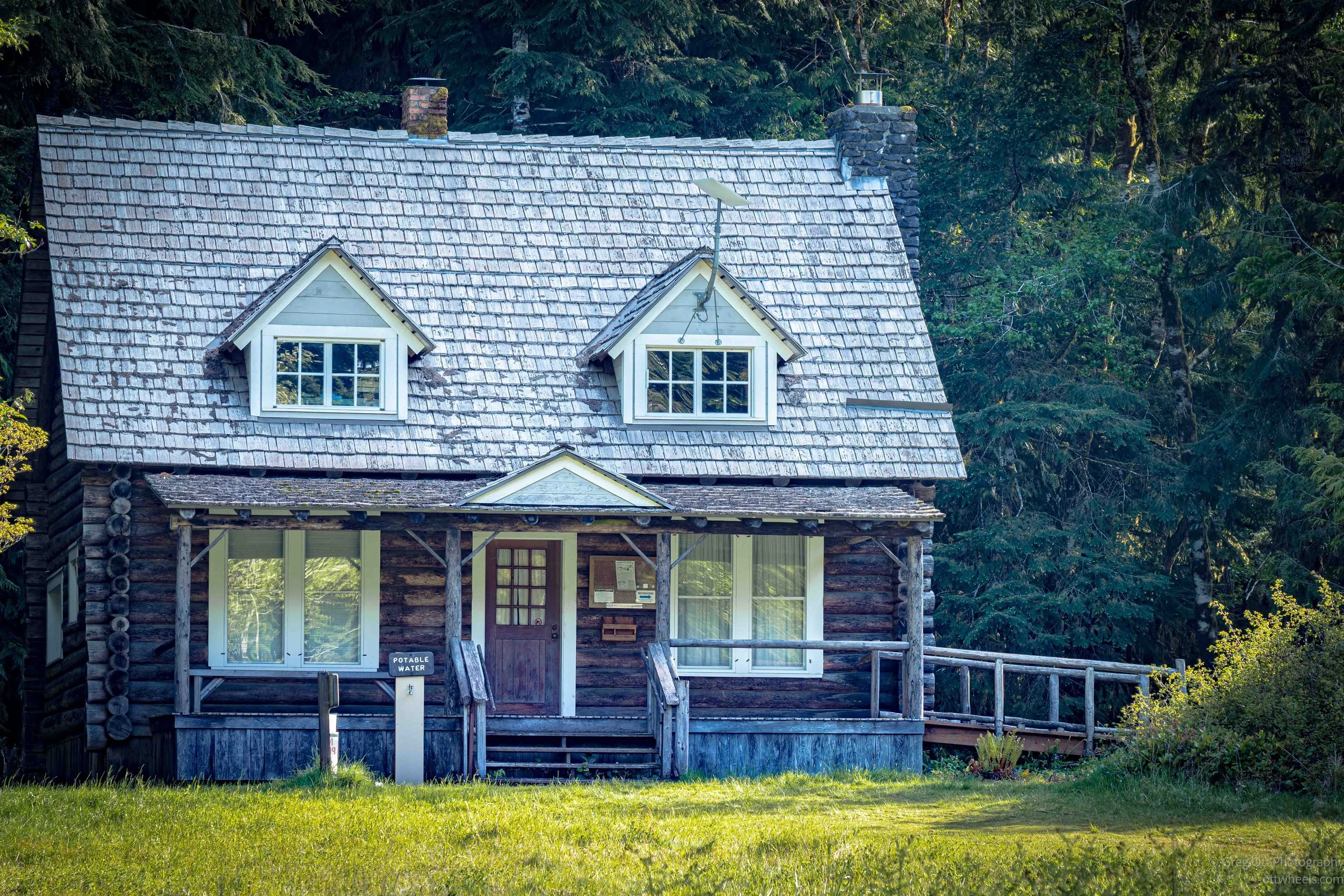
I also stopped to photograph the old cabin near the trailhead, the kind of building that somehow fits perfectly into the landscape like it had always belonged there.
Back at the van, I opened the side door, put on classical music, and made dinner while the parking lot slowly emptied around me. By the time I finally left near 9 pm, only two boat trailers and one car remained in the lot.
The drive back into Port Angeles was quiet. I filled the gas tank, drove along the waterfront for a few minutes, and then started looking for somewhere to sleep. I didn’t want to return to the church parking lot because I had no idea how early people would begin arriving Sunday morning, so I wandered through neighborhoods until I found a long residential street with several other vans already parked along it. That’s usually a good sign. I found the flattest place I could, pulled in, shut off the engine and lights, climbed into bed, and within a few minutes I was asleep.
The street was quiet, the van was level enough, and after a long day on the trail I fell asleep pretty quickly. It had been a very pleasant day.