Leavenworth, Snowqualmie Falls, & Trains
Leavenworth, Washington
I was up and walking the streets of Leavenworth, Washington by 7:30 in the morning searching for two things: good coffee and a real croissant. The town was almost empty at that hour, which made it feel completely different from the crowded Bavarian-themed destination it becomes later in the season. Storefront lights were still off, the streets were quiet, and the mountain backdrop surrounding the town stood out far more than the buildings themselves. The first place I found open was Little Red’s Espresso & Bakery. The coffee wasn’t very good, and the baked goods were sitting in a refrigerator. Calling it a bakery felt a little like calling Starbucks a bakery. I drank a few sips, tossed the coffee, and continued on. Life is too short to drink bad coffee.
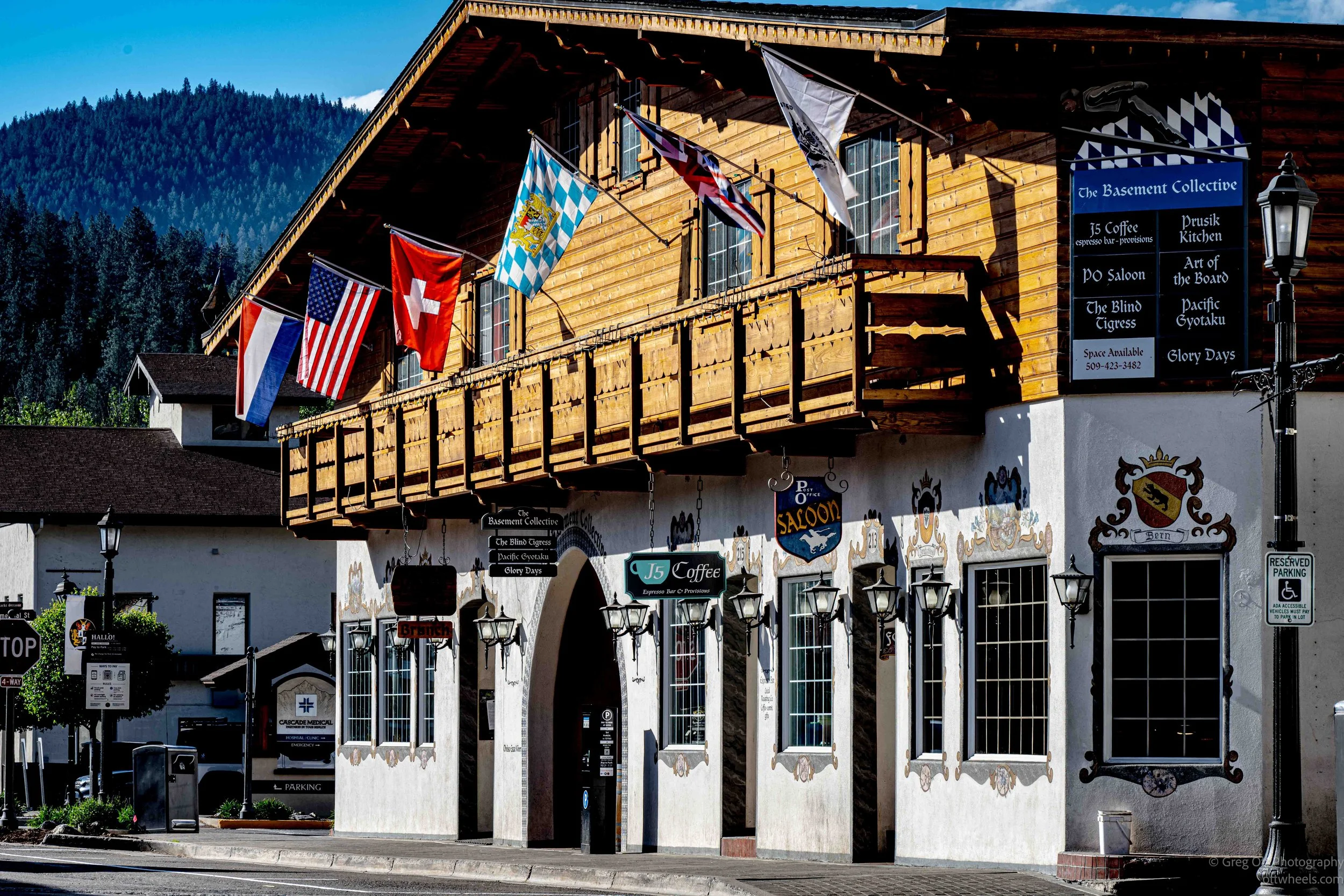
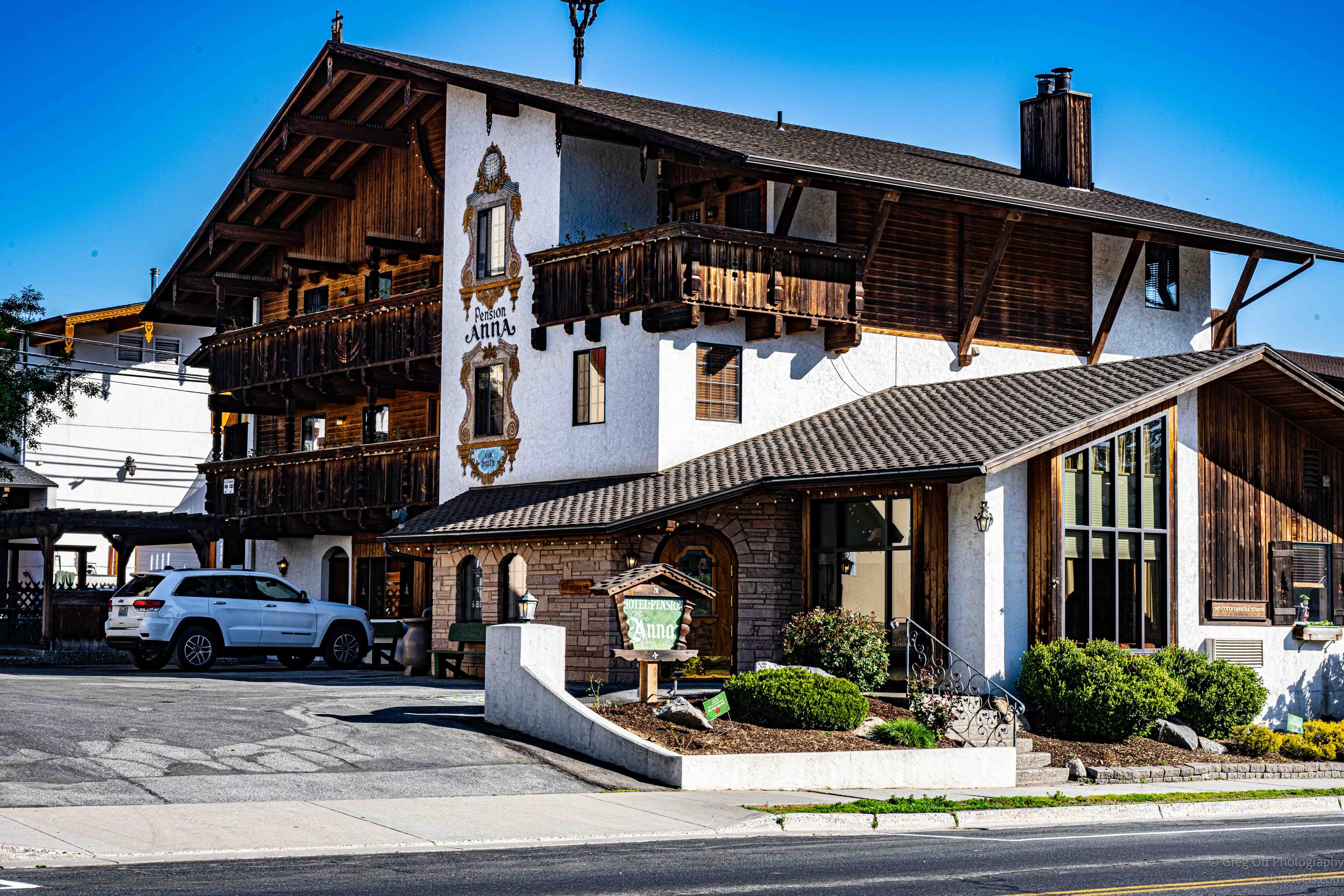
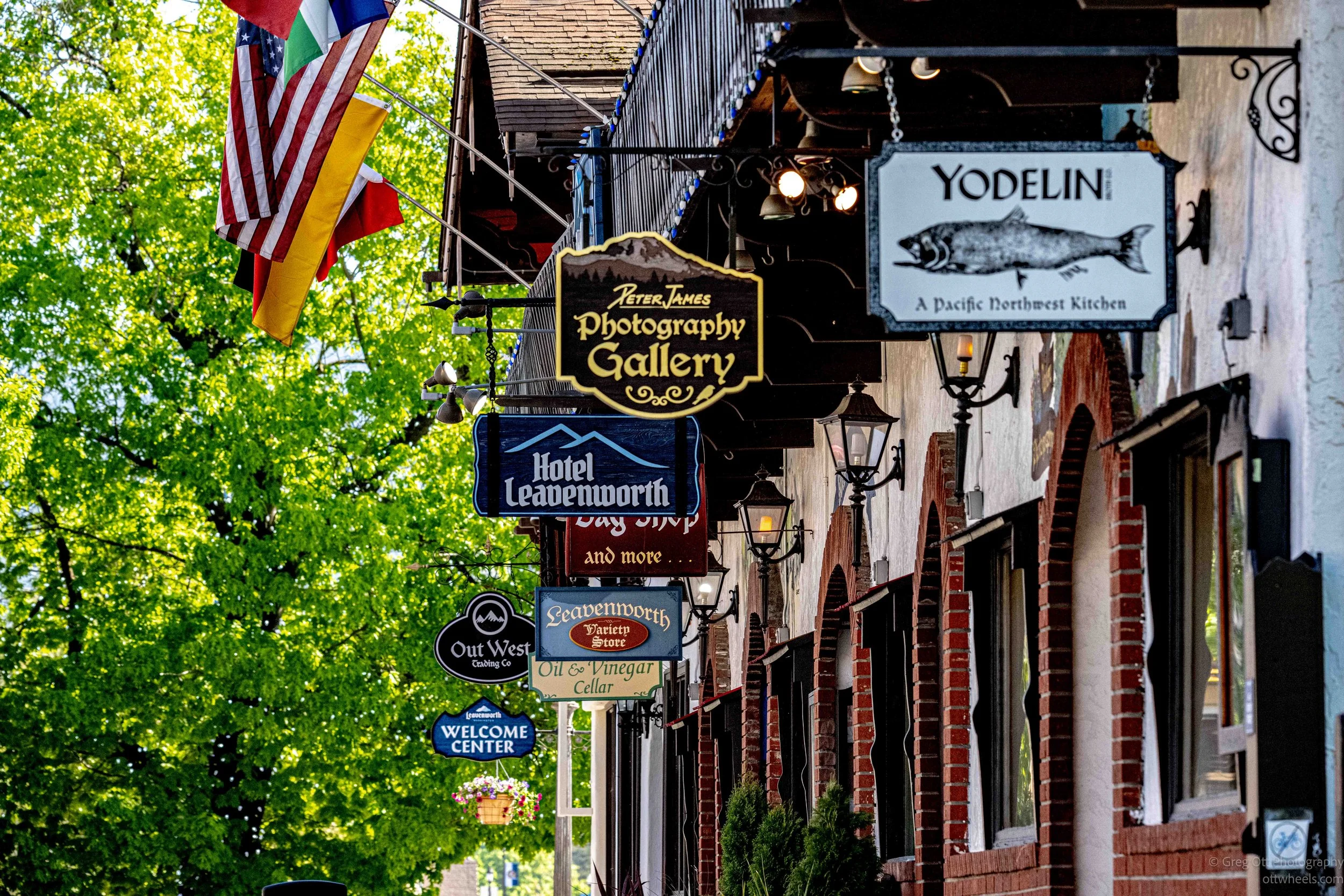
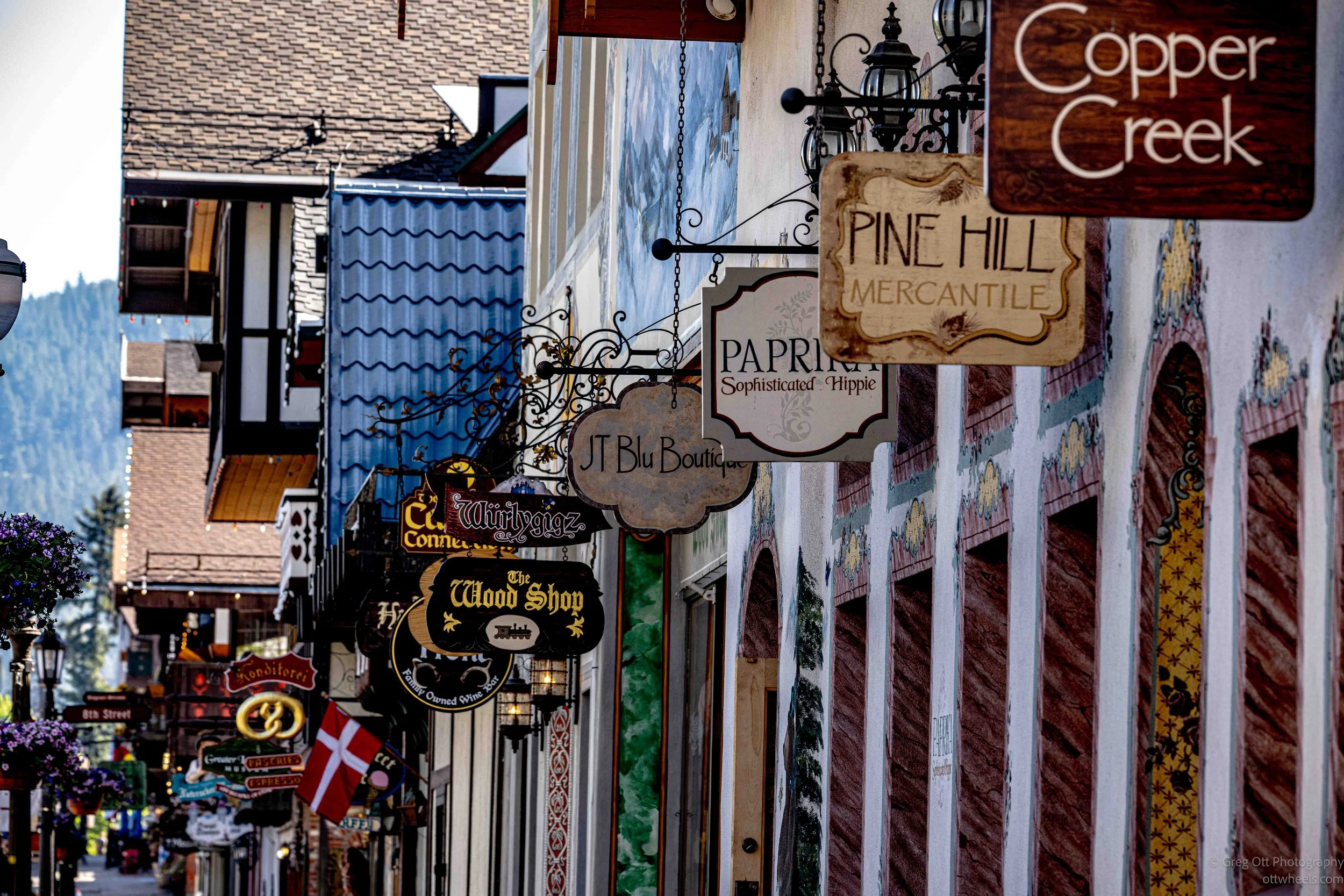
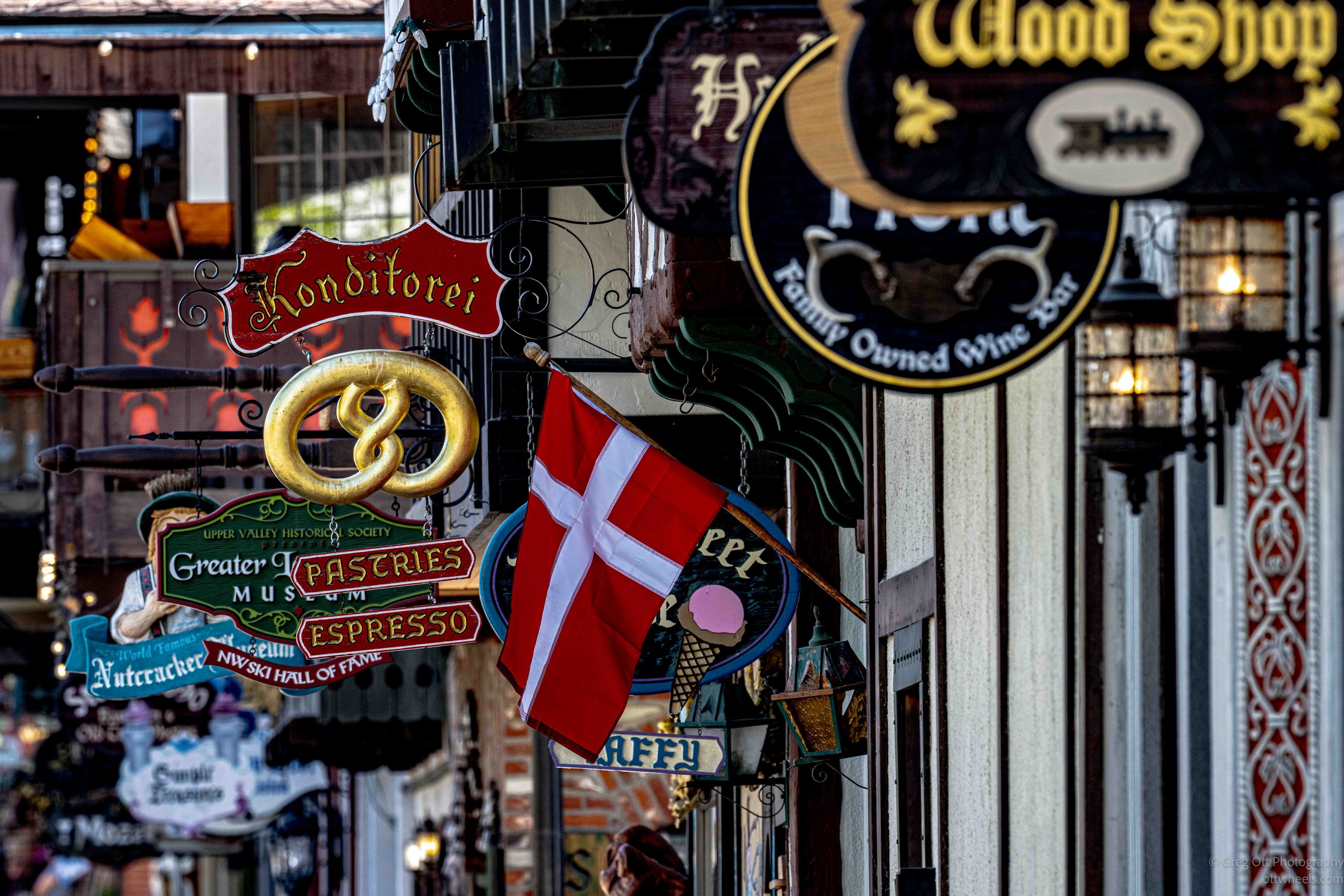
With the streets still mostly empty, I started photographing the buildings before tourists filled the sidewalks. Leavenworth leans hard into the Bavarian identity, but early in the morning it actually photographs pretty well. Without the crowds, the wood balconies, painted trim, hanging signs, and flags stand out in a way that feels more authentic than expected. I walked nearly the entire downtown area trying to capture clean compositions of the architecture and storefronts before the town woke up.
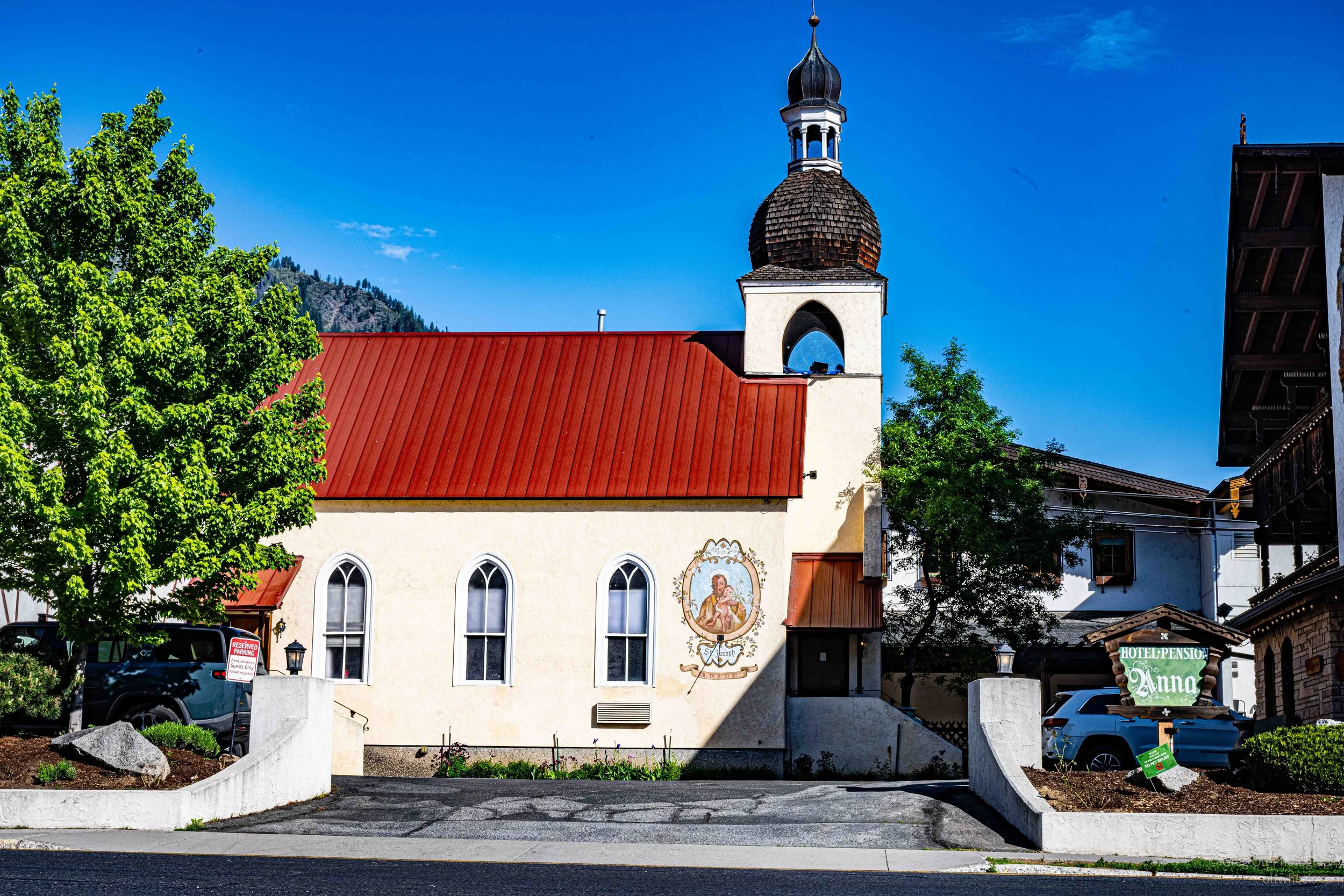
That became harder than expected because one maintenance worker kept unintentionally ending up directly in my photos. Three different times I would line up a shot only to have him appear blocking off parking spaces, setting out cones, or moving through the frame. After the third time I finally pointed the camera at him and joked, “I thought you were trying to get into the photo.” He laughed and walked over, and we ended up talking for a few minutes.
He had been married for 35 years and had six grandchildren. He and his wife camp often, though he mentioned how every year the rigs seem to get larger and more expensive. He said he wants to retire and travel more, but life still has too many obligations holding him in place. His wife likes camping but isn’t interested in full-time travel, at least not yet. They have a house, some land, and a life deeply rooted here. It was one of those random conversations that happens when you travel long enough. You meet people for five minutes and somehow end up hearing about entire phases of their lives.
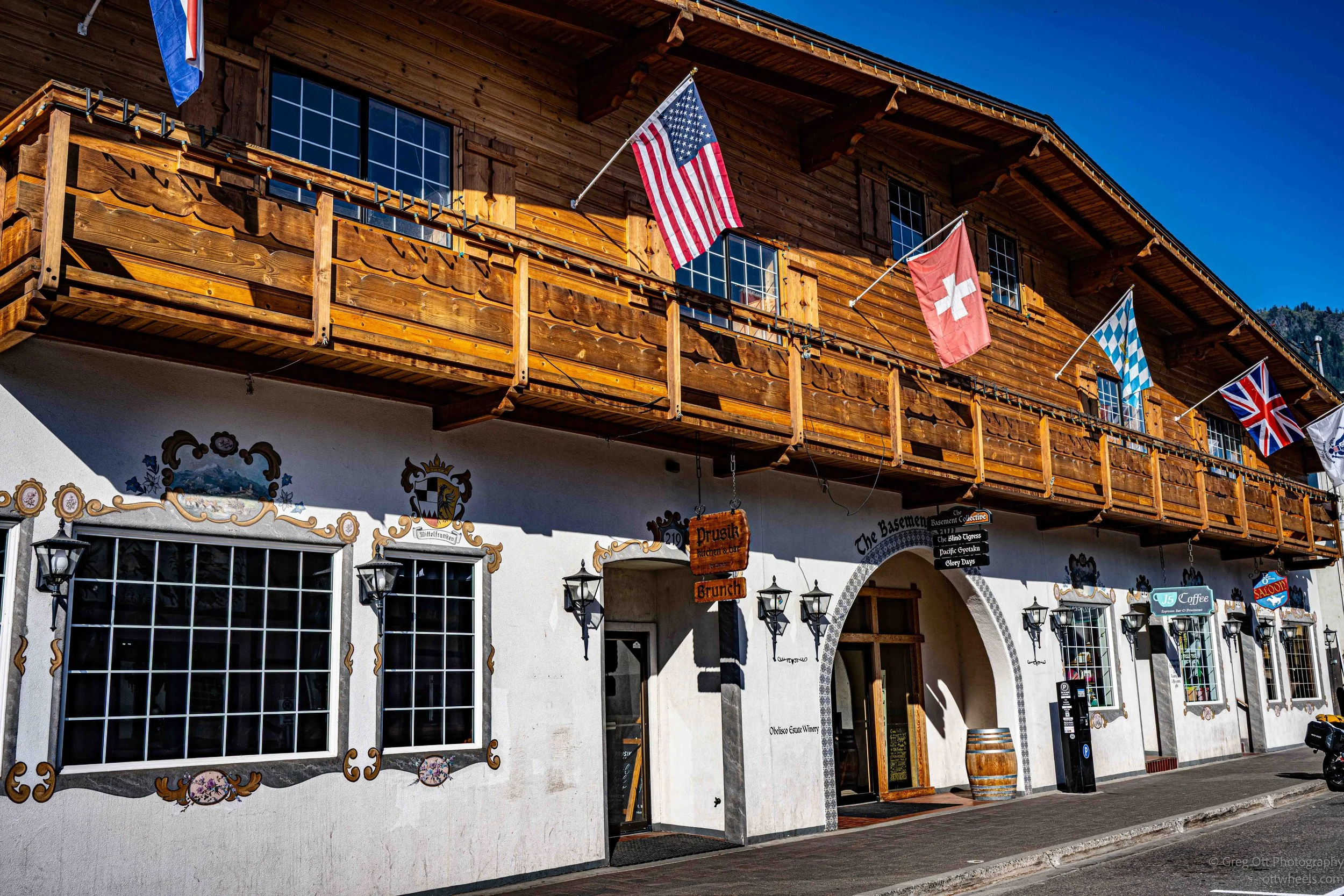
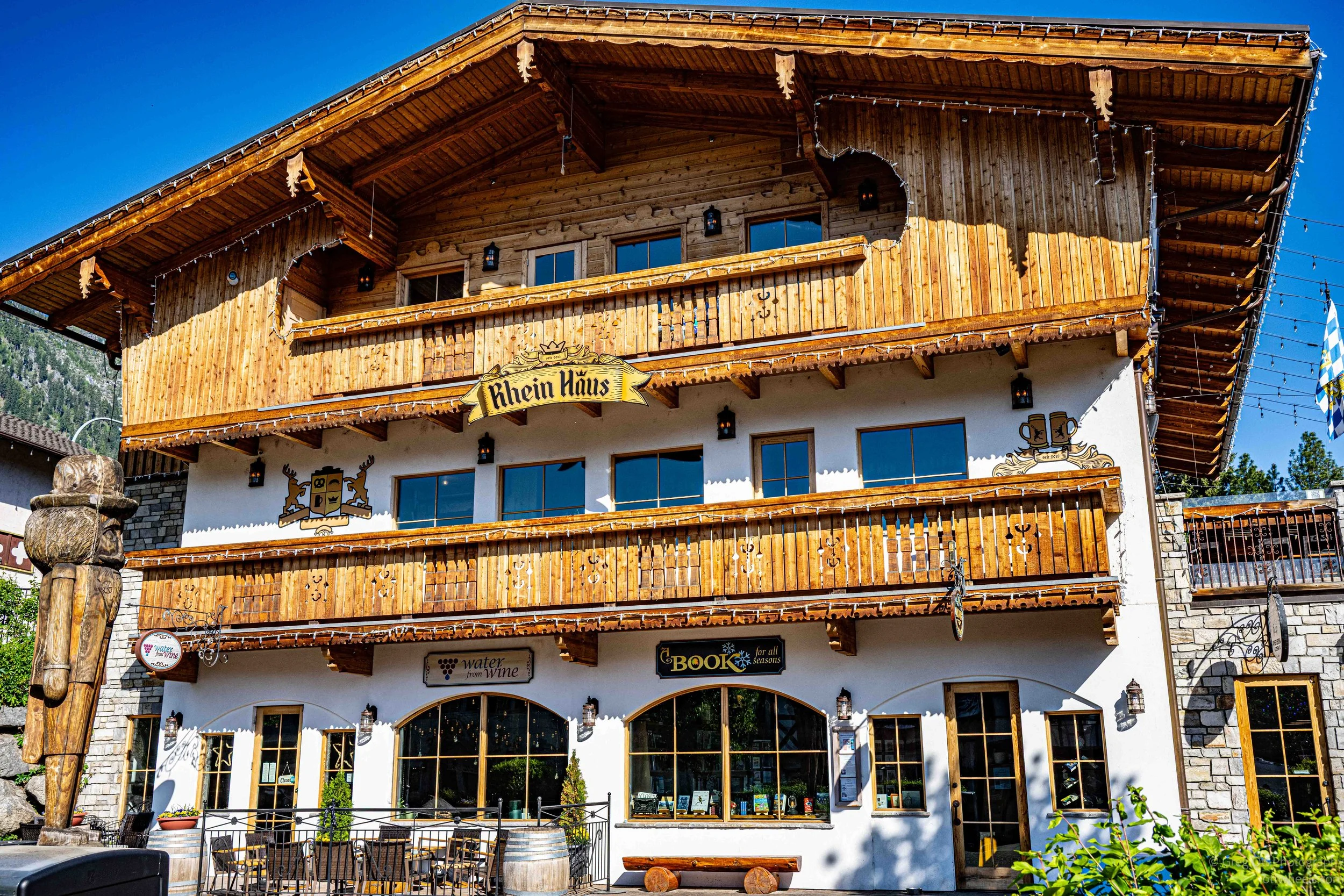
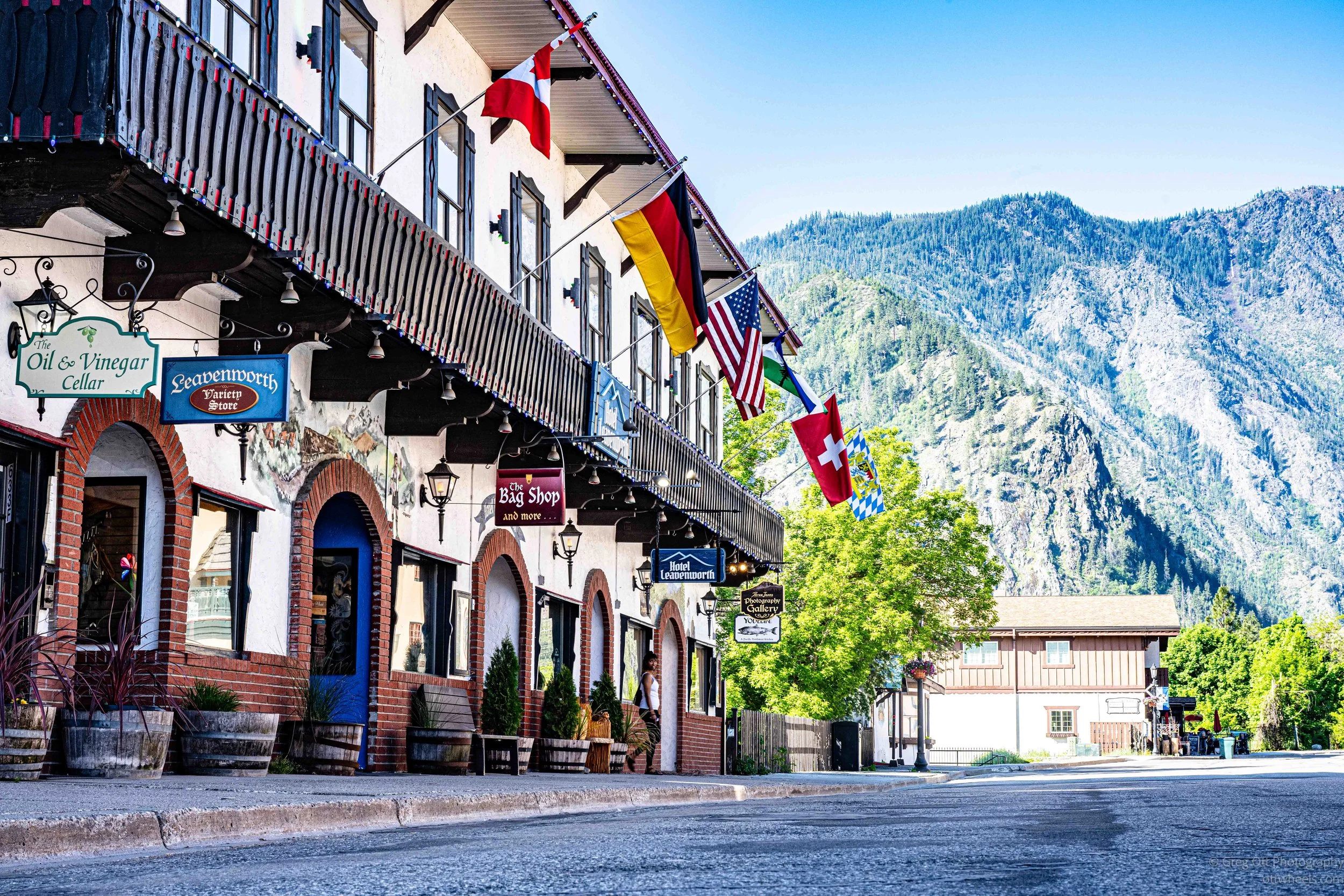
Eventually my search for coffee and pastries improved considerably. I found J5 Coffee, where the coffee was actually good and the staff genuinely friendly. One of the employees pointed me across the street to the Danish Bakery, saying, “That’s a real bakery.” He wasn’t wrong. I ordered a croissant and an apple pastry, and both were excellent. After wandering around looking for good coffee, it felt like a legitimate victory.
As the morning went on, the town slowly came alive. Workers were preparing for the May Festival celebration coming the following week, moving decorations, cleaning sidewalks, and setting up displays. What stood out most wasn’t really the Bavarian theme itself, but how friendly everyone seemed to be. People constantly stopped to ask how my morning was going, whether I was getting any good photographs, or where I was visiting from. In tourist towns, those interactions can sometimes feel forced or transactional. Here they mostly felt genuine.
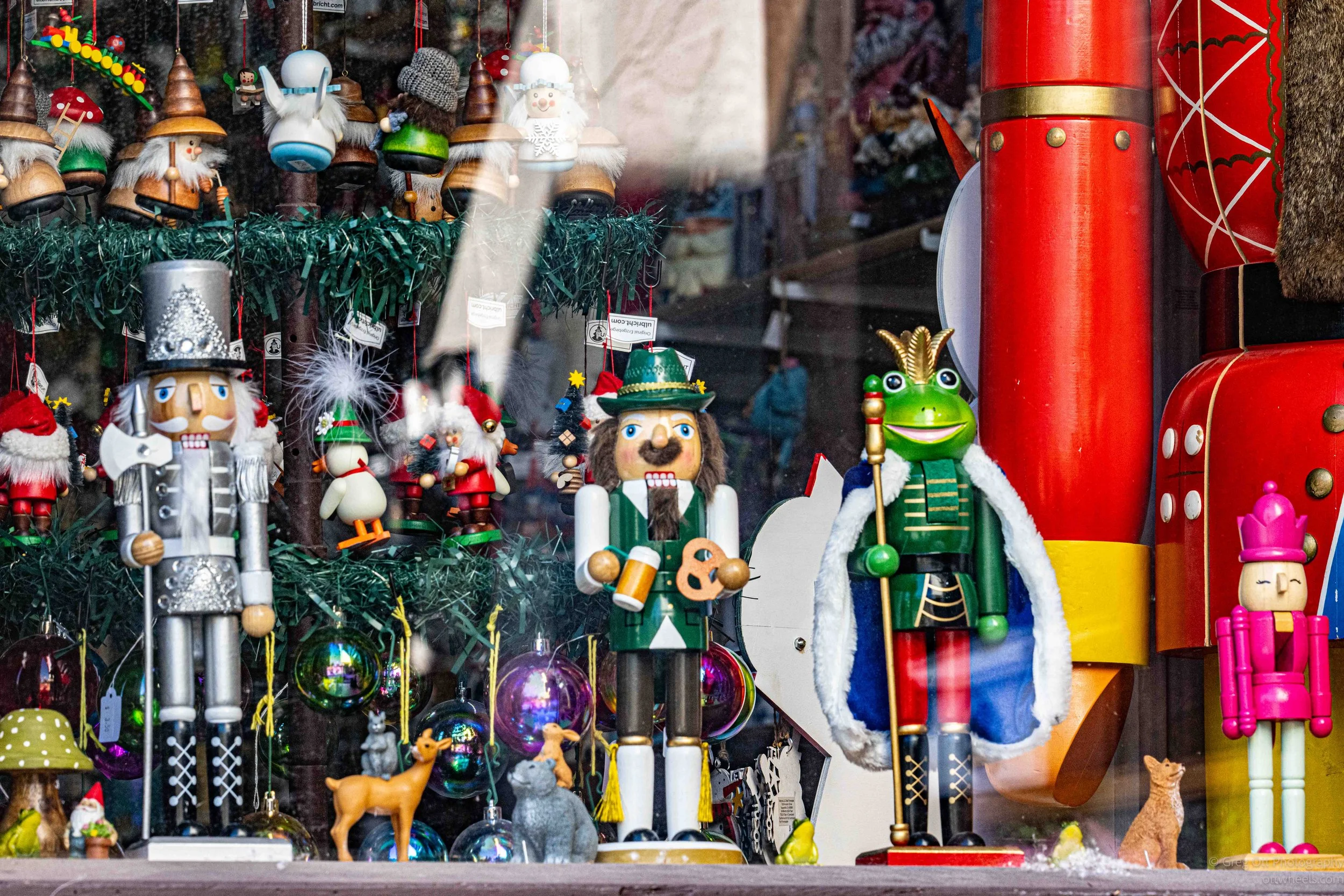
I spent the rest of the morning photographing storefront signs, balconies, reflections, and details tucked between the larger scenes. The windows were frustratingly difficult because of glare and reflections, and most of those shots never really came together the way I wanted. Still, the town was visually interesting enough that it hardly mattered. By around 11:30, the sidewalks were filling with visitors and the quiet morning atmosphere was gone. I headed out just as Leavenworth was turning into the version most people probably know.
Snowqualmie Falls
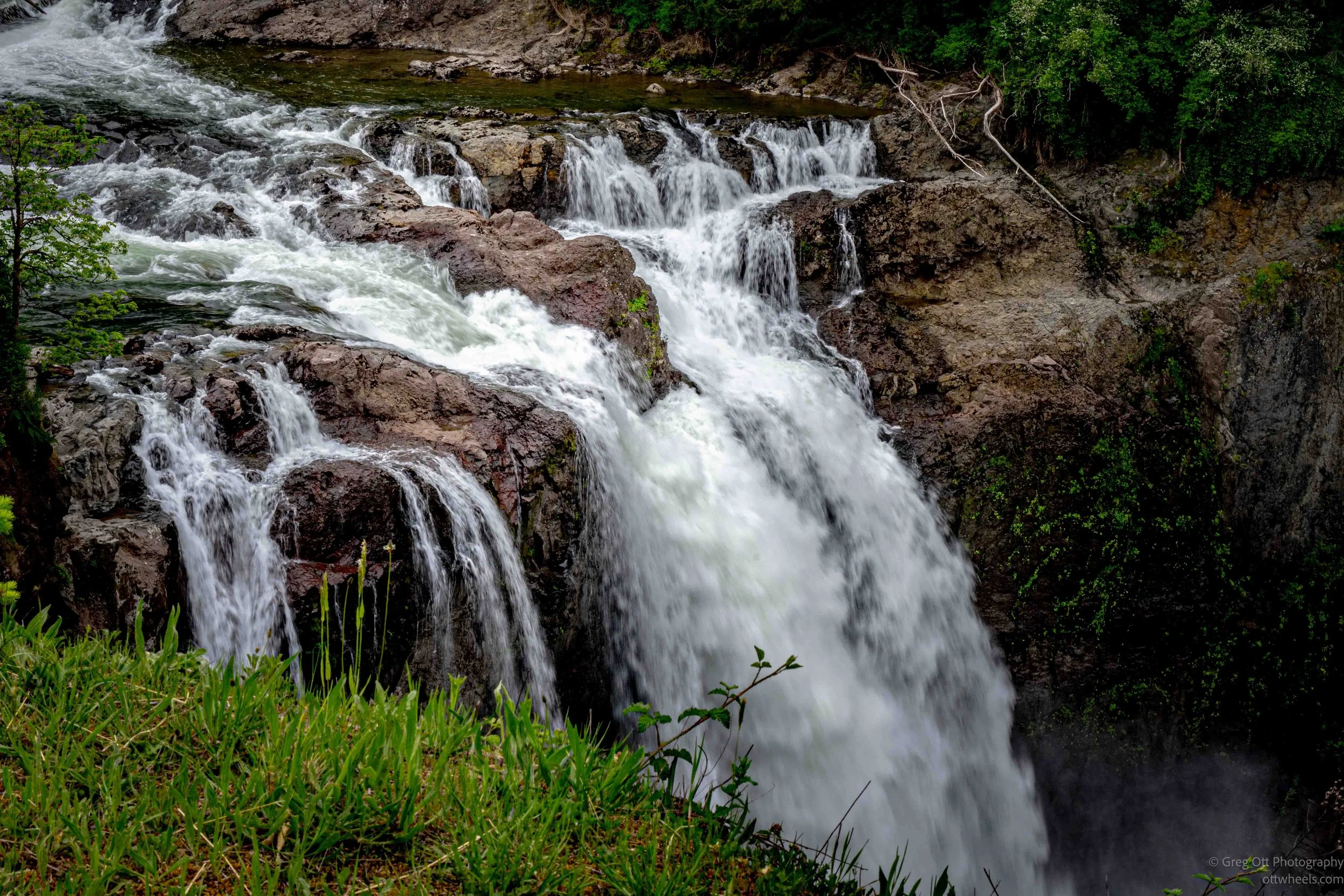
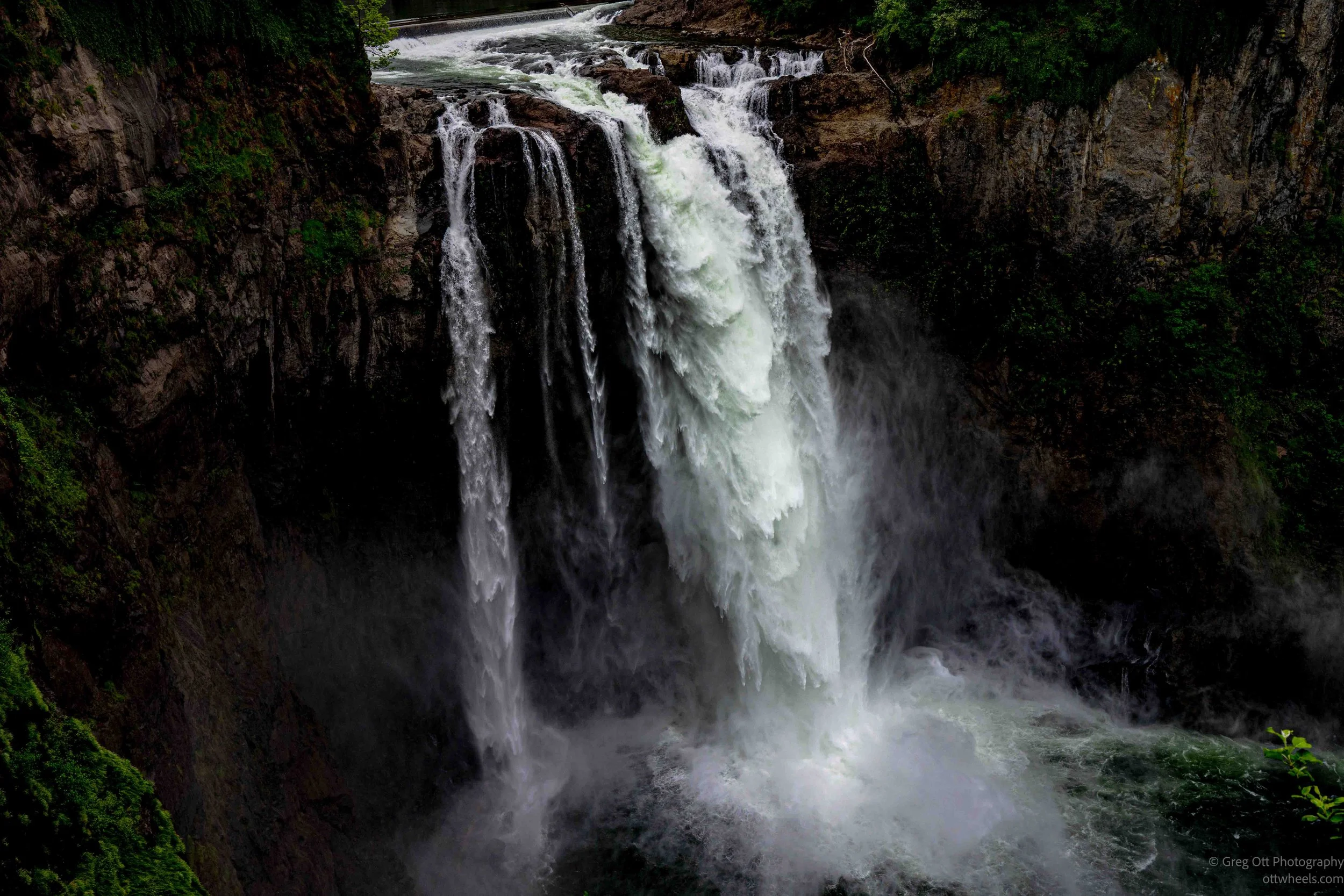
I arrived at Snoqualmie Falls around one in the afternoon. The parking lot was busy, but what stood out almost immediately was how international the crowd felt. As I walked the viewing area near the top of the falls, I heard conversations in Hindi, Mandarin, Japanese, Arabic, and several European languages far more often than English. It felt less like a regional attraction and more like one of those places that somehow ends up on travel itineraries all over the world. Everyone seemed to react the same way once they reached the overlook though: conversations stopped for a few seconds and eyes went straight to the water.
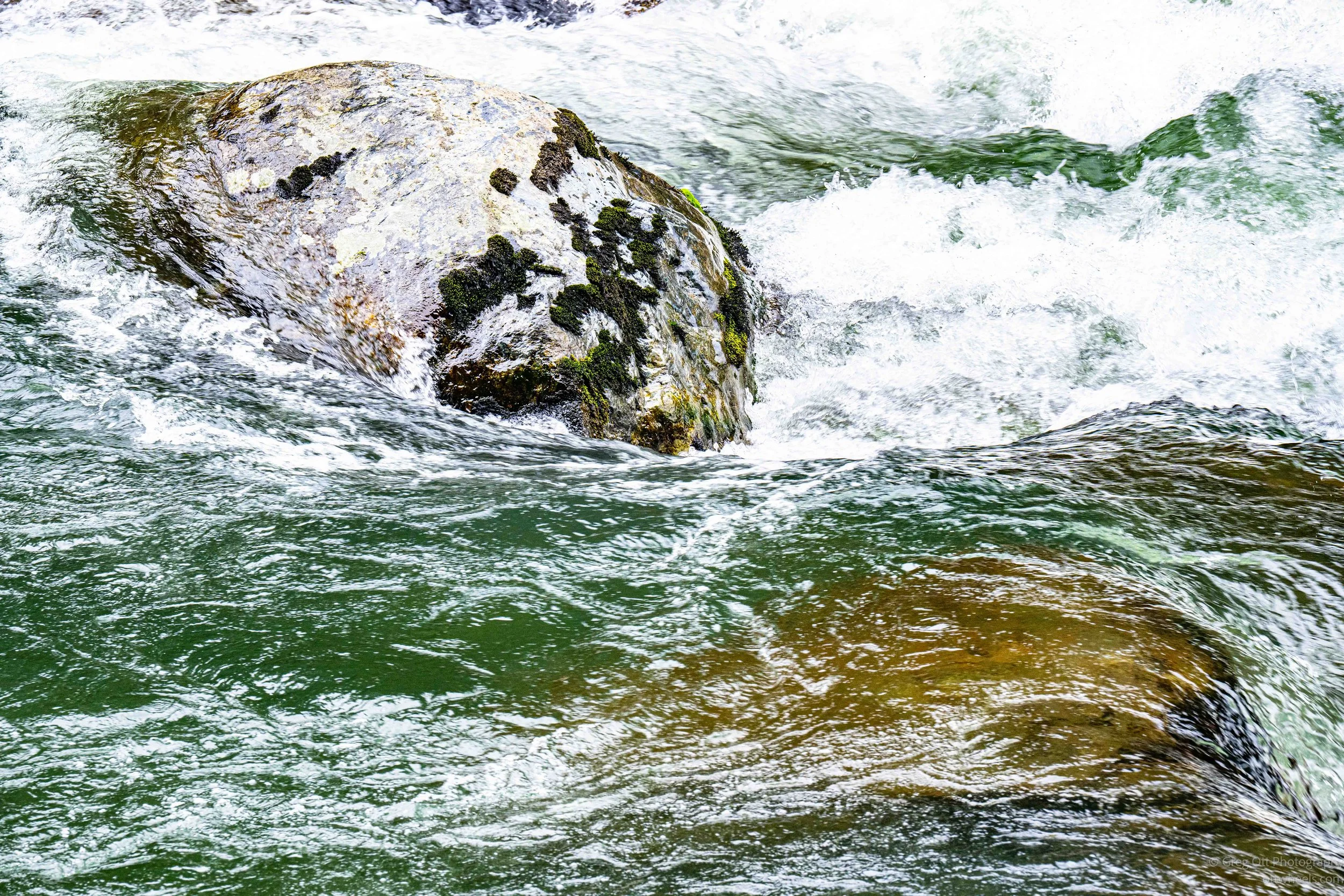
The falls themselves are powerful in a way that photographs struggle to fully capture. Water crashes over the cliff with a constant deep roar that you feel as much as hear. Mist rises from the basin below and drifts back upward through the trees while the river continues carving through the dark rock beneath it. I spent quite a while at the upper viewing area trying different compositions, sometimes focusing on the entire waterfall and other times isolating the smaller cascades and textures near the top.
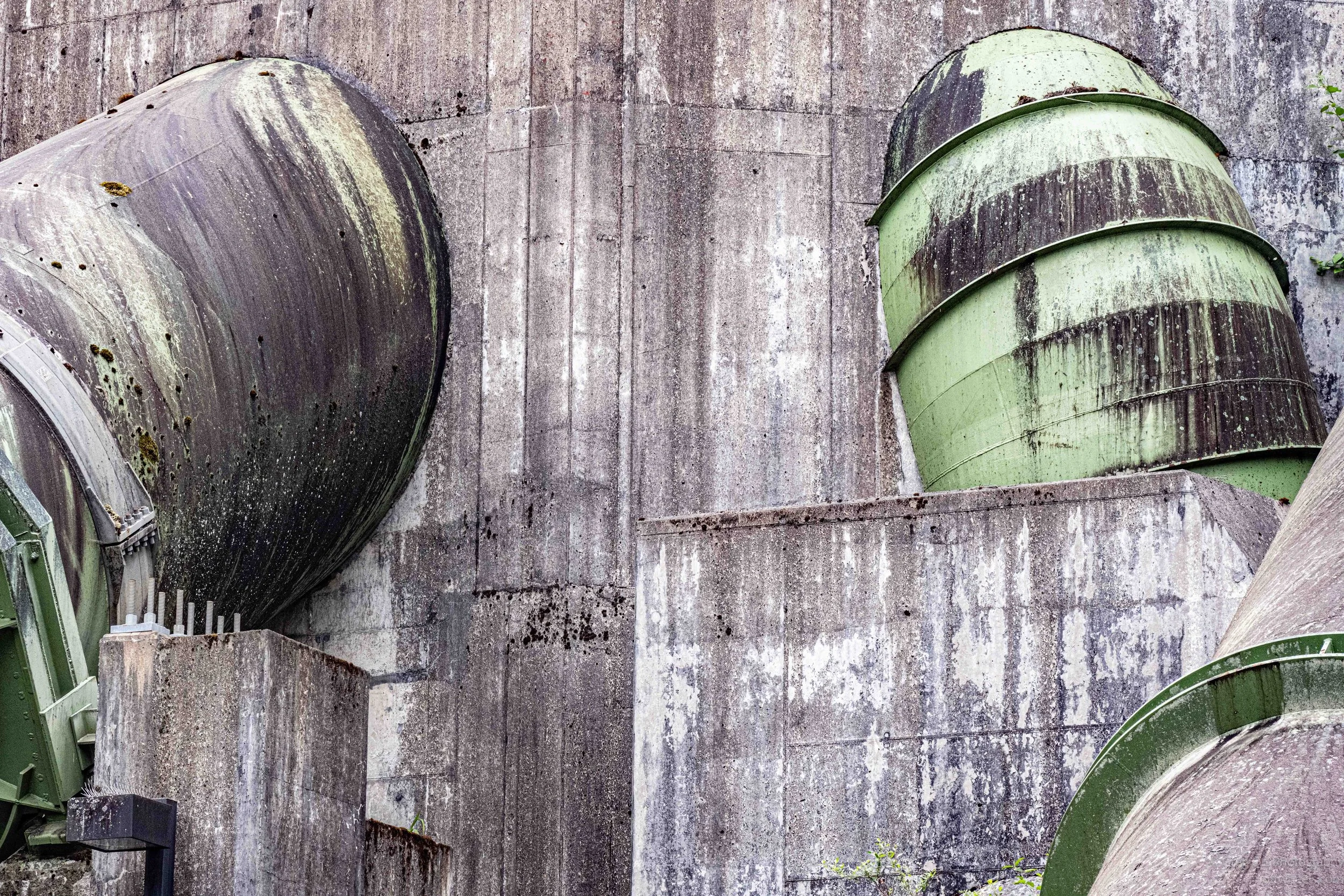
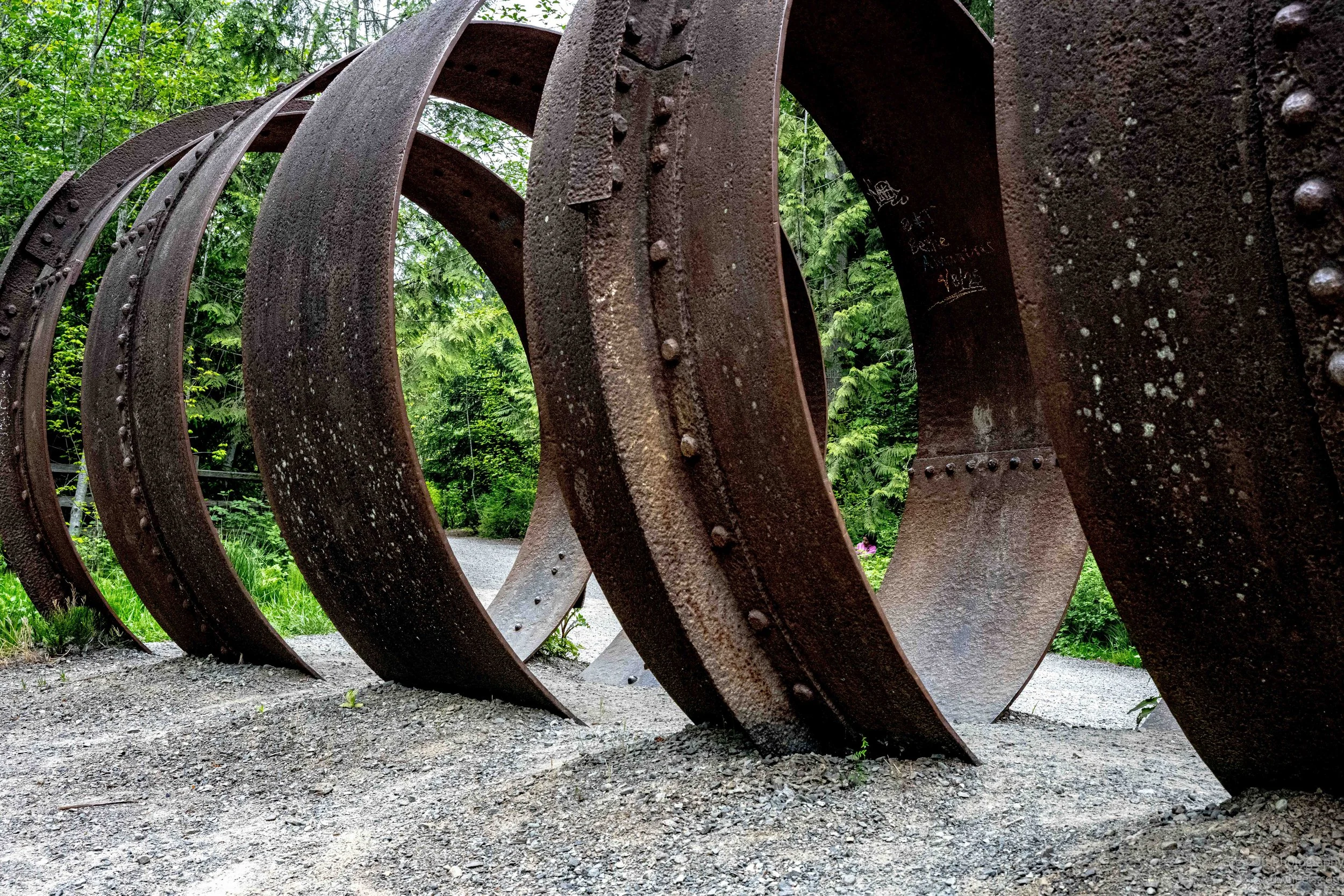
Eventually I headed down the trail toward the base of the falls and the hydroelectric plant below. The hike down was easy enough, though I knew every step downhill would eventually need to be climbed coming back out. Along the trail were old industrial components from the hydroelectric system, enormous rusted metal rings and machinery parts slowly being reclaimed by the forest. Some were covered in oxidation and moss, sitting quietly beside the trail like sculptures from another era. I found myself photographing those details almost as much as the waterfall itself.
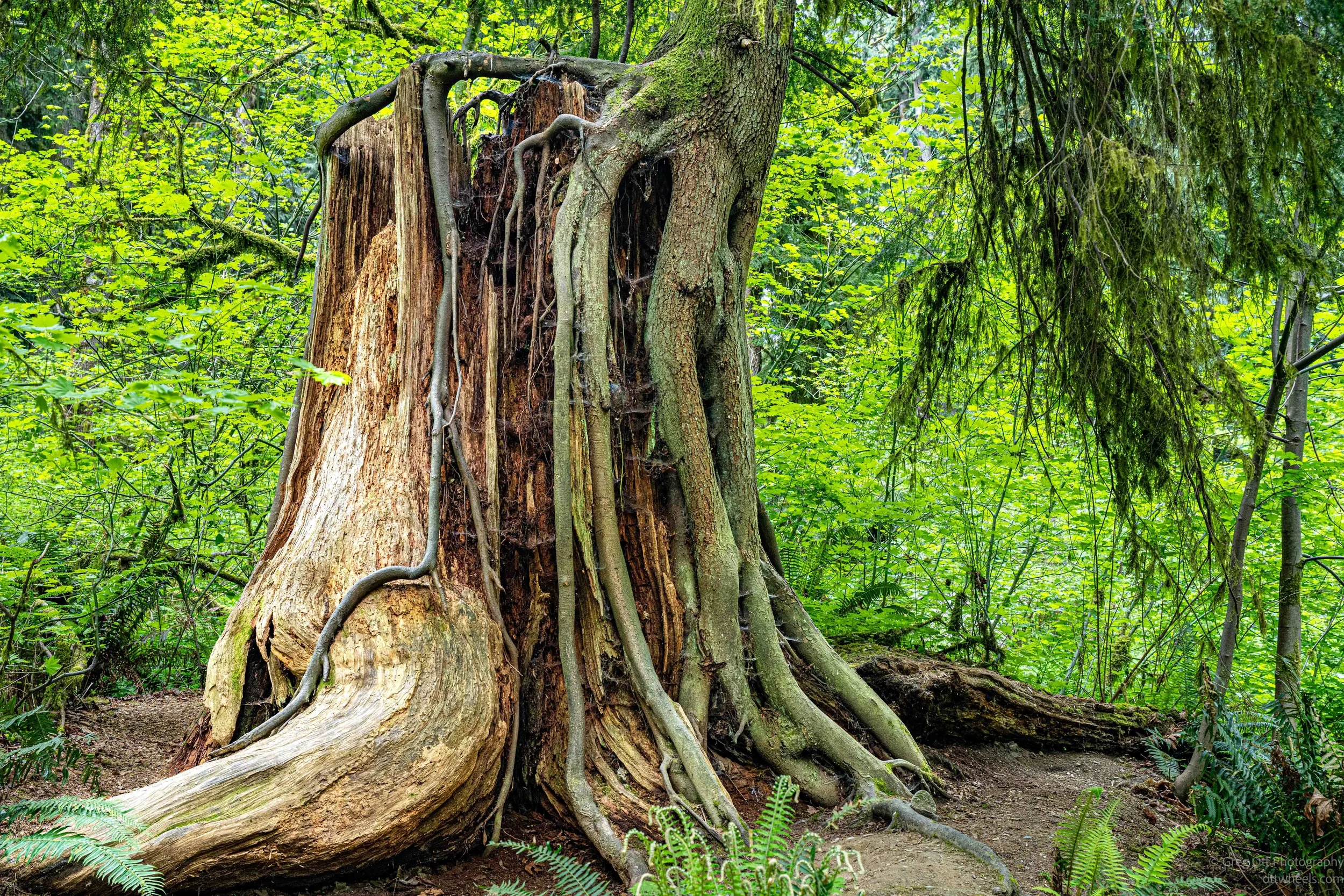
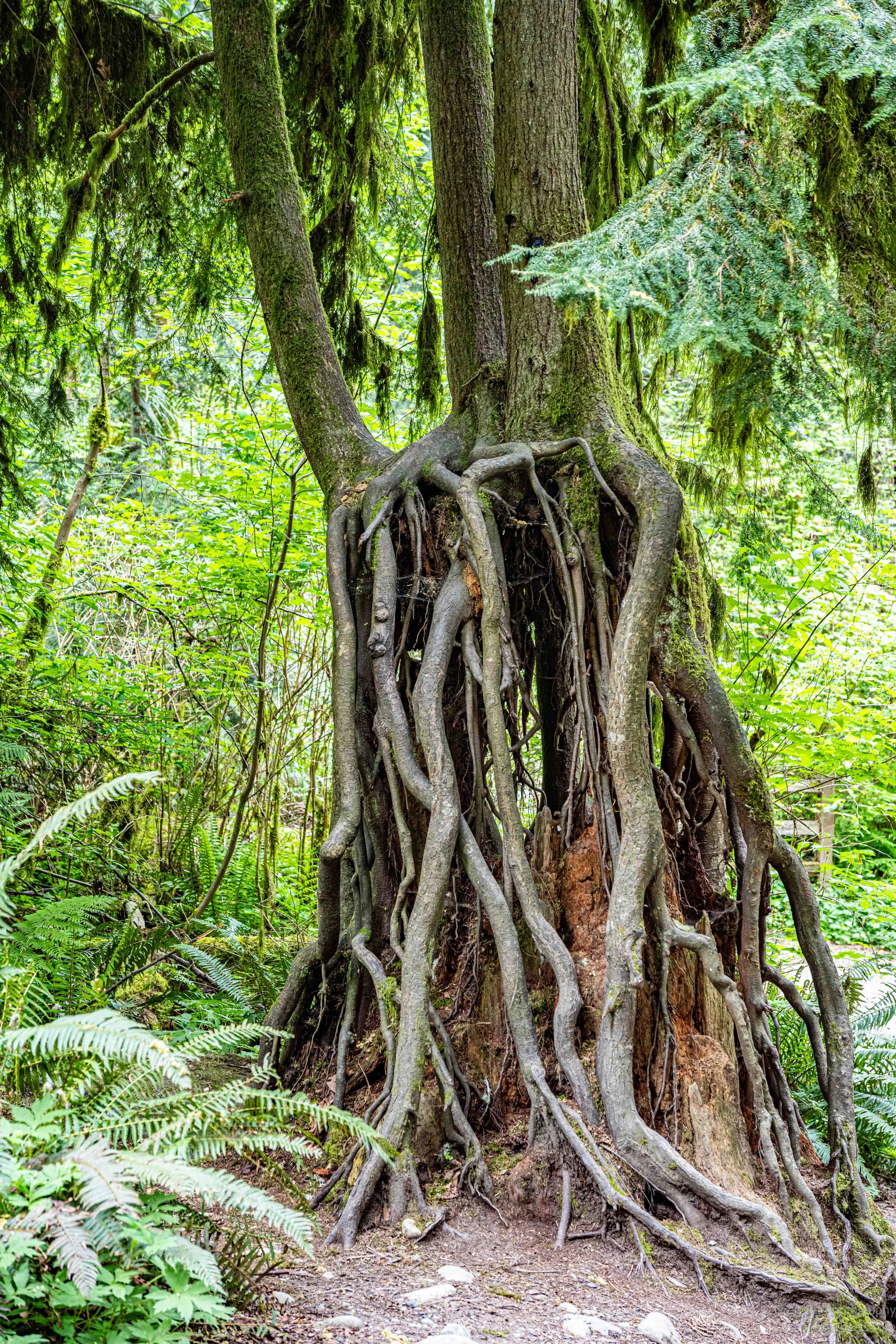
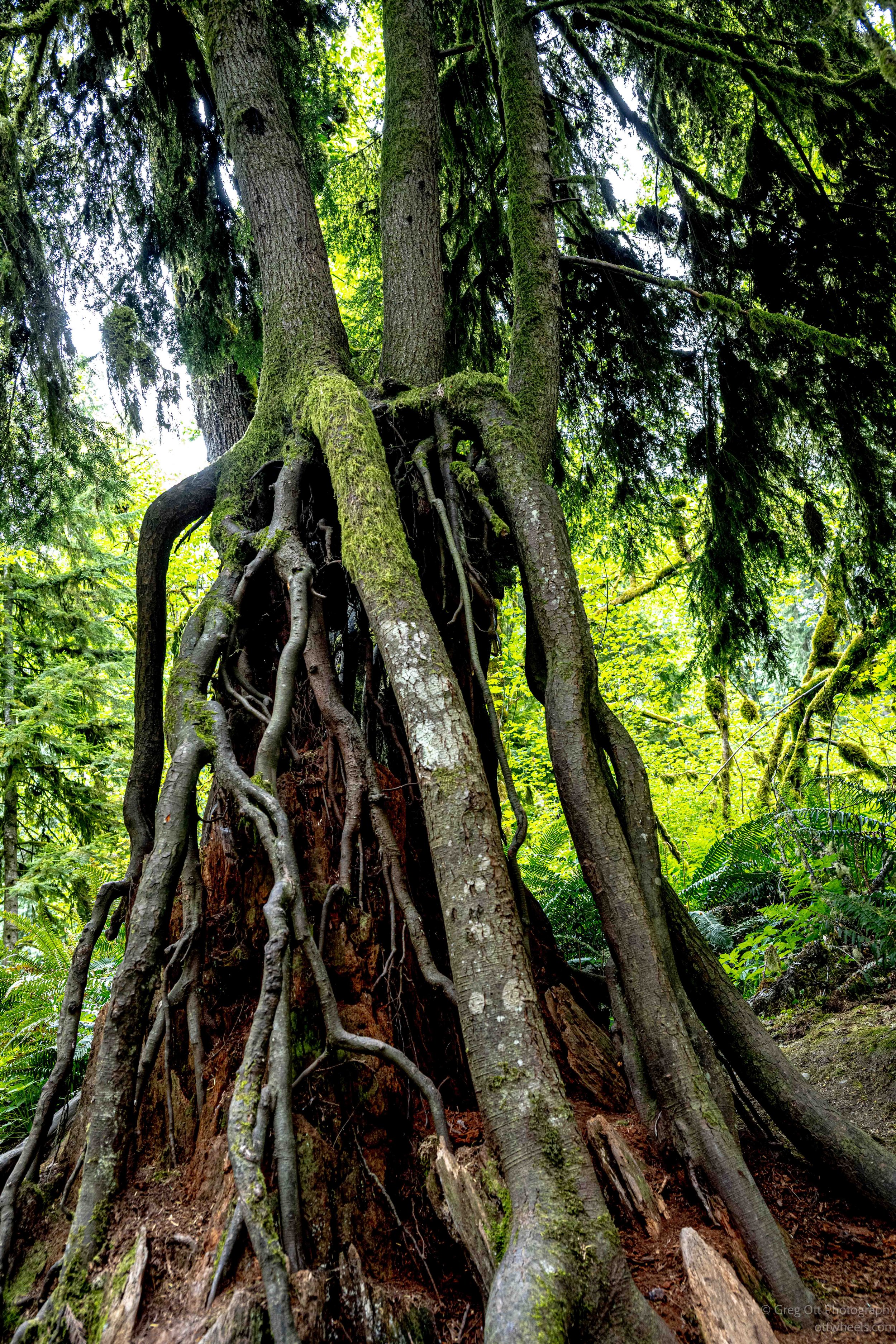
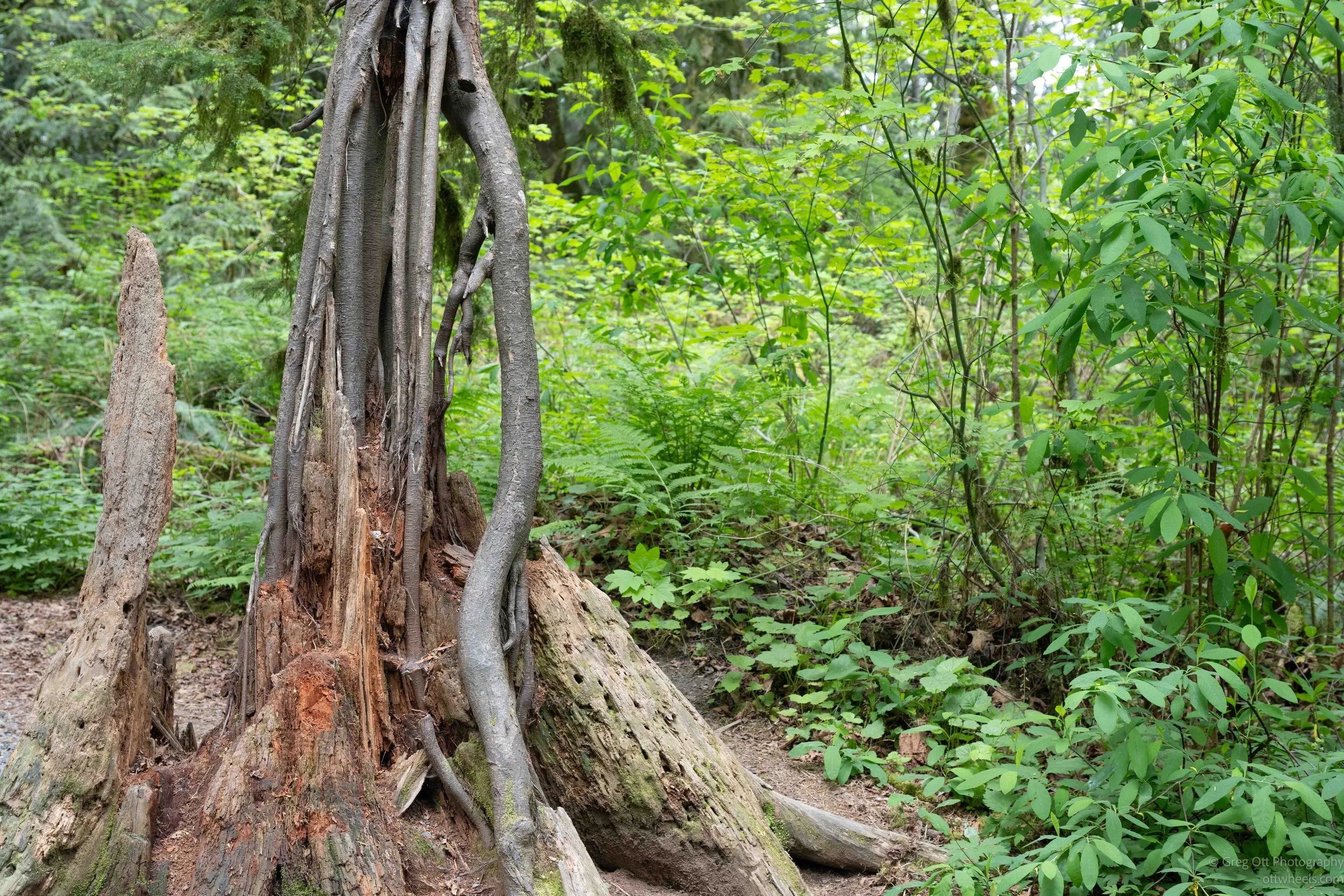
What fascinated me most along the trail were the nurse trees. I had heard the term before but never really paid close attention to them. Many of the trees were growing directly out of old decaying stumps, their roots draped downward like long fingers wrapping around the remains of the dead tree beneath them. The forest floor around them was dense with moss, ferns, and filtered green light. Some of the root systems looked almost alive on their own, suspended in the air after the original stump slowly rotted away over decades. I stopped repeatedly just to study them.
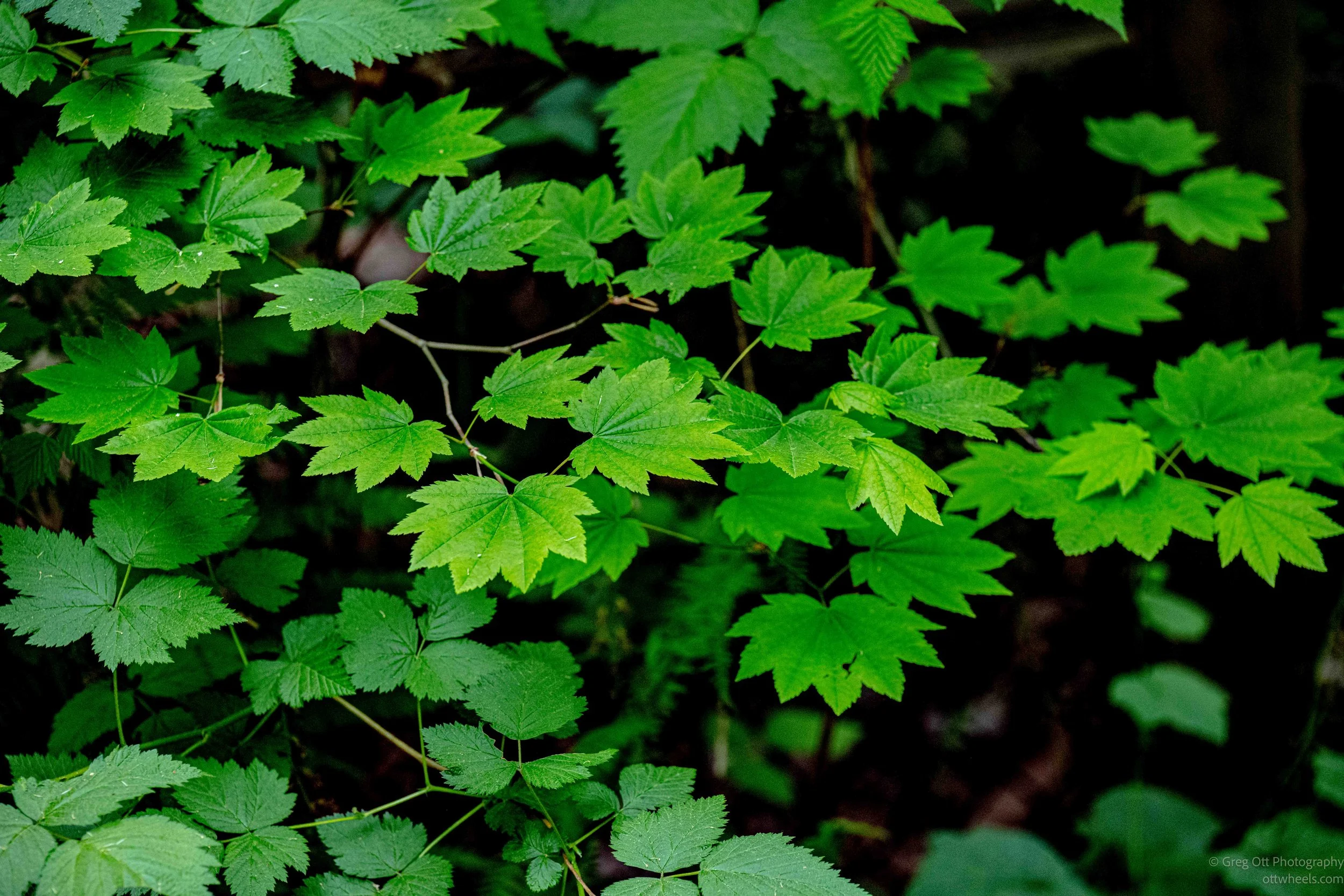
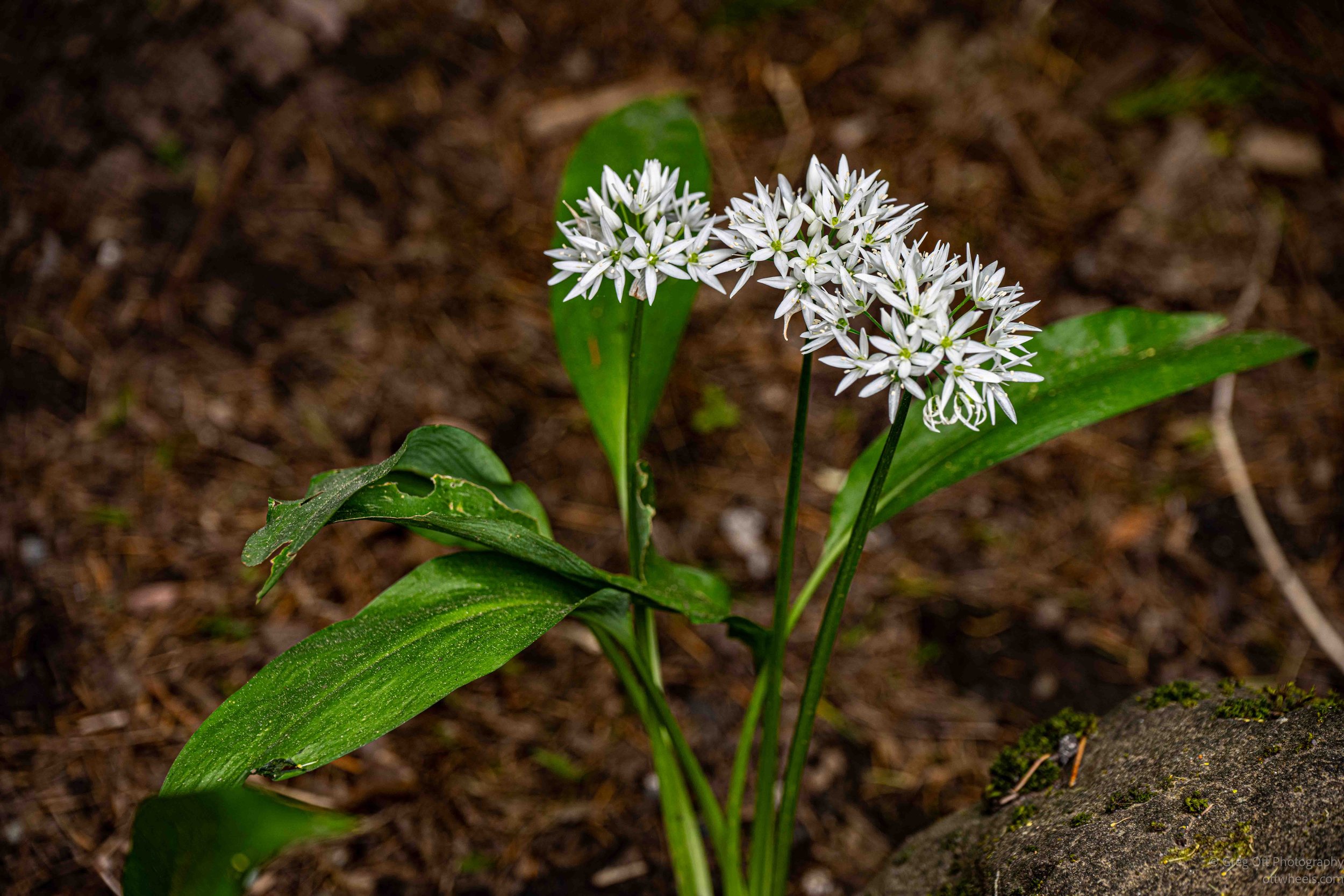
The trail also had signs identifying plants and explaining parts of the ecosystem. I’m usually terrible at remembering plant names while I’m actually standing there reading them, then somehow remember them later. One that stuck with me was vine maple, which basically looks exactly like what it sounds like: maple-shaped leaves growing on a vine-like structure twisting through the forest. It was one of those reminders that I still know very little about the natural world despite spending so much time outdoors.
By the time I climbed back to the top, I realized I hadn’t eaten all day. I stopped at the gift shop near the upper falls expecting typical tourist food, but the sandwiches and pastries were actually excellent. After hiking and carrying camera gear around for several hours, it felt far better than it probably should have.
As I was leaving the park, I spent some time reading several quotes displayed along the walkway. One in particular stayed with me. It was from Thomas Hardy’s poem Under The Waterfall:
The purl of a runlet that never ceases
In stir of kingdoms, in wars, in peaces;
With a hollow boiling voice it speaks
And has spoken since hills were turfless peaks.
Standing there listening to the constant roar of the falls while people from all over the world passed by around me, the quote felt oddly appropriate. Long before the overlooks, trails, hydroelectric plant, gift shop, or cameras, the water was already here doing exactly what it’s doing now.
Northwest Railway Museum (Outdoors)
Not far from Snoqualmie Falls is the outdoor portion of the Northwest Railway Museum. I hadn’t originally planned to spend much time there, but once I started walking along the tracks looking at the equipment, I ended up staying close to an hour. The entire place feels less like a polished museum exhibit and more like a graveyard of industrial history slowly being reclaimed by weather, moss, rust, and time.
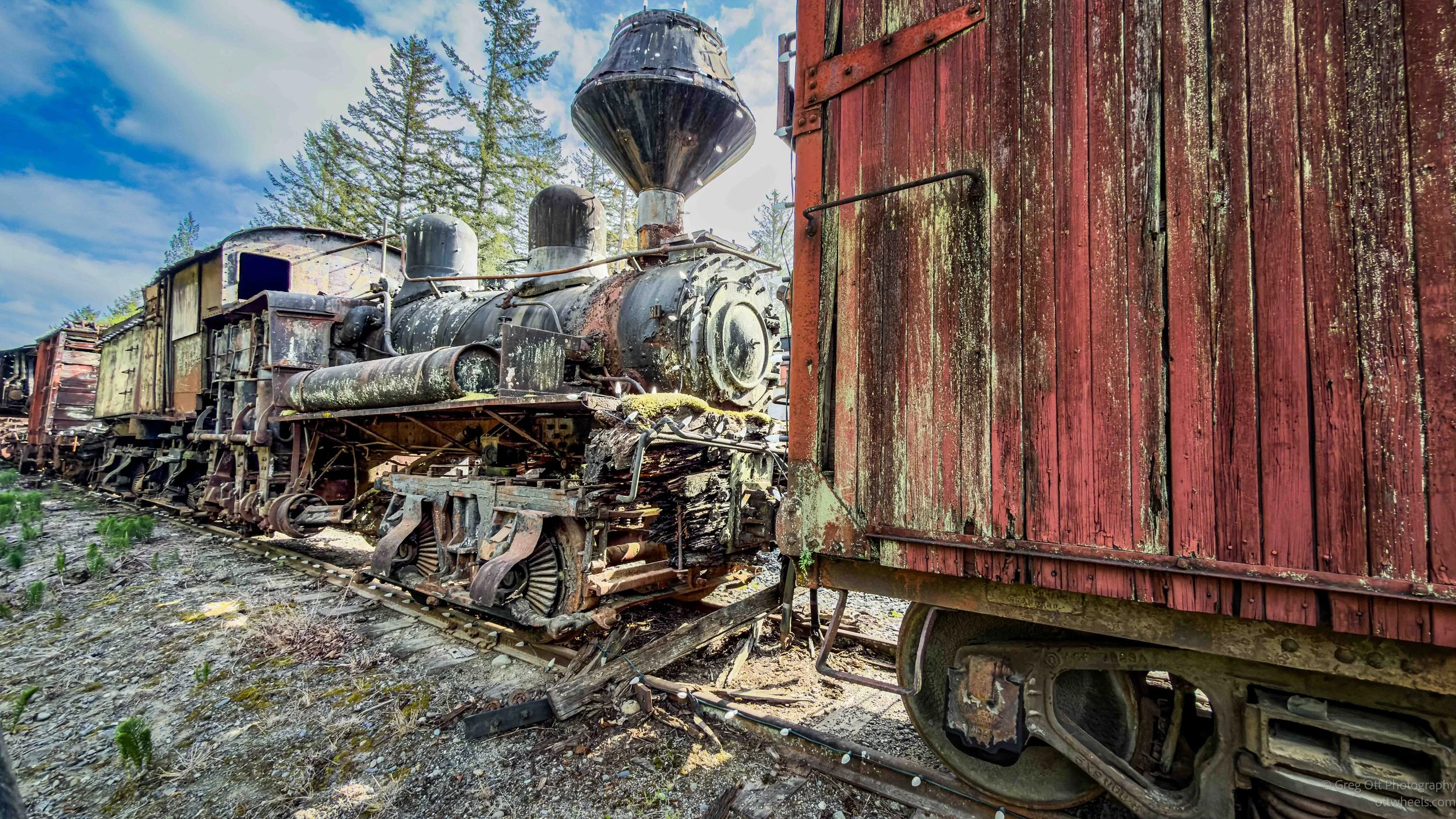
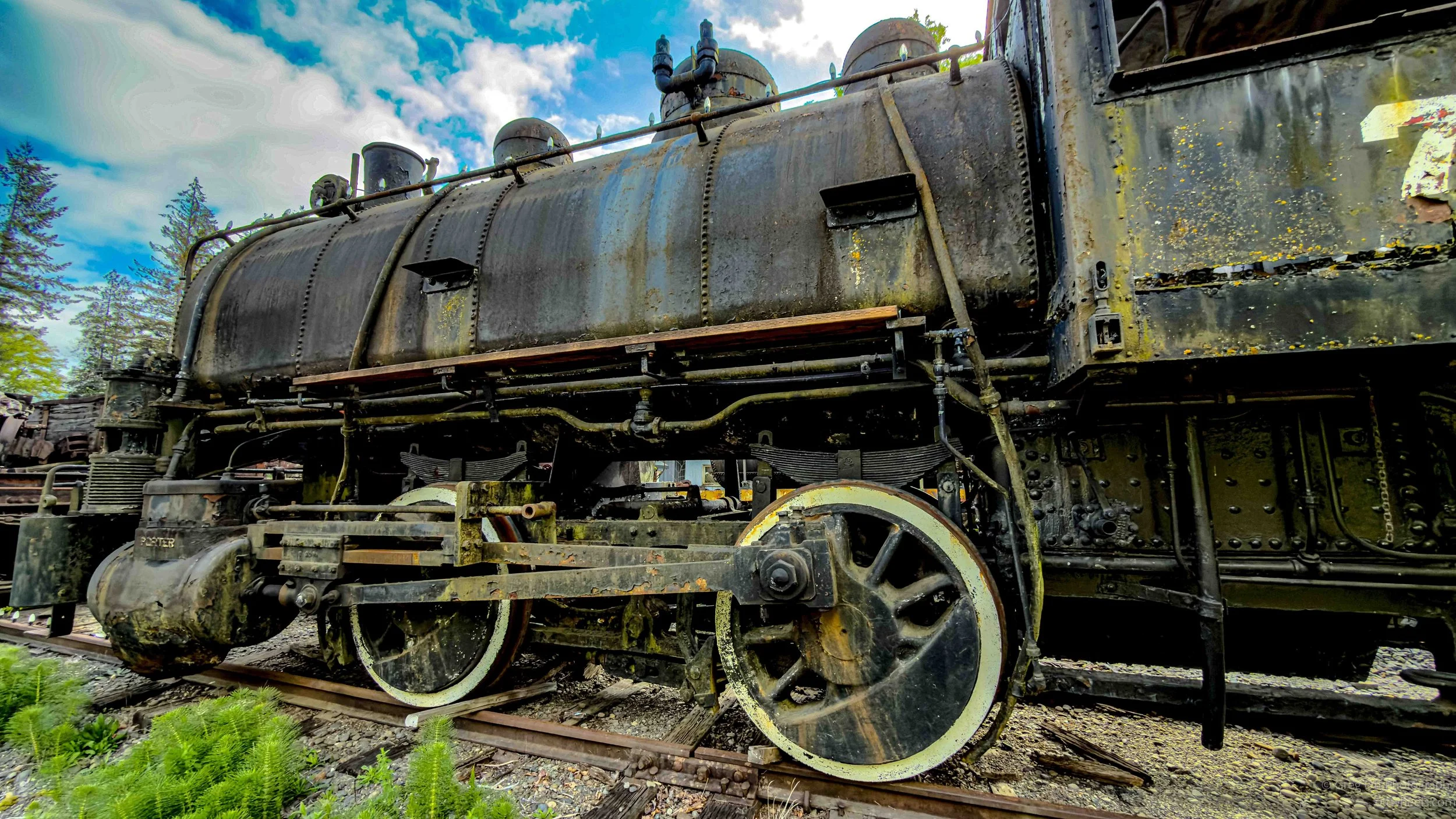
Many of the locomotives and railcars sit outside exposed to the Pacific Northwest climate. Paint is peeling from the steel, windows are broken out, and rust covers nearly every surface. In some ways, that actually makes the place more interesting to photograph. These aren’t restored museum pieces frozen behind ropes. They still look like working machines that were simply parked one day and never used again.
The most striking piece was the massive Northern Pacific Railway Steam Rotary Snowplow No. 10. At first glance it almost looks like something from a science fiction movie rather than railroad equipment. Built in 1907 by ALCO-Cooke, the machine used a huge rotary wheel mounted at the front to chew through deep mountain snow and throw it away from the tracks. According to the information sign beside it, the wheel spun at around 60 RPM and used centrifugal force to launch snow clear of the line.
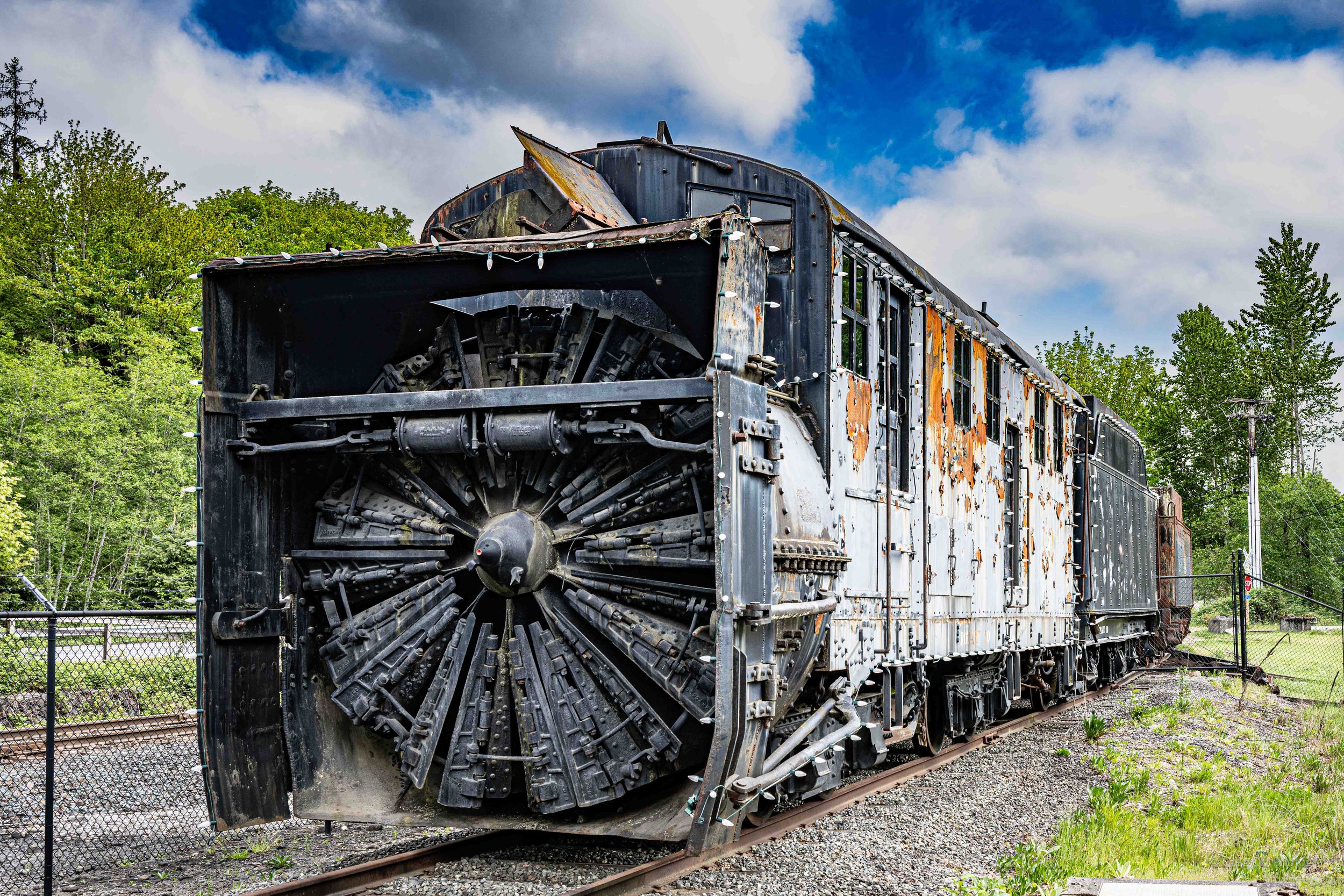
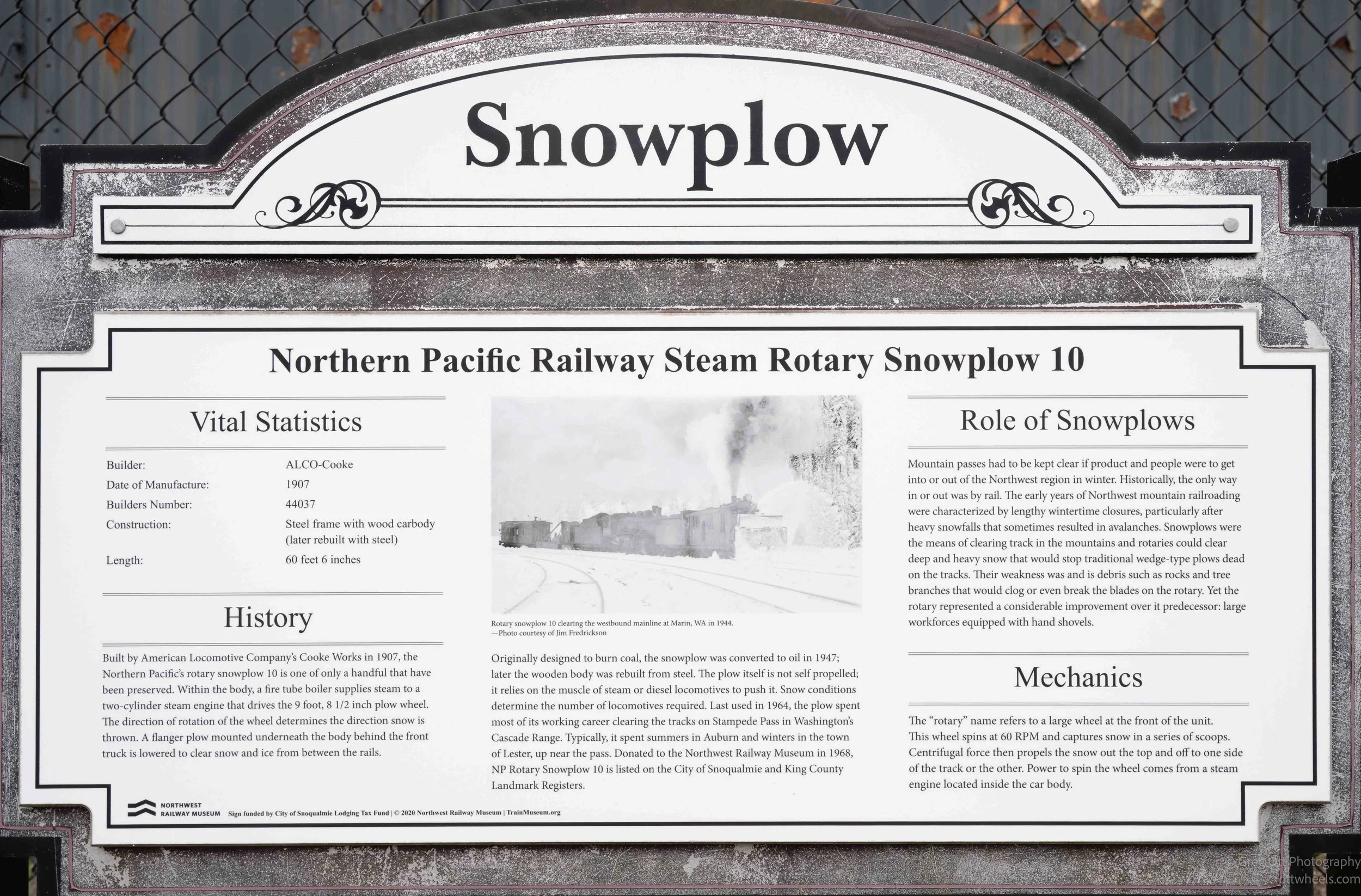
What surprised me most was learning that the rotary plow wasn’t self-propelled. It relied on other locomotives to push it forward while an onboard steam engine powered the giant spinning blade. In the Cascades, where snow could completely shut down rail traffic through the mountain passes, machines like this were essential. Before rotaries, crews often relied on shovel crews and wedge plows that simply couldn’t handle the depth of some storms. Looking at the enormous spinning wheel up close, it was easy to imagine how violent and dangerous the job must have been during winter operations.
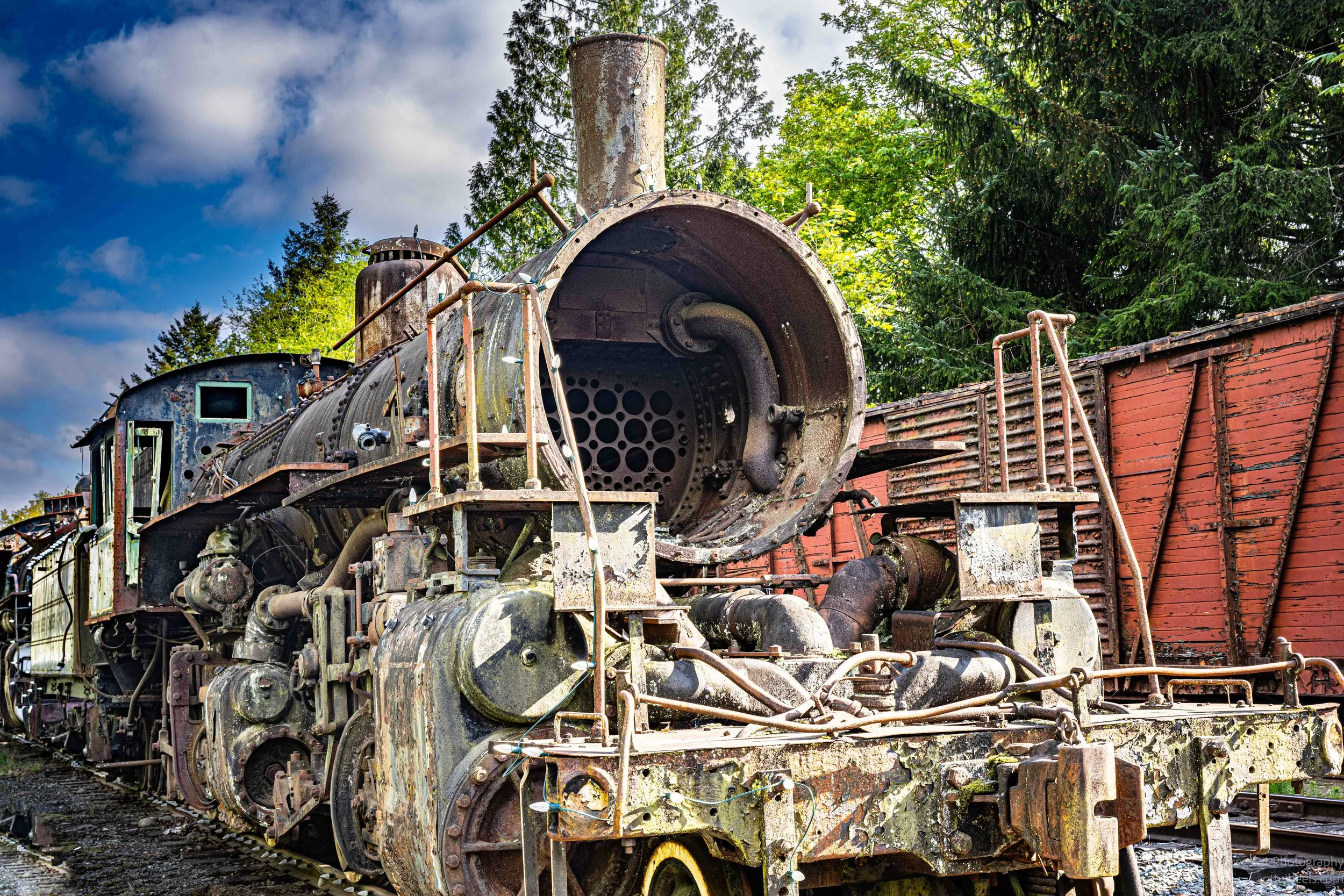
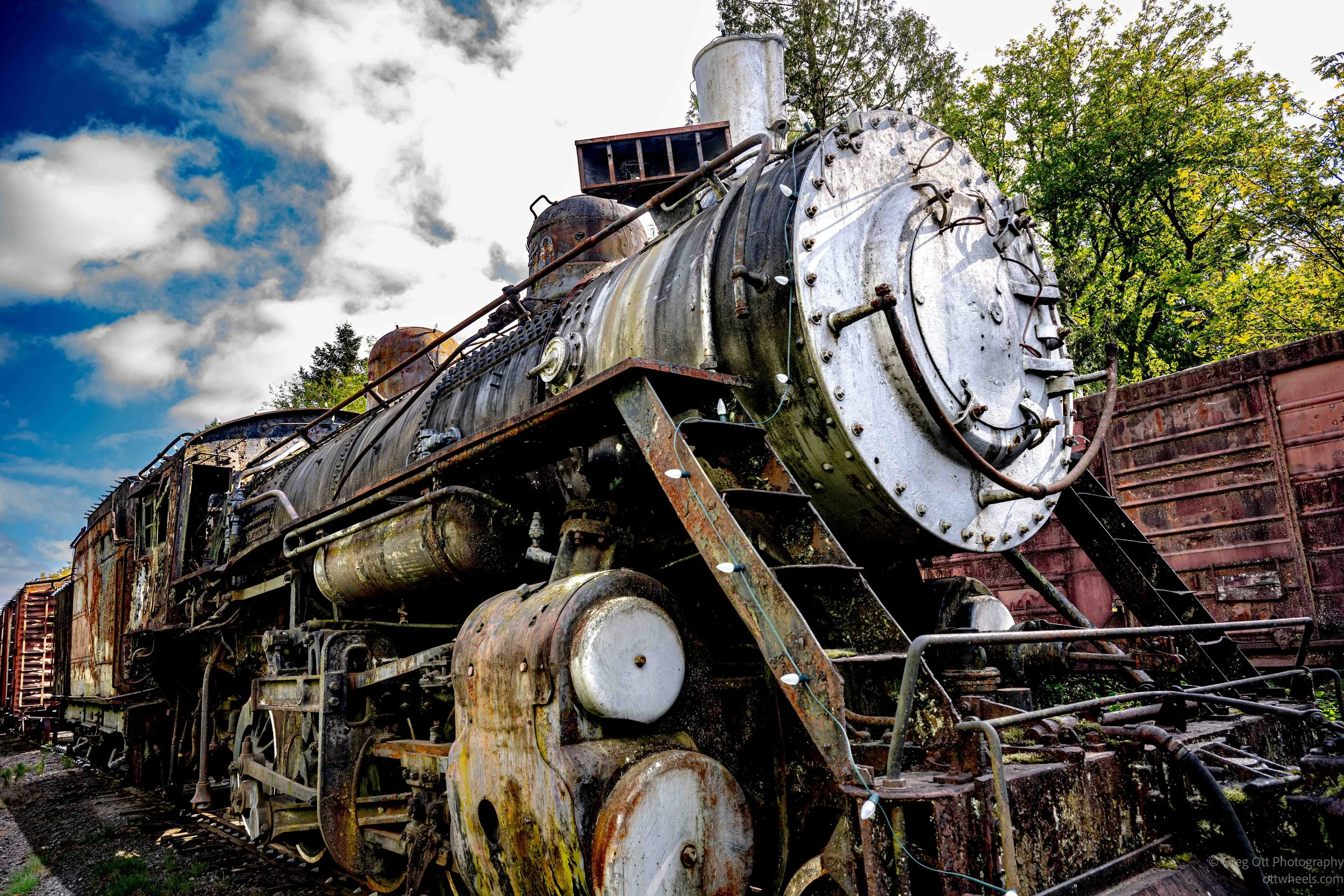
Further down the line were old steam locomotives in varying stages of decay. Some still retained recognizable shapes and details while others looked almost skeletal. One locomotive sat with its boiler face removed, exposing rows of circular fire tubes inside. Another crane car stood rusting beside the tracks, its cables and pulleys frozen in place. There were faded logging locomotives, maintenance equipment, tank cars, and railcars lined up one after another, each carrying layers of corrosion and history.
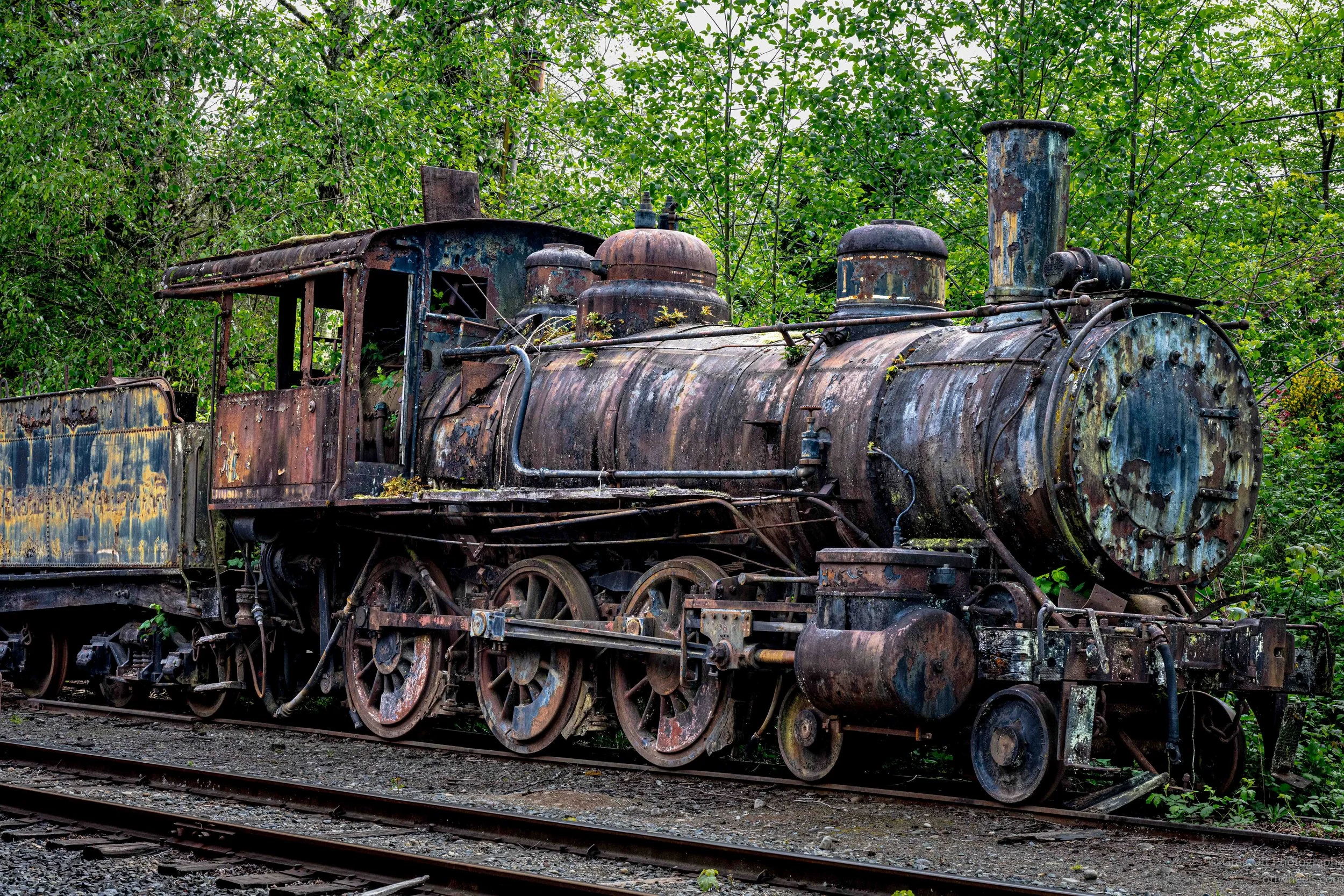
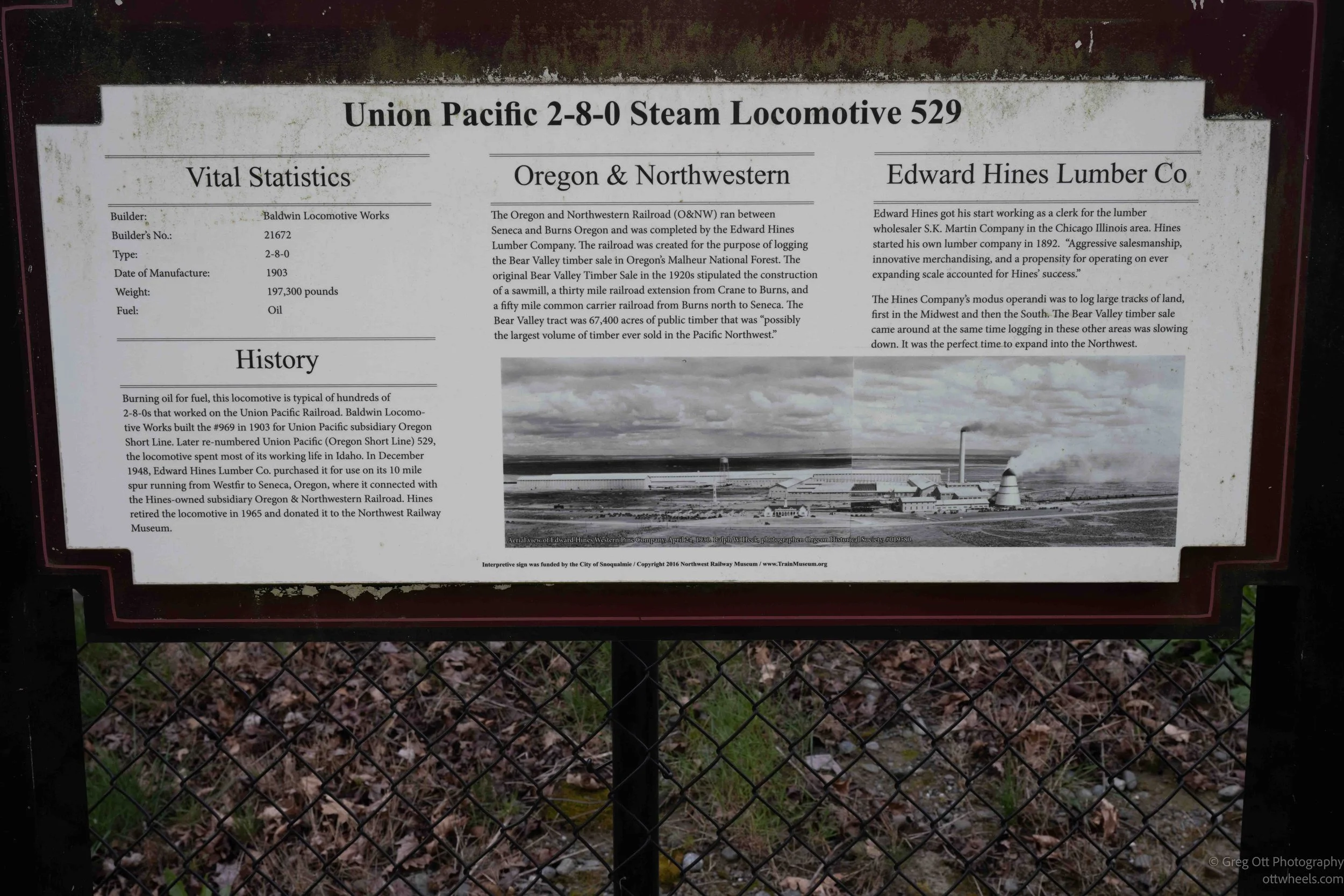
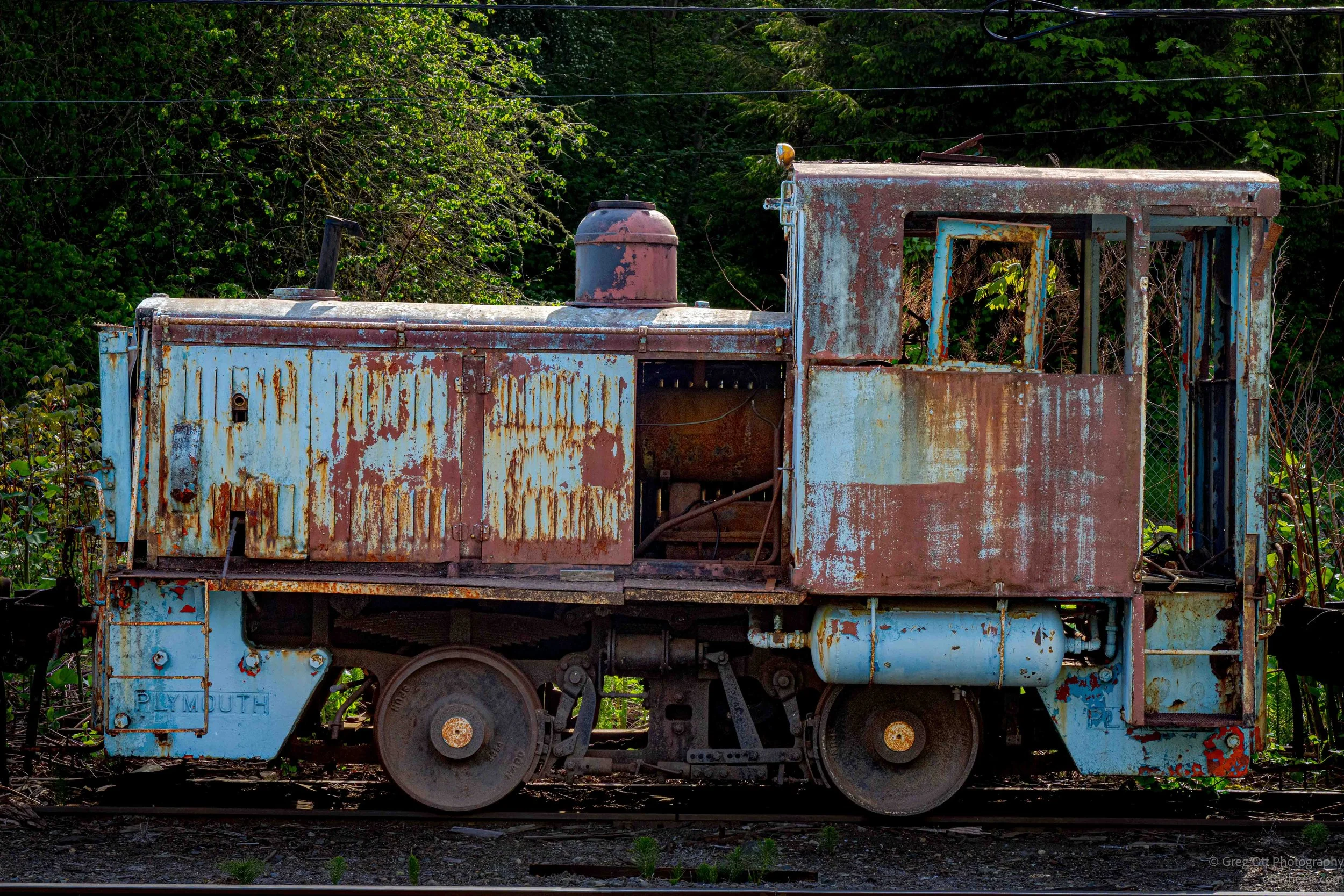
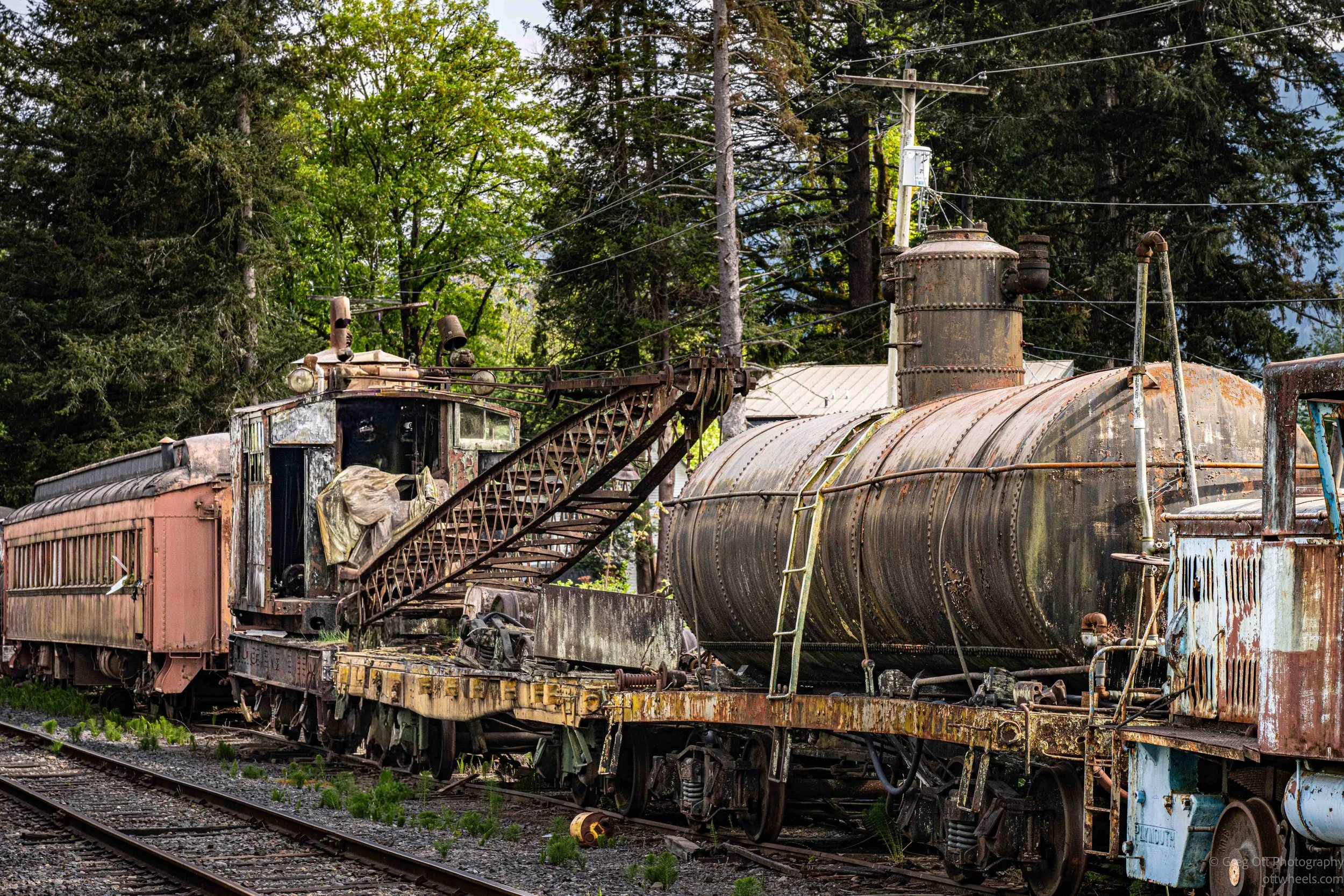
Several signs explained the origins of some of the equipment. One locomotive had connections to the Oregon & Northwestern Railroad and the Edward Hines Lumber Company, part of the logging industry that once drove much of the economy in this region. Reading those signs while standing beside the actual machinery added scale to it all. These weren’t small operations. Entire towns, industries, and transportation systems depended on equipment like this.
Photographically, I found the textures more compelling than the overall scenes. Rust streaks running down faded paint, rivets catching side light, peeling metal, moss growing through mechanical parts, and old steel slowly blending into the surrounding forest all stood out more than wide compositions. The cloudy skies actually helped quite a bit by softening the light and bringing out detail in the surfaces without harsh shadows.
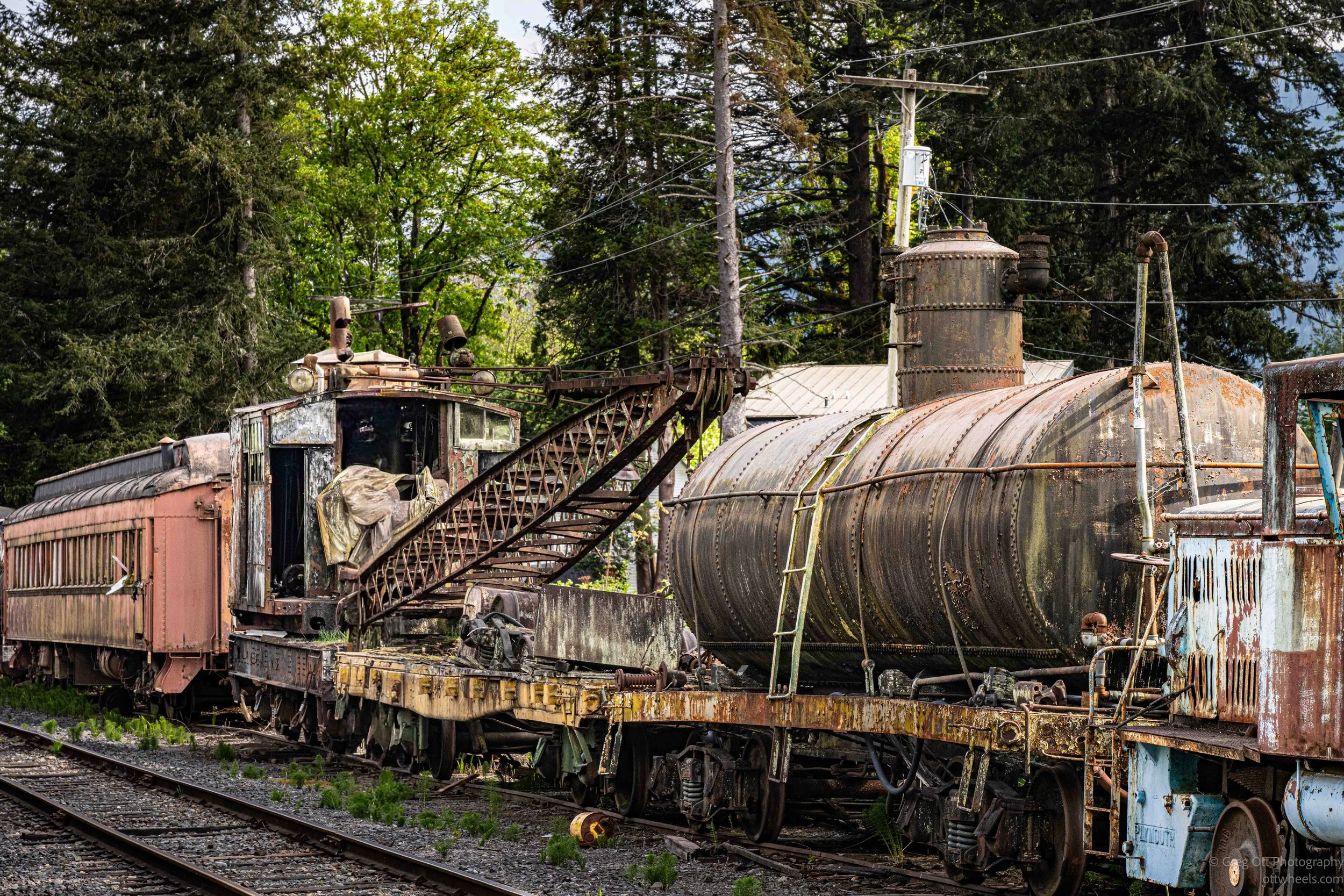
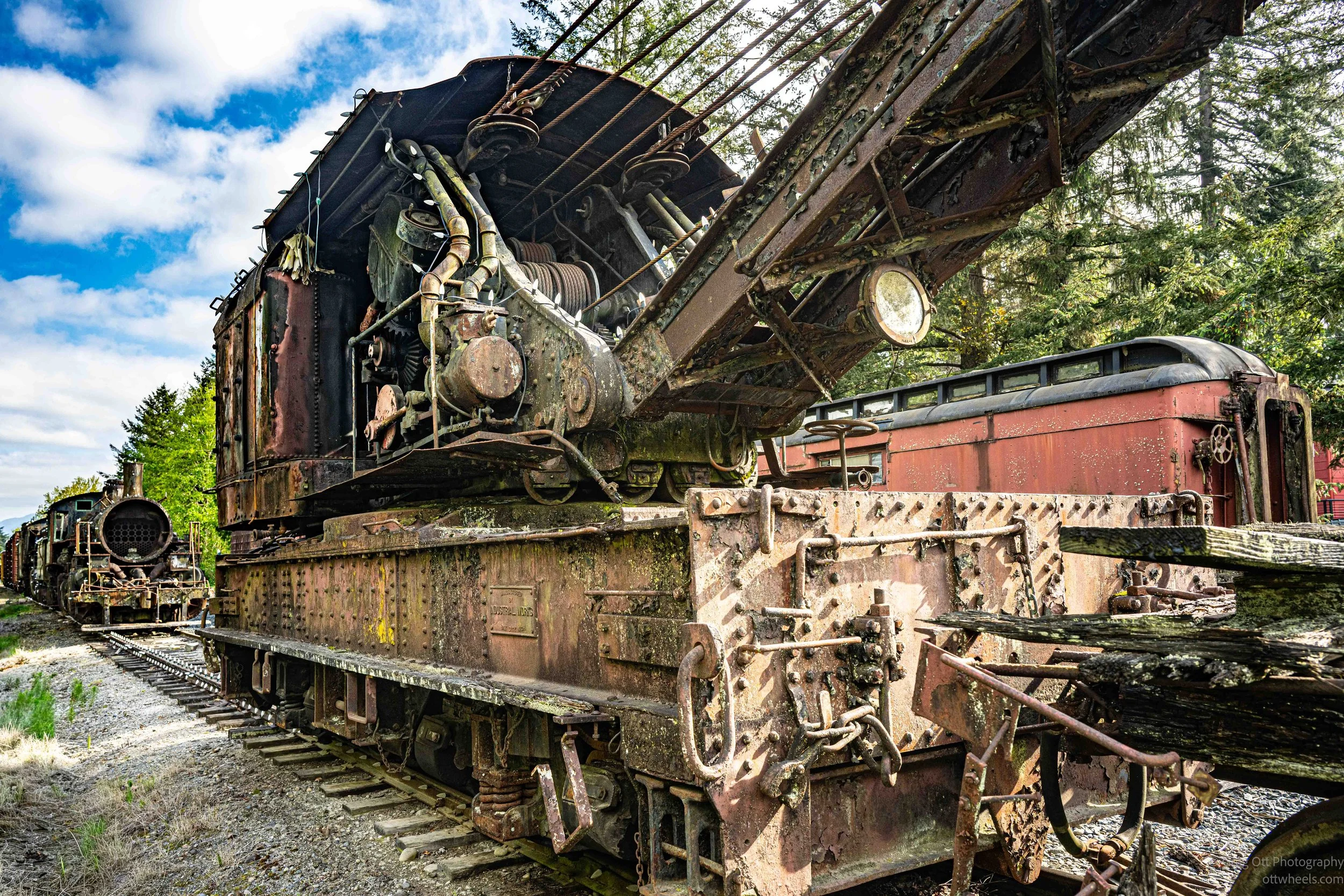
The Northwest Railway Museum itself preserves and interprets the railroad history of the Snoqualmie Valley and surrounding region. The indoor portions of the museum focus more heavily on railroad history, operations, and restoration work, but the outdoor yard gives you something different: the feeling of standing among the physical remains of an earlier industrial era. Walking the tracks beside these locomotives, it was hard not to think about how many people spent entire careers operating, repairing, and depending on machines like these while moving through some of the harshest terrain in the Pacific Northwest.