Page, AZ to Escalante, UT
The overnight stay at Walmart in Page, Arizona was very quiet. I’d been through Page about a month earlier on my way to Lone Rock, Utah, so the area felt familiar. Page is a crossroads town, linking southeastern Utah through Arizona. On a map, distances in Utah often look short, but the reality is different. Massive geological formations block direct routes, turning what appears to be a short drive into a six-hour loop south through Arizona and then back north into Utah. Hopefully some politician never gets it into his head that carving a shortcut through all that geological beauty would be a good idea.
I left Page around 8:30 a.m. after sending a few emails. I briefly considered stopping at Horseshoe Bend State Park, about fifteen minutes outside of town, but decided against it. It would already take most of the day to reach Escalante and then Boulder, Utah. Google Maps estimated four hours of driving, and I added two more for stops. That felt realistic.
Route 89 north becomes scenic almost immediately. I crossed the bridge near Glen Canyon Dam, high above the spillway below, and slowed down to take in the view. A couple stood on the walkway, lining up a photo of the dam. Not far after crossing into Utah, I passed the turnoff for Lone Rock. I didn’t stop at either location this time — I’d been there recently — but it was still nice to move through familiar ground.
Kanab
About an hour into the drive, I stopped in Kanab, UT to fill up. It felt like a natural pause — a small town with a main street lined by a mix of hotels and eateries, active without feeling busy. There was a coffee shop directly across the street that looked promising, but it was closed on Tuesdays and Wednesdays. Not early. Not late. Just closed. Small-town rules.
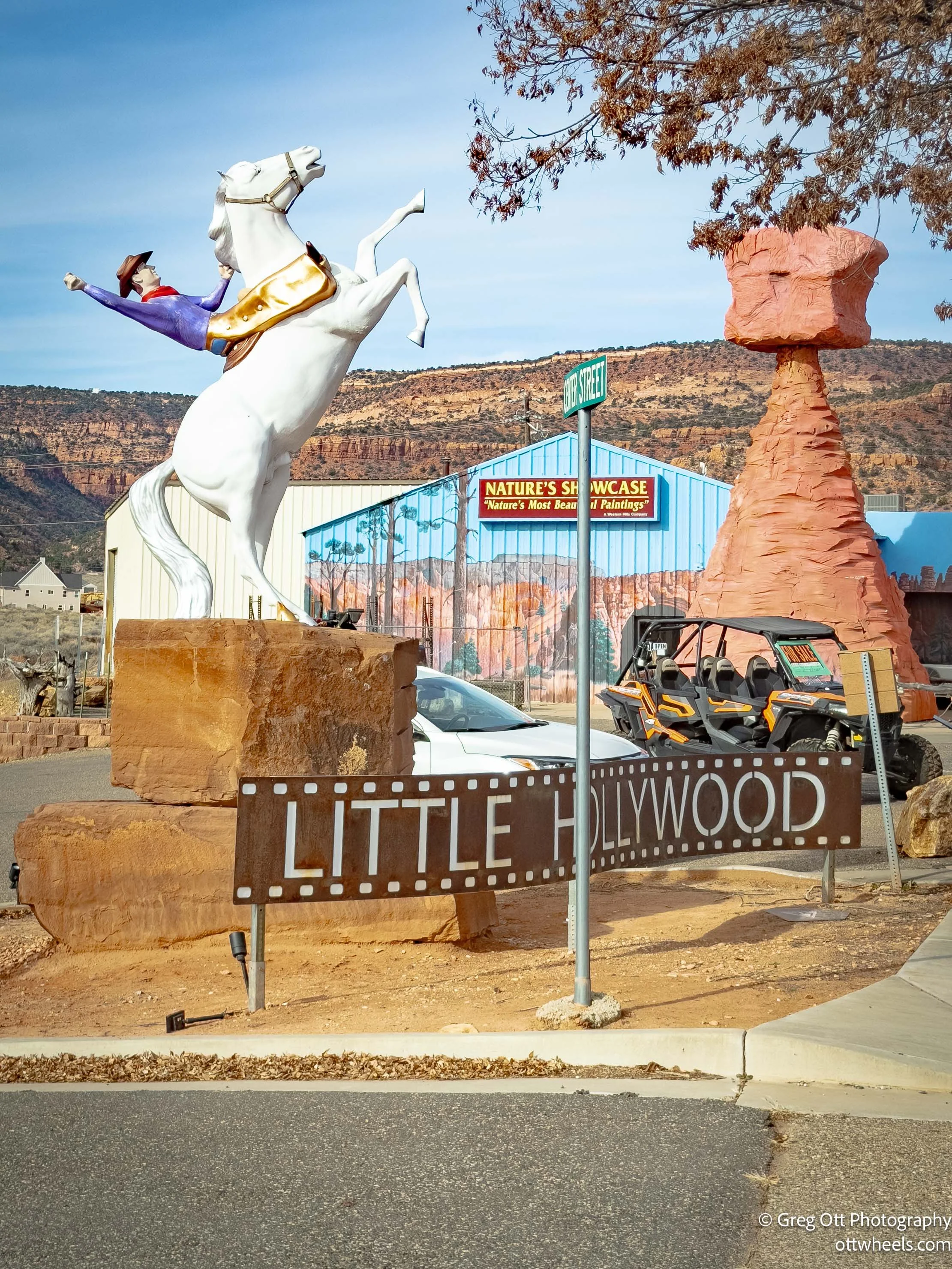
Driving through town, I passed a statue of a horse and rider that immediately made me think of the Lone Ranger. Beneath it was a sign that read Little Hollywood. That was enough to make me pull over and look it up. I expected a loose connection, maybe a few scenes shot nearby. Instead, I found out Kanab has a deep and legitimate Hollywood history.
The Lone Ranger was filmed here, along with a surprising number of Westerns and television shows. The surrounding landscape was used repeatedly as a stand-in for the American West. Some of the more recognizable productions filmed in and around Kanab include:
Stagecoach
The Outlaw Josey Wales
Planet of the Apes
Gunsmoke
Bonanza
Daniel Boone
At that point, the nickname made sense. Little Hollywood wasn’t branding or nostalgia — it was simply accurate.
I thought about stopping at one of the local museums, but they were closed for the season, along with a few other small film-related sites. They appeared modest and locally run, and I didn’t mind missing them. Reading about the history felt just as fitting. Kanab doesn’t seem interested in turning its past into a spectacle. It just sits there, quietly aware that a lot of movies were once made nearby.
Bryce Canyon
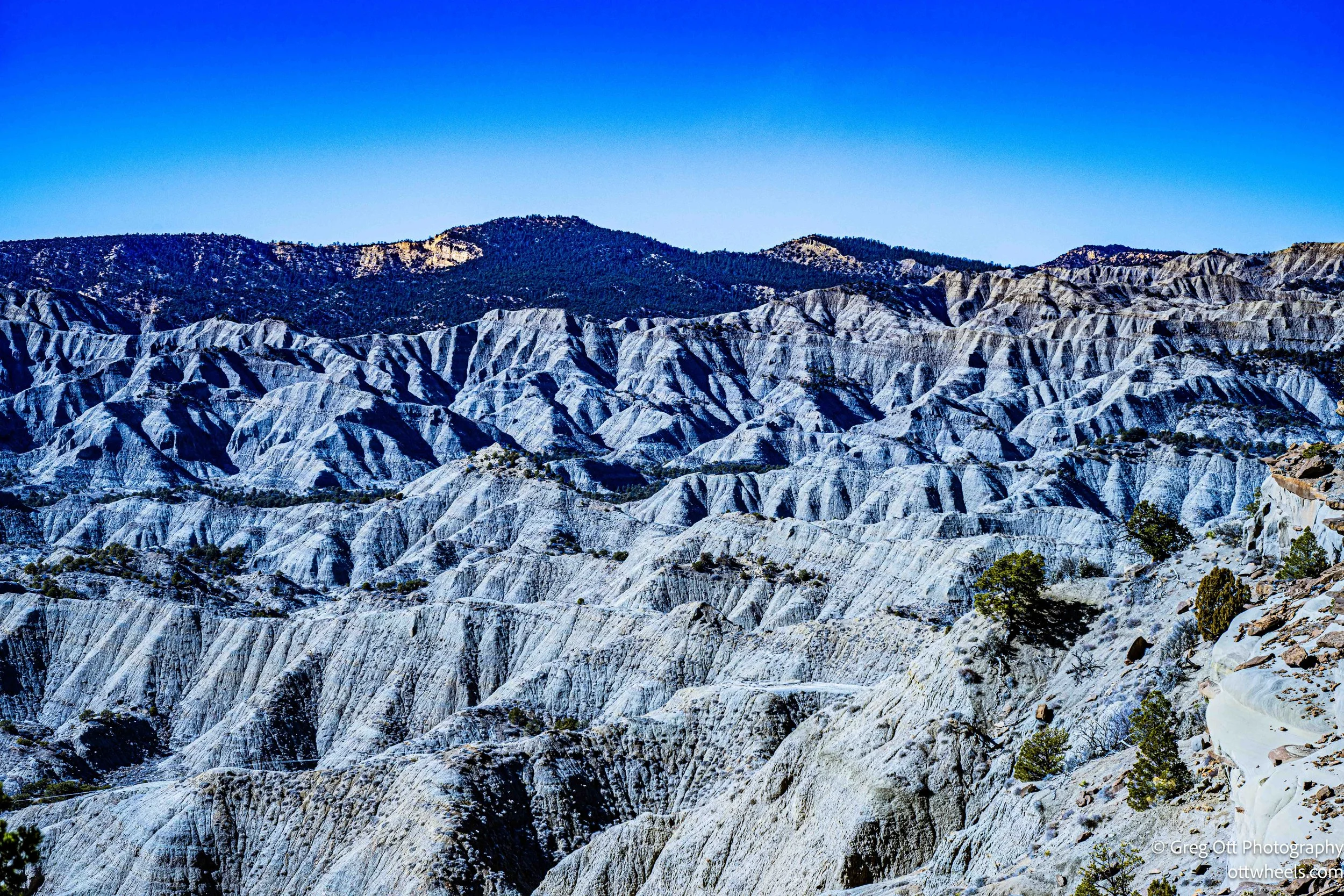
I turned onto UT-12, the road leading toward Bryce Canyon. I’d been to Bryce National Park a few years earlier, but most of this route felt new. I pulled over repeatedly, stretching the day longer than planned, but the road made that inevitable.
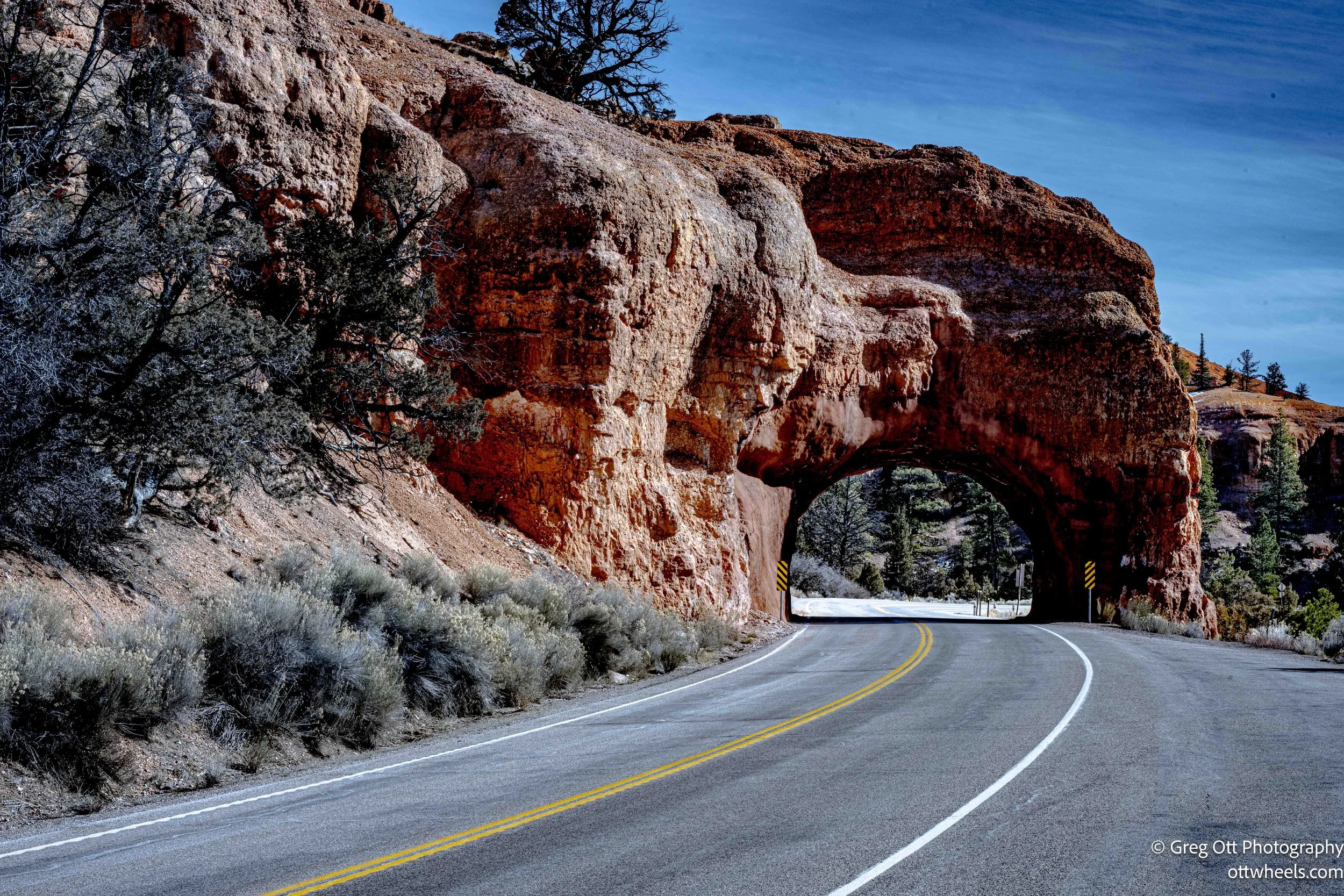
In places, UT-12 cuts directly through rock that’s been carved away just enough to let the pavement pass. The first time I slowed down, half wondering if the van would fit. It did — with plenty of clearance — but the moment still demanded attention. Nearby, a bike trail peeled off on its own route, following the land instead of cutting through it.
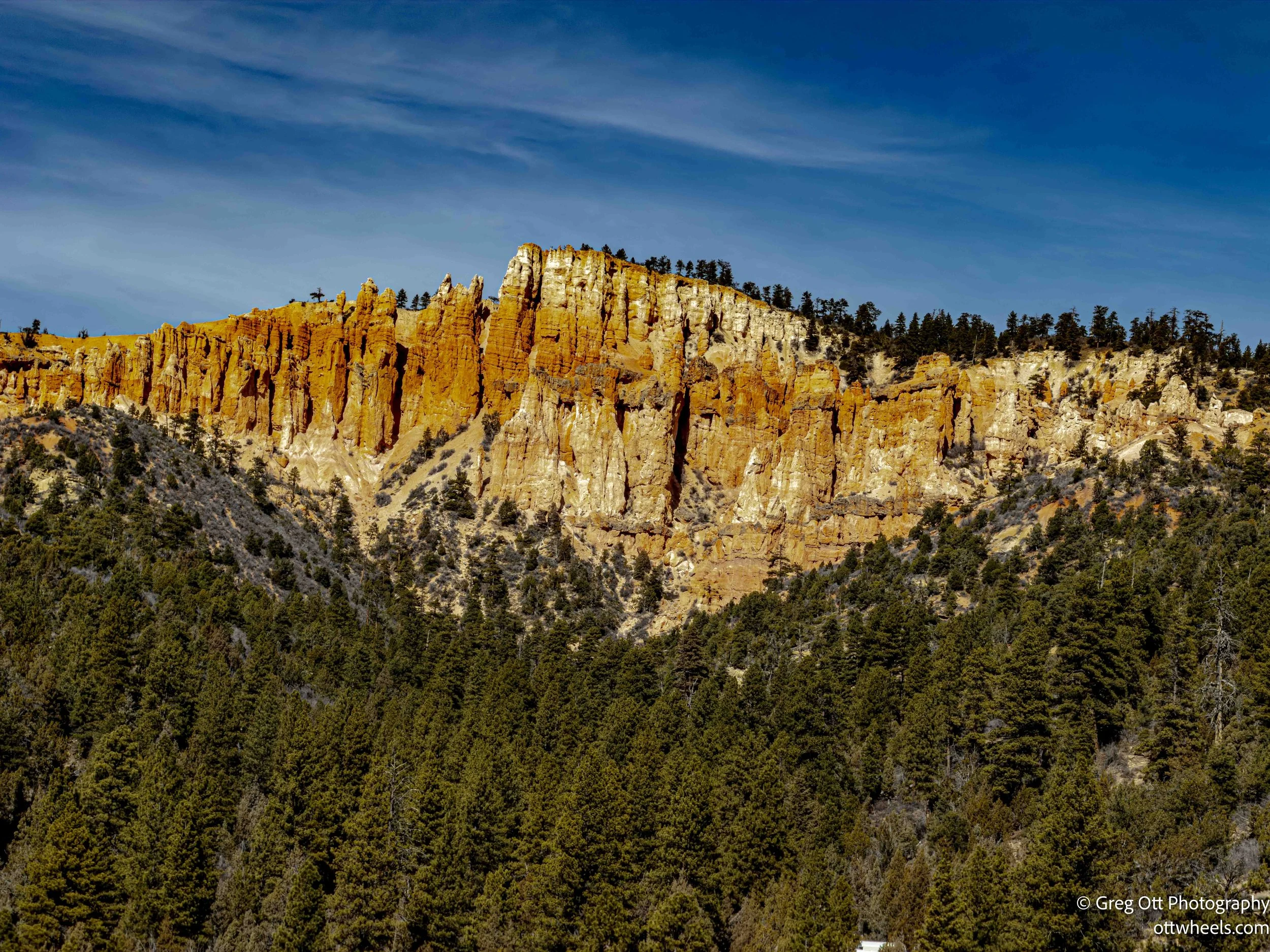
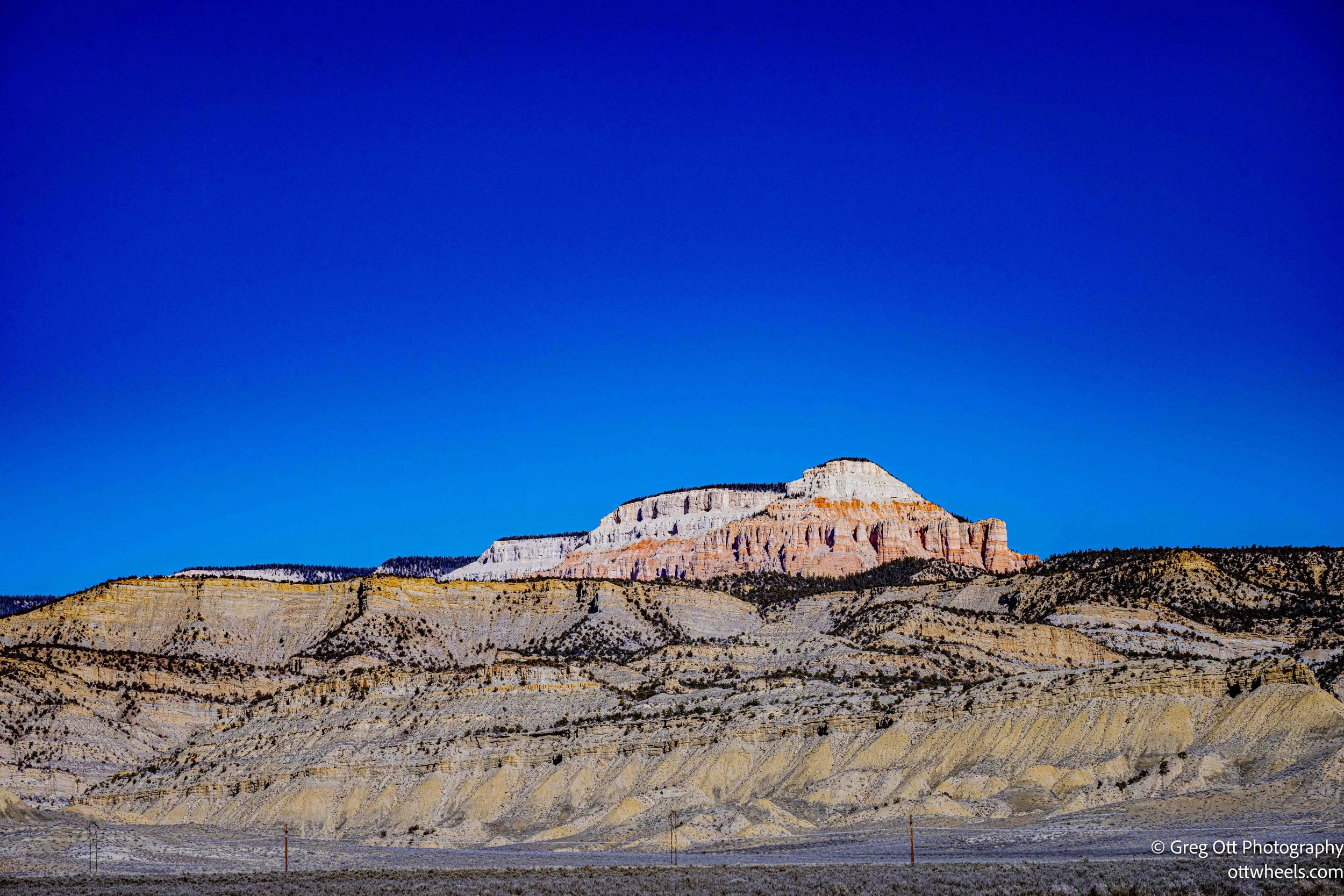
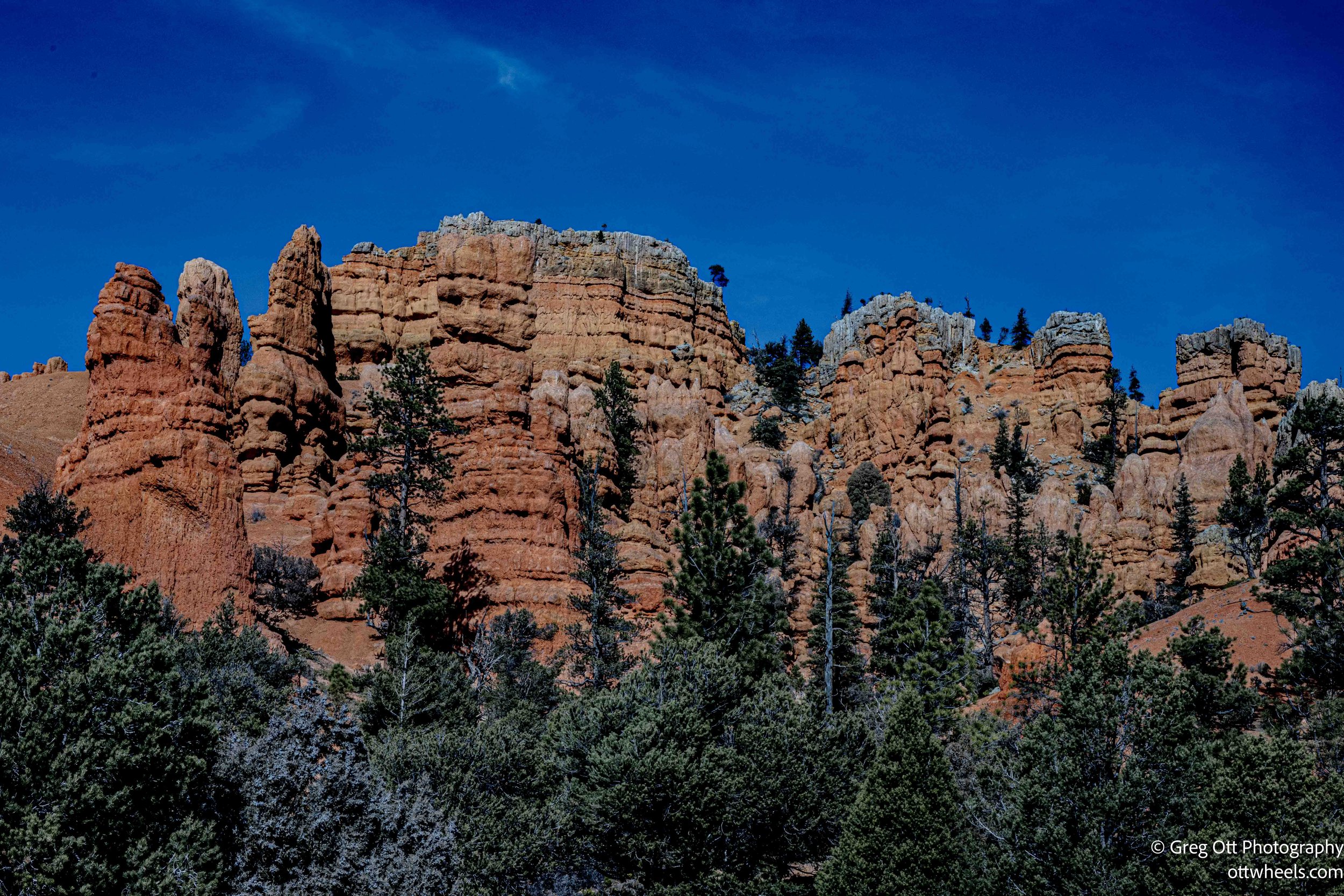
The rock formations here aren’t dramatic in a single moment. They’re relentless. One turn leads to another, each revealing a different shape, texture, or color — another reason the drive refused to stay on schedule.
After Bryce, the landscape flattened out. I stopped for gas at the Stage Stop Station in Tropic, Utah, and topped off again. Out here, if I’m below a quarter tank, I stop. Stations close unexpectedly, or I misjudge how far the next one really is. The Stage Stop was busy for such a small town. There was a grill off to the side, so I ordered a chicken quesadilla. It was nothing special, but it gave me time to sit, eat, and watch the town move around me.
Henrieville
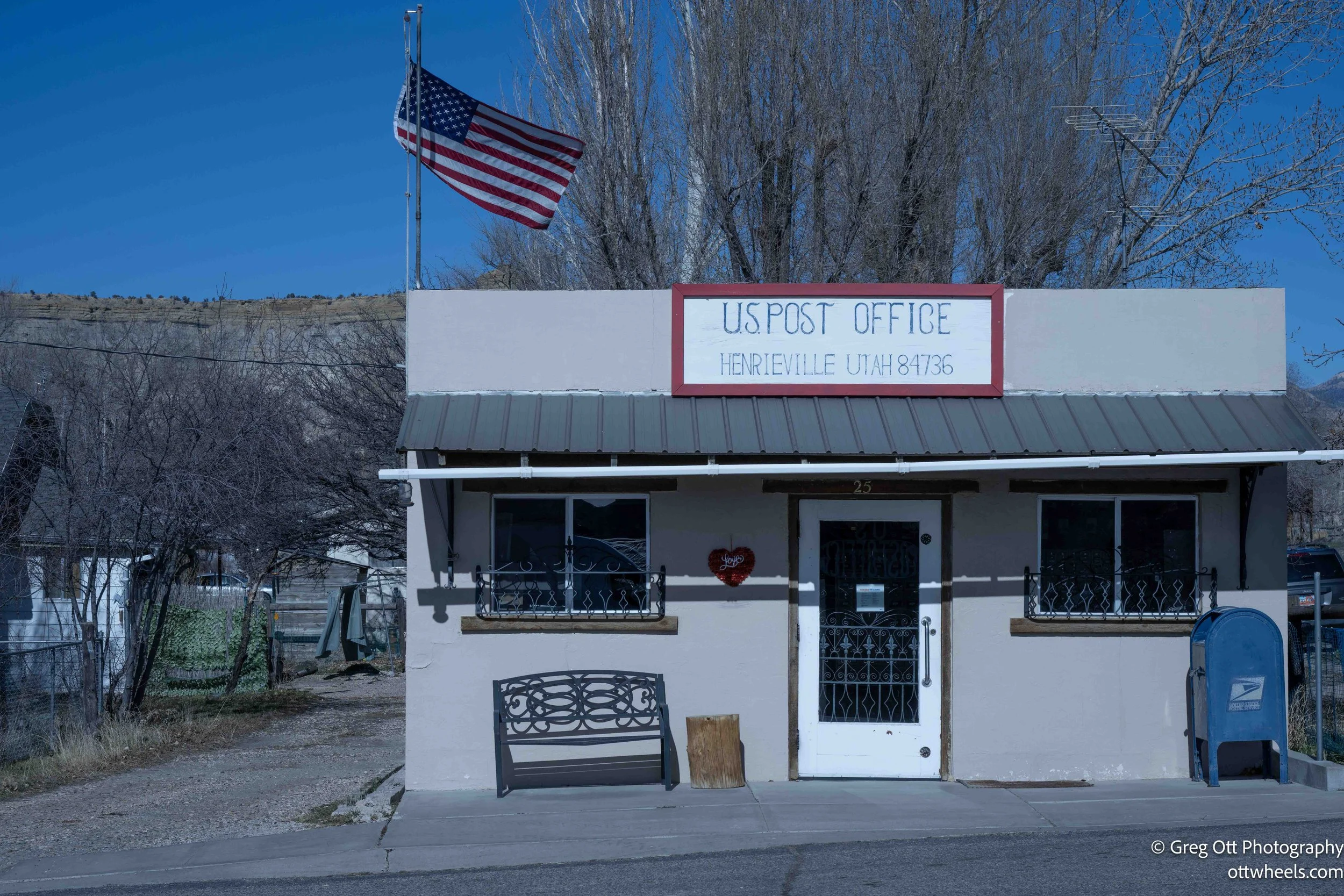
I slowed down as I approached Henrieville. The speed dropped to 35, and the person behind me clearly had no interest in that, blowing past at what felt closer to 60. I probably wouldn’t have remembered Henrieville at all, except for its post office — small, simple, and kind of perfect. Not even close to being the smallest post office I’ve seen (Florida and upper Minnesota still hold that title), but small enough to make you notice.
I pulled over, took a photo, and walked around a bit. Henrieville exists for the same reason a lot of towns out here do: it started as a farming and ranching settlement, tied to irrigation and land that could actually support people in an otherwise dry landscape. It’s been around since the late 1800s and has stayed small by choice or circumstance — a place you pass through rather than arrive at, unless you live there. There wasn’t much going on, and that felt like the point.
Grand Staircase–Escalante National Monument
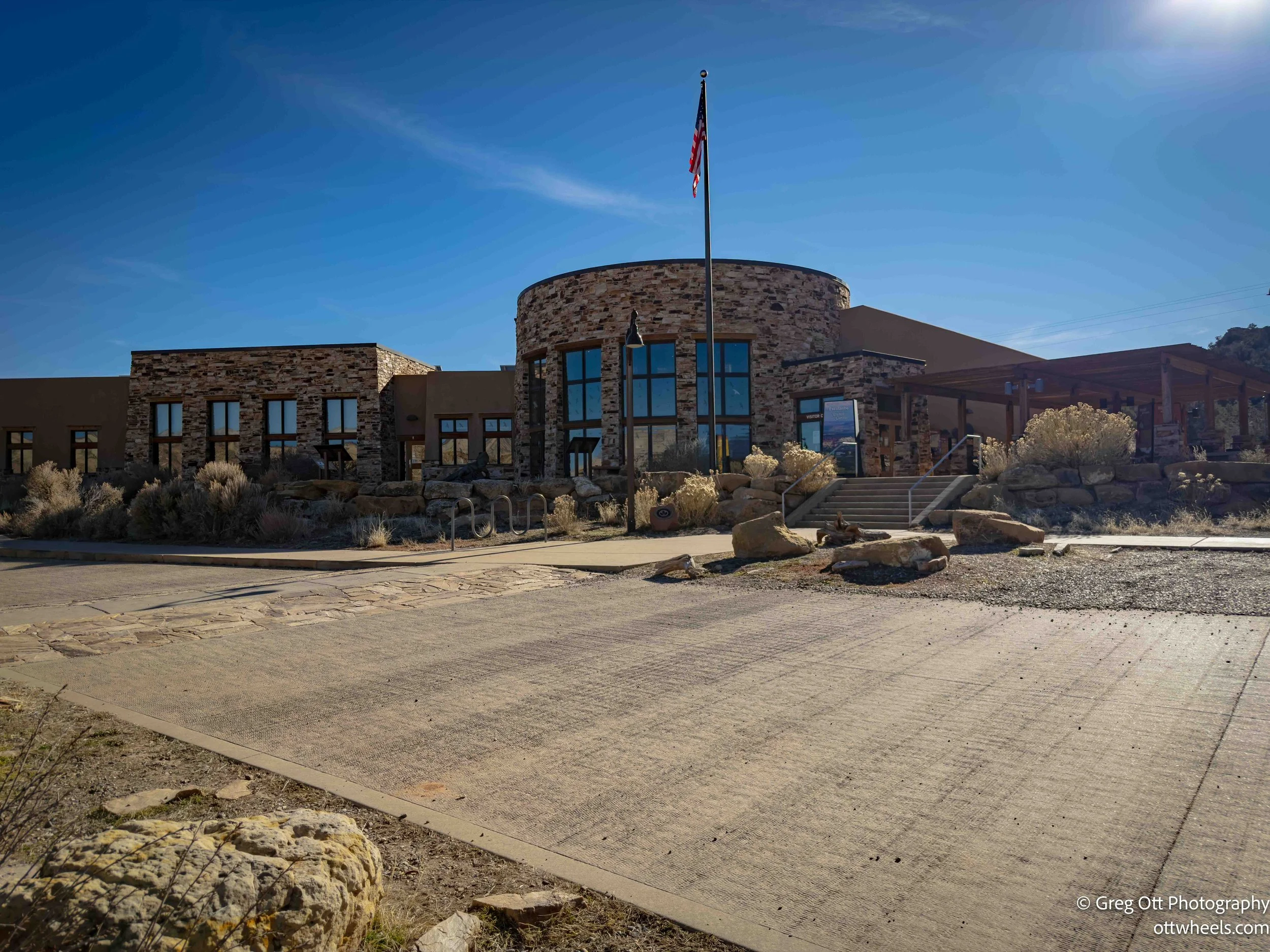
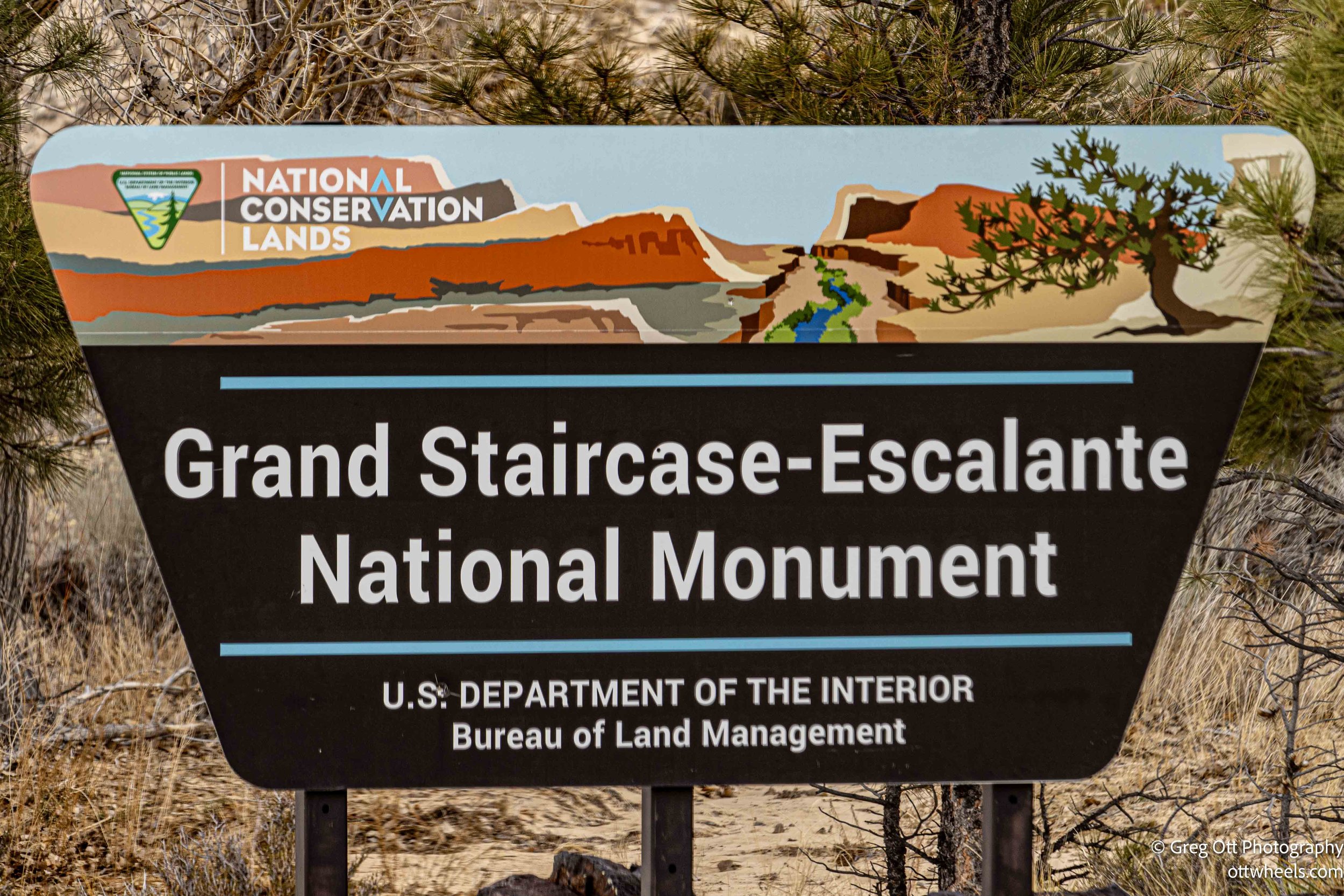
I eventually reached Escalante, Utah — a town shaped almost entirely by tourism and the surrounding National Conservation Lands. There are a few small hotels and places to eat, but the real center of gravity is the Escalante Interagency Visitor Center. I stopped in and stayed close to an hour, talking with a ranger, watching the twenty-five-minute geology film, and walking through the exhibits. The ranger, who worked for the Department of the Interior, was exceptionally knowledgeable and generous with his time.
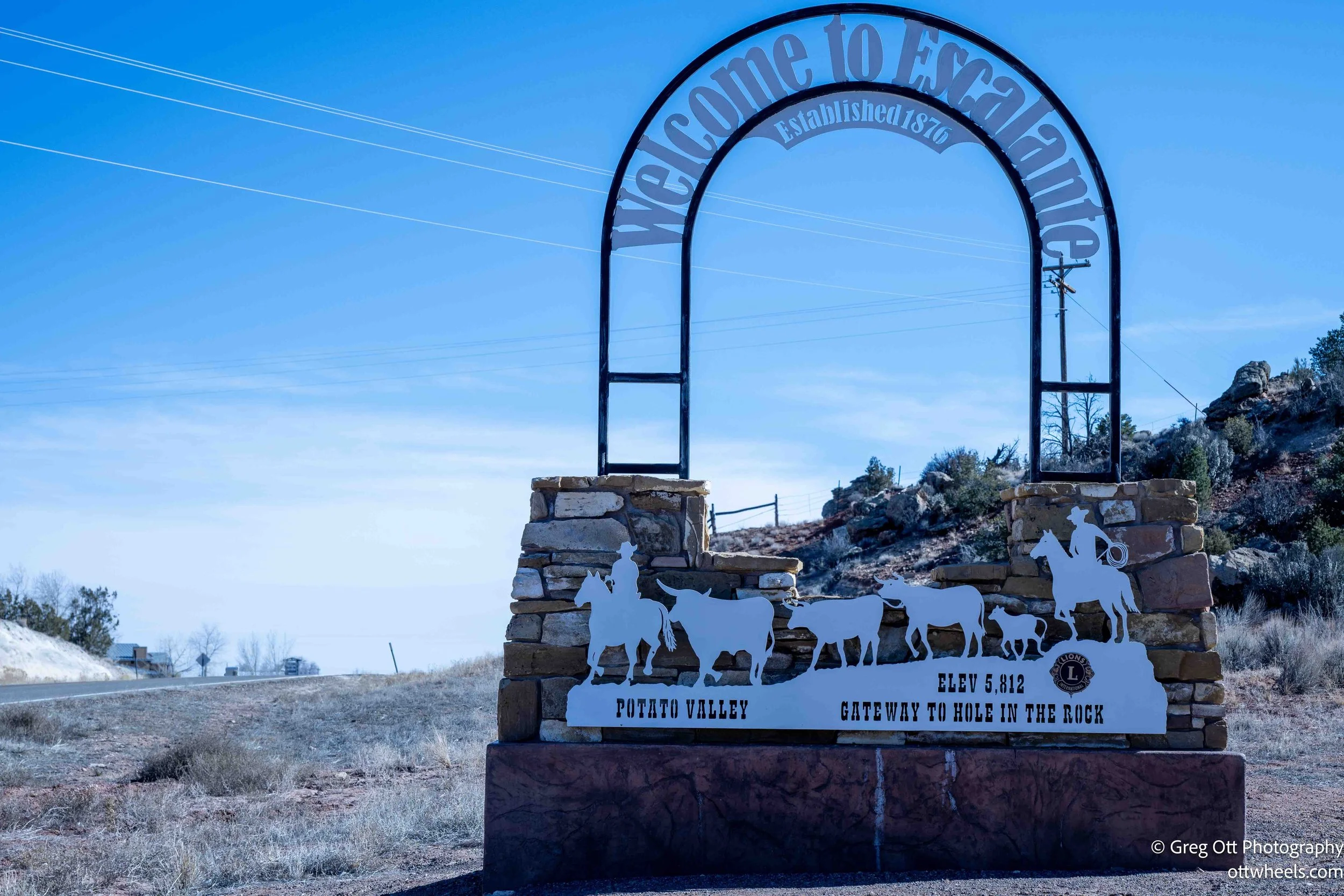
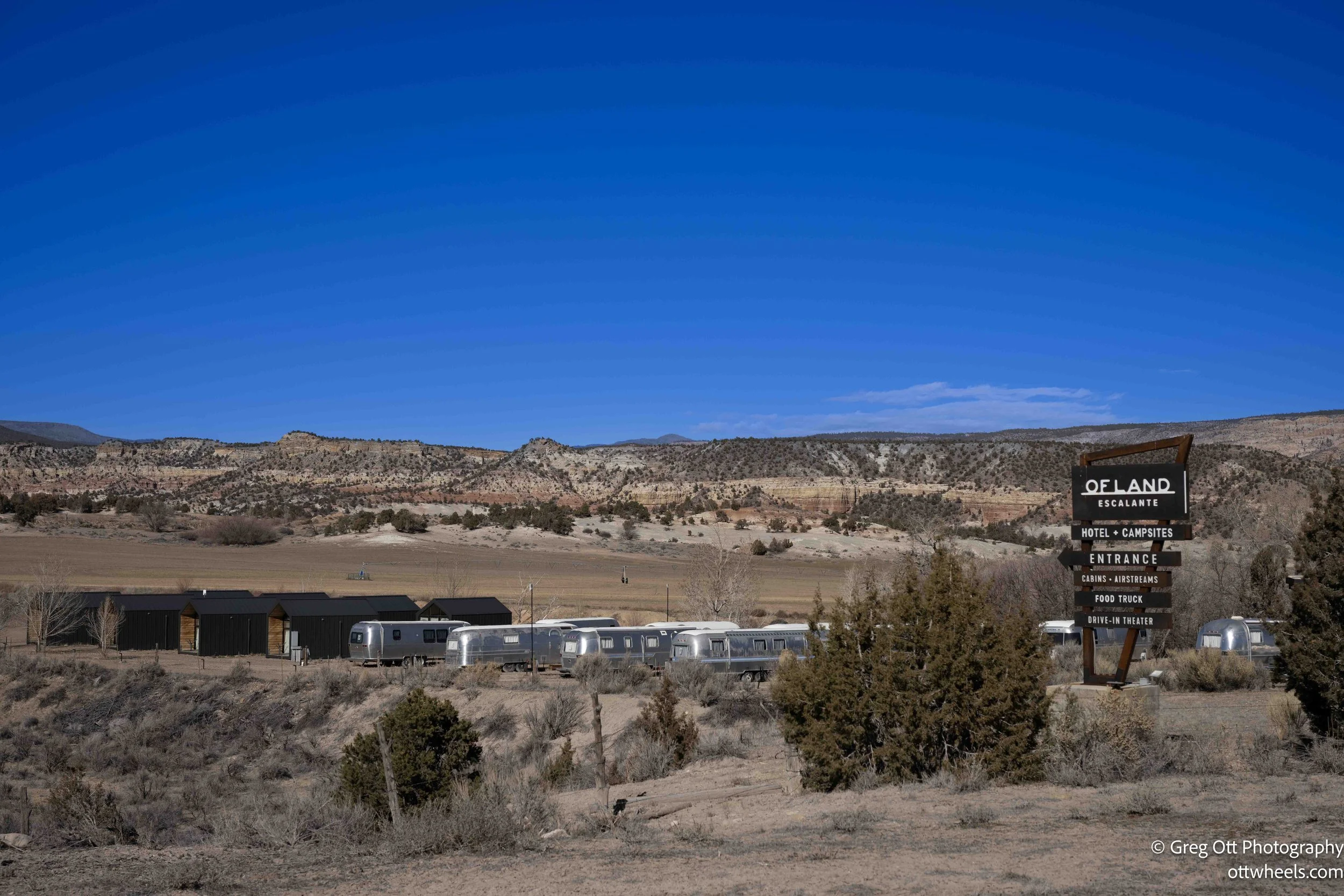
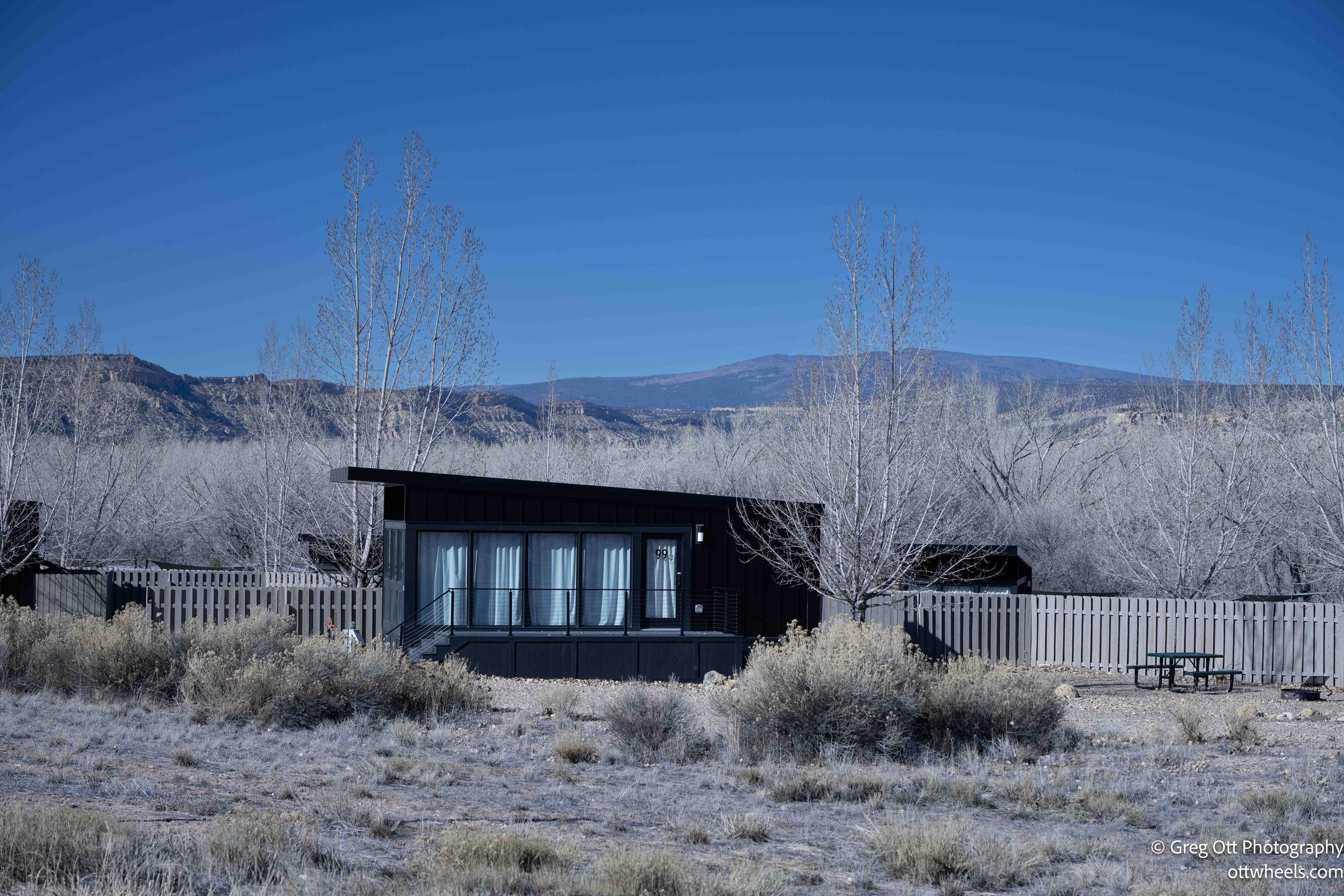
My original plan had been to continue on to Hole-in-the-Rock, an area I’d been looking forward to seeing. He quickly talked me out of it — at least for now. The road, he explained, was badly rutted, with twelve- to eighteen-inch grooves that make passing nearly impossible in a van. He also pointed out a few other destinations that sounded appealing but weren’t practical at the moment due to water and access issues. It was the kind of advice that saves you from learning things the hard way.
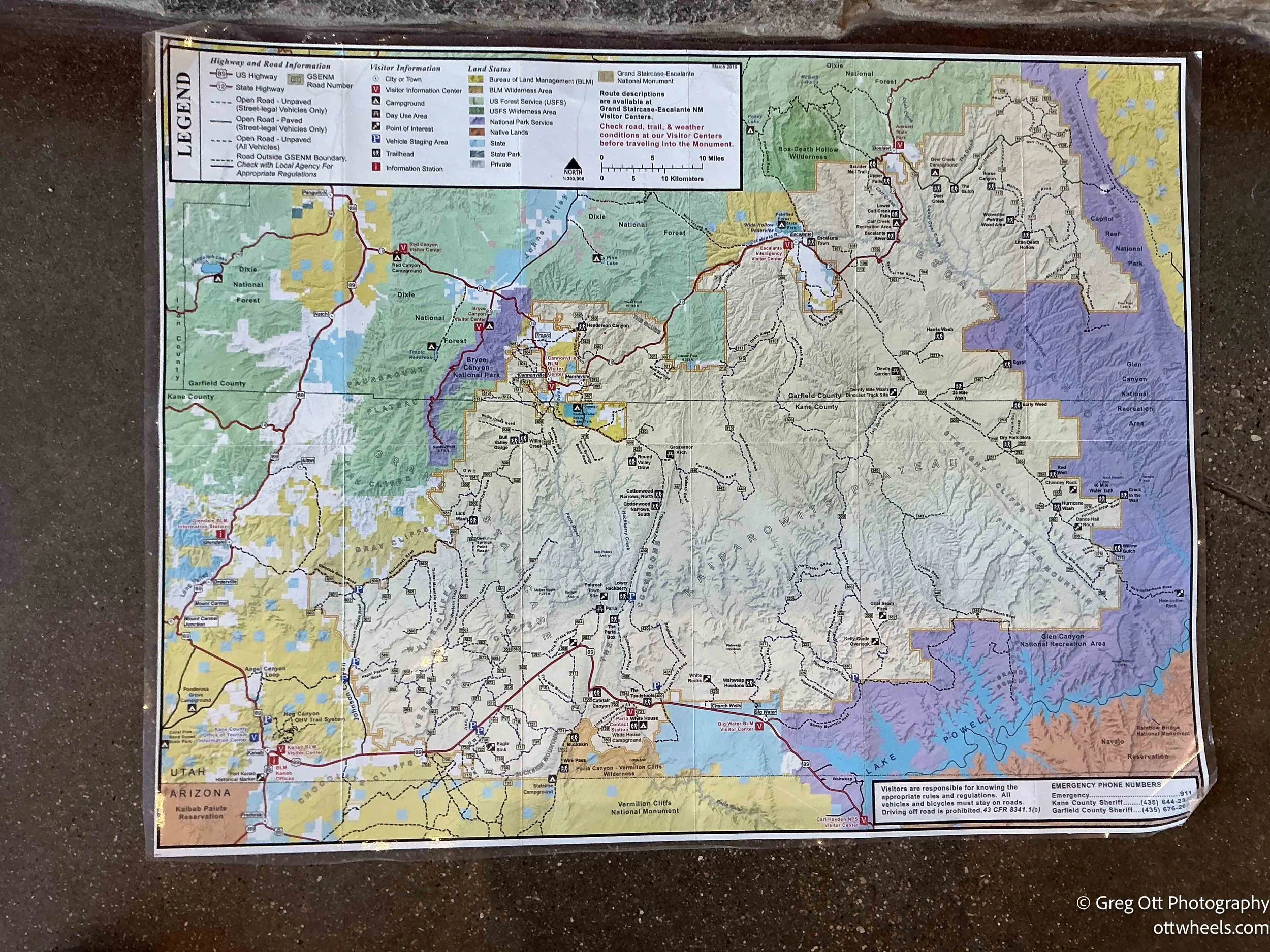
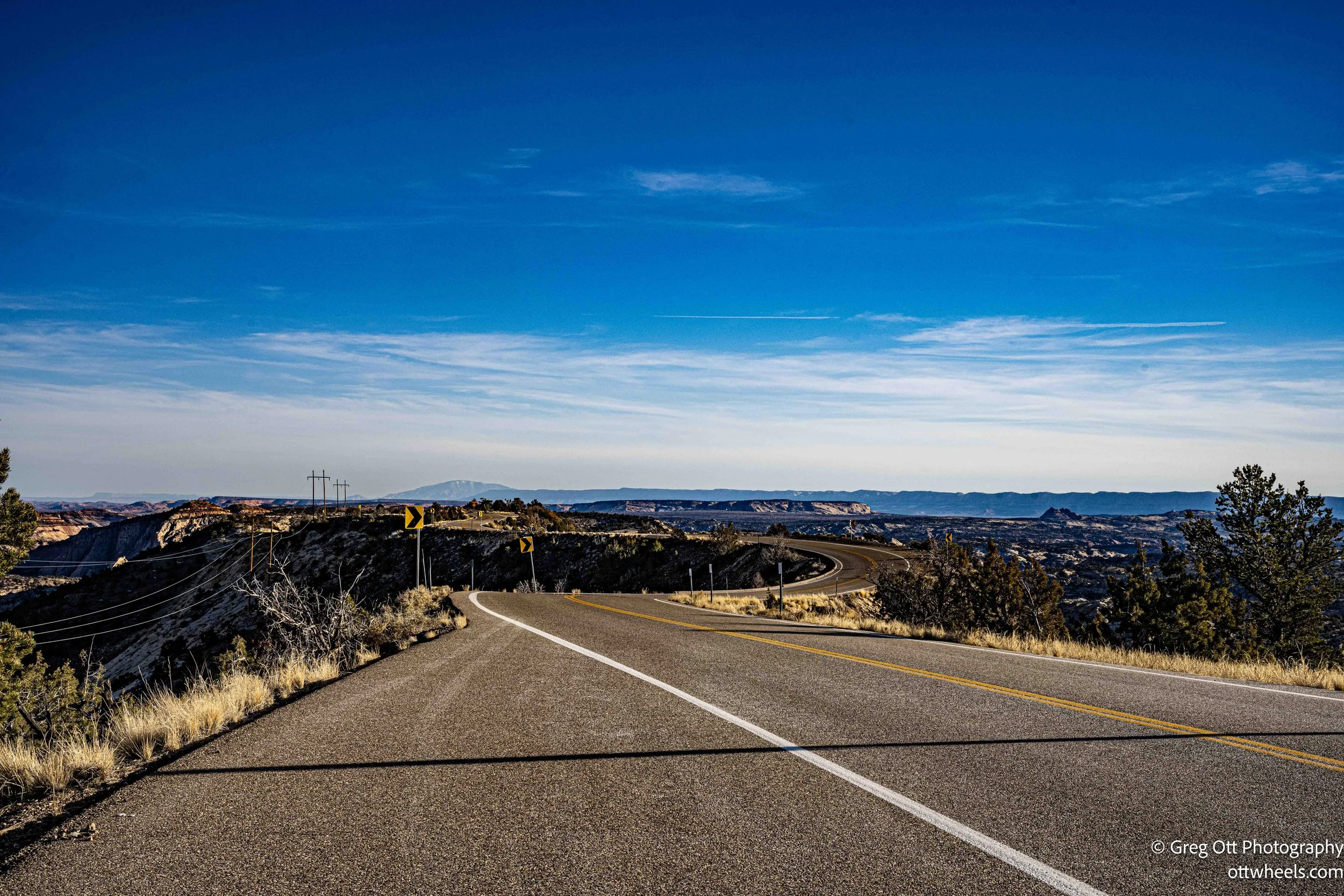
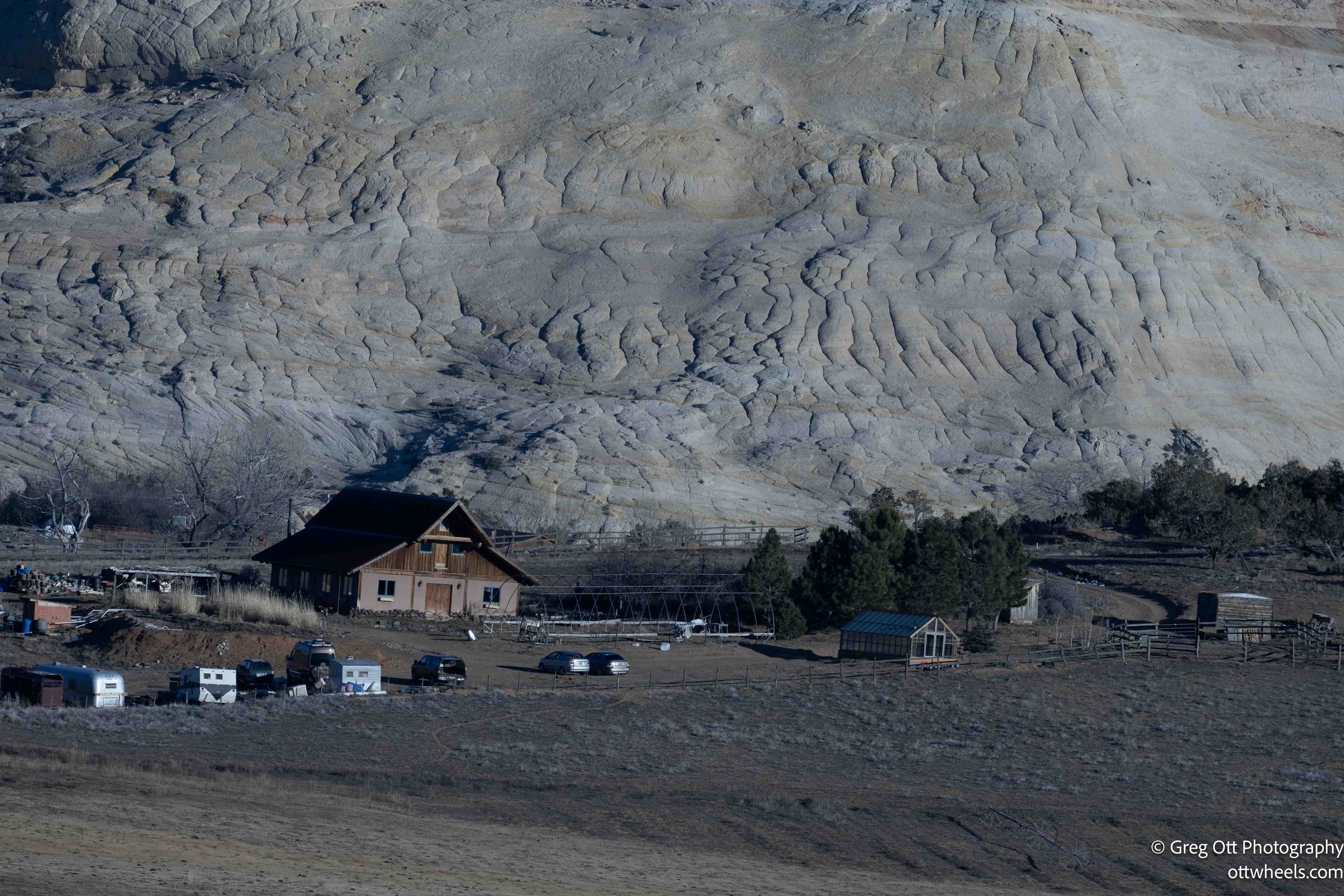
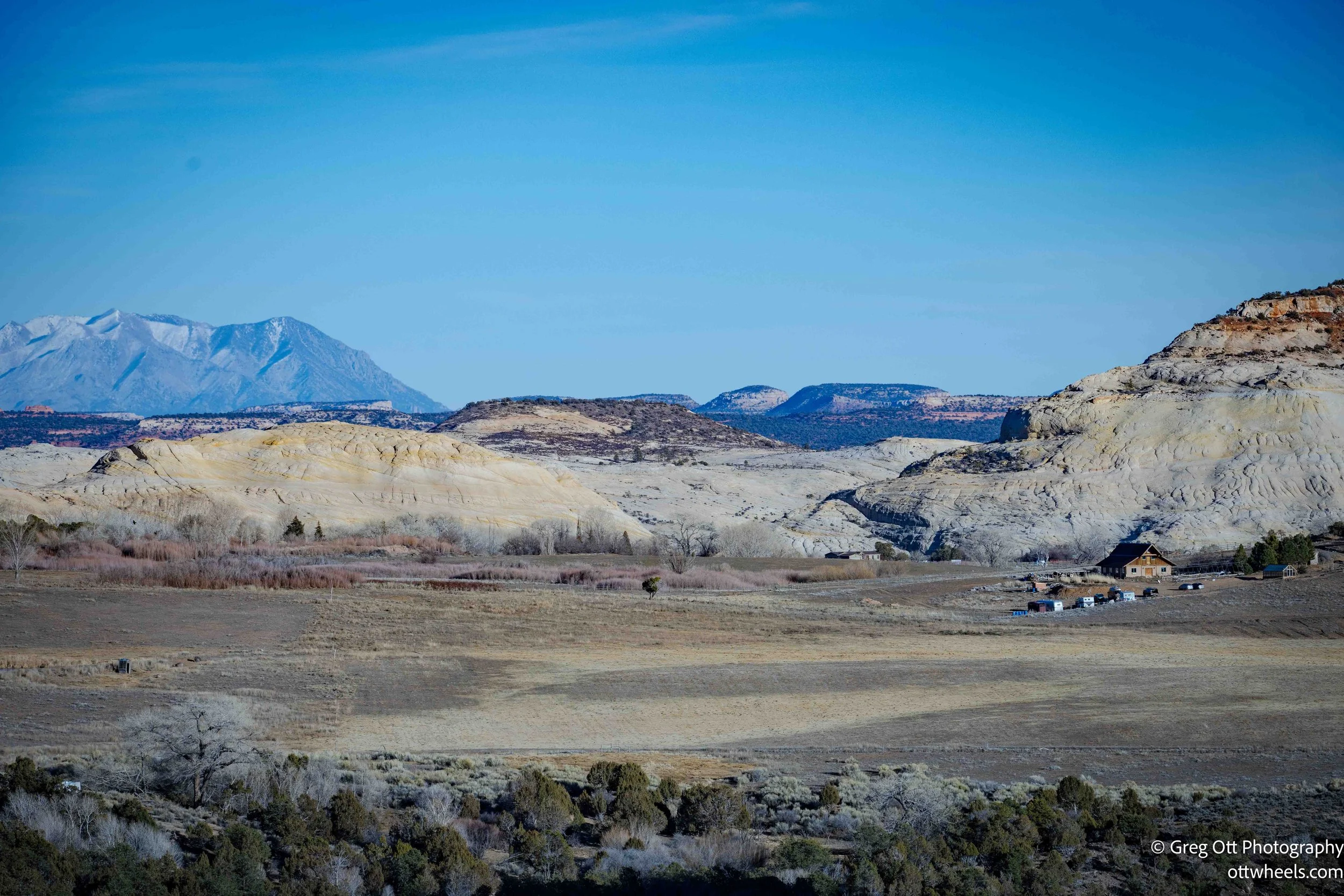
In the end, I headed toward Boulder, UT and then Deer Creek Campground in the Grand Staircase. The drive turned into one of those white-knuckle stretches that keeps your heart rate elevated long after it’s over. The road runs along a high ridge, hundreds of feet above the land below, winding and exposed, with no guardrails and nothing but open space on either side. Technically, the road is wide enough. But driving a van up there, knowing that drifting even inches off line could be catastrophic, makes every curve feel heavier than it looks on a map.
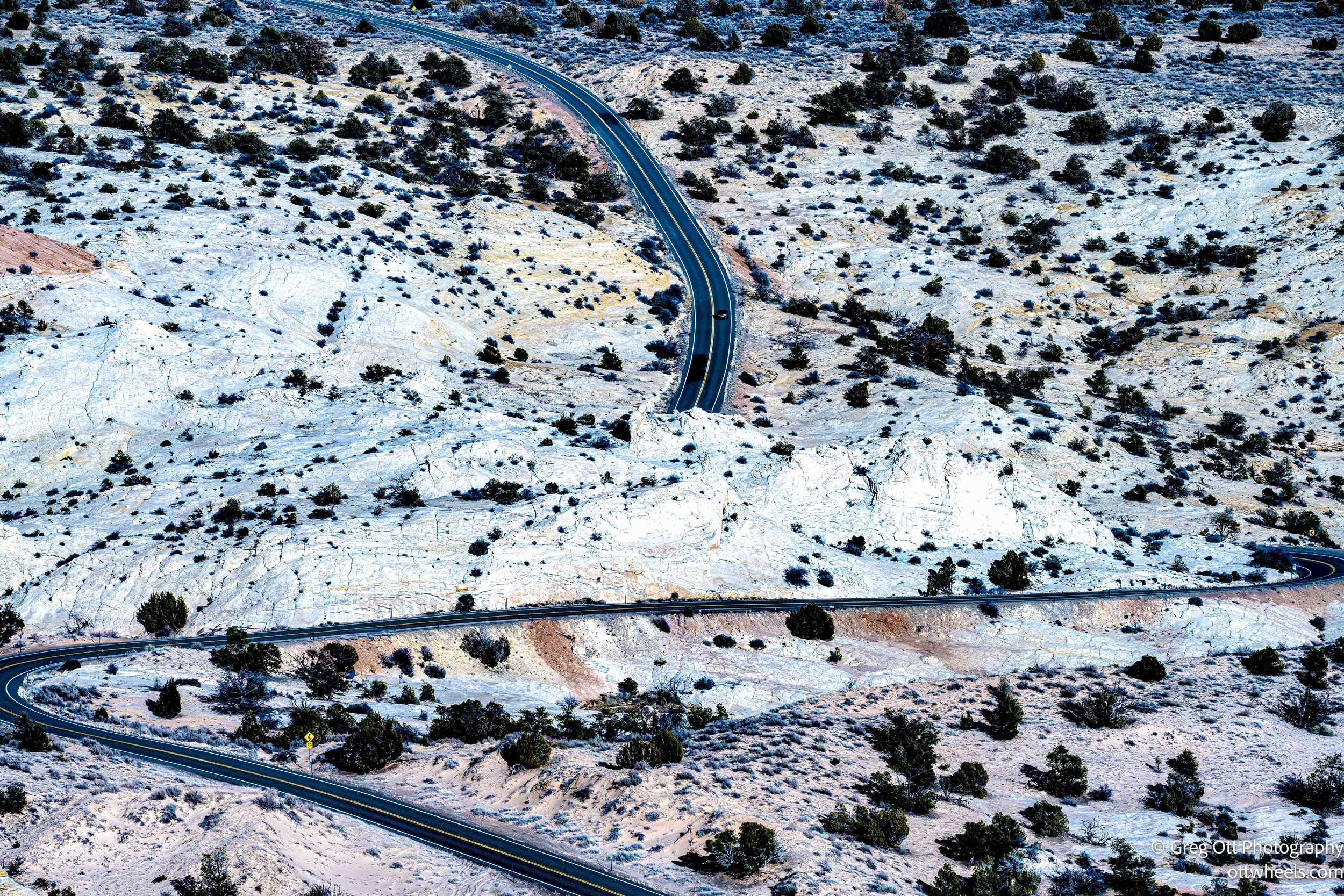
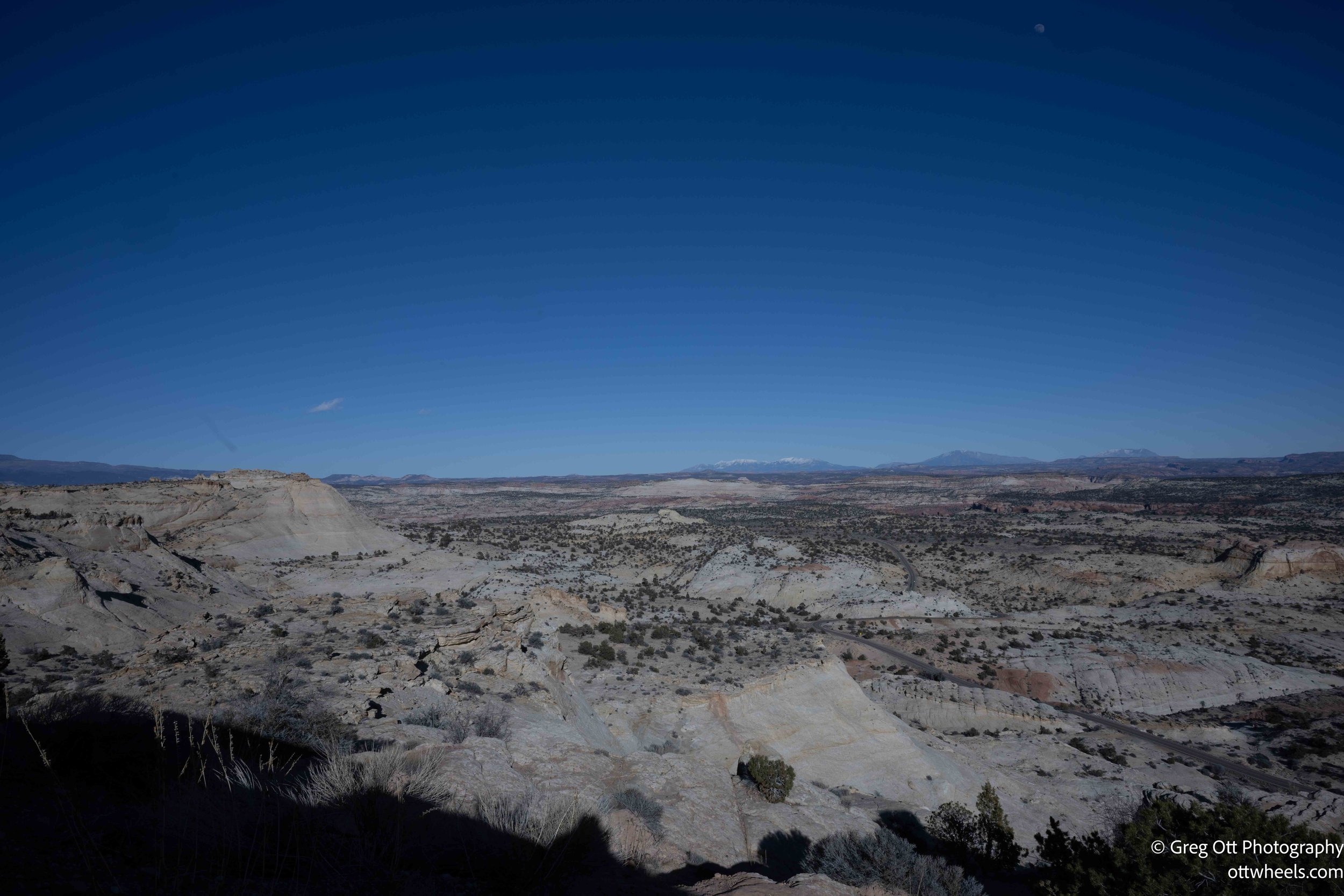
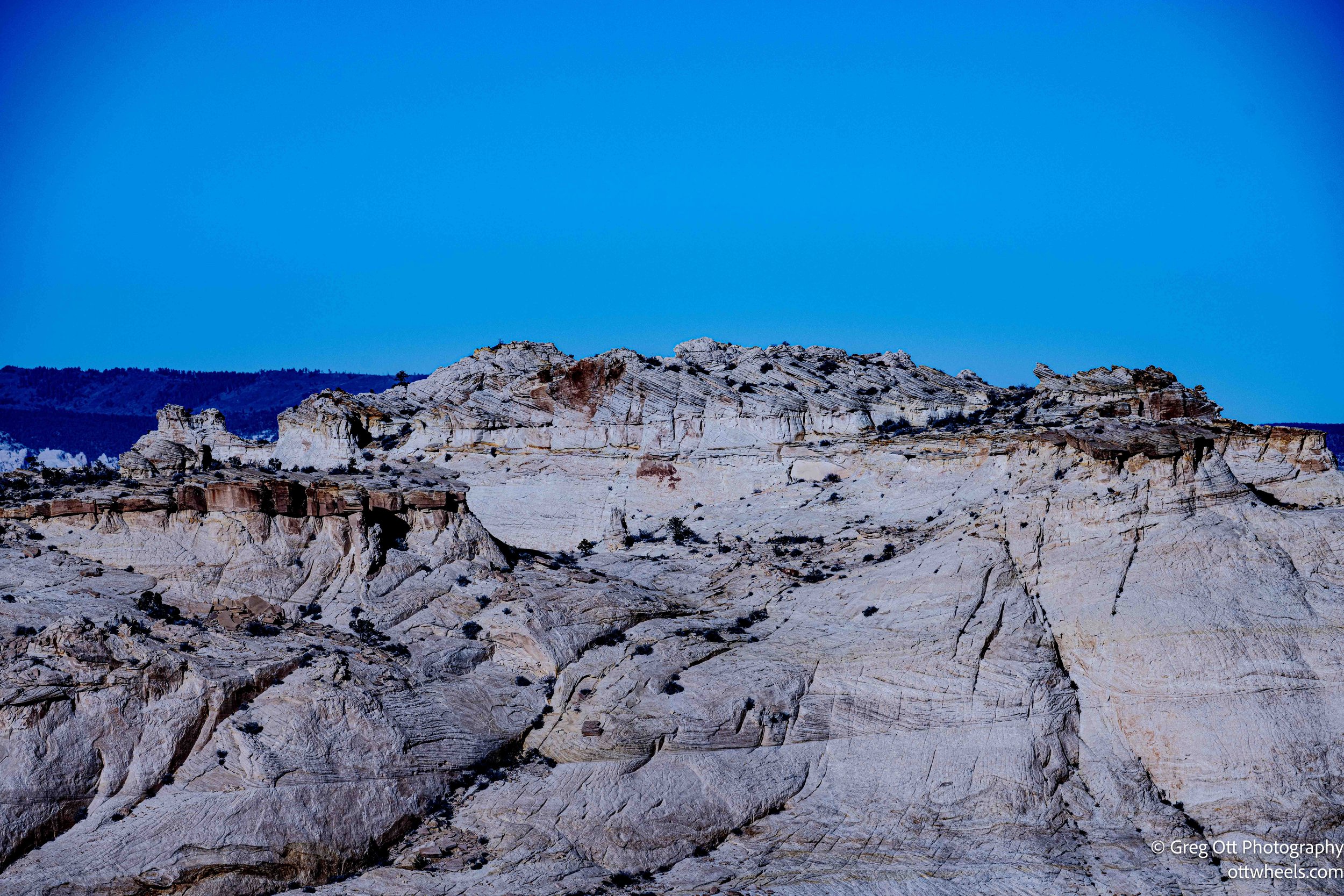
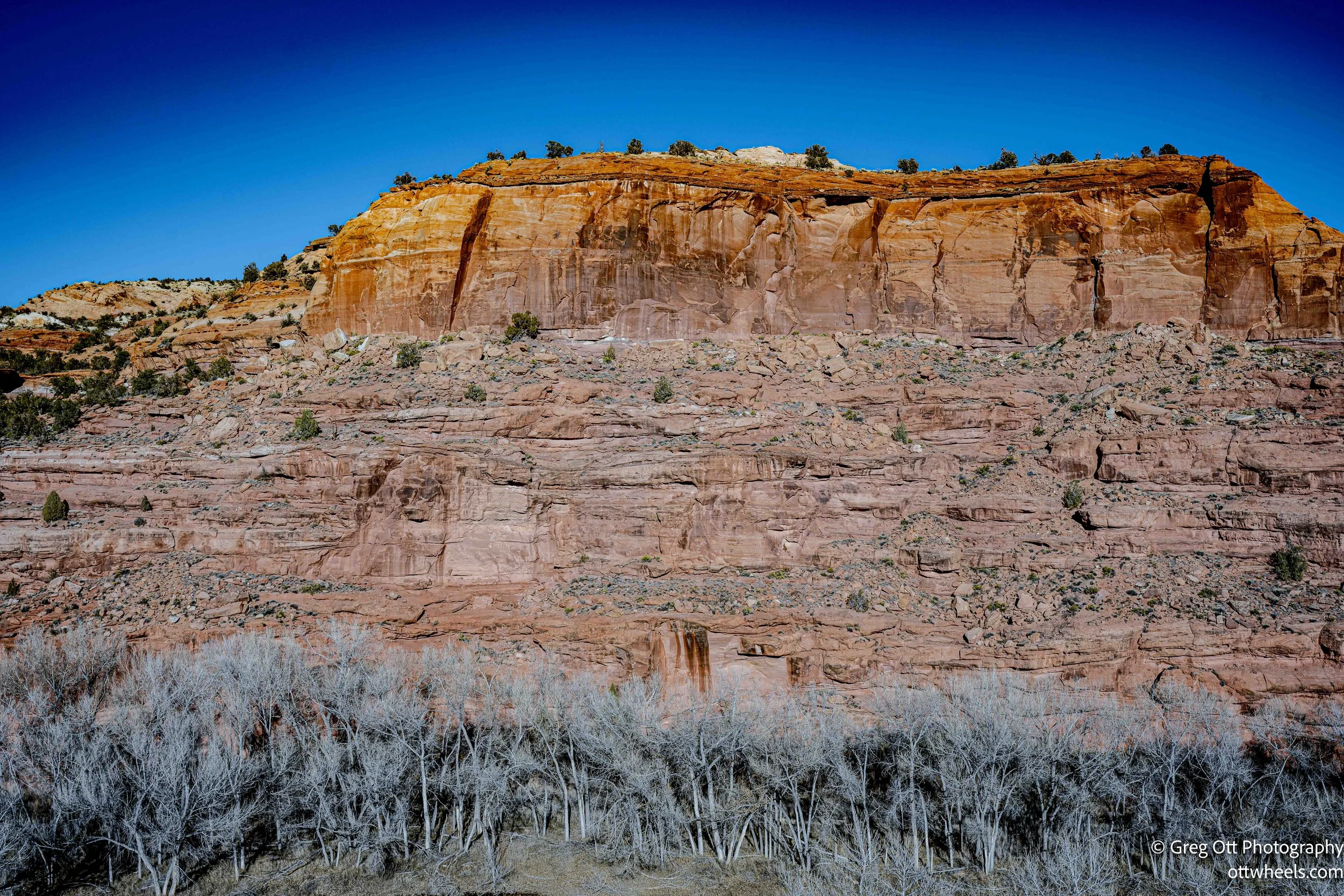
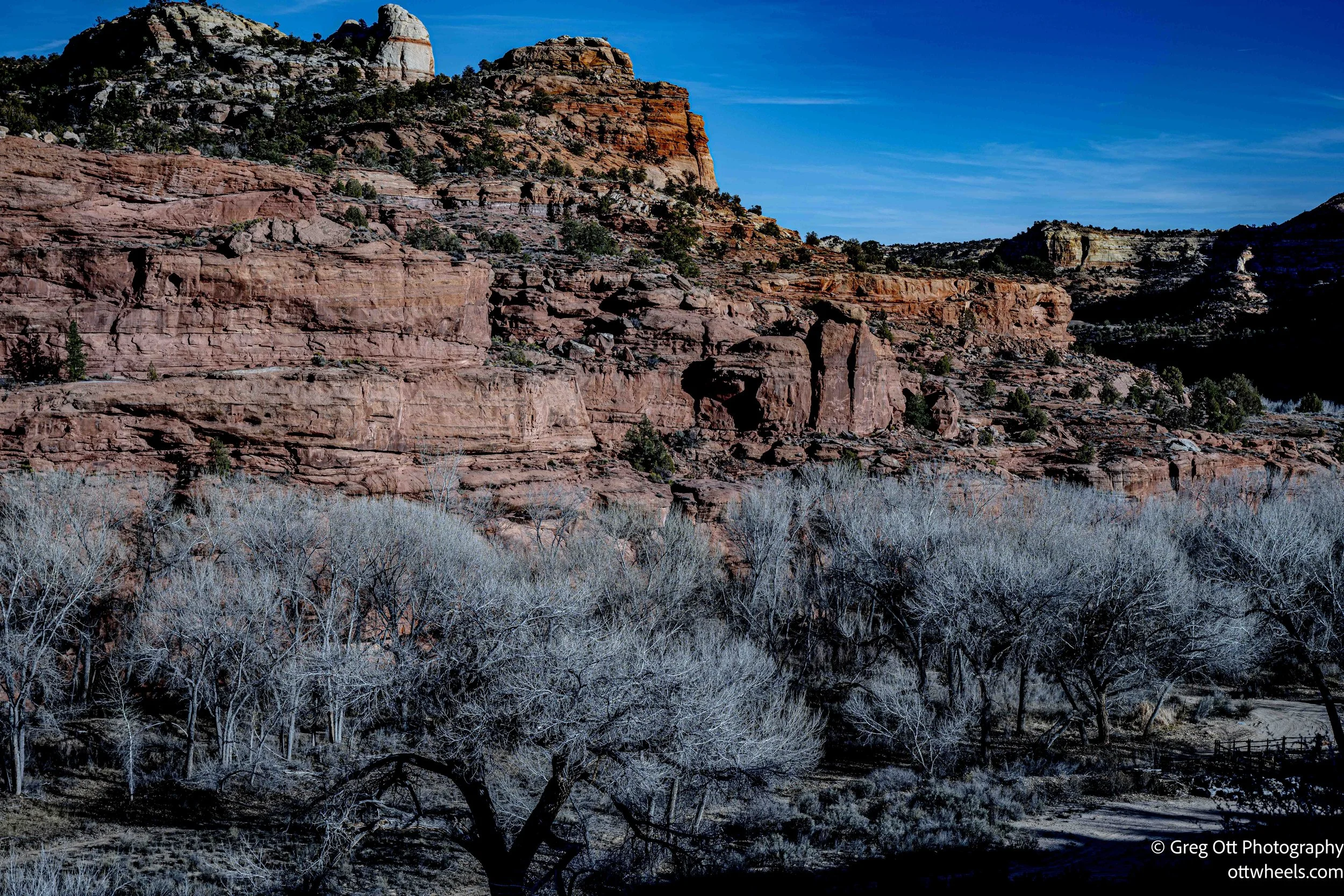
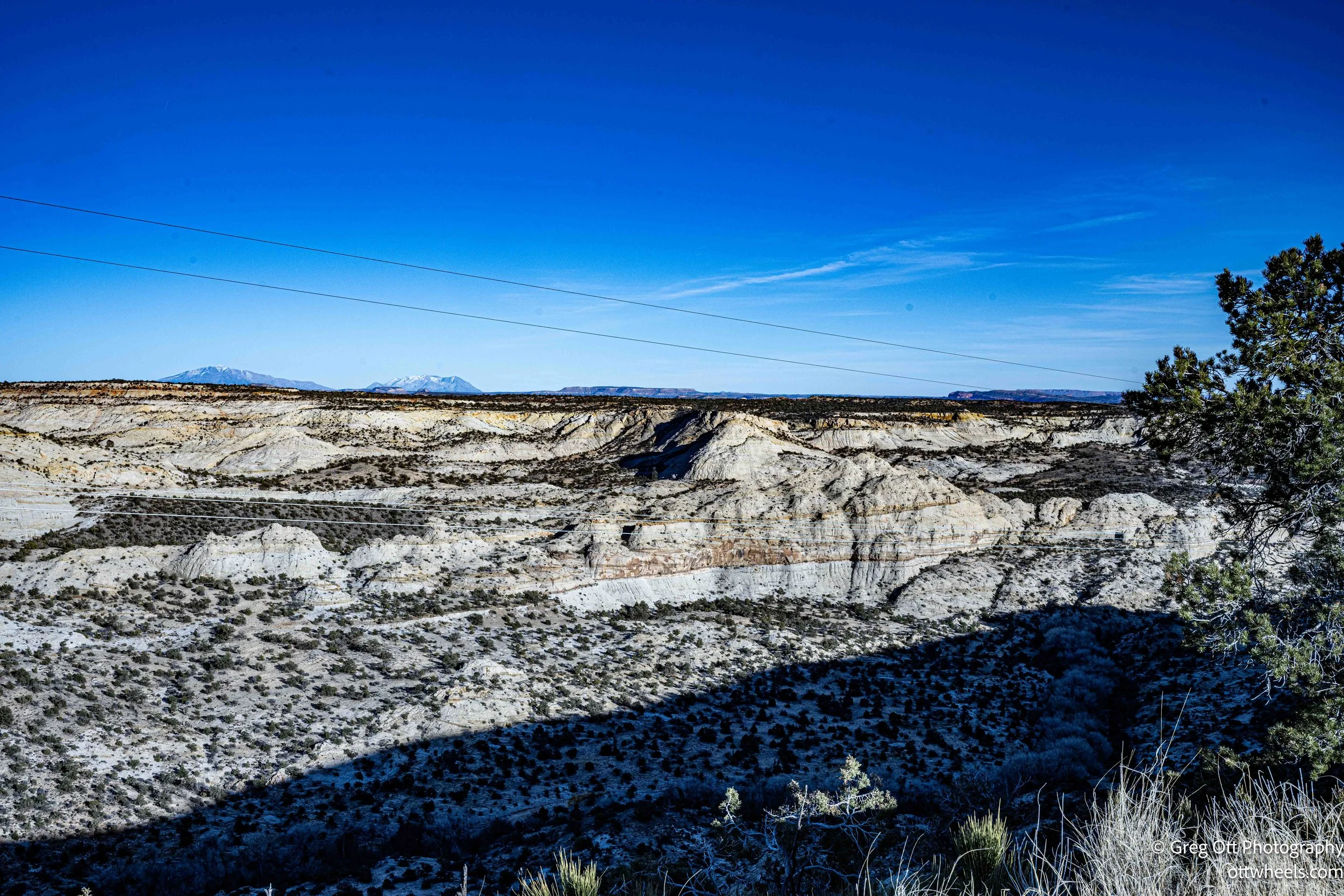
There was a pull-off, and I eased over carefully, staying well back from the edge, and took a photo of the road. The views were spectacular. I stopped a few more times before reaching Boulder. The name fits, but it isn’t much of a town. There’s Hills & Hollows Market — a small grocery store I didn’t stop at — but it was reassuring to know it was there.
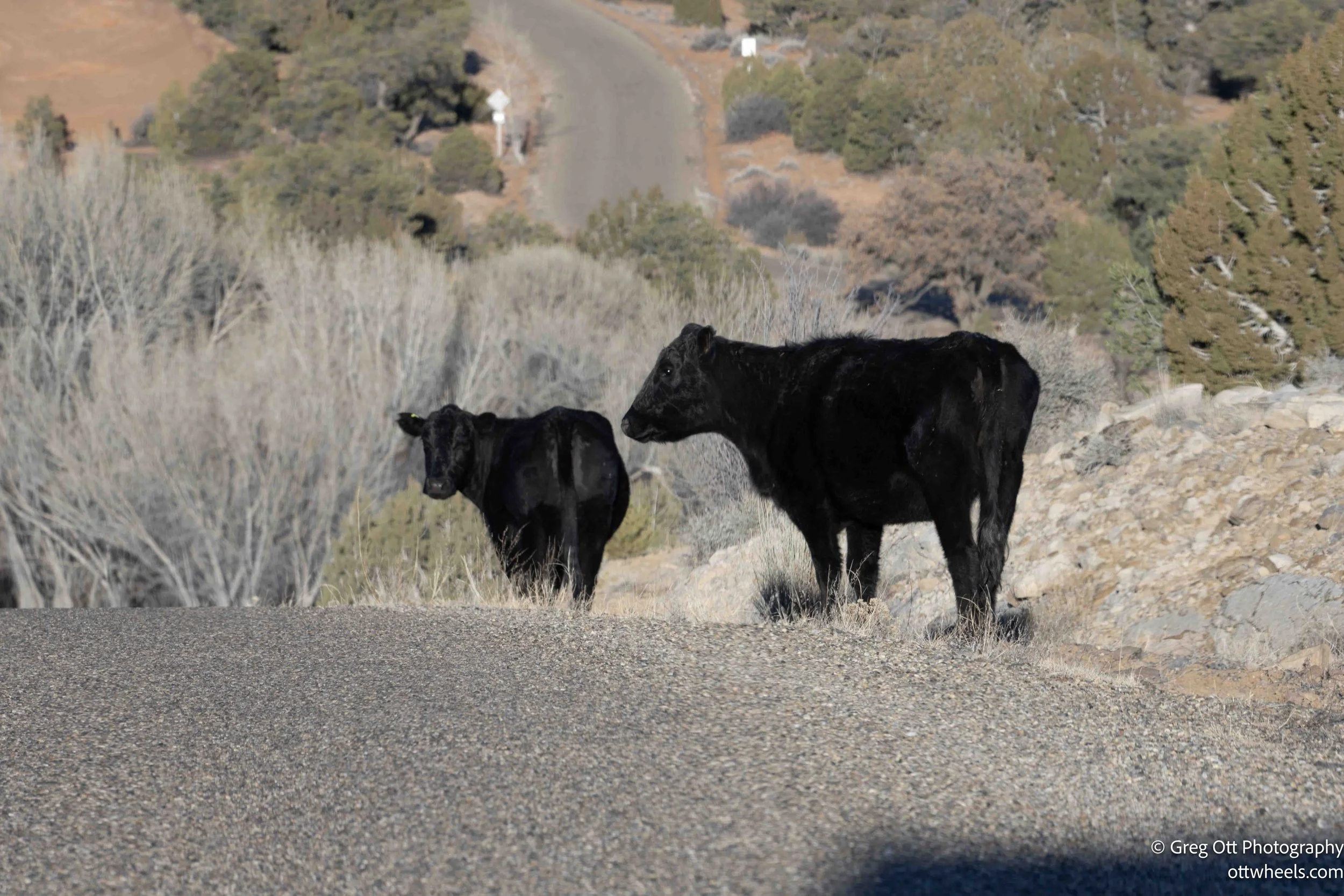
Closer to Deer Creek, about twenty mule deer stood in the middle of the road. I slowed as they scattered into a small grove of trees between the road and the massive rock wall beside it. I stepped out with the camera just as a Subaru slowed coming the other way. The deer spooked again and took off. The people in the car waved and smiled as they passed. Further down the road, two cows were walking along the side of the road, obviously on their way to somewhere. I slowed, they looked back, and then crossed the road.
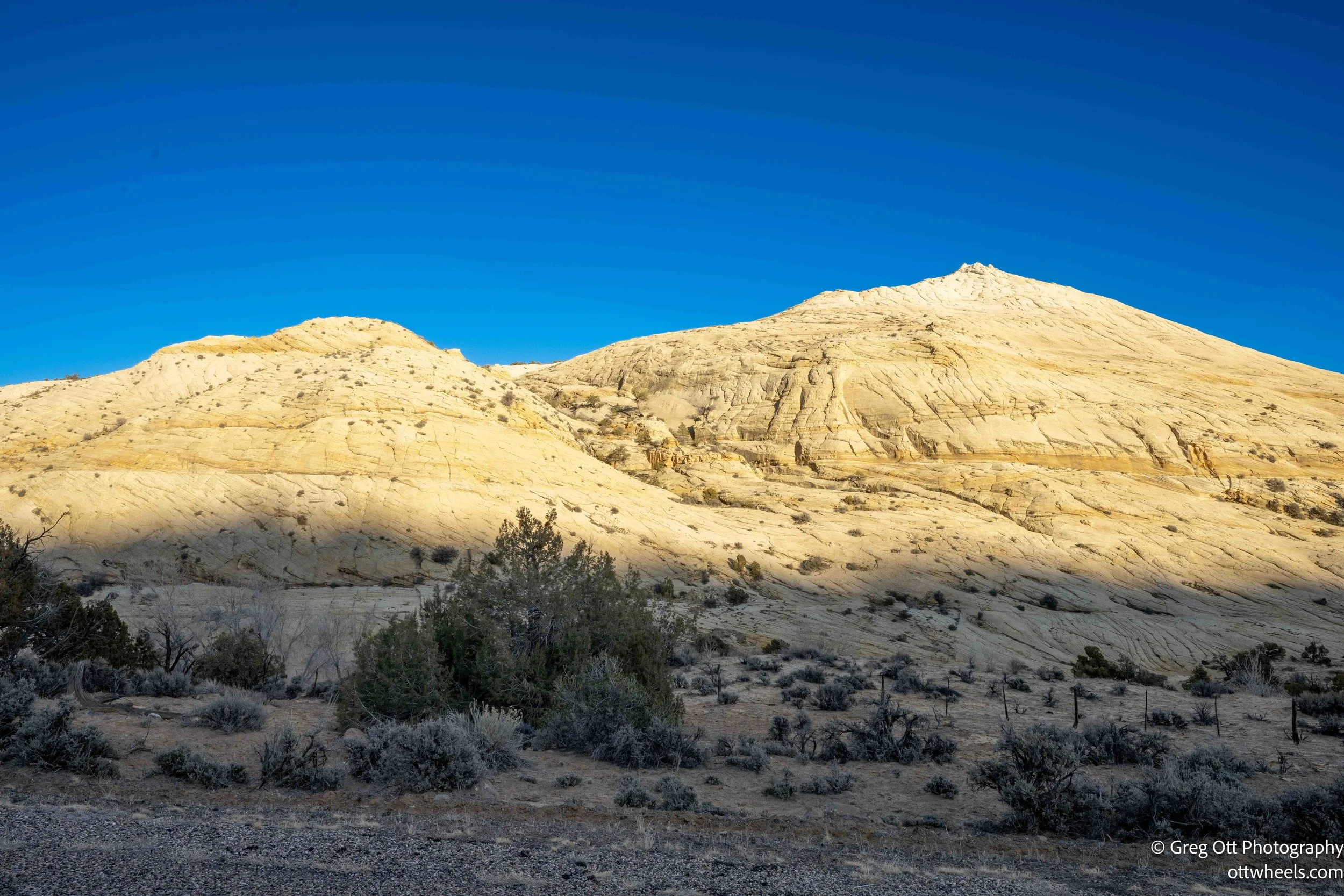
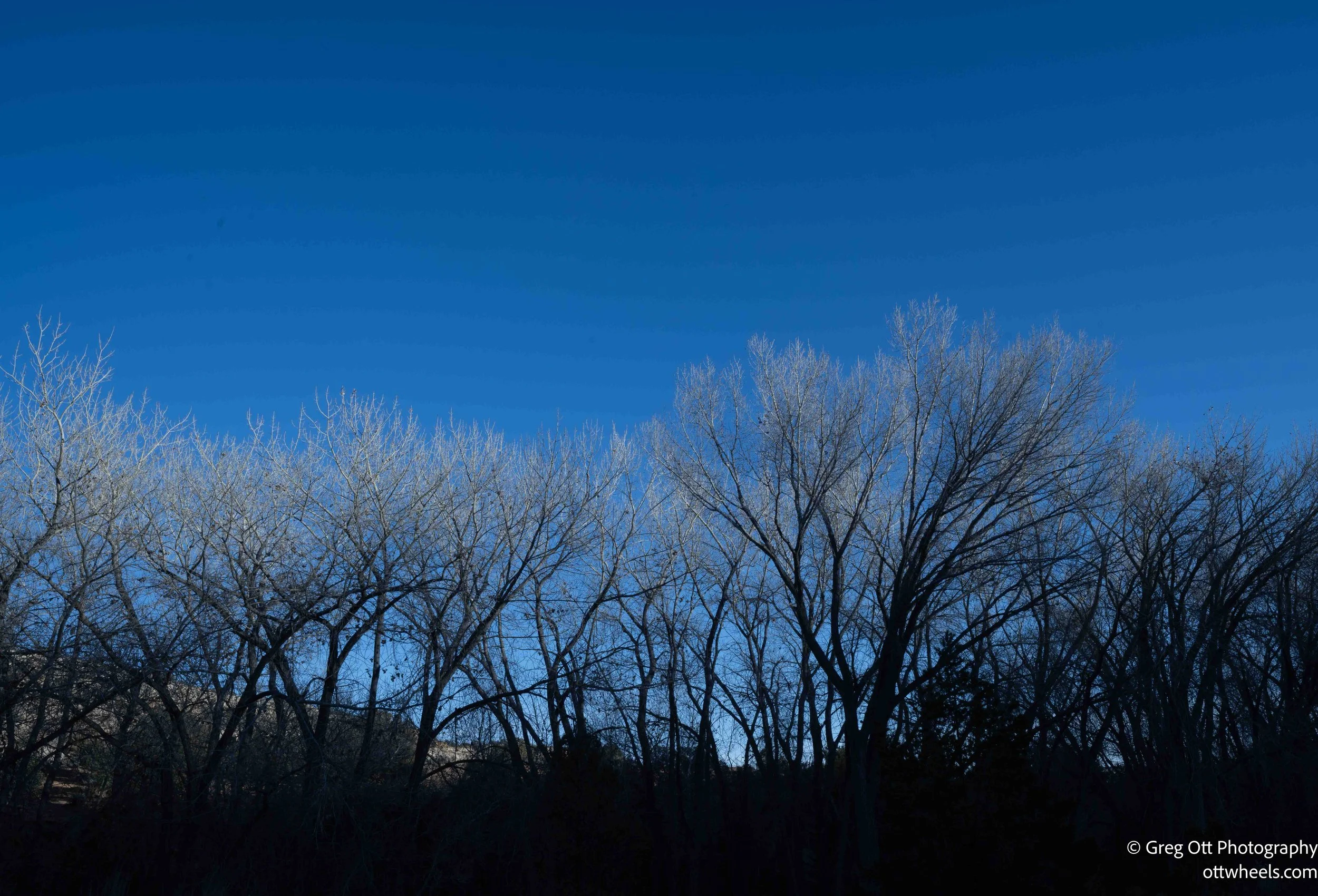
I hadn’t planned on staying in the campground. There were plenty of BLM pull-offs nearby. Still, I drove in around five p.m. and noticed the signs: Absolutely no trailers and Maximum length twenty feet. My van is twenty-two feet, so I continued on. The campground was completely empty, and I circled back to check the price. Five dollars per night.
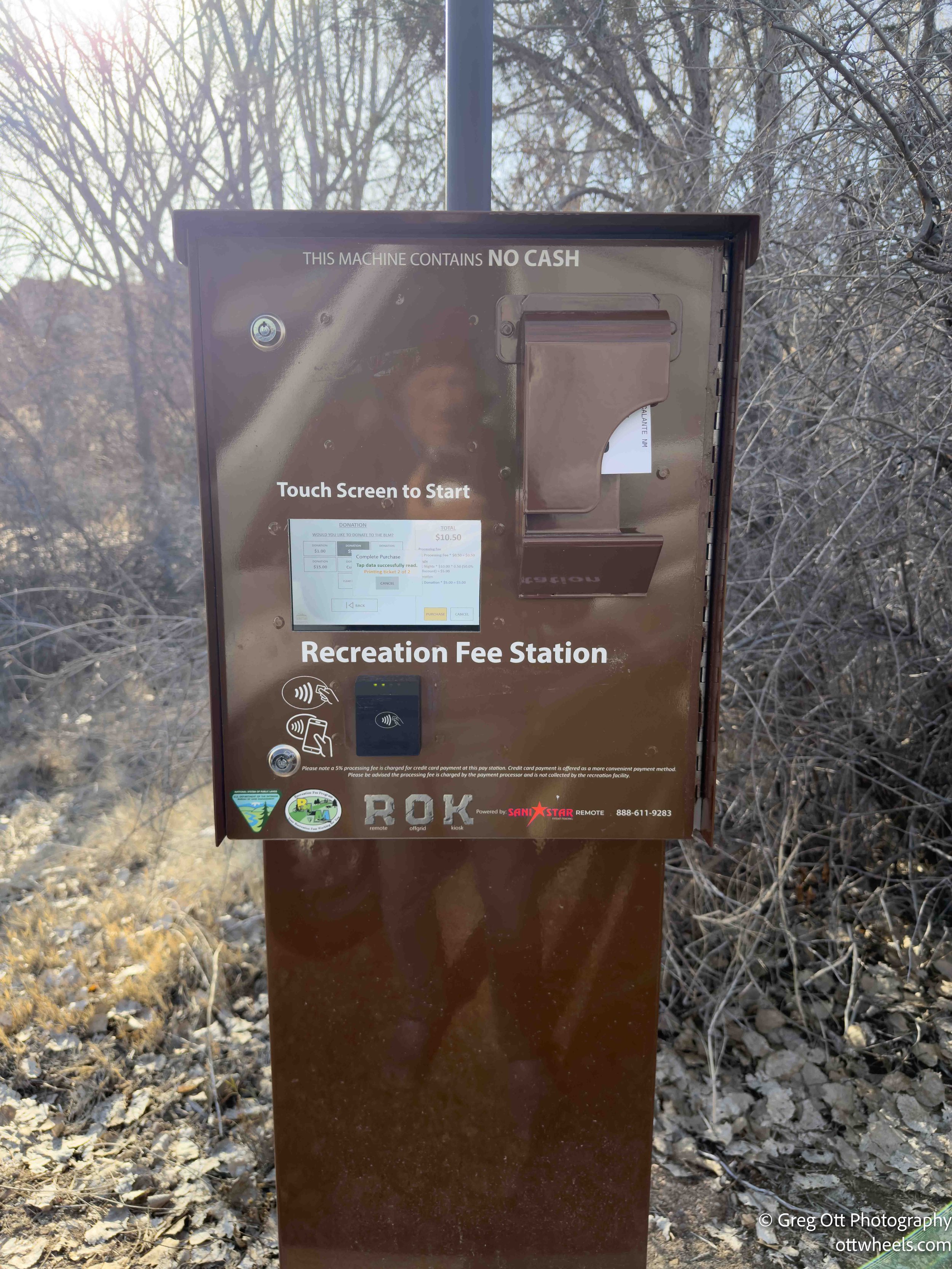
There was a surprisingly slick automated kiosk, powered by solar and connected via satellite. I entered the site number, date, and pass information. It asked for a five-dollar payment, which I made with Apple Pay by tapping my phone. Honestly, why can’t all parks do this?
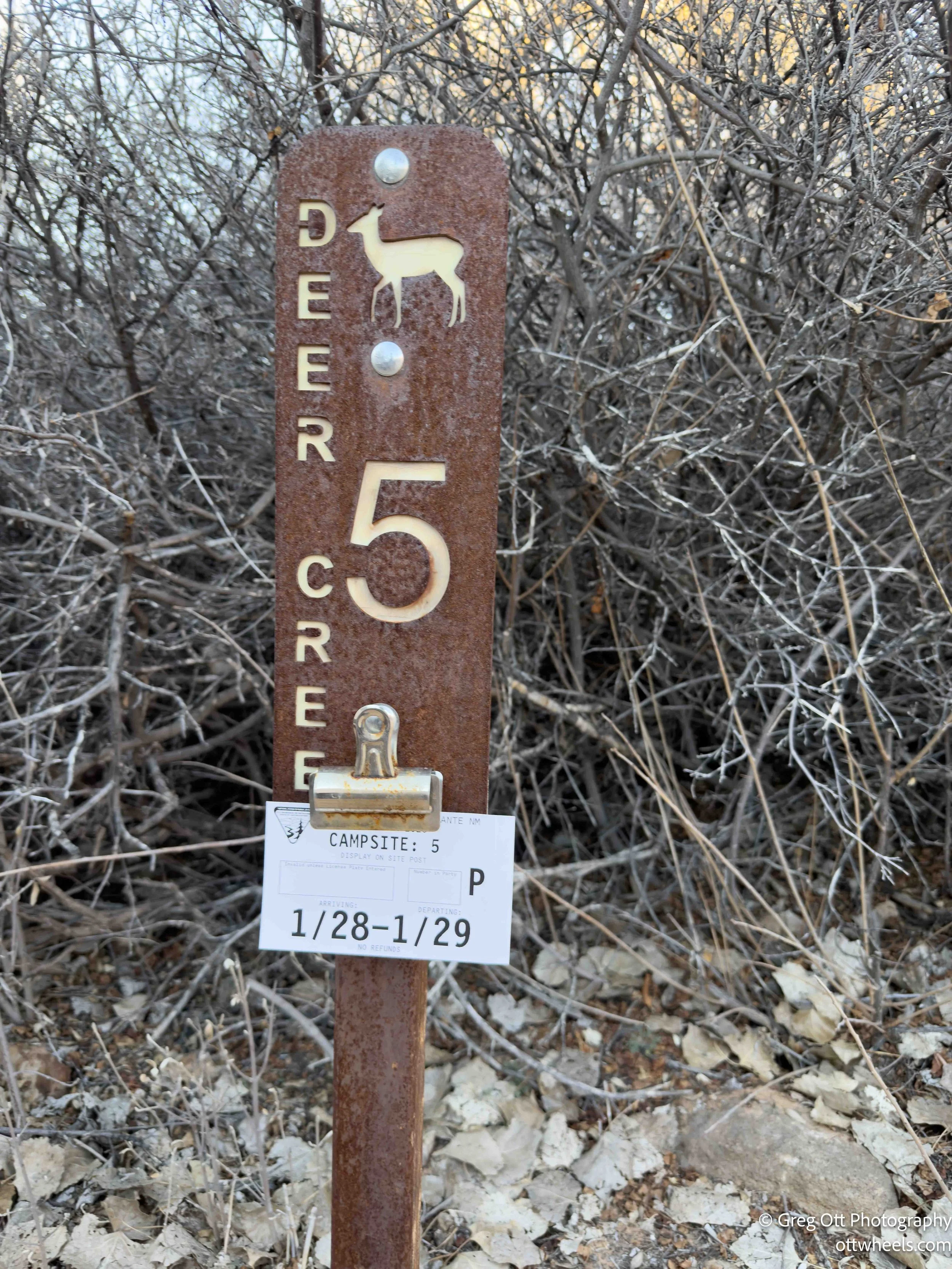
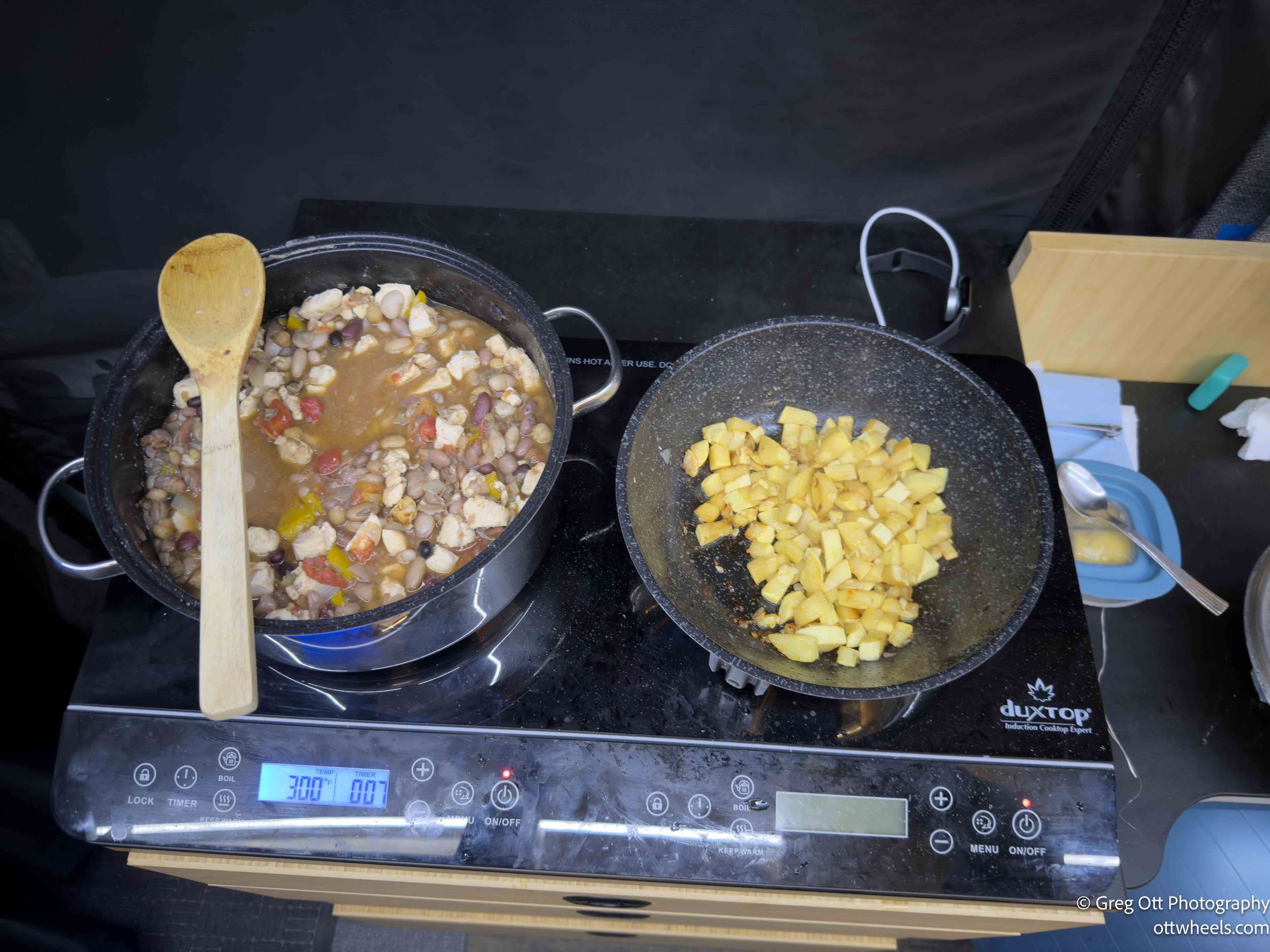
I pulled into site seven, which had plenty of room for the van. I started a pot of fifteen-bean soup with vegetables, chicken, vegetable broth, and canned diced tomatoes. It would take over two hours to finish, so I called my brother and caught up while it cooked.
The evening was spent culling through photos from the past few days. I’d had too much coffee and kept replaying the drive in my head, which made it hard to relax until later in the night.