I left my quiet spot at 6:30 a.m. and stopped for coffee at a local café. After filling up with gas, I was back on the road by 9 a.m., heading north.
Chugach State Park
The turnoff to Chugach State Park is about 40 minutes from Anchorage near Eagle River. You wouldn't really know you were entering the heart of Alaska. The highway north was packed with weekenders, out-of-staters, and trucks. The park exit is at the Old Glenn Highway where you finally begin to feel like you’re leaving the city behind. From there, Eklutna Lake Road slows to 30 mph with tight curves and a steady climb into the park. Every campground was full on this Friday morning. So, I found my way to the lake parking lot.
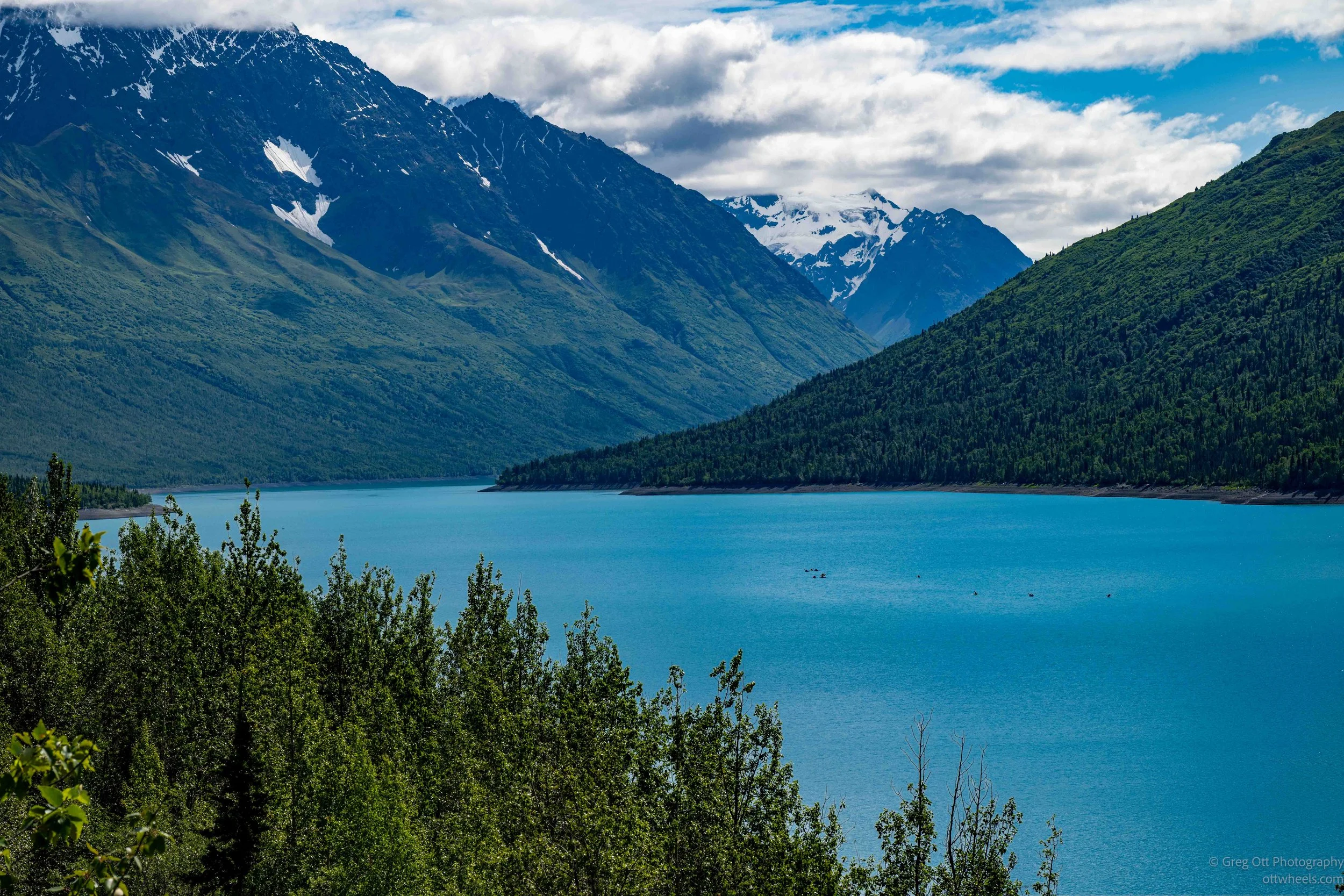
Chugach State Park covers nearly half a million acres, making it one of the largest state parks in the United States. Stretching from the edge of Anchorage into the Chugach Mountains, it includes glaciers, alpine valleys, rivers, forests, and hundreds of miles of hiking trails. Eklutna Lake sits on the park's northern edge, a long turquoise glacial lake surrounded by steep mountains that has become a popular destination for hiking, kayaking, mountain biking, and camping.
I parked near the lake and planned to hike the AllTrails Eydlu Bena Loop Trail. From what I could tell, it wasn't a heavily traveled trail, so I packed my Garmin 67i GPS, bear spray, and a first aid kit. I considered taking several lenses but settled on the 24-120mm as a compromise. In hindsight, that was a mistake.
It was one of those rare Alaska days with clear blue skies, a light breeze, and a perfect 65°F for hiking. The parking lot wasn't full, but there were plenty of people unloading bikes, kayaks, paddleboards, and canoes. Everyone seemed to have a purpose. Kids were bouncing with excitement, ready for whatever adventure their parents had planned.
I walked toward the parking area looking for the day-use payment station and noticed I was the only vehicle with an out-of-state license plate. I asked a woman where I could buy a day pass. "I never pay for one," she said. "Most people do, but no one ever checks." She pointed me toward the payment machine. Her son said, "Put the ticket under the windshield wiper." She smiled and corrected him. "It's better to put it inside the windshield." It was a small exchange, but I couldn't help thinking he had just learned a subtle lesson from his mother.
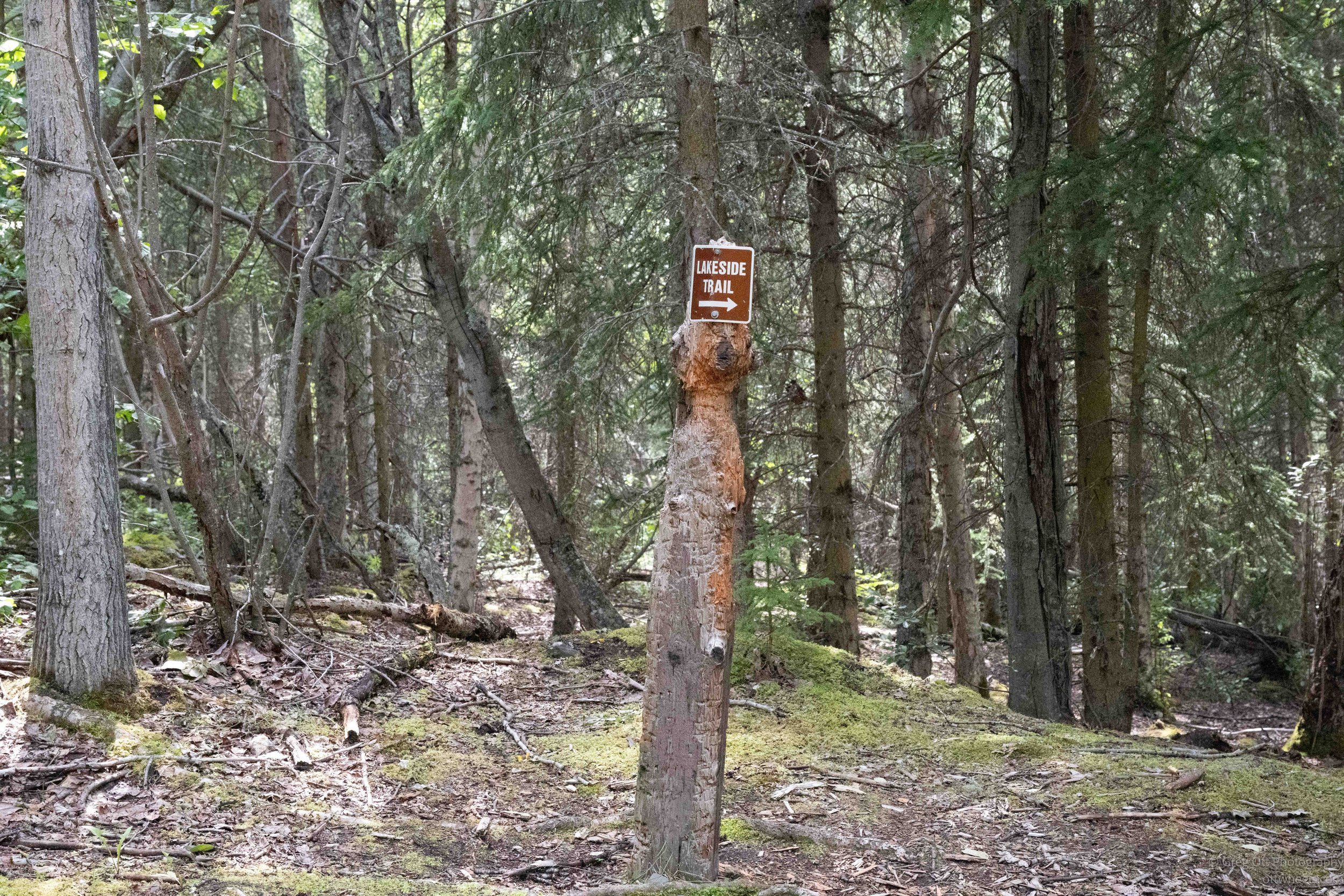
I found the payment station, entered my license plate number, inserted my credit card, and walked back to the van to place the ticket inside the windshield. When I checked my GPS, it showed my trail heading in the opposite direction from where everyone else was going. I passed a small outdoor rental operation with bikes, paddleboards, and kayaks before reaching the trailhead. Even then, I wasn't convinced I was in the right place. The entrance was narrow and barely looked like a trail until a woman emerged from the woods, smiled, and said, "Good morning." I wasn't entirely sure it was still morning.
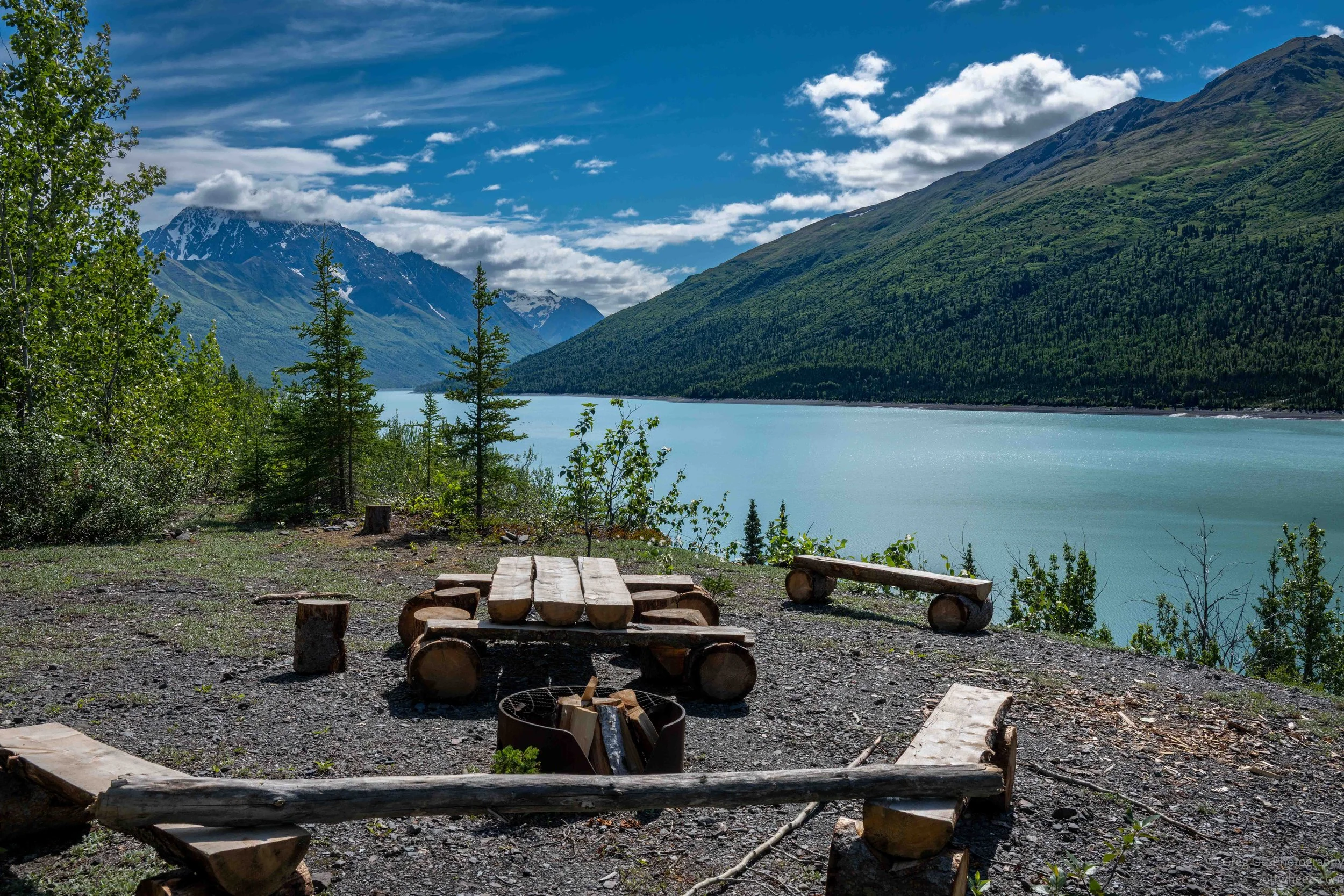
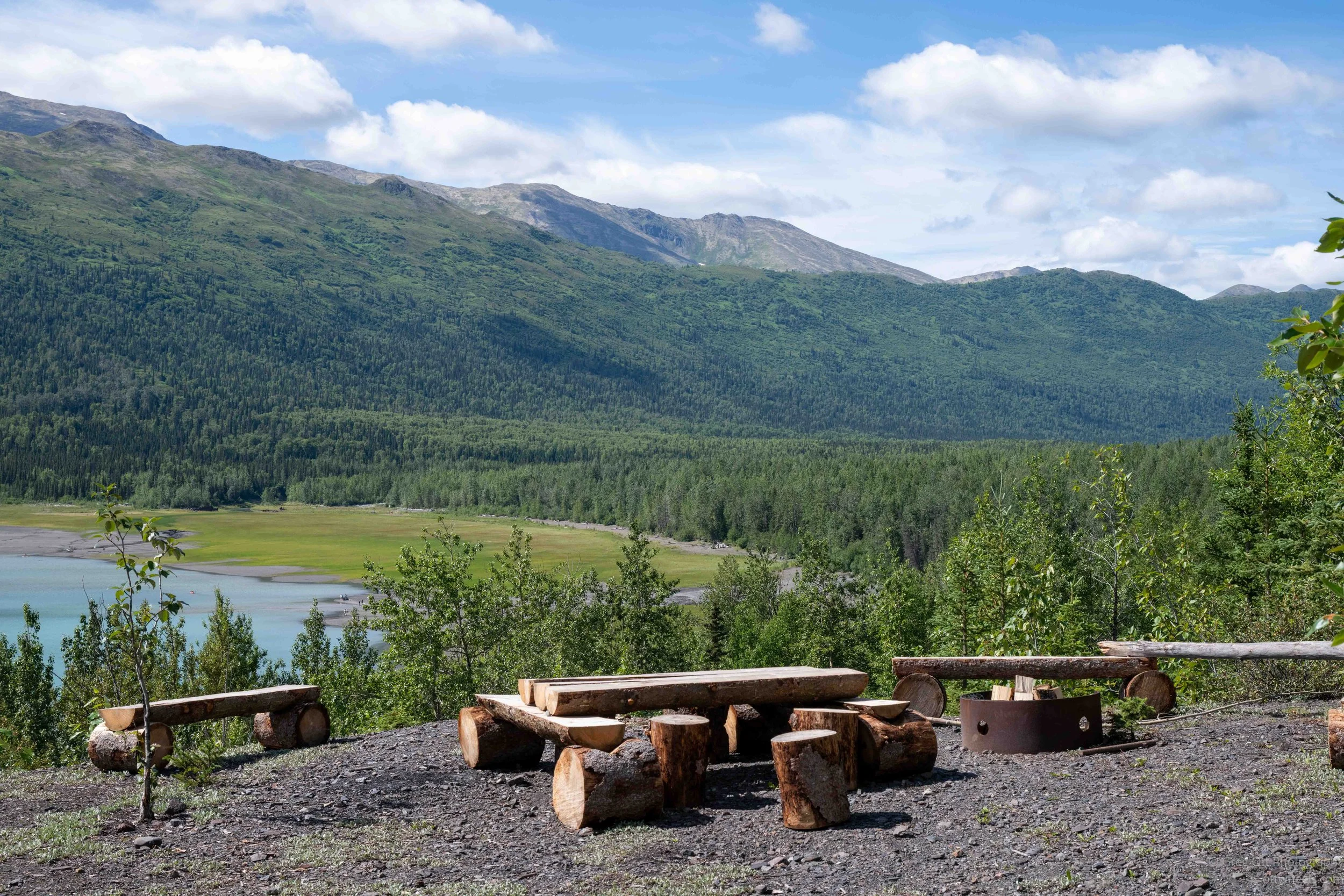
Just beyond the entrance, the brush opened up and the trail widened. It climbed steadily for about 30 minutes before reaching an overlook with log benches and a fire ring. It looked like the perfect gathering spot with a beautiful view back toward the valley.
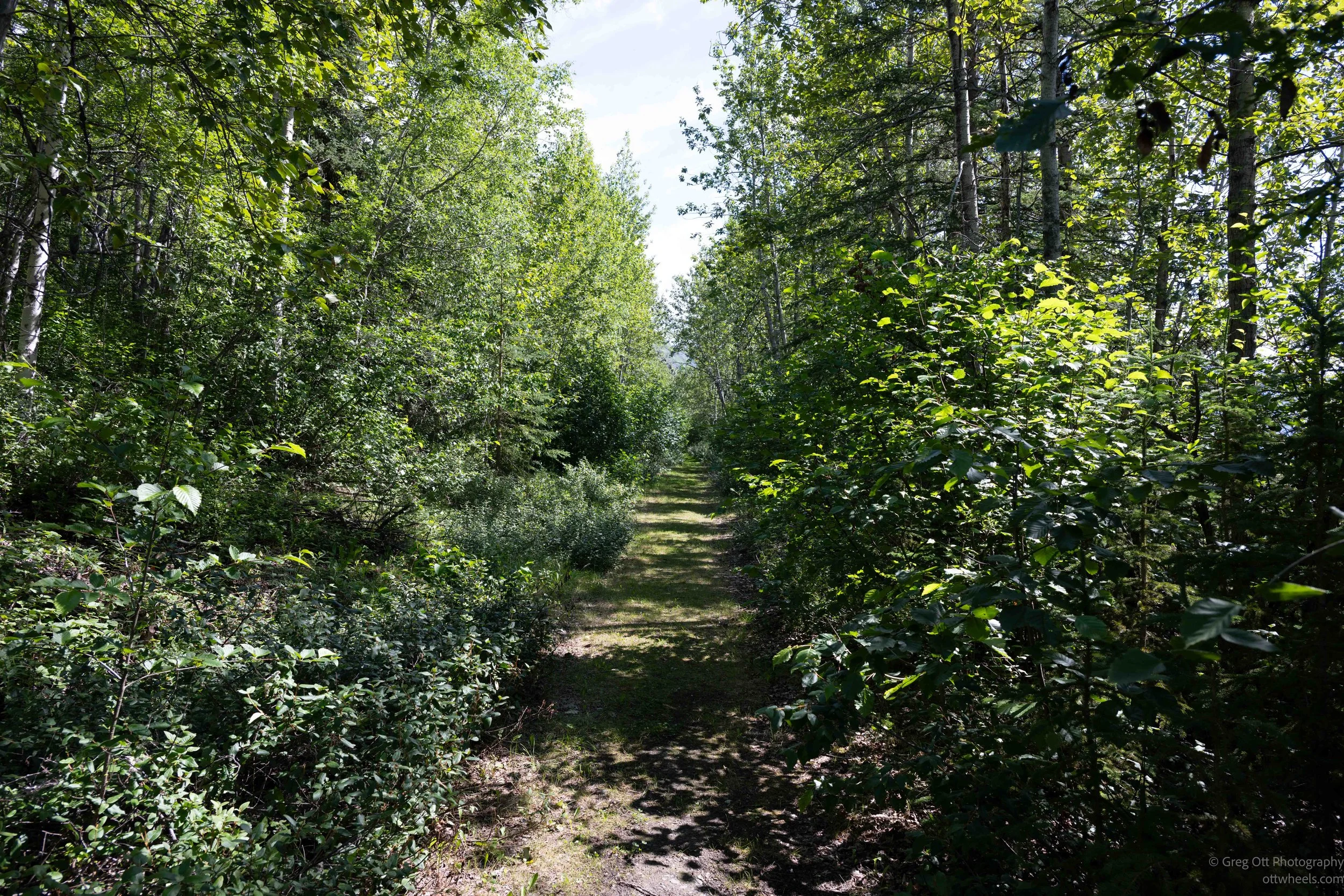
Not long afterward, I made a wrong turn. My GPS warned that I was off the trail, but I ignored it and kept walking downhill. When it warned me a second time, I finally stopped and realized it had been right all along. Climbing back up reminded me just how far I had wandered.
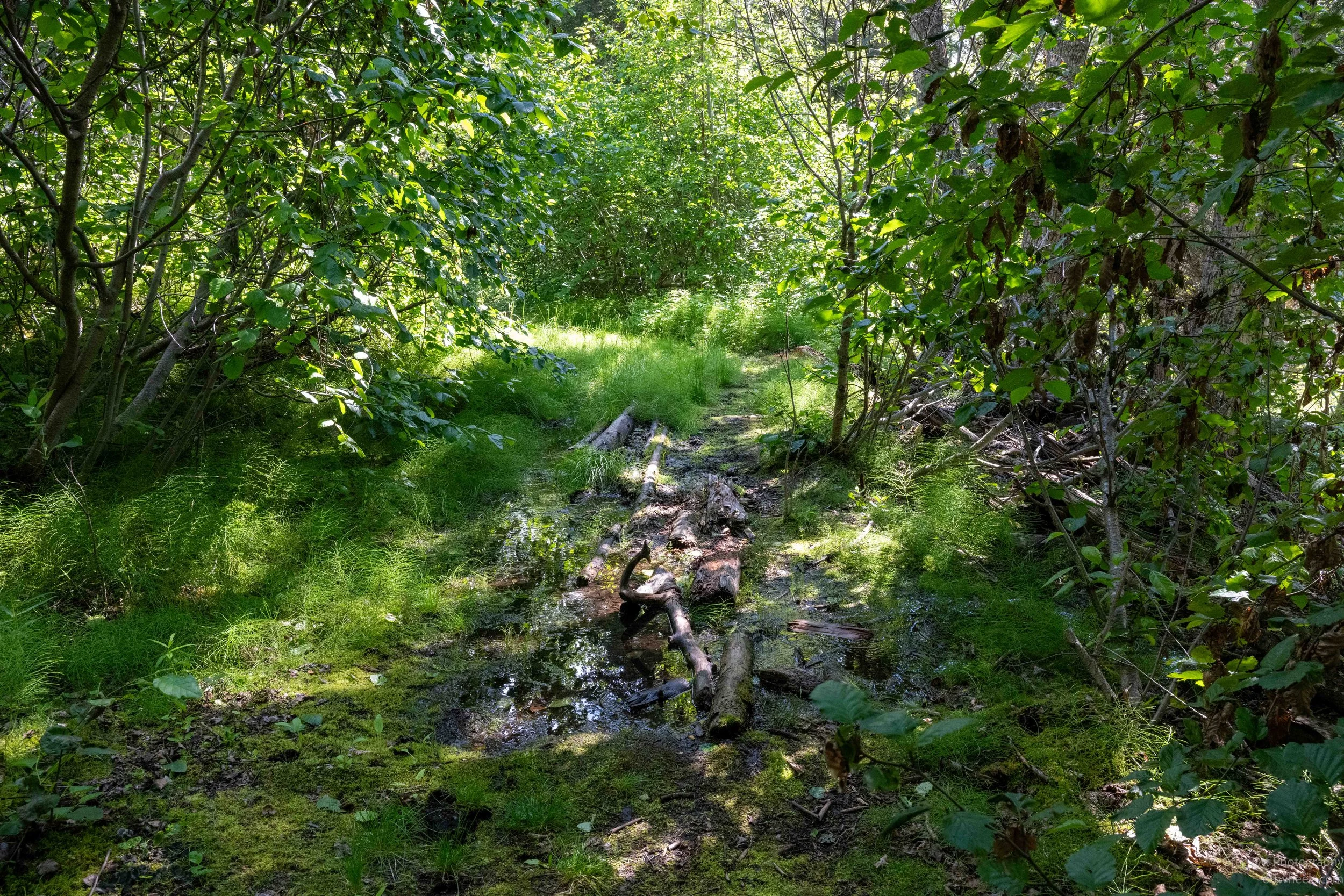
The forest was incredibly quiet. There were no birds singing, and I never saw a squirrel, chipmunk, or rabbit. It had clearly rained recently, and I spent much of the hike stepping over small streams and muddy sections. In the flatter areas, the thick grasses gave the landscape an almost marsh-like feel.
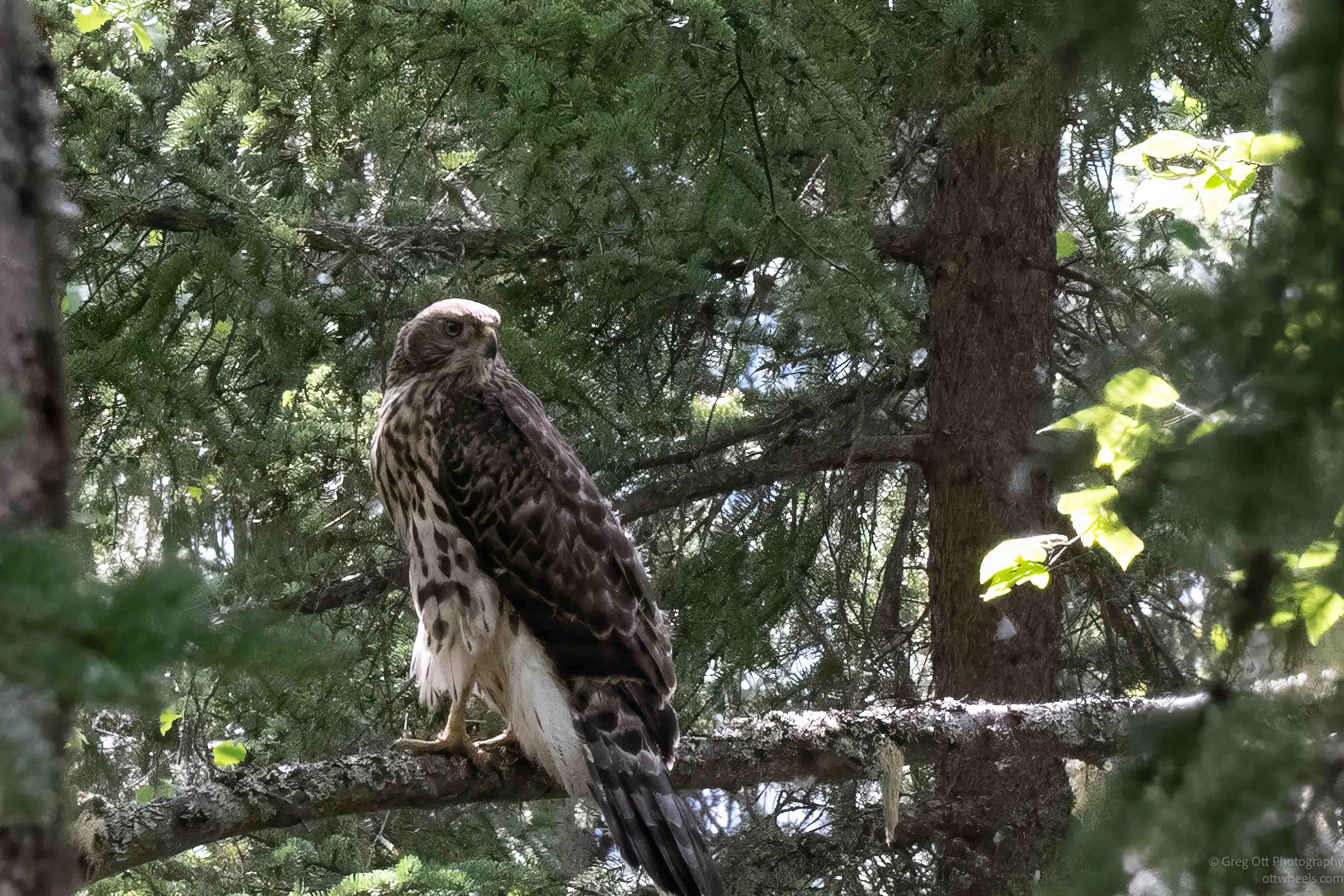
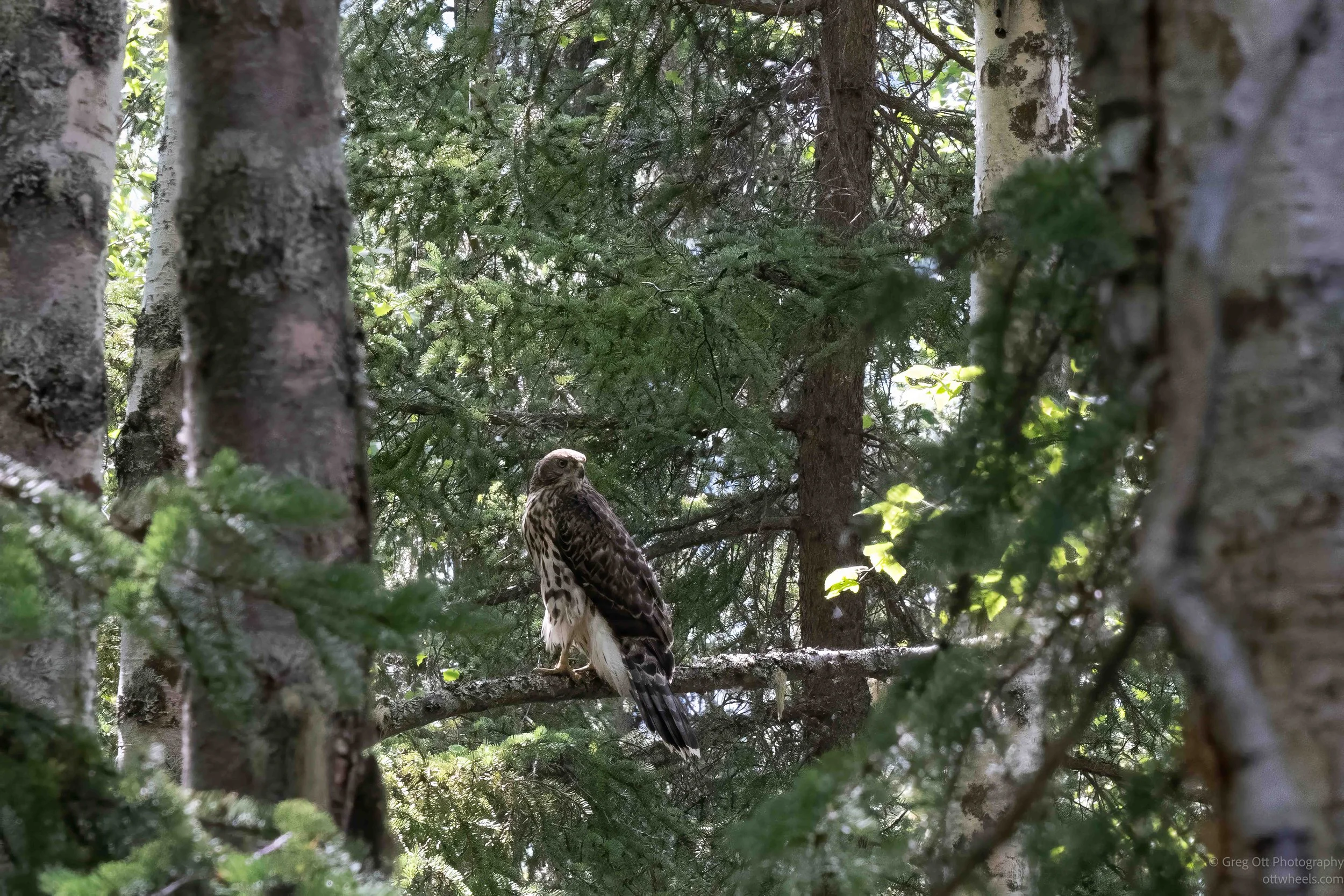
Near the highest point, I stopped for a a couple minutes to listen to the silence. There was complete silence. Several fallen trees had been cut by the park service to keep the trail open, and as I stepped forward, a large red-tailed hawk exploded off one of the trunks just five feet in front of me. It had been perched only a few feet above the ground, completely hidden from view. The sudden burst of wings and its loud screech startled me enough that I instinctively ducked.
The hawk landed on a nearby branch and continued calling while watching me. Even knowing exactly where it was, I kept losing it among the trees as it blended into the branches. At that moment, I wished I had brought my 180-600mm lens instead of the 24-120mm. It was one of those encounters that lasted only a minute or two but stayed with me for the rest of the hike.
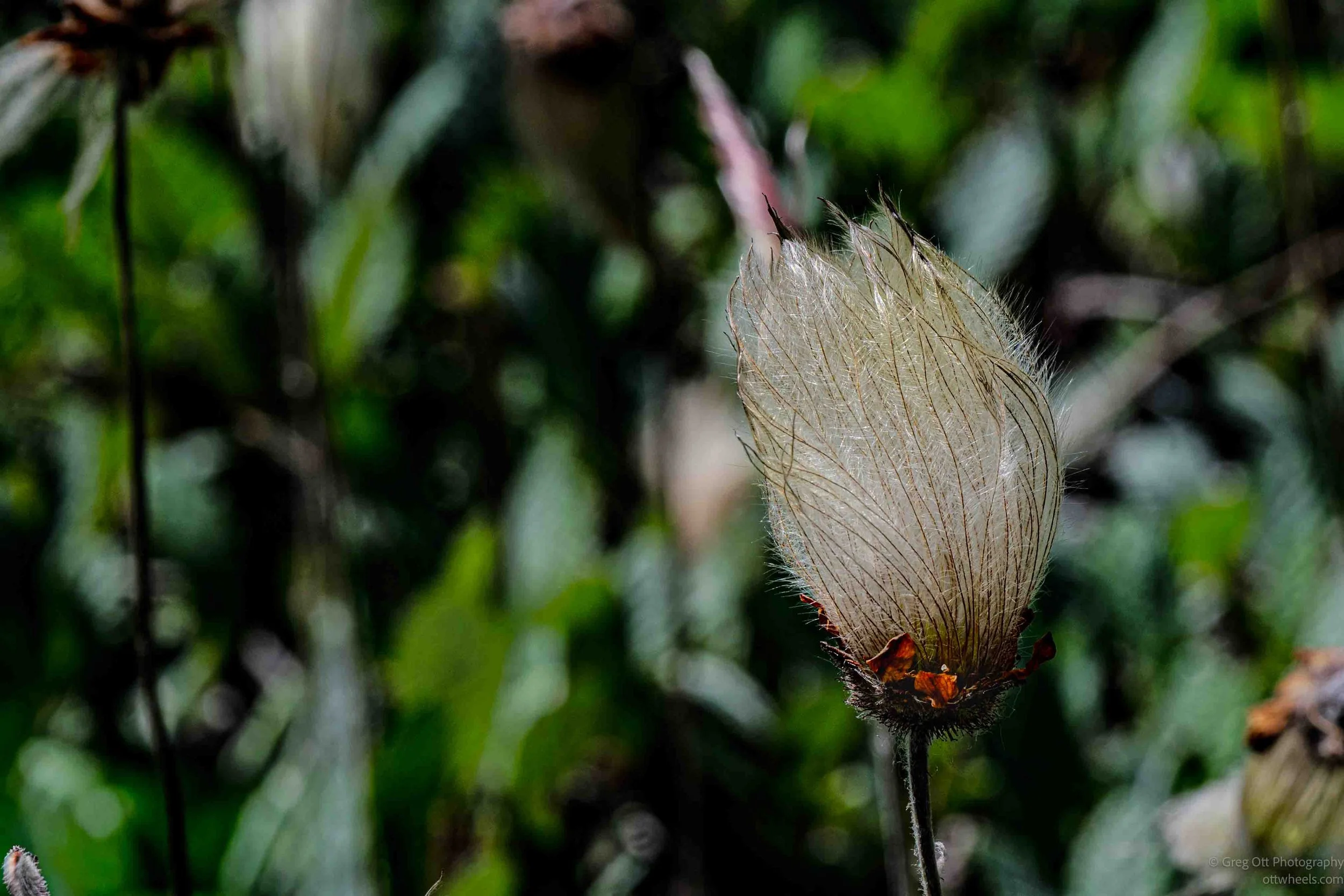
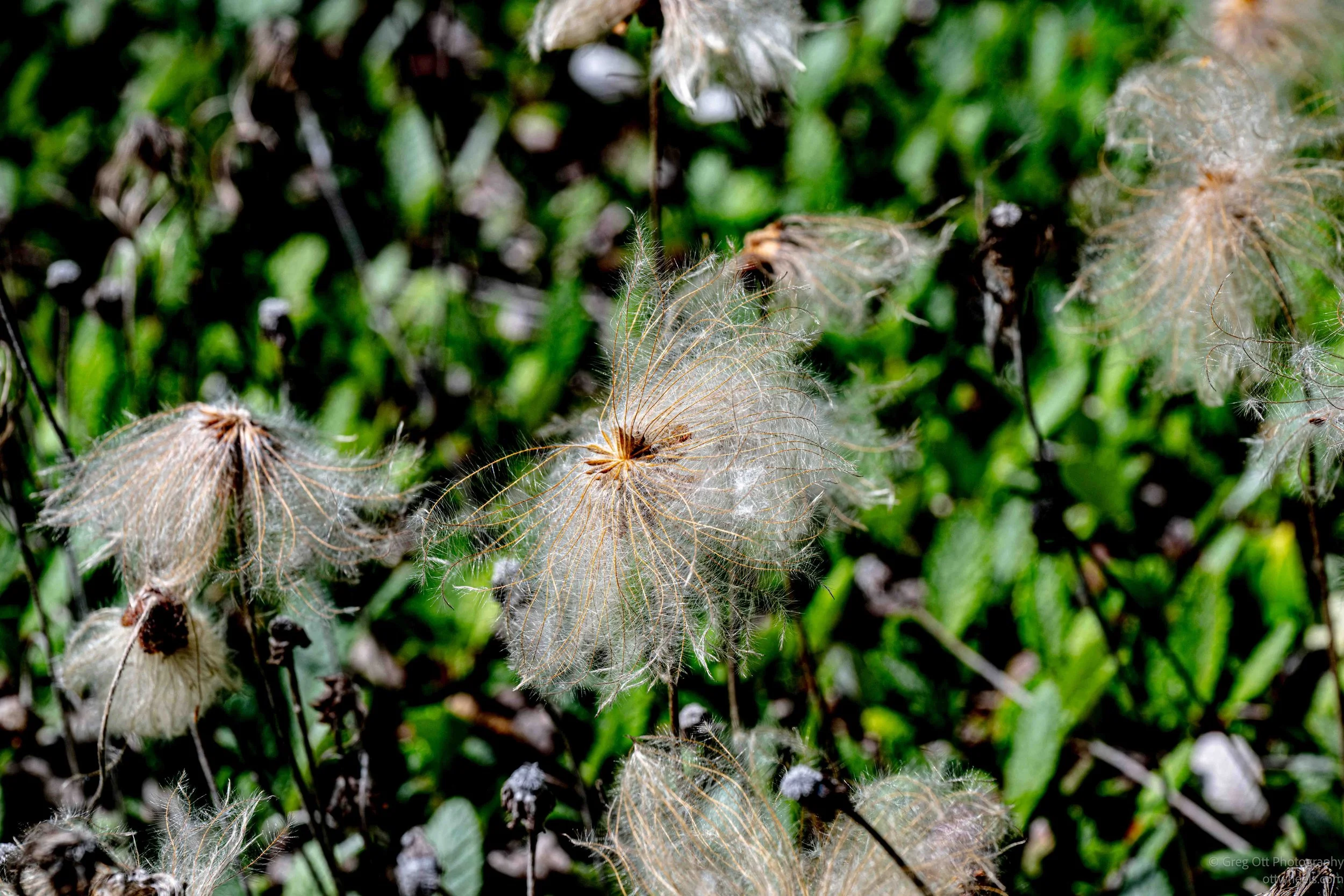
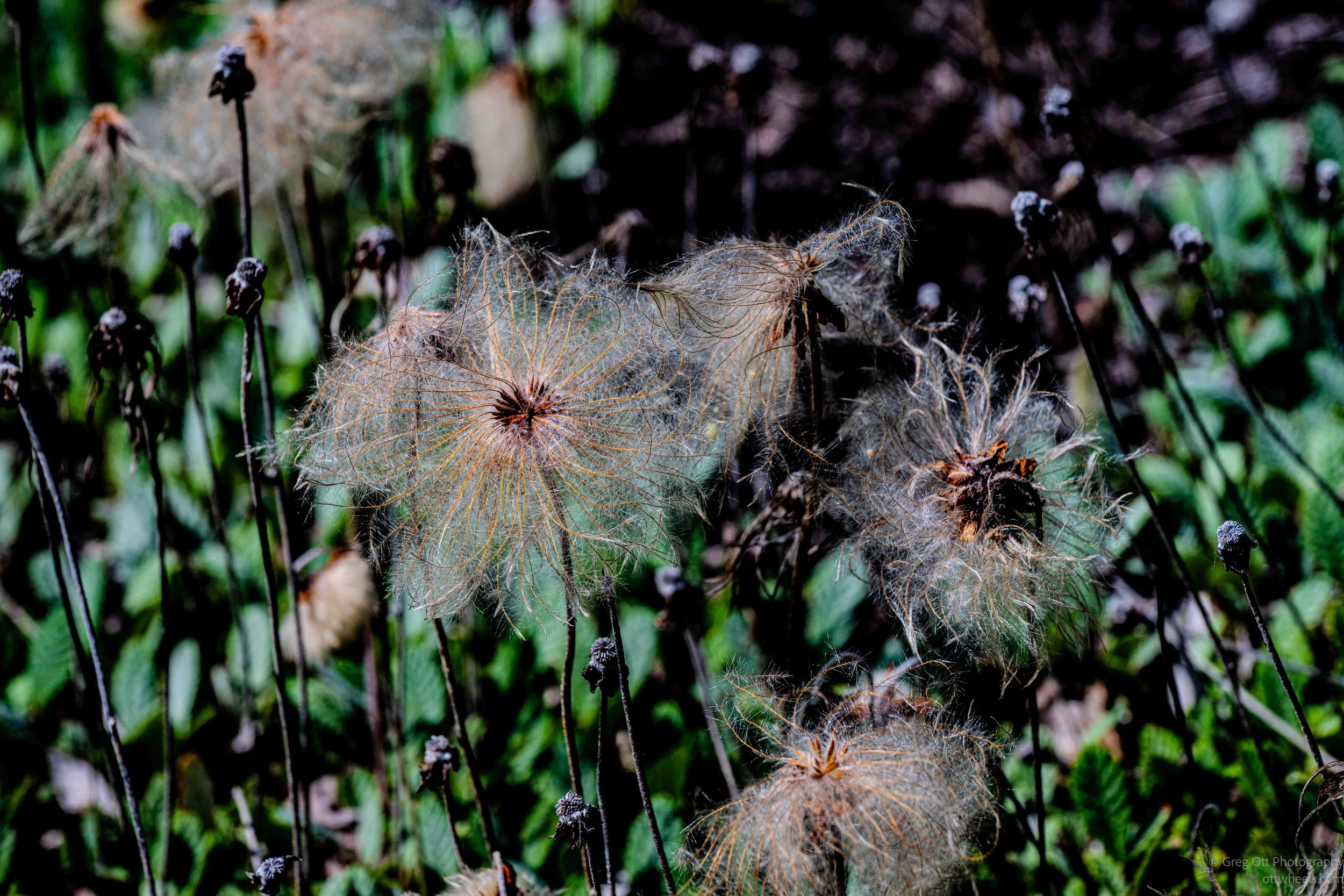
Along the trail I stopped to photograph seed pods. After some research they appear to be some type of Western Anemone seed head. At first I thought it was the same cotton-like plant I had photographed in Dutch Harbor, but after looking more closely it was clearly different.
Eventually the trail descended toward Eklutna Lake. From above, it looked as though the water level sat more than 60 feet below the surrounding rock. I carefully worked my way down the steep shoreline to photograph the lake with the mountains beyond.
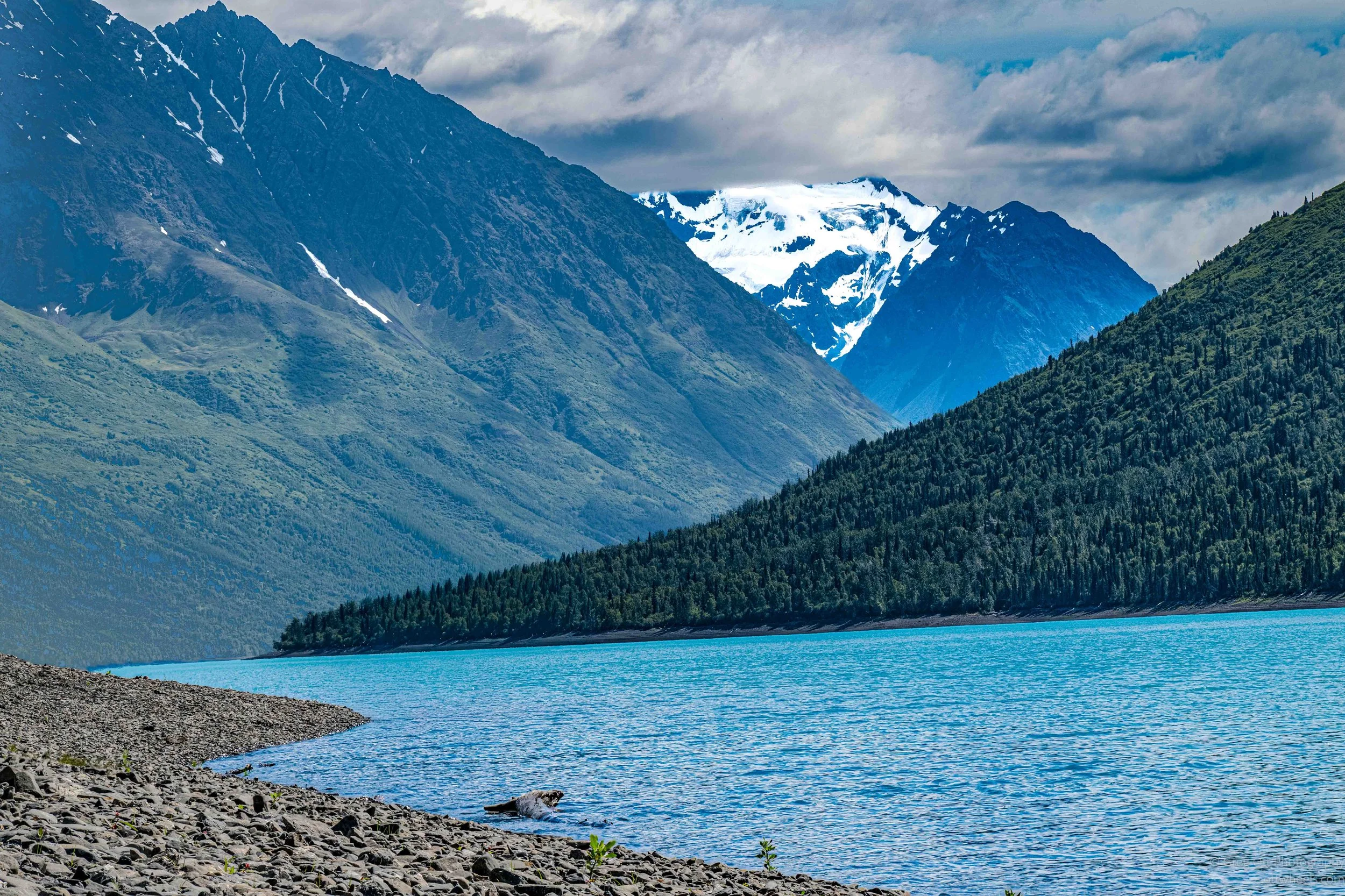
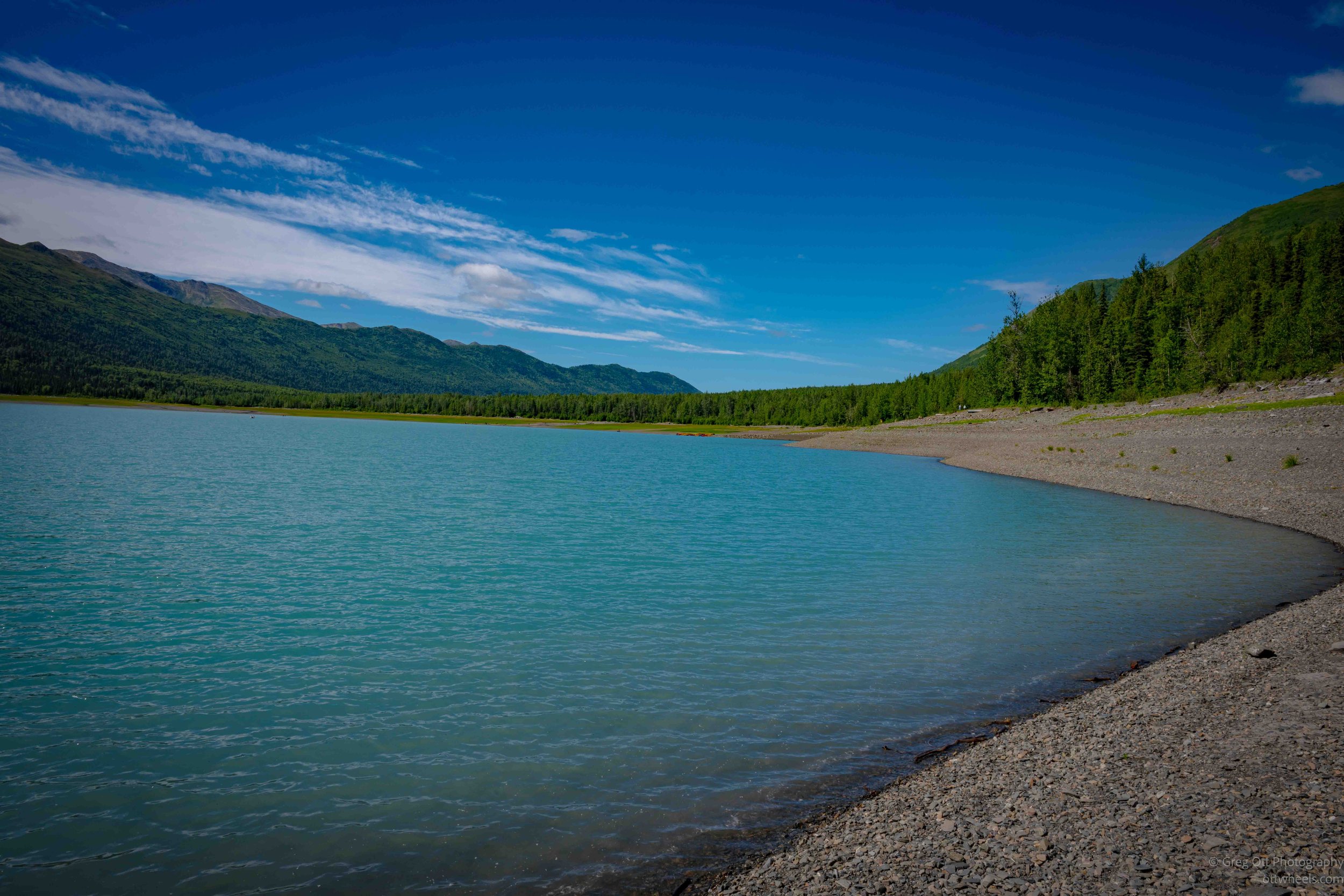
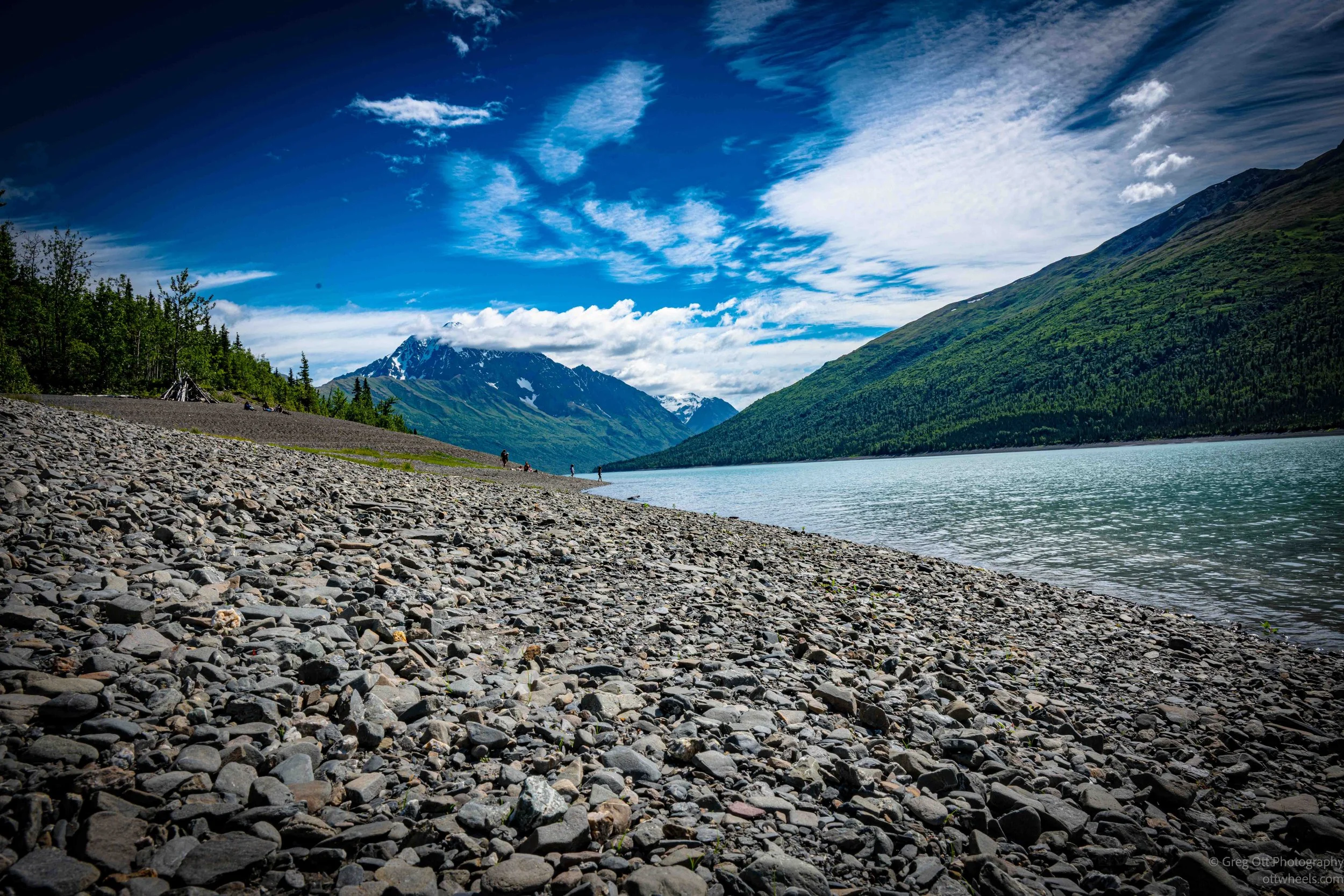
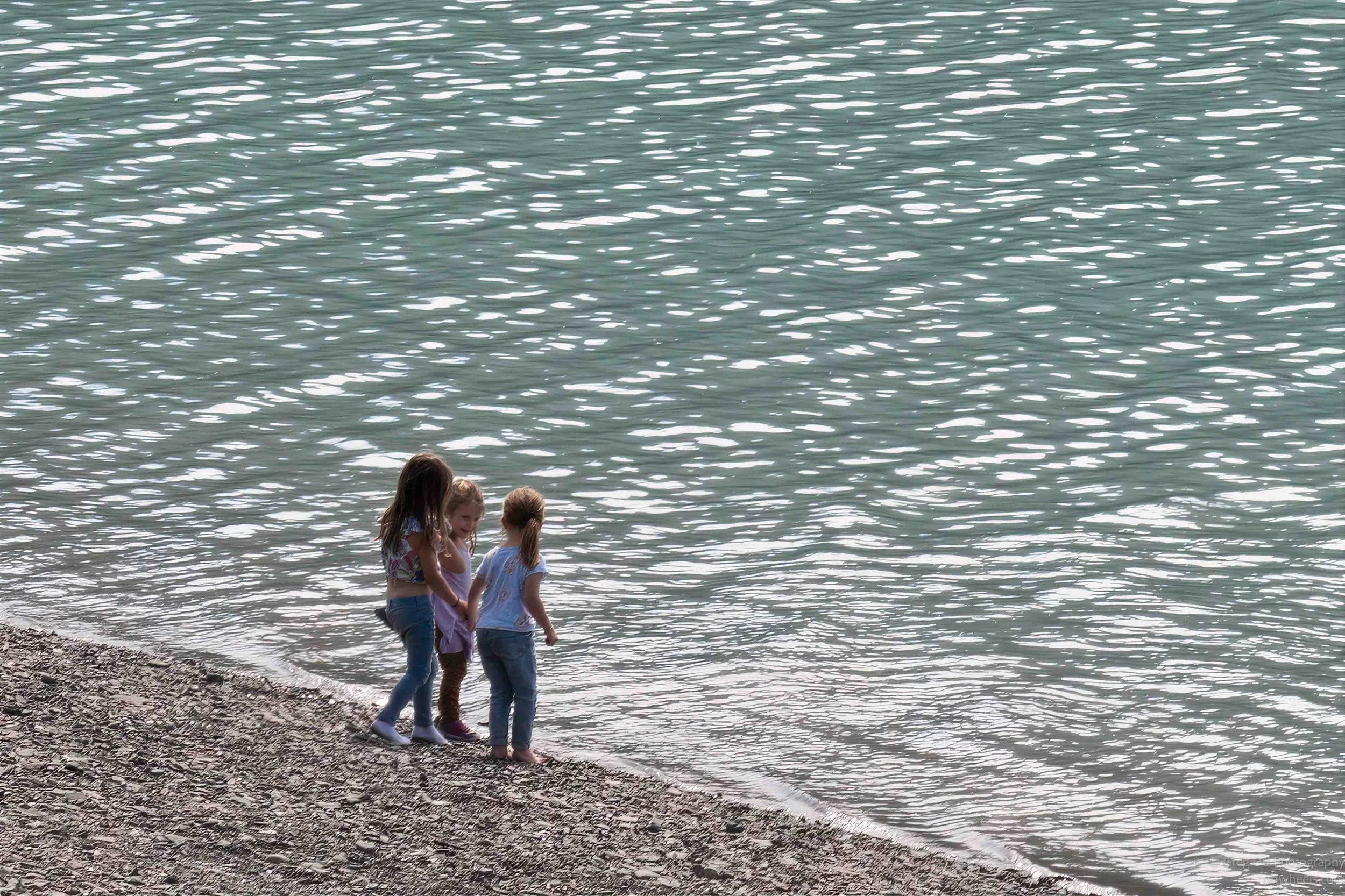
Three young girls were happily throwing rocks into the water, laughing every time one skipped or made a bigger splash than the last. Sometimes the simplest things are all kids need to entertain themselves. It reminded me of my granddaughter. Moments like that are a reminder that one of the tradeoffs of traveling is missing some of the simple moments with family.
Back at the van I settled into one of the campsites overlooking the lake. The timing couldn't have been better because the third attempt to launch SpaceX's Starship Flight 13 was about to begin. Sitting beside Eklutna Lake while watching a live launch over Starlink—and then seeing video transmitted back through the same satellite network—felt like an interesting contrast between wilderness and technology. Hopefully they'll attempt to catch Ship 14 next month.
The weather was too nice to leave, so I opened the side door and enjoyed the afternoon. Around 5 p.m. I suddenly heard an air compressor behind the van, followed by the van rocking back and forth. For a moment I had no idea what was happening. When I climbed outside, I found a group of friends inflating paddleboards that they had leaned against the side of the van. They apologized immediately, and I laughed, telling them it was fine—I just hadn't expected the van to start moving on its own. After they finished, I moved to another parking space and spent a little time cleaning up inside.
Wasilla, Alaska
By evening I headed north to Wasilla, where I had found a free overnight parking area with six RV spaces and no services. The Glenn Highway eventually merges into the Parks Highway as Anchorage gradually gives way to the Mat-Su Valley.
Wasilla feels much more like a suburb of Anchorage than a small Alaska town. Shopping centers, restaurants, grocery stores, and wide commercial roads line the main streets, and the community serves both commuters heading into Anchorage and travelers making their way toward Denali and Fairbanks. The overnight parking area was exactly as advertised—a designated section of a shopping center parking lot.
Just 100 feet away was Pattaya Thai Cuisine restaurant. There are so many Thai restaurants in Alaska and I’m not complaining. They were busy, but I found a table where I could enjoy dinner while catching up on email and planning the next few days. Around 9:30 p.m. I returned to the van, left the side door open to enjoy the cool evening air, and finished a few things online before calling it a night.
The day wasn't built around a single destination or one memorable event. Instead, it was the kind of day that reminded me why I enjoy traveling at my own pace. A quiet trail, an unexpected encounter with a hawk, children laughing as they threw rocks into the lake, and ending the evening with Thai food in a shopping center parking lot somehow all fit together. Tomorrow would bring another destination, but today was simply a good day to be outside.