Arches National Park - Day 1
I was parked on BLM land about fifteen minutes north of Arches National Park. There seemed to be no shortage of dispersed camping options in the area, which surprised me a bit given how popular the park is. There weren’t many people camping nearby, though I’m sure that looks very different once summer arrives.
I drove to the park’s visitor center and parked in the RV area. The lot was mostly empty, which immediately set a calm tone for the day. After stamping my National Parks passbook, I watched the short film on how the arches were formed. It does a good job explaining the long, slow process behind what looks, at first glance, like chaotic geology.
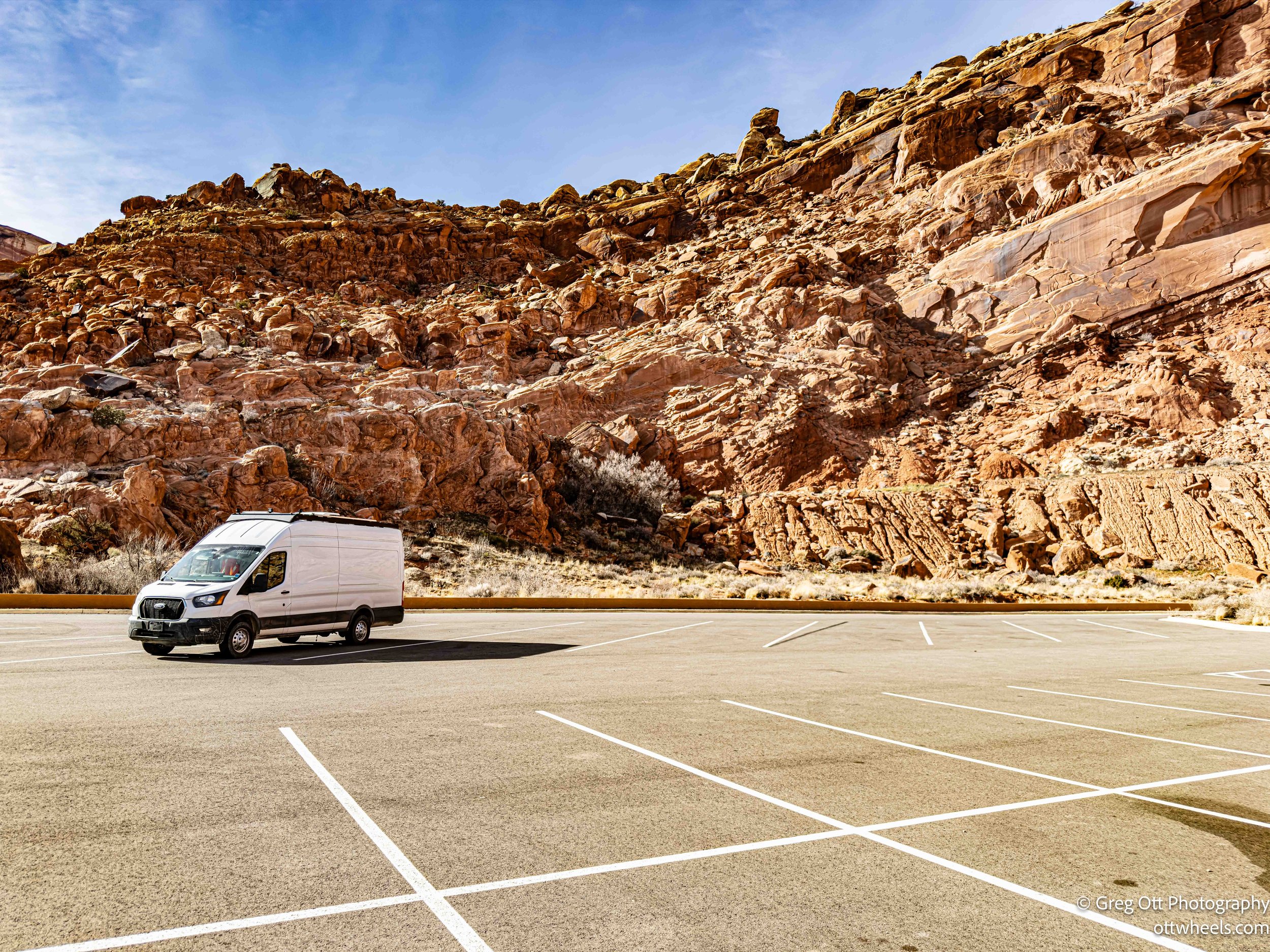
I drove to the park’s visitor center and parked in the RV area. The lot was mostly empty, which immediately set a calm tone for the day. After stamping my National Parks passbook, I watched the short film on how the arches were formed. It does a good job explaining the long, slow process behind what looks, at first glance, like chaotic geology.
Layers of sediment were laid down millions of years ago when this area was covered by shallow seas. Over time, thick deposits of salt were buried beneath sandstone. As pressure built, that salt began to shift and move, pushing upward and cracking the rock above it. Water worked its way into those fractures, freezing and expanding, slowly widening them until fins, windows, and eventually arches formed. The upheaval that caused all of this hasn’t completely stopped—it’s just slowed to a pace that’s almost impossible to notice in a human lifetime.
The geology exhibits inside the visitor center were worth spending time with. They had physical samples of the different rock layers you see throughout the park, which made the landscape outside easier to read. You start to recognize the Entrada Sandstone that forms most of the arches, the harder caprock that protects certain features, and the softer layers that erode away first. It turns the drive through the park into something closer to a guided tour, even when you’re on your own.
The formations
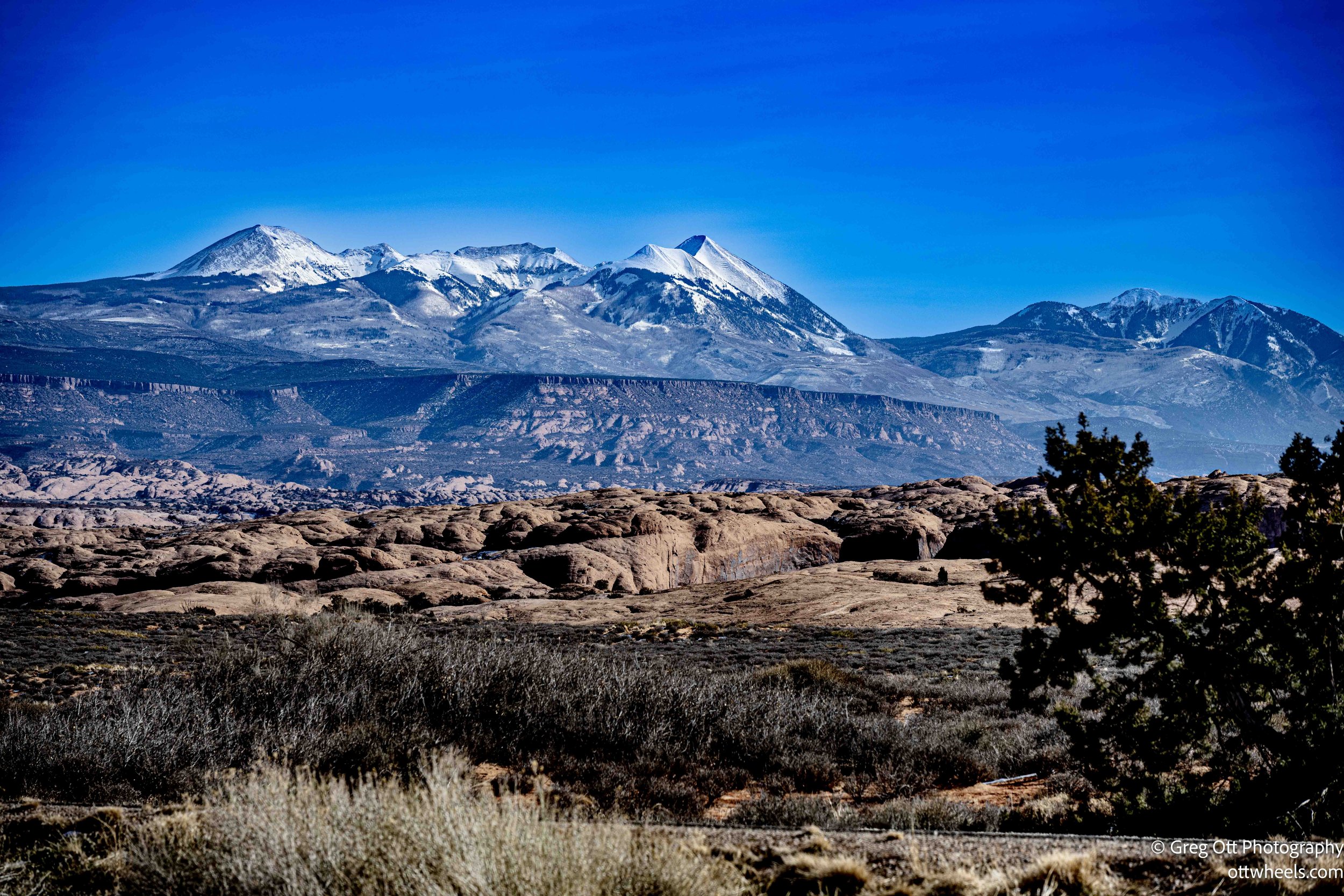
Driving through Arches National Park gives you a good sense of how much variety comes out of the same basic geology. The petrified dunes look like frozen waves, but they started as real sand dunes formed by wind. Over time, those dunes were buried, compacted, and turned into sandstone. Erosion later exposed their internal layers, which still show the direction and movement of the original dunes.
Balanced Rock stands out because of how unstable it looks. The upper boulder is made of harder rock that has resisted erosion better than the softer sandstone beneath it. As the base continues to wear down from wind, rain, and freeze-thaw cycles, the whole structure feels temporary, even though it’s been standing for a very long time.
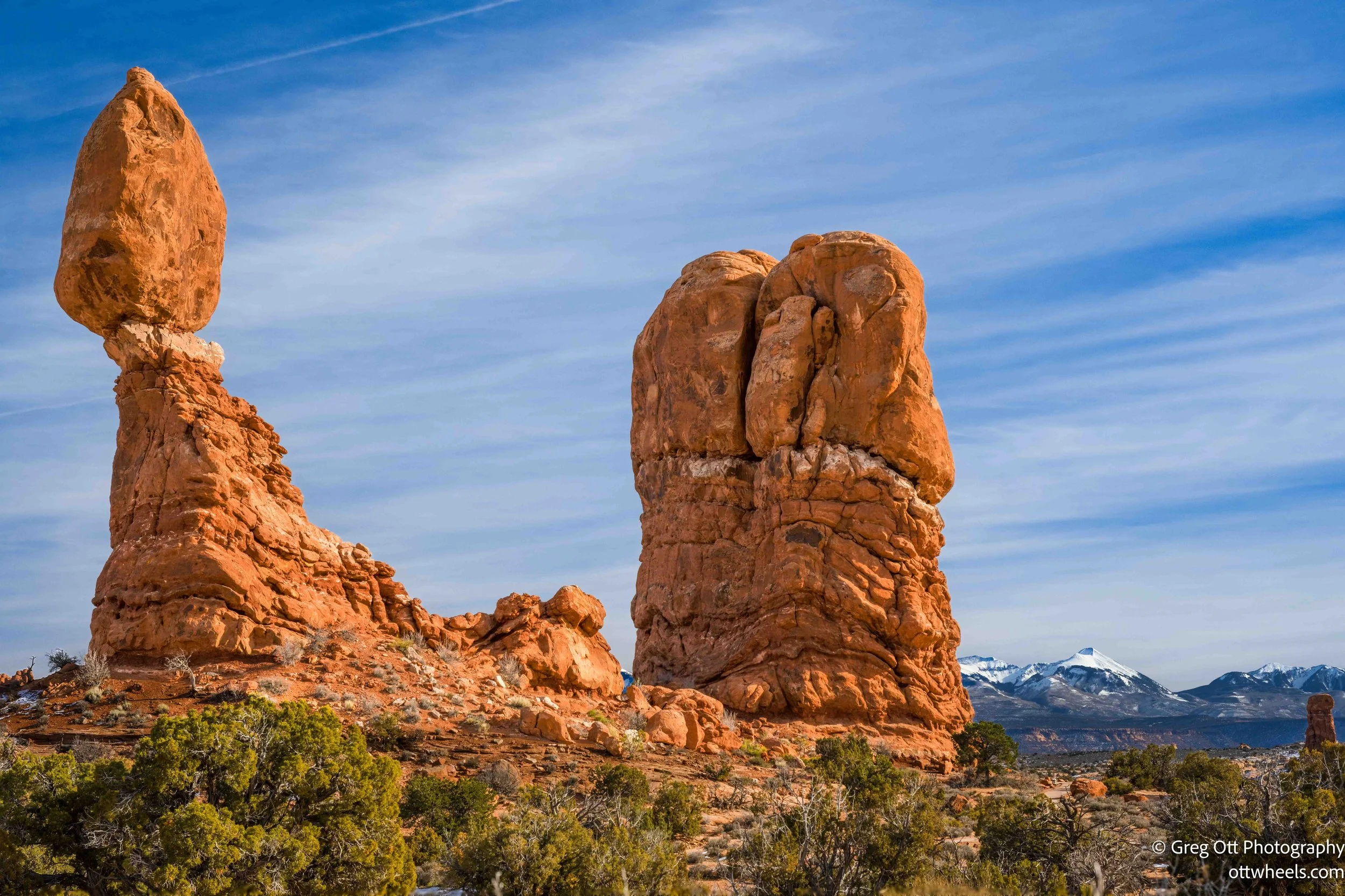
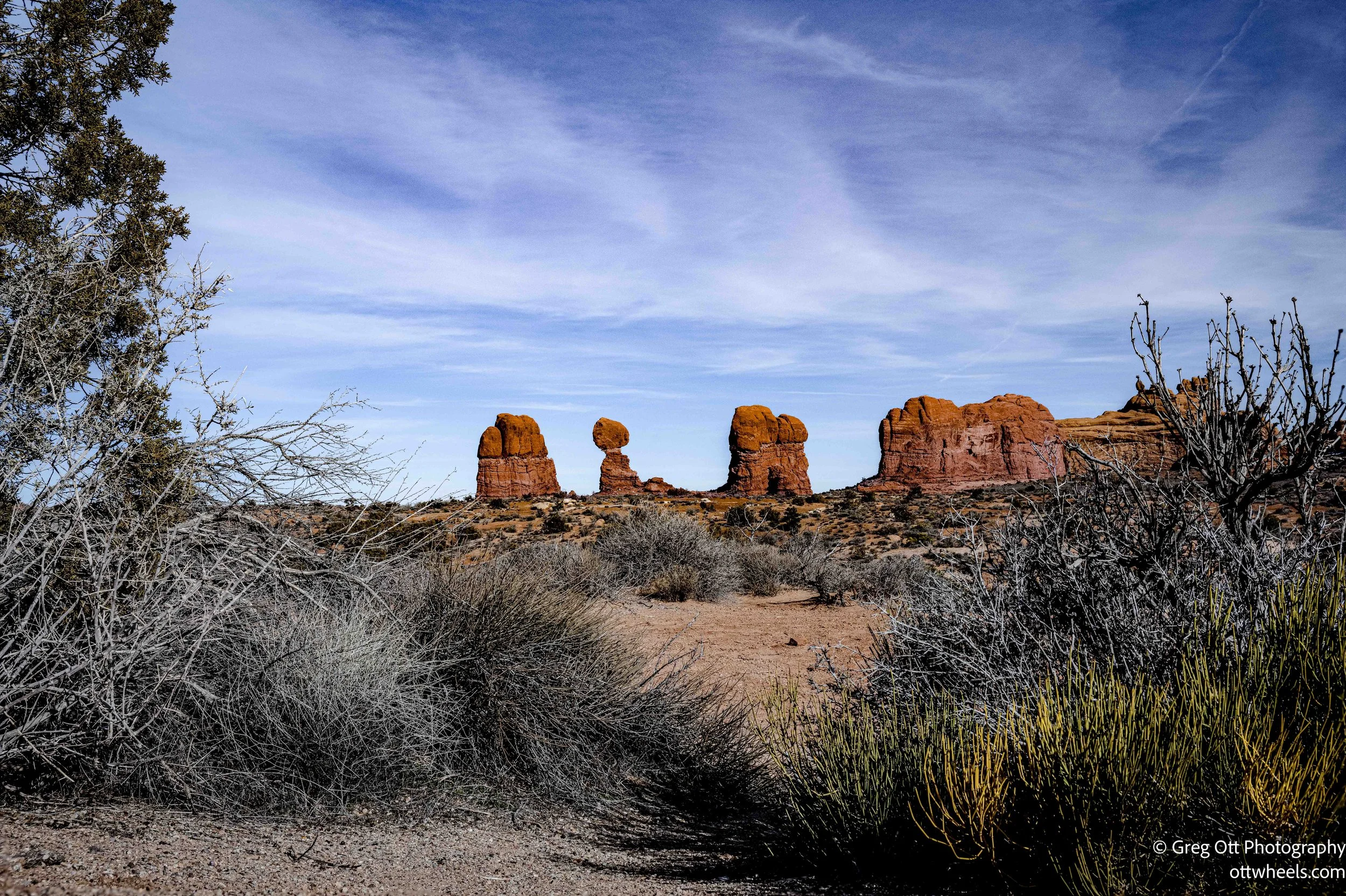
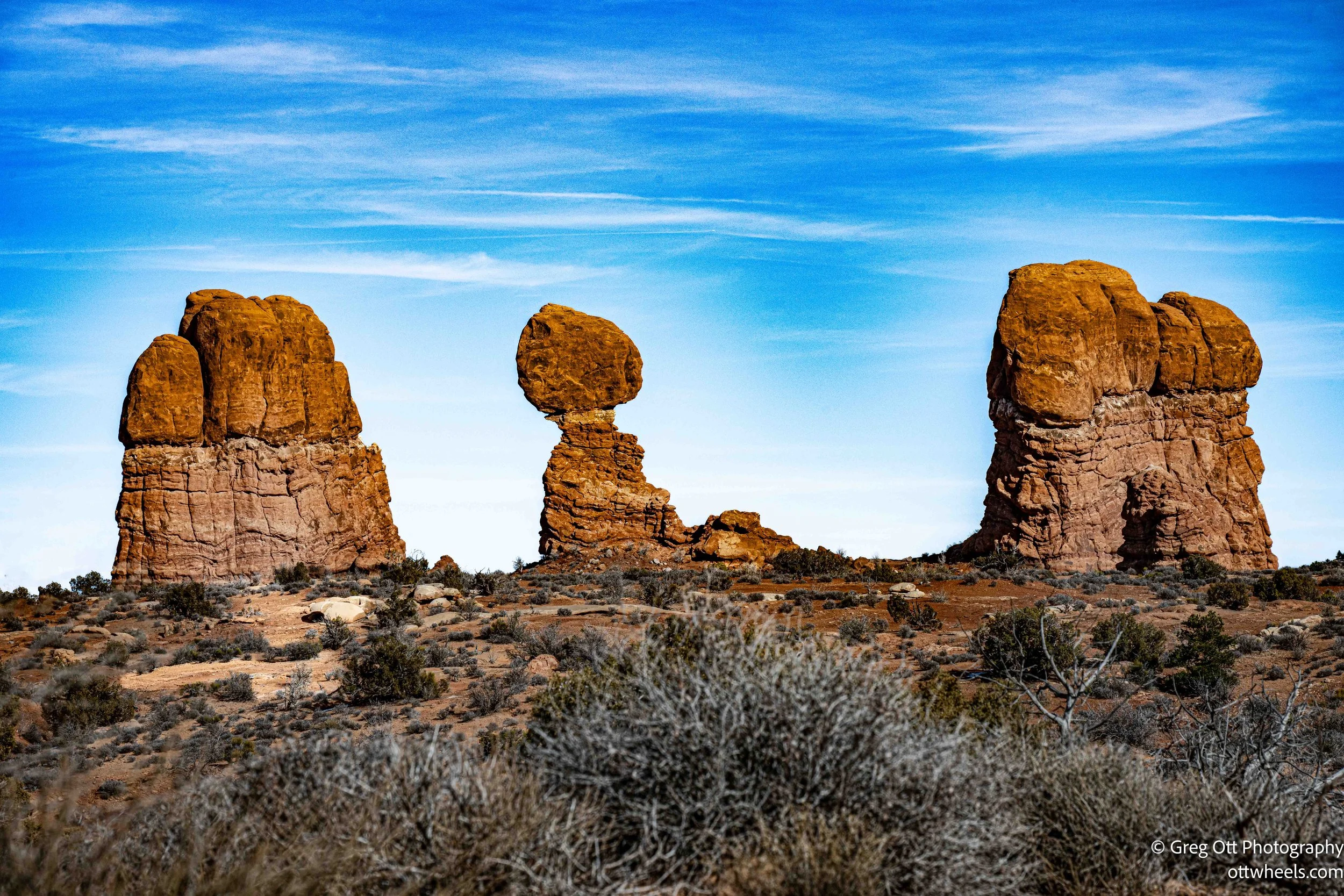
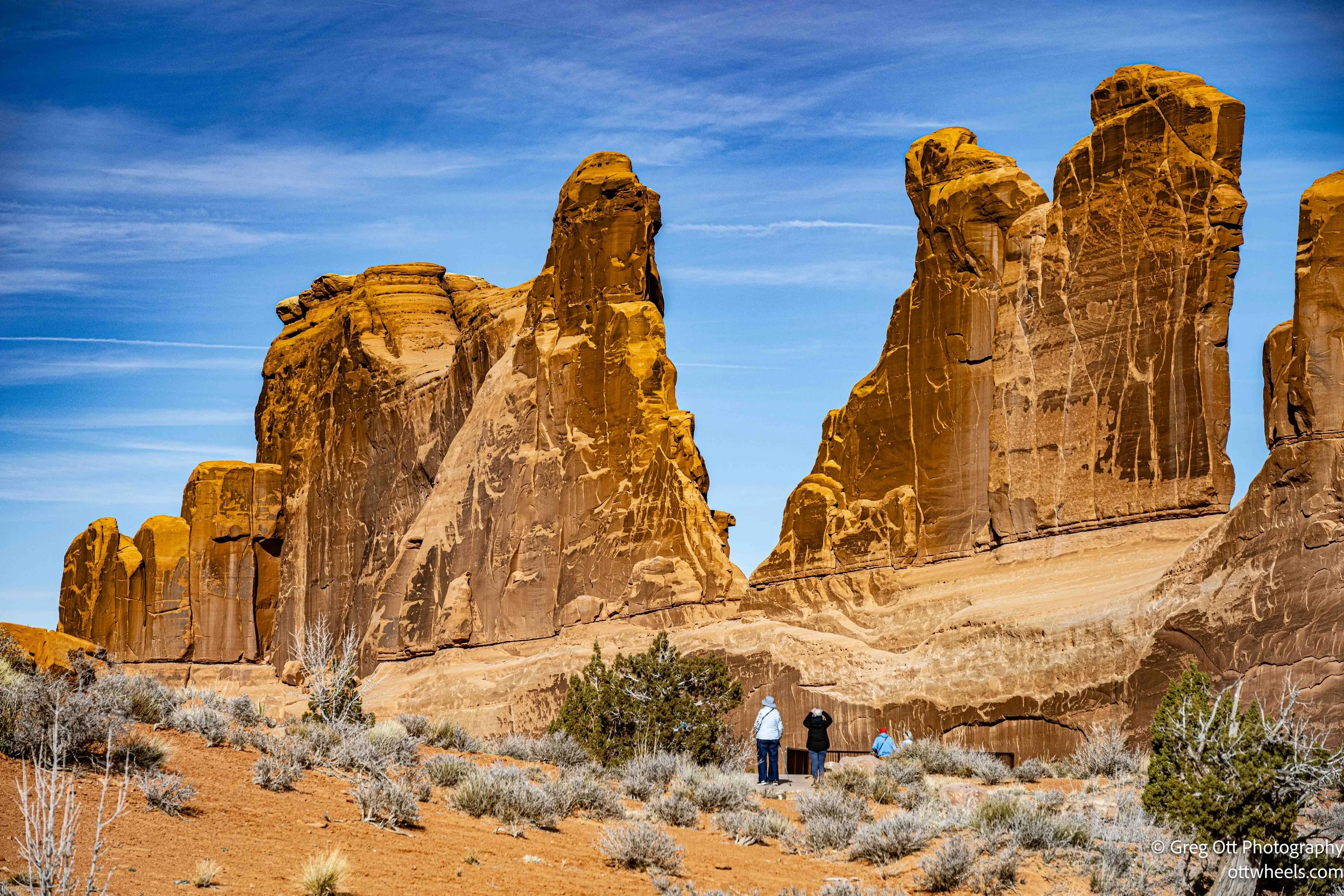
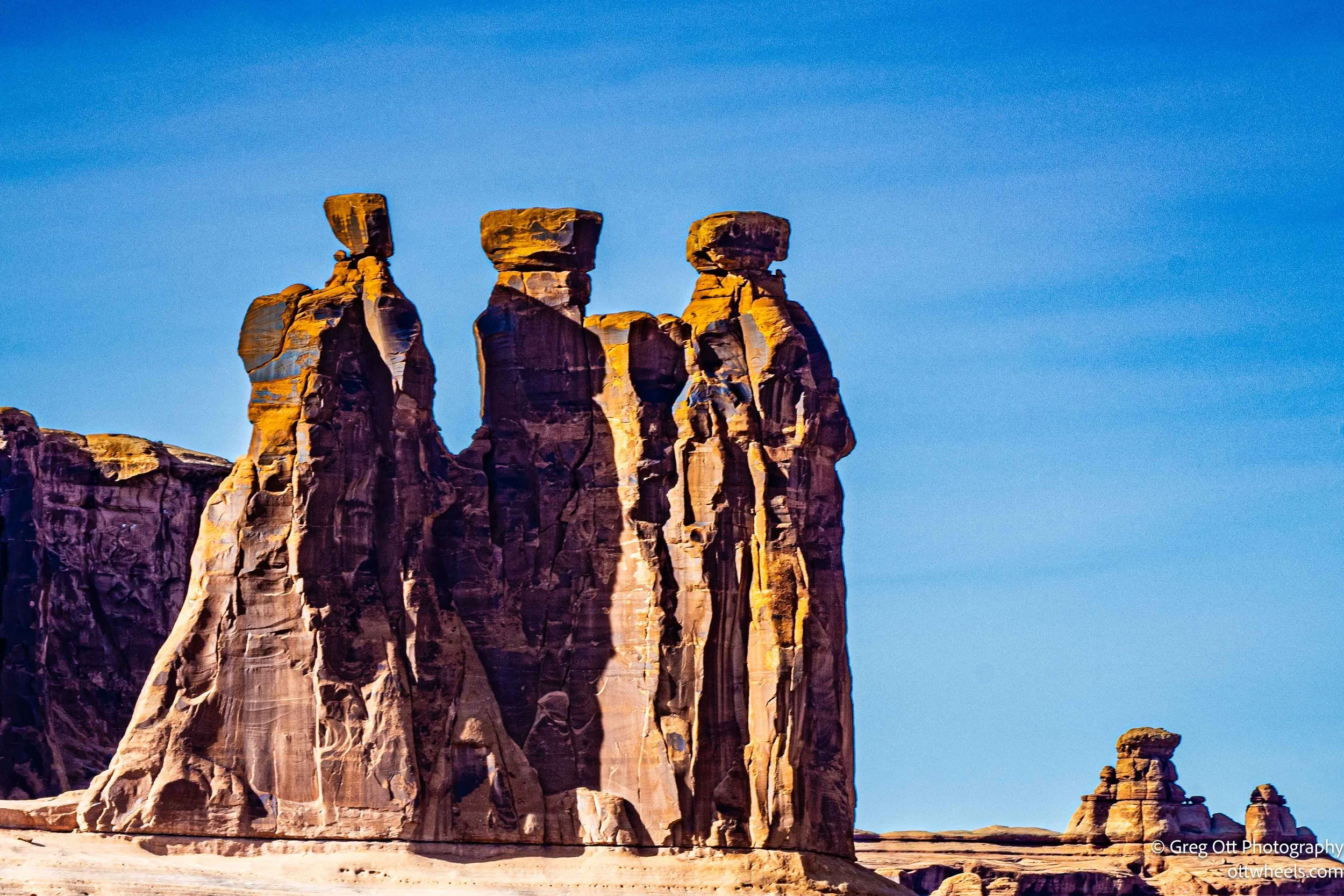
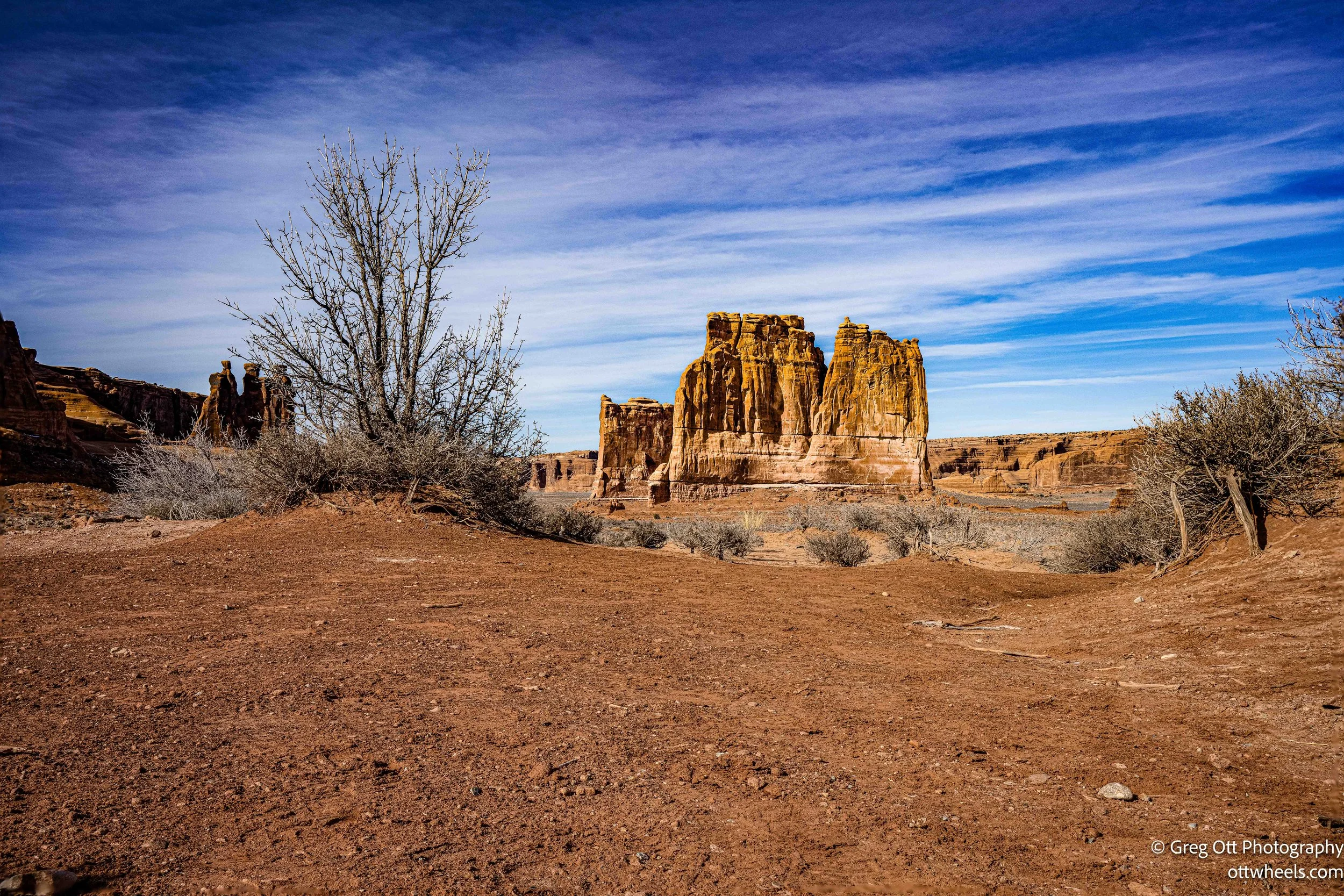
I also stopped at The Three Gossips, a group of tall sandstone columns clustered close together near the road. They began as part of larger sandstone fins created by fractures during uplift. Instead of forming arches, the surrounding rock eroded away, leaving these narrower towers behind. Each column has weathered slightly differently depending on exposure, which makes the group feel uneven and fragile. I almost expected them to move, like some transformer caught halfway through changing shape.
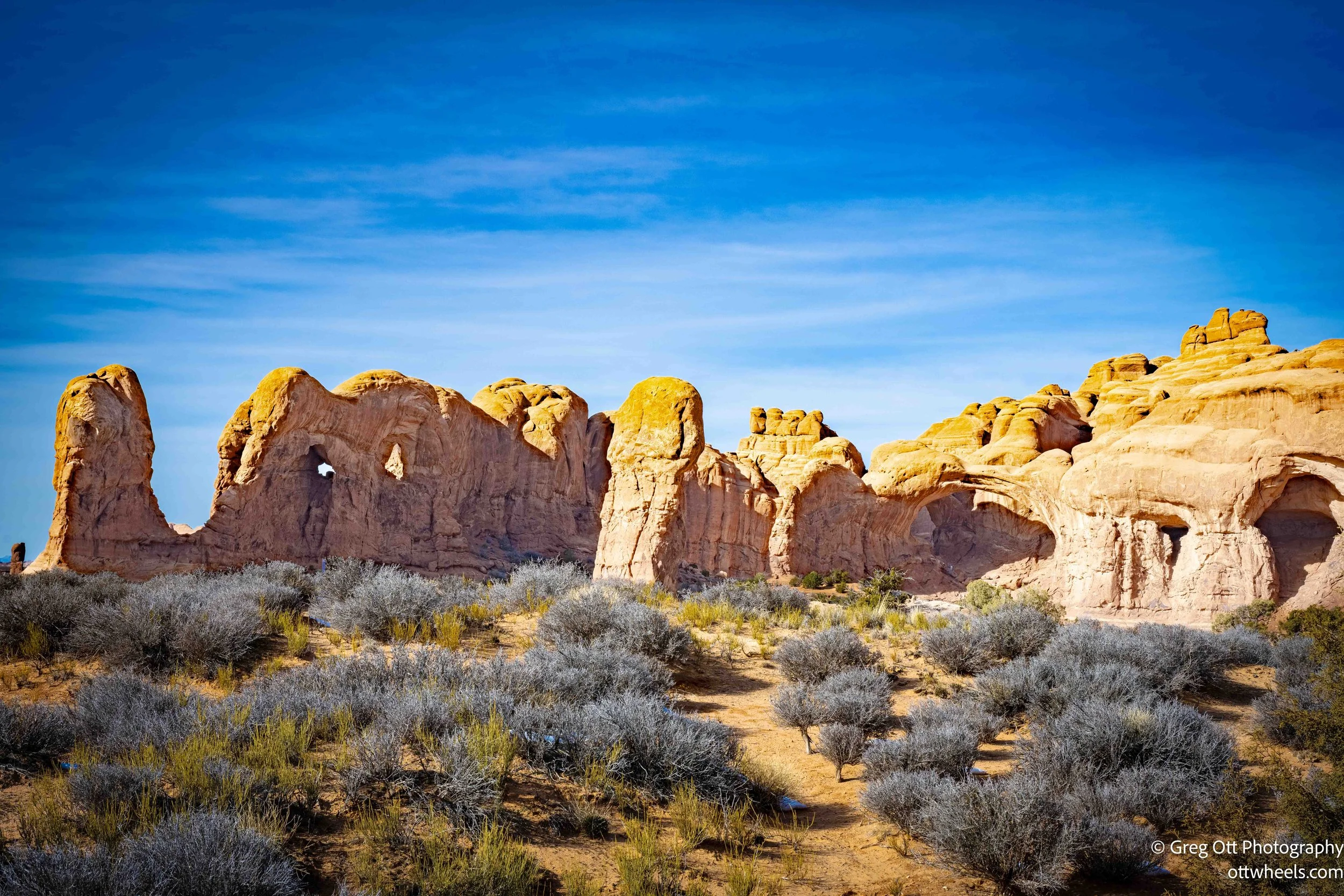
At Double Arch, the scale is immediate. Two large arches rise from the same foundation, formed when water collected on top of the rock and broke through at more than one weak point. Over time, erosion widened both openings, creating a shared base rather than a single arch.
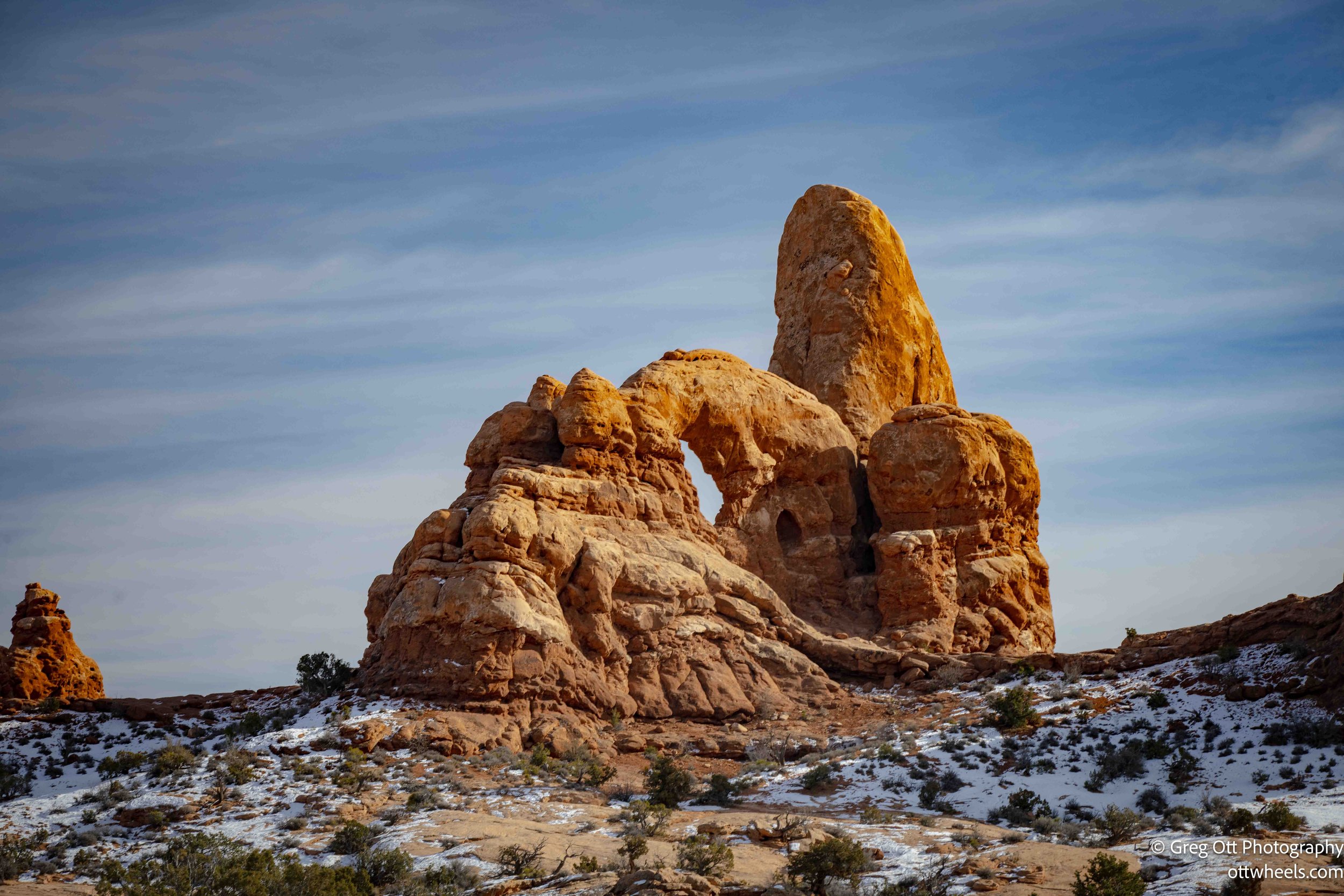
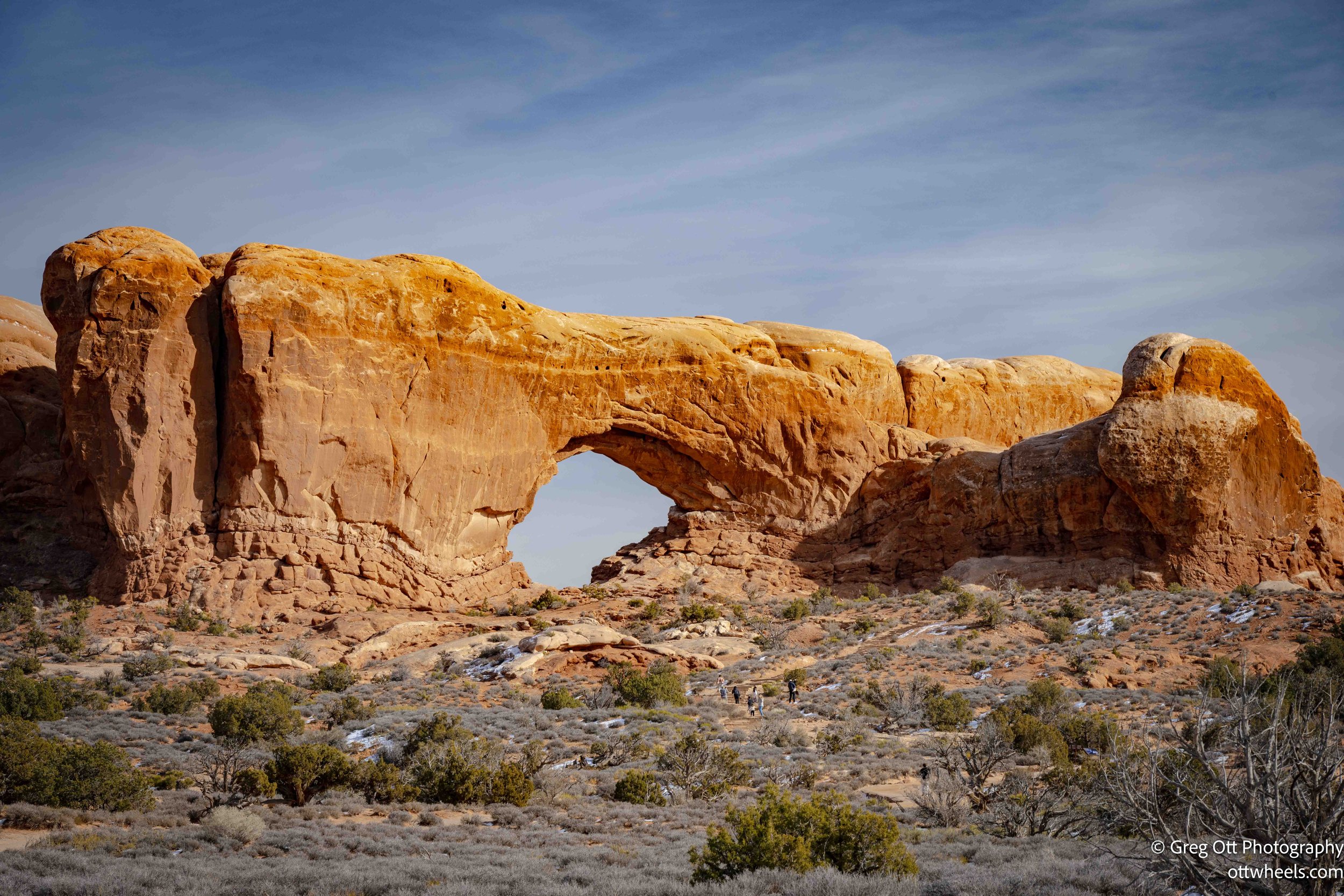
Later in the day, I hiked out to Delicate Arch, hoping to stay through sunset and into the night for star photographs. The trail is steady but exposed, climbing over slickrock rather than following a traditional dirt path. I carried more gear than usual—multiple lenses, a tripod, and even a folding chair—planning to be up there for several hours. The weight made the climb more work than it would have been otherwise.
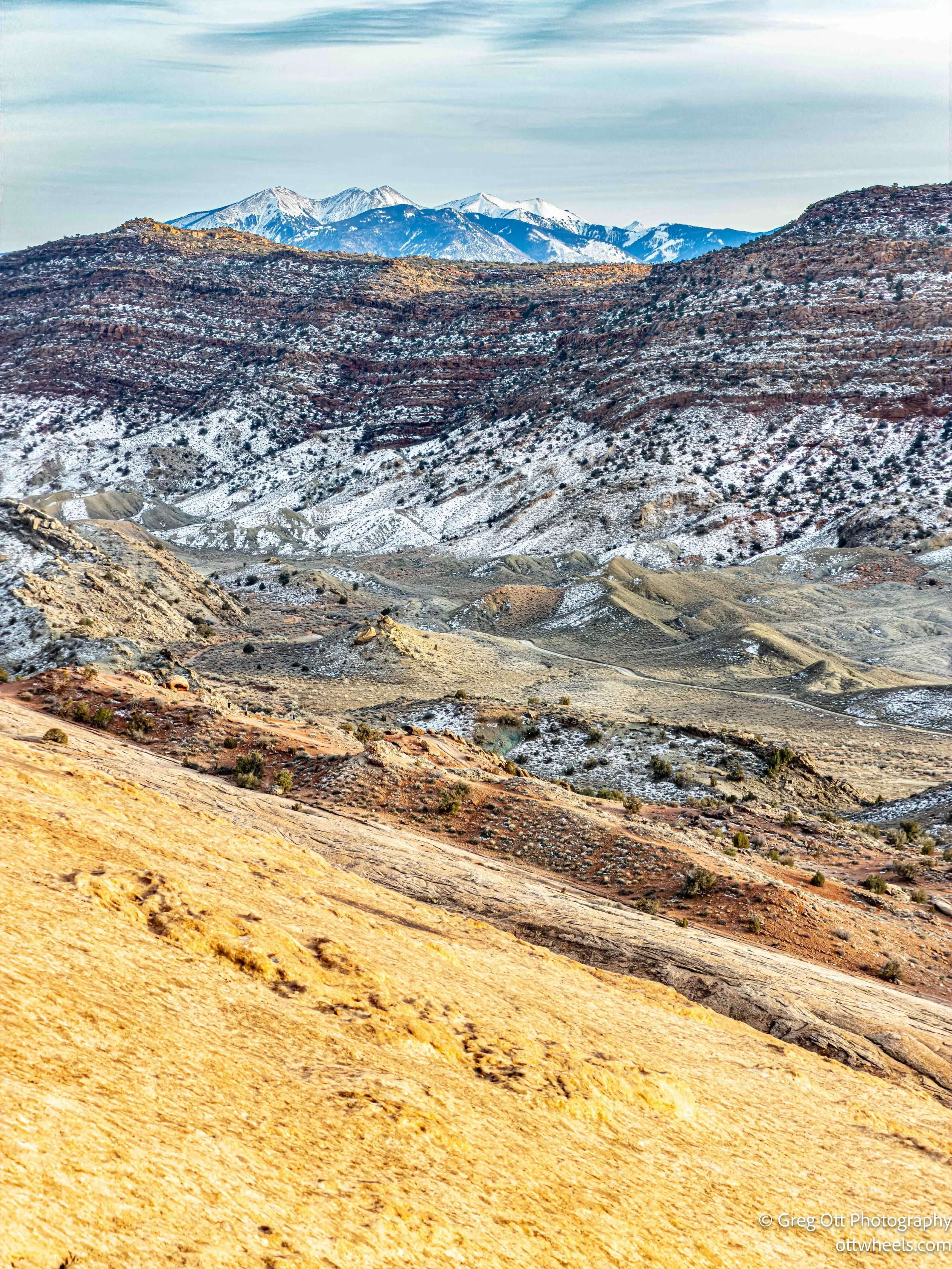
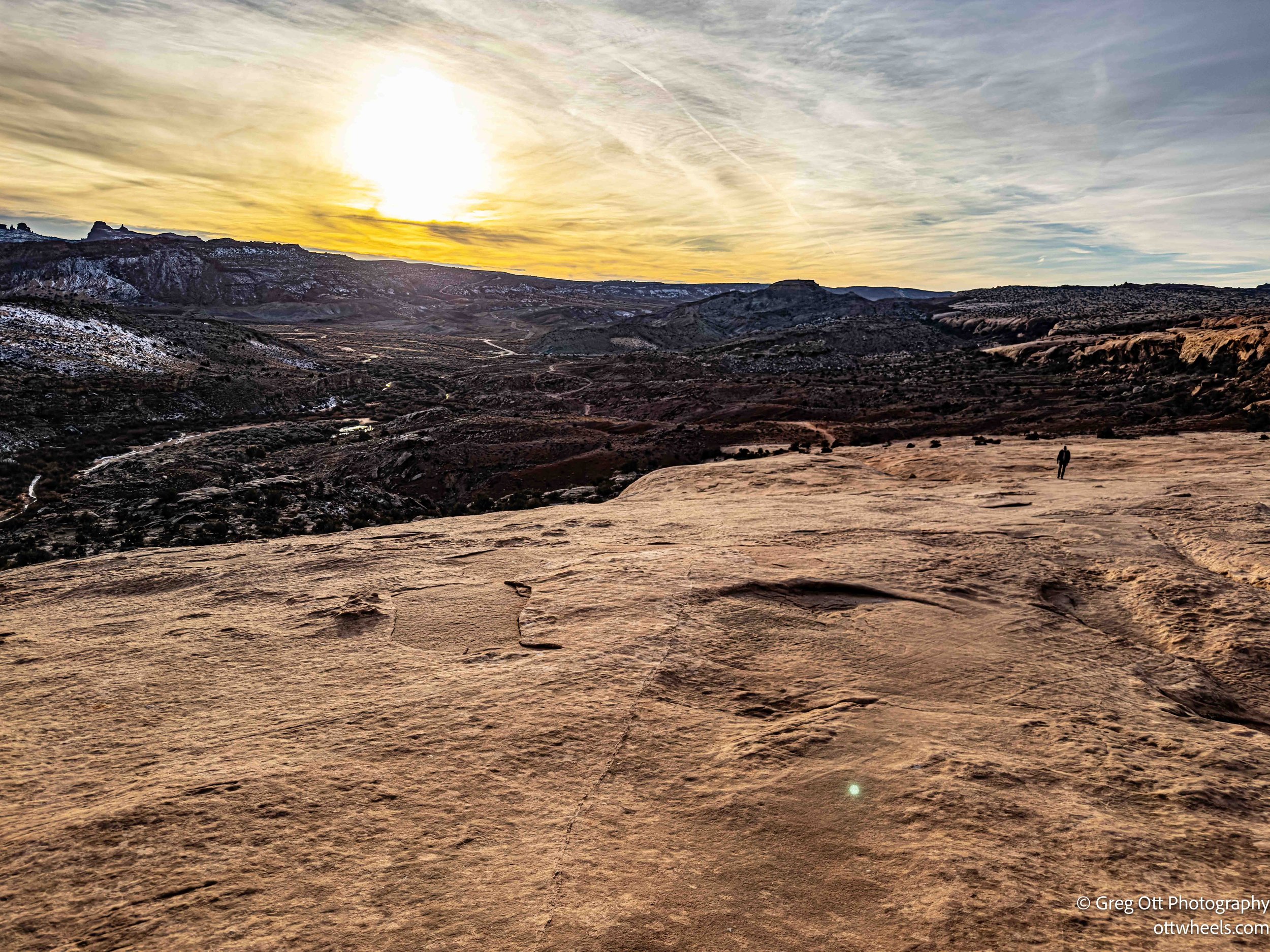
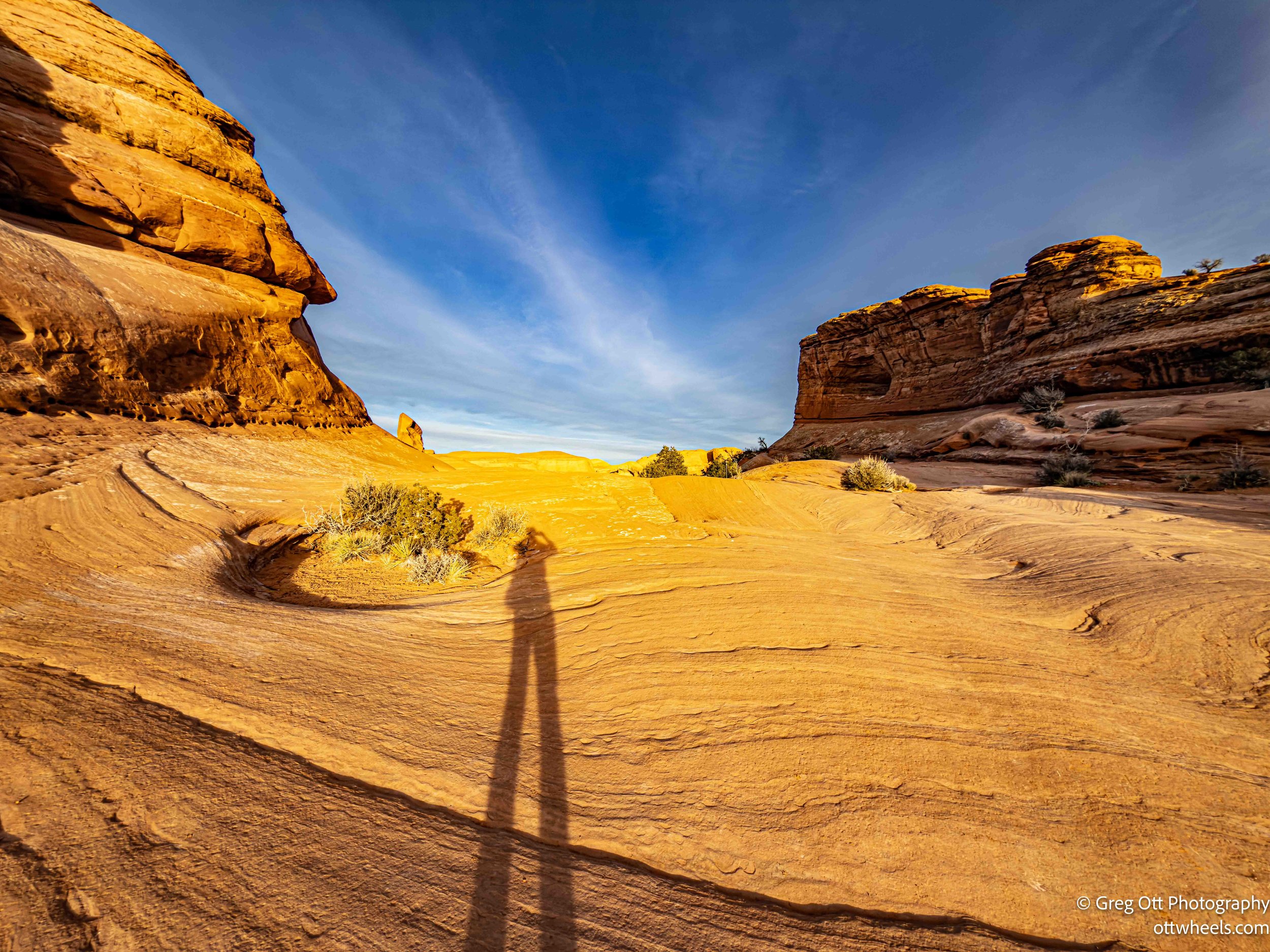
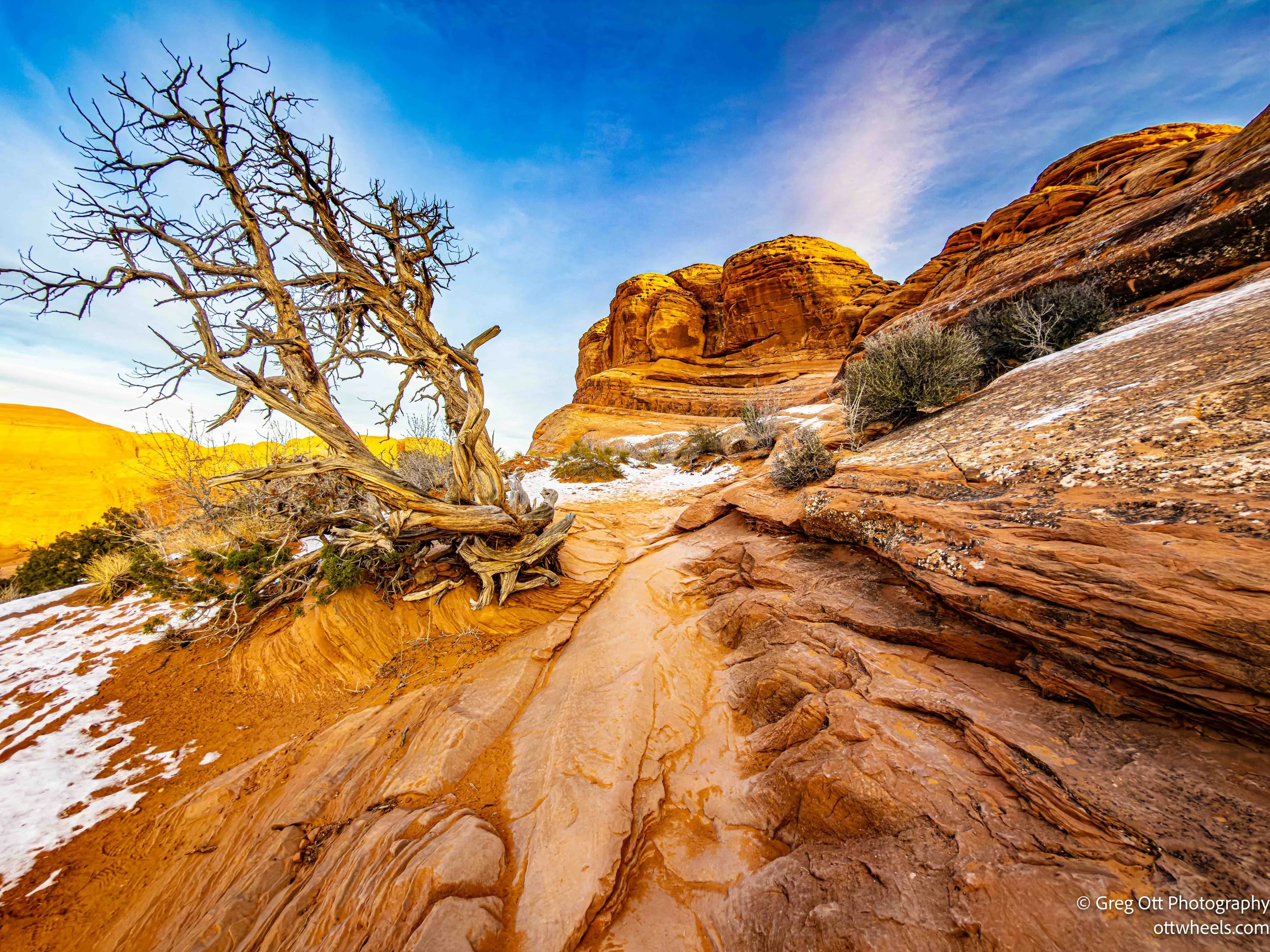
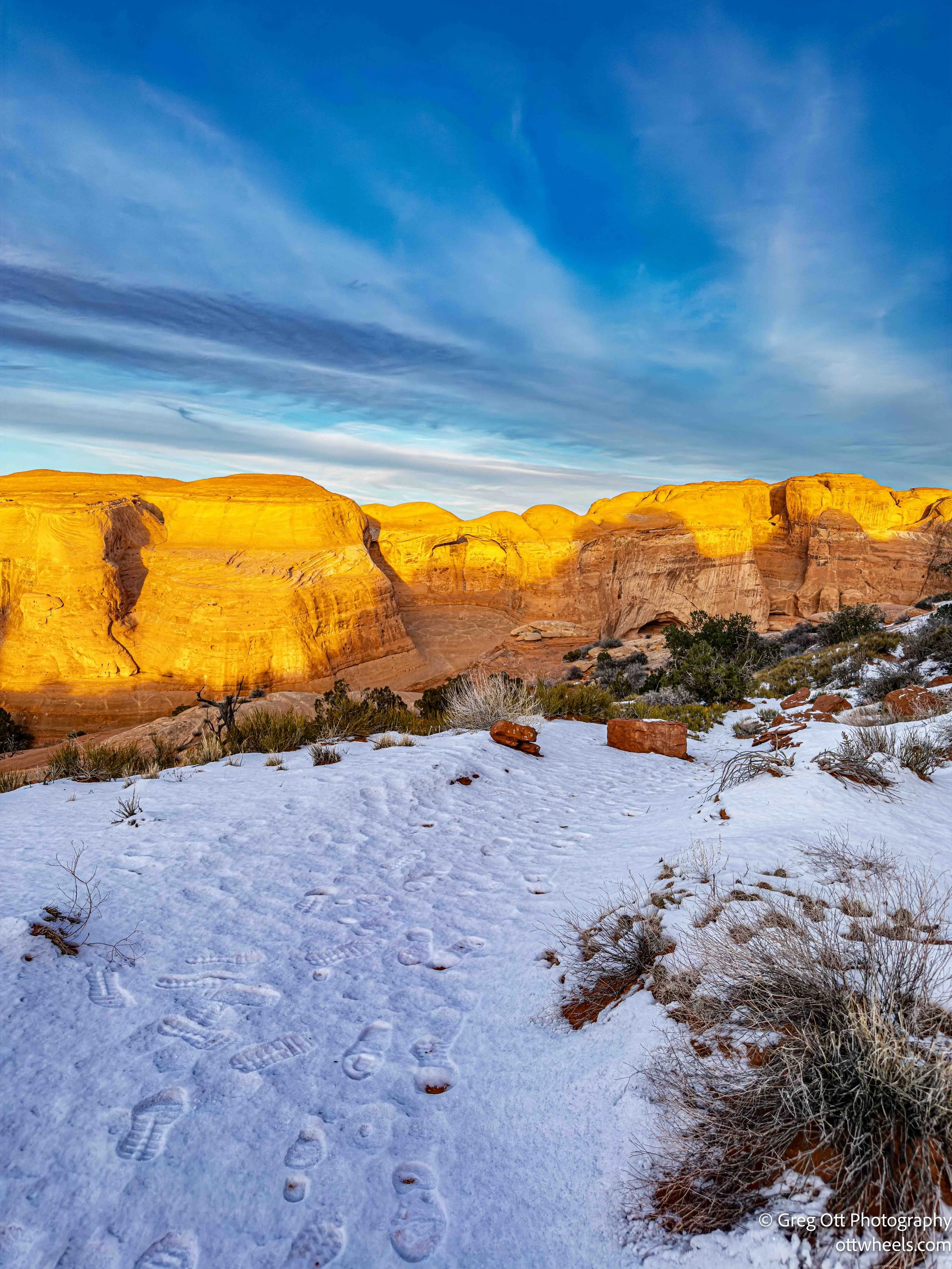
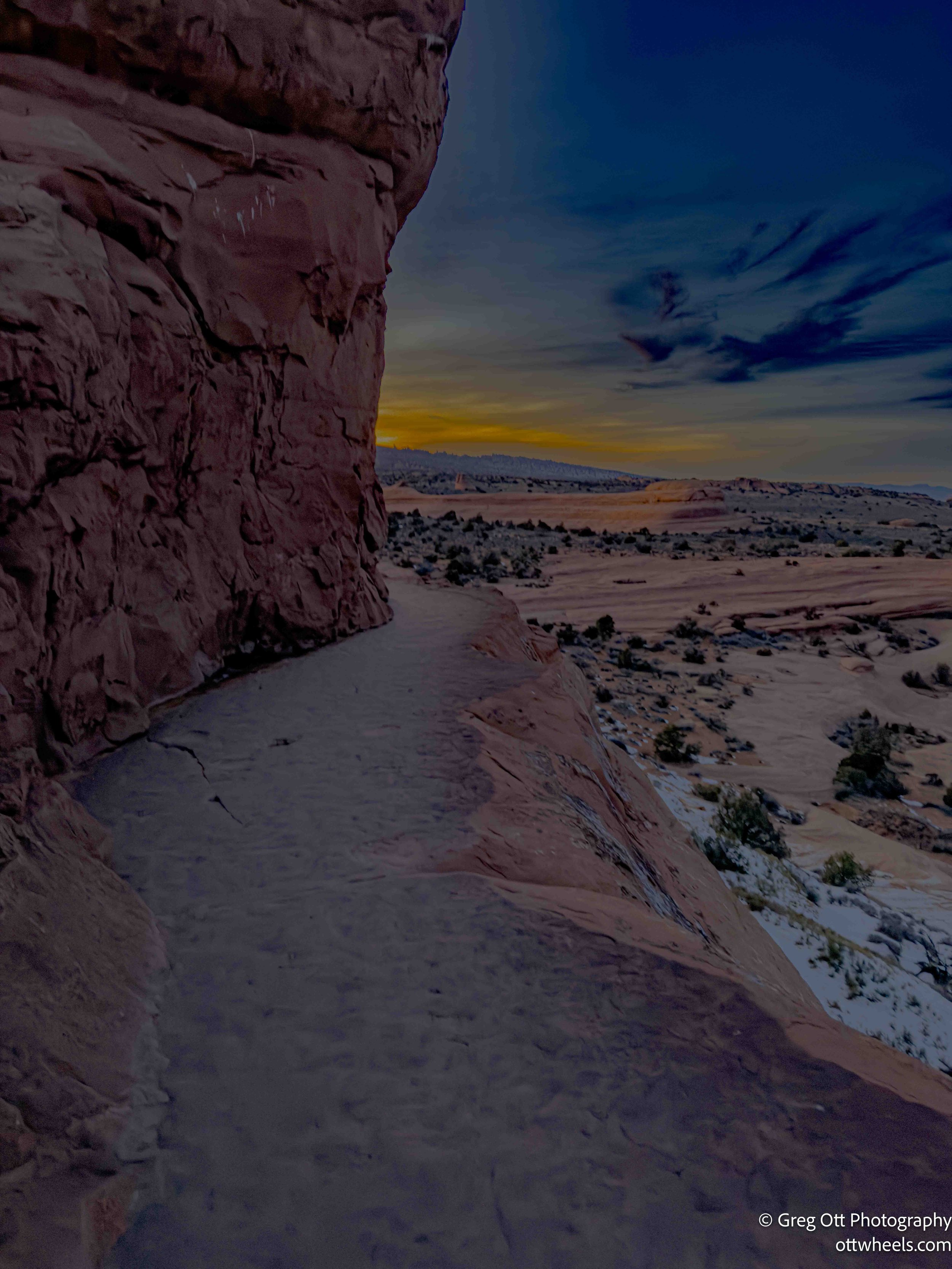
You don’t actually see Delicate Arch until you’re almost there. The trail keeps it hidden until the last stretch, which makes the reveal more dramatic. Near the top, you cross a ledge about three feet wide, with a long drop below. I was doing fine until someone approached from the opposite direction. We both slowed down, acknowledged each other, and passed carefully. It was one of those moments where patience matters more than confidence.
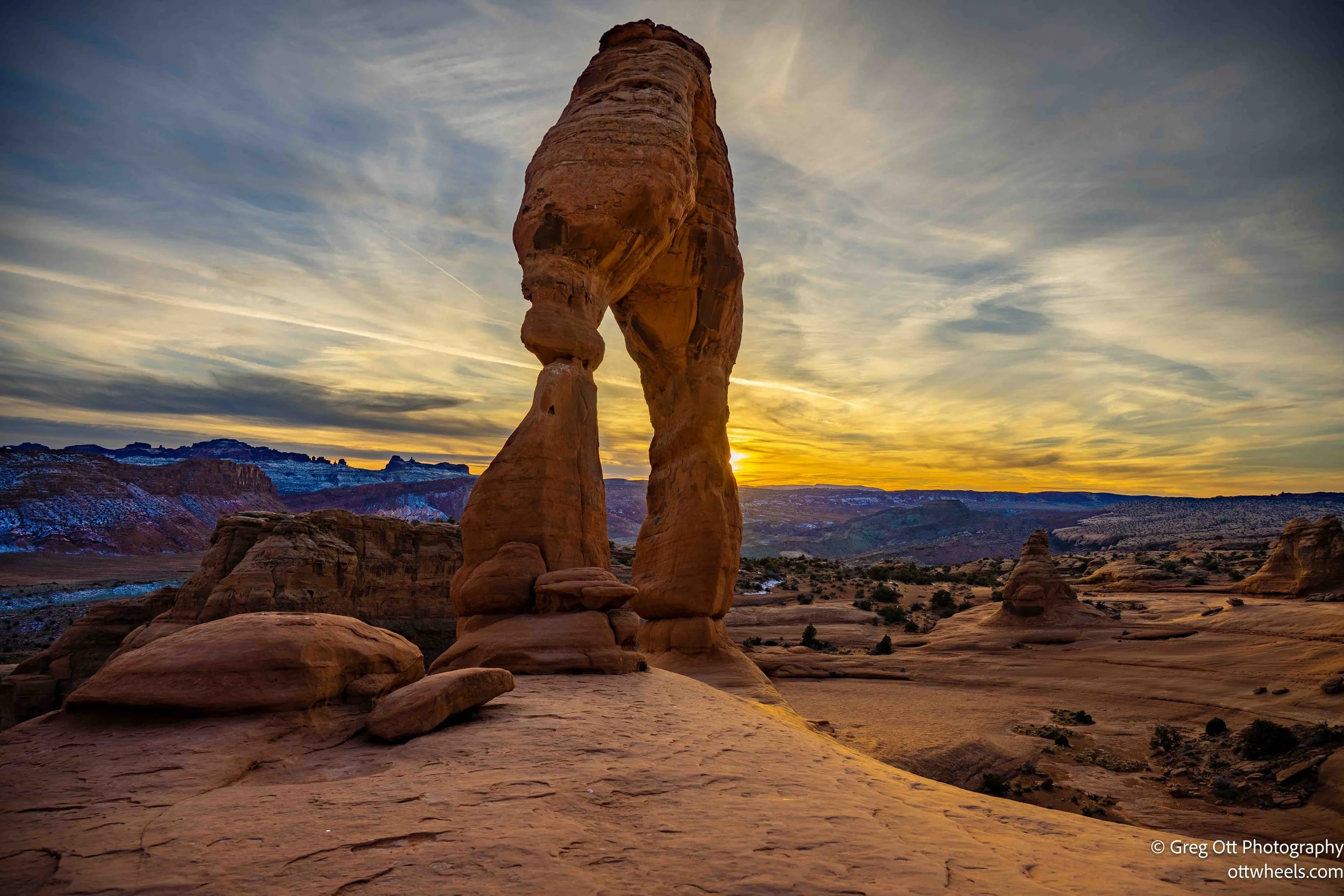
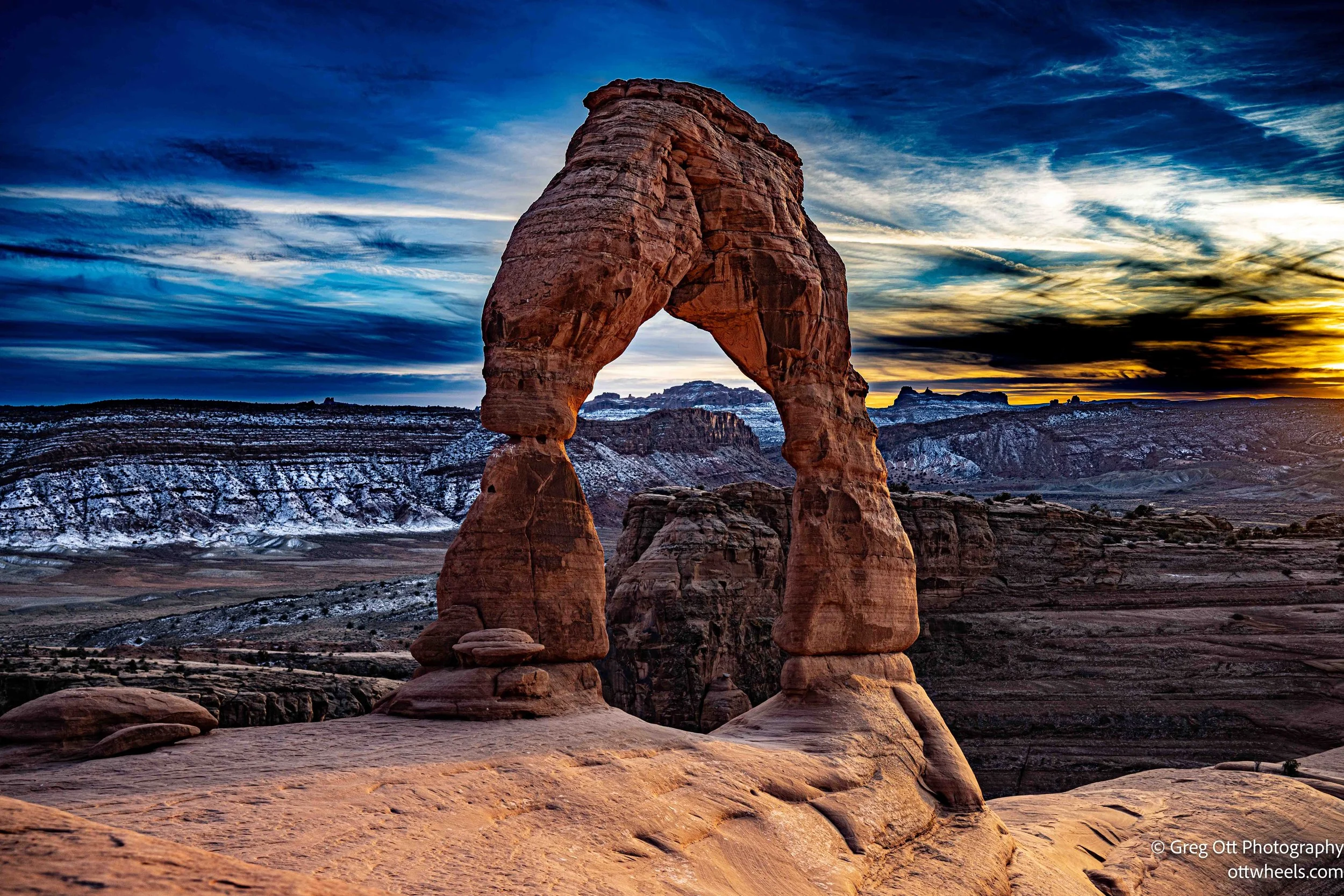
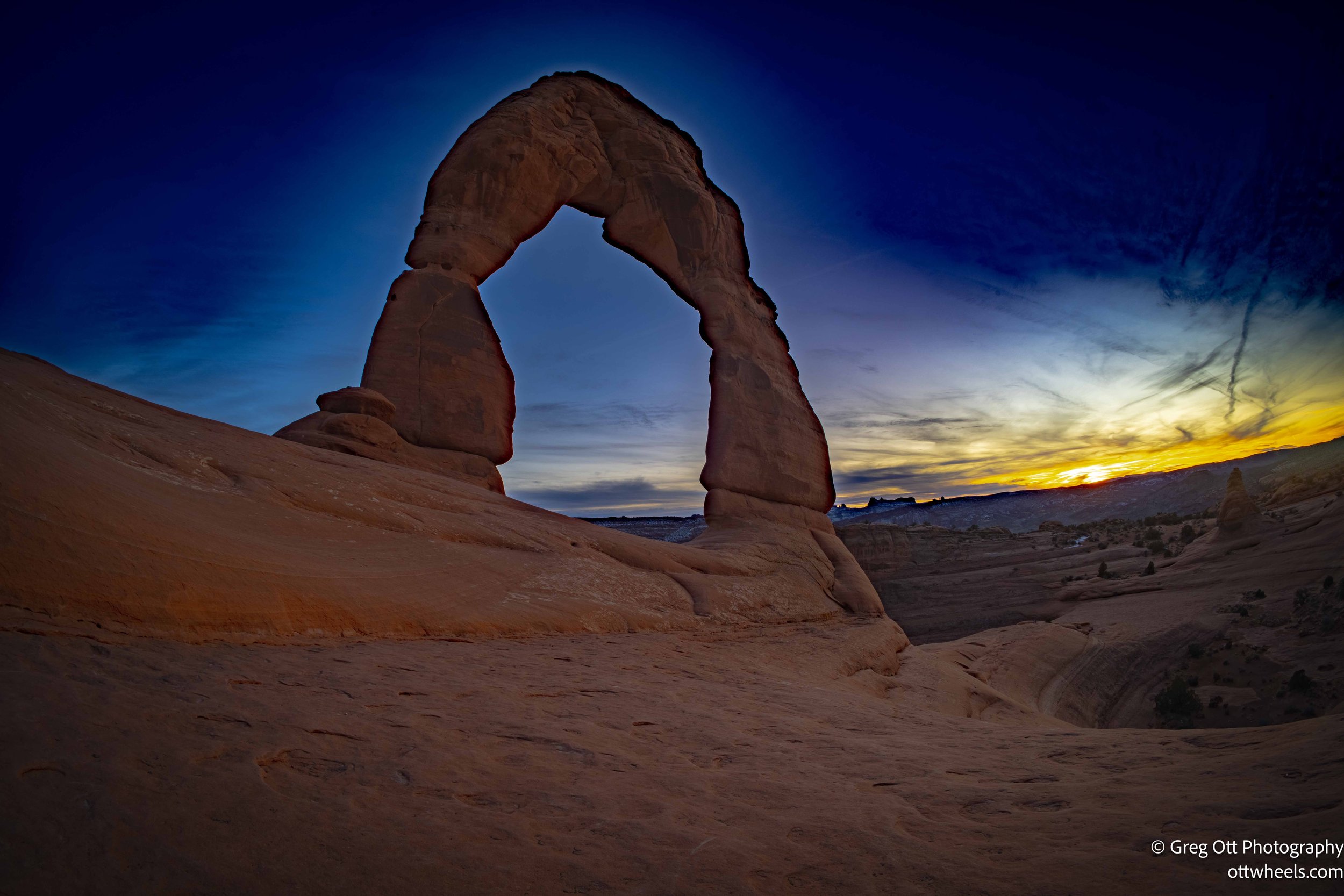
At the top, the arch sits on the edge of a large stone bowl, looking impossibly balanced. Around thirty people were scattered along the rim, all waiting for sunset. I moved carefully at first, not fully used to the steep angles and smooth rock, but that hesitation faded as I settled in. As the light dropped, it became obvious that the cloud cover wasn’t going to cooperate. Stars weren’t going to happen that night.
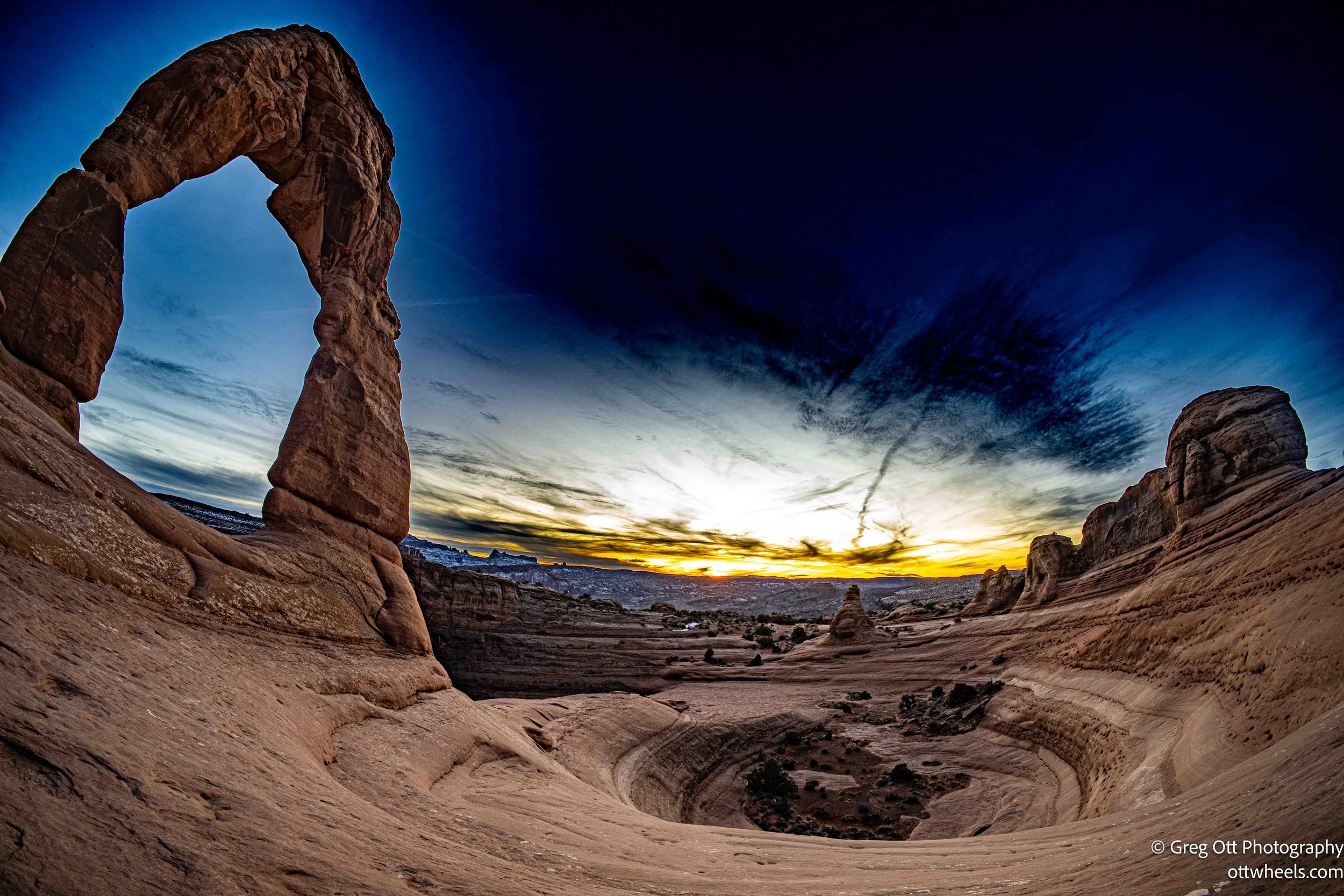
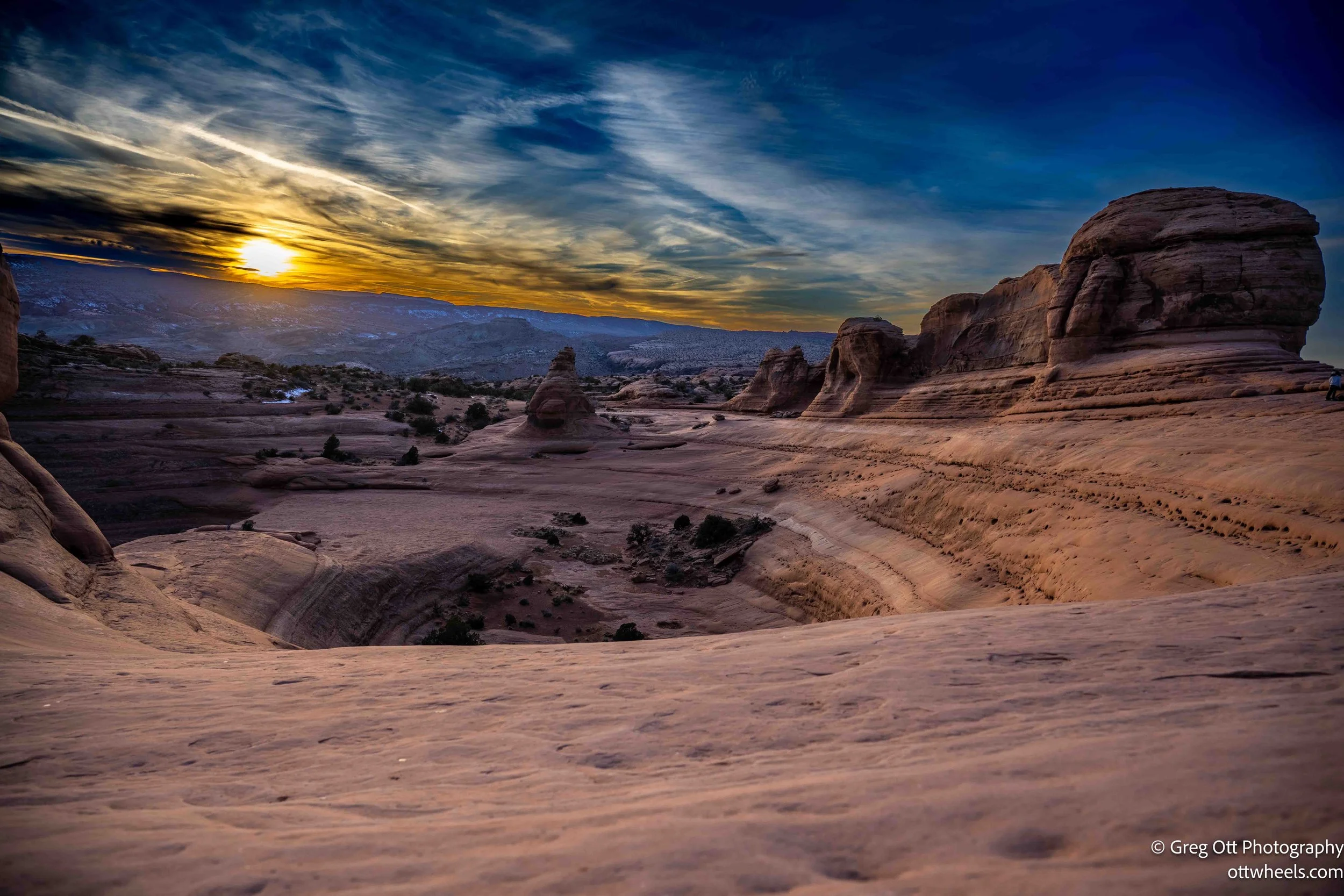
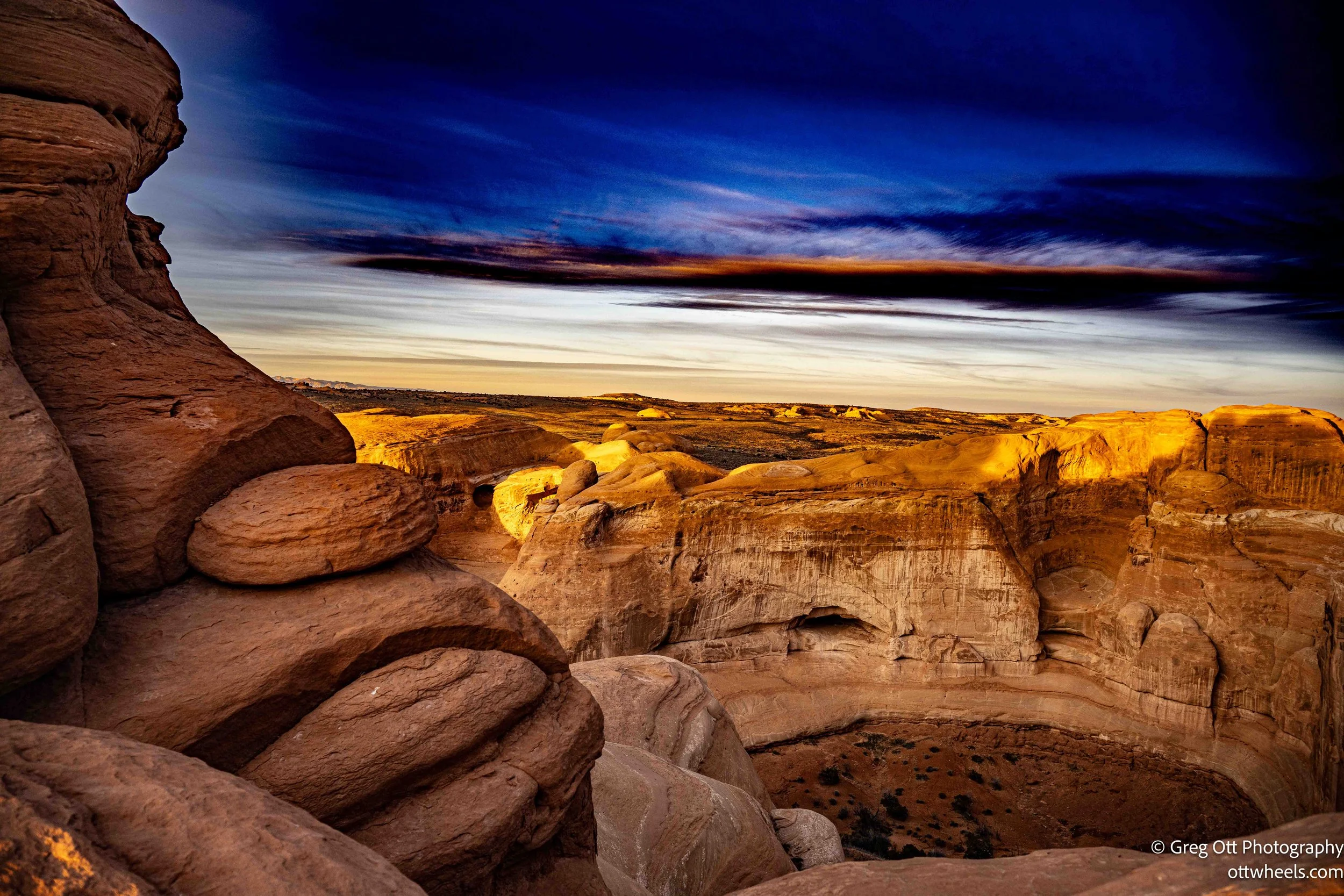
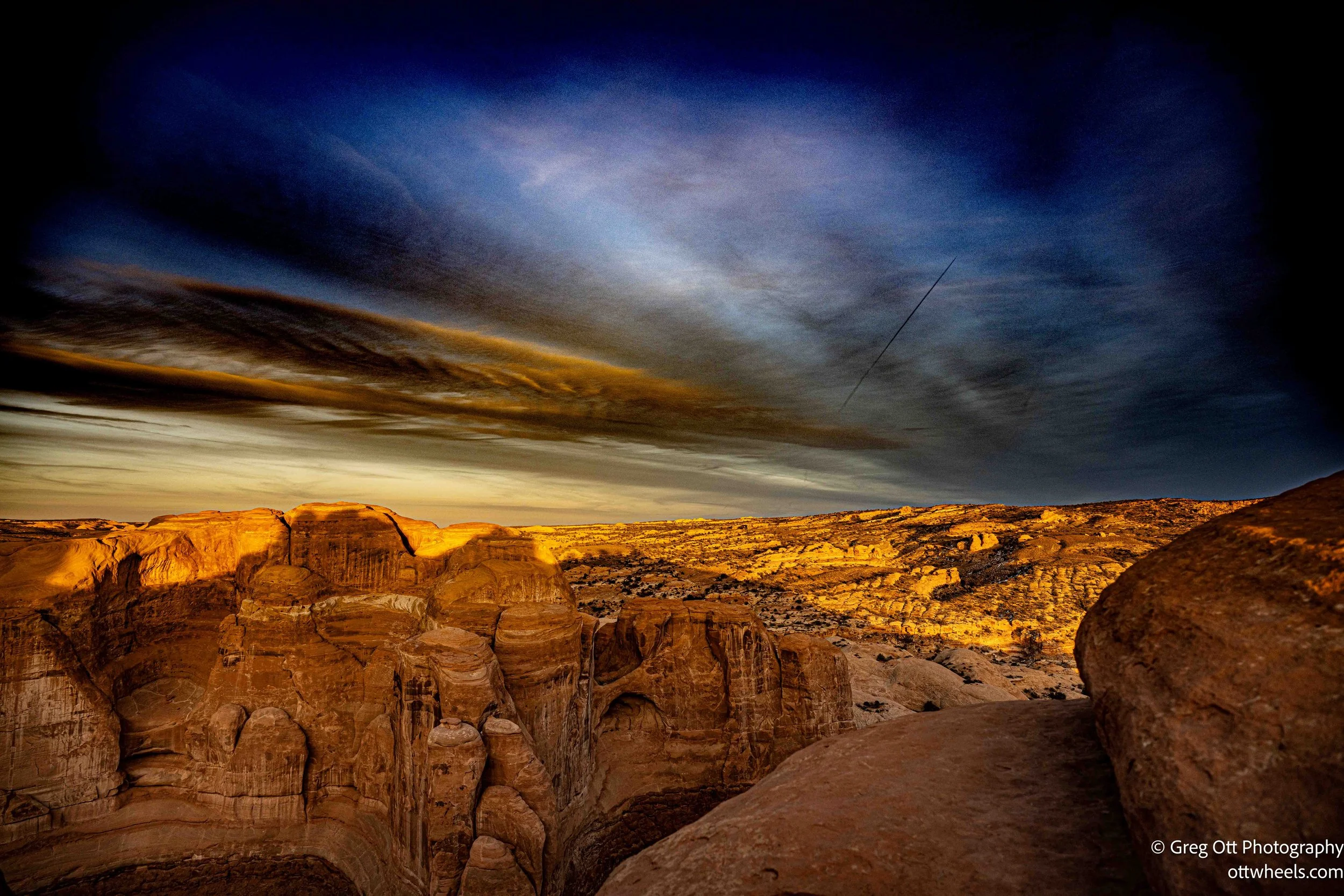
The hike back down in the dark was unexpectedly easier in places. Crossing the ledge felt less intimidating when I couldn’t clearly see the drop. I used a headlamp and a strong flashlight, checking AllTrails frequently to stay on route. Walking a familiar trail in complete darkness changes everything. In the distance, I could see small points of light from other hikers and hear voices echoing across the rock.
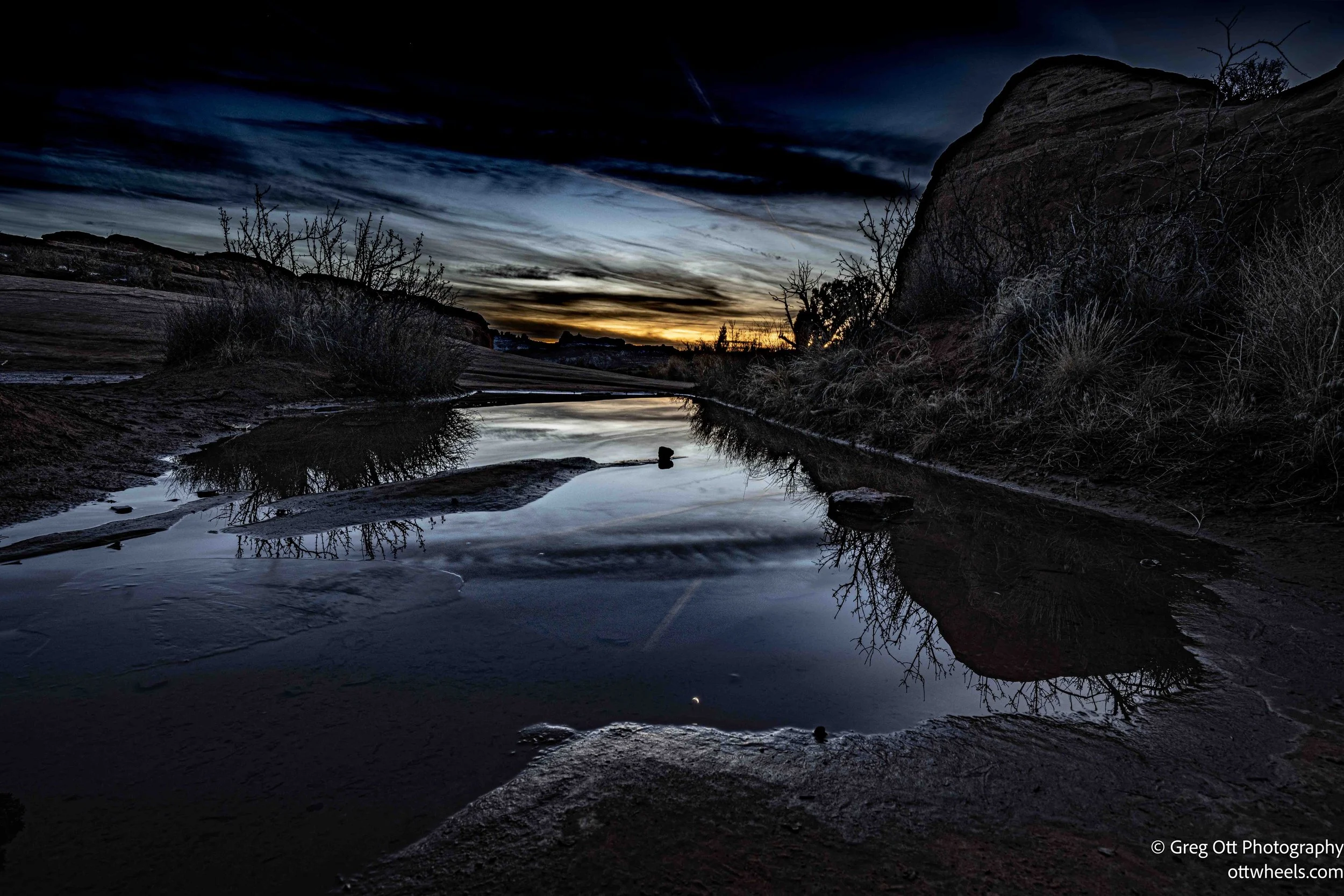
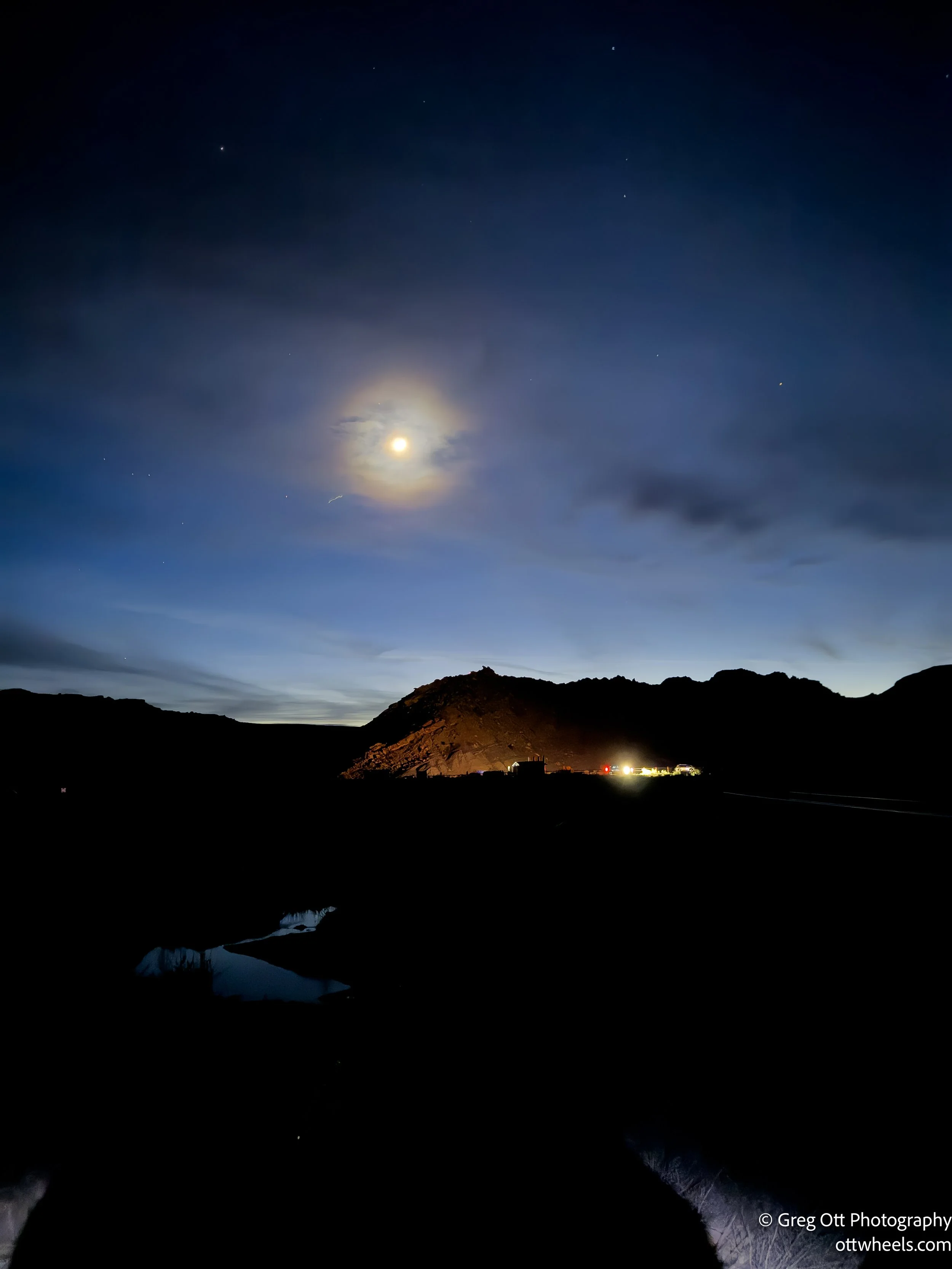
Later, I realized there was overnight camping available at Devils Garden and took a site around 8:30 p.m. After a long day of driving, hiking, and waiting on light that never quite arrived, it felt like the right way to end the day—still inside the park, surrounded by stone that’s been quietly reshaping itself for millions of years.