Flight to Prudhoe Bay, AK
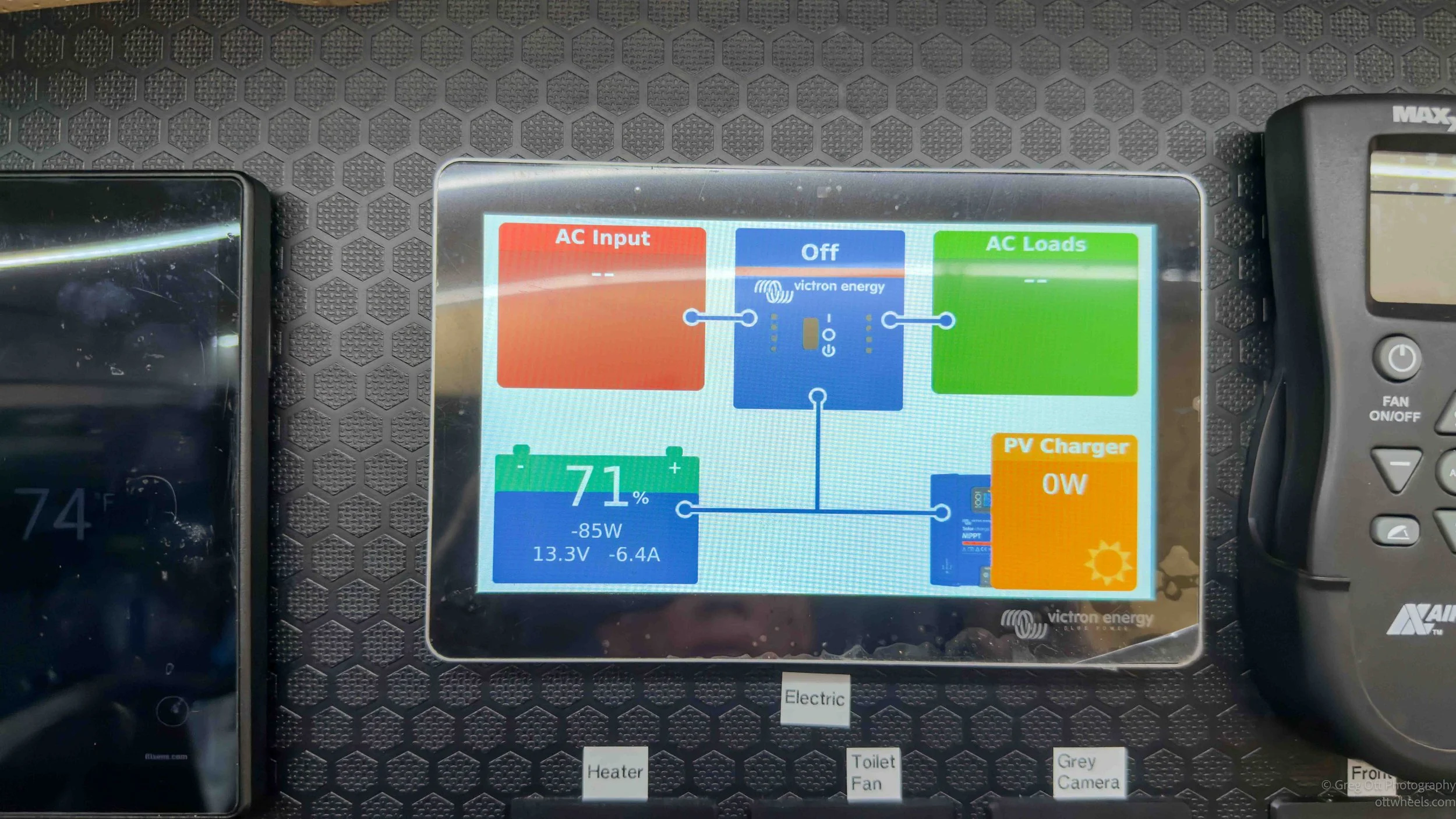
I was awake at 6:30 a.m. after spending much of the night running the same three things through my mind. Before leaving the van for several days, I wanted to make absolutely sure I wasn’t going to come back late Sunday night—or more likely sometime early Monday morning—to a dead electrical system and a refrigerator full of spoiled food. As soon as I got out of bed, I went through everything one more time. Starlink was off, the 110-volt inverter was off, and anything that didn’t need power was unplugged. The 960 Ah battery bank was at 71%, which should be more than enough to keep the refrigerator running for three days. I grabbed my umbrella, threw a few fig bars into my bag, and headed for the airport.
I had good reason to be a little obsessive about the batteries. Not long ago, I made the mistake of leaving Starlink running for six days while the van was parked. Starlink uses a surprising amount of power when it runs continuously, and by the time I returned, the batteries were almost completely drained. At about 5%, the battery management system (BMS) shut down the Epoch batteries to protect them from being discharged fully. That is exactly what the BMS is supposed to do, and once I started driving, the alternator began putting power back into the system and I was eventually able to restart the batteries. It was reassuring to know the protection system actually worked, but it is one of those things I was perfectly happy testing once.
I had to throw away most of what was in the freezer, but I was surprised by how well the refrigerator held its temperature. After nearly three days without power, everything in the refrigerator was still cold and nothing had spoiled. Still, I wasn’t interested in repeating the experiment, so I probably checked the electrical system more times than necessary before locking the van.
The Alaska Airlines/Hawaiian Airlines app allowed me to check in using my email confirmation number and last name. By 7:30, I had my boarding pass, was through TSA, and had found North Pole Coffee. With a bagel and latté in hand, I headed toward the gates. Fairbanks is a small airport, and one thing I discovered is that there isn’t a large departure board displaying every arriving and departing flight. I was early enough that the gate hadn’t appeared in the app either, so for a while I simply waited.
My first flight actually took me south to Anchorage, where we arrived around 9:45. From there, I would turn around and fly north again, past Fairbanks and on to Deadhorse. The gate for the Deadhorse flight still hadn’t appeared in the app, so I finally asked an attendant where I needed to go. She gave me a slightly surprised look, as if anyone flying to Deadhorse should already know where the plane leaves from. Then she told me it was leaving from the gate where I was standing. Apparently, I was the only one who didn’t know that.
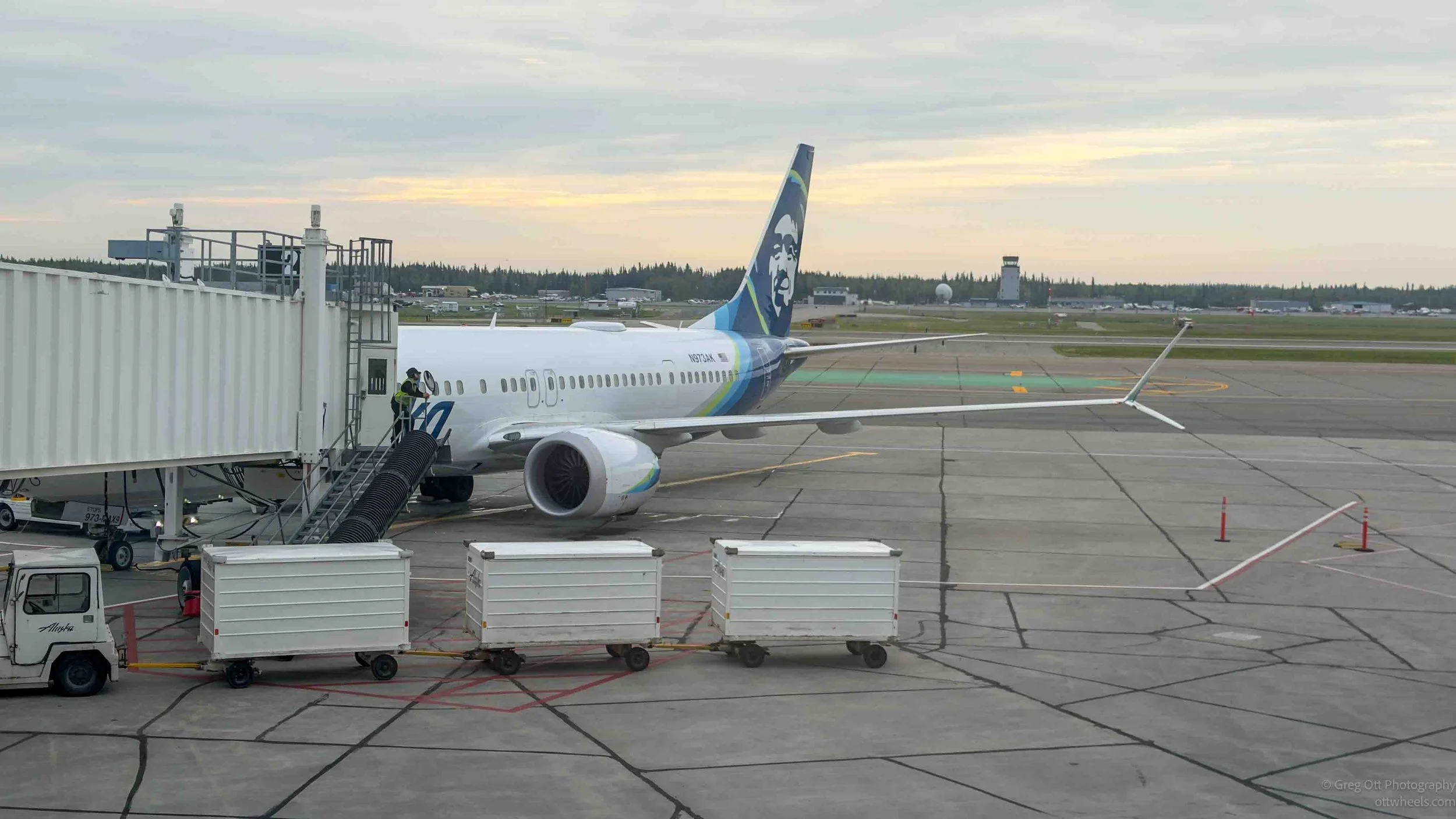
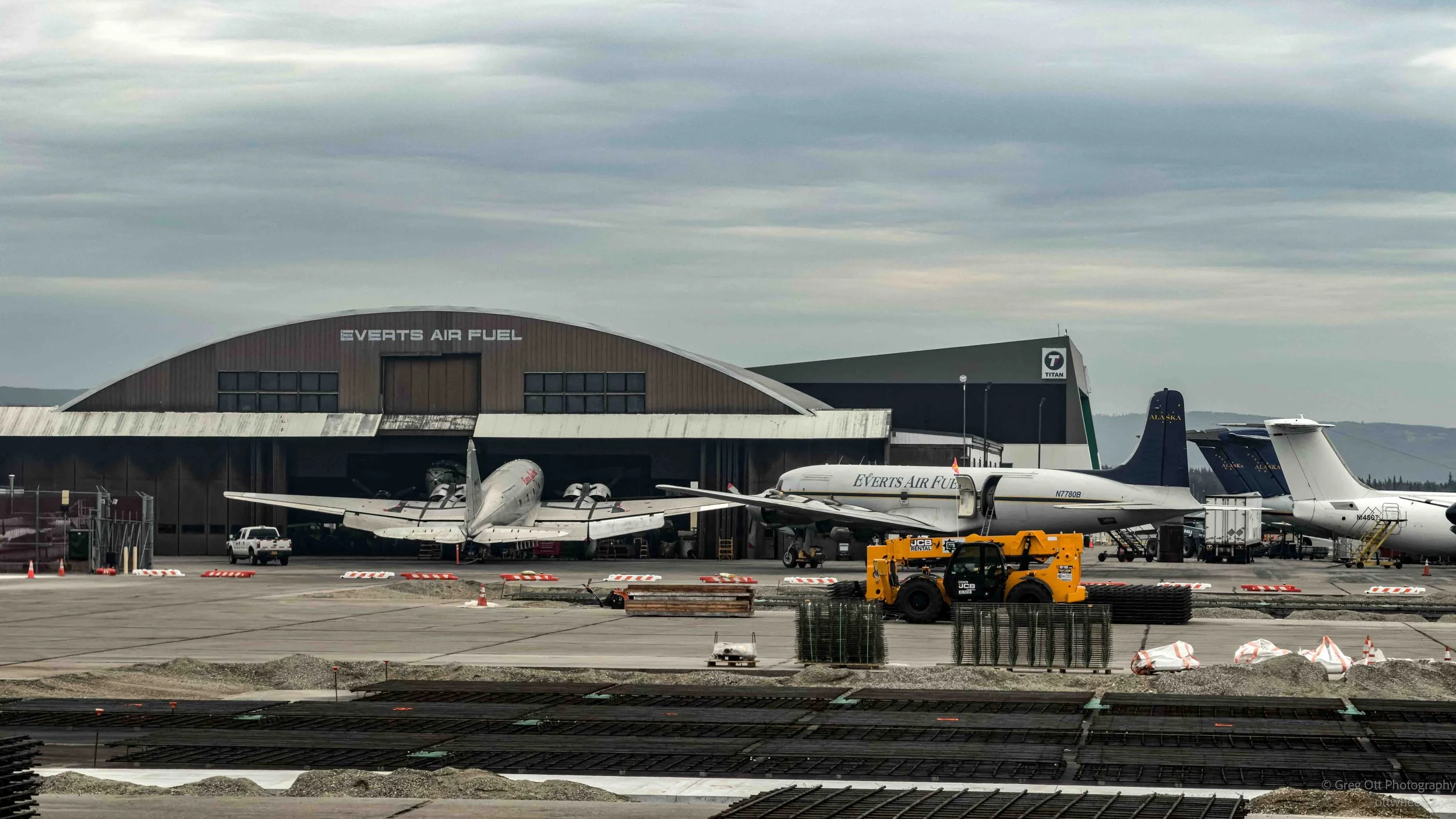
Boarding started a little before 11:00. An announcement was made and almost the entire waiting area stood up at once. I stood up with everyone else and got in line, although I wasn’t entirely sure I was supposed to. My boarding pass said Group B, and for all I knew, everyone around me was in Group A. Nobody seemed to be paying any attention to boarding groups, and nobody was waiting around for another announcement.
I was standing behind a tall, muscular guy, so I asked him how boarding worked. He was from Louisiana and had a strong southern accent. He explained that this flight didn’t really work like a normal commercial flight. “There’s none of the BS of calling groups,” he told me. “Everyone just goes to their seats. We don’t have elderly, disabled or children. Most of us just have a small bag, if anything.” Looking around, I realized this wasn’t really a tourist flight. It was a commuter flight to an oil field. Most of the passengers had made this trip many times and knew the drill. When the announcement was made, everyone simply got up, got in line and boarded the plane.
The man from Louisiana worked three weeks on and three weeks off. He was a drilling inspector and traveled among the oil wells checking problems with drilling equipment. For him, flying to Prudhoe Bay was simply going to work. We talked about the winter temperatures and what it was like being up there when it was really cold. When he found out I was going to the Arctic Ocean, he immediately asked if I was going to take the dip. He told me about the annual “Arctic Plunge” they do up there and said he had missed the last two. I wasn’t sure whether he was disappointed or relieved.
I also noticed something else about the waiting area. There were no women on the flight except for the two flight attendants. It was an airplane full of men going to work in the oil fields, along with a few hunters and one guy wandering around Alaska who apparently thought flying to the end of the Dalton Highway and riding back for eighteen hours sounded like an interesting way to spend a weekend.
The airplane was a completely full 737 with two rows of three seats. I had the middle seat. On my left was a massive guy who had to be at least 6'6". On my right was a much smaller man with no teeth who never said a word. When the flight attendants came through, he nodded yes to a snack, nodded yes to water, and then went back to sleep. He slept almost the entire way. I was beginning to understand that for most of the people on this airplane, there was absolutely nothing unusual about where we were going.
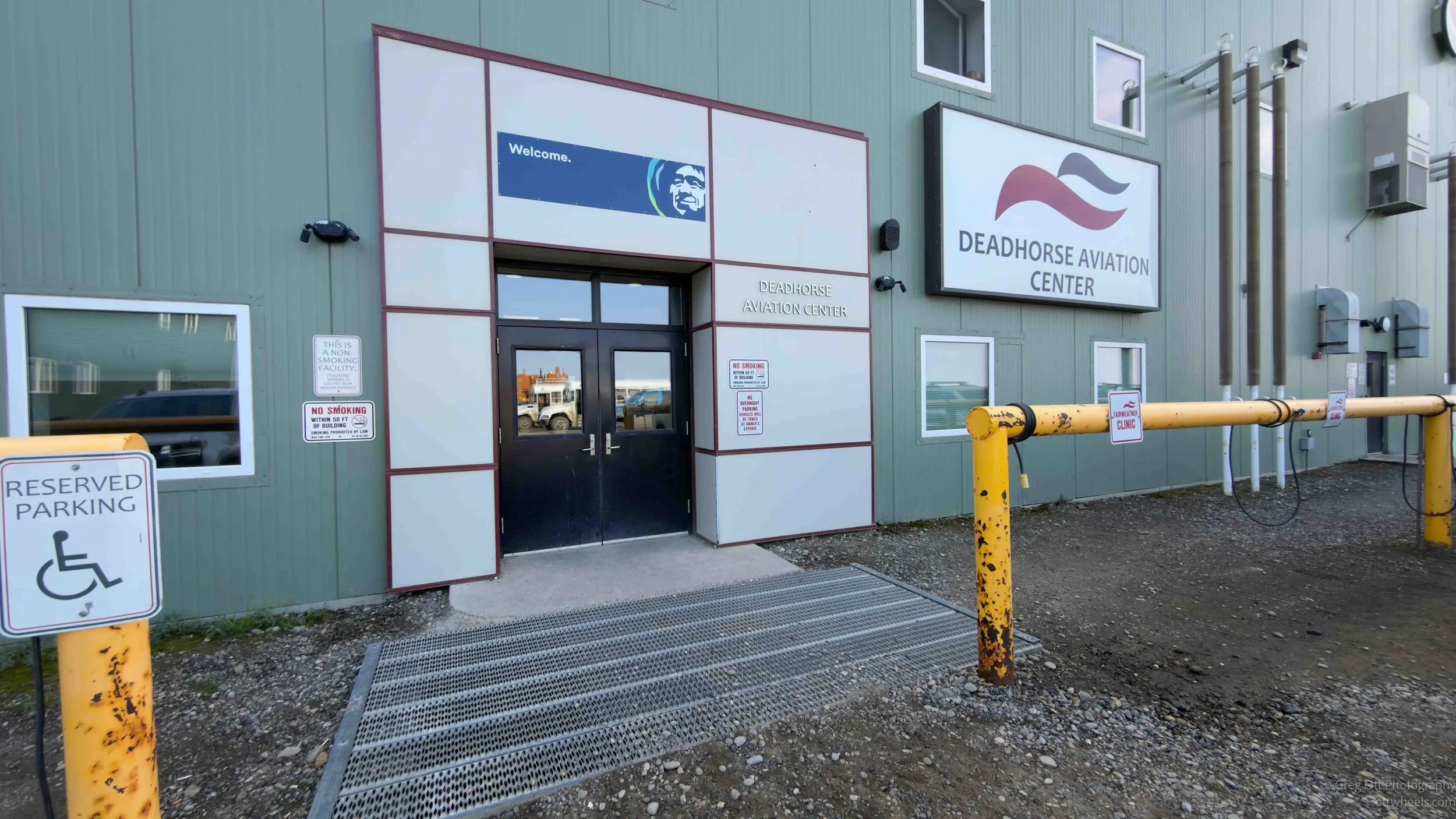
The arrival in Deadhorse was just as efficient. The workers got off the airplane, collected whatever they had brought with them, walked outside, found their company buses and waited to be taken to their camps. There wasn't much standing around wondering what to do next. Everyone seemed to know exactly where they were going, except for one person.
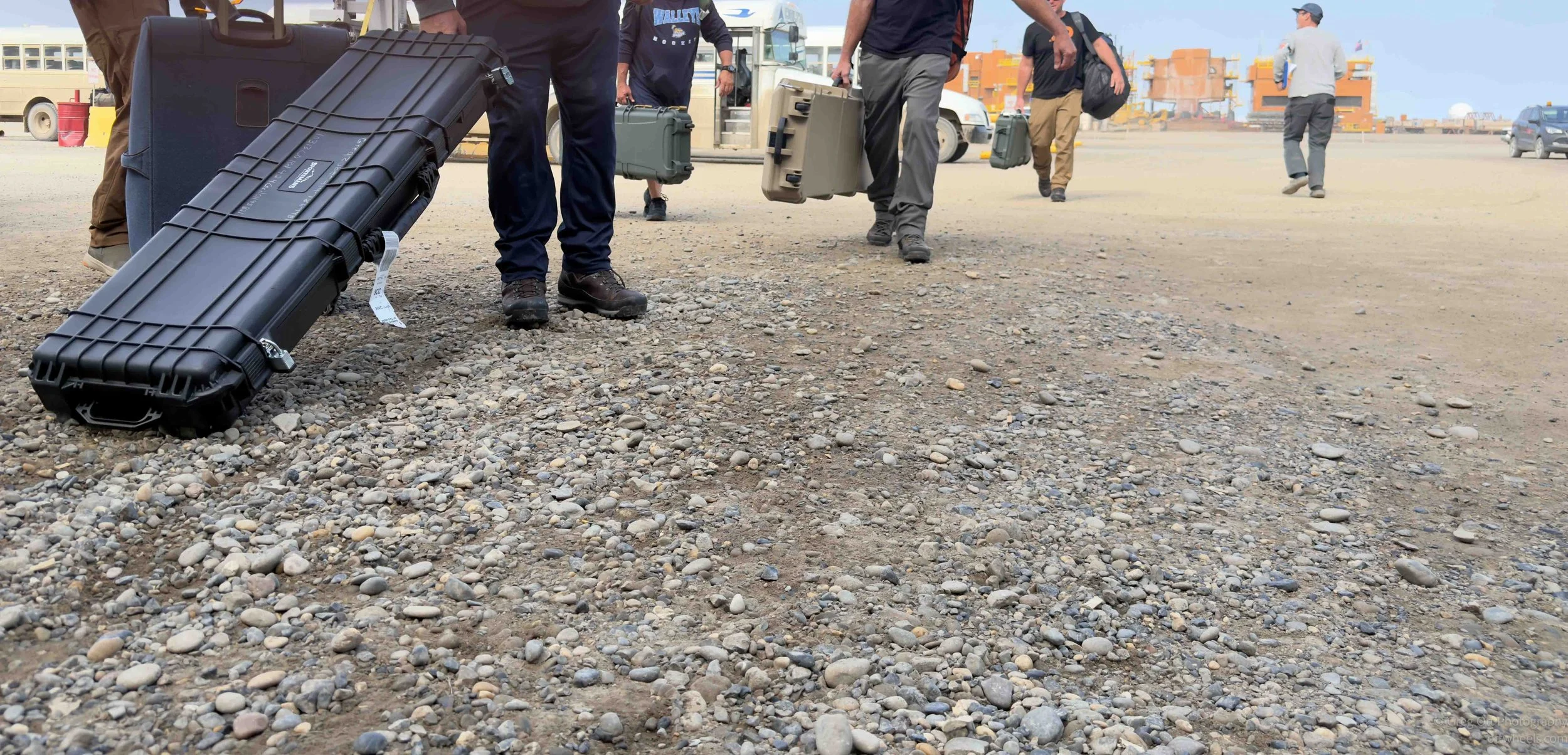
There were also several groups of hunters waiting for rifles. I had never watched rifles being transported on a commercial flight before. The hard cases were substantial, and each one had four padlocks securing it. After collecting their equipment, the hunters went outside to meet their guides. I had no idea where they were headed or what they were hunting, but while they waited, they compared stories about previous hunts and trophies. I listened for a while. It was another world, completely foreign to me.
One camp guide came in and rounded up about ten guys dressed in camo, each carrying huge bags and a rifle. They immediately huddled around her, eagerly asking about the caribou, so I assumed that was what they were there to hunt. I use the word hunting loosely here because, as the guide explained, “…we know where they are.” There were too many of them and too much gear to fit into one large van, so they needed two vans. Once everyone was loaded, the guide, a woman, called out, “Let’s go, boys.” And with that, they were gone. A few minutes later, everyone had disappeared.
I had no cell service, there was no information center, and I had no idea how I was supposed to get to Deadhorse Camp. I had an email from the camp on my phone, but the useful information was behind a link to their website. Without cell service, the link wasn't particularly helpful. One by one, everyone who knew what they were doing left the airport until there was one person remaining.
Finally, I approached one of the three women checking passengers in for the next flight and asked how I could get to Deadhorse Camp. Judging by her reaction, I wasn’t the first person who had arrived in Deadhorse without knowing what to do next. I explained that I didn’t have cell service, and she immediately replied, “You must have AT&T. They’re down.” She told me she would call the camp for me as soon as she finished checking in the passenger in front of her.
About twenty minutes later, a guy wearing a bright fluorescent-yellow workman’s vest with Wright Air printed across the back pulled up in a van. He looked at me and said, “Greg?” Apparently, I had been found.
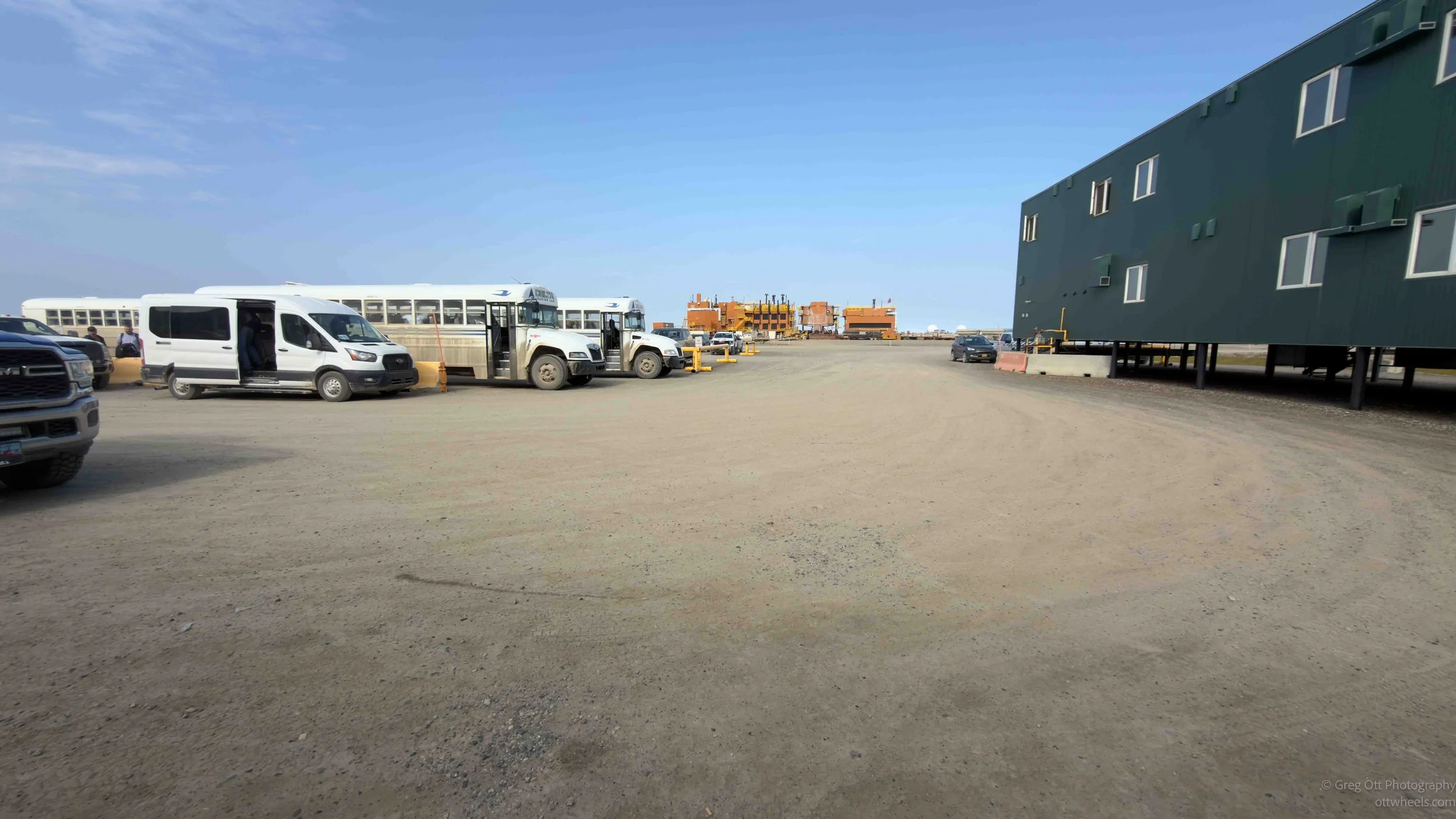
The van was filthy on the outside, covered in layers of dust and grime. Up here, there didn’t seem to be much point in washing a vehicle except occasionally to make sure the dirt hadn’t permanently attached itself to the metal. Inside, some of the seats were held together with duct tape to keep their innards from being exposed. The driver, on the other hand, was energetic and welcomed me wholeheartedly.
The ride to camp took about ten minutes, and along the way he tried to give me a sense of what was around and where I could walk. He told me there was a coffee shop about three miles away and pointed out a few other places I might be able to get to on foot. I learned later that the “coffee shop” was actually inside another camp and wasn’t really a coffee shop in the way I was imagining. Perhaps it was a little nicer, but probably not worth a six-mile round-trip walk along the highway.
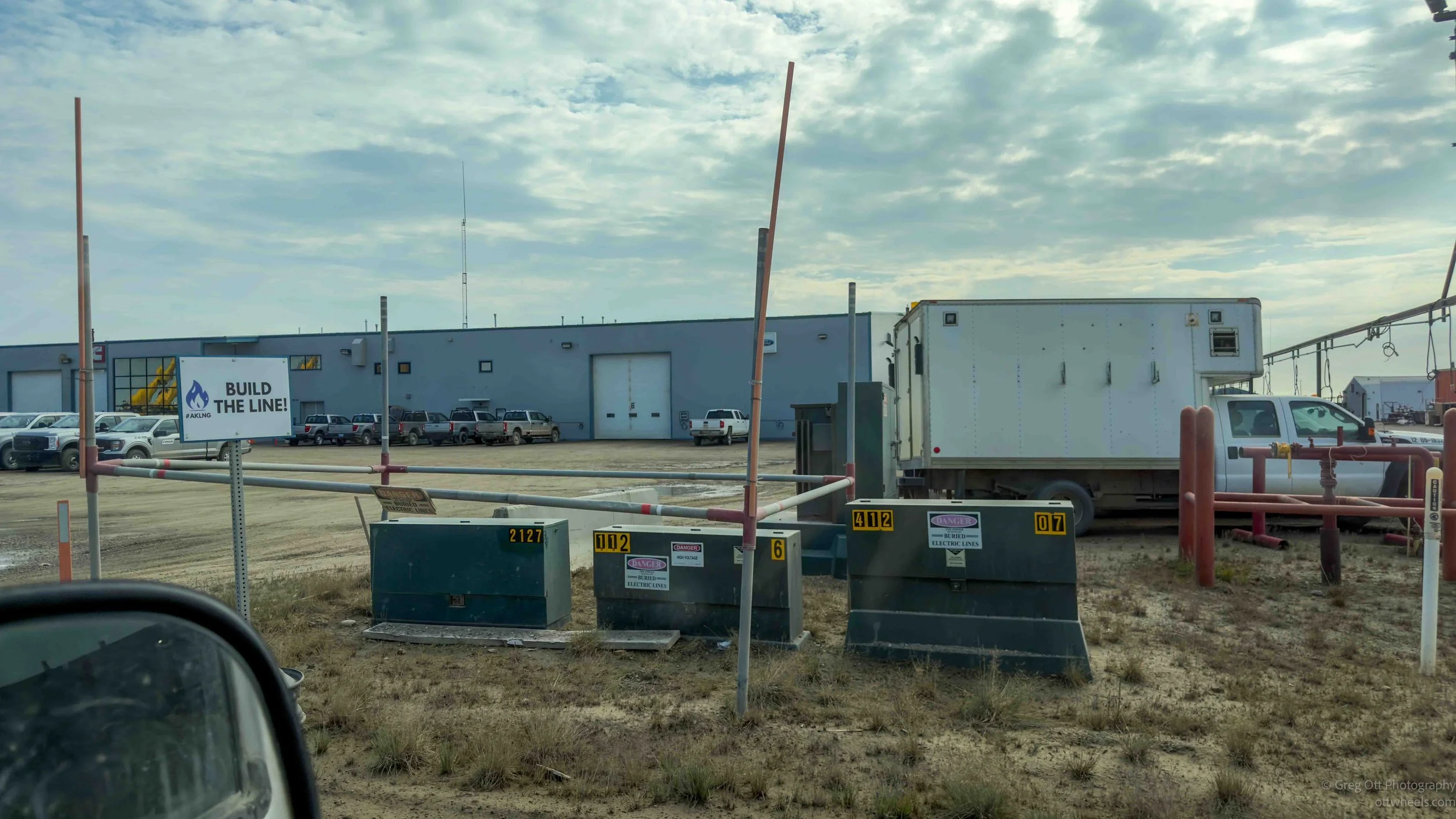
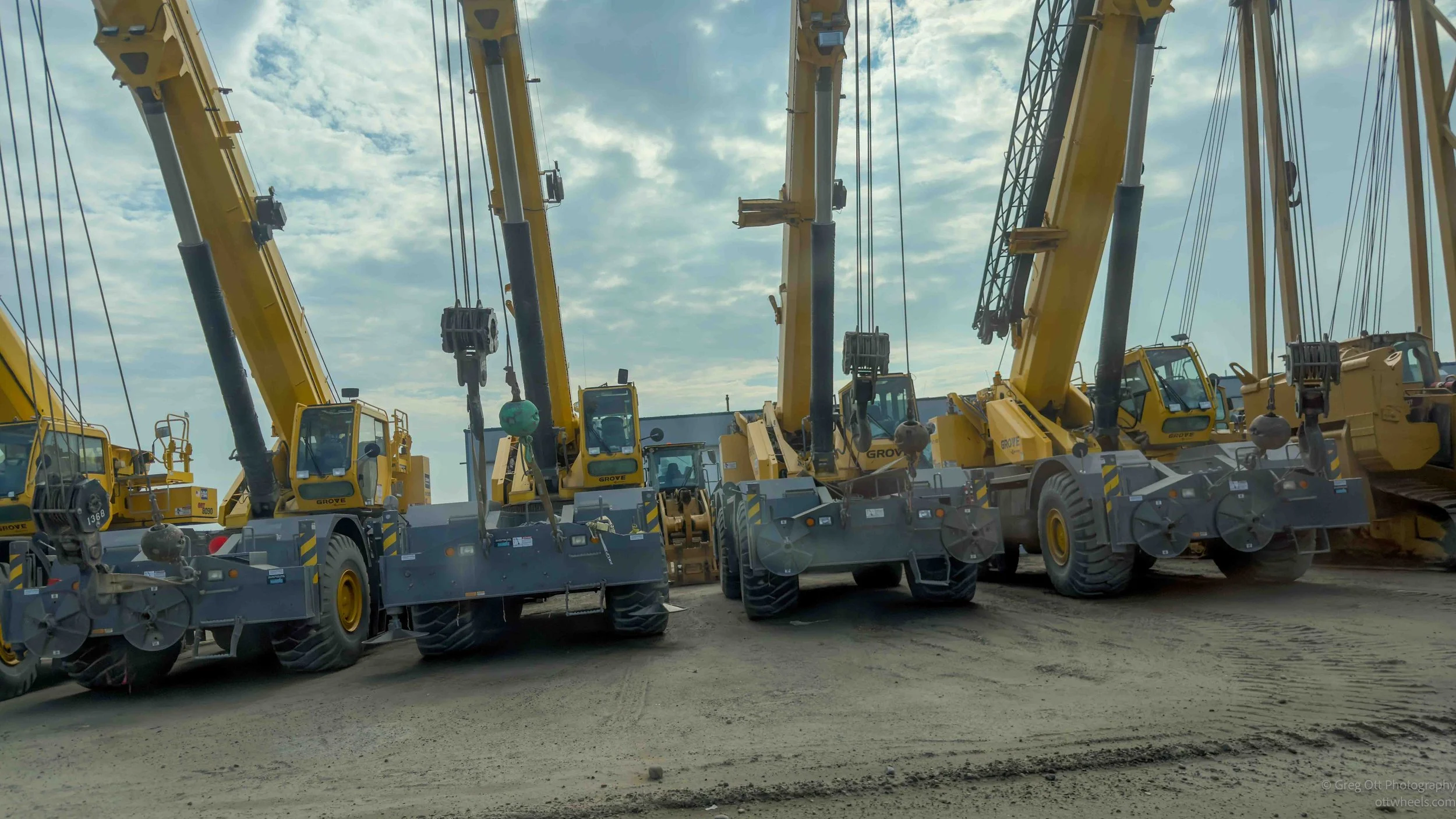
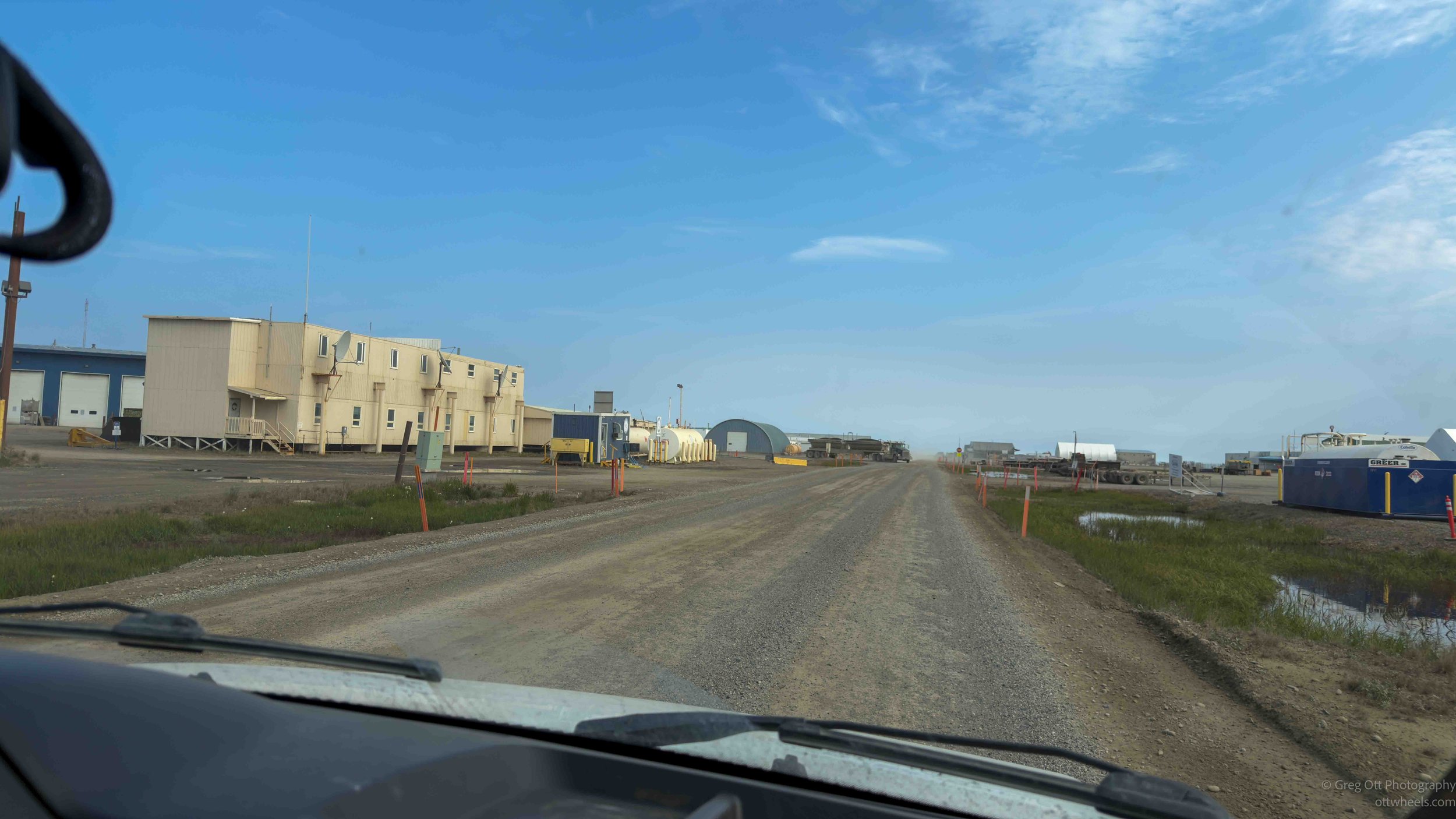
He also explained that you couldn’t simply look something up on Google Maps and expect it to tell you how to get there. There were shortcuts, but whether you could use them depended on flooding, the presence of animals and traffic. Getting around Deadhorse apparently required a little more local knowledge than following the blue line on your phone.
The Camp
Calling Deadhorse Camp a hotel would create the wrong image. Even the camp's own website describes the accommodations as “very rustic” and consistent with the industrial character of the area. That is a pretty accurate description. The buildings sit above a huge gravel pad along the Dalton Highway and look more like something assembled to support an industrial operation than a place designed for tourists. They are long, rectangular metal buildings, functional in every possible sense of the word. There are no landscaped grounds, porches or attempts to make the place look inviting. This is the North Slope. Buildings exist because people need somewhere warm to sleep, eat and work.
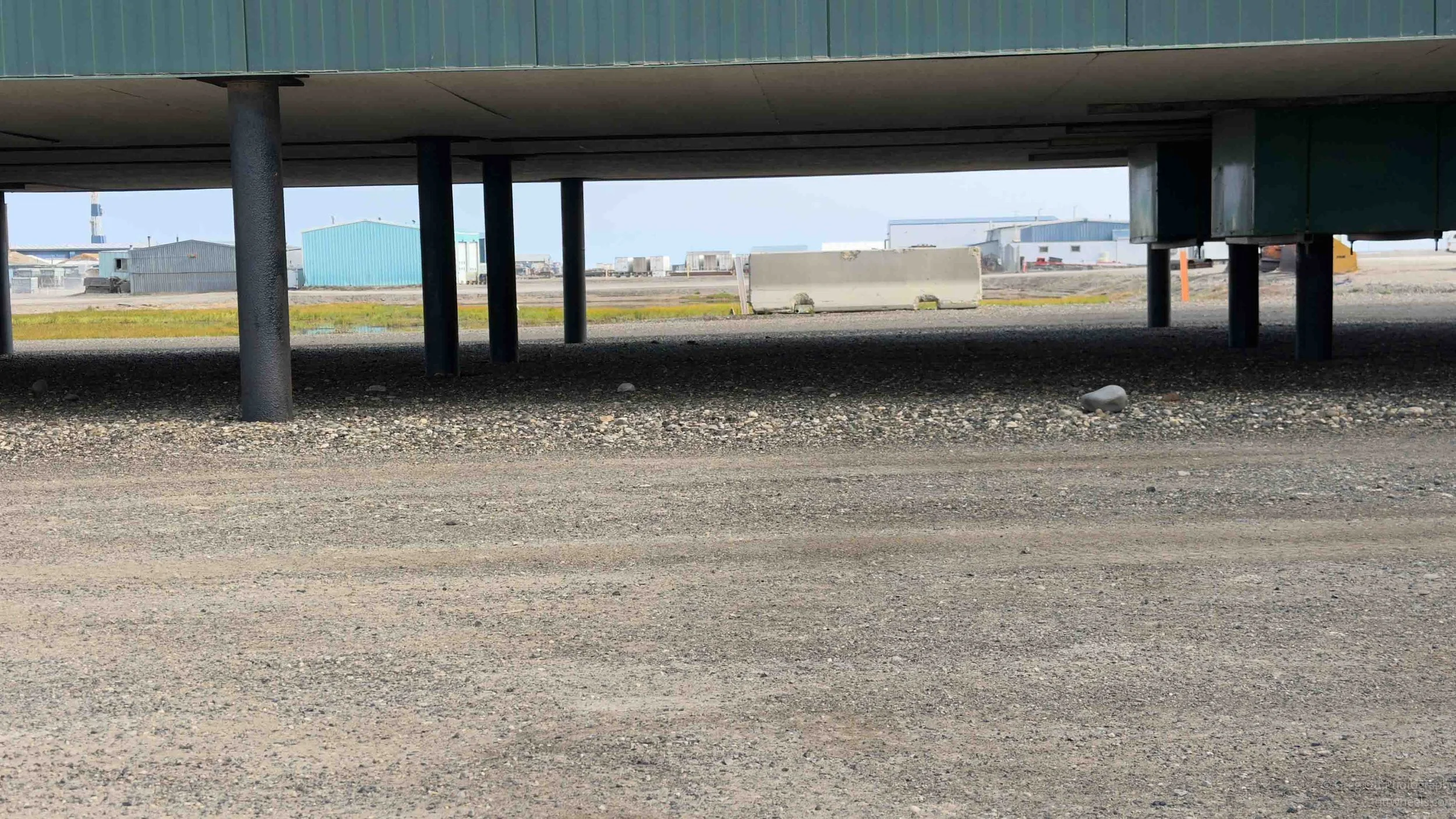
Like virtually everything built on the North Slope, the buildings don’t actually sit directly on the ground. They are elevated on pilings anchored into the permafrost, which in this part of Alaska can extend hundreds to more than a thousand feet below the surface. Keeping the buildings raised allows cold air to circulate underneath and helps prevent heat from the buildings from thawing the permafrost. If the frozen ground beneath a building thaws, it can subside unevenly, taking the building with it.
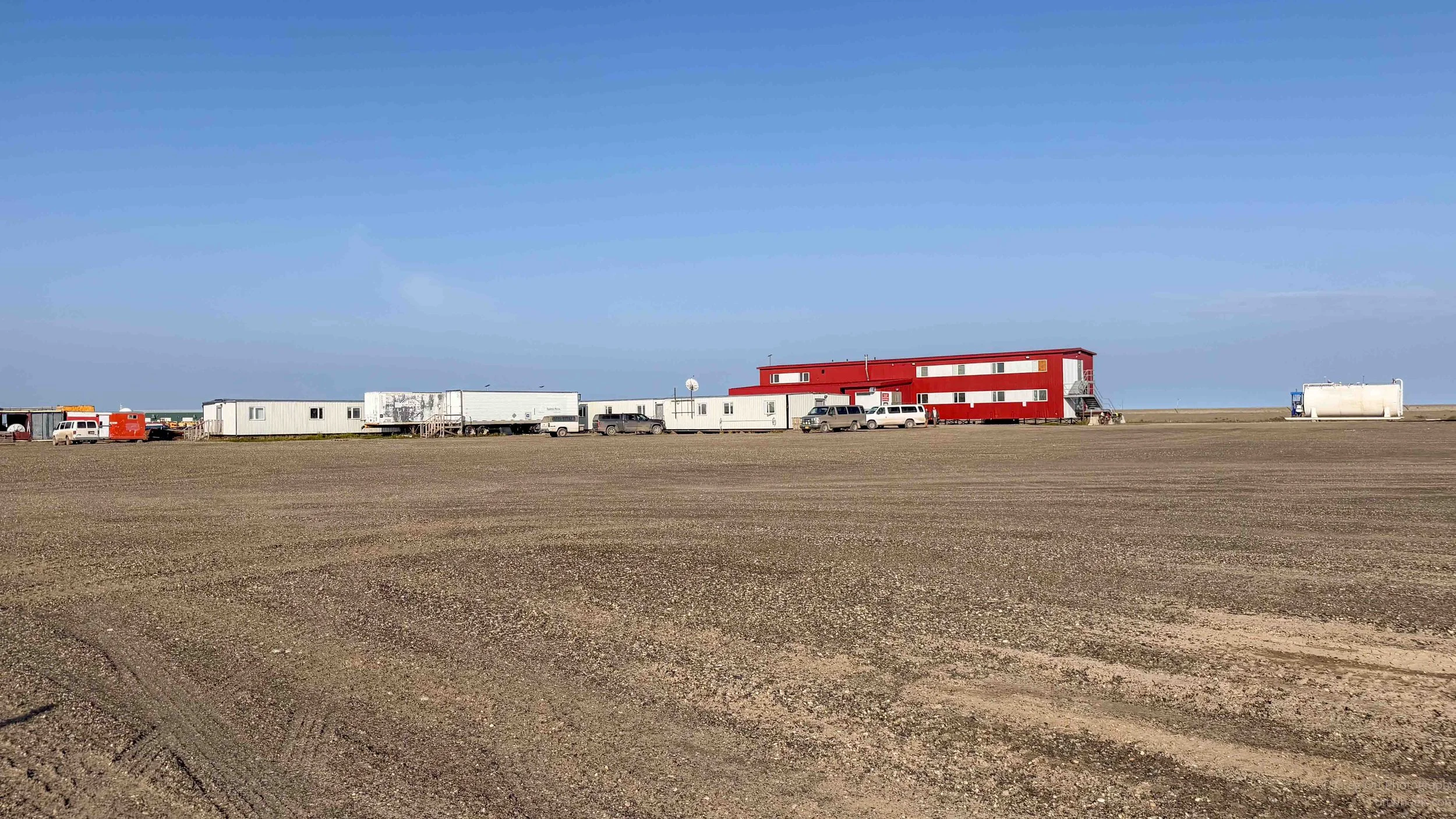
There are two main buildings, and the nicer one includes accommodations used by oil-field workers. I wasn't staying there. My driver took me to the other building and, as soon as we entered, explained one of the important rules of life in camp: shoes come off at the entrance. If you want to keep them on, you have to put blue booties over them. Deadhorse Camp actually warns guests about this before they arrive, and with the mud, gravel and industrial grime outside, the rule makes sense. (Deadhorse Camp) I was suddenly very happy I had brought my Wicked Good slippers from L.L.Bean.
My room was about as basic as a room can be. There were two twin beds and not much else. The showers and bathrooms were shared and located somewhere down the hall, along with a workout room. The official description calls the rooms “simple, clean accommodations,” which is exactly what they are. (Deadhorse Camp) There was a lock on my door, but no key. I could lock it while I was inside, but when I left, the room stayed unlocked. I guess the thinking is that if somebody steals your stuff in Deadhorse, there really aren't many places for them to go.
The driver then took me back over to the other building. Shoes off again. He showed me the office and explained that somebody would always be available if I needed anything. Then he showed me the cafeteria. I had been imagining something larger, probably because I had this idea of hundreds of oil-field workers sitting around eating together. Instead, it was just a cafeteria. You show up when meals are served, eat, and then go do whatever you are there to do. I was hungry, but I had arrived after lunch service had ended, so the fig bars I'd thrown into my bag that morning suddenly looked like excellent planning.
There is something very different about these camps compared with a normal hotel. They aren't really built around leisure. The entire rhythm of the place comes from people working long shifts in an isolated environment. Eat. Work. Sleep. Repeat. Even as a visitor, you feel like you've temporarily wandered into somebody else's workplace.
Back in my room, I immediately opened the window. It felt like it was 95 degrees inside and I could barely breathe. Apparently, keeping people warm in Deadhorse is considered a much bigger problem than keeping them cool, which is probably a reasonable design decision for most of the year.
I hadn't expected much internet access this far north, and I didn't have any. There wasn't much else to do, so I picked up Coming into the Country by John McPhee, a book my friend Bruce had loaned me when I was in California. I had been reading it throughout Alaska, and the farther north I traveled, the more relevant it became.
McPhee published Coming into the Country in 1977, after making several extended trips through Alaska during a period when the state was changing rapidly. The book is really three interconnected stories. The first follows a wilderness river journey in the Brooks Range with people evaluating land for possible federal protection. The second moves into what McPhee calls “urban Alaska,” including Fairbanks and the political arguments taking place as Alaska struggled with what it was becoming. The final and longest section moves into the bush, particularly around Eagle and the Yukon River, where he writes about trappers, prospectors, settlers and people who deliberately chose lives far removed from the rest of the country. (Macmillan Publishers)
What makes the book interesting to me isn't simply the history. McPhee wrote it while the Trans-Alaska Pipeline and the discovery of North Slope oil were transforming the state. He was writing about the tension between wilderness and development while much of that transformation was actually happening. The Alaska Native Claims Settlement Act had been passed only a few years earlier, oil development was accelerating, and enormous decisions were being made about who owned the land and what Alaska was going to become. (Imgix)
Reading it while traveling through the same places almost fifty years later adds another dimension. I had already been through Fairbanks and Denali, crossed rivers and landscapes he described, and was now sitting in a metal building in Deadhorse because of the oil development that was reshaping Alaska while he was writing the book. The next morning I would travel through the Prudhoe Bay oil fields to the Arctic Ocean, and the following day I would spend eighteen hours riding the Dalton Highway back through the Brooks Range to Fairbanks.
It is fun to read the history of places you've recently been. It is even more interesting when you suddenly realize you're sitting inside part of the story.
Without internet, no wheels and really nowhere to go, I had hours to kill before dinner started at 6 p.m. I mostly read and slept. Around 5:00, my room was finally starting to cool down, but I really needed some fresh air, so I decided to take a slow walk around the camp.
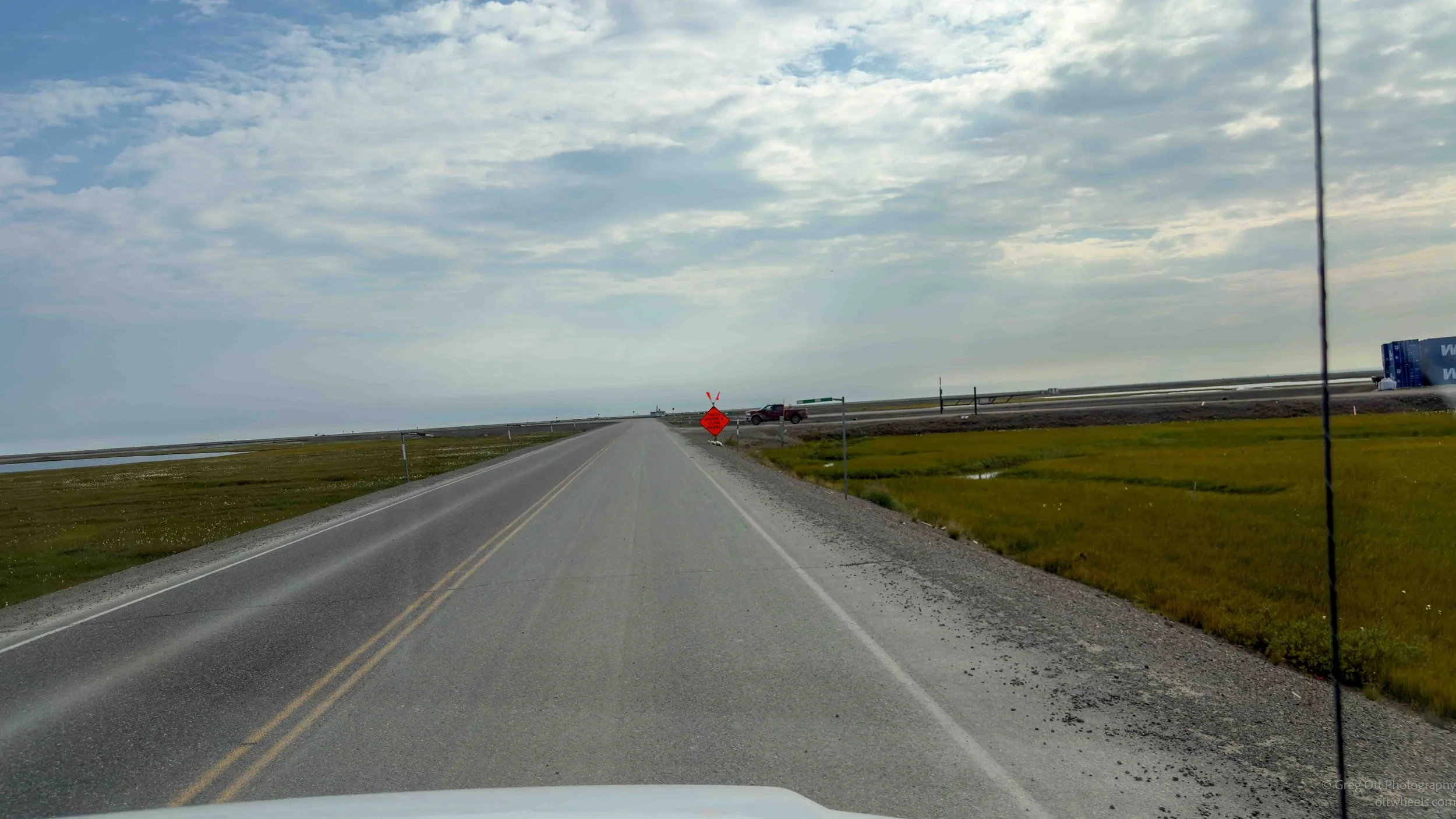
I brought my iPhone for photos and, in case anything happened to my other devices, so I could use the Find My app to locate anything that went missing. There are no mountains here. The horizon just seems to go on forever. On the north and west sides of the camp, I could see oil field infrastructure. There were No Trespassing signs to the west, stacks of pipes and the airport in the distance. To the south, the Dalton Highway disappeared into the permafrost and grasslands. About a hundred feet east of the camp, the dirt and gravel highway ran south toward Fairbanks. To the north, the road twisted and turned its way deeper into the oil fields.
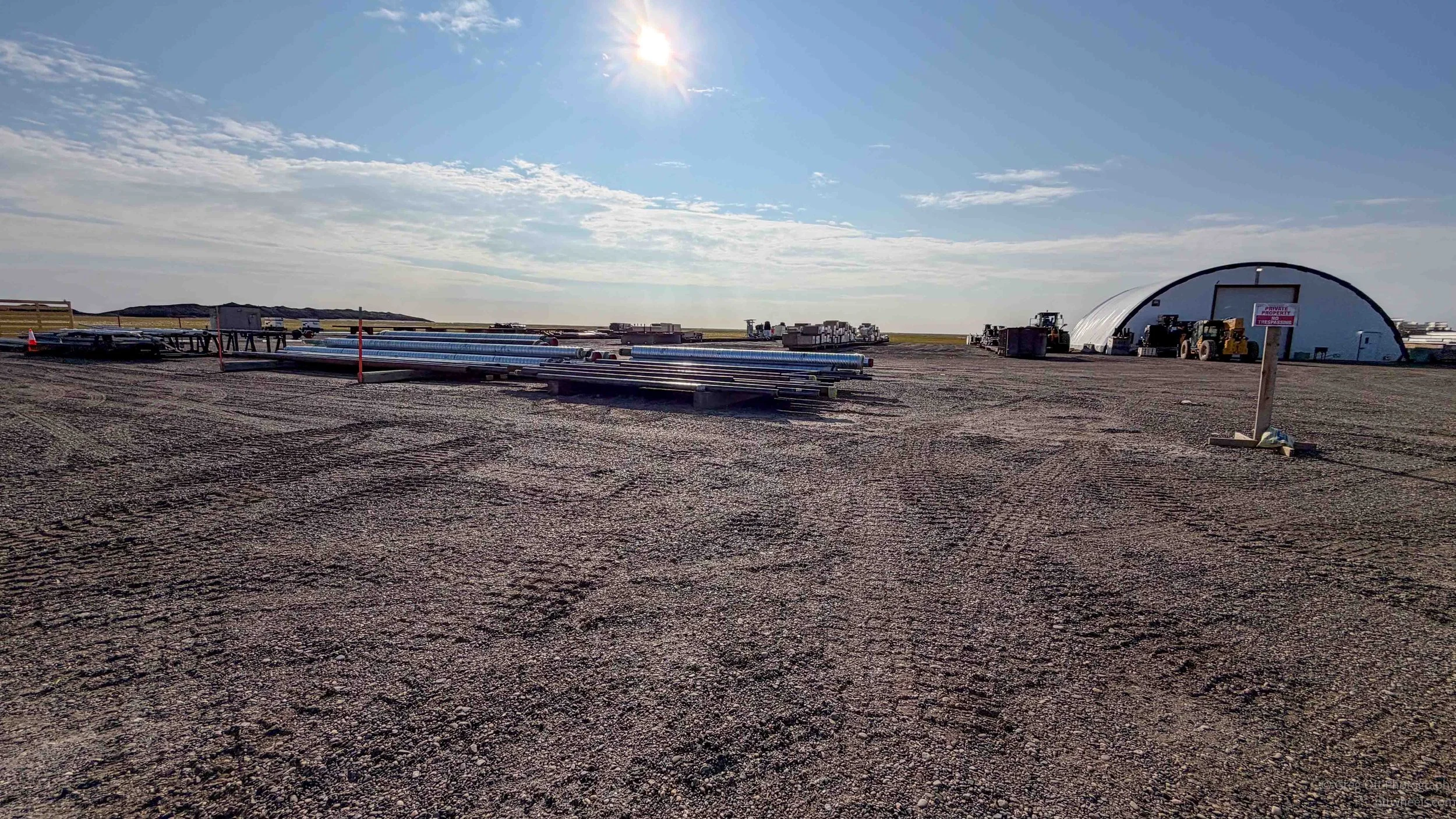
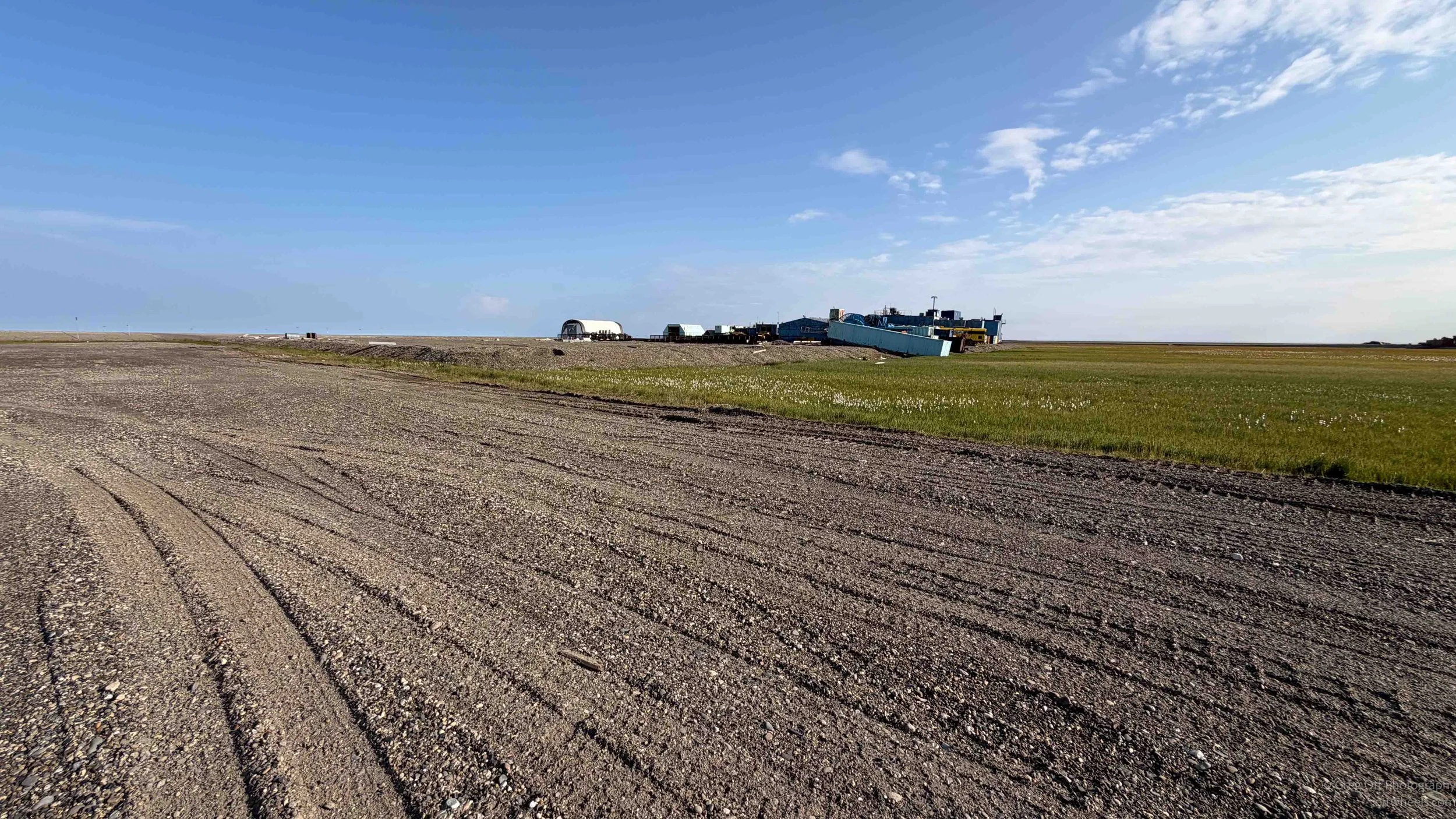
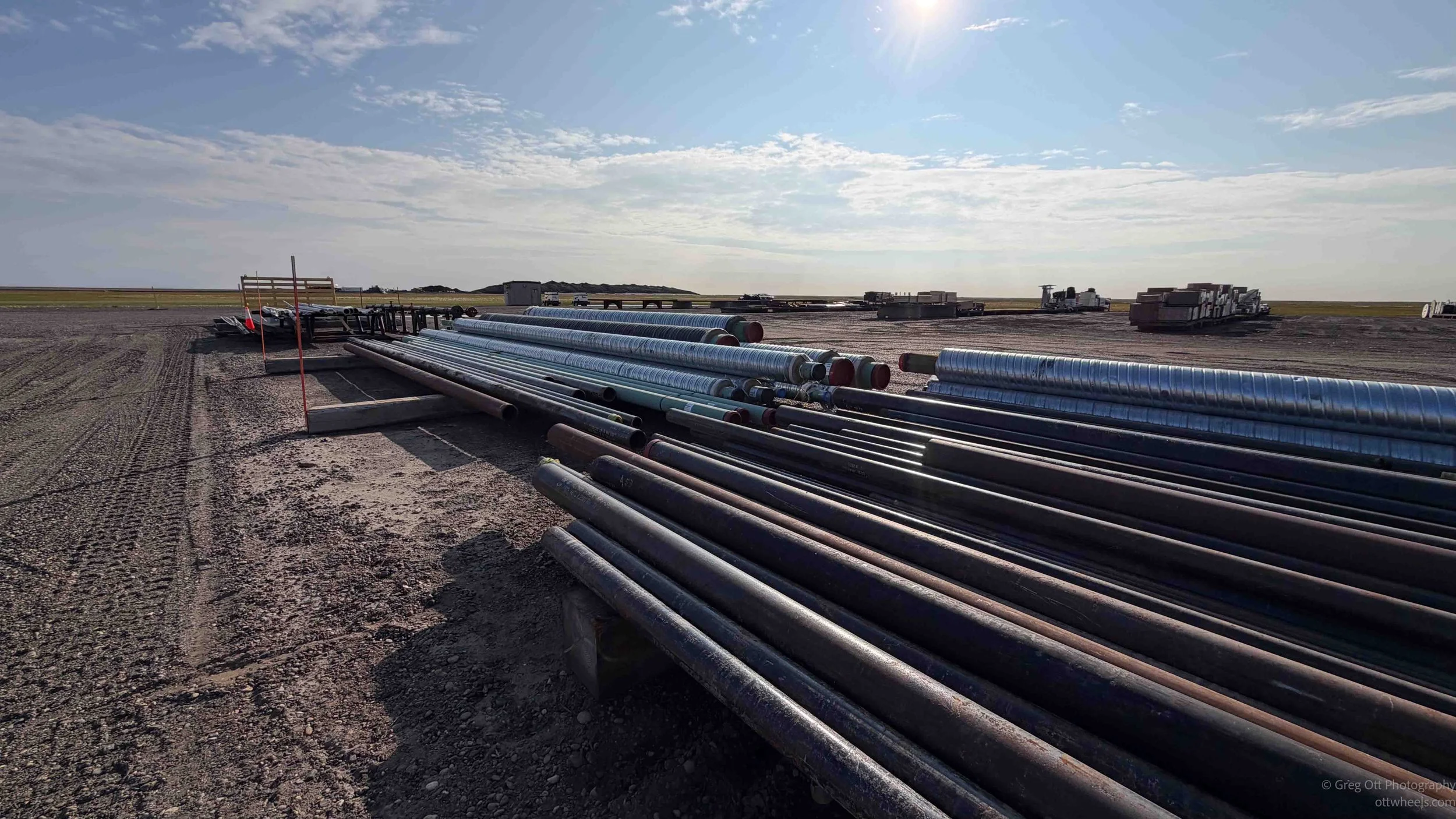
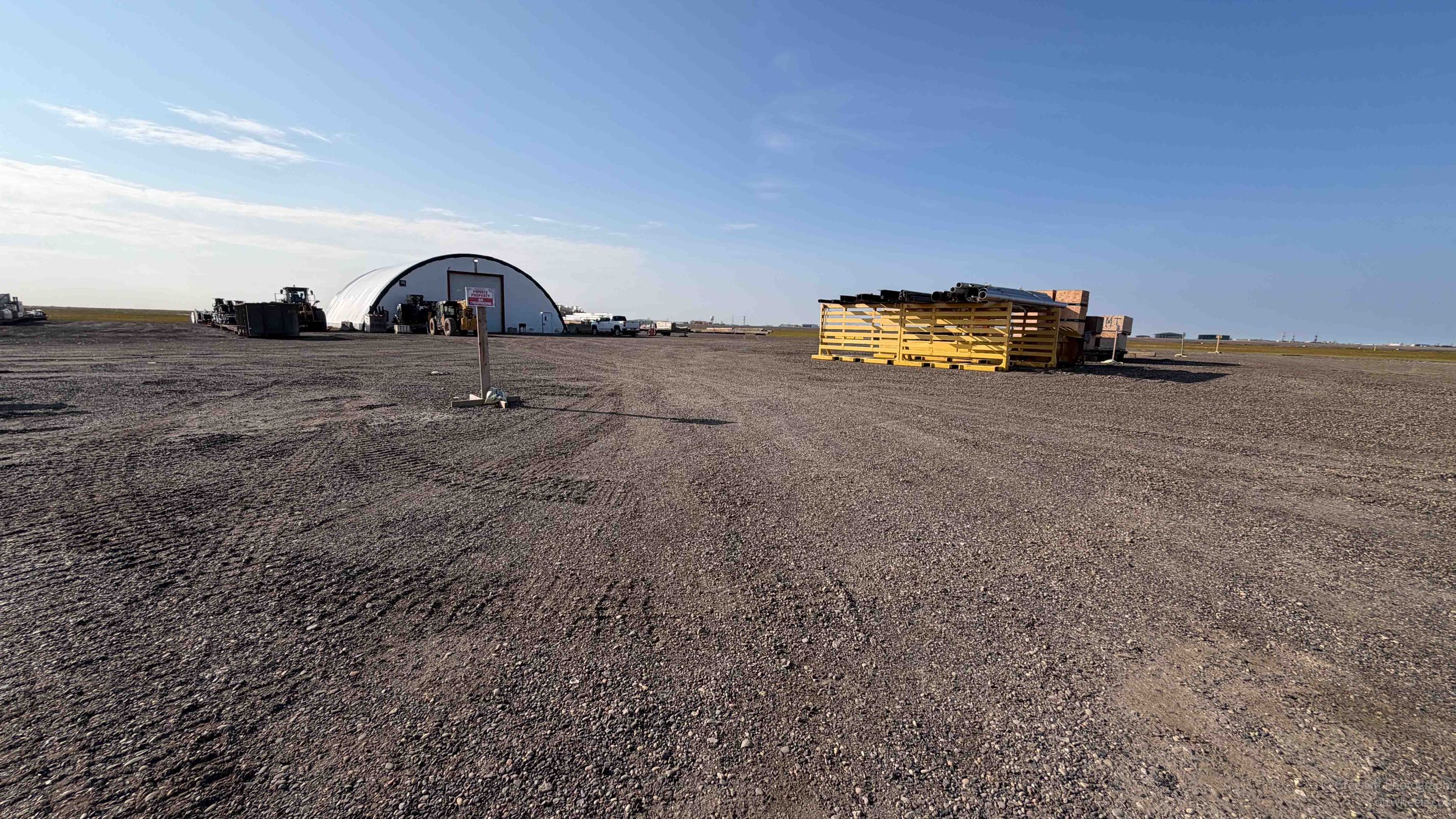
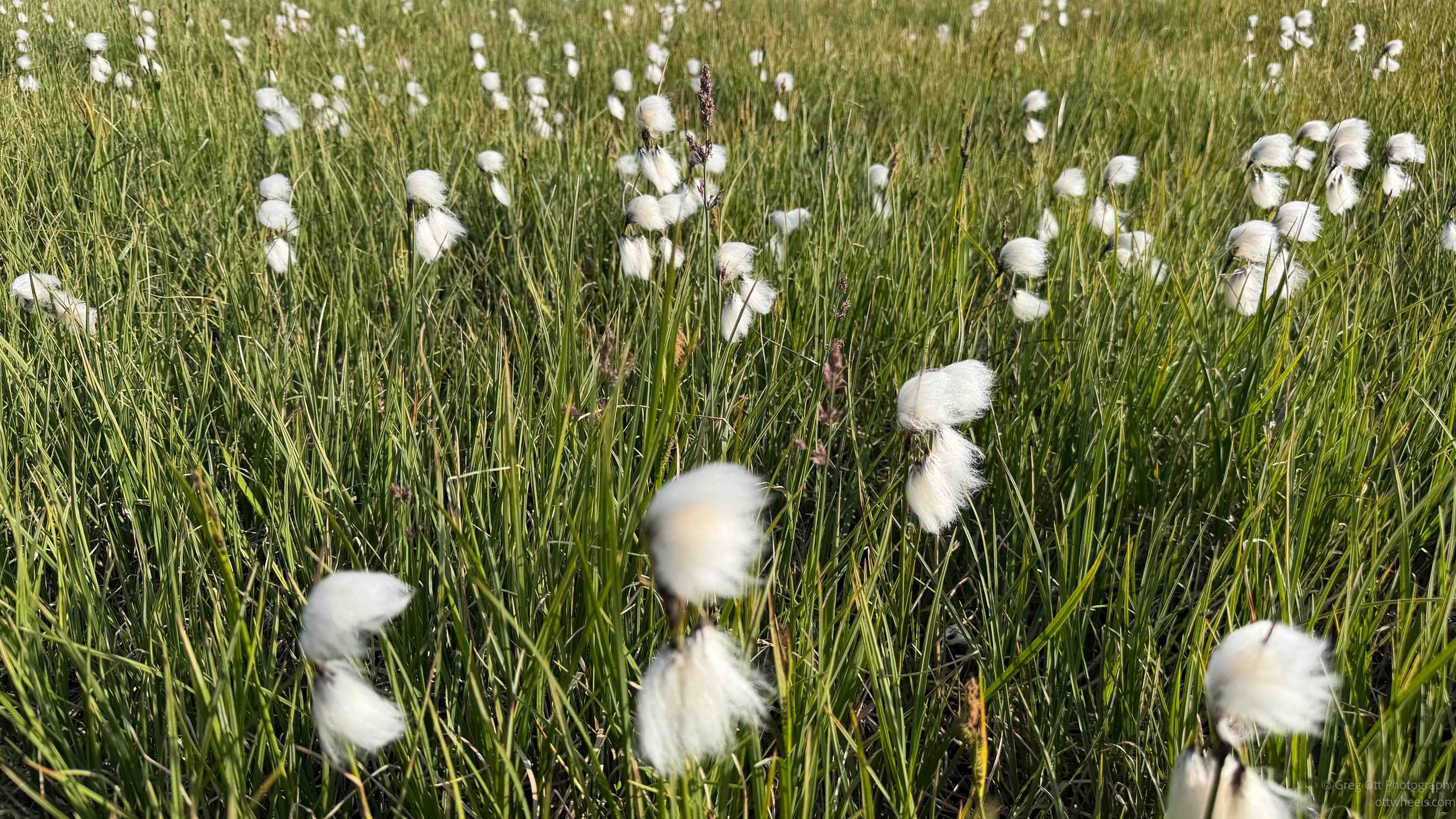
After walking the perimeter of the camp, I thought I’d take a one-mile walk out and back to get a little exercise before dinner. There is about a two-foot-wide strip of gravel along the side of the highway before it drops steeply 12 to 15 feet. I made it about 50 feet before a large flatbed truck carrying drilling equipment came toward me, claiming its entire portion of the highway. I quickly reconsidered my leisurely two-mile walk. Exercise was going to have to wait.
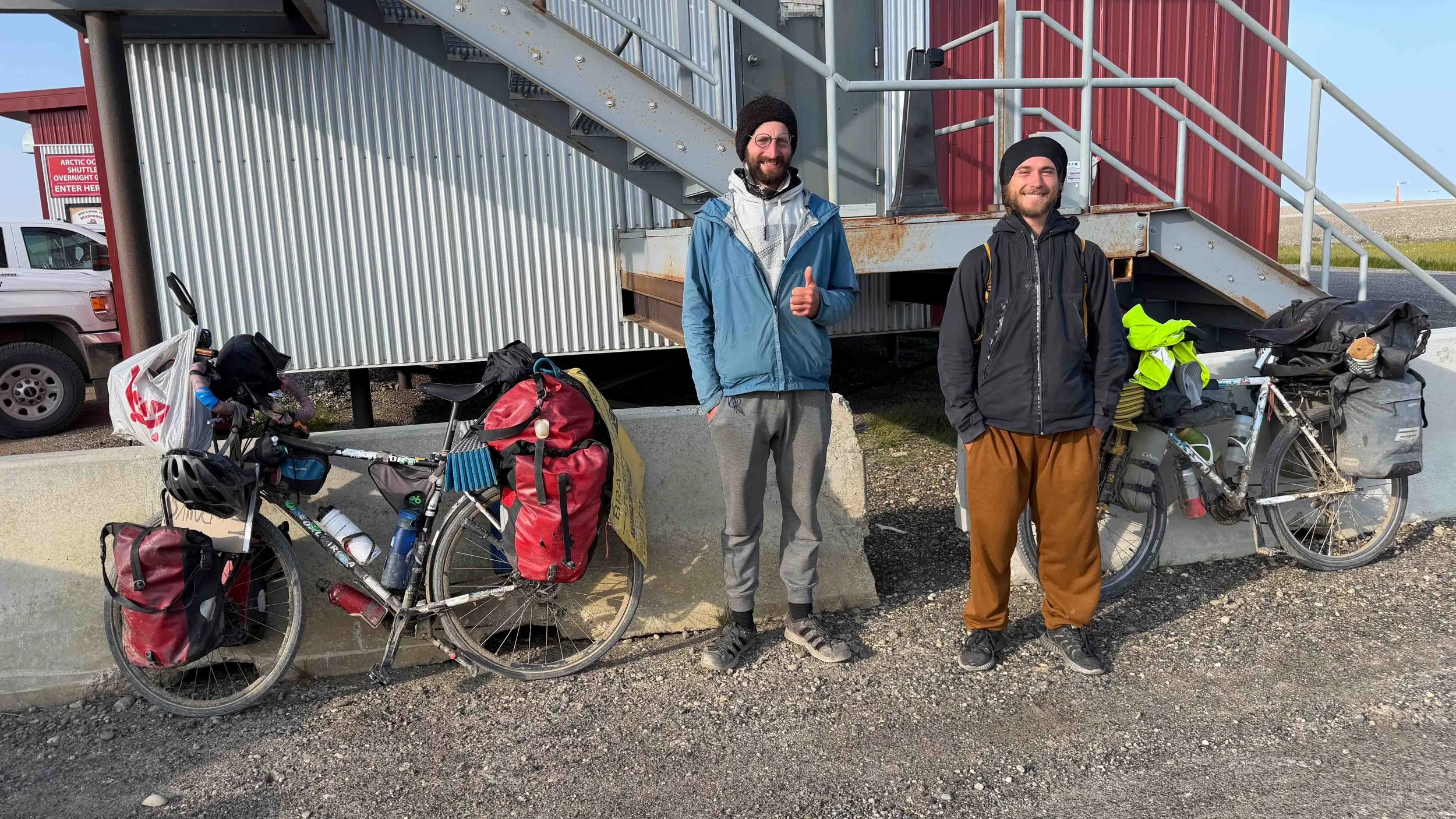
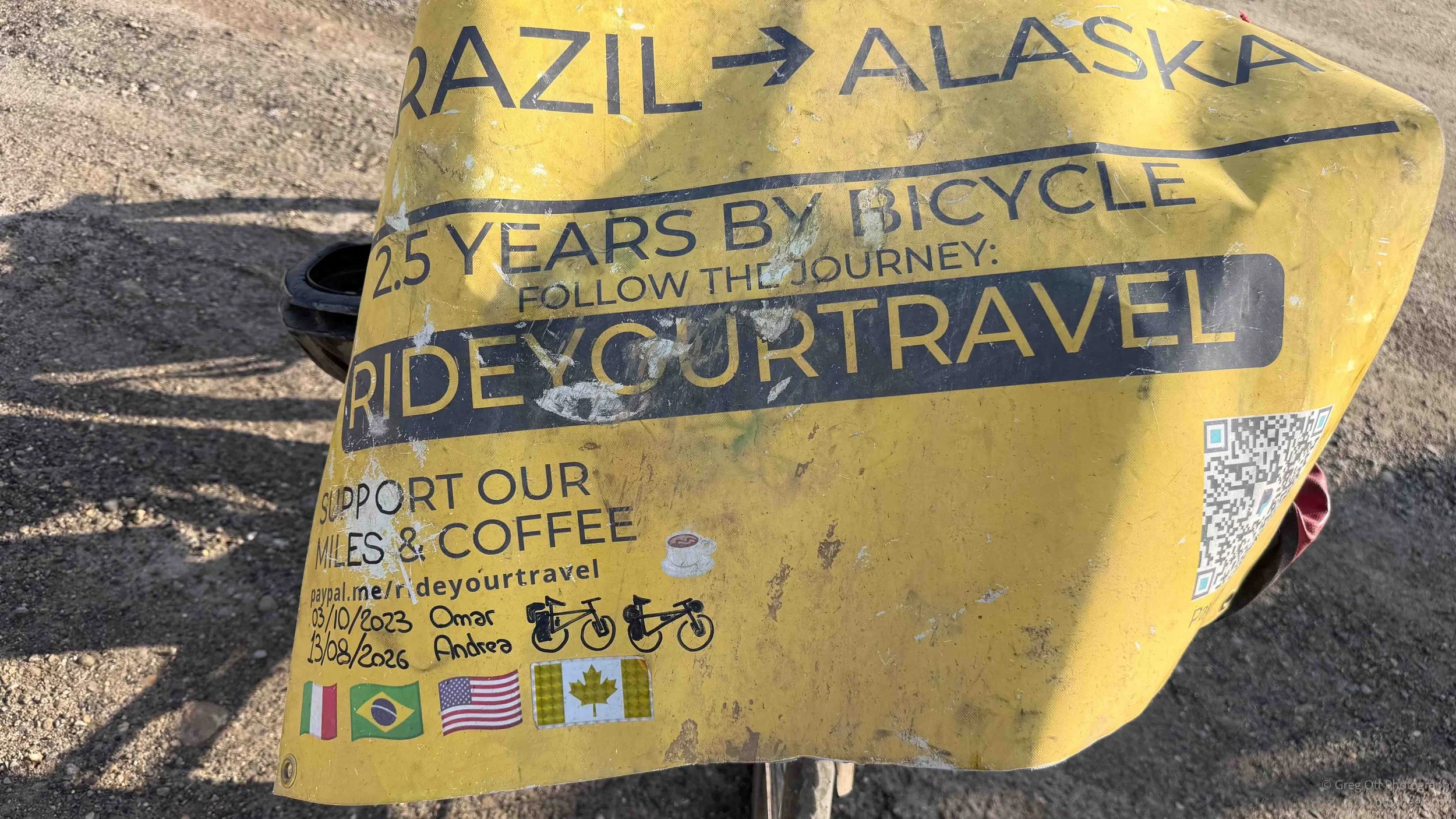
Returning to camp, I noticed two bicycles sitting near the building. They were heavily loaded with packs, and one had a sign that read, “Brazil to Alaska.” I was taking photos of the bikes when two guys walked up, Andre and Omar. They asked if I was driving south and whether I could give them a ride to Fairbanks. I told them I would if I could, but I didn’t have a vehicle with me. They had actually ridden from the southern tip of Argentina all the way to the North Slope. They had just arrived, and this was the end of their two-and-a-half-year adventure.
I told them about the shuttle van I was taking back to Fairbanks. They had already checked into it, but they didn’t have $250 each for the ride. They already had tickets to fly back to Europe from Fairbanks, with many stops along the way. Somehow, they still had to get themselves and their heavily loaded bikes the final 500 miles south. We would talk a few more times over the next day.
A little before 6:00, I made my way inside to the cafeteria. Four guys were already sitting at the tables, so I asked them how it worked. One of them, the only one who actually looked up when I asked, said, “You guys have to wait until 6. She’ll be back then.” I replied, “I guess I look like I don’t work here.” Now they were all engaged. “Yeah, you don’t have the right outfit,” one said. Another added, “You’re also too clean.” We were all laughing by then. I thanked them and said, “Enjoy your meal.”
There were two bookshelves in the hall, apparently there for anyone who got bored. The selection was all over the place, including quite a few cookbooks. Then I spotted a copy of The Harvard Psychedelic Club: How Timothy Leary, Ram Dass, Huston Smith, and Andrew Weil Killed the Fifties and Ushered in a New Age for America by Don Lattin (Available on Spotify). I had already read quite a bit about Timothy Leary, Ram Dass and Andrew Weil, and I had just finished another book, so there was room in my van library. I took it with me.
It was 6:00, so I asked the cook how everything worked. First, I needed gloves. There was a station outside the door with hand sanitizer and plastic gloves, so I laid the book on the shelf and used the sanitizer. Someone stopped beside me to grab a pair of gloves and noticed the book. “Interesting book,” he said. “Yes, I thought it would be interesting for my trip, pun intended,” I replied. He laughed and said, “Right on.”
The food was amazing—well prepared, flavorful, thoughtful and well balanced. There were pork chops, tuna, flank steak, several vegetables, salad and plenty of other choices. I noticed people asking for special things on the side: “Can you make...?” The answer was always, “Sure,” usually followed by a suggestion of something else that might go with it. People opened the refrigerator and helped themselves to juice or milk, and there were fresh cakes and torts and ice cream for dessert. Feeding people here was surprisingly interactive. Each meal seemed to become a new creation.
The evening cook was small, covered in tattoos, had two rings in her nose and was full of stories. She was from New York and, according to some of the other people, had worked in several well-known kitchens. Whatever her background, she could cook. I had arrived expecting basic food and instead found one of the better meals I’d had in awhile.
We all sat together at a large community table. There were two guides, one with a Ph.D. in ecology, and both were extremely well informed about nature, wilderness, history and a surprising number of other topics. It was interesting just listening to where everyone was from and what they were doing. Many were on long discovery trips and had plenty of stories to tell.
I also met Will, the guy who would be driving me back to Fairbanks. He was a tour guide and IT specialist with two degrees, one in computer science and another in chemistry. In a few weeks he would be heading to Portland, Maine to pursue a law degree. He seemed love Fairbanks and Alaska in General. He was in Deadhorse to pick me up and fix some problems with the IT infrastructure. He had brought along The Logic of Life: A History of Heredity by François Jacob, who won the 1965 Nobel Prize in Physiology or Medicine. We were all so engaged in conversation that Will never had a chance to read.
When I returned to my room, the window was still open and it had finally cooled down. Will had given me instructions for connecting to the internet, and there were several plans available. I chose the cheapest one for $5, which gave me 2GB of throughput. That was more than enough to do some searching and send a few emails. About an hour later, it suddenly stopped working. I couldn't figure out why until I later discovered that the cheapest plan lasted for exactly one hour. Nothing was broken. I had simply failed to read the plan details, which were conveniently displayed in bold green letters on the button I clicked.
So I went back to reading and, around 11:00, tried to sleep. The couple in the room beside me had finally gone to bed around 10:00. The walls were thin enough that I could hear their entire conversation, including the jokes. Around 11:15, the snoring began. One started first, then the other joined in until the two of them synchronized into a harmonic serenade. I moved to the other side of the room and put a pillow over my head. Eventually I fell asleep, and the serenade slowly disappeared.