This was my last night at the Madison campground. Checkout was at 11, and I pulled out just in time, which is about how every checkout goes for me. Before leaving the park, there were chores. I dropped off the garbage and the recycling, then drove over to the dump station to empty the toilet and fill the fresh water tank.
A British guy was at the dump station filling his water tank. He told me this had to be the slowest water refill he had ever seen. I looked at the hose. It seemed to be filling pretty quickly to me. I wasn't sure what he was comparing it to, or what exactly he was complaining about.
From there the conversation turned to Starlink, as conversations between people living in vehicles tend to do. He told me he was paying about $80 a month for a roaming plan, which is really cheap. The catch was that it was a UK plan, good for one year, and the year was about to run out. His girlfriend had a friend in Kansas, so the plan was to transfer the equipment into the friend's name and get out from under international roaming. Then I told him what the plans cost in the US. Since Starlink raised prices in June, the unlimited roaming plan here runs $175 a month. He wasn't happy with that. Kansas was about to get expensive.
The drive to Cody was about three hours. Before committing to it, I stopped at the ranger station to make sure the East Entrance road was open. It had been closed a few days earlier, and the other ways to Cody add a lot of driving. The ranger told me it was open and the weather was perfect. That was all I needed to hear.
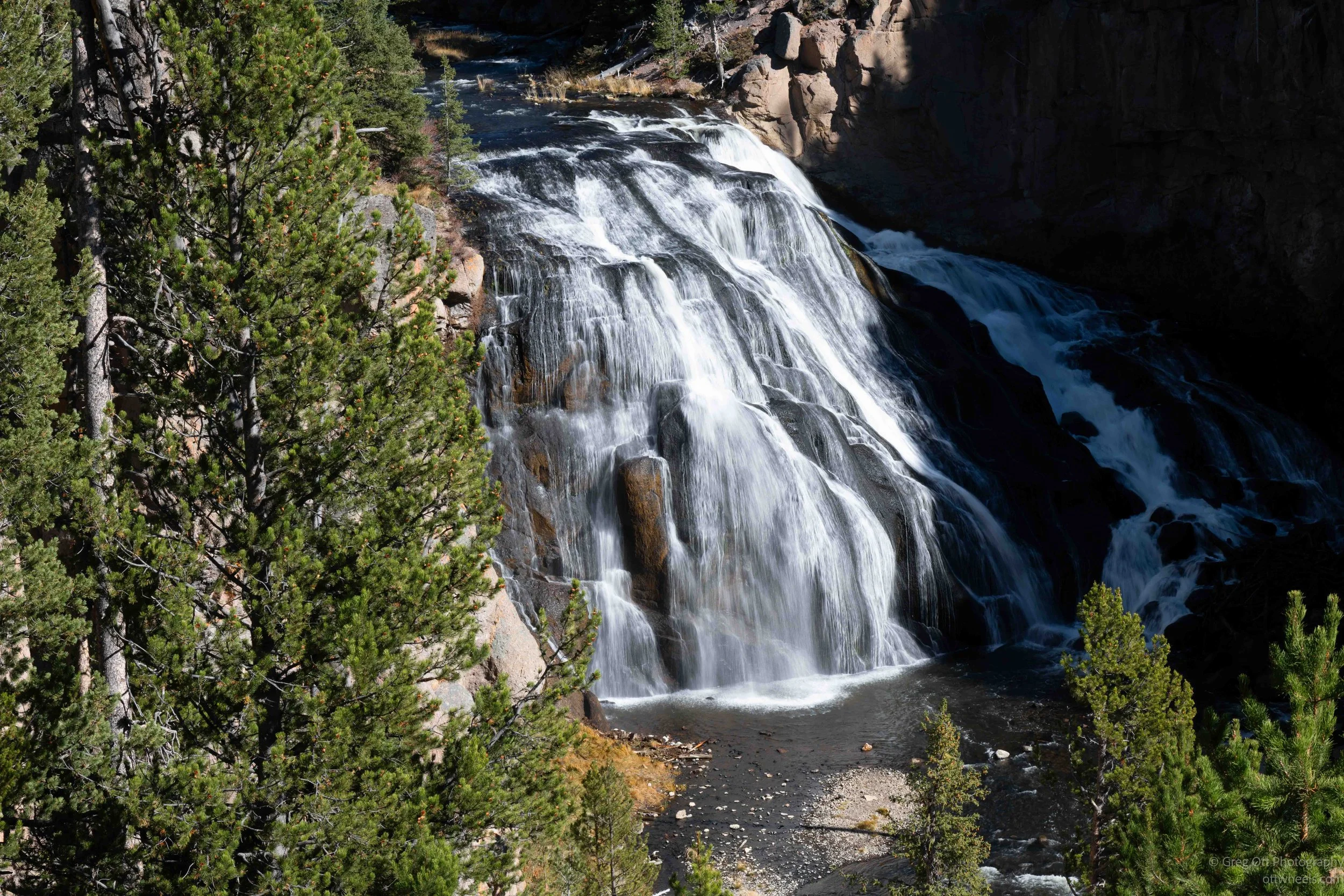
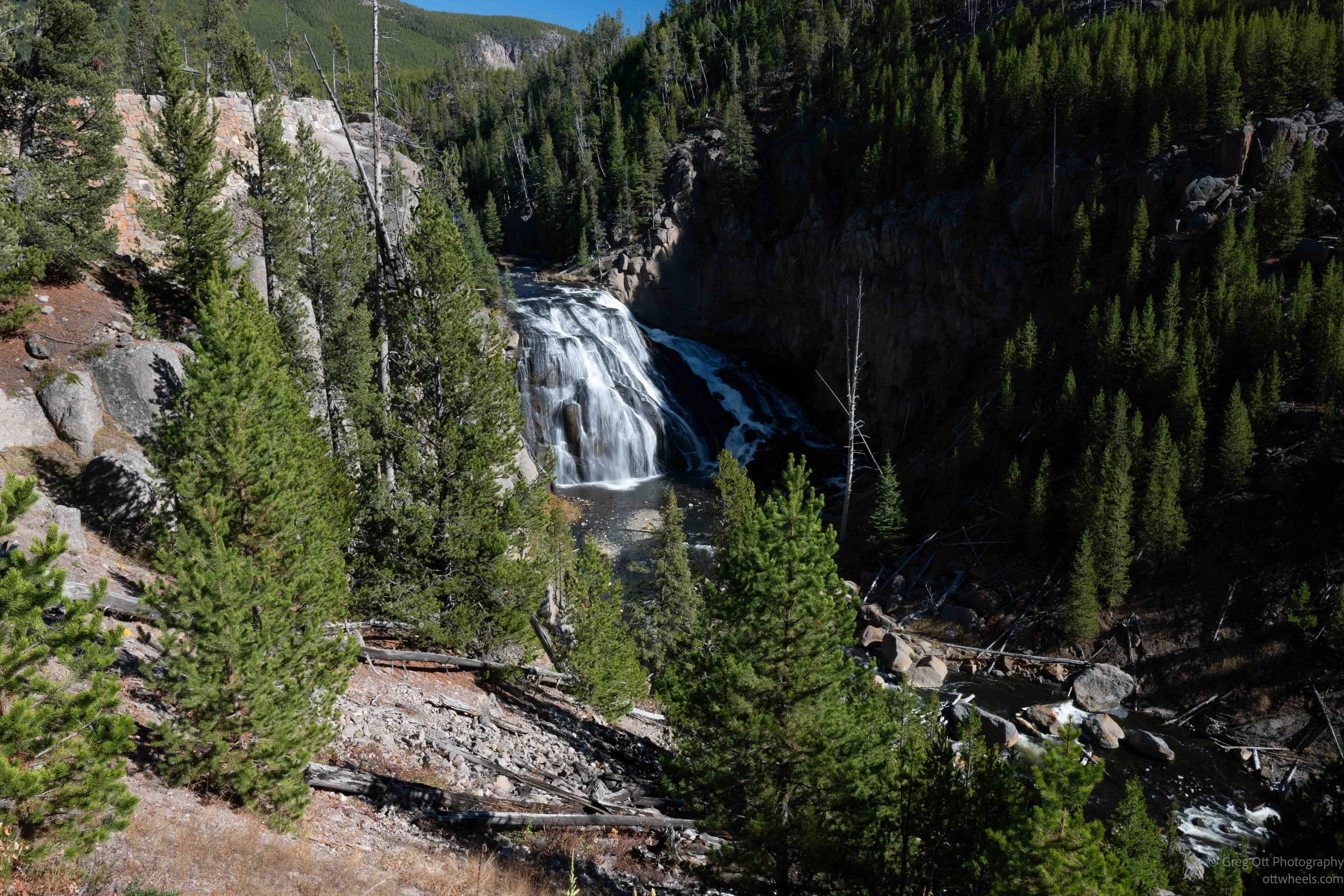
My first stop was Gibbon Falls, about five miles up the Grand Loop Road from Madison Junction toward Norris. The sun was much nicer than the last time I was here, two days earlier. The Gibbon River drops 84 feet there, over what's left of the rim of the Yellowstone Caldera, the giant crater left behind by an eruption roughly 631,000 years ago. There's one spot along the walkway that gives you the shot, and a family of three photographers was standing in it. To their left was a small gap, and I squeezed into it. They never noticed me. They were too busy comparing notes, each one explaining what shot they were after and what depth of field they were going for. It was a family photography workshop happening at a roadside pullout, and I had a free seat in the back row.
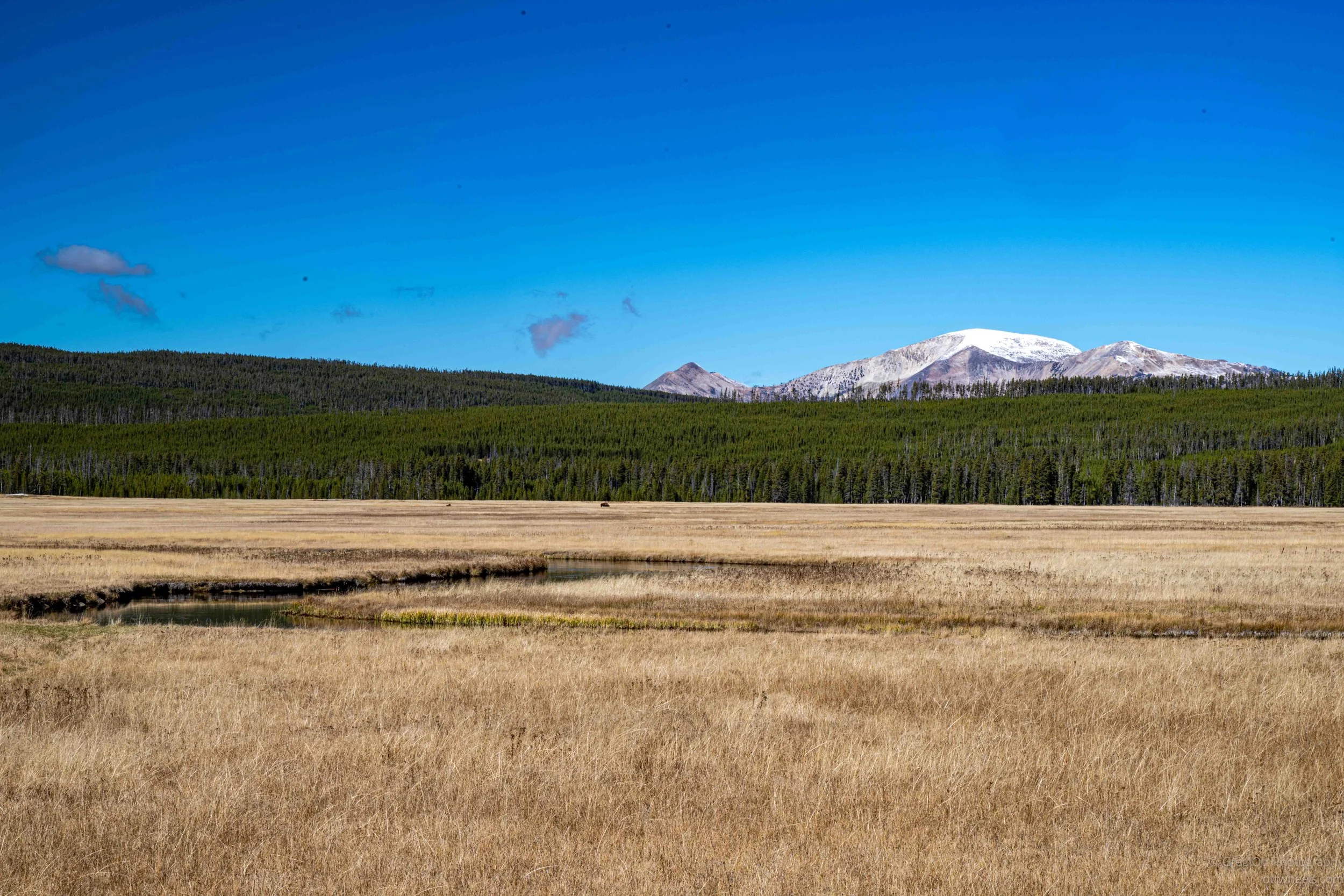
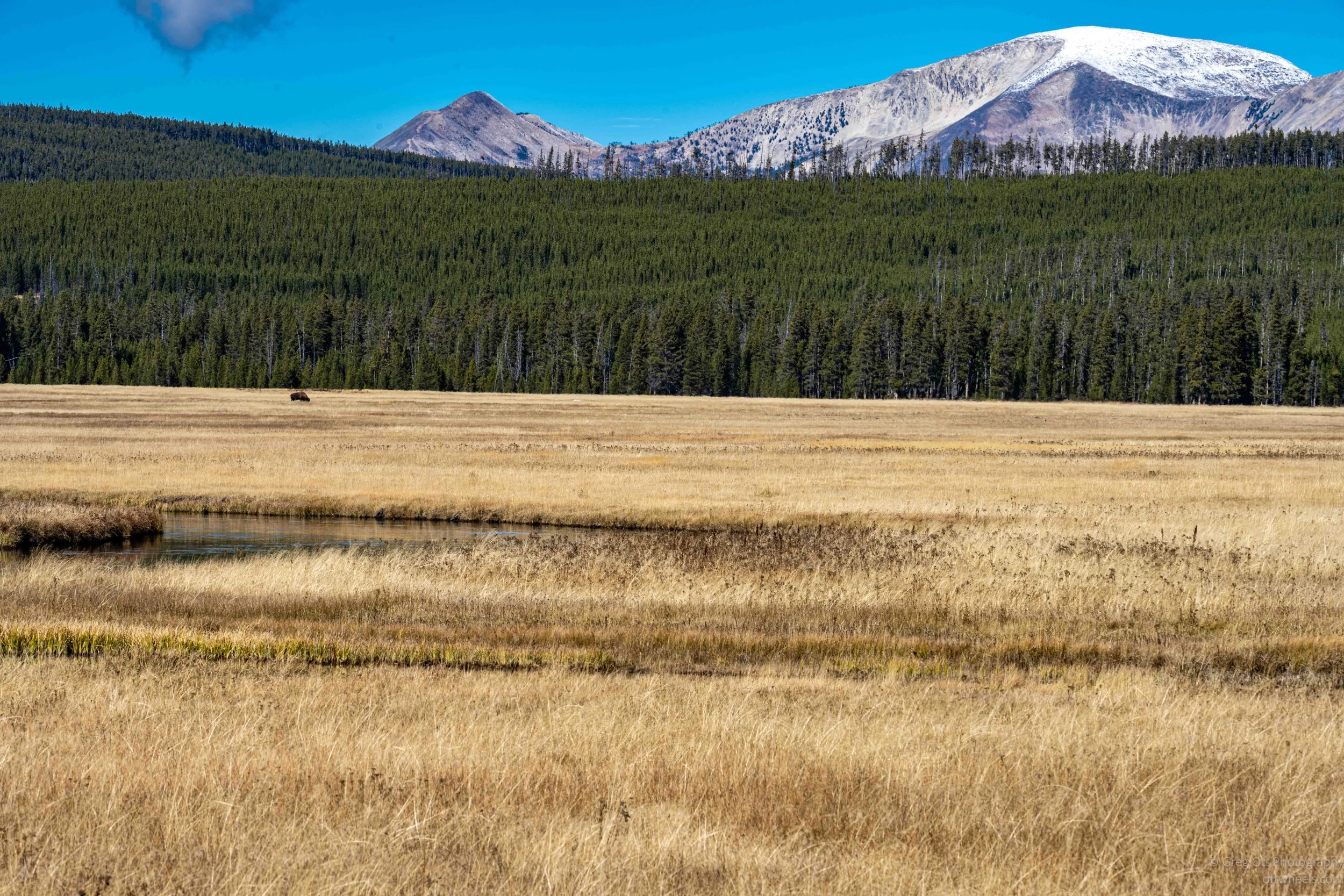
Not far up the road, I pulled over again, this time just to look. I think it was Gibbon Meadow. A slow stream wandered through a wide meadow, doubling back on itself through grass that had already gone gold for the season. Behind it, a dark wall of lodgepole pine climbed the hillside, with the gray trunks of dead trees poking up through the green. Above the forest sat a snow-covered mountain against a sky so blue it almost looked edited. Out in the middle of the meadow was a lone bison, grazing by itself, so small in the frame that you have to look for it. Nothing much was happening, and that was the appeal.
Further along on the way to the East Entrance, the road runs through Hayden Valley, with the Yellowstone River winding through the middle of it. I pulled over above the water. Below me, on the other side of the river, was a large herd of buffalo spread out across the sagebrush. I got the tripod out and tried to get some shots from a distance. Then I drove a little further and pulled over again. In that short time and distance, the buffalo had started coming across the river and up onto the road.
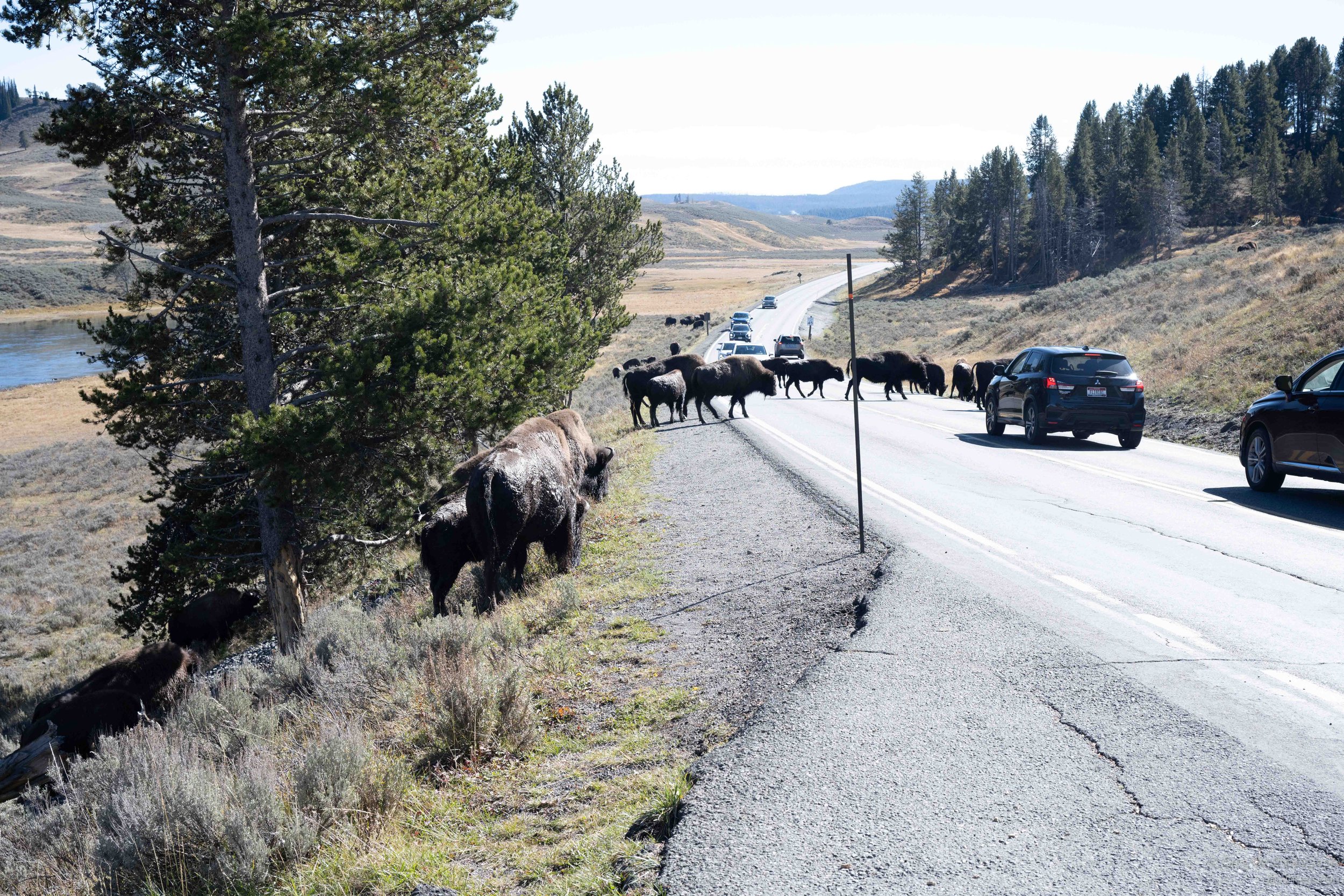
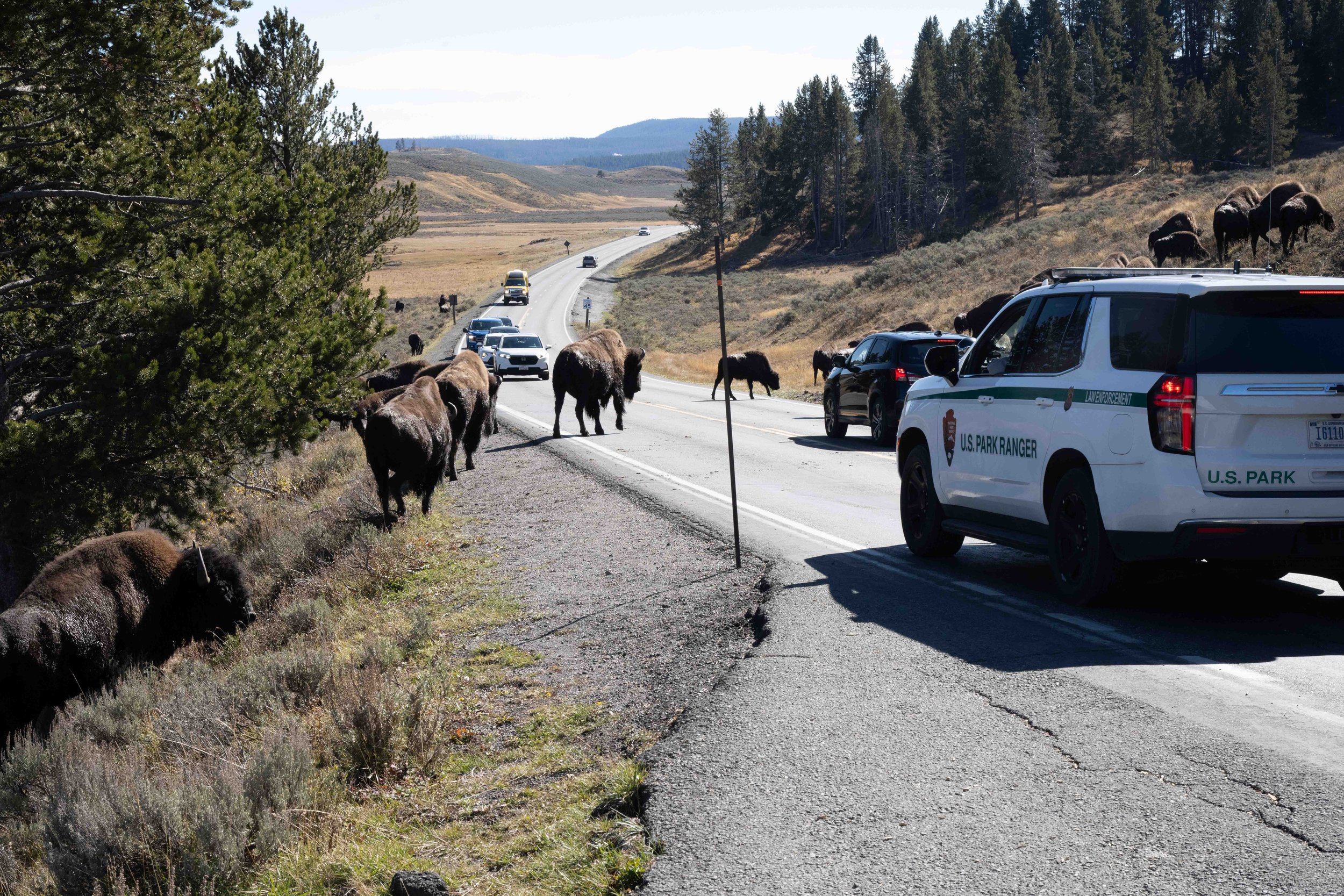
Then they were everywhere. There were about a hundred of them, crossing the road, grazing along the shoulder, and walking between the cars at their own speed. A park ranger in a law enforcement SUV was trying to get through. He crept forward a little at a time, but like the rest of us, he had to be patient. Badge or no badge, the buffalo set the pace. I watched and grabbed a few shots from the van. They were all around me.
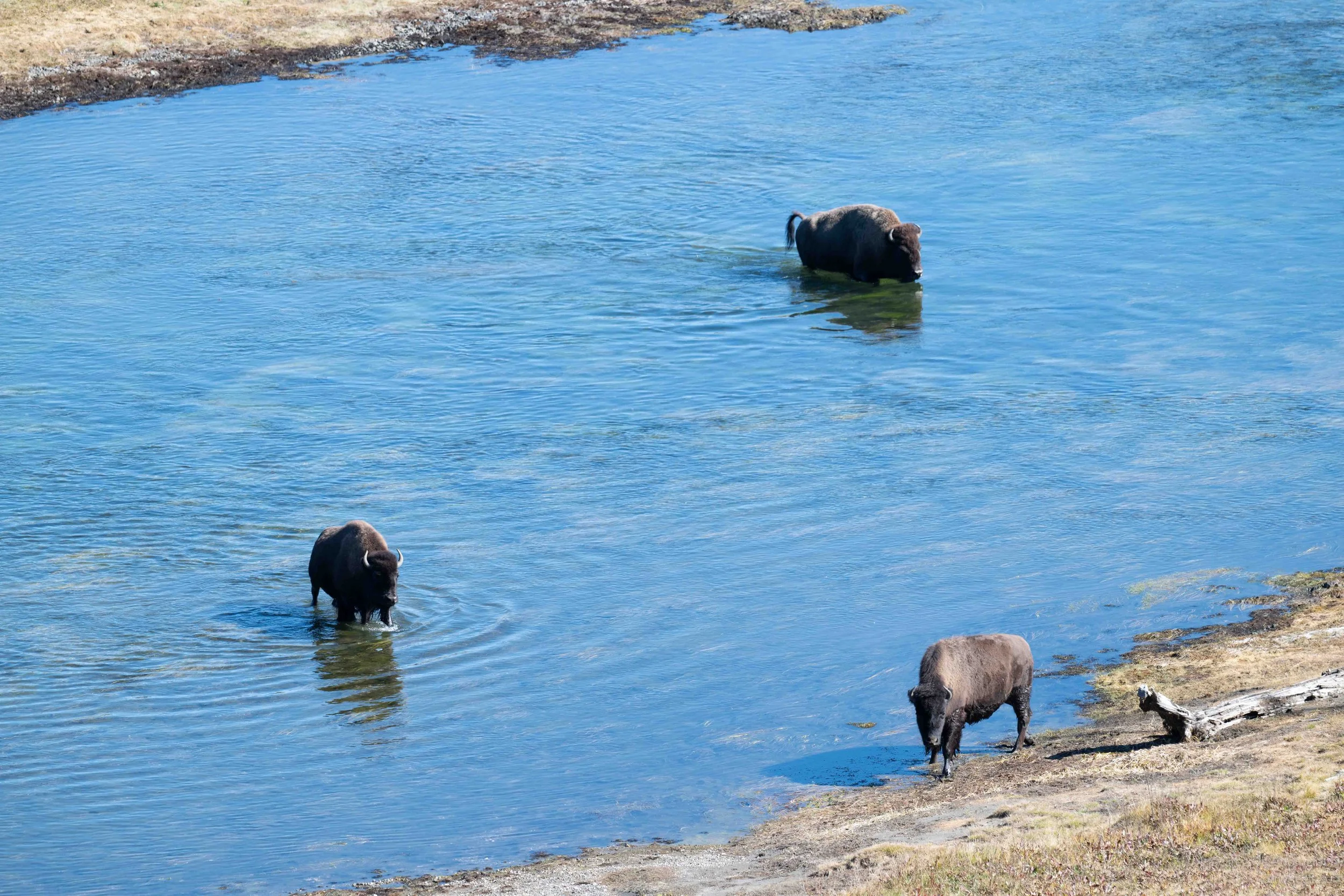
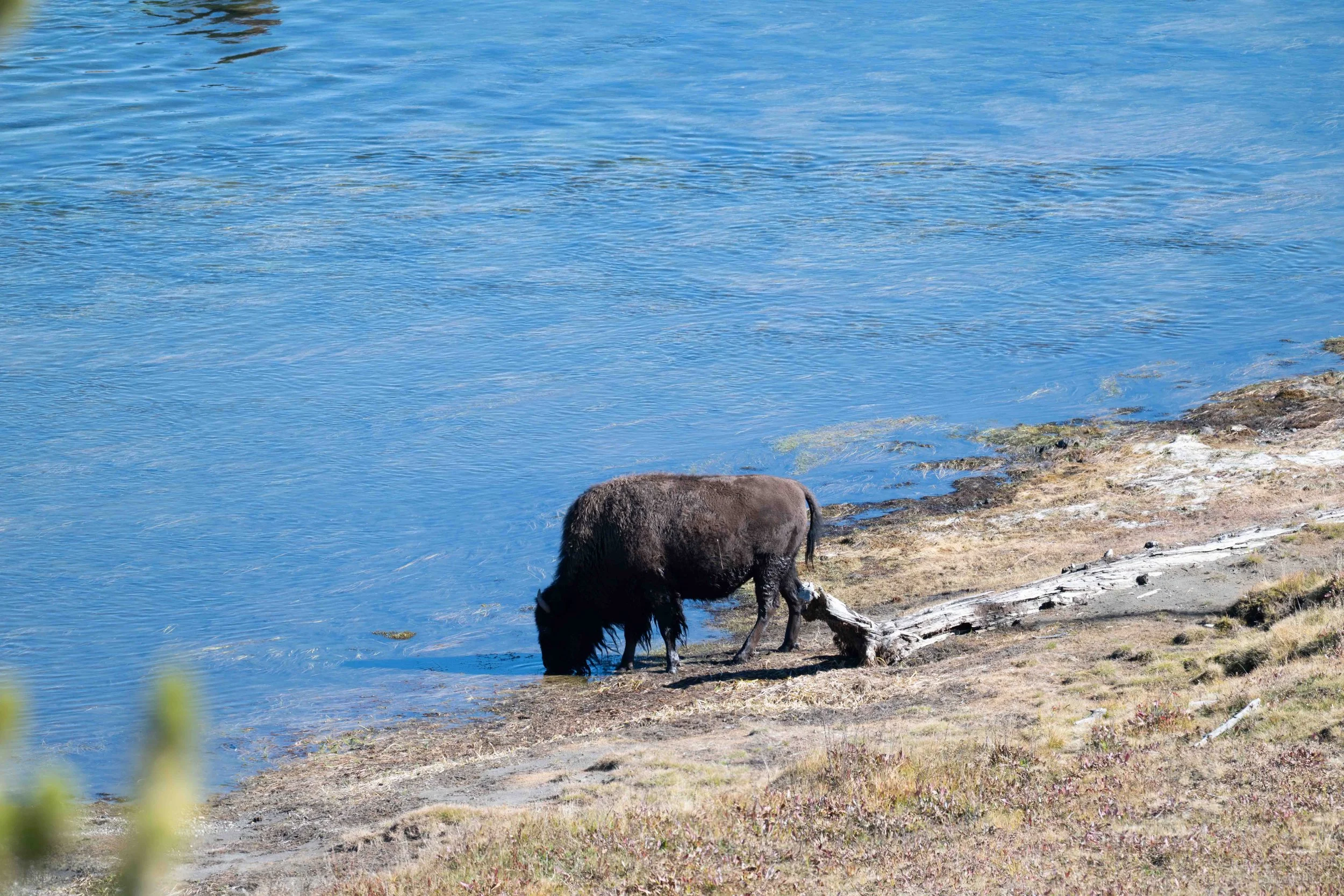
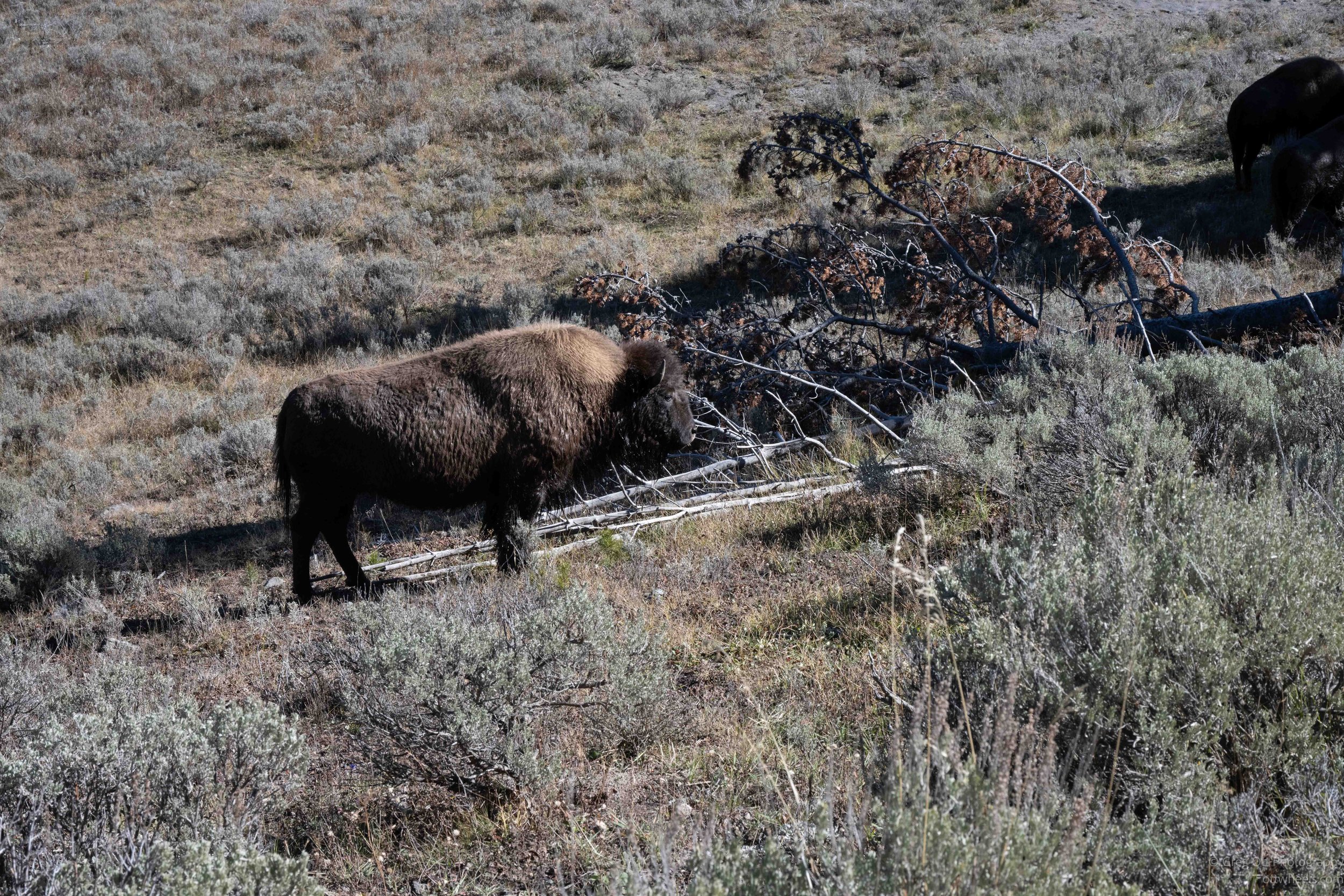
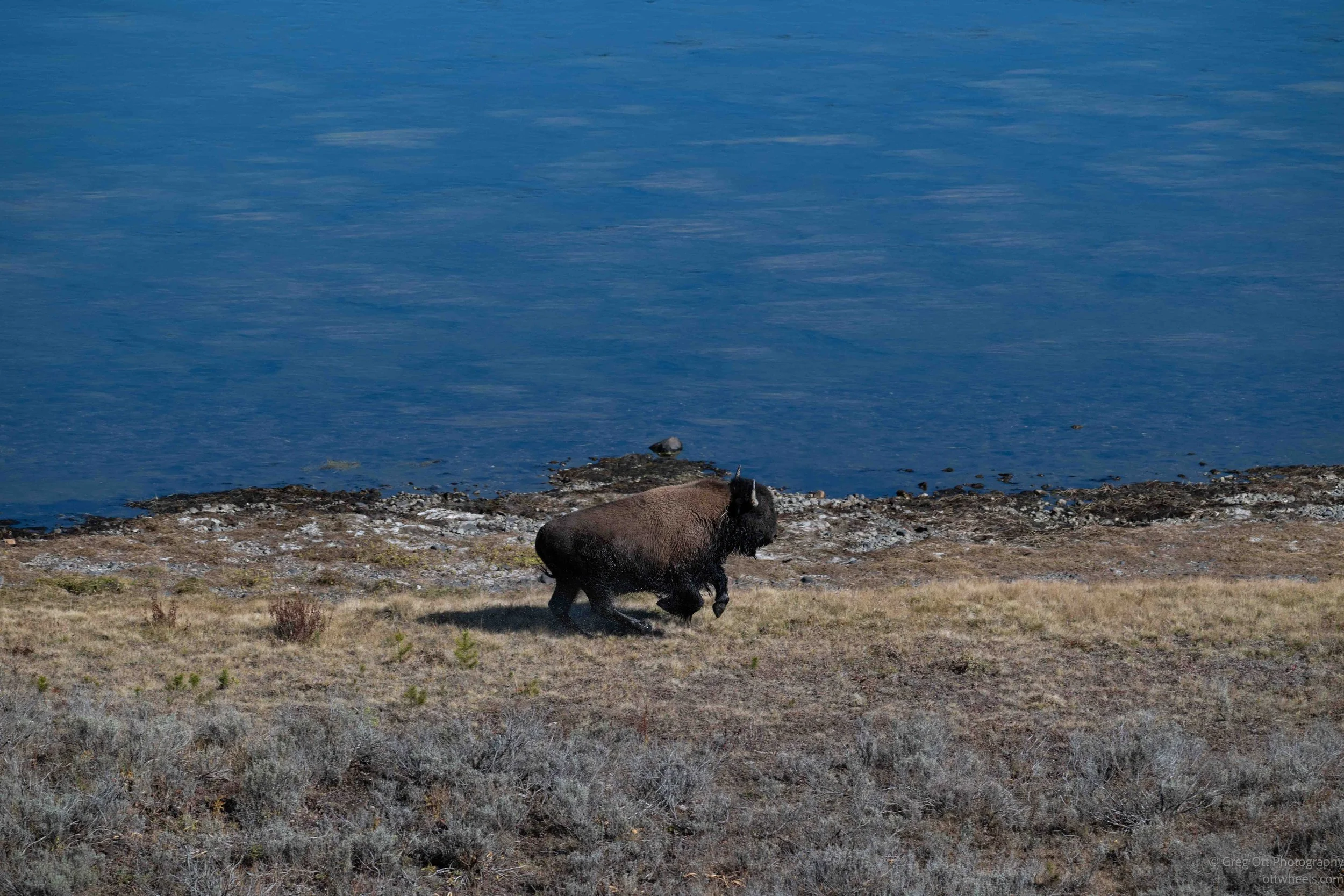
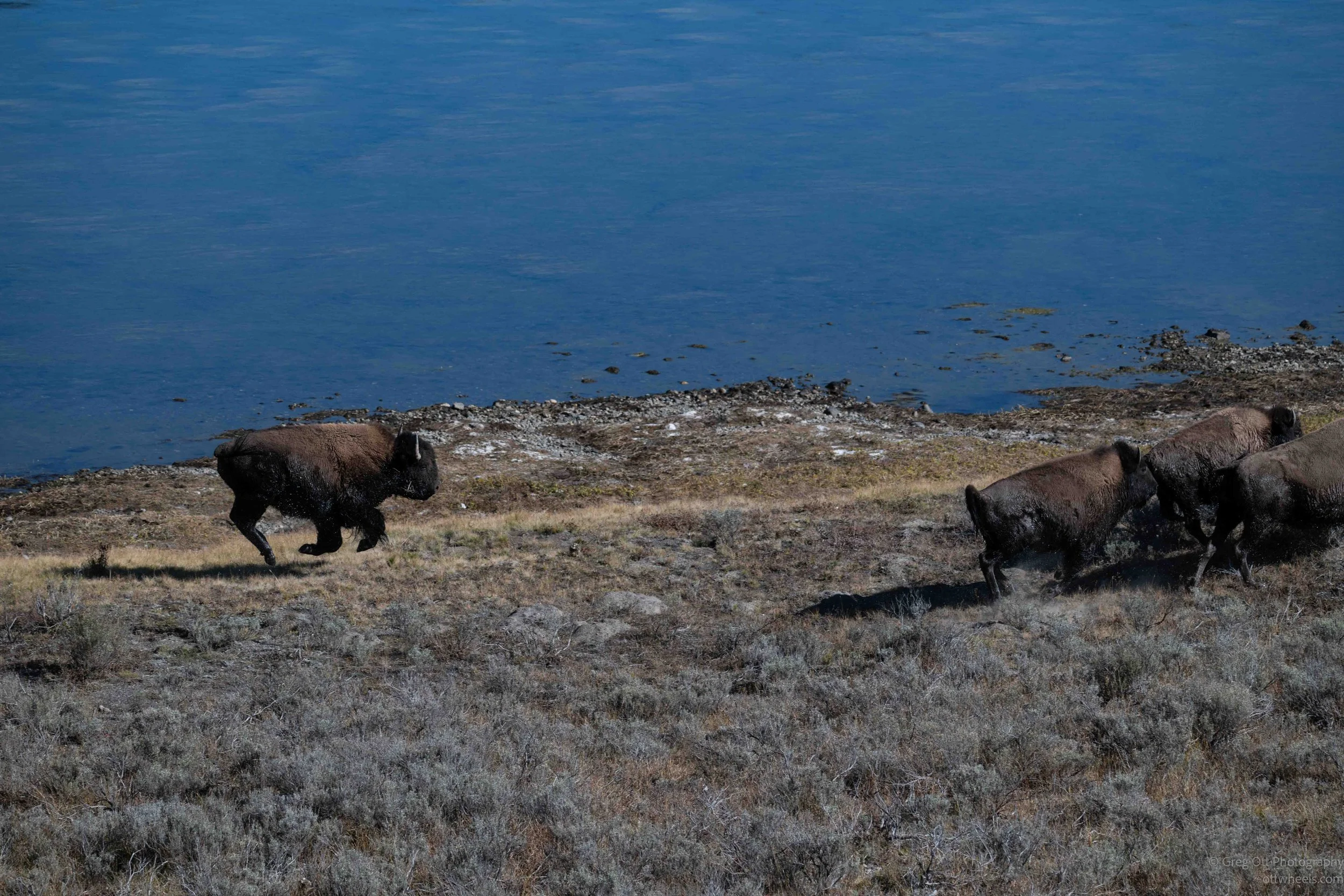
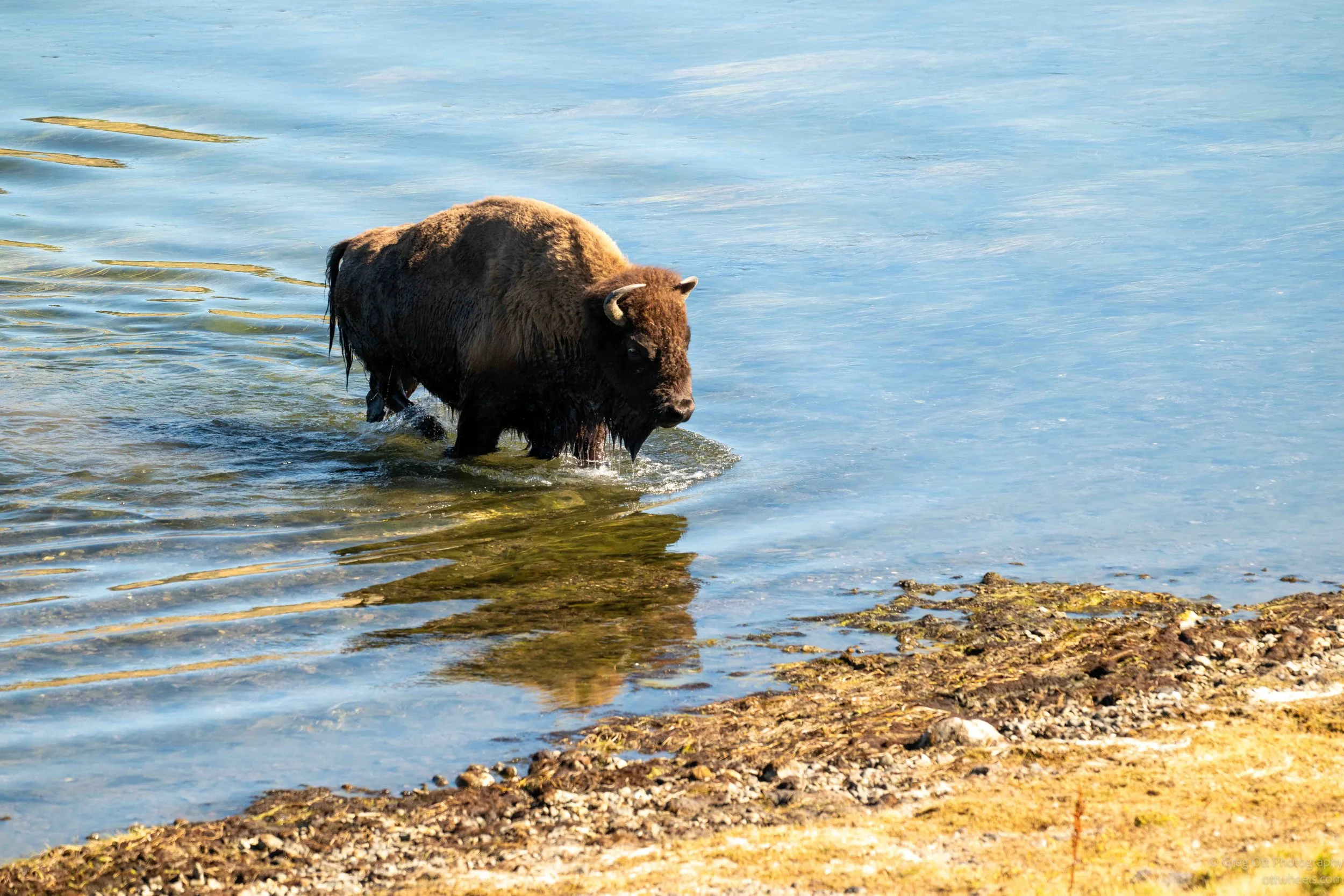
When they had cleared, I got out of the van again and went down to a lower spot with a better view of the buffalo still on the other side. A few were wading across the river. A couple came up out of the water and broke into a run, kicking up dust as they went. It seemed like they were excited, or maybe just trying to shake the water off. Others stopped at the edge to drink. Meanwhile, more buffalo were coming up from below onto the road, and the cars were stopped again.
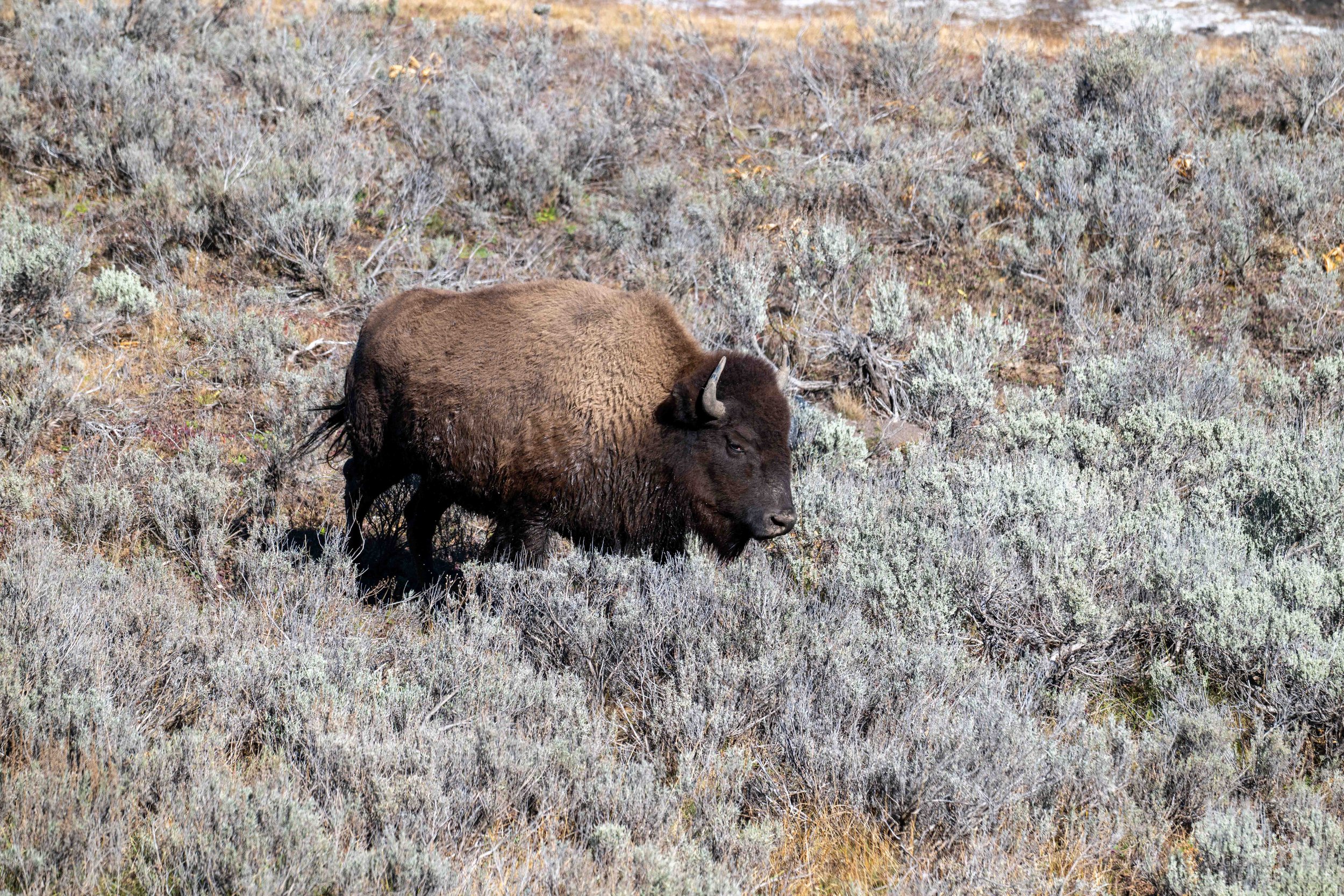
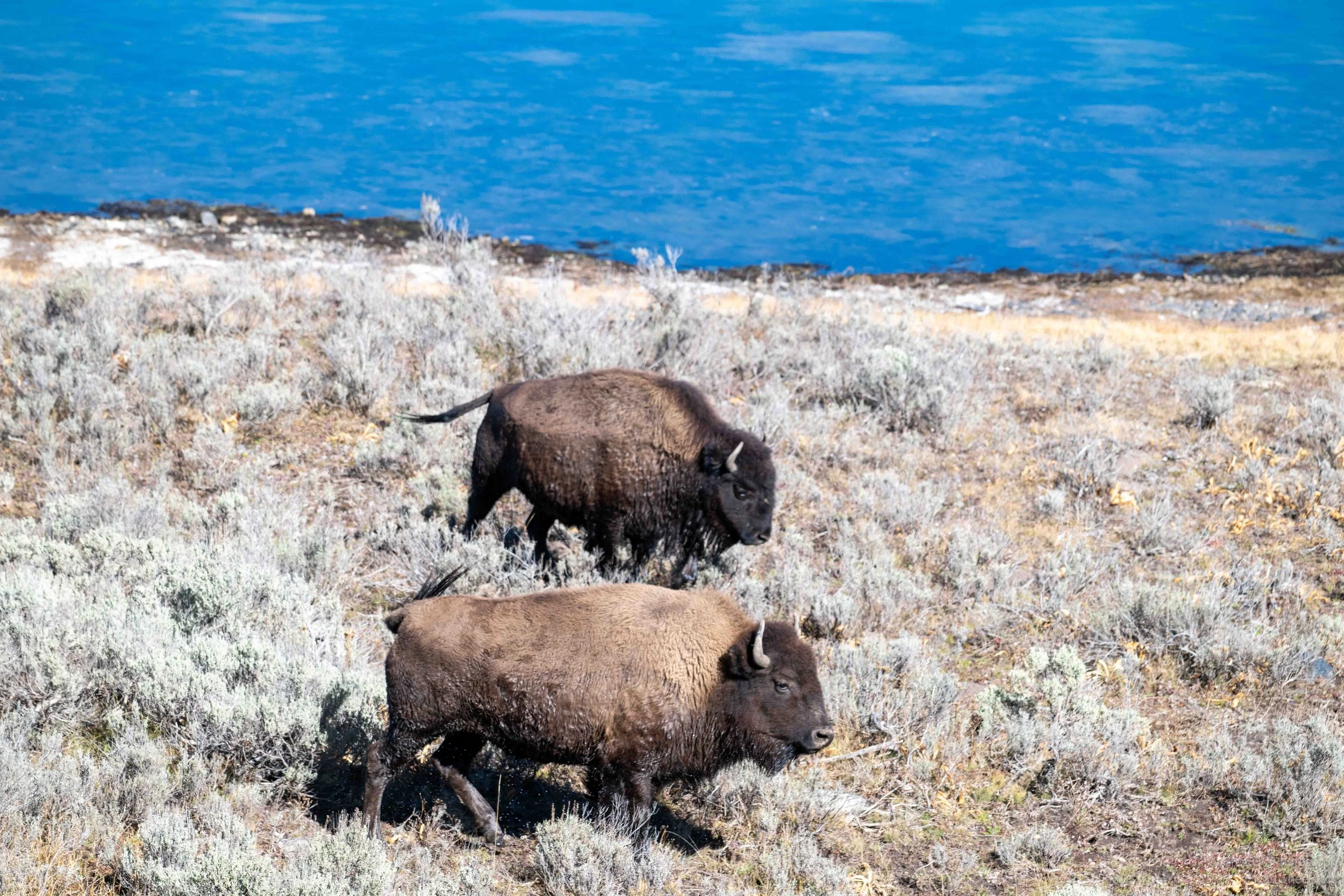
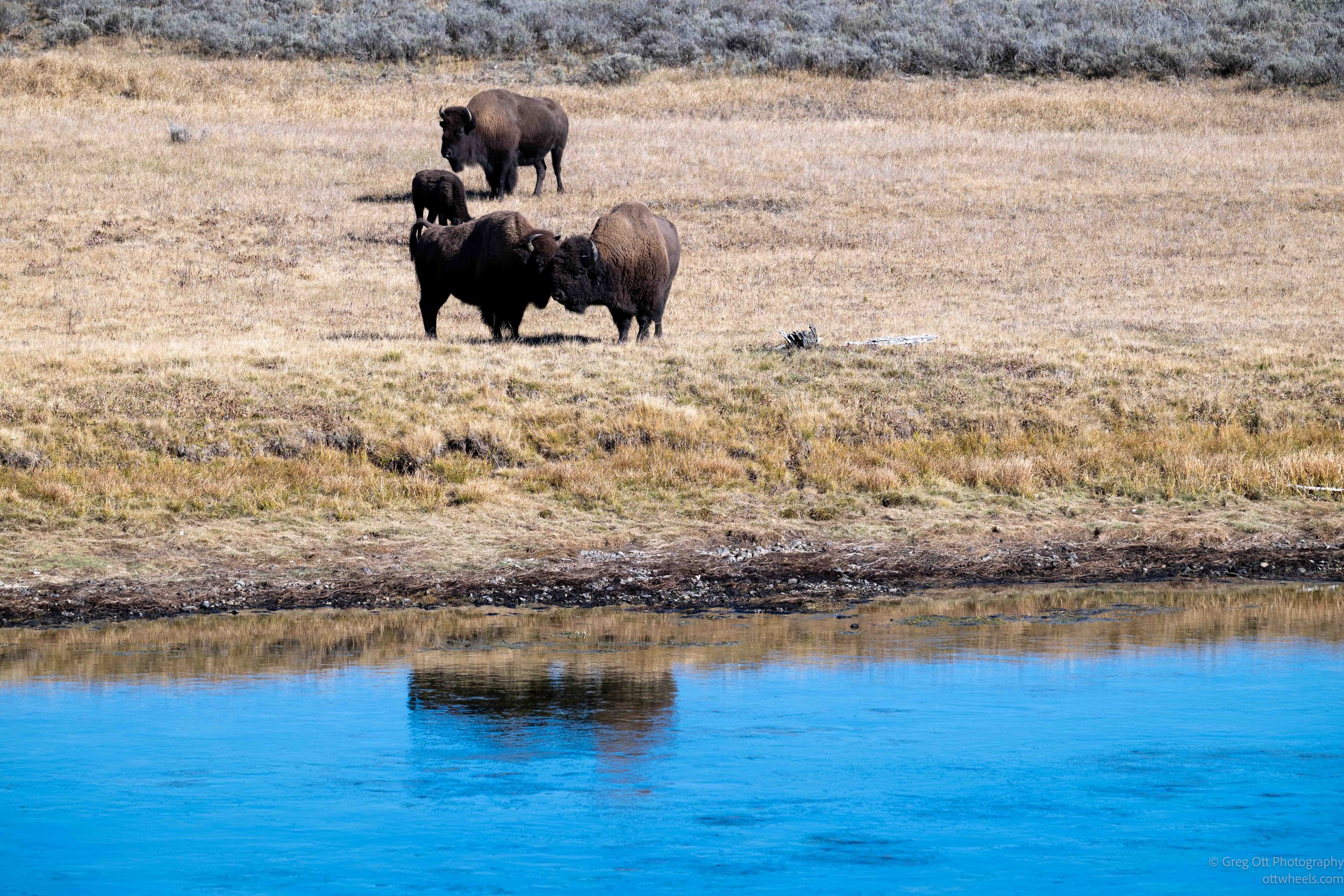
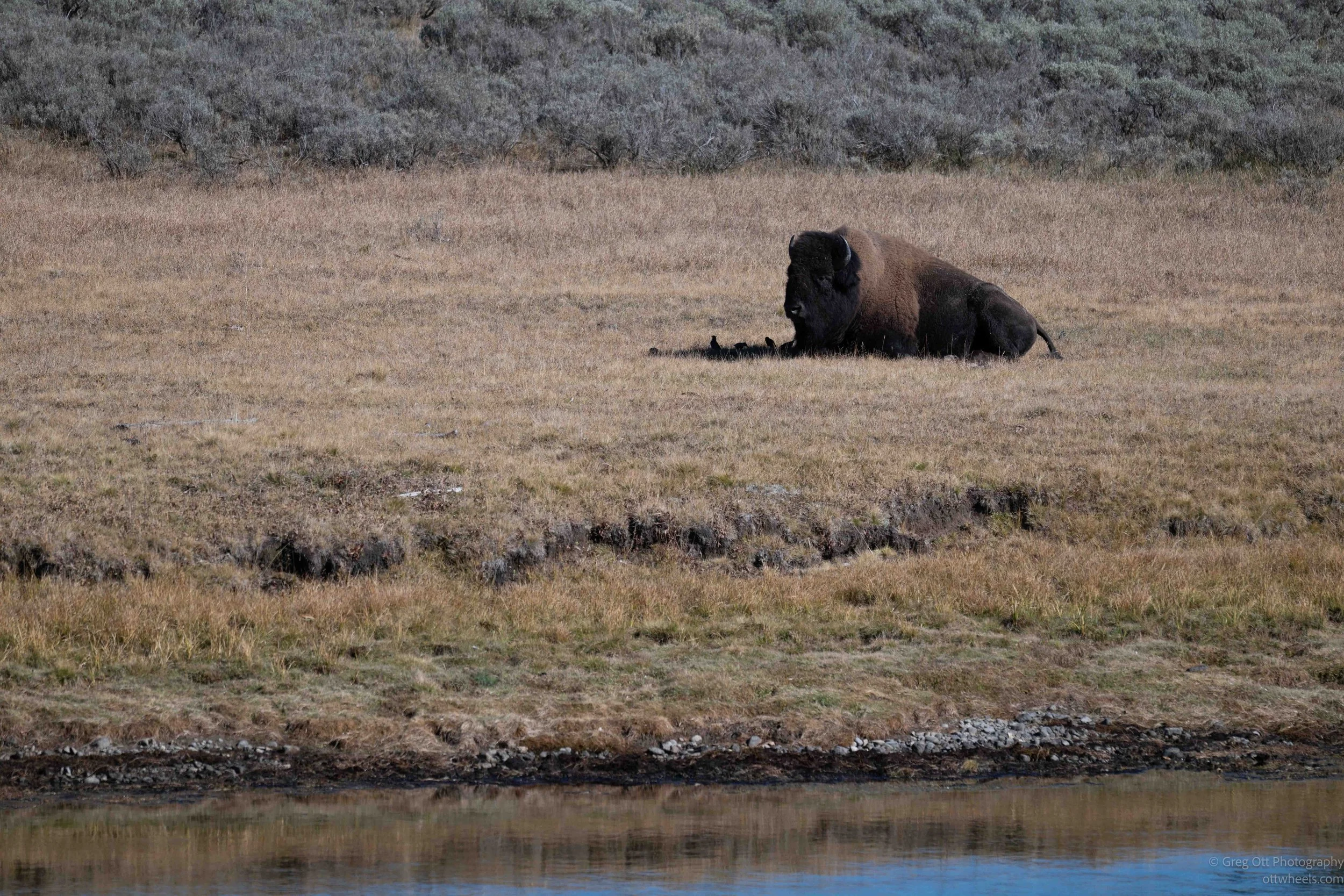
On the other side, a small group didn't seem to be in any hurry to join the rest of the herd. A male and a female stood pushing their huge heads together. I took it for some kind of mating ritual, though the rut runs from June into September and peaks in July and August, so by late October it may have been more about who was in charge. Nearby, a massive male had lowered himself to the ground, and there were 10 to 15 birds on the ground in front of him. He didn't seem to mind at all.
Then two calves made it down to the water. One still had the reddish coat bison calves are born with, so it was probably a late arrival this year. They drank, then moved along the shore in a way that seemed to say, "Can we go in?" Two others came down to the edge to drink, and one of them stuck his tongue out in my direction, which I chose not to take personally.
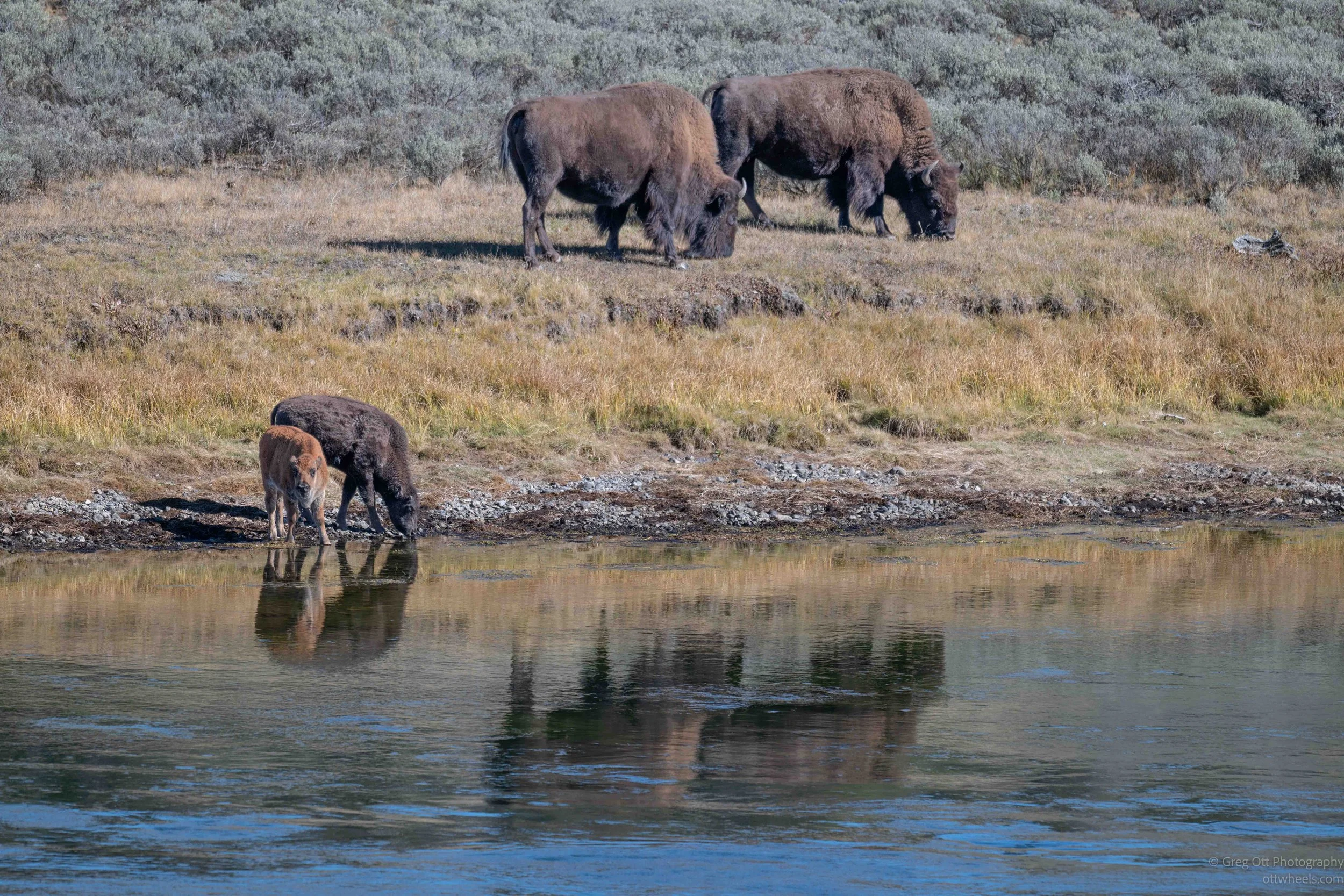
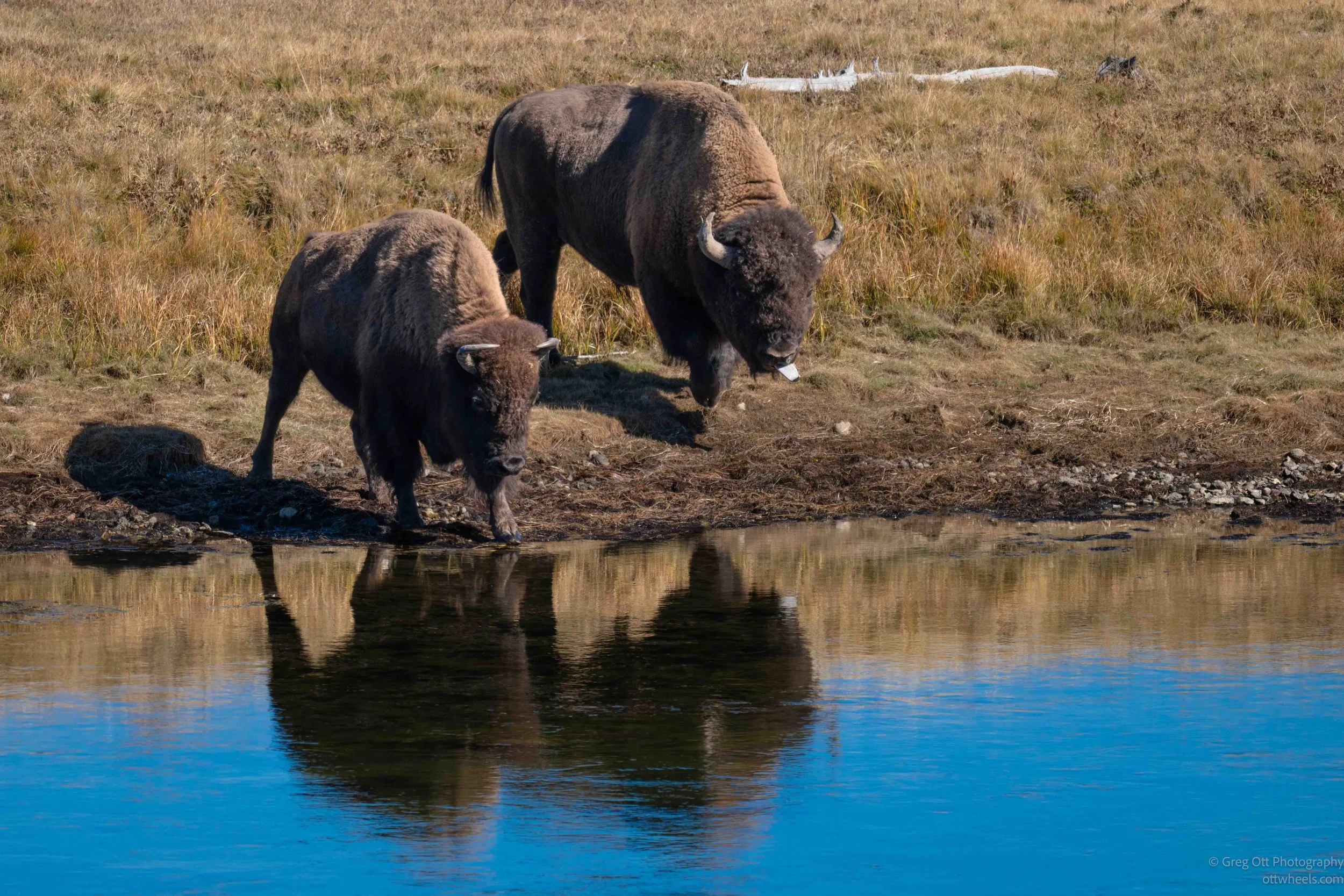
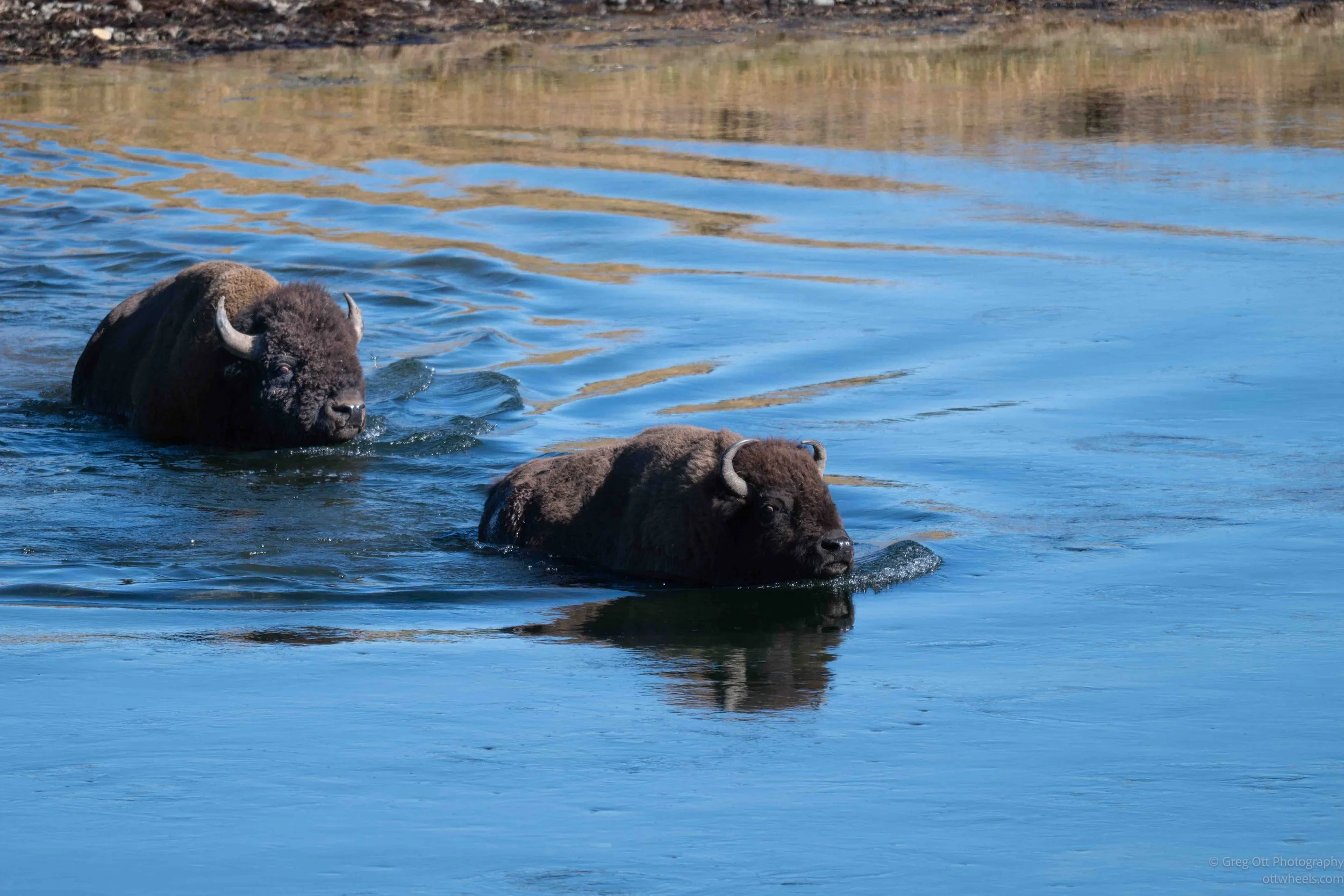
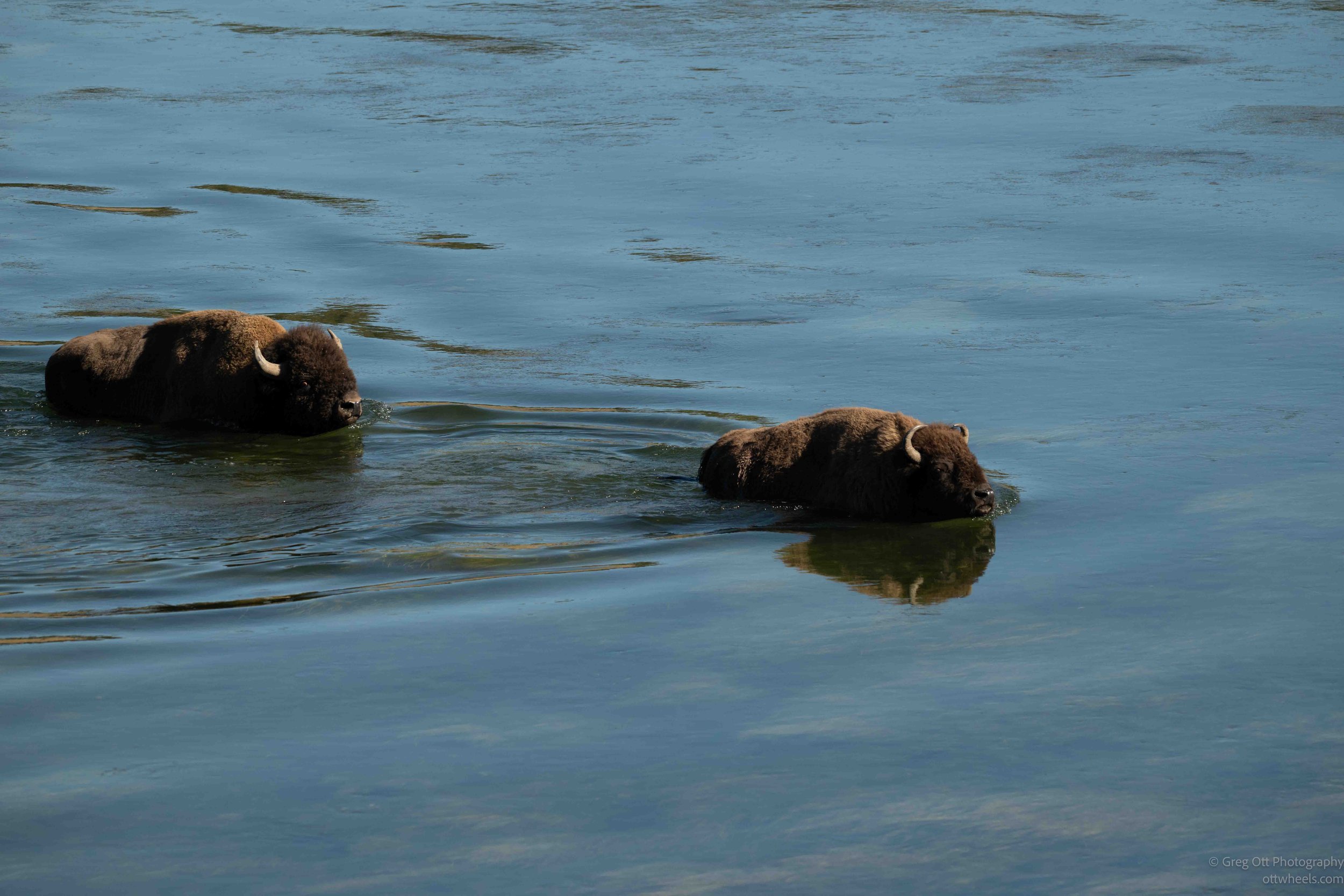
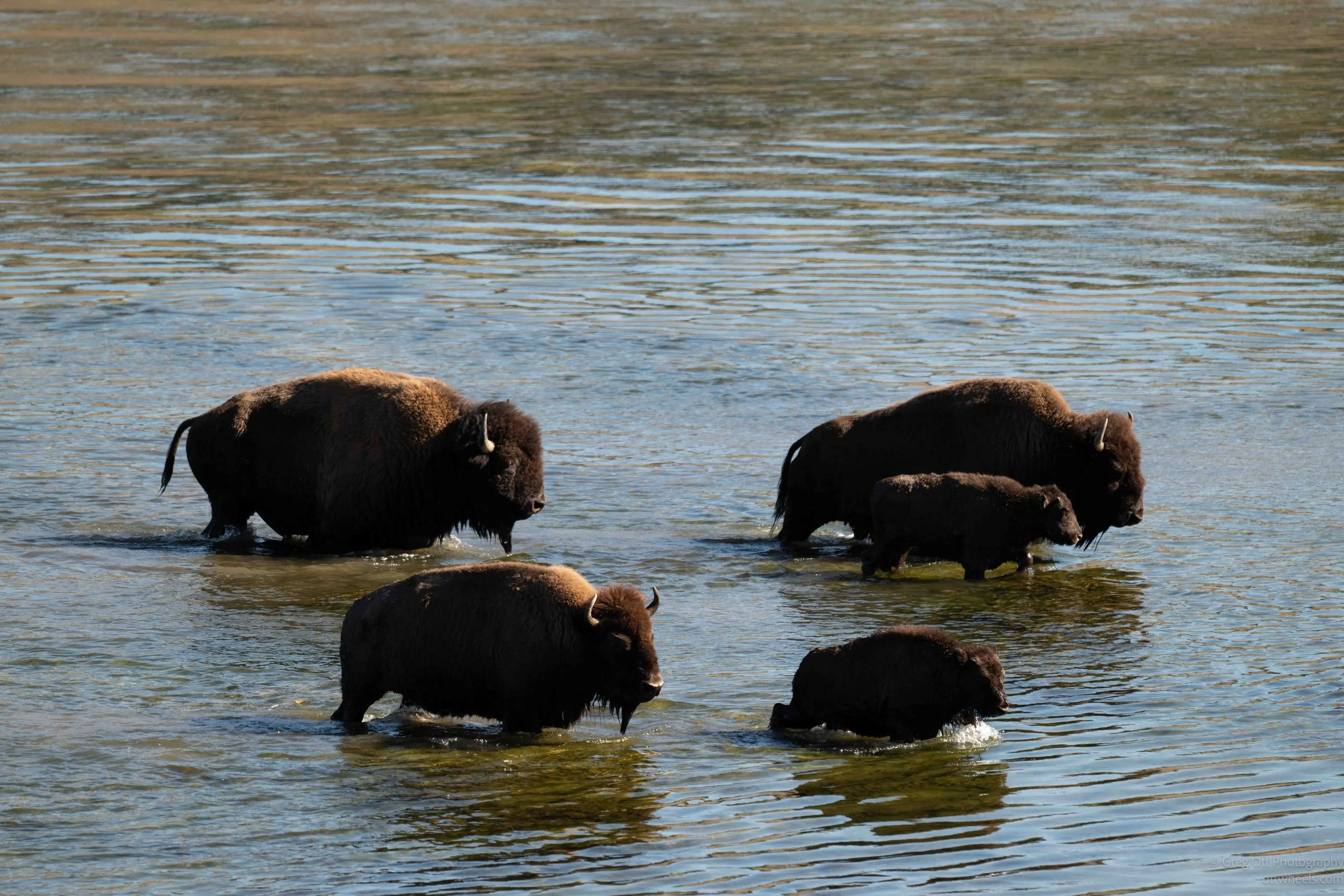
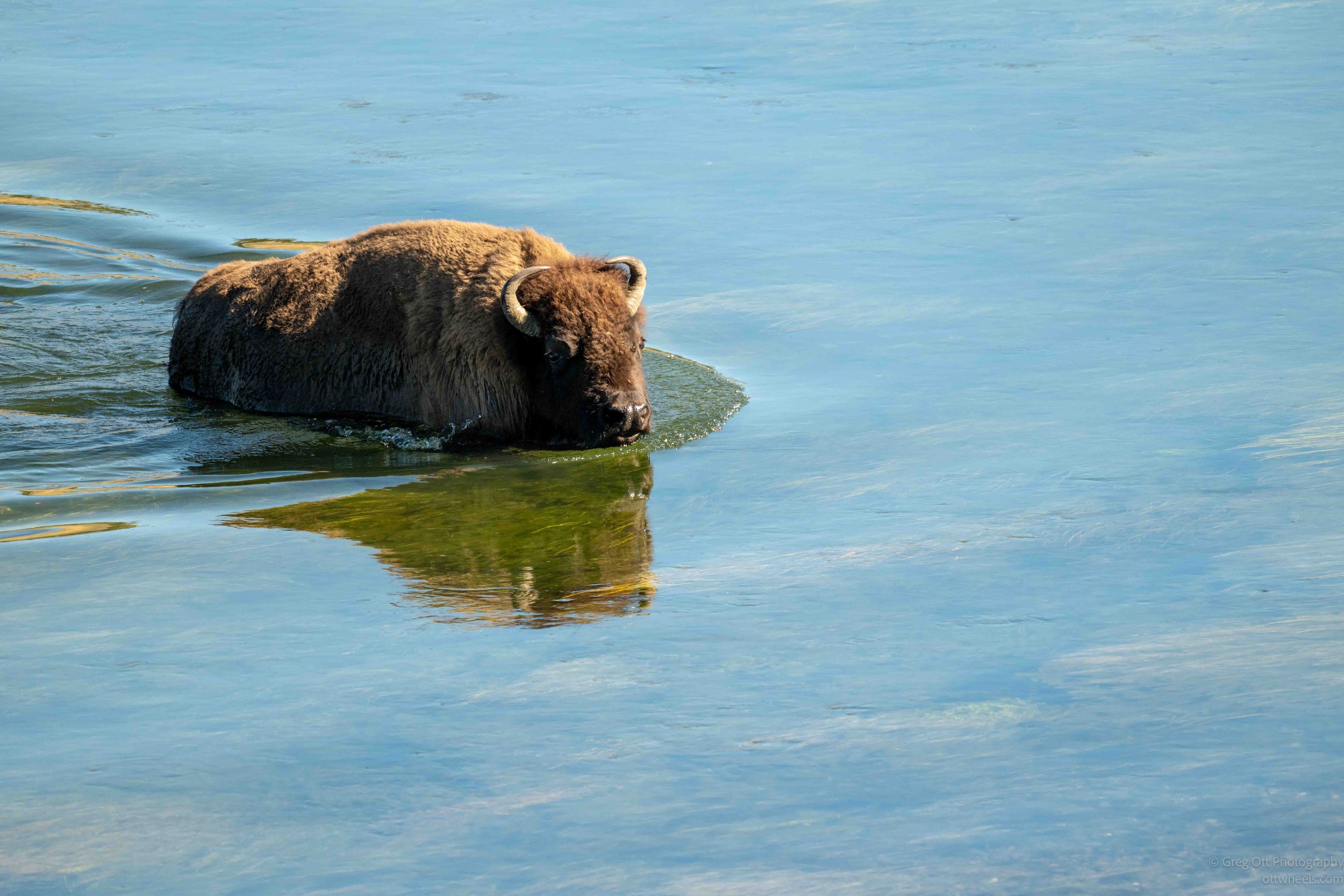
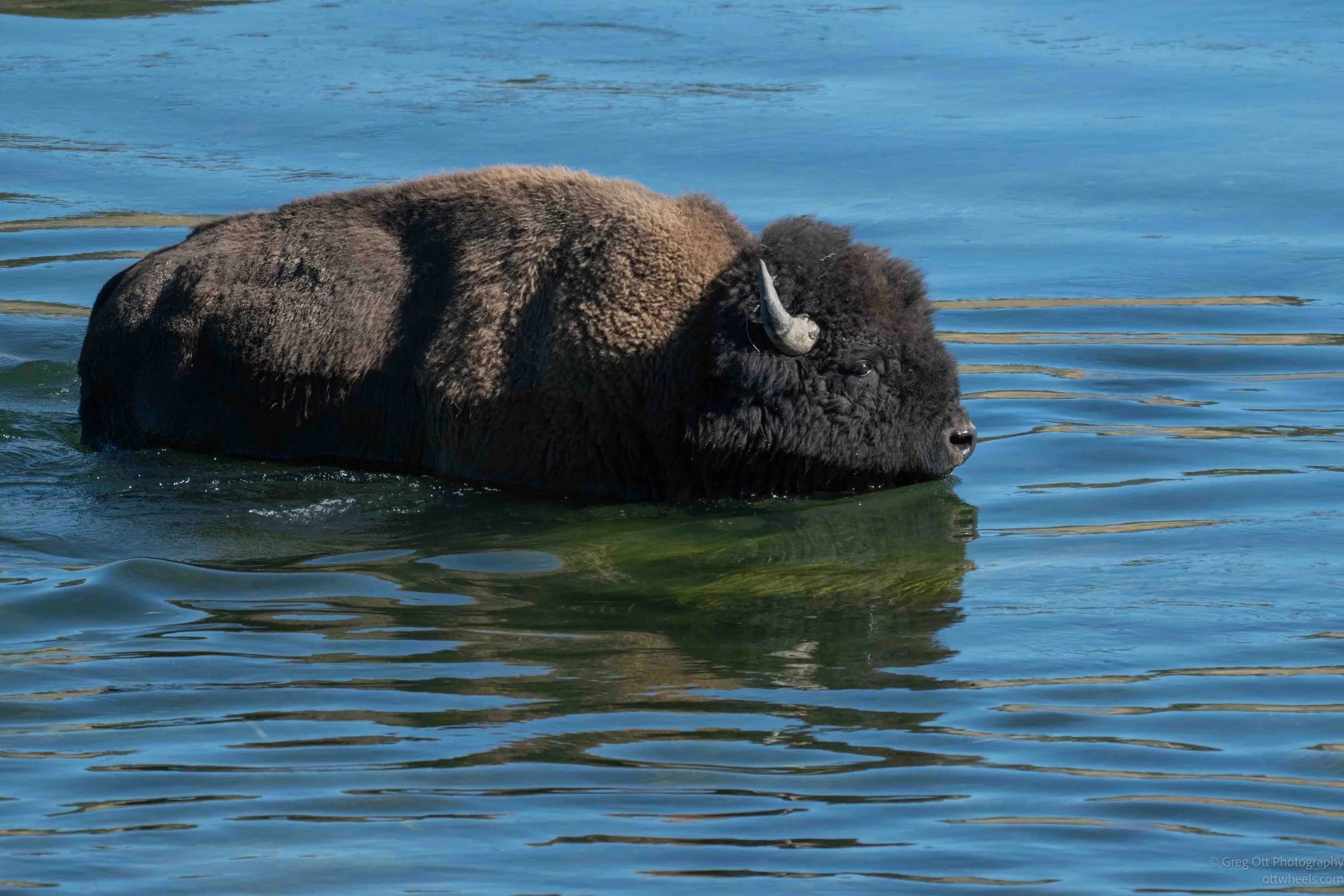
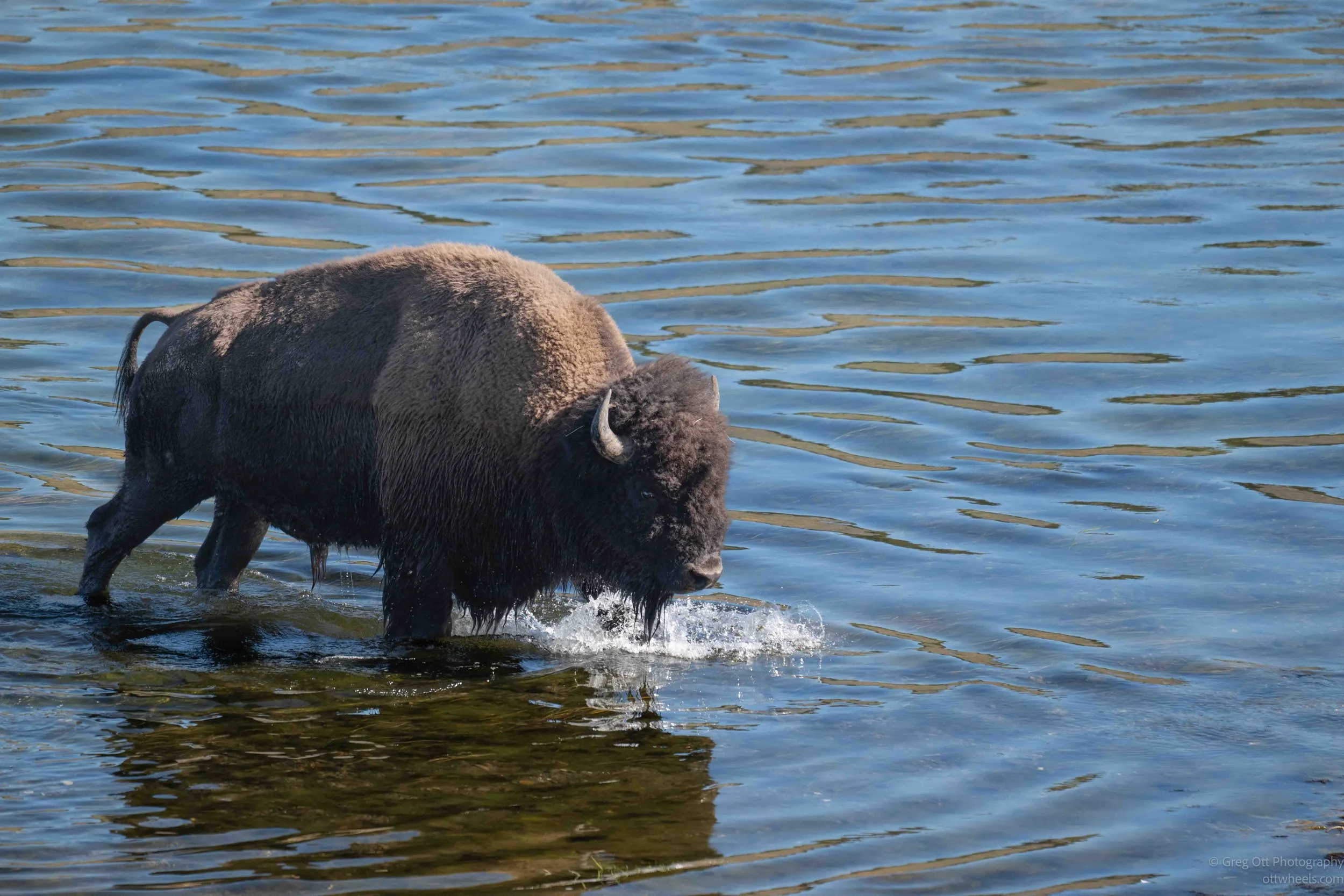
That seemed to get the adults moving. Suddenly the two that had been pressing heads started across, and that was the signal for the rest. They waded in and pushed through the deeper water with just their heads and backs above the surface, the calves tucked in alongside the adults. It took about 15 minutes for all of them to cross, and it was majestic to watch. By the time the last one climbed out, I had spent over an hour watching buffalo move and interact.
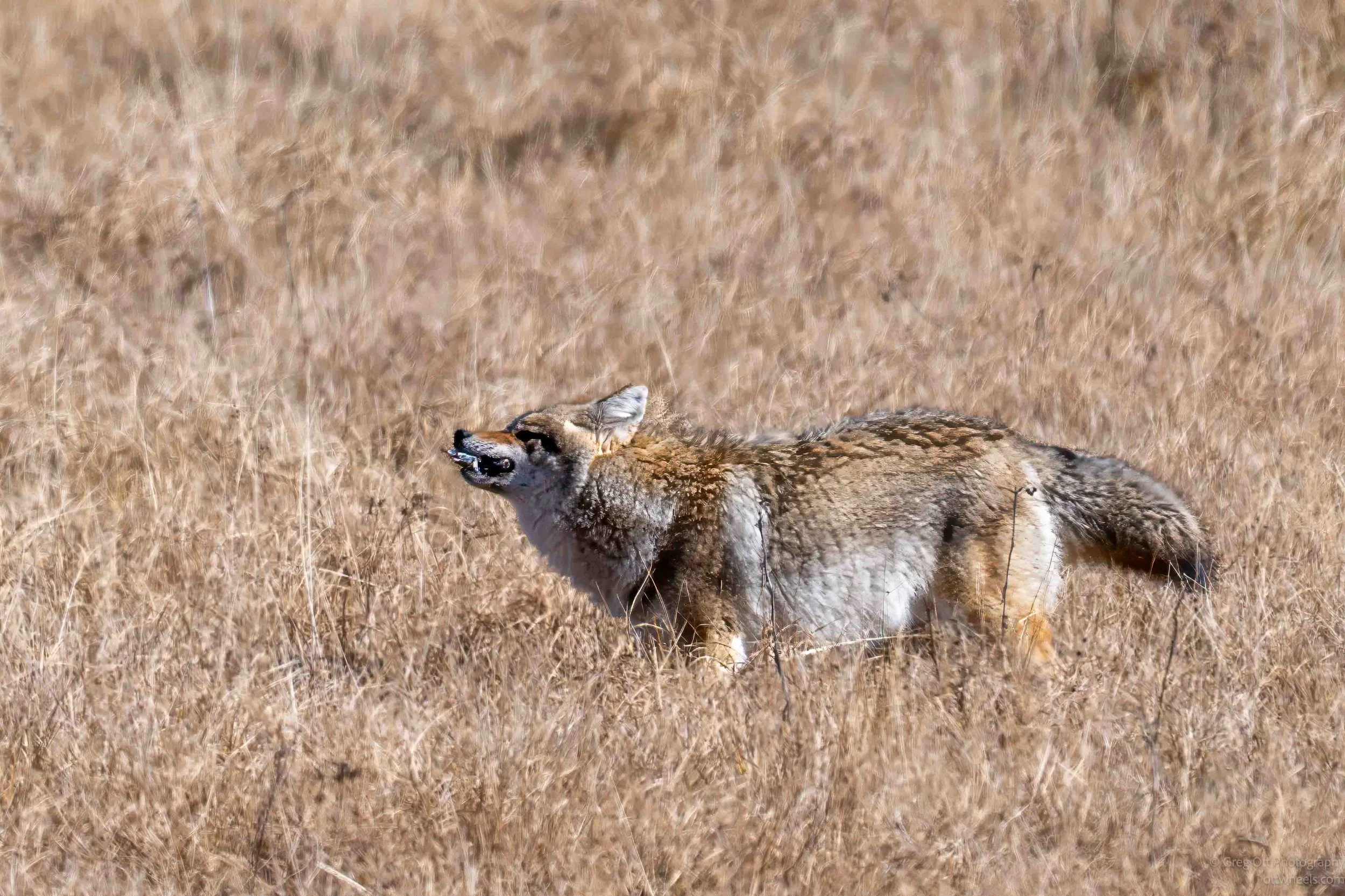
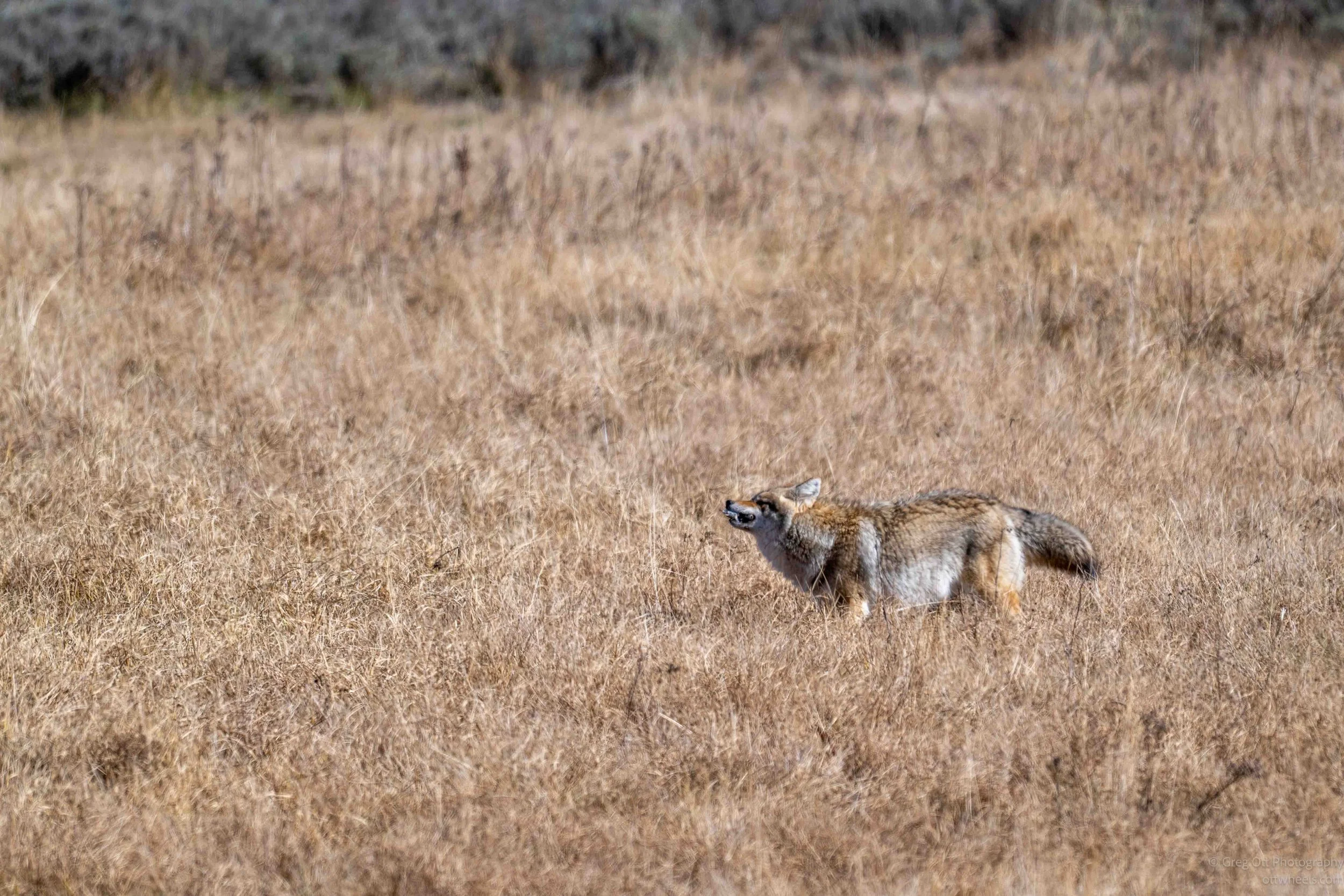
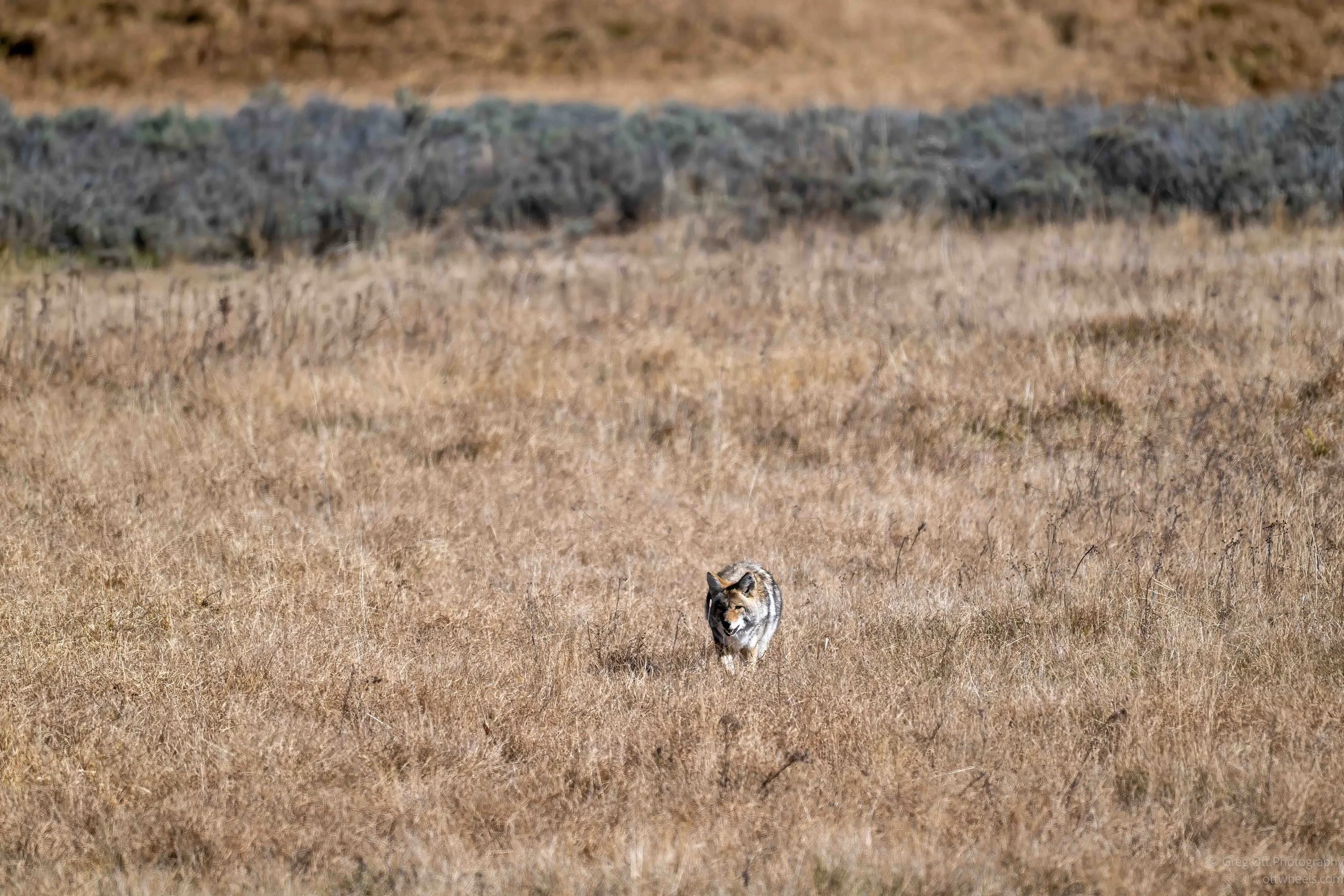
Next up was a group of people standing along the road with their cameras out, all pointed toward a field. In Yellowstone, a crowd with long lenses usually means something worth stopping for. Out in the dry grass was a coyote, running in small circles, then stopping, then leaping into the air and coming down nose-first a short distance away. It's how coyotes hunt rodents in tall grass: they listen for movement underneath, then pounce to pin it down. It took a few tries. Eventually it came up with something small, I think a mouse, and lifted its head. I was able to get a shot with the rodent still in its mouth. Then he swallowed it.
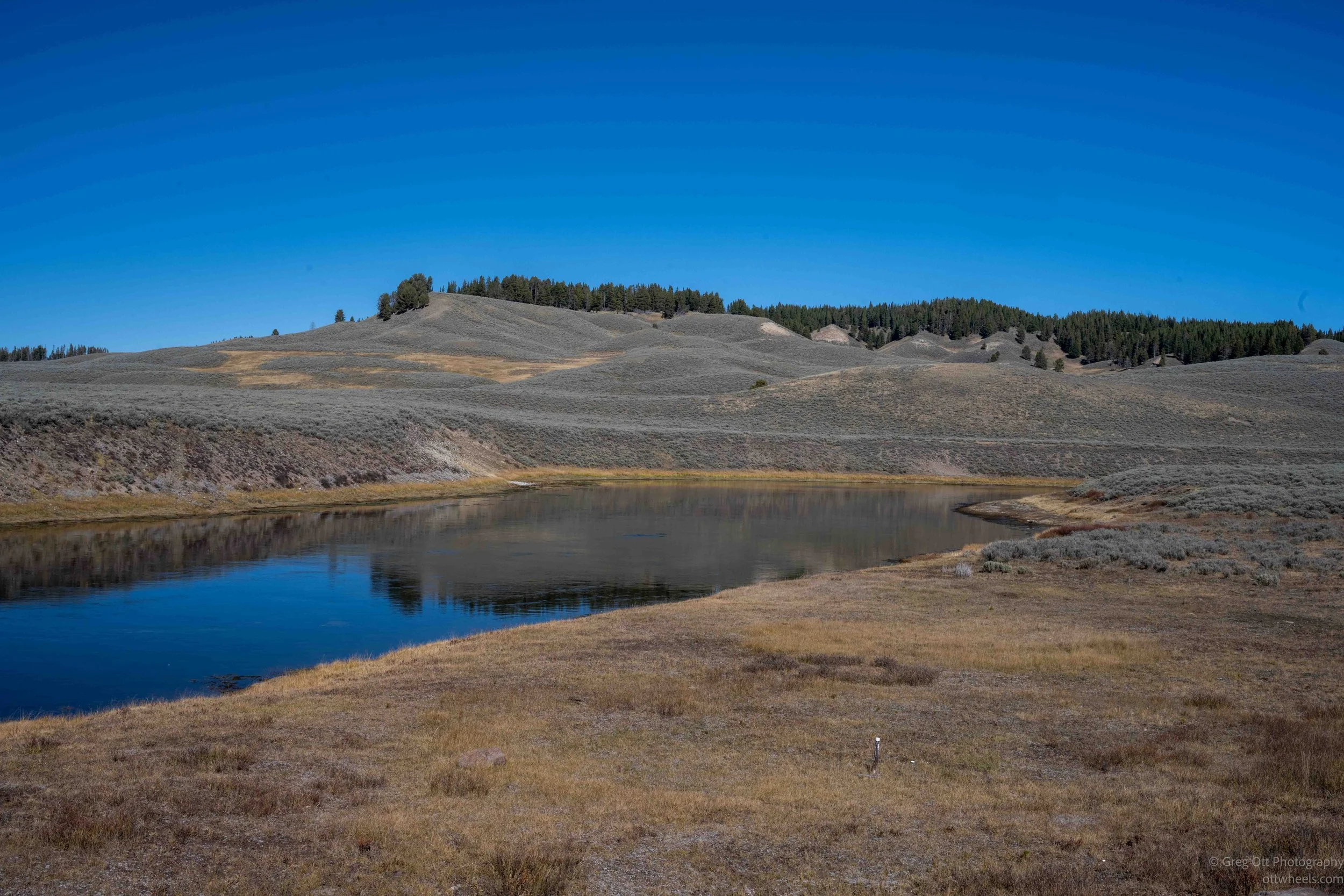
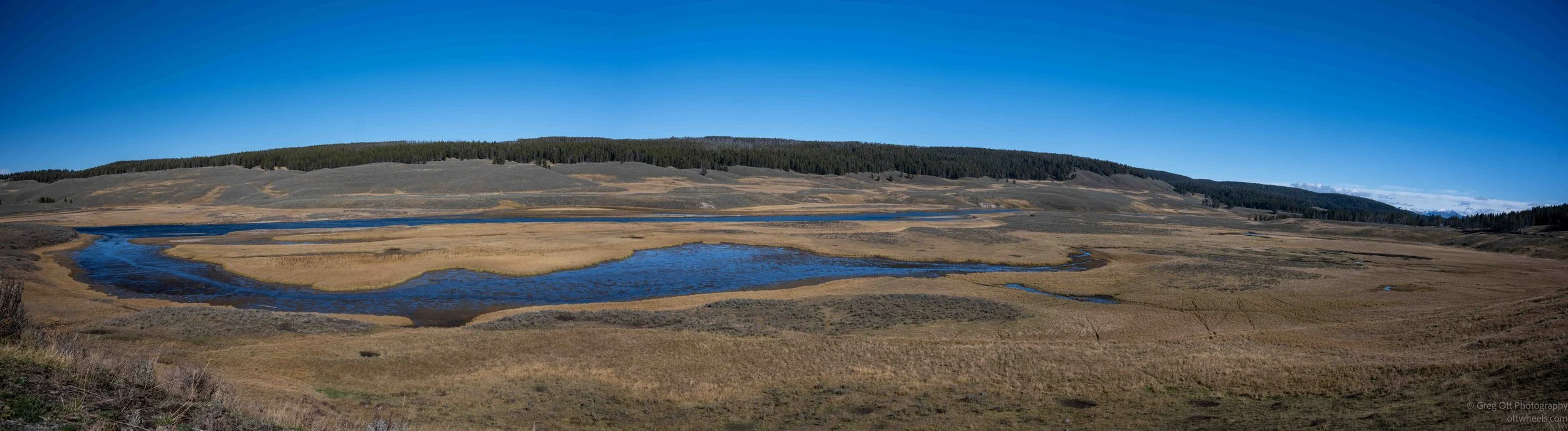
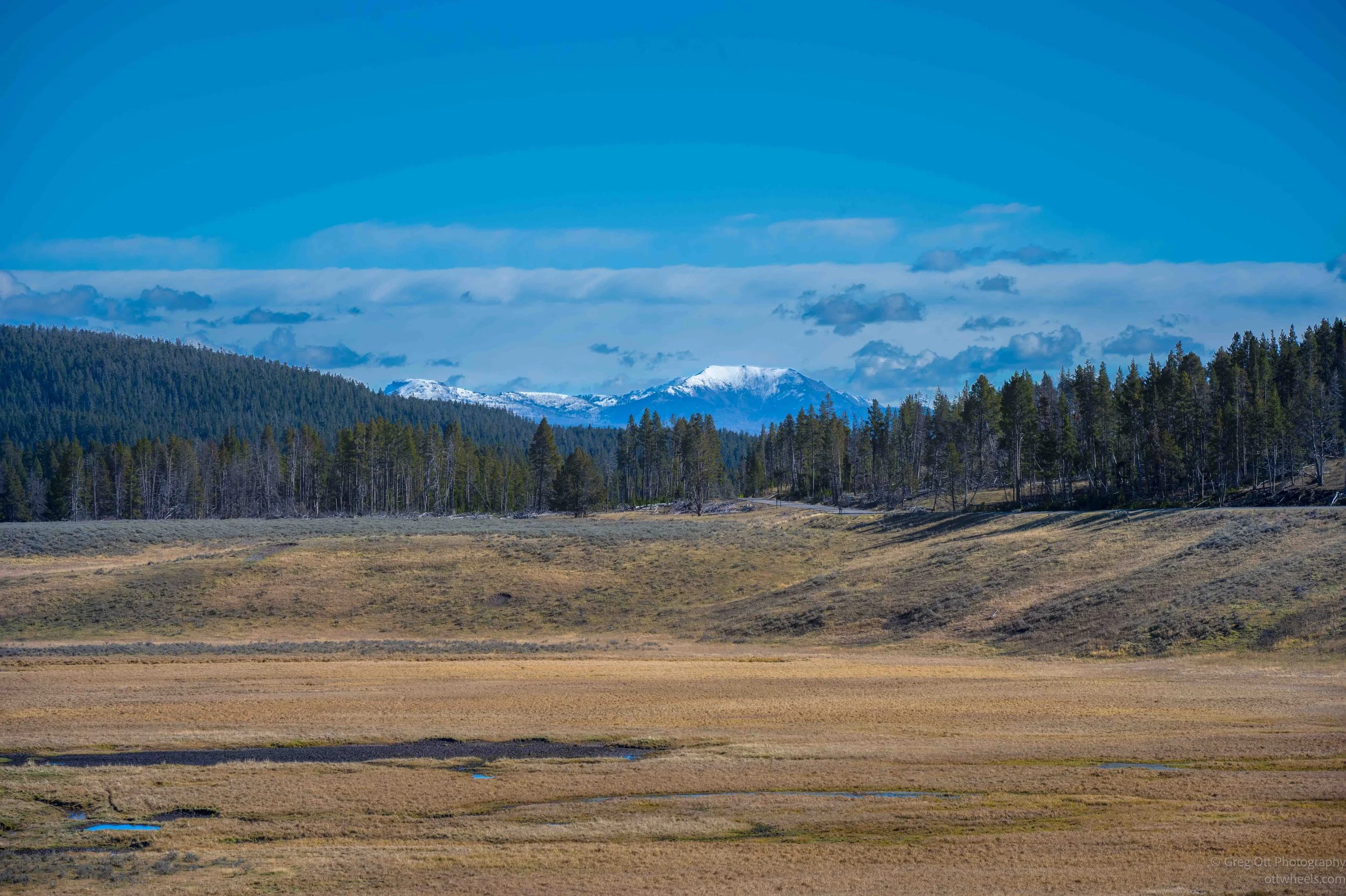
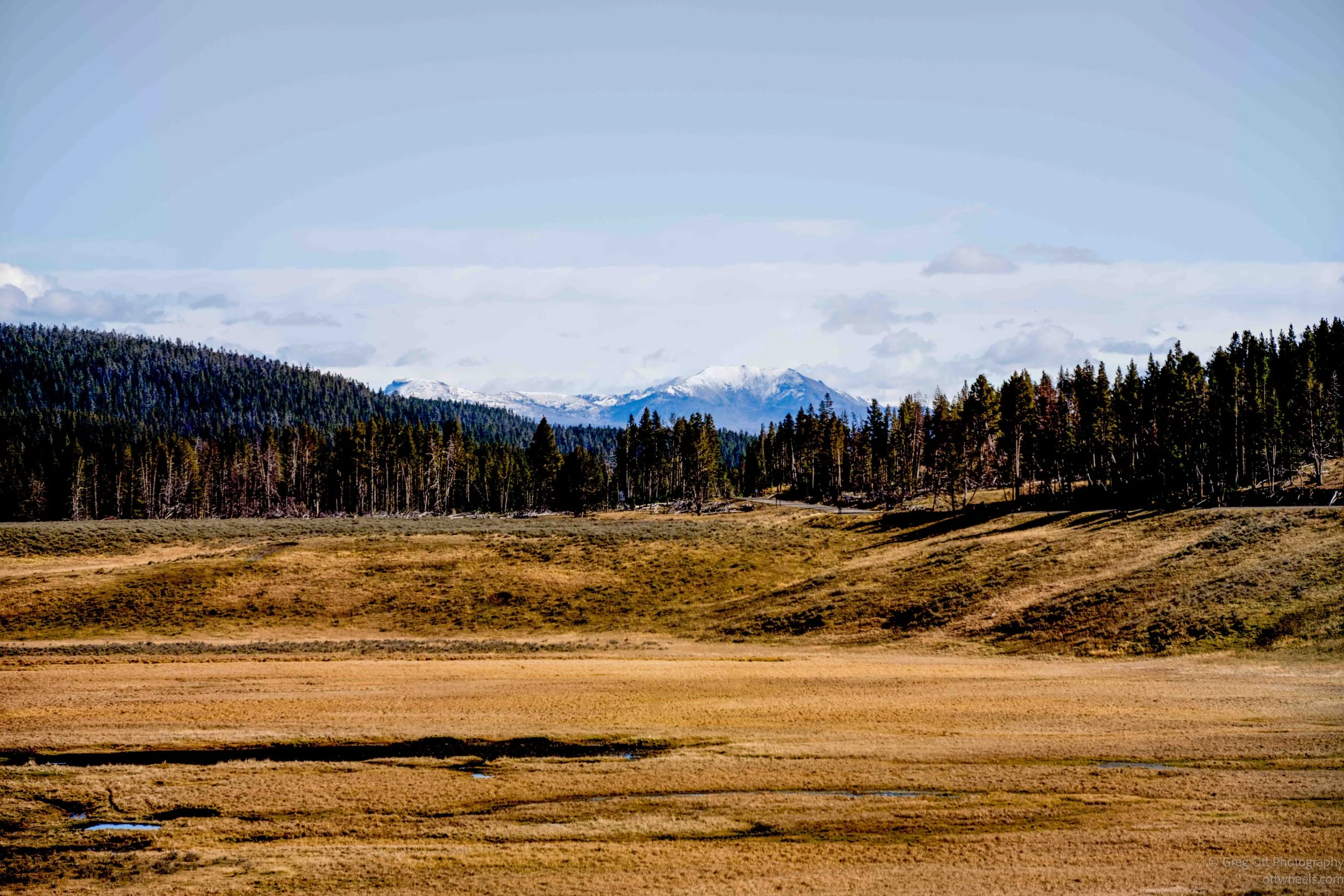
I stopped many more times on the way to the edge of the park, this time for landscapes. Every pullout seemed to offer something different. At one, I looked across a wide, flat meadow of gold grass, cut with dark channels and small pools of standing water, toward a snow-covered peak sitting in a gap between two stands of pine. The road disappeared into the trees right below it. At another, I took a panorama of the river winding through the valley, splitting around low islands of tall golden grass, with a long line of dark forest running across the ridge behind it. Farther on, the river slowed and went smooth, reflecting the hills above it. Those hills were covered in silver-gray sagebrush, rolling up toward a scattering of trees along the top. Overhead, the sky was a deep blue, with a low band of clouds sitting along the horizon behind the mountains.
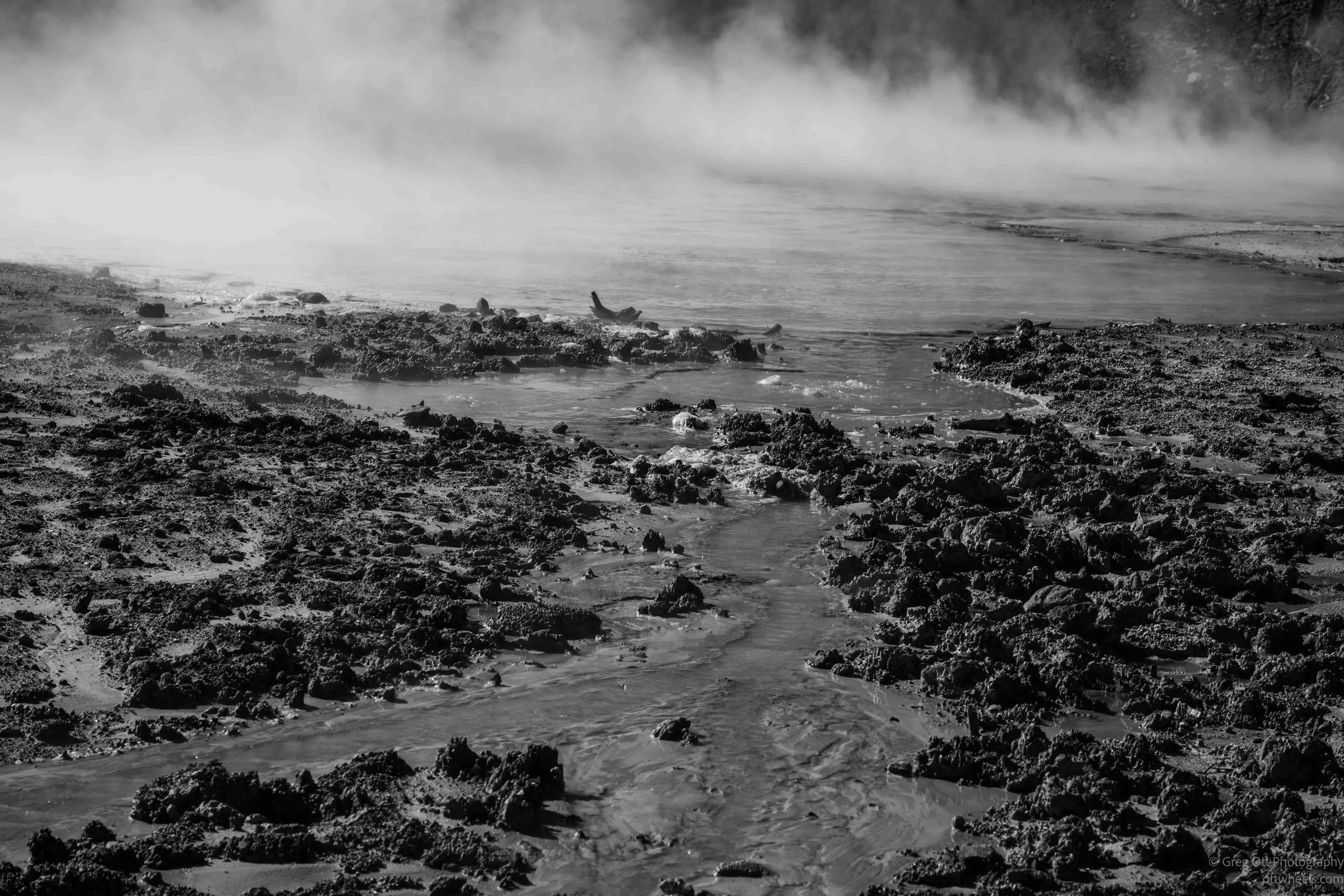
I pulled over at a rest stop and realized there were more mud pools bubbling nearby. They were mostly black and white, with a lot of steam coming off of them in the cold air. Every so often a breeze would pass over and push the steam aside, revealing the bubbling pool below for a few seconds before it closed back in.
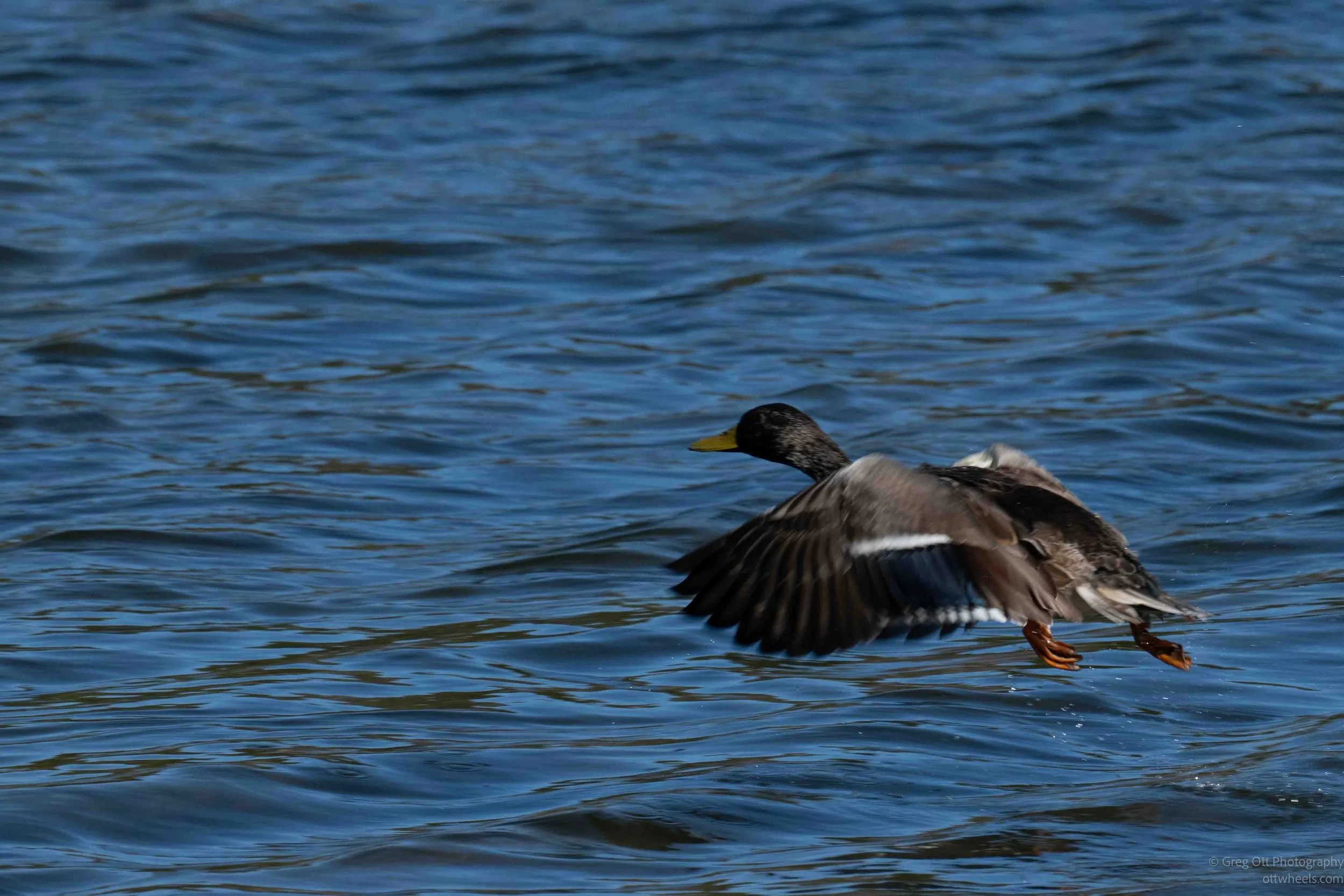
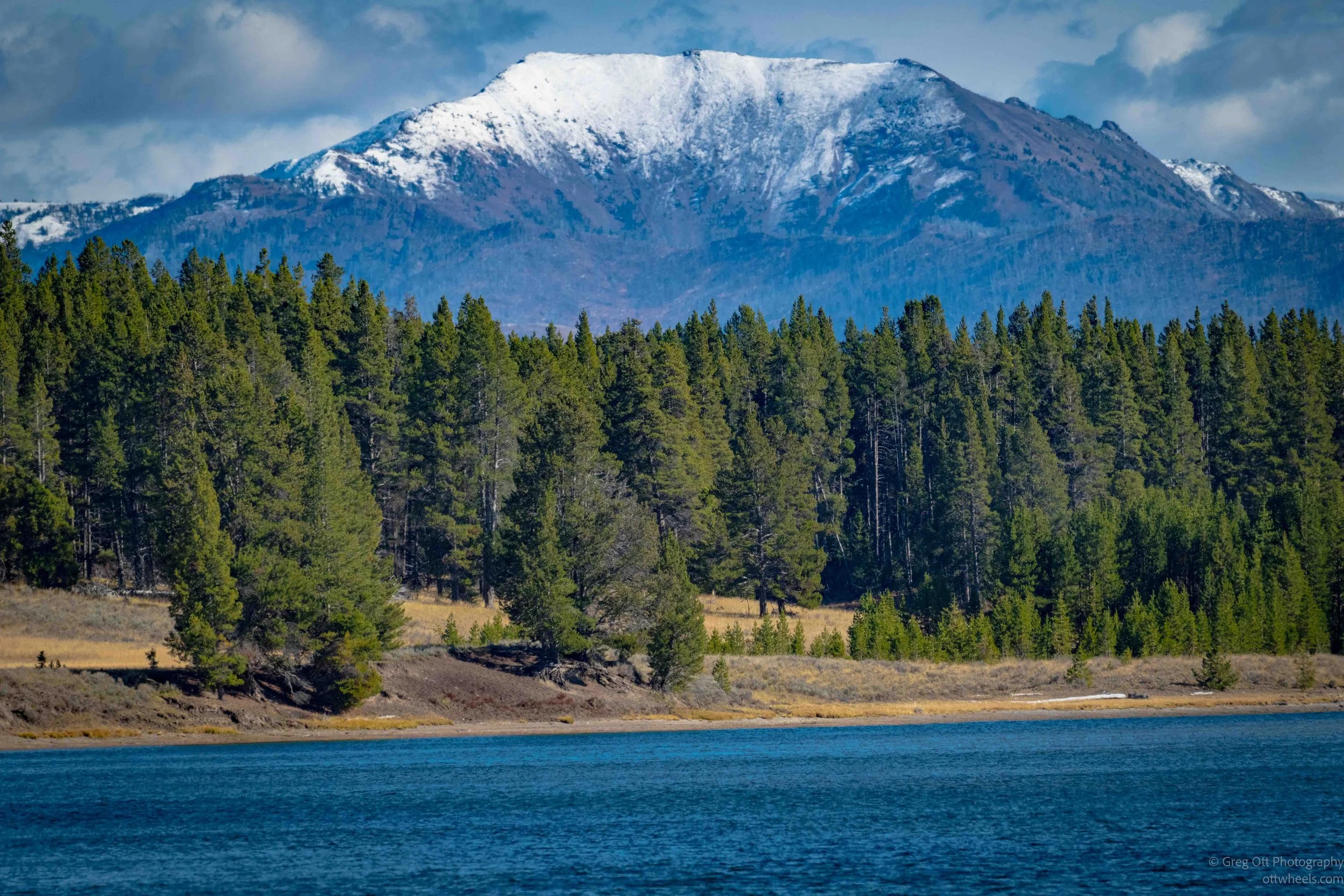
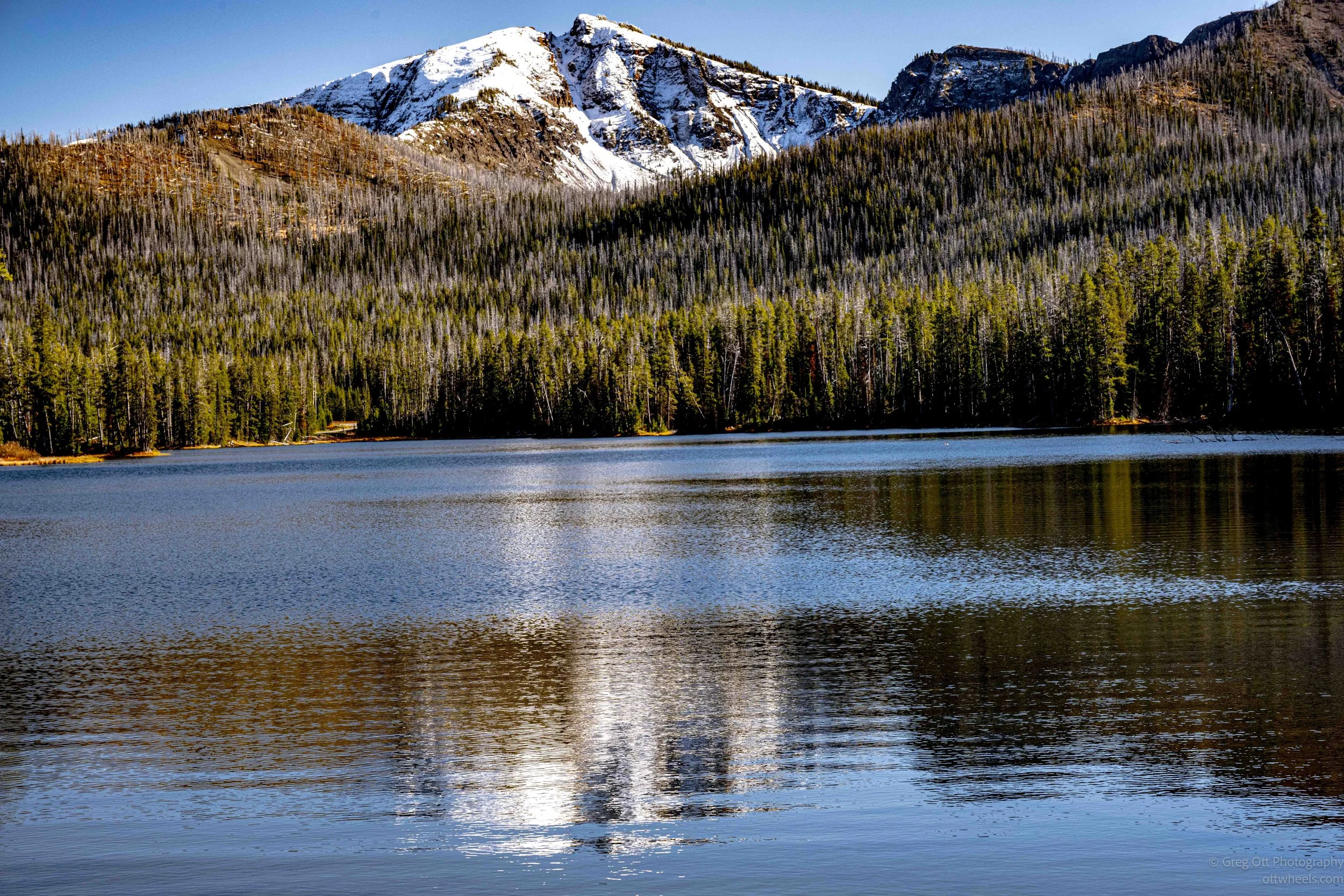
Before leaving the park, the road ran along Yellowstone Lake. A mallard lifted off the water in front of me, and across the lake a snow-covered mountain rose above the pines. Farther up, near Sylvan Pass, Sylvan Lake reflected another snowy peak, with the gray trunks of dead trees covering the slopes around it. Then the road climbed over Sylvan Pass, at 8,530 feet, and started down toward the East Entrance.
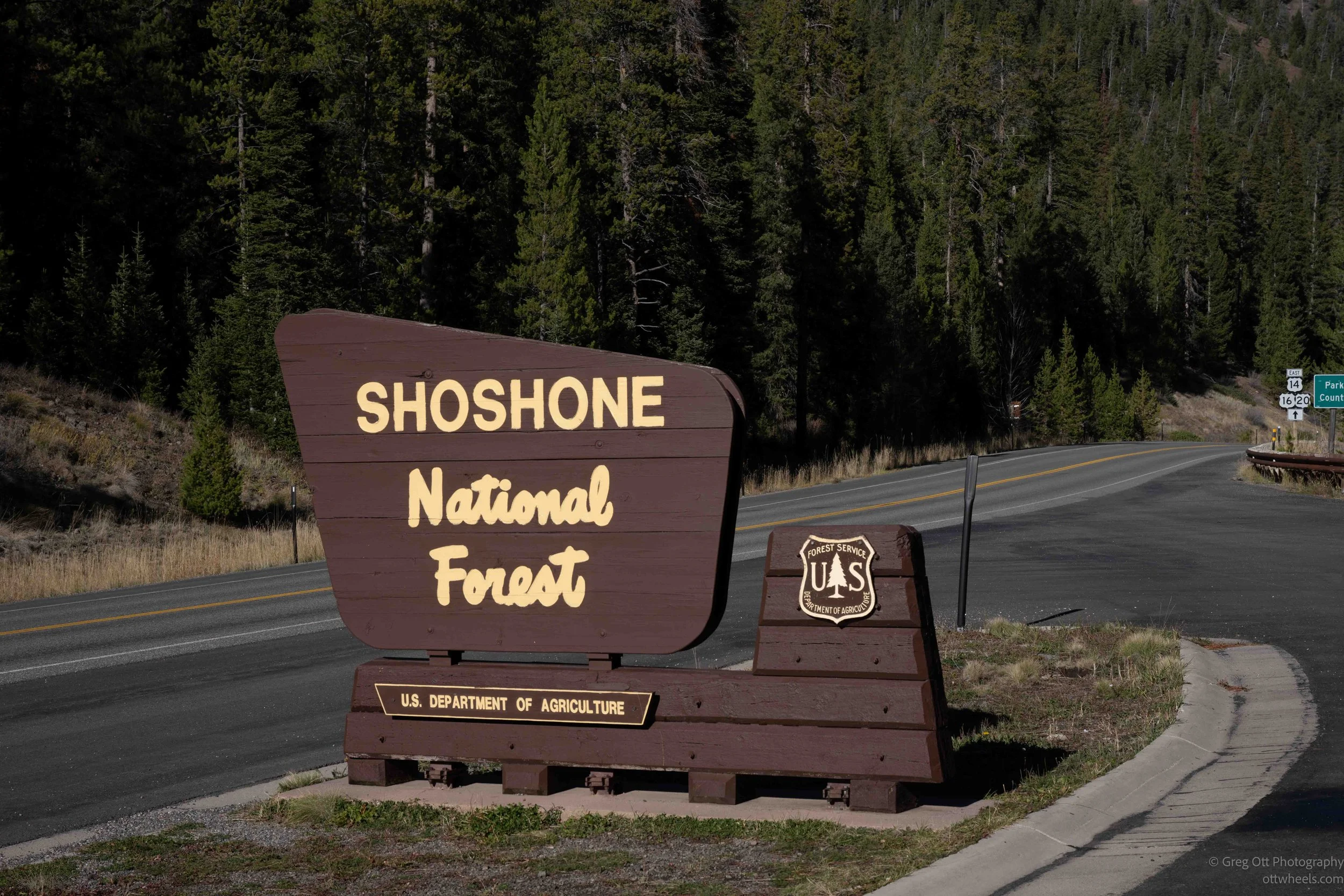
Then I was out of Yellowstone and into Shoshone National Forest, the first national forest in the country. I stopped for a late lunch at a pull-off. The air was fragrant with pine and fall flowers. It had warmed up a bit, so I had the side door open and listened to a stream running somewhere inside the forest. There were beautiful places all along this stretch, from rock spires standing over the road to a couple of trees gone bright yellow against the dark hills.
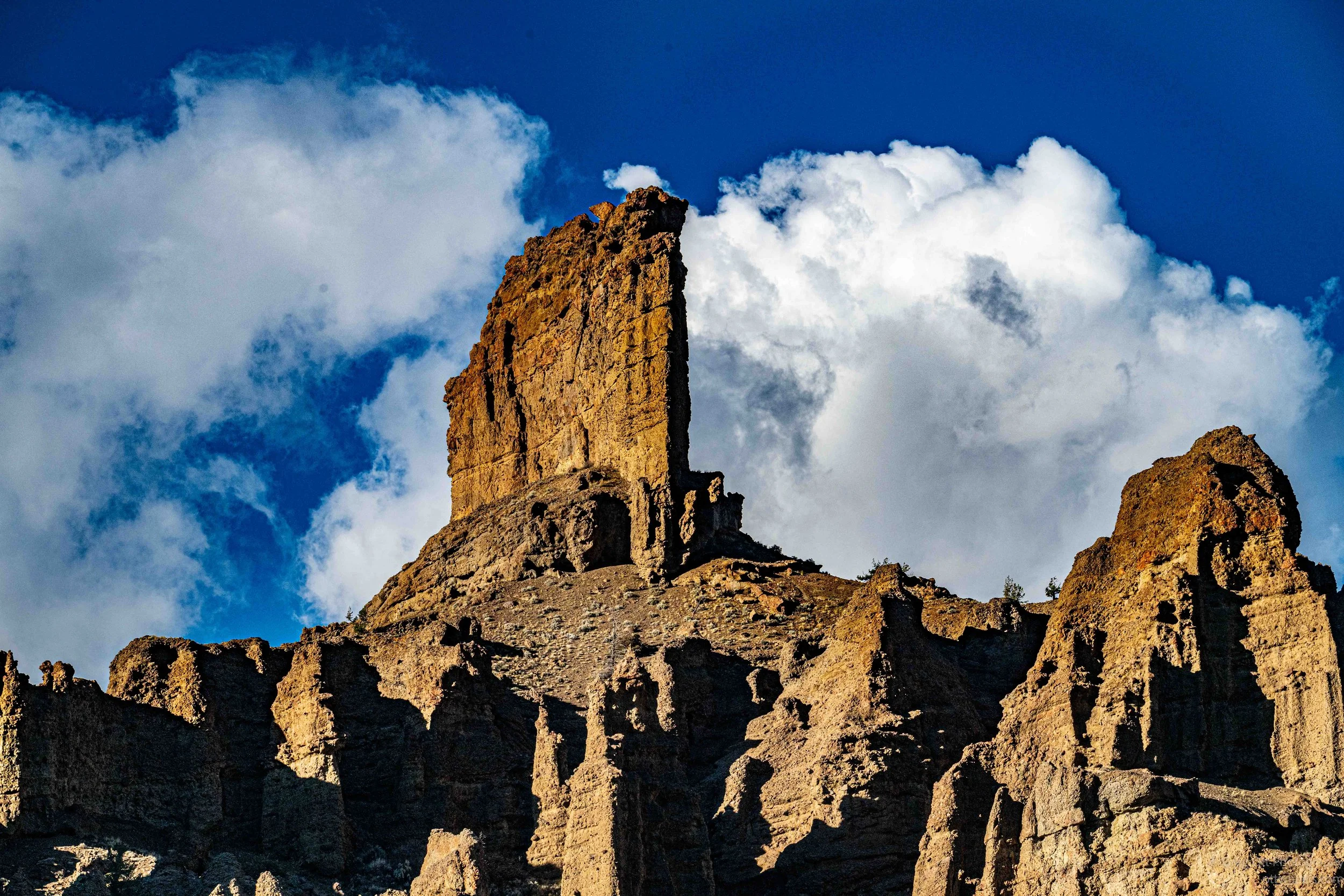
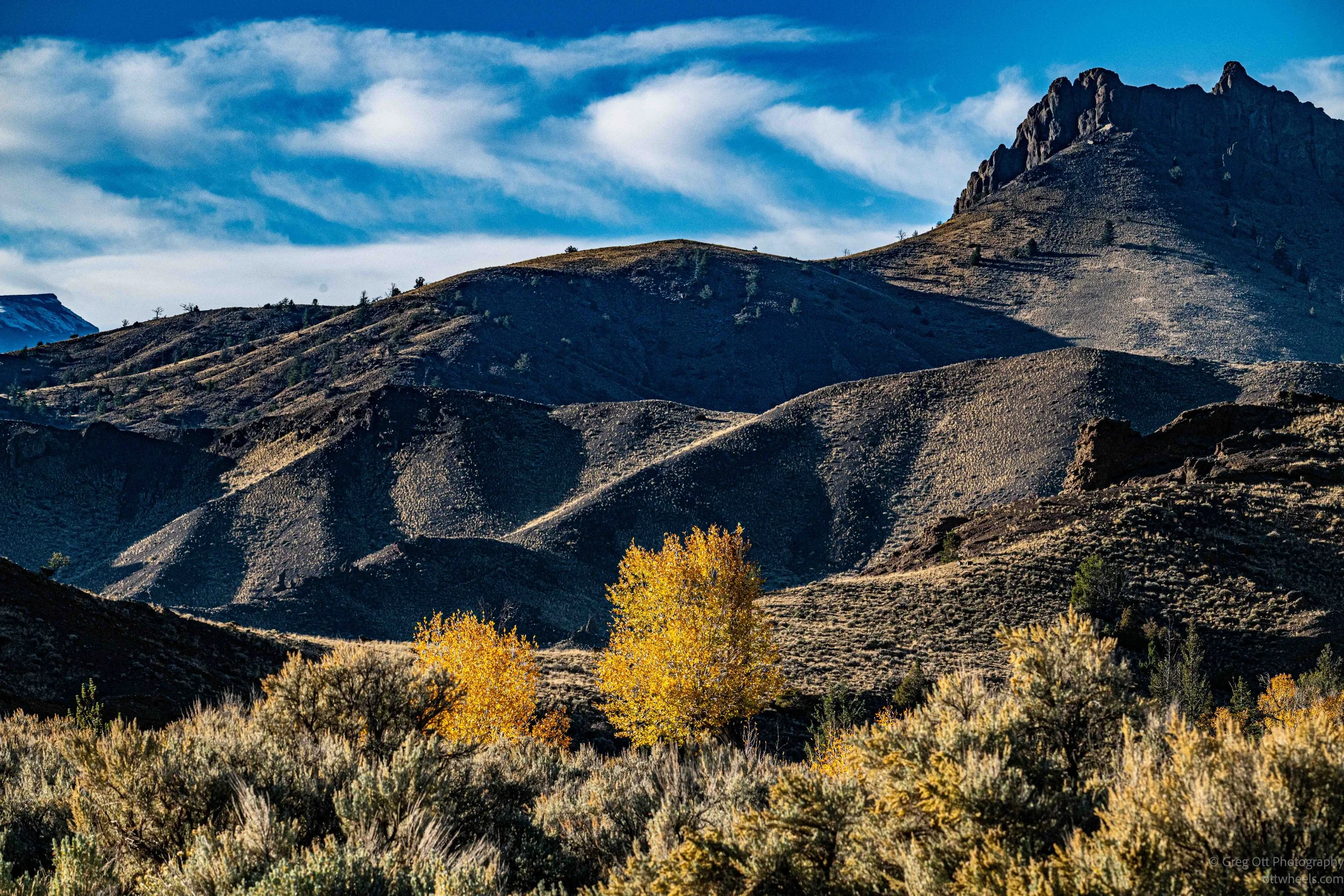
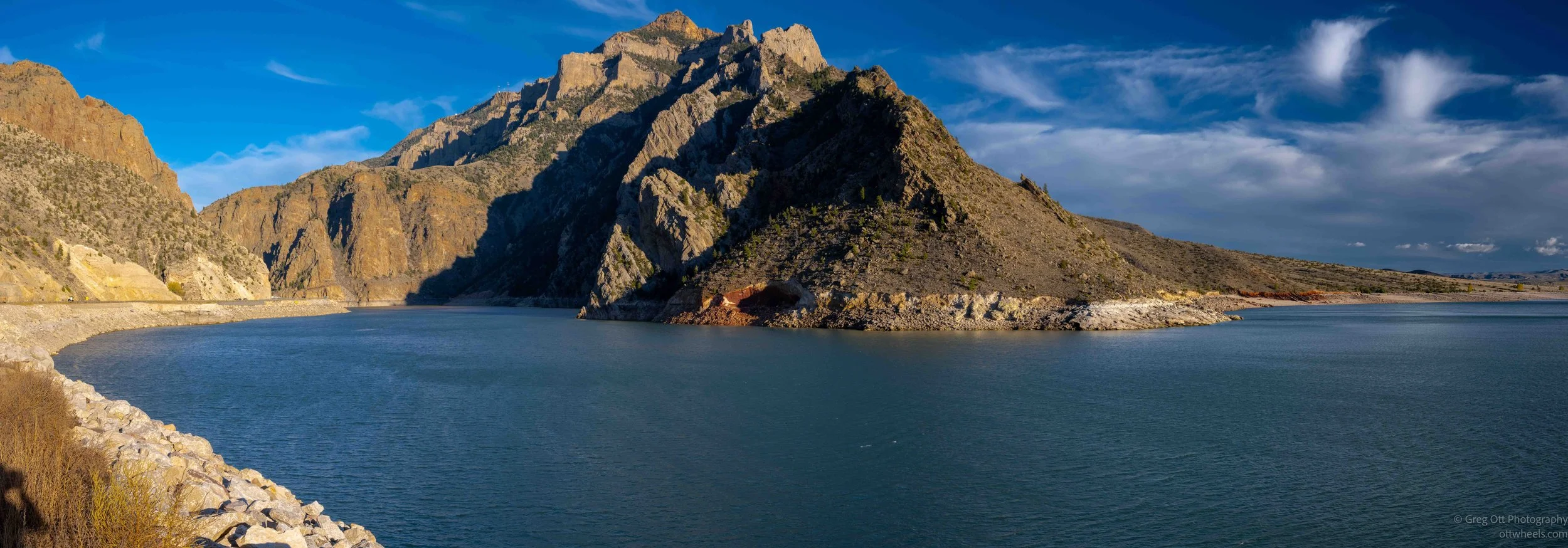
I was getting closer to Cody, but with all the stops, it had taken most of the afternoon to get this far. I stopped along Buffalo Bill Reservoir and again at Buffalo Bill Dam. The dam was finished in 1910 and, at 325 feet, was the tallest in the world at the time. The colors were vivid in the late afternoon sun: deep blue water, red and tan rock along the shoreline, and big mountains rising straight out of the reservoir.
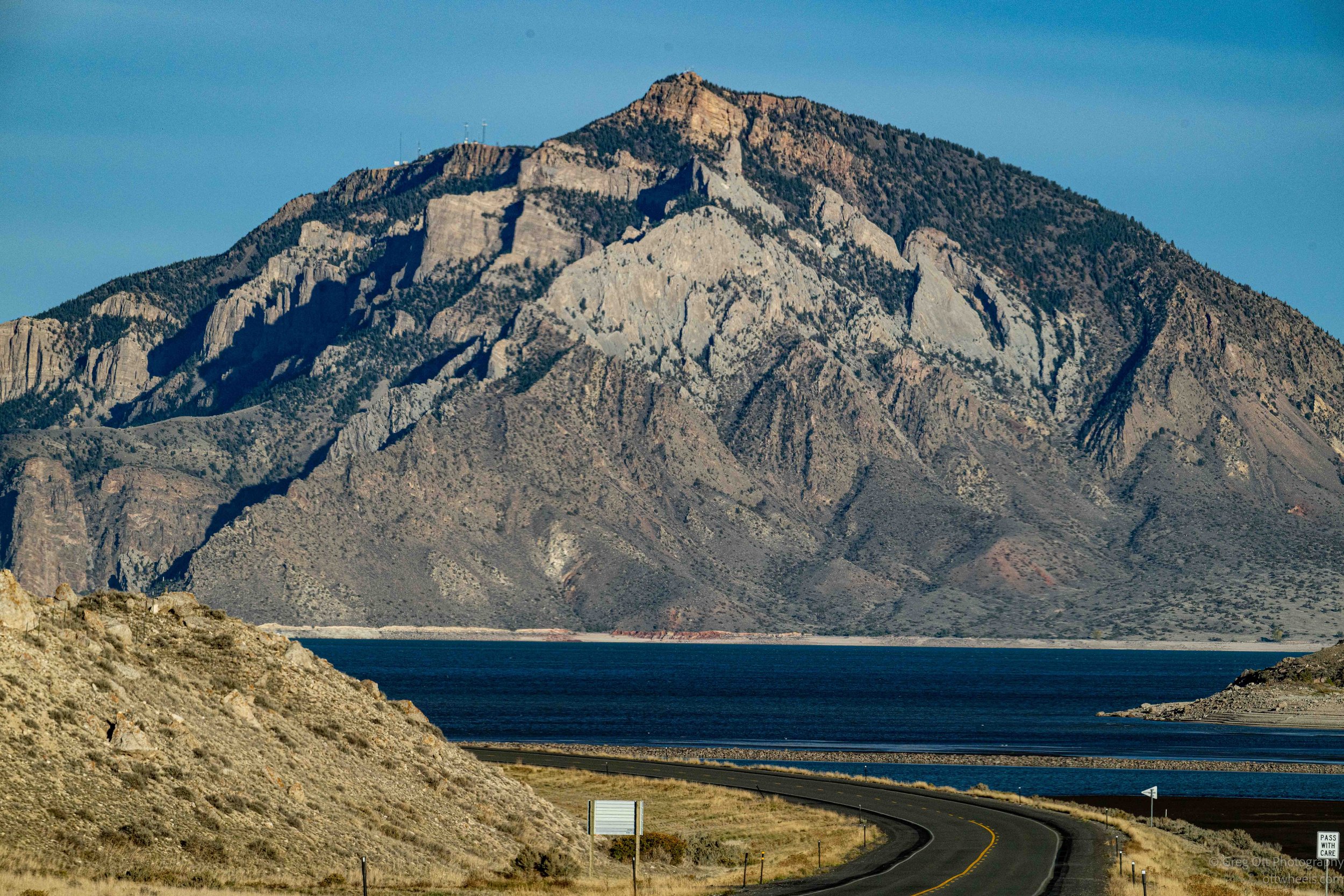
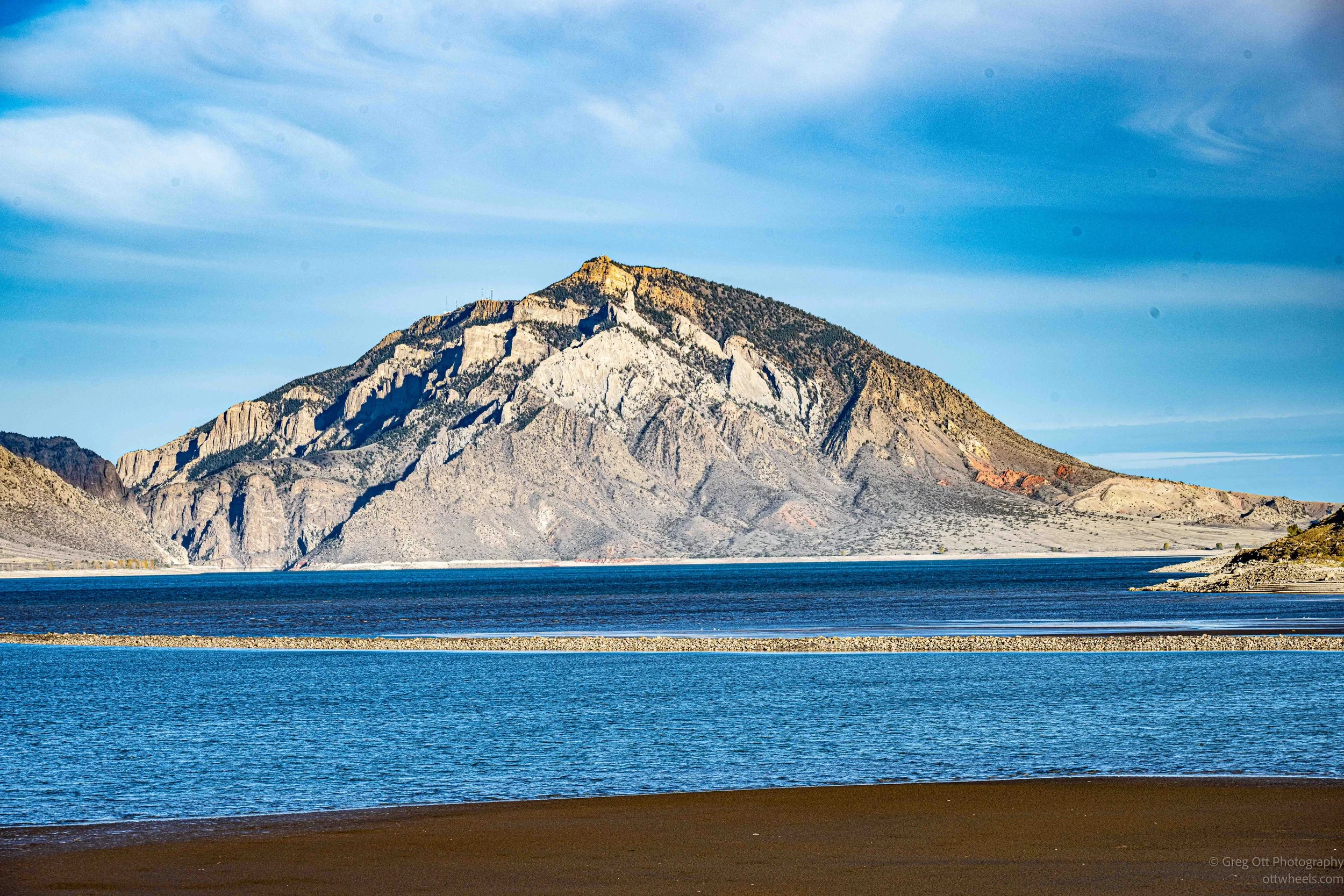
So much for touring Cody today. It was 6 p.m. when I pulled into the Albertsons in town. I spent some time shopping, and by the time I came out it was getting dark quickly. I found a BLM staging area about 10 minutes from town where people had overnighted recently, and it was dark when I pulled in. I took a 10-minute break, made dinner, and then spent the rest of the evening processing photos before calling it a night.
The drive was supposed to take three hours. It took all day, and most of that was my own doing: a waterfall, a meadow, an hour with the buffalo, a coyote hunting mice, and more pullouts than I can count. Cody would have to wait until tomorrow.