
Boise: Old Penitentiary & Botanical Garden
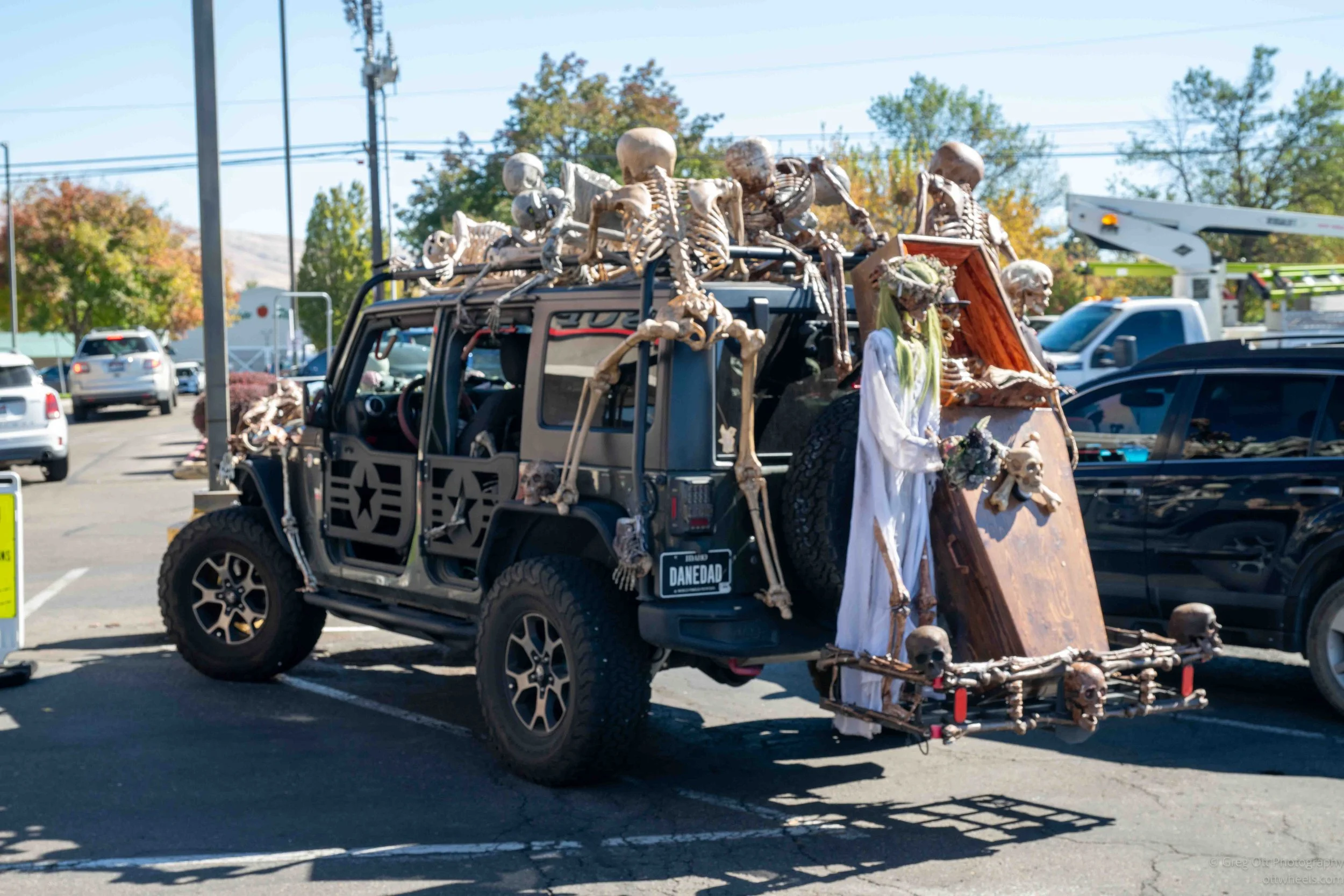
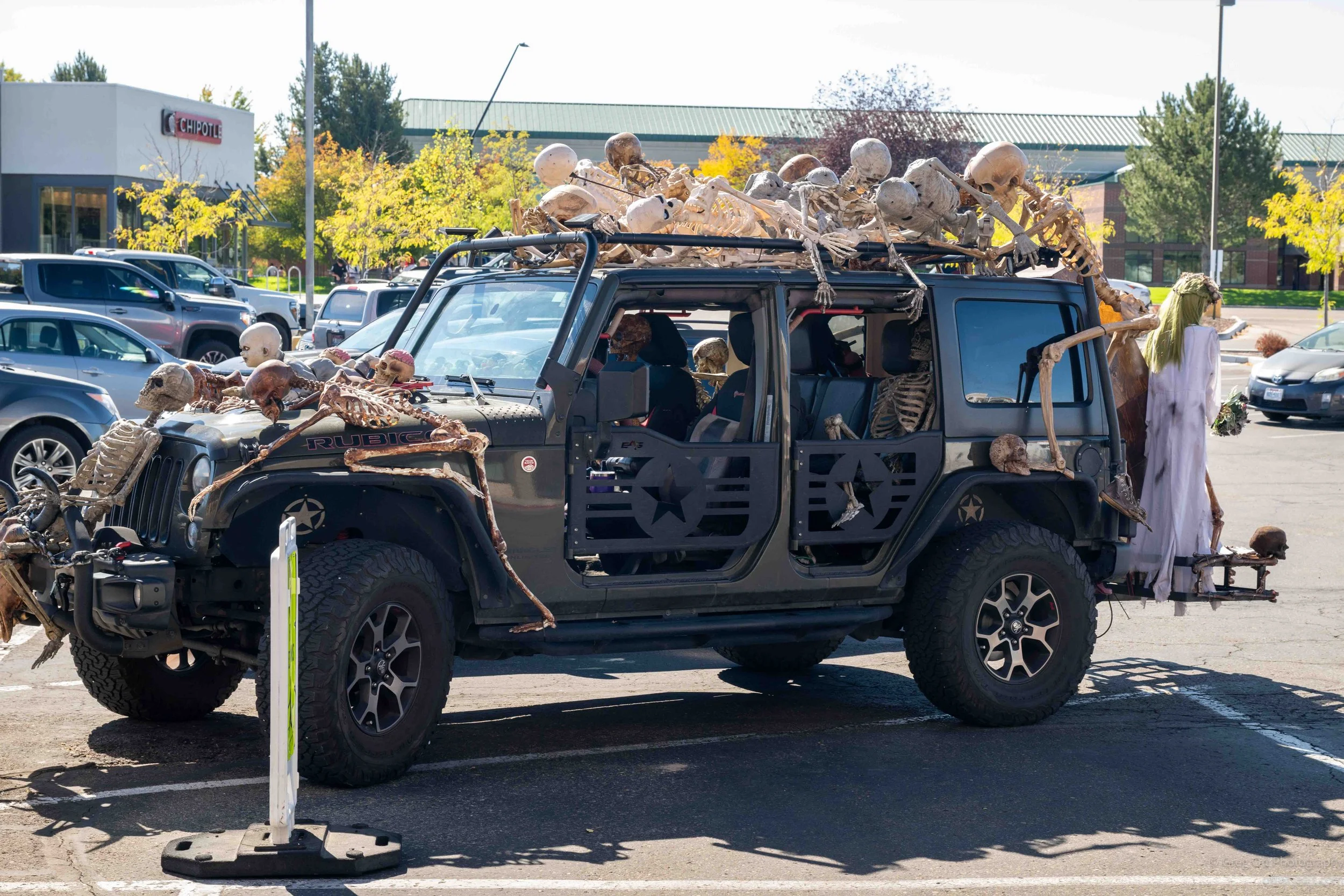
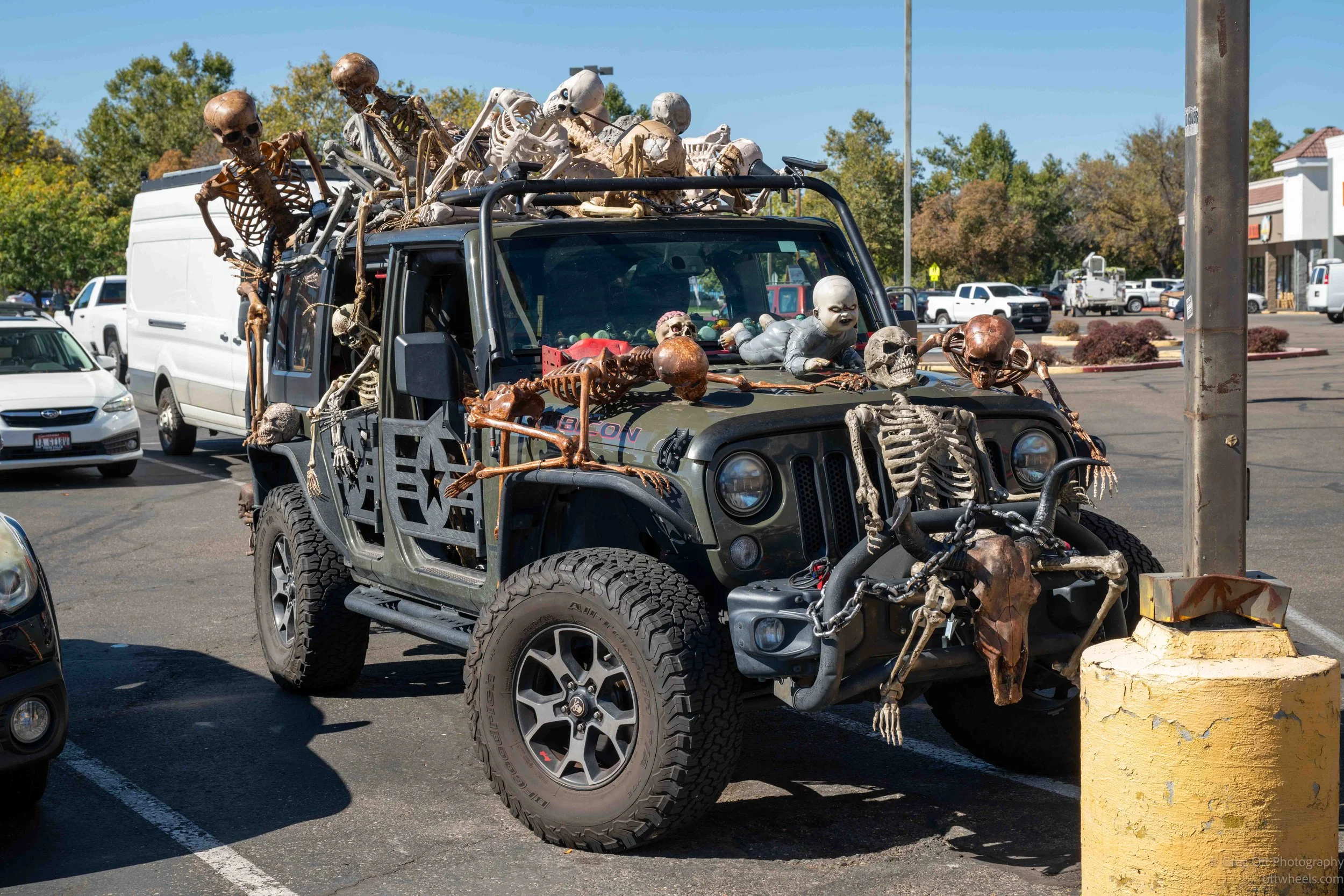
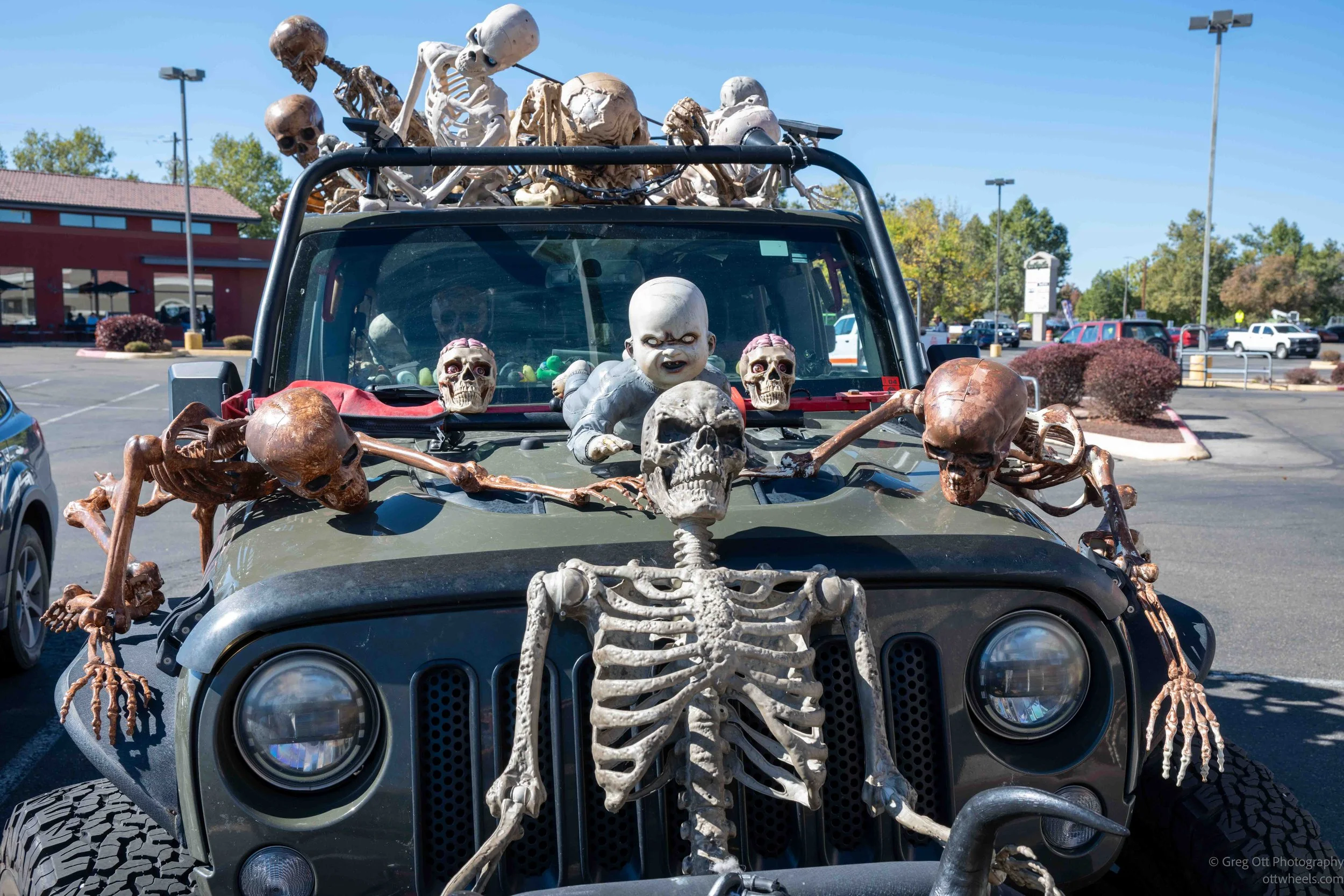
I spent a few hours at Starbucks catching up on some work while enjoying a bagel and a latté. When I walked outside, I found a Jeep parked directly in front of me that was completely covered with skeletons. I’ve seen people get carried away with Halloween decorations, but this was something else. There must have been twenty skeletons piled on the roof, crawling across the hood, hanging from the doors and clinging to the bumpers. There were even a few riding inside. A particularly nasty looking baby was crawling up the windshield, surrounded by skulls. I wondered if the driver had picked up a few hitchhikers along the way and things had gotten out of hand.
I walked around the Jeep taking photographs, discovering something new with every step. At the back was a coffin with a rather frightening bride standing beside it, apparently still waiting for the groom. Skulls and bones were attached to just about every available surface. Whoever owned this Jeep had clearly put a tremendous amount of work into it. I couldn't help wondering what it looked like driving down the highway at 70 mph. With that many skeletons hanging off the sides, I suspect the driver occasionally arrives at a destination with fewer passengers than when they started. I also wondered what the police would say if they pulled it over. "Sir, do you know how many people you're carrying without seat belts?"
Around 11, I drove to the Boise Art Museum (BAM). At the entrance, I was told that photography wasn't allowed, not even with a phone. Apparently, the concern was that artists' ideas or work might be copied. I found that a little difficult to understand. You would think artists would welcome people photographing their work, sharing it on social media and generating interest in their exhibitions. A photograph isn't the same as reproducing the original artwork, although I understand there can be copyright considerations. The interaction at the front desk wasn't particularly welcoming, and I decided to move on. I still had several other places on my itinerary for the day.
Old Penitentiary
I had met a couple of people during my travels who suggested visiting the Old Idaho Penitentiary in Boise. I wasn't sure what to expect, but it turned out to be one of the more interesting places I visited in the city. The prison opened in 1872, when Idaho was still a territory, and remained in operation for 101 years before closing in 1973. Much of it was constructed by the prisoners themselves, using sandstone quarried from the nearby foothills. The massive stone buildings, barred windows and high perimeter walls are still standing. I spent more than two hours wandering through the grounds, exploring the cellblocks and reading the historical displays.
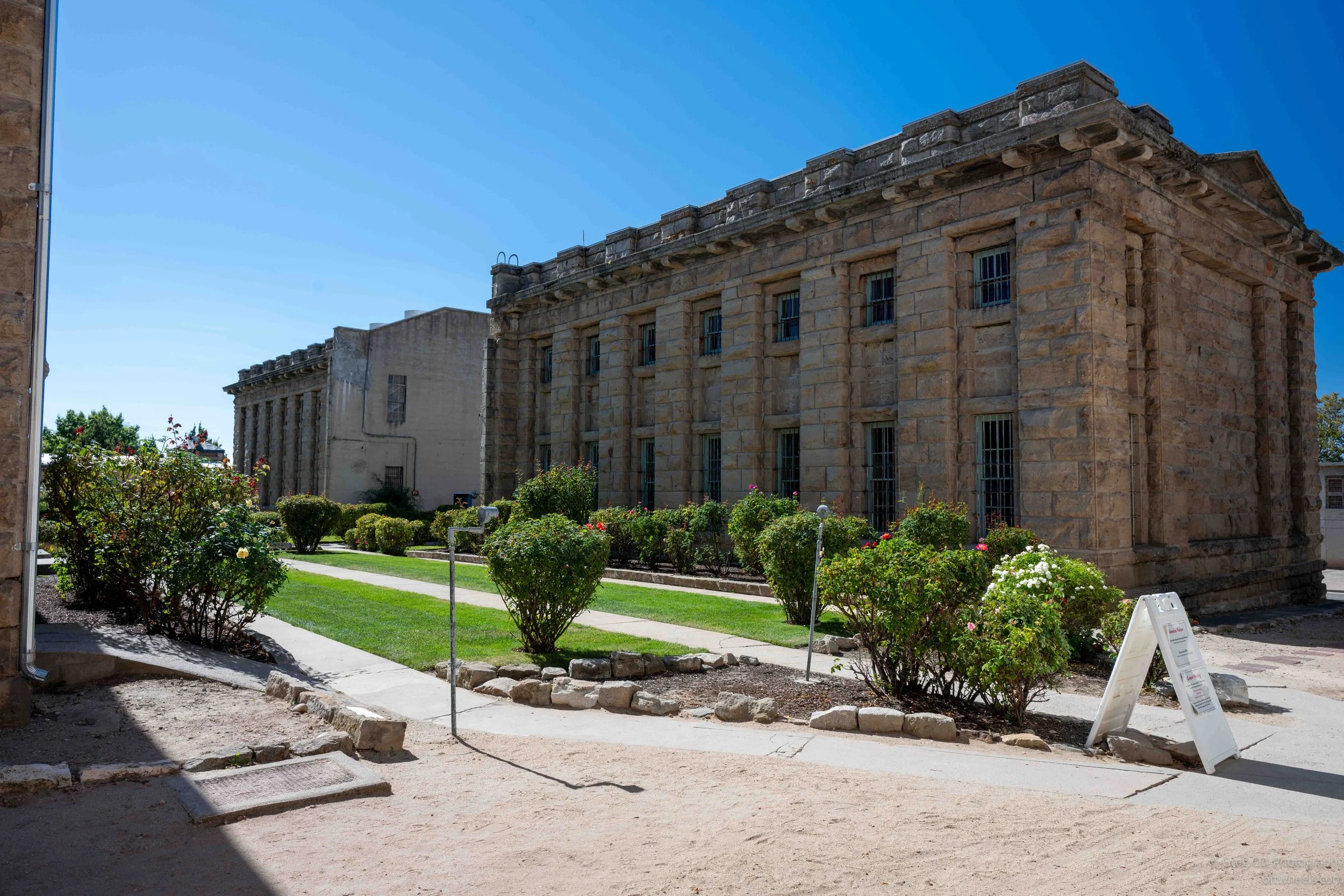
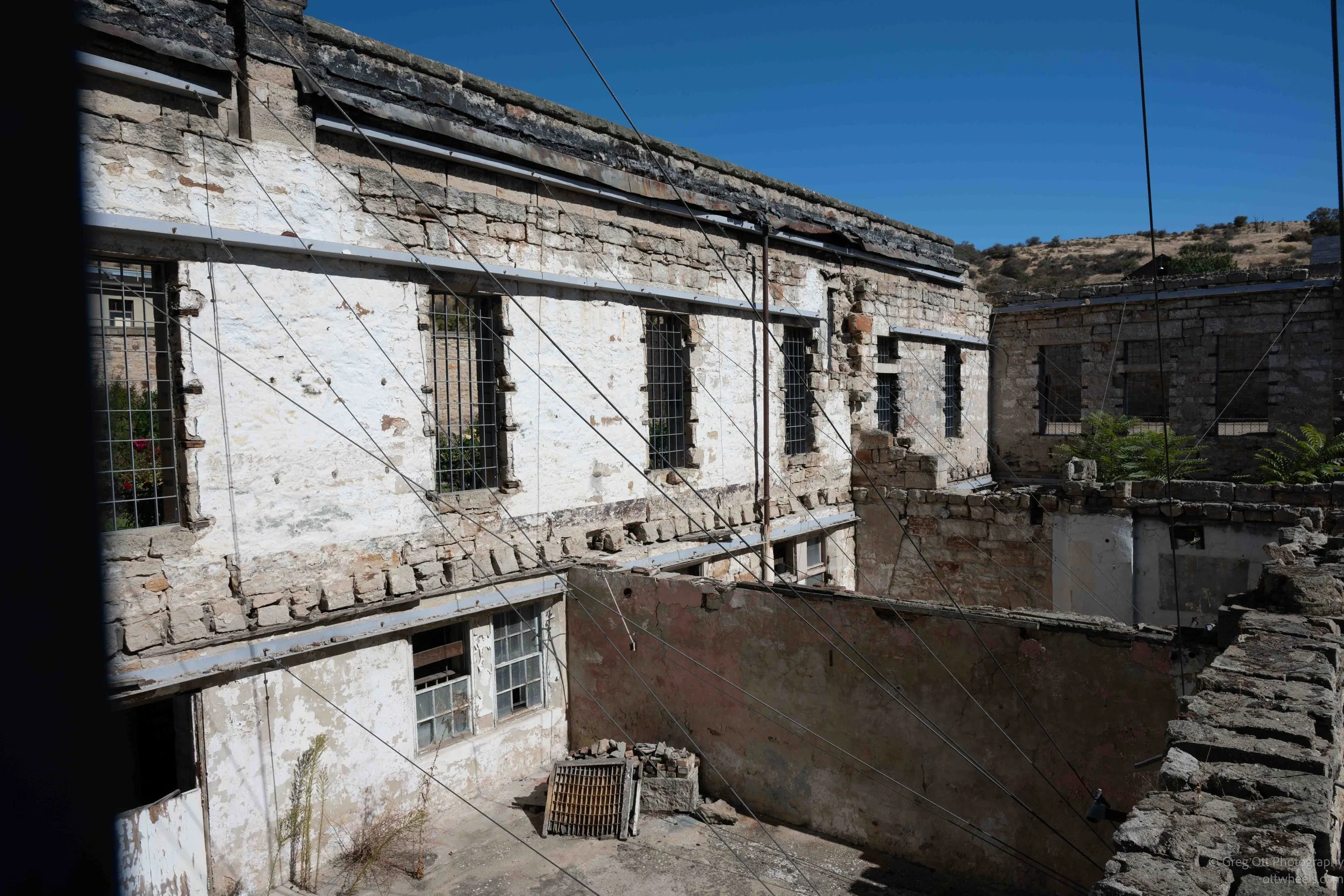
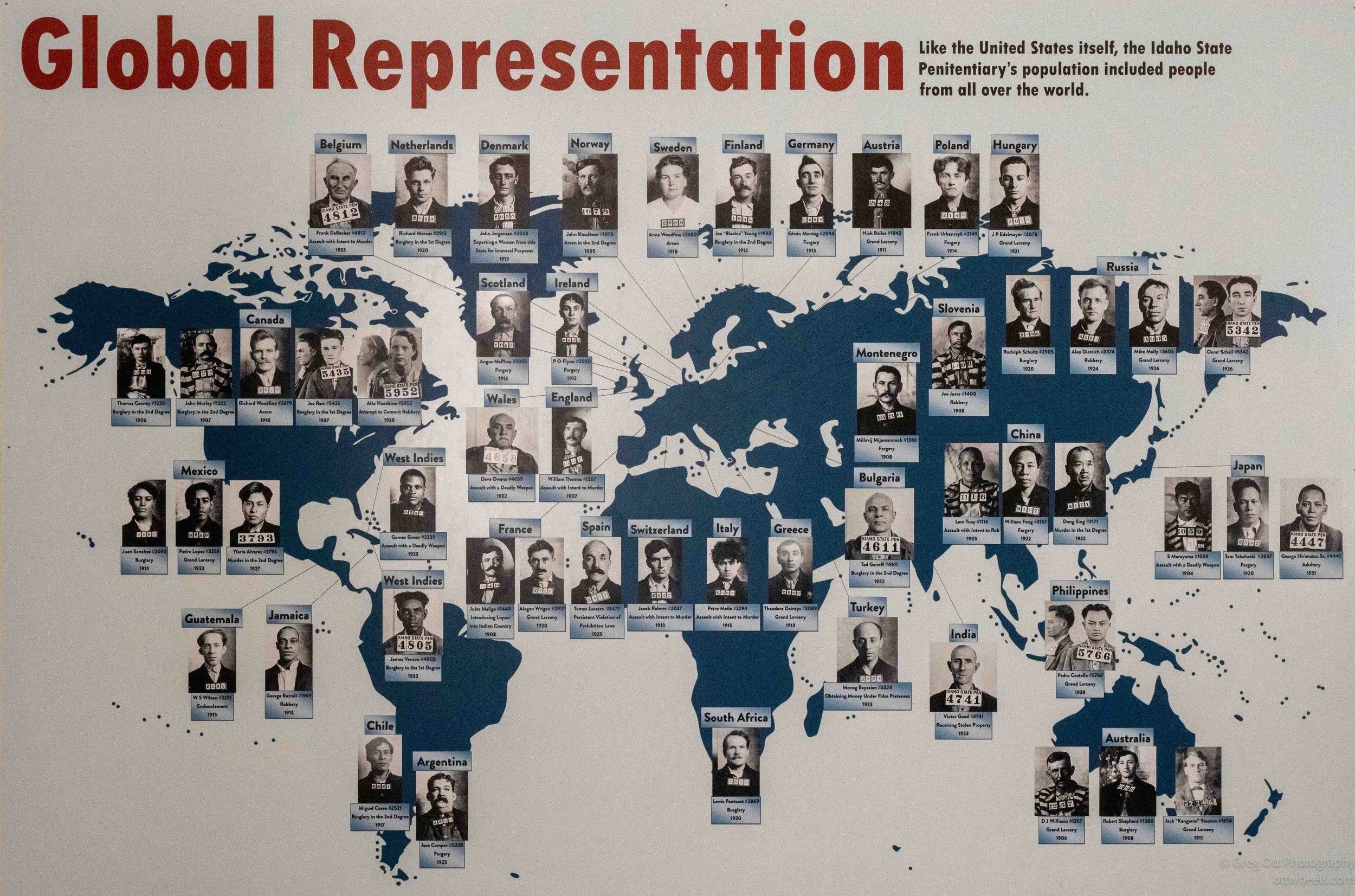
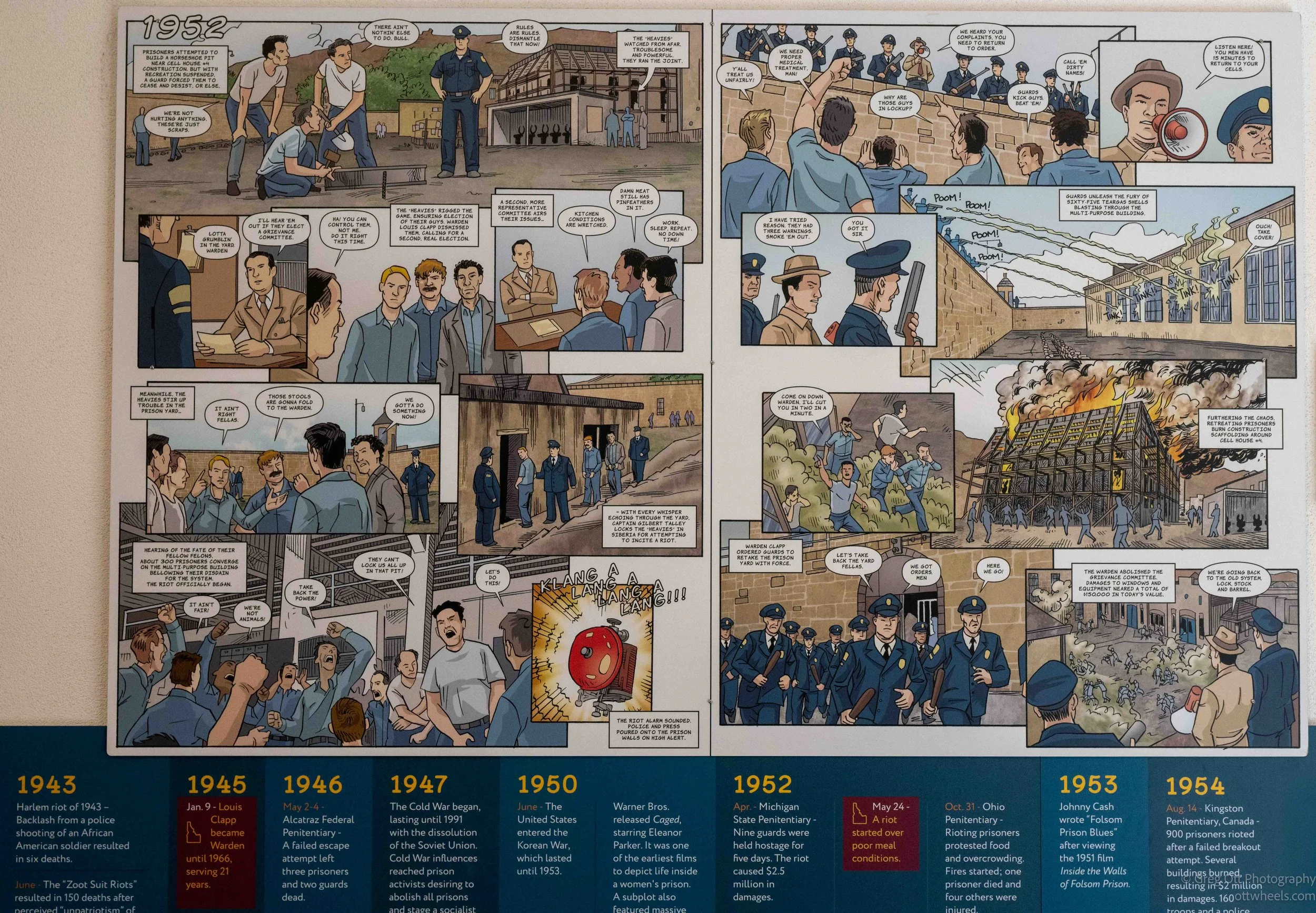
The prison had a rather turbulent history, including escapes, overcrowding and several serious riots. Some of the buildings were heavily damaged during the disturbances in 1971 and 1973, and parts remain in ruins. One of the more interesting exhibits showed photographs of inmates who had come from countries around the world. I hadn't thought much about the diversity of a prison population in Idaho during the early 1900s, but there were prisoners from Europe, Asia, Africa, Australia and throughout the Americas. Another exhibit used comic book illustrations to explain a 1952 prison riot that began with complaints about working conditions and ended with guards firing tear gas and prisoners setting buildings on fire.
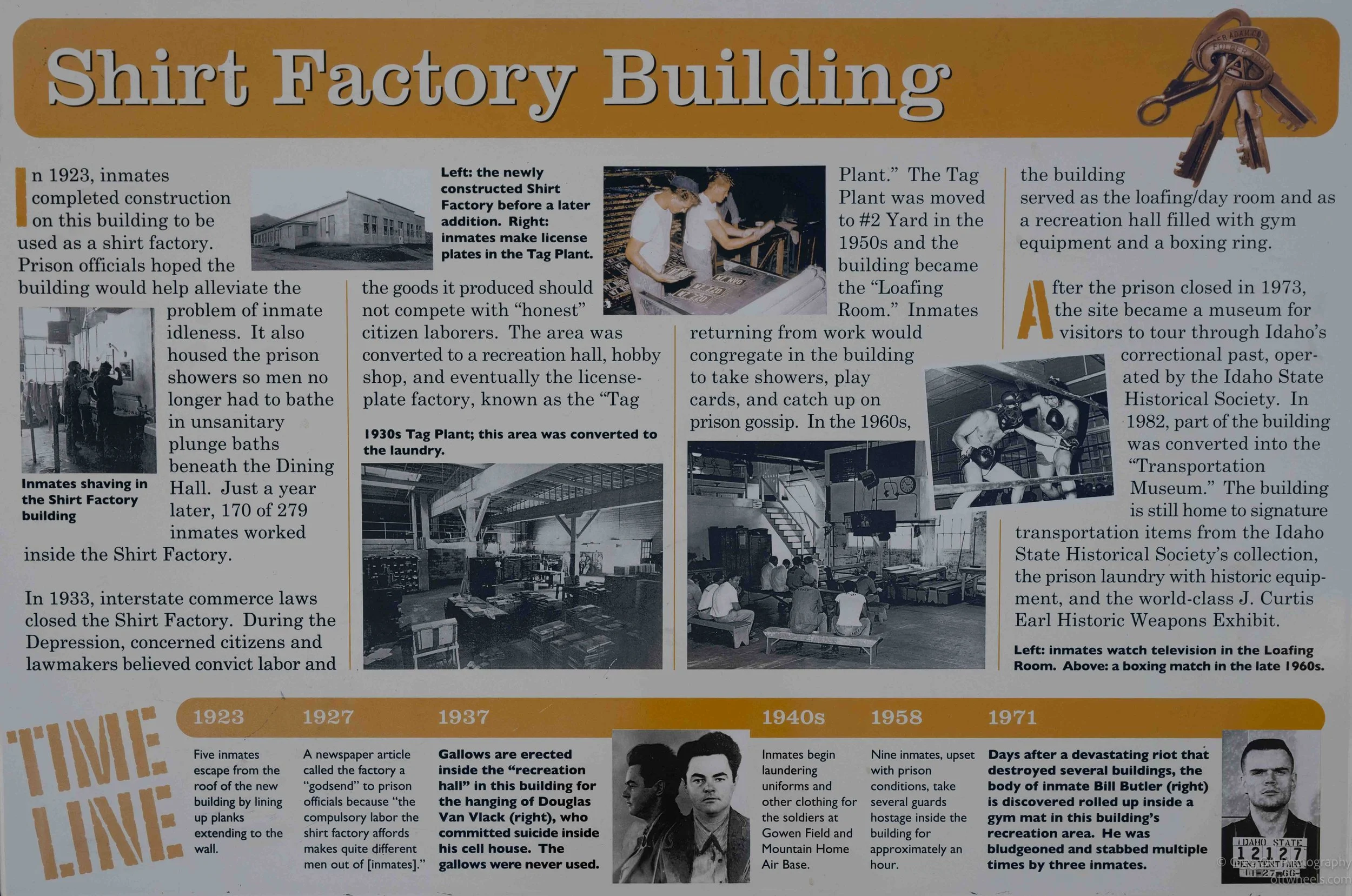
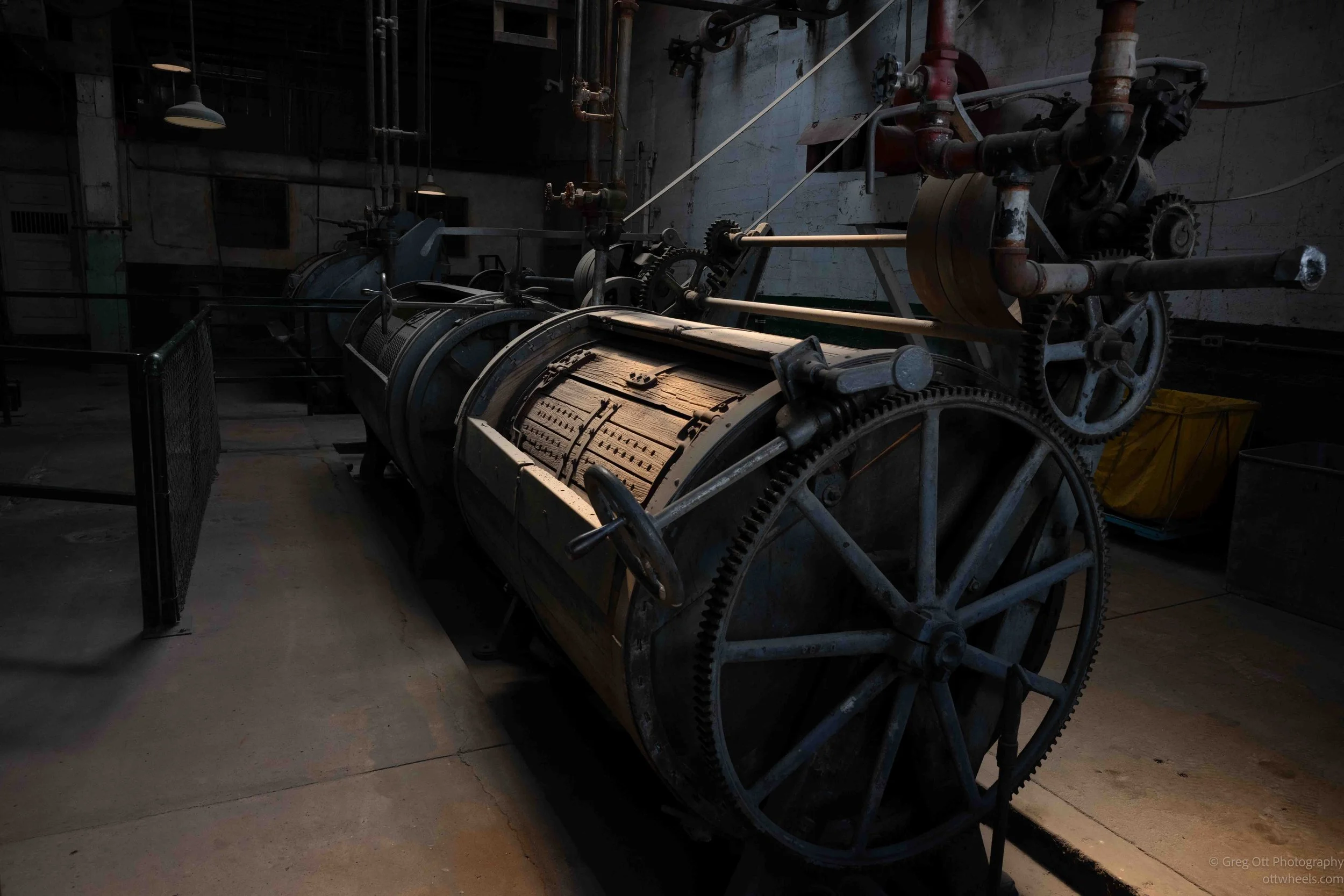
I was particularly interested in how the prison operated as a small, largely self-contained community. The Shirt Factory building was constructed by inmates in 1923, originally to provide work making clothing. It later became a laundry, recreational hall, hobby shop and license plate factory. Inmates also had access to showers, a barber shop and recreational activities. One display described how the building was converted into a place where prisoners could relax after work, play cards and catch up on prison gossip. It was an interesting contrast to the confinement of the cellblocks. The old industrial machinery was still there, with its enormous gears, wheels and complicated mechanical assemblies. I spent some time photographing the machinery and the deteriorating buildings.
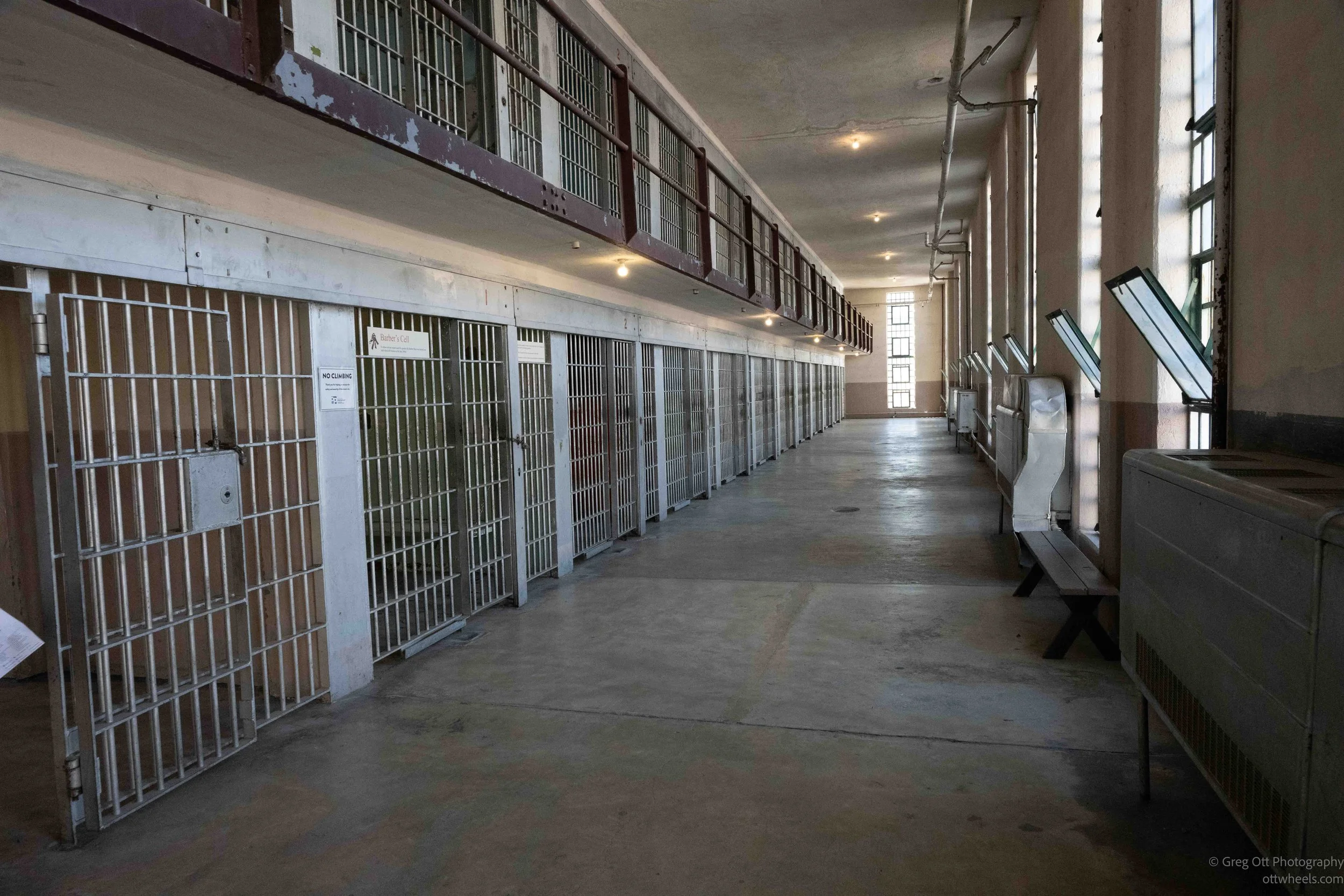
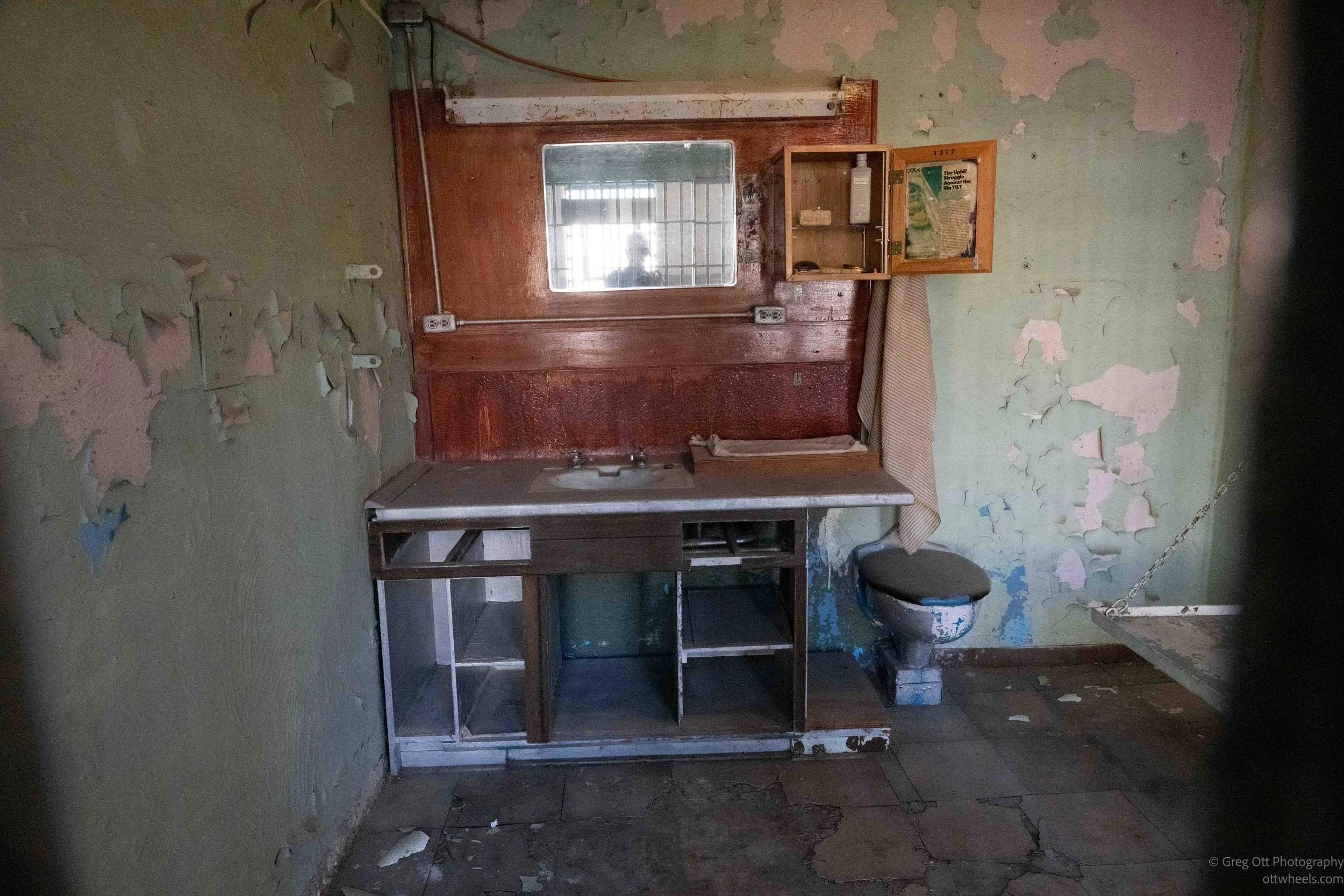
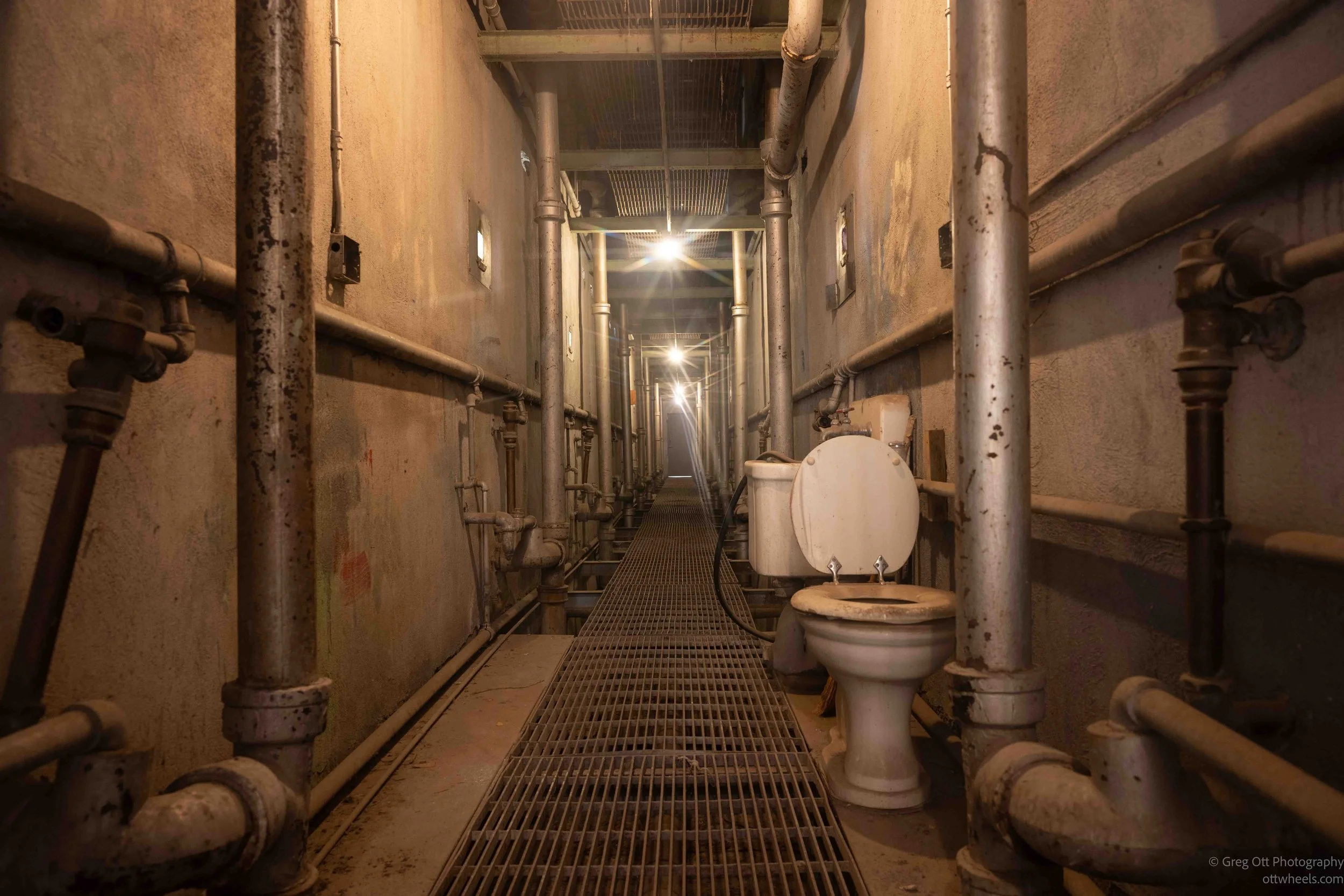
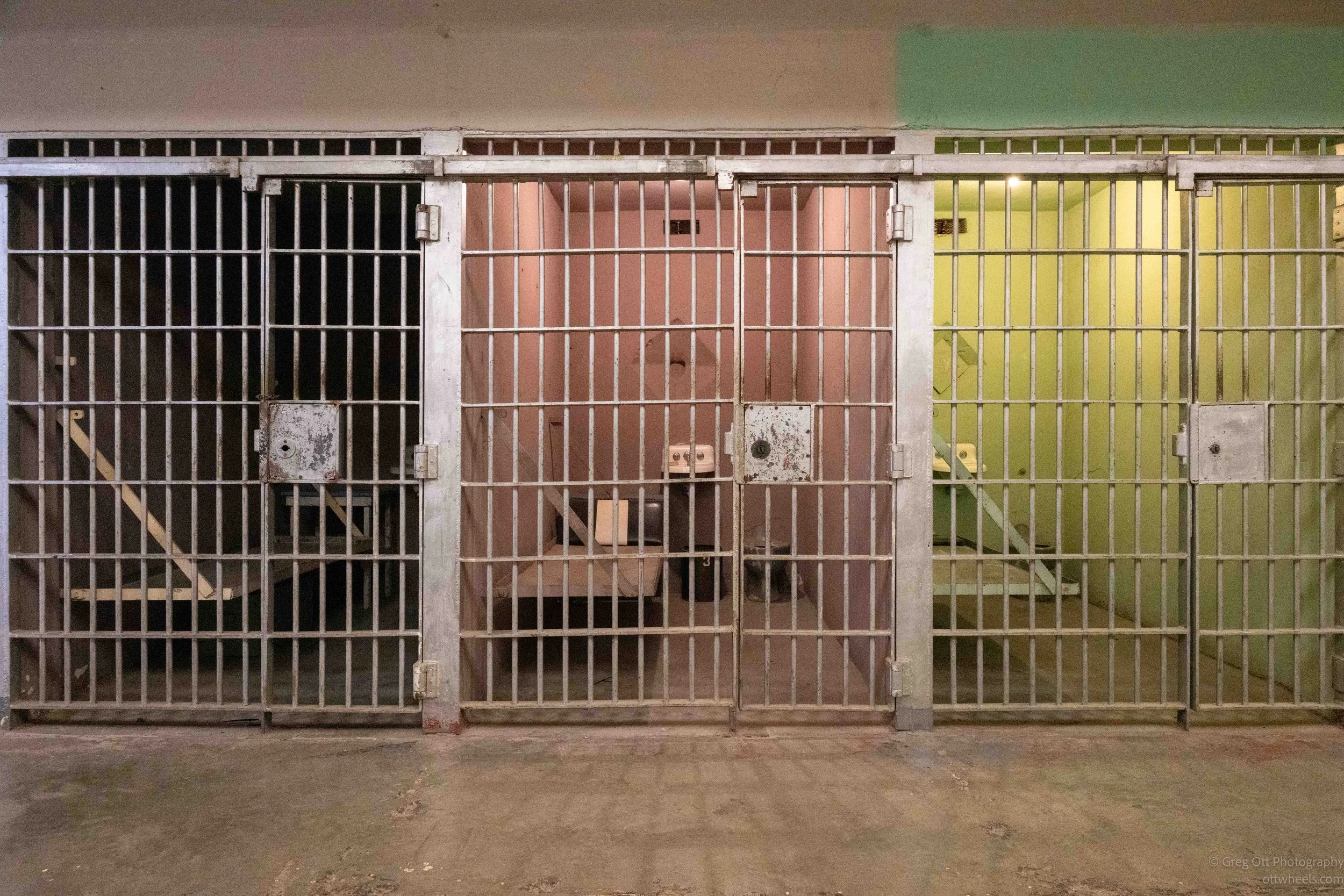
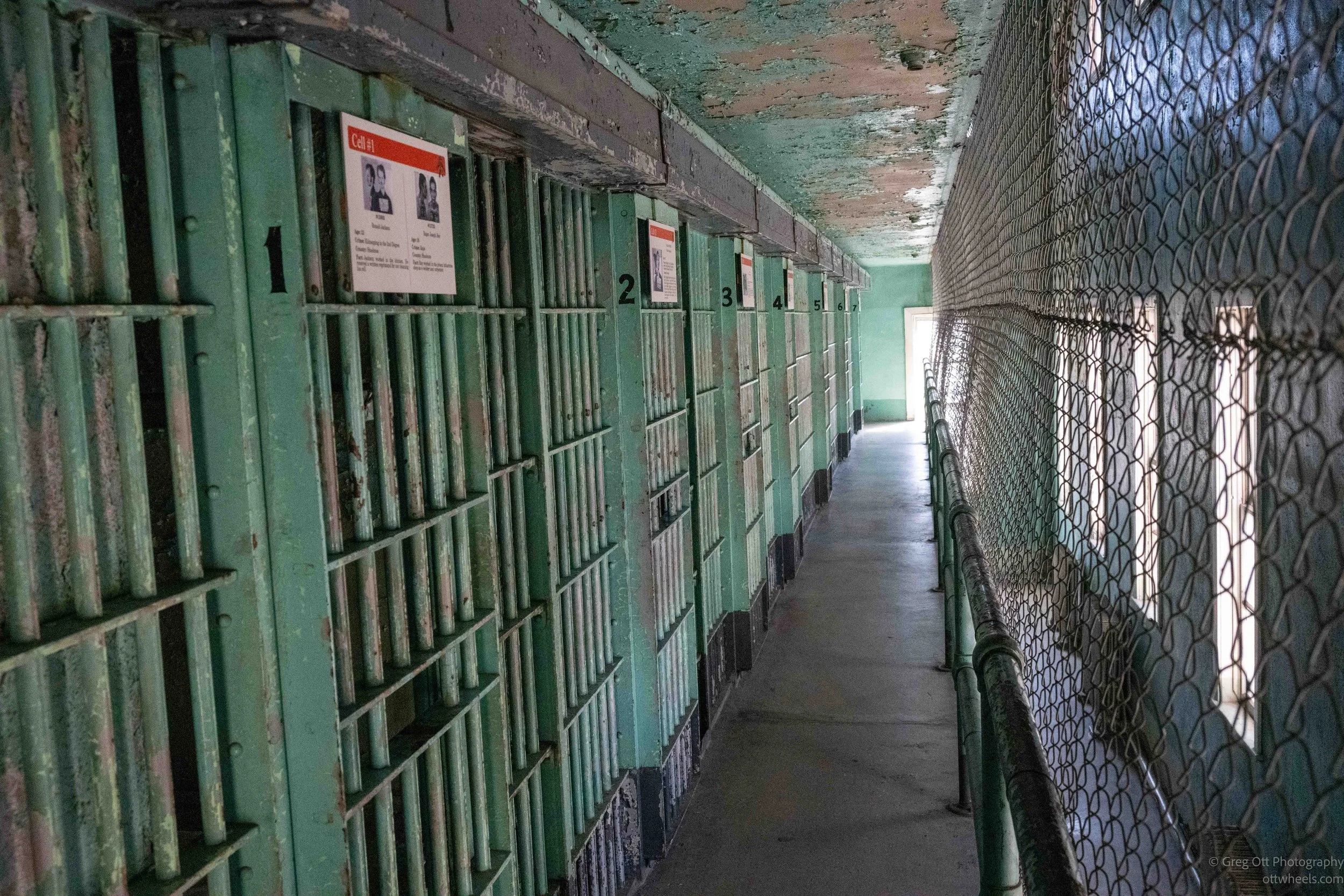
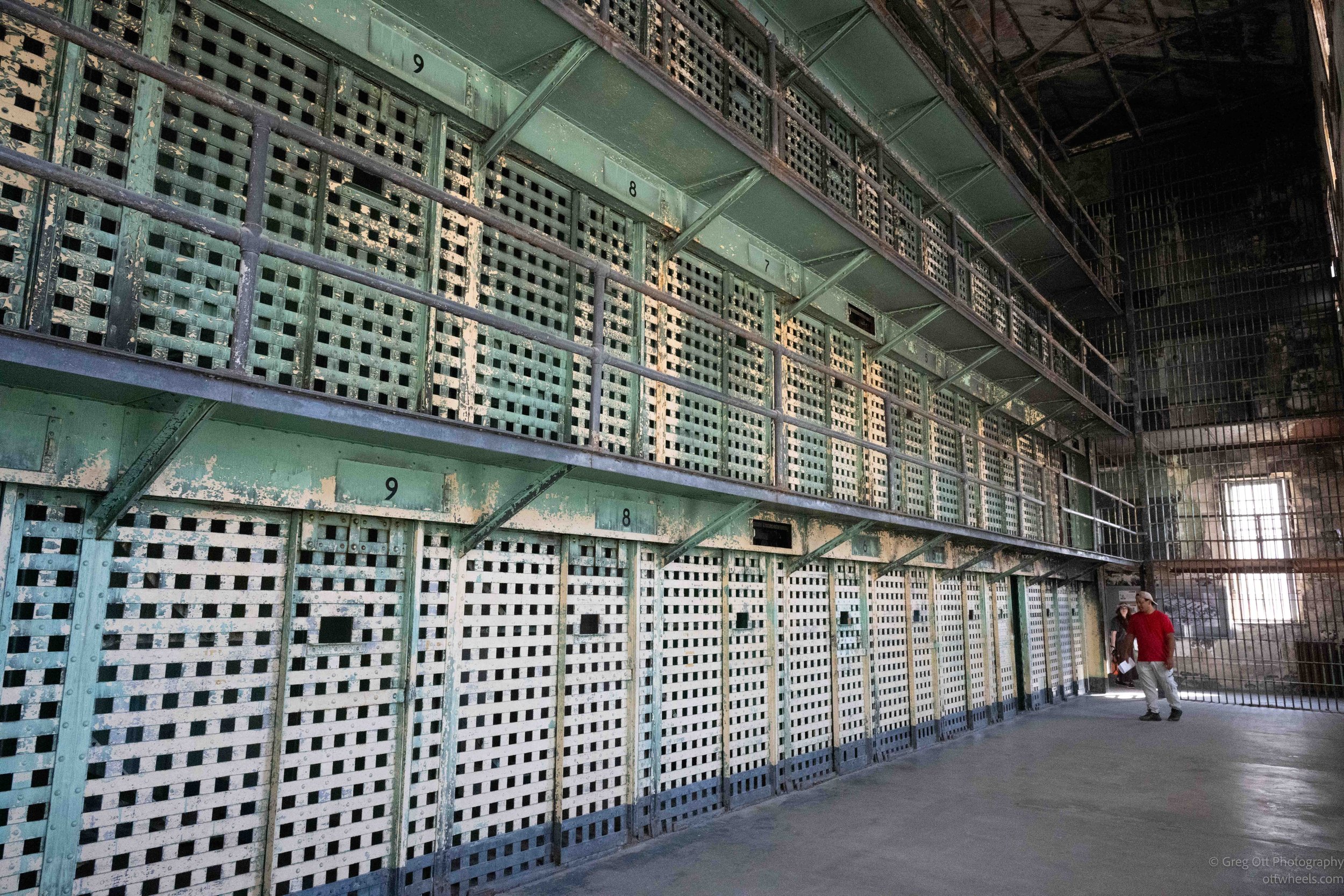
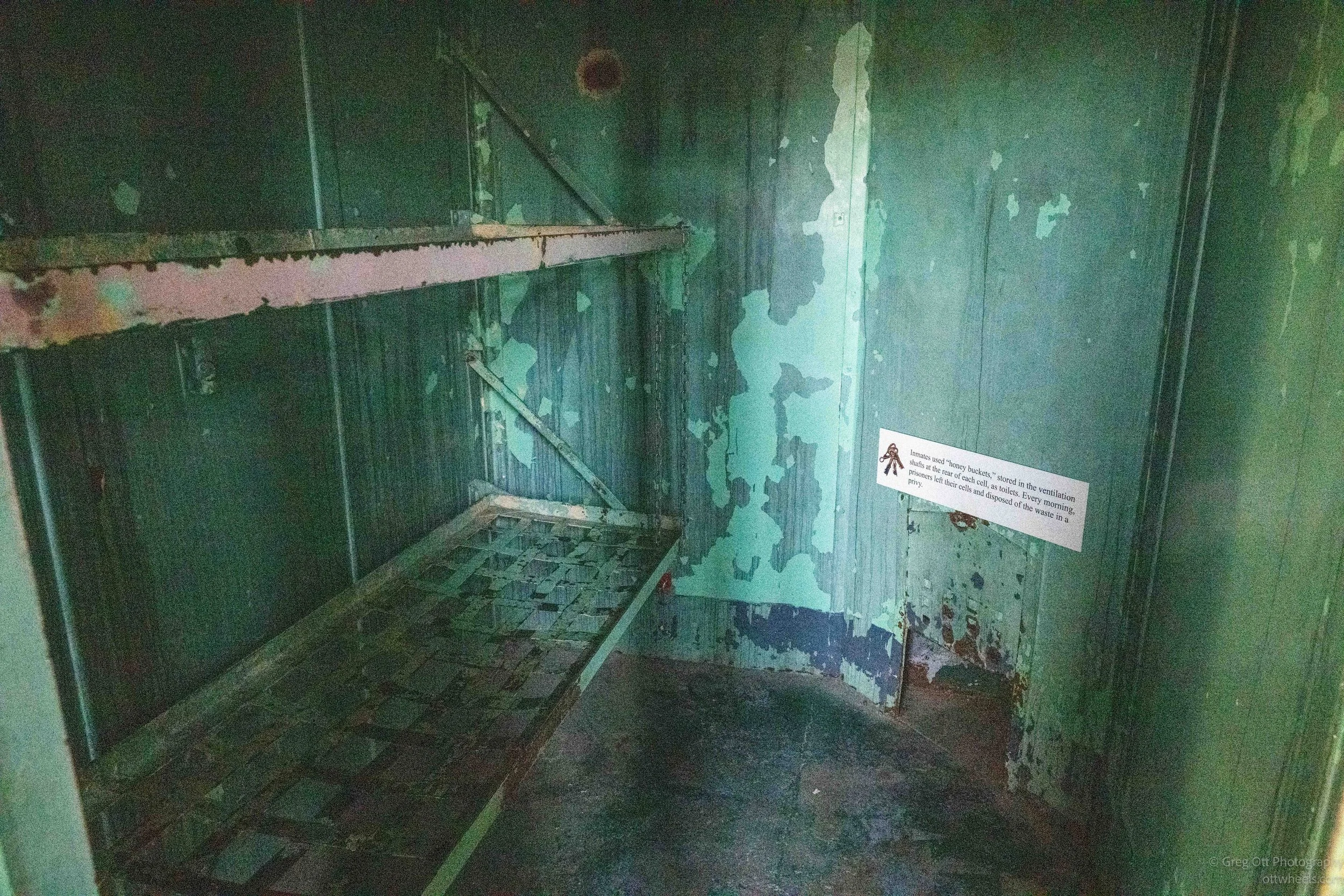
Walking through the cellblocks gave me a much better understanding of what life must have been like here. There were long corridors with rows of steel doors, narrow stairways, iron railings and cells stacked on multiple levels. Some of the older cells were little more than small concrete rooms with a metal bed and a toilet. Paint was peeling from the walls, and everything looked worn from decades of use. One cell had a small sink, storage shelves and a toilet tucked into the corner, with virtually no privacy. I found myself wondering what it would have been like to spend years in such a confined space, particularly during the hot Idaho summers and cold winters.
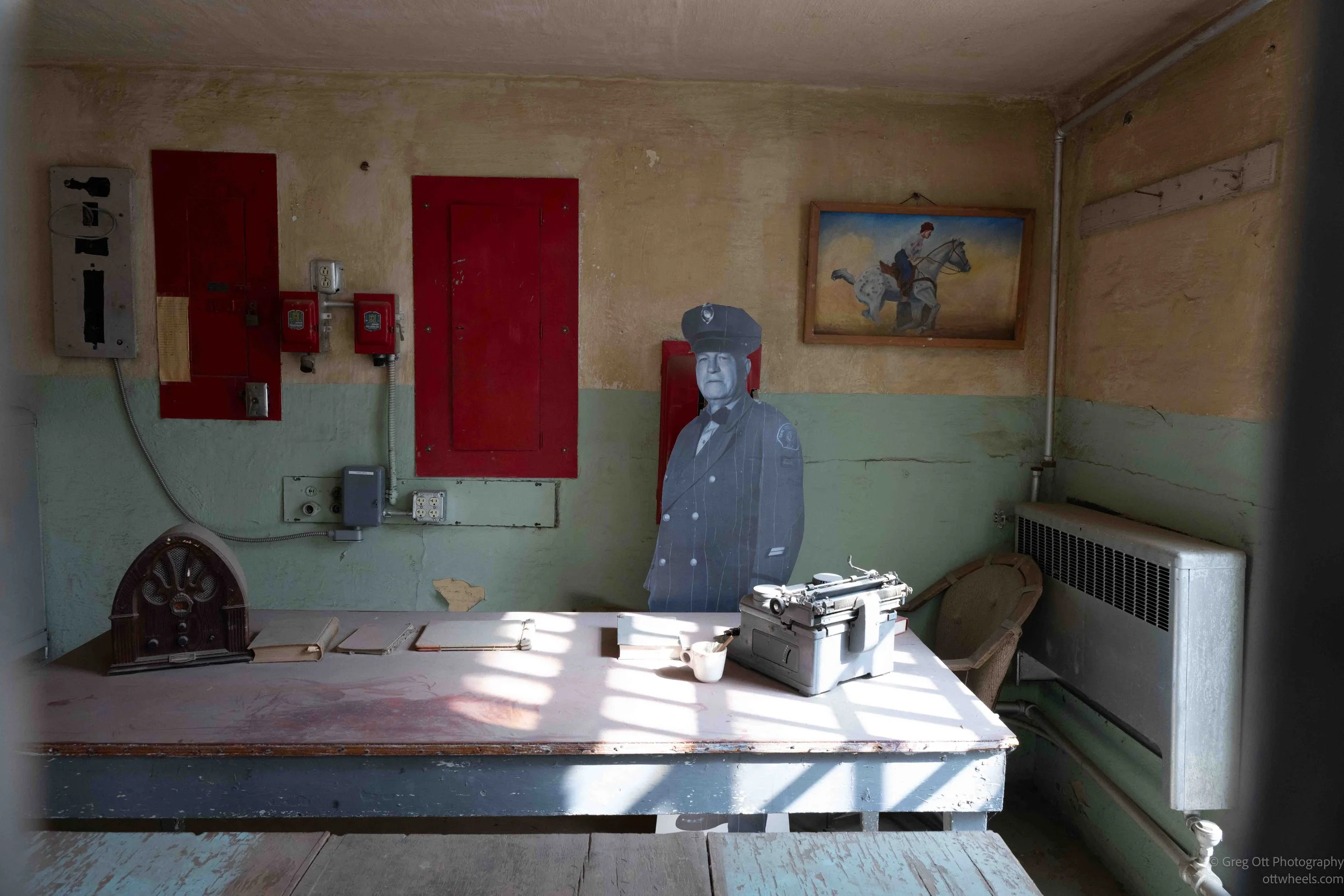
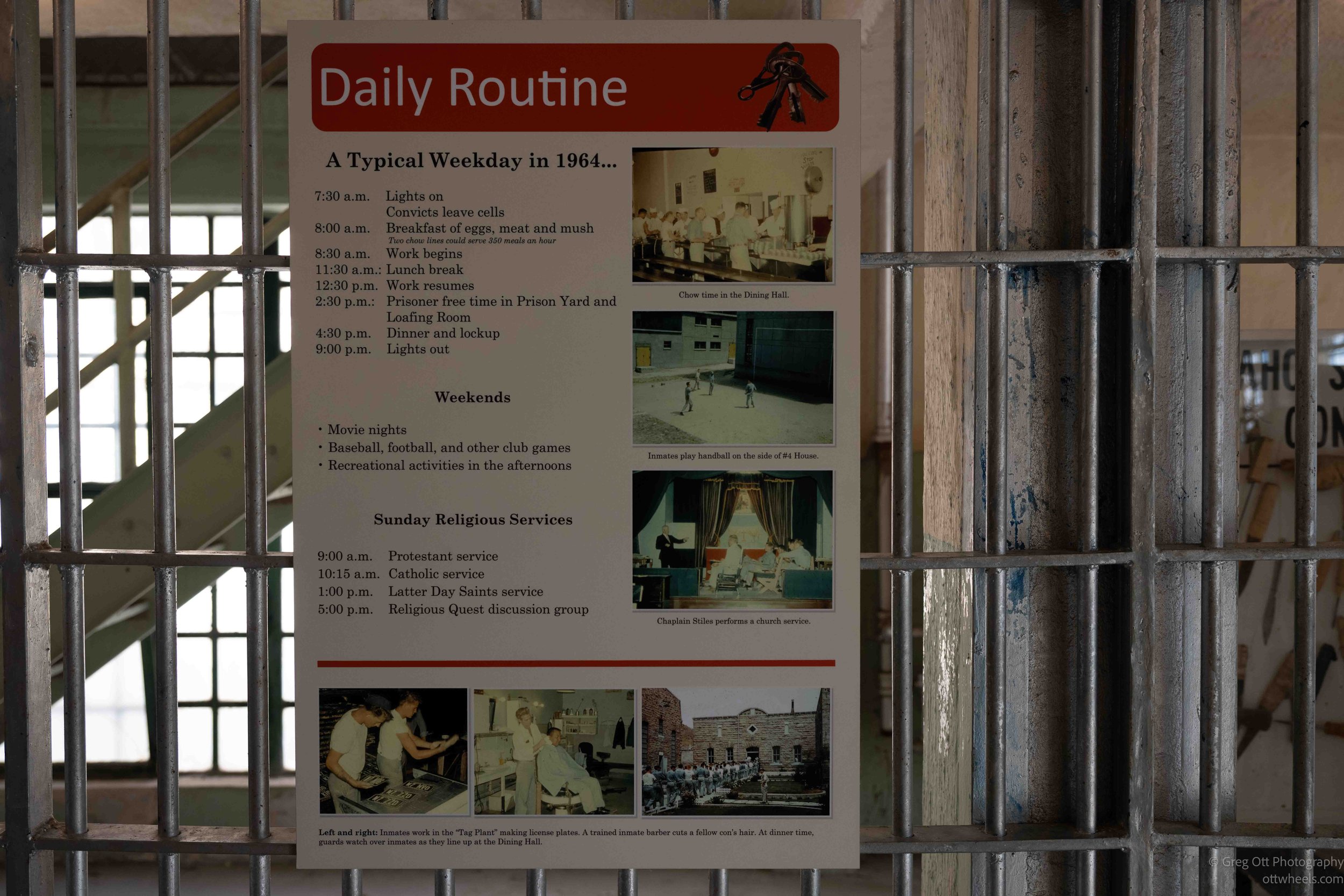
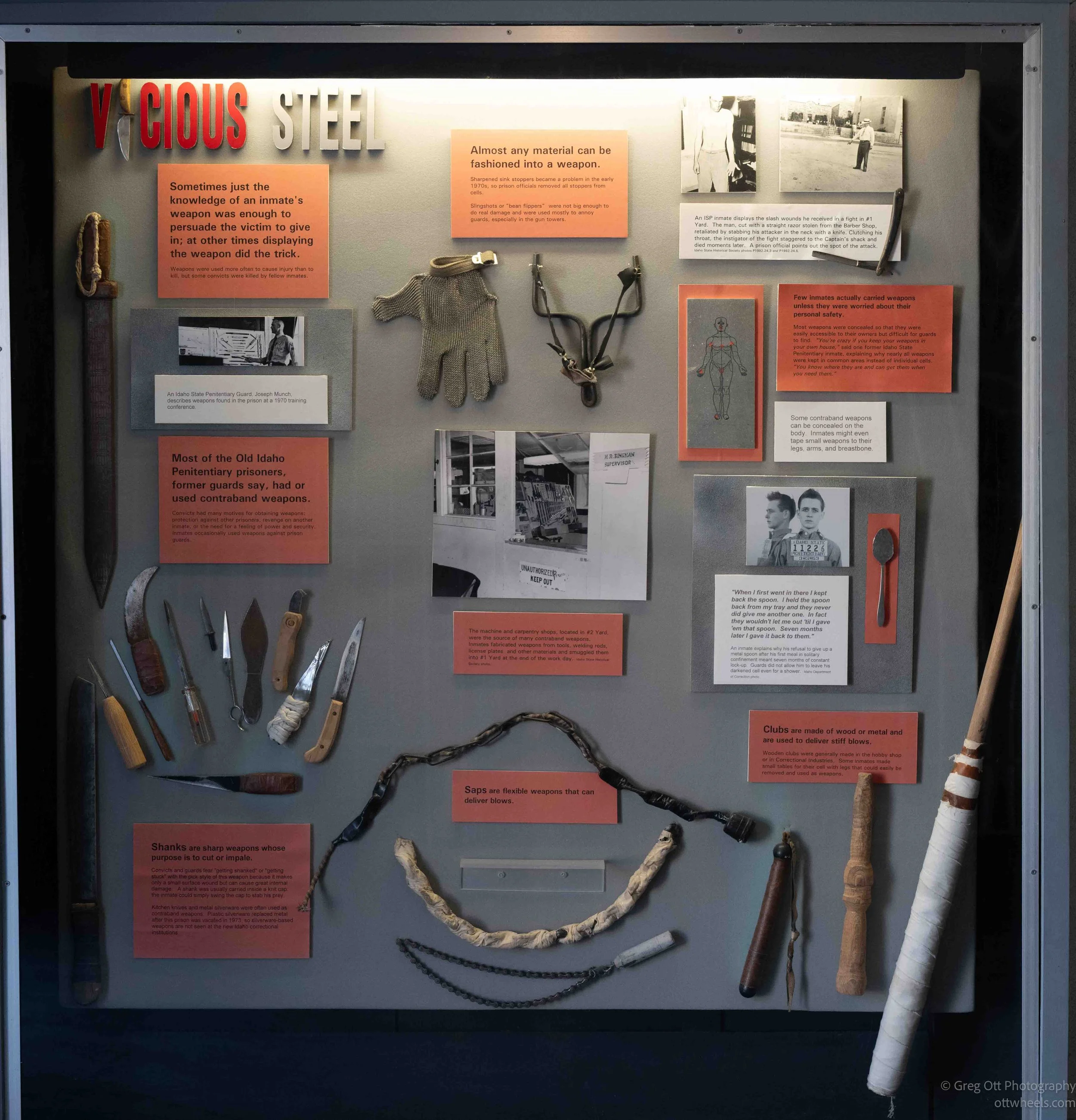
A display describing the daily routine in 1964 was especially interesting. Prisoners were awakened at 7:30 in the morning, had breakfast at 8 and began work at 8:30. Lunch was at 11:30, followed by more work until 2:30, when they were allowed time in the prison yard or recreation room. Dinner and lockup came at 4:30, with lights out at 9. Weekends included movies, baseball, football and religious services. Another exhibit displayed homemade weapons confiscated from prisoners, including sharpened pieces of metal, knives fashioned from everyday objects and clubs. It was remarkable how many ordinary items could be turned into weapons. Apparently, even a spoon could become a serious problem.
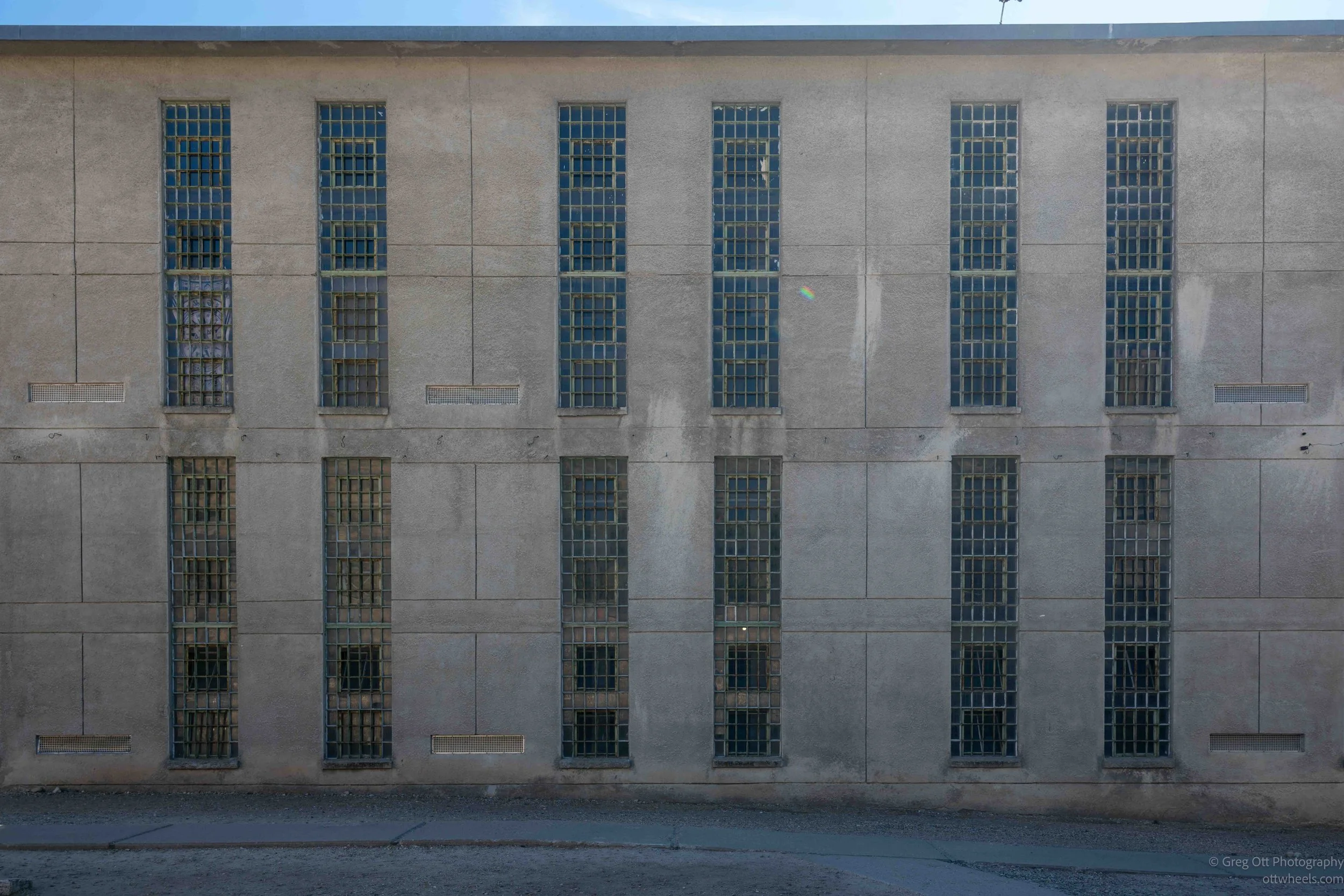
I continued exploring the cellblocks, walking through narrow passageways and looking into the individual cells. Some buildings had large open corridors with two levels of cells, while others were much more confined, with heavy steel grilles and little natural light. One particularly grim area had rows of small cells with solid metal doors and a narrow passage enclosed by fencing. The old punishment cells were especially depressing. There was a sign explaining that prisoners had used buckets for toilets and that the contents were emptied each morning. It was difficult to imagine living under those conditions, particularly when some prisoners spent years behind these walls.
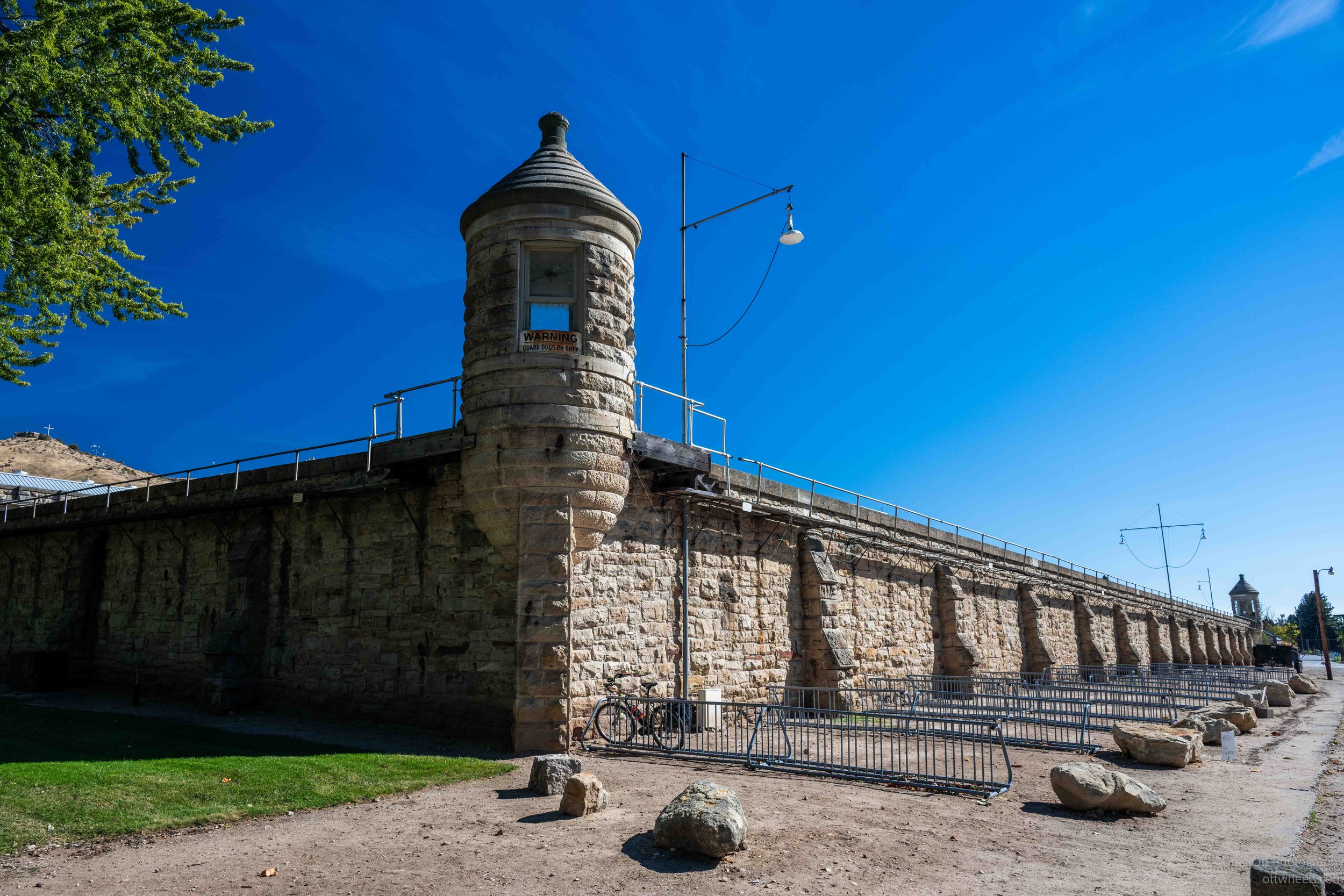
By the early 1970s, the penitentiary had become badly outdated. Overcrowding, poor sanitation and inadequate heating and cooling contributed to increasingly difficult conditions. Following a series of riots, the remaining prisoners were transferred to a newer facility, and the old prison closed in December 1973. Walking along the outside of the massive sandstone wall, looking up at the guard towers, I thought about the thousands of people who had spent part of their lives confined behind it. I had planned to make this a relatively short visit, but the history, photographs and personal stories kept me reading and exploring for more than two hours. I'm glad I followed the recommendation to stop here.
J. Curtis Earl Weapons and Armaments Memorial Exhibit
One of the unexpected exhibits was the J. Curtis Earl Weapons and Armaments Memorial Exhibit, housed in a building on the prison grounds. Earl was a wealthy firearms collector and dealer who lived part of the year in Boise. Over roughly 60 years, he assembled an enormous collection of historical weapons and military equipment, which he donated to the Idaho State Historical Society in 1999. The two greeters spoke about Earl with such admiration that you might have thought he was a saint.
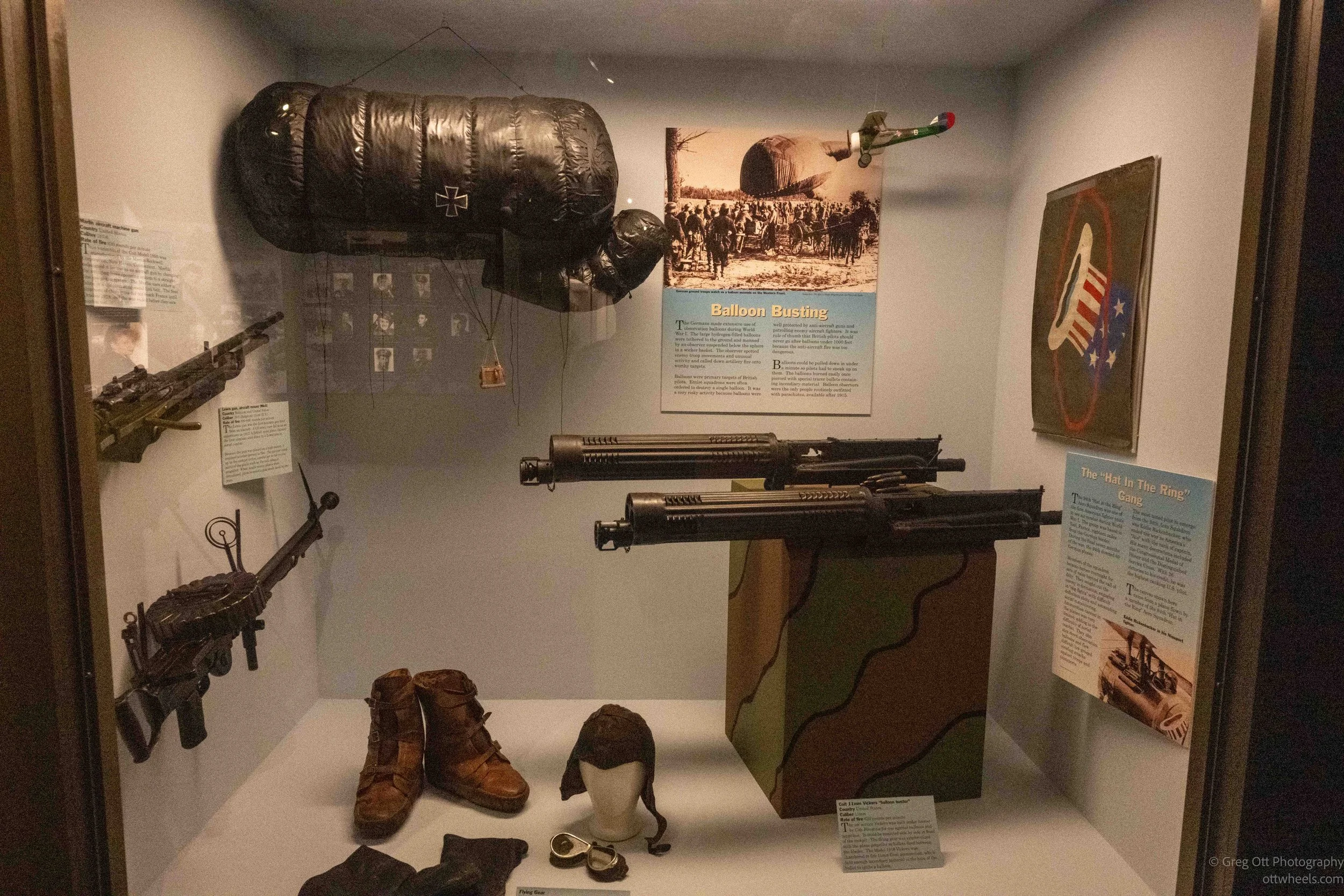
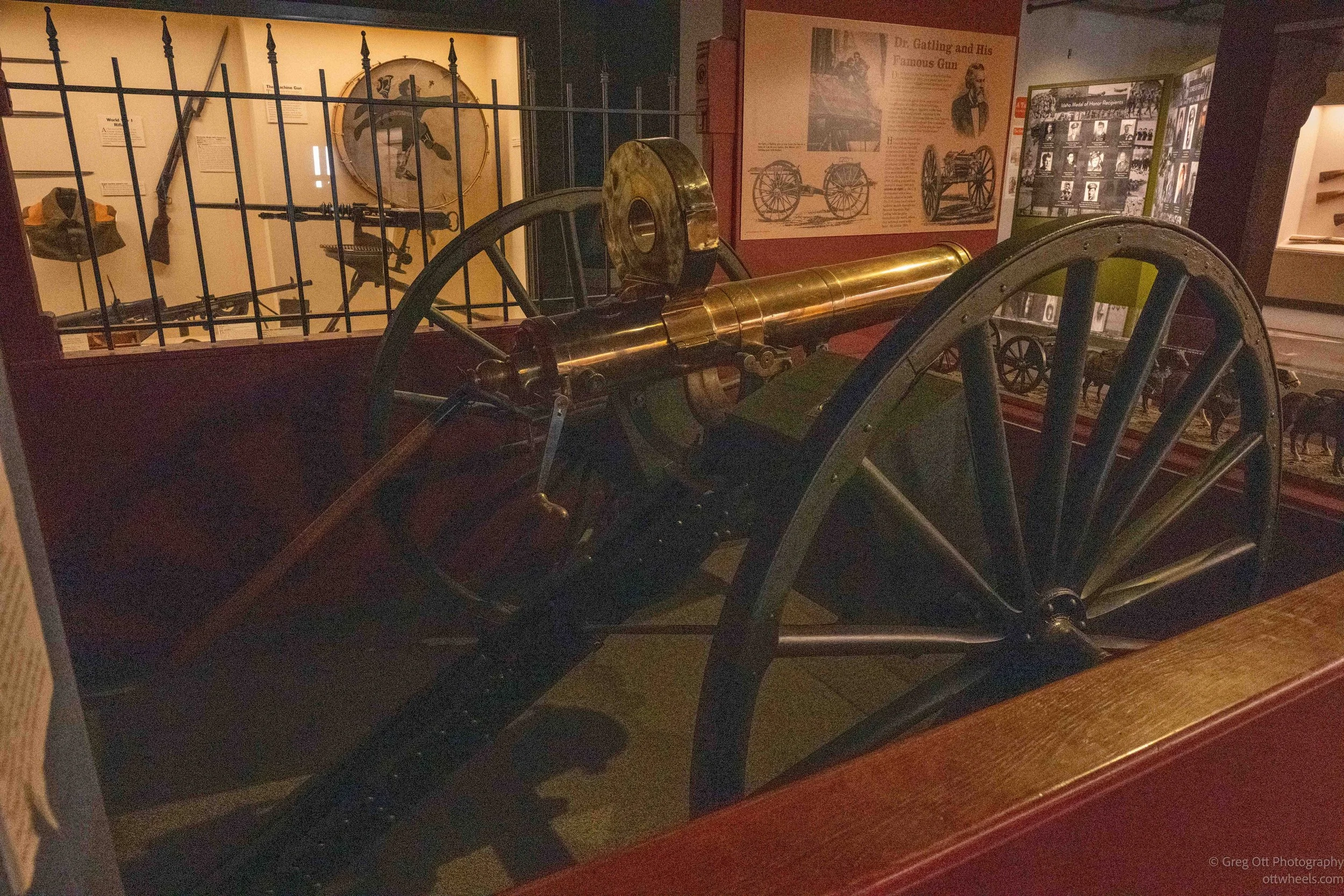
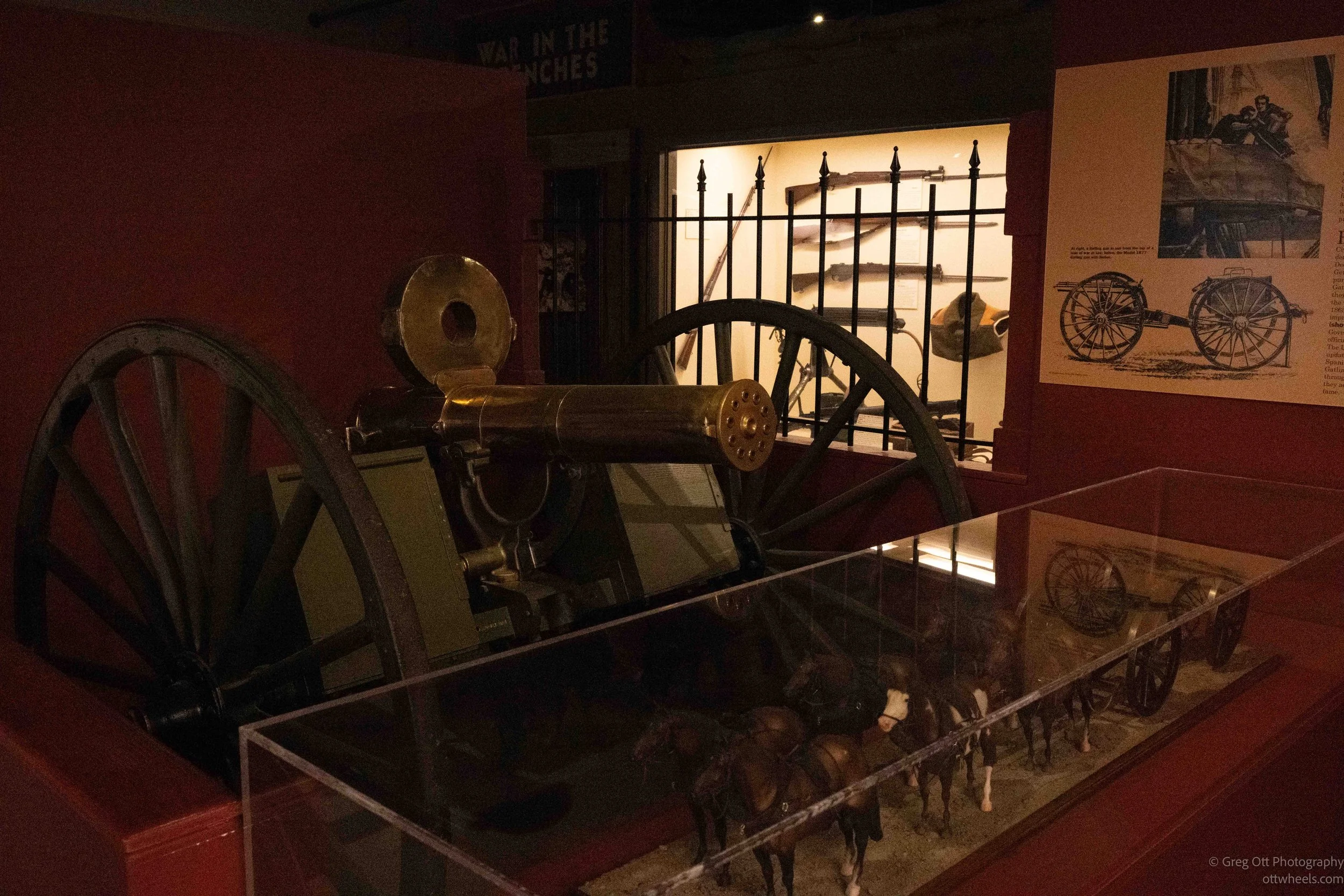
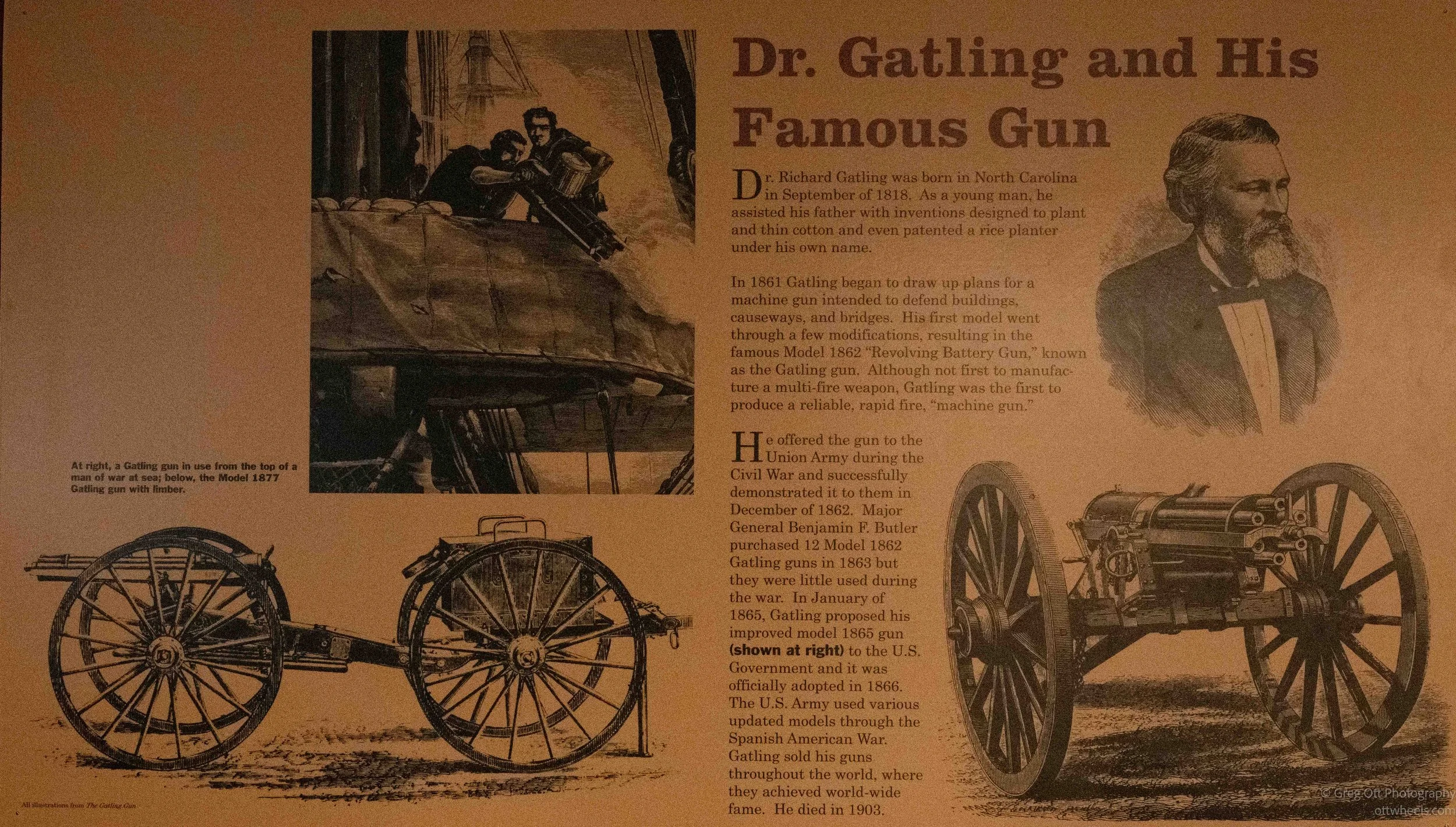
I was particularly interested in the Gatling gun, which I had never seen in person. It was mounted on a large carriage with wooden spoked wheels and had multiple barrels that rotated as a hand crank was turned. Invented by Richard Gatling during the Civil War, it was one of the earliest successful rapid firing weapons. The mechanical ingenuity was fascinating, although its purpose was considerably less appealing.
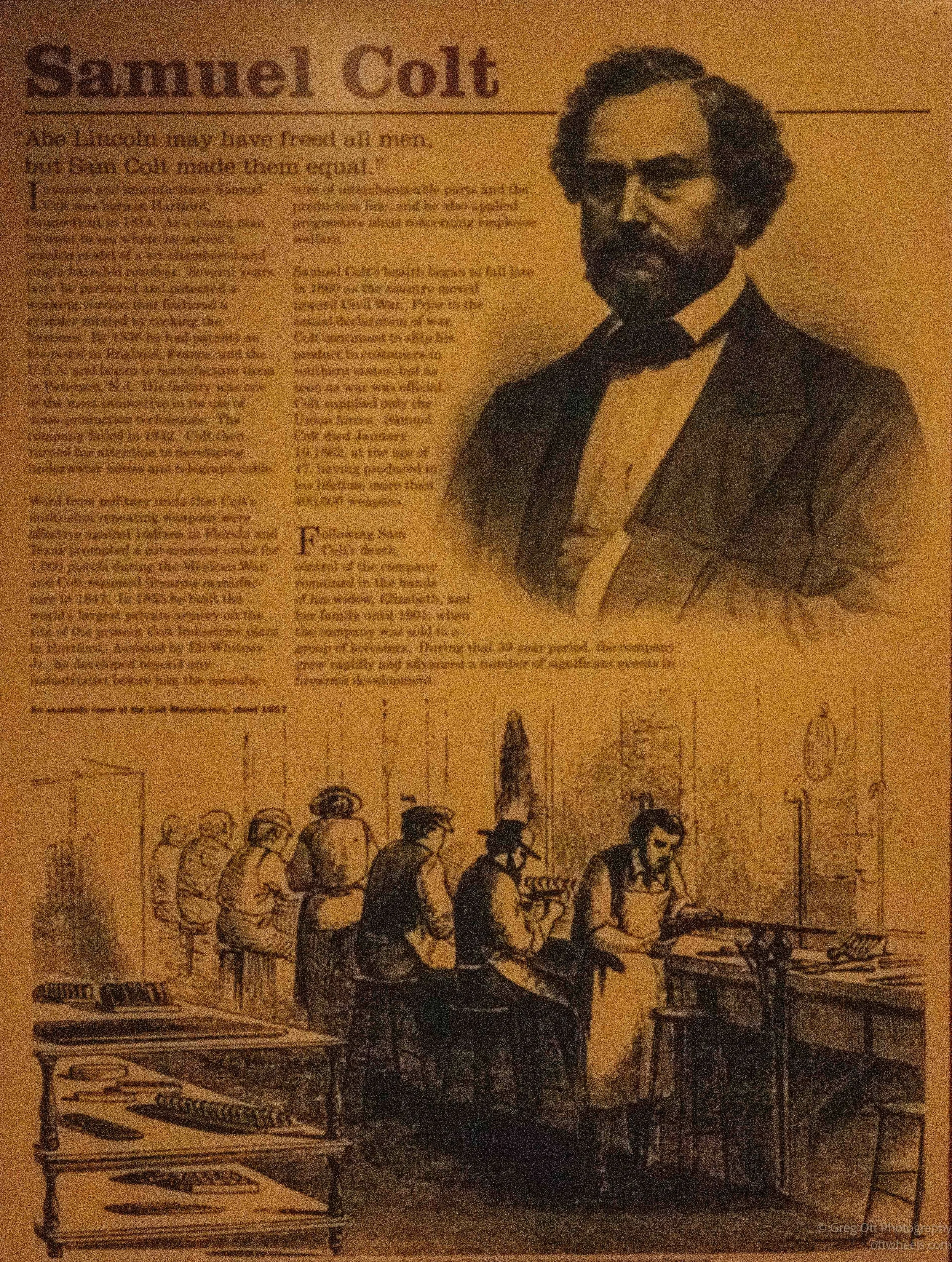
There was also an exhibit about Samuel Colt and the development of his revolvers. Having lived near Hartford, Connecticut, I was familiar with the old Colt firearms factory and had visited the magnificent historic building with its distinctive blue onion dome. Seeing Colt's history here brought back memories of that remarkable piece of industrial architecture.
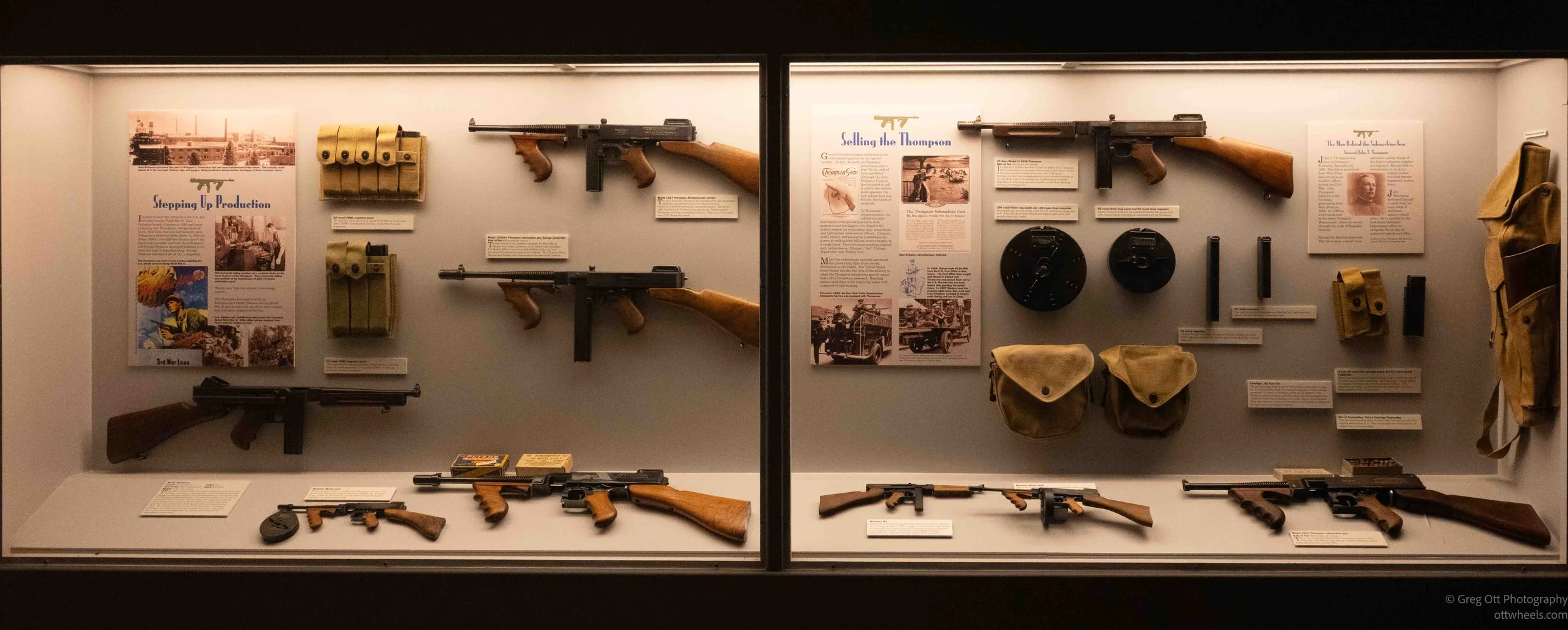
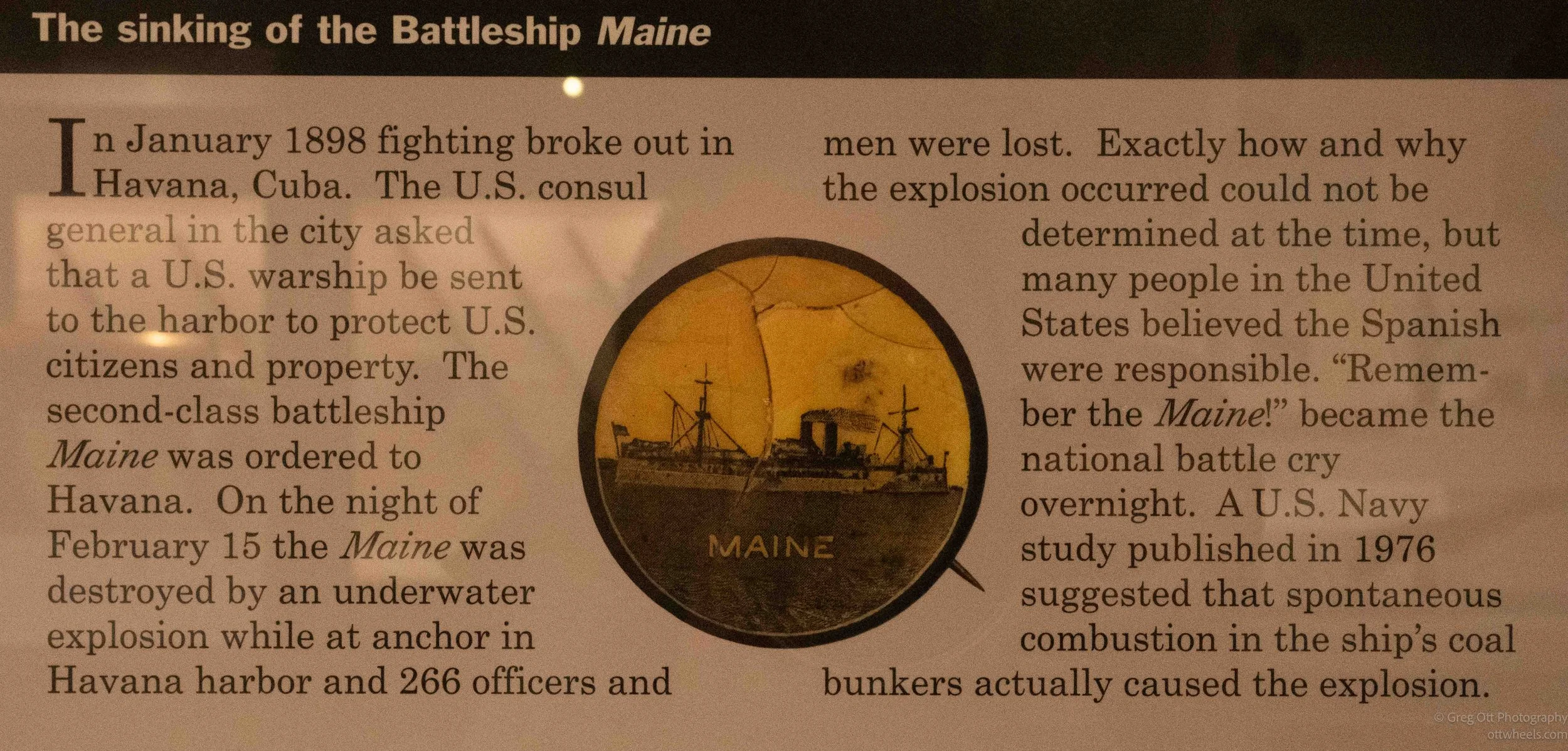
The collection included Thompson submachine guns, military rifles, mortars and exhibits covering several major wars. One display described the sinking of the USS Maine in Havana Harbor in 1898, which helped propel the United States into war with Spain. The cause of the explosion was never established with certainty, yet public opinion quickly blamed Spain. It was another reminder of how easily a country can be drawn into war before the facts are fully understood.
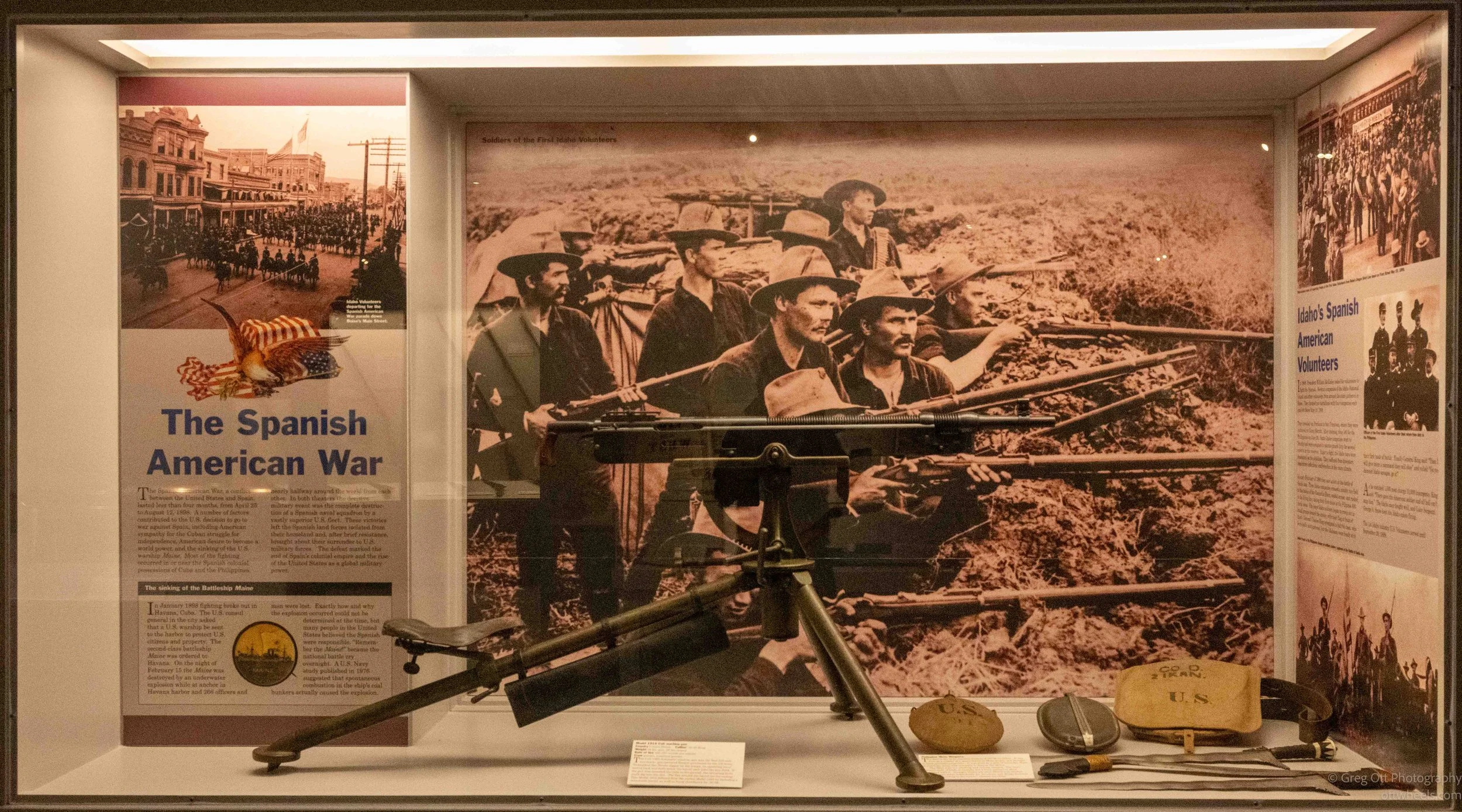
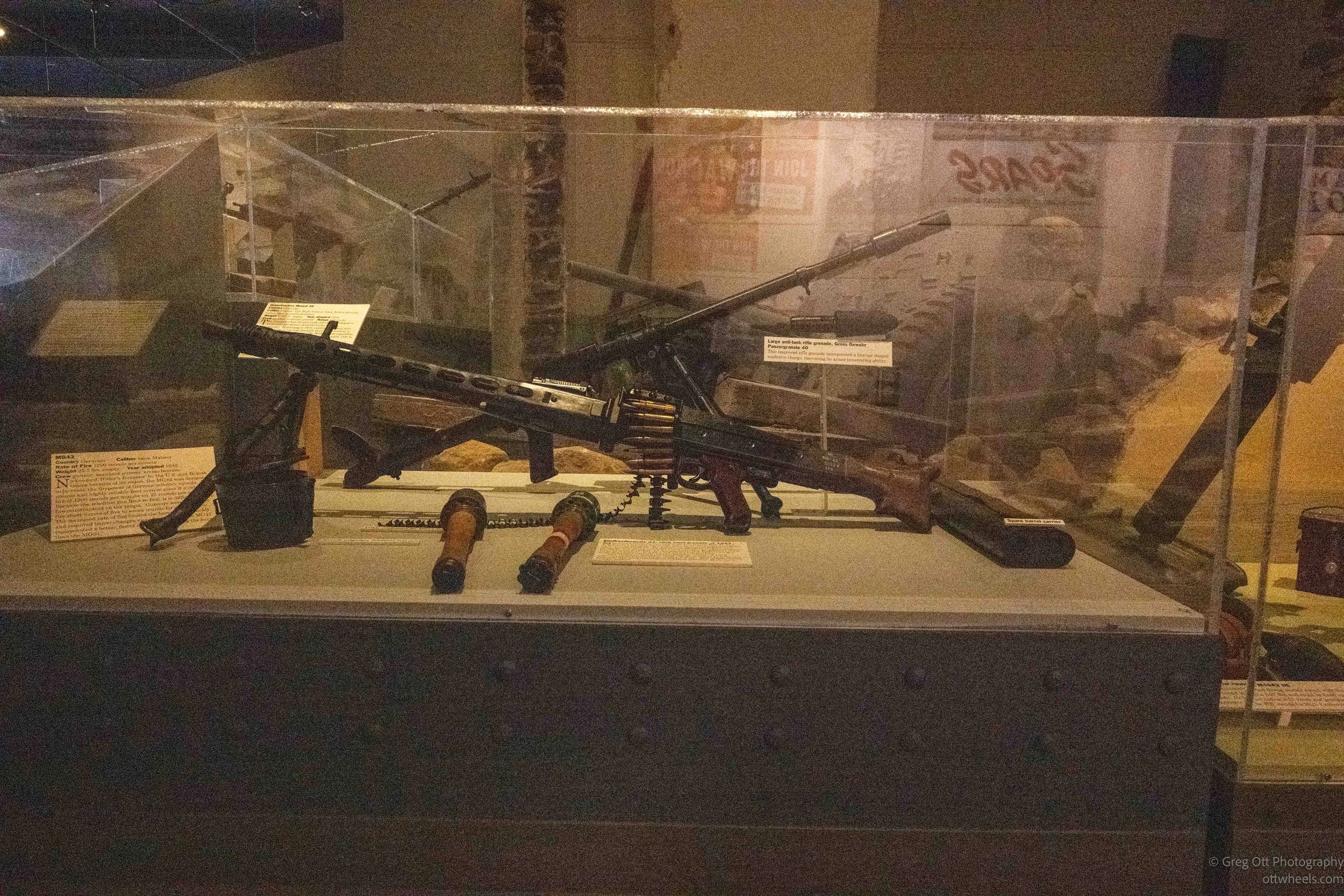
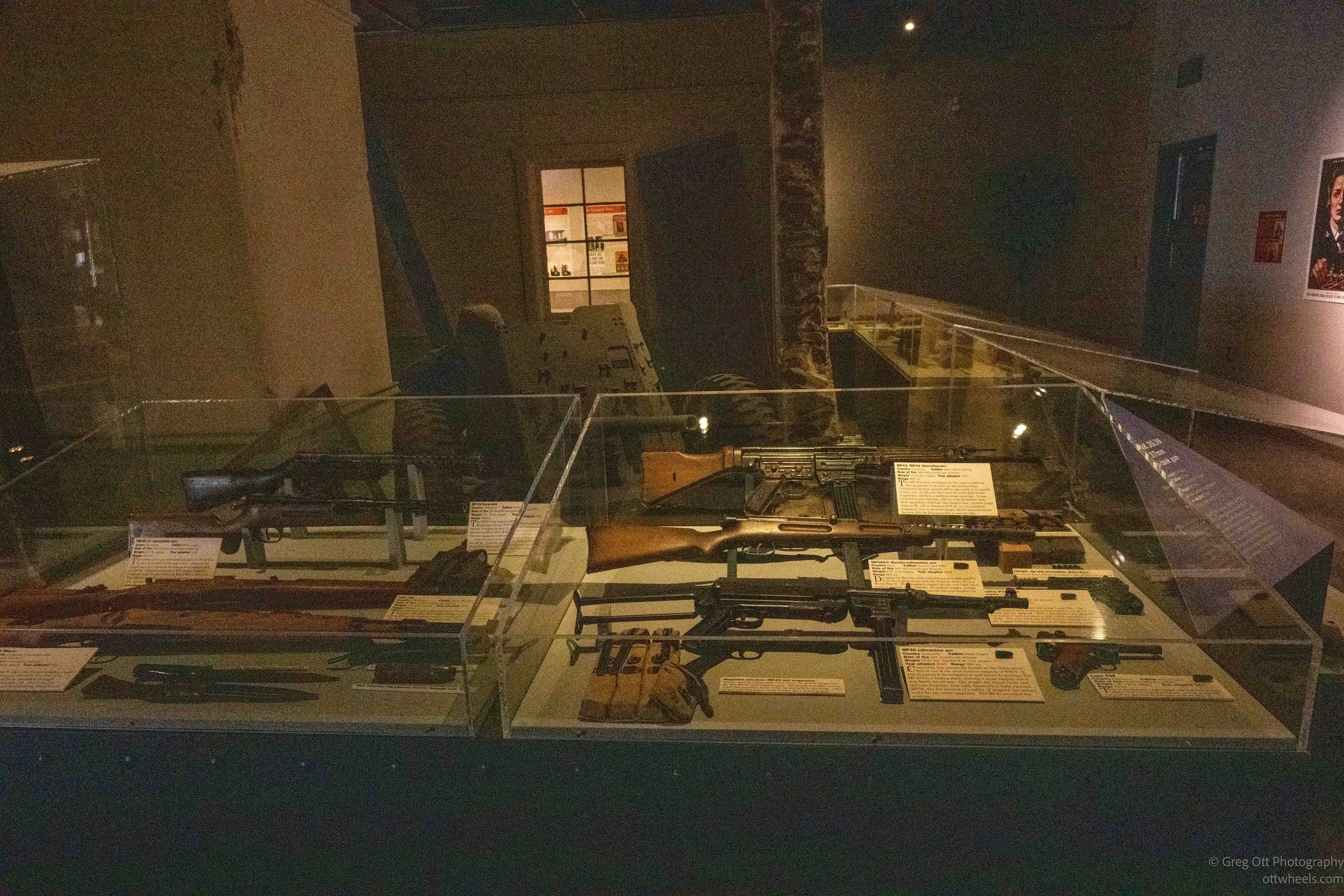
As I wandered through the exhibits, I found myself becoming increasingly uncomfortable. I could appreciate the engineering and historical significance of the weapons, but I kept thinking about the arms industry and the consequences of what it produces and sells. We celebrate the inventors, collectors and dealers, but rarely seem to discuss what happens after the weapons leave their hands.
I'm not a fan of guns, although I understand the need for them, particularly for self-defense and when countries must protect themselves. What troubles me is the arms industry itself, where enormous profits, politics and corruption often become intertwined, with devastating consequences for innocent people. Weapons have a way of ending up in the wrong hands, and I think guns are far too often misused. I don't pretend to know the answer, but walking through the museum left me with an uneasy feeling. I could appreciate the engineering and historical significance of the collection, but I found it difficult to separate the admiration for these weapons from the suffering they have caused.
Boise Arboretum
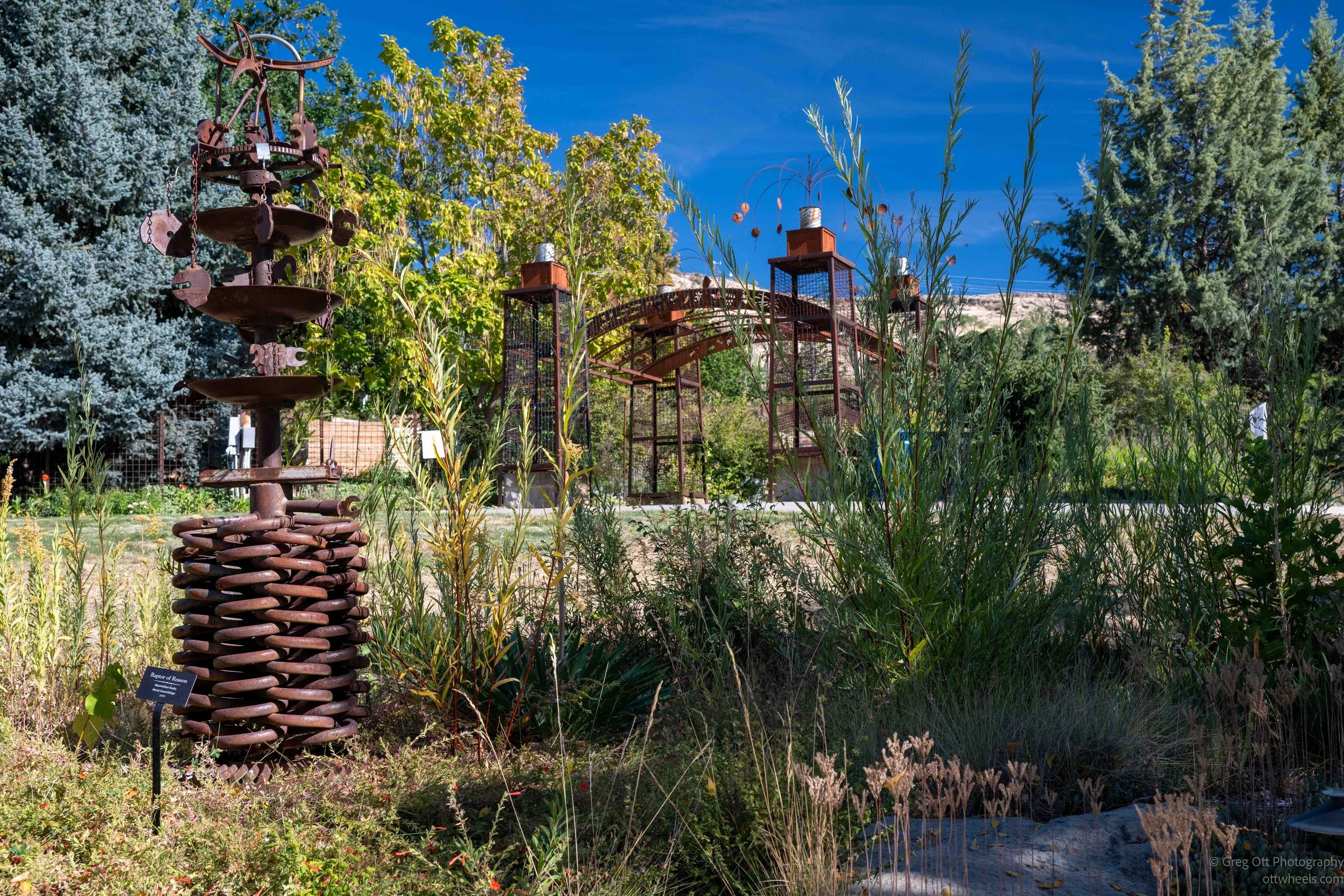
After leaving the Old Idaho Penitentiary, I headed to the Idaho Botanical Garden, which was practically next door. It was getting late in the growing season, and much of the garden had already finished blooming. There were a few colorful autumn displays, including orange marigolds, spotted canna lilies and bright purple globe amaranth, but much of the garden was looking rather tired. Some of the coneflowers had dried into dark, spiky seed heads, which were actually interesting to photograph. I imagine the gardens would be quite beautiful earlier in the summer, but there wasn't a great deal happening during my visit.
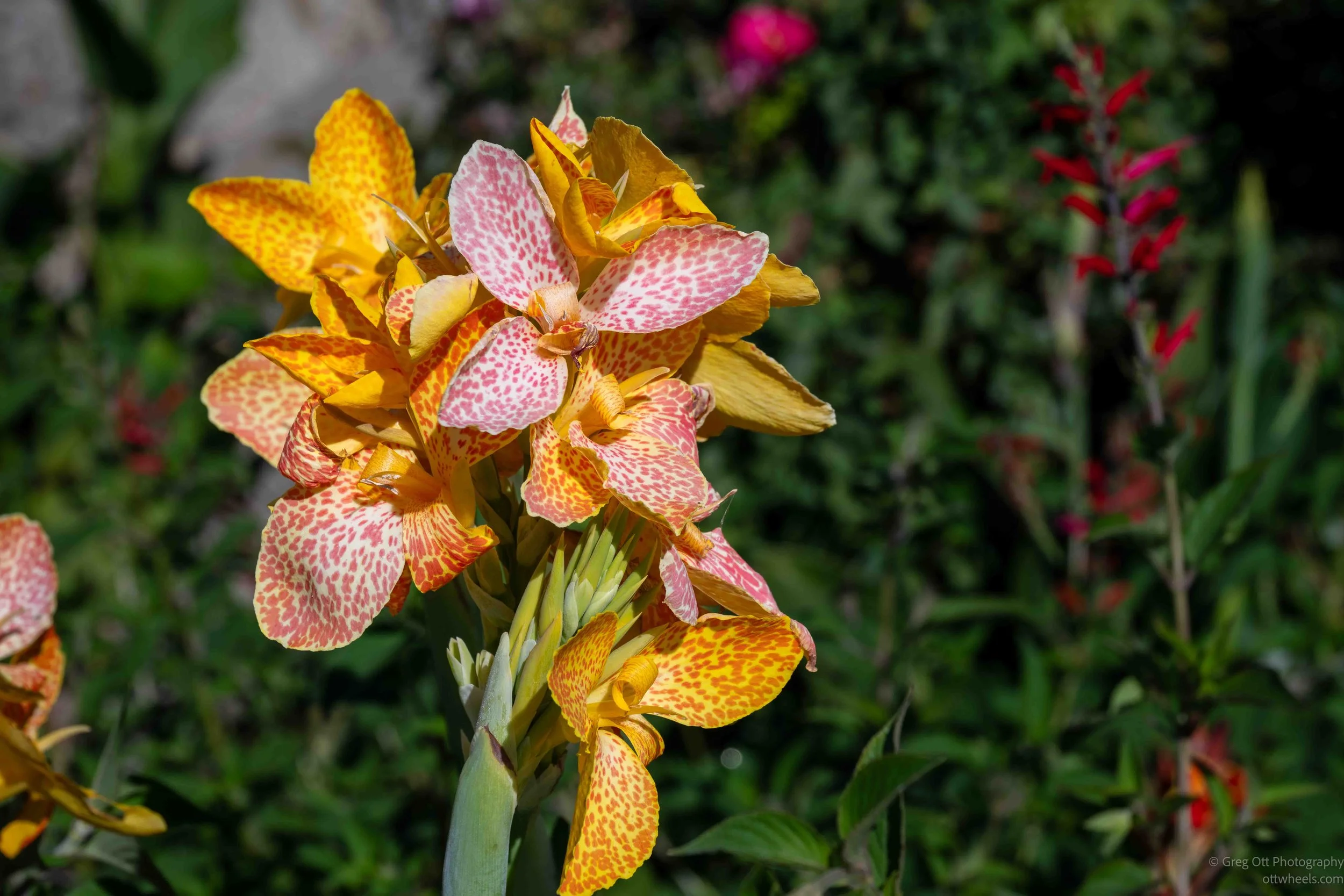
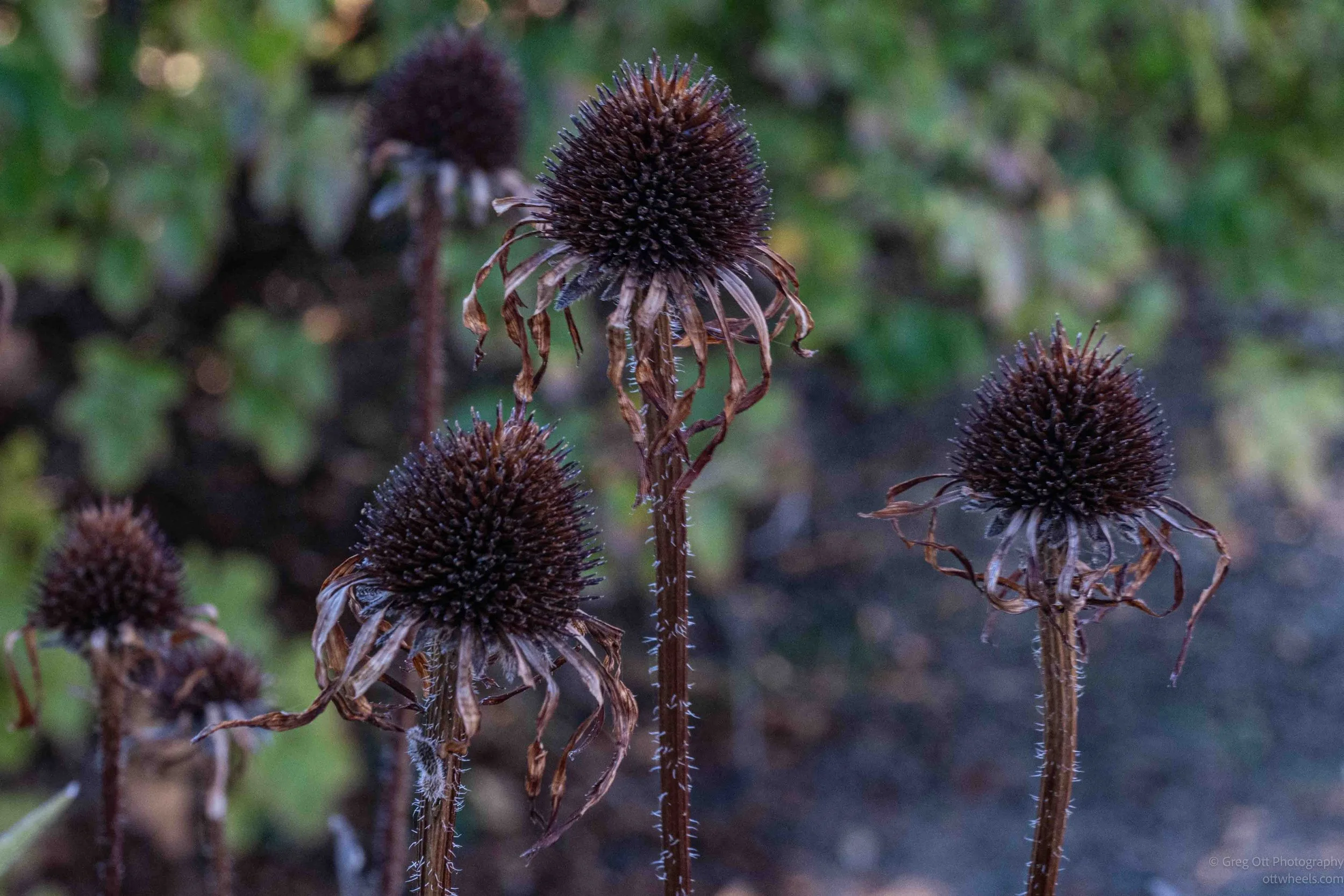
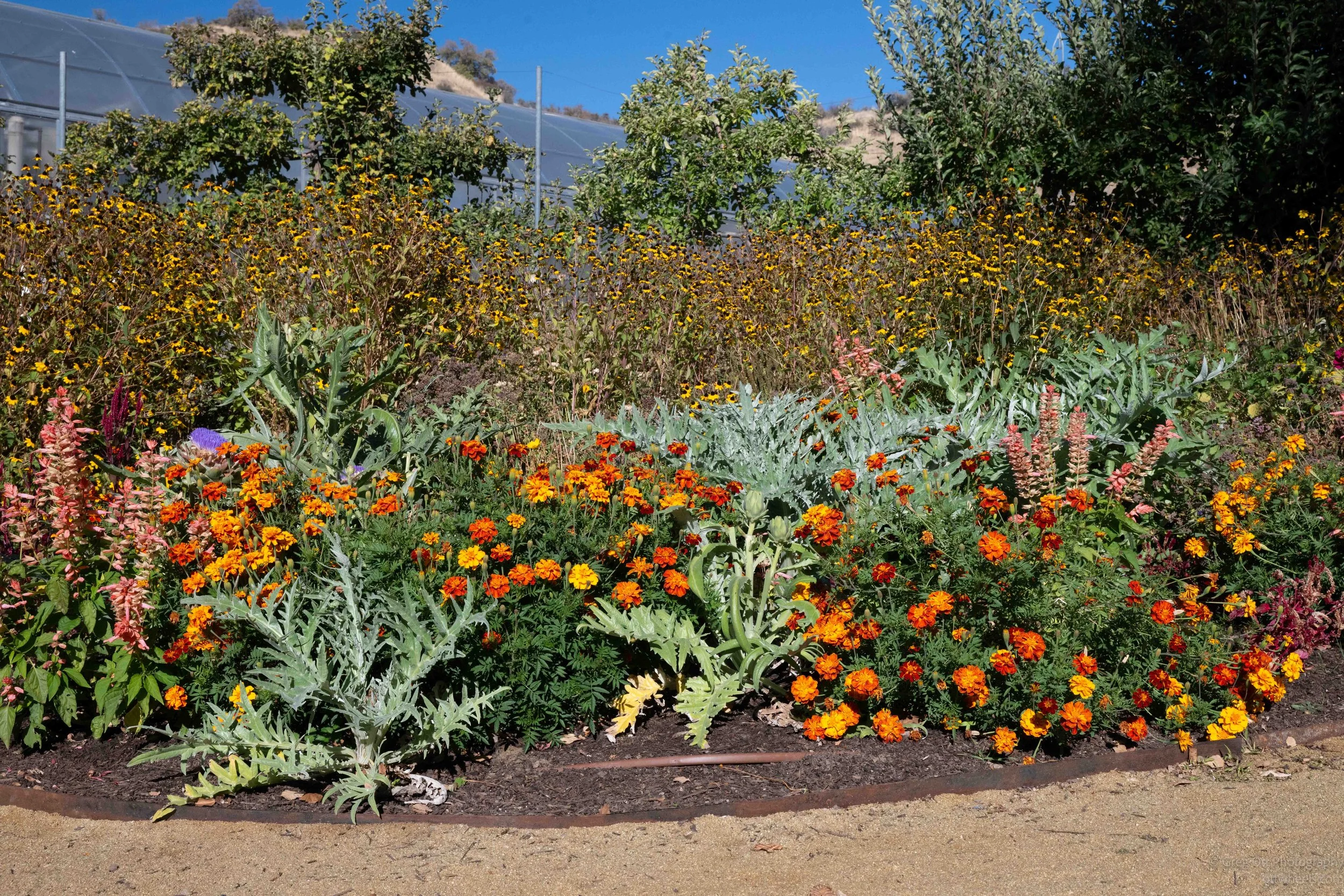
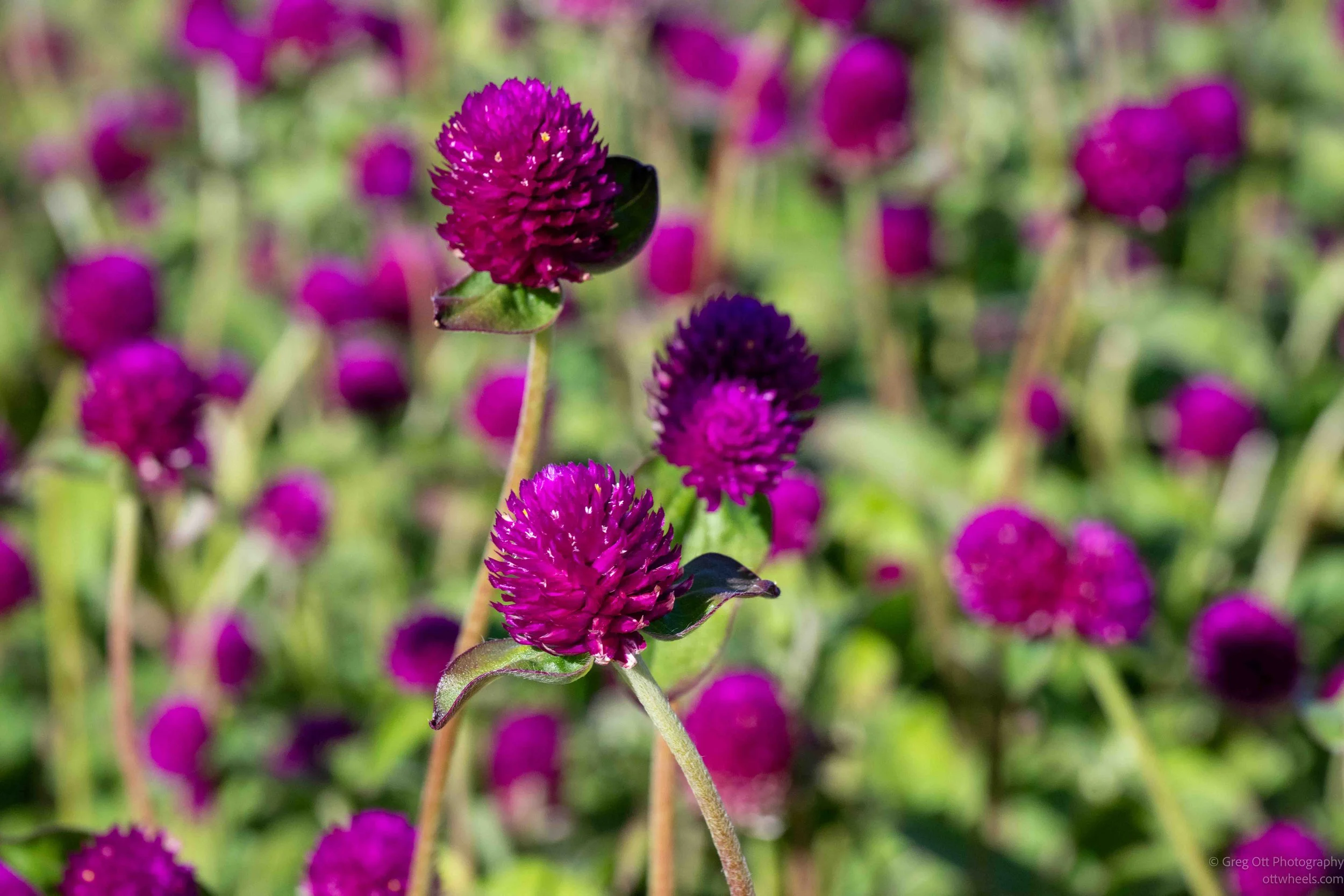
The garden had recently opened the first phase of a new 10-acre expansion, increasing its total developed area from 15 to 25 acres. It included a new educational arboretum, an event lawn and space for additional gardens. Much of the new area appeared rather bare, with young trees and landscaping that hadn't had time to develop. It will probably be several years before the expansion begins to feel like an established botanical garden.
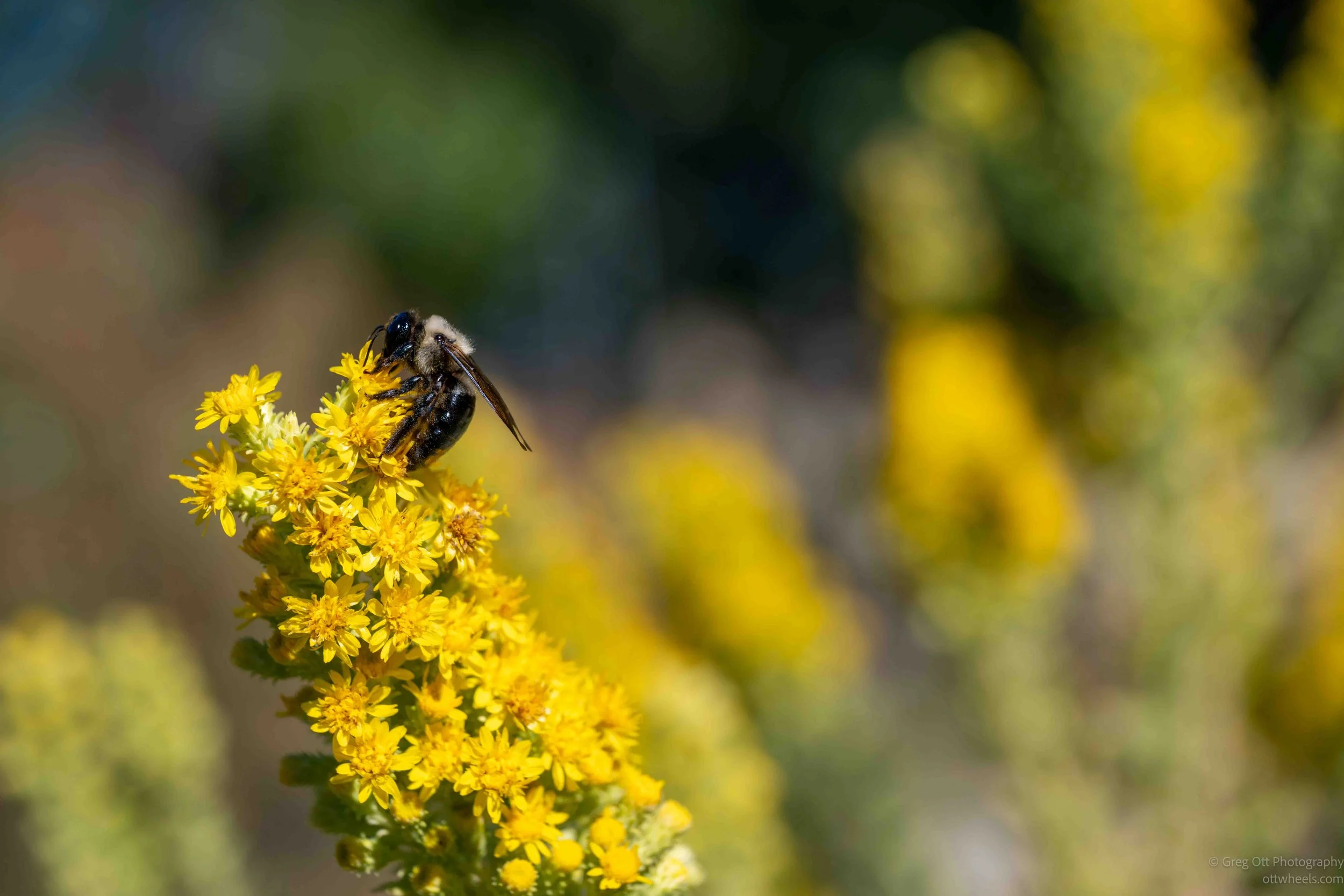
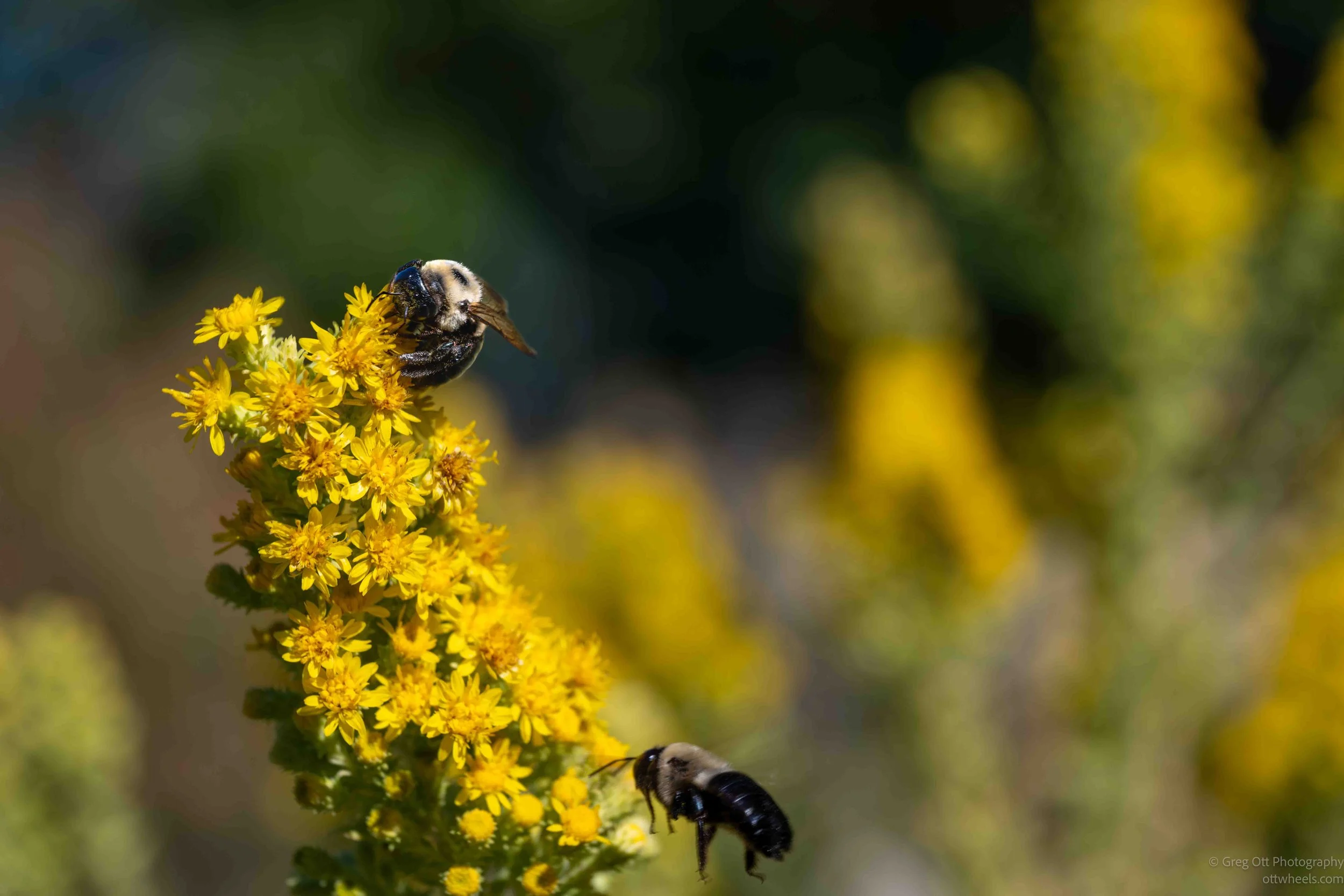
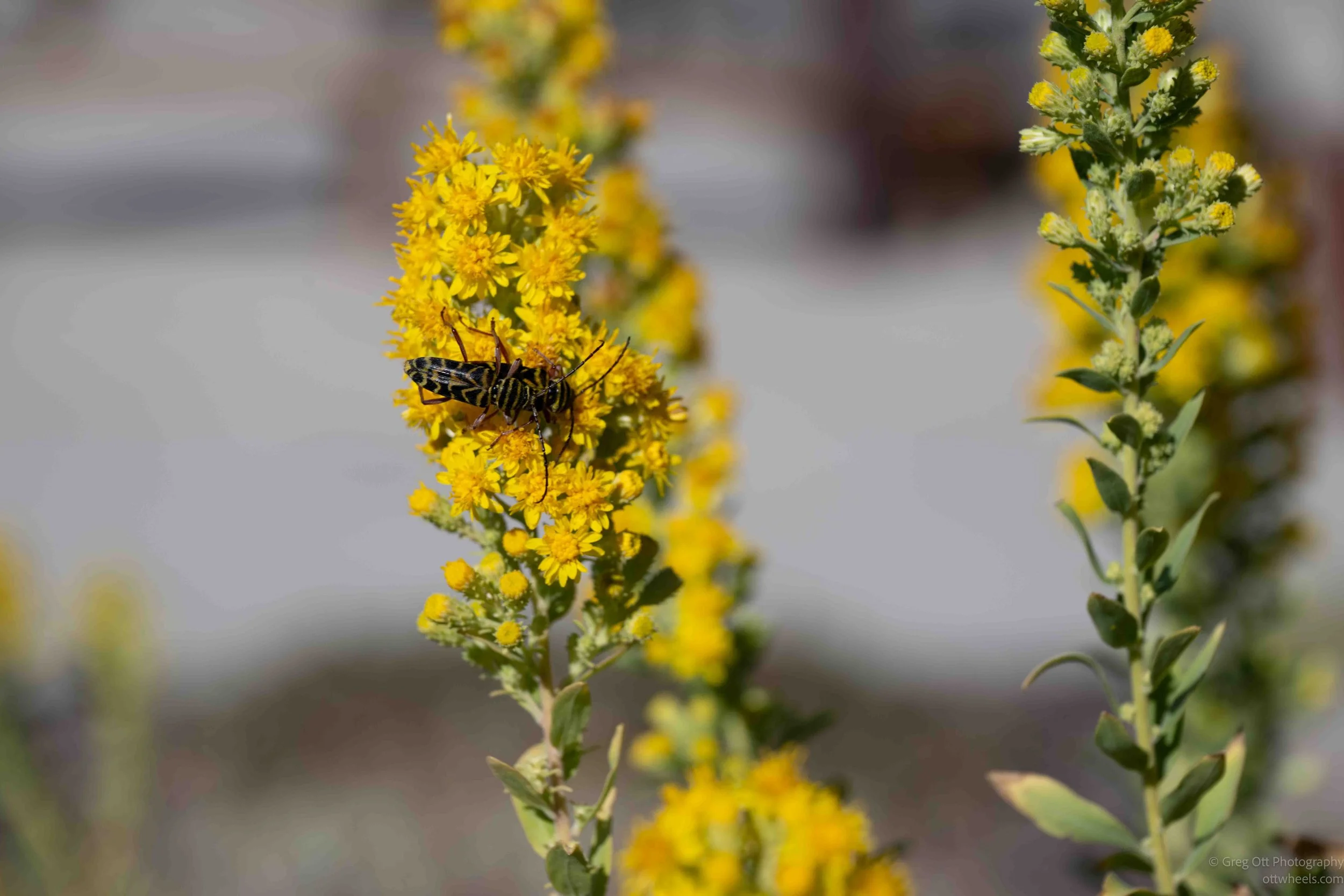
I eventually came across a patch of bright yellow flowers, which appeared to be goldenrod, that was attracting an extraordinary number of insects. Bees, flies and other insects were moving constantly between the flowers, collecting nectar and pollen. I spent about 30 minutes trying to photograph them, which turned out to be the most interesting part of my visit. Getting a sharp image of a moving insect on a flower is a challenge, especially when the wind is moving the plants around. I became so absorbed in what was happening among the flowers that I forgot how little else was blooming in the garden.
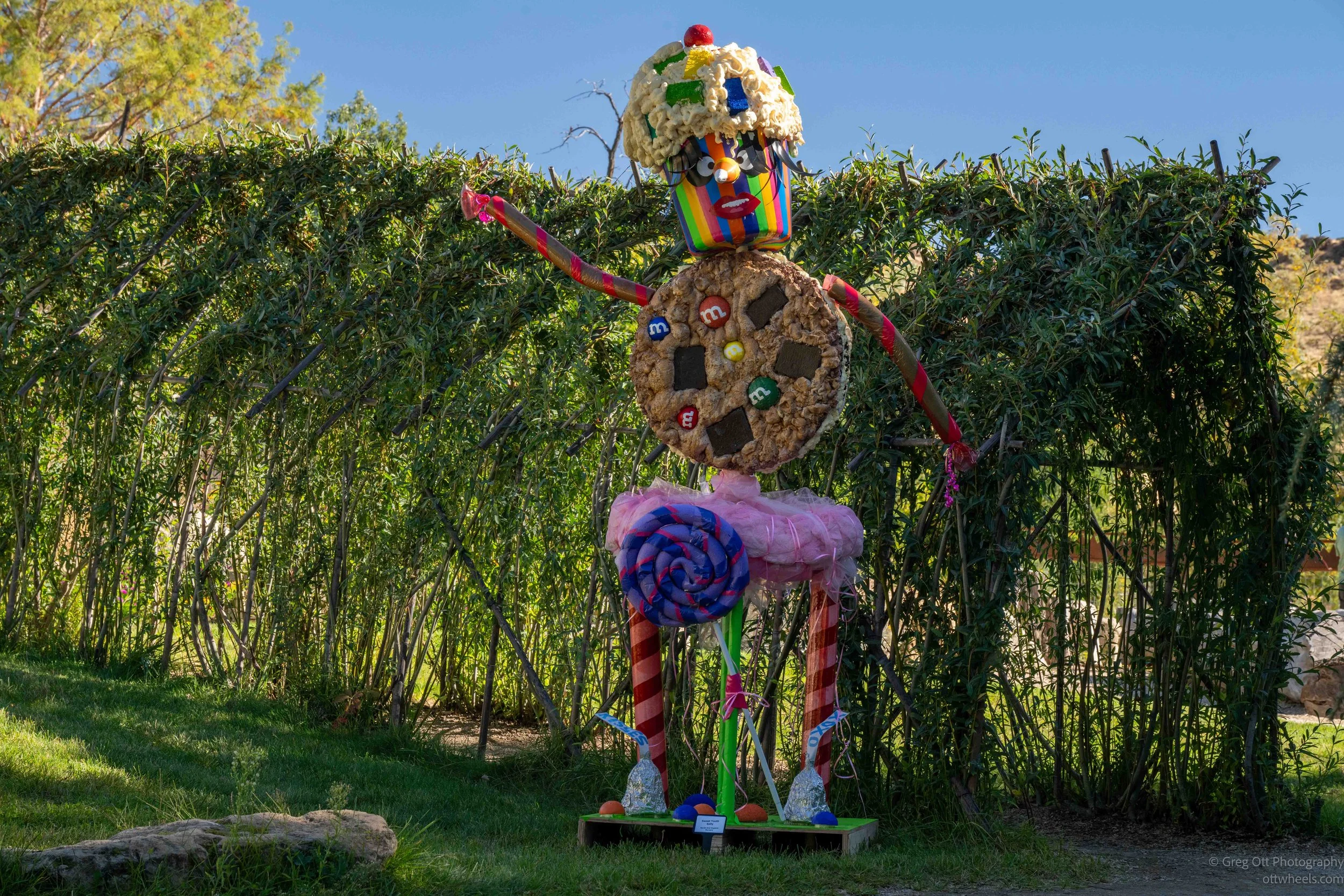
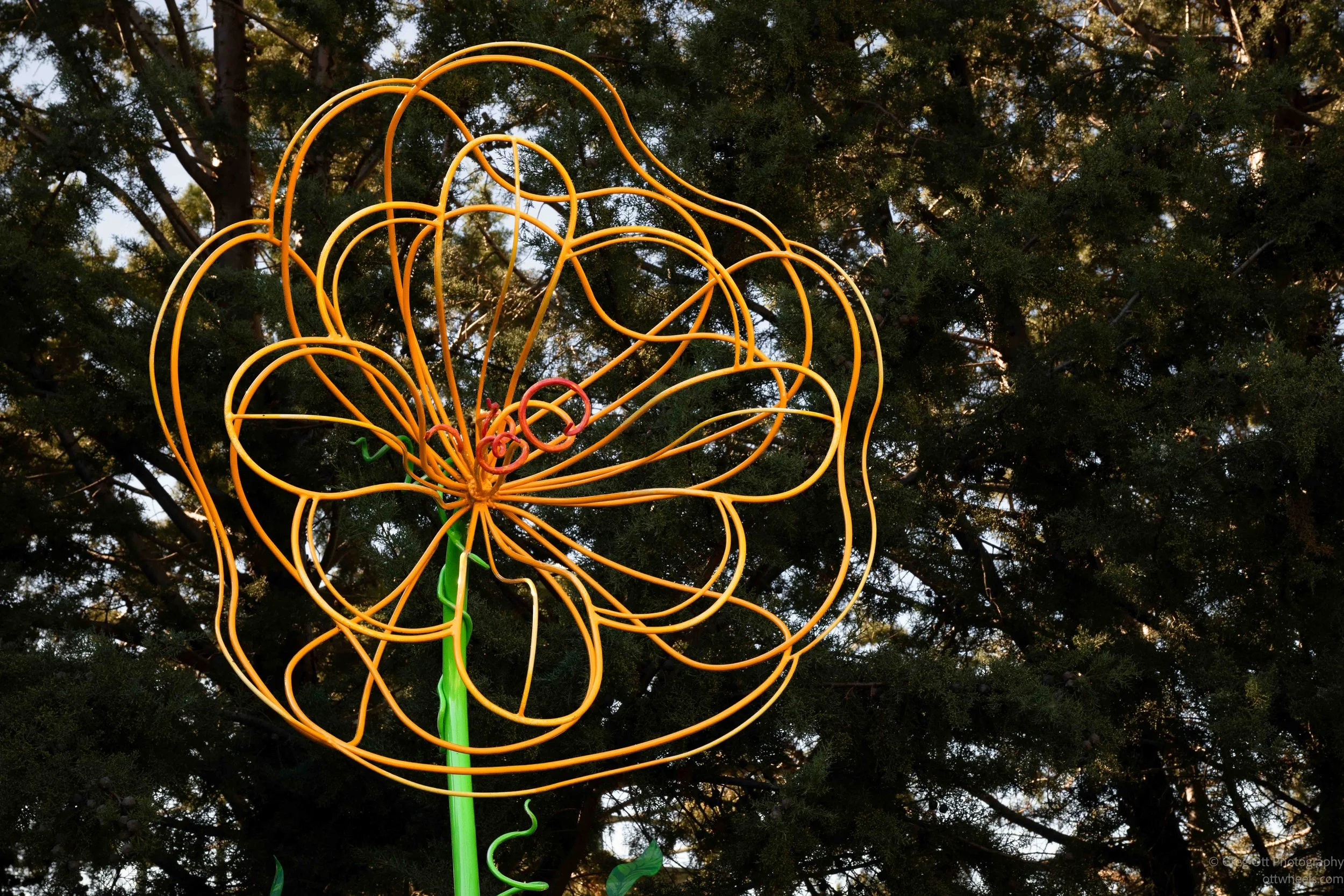
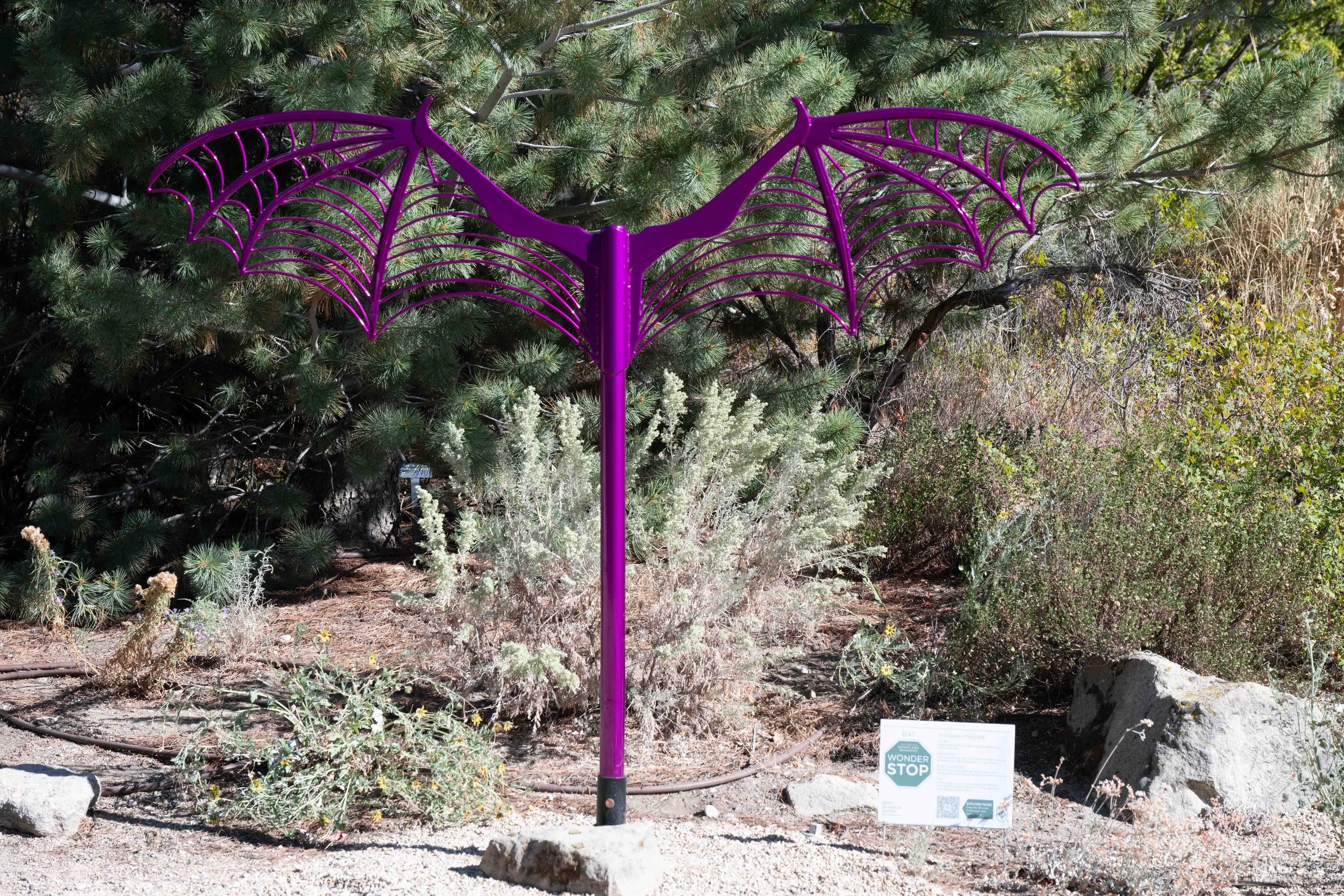
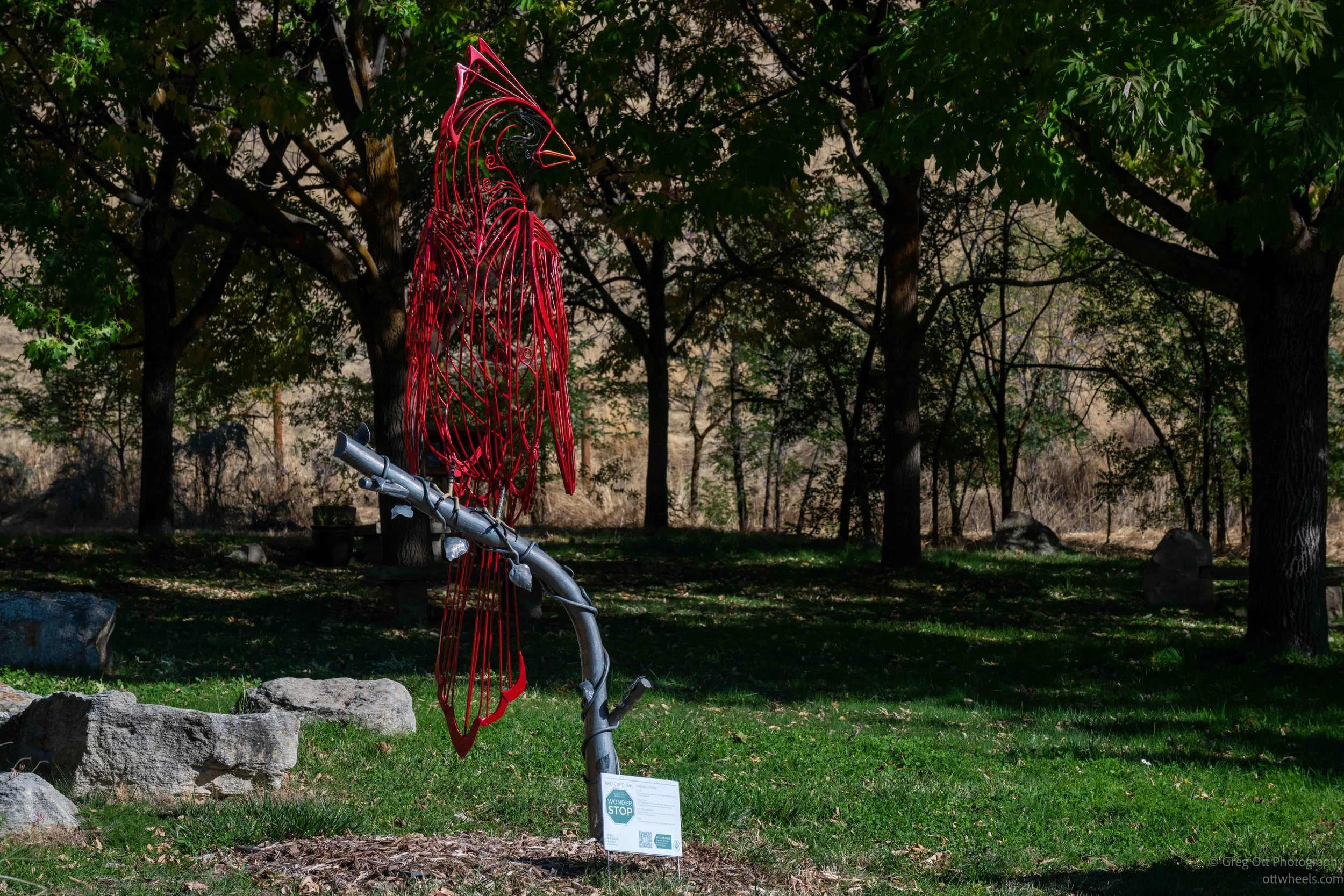
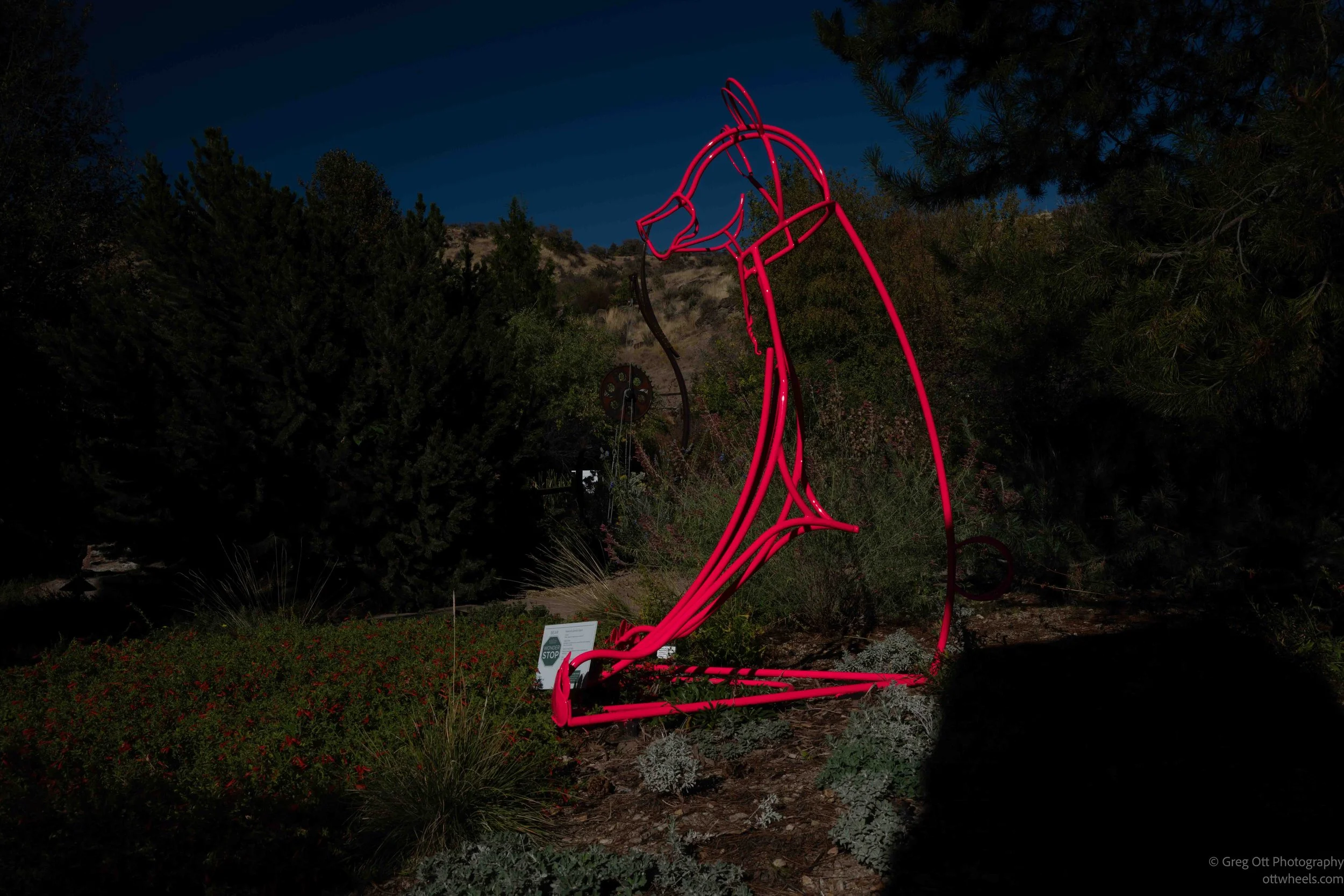
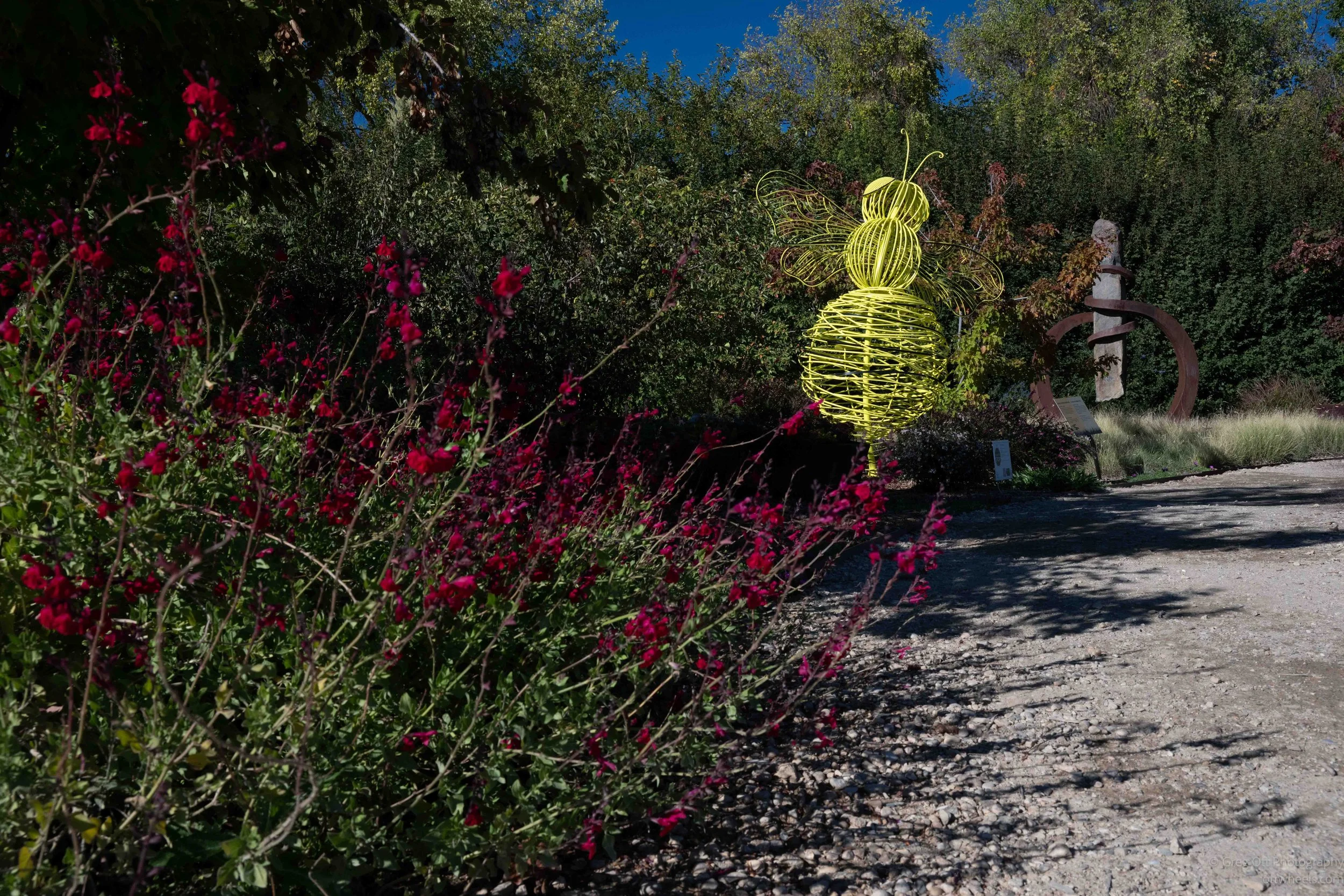
Throughout the garden was an outdoor sculpture exhibition called Woodland Wonders, featuring 21 colorful steel sculptures by artist Huelani Mei. The exhibition was designed to connect art with nature, using larger than life representations of animals, birds, insects and flowers. Mei uses bent and welded steel rods to create open, flowing forms that suggest movement without filling in the entire figure. There were brightly colored birds, a horse, a bat and enormous flowers scattered among the trees and garden beds. I could appreciate the creativity and work involved, but the sculptures didn't particularly grab me. They seemed more playful and decorative than the kind of art I usually find interesting.
Spud Daddy
I went online looking for a traditional Idaho stuffed baked potato and found Spud Daddy in downtown Boise. Finding parking for the van took a while. Downtown was surprisingly busy, with crowded restaurants and plenty of people walking around. Unlike many cities I've visited, Boise still seemed to have a vibrant nightlife. I eventually found parking about six blocks away.
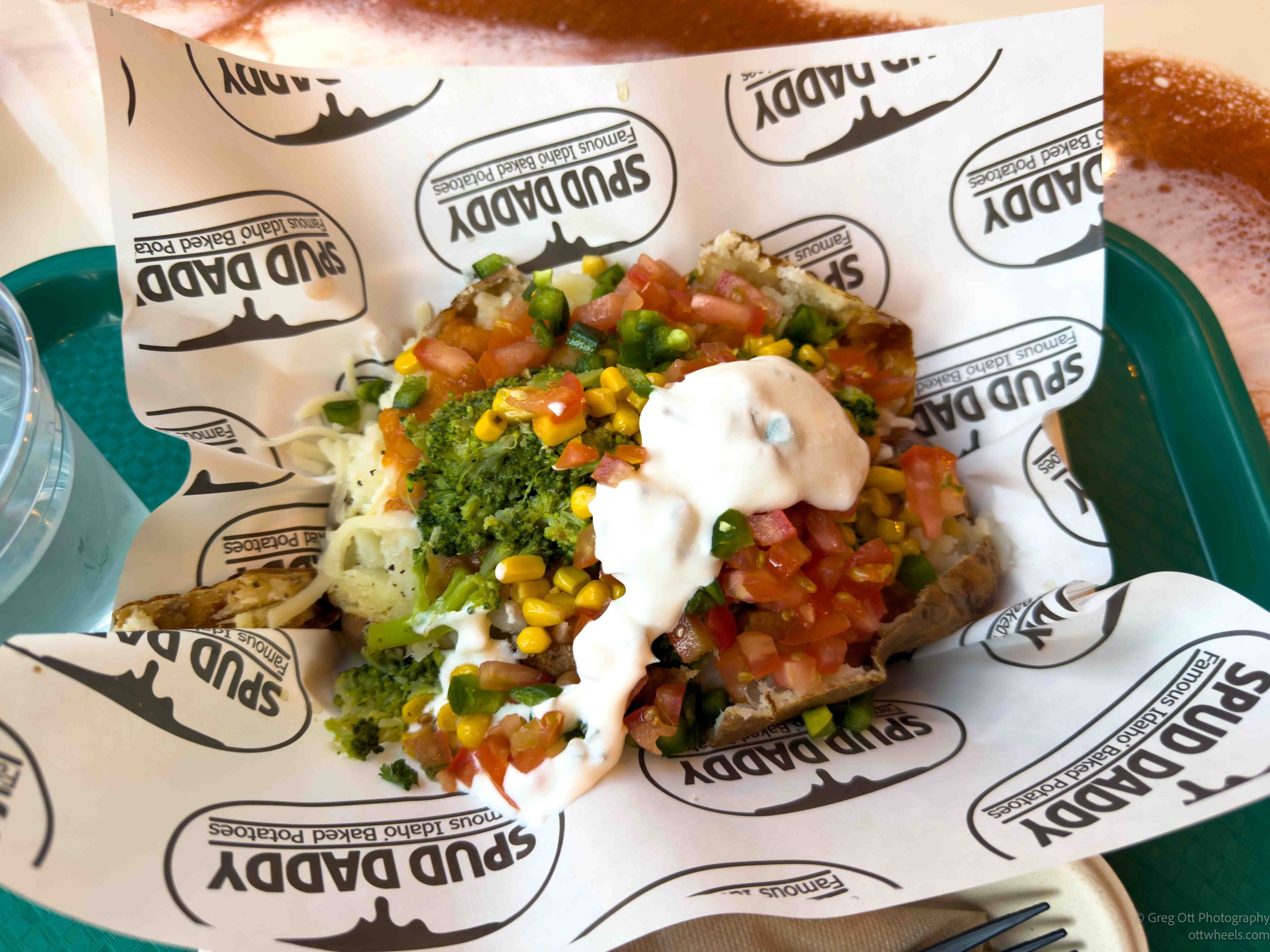
The woman at the counter explained that ordering was similar to Chipotle, except everything started with an enormous baked potato. You selected a sauce and then added whatever toppings you wanted. I skipped the bacon, ham and other meats, but kept adding vegetables until the potato disappeared beneath a mountain of food. I honestly can't remember everything I ordered.
The restaurant was crowded, and with my camera in one hand and the overloaded tray in the other, I nearly dumped the whole thing twice trying to find a seat. I managed to eat about two thirds of the potato before giving up. It was certainly filling, but not a particularly memorable dining experience. The emphasis seemed to be more on quantity than quality, probably better suited to a student appetite than mine.
In an attempt to burn off some of the 1,500 calories I had just ingested, I decided to walk around downtown Boise for an hour. I had my camera with me, but nothing particularly caught my attention, and I wasn't feeling very inspired. Around 9:15, I headed back to the Lucky 13 Pizza parking lot. There were still plenty of people inside, and I thought about stopping for a beer, but the place was packed. I decided to call it a night.