The Little Big Horn Battlefield
Red Lodge Mountain was extremely quiet, at least in the offseason. It was sunny and cool outside, but the morning sun had heated the front of the van into the 70s. I opened the side door, made oatmeal and a double espresso for breakfast, and sat there for a while listening to the birds in the trees around me. Sometime around 9 a.m., six vehicles pulled into the far end of the huge parking lot. I assumed they were resort employees getting ready for the upcoming ski season.
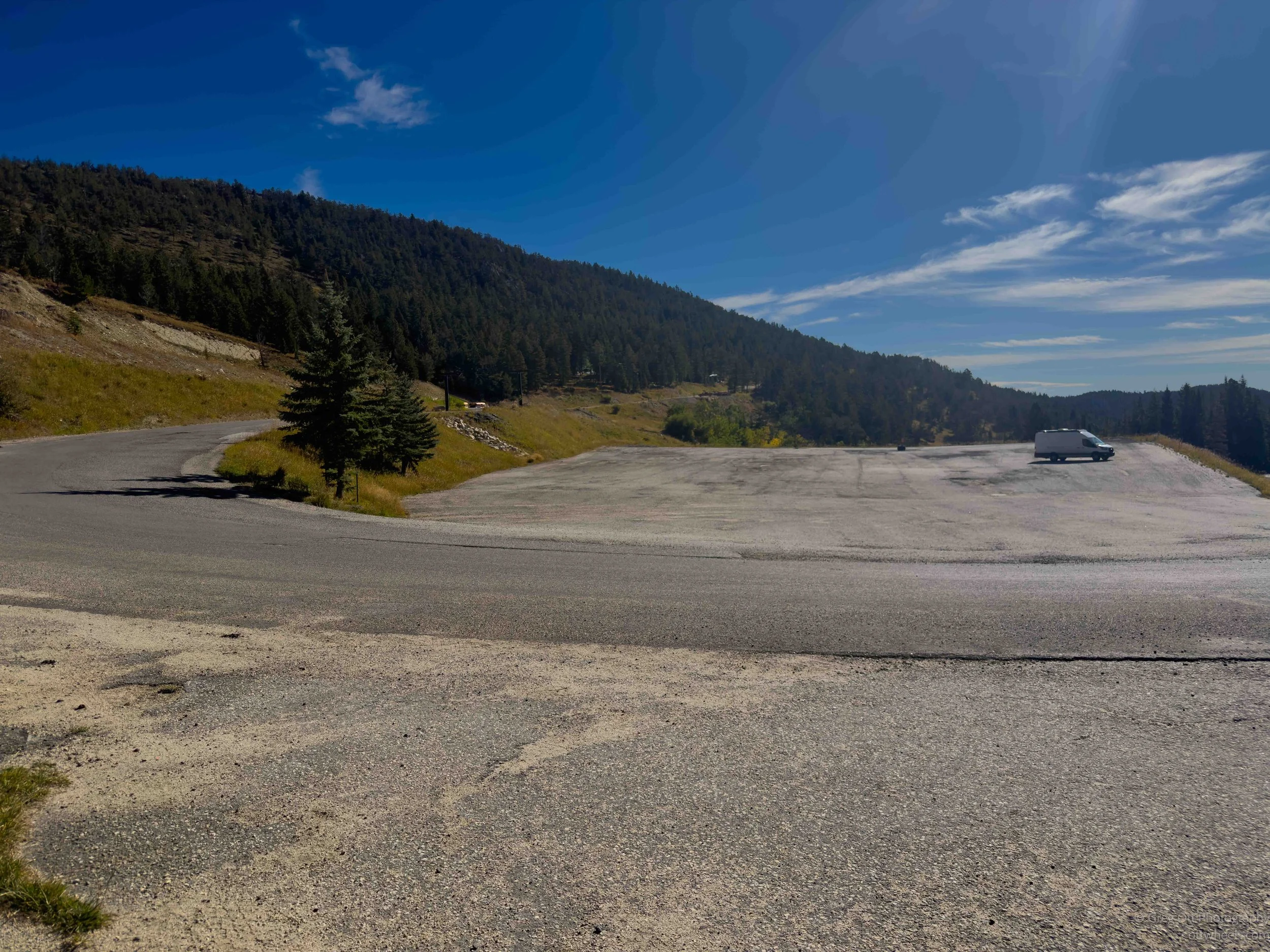
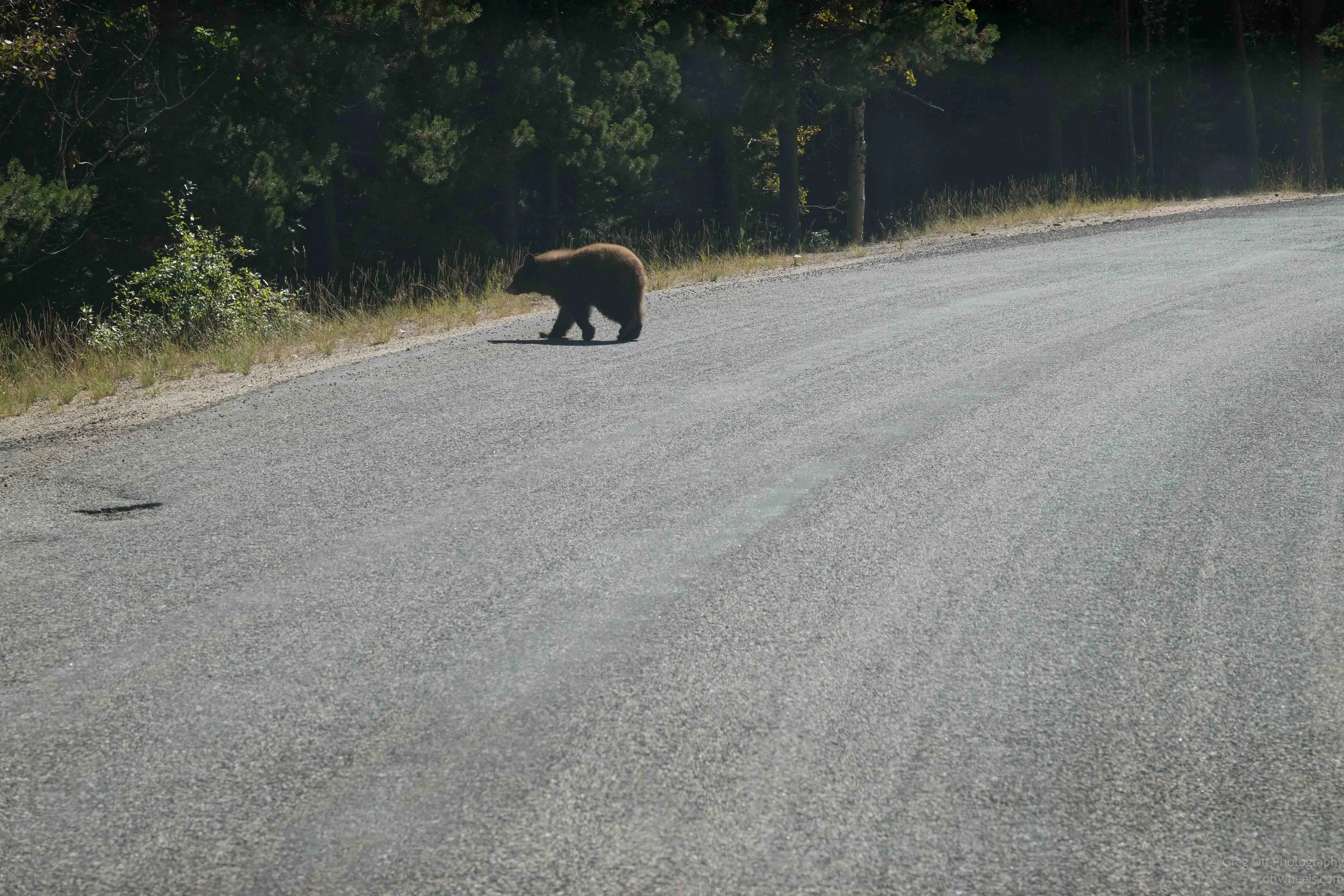
I checked the weather for the Beartooth Highway again. The radar showed thunderstorms developing during the day, and even though it was still sunny where I was parked, I could see clouds building in the distance. The forecast was also calling for snow the next day. Under normal circumstances I probably would have taken the chance and driven the Beartooth Highway, but I already knew I needed new tires on the van and didn't want to find myself crossing a high mountain pass in deteriorating weather. I decided to leave Red Lodge and head for Little Bighorn Battlefield National Monument, the next stop on my Montana trip. On the way down from the ski area, I passed one of the bear cubs I had seen on the drive up the night before.
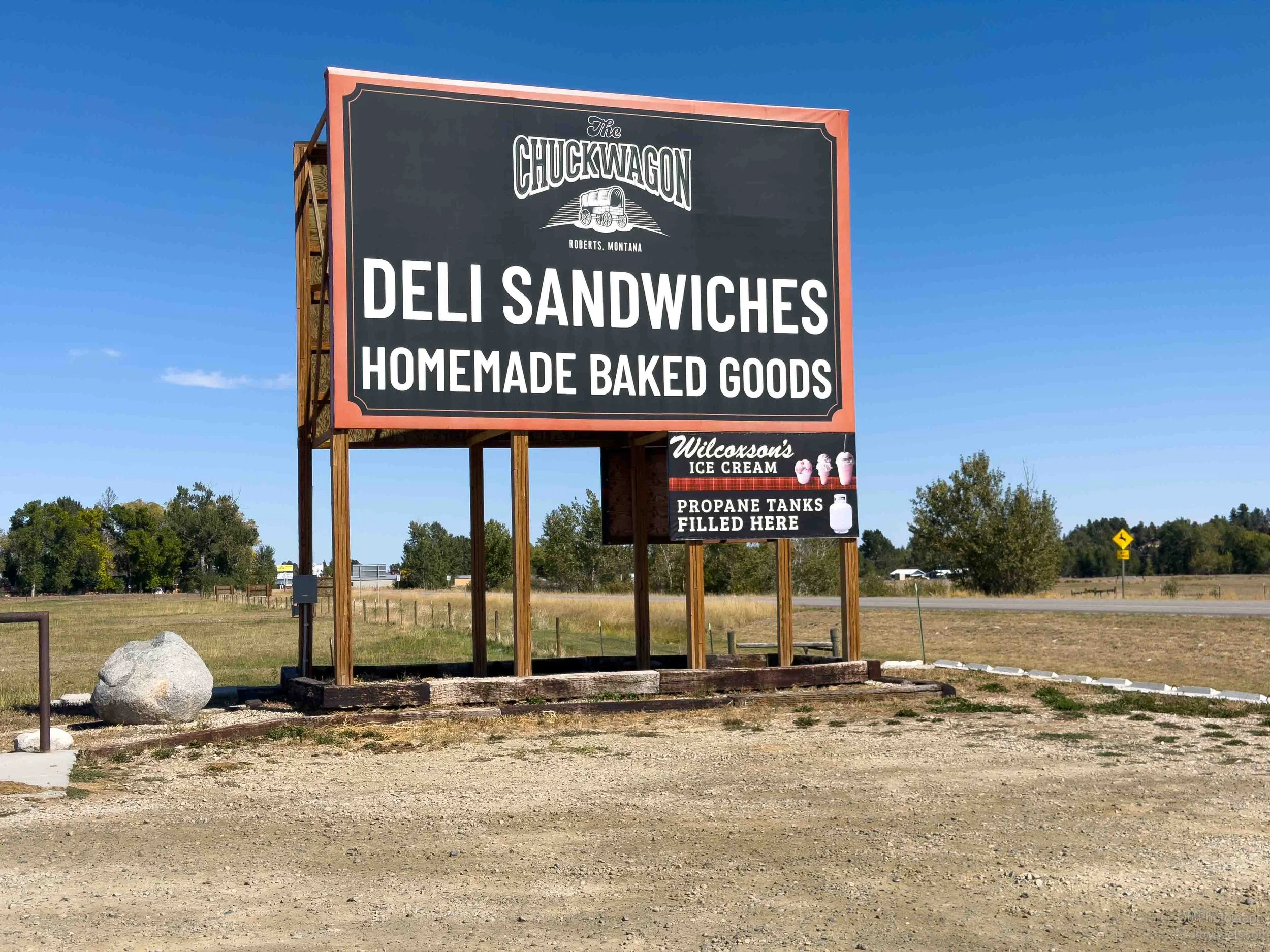
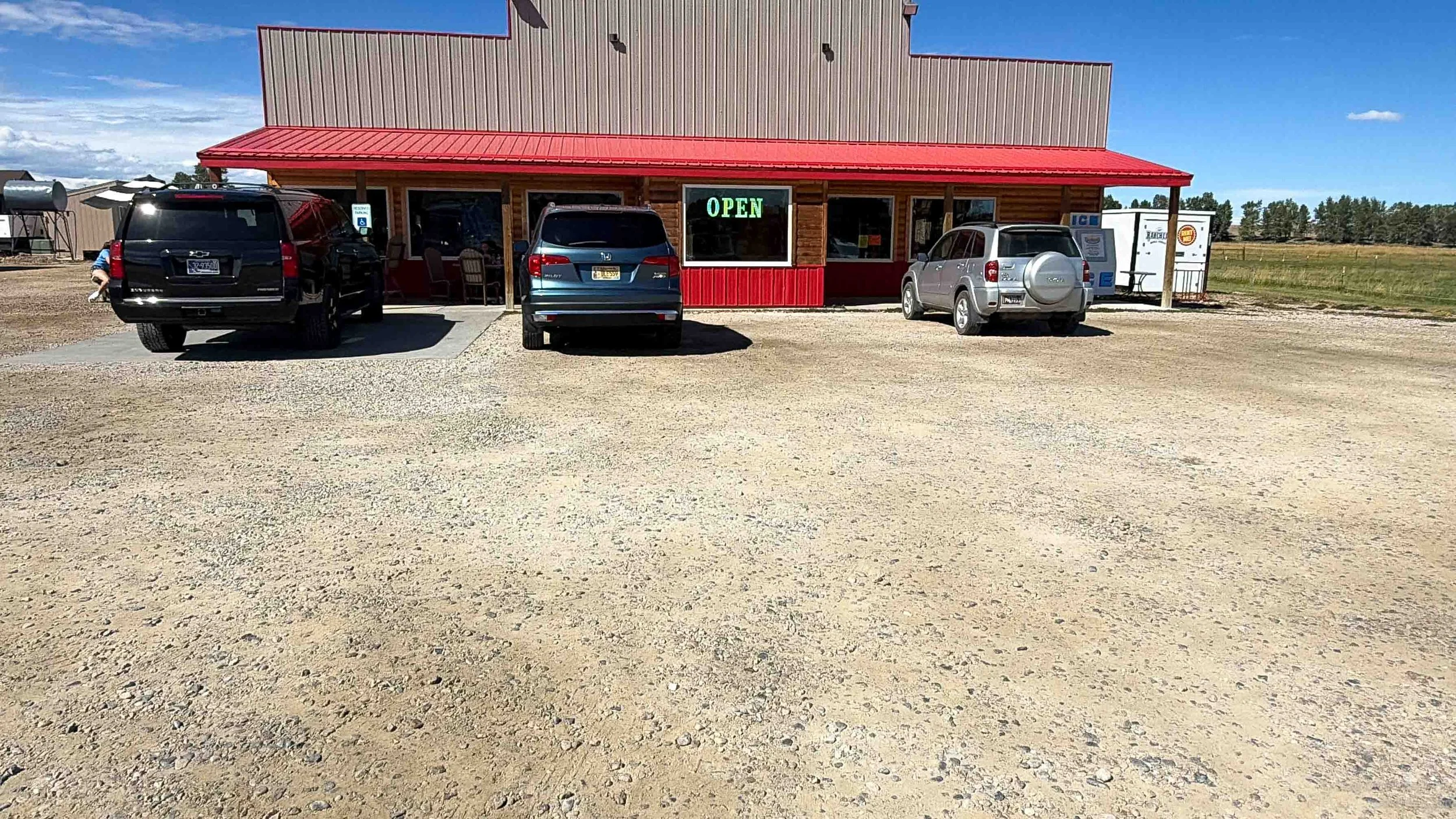
It was noon before I reached the Interstate and I passed what I thought was a sandwich shop. The large lot was packed with vehicles and I was hungry. It turned out to be a mennonite grocery store / candy shop / restaurant. They do love their candy. I ordered a sandwich and waited about 15 minutes. They gave me time, like everyone else to roam the shop and pick up fresh goods. When I left, 80% of the cars were gone.
The drive to Little Bighorn took about three hours, including a stop for gas and another short break. The speed limit on the interstate was 80 mph, but I stayed around 65. At about 70 mph the tires had started making a very loud noise, and I suspected the alignment needed adjusting.
I arrived at Little Bighorn Battlefield just before 1 p.m. and quickly realized I didn’t have as much time as I thought. The battlefield tour road closed at 3:30 and the temporary visitor center at 4. I’ve read quite a bit about the Indian Wars, the post-Civil War Army and Custer, so I already knew much of the background, but I had expected to start with the usual National Park Service film and pick up a park brochure with the history, a battlefield map and descriptions of the major sites.
The current visitor center is being completely rebuilt, and the Park Service was operating out of a small temporary building with little more than an information desk and bookstore. I did get my National Park Passport book stamped, but there was no introductory film and, surprisingly, not even the typical park brochure. I’ve collected a lot of those brochures during this trip and frequently use them while walking or driving through a park, and at a place with a story as complicated as Little Bighorn, I really missed having one. The new visitor center is expected to be completed near the end of 2026, with the exhibits installed before the summer of 2027.
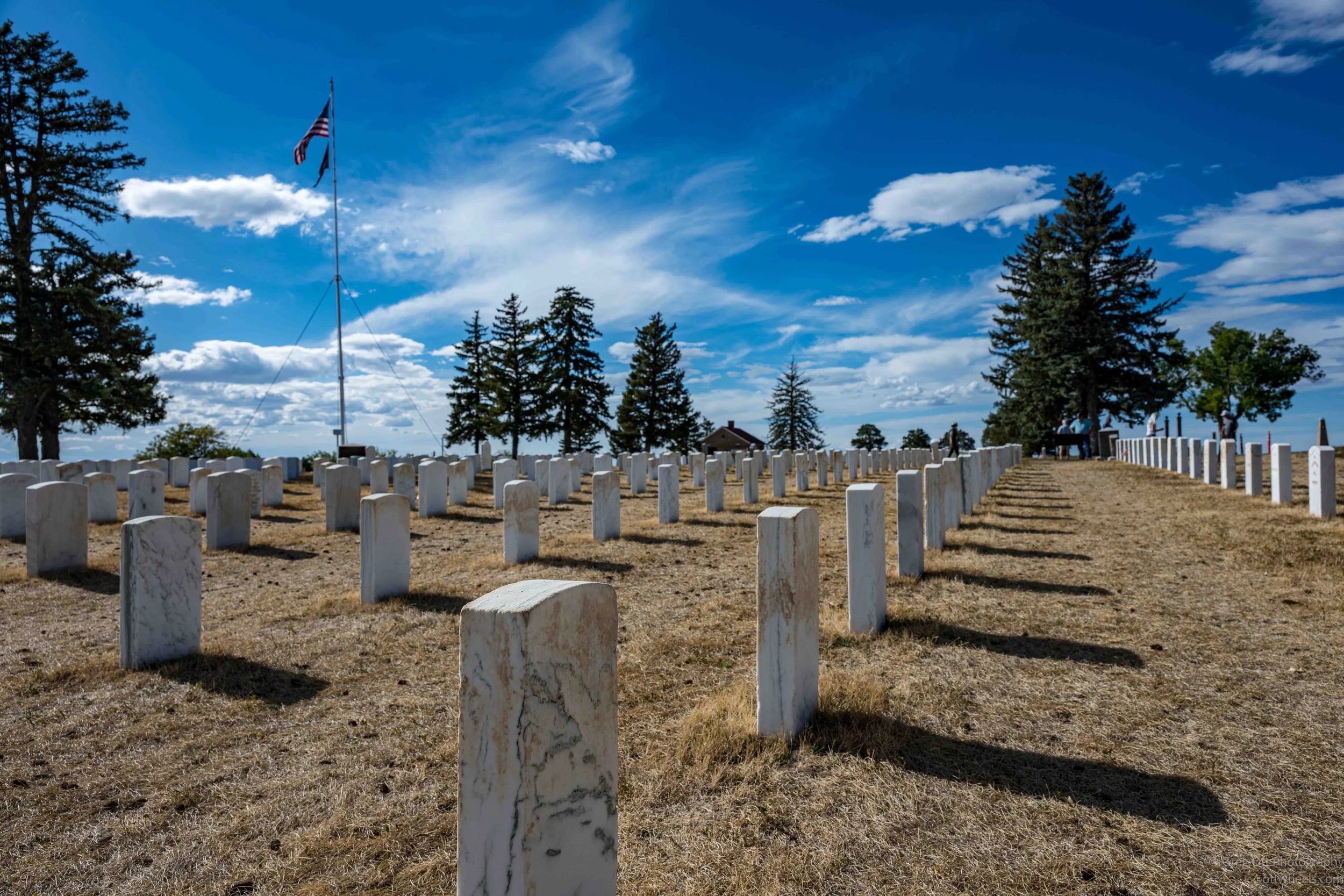
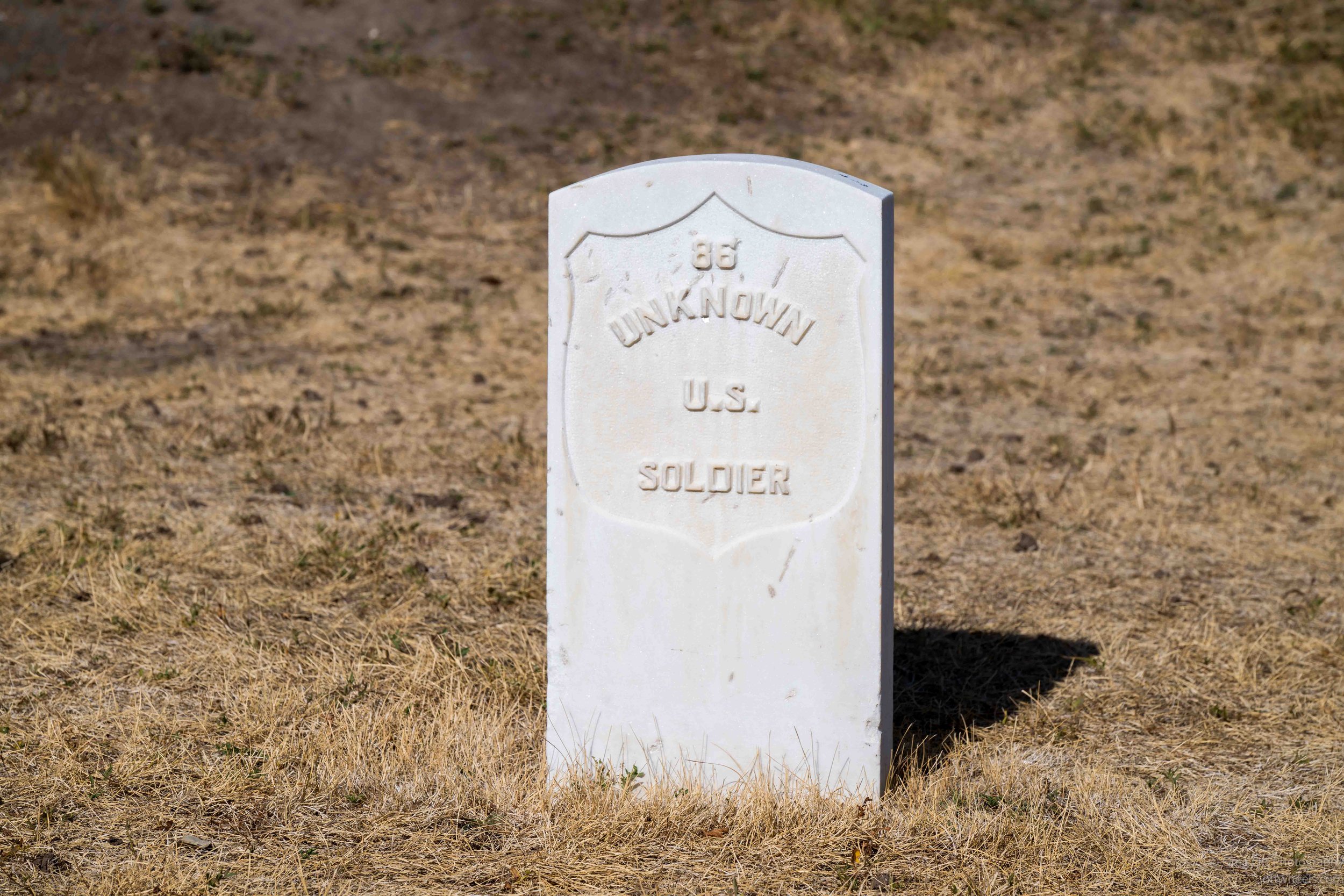
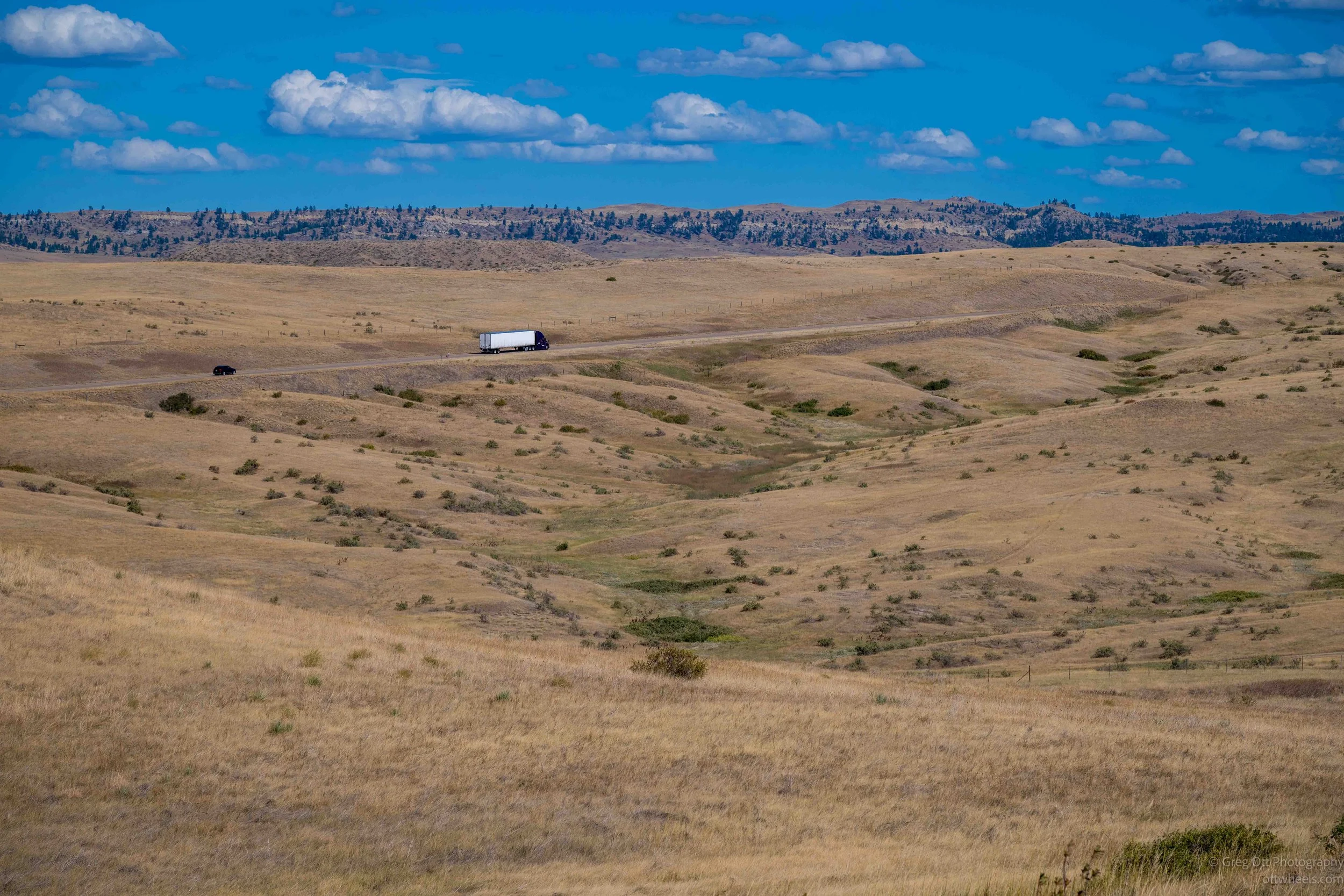
Little Bighorn Battlefield
In June 1876, a large Native encampment had formed along the Little Bighorn River. When Custer approached with the 7th Cavalry, he divided his command into several groups, including forces under Major Marcus Reno and Captain Frederick Benteen. Reno attacked the southern end of the village and was driven back across the river, eventually joining Benteen on the bluffs. Custer continued north with five companies, roughly 210 men, and that portion of the command was completely destroyed. Reno and Benteen's forces remained under siege until the following day. The battle became one of the most famous encounters of the Indian Wars, although the Native victory was followed by an intensified military campaign that forced most of the remaining Lakota and Cheyenne bands onto reservations within the following year.
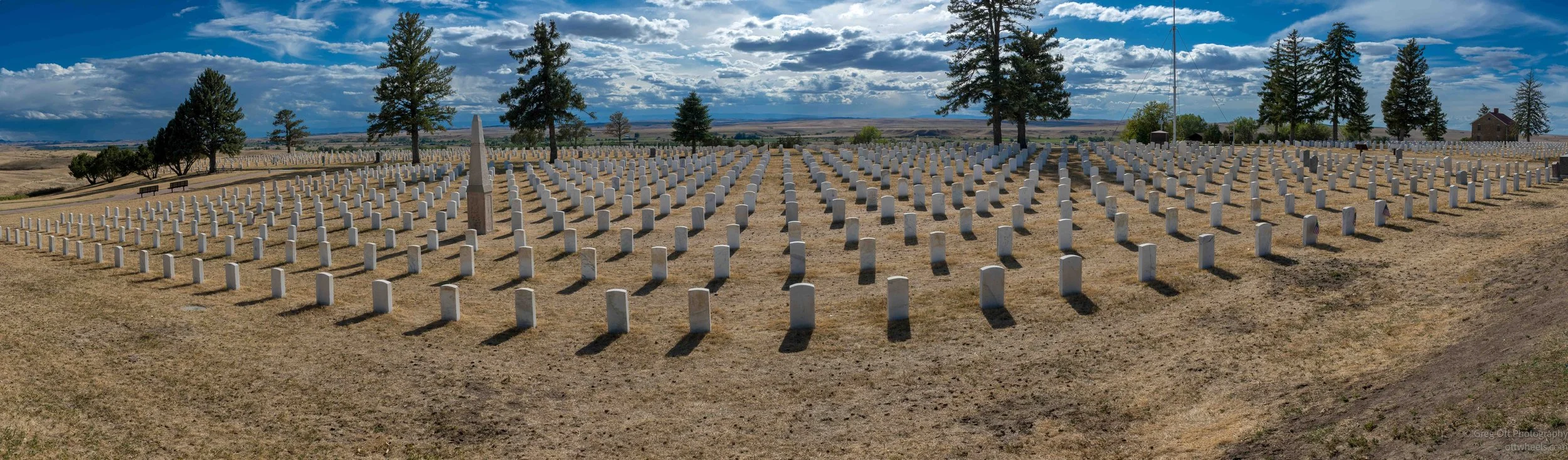
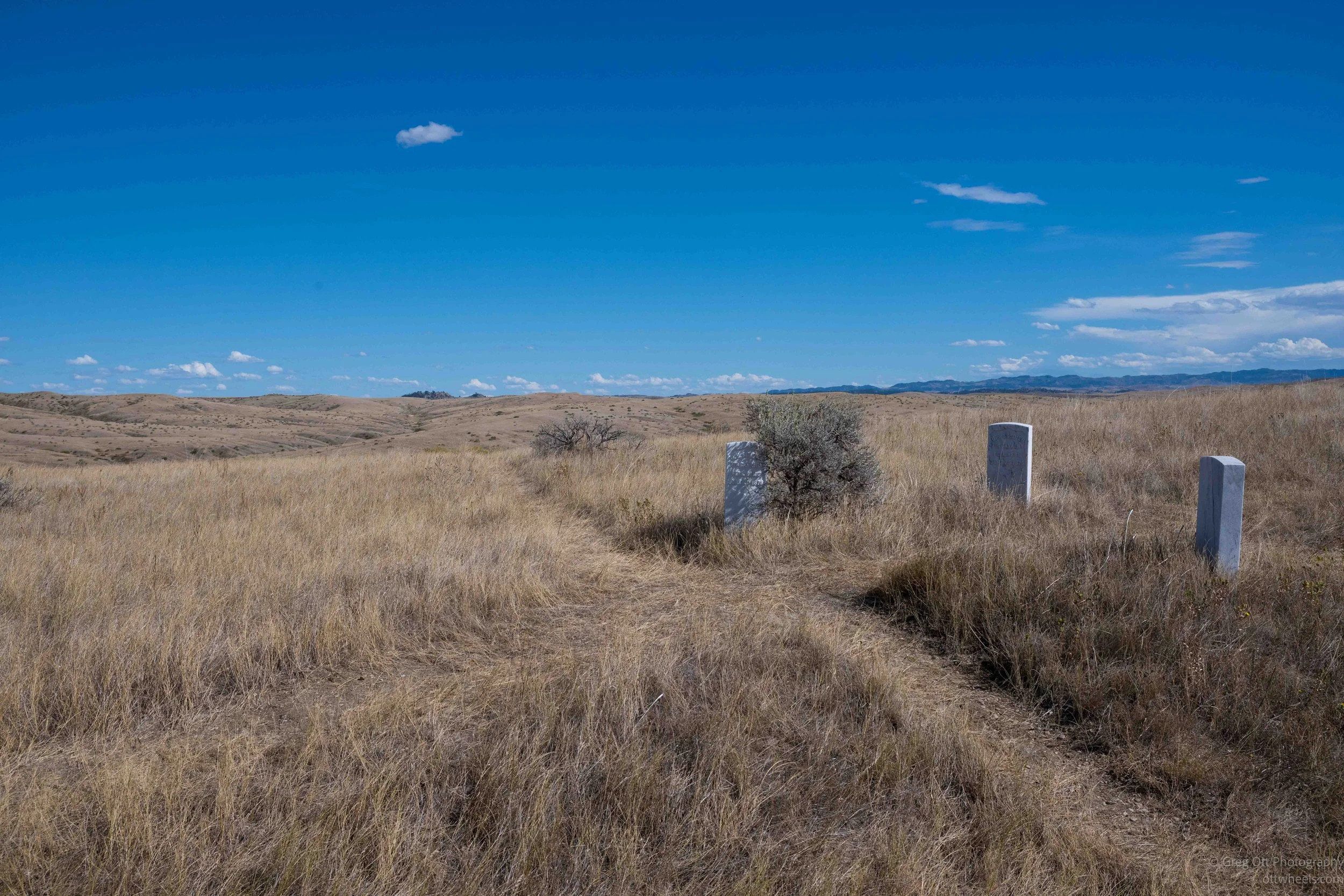
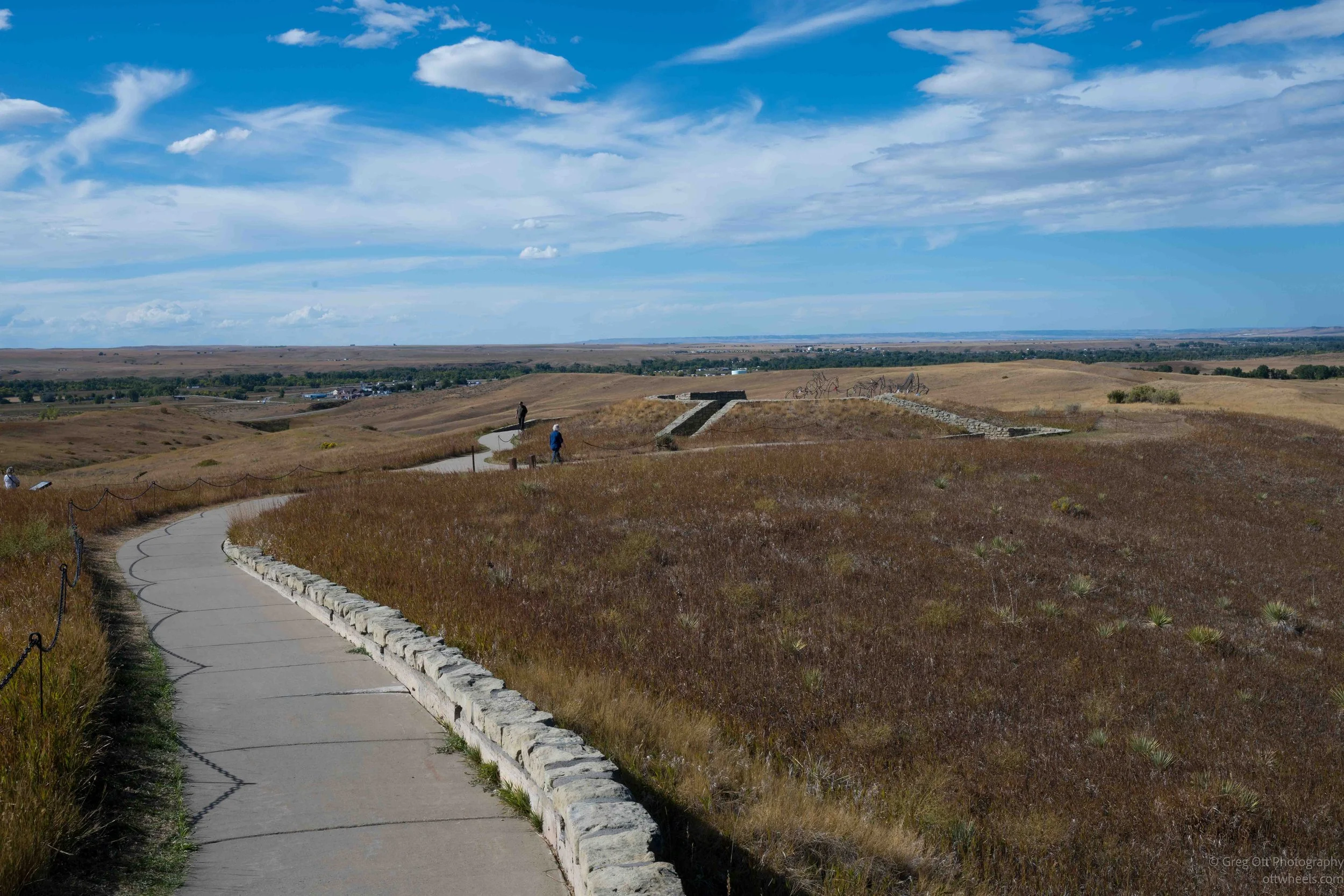
I spent about three hours there, much of it driving and walking around the battlefield trying to get a sense of how everything fit together. The battlefield covers a much larger area than I expected. The tour road stretches several miles through rolling, grass-covered hills, with markers scattered across the landscape showing where soldiers and Native warriors fell. In some places there are only one or two markers sitting by themselves on a hillside. In others, particularly around Last Stand Hill, they are grouped much closer together. Seeing the markers spread across the actual terrain made the battle considerably easier to understand than simply reading about it.
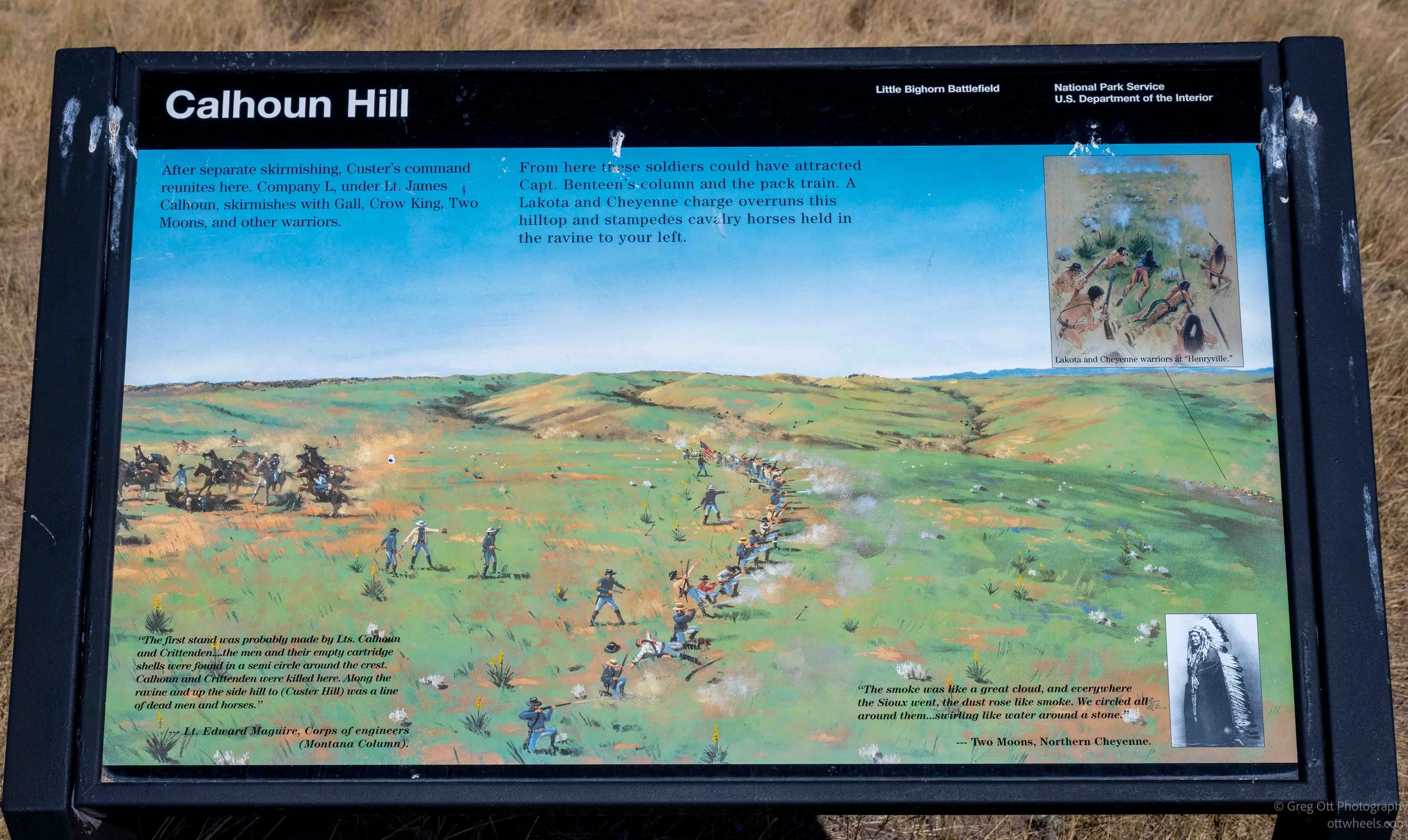
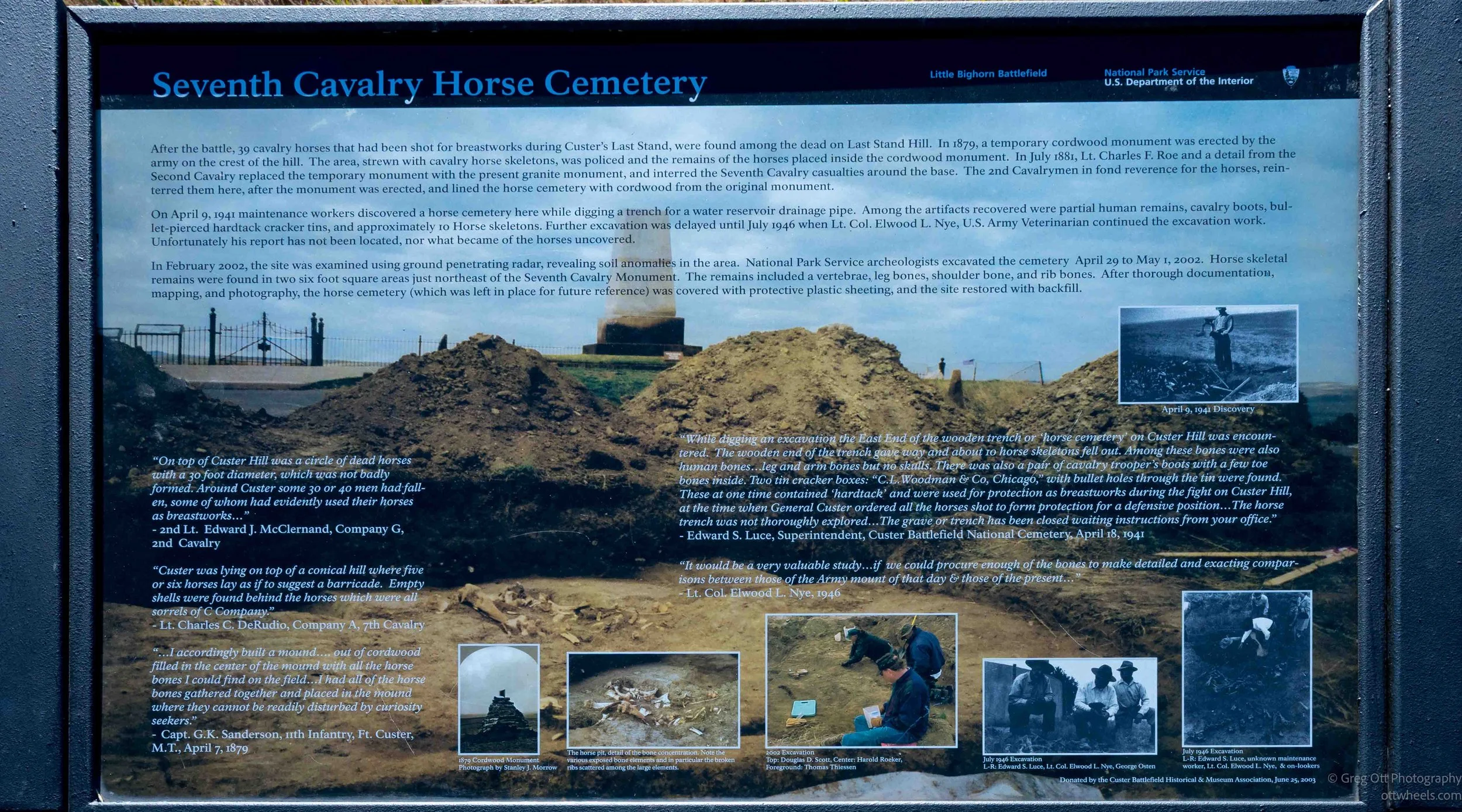
I had already read The Trials of Custer and knew quite a bit about the events leading up to the battle. By this point in his career, I had come away with a strong impression of Custer's arrogance and confidence in his own judgment. Earlier in my trip I had visited Fort Abraham Lincoln in North Dakota, where Custer said goodbye to his wife, Libbie, for the last time before riding west with the 7th Cavalry. Now I was standing on the ground where that trip ended.
I also knew that Custer was not the only member of his family killed at Little Bighorn. His brothers Thomas and Boston Custer died there, along with his brother-in-law James Calhoun and his nephew Henry Armstrong "Autie" Reed. What surprised me at the memorial was how little that seemed to be emphasized. Five members of one family died in the same battle, yet that part of the story felt almost incidental as I moved through the grounds.
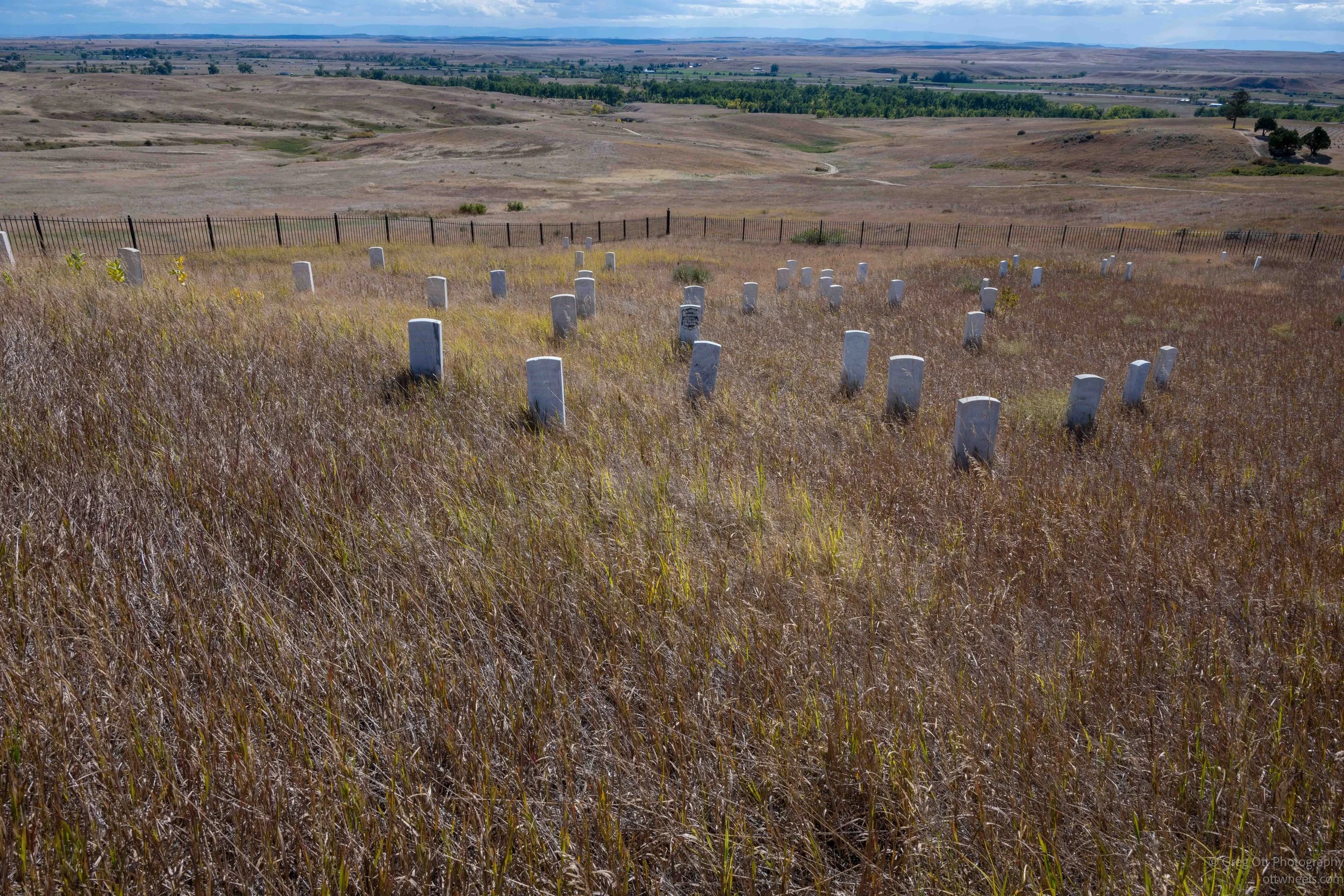
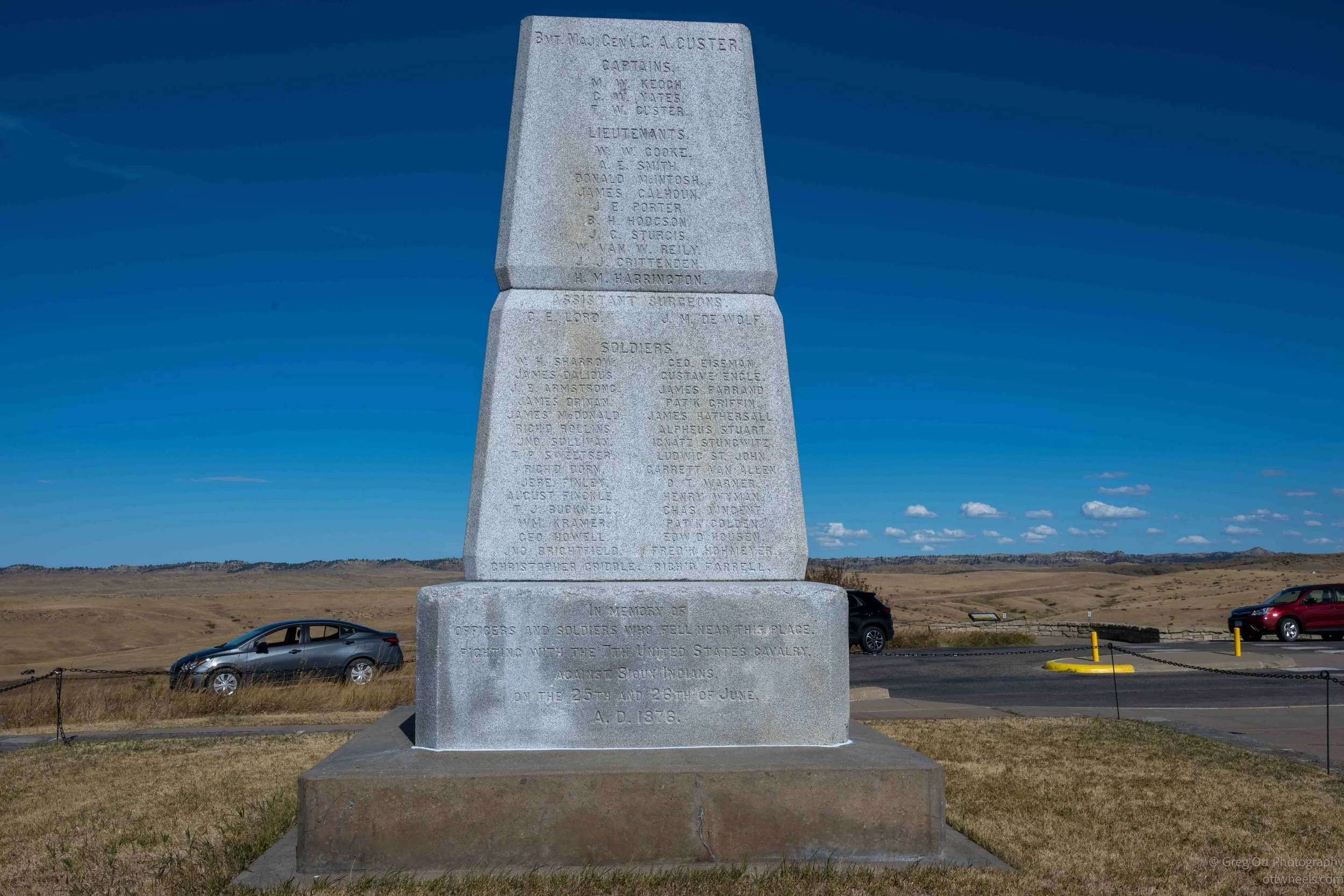
Last Stand Hill is probably the best-known part of the battlefield. This is where Custer and the remaining men with his immediate command were killed. A large stone monument stands at the top of the hill, surrounded by white markers showing where many of the soldiers were originally found. From there, you can look across the open landscape and begin to appreciate the distances involved and just how exposed the cavalry would have been. The exact sequence of what happened to Custer's command is still debated, but standing there gives the event a physical scale that maps and photographs simply don't provide.
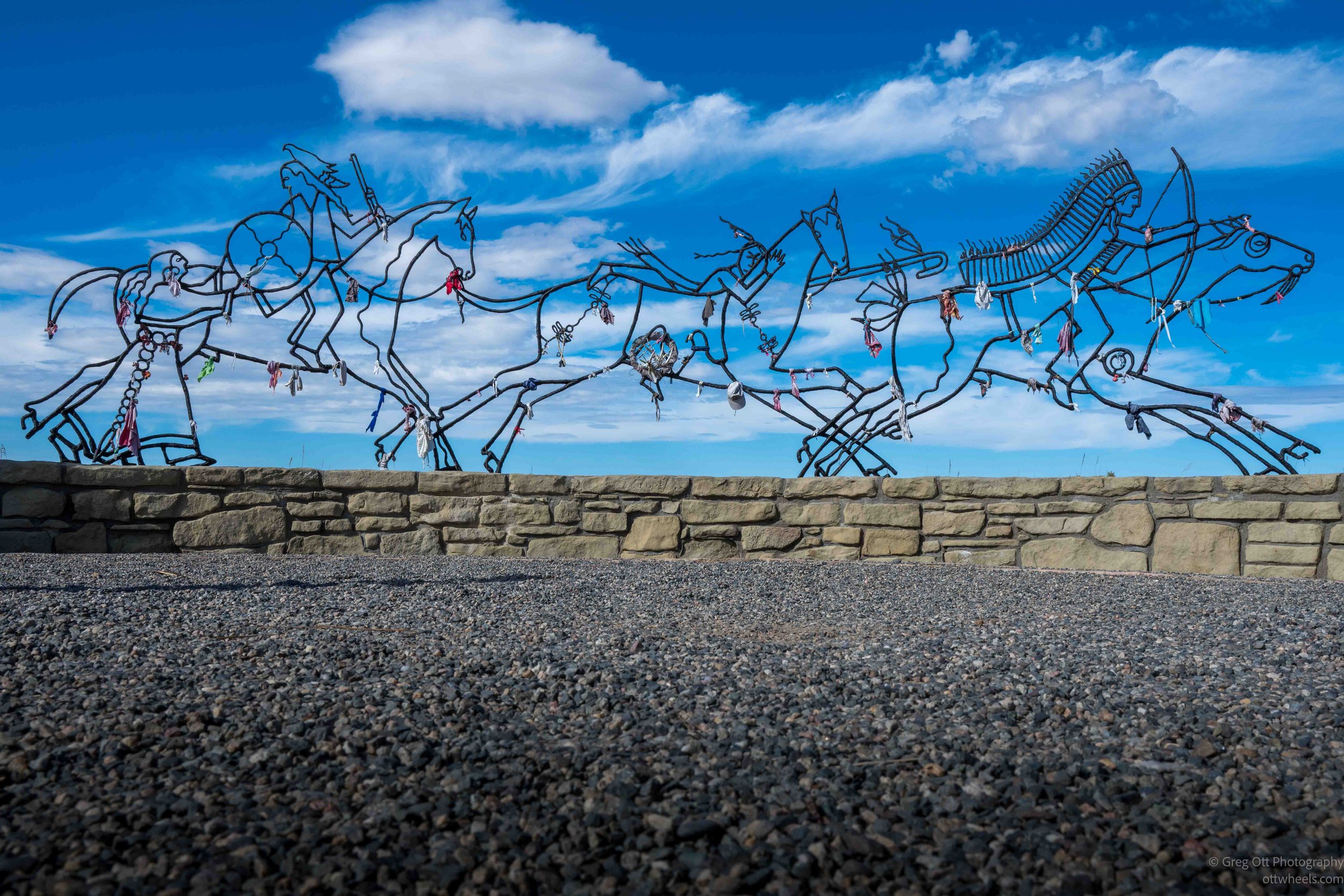
Nearby is the Indian Memorial, a circular stone memorial built into the hillside. Inside are panels recognizing the Lakota, Cheyenne, Arapaho and other Native people involved in the battle, along with their accounts and perspectives. Above the memorial is a large metal sculpture of mounted warriors. It provides an important counterpoint to the older monuments, which for many years concentrated almost entirely on Custer and the 7th Cavalry.
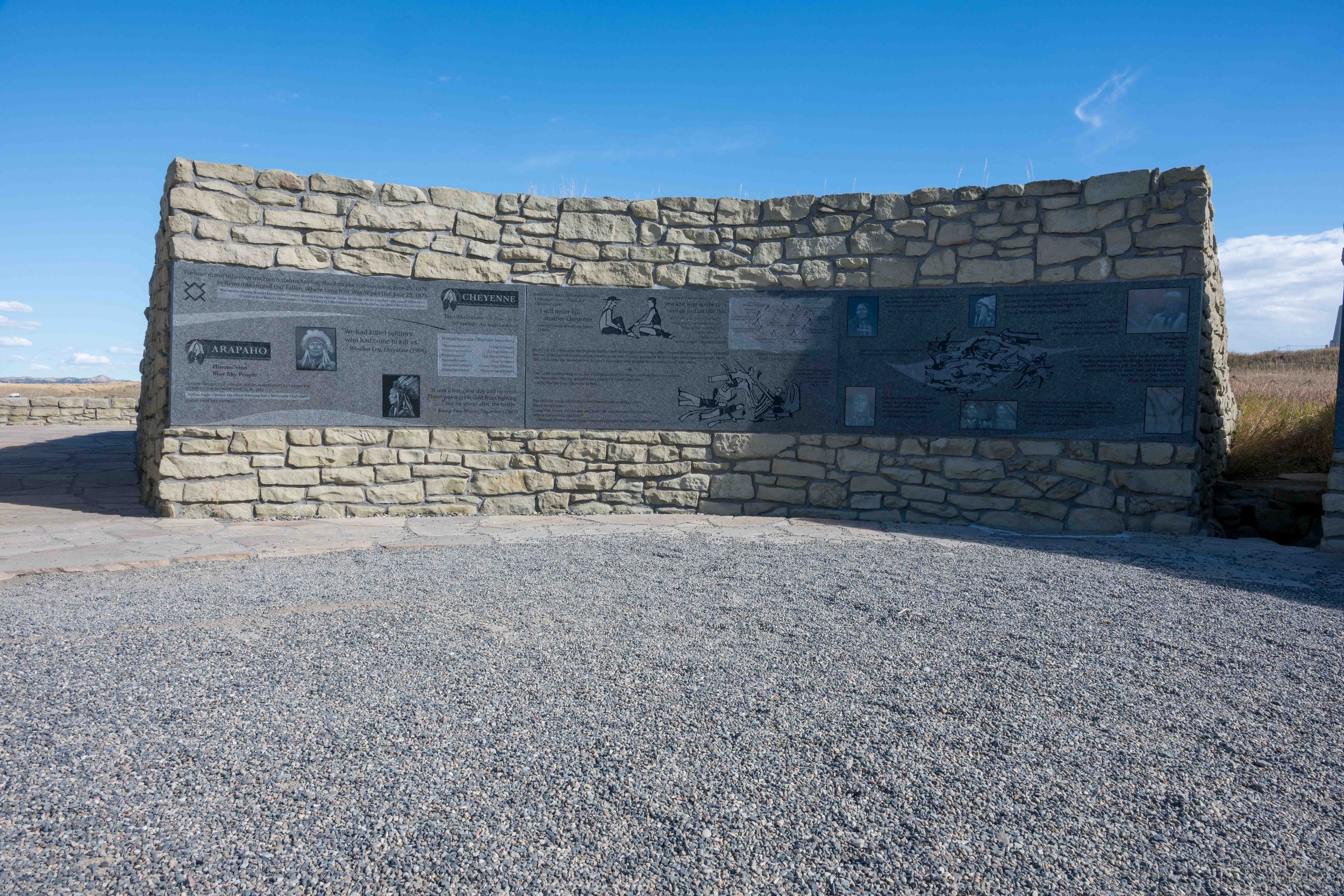
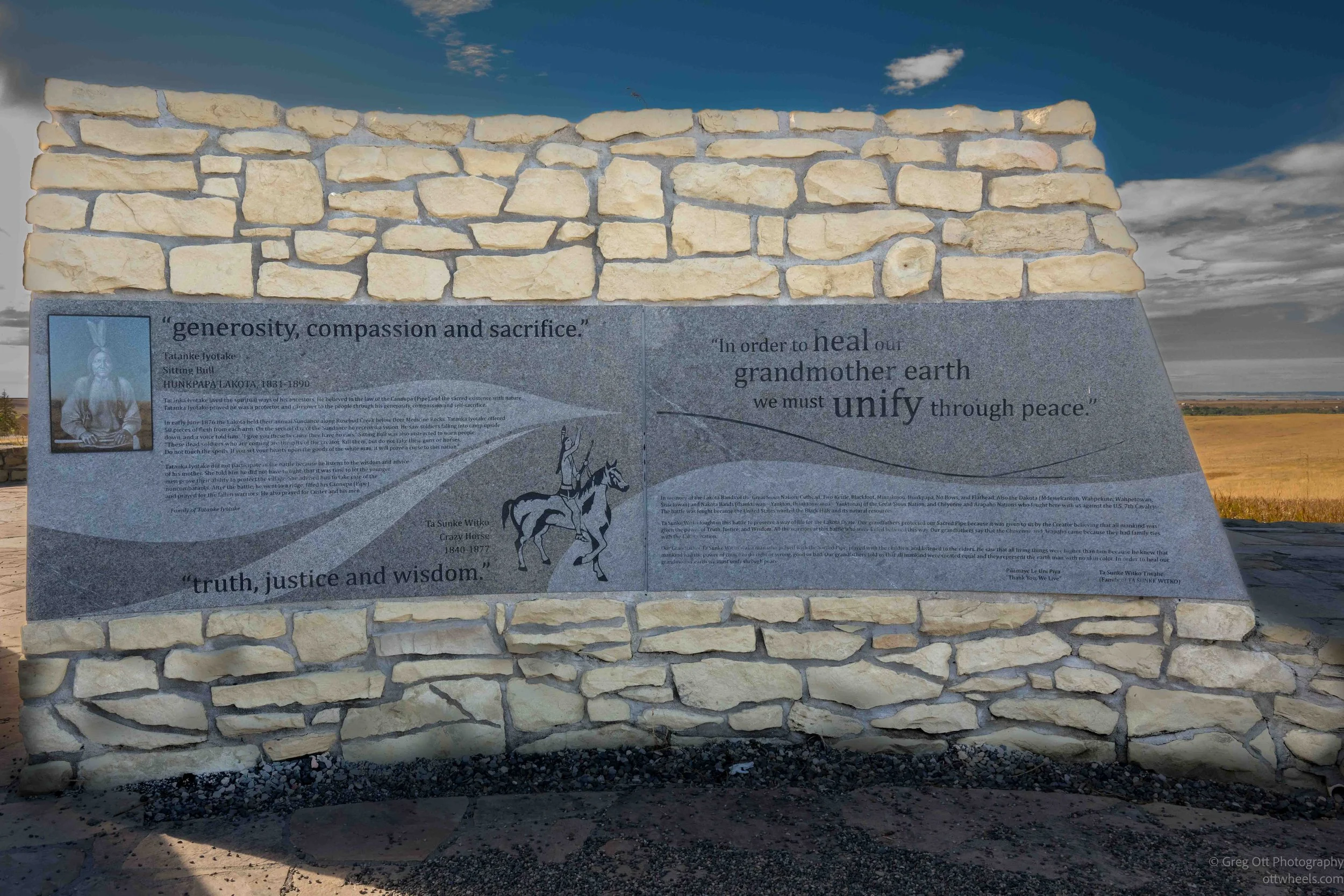
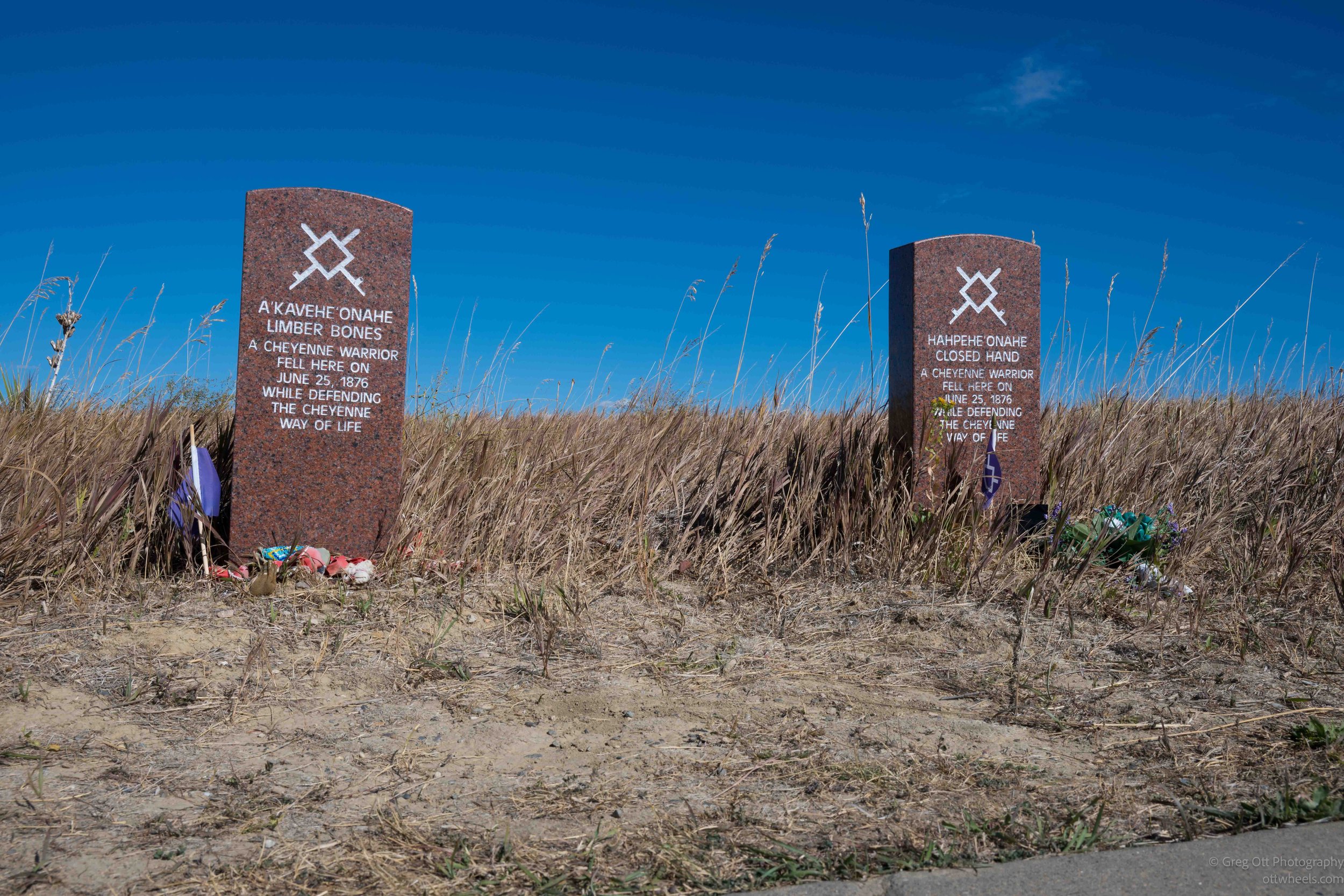
I left the battlefield and drove to the Bighorn Fishing Access Area along the Bighorn River. There were quite a few trucks and boat trailers scattered around the access area when I arrived, and it was obvious that fishing was the main reason most people were there. I was mostly looking for a quiet place to stop for the night.
From the signs, it was clear that overnight camping was allowed, but I couldn't find anything explaining what it cost or how I was supposed to pay. The information I found online wasn't helping much either. A guy was backing his trailer down the ramp to pull out his boat, so I walked over and asked him how I paid. He looked at me and said, "There's no charge. Just park where you want. Welcome to Montana." He also told me they were fishing primarily for rainbow and brown trout.
By 9 p.m., I had the place almost entirely to myself and the rain was starting to settle in. A few fishermen came back well after dark to pull their boats out, but otherwise it was remarkably quiet. It is a beautiful spot right beside the Bighorn River, although surprisingly I couldn't really hear the river from where I was parked. I didn't hear many birds either. Most of the sound came from fishermen returning to the ramp and loading their boats onto trailers.
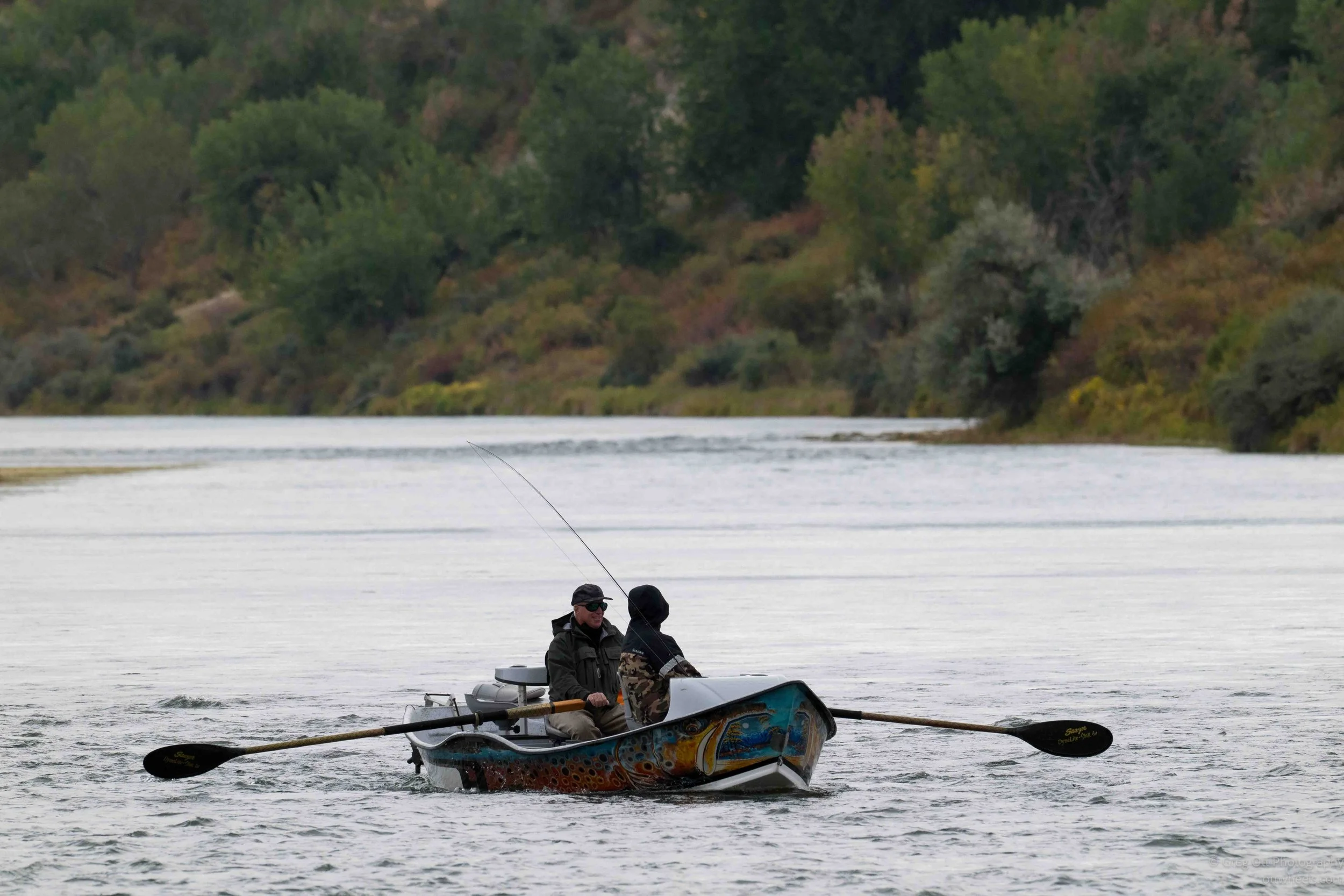
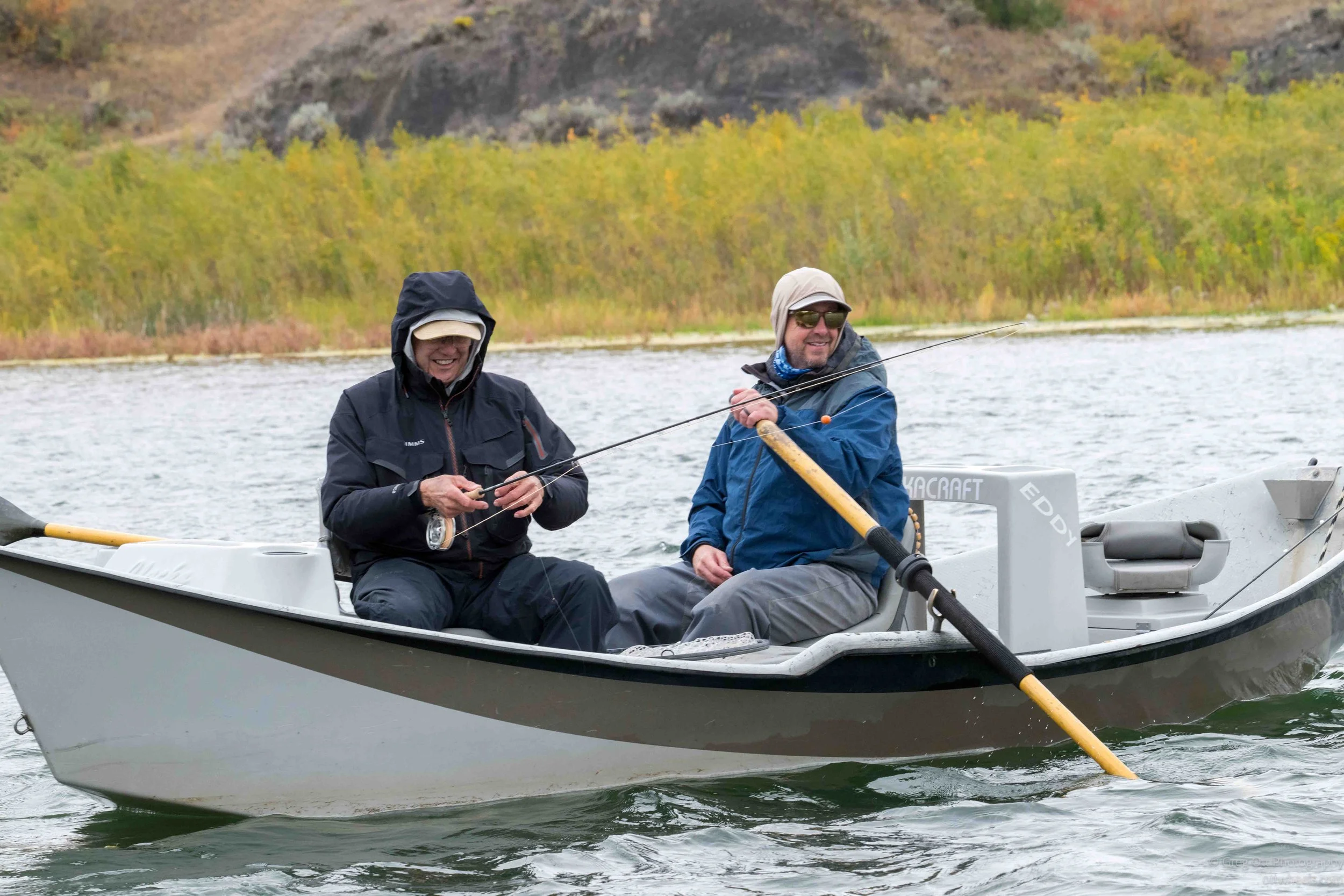
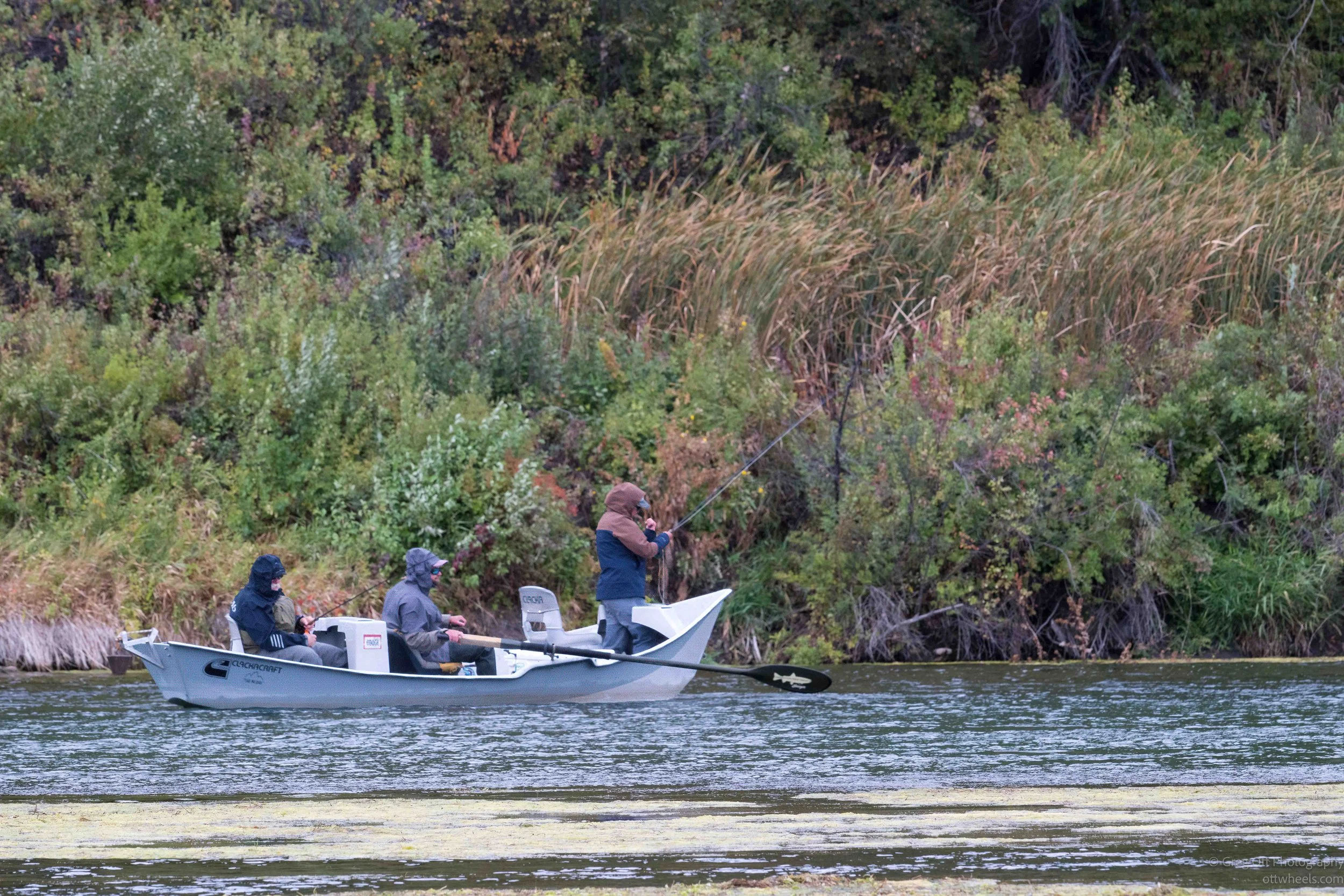
Nearly everyone had the same basic setup: a pickup truck, boat trailer and a long, shallow river boat. The boats had oars for maneuvering as they drifted downstream, and several appeared to have small electric motors. I didn't see anyone using a gas-powered motor. It was interesting watching the routine as each group came off the river, backed a trailer down the ramp, loaded the boat and disappeared into the darkness.
I'm not much of a fisherman, but for some reason I have always enjoyed trout fishing. Sitting beside the Bighorn River after spending the afternoon walking around Little Bighorn Battlefield wasn't where I expected to end the day, but that has become fairly typical of Montana.
9/20: Day Two, Bighorn Fishing Access Area
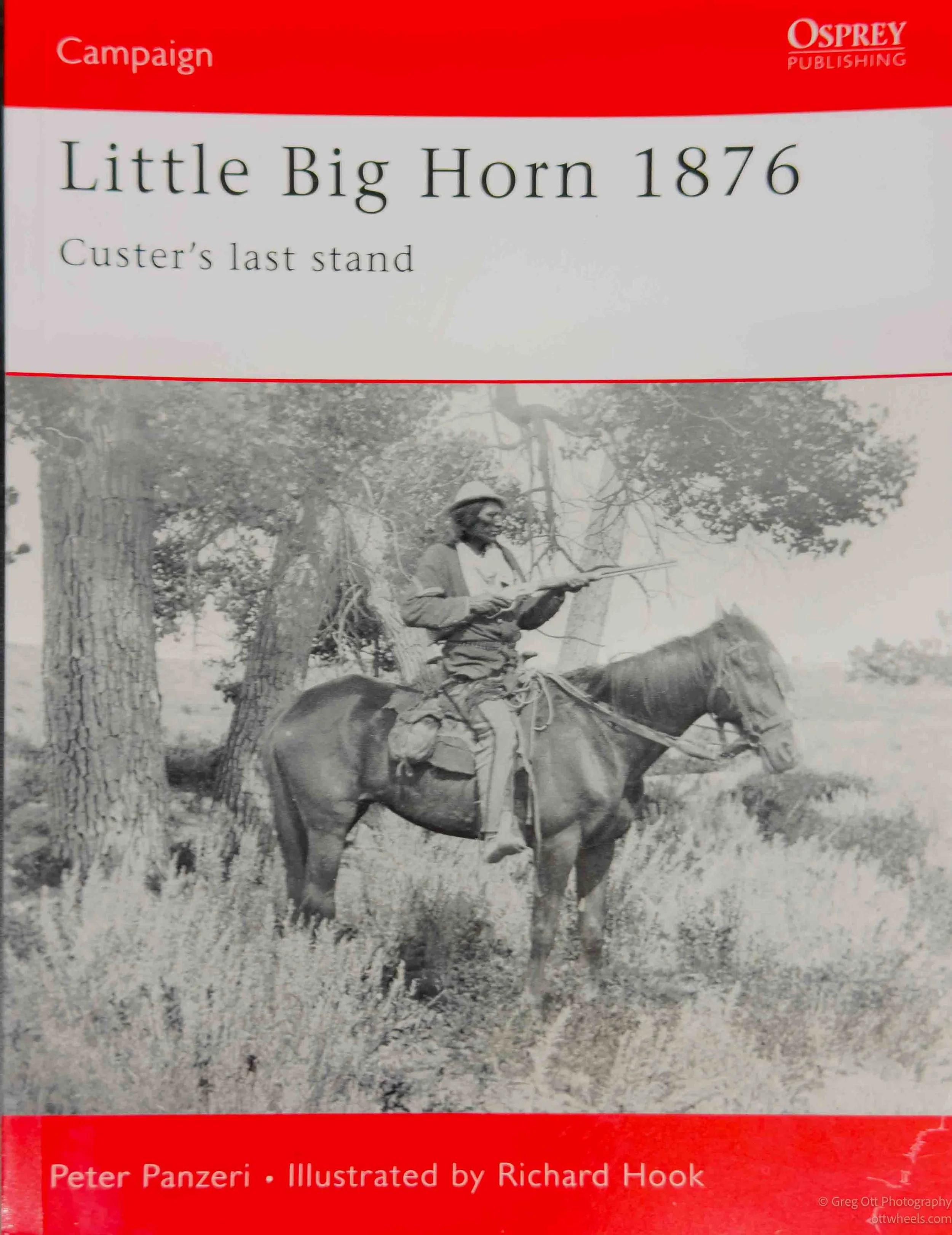
I’ve been moving so much the last month that it felt good to just relax. It was pouring down rain and I wasn’t going to be doing much in this weather. What surprised me was how many fisherman were out in the rain. I made breakfast and a double espresso and relaxed with "Little Big Horn 1876 - Custer’s Last Stand”. I bought the book in the National Park Service store yesterday. This was a replacement for the lack of park service information brochures. It has maps, including calvery and tribe movements. I read for a few hours until the rain lifted around 12:30 p.m.
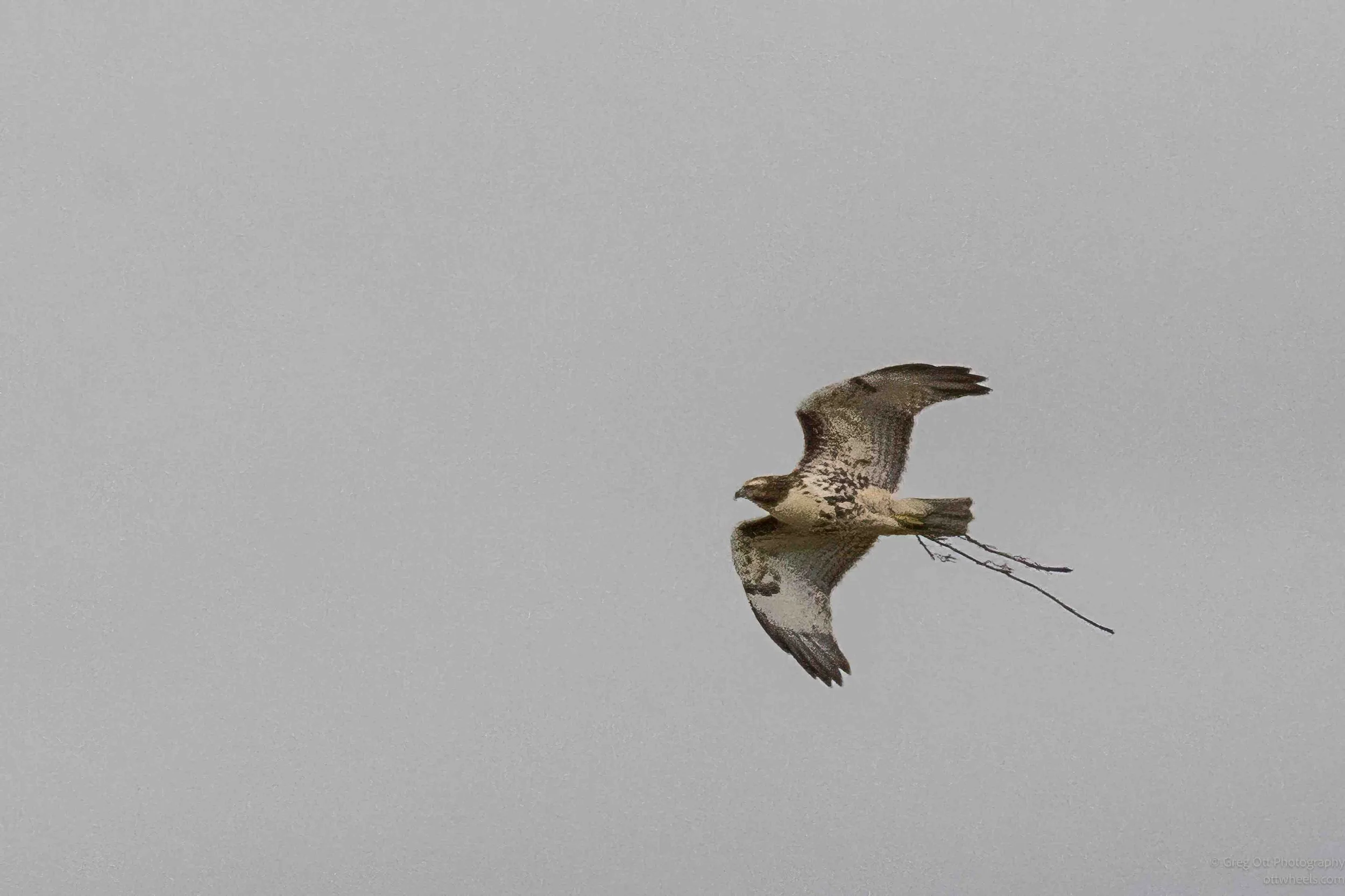
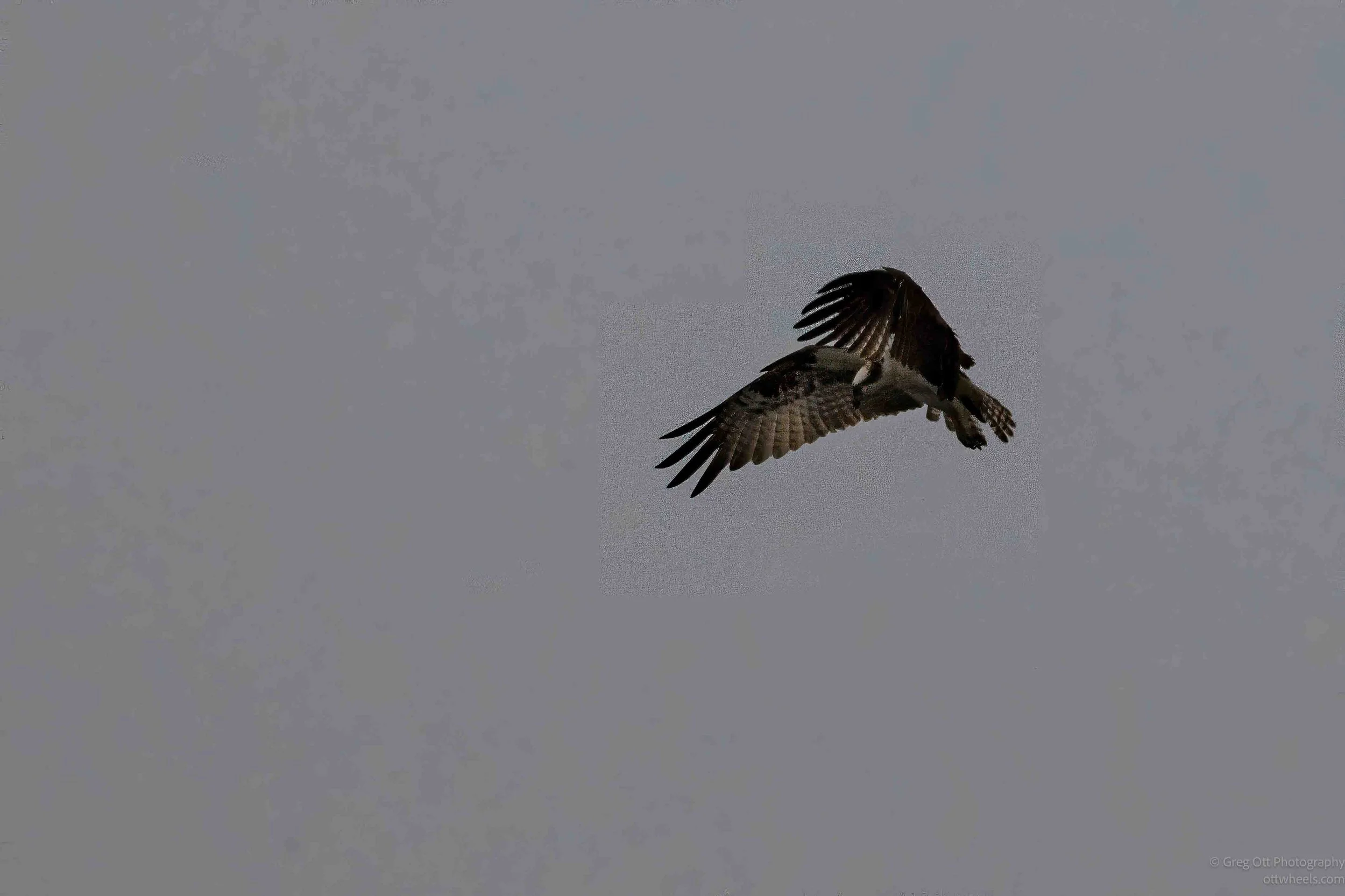
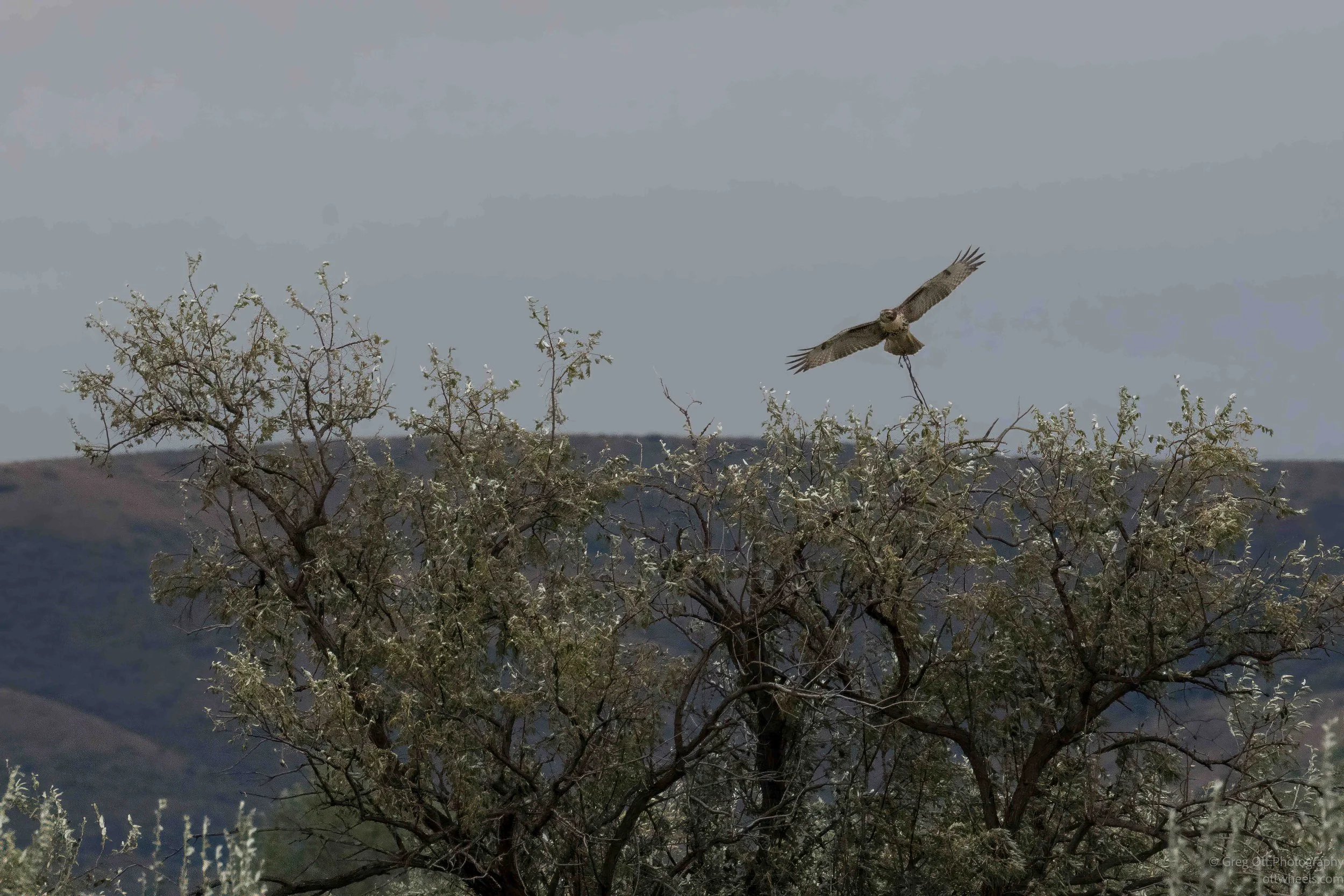
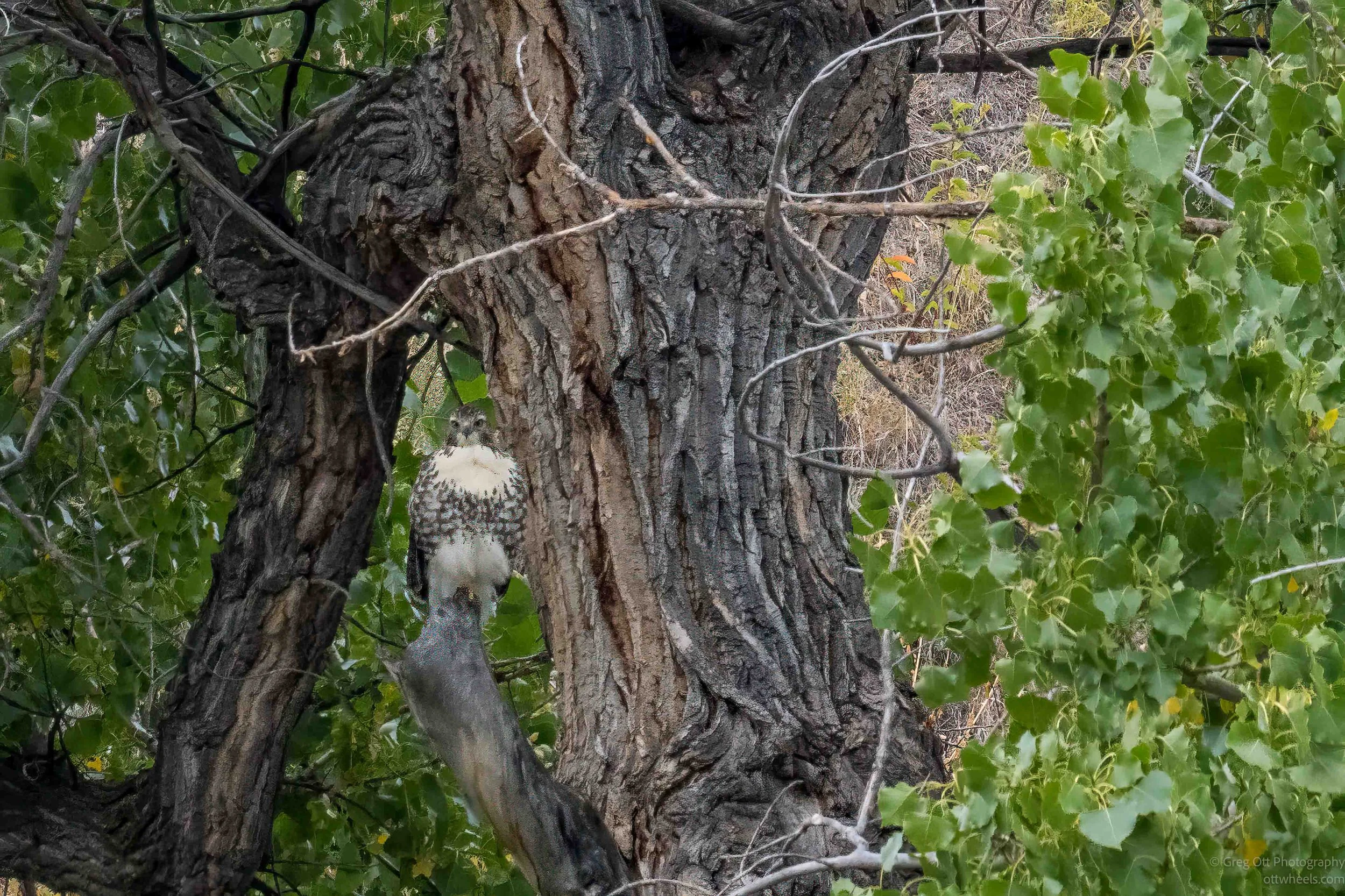
The rain was gone, but the wind was still blowing hard. About a mile away, I had seen several large birds diving into the fields, and for the next four and a half hours I followed hawks, turkey vultures and osprey as they hunted over the open country and along the river. The osprey were especially interesting to watch, flapping hard into the wind to hold themselves almost stationary while tracking fish in the water below. I never got close enough for the kind of photographs I wanted, but after a while the photography became secondary to simply watching how each bird worked the landscape.
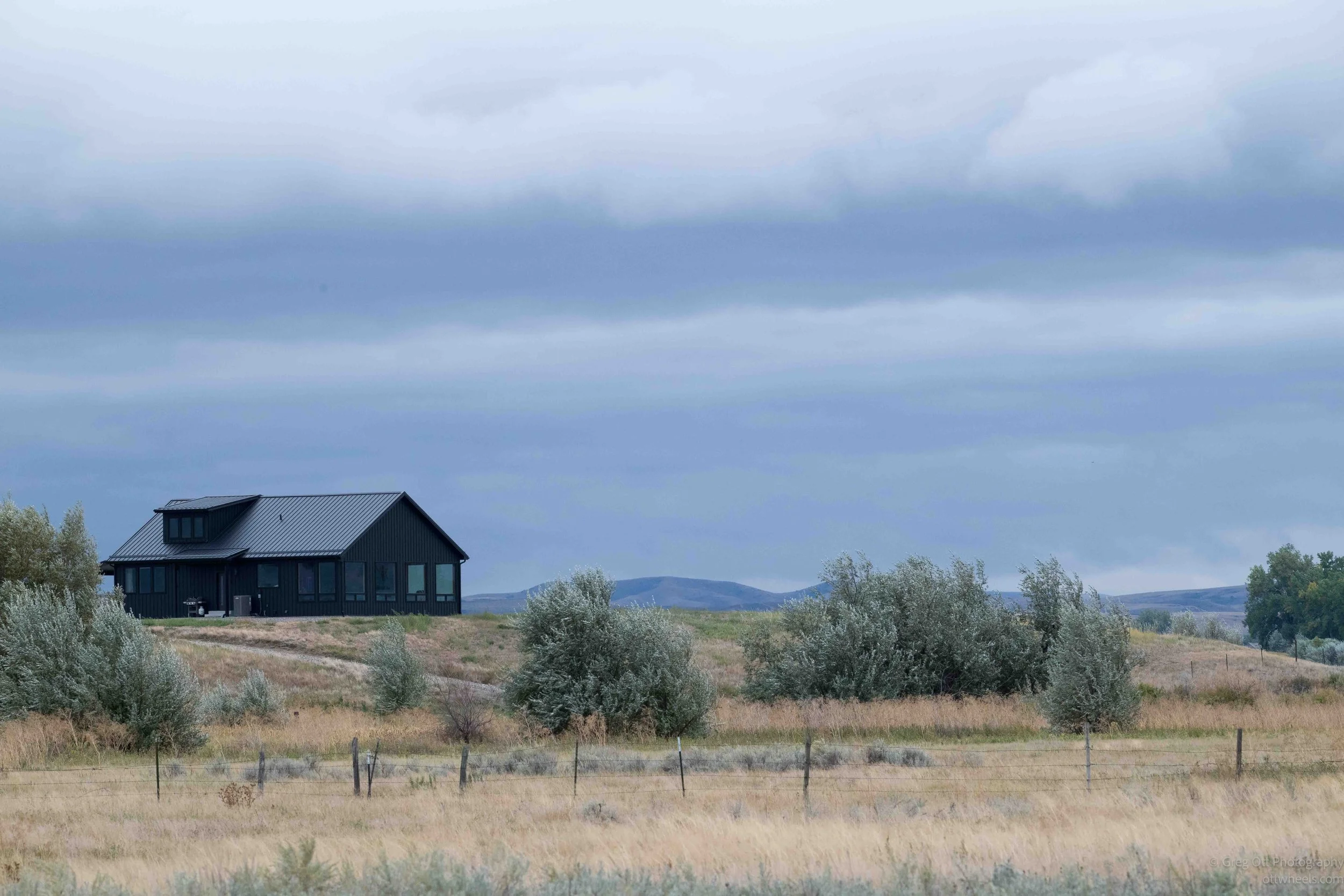
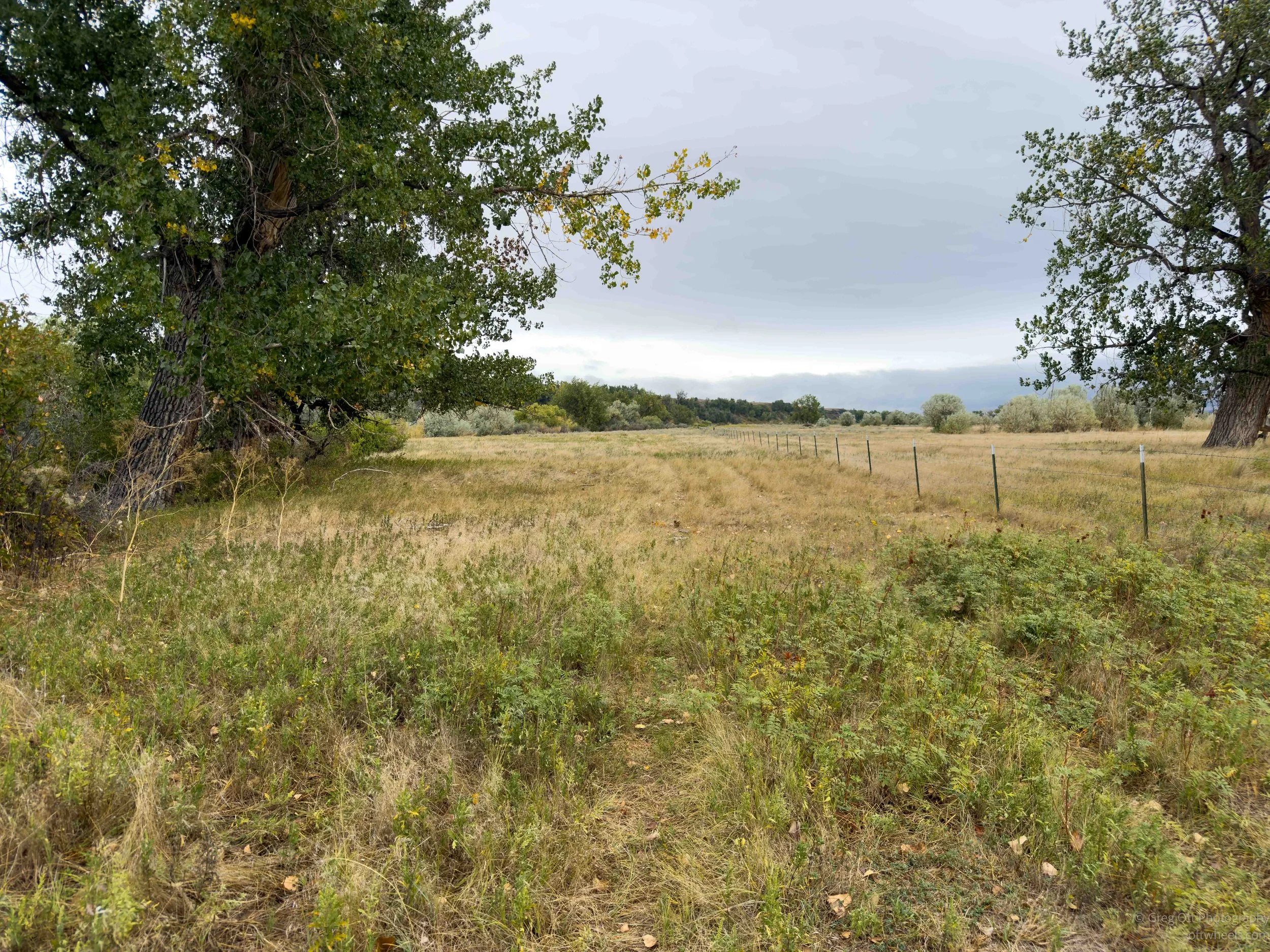
The air was cool and fresh, carrying the scent of herbs and wildflowers, and I spent much of the time watching the different techniques each bird used to hunt, wait and attack. The high winds, water droplets and distance made photography difficult, and the images were never very good, but the afternoon was still worthwhile. I came away with a much better sense of how differently these birds hunt and how much patience goes into it. Even with poor photographs, it was an educational and surprisingly enjoyable way to spend several hours.
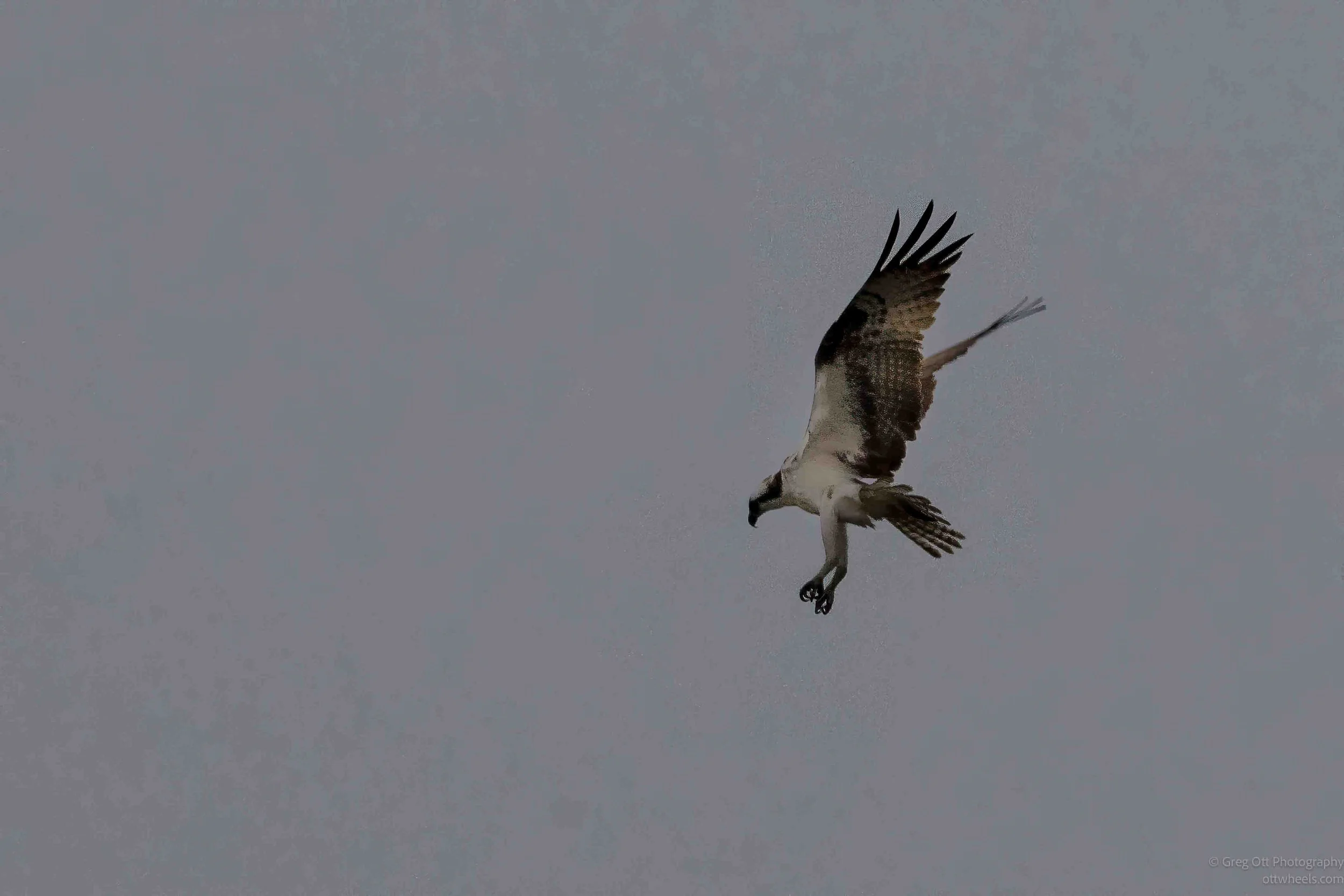
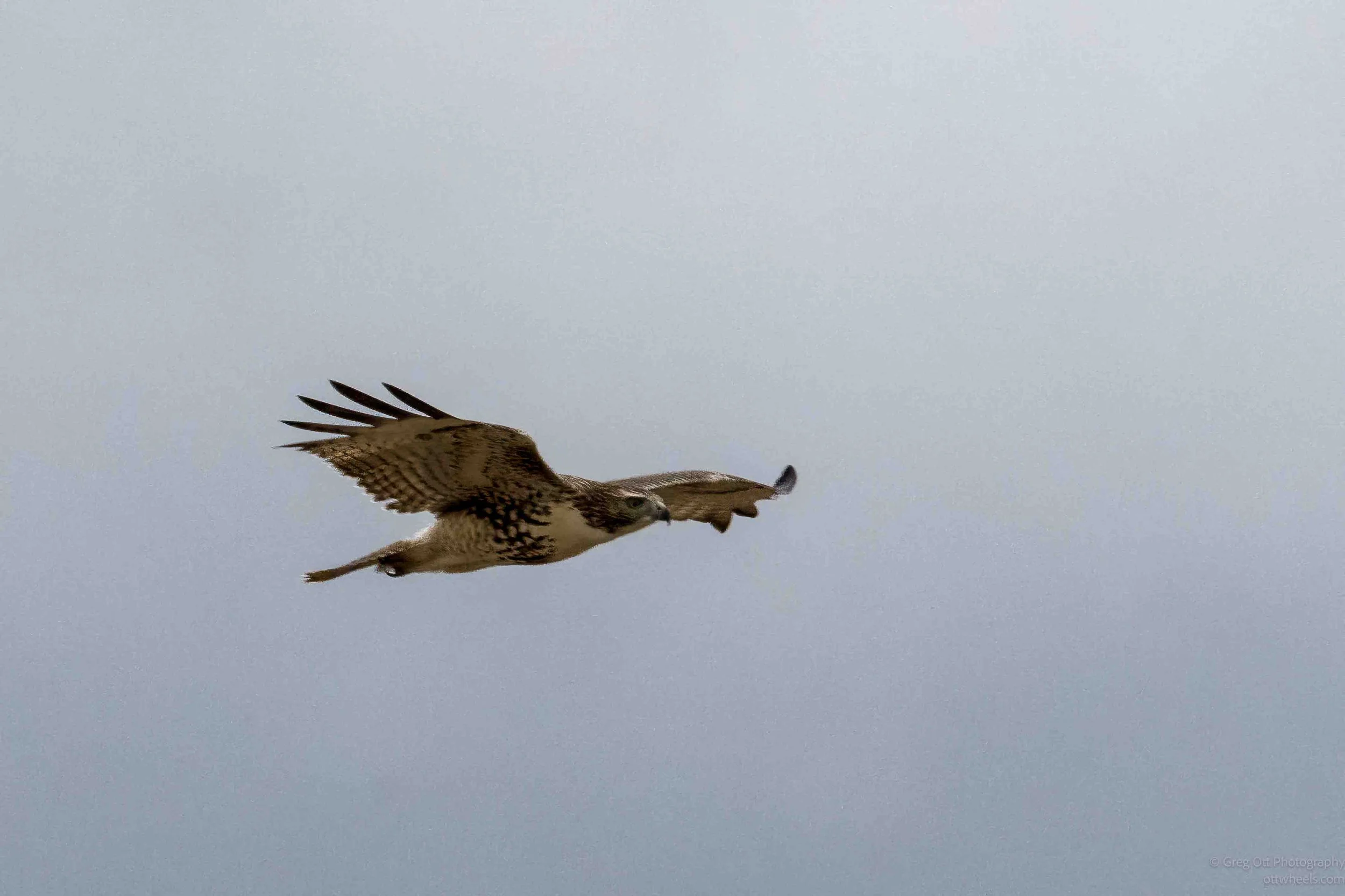
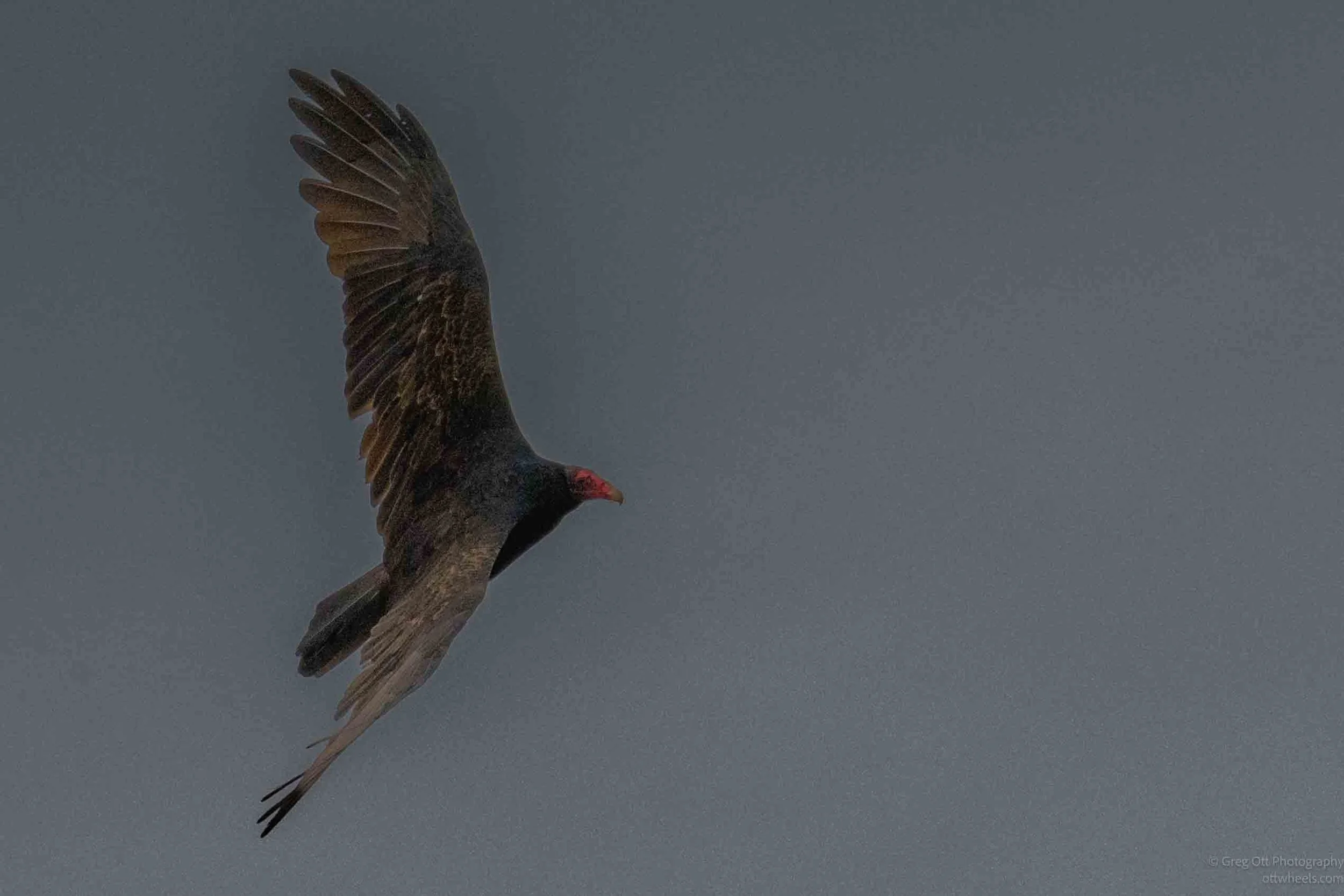
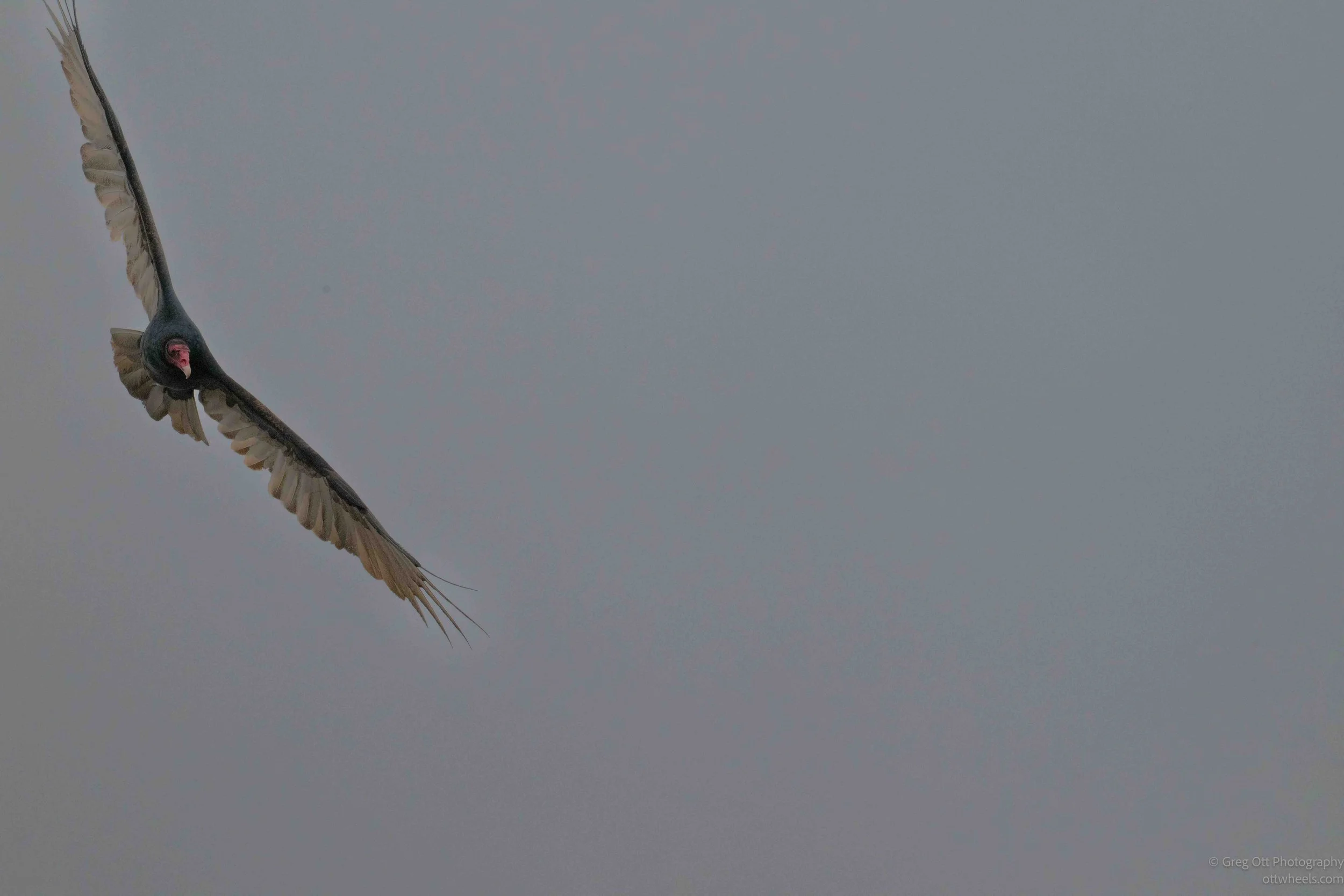
Then around 6 p.m., the wind picked up even more and the rain started again. The fisherman didn’t seem to mind. I could hear them laughing and talking as they got in their trucks to pull the boats out of the water.
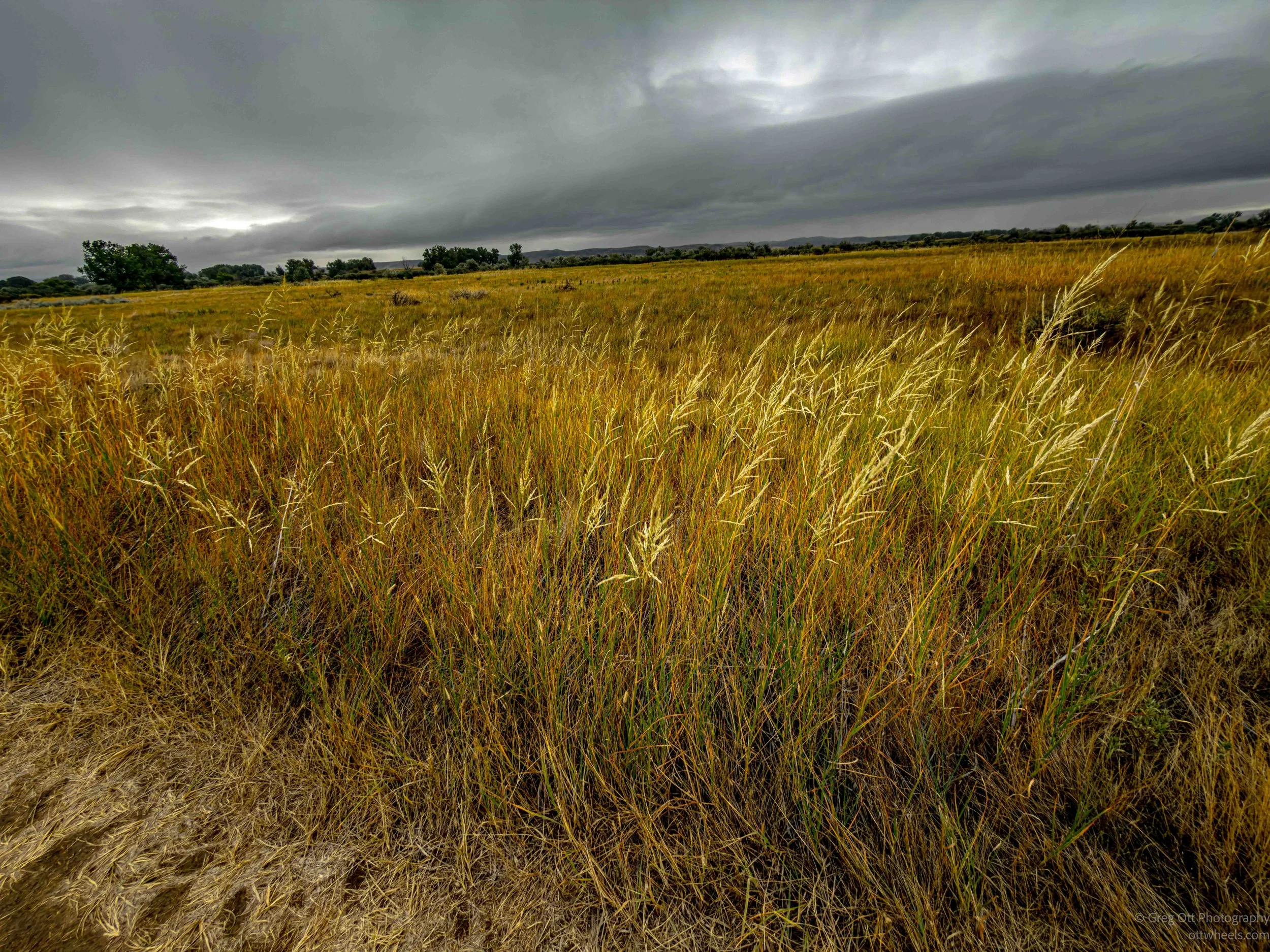
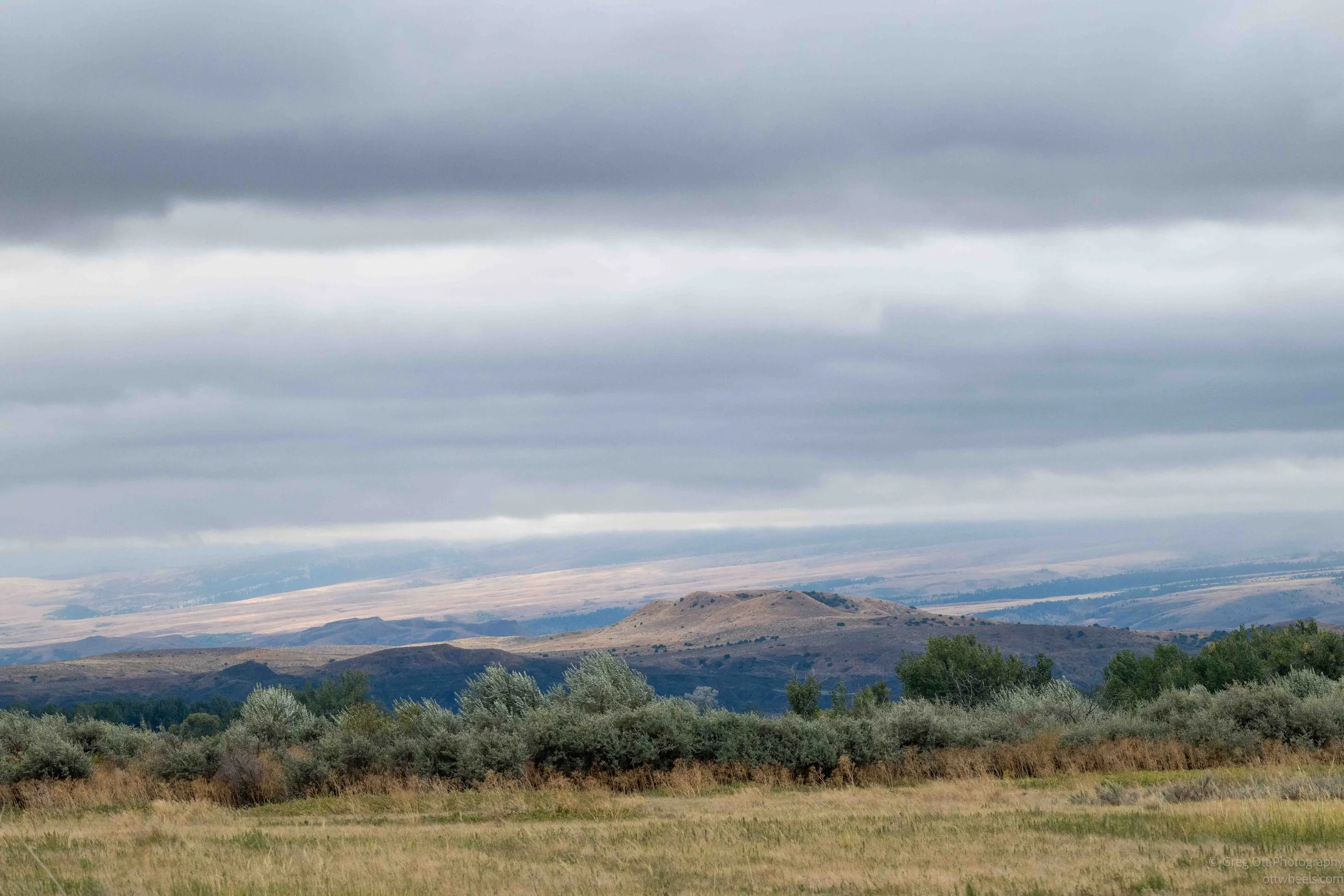
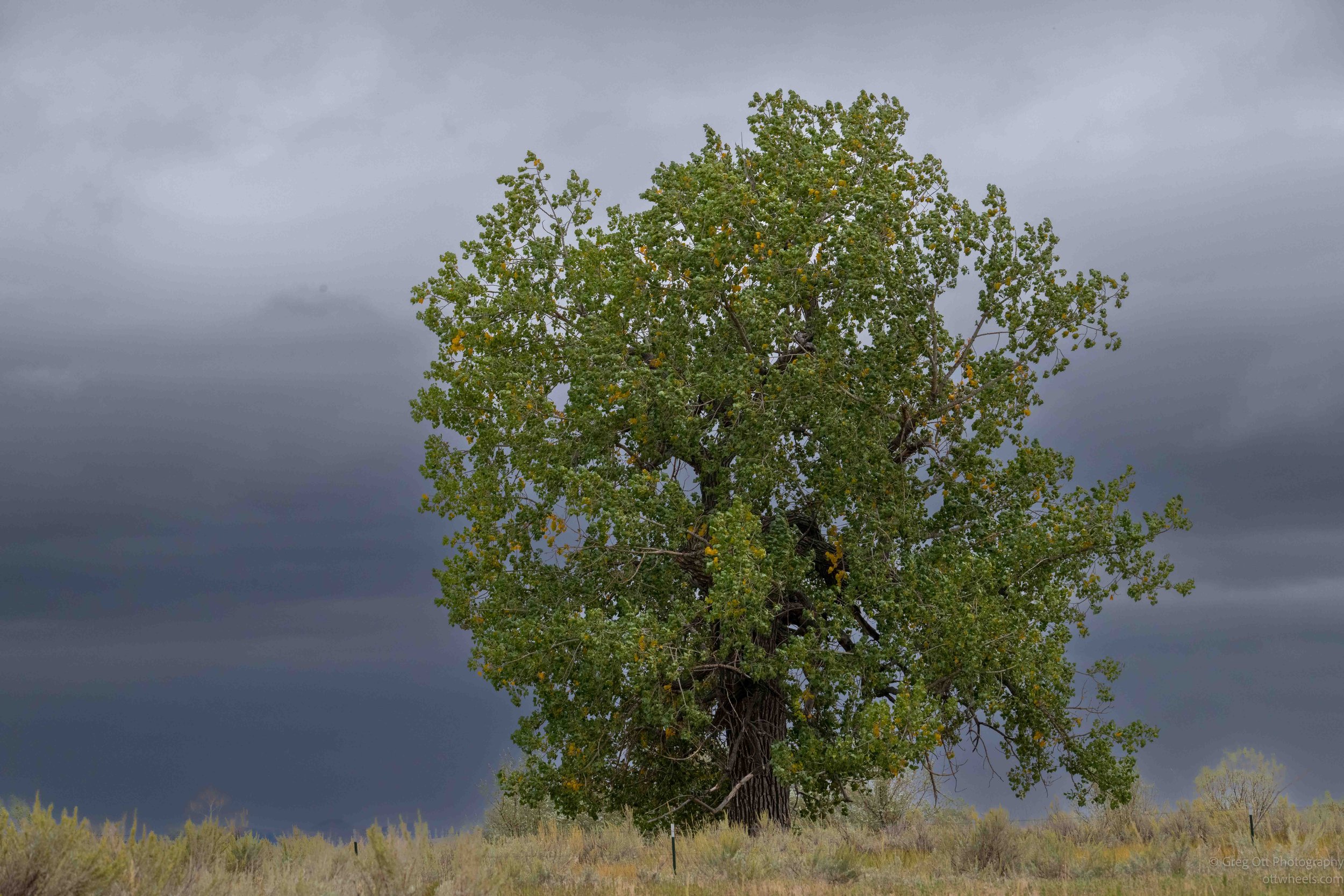
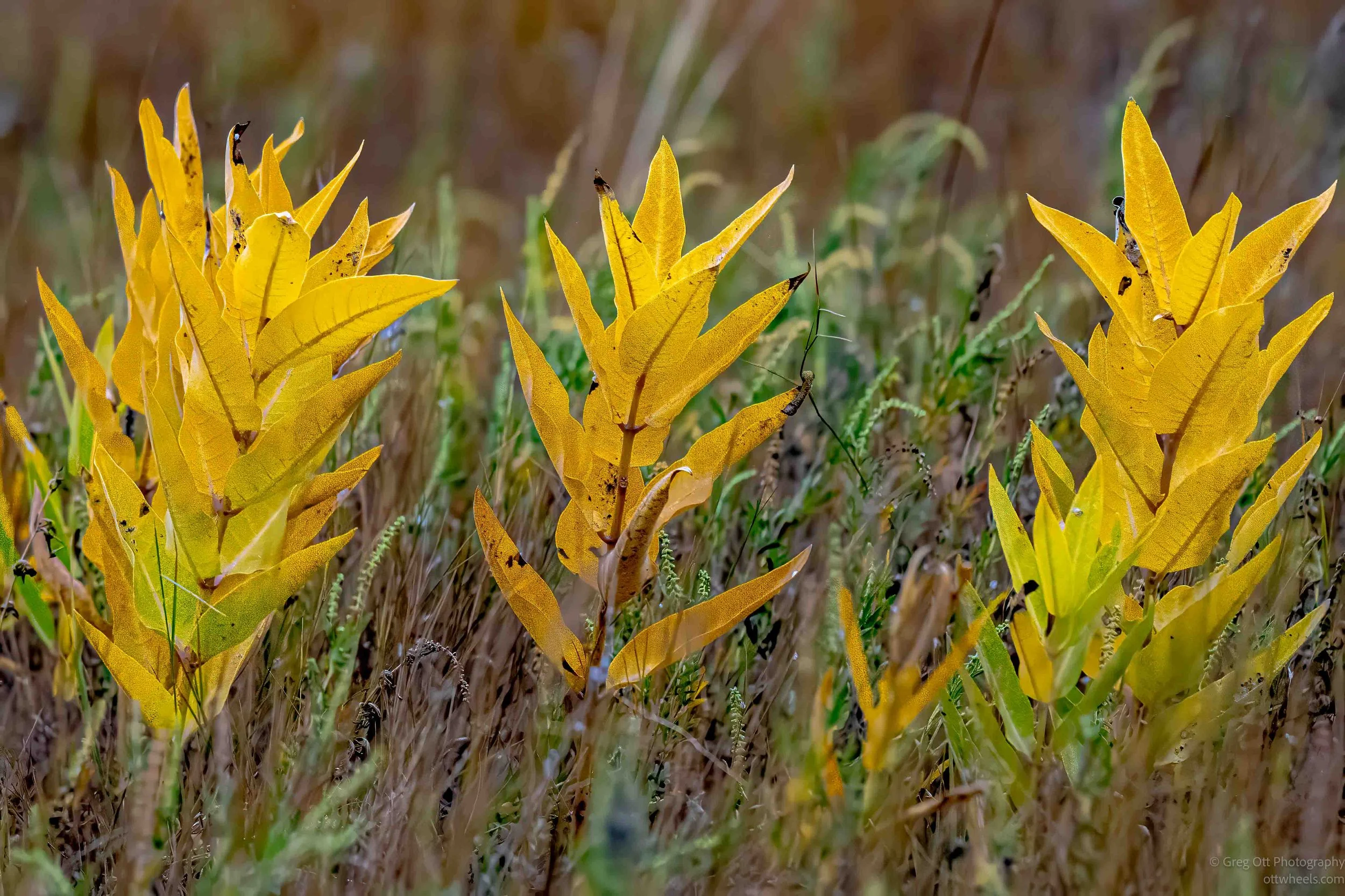
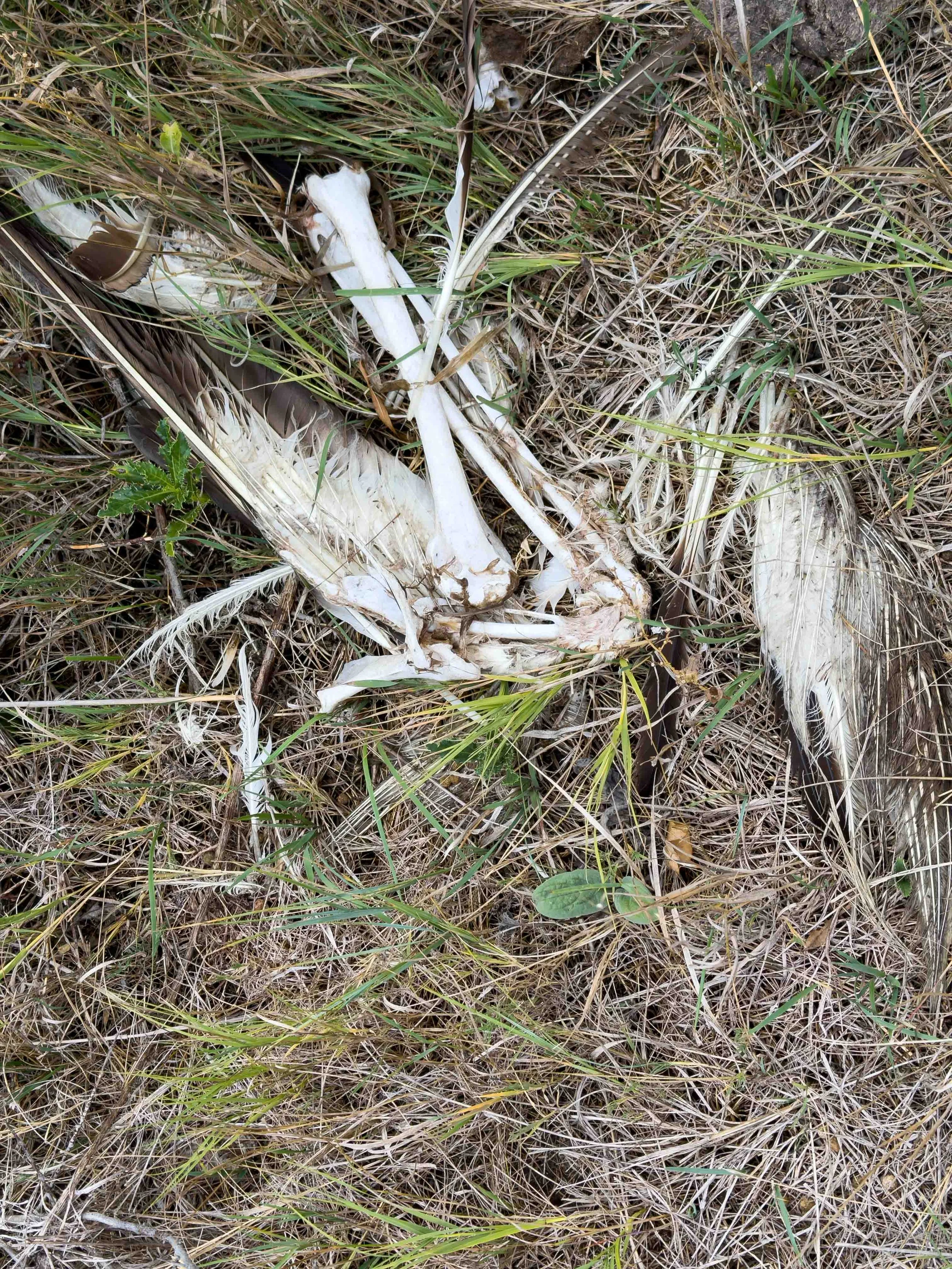
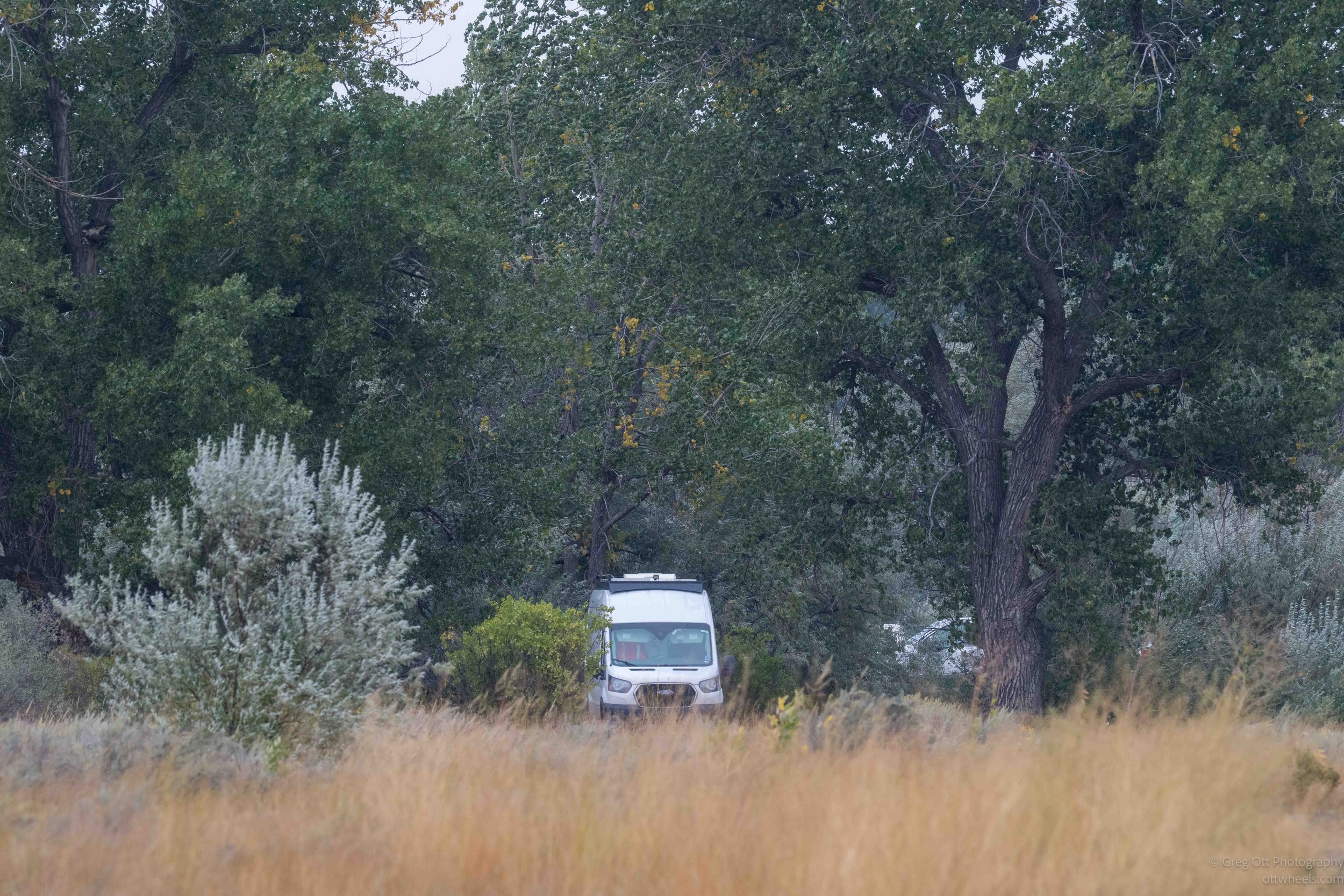
By 7:30, it was raining heavily and the area was empty except for two other campers parked in the trees. I decided to move out of the trees in case one of the large branches came off unexpectedly.