Dutch Harbor, Amaknak Island, Unalaska
I woke at 4:00 a.m. and went through my flight checklist one last time. Everything was packed and ready. The airport shuttle stopped about 100 feet from where I'd parked the van, so I walked over just as the doors closed and the driver pulled away. Two people yelled, "Stop!" and, thankfully, he did.
There were only four passengers on board. Three of them clearly knew each other and were already talking about their workday. At the next stop, in the employee parking lot, another woman climbed aboard and sat beside me. She had enough energy for the entire shuttle, greeting everyone by name with a huge smile. I finally asked, "Are you always this happy?" She laughed and said, "If you only knew... but I did take my medications this morning." The whole shuttle burst into laughter. It was a pretty good introduction to the day.
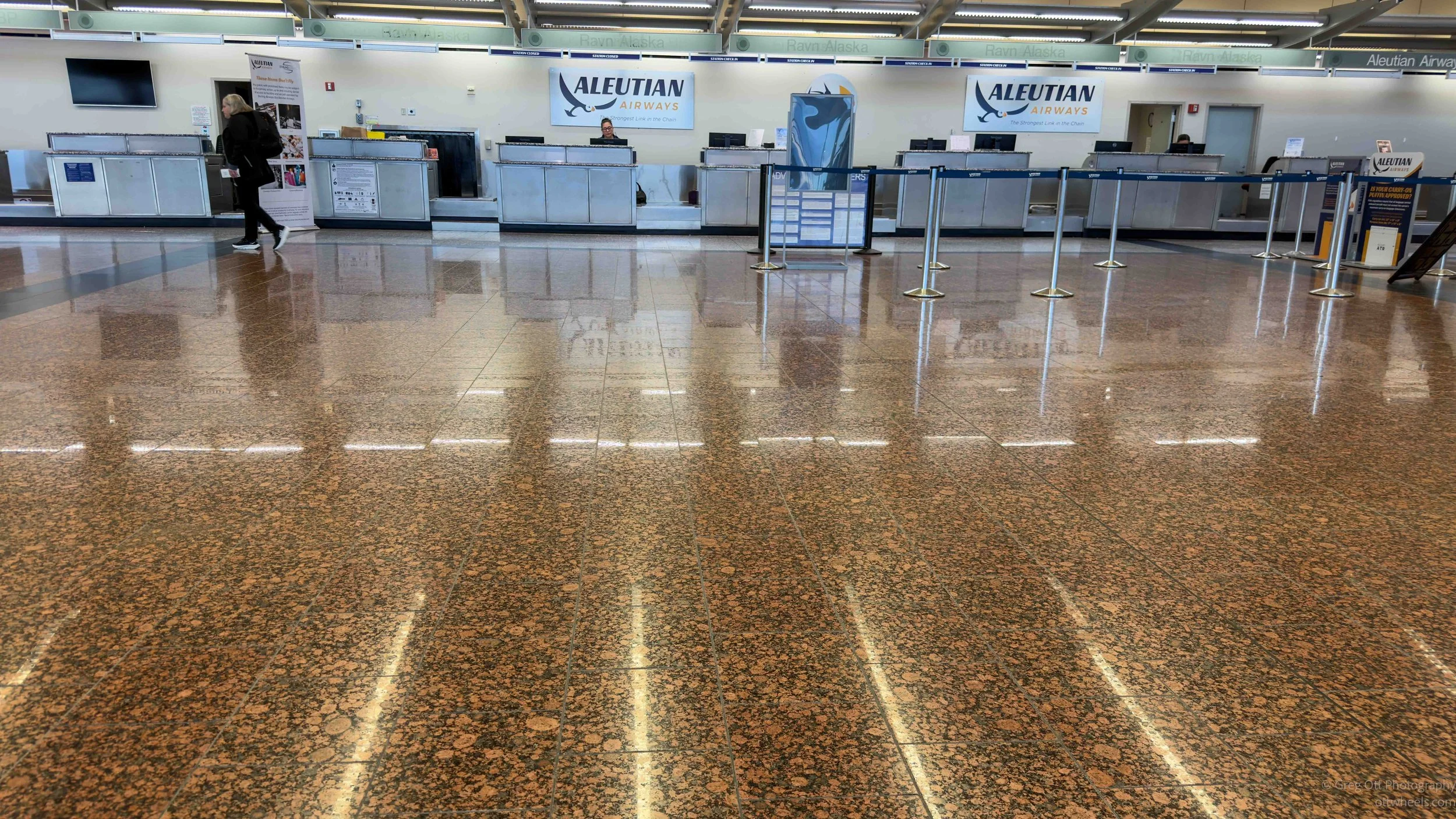
Navigating the Anchorage airport was surprisingly easy. It reminded me a little of Hartford or Dulles—large enough to have everything you need, but not so big that you're walking for miles. Aleutian Airways operates a little differently than the major airlines. There isn't an app. They weighed my checked bag, then my carry-on, and finally asked how much I weighed. It had probably been forty years since I'd flown on an airline where passenger weight was part of loading the aircraft. They were balancing people and luggage to keep everything properly distributed.
As I walked through the boarding gate and handed over my boarding pass, it suddenly hit me that my backpack had never gone through an X-ray machine. In fact, I hadn't seen any security screening equipment anywhere in the terminal. No conveyor belt. No metal detector. No TSA checkpoint. I'd simply checked in, weighed my bags—and myself—and walked to the gate. It felt like stepping back several decades to a different era of flying. I later learned that Aleutian Airways operates from a non-secure section of the Anchorage airport for these Saab 2000 flights to Dutch Harbor, so passengers don't pass through the normal TSA checkpoint before boarding. The aircraft and route qualify under a different set of federal security rules than the larger commercial airlines. It was one of those little details that reminded me this wasn't just another airline flight—it was Alaska.
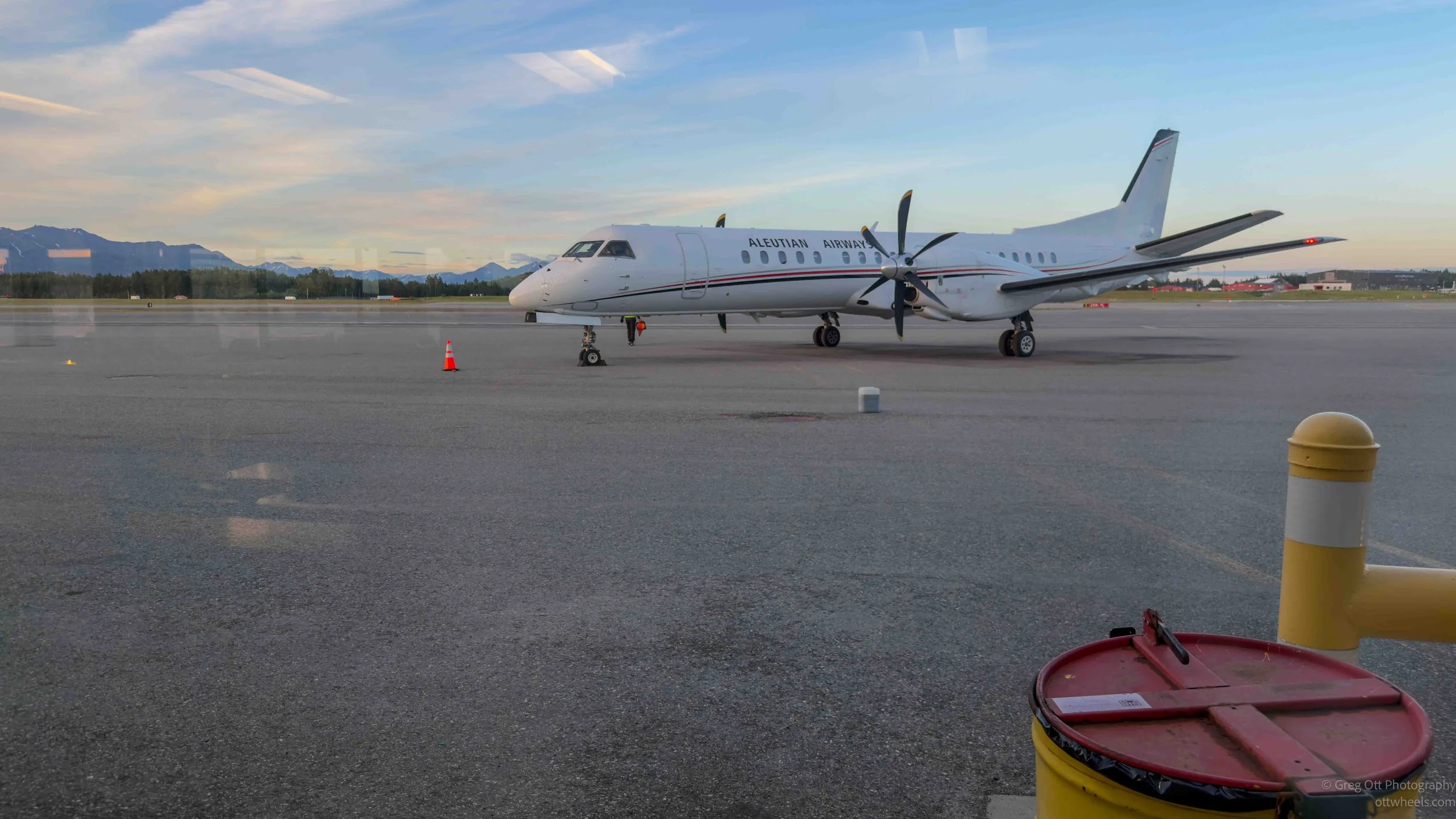
The flight to Dutch Harbor was aboard a Saab 2000, one of the fastest turboprop airliners ever built. The cabin wasn't even half full. I had Row 2 to myself with nearly four feet of legroom in front of me. Not a bad way to spend the next two hours.
As we climbed westward, the temperature inside the cabin steadily dropped. I have no idea whether the heat wasn't working or if they simply hadn't turned it on yet, but before long the passenger in front of me reached into the overhead bin for his jacket. I looked at him, stood up, and grabbed mine too.
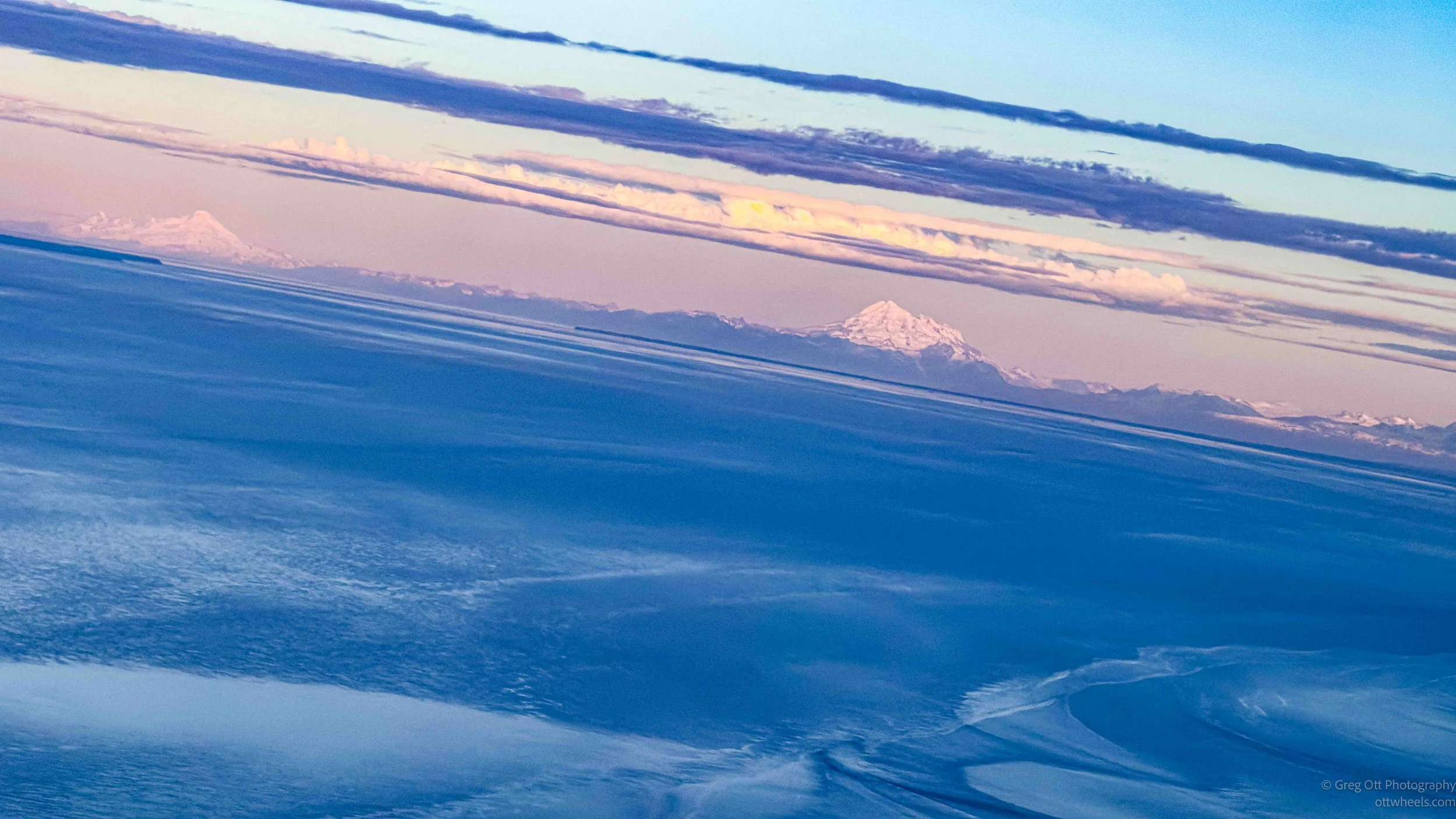
The Aleutian Islands stretched away to the left while the Bering Sea disappeared into the clouds on the right. Every so often the cloud cover opened just enough to reveal snow-covered volcanic peaks below us. It was only a glimpse before the clouds closed again, but it was enough to remind me how wild and remote this part of Alaska really is. Those mountains weren't just ordinary peaks—they were volcanoes, part of a chain created over millions of years as the Pacific Plate slowly slides beneath the North American Plate. The immense pressure from that collision forces magma to the surface, building island after island across the North Pacific. Even today, the Aleutians remain one of the most volcanically active regions on Earth, with more than 40 active volcanoes scattered along the 1,200-mile island chain.
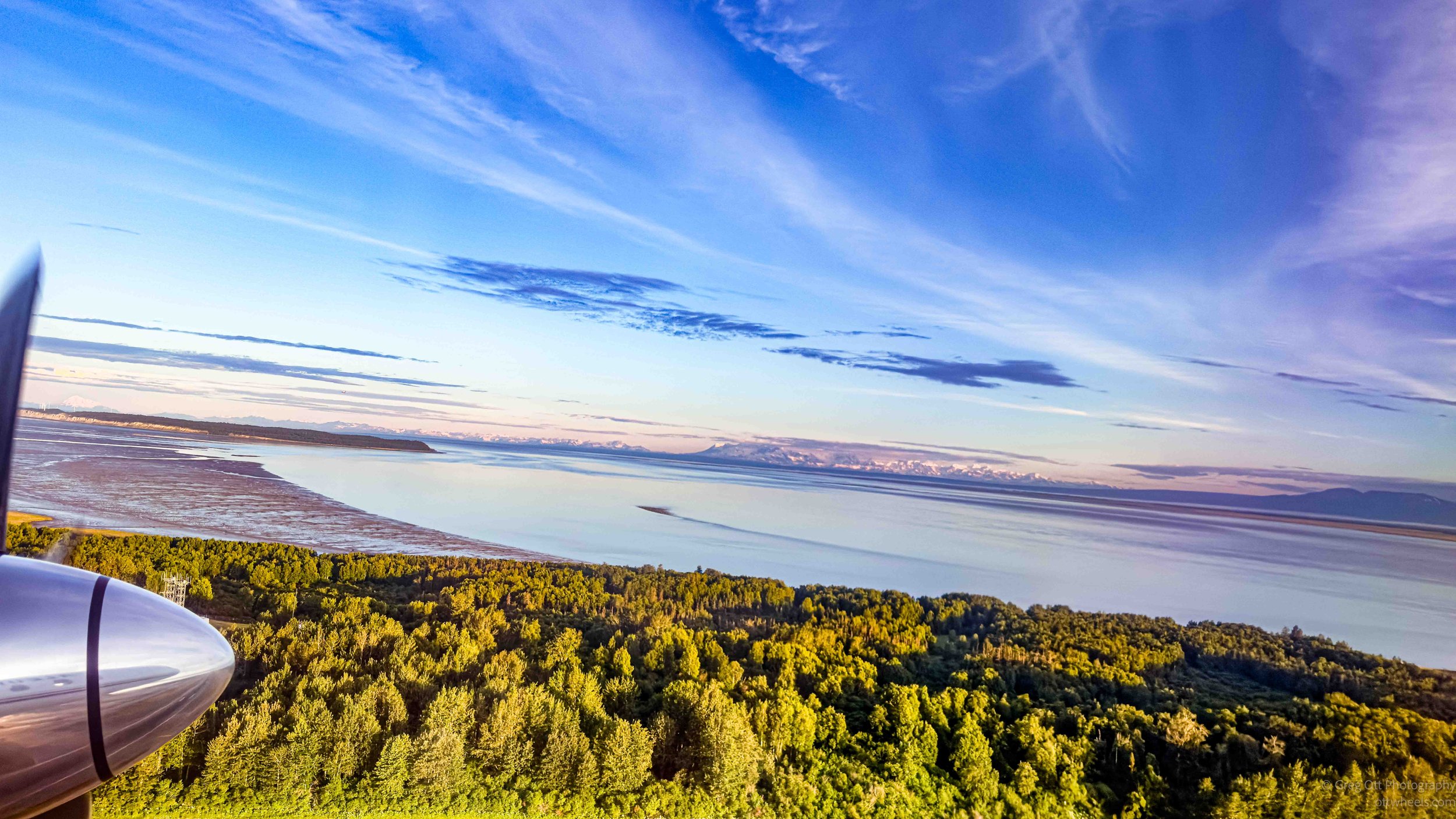
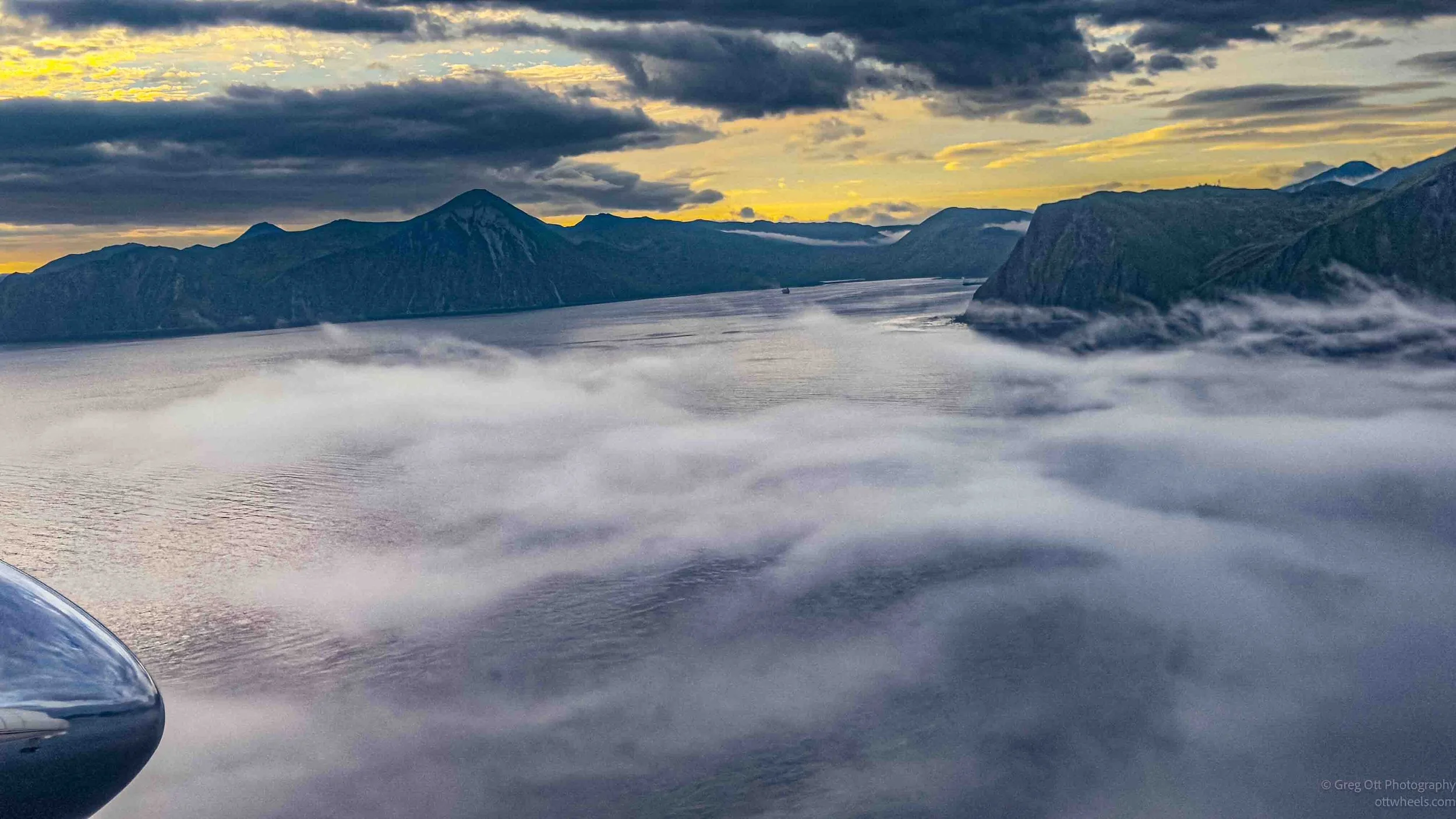
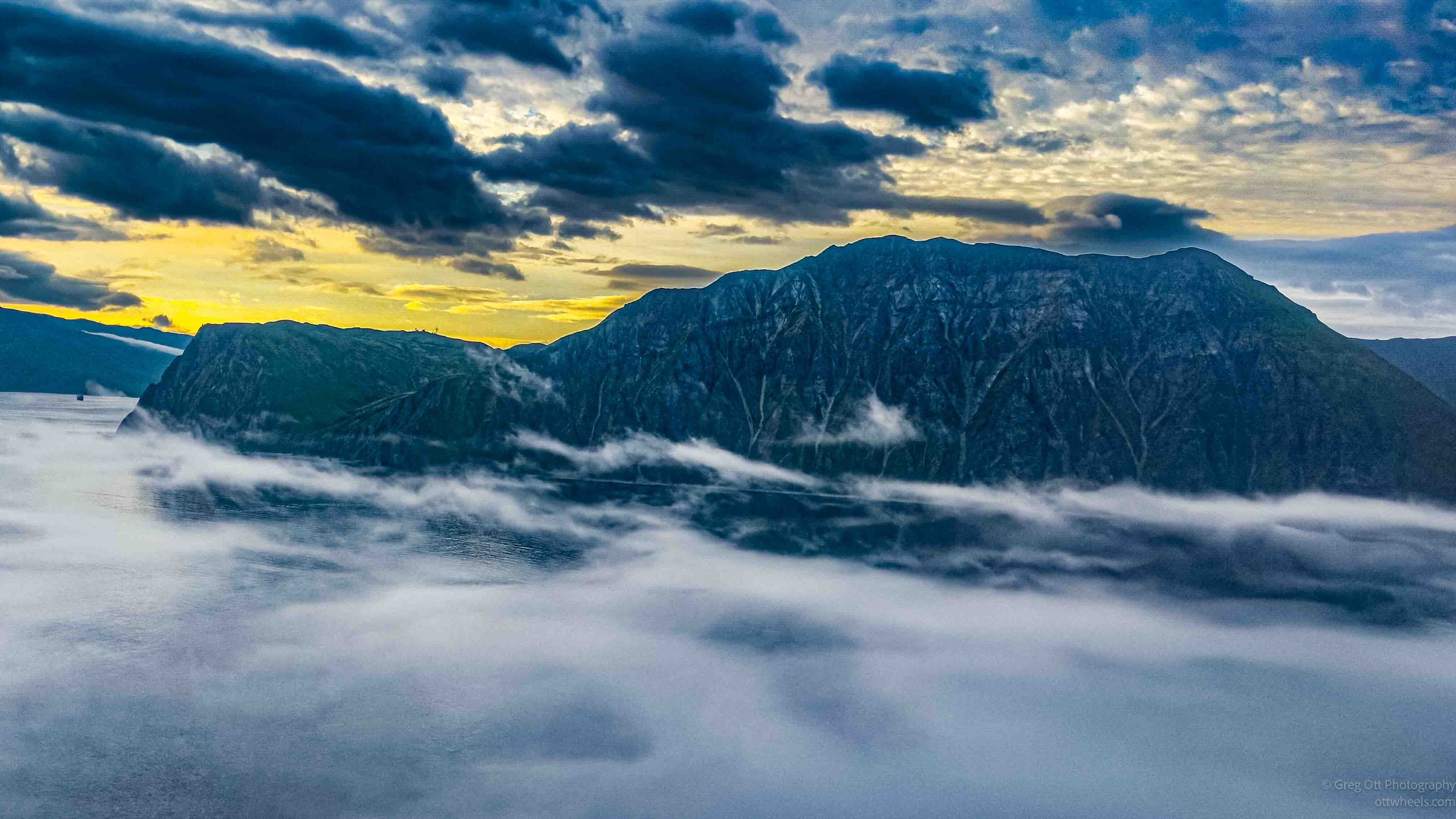
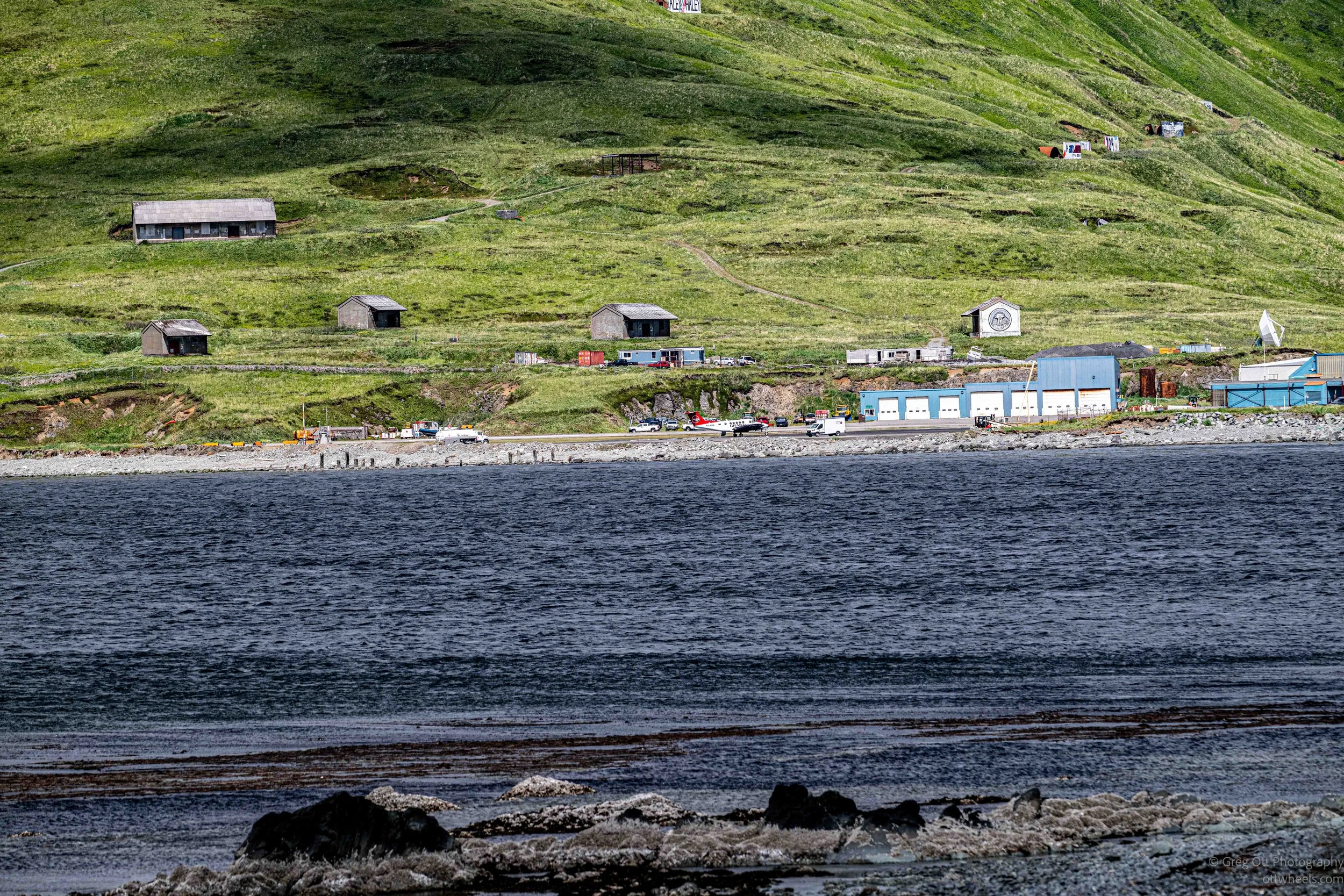
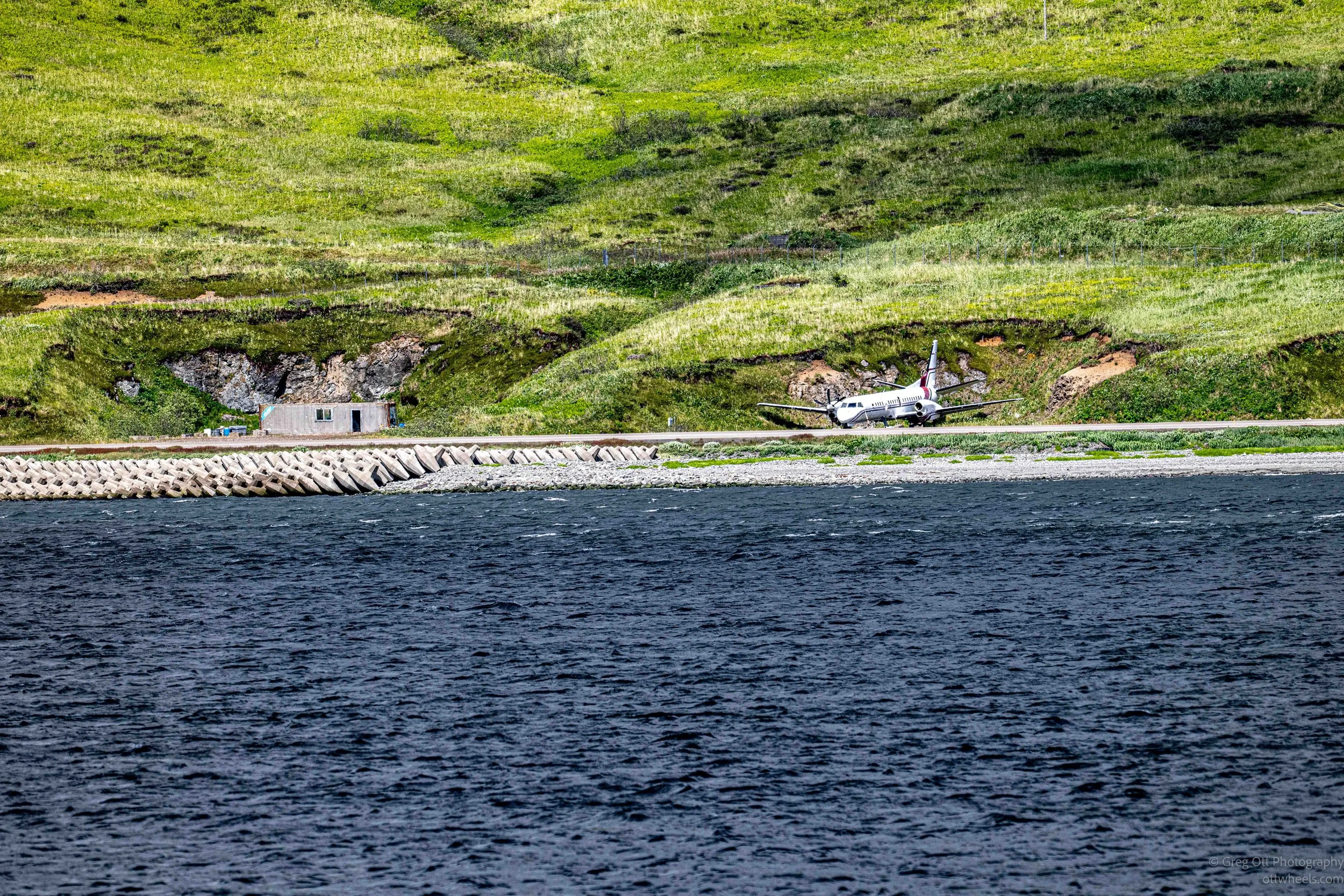
Our approach into Dutch Harbor was spectacular. We descended beneath a low ceiling of clouds with steep green mountains rising around us. Fishing boats slowly emerged from the mist as we lined up with the runway, which sits right beside the water. Then I noticed several wrecked airplanes tucked into cutouts along the hillside beside the airport. They had obviously been there for years, but they weren't exactly confidence inspiring when you're seconds from landing.
The aircraft rolled to a stop, the door opened, and we walked directly onto the tarmac. The difference in temperature from Anchorage was immediate. It wasn't just cooler; the wind had a bite to it. The terminal itself felt like something left behind from another era. The airfield began life as Fort Mears Army Airfield in 1942 during World War II, and although the terminal has been expanded over the years, parts of it still have the feel of an old military installation.
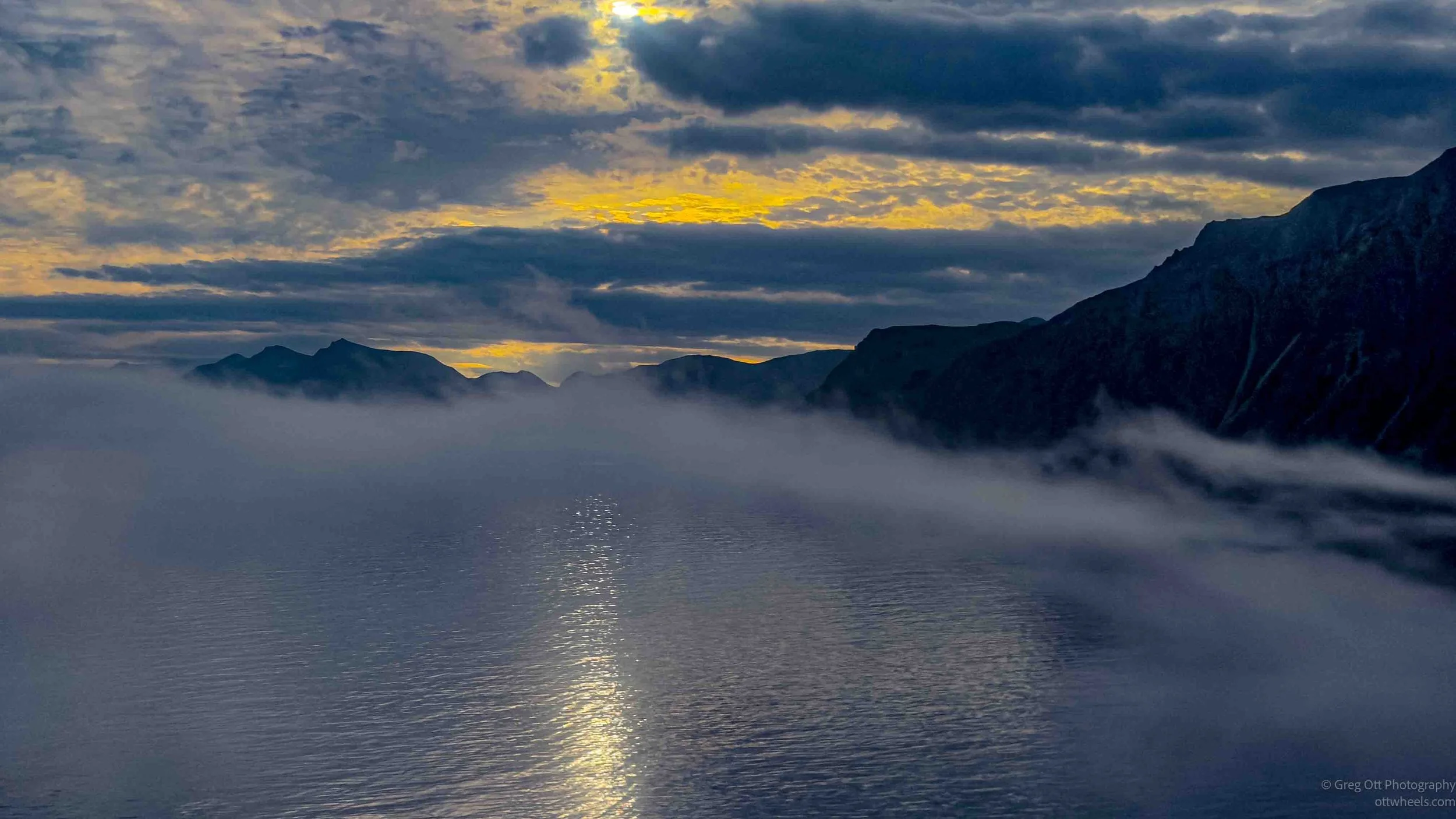
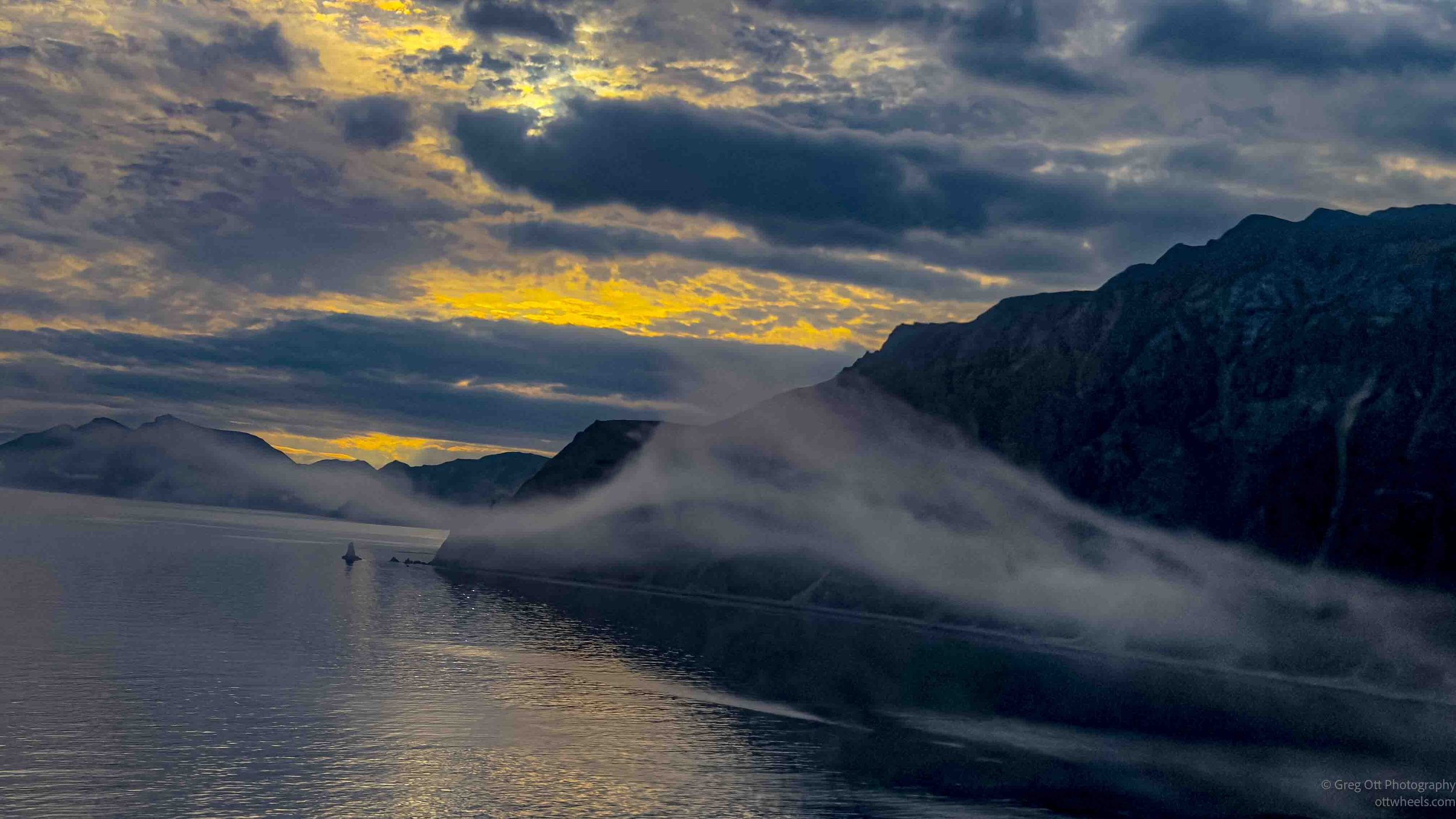
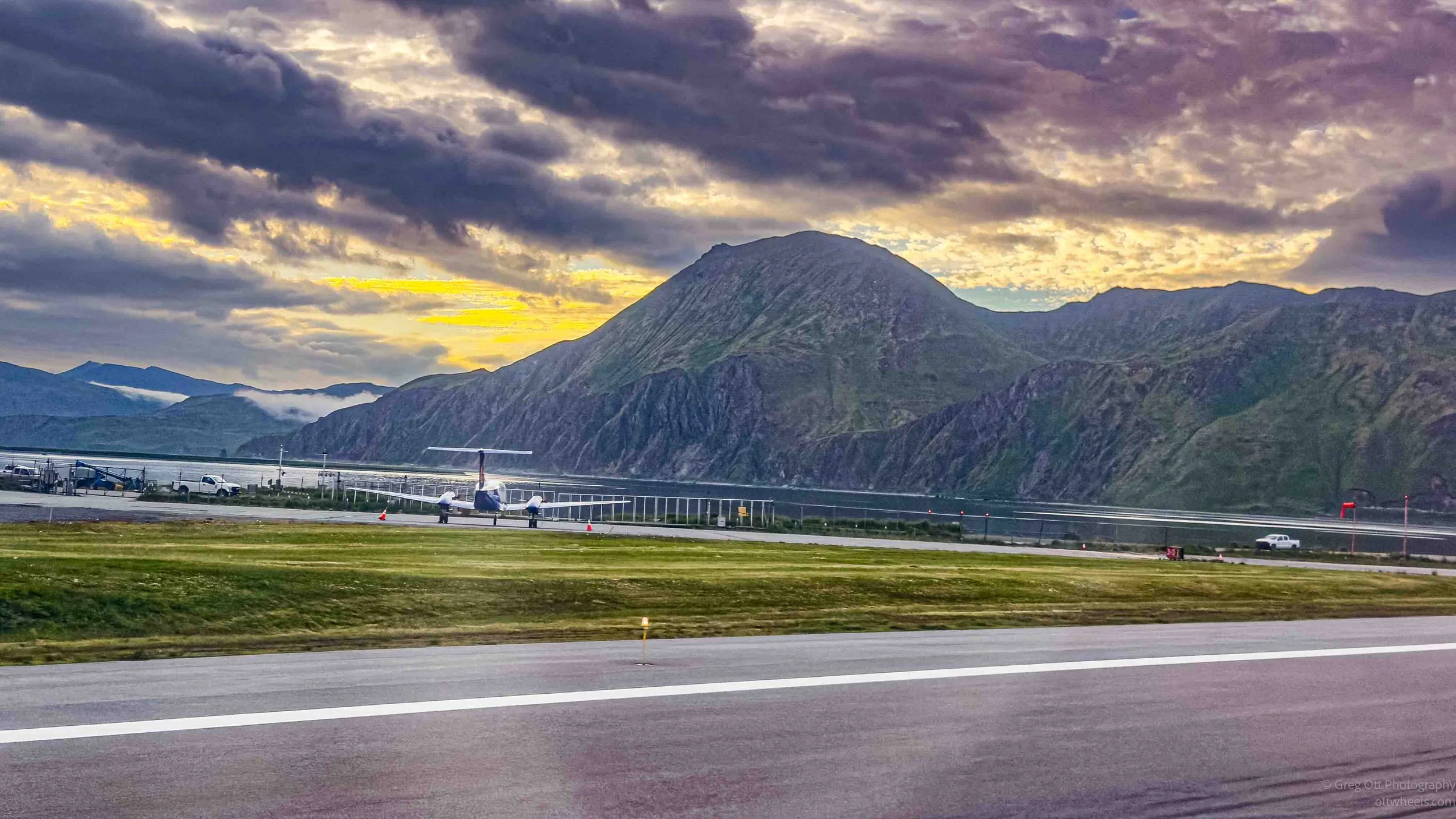
A quick call to the Grand Aleutian Hotel brought their shuttle around about ten minutes later. It's the only full-service hotel on Amaknak Island and would be home for the next few days.
One thing I hadn't fully appreciated until I arrived was just how far west I had traveled. I was still in Alaska Time, four hours behind the East Coast, but the next island to the west begins the Aleutian Time Zone, another hour earlier. Looking at Alaska on a map can be deceiving. Stretch it across the Lower 48 and it spans nearly the entire width of the United States.
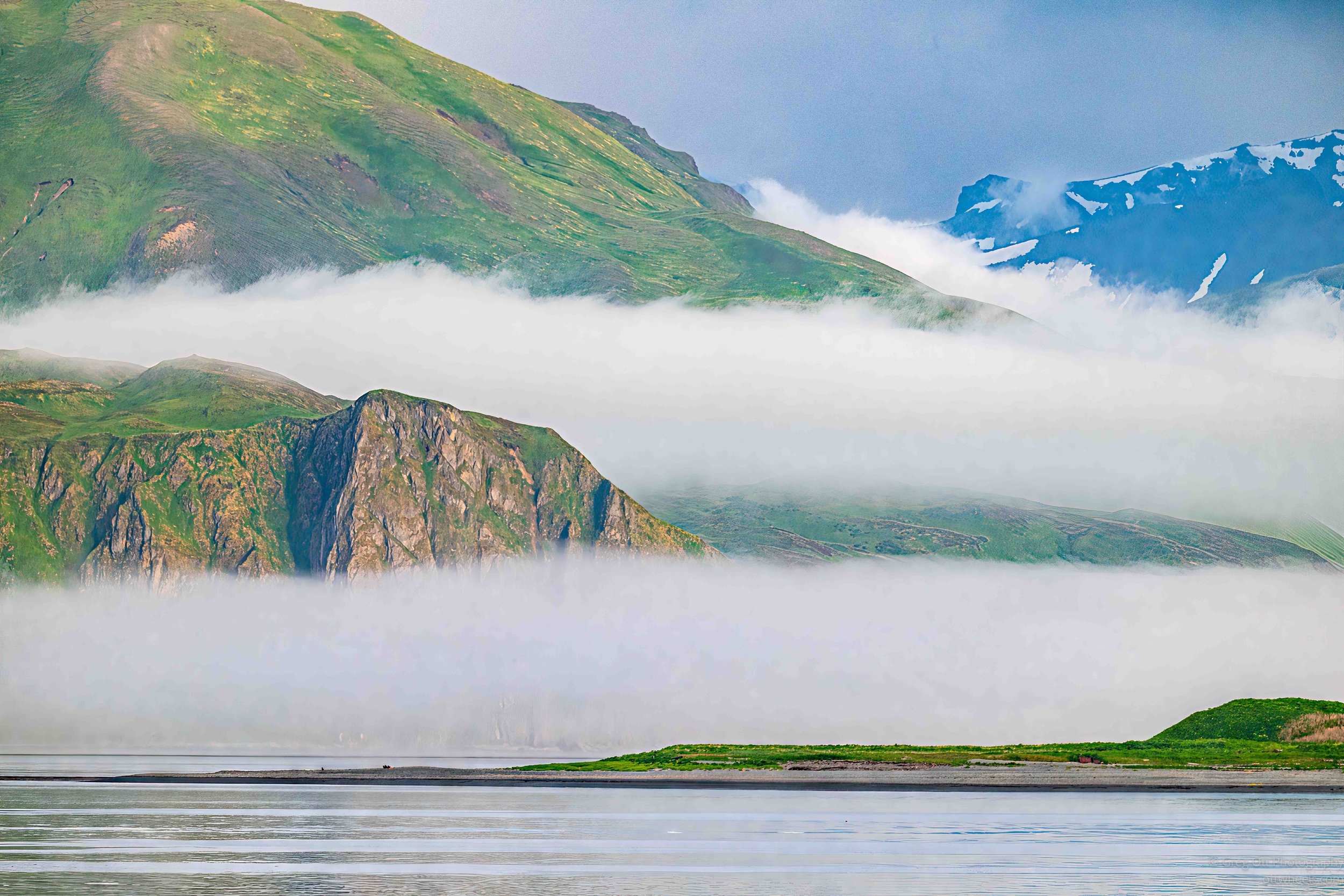
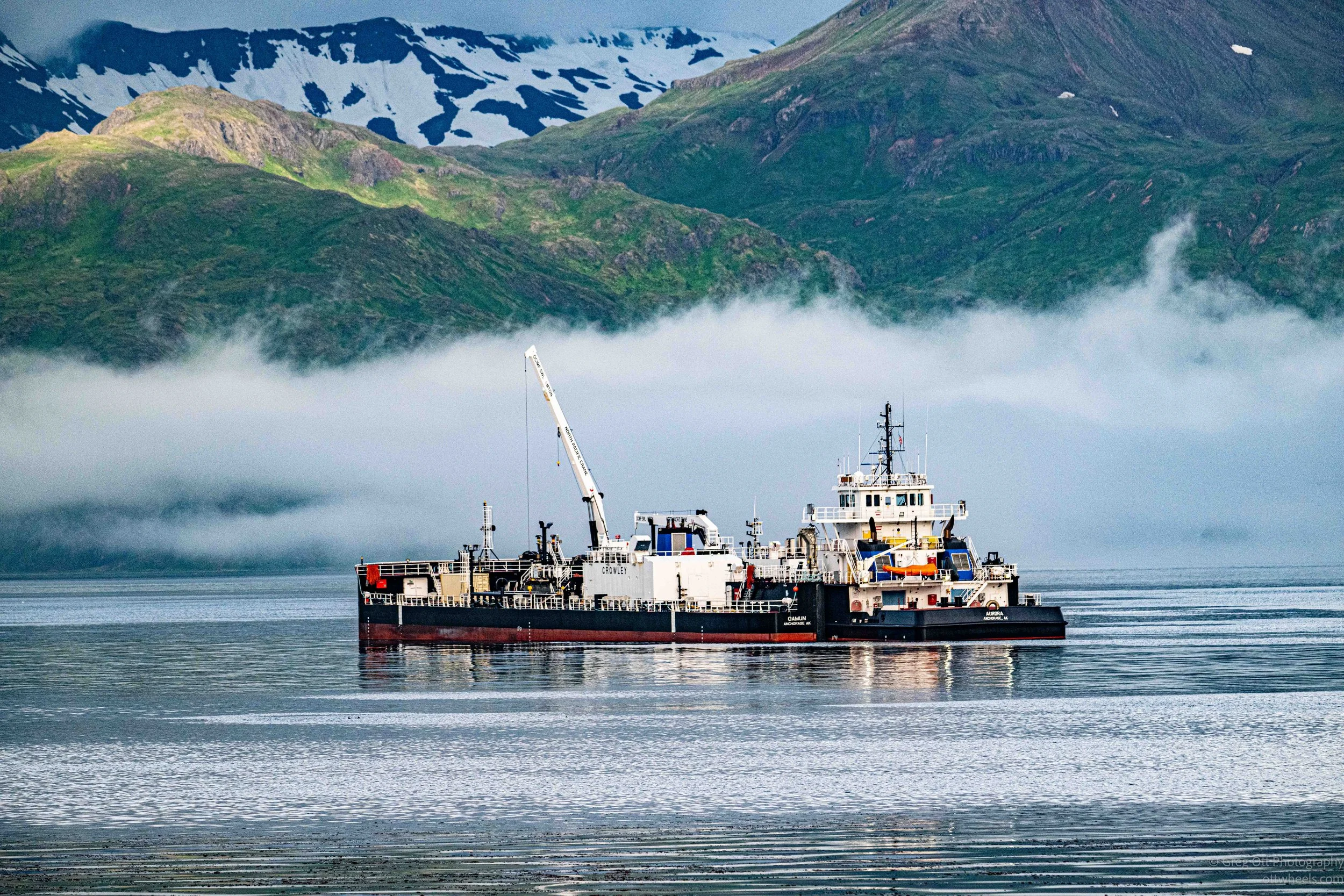
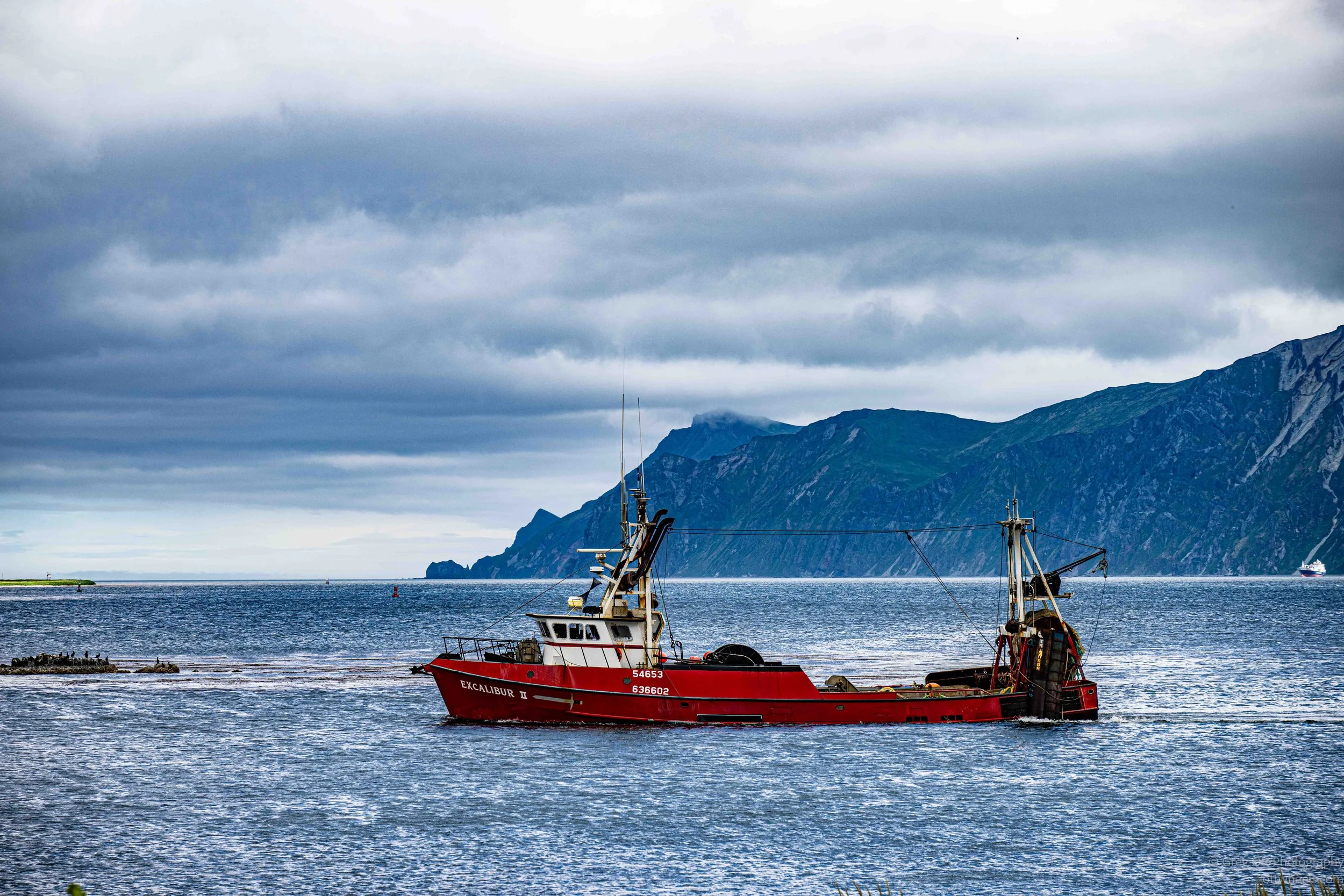
By the time I checked into my room it was only 9:30 in the morning, but between the early wake-up and the travel I was running on very little sleep.
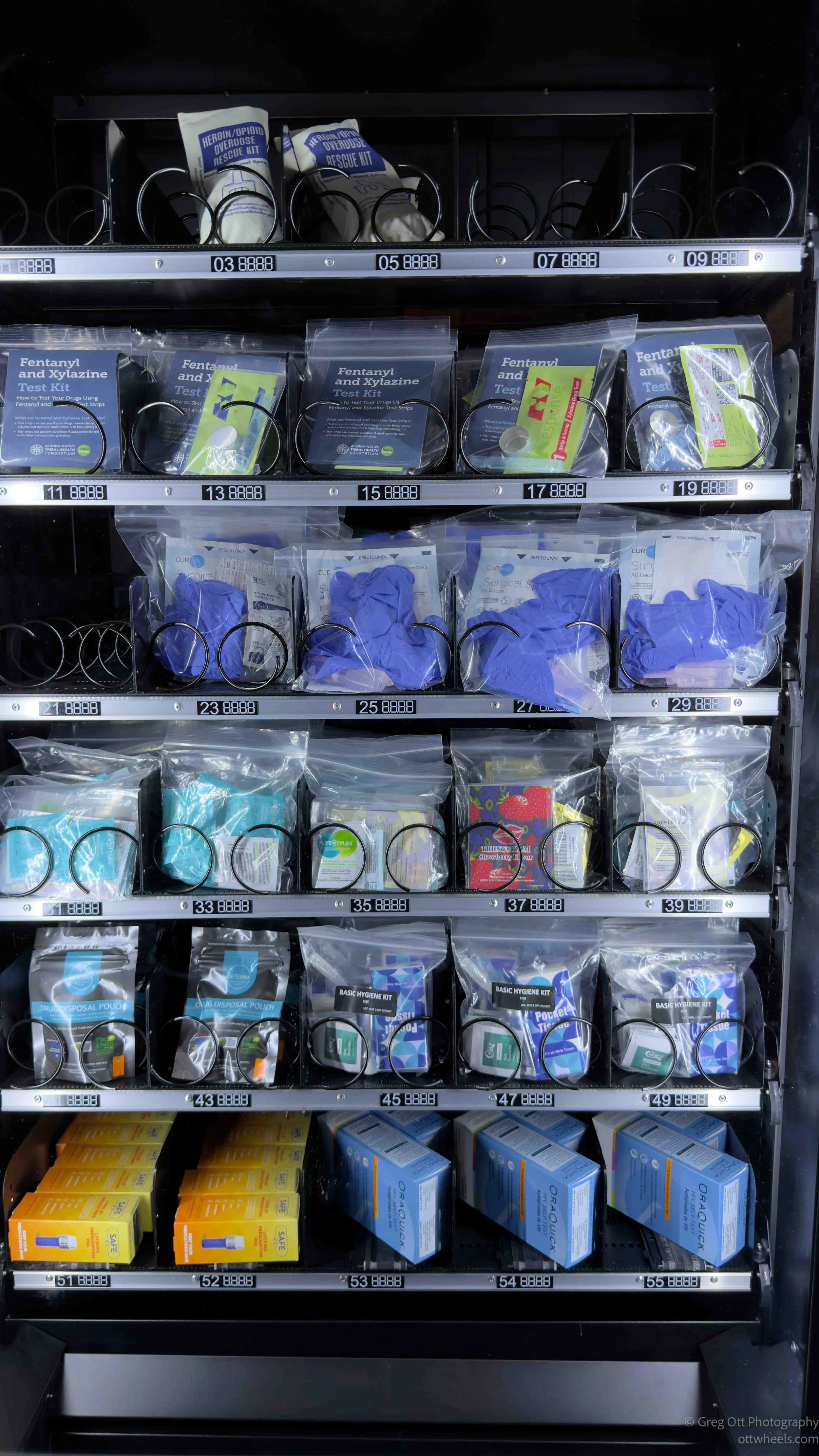
As I made my way toward my room, I noticed what looked like an ordinary vending machine and stopped for a closer look. It definitely wasn't selling chips or candy. Behind the glass were naloxone (Narcan) overdose rescue kits, fentanyl and xylazine test strips, hygiene kits, drug disposal pouches, condoms, pregnancy tests, and other health supplies. The machine is part of a harm-reduction program, providing free, around-the-clock access to items that can prevent overdoses, reduce the spread of disease, and improve public health. It was the first time I'd ever seen anything like it, and it certainly wasn't what I expected to find in a hotel in the Aleutian Islands. I later learned that it was provided by Iliuliuk Family & Health Services nearby as a community outreach.
I unpacked and organized everything. The room had two queen size beds which felt strangely luxurious after month in the van. I laid down for what I thought would be a short rest and was asleep almost immediately.
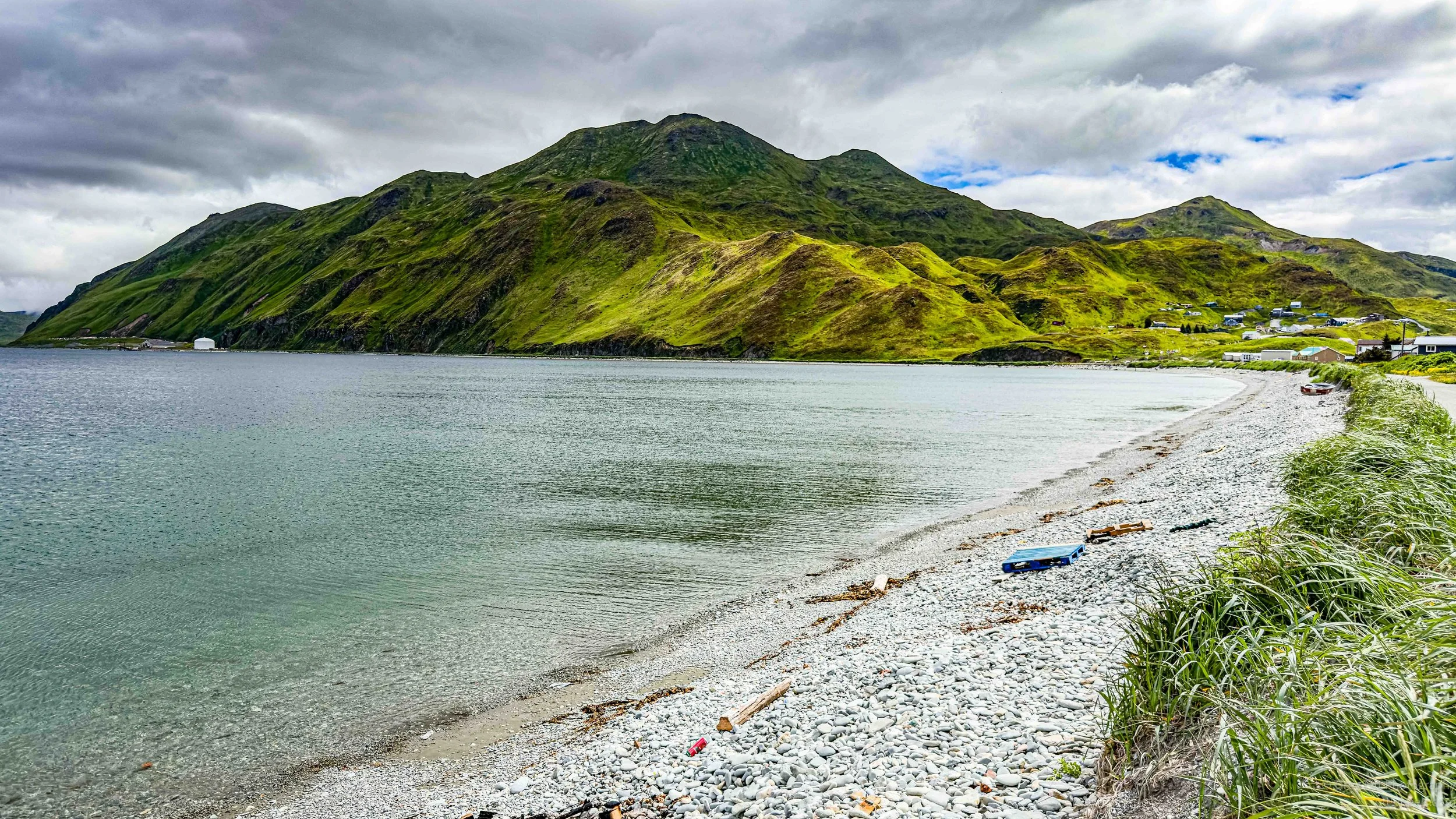
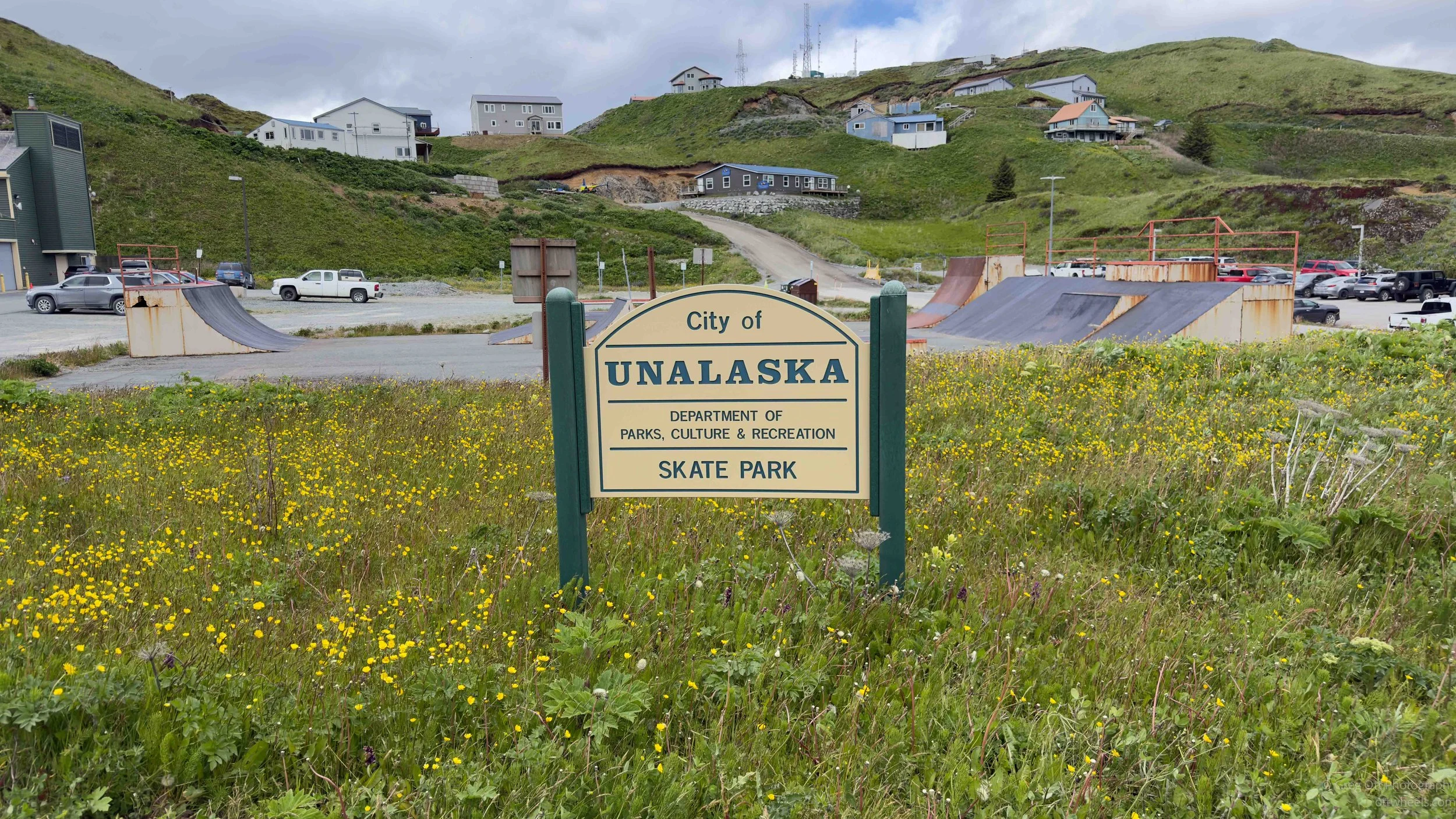
An hour later I was back on my feet and decided to walk into the City of Unalaska, about two and a half miles away. Unless you've been here before, the geography is a little confusing. Dutch Harbor isn't actually a town. It's the commercial harbor on Amaknak Island, home to the airport, fishing fleet, seafood processing plants, and most of the maritime industry. The actual City of Unalaska sits on neighboring Unalaska Island. The two are connected by the Iliuliuk Bridge, only about 1,300 feet long, making it an easy walk from one island to the other.
The wind hit me almost immediately. It was strong enough that I found myself leaning into it just to keep moving. Thankfully, there was a paved walking and bike path along the road, making the hike much easier than it would have been on the shoulder.
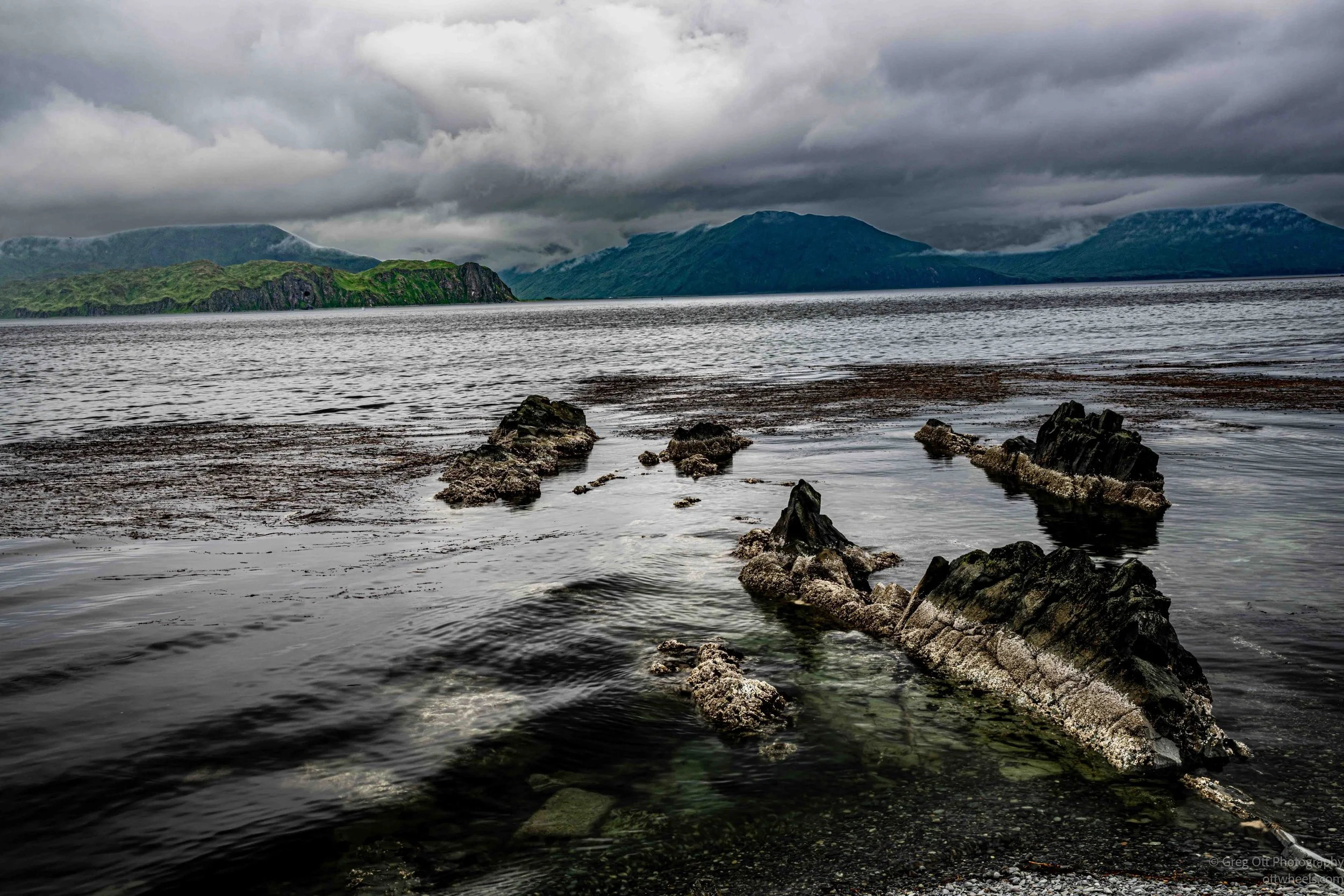
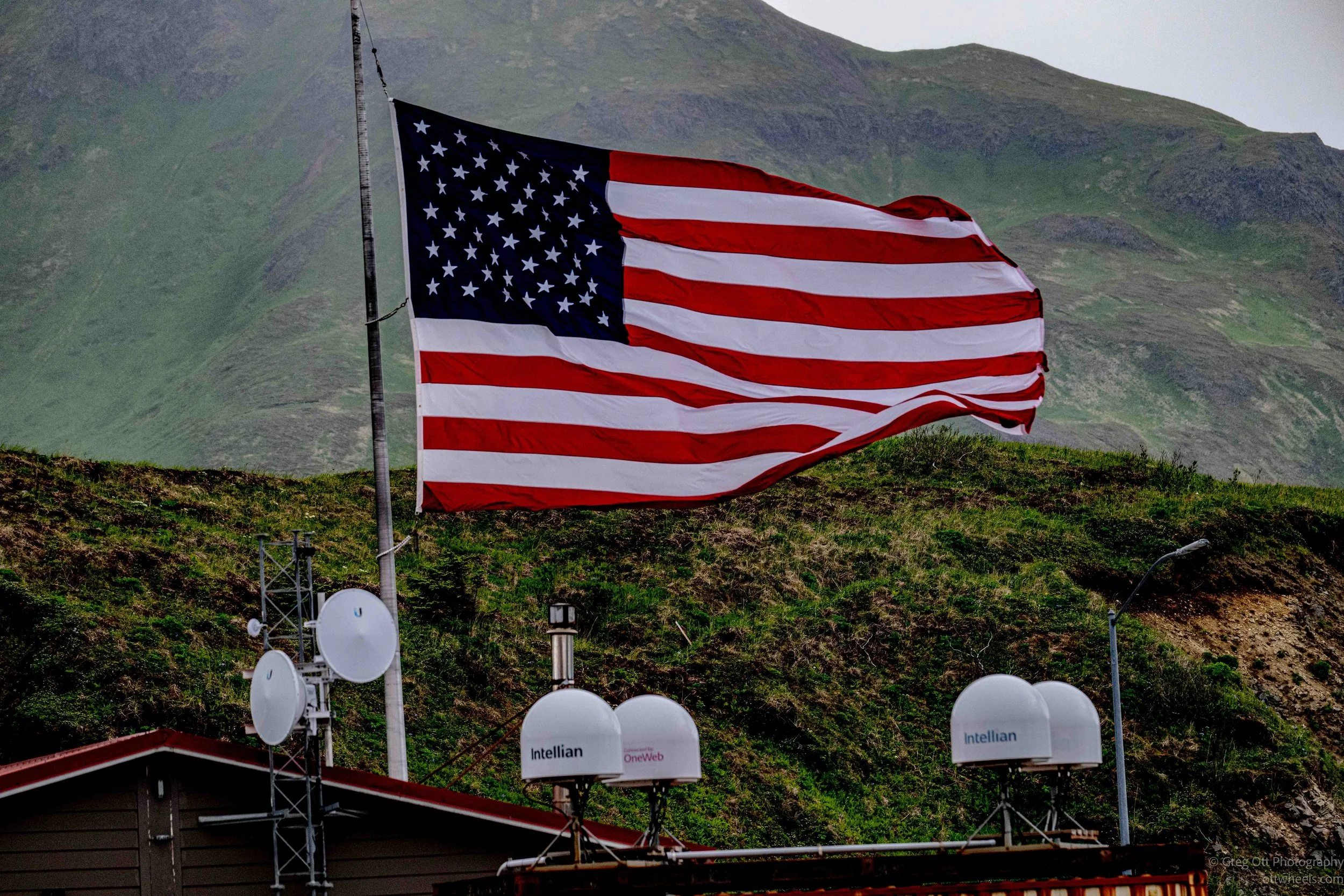
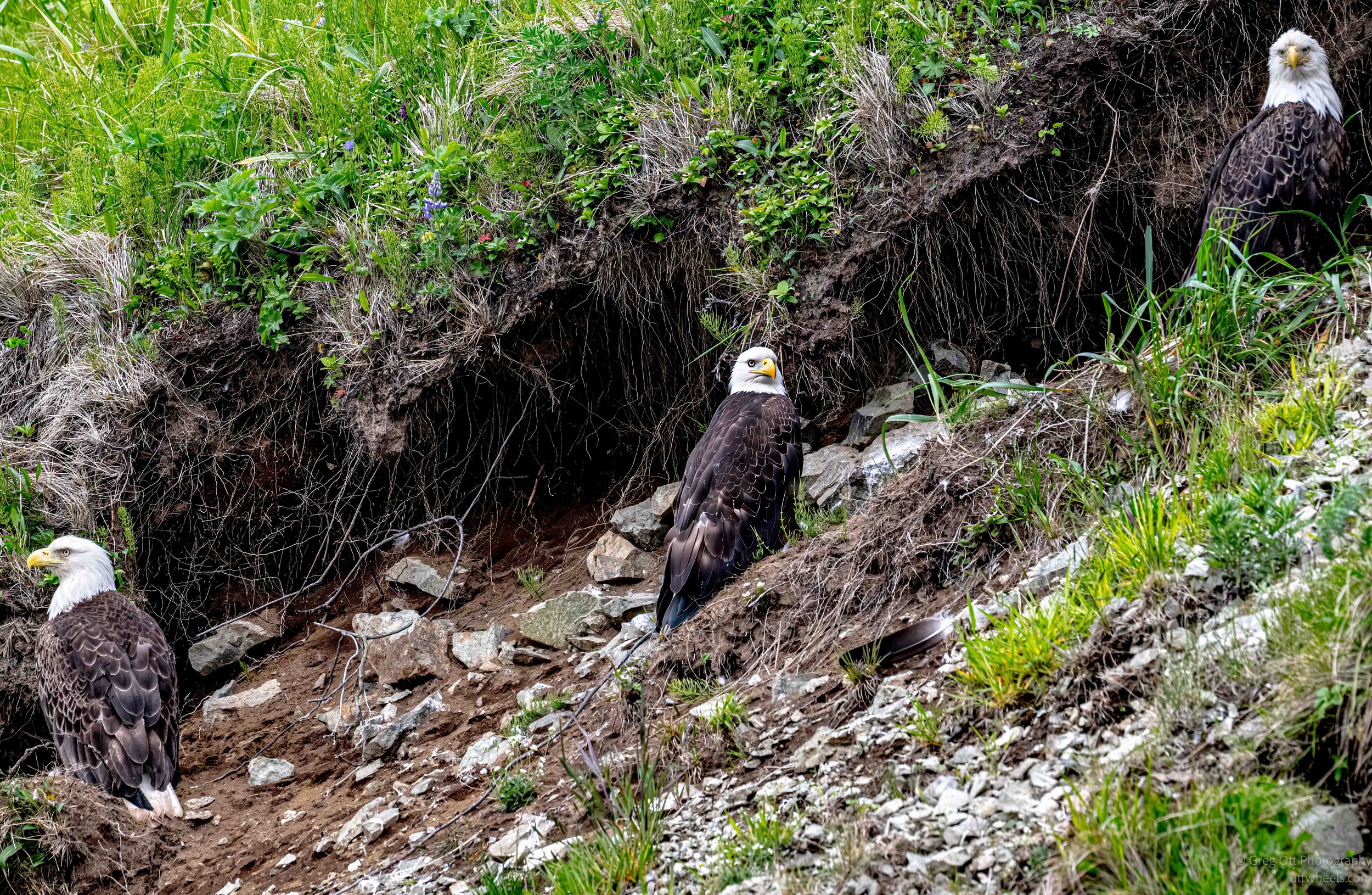
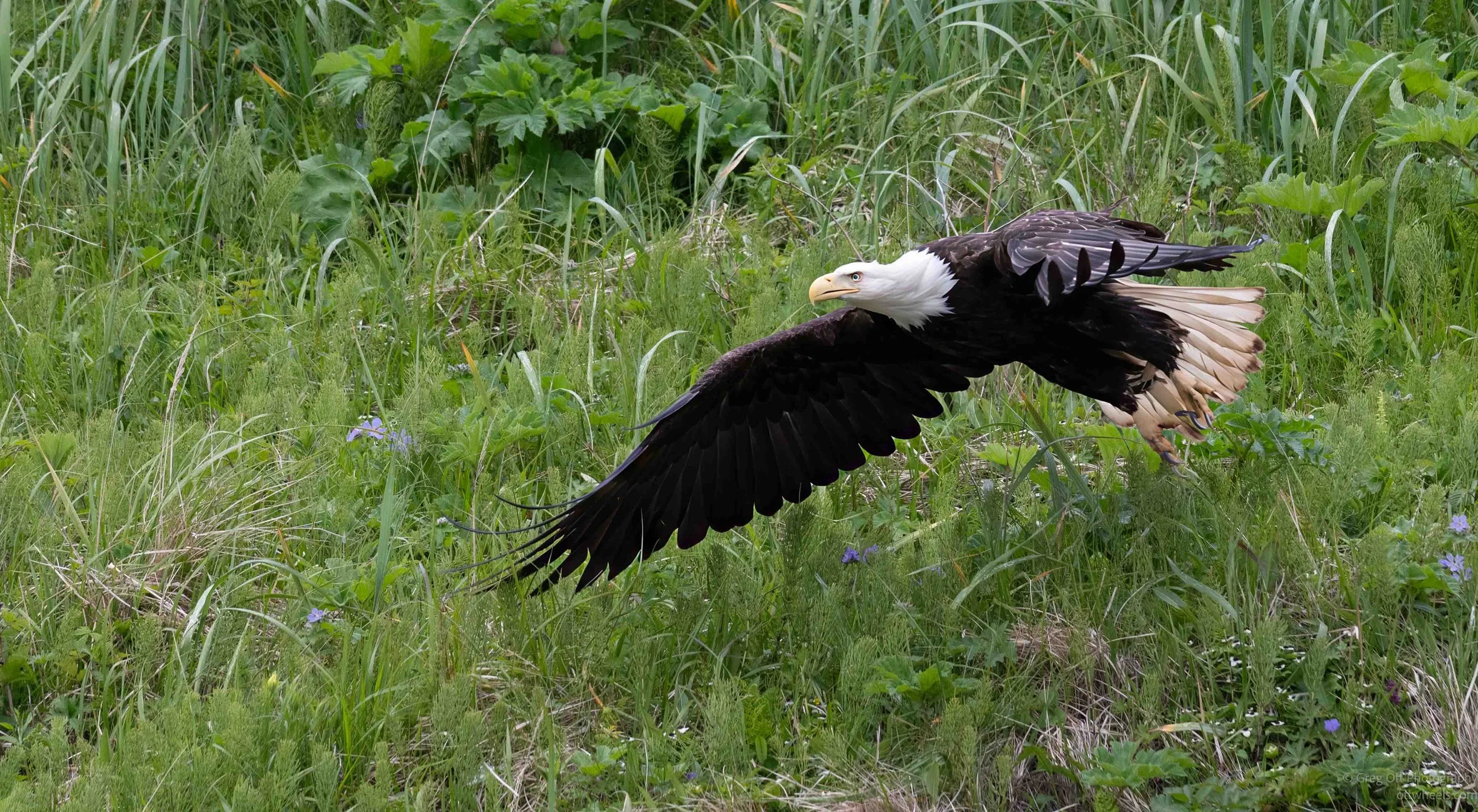
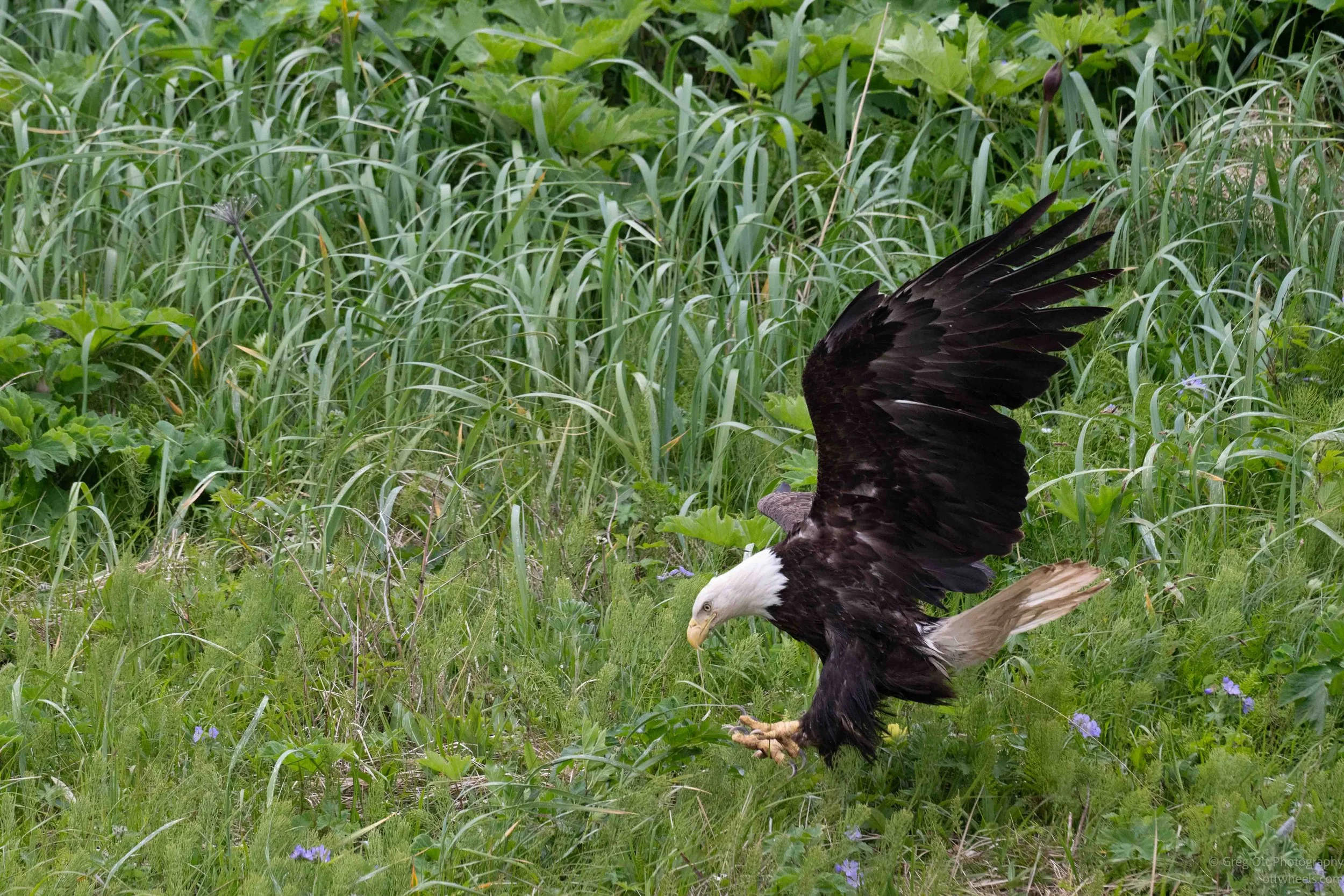
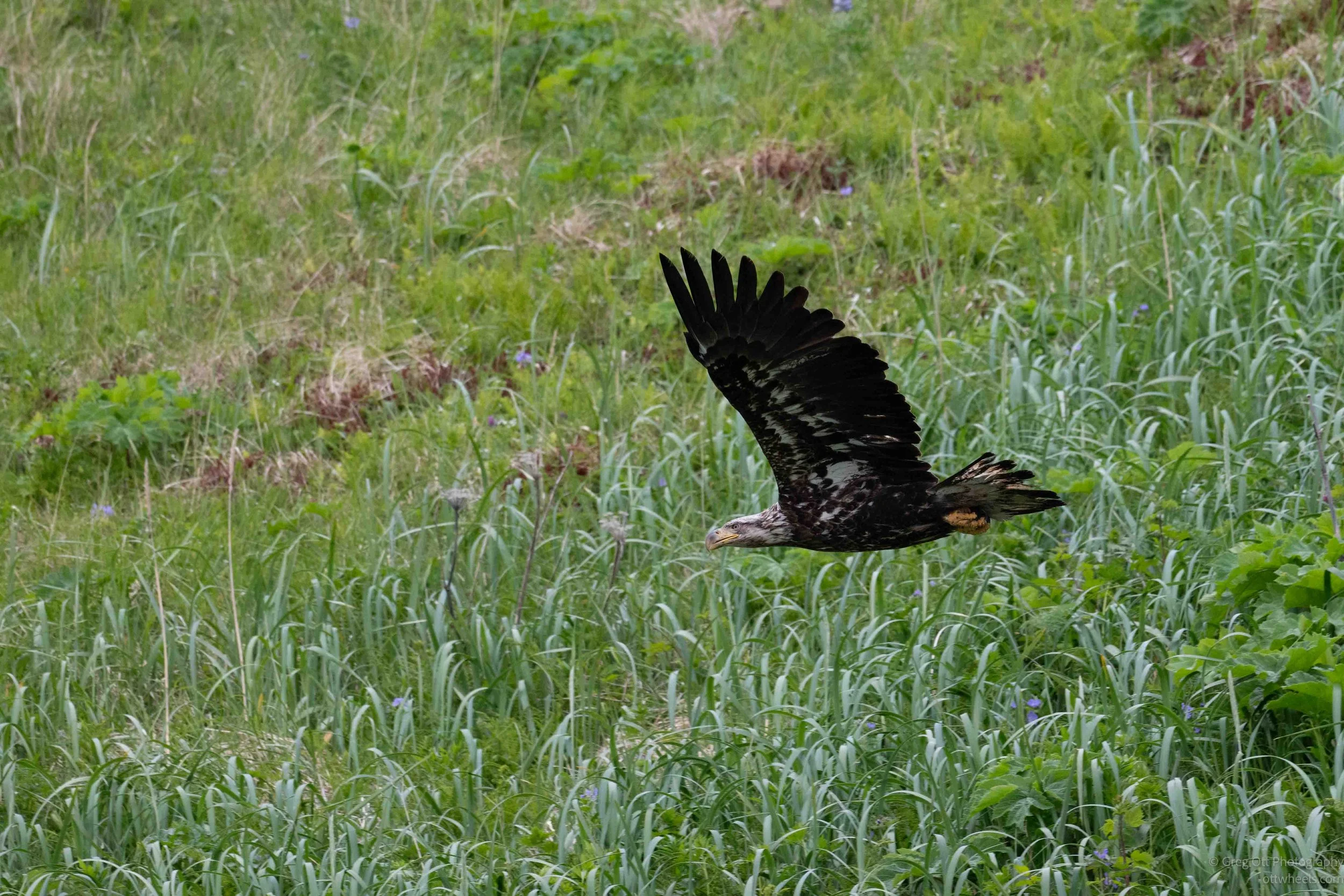
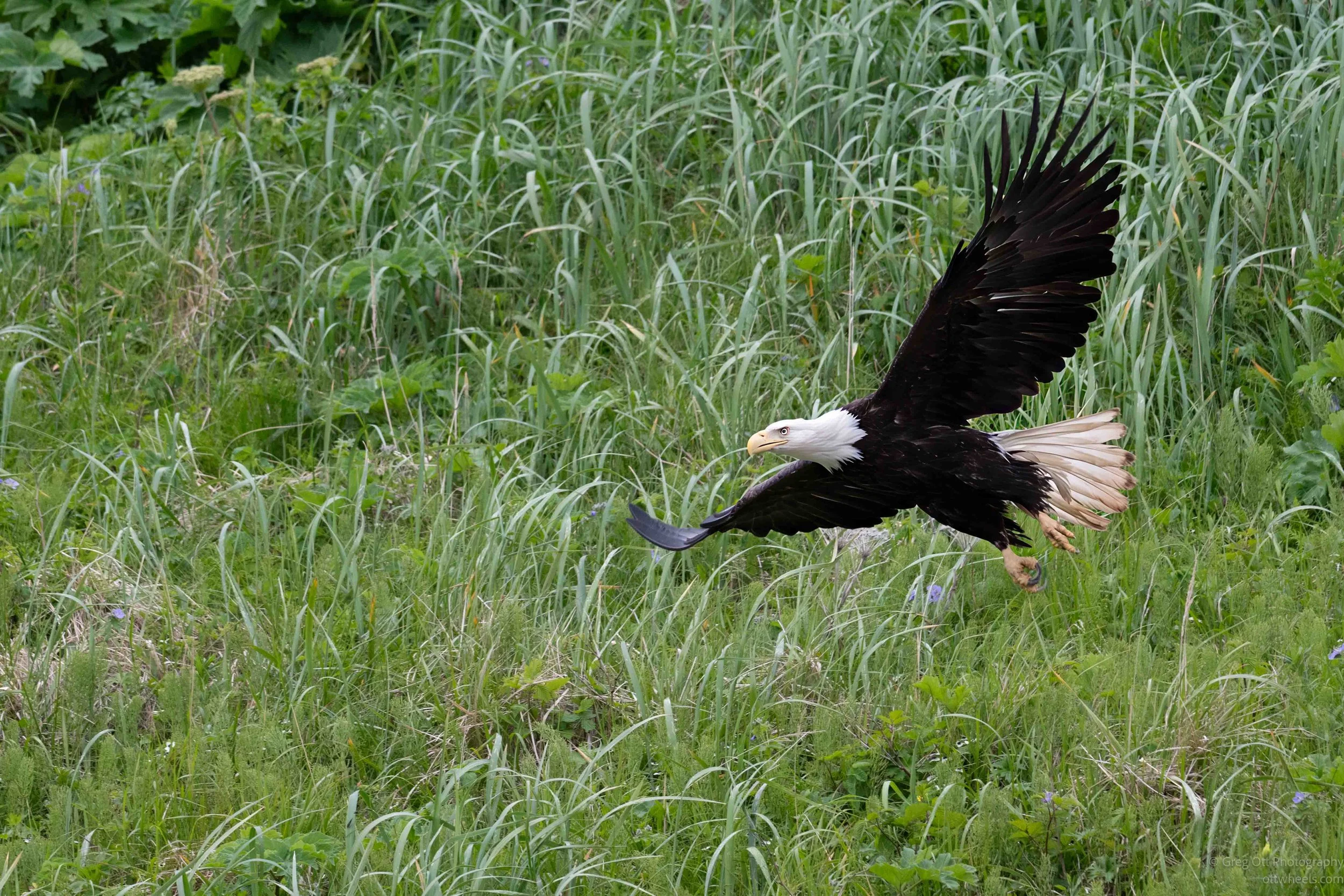
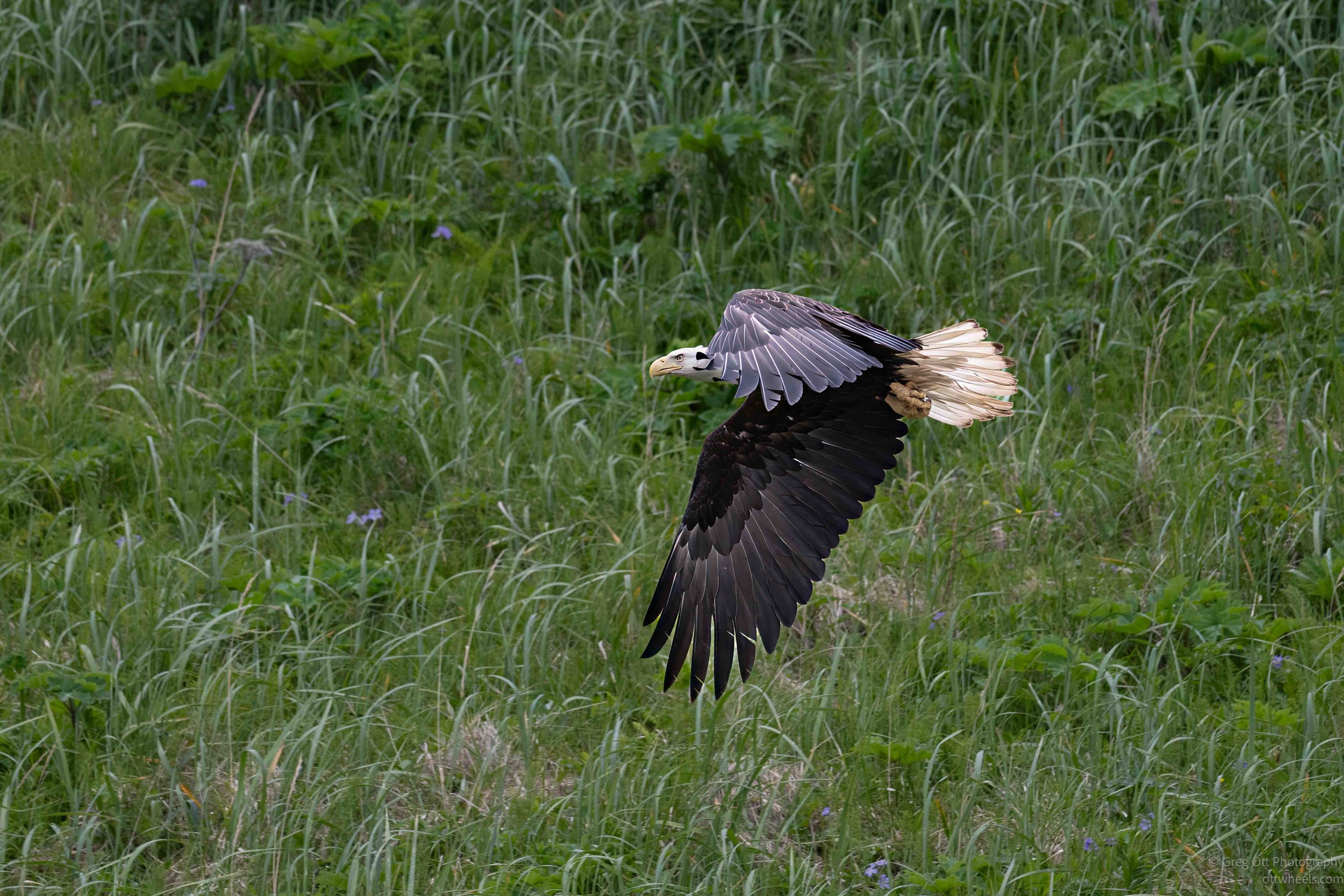
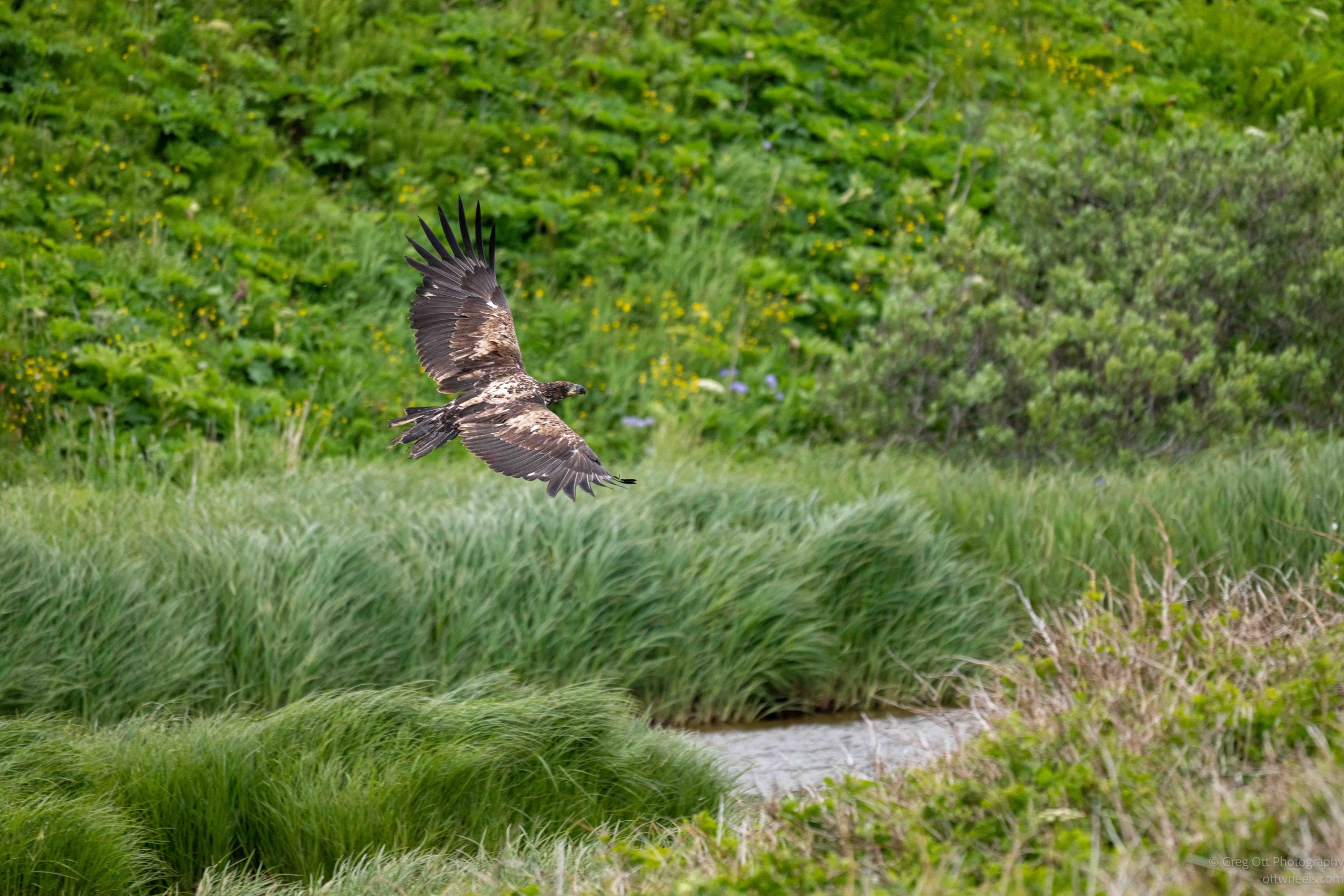
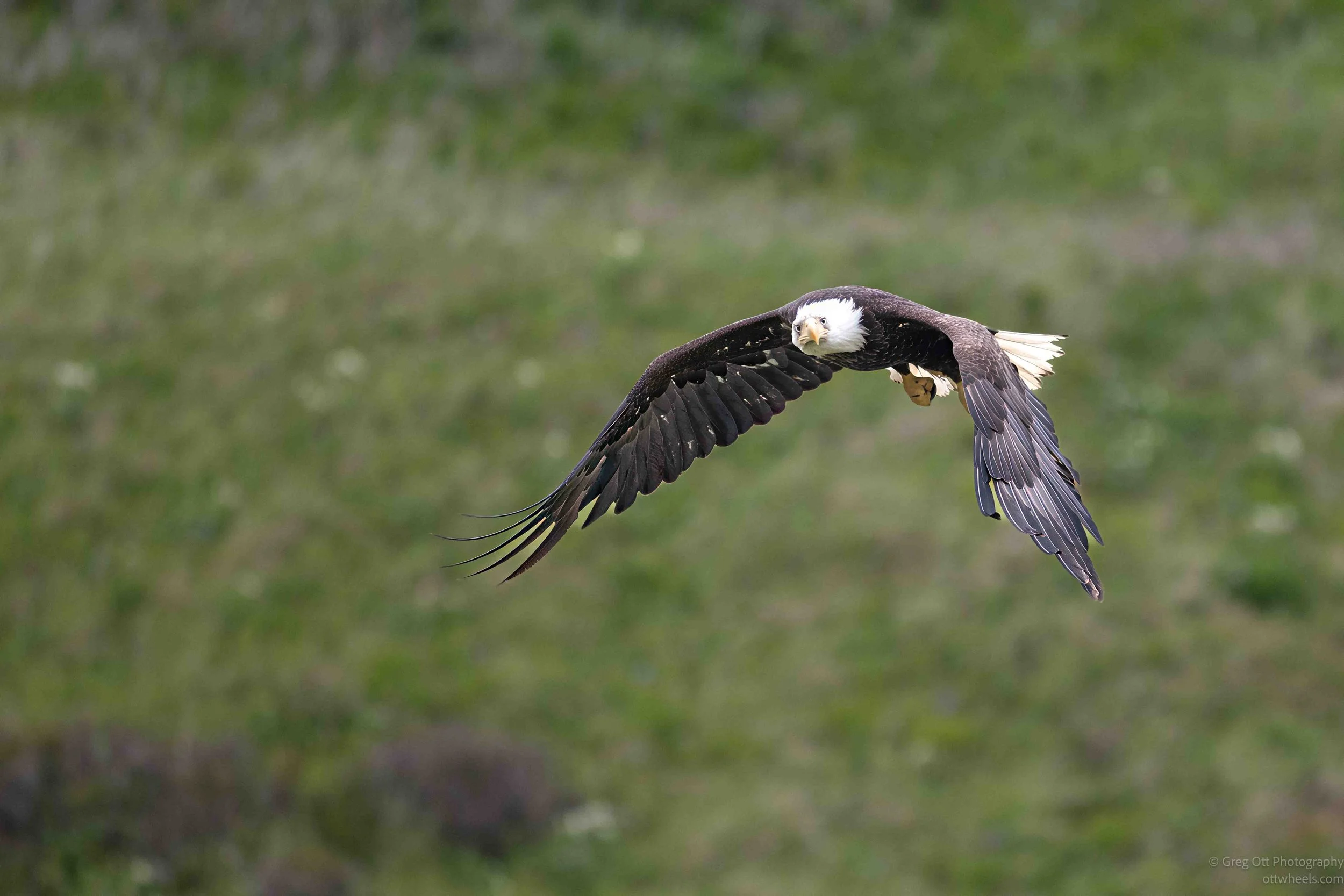
I stopped several times to photograph Unalaska Bay, but everything changed when I rounded a bend and spotted about ten bald eagles. Some were perched together while others circled overhead, riding the wind as though it barely existed. I completely forgot where I was headed and spent the next half hour photographing them.
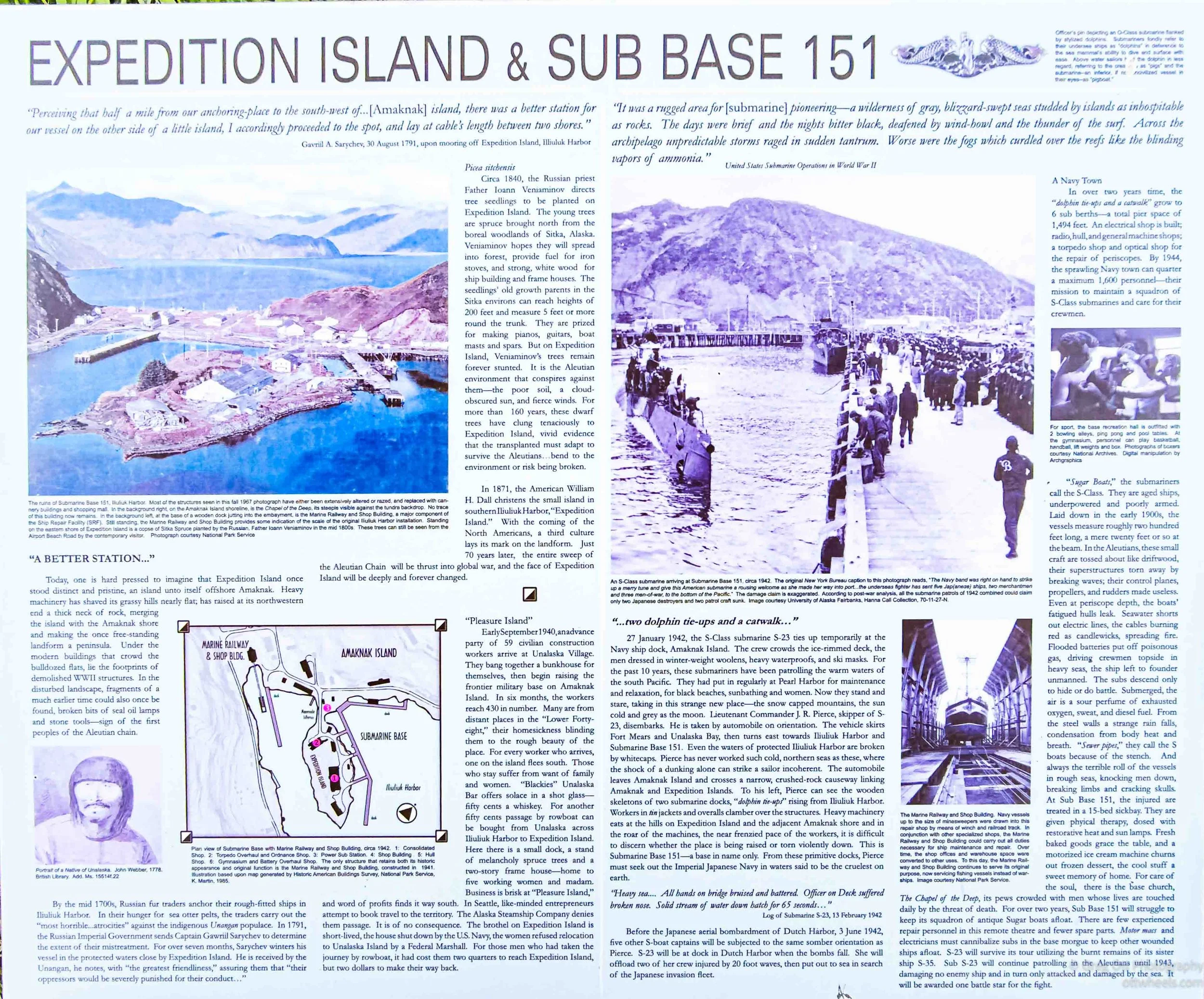
A little farther along I came to an interpretive sign overlooking a section of the harbor. At first glance it looked like another historical marker, but it explained the story of nearby Expedition Island and Submarine Base 151. Standing there looking over the quiet harbor, it was difficult to imagine that this had once been one of the busiest military installations in the Aleutians.
Expedition Island wasn't always connected to the shoreline. It began as a separate island, but decades of dumping rock and fill into the harbor eventually erased the channel between them. Long before World War II, Russian fur traders anchored here, and later Father Ioann Veniaminov planted Sitka spruce trees on the island. More than 160 years later, those same trees are still alive, permanently stunted by the relentless Aleutian winds.
Everything changed after Japan occupied Attu and Kiska in 1942. The U.S. Navy transformed this harbor into Submarine Base 151, building repair facilities, machine shops, radio stations, torpedo support buildings, and a marine railway capable of hauling submarines completely out of the water for repairs. Nearly 1,600 personnel were stationed here, keeping submarines operating throughout the Aleutian Campaign.
The part that fascinated me most wasn't the engineering—it was the submariners themselves. They nicknamed their aging S-class submarines "Sugar Boats," although there wasn't much sweet about serving aboard them. The boats leaked so badly that crews also called them "Sewer Pipes," and mechanics routinely stripped parts from damaged submarines just to keep others operational. Looking out at today's peaceful fishing harbor, it was almost impossible to picture the organized chaos that once filled this place.
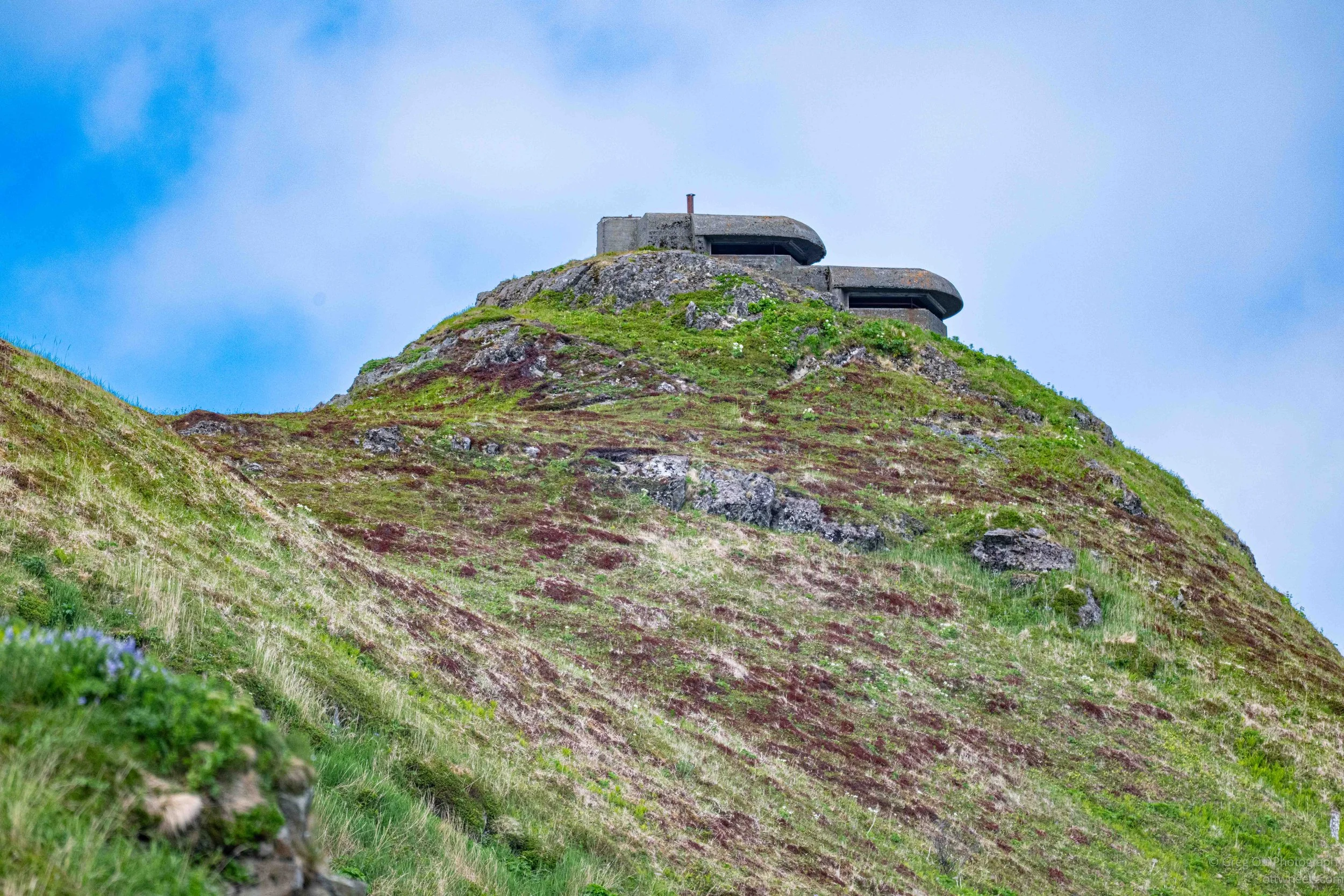
Above me on the surrounding hills were the remains of World War II gun emplacements and lookout positions, silent reminders that this peaceful fishing port was once on the front line of the war.
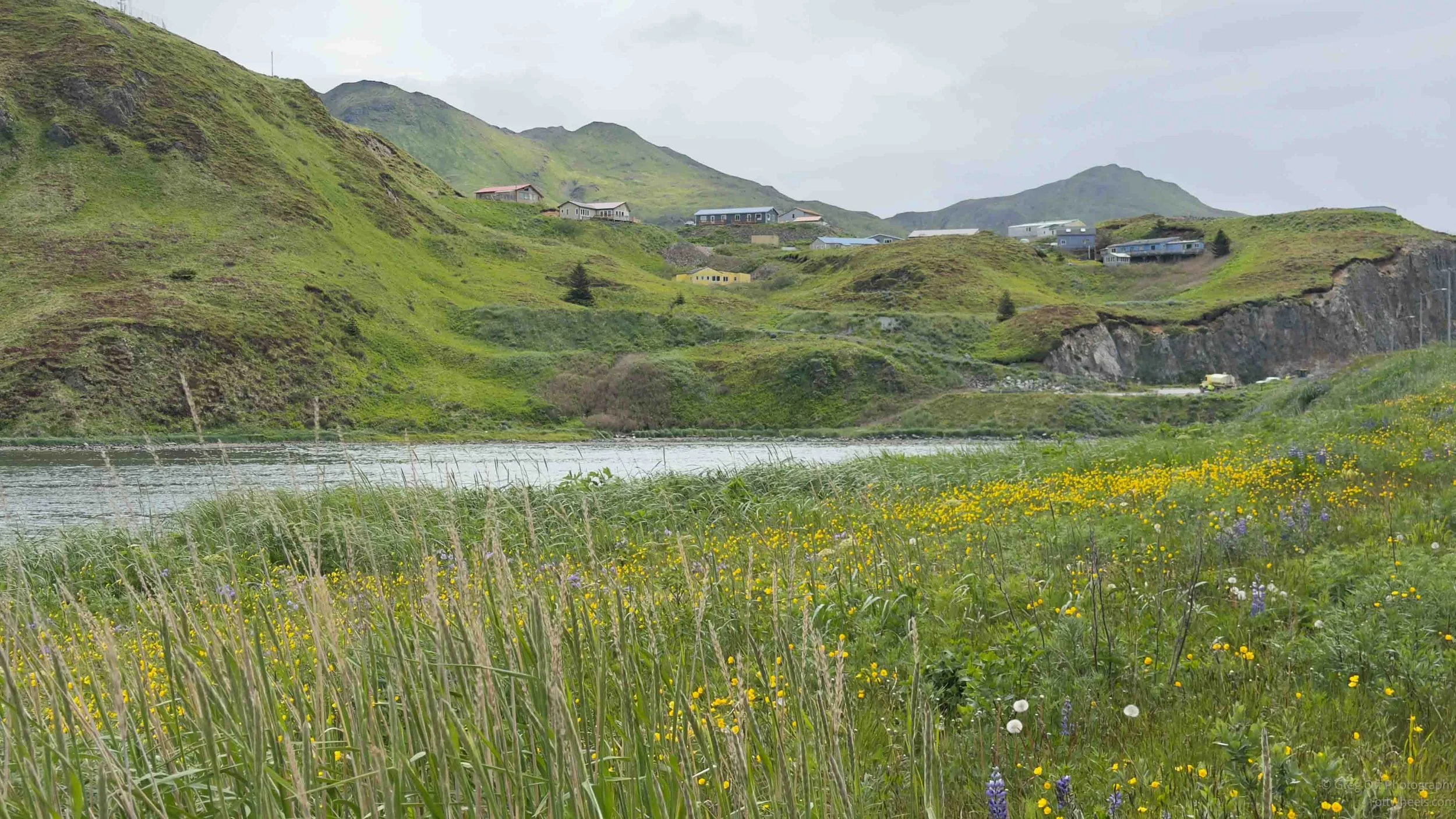
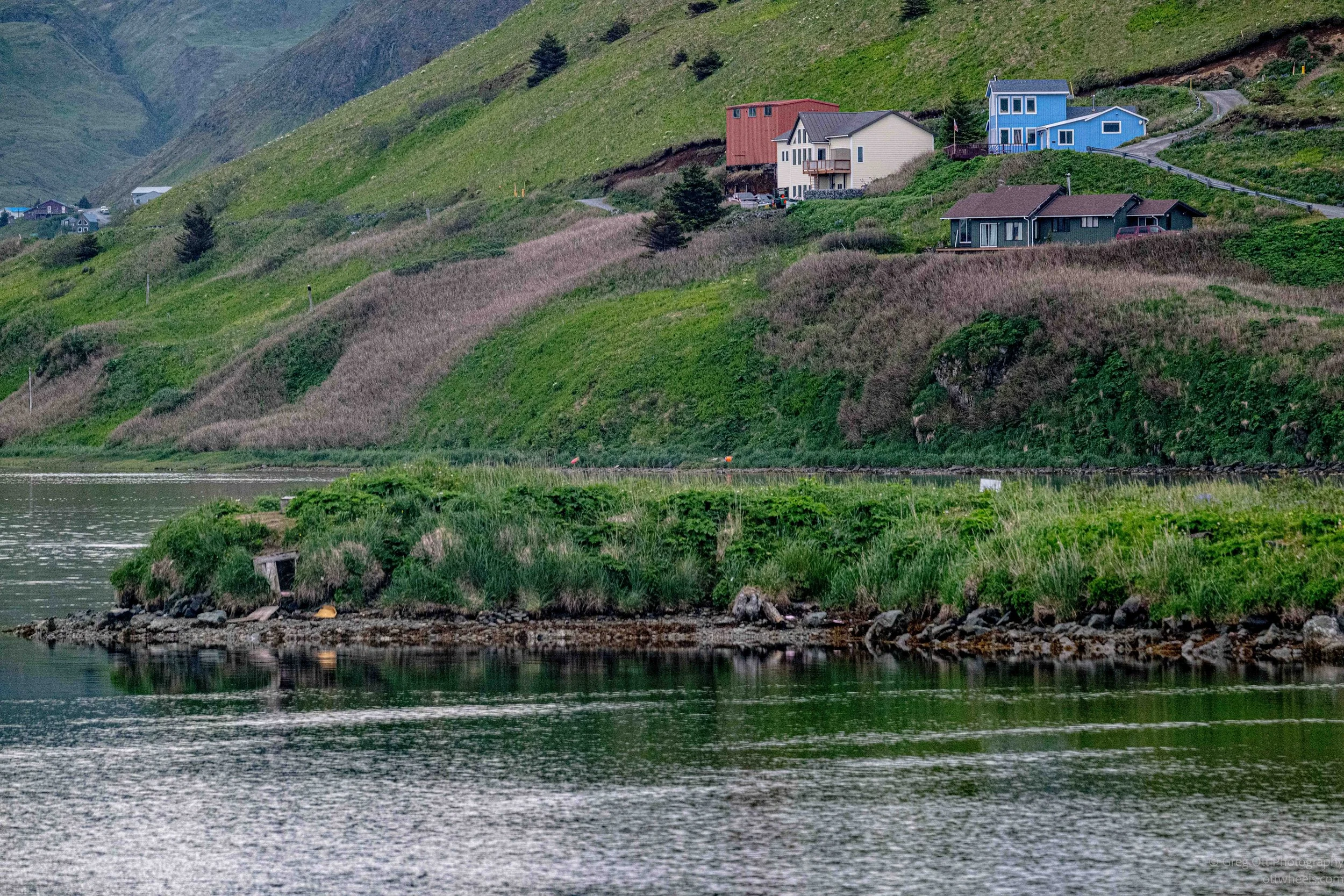
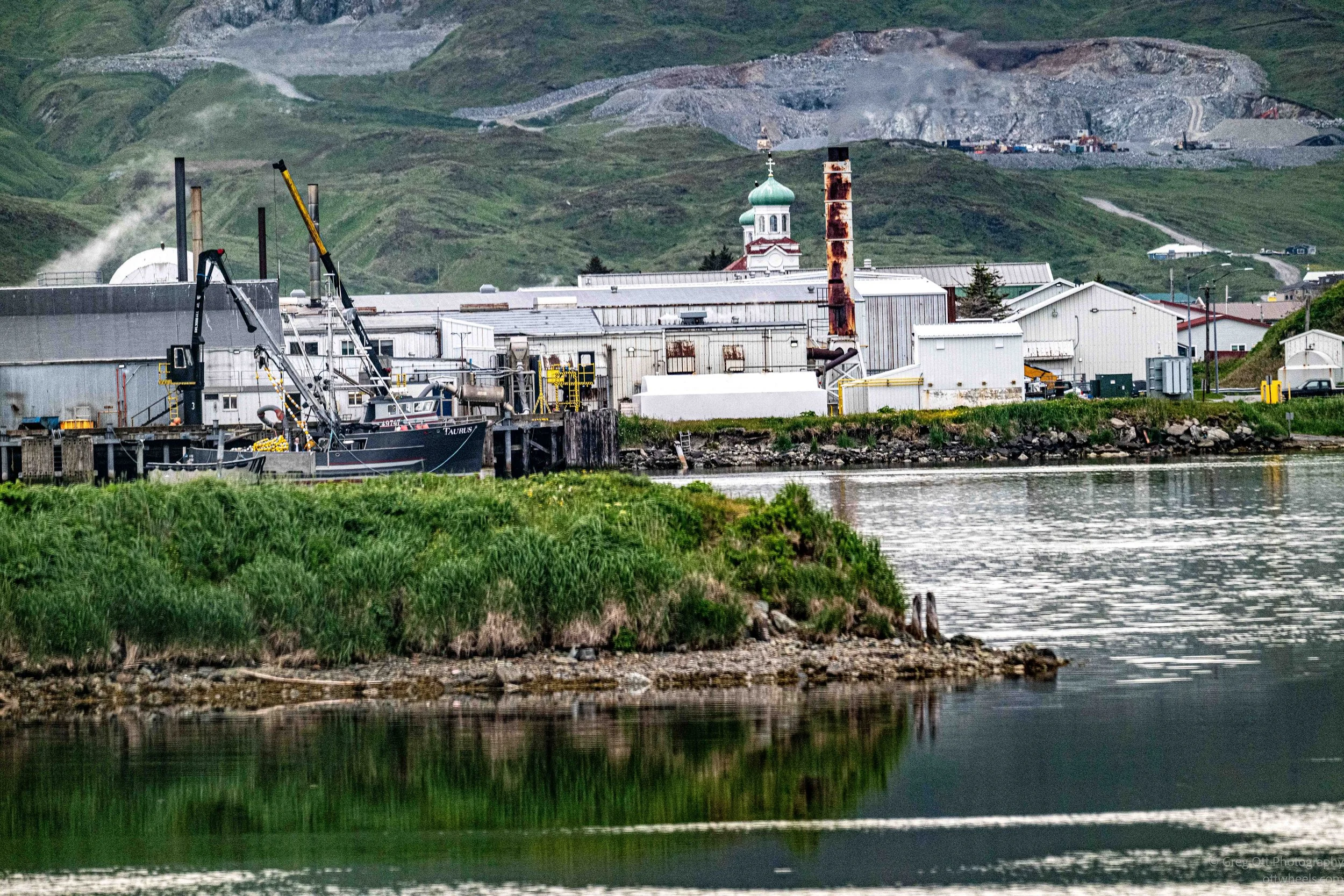
Crossing the bridge onto Unalaska Island, I climbed another long hill. The wind seemed even stronger here, pulling the warmth right through my layers, but every time I stopped to catch my breath another beautiful view opened across the bay.
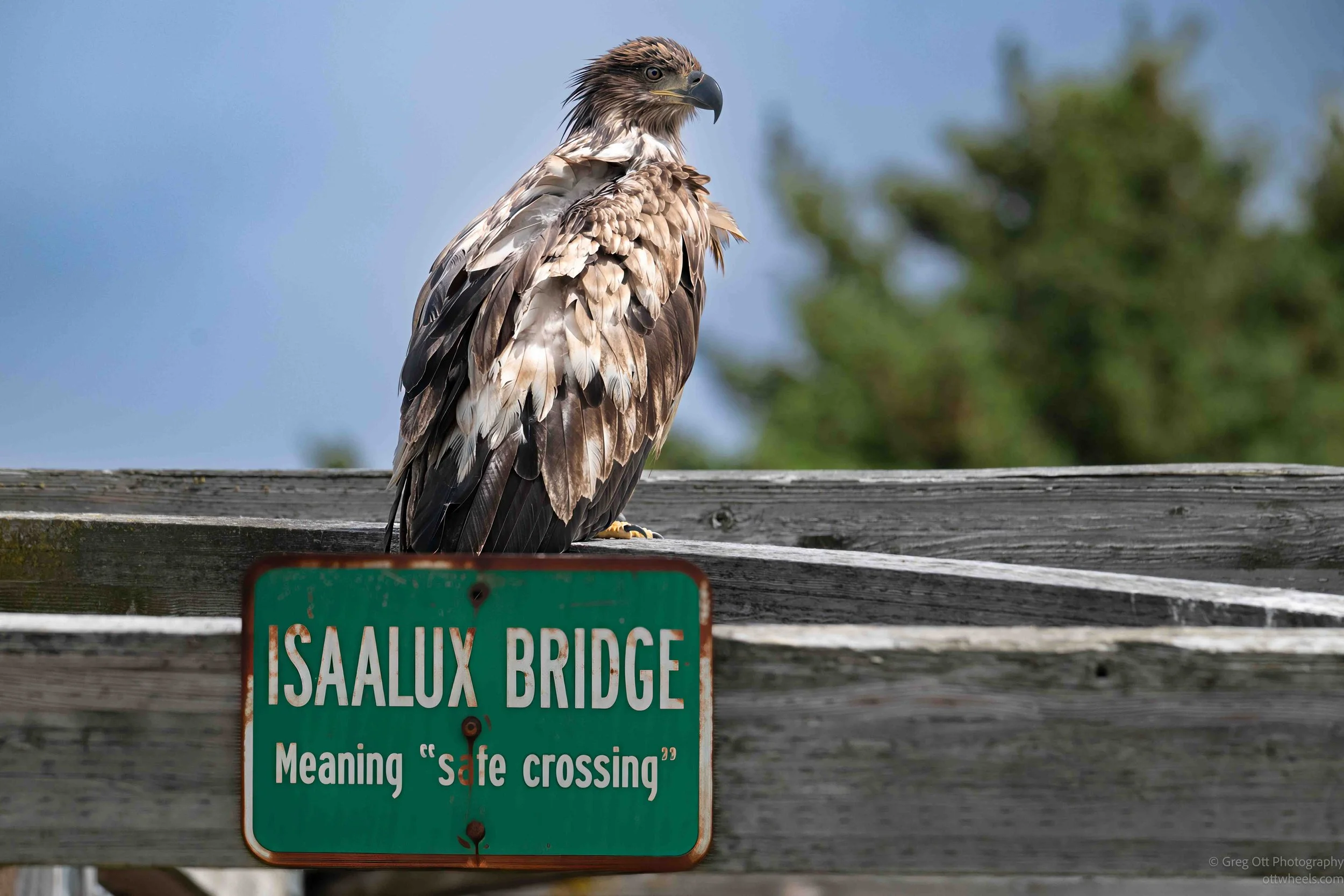
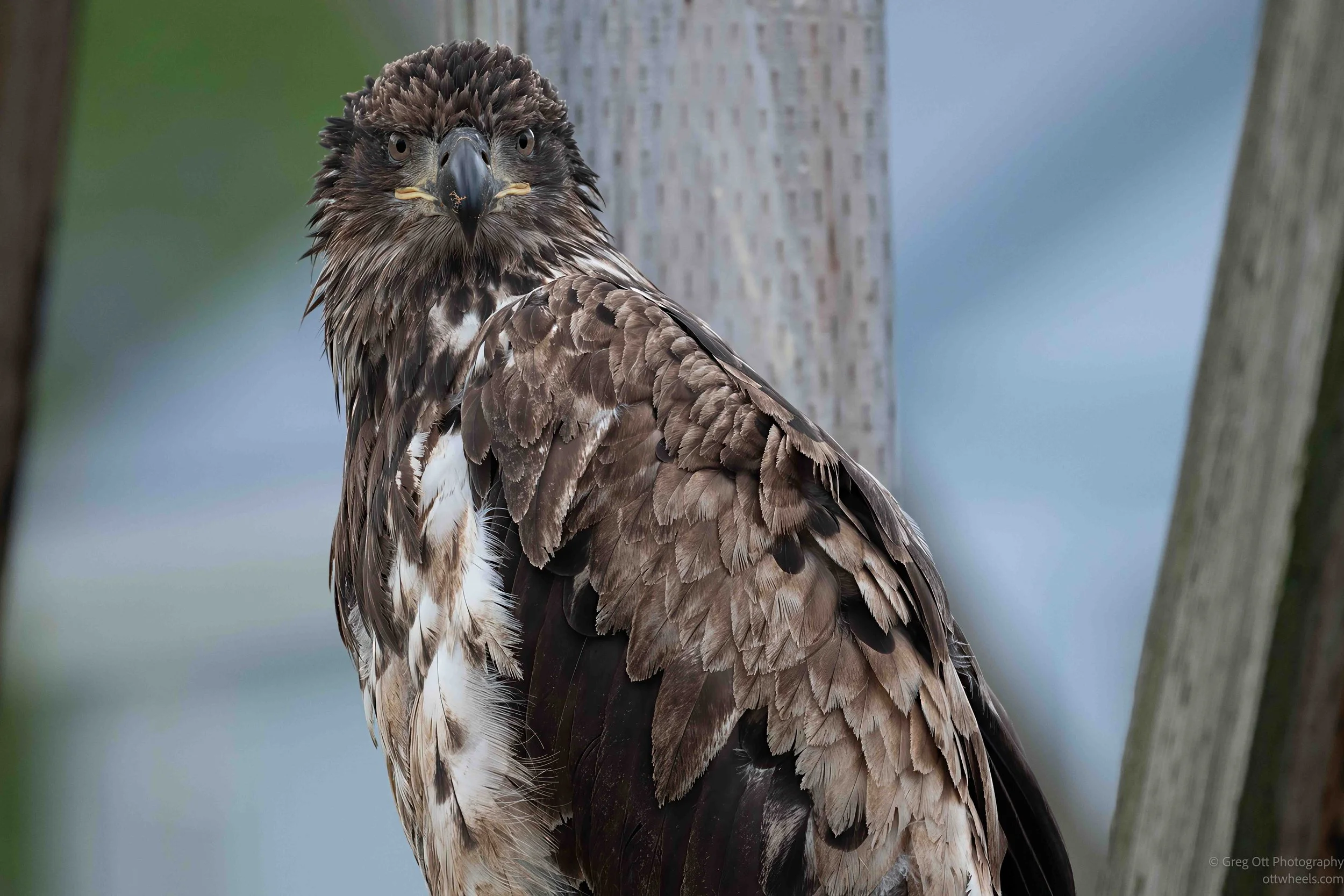
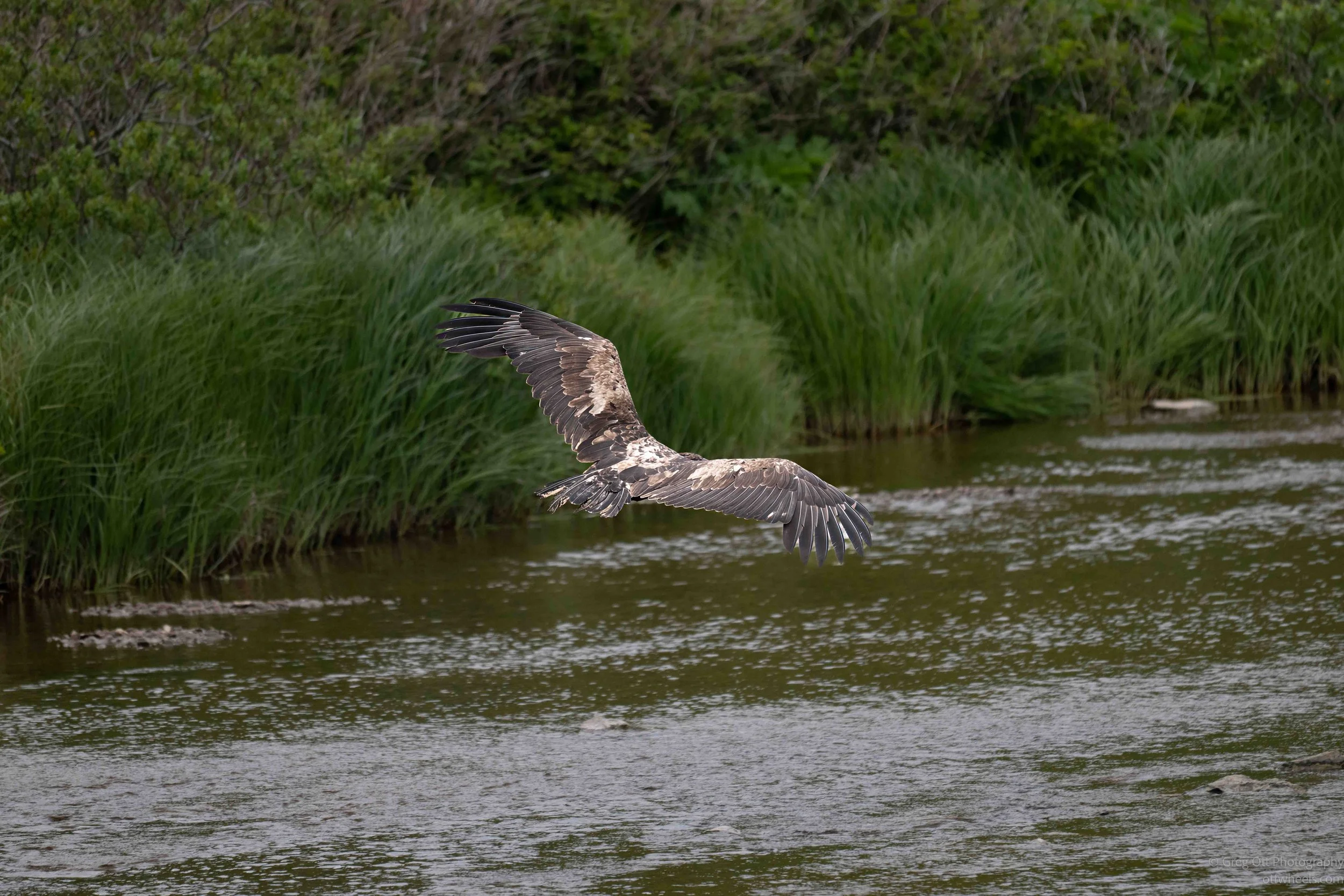
Near a small stream I found more bald eagles. Two juveniles sat on the railing of a pedestrian bridge watching everything below. They didn't seem the least bit concerned that I was only a few feet away. Other eagles perched in nearby trees, waiting for salmon to work their way upstream. The stream wasn't packed with fish yet, but everyone told me that later in the season it can be full of them.
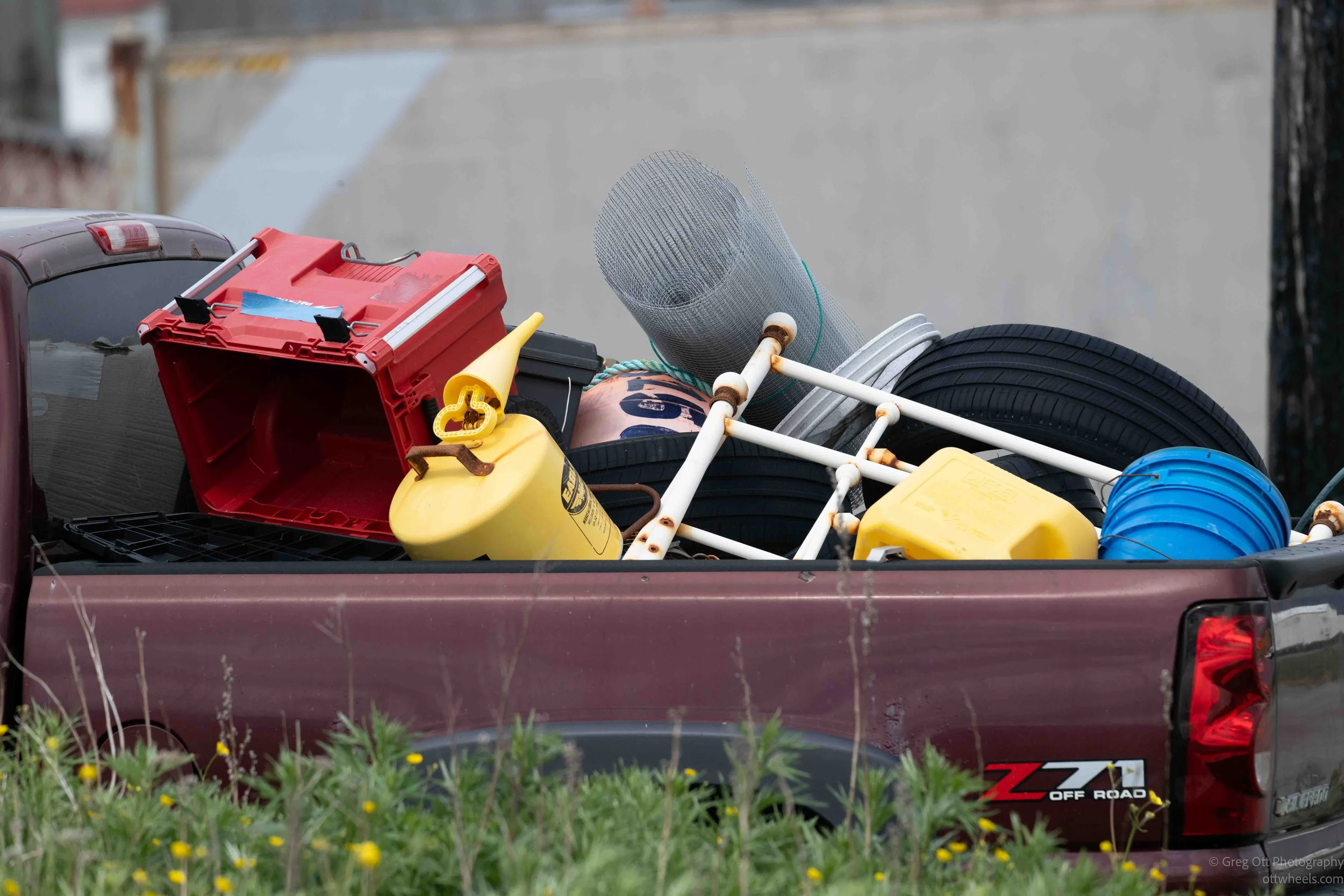
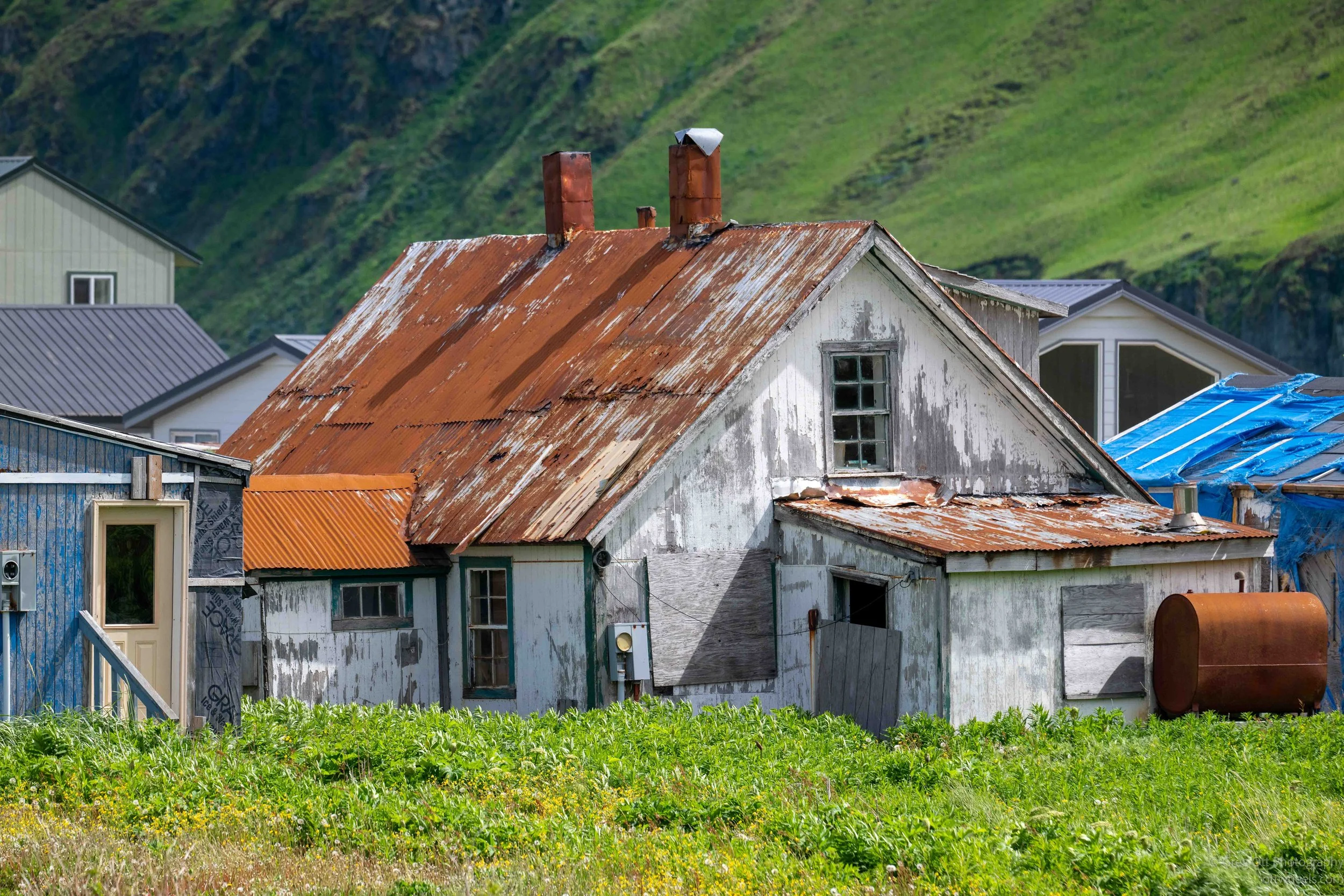
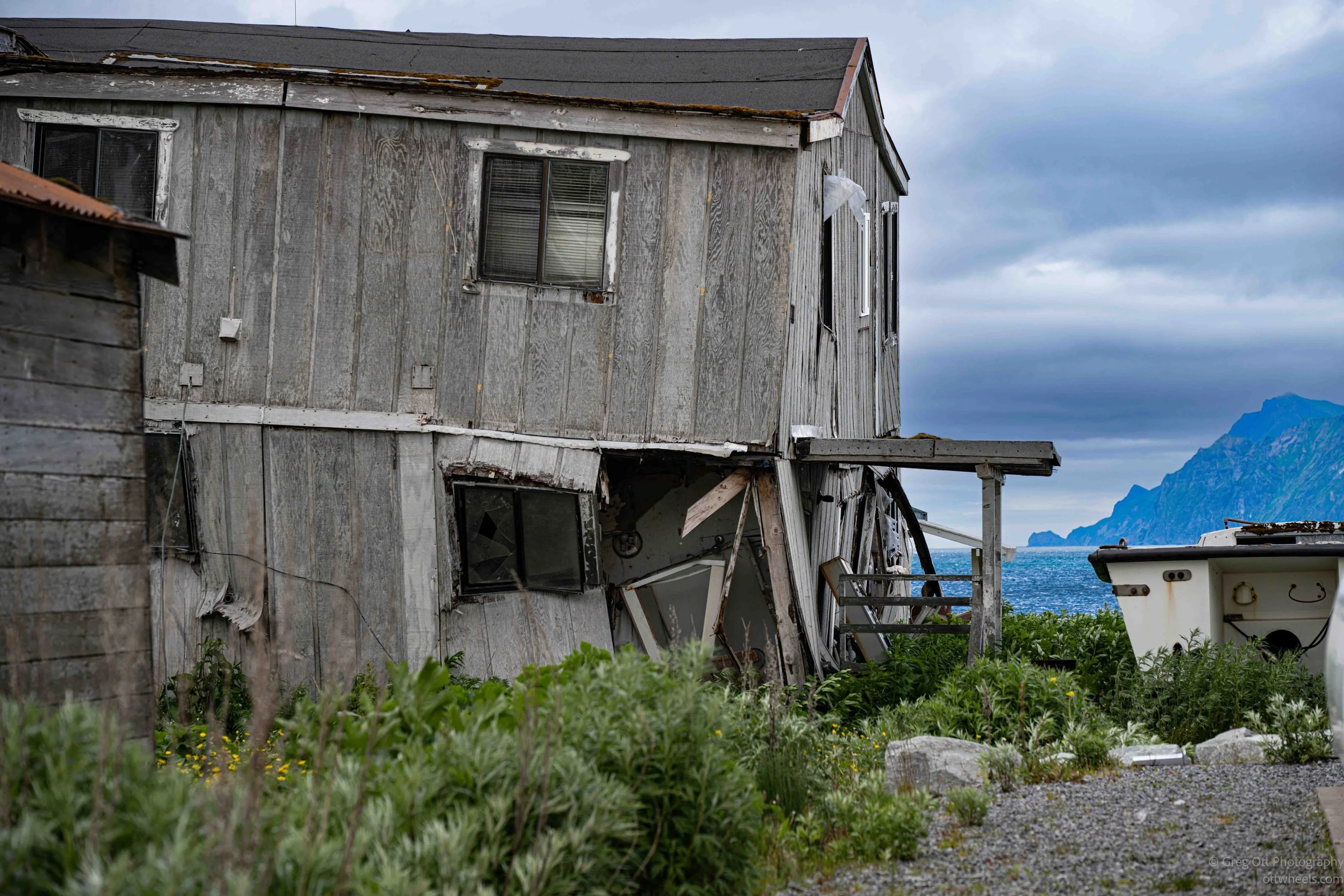
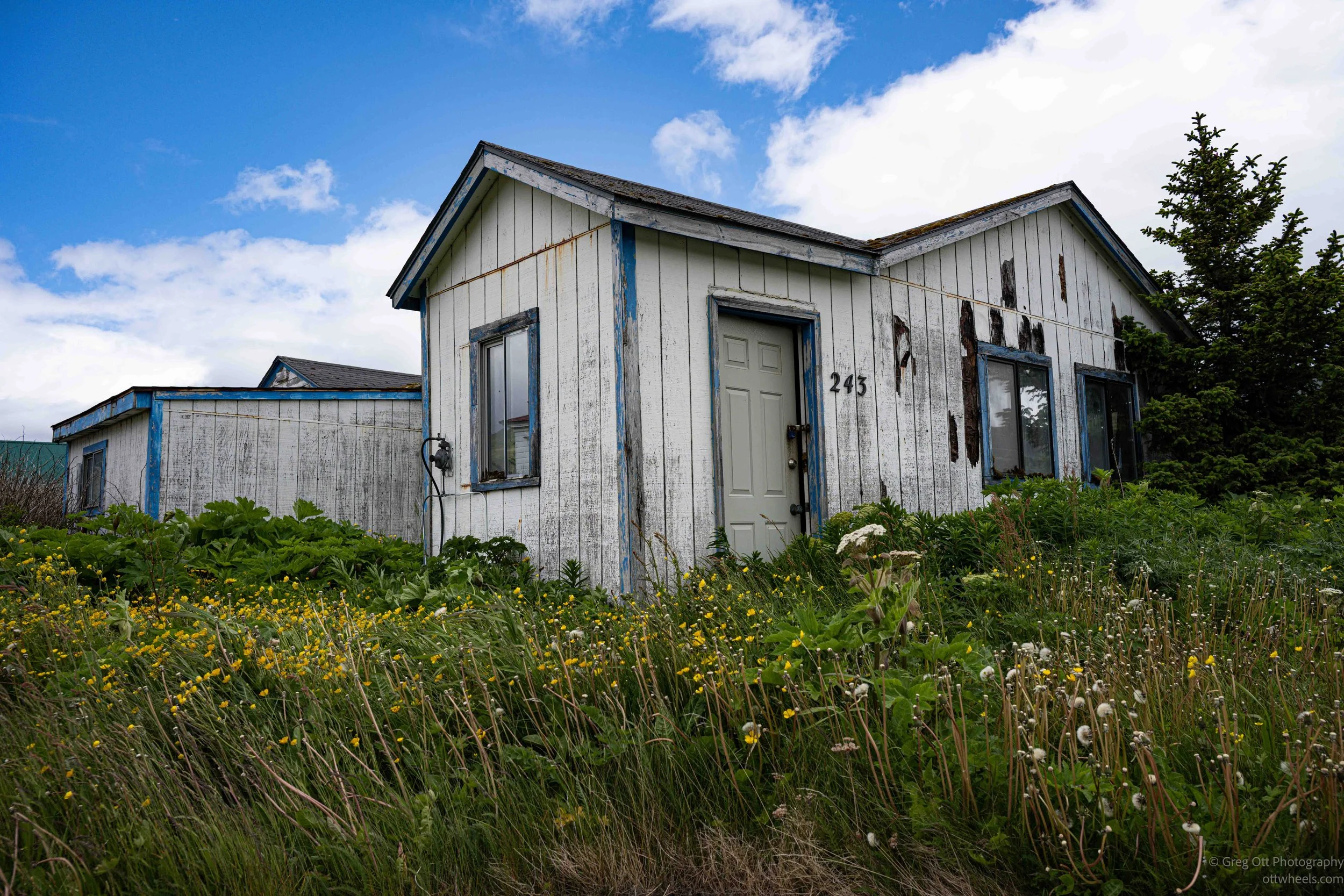
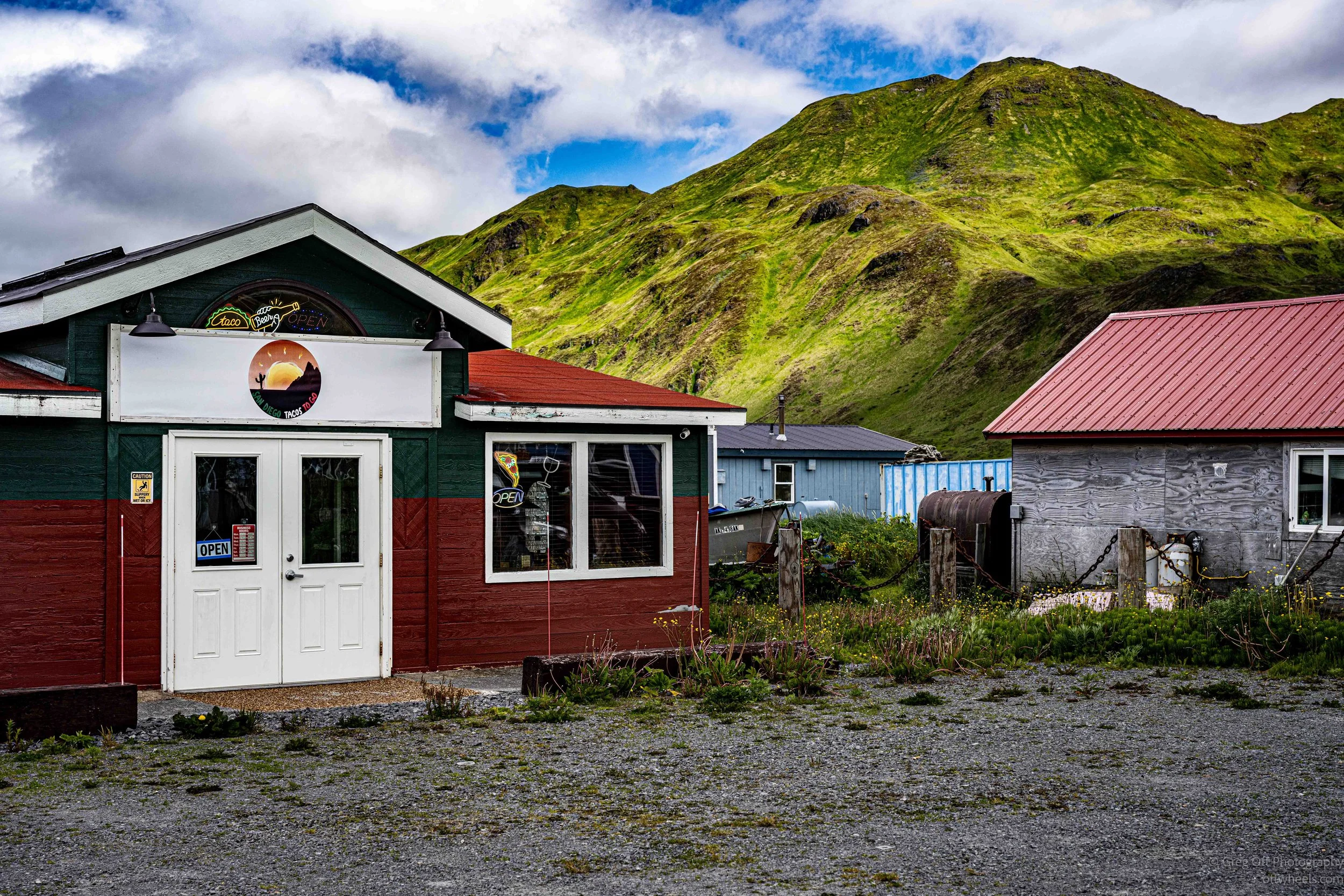
Unalaska felt surprisingly quiet, especially considering it sits beside one of the busiest fishing ports in the country. I wandered along the dirt roads, stopping to photograph weathered buildings and other interesting scenes around town. Old trucks sat abandoned in driveways, some looking as though they hadn't moved in years. Tall grass and wildflowers had begun to grow around them, slowly reclaiming them for nature.
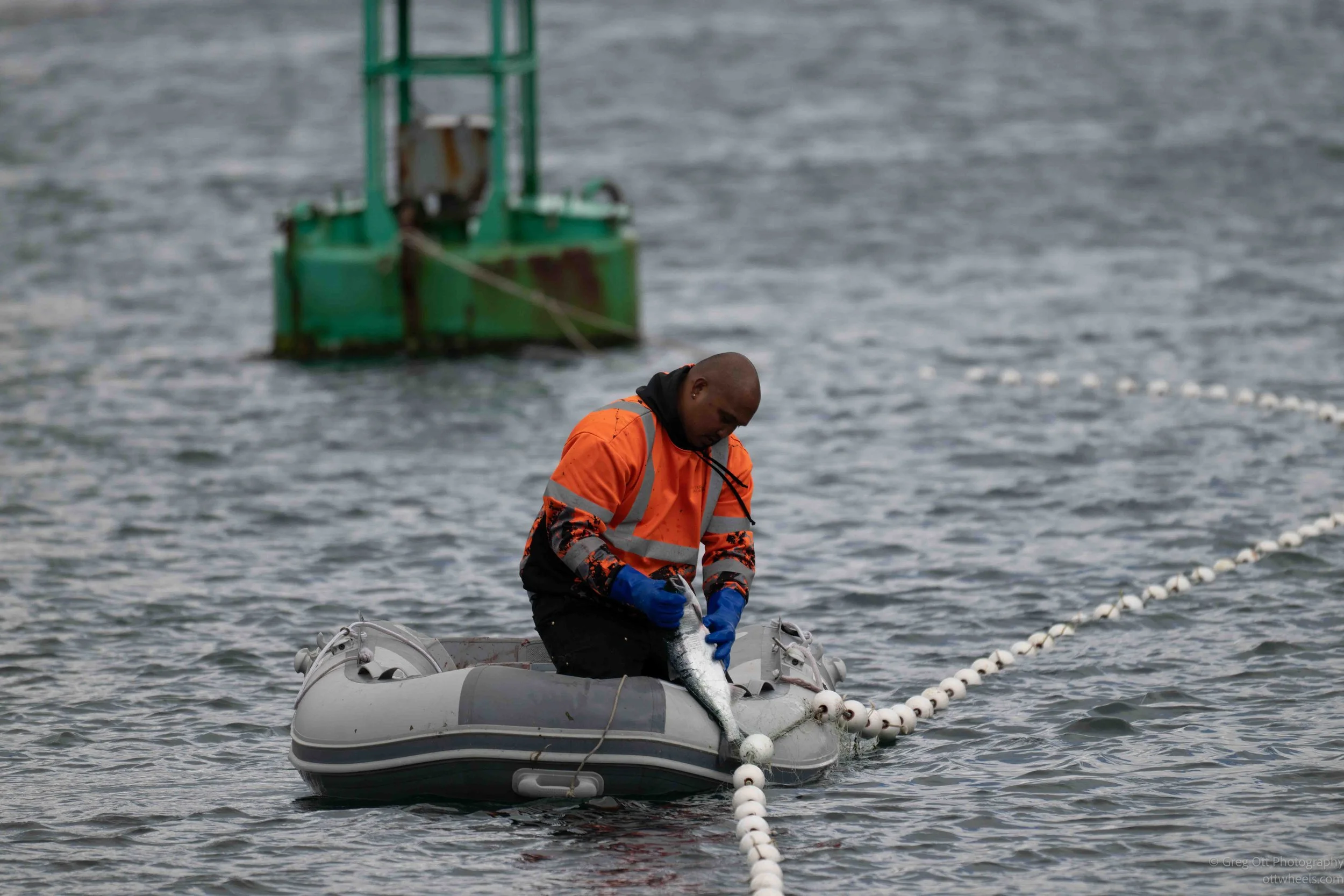
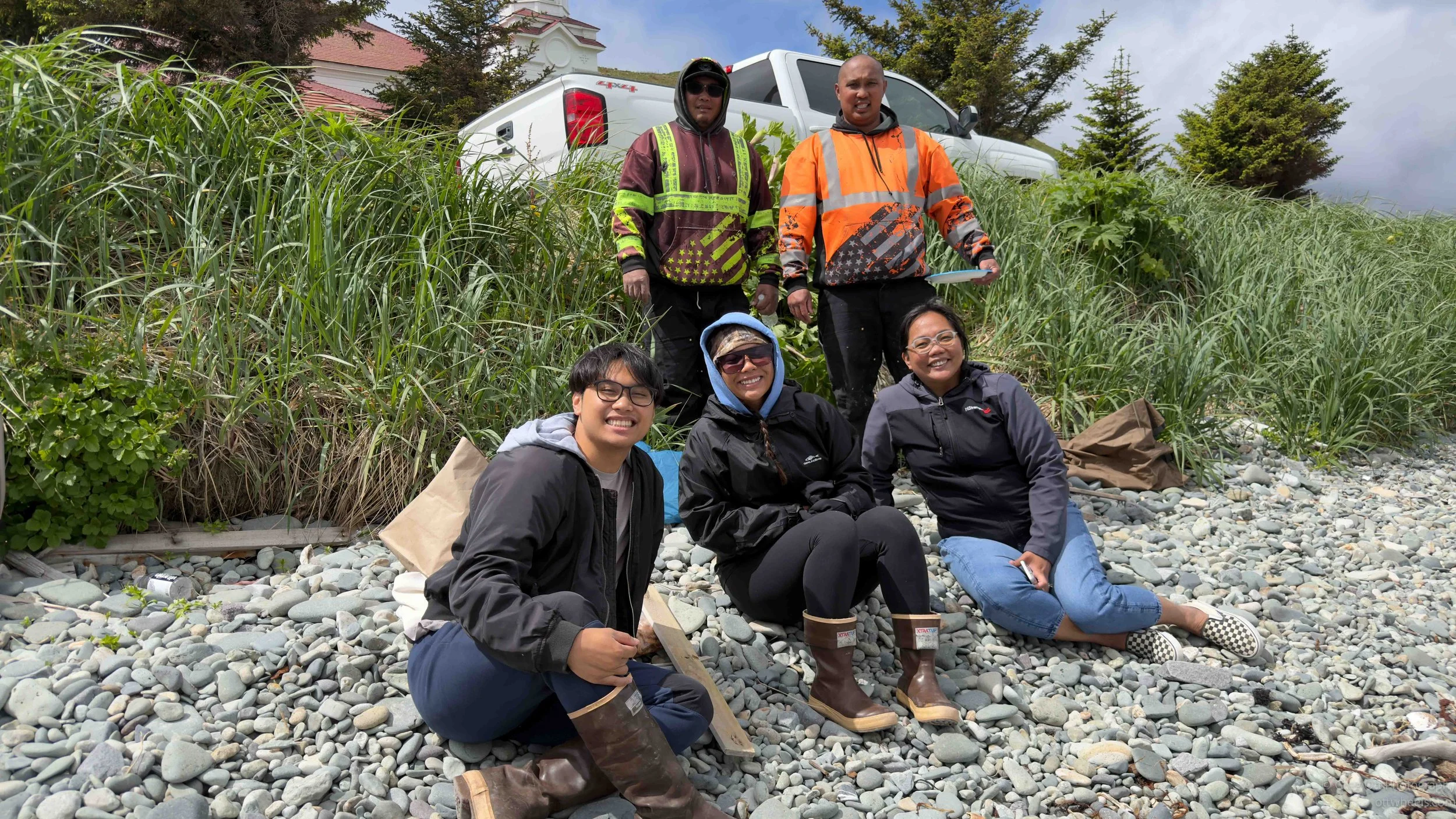
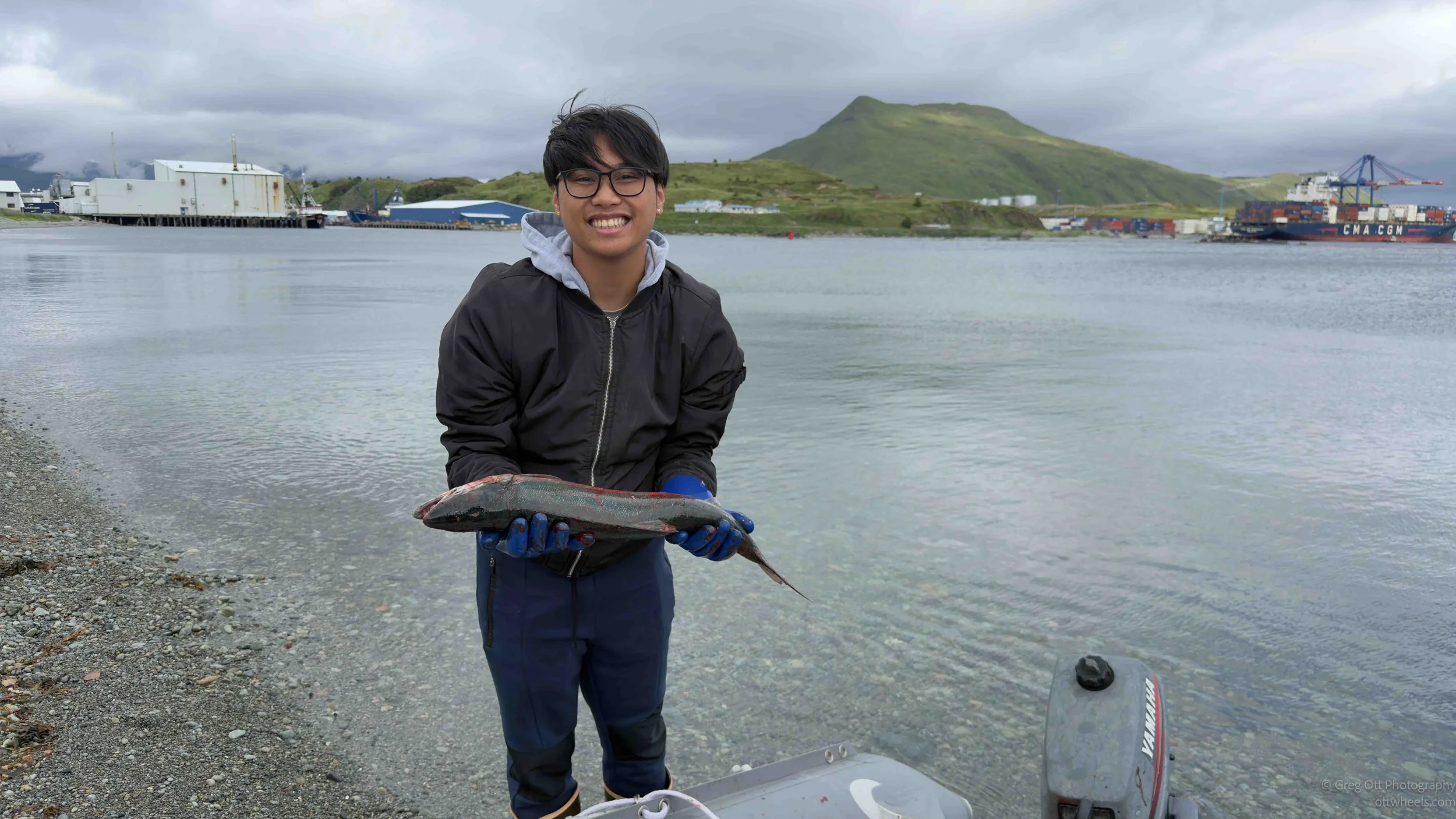
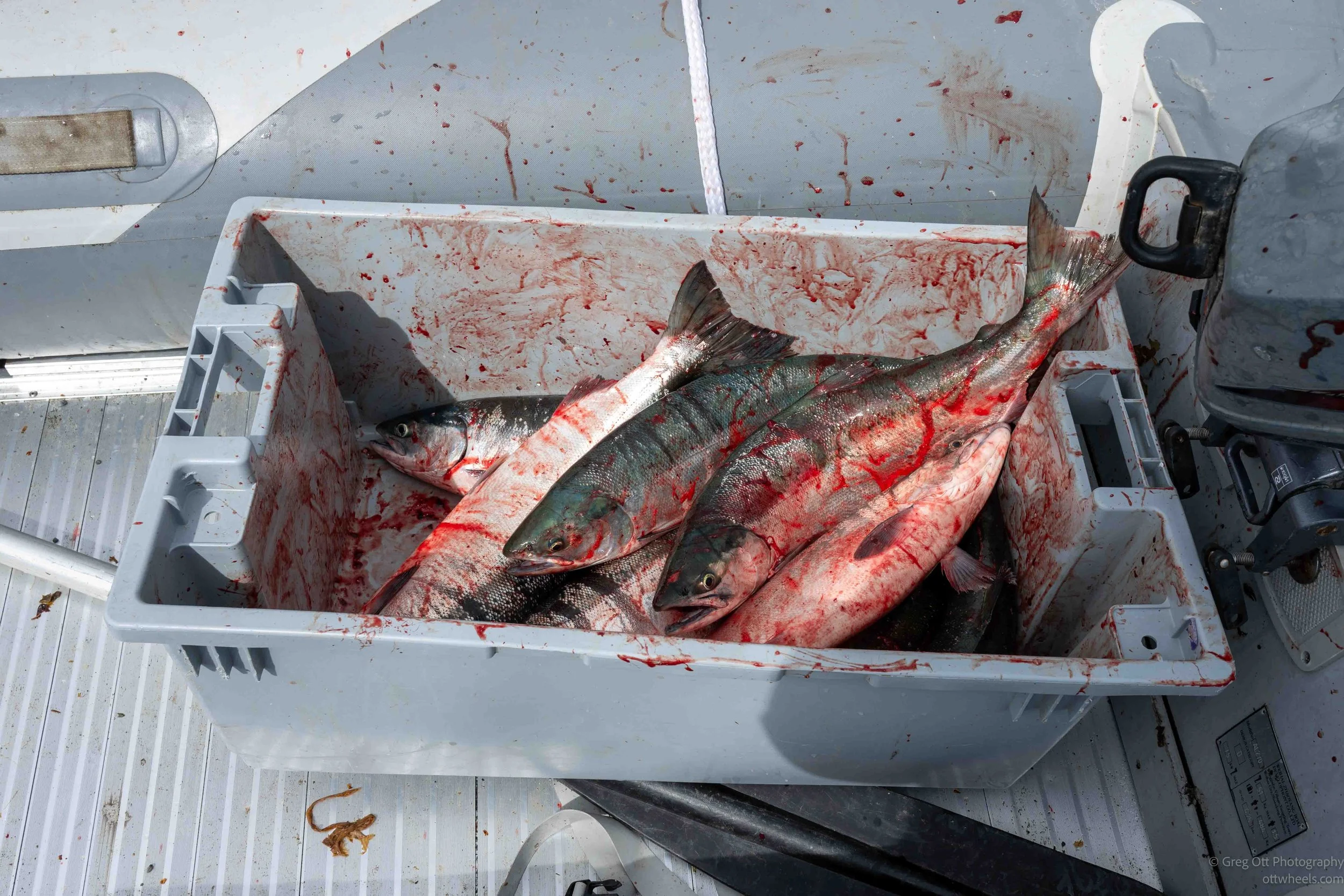
Down along the shoreline I watched a man pulling salmon from a gill net while a woman waved me over to get a better look. They were originally from the Philippines but had lived here for years. The fisherman was her brother, and his son was helping him haul in the net. We talked for nearly forty-five minutes.
His son had just graduated from Stanford with a degree in computer science. He already had a job waiting for him at Amazon but had come home to spend a few weeks with his family before starting work. It was one of those conversations you never expect to have standing beside a salmon net in the Aleutian Islands.
I also learned about Alaska's subsistence fishing permits. Residents who qualify can harvest salmon for their household under limits set by the state. Their family permit allowed them to take up to 150 salmon. Watching them work together felt less like commercial fishing and more like a family tradition that had been repeated countless times.
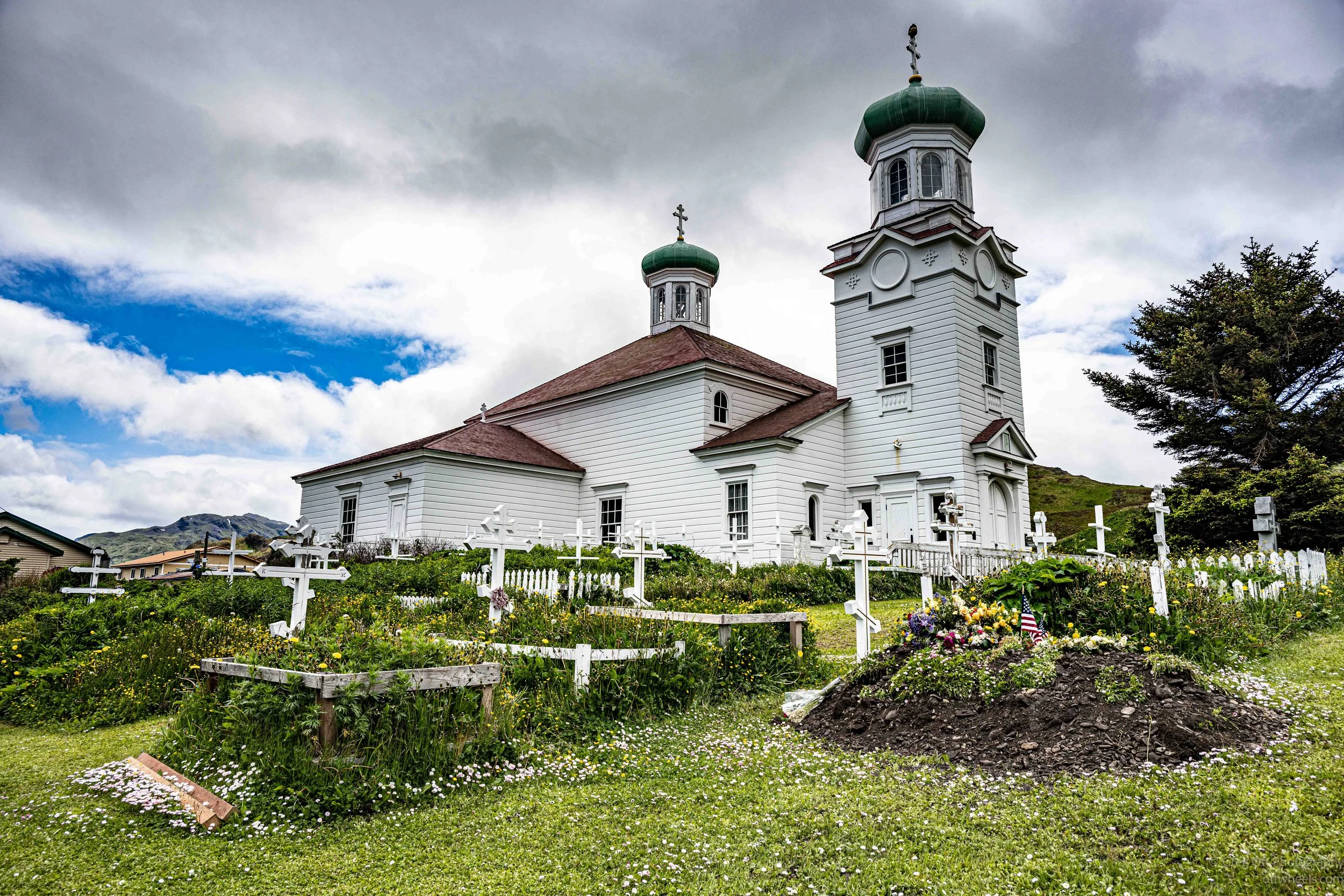
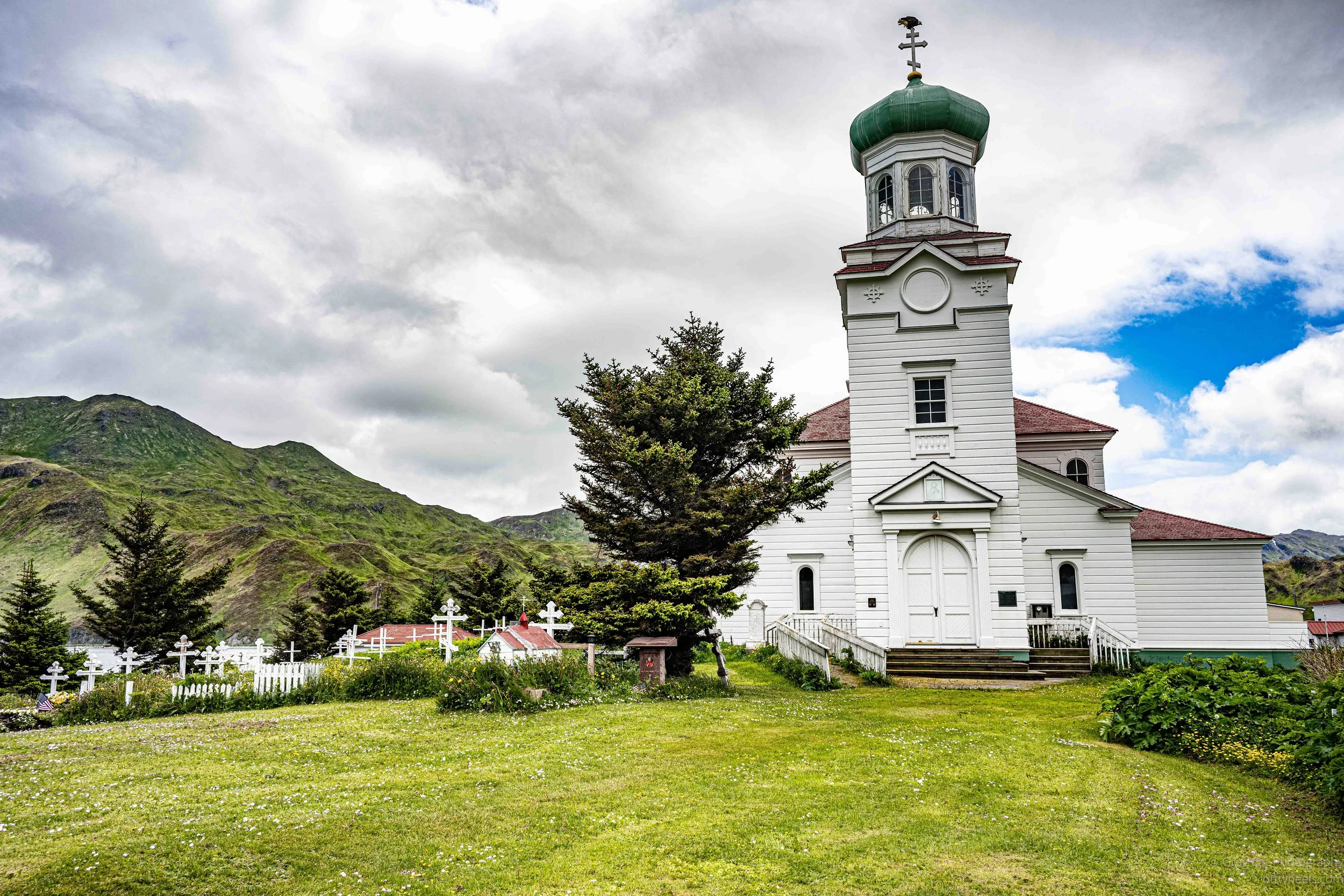
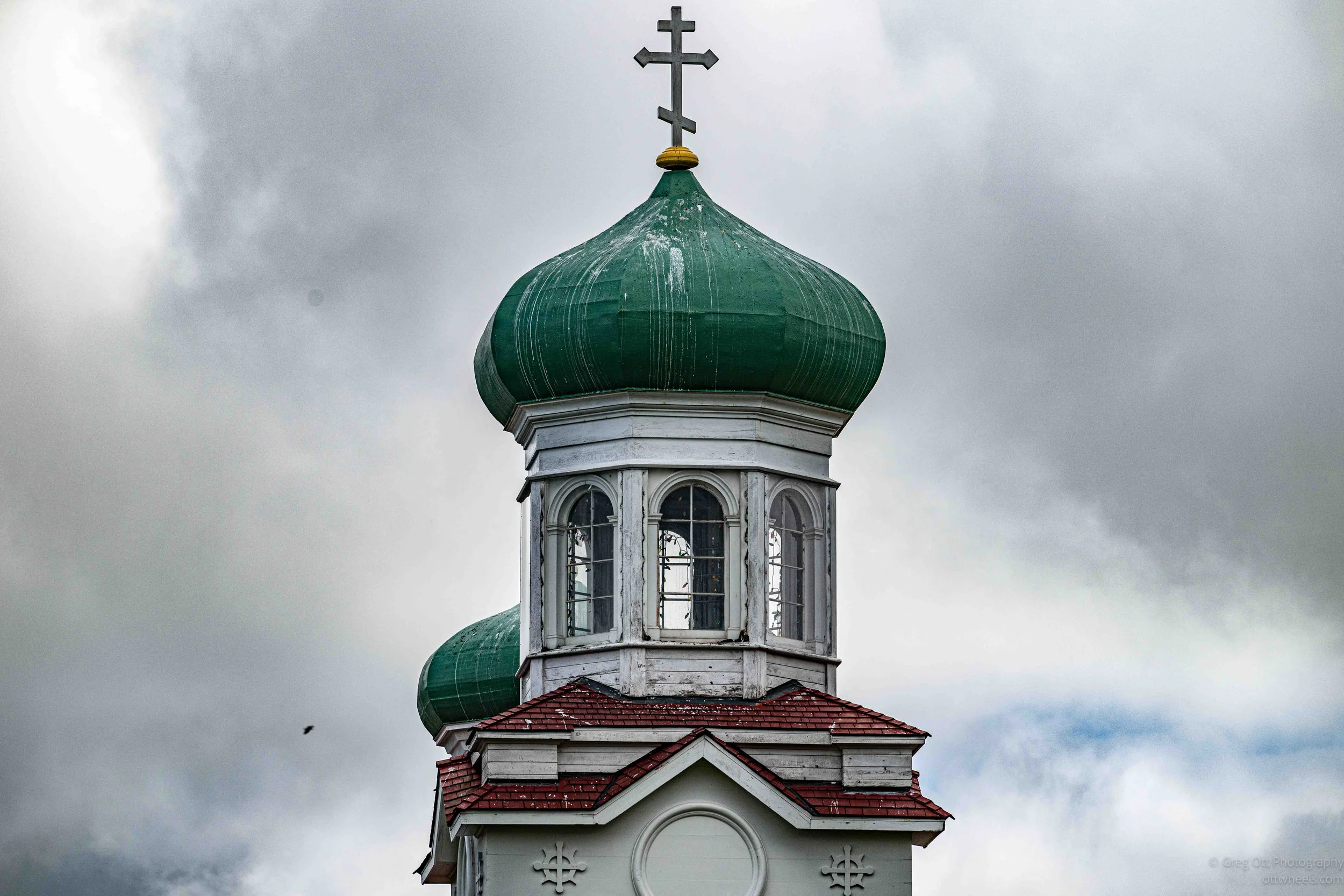
From there I wandered over to the Church of the Holy Ascension, one of the oldest Russian Orthodox churches in North America. While the current cathedral was completed in 1896, the first church on this site dates back to 1825, when Russian missionaries first established a permanent presence in Unalaska. During World War II, while much of Dutch Harbor was transformed into a military base and bombed by Japanese aircraft, the church survived, becoming one of the few reminders of the community that existed long before the war.
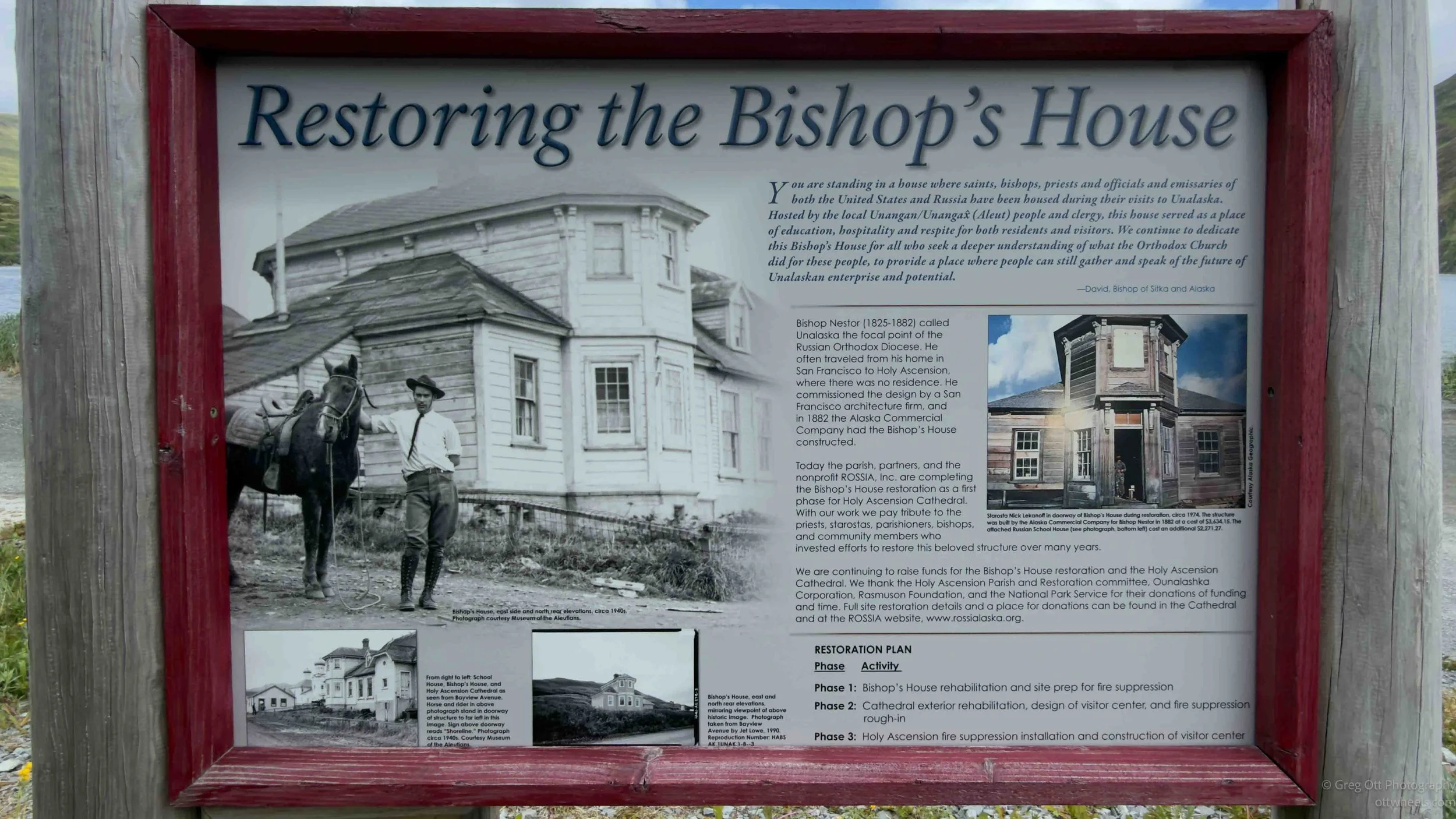
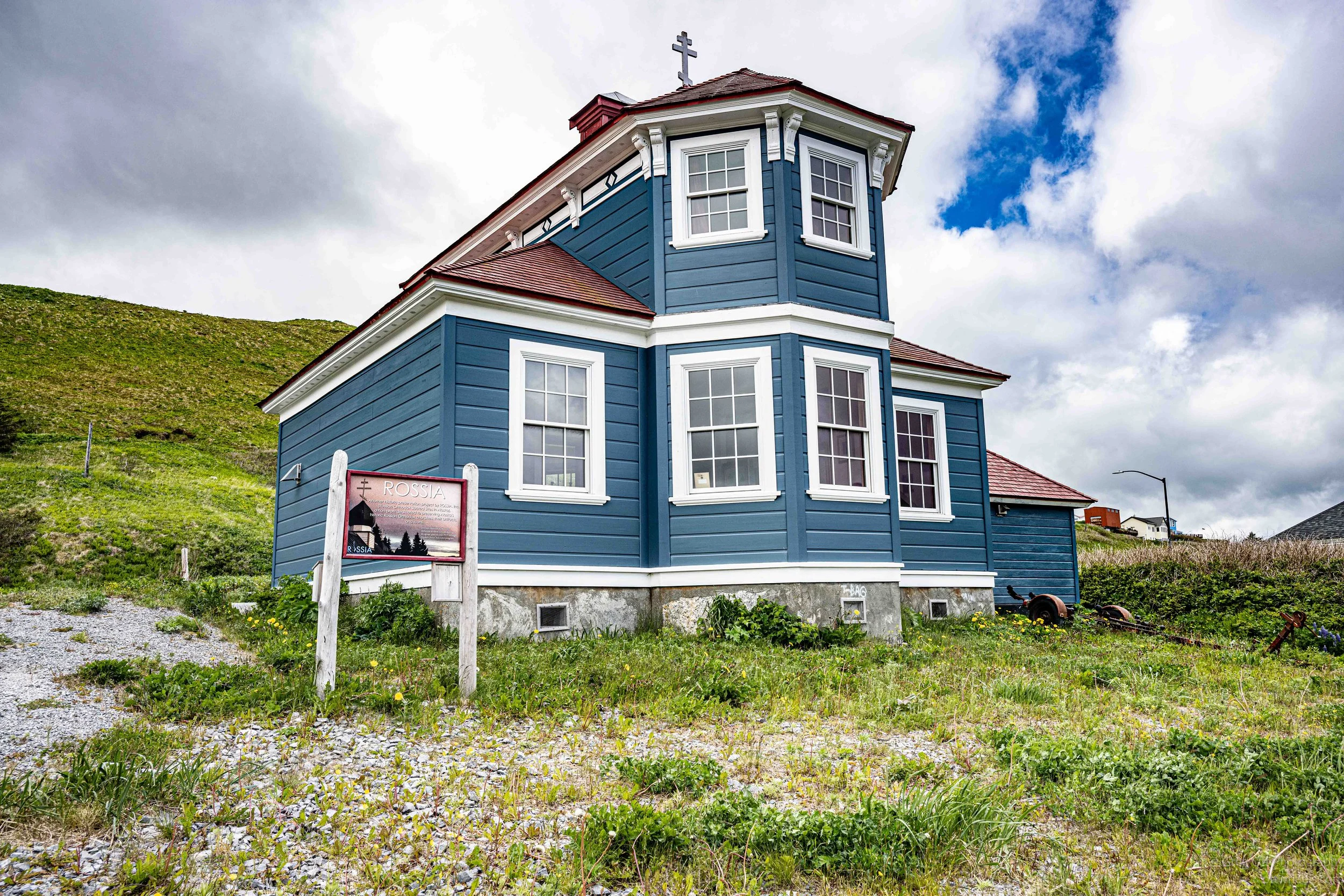
Beside the cathedral sits the beautifully restored Bishop's House, built in the 1880s as the residence of the clergy and now preserved as part of the church's history. I also wandered through the small cemetery surrounding the church. Many of those buried there are Unangax̂ (Aleut) community leaders, Russian Orthodox priests, and early residents whose families have lived on these islands for generations. Walking among the weathered headstones, it became clear that this wasn't simply an old church—it is one of the historic and cultural heartbeats of the Aleutian Islands. The entire grounds felt like stepping back into another century, a reminder that Russian and Unangax̂ history here stretches back long before Alaska became part of the United States.
On my way back toward the bridge I stopped once again at the stream to watch the eagles. Two women walked past waving their arms over their heads. They explained it discouraged the eagles from swooping too close. A few minutes after they disappeared down the trail, one of the juveniles glided silently onto the bridge railing just a short distance away and settled in to watch me instead. I stayed on the bridge for 45 minutes hoping to capture an eagle grabbing a salmon from the stream, which never happened.
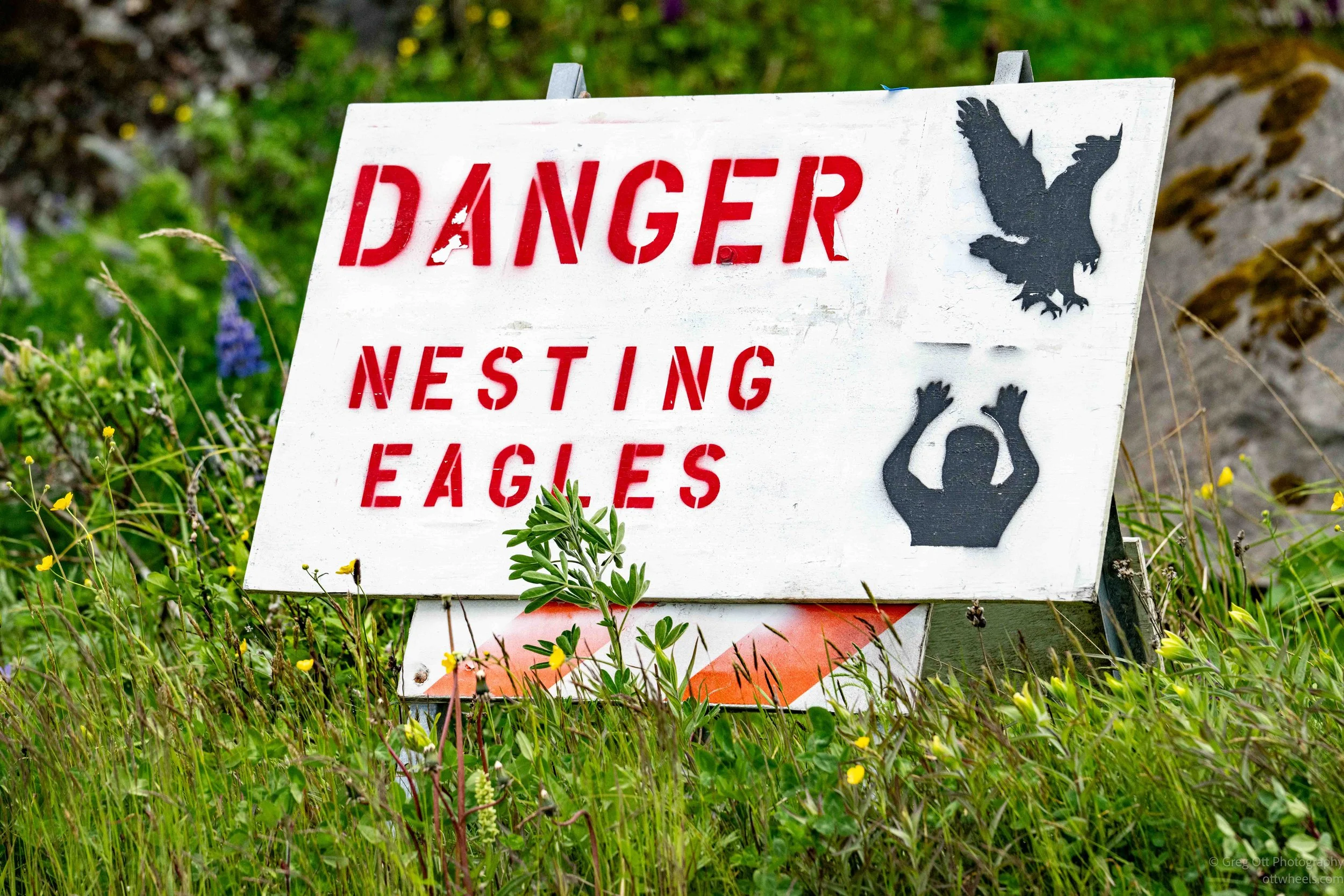
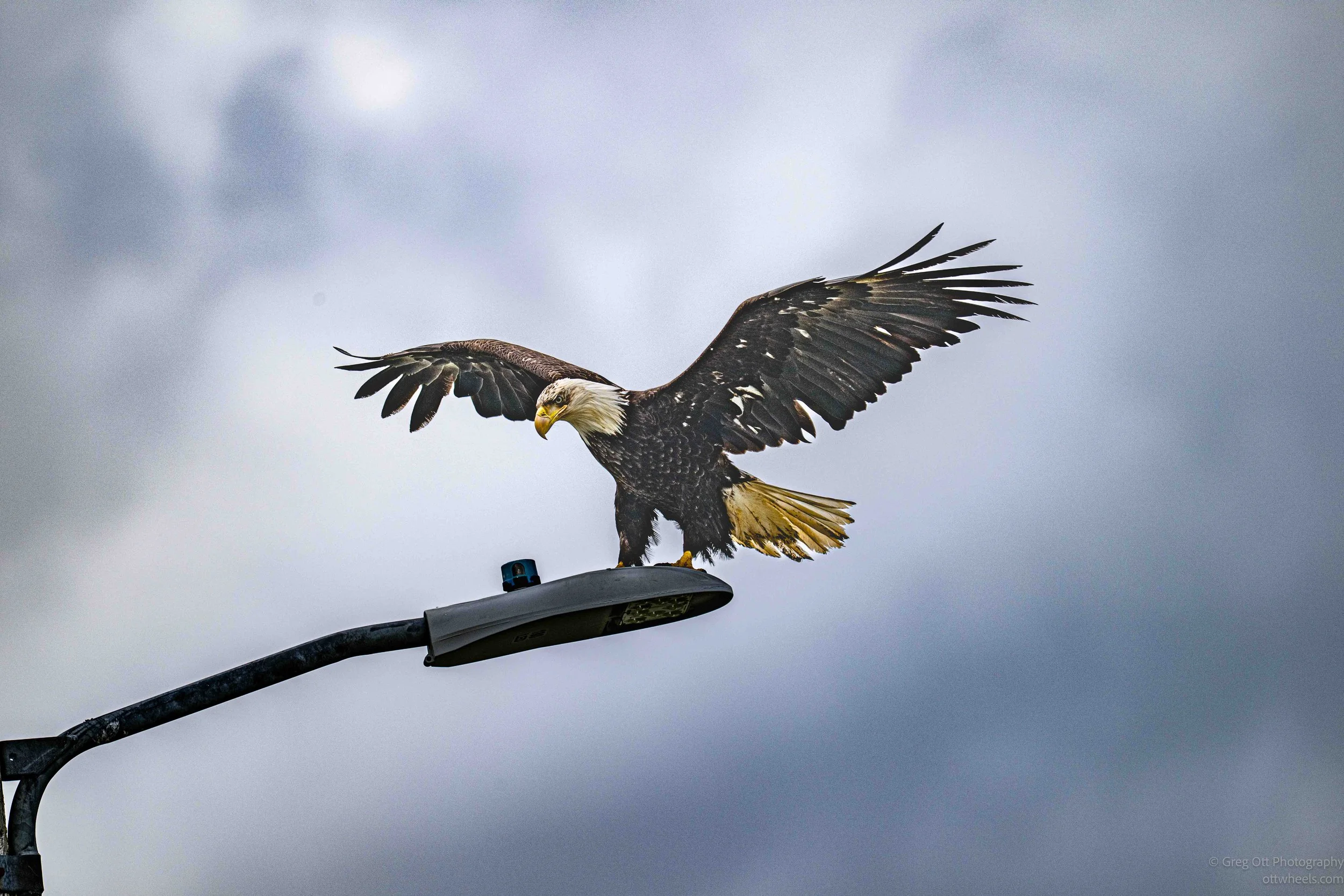
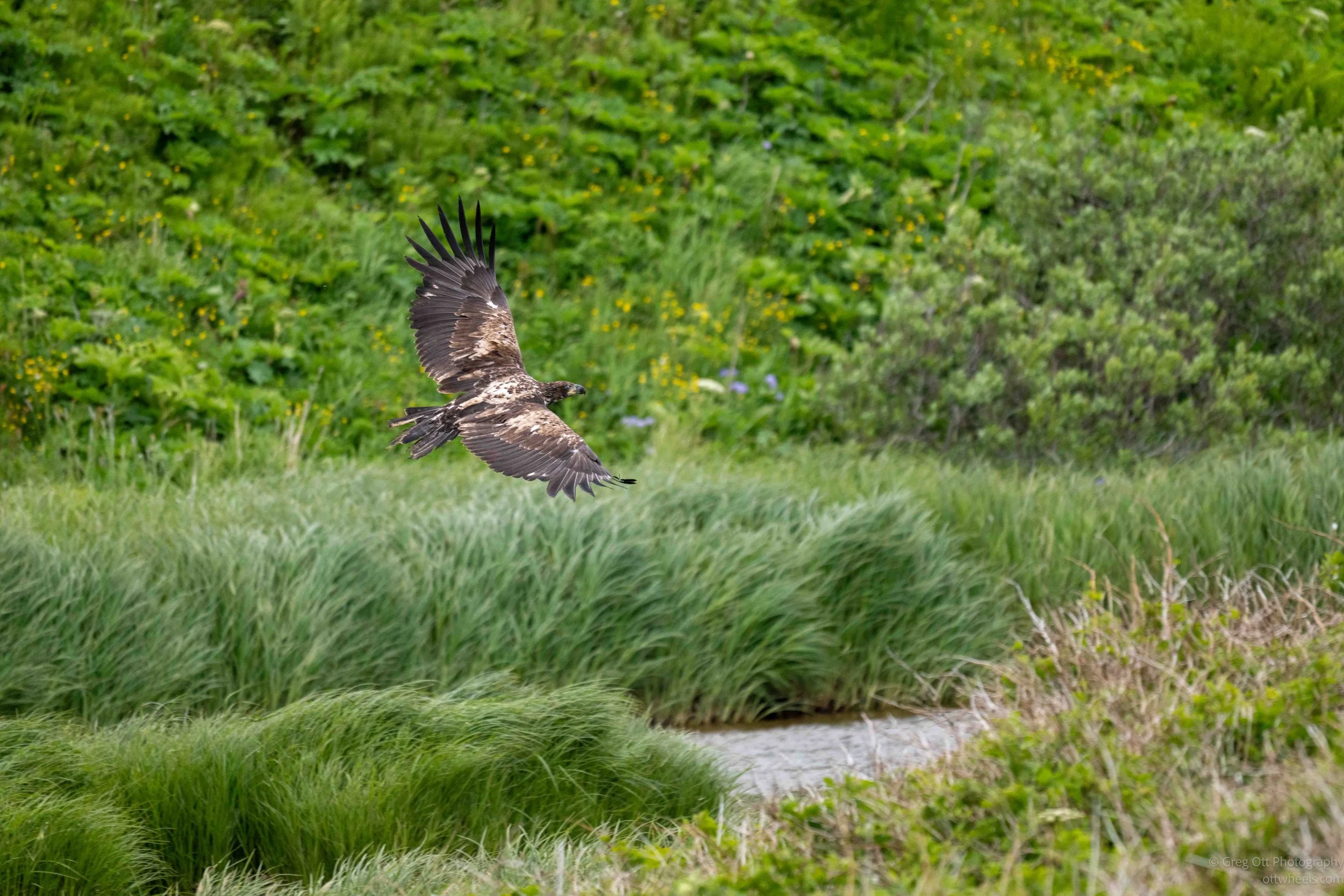
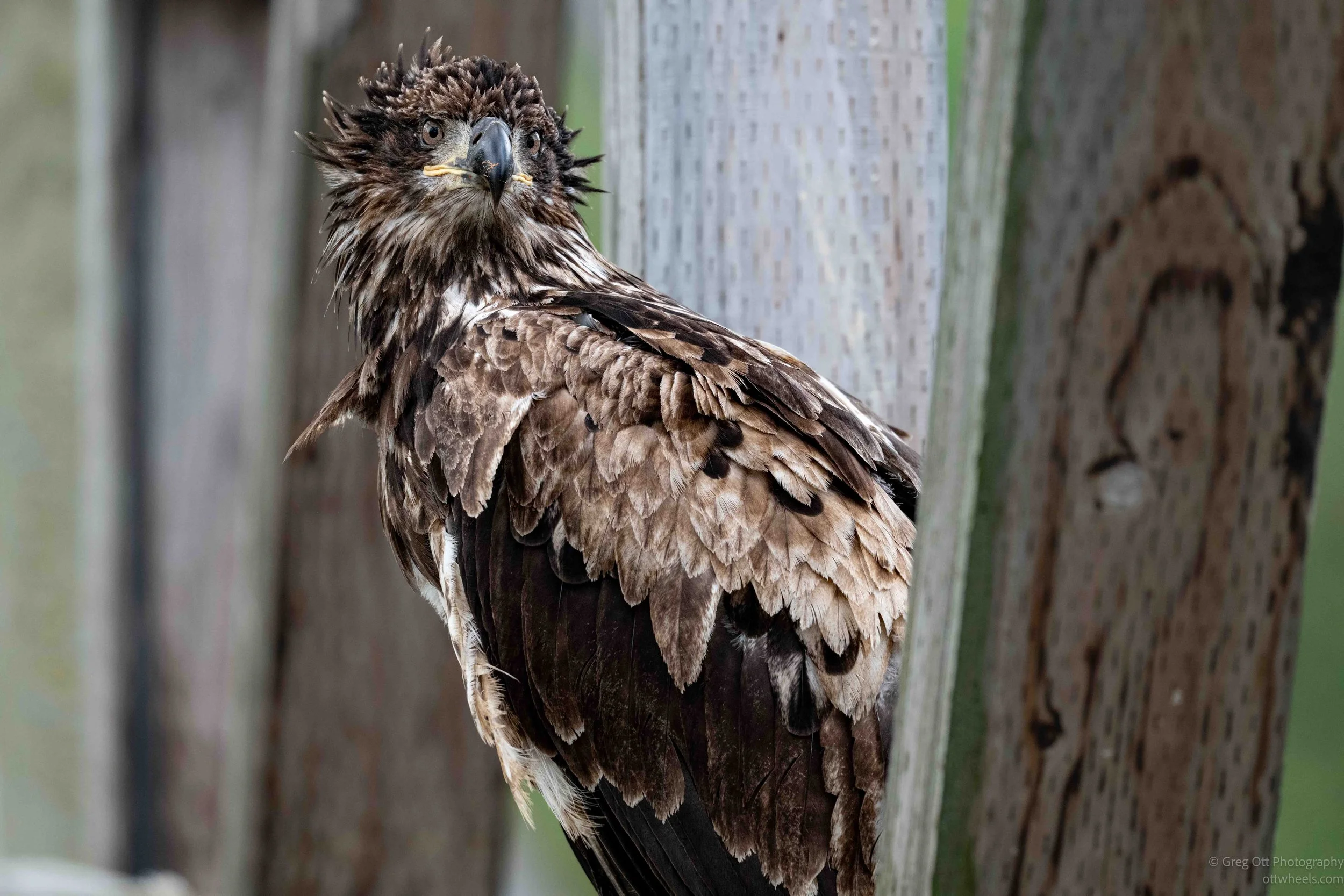
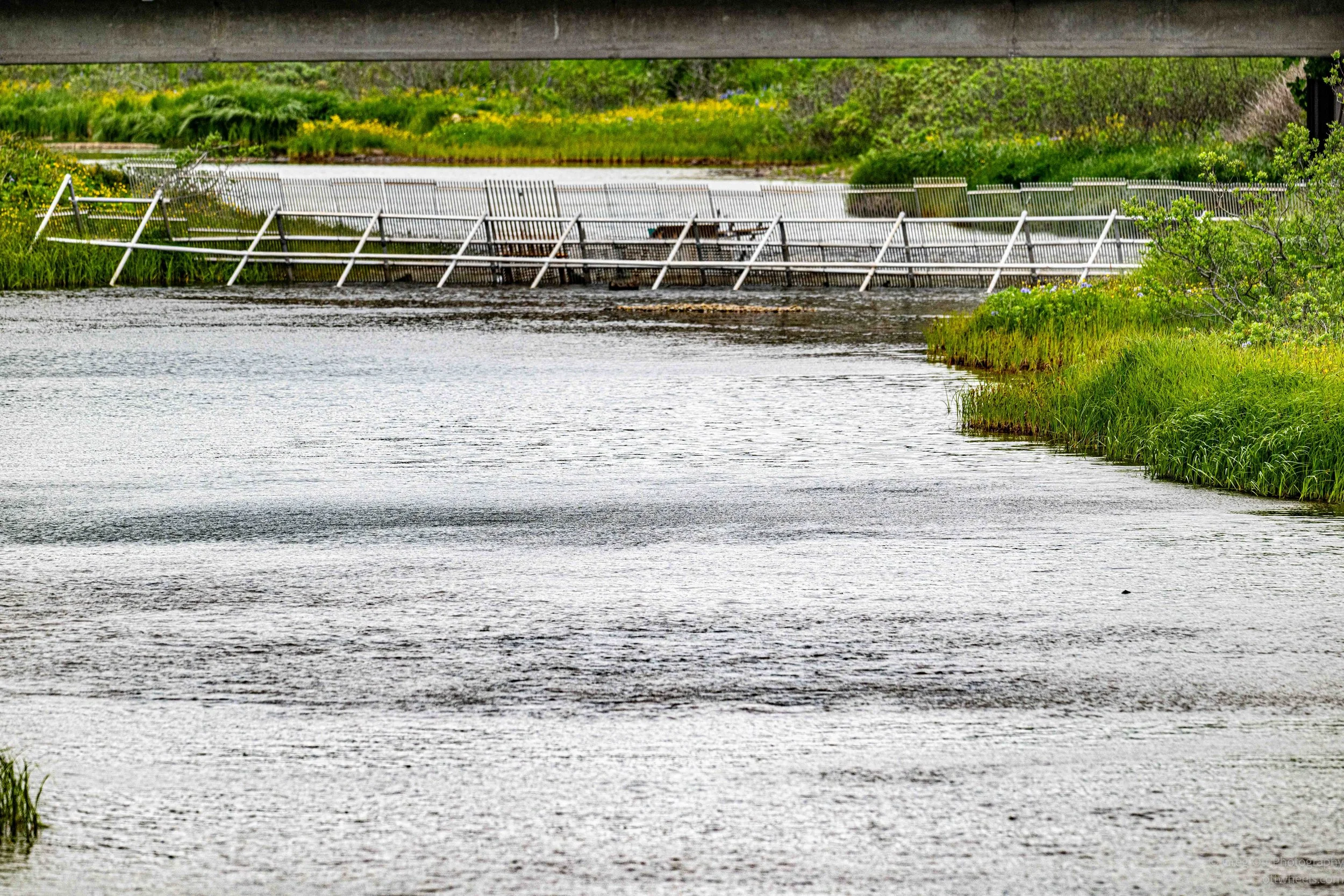
Nearby, NOAA has installed a salmon weir across the stream to monitor returning fish. Each evening the barrier is opened and biologists count the salmon passing upstream before closing it again. It was interesting to see research taking place right alongside everyday life. I also noticed the warning signs reminding visitors that nesting eagles were nearby.
The walk back took me past the police station, clinic, and several community buildings. Many of the homes were painted in bright colors, something I've noticed in a number of northern coastal towns. Against the gray skies and long winters, they somehow make the place feel a little warmer.
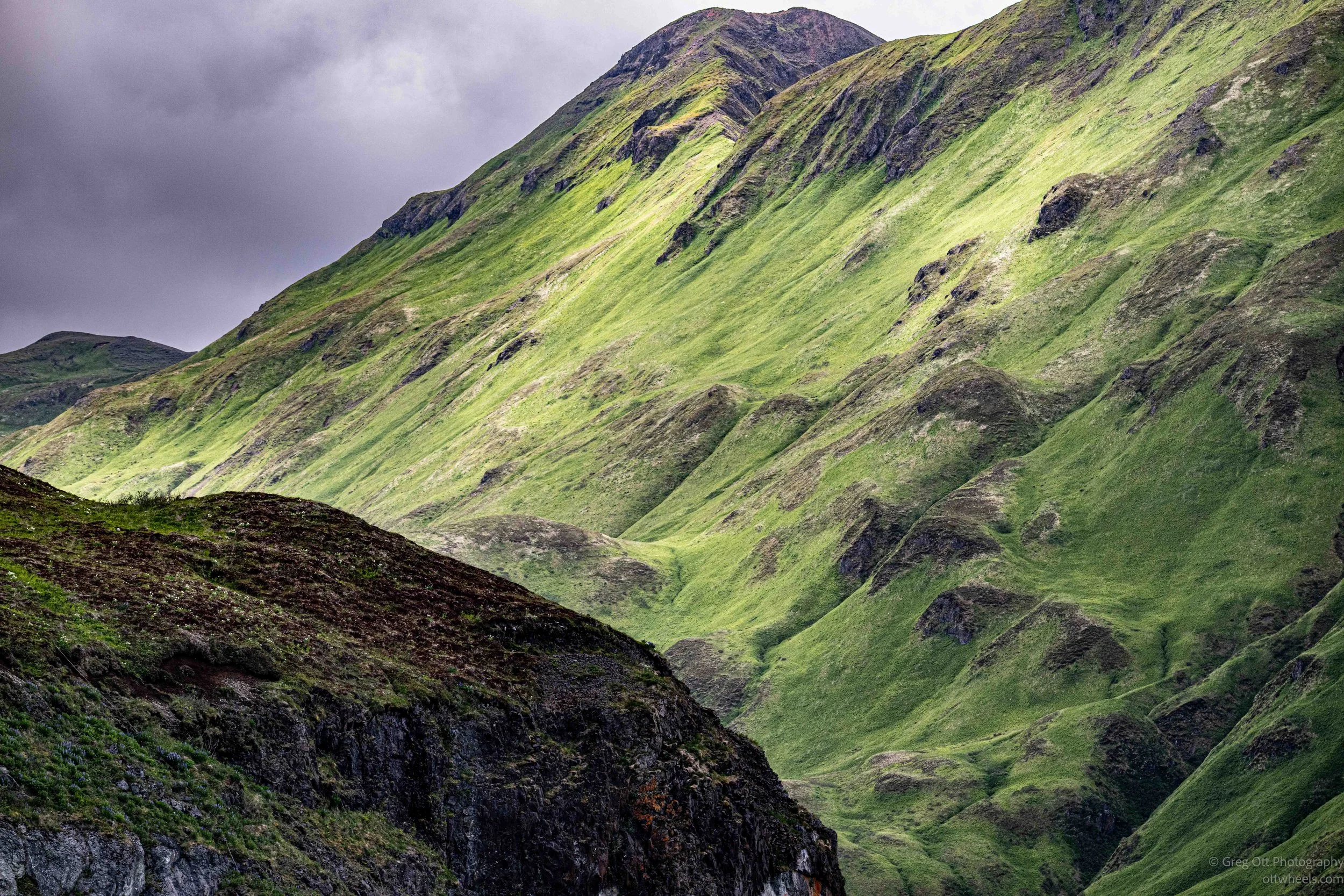
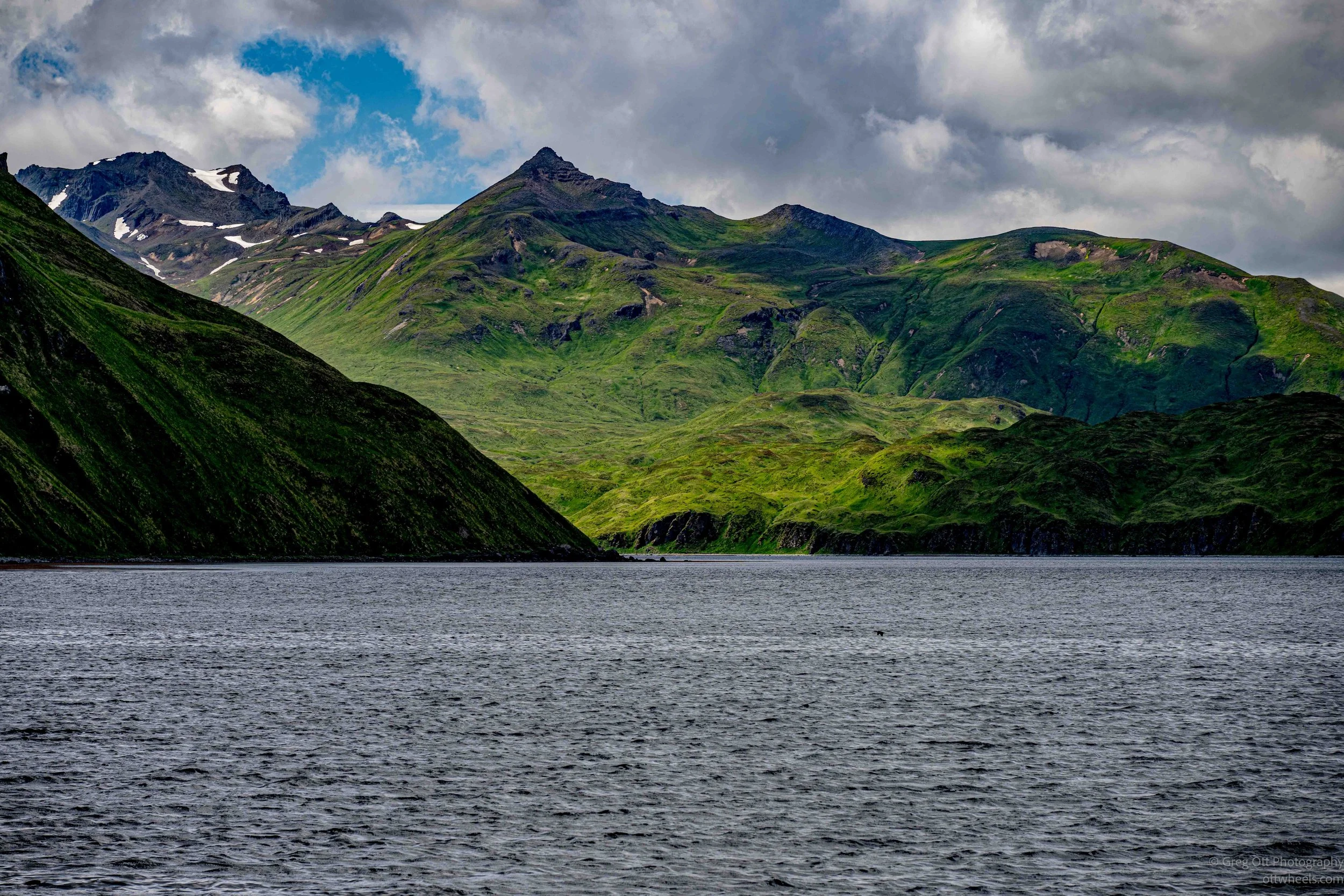
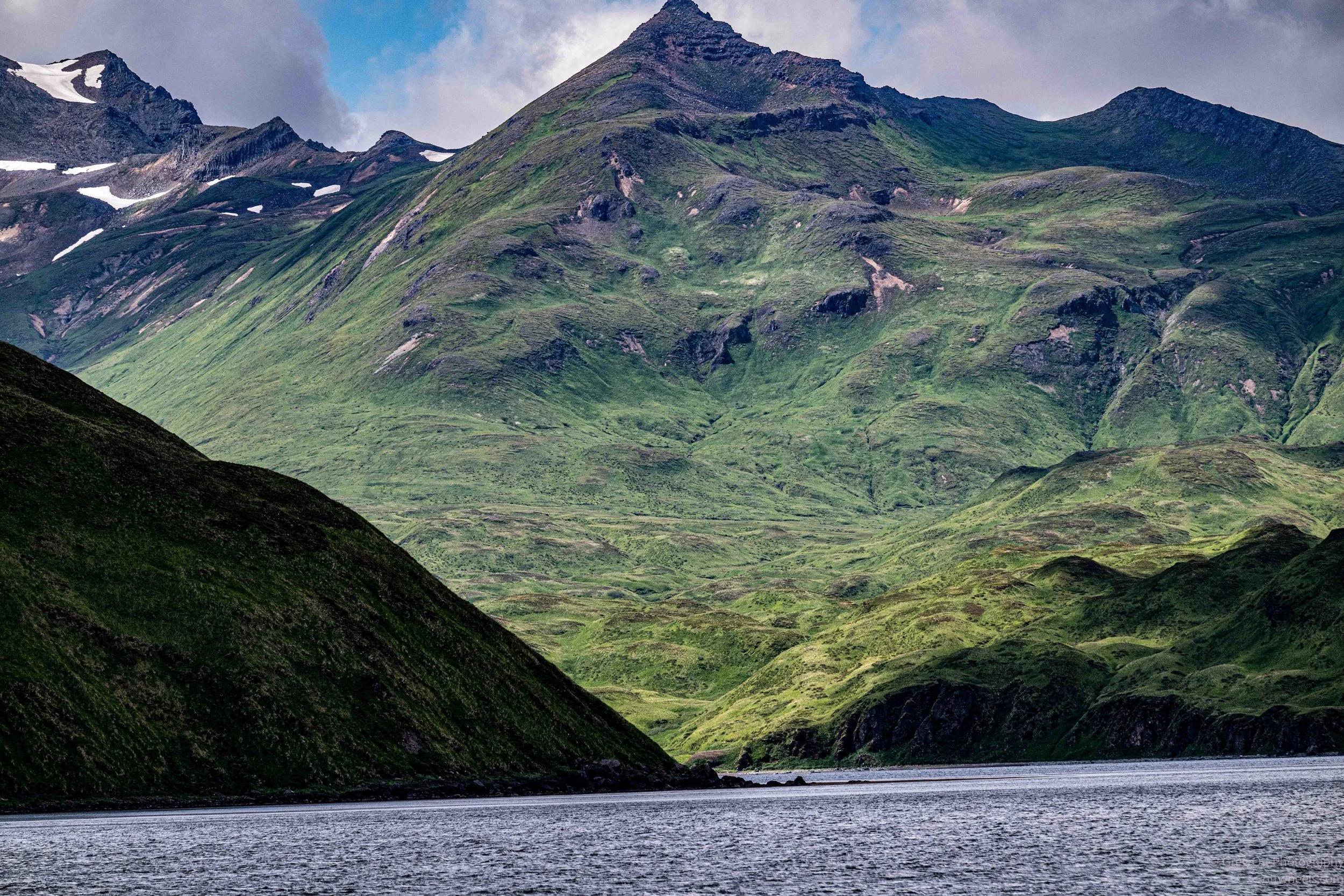
On the other side of the hill I passed abandoned buildings, rusting boats slowly returning to nature, and sweeping views of the coastline. Every so often the clouds would part and sunlight would race across the green hillsides, changing the entire landscape for a few minutes before disappearing again.
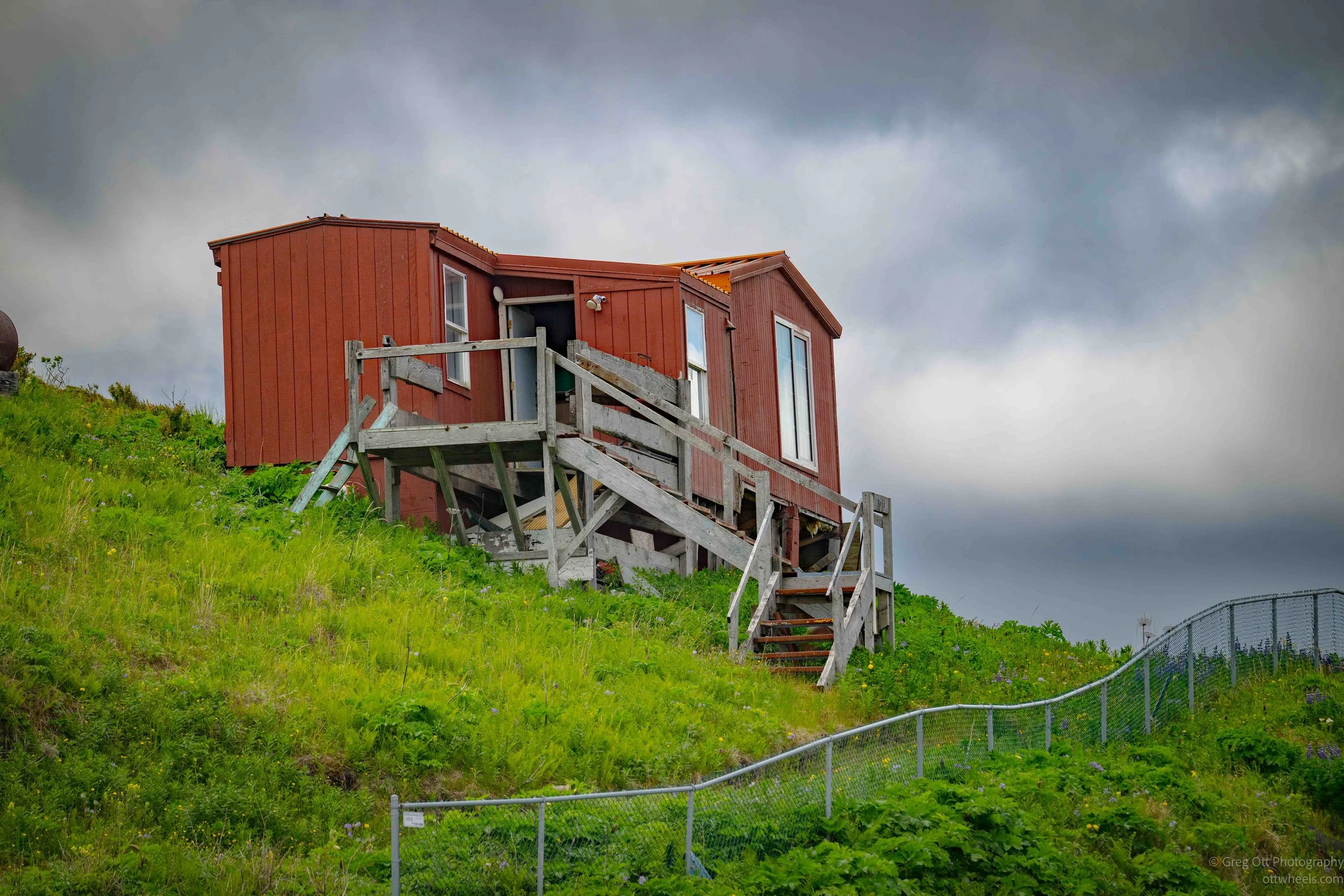
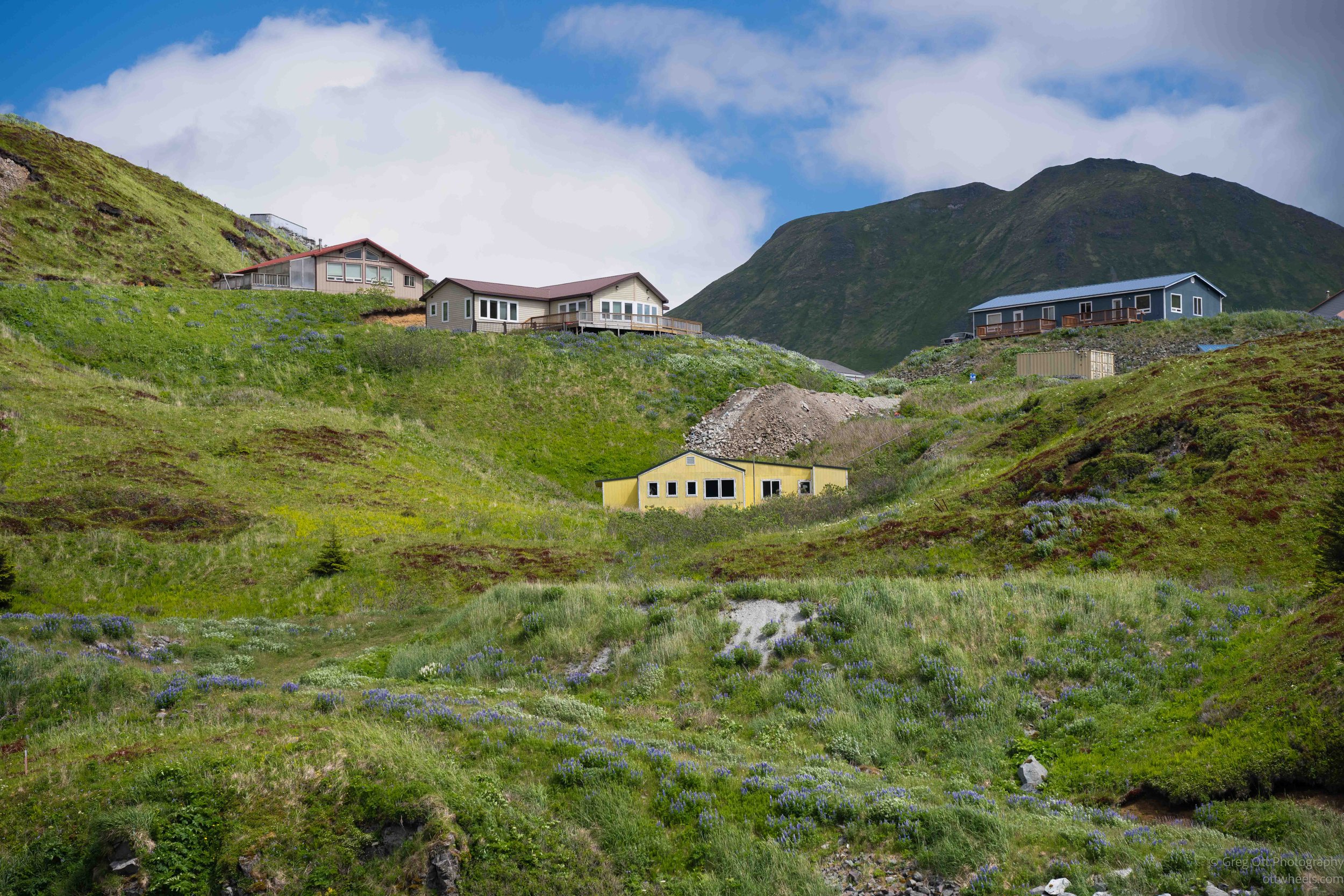
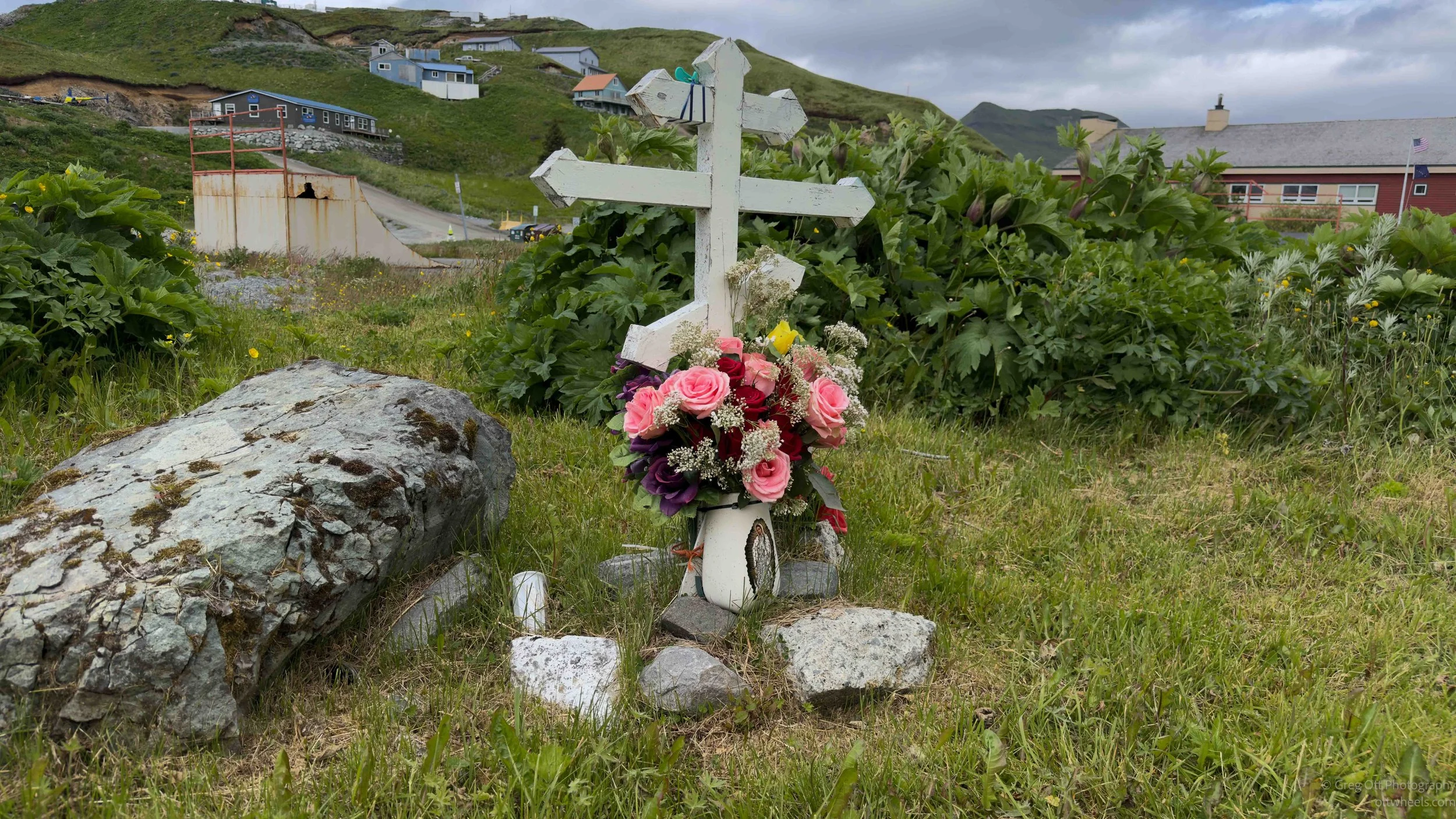
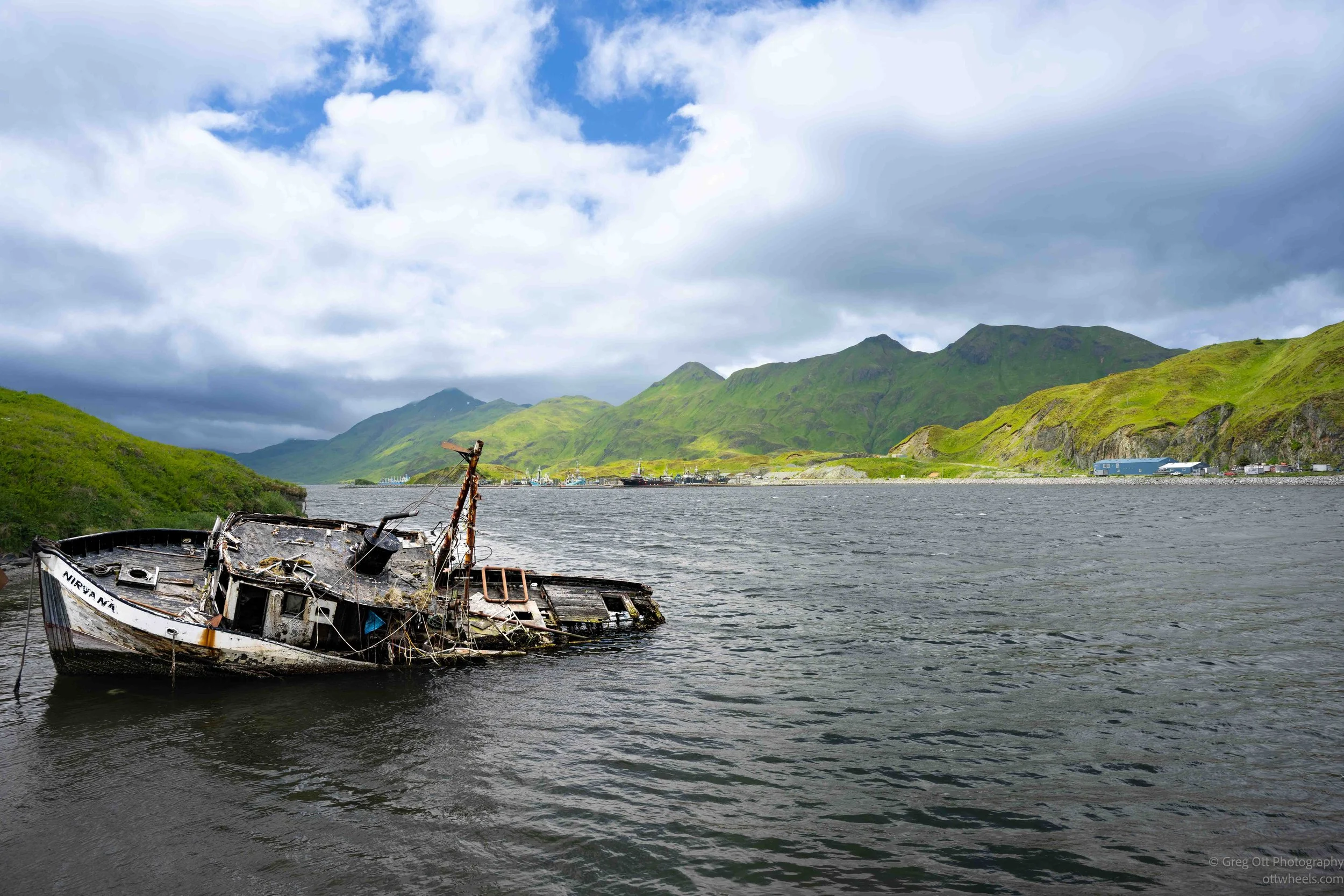
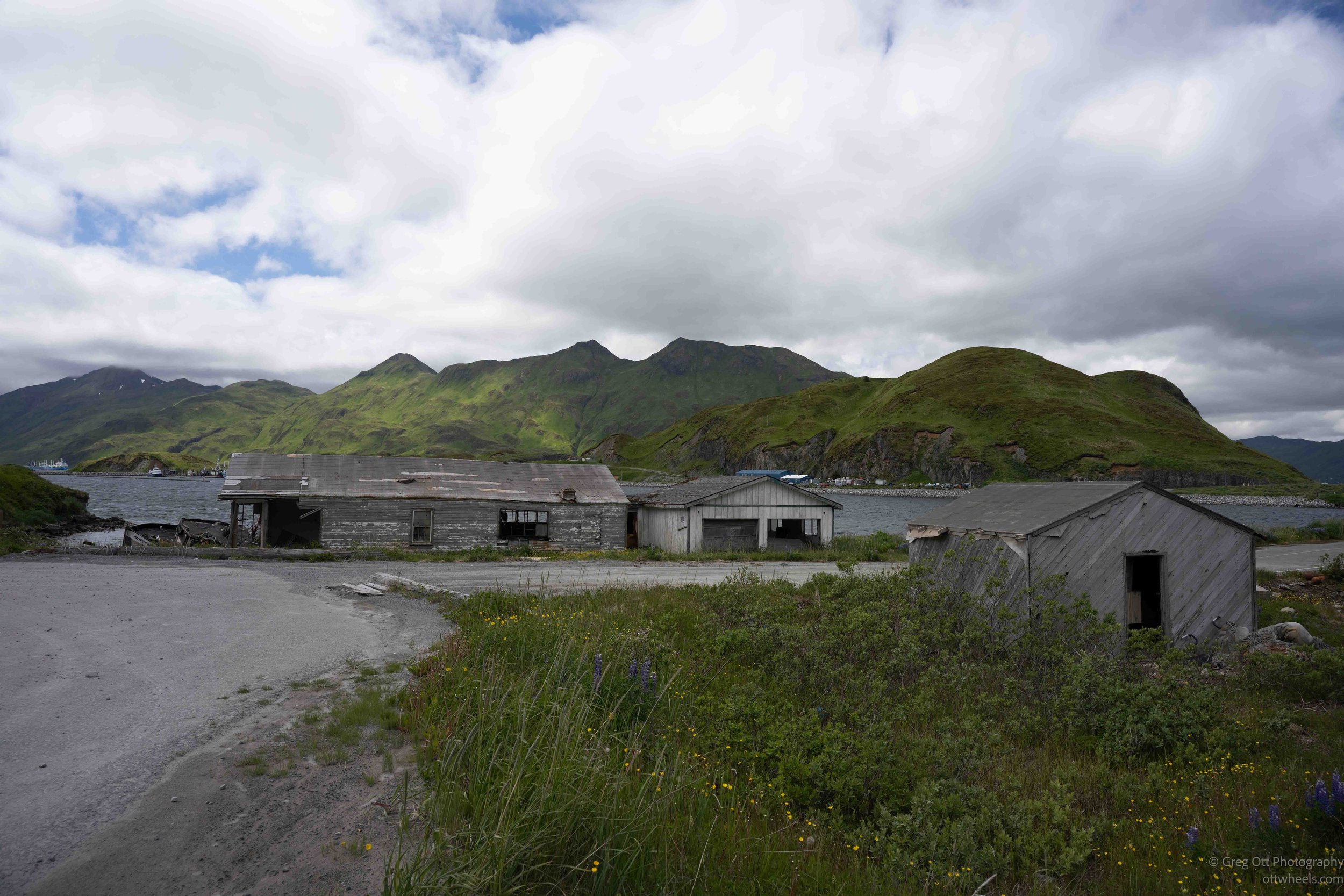
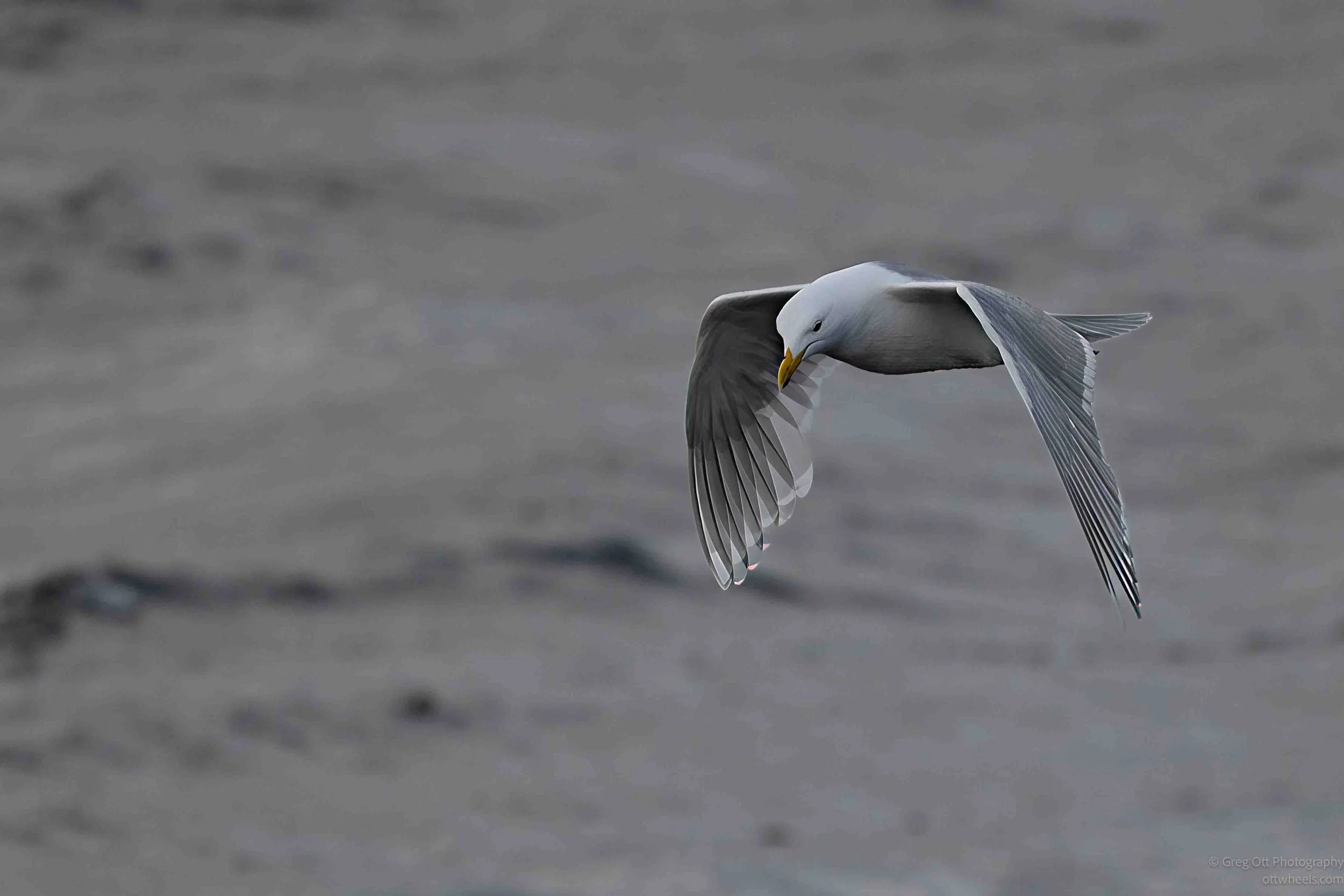
I continued photographing gulls, the shoreline, and the changing light, but when I reached the eagles again, I kept walking. By then I probably had well over two hundred eagle photos, and I knew I'd be spending enough time processing those when I got back to the hotel.
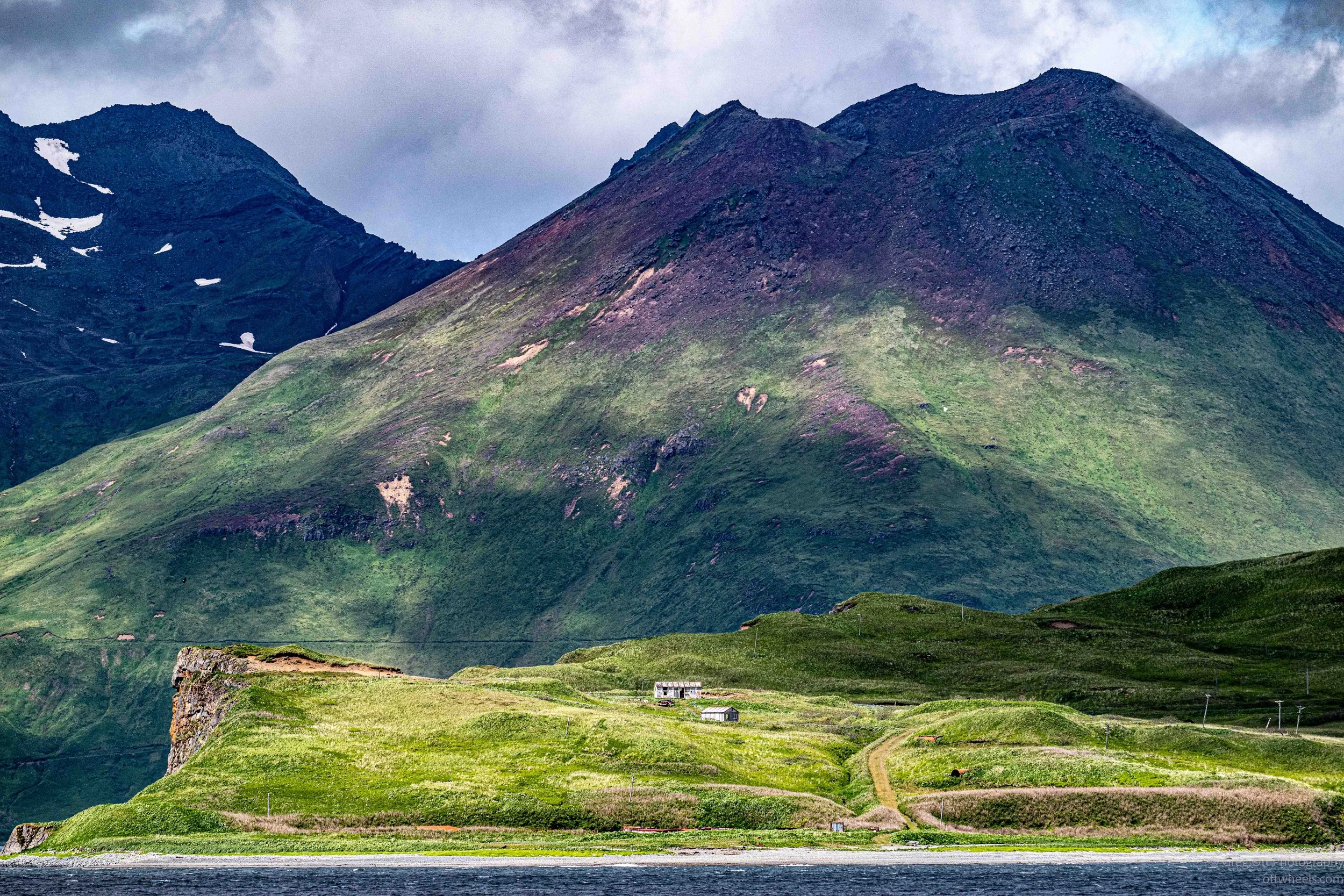
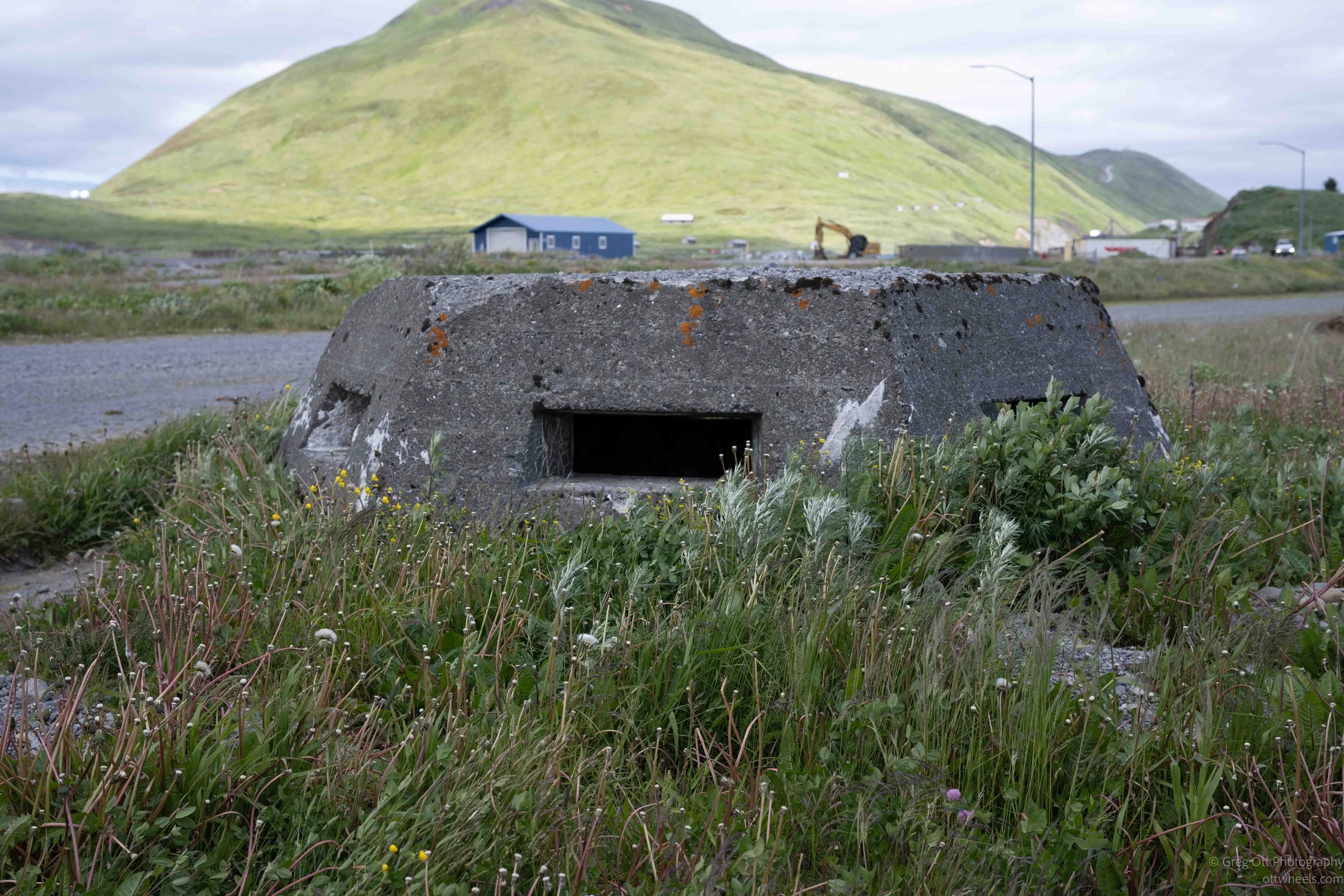
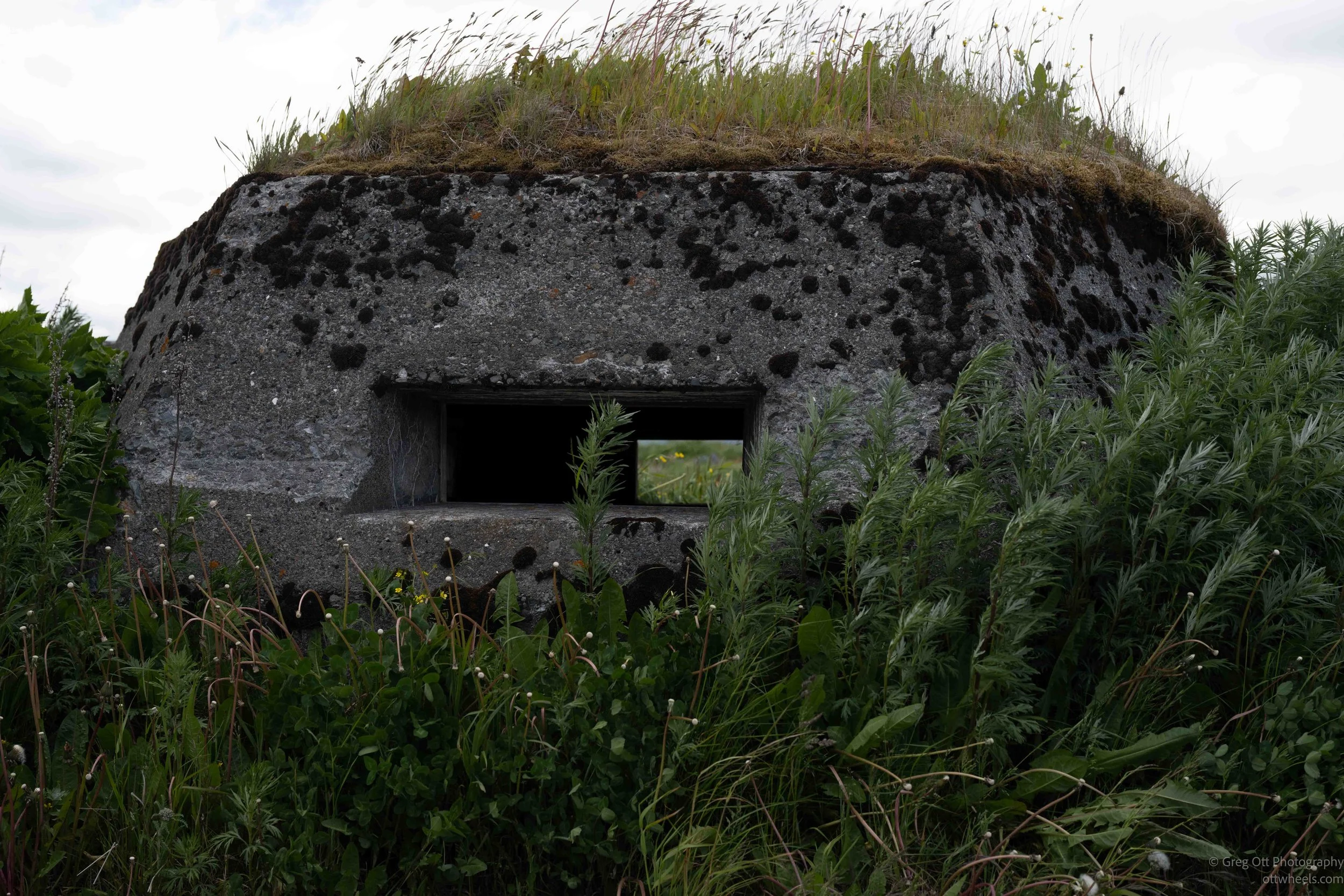
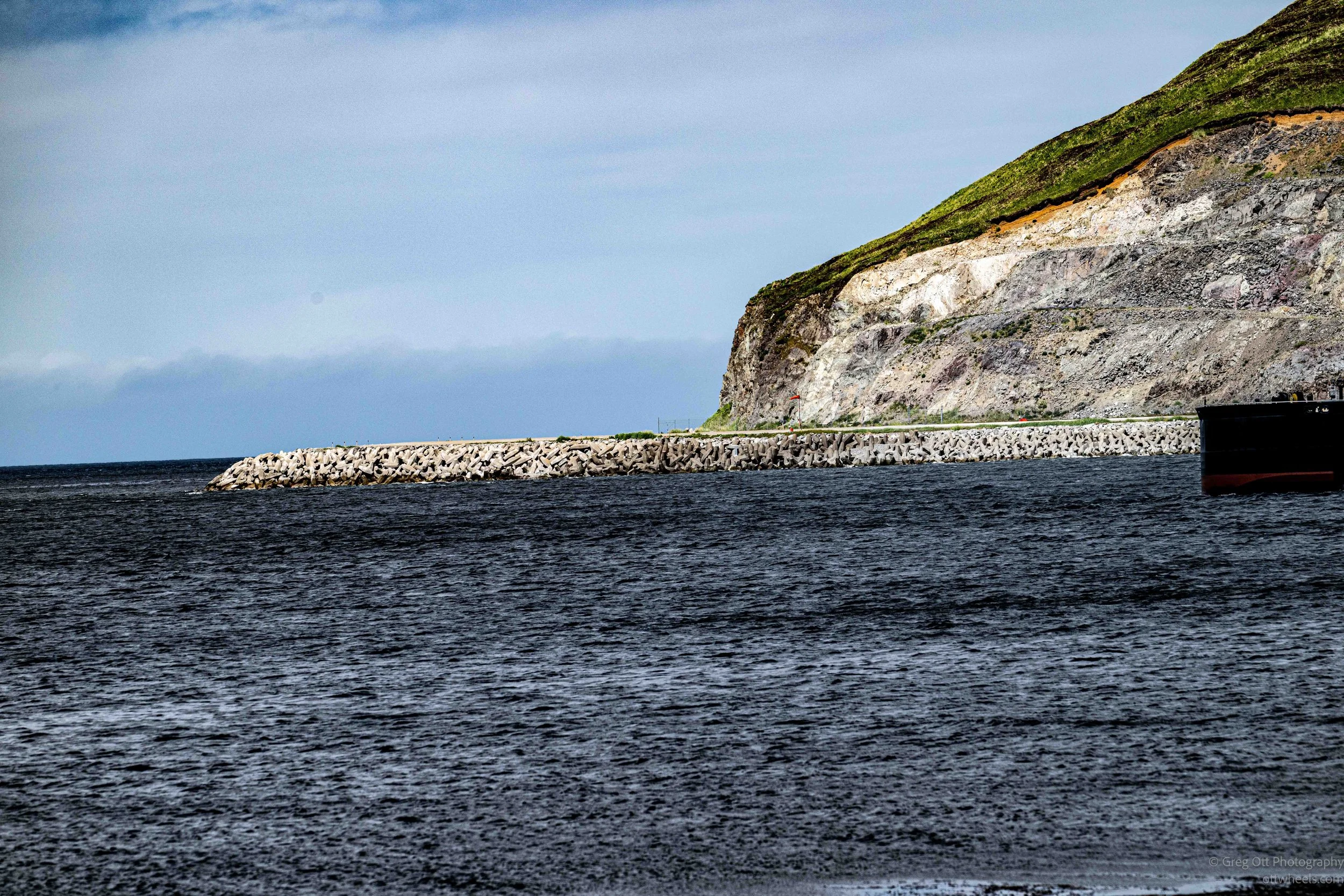
Back at the hotel I noticed two World War II pillboxes overlooking the harbor. A local had told me that Japanese bombs landed near where the hotel now stands during the attacks on Dutch Harbor in June 1942. It was another reminder that beneath today's fishing town lies a place shaped by a remarkable amount of history. Across the water, I could see the airport landing strip built to transport goods during WWII. I remembered seeing a plane during landing that looked like it had crashed. I could see it from the hotel now.
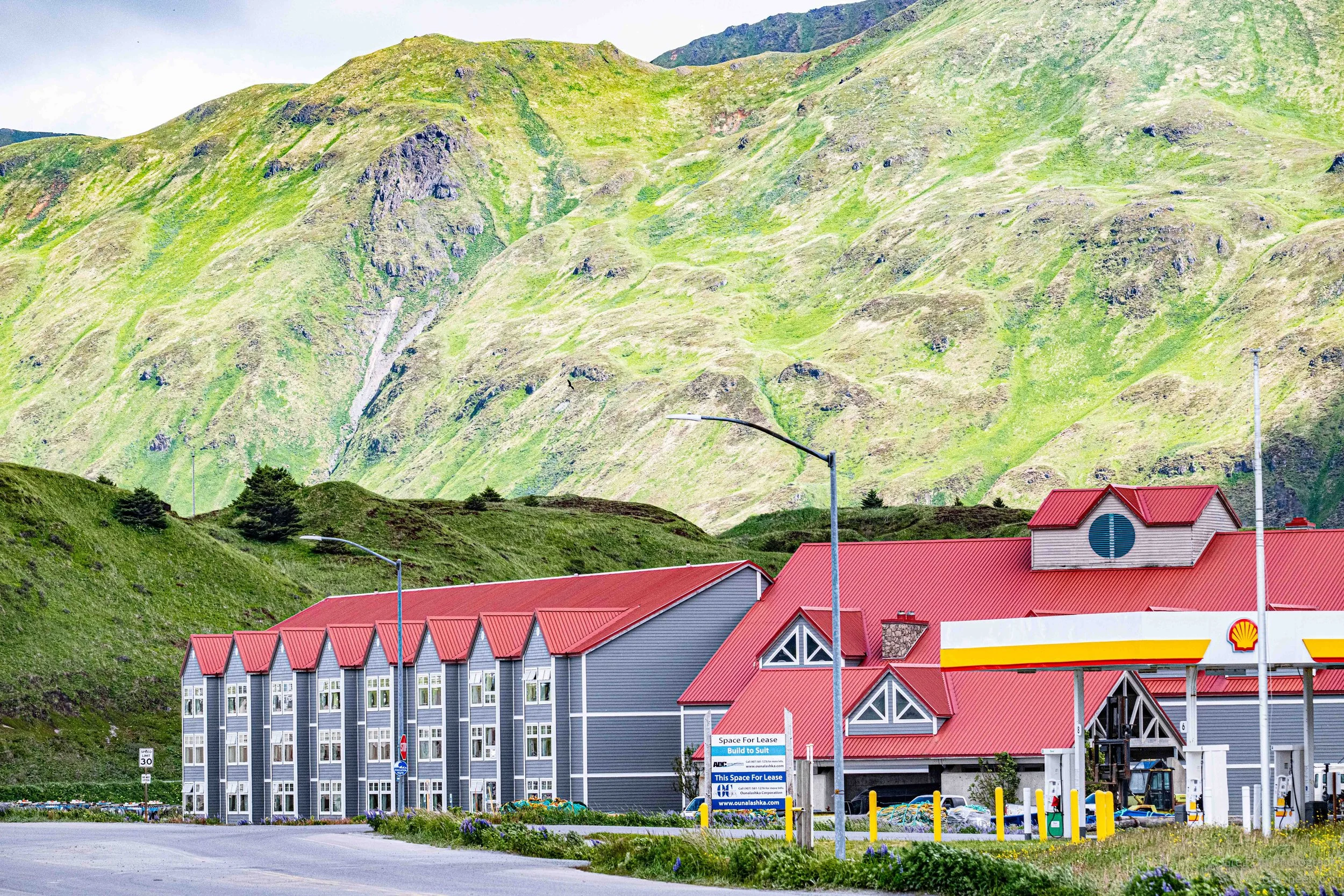
It had been a long day. By a little after two o'clock I was more than ready for lunch, so I ordered what turned out to be an enormous burrito and a cup of coffee in the hotel restaurant. It looked like a great idea when it arrived. About halfway through, I realized I'd made a terrible decision. I finished it anyway... and immediately regretted every bite. It was simply way too much food.