
Red Butte Garden and Arboretum
Today was one of those get-ready-for-what’s-ahead kind of days.
The last couple of nights I’d been parking on Colorow Street above the University of Utah Hospital and near the Natural History Museum. There’s almost no traffic up there at night, and it isn’t a residential area. I wanted to get a workout in, so I drove about 25 minutes to a Planet Fitness on East 3300 South. There’s one closer downtown, but the parking is a pain.
I also needed to order a few things online and get a coffee, so I headed to the Starbucks on South Foothill Drive. It’s a shopping center I’ve been frequenting — coffee, restaurants, groceries — and it’s an easy place to settle in for a bit. There’s a power yoga studio above the Starbucks, though everyone coming in and out looked about 20 years old. Down below there’s a Bank of America and a AAA office, which made it an easy decision to have a few things shipped there.
After my online session at Starbucks, I went to Flower Child for lunch. I’d describe it as simple in the best sense, with food that’s full of flavor without being overdone. The combinations are a little unusual, sometimes unexpected, but everything works. I had the vegetable-based spaghetti with chicken and a really good bolognese — rich and satisfying without feeling heavy. The room is calm and easy, the kind of place where people take their time without lingering too long. I ate there last night as well, which felt less like a decision and more like the obvious choice.
To fill out the afternoon, I headed to the botanical gardens. This was a bit of a letdown, mostly because I was expecting more of an indoor experience. Everything was outdoors and fully in winter mode — bare trees, cut-back grasses, dead flowers, and extremely muddy trails. The entrance fee was $14, but for some reason everything was half-priced today, so it ended up being $7.
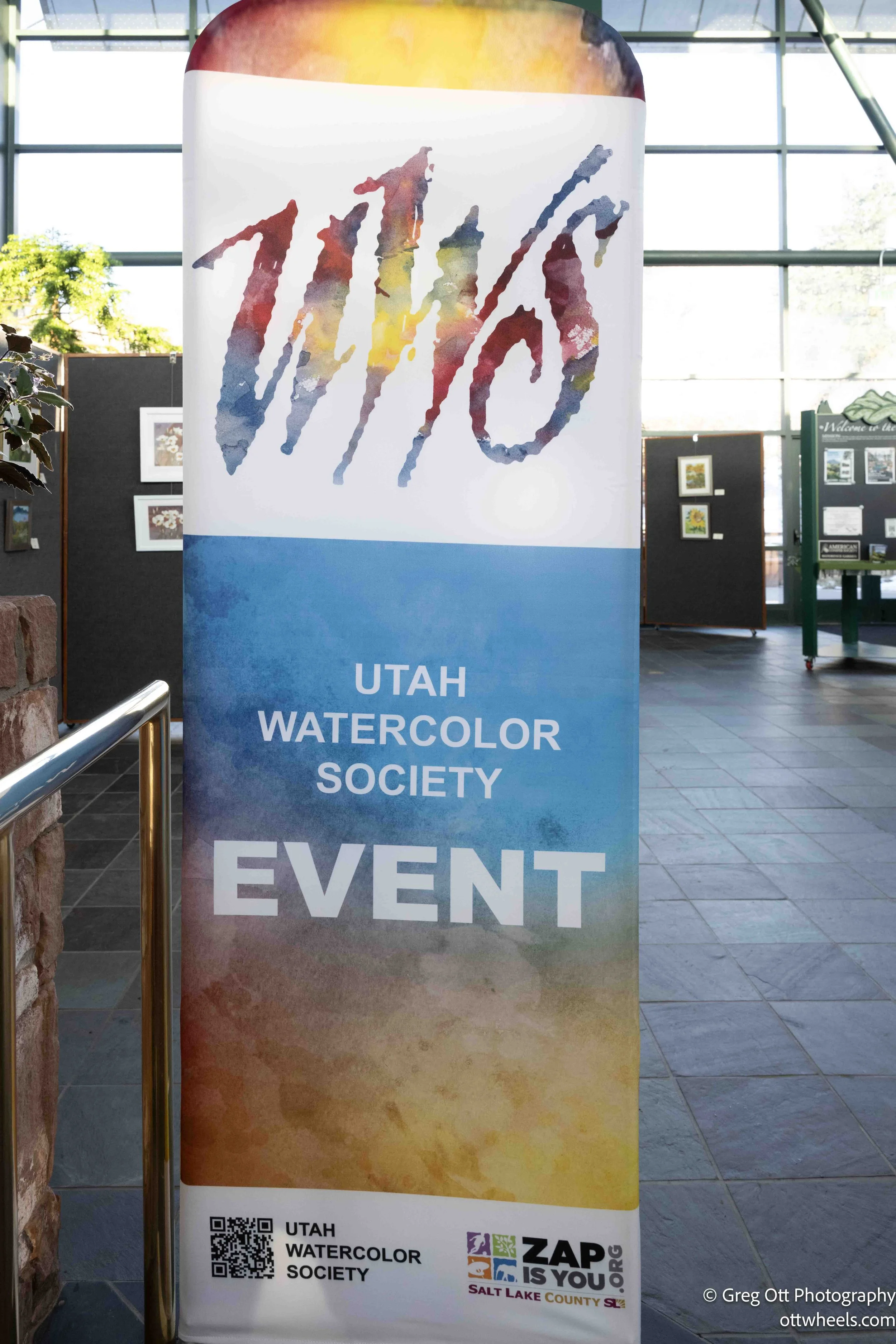
The Utah Watercolor Society has an exhibition running from January 9 through March 2. It features local watercolor artists, mostly smaller works. The winning piece was actually my favorite, which doesn’t usually happen.

From there, I hiked up the mountain behind the gardens and got about a 1.5-mile hike in. I spent most of the time photographing plants surrounded by snow, odd patterns, orange-colored lichen, and green moss breaking through the white.
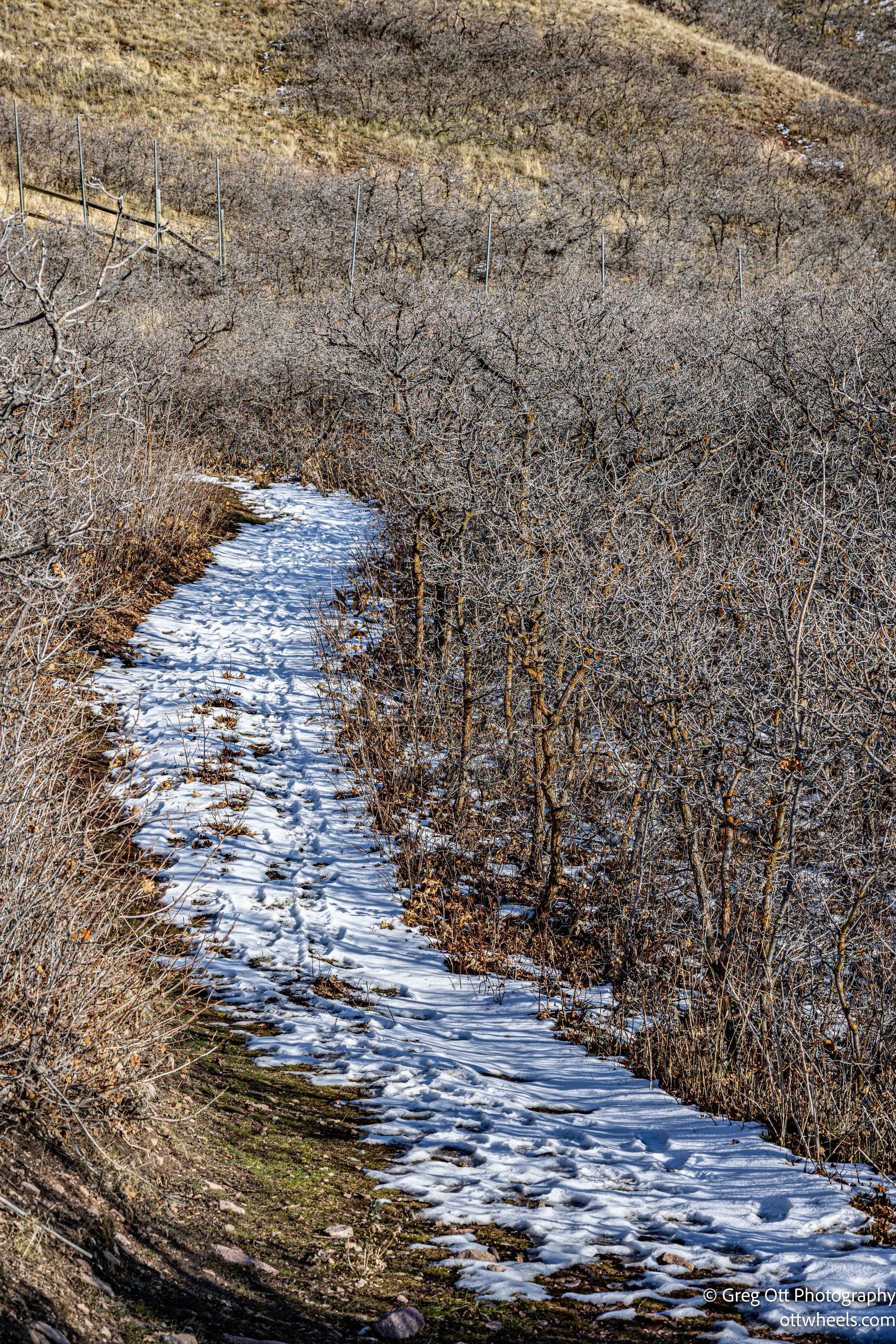
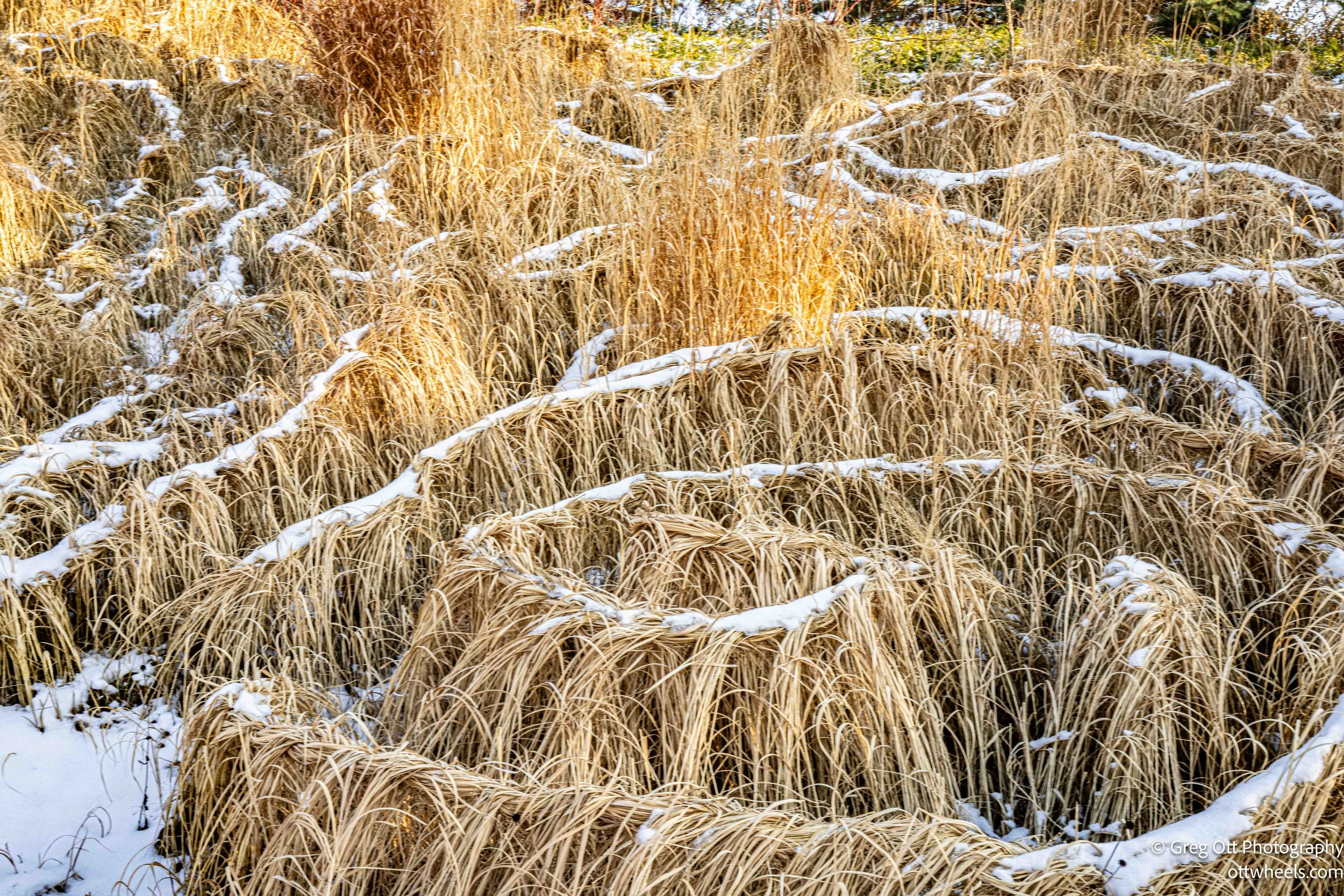
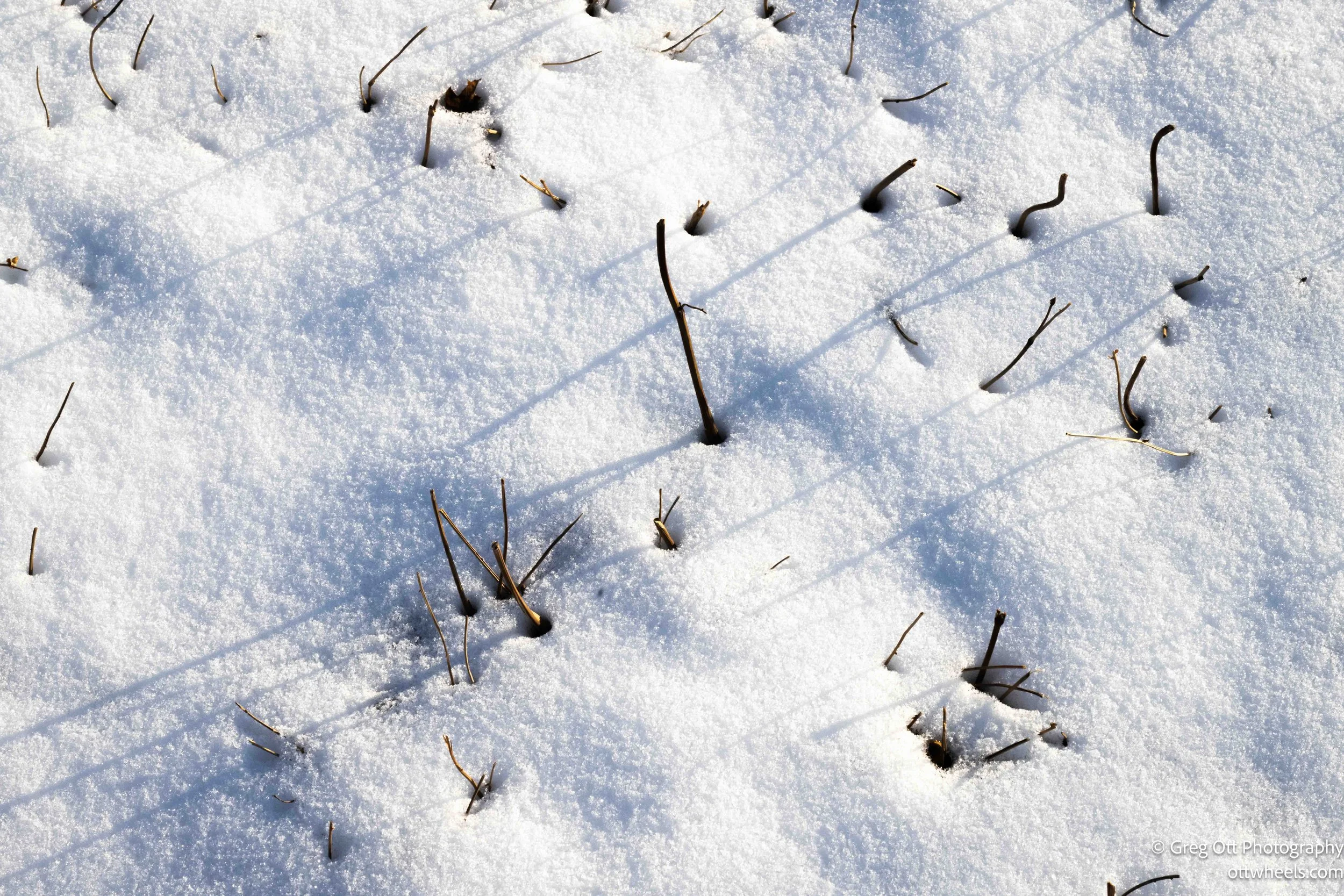
The hike was slow, mostly because of the mud. Several families were walking sections of the lower trail. One three-year-old had refused to walk any farther and wanted her dad to carry her. He told her he couldn’t because her boots were covered in mud. She immediately sat down in it.
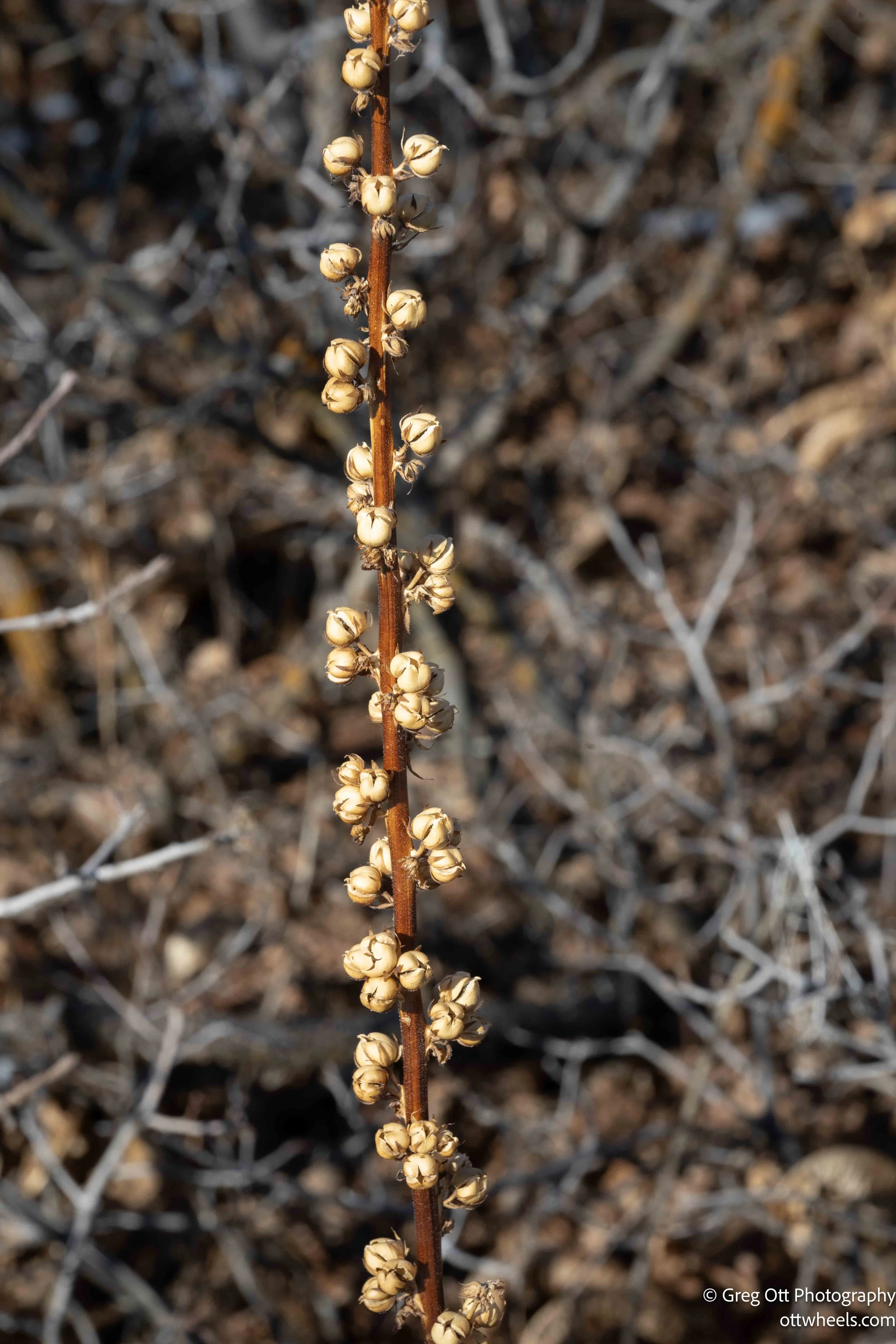
I stopped a lot along the trail, more than I planned, mostly because small details kept catching my eye — leaves edged with snow, seed pods standing out against the white, patches of moss on rocks and fallen logs, and the way the trail itself cut through it all. None of it was dramatic, but it was enough to slow me down.
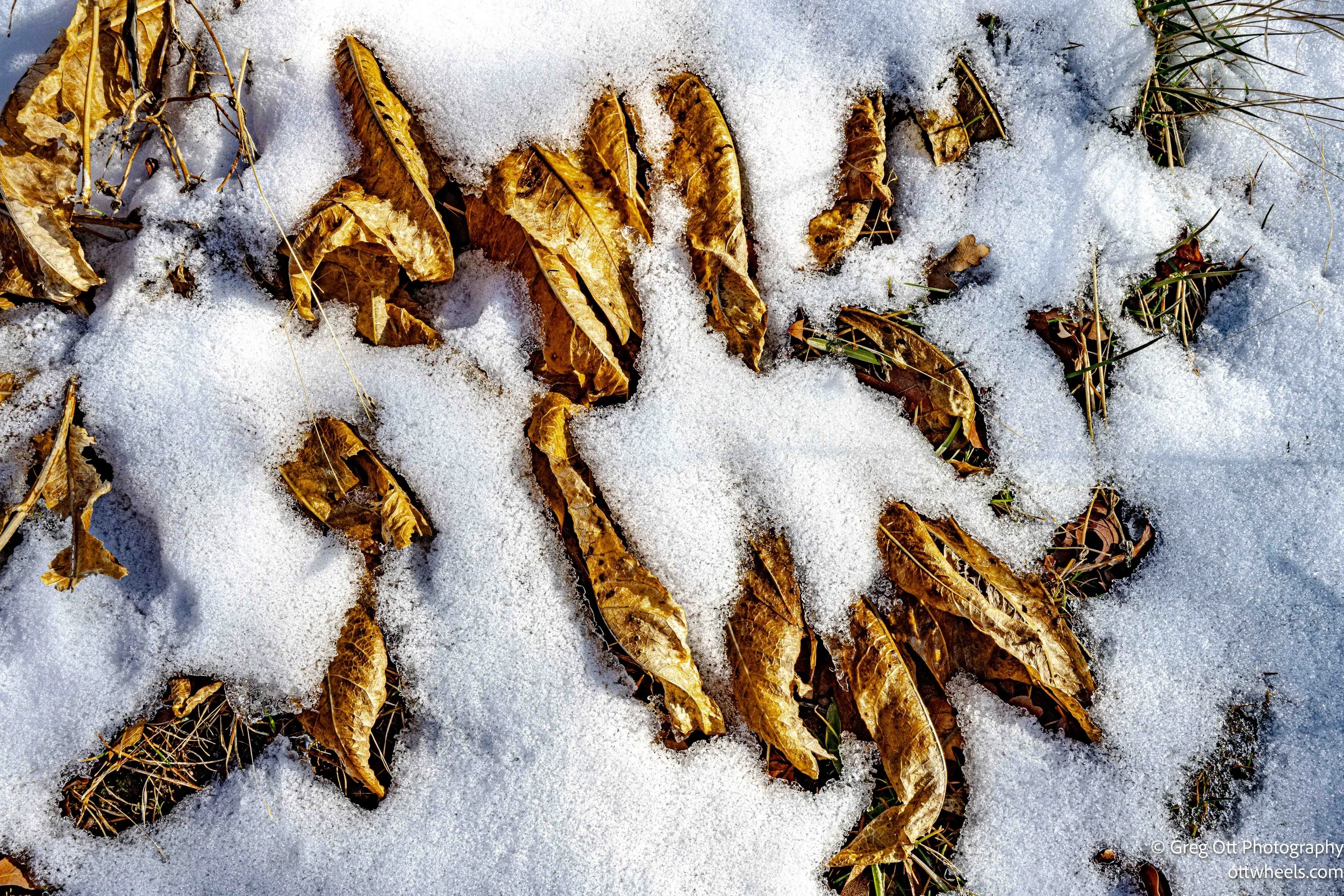
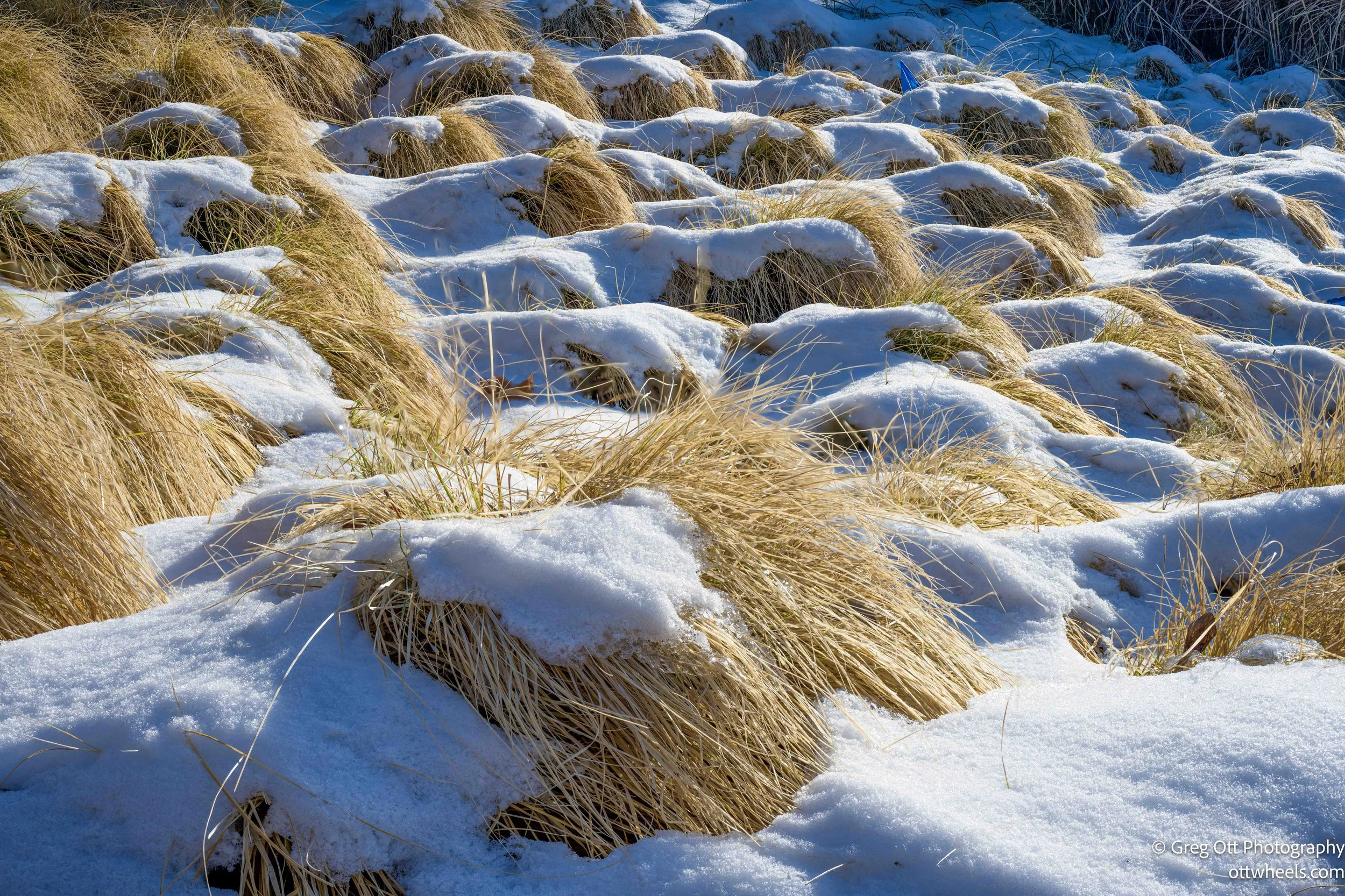
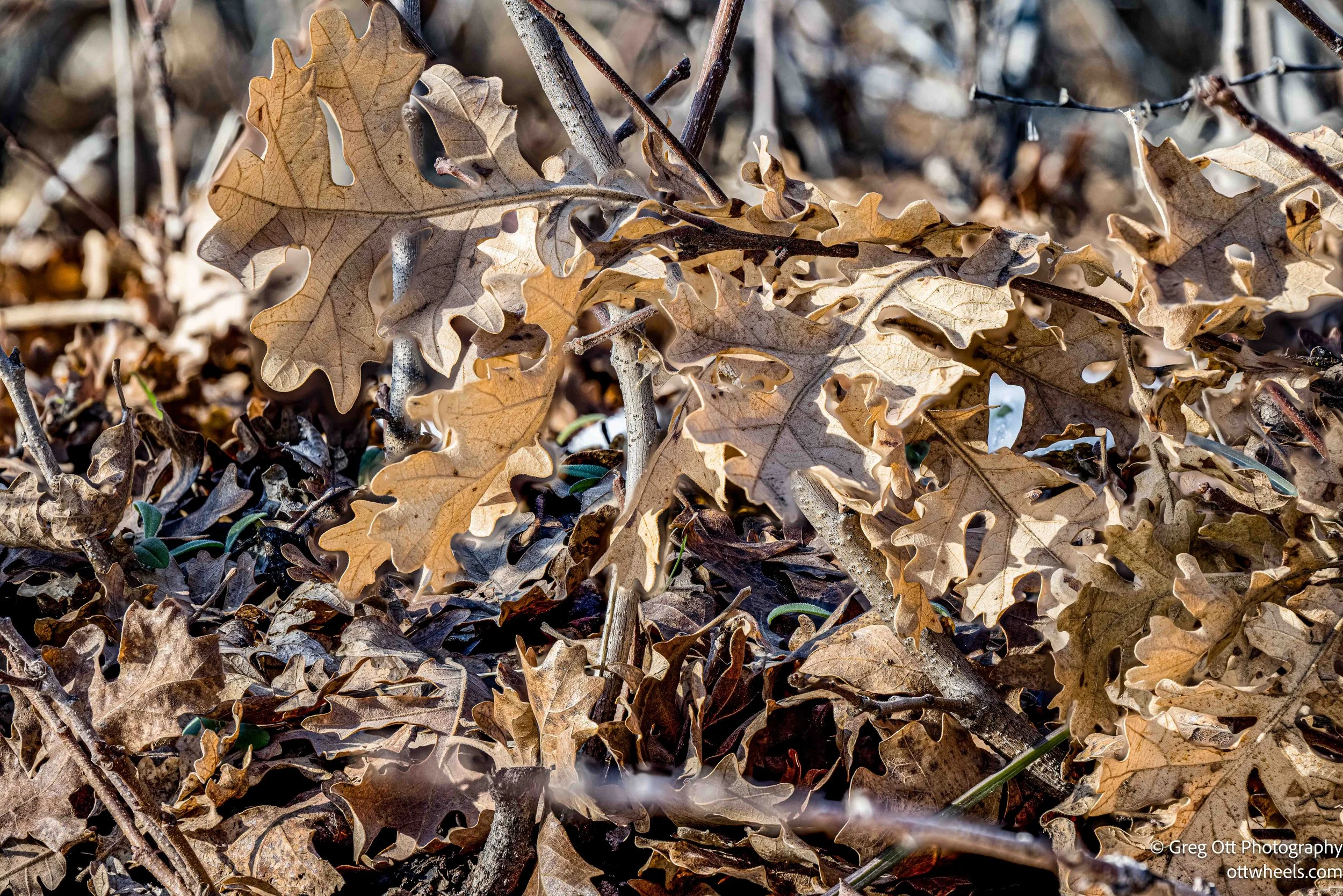
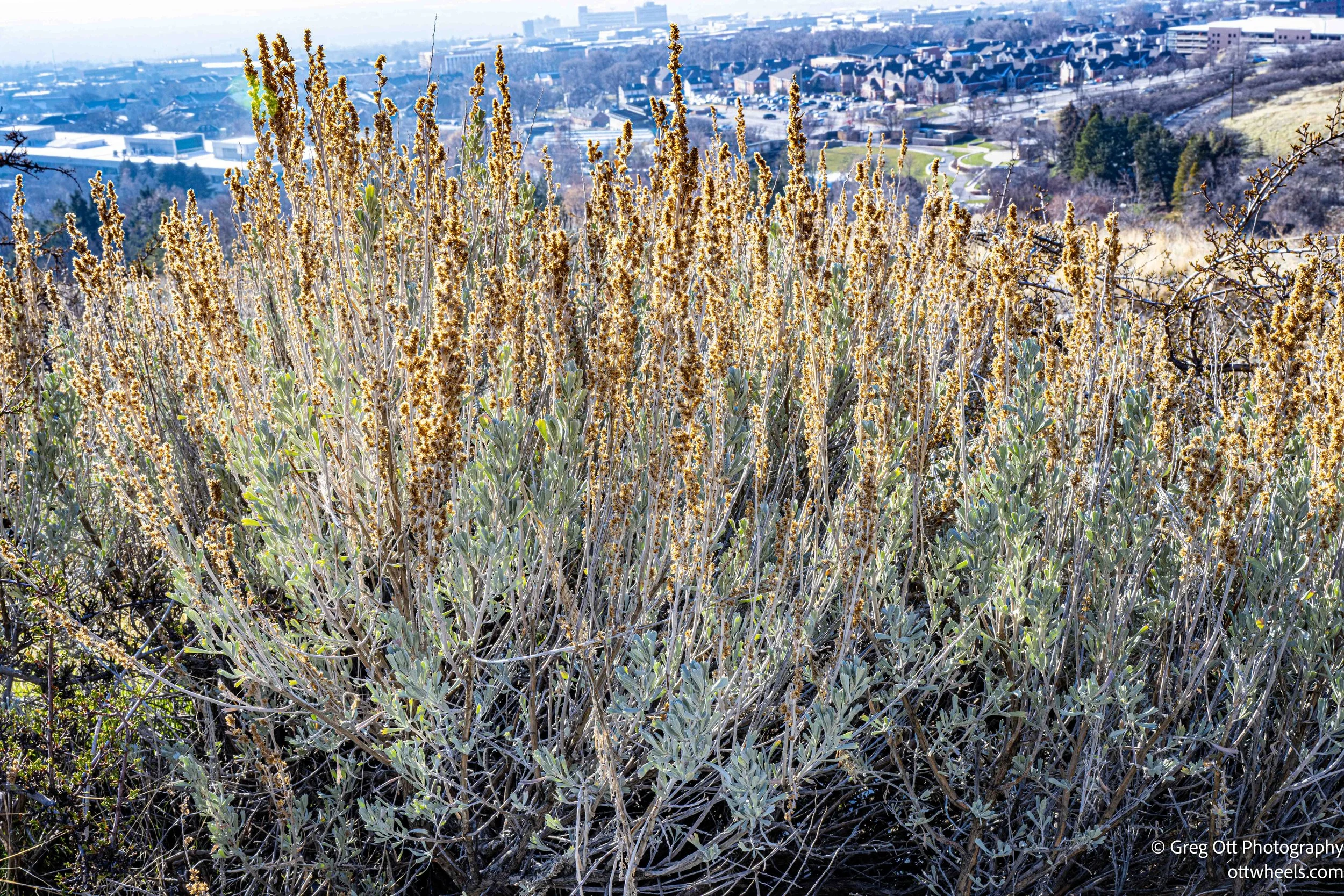
I’d walk a short stretch, stop, look, take a photo, then move on and do it again. The contrast between the leaves and the snow was subtle but interesting, and the moss added just enough color to break up the muted tones. Even the trail became part of what I was paying attention to, not just something I was walking on. Those stops added up, and the hike felt less like getting from one place to another and more like taking the time to notice what was already there.
At the top of the botanical gardens property, there were two benches looking out over Salt Lake City. A white haze from traffic hung over the city for most of the hike. Sitting there, I noticed the contrast of being above the buildings, with the city below and the mountains rising quietly behind it.
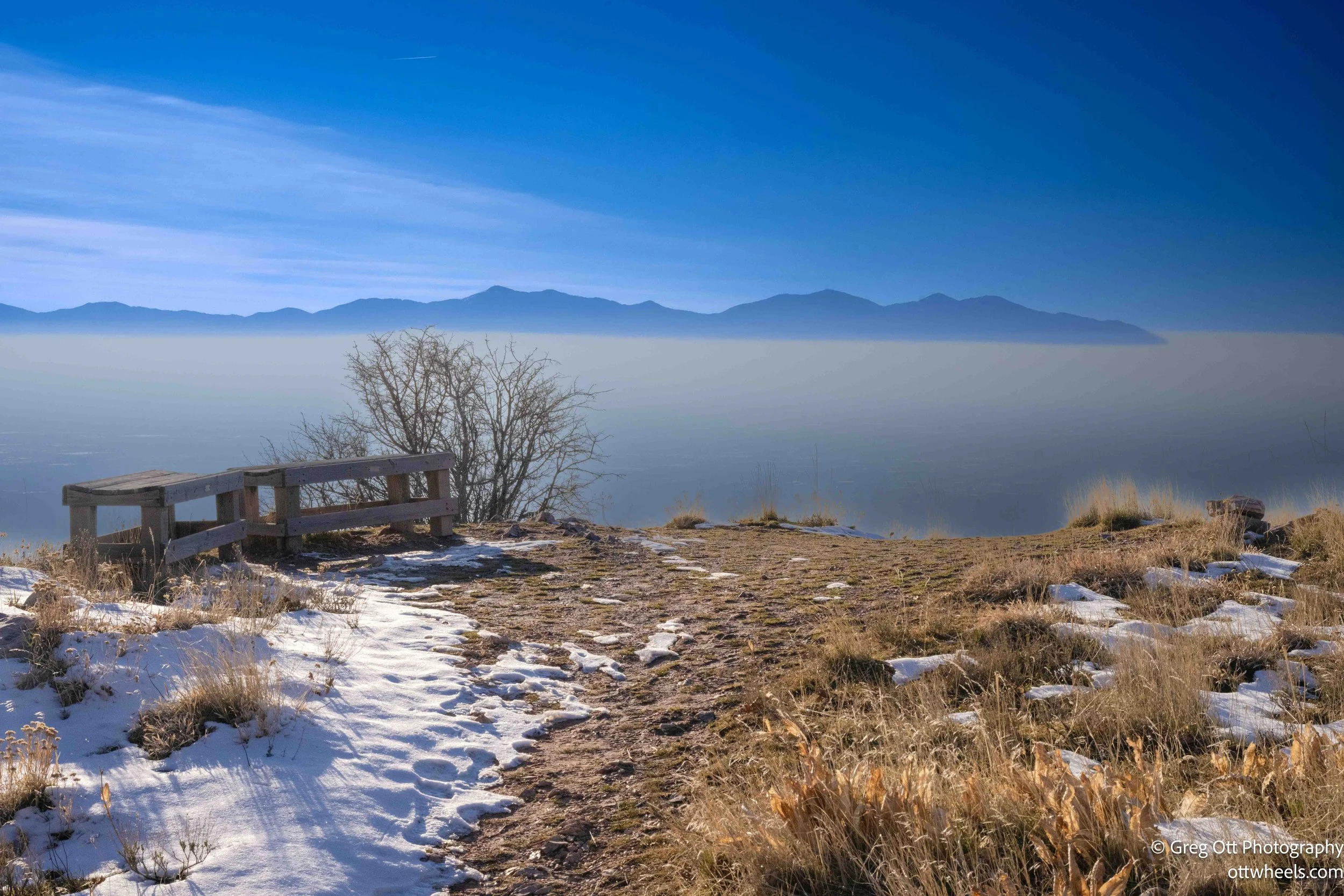
The trail wandered in different directions along the upper edge of the property, offering slightly different views of the mountain behind the gardens. Along the edge was a massive twelve-foot chain-link fence, hard to ignore. I assumed it was there to keep animals out and protect the gardens below — a clear boundary between the managed space and the wilder landscape beyond.
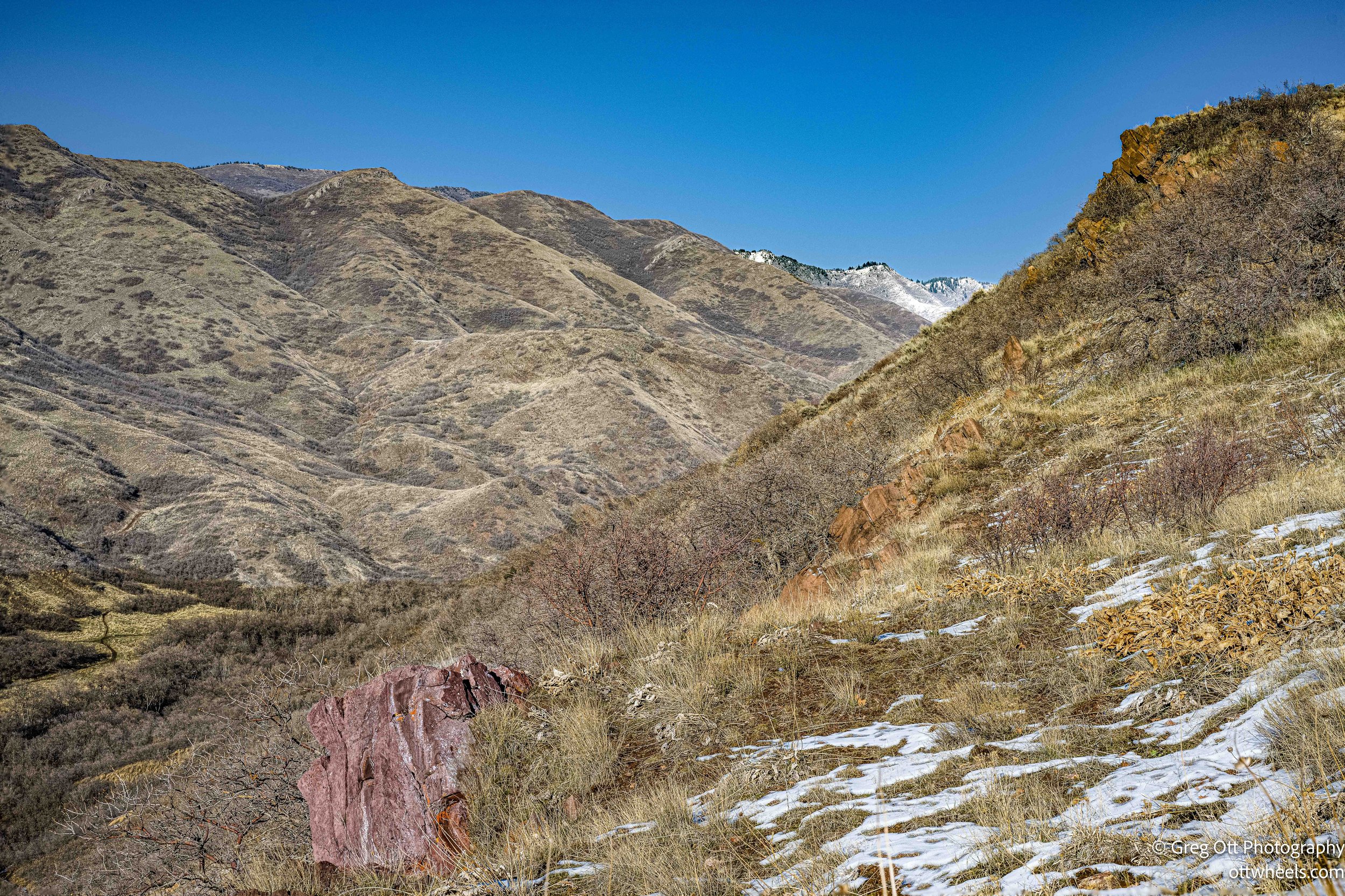
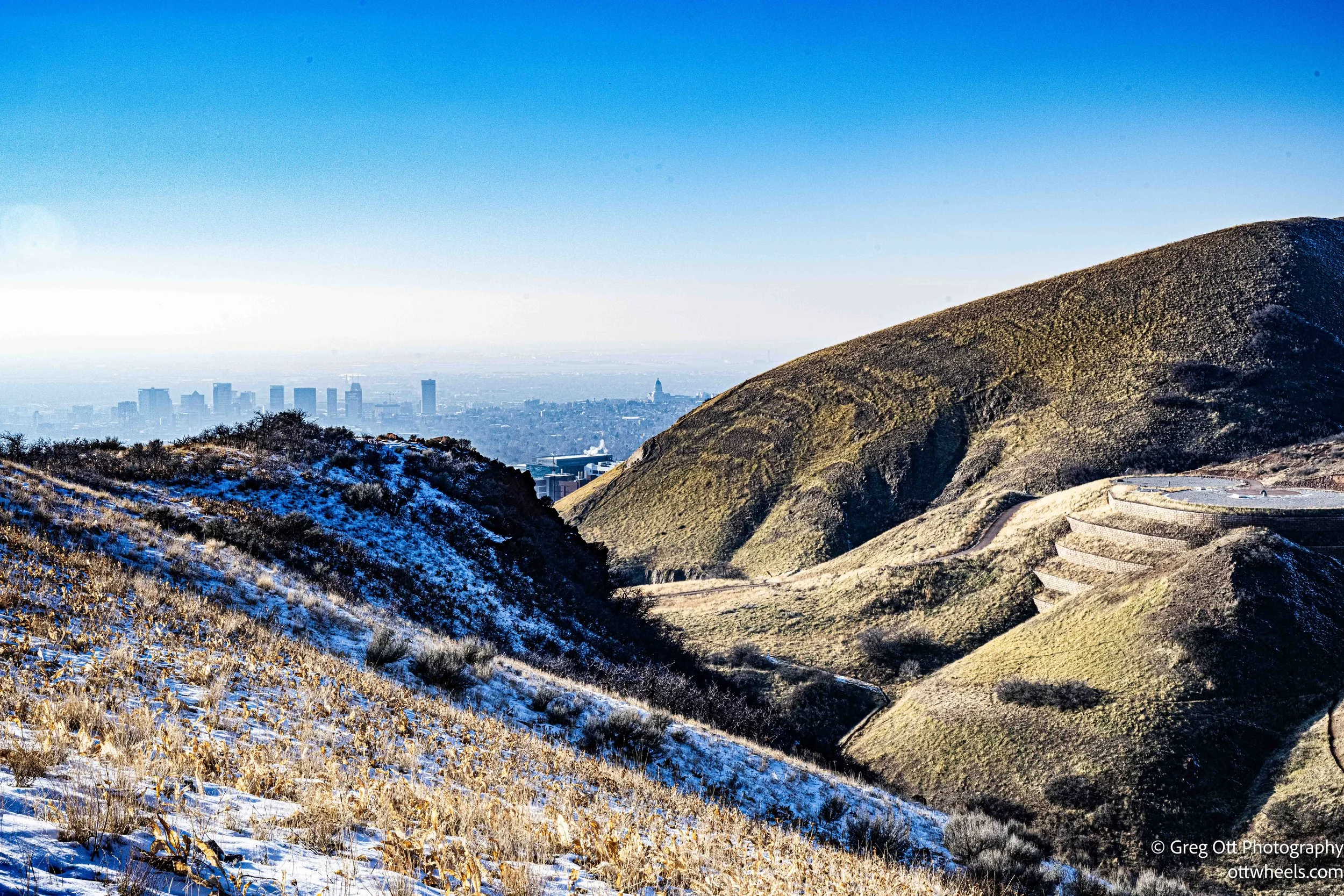
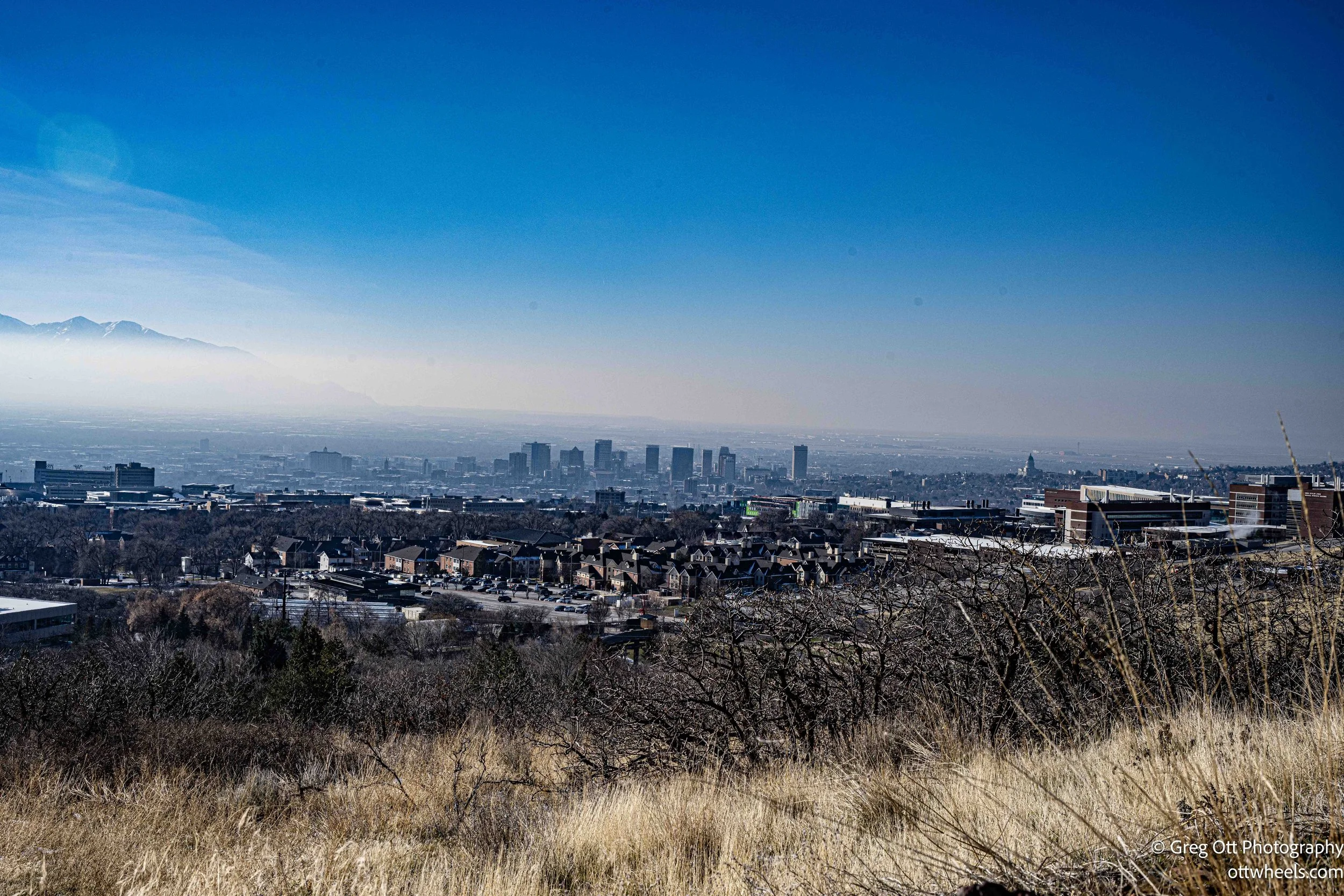
I made it back down and spent about fifteen minutes cleaning mud off my shoes. There were plenty of rocks to scrape against and patches of icy snow that helped work the mud out of the creases. They weren’t completely clean, but clean enough to walk back through the visitor center without tracking mud everywhere.
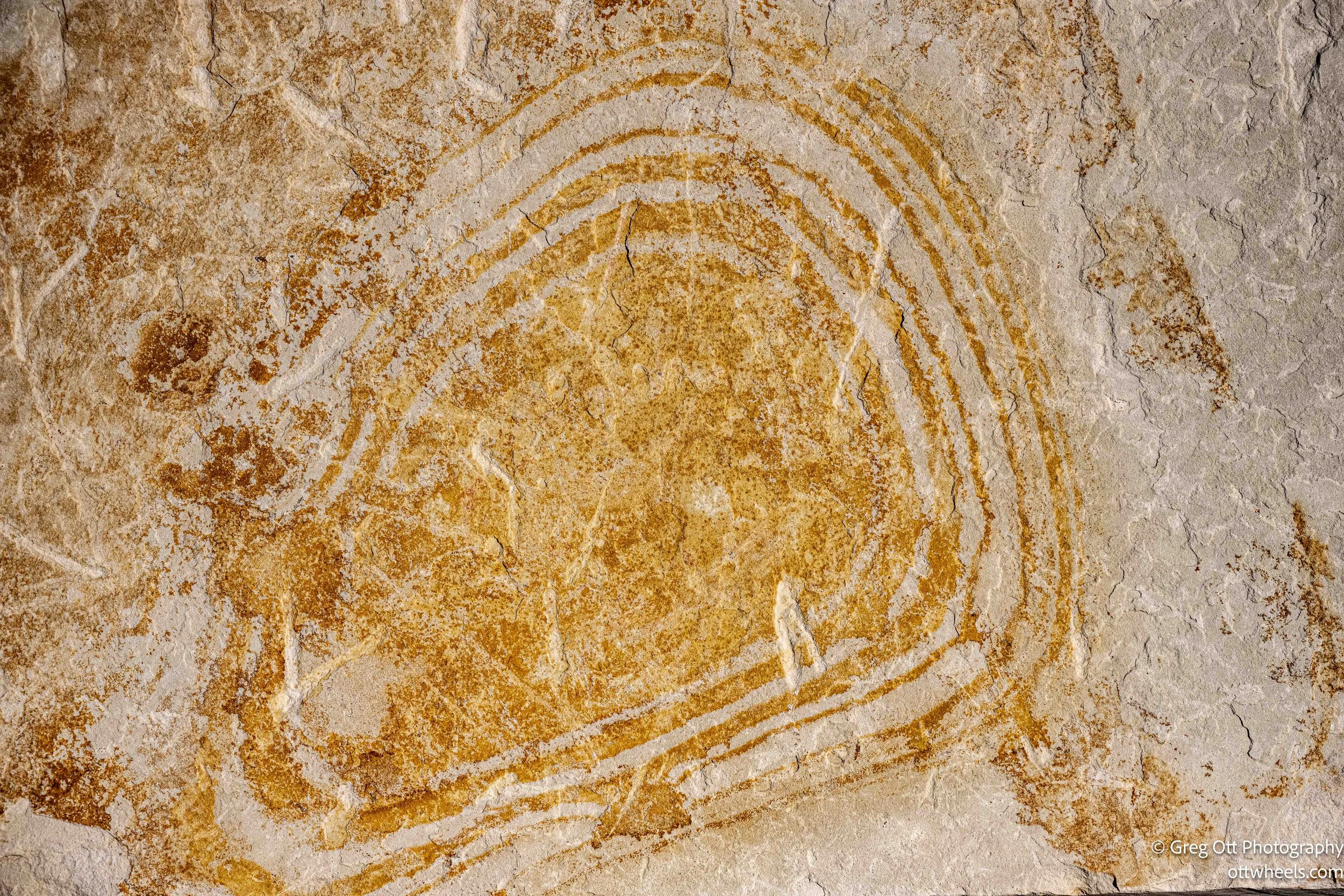
A massive rock wall separated the paved garden paths from the upper trails. The stones were huge, split and set with their rough faces pointing outward from the mountain. The surfaces were full of distinctive markings — lines, textures, and shapes that caught my attention. Some looked almost like fossils, others like petroglyphs. Most people never made it up to the muddy trails, choosing instead to stay on the new pavement, which made the wall feel like a quiet boundary between two different experiences.
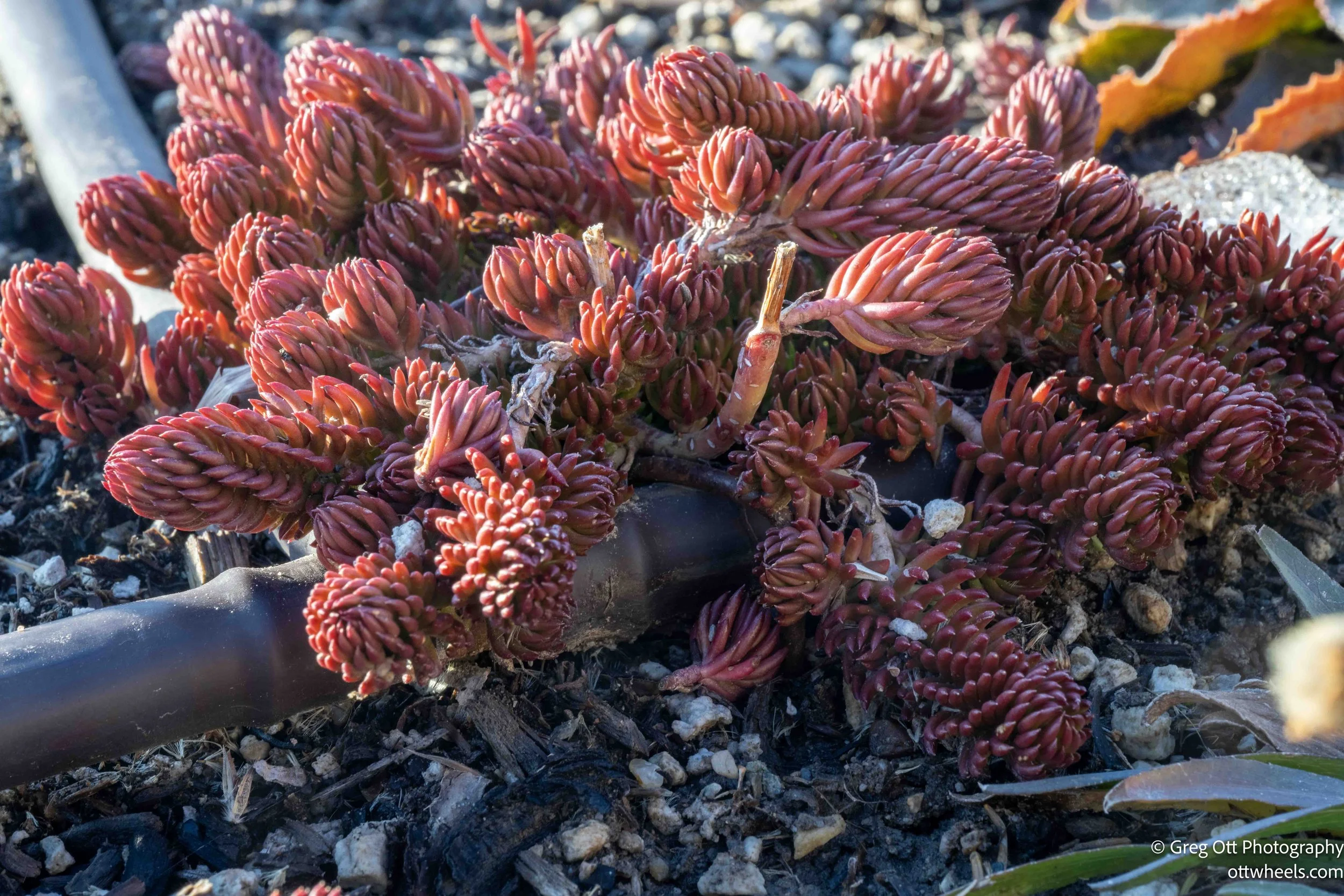
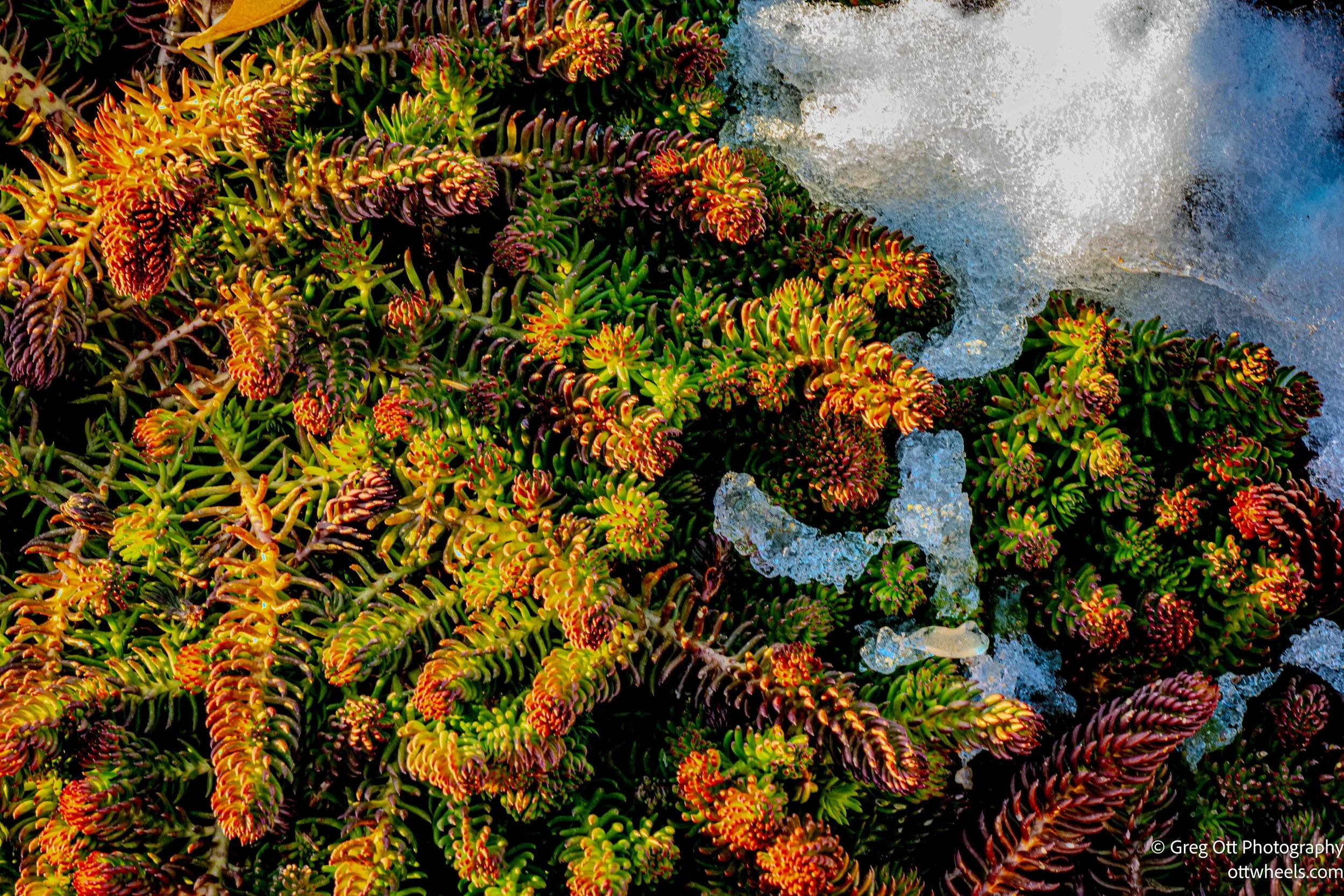
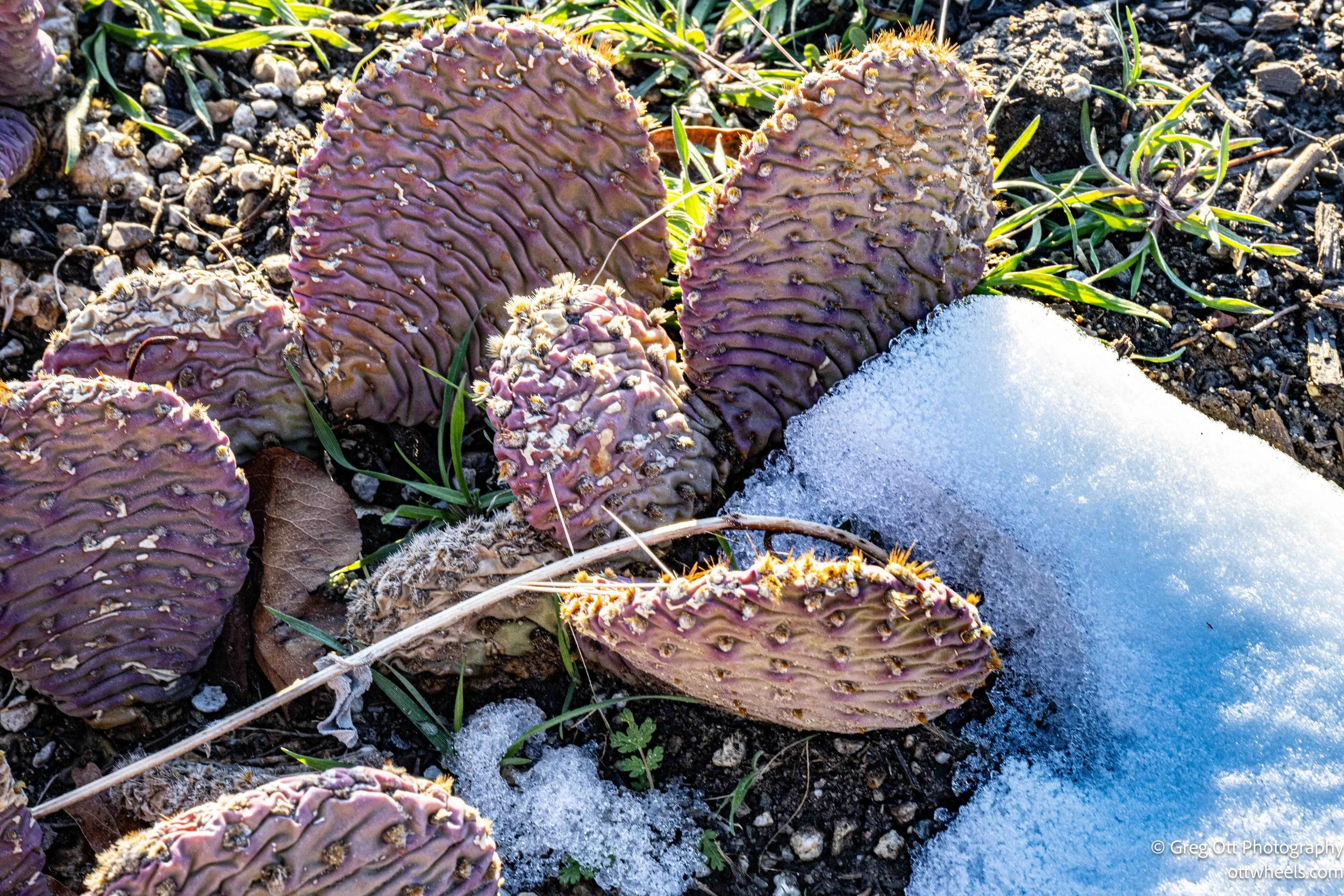
I ended the walk by taking a few photos in the dormant gardens, where bits of color still held on despite the winter conditions. Some plants stayed green or red — pine forest sedum, thyme, cactus, and others — standing out quietly against the muted landscape.
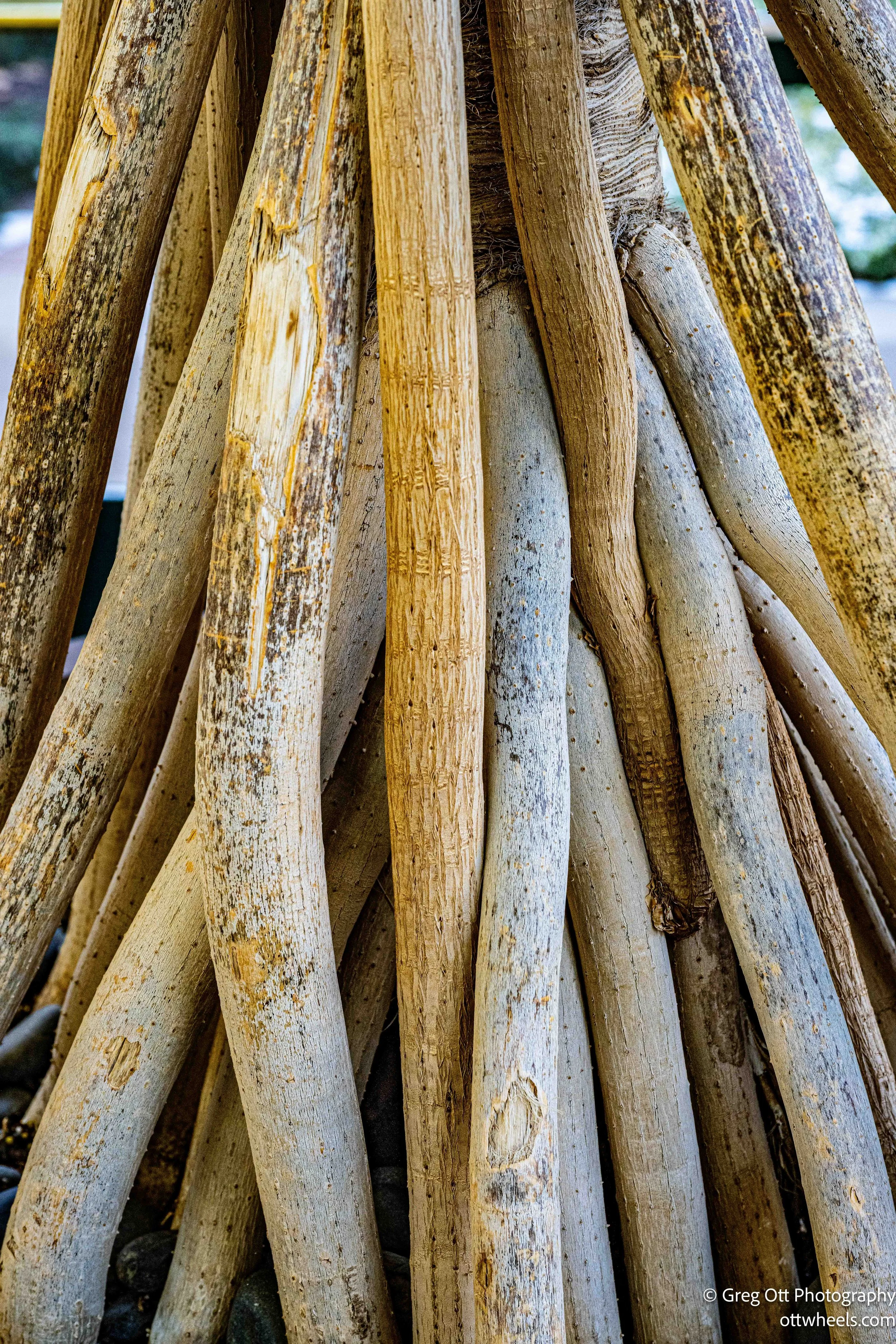
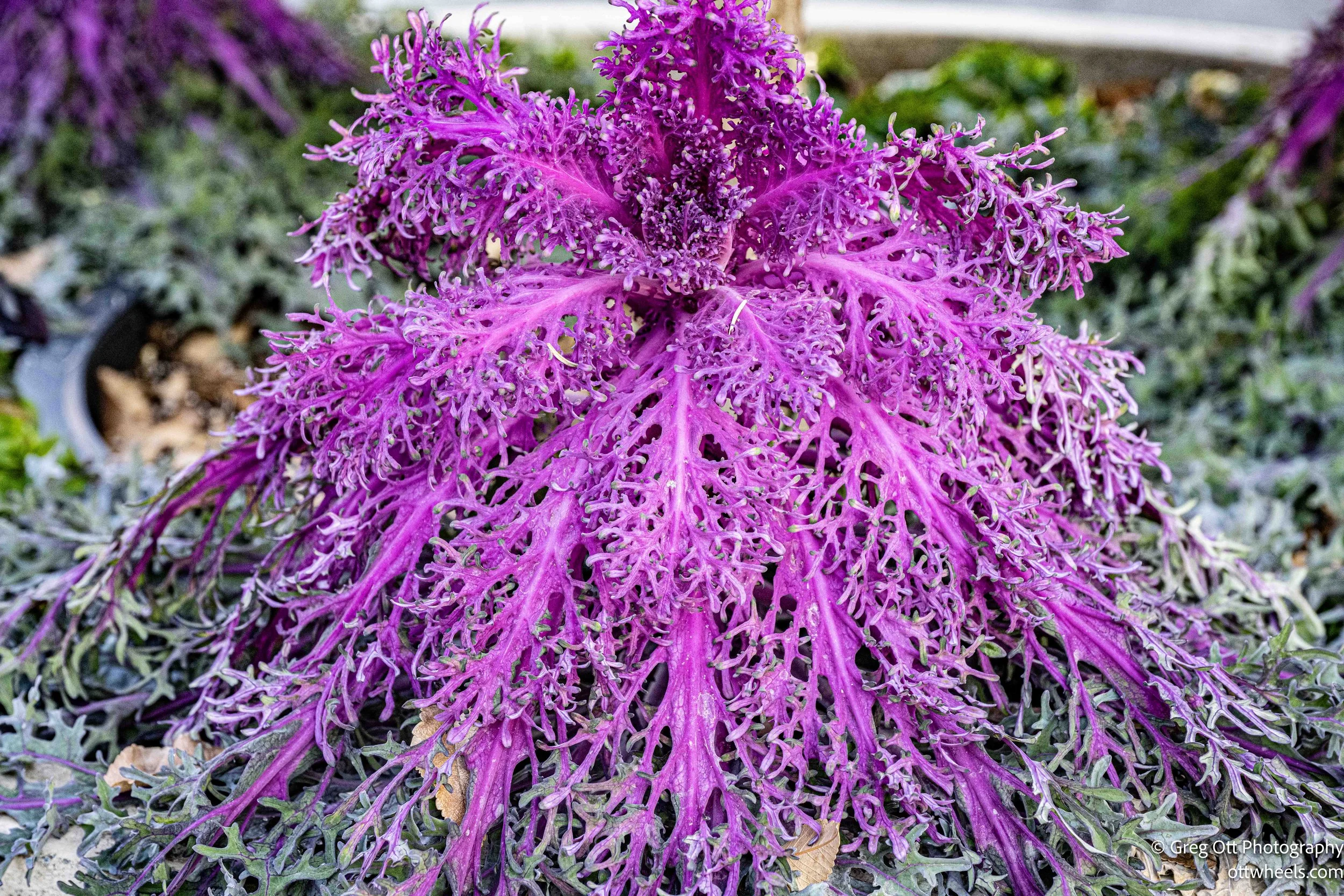
There were a few palm trees with roots that reminded me of mangroves, like long fingers reaching down toward the water. Nearby, the Peacock Purple ornamental kale was vibrant and immediately caught my attention.
I was feeling sluggish, so I stopped at Starbucks for another coffee, then made my way back up the mountain to my spot on Colorow Street. I wanted to be asleep by ten so I could get up early for my ski day at Solitude. I watched the UConn women’s basketball game summary against Creighton in Omaha and remembered passing the arena when I was in Nebraska. I was asleep before ten.